Category: News

Latest breaking news and updates

  • Montgomery County DA drops assault charge against Mike Missanelli in domestic dispute

    Montgomery County DA drops assault charge against Mike Missanelli in domestic dispute

    Montgomery County prosecutors have withdrawn criminal charges against longtime Philly sports personality Mike Missanelli, ending their investigation into an alleged domestic dispute between him and his fiancee.

    Missanelli, a former Inquirer sportswriter best known for his 15-year stint as a host at 97.5 The Fanatic, was arrested in April and charged with simple assault and harassment after his fiancee accused him of slapping her across the face during an argument inside their home in Lower Merion.

    During a preliminary hearing late last month, prosecutors declined to move forward with the case.

    In a statement Wednesday, Kate Delano, a spokesperson for District Attorney Kevin Steele, said that “after reviewing additional information, the office made the determination that it would withdraw the charges.”

    “In every case, we are always continuing to investigate after charges are filed,” she said.

    Missanelli’s attorney, Brian McMonagle, declined to comment Wednesday. Missanelli did not respond to a request for comment.

    In the affidavit of probable cause filed by Lower Merion police, officers wrote that Missanelli, 70, was in a heated argument with his fiancee over their engagement. His fiancee’s name was redacted from court records.

    Police responded to a 911 hangup shortly after midnight, and Missanelli told officers the argument led to a “scuffle.”

    The fiancee struck him in the chest and Missanelli’s “open hand slapped her on the left side of her face/head,” the affidavit said. One officer said he saw fresh blood on the woman’s forehead from a laceration allegedly caused by the slap.

    Missanelli was fired from WIP in 2006 after he punched a producer. He was then fired by 6abc in 2017 for misogynistic comments he made about Beth Mowins, an ESPN broadcaster.

    In recent years, Missanelli has been in the news for various job changes. After 15 years with 97.5 The Fanatic, he was pushed out by management in 2022, then brought back in 2024, only to be ousted once more last August.

    Currently, he is embroiled with a legal battle with JAKIB Media and its owner, Joe Krause, for their alleged failure to pay him $85,000.

    Staff writer Rob Tornoe contributed to this article.

  • The Vances added a chicken coop to the vice president’s residence. We had questions.

    The Vances added a chicken coop to the vice president’s residence. We had questions.

    Vice President JD Vance and his family are raising chickens at their residence at the U.S. Naval Observatory. The family has a dozen hens pecking inside a custom-made coop on a 72-acre federal observatory — but many other details about their experiment in raising chickens are unknown.

    The coop was designed to mirror the Queen Anne-style architecture of the vice president’s residence at Number One Observatory Circle. As such, the henhouse is not cheap: It cost between $100,000 and $120,000, according to the owner of the North Carolina company that built the structure. But U.S. taxpayers didn’t foot the bill. The coop was donated by the company.

    So who exactly will be raising the hens? And why are the Vances taking on this project? For eggs? For educational purposes? For feathered pets? A spokesperson for Vance did not respond to multiple emails seeking comment.

    The Washington Post turned to former and current backyard chicken keepers to gather insights on what may be going on at Number One Observatory Circle. We also talked to the guy who built the pricey coop. We even checked with a city official to discuss whether the Vances are following the proper protocols to raise hens in Washington.

    Who built the Vances’ coop?

    The henhouse and run were custom-built by Carolina Coops, which specializes in high-end structures for those looking to pamper their backyard birds. Owner Matt DuBoise said Fox & Friends Weekend co-host Rachel Campos-Duffy, wife of Transportation Secretary Sean P. Duffy, recommended him to the Vances. DuBoise had built a coop for the Duffys.

    The Vances’ henhouse is elevated — about 2 feet off the ground — and situated inside a shed that is protected from the elements, DuBoise said. The design is such that the owner does not have to walk through “chicken droppings and chicken bedding” to tend to the birds. The keeper can access the hens via interior shed doors. The attached run is predator-proof, DuBoise said, and includes a solid roof, which helps prevent avian flu from spreading to the flock, as it can be “transmitted with migratory birds flying overhead,” he said.

    Why are the Vances raising chickens?

    In the run-up to the 2024 presidential election, Vance raised alarms about the high cost of eggs, which was apparently affecting his family’s budget. He and his wife, Usha, have three children. At a supermarket stop in Reading, Pa., Vance turned to his kids and said, “These guys actually eat about 14 eggs every single morning. Is that right?”

    “Yeah!” one child responds, off-camera.

    The family’s daily consumption is probably a joke, but it highlighted a possible reason the Vances wanted a coop: In their prime, the second family’s 12 hens may each lay up to six eggs a week, nearly enough to cover the Vances’ daily needs. Like many hen keepers, the Vances will have to figure out what to do with their eggs: Eat some, give away some, maybe even donate some to a food bank that will accept them.

    The addition has led to speculation that there may be political motivations behind the flock’s appearance. It’s a theory that resonates with Danny Bowers, who keeps 19 chickens on a suburban property in Utah County, Utah. Bowers, who uses they/them pronouns, points out that some conservatives have embraced the values espoused by “trad wife” influencers, many of whom raise chickens.

    Who will do the actual work of raising the hens?

    It’s not clear, but Usha Vance, who is due to deliver the family’s fourth child later this month, may be off the hook for a little while — numerous state health departments say pregnant women should avoid handling chickens, especially chicks, because of the risk of salmonella infection.

    DuBoise said he expects the family to take a hands-on approach with the chickens. When he was at the Naval Observatory, installing the coop, the Vance children were “very, very active, asking great questions,” DuBoise said. “That’s always a great sign when the kids are very curious and wanting to get involved.”

    Is it legal to raise chickens in D.C.?

    Yes, but chicken keepers must meet some requirements before the city will issue them a permit. Every coop in Washington must be located at least 50 feet from a building “used for human habitation,” according to regulations. A henhouse and run must also be at least 250 feet from any property line or, failing that, the owners must get written permission from all neighbors located within 100 feet of their property line.

    There’s also a rule that you can’t keep roosters, said Tony Tomelden, the D.C. hospitality veteran who owns the Pug on H Street NE. Tomelden and his family raised chickens in their Brookland backyard for years, starting in the 2010s. Tomelden said it’s not easy to determine whether your chicks are cockerels (male) or pullets (female), unless you’re trained to know the difference. It’s only later, when a cockerel matures into a rooster, that owners learn — the hard way.

    “What they say is, ‘You’ll know it’s a rooster when it lets you know,’” Tomelden said. “And so one of them did.”

    I tried to confirm the regulations with a few people at D.C. Health. No one returned my calls or responded to my emails. But one city official said D.C. regulations don’t typically apply to federal property. He spoke on the condition of anonymity because he wasn’t authorized to talk to the media.

    But locals don’t follow the rules, either, the official said. “I know we have plenty of people in the city that are raising chickens on properties that don’t meet [the] requirements,” he said.

    Are there benefits to raising hens aside from eggs?

    Backyard keepers often develop an emotional attachment to their chickens. Take Clara Cho. Her parents, Yon and Francie, have raised hens at their suburban New Jersey home, outside New York City, since Clara, now 27, was a senior in high school. Clara had grown up with dogs and cats.

    The chickens “weren’t as affectionate as the cats or the dogs,” Clara remembered. “But they’d come for pets, and they would come out when you called them from the coop and everything. It was definitely sad when they passed away.”

    Bowers, the Utah chicken keeper, thinks of their hens, especially a bearded white Silkie bantam named Karen, almost as emotional support animals. When Bowers is having a particularly bad day — they suffer chronic pain from several autoimmune disorders — they will cuddle up with Karen.

    “You wouldn’t think a chicken could be such a comfort,” Bowers said. “But all I know is she’s 6 years old, and she better live to be, like, 20.”

    Is this the first time a president or vice president has raised livestock in office?

    Plenty of presidents have had livestock at the White House, including horses and cows, but the White House Historical Association found only one instance of a president raising chickens.

    According to White House chief usher Irwin Hood “Ike” Hoover’s 1934 memoir, Forty-Two Years in the White House, an admirer sent two dozen live chickens to the White House during Calvin Coolidge’s presidency in the 1920s. Coolidge apparently kept the chickens near a mint patch that Theodore Roosevelt started for his mint juleps.

    The White House Historical Association has not been able to verify the account from other contemporary sources.

    DuBoise, however, believes Vance will be the first to raise chickens at the vice president’s residence.

    Will the Vances save money on eggs by raising their own hens?

    It depends on how you crunch the numbers.

    The Post’s Unearthed columnist Tamar Haspel raised chickens for 15 years with her husband, Kevin, on their property in Cape Cod, Mass. If you read Haspel’s book To Boldly Grow, you quickly learn she and Kevin know how to stretch a dollar when it comes to raising birds.

    I asked Haspel to calculate how much it would cost the Vances to produce a dozen eggs, based on the best information we could gather. She figured a laying hen would produce about 24 dozen eggs a year, which, based on feed costs alone, would come to $1.46 per dozen. That’s more than 70 cents cheaper than the average price per dozen of large white Grade A eggs, which stood at $2.19 in May.

    But that price doesn’t factor in expenses such as water, supplemental feed, bedding, and the cost of the chicks. Nor does it factor in the price of the fancy coop, which the Vances did not pay for, but most Americans would. Haspel said that if you amortize the coop over the remaining months of the Trump administration, it would add $139 to every dozen eggs. If you amortize the structure over 10 years, it adds $35 to every dozen eggs.

    In other words, it wouldn’t be a bargain.

    “If you get a coop like that,” Haspel wrote via email, “don’t ever expect to make up the money in eggs. But mostly that’s not why people get chickens.”


  • Escape Lounges is opening a new location at the Philadelphia airport

    Escape Lounges is opening a new location at the Philadelphia airport

    A new airport lounge is landing soon in Philadelphia.

    Escape Lounges is set to open a location at the Philadelphia International Airport later this year, according to MarketPlace PHL, which manages the airport’s concessions. The lounges run on a pay-per-visit model, with food and drink included, and do not require customers to have a certain credit card.

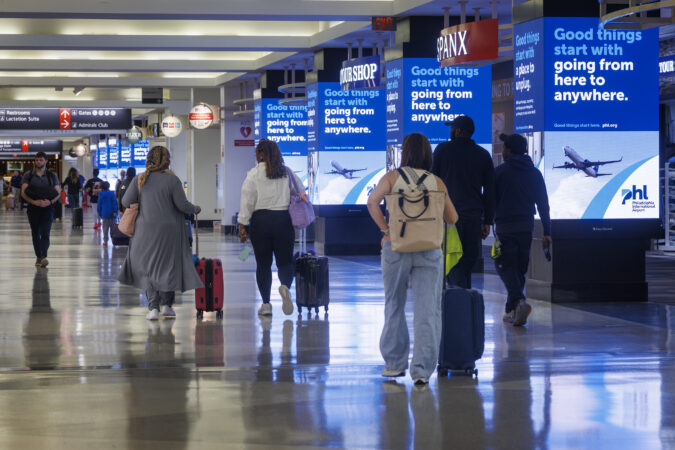
    Escape’s 1,500-square-foot space in Terminal D will serve food and drinks, according to MarketPlace PHL, and include a bar and other seating areas that overlook the runways.

    The U.K.-based Escape Lounges operates 20 U.S. locations, including Syracuse and Providence, R.I. The lounges are open to all travelers within three hours of their departing flights, according to the company’s website.

    Someone looks at the arrivals and departures board at Philadelphia International Airport in April.

    Prices fall between $45 and $65 per person for walk-ups, while customers who pre-book online can get reduced rates starting at $32. Complimentary access is available for American Express cardholders.

    The cost includes food and drink, including wine, beer, and spirits, according to Escape. Customers also get private Wi-Fi, charging ports and outlets, printing and copy services, and PressReader, which provides digital access to more than 7,000 newspapers and magazines.

    The news comes at a time when airport lounges have become more accessible than ever — and often more crowded. A growing number of credit cards offer lounge access, and travelers without the required cards can buy day passes to most spots.

    The bar at the American Airlines Flagship Lounge at Philadelphia International Airport.

    As a result, the airport lounge market is evolving and growing, with analysts expecting it to reach $6.4 billion by next year.

    Last year at Philadelphia International Airport, Chase Sapphire opened a lounge between Terminals D and E, and American Airlines opened neighboring lounges in Terminal A-West.

    American Express and British Airways also operate lounges in Terminal A-West, from which many international flights depart.

    The airport also has a United Club between Terminals C and D, and Delta Sky Club between Terminals D and E, as well as private Minute Suites between Terminals A and B.

    Travelers walk through Philadelphia International Airport in April.

    Last year, more than 30.1 million travelers passed through Philadelphia International Airport, which is getting $500 million in upgrades.

    While the total number of 2025 passengers dropped slightly from the prior year, the airport saw a 7.5% increase in international travelers, executives said.

    It was also the first time since before the pandemic that the airport recorded two consecutive years with more than 30 million annual passengers.

  • George Hutchinson, the Supreme Court’s last official crier, dies at 102

    George Hutchinson, the Supreme Court’s last official crier, dies at 102

    George Hutchinson’s words were far from the most important spoken during Brown v. Board of Education. But they were the first.

    With a cry of “Oyez, oyez, oyez,” Mr. Hutchinson announced the arrival of the justices and gaveled the court to order, as he did for virtually every Supreme Court case from 1952 to 1962.

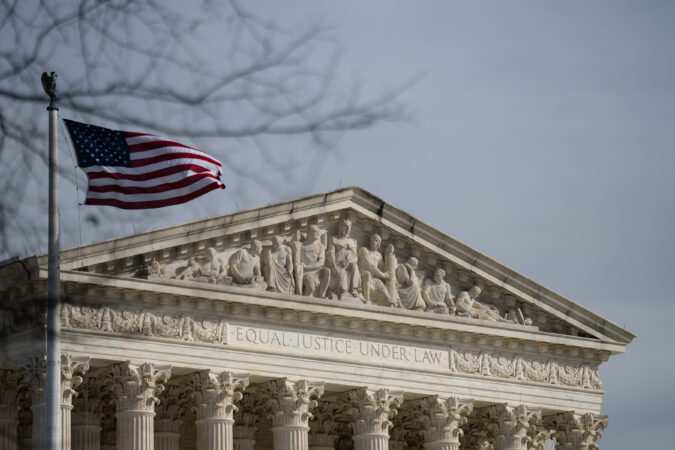
    Mr. Hutchinson, who died June 14 at 102, was the last crier of the U.S. Supreme Court, tasked with carrying out ceremonial duties that were later turned over to the court marshal.

    His tenure as crier coincided with one of the most momentous periods in the court’s history, a time when the justices extended constitutional protections to Mexican Americans, refused to review the espionage convictions of Julius and Ethel Rosenberg, and, in Brown v. Board, held that segregated schools were “inherently unequal” and unconstitutional.

    As court crier, Mr. Hutchinson opened many of those consequential moments and, as if in a high school cafeteria, shepherded discreet notes to the justices, including messages sent from one end of the bench to the other.

    Decades later, he provided a window into the day-to-day activities of one of the government’s most secretive bodies, said Clare Cushman, a historian for the Supreme Court Historical Society. Mr. Hutchinson could speak about the court’s Christmas parties or the carpenter shop in its basement, or recall the way soldiers were deployed to the court building following the Japanese attack on Pearl Harbor.

    “The big pieces are always recorded,” Cushman said, “but the little pieces, no.”

    Mr. Hutchinson was 15 when he joined the court in 1938 as a page, one of the knicker-clad young people who would assist the justices. There were two requirements: You had to be short, according to Mr. Hutchinson, who grew to 5-foot-8, and you had to have a financial need.

    Mr. Hutchinson’s father had died when he was an infant, and his meager page’s salary helped support his mother and sister. He spent his afternoons in the Supreme Court, running books and water to the justices, before being drafted into the Army at age 19, dispatched to Europe in the final months of World War II.

    When he came home, he rejoined the court, working out of the marshal’s office and eventually taking the job of crier, which dates to the Supreme Court’s first meeting in 1790. He was given a handwritten script — the words of the opening proclamation, which concludes, “God save the United States and this honorable court” — as well as a distinctive gavel.

    “There was no handle. All it was was the clonk,” he recalled in a 2019 interview. “I said, ‘Where’s the handle?’ They said, ‘This is tradition. You’ve got to use this.’ So for 10 years I was banging like this.”

    As crier, Mr. Hutchinson oversaw the pages, a group that grew to include Charles V. Bush, the first Black Supreme Court page, who was hired in the aftermath of Brown v. Board at the urging of Chief Justice Earl Warren.

    Mr. Hutchinson worked alongside the pages while assuming a sneakier job within the court each October. Many of the justices were baseball fans and wanted updates on the World Series, said Vance Morrison, a former page who as a teenager worked under Mr. Hutchinson. They would pass a paper to Mr. Hutchinson or a page, who would run to the offices, listen to the radio and quietly report the score.

    “We just worked with discretion,” Morrison said.

    In October 1960, as the Supreme Court considered the conviction of a man who had failed to comply with the House’s anti-communist investigations, Mr. Hutchinson helped Justice Potter Stewart follow along to Game 7 of the World Series, providing score updates every inning and, as the game neared its end, every half-inning. He delivered his final update to Stewart after Bill Mazeroski hit a walk-off home run, giving the Pirates the win over the Yankees.

    “His eyes lit up and he sent the note down to the court,” Mr. Hutchinson recalled.

    Mr. Hutchinson also shared a bond with Justice Felix Frankfurter, according to his daughter, Sara Hutchinson. One day, he was unexpectedly called into the justice’s office to serve as a witness as Frankfurter finalized his will.

    “He said, ‘Have you ever faced death?’ I said, ‘What?’ I had to think about it,” Mr. Hutchinson recounted. “‘I was in the service in World War II.’ He laughed, he said, ‘Here,’ and he threw me his will.”

    George Edward Hutchinson, a fourth-generation Washingtonian — according to his family, two of his relatives were at Ford’s Theatre the night of Lincoln’s assassination — was born Aug. 31, 1923. His father was a lawyer, and his mother was a schoolteacher.

    While working at the Supreme Court, Mr. Hutchinson went to school part time, earning a law degree at George Washington University, and ultimately becoming a member of the Supreme Court Bar.

    After leaving the court in 1962, he became the marshal and then the clerk of the U.S. Court of Customs and Patent Appeals, where he was charged with saying “Hear ye” instead of “Oyez.” Two decades later, when the court merged with the Court of Claims to become the Court of Appeals for the Federal Circuit, he was named its first clerk.

    Mr. Hutchinson retired from federal service in 1985 to join the law firm Finnegan, Henderson, Farabow, Garrett & Dunner, where he remained on staff until 2023, the year he turned 100.

    Few people could recount the customs and procedures of the American court system like Mr. Hutchinson, said James Barney, managing partner at the firm.

    “I always viewed George as a living history,” Barney said.

    His death, at home in Arlington, Va., was confirmed by his daughter, his only immediate survivor. Mr. Hutchinson was predeceased by his wife of 63 years, Dorothy U. Hutchinson, and by another daughter, Carol Hutchinson.

    In 2018, 80 years after he joined the Supreme Court as a page, Mr. Hutchinson returned to the courtroom as a visitor. “He remains a member in good standing of our bar,” Chief Justice John G. Roberts Jr. said from the bench. “Mr. Hutchinson, welcome back!”

  • SEPTA cuts 3 Glenside Regional Rail trains along with other schedule changes

    SEPTA cuts 3 Glenside Regional Rail trains along with other schedule changes

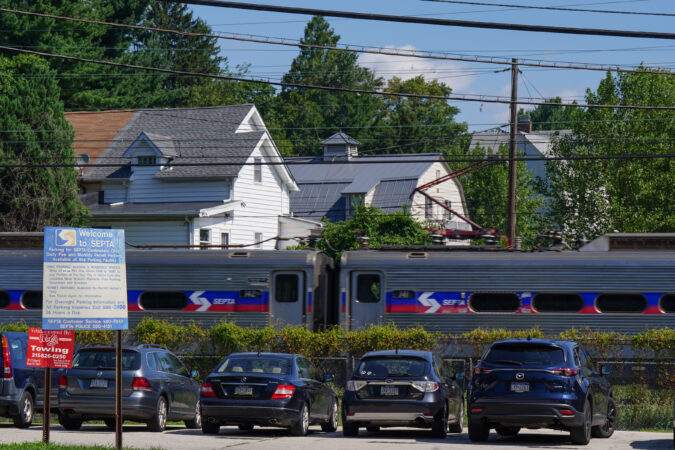
    SEPTA is trading Glenside Regional Rail riders three daytime trains for new off-peak options, more train cars, and new schedules aimed at reducing congestion between Glenside and Wayne Junction.

    The Warminster Line, which runs through southeastern Montgomery County, is the only Regional Rail line losing multiple trains under systemwide changes that began on July 5 to make trains more consistent and prevent delays.

    The new schedule cuts two weekday trains that left Glenside at 8:40 a.m. and 2:47 p.m. for Center City, and one weekday train that left Suburban Station at 4:53 p.m. toward Warminster.

    The morning train cut leaves a 27-minute gap in service to Center City from Glenside, while the afternoon cuts each add five minutes or less to the wait for the next train.

    SEPTA also added a train to the Warminster Line that leaves Suburban Station at 11:35 p.m. on weekdays, and a train on the West Trenton Line that leaves Suburban Station at 5:28 a.m.

    The late-night train will serve airport workers, and the dawn departure is convenient for people who commute into the suburbs, SEPTA spokesperson Kelly Greene said.

    The changes SEPTA made across the commuter rail system this week are aimed at improving consistency and reliability, the agency said.

    “As SEPTA continues to increase the number of train cars available for service, trains will be longer and provide more space for riders,” officials wrote in a statement.

    Between Wayne Junction and Glenside, SEPTA said, it hopes the new schedule will help “prevent trains from bunching together, which can cause delays.”

    The 8:40 a.m. train from Glenside was cut to reduce congestion, Greene said, and had the lowest ridership of the trains running around that time.

    Other changes affecting the Abington area include new departure times for some trains on the Lansdale/Doylestown, Warminster, and West Trenton Lines.

    SEPTA put out a full list last month of what is changing on each line, along with updated train schedules.

    This suburban content is produced with support from the Leslie Miller and Richard Worley Foundation and The Lenfest Institute for Journalism. Editorial content is created independently of the project donors. Gifts to support The Inquirer’s high-impact journalism can be made at inquirer.com/donate. A list of Lenfest Institute donors can be found at lenfestinstitute.org/supporters.

  • Justice Department threatens top election officials over noncitizen voting

    Justice Department threatens top election officials over noncitizen voting

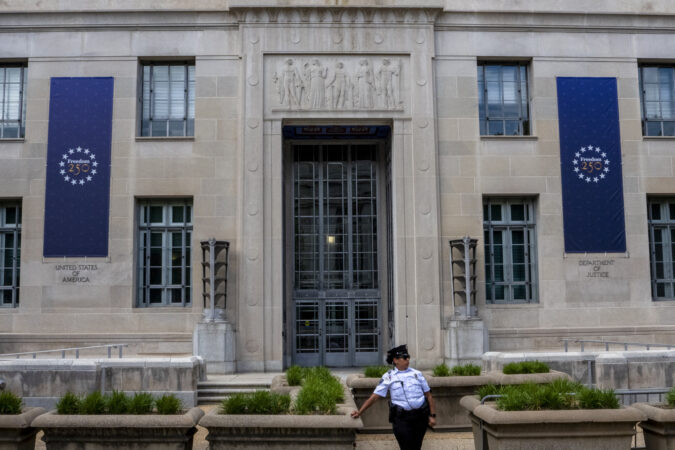
    The Justice Department sent letters to all 50 states and the District of Columbia on Tuesday threatening criminal prosecution of top election officials if ballots cast by noncitizens were counted in upcoming elections.

    The letters arrived in the midst of an ongoing campaign by President Donald Trump and his allies to tighten election rules to prevent a problem that doesn’t exist: widespread noncitizen voting in American elections.

    The effort has, however, continued to sow doubt and distrust in the electoral process, most notably among the president’s base of supporters. And his proposals could have the effect of making it more difficult for eligible voters to cast their ballots — an outcome that many voting-right activists say is the president’s real goal.

    The letters sent Tuesday came from Harmeet Dhillon, who runs the Justice Department’s civil rights division. They are largely identical, according to multiple copies obtained by The New York Times. The seven-page letters detail a host of federal election laws that prohibit noncitizens from voting in elections — laws that have been clear for decades.

    “Any election officer, including the chief election officer of the state, who knowingly retains noncitizens on the state’s” voter list “or facilitates noncitizens in receiving and casting ballots could be subject to criminal liability,” Dhillon wrote.

    The letters asked the election officials to respond to the Justice Department “within five days” with details on how their states intended to comply “with these federal laws both at the state and local level and how the Department can assist in those efforts.” It is unclear what would happen if a state does not respond in five days, as the letters are not subpoenas requiring a response.

    Lt. Gov. Deidre Henderson, the top election official in Utah and a Republican, expressed frustration with the Justice Department’s tenor and tactics.

    “Got another love letter this morning from the DOJ sprinkled throughout with threats of criminal prosecution,” Henderson wrote on social media. “I’m sure I’m not the only chief election officer of a state who is being targeted for following state and federal laws by resisting DOJ’s demands for private voter data that have thus far been ruled illegal by at least a dozen courts. This is truly bizarre behavior by the federal agency that is supposed to be protecting civil rights.”

    Adrian Fontes, the Democratic secretary of state in Arizona, criticized the efforts by the Justice Department as politically motivated.

    “It is insulting to insinuate that the good people at our county recorders’ offices across the state are not doing their jobs correctly,” Fontes said. “Arizona election officials have always worked to ensure that only eligible citizens are registered to vote, and we will continue following Arizona law — not directions that come from political rhetoric or intimidation.”

    Justice Department officials have said their purpose in seeking voter roll data is to ensure compliance with federal law requiring states to maintain accurate voting rolls. Some voting-rights advocates have speculated that the department’s specific aim is to look for evidence of noncitizen voting or use voter roll data to challenge future election results.

    Kiersten Pels, a spokesperson for the Justice Department, confirmed that letters were sent to officials in all 50 states and the District of Columbia, seeking “voluntary compliance in a timely manner with their obligations under federal law to ensure only citizens vote in federal elections.”

    David Becker, a former voting rights lawyer for the Justice Department who now runs the Center for Election Innovation and Research, a nonpartisan group that works to build confidence in elections, said that the letters from Dhillon look like a performative display by the Justice Department to show it is working aggressively on one of the president’s priorities despite little success.

    “This is what panic and desperation looks like,” Becker said. “They’ve had 18 months to find evidence of a crime that was never committed, and found nothing. And now they fall back on crude and transparent bullying tactics. They sent these letter to several, perhaps all states, with no specific evidence of a crime.”

    He added that “the election officials I’ve spoken with aren’t intimidated, and are seeing these empty threats for what they are.”

    The Justice Department also sent letters to three cities in Michigan — Detroit, Lansing and East Lansing — stating that federal election monitors from the department would be going to the areas for the upcoming primary election. The department’s stated reasons were observations from the 2024 election, citing a lack of provisional ballots in at least one polling location and voting machines that were not operational in multiple polling locations.

    Michigan election officials roundly rejected both the claims from the Justice Department and the reasons for sending monitors. Janice M. Winfrey, the city clerk in Detroit, wrote in response Tuesday that the Justice Department had made “false assertions that form a baseless conclusion that then becomes the pretext for additional monitoring of Detroit elections.”

    Winfrey added that “according to our records, there were no representatives from the Department of Justice, and if so, they did not comply with regulations requiring them to identify themselves and sign in with supervisory staff at the polling place.”

    For years, Trump has claimed without evidence that noncitizens voting in American elections have benefited Democrats. After the 2016 election, which he won, he claimed that as many as 3 million ballots in California had been cast by noncitizens.

    Since returning to office, Trump has led a relentless effort to prove his claims using the levers of the federal government.

    None of those investigations has provided any evidence of widespread noncitizen voting. An initial review in January of nearly 50 million voter registration records by the Department of Homeland Security referred roughly 0.02% of the names processed for further investigation.

    This article originally appeared in The New York Times.

  • The real reason the colonists declared independence

    The real reason the colonists declared independence

    This month marks the 250th anniversary of the Declaration of Independence, an anniversary well worth celebrating. It is not, however, the anniversary of the start of the American Revolution. That began on April 19, 1775, with the battles of Lexington and Concord Bridge. It took over a year of fighting to convince colonists to accept that the time for compromise, for reconciliation, for any kind of reversion to the previous state of existence — for half-measures — was gone and the only path forward was independence.

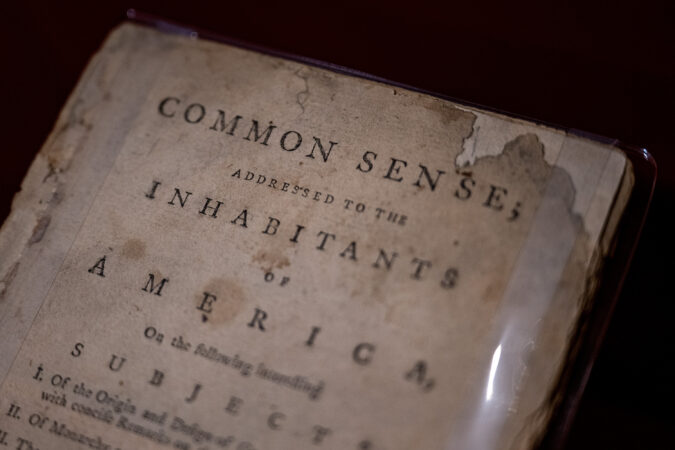
    That’s where Thomas Paine and Common Sense played a role. Since his arrival in Philadelphia in 1774, Paine had watched American politicians try to reason with England, hoping to reshape the relationship with George III and with Parliament, rather than to sever it. It did not work. “Why is it that we hesitate?,” Paine asked his readers. “From Britain we can expect nothing but ruin.”

    Paine wrote Common Sense at the end of 1775 — between when the Revolution began and when the colonists declared independence — and he wrote specifically to convince the colonists to break their ties with England. “Nothing can settle our affairs so expeditiously,” he told his readers, “as an open and determined declaration for independence.”

    In the winter of 1775-1776, a growing number of colonists were ready to meet the British Army on the battlefield. The colonists and the British government had been at odds with each other for a decade, fighting over taxes and over jurisdiction. The government in London, though, seemed only to be pushing things further to the brink, especially when they began stationing soldiers in Boston.

    Still, and much to Paine’s chagrin, through the rest of 1775 most colonists thought that declaring independence was a step too far. Three months after the fighting began, when the Continental Congress set out to explain the “causes and necessity of taking up arms,” they tried to assure “our friends and fellow-subjects” in the British Empire that “we mean not to dissolve that union which has so long and so happily subsisted between us, and which we sincerely wish to see restored … We have not raised armies with ambitious designs of separating from Great-Britain, and establishing independent states.”

    Five months later, when Paine wrote Common Sense, he still worried that “the sentiments contained in the following pages, are not yet sufficiently fashionable to procure them general favor.” And so, Paine made a case not just outlining England’s crimes, but also explaining why they had rendered any sort of half-measure or compromise impossible.

    We tend to associate the lead-up to the American Revolution with the colonists’ complaints about British taxes and duties, which certainly led to disputes about jurisdiction and the relative authority of the crown and the colonial governments. We also remember the catch-phrase of the era, “no taxation without representation.

    Those debates and those issues, though, were not part of Common Sense. Paine focused on what, for him, was Britain’s unforgivable crime: setting the British Army against the colony’s own citizens. “The independancy of America,” Paine wrote, “should have been considered, as dating its æra from, and published by, the first musket that was fired against her.”

    This was a point that Paine returned to again and again.

    “No man was a warmer wisher for reconciliation than myself before the fatal nineteenth of April 1775.” But once he learned that British troops had attacked the people of Lexington and Concord, he knew that “a new era for politics is struck; a new method of thinking hath arisen. All plans, proposals, & c. prior to the nineteenth of April … are like the almanacks of the last year; which, though proper then, are … useless now.” As for King George II, “I rejected the hardened, sullen tempered Pharaoh of England for ever; and disdain the wretch, that with the pretended title of father of his people can unfeelingly hear of their slaughter, and composedly sleep with their blood upon his soul.”

    Made By History sponsors. FOR USE ON MADE BY HISTORY STORIES ONLY.

    Paine’s message was clear: setting troops against the people demanded resistance. And this message was the key to getting the colonies to unite and declare independence. The disputes about taxes and jurisdiction went back to 1765. The colonists’ leaders had fought British policies on every issue, without ever wanting to stop being a part of the British Empire. But now that the British had sent their own army against the colony’s British citizens, Paine’s calls for independence found an eager audience among American readers.

    When Paine wrote of moderates calling for reconciliation with England, he urged them to think closely about the violence which the British Army had inflicted on the colonists, and if that level of violence had made reconciling impossible. “Tell me,” he wrote, “whether you can hereafter love, honour, and faithfully serve the power that hath carried fire and sword into your land?”

    In January 1776, his answer was no. In July 1776, that became the Continental Congress’s answer, as well — colonists from New Hampshire to Georgia were united enough in their horror at the British army’s violence that they declared their independence not as 13 colonies, but as 13 united states.

    This concern about state-sanctioned violence resonates again today. Paine’s reference to British soldiers as “Highwaymen and Housebreakers” brings up images of agents from U.S. Immigration and Customs Enforcement barging into homes without warrants and dragging out their terrified inhabitants.

    In 2026, there is no foreign power from which we can declare independence, but as state violence persists, so too does the legacy of resistance by colonists who heeded Paine’s call to reject Britain’s “long and violent abuse of power.”

    The “Road to 250” series is an initiative of Historians for 2026, a group of early American academics, public historians, archivists, and educators devoted to shaping an accurate, inclusive, and just public memory of the American Founding for the 250th anniversary.

    Noah Shusterman is associate professor of history at the Chinese University of Hong Kong. He is the author most recently of Armed Citizens: The Road from Ancient Rome to the Second Amendment.

    Made by History takes readers beyond the headlines with articles written and edited by professional historians. Opinions expressed do not necessarily reflect the views of The Inquirer.

  • After the flood | Inquirer South Jersey

    After the flood | Inquirer South Jersey

    Good morning, South Jersey.

    New Jersey Gov. Mikie Sherrill visited Camden on Tuesday to thank first responders the day after thunderstorms caused intense flooding and to promote her fight against data centers.

    And experts are saying poverty is impacting three times as many state residents than what’s recorded in official federal measurements.

    Plus, a man allegedly tried to buy a Pokémon card worth $24,000 with fake cryptocurrency in Marlton, and more news of the day.

    — Taylor Allen (southjersey@inquirer.com)

    If someone forwarded you this email, sign up for free here.

    Gov. Sherrill’s post-storm visit

    Gov. Sherrill visited Camden a day after what local officials call the worst flooding they have ever seen in the city.

    American Red Cross workers have been providing cleaning supplies, snacks, and water as residents navigate the aftermath. No injuries had been reported, but there were more than 1,000 calls to emergency services, and 14 people were rescued from the flooded streets.

    Sherrill urged residents to report damage through the Office of Emergency Management so the state knows how much federal assistance to request.

    She also thanked the first responders and touted her recently signed legislation aimed at data centers, which she said would help prevent strain on the power grid during future storms.

    The Inquirer’s Aliya Schneider has more details about her visit and legislation.

    Experts say state poverty is higher than official federal figures

    According to the federal government, 859,000 New Jersey residents are living in poverty, based on the latest statistics available.

    But a new report from Poverty Research Institute of Legal Services of New Jersey (PRI), a legal aid nonprofit, says the figure is closer to three million.

    People who live at or below the federal poverty line qualify for assistance such as SNAP, Medicaid, and school meals. The issue, according to experts, is that even people with incomes twice the poverty rate still need help when considering the actual costs of housing, childcare, food, and healthcare. It doesn’t help that New Jersey has the third-highest cost of living among states.

    “Life’s a struggle,” said one Camden resident whose family makes just enough to be above the federal level. “I would say this feels below the poverty line.”

    The number of meals that the Food Bank of South Jersey has distributed to Burlington, Camden, Gloucester, and Salem Counties has increased by more than a third over the last four years to compensate for rising food costs.

    According to PRI, the following are the true poverty rates:

    • Burlington County: 27.2%
    • Camden County: 38%
    • Gloucester County: 29%

    Reporter Alfred Lubrano has the story.

    What to know today

    🧠 Trivia time

    What is the Rutgers-Camden mascot?

    A) The Scarlet Raptor

    B) Sir Henry, the Scarlet Knight

    C) The Scarlet Raider

    D) The Prof, Whoo RU

    Think you know? Check your answer.

    What we’re …

    🎤 Remembering: When Taylor Swift was sighted and then swarmed by fans on Long Beach Island. (Congrats to her and Travis Kelce for getting married over Fourth of July weekend.)

    🎧 Listening: To Beyoncé’s first new song in two years, “Morning Dew (Donk).”

    🏠 Viewing: A spacious and simple home overlooking Rancocas Creek in Delanco. (Is your house a Haven? Nominate your home by email — and send some digital photographs — via properties@inquirer.com.)

    🧩 Unscramble the anagram

    Hint: 🌊 Runs through four states

    ARRIVAL WEEDER

    Email us if you know the answer. We’ll select a reader at random to shout out here. Cheers to Joe Galliera, who solved last Wednesday’s anagram: Walt Whitman. This bridge connects South Philadelphia with Gloucester City.

    🏡 On the market

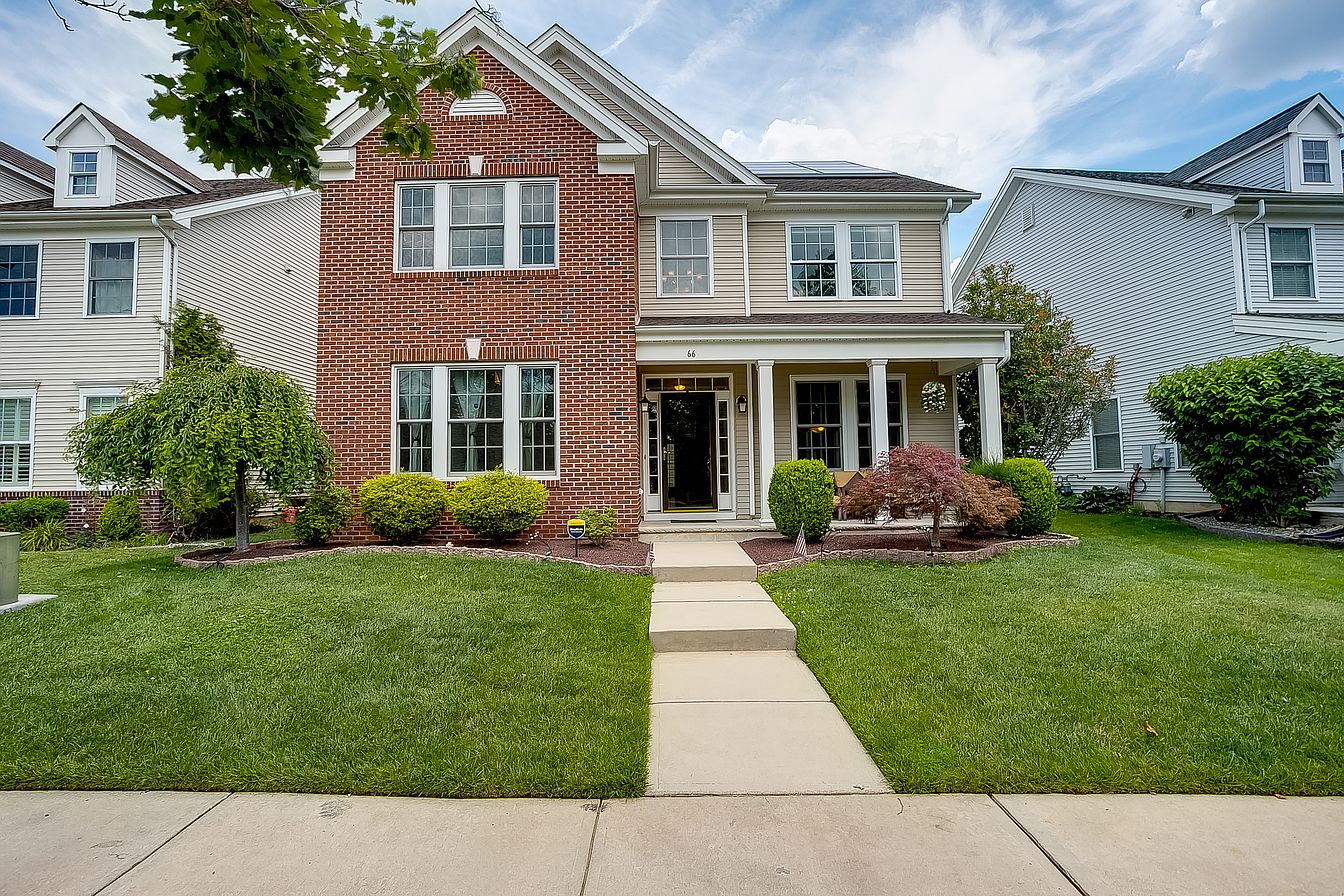
    This four-bedroom in Chesterfield allows for an abundance of natural light

    This home comes with a two-car garage, a wide driveway, and a front porch.

    The spacious main level of the four-bedroom and 2.5-bath home includes a formal living room, a dining room, a powder room, a family room, and an office. The house was built in 2008 but the kitchen was upgraded in 2025 with stainless steel appliances, granite countertops, and breakfast bar seating.

    All four bedrooms are upstairs. The primary suite has large closet space and a renovated en suite bath with a Jacuzzi tub.

    See more photos of the property here.

    Price: $750,000 | Size: 3,018 SF | Acreage: 0.13

    I’ll have more news for you tomorrow. See you then! 👋🏽

    By submitting your written, visual, and/or audio contributions, you agree to The Inquirer’s Terms of Use, including the grant of rights in Section 10.

  • What will become of St. Peter’s Village? | Inquirer Chester County

    What will become of St. Peter’s Village? | Inquirer Chester County

    Hi, Chester County! 👋

    The quaint St. Peter’s Village is heading to auction this fall, leaving many wondering what its future holds. Also this week, Bluebird Distilling has debuted a new renovation and expanded its offerings, plus the county has reported its first measles cases this season.

    If someone forwarded you this email, sign up for free here.

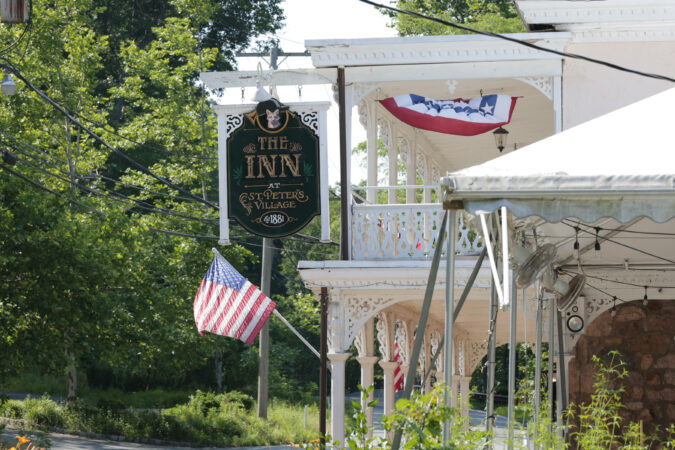
    Historic St. Peter’s Village is headed to the auction block

    The entirety of the 83-acre St. Peter’s Village will be sold at auction this September.

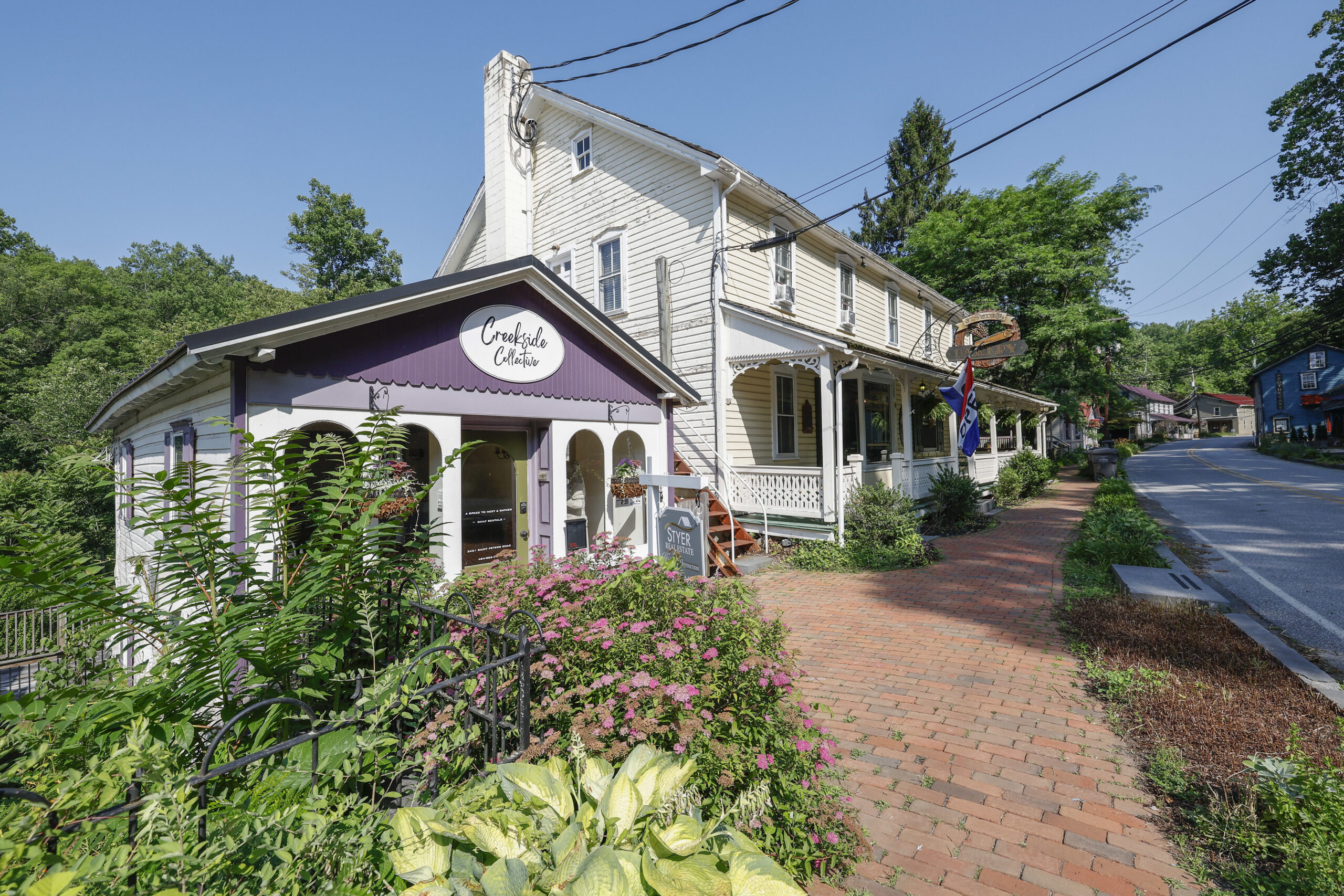
    The future of St. Peter’s Village hangs on the auction block, where it will be sold this September to the highest bidder.

    The entirety of the 83-acre historic village in the northwest of Chester County is up for sale in what is a decidedly unusual offering. That includes 121 homes and 13 historic and commercial village buildings.

    As the bidding nears, some are expressing concerns over its future, while others are hopeful for revitalization.

    The Inquirer’s Brooke Schultz explores what could become of the picturesque community.

    Bluebird Distilling adds pizza to the menu after $2.2M renovation

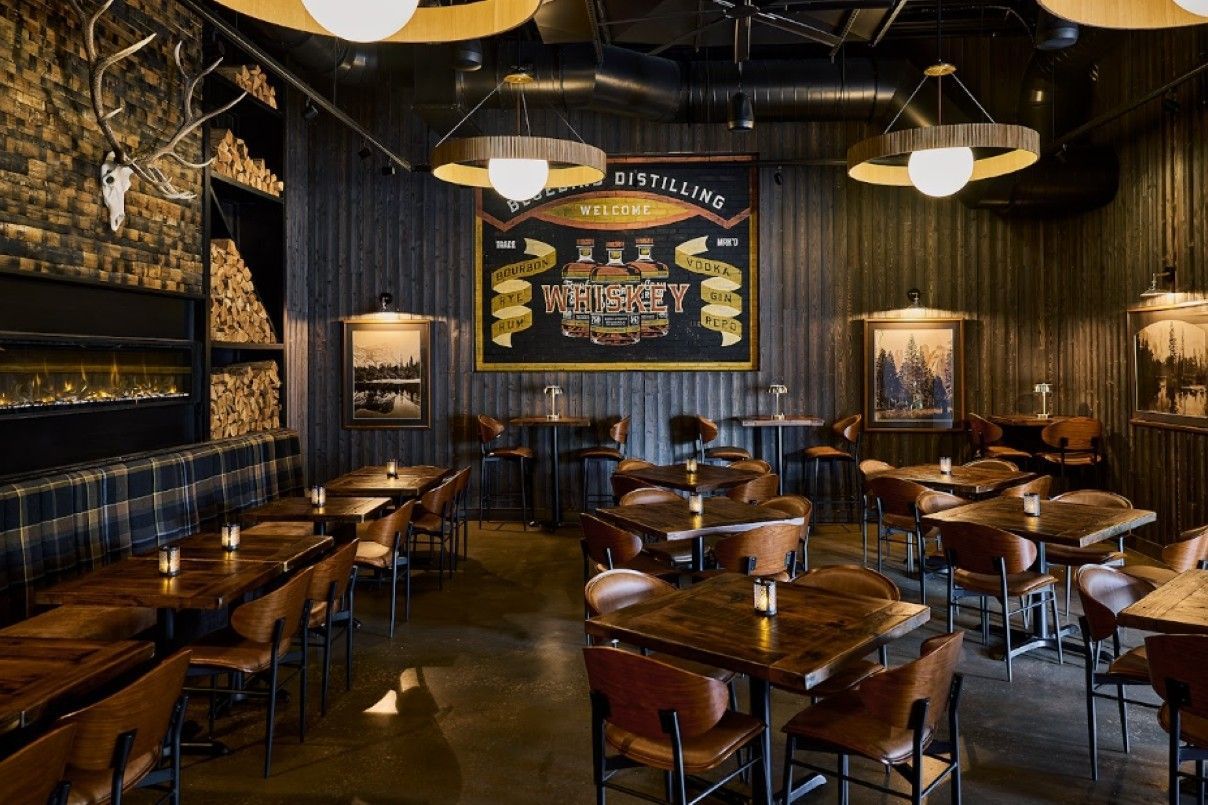
    The dining room at Bluebird Distilling and Dough House was expanded as part of a larger renovation.

    Popular Phoenixville distillery Bluebird Distilling reopened yesterday with a new look and fresh menu items following a $2.2 million renovation.

    Now known as Bluebird Distilling & Dough House, the concept offers a “neo-Neopolitan” pizzeria and restaurant, in addition to an expanded bar, dining room, and bottle shop.

    The idea to add pizza came after owner Jared Adkins started taking classes to learn the art.

    Read more about the expansion and what else you can expect at the new iteration.

    📍 Countywide News

    💡 Community News

    • In case you missed it, last week the developer of a proposed East Whiteland data center was ordered to temporarily stop work that disturbs the soil. Here’s why.
    • North Coventry Township’s zoning board is scheduled to discuss an application for a Sheetz at 1395 S. Hanover St. and several neighboring parcels tomorrow at 7 p.m.
    • Oxford Borough council is hosting a meeting tonight at 7 p.m. to discuss potential changes to its police services as it weighs its finances.
    • Phoenixville-based Christian school the University of Valley Forge has been warned it could lose its accreditation and been given until Sept. 1 to prove it should keep its status.
    • In other higher-ed news, longtime Immaculata University president Barbara Lettiere plans to retire next summer after leading the school for a decade.
    • Spring City is relocating its borough hall and police department to temporary offices today as work continues on the new municipal building. The borough office will temporarily be located at 2 Riverside Dr., with borough meetings taking place at Liberty Fire Company’s social building, while the police will temporarily be at 7 Riverside Dr.
    • Lit Fitness is taking over the former ImpactFit in Exton at 35 E. Uwchlan Ave. There’s no timeline yet for the official transition.
    • Ash Park reopened yesterday in Coatesville after undergoing a yearlong overhaul. The updated 9.3-acre park has a new pavilion, an expanded playground, new water fountains and lighting, an expanded basketball area, and meadows.
    • French and Pickering Creeks Conservation Trust has preserved 34.9 acres in North Coventry Township, adding to the 13,700 acres it’s conserved nearby.

    🏫 Schools Briefing

    • Octorara Area School District has named Nancy Young as its director of special education and student wellness.

    🍽️ On our Plate

    • Longwood Garden’s 1906 is the lone Chester County restaurant to earn honors in this year’s Wine Spectator Restaurant Awards. The magazine recognizes establishments with wine lists offering what it deems interesting selections that are “appropriate to their cuisine” and “appeal to a wide range of wine lovers.” It recognized 1906 — which Inquirer food critic Craig LaBan recently called one of the best restaurants in the suburbs — for its selection of wines from California and France.

    🎳 Things to Do

    🎙️ Sound of Summer Free Concert Series: Pop-rock artist Olivia Rubini headlines this week’s show. ⏰ Wednesday, July 8, 6:30-8:30 p.m. 💵 Free 📍 Anson B. Nixon Park, Kennett Square

    🎭 Ain’t Misbehavin’: This summer musical will transport audiences back to the Harlem Renaissance. ⏰ Select days from Wednesday, July 8-Sunday, Aug. 16, times vary 💵 Prices vary 📍 People’s Light, Malvern

    🎹 Tredyffrin Township Summer Concert Series: Hear party music from the ‘60s through the ‘90s when The O’Fenders takes the stage. ⏰ Thursday, July 9, 7 p.m. 💵 Free 📍 Wilson Farm Park, Wayne

    📽️ Blobfest: This year’s three-day festival is circus-themed and kicks off with a screening of the film and the run-out. Other events include a ball, “dinner en blob,” and screenings of other films. ⏰ Friday, July 10-Sunday, July 12, times vary 💵 Prices vary 📍 The Colonial Theatre, Phoenixville

    🍖 KS-Que BBQ Festival: Sample local barbecue as teams compete for bragging rights. ⏰ Saturday, July 11, noon-5 p.m. 💵 $25 📍 The Creamery, Kennett Square

    🎶 Eagleview Summer Concert Series: American rocker Sophie Gault will headline the upcoming show. Local Americana band Lazy Villains will also perform. ⏰ Tuesday, July 14, 7-9 p.m. 💵 Free 📍 Eagleview Town Center, Exton

    🏡 On the Market

    An 18th-century Phoenixville home with an impressive primary suite

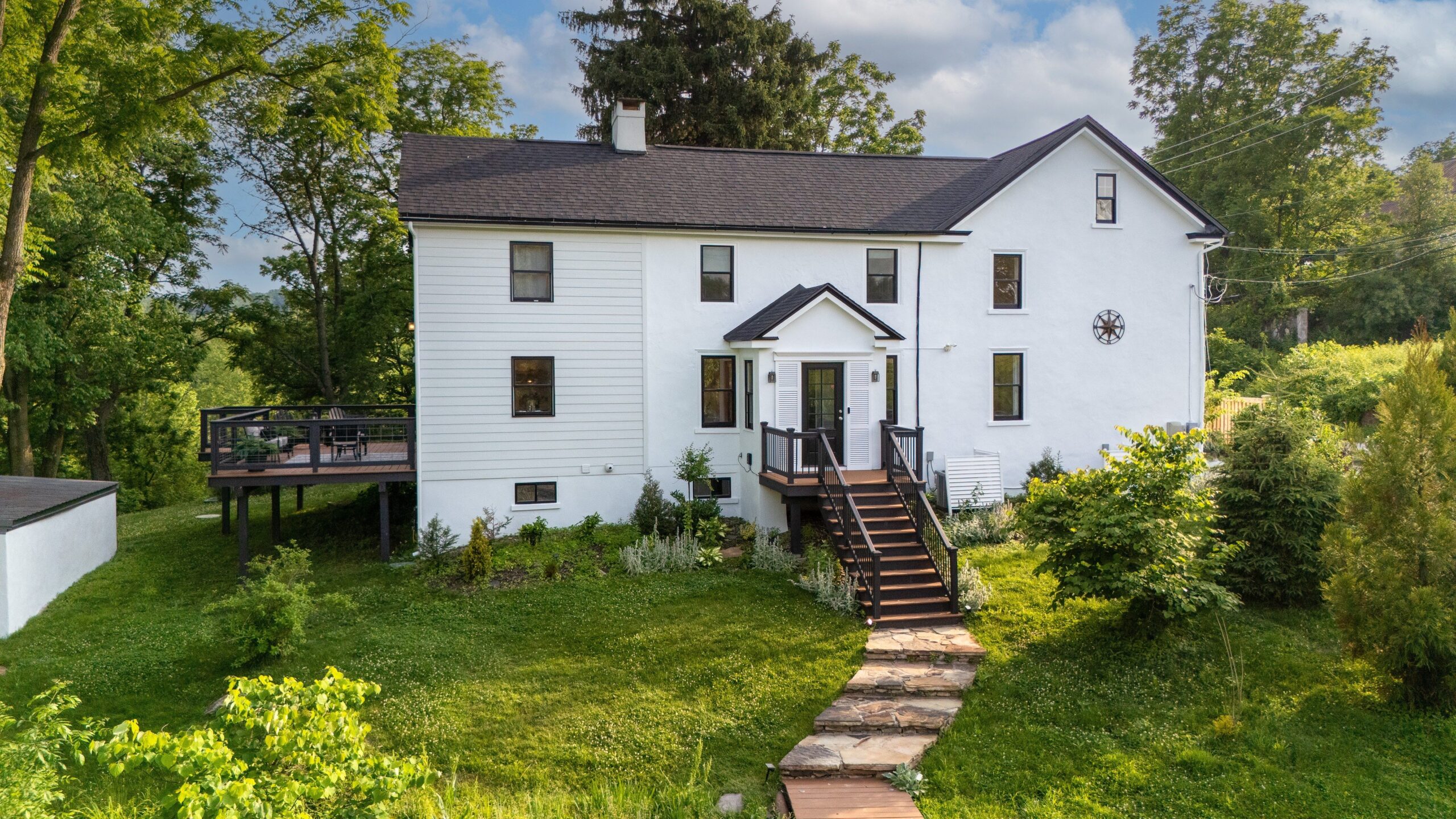
    The home dates back to the late 1700s.

    Dating back to the late 18th century, this updated five-bedroom Phoenixville home is replete with preserved period elements like millwork and fireplaces. The first floor has a family room, living room, office, and a kitchen with an exposed stone wall and radiant heated brick floors. It opens onto a sunroom with space for dining and lounging that overlooks the woods of Pickering Creek Preserve. The primary suite features exposed beams, its own sitting room, and a bright bathroom with skylights. There’s an open house Saturday from noon to 2 p.m.

    See more photos of the property here.

    Price: $880,000 | Size: 3,281 SF | Acreage: 2.5

    🗞️ What other Chester County residents are reading this week:

    By submitting your written, visual, and/or audio contributions, you agree to The Inquirer’s Terms of Use, including the grant of rights in Section 10.

    This suburban content is produced with support from the Leslie Miller and Richard Worley Foundation and The Lenfest Institute for Journalism. Editorial content is created independently of the project donors. Gifts to support The Inquirer’s high-impact journalism can be made at inquirer.com/donate. A list of Lenfest Institute donors can be found at lenfestinstitute.org/supporters.

  • The mall is adding 7 new retailers | Inquirer Cherry Hill

    The mall is adding 7 new retailers | Inquirer Cherry Hill

    Hello, Cherry Hill! 👋

    The mall is getting seven new concepts between now and spring, adding retailers and an eatery. Here’s a look at what’s on tap. Also this week, the county is assessing flood damage from the heavy thunderstorms, a Cherry Hill alum known for his witty film criticism has died, plus, roadwork continues on Kresson Road and Kenilworth Avenue.

    If someone forwarded you this email, sign up for free here.

    More stores are coming to the mall

    A handful of new stores are expected to open in the Cherry Hill Mall in the coming months.

    The Cherry Hill Mall’s slate of stores continues to evolve, with new retailers planning to set up shop in the coming months.

    Popular footwear brand Crocs opened a 2,000-square-foot space last month, DoneRight Doner Kebab is expected to open in the food court later this summer, and a massive Dick’s House of Sport is on track to debut this year.

    They’ll be joined by several other concepts, including viral women’s clothing brand Aritzia.

    The Inquirer’s Erin McCarthy looks at everything you can expect now through spring.

    💡 Community News

    • The storms that started rolling in late Sunday resulted in widespread flooding on Monday throughout Camden County, where several inches of rain fell. Cherry Hill saw 3.44 inches, which resulted in flash flooding. (NJ.com)
    • Cherry Hill alum and three-time Mid-Atlantic Emmy Award-winning film and TV critic Bill Wine died last month at the age of 81 of complications from Parkinson’s disease. Raised in Philadelphia and Cherry Hill, where he graduated from the old Cherry Hill High School, Wine was a longtime film critic at WTXF-TV, Channel 29, and KYW radio and known for his pithy, witty, and acerbic reviews.
    • Heads up for drivers: Work continues on Kresson Road this week, which will have altered traffic patterns between Springdale Road and Ravenswoods Way from 6 a.m. to 4 p.m. through tomorrow; a detour between Harrowgate Drive and Cropwell Road from 7 a.m. to 4 p.m. through Friday; and altered traffic patterns between Marlkress Road and Browning Lane from 7 a.m. to 4 p.m. through Friday. Ongoing work will result in a road closure on Kenilworth Avenue between Route 38 and Helena Avenue from 7 a.m. to 3:30 p.m. through Friday.
    • Cherry Hill resident and youth soccer coach Brian Epstein, 43, has been charged with lewdness and sexual contact after an April incident during which he allegedly exposed his genitals to two girls while scouting players at Brian Bende Park in Medford. (Courier Post)
    • Cherry Hill resident and Marine Corps veteran Kevin D. Cooper was among five veterans recognized with service medals by the county last week.
    • Friends of Cherry Hill Public Library’s book sale continues today, when it’s open to all Friends members. The sale opens to the public tomorrow and continues through Saturday.

    🍽️ On our Plate

    • Three former Cherry Hill staples are among the most iconic New Jersey restaurants to close too soon, according to a list from NJ.com. The outlet lamented the closing of beloved mall eatery The Bistro at Cherry Hill, which shuttered abruptly about a year ago amid bankruptcy proceedings. Other restaurants the outlet says are gone too soon? The Cherry Hill Diner, which has been demolished to make way for a car wash, and Latin Casino, which was torn down in 1982.

    🎳 Things to Do

    🎶 Twilight Music Series: Oklahoma R&B outfit Color Me Badd headlines this week’s event. ⏰ Thursday, July 9, 8-11 p.m. 💵 Free 📍 Cooper River Park Jack Curtis Stadium

    🃏 Cherry Hill Card Expo: Browse over 300 vendor tables featuring trading cards, memorabilia, art, and more. ⏰ Saturday, July 11, 10 a.m.-5 p.m. and Sunday, July 12, 10 a.m.-4 p.m. 💵 $10-$25 📍 DoubleTree by Hilton

    🕹️ Super Smash Bros. Ultimate Tournament: Test your skills head-to-head. Advanced registration is required. ⏰ Saturday, July 11, 1-3 p.m. 💵 Free 📍 Cherry Hill Public Library

    💫 Music Under the Stars: Taylor Swift cover band Fearless will perform. There will also be food trucks and a beer garden. ⏰ Tuesday, July 14, 7 p.m. 💵 Free 📍 Barclay Farmstead

    🏡 On the Market

    A five-bedroom contemporary with a wooded walking path

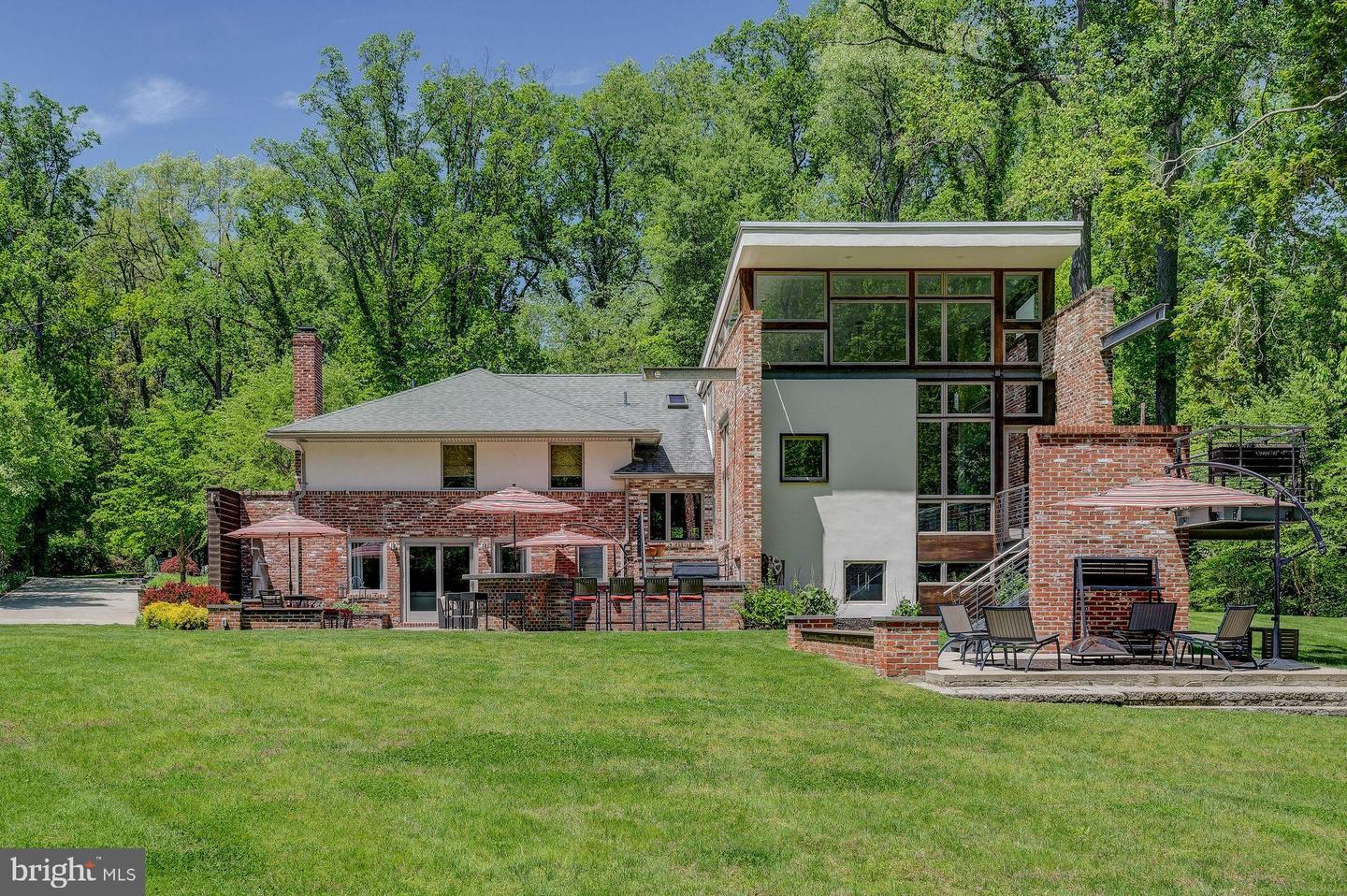
    The home combines brick and glass and has a number of patios.

    Located in the Voken Tract in Springdale, this five-bedroom contemporary is striking inside and out. It features a distinct architectural design that blends brick and glass. The home has a two-story living room, complete with numerous windows and a wood-burning fireplace, that opens onto a contemporary kitchen. Other features include a dining room, an office, and a family room. There are several patios outside, including one with a built-in kitchen, all overlooking a wooded lot with a private walking loop. There’s an open house Sunday from 1 to 3 p.m.

    See more photos of the property here.

    Price: $1.249M | Size: 3,395 SF | Acreage: 1

    🗞️ What other Cherry Hill residents are reading this week:

    By submitting your written, visual, and/or audio contributions, you agree to The Inquirer’s Terms of Use, including the grant of rights in Section 10.

    This suburban content is produced with support from the Leslie Miller and Richard Worley Foundation and The Lenfest Institute for Journalism. Editorial content is created independently of the project donors. Gifts to support The Inquirer’s high-impact journalism can be made at inquirer.com/donate. A list of Lenfest Institute donors can be found at lenfestinstitute.org/supporters.