A Delaware County woman was charged with first-degree murder for allegedly stabbing her 23-year-old daughter to death in their Upper Darby Township home two days before Christmas, authorities say.
Police found Diane Grovola, 57, naked, covered in blood, and suffering self-inflicted stab wounds when they responded to a 911 call at the family residence that morning, according to the affidavit of probable cause in her arrest.
Grovola’s daughter was in an upstairs bedroom with knife wounds to her face, chest, legs, and back. Her eyes were open but she was unresponsive, the affidavit says. She was pronounced dead shortly after.
“Sorry, I should have stabbed myself first,” Grovola told officers as they placed her in wrist restraints, according to the affidavit.
Grovola’s husband, the young woman’s father, was first to discover the distressing scene.
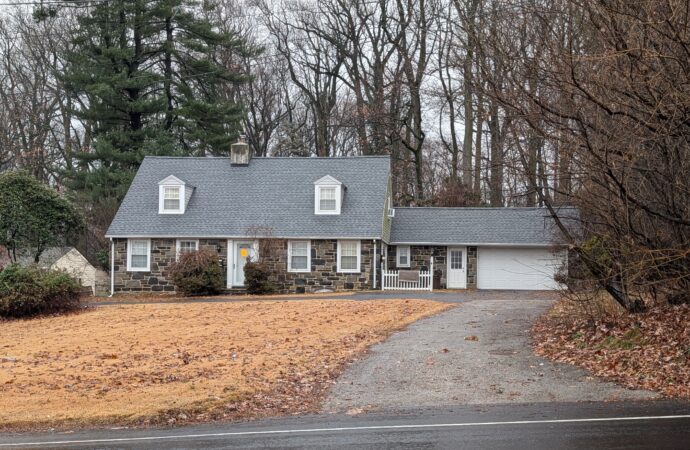
The man arrived at the home on South Bishop Avenue in the Secane section around 6:30 a.m. after returning from a shift at Philadelphia International Airport, the affidavit says. He had stopped at McDonald’s to get breakfast for his family.
Once inside, the man was greeted by the family dog, which had suffered knife wounds to its abdomen and “got blood on his clothing,” according to the affidavit.
He found his wife seated on the living room sofa with a knife in her hand.
“I stabbed our daughter,” she told him, according to the affidavit.
As her husband dialed 911, Diane Grovola told him she did not want to live anymore and began to stab herself in the chest, according to the affidavit.
The operator told the man to flee the residence.
During that time, Grovola stripped naked and began breaking items in the kitchen until police arrived. They eventually recovered a large stainless-steel knife that appeared to have blood on it, the affidavit says.
In addition to first-degree murder, prosecutors charged Grovola with third-degree murder, possessing an instrument of a crime, and aggravated cruelty to an animal.
She is being held in the George W. Hill Correctional Facility and was denied bail, court records show.
Two men stopped by Apron Cafe, a breakfast spot overlooking Hammonton Municipal Airport’s runway, before they took off in separate helicopters late Sunday morning for what the restaurant owner described as one of their frequent flights together over the years.
Minutes later, about 11:25 a.m., Apron Cafe patrons and staff could see one of the helicopters spiraling, engulfed in flames not far in the distance.
“I looked up and I could see in the distance the one spiraling down and then I see the other one coming down,” said the cafe’s owner, Sal Silipino. “It was hard to believe that they were crashing.”
Local authorities identified the pilots Monday as Kenneth Kirsch, a 65-year-old from Carneys Point, Salem County, and Michael Greenberg, a 71-year-old resident of Sewell, Gloucester County.
Hammonton Police Chief Kevin Friel said that Greenberg died at the scene. Kirsch died at an area hospital after being flown there.
Just what led to the crash remains under investigation by the Federal Aviation Administration and the National Transportation Safety Board.
The parcel of land where the helicopters crashed was an open field amid a busy area. U.S. Routes 30 and 206 are nearby, as are Atlanticare Hammonton Health Park, an assisted living facility, and homes.
“It was a miracle,” Silipino said. “There was so much in that area that they could have landed on top of.”
Federal investigators remained on site Monday cataloging debris that spanned nearly the length of a football field and was “made up of parts of the main rotor and tail rotors,” according to the NTSB.
The agency said the helicopters are slated to be taken from the crash site to a secure location Tuesday. The preliminary report is expected to be made available in about 30 days.
This article contains information from the Associated Press.
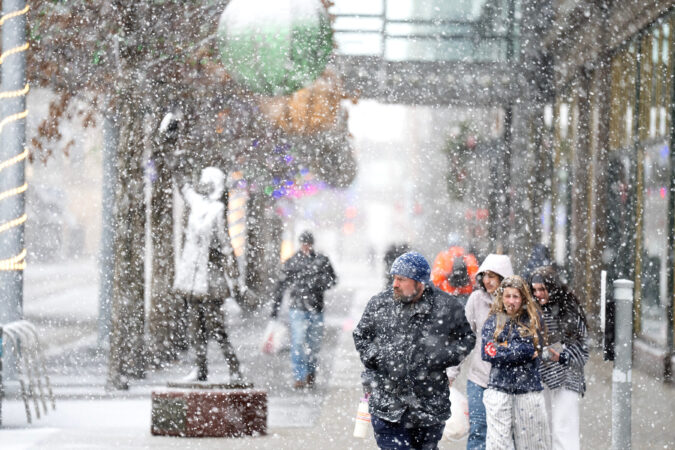
A potent winter storm threatened blizzard-like conditions, treacherous travel and power outages in parts of the Upper Midwest as other areas of the country braced Monday for plunging temperatures, strong winds and a mix of snow, ice, and rain.
The snow and strengthening winds began spreading Sunday across the northern Plains, where the National Weather Service warned of whiteout conditions and possible blizzard conditions that could make travel impossible in some areas. Snowfall totals were expected to exceed a foot (30 centimeters) across parts of the upper Great Lakes and as much as double that along the south shore of Lake Superior.
“Part of the storm system is getting heavy snow, other parts of the storm along the cold front are getting higher winds and much colder temperatures as the front passes,” said Bob Oravec, a lead forecaster at the National Weather Service office in College Park, Maryland. “They’re all related to each other — different parts of the country will be receiving different effects from this storm.”
About 350,000 customers were in the dark Monday morning, with about a third of those outages in Michigan, according to Poweroutage.us. There were more than 1,600 flight delays and more than 450 cancellations at U.S. airports on Monday, according to the flight tracking site FlightAware.
Blizzard conditions continued in some parts of northern Iowa on Monday morning, especially in open rural areas, according to the weather service’s office in Des Moines. Blowing snow was expected to continue through the morning.
The National Weather Service warned of 1 to 3 feet (about 30 to 91 centimeters) of lake-effect snow from Monday through Thursday and high winds, with gusts up to 75 mph (121 kph), in western New York on Monday. Similar conditions were expected along Lake Erie in Michigan and Ohio.
New York Gov. Kathy Hochul said in a social media post that travel in the Buffalo area could become dangerous beginning at 11 a.m. Monday because of potential whiteout conditions and urged people to avoid driving.
The very strong cold front meant parts of the central U.S. woke up Monday to temperatures up to 50 degrees F colder than a day earlier, according to the weather service’s Weather Prediction Center. The cold front was accompanied by strong gusty winds.
The weather service warned of “dangerous wind chills” as low as minus 30 degrees Fahrenheit (minus 34.4 degrees Celsius) in North Dakota and into Minnesota from Sunday night into Monday.
In the South, meteorologists warned severe thunderstorms are likely to signal the arrival of a sharp cold front — bringing a sudden drop in temperatures and strong north winds that will abruptly end days of record warmth throughout that region.
The high temperature in Atlanta was around 72 F (22 C) on Sunday, continuing a warming trend after climbing to 78 F (about 26 C) to shatter the city’s record high temperature for Christmas Eve, the National Weather Service said. Numerous other record high temperatures were seen across the South and Midwest on the days after Christmas.
But the incoming cold front was expected to drop rain on much of the South late Sunday night into Monday, and a big drop in temperatures Tuesday. Forecasters said the low temperature in Atlanta to 25 F (minus 3.9 C) by early Tuesday morning. The colder temperatures in the South are expected to persist through New Year’s Day.
In Dallas, Sunday temperatures in the lower 80s (upper 20s C) could drop down to the mid 40s (single digits Celsius). In Little Rock, high temperatures of around 70 (21 C) on Sunday could drop down to highs in the mid-30s on Monday.
“We’re definitely going back towards a more winter pattern,” Oravec said.
The storm is expected to intensify as it moves east, drawing energy from a sharp clash between frigid air plunging south from Canada and unusually warm air that has lingered across the southern United States, according to the National Weather Service.
KYIV, Ukraine — The United States is offering Ukraine security guarantees for a period of 15 years as part of a proposed peace plan, Ukrainian President Volodymyr Zelenskyy said Monday, though he said he would prefer an American commitment of up to 50 years to deter Russia from further attempts to seize its neighbor’s land by force.
U.S. President Donald Trump hosted Zelenskyy at his Florida resort on Sunday and insisted that Ukraine and Russia are “closer than ever before” to a peace settlement.
Negotiators are still searching for a breakthrough on key issues, however, including whose forces withdraw from where in Ukraine and the fate of Ukraine’s Russian-occupied Zaporizhzhia nuclear power plant, one of the 10 biggest in the world. Trump noted that the monthslong U.S.-led negotiations could still collapse.
“Without security guarantees, realistically, this war will not end,” Zelenskyy told reporters in voice messages responding to questions sent via a WhatsApp chat.
Ukraine has been fighting Russia since 2014, when it illegally annexed Crimea and Moscow-backed separatists took up arms in the Donbas, a vital industrial region in eastern Ukraine.
Details of the security guarantees have not become public but Zelenskyy said Monday that they include how a peace deal would be monitored as well as the “presence” of partners. He didn’t elaborate, but Russia has said it won’t accept the deployment in Ukraine of troops from NATO countries.
As indications suggest negotiations could come to a head in January, before the fourth anniversary of Russia’s full-blown invasion of Ukraine on Feb. 24, 2022, Russian President Vladimir Putin on Monday claimed that Russian troops are advancing in the eastern Donetsk region of Ukraine and are also pressing their offensive in the southern Zaporizhzhia region.
Putin has sought to portray himself as negotiating from a position of strength as Ukrainian forces strain to keep back the bigger Russian army.
He also emphasized at a meeting with senior military officers the need to create military buffer zones along the Russian border.
“This is a very important task as it ensures the security of Russia’s border regions,” he said.
Kremlin spokesman Dmitry Peskov said Monday that Putin and Trump were expected to speak in the near future but there was no indication the Russian leader would speak to Zelenskyy.
French President Emmanuel Macron said Kyiv’s allies will meet in Paris in early January to “finalize each country’s concrete contributions” to the security guarantees.
Trump said he would consider extending U.S. security guarantees for Ukraine beyond 15 years, according to Zelenskyy. The guarantees would be approved by the U.S. Congress as well as by parliaments in other countries involved in overseeing any settlement, he said.
Zelenskyy said he wants the 20-point peace plan under discussion to be approved by Ukrainians in a national referendum.
However, holding a ballot requires a ceasefire of at least 60 days, and Moscow has shown no willingness for a truce without a full settlement.
The Schuylkill River Trail and some of the city’s transit shelters are slated for upgrades as a result of a funding infusion from state coffers.
The two projects will receive nearly $1.3 million, part of $47 million for 54 transportation projects across the commonwealth.
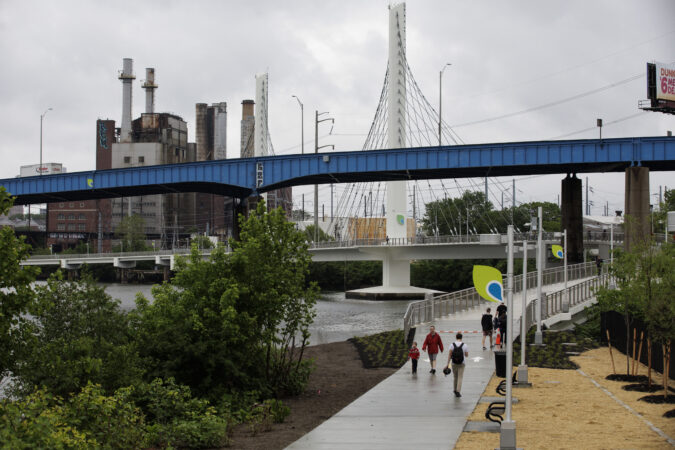
The state will provide $947,668 to the Philadelphia Department of Streets to obtain a right-of-way so that it can complete a gap in the Schuylkill River Trail, Gov. Josh Shapiro’s office said in a news release. The funding is for the city to acquire rights of way to construct a trail segment between Kelly Drive and Main Street, near the Pencoyd Bridge, according to a Streets Department spokesperson.
The city portion of the trail is an immensely popular thoroughfare for people walking, biking, and cycling, and offers views of the Art Museum, Boathouse Row, and Fairmount Park. The multiuse trail stretches out of the city into neighboring counties, with a plan to eventually connect 120 miles of trail from Philly to Frackville, Schuylkill County, according to the nonprofit Schuylkill River Greenways.
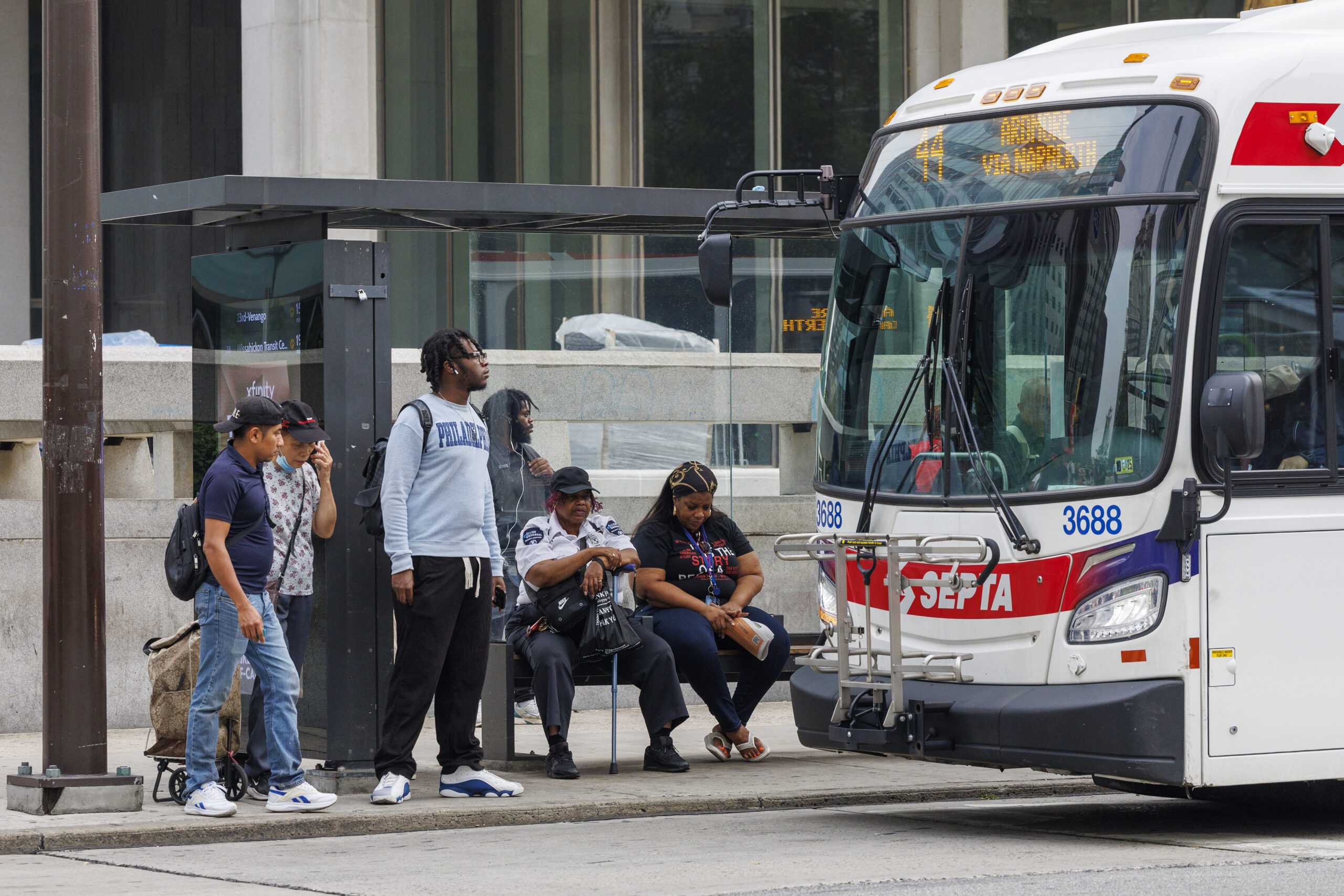
The state earmarked $328,295 for the Center City District to fix up transit shelters “in preparation for Philadelphia250,” according to the governor’s office.
America’s 250th birthday celebration, aka the Semiquincentennial, is expected to draw hundreds of thousands of tourists, with a long list of events scheduled. Philadelphia will also host the FIFA World Cup, NCAA March Madness games, the Major League Baseball All-Star game, and the PGA Championship next year.
A bus picks up riders at a bus shelter on JFK Boulevard at North 15th Street.
The money for the projects comes out of the state’s multimodal transportation fund, created in 2013 to provide investments for ports, rail freight, aviation, and “bicycle and pedestrian improvements,” according to a state website.
“Infrastructure is essential to Pennsylvania’s growth and to connecting people with opportunity,” Shapiro said in a Dec. 23 news release.
In Bucks County, Upper Makefield will get $250,000 for sidewalks, ramps, and features that comply with the Americans With Disabilities Act, and other improvements including “decorative crosswalks” and pedestrian signals along Route 532.
Chester County is set to see $113,920 for trails and ADA-compliant improvements on Broad Run Road in West Bradford and $126,827 for storm sewer and pedestrian improvements in West Goshen.
Communities in Delaware County will get more than $1.4 million for three projects:
nearly $400,000 for an “emergency preemption system” in Aston to notify the fire department of incidents;
about $700,000 to realign roadways, providing safe areas for pedestrians in Springfield; and
$314,249 for safety and streetscape improvements on Myers Avenue in Swarthmore.
Recipients in Montgomery County are set to receive about $3.3 million for four projects:
$1,324,000 for safety improvements in Conshohocken;
$1,415,183 to Hopwood Homes, a business registered by real estate investor Arnold Galman, for road widening, drainage, and trail additions on Hopwood Road;
$3 million for intersection improvements in Towamencin ; and
$3 million to replace a bridge and build a roundabout in Upper Providence.
Projects were decided by PennDot based on “safety benefits, regional economic conditions, technical and financial feasibility, job creation, energy efficiency, and operational sustainability,” the news release said.
The next application period for grants opens Jan. 5.
Philly is a square kind of city. Plots and constructions fit between the perpendicular streets that form the blocks that feed the city’s grid.
Modern architecture reshaped some squares into rectangles. Nevertheless, the grid system persists, helping Philadelphians navigate.
But blocks aren’t an exact science, andsome don’t have an easily understandable name. Trying to figure out what areas encompass a block police and news outlets sometimes use to describe incidents, a reader asked Curious Philly, The Inquirer’s forum for questions about the city and region: What makes something a unit block in Philadelphia?
For Jeffry Doshna, associate professor of city planning and community development at Temple University, a unit block is a term associated with cities that operate on a grid. It refers to a particular block where the house numbers are less than a 100.
“When we say the 900 block of Girard Avenue, that would be the buildings between Ninth and 10th Streets on Girard,” Doshna said. “It’s a way to designate which block it is based on the numbering.”
However, the words “unit block” stop being used when house numbers exceed 99, according to the professor.
“Unit block is 0 to 99; the 100 block is 100 to 199; the 200 block is 200 to 299. It goes up as high as we have street numbers in the city,” Doshna said.
In the past year, Philadelphians may have heard the phrase “unit block” on news stories, describing an area where an incident happened without providing the specific house number. In September, a man was shot in West Philadelphia, with police reporting the shooting location as the “unit block of North Frazier Street.”
This doesn’t apply just for cities with widespread grid systems like Philly. Right before Christmas, a Bucks County man was struck by a wood chipper in Lower Southampton Township. Authorities reported the incident as on “the unit block of Valley View Road.”
“It’s just a way for us to say ‘where,’ to let people know what block something happened on, without giving a specific address,” Doshna said.
Spotlight PA is an independent, nonpartisan, and nonprofit newsroom producing investigative and public-service journalism that holds power to account and drives positive change in Pennsylvania. Sign up for our free newsletters.
HARRISBURG — Gov. Josh Shapiro has not reappointed a longtime member of the Board of Pardons, a psychiatrist whom advocates have opposed for his votes against clemency applicants, lack of experience in criminal justice, and lines of questioning they find inappropriate.
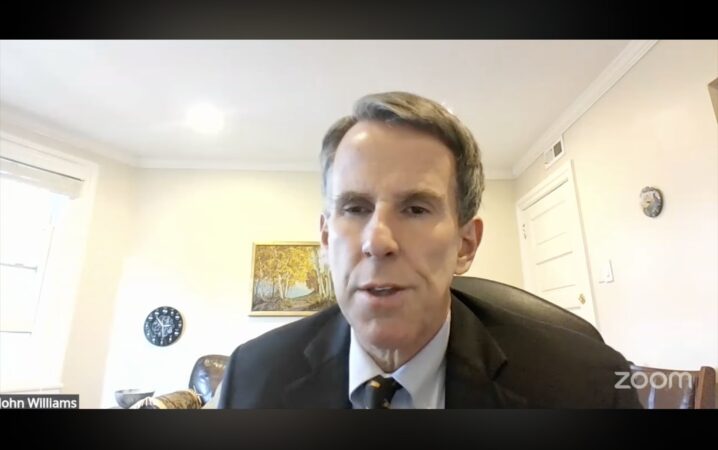
John Williams, a child psychiatrist practicing in Montgomery County, has served on the board since former Gov. Tom Corbett appointed him in 2013. He was reappointed in 2019, under former Gov. Tom Wolf. His second six-year term expired in November, leaving a vacancy on the five-member body.
Williams did not return an email from Spotlight PA requesting comment.
A representative for Shapiro’s office said the governor is working with state Senate leadership to “restore the board to its full complement.”
Shapiro’s office would not confirm whether the governor may still nominate Williams. Spokesperson Kayla Anderson said, “No final decision regarding a nominee has been made at this time.”
The Board of Pardons makes the ultimate decision on both commutation and pardon applications from people who are seeking to either shorten a prison sentence or wipe clean a criminal history.
The board comprises two elected officials, the attorney general, and lieutenant governor, and three political appointees — a corrections expert; a medical doctor, psychiatrist, or psychologist; and a victim advocate.
Applications the board deems “meritorious” are given a public hearing, after which the body votes to either deny the application or approve it for the governor’s consideration.
While pardons are recommended by the board in a majority vote, life sentence commutations, which allow a person to get out of prison, require unanimous approval — just one no vote dooms an application.
Earlier this year, a coalition of pro-clemency groups organized the Commutation Now campaign to pressure Shapiro to replace Williams, who frequently voted against both commutations and pardons.
In a report released in June, the group criticized Williams for routinely asking “inappropriate questions reflecting ‘lurid curiosity.’”
During a public commutations hearing in September 2024, Williams asked a victim speaking against the applicant to give increasingly specific details about the sexual abuse he endured as a child. When the man wasn’t sufficiently specific, Williams pushed for additional details. After the questioning, he acknowledged the man’s discomfort.
There was no reason for the line of questioning, said Etta Cetera, a longtime board watchdog and member of the Commutation Now campaign. Williams’ single no vote would have been sufficient to deny the commutation, Cetera said, negating the need to put a victim through an invasive line of questioning.
“When you come into these cases, any of these cases for people with life sentences are extremely sensitive. Somebody lost their life, and in other situations, there was other abuse and even sexual violence involved,” Cetera said.
“And it’s irresponsible to not take seriously the trauma that comes up for people when these hearings happen. And the way that the psychiatrist questioned the victims is totally not trauma-informed.”
After a public pardons hearing in 2021, a viewer wrote to then-Lt. Gov. John Fetterman to complain about Williams’ conduct. The letter, which was also reviewed by Spotlight PA, expressed concern that “Williams questioned a pardon applicant about which sex positions he used during the commission of a decades-old sexual offense,” according to the report.
Williams then asked the applicant’s wife about her sex life with the applicant, including which sexual positions they used, the letter alleges.
Commutations interviews are not public, but attorneys interviewed for the Commutations Now study reported Williams consistently asked about an applicant’s sexual abuse “in excruciating detail,” and pursued invasive and humiliating questions.
Commutations Now hand-delivered the report to legislative leaders, including the state Senate Republicans who will have to confirm Shapiro’s new appointee.
The nomination must undergo two committee votes before the full chamber weighs in, said Kate Flessner, a spokesperson for state Senate Majority Leader Joe Pittman (R., Indiana).
Tobey Oxholm, who works with pardons applicants statewide, said in recent years the number of applications exploded, but the board held only nine days of hearings in 2025. The backlog of potential pardons keeps people with nonviolent felonies from working in roles the state needs, he said, such as home health, elder, and childcare.
“The crushing numbers really requires somebody who is a systems thinker as well as somebody who has experience with the populations that are coming before the board,” Oxholm said of the position.
The advocate community wrote a letter to Shapiro in October recommending David DeMatteo, an attorney and forensic psychologist teaching at Drexel University. State Sen. Maria Collett (D., Montgomery) wrote to the governor endorsing him as well.
In the meantime, the board will be able to proceed with four people, as four still constitutes a quorum for all votes.
But Oxholm questioned why the position was allowed to lapse.
When there are only four people on the board, a person seeking a pardon has a narrower chance to have their application receive the three votes they need to move on from their felony conviction, which can keep them from jobs and housing opportunities.
“This indicates that there isn’t a full appreciation by the governor and the senate about the importance of this position to individuals, families, and their communities,” he said.
BEFORE YOU GO … If you learned something from this article, pay it forward and contribute to Spotlight PA at spotlightpa.org/donate. Spotlight PA is funded by foundations and readers like you who are committed to accountability journalism that gets results.
As Philadelphia rings in 2026 on Thursday, Jan. 1, knowing what’s open and closed can help you plan your day. From city services and trash collection (delayed one day) to grocery stores, pharmacies, and retailers, many places will operate on modified hours or be closed.
Whether you’re knocking out errands, grabbing last-minute essentials, or easing into the new year, here’s what to know about New Year’s Day across the region.
City government offices
❌ City of Philadelphia government offices will be closed Thursday, Jan. 1.
Free Library of Philadelphia
❌ The Free Library will be closed Thursday, Jan. 1.
Food sites
✅ / ❌ Holidays may impact hours of operation. Visit phila.gov/food to view specific site schedules and call ahead before visiting.
Trash collection
❌ No trash or recycling collection on New Year’s Day, Jan. 1. Collection will be picked up one day behind the regular schedule all week. To find your trash and recycling collection day, go to phila.gov.
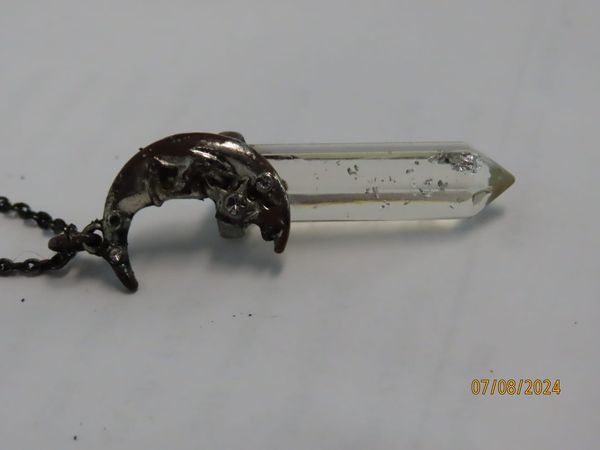
Police found the body of the woman with the crystal pendant necklace stuffed beneath a wooden pallet in an overgrown lot in Frankford one night last June. She had been shot once between the eyes, and wore only a sports bra, with her pants and underwear tangled around her ankles.
Days in the stifling heat had left her face unrecognizable, nearly mummified.
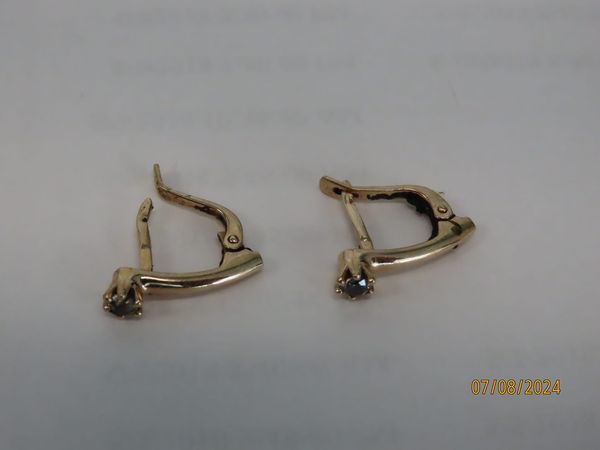
Still, Homicide Detective Richard Bova could see traces of the beautiful young woman she had been. She was small, about 100 pounds, with long dark hair tinted red at the ends. Her nails were painted pale pink. She wore small gold hoops in her ears.
But he didn’t know her name. And for 90 days, the absence of that essential fact stalled everything.
A victim’s identity is the foundation on which a homicide case is built. Without it, detectives cannot retrace a person’s final moments or home in on who might have wanted them dead and why. For three months, Bova and his partner scoured surveillance footage, checked missing-persons reports, and ran down every faint lead, eager to put a name to the woman beneath the pallet.
At the same time, in a small house in Northeast Philadelphia, a family was searching, too.
Olga Sarancha hadn’t heard from her 22-year-old daughter, Anastasiya Stangret, in weeks and was growing worried. Stangret had struggled with an opioid addiction in recent months, but never went more than a few days without speaking to her mother or sister.
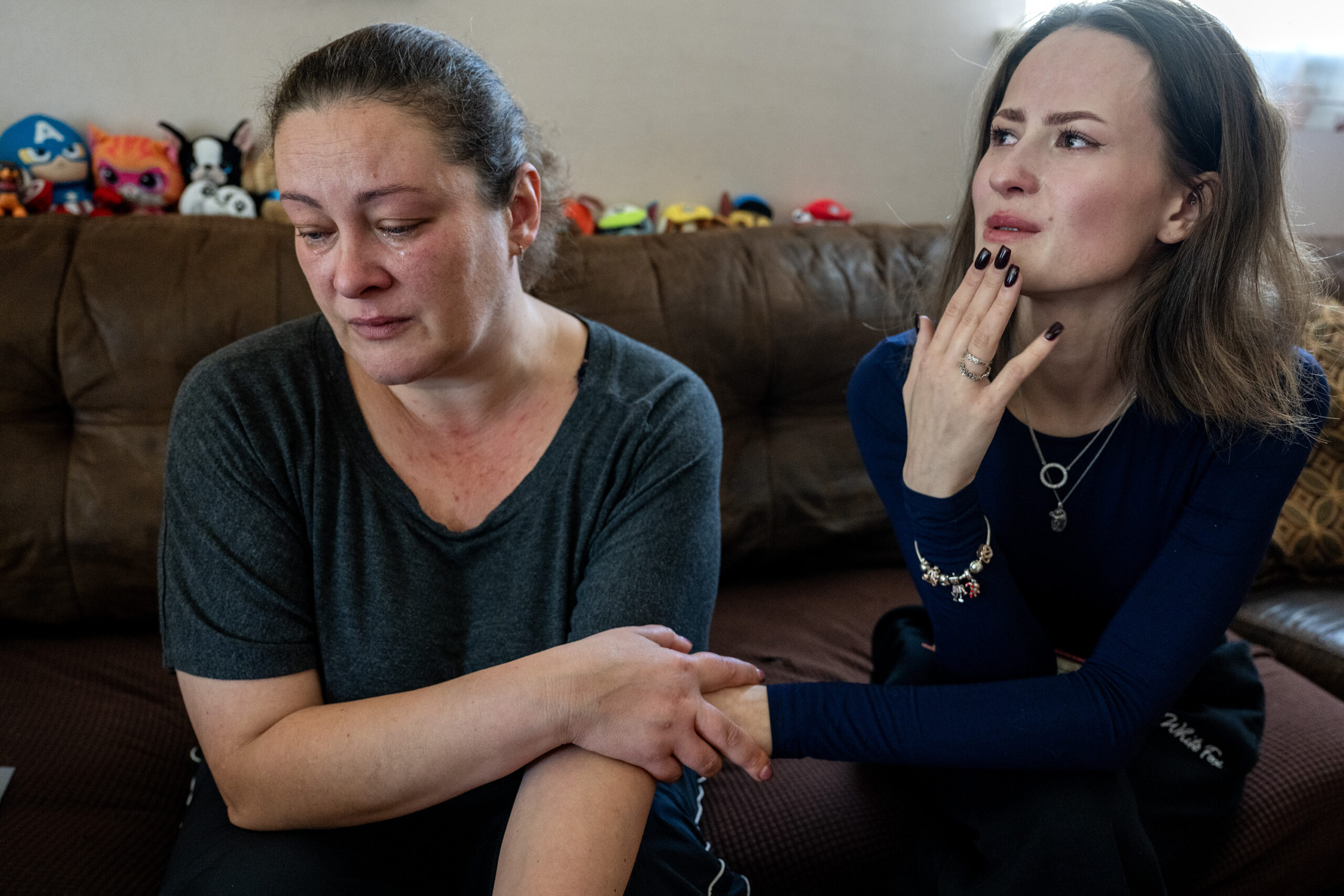
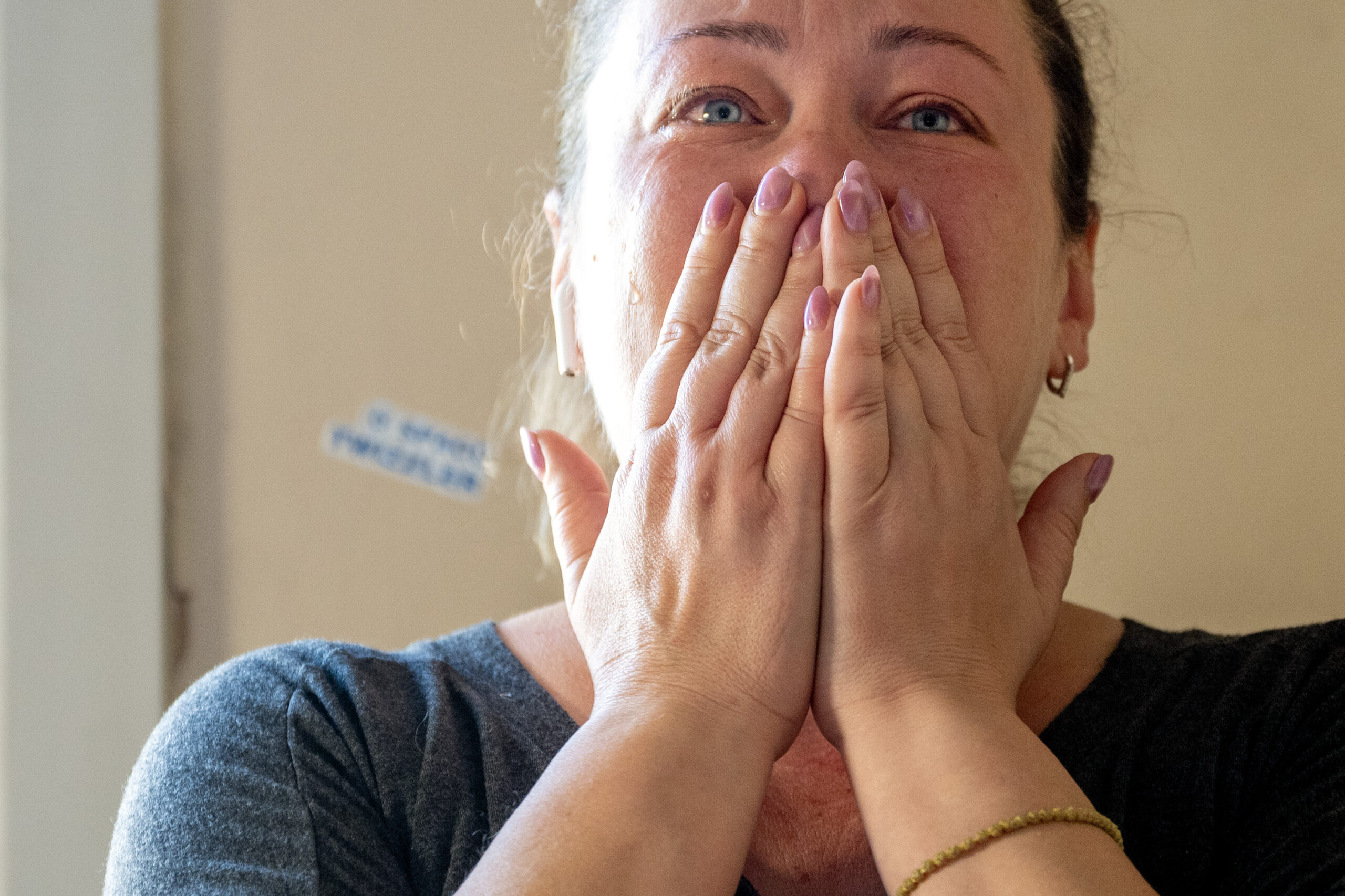
Olga Sarancha (left) and her daughter, Dasha Stangret, speak of the pain of the death of her eldest daughter, Anastasiya, at their Northeast Philadelphia home. Dasha wears a bracelet featuring Pandora charms gifted by her sister.
Through July and August that summer, Sarancha and her youngest daughter, Dasha, tried to report Stangret missing, but they said they were repeatedly rebuffed by police who turned them away and urged them to search Kensington instead.
So they kept checking hospitals, calling Stangret’s boyfriend, and driving through the dark streets of Kensington — looking for any sign that she was still alive.
It was not until mid-September that the family was able to file a missing-persons report. Only then did Bova learn the name of his victim.
But by then, he said, the crucial early window in the investigation had closed — critical surveillance footage, which resets every 30 days, was gone. Cell phone data and physical evidence were harder to trace.
Still, for 18 months, Bova has worked to solve the case, and for 18 months, Stangret’s mother and younger sister have grieved silently, haunted by the horrors of her final moments and the fear that her killer might never be caught.
Philadelphia’s homicide detectives this year are experiencing unprecedented twin phenomena: The city is on pace to record its fewest killings in 60 years, and detectives are solving new cases at a near-record high.
But those gains do not erase the reality that hundreds of killings in recent years remain unresolved — each one leaving families suspended in despair, and detectives asking themselves what more they could have done.
In this case, extensive interviews with Bova and Stangret’s family offer a window into how a case can stall even when a detective puts dozens of hours into an investigation — and what that stall costs.
Bova has a suspect: a 58-year-old man with a lengthy criminal record who he believes had grown infatuated with Stangret as he traded drugs for suboxone and sex with her. But the evidence is largely circumstantial. He needs a witness.
And Stangret’s family needs closure — and reassurance that the life of the young woman, despite her struggles, mattered.
“Everybody has something going on in their life,” said Dasha Stangret, 23. “It doesn’t make her a bad person, and it’s not what she deserved.”
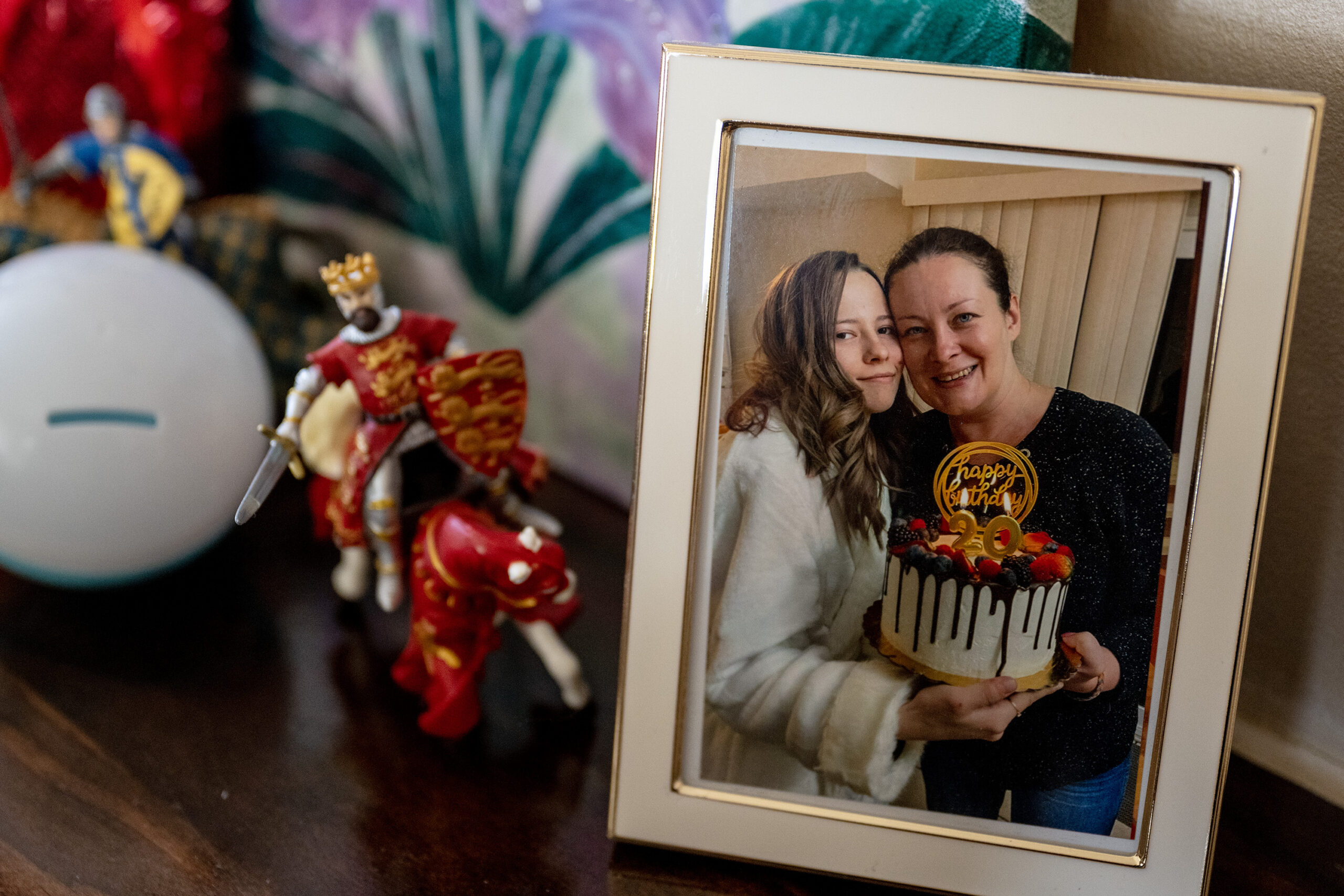
Anastasiya Stangret, left, celebrated her 20th birthday with her mother in 2022.
Becoming Anna
Anastasiya Stangret was born in Lviv, Ukraine, on Nov. 15, 2001. Her family immigrated to Northeast Philadelphia when she was 8 and Dasha was 7.
The sisters were inseparable for most of their childhood. They cuddled under weighted blankets with cups of tea. They put on fluffy robes and did each other’s eyebrows and nails.
Anna was bubbly, polite, and gentle, her family said. She enjoyed working with the elderly, and after graduating from George Washington High School, she earned certifications in phlebotomy and cardiology care. She volunteered at a nearby food bank, translated for Ukrainian and Russian immigrants, and later worked at a rehabilitation facility, where she gave patients manicures in her free time.
Sisters Dasha, left, and Anastasiya Stangret were inseparable as children. They dressed up as princesses for Halloween in 2008.Dasha, left, and Anastasiya Stangret at their first day of school in Philadelphia after emigrating from Ukraine.
“Anna always worked really hard,” Dasha Stangret said. “I looked up to her.”
But her sister was also quietly struggling with a drug addiction.
Her challenges began when she was 12, her mother said, after she was hit by a car while crossing the street to catch the school bus. She suffered a serious concussion, Sarancha said, and afterward struggled with PTSD, anxiety, and depression.
About a year later, as her anxiety worsened, a doctor prescribed her Xanax, her mother said. Not long after, she started experimenting with drugs with friends, her sister said — first weed, then Percocet.
She hid her drug use from her family until her early 20s, when she became addicted to opioids.
She sought help in January 2024 and began drug treatment. But her progress was fleeting. She returned to living with her boyfriend of a few years, who they later learned also used drugs, and she became harder to get in touch with, her mother said.
When Sarancha’s birthday, June 18, came and passed in 2024 without word from her daughter, the family grew increasingly concerned.
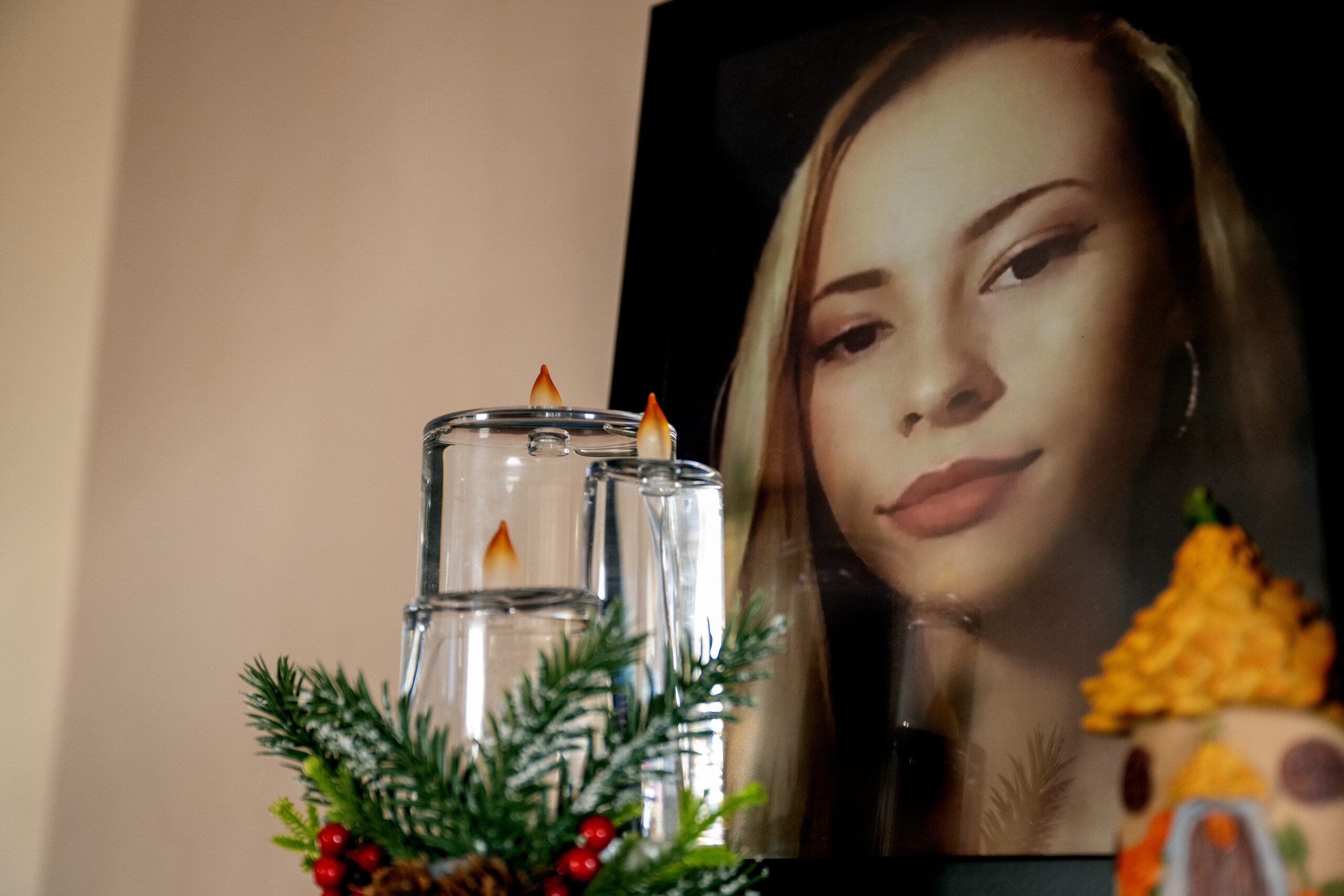
Anastasiya Stangret was kind, gentle, and polite.
They checked in with Stangret’s boyfriend, they said, but for weeks, he made excuses for her absence. He told them that she was at a friend’s house and had lost her phone, that she was in rehab, that she was at the hospital.
On July 27, Sarancha and her daughter visited the 7th Police District in Northeast Philly to report Anna missing, but they said an officer told them to go home and call 911 to file a report.
Two officers responded to their home that day. The family explained their concerns — Stangret was not returning calls or texts, and her boyfriend was acting strange. But the officers, they said, told them they could not take the missing-persons report because Stangret no longer lived with them. They recommended that the family go to Kensington and look for her.
Through August, the family visited a nearby hospital looking for Stangret, only to be turned away. Sarancha, 46, and her husband drove through the streets of Kensington without success. They continued to contact the boyfriend, but received no information.
They wanted to believe that she was OK.
On Sept. 12, they visited Northeast Detectives to try to file a missing-persons report again, but they said an officer said that was not the right place to make the report. They left confused. Dasha Stangret called the district again that day, but she said the officer on the phone again told her that she should go to Kensington and look for her sister.
That the family was discouraged from filing a report — or that they were turned away — is a violation of Philadelphia police policy.
“When in doubt, the report will be taken,” the department’s directive reads.
Finally, on the night of Sept. 12, Dasha Stangret again called 911, and an officer came to the house and took the missing-persons report. For the first time, they said, they felt like they were being taken seriously.
A few days later, Dasha Stangret called the detective assigned to the case and asked if there was any information. He asked her to open her laptop and visit a website for missing and unidentified persons.
Scroll down, he told her, and look at the photos under case No. 124809.
On the screen was her sister’s jewelry.
Dasha Stangret gifted this necklace to her sister for her birthday one year. Police released the image after Anastasiya’s body was found last June, in a hope that someone would recognize it and identify her. Dasha did not see the photo until September 2024.Olga Sarancha gifted these gold earrings, handmade in Ukraine, to her eldest child on her birthday a few years ago. Police released this image after they recovered the earrings on Anna’s body, hoping it could lead them to her identity.
A detective’s hunch
Three months into Bova’s quest to identify the woman under the pallet — of watching hundreds of hours of surveillance footage and chasing fleeting missing-persons leads — dental records confirmed that the victim was Stangret.
After meeting with her family, Bova questioned the young woman’s boyfriend.
He told the detective he and Stangret had met a man under the El at the Arrott Transit Center in Frankford sometime in June, Bova said, and that the man gave them drugs in exchange for suboxone and, later, sex with Stangret.
But the man had grown infatuated with Stangret, he said, and after she left his house, he started threatening her in Facebook messages, ordering her to return and saying that if anybody got in his way, he would hurt them.
The man lived in a rooming house on Penn Street — almost directly in front of the overgrown lot where Stangret’s body was found. Surveillance video showed Stangret walking inside the rowhouse with him just before 7 p.m. on June 18, Bova said, but video never showed her coming back out.
Police searched the man’s apartment but found nothing to link him to the crime — no blood, no gun, no forensic evidence that Stangret had ever been inside. The suspect had deleted most of the texts and calls in his phone from June, July, and August, Bova said, and because nearly four months had passed, they could no longer get precise phone location data.
He said that, at this point, he does not believe the boyfriend was involved with her death, and that he came up with excuses because he was afraid to face her family.
Surveillance cameras facing the lot where Stangret was found didn’t show anyone entering the brush with a body. Neighbors and residents of the rooming house said they didn’t know or hear anything, he said. And a woman seen on camera pacing the block and talking with the suspect the night they believed Stangret was killed also said she had no information.
The detective is stuck, he said.
“Is it enough for an arrest? Sure,” Bova said of the circumstantial evidence against the suspect. “But our focus is securing a conviction.”
Bova’s theory is that the man, angry that Stangret wanted to leave, shot her in the head. Because the house has no back door, he believes the man then lowered her body out of the second-floor window, used cardboard to drag her through the brush, and then hid her under a pallet.
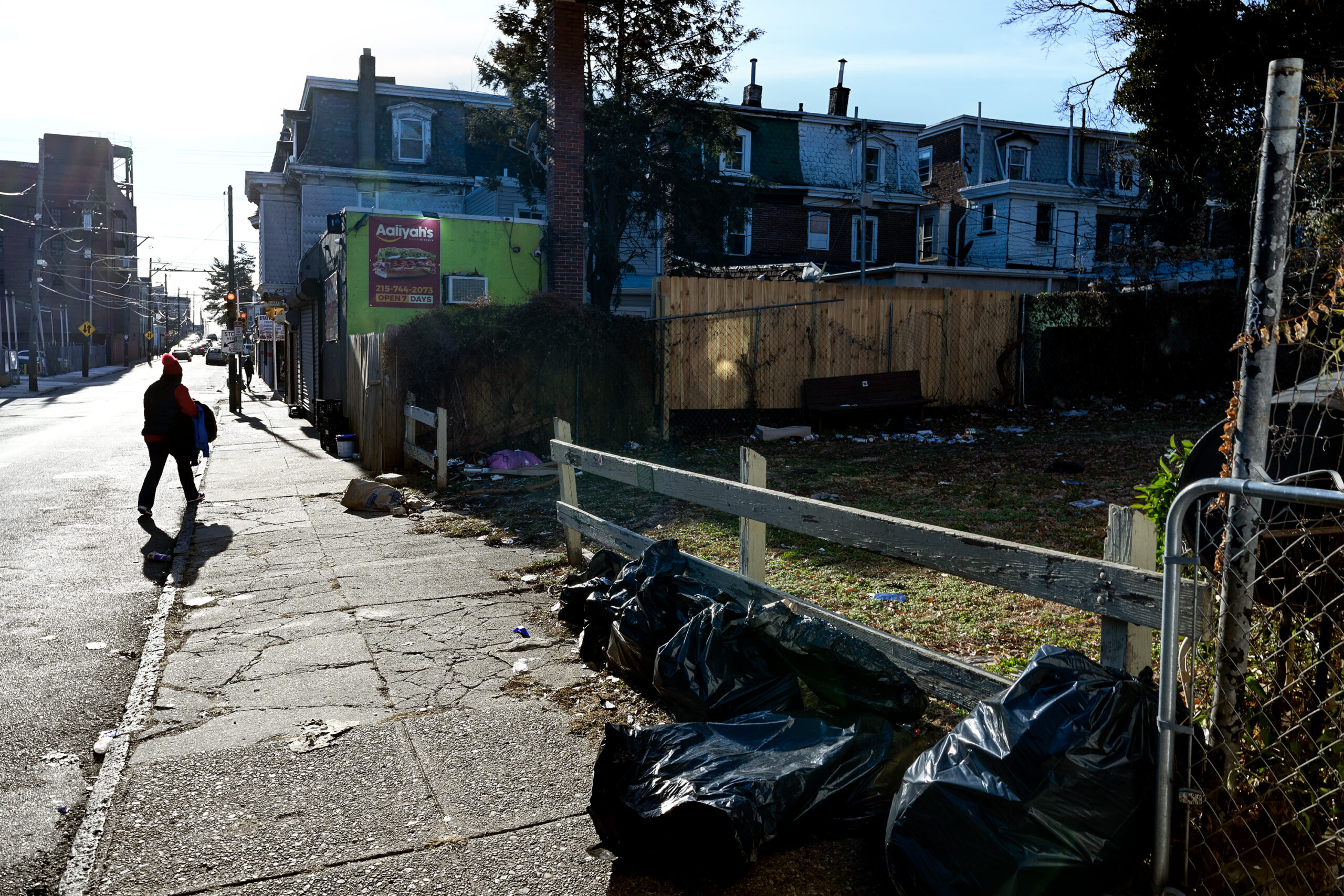
Anastasiya Stangret’s body was found in the back of this vacant lot, on the 4700 block of Griscom Street, in June 2024.
He is sure that someone has information that could help the case — that the suspect may have bragged about what happened, that a neighbor heard a gunshot or saw Stangret’s body being taken into the lot.
There is a $20,000 reward for anyone who has information that leads to an arrest and conviction.
“The hardest part is patience,” he said. “I’m looking for any tips, any information.”
Bova has worked in homicide for five years. As with all detectives, he said, some cases stick with him more than others. Stangret’s is one of them.
“Anna means a lot,” he said. “This is a young girl. We all have children. I have daughters. For her to be thrown in an empty lot and left, to see her life not matter like that, it’s horrifying to me and to us as a unit.”
“It eats me alive,” he said, “that I don’t have answers for them and I’m not finishing what was started.”
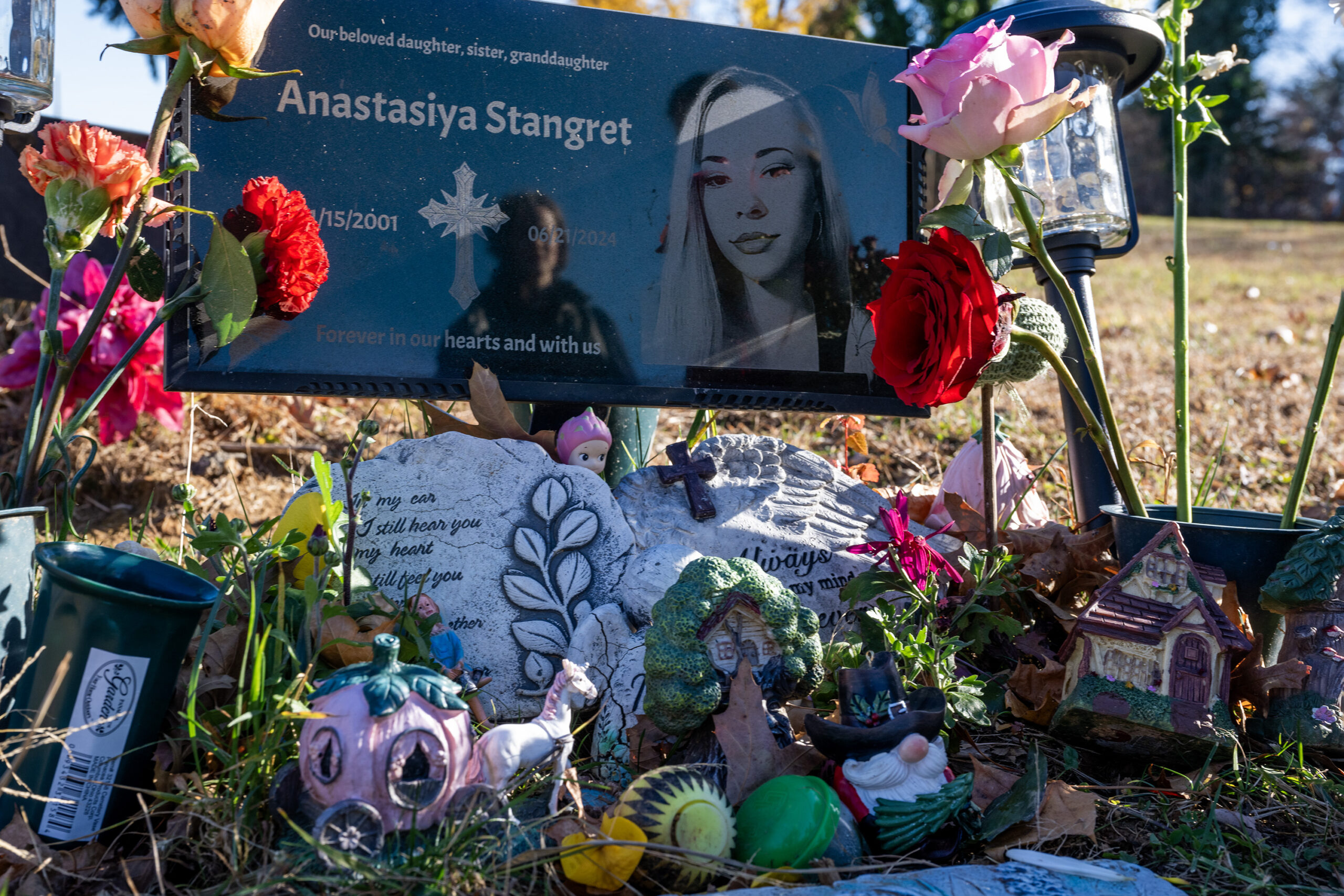
Dasha Stangret is reflected in the memorial at the grave of her sister, Anastasiya, in William Penn Cemetery.
‘I love you. I miss you’
Stangret’s family suffers every day — the guilt of wondering whether they could have done more to get her help, the anger that her boyfriend didn’t raise his concerns sooner, the fear of knowing the man who killed her is still out there.
Dasha Stangret, a graphic design student at Community College of Philadelphia, finds it difficult to talk about her sister at length without trembling. It’s as if the grief has sunk into her bones.
In July, she asked a police officer to drive her to the lot where her sister’s body was found. She sat for almost an hour, crying, placing flowers, searching for a way to feel closer to her.
“I cannot sleep, I cannot live,” Olga Sarancha said of the pain of losing her daughter.
Sarancha struggles to sleep. She wakes up early in the mornings and rereads old text messages with her daughter. She pulls herself together to care for her 6-year-old son, Max, whose memories of his oldest sister fade daily.
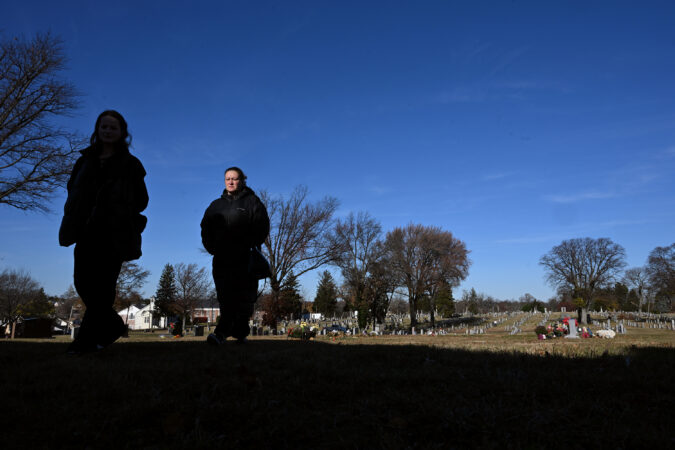
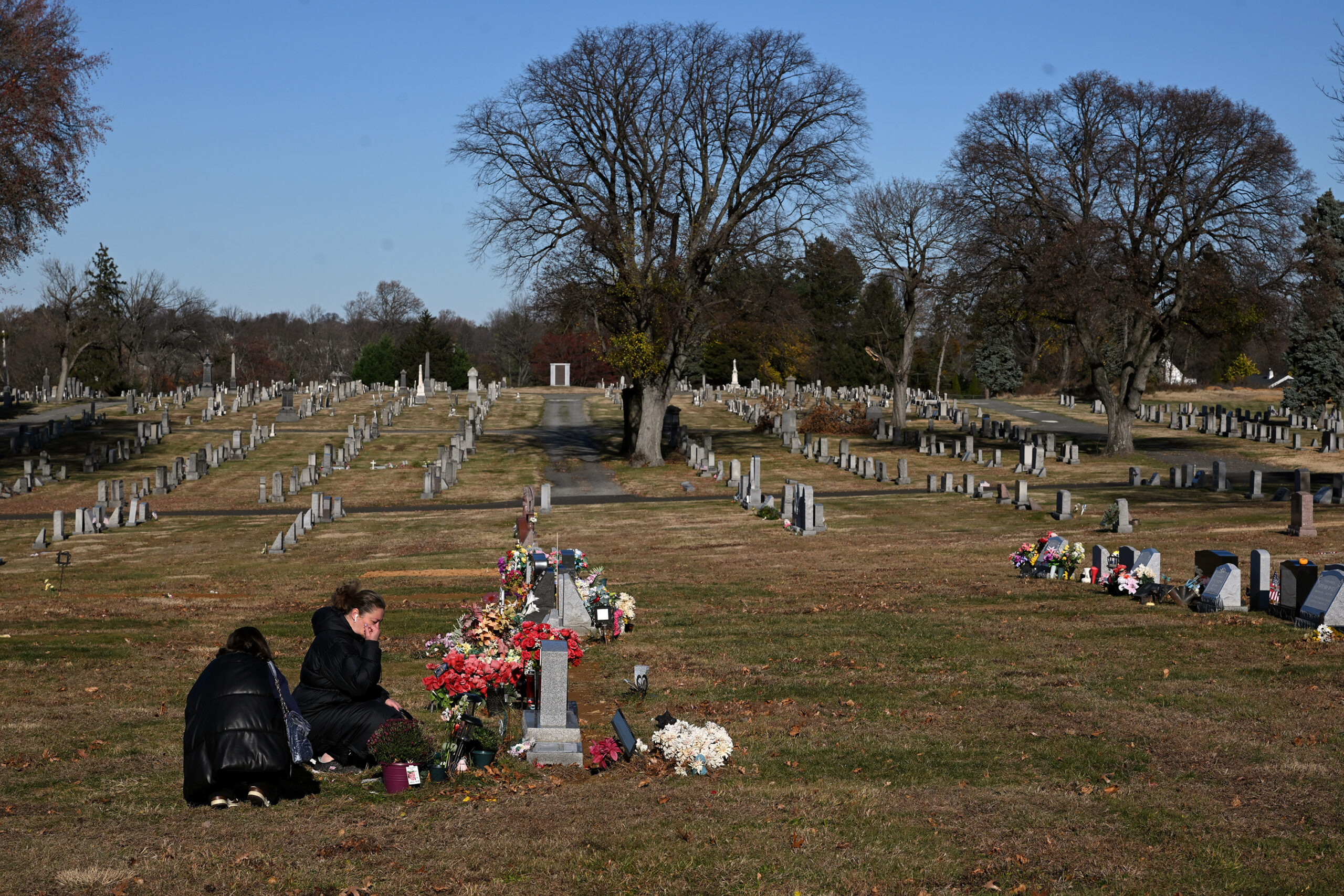
On a recent day, Dasha Stangret and her mother visited her sister’s grave at William Penn Cemetery. They fluffed up the fresh roses, rearranged the tiny fairy garden around her headstone, and lit a candle.
Stangret began to cry — and shake. Her mother took her arm.
“I love you. I miss you,” Stangret told her sister. “I hope you’re happy, wherever you are.”
And nearly 20 miles south, inside the homicide unit, Bova continues to review the files of the case, waiting for the results of another DNA test, hoping for a witness who may never come.
If you have information about this crime, contact the Homicide Unit at 215-686-3334 or submit a confidential tip by texting 773847 or emailing tips@phillypolice.com.
Olga Sarancha (right) and her daughter Dasha visit the grave of her older daughter Anastasiya Stangret in William Penn Cemetery. “It feels out of body. Like a dream, a movie, like it’s not real,” Dasha said of losing her sister.
Science teacher Michael Green wasn’t sure how his students would feel about the new assignment. Growing mushrooms for South Jersey restaurants had, after all, never been in his curriculum before.
They loved it, and three years later, the operation at Rancocas Valley Regional High School in Mount Holly is thriving. The project produces more than 1,000 pounds of mushroom varieties annually.
“It’s super fun,” said sophomore Lilly Sell, 16, an aspiring pediatric nurse or welder. “You don’t really get bored.”
In the classroom, Green teaches students in his biology and environmental science classes the fundamentals of a mushroom, the fleshy, spore-bearing fruiting body of a fungus. They learn about genetics, cell division, and the growing process.
“My goal is to do real science,” Green said.
Students are also learning about the farm-to-table movement by selling the harvest to local eateries and public service by donating mushrooms to a nearby soup kitchen and serving meals to the less fortunate.
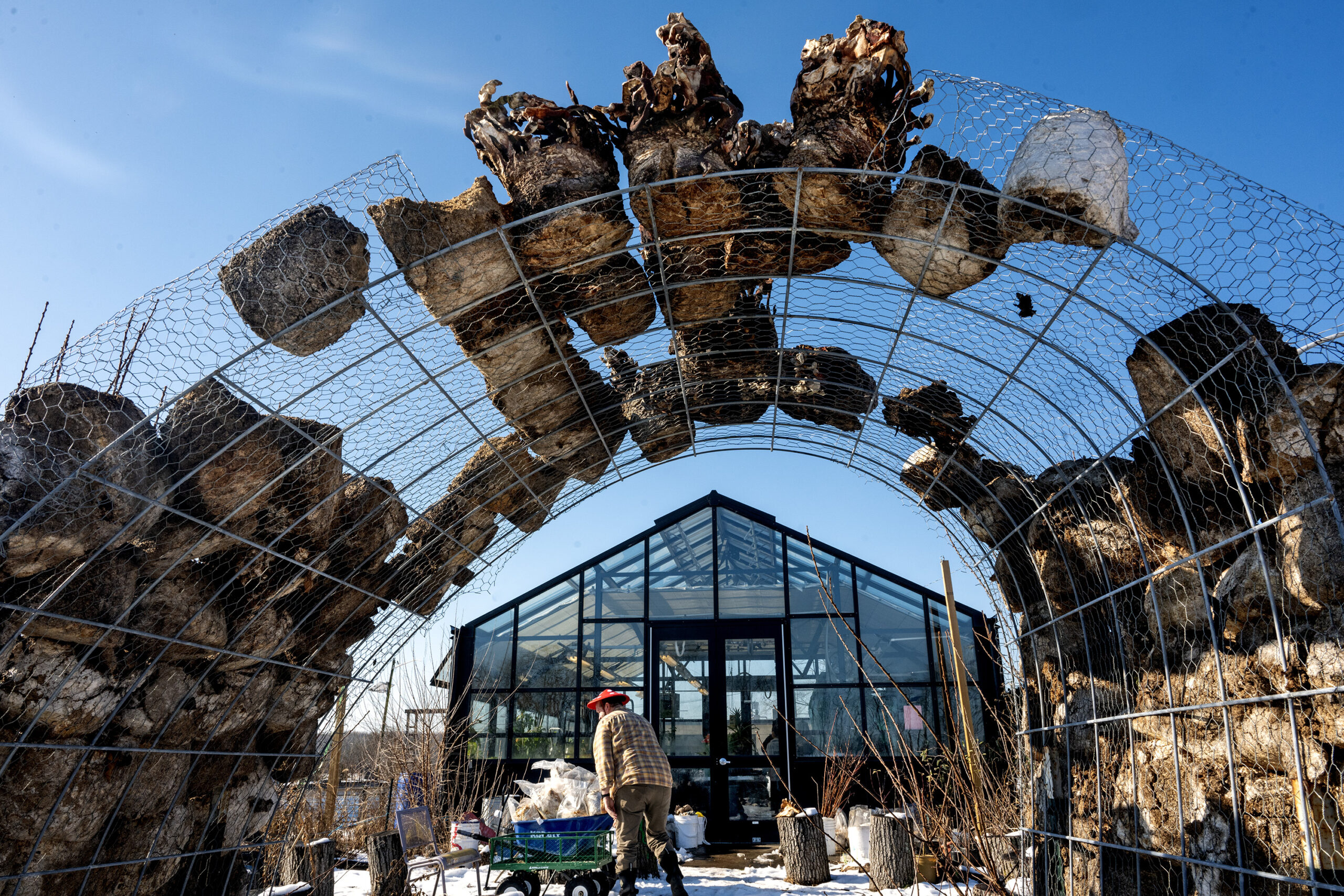
Green makes use of mushroom farming waste – spent mushroom substrate (SMS) – to decorate an archway by the greenhouse. They are producing 1,000 pounds of mushroom varieties – and almost that much waste, which they use for composting in their gardens and orchard and plan someday to sell as compost.
Outside, the students get hands-on mushroom harvesting experience inside a greenhouse located behind the annex that houses the RV PREP (Personalized Readiness and Education Program). There are also coops on the property for about 19 chickens and a handful of quail also tended by students.
Thestudentmushroom farmers harvest edible fungi varieties such as lion’s mane, blue oyster, chestnut, black pearl oyster, comb tooth, and shiitake. Their produce has become part of the supply chain for several nearby restaurants and the students’ own families, who are gifted the fungi.
Green said the operation began several years ago, when the Mycopolitan Mushroom Co. in Philadelphia was looking for a way to get rid of waste — the blocks of mycelium-laced agricultural waste where mushrooms grow. They forged a partnership and Green agreed to regularly pick up a truckload.
Three weeks after Green picked up the first load of blocks in 2022, students harvested about 20 to 30 pounds of mushrooms. The operation has grown steadily since then, Green said.
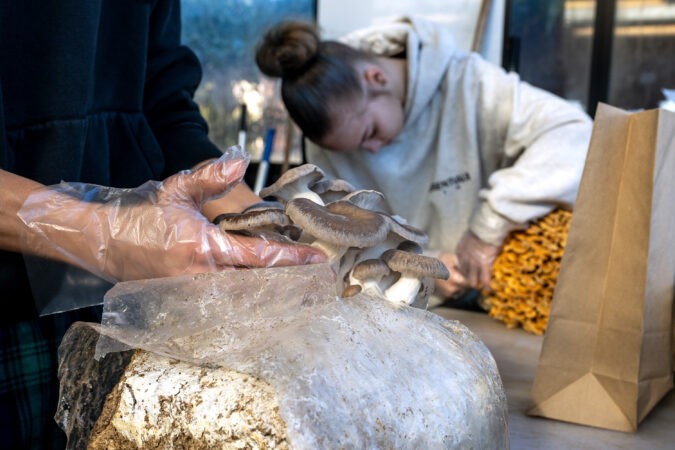
The blocks are stored in plastic bags on shelves in the greenhouse, which is temperature-controlled for the best growing conditions.After a few weeks, the bags are cut open to let in oxygen to grow the mushrooms.
Green said the blocks sit in the greenhouse in a fruiting chamber during the pinning, or growing, period. Each load of blocks yields about 200 bags of edible mushrooms, he said.
The bulk of the harvest is sold wholesale to the Robin’s Nest restaurant in Mount Holly and the Vincentown Diner in Southampton Township, Green said.
The classroom-to-table operation has been profitable for the school. It generates about $7,000 annually, which is reinvested in the school’s environmental science and biology programs, Green said.
“We use a ton of mushrooms at the restaurant,” said Robin Winzinger, who runs the family-owned Robin’s Nest. “The quality of their mushrooms are fantastic, really top-notch.”
The mushrooms are featured on the menu as “RV mushrooms,” said Winzinger, a culinary chef. They are used in the restaurant’s wild mushroom soup, quiche, and risotto, among other dishes, she said.
The school also donates about three pounds weekly to the First Presbyterian Church in Mount Holly for its community lunch program, said Jan Delgado, the director. The program serves about 300 free meals twice a week.
Delgado said the program’s chef prepares the mushrooms as a side dish sauteed with herbs. The church would not be able to offer the dish otherwise, she said.
“It’s strictly a delicacy that we are able to serve because of the school,” Delgado said. “We would never purchase mushrooms — that would be too expensive.”
Students occasionally volunteer at the church to help serve the meals prepared with the fungi — an experience Sell described as “heart-warming.”
“They love the mushrooms,” Sell said. “They go through the pans in seconds.”
After donning plastic gloves, Sell and classmate Jordan Griffin, 18, a senior, stepped into the humid greenhouse on a recent morning to inspect the latest batch of shrooms.
They pointed out different mushroom varieties that typically grow from October to March or April. Students in the school’s Environmental Club also assist with harvesting after school.
Griffin, who plans to attend a trade school to study welding or HVAC repair, said the hands-on experience piqued his interest. He’s not too fond of sampling mushroom dishes, however.
“I’m not the biggest fan of them,” Griffin said. “I won’t go crazy over them.”
Green has asked Winzinger to conduct cooking demonstrations in class, hoping to whet students’ appetites with dishes like chicken mushroom Alfredo and mushroom soup.
“I don’t know how many students would want to eat a mushroom entree,” Green said.
Sell said that while she is no fungi fanatic, she enjoys her mother’s mushrooms sauteed with garlic butter.
“There are many ways to make it to your taste,” she said.
After opening the plastic bags, Griffin and Sell carefully cut a small harvest and packaged the mushrooms in brown paper bags. The bags would be offered that day free to students and staff.
After harvest, the spent mushroom blocks are composted on site and applied to the school’s Outdoor Learning space, which includes fruit trees, rain gardens, vegetable plants, and honeybees.
Lilly Sell harvests enoki mushrooms.
Green said most of the mushrooms are harvested in bigger quantities and sold to the local restaurants. Whatever is left over is given to the community, he said.
“My goal is just to get the mushrooms out,” Green said. “The goal is to get mushrooms into people’s hands.”