Category: News

Latest breaking news and updates

  • Trump claims killing of Iran protesters ‘has stopped’ even as Tehran signals executions ahead

    Trump claims killing of Iran protesters ‘has stopped’ even as Tehran signals executions ahead

    WASHINGTON — President Donald Trump said Wednesday that he’s been told “on good authority” that plans for executions in Iran have stopped, even as Tehran has indicated fast trials and executions ahead in its crackdown on protesters.

    The president’s claims, which were made with few details, come as he’s told protesting Iranians in recent days that “help is on the way” and that his administration would “act accordingly” to respond to the Iranian government. But Trump has not offered any details about how the U.S. might respond and it wasn’t clear if his comments Wednesday indicated he would hold off on action.

    “We’ve been told that the killing in Iran is stopping — it’s stopped — it’s stopping,” Trump said at the White House while signing executive orders and legislation. “And there’s no plan for executions, or an execution, or executions — so I’ve been told that on good authority.”

    The president on Tuesday consulted with his national security team about next steps after telling reporters he believed the killing in Iran was “significant.”

    Vice President JD Vance, Secretary of State Marco Rubio, and key White House National Security Council officials began meeting last Friday to develop options for Trump, ranging from a diplomatic approach to military strikes.

    The Iranian security force crackdown on the demonstrations has killed at least 2,586, the U.S.-based Human Rights Activists News Agency reported.

    On Wednesday, Iranian officials signaled that suspects detained in nationwide protests would face fast trials and executions while the Islamic Republic promised a “decisive response” if the U.S. or Israel intervene in the domestic unrest.

    The threats emerged as some personnel at a key U.S. military base in Qatar were advised to evacuate by Wednesday evening following Trump’s escalated warnings of potential military action over the killing of peaceful demonstrators.

    Mohammad Pakpour, commander of Iran’s paramilitary Revolutionary Guard, reiterated Iranian claims, without providing evidence, that the U.S. and Israel have instigated the protests and that they are the real killers of protesters and security forces who have died in the turmoil, according to Iran’s semiofficial Tasnim news agency.

    He added that those countries will “receive the response in the appropriate time.”

    Earlier Wednesday, Gholamhossein Mohseni-Ejei, Iran’s judiciary chief, said the government must act quickly to punish more than 18,000 people who have been detained through rapid trials and executions. Mohseni-Ejei’s comments about rapid trials and executions were made in a video shared by Iranian state television online.

    “If we want to do a job, we should do it now. If we want to do something, we have to do it quickly,” he said. “If it becomes late, two months, three months later, it doesn’t have the same effect. If we want to do something, we have to do that fast.”

    The comments stand as a direct challenge to Trump, who warned Iran about executions in an interview with CBS aired Tuesday. “If they do such a thing, we will take very strong action,” Trump said.

    “We don’t want to see what’s happening in Iran happen. And you know, if they want to have protests, that’s one thing. When they start killing thousands of people, and now you’re telling me about hanging — we’ll see how that works out for them. It’s not going to work out good.”

    One Arab Gulf diplomat told the AP that major Mideast governments had been discouraging the Trump administration from launching a war with Iran, fearing “unprecedented consequences” for the region that could explode into a “full-blown war.” The diplomat spoke on condition of anonymity because he wasn’t authorized to speak to journalists.

    Satellite internet service offer

    Iran’s government cut off the country from the internet and international telephone calls on Jan. 8.

    Activists said Wednesday that Starlink was offering free service in Iran. The satellite internet service has been key in getting around the internet shutdown. Iran began allowing people to call out internationally on Tuesday via mobile phones, but calls from people outside the country into Iran remain blocked.

    “We can confirm that the free subscription for Starlink terminals is fully functional,” said Mehdi Yahyanejad, a Los Angeles-based activist who has helped get the units into Iran. “We tested it using a newly activated Starlink terminal inside Iran.”

    Starlink itself did not immediately acknowledge the decision.

    Security service personnel apparently were searching for Starlink dishes, as people in northern Tehran reported authorities raiding apartment buildings with satellite dishes. While satellite television dishes are illegal, many in the capital have them in homes, and officials broadly gave up on enforcing the law in recent years.

    Death toll continues to rise

    The Human Rights Activists News Agency said 2,417 of the dead were protesters and 147 were government-affiliated. Twelve children were killed, along with 10 civilians it said were not taking part in protests.

    More than 18,400 people have been detained, the group said.

    Gauging the demonstrations from abroad has grown more difficult, and the AP has been unable to independently assess the toll given the communications being disrupted in the country.

  • Danish official says there’s a “fundamental disagreement” with Trump over Greenland

    Danish official says there’s a “fundamental disagreement” with Trump over Greenland

    WASHINGTON — A top Danish official said Wednesday that a “fundamental disagreement” over Greenland remains with President Donald Trump after talks in Washington with Vice President JD Vance and Secretary of State Marco Rubio.

    The two sides, however, agreed to create a working group to discuss ways to work through differences as Trump continues to call for a U.S. takeover of the Denmark’s Arctic territory of Greenland.

    “The group, in our view, should focus on how to address the American security concerns, while at the same time respecting the red lines of the Kingdom of Denmark,” Danish Foreign Minister Lars Løkke Rasmussen told reporters after joining Greenland’s foreign minister, Vivian Motzfeldt, for the talks.

    Trump is trying to make the case that NATO should help the U.S. acquire the world’s largest island and says anything less than it being under American control is unacceptable.

    Denmark has announced plans to boost the country’s military presence in the Arctic and North Atlantic as Trump tries to justify his calls for a U.S. takeover of the vast territory by repeatedly claiming that China and Russia have their designs on Greenland.

    Vance and Rubio met with Løkke Rasmussen and Greenlandic Foreign Minister Vivian Motzfeldt for roughly an hour to discuss Greenland, a semiautonomous territory of NATO ally Denmark.

    But a few hours before the officials sat down, Trump reiterated on his social media site that the U.S. “needs Greenland for the purpose of National Security.” He added that “NATO should be leading the way for us to get it” and that otherwise Russia or China would — “AND THAT IS NOT GOING TO HAPPEN!”

    “NATO becomes far more formidable and effective with Greenland in the hands of the UNITED STATES,” Trump wrote. “Anything less than that is unacceptable.”

    Løkke Rasmussen told reporters that it remains “clear that the president has this wish of conquering over Greenland.”

    “And we made it very, very clear that this is not in the interest of the kingdom,” he said after the meeting, citing a “fundamental disagreement” with the Trump administration but willing to keep talking.

    Both Løkke Rasmussen and Motzfeldt offered measured hope that the talks were beginning a conversation that would lead to Trump dropping his demand of acquiring the territory and create a path for tighter cooperation with the U.S.

    “We have shown where our limits are and from there, I think that it will be very good to look forward,” Motzfeldt said.

    Denmark bolstering presence in Arctic

    In Copenhagen, Danish Defense Minister Troels Lund Poulsen announced an increase in Denmark’s “military presence and exercise activity” in the Arctic and the North Atlantic, “in close cooperation with our allies”.

    Poulsen said at a news conference the stepped-up military presence was necessary in a security environment in which “no one can predict what will happen tomorrow.”

    “This means that from today and in the coming time there will be an increased military presence in and around Greenland of aircraft, ships and soldiers, including from other NATO allies,” Poulsen said.

    Other NATO allies were arriving in Greenland along with Danish personnel, he said. Poulsen declined to name the other countries contributing to increased Arctic presence, saying that it is up to the allies to announce their own participation.

    Earlier, Swedish Prime Minister Ulf Kristersson wrote on X that “some officers from the Swedish Armed Forces are arriving in Greenland today” as part of a group from several allied countries. “Together, they will prepare events within the framework of the Danish exercise Operation Arctic Endurance,” Kristersson said. Two Norwegian military personnel also will be sent to Greenland to map out further cooperation with allies, the country’s Defense Minister Tore O. Sandvik told newspaper VG.

    Greenlanders want the U.S. to back off

    Greenland’s prime minister, Jens-Frederik Nielsen, said Tuesday that “if we have to choose between the United States and Denmark here and now, we choose Denmark. We choose NATO. We choose the Kingdom of Denmark. We choose the EU.”

    Asked about those comments, Trump replied: “I disagree with him. I don’t know who he is. I don’t know anything about him. But, that’s going to be a big problem for him.”

    Greenland is strategically important because, as climate change causes the ice to melt, it opens up the possibility of shorter trade routes to Asia. That also could make it easier to extract and transport untapped deposits of critical minerals which are needed for computers and phones.

    Trump says Greenland is also “vital” to the United States’ Golden Dome missile defense program. He also has said he wants the island to expand America’s security and has repeatedly cited what he says is the threat from Russian and Chinese ships as a reason to control it.

    But experts and Greenlanders question that claim.

    “The only Chinese I see is when I go to the fast food market,” heating engineer Lars Vintner said. He said he frequently goes sailing and hunting and has never seen Russian or Chinese ships.

    His friend, Hans Nørgaard, agreed, adding “what has come out of the mouth of Donald Trump about all these ships is just fantasy.”

    Denmark has said the U.S, which already has a military presence, can boost its bases on Greenland. The U.S. is party to a 1951 treaty that gives it broad rights to set up military bases there with the consent of Denmark and Greenland.

    For that reason, “security is just a cover,” Vintner said, suggesting Trump actually wants to own the island to make money from its untapped natural resources.

    Mikaelsen, the student, said Greenlanders benefit from being part of Denmark, which provides free health care, education and payments during study, and “I don’t want the U.S. to take that away from us.”

    Løkke Rasmussen and Motzfeldt, along with Denmark’s ambassador to the U.S., met Wednesday with senators from the Arctic Caucus, a bipartisan delegation of U.S. lawmakers is also heading to Copenhagen this week to see Danish and Greenlandic officials.

  • Women in tight uniforms and maggots in the soft serve: Two ex-employees sue Trump’s N.J. golf club

    Women in tight uniforms and maggots in the soft serve: Two ex-employees sue Trump’s N.J. golf club

    Women working at Trump National Golf Club in New Jersey were required to wear tight uniforms that were too small and told to “smile more,” as they endured “sexist remarks about their bodies and menstruation,” according to two lawsuits by former employees.

    Both complaints describe a similar pattern: A female employee at the Bedminster club, working in a culture hostile to women, reported safety issues and was penalized for doing so.

    Maria Hadley, a former banquet server who worked at the private club, owned by President Donald Trump, from February until she resigned in August, says she suffered from a retaliation campaign after she reported a manager who spiked the drink of an underage employee with vodka. And Justine Sacks, who was hired as clubhouse manager in 2023, says that she was demoted and ultimately fired in May for reporting health and safety violations, including maggots and mold in the soft-serve machine.

    The lawsuits describe a hyper-sexualized work environment, in which female staffers were expected to endure sexual harassment from workers and guests.

    Both Hadley and Sacks are represented by the New Jersey-based McOmber McOmber & Luber law firm. Their attorneys did not respond to a request for comment.

    The Bedminster club is operated by the Trump Organization, which is led by the president’s sons Eric Trump and Donald Trump Jr. Neither the club nor general manager David Schutzenhofer responded to requests for comment.

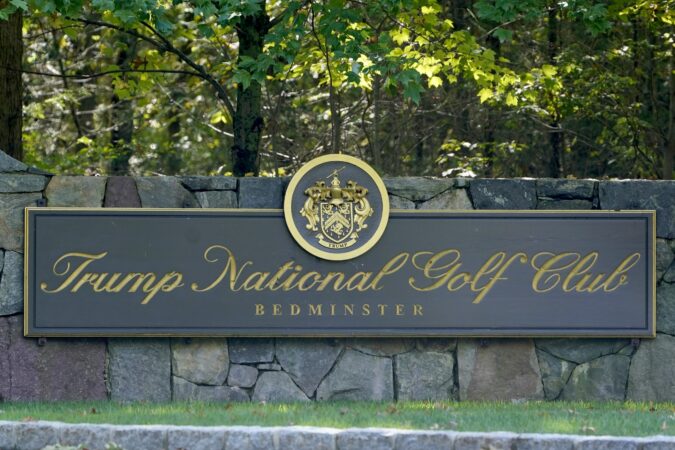
    In this July 15, 2017 file photo, President Donald Trump turns to wave to the people gathered at the clubhouse as his walks to his presidential viewing stand during the U.S. Women’s Open Golf tournament at Trump National Golf Club in Bedminster, N.J.

    Vodka-spiked Shirley Temple

    Hadley, a banquet server, says women were treated as “a prop” andwere expected to look pleasing, work without complaint, and stay quiet,” according to the lawsuit filed Monday in New Jersey Superior Court in Camden. Male managers and coworkers harassed their female peers, and called teenage guests “sexy.” When a guest inappropriately touched Hadley, a manager advised “they pay a lot of money to come here, just ignore it.”

    Hadley reported in June that a bartender poured vodka into the Shirley Temple of an underage employee without the employee’s consent, saying it would give her energy.

    The bartender was temporarily fired, but the club’s management launched a retaliation campaign against Hadley, the complaint says. She was denied a $1,000 bonus, isolated by her peers, and received worse hours and assignments.

    Hadley resigned via email in August, the suit says, writing to the club’s human resources representative that her employment became “unbearable.” The club accepted her resignation, which the suit calls “effectively forcing her out,” and rehired the fired bartender.

    That man went on to make sexual comments about 12-year-old guests with braces in September, according to a message Hadley sent to Eric Trump, the executive vice president of Trump National, which is included in the complaint.

    Maggots and mold

    Sacks joined Trump National in January 2023 and was told from the onset to expect “gender differences” in treatment, according to the suit, which was filed last month in Monmouth County Superior Court. She was instructed to hire women based on their looks, and received complaints from multiple direct reports about offensive, gender-based comments from male managers and peers.

    The complaints were dismissed by Schutzenhofer, who told Sacks to “vote the mean girls off the island,” the suit says.

    The club’s management slowly stripped Sacks’ authority and stopped inviting her to leadership meetings, in what the suit says was retaliation for elevating the complaints of female staffers.

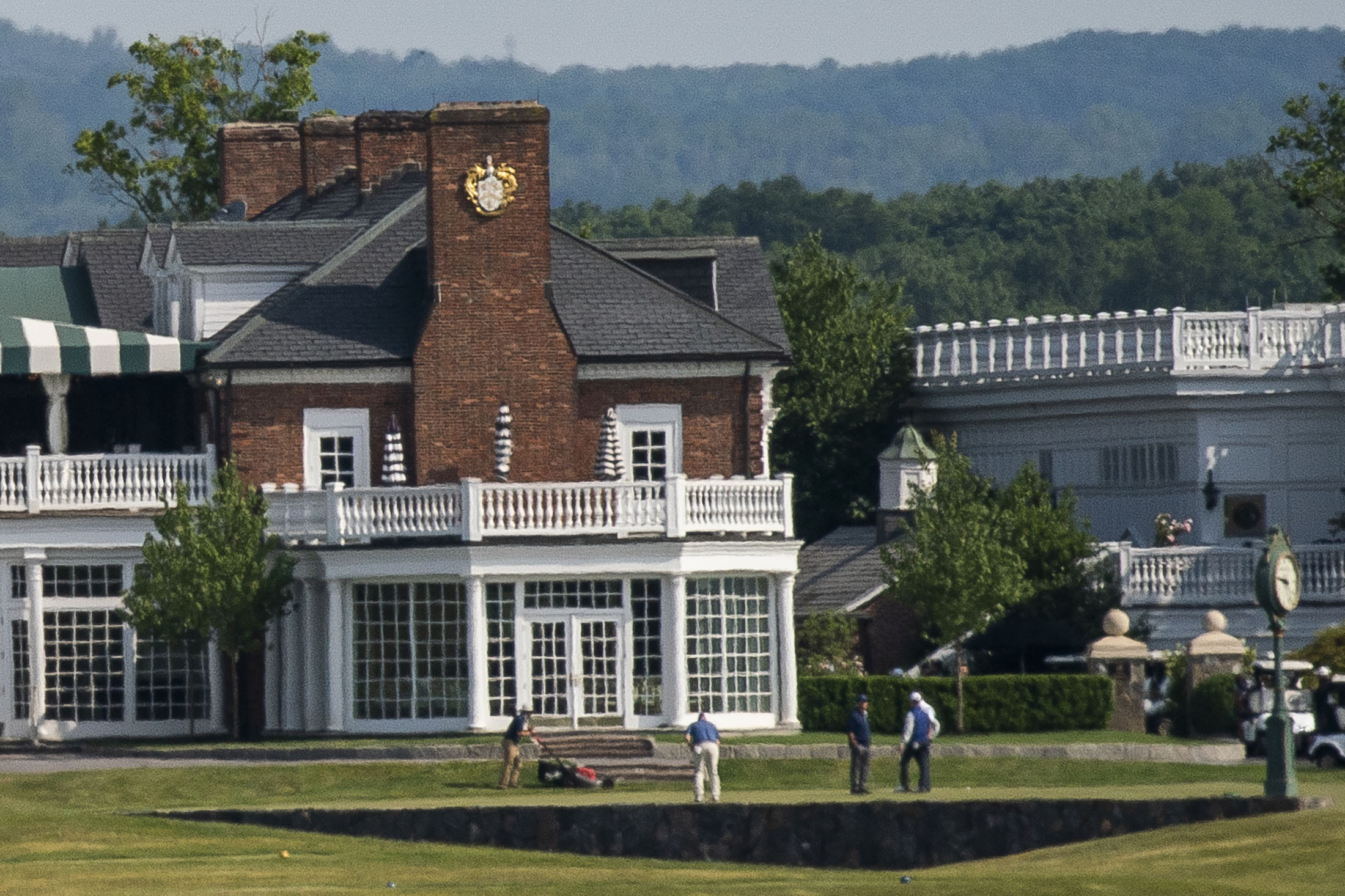
    People play golf next to the Trump National Golf Club Bedminster’s clubhouse in Bedminister on Friday, June 9 , 2023, in New Jersey.

    Sacks was also retaliated against for reporting unsanitary conditions at the club’s kitchens, which included expired and unlabeled food, and the bistro operating without running water, the complaint says. There were flies all over the clubhouse in the fall of 2023, which even Donald Trump complained about, according to the lawsuit.

    Management told Sacks that she was new to working at golf clubs and was “wrapped too tight” when she complained about the sanitation conditions, as well as employees drinking and vaping on the job. But even Eric Trump asked the club’s management team to make sanitation a “huge focus” because a few health inspectors are “eager and politically motivated to try and embarrass us,” according to a copy of an email sent by the executive vice president in January 2024.

    The clubhouse’s bistro-area became more unsanitary, and by September 2024 the soft-serve machine was filled with maggots and mold, the suit says.

    Sacks was placed on a 90-day performance improvement plan in December 2024 for, among other issues, being “off-putting,” the complaint says. In April, Sacks was reassigned from clubhouse manager to managing the bistro, which the lawsuit calls a clear demotion.

    Schutzenhofer terminated Sacks in May, the lawsuit says, shortly after the club “failed miserably” a state health inspection.

  • Jeffrey A. Woodley, internationally celebrated celebrity hairstylist, has died at 71

    Jeffrey A. Woodley, internationally celebrated celebrity hairstylist, has died at 71

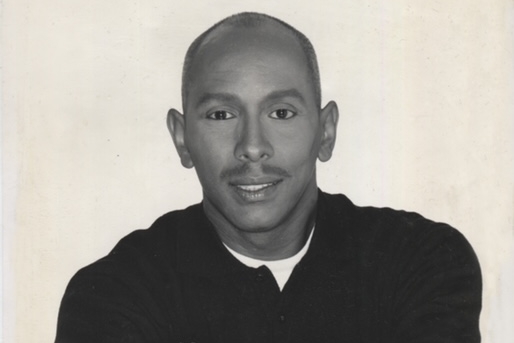
    Jeffrey A. Woodley, 71, formerly of Philadelphia, internationally celebrated celebrity hairstylist, scholar, youth track and field star, mentor, and favorite uncle, died Wednesday, Dec. 10, of complications from acute respiratory distress syndrome at Mount Sinai West Hospital in Manhattan.

    Reared in West Philadelphia, Mr. Woodley knew early that he was interested and talented in hairstyling, beauty culture, and fashion. He experimented with cutting and curling on his younger sister Aminta at home, left Abington High School before his senior year to attend the old Wilfred Beauty Academy on Chestnut Street, and quickly earned a chair at Wanamakers’ popular Glemby Salon at 13th and Chestnut Streets.

    He went to New York in the mid-1970s after being recruited by famed stylist Walter Fontaine and spent the next 30 years doing hair for hundreds of actors, entertainers, models, athletes, and celebrities. He styled Diahann Carroll, Whitney Houston, Aretha Franklin, Anita Baker, Angela Bassett, Halle Berry, and Tyra Banks.

    He worked with Denzel and Pauletta Washington, Eddie Murphy, Jasmine Guy, Lynn Whitfield, Pam Grier, Melba Moore, Jody Watley, and Karyn White. His hairstyles were featured in GQ, Vanity Fair, Ebony, Jet, Essence, Vibe, Vogue Italia, and other publications, and in advertising campaigns for L’Oréal and other products.

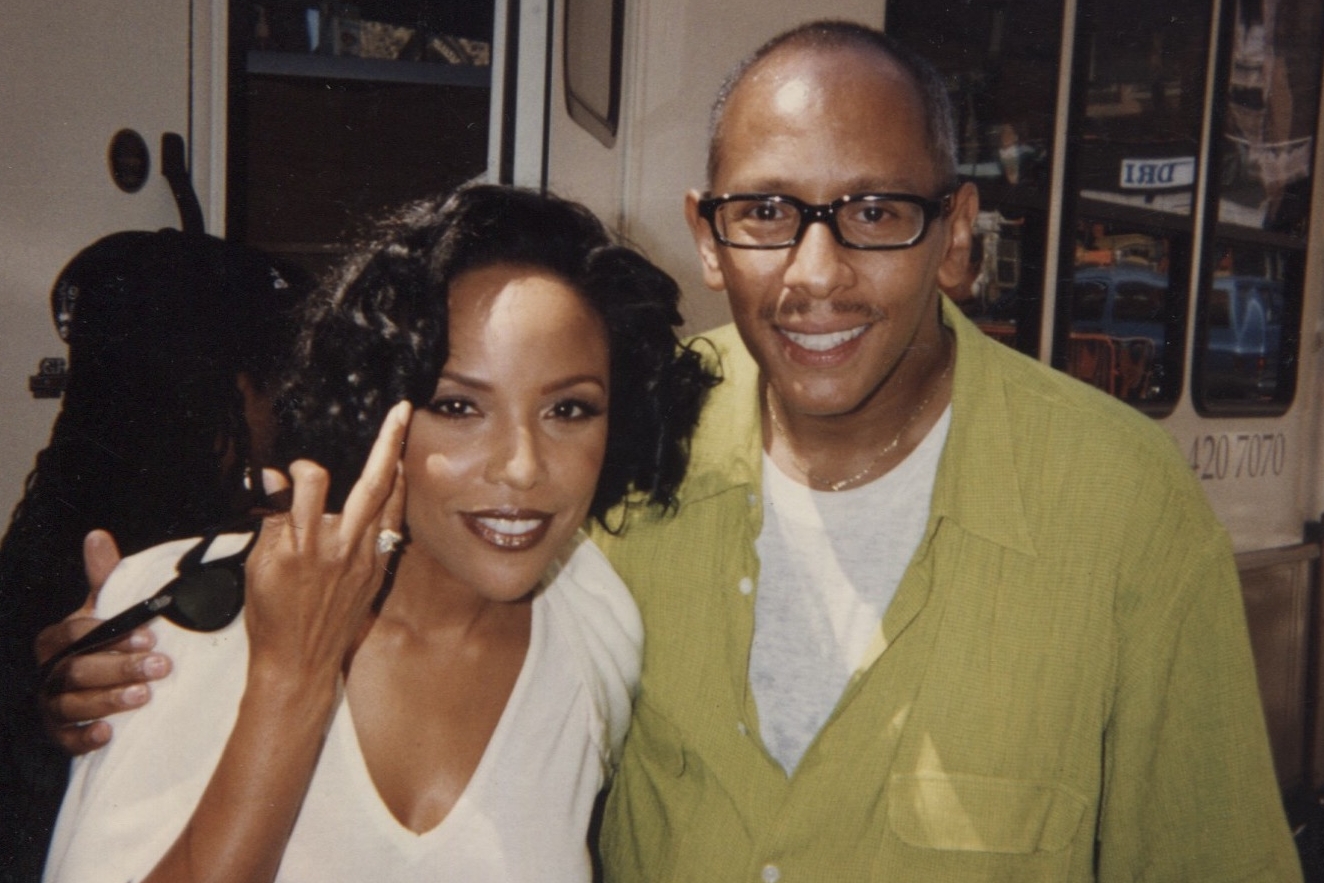
    Mr. Woodley poses with actor Lynn Whitfield.

    For years, actor Terry Burrell said, “He was the go-to hair stylist for every Black diva in New York City.” Pauletta Washington said: “He was responsible for so much of who I became as an artist and a friend.”

    Mr. Woodley worked for Zoli Illusions in New York, Europe, Africa, and elsewhere around the world, and collaborated often with noted makeup artists Reggie Wells and Eric Spearman. Model Marica Fingal called Mr. Woodley “uber talented” on Instagram and said: “He was one of the most skilled artists, creating stunning, innovative styles for models and celebs alike.”

    Friendly and curious, Mr. Woodley told Images magazine in 2000 that learning about the people in his chair was important. “A woman’s hairstyle should take into account the type of work she does, her likes, her dislikes, and her fantasies,” he said. “I’m a stylist, but I never impose hair styles on any client. When we arrive at our finished style, it’s always a collaboration.”

    His hairstyles appeared on record albums and at exhibitions at the Philadelphia Art Museum and elsewhere. He was quoted often as an expert in coiffure and a fashion forecaster. In 1989, he told a writer for North Carolina’s Charlotte Post: “Texture is the key. … Cut will still be important, but the lines will be more softened and much less severe.”

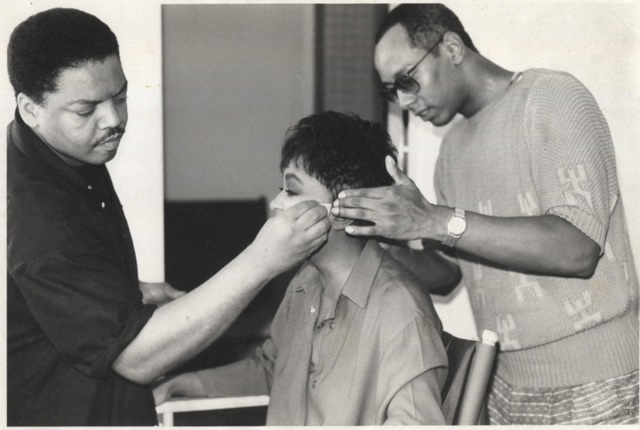
    Mr. Woodley (right) handles hair styling for singer Anita Baker while makeup artist Reggie Wells attends to her face.

    In 2000, he told Images that “low maintenance is the way of the future.” He said: “Today’s woman is going back to school. She has the corporate job. She has children that she needs to send off to school. She doesn’t have time anymore to get up and spend 35 to 40 minutes on her hair. She wants something she can get up and go with.”

    He retired in 2005 after losing his sight to glaucoma. So he earned his General Educational Development diploma, attended classes at the Borough of Manhattan Community College, and studied literature, Black history, and spiritual writing.

    “The entirety of his life was inspired by an insatiable thirst for knowledge,” said his friend Khadija Kamara.

    He was working on his memoir and still taking classes when he died. “He lived life on his own terms,” Burrell said, “and my respect and admiration for his determination will forever be inspiring.”

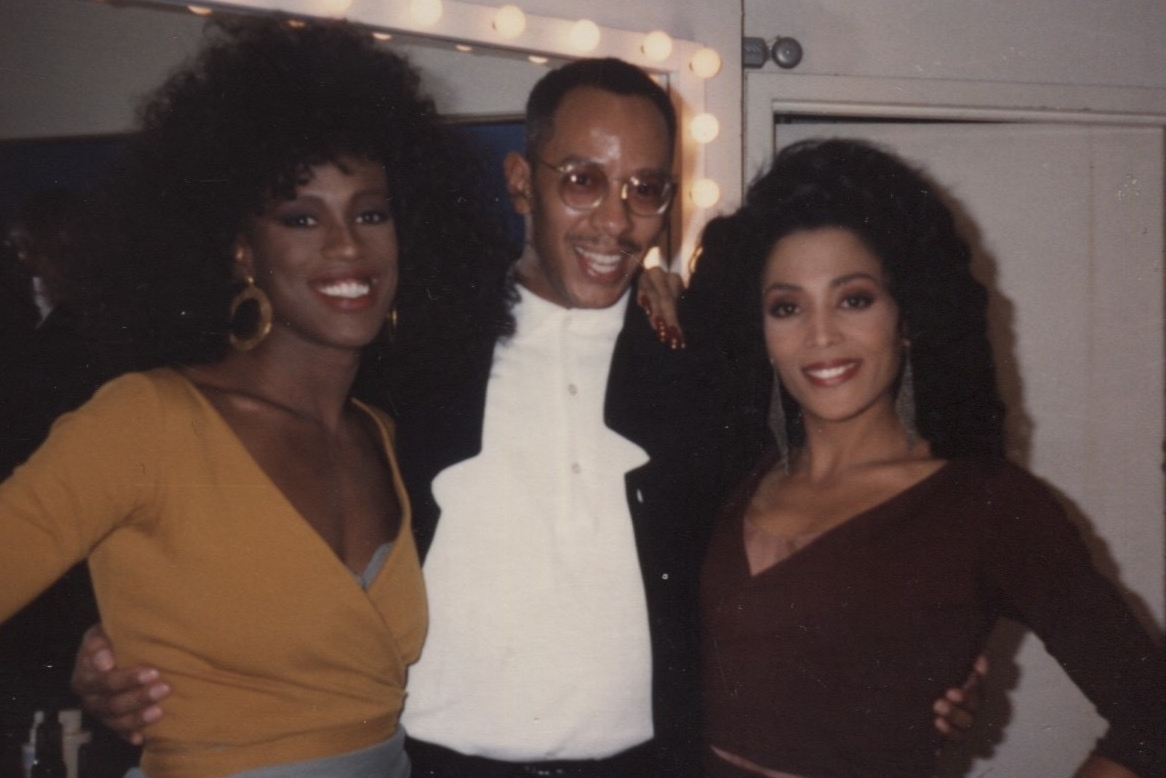
    Mr. Woodley smiles with track stars and celebrities Jackie Joyner-Kersee (left) and Florence Griffith Joyner.

    As a youth, Mr. Woodley excelled in sprints, relays, and the high jump at St. Rose of Lima Catholic School and Abington High School, and for the Philadelphia Pioneers and other local track and field teams. He ran on Abington’s 440-yard relay team that won the PIAA District 1 championship race at the 1970 Penn Relays and helped set a meet record in the four-lap relay at a 1971 Greater Philadelphia Track and Field Coaches Association indoor meet.

    Family and friends called him authentic, generous, and proud of his Philadelphia roots. He mentored his nieces and nephews and hosted them on long visits to his home in New York.

    “He was one of the most talented people around and always a lot of fun,” a friend said on Facebook. “A beautiful soul and spirit who made others beautiful.”

    Jeffrey Alan Woodley was born May 30, 1954, in Philadelphia. He had an older brother, Alex, and two younger sisters, Aminta and Alicia, and ran cross-country as well as track in high school.

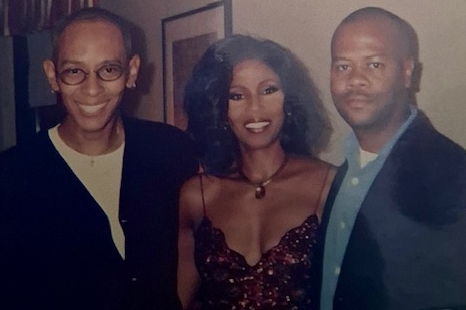
    Mr. Woodley (left) worked with actor and musician Pauletta Washington and makeup stylist Eric Spearman.

    He was always an avid reader and loved dogs, especially his guide dog Polly. He was a foodie and longtime member of the Abyssinian Baptist Church choir in Harlem. His close family and friends called him Uncle Jeff.

    “He was a fun-loving, spirited, and passionate individual,” his brother said. “Uncle Jeff loved the Lord and poured his heart into his work as well as family.”

    His sister Aminta said: “He had a wonderful spirit. He knew the Lord, lived life to the fullest, and was a joy to be with.”

    In addition to his mother, Anna, brother, and sisters, Mr. Woodley is survived by nieces, nephews, and other relatives.

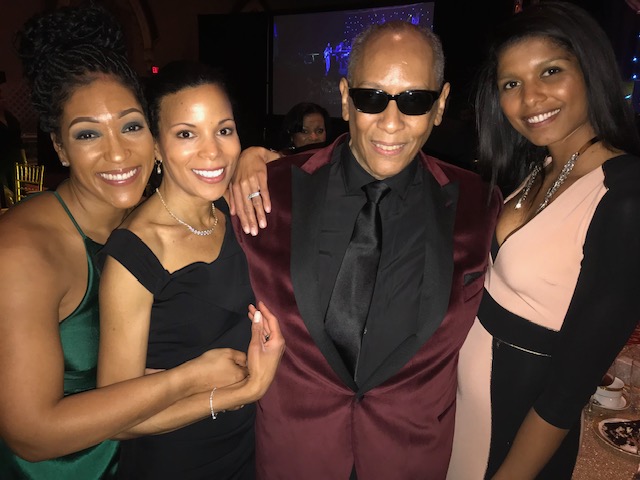
    Mr. Woodley doted on his nieces and nephews.

    A celebration of his life was held Dec. 22.

    Donations in his name may be made to Abyssinian Baptist Church, 132 W. 138th St., New York, N.Y. 10030; and the Anna E. Woodley Music Appreciation Fund at Bowie State University, 14000 Jericho Park Rd., Bowie, Md. 20715.

  • Bucks County sheriff terminates controversial alliance with ICE, prohibits deputies from asking about immigration status

    Bucks County sheriff terminates controversial alliance with ICE, prohibits deputies from asking about immigration status

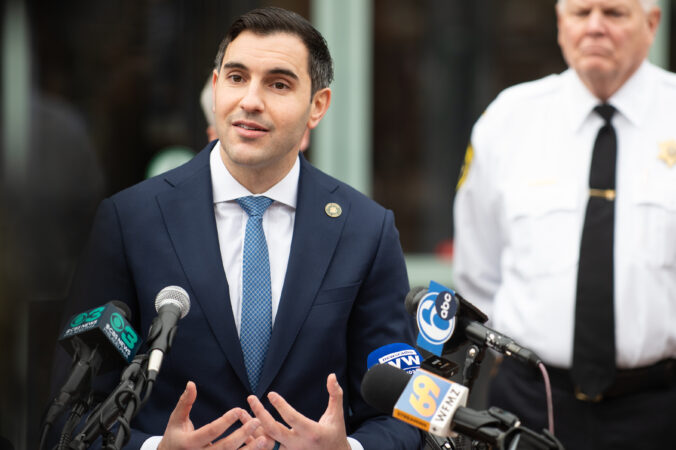
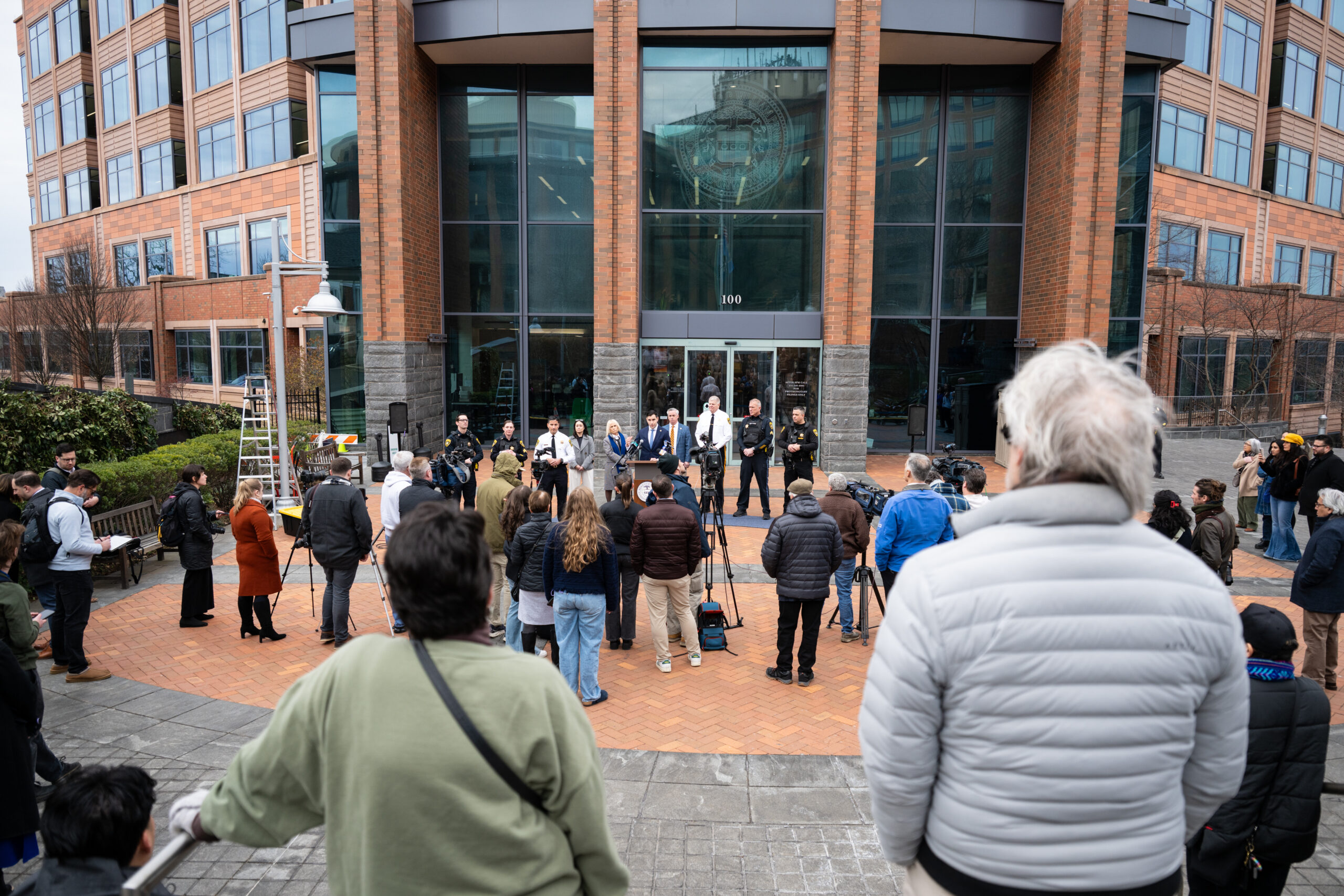
    Bucks County Sheriff Danny Ceisler terminated his office’s controversial partnership with ICE Wednesday, citing negative impacts on public safety and immigrants’ trust of law enforcement.

    The partnership, known as a 287(g) agreement, which enabled 16 sheriff deputies to act as immigration enforcement, was initiated by former Sheriff Fred Harran, the Trump-aligned Republican who Ceisler defeated in November.

    Ceisler said Wednesday that he signed two orders, one revoking the 287(g) partnership, and another that prohibited deputies from asking crime victims, witnesses, and court observers about their immigration status.

    “Bucks County is home to over 50,000 immigrants … those immigrants are our neighbors,” said Ceisler, a Democrat who took office last week, during a news conference outside of the Bucks County Justice Center Wednesday. “They are our friends. They are taxpayers and they deserve the protection of law enforcement in this community.”

    Ceisler’s decision to terminate 287(g) was expected, but his announcement comes amid a nationwide reckoning over federal immigration agents’ deployments to U.S. cities as ordered by the Trump administration. Protests against U.S. Immigration and Customs Enforcement escalated across the country, including in Philadelphia, after an ICE agent shot and killed a woman in Minnesota last week.

    Wednesday’s decision “has nothing to do with what’s going on in Minneapolis,” Ceisler said.

    Other officials in the region have spoken out directly in response to the Minnesota incident. Philadelphia Sheriff Rochelle Bilal’s comments calling ICE “fake, wannabe law enforcement” went viral.

    Ceisler, on Wednesday, called Bilal’s comments “completely counterproductive, and said she was the “wrong messenger for them.”

    The Bucks sheriff was adamant Wednesday that his order does not make Bucks County a so-called sanctuary jurisdiction, which have been increasingly targeted by President Donald Trump.

    The president announced Wednesday morning that on Feb. 1 he would cut off federal funding to states that have cities with sanctuary policies, which prohibit local law enforcement cooperation with ICE. Ceisler’s directive prohibits sheriff deputies from acting as immigration authorities, but does not cut off the county’s cooperation with ICE.

    People and press gather at a press conference announcing the termination of Bucks County’s partnership with ICE.

    “Bucks County has not, has never been, and will never be a so-called sanctuary county,” Ceisler said. “Our county has not severed all ties with ICE, nor precluded future partnership with ICE when it comes to dangerous criminals. Instead, we are returning to a level of partnership we’ve been operating under for decades.”

    Bucks was the only county in the Philadelphia area that wasn’t named as a sanctuary jurisdiction by the Trump administration last year when it rolled out an initial list of state and local governments in danger of losing funding — which was later deleted. Officials from the other collar counties disputed the designation at the time.

    Democratic Gov. Josh Shapiro downplayed concerns about Trump’s Feb. 1 funding threat during a Wednesday appearance at the Pennsylvania Farm Show in Harrisburg.

    “We don’t pay attention to the bluster, we pay attention to what’s written in the directive,“ Shapiro told reporters. ”Pennsylvania’s not a sanctuary state. I would anticipate us not losing funding at the state level unless they wanna be punitive.”

    The sheriff said that the county Department of Corrections will continue to share information with law enforcement agencies, including ICE. Federal immigration agents will also continue to have access to county jails and honor judicial warrants to hold individuals who are incarcerated for immigration enforcement.

    The motivation for the sheriff’s orders Wednesday were in response to “heartbreaking feedback” from Bucks’ immigrant community that they were afraid to report crimes or engage with law enforcement, Ceisler said

    “To the members of our immigrant communities, you are safe to call 911, you are safe to report crime and you are safe to come into this courthouse and testify,” Ceisler said.

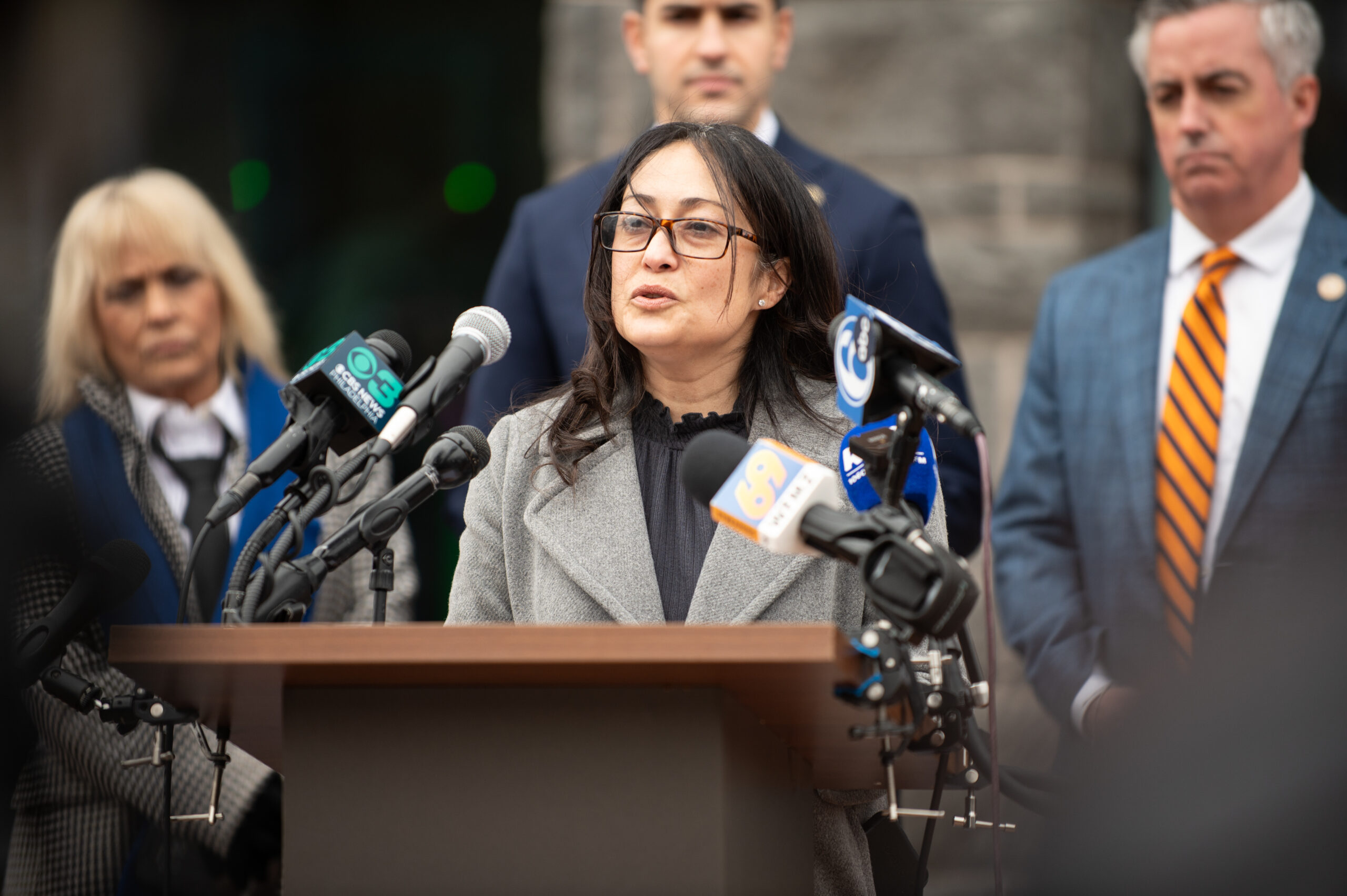
    Heidi Roux, an immigration advocate, said her “community is breathing a collective sigh of relief” by ending the 287(g) agreement, but noted that continuing to partner with local law enforcement is crucial to public safety.

    “I believe criminal activity can be addressed while simultaneously supporting the human rights and dignity of our residents,” Roux said.

    Heidi Roux, executive director at Immigrant Rights Action, speaks at a press conference about the termination of Bucks County’s partnership with ICE.

    The 287(g) affiliation stirred up controversy when then-Sheriff Harran announced the department’s alliance with ICE in April of last year. The agency had 455 agreements with police authorities in 38 states across the country.

    Since then the number has exploded, to 1,318 in 40 states, with 11 additional agreements pending as of Monday, according to ICE.

    ICE says the program helps protect American communities, a force-multiplier that adds strength to an agency workforce that numbers about 20,000 nationwide. Opponents, however, insist that turning local officers into immigration agents breaks community trust with the police and puts municipal taxpayers at risk of paying big legal settlements.

    In Pennsylvania, the number of participating agencies has grown from 39 in September to 52 today.

    Seven states, including New Jersey and Delaware, bar the agreements by law or policy.

    The growth in Pennsylvania and across the nation has been driven by Trump, who has pumped incentive money into the program as he pursues plans to arrest and deport millions of immigrants.

    On Trump’s first day in office in January, he directed the Department of Homeland Security to authorize local police to “perform the functions of immigration officers” to “the maximum extent permitted by law.”

    In the Philadelphia area, Harran’s decision to collaborate with ICE sparked public protests and a lawsuit – and may have cost him his job in a hard-fought November election.

    No one had yet been detained under that program, but opponents saw Ceisler’s election as the last chance to stop the Sheriff’s Department’s alliance with ICE, and the Democrat said he would act quickly to end the alliance.

    The former sheriff said his only goal was to make the community safer, that the department would not conduct random immigration checks or broad enforcement but “those who commit crimes must face the consequences regardless of immigration status.”

    The Democratic-led Bucks County Board of Commissioners warned county employees that they could be personally liable for helping ICE, passing a resolution that said the alliance was “not an appropriate use of Bucks County taxpayer resources.” Democratic Commissioners Diane Ellis-Marseglia and Bob Harvie were at Wednesday’s news conference but did not speak.

    In October, however, Bucks County Court Judge Jeffrey Trauger ruled that Harran’s cooperation with ICE was “clearly lawful under Pennsylvania jurisprudence,” and both “reasonable and necessary” in fulfilling his lawful duty to keep the citizens of Bucks County safe.

    Ceisler said that terminating the agreement is the first step to regaining trust of the county’s immigrant communities. Next, he said, comes getting out into the communities.

    “It’s about letting people know that they are safe,” he said.

    Staff writer Gillian McGoldrick contributed reporting.

  • Art Commission approves plan to move Rocky statue to top of Art Museum steps

    Art Commission approves plan to move Rocky statue to top of Art Museum steps

    Yo Adrian, they did it.

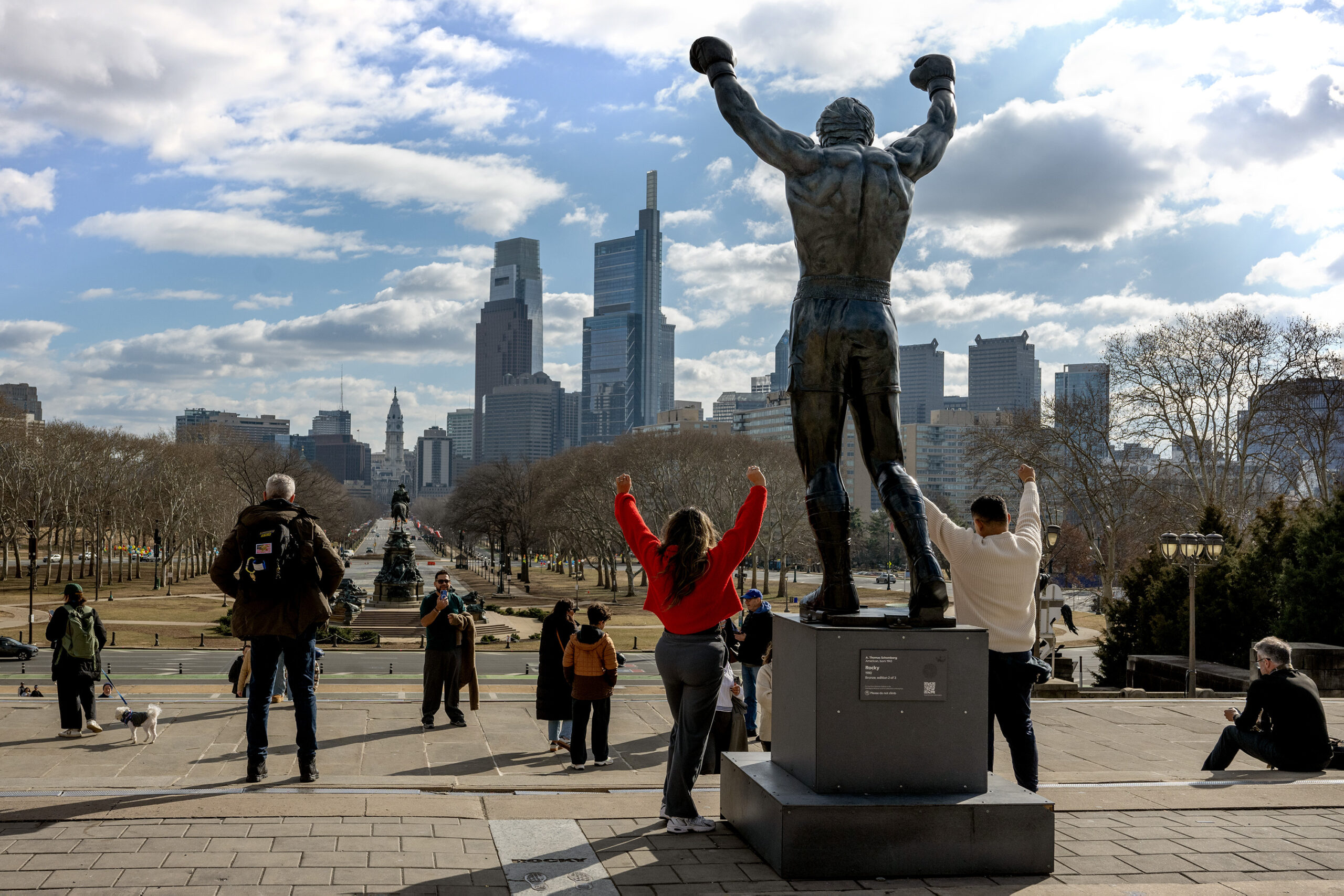
    The city’s famed Rocky statue has been cleared for installation atop the Philadelphia Art Museum’s iconic steps later this year following an Art Commission vote Wednesday. Four commissioners voted to approve the move, while one disapproved and one abstained.

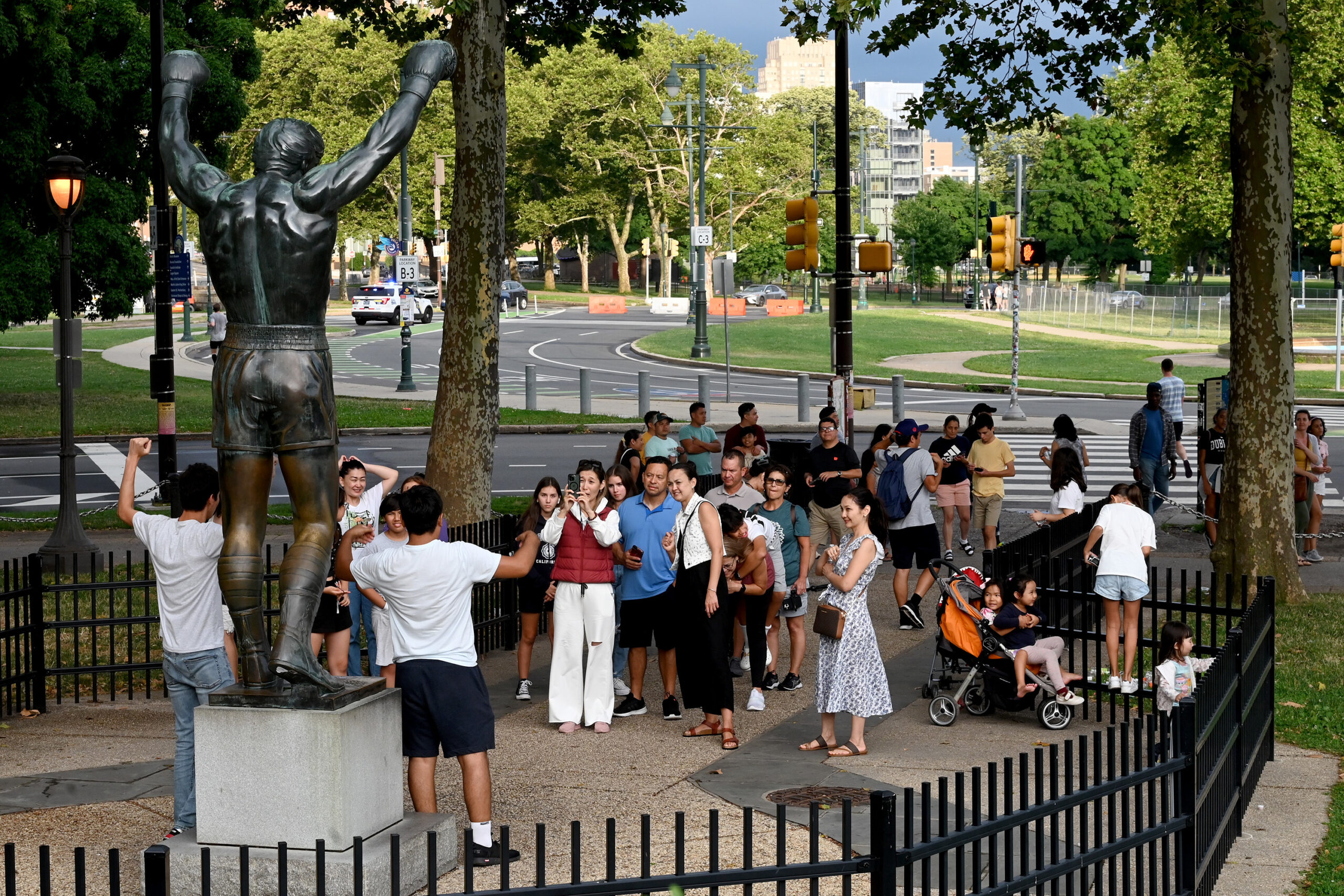
    With final approval granted, Creative Philadelphia, the city’s office for the creative sector, can move forward with its recently proposed plan to once again place the statue in one of the city’s most prominent locations. Since 2006, the statue has sat at the base of the museum’s steps, attracting an estimated 4 million visitors per year, agency officials have said.

    “I think people come not because they’re told to — they come because it already belongs to them, and that kind of cultural legitimacy cannot be manufactured,” said commissioner Rebecca Segall at Wednesday’s meeting. “And by that measure, I believe it’s one of Philadelphia’s most meaningful monuments, and I believe we should just get him out of the bushes and put him up top.”

    Now, Philly’s original Rocky statue — commissioned by Sylvester Stallone for 1982’s Rocky III and used in the film — will do just that sometime in the fall, per Creative Philadelphia’s plan. Its move to the top of the steps will come following its exhibition in “Rising Up: Rocky and the Making of Monuments,” an Art Museum program slated to run from April to August that will see the statue displayed inside the museum building for the first time.

    Meanwhile, the Rocky statue that currently stands at the top of the Art Museum’s steps — which Stallone lent to the city for the inaugural RockyFest in December 2024 — will remain on display outside. Once the exhibit concludes, that statue will go back into Stallone’s private collection.

    Sylvester Stallone’s “second casting” of the Rocky statue version atop the museum steps Jan. 7, 2026. It will return to the actor’s collection once the original statue is relocated.

    Another statue will be installed at the bottom of the Art Museum’s steps, though what statue that will be has not yet been determined. Last month, chief cultural officer Valerie V. Gay said the spot would not be filled with another Rocky statue, leaving Philadelphia with sculptures of the Italian Stallion at both the top of the Art Museum steps, and in Terminal A-West of Philadelphia International Airport.

    As part of the original statue’s installation in the fall, Creative Philadelphia plans to develop a shuttle service for visitors with mobility limitations that will take passengers from the bottom of the steps to the top. The service, referred to as the “Rocky Shuttle,” will be run by the Philadelphia Visitor Center, and will operate similarly to the Philly Phlash bus service, which arrives at 15-minute intervals, Creative Philadelphia officials said.

    Additionally, the statue will be placed on a pedestal roughly 14 feet back from the edge of the top step, next to where a small installation depicting Rocky’s shoe prints is currently embedded in the museum’s stone walkway, Marguerite Anglin, the city’s public art director, said Wednesday. The project has a budget of $150,000 to $250,000, though final costs were not available, she added. In its proposal last month, Creative Philadelphia indicated the project would cost about $150,000.

    Wednesday’s vote came following about an hour of discussion, during which some Art Commission members raised concerns over whether moving the statue would strengthen the relationship Philadelphians have with art or increase attendance at the museum. Commissioner Pepón Osorio said many visitors have indicated they were coming to see the statue because it represents Rocky, and not because it is a work of art.

    “I don’t think that people see it as a work of art,” he said. “People see it as an iconic structure.”

    Debate over the statue’s merits has been going on since before it first arrived in town for the filming of Rocky III in 1981. In 1980, local artist and then-Art Commission member Joseph Brown referred to the statue as “unnecessarily strident,” and indicated the Rocky franchise didn’t lend any particular cachet to Philadelphia’s cultural standing. Inquirer columnist Tom Fox, meanwhile, in 1982 called the statue a “monument to schlock, chutzpah, and mediocrity.”

    Public opinion has also been divided. In a September Inquirer poll, 46% of respondents said no Rocky statue belongs at the top of the steps, but the one at the bottom should stay. Roughly 20% said the city should not have a Rocky statue at all.

    Now, however, with the installation plan approved, it appears the debate can continue with Rocky once again atop the Art Museum’s steps. As part of approval, Creative Philadelphia agreed to undertake community engagement efforts examining the public’s interpretation of the statue.

    “This really isn’t, for us, about getting the statue up there and then we move on,” Gay said. “This really opens the door to how public art can be used in civic discourse, in the ethos of our city right now, to think about both contemporary [times] and the past, as well as how we think about the future.”

    Tourists pose with the original Rocky statue in July 2022. The statue will move to the top of the steps in the fall.
  • These prosecutors spent years on cases. Then Trump granted pardons.

    These prosecutors spent years on cases. Then Trump granted pardons.

    Melanie Smith pulled grueling hours alongside FBI agents and other prosecutors as she prepped dozens of witnesses to prove that a Virginia sheriff had accepted $75,000 in bribes from wealthy business owners and undercover agents. Just over a year ago, the jury returned a guilty verdict against former Culpeper County sheriff Scott Jenkins in an astounding 90 minutes.

    V. Grady O’Malley built one of the most complicated cases of his 47-year Justice Department career to prove that a New York businessman who owned a chain of nursing homes had failed to pay more than $38 million in employment taxes, then laundered the money by bouncing it from account to account. The defendant, Joseph Schwartz, pleaded guilty.

    Just months after the defendants were sentenced, President Donald Trump pardoned them as he wielded his executive power to grant clemency to a host of convicts — many of them politically connected — outside of the traditional pardon-application process.

    Jenkins was pardoned the day before he was set to begin his prison sentence, his entire punishment erased and the restitution he owed taxpayers wiped out.

    “The president has the authority to grant a pardon, but when you have a strong case, and it is a good case, and you are holding elected officials accountable for wrongdoing, it is frustrating,” Smith said in an interview. “You put a lot of time and energy into these cases. It was a righteous case. The fact that the pardon happened before he went to prison, it undermines one of the purposes of the criminal justice system.”

    White-collar and public corruption cases are among the most resource-intensive for the Justice Department to pursue. Prosecutors, FBI agents, and other specialists often work for years to build such cases, following money trails and interviewing scores of witnesses before they even file an indictment.

    More than half a dozen experienced prosecutors interviewed for this story, some of whom spoke on the condition of anonymity because they feared retaliation, said Trump’s clemency acts have eroded faith among current and former Justice Department employees that the cases they devote years to prosecuting will lead to accountability.

    Calculating the amount of government resources poured into prosecuting a single case is next to impossible. But the cost can often run to millions of dollars when factoring in salaries and travel expenses, prosecutors said. On top of that, witnesses might require transportation to court and accommodation for the duration of the trial, paid for by taxpayers, the prosecutors noted.

    Some complex cases can take years to investigate before charges are filed, with prosecutors interviewing dozens of witnesses before grand juries to build their cases. Years typically pass before those cases reach a trial date.

    And once the trial arrives, prosecutors can spend upward of 80 hours a week preparing witnesses and getting exhibits ready. A long trial can involve more than 1,000 exhibits that need to be prepped and reviewed.

    “To bring a case to trial is just an incredible effort and use of department resources,” said John Keller, the former acting head of the Justice Department’s Public Integrity Section. “There’s an intensity of experience and effort and emotion that doesn’t come at any other stage of the case. It’s the pinnacle of the practice.”

    During Trump’s two terms, multiple defendants whose cases Keller has tried and supervised have received pardons. He said the pardons sting, but prosecutors are focused on their cases and trials, and do not allow a potential presidential act of clemency to influence how they approach a case.

    “There’s a feeling that, if a jury or judge has reached a verdict after hearing all the evidence, it’s even more of a slap in the face to have clemency handed down,” he said.

    During the first year of his second term, Trump has pardoned some of the most high-profile public corruption and white-collar defendants prosecuted during President Joe Biden’s administration, as well as some prosecuted during his own first term and some under earlier administrations.

    Among them: former Republican congressman George Santos of New York, Democratic Rep. Henry Cuellar of Texas, former Tennessee state senator Brian Kelsey, and Trevor Milton, the former executive chairman of electric trucking company Nikola. One of the defining acts of Trump’s return to office has been his sweeping pardons of more than 1,500 people convicted in connection with the riot at the U.S. Capitol on Jan. 6, 2021, including those who assaulted police officers.

    Trump has defended his use of the pardons, saying the people to whom he granted clemency had been pursued by what he considers a corrupt and overzealous Justice Department under Biden. But the attorneys interviewed said they investigated each case scrupulously and apolitically to ensure a fair prosecution.

    “It’s personally upsetting because of how much time I invested in this case — the time traveling, the late nights looking through documents and prepping for witness interviews,” said Jacob Steiner, a former Justice Department employee who prosecuted the Santos case. “Beyond and more important than the personal aspect, it’s really disheartening that someone who lied to the public and stole a lot of money just gets to walk free and not have to pay back his victims.”

    Reality television star Todd Chrisley speaks as his daughter Savannah Chrisley looks on during a news conference on May 30, 2025, in Nashville. Todd Chrisley and his wife, Julie, were pardoned in May after being convicted in 2022 of bank fraud and tax evasion.

    In Atlanta, prosecutors and federal agents spent years investigating reality stars Todd and Julie Chrisley. The couple were found guilty of bank fraud and tax evasion in 2022 after a nearly three-week jury trial. The Justice Department then defended the conviction during appeals. But after a public campaign from the Chrisleys’ daughter, who spoke at the Republican National Convention and socialized at Trump’s Mar-a-Lago Club, the president granted the reality stars a pardon in May.

    In New York, prosecutors and federal agents spent roughly two years investigating the online black market Silk Road before indicting its creator, Ross Ulbricht, on charges related to the sale of drugs and other illegal goods on the platform. It took another two years before the case went to trial in 2015, resulting in convictions on seven counts and a sentence of life in prison. Trump pardoned Ulbricht on his first full day in office.

    “I couldn’t believe it was a complete and total pardon,” said one law enforcement official who worked on the Silk Road case.

    Santos, the Chrisleys, Ulbricht, and others who received pardons from Trump have said they deserved forgiveness because they were prosecuted at the hands of a corrupt Justice Department or were innocent and wrongly convicted.

    Every recent president has exercised the pardon power to benefit his allies, but legal experts say that Trump’s use of clemency has bucked every norm of a largely undefined process. Typically, Justice Department employees vet tens of thousands of applications, only recommending to the president people who have completed their sentences and showed contrition. Trump, however, has pardoned criminals without any such vetting, people familiar with the process said, sometimes granting clemency to convicts who have not started their sentences or admitted wrongdoing. Trump and his allies have pointed to Biden’s pardoning of his son Hunter as an example of how Trump’s predecessors politicized the pardon.

    O’Malley, who retired in 2023 and described himself as a supporter of the president, said he was flummoxed over Trump’s pardoning of Schwartz, the nursing home magnate. He said that sifting through the more than 100 accounts Schwartz set up to evade taxes had required a lot of effort, and that the prosecutors and agents assigned to the case did “yeoman’s work.”

    The Washington Post reported that Schwartz paid two lobbyists, right-wing provocateurs Jack Burkman and Jacob Wohl, $960,000 to help secure a pardon from Trump. (Schwartz must still complete a sentence on state charges in an Arkansas prison.)

    “I think the president was misled as to the reasons why [Schwartz] should be pardoned,” O’Malley said. “I can’t see anyone accepting an application and alleging that he somehow deserves to be pardoned unconditionally and completely in this case. Something had to be said to the president. Whether he was paying attention to it or not, I don’t know.”

    O’Malley continued: “I was stunned and angered. The $5 million in restitution was vacated. It was a strong case. I do not indict cases on a wing and a prayer.”

    In December — less than a month after Trump pardoned Schwartz — the Internal Revenue Service decided to present O’Malley with an award for his work on the Schwartz case. O’Malley said he declined to attend.

  • She made a Facebook comment about her mayor. Then the police arrived.

    She made a Facebook comment about her mayor. Then the police arrived.

    Raquel Pacheco began recording on her phone Monday as she opened her front door to the pair of police officers standing outside.

    They told her they had questions about a Facebook comment she had written.

    “Is that your account?” one officer asked. The other held out his phone, showing a message Pacheco had written days earlier about the mayor of Miami Beach, where she lives.

    Pacheco had left the comment about a post from Mayor Steven Meiner, calling his city a “safe haven for everyone.” Meiner, who is Jewish, contrasted Miami Beach with “places like New York City,” where he accused officials of discriminating against Jews and “promoting boycotts” of Jewish and Israeli-owned businesses.

    In a series of replies, Pacheco called him racist and criticized his actions toward a number of communities, including Palestinians and LGBTQ people. She said she felt his words of welcome were superficial.

    At her door, the officers told Pacheco they were looking for the commenter because that person’s words could “probably incite somebody to do something bad,” her video shows. Pacheco refused to answer their questions without an attorney present, and the officers left within minutes.

    Heart racing, Pacheco shut her door and texted her recording of the exchange to three friends who practice law. She struggled to comprehend why the officers were sent to question her – a private citizen who once ran for elected office, knew the mayor and other local officials, and had deep faith in American values. Where the officers saw a comment that could incite violence, Pacheco saw an expression of her right to free speech, she said.

    “If we can’t hold this line, we are screwed,” Pacheco, 51, told The Washington Post.

    The Miami Beach Police Department on Tuesday evening told The Post that detectives had “conducted a brief, consensual encounter” to make sure there was no safety threat to the mayor or the community. They assessed the social media posting, the department said, to be cautious, citing “recent national concerns regarding antisemitism.”

    Meiner said in a statement Tuesday evening that the situation was “a police matter,” adding that he was “a strong supporter of the State of Israel” and its “right to defend its citizens.”

    “Others might have a different view and that is their right,” Meiner wrote. “In this situation, our police department believed that inflammatory language that is false and without any factual basis was justification for follow-up to assess the level of threat and to protect the safety of all involved.”

    The now-public tussle over Pacheco’s Facebook comment, which was first reported by the Miami Herald, is another salvo in a battle between activists across the country and authorities whom they accuse of stifling speech about divisive political topics, all against the backdrop of political violence that has rocked the country. In recent years, people have faced suspensions, firings and other punishments for social media posts about the Israel-Gaza war, the assassination attempts against President Donald Trump and the killing of Charlie Kirk.

    Pacheco, who has lived in Miami Beach since 2004 and has run for local elected office three times as a Democrat, said she voted for Meiner in 2023. But she started speaking out against the mayor when he began addressing issues such as crime and homelessness by taking a page from “the Trump playbook,” using measures that she saw as laden with cruelty, Pacheco said. Her criticism often took the form of Facebook posts and comments, alongside advocacy work in the community.

    Miami Beach voters elected Meiner to his office, which is nonpartisan, a month after the Oct. 7, 2023, Hamas-led attack on Israel in which about 1,200 people were killed. Since then, the city has experienced a deepening rift among residents, including between Meiner and his constituents.

    In March, the mayor tried to end the lease of a local cinema after it screened “No Other Land,” a movie made by Palestinian and Israeli filmmakers that shows Israelis bulldozing a town in the West Bank. Meiner described the documentary at the time as a “false one-sided propaganda attack on the Jewish people.” He backpedaled his efforts against the theater after a fraught, nine-hour city commission meeting.

    Pacheco referenced the incident in the comment that led police to her doorstep.

    On Jan. 6, Meiner’s official Facebook account published the post about Miami Beach being a welcoming place. It featured a photo of the mayor with the following text: “Miami Beach is a safe haven for everyone. We will always stand firm against any discrimination.”

    Pacheco replied: “‘We will stand firm against any discrimination’ – unless you’re Palestinian, or Muslim or you think those people have a right to live.” She added: “Careful your racism is showing.”

    The next day, the mayor’s post was shared on a community Facebook page, where Pacheco again responded.

    “The guy who consistently calls for the death of all Palestinians, tried to shut down a theater for showing a movie that hurt his feelings, and REFUSES to stand up for the LGBTQ community in any way (even leaves the room when they vote on related matters) wants you to know that you’re all welcome here,” she wrote, alongside three clown emojis.

    It was this comment that police showed her when she opened her door Monday, Pacheco said.

    “This is freedom of speech, this is America, right? I’m a veteran,” she told the officers, according to her recording of the two-minute conversation.

    “And I agree with you 100 percent,” one officer responded. “We’re just trying to see if it’s you, because if we’re not talking to the right person, we want to go see who the right person is.”

    Pacheco, who said she served in Connecticut’s Army National Guard from 1993 to 1999, said the officers told her she was not going to jail and that they were “just here to have a conversation.” Later in the video, an officer tells Pacheco: “I would think to refrain from posting things like that, because that can get something incited.”

    After the brief exchange, Pacheco sat in disbelief.

    “There were cops at my door because of something I said,” Pacheco told The Post on Tuesday. “It felt like such a foreign, alien feeling.”

    In the day since the officers’ visit, she has retained an attorney and made public records requests about the situation. Should it escalate, she said she was “prepared to sue.” While she described herself as progressive, she said she is “conservative when it comes to the Constitution,” a document she had come to revere since moving to the United States from Portugal in the 1980s. She said she strongly sees Monday’s interaction at her home as a violation of the rights guaranteed by it.

    “I’m not one to stand down,” Pacheco said. “I don’t do well with bullies.”

    And the next time she sees a social media post from her mayor, or other elected officials for that matter, Pacheco said she knows what she will do: open the comment section, type her thoughts and hit send.

  • Accreditor asks Rosemont College for information on public relations announcements, student records, finances

    Accreditor asks Rosemont College for information on public relations announcements, student records, finances

    Rosemont College’s accrediting body has asked the school for information on its student records and finances and policies “to ensure truthfulness in public relations announcements.”

    The private, suburban liberal arts college has until Tuesday to submit a report to the Middle States Commission on Higher Education, according to an announcement on the accrediting body’s website.

    Rosemont announced last spring that it was planning to close for good in 2028 and that nearby Villanova University is purchasing its campus. The college’s enrollment for the fall semester stood at 428, down about 45% from last year.

    The freshman class of 21 students is just a quarter of the size of last year’s first-year enrollment. And it will be the last freshman class to enter the 104-year-old Catholic college.

    It’s unclear what prompted Middle States to ask Rosemont for the report; the body doesn’t elaborate on its posted actions. Rosemont President Jim Cawley did not respond to a request for comment.

    The questions are a likely indicator that more action is coming, which could be as basic as accepting the college’s report, or could be more serious, such as an accreditation warning. Colleges need accreditation to keep their students eligible for federal aid.

    Middle States also asked Rosemont to provide evidence of “fair and transparent policies and procedures regarding the evaluation and acceptance of transfer credits, policies and procedures for the safe and secure maintenance and appropriate release of student information and records, including student athletics” and “full disclosure and financial information … that includes realistic enrollment and budget projections and the assumptions on which they are based, is adequate to support educational purposes and programs.”

    The college in 2022 received a warning from the commission that its accreditation could be in jeopardy because it did not appear to be meeting requirements around planning, budget and academic assessment. But in 2023, the warning status was removed and the school’s accreditation was reaffirmed through 2028-29.

    It could become increasingly challenging for the school to operate as it enrolls fewer students each year until its closure. Another hit could come next year, when NCAA sports are discontinued and more athletes may transfer. Under the merger agreement, Rosemont is expected to receive some financial support from Villanova through 2028.

    Rosemont was one of 13 colleges The Inquirer examined in 2024 and found was in poor financial health, using an index developed by a finance executive at a small college in Illinois. The school had reported operating losses for five straight years through June 2023.

  • Get ready for an artsy new restaurant and cocktail bar | Inquirer Chester County

    Get ready for an artsy new restaurant and cocktail bar | Inquirer Chester County

    Hi, Chester County! 👋

    The group helping to revitalize Kennett Square’s Birch Street has two new projects in the works, including a restaurant and cocktail lounge. Also this week, a vacant office building in Exton has been converted to a new use, a Coatesville native is appearing on the new season of a reality TV show alongside Donna Kelce, plus why The Inquirer’s Craig LaBan says this West Chester restaurant is one to watch.

    If someone forwarded you this email, sign up for free here.

    A new restaurant and cocktail lounge is opening in Kennett Square

    A rendering depicts the proposed exterior of Opus, a new restaurant and cocktail lounge slated to open in the summer.

    A new restaurant and cocktail lounge is coming to Kennett Square this summer. Opus will take over the two-story space at 201 Birch St., which is adjoined to 14-room boutique hotel Artelo. The restaurant space was most recently occupied by Hank’s Place while the Chadds Ford institution rebuilt its longtime home, which was flooded by Hurricane Ida in 2021.

    The 6,000-square-foot building will have a two-story terrace with outdoor dining and serve New American cuisine.

    Opus is the latest development from Square Roots Collective, which has been helping to revitalize Birch Street for the past decade, including through projects like The Creamery, the former dairy turned family-friendly beer garden. Another of its nearby projects, The Francis, is set to open this year. The boutique hotel at 205 S. Union St., also in Kennett Square, will have eight rooms in a reimagined 18th-century home.

    Read more about Opus and The Francis.

    📍 Countywide News

    • Scores of demonstrators protesting the killing of Renee Good by an ICE officer gathered across the region over the weekend, including a rally in West Chester on Sunday that drew about 1,000 attendees. (Daily Local News)
    • County officials are reviewing findings from an investigation into an error that excluded independent voters from poll books during the November election. Officials said they will develop a plan following their review so that similar errors don’t happen again. The county will present findings and its response at the Board of Elections meeting on Jan. 27 at 7 p.m.
    • PennDot is hosting two public meetings in the next week regarding plans for what it’s dubbed the U.S. 30 Eastern Project Area, which includes alternative routes for the Route 30 mainline and the Reeceville Road, Route 340, and Route 322 interchanges, as well as revised alternatives for the Norwood Road and Route 113 interchanges. The construction is part of a larger project to upgrade 14.5 miles of the Coatesville-Downingtown Bypass to reduce traffic congestion, improve safety, and accommodate future development. The first meeting will be held virtually tomorrow at 6 p.m. There’s a second in-person meeting on Tuesday from 6:30 to 8:30 p.m. at Pope John Paul II Regional Catholic Elementary School in West Brandywine Township.
    • Good news for Regional Rail riders: SEPTA last week restored 24 express trips, including on the Paoli/Thorndale line, which had previously been operating as local services.

    💡 Community News

    • Four police officers were injured last week when responding to a call on the 400 block of Main Street in Atglen Borough. The officers detained Jon Marcos Muniz, who allegedly fired a handgun into two occupied apartments and barricaded his front door. No other injuries were reported. Muniz is facing a number of felony and misdemeanor charges.
    • M. Patricia Muller was selected as chair of Kennett Township’s Board of Supervisors last week, making her the first woman in the township’s history to hold the role.
    • West Vincent Township’s Board of Supervisors voted last week to pass an ordinance increasing membership on its Open Space Review Board from five to seven members. It also added a trails subcommittee.
    • Heads up for drivers: Newark Road in West Marlborough Township will be closed Monday through Friday next week from 9 a.m. to 3 p.m. for tree removal. Norwood Road in East Caln Township will be operating as a single lane with flaggers next Monday through Friday for sewer line work. Peco will be doing electrical work along Happy Creek Lane and Copeland School Road in West Bradford Township as part of a $450,000 infrastructure project to improve reliability and reduce outages, including from storms. Work is scheduled to take place January through April and will impact both roads and some residential yards.
    • A vacant office building at 319 N. Pottstown Pike in Exton has been transformed into “hotel-apartments” with 24 studio and eight one-bedroom units. The group behind it plans to market The Flats On 100 to consultants and visitors of nearby employers, such as Vanguard and QVC, and sees it as a potential model for the region’s empty office buildings.
    • Also in Exton, retailer Nordstrom Rack plans to open a 30,000-square-foot shop at Main Street at Exton this fall.
    • Could popular HBO series Mare of Easttown return for a second season? Kate Winslet seems to be ready for the Delaware County-set show, created by Berwyn native Brad Ingelsby, to return, and recently indicated filming could start as early as 2027. While the award-winning actor is on board, nothing official has been announced yet.
    • Coatesville native and figure skating icon Johnny Weir made his debut on the fourth season of Peacock reality TV show The Traitors last week. Weir is joined on this season of challenge-meets-eliminations-style show — hosted by Alan Cumming at his castle in Scotland — by Donna Kelce, Tara Lipinski, and a slew of reality TV personalities. The first three episodes dropped last week. Catch up on what happened here. (Warning: Spoilers!)
    • Phoenixville residents may have recently spotted an unusual sight on phone poles: Fliers that read “Seeking: Experienced Witch to Curse My Ex.” The Inquirer’s Brooke Schultz delves into how they came to be.
    • The GameStop at 1115 West Chester Pike in West Chester shuttered last week as part of a mass closure by the gaming retailer.

    🏫 Schools Briefing

    • Reminder for families: There are no classes Monday for Martin Luther King Jr. Day.
    • Avon Grove School District is considering adopting a new textbook, myPerspectives, from Savvas Learning Company for sixth through eighth grade English Language Arts students next school year. The public can review the textbook, which was put to the school’s education committee for consideration earlier this month, and provide feedback during a 30-day period through early February. The proposed change comes as part of the district’s regular curriculum review cycle, said Jason Kotch, assistant superintendent for teaching and learning.
    • Tredyffrin/Easttown School District has released its 2026-27 preliminary budget proposal, which includes a $14.9 million operational deficit. The district’s board and administration say they plan to close the gap through “a combination of increases in the property tax rate, expenditure reductions, or the use of existing reserves.” It will host budget workshops on March 9 and April 13, with plans to adopt the budget in June. The board will not vote on a tax rate before June 8. See the preliminary budget here. The district is also hosting a special school board meeting tomorrow at 6:30 p.m. at Conestoga High School to discuss the school board director vacancy. And from Jan. 20 to 26, there will be an open registration period for all new kindergarten and first grade students planning to start school in September.
    • Octorara Area School District is hosting a “kindergarten readiness” event tomorrow from 6:30 to 7:30 p.m. at the Octorara Primary Learning Center in Atglen for families with children eligible for kindergarten next school year.
    • West Chester Area School District student registration for the 2026-27 school year is open.

    🍽️ On our Plate

    🎳 Things to Do

    👭 Steel Magnolias: Tickets are going fast for this adaptation of the popular 1989 film taking center stage for its monthlong run at People’s Light. ⏰ Wednesday, Jan. 14-Sunday, Feb. 15, days and times vary 💵 Prices vary 📍 People’s Light, Malvern

    🍔 Taste of Phoenixville: Now in its 24th year, the annual fundraiser will bring together over 20 food and drink vendors. There will also be live music and a silent auction. ⏰ Thursday, Jan. 15, 6 p.m. 💵 $150 📍 Franklin Commons, Phoenixville

    🌿 Winter Wonder: While Christmas may get most of the attention, Longwood Gardens’ conservatories will be filled with colorful plants throughout the remainder of winter. The gardens are open daily except Tuesdays. ⏰ Friday, Jan. 16-Sunday, March 22 💵 $17-$32 for non-members, free to members 📍 Longwood Gardens, Kennett Square

    🎭 Broadway at the Colonial Theatre: Several Broadway stars, including area native Amanda Jane Cooper, who played Glinda in the North American tour of Wicked, will perform. ⏰ Sunday, Jan. 18, 7 p.m. 💵 $30-$65 📍 The Colonial Theatre, Phoenixville

    🏡 On the Market

    A West Chester Colonial accessed via a covered bridge

    The front of the home has a covered porch.

    Situated in a wooded stretch of East Goshen, this Colonial, along with several others in its cul-de-sac, has a unique access point: Locksley Covered Bridge, which was erected in the 1960s. The four-bedroom, two-and-half-bath home features a family room, living room, dining room, and eat-in kitchen, which has granite countertops and a wood-burning fireplace. There’s a screened-in porch off the dining room, with skylights and brick flooring, which leads to the backyard, where there’s a patio and play set.

    See more photos of the property here.

    Price: $764,000 | Size: 3,137 SF | Acreage: 1

    🗞️ What other Chester County residents are reading this week:

    By submitting your written, visual, and/or audio contributions, you agree to The Inquirer’s Terms of Use, including the grant of rights in Section 10.

    This suburban content is produced with support from the Leslie Miller and Richard Worley Foundation and The Lenfest Institute for Journalism. Editorial content is created independently of the project donors. Gifts to support The Inquirer’s high-impact journalism can be made at inquirer.com/donate. A list of Lenfest Institute donors can be found at lenfestinstitute.org/supporters.