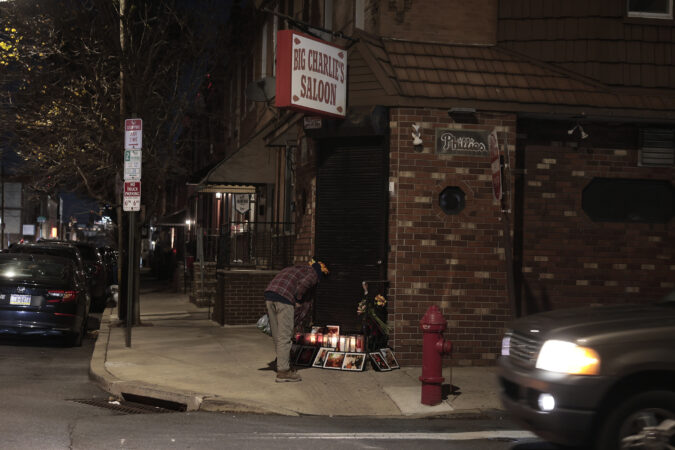
Big Charlie’s Saloon, a South Philly haven for Kansas City Chiefs fans at 11th and McKean Streets, announced on Instagram that it has permanently closed after the recent death of owner and Philadelphia native Paul Staico.
“While this was not how we ever imagined closing our doors, we know Big Charlie’s will never be the same without Paulie, and this is the path we must take,” according to a statement on the bar’s Instagram page.
Staico died suddenly on Nov. 30, three days after Big Charlie’s stayed open on Thanksgiving because the Chiefs were playing. He was 59.
“I wasn’t a Chiefs fan. I’m a Paul Staico fan,” City Councilmember Jimmy Harrity told The Inquirer earlier this month. “If I could name three players, that’s a lot. I was there cheering for him. Some are there to watch the game. But for the most part, they were there for Paul.”
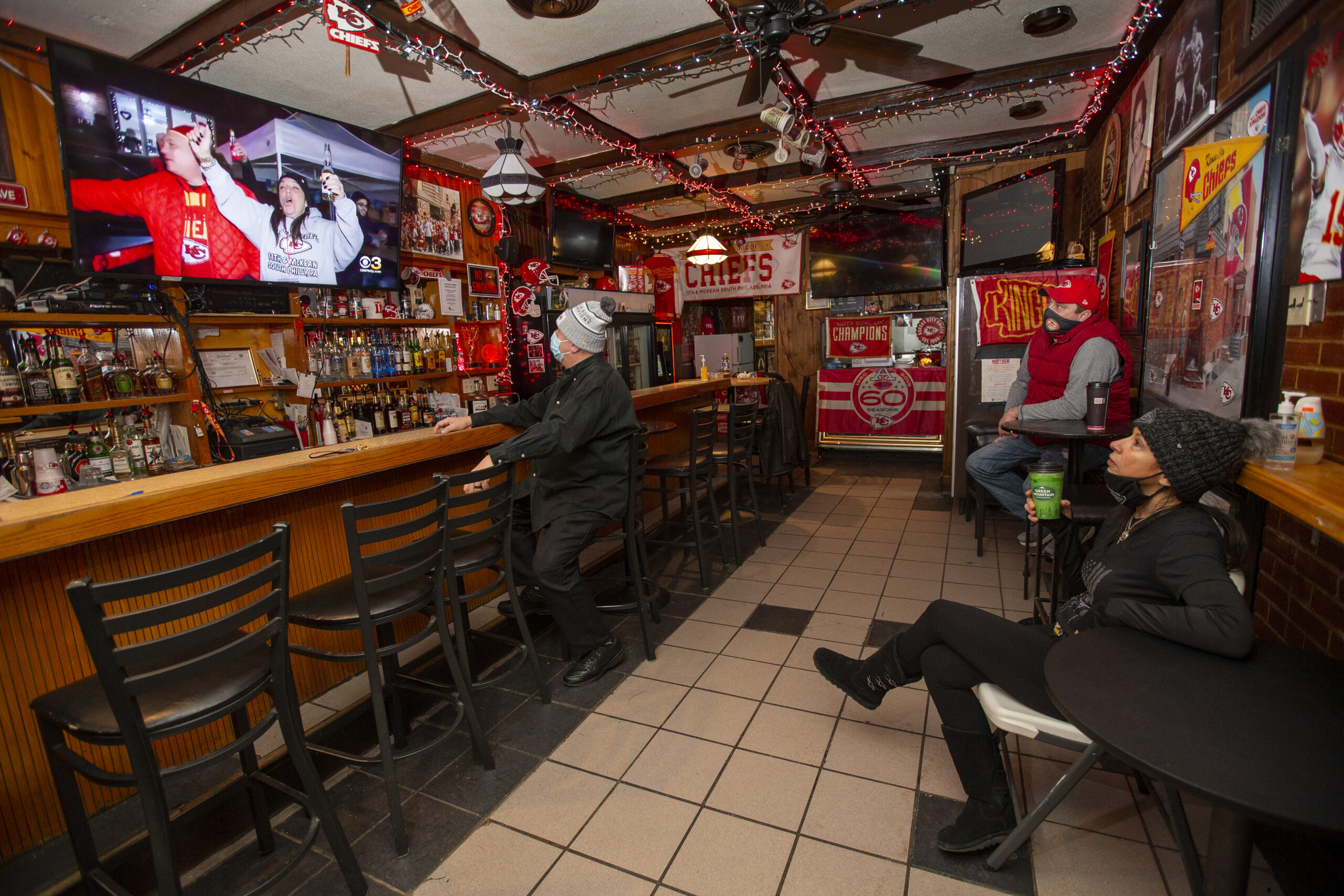
The two-room bar, with its wood paneling, jukebox, vending machine of snacks and cigarettes, and countless Chiefs memorabilia scattered about, became a local media darling in 2023 when the Eagles played — and lost — to the Chiefs in Super Bowl LVII. It was featured by NFL Films in 2003 and 2020 and in The New York Times and The Athletic on the same day in 2023. It got nearly the same treatment in February when the Eagles beat the Chiefs in Super Bowl LIX.
And why was a South Philly bar dedicated to the Chiefs? Staico’s father, Charlie, the former owner of the place, made a bet that the Chiefs would beat the Minnesota Vikings in Super Bowl IV in 1970. When they did, Charlie bought his young son a brand new bike to celebrate. In 1986, an eternally grateful Paul Staico, the bar’s owner since 1983, bought a satellite dish so he could watch the Chiefs, his new favorite team, in every game from then on.
Saloon patrons watch the Chiefs play the Tampa Bay Buccaneers in the Super Bowl in 2021.
“We will continue to find ways to honor Paulie’s legacy and the community he built,” the Instagram post said. “This is not goodbye. This is simply see you later. …As always, go Chiefs.”
LOS GATOS, Calif. — Like many retirement communities, the Terraces serves as a tranquil refuge for a nucleus of older people who no longer can travel to faraway places or engage in bold adventures.
But they can still be thrust back to their days of wanderlust and thrill-seeking whenever caregivers at the community in Los Gatos, Calif., schedule a date for residents — many of whom are in their 80s and 90s — to take turns donning virtual reality headsets.
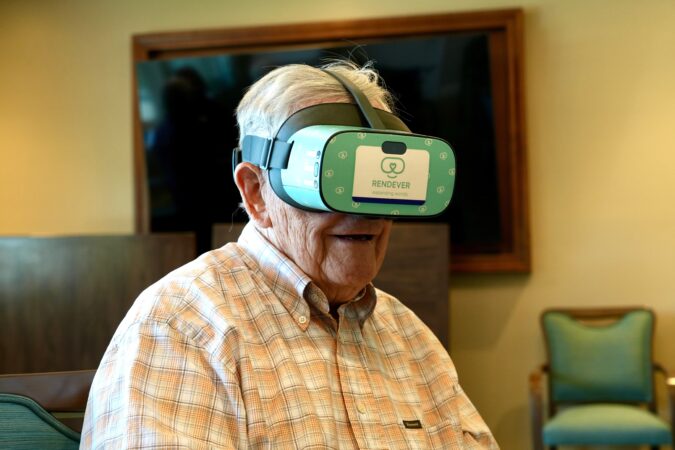
Within a matter of minutes, the headsets can transport them to Europe, immerse them in the ocean depths, or send them soaring on breathtaking hang-gliding expeditions while they sit by one another. The selection of VR programming was curated by Rendever, a company that has turned a sometimes isolating form of technology into a catalyst for better cognition and social connections in 800 retirement communities in the United States and Canada.
A group of Terraces residents who participated in a VR session earlier this year found themselves paddling their arms alongside their chairs as they swam with a pod of dolphins while watching one of Rendever’s 3D programs. “We got to go underwater and didn’t even have to hold our breath!” exclaimed 81-year-old Ginny Baird following the virtual submersion.
During a session featuring a virtual ride in a hot-air balloon, one resident gasped, “Oh, my God!” Another said with a shudder: “It’s hard to watch!”
The Rendever technology can also be used to virtually take older adults back to the places where they grew up as children. For some, it will be the first time they have seen their hometowns, virtually or otherwise, in decades.
A virtual trip to her childhood neighborhood in New York City’s Queens borough helped sell Sue Livingstone, 84, on the merits of the VR technology even though she still is able to get out more often than many residents of the Terraces, which is located in Silicon Valley, about 55 miles south of San Francisco.
“It isn’t just about being able to see it again. It’s about all the memories that it brings back,” Livingstone said. “There are a few people living here who never really leave their comfort zones. But if you could entice them to come down to try out a headset, they might find that they really enjoy it.”
Adrian Marshall, the Terraces’ community life director, said that once word about a VR experience spreads from one resident to another, more of the uninitiated typically become curious enough to try it out — even if it means missing out on playing Mexican Train, a dominoes-like board game that is popular in the community.
“It turns into a conversation starter for them. It really does connect people,” Marshall said of Rendever’s VR programming. “It helps create a human bridge that makes them realize they share certain similarities and interests. It turns the artificial world into reality.”
Rendever, a privately owned company based in Somerville, Mass., hopes to build upon its senior living platform with a recent grant from the National Institutes of Health that will provide nearly $4.5 million to study ways to reduce social isolation among seniors living at home and their caregivers.
Some studies have found VR programming presented in a limited viewing format can help older people maintain and improve cognitive functions, burnish memories, and foster social connections with their families and fellow residents of care facilities. Experts say the technology may be useful as an addition to — not a replacement for — other activities.
“There is always a risk of too much screen time,” said Katherine “Kate” Dupuis, a neuropsychologist and professor who studies aging issues at Sheridan College in Canada. “But if you use it cautiously, with meaning and purpose, it can be very helpful. It can be an opportunity for the elderly to engage with someone and share a sense of wonder.”
For older people, VR headsets may be an easier way to interact with technology than fumbling around with a smartphone or another device that requires navigating buttons or other mechanisms, said Pallabi Bhowmick, a researcher at the University of Illinois Urbana-Champaign who is examining the use of virtual reality with older adults.
“The stereotypes that older adults aren’t willing to try new technology needs to change, because they are willing and want to adapt to technologies that are meaningful to them,” Bhowmick said. “Besides helping them to relieve stress, be entertained, and connect with other people, there is an intergenerational aspect that might help them build their relationships with younger people who find out they use VR and say, ‘Grandpa is cool!’”
Rendever CEO Kyle Rand’s interest in helping his own grandmother deal with the emotional and mental challenges of aging pushed him down a path that led him to cofound the company in 2016 after studying neuroengineering at Duke University.
“What really fascinates me about humans is just how much our brain depends on social connection and how much we learn from others,” Rand said. “A group of elderly residents who don’t really know each other that well can come together, spend 30 minutes in a VR experience together, and then find themselves sitting down to have lunch together while continuing a conversation about the experience.”
It’s a large enough market that another VR specialist, Dallas-based Mynd Immersive, competes against Rendever with services tailored for senior living communities.
Besides helping create social connections, the VR programming from both Rendever and Mynd has been employed as a possible tool for potentially slowing down the effects of dementia. That’s how another Silicon Valley retirement village, the Forum, sometimes uses the technology.
Bob Rogallo, a Forum resident with dementia that has rendered him speechless, seemed to be enjoying taking a virtual hike through Glacier National Park in Montana as he nodded and smiled while celebrating his 83rd birthday with his wife of 61 years.
Sallie Rogallo, who does not have dementia, said the experience brought back fond memories of the couple’s visits to the park during the more than 30 years they spent cruising around the U.S. in their recreational vehicle.
“It made me wish I was 30 years younger so I could do it again,” she said of the virtual visit to Glacier. “This lets you get out of the same environment and either go to a new place or visit places where you have been.”
In another session at the Forum, 93-year-old Almut Schultz laughed with delight while viewing a virtual classical music performance at the Red Rocks Amphitheatre in Colorado and later seemed to want to play with a puppy frolicking around in her VR headset.
“That was quite a session we had there,” Schultz said with a big grin after she took off her headset and returned to reality.
Around 2:15 p.m. Tuesday, Samuel “Bull” Thomas pushed his older brother in a wheelchair down the first floor of the Bristol Health & Rehab Center.
As they rolled down the hallway, the 49-year-old Levittown resident smelled gas.
“People were still in there working, and there was a gas smell,” Thomas said Thursday. “There were people sitting behind desks — people just still walking around, like they were neglecting the smell.”
Moments later, Thomas and his brother arrived at the facility’s barbershop, where Thomas, a part-time barber, had cut his brother’s hair every two weeks. The Thomases are a close-knit family, and the nursing home had become their gathering place since Lamont “Bubs” Thomas, 59, suffered from a stroke several months ago.
Nearby stood the brothers’ nephew, Terence Aldridge, 42, who had started a job in the facility kitchen four days prior. Their sister, Terence’s mom, was on her way.
But within seconds, the visit turned catastrophic. As Samuel Thomas opened the door to the barbershop area and began to maneuver his brother’s wheelchair through the door, the building pancaked.
The force of the blast knocked his work boots off. The floor collapsed beneath the men, the ceiling fell on top of them, and they were soon fighting for each other’s lives in the basement below.
While crashing through the floor to the basement, Thomas gripped his brother’s wheelchair so tight he could feel his hands bleeding.Flames roared, while water from a burst pipe gushed around them.
“If I would have let him go, he would have fallen on his head in the basement,” Thomas said. “All this water was pouring down on my face.”
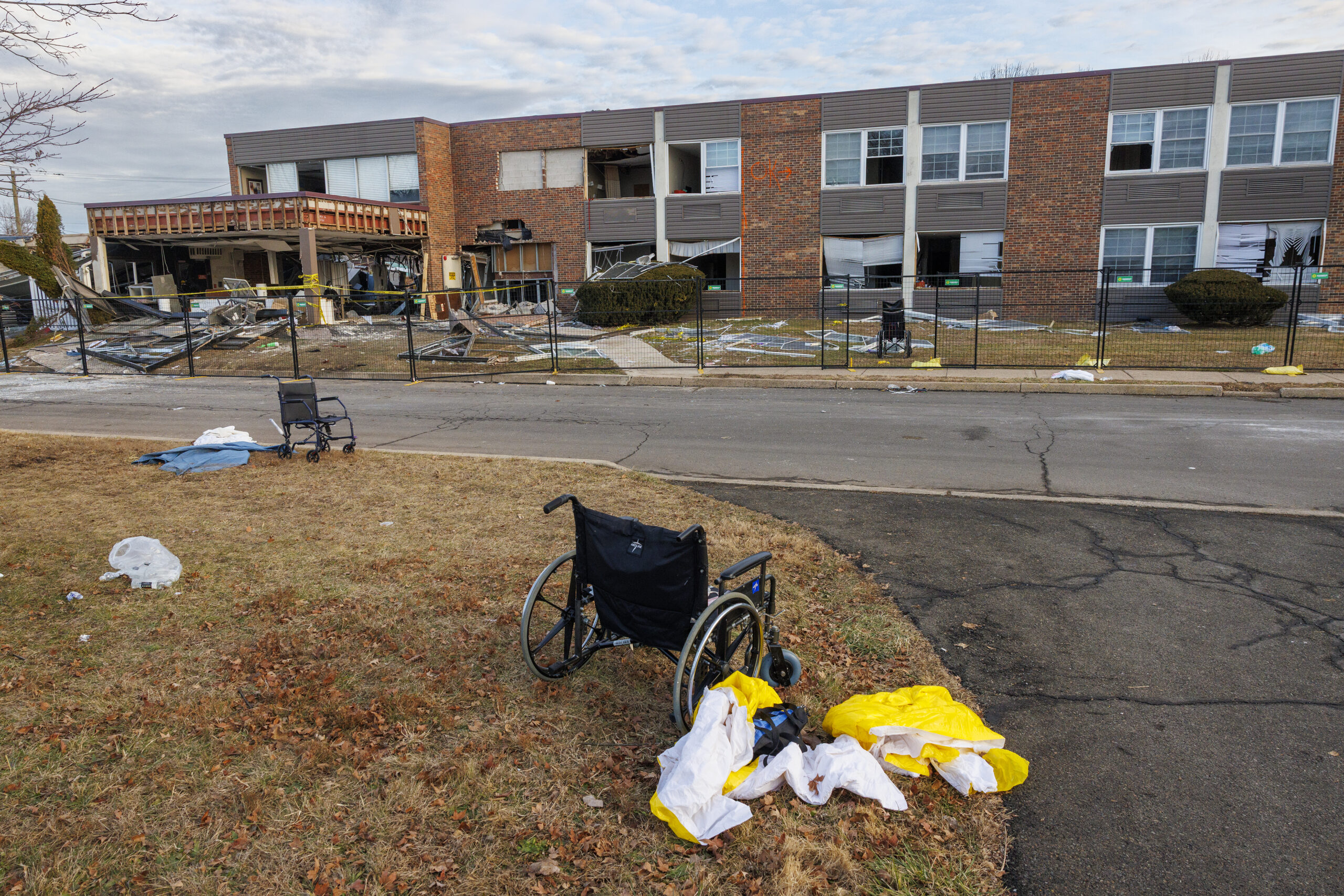
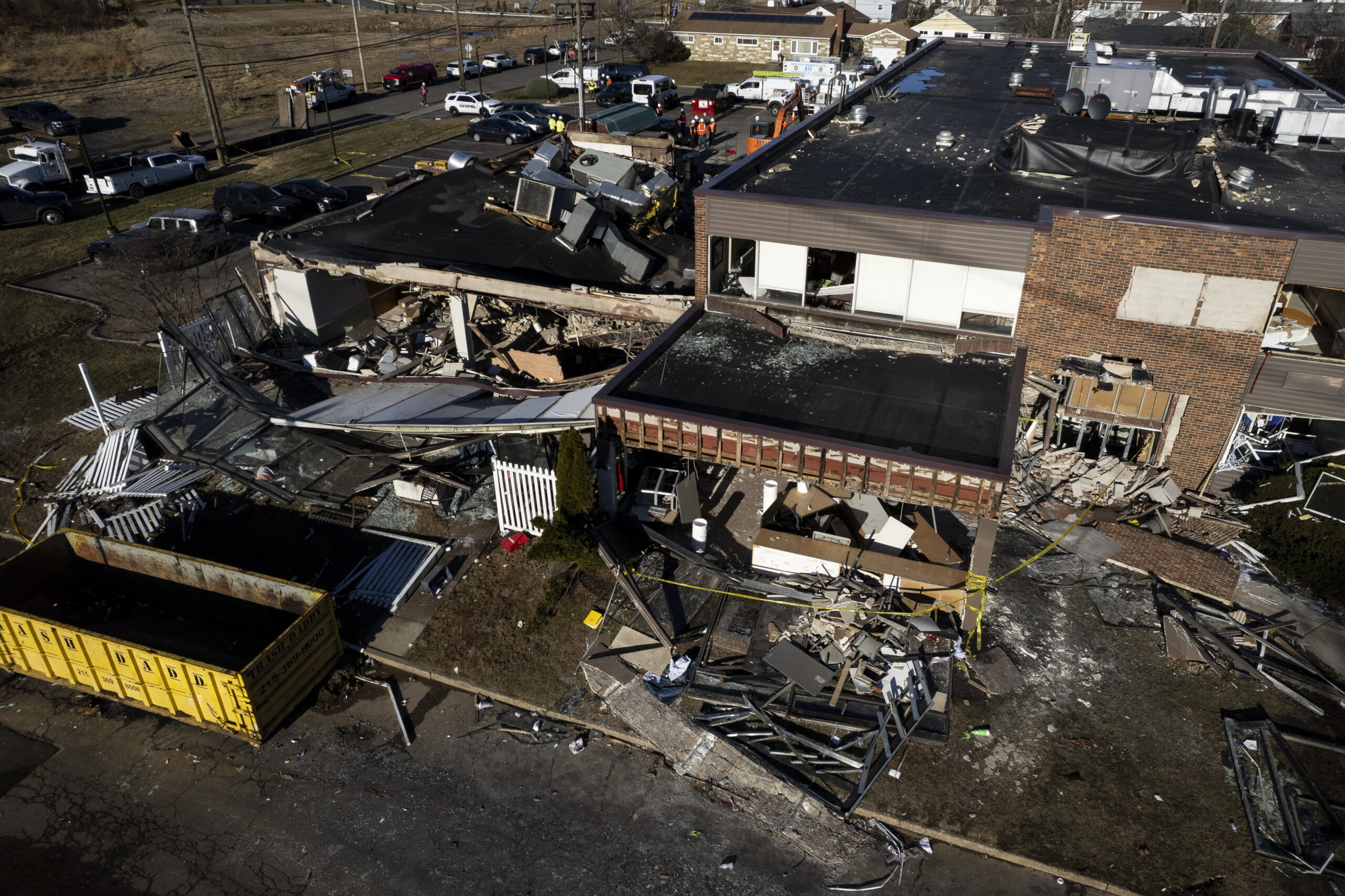
Wheelchairs and devastation on Christmas morning at the Bristol Health & Rehab Center, two days after the fatal explosion.
The three members of the Thomas family were among the 20 people injured in the fatal explosion that rocked the Lower Bucks County nursing facility. And while much remains unknown about what caused the blast, families of the victims like the Thomases spent the Christmas holiday gathered around hospital beds throughout the Philadelphia region, questioning the tragedy that occurred and counting their blessings.
Muthoni Nduthu, a 52-year-old nurse at the facility and mother to three sons, was killed in the blast. A second person who was killed, a resident at the nursing home, has not been identified. Saber Healthcare Group, which took over as the nursing home operator three weeks ago, said the company is evaluating its evacuation procedures.
“I’m alive,” Samuel Thomas said, in a Thursday interview from his bed at Lower Bucks Hospital. “That’s all I can say — I’m alive.”
Three days ago, that wasn’t guaranteed.
A ‘circus’ of chaos
Helen Middlebrook, 58, was driving to the nursing home that afternoon for her daily visit with her “Bubs.” She would have been there with her brothers and son Terence when the building erupted, but by a stroke of luck, she had forgotten something at home and turned the car around.
Back at home in Croydon, she got a panicked call.
A violent blast. Nursing home in flames. People trapped under the wreckage.
She rushed back to Tower Road where she was faced with a chaotic “circus.” As she scrambled to locate her brothers and son, going from ambulance to ambulance, she said she became hysterical.
Samuel Thomas — his legs mangled — managed to drag himself and his brother to a stairwell landing, where first responders were able to rescue them, he recounted Thursday from the hospital.
His brother, whose injuries were the most severe, was in critical condition at the scene.
Middlebrook rejoiced when she heard her brothers were still alive. But she could not find her son.
Investigators work the scene at Bristol Health & Rehab Center on Wednesday. Two people were killed and a number were injured in the explosion on Tuesday.
Law enforcement officials said that, in the confusion after the explosion, the injured were whisked off to numerous area hospitals. A second explosion that followed the initial blast added to the chaotic response effort.
For four hours, Middlebrook searched emergency rooms in anguish for her “Papoose,” Terence’s family nickname.
She braced for the worst.
“My thought [was] that he was in the building, trapped or dead,” she said. “But God is good.”
Middlebrook and her husband found her son at Jefferson Torresdale Hospital, safe and breathing on a ventilator. Aldridge sustained cuts all over his body and lung damage due to smoke inhalation. He is expected to recover.
Samuel Thomas underwent surgery Wednesday on both legs, which were crushed by heavy wooden beams after the blast. He broke his right femur and fractured his ankle.
Lamont Thomas remains in critical condition at Temple University Hospital, his family members said. His spine is broken, the bones in his face are fractured, and he suffered severe burns. He had surgery on Thursday afternoon, his family said.
For now, Middlebrook said she would withhold speculation about who was at fault.
“We’re just praying everything goes the way it should go,” she said, in an interview on Thursday as she rushed between hospitals to see her brothers and son on Christmas.
“It’s a really bad situation.”
Questions mount over blast
On Thursday morning, the two-acre campus at Bristol Health & Rehab Center sat deserted, save for local police officers stationed around the fenced-in nursing home.
There is no clear timeline for answers as to what caused the devastating explosion.
A Peco technician was called to the nursing facility and was there working in the basement shortly after 2 p.m. when the blast occurred. Some experts have already questioned why residents were not evacuated at the first smell of gas, in accordance with Peco’s own directives.
Peco referred questions to the National Transportation Safety Board (NTSB), the federal agency that is now leading the investigation.
Bristol Health & Rehab Center, formerly the Silver Lake Health Center, was cited repeatedly for substandard healthcare and unsafe building conditions under the management of CommuniCare Health Services, according to federal and state inspection records. Saber Healthcare Group acquired the facility home three weeks ago and gave it a new name. The company said it was working to fix deficiencies prior to the explosion.
A Saber representative said the company relocated about 120 residents to local hospitals and other assisted living facilities, while the investigators work to determine what led up to the explosion.
Peco, in its initial statement on Tuesday, said the gas technician had been called to the nursing home that afternoon due to the odor of gas. On Wednesday, Peco changed the timeline and said technicians had, in fact, arrived at the site hours earlier.
In a statement to The Inquirer Thursday, Peco president and CEO David Vahos said the company is committed to safety and deploys “considerable resources to inspect, maintain, and upgrade” its 14,000-mile network of gas lines.
While the NTSB is known for investigating high-profile transit accidents involving trains and aircraft, the agency sometimes intercedes after incidents involving gas pipelines.
An NTSB spokesperson said Wednesday that it could take days to clear a safe path in the debris and begin inspecting the gas line that fed the facility. The agency would “not determine or speculate about the cause of the accident” until the physical evidence had been gathered and analyzed from the scene.
NEW YORK — Days after Ghislaine Maxwell asked a judge to immediately free her from a 20-year prison sentence, the public release of grand jury transcripts from her sex-trafficking case returned the spotlight to victims whose allegations helped land her behind bars.
The disclosure of the transcripts as part of the Justice Department’s ongoing release of its investigative files on Maxwell and the late sex offender Jeffrey Epstein exposed how an FBI agent told grand jurors about Maxwell’s critical role in Epstein’s decades-long sexual abuse of girls and young women.
Maxwell, a British socialite and publishing heir, was convicted of sex trafficking in December 2021 after four women told a federal jury in New York City about how she and Epstein abused them in the 1990s and early 2000s. Epstein never went to trial in that case. He was arrested in July 2019 on sex-trafficking charges and killed himself a month later in his cell at a Manhattan federal jail.
Two weeks ago, as the Justice Department prepared to begin releasing what are commonly known as the Epstein files, Maxwell filed a habeas petition, asking a federal judge to free her on grounds that “substantial new evidence” has emerged proving that constitutional violations spoiled her trial.
Maxwell claimed that exonerating information was withheld and that witnesses lied in their testimony. She filed the petition on her own, without the assistance of a lawyer.
This week, the judge, Paul A. Engelmayer, scolded Maxwell for failing to remove victim names and other identifying information from her court papers. He said future filings must be kept sealed and out of public view until they have been reviewed and redacted to protect victims’ identities.
Victims fear Maxwell will be pardoned
Epstein accuser Danielle Bensky said the release of records has only sharpened the focus on Maxwell’s crimes among their victims. Bensky said she has been involved in daily discussions with about two dozen other victims that make clear Maxwell “is a criminal who was 1,000% engaged in sexual acts.”
“I’ve heard things that would make your blood curdle. I just had a conversation with a survivor last night who said she was the puppeteer,” Bensky said.
Bensky said she was sexually abused by Epstein two decades ago. She said she was never personally abused by Maxwell.
The Justice Department has been posting records periodically after acknowledging it would miss last Friday’s congressionally mandated deadline to release all records. It blamed the delay on the time-consuming process of obscuring victims’ names and other identifying information.
On Wednesday, the department said it may need a “few more weeks” to release the full trove after suddenly discovering more than a million potentially relevant documents. It was a stunning development after department officials suggested months ago that they had already accounted for the vast universe of Epstein-related materials.
Some of the Epstein and Maxwell grand jury records were initially released with heavy redactions; a 119-page document marked “Grand Jury-NY” was entirely blacked out. Updated versions were posted over the weekend.
FBI agent testifies Maxwell manipulated young girl
An FBI agent’s grand jury testimony, describing interviews conducted with Epstein victims, foreshadowed trial testimony a year later from four women who described Maxwell’s role in their sexual abuse from 1994 to 2004.
The agent told of a woman who described meeting Maxwell and Epstein as a 14-year-old attending a Michigan summer arts camp in 1994. Flight logs showed Epstein and Maxwell went to the school sponsoring the camp because Epstein was a donor.
According to the agent, whose name was redacted from the transcript, the girl had a chance encounter with Epstein and Maxwell one day. After learning that the girl was from Palm Beach, Fla., Epstein mentioned that he sometimes gave scholarships to students and they requested her phone number, the agent said.
Once home, the girl visited Epstein’s estate with her mother for tea and the mother was impressed when Epstein said he provided scholarships, enough so that the mother said Epstein was like a “godfather,” the agent said.
The agent said the girl began regularly going to the estate as Epstein and Maxwell “groomed” her with gifts and trips to the movies, and Epstein began paying for voice lessons and giving her money that he said she should give to her struggling mother.
The agent said the girl thought her relationship with Epstein and Maxwell was strange, “but Maxwell normalized it for her. She was like a cool, older sister and made comments like, ‘This is what grownups do.’”
Eventually, the agent testified, the girl saw Maxwell topless at the pool. After the girl revealed that she hoped to be an actor and a model, Epstein told her that he was best friends with the owner of Victoria’s Secret and that she would have to learn to be comfortable in her underwear and not be a prude, the agent said.
Then, the agent said, the girl asked Epstein what he meant by that and the financier pulled her into his lap and masturbated. After that, the agent added, the girl’s encounters with Epstein began to include sexual contact, particularly in his massage room.
Maxwell was sometimes there with other girls, the agent said. One of the girls would begin massaging Epstein and Maxwell would tease the girls, the agent said.
“She’d grab the girl’s breasts, and she would direct the girls on what to do,” the agent said, relaying the girl’s account. Maxwell’s attitude during the encounters was ”very casual; she acted like this was normal,” the agent said.
The released testimony appeared to reflect the testimony at Maxwell’s 2021 trial by a woman who testified under the pseudonym “Jane.”
At trial, Jane said Maxwell also participated in group sessions between multiple females and Epstein that usually began with Epstein or Maxwell leading them all into a bedroom or a massage room at the Palm Beach residence.
The Justice Department released a second wave of files related to Jeffrey Epstein this week, providing a window into federal investigators’ examination of sexual abuse allegations lodged against the deceased financier by women and girls over the course of decades.
The tranche of files released by the Justice Department on Monday includes wide-ranging references to President Donald Trump and a revelation that U.S. authorities sought to interview Prince Andrew in connection with two separate criminal investigations. The department had released the initial batch just ahead of last Friday’s deadline that was established in the law passed by Congress.
Despite the deadline to release the full trove of files about Epstein, who died in federal custody in 2019 while awaiting trial on sex-trafficking charges, many files have yet to be made public. The Justice Department’s releases have faced issues, including the latest tranche being briefly taken offline before being uploaded again. The department, which traditionally has been regarded as being independent from partisan influence, released statements saying documents in the latest batch contained what it called “untrue and sensationalist claims” about Trump.
Here is what we have learned so far from the latest release:
Trump is mentioned much more in the latest batch of files
The batch of files released this week produced more documents mentioning Trump than the first one. It includes a 2021 subpoena sent to Mar-a-Lago, Trump’s club in Palm Beach, Fla., for records that pertained to the government’s case against Ghislaine Maxwell, Epstein’s accomplice in sex trafficking. The full reason for the subpoena to Mar-a-Lago was not immediately clear, but an assistant U.S. attorney had been seeking past employment records from Trump’s club that were relevant in the case against Maxwell.
The new batch includes notes from an assistant U.S. attorney in New York about the number of times Trump flew on Epstein’s plane, including one flight that included just Trump, Epstein, and a 20-year-old woman, according to the notes.
The latest drop also includes several tips that were collected by the FBI about Trump’s involvement with Epstein and parties at their properties in the early 2000s. The documents do not show whether any follow-up investigations took place or whether any of the tips were corroborated.
Being mentioned in a mass trove of investigatory documents does not demonstrate criminal wrongdoing. Trump has not been accused of being involved in Epstein’s criminal activities and has denied knowing about Epstein’s abuse of young women and girls. His spokesperson previously said Trump kicked Epstein out of his Mar-a-Lago Club for being a “creep.”
In a statement Tuesday morning, the Justice Department said: “Some of these documents contain untrue and sensationalist claims made against President Trump.”
“Nevertheless, out of our commitment to the law and transparency, the DOJ is releasing these documents with the legally required protections for Epstein’s victims,” the statement said.
In a social media post on Wednesday, the Justice Department said that the “US Attorney for the Southern District of New York and the FBI” informed DOJ that “over a million more documents potentially related to the Jeffrey Epstein case” had been uncovered.
“The DOJ has received these documents from SDNY and the FBI to review. … Due to the mass volume of material, this process may take a few more weeks,” the department added.
When asked for comment Wednesday, the White House referred the Washington Post to the DOJ’s statement on X.
U.S. authorities wanted to interview Prince Andrew, documents show
The new set of public documents includes emails and court filings by U.S. authorities seeking to interview Andrew Mountbatten-Windsor in connection with two separate criminal investigations: one relating to Epstein and another involving Peter Nygard, the Canadian fashion tycoon accused of sexually assaulting multiple women and girls.
The newly released material also contains an email sent from “A,” who writes that he is at the royal residence of Balmoral in Scotland and asks Maxwell whether she had found him some “new inappropriate friends.”
While it had been known that prosecutors wanted to speak to Andrew about Epstein, their desire to engage on Nygard was newly revealed by the recently released documents.
The document regarding Nygard stressed that Andrew was not a target of the investigations and that U.S. authorities had not gathered evidence that he had committed any crime under U.S. law.
U.S. authorities stated that Andrew was not a target of the Epstein investigation and that there is “evidence that Prince Andrew engaged in sexual conduct involving one of Epstein’s victims.” The document noted that U.S. authorities had not concluded he had committed a crime under U.S. law.
Andrew, who was stripped of his royal title, has repeatedly denied all wrongdoing. The former prince’s office did not respond to a request for comment on Tuesday.
Justice Department struggles with releasing files
The second wave of files on Epstein was available for several hours Monday afternoon and evening on the Justice Department website, but the documents were taken down around 8 p.m. The department reposted the files on its website shortly before midnight Monday.
The department did not respond to questions about why the documents had been posted and then apparently removed.
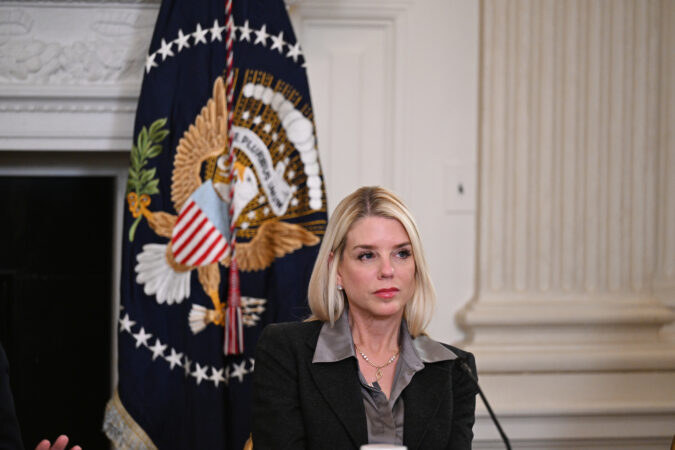
Lawmakers on both sides of the aisle and Epstein’s accusers have criticized the DOJ for releasing only some of the files by the Dec. 19 deadline. The House members who wrote the law setting that date said they would seek to find Attorney General Pam Bondi in contempt of Congress over the partial release.
Deputy Attorney General Todd Blanche told NBC’s Meet the Press on Sunday that the Justice Department has “about a million or so pages of documents” related to Epstein and that “virtually all of them contain victim information.” Based on internal estimates, it appears that hundreds of thousands of pages of additional Epstein-related documents have yet to be publicly released.
The Justice Department has said that some documents made public, including a purported letter from Epstein to Larry Nassar, a doctor convicted of sexually abusing athletes, are fake.
Along with the Justice Department’s statements challenging the veracity of claims made about Trump, Blanche has defended his agency’s procedures for releasing documents related to Epstein.
“We produce documents, and sometimes this can result in releasing fake or false documents because they simply are in our possession because the law requires this. … We will continue to produce every document required by law. Let’s not let internet rumor engines outrun the facts,” Blanche wrote on X.
The latest batch of documents included emails describing how federal investigators faced data-processing delays and issues organizing the large collection of files they had obtained while investigating Epstein.
An assistant U.S. attorney for the Southern District of New York wrote in one February 2020 email released this week that it was “basically impossible for us to keep track of what we’re getting, and what has been completed, without some kind of identification or labeling system.”
A follow-up message in the email chain later that month states that investigators received access to “well over a million documents, and we don’t have any idea what we’re looking at.”
Victims’ rights advocates want specific info from files — and aren’t likely to get it
A group of women who have accused Epstein of abuse said in a statement on Monday that valuable information was missing from Friday’s initial wave of documents released by the Justice Department.
The women, in their statement, claimed that numerous victim identities were left unredacted in the initial release and specifically criticized the lack of financial documents and unredacted grand jury minutes. The second batch of documents was similarly devoid of such information.
The Justice Department said its review process was focused on keeping victims’ identities shielded. While compiling records, the department sought the names of people victimized by Epstein and found “over 1,200 names being identified as victims or their relatives,” Blanche said in a letter to Congress.
Blanche also said the department had withheld some files that it claimed were covered by legal privileges that the new law did not specifically waive. Among those were documents that would reveal internal deliberations at the Justice Department.
The sunshine and relatively mild weather on Christmas in the Philadelphia region and South Jersey will likely be long gone by Friday afternoon, the National Weather Service said in its forecast on Thursday.
Snow, likely no more than 1 or 2 inches, is expected to accumulate between 1 p.m. and midnight Friday, and become mixed with sleet and freezing rain after 4 p.m. New snow and sleet of 2 to 4 inches is possible between 1 and 4 a.m. on Saturday, forecasters said.
“The heaviest precipitation will be the late afternoon on Friday, and it will start to wind down on Saturday,” said Nick Guzzo, meteorologist with the National Weather Service in Mount Holly.
Temperatures are expected to range from the high 20s to low 30s both days. A mild wind of 5 to 10 mph is also expected.
Due to the forecast, PennDot is urging drivers to avoid unnecessary travel. The agency expects vehicle restrictions to begin at 10 a.m. Friday on all interstate highways, banning school buses, commercial buses, motor coaches, motorcycles, and many types of commercial vehicles from the roads.
Friday could be the second measurable snowfall of the season so far. A storm that swept across the Philadelphia region on Dec. 14 left 4.2 inches of snow at Philadelphia International Airport. Some suburban communities in Bucks and Chester Counties reported more than 8 inches.
LONDON — Talk-show host Jimmy Kimmel took aim at President Donald Trump as he warned Thursday about the rise of fascism in an address to U.K. viewers dubbed “The Alternative Christmas Message.”
The message, aired on Channel 4 on Christmas Day, reflected on the impact of the second term in office for Trump, who Kimmel said acts like a king.
“From a fascism perspective, this has been a really great year,” he said. “Tyranny is booming over here.”
The channel began a tradition of airing an alternative Christmas message in 1993, as a counterpart to the British monarch’s annual televised address to the nation. Channel 4 said the message is often a thought-provoking and personal reflection pertinent to the events of the year.
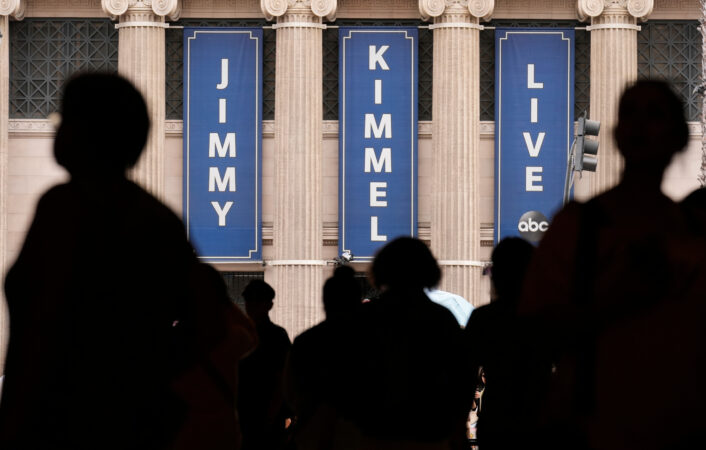
The comedian has skewered Trump since returning to the air after ABC suspended Jimmy Kimmel Live! in September amid criticism of comments the host made after the killing of conservative activist Charlie Kirk.
Kimmel had made remarks in reference to the reaction to Kirk’s shooting suggesting that many Trump supporters were trying to capitalize on the death.
Trump celebrated the suspension of the veteran late-night comic and his frequent critic, calling it “great news for America.” He also called for other late-night hosts to be fired.
The incident, one of Trump’s many disputes and legal battles waged with the media, sparked widespread concerns about freedom of speech and freedom of the press.
Hundreds of leading Hollywood stars and others in the entertainment industry urged Americans in an open letter to “fight to defend and preserve our constitutionally protected rights.” The show returned to the air less than a week later.
Kimmel told the U.K. audience that a Christmas miracle had happened in September when millions of people — some who hated his show — had spoken up for free speech.
“We won, the president lost, and now I’m back on the air every night giving the most powerful politician on Earth a right and richly deserved bollocking,” he said.
Channel 4 previously invited whistleblower Edward Snowden and Iranian President Mahmoud Ahmadinejad to deliver the alternative Christmas message.
Kimmel, who said he didn’t expect Brits to know who he was, warned that silencing critics is not something that happens only in Russia or North Korea.
Despite the split that led to the American Revolution 250 years ago, he said, the two nations still share a special relationship, and he urged the U.K. not to give up on the U.S. as it was “going through a bit of a wobble.”
“Here in the United States right now, we are both figuratively and literally tearing down the structures of our democracy, from the free press to science to medicine to judicial independence to the actual White House itself‚” Kimmel said, in reference to demolition of the building’s East Wing. “We are a right mess, and we know this is also affecting you, and I just wanted to say sorry.”
LONDON — On a Christmas Day when the war in Ukraine casts a shadow over Europe, concerns over immigration divide societies, and some politicians fan anger and resentment, Britain’s King Charles III called on people to focus on kindness instead of conflict.
Delivering his annual holiday address from Westminster Abbey, Charles said Thursday the Christmas story of wise men and shepherds traveling through the night to find their savior shows how we can find strength in the “companionship and kindness of others.”
“To this day, in times of uncertainty, these ways of living are treasured by all the great faiths and provide us with deep wells of hope, of resilience in the face of adversity,” Charles said. “Peace through forgiveness, simply getting to know our neighbors, and by showing respect to one another, creating new friendships.”
“In this, with the great diversity of our communities, we can find the strength to ensure that right triumphs over wrong,” he added.
The speech, which concluded with a Christmas carol sung by a Ukrainian choir, came as European leaders have been rallying support for Ukraine amid signs that President Donald Trump is losing patience with America’s traditional European allies. At home, British politics have become increasingly bitter as Prime Minister Keir Starmer’s government struggles to control unauthorized migration and bolster creaking public services.
Charles, the titular head of the Church of England, chose Westminster Abbey as the site of his Christmas Day broadcast to underscore the theme of pilgrimage that ran through the speech. The abbey, known as the site of coronations and royal weddings, is also the focus of an annual pilgrimage honoring Edward the Confessor, an early king of England who was canonized as a saint in 1161.
“Pilgrimage is a word less used today, but it is of particular significance for our modern world, and especially at Christmas,” he said. “This is about journeying forward into the future, while also journeying back to remember the past and learn from its lessons.”
Charles and his family made their own pilgrimage on foot earlier in the day to St. Mary Magdalene Church on the king’s private Sandringham Estate, about 100 miles north of London.
Charles and Queen Camilla, along with Prince William and his wife, Kate, and their children, Princes George and Louis and Princess Charlotte, and their extended family, walked to the church and greeted the crowds of people after the service.
Events earlier this year marking the 80th anniversary of the end of World War II underscored the need to learn from the past, Charles said. While there are fewer and fewer living veterans of that conflict, we must remember the courage and sacrifice of those who fought the war and the way communities came together “in the face of such great challenge,” he said.
“These are the values which have shaped our country and the Commonwealth,” he said. “As we hear of division, both at home and abroad, they are the values of which we must never lose sight.”
The monarch’s annual holiday message is watched by millions of people in the U.K. and across the Commonwealth, a voluntary association of 56 independent nations, most of which have historic ties to Britain. The prerecorded speech is broadcast at 3 p.m. London time, when many families are enjoying their traditional Christmas lunch.
The speech is one of the rare occasions when Charles, 77, is able to voice his own views and does not seek guidance from the government.
This year’s address came just two weeks after Charles made a deeply personal television appearance in which he said “good news” from his doctors meant that he would be able to reduce his treatment for cancer in the new year.
The king was diagnosed with a still-undisclosed form of cancer in early 2024. Buckingham Palace says his treatment is now moving to a “precautionary phase” and his condition will be monitored to ensure his continued recovery.
The speech was accompanied by a video of members of the royal family, from the king to grandchildren George, Louis, and Charlotte, meeting with the public and carrying out their royal duties.
That included scenes from the king’s historic trip to the Vatican as he works to forge closer relations between the Church of England and the Catholic Church.
The event was the first time since King Henry VIII severed ties with Rome that the leaders of the two Christian churches, divided for centuries over issues that now include the ordination of female priests in the Church of England, had prayed together.
The king’s message was clear: Even if some years had passed, there is always hope to start over. Peace is possible.
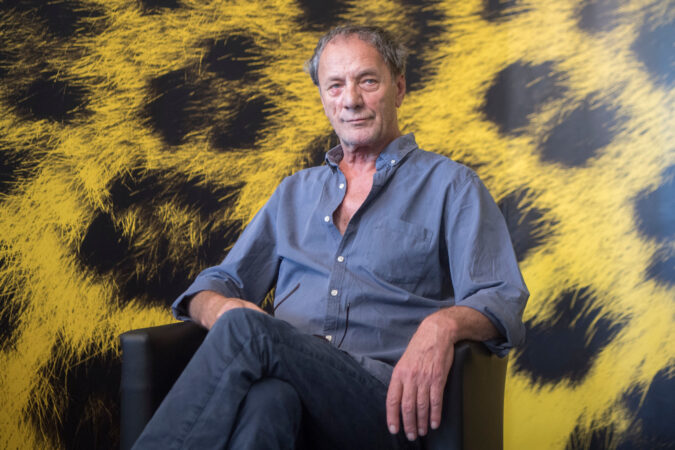
TEL AVIV, Israel — Mohammad Bakri, 72, a Palestinian director and actor who sought to share the complexities of Palestinian identity and culture through a variety of works in both Arabic and Hebrew, has died, his family announced.
Mr. Bakri was best known for Jenin, Jenin, a 2003 documentary he directed about an Israeli military operation in the northern West Bank city the previous year during the second Palestinian intifada, or uprising. The film, focusing on the heavy destruction and heartbreak of its Palestinian residents, was banned by Israel.
Mr. Bakri also acted in the 2025 film All That’s Left of You, a drama about a Palestinian family through more than 76 years, alongside his sons, Adam and Saleh Bakri, who are also actors. The film has been shortlisted by the Academy Awards for the best international feature film.
Over the years, he made several films that spanned the spectrum of Palestinian experiences. He also acted in Hebrew, including at Israel’s national theater in Tel Aviv, and appeared in a number of famous Israeli films in the 1980s and 1990s. He studied at Tel Aviv University.
Mr. Bakri, who was born in northern Israel and held Israeli citizenship, dabbled in both film and theater. His best-known one-man show from 1986, The Pessoptimist, based on the writings of the Palestinian author Emile Habiby, focused on the intricacies and emotions of someone who has both Israeli and Palestinian identities.
During the 1980s, Mr. Bakri played characters in mainstream Israeli films that humanized the Palestinian identity, including Beyond the Walls, a seminal film about incarcerated Israelis and Palestinians, said Raya Morag, a professor at the Hebrew University of Jerusalem who specializes in cinema and trauma.
“He broke stereotypes about how Israelis looked at Palestinians, and allowing someone Palestinian to be regarded as a hero in Israeli society,” she said.
“He was a very brave person, and he was brave by standing to his ideals, choosing not to be conformist in any way, and paying the price in both societies,” Morag said.
Mr. Bakri faced some pushback within Palestinian society for his cooperation with Israelis. After Jenin, Jenin, he was plagued by almost two decades of court cases in Israel, where the film was seen as unbalanced and inciting.
In 2022, Israel’s Supreme Court upheld a ban on the documentary, saying it defamed Israeli soldiers, and ordered Mr. Bakri to pay tens of thousands of dollars in damages to an Israeli military officer for defamation.
Jenin, Jenin was a turning point in Mr. Bakri’s career. In Israel, he became a polarizing figure and he never worked with mainstream Israeli cinema again, Morag said. “He was loyal to himself despite all the pressures from inside and outside,” she added. “He was a firm voice that did not change during the years.”
Local media quoted Mr. Bakri’s family as saying he died Wednesday after suffering from heart and lung problems. A cousin, Rafic, told the Arabic news site Al-Jarmaq that Mr. Bakri was a tenacious advocate for the Palestinians who used his works to express support for his people.
“I am certain that Abu Saleh will remain in the memory of Palestinian people everywhere and all people of the free world,” he said, using Mr. Bakri’s nickname.
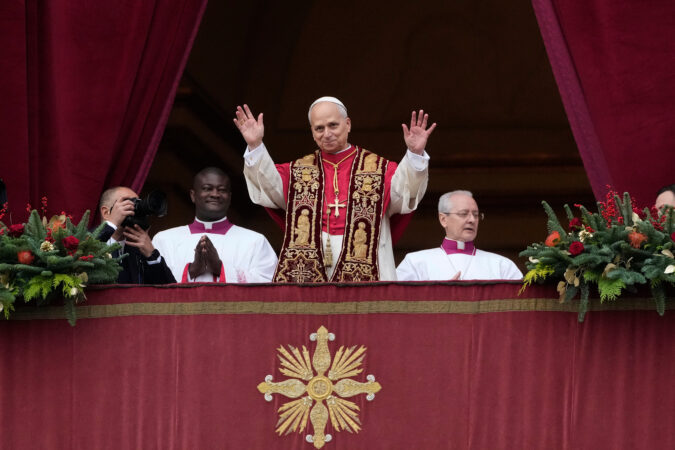
VATICAN CITY — In his first Christmas Day message, Pope Leo XIV urged the faithful to shed indifference in the face of those who have lost everything, such as in Gaza; those who are impoverished, such as in Yemen; and the many migrants who cross the Mediterranean Sea and the American continent for a better future.
The first U.S. pontiff addressed about 26,000 people from the loggia overlooking St. Peter’s Square for the traditional papal Urbi et Orbi address, Latin for “to the city and to the world,” which serves as a summary of the woes facing the world.
Though the crowd had gathered under a steady downpour during the papal Mass inside St. Peter’s Basilica, the rain had subsided by the time Leo took a brief tour of the square in the popemobile, then spoke from the loggia.
Leo revived the tradition of offering Christmas greetings in multiple languages abandoned by his predecessor, Pope Francis. He received especially warm cheers when he made his greetings in his native English and in Spanish, the language of his adopted country of Peru, where he served first as a missionary and then as archbishop.
Someone in the crowd shouted out “Viva il papa!” or ”Long live the pope!” before he retreated into the basilica. Leo took off his glasses for a final wave.
Leo surveys the world’s distress
During the traditional address, the pope emphasized that everyone could contribute to peace by acting with humility and responsibility.
“If he would truly enter into the suffering of others and stand in solidarity with the weak and the oppressed, then the world would change,” the pope said.
Leo called for “justice, peace, and stability” in Lebanon, the Palestinian territories, Israel, and Syria; prayers for “the tormented people of Ukraine”; and “peace and consolation” for victims of wars, injustice, political instability, religious persecution, and terrorism, citing Sudan, South Sudan, Mali, Burkina Faso, and Congo.
The pope also urged dialogue to address “numerous challenges” in Latin America, reconciliation in Myanmar, the restoration of “the ancient friendship between Thailand and Cambodia,” and assistance for the suffering of those hit by natural disasters in South Asia and Oceania.
“In becoming man, Jesus took upon himself our fragility, identifying with each one of us: with those who have nothing left and have lost everything, like the inhabitants of Gaza; with those who are prey to hunger and poverty, like the Yemeni people; with those who are fleeing their homeland to seek a future elsewhere, like the many refugees and migrants who cross the Mediterranean or traverse the American continent,” the pontiff said.
He also remembered those who have lost their jobs or are seeking work, especially young people, underpaid workers, and those in prison.
Peace through dialogue
Earlier, Leo led the Christmas Day Mass from the central altar beneath the balustrade of St. Peter’s Basilica, which was adorned with floral garlands and clusters of red poinsettias. White flowers were set at the feet of a statue of Mary, mother of Jesus, whose birth is celebrated on Christmas Day.
In his homily, Leo underlined that peace can emerge only through dialogue.
“There will be peace when our monologues are interrupted and, enriched by listening, we fall to our knees before the humanity of the other,” he said.
He remembered the people of Gaza, “exposed for weeks to rain, wind, and cold” and the fragility of “defenseless populations, tried by so many wars,” and of “young people forced to take up arms, who on the front lines feel the senselessness of what is asked of them, and the falsehoods that fill the pompous speeches of those who send them to their deaths.”
Thousands of people packed the basilica for the pope’s first Christmas Day Mass, holding aloft their smartphones to capture images of the opening procession.
This Christmas season marks the winding down of the Holy Year celebrations, which will close on Jan. 6, the Catholic Epiphany holiday marking the visit of the three wise men to the baby Jesus in Bethlehem.