Accompanying one of the more-enduring snowpacks in the period of record, ice has continued to build in the Philadelphia region’s waterways, and all indications are that it’s going to intensify in the next three days, perhaps significantly.
With temperatures expected to fall to single digits by Saturday night and wind gusts up to 55 mph, the region is about to experience an assault from a “cold air gun,“ said Alex Sosnowski, senior meteorologist at AccuWeather Inc.
The combination, plus the below-freezing temperatures at least through Monday and the ongoing cold spell that began last month, will not only deepen the ice cover but will make it more uniform by freezing over breaks in the ice.
“You’re going to see the ice-over become more extensive,” Sosnowski said.
Earlier in the week, icing temporarily stranded a vessel on the Delaware River that was delivering much-needed salt supplies to Philly. (They did eventually get here.)
The U.S. Coast Guard was using a 175-foot-long cutter to break up ice on a portion of the river channel that runs from the mouth of the ice-covered Delaware Bay — where Cape May-Lewes Ferry service was disrupted this week — to Trenton.
As of Friday morning, the craft had been ramming ice for 45 hours since the freeze began at the end of last month, U.S. Coast Guard Petty Officer Matthew West said.
So far, however, the ice hasn’t reached crisis levels, said Ryan Mulvey, a spokesperson for the Philadelphia Regional Port Authority. For ship traffic on the river, it’s been more a matter of “road work ahead” rather than ”road closed.”
“We’re open as usual,” he said. “I think the largest ships help with breaking up some of the ice flow.”
One thing is certain, meteorologists are warning: The ice factory is going to be in full production mode until Tuesday.
And, ironically, even as precipitation deficits and drought conditions persist, flooding potential is a source of concern.
The short-term outlook for icing in the Philly region
A key to melting, said Sosnowski, is having a sequence of daily average temperatures above freezing, not just daytime highs above 32 degrees. Nights also have to warm up.
The prospects of that happening aren’t looking good for the next several days. Officially, Friday was the 12th consecutive day of a snowpack of at least 5 inches at Philadelphia International Airport, the seventh-longest such stretch in records dating to the winter of 1884-85.
Daily average temperatures have been below freezing every day since Jan. 23.
Highs on Saturday and Sunday, even in the city, may struggle to reach 20 degrees, with lows in single digits Sunday and Monday mornings.
A promised warmup during the workweek wasn’t looking as toasty on Friday as it was earlier in the week. Monday’s temperatures were forecast to top out in the 20s, and no daily average temperatures are forecast above freezing through Friday.
Some rain or snow also is possible Wednesday, said Nick Guzzo, a meteorologist with the National Weather Service in Mount Holly. A storm is possible next weekend, but computer models continue to disagree with each other, and themselves.
To erase the snowpack, the region could use a warm, moist air mass and rain that would produce “river rises” that would help break up the ice, the weather service says.
But not too much rain.
The long-term outlook: Flooding concerns amid a drought
Moist air preceding a rainfall all but erased the snowpack with a historic melt. When that air came in contact with the snow, it condensed, releasing latent heat that sped up the melting.
Rain followed, and liberated ice jams led to destructive flooding along the Delaware and the Susquehanna Rivers and a presidential disaster declaration.
NOAA’s Middle Atlantic River Forecast Center is well aware of the potential and is monitoring conditions, said senior hydrologist Johnathan Kirk.
“That’s what we have to watch for,” said Sosnowski, who well remembers 1996.
“It is going to take one of the more mild-mannered thaws to avoid ice-jam flooding,” he said.
A mild thaw is possible, Sosnowski said, but “the odds are stacked against it. It’s been so cold for so long.”
Dirty Franks says ’25 and up’ — and the regulars reclaim the bar: B+
Dirty Franks banning 24-year-olds and under sounds, on paper, like the plot of a generational culture war. In reality, it’s a dive bar doing what dive bars have always done: protecting the room.
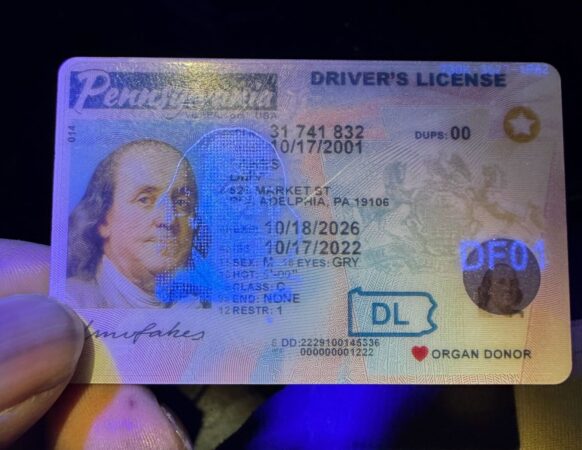
The catalyst? A fake ID featuring Ben Franklin that successfully scanned. Over the past year, Franks has been overrun by increasingly bold fake IDs, TikTok-fueled crowds, and behavior that doesn’t match the unspoken social contract of a place where regulars expect to sit, talk, and not babysit a bar.
This isn’t about hating young people. It’s about a bar that has never been a college bar suddenly being treated like one. Quantity over quality, as owner Jody Sweitzer put it. More bodies, same money, harder nights.
The temporary 25-plus rule is blunt, maybe even unfair to the responsible 22-year-olds who just want a cheap beer and a dart board. But Philly bars have always operated on feel as much as fairness. When something’s off, you fix it first and argue about it later.
And by most accounts, it worked. The room is calmer. Regulars are back. People can sit again. Staff aren’t playing bouncer-scanner-detective every five minutes, trying to outsmart IDs that look like they came straight out of a CIA prop department.
Is it sustainable? Probably not. Is it extremely Philly to say “we’ll relax when the nonsense stops”? Absolutely.
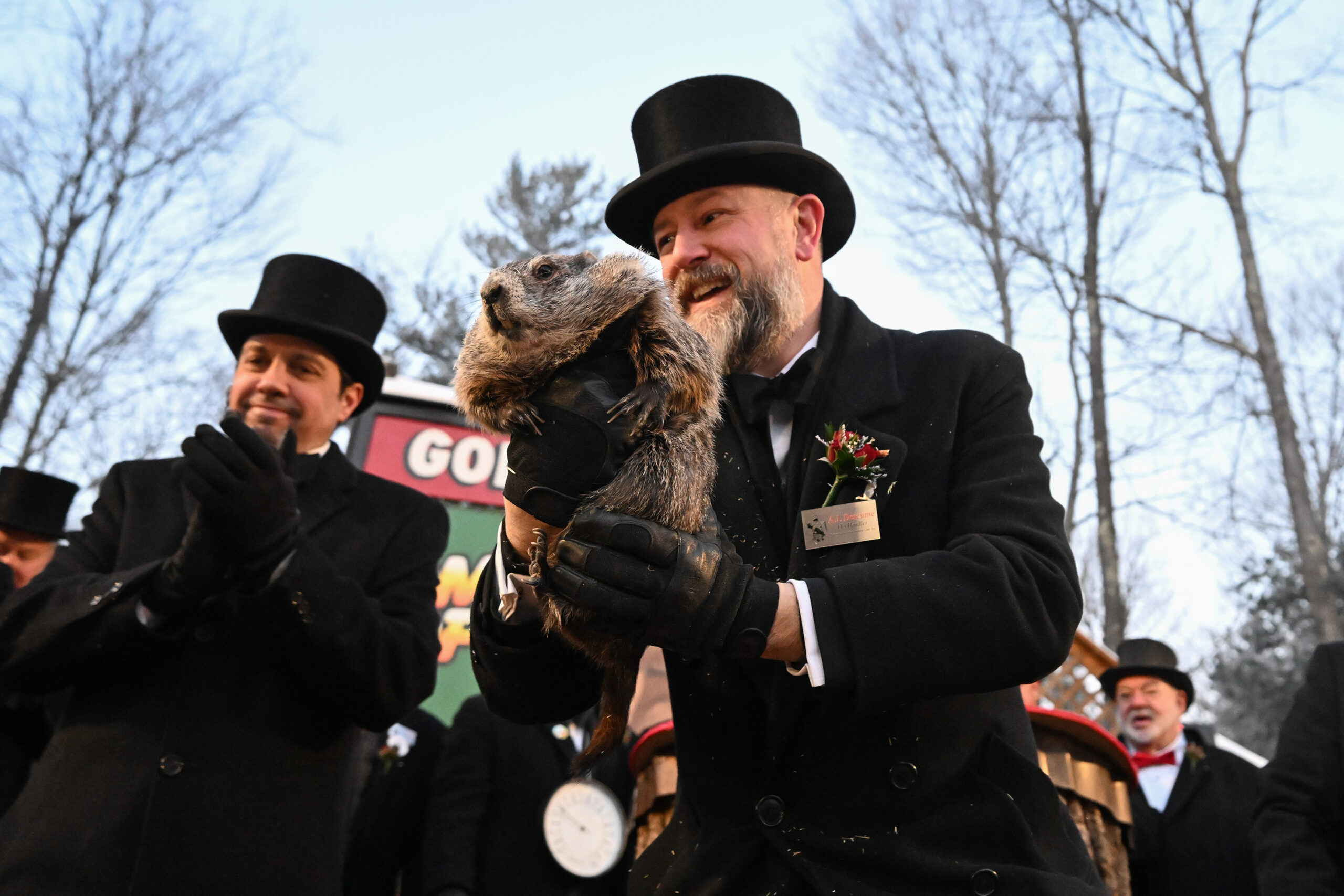
Groundhog Club handler A.J. Dereume holds Punxsutawney Phil, the weather prognosticating groundhog, during the 140th celebration of Groundhog Day on Gobbler’s Knob in Punxsutawney, Pa., Monday, Feb. 2, 2026. Phil’s handlers said that the groundhog has forecast six more weeks of winter. (AP Photo/Barry Reeger)
Punxsutawney Phil sees his shadow, condemning Philly to six more weeks of this: D
Six more weeks of winter doesn’t mean snowflakes and cozy vibes in Philadelphia. It means gray piles of ice that never melt, sidewalks that double as obstacle courses, and that specific kind of cold that seeps through gloves.
Phil seeing his shadow wasn’t news. The snow is still here. The side streets are still a mess. The wind is still disrespectful. And now we’re being told to mentally prepare for another month and a half of bundling up just to take out the trash.
Phil’s track record doesn’t help his case. He’s been wrong more often than right, but somehow still gets the power to set the emotional tone for an entire region. And the tone this year is simple: exhausted, sore, and deeply over it.
We don’t hate Phil. We just resent him for reminding us that winter in Philadelphia isn’t a season: It’s a long, drawn-out test of patience, balance, and civic infrastructure.
Six more weeks? Fine. We’ll survive. But we’re not happy about it.
Heavy equipment clears snow and ice from South Broad Street near Tasker Street in South Philadelphia, Tuesday, Feb. 3, 2026.
Philly sends in ‘snow ambassadors’ because the cleanup still isn’t done: C
At this point, the storm itself is old news. What isn’t: frozen crosswalks, ice-packed corners, and a city that still feels stuck in cleanup mode.
So now comes the next phase of winter in Philadelphia: improvisation.
The city is deploying 300 “snow ambassadors” to manually chip away at ice piled up at crosswalks and corners. We’re well past the point where plows and salt were enough, and if the choice is between stubborn ice lingering for weeks or sending people out with tools to break it up, the latter is the only real answer.
But it also says a lot about how this cleanup has gone.
The city is now in hand-to-hand combat with the leftovers of a storm that dropped 9.3 inches and then immediately locked them in place with days of deep cold. The fact that crosswalks still need this level of attention, days later, underscores how uneven the original response was, especially on side streets and pedestrian infrastructure.
Calling them “ambassadors” doesn’t change the reality: This is a workaround. A necessary one but still a sign that the system didn’t fully deliver the first time around.
That said, credit where it’s due. The city didn’t just shrug and tell people to wait for a thaw. It adjusted. It added manpower. It acknowledged that what’s left isn’t just inconvenient but dangerous. And focusing on crosswalks and ADA ramps is exactly where the effort should be right now.
This isn’t a win. It’s a course correction.
Phillies designated hitter Kyle Schwarber celebrates his solo home run with teammate J.T. Realmuto against the Kansas City Royals on Saturday, Sept. 13, 2025, in Philadelphia.
Phillies spring training hope (and the kids knocking): A
This is the part of the calendar where Philly collectively exhales.
Spring training is just getting started, and already the Phillies feel lighter. Not because anything’s been won. Not because the roster is flawless. But because February baseball is where optimism still gets the benefit of the doubt.
Clearwater represents a reset. New grass. Fresh routines. The annual illusion that this version of the team will be the one where everything clicks at the right time. It doesn’t matter how last season ended, spring training always feels like permission to believe again.
And for the first time in a while, the kids are actually coming. Justin Crawford looks like the opening-day center fielder. Andrew Painter is finally healthy enough to matter again. Aidan Miller is looming. The Phillies’ farm system has spent years as a drip-feed; now it feels like a faucet that might finally turn on.
That matters for a team that’s been built around a veteran core for so long. Bryce Harper and Kyle Schwarber anchoring things in Clearwater feels familiar in the best way, but the real intrigue is whether the next wave can actually stick. Whether this spring is the start of something sustainable, not just another “run it back.”
Spring training is baseball’s softest sell. No standings. No scoreboard pressure. Just story lines, roster battles, and enough sun to trick you into thinking October is guaranteed. Philly knows better than to fully trust it, but we still show up every year.
Because hope is part of the ritual. And for now, it’s earned.
If nothing else, pitchers and catchers reporting means one undeniable thing: Winter is losing leverage, and baseball is back in the conversation. Around here, that’s worth an A all by itself.
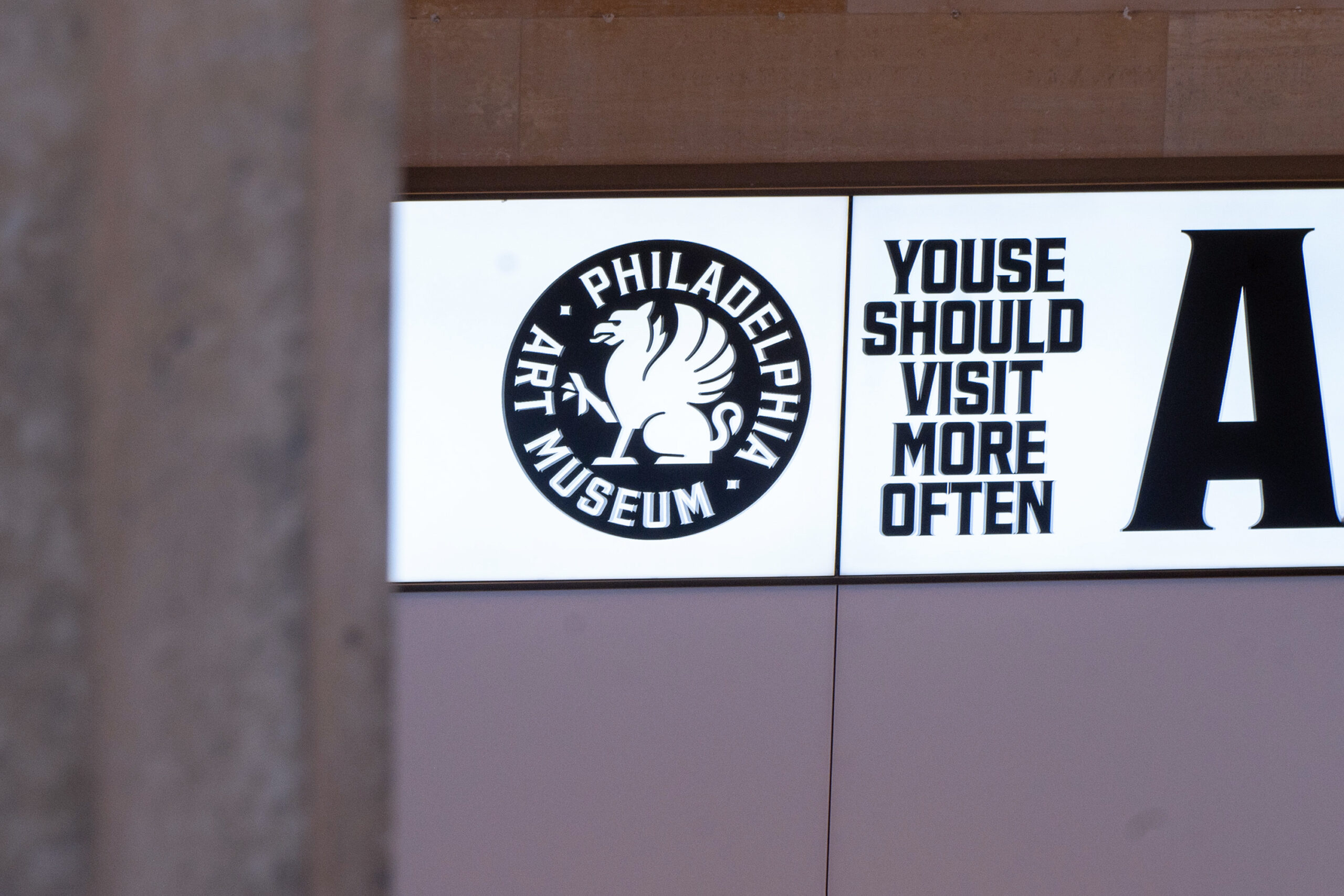
A rolling video screen above the admissions counter at the West Entrance at the Philadelphia Museum of Art Monday, Oct. 6, 2025, features a “youse should visit” slide and a new logo. The name change was eventually reversed back to its original – Philadelphia Museum of Art – but the griffin was kept.
The Art Museum walks it back (somewhat): B+
Four months after trying to rename itself the Philadelphia Art Museum, the Philadelphia Museum of Art has decided to do what Philadelphians do best: Stop pretending and call it what everyone was calling it anyway.
But this wasn’t a full rewind. The museum kept the updated look — the bold fonts, the sharper visual identity, the griffin logo pulled from the building’s roofline. The feedback was clear and consistent: People who know the institution (members, donors, staff) felt alienated by the name change.
The Philadelphia Museum of Art isn’t just branding; it’s muscle memory. You don’t casually swap that out without expecting pushback. But surveys also showed that the broader public didn’t hate the new look itself. So the museum split the difference.
It kept the visual refresh. It dropped the name change, which felt unnecessary and confusing. And it signaled, intentionally or not, that listening matters more than doubling down.
Philly gets its own Monopoly board, and the arguments have already started: A
A Philadelphia edition of Monopoly is coming this fall, and honestly, the game itself almost feels beside the point. The real action is happening now, in the collective act of imagining what would, and absolutely would not, be allowed on a Philly board.
The gaming company behind the project is soliciting public nominations for landmarks, businesses, and nonprofits, which means we’re about two seconds away from the most Philly fight imaginable: not about what belongs on the board, but what deserves Boardwalk money and what gets stuck near Baltic Avenue out of spite.
Picture it. Pass GO at City Hall. Community Chest immediately fines you for blocking a crosswalk. Chance card sends you directly to SEPTA delays — do not collect $200. Jail is the Roundhouse. Free Parking is somehow still under construction.
Some squares feel obvious: the Art Museum steps, LOVE Park, Independence Hall. Others are going to be chaos picks. Wawa utilities. Delco railroads. A corner bar that hasn’t changed since 1987 somehow costing more than Center City. Someone will nominate their neighborhood dive and mean it sincerely. Someone else will nominate their rowhouse just to prove a point.
And that’s where this gets interesting. A Philly Monopoly board isn’t really about the game. It’s about which places people think matter, and which ones they’ll argue should’ve made the cut.
‘We’ll shew ya whereta gew in the snew’: Visit PA leans into accents — and Philly winter energy: B+
If you’re going to tell Philadelphians to leave the house in February, you’d better sound like someone we trust. Preferably someone who says “youse.”
The Pennsylvania Tourism Office seems to get that, according to WHYY. Its new winter “Snow Day Hotline” is staffed by prerecorded Philly and Pittsburgh accents, plus live comedians during select hours.
Call the number and you’re greeted by exaggerated but affectionate regional voices walking you through things to do around the state, from museums to indoor hangs. It’s intentionally old-school, phone only, no app.
The Philly side of the operation is handled by comedian Betsy Kenney, whose accent isn’t natural but feels familiar anyway: a composite of neighbors, aunts, and the person behind you in line at Wawa explaining why something is “not worth it, but also maybe worth it.” The advice isn’t groundbreaking. The delivery is the point.
So when a highly accomplished Jeopardy! champion (16-game winner, nearly half a million dollars in earnings) visibly struggled to pronounce “Schuylkill” on national television this week, Philly collectively leaned forward and went, here we go.
To Scott Riccardi’s credit, he got the answer right. The river that runs through Pottsville, Reading, and Philadelphia? Yes. Correct. No notes. But the pronunciation (Skol-kull) sent Ken Jennings into referee mode, which is never where you want to be when the clue involves Pennsylvania geography.
For the record (again): it’s Skoo-kl. Two syllables. No drama. No extra letters pronounced.
Riccardi walks away with a B: smart, successful, and close enough to get partial credit. But full points are reserved for anyone who can say Schuylkill on the first try without breaking eye contact.
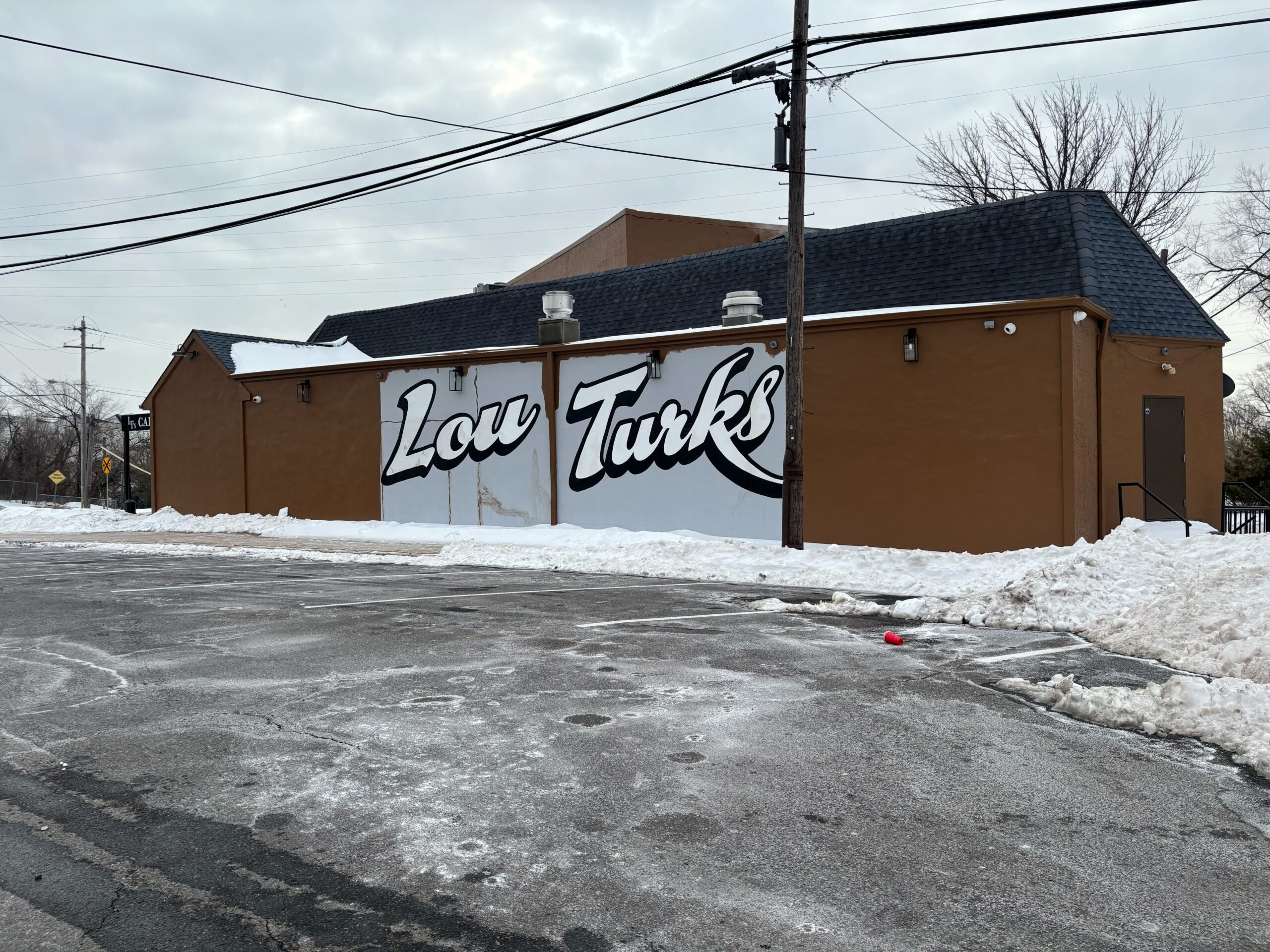
Lou Turk’s, a Delaware County strip club with more than 50 years in business, announced it will change its name to the Carousel Delco.
Lou Turk’s rebrands, Delco shrugs: A
Only in Delco could a strip club rebrand spark genuine cultural concern. Not about the name, but about whether Mother’s Day flower sales would survive.
Lou Turk’s, Delaware County’s lone strip club and one of its most stubborn institutions, announced it’s changing its name to the Carousel Delco. The response was immediate disbelief, light outrage, and a collective understanding that no one is actually calling it that. Ever. This is Gallery/Fashion District math.
Stephanie Farr laid it out perfectly: Lou Turk’s isn’t just a business, it’s a landmark. A place that exists in the Delco imagination as much as it does off Route 291, wedged between a Wawa and an Irish pub like it was placed there by a zoning board with a sense of humor.
The new name raises questions (mostly “why?”), but Delco culture is resilient. The club can swap signage, management, and branding buzzwords all it wants. It will still be Lou Turk’s. And more importantly, it will still sell flowers on Mother’s Day, preserving one of the county’s most unhinged and beloved traditions.
We’ll show you a photo taken in the Philly-area, you drop a pin where you think it was taken. Closer to the location results in a better score. This week is all about shiny, classic, and infamous automobiles! Good luck!
Round #19
Question 1
Where is this show room?
Loading…
ClickTap on map to guess the location in the photo
ClickTap again to change your guess and hit submit when you're happy
You will be scored at the end. The closer to the location the better the score
Jose F. Moreno / Staff Photographer
Pretty good/Not bad/Way off! Your guess was from the location.Spot on! Your guess was exactly at the location. Here's also where a random selection of Inquirer readers guessed.
This photo was taken during the 2022 Philly Auto Show at the Pennsylvania Convention Center. This year’s show runs until February 8, once again at the Convention Center. Organized by the Auto Dealers Association of Greater Philadelphia, it spans nearly 700,000 square feet.
Quiz continues after ad
Question 2
Where is this famously frozen car?
Loading…
Joe Lamberti / For The Inquirer
Pretty good/Not bad/Way off! Your guess was from the location.Spot on! Your guess was exactly at the location. Here's also where a random selection of Inquirer readers guessed.
Pretty good/Not bad/Way off! Your guess was from the location.Spot on! Your guess was exactly at the location. Here's also where a random selection of Inquirer readers guessed.
When you walk into Koselig Nook, Aracelis Mullin wants you to feel a wave of calm. She intentionally designed the teahouse that way: From its welcoming furniture to its lighting, its green paint, its scents, it is meant to be a relaxing third space, a stopping point between work and home, where people can gather, craft, focus on wellness, or anything between. Don’t forget to take off your shoes. (Really. It’s a rule.)
Koselig Nook, a late-night teahouse, plans to open in Exton, at 333 E. Lincoln Highway, later this month. The business is relocating from Coatesville, where it opened in 2024, to be more central for customers within the county and traveling from Philly.
“The whole idea and the purpose is to bring the people out of their houses and to enjoy another place where they can network or just spend some time or talk,” Mullin said.
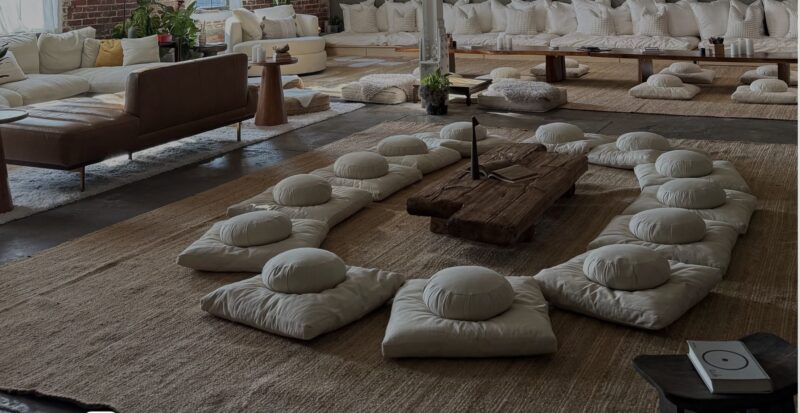
Named for the Norwegian term encompassing contentment and coziness, Koselig Nook’s seating is meant to be secure and comfortable — with plush, downy pillow seating and blankets, oils, and low lighting, inviting people to lounge.
So much of today’s gathering culture revolves around bars and drinking, Mullin said. Though sober options are opening in metropolitan areas, like Philadelphia, people in the county have fewer places — especially places open later, she said.
That’s the gap Koselig Nook seeks to fill, she said.
“I think there’s a big need for third places that are more calm; for introverted people, they can come and network, too, little by little, but they don’t have the pressure of society saying, ‘Hey, do you want to drink?’” she said.
Instead, customers can sit and study or work from 11 a.m. to 3 p.m. for $25 on Tuesdays through Fridays. Students spent a lot of time holed up in the Nook’s Coatesville location during finals week in December, Mullin said.
In the evenings, from 7 to 11 p.m. for $35 on Friday and Saturday, people can go somewhere that is not about drinking.
During various events offered week to week, people can come to workshops where they junk journal, cutting up pictures and pasting them into notebooks, or take a meditative break surrounded by gongs and chimes and singing bowls in a sound bath session, or spend time with a medium. You can pick up letters from a pen pal in another country or pen your own, facilitated through Koselig Nook. You can silently read your own book and then, in a formal discussion, chat about it with other readers, trading recommendations.
Some make events out of it. For one 24-year-old’s birthday, she and her friends journaled together, sipping their tea, and had a sound bath.
Others come alone and leave with connections: During a full moon ceremony, only two of the 15 women who came knew each other. By the end, “they all shared their phone numbers. … It was amazing,” Mullin said.
The business traces its lineage to when Mullin’s daughter, Victoria, was living in California in 2020. She frequented a teahouse where customers could reserve time and sit and enjoy themselves during the evening hours. After Mullin visited herself, she felt compelled to bring something similar to the East Coast. She picked the brains of the owners.
With her background — she ran a traveling tea party business for young girls and a birthday party business in Thorndale — Mullin embraced their model; her teahouse is reservation-only. There is unlimited tea, and a selection of premade snacks. Everything is provided without extra charge once you are in the Nook. Socks only.
“I wanted to have that community place where the people come and gather, regardless of what your politics and your religion, so we did it. I was scared to death,” she said.
She expected to have to go a bit more slowly in Chester County, for people to understand the business. But she was met with a lot of enthusiasm.
“The people are so in need of this that they love it,” she said.
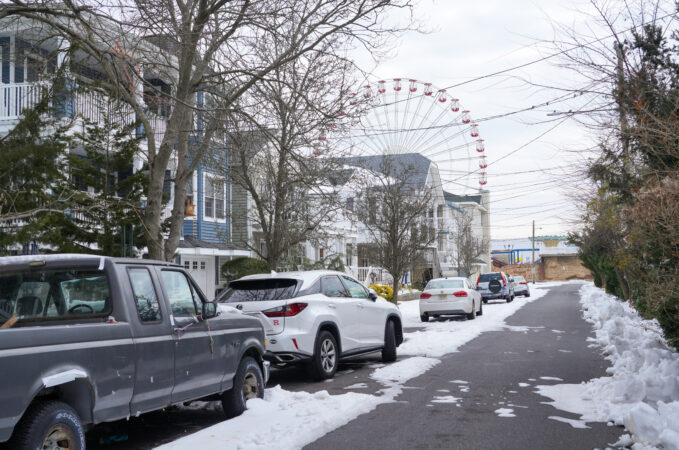
OCEAN CITY, N.J. — Marie Crawford was immediately charmed in 2021 when she and her soon-to-be-surfer husband Rich moved into their historic house in the literal shadow of Gillian’s Wonderland Pier.
They’d come from Blue Bell, Pa., to live year-round by the ocean, and landed with an amusement park right up the street.
“The ball drop, that was what we heard from my house,” she said, referring to the 130-foot-high Drop Tower ride. “It was, ‘Ah, ah, ahhhhhhhh,‘” she said, imitating the screams she would sometimes hear.
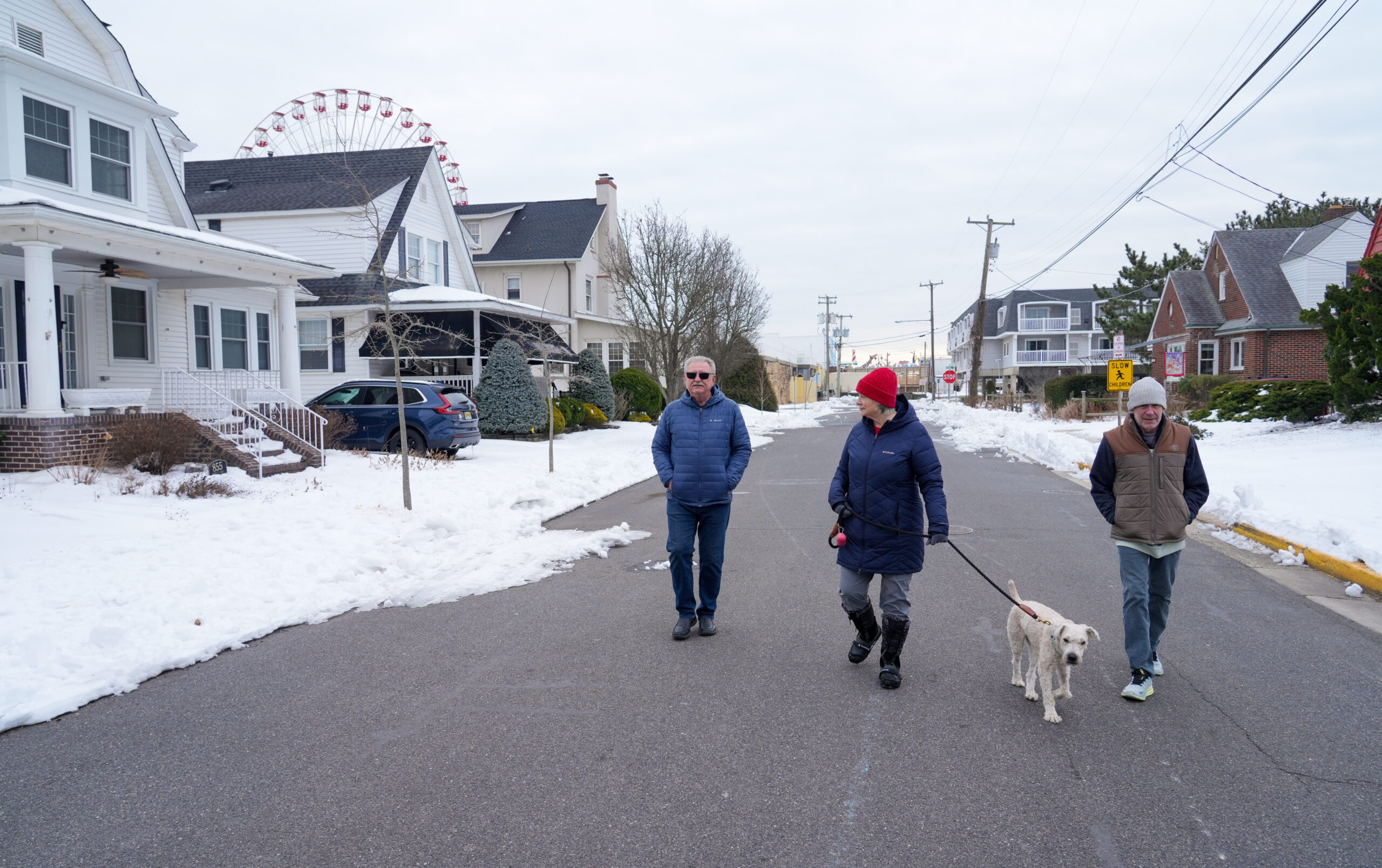
Jack Gutenkunst, left, Marie Crawford and her husband Richard with Shiloh, a 9-year-old soft coated wheaten terrier, walk along Plaza Place, in Ocean City, Tuesday, Feb. 3, 2026.
“It was so beautiful and romantic. On our porches, we would hear the ocean, not the amusement park. There were families, babies in strollers, coming up the street, flowing up to Wonderland. We were kind of ambassadors.”
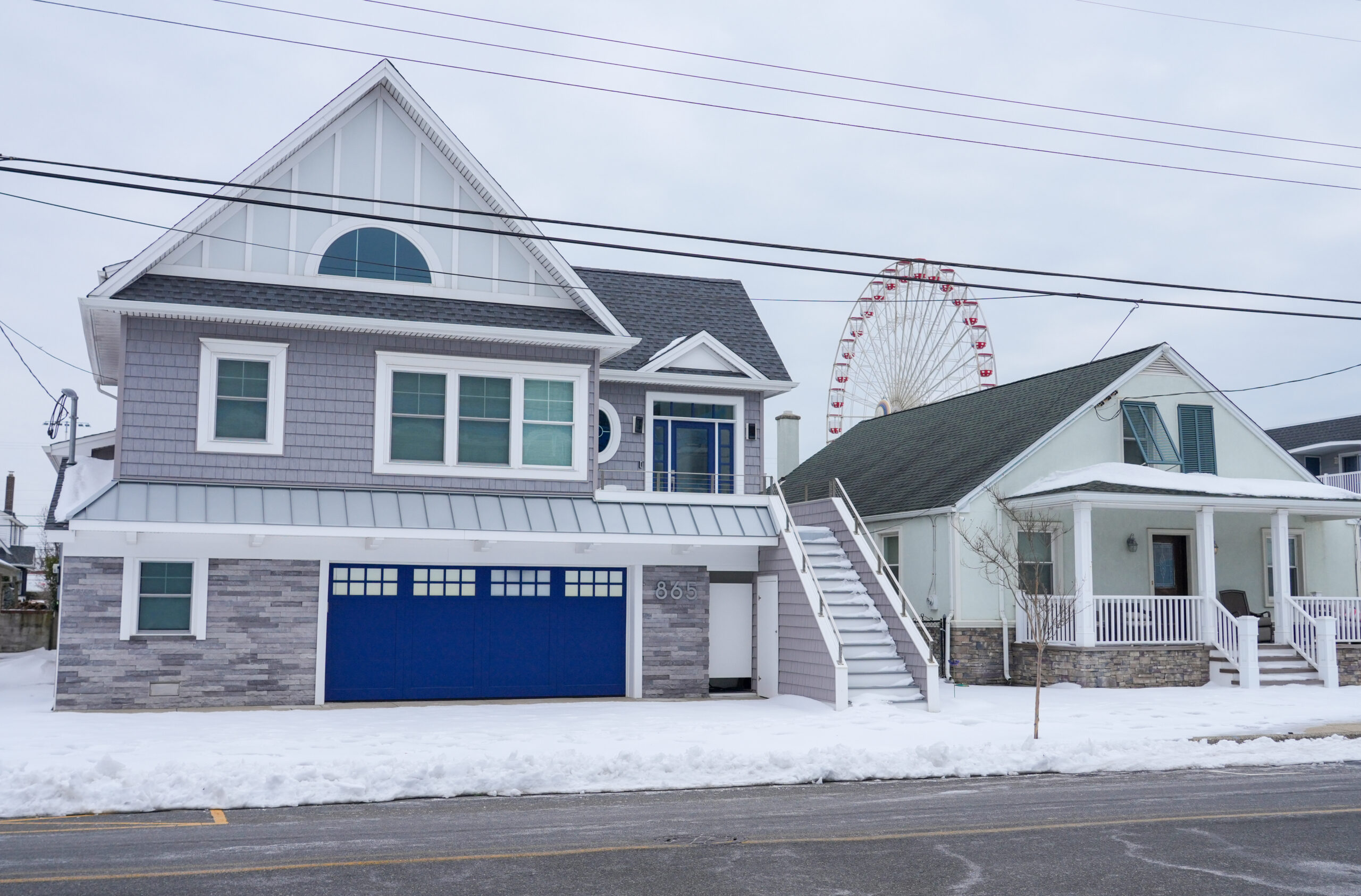
Now, more than a year after the closing of Gillian’s, the residents are faced with the possibility of a seven-story hotel they fear will block their sun, bring traffic to their streets, and threaten the small-town charm they found in their little pocket of Ocean City.
“It’s just another example of maximizing, pushing,” said Rich Crawford, Marie’s husband, who programs music for his family’s Christian radio station, WDAC, located in Lancaster, Pa. In his 60s, Rich fell in with Ocean City’s surfing crowd and unexpectedly grew to love his little community.
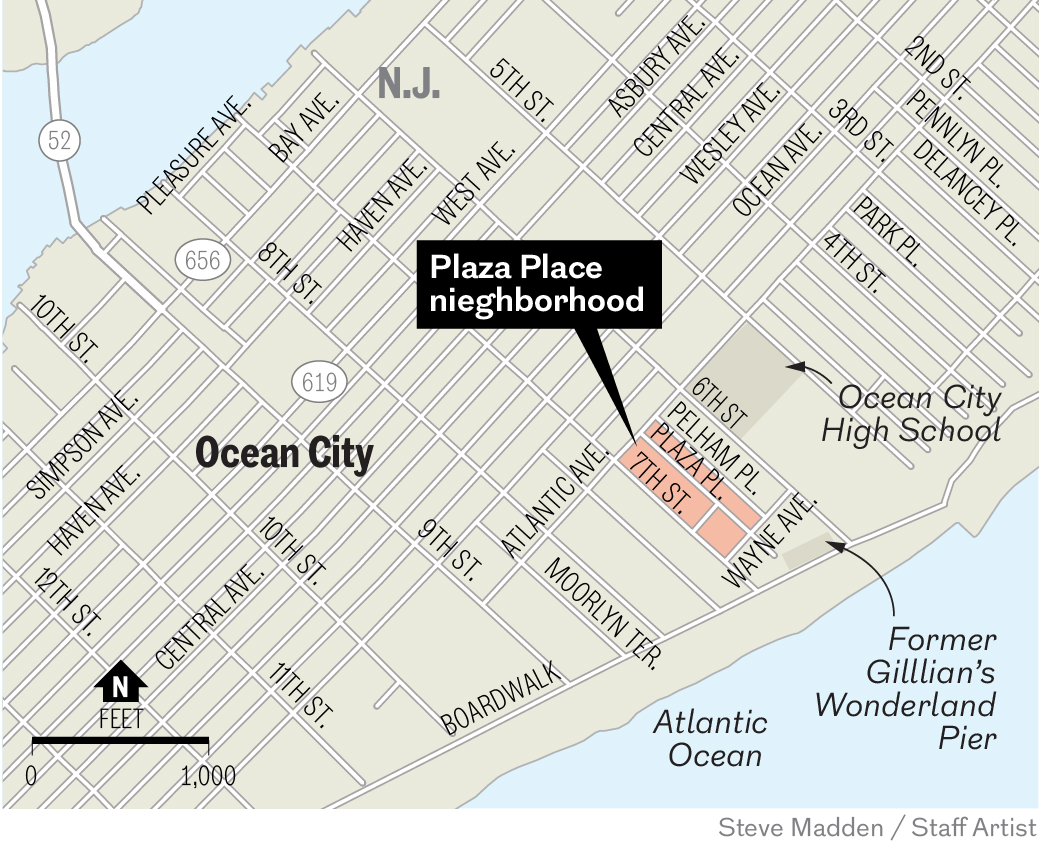
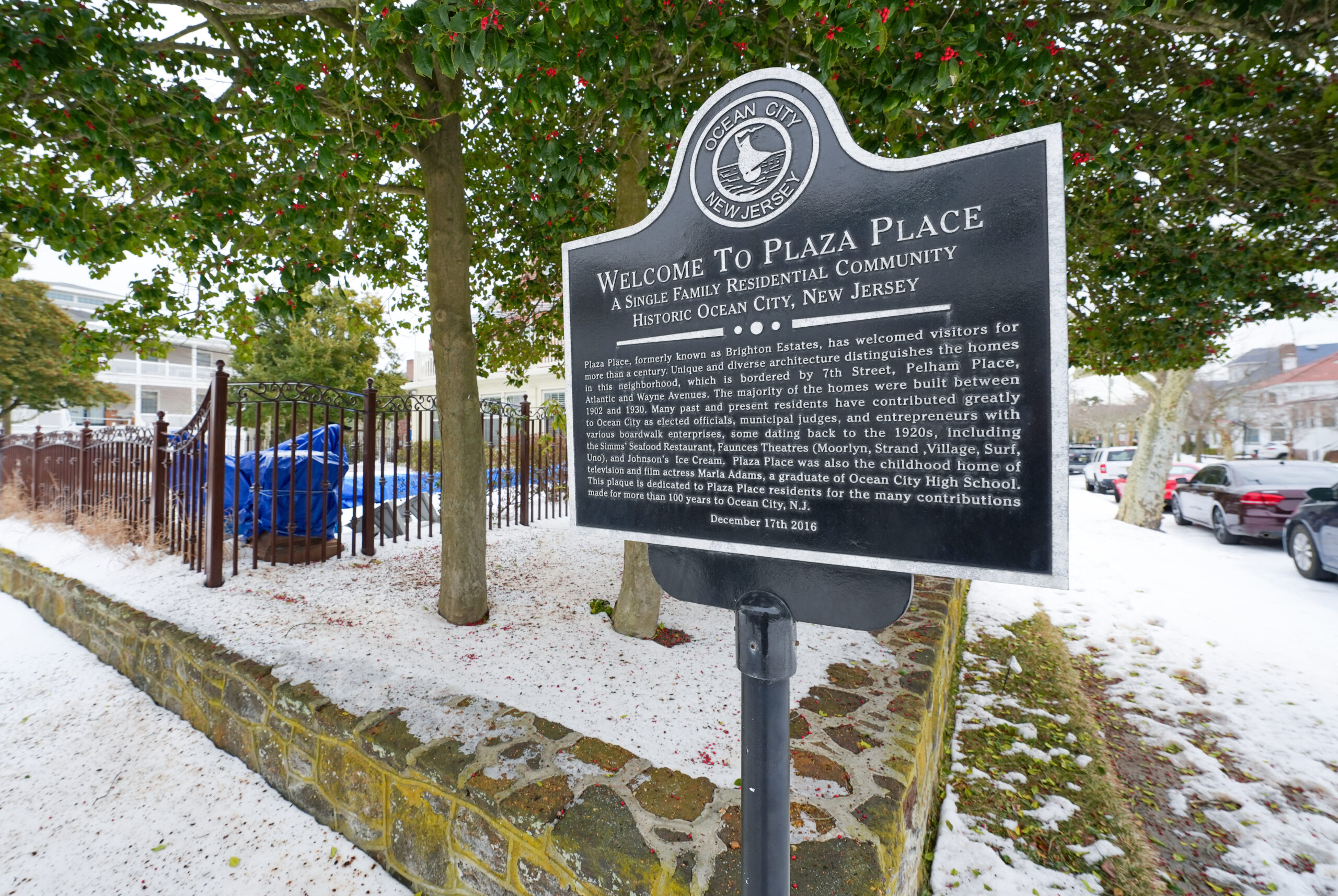
The Crawfords’ neighborhood of 100-year-old homes and 153 trees is called Plaza Place, which is one block each of Pelham Place, Plaza Place, and the north side of Seventh Street, between Wayne Avenue and Atlantic.
Across Wayne Avenue, toward the ocean, was Wonderland. On a clear day, a red ball of sun creeps up above the boardwalk and peeks into their little neighborhood.
On Pelham Place, residents each also own a two-foot- wide stretch of land across the street from their houses, a quirk of their deeds originally designed to prevent the rooming houses on Plaza Place that backed up against Pelham Place from using Pelham as an alleyway for their trash. There are dedicated gardeners on the streets who turn those strips into showpieces.
The sun sets behind the Ferris wheel on the final day for the beloved Wonderland Pier in Ocean City Sunday, Oct. 13, 2024.
Neighbor Barb Doctorman, whose family owns the Islander store on the boardwalk, said she used to take her children up on the Ferris wheel and peer down at their neighborhood. So lush, it looked like a forest, she said.
“I looked up the impact of a high-rise,” said Doctorman. “We’re going to lose some sun. The airflow is going to be totally changed from what it was. There’s a heat radiant that comes off it.”
Her husband, Doc, said: “We want something up there, but we know there could be more of a draw to that boardwalk than just the hotel.”
Marie Crawford (left) holds the leash of Shiloh, a 9-year-old soft-coated wheaten terrier, while standing with her husband Richard (center) and neighbor Jack Gutenkunst at the end of Pelham Place in Ocean City.
The land is owned by developer Eustace Mita, who has proposed Icona in Wonderland, a 252-room hotel that would preserve the Ferris wheel, carousel, and some kiddie rides.
So far, the city has not declared the site in need of rehabilitation, as Mita has requested, or otherwise moved to rezone the area to allow a hotel.
Merchants have begged the city to allow the hotel, and described how their businesses have suffered since the closure of Wonderland. Some residents have clung to the idea that an amusement park can return, though those numbers are dwindling.
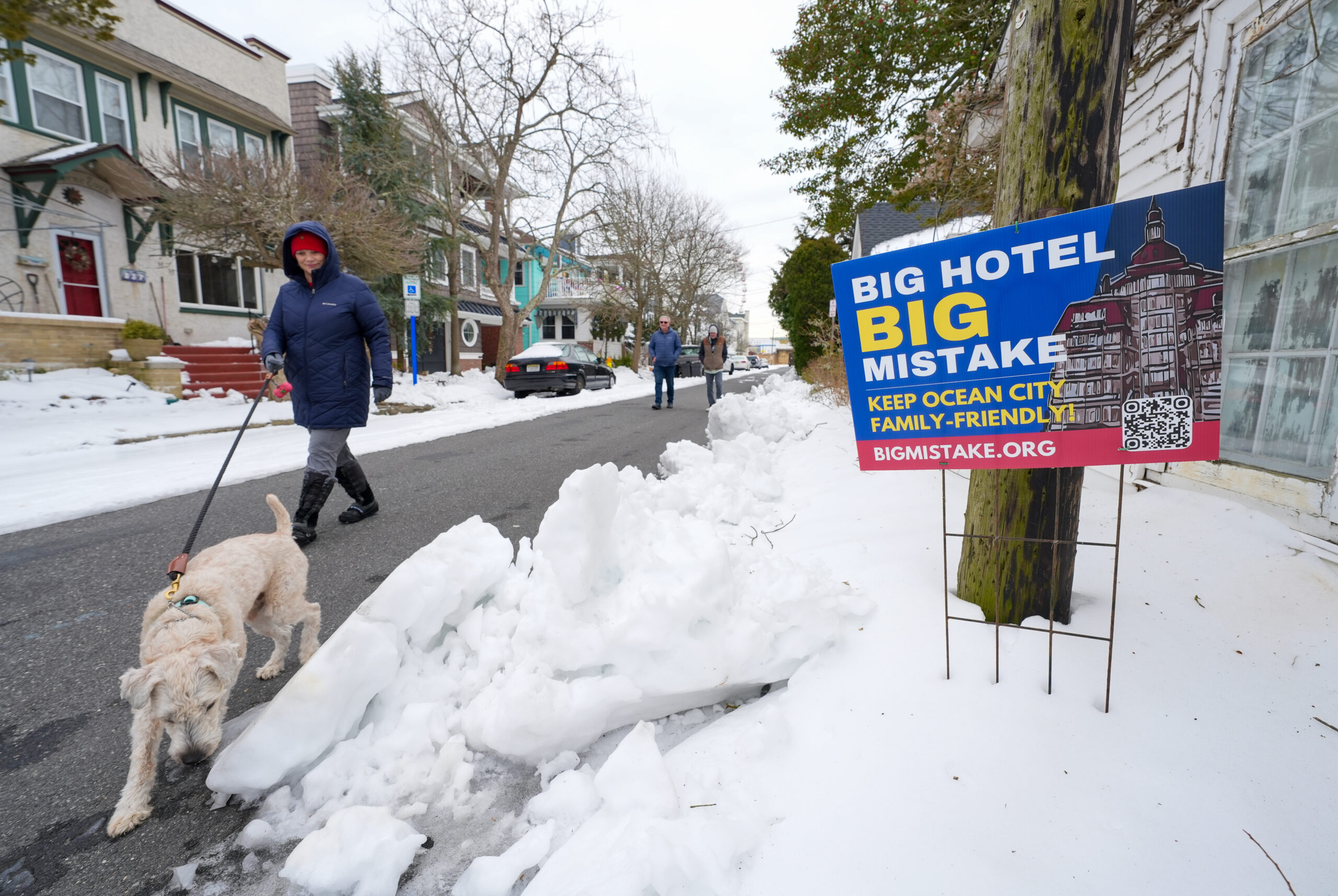
Marie Crawford, her husband Richard, right, along with Shiloh, a 9-year-old soft coated wheaten terrier, and their neighbor Jack Gutenkunst, walk past a sign against the development of a hotel at the site of the old Wonderland Pier on the boardwalk in Ocean City, Tuesday, Feb. 3, 2026.
In Plaza Place, the opposition is less sentimental, more practical. They fear traffic, and the shadow from a neighboring seven-story hotel. Like residents in other towns who fought dunes, they fear the loss of the ocean breeze, or a shift in wind patterns that will affect surfing at the popular Seventh Street Beach.
“It’s got that old feel to it, and everybody’s house is different,” said Marie Crawford, who bought her Craftsman Colonial on the north side of Pelham for $905,000 in 2021. She estimates it’s worth $2.5 million now. There are about 60 homes in the Plaza Place civic association.
The association is one of several groups that are prepared to go to court if the city tries to change the zoning to allow a hotel, without going through a thorough master plan process, said Jack Gutenkunst, the Plaza Place Association president.
While Wonderland brought thousands of people on a summer night, the pier itself had no parking. So people parked elsewhere and excitedly walked through their neighborhood on their way to the rides. People on their porches called out, “Have a blessed evening,” and chatted the night away, said Crawford. The hotel proposal calls for parking underneath the structure.
A sign stands near the historic neighborhood behind the old site of the Wonderland Pier in Ocean City, Tuesday, Feb. 3, 2026. Residents are against the development of a hotel at the boardwalk site.
Crawford stressed that it’s not a case of selfish NIMBY, Not In My Backyard. Despite Ocean City’s decades-old pattern of replacing single-family homes with duplexes, there are nearly 1,400 homes over 100 years old still left in Ocean City, said Bill Merritt, president of Friends of OCNJ History & Culture.
Being a block from the boardwalk, and living in a beach town, does not mean the neighborhood’s purpose is primarily hospitality, said Crawford. Its distinct, increasingly rare Jersey Shore character deserves to be valued, she said.
“It’s height. It’s chaos. It’s the change in culture,” she said, when asked what specifically worries her about the hotel. “It’s a transient population coming through here for three nights at a time. That’s in the hospitality district. We are not the hospitality district.”
The neighborhood behind the old Wonderland Pier site on the boardwalk in Ocean City, Tuesday, Feb. 3, 2026. Residents are against the development of a hotel at the boardwalk site.
The demolish-and-rebuild mania that took over a lot of the rest of the island has mostly left Plaza Place alone, though residents acknowledge that is also a threat to their way of life. They also fear a hotel will prompt Plaza Placeans to sell.
“It’s a Norman Rockwell painting, it just is,” Councilman Keith Hartzell says in the documentaryPlaza Place: The Enigmatic Street, a locally made short film about the neighborhood. “It’s right here in Ocean City, and you kind of don’t expect it, when there’s two streets away a bunch of duplexes.”
Hartzell, who is running for mayor against incumbent Jay Gillian, the former owner of Wonderland who sold to Mita, says he hopes to negotiate with Mita over height, parking, and other issues before considering any kind of zoning allowance or rehabilitation designation. A city council-appointed subcommittee tasked with assessing the boardwalk’s usage as a whole is holding a public meeting at 10 a.m. on Feb. 7 at the city’s library.
The residents of Plaza Place worry about the survival of the hidden little neighborhood by the beach they fell in love with. “The neighborhood is so beautiful and so old,” said Marie Crawford. “If the hotel goes in, the dramatic change that will be for all of us with the traffic, the tone of the neighborhood — you’re going to see people sell. That threatens the neighborhood. The people won’t want to stay.”
After her frozen car garnered tens of millions of views on TikTok, Tianna Graham is getting a new car for free, gifted to her by Carvana, whose car vending machine tower features prominently in the background of her videos.
Graham, a 24-year-old fifth-grade math teacher at Community Academy of Philadelphia, had a 2016 Honda Civic. The vehicle became thoroughly encased in ice following the snowstorm and arctic temperatures late last month.
On Tuesday, Graham reached out to Carvana, hoping she could leverage the car tower’s inadvertent virality in her videos to get a discount on a new car. Carvana soon responded, eager to help.
When Graham, a Fishtown resident, arrived at the facility on Friday afternoon with her mom and sister, she said, she expected Carvana would offer her some percentage off one of their cars.
Replying to @✨mrs.corby.nails✨ THANK YOU @Carvana MORE COMING SOON!!! I’m so incredibly grateful for this!!!! after all the details get sorted out, i’ll post a full update! and a big thank u to my lovely friends and family who have been helping me through this!
She was stunned to see a bright blue 2022 Honda Civic descend from the car vending machine with a big bow on it, school supplies inside, and an ice pick, “which I guess I do need,” Graham said with a laugh.
Carvana spokesperson Hayley Pollack confirmed Friday the car will be free for Graham once all the paperwork is finalized.
“I was shocked, in disbelief,” Graham said of learning the car would be free. “It’s a beautiful car.”
Tianna Graham in front of the car Carvana is gifting her.
The car is used and has about 28,000 miles on it, Graham said. She expects to have it in her possession next week based on initial conversations with Carvana, she said.
She plans to take it for a spin for the first time next weekend to drive to Ocean City, Md., for a National Federation of the Blind convention, she said. Graham, whose sister is blind, said she is currently pursuing her graduate degree to become an orientation and mobility specialist to help blind people learn to use canes.
“All things do happen for a reason,” Graham said she learned from this experience. “Anything bad that is happening, something good can always come out of it.”
MUSCAT, Oman — Iran and the United States held indirect talks in Oman on Friday, negotiations that appeared to return to the starting point on how to approach discussions over Tehran’s nuclear program. But for the first time, America brought its top military commander in the Middle East to the table.
The presence of U.S. Navy Adm. Brad Cooper, the head of the American military’s Central Command, in his dress uniform at the talks in Muscat, the Omani capital, served as a reminder that the aircraft carrier USS Abraham Lincoln and other warships were now off the coast of Iran in the Arabian Sea.
President Donald Trump said the United States had “very good” talks on Iran and said more were planned for early next week. But he kept up the pressure, warning that if the country didn’t make a deal over its nuclear program, “the consequences are very steep.”
Trump has repeatedly threatened to use force to compel Iran to reach a deal on the program after earlier sending the carrier to the region over Tehran’s bloody crackdown on nationwide protests that killed thousands and saw tens of thousands of others detained in the Islamic Republic.
Gulf Arab nations fear an attack could spark a regional war that would drag them in as well.
That threat is real — U.S. forces shot down an Iranian drone near the Lincoln and Iran attempted to stop a U.S.-flagged ship in the Strait of Hormuz just days before Friday’s talks in this sultanate on the eastern edge of the Arabian Peninsula.
“We did note that nuclear talks and the resolution of the main issues must take place in a calm atmosphere, without tension and without threats,” Iranian Foreign Minister Abbas Araghchi later told journalists.
“The prerequisite for any dialogue is refraining from threats and pressure,” he added. “We stated this point explicitly today as well, and we expect it to be observed so that the possibility of continuing the talks exists.”
The U.S., represented by U.S. Mideast special envoy Steve Witkoff and Jared Kushner, Trump’s son-in-law, did not immediately comment on the talks. Araghchi said diplomats would return to their capitals, signaling this round of negotiations was over.
On Friday evening, in a display of force, the U.S. military published photos on X of the Lincoln carrier group sailing in the Arabian Sea with aircraft flying overhead, with the message “Peace through Strength!” The The carrier and accompanying warships arrived in the Middle East at the end of January as Trump threatened attacks on Iran over the killing of protesters.
Iran’s top diplomat offers a positive note
Araghchi offered cautious optimism as he spoke in a live interview from Muscat on Iranian state television. He described Friday’s talks as taking place over multiple rounds and said that they were focused primarily on finding a framework for further negotiations.
“We will hold consultations with our capitals regarding the next steps, and the results will be conveyed to Oman’s foreign minister,” Araghchi said.
“The mistrust that has developed is a serious challenge facing the negotiations,” Araghchi said. “We must first address this issue, and then enter into the next level of negotiations.”
Omani Foreign Minister Badr al-Busaidi, who oversaw multiple rounds of negotiations before Israel launched its 12-day war on Iran in June, called the talks “useful to clarify both the Iranian and American thinking and identify areas for possible progress.”
Still, Oman described the talks as a means to find “the requisite foundations for the resumption of both diplomatic and technical negotiations” rather than a step toward reaching a nuclear deal or easing tensions.
The talks had initially been expected to take place in Turkey in a format that would have included regional countries as well, and would have included topics like Tehran’s ballistic missile program — something Iran apparently rejected in favor of focusing only on its nuclear program.
Before the June war, Iran had been enriching uranium up to 60% purity, a short, technical step away from weapons-grade levels. The U.N. nuclear watchdog — International Atomic Energy Agency — had said Iran was the only country in the world to enrich to that level that wasn’t armed with the bomb.
Friday’s talks saw in-person meetings at a palace near Muscat’s international airport, used by Oman in earlier talks Iran-U.S. talks in 2025. Associated Press journalists saw Iranian officials first at the palace and later returning to their hotel before the Americans came separately.
It remains unclear just what terms Iran is willing to negotiate at the talks. Tehran has maintained that these talks will only be on its nuclear program. However, the Al Jazeera satellite news network reported that diplomats from Egypt, Turkey, and Qatar offered Iran a proposal in which Tehran would halt enrichment for three years, send its highly enriched uranium out of the country and pledge “not initiate the use of ballistic missiles.”
Russia had signaled it would take the uranium, but Iran has said ending the program or shipping out the uranium were nonstarters.
U.S. Secretary of State Marco Rubio said on Wednesday that the talks needed to include all those issues.
“I’m not sure you can reach a deal with these guys, but we’re going to try to find out,” he said.
The U.S. slaps new sanctions on Iran’s energy sector
Shortly after Friday’s talks, the Treasury and the U.S. State Department announced a new round of sanctions on Iran targeting its energy sector, imposing penalties, including freezes on assets in U.S. jurisdictions, on 14 oil tankers in a so-called “shadow fleet” that the U.S. says are used to try to evade sanctions, as well as on 15 trading firms and two business executives.
“Time and time again, the Iranian government has prioritized its destabilizing behavior over the safety and security of its own citizens, as demonstrated by the regime’s mass murder of peaceful protestors,” the State Department said. “The United States will continue to act against the network of shippers and traders involved in the transport and acquisition of Iranian crude oil, petroleum products, and petrochemical products, which constitutes the regime’s primary source of income.”
WASHINGTON — President Donald Trump’s racist social media post featuring former President Barack Obama and his wife, Michelle Obama, as primates in a jungle was deleted after a backlash from both Republicans and Democrats who criticized the video as offensive.
Trump said later Friday that he won’t apologize for the post. “I didn’t make a mistake,” he said.
The Republican president’s Thursday night post was deleted Friday and blamed on a staffer after widespread backlash, from civil rights leaders to veteran Republican senators, for its treatment of the nation’s first Black president and first lady. The deletion, a rare admission of a misstep by the White House, came hours after press secretary Karoline Leavitt dismissed “fake outrage” over the post. After calls for its removal for being racist — including by Republicans — the White House said a staffer had posted the video erroneously and it had been taken down.
The post was part of a flurry of social media activity on Trump’s Truth Social account that amplified his false claims that the 2020 election was stolen from him, despite courts around the country and a Trump attorney general from his first term finding no evidence of fraud that could have affected the outcome.
Trump has a record of intensely personal criticism of the Obamas and of using incendiary, sometimes racist, rhetoric — from feeding the lie that Obama was not a native-born U.S. citizen to crude generalizations about majority Black countries.
The post came in the first week of Black History Month and days after a Trump proclamation that cited “the contributions of black Americans to our national greatness and their enduring commitment to the American principles of liberty, justice, and equality.”
An Obama spokeswoman said the former president, a Democrat, had no response.
‘An internet meme’
Nearly all of the 62-second clip, which was among dozens of Truth Social posts from Trump overnight, appears to be from a conservative video alleging deliberate tampering with voting machines in battleground states as the 2020 presidential votes were tallied. At the 60-second mark is a quick scene of two primates, with the Obamas’ smiling faces imposed on them.
Those frames were taken from a separate video, previously circulated by an influential conservative meme maker. It shows Trump as “King of the Jungle” and depicts a range of Democratic leaders as animals, including Joe Biden, who is white, as a jungle primate eating a banana.
“This is from an internet meme video depicting President Trump as the King of the Jungle and Democrats as characters from The Lion King,” Leavitt said by text.
Disney’s 1994 feature film that Leavitt referenced is set on the savannah, not in the jungle, and it does not include great apes.
“Please stop the fake outrage and report on something today that actually matters to the American public,” Leavitt added.
By noon, the post had been taken down with responsibility placed on a Trump subordinate.
The White House explanation raised additional questions about the control of Trump’s social media account, which has also been used to levy import taxes, threaten military action, make domestic policy announcements, and intimidate political rivals. The president often signs his name or initials after policy announcements.
The White House did not immediately respond to questions about its process for vetting posts and how it guarantees that the public knows when Trump himself is posting.
Mark Burns, a pastor and a prominent Trump supporter who is Black, said Friday afternoon on X that he had spoken “directly” with Trump about the post. He recommended to Trump that he fire the staffer who posted the video and publicly condemn what happened.
“He knows this is wrong, offensive, and unacceptable,” Burns posted.
Yet while it was still up, Trump’s post drew condemnation from across the political and ideological spectrum — and demands for an apology that had not come by the early afternoon.
The Rev. Bernice King, daughter of the assassinated civil rights icon the Rev. Dr. Martin Luther King Jr., resurfaced her father’s words: “Yes. I’m Black. I’m proud of it. I’m Black and beautiful.” She praised Black Americans as “diverse, innovative, industrious, inventive” and added, “We are beloved of God as postal workers and professors, as a former first lady and president. We are not apes.”
The U.S. Senate’s lone Black Republican, Tim Scott of South Carolina, called on Trump to take down the post. “Praying it was fake because it’s the most racist thing I’ve seen out of this White House,” Scott, who chairs Senate Republicans’ midterm campaign arm, said on social media.
Another Republican, Sen. Roger Wicker of Mississippi, is white but represents the state with the largest percentage of Black residents. Wicker called the post “totally unacceptable” and said the president should apologize.
Some Republicans who face tough reelections this November voiced concerns, as well, feeding an unusual cascade of intraparty criticism for a president who often has enjoyed a stranglehold over fellow Republicans who stayed silent over some of Trump’s previous controversial statements or fear a public spat with the president or losing his endorsement in a future campaign.
NAACP President Derrick Johnson pointed to Trump’s wider political concerns, asserting that Trump is trying anything to distract from economic conditions and attention on the Jeffrey Epstein case files.
“Donald Trump’s video is blatantly racist, disgusting, and utterly despicable,” Johnson said in a statement. “You know who isn’t in the Epstein files? Barack Obama,” he continued. “You know who actually improved the economy as president? Barack Obama.”
A long history of racism
There is a long history in the U.S. of powerful white figures associating Black people with animals, including apes, in demonstrably false and racist ways. The practice dates back to 18th-century cultural racism and pseudo-scientific theories in which white people drew connections between Africans and monkeys to justify the enslavement of Black people in Europe and North America, and later to dehumanize freed Black people as an uncivilized threat to white people.
Thomas Jefferson, author of the Declaration of Independence, wrote in his famous text “Notes on the State of Virginia” that Black women were the preferred sexual partners of orangutans. President Dwight Eisenhower, discussing the desegregation of public schools in the 1950s, once argued that white parents were concerned about their daughters being in classrooms with “big Black bucks.” Obama, as a candidate and president, was featured as a monkey or other primate on T-shirts and other merchandise.
In his 2024 campaign, Trump said immigrants were “poisoning the blood of our country,” language similar to what Adolf Hitler said to dehumanize Jews in Nazi Germany.
During his first White House term, Trump referred to a swath of developing nations that are majority Black as “shithole countries.” He initially denied using the slur but admitted in December 2025 that he did say it.
When Obama was in the White House, Trump advanced the false claims that the 44th president, who was born in Hawaii, was born in Kenya and was constitutionally ineligible to serve. Trump, in interviews that helped endear him to many conservative voters, repeatedly demanded that Obama produce birth records and prove he was a “natural-born citizen” as required to become president.
Obama eventually released his Hawaii records. Trump finally acknowledged during his 2016 campaign, after having won the Republican nomination, that Obama was born in Hawaii. But he immediately said, falsely, that his Democratic rival Hillary Clinton started those birtherism attacks on Obama.
COLORADO SPRINGS, Colo. — A Colorado funeral homeowner who stashed 189 decomposing bodies in a building over four years and gave grieving families fake ashes was sentenced to 40 years in state prison Friday.
During the sentencing hearing, family members told Judge Eric Bentley they have had recurring nightmares about decomposing flesh and maggots since learning what happened to their loved ones.
They called defendant Jon Hallford a “monster” and urged the judge to give him the maximum sentence of 50 years.
Bentley told Hallford he caused “unspeakable and incomprehensible” harm.
“It is my personal belief that every one of us, every human being, is basically good at the core, but we live in a world that tests that belief every day, and Mr. Hallford your crimes are testing that belief,” Bentley said.
Hallford apologized before his sentencing and said he would regret his actions for the rest of his life.
“I had so many chances to put a stop to everything and walk away, but I did not,” he said. “My mistakes will echo for a generation. Everything I did was wrong.”
‘Motivated by greed’
Hallford’s attorney unsuccessfully sought a 30 year sentence, arguing that it was not a crime of violence and he had no prior criminal record.
His former wife, Carie Hallford, who co-owned the Return to Nature Funeral Home, is due to be sentenced April 24. She faces 25 to 35 years in prison.
Both pleaded guilty in December to nearly 200 counts of corpse abuse under an agreement with prosecutors.
During the years they were stashing bodies, the Hallfords spent lavishly, according to court documents. That included purchasing a GMC Yukon and an Infiniti worth over $120,000 combined, along with $31,000 in cryptocurrency, pricey goods from stores like Gucci and Tiffany & Co., and laser body sculpting.
“Clearly this is a crime motivated by greed,” prosecutor Shelby Crow said. The Hallfords charged more than $1,200 per customer, and the money the couple spent on luxury items would have covered the cost to cremate all of the bodies many times over, Crow said.
The Hallfords also pleaded guilty to federal fraud charges after prosecutors said they cheated the government out of nearly $900,000 in pandemic-era small business aid. Jon Hallford was sentenced to 20 years in prison in that case, and Carie Hallford’s sentencing is pending.
A plea agreement in the corpse abuse case calls for the state prison sentence to be served concurrently with the federal sentence.
Heartbroken families
One of the family members who spoke at the hearing was Kelly Mackeen, whose mother’s remains were handled by Return to Nature.
“I’m a daughter whose mother was treated like yesterday’s trash and dumped in a site left to rot with hundreds of others,” Mackeen said. “I’m heartbroken, and I ask God every day for grace.”
As she and others spoke of their grief, Jon Hallford sat at a table to their right, wearing orange jail attire and looking directly ahead. The courtroom’s wooden benches were full of relatives of the deceased and also journalists.
The Hallfords stored the bodies in a building in the small town of Penrose, south of Colorado Springs, from 2019 until 2023, when investigators responding to reports of a stench from the building.
Bodies were found throughout the building, some stacked on top of each other, with swarms of bugs and decomposition fluid covering the floors, investigators said. The remains — including adults, infants and fetuses — were stored at room temperature.
The bodies were identified over months with fingerprints, DNA and other methods.
Investigators believe the Hallfords gave families dry concrete that resembled ashes.
After families learned that what they received and then spread or kept at home were not actually their loved ones’ remains, many said it undid their grieving process, while others had nightmares and struggled with guilt.
Lax regulations
One of the recovered bodies was that of a former Army sergeant first class who was thought to have been buried at a veterans’ cemetery, FBI agent Andrew Cohen said.
When investigators exhumed the wooden casket at the cemetery, they found the remains of a person of a different gender inside, he said. The veteran, who was not identified in court, was later given a funeral with full military honors at Pikes Peak National Cemetery.
The AP previously reported that the Hallfords missed tax payments, were evicted from one of their properties and were sued for unpaid bills, according to public records and interviews with people who worked with them.
In a rare decision last year, Judge Bentley rejected previous plea agreements between the Hallfords and prosecutors that called for up to 20 years in prison. Family members of the deceased said the agreements were too lenient.
COLORADO SPRINGS, Colo. — Derrick Johnson buried his mother’s ashes beneath a golden dewdrop tree with purple blossoms at his home on Maui’s Haleakalā Volcano, fulfilling her wish of a final resting place looking over her grandchildren.
Then the FBI called.
It was Feb. 4, 2024, and Johnson was teaching an eighth-grade gym class.
“‘Are you the son of Ellen Lopes?’” a woman asked, Johnson recalled in an interview with the Associated Press.
There had been an incident, and an FBI agent would fly out to explain, the caller said. Then she asked: “’Did you use Return to Nature for a funeral home?’”
“‘You should probably google them,’” she added.
In the clatter of the weight room, Johnson typed “Return to Nature” into his cell phone. Dozens of news reports appeared, details popping out in a blur.
Hundreds of bodies stacked on top of each other. Inches of body decomposition fluid. Swarms of bugs. Investigators traumatized. Governor declares state of emergency.
Johnson felt nauseated and his chest constricted, forcing the breath from his lungs. He pushed himself out of the building as another teacher heard his cries and came running.
Two FBI agents visited Johnson the following week, confirming his mother’s body was among 189 that Return to Nature’s owners, Jon and Carie Hallford, had stashed in a Colorado building between 2019 and Oct. 4, 2023, when the bodies were found.
Even as the Hallfords’ bills went unpaid, authorities said they bought Tiffany jewelry, luxury cars, and laser-body sculpting, pocketing about $130,000 clients paid for cremations.
They were arrested in Oklahoma in November 2023 and charged with abusing nearly 200 corpses.
Hundreds of families learned from officials that the ashes they ceremonially spread or kept close weren’t actually their loved ones’ remains. The bodies of their mothers, fathers, grandparents, children, and babies had moldered in a room-temperature building in Colorado.
Jon Hallford was sentenced Friday to 40 years in prison. His now ex-wife, Carie Hallford, was to be sentenced in April. Both had pleaded guilty in December. Attorneys for Jon and Carie Hallford did not respond to an AP request for comment.
Johnson, 45, who’s suffered panic attacks since the FBI called, promised himself that he would speak at Hallford’s sentencing and ask for the maximum penalty.
“When the judge passes out how long you’re going to jail, and you walk away in cuffs,” he said, “you’re gonna hear me.”
‘She lied’
Jon and Carie Hallford were a husband-and-wife team who advertised “green burials” without embalming as well as cremation at their Return to Nature funeral home in Colorado Springs.
She would greet grieving families, guiding them through their loved ones’ final journey. He was less seen.
Johnson called the funeral home in early February 2023, the week his mother died. Carie Hallford assured him she would take good care of his mother, Johnson said.
Days later, she handed Johnson a blue box containing a zip-tied plastic bag with gray powder, saying those were his mother’s ashes.
“She lied to me over the phone. She lied to me through email. She lied to me in person,” Johnson told the AP.
The following day, the box lay surrounded by flowers and photos of Ellen Marie Shriver-Lopes at a memorial service at a Holiday Inn in Colorado Springs.
Johnson sprinkled rose petals over it as a preacher said: “Ashes to ashes, dust to dust.”
Caught on video
On Sept. 9, 2023, surveillance footage showed a man appearing to be Jon Hallford walk inside a building owned by Return to Nature in the town of Penrose, outside Colorado Springs, according to an arrest affidavit.
Camera footage inside showed a body laying on a gurney wearing a diaper and hospital socks. The man flipped it onto the floor.
Then he “appeared to wipe the remaining decomposition from the gurney onto other bodies in the room,” before wheeling what appeared to be two more bodies into the building, the affidavit said.
In a text to his wife, Hallford said, “while I was making the transfer, I got people juice on me,” according to court testimony.
The neighborhood mom
Johnson grew up with his mother in an affordable-housing complex in Colorado Springs, where she knew everyone.
Johnson’s father wasn’t around much; at 5 years old, Johnson remembers seeing him punch his mom, sending her careening into a table, then onto a guitar, breaking it.
It was Lopes who taught Johnson to shave and hollered from the bleachers at his football games.
Neighborhood kids called her “mom,” some sleeping on the couch when they needed a place to stay and a warm meal. She would chat with Jehovah’s Witnesses because she didn’t want to be rude. With a life spent in social work, Lopes would say: “If you have the ability and you have the voice to help … help.”
Johnson spoke with his mother nearly everyday. After diabetes left her blind and bedridden at age 65, she’d ask Johnson to describe what her grandchildren looked like over the phone.
It was Super Bowl Sunday in 2023 when her heart stopped.
Johnson, who had flown in from Hawaii to be at her bedside, clutched her warm hand and held it until it was cold.
A gruesome discovery
Detective Sgt. Michael Jolliffe and Laura Allen, the county’s deputy coroner, stood outside the Penrose building on Oct. 3, 2023, according to the 50-page arrest affidavit.
A sign on the door read “Return to Nature Funeral Home” and listed a phone number. When Joliffe called it, it was disconnected. Cracked concrete and yellow stalks of grass encircled the building. At back was a shabby hearse with expired registration. A window air-conditioner hummed.
Someone had told Jolliffe of a rank smell coming from the building the day before, the affidavit said.
One neighbor told an AP reporter they thought it came from a septic tank; another said her daughter’s dog always headed to the building whenever he got off-leash.
It was reminiscent of rancid manure or rotting fish, and struck anyone downwind of the building.
Joliffe and Allen spotted a dark stain under the door and on the building’s stucco exterior. They thought it looked like fluids they had seen during investigations with decaying bodies, the affidavit said.
But the building’s windows were covered and they couldn’t see inside.
Allen contacted the Colorado Department of Regulatory Agency, which oversees funeral homes, which got in touch with Jon Hallford. Hallford agreed to show an inspector inside the next afternoon.
Inspector Joseph Berry arrived, but Hallford didn’t show.
Berry found a small opening in one of the window coverings, the affidavit said. Peering through, he saw white plastic bags that looked like body bags on the floor.
A judge issued a search warrant that week.
Bodies stacked high
Donning protective suits, gloves, boots, and respirators, investigators entered the 2,500-square-foot building on Oct. 5, 2023, according to the affidavit.
Inside, they found a large bone grinder and next to it a bag of Quikcrete that investigators suspected was used to mimic ashes. Bodies were stacked in nearly a dozen rooms, including the bathroom, sometimes so high they blocked doorways, the affidavit said.
There were 189.
Some had decayed for years, others several months, according to the affidavit. Many were in body bags, some wrapped in sheets and duct tape. Others were half-exposed, on gurneys or in plastic totes, or lay with no covering, it said.
Investigators believed the Hallfords were experimenting with water cremation, which can dissolve a body in several hours, the document said. There were swarms of bugs and maggots.
Body bags were filled with fluid, according to the affidavit. Some had ripped. Five-gallon buckets had been placed to catch the leaks. Removal teams “trudged through layers of human decomposition on the floor,” it said.
Investigators identified bodies using fingerprints, hospital bracelets and medical implants, the affidavit said. It said one body was supposed to be buried in Pikes Peak National Cemetery.
Investigators exhumed the wooden casket at the burial site of the U.S. Army veteran, who served in Vietnam and the Persian Gulf. Inside was a woman’s deteriorated body, wrapped in duct tape and plastic sheets.
The veteran’s body was discovered in the Penrose building, covered in maggots.
‘Ashes to ashes’
Following the call from the FBI, Johnson promised himself he would speak at the Hallfords’ sentencing. But he struggled to talk about what had happened even with close friends, let alone in front of a judge and the Hallfords.
For months, Johnson obsessed over the case, reading dozens of news reports, often glued to his phone until one of his children would interrupt him to play.
When he shut his eyes, he said he imagined trudging through the building with “maggots, flies, centipedes. There’s rats, they’re feasting.” He asked a preacher if his mother’s soul had been trapped there. She reassured him it hadn’t. When an episode of the zombie show The Walking Dead came on, he broke down.
Johnson started seeing a therapist and was diagnosed with post-traumatic stress disorder. He joined Zoom meetings with other victims’ relatives as the number grew from dozens to hundreds.
After Lopes’ body was identified, Johnson flew in March 2024 to Colorado, where his mother’s remains lay in a brown box in a crematorium.
“I don’t think you blame me, but I still want to tell you I’m sorry,” he recalled saying, placing his hand on the box.
Then Lopes’ body was loaded into the cremator and Johnson pushed the button.
Justice
Johnson has slowly improved with therapy, engaging more with his students and children. He began practicing speaking at the Hallfords’ sentencings in therapy. Closing his eyes, he envisioned standing in front of the judge — and the Hallfords.
“Justice is, it’s the part that is missing from this whole equation,” he said. “Maybe somehow this justice frees me.
“And then there’s part of me that’s scared it won’t, because it probably won’t.”