Category: News

Latest breaking news and updates

  • Luigi Mangione speaks out in protest as judge sets state murder trial for June 8

    Luigi Mangione speaks out in protest as judge sets state murder trial for June 8

    NEW YORK — Luigi Mangione spoke out in court Friday against the prospect of back-to-back trials over the killing of UnitedHealthcare CEO Brian Thompson, telling a judge: “It’s the same trial twice. One plus one is two. Double jeopardy by any commonsense definition.”

    Mangione, 27, made the remarks as court officers escorted him out of the courtroom after a judge scheduled his state murder trial to begin June 8, three months before jury selection in his federal case.

    Judge Gregory Carro, matter-of-fact in his decision after a lengthy discussion with prosecutors and defense lawyers at the bench, said the state trial could be delayed until Sept. 8 if an appeal delays the federal trial.

    Mangione’s lawyers objected to the June trial date, telling Carro that at that time, they’ll be consumed with preparing for the federal trial, which involves allegations that Mangione stalked Thompson before killing him.

    “Mr. Mangione is being put in an untenable situation,” defense lawyer Karen Friedman Agnifilo said. ”This is a tug-of-war between two different prosecution offices.”

    “The defense will not be ready on June 8,” she added.

    “Be ready,” Carro replied.

    Mangione has pleaded not guilty to state and federal charges, both of which carry the possibility of life in prison. Last week, the judge in the federal case ruled that prosecutors can’t seek the death penalty.

    Jury selection in the federal case is set for Sept. 8, followed by opening statements and testimony on Oct. 13.

    Wearing a tan jail suit, Mangione sat quietly at the defense table until his outburst at the end of the hearing.

    As the trial calendar began to take shape, Assistant District Attorney Joel Seidemann sent a letter to Carro asking him to begin the New York trial on July 1.

    The prosecutor argued that the state’s interests “would be unfairly prejudiced by an unnecessary delay” until after the federal trial. Under the law, he said, the state has “priority of jurisdiction for purposes of trial, sentencing and incarceration” because Mangione was arrested by New York City police, not federal authorities.

    When Mangione was arrested, federal prosecutors said anticipated that the state trial would go first. Seidemann told Carro on Friday that Thompson’s family has also expressed a desire to see the state trial happen first.

    “It appears the federal government has reneged on its agreement to let the state, which has done most of the work in this case, go first,” Carro said Friday.

    Scheduling the state trial first could help Manhattan prosecutors avoid double jeopardy issues. Under New York law, the district attorney’s office could be barred from trying Mangione if his federal trial happens first.

    The state’s double jeopardy protections kick in if a jury has been sworn in a prior prosecution, such as a federal case, or if that prosecution ends in a guilty plea. The cases involve different charges but the same alleged course of conduct.

    Mangione isn’t due in court again in the state case until May, when Carro is expected to rule on a defense request to exclude certain evidence that prosecutors say connects Mangione to the killing.

    Those items include a 9mm handgun that prosecutors say matches the one used to kill Thompson and a notebook in which they say he described his intent to “wack” a health insurance executive.

    Last week, Garnett ruled that prosecutors can use those items at that trial.

    In September, Carro threw out state terrorism charges but kept the rest of the case, including an intentional murder charge.

    Thompson, 50, was killed on Dec. 4, 2024, as he walked to a midtown Manhattan hotel for UnitedHealth Group’s annual investor conference.

    Surveillance video showed a masked gunman shooting him from behind. Police say “delay,” “deny” and “depose” were written on the ammunition, mimicking a phrase used to describe how insurers avoid paying claims.

    Mangione, a University of Pennsylvania graduate from a wealthy Maryland family, was arrested five days later at a McDonald’s in Altoona, Pa., about 230 miles west of Manhattan.

  • The Milan Cortina Olympics officially open with a multisite ceremony for a spread-out Winter Games

    The Milan Cortina Olympics officially open with a multisite ceremony for a spread-out Winter Games

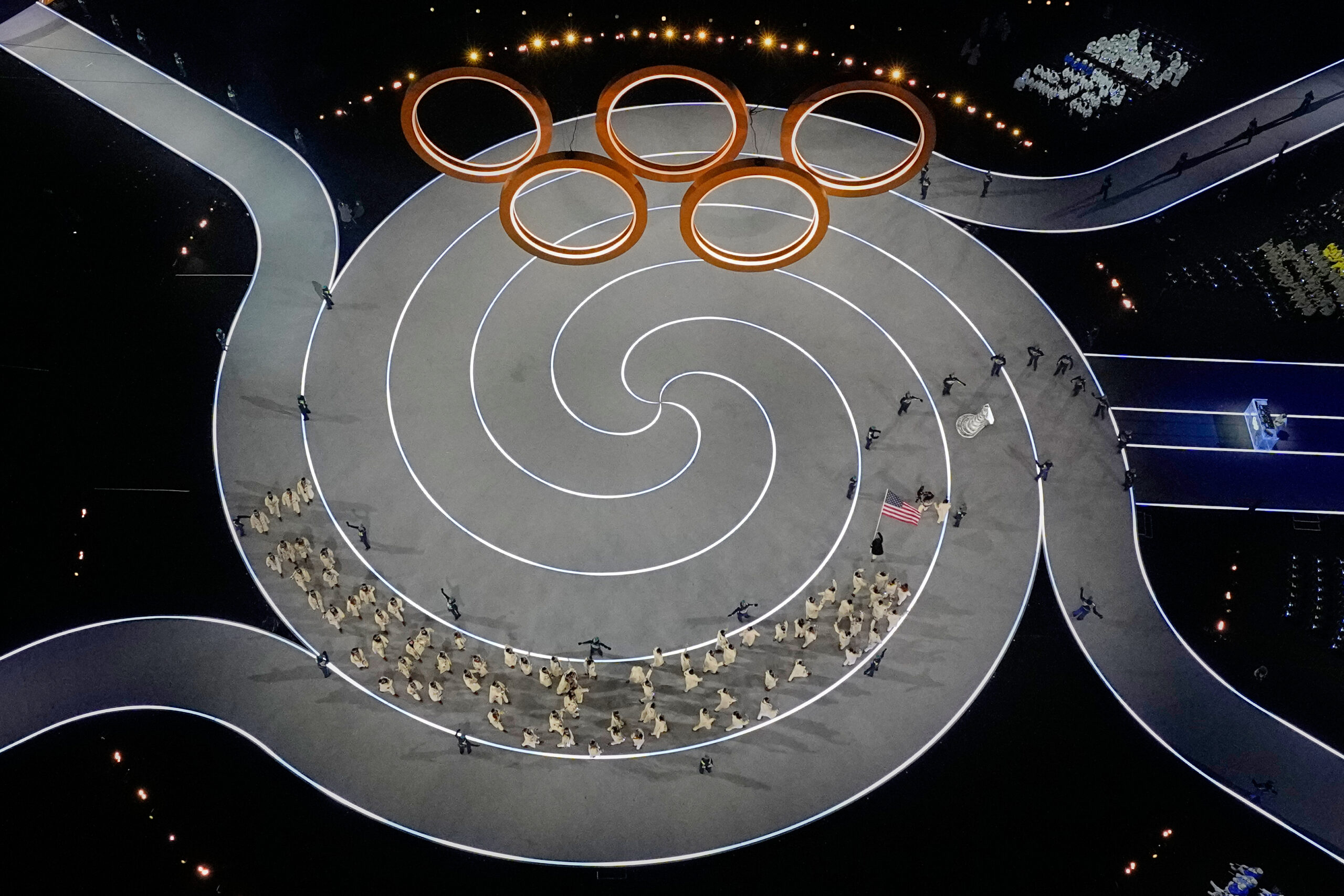
    MILAN, Italy — Featuring tributes to da Vinci and Dante, Puccini and Pausini, Armani and Fellini, pasta and vino, and other iconic tastes of Italian culture — plus Mariah Carey hitting all the high notes in “Nel Blu Dipinto Di Blu” aka “Volare” — an unprecedented four-site, dual-cauldron opening ceremony got the Milan Cortina Olympics officially started Friday.

    Allowing athletes to participate in the Parade of Nations at the mountain locales for the most spread-out Winter Games in history created what perhaps was an unintended consequence: Zero competitors from any of the first five countries announced actually showed up at the main hub, Milan’s San Siro soccer stadium.

    While signs bearing the names of Greece — which always leads the procession as the birthplace of the Olympics — Albania, Andorra, Saudi Arabia, and Argentina were carried into the home of Serie A soccer titans AC Milan and Inter Milan, there were no athletes from those places around. Instead, they were participating at simultaneous festivities held at Cortina d’Ampezzo in the heart of the Dolomites, Livigno in the Alps, and Predazzo in the autonomous province of Trento.

    The first country with athletes at San Siro was Armenia — and their entrance drew raucous cheers from a crowd filled with 61,000 ticket-holders plus others.

    Later, a smattering of boos met Israel’s four representatives at the Milan ceremony. There have been some calls for Israel to be banned from the Olympics over the war in Gaza, which began with Hamas’ deadly attack in October 2023.

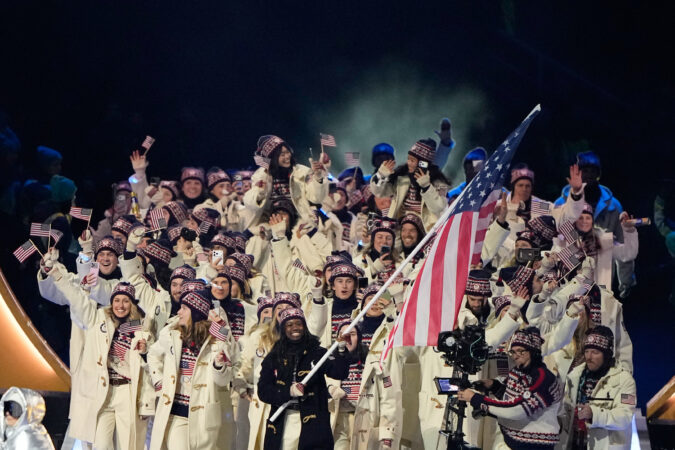
    And while athletes from the U.S. were cheered when they appeared, Vice President JD Vance was jeered when he was shown briefly on the arena’s video boards from his spot in the tribune. Support for the United States among its allies has been eroding as the Trump administration has taken an aggressive posture on foreign policy, including punishing tariffs, military action in Venezuela and threats to invade Greenland.

    The contingent from Venezuela got a big backing when entering. So did that from Ukraine, where a war continues four years after Russia invaded.

    The ceremony’s organizers have said they sought to convey themes of harmony and peace, seeking to represent the city-mountain dichotomy of the particularly unusual setup for these Olympics while also trying to appeal to a sense of unity at a time of global tensions. South African actor Charlize Theron and Italian rapper Ghali delivered messages of peace toward the end of the night.

    “I hope the opening ceremony is seen by everyone as an opportunity to be respectful,” new International Olympic Committee President Kirsty Coventry said when asked this week about possible crowd reactions.

    The loudest greeting was reserved, naturally, for host Italy, which walked in last, to an electronic version of The Barber of Seville.

    The ceremony was already nearly three hours old — and not yet done — by the time Italian President Sergio Mattarella officially declared the Milan Cortina Games open following a speech by Coventry, the first woman to lead the IOC.

    “Thank you for believing in the magic of the Olympic Games,” she said, then several minutes later made sure to make mention of the “media rights holders” who pay to broadcast the event.

    Soon, tenor Andrea Bocelli’s voice was belting out Puccini’s “Nessun Dorma” and its closing refrain of “Vincerò,” Italian for “I will win!” As he concluded, torch bearers headed out of the arena to light a cauldron at the Arch of Peace, 2½ miles from San Siro.

    One symbol of how far-flung things are at these Olympics: Instead of the usual one cauldron that is lit and burns throughout the Games, there were going to be two, both intended as an homage to Leonardo da Vinci’s geometric studies. The other is 250 miles away in Cortina.

    All three flame-lighters — Alberto Tomba and Deborah Compagnoni in Milan, and Sofia Goggia in Cortina — are Olympic champion Alpine ski racers from Italy. Tomba and Compagnoni are retired; Goggia is entered in the 2026 Games.

    The full collection of competition venues for the next two-plus weeks dot an area of about 8,500 square miles, roughly the size of the entire state of New Jersey. The multicity ceremony format Friday allowed up-in-the-mountains sports such as Alpine skiing, bobsled, curling, and snowboarding to be represented without requiring folks to make the several-hours-long trek to Milan.

    It didn’t exactly feel like a Winter Games in the country’s financial capital, where the temperature was a tad below 50 degrees Fahrenheit, and the sky was a crisp, clear azure all afternoon Friday. Not a trace of clouds, let alone snow.

    As Italy welcomed the world by displaying symbols of its heritage, the show produced by Olympic ceremony veteran Marco Balich began with dancers from the academy of the famed Milan opera house Teatro alla Scala reimagining 18th-century sculptor Antonio Canova’s marble works.

    Singer Mariah Carey performs during the Olympic opening ceremony at the 2026 Winter Olympics, in Milan, Italy, Friday, Feb. 6, 2026.

    People wearing oversized, mascot-style heads representing opera composers Giacomo Puccini, Gioachino Rossini, and Giuseppe Verdi appeared on the central stage, before giant paint tubes floated above and dropped silk of red, blue, and yellow — the primary colors — before an early parade of various-color-wearing characters arrived in the stadium. They represented music and art, literature, and architecture, appreciations for beauty and history and, above all, La Dolce Vita (loosely, Italian for “The Good Life” and the name of a 1960 film by Federico Fellini).

    There were references to ancient Rome, the Renaissance, the Venice Carnival, and the country’s noted traditions in various areas such as cuisine and literature, such as Pinocchio and Dante’s Inferno.

    A runway walk showcased outfits — created by the late fashion designer Giorgio Armani, who died last year at 91 — in the colors of Italy’s flag: red, green, and white. And balladeer Laura Pausini sang Italy’s national anthem.

    Carey got loud cheers in Milan as she sang in Italian. In Cortina, hundreds of fans sang along with her, and a roar emerged when they realized she was performing the song with the “Volare” refrain.

    Another local touch: Italian actor Sabrina Impacciatore, of White Lotus fame, led a segment that took viewers through a century of past Olympics, with examples of evolving equipment, sportswear, and music. And actor and comedian Brenda Lodigiani demonstrated the popular Italian hand gestures often used to communicate in place of words.

    Team United States enters the stadium during Friday’s opening ceremony at the 2026 Winter Olympics in Milan, Italy.
  • New York City police officer convicted of manslaughter in cooler throwing death

    New York City police officer convicted of manslaughter in cooler throwing death

    NEW YORK — A New York City police officer was convicted Friday of second-degree manslaughter after he tossed a picnic cooler filled with drinks at a fleeing suspect, causing the man to fatally crash his motorized scooter.

    Judge Guy Mitchell handed down the guilty verdict Friday in Bronx criminal court in the case against Sgt. Erik Duran in the 2023 death of Eric Duprey.

    “The fact that the defendant is a police officer has no bearing,” the judge said before reading out his verdict in a brief hearing. ”He’s a person and will be treated as any other defendant.”

    Members of Duprey’s family sobbed as the decision was read out. Orlyanis Velez, Duprey’s wife, said after that she was happy but also surprised.

    “I was waiting for justice just like everybody, but when the moment happens, you can’t believe it’s happening,” she said outside of the courthouse. “It’s been a lot of time. These people been killing citizens, been killing everybody. They don’t give no reason.”

    Duran didn’t appear to react when the decision was handed down, and his lawyer and spokespersons for his police union didn’t immediately respond to emails seeking comment.

    Duran had been suspended with pay pending the trial, but the department confirmed Friday he was dismissed following his conviction, as state law mandates. Duran now faces up to 15 years in prison when he is sentenced March 19.

    State Attorney General Letitia James, whose office prosecuted the case, offered her condolences to Duprey’s family.

    “Though it cannot return Eric to his loved ones, today’s decision gives justice to his memory,” she said in a statement.

    The 38-year-old Duran, who was the first New York Police Department officer in years to be tried for killing someone while on duty, also faced charges of criminally negligent homicide and assault.

    But Mitchell dismissed the assault count earlier, saying prosecutors failed to show he intended to hurt Duprey. He also didn’t deliver a verdict on the criminally negligent homicide charge as he’d already found Duran guilty of the more serious manslaughter charge.

    Duran had pleaded not guilty and opted for a bench trial, meaning the judge, not a jury, would render the verdict.

    Authorities say that on Aug. 23, 2023, Duprey sold drugs to an undercover officer in the Bronx and then fled.

    Duran, who had been part of a narcotics unit conducting the operation, is seen in security footage grabbing a nearby red cooler and quickly hurling it at Duprey in an attempt to stop him.

    The container full of ice, water and sodas struck Duprey, who lost control of the scooter, slammed into a tree and crashed onto the pavement before landing under a parked car.

    Prosecutors said the 30-year-old, who was not wearing a helmet, sustained fatal head injuries and died almost instantaneously.

    Duran, testifying in his own defense this week, said he only had seconds to react and was trying to protect other officers from Duprey as he sped toward them. He told the court he immediately tried to render aid after seeing the extent of Duprey’s injuries.

    “He was gonna crash into us,” Duran said in court. “I didn’t have time. All I had time for was to try again to stop or to try to get him to change directions. That’s all I had the time to think of.”

    But prosecutors maintained Duprey didn’t pose a threat and that his death wasn’t accidental but the result of Duran’s reckless, negligent and intentional actions.

    They suggested the officer had enough time to warn others to move, but instead tossed the cooler in anger and frustration.

  • Actor Timothy Busfield indicted on 4 counts of sexual contact with a child

    Actor Timothy Busfield indicted on 4 counts of sexual contact with a child

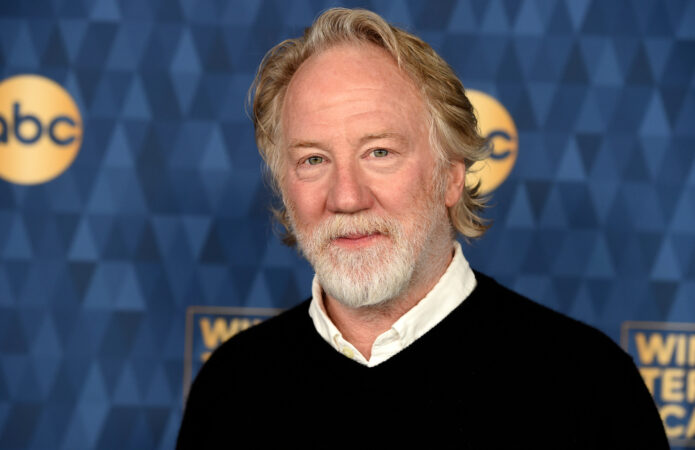
    SANTA FE, N.M. — West Wing and Field of Dreams actor Timothy Busfield has been indicted by a grand jury on four counts of criminal sexual contact with a child under age 13, a New Mexico prosecutor announced Friday.

    The allegations are tied to Busfield’s work as a director on the set of the TV series The Cleaning Lady from 2022 to 2024.

    Busfield has denied the allegations, initially filed in court by police, and a defense attorney on Friday said he would “fight these charges at every stage.”

    Bernalillo County District Attorney Sam Bregman announced the indictment in a social media post.

    Busfield had turned himself in to authorities in January on related charges by police and was released from jail by a judge who found no pattern of criminal conduct or similar allegations involving children in Busfield’s past. The grand jury indictment allows the case against Busfield to proceed toward possible trial without a preliminary courtroom hearing on evidence.

    Larry Stein, an attorney for Busfield, did not comment directly on the sexual contact charge in the indictment but said the grand jury declined to endorse grooming charges sought by prosecutors. Prosecutors declined to comment on what accusations it brought before the grand jury.

    Stein said in a statement that a detention hearing already “exposed fatal weaknesses in the state’s evidence — gaps that no amount of charging decisions can cure.”

    “Mr. Busfield will fight these charges at every stage and looks forward to testing the State’s case in open court,” the statement said.

    An investigator with the Albuquerque Police Department said a boy reported that Busfield touched his private areas over his clothing when he was 7 years old and again when he was 8, according to the initial criminal complaint from police. The boy’s twin told authorities he was also touched by Busfield, but he didn’t say anything right away because he didn’t want to get in trouble, the complaint said.

    The indictment — filed Friday in state District Court — reiterates allegations that Busfield “touched or applied force to the intimate parts” of one of the boys on several occasions.

    At a detention hearing last month, Busfield’s attorneys pointed out that the children initially said during interviews with police that Busfield didn’t touch them inappropriately. Busfield’s attorneys then accused the boys’ parents of coaching their children toward incriminating statements after the boys lost lucrative roles on the show.

    But Assistant District Attorney Savannah Brandenburg-Koch has called evidence of abuse against Busfield strong and specific, with support from medical findings and the boys’ therapist. She also said witnesses expressed fear about potential retaliation and professional harm.

    Prosecutors have outlined what they said was grooming behavior and abuse of power by Busfield over three decades.

    Each count in the indictment against Busfied carries a possible penalty of six years in prison that can be enhanced if it involves a sexual offense, according to prosecutors.

    In freeing Busfield on Jan. 20, state District Court Judge David Murphy said that while the crimes Busfield is accused of inherently are dangerous and involve children, prosecutors didn’t prove the public wouldn’t be safe if he’s released.

    Busfield is best known for appearances on The West Wing, Field of Dreams, and Thirtysomething.

  • Civil War scholar and retired Gettysburg College professor Gabor Boritt has died at 86

    Civil War scholar and retired Gettysburg College professor Gabor Boritt has died at 86

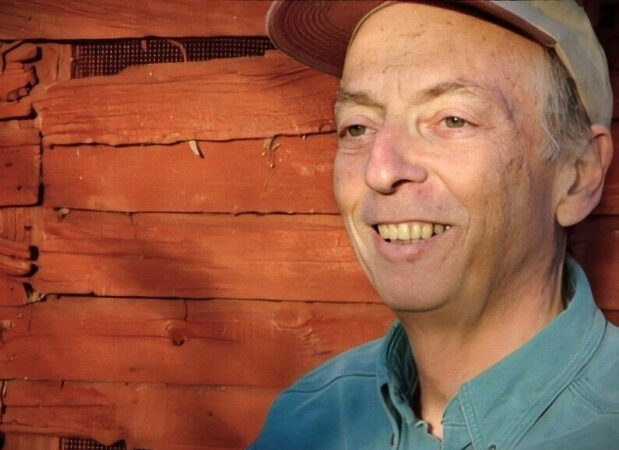
    GETTYSBURG — History professor Gabor S. Boritt, a Hungarian immigrant to the United States who wrote widely about the Civil War and President Abraham Lincoln, has died. He was 86.

    Mr. Boritt had been a professor at Gettysburg College in Pennsylvania for many years, founding the Civil War Institute and helping establish the $50,000 Lincoln Prize for scholarship related to the Civil War.

    He died Monday in Chambersburg, according to his son.

    Mr. Boritt was born in Budapest in 1940 and survived World War II, although relatives were killed in the Auschwitz Nazi death camp. He was sent to an orphanage after the war and in 1956 joined the Hungarian Revolution as a 16-year-old, his family recalled.

    After the uprising was crushed, he made it to the United States, where he worked in a New York hat factory before furthering his education in South Dakota and earning a history doctorate from Boston University.

    He taught at several universities before joining the faculty at Gettysburg in 1981. Mr. Boritt served on the board of the Gettysburg Foundation and was involved in the construction of a new visitor’s center at Gettysburg National Military Park.

    He was awarded a National Humanities Medal by President George W. Bush in 2008.

    A screening of Budapest to Gettysburg, a documentary about his life created by his son, Jake Boritt, will be held on Lincoln’s Birthday, Feb. 12, in Gettysburg.

  • After Trump shared a racist video about the Obamas, Pa. lawmakers of both parties condemn the post: ‘Absolutely unacceptable.’

    After Trump shared a racist video about the Obamas, Pa. lawmakers of both parties condemn the post: ‘Absolutely unacceptable.’

    U.S. Rep. Brian Fitzpatrick (R., Bucks) called on President Donald Trump to apologize for sharing a racist video Thursday night on Truth Social that depicts former President Barack Obama, the country’s first Black president, and former first lady Michelle Obama, as apes.

    “Whether intentional or careless, this post is a grave failure of judgment and is absolutely unacceptable from anyone — most especially from the President of the United States. A clear and unequivocal apology is owed,” Fitzpatrick wrote in a post on X Friday afternoon.

    The Bucks County Republican, who will be defending a key swing district this fall, joined a bipartisan ensemble of lawmakers who are condemning Trump’s post, which was deleted Friday after the widespread backlash.

    The president has a long history of promoting inflammatory content online and making racist remarks. This post also comes in the wake of his administration’s decision to remove exhibits about slavery and other injustices from Independence National Historic Park and other national parks.

    “Donald Trump is a bigoted, small-minded man who has long spewed racist remarks and tried to whitewash our nation’s history. Today he finds a new low,” said U.S. Rep. Dwight Evans (D., Philadelphia), a member of the Congressional Black Caucus, in a post on X. “His recent post is vile, disgusting, and abhorrently racist. Every elected official should speak up and condemn this hate.”

    Sen. John Fetterman (D., Pa.) in a statement to The Inquirer, called the president’s post “indefensible and horrendous.”

    “That garbage came from, and should forever remain in, the twisted and grotesque corners of the internet,” he said.

    Fitzpatrick, a moderate representing a purple county, has disagreed with Trump before but the lawmaker’s comments Friday serve as one of his strongest rebukes yet.

    “Racism and hatred have no place in our country — ever. They divide our people and weaken the foundations of our democracy,“ Fitzpatrick wrote. “History leaves no doubt: when division is inflamed by those in positions of power, the consequences are real and lasting.”

    The White House blamed a staffer for the video, which was posted just five days into Black History Month, The Associated Press reported. This came after White House press secretary Karoline Leavitt said there was “fake outrage” over the post and that it was a meme inspired by The Lion King.

    In addition to the Obamas, other Democratic leaders, including former President Joe Biden, were depicted as various animals in the video, which was set to “The Lion Sleeps Tonight” and features Trump as the “King of the Jungle.” The clip of the Obamas appears to have originally come from a conservative user on X, The New York Times reported.

    In addition to the election officials reacting with horror, Rt. Rev. Daniel G.P. Gutiérrez, bishop of the Episcopal Diocese in Pennsylvania, said that he was “repulsed and sickened” by Trump’s post and called on the president to resign.

    U.S. Sen. Dave McCormick (R., Pa) condemned the video late Friday afternoon after the White House had blamed it on a staffer.

    “Posting this video is unacceptable and thankfully it has been taken down. It should never have been posted and does not represent who we are as a nation. Racism has no place in America,” McCormick said in a post on X.

    Other Republican senators moved faster to publicly condemn Trump’s post.

    U.S. Sen. Tim Scott (R., S.C.), the only Black Republican in the U.S. Senate, said Friday morning, “It’s the most racist thing I’ve seen out of this White House. The President should remove it.”

    Democratic Gov. Josh Shapiro pointed to Scott’s comments when asked about the video during a stop in Philadelphia Friday.

    “I actually agree with [Republican] Sen. Tim Scott of South Carolina that it’s racist,” Shapiro said.

    Fitzpatrick has in the past avoided calling out Trump directly.

    The Republican was the only member of his party’s delegation in Pennsylvania to vote against Trump’s One Big Beautiful Bill Act on final passage, though he moved the legislation forward with an earlier vote. Trump called Fitzpatrick disloyal in response.

    Fitzpatrick also recently voted to extend Affordable Care Act subsidies alongside Democrats and two other swing-district Republicans.

    Fitzpatrick’s seat is one of four in Pennsylvania that is being targeted by the Democratic Congressional Campaign Committee, but he entered 2026 with significantly more campaign cash than any of his Democratic challengers.

    The Bucks County lawmaker remains the only Republican in Pennsylvania’s U.S. House delegation that has yet to receive an endorsement from Trump.

    Staff Writer Alfred Lubrano contributed to this reporting.

  • Downingtown dog involved in 4 attacks is euthanized

    A Downingtown dog has been euthanized after it injured multiple people in recent months and made residents feel unsafe, officials said.

    The decision, made the day of a Thursday hearing in district court, stems from a November incident in which the dog bit a child in a neighboring house on the 500 block of Thomas Road.

    Whitley Coggins said her sons, ages 4 and 8, had been playing in the backyard when the neighbor’s dogs were let outside. One mixed-breed dog got through the fence, attacking her youngest son, she said. The boy was bitten on his upper arm and required stitches.

    There are four dogs that had been known to neighbors for aggressive behavior, she said. Though the Coggins family had never personally experienced it until November, the mother said, she warned her sons to run back inside if they ever saw the dogs in the yard.

    After the hearing and the owner’s decision to euthanize, Coggins said she was frustrated that the only positive was that one of the dogs was removed from the house.

    “I feel like I’m supposed to feel like something was done, I’m supposed to feel good that the one dog that attacked my child is gone, and I do feel a small sense of replaced safety or something — that that one dog is not there,” she said. “But that one dog has never been the problem, not the whole problem.”

    Coggins said her sons still feel unsafe leaving the house and are fearful of dogs.

    “Following our time in court, we still had to return — and the rest of the neighbors had to return — to a neighborhood with three dogs who have registered attacks on other people and other animals, and because of the laws and the way the laws are written or interpreted, there is nothing to go forward with to remove these dogs,” Coggins said.

    Reached by phone, the attorney for the dog owner declined comment.

    Brendan Brazunas, Downingtown’s chief of police, said the owner’s defense counsel immediately suggested euthanasia given the seriousness of the 4-year-old’s injury, and the fact that this was the fourth documented bite involving this dog since 2023.

    “The dog that created the most issues at that house is this dog that was euthanized,” Brazunas said. “Obviously, the community is very concerned and they’re afraid, and I think this was the first step with regards to dogs at that house.”

    Brandywine Valley SPCA, which had assisted the Downingtown police in the case, transported and euthanized the dog, a spokesperson for the organization said.

    “This was a tragic situation that never should have escalated to this point,” Erica Deuso, mayor of Downingtown, said in a statement. “I love animals, and I am heartbroken any time a dog loses its life, but public safety comes first.”

    The charges were dropped, as they can only be made for live dogs, Brazunas said. But there are ongoing cases facing the owner’s other dogs.

    A Jan. 20 incident was reported to police when the dogs escaped through an open door and injured an adult man, a tow-truck driver who was returning a vehicle. That case will be heard in the coming weeks.

    The SPCA has six outstanding charges for other dogs in the owner’s home regarding rabies vaccinations, dog licenses, and the dogs getting loose, the spokesperson said.

  • Capping the Vine Street Expressway to reunite Chinatown could progress despite the loss of federal money

    Capping the Vine Street Expressway to reunite Chinatown could progress despite the loss of federal money

    The Delaware Valley Regional Planning Commission is working to help keep alive the city’s project to cap the Vine Street Expressway after Washington last year yanked $150 million in promised federal money.

    The project was dependent on a $159 million U.S. Department of Transportation grant covering the entire cost.

    But only $8.4 million was committed before the Republican policy-and-budget legislation called the Big Beautiful Bill, enacted in July 2025, killed most of the Neighborhood Access and Equity grant program, and the rest of the promised money disappeared.

    Now, DVRPC, at the city’s request, is managing the process of gathering $12.5 million to replace some of the lost money, enough to complete the final design.

    “We are taking this administrative action to keep the project moving,” DVRPC spokesperson Elise Turner said.

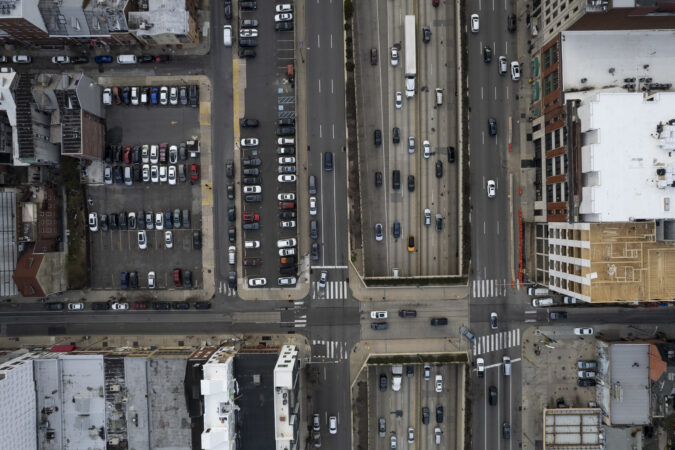
    The Chinatown project involves building a cap over I-676 from just east of 10th to 13th Streets, allowing for a park as well as more developable land. It would tie together Chinatown and the neighborhood to the north, which were united until the interstate split them.

    Finishing the design will advance the project as officials look for construction funding. It’s possible building the cap will be delayed.

    For the design work, $10 million would be obtained from another federal program for improvements on the national highway network. That money is available in the region’s reserve controlled by PennDot, DVRPC staff said.

    The city would contribute $2.5 million.

    The city’s Office of Transportation and Infrastructure Systems is working to secure the money and is “confident” that will happen, a spokesperson said, while declining to disclose details.

    As for construction, “funding will have to be figured out later,” said DVRPC’s Turner.

    The agency determines priorities for regional transportation projects.

    To receive federal funds, an infrastructure project needs the formal blessing of the DVRPC, the designated metropolitan planning organization for the Philadelphia region.

    Meanwhile, preliminary engineering work is continuing, financed by the $8.4 million. The project is expected to receive environmental approvals in the spring, DVRPC said.

    President Donald Trump and the GOP congressional majorities have been targeting Biden-era initiatives for elimination, including various transportation-equity programs — to fund projects like the Stitch — that began under the national infrastructure act of 2022.

    In late 2023, construction of the cap was projected to begin in 2027, although at other points a groundbreaking was anticipated in 2028.

    The timeline is currently unclear.

    This story has been updated to clarify DVRPC’s role in the project.

  • Students and teachers lead a protest of the Trump administration’s removal of the President’s House slavery exhibits

    Students and teachers lead a protest of the Trump administration’s removal of the President’s House slavery exhibits

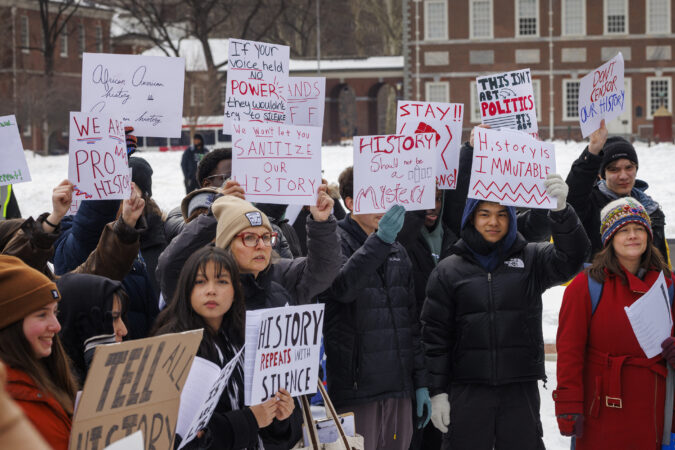
    Students and teachers from two Philly area private schools joined up with activists and protesters Friday morning at the President’s House in Independence National Historical Park to demand that the site’s slavery exhibit be restored after it was abruptly dismantled last month.

    “Whitewashing history is a totalitarian gimmick,” read one sign in a crowd that included young and older people. “All our stories must be told,” read another.

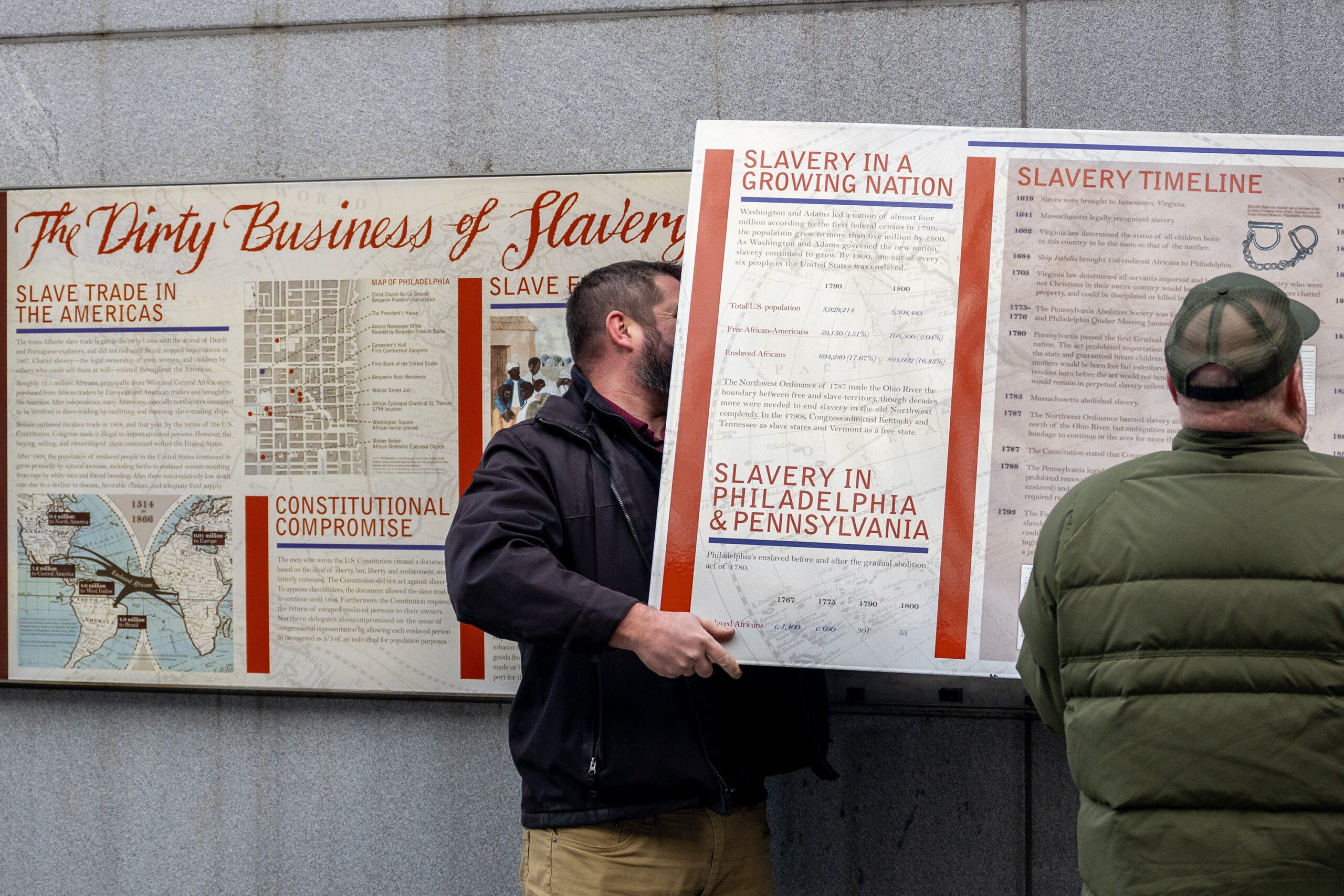
    The “teach in” was held in front of a granite wall etched with the names of nine enslaved people owned by U.S. founding father and first president George Washington. The wall is one of the few remnants of the slavery exhibit that was dismantled by order of the Trump administration.

    Standing at a lectern, the students, from Solebury School in Bucks County and Friends Select in Center City, read the biographies of the enslaved whose names had been etched on the wall.

    Activist and criminal defense attorney Michael Coard told the crowd he helped to create the slavery exhibit after learning that Washington owned enslaved people — and realizing that his educators had failed to teach him about it.

    “When I learned about that, I was enraged, because I’d never heard about it,” Coard said.

    With the help of elected officials, the President’s House Site became a reality in 2010, Coard said.

    But when the Trump administration issued its “Restoring Truth and Sanity to American History” executive order last March, Coard knew that the exhibit could be targeted. The order calls on the U.S. Department of the Interior to remove historical exhibits that “perpetuate a false reconstruction of American history” or “disparage Americans past or living.”

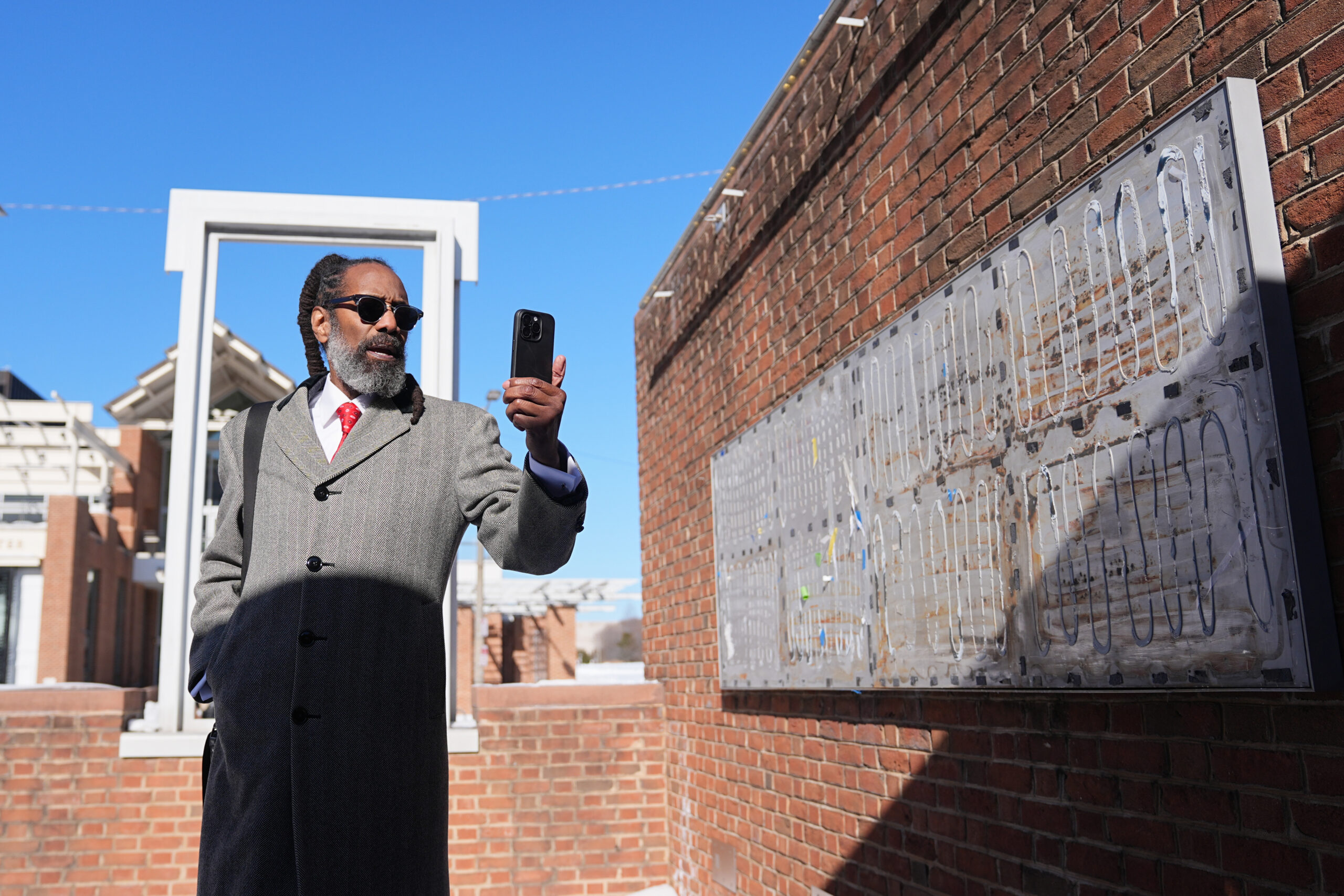
    Attorney Michael Coard makes a social media post at the now removed explanatory panels that were part of an exhibit on slavery at President’s House Site in Philadelphia, Friday, Jan. 30, 2026. (AP Photo/Matt Rourke)

    “Anything pertaining to Black people, he was opposed to it,” Coard said of President Donald Trump.

    Since then, Coard said, there’s been a furious legal battle to have the site restored. Philadelphia Mayor Cherelle L. Parker sued the federal government. A judge ordered the government to safeguard the exhibits, which are currently in storage, while the issue plays out in federal court.

    Coard encouraged people to sign a petition, attend protests, and stay involved in future protests.

    “Just because you can’t do everything, that doesn’t mean you shouldn’t do anything,” Coard told the crowd, quoting poet and musician Gil Scott-Heron.

    Solebury School college counselor Erin Wallace joined the 50 students who traveled by bus to the site for the teach-in.

    Wallace said the students are “very active” in following national politics, and were eager to attend the protest. About 25% of the student body attended, Wallace said.

    “It was an overwhelmingly positive response,” Wallace said.

    Workers remove the display panels about slavery at the President’s House Site in Independence National Historical Park Thursday, Jan. 22, 2026. The fate of exhibits at the site, which serves as a memorial to the nine people George Washington enslaved there during the founding of America, had been in limbo since President Trump’s executive order, “Restoring Truth and Sanity to American History,” directed the Department of the Interior to review over 400 national sites to remove or modify interpretive materials that “inappropriately disparage Americans past or living.”

    Solebury School history teacher Don Kaplan of Elkins Park attended the first vigil after the site was shuttered. Kaplan said he organized the teach-in student protest because it is relevant to what he teaches his 9th- and 11th-grade students.

    “I just thought to myself, we need to address this,” Kaplan said.

    Kaplan asked that his students not be quoted directly. But after the rally, he struggled to keep his 11th graders from weighing in as he was interviewed for this story.

    “We should teach all history,” two students said.

    They explained that in Kaplan’s class, their research often shows that historical figures are not purely good or evil and were shaped by myriad forces.

    To Kaplan, that stands in contrast to the Trump administration’s perspective on teaching history, which seeks to eliminate “negative” stories about America’s founders.

    “That’s not what we do,” Kaplan said. “We have to teach every possible perspective.”

  • Philly is not dumping snow in the Schuylkill, but it has in the past

    Philly is not dumping snow in the Schuylkill, but it has in the past

    Many Philadelphians are continuing to deal with snow-clogged, slushy, ice-laden streets nearly two weeks after a winter storm produced the city’s biggest snowfall in a decade.

    To deal with the snow, the city has deployed roughly 1,000 workers and 800 pieces of snow-removal equipment, and instituted programs to break up ice at crosswalks and streets in residential neighborhoods, among other efforts. But to some Inquirer readers, the solution has been right in front of us all along.

    “I know we used to toss snow into the river,” one reader wrote via Curious Philly, The Inquirer’s forum for questions on all things local. “What happens to it now?”

    » ASK US: Have something you’re wondering about the Philly region? Submit your Curious Philly question here.

    In the past, the city has dumped snow into the Delaware River and the Schuylkill on various occasions. But in recent decades, that practice has been used rarely — if at all — primarily over environmental concerns. Here is what we know:

    An old practice

    Newspaper archives show references to dumping snow in the Delaware and Schuylkill dating back at least to the late 19th century — during a storm colloquially known as the “Great Arctic Outbreak of 1899.” That storm dumped 19 inches of snow on Philadelphia around Valentine’s Day.

    In the aftermath, the city sought permission from its Board of Port Wardens to dump snow in the rivers surrounding Philadelphia, but there were concerns over the “considerable amount of dirt” that would be thrown into the water.

    The practice was utilized in the winter of 1909, when 21 inches of snow fell. Initially, snow was dumped into the rivers at three points, but officials later expanded approved dumping sites to be “at any point and from any wharf” along either river.

    “It was contended that this was perfectly proper, since snow is not refuse, but will readily melt after it is thrown into the water,” The Inquirer reported at the time.

    https://www.newspapers.com/article/philadelphia-daily-news/190719291/

    Article from Jan 10, 1996 Philadelphia Daily News (Philadelphia, Pennsylvania) <!— –>

    The blizzard of ’96

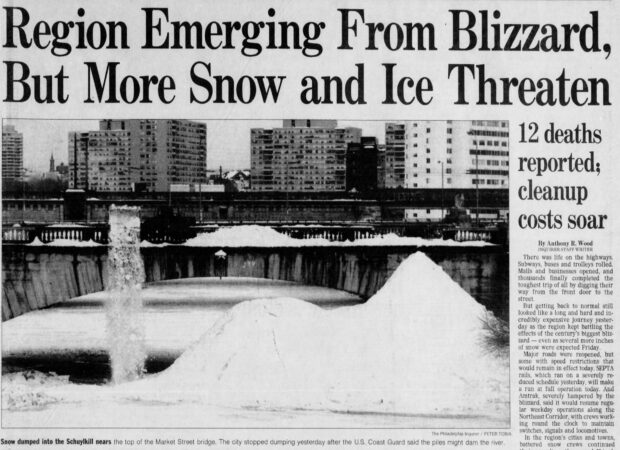
    Perhaps the most well-known modern use of Philadelphia’s rivers as a snow dump came in 1996, when a debilitating 30.7 inches of snow fell in early January. The city was left with few options, and got a permit from state environmental officials to dump snow in the rivers, Inquirer reports from the time indicate.

    Within days, roughly 500 tons of snow were dumped into the rivers, and that total would grow into the thousands. Famously, city trucks were spotted dumping snow into the Schuylkill from the Market Street Bridge — until being asked to stop by the U.S. Coast Guard.

    “We did advise the city to stop dumping snow into the Schuylkill. Our concern was the accumulation of ice in the river,” a Coast Guard spokesperson said at the time. The piles of snow in the river ran the risk of forming dams that could cause flooding.

    The piles became so severe they had to be beaten back down. By mid-January, one Inquirer report noted, wrecking balls were sent in to break up at least one mountain of snow that threatened to clog the Schuylkill.

    https://www.newspapers.com/article/the-philadelphia-inquirer/190719516/

    Article from Feb 22, 2003 The Philadelphia Inquirer (Philadelphia, Pennsylvania) <!— –>

    An ‘option of last resort’

    The city again in 2003 dumped snow into Philadelphia’s rivers, this time in an attempt to mitigate the impacts from a February storm that left about 19 inches of the white stuff. This time, though, city officials seemed to at least feel bad about it, calling it an “option of last resort.”

    For this storm, roughly 400,000 pounds of snow was dumped into the Schuylkill. But along with it went road salt, antifreeze, trash, and other pollutants, prompting concerns from regional environmental groups. That pollution, they said, could harm marine life and devastate the riverbanks.

    “All the stuff that’s on the road surface goes into the water,” Delaware Riverkeeper Network head Maya van Rossum told The Inquirer that year. “This is not the appropriate way to deal with the snow. There are plenty of places on the land to put it.”

    The dumping, Streets Commissioner Clarena Tolson said, was limited. And the Pennsylvania Department of Environmental Protection said it asked the city to only dump “virgin snow” into the rivers.

    https://www.newspapers.com/article/the-philadelphia-inquirer/190719722/

    Article from Feb 12, 2010 The Philadelphia Inquirer (Philadelphia, Pennsylvania) <!— –>

    No more dumping, officially

    By 2010, the city appeared to have officially abandoned the practice of dumping snow into city riverways. That February, one storm caused more than 28 inches of snow to fall, but Mayor Michael A. Nutter’s administration declined to pour it into the rivers.

    “We’re going to take some of that down to the Navy Yard. We will not dump in the river,” Tolson said. “There are environmental concerns with placing snow in the river. The snow accumulates pollutants and salt, and dumping it in the river would be a very extreme measure.”

    The Center for Environmental Policy at the Academy of Natural Sciences applauded the Nutter administration’s decision, writing in a letter to The Inquirer that the move would “prevent serious environmental damages to the river.”

    “Urban precipitation, including snow, acquires a witch’s brew of contaminants such as oil, grease, litter, road salt, and lawn fertilizer,” director Roland Wall wrote. “We salute the city for making a commonsense decision that will protect one of Philadelphia’s natural treasures.”

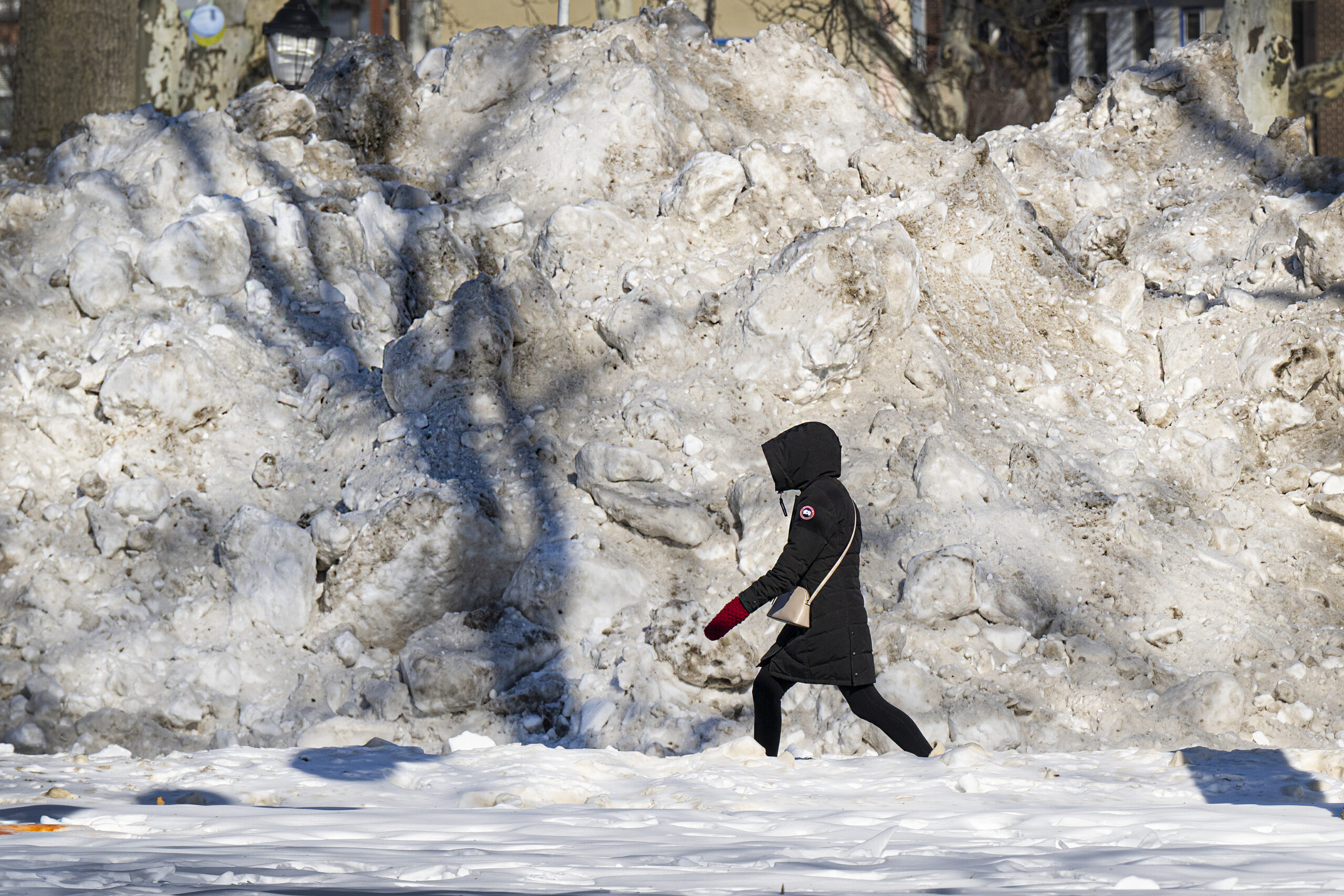
    A pedestrian walks past a large pile of snow and ice along the Benjamin Franklin Parkway days after a fierce winter storm dropped up to 9 inches of snow and sleet, with freezing temperatures leaving large banks of ice and snow on streets and sidewalks in Philadelphia, Monday, Feb. 2, 2026.

    So what do we do now?

    On Wednesday, Carlton Williams, the city’s director of clean and green initiatives, said the city does not dump snow in Philadelphia’s rivers, as that practice is “not an EPA standard.” Instead, the city has gravitated toward removing the snow from city streets and placing it at 37 snow dump sites around Philadelphia.

    The city did not respond to a request for comment regarding those dump sites’ locations. Some of them contain mounds of snow up to 12 feet high that stretch for blocks, Williams said Wednesday. Officials also brought in a snow-melting machine from Chicago.

    Pennsylvania Department of Environmental Protection guidelines, meanwhile, recommend municipalities push snow at least 100 feet away from surface waters, where it will be able to melt with less environmental impact.

    “Dumping of snow directly into a stream carries with it the shock of loading de-icing chemicals and anti-skid agents,” the agency said in a recent recommendations document. “Allowing a natural melt provides a slow release of the water, dilutes the chemicals, and provides filtration of the solids through the soil.”