Category: Pennsylvania News

  • Lawsuit alleges negligence in deadly Bristol nursing home explosion

    Lawsuit alleges negligence in deadly Bristol nursing home explosion

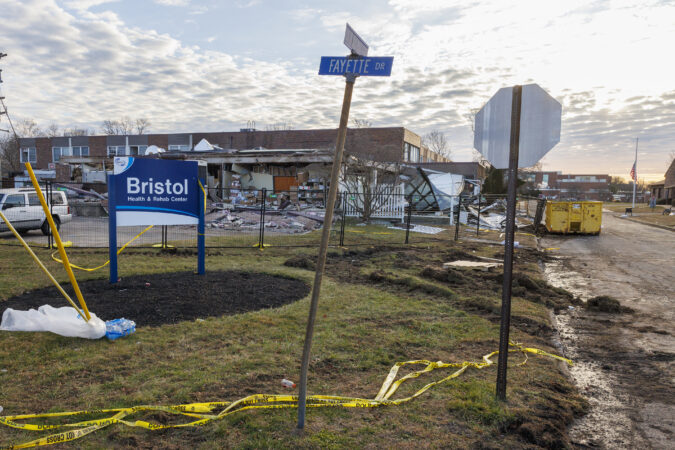
    A newly filed lawsuit alleges that the deadly explosion at a Bucks County nursing home just before Christmas was the result of negligence on the part of the facility’s operator and its natural gas supplier.

    Filed by Philadelphia law firm Saltz Mongeluzzi Bendesky on behalf of four survivors of the explosion, the lawsuit claims that Saber Healthcare Group, Peco, and others failed to appropriately respond to and treat a gas leak at Bristol Health & Rehab Center, and neglected to evacuate the building.

    The resulting explosion, which devastated the facility the afternoon of Dec. 23, killed two people and injured about 20 others.

    “Our pre-suit investigation left no doubt that the defendants were responsible for this foreseeable and preventable tragedy just before Christmas,” said lead attorney Robert J. Mongeluzzi.

    In addition to Peco and Saber Healthcare Group, the lawsuit names Exelon, Saber Healthcare Holdings, and the nursing home as defendants.

    The plaintiffs were among those on site at the time of the blast, the lawsuit says. They include former nursing home resident Barbara Stall, a paraplegic whose motorized wheelchair was allegedly destroyed during the incident, as well as facility aides Stacy Ballard and Davidetta Blay, and telecom contractor James Broderick. Blay and Broderick’s spouses are also included as plaintiffs.

    “Each continues to receive medical treatment for the physical and emotional injuries,” the law firm said in a statement. The lawsuit, the firm added, is believed to be the first filed to allege negligence.

    The blast rocked the Bristol facility just after 2 p.m., coming after Peco crews responded to reports of a gas odor earlier in the day, according to Inquirer reports. Some residents, The Inquirer later reported, had been smelling gas in the 174-bed facility in the days leading up to the explosion, but none were told to evacuate.

    The complaint, filed Monday in the Philadelphia Court of Common Pleas, alleges that despite the gas odor, the defendants did not take steps to evacuate, which it calls a “reckless and outrageous” decision.

    The odor, the complaint alleges, began permeating the building at least a half-hour before the explosion, and the defendants treated the situation with “carelessness, negligence, gross negligence, recklessness, and outrageous conduct,” the complaint said.

    Peco and Exelon, the lawsuit claims, never tested a gas pipeline that fed the nursing home for leaks and failed to properly diagnose and fix the leak once on site. Exelon, the parent corporation of Peco, declined to comment, citing an ongoing investigation.

    Zachary Shamberg, Saber’s chief of government affairs, declined to comment, citing the ongoing litigation.

    The age and condition of the gas line running to the nursing home remain unclear, but Peco has said that it has about 742 miles of substandard gas lines across the state that need to be replaced — accounting for roughly 5% of its gas service, but 82% of leaks, according to a report from the Pennsylvania Public Utility Commission.

    The company’s plans, The Inquirer previously reported, call for all those lines to be replaced by 2035.

    As a result of the explosion, the complaint alleges that the plaintiffs were forced to “suffer catastrophic personal injuries, had to survive harrowing rescue attempts, and watch their friends and colleagues lose their lives and similarly suffered traumatic injuries.”

    The cause of the explosion is being investigated by the National Transportation Safety Board, which said it expects to release a preliminary report on the explosion roughly three weeks from now. Previously, the board said investigators would test the natural gas service line that runs from the street to the basement of the facility, would interview witnesses, and would gather records.

    In the wake of the blast, Saber has relocated roughly 120 residents to local hospitals and other assisted-living facilities. The company said it was evaluating its evacuation procedures.

    Muthoni Nduthu, a 52-year-old nurse at the facility and mother to three sons, was killed in the blast. The second person killed was a resident at the nursing home, but they have not yet been publicly identified.

    “This explosion, and the loss of life and horrific injuries that accompanied it, were the tragic results of Defendants’ failure to timely respond to the gas leak, appropriately treat the leak, and evacuate the building in response to the leak,” the complaint alleges.

    The lawsuit is seeking unspecified damages to be determined by a jury.

  • ‘It is a promise’: Newly elected Chester County officials and judges  take their oaths of office

    ‘It is a promise’: Newly elected Chester County officials and judges take their oaths of office

    A new slate of Chester County elected officials are taking office after they were officially sworn in at a ceremony over the weekend surrounded by friends and family.

    Four officials in the county’s row offices — clerk of courts, controller, coroner, prothonotary — and three magisterial district justices took their oath of office Saturday at the Chester County Justice Center.

    “I’ve found, in this line of work, when you’re finding people to run for office, it’s quite difficult to get the good people to do it,” county commissioner Josh Maxwell told the incoming officials. “It sometimes attracts maybe the wrong people. I’m so excited to be here today because we have a lot of good people who rose their hands — maybe a higher bar than we typically have in the county.”

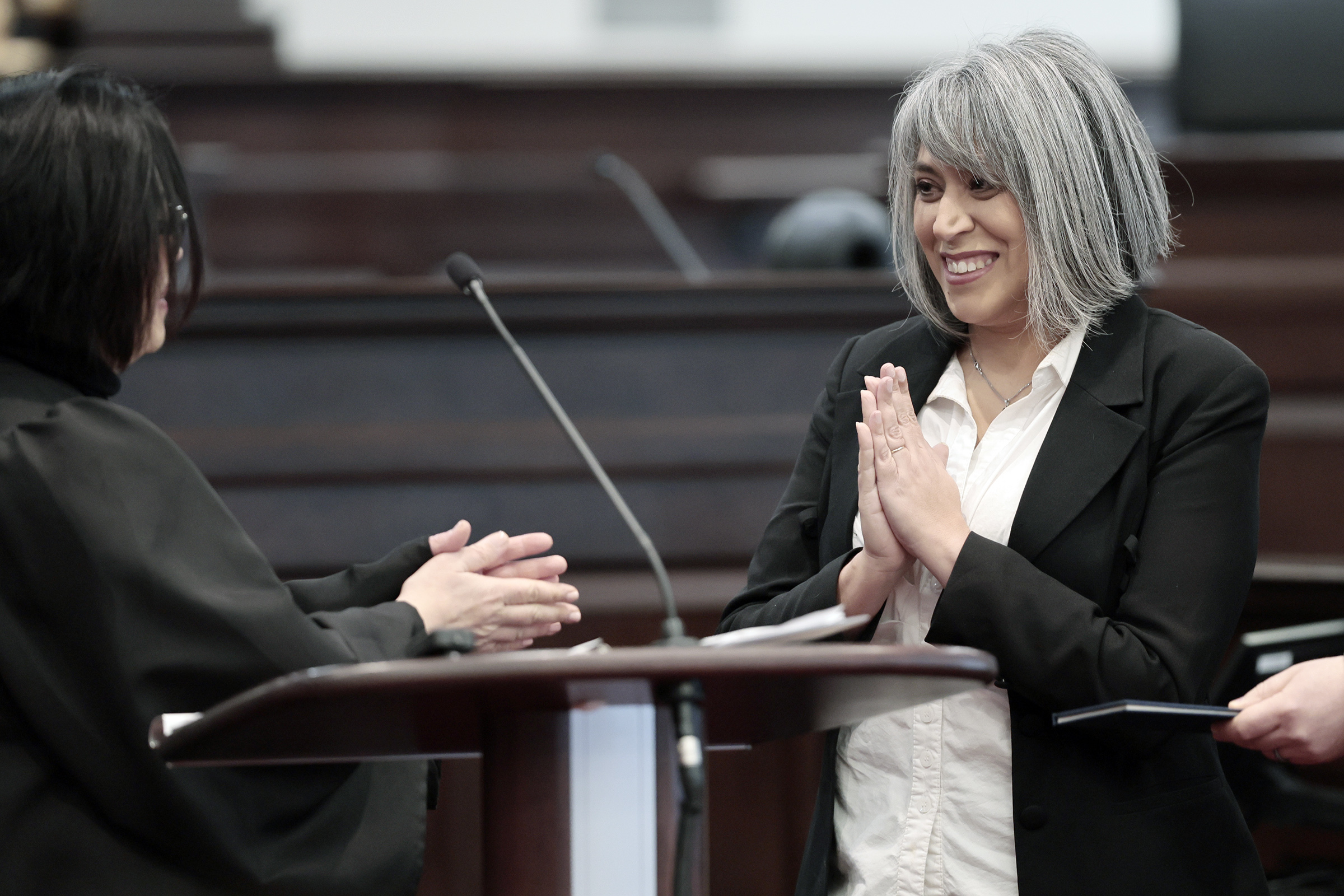
    Sophia Garcia-Jackson (facing camera) hugs the Honorable Alita Rovito after being sworn in as the coroner during the ceremonial administration of oaths, for elected officials and magisterial district judges, at the Chester County Justice Center on Saturday, Jan. 3, 2026.

    Taking office was an entirely Democratic slate of officials, upholding the political shift in the county that began in 2019, when Maxwell and Commissioner Marian Moskowitz were the first Democrats in history elected to their seats. Democrats saw wins again in 2023, with Maxwell and Moskowitz winning re-election.

    The row offices oversee essential government services residents regularly interface with — from maintaining criminal and civil court records, to monitoring the county’s financial contracts, to investigating the circumstances of sudden deaths — and operate under four-year terms. Magisterial district judges handle traffic cases, and minor criminal and civil cases, for six-year terms.

    The slate of row officials includes:

    • Clerk of Courts: Caroline Bradley
    • Controller: Nick Cherubino
    • Coroner: Sophia Garcia-Jackson
    • Prothonotary: Alex Christy

    And the county’s new magisterial judges are:

    • Anthony diFrancesca
    • Joe Heffern
    • James C. Kovaleski
    James C. Kovalski’s family helps him don the judges robe after he was sworn in as a magisterial district judge during the ceremonial administration of oaths, for elected officials and magisterial district judges, at the Chester County Justice Center on Saturday, Jan. 3, 2026.

    “Those of you taking the oaths … are amongst the people who will help Chester County continue to be a place where so many want to live, work, and raise their family,” Moskowitz told the officials.

    During the ceremony, the judges donned their robes and the row officers took their oaths with their partners, parents, and children nearby. Dozens of supporters lined the benches in the courtroom, and elected officials received a standing ovation when all the oaths had been administered. (Those supporters got a nod, too, with Maxwell noting that public service comes with long hours, personal sacrifice, and difficult decisions. “No one serves alone,” he said.)

    The oaths of office were administered by Commonwealth Court Judge Stella Tsai, Court of Common Pleas Judge Alita Rovito, and Magisterial District Judge Nancy Gill.

    Caroline Bradley (right) has just been sworn in as clerk of courts by the Honorable Stella Tsai (left) during the ceremonial administration of oaths, for elected officials and magisterial district judges, at the Chester County Justice Center on Saturday, Jan. 3, 2026.

    “The oath you have taken is more than a formality, it is a promise to the people of Chester County, a promise to uphold the law, to treat every resident with fairness and dignity, and to carry out your duties with independence, integrity and care,” Maxwell said. “Those values matter deeply, especially at the local level, where government has its most direct impact on all our lives.”

    This suburban content is produced with support from the Leslie Miller and Richard Worley Foundation and The Lenfest Institute for Journalism. Editorial content is created independently of the project donors. Gifts to support The Inquirer’s high-impact journalism can be made at inquirer.com/donate. A list of Lenfest Institute donors can be found at lenfestinstitute.org/supporters.

  • A Chesco town lowered taxes. That’s pretty unusual — but may not be something others can copy.

    A Chesco town lowered taxes. That’s pretty unusual — but may not be something others can copy.

    It was something of a lucky confluence of factors in West Bradford Township that led to residents seeing a reduction in their property taxes going into the new year, as other communities in the state see hikes.

    A number of loans that were refinanced during record-low interest rates at the height of the COVID-19 pandemic in 2020, plus long-term lease agreements that brought the municipality more money, eventually equaled “substantial savings,” said Justin Yaich, town manager.

    Savings in hand, the township decided they’d give it back to residents, he said, rather than funding “another pet project or another program.”

    In the budget, passed last month by the town’s board of supervisors, West Bradford set its property tax millage for a 0.25 mill — a 50% reduction in the tax for residents. For a home worth roughly $300,000, residents will now pay $75 a year, down from $150.

    It comes as Philadelphia’s collar counties and municipalities have faced tightening budgets and have had to hike taxes after years of stagnation.

    It’s unusual, John Brenner, executive director of the Pennsylvania Municipal League, said of West Bradford’s reduction.

    “There have been increases, and I’ve seen a number of them from municipal leaders throughout the Commonwealth — cities, boroughs, townships,“ Brenner said. ”You’re seeing counties raise taxes that haven’t in a long, long time. So that tells you the environment we’re in.”

    Local governments are fairly limited in how they can levy taxes under state law, with the biggest portion of revenue coming from “the beleaguered property tax,” Brenner said. Schools and the county take from that same source, with local municipalities usually taking far less.

    “Local government is not a business,” Brenner said. “It’s a provider of services, and those services cost money, and somebody has to pay for it.”

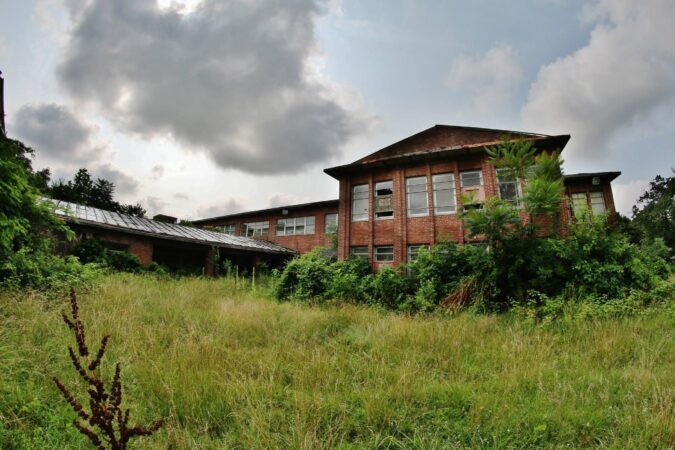
    But in West Bradford, it was years of planning and a flurry of factors, Yaich said. It started in 2019, when the town purchased the former Embreeville State School and Hospital, an abandoned 900,000-square-foot psychiatric hospital that had been deteriorating for more than two decades. A developer had sought to transform the property into a high-density residential complex, which saw community pushback and years of litigation.

    To purchase the site for roughly $23 million to turn it into 200 acres of open space, the township — for the first time — levied a real estate tax. (Residents already paid property tax to Downingtown Area School District and the county but previously did not pay the town.)

    But early in 2020, West Bradford refinanced its outstanding debts, renegotiated some lease terms, and began to hold other costs consistent. Over the years, it culminated in the township being able to reduce the real estate tax, Yaich said.

    The board’s philosophy is to do its core responsibilities — taking care of roads and infrastructure, caring for the open spaces and parks, running trash and recycling programs — and make sure there’s enough leftover for new programs or capital improvements, Yaich said. But anything beyond that, return it to the taxpayers, rather than figure out how to spend it, he said.

    It is easier to spend money than it is to trim, Yaich added, noting that the township faces rising costs and shrinking revenue sources: Cable providers, who once were paying $300,000 to the township in a year to put their lines in, are dwindling as people turn to streaming services. With more electric vehicles, fewer people are filling up at the pumps, meaning less liquid fuels money for the township, too. It’s rare, and unlikely to be replicated in a few years, to cut costs for residents like this, he acknowledged.

    As other town managers call and ask Yaich how to emulate him, he tries to dispel the magic.

    “We’re in a unique situation that we were able to do it,” Yaich said. “There’s no magic sauce or magic potion that we’re doing here that other places aren’t doing. It’s just that we were set up at the right time in the right place, and we acted when things were favorable to us and we were fortunate.”

    This suburban content is produced with support from the Leslie Miller and Richard Worley Foundation and The Lenfest Institute for Journalism. Editorial content is created independently of the project donors. Gifts to support The Inquirer’s high-impact journalism can be made at inquirer.com/donate. A list of Lenfest Institute donors can be found at lenfestinstitute.org/supporters.

  • Art makes this Chesco 15-year-old happy. So she launched a nonprofit to teach younger kids.

    Art makes this Chesco 15-year-old happy. So she launched a nonprofit to teach younger kids.

    Something about the phrase “Do what makes you happy” struck Faridah Ismaila. It became the title of, and inspiration behind, one of her art pieces. It’s printed onto the back of her T-shirt. It’s something the 15-year-old artist lives her life by.

    “When I do art, it’s because it makes me happy, and when I can give my art to other people or spread the joy of art, it’s making them happy,” she said.

    Following that guiding light of happiness, Ismaila, a digital artist and a sophomore at Great Valley High School, recently launched her nonprofit, A Paint-full of Promise, which offers free monthly art classes for kids in her school district in kindergarten through grade six.

    Working with educators in the district, Ismaila devises themed art projects and provides supplies and classroom time to teach young artists how to express themselves. The first club is slated for mid-January, with a winter wonderland theme. Children will make snowflakes and paint winter-themed coasters.

    Ismaila has been recognized for her art nationally: She was the state winner and a national finalist in the 2022 Doodle for Google competition, where young artists compete for their work to be featured as the Google homepage design. That recognition helped give her the confidence to pursue big dreams, like her nonprofit and club.

    “It makes me feel I can still do this. Because sometimes I’ll doubt myself. … I can’t be having all these big dreams,” she said. “But if people want to vote for me and I am recognized nationally, I feel on top of the world. I can do anything.”

    The first brushes of the nonprofit — which she hopes one day will grow to multiple sessions a month — started years ago, when Ismaila began making YouTube videos, teaching the fundamentals of art. She showed viewers how to make a gradient, how to depict a sunrise. She circulated the videos around her Malvern neighborhood, and she thought: Why not hold a class for younger kids?

    Faridah Ismaila, 15, poses for a portrait at her home on Wednesday, Dec. 17, 2025, in Malvern. Ismaila started a kids art nonprofit called A Paint-full of Promise. She also sells her art online.

    Over a summer, in her garage, she set up two art projects — painting and colored pencils — and led about eight kids through a lesson. She called it Faridah’s Art Crafty Corner.

    Holding the class made her happy. So she did it again, but bigger, turning it into a summer camp, under the new name: A Paint-full of Promise.

    “Then I decided, why not actually make this a club, so not only my community can get this, my entire district can?” she said.

    And now, the teenager has a nonprofit under her belt. She officially launched the organization last month at an event in Malvern, where she raised money by auctioning off prints of her work and selling T-shirts with her designs.

    Anne Dale, an art teacher at Great Valley High School who is an adviser for the club, said she was impressed with Ismaila’s ability to get other high school students involved in running the club.

    “A lot of students have big ideas for clubs, but there’s not always follow-through. With her, it’s definitely different, and I knew that when she approached me with it,” Dale said.

    Giving kids the tools and opportunity to create artwork was essential to Ismaila, who gravitates to art to process her emotions.

    “It’s just the best thing ever,” she said. “Once you start doing art as a kid, it’s just a great way to get your feelings out there and express yourself, even if you can’t use words to describe it.”

    One of her pieces, Beauty Within, depicts a skeletal hand holding a white mask, a tear running down its cheek. Behind the mask, flowers bloom. It came from a feeling of constantly analyzing herself, the feeling that what you show people is not necessarily what’s on the inside.

    Another piece, made when she was “seriously sleep-deprived,” shows a face with an assortment of pixels, pizza, stick figures, and paint pouring out.

    Faridah Ismaila, 15, talks about some of her early works at her home on Wednesday, Dec. 17, 2025, in Malvern. Ismaila started a kids art nonprofit called A Paint-full of Promise. She also sells her art online.

    A piece she is working on now shows herself, in vibrant colors, pointing to her reflection. She wanted to capture the feeling of two versions of the self — one confident, the other fragile.

    Sometimes, her mother Nofisat Ismaila said, her parents feel as if they are holding her back.

    “I don’t know how I’m gonna keep keeping up with this girl, because she’s just taking us to places, keeping us busy, keeping us on our toes,” she said. “She’s turning out to be a really young, determined adult.”

    Faridah Ismaila, 15, poses for a portrait at her home on Wednesday, Dec. 17, 2025, in Malvern. Ismaila started a kids art nonprofit called A Paint-full of Promise. She also sells her art online.

    But to Faridah Ismaila, it’s about finding happiness, and giving it to others, too.

    “I really hope the kids just do what makes them happy. … It’s also just not being afraid to get out there, because when I was a kid-kid, I wasn’t afraid of anything,” she said. “I think middle school really kicks some kids in the butt, and getting up out of that — at least for me, art was a way to do that. I just want to give that to kids.”

    This suburban content is produced with support from the Leslie Miller and Richard Worley Foundation and The Lenfest Institute for Journalism. Editorial content is created independently of the project donors. Gifts to support The Inquirer’s high-impact journalism can be made at inquirer.com/donate. A list of Lenfest Institute donors can be found at lenfestinstitute.org/supporters.

  • Survivors recount persistent gas smell, lack of concern by staff and a smoke break before explosion rocked Bristol nursing home

    Survivors recount persistent gas smell, lack of concern by staff and a smoke break before explosion rocked Bristol nursing home

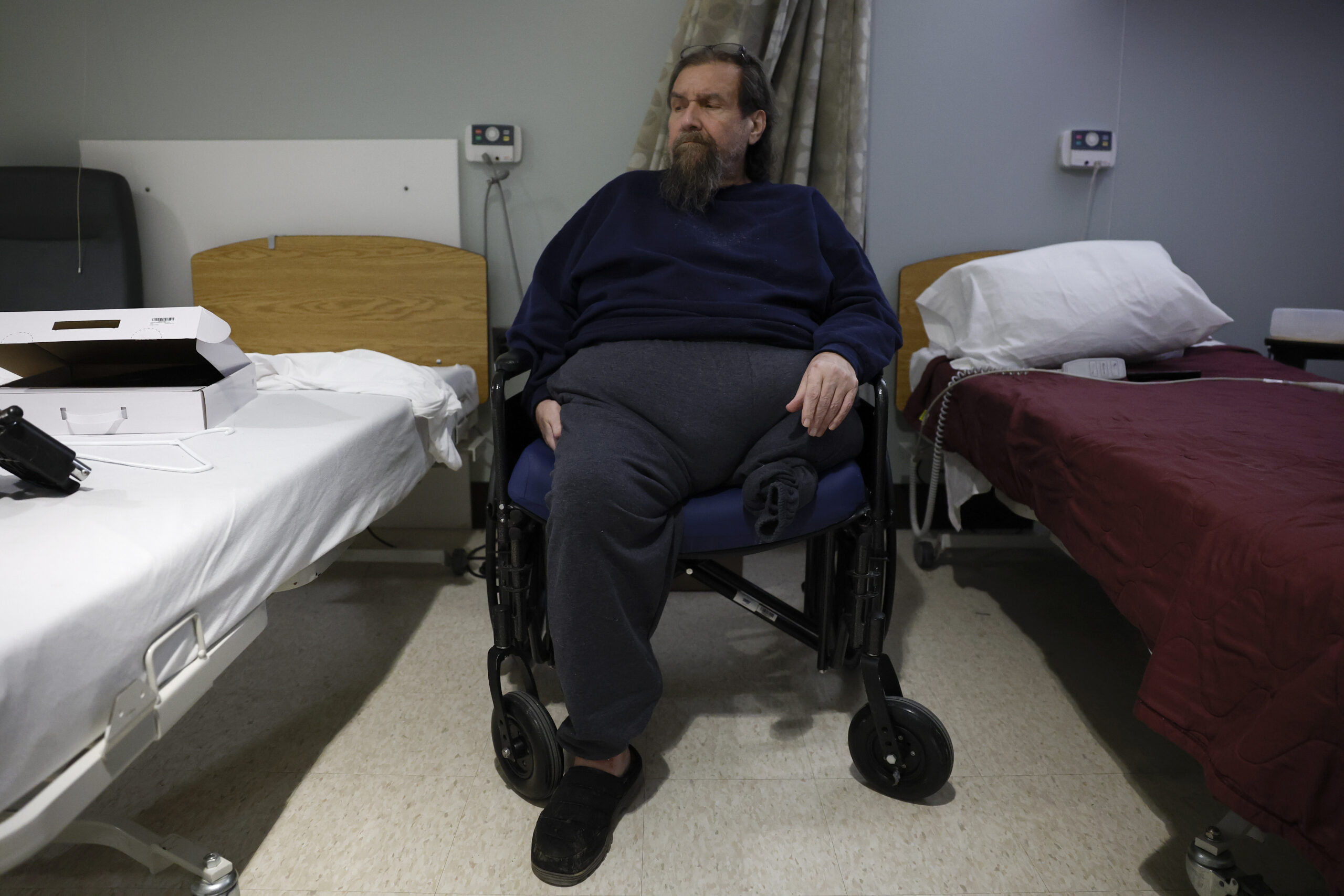
    Robert Flesch was sitting in his first-floor room at the Bristol nursing home shortly after 9 a.m. on Dec. 23 when a staffer poked her head in to tell him he should go to the activity room. There was a gas leak near his room, the staffer told him, and Peco had been notified.

    Flesch, who is 64 and an amputee, rolled his wheelchair into the hallway. “The whole hall smelled like gas,” he recalled.

    Peco workers had already arrived, but nobody mentioned the possibility of needing to evacuate the 174-bed facility, Flesch said. Staffers did not seem concerned about the gas smell, and it was otherwise a typical Tuesday at the Bristol Health & Rehab Center, formerly known as Silver Lake Nursing Home.

    Around 1:30 p.m., Flesch said he was told Peco had fixed “a pretty big leak” and that he could go back to his room. But the hallway outside his room had the same strong odor. “I’m telling you I still smell gas,” he said he told three staffers. He was reassured that it was just residual odor from the repaired leak.

    Just after 2 p.m., another resident, Susie Gubitosi, was back inside after joining several other residents on the patio for a cigarette break. Gubitosi — known to friends as Susie Q — had become blind three years ago from glaucoma and was waiting for a staffer to help her remove old nail polish.

    That’s when the place exploded.

    “Suddenly I heard this loud boom,” Gubitosi, 71, said.

    The blast knocked her out of her wheelchair, and debris slammed against her “as fast and hard as it could,” she said. “Next thing I’m on the floor, and I’m laying on my right-hand side, and I’m like, ‘Oh my God.’”

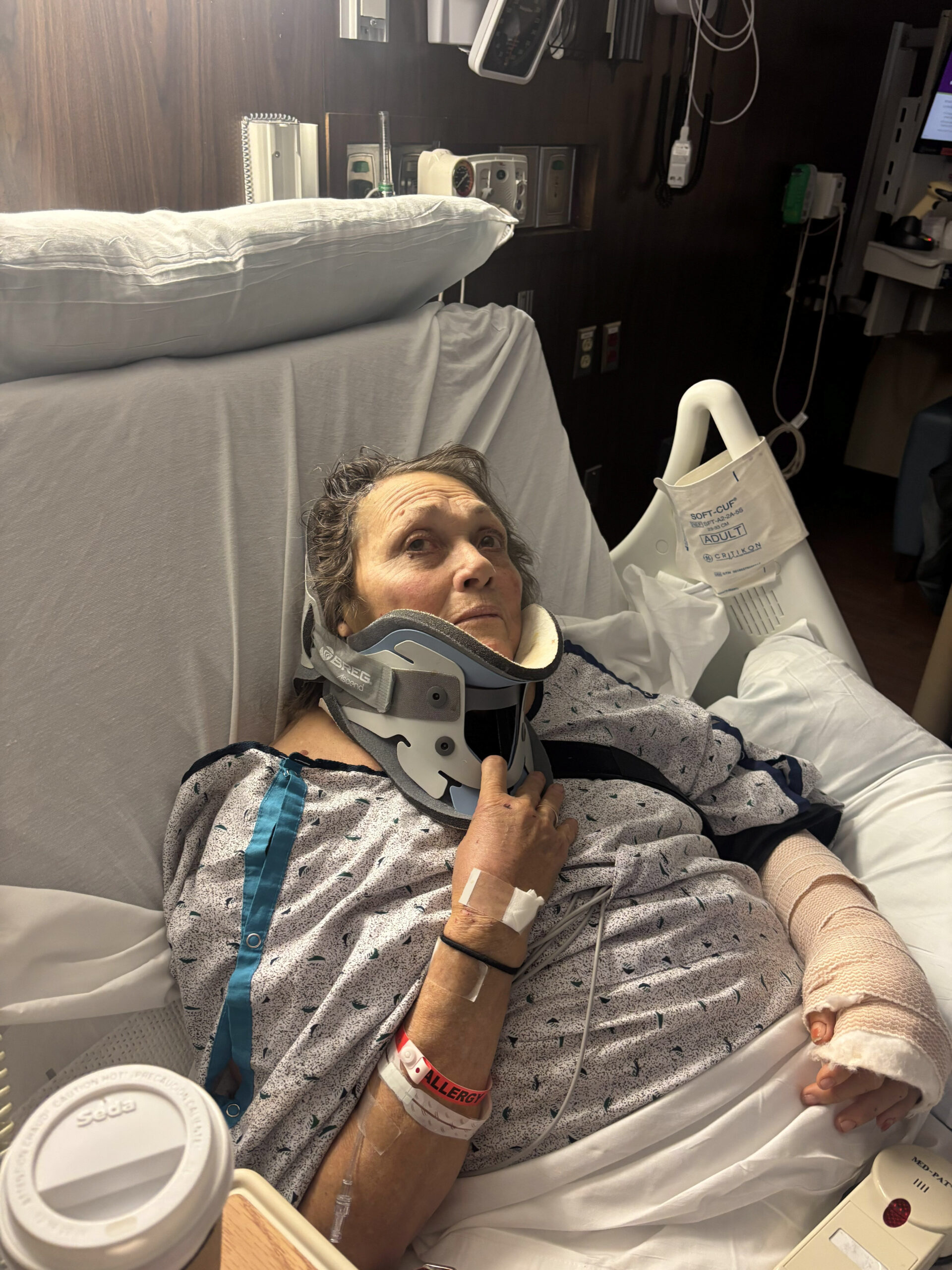
    Susie Gubitosi was severely injured in a gas explosion and fire at the Bristol Health & Rehab Center in Bristol Township Dec. 23. She has staples in her head from where a brick fell on her. Her back, sternum, neck, elbow, and hand were broken.

    The explosion, just after 2:15 p.m., killed Muthoni Nduthu, a 52-year-old nurse at the facility and mother to three sons. A second person who died, a resident, has not been identified. Twenty others were injured.

    Flesch’s and Gubitosi’s accounts, told to The Inquirer in interviews over the last few days, give an expanded timeline of events before two explosions rocked the center. Their recollections underscore the key questions facing investigators from multiple agencies as they seek to determine the cause of the explosion and assess whether Peco, the nursing home, or both may have been negligent.

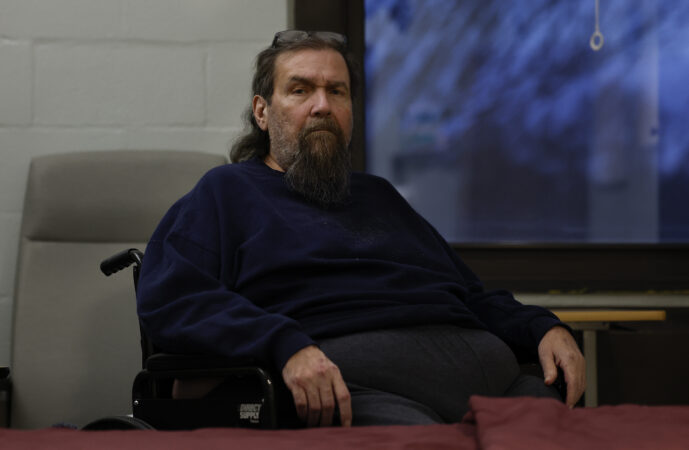
    Robert Flesch at the Gracedale Nursing Home in Nazareth.

    Peco officials initially said their workers arrived at the nursing home around 2 p.m. They subsequently acknowledged their workers had been on site for several hours.

    On Friday, Peco said in a statement that since the National Transportation Safety Board (NTSB) is leading the investigation, “we are not permitted to comment on this matter.”

    The NTSB said it didn’t have any additional information but expects to release a preliminary report in about three weeks. In an earlier statement, it said investigators would test the natural gas service line that runs from the street to the basement of the impacted building, gather records, and interview witnesses, first responders, nursing home staff, and Peco employees.

    Saber Healthcare Group, a privately run for-profit company that acquired the Bristol nursing home three weeks before the explosion and rebranded it, did not respond to requests for comment Friday. Saber has relocated about 120 residents to local hospitals and other assisted living facilities. It says it is reevaluating its evacuation procedures.

    The previous owners, Ohio-based CommuniCare Health Services, had received numerous citations for unsafe building conditions and substandard care.

    ‘Am I dying?’

    Recuperating in St. Mary’s Medical Center in Langhorne, Gubitosi said she felt as if her life was over.

    Immediately, the former Bethlehem resident knew it was a gas explosion. “I heard shouting, screaming, moaning, and sirens,” she said.

    “This place just blew up. And I thought, ‘Am I dying?’ I didn’t know,” she said. She was relieved when she could wiggle her toes. “I think I’m all in one piece,” she thought.

    “Because I’m blind, it scared me even more. I felt ice cold water on me. The sprinkler system must have come on and I was drenched. But I was glad because I had dust, cement dust, soot all in my mouth, on my face, in my eyes and nose. And I was just trying to breathe.”

    She cried repeatedly for help. “I heard all these voices and things moving. It was pandemonium. I could hear the EMT guys saying, ‘They’re in here! We’ve got to get them out! The building is going to collapse!’”

    She heard one EMT, as he lifted her up, say, “This is the first patient that’s been crushed.”

    Doctors in the hospital used staples to close a gash on her hairline. Her back, neck, and sternum are broken. She had surgery last week to repair fractures in her elbow and hand.

    The pain, she said, is at times unbearable, even with medication. “It’s hard to breathe,” she said, lying in her hospital bed with her neck in a large brace, bandages that run from her hand to elbow, and IVs.

    “It feels literally like an elephant put his foot on me and crushed me,” she said. “I was probably this close to death.”

    She doesn’t know yet how long she’ll be hospitalized or where she will be placed next.

    “Lawsuits are coming,” said Jordan Strokovsky, an attorney representing Gubitosi. ”There will be answers. There will be accountability.”

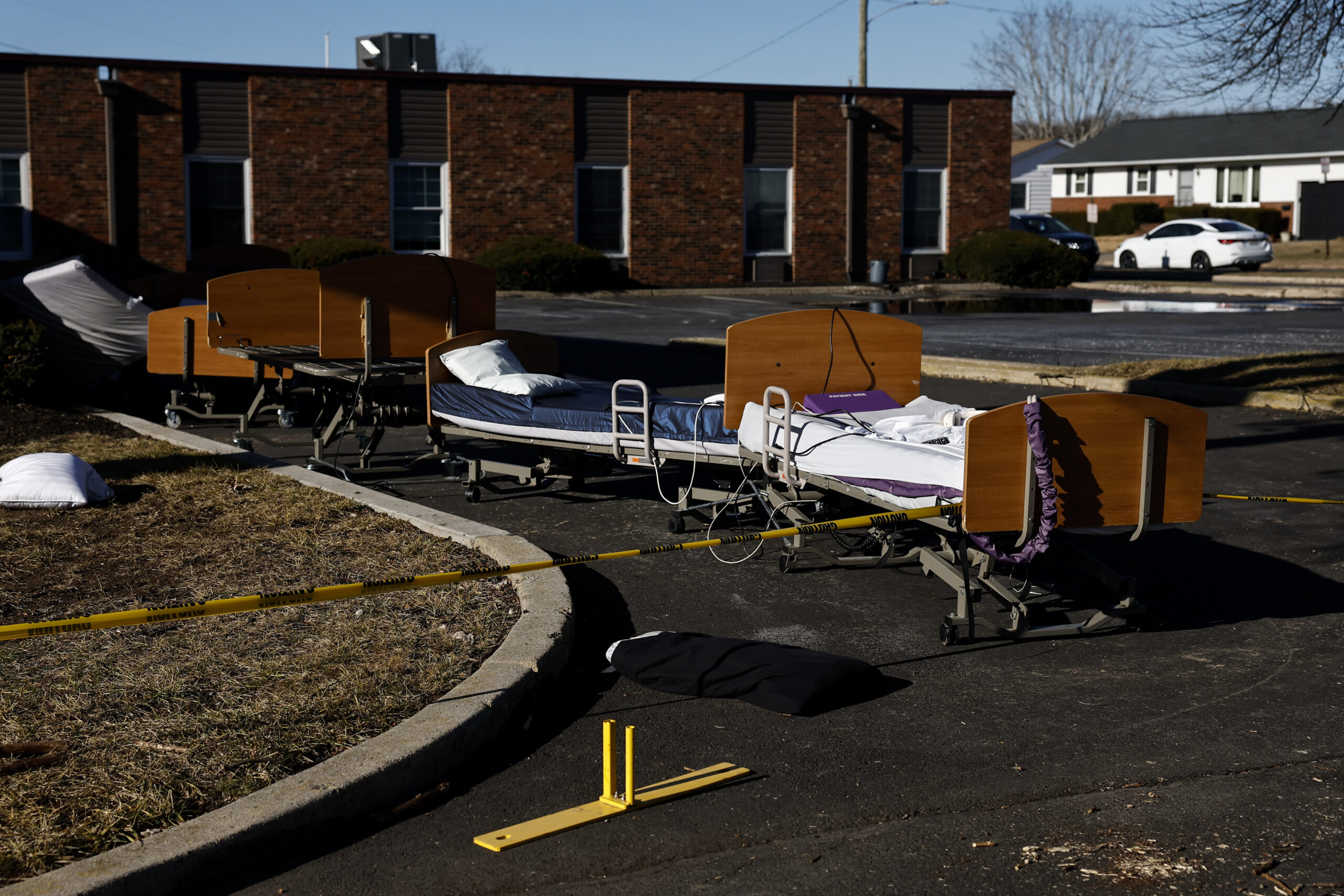
    Hospital beds remain outside at Bristol Health & Rehab Center on Wednesday, Dec. 24, 2025, in Bristol Township, Pa. Two people were killed and 20 were injured in the explosion on Dec. 23.

    ‘The wall was coming down’

    Flesch, who lost his left leg from a brown recluse spider bite, said he doesn’t understand why he was given the green light to return to his room.

    A former pool and spa tradesman from Levittown, he had been a Bristol resident a short time, sifting through a file he kept of apartments he could possibly call his next home.

    “Suddenly, there was this loud boom!,” he recalled.

    “I’ve never been in anything like that in my life,” he said. “I was in shock because all the glass from my windows came flying out. Then the ceiling was coming down. The wall was coming down.”

    Glass shards piled a foot deep in his room, even deeper in the hallway. Crumpled furniture was hurtled everywhere. Flesch maneuvered his wheelchair through glass to check on the bedridden man across the hall. He was OK.

    The facility’s part-time psychologist helped Flesch and many others get outside safely.

    “It was complete chaos,” he said.

    The explosion left Flesch, now staying in a nursing home in Nazareth, Pa., with nothing more than scratches on his arms.

    “I am still asking myself how I survived,” he said. “It must be God. I can’t explain it any other way.”

  • Bucks County agrees to pay nearly $1 million to a woman who was pepper-sprayed and restrained in jail

    Bucks County agrees to pay nearly $1 million to a woman who was pepper-sprayed and restrained in jail

    Bucks County has agreed to pay $950,000 to a woman with a serious mental illness who was pepper-sprayed and left strapped for hours in a chair while at Bucks County Correctional Facility over five years ago.

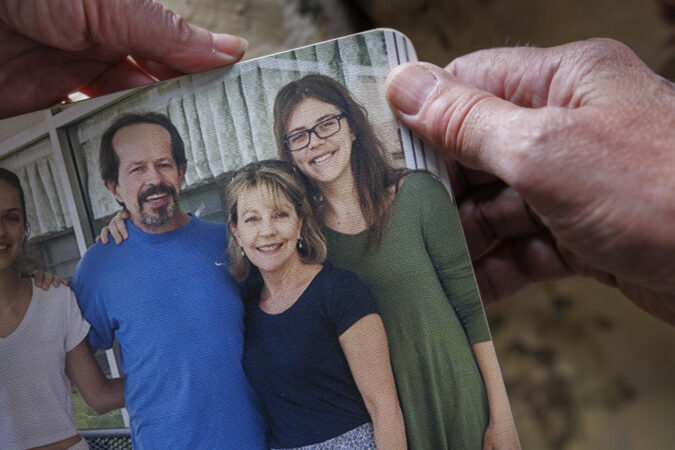
    Kimberly Stringer’s parents hope the settlement draws attention to the country’s ongoing mental health crisis, and the need for alternatives to arresting and jailing people who need psychiatric care.

    Martha and Paul Stringer of Lower Makefield Township sued Bucks County prison guards and officials in 2022, asserting that their daughter’s civil rights were violated while she was jailed for 64 days during the spring and summer of 2020.

    Martha Stringer has since become an advocate for programs to keep people with serious mental illnesses out of jails. She said that, along with the settlement, the county agreed to work to implement one such program. Known as assisted outpatient treatment, it involves regular court appearances and close supervision for people with a history of hospitalizations who struggle to follow treatment plans.

    “My only hope would be that this story resonates beyond Bucks County,” because county jails all around the country are frequently where people with mental health issues end up, she said.

    By April 2020, her 27-year old daughter already had been diagnosed with bipolar disorder with psychotic features and had been involuntarily committed twice, Martha Stringer said.

    “She was well known, particularly in Falls Township, where she was arrested,” Martha Stringer said.

    It was then, while in the midst of a rapidly worsening mental health crisis, that Kimberly Stringer struck and threatened her neighbor, according to the Stringers’ attorney, David Inscho. She was arrested and taken to Bucks County Correctional Facility, where, as a pretrial detainee, she was pepper-sprayed twice by prison guards, Inscho said.

    Stringer was also placed in a “restraint chair,” which prohibits movement, several times, for as long as four hours, Inscho said. At no point did she pose a threat to guards, and her inability to comply with orders was because she was “in a state of catatonia.”

    “In that state she was not able to process and comply with the rules of that correctional facility — and that led to uses of force” by prison guards, Inscho said.

    The settlement agreement between the Stringers and Bucks County, which was reached Dec. 17, includes a requirement that video footage of the incidents recorded by prison guards be destroyed. The agreement notes one remaining copy of the videos may be kept in a password-protected file for 10 years and then deleted.

    Bucks County Commissioner Diane Ellis-Marseglia during a meeting on May 21, 2024.

    “The videos were difficult to watch,” Inscho said. “It was clear that Kim was in a mental health crisis. The tools available to the guards were clearly not the tools Kim needed.”

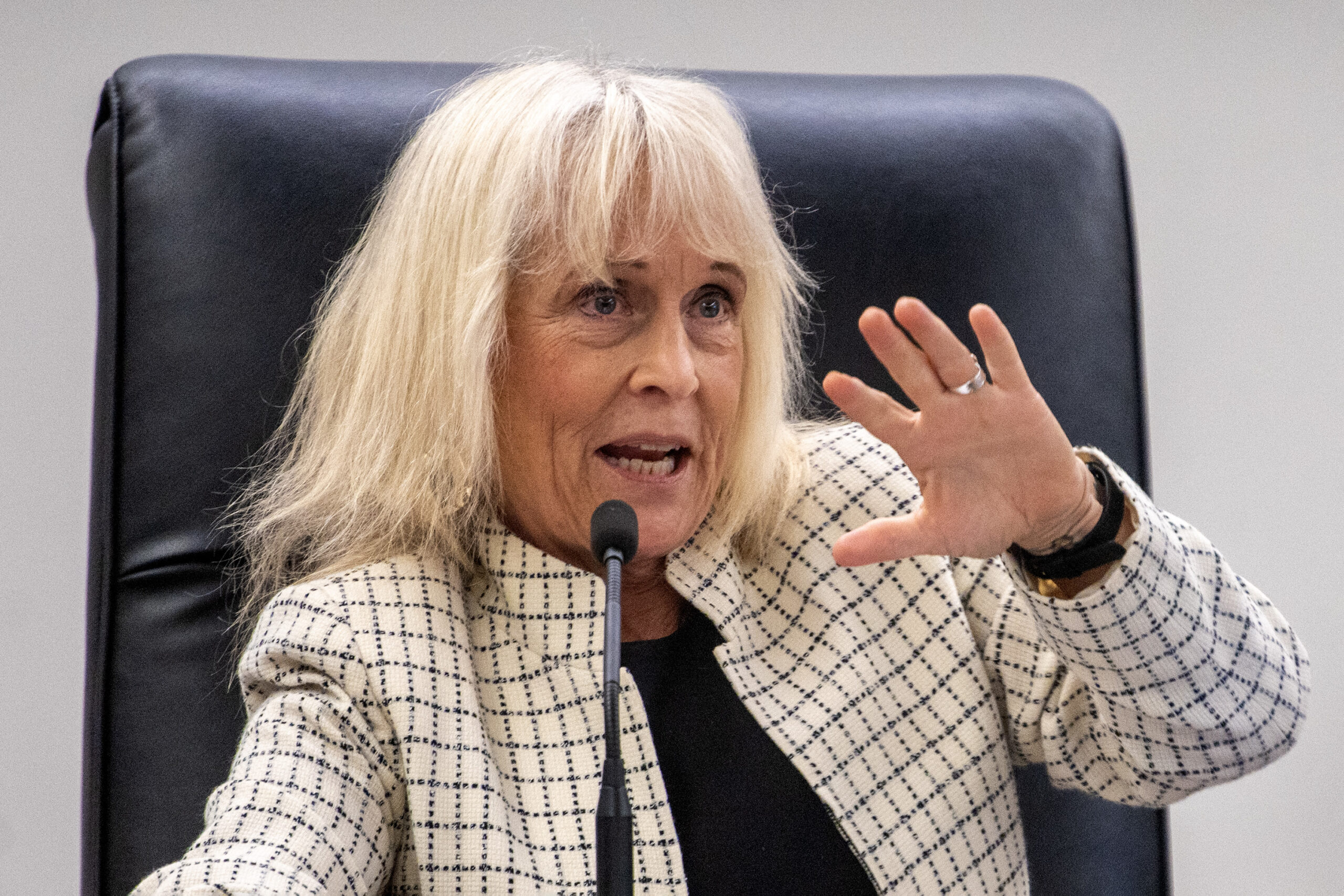
    Bucks County Commissioner Diane Ellis-Marseglia said she believes prison guards were trying to keep Stringer safe, but she shouldn’t have been in jail to begin with.

    “She and the millions of Americans who likewise struggle with mental illness deserve access to high-quality, intensive treatment, with intervention that begins long before they are misdirected to the criminal justice system,” Ellis-Marseglia said in a statement.

    Ellis-Marseglia said that Bucks County has made strides in helping people with serious mental illness. In 2023, the board of commissioners voted unanimously to fund a behavioral health center in Doylestown, the Lenape Valley Foundation’s Bright Path Center, Ellis-Marseglia noted. Last August, commissioners voted to add $5 million more to fund the facility, a county spokesperson said.

    Bucks County in 2023 also voted to build a Diversion Assessment Restoration and Treatment Center at the jail, which is set to open this year, the spokesperson said, and in 2021, it added a separate housing area for women and a mental health unit in the jail.

    “These programs and facilities will help bridge critical gaps in mental health services and move us in the direction of improving the mental health treatment environment,” Ellis-Marseglia said.

    Martha Stringer, parent of Kim Stringer, at her home in Yardley. When Kim Stringer was having an acute psychotic episode, local police charged her with harassment and placed her in the Bucks County jail. Her parents sued in 2022, and have become advocates for prison reform after their daughter’s mistreatment.

    The Stringers applauded these changes, which they attributed in part to the public outcry over their daughter’s mistreatment. Their daughter’s story became public after several inmates notified the media of Kimberly Stringer’s condition in jail; days later, the county relocated her to a state mental institution.

    Still, Martha Stringer said, most of Bucks County’s new interventions are for people who have already been arrested.

    “And that’s where we’re going to come to the table with Bucks, to see if we can implement assisted outpatient treatment,” Martha Stringer said.

    The money from the settlement will go into a special needs trust that the parents set up years ago, Paul Stringer said. The trust has strict rules on what money can be spent on, and is designed to provide for their daughter even after he and his wife, both in their 60s, have died.

    “She’s doing quite well,” Paul Stringer said. “But she requires, probably, a lifetime of supports.”

    Their now-33-year-old daughter is living in Brooke Glen Behavioral Hospital under a long-term involuntary commitment, Martha Stringer said. Their hope is that she’ll be able to move to a less-restrictive setting and gain more independence, while still getting the support she needs.

    “These past five years, she’s missed a lot,” Martha Stringer said. “She’s missed her sister’s wedding. Recently she’s become an aunt. She’s missed a lot. We struggled with that.”

    One thing that’s given some comfort, she added, is that people often reach out for advice on how they can help their children, who are in similar situations.

    “I learned so much the hard way, that I felt like, if I could give families a better understanding of what we learned, then I could help them.”

  • Robert Caputo, prolific photographer, writer, and filmmaker, has died at 76

    Robert Caputo, prolific photographer, writer, and filmmaker, has died at 76

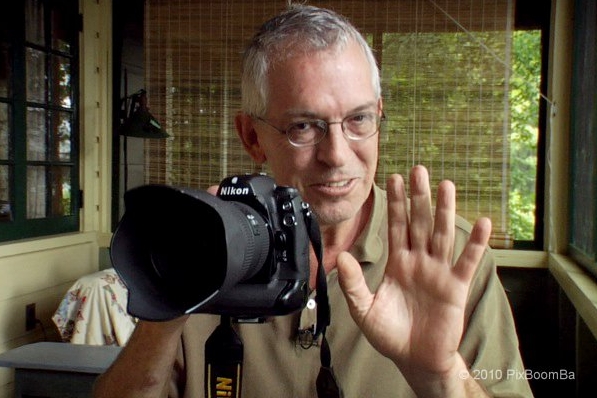
    Robert Caputo was captivated by the natural world, its animals and people. So he spent 35 years, from 1970 through 2005, traveling through Africa, Asia, and South America, taking photos, writing stories, and making films and TV shows for National Geographic magazine, Time, PBS, TNT, and other media outlets.

    From Kenya to Egypt, Venezuela to Zanzibar, in China, Cuba, New Orleans, and Boston, Mr. Caputo chronicled the beauty and tragedy of everyday life. He reported as a freelancer, with a camera and a notepad, for National Geographic for decades, covering political coups, civil wars, and famines in Sudan and Somalia, and the AIDS epidemic in Uganda.

    He worked for photographer and filmmaker Hugo van Lawick in Tanzania in the 1970s and then camera-stalked lions and leopards for National Geographic on the Serengeti Plain. He sent back striking images of the Abu Simbel Temples in Egypt and the old Kingdom of Mustang in Nepal.

    In Sudan, he sipped tea with camel traders, slept under the stars, and posed for portraits with tribal chiefs. He trekked the Himalayas and photographed fishermen on the Congo, Nile, and Mississippi Rivers. His poignant August 1993 cover photo for National Geographic of a starving Somali woman gained worldwide attention.

    “In fact, it is a great job,” Mr. Caputo told the Washington Post in 1995, when he was featured in a TV show about the Geographic photographers. “You really do get to go places and do things others only dream about.”

    He told the New York Daily News in 1995: “I’ve always thought of my job as a license to be nosy.”

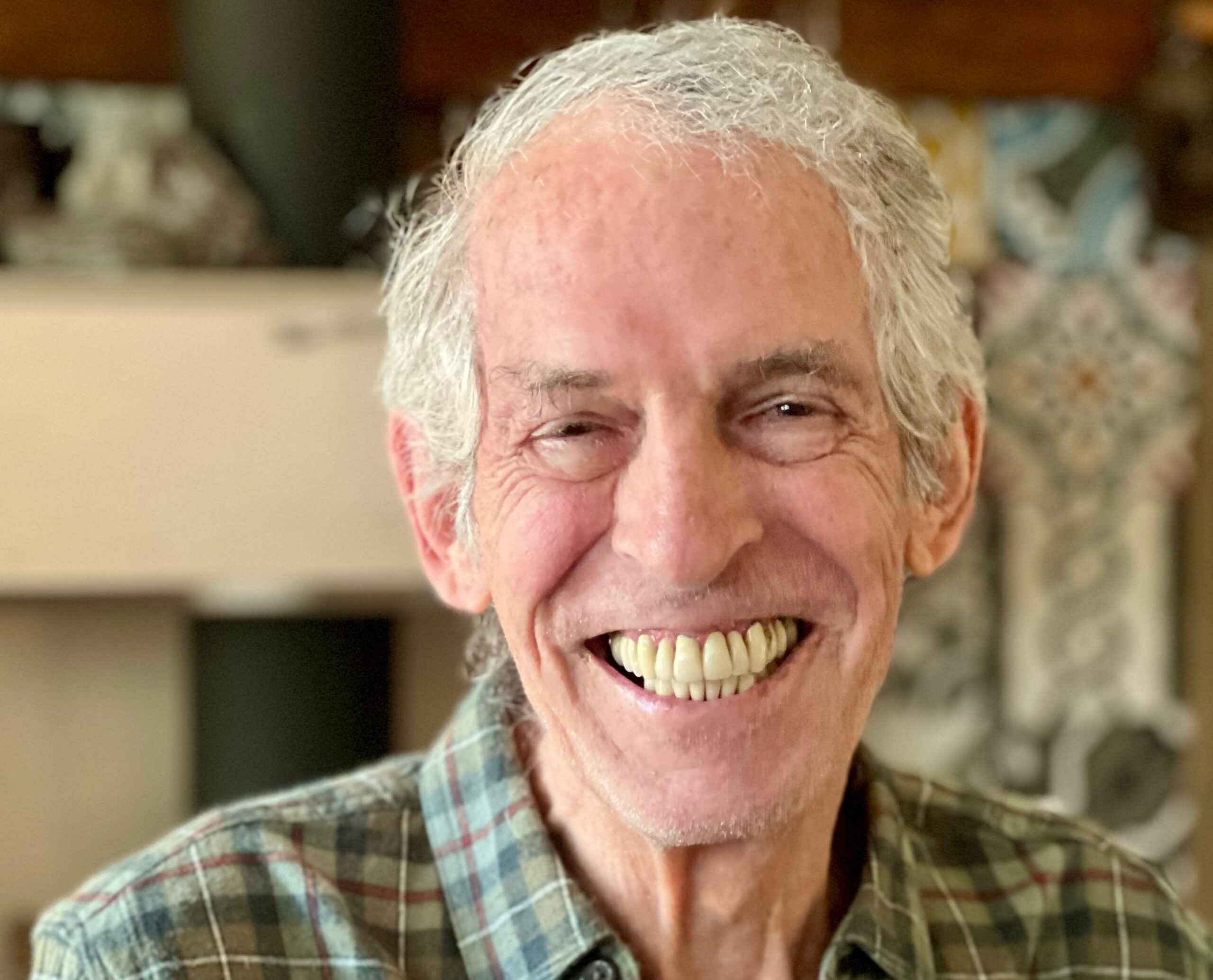
    In 2002, as he was winding down his international travel, Mr. Caputo moved from Washington, D.C., to a farmhouse in Kennett Square, Chester County. In early 2025, he was diagnosed with Alzheimer’s disease. In December, he and his family traveled to the Pegasos Swiss Association voluntary assisted dying center in Basel, Switzerland. He died Thursday, Dec. 18. He was 76.

    “Fairly early on, Bob had expressed his wishes to go out on his own terms,” said his wife, Amy. “We were able to honestly and pragmatically deal with our situation, and he remained his thoughtful self, with his sense of humor intact till the end.”

    Mr. Caputo loved spending time with animals.

    Mr. Caputo first went to Africa in 1970. He dropped out of Trinity College in Connecticut as a senior and meandered with friends across the vast continent, from Morocco to Tanzania.

    He returned to earn a bachelor’s degree in film at New York University in 1976. Then, until 1979, he lived in Nairobi, Kenya, and sold photos and stories about Africa to Time, Life, and other magazines.

    “He liked to learn about things,” said his son Nick. “He was constantly inquiring into things.”

    In 1981, National Geographic hired him to report from Sudan on the verge of its civil war, and he produced striking cover photos, dramatic picture spreads, and detailed stories about Africa. In 1984 and ’85, he spent eight months and traveled 4,000 miles on steamboats, tugboats, and all-terrain vehicles to document traditional daily life along the Nile.

    Mr. Caputo had several cover photos for National Geographic.

    “Everywhere he went,” his family said, “Bob found that the people he met were fundamentally good and generous, happy to share their often limited food with him, a perfect stranger, and excited to tell him about their lives.”

    There were challenges, too, he said in many interviews. He was detained by border guards in Uganda in 1979 and contracted malaria nine times. The monthslong assignments in search of remote Indigenous people were often lonely, and he got hungry and tired.

    But the connections he made with people he encountered were worth it, he said. “The great advantage of working for National Geographic is having time,” he told the New York Daily News. “You can go to a village in Africa and not just have to waltz in and start shooting away. You can spend time getting to know people, and they can know you.”

    Mr. Caputo was a natural innovator and teacher, and he organized photo workshops and lectured about photography around the world. He taught digital photography at the Center for Digital Imaging Arts at Boston University and cofounded Aurora & Quanta Productions in Maine in 1985 and the PixBoomBa.com photo website in 2010.

    National Geographic published his Photography Field Guide in 1999 and Ultimate Field Guide to Landscape Photography in 2007. He also authored photo essay books on the Nile and African wildlife, and exhibited his photos at the Delaware Museum of Nature and Science and elsewhere.

    Mr. Caputo (second from left) poses with local people in Africa.

    He wrote and appeared in wildlife shows, hosted TV programs and YouTube videos about photography, and wrote the story on which Glory & Honor, a 1998 award-winning TV film, is based. He made films about making films in Nigeria and the history of Boston’s Fenway Park.

    He earned awards from the National Press Photographers Association, the American Travel Writers Foundation, Communications Arts journal, and other groups. He was personable and energetic, colleagues said, and he cofounded the annual National Geographic Prom at the Washington office.

    “He was a tremendously caring and loving person,” his son Nick said. “He looked out for other people.”

    Mr. Caputo met TV and film producer Amy Wray on a National Geographic TV shoot in the Amazon rainforest. They married in 1997 and had sons Nick and Matt.

    This photo is featured on Mr. Caputo’s website.

    In Facebook tributes, friends and colleagues noted his “wonderful smile” and “deep love of people and animals.” They called him a “legend” and “amazing.” Robert J. Rosenthal, former Africa correspondent and former executive editor of The Inquirer, called Mr. Caputo “one of the best humans I ever knew.”

    Mr. Caputo told MainLine Today in 2009: “My personal heroes are the people who work for aid organizations and nongovernmental organizations, who go to some faraway place to help people they’re not related to and often put themselves in harm’s way.”

    Robert Anthony Caputo was born Jan. 15, 1949, at Camp Lejeune, N.C. His father was a career Marine and moved the family to bases in Virginia and then Sweden for an assignment at the U.S. embassy there.

    In a 1991 interview with the Newhouse News Service, Mr. Caputo said: “I remember as a kid going to sleep listening to artillery going off in the distance down at the range. It was kind of comforting. I wouldn’t change it for anything.”

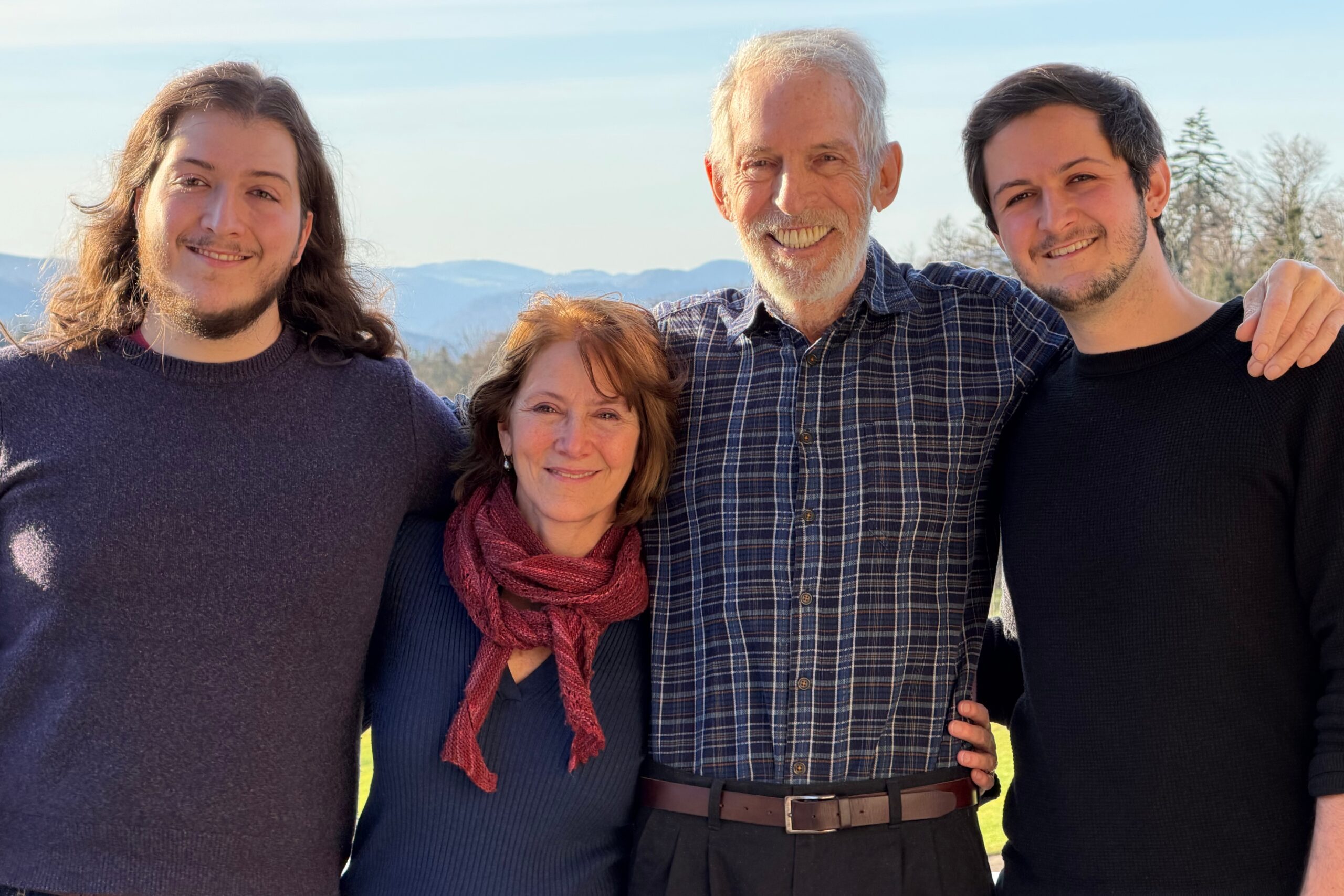
    Mr. Caputo (second from right) doted on his wife and sons.

    He attended a Swedish middle school, learned the language, skied, and played soccer. He returned to the United States in the late 1960s to attend boarding school in Virginia and then Trinity.

    In Kennett Square, Mr. Caputo was a soccer, baseball, and basketball coach to his sons, and a Cub Scouts leader. He walked the boys to the school bus stop in the morning. He told them bedtime tales about secret agents and pirates, they said, and built a tree house in the backyard.

    He decorated his truck on Halloween and grew impressive gardens. His neighbors called him Farmer Bob.

    He took his family on trips to Kenya and Tanzania. He dabbled in experimental playwriting and literature when he was young, and enjoyed classic movies and William Blake’s poetry.

    Mr. Caputo (center) shows his camera to the locals in Africa.

    “He felt extraordinarily lucky to have lived the life he did,” his wife said, “full of adventure, family and friends. And in the end he said, ‘I’m ready.’”

    In addition to his wife and sons, Mr. Caputo is survived by a sister and other relatives.

    Services are to be at 11 a.m. Saturday, Jan. 10, at Kennett Friends Meeting, 125 W. Sickle St., Kennett Square, Pa. 19348.

    Donations in his name may be made to Doctors Without Borders, Box 5030, Hagerstown, Md. 21741.

    His family called Mr. Caputo “buttered side up” when he was young “because no matter
    how he fell he always seemed to end up the right way, and his life was full and lucky.”
  • Lenny Dykstra arrested for alleged drug possession in Northeast Pennsylvania

    Lenny Dykstra arrested for alleged drug possession in Northeast Pennsylvania

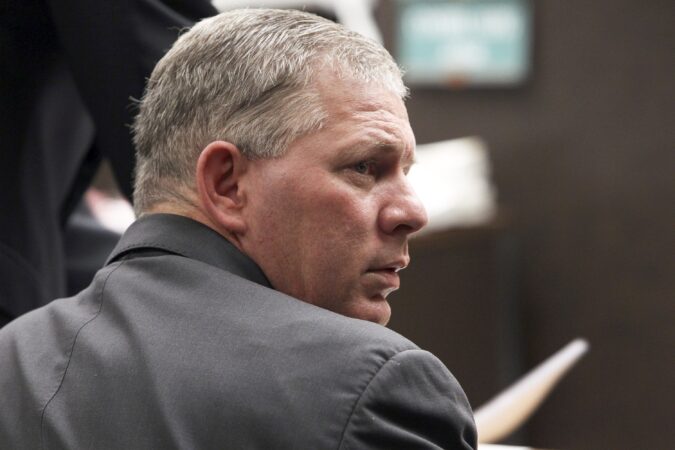
    Former Phillies star Lenny Dykstra was arrested for possession of narcotics and narcotics paraphernalia during a traffic stop just after midnight on New Year’s Day in Northeastern Pennsylvania, the state police said.

    Dykstra, 62, who lives in Scranton, was a passenger in a 2015 silver GMC Sierra truck in the area of Route 507 and Robinson Road in Greene Township, Pike County, when the vehicle was stopped by the Pennsylvania State Police for an alleged motor vehicle code violation, the state police said in a report.

    “During this investigation, the passenger was found to be in possession of narcotics and narcotic related equipment/paraphernalia,” the state police report said. “Charges to be filed.”

    Neither Dykstra nor the Pike County District Attorney’s Office could be reached for comment Friday night.

    Dykstra played 12 seasons in Major League Baseball in center field, spending the first four with the Mets — including as part of the team that won the 1986 World Series — before being traded to the Phillies during the 1989 season. He retired with the Phillies in 1996.

    Nicknamed the “Dude” and “Nails,” Dykstra was a celebrated member of the 1993 Phillies team that made it to the World Series, but lost to the Toronto Blue Jays.

    After his baseball career, Dykstra ran afoul of the law multiple times. He spent time in prison after pleading guilty in federal court for bankruptcy fraud and pleading no contest to grand theft auto in California.

    In February 2024, Dykstra suffered a stroke. In an interview later that year with the Times-Tribune in Scranton, he reflected on his health recovery and his legal and drug problems.

    Dykstra told the Times-Tribune he did some drinking while playing for the Mets, but his drug use intensified when he played for the Phillies.

    “It was a pharmacy,” he said.

    Dykstra said he liked using drugs and alcohol, but did not consider himself an addict, the Times-Tribune reported.

    “There were a lot of other players that were worse than me,” he said.

  • Fox Chase riders will take shuttle buses while SEPTA crews install new tracks

    Fox Chase riders will take shuttle buses while SEPTA crews install new tracks

    Disruptions are scheduled to begin Monday on Regional Rail’s Fox Chase Line, with shuttle buses replacing midday trains for several weeks as crews install new track, SEPTA said.

    The work is expected to last through April 3.

    On weekdays from 9 a.m. until 2:30 p.m., buses will serve Fox Chase, Ryers, Cheltenham, Lawndale, and Olney stations. Trains will run to and from Center City between Wayne Junction Station and 30th Street Station.

    Passengers headed inbound should plan on an additional 30 to 35 minutes of travel time.

    An outbound trip toward Fox Chase Station will take an extra 35 to 40 minutes during the midday hours, SEPTA advises. The connecting shuttle bus is scheduled to depart Wayne Junction Station five minutes after a train arrives.

    This special Fox Chase Line schedule has specific bus and train times.

    Meanwhile, SEPTA said Wednesday that it would extend the closure of the trolley tunnel, which has been shut since November for repairs to the connection between trolleys and the catenary wires overhead, which have taken longer than expected.

    SEPTA says it hoped to finish the work this week and will announce a reopening date after test runs of trolleys show the tunnel is safe to use. Meanwhile special T buses will continue to run between 40th Street/Market and 15th Street/City Hall.

  • CBS Philadelphia anchor Jim Donovan set the Guinness record for largest sock collection

    CBS Philadelphia anchor Jim Donovan set the Guinness record for largest sock collection

    At 9 years old, Jim Donovan would share with his parents his dreams of becoming a journalist. Around that time, he also flicked through the Guinness Book of World Records, thinking it would be cool to set one himself one day.

    Both dreams culminated last month, after Donovan retired from a nearly 40-year broadcast journalism career and set the Guinness World Record for the largest collection of socks.

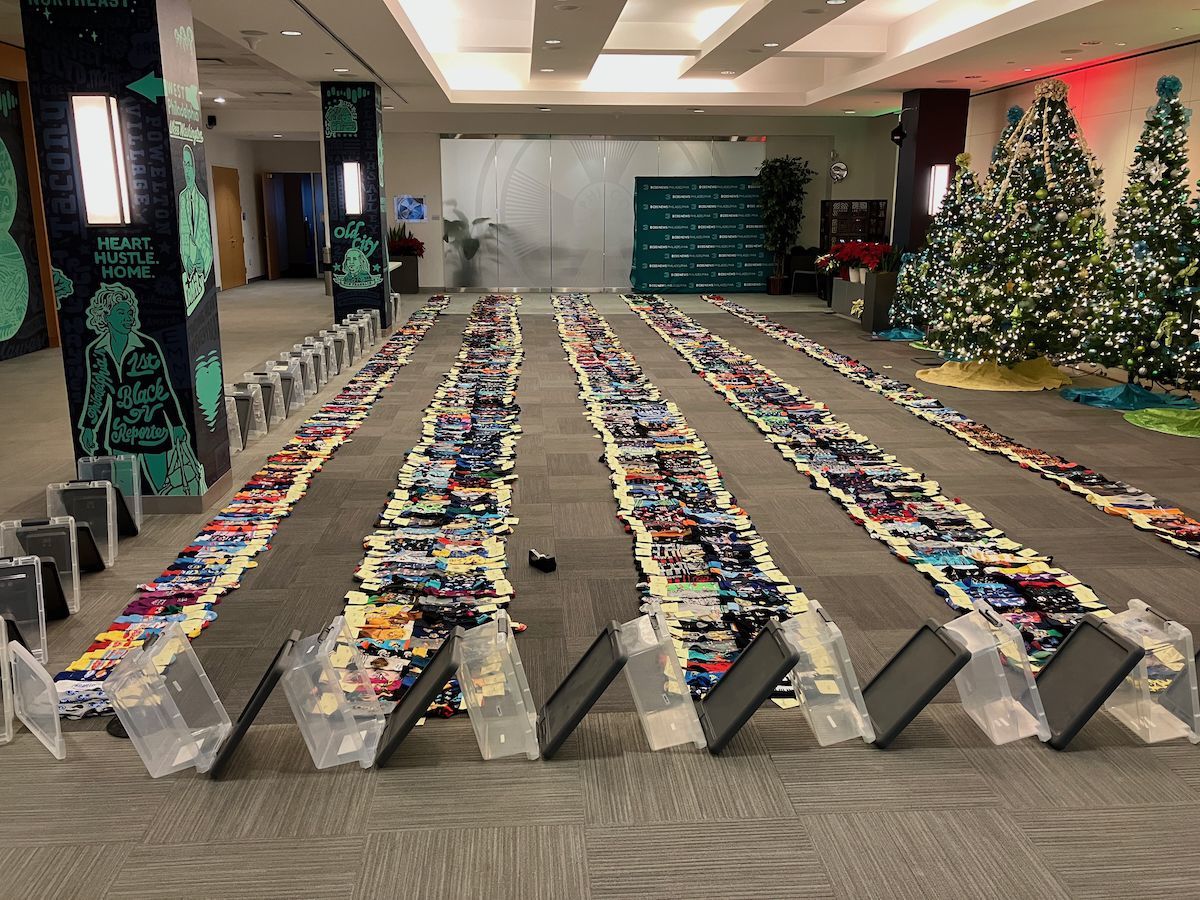
    Guinness World Records verified on Dec. 8 that the 15-time Emmy winner is now the owner of the world’s largest sock collection at 1,531 pairs, many of which have eccentric designs, including Friends and Star Trek-themed socks, and every color of the rainbow. Donovan announced the achievement before his final day on-air at CBS Philadelphia on Dec. 19.

    The previous record holder, Rex J. Pumphrey II, at 1,165 pairs of socks, achieved the feat just a few months before Donovan.

    Jim Donovan’s 1,531 pairs of socks laid out on the floor of CBS Philadelphia studios while Donovan and two independent experts counted each sock on camera to be submitted to the Guinness World Records.

    While Donovan said he’s immensely grateful for a ceremonious end to a long career — a feat he admits can be rare in the world of journalism — preparing his Guinness World Record application was also a difficult project.

    “I’ve done major investigation pieces and consumer stories over four decades of TV, and this was the thing that nearly pushed me over the edge,” he said of the nearly 40 hours of inventory work required to painstakingly document each pair of socks.

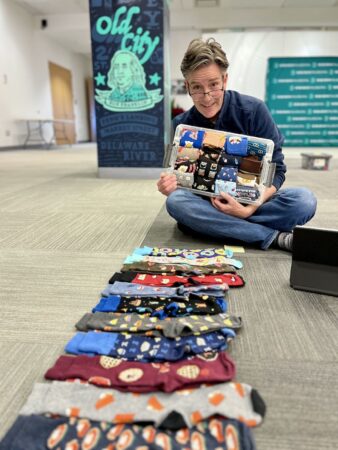
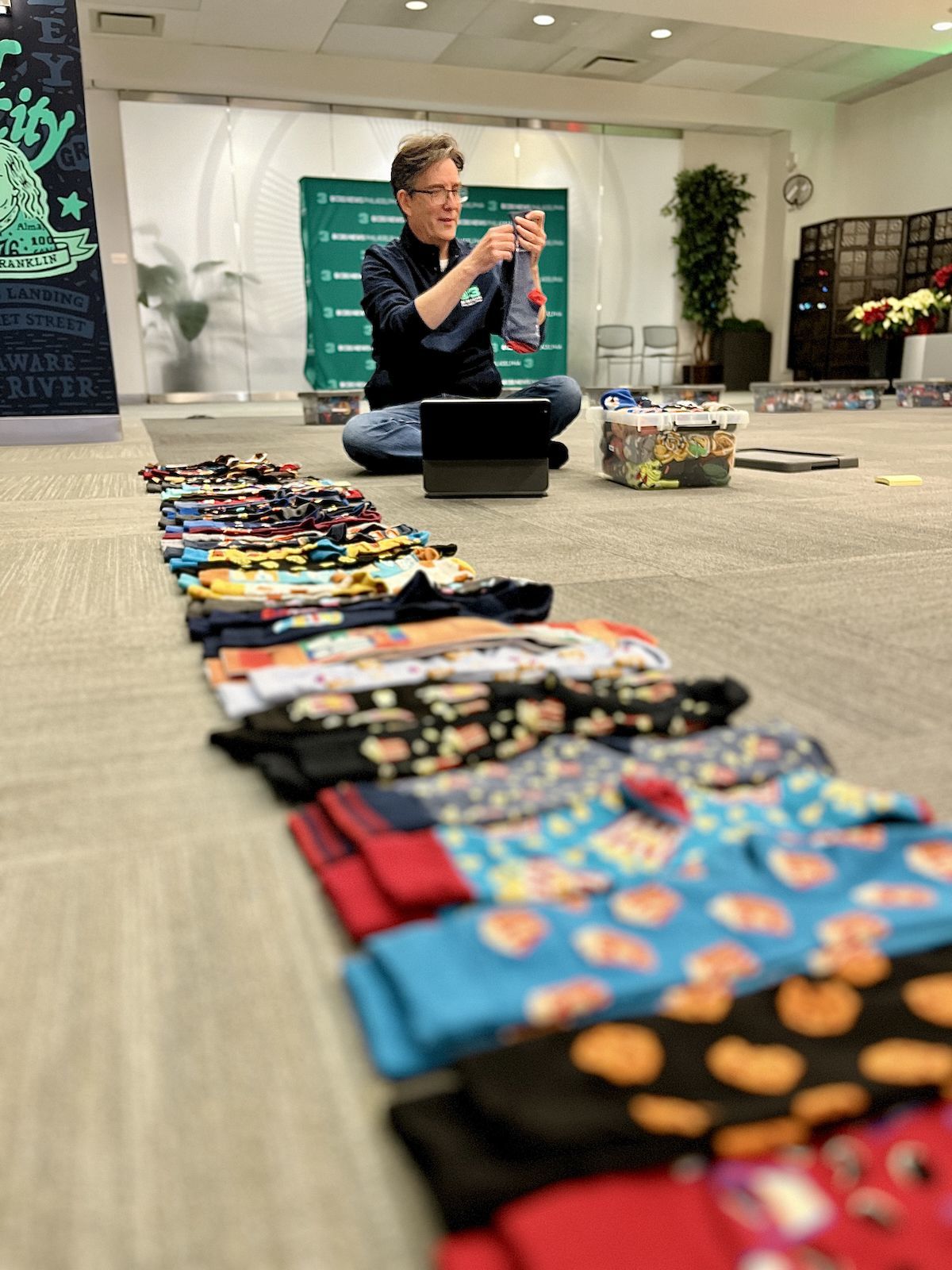
    Jim Donovan takes inventory of the thousands of socks he submitted for a Guinness World Record. After 40 years in broadcast journalism, he will be retiring. But, not before receiving the world record on Dec. 8, 2025.

    Donovan questioned himself at times when the hours of inventory work became overwhelming, but he remembered that this record was, in part, meant to thank his fans for their decades of support.

    Guinness requires applicants to have two independent third-party experts oversee the counting of the world records. Two members of Thomas Jefferson University’s fashion merchandising and management program, Juliana Guglielmi-DeRosa and Jeneene Bailey-Allen, stepped up to facilitate Donovan’s counting. Together, the two experts and Donovan recorded the counting of socks for more than an hour inside CBS Philadelphia studios, without interruptions or editing of the footage, as required by Guinness.

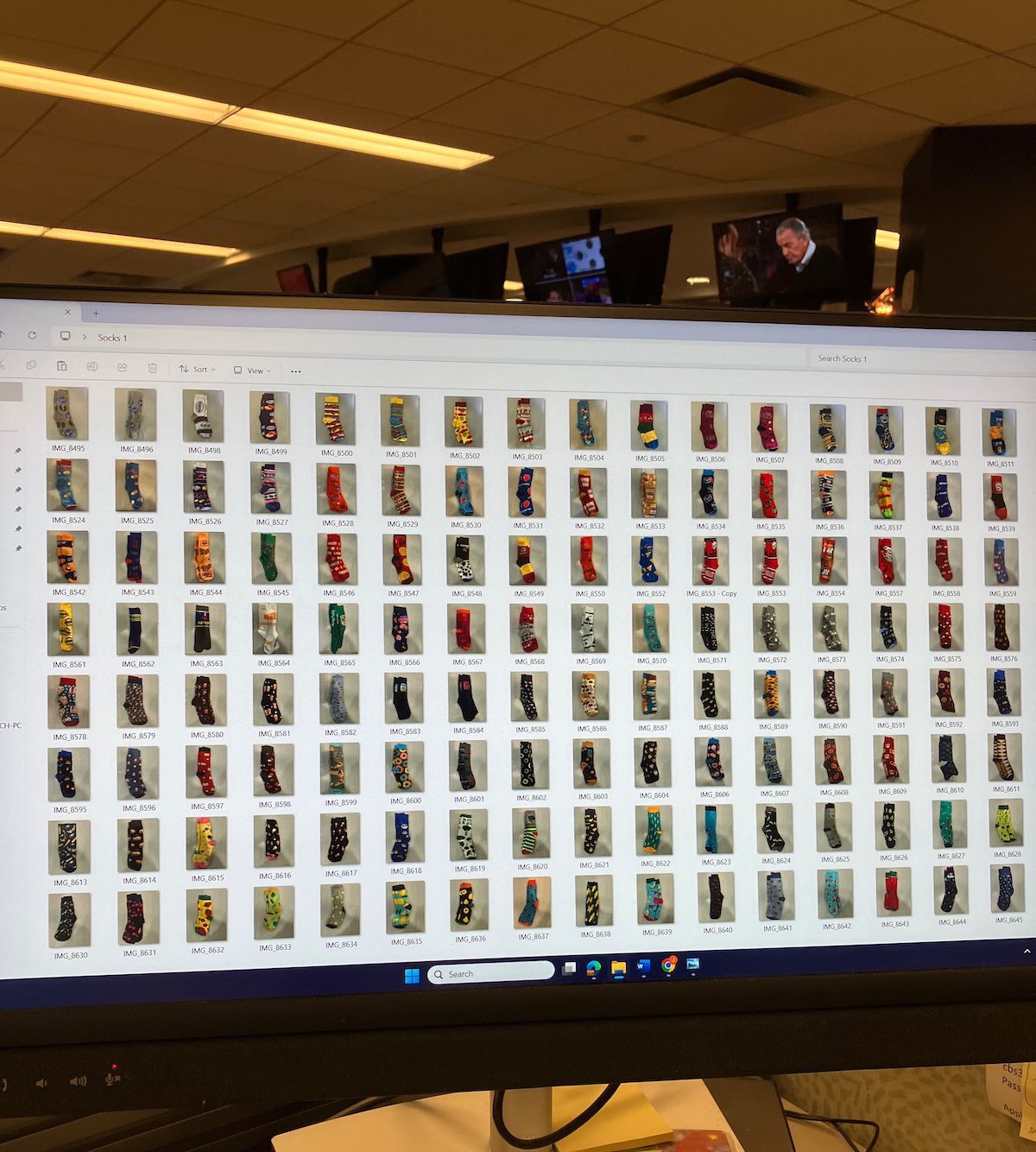
    Digital images of Jim Donovan’s socks that he submitted for a Guinness World Record. He received recognition for his 1,531 pairs of socks on Dec. 8, 2025.

    Donovan would then embed pictures and descriptions of each sock into what became a 262-page spreadsheet so that Guinness inspectors could verify the count at a later date. During the final count, Guglielmi-DeRosa and Bailey-Allen gifted Donovan an additional pair of socks, bringing the unofficial total to 1,532, but there was no way he was going to redo the spreadsheet, Donovan said.

    “I just remember when I was a kid looking in that Guinness World Records book and thinking, ‘Boy, it would be cool to do this.’ And here I am now, 59 years old, and I finally checked off one of those kid bucket list items,” Donovan said.

    Storing thousands of socks is no small feat, either. Folded and stacked inside dozens of bins, with 48 pairs per bin, Donovan has an entire closet dedicated to the socks. Each box contains different categories, from animals to food to holidays, and more.

    Jim Donovan holds his Guinness World Records plaque verifying that he owns the largest sock collection in the world at 1,531 pairs of socks. He received the recognition on Dec. 8, 2025.

    The first openly LGBTQ+ news anchor in Philadelphia, Donovan garnered a loyal fan base with whom he frequently chatted during his daily Facebook livestreams outside of his regular broadcasts. Around eight years ago, fans noticed Donovan’s penchant for socks with bold colors and designs, and started sending the journalist socks to wear on-air.

    During the winter holidays, it was Santa socks; birthdays, it was socks with his face on them; and randomly, folks would get creative, Donovan said, sending him Spock socks (complete with Spock ears), flamingos playing golf, and Superman socks with a cape.

    In his final week on-air at CBS Philadelphia, where he was for 22 years, the station celebrated each day as part of a “Week of Jim.” In retirement, Donovan plans to spend more time with his father, who lives on Staten Island, N.Y., and dive into volunteering and nonprofit work.

    Now he’ll be enjoying retirement as a world-record holder. Donovan said he’s even starting to get messages from other Guinness World Record holders welcoming him to the club.