President Donald Trump announced he would advise federal agencies to reschedule marijuana from a Schedule I controlled substance to Schedule III, easing federal restrictions on the plant.
Trump announced the executive order Thursday in the Oval Office, alongside Health and Human Services Secretary Robert F. Kennedy Jr. and a line of medical workers in white coats and scrubs. The president does not have the direct authority to reschedule marijuana but can request his federal agencies to do so.
Jeff Hodgson smokes a pre-roll at his home in Cape May, NJ on Thursday, May 2, 2024. Hodgson mostly uses medical marijuana to help him sleep.
Marijuana has been a Schedule I controlled substance since the 1970 Controlled Substances Act, meaning the federal government considers marijuana to have no accepted medical use, with a high risk of abuse. Schedule I drugs, such as heroin, cocaine, and LSD, are illegal and strictly regulated, making medical research on these drugs, including cannabis, nearly impossible.
A reclassification would be the most significant reform on marijuana in more than half a century, opening the doors for medical research. But it would not be full legalization, said Adam Smith, executive director of the Marijuana Policy Project. It could also pave the way to federal intervention in the state-run medical and recreational marijuana industries, something stakeholders fear.
“There is a possibility that in moving cannabis to Schedule III, instead of opening up access, what it will do is incentivize federal agencies to clamp down control on the availability of cannabis,” Smith said. “Treating it as other Schedule III substances, which virtually all require prescriptions, is not how this works in medical cannabis and could really create chaos and a lot of economic pain in the industry.”
Frank Burkhauser of Woodbury displays the legal marijuana purchase that he just made at Cannabist in Deptford, N.J. on April 21, 2022. Burkhauser said he has been working for the legalization of marijuana since the early 90’s.
Smith said stakeholders are unsure what this might mean for the wider industry but remain optimistic, as rescheduling of marijuana has been a priority for decades.
This executive order has plenty of positives, said Joshua Horn, a Philadelphia cannabis lawyer at Fox Rothschild. Loosening restrictions could clear the way for the IRS to allow cannabis businesses to deduct business expenses (which they currently cannot do). Additionally, more traditional banking options might become available to entrepreneurs.
“It could also rectify the criminal injustice that has been ongoing since the passage of the Controlled Substances Act, where people of color have been disproportionately impacted by the ‘war on drugs,’” Horn said. “In the end, rescheduling should reinvigorate these businesses out of their current tax and financial struggles.”
This federal rescheduling of marijuana would come on the heels of Congress’ banning all intoxicating hemp products, which are derived from cannabis plants. While this may seem like a policy flip-flop, Smith said, these are two different issues at hand.
Hemp products photographed at the Philadelphia Inquirer, November 21, 2025.
“The hemp ban is the result of the fact that the market was chaotic and, in many cases, unsafe. Without regulation, that market was rife with pesticides, heavy metals, and products that should not be on shelves,” Smith said.
But he contends there is a movement to push back against wider marijuana legalization. “There’s always pushback when there’s big change,” Smith said. “But also because of the instability created when we have state-regulated markets operating in a federally illegal area.”
Industry folks are hoping this move better aligns the federal government and state markets, opens the doors to research, and provides better clarity to states that are hesitant to legalize marijuana, Smith said.
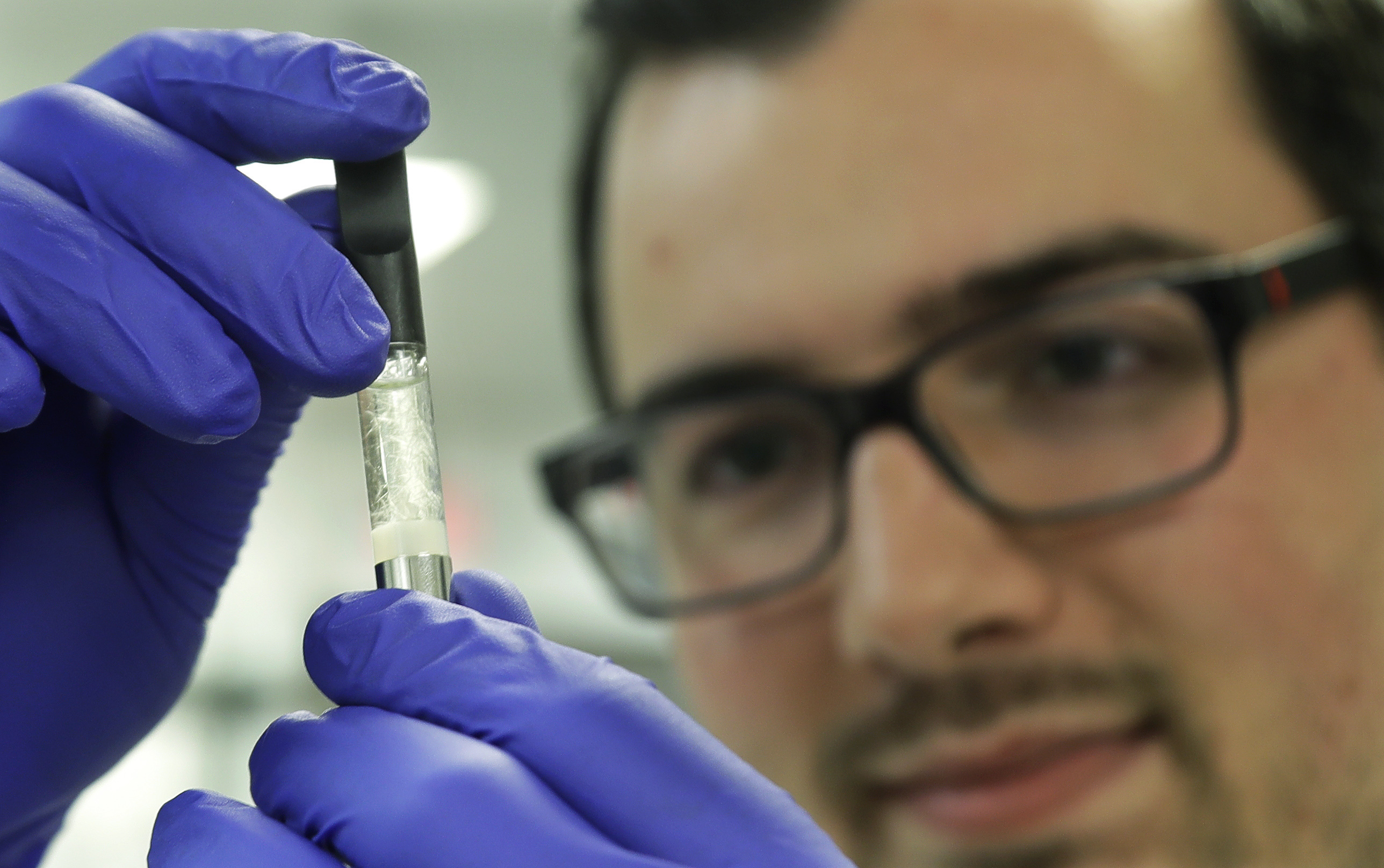
In this July 19, 2019, file photo, Pierce Prozy examines a Yolo! brand vape oil cartridge marketed as a CBD product at Flora Research Laboratories in Grants Pass, Ore.
Reducing restrictions on commercially available cannabis is “a key missing ingredient toward making clinical breakthroughs,” said Stephen Lankenau, director of Drexel University’s Medical Cannabis Research Center.
“A key issue is that any reclassification efforts need to reduce restrictions for university-based researchers to have access to cannabis-derived THC — commercially available products in particular — for clinical studies, whether laboratory or human subjects,” Lankenau said.
Researchers now are only able to examine hemp-derived nonpsychoactive cannabinoids like CBD or CBC. However, Lankenau said, it is unclear whether Trump’s proposal would give them the green light.
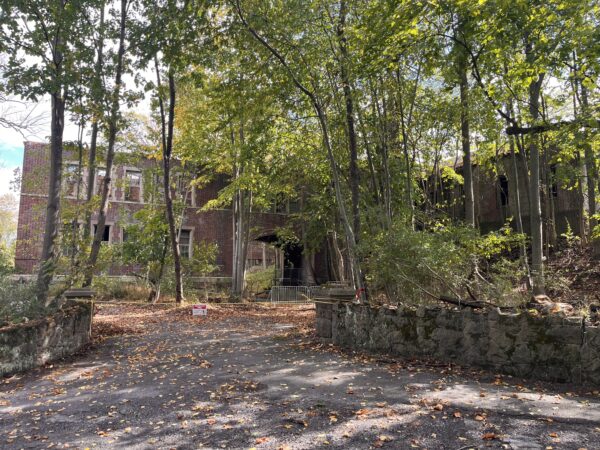
At a crowded meeting Wednesday night — which at one point had residents yelling and prompted officials to call for a break — the board declined to move forward with the draft ordinance it had been penning for months that would govern data center development in the township. The draft ordinance came after the owner of the 125-acre historic Pennhurst site, which currently serves as a popular Halloween attraction, submitted a sketch to develop the land as a data center complex.
The application will now move forward, coming before the township’s planning commission over the next several months, before it eventually returns to the board of supervisors for a conditional-use hearing, which is slated for March.
“I understand it’s a very emotional issue,” the board’s chairman, Craig Damon, told residents. “I have to keep an open mind through all of this, so I don’t stand on one side or another, because I have to keep an open mind to this.”
Data centers are buildings or campuses that handle cloud-storage and computing needs of massive corporations, like Amazon, Google, Microsoft, or Meta. They require large-scale ways of cooling computing equipment and are often dependent on water to do that.
The potential data center in East Vincent would add to the more than 150 in Pennsylvania and New Jersey. Pennsylvania Gov. Josh Shapiro’s administration has encouraged data centers to locate in the state and has developed a “fast track” program for permitting. Recently, the governor’s office announced Amazon would spend $20 billion to develop data centers and other artificial intelligence campuses across the state.
East Vincent officials had sought to impose restrictions on data centers by limiting building heights, mandating buffers, requiring lighting, and limiting the number of trees that could be cut down, among other rules. No one representing landowner Pennhurst Holdings LLC spoke Wednesday, but at a Dec. 3 meeting, an attorney for Pennhurst Holdings told officials the proposed ordinance had conditions that “appear reasonable and necessary on their face, but the struggle we have is when you put all of those together, they ultimately act as prohibitive to the development of the Pennhurst property as currently drafted.”
On Wednesday, the officials declined to move forward with the ordinance, after the township’s solicitor warned it could lead to a challenge.
Even with the ordinance shelved, residents in East Vincent and neighboring municipalities decried the prospective data center.
The sketch plan totals more than 1.3 million square feet, with five two-story data center buildings, a sixth building, an electrical substation, and a solar field. Pennhurst State School and Hospital — known as Pennhurst Asylum in its Halloween capacity — opened in 1908 for individuals with intellectual and developmental disabilities. It closed in 1987, after legal challenges to its abusive and neglectful treatment of those who lived there, and was turned into a Halloween attraction in 2008.
The property is situated near the Schuylkill and borders Spring City, which sits to the south. It is close to the Southeastern Veterans Center.
window.addEventListener(“message”,function(a){if(void 0!==a.data[“datawrapper-height”]){var e=document.querySelectorAll(“iframe”);for(var t in a.data[“datawrapper-height”])for(var r,i=0;r=e[i];i++)if(r.contentWindow===a.source){var d=a.data[“datawrapper-height”][t]+”px”;r.style.height=d}}});
“These centers, as they’ve been built, have been nothing but trouble for the neighborhood,” said Tim Thorton, a Spring City resident who was handing out “No Pennhurst Data Center” yard signs to attendees. “They make noise, they use water. This thing would have to have its own generator.”
Residents pressed their concerns about noise, pollution, and exhausting resources like electricity and water. Veterans worried what the data center would do to their health and their quality of life in what is supposed to be a quiet, peaceful center.
“Would you want a data center in your neighborhood? Would you want a data center 500 feet from where you live?” one veteran, John J. Coyle, pressed the board.
Jason Cary, a union representative for local electricians, said members were scared to speak publicly in support of the center.
“While I think your township is beautiful, to stop a project like this stops high-paying construction jobs coming to the area,” he said, drawing an immediate negative response from the crowd, with people yelling at him to “go away” and “get out.”
The township’s planning commission will now weigh the application and will make its recommendation to the board of supervisors. Conditional-use hearings will be slated for early next year, an attorney for the township said.
In nearby East Coventry, the planning commission last week rejected a bid to amend the zoning code to build a data center on Route 724, sending it to the township’s board of supervisors for review, the Mercury reported last week. The planning commission said it could tee up a legal challenge.
This suburban content is produced with support from the Leslie Miller and Richard Worley Foundation and The Lenfest Institute for Journalism. Editorial content is created independently of the project donors. Gifts to support The Inquirer’s high-impact journalism can be made at inquirer.com/donate. A list of Lenfest Institute donors can be found at lenfestinstitute.org/supporters.
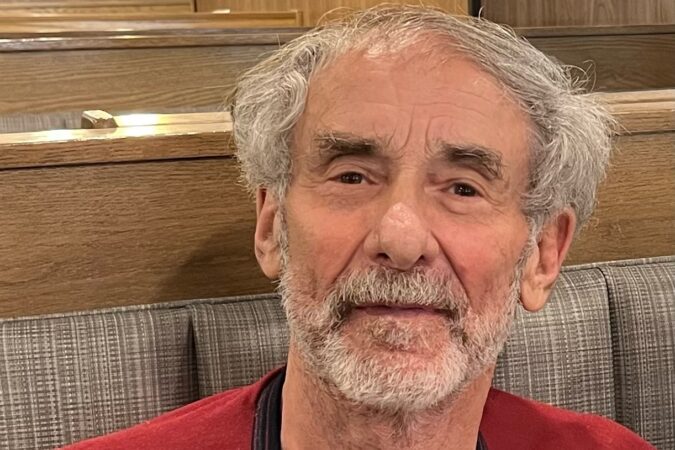
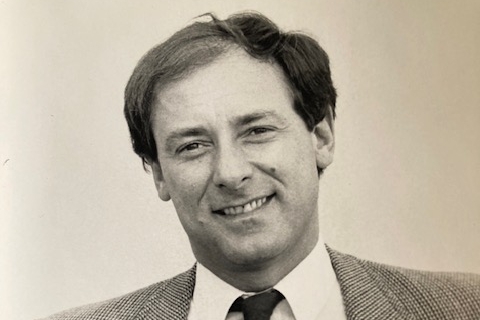
Craig Kellem, 82, of Philadelphia, former talent agent, celebrated TV producer, show developer, writer, longtime script consultant, author, and “comedic genius,” died Monday, Nov. 24, of complications from dementia at Saunders House assisted living in Wynnewood.
Born in Philadelphia, Mr. Kellem moved to New York as a teenager and, at 22, burst onto the entertainment scene in 1965 as a talent scout and agent for what was then called Creative Management Associates. He rose to vice president of the company’s TV Department and, over the next 30 years, served as director of development for late night, syndication, and daytime TV at 20th Century Fox Television, vice president of comedy development at Universal Television, and executive vice president of the Arthur Co. at Universal Studios.
He worked with fellow TV producer Lorne Michaels at Above Average Productions in the 1970s and was a popular associate producer for the first season of Saturday Night Live in 1975 and ’76. He was quoted in several books about that chaotic first season, and his death was noted in the show’s closing credits on Dec. 6.
At Universal Studios, he created and produced FBI: The Untold Stories in 1991.At Universal Television in the 1980s, he developed nearly a dozen shows that aired, including Charles in Charge andDomestic Lifein 1984. In 1980, he developed Roadshow for 20th Century Fox Television.
Mr. Kellem worked for years in New York and Los Angeles.
“He had a lot of energy and ideas,” said his wife, Vivienne. “He had a creative spirit.”
His producing, creating, developing, and writing credits on IMDb.com also include The Munsters Today, The New Adam-12, Dragnet, and What a Dummy. He produced TV films and specials, and worked on productions with Eric Idle, Gladys Knight, Sammy Davis Jr., and the Beach Boys.
“He loved working with writers,” his daughter said. “He was super creative. It was part of his essence.”
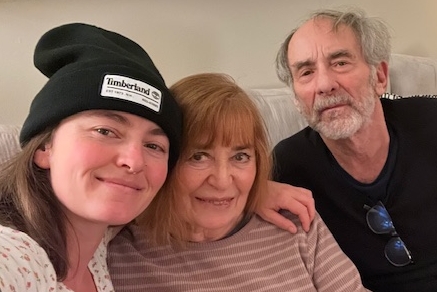
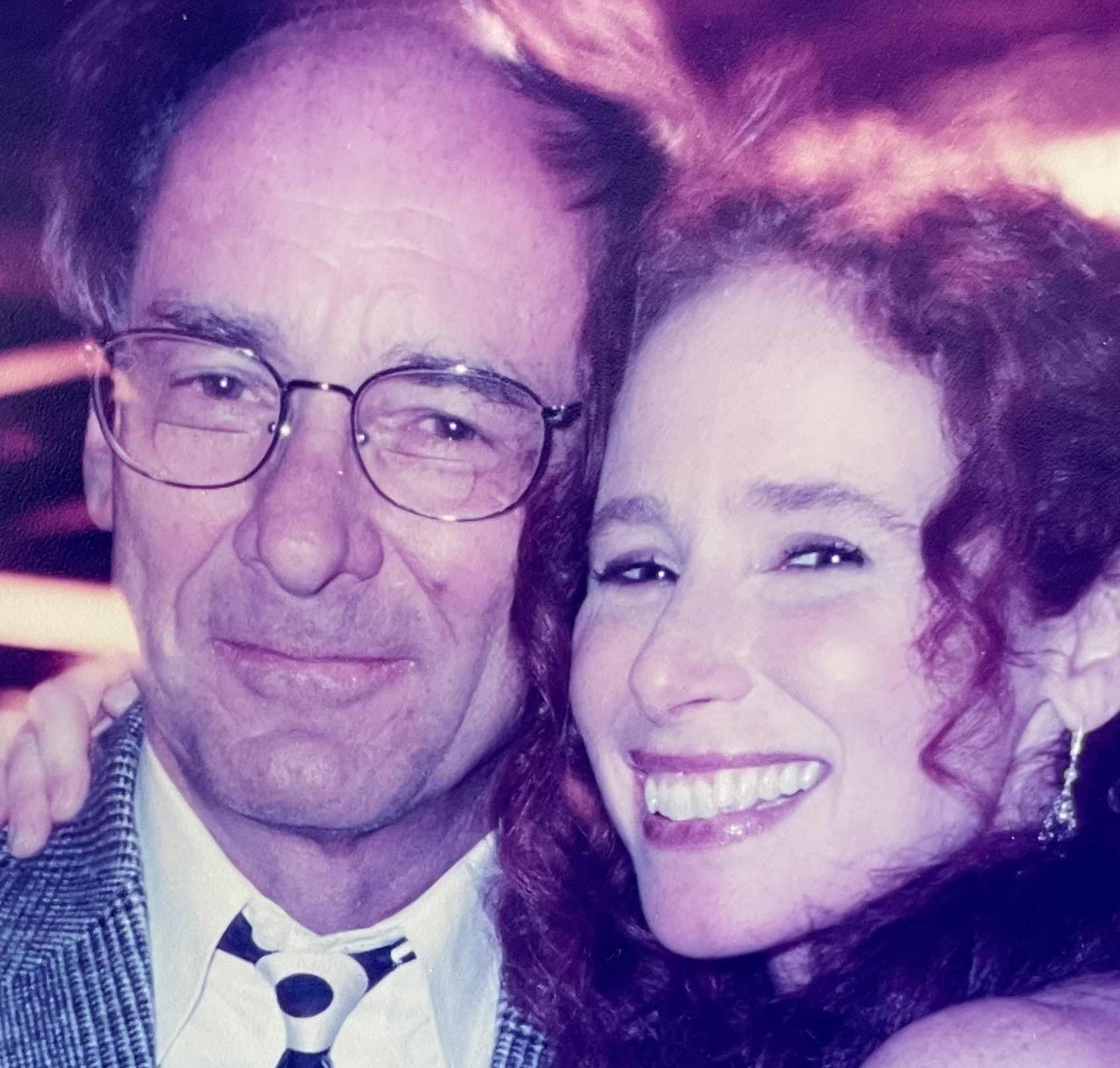
Mr. Kellem enjoyed time with his daughter Joelle (left) and his wife Vivienne.
As an agent in the 1960s and ’70s, Mr. Kellem represented George Carlin, Lily Tomlin, and other entertainers. His eye for talent, dramatic timing, and sense of humor were legendary.
“My dad’s humor opened hearts, tore down walls, and allowed people to connect with each other’s humanity, vulnerability, and spirit,” said his daughter Joelle. His daughter Judy said: “He was a comedic genius.”
His wife said: “He was a fascinating, funny, loving, and sensitive man.”
Craig Charles Kellem was born Jan. 24, 1943. He grew up with a brother and two sisters in West Mount Airy, played with pals in nearby Carpenter’s Woods, and bought candy in the corner store at Carpenter Lane and Greene Street.
Mr. Kellem and his son, Sean.
“Craig was like a father to me,” said his brother, Jim. “He helped guide my children and was always there for the whole family.”
He graduated from high school in New York and moved up to senior positions at Creative Management Associates after starting in the mailroom. He married in his 20s and had a daughter, Judy.
After a divorce, he met Vivienne Cohen in London in 1977, and they married in 1980, and had a son, Sean, and a daughter, Joelle. He and his wife lived in California, Washington, New Hampshire, and New Jersey before moving to Fairmount in 2017.
Mr. Kellem enjoyed movies, walking, and daily workouts at the gym. He volunteered at shelters, helped underserved teens, and routinely carried dog treats in his car in case he encountered a stray in need. “That’s the kind of man Craig was,“ his wife said.
Mr. Kellem and his daughter Judy operated their own writing consultation business together for years.
His son, Sean, said: “My dad’s personality was big, and he was deeply compassionate toward other human beings.” His daughter Joelle said: “He was an open, sensitive, warm, and passionate human being who believed deeply in the work of bettering oneself and taking care of others.”
His daughter Judy said: “They don’t make people like my dad.”
In addition to his wife, children, and brother, Mr. Kellem is survived by four grandchildren and other relatives. Two sisters died earlier.
A Malvern man who brought a gun and other weapons to a “No Kings” protest in West Chester over the summer — and who was rearrested days later after police found homemade bombs at his house — pleaded guilty in federal court Thursday morning.
Kevin Krebs, 32, said little while pleading guilty to a charge of possessing an unregistered firearm or explosive device. Krebs had been taken into federal custody this fall, and the U.S. Attorney’s Office charged him earlier this month by information, a process that typically indicates a defendant plans to plead guilty.
The charges against him relate to his conduct in West Chester six months ago. On June 14, Krebs was arrested by local police after other attendees at a “No Kings” protest in the borough told authorities they thought they had seen Krebs carrying a gun.
When police stopped Krebs and searched him, they found a loaded Sig Sauer handgun along with extra rounds of ammunition, a knife, a bayonet, pepper spray, and other weapons, prosecutors said. He also had an AR-15 rifle in his car nearby.
Krebs did not have a concealed carry permit for his handgun, and he was charged with illegal gun possession.
Two days later, police searched his home on Conestoga Road and found 13 homemade pipe bombs, prosecutors said, as well as components used to make detonators, tactical vests, and bullet-resistant armor. Some of the bombs had nails and screws inside, which are often added to improvised explosive devices to increase the amount of shrapnel they can generate.
Krebs was initially charged by Chester County prosecutors, who said his political beliefs or potential motives were not straightforward.
Krebs was a registered Democrat but had previously been registered as a Republican and said online that he voted for President Donald Trump. In online postings, he later said he came to regret that vote, and in the weeks preceding the “No Kings” protest he had been posting violent rhetoric aimed at Trump and police officers.
Before his arrest, Krebs was a licensed electrician and onetime Home Depot employee. His attorneys and relatives previously said he had been diagnosed with autism and Asperger’s syndrome.
Krebs is scheduled to be sentenced in March by U.S. District Judge Mary Kay Costello. He faces a maximum penalty of 10 years in prison.
Over the span of nearly a decade, the State College Police Department underreported hundreds of rapes in the central Pennsylvania community, leading to highly inaccurate publicly reported crime statistics, Spotlight PA has learned.
From 2013 to 2021, State College police reported a total of 67 rapes in crime submissions to Pennsylvania State Police, when in fact there had been 321 — a 254-case difference — according to a 10-month Spotlight PA investigation.
Those missing cases were instead classified as sex offenses, a category with lower penalties and one that is treated with less urgency by law enforcement. In response to Spotlight PA, the department conceded it had been using an outdated definition of rape until late 2022 — despite the federal government announcing a change to it in 2012, and that update being subsequently implemented by thousands of police agencies across the U.S. in 2013.
Under the old definition, “a vast array of violent, degrading, abusive sexual assaults were excluded from the data that are used to inform the public about the prevalence of rape,” said Lila Slovak, director of the Women’s Law Project’s Philadelphia office.
Crime statistics in a place like State College, nicknamed “Happy Valley,” are particularly important because it is a college town. Most Pennsylvania State University students live off campus, and federal law requires the school to report only crimes that occur on its premises, on its property, and in public places right next to it.
State College Police Chief John Gardner told Spotlight PA that he was not aware until 2022 that the FBI had updated its definition of rape. He learned when a department records supervisor that year completed a training and implemented the change. Gardner’s predecessor, Tom King, who retired from the department in 2016, said he learned about the incorrect reporting only when contacted by Spotlight PA this summer.
But the department had never acknowledged the longstanding error or disclosed it to the public until approached by Spotlight PA about potential data discrepancies. The department calculated the number of affected cases after Spotlight PA requested a review.
“The inaccurate reporting was not done intentionally,” said Gardner, who is retiring at the end of this year. “The minute we found out about it, we made the correction, and we’re open to sitting down and talking to you about it. We owned it.”
“We want to make this community safe and want people who live here to feel safe,” he said.
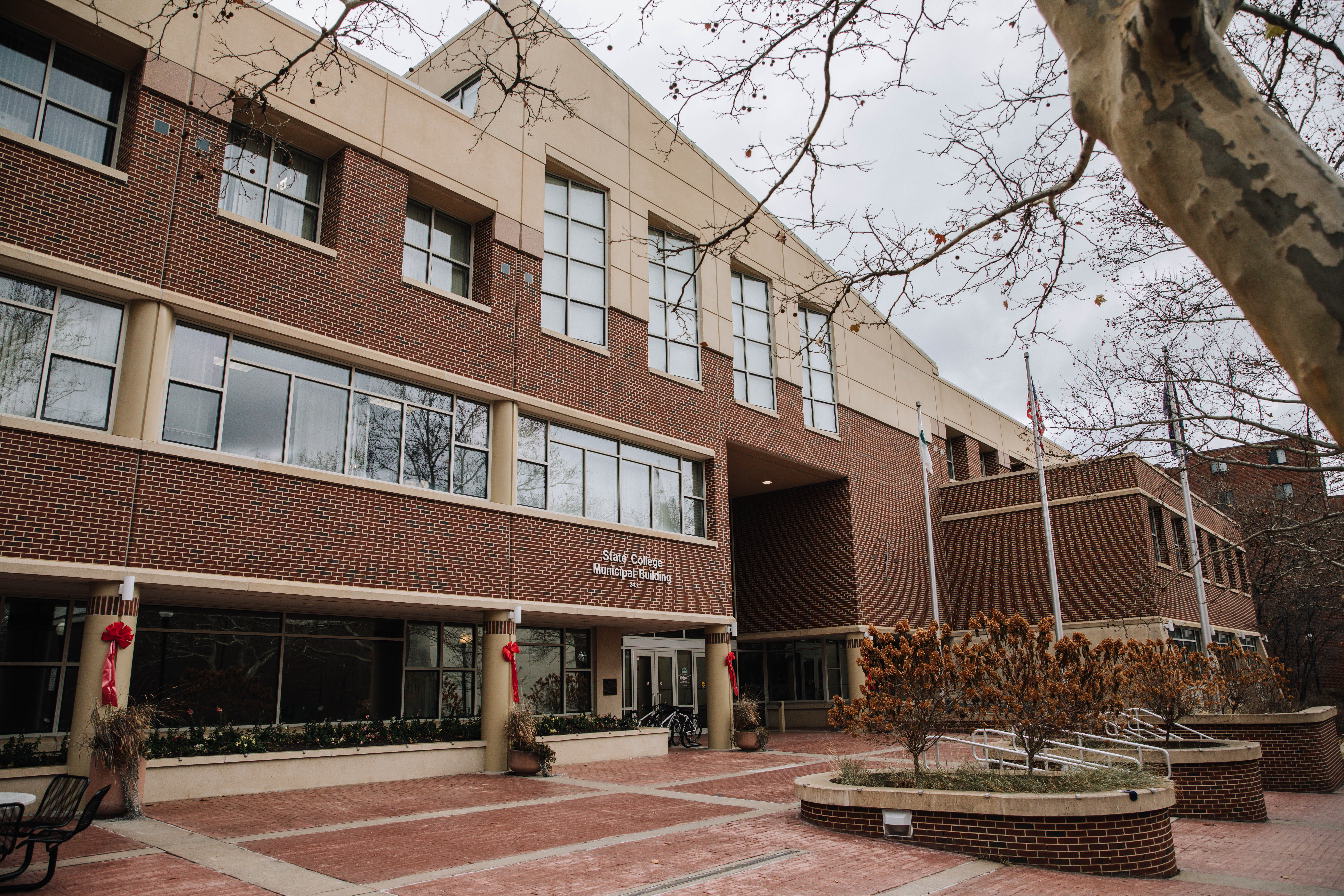
The police department is located on the first floor of the borough building in downtown State College.
Pennsylvania State Police share crime statistics from local departments, including State College, with the FBI’s Uniform Crime Reporting Program, known as UCR. Those figures influence numerous aspects of life in a community and help governments decide where to deploy resources and direct public funds.
Criminologist Eli B. Silverman, professor emeritus at John Jay College of Criminal Justice, said accurate data are also key to good policing and maintaining trust with the community.
“When crime statistics lose their credibility, the public loses confidence in the police and is less inclined to report crime,” Silverman said. “This, in turn, further diminishes the effectiveness of [a] police organization.”
Over the course of Spotlight PA’s investigation, the newsroom found other potential issues with the department’s handling of reported rapes.
For years, rape cases were habitually described as “assaults” in internal police records, Spotlight PA found. The newsroom also questioned whether factors other than the new definition made previous rape numbers appear low, especially as top officials in the department did not seem clear on how crime reporting works, and at times offered confusing or incorrect information.
Additionally, Spotlight PA identified a case in which two victims reported rapes and the police recorded only one. One police official told reporters that rapes are counted by incident, not by victim — going against well-established FBI rules and indicating a violation separate from underreporting.
Police appear to be “trying to minimize the extent of sexual assault in State College,” Cassia Spohn, a criminologist and professor at Arizona State University, told Spotlight PA. “Doing so can produce a false sense of security among potential victims, leading eventually to an increase in victimization and a decline in public safety.”
Before this investigation was published, Spotlight PA sent a detailed list of findings to police officials and State College borough.
In response, the department offered a joint statement from Gardner, King, longtime State College Borough Manager Tom Fountaine, and State College assistant police chief Matthew Wilson, expressing “a great level of dissatisfaction.”
“The information presented appears to be more representative of an op-ed article than an objective reporting piece. The information you provided for our review is largely misleading and omits perspectives from community stakeholders,” the statement said in part. Read the full response here.
‘I don’t recall’
For more than 80 years, the FBI defined rape as “the carnal knowledge of a female, forcibly and against her will.” That meant only forced attacks involving penetration of the vagina by a penis were considered rape.
This left out things like forced oral or anal sex, and sex acts that were committed against someone’s will but without force. Attacks on men or boys were also not counted.
That longstanding definition was “narrow, outmoded and steeped in gender-based stereotypes,” the Women’s Law Project wrote in a 2001 letter to then-FBI Director Robert Mueller.
In 2012, the FBI announced it would broaden its definition of rape to “ensure justice for those whose lives have been devastated by sexual violence,” then-U.S. Attorney General Eric Holder said at the time.
“This new, more inclusive definition will provide us with a more accurate understanding of the scope and volume of these crimes,” Holder added.
Leading national organizations for police and sheriffs backed the change, as did women’s organizations and anti-rape groups.
Under the new definition, rape is: “Penetration, no matter how slight, of the vagina or anus with any body part or object, or oral penetration by a sex organ of another person, without the consent of the victim.”
John Derbas, a former deputy assistant director of the FBI, told Spotlight PA that by 2015, 15,000 law enforcement agencies across the nation had adopted the reform.
David Hendler, who oversees records at the Abington Township Police Department in Montgomery County, said both he and his predecessor knew about the change when he started working in the department in 2013. Officers talked about it among themselves, he told Spotlight PA.
“Every cop I knew knew about it,” Hendler said.
Yet King, who led State College police from 1993 to 2016, said word never reached him. He was not aware that State College police were incorrectly reporting rapes until Spotlight PA contacted him this summer, he said.
“I don’t recall it. In 2025, as we sit here talking about it today, I don’t recall,” King said in an August interview. He questioned who within the department might have been contacted by Pennsylvania State Police, which ensures that law enforcement agencies across the state submit crime data that go to the FBI.
“Whoever they addressed it to, I don’t recall ever seeing any direction from the State Police to make a change, or being aware that it was changed,” said King, who became the interim police chief in neighboring Ferguson Township in October. “That doesn’t mean they didn’t. We’re talking about 12 years ago.”
A spokesperson for Pennsylvania State Police told Spotlight PA the agency alerted local police departments about the change. A December 2012 notification “outlined the new definition and instructed agencies to report offenses accordingly, starting in January 2013,” Myles Snyder wrote in an email. After that, “the responsibility for ensuring correct and timely reporting lies solely with contributing agencies,” he added.
A five-paragraph notice was sent via the Commonwealth Law Enforcement Assistance Network, or CLEAN, a platform police departments use to communicate with other agencies, on Dec. 27, 2012 — less than a week before the new requirement took effect, according to a document obtained through a public records request.
State police have “the highest level of confidence in this communication system,” Snyder said when asked if the notice reliably reached all of the roughly 2,000 local law enforcement agencies in Pennsylvania.
Agencies like the State College Police Department have to acknowledge receipt of every message sent over CLEAN, he said. It is not optional, and “lives depend on it.” The messages are kept for 10 years, Snyder told Spotlight PA, so Pennsylvania State Police cannot verify who, if anyone, confirmed receipt of the notice.
In 2014, statewide data showed a 12% increase in rapes for the 2013 annual report, Snyder said. That indicated that submitting agencies were recognizing and using the new offense classification rule.
No one from Pennsylvania State Police or the FBI told the department it had missed the memo and was reporting erroneously, Gardner said in a joint interview with King and Fountaine.
State police are legally bound to collect data from local departments, and those agencies must use the FBI’s definitions for crimes. The agency checks on two things for UCR compliance: that a police department submits data, and that the numbers add up, Snyder said.
Between 2016 and 2023, Pennsylvania State Police logged 65 instances of local departments being out of compliance. The agency did not provide information on why, but two chiefs told Spotlight PA it was because their departments did not submit any numbers. The violations, which came with the threat of losing some state grant funding, were deemed fixed by state police as long as the departments began filing monthly.
“Submitting agencies are solely responsible for the accuracy of their information,” Snyder told Spotlight PA.
Both State College police chiefs told Spotlight PA that they did not intentionally disregard the FBI mandate to report rapes accurately. “I know with absolute confidence that had I received that notification … we would have made the change,” King said.
“When crime statistics lose their credibility, the public loses confidence in the police and is less inclined to report crime,” Criminologist Eli B. Silverman told Spotlight PA. “This, in turn, further diminishes the effectiveness of police organization.”
A late revelation
The department, with 53 sworn officers today, serves over 57,000 residents in State College and neighboring College and Harris Townships. Its jurisdiction borders Penn State’s University Park campus, which has its own police force. However, many of the university’s nearly 49,000 undergraduate students live, work, and recreate off campus — so State College police regularly interact with students.
During a typical academic year, 75% of rape victims are Penn State students, Lt. Chad Hamilton, State College police detective supervisor, said.
For years, rape numbers reported by State College police were consistently low, hovering in single digits for the most part. When the department reported its 2021 crime statistics to UCR, police claimed that there was not a single rape that year.
It turns out that there were at least 30.
But instead of rapes, those cases were submitted to the Uniform Crime Reporting system as sex offenses. These are considered a “part two” crime, a category that the FBI collects less information about and rarely mentions in its regular announcements about crime in America.
In police speak, part one crimes are the most severe offenses: homicide, rape, robbery, aggravated assault, human trafficking. They are high priorities for law enforcement, often bringing with them pressure to make arrests and clear cases. These are considered indicators of the level of crime occurring in the country, according to the FBI Uniform Crime Reporting Handbook.
Rape cases should never go into part two crime counts, Spohn, the criminologist, told Spotlight PA. Sex crimes under the part two category include acts like fondling or indecent exposure, she said. The category does not include sex crimes involving penetration. “The UCR handbook is pretty specific,” she said.
But by its own admission, the State College Police Department did exactly that — incorrectly reporting at least 254 part one crimes as part two ones.
“It’s not like we weren’t reporting,” Wilson told Spotlight PA in a February interview. He said the police department was not calling these incidents rapes, but it was calling them sexual offenses. “I don’t see it as a huge deal,” he said.
Three years ago, a longtime staffer, Alecia Schaeffer, took over as records supervisor. That is the position ultimately responsible for reviewing each incident, ensuring the coding follows the rules, and submitting monthly reports to the state.
Schaeffer — who was trained and certified on Uniform Crime Reporting in 2002 — got a refresher course in December 2022, bringing back with her an urgency to update the police department’s practice.
Spotlight PA repeatedly requested to interview Schaeffer. The borough and department refused, saying they generally do not make staff available to the media.
Gardner said he was in the conversation following Schaeffer’s training but remembered “very, very little” about it — “other than the fact that she learned through training that … all these offenses were to be coded as rapes,” he said.
Fountaine, who oversees State College police in his role as borough manager, said he became aware of this change when the department was first contacted by Spotlight PA.
Experts told Spotlight PA that the way rapes are labeled matters for victims and communities.
“It’s not just about how it shows up in statistics, it’s about how people think about what’s happened to them, how other people think about what’s happened to them, how the community thinks about what’s happened to them,” said Anne Ard, former executive director of Centre Safe, a State College-based organization that supports survivors of sexual violence.
Department officials say the way the cases were coded had no impact on how police handled them.
However, between 2013 and 2023, State College police’s rate of arrests for rape was double that for sex offenses, according to a Spotlight PA analysis of data submitted to UCR.
State College police said that driving any investigation is the strength of evidence, the victim’s wishes, and input from the district attorney’s office.
“It doesn’t matter to us what is coded. It’s going to be thoroughly investigated to the best of our abilities,” Wilson told Spotlight PA.
Other potential issues
King, the department’s former police chief, told Spotlight PA that incidents of sexual violence were “very, very, very high priorities for the department.”
King said that the department applied for grant funding to address sexual violence, and that it created specialized investigative units and response teams as far back as 2006. Officials communicated with the public “over and over again” on the significance placed on these crimes, King said.
The department, with 53 sworn officers today, serves over 57,000 residents in State College and neighboring College and Harris Townships.
But throughout its investigation, Spotlight PA identified other potential issues with the way State College police handled rape cases.
One issue is the accuracy of State College’s rape numbers unrelated to the definition change.
Because the new rape definition was broader, the FBI anticipated a rise in reported rape figures nationwide — as much as 41.7% in 2013, it said. In State College, however, it saw a 222% increase for 2013. Between the years 2013 and 2020, the revised definition produced an average annual increase of 384%.
Spotlight PA asked the department about the discrepancy, whether factors other than the new definition affected the low 2013 rape count, and if the inconsistency raised concerns about previous UCR reporting.
Both chiefs emphatically defended those figures.
Spotlight PA asked the department to review cases between 2005 and 2012 to ensure compliance with the FBI’s legacy rape definition; to allow the newsroom to do so; or to make the records supervisor available for either an interview or written responses to questions. Officials declined.
Without an independent review of investigative files and records, questions about the department’s crime reporting accuracy could not be fully answered.
But one case sheds light on the long-term consequences of the department’s errors.
‘I was raped’
Standing in a parking lot by her dorm building on a summer night in 2019, Lexi Tingley, barely a freshman at Penn State, texted her mother. It was 2:44 a.m., and the worst had happened.
“Mommy.”
“I think I need to go to the ER.”
“I was raped.”
“I’m scared.”
Tingley’s mother knew the lot; she had dropped her daughter off there recently for summer sessions. Frantically, she drove Tingley and her friend, who had also been raped that night, to Mount Nittany Medical Center. Tingley was examined, was tested for sexually transmitted diseases, and met with a State College police officer at the hospital.
Tingley’s statements became the experiences of “victim 1” in the police report. Her friend, Hanna Friedenberger, was victim 3 in the report. Another friend, victim 2, witnessed the crimes and had a panic attack, but was not assaulted. (Both Tingley and Friedenberger spoke to Spotlight PA and agreed to be named.)
Both Tingley and Friedenberger said they were raped at the Legend, a student rental complex three blocks from campus. Police took both their statements.
But State College police records show that one of the rapes was not accounted for.
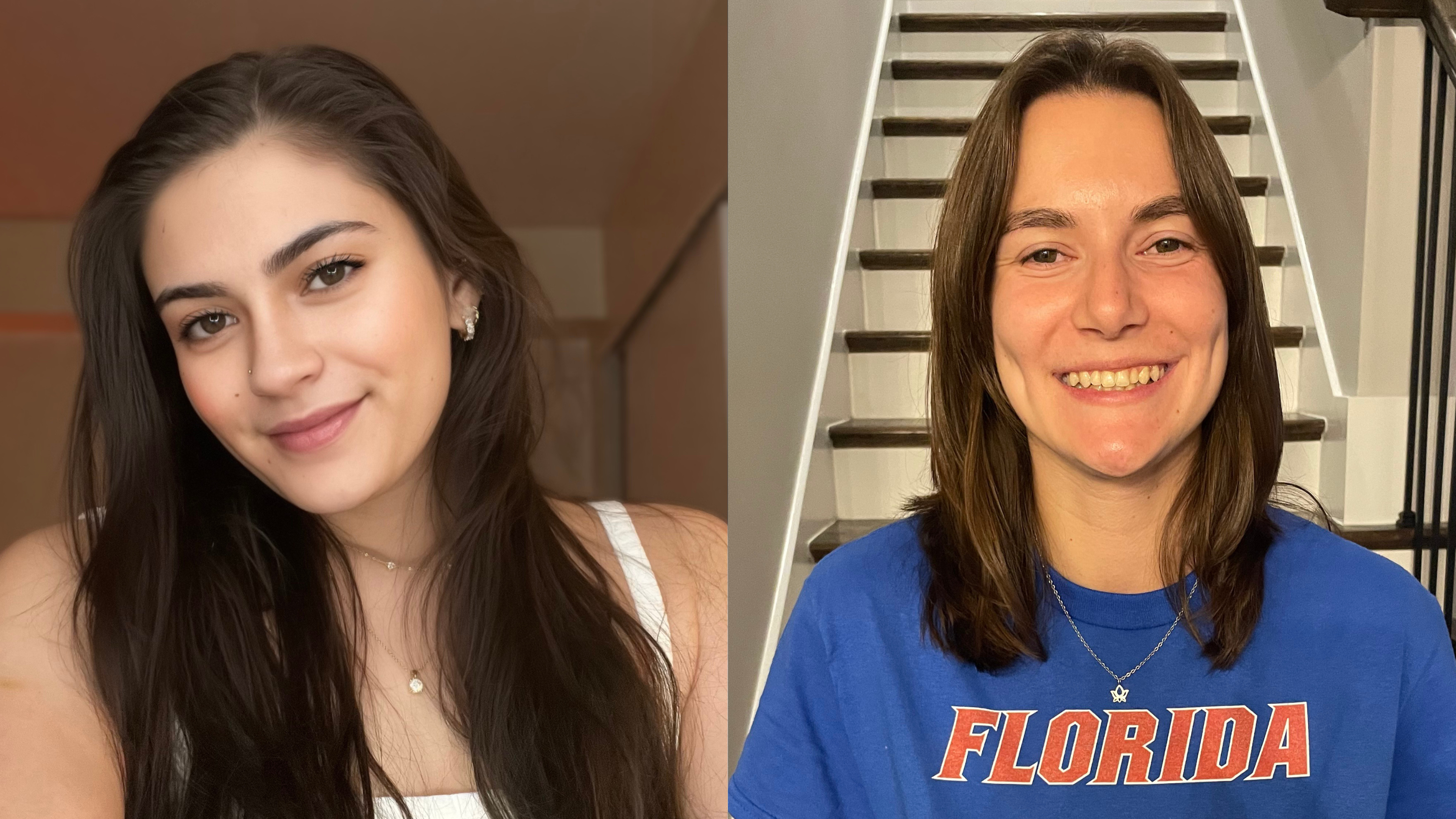
Lexi Tingley, left, and Hanna Friedenberger, right
The department keeps an internal crime log, a set of records detailing every call it responded to in the last 20 years. It’s the first draft of crime statistics that would be reviewed, cataloged, and corrected if needed before submitting to the Uniform Crime Reporting system. The log contained one rape for the day that Tingley and Friedenberger were attacked.
Wilson, the assistant police chief, said in an August email that rape cases are counted per incident, not per victim — although FBI rules say cases should be counted by the number of victims. Wilson, whose responsibilities include overseeing the department’s records operations, did not respond when Spotlight PA sought additional clarity. Wilson will become the police chief for State College’s neighboring Ferguson Township in 2026.
UCR data for that month, August 2019, show three rapes reported by State College police.
However, Gardner said in an email that there were two other rapes that month that were not related to Tingley and Friedenberger. That means the department should have reported four rapes to UCR.
In an interview, Gardner told Spotlight PA that the UCR data for August 2019 included both Tingley and Friedenberger. “You report victims to UCR, OK, we don’t do it by incident. Do you understand?”
Gardner insisted the department handled the case properly, and said he did not know the source of the discrepancy.
There is another notable problem.
The internal crime log reviewed by Spotlight PA contained four pieces of information for this incident. The time the call was received was 3:49:44 a.m. on Aug. 1, 2019. The outcome of the incident, called disposition, was “ECA” or exceptional clearance of an adult — commonly used for when prosecutors declined to file charges, as happened in the women’s case.
Additionally, there was a description and a code.
When State College police officers file incident reports, they describe the calls they respond to — for example, “burglary” or “traffic stop.” The actual criminal violation that resulted would be recorded as a four-digit code. In State College’s system, for example, 0210 is code for forcible rape. Coders in the records department — not officers — are responsible for doing that.
In Tingley and Friedenberger’s case, the report was coded 0210, referring to rape. But the description — crucial for any layperson not familiar with State College police coding to understand the nature of a case — said “assault earlier.”
For at least a quarter-century, State College police have held daily media briefings where reporters were handed daily law incident summaries, or what the department calls a press log. These documents include the description, but not the case code, of each incident.
Between 2005 and 2021, State College police in these logs described 110 cases that were ultimately classified as rapes as “assault” or “assault earlier.” That is four out of every five rapes recorded by the department during that period.
window.addEventListener(“message”,function(a){if(void 0!==a.data[“datawrapper-height”]){var e=document.querySelectorAll(“iframe”);for(var t in a.data[“datawrapper-height”])for(var r,i=0;r=e[i];i++)if(r.contentWindow===a.source){var d=a.data[“datawrapper-height”][t]+”px”;r.style.height=d}}});
Asked how residents or reporters who attended these briefings would be able to distinguish rape cases from physical fights because they were lumped together under the title of “assault,” Gardner said the officers in charge would note if any case was sexual in nature.
“It’s serious,” he said an officer in that situation would say, arguing the vagueness protected victims’ privacy.
That approach leaves the quality of State College crime data to chance.
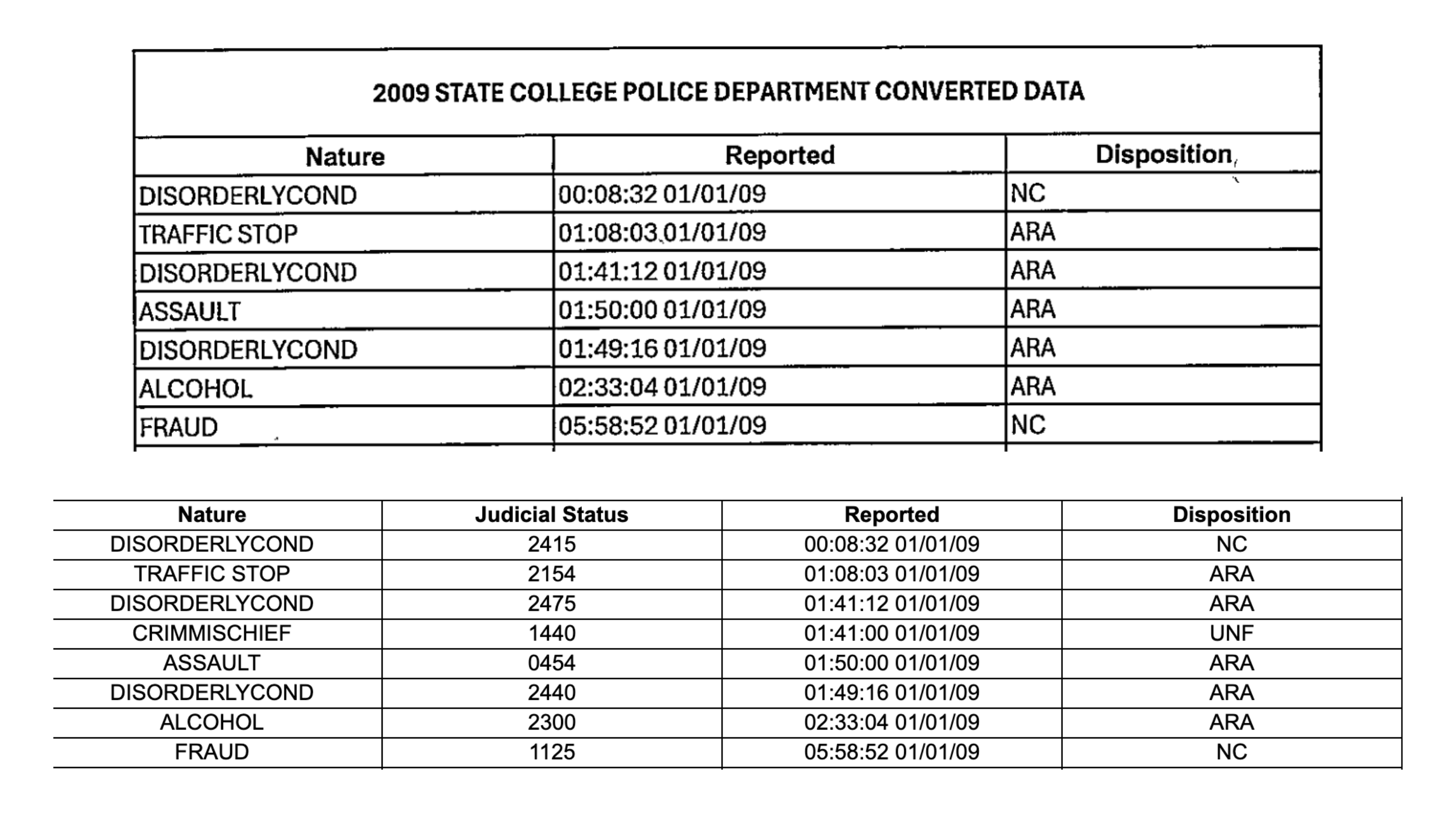
This happened when the department provided its 2009 crime log to an open-records requester this February, which was later posted online. The requester asked for the type of crime for each incident and received the crime log with the incident description listed but not the numeric case code.
No rapes were listed in the 161 pages that State College turned over. If incident codes had been included, the log would show two cases of rape that year.
Gardner serves as the police department’s Right-to-Know officer. He told Spotlight PA that the code was not given to the requester because the person did not specifically ask for it.
Spotlight PA submitted a Right-to-Know request asking for the same information as the original requester, and did not ask for the 4-digit code. But police provided both the data and the code to the newsroom.
An open records request for 2009 State College police data posted online (top), and an open records request made by Spotlight PA for the same information (bottom).
It is impossible to determine if Tingley and Friedenberger’s case was unique. The newsroom cannot determine if undercounting rape victims by using the incident count was an isolated incident or a more prevalent problem. State law does not allow public access to police investigative files, and State College police refused Spotlight PA’s request to review them.
Tingley and Friedenberger, already heartbroken over the outcome of their case, would not find out until contacted by Spotlight PA that State College police had undercounted their rapes in public crime data.
Tingley, now 24, said it is hard to separate the rape and what followed. The treatment she received from law enforcement — a “false promising,” as she called it — was “equally painful” as the worst thing that has happened to her.
SUPPORT THIS JOURNALISM and help us reinvigorate local news in north-central Pennsylvania at spotlightpa.org/donate. Spotlight PA is funded by foundations and readers like you who are committed to accountability and public-service journalism that gets results.
Planning a movie marathon this holiday season? We asked Bryn Mawr Film Institute’s staff to compile 20 of the most iconic films it’s screened since its founding two decades ago. Also this week,we delve into how Allen Iverson helped popularize a TGI Fridays on City Avenue, plus several new eateries, including a burger joint in Ardmore, are on their way.
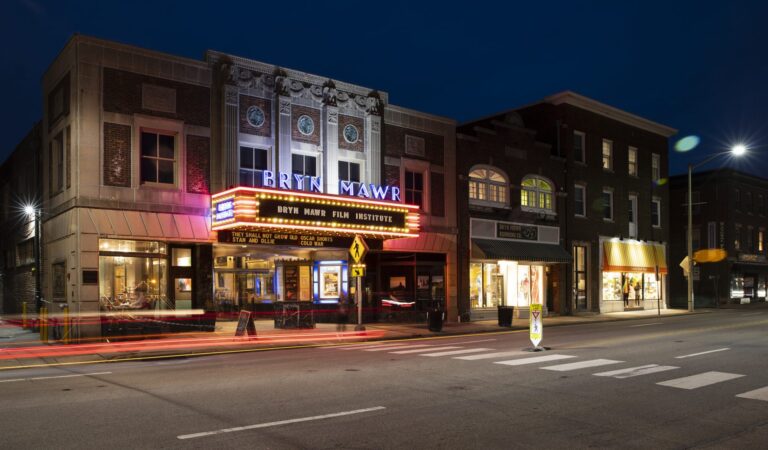
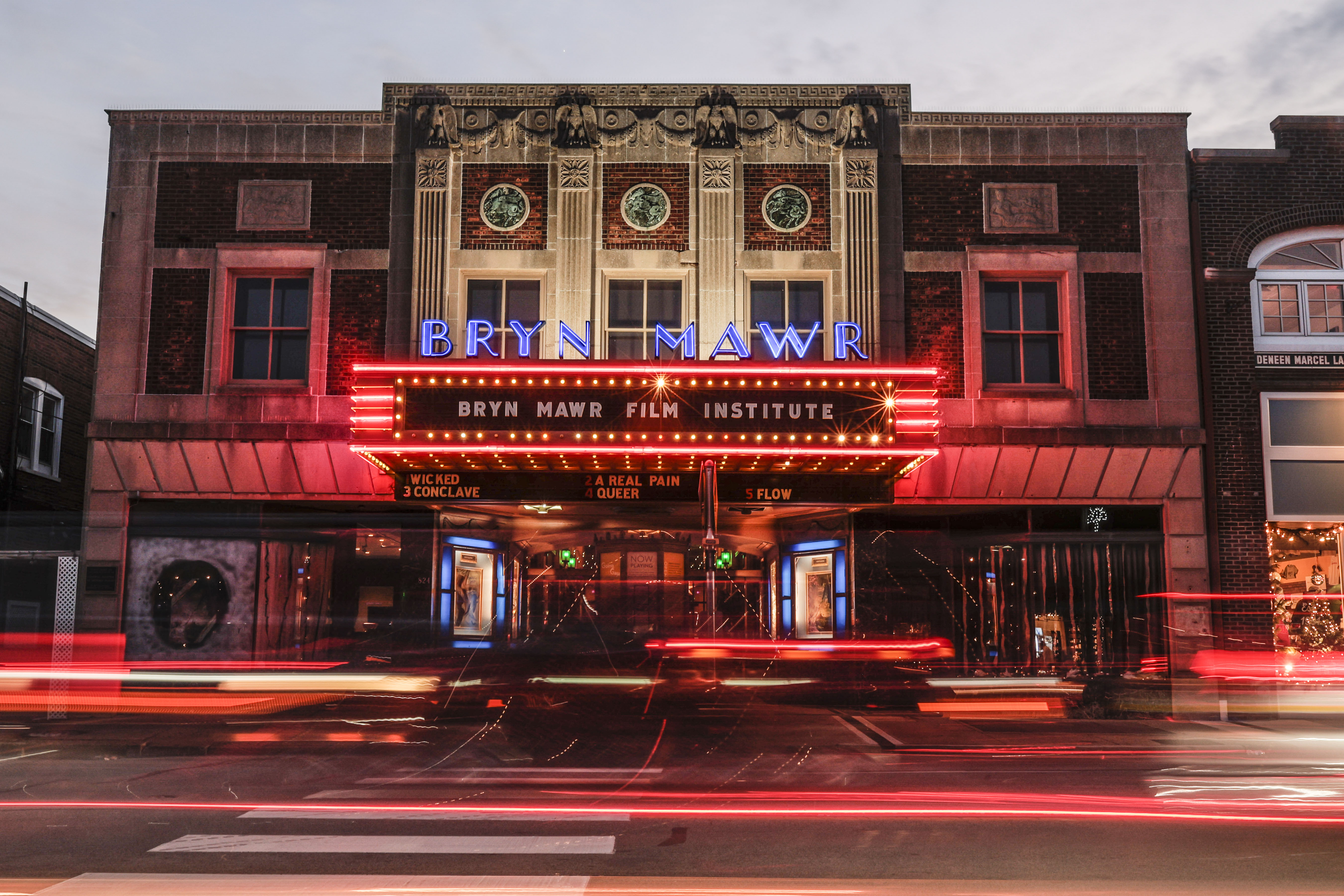
The Bryn Mawr Film Institute marked its 20th anniversary this year.
The Bryn Mawr Film Institute has screened countless films since the beloved institution opened its doors two decades ago. But what are the most memorable?
The Inquirer’s Denali Sagner recently asked its staff to compile a list of what they believe are the 20 most iconic films BMFI has screened.
Among them are cinematic classics like The Sound of Music and Casablanca, modern hits like Barbie, as well as movies with local ties such as Silver Linings Playbook and Rocky (you didn’t expect it to not make the list, right?).
Last month, a TGI Fridays on the Lower Merion-Philadelphia border launched a new membership program inspired in part by Allen Iverson. The Sixers legend frequently hung out at the restaurant on City Avenue, which became known as “Club Fridays.” The Inquirer’s Alex Coffey revisits how the chain became an NBA hangout and how its manager is paying homage through the new offer.
A police chase that ended in Lower Merion this fall led law enforcement officials to arrest a crew that allegedly attempted to rob five armored vehicles throughout the region this summer. The Inquirer’s David Gambacorta delves into how an anonymous tip, jokes, Cash App, and a car theft probe helped police and the FBI capture the suspects. You can also catch a video of Gambacorta discussing the story here.
Chabad of Penn Wynne held a menorah lighting Sunday at the Penn Wynne Library to mark the first night of Hanukkah. The event was held on the same day that an attack during a Hanukkah celebration in Australia left at least 15 people dead, something that struck especially close to home for Rabbi Mendy Levin. An Australian native, Levin knew one of the rabbis killed, but like many others, turned out to celebrate the Jewish holiday. Local religious and elected leaders have called for resilience, a theme on display Sunday night as the celebration used flares to light the menorah after the oil had frozen. (Fox29)
Malik Syd Rashied, 55, of Philadelphia, who was involved in multiple carjacking attempts at Bryn Mawr College and Bryn Mawr Square shopping center earlier this year, has been sentenced to seven to 16 years in a state correctional institution after pleading guilty to multiple charges, including robbery of a motor vehicle and assault. (The Times Herald)
City Ave District is being recognized with a Main Street designation through Gov. Josh Shapiro’s Main Street Matters program. The designation will allow the district, which straddles Bala Cynwyd and Philadelphia, to apply for state funding and technical assistance as it implements its five-year strategy.
Bala Cynwyd on City Avenue is expected to welcome several new tenants next summer. The shopping center will add two fast-casual restaurants, salad-focused Chopt, and Lebanese concept NAYA, which offers pitas, shawarma, and build-your-own bowls, as well as Hammer & Nails Grooming Shop, which caters to men.
🏫 Schools Briefing
The Lower Merion School District is mourning the death of longtime physical education teacher Julie Bucher, who died last week. Ms. Bucher taught at Gladwyne Elementary from 1998 to 2024, before retiring at the start of this school year. She “knew every student’s name” and “cared deeply about their well-being,” Principal Veronica Ellers said in a message to the community.
Earlier this month, Lower Merion High School senior Nick Mazzeo took home first place in the New Balance RunningLane National Cross Country Championship’s overall competition, becoming the only athlete at the school or in the Central League to capture the honor.
Black Rock Middle School was recently recognized among the Pennsylvania Don Eichhorn Schools’ “Schools to Watch” for the 2025-26 academic year. The program selects schools based on a number of factors, including academic excellence, developmental responsiveness, social equity, and organizational structures and processes.
Reminder for families: The district will be closed for winter break starting Wednesday. Classes will resume Jan. 5. See the district’s full calendar here.
🍽️ On our Plate
Love & Honey Fried Chicken opened at 1111 W. Lancaster Ave. in Bryn Mawr last week. Known for its fried chicken, tenders, and sandwiches, the new location is owned by franchisees Bill Kirkland and Sharon Purser. It’s open daily from 11 a.m. to 9 p.m. There will be a grand opening event on Jan. 17.
A new burger joint is opening soon in Ardmore. Bikini Burger is taking over 44 Rittenhouse Place, though an official opening date hasn’t been announced yet.
With an Ardmore location on the horizon, internet-popular PopUp Bagels held a one-day pop-up at Di Bruno Bros. recently. The Inquirer’s Julie Zeglen tried them out, noting they were warm, fresh, and easy to rip and dip.
🎤 Dogs in a Pile: Tickets are going fast for the New Jersey band’s four-night stint at Ardmore Music Hall. Dogs in a Pile blends funk, jazz, rock and roll, and psychedelia. ⏰ Thursday, Dec. 18-Sunday, Dec. 21, times vary 💵 $39.85-$71.42 📍 Ardmore Music Hall
✨ Winter Solstice Celebration and Cookie Exchange: Celebrate the changing of the seasons at Linwood Park, which will be lined with luminaries. There will also be a cookie exchange. ⏰ Saturday, Dec. 20, 4-6 p.m. 💵 Free 📍 Linwood Park
✡️ Cirque du Chanukah: Celebrate Hanukkah by watching an acrobatic performance and enjoying dinner at this all-ages event. ⏰ Saturday, Dec. 20, 5:45-8:30 p.m. 💵 $10-$60 📍 Kaiserman JCC
🎄 Christmas Crafts: Make a one-of-a-kind gingerbread house during this workshop. ⏰ Sunday, Dec. 21, 4-5:30 p.m. 💵 $37.10 📍 The Candy Lab
🍜 Laughter and Lo Mein: Enjoy a meal and a movie during this longtime tradition. There will be a family-friendly movie option (Happy Feet) as well as a dark comedy for adults (Bad Shabbos). ⏰ Wednesday, Dec. 24, 3-6 p.m. 💵 $10-$18 📍 Kaiserman JCC
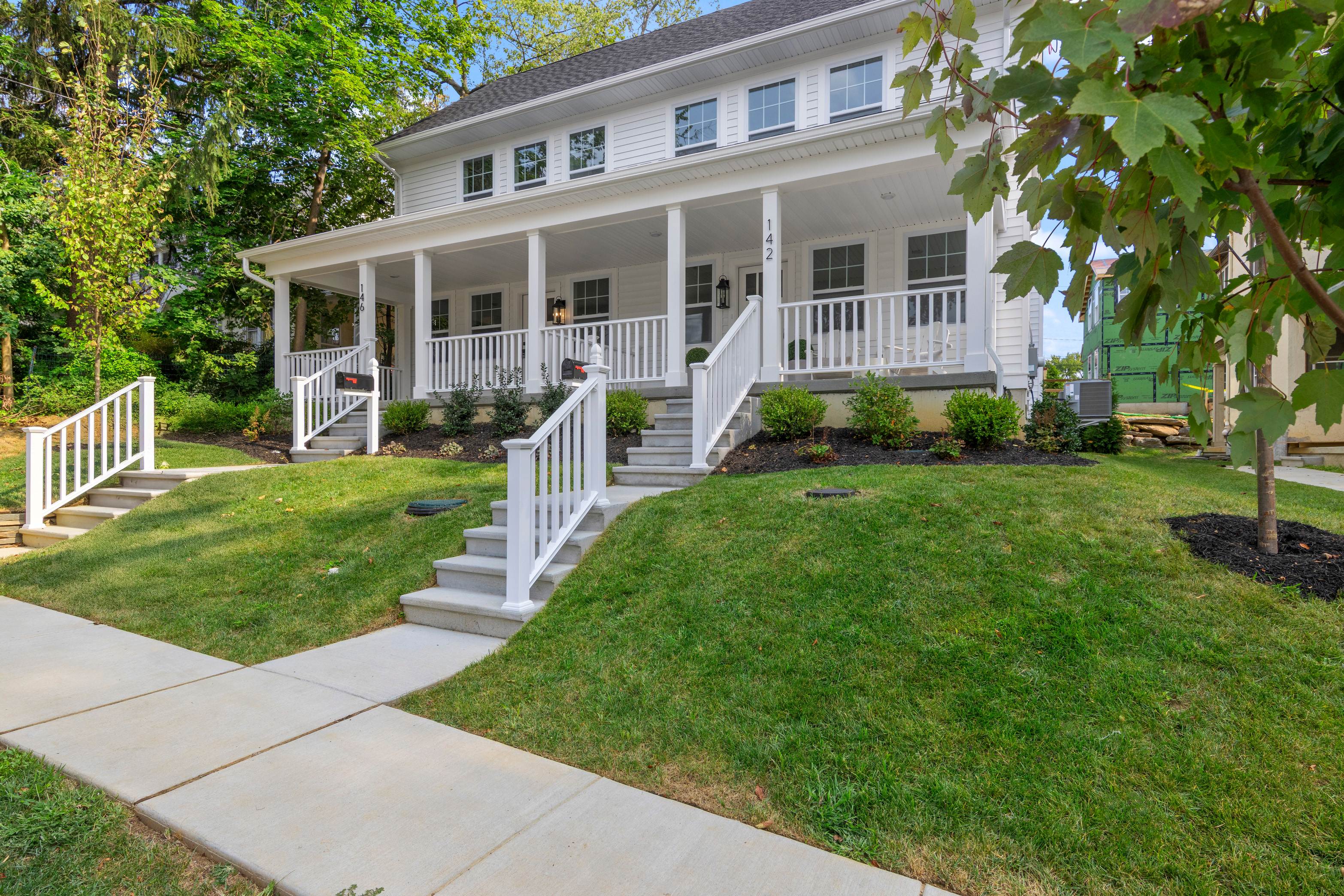
Part of a planned five-residence project, this newly built Narberth twin spans four levels. The main floor has a family room, dining room, and kitchen with a quartz island, high-end appliances, light and white wood cabinets, and a walk-in pantry. Its four bedrooms are spread across the second and third floors, including a primary suite with a walk-in closet and a double-sink vanity. It also has a finished lower level with a half bathroom, as well as a covered front porch. Its twin, which spans the same size, is also for sale.
By submitting your written, visual, and/or audio contributions, you agree to The Inquirer’s Terms of Use, including the grant of rights in Section 10.
This suburban content is produced with support from the Leslie Miller and Richard Worley Foundation and The Lenfest Institute for Journalism. Editorial content is created independently of the project donors. Gifts to support The Inquirer’s high-impact journalism can be made at inquirer.com/donate. A list of Lenfest Institute donors can be found at lenfestinstitute.org/supporters.
It’s a big week for a short stretch along Route 1, where two new businesses are opening. Food hall Wonder is hosting its grand opening today, and less than a mile down the road, Middletown Township has welcomed its first full-service hotel. Also this week, Nether Providence Township police are searching for the person who left a large amount of cash in aSouth Providence Road mailbox, plus Swarthmore College is mourning the death of a beloved former professor.
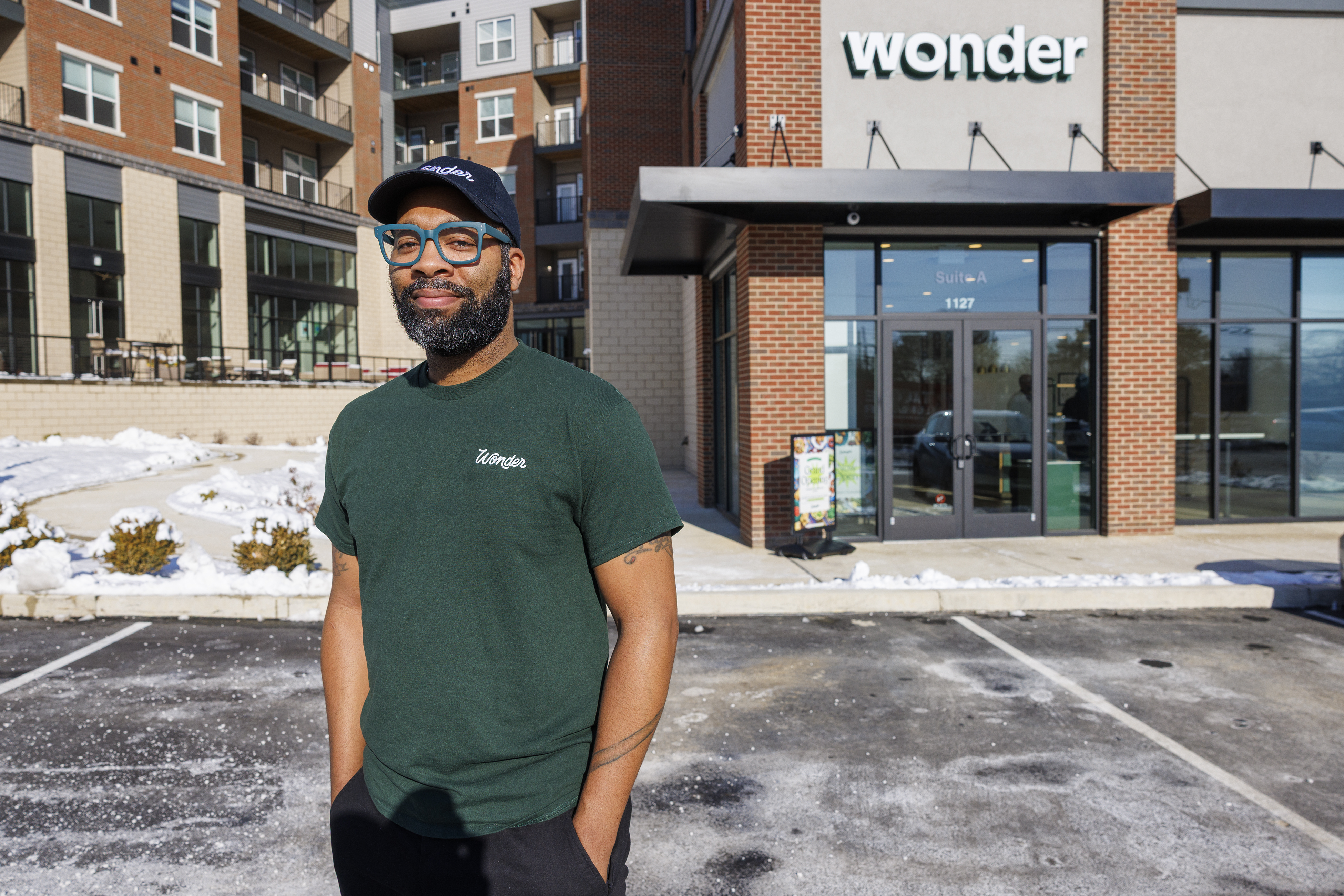
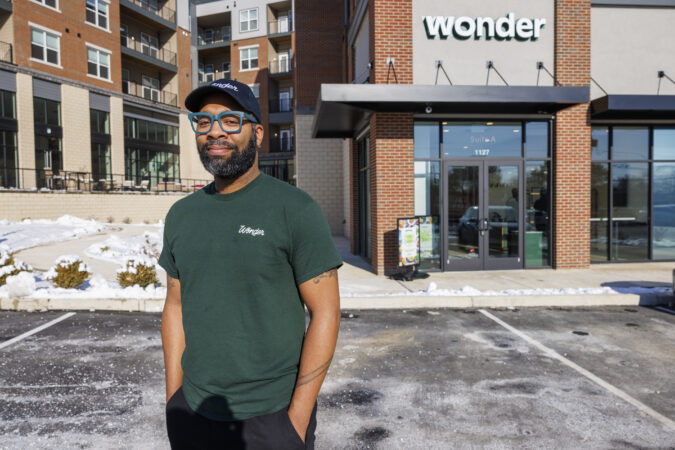
Eddie Jefferson is the operations leader at Wonder’s newest location, which opens today at the Promenade at Granite Run.
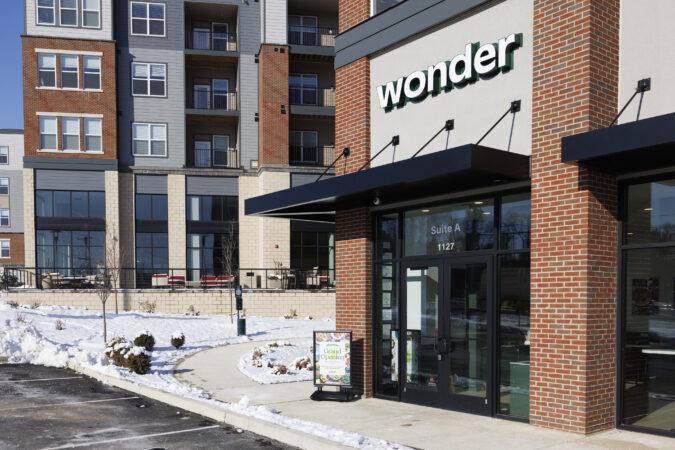
Good news for parents of chronically picky eaters: Wonder, the fast-growing food hall chain, opens at the Promenade at Granite Run today.
It will offer a wide-ranging array of foods from over a dozen restaurant brands, including Bobby Flay Steak, Detroit Brick Pizza Co., comfort food spot Bellies, and Burger Baby.
“I have children who never really could settle on the same food. So it was like, ‘Oh this makes sense,’” said Eddie Jefferson, the location’s operations leader.
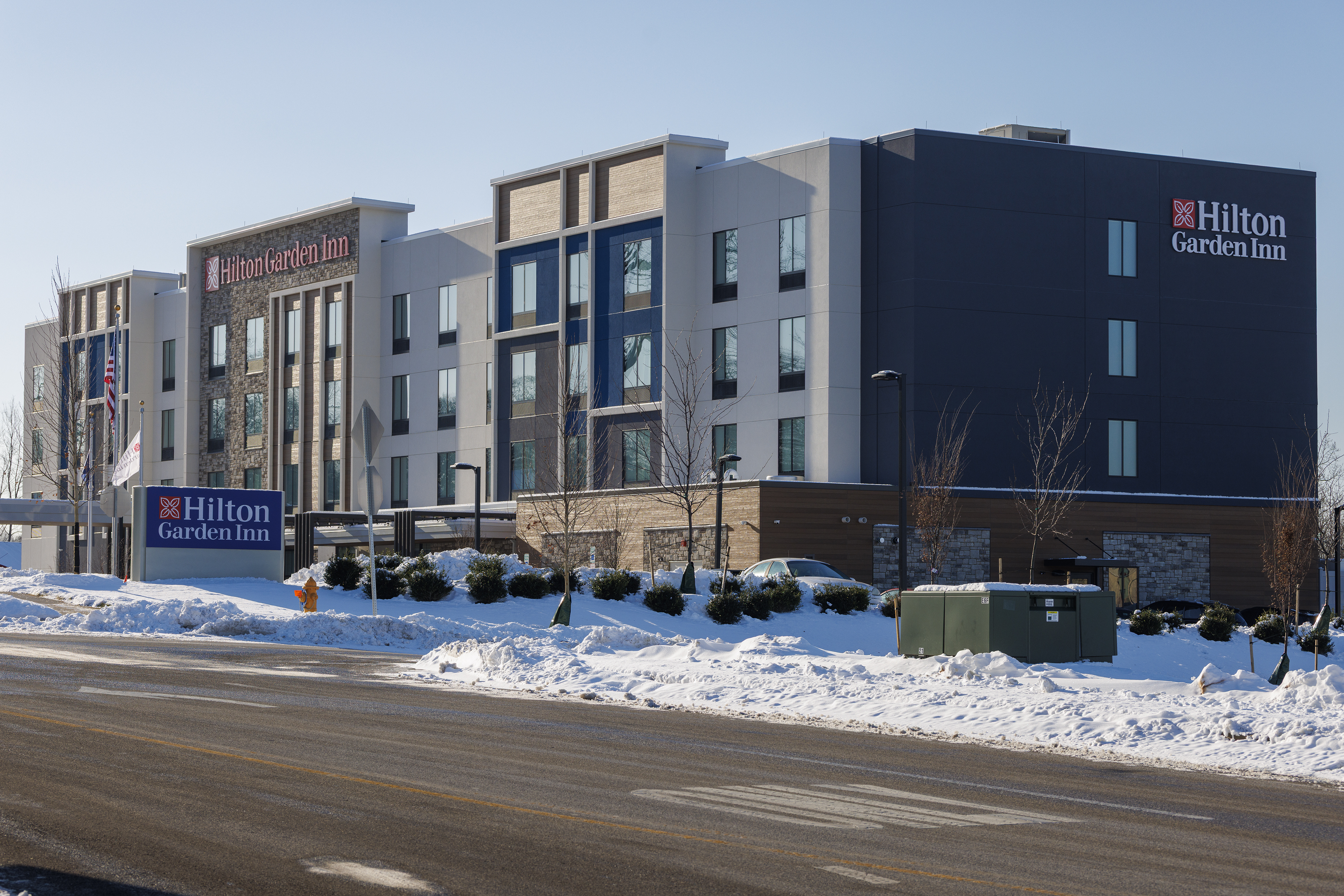
The new Hilton Garden Inn opened Tuesday in Middletown Township.
Middletown Township’s first full-service hotel opened this week at the former Franklin Mint site.
The long-planned 107-roomHilton Garden Innopens at a fortuitous time for the region, with a swell of tourists expected in 2026 for FIFA World Cup matches, semiquincentennial celebrations, the MLB All-Star Game, and the PGA Championship, The Inquirer’s Denali Sagner reports.
The new hotel also provides an additional option for local visitors, including those coming in for events at one of the county’s 12 colleges and universities or visiting major corporations like Wawa, which has its campus just a short drive down the road.
Nether Providence Township released its 2026 budget, which calls for real estate millage of 3.7206, up from 3.5950 mills this year. Mill rates are used to calculate property taxes by charging the rate for every $1,000 in the value of a property. Recycling costs next year will decrease slightly to $116 per unit. See the full 2026 budget here.
Nether Providence police are investigating “a significant amount of cash” left in the mailbox of a home on the 300 block of South Providence Road earlier this month and are looking for the public’s help in identifying the man that left it. One theory about the mysterious cash is that perhaps it was left because the home was reportedly once a psychiatrist’s office.
Heads up for drivers: Road closures will continue on Forge Road between Stephen Drive and Paul Lane in Middletown Township through Dec. 24 as contractors do work related to the water main replacement. Closures are taking place weekdays from 8 a.m. to 3 p.m.
Riddle Hospital in Media is among Pennsylvania’s 2026 Best Hospitals for Maternity Care, according to a new ranking from U.S. News & World Report released last week.
Speaking of Riddle, the hospital has made strides toward reducing nighttime noises. Once considered the loudest hospital in the region, only 12% of patients from a recent federal survey said the area around their room was “sometimes” or “never” quiet, a decrease from the 26% who said it was noisy the year prior. See how Riddle compares to other hospitals in the region for nighttime noise.
Santa will join Middletown Fire Company No. 1 at 11 a.m. on Saturday to visit township residents.
🏫 Schools Briefing
Springton Lake Middle School was recently recognized among Pennsylvania Don Eichhorn Schools’ “Schools to Watch” for the 2025-26 academic year. This is the third time Springton Lake has been recognized since the program was launched during the 2006-07 school year. It recognizes schools based on a number of factors, including academic excellence, developmental responsiveness, social equity, and organizational structures and processes.
In Wallingford-Swarthmore, there are fifth grade winter band and chorus concerts today, a school board meeting Monday at 7 p.m., and winter classroom parties on Tuesday. WSSD begins its winter break on Wednesday. See the district’s full calendar here.
In Rose Tree Media, winter parties kick off tomorrow and continue Monday, when there are also winter concerts. There are early dismissals Tuesday, and no afternoon kindergarten. RTMSD’s winter break begins Wednesday. See the district’s full calendar here.
🍽️ On our Plate
For those in search of Christmas Eve reservations, Fava Ristorante Italiano and Harvest Seasonal Grill & Wine Bar, both in Glen Mills, will be open. Prefer to dine in? White Dog Café, also in Glen Mills, is offering a “Christmas at Home” package with options for beef tenderloin, glazed ham, and beef lasagna. (Main Line Today)
🎄Lenora: A One-Woman Christmas Carol: Kate Brennan puts a modern twist on A Christmas Carol with this show centered on a woman who gets trapped in her apartment on Christmas Eve and ends up assessing how technology and devices both connect and disconnect us. ⏰ Thursday, Dec. 18, 12:30 p.m., and Friday, Dec. 19, 7 p.m. 💵 $21 📍Park Avenue Community Center, Swarthmore
🎭 Hello, Dolly!: PCS Theater will put its spin on the hit musical. ⏰ Friday, Dec. 19-Sunday, Jan. 4, times vary 💵 $28.50-$30.50 📍PCS Theater, Swarthmore
🍪 Teen Activity Days: Teens 13 to 18 can decorate holiday cookies at this month’s event. ⏰ Saturday, Dec. 20, 1-3 p.m. 💵 Free 📍Rocky Run YMCA, Media
💫 Winter Solstice: Celebrate the darkest day of the year with luminary lights, poetry readings, and carolers. ⏰ Saturday, Dec. 20, 5:30-8 p.m. 💵 Free 📍Plum and State Streets, Media
🎙️Lights Out: A Very Valli Holiday: This tribute to Frankie Valli and the Four Seasons features classic hits and festive tunes, as well as audience participation. ⏰ Saturday, Dec. 21, 7 p.m. 💵 $41 📍The Media Theatre
The family room has a stone accent wall with a fireplace, exposed wood beams, and a staircase leading to a loft.
Located in Spring Oak Estates, this four-bedroom home feels light and bright thanks to a number of vaulted ceilings and skylights. The first floor features a two-story foyer, a living room with vaulted ceilings and a marble fireplace, a dining room, a kitchen with granite countertops, and a family room with exposed wood beams, vaulted ceilings, and a fireplace within a stone accent wall. It also has a spiral staircase leading to a loft. The primary suite, also with skylights, is on the first floor, while three additional bedrooms are upstairs. The home has a finished walk-out basement, a deck, and a fenced yard.
By submitting your written, visual, and/or audio contributions, you agree to The Inquirer’s Terms of Use, including the grant of rights in Section 10.
This suburban content is produced with support from the Leslie Miller and Richard Worley Foundation and The Lenfest Institute for Journalism. Editorial content is created independently of the project donors. Gifts to support The Inquirer’s high-impact journalism can be made at inquirer.com/donate. A list of Lenfest Institute donors can be found at lenfestinstitute.org/supporters.
Eduard “Teddy” Einstein, a beloved professor and mathematician, was biking home from a haircut when a driver killed him earlier this month.
Einstein, 38, was struck and killed by the 18-year-old driver on Dec. 3 while riding his bicycle on Providence Road in Upper Darby. No charges have been filed in Einstein’s death, according to Upper Darby police, but an investigation is continuing, and police said the driver cooperated with police at the scene of the crash.
The West Philadelphia husband and father of two young children, Charlie and Lorcan, was known for his sharp wit, encouraging students, and scouring cities for the most interesting, and spiciest, foods. Einstein was, above all else, dedicated to his family.
“He didn’t need much more than me and the boys. It was like he was my home, and I was his,” Einstein’s wife, Ruth Fahey, 45, said. ”That’s kind of how we agreed that we would move around the country together as a family, and it was wonderfully freeing.”
Teddy Einstein (left) reading a book to his son while the family cat plays with his arm. Einstein was a devoted husband and father who covered the lion’s share of storytelling and bedtime, but especially cooking, as he was an avid chef who liked trying new recipes, his wife Ruth Fahey said. Einstein was killed on Dec. 3, 2025, while riding his bike in a bike lane when he was hit by a driver on Providence Road in Upper Darby, Pa.
Born in Santa Monica, Calif., Einstein graduated from Harvard-Westlake School before receiving a bachelor’s degree in mathematics from Pomona College, a master’s in mathematics from University of California, Santa Barbara, and his Ph.D. from Cornell University. He would go on to hold postdoctoral fellowships at the University of Chicago and the University of Pittsburgh, where he taught, and most recently completed a three-year teaching term at Swarthmore College.
“He loved mathematics and wrote a first-rate thesis,” said Einstein’s Ph.D. adviser, Jason Manning. “Many mathematicians, even those who write a good thesis, don’t do much after graduate school. But Teddy’s work really accelerated during his postdoc at the University of Illinois at Chicago, and he was doing even more exciting work when he passed.”
His colleagues describe a mathematician working at, to put it simply, the intersection of algebra and geometry. Building on the work of mathematicians before him, including modern geometric breakthroughs in years past, Einstein studied abstract 3D shapes that cannot be visually represented in the real world. Work like that of Einstein and others contributes to a tool chest of solutions that scientists can use to study physics, neuroscience, and more.
“It is a terrible loss, especially to his family,” Manning said. “But also to his part of the mathematics community.”
Teddy Einstein (right) holds his second-born, Lorcan, soon after he was born.
As his term at Swarthmore ended earlier this year, Einstein had been working on research that was seven years in the making, Fahey said. This would help springboard him into the next chapter of his career.
Fahey said the day he was killed, Einstein was biking back from a fresh haircut to impress his potential new employers at Florida Gulf Coast University.
Mr. Einstein’s work ethic matched his appetite for camaraderie. He fed grad students out of his tiny Cornell kitchen and hosted a weekly trivia night. That is where he met Fahey. “He just loved to entertain with food,” she said.
Every week, he cooked for Fahey and the boys, from his prized favorites of Korean short ribs and fried chicken to testing out falafel recipes. A keg of home-brewed beer was always in the house so that Einstein could share his creations with friends. Fahey said his most recent yeast yield is still waiting to be processed.
Maddie Adams-Miller, who took Einstein’s math classes in her freshman year at Swarthmore, said her funny and wise math teacher never wanted to see a student fail.
“I loved talking to my friends from high school and telling them I had ‘Professor Einstein’ for math. Teddy always wore funny T-shirts to class and made a lot of jokes,” said Adams-Miller, now a senior. “When I was taking his course, I was struggling with my confidence and was not performing my best academically. Teddy reached out to me to offer support and genuinely wanted me to succeed in his class.”
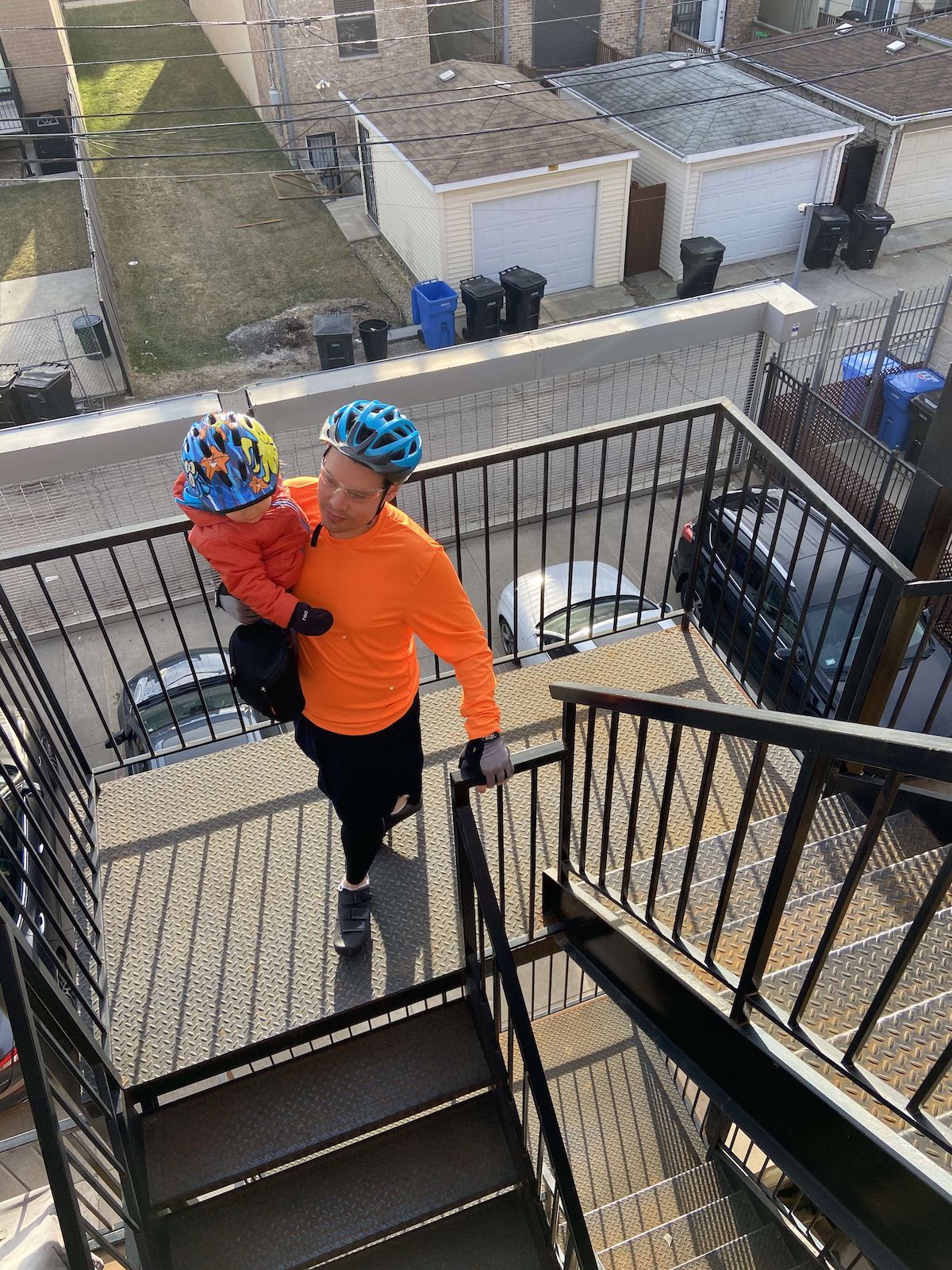
Teddy Einstein (left) holds his eldest son, Charlie, while he walks down a flight of steps wearing the usual safety gear that he wore while riding his bike. The precautions Einstein took to bike safely weren’t enough to stop a driver from crashing into him on Providence Road in Upper Darby earlier this month, leaving his wife, Ruth Fahey, and their two sons without a father.
An avid cyclist who biked everywhere and advocated for safer streets, Einstein was killed doing one of the activities he loved most. Philly Bike Action, an advocacy organization that Einstein and his wife frequented and his friend Jacob Russell organizes for, shared that he was hit by the driver while riding in an unprotected bike lane and wearing a helmet and high-visibility clothing.
“But there will never be a helmet strong enough or a clothing bright enough to make up for dangerous infrastructure. All Philadelphians deserve the freedom to travel without fear of tragedy,” the group said in a statement.
Russell believes safety improvements will not come solely from attempting to change laws or behavior, but rather by changing the road infrastructure, so that even “when mistakes happen, there aren’t tragedies,” he said.
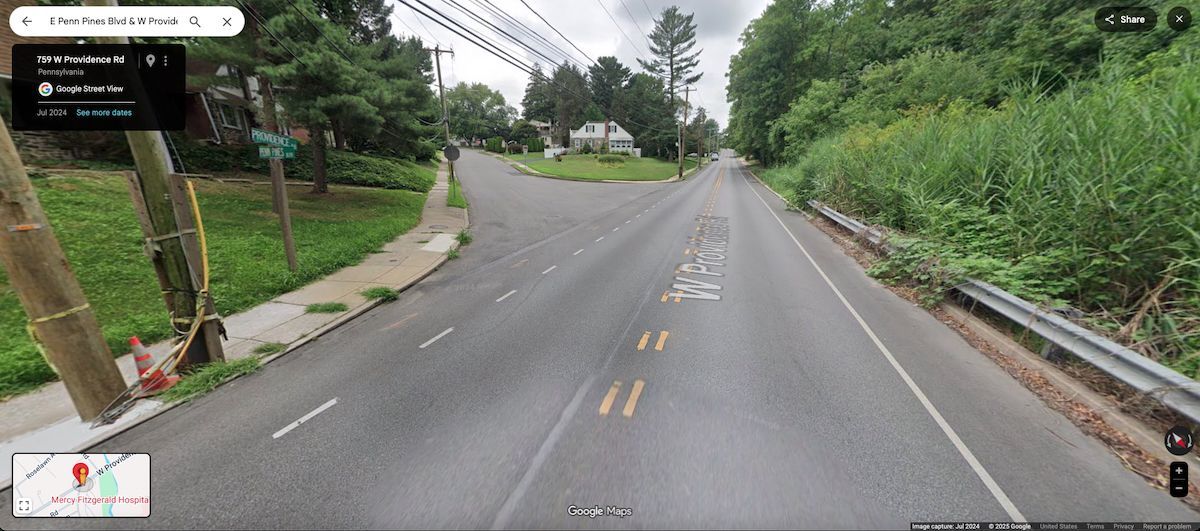
A screenshot, dated July 2024, from Google Maps showing the intersection where Teddy Einstein was killed on Dec. 3, 2025, in Upper Darby, Pa.
Providence Road, where Einstein was hit and where he biked weekly, is considered a dangerous road by local planning commissions, appearing on the Regional High Injury Network map as a thoroughfare where multiple people have died or been seriously injured in vehicle, pedestrian, or bicycle crashes. Delaware County is currently in the process of onboarding most of its townships onto a “Vision Zero” plan to end all traffic fatalities by 2050 — similar to Philadelphia’s own Vision Zero.
The Delaware County Planning Commission said the county does not own the roads, which are overseen by the Pennsylvania Department of Transportation or specific municipalities; however, officials are “actively working to obtain additional funding for further safety improvements, and are continuing to work with our partners in our 49 municipalities on either our Vision Zero plan or to help them develop their own,” said Delco spokesperson Michael Connolly.
Fahey said she won’t rest until Providence Road’s lack of safety is addressed and will continue campaigning for safety improvements in Philadelphia.
A GoFundMe has been set up for Fahey to help fund efforts to protect Einstein’s legacy as a teacher and advocate, as well as to invest in campaigns to make streets safer, with an emphasis on the road where Einstein was killed. It has already raised more than $60,000.
In addition to his wife and children, Einstein is survived by his parents, K. Alice Chang and Thomas Einstein, and siblings, Michael Einstein and Lily Einstein. The family encouraged people to donate to Fahey’s GoFundMe to honor Einstein’s legacy.
On a frigid Tuesday morning, stakeholders from across Delaware County toasted champagne and popped mini pastries under the roof of Middletown Township’s new Hilton Garden Inn.
“We may be the only Hilton Garden Inn in the world that serves Wawa coffee and drinks it all the time,” quipped hotel owner Patrick J. Burns, standing before a sea of family members, hotel staffers, business associates, and elected officials.
The 107-room, 67,000-square-foot Hilton, located off Baltimore Pike at the former Franklin Mint site, is open and welcoming guests. It’s the 42nd hotel in Delaware County and first full-service hotel in Middletown Township.
The hotel features app-to-room device integration, mobile key and contactless check-in, meeting and banquet spaces, an outdoor patio with fire pits, a fitness center, and the Garden Grill, a restaurant serving “American cuisine with local flair” that will be open to the public.
The hotel is long awaited, borne from a yearslong planning process and delayed by pandemic-era construction slowdowns. On Tuesday, attendees expressed gratitude that what was once an economic dream for the township was finally becoming reality.
The Hilton marks an important expansion of the collar county’s tourism economy, according to Delaware County’s major economic stakeholders. And as far as tourism in Delco, they say, it’s only up from here.
The bar area off of the lobby at the new Hilton Garden Inn of Middletown Township on Tuesday, Dec. 16, 2025.
Delaware County hosted 4.5 million visitors in 2024, according to Steve Bryne, executive director of Visit Delco. Those visitors spent $860 million, generated $1.2 billion in economic impact, and sustained 13,000 jobs. In 2025, the county is on track to sell more than one million hotel room nights for the first time in its history.
Representatives from the Hilton say it created 200 construction jobs and 40 new hospitality jobs.
Bryne said tourism to Delaware County is a “combination of everything.” The county doesn’t have one major anchor (like Longwood Gardens in Chester County, for example). Rather, it’s home to 12 colleges and universities, major corporate employers like Wawa, and sports complexes like IceWorks and Subaru Park, home of the Philadelphia Union. That means regular tournaments, business conferences, parents weekends, homecomings, and graduations — events that, collectively, help power the county’s economy.
Already, Penn State Brandywine, located down the road, has named the Hilton Garden Inn its host hotel.
Delaware County also gets spillover from visitors to Philadelphia, especially those who want proximity to Philadelphia International Airport.
The hotel is a property of Metro Philly Management, owned by Burns. Burns’ management company also owns the Courtyard by Marriott in Springfield, the Fairfield Inn & Suites in Broomall, and the Springfield Country Club, as well as numerous grocery stores and restaurants.
Patrick J. Burns, pictured at Middletown Township’s new Hilton Garden Inn on Tuesday, Dec. 16, 2025. The hotel is owned by Burns’ company, Metro Philly Management.
Stakeholders lauded the hotel’s location in a central, and rapidly developing, part of Middletown Township.
The former Franklin Mint complex, now home to the Hilton, has been a hotbed of development in Middletown Township since the mint shuttered in 2004. Two newer housing developments — Pond’s Edge and Franklin Station — have added over 450 units of housing to the site. Middletown Township outpaced its neighbors — Media, Nether Providence, and Upper Providence — in populationgrowth in 2024.
“Middletown Township is such a vital corridor of Delaware County,” Burns said.
The hotel’s opening coincides with major events coming to the region in the coming months: semiquincentennial celebrations in Philadelphia and in Delco, the FIFA World Cup, the PGA Championship at Aronimink Golf Club, and the MLB All-Star Game. For the PGA Championship alone, Delaware County is expecting 200,000 visitors and $125 million in economic impact.
This suburban content is produced with support from the Leslie Miller and Richard Worley Foundation and The Lenfest Institute for Journalism. Editorial content is created independently of the project donors. Gifts to support The Inquirer’s high-impact journalism can be made at inquirer.com/donate. A list of Lenfest Institute donors can be found at lenfestinstitute.org/supporters.
Part of Wonder’s sales pitch is that it offers something for everyone, from pizza and cheesesteaks to Mediterranean and steak.
That flexibility, with parents of finicky kids in mind, is part of what drew Eddie Jefferson to Wonder.
“The picky eater thing kind of sits with me,” said Jefferson, senior operations leader for Wonder’s Media location. “I have children who never really could settle on the same food. So it was like, ‘Oh, this makes sense.’”
Steve Skalis, of Springfield, picks up an oder of drunken noodles during Wonder’s soft opening in Media on Tuesday, December 16, 2025.
Jefferson said he wants Wonder to be more than just a chain takeout restaurant.
“I want to make sure we’re a staple of the community,” Jefferson said. “I do want to be here for a very long time.”
Wonder is donating $1 to Philabundance for every order at the Media location this week. Jefferson said he hopes that’s just the first local partnership and he will be able to be active in the community.
“Once we settle in to this community I’ll be able to be outside shaking hands and kissing babies.”
Restaurants available at the Media Wonder include:
Alanza
Alanza Pizza
Bobby Flay Steak
Burger Baby
Detroit Brick Pizza Co.
Di Fara Pizza
Fred’s Meat & Bread
Hanu Poke
Kin House
Limesalt
Maydan
Royal Greens
SirPraPhai
Streetbird by Marcus Samuelsson
Tejas Barbecue
Yasas by Michael Symon
Bellies
Room for Dessert
Wonder’s Media location brings the total to 91 sites across the Northeast, from Rhode Island to Virginia. The plan for 2026 is to more than double that, according to Jason Rusk, head of restaurant operations.
“Our plan is to grow 110 locations, so we’ll go from 91 locations to just over 200 locations by the end of next year,” Rusk said.
Eddie Jefferson, senior operations leader at Wonder in Media, reaches for one of many menus Tuesday, December 16, 2025.
Wonder plans to open locations in Drexel Hill and Roxborough in early 2026, a representative said. It is also planning a foray into Allentown and the rest of the Lehigh Valley.
Rusk said sales have been good across the Philly area’s 20-plus stores, with Cherry Hill one of the strongest openings.
“There is no sign of stopping,” Rusk said. ”I have no doubt in my mind that we will fully have a Wonder that services nearly every part of the broader Philly [area].”
This suburban content is produced with support from the Leslie Miller and Richard Worley Foundation and The Lenfest Institute for Journalism. Editorial content is created independently of the project donors. Gifts to support The Inquirer’s high-impact journalism can be made at inquirer.com/donate. A list of Lenfest Institute donors can be found at lenfestinstitute.org/supporters.