Wilmington received its first measurable snow of the season — a mighty 0.4 inches — and snow coated roads in parts of southern Chester County Friday.
But Philly once again had to settle for a “trace,” as the flakes that appeared at Philadelphia International Airport failed to meet the minimum requirements for a snowfall — a tenth of an inch.
Yes, PennDot was aware of the potential flake invasion, and crews and trucks were on standby, said spokesperson Krys Johnson. But evidently they can save that salt for another day.
It is possible that the city may see a few flurries this evening, or perhaps freezing rain, said Eric Hoeflich, meteorologist at the National Weather Service in Mount Holly.
But you aren’t going to pull a back muscle shoveling. Philadelphia stayed to the north of the snow line as the dry, cold air refused to give it up.
Snow in early December does happen around here, but lack of it is the norm. The “normal” value for snowfall through a Dec. 5 is 0.4 inches at PHL.
Philly’s snow season typically peaks in late January into February as the prime moisture source — the Atlantic Ocean — has a chance to chill, and the cold air in the upper atmosphere ripens.
It’s certainly cold enough for snow. Lows overnight fell into the 20s, officially 25 degrees at PHL. Mount Pocono set a Dec. 5 record with a reading of 4 below zero. That’s Fahrenheit.
Temperatures may not get above freezing Friday, and no higher than the low 40s Saturday and Sunday, which would be several degrees below the long-term daily averages. Another cold front is due Sunday, and readings likely won’t get out of the 30s on Monday and Tuesday.
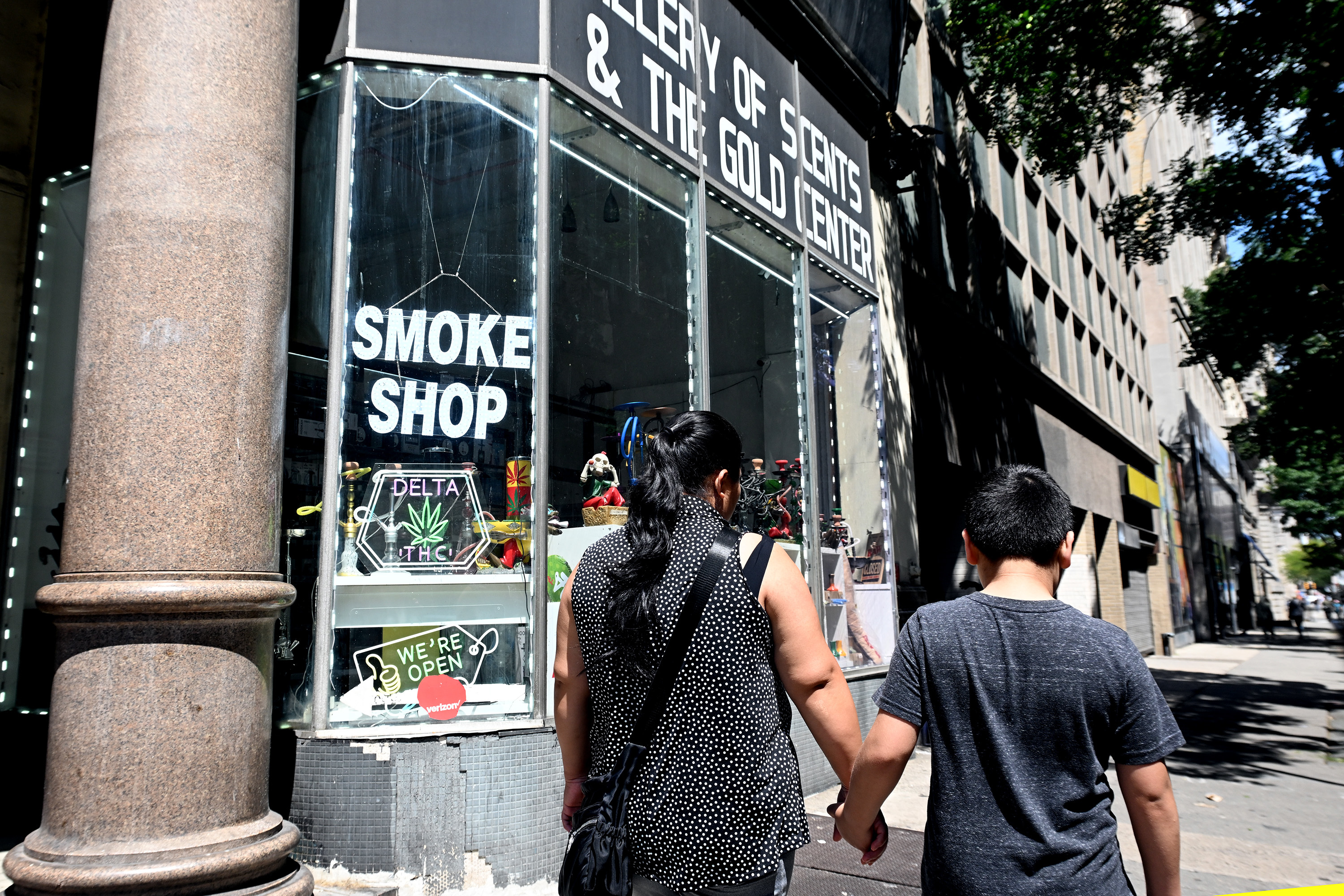
Right now, any Philadelphian 21 or older can go online or walk into a regional smoke shop and buy a THC-infused drink as potent as products in legal dispensaries.
But soon, that might all change.
The billion-dollar intoxicating beverage industry exploded in recent years, with THC-infused seltzers, lemonades, and teas that resemble popular products like Surfsides or White Claws. Sold in local gas stations, smoke shops, and liquor stores outside of Pennsylvania, these weed drinks deliver a cannabis high that is infused into bubbly, sweet canned beverages.
While marijuana is still federally illegal, the hemp industry had found a way to manufacture and sell hemp-derived THC drinks across the country through a legal loophole that is soon closing.
Last month, Congress banned all intoxicating hemp products, a slew of THC-infused smokeable, vape-able, and edible products that are derived from hemp plants but could be mistaken for actual marijuana. In many cases, the drinks are just as potent as conventional weed.
Starting in 2027, almost all of them will be illegal, spurring a nationwide movement within the industry to save the burgeoning market.
Arthur Massolo, the vice president of national THC beverage brand Cycling Frog, which sells its wares locally, saidthese restrictions will have devastating effects on the producers of thousands of hemp-derived products, like THC, but also CBD, the non-intoxicating cannabinoid popular for treating anxiety, sleep, and pain.
Will Angelos, whose Ardmore smoke shop and wellness store, Free Will Collective, relies on THC drinks for nearly 40% of its business, is hoping for some saving grace. “We’re either looking to pivot or we’re disappearing,” he said.
Adults share Cycling Frog canned THC drinks in this marketing photo provided by Cycling Frog.
What are THC-infused drinks?
Seltzers, sodas, teas, mocktails, and lemonades all infused with THC — and sometimes non-intoxicating CBD — exploded onto the scene a few years ago and grew into a billion-dollar business, said hemp market analyst Beau Whitney.
“These drinks have transformed the hemp industry into this low-dose intoxicating health and wellness, alcohol-adjacent product,” said Massolo, who is also the president of U.S. Hemp Roundtable, a hemp business advocacy organization.
The THC-infused drinks sold in gas stations, smoke shops, and liquor stores are supposedly formulated using legally grown hemp, which is allowed to be grown under the 2018 Farm Bill that opened the door to hemp farming in the U.S.
Lawmakers carved out an exemption from federal drug laws for cannabis plants containing 0.3% or less of THC. These low-THC plants are considered “hemp” and are legal to grow. Cannabis plants over that THC threshold are considered marijuana and can carry felony charges if the plant is not being grown by state-licensed growers in places where adult use or medicinal marijuana is legal, like New Jersey and Pennsylvania.
While intoxicating hemp products have enjoyed consistent growth in the past years, these THC-infused drinks have increasingly appeared in aisles of liquor stores and supermarkets in some states, allowing adults who normally don’t visit dispensaries to pick up a bottle of infused wine in the same place they grab groceries, said New Jersey cannabis lawyer Steve Schain.
Hemp products photographed at the Philadelphia Inquirer, November 21, 2025.
The ease of access to THC drinks allowed the national market to grow to $1.3 billion in annual sales, and if access continues, Whitney said, that figure could reach $15 billion in the coming years.
This is all thanks to what Whitney calls the “FPS,” or “Female Power Shopper.” These women, ages 29 to 45, are the ones who are likely shopping for a household in grocery and liquor stores, and may jump at the chance to try cannabis products without diving headfirst into dispensaries, Whitney said.
Mary Ellen, 55, of Bucks County, who asked to not to be identified by her last name over concerns for her cannabis use and employment, said these THC drinks are the perfect way to unwind after a long day, especially for adults like her who choose not to drink alcohol. As a medical marijuana patient, she uses regulated cannabis for a variety of ailments, but also enjoys THC drinks like Nowadays’ infused mocktails that she buys at Angelos’ Ardmore store.
“I’d rather come home and have a glass of Nowadays. That’s a lot better than having a glass of vodka or a benzodiazepine,” she said. “I’m not going to forget what I did the night before, and I’m not going to wake up feeling crappy the next morning.”
City smoke shop exterior in the 1000 block of Chestnut Street Monday, July 21, 2025.
What are the concerns over THC drinks?
As the money started to roll in for THC drinks, fear among local communities and law enforcement began to grow. In the Philadelphia suburbs, the Bucks, Chester, and Montgomery County district attorneys’ offices finished a 10-month investigation into intoxicating hemp products and the local stores that sell them.
The 107-page grand jury report speaks of a public health crisis unfolding in “plain sight” across Pennsylvania, where retailers have little to no oversight, in some cases selling actual marijuana.
Montgomery County District Attorney Kevin Steele said the industry created a “Wild West situation” and urged state lawmakers to regulate the industry similarly to alcohol and tobacco, including age requirements, licensing, and mandatory lab testing.
Stakeholders in the industry support regulation of some kind. While hemp-derived THC companies fear the economic collapse of their industry, Massolo and Angelos say there is concern that these products will leave overt brick-and-mortar operations known by local officials for more covert, illicit operations, similar to how these products were purchased before the 2018 Farm Bill.
“We’ve basically traveled back to 10 seconds before the Farm Bill of 2018 was signed,” Schain said.
Mary Ellen says the lack of regulation is a major sticking point for consumers who flock to these products, but would like some reassurance on the drinks they are ingesting.
But, even if the ban goes into effect, she said, “people will just figure out another way for us to get it. It’ll be like a prohibition that we’ve seen in this country with alcohol and marijuana.”
THC and CBD-infused beverages on the shelves of Free Will Collective, an Ardmore smoke shop and wellness store owned by Will Angelos. As Congress moves to ban most intoxicating hemp products, business owners like Angelos aren’t sure they will be able to keep the doors open long past 2027 if current regulations go into effect.
Will THC-infused drinks be banned or saved by 2027?
Now, as the industry’s yearlong grace period begins before the ban takes effect, companies are scrambling.
The intoxicating hemp manufacturers and retailers who spoke to The Inquirer said the game plan is to offload all of the intoxicating hemp products in stock, including THC-infused drinks, flower, vapes, and even CBD products.
Some companies will see almost their entire product catalog become illegal, in some cases dwindling from 45 products on offer down to two, Whitney said of the firms he works with. The far-reaching impact will also hurt industrial hemp products, cannabis tourism, alcohol distributors, and even the legal cannabis industry, as some of their products, including CBD, will now have to contend with these new regulations, Schain and Whitney said.
At the U.S. Hemp Roundtable, Massolo is having daily board meetings, including on weekends, to coordinate a response to federal lawmakers. It’s now a race against the clock to remedy or claw back some of the new regulations before damage is done to the industry’s distribution pipelines, Massolo said. The group hopes to rally other industries, like traditional beverages, wellness products, and supplements, to bolster its case.
Among the U.S. Hemp Roundtable’s recommendations to lawmakers are an extension of the hemp ban grace period to two years, raising the limit on hemp-derived THC products, and allowing states to regulate these products as they see fit, to name a few.
Stakeholders say they want regulations to help legitimize this billion-dollar endeavor and save it from annihilation, but smaller operators like Angelos hope it’s not at the expense of small independent businesses.
While precautions like rigorous age verification systems and lab testing are necessary, Angelos said, if regulators “overtax, or over gate-keep,” many of the smaller retailers — who he said enjoy the benefit of knowing their local government officials and community — won’t be able to compete in the market.
“There obviously has to be standards, but I’m scared of an overcorrection,” Angelos said of the hemp ban. “It’s not just a singular choice. If you want your kids to be safe, have a mechanism where you can keep your eyes on the product.”
Montgomery County immigration advocates renewed calls for more municipalities to approve policies that would limit police and local government cooperationwith U.S. Immigration and Customs Enforcement as President Donald Trump’s administration ramps up enforcement.
Advocates have been calling for welcoming policies across the county for months but advocates estimated that as of Wednesday, only six of Montgomery County’s 62 municipalities had enacted policies. Even those, they argued, were lackluster.
“ICE has created a crisis in our neighborhoods, and we cannot afford silence, mixed signals, or leadership that only reacts once harm has already happened,” said Stephanie Vincent, a leader of Montco Community Watch.
Ambler, Springfield, West Norriton, Abington, Norristown, and Cheltenham had approved policies, advocates said, though they are mostly internal policies that advocates say don’t do enough to protect immigrants.
Stephanie Vincent, the leader of Montco Community Watch, speaks at a news conference about ICE activity in Montgomery County at Ascension Church in West Norriton Thursday.
The sense of urgency was palpable Thursday as ICE dramatically expands its presence and visibility, both in the Philadelphia region and across the United States.
Montco Community Watch has documented at least 97 detentions and 30 suspected ICE detentions in Montgomery County, and “there are likely more detentions that we have not heard about,” Vincent said.
The group was joined Thursday by representatives for Indivisible Greater Jenkintown, a progressive advocacy group, and the Pennsylvania Immigration Coalition at Ascension Church. Advocates said that strong welcoming policies,sometimes referred to as sanctuary policies, would outline that police will not honor ICE detainer requests without a judicial warrant, that local government resources will not be spent on ICE, and that communities will feel safe to access resources without fear of federal agents.
Advocates had been working since the summer to encourage municipalities across Montgomery County to approve policies limiting cooperation with ICE. The county, particularly the Norristown area, had become a hot spot for ICE enforcement in the early months of the Trump administration.
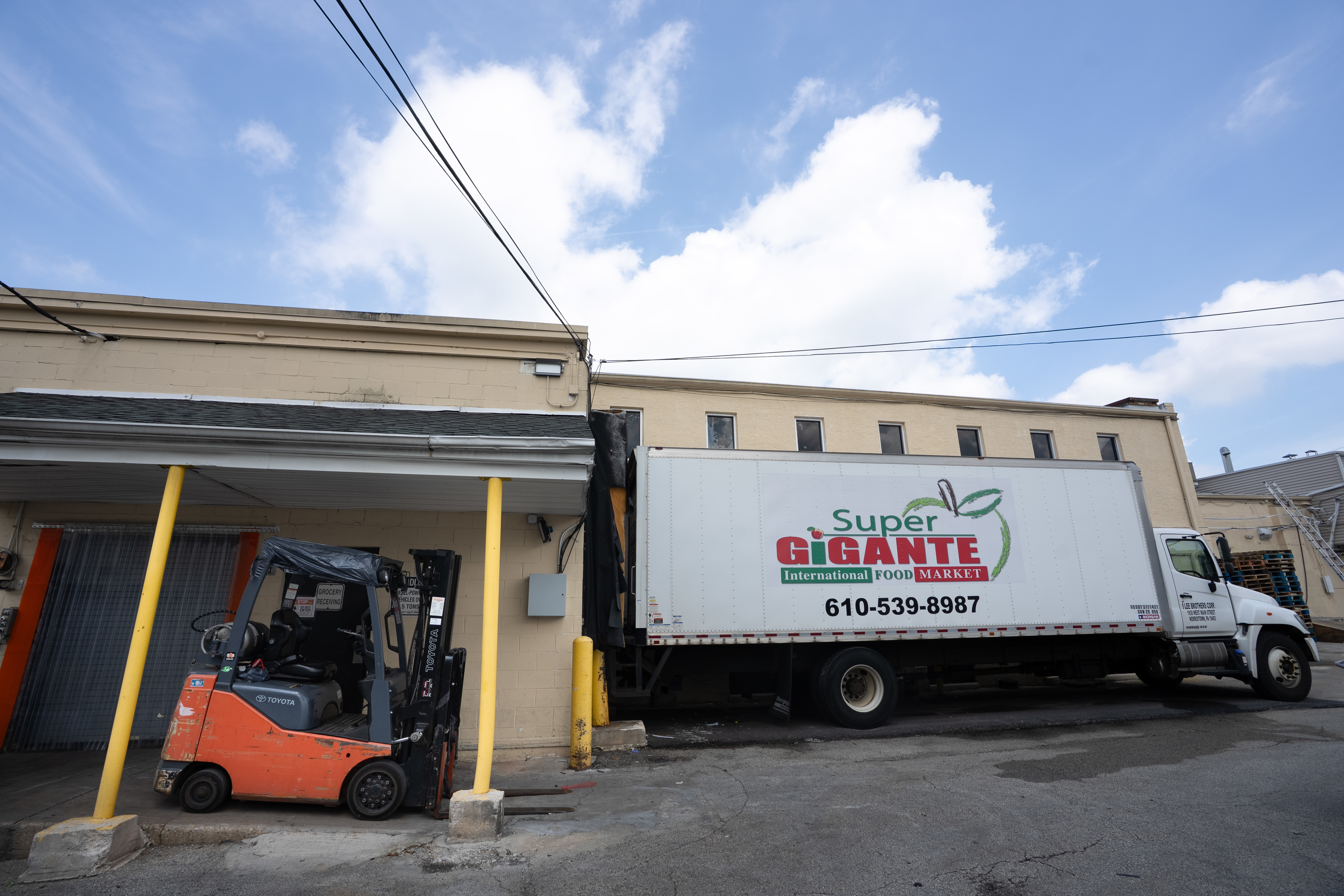
In July, video of a raid at a West Norriton grocery store appeared to show local police assisting the federal agency; the township said federal authorities had sought assistance to retain order while they served a warrant for tax evasion.
Super Gigante International Food Market, 1930 W. Main St., in West Norriton on July 16.
Advocates pushed county leaders to enact a welcoming resolution, but officials consistently reiterated that they lacked any control over local police forces.
Despite months of requests, Montgomery County has not passed a formal ordinance or resolution declaring itself a welcoming county. The county’s Democratic commissioners have cited limits to their power, concern about creating a false sense of security, and a preference for internal policy changes.
Advocates said Thursday that they strongly prefer limitations on local collaboration with ICE to be enshrined in ordinances rather than enacted throughinternal policies or statements, which canlack transparency and accountability and are not alwaysenforceable.
“None of [the six municipalities’ policies] are complete and the most visible problem on all of them is a lack of any accountability,” said Rabbi Elyse Wechterman, of Indivisible Greater Jenkintown.
Julio Rodriguez, from the Pennsylvania Immigration Coalition, added that a lack of clear boundaries between local policies and federal agents creates more confusion and worry in the community.
“It reinforces that fact the people just don’t know what’s happening,” Rodriguez said.
Staff writer Jeff Gammage contributed to this article.
The transit agency says it will miss Friday’s federal deadline to finish outfitting all 223 Silverliner IV Regional Rail cars with a new heat-detection system. The reason: It needs to wait for 7,000 additional feet of thermal wire.
About 30 of the 50-year-old cars have not yet had the safety feature installed, officials said. The wire required to finish the job is on back order.
“I don’t think the suppliers expected one agency to raid their entire stockpile,” spokesperson Andrew Busch said.
SEPTA needed about 39,000 feet of the thermal wire to outfit the entire fleet of Silverliner IV cars, he said. “It was an unusual demand on the supply chain,” Busch said. SEPTA has worked with two manufacturers and four distributors.
The missing link is expected to arrive next week, and the installations should be finished the following week, Busch said.
SEPTA worked with two manufacturers and distributors to get the large rolls of wire.
The thermal wire is made of spring steel, separated by a polymer that melts at high temperature, allowing the steel conductor to touch and connect the electric circuit. That allows it to provide earlier warning of a potential problem so cars can be pulled from service.
Delays, cancellations, station skips, and overcrowded trains running with fewer than the normal number of cars have been regular challenges for riders during the work, which started in October.
Meanwhile, SEPTA is leasing 10 passenger coaches from Maryland’s commuter rail system, MARC, which Amtrak is scheduled to deliver late Friday night at 30th Street Station. They will be towed to SEPTA’s nearby Powelton yard.
President Donald Trump will visit Northeast Pennsylvania on Tuesday to promote his economic agenda, including efforts to lower inflation, the White House confirmed to The Inquirer on Thursday.
The trip will kick off what is expected to be anationaltour of Trump touting his economic policies ahead of the 2026 midterms, when Democrats and Republicans will battle for control of Congress.
The specific location for Trump’s visit has not yet been made public, but Northeast Pennsylvania will be a major battleground in next year’s midterms.
Democrats believe that they can oust freshman Republican U.S. Rep. Rob Bresnahan, of Lackawanna County, threatening the GOP’s slim House majority. Democrats are also specifically targeting the districts of U.S. Reps. Brian Fitzpatrick, of Bucks County; Ryan Mackenzie, of Lehigh County; and Scott Perry, of York County.
Trump endorsed Bresnahan and most of Pennsylvania’s GOP delegation on his social media platform, Truth Social, last month. Scranton Mayor Paige Cognetti, a Democrat, is mounting a campaign to unseat Bresnahan, who won by roughly a percentage point last election.
Affordability — which Trump called a “fake narrative” used by Democrats — has been a top issue for voters, including during November’s blue wave when Democrats won local contests throughout Pennsylvania, in addition to the gubernatorial races in Virginia and New Jersey.
David E. Loder, 71, of Flourtown, longtime attorney at Duane Morris LLP, multifaceted trustee and board member, education advocate, mentor, and volunteer, died Thursday, Oct. 23, of complications from lymphoma and scleroderma at his home.
A graduate of Germantown Friends School and what is now the University of Pennsylvania’s Carey Law School, Mr. Loder spent 43 years, from 1982 to his retirement in 2024, as an associate, partner, and chair of the health law group at the Duane Morris law firm. He became partner in 1989 and helped the health law practice gain national recognition for its success.
Mr. Loder and his team represented the Hospital and Healthsystem Association of Pennsylvania, the Pennsylvania Trauma Systems Foundation, and other medical providers in all kinds of consequential litigation. In 2006, he helped local hospitals win a multimillion-dollar settlement with an insurance company. In 2010, he supervised a case that successfully revived a state abatement program that alleviated medical malpractice costs for physicians and hospitals.
In a tribute, former colleagues at the Pennsylvania Trauma Systems Foundation praised “his ability to see both the legal complexities and the human dimensions of every situation.”
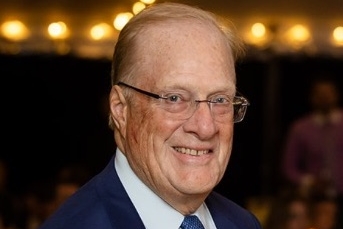
Mr. Loder stands with Blanka Zizka , the Wilma Theater’s artistic director, at an event in 2018.
He was adept in vendor contract law, board governance, policy development, and human relations issues. He took special interest in doctor-patient relations and told the Daily News in 2016: “While it is critical that the healthcare provider convey necessary and accurate information to patients concerning their health condition, it is also important to remain sensitive to the patient’s interest and willingness to hear such information.”
Matthew A. Taylor, chair and chief executive officer at Duane Morris, said in a tribute: “He was one of the nation’s most respected healthcare lawyers.”
Mr. Loder also represented the Philadelphia Zoo, homeowners fighting increased property assessments, participants in gestational-carrier programs, and other clients. “He was a shrewd judge of character,” said his son Kyle. “He was thoughtful and strategic. He became a confidant and adviser to many of his clients.”
John Soroko, chair emeritus at Duane Morris, said in a tribute: “Dave had a unique ability to turn friends into clients. But, even more importantly, to turn clients into friends.”
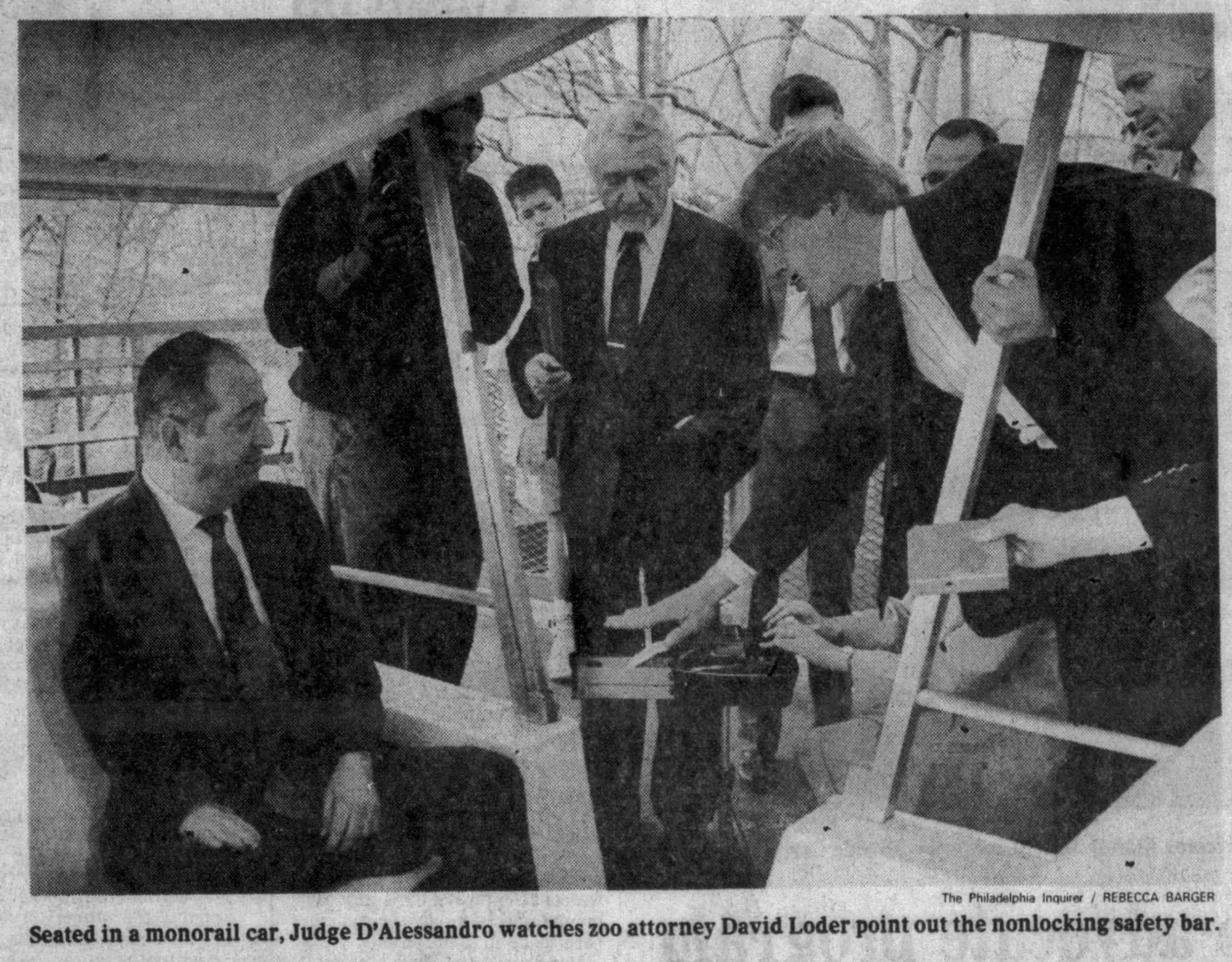
This photo of Mr. Loder (right) representing the Philadelphia Zoo appeared in The Inquirer in 1989.
Away from the law firm, Mr. Loder was chair of the board for the Wilma Theater and served on boards at Germantown Friends, the old University of the Sciences, the World Affairs Council of Philadelphia, and other groups. He was a trustee at the Dolfinger-McMahon Foundation and the Christian R. and Mary F. Lindback Foundation, and represented the Lindback regularly at its annual distinguished educators awards ceremony.
“There’s a firm belief in the importance of excellence in education in the public schools,” he told The Inquirer at the 2016 Lindback ceremony. In 2017, he said: “All of us need to recognize that the Philadelphia public schools are serving an incredibly important function.” In 2018, he said: “People need to know that there are some exceptional educators in Philadelphia public schools.”
He mentored many other lawyers and volunteered to help students in need. In online tributes, friends noted his “kind advice,” “voice of reason and compassion,” and “sense of humor, keen intellect, love of sports, and limitless knowledge on so many topics.”
In 1998, he was featured in an Inquirer story about the challenges parents face when dealing with young children stuck inside during the cold winter months. He said: “I find that if you can get the kids down by 6 p.m. and have a glass of wine in front of the fireplace, it gets you through.”
Mr. Loder enjoyed sports and the outdoors.
His family said in a tribute: “He took life seriously but never too seriously, and his warmth, humor, guidance, and generosity will be remembered.”
David Edwin Loder was born April 22, 1954, in Yalesville, Conn. His father, noted theologian Theodore Loder, moved the family to West Mount Airy when Mr. Loder was a boy, and he graduated from Germantown Friends in 1972.
He starred in football, basketball, and baseball in high school, and went on to play basketball and earn a bachelor’s degree in political science at Wesleyan University in Connecticut in 1977. He worked briefly after college as a high school history teacher, served an independent study fellowship in Poland, earned his law degree at Penn in 1981, and studied international law at the London School of Economics and Political Science.
He married Nadya Shmavonian, and they had sons Marek and Kyle, and a daughter, Julya, and lived in Philadelphia and Flourtown. After a divorce, he married Jennifer Ventresca and welcomed her children into the family.
Mr. Loder liked hiking in New York’s Adirondack Mountains and relaxing at his getaway home on Long Beach Island.
Mr. Loder enjoyed tennis, squash, and golf at the Philadelphia Cricket Club. He liked hiking in New York’s Adirondack Mountains and relaxing at his getaway home on Long Beach Island, N.J.
He doted on his family and Labrador, and played cards every month for years with an eclectic group of old friends.
“David embodied the values of faith, service, and integrity,” his family said. His son Kyle said: “He was magnetic, gracious, thoughtful, and curious. He was easy to talk to.”
In addition to his wife, children, and former wife, Mr. Loder is survived by a granddaughter, a sister, two brothers, and other relatives.
Mr. Loder “was magnetic, gracious, thoughtful and curious,” his son Kyle said.
A memorial service and celebration of his life were held earlier.
Donations in his name may be made to the Penn Medicine Scleroderma Center, Attn: Amanda Hills, 3535 Market St., Suite 750, Philadelphia, Pa. 19104.
Uri Monson, Gov. Josh Shapiro’s longtime confidant and Pennsylvania’s budget secretary, is the new executive director of the $80 billion-asset Pennsylvania school pension and investment system, known as PSERS.
The move puts Monson, a former top finance officer for the School District of Philadelphiaand for Montgomery County government while Shapiro was its top elected official, atop the agency responsible for paying retirement checks to half a million current and retired school employees.
Monson has shown “exceptional financial leadership and integrity,” Shapiro said in a statement, citing Monson’s bond refinancing work that shaved state interest costs and helped boost its credit ratings so they are no longer among the lowest of the 50 states.
Zachary Reber, a deputy secretary in Monson’s office with 30 years of state government experience, will become the state’s new budget secretary. Shapiro credited Reber as a top negotiator for the 2025-26 budget, helping clinch the deal with legislators.
At PSERS, Monson will lead a staff of 350. The board picked Monson “because of his extensive public-sector financial experience,” board chair Richard Vague said in a statement that also said Monson’s hiring followed “a nationwide search.”
The new executive director “understands both the financial demands of a pension system and the responsibility” to school staff and retirees, said vice chair Sue Lemmo, a retired teacher.
Monson pledged to work with the board, staff, and other stakeholders — who include taxpayers and pension system members — to ensure “retirement security.”
He holds both a master’s degree in public policy and a bachelor’s degree from Columbia University and a second bachelor’s from the Jewish Theological Seminary of America.
PSERS is one of the most expensive state programs, consuming $5.5 billion directly from public revenues last year, including both state and local property tax funds, plus $1.2 billion routed through school workers’ paychecks.
The system also collects profits from its wide-ranging investments, totaling $5.7 billion last year.
The switch will likelymean a significant pay raise for Monson, who earned $211,000 a year as budget czar, the most of any Pennsylvania cabinet officer and more than the lieutenant governor.
While working as the top budget officer in the state since 2023, Monson oversaw Shapiro’s annual state budget proposals, which guide spending for the next five years.
Republican lawmakers criticized Shapiro’s 2025-26 budget proposal for counting on new revenue streams, such as marijuana taxes, that had yet to be approved by the General Assembly.
Monson’s predecessor at PSERS, Terrill Savidge Sanchez, was paid $317,000 in fiscal 2024. A longtime PSERS employee who also headed the smaller Pennsylvania state workers’ pension system (SERS), Sanchez announced her retirement earlier this year. Chief investment officer Ben Cotton stepped in as interim director after she left.
Sanchez was tapped for the top PSERS job in 2022 after the departure of Glen Grell, a former state representative and lawyer who tripled his legislative paycheck by joining PSERS in 2015.
Grell and other top staffers retired during a federal investigation into the system’s exaggerated earnings and secretive land deals, which was followed by changes in pension investment, financial reporting, audit, and travel practices.
As governor, Shapiro has not attempted such a purge, either at PSERS, where he controls three of 15 trustee seats, or at the SERS state employee pension system, where the governor appoints six of the 11 trustees.
PSERS trustees on their own have scrapped hedge funds and cut back on private-equity funds in recent years, citing high fees and poor returns compared to the rising U.S. stock market.
PSERS, like the state workers’ pension system, was among the first state pension systems to invest heavily in private assets in the late 1990s and 2000s.
PSERS’s private investments underperformed U.S. stocks during the 2010s bull market. Those investment returns, plus rising retirements and pension underfunding in the early 2000s, required higher taxpayer payments in recent years to keep the fund from growing less solvent.
Pennsylvanians now pay 34 cents into the PSERS plan for every $1 in school staff wages.
Some owners of private money managers who solicit top leaders of PSERS and other state pension funds for investments are major political donors at the national level, though an SEC rule has barred them from collecting state and local pension fees after donating to state or local candidates.
U.S. Sen. David McCormick (R., Pa.) was chief executive of hedge fund Bridgewater Associates when it was PSERS’s largest money manager. It oversaw about one-tenth of the state’s investments and collected more than $750 million in Pennsylvania investment fees over the 20 years before PSERS trustees voted to drop hedge funds in 2021.
Staff writer Gillian McGoldrick contributed to this article.
The jingle bells are ringing, the Hanukkah party guest list is filling up, and you still don’t have a present for the coolest, artsiest person on your shopping list.
Looking for a kooky snow globe? Bespoke Eagles memorabilia? An art print unlike any other? Don’t worry! If you’re living on (or traveling to) the Main Line, here’s where you should be shopping for crafty presents.
Sweet Mabel Gallery
Narberth’s Sweet Mabel Gallery is an iconic local business, run by husband-and-wife duo David Stehman and Tracy Tumolo. Sweet Mabel got its start in 2005 when Tumolo took over her grandfather’s former barbershop in Narberth. She and Stehman, who were graphic designers, decided to turn the barbershop into a local gallery and store stocked with colorful American and Canadian folk art.
To celebrate the shop’s 20th anniversary, Sweet Mabel is displaying and selling works from local artists, all under $100. An anniversary ceremony will be held on Dec. 5 from 6-9 p.m. at the storefront on Haverford Avenue. Plus, if you find the perfect gift, Sweet Mabel will wrap it for free.
ArtStar, a Philadelphia gallery and boutique, is bringing a collection of bespoke craft vendors to Ardmore for two weekends this month. The Ardmore Holiday Market, organized in partnership with the Ardmore Initiative, will take place Dec. 6 and 13 from 11 a.m. to 3 p.m. at Schauffele Plaza.
Looking for a funky snow globe? A one-of-a-kind charm necklace? Day of the Dead inspired earrings? Ardmore’s Past Present Future is a portal into the world of eclectic antiques and crafts, from embroidered cat-themed pillows to hand-painted ceramic dishes. Sherry Tillman started Past Present Future in Philadelphia in 1976, drawing on her “long-held ties to the local arts and crafts community” to procure unique goods.
Past Present Future is open Mondays through Saturdays from 11 a.m. to 6 p.m. and Sundays from noon to 4 p.m. (or later — “If we are still standing, we are still open,” the shop’s Facebook page reads).
Something Different by Eric
Eric Wells‘ store, Something Different by Eric, isn’t just a gift shop, it’s a hub for people with disabilities on the Main Line.
Wells and his mom, Bernadette Wheeler, started the Bryn Mawr store in 2015. The nonprofit shop is staffed entirely by volunteers, including Haverford College students and special education advocates. Wheeler has said Something Different by Eric is part of a larger effort to “educate the community” and help people “see disabled individuals in action.”
In addition to selling unique housewares, Philly- and Main Line-themed trinkets, sports memorabilia, baby gifts, and greeting cards, Something Different by Eric is stocked with books about mental and physical disabilities.
The shop is open from noon to 8 p.m. on Fridays and Saturdays and from 1 to 5 p.m. on Sundays.
This suburban content is produced with support from the Leslie Miller and Richard Worley Foundation and The Lenfest Institute for Journalism. Editorial content is created independently of the project donors. Gifts to support The Inquirer’s high-impact journalism can be made at inquirer.com/donate. A list of Lenfest Institute donors can be found at lenfestinstitute.org/supporters.
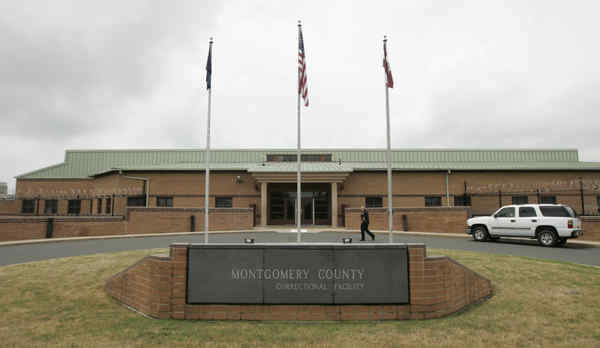
The family of a Lower Pottsgrove Township man who was accused of beating his wife to death over the mounting cost of their cat’s veterinary care is suing Montgomery County and two medical companies, saying they denied him crucial healthcare while in the county jail, leading to his untimely death.
Barton Seltmann, 84, died in April 2024 from urosepsis from “an undiagnosed and untreated urinary tract infection,” according to the wrongful-death lawsuit, which was filed last week in federal court in Philadelphia.
A neck fracture that Seltmann sustained after falling in his jail cell also contributed to his death, the filing said.
The suit names the county, as well as PrimeCare Medical and Creative Health Services, two companies contracted to provide medical care to inmates at the jail.
Neither company responded to requests for comment. A spokesperson for the Montgomery County Board of Commissioners said the county does not comment on pending litigation.
In interviews after the incident, Seltmann, an Army veteran and former West Pottsgrove Township police officer, seemed to believe his wife was still alive, according to court filings. He did not grasp the reality of the incident and showed early signs of dementia.
A month before his death, a Montgomery County judge dismissed the case against Seltmann, ruling that he was not fit to stand trial because his mental-health faculties and physical condition had deteriorated so significantly.
But Patrick Duffy, the lawyer representing Seltmann’s children, wrote in the lawsuit that Seltmann’s marked decline in health came only while he was incarcerated.
“Despite the obvious signs and symptoms indicating worsening progression of his condition, Mr. Seltmann was denied adequate medical care and intervention which allowed his condition … to develop into a state where it was irreversible and no further care could prevent his death,” Duffy said.
The lawsuit asserts that jail staff did not allow Seltmann’s children to visit him due to the seriousness of the charges he faced at the time, which prevented his deteriorating health from being addressed sooner.
Staff at the prison, including medical providers from PrimeCare and Creative Health Services, made a “calculated decision” to delay providing Seltmann with more intensive treatment in hopes he would soon be transferred to Norristown State Hospital, the suit contends.
During intake at the jail, Seltmann appeared healthy, but by the end of his six weeks there, the lawsuit said, he was struggling to communicate, with “rambling and incoherent speech” and issues focusing.
Seltmann developed a fungal rash on his groin and injuries to his feet and legs that later made it difficult for him to walk, causing him to fall and injure his head.
In the suit, Duffy alleges that these issues were visible to, and known by, staff at the jail, but they refused to make a referral for him for outside care until his body temperature dropped to 86.5 degrees and he was retaining urine.
When Seltmann was taken to Einstein Montgomery Hospital on Jan. 11, 2024, doctors found he had an acute neck fracture from his previous falls at the jail.
He was later transferred to Jefferson Einstein Hospital in Olney, where he died months later.
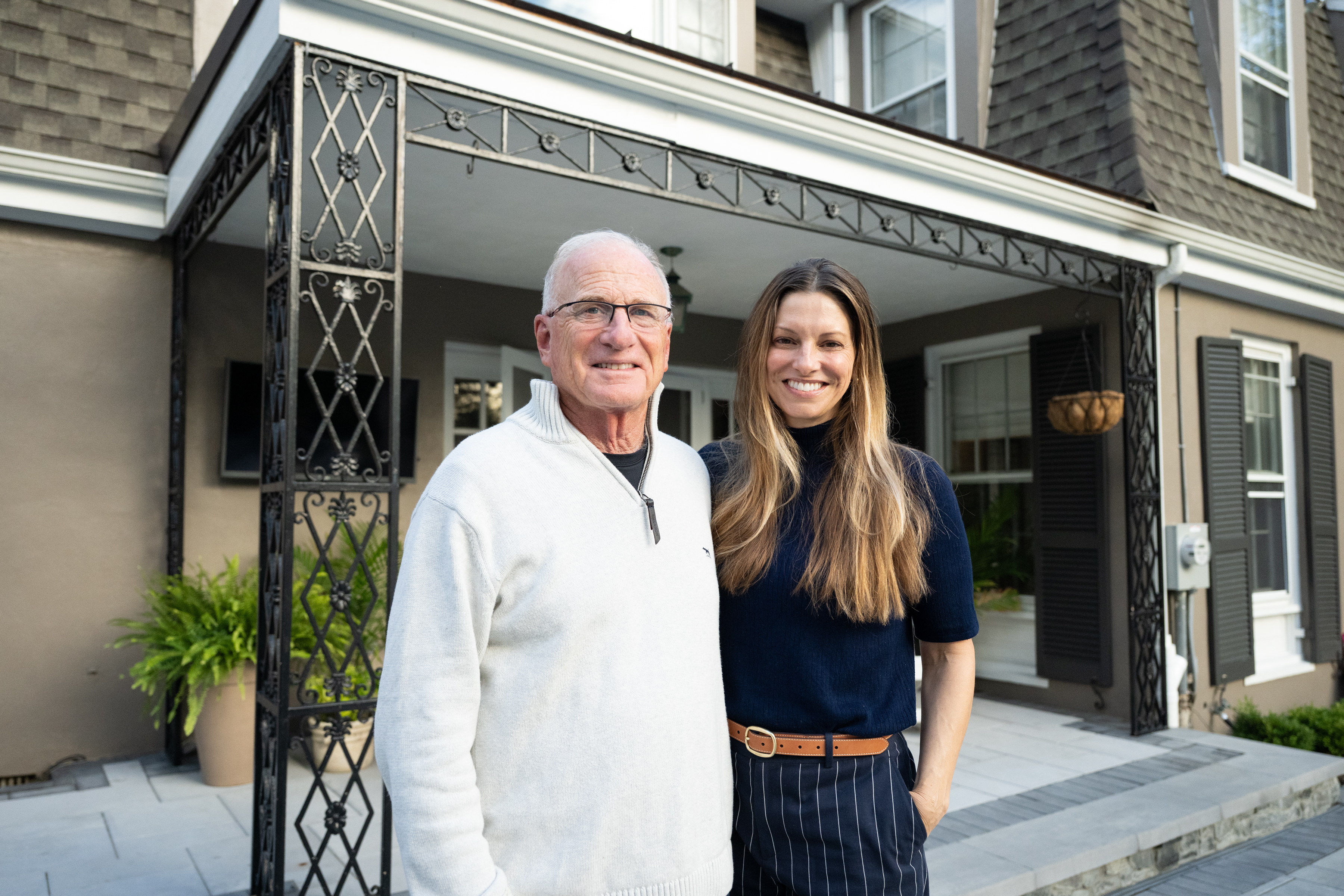
Steve Peikin and Amy Spicer spent four months remodeling their Bryn Mawr home to suit both their tastes. They moved in this spring, once worked was completed.
After a couple purchased a “1980-esque” Bryn Mawr home over two years ago that he loved but she thought felt dated, they landed on a compromise: remodeling it to suit both their tastes.
That meant out with the yellow exterior and in with a brownish gray one, and swapping a more formal interior for a “natural, laid-back feel.”
The result, which took four months to create, is a cozy, updated English Country style home with custom bookshelves, extended ceiling beams, and a new look for the fireplace mantel.
Outside is equally cozy, thanks to a pool, hot tub, and fire pit.
Montgomery County’s former chief information officer has made several accusations against his former employer. In a lawsuit, Anthony Olivieri says he was fired earlier this year because he requested accommodations for his mental health, but also went on to say that officials had engaged in instances of “fraud, waste, [and] wrongdoing” since 2017, including by the county’s CFO.
The community is mourning the loss of two former residents, each that led distinguished careers in the medical field. Last month, world-renowned scientist and Lower Merion native Mark Hallett died of glioblastoma. A Harriton High alum, Hallett was a pioneering expert in movement, brain physiology, and human motor control. And writer, pioneering medical journal editor, award-winning historian, and Bryn Mawr resident Kathleen A. Case died in mid-November from heart failure. She spent 24 years as a top editor for the Annals of Internal Medicine and as vice president for publishing at the American College of Physicians.
In 1989, a Bala Cynwyd woman and Flyers fan earned her way into a club she never sought out. During a playoff game at the Spectrum, Nancy Fineberg was hit in the chin with an errant puck, but she refused to leave until after the game. Soon after, she received a package welcoming her to the “Loyal Order of the Unducked Puck.” The Inquirer’s Matt Breen recently revisited the club’s roots, which date back to the 1970s and were an effort by the team to turn a negative into a positive.
Artist and Gladwyne native Jake Weinstein’s first solo exhibit is on display at Works on Paper Gallery in Center City. “Clankers,” which runs through the end of the month, showcases Weinstein’s longtime interest in robots, designed on paper and in sculpture. Weinstein’s passion for robots was driven in part by his and his father’s love of sci-fi, and his dad’s pioneering work in robotic surgery.
Philadelphia Jewish Exponent recently interviewed Rabbi Matthew Abelson, a Lower Merion resident who joined Jack M. Barrack Hebrew Academy in Bryn Mawr at the start of the school year as a Jewish studies teacher. The New York transplant, who is a member of Sha’arei Orah Congregation in Bala Cynwyd, shared what inspired him to get into the field.
🏫 Schools Briefing
Today is the end of the first trimester for all elementary schools. There are winter chorus and orchestra concerts tonight and throughout next week, and tomorrow night is the talent show at Penn Wynne Elementary. See the district’s full calendar here.
Lower Merion customers are helping drive Chinatown eatery EMei’s expansion. When owner and township resident Dan Tsao analyzed sales data from his flagship restaurant — known for its Sichuan specialties — he saw many coming from Lower Merion, so he decided to open a spot in Ardmore. He’s targeting a summer debut at the former John Henry’s Pub on Cricket Avenue. Sales data also helped Tsao choose South Philadelphia for further expansion, where he will have a phased opening at the former Marra’s Restaurant & Pizzeria on East Passyunk Avenue.
🦌 Rankin/Bass Holiday Specials: Catch screenings of favorite animated holiday classics The Year Without a Santa Claus, Frosty’s Winter Wonderland, and ’Twas the Night Before Christmas during a matinee showing. ⏰ Saturday, Dec. 6, 11 a.m. 💵 $6.75-$7.75 📍Bryn Mawr Film Institute
🎄 Ardmore Holiday Market: Over 20 vendors will be selling handcrafted goods at this inaugural event. ⏰ Saturdays, Dec. 6, and 13, 11 a.m.-3 p.m. 💵 Pay as you go 📍Schauffele Plaza
🇬🇧 Narberth Dickens Festival: Wander around Narberth as it’s transformed into an 1840s, Charles Dickens-themed London, complete with characters from A Christmas Carol. Period vendors, carolers, crafts, food, drinks, and a scavenger hunt round out the event. ⏰ Sunday, Dec. 7, noon-4 p.m. 💵 Pay as you go 📍 Downtown Narberth
This 1945 Bala Cynwyd home has been fully renovated, giving it a modern interior while retaining the charm of its mid-20th century roots. The first floor now has an open-concept layout with a family room, an eat-in kitchen with two-toned cabinetry topped with Edison quartz, and a dining room with a butler’s pantry. There are three bedrooms upstairs, with a fourth in the finished basement. The home also has a new Belgard paver patio. There are open houses today from 4 to 6 p.m., and Saturday and Sunday from 1 to 3 p.m.
By submitting your written, visual, and/or audio contributions, you agree to The Inquirer’s Terms of Use, including the grant of rights in Section 10.
This suburban content is produced with support from the Leslie Miller and Richard Worley Foundation and The Lenfest Institute for Journalism. Editorial content is created independently of the project donors. Gifts to support The Inquirer’s high-impact journalism can be made at inquirer.com/donate. A list of Lenfest Institute donors can be found at lenfestinstitute.org/supporters.