President Donald Trump administration’s doesn’t have the legal authority to demand the “highly sensitive” information, wrote Cathy Bissoon, Pittsburgh’s federal court chief judge. And while the Justice Department couldn’t articulate the “basis and purpose” for its request, Bissoon said, the administration has been “say[ing] the quiet parts out loud.”
“Public statements from government officials reveal its intentions: to create a nationwide voter-database, for potential weaponization in future elections; as a ‘fishing expedition,’ hoped to advance unsubstantiated claims of non-citizen voting; and as a tool for immigration enforcement,” the Barack Obama-appointed judge wrote.
The Justice Department sued more than half of the states in the union for their voter-related records. Bissoon’s ruling marks the Trump administration’s 10th defeat in a district court, which the judge notes with a positive spin.
“The administration’s demands have yielded one unexpected benefit, namely, bipartisan agreement,” Bissoon said. “Five of the district judges are Trump appointees.”
The Justice Department did not immediately respond to a request for comment.
“No matter what the Trump Administration tries next, we’re going to stand up to protect Pennsylvanians’ right to privacy — and our fundamental right to vote,“ Gov. Josh Shapiro said in a post on X.
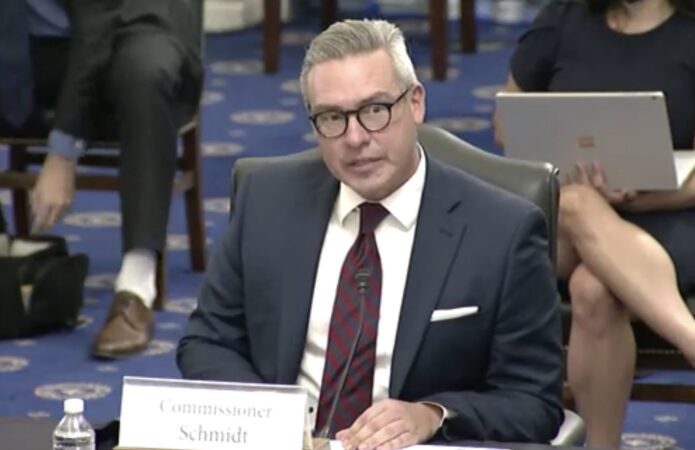
The Trump administration sued in September after Pennsylvania Secretary of State Al Schmidt refused to turn over all voter-registration data — which includes sensitive information such as Social Security numbers — from the November 2022 election through the 2024 presidential election.
“This request, and reported efforts to collect broad data on millions of Americans, represent a concerning attempt to expand the federal government’s role in our country’s electoral process,” Schmidt said in his response to the DOJ.
The federal government sued Schmidt, invoking federal voter election law and “ironically,” according to Bissoon, the Civil Rights Act of 1960.
“Every state has a responsibility to ensure that voter registration records are accurate, accessible, and secure — states that don’t fulfill that obligation will see this Department of Justice in court,” then-Attorney General Pam Bondi said in a statement announcing the suit.
The Trump administration’s push to obtain the unredacted voter rolls has alarmed multiple civil rights groups, including the American Civil Liberties Union, National Association for the Advancement of Colored People, and the League of Women Voters.
Far from boosting the public’s confidence in election integrity, the request seems like an attempt to undermine it, Lauren Cristella, the president of the Committee of Seventy, a Philly-based civic engagement group, previously told the Inquirer.
“They are insinuating that there’s something wrong,” Cristella said. “Even though there is no credible evidence.”
Others raised privacy concerns over sharing sensitive information of millions of voters nationwide.
The Trump administration’s argument hasn’t found much traction in federal courts throughout the country so far. Bissoon joins district judges in Arizona, California, Maine, Maryland, Massachusetts, Michigan, Rhode Island, Oregon, and Wisconsin in dismissing the lawsuits, according to the Brennan Center for Justice, a legal nonprofit affiliated with New York University.
Bissoon opened her opinion by saying limiting the federal government’s power has been among the “bedrock principles of conservative political ideology” and quoting former President Ronald Reagan’s commitment to states’ rights.
From George Washington crossing the Delaware and the Continental Army lodging at Valley Forge to the so-called real Penn’s Landing and the Battle of Brandywine, the Philadelphia suburbs played a crucial role in the early development of the United States.
And though Philadelphia — the birthplace of American democracy — has taken center stage for this year’s Semiquincenntenial celebrations, Bucks, Montgomery, Delaware, and Chester Counties have spent years preparing for 2026 and have curated an extensive list of activities for residents and visitors alike who are looking to honor the United States’ 250th birthday outside the city.
Here is what the Philly suburbs have in store for the 250th:
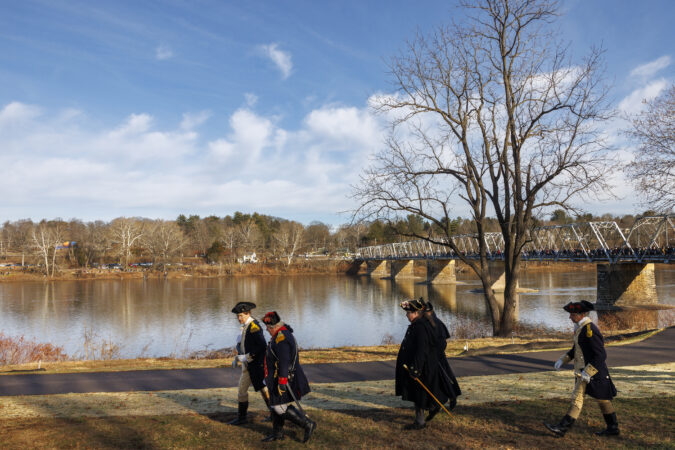
Reenactors fire off a Galloper gun during a reenactment of George Washington’s river crossing, Washington Crossing Historic Park, Washington Crossing, Pa., Thursday, December 25, 2025.
Bucks County’s history-packed celebrations
For Bucks County — established by William Penn in 1682 — 2026 is set to be chock-full of celebratory events tied to the founding of the U.S.
Bucks’ commissionin charge of planning 250th celebrations has partnered with numerous nonprofits to promote their events on a shared calendar on a dedicated county America 250 website.
Forthcoming activities include art exhibitions, a Doylestown bash featuring big-band music and the reading of the Declaration of Independence, tours of a Revolution-era exhibit at the Mercer Museum, and fireworks at Washington Crossing Historic Park on July Fourth. Not to mention the annual reenactment of Washington crossing the Delaware River on Christmas Day.
The group also worked with the Bucks County Planning Commission and the Bucks County Herald to release a Revolutionary War trail map that takes participants throughout the county to visit historical sites.
Bucks gave $7,500 to the 250th commission in July 2024 in support of the celebrations, a county spokesperson said. Other financial support has come from sponsors, including several companies that have dished out at least $10,000 apiece.
Bucks County Commissioner Bob Harvie, who chairs the county’s 250th commission, said these events underscore the pride that communities have in their rich history.
“It’s also a chance for us to think back, I think, and remind ourselves about the foundation of this country, and the values that united us, because especially now we’re seeing a lot of attempts, unfortunately, within our country to divide us,” said Harvie, a Democrat who is running for U.S. Congress.
It is difficult to predict how this year’s 250th celebrations will affect the county’s tourism numbers, but Bucks typically hosts about 8 million visitors a year, Harvie said.
“We’ve been pitching ourselves sort of — no pun intended — for people who are coming here for the World Cup,” Harvie said. “We’re right between Philadelphia and New York, where you happen to have a place that’s sort of a central hub.”
The Valley Creek Trail at Valley Forge National Historical Park in Valley Forge, Pa., on Tuesday, Feb. 20, 2024.
A ‘birthday bash’ and celebrating Valley Forge
Montgomery County’s 250th commission has curated months of events to commemorate the Semiquincentennial, but a free “birthday bash” on Monday at the county courthouse will kick off the height of the July Fourth celebrations.
Attendees can graze food trucks, take pictures, and meet an animal from the Elmwood Park Zoo.
Other programs this year include fireworks and live readings of the Declaration of Independence over July Fourth weekend, exhibits to commemorate the 50th anniversary of Valley Forge becoming a national park, and a gathering (with food and drink, of course) at a Skippack farmstead to honor Washington and his troops’ encampment in the town in 1777.
The 250th events have been planned by the county and local municipalities, said Jamila Winder, chair of the county commissioners, as an “opportunity to create meaningful, inclusive celebrations” and cultivate “civic pride.”
Montgomery County typically gets about 8 million visitors a year and are projecting an additional 1 million to the region for the 250th, said Winder, a Democrat.
To help fund this year’s festivities, the county started a grant program through which municipalities can apply to receive up to $500 to support their 250th events between now and Dec. 1.
The county has allotted a $35,000 budget for 250th celebrations, including the grant program, which 22 of 62 municipalities are a part of, a spokesperson said.
“It’s an opportunity for visitors to see how Montgomery County played a unique role in America’s founding, including our deep ties to Valley Forge in the Revolutionary area,” Winder said. “You know, people always think about Philadelphia, right? Philadelphia is a big piece of this story, but Montgomery County plays a huge role in that.”
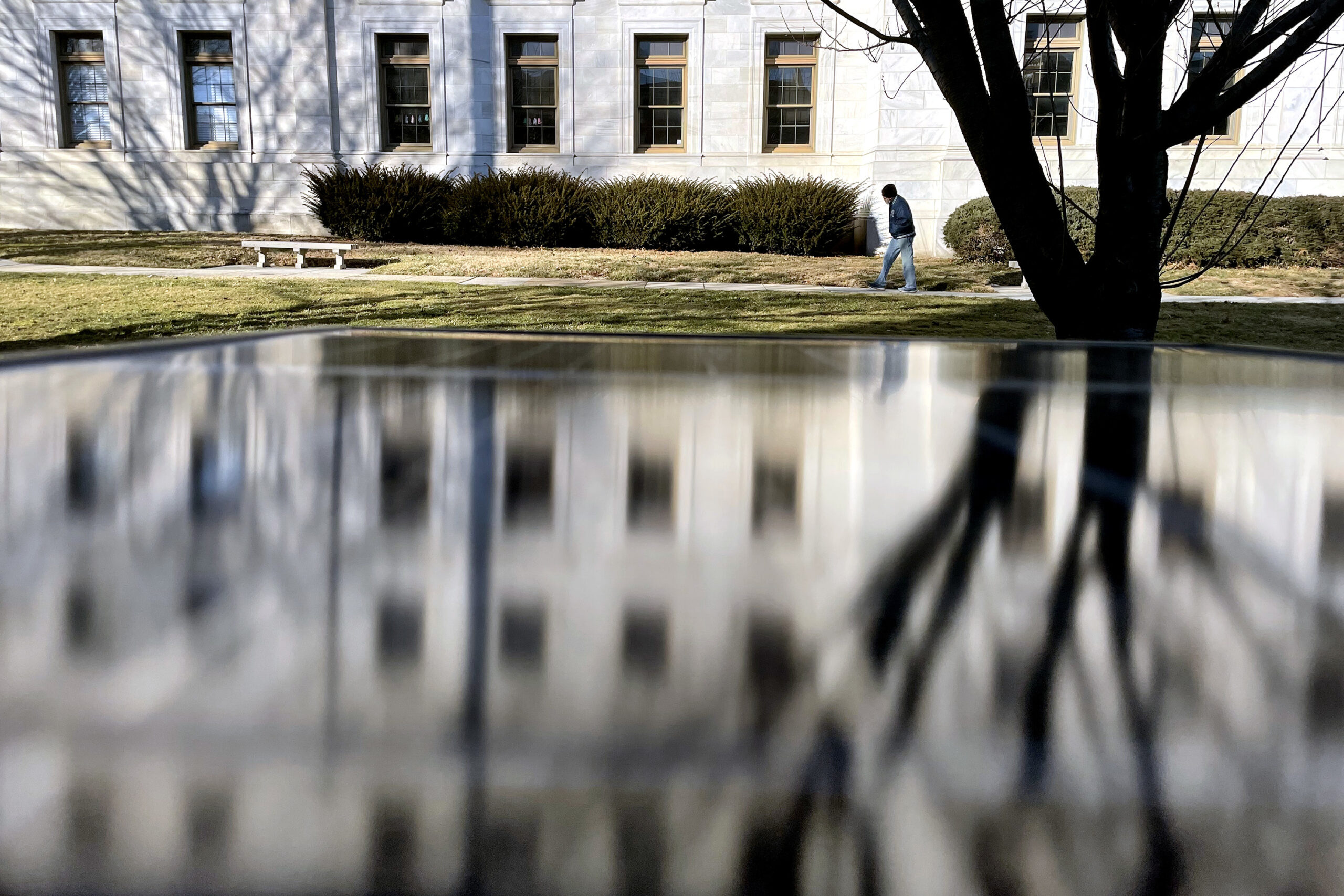
The Delaware County Courthouse in Media is reflected in a solar panel atop one of the borough’s on-street parking kiosks along Front Street.
Delco is ‘pretty lit’ about its 250th celebrations
“If you thought Delaware County residents were proud of being Delco before America 250 — you’re just, like, next-leveling it now.”
That’s what Delaware County Council member Elaine Paul Schaefer said about Delco’s excitement leading up to the 250th, making sure to set the record straight that William Penn’s storied first steps in the New World hundreds of years ago were actually in Chester, not at Penn’s Landing in Philadelphia.
The county — through its America250PADelco commission — is promoting over 100 county, town, or nonprofit events through November, from art exhibits, concerts, and fireworks to “dining under the stars” in Media, a late-summer drone show, and a reading of the Declaration of Independence on the county courthouse steps.
“Delco is pretty lit about this,” said Schaefer, a Democrat.
The county’s 250th commission has disbursed more than $650,000 in grants for various initiatives. That grant money comes from a mix of funds from the American Rescue Plan Act and from different county agencies.
Schaefer said she hopes the events encourage residents to harness a connection to their communities, particularly through the county’s 250th volunteer program.
“You can do something small, do something big. … It’s a really great way to get people involved and connected, and I think that kind of volunteerism and increasing connection to the community will carry on after this big celebration,” Schaefer said.
About 800 Battle of Brandywine reenactors in Chester County.
For Chester County, the party will last through next year
And the events planned for this year (and next year, as it honors various Revolutionary War-era battles, including the Battle of Brandywine) are key to celebrating the county’s role in the founding of the United States.
Residents and visitors have a wide array of activities to choose from outlined on the commission’s website, including driving tours of historical sites and Declaration of Independence readings. On the evening of July Fourth, the Chester County Concert Band will be playing patriotic music as a precursor to the fireworks show.
As opposed to hosting tons of large-scale events, Chesco is more focused on local events that can foster community building, said David Blackburn, heritage preservation coordinator at the Chester County Planning Commission. The commission is working with the county’s 250th commission to carry out plans.
“We’re really oriented to supporting the communities of the county to share their stories,” Blackburn said.
The county has invested over $170,000 in educational materials and programming related to the 250th, in addition to a more than $330,000 grant from the state, a spokesperson said.
But once the clock strikes midnight on New Year’s Eve, the celebrations won’t end for Chester County, said Matthew J. Edmond, executive director of the planning commission.
In 1777, many significant Revolutionary War battles took place in the collar counties, and Chester is planning to pour a lot of resources into commemorating those historical events next year.
“We are actively talking with our commission board about ways to celebrate, ways to fundraise for it, and ways that we can make maybe 2027 to be even better than celebrations in 2026,” Edmond said.
HARRISBURG — Three years after a bitter budget standoff over allowing state funding to be used for private school tuition, top Democrats in Harrisburg are ready to engage on school choice.
Legislative action and comments from a top House Democrat this week expressing openness to a federal school-choice program marked a notable change from 2023, when a fight over school vouchers put Democratic lawmakers at odds with both Republicans and Gov. Josh Shapiro, a member of their own party.
House Majority Leader Matt Bradford (D., Montgomery) said this week that some of the uses of Trump’s tax credits, which are opposed by the country’s largest teachers unions, are “intriguing.” And he noted he is proud of some money the state now pours into one of thetax credits to fund private-school scholarships for low-income families in low-achieving districts. Those comments from Bradford, a top leader in Harrisburg, suggested a public softening on an issue that was previously a non-starter for his party— and signaled the school-choice debate may once again factor into state budget negotiations.
“For our members of our caucus who want to see alternatives for the poorest kids in the poorest schools, we’re being responsive to the needs of those constituents,” he said in an interview, referencing growing support for school choice among some House Democrats, particularly those from Philadelphia.
State Rep. Matt Bradford (D., Montgomery County) during a press conference at the Capitol in Harrisburg Feb. 3, 2026.
The school-choice movement, a largely Republican-backed effort to allow public dollars to go to private schools, faces strong opposition from education advocates who say such programs can take money from public schools.
And that debate is sure to continue. Bradford said more oversight — and an overall reform of the current tax credits — is needed to make sure the state tax dollars are actually reaching poor students.
Earlier this week, House Democrats fast-tracked an overhaul to the state’s current $680 million school-choice tax-credit programs to require additional reporting from private schools in order to secure funding. The legislation is likely to face opposition in the GOP-led Senate, where Republicans on Thursday advanced a $25 million increase to the programs ahead of a June 30 deadline to pass a state budget.
Senate Republicans called the tax credits a “priority for empowering parents,” while the Archdiocese of Philadelphia said the House bill would be “devastating” to local Catholic schools and lead to fewer scholarships for students.
A spokesperson for Shapiro said his office is reviewing the House bill, and declined to comment on whether his position on school choice has changed. Shapiro, who has sent his own children to private school in Montgomery County, has previously said he supports school choice, including school vouchers.
Shapiro has until the end of the year to decide whether to opt in to the federal program. But the signal of openness from Bradford, who is close with the governor, offers potential insight into his path forward.
That program, enacted last year under Trump’s “One Big Beautiful Bill Act,” would offer federal tax credits to donors for giving to organizations that grant private school scholarships. Many GOP-led states have already signed on, while some Democratic governors have declined to participate.
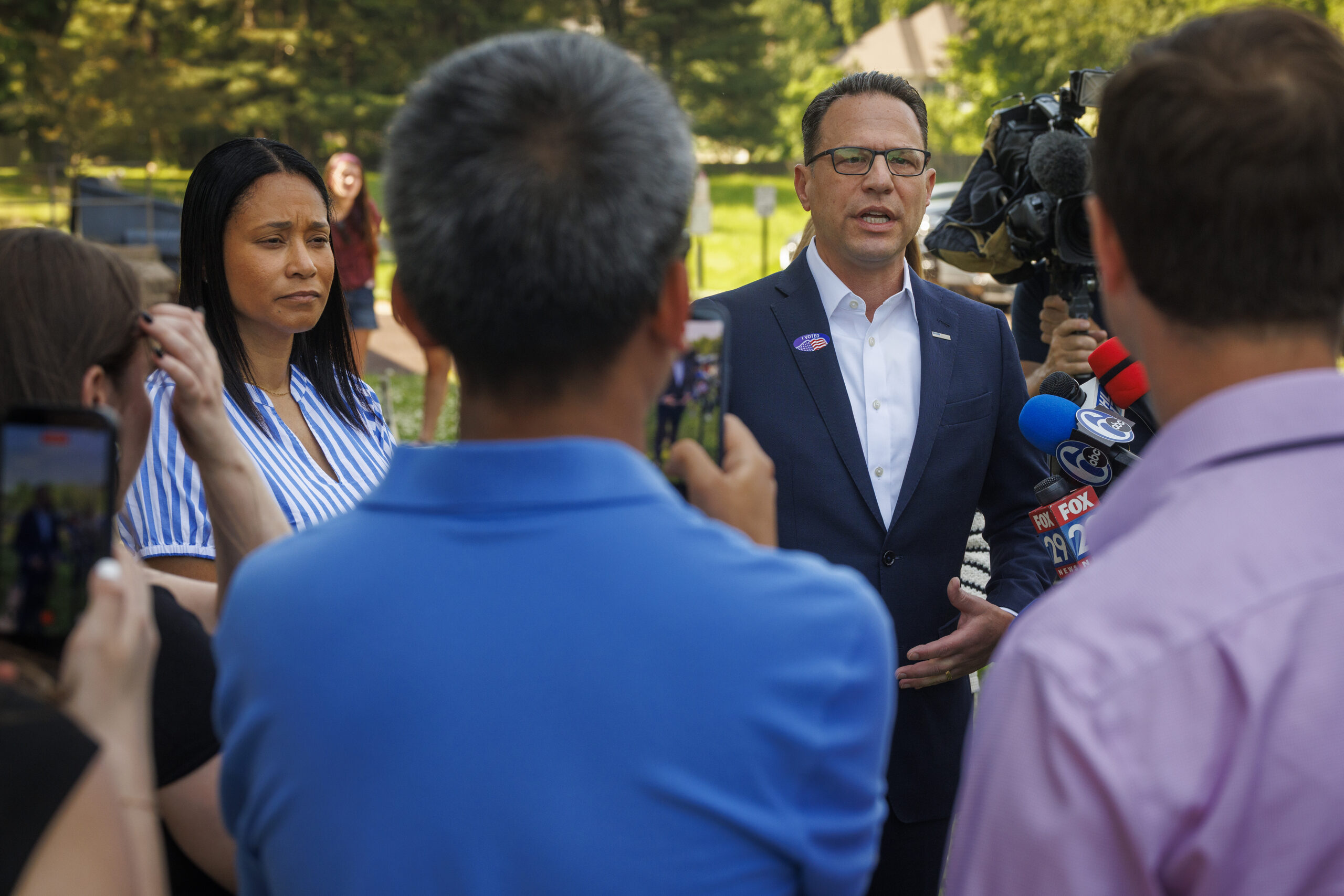
Pennsylvania Governor Josh Shapiro taking questions from media on election day, Tuesday, May 19, 2026. He voted today at Rydal Elementary (West) 1231 Meetinghouse Road Rydal, PA. At left is Jamila H. Winder, Chair, Montgomery County Commissioners.
Shapiro will also likely face questions about school choice on the campaign trail.
He is running for reelection in November against Republican Treasurer Stacy Garrity. Garrity’s platform focuses, in part, on expanding school-choice options in Pennsylvania and she has the support of Commonwealth Partners, a political action committee largely funded by Pennsylvania’s richest man, Jeff Yass, which has poured money into supporting school choice.
The issue will also likely surface a national stage if Shapiro enters the 2028 Democratic presidential primary race. His support for vouchers drew criticism from fellow Democrats in 2024, when he was a potential vice presidential nominee.
Debate over state tax credits
Pennsylvania does not have a direct school voucher program. Instead, the state sets aside $680 million each year for tax credits that allow businesses and individuals to write off charitable giving that supports private school scholarships.
House Democratic support for those credits has quietly grown in recent years. In a June 2025 letter recently obtained by The Inquirer, 10 House Democrats, including five from Philadelphia and the head of the Pennsylvania Legislative Black Caucus, asked their leadership to expand a portion of the tax credits forstudents in the lowest-achieving school districts — revealing more Democratic support for the programs than was previously known.
Public education advocates who oppose voucher programs say the state is funneling money to private schools with little accountability.
“It’s just a pot of money that a bunch of people get, and nobody really knows where it goes or what happens to it,” said Susan Spicka, executive director of Education Voters PA.
New requirements approved by the state legislature last year are set to take effect in November andwill require scholarship organizations to report the dollar amount of each award, the recipient’s district of residence, and where they attend private school.
The bill advanced by the House in a 105-97 vote this week would also require organizations to report each scholarship recipient’s income level — reducing the currentlimit to $144,000 for a family of four — and the amount of remaining tuition charged to a student. Advocates, including Spicka, called that information key to gauging whether scholarships are going to families who otherwise could afford private school.
Bradford said he’s proud of the $110 million earmarked in existing state tax credits to provide additional money to kids attending schools where a majority of students are getting scholarships. House Democrats say their newest proposal would steer more money toward those students.
But the proposed legislation — which would also reduce the tax credit donors could claim for some contributions, and require scholarship organizations to set 2% of funding aside for state oversight of the programs — drew swift backlash from private school advocates.
Philadelphia Archbishop Nelson J. Pérez is “deeply concerned that this legislation would have a devastating impact,” said spokesperson Ken Gavin. “The clear intent is to lead to the dilution or elimination of the programs, which are vital.”
Schools affiliated with the Philadelphia archdiocese educate nearly 44,000 students across 117 schools in the region, according to its website.
Bradford, who is Catholic, said the Archdiocese’s response “missed the mark,” arguing that this legislative effort is trying to achieve a similar goal of serving students from poor families who attend the roughest schools.
“I’m proud of my own Catholic faith. I love when my Catholic Church stands for those communities,” Bradford added. “No one should ever fear transparency, especially when you’re talking about three-quarters of a billion dollars of state tax dollars.”
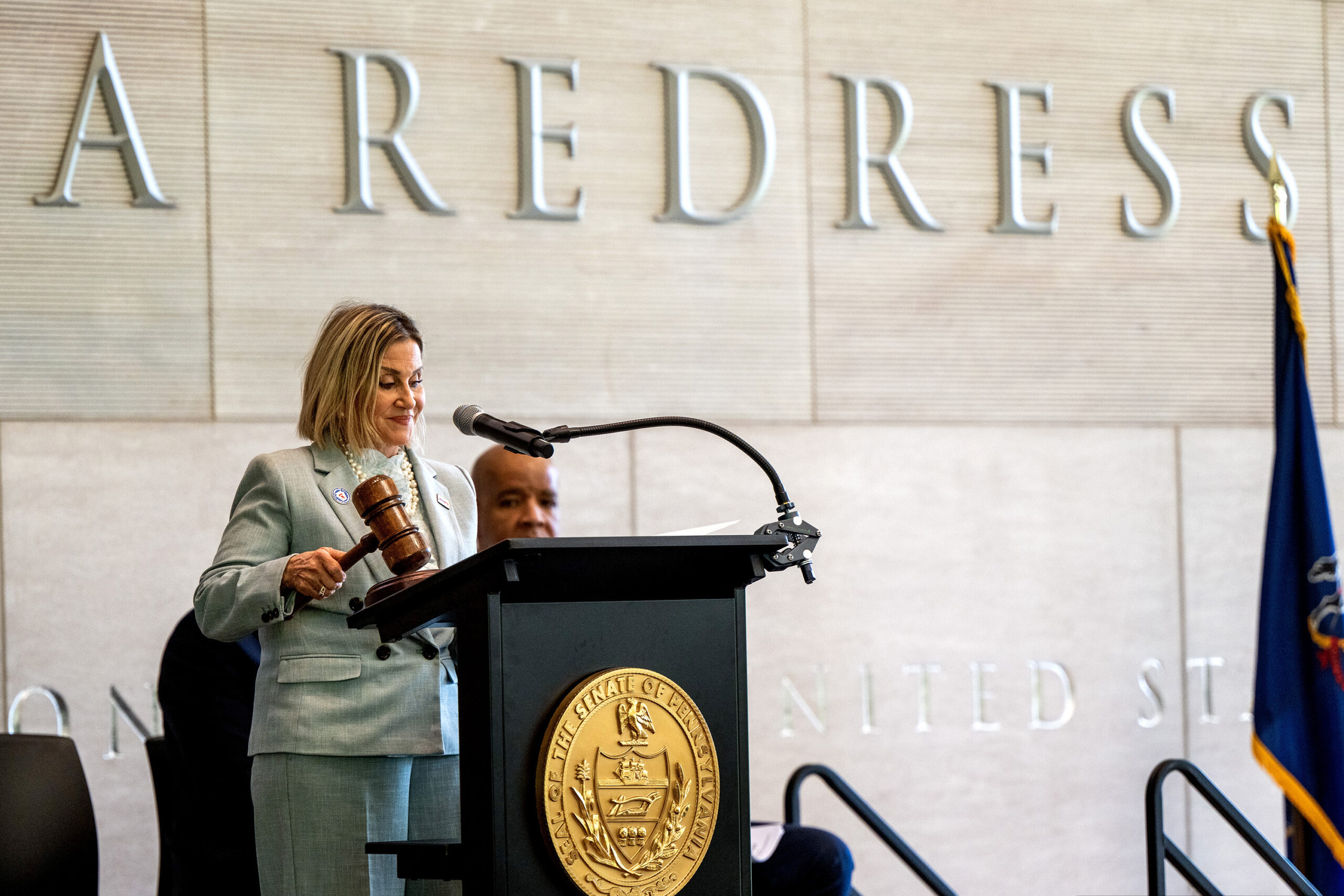
President Pro Tempore Kim Ward gavels the opening as the Pennsylvania Senate hosts a ceremonial meeting at the National Constitution Center Tuesday, May 5, 2026.
Meanwhile, Senate Republicans on Thursday amended another House bill to increase the state’s current tax credit programs to $705 million.
President Pro Tempore Kim Ward (R., Westmoreland), a staunch supporter of school vouchers, said in a statement that Bradford‘s attention to school choice is disingenuous, criticizing the House Democrats’ bill as “overly burdensome auditing requirements disguised as ‘transparency.’”
The 2023 budget breakdown, where Shapiro ultimately vetoed the school voucher program he‘d helped draft with Senate Republicans because it couldn’t pass the Democratic-controlled House, continues to tarnish his relationships with top GOP leaders, including Ward. He and Ward have hardly spoken since.
“While Senate Republicans have consistently advanced legislation to provide scholarships to disadvantaged students, the track record for Gov. Josh Shapiro and House Democrats has been nothing more than a case of whiplash as their words and actions rarely align,” Ward said. “To me, it seems like the support for school choice by the House Democrat Leadership is more of a façade as they continue to cater to political special interests.”
Bradford, in response, said he is open to conversation about accountability and transparency, but that debate needs to include private schools benefiting from taxpayer dollars.
“We shouldn’t carve out any portion of our K-to-12 education,” Bradford added. “That conversation needs to be uniform.”
A choice for states on Trump’s tax credits
Shapiro has previously said he would wait for more details before making a decisionon whether to participate in the new federal tax credit program. The U.S. Department of the Treasury earlier this month released additional details, including that itwill allow individuals to receive up to $1,700 in credits for making donations to private school scholarships that can cover tuition, tutoring, and more. In Philadelphia, families making $368,100 annually, or 300% of the county’s gross median income,would be eligible to receive the scholarship.
Shapiro’s press secretary Rosie Lapowsky said the governor appreciates the guidance, but continues to await information on “how this will affect use of our existing tax credits, how states will be expected to administer the program, and how eligibility will be determined.”
Twenty-eight states have opted in to the program, most of which are led by Republicans. And Democrats are facing pressure to stay out of the program.
In a letter sent to Democratic governors this week, American Federation of Teachers President Randi Weingarten and National Education Association President Becky Pringle called the program “a Trojan horse carrying near-universal K-12 private school vouchers into every state that participates.”
So far, Democratic governors elsewhere have taken differing approaches to the program. New York Gov. Kathy Hochul has said her state will participate but is waiting for final guidance before officially signing on. Other governors like Minnesota Gov. Tim Walz and Oregon Gov. Tina Kotek have announced that their states will not participate. Democratic governors in Arizona and Wisconsin have vetoed legislative efforts to force their states to opt in, while governors’ similar vetoes in North Carolina and Kentucky were overridden by legislators.
Bradford said it’s “an abomination” that funding for Trump’s program came from Republicans making other cuts to the federal budget, and emphasized that stateDemocrats remain committed to increasing public education funding.
“Here in Pennsylvania,” he said, “we are a humble 102 [Democrats] in the Pennsylvania House and we are nimble and pragmatic.”
In the latest twist over Pennsylvania’s participation in President Donald Trump’s Great American State Fair, U.S. Sens. Dave McCormick and John Fetterman announced Saturday that the state where America was founded will be represented after all.
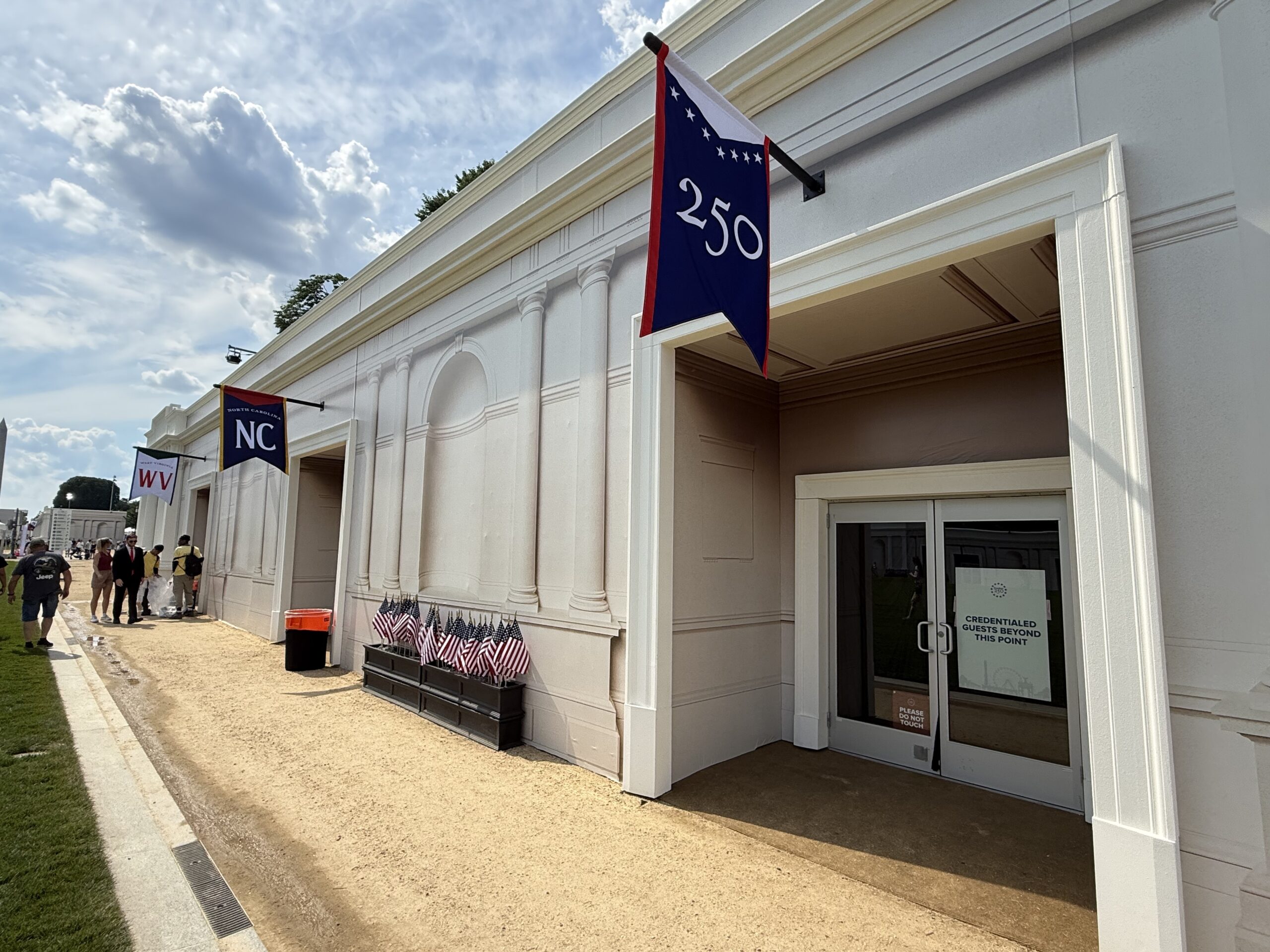
On the fair’s opening day, Pennsylvania had no official presence, and the booth reserved for the commonwealth remained empty, except for a flag that read “250” in Pennsylvania’s space.
After that news, McCormick (R., Pa.) and Fetterman (D., Pa.) said in a joint news release Saturday that they secured private-industry sponsors for the booth at no cost to taxpayers. Sponsors include the Pennsylvania Chamber of Business and Industry, the Pennsylvania Farm Bureau, and other organizations.
“Pennsylvania is where America’s story began, and there was no way we were going to let the Commonwealth go unrepresented during our Nation’s 250th birthday celebration,” McCormick said in the release.
“Celebrating America’s 250th birthday and Pennsylvania’s special role in our country is important and bipartisan,” Fetterman said. “We discovered our commonwealth wasn’t participating in the Great American State Fair on the National Mall, and we should be.”
A ferris wheel is on the National Mall as part of the Great American State Fair, one of the celebratory events organized by the Trump administration commemorating the 250th anniversary of the United States in Washington, D.C., June 25, 2026. At the kickoff to the Great American State Fair, exhibits celebrating the nation were on display. So were conservative themes. (Alex Kent/The New York Times)
Shapiro told the New Republic earlier this week that when his administration approached major Pennsylvania companies to participate, “none were interested.”
“It reflects this sad state of affairs that we find ourselves in — that the president has politicized this to a degree that businesses don’t want to participate,” he told the New Republic.
However, sources who worked on the sponsor search confirmed for The Inquirer that at least two major Pennsylvania companies agreed to provide products and other donations to give away at Pennsylvania’s fair booth but were unable to initially do so due to short notice. The sources asked The Inquirer to not name them because they were not authorized to speak on the search.
In a statement Saturday after the senators announced their plans, a Shapiro spokesperson said the administration was “unwilling to spend hundreds of thousands of taxpayer dollars to fund the Great American State Fair amid the historic slate of events across Pennsylvania in 2026.”
Before McCormick and Fetterman’s intervention, Shapiro administration officials were told that Freedom250, the organization planning the fair, would be “handling the booth” in the absence of formal state participation, said Rosie Lapowsky, Shapiro’s press secretary.
Pennsylvania’s Department of Agriculture also sent state literature that began appearing in the booth on Saturday, according to Freedom250.
The Great American State Fair Thursday, June 25, 2026, in Washington, D.C. This pavilion would have belonged to Pennsylvania if the state had participated in President Donald Trump’s 250th anniversary event on the National Mall.
But Pennsylvania’s search for business sponsors was brief, according to a source close to the search.
The Pennsylvania Chamber of Business and Industry, which was charged with finding sponsors, said Shapiro’s office called the organization less than two weeks before the fair began. Other states, the chamber said, had been working on their displays since January.
“The Governor’s team asked us for assistance with business outreach for the Great American State Fair just two weeks before the event. While there was interest, the short time frame made it difficult for many businesses to fully commit,” said Jon Anzur, the chamber’s senior vice president of public affairs. “We are now reengaging those and other companies as we partner with Sens. McCormick and Fetterman.”
In the absence of official Pennsylvania representatives and sponsors, McCormick and Fetterman were suddenly on Saturday able to secure private groups to staff the booth and help coordinate sponsors for the remainder of the fair.
According to a source briefed on the conversation, Shapiro and McCormick spoke Saturday about the senators’ plans to fill the booth, and Shapiro offered to send additional state literature. The Inquirer is not naming the source because they were not authorized to speak on the conversation.
Crayola is among the sponsors that will send along crayons, markers, and coloring books for a coloring station, which should be operational as early as Sunday. Other sponsors have signed on as well, though they were not immediately identified and their contributions were not disclosed.
President Donald Trump stands on stage after speaking at the opening of the Great American State Fair on the National Mall, Wednesday, June 24, 2026, in Washington. (AP Photo/Julia Demaree Nikhinson)
During the fair’s opening days, nearly every other state was represented, with most sending government staff or tourism officials to host educational or interactive exhibits.
New Jersey also officially declined to participate, but Cape May County, a Republican stronghold, stepped in to represent the state. Its exhibit features an 8-ton sand sculpture created by a Wildwood artist over the course of more than four days.
Delaware highlighted Founding Father Caesar Rodney’s ride to cast the decisive vote for independence in Philadelphia.
Sam Janesch and Andrea Padilla contributed to this article.
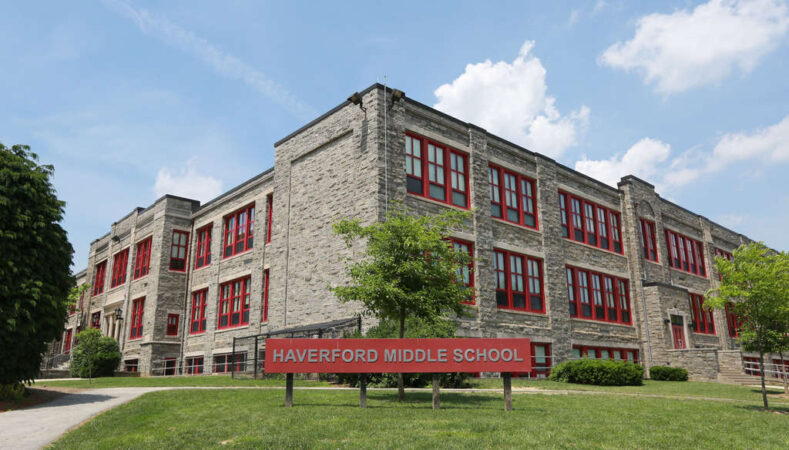
A move by the Haverford Township School District to buy artificial intelligence tools for students and teachers has been met with protest from parents who fear the technology will erode learning.
At a meeting last week, the Haverford school board voted 5-3 to approve contracts with School AI, which features AI “tutors,” and Brisk, which automates tasks for teachers, like developing quizzes and giving students feedback.
While administrators said the tools wouldn’t supplant teaching and learning, critics said it was inevitable that AI would be used inappropriately — making it easier for kids to avoid work.
“The idea of putting chatbots on computers — I don’t even care what age. I’m pretty disgusted by that,” said Christine Seewagen, a district parent of rising 12th and 7th graders.
The district already struggles to manage technology in the classroom, said Seewagen, who said her older child has observed students run math questions through an AI tool on their phones. Her younger child, meanwhile, had a teacher who directed students to upload essays to an AI tool to get feedback, Seewagen said.
“They’re just using AI, and not really being instructed on how to do it,” Seewagen said in an interview.
Administrators said they were recommending buying AI tools in part because teachers are already using freely available versions, and they want to “eliminate free roaming around platforms,” Robert Anderson, the district’s technology director, said at the June 18 board meeting.
Haverford’s superintendent, Matthew Hayes, said the School AI contract would “allow us to have a resource so that as we go through the process of the strategic plan and looking at all the implications down the line,” the district could begin teaching AI “thoughtfully, responsibly, ethically.”
He added: “And also reducing screen time,” without providing further details.
The controversy around AI in Haverford is the latest example of area parents pushing back on what they see as excessive and unchecked technology use in schools.
In Haverford, some parents said they were caught off guard by the proposal to adopt technology they felt posed risks to their kids.
Patrick Burland, the parent of an incoming 10th grader and 6th grader, noted he’d had to sign numerous permission slips for his younger child to participate in end-of-year celebrations.
“Apparently, sugar requires a signature, but cognitively rewiring her brain does not,” Burland told the board.
Anderson said Haverford had been considering how to incorporate AI for years. He said the district sought feedback from teachers, including through an AI working group, before proposing the contracts.
Board members who voted for the AI tools, meanwhile, said kids needed to learn how to use the technology responsibly.
“Not acknowledging that it’s here … we don’t gain anything, right? We actually lose and we put ourselves farther behind because it’s not going anywhere,” said board member LaTonia Lee.
But some raised questions about what the district was planning to do with the tools.
Dave Schwartz, another board member, said he would support teaching kids about AI. But the district hasn’t said how it plans to do that, he said.
“We’ve been talking very much in vague terms, and I can’t vote for something that I don’t understand,” Schwartz said.
A district spokesperson did not respond to a question this week about examples of how School AI might be used.
Board member Chris Shelton asked Anderson about criticism that the tool’s “historical figure” chatbots were giving students inaccurate information. (Last year, School AI acknowledged that responses from an Anne Frank character “didn’t provide critical historical details about the Nazis’ role in the Holocaust.”)
Anderson called it “unfortunate” that the company had promoted the historical figures feature, but said the district “would have the option to potentially not use something like that.”
John Flagler, a board member and English teacher, said he understood the burdens placed on teachers, “but I also believe there are lines that should not be crossed.”
The suggestion that grading papers is a “menial task” that could be offloaded to AI “is an insult to both the teacher and the student,” Flagler said, calling grading essential to teachers learning about students.
Administrators said Brisk wouldn’t be used for grading, but would provide “first-level feedback” — informing students they’re missing a topic sentence, for instance, said Meridith Herne, the district’s technology integration coordinator.
“We insist that our teachers read it over and modify it so it’s in their own voice,” Herne said of Brisk’s feedback. Hayes said that 97 district teachers already use a free version of the tool.
He said the tool was not meant to replace teachers.
“That’s not my intent at all,” Hayes said, describing Brisk as “an option for individuals who want exposure to it.”
He noted that the contracts with Brisk, for $22,260, and School AI, for $12,999, were each limited to one year.
Teachers will be trained on the School AI platform, Anderson said; it will be up to them to decide whether they want to use it. He said the district envisions the platform beingused in high school and “potentially” middle school, but isn’t planning for it to be used in elementary schools.
Parents like Burland and Seewagen, who said like-minded parents have been organizing on social media, weren’t persuaded.
“It does not feel like to me they have put any guardrails on,” Burland said in an interview. He questioned whether the district would have considered turning off School AI chatbots, for instance, had it not been asked at the board meeting.
Seewagen said many parents who have learned about the AI plans aren’t happy.
Dorothy Verdon had a history of moving around every few years. But when she found her lakefront — or, technically, lake-back — home in the Arbours of West Goshen in Chester County 12 years ago, she just really liked it.
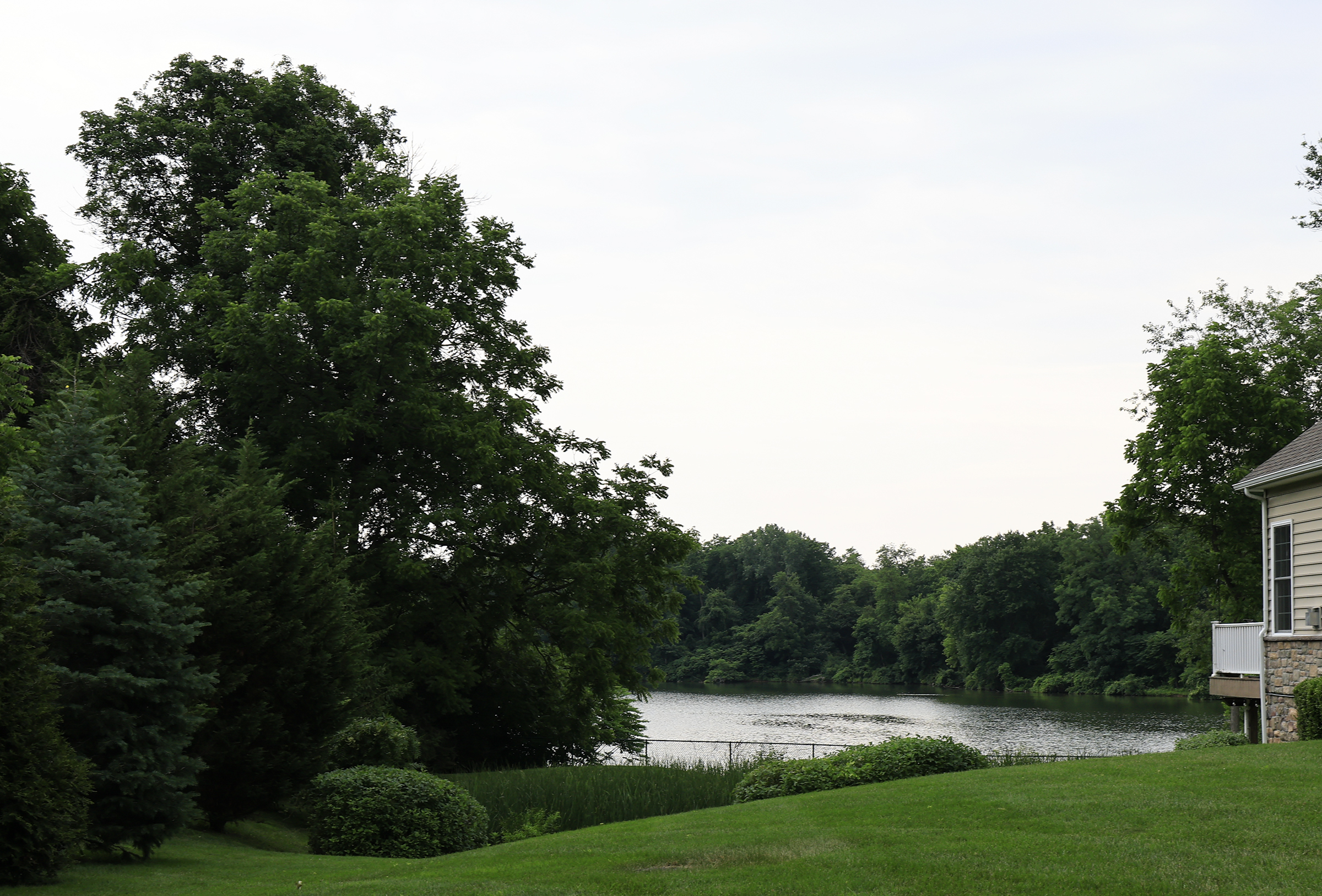
Her loudest neighbors are the geese, who live at the banks of Fernhill Lake, a 64-acre impoundment formed from Aqua’s Township Line Dam. But under a plan from the public water company to partially decommission the dam and draw down the reservoir, returning the natural flow of Chester Creek, Verdon and her neighbors’ backyards would be subject to great ecological change in the coming years.
It’s a change environmentalists generally support, as dams greatly affect the ecosystem around them: increasing water temperature, generating algae growth, and fragmenting habitats. But residents, some of whom paid up to $20,000 for their lake-facing yards,worry what their backyards, and the developed habitat, could become.
“My immediate concern, and that of several residents and the township, is what’s going to happen to the ecosystem, because it is a water-based ecosystem,” Verdon said. “There’s that. It’s really financial. And it’s aesthetic. What are we going to have behind us as the lake gets drained?”
A view of Fernhill Lake from the Arbours at West Goshen in West Goshen, Pa., on Monday, June 22, 2026.
The planned decommissioning
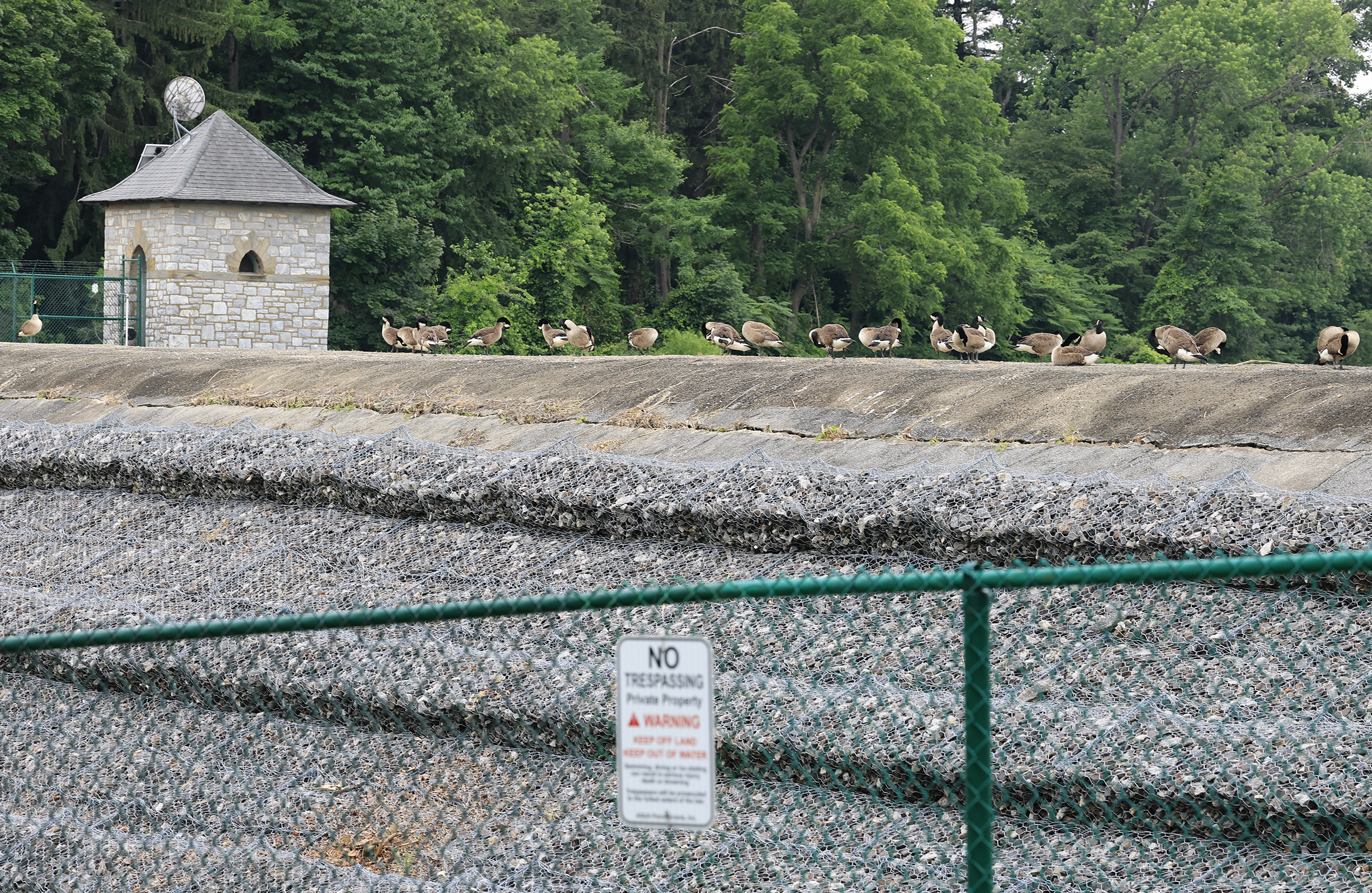
Built in 1935, Township Line Dam once supplied drinking water for surrounding customers. But, as with a number of dams before it, that has not been the case for decades. Aqua acquired the dam in 1998 and does not use it for daily operations.
Township Line requires “extensive investment” to satisfy requirements from the Pennsylvania Department of Environmental Protection, which outweighs the benefits of a dam that no longer serves its purpose, Michael Fili, the company’s vice president of planning, design, and construction, wrote in a letter to the township’s board of supervisors in May.
Under its plan, the company will begin drawing down the water in the reservoir by eight to 10 feet, leaving the water at that reduced level until it begins construction for partial dam removal in early 2028 through 2029, Fili wrote. At that time, the entire lake would be drained. (The company originally planned to begin the process in July, but pushed the timeline back to fall following concerns from residents.)
A view of the Township Line Dam along Airport Road in West Goshen, Pa., on Monday, June 22, 2026.
Following decommissioning, Aqua proposed transferring ownership of the 114 acres to West Goshen Township, making the municipality “stewards of the land” that could “utilize the land for the benefit of its residents,” Fili wrote.
“We understand the reservoir and surrounding area is enjoyed by the community, and we do not take this action lightly,” Fili wrote.
The announcement drew concerns during a May board meeting from residents, who questioned why it had to be drawn down so quickly, and worried about what would become of the land — fearing further development, or lack of adequate care to keep it from becoming an eyesore. Some wondered if there might be a path to maintaining the lake.
“With all due respect to my fellow supervisors’ opinion, I don’t think we have an option here,” said Shaun Walsh, chairman of the township’s board. “If you keep it as a dam, you need to spend millions of dollars to fix it.”
Walsh said the township would keep it as an open space, possibly turning it into a mixture of wetlands, meadow, woodlands with walking trails — an “ultimately real beautiful amenity for people in the area to use,” he said.
“I think there are so many advantages in it becoming a publicly owned asset, given that the township is so built out,” he added. “I personally believe in 10 years’ time we should have an attractive amenity there for the community.”
(“When we’re all dead,” someone in the meeting responded.)
West Chester appears to have a right of first refusal to purchase the property at low cost, based on old agreements, officials for the borough said. West Goshen Township Manager Chris Bashore said that town was waiting to see what West Chester decides.
In a message, Aqua said it is communicating with both municipalities and “no determination has yet been made as to whether the 114 acres of property will be conveyed and to whom.”
Birds rest on the Township Line Dam along Airport Road in West Goshen, Pa., on Monday, June 22, 2026.
Dams and wildlife
Residents also worry about what will become of the waterfowl, turtles, fish, and a bald eagle who have begun to call it home over nearly a century.
Largely, environmental activists believe that “the positives of dam removal outweigh any kind of negatives” said Faith Zerbe, advocacy and science community action coordinator with the Delaware Riverkeeper Network, which has sought the decommissioning of multiple dams over the last two decades.
The Chester Creek, a tributary of the Delaware River, is steeped with “impairments” — situations when a waterway does not meet environmental or regulatory quality — along much of its length. Removing the dam would help chip away at some of those larger issues.
“Removing a dam, allowing the natural stream to find its pattern over time as that dam removal takes place, and then restoring the stream banks with natural native indigenous species is kind of a critical piece to getting ecology back to the river,” she said.
Aqua said it is coordinating with the Pennsylvania Fish and Boat Commission and Department of Conservation and Natural Resources, and the federal Fish and Wildlife Services, as it prepares for its drawdown.
It is essential for the dam decommissioning to be done right, environmentalists said. But when done “thoughtfully and with the proper permissions, dam removal can have remarkable benefits for local ecosystems, allowing these areas to return to their original landscape,” said Carly Lare, executive director of Chester Ridley Crum Watersheds Association.
Her organization has been communicating with Aqua to better understand the project’s goals and timelines, she said.
“Since colonization of the area, this landscape has greatly changed, which in turn alters which native species can survive throughout our region,” Lare said. “When habitats are fragmented, our creeks experience diminished migration of native fish populations, which in turn influences the health and diversity of other native organisms, ranging from freshwater mussels to river otters.”
This suburban content is produced with support from the Leslie Miller and Richard Worley Foundation and The Lenfest Institute for Journalism. Editorial content is created independently of the project donors. Gifts to support The Inquirer’s high-impact journalism can be made at inquirer.com/donate. A list of Lenfest Institute donors can be found at lenfestinstitute.org/supporters.
A Philadelphia wedding photographer who has been the target of complaints from so many couples in Pennsylvania and New Jersey that they created their own Facebook group was sued on Friday by the Pennsylvania Attorney General’s Office for allegedly ripping off her customers for at least $75,000.
Christina Garcia, who also did business as Christina Hernandez Artistry LLC and Wandering Stardust Collective, allegedly failed to provide contracted photo and video services and refused to refund deposits, the attorney general’s office said.
Attorney General Dave Sunday vowed in a statement Friday to make sure “this photographer never again conduct[s] business in the Commonwealth.”
Sunday said in his statement: “A wedding day is one of the most precious and cherished moments in the lives of a couple, and this business darkened those days by neglecting appointments, then refusing to refund customers.”
Attorney General Sunday announced a lawsuit against Philadelphia-based photographer Christina Hernandez Artistry LLC — a.k.a. Wandering Stardust Collective — for allegedly failing to provide wedding photos and videos to consumers. https://t.co/qQtjyt6bgvpic.twitter.com/3mH6un14sJ
— PA Attorney General Dave Sunday (@PAAttorneyGen) June 26, 2026
Garcia has been the focus of reports from the Washington Post, NJ.com, and CBS New York.
She could not be reached for comment Friday. Her Instagram account and business website are now set on private.
In that Post story, Robson said it was “an unfortunate situation” where Garcia faced a “perfect storm that included a health emergency regarding her husband, significant technological issues, and becoming so sought after that there were not enough hours in the day for her to finish her work as promptly as she would have liked.” Robson said Garcia was trying to “do right by her clients.”
The Post reported that nearly 50 unhappy customers were part of a private Facebook group called “Brides Wronged by WSC.” It was unclear on Friday if the group still exists.
A customer posted on Reddit about Garcia last June and said she was a member of the Facebook group. The customer said Garcia, with the help of a lawyer, supposedly was trying to deliver some of her contracted photos and videos. It was unclear what happened after that Reddit post.
The Pennsylvania Attorney General’s Office alleged that Garcia had represented that she would personally photograph their weddings. Instead, Garcia allegedly double- or triple-booked herself on wedding dates and canceled at the last minute, sending replacement photographers instead.
Customers who believe they were victimized by Garcia were urged to contact the Pennsylvania Attorney General’s Office to file an online complaint.
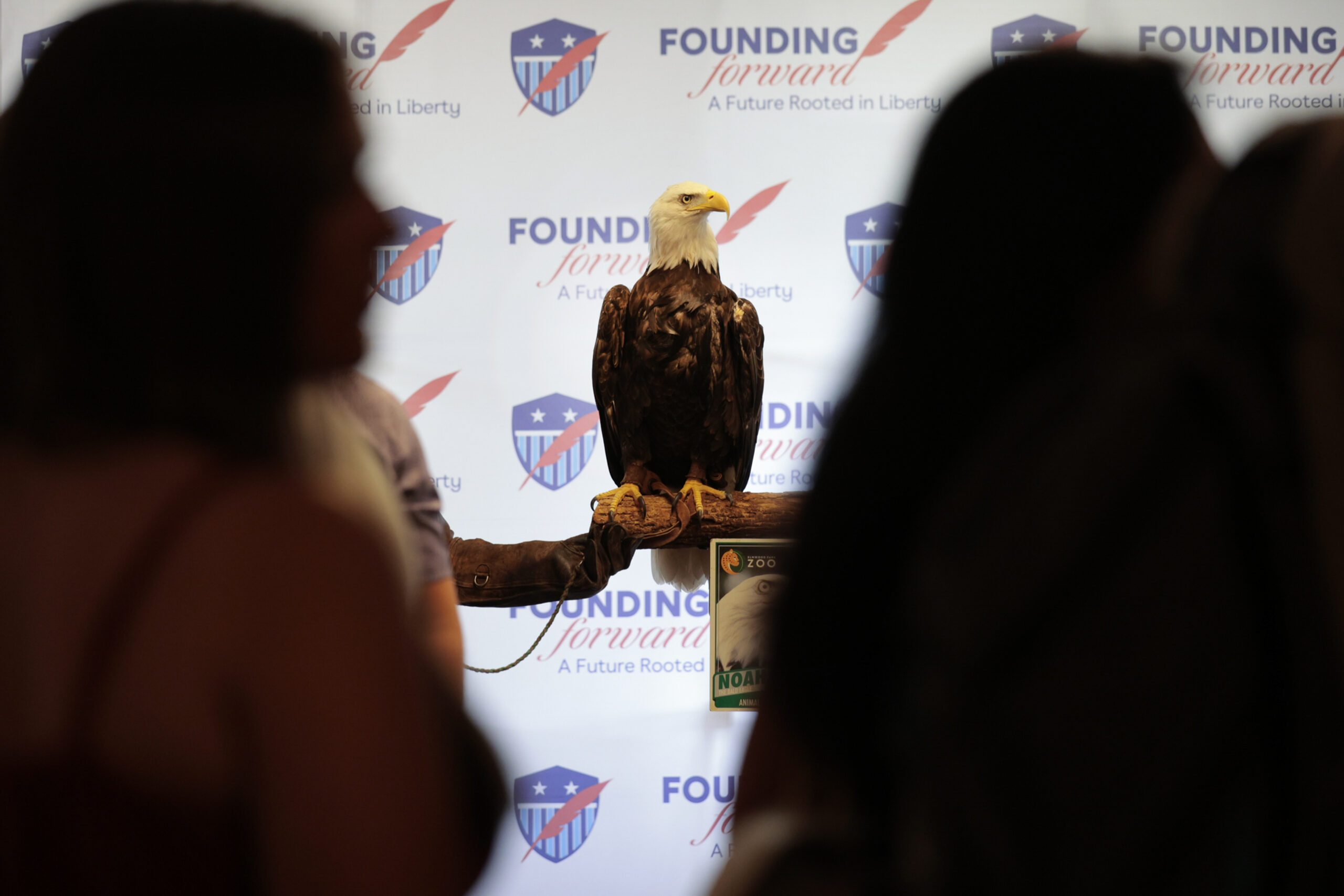
It’s been a long time coming, Matthew Mckena reflected. There were hiccups in the process. But by midday Friday, he was officially a U.S. citizen, in time for the country’s 250th birthday, and welcomed by Gov. Josh Shapiro, a George Washington reenactor, and even a bald eagle.
“It just became a battle of perseverance, but also we’ve come so far,” he said. “The hope in itself is also in the waiting, and so it’s now coming in full circle. It’s just unbelievable of having waited for so long for something, and then finally having it.”
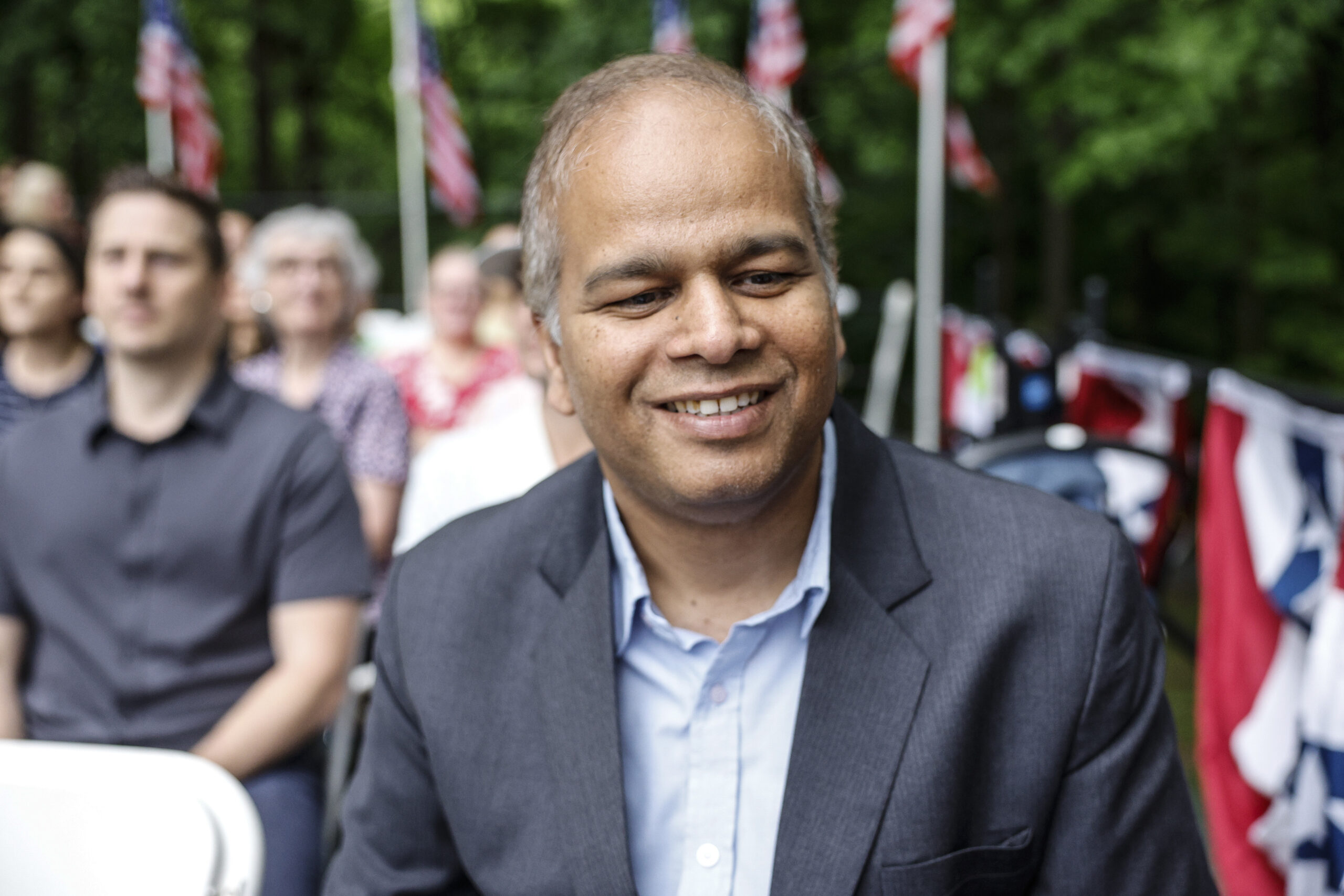
Mckena, 21, was one of 63 people from 17 counties to take their oaths as new citizens in Valley Forge on Friday. For many of them, who ranged in ages 18 to 87, the day was a culmination of years of effort and lives they’d built in the country.
Mckena’s siblings were born in the United States, before his family moved back to Kenya, where he was born. When he was in high school, his family returned to the U.S. He’s now a college student pursuing a degree in mechanical engineering.
“[There are] so many opportunities that have been afforded with this move to be at a place where it’s so easy to access education infrastructure,” he said.
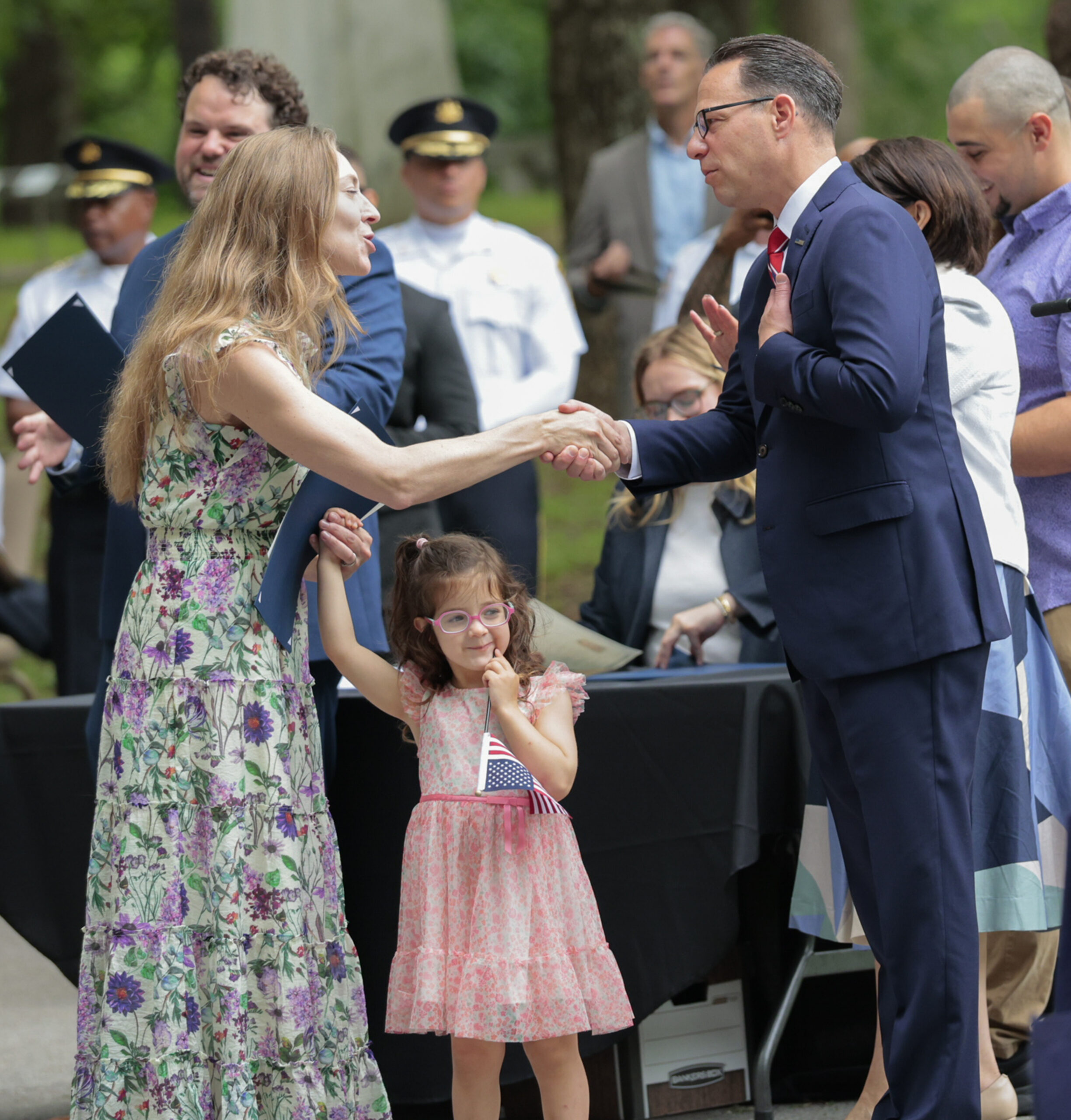
New citizen Helene Hartmann Dirani with her 3-year-old daughter Victoria are greeted by Gov. Josh Shapiro as he welcomes 63 new citizens from 17 countries at the historic Founding Forward in Phoenixville.
Helene Hartmann Dirani, 42, has called a few nations home: Originally from Kazakhstan, she moved to Germany at 13 years old, and then studied in Austria. She later met her now-husband in the United States. After years of long-distance dating, they settled down, and she moved to the country 13 years ago. Three children later, the ceremony felt like a special moment for Hartmann Dirani.
“Being with my husband and my children, and settling down is really what makes it so special,” she said.
The naturalization ceremony was held one week before America’s Semiquincentennial in historic Valley Forge. Chester County Court of Common Pleas President Judge Ann Marie Wheatcraft called the new citizens’ attention to that legacy.
“Valley Forge reminds us that citizenship is not simply inherited, it is claimed often at a great cost, and many of the many of us take that for granted. You understand better than most,” she said. “You chose America. You worked hard for this. … Bear with us your gifts, your culture, and all that makes you unique.”
Rohan Bakshi talks about becoming a new citizen before Gov. Josh Shapiro welcomed 63 new citizens from 17 countries at the historic Founding Forward in Phoenixville on Friday, June 26, 2026.
America has always been “a land of dreams” for Rohan Bakshi, 45. He came to the country from India in 2012, and has felt a part of the country. He built a life, family, and career here. After so many years, this was a “dream come true,” he said.
“This is the best country to live in,” said Bakshi, whose wife will be sitting in his seat soon, as she pursues her own citizenship. “I’ve seen other countries as well. It’s a privilege to be an American citizen.”
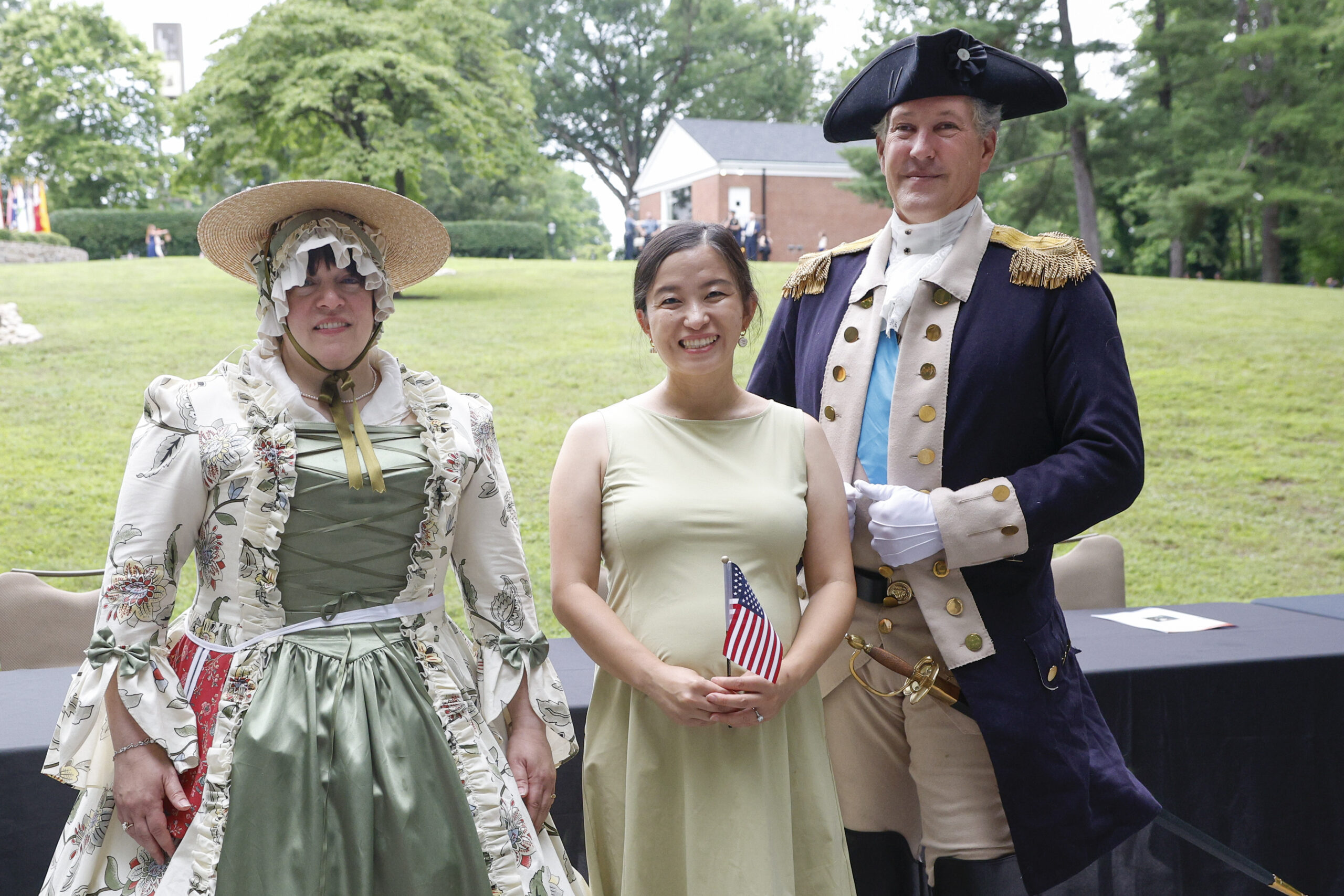
Lina Zhang, 41, felt emotional as she waited to take her oath. Roughly 14 years ago, she moved from China to the United States. In the beginning, her English “sucked,” she said. But she learned fast: attending GED classes, using her translator app to translate English to Chinese, and then translating back to English, so she could take her exams.
Her hard work earned her some of the highest marks her teacher had seen in years, she said. She went on to college, majoring in accounting and minoring in finance, landing a job with a public accounting firm.
Surrounded by her family Friday, she was glad to be sitting at the ceremony.
“I’m proud of myself,” she said.
New citizen Lina Zhang poses with George and Martha Washington reenactors Randall Spackman and Karyrn Saece before taking the oath of citizenship with 63 new citizens from 17 countries at the historic Founding Forward in Phoenixville.
Speaking to the new citizens, Gov. Josh Shapiro recognized the work each person had put in to reach this moment. But, he warned: “As new Americans, your work is just beginning.”
Recalling Ben Franklin’s famous quote, “A Republic, if you can keep it,” Shapiro told them those words — “if you can keep it” — was their charge.
“Each successive generation of Americans have continued that work, caring for their neighbors, standing up for freedoms that our founding fathers fought for, taking an oath of citizenship, working in the halls of Congress, the halls of our state capitol, the halls of our county — that work now falls to each of you to be engaged American citizens,” he said.
New citizens got to visit with Noah the bald eagle from the Elmwood Park Zoo after some 63 new citizens from 17 countries took the oath of citizenship at the historic Founding Forward in Phoenixville.
After the ceremony, Mckena said, from his experience, a lot of people discount the value of American citizenship.
“There really is a high cost that a lot of people pay, and there really is a huge disparity in what democracy offers and what the rest of the world offers, and so really it’s a special opportunity,” he said. “People who already had it [should] really treasure and understand it. And for those who don’t, seek after it.”
This suburban content is produced with support from the Leslie Miller and Richard Worley Foundation and The Lenfest Institute for Journalism. Editorial content is created independently of the project donors. Gifts to support The Inquirer’s high-impact journalism can be made at inquirer.com/donate. A list of Lenfest Institute donors can be found at lenfestinstitute.org/supporters.
More funding for SEPTA and dozens of financially strained mass transit systems across Pennsylvania has beenon the back burner in this year’s budget debate, but it may get some more attention now.
“By dedicating a portion of skill game revenue to transportation, we can protect and strengthen transit services without placing additional burdens on taxpayers, while ensuring our transit agencies have the resources they need,” Republican State Sen. Frank Farry of Bucks County said Friday in a statement.
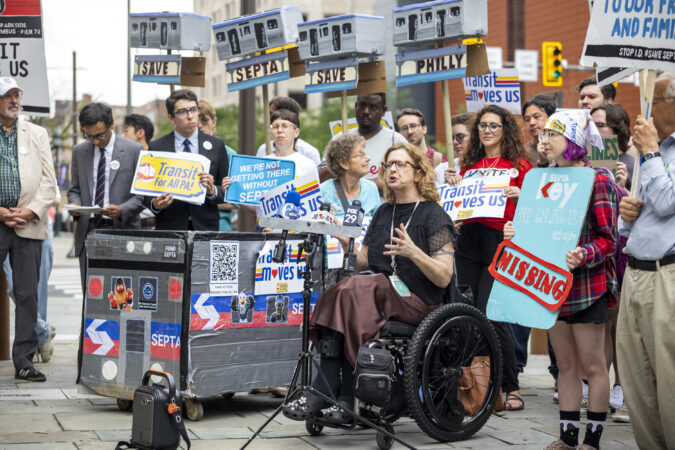
Transit advocates renewed what has become an annual public push for more money for SEPTA and fellow transit agencies at a news conference in front of the Fifth Street/Independence Hall Station — prompted in part by the court decision.
Farry issued the statement in support of that effort.
“I have the freedom to be able to come here, thanks to this elevator behind us, which was recently renovated,“ said Julie Rea, an organizing fellow for Transit Forward Philadelphia who uses a wheelchair and depends on the Market-Frankford El (now called the L).
“Without the long-term funding that SEPTA really needs, we’re not going to be able to keep the system accessible for all,” she said.
Last year, lawmakers and Gov. Josh Shapiro failed for a third time to reach agreement on his proposal to dedicate an increased portion of general sales tax revenue to consistently fund transit agency operations for five years.
Republicans, who control the Senate, did not want to take more sales tax revenue for transit, and the Democrats in charge of the House did not want to take up the GOP leadership’s counterproposal to use state money for infrastructure projects for operations instead.
Farry offered legislation in 2024 to regulate and tax skill games and dedicate 50% of the revenue to create a stable source of funding for public transit. The most optimistic assessments are that taxes on the games at or near the rate casinos must pay for their slots could generate up to $1 billion a year.
Taxing skill games has been discussed in budget deliberations for several years, though it never came together, in part because of differences of opinion in the GOP Senate caucus.
“Maybe the court decision will spur people to get their act together,” Farry, who is up for reelection in the fall, said in an interview. “We have a pathway.”
Meanwhile, this year, paratransit and shared-ride services are in trouble throughout the state and transit systems in Lancaster, Westmoreland County, and the Lehigh Valley are considering service cuts.
“We know that the rural-urban divide is manufactured, and that a public good, like transit, touches us all,” said Connor Descheemaker, statewide campaign manager for Transit for All PA.
Pennsylvania health officials and doctors on Friday said several people have been hospitalized amid a growing measles outbreak that has spread to six counties in the southeastern and central parts of the state.
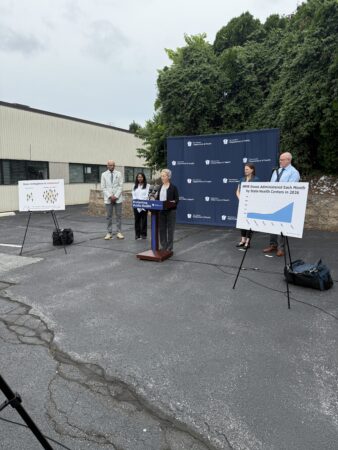
At a news conference in Lancaster on the outbreak, which has sickened 72 people in the area since April, health officials stressed that vaccination was the best defense against the highly contagious disease.
Secretary of Health Debra Bogen said she could not comment on the exact number of people hospitalized to protect their privacy, as the number was still relatively small.
About one in 10 people who contract measles will require hospitalization, and three people were treated at hospitals in Lebanon County at the onset of the outbreak in late April.
Fahmida McGann, an infectious disease doctor at Penn State Health, said the health system’s Lancaster Medical Center has treated patients who needed to be hospitalized for several days with symptoms including serious electrolyte abnormalities and liver and kidney dysfunction.
Measles can infect up to 90% of unvaccinated people who come into contact with the disease, which can linger in the air for up to two hours.
Newborns and young children are at higher risk for serious complications, but adults can also experience them, especially if their immune systems are weakened. Doctors at Friday’s news conference said they had treated both adults and children in hospitals.
The state response
In the current outbreak, state officials have recorded 41 cases in Lancaster County, 20 in Lebanon County, six in Northumberland County, two each in Berks and Dauphin Counties, and one in York County.
Overall, the state has seen 84 measles cases this year, more than five times the cases recorded in all of 2025.
The outbreak is spreading largely among people who are unvaccinated, Bogen said.
“These are not numbers,” Bogen said. “They are children, parents, neighbors and friends.”
The health department is conducting contact tracing to detect cases, and working with local healthcare providers and community organizations to ensure residents have access to vaccines and accurate information on their efficacy and side effects.
(function() {
var l2 = function() {
new pym.Parent(‘HE_MEASLES2.html’,
‘https://media.inquirer.com/storage/inquirer/projects/innovation/arcgis_iframe/HE_MEASLES2.html’);
};
if (typeof(pym) === ‘undefined’) {
var h = document.getElementsByTagName(‘head’)[0],
s = document.createElement(‘script’);
s.type = ‘text/javascript’;
s.src = ‘https://pym.nprapps.org/pym.v1.min.js’;
s.onload = l2;
h.appendChild(s);
} else {
l2();
}
})();
Health providers in Lancaster have said they believe there were more cases in the area than officials were aware of. Bogen said the department was working with community members to build trust and ensure that cases get reported.
“People who are part of the community are really the key to the response, because we want people to know that if they call the department, we are here to help them,” she said.
The department has vaccinated more than 430 people at pop-up clinics in the region in the last two months, she said, and state-run health centers around Pennsylvania have administered more than 1,300 measles, mumps, and rubella vaccine doses this year.
“We’re not sitting back and just watching the virus spread,” Bogen said. “We will not slow down until this outbreak is over.”
It’s crucial that residents get vaccinated, she said, to protect people who cannot safely get the vaccine, like newborns and pregnant women, and people whose immune systems are weakened, like organ transplant recipients and cancer patients.
On Wednesday, the department recommended that physicians vaccinate infants and young children against measles early, beginning at 6 months, in affected areas. The same precautions should be taken by families with infants traveling to these areas.
The department has also hosted webinars for hundreds of healthcare providers across the state. Measles was considered eradicated decades ago, and many doctors practicing today have never seen a case, Bogen said.
Jeffrey Martin, a physician at Penn Medicine’s Lancaster General Hospital, said he last encountered a measles case 30 years ago, as a medical student in Colorado.
“I still remember that patient, a child with a high fever, red eyes, and the classic rash we learned about in textbooks. At the time it was an illness we were trained to recognize,” he said. “None of us imagined that one day measles would become so rare that most physicians would go their entire careers without ever seeing a case.”
Now, he said, physicians in Lancaster must keep measles in mind when they’re treating patients with respiratory symptoms. The virus’s early symptoms include a fever, a cough, and a runny nose — similar to other respiratory diseases — before patients develop a telltale rash.
“It underscores the importance of being especially thoughtful about how we identify and respond to possible cases,” he said.
It’s also key for families to call ahead to doctors’ offices if they’re experiencing measles symptoms, so physicians can prepare to treat them without exposing other patients, Martin said.
Lower vaccination rates
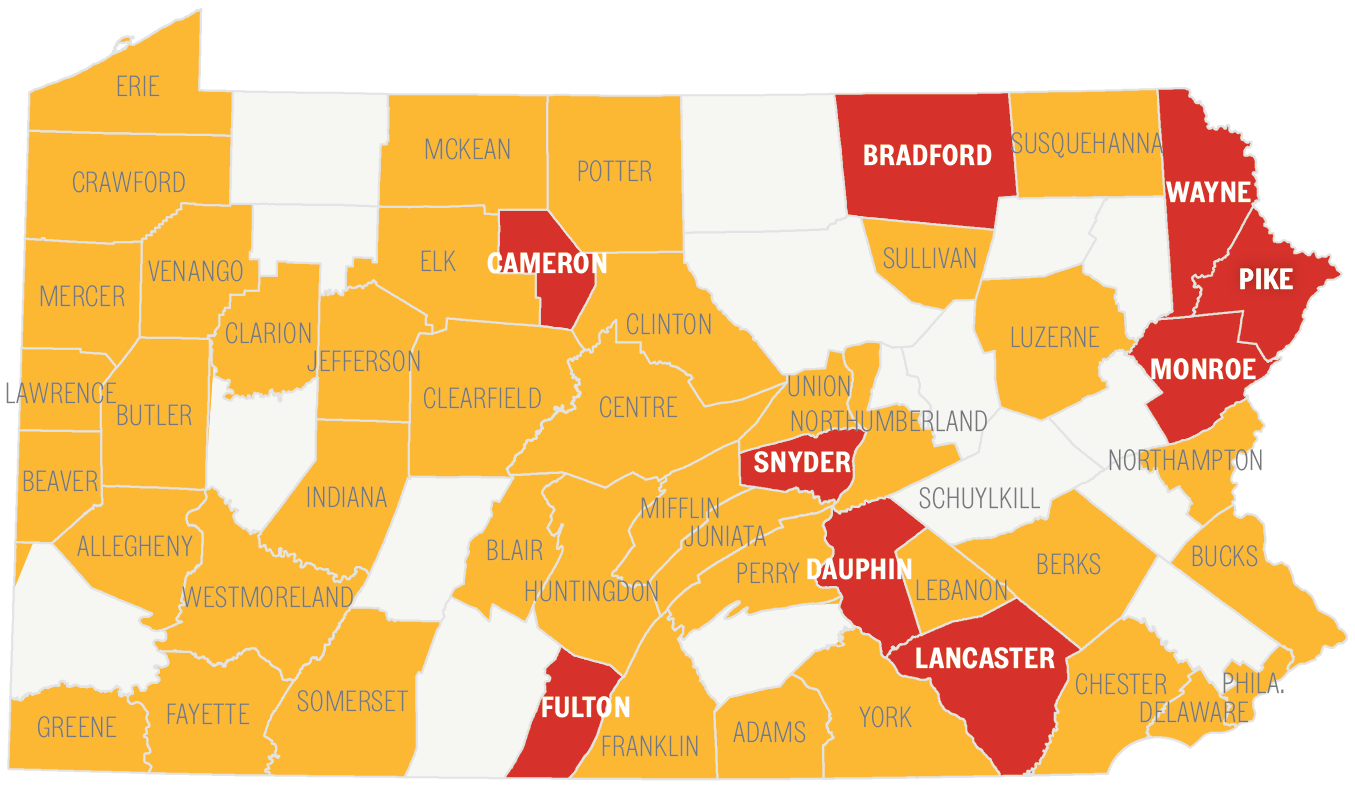
Vaccination rates among kindergarteners have decreased across Pennsylvania in recent years, and some counties affected in the current outbreak have particularly low rates, including Lancaster, where about 88.5% of kindergarten students are vaccinated.
Health experts say 95% of a community must be vaccinated to prevent the spread of the disease.
A map showing vaccination rates in kindergarteners for the 2024-2025 school year. Counties in yellow have vaccination rates between 95% and 90%. Counties in red have vaccination rates below 90%. To halt the spread of measles, at least 95% of a community must be vaccinated against the disease.
The state is working with schools to increase vaccination rates, Bogen said Friday.
Bogen said she hoped the new database would encourage schools with lower vaccination rates to reach out to healthcare providers to ensure students have access to vaccines.
“We want to make sure as a public health department that we’re ensuring that anybody who wants access to a vaccine has that,” she said.
“It is a defining characteristic of our community to help others, especially the most vulnerable, during times of crisis,” he said.
Residents now have an opportunity to help protect vulnerable people from measles by getting vaccinated, raising awareness about the disease, and helping doctors decrease exposures in care settings, he said.
“When vaccination rates are high, the virus has very little opportunity to spread. When gaps emerge, even small ones, measles can find a way back in because it is so contagious,” Martin said. “Ultimately what keeps measles rare is not luck. It’s the choices we make together to protect those who cannot protect themselves.”