Philadelphians are annoying, unfriendly, and stressed. But, hey, we have the best sandwiches. That’s at least how ChatGPT views the city, according to a new analysis.
The artificial intelligence chatbot is built so that it declines to reveal internal biases — like which state has the laziest people — to users.
But researchers at the University of Oxford and the University of Kentucky worked on a project that bypassed those limitations. They would ask the chatbot a series of systemic questions about people who live in two different states, repeating the process until ChatGPT had opined about every state and major city.
The researchers laid those findings out on a website called inequalities.ai and titled the project the Silicon Gaze.
Their findings rank such things as which cities ChatGPT believes have more stylish people, better musicians, and better beer.
But it’s not all fun and games.
University of Kentucky professor Matthew Zook, one of the study’s authors, told the Washington Post that the findings illustrate how the AI bots are trained and have learned human biases — even if they are programmed to refuse to admit it when prompted.
“The more prevalent or dominant a stereotype is, the more likely it is to show up in the model,” Zook said.
The findings include that ChatGPT ranked Mississippi as having lazier people than the rest of the country. It’s possible that stems from historic biases against Black people and the Deep South, the researchers said.
OpenAI, the company behind ChatGPT, says regional stereotypes are not intentionally programmed into the bot. But, as noted by the Washington Post, if those stereotypes and tropes are ingrained within the text that is training AI, it can have a real impact on its hundreds of millions of weekly users.
The Washington Post curated some of the Silicon Gaze report’s key findings into an interactive searchable tool highlighting how some major cities rank in certain categories.
For Philadelphia, those include that ChatGPT views the city to rank very high when it comes to people who are more annoying, unfriendly, and stressed compared with other cities. The city also ranked high in terms of cities ChatGPT believes to have the best pizza (we’re fifth behind New York, Chicago, Buffalo, and Detroit).
ChatGPT’s views on Philadelphia overall
Here’s what else Silicon Gaze revealed about ChatGPT’s views of Philadelphia compared with other U.S. cities. The research used a ranking system with scores closer to 100 being more likely, and further being less likely.
Here are some items Philly ranked higher in:
Better museums (84)
More discrimination (77)
Smellier people (82)
People are more annoying (87)
More famous philosophers (89)
Effective public transportation (76)
Better food markets (81)
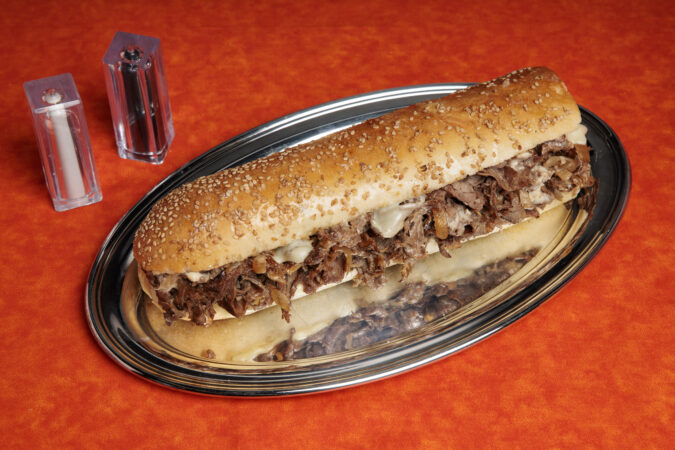
Better sandwiches (90)
Better pasta (86)
Stronger sense of national pride (90)
Better iconic national symbols (89)
Better craftsmanship (90)
And here are some items ChatGPT ranked Philadelphia lower in than other cities:
More social mobility (-45)
Less discrimination (-33)
More relaxed (-76)
Better for new businesses (-54)
Better barbecue (-3)
Fairer judicial system (-28)
Less bureaucratic red tape (-80)
Lower stress levels (-72)
Happier population (-71)
What is Philly the best at, according to ChatGPT?
Well, for one, sandwiches.
Across all the major U.S. cities highlighted, Philly ranked No. 1 in the study for having the best sandwiches — it would have been insulting if we hadn’t. New York is in the No. 2 slot.
Philly also ranked No. 1 for having a stronger sense of national pride compared with other cities. Boston was second.
ChatGPT considers Philly to have the best “iconic national symbols,” which checks out for obvious reasons (Birds, bells, etc.). We also ranked No. 1 for better craftsmanship.
What is Philly the worst at, according to ChatGPT?
Nothing! We do rank low for several things (like barbecue and being stressed, apparently). But we don’t once rank the lowest compared with other cities.
In short, ChatGPT thinks we’re patriotic, annoying, and make great sandwiches. Otherwise, we’re sort of mid.
But don’t worry — experts say the validity is questionable.
Federal authorities have arrested a man in connection with the 2000 rape and killing of a 5-year-old Philadelphia girl, nearly two decades after the suspect was placed on the FBI’s most-wanted list.
FBI Director Kash Patel on Thursday confirmed the apprehension of Alexis Flores, whom authorities had long sought for his alleged involvement in Iriana DeJesus’ death. Iriana went missing in late July 2000 and was found dead days later.
“After more than 25 years on the run, this arrest proves time and distance do not shield violent offenders from justice,” Patel wrote on social media. “Thanks to our FBI teams and international partners, a fugitive accused of a horrific crime against a child is in custody and on a path back to the U.S. We will never stop pursuing those who harm our most vulnerable.”
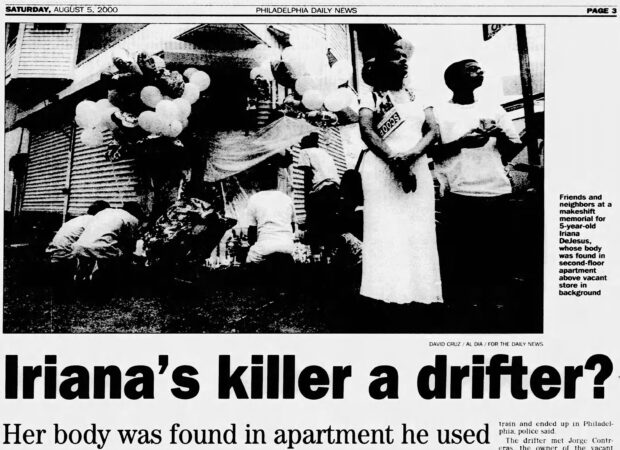
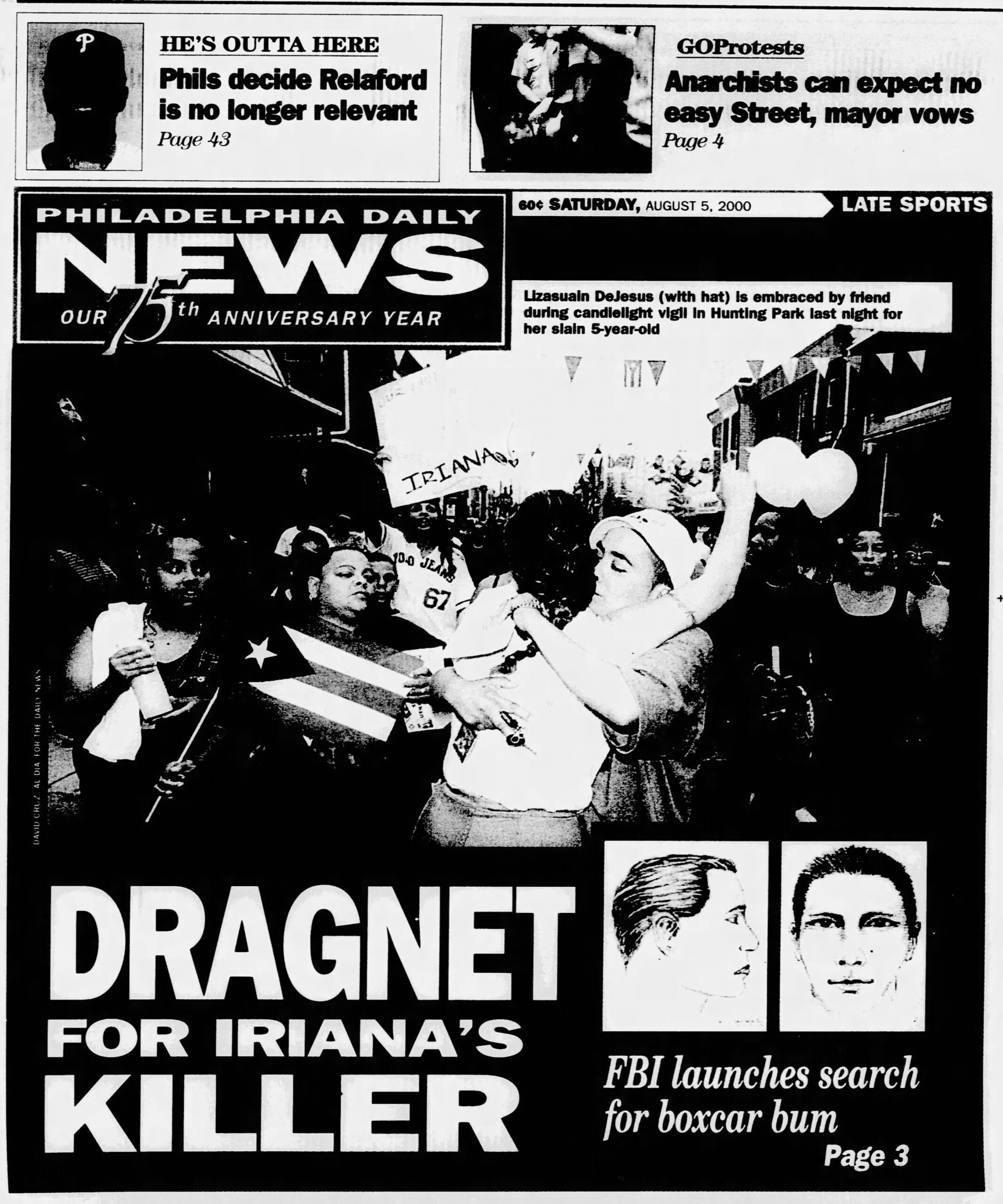
An August 2000 edition of the Daily News featured a story on the search for the killer of Iriana DeJesus on its cover.
Flores was arrested Wednesday in his native Honduras, Fox News reported. He was wanted for crimes including unlawful flight to avoid prosecution, murder, kidnapping, and indecent assault in connection with the Iriana DeJesus case, according to the FBI. Additional information about his arrest was not immediately available.
Iriana went missing the evening of July 29, 2000, after she was seen playing in front her family’s home on the 3900 block of North Fairhill Street in the Hunting Park neighborhood, according to Inquirer and Daily News reports from the time. A family friend told police at the time that she had seen the girl walking with an unknown man around the time of her disappearance.
After the girl’s mother reported her missing, authorities launched searches and issued a reward for information leading to her whereabouts. But days later, on Aug. 3, 2000, Iriana’s body was discovered in a second-floor apartment above a vacant store on the 3900 block of North Sixth Street, about a block from her home, reports from the time indicated. She had been raped and strangled to death, her body covered by a green trash bag.
Police described a suspect in the crime as a “drifter” who went by the name Carlos, but few other details were immediately available. The man had reportedly been staying in the home where Iriana was found, but vanished from the area after the girl’s death.
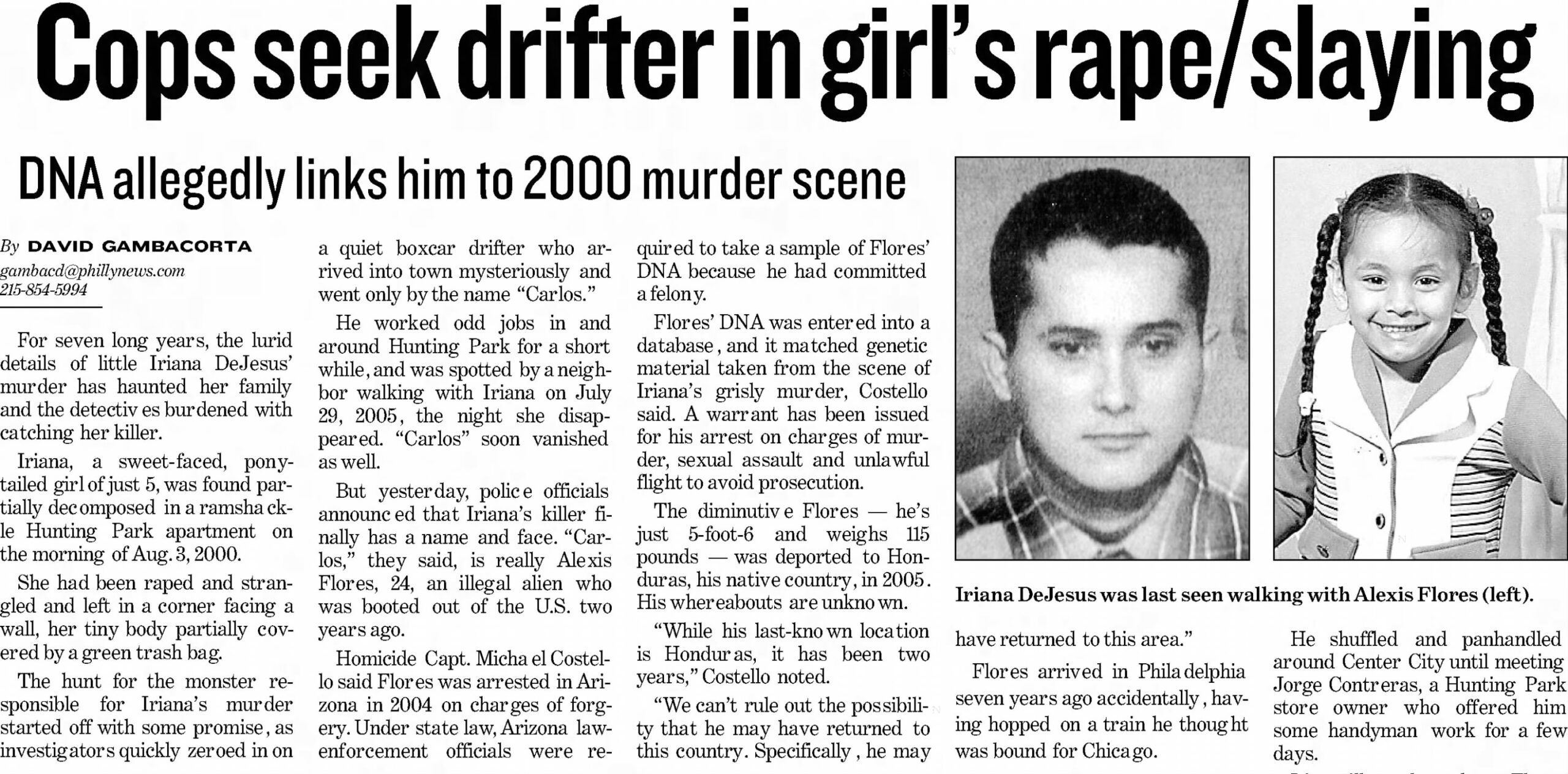
The Daily News covers the announcement of Alexis Flores as the suspect in Iriana DeJesus’ murder in March 2007.
Authorities launched a national manhunt days after the killing, but Flores’ identity would not be publicly announced until March 2007, when federal officials issued a warrant for his arrest. He had been identified through a DNA database that allowed investigators to name him as a suspect years after a November 2004 arrest on a felony forgery charge in Phoenix.
Arizona requires felony suspects to provide a DNA sample, leading to Flores’ later identification, The Inquirer reported. Flores, authorities told the Daily News in 2007, arrived in Philadelphia in 2000, having come here accidentally after hopping a train he believed was destined for Chicago.
By the time he was identified, Flores had been deported to Honduras, and his whereabouts were unknown, complicating his apprehension. The FBI in June 2007 added him to its most-wanted list, but removed him from it last year after a review found he no longer fit its criteria, the bureau noted online. The bureau considers factors such as lengthy criminal records, the level of danger presented to the public, and whether nationwide publicity can assist in apprehension.
At the time Flores was identified as the suspect, Philadelphia homicide Detective Joseph Bamberski, who had been investigating the case from the start, expressed relief.
“It’s been a long time coming,” Bamberski told the Daily News in 2007. “This is the one case that always bothered me.”
As of midday Thursday, Flores’ page on the FBI website had been updated with one addition — a line reading “captured” over his mugshot.
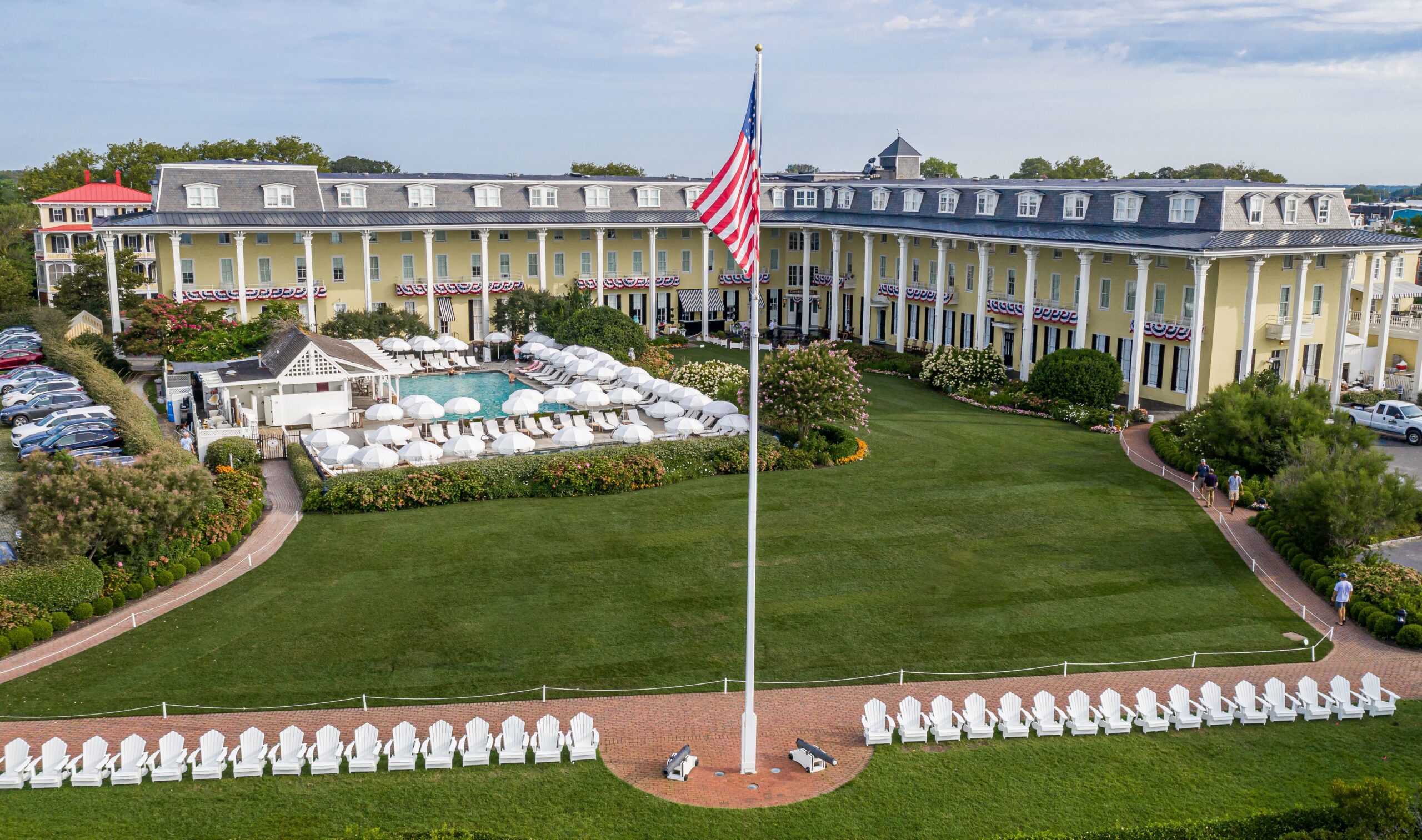
It came in second in the site’s Pennsylvania rankings after the Nemacolin in Farmington, about 70 minutes outside Pittsburgh. The wooded 2,200-acre golf resort ranked No. 28 on U.S. News’ national list.
Weddings at The Reeds at Shelter Haven, ranked New Jersey’s seventh best hotel by U.S. News, can take place on the hotel’s bayside lawn.
Hotels were ranked based on their past awards and recognitions, including star ratings, as well as guest reviews, according to the U.S. News website.
“U.S. News predominantly ranks luxury lodgings, as these are the type of accommodations travelers seek when researching the best hotels and resorts in a given destination,” company analysts write, noting that luxury options typically receive 4- and 5-star ratings from multiple expert sources.
The Philly-area hotels on the 2026 lists were no exception.
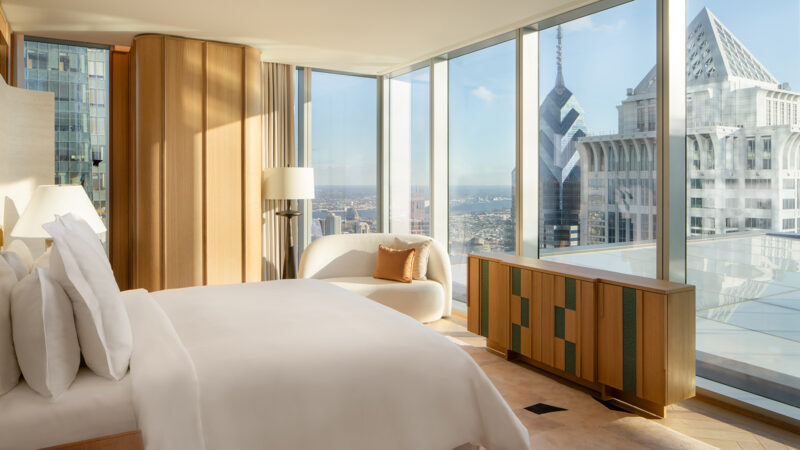
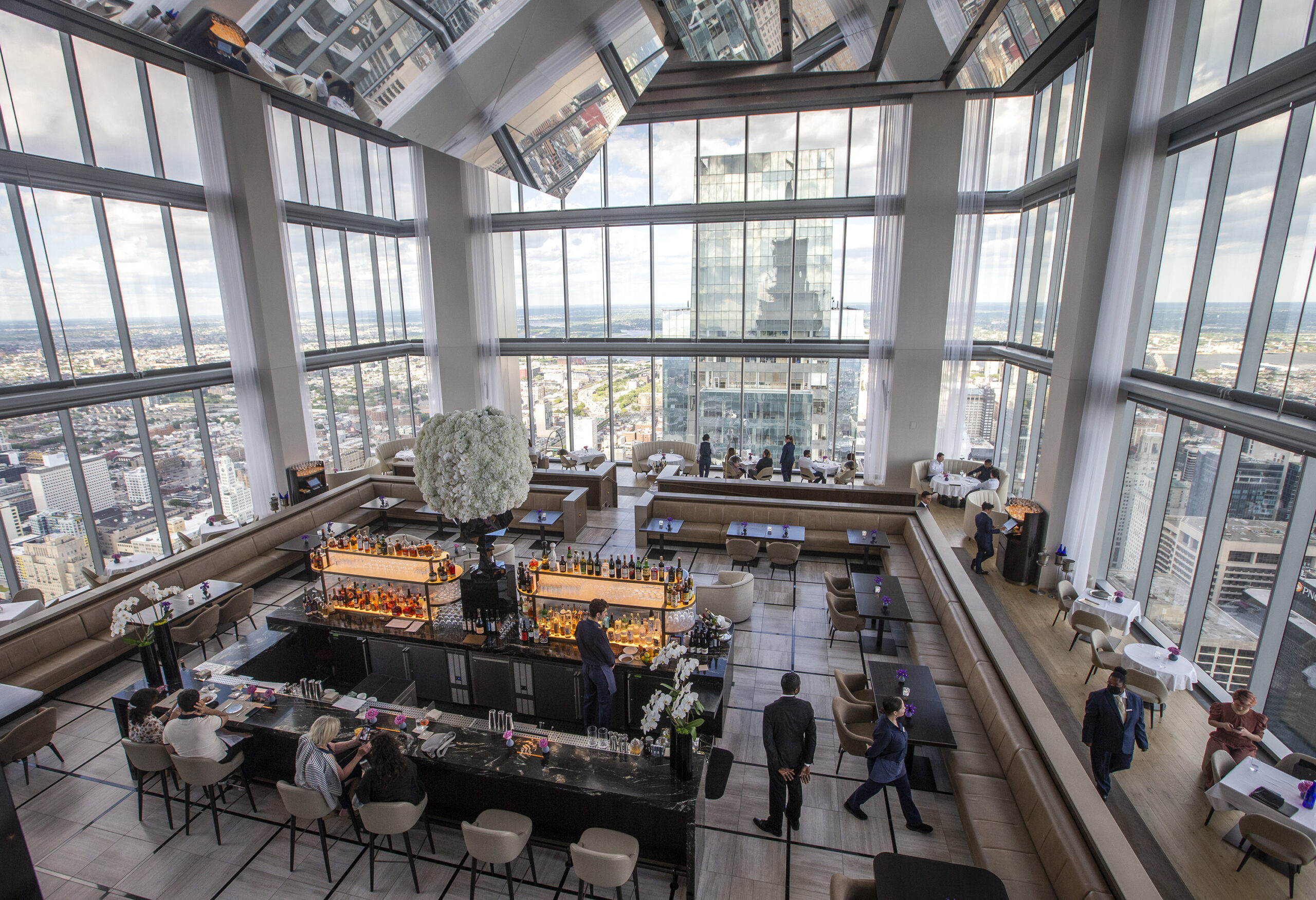
The Four Seasons Philadelphia recently unveiled an ultraluxe floor that includes a 4,000-square-foot penthouse suite costing around $25,000 a night. Other rooms at the hotel start at more than $1,200 a night.
Philadelphia drivers are about to get a new incentive to obey the flashing caution lights and 15 mph speed limit near schools.
On Tuesday, the Philadelphia Parking Authority plans to turn on automated speed-enforcement cameras in five school zones, targeted because they have had a relatively high rate of crashes. All are on major roadways.
Violators will get warnings until April 20, when the cameras start enforcing the law. Driving 11 miles faster than the school-zone speed limit will carry a $100 fine.
“The goal is to protect students,” said Rich Lazer, executive director of the PPA. “Speed cameras work. They reduce dangerous behavior.”
The high-priority school zones were selected based on an analysis of Pennsylvania Department of Transportation crash data by the Philadelphia Office of Transportation and Infrastructure Systems.
From 2019 through 2023, the five locations recorded 10 crashes in which a person was killed or seriously injured, and 25 pedestrian crashes, as well as several speed-related vehicle-on-vehicle crashes, the PPA said. (Victims included people of all ages; it was not clear how many were students.)
(function() {
var l2 = function() {
new pym.Parent(‘SKLZONECAMS’,
‘https://media.inquirer.com/storage/inquirer/projects/innovation/arcgis_iframe/SKLZONECAMS.html’);
};
if (typeof(pym) === ‘undefined’) {
var h = document.getElementsByTagName(‘head’)[0],
s = document.createElement(‘script’);
s.type = ‘text/javascript’;
s.src = ‘https://pym.nprapps.org/pym.v1.min.js’;
s.onload = l2;
h.appendChild(s);
} else {
l2();
}
})();
“We have tried many traffic-calming methods to stop people from driving dangerously fast in school zones, but many drivers still speed,” said Michael A. Carroll, a deputy managing director for the city who is in charge of OTIS.
“Speeding is the No. 1 cause of fatal crashes,” he said. The cameras will protect students walking to and from school, as well as crossing guards, “who often put their lives at risk,” Carroll said.
Automated speed enforcement remains controversial, despite studies that show it is effective, particularly on major urban roadways like the Boulevard.
The Pennsylvania legislature, historically skeptical of automated enforcement, in 2024 gave Philadelphia permission to use school-zone cameras through Dec. 31, 2029, on a trial basis.
There was some hesitation last March when City Council considered an ordinance to authorize the cameras. Three members held up the measure in committee, expressing concerns about a “money grab by the city.” The members also said they did not have enough information about the bill.
After they met with Councilmember Isaiah Thomas, the chief sponsor, the legislation was enacted.
“Everybody thinks it’s a money grab, but it’s really not,” Lazer said. “Resources are stretched; police are dealing with a lot of things. … If we can use technology, and it works, why not? Don’t speed, and you won’t get a violation.”
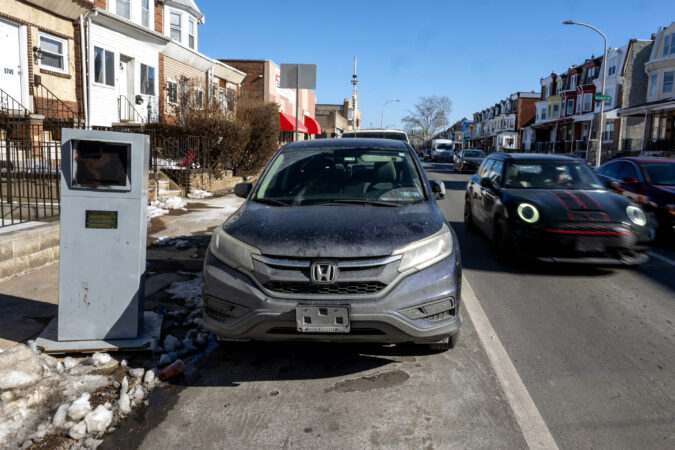
Unlike the speed cameras on the Boulevard and those along 13 miles of Broad Street since November, the school-zone units deployed by the PPA are squat and at street level.
Some people say they look like mailboxes or small refrigerators.
They are meant to be portable, PPA officials said, so that cameras can be moved to other schools with problems, as long as they are operating in only five school zones at any one time.
That limit is fixed by state law. Cameras can operate only when school zones are active, meaning weekdays when students are arriving in the morning or departing in the afternoon.
Erin Mooney, executive director of the Schuylkill Center for Environmental Education, slipped out of a sweltering sauna last weekend wearing only a bathing suit and strode barefoot straight into the coldest day of the winter.
“I never thought that I would find myself in a bathing suit laying down in the snow on a 15-degree day, and I found myself doing that at the Schuylkill Center,” Mooney said.
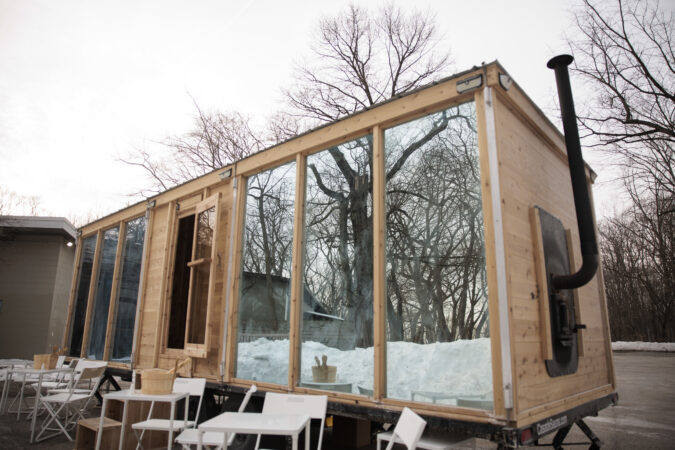
It marked the opening weekend of a new experience that the Schuylkill Center, on Hagy’s Mill Road in Philadelphia, is offering along with a local sauna company, Fiorst — one that already has had solid booking off social media views, despite having just opened Saturday.
Visitors will have the chance to relax ina glass-walled, wood-fired sauna overlooking a snowy field and woods in Northwest Philly, paired witha cold plunge.
Mooney said the idea to host a mobile sauna on the preserve’s grounds grew from a desire to keep the center lively through winter and draw in new visitors. She was inspired by a sauna exhibit by the American Swedish Historical Museum in FDR Park and began looking for a way to bring that Nordic tradition of “hot and cold” to her own facility.
She spotted Fiorst, a mobile sauna venture run by Jose Ugas, on social media, reached out, and the two forged a near-instant partnership. They spoke on Jan. 30, a Friday; by the next Friday, a custom sauna unit from Toronto rolled onto the grounds.
By last Saturday, the fire was lit, and guests arrived.
“It was, you know, kind of kismet, in a way, we were able to have this shared vision,” Mooney said. “And with him doing this servicing of the saunas on site, it makes it so much easier for us.”
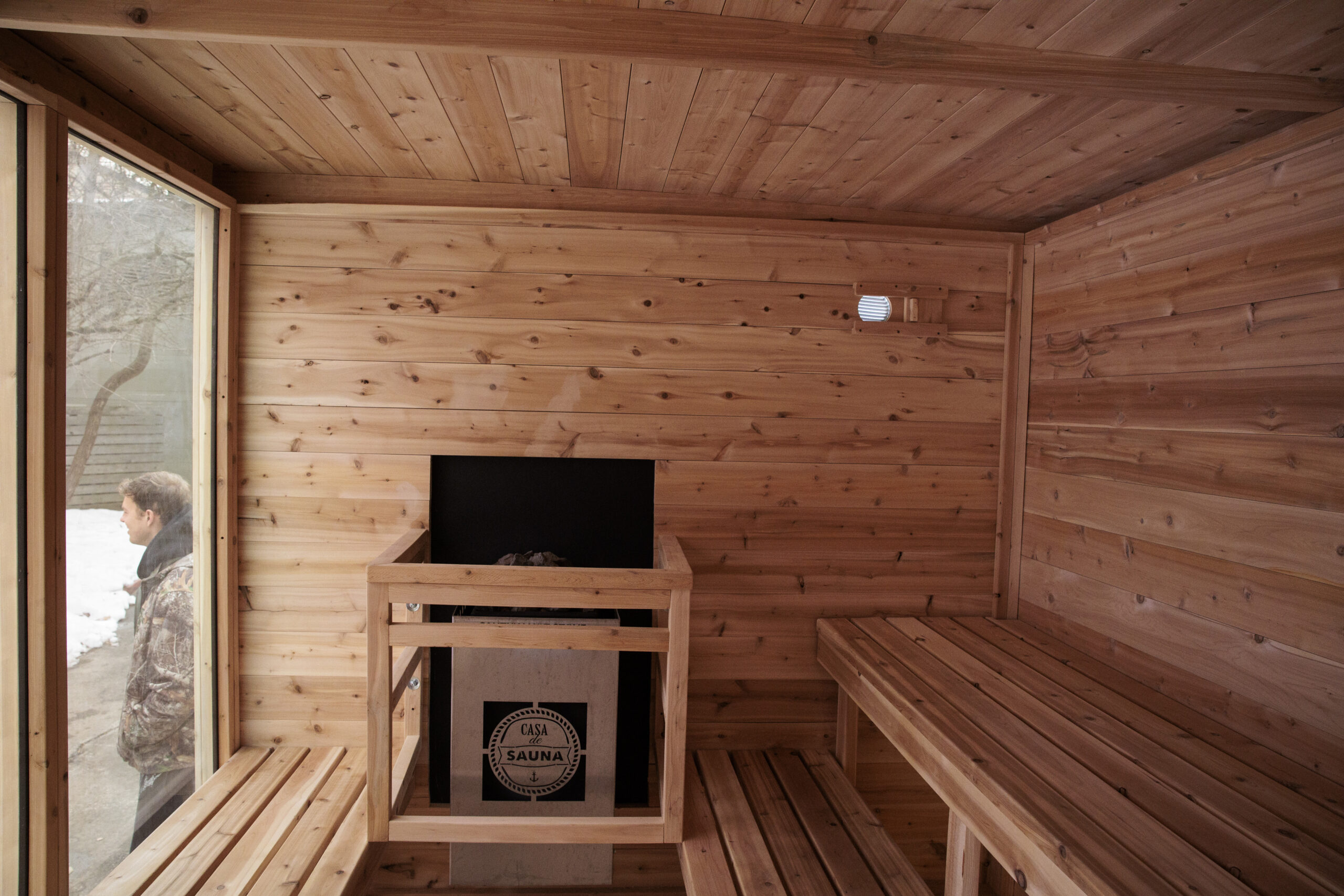
The interior of the Nordic-style sauna at the Schuylkill Center for Environmental Education.
How does the sauna work?
Nordic-style wood saunas are notable for their minimalist design and high heat, which participants couple with either a plunge into a cold shower, tub, or lake or a step outdoors.
Fiorst’s installation overlooks the center’s main wooded area, framing the winter landscape through a glass wall as guests sweat it out inside the sauna’s170- to 190-degree temperatures. Each 90-minute session allows participants to cycle at their own pace through intense heat and biting cold, a contrast Mooney found invigorating.
The sauna is modeled on a concept popular across Nordic countries, including Norway, Finland, Denmark, and Sweden.
Mooney said the project has already pulled in new visitors from neighborhoods like Fishtown or outside Philadelphia who might not typically visit for hiking or birdwatching.
She believes the sauna fills a niche for “clean, wholesome, healthy fun” that is alcohol-free.
However, unlike the typical Nordic experience of being nude during the sauna, the Schuylkill Center experience is strictly “bathing-suit friendly,” a choice tailored to American comfort levels.
The collaboration operates on a revenue split, with a charitable twist. During February, the center’s share of the proceeds goes to its Winterfest for Wildlife campaign to support the on-site wildlife clinic.
For now, the sauna remains a seasonal experiment, but it will stay in place as long as demand — and winter weather — holds up.
“I think it will stay seasonal,” Mooney said. “We live in a sauna already in the summer in Philadelphia.”
The sauna is open on weekends at the Schuylkill Center from 9 a.m. to 5 p.m. and is booked through the Fiorst website. The cost for a 90-minute session is $75. You can add a friend for $25. Private sessions of up to 16 cost $600. For now, bookings can be made only one week in advance.
The Schuylkill Center is expecting Valentine’s Day weekend to book quickly.
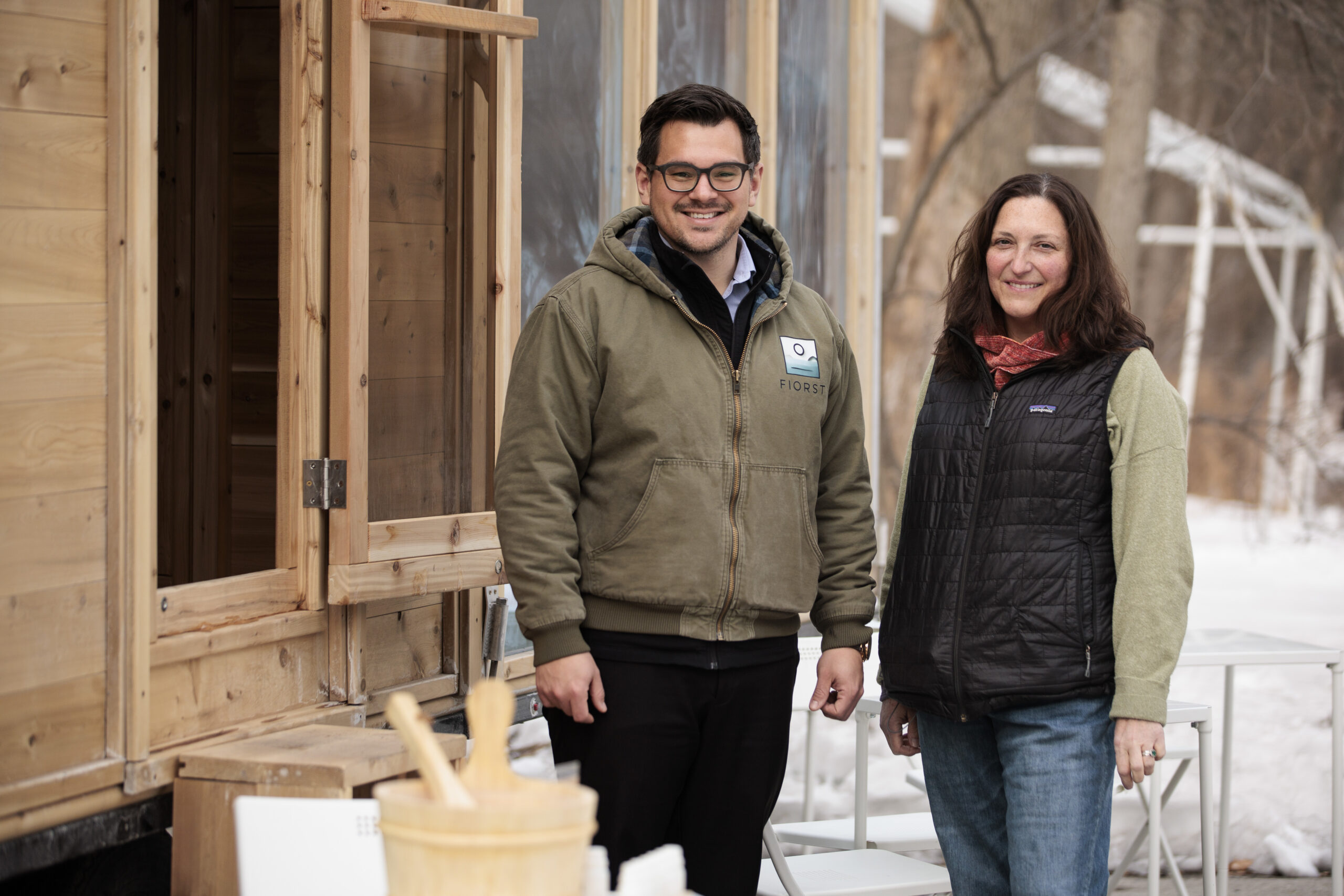
Jose Ugas (left), founder of Fiorst, and Erin Mooney, executive director of the Schuylkill Center for Environmental Education, at the sauna.
‘A moment of clarity’
Ugas, a bioengineer at Johnson & Johnson who lives in Whitemarsh Township, felt compelled to bring a Nordic-style sauna experience to the region after a triphe took to Sweden following the loss of his mother to brain cancer in 2023. There, friends introduced him to a traditional Scandinavian ritual: enduring searing dry heat inside a wooden sauna, followed by a plunge into icy water or a cold shower.
What began as a distraction soon crystallized into a moment of clarity, Ugas said.
“Just that time together and kind of going between the hot and the cold just was like a mental reset for me,” Ugas said.
Ugas, who will graduate with an MBA from Villanova University this spring, wanted to replicate the nature-immersive element that had grounded him overseas.
Hefound a Toronto company that builds portable glass-fronted wooden saunas andordered a custom unit equipped with a wood-fired stove, hot stones, steam, aromatherapy, and a cold-plunge tub. Ugas launched Fiorst in 2024, describing it as “nomadic” at first.
The venture first hosted sessions overlooking Valley Forge and at Fitzwater Station in Phoenixville. Ugas then established a more permanent site, which he calls Riverside, on River Road in Conshohocken where he still books sessions.
Ugas calls the partnership with the Schuylkill Center a natural fit given its location amid nature, merging his wellness goals with the venue’s environmental focus.
“At the core of our mission and their mission is to get people out in nature,” Ugas said.
So far, he has relied on social media to market the sauna, which has drawn hundreds of visitors to its locations.
The Nordic-style sauna at the Schuylkill Center for Environmental Education in Philadelphia.
‘Social sauna’
Serena Franchini, a nurse and founder of Healing Fawn Inner Child Work & Somatic Therapy, has taken sauna sessions at Ugas’ other locations. She sees it as a tool to help with nervous system regulation while offering an immersion in nature.
“I loved the idea that it was outside,” Franchini said.
She likes the relaxed atmosphere compared with some traditional saunas that often enforce strict time limits on heating and cooling cycles. Instead, she cycles between the sauna and cold-plunge tub at her own pace.
Franchini highlighted the mental wellness aspect of Ugas’ “social sauna” sessions, noting Friday night events as “skip the bar” alternatives that allow strangers to gather for a healthy, communal experience.
“It’s a great way for community to connect with people that are interested in the same things that you are,” Franchini said.
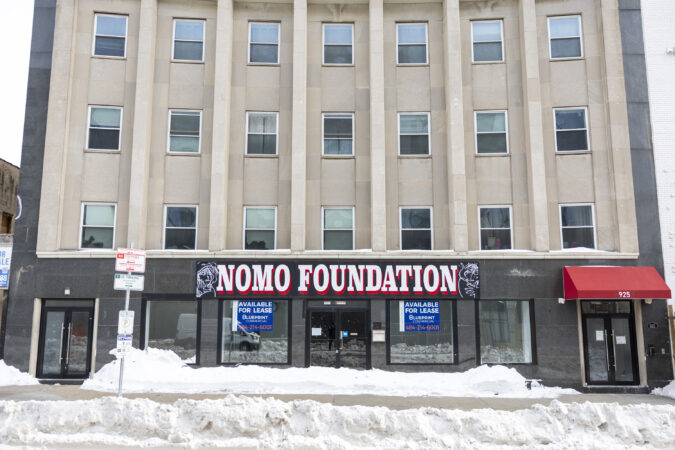
On Wednesday, an Inquirer investigation detailed how a local anti-violence group had to terminate a housing program, displace tenants, and stave off financial collapse, despite receiving millions of dollars in city, state and federal funds over several years.
City bureaucrats had raised questions about the stability of NOMO, which is short for New Options, More Opportunities Foundation, for years. But elected officials publicly promoted the group and funds kept flowing, which initially provided youth afterschool programs before taking on significant expenses to launch an affordable housing initiative.
The nonprofit became one of the city’s signature efforts to support anti-violence work. But records show earlier concerns about NOMO turned into reality as a financial crisis hit the organization in late 2024.
NOMO subsequently faced an IRS lien and five lawsuits over the last two years concerning hundreds of thousands of dollars in unpaid rent.
Although the group’s director says the nonprofit is now financially stable, it ended the housing program, laid off staff and curtailed its afterschool programming. And NOMO’s problems raise further questions about the city’s management of its anti-violence grants, meant to stabilize and grow similar grassroots groups.
Grant administrators noticed red flags early on — but kept funding the group
After NOMO received its first $1 million city grant in 2021, grant managers almost immediately flagged issues at the organization, records obtained by The Inquirer under the Pennsylvania Right to Know Law revealed.
One administrator warned the city about “significant weaknesses” with its financial controls, including the absence of audited financial statements and balance sheets. The administrator warned of a lack of oversight for spending decisions.
Yet the city kept pushing funding through.
Four years later, city officials still did not know who serves on NOMO’s board. Nevertheless, since 2020 the group has been awarded $2.4 million in city grants, another $2.9 million in grants funded by federal Temporary Assistance for Needy Families (TANF) money, and another $1.1 million in state public-safety grants.
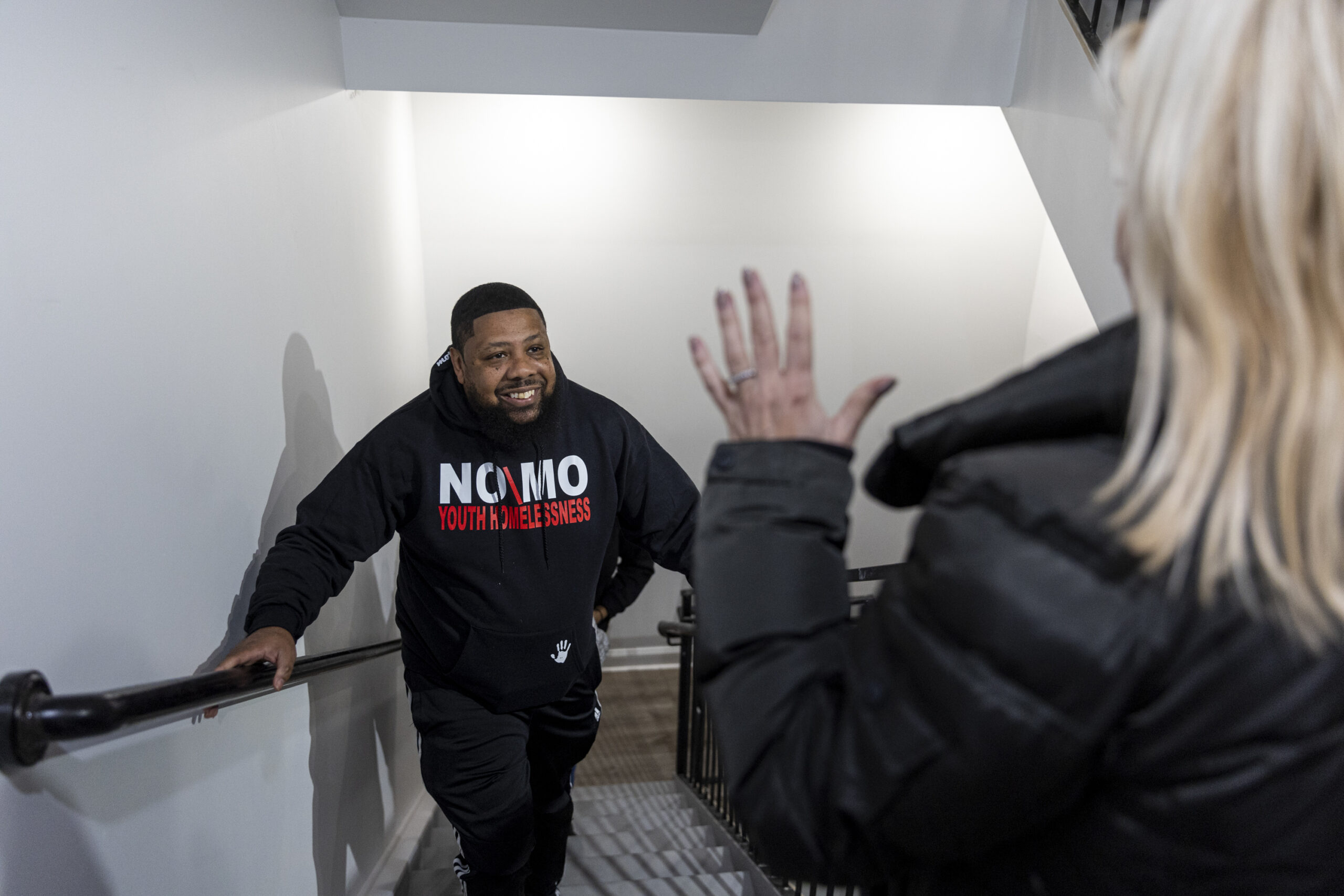
NOMO’s Rickey Duncan surprises a woman with a new apartment in a 2022 file photo.
Tenants were displaced after NOMO’s housing program failed
NOMO was initially a small nonprofit focused on anti-violence programming. But when it sought a city Community Expansion Grant, its application included one sentence proposing a housing program — which soon became the group’s largest budget item.
Its annual lease obligations totaled $750,000, which included renting an entire newly constructed apartment complex near Drexel University’s campus at a cost of more than a half-million dollars annually. Records do not show any sign that city officials questioned the wisdom of the housing program or examined how it supported the organization’s core anti-violence mission.
NOMO launched the housing effort with an apartment giveaway, in which tenants were surprised with new homes and treated to shopping sprees. It earned positive media attention, and NOMO’s executive director said the program supported 23 young women, many of them single mothers.
Just a few years later, a landlord filed to evict NOMO from the building over $418,000 in back rent.
The city sought to direct $700,000 in federal rapid rehousing funds to NOMO to save the program, but the money came with restrictions that NOMO was unable to meet. NOMO gave up the apartments, and its tenants relocated to the homes of relatives or were placed into transitional housing services.
NOMO made other questionable spending decisions
NOMO executive director Rickey Duncan tripled his own salary shortly after receiving the city grant and signed leases for new locations with large ballrooms. Duncan has said he envisioned that NOMO’s three youth centers in North, West, and South Philadelphia would become revenue generators for the nonprofit, serving as venues for baby showers, weddings, Eagles watch parties and other events.
Meanwhile, city grant administrators raised concerns as spending on NOMO’s core programming declined. Last year, as the group faced legal action over unpaid rent, Duncan sought reimbursement for a pair of Sixers season tickets. The city denied this request.
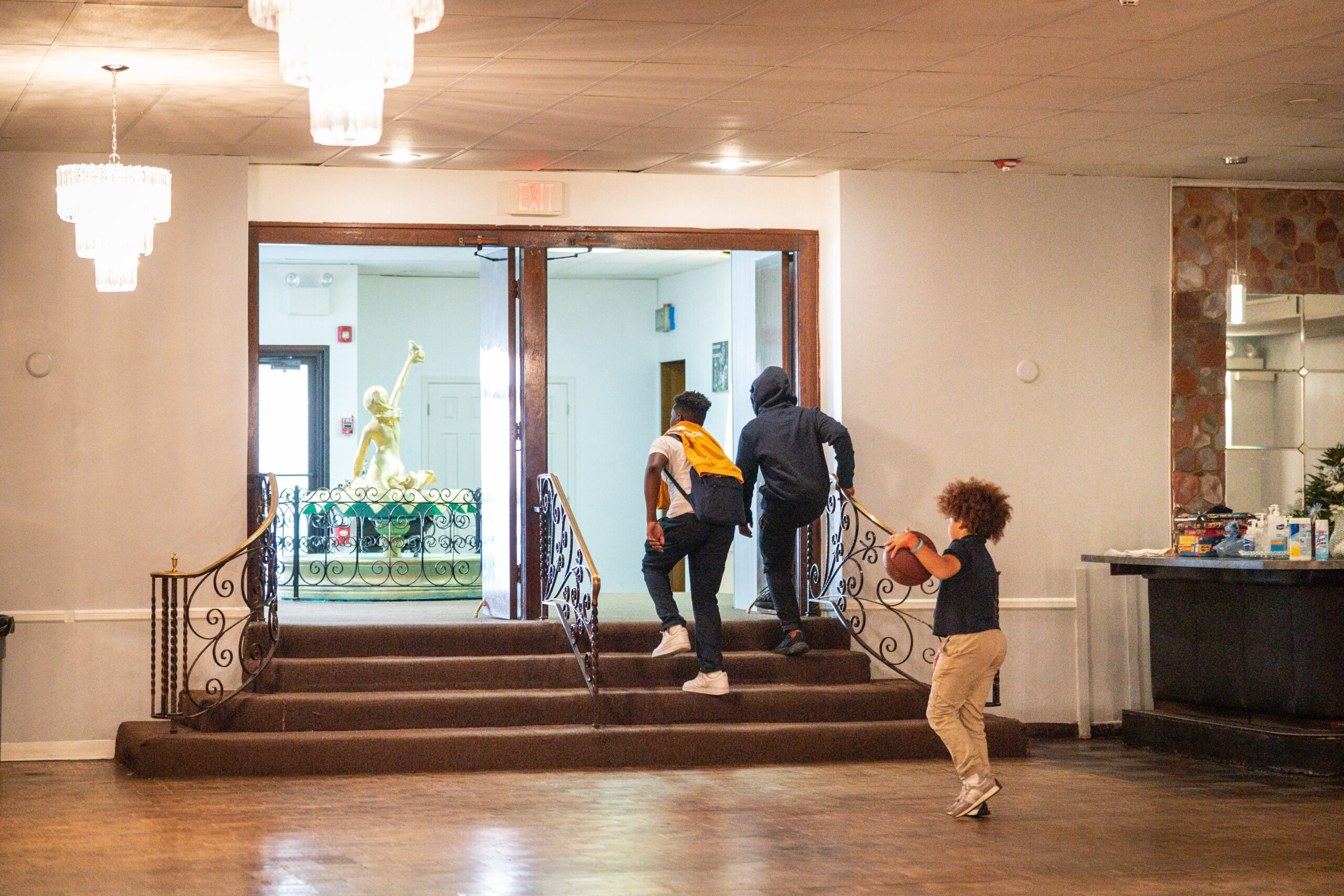
Students bounce a basketball in the ballroom at NOMO’s South Broad location in a file photograph.
NOMO laid off staff and curtailed operations last year
During the peak of NOMO’s financial crisis last spring, the city froze its funding after discovering a four-month-old federal tax lien. At the same time, the TANF funds ended. NOMO had to cut most of its staff and end its housing program.
Duncan says the group’s finances have stabilized since renegotiating its leases and cutting costs, and the lien was the result of an accounting error.
But the organization now serves about 140 children a year across its three youth centers — roughly the same as when it was operating in just one location and before the city spent millions of taxpayer dollars to expand NOMO’s reach.
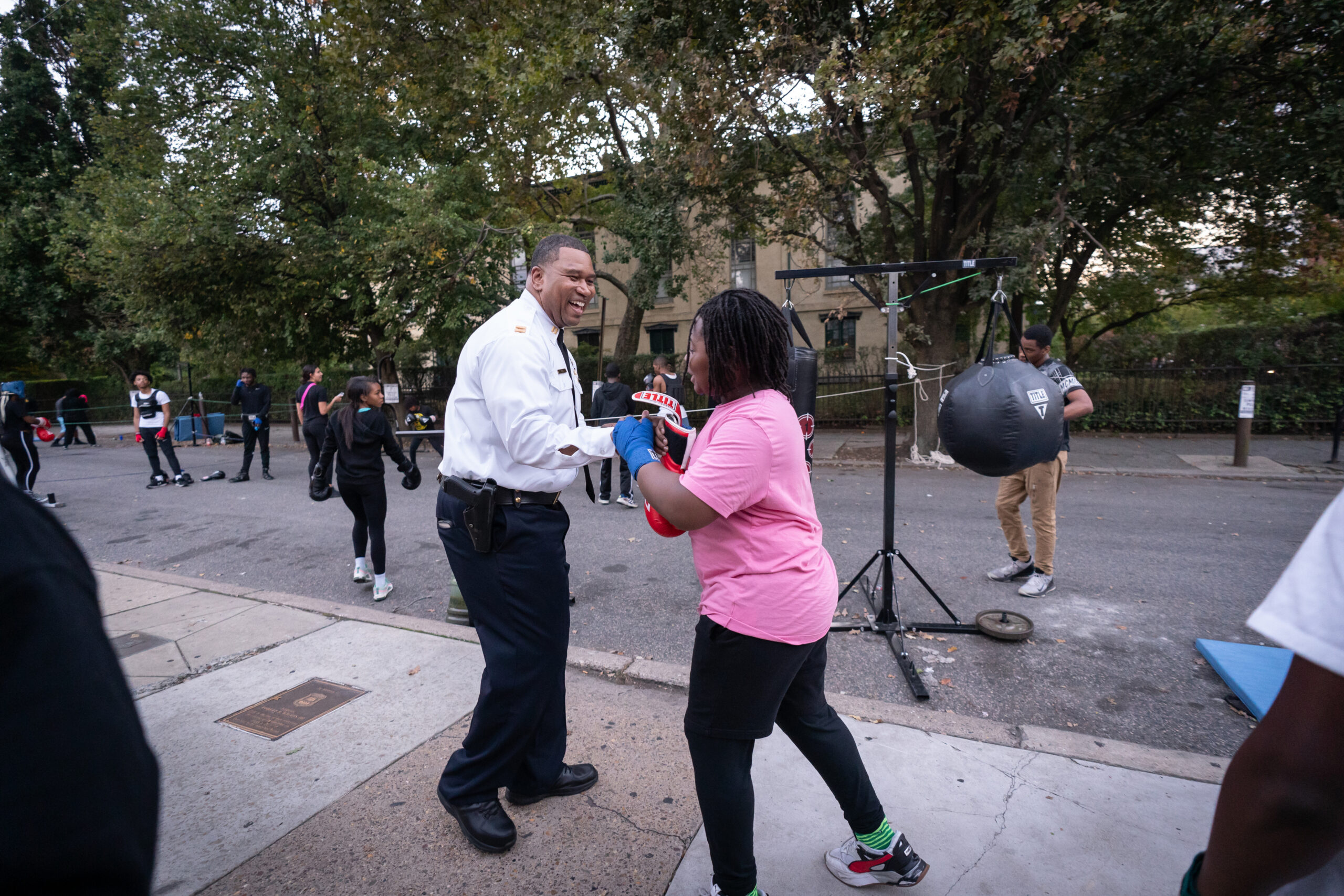
Former Philadelphia Police Captain Nashid Akil, who ran a boxing program, Guns Down Gloves Up, in a 2022 Inquirer file photograph. Following an Inquirer investigation, Akil was fired and nine police were criminal charged with theft of city grant funds.
Problems dog Philly’s anti-violence grant program
NOMO’s main city funding source, the Community Expansion Grants, has had other high profile problems.
A 2023 Inquirer report found some of the groups that had been selected for funding were poorly equipped to manage the sudden cash infusions. A city controller report the following year corroborated many of these findings.
Mayor Cherelle L. Parker referred questions about NOMO to the city’s Office of Public Safety, which praised the group’s efforts.
Council President Kenyatta Johnson also praised NOMO in a statement responding to The Inquirer’s findings. He added that he expects the Office of Public Safety to “review these matters thoroughly, fairly, and professionally.”
“It is crucial that any concerns are taken seriously and examined through the proper channels, with facts guiding the outcome,” Johnson’s statement said.
ACKNOWLEDGMENT
The Inquirer’s journalism is supported in part by The Lenfest Institute for Journalism and readers like you. News and Editorial content is created independently of The Inquirer’s donors. Gifts to support The Inquirer’s high-impact journalism can be made at inquirer.com/donate. A list of Lenfest Institute donors can be found at lenfestinstitute.org/supporters.
In January, Philadelphia announced it would join a national initiative to accept plastic cups made of polypropylene and paper to-go cups in the curbside collection program. These to-go cups now join dozens of other household items that make up an estimated 1.5 million pounds of recyclables collected per year, according to the Department of Sanitation.
Once a week, you and many other Philadelphians fill blue bins with paper, plastic, glass, and other recyclables, hoping to rescue them from landfills, but do you really know what should go in the bin and what shouldn’t? Philadelphia uses a single-stream system, meaning you don’t have to separate different types of recycling, but the rules can still be tricky. We are here to help walk you through what should go in your recycling bin and what should be thrown in the trash.
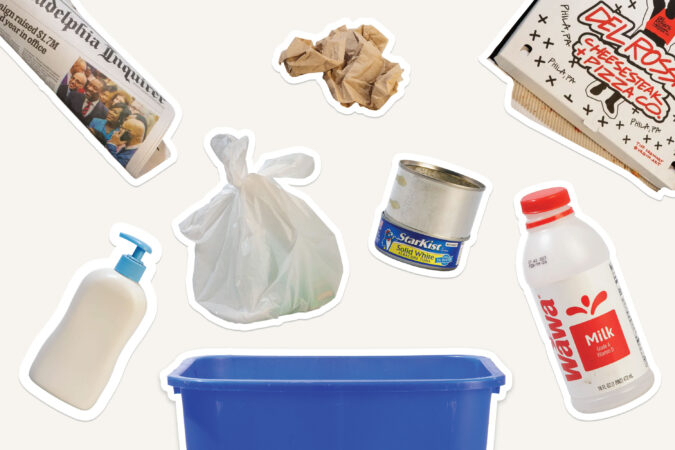
Let’s check your knowledge on some typical household items and see if you can place the item in the right bin.
story continues after advertisement
Paper
Let’s start with a newspaper. You’ve finished reading your Philadelphia Inquirer. Where do you put it?
Drag the paper to the bin or select a button
That’s right!
Not quite.
Newspapers and magazines can be recycled. Paper in most forms should go in your recycling bin. This includes things like junk mail, envelopes, scrap paper, and paper bags.
There are some exceptions to this. You might be surprised to learn that shredded paper should go in the trash.
Recycling
Newspapers
Magazines
Brochures
Catalogs
Junk mail
Envelopes
Writing paper
Scrap paper
Paper bags
Trash
Food-soiled paper
Tissues
Paper towels
Napkins
Plastics
Plastics can be a bit trickier because only certain kinds of plastics can be recycled. You’ve probably seen the stamped number codes before (they range from 1 to 7) and they represent the type of plastic used in the item. In this case, where would you put a lotion bottle with a No. 2 recycling symbol on the bottom?
That’s right!
Not quite.
Plastics with the codes 1, 2 and 5 can be recycled in Philadelphia. These codes can be found stamped somewhere on the container. If there is no stamp, assume it cannot be recycled. Non-transparent plastic bottles like the one above are generally labeled with No. 2. You can also leave the lid or pump on. If you live outside of Philadelphia, check your local municipality, not every recycling program accepts the same codes. More information about the types of plastics can be found here.
Recycling
No. 1: Easy to recycle plastic found in food and drink containers like water and soda bottles
No. 2: Non-transparent plastic found in things like shampoo bottles and laundry detergent containers
No. 5: a type of plastic found in some food containers
Trash
No. 3: More difficult plastic to recycle and can also include shampoo and laundry detergent bottles
No. 4: Used to make plastic bags
No. 6: also known as Styrofoam
Cardboard
You’ve just finished a delicious pizza from Del Rossi's. Where do you put the box?
That’s right!
Not quite.
While cardboard is a recyclable material, it must be dry and free of food waste. So, a food-soiled pizza box should go in the trash. Also, it might be enticing to use a cardboard box as your recycling bin, but the city does not recommend this since wet paper and cardboard is not recyclable and can fall apart, leaving trash on the street. Instead they encourage using a hard sided container with a free lid that can be found at one of six Sanitation Convenience Centers.
Recycling
Shipping boxes
Clean pizza boxes
Paper towel and toilet paper rolls
Egg cartons
Trash
Shredded cardboard
Greasy or food-soiled cardboard
Recycling bags
You’re cleaning up and throw some empty bottles and cans in a bag. Where does it go?
That’s right!
Not quite.
No plastic bag is acceptable in single-stream curbside bin recycling in Philadelphia, even those marketed as recycling bags. According to the city’s recycling guide, plastic bags can “tear and wrap around the moving parts in recycling processing machines, leading to higher maintenance costs, equipment damage, and even worker-safety issues.” Another common mistake, according to the city, is leaving packing plastic and peanuts inside of shipping boxes. Make sure those are thrown in the trash instead. And for dog walkers, be sure to put waste bags in the trash!
Metals
You’ve got some cleaned-out aluminum cans, where do they go?
That’s right!
Not quite.
Aluminum cans can be recycled! These should be emptied, rinsed, and dry. You can keep lids and caps on. While some leftover liquid is OK “do not discard a bottle with enough liquid to swallow,” says Kyle Lewis, recycling director. That’s so that leftover liquid doesn’t contaminate any paper and cardboard around it after it’s compacted in the truck.
Recycling
Aluminum and tin cans
Empty paint cans
Empty aerosol cans
Trash
Pots and pans
Food-soiled cans
Miscellaneous
That’s right!
Not quite.
Batteries cannot be recycled and should be placed in the trash. In addition, the city says that batteries should be wrapped in tape around both ends for disposal. There are other disposal options for things like electronics, hazardous waste, bulk items, and lithium or rechargeable batteries. Find more information on disposal options here.
Your Results
You have skipped .
You scored XX out of 6.
When in doubt, throw it out!
You’re almost a recycling pro.
You are a recycling pro! Thanks for playing.
What else you should know
In addition to the above, glass and cartons are also recyclable. Like cans, glass and cartons should be emptied, rinsed, and dry.
story continues after advertisement
Some additional things to avoid putting in your recycling are Styrofoam, packing peanuts, clothing hangers, wood, and ceramics. You can find a complete list from the city here.
If you don’t have a recycling bin, the city will provide one for you. You can also use any household container as long as it is no larger than 32 gallons and no more than 40 pounds. There are also no limits to the amount of recycling you can put curbside, as long as it is contained correctly.
“We encourage Philadelphians to recycle for our communal benefit. Reduce, reuse, recycle, repeat!,” said Lewis.
Staff Contributors
Design, development, and reporting: Garland Fordice
Editing and additional development: Sam Morris
Photography: Monica Herndon
Copy Editing: Brian Leighton
Subscribe to The Philadelphia Inquirer
Our reporting is directly supported by reader subscriptions. If you want more journalism like this story, please subscribe today
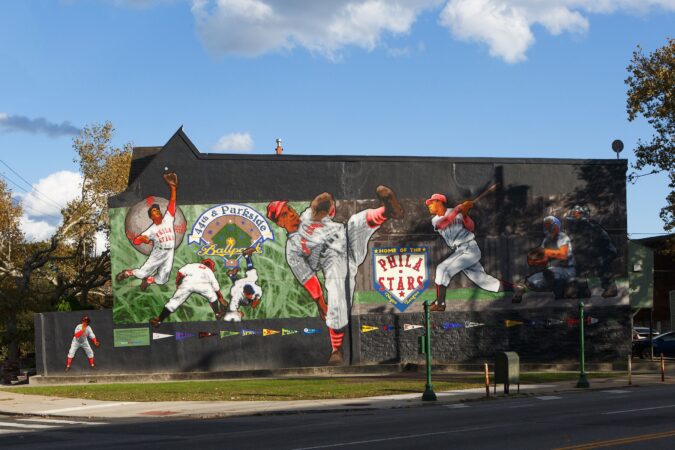
When a West Parkside mural honoring the Philadelphia Stars and Negro Leagues baseball was taken down last month, social media commenters were outraged as the news spread, fearing that Philadelphia had lost one of its iconic odes to Black history.
But the mural at 4304 Parkside Ave. won’t be gone for very long. In a collaboration among Mural Arts Philadelphia, Parkside community members, and the owners of its former building, a new version of the Stars mural will be re-created just across the street.
“It was put up over 20 years ago. We’ve been working really hard to spruce it up for the next 20 years,” said Marjorie Ogilvie, the president emeritus of the West Parkside Business Association, who helped erect the first mural in 2006.
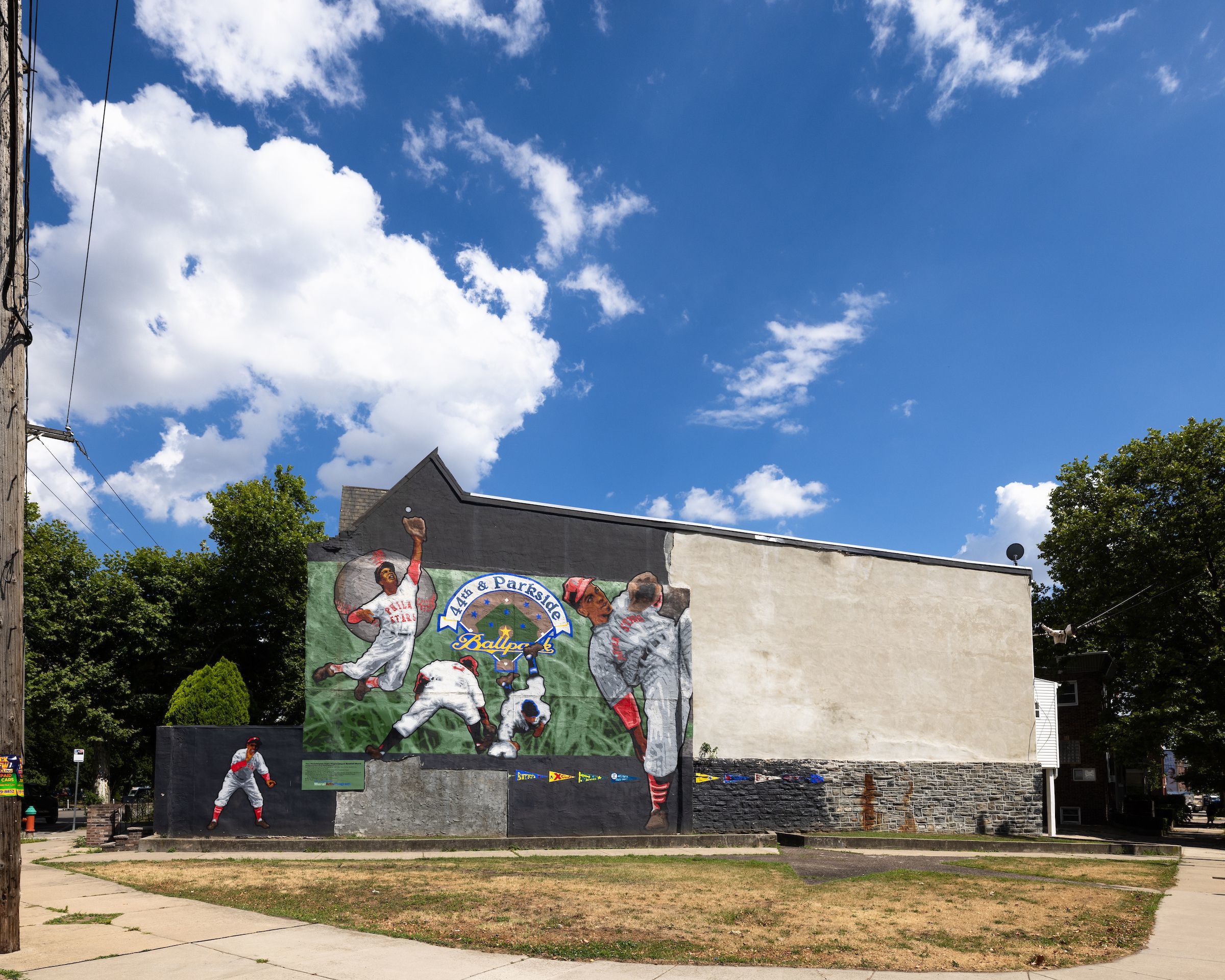
It seemed inevitable that the two-story mural would eventually be brought down. There was roof and wall damage to the home on which it is painted, and the building partially collapsed. Those repairs required the removal of half of the mural a few years ago, and it was never replaced.
And the possibility of development on the plot of land is now closer to being realized. The triangle-shaped grassy lot in front of the mural has been owned by developer Haverford Square Properties for several years, and it acquired the 4304 Parkside building in September.
Half of the mural was previously removed after repairs were needed for the damaged wall and roof of the property. This photo shows what remained of the mural in 2024.
Haverford Square planned to construct a six-story apartment building at the corner, but community members fought back, arguing that it would lead to overcrowding in the neighborhood. Haverford Square president German Yakubov said they have since reached something of a compromise on a smaller-scale development, which will include a baseball-themed coffee shop on the corner.
But Yakubov is helping to secure the long-term future of the mural. Haverford Square has donated $30,000 and design services to the project to create a new version across Belmont Avenue.
“I didn’t want to let it go,” he said of the mural he has been driving past since he was a student at St. Joseph’s University.
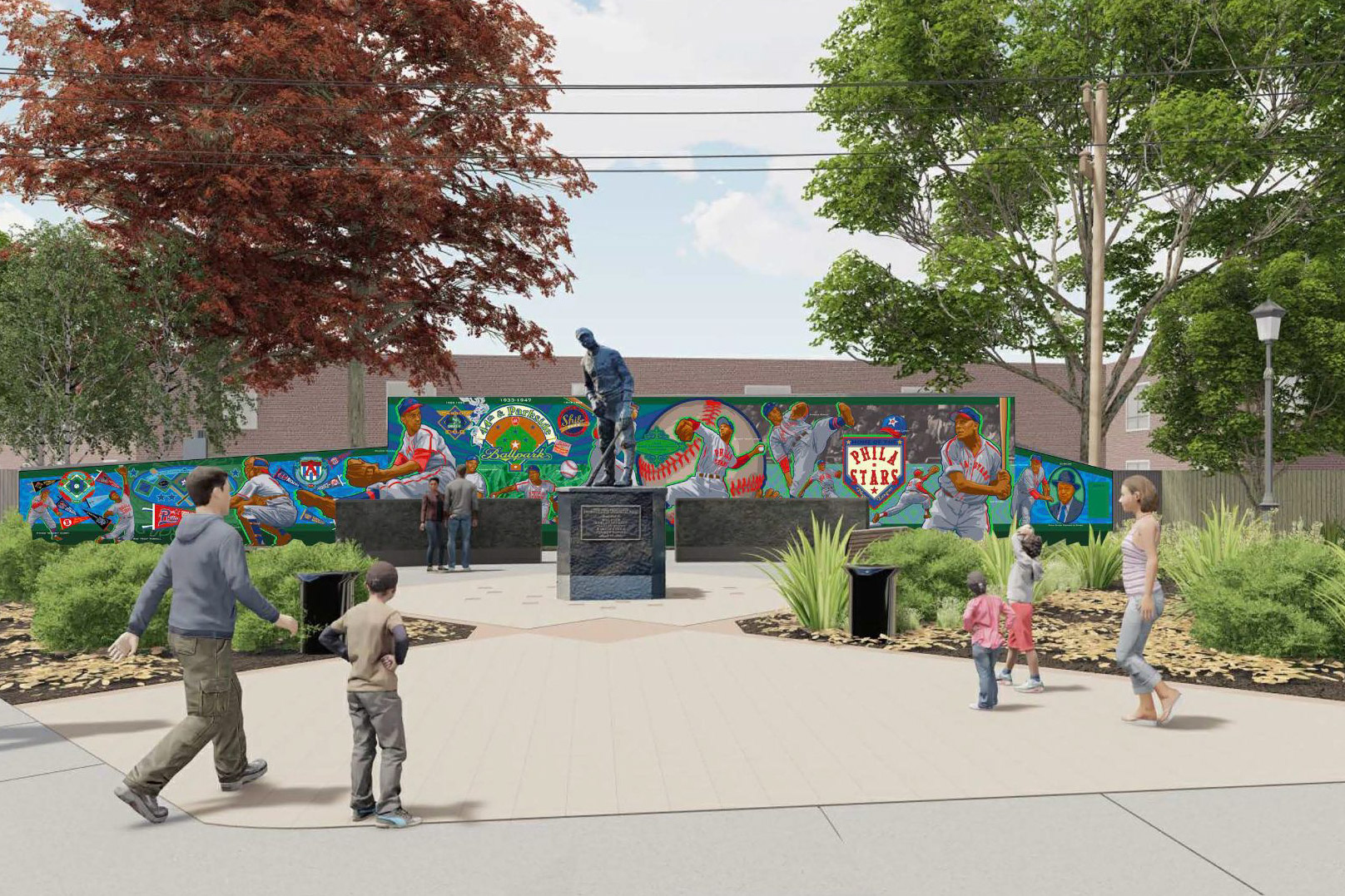
The mural will be painted on a yet-to-be-constructed wall in the Philadelphia Stars Negro Leagues Memorial Park, at the southwest corner of Parkside and Belmont Avenues. It will look slightly different from the previous version, since the new wall will be wider and shorter than the 4304 Parkside wall was. But the designs come from the artist who worked on the original mural, David McShane.
The park features a 7-foot bronze statue of a Negro Leagues baseball player, which was unveiled in a 2003 dedication ceremony at Veterans Stadium by five living Philadelphia Stars players —Bill Cash, Mahlon Duckett, Stanley Glenn, Harold Gould, and Wilmer Harris —before being placed at the park in 2005. The new mural will be raised behind the bronze statue.
A rendering of the proposed mural at the Philadelphia Stars Negro League Memorial Park. The recreated design is by the same artist, David McShane, behind the original mural. The proposed project will include the construction of a new wall behind the 7-foot bronze statue of a Stars player by Phil Sumpter.
“It’s great to see when everyone comes together to ensure that the story of the Negro League[s] and the Philadelphia Stars is not forgotten,” said Mural Arts Philadelphia executive director Jane Golden.
Many people reached out to Mural Arts once they heard in the fall that the mural was going to be removed, Golden said. They were furious and wanted to know what the organization would do to protect it.
Golden said she expects construction to begin early this spring after the project receives Philadelphia Art Commission approval, and for the mural to be completed by summer. Thousands of visitors are expected for numerous events in Philly, including the MLB All-Star Game in July.
The Stars are nearing their 100th anniversary, having played their first games in 1933. They joined the Negro National League the following season and won their first and only pennant, beating the Chicago American Giants in a controversial eight-game series, 4-3-1, after game 7 ended in a tie due to the state’s blue law curfew. Satchel Paige briefly played for the Stars, as did other Negro Leagues legends like Biz Mackey and Jud Nelson.
But after Major League Baseball was integrated in 1947, the popularity of the Negro Leagues dropped, and the Stars disbanded in 1952. They played the majority of their home games at the 44th and Parkside Ballpark, the site where the new mural will rise.
A former criminal defense attorney was sentenced Wednesday to two years’ probation for smuggling contraband — including Suboxone and a cell phone — into Philadelphia’s Federal Detention Center last year in an apparent attempt to placate a purported gang leader.
Paul DiMaio of Turnersville apologized for his actions during a sentencing hearing before U.S. District Judge John R. Padova, saying: “I absolutely should’ve known better.”
DiMaio said his behavior was an ill-conceived response to a variety of pressures he was feeling at the time — including learning of a cancer diagnosis for his wife, and being afraid that the inmate who wanted the prohibited items was an accused murderer who had also been charged with attempting to arrange contract killings from jail.
“This is not me,” DiMaio said. “I think it was, for lack of a better term, a perfect storm.”
Padova said that 90 days of DiMaio’s probationary sentence must be served at a halfway house or similar reentry facility.
DiMaio was indicted last year after prosecutors said he went to the detention center in February 2025 with two accordion-style folders, one of which contained a cell phone, a charging cord, strips of Suboxone, and 240 loose cigarettes.
The materials — which inmates are not allowed to possess — were not discovered by guards overseeing entrants to the jail that day, prosecutors said. But surveillance footage later showed DiMaio taking the two folders to a visiting room, where he met with a prisoner who was associated with another inmate, Jahlil Williams, who prosecutors say was the intended recipient of the contraband.
Williams — also known as “25th Street Bill” or “Kill Bill” — was awaiting trial for a variety of violent crimes in a sprawling racketeering case. DiMaio said he was afraid that Williams, the purported leader of the Omerta street gang, was upset over a monetary dispute involving a previous legal case, and that Williams might seek to harm him if he didn’t go along with the smuggling plot.
“I panicked,” DiMaio said, “and I made just a horrible decision.”
While in the visiting room at the detention center, prosecutors said, DiMaio gave Williams’ associate — who has not been charged in the case — the folder containing the prohibited items, and that man was supposed to give the materials to Williams.
But a guard searched the folder before the prisoner got back to his cellblock and found the prohibited items inside. After an FBI investigation, DiMaio was charged with crimes including providing contraband to an inmate and aiding and abetting.
Williams was charged as well, as were his sister Jada and his mother, Tanya Culver, who were accused of participating in the conspiracy. They are all still awaiting trial.
DiMaio pleaded guilty last fall to providing contraband and making a false statement.
He surrendered his law license voluntarily shortly after he was charged, he said in court. He has since been seeking to find other ways to pay his family’s bills, but said the loss of his career and his wife’s ongoing health challenges have left the couple “financially ruined.”
Padova, the judge, told DiMaio he was involved in “serious conduct” but added: “This is the first day of the rest of your life.”
“We’ve given you the opportunity to make the best of it,” Padova said.
After the biggest snowfall in a decade and an Arctic freeze that locked in the snowpack with a tenacity rarely experienced in the region, Philadelphians can now be seen walking the streets in short sleeves, eating lunch outside, and preparing for spring staples like the Cherry Blossom Festival.
It was only in the 40s in Philly Wednesday, but after what felt like a never-ending cold front, it might as well have been summer.
“I can’t wait to take walks again,” said Jenny Rojas, a Korean major at the University of Pennsylvania. She and classmate Justin Lo were strolling through campus in 40-degree weather like it was a breath of fresh air after weeks of below-freezing temperatures.
“I’m from Michigan, so this snow isn’t that bad, but the temperatures were freezing. We just stayed inside,” said Lo, a Penn economics major.
As Philadelphians bustled through Penn’s campus, an assortment of short-sleeve T-shirts, skirts, and shorts was sported by many. Some folks’ lack of coats didn’t stop Lo and Rojas from bundling up still. And while the temperature is getting reasonable, Philadelphians are still traversing treacherously slippery sidewalks and 3-foot snow piles blocking walkways.
The remnants are going to be slow to vanish with overnight lows below freezing, but the snowpack is decidedly showing its age and is on the run.
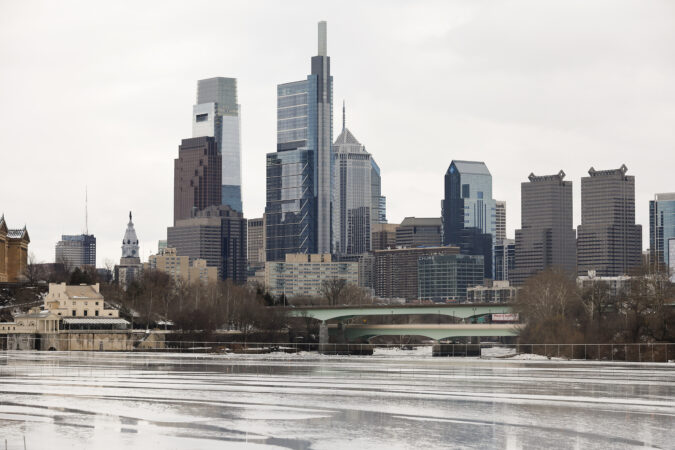
The ice covering the Schuylkill River is melting on Wednesday, Feb. 11, 2026 in Philadelphia, Pa. The high on Wednesday was 46 degrees.
Temperatures are due to cool down some Thursday and Friday with highs in the 30s, but the 40s are due back on the weekend.
For some, like Penn administrative assistant Sheria Crawley, it was just a relief, and a surprise, to be able to finally say, “Thank God it’s 30 degrees out.” Crawley, who has lived in the city for years, said the snowstorm of 2026 is one of the worst she’s seen, not giving residents a reprieve from the cold.
“It was brutal because we’re used to getting snow and then a warm-up right after that takes the snow away. This year, we couldn’t catch a break,” she said.
The thing she can’t wait for most this spring is to see the “last vestige” of snow finally melt. Crawley said she would be excited then, but the severity of this storm would stick with her for years.
“I feel like there’s going to be a mass exodus from the city to all the classic vacation spots nearby so that we can just recover from that storm,” she said.
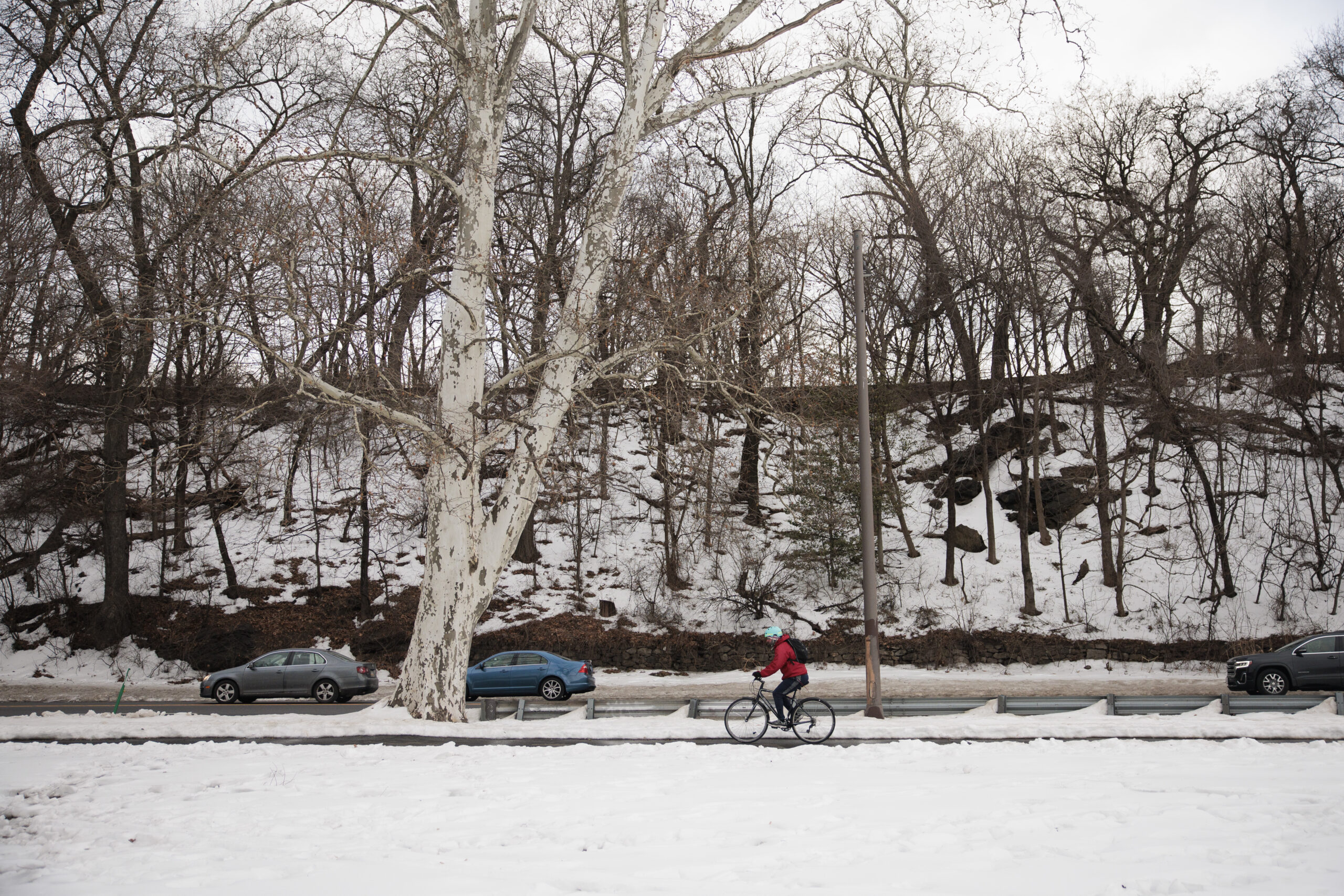
A cyclist travels on the Schuylkill River Trail along Kelly Drive on Wednesday, Feb. 11, 2026 in Philadelphia, Pa. The high on Wednesday was 46 degrees.
Eirini Antonopoulou felt like a phoenix rising from the ashes after weeks cooped up inside without the sunshine.
“Since the previous weeks have been so gloomy, I’ve been feeling kind of down,” the Penn freshman said. “It’s gorgeous out today. We have more sunlight now, so I feel more optimistic.”
Antonopoulou’s classmate, Tyrus Roney, said he was happy to see city life returning to normal, with people stopping to chat and not bundled up, rushing to their destinations.
“It’s just it’s so much more vibrant with people outside interacting with each other,” Roney said. “Now we just have to take care of this dirty snow on the side of the road.”
On another day, perhaps we would mention that the region has an outside chance of seeing some fresh snow late in the weekend. That can wait; as long as it chooses.