Most days newspaper photographers are assigned to illustrate reporters’ stories, or cover news, events, or sports. We are given a time to be somewhere, the name of a contact and are either told, or have an idea of what we will be photographing.
Other times we have to come up with something on our own.
So how do I generate an idea from a completely blank slate? How we each do this is the magic of creativity.
My process is to look around, not just at what’s in front of me, but to think of what I’ve seen and read and thought about lately. I recall pictures I’ve made previously, or images I’ve admired by others. I let my thoughts drift, and try to notice patterns, juxtapositions, or things that seem out of place. And make connections.
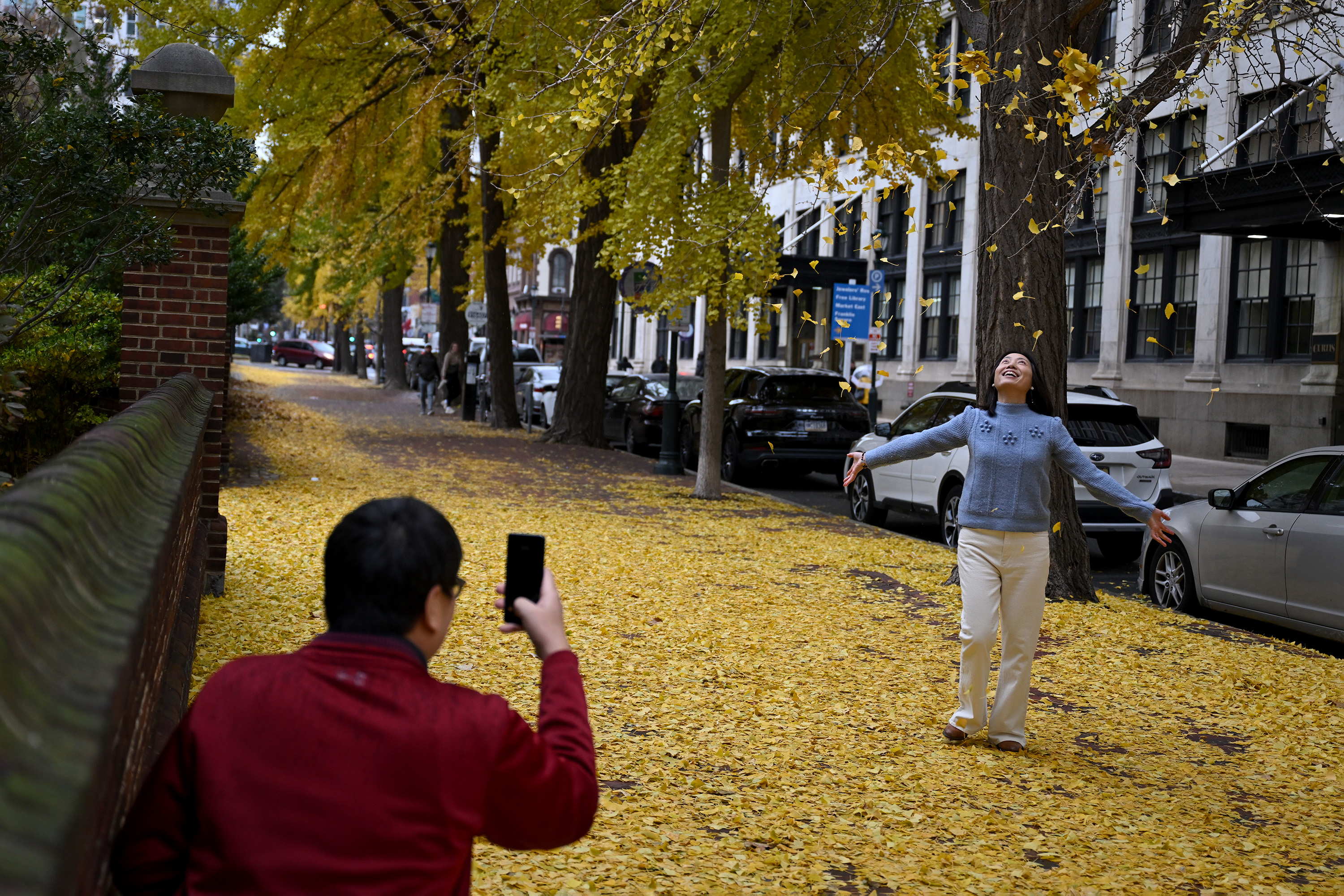
Zhaomin Li records Weili Jia as she throws leaves in the air along Walnut Street at Washington Square Nov. 25, 2025. The couple was visiting from Carmel, Indiana.
I am patient, even when it seems inspiration is not going to hit me.
I seldom find that spark while driving. I need to get out of the car and walk. Or sit on a bench. And free associate.
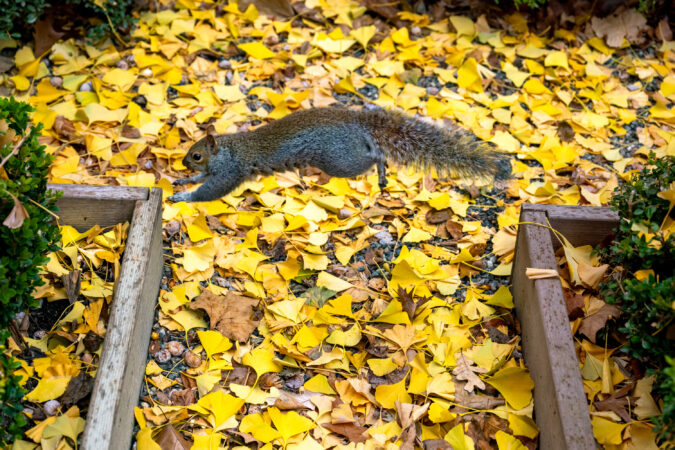
This week I thought of autumn, the end of daylight savings, the sunlight low in the sky, and cooler days. In a park I watched squirrels scampering on leaves collecting and burying food for the even colder days coming.
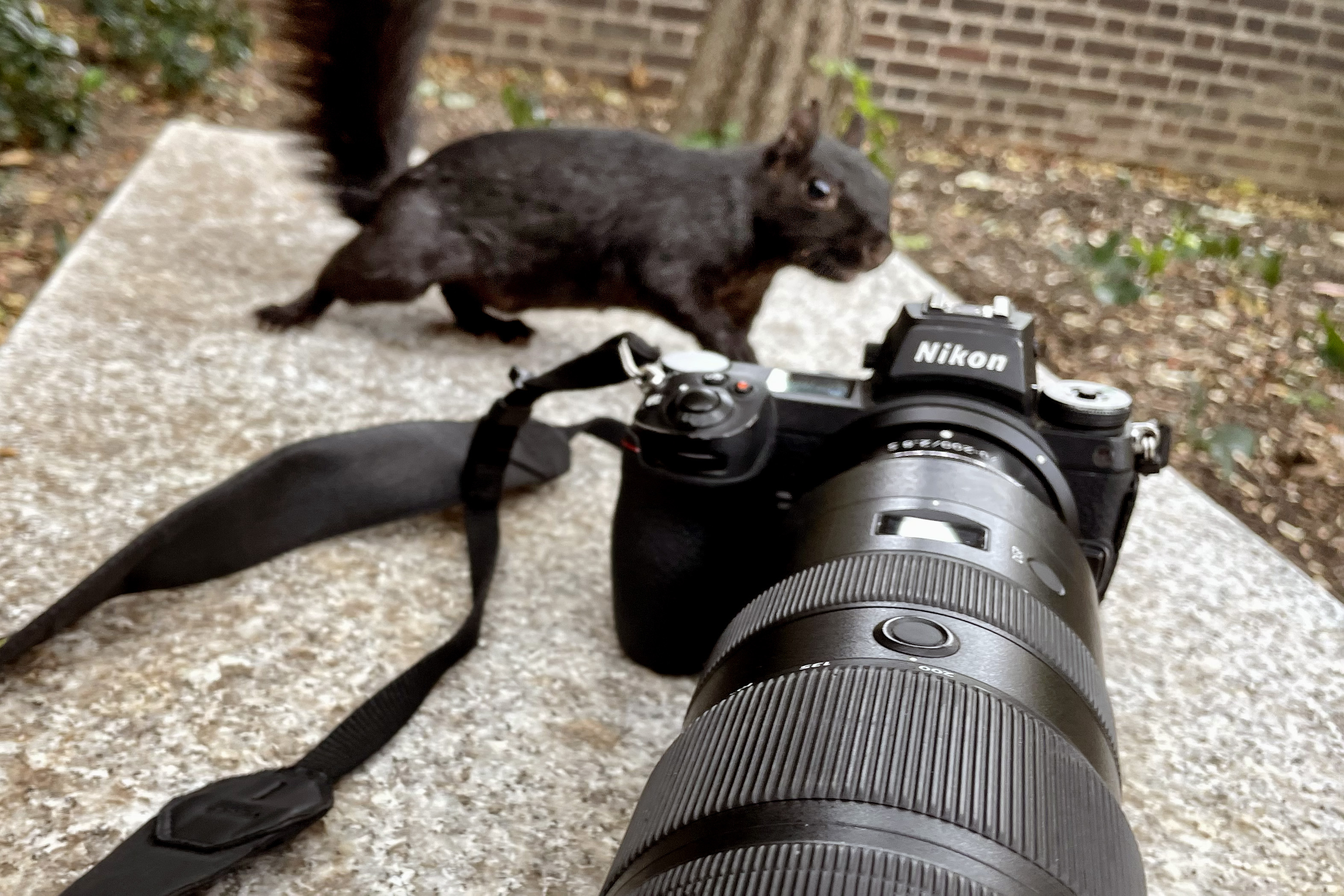
More walking, and sitting, and I spotted an unusual black squirrel. I once read they are more common around the Great Lakes, but around here, plain old grey squirrels are what we have. (I googled it later. Less than 1% of the grey squirrel population on the East Coast “present heightened levels of the dark pigment melanin.”)
Back on my feet I came across a courtyard full of fan-shaped leaves, spread in front of me like a quiet, golden revelation.
Ginkgo biloba, I knew from previous assignments. The oldest tree species on Earth, it’s often called a “living fossil.” It has survived for over 200 million years, outlasting the dinosaurs, and has remained relatively unchanged.
That became my inspiration this week. Call me a biophiliac (having the hypothetical human tendency to interact or be closely associated with other forms of life in nature). But it’s how I made the connection and this week’s photo.
See more gingkoes (and another photo of the black squirrel) in the gallery:
Since 1998 a black-and-white photo has appeared every Monday in staff photographer Tom Gralish’s “Scene Through the Lens” photo column in the print editions of The Inquirer’s local news section. Here are the most recent, in color:
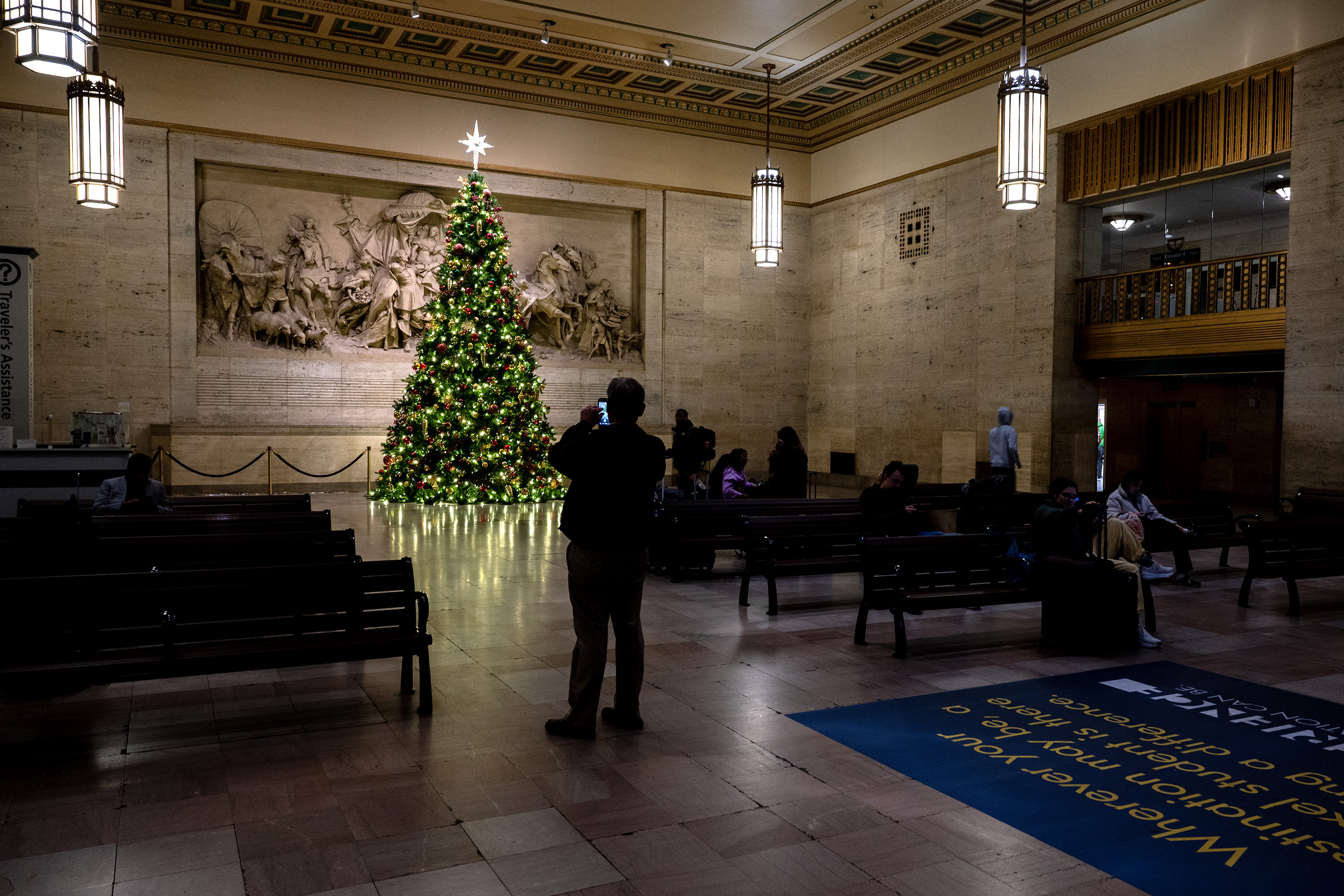
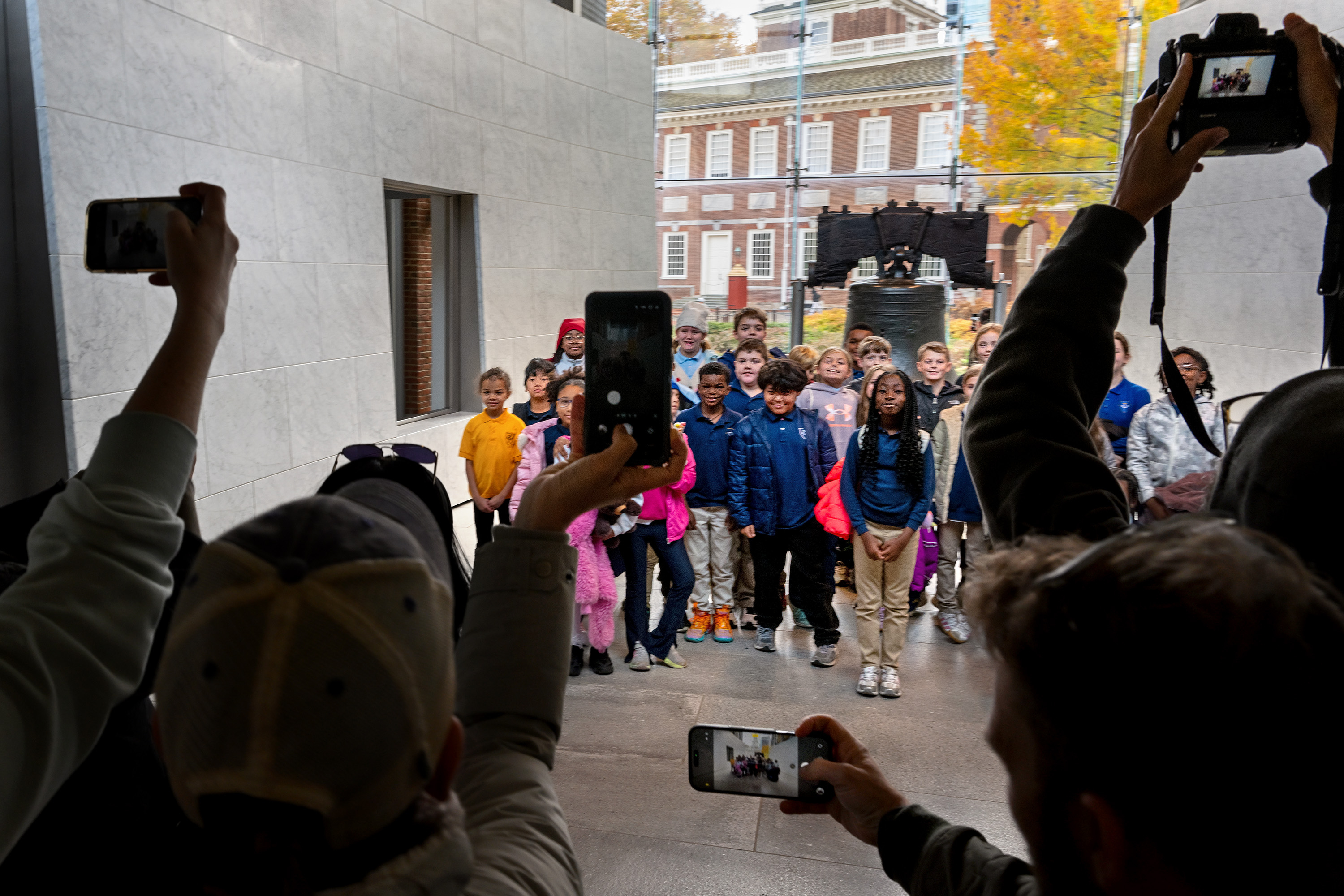
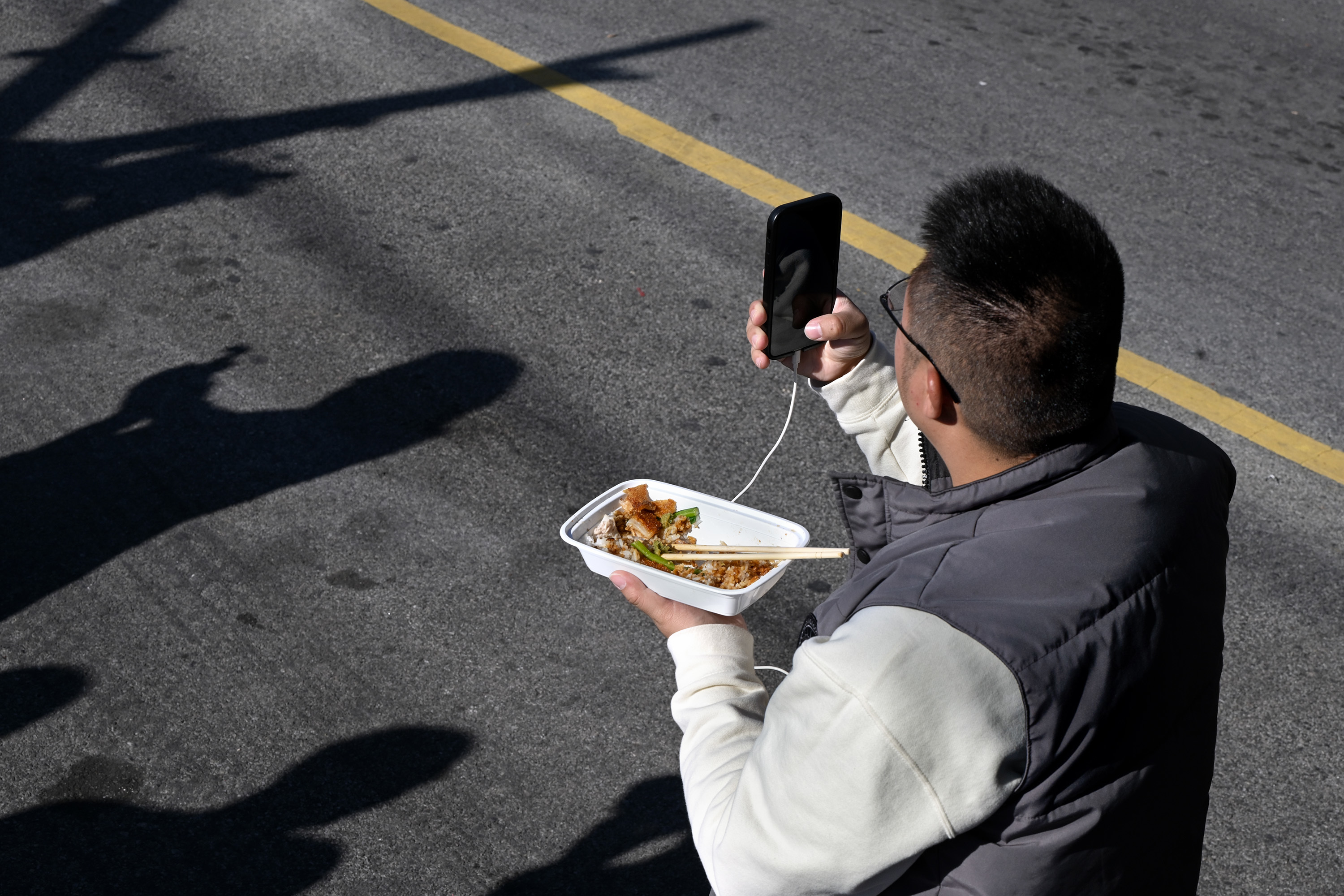
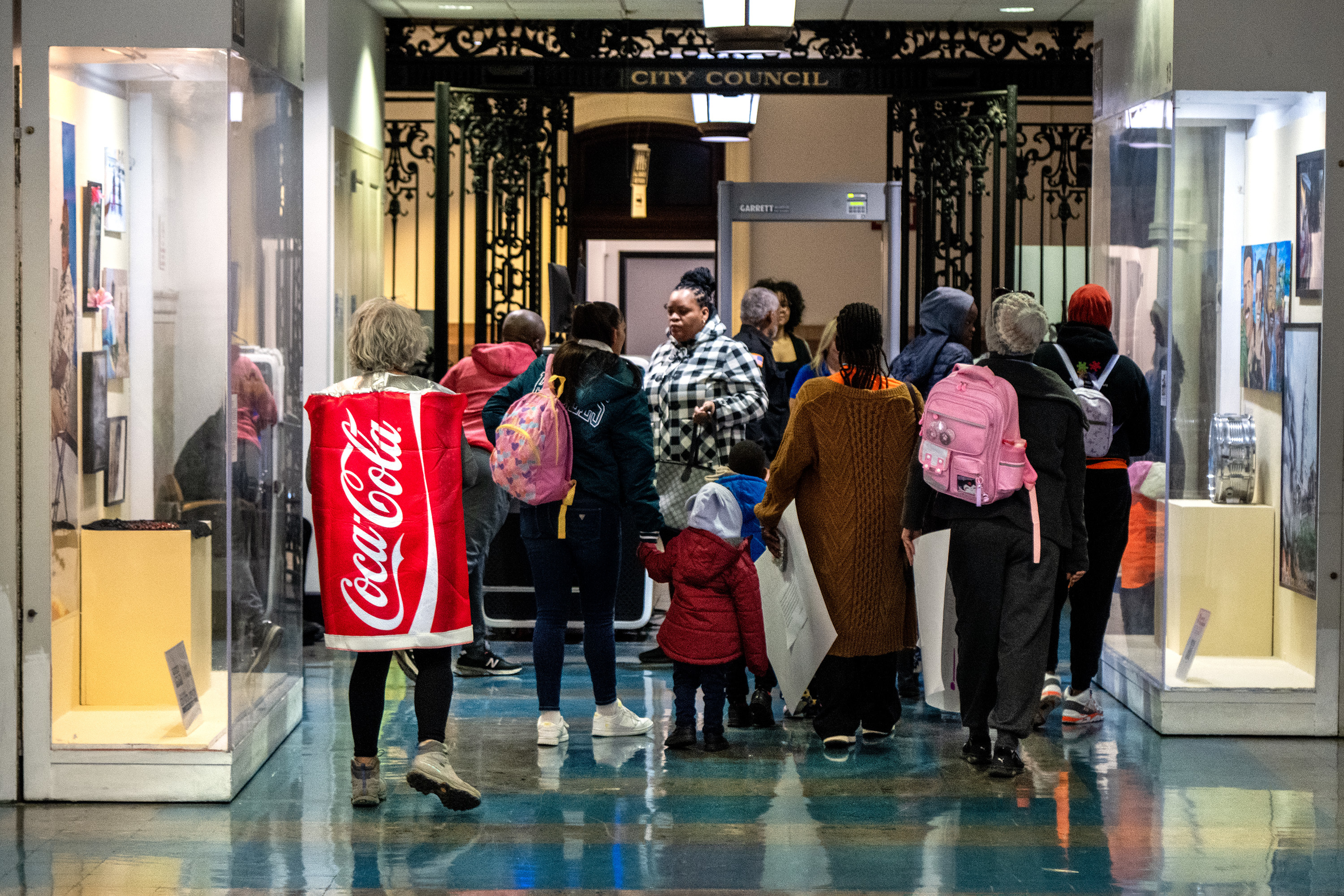
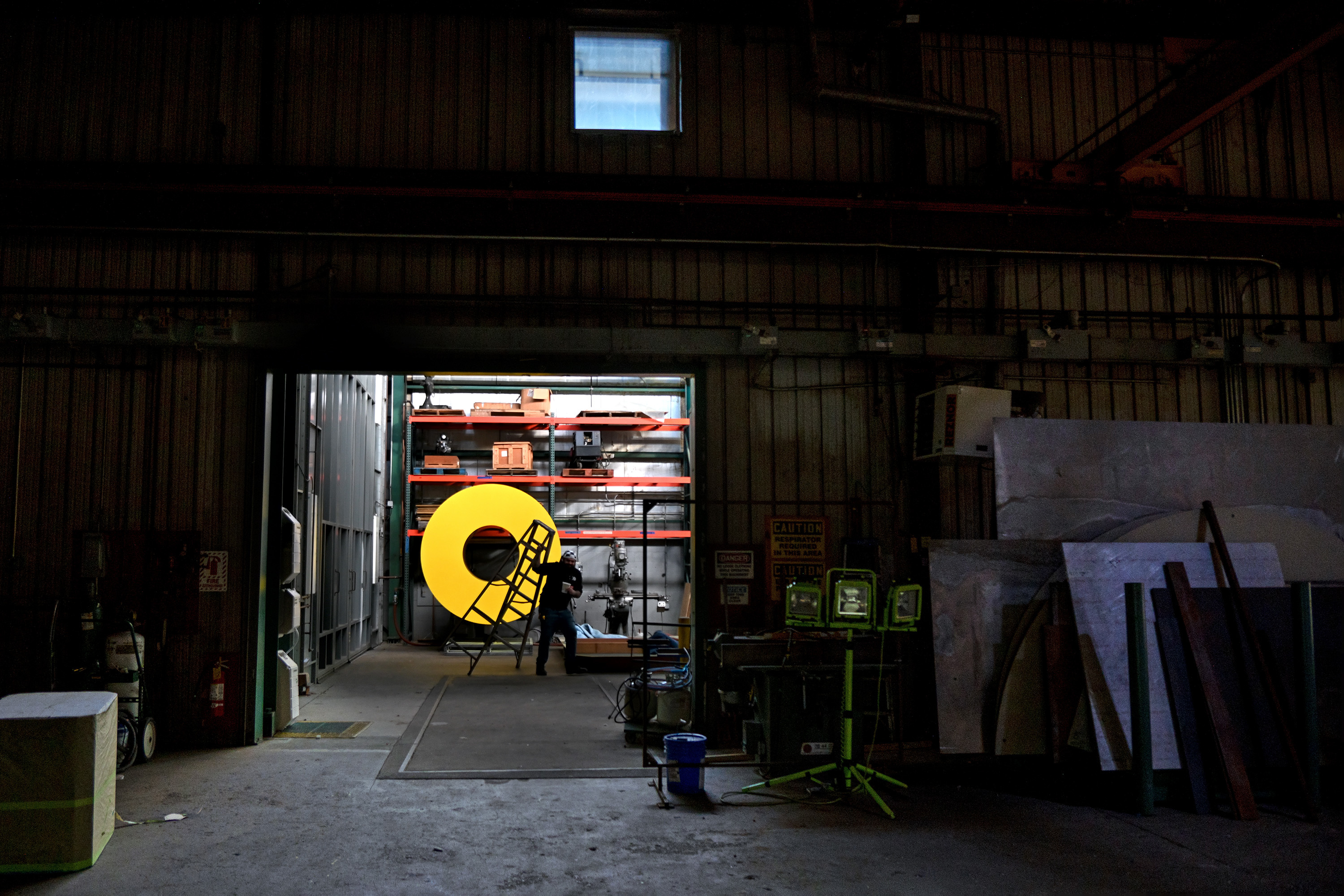
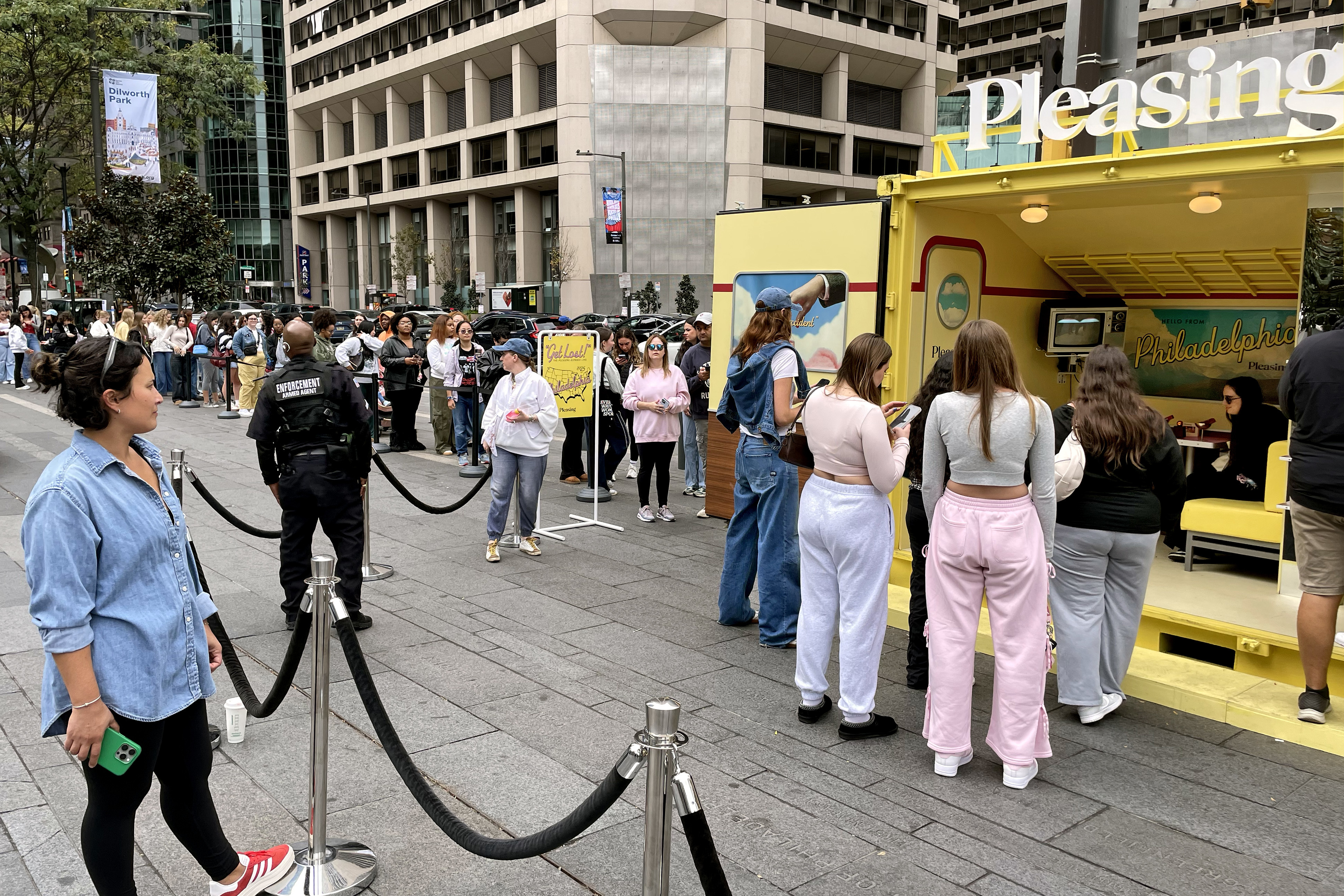
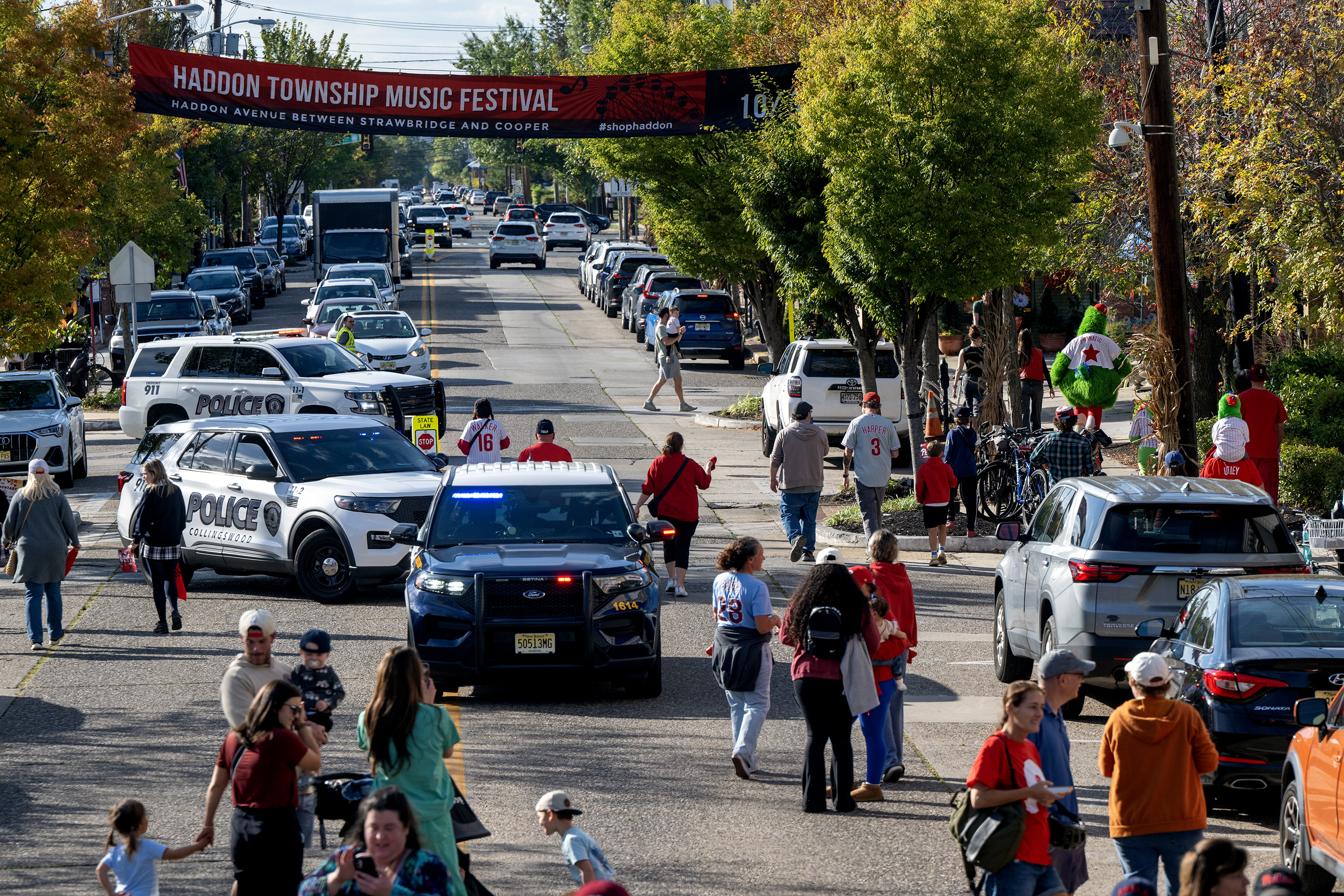
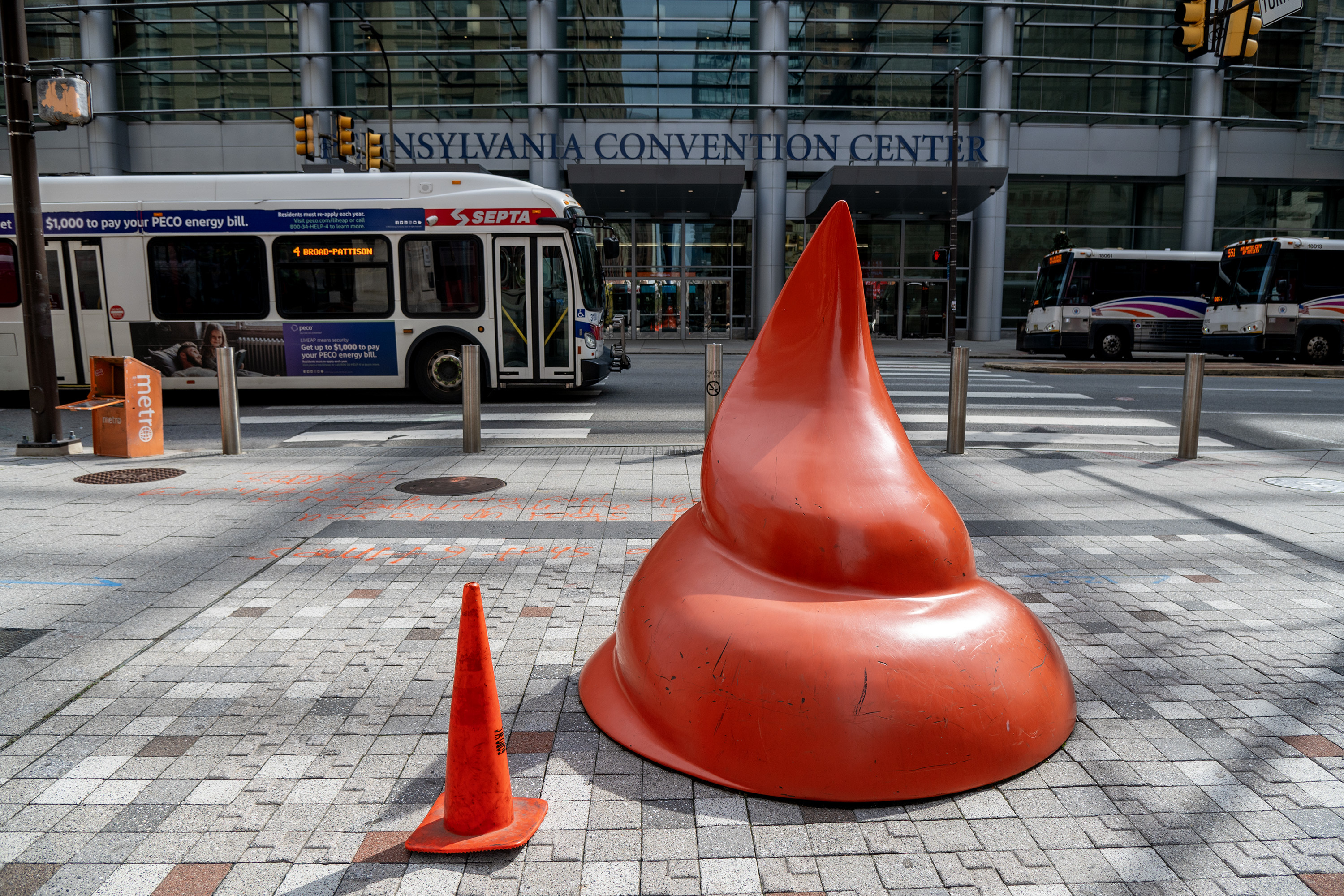
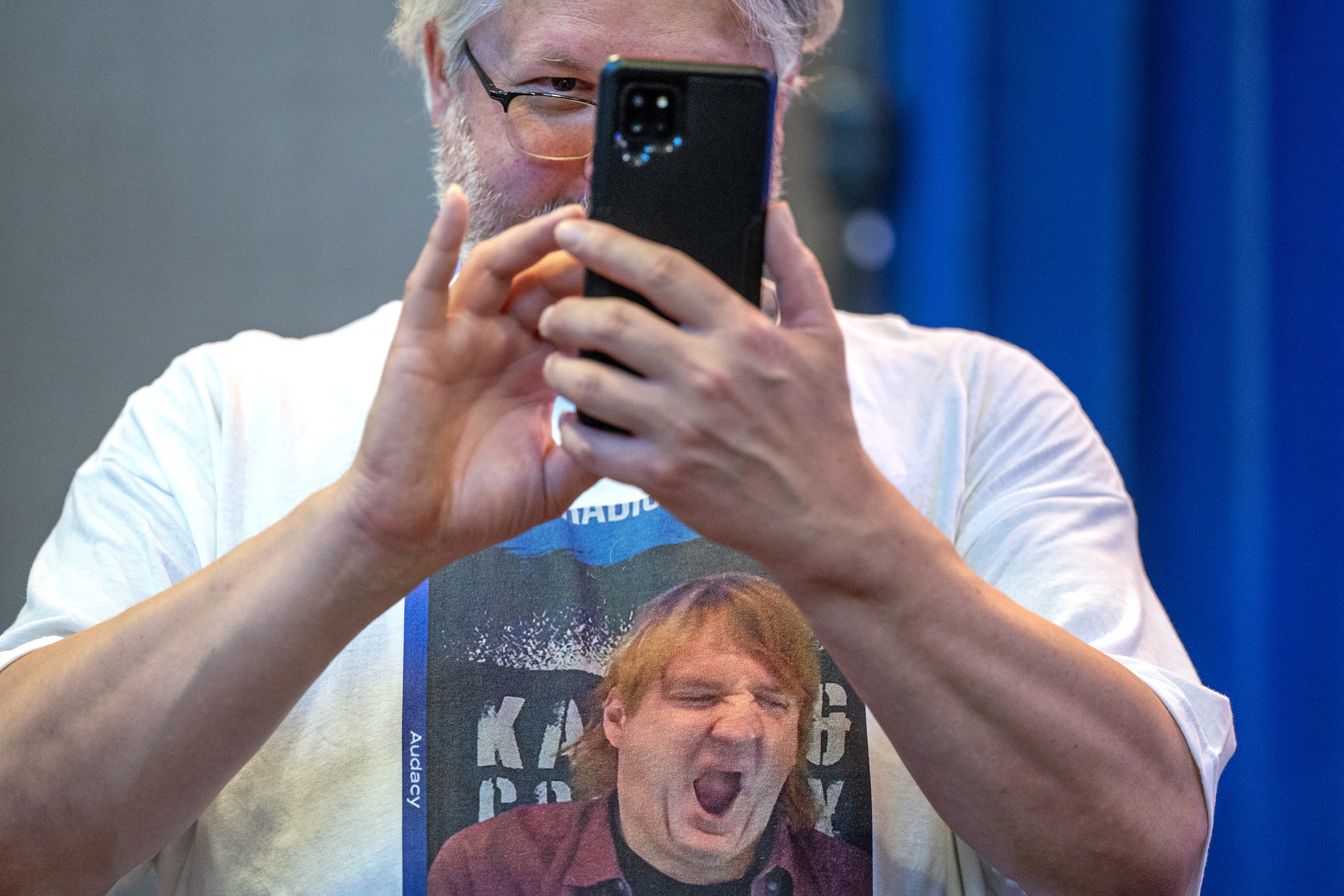
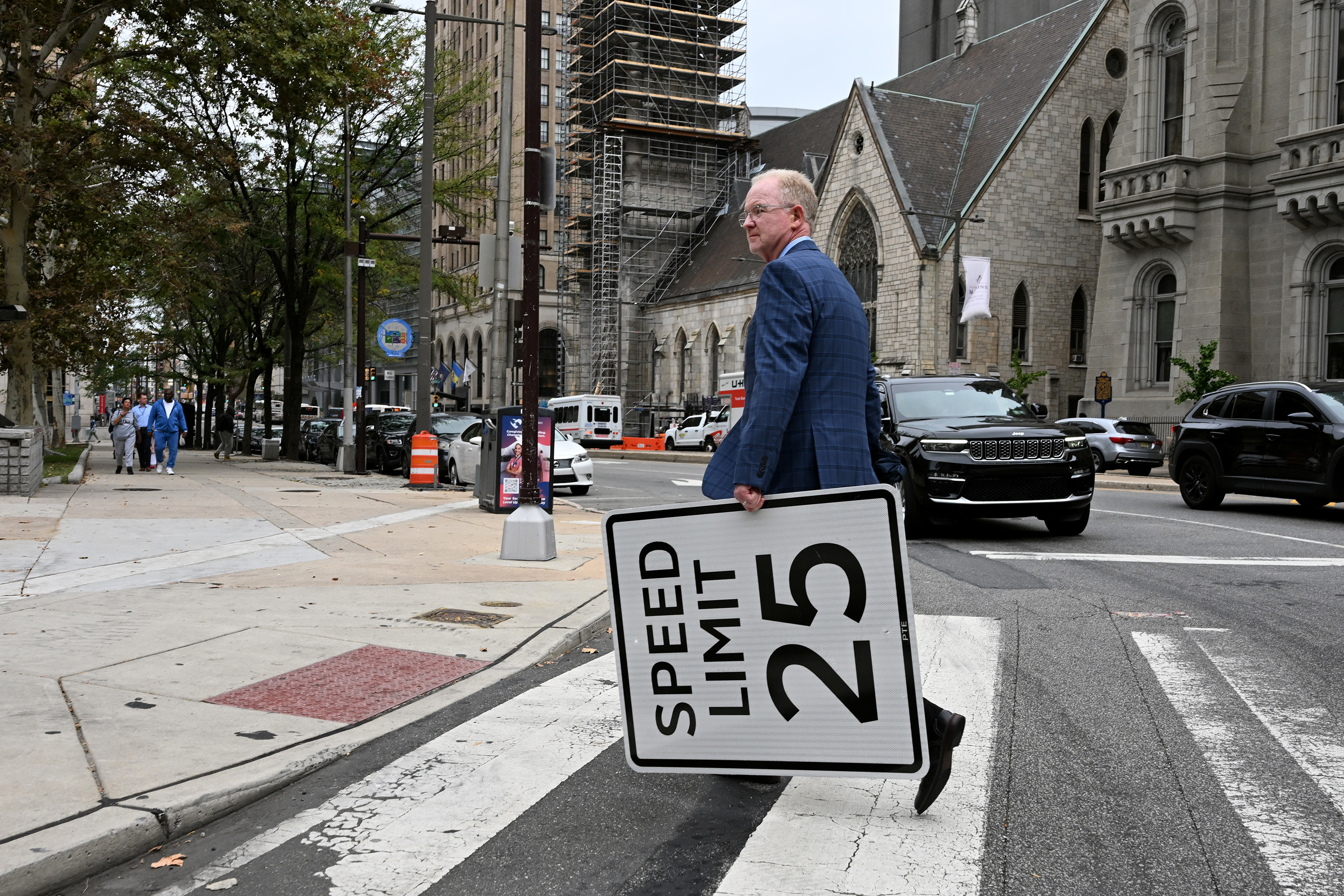
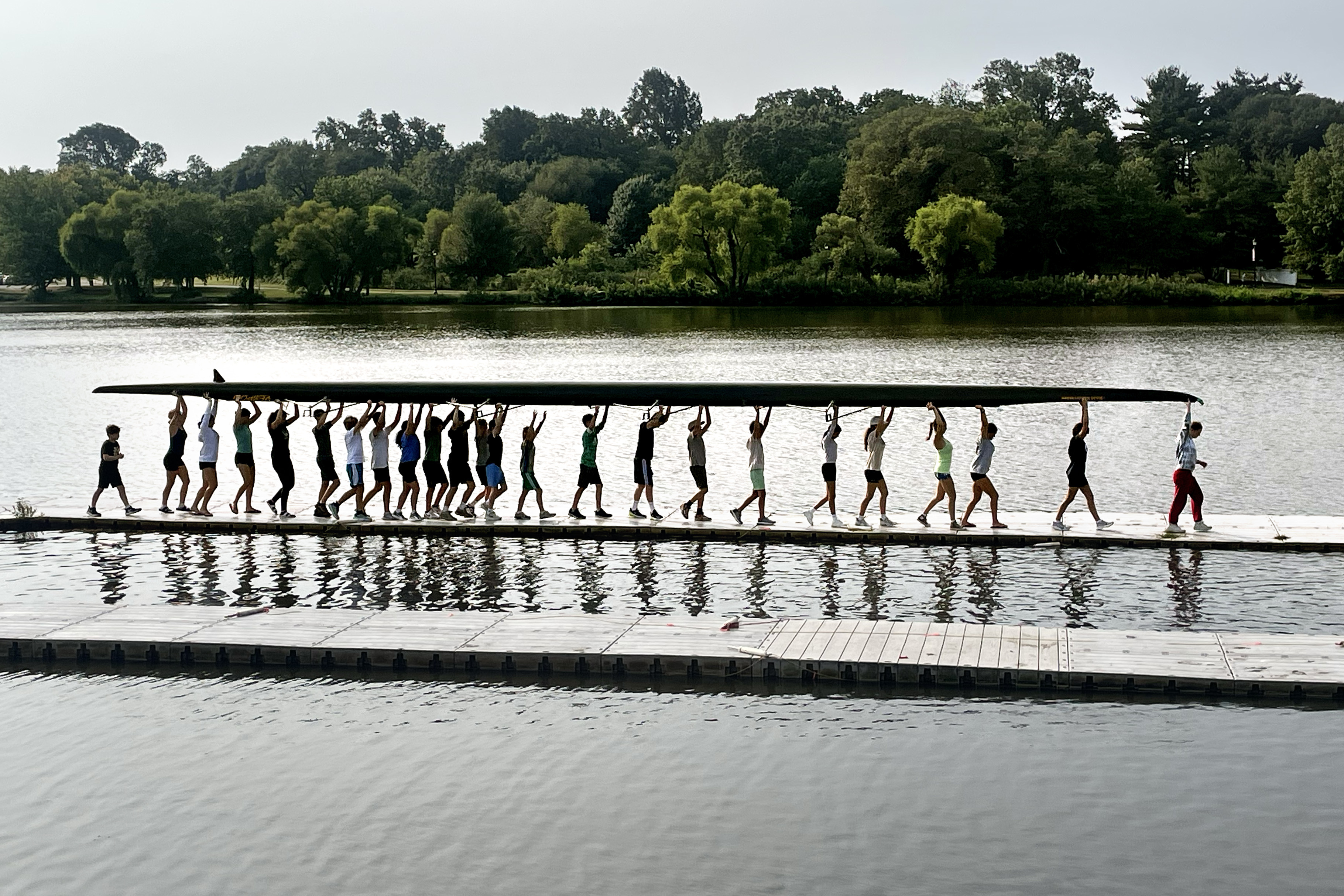
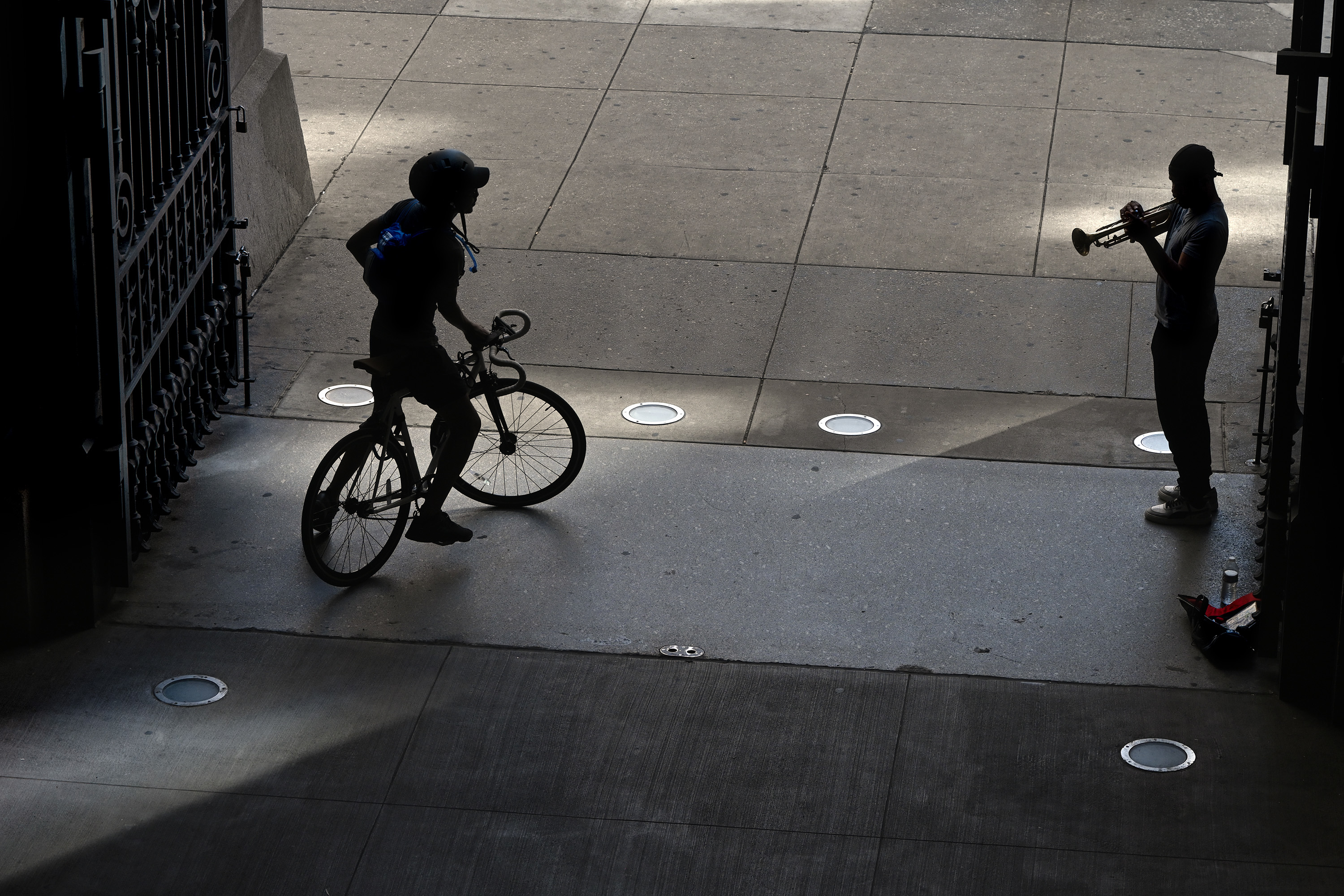
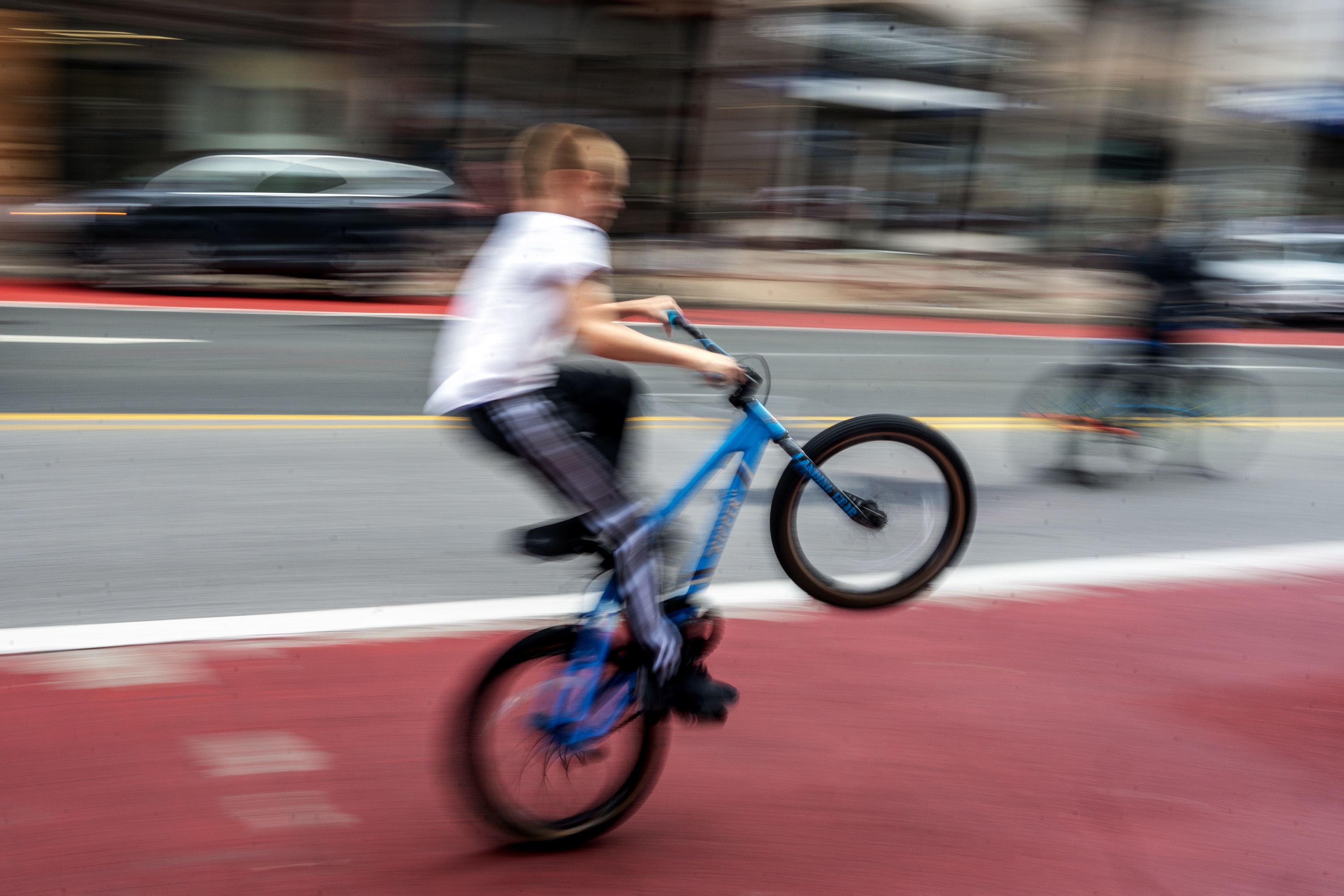
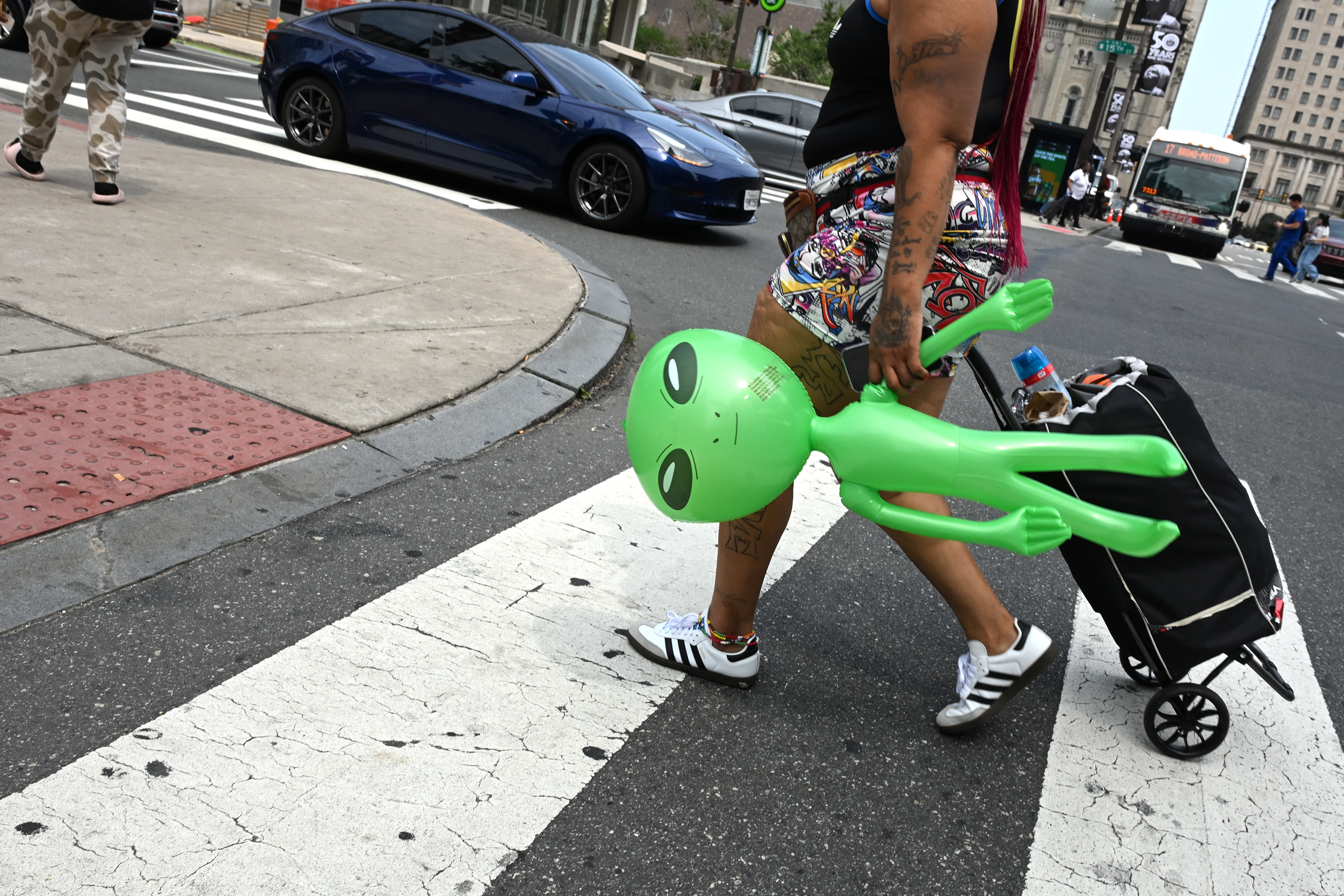
November 24, 2025: The old waiting room at 30th Street Station that most people only pass through on their way to the restrooms has been spiffed up with benches – and a Christmas tree. It was placed there this year in front of the 30-foot frieze, “The Spirit of Transportation” while the lobby of Amtrak’s $550 million station restoration is underway. The 1895 relief sculpture by Karl Bitter was originally hung in the Broad Street Station by City Hall, but was moved in 1933. It depicts travel from ancient to modern and even futuristic times. November 17, 2025: Students on a field trip from the Christian Academy in Brookhaven, Delaware County, pose for a group photo in front of the Liberty Bell in Independence National Historical Park on Thursday. The trip was planned weeks earlier, before they knew it would be on the day park buildings were reopening after the government shutdown ended. “We got so lucky,” a teacher said. Then corrected herself. “It’s because we prayed for it.” November 8, 2025: Multitasking during the Festival de Día de Muertos – Day of the Dead – in South Philadelphia.November 1, 2025: Marcy Boroff is at City Hall dressed as a Coke can, along with preschoolers and their caregivers, in support of former Mayor Jim Kenney’s 2017 tax on sweetened beverages. City Council is considering repealing the tax, which funds the city’s pre-K programs. October 25, 2025: Austin Gabauer, paint and production assistant at the Johnson Atelier, in Hamilton Twp, N.J. as the finished “O” letter awaits the return to Philadelphia. The “Y” part of the OY/YO sculpture is inside the painting booth. The well-known sculpture outside the Weitzman National Museum of American Jewish History was removed in May while construction continues on Market Street and has been undergoing refurbishment at the Atelier at the Grounds for Sculpture outside of Trenton.October 20, 2025:The yellow shipping container next to City Hall attracted a line of over 300 people that stretched around a corner of Dilworth Park. Bystanders wondered as they watched devotees reaching the front take their selfies inside a retro Philly diner-esque booth tableau. Followers on social media had been invited to “Climb on to immerse yourself in the worlds of Pleasing Fragrance, Big Lip, and exclusive treasures,” including a spin of the “Freebie Wheel,” for products of the unisex lifestyle brand Pleasing, created by former One Direction singer Harry Styles.October 11, 2025: Can you find the Phillie Phanatic, as he leaves a “Rally for Red October Bus Tour” stop in downtown Westmont, N.J. just before the start of the NLDS? There’s always next year and he’ll be back. The 2026 Spring Training schedule has yet to be announced by Major League Baseball, but Phillies pitchers and catchers generally first report to Clearwater, Florida in mid-February.October 6. 2025: Fluorescent orange safety cone, 28 in, Poly Ethylene. Right: Paint Torch (detail) Claes Oldenburg, 2011, Steel, Fiberglass Reinforced Plastic, Gelcoat and Polyurethane. (Gob of paint, 6 ft. Main sculpture, 51 ft.). Lenfest Plaza at the Pennsylvania Academy of the Fine Arts on North Broad Street, across from the Convention Center.September 29, 2025: A concerned resident who follows Bucks County politics, Kevin Puls records the scene before a campaign rally for State Treasurer Stacy Garrity, the GOP candidate for governor. His T-shirt is “personal clickbait” with a url to direct people to the website for The Travis Manion Foundation created to empower veterans and families of fallen heroes. The image on the shirts is of Greg Stocker, one of the hosts of Kayal and Company, “A fun and entertaining conservative spin on Politics, News, and Sports,” mornings on Talk Radio 1210 WPHT.September 22, 2025: A shadow is cast by “The Cock’s Comb,” created by Alexander “Sandy” Calder in 1960, is the first work seen by visitors arriving at Calder Gardens, the new sanctuary on the Ben Franklin Parkway. The indoor and outdoor spaces feature the mobiles, stabiles, and paintings of Calder, who was born in Philadelphia in 1898, the third generation of the family’s artistic legacy in the city.September 15, 2025: Department of Streets Director of Operations Thomas Buck leaves City Hall following a news conference marking the activation of Automated Speed Enforcement (ASE) cameras on the Broad Street corridor – one the city’s busiest and most dangerous roads. The speed limit on the street, also named PA Route 611, is 25 mph.September 8, 2025: Middle schoolers carry a boat to the water during their first outing in a learn-to-row program with the Cooper Junior Rowing Club, at the Camden County Boathouse on the Cooper River in Pennsauken. September 1, 2025: Trumpet player Rome Leone busks at City Hall’s Easr Portal. The Philadelphia native plays many instruments, including violin and piano, which he started playing when he was 3 years old. He tells those who stop to talk that his grandfather played with Billie Holiday, Duke Ellington, Nina Simone, and Dizzy Gillespie. August 25, 2025: Bicycling along on East Market Street.August 18, 2025: Just passing through Center City; another extraterrestrial among us.
Late Thursday afternoon, while Thanksgiving rituals unfurled in rowhouses and neighborhoods across Philadelphia, Rosa Mar Espinosa Rodas took her final steps.
Espinosa Rodas, 41, was struck by a black 2012 Honda Accord at 36th and Market Streets in University City about 3:50 p.m., according to preliminary information released Friday by Philadelphia police.
After hitting Espinosa Rodas, the Honda’s driver didn’t stop. Instead, police said, the car continued eastbound along Market Street, where it then crashed into a Buick LaCrosse near 34th Street.
The driver of the Honda attempted to flee on foot, but was apprehended by police a few blocks from the second crash scene.
Police identified the motorist as Shamir Miller, 30.
Miller was charged with murder, homicide by vehicle, involuntary manslaughter, and nine other offenses, court records show.
His bail was set at $3 million, and he is scheduled to face a preliminary hearing on Dec. 15.
Medics pronounced Espinosa Rodas dead on Market Street, police said. CBS3 reported that Espinosa Rodas had worked nearby and was on her lunch break when she was fatally struck.
The driver of the Buick, a 41-year-old woman, was admitted to Penn Presbyterian Medical Center with neck and back injuries and was listed Friday in stable condition.
Miller was also treated at Penn Presbyterian for head injuries.
On Nov. 20 — a week before Espinosa Rodas was killed — a nearby stretch of Market Street was the scene of another fatal hit-and-run crash.
Early that morning, the driver of a silver Chrysler 300 with tinted windows struck Meaza Brown at 33rd and Market.
Police said that Brown, 48, was hit at such a high rate of speed that she was “launched out of her sneakers” and propelled through the air for several hundred feet. She was pronounced dead at Penn Presbyterian.
Investigators later found the Chrysler at 34th and Race Streets, but no arrests have been reported.
The city, as part of its Vision Zero plan to reduce traffic deaths, is seeking from state legislators the authority to set speed limits for local roadways, and to expand its use of automated speed enforcement cameras, The Inquirer reported this week.
Last year, the city recorded 120 vehicle crash deaths, a 41% increase from 2015, when the Vision Zero program began.
Teeth-chattering winds and plunging temperatures awaited Eagles fans who made a pilgrimage Friday to Lincoln Financial Field for a late afternoon matchup against the Chicago Bears.
For those who drove to South Philadelphia, the city had a post-game surprise: a new traffic management plan that might minimize stadium complex gridlock.
In an email to The Inquirer, the city wrote that the test pattern is designed to provide drivers with an expedited route from Pattison Avenue to the Walt Whitman Bridge and I-76 East, along Darien Street.
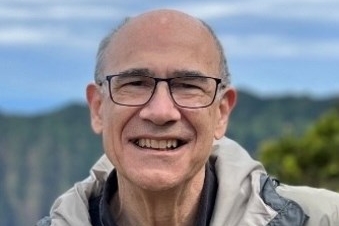
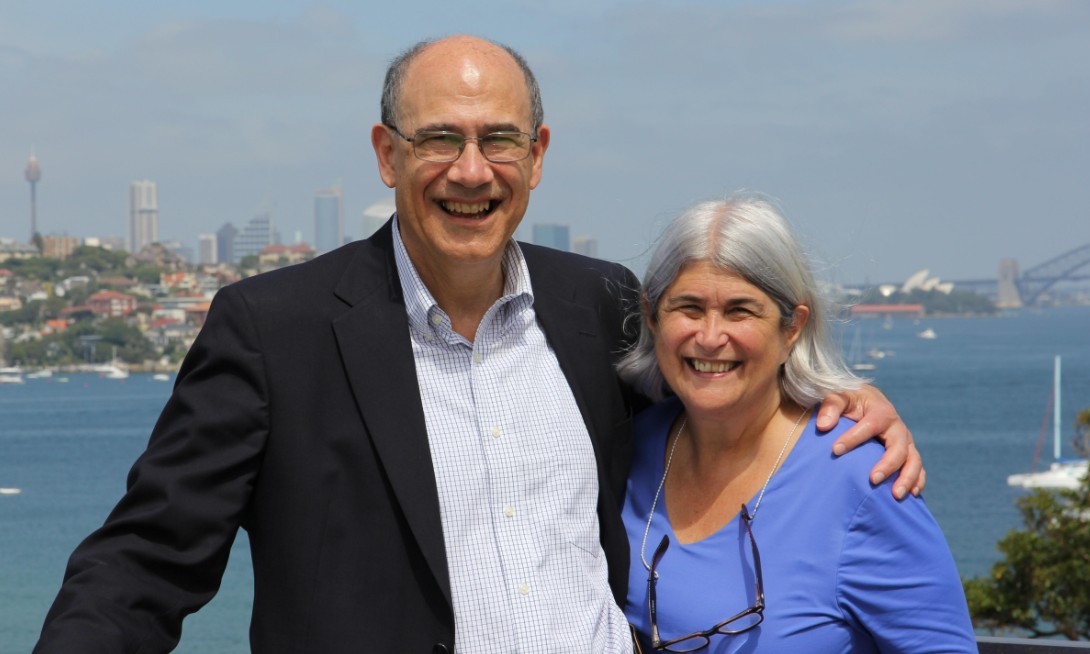
Mark Hallett, 82, of Bethesda, Md., world-renowned scientist emeritus at the Maryland-based National Institute of Neurological Disorders and Stroke, former chief of the clinical neurophysiology laboratory at Brigham and Women’s Hospital in Boston, associate professor of neurology at Harvard Medical School, groundbreaking researcher, prolific author, mentor, and world traveler, died Sunday, Nov. 2, of glioblastoma at his home.
Dr. Hallett was born in Philadelphia and reared in Lower Merion Township. He graduated from Harriton High School in 1961 and became a pioneering expert in movement, brain physiology, and human motor control.
He spent 38 years, from 1984 to his retirement in 2022, at the National Institutes of Health in Bethesda and was clinical director and chief of the medical neurology branch of the National Institute of Neurological Disorders and Stroke. He and his colleagues examined the human nervous system and the brain, and their decades of research helped doctors and countless patients treat dystonia, Parkinson’s, and other neurodegenerative diseases.
“When I met him, I was in bad shape,” a former patient said on Instagram. “I’d also been told … that no one would ever figure out the source of my illness. … He and his team diagnosed me, and thereby, I’m pretty sure, saved my life”
Dr. Hallett told the Associated Press in 1992: “The more that we know about the way these cells function, the better off we are.”
Barbara Dworetzky, current president of the FNDS, said Dr. Hallett was a “brilliant scientist, visionary leader, and compassionate physician whose legacy will endure.” Former NIH colleagues called his contributions “astounding” and said: “The scope and impact of Dr. Hallett’s work transcend traditional productivity metrics.”
He chaired scientific committees and conferences, and supervised workshops for many organizations. He earned honorary degrees and clinical teaching awards, and mentored more than 150 fellows at NIH. “Our lab’s demonstration of trans-modal plasticity in humans was another milestone,” he told the NIH Record in 2023. “And, of course, I am particularly proud of the fellows that I have trained and their accomplishments.”
In a tribute, his family said those he mentored “valued his intellect, his encouragement, his kindness, and his humor.”
Dr. Hallett and his wife, Judy, married in 1966.
Dr. Hallett had planned to study astronomy at Harvard University after high school. Instead, he earned a bachelor’s degree in biology in 1965 and a medical degree at Harvard Medical School in 1969. He completed an internship at the old Peter Bent Brigham Hospital, now part of Brigham and Women’s, and joined a research program at the NIH in 1970 to fulfill his military obligation during the Vietnam War.
A fellowship in neurophysiology and biophysics at the National Institute of Mental Health sparked his interest in motor control, and he served a neurology residency at Massachusetts General Hospital in 1972 and a fellowship at the Institute of Psychiatry in London in 1974.
He returned to Brigham and Women’s in 1976 to supervise the clinical neurophysiology laboratory and rose to associate professor of neurology at Harvard. In 2019, he earned the Medal for Contribution to Neuroscience from the World Federation of Neurology, and former colleagues there recently said his work “had a lasting global impact and shaped modern clinical and research practice.”
He also studied the scientific nature of voluntary movement and free will. He wrote or cowrote more than 1,200 scientific papers on all kinds of topics, edited dozens of publications and books, and served on editorial boards.
He was past president of the International Federation of Clinical Neurophysiology and the International Parkinson and Movement Disorder Society, and vice president of the American Academy of Neurology.
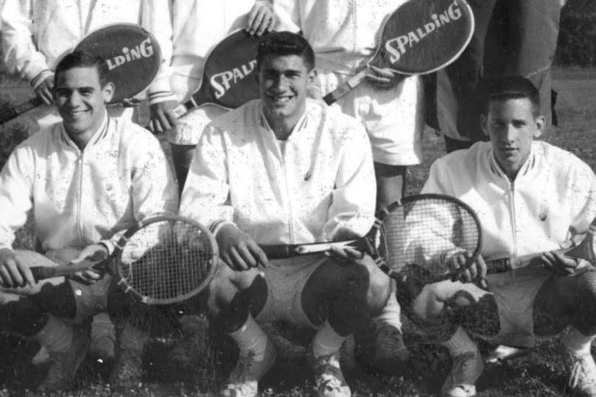
At Harriton, he was senior class president, a star tennis player, and a leading man in several theatrical shows. “The only time he disobeyed his parents,” his family said, “was when he decided to leave Philadelphia to attend Harvard College.”
Mark Hallett was born Oct. 22, 1943. The oldest of three children, he was a natural nurturer, a longtime summer camp counselor, and the winner of an Alfred P. Sloan Foundation national scholarship award in high school.
He grew up in Merion and met Judith Peller at a party in 1963. They married in 1966 and had a son, Nicholas, and a daughter, Victoria.
Dr. Hallett (center) was a star on the Harriton High School tennis team.
Dr. Hallett was an avid photographer and a master of the family group shot. He championed a healthy work-life balance, and his family said: “He eagerly built sand castles, skipped stones, and started pillow fights. His easy laugh was contagious.”
He enjoyed hiking, biking, jazz bands, and organizing family vacations. “He was a natural leader,” his son said, “self-assured and patient of others, with a deep sincerity and a desire to help people.”
The hairdresser had two boys, ages 4 and 12, and some time to kill before Friendsgiving brunch.
So on a chilly Thanksgiving morning, on Nov. 28, 1996, she lugged her laundry down to the basement of her West Philadelphia apartment building and loaded up the washer.
But she forgot one thing: The dryer she wanted to use wasn’t working.
Too late.
She had already plugged a quarter into the dryer’s coin slot.
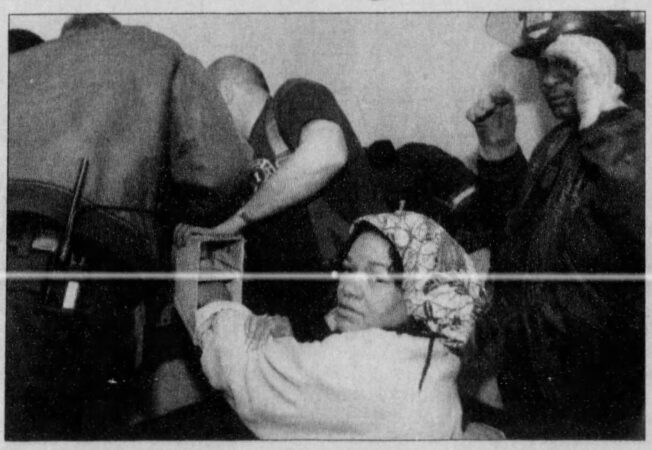
Using the ring finger on her left hand, she tried to poke the bottom of the slot to get back her 25-cent piece.
And then her finger got stuck.
Barba started to cry.
“This felt like, to her, one more thing in a long line of things that were just not going great,” Inquirer reporter Al Lubrano, who wrote the original story, said recently.
For two hours she stood in that thankless and cold laundry room, fending off pins-and-needles sensations in her hand and worrying about her boys being alone in their apartment, before a neighbor found her.
The neighbor brought a chair for Barba to stand on — to help release some of the pressure on her hand — and then called for help.
Cell phones were not yet a thing, but another neighbor kindly brought down a portable phone so Barba could call and reassure her sons.
Firefighters swooped in and cut the coin box off the machine. The machine’s operator was then called into action, and he showed up to separate the coin slot from the coin box.
“She was little bit surprised when the firefighters came and it wasn’t the end of it,” Lubrano recalled.
Her now-swollen finger needed a few dollops of petroleum jelly before slipping out of the coin slot. She did not report any permanent damage.
Lubrano asked Barba back in ’96 to sum up the whole ordeal in one word.
“Annoying,” she said.
“Like a true mom,” Lubrano said recently, “she sort of minimized it.”
And after all that, Barba went back downstairs later that night in ’96 and threw in another load of laundry— using a different dryer.
“I’m grateful to my neighbors,” Barba said, “but I missed my brunch.”
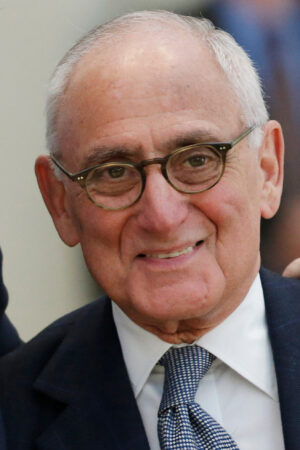
Robert A.M. Stern, 86, a leading architect over the past six decades who left his imprint on Philadelphia by designing the Comcast Center and the Museum of the American Revolution among other notable buildings, died Thursday, Nov. 27, at home in Manhattan after a brief pulmonary illness, his family said.
Mr. Stern also wrote respected architectural histories, taught at Columbia and Yale universities, and was dean of Yale’s School of Architecture from 1998 to 2016.
“Bob had a great sensitivity to urbanism in design. You can see that in Philadelphia, where his work certainly sits well where it is placed,” said developer John Gattuso, who worked closely with Mr. Stern on the Comcast Center, completed in 2008, the redevelopment of the Navy Yard, and other projects.
“He was less concerned with theatrical architecture, the gymnastics, and understood how buildings contribute to a sense of place that resonates with people,” he said. For that reason, Gattuso said, “he tended to be underappreciated.”
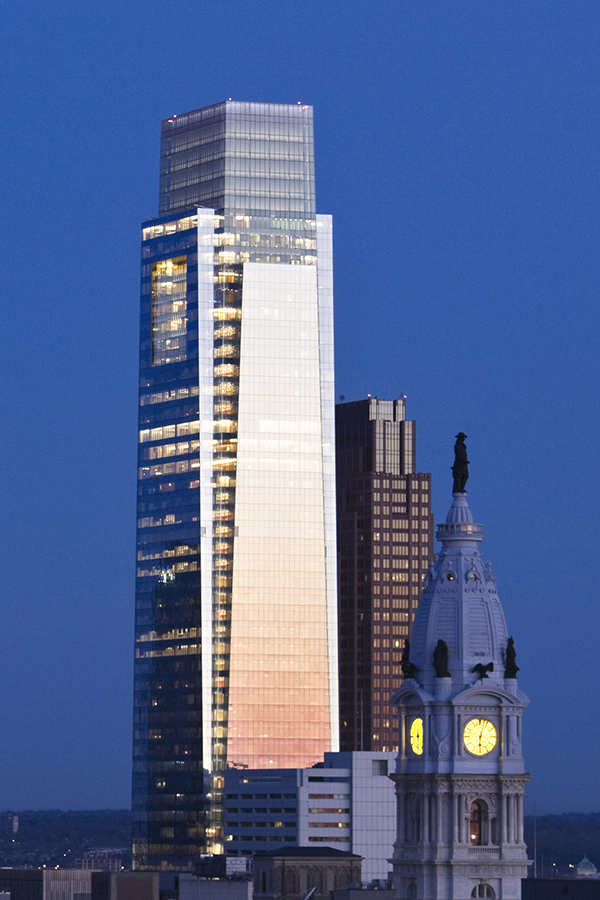
Stern and his firm designed the 975-foot Comcast Center, the headquarters for the cable and telecommunications giant, completed in 2008.
The 975-foot-tall shimmering Comcast Center, the company’s original skyscraper on JFK Boulevard, straddles the tracks and concourse of Suburban Station, a commuter gateway to the city. An airy 120-foot glass atrium connects the building to the station, providing for a dramatic arrival from below, and overlooks a public plaza.
“The Comcast Center may be his finest work in Philadelphia,” said architecture critic Inga Saffron, who writes for The Inquirer. “The scale is right. It’s not fat. It’s tapered.”
Classical indentations in the 58-story building draw the eye upward, she said. “It’s a good dignified skyscraper … Buildings like this are embedded in the city.”
Mr. Stern’s firm was also known for luxury apartment towers. In Manhattan they include 15 Central Park West, a limestone-clad condominium at the southwest corner of Central Park that was internationally hailed.
The firm’s work also includes university buildings, including the Darden School of Business at the University of Virginia; Weill Hall at the University of Michigan; and Miller Hall at the College of William & Mary in Williamsburg, Va., among many others.
In Philadelphia, Mr. Stern’s firm prepared the master plan for the Navy Yard, and designed buildings on Crescent Drive in that development and the 10 Rittenhouse condominium, as well as the American Water tower on the Camden Waterfront — and the LeBow College of Business at Drexel University.
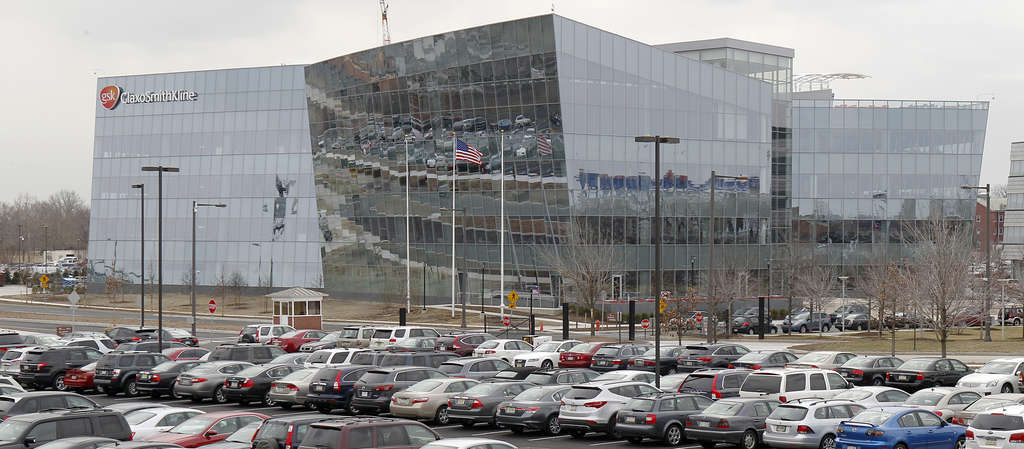
Robert A.M. Stern designed the former U.S. headquarters for GSK at Five Crescent Drive in the Navy Yard, Philadelphia. He and his associates put together the master plan for the redevelopment of the massive property.
Mr. Stern was a proponent of post-modernism, a style of architecture that incorporated classical elements. He moved further in that direction as his career went on.
Philadelphia’s Museum of the American Revolution was built in a Georgian style. But to Saffron, it was perhaps too much, and more out of place to the city.
“He embraces classicism more and more,” Saffron said. In the case of the museum, “It’s a schlocky classicism,” in contrast to the relatively modest scale of the historic buildings in Old City.
“It’s like Independence Hall on steroids,” Saffron said.
The latest Robert A.M. Stern Architects design in Philadelphia is nearing completion, a massive life sciences research building at Drexel University, on Cuthbert Street, by Gattuso Development Partners.
In an interview with the New York Times when he was 84, Mr. Stern said he still wasn’t using a computer and drew “everything by hand.”
Born in Brooklyn on May 23, 1939, Mr. Stern earned a bachelor’s degree from Columbia and a master’s in architecture from Yale. In 1966, he married photographer Lynn Gimbel Solinger, a granddaughter of Bernard Gimbel, the department store magnate. They had a son, Nicholas, and later divorced.
Mr. Stern is survived by his son, three grandchildren, and other relatives.
Think you know your news? There’s only one way to find out. Welcome back to our weekly News Quiz — a quick way to see if your reading habits are sinking in and to put your local news knowledge to the test.
Question 1 of 10
This nearly 1,000-member Philadelphia union has a tentative deal after months of negotiations with the local school district:
CorrectIncorrect. XX% of other readers got this question right.
Philadelphia School District principals have a contract and raises. The tentative, four-year deal was struck Monday night, nearly three months after an August contract deadline for the Commonwealth Association of School Administrators, Teamsters Local 502. The union represents nearly 1,000 Philadelphia principals, assistant principals, climate managers and other workers.
Question 2 of 10
A beloved stone statue in Manayunk’s Bridge Garden named Bridget was vandalized with its head smashed off. Bridget is a:
CorrectIncorrect. XX% of other readers got this question right.
Bridget the Dino, a 3-foot-tall costume-sporting stone Tyrannosaurus rex, was ruthlessly beheaded in the garden she calls home. Bridget’s head, still wearing a scarf, was lying at the foot of her stone body in the photo posted by the Manayunk Bridge Garden, the dinosaur’s caretakers. Holod’s, the Lafayette Hill home and garden store, donated a brand new stone dinosaur. Their name is still being decided on.
Subscribe to The Philadelphia Inquirer
Our reporting is directly supported by reader subscriptions. If you want more journalism like this story, please subscribe today.
Facing mounting personal, legal, and financial pressures, Essen Bakery is closing. What treat was the James Beard-nominated bakery particularly known for?
CorrectIncorrect. XX% of other readers got this question right.
Tova Du Plessis, the owner of Essen Bakery, says she couldn’t find a way back after announcing a ‘pause’ in baking operations six months ago. By closing, she says, she has saved her marriage. The bakery was known for its challah, babka, laminated pastries, and seasonal bread.
Question 4 of 10
The Pennsylvania Film Office announced that this TV show will receive a record $49.8 million tax credit, the largest amount the state has granted to a single production:
CorrectIncorrect. XX% of other readers got this question right.
Task received the largest tax credit awarded to a single film production, the state film office announced Monday. The tax credit is part of Gov. Josh Shapiro’s efforts to bring more TV and film productions to Pennsylvania. The effort is expected to bring about 3,700 jobs to Pennsylvania as HBO estimates investing $194.1 million into the state economy, including hiring local crews and paying for hotel accommodations.
Question 5 of 10
What color uniform are the Eagles set to wear for Friday’s game against the Chicago Bears?
CorrectIncorrect. XX% of other readers got this question right.
The team announced it will don its all-black alternate uniforms for the first time this season. As part of the Black Friday matchup, the Eagles are encouraging fans to ditch their green and instead dress in black for a proper blackout at the Linc.
story continues after advertisement
Question 6 of 10
Bridal fashion designer and Say Yes to the Dress star Randy Fenoli visited Cherry Hill bridal shop Dress 2 Impress’ new location. He strongly advised potential brides against this one thing:
CorrectIncorrect. XX% of other readers got this question right.
Fenoli said the world of bridal fashion has changed “completely” from his mid-2000s Say Yes to the Dress days. Brides show up to appointments with screenshots from Instagram and TikTok videos, asking to try on dresses from unknown designers. Others come with AI-generated images that are impossible to match. He added, “Don’t ever, ever, ever, ever order a wedding dress online.”
Question 7 of 10
Northeast vs. Central High School is one of the longest-running rivalries in the country, but the Thanksgiving game is no longer the spectacle it once was. The halls of the schools don’t buzz in the weeks leading up to it, the parade down Cottman Avenue was canceled years ago, the bleachers aren’t filled, and the trophy is falling apart. What figure is at the top of the trophy?
CorrectIncorrect. XX% of other readers got this question right.
The trophy is a wooden horse. Last year, Northeast High won — and broke the horse’s tail in celebration. It was repaired and sat in the school’s trophy case for the year until the anticipated rematch this week.
Question 8 of 10
A group of South Philly dads on Iseminger have organized a weekly activity to improve the neighborhood families’ day-to-day experience. What are they doing?
CorrectIncorrect. XX% of other readers got this question right.
The dad trio invested in their own German personal-sized street sweepers and maintains the stretch of street to help with dust, litter, and broken glass. Their block has 18 kids under the age of 14 and eight under the age of 3. The weekly street-sweeping has turned into a community spectacle.
Question 9 of 10
A vacant lot along Elfreth’s Alley will soon be named after Dolly Ottey. What was she best known for championing?
CorrectIncorrect. XX% of other readers got this question right.
Plans call for the lot at North Second Street and Elfreth’s Alley to be reborn as Dolly Ottey Park, honoring the woman who first championed preservation of the narrow cobblestone passage starting in the 1930s. Ottey, a resident and owner of The Hearthstone restaurant at 115 Elfreth’s Alley, formed the Elfreth’s Alley Association in 1934 to protect the unique street and save it from destruction.
Question 10 of 10
What major event in 1986 nearly caused the Philadelphia Thanksgiving Parade to be canceled?
CorrectIncorrect. XX% of other readers got this question right.
The 1986 edition of the country's oldest Thanksgiving Day parade was imperiled by Gimbels' liquidation. But the community pleaded for it to continue, and eventually, WPVI (Channel 6), better known today as 6abc, saved the day.
Your Results
You have skipped .
You scored XX out of 10.
The average reader scored XX out of 10
Seems like you’ve been skimming more than reading there, buddy. There’s always next week.
You’ve read some articles (or made some educated guesses) but we wouldn’t come to you first for our local news recaps. Better luck next week!
Do you work here? You’re a local news stan with the latest updates on Philly happenings. Your friends definitely ask you for summaries on what’s going on and it shows.
At the last minute on Thanksgiving morning, Chontai Diggs and her daughter decided to leave their Mount Airy home.
Diggs, 35, had always watched Philadelphia’s Thanksgiving Day parade on TV, despite being born and raised in the city. But this year, her 9-year old, Zaria Roscoe, wanted to see the towering inflatable floats up close. She grinned as the minutes ticked away, squinting as sun drenched the Benjamin Franklin Parkway.
Once it was finished, mom and daughter needed to get back home to cook some dishes for their Thanksgiving meal, they said. Zaria was looking forward to eating “ham and mashed potatoes and cornbread and pumpkin pie.”
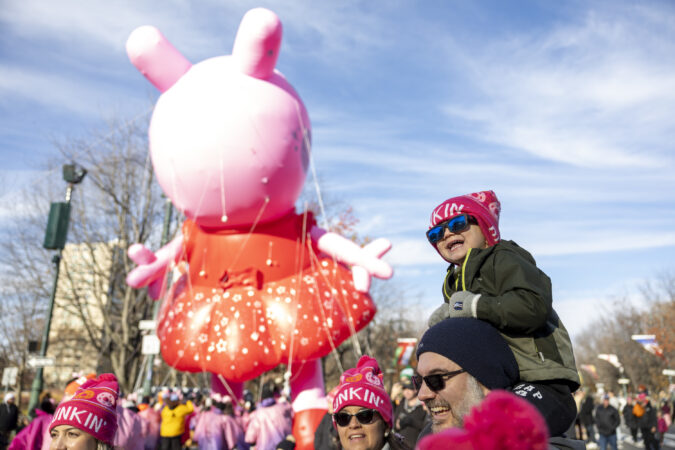
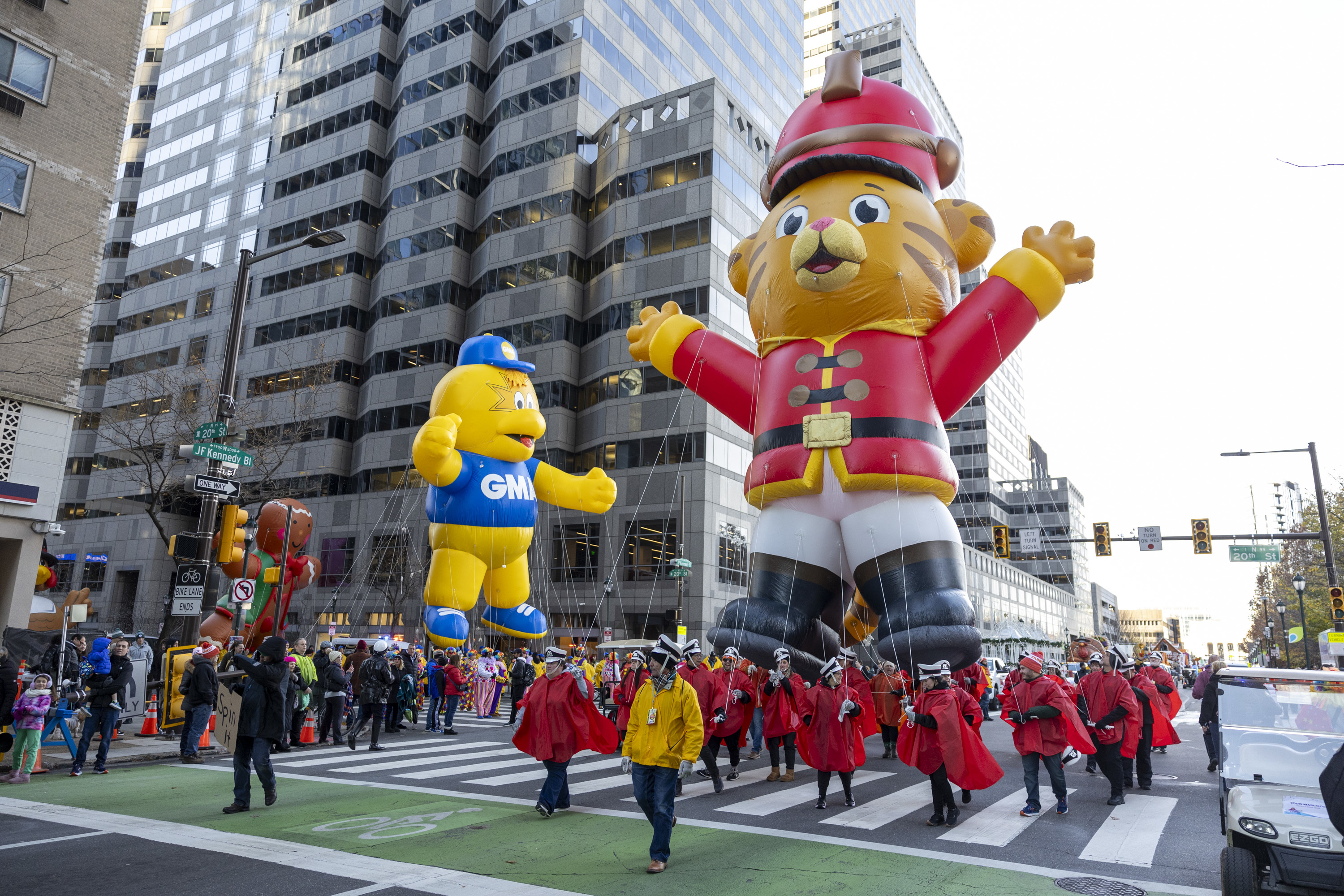
On a brisk morning when floats threatened to break free in the wind, but for their determined handlers, many families lined the route of the 106th 6abc Dunkin’ Thanksgiving Day Parade, the nation’s oldest.
Large floats present a towering start to this year’s Thanksgiving Day Parade in Philadelphia.
Kamila Bond, 29, and Alex Vaz, 32, were thankful they even got a chance to see the parade. The two University of Pennsylvania medical residents said they’re usually working on Turkey Day but were happy to see some communal joy, a welcome respite from what they normally see inside the hospital.
They were grateful for their own health this year and said they were excited to finally spend some time with friends and family on the holiday.
“And sleeping,” Vaz said, coffee in hand.
Thanks after a hard year
Philly’s parade has been running since 1920, when Ellis Gimbel of the once prominent Gimbel Brothers department store on the 800 block of Market Street came up with the idea to celebrate Thanksgiving.
Until 1986, the parade ended with Santa Claus climbing into an eighth-floor store window, but now finishes with a procession up the Parkway to the Art Museum. Today’s parade might be much larger and influenced by its sponsors, but it still holds a distinct Philly flair.
“Go Birds! Happy Thanksgiving! Gobble gobble!” said a parade participant in a clown costume, dressed like the original Gimbel employees.
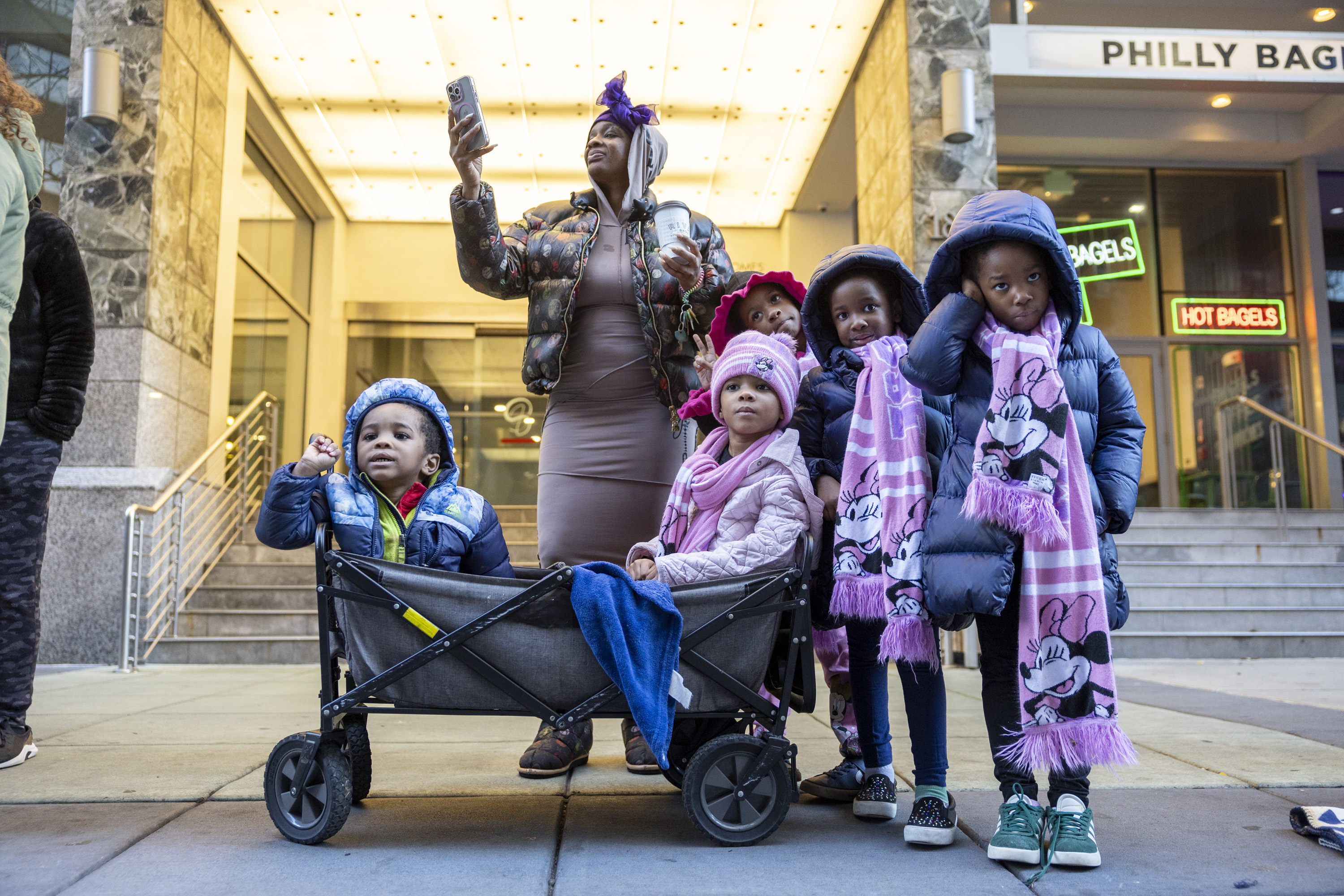
Sharina Sims, of Center City, and her kids were bundled up for the parade.
Little brought as much joy to the crowd as when float carriers relented to chants of “spin it!” and turned their displays around in a 360-degree circle. Second in popularity were the free pink Dunkin’ beanies handed out by the parade sponsor.
Missing from the celebration was the Temple University marching band. The 200-member ensemble was one of only 11 selected to participate in the 99th edition of the Macy’s Thanksgiving Day Parade in New York City, and the only band from Pennsylvania.
It was Temple’s first time performing in the New York parade, a fitting year-end celebration for the band, which marked its own 100th anniversary this year. High school bands from as far as Alabama and Indiana filled their place with their own perfectly polished silver tubas.
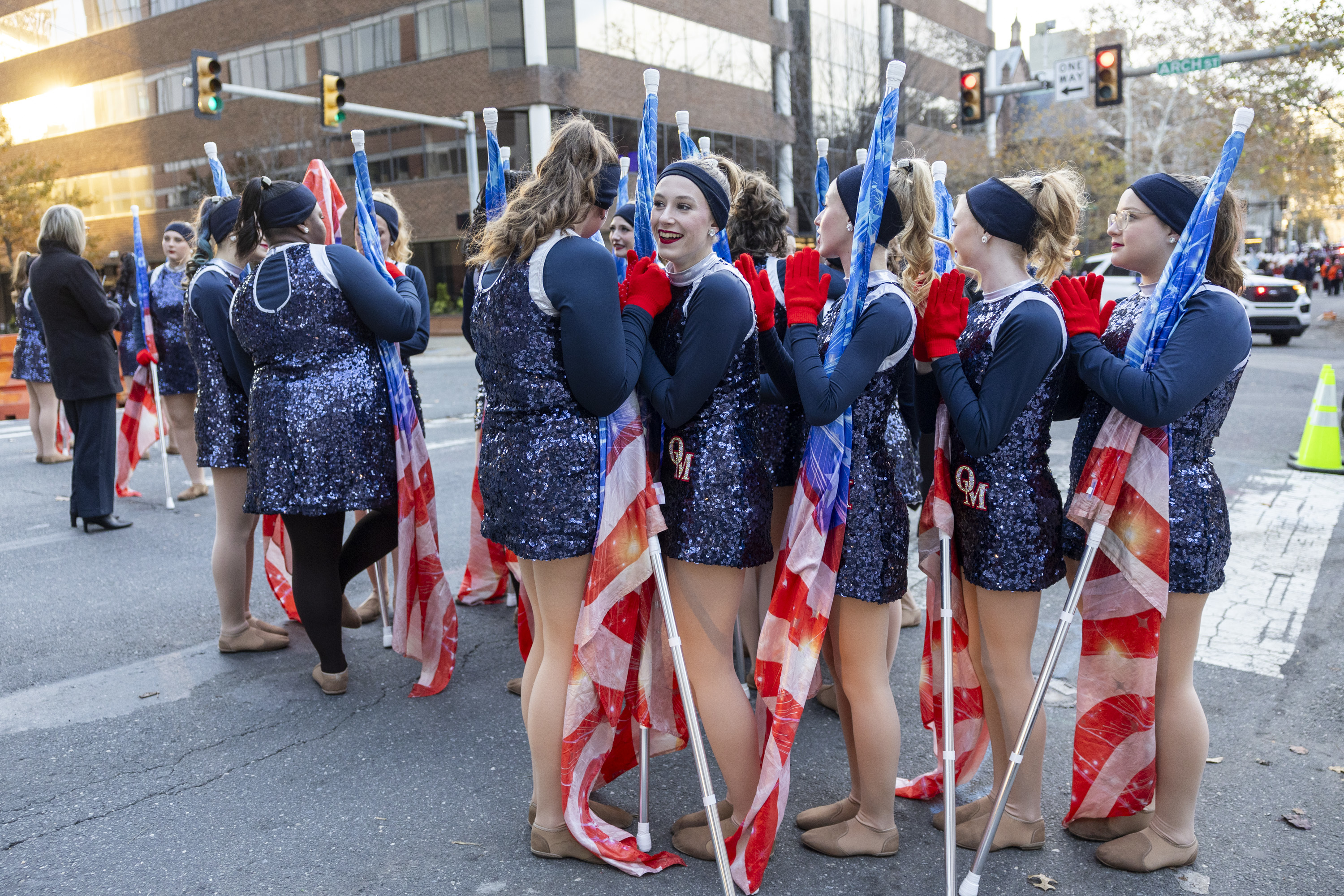
Anna Reynolds, 16, an 11th grader, is keeping warm with her fellow color guard members before the start of the wind-chilled Thanksgiving Day Parade in Philadelphia. The parade started at 20th Street and JFK Boulevard, traveled east to 16th Street and then north to the Parkway, with the procession ending on Eakins Oval at the Art Museum.
Perhaps for the good of the festive mood, former Dallas Cowboys quarterback Troy Aikman was not in attendance. Though 6abc advertised his appearance alongside Monday Night Football broadcast partner Joe Buck, the pair merely gave a taped message that aired during the parade’s television broadcast.
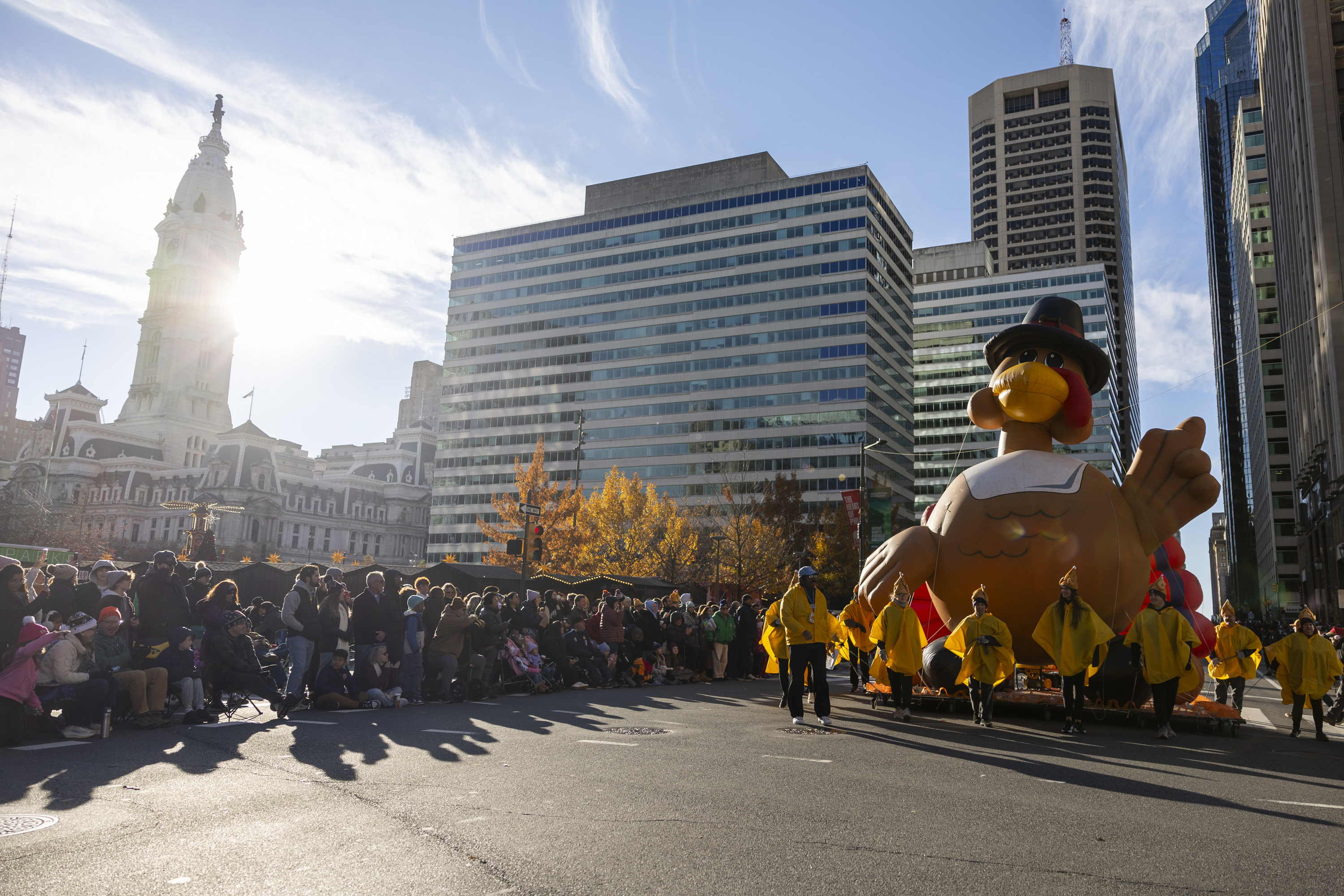
This turkey was not the edible kind, but one that nonetheless entertained parade onlookers on 16th Street near LOVE Park. The parade started at 20th Street and JFK Boulevard, traveled east to 16th and then north to the Parkway, with the procession ending on Eakins Oval at the Art Museum.
For reasons that are unclear, Aikman shouted out the Philadelphia Professional Football Cheerleader Alumni group, a collection of former Eagles cheerleaders who strutted down the Parkway wearing jackets displaying what appeared to be the years they last cheered for the team.
When they reflected back on 2025, some attendees conceded that it had been a difficult year for them and the country. Sarah LaBruce, 46, from Fishtown, said she was hopeful that things would be better going forward — and already had her bright-red Christmas leggings on.
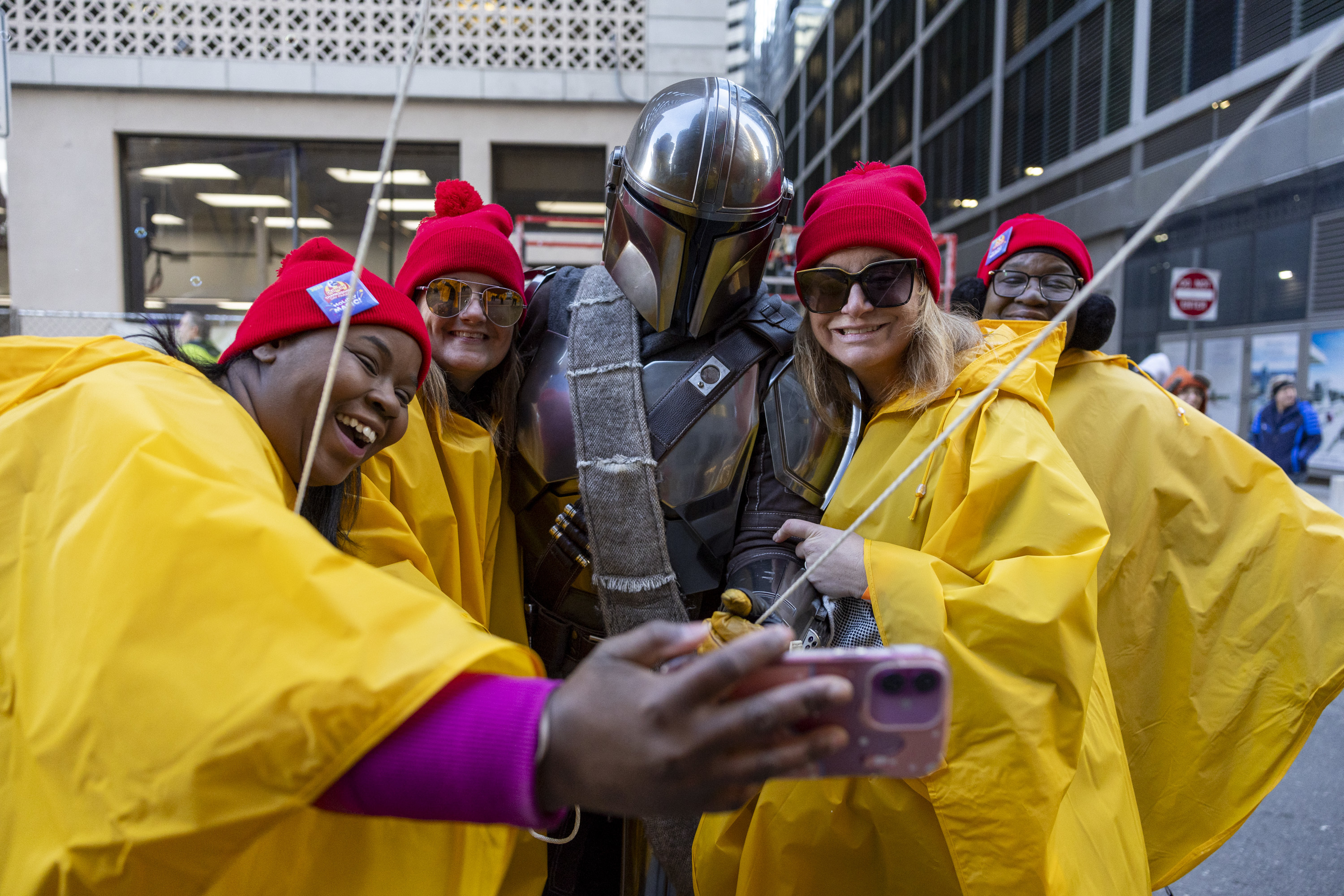
(From left to right) Dawn Simons, of Lawnside, camden County; Ann Marie Laun, of Northeast Philadelphia; and Lori Aument, of Oreland, Montgomery County, take a photo with the Mandalorian with the 501st Legion before the parade got underway.
James Govan, 64, is already eyeing his retirement next year, when he plans to leave Philadelphia. He’s a federal worker, and has been able to hold onto his job during all of the recent tumult in the government.
But until then, the Northeast resident said he was thankful for the everyday parts of life, including the plate of greens with smoked turkey and macaroni and cheese he had prepared for the day. He figured that he would swing by the parade this year, he said, because you never know when it could be your last chance to experience it.
“Let me see this Santa Claus guy,” he joked, before turning a bit more serious, a walking cane in his right hand.
A former Fox broadcasting executive submitted a letter to the Federal Communications Commission on Tuesday asking the agency to reconsider a petition seeking to terminate the license of the network’s Philadelphia-area affiliate, Fox29.
Preston Padden, who worked as a senior executive at the broadcasting network controlled by Rupert Murdoch and his family in the 1990s, has been a vocal critic of Fox News and its coverage of the 2020 election and an early supporter of the petition.
In his letter to the FCC, Padden writes that Fox and the Murdochs lied to the American people by reporting that the 2020 election was stolen, despite knowing that it was untrue.
“Fox and the Murdochs’ lies to the American people had consequences,“ Padden wrote. ”Those lies undermined public confidence in the electoral process.”
Neither Padden nor Fox’s attorneys responded to requests for comment.
Padden’s letter urged the FCC to respond to an appeal of the order denying the challenge to Fox29’s license.
The FCC dismissed in January a challenge to Fox29’s license renewal that was brought by the Media and Democracy Project, a self-described nonpartisan nonprofit. The petition, originally filed in July 2023, accused Fox of broadcasting “knowingly false narratives about the 2020 election” on the cable-based Fox News Channel.
Former FCC chairperson Jessica Rosenworcel, who was appointed by President Joe Biden, said in a statement accompanying the dismissal of the petition, alongside three other complaints targeting local TV stations, that the order was intended to direct the agency to “take a stand on behalf of the First Amendment.”
“We draw a bright line at a moment when clarity about government interference with the free press is needed more than ever,” she said.
“We can do this the easy way or the hard way,” Carr said following remarks Kimmel made about the assassination of conservative commentator and activist Charlie Kirk. “These companies can find ways to change conduct, to take action, frankly, on Kimmel, or there is going to be additional work for the FCC ahead.”
Arthur Belendiuk, the attorney for the Media and Democracy Project, said he expects to “grow old and die” before Carr issues a response. Even if Carr denies the appeal, he would open the possibility of an appeal to court.
Belendiuk believes that’s a risk the FCC chair will not take.
“If you, Brendan Carr, think you are right, issue a decision and defend it in court,” the attorney said. “Be a man.”
Staff writers Rob Tornoe and Nick Vadala contributed to this article.
The Philadelphia Police Department is forming an “auxiliary” unit that may be ready as early as next year, according to a department spokesperson, adding to its ranks volunteer members who will assist officers at large public gatherings.
Auxiliary police will not carry weapons and will not be assigned typical law enforcement duties, according to Sgt. Eric Gripp, a department spokesperson. They will not be authorized to make arrests.
But the department wants the unit to act as a link between the public and police, participating in community engagement and, according to Gripp, serving as additional “eyes and ears” for officers on the ground.
As Philadelphia prepares to host a series of widely attended events in 2026 — the country’s 250th July Fourth anniversary celebration, FIFA World Cup matches, and more — the police department will be tasked with maintaining order amid an influx of visitors.
An auxiliary unit would assist police during those types of events, according to Gripp. He said the department had tasked its academy recruits with similar duties during citywide celebrations after the Eagles’ Super Bowl victory in February.
It is unclear whether the auxiliary unit will be ready in time for the summer.
The department does not have an official estimate on when it plans to introduce the unit; the idea is still in the planning stages and targeted for 2026, Gripp said. The only confirmed requirement is that recruits must be 18 years old to apply.
Police departments in municipalities large and small have used auxiliary units, sometimes called reserve units, for years.
The New York Police Department has maintained its auxiliary unit for more than half a century; major cities like Baltimore also have reserve officers, as do smaller townships like Cranford, N.J.
Criminologists and former law enforcement officers say police departments use these units to assist with traffic management, crowd control, and community engagement, and for reporting more serious issues to officers who have the authority to intervene.
Experts say the units are a boon to departments facing recruitment and retention issues, providing unpaid assistance from those who are already curious about life as a police officer and who often hail from the communities they are assigned to.
But departments must invest time, money, and adequate training into auxiliary units for them to be successful.
Joseph Giacalone, a retired NYPD sergeant and criminal justice instructor at Pennsylvania State University’s Lehigh Valley campus, said the New York department often uses its 3,700-member auxiliary unit for crowd control during “fun events” like parades and street fairs.
Most importantly, Giacalone said, departments should not view their auxiliary unit as a crime-fighting tool; members should be provided uniforms that are recognizable to the public, he said, distinct from those of actual police officers.
“We’re not talking riots,” Giacalone said of situations in which auxiliary officers are useful. “We don’t want them really identifying things such as drug dealing, dens of prostitution, things like that. We can get that from ordinary intelligence — we don’t want ordinary citizens doing that.”
Still, auxiliary members may help officers with other duties.
During Giacalone’s tenure with the department, the NYPD’s auxiliary unit proved beneficial when members reported quality-of-life issues such as abandoned vehicles and broken traffic lights, he said.
Given the potential danger that accompanies police work, Giacalone said, he hopes the Philadelphia department’s plan includes extensive training for auxiliary recruits — as well as protective gear.
The former sergeant still recalls a harrowing day in 2007 when two unarmed New York auxiliary officers were shot and killed by a gunman in the city’s Greenwich Village neighborhood while out on patrol.
Gripp, the Philadelphia department spokesperson, said the city’s auxiliary unit would not conduct foot patrols. He said members would be trained by the department’s internal staff.
Meanwhile, New York auxiliary officers must pass hours of training courses in first aid, self-defense, and patrol technique; in Giacalone’s experience, those trainings require more experienced officers to sacrifice time and energy to the project.
By the former sergeant’s estimate, for Philadelphia, “it’s going to take a while to get this up and running.”