Category: Obituaries

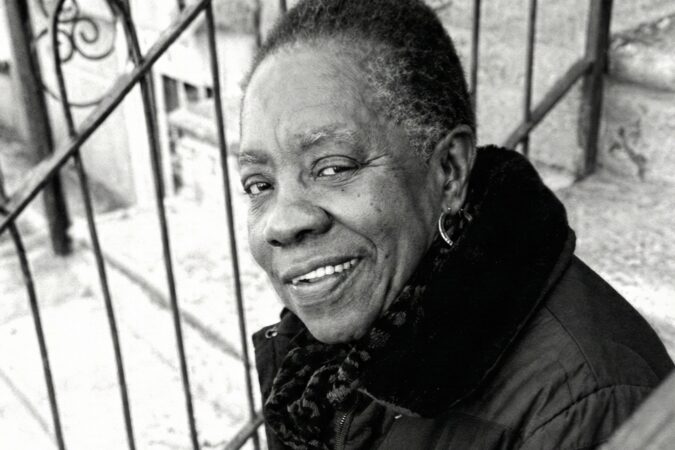
  • Frances Ola Walker, cofounder of Parents Against Drugs and lifelong community activist, has died at 86

    Frances Ola Walker, cofounder of Parents Against Drugs and lifelong community activist, has died at 86

    Frances Ola Walker, 86, of Philadelphia, cofounder of Parents Against Drugs and Dunlap Community Citizens Concerned, onetime president of the Mill Creek Coalition and director of the West Philadelphia Empowerment Zone, former aide to U.S. Rep. William H. Gray III, college instructor, mentor, and volunteer, died Tuesday, Dec. 30, of respiratory illness at the Hospital of the University of Pennsylvania-Cedar Avenue.

    A lifelong champion of education, civil rights, comprehensive healthcare, environmental responsibility, employment and housing equity, and community partnerships, Ms. Walker spent more than 70 years, from age 13 to 86, protesting injustice, improving life for her neighbors, and caring for historic residential swaths of West Philadelphia.

    In the 1960s, she marched with fellow activist Cecil B. Moore and others to protest segregation at Girard College. Most recently, she advocated for alternative SEPTA transit routes to support Black-owned businesses.

    “I just stayed involved,” she said in a video interview for the West Philadelphia Landscape Project. “If there was a protest, I was leading it. … I’m glad I made a contribution people can respect.”
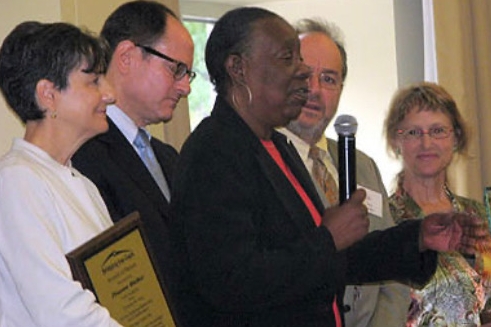
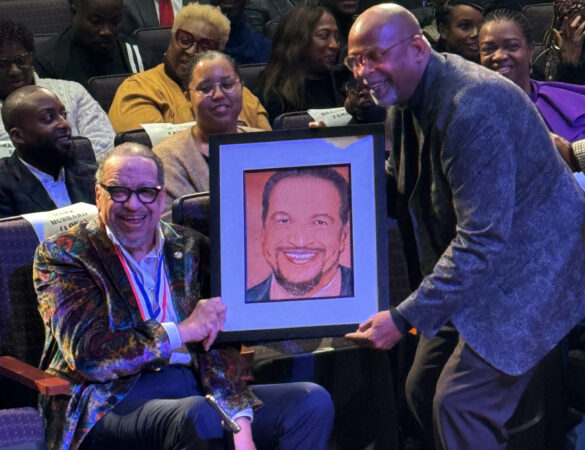
    Ms. Walker (center) spoke often at awards ceremonies and civic events.

    She cofounded Dunlap Community Citizens Concerned in the early 1980s to address housing and infrastructure concerns, and Parents Against Drugs in the late ‘80s. She led the local Healthy Start federal initiative to reduce infant mortality in the 1990s and served on the advisory board of Bridging the Gaps, a healthcare partnership of academic health institutions and community groups.

    She developed programs that connected University of Pennsylvania students and faculty with neighborhood residents through what is now Penn’s Netter Center for Community Partnerships. She acquired federal funds to revitalize communities in the West Philadelphia Empowerment Zone, partnered with Penn to pioneer urban ecology projects, and supervised the West Philadelphia Landscape Project in the Mill Creek neighborhood.

    Her family said she was “fearless in her pursuit of justice.”

    Anne Whiston Spirn, professor of landscape architecture and planning at the Massachusetts Institute of Technology in Cambridge, invited Ms. Walker to lecture virtually in her ecological urbanism course. “She bridged the worlds of university, politics, and neighborhood, and called the powerful to account,” Spirn said.
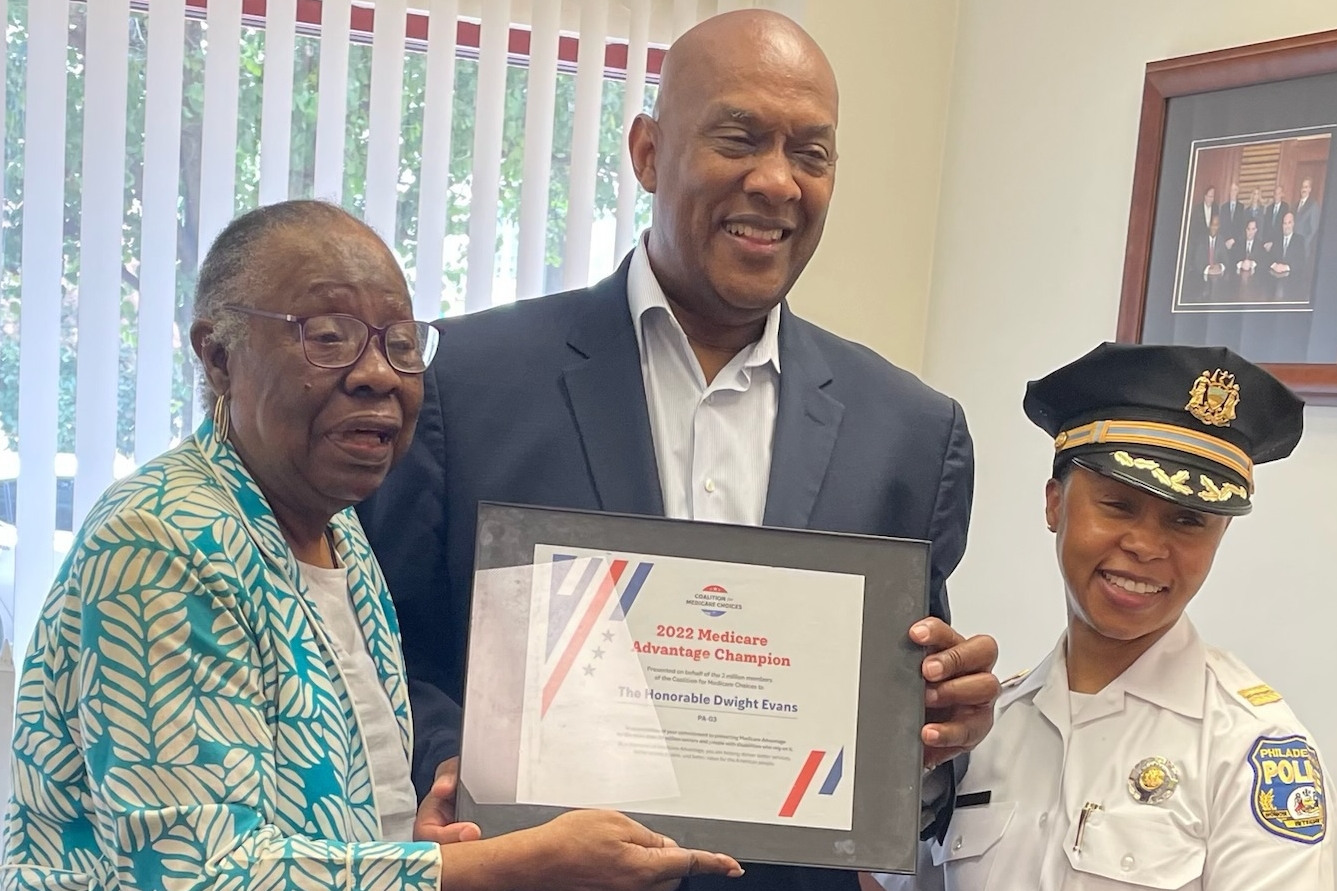
    Ms. Walker (left) presents an award to U.S. Rep. Dwight Evans (center) as a Philadelphia police officer looks on.

    She served on then-Mayor Ed Rendell’s search committee for a new health commissioner in 1993 and briefly considered her own run for City Council. She worked with then-Vice President Al Gore on his community empowerment programs and managed Gray’s West Philadelphia office for 10 years in the 1980s.

    Former U.S. Rep. Chaka Fattah noted her “extraordinary legacy of helping others” and said: “She always chartered her own path and spoke her truth.” Former City Council member at large Blondell Reynolds Brown said: “Her unwavering grassroots work brought care, dignity, and possibility to families facing hardships.”

    She studied community engagement in MIT’s Mel King Community Fellows Program in 2000 and 2001, and earned more than 100 awards, citations, and commendations, including from the White House for her leadership in a children’s immunization campaign.

    She was on the advisory board at Power 99 FM radio and quoted often in The Inquirer and Daily News. Her achievements were noted in two books, They Carried Us: The Social Impact of Philadelphia’s Black Women Leaders and The Lex Street Massacre.
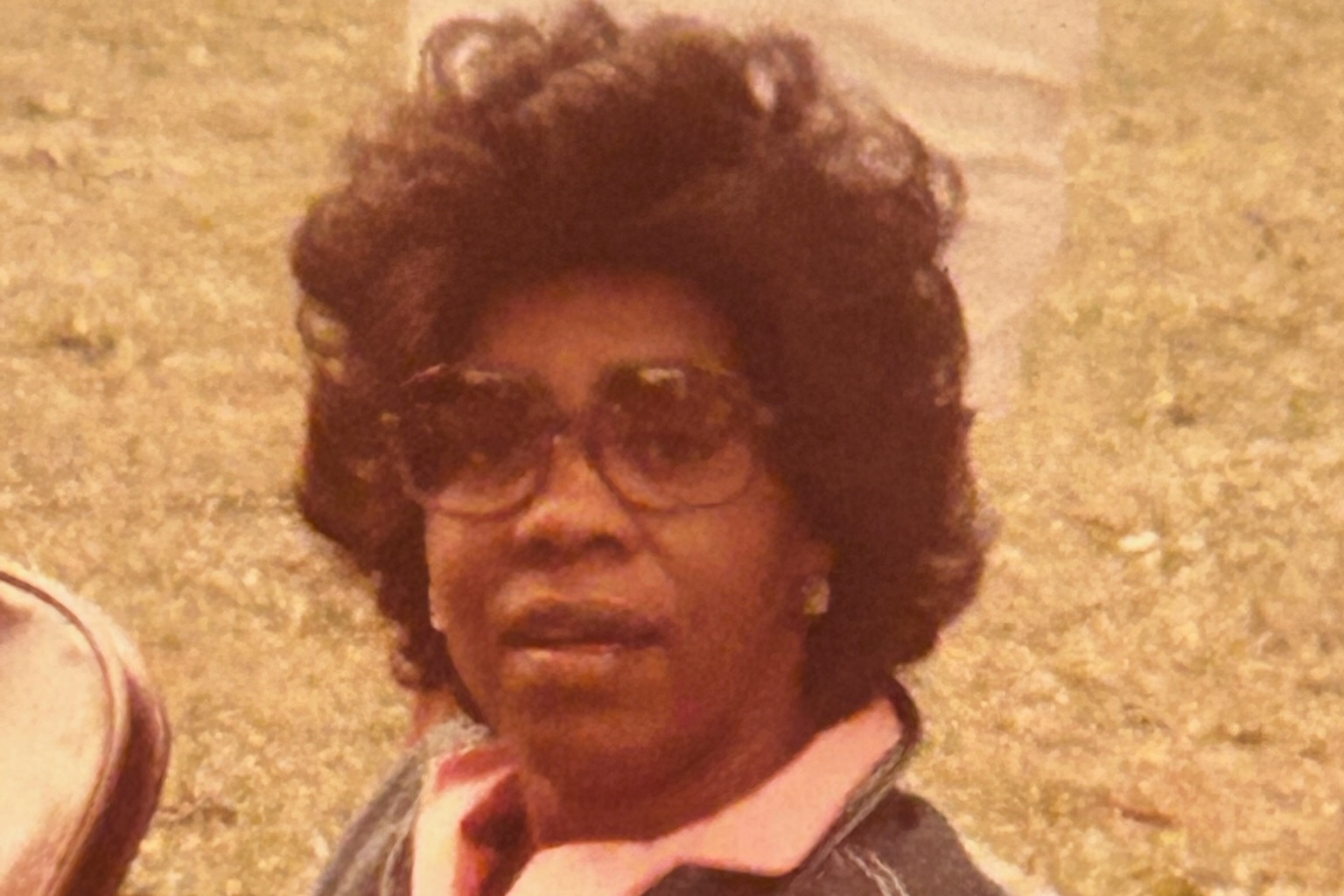
    Regarding drugs and crime in West Philadelphia, Ms. Walker said in 1987: “People in this community have to take a stand.”

    “My grandmother didn’t leave us directions,” said her grandson, Abdul-Malik Walker, “but she left us a compass. Her voice is in our habits, and her strength is in how we handle the miles ahead.”

    Frances Ola Walker was born Jan. 20, 1939, in South Philadelphia. Her father was a preacher, and the family is related to the Rev. Dr. Martin Luther King Jr. So it surprised no one when she began leading academic tutoring for her siblings and teen neighborhood friends on her front stoop.

    She was one of 11 children, and her family moved to the Dunlap section of West Philadelphia in 1945. She attended West Philadelphia High School and worked at first as a personal shopper for neighborhood seniors.

    She was always interested in civic affairs and social justice, and she became the first Black woman to work at an Acme markets warehouse, her family said, and one of the first female postal carriers.
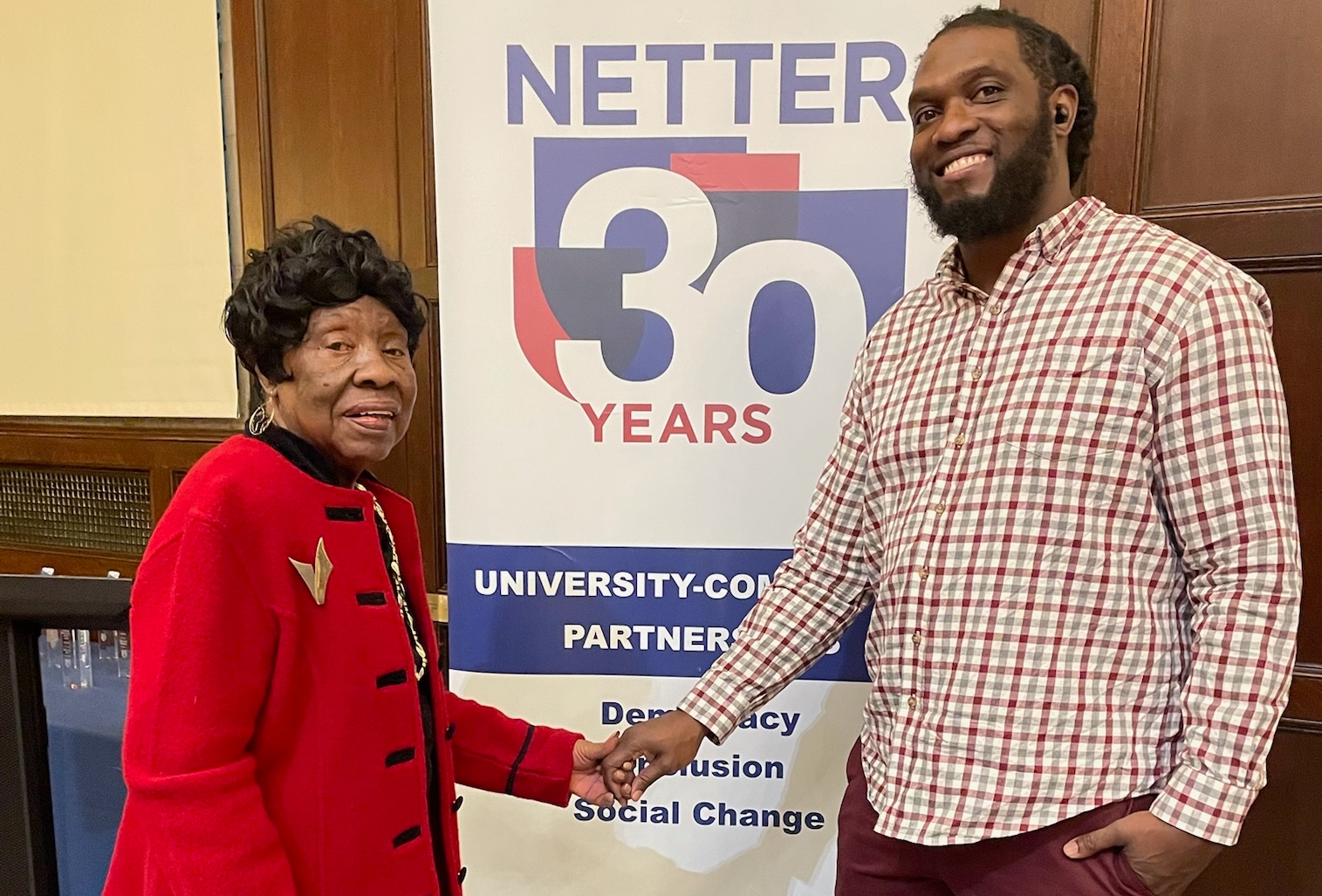
    Ms. Walker stands with her grandson Abdul-Malik Walker.

    She had sons Gregory and James, and daughters Michelle, Roslyn, Wala, and Patricia. She married John Ponnie. Her husband, sons Gregory and James, and daughters Michelle and Patricia died earlier.

    Ms. Walker enjoyed traveling and playing cards with her family. She knew the detailed history of Dunlap and Mill Creek, and delighted in sharing it with others she encountered on her frequent walks.

    “She was an encourager to people of all ages,” said her niece Sibrena Stowe. “She was truly a force to be reckoned with.”

    Ms. Walker told her family: “It is through love that all things are possible. For me, it is when people call on you that lets you know you make a difference.”

    Ms. Walker appeared in this documentary video for the West Philadelphia Landscape Project.

    In addition to her daughters, niece, and grandson, Ms. Walker is survived by 16 other grandchildren, nine great-grandchildren, two sisters, and other relatives. Six sisters and two brothers died earlier.

    Visitation with the family is to be from 9 to 10 a.m. Friday, Jan. 9, at Ezekiel Baptist Church, 5701 Grays Ave., Philadelphia, Pa. 19143. A service is to follow, and a repast at 2 p.m. Livestream is at repastai.com/frances.
  • CIA turncoat Aldrich Ames, who sold U.S. secrets to the Soviets, dies in prison at 84

    CIA turncoat Aldrich Ames, who sold U.S. secrets to the Soviets, dies in prison at 84

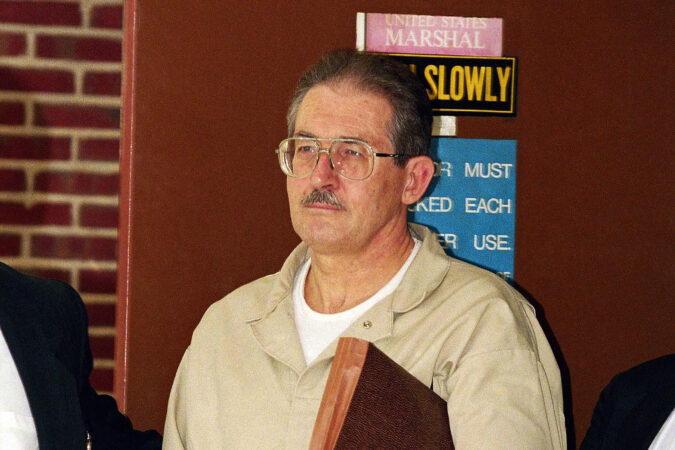
    WASHINGTON — CIA turncoat Aldrich Mr. Ames, who betrayed Western intelligence assets to the Soviet Union and Russia in one of the most damaging intelligence breaches in U.S. history, has died in a Maryland prison. He was 84.

    A spokesperson for the Bureau of Prisons confirmed Mr. Ames died Monday.

    Mr. Ames, a 31-year CIA veteran, admitted being paid $2.5 million by Moscow for U.S. secrets from 1985 until his arrest in 1994. His disclosures included the identities of 10 Russian officials and one Eastern European who were spying for the United States or Great Britain, along with spy satellite operations, eavesdropping and general spy procedures. His betrayals are blamed for the executions of Western agents working behind the Iron Curtain and were a major setback to the CIA during the Cold War.

    He pleaded guilty without a trial to espionage and tax evasion and was sentenced to life in prison without parole. Prosecutors said he deprived the United States of valuable intelligence material for years.

    He professed “profound shame and guilt” for “this betrayal of trust, done for the basest motives,” money to pay debts. But he downplayed the damage he caused, telling the court he did not believe he had “noticeably damaged” the United States or “noticeably aided” Moscow.

    “These spy wars are a sideshow which have had no real impact on our significant security interests over the years,” he told the court, questioning the value that leaders of any country derived from vast networks of human spies around the globe.

    In a jailhouse interview with The Washington Post the day before he was sentenced, Mr. Ames said he was motivated to spy by “financial troubles, immediate and continuing.”

    Mr. Ames was working in the Soviet/Eastern European division at the CIA’s headquarters in Langley, Va., when he first approached the KGB, according to an FBI history of the case. He continued passing secrets to the Soviets while stationed in Rome for the CIA and after returning to Washington. Meanwhile, the U.S. intelligence community was frantically trying to figure out why so many agents were getting discovered by Moscow.

    Mr. Ames’ spying coincided with that of FBI agent Robert Hanssen, who was caught in 2001 and charged with taking $1.4 million in cash and diamonds to sell secrets to Moscow. He died in prison in 2023.

    Mr. Ames’ wife, Rosario, pleaded guilty to lesser espionage charges of assisting his spying and was sentenced to 63 months in prison.

  • Michael Reagan, political commentator and son of Ronald Reagan, dies at 80

    Michael Reagan, political commentator and son of Ronald Reagan, dies at 80

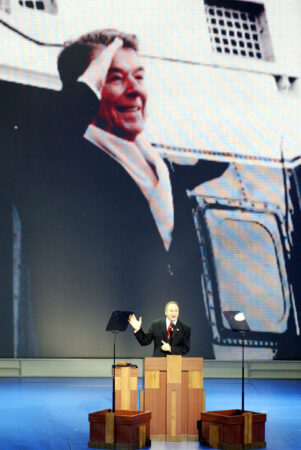
    Michael Reagan, a longtime political commentator for radio, TV and print media, and the eldest son of President Ronald Reagan, died Jan. 4 from cancer, a conservative group affiliated with the former president said Tuesday. He was 80.

    A longtime Republican like his father, Mr. Reagan espoused conservative opinions, advocating antiabortion views, stressing adherence to Christianity and expressing skepticism about green policies. Like many in his party, he was initially a critic of President Donald Trump, describing him as an “egomaniacal billionaire” and a “political train wreck” who had little chance of winning in 2016. When Trump defied the odds and won, Mr. Reagan embraced him, decrying the “liberal media” that he said hated Trump.

    But Mr. Reagan’s political outspokenness and his famous father appeared to overshadow his lifelong struggle with scars suffered during a tumultuous childhood. He first heard at the age of 4 that he had been adopted, and he was sexually molested at the age of 7 by a camp counselor – experiences that molded his political views and prompted him to turn to religion for solace.

    Mr. Reagan kept the molestation a secret for decades, partly out of fear that revealing it could ruin his dad’s political career. Mr. Reagan finally told his father in 1987, as the president was nearing the end of his second term and when Mr. Reagan was writing a memoir. The book was going to contain the story, so Mr. Reagan felt compelled to tell his father beforehand.

    “Now here I am at the ranch. Dad’s standing in front of me with his belt buckle on, and it looks like a brand new pair of cowboy boots. Nancy’s on my left side. Nancy and Dad say, ‘So what’s in the book we don’t know about?’ I had to tell Dad, and I couldn’t look at him,” he recalled in a later interview.

    “The hardest thing was telling him the act. It was not enough to tell him, ‘Geez, Dad, I was molested,’ but the act … that was the toughest thing. I got all done. My dad looked at me and said, ‘Where’s this guy? I’ll kick his butt.’ My dad didn’t walk away, didn’t say he hated me. I thought to myself, Why didn’t I do this years ago? But I couldn’t have years ago. God brought me to the right moment in 1987.”

    Michael Edward Reagan was born on March 18, 1945, in Los Angeles. Born to unmarried parents John Bourgholtzer, an Army soldier, and Essie Irene Flaugher, his birth name was John Charles Flaugher. The Reagans changed his name after adopting him. Mr. Reagan often joked that he was born German but became Irish at 3 days old, referring to the Reagans’ Irish roots.

    Mr. Reagan first learned he was adopted from his 8-year-old sister Maureen. When Mr. Reagan asked their mother, actress Jane Wyman, what the word “adopted” meant, she first gave a stern look to Maureen before telling her son that he had been chosen so he was special. “Let’s not ever talk about it again,” Wyman told her children.

    But when Mr. Reagan went to boarding school a few years later and told a classmate that he was special, he was bullied.

    “He comes back to me, ‘You were not chosen; you’re illegitimate,’” Mr. Reagan said in a 2008 interview. “So the kids started teasing me in school that I wasn’t a real Reagan. I was the ‘Bastard Reagan,’ the illegitimate Reagan.”

    Mr. Reagan didn’t understand what “illegitimate” meant. So he consulted the Bible, and found a verse that said “all the illegitimate children and their children until the 10th generation will never enter the kingdom of Heaven.”

    “I closed the Bible. This is like 1951. [I] didn’t reopen the Bible until 1978.”

    The pain pushed him toward self-hate and anger. His parents’ subsequent divorce and the crime he suffered at the hands of a child molester exacerbated the negative emotions. As a high school student, he told himself he was condemned and blamed himself for his molestation.

    “I thought I was living a lie because no one knew what I had done. I questioned my sexuality, I stole money from my parents to buy prostitutes trying to convince myself I was straight,” he said in 2012. “I just didn’t know … I thought my birth parents gave me away because they knew I would be evil and I thought the Reagans would give me back if they found out.”

    He briefly attended Arizona State University and Los Angeles Valley College, and attempted to follow his parents into acting, but ultimately became better known for the radio shows he hosted, starting in the late 1980s in Los Angeles, where he briefly rubbed elbows with conservative talk show star Rush Limbaugh. Mr. Reagan attributed Trump’s rise to his ability to cater to the millions who tuned into conservative radio talk shows.

    Mr. Reagan became a frequent presence on television, radio and print as a political commentator, working as an analyst for the right-wing news outlet Newsmax during his final days.

    Although Mr. Reagan repeatedly expressed dismay over Trump’s haphazard style of politics earlier in Trump’s political career, Mr. Reagan’s opinions appeared to veer increasingly closer to those of Trump.

    Mr. Reagan initially denounced the events at the Capitol on Jan. 6, 2021, calling them “wrong” and saying that they had “soiled [Trump’s] legacy forever.” But a year later, he was describing those arrested for allegedly participating in the events that day as “political prisoners.”

    In 2024, he wrote a column titled “Democrats: The Enemy of Democracy.”

    “While our streets and campuses are crawling with [left-wing protesters] and pro-Palestine vandals, Democrats are still yammering about the ‘insurrection’ of Jan. 6 and worrying about the existential threat Donald Trump supposedly poses to our democracy,” he said.

    That year, Mr. Reagan welcomed Trump’s reelection, praising the president for building a broad coalition that included “blue-collar workers, blacks and Latinos” – those who have not traditionally voted Republican.

    “With his historic political comeback and his MAGA movement, Trump has created the Republican Party of the future,” Mr. Reagan wrote in November 2024.

    In his private life, Mr. Reagan cherished his relationship with his wife, Colleen, whom he married in 1975 after a short marriage to Pamela Putnam that ended in 1972. Mr. Reagan has publicly thanked his wife for persuading him to turn to religion. Survivors include his wife and two children.

  • John Langdon, innovative award-winning graphic designer, has died at 79

    John Langdon, innovative award-winning graphic designer, has died at 79

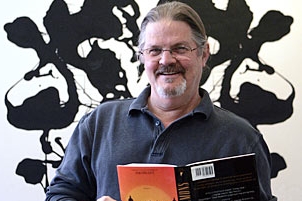
    John Langdon, 79, formerly of Philadelphia, innovative award-winning graphic designer, painter, writer, and longtime adjunct professor of typography at Drexel University, died Thursday, Jan. 1, of complications from a heart attack at French Hospital Medical Center in San Luis Obispo, Calif.

    Mr. Langdon was a lifelong artist and wordsmith. He originated ambigrams in the early 1970s and created distinctive logos for corporate clients, artists, musicians, and others. Ambigrams are words or designs that retain meaning when viewed from different perspectives, and his work influenced countless other designers and typographers who followed.

    “They also present familiar concepts in an unfamiliar way,” he told The Inquirer in 1992, “and thus stimulate the reader’s imagination.”

    On his website, johnlangdon.net, Mr. Langdon described his work as “making abstract concepts visual, almost always through the design of words, letters, and symbols.” He called it “words as art” and said: “I specialize in the visual presentation of words.”

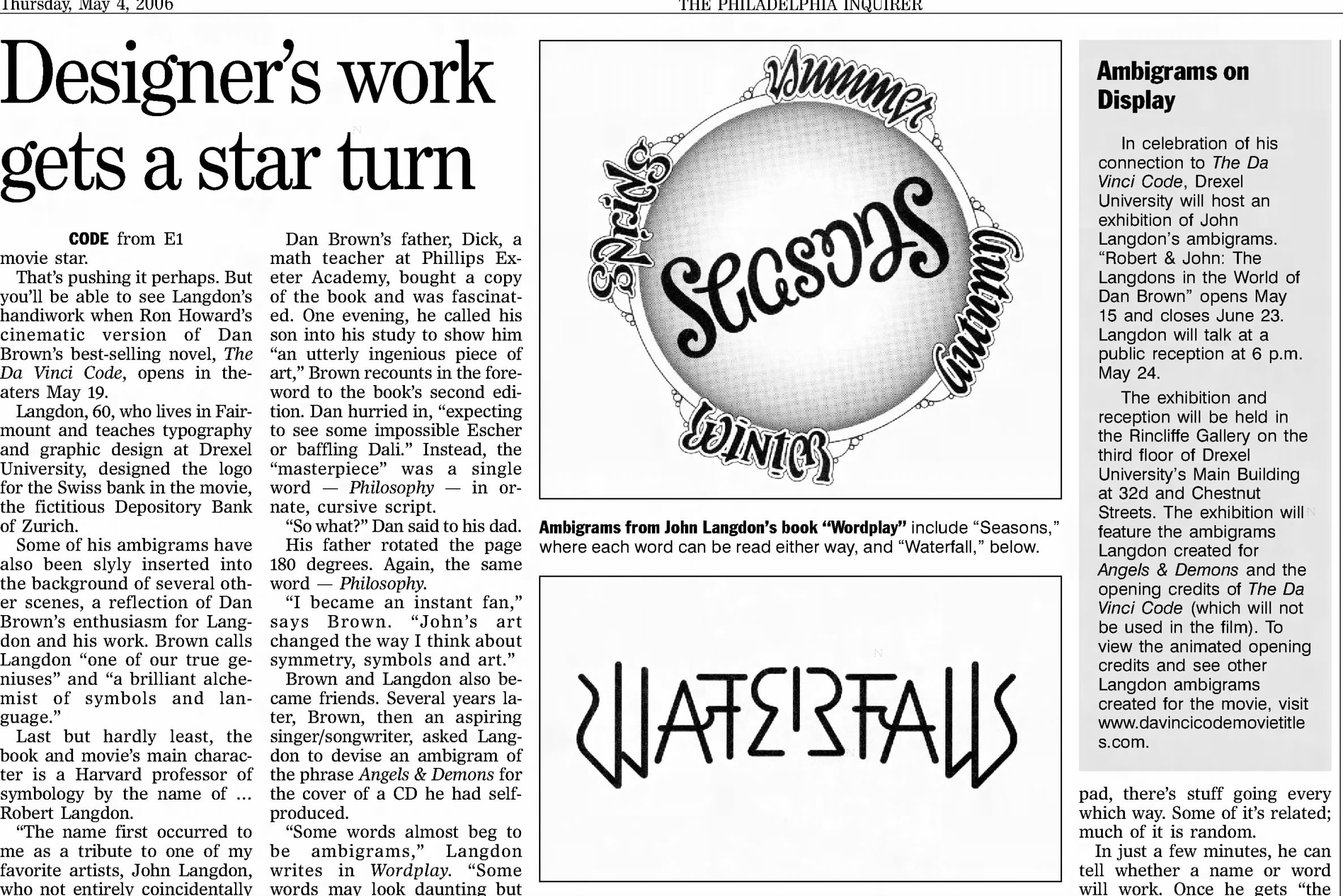
    His designs were featured in more than a dozen solo shows in galleries and museums in Pennsylvania, New Jersey, New York, Connecticut, Maryland, and Delaware, and in more than 50 group exhibitions around the country and Europe. He created six ambigrams for author Dan Brown’s best-selling book, Angels & Demons, and Brown named his fictional protagonist, Harvard symbologist Robert Langdon, after John Langdon.

    “John’s art changed the way I think about symmetry, symbols, and art,” Brown told The Inquirer in 2006.

    Mr. Langdon’s own book about ambigrams, Wordplay, was first published in 1992 and updated in 2005. He also wrote the forwards of other books and articles for journals and newsletters. He said he had a “particular interest in word origins” in an interview on his website.

    He was featured several times in The Inquirer and wrote an op-ed piece in 2014 about the Philadelphia Museum of Art’s new logo. He opened the article with: “Please, beloved Philadelphia Museum of Art, before you print one piece of stationery or a single promotional flier, reconsider your new logo.”

    Mr. Langdon’s work was featured in The Inquirer in 2006.

    In 1996, he began painting what he called his “visual-verbal meditations and manipulations” on canvas. “My paintings still involve symmetry and illusion, a bit of philosophy, and a few puns thrown in for good measure,” he said on his website.

    He cocreated the Flexion typeface and won a 2007 award from the New York-based Type Directors Club. He spoke often about design at colleges and high schools, and to professional societies. He gave a TEDx talk about font and the future of typeface at Drexel.

    Douglas Hofstadter, a professor at Indiana University who coined the term ambigram in 1984, told The Inquirer in 2006 that Mr. Langdon had a “very strong sense of legibility but also a marvelous sense of esthetics, flow, and elegance.”

    Born in Wynnewood and reared in Narberth, Mr. Langdon graduated from Episcopal Academy in 1964 and earned a bachelor’s degree in English at Dickinson College in Carlisle, Pa. He worked in the photo-lettering department of a type house and for a design studio in Philadelphia after college, and began freelancing as a logo designer, type specialist, and lettering artist in 1977.

    He taught typography and logo design classes at Moore College of Art and Design from 1985 to 1988 and at Drexel from 1988 to his retirement in 2015. In an online tribute, one student said he was “one of my favorite teachers of all time.”

    He was interested in Taoism and inspired by artists Salvador Dalí and M.C. Escher, and authors Edgar Allan Poe and Ogden Nash. “In the early ’70s, I tried to do with words what Dali and Escher did with images,” he said in a 2006 interview posted on Newswise.com.

    John Wilbur Langdon was born April 19, 1946. He played high school and college soccer and drew caricatures of classmates for the Episcopal yearbook.

    After college, he took painting and drawing classes at the Pennsylvania Academy of the Fine Arts and the old Philadelphia College of Art. He married Lynn Ochsenreiter, and they had a daughter, Jessica. They divorced later.

    Mr. Langdon enjoyed vacation road trips and told stories of hitchhiking around the country in the 1960s. He followed the Phillies, was interested in genealogy, and traced his family back to the Founding Fathers.

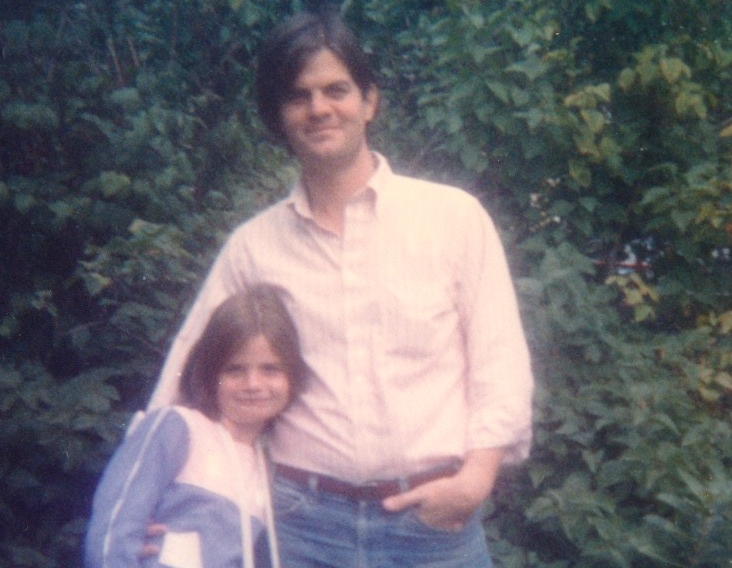
    Mr. Langdon stands with his daughter, Jessica.

    He lived in Darby, Woodbury, Wenonah, and Philadelphia before moving to California in 2016. “He was jovial, social, and amusing,” his daughter said. “People said he was clever, and everyone liked him.”

    He told The Inquirer in 2006: “It may seem counterintuitive, but the more ambiguity you invite into your life, the more things make sense and become understandable.”

    In addition to his daughter and former wife, Mr. Langdon is survived by a brother, Courtney, and other relatives.

    A memorial is to be held later.

    Mr. Langdon lived in Darby, South Jersey, and Philadelphia before moving to California in 2016.
  • Margaret Dupree, longtime funeral director and teacher’s aide, has died at 104

    Margaret Dupree, longtime funeral director and teacher’s aide, has died at 104

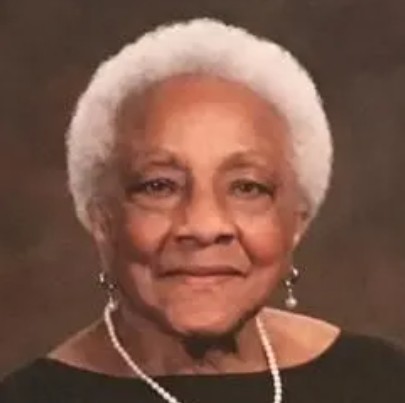
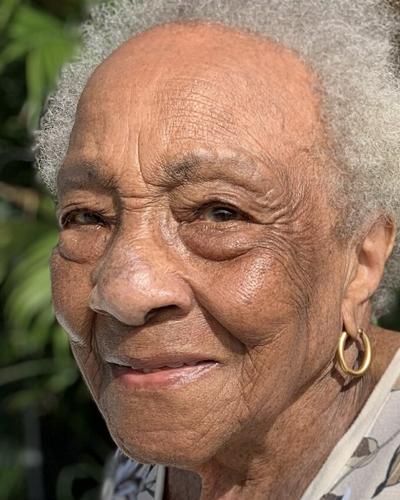
    Margaret Dupree, 104, of Philadelphia, cofounder, director, and president of Dupree Funeral Home Inc. at 28th and Diamond Streets in North Philadelphia, former teacher’s aide for the School District of Philadelphia, beautician, and mentor, died Monday, Dec. 15, of age-associated decline at Thomas Jefferson University Hospital.

    Mrs. Dupree and her husband, Troy, established the Dupree Funeral Home in 1955, and she became sole owner and president when he died in 1987. Her son Kenneth joined her as supervisor, and together, for nearly 40 years, they conducted thousands of funerals and oversaw a building expansion in 2000 and renovation in 2003.

    Most often, Mrs. Dupree supervised the books and answered the office telephone. Her son handles the funeral arrangements. “She was very meticulous and organized,” her son said. “She continued our legacy and served with integrity.”

    In the 1960s and ‘70s, Mrs. Dupree told The Inquirer in 1999, funerals were held at night because most people worked during the day. So she and her husband had day jobs, too. She was a reading and math aide at William Dick and Richard R. Wright Elementary Schools. He worked for the telephone company.

    Mrs. Dupree earned a beautician’s license after graduating from Philadelphia High School for Girls in 1941.

    She earned a beautician’s license after graduating from Philadelphia High School for Girls in 1941 and worked at her mother’s beauty shop at 13th Street and Susquehanna Avenue for a while. She became licensed as a funeral director in 1949 and met her husband when they were interns at a funeral home in South Philadelphia.

    “Her lifelong commitment to funeral service stands as a rare and remarkable testament to dedication, professionalism, and service to families during their most sacred moments,” her family said in a tribute.

    Mrs. Dupree was among the oldest licensed funeral directors in the country, her family said, and she told The Inquirer she went into the business because morticians and barbers were so respected when she was a child. “They were the people who were looked up to,” she said.

    She used her makeup and beauty expertise to augment the cosmetic work on bodies in the mortuaries and said in 1995: “In the early stages, I liked doing reconstructive work. I relished doing the ‘invisible stitch.’”

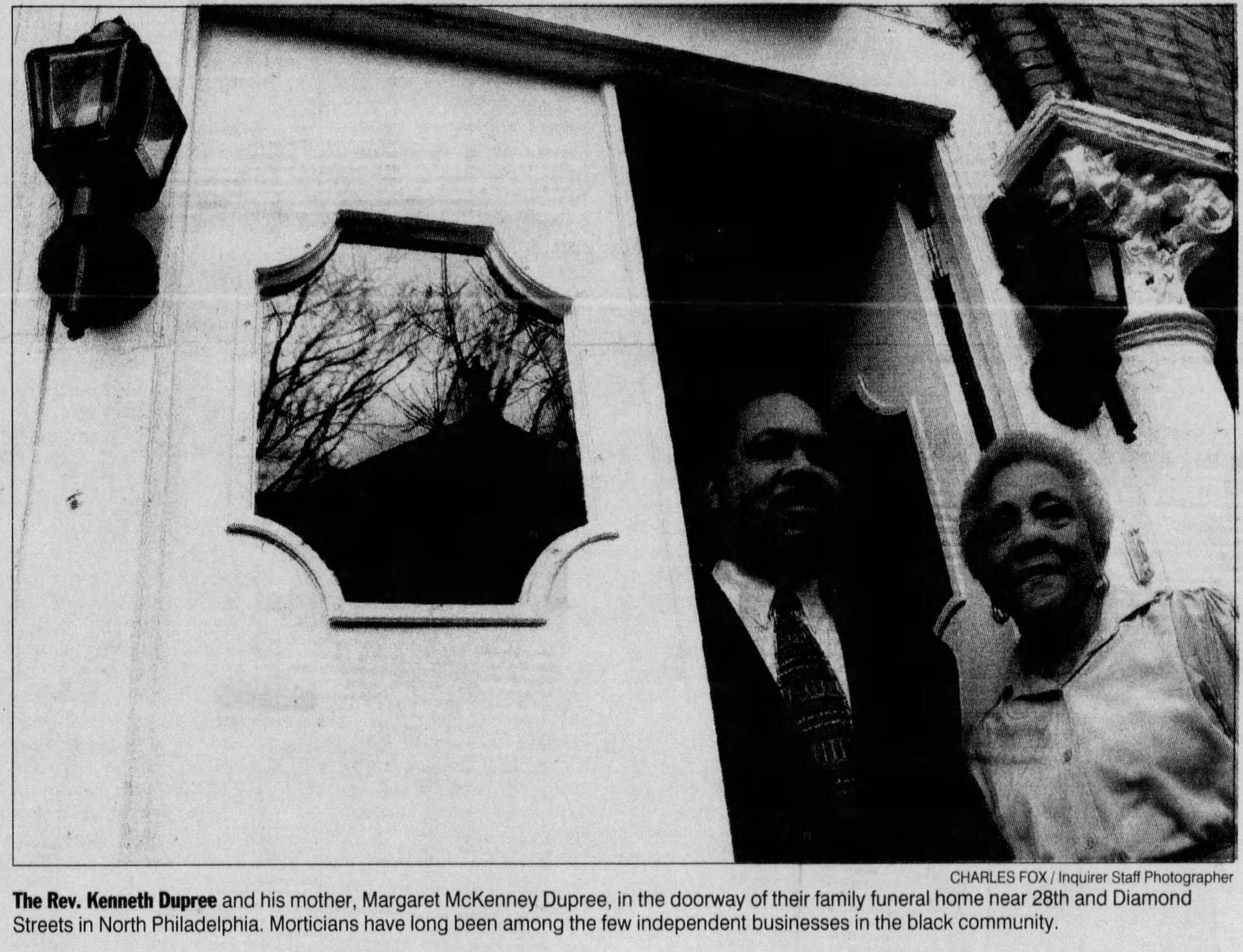
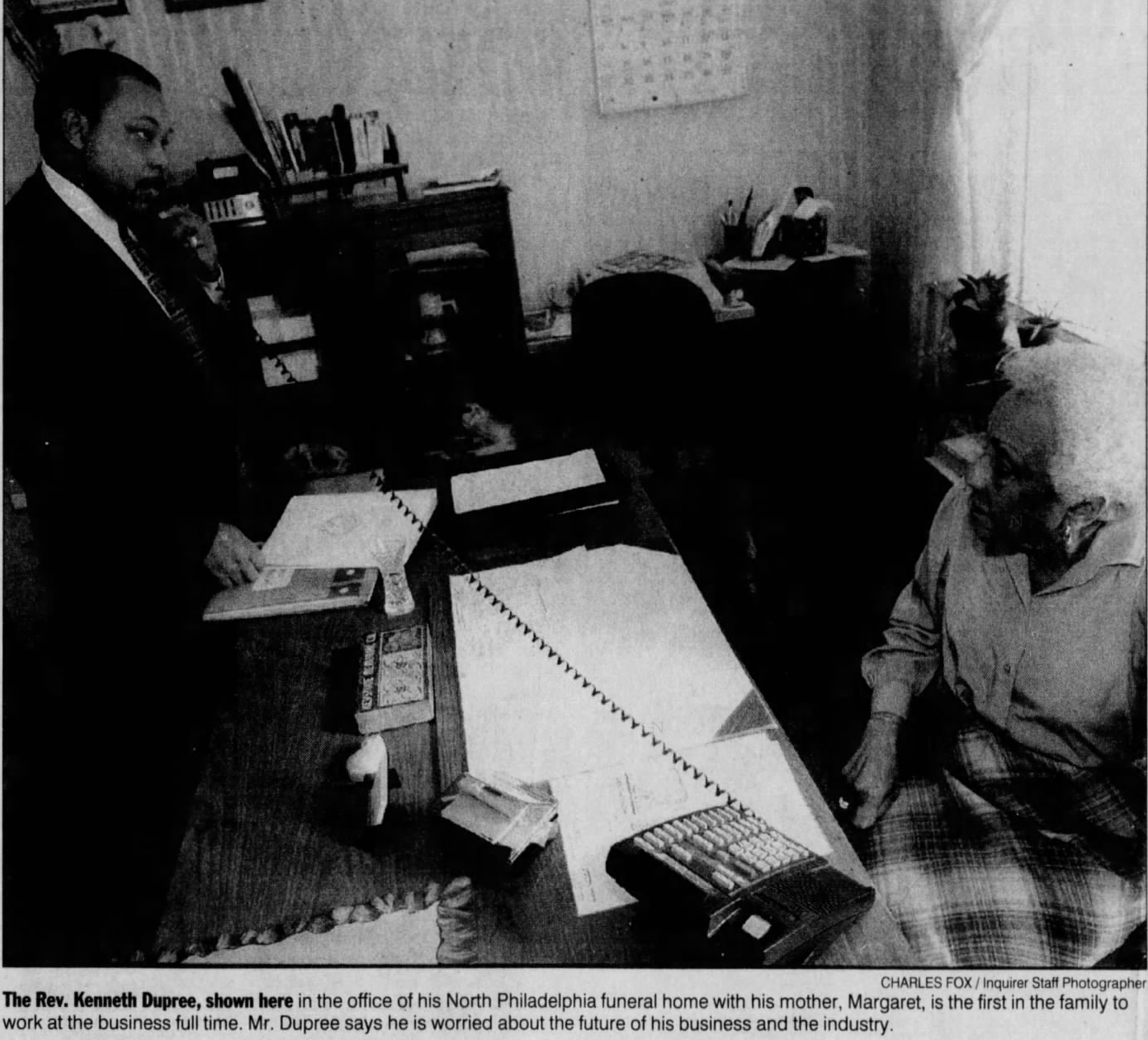
    This photo of Mrs. Dupree (right) and her son Kenneth appeared in The Inquirer in 1999.

    Her family called her career “a powerful symbol of her lifelong devotion to the calling of funeral service” and praised her “mentoring others, serving families with dignity, and remaining deeply connected to the profession she loved.”

    She was a charter member of Child’s Memorial Baptist Church, known now as Keeping It Real Christian Fellowship, and supported affordable housing initiatives in North Philadelphia. “I like for women to have a place to raise their children,” she told The Inquirer in 1998 regarding a proposed housing renewal project. “If you give people a place to work and take care of their children, then the whole neighborhood will be improved.”

    Friends and former colleagues called her “funny and sweet” and a “history maker” in online tributes. One friend said she was “a woman of grace, and her radiant smile always was contagious.” Another said: “She has had a positive impact on so many Philadelphians.”

    Margaret Alma McKenney was born July 8, 1921, in Belvedere, S.C. She relocated with her family to North Philadelphia when she was 5 and grew up at 13th and Diamond Streets.

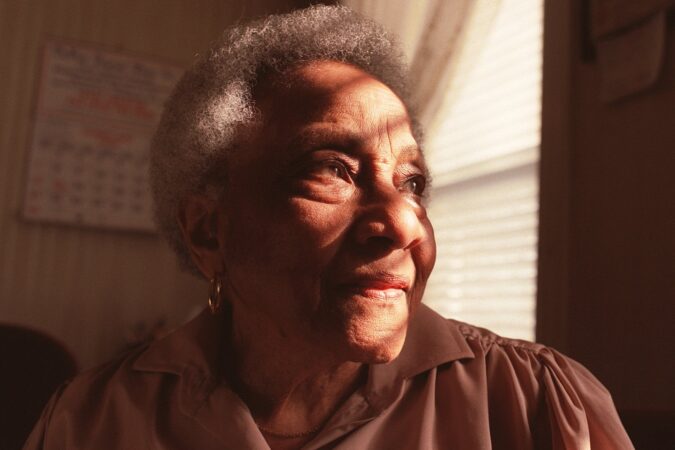
    Mrs. Dupree doted on her grandchildren and great-grandchildren.

    During World War II, she worked for the Army Signal Corps and at the Frankford Arsenal. Afterward, she earned her funeral director’s license at the old Eckels College of Mortuary Science in Philadelphia.

    She married Troy Dupree in 1951, and they had daughters Melanie and Carrie, and sons Troy Jr. and Kenneth. For years, she reared the children, worked at the funeral home, and helped out at her mother’s shop.

    Later, she doted on her grandchildren and great-grandchildren, and a friend said online: “I am a better grandma having watched from one of the best to ever do it.”

    Mrs. Dupree enjoyed knitting sweaters for her children, solving cryptograms in the newspaper, and traveling with family and friends to Bermuda, Africa, and elsewhere. She always, even at restaurants, her son Kenneth said, ate her dessert first.

    Mrs. Dupree (right) sits at her office desk while her son Kenneth talks on the phone in a photo that was published in The Inquirer in 1999.

    “She had a multifaceted personality,” her son Kenneth said. “She was a comedian, an organizer, and a fan of the underdog.”

    Her family said: “Margaret lived a life rooted in service, compassion, and purpose. Funeral service and education were never just her profession. It was her calling.”

    In addition to her children, Mrs. Dupree is survived by six grandchildren, six great-grandchildren, and other relatives. Two sisters and five brothers died earlier.

    Services were held on Dec. 28 and 29.

    Donations in her name may be made to Project Home, Development Dept., 1515 Fairmount Ave., Philadelphia, Pa. 19130.

  • Joseph McGettigan, prosecutor in Jerry Sandusky and John du Pont cases, dies at 76

    Joseph McGettigan, prosecutor in Jerry Sandusky and John du Pont cases, dies at 76

    HARRISBURG, Pa. — Joseph E. McGettigan III, a Pennsylvania prosecutor who obtained criminal convictions against Penn State assistant football coach Jerry Sandusky and chemical heir John du Pont, has died at age 76.

    Mr. McGettigan, who lived in the Philadelphia suburb of Media, died on Dec. 31, according to the funeral home Boyd Horrox Givnish Life Celebration Home of East Norriton.

    He was a senior deputy attorney general when he served as a lead prosecutor in the trial of Sandusky on child molestation charges in 2012. During the closing argument, Mr. McGettigan showed jurors photos of eight of Sandusky’s victims as children, all of whom had taken the stand.

    “He molested and abused and hurt these children horribly,” Mr. McGettigan said. “He knows he did it, and you know he did it. Find him guilty of everything.” Sandusky was convicted of 45 of 48 counts.

    Mr. McGettigan was an assistant district attorney in Delaware County when he prosecuted du Pont, who was found guilty of third-degree murder but mentally ill in the death of Olympic gold medal-winning freestyle wrestler David Schultz at du Pont’s palatial estate outside Philadelphia in 1996. Schultz come to live and train at a state-of-the-art training center that du Pont had built on his property.

    Du Pont died in a Pennsylvania prison in 2010 at the age of 72. Sandusky, 81, is currently serving a 30- to 60-year sentence in state prison.

    Mr. McGettigan’s work as prosecutor, which also included a stint in Philadelphia, often involved murder and child molestation cases. More recently he had been a lawyer in private practice, including work on behalf of crime victims.

    Survivors include his wife, Gay Warren; his mother, Ruth L. McGettigan; and six siblings.

  • Eva Schloss, 96, stepsister of Anne Frank and Holocaust educator

    Eva Schloss, 96, stepsister of Anne Frank and Holocaust educator

    LONDON — Auschwitz survivor Eva Schloss, the stepsister of teenage diarist Anne Frank and a tireless educator about the horrors of the Holocaust, has died. She was 96.

    The Anne Frank Trust UK, of which Ms. Schloss was honorary president, said she died Saturday in London, where she lived.

    Britain’s King Charles III said he was “privileged and proud” to have known Ms. Schloss, who cofounded the charitable trust to help young people challenge prejudice.

    “The horrors that she endured as a young woman are impossible to comprehend, and yet she devoted the rest of her life to overcoming hatred and prejudice, promoting kindness, courage, understanding, and resilience through her tireless work for the Anne Frank Trust UK and for Holocaust education across the world,” the king said.

    Born Eva Geiringer in Vienna in 1929, Ms. Schloss fled with her family to Amsterdam after Nazi Germany annexed Austria. She became friends with another Jewish girl of the same age, Anne Frank, whose diary would become one of the most famous chronicles of the Holocaust.

    Like the Franks, Eva’s family spent two years in hiding to avoid capture after the Nazis occupied the Netherlands. They were eventually betrayed, arrested, and sent to the Auschwitz death camp.

    Ms. Schloss and her mother, Fritzi, survived until the camp was liberated by Soviet troops in 1945. Her father, Erich, and brother Heinz died in Auschwitz.

    After the war, Eva moved to Britain, married German Jewish refugee Zvi Schloss, and settled in London.

    In 1953, her mother married Frank’s father, Otto, the only member of his immediate family to survive. Anne Frank died of typhus in the Bergen-Belsen concentration camp at the age of 15, months before the end of the war.

    Ms. Schloss did not speak publicly about her experiences for decades, later saying that wartime trauma had made her withdrawn and unable to connect with others.

    “I was silent for years, first because I wasn’t allowed to speak. Then I repressed it. I was angry with the world,” she told the Associated Press in 2004.

    But after she addressed the opening of an Anne Frank exhibition in London in 1986, Ms. Schloss made it her mission to educate younger generations about the Nazi genocide.

    Over the following decades she spoke in schools and prisons and at international conferences and told her story in books including Eva’s Story: A Survivor’s Tale by the Stepsister of Anne Frank.

    She kept campaigning into her 90s. In 2019, she traveled to Newport Beach, Calif., to meet teenagers who were photographed making Nazi salutes at a high school party. The following year she was part of a campaign urging Facebook to remove Holocaust-denying material from the social-networking site.

    “We must never forget the terrible consequences of treating people as ‘other,’” Ms. Schloss said in 2024. “We need to respect everybody’s races and religions. We need to live together with our differences. The only way to achieve this is through education, and the younger we start the better.”

    Ms. Schloss’ family remembered her as “a remarkable woman: an Auschwitz survivor, a devoted Holocaust educator, tireless in her work for remembrance, understanding and peace.”

    “We hope her legacy will continue to inspire through the books, films and resources she leaves behind,” the family said in a statement.

    Zvi Schloss died in 2016. Eva Schloss is survived by their three daughters, as well as grandchildren and great-grandchildren.

  • Robert Caputo, prolific photographer, writer, and filmmaker, has died at 76

    Robert Caputo, prolific photographer, writer, and filmmaker, has died at 76

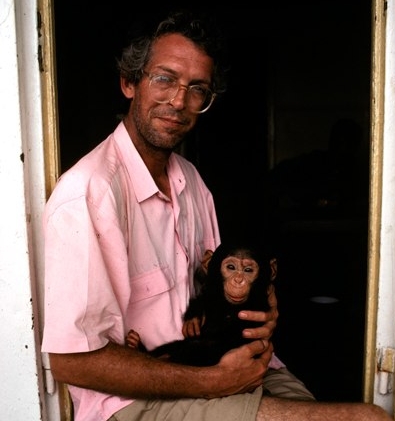
    Robert Caputo was captivated by the natural world, its animals and people. So he spent 35 years, from 1970 through 2005, traveling through Africa, Asia, and South America, taking photos, writing stories, and making films and TV shows for National Geographic magazine, Time, PBS, TNT, and other media outlets.

    From Kenya to Egypt, Venezuela to Zanzibar, in China, Cuba, New Orleans, and Boston, Mr. Caputo chronicled the beauty and tragedy of everyday life. He reported as a freelancer, with a camera and a notepad, for National Geographic for decades, covering political coups, civil wars, and famines in Sudan and Somalia, and the AIDS epidemic in Uganda.

    He worked for photographer and filmmaker Hugo van Lawick in Tanzania in the 1970s and then camera-stalked lions and leopards for National Geographic on the Serengeti Plain. He sent back striking images of the Abu Simbel Temples in Egypt and the old Kingdom of Mustang in Nepal.

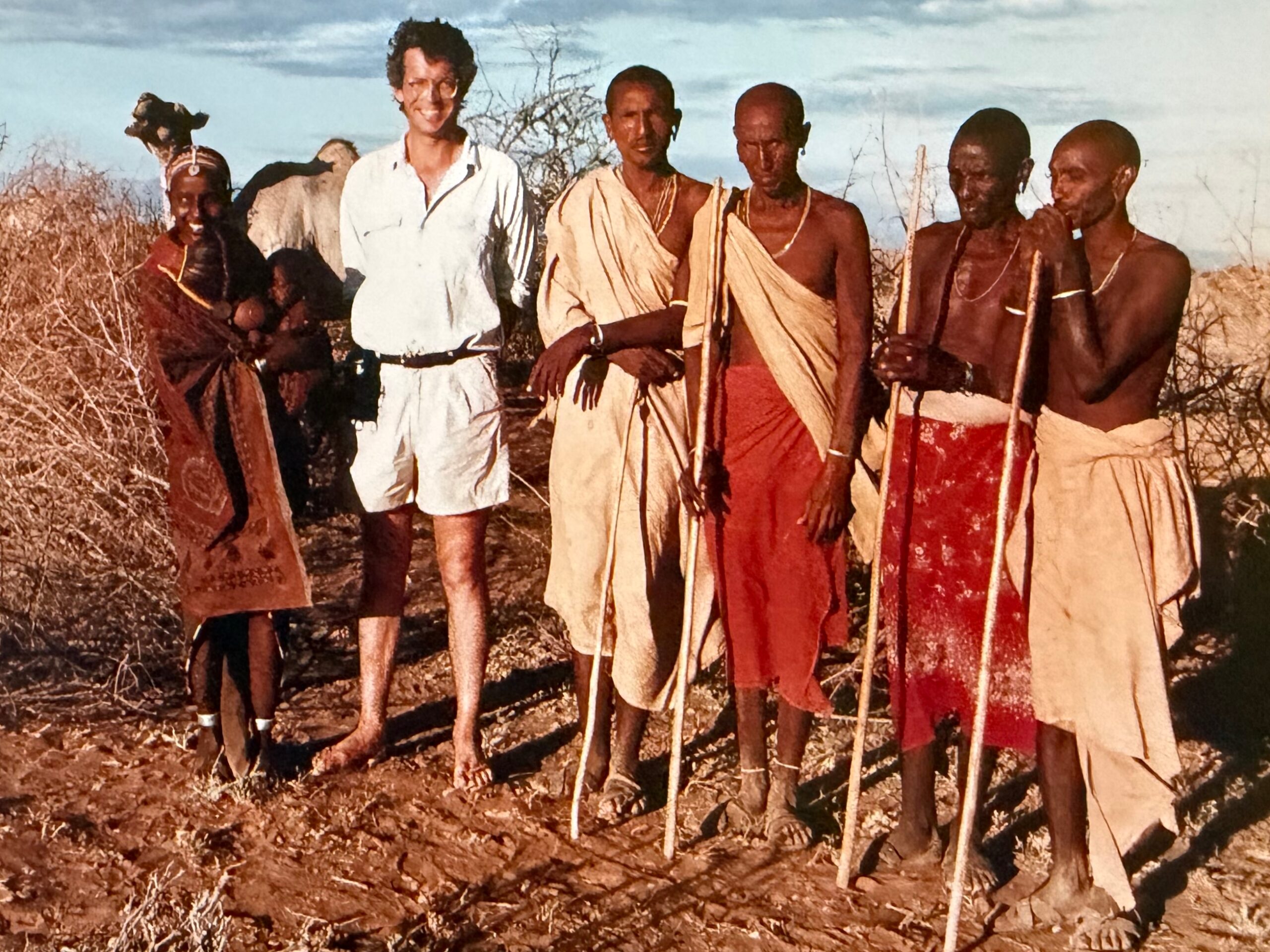
    In Sudan, he sipped tea with camel traders, slept under the stars, and posed for portraits with tribal chiefs. He trekked the Himalayas and photographed fishermen on the Congo, Nile, and Mississippi Rivers. His poignant August 1993 cover photo for National Geographic of a starving Somali woman gained worldwide attention.

    “In fact, it is a great job,” Mr. Caputo told the Washington Post in 1995, when he was featured in a TV show about the Geographic photographers. “You really do get to go places and do things others only dream about.”

    He told the New York Daily News in 1995: “I’ve always thought of my job as a license to be nosy.”

    In 2002, as he was winding down his international travel, Mr. Caputo moved from Washington, D.C., to a farmhouse in Kennett Square, Chester County. In early 2025, he was diagnosed with Alzheimer’s disease. In December, he and his family traveled to the Pegasos Swiss Association voluntary assisted dying center in Basel, Switzerland. He died Thursday, Dec. 18. He was 76.

    “Fairly early on, Bob had expressed his wishes to go out on his own terms,” said his wife, Amy. “We were able to honestly and pragmatically deal with our situation, and he remained his thoughtful self, with his sense of humor intact till the end.”

    Mr. Caputo loved spending time with animals.

    Mr. Caputo first went to Africa in 1970. He dropped out of Trinity College in Connecticut as a senior and meandered with friends across the vast continent, from Morocco to Tanzania.

    He returned to earn a bachelor’s degree in film at New York University in 1976. Then, until 1979, he lived in Nairobi, Kenya, and sold photos and stories about Africa to Time, Life, and other magazines.

    “He liked to learn about things,” said his son Nick. “He was constantly inquiring into things.”

    In 1981, National Geographic hired him to report from Sudan on the verge of its civil war, and he produced striking cover photos, dramatic picture spreads, and detailed stories about Africa. In 1984 and ’85, he spent eight months and traveled 4,000 miles on steamboats, tugboats, and all-terrain vehicles to document traditional daily life along the Nile.

    Mr. Caputo had several cover photos for National Geographic.

    “Everywhere he went,” his family said, “Bob found that the people he met were fundamentally good and generous, happy to share their often limited food with him, a perfect stranger, and excited to tell him about their lives.”

    There were challenges, too, he said in many interviews. He was detained by border guards in Uganda in 1979 and contracted malaria nine times. The monthslong assignments in search of remote Indigenous people were often lonely, and he got hungry and tired.

    But the connections he made with people he encountered were worth it, he said. “The great advantage of working for National Geographic is having time,” he told the New York Daily News. “You can go to a village in Africa and not just have to waltz in and start shooting away. You can spend time getting to know people, and they can know you.”

    Mr. Caputo was a natural innovator and teacher, and he organized photo workshops and lectured about photography around the world. He taught digital photography at the Center for Digital Imaging Arts at Boston University and cofounded Aurora & Quanta Productions in Maine in 1985 and the PixBoomBa.com photo website in 2010.

    National Geographic published his Photography Field Guide in 1999 and Ultimate Field Guide to Landscape Photography in 2007. He also authored photo essay books on the Nile and African wildlife, and exhibited his photos at the Delaware Museum of Nature and Science and elsewhere.

    Mr. Caputo (second from left) poses with local people in Africa.

    He wrote and appeared in wildlife shows, hosted TV programs and YouTube videos about photography, and wrote the story on which Glory & Honor, a 1998 award-winning TV film, is based. He made films about making films in Nigeria and the history of Boston’s Fenway Park.

    He earned awards from the National Press Photographers Association, the American Travel Writers Foundation, Communications Arts journal, and other groups. He was personable and energetic, colleagues said, and he cofounded the annual National Geographic Prom at the Washington office.

    “He was a tremendously caring and loving person,” his son Nick said. “He looked out for other people.”

    Mr. Caputo met TV and film producer Amy Wray on a National Geographic TV shoot in the Amazon rainforest. They married in 1997 and had sons Nick and Matt.

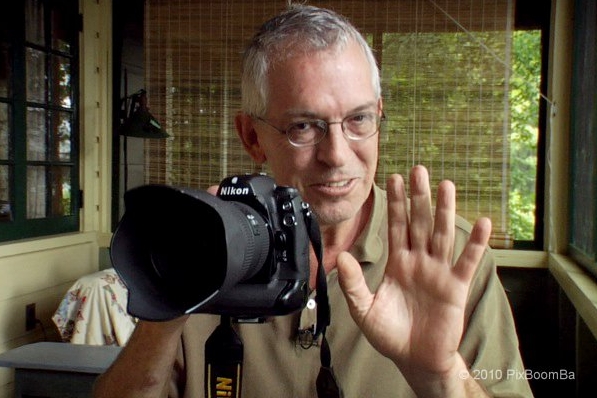
    This photo is featured on Mr. Caputo’s website.

    In Facebook tributes, friends and colleagues noted his “wonderful smile” and “deep love of people and animals.” They called him a “legend” and “amazing.” Robert J. Rosenthal, former Africa correspondent and former executive editor of The Inquirer, called Mr. Caputo “one of the best humans I ever knew.”

    Mr. Caputo told MainLine Today in 2009: “My personal heroes are the people who work for aid organizations and nongovernmental organizations, who go to some faraway place to help people they’re not related to and often put themselves in harm’s way.”

    Robert Anthony Caputo was born Jan. 15, 1949, at Camp Lejeune, N.C. His father was a career Marine and moved the family to bases in Virginia and then Sweden for an assignment at the U.S. embassy there.

    In a 1991 interview with the Newhouse News Service, Mr. Caputo said: “I remember as a kid going to sleep listening to artillery going off in the distance down at the range. It was kind of comforting. I wouldn’t change it for anything.”

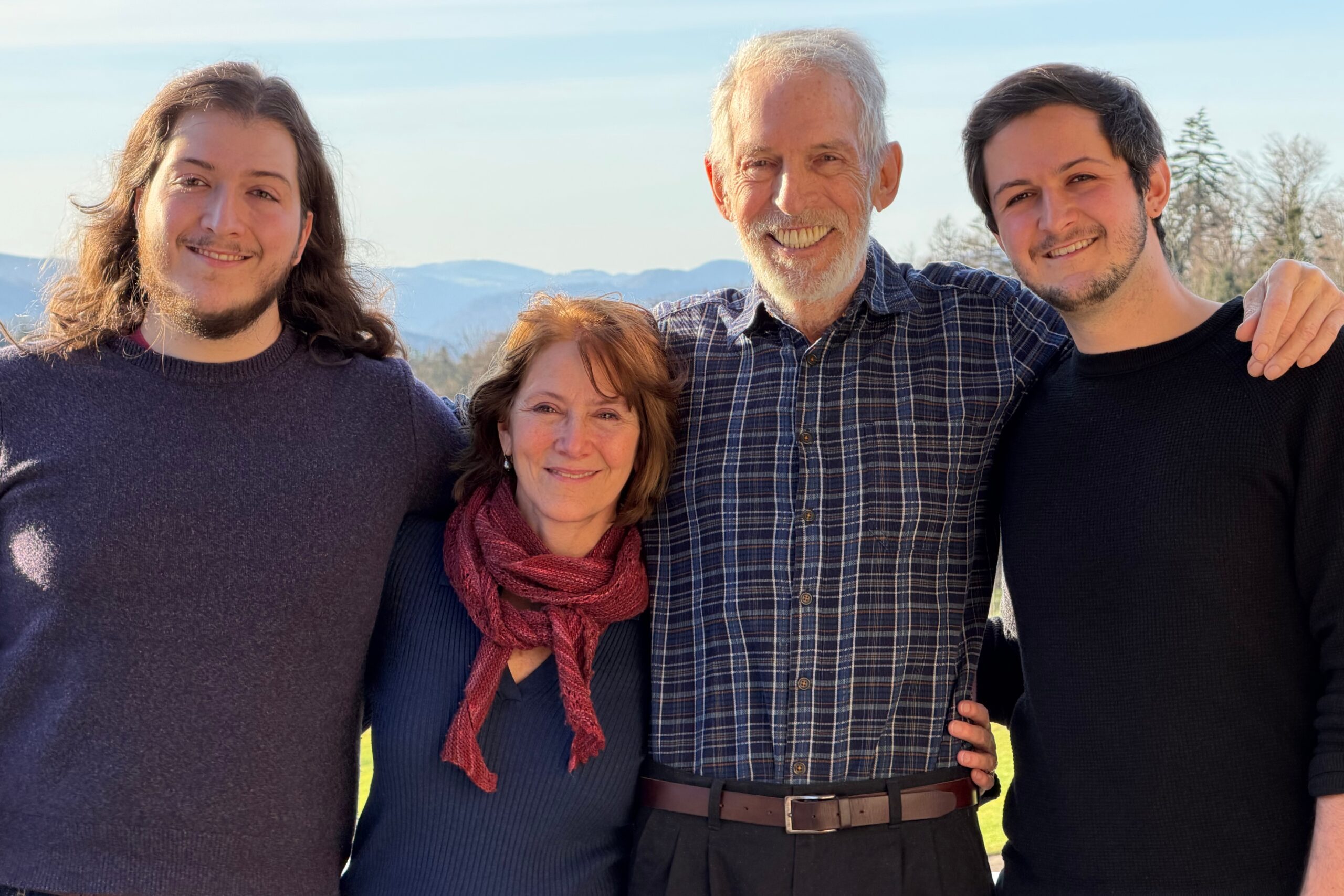
    Mr. Caputo (second from right) doted on his wife and sons.

    He attended a Swedish middle school, learned the language, skied, and played soccer. He returned to the United States in the late 1960s to attend boarding school in Virginia and then Trinity.

    In Kennett Square, Mr. Caputo was a soccer, baseball, and basketball coach to his sons, and a Cub Scouts leader. He walked the boys to the school bus stop in the morning. He told them bedtime tales about secret agents and pirates, they said, and built a tree house in the backyard.

    He decorated his truck on Halloween and grew impressive gardens. His neighbors called him Farmer Bob.

    He took his family on trips to Kenya and Tanzania. He dabbled in experimental playwriting and literature when he was young, and enjoyed classic movies and William Blake’s poetry.

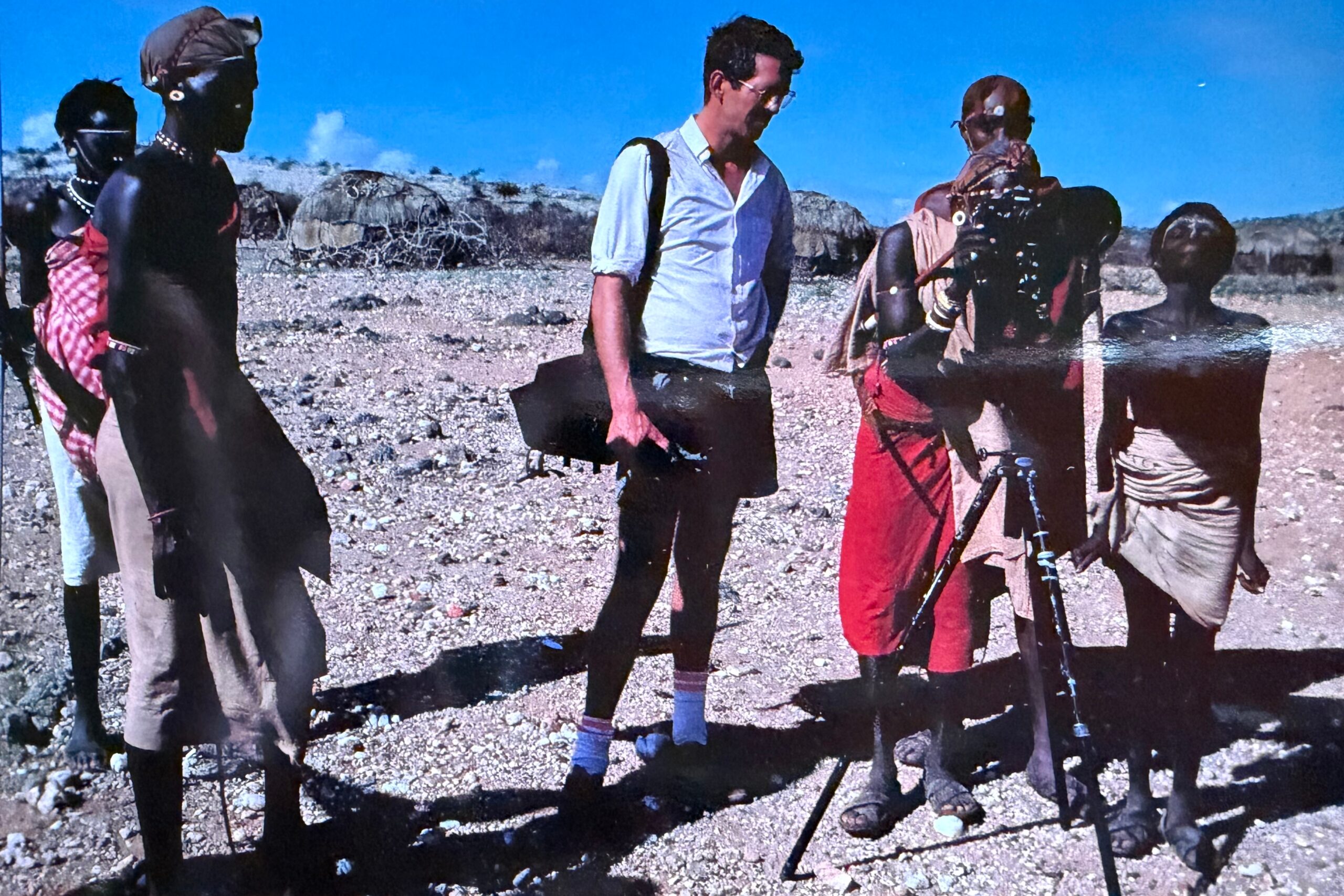
    Mr. Caputo (center) shows his camera to the locals in Africa.

    “He felt extraordinarily lucky to have lived the life he did,” his wife said, “full of adventure, family and friends. And in the end he said, ‘I’m ready.’”

    In addition to his wife and sons, Mr. Caputo is survived by a sister and other relatives.

    Services are to be at 11 a.m. Saturday, Jan. 10, at Kennett Friends Meeting, 125 W. Sickle St., Kennett Square, Pa. 19348.

    Donations in his name may be made to Doctors Without Borders, Box 5030, Hagerstown, Md. 21741.

    His family called Mr. Caputo “buttered side up” when he was young “because no matter
    how he fell he always seemed to end up the right way, and his life was full and lucky.”
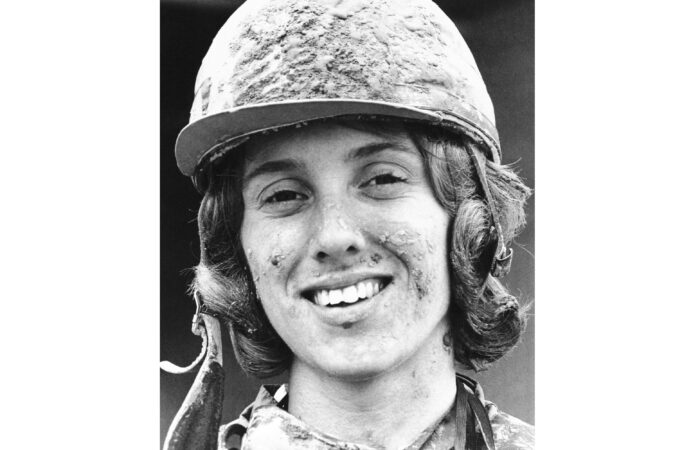
  • Diane Crump, the first female jockey to ride in the Kentucky Derby, has died at 77

    Diane Crump, the first female jockey to ride in the Kentucky Derby, has died at 77

    WASHINGTON — Diane Crump, who in 1969 became the first woman to ride professionally in a horse race and a year later became the first female jockey in the Kentucky Derby, has died. She was 77.

    Ms. Crump was diagnosed in October with an aggressive form of brain cancer and died Thursday night in hospice care in Winchester, Va., her daughter, Della Payne, told the Associated Press.

    Ms. Crump went on to win 228 races before riding her last race in 1998, a month shy of her 50th birthday and nearly 30 years after her trailblazing ride at Hialeah Park in Florida on Feb. 7, 1969.

    Ms. Crump was among several women to fight successfully at the time to be granted a jockey license, but they still needed a trainer willing to put them in a race and then for the race to run. Others were thwarted when male jockeys boycotted or threatened to boycott if a woman was riding.

    Photographs of Ms. Crump’s walk to the saddling area at Hialeah show her protected by security guards as a crowd pressed in on all sides. Six of the original 12 jockeys in the race had refused to ride, Mark Shrager wrote in his biography, Diane Crump: A Horse Racing Pioneer’s Life in the Saddle. Among them were future legends Angel Cordero Jr., Jorge Velasquez, and Ron Turcotte, who four years later would ride Secretariat to win the Triple Crown.

    But other jockeys stepped up, and as the 12 horses made their way onto the track, the bugler skipped the traditional call to the post and instead played “Smile for Me, My Diane.” Ms. Crump, on a 50-1 longshot called Bridle ’n Bit, finished 10th, but the barrier had been broken. A month later, Bridle ’n Bit gave Ms. Crump her first victory at Gulfstream Park.

    She again made history in 1970 by becoming the first woman to ride in the Kentucky Derby. She won the first race that day at Churchill Downs, but again her mount for the history-making race was outclassed. She finished 15th out of 17 on Fathom.

    It would be 14 more years before another female jockey would ride in the Derby, with only four more to follow in the decades since.

    The president of Churchill Downs Racetrack, Mike Anderson, said in a statement on Friday that Crump “will be forever respected and fondly remembered in horse racing lore.”

    He noted that Ms. Crump, who had been riding since age 5 and galloping young Thoroughbreds since she was a teenager, “was an iconic trailblazer who admirably fulfilled her childhood dreams.”

    Chris Goodlett, of the Kentucky Derby Museum, said “Diane Crump’s name stands for courage, grit, and progress.” He added: “Her determination in the face of overwhelming odds opened doors for generations of female jockeys and inspired countless others far beyond racing.”

    After retiring from racing, Ms. Crump settled in Virginia and started a business helping people buy and sell horses.

    In later years, she took her therapy dogs, all Dachshunds, to visit patients in hospitals and other medical clinics. Some with chronic illnesses she visited regularly for years.

    Payne said when her mother went into assisted living in November, she was already “quasi-famous” in the medical center because of how much time she had spent there, and a “steady stream” of doctors and nurses came to see her. One of the last people to visit her was the man who mowed her lawn.

    Her daughter said Ms. Crump would never take “no” for an answer, whether it was becoming a jockey or helping someone in need.

    “I wouldn’t say she was as competitive as she was stubborn,” Payne said. “If someone was counting on her, she could never let someone down.”

    Late in life, Ms. Crump’s mottos were literally tattooed on her forearms: “Kindness” on the left, “Compassion” on the right.

    Crump will be cremated and her ashes interred between her parents in Prospect Hill Cemetery in Front Royal, Va.

  • Gospel singer Richard Smallwood has died at 77, leaving a legacy that inspired many in music

    Gospel singer Richard Smallwood has died at 77, leaving a legacy that inspired many in music

    Richard Smallwood, a gospel singer and recording artist nominated eight times for Grammy Awards, has died. He was 77.

    Mr. Smallwood died Tuesday of complications of kidney failure at a rehabilitation and nursing center in Sandy Spring, Md., his representative Bill Carpenter announced.

    Mr. Smallwood had health issues for many years, and music gave him the strength to endure, Carpenter said in an interview.

    “Richard was so dedicated to music, and that was the thing that kept him alive all these years,” he said. “Making music that made people feel something is what made him want to keep breathing and keep moving and keep living.”

    Mr. Smallwood’s songs were performed and recorded over the years by artists such as Whitney Houston, Stevie Wonder, Destiny’s Child, and Boyz II Men. Houston brought his music to film by performing “I Love the Lord” in the 1996 movie The Preacher’s Wife, according to Mr. Smallwood’s biography at the Gospel Music Hall of Fame.

    Mr. Smallwood “opened up my whole world of gospel music,” singer and songwriter Chaka Khan wrote on Facebook after his death.

    “His music didn’t just inspire me, it transformed me,” she said. “He is my favorite pianist, and his brilliance, spirit, and devotion to the music have shaped generations, including my own journey.”

    Mr. Smallwood was born Nov. 30, 1948, in Atlanta and began to play piano by ear by the age of 5, according to biographic materials provided by Carpenter. By age 7, he was taking formal lessons. He had formed his own gospel group by the time he was 11.

    He was primarily raised in Washington, D.C., by his mother, Mabel, and his stepfather, the Rev. Chester Lee “C.L.” Smallwood. His stepfather was the pastor of Union Temple Baptist Church in Washington.

    Mr. Smallwood was a music pioneer in multiple ways at Howard University in Washington, where he graduated cum laude with a music degree. He was a member of Howard’s first gospel group, the Celestials. He was also a founding member of the university’s gospel choir, according to an obituary from Carpenter.

    After college, Mr. Smallwood taught music at the University of Maryland and went on to form the Richard Smallwood Singers in 1977, bringing a contemporary sound to traditional gospel music. He later formed Vision, a large choir that fueled some of his biggest gospel hits, including “Total Praise.”

    “Total Praise” became a modern-day hymn that touched people from all types of backgrounds and walks of life, Carpenter said by phone Wednesday.

    “You can go into any kind of church — a Black church, a white church, a nondenominational church — and you might hear that song,” he said. “Somehow it found its footing throughout the whole Christian world. If he never wrote anything else, that would have put him in the modern hymn book.”

    Wonder performed “Total Praise” at the funeral of the Rev. Dr. Martin Luther King Jr.’s son Dexter Scott King at Ebenezer Baptist Church in Atlanta on Feb. 10, 2024.

    In recent years, mild dementia and other health issues prevented Mr. Smallwood from recording music, and members of his Vision choir helped care for him.

    His legacy will live on “through every note and every soul he touched,” Khan said.

    “I am truly looking forward to singing with you in heaven,” she said.