Category: Editorials

  • After a year of RFK Jr.’s policies, vaccination rates are down, measles cases are up, and public health hangs in the balance | Editorial

    After a year of RFK Jr.’s policies, vaccination rates are down, measles cases are up, and public health hangs in the balance | Editorial

    Almost 250 years ago, George Washington created America’s first mass immunization mandate, relying on science to protect public health.

    Oh, how times have changed.

    Back then, smallpox had just helped end the Continental Army’s invasion of Canada. Despite making it all the way to Quebec, thousands of soldiers contracted the disease. Washington feared the same would happen to his own troops, fresh from their surprise victories at Trenton and Princeton. As Washington wrote at the time, “Necessity not only authorizes but seems to require the measure, for should the disorder infect the Army, in the natural way, and rage with its usual Virulence, we should have more to dread from it, than from the sword of the enemy.”

    The inoculation methods of Washington’s time were crude. No genuine vaccine existed. Instead, scabs or pus were taken from someone infected with smallpox and then placed into scratches or small wounds. Another option was to inhale it. Either way, those who experienced variolation inevitably developed fevers, rashes, and other symptoms of smallpox. At least 1% of those who received it died. Still, without his tough choice, the Continental Army might have failed entirely, and America with it.

    These days, safe vaccines are available for diseases that ravaged our ancestors. Forms of influenza, hepatitis, chickenpox, polio, rubella, mumps, measles, and many other diseases can now be prevented. The smallpox virus that Washington dreaded has been eradicated.

    The quality and availability of vaccines are a modern miracle, one that all humanity should be proud of.

    Yet, according to data from the Centers for Disease Control and Prevention, vaccination rates for measles in the U.S. are declining, and the number of cases is climbing. More and more parents are opting against vaccination for their children, which gives these diseases room to spread.

    Last year, two children in Texas died of the completely preventable disease. An outbreak in South Carolina has so far sickened almost 1,000 people, most of them children.

    Pennsylvania, New Jersey, and Delaware have all slipped below the 95% vaccination rate the CDC says is necessary to keep measles outbreaks at bay. Despite being nearly eliminated in 2000, rates have reached their highest levels in decades.
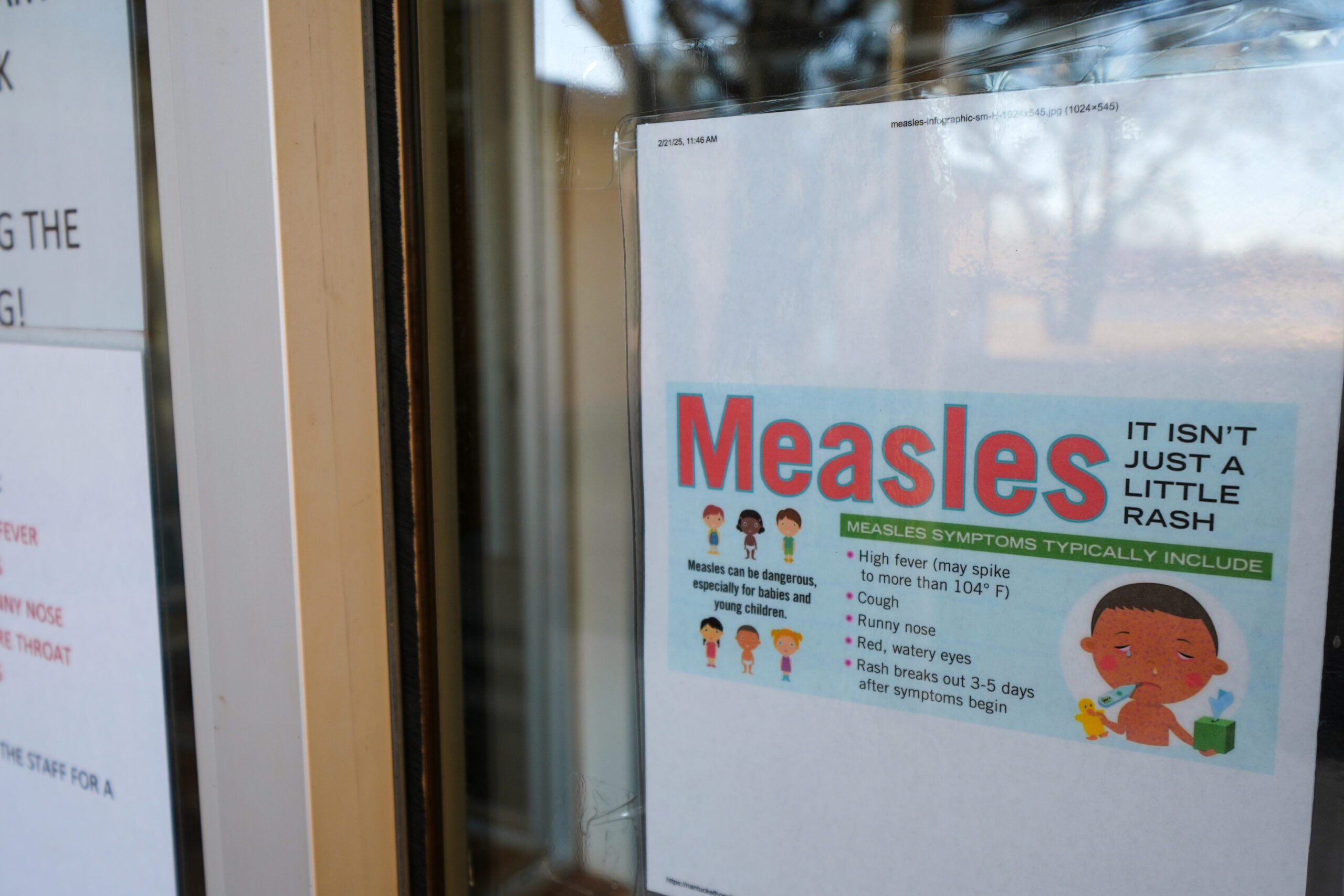
    A sign is seen outside a clinic with the South Plains Public Health District in February 2025, in Brownfield, Texas.

    According to CDC data, more than 90% of infections occur in people who are either unvaccinated or have unknown inoculation status. Given this group makes up less than 10% of the overall population, that’s a staggering concentration of sickness. It also isn’t a surprise — the vaccines work.

    Parents offer a range of justifications for refusing vaccinations. Some cite religious faiths that discourage inoculation. Others feel that the schedule of shots is too concentrated. A number of them mention debunked fears of shots “causing autism.”

    In some cases, existing health issues may lead to medical professionals advising against vaccination. (These children rely on what scientists call herd immunity for protection, and are endangered by rising rates of voluntary refusal.)

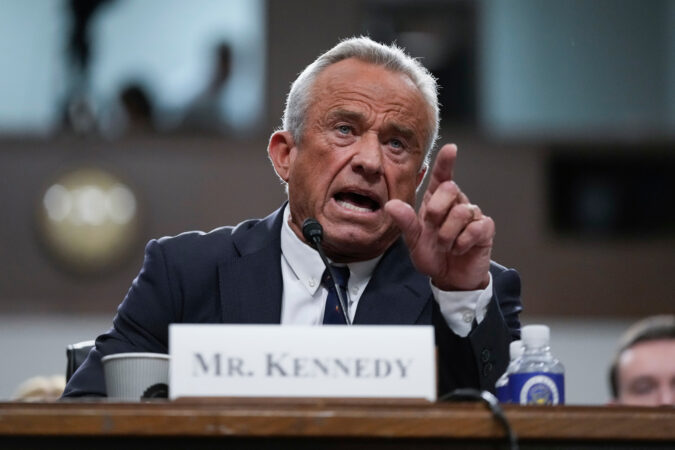
    It doesn’t help matters that Health and Human Services Secretary Robert F. Kennedy Jr. is a leading skeptic of both vaccines and modern medicine. Kennedy has strong opinions about public health based on no formal medical training.

    Under RFK Jr., the CDC has reduced the number of recommended vaccinations for children, and groups aligned with the secretary are working to overturn state vaccine mandates.

    This is the kind of privileged ignorance that can only thrive in a post-vaccine world, where mass immunization has dramatically changed life for the better.

    In 1900, 30% of all U.S. deaths occurred in children under the age of 5. In 1915, the infant mortality rate was 100 out of every 1,000 live births. As late as 1952, a polio outbreak killed more than 3,000 people.

    Unfortunately, rising vaccine refusal rates may bring some of this suffering back. While city health officials urge calm in the wake of a possible exposure at Philadelphia International Airport earlier this month, these events will only increase as vaccination rates continue to fall. So will unnecessary deaths among children.

    Instead of turning back the clock, our leaders and parents must learn from Washington’s example. Necessity requires that we vaccinate our children.
  • Charged with carrying on Dr. King’s legacy, Jesse Jackson proved to be a titan of civil rights on his own accord | Editorial

    Charged with carrying on Dr. King’s legacy, Jesse Jackson proved to be a titan of civil rights on his own accord | Editorial

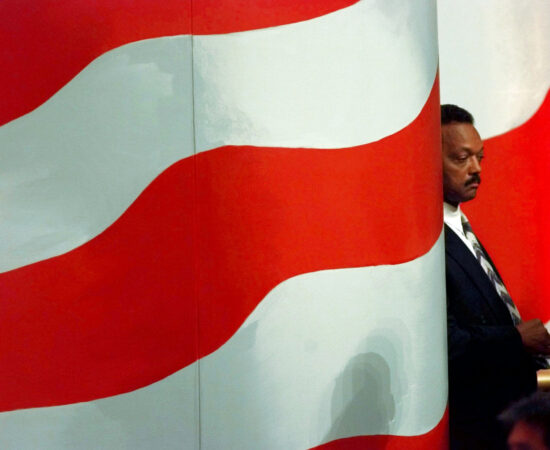
    There’s an old saying that “only the good die young.” Not true, of course, but the sentiment is understandable given the complex twists and turns of any life, including that of the Rev. Jesse Jackson, the civil rights titan and noteworthy presidential candidate, who at age 84 died Tuesday at his home in Chicago.

    The Rev. Jackson’s rise into America’s awareness was itself triggered by a death. He was with the Rev. Dr. Martin Luther King Jr. on the balcony of a Memphis hotel in 1968 when an assassin’s bullet killed his mentor. Who knew then that the Rev. Jackson would become as forceful a voice for equality as King, and later, a credible though unsuccessful political candidate for the nation’s highest office?

    Both the Rev. Jackson and King were gifted with voices that moved people to action, not just with their words, but with how they expressed them. King’s cadence perfected in sermons from pulpits across the South stirred the souls of folks who were cautioned to peaceably place their bodies in harm’s way to achieve dignity.

    The Rev. Jackson more so appealed to people’s outrage as he urged protesters to let their oppressors know, “I am somebody!” Hearing the Rev. Jackson speak, you got the feeling that those three words meant more to him than the disparate treatment Black people were afforded in then-segregated America. It was true that some aspects of the Rev. Jackson’s life had also been a struggle.

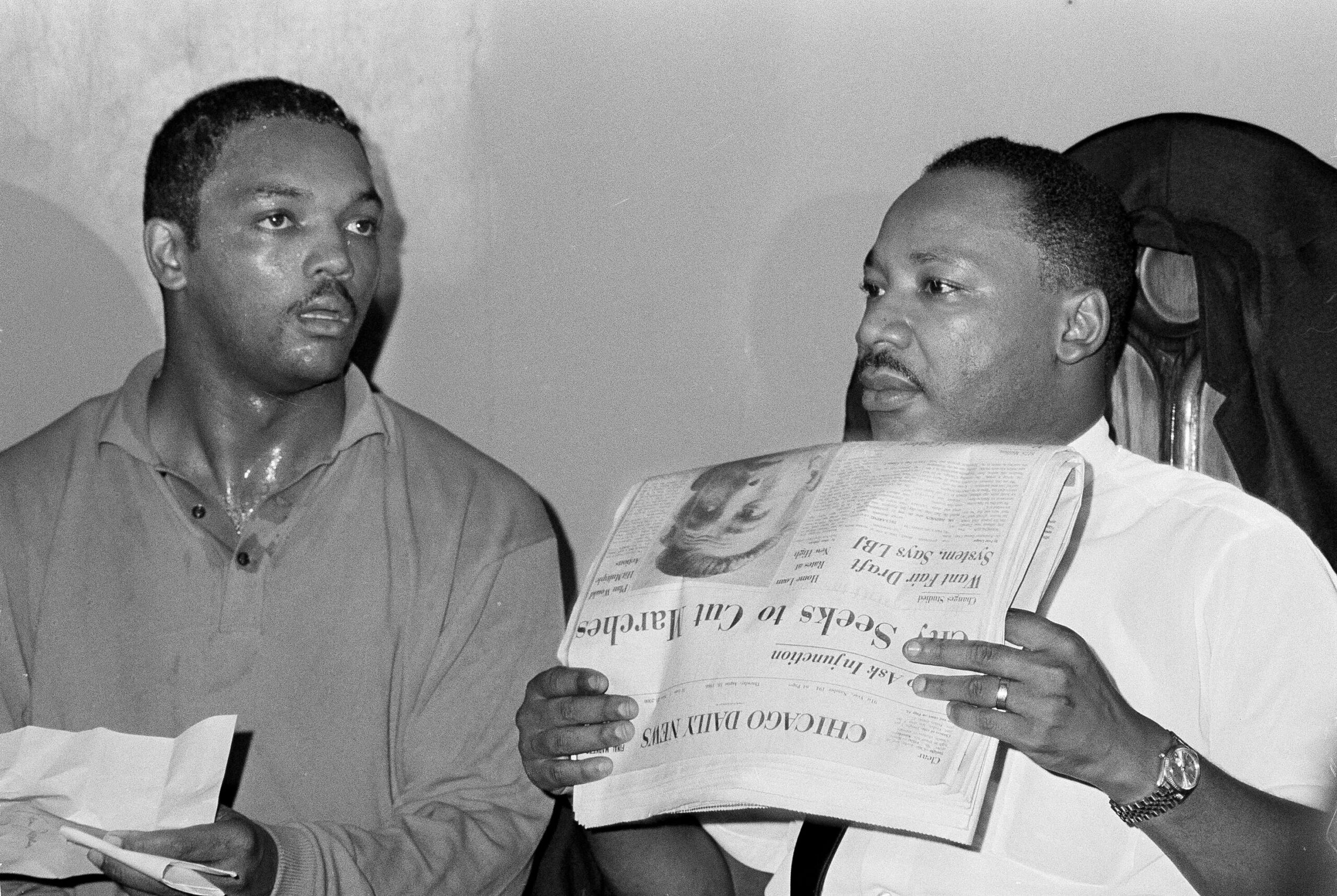
    Civil rights leader the Rev. Dr. Martin Luther King, Jr. (right) and his aide, the Rev. Jesse Jackson, are seen in Chicago in August 1966.

    Born in 1941 in Greenville, S.C., the mother of Jesse Louis Burns was a 16-year-old high school majorette who had been impregnated by a 33-year-old married man who lived next door, but denied his paternity. Two years later, Jesse’s mother married Charles Jackson, whom she met when he was a barbershop shoeshine man. Jackson sent the boy to live with his grandmother and didn’t adopt Jesse until he was 16 years old.

    After high school, the Rev. Jackson enrolled at the University of Illinois Urbana-Champaign on a football scholarship. After his freshman year, he transferred to North Carolina A&T University, a historically Black institution in Greensboro, N.C., where he became a leader in his Omega Psi Phi fraternity chapter and president of the student body. In those roles, the seeds of the Rev. Jackson’s dynamic activism were sown.

    Earlier, the Rev. Jackson had been a member of the “Greenville Eight,” the eight African American students arrested for refusing to leave the then-segregated Greenville County Public Library. By 1965, he was marching with King in Selma, Ala., and in 1967 was named head of Operation Breadbasket, the Southern Christian Leadership Conference program developed to help poor Black communities across the nation.

    The Rev. Jackson eventually left the SCLC after King’s death and, in 1971, created his own organization, Operation PUSH, and later the Rainbow Push Coalition, which became as involved in politics as it was with social justice. That political involvement is credited with being a factor in the 1983 election of Chicago’s first Black mayor, Harold Washington.

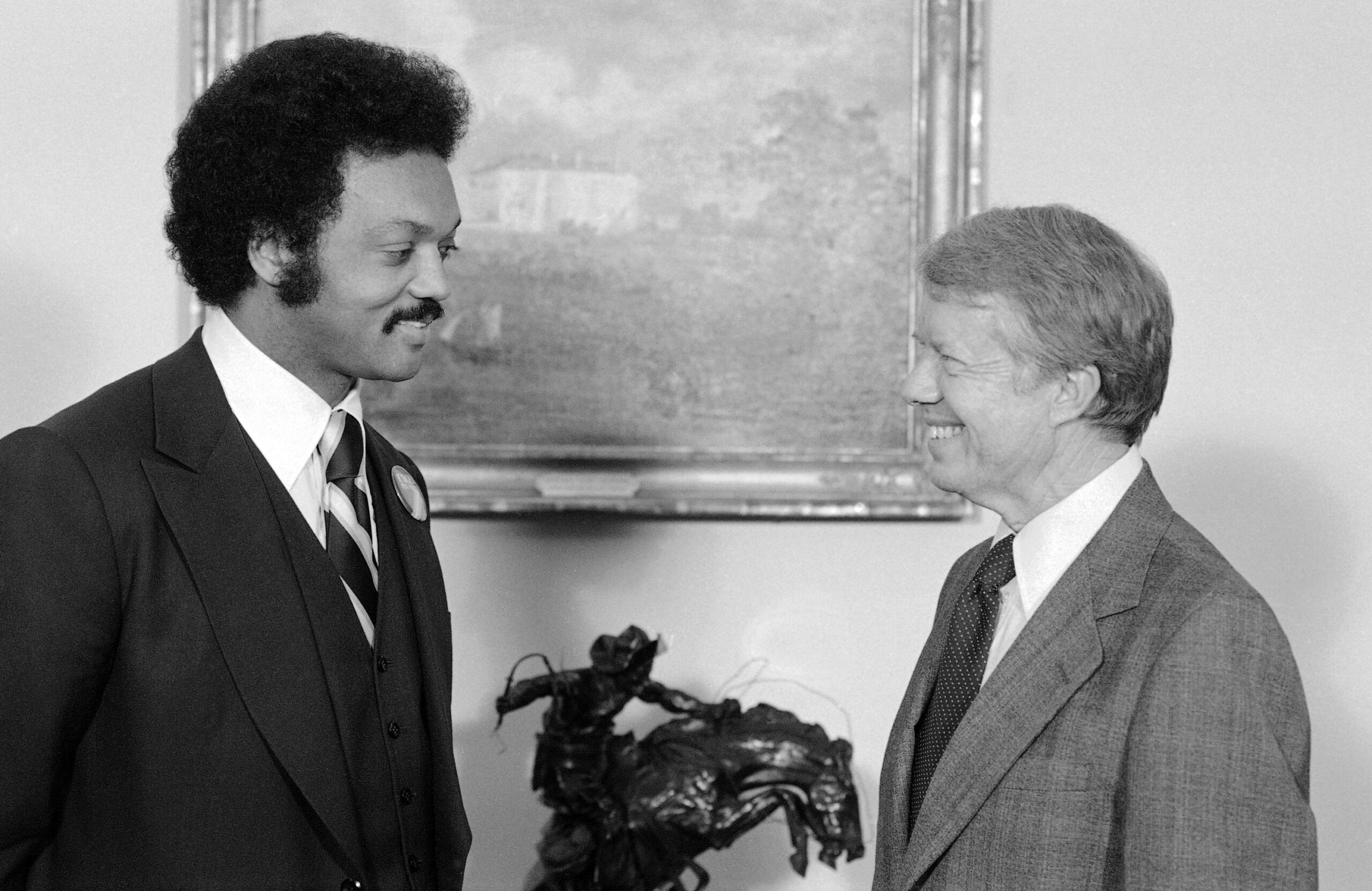
    President Jimmy Carter speaks with the Rev. Jesse Jackson at the White House in Washington, April 4, 1979.

    The Rev. Jackson’s subsequent 1984 presidential campaign resonated with voters of all colors and backgrounds who agreed with him that America wasn’t doing enough “to clothe the naked, to house the homeless, to teach the illiterate, to provide jobs for the jobless, and to choose the human race over the nuclear race.”

    The Rev. Jackson won 465 delegates to the 1984 Democratic National Convention and 1,218 delegates in 1988, both times far exceeding Shirley Chisholm’s 151 delegates when the New York member of Congress ran for president in 1972. But the Rev. Jackson never gave it a third shot. He instead spoke out for justice not just in this country but around the world, and, in 2000, was awarded the Presidential Medal of Freedom by President Bill Clinton.

    Those were good times, but life isn’t always good.

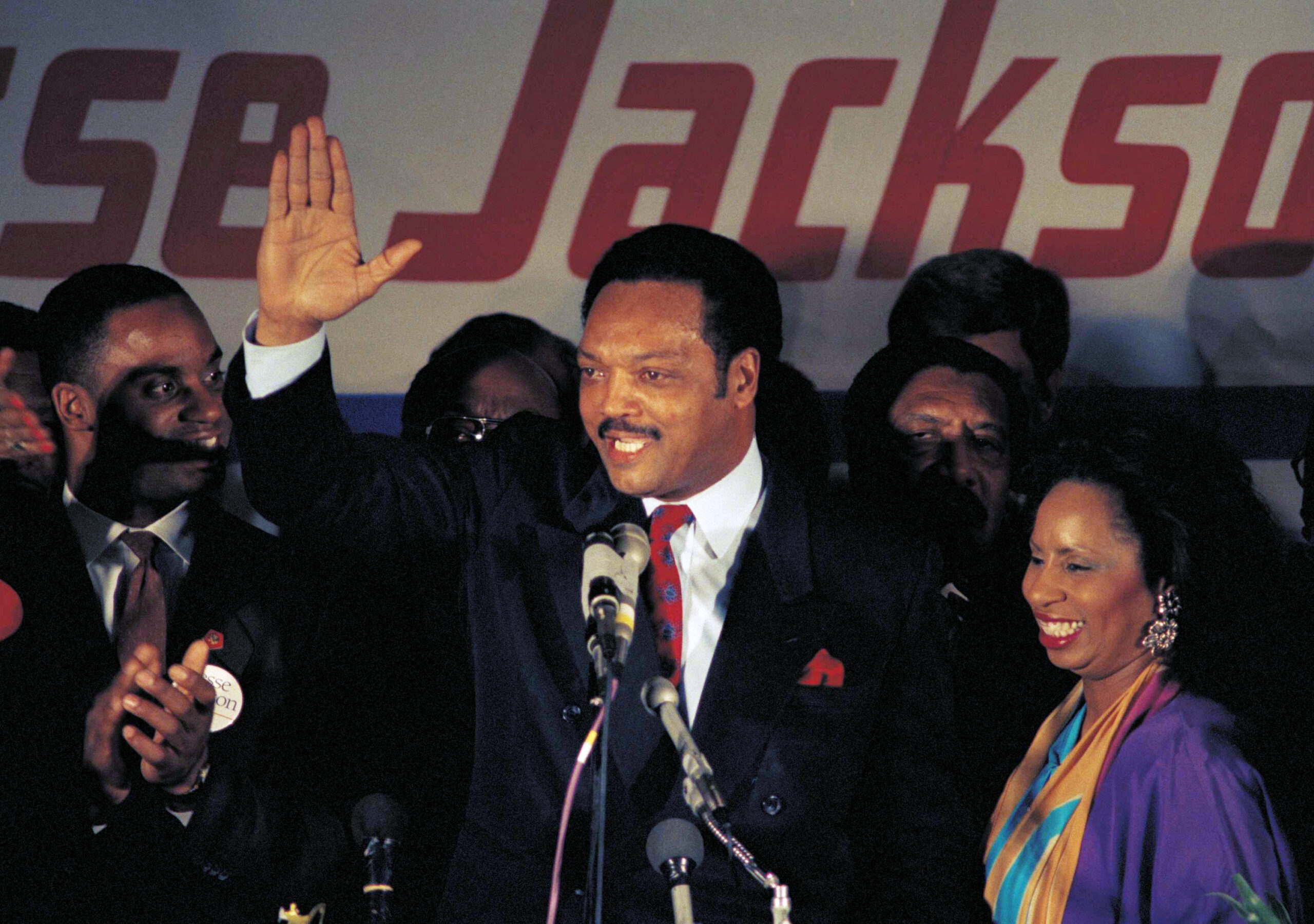
    The Rev. Jesse Jackson, with his wife, Jacqueline, concedes defeat in the Illinois Democratic primary on March 16, 1988, in Chicago.

    There was the revelation in 2001 that the Rev. Jackson had fathered a child with a woman other than his wife. There was the pain of seeing his son, Jesse Jackson Jr., a former congressman, plead guilty in 2013 to misspending $750,000 in campaign funds for personal use and being sentenced to 30 months in prison. Then, there were health issues. In 2017, the Rev. Jackson was diagnosed with Parkinson’s disease, a neurological disorder in which mobility and speech decline over time.

    Watching the Rev. Jackson in his final years, attending public events but barely able to move or speak, made you wish for a better summation of a life once so full of zest and vigor. But the Rev. Jackson has left behind vivid memories captured in print, video, and downloads of a man history should not forget. Memories of crowds screaming, “Run, Jesse, Run,” as the Rev. Jackson tried to fulfill a political dream left to be carried out by someone else. Thank God, Jesse did live to see that.

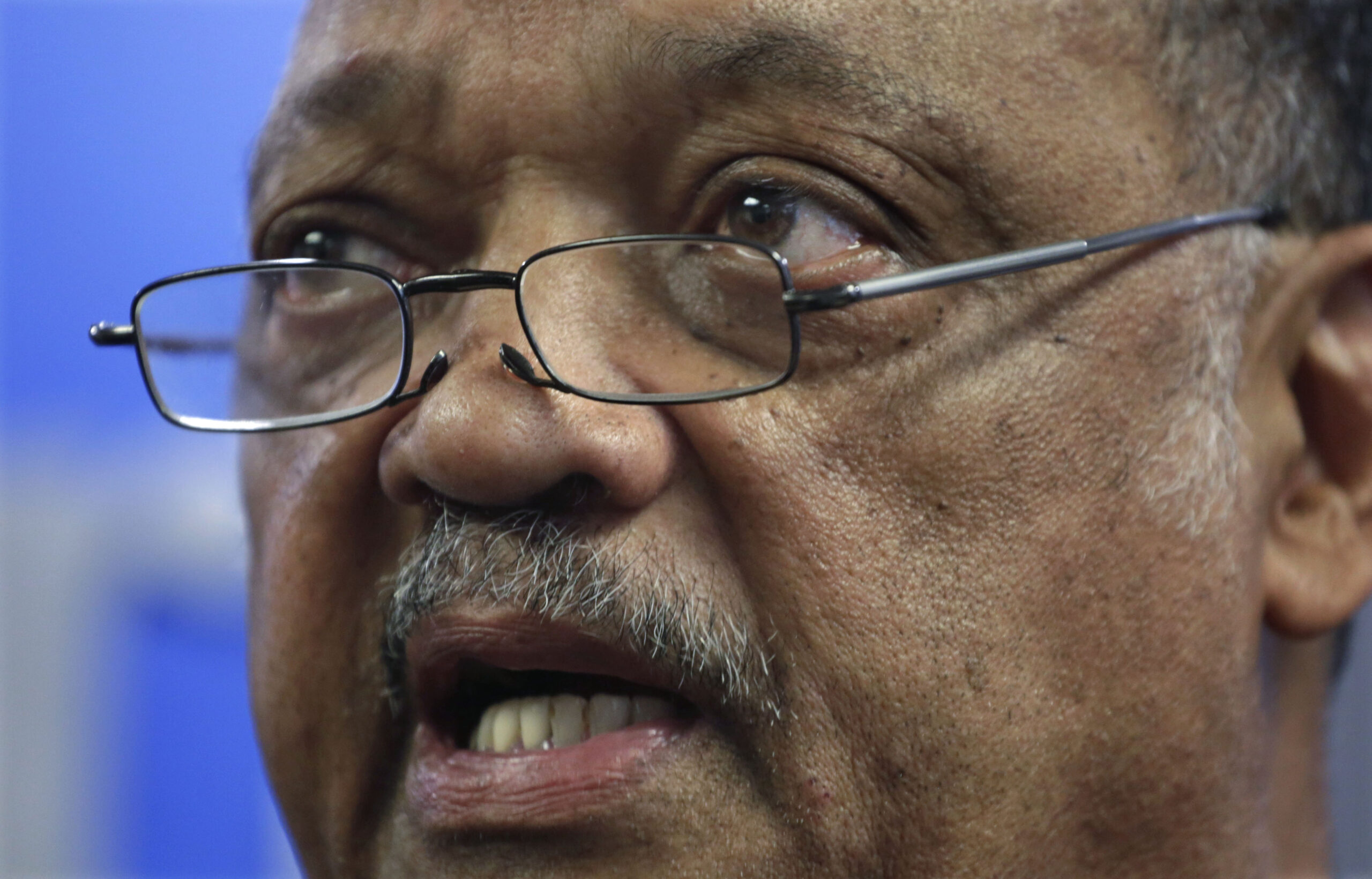
    Jackson speaks at a Chicago news conference in February 2015.
  • The President’s House court ruling is a crucial win for the power of truth | Editorial

    The President’s House court ruling is a crucial win for the power of truth | Editorial

    For one day at least, Donald Trump’s bigoted effort to whitewash history was foiled in Philadelphia.

    A federal judge ordered the Trump administration to restore the slavery exhibits that were removed last month from the President’s House in Independence National Historical Park.

    Fittingly, the legal rebuke came during Black History Month as Trump tries to rewrite America’s history of slavery, undermine voting rights, and rollback civil rights efforts designed to live up to the Founding Fathers’ vision of a country where all are created equal.

    Even better, the ruling came on Presidents Day, a federal holiday first set aside to honor George Washington, who voluntarily gave up power, unlike Trump, who was criminally indicted for trying to overturn an election he lost.

    In a poetic touch that feels conjured by Octavius V. Catto or William Still, the Trump administration lost in federal court on a lawsuit brought by the City of Philadelphia, which is headed by its first African American female mayor.

    The President’s House exhibit was created to recognize the enslaved people who lived in Washington’s home in Philadelphia while he was president. Like the nearby Liberty Bell and Independence Hall, the President’s House is an essential part of American history.

    Trump wants to airbrush the parts of American history that do not fit with his racist record and white supremacist messaging. But understanding how slavery shaped the economic, social, and political forces across the United States is crucial to addressing the systemic racism and inequality that persists today.

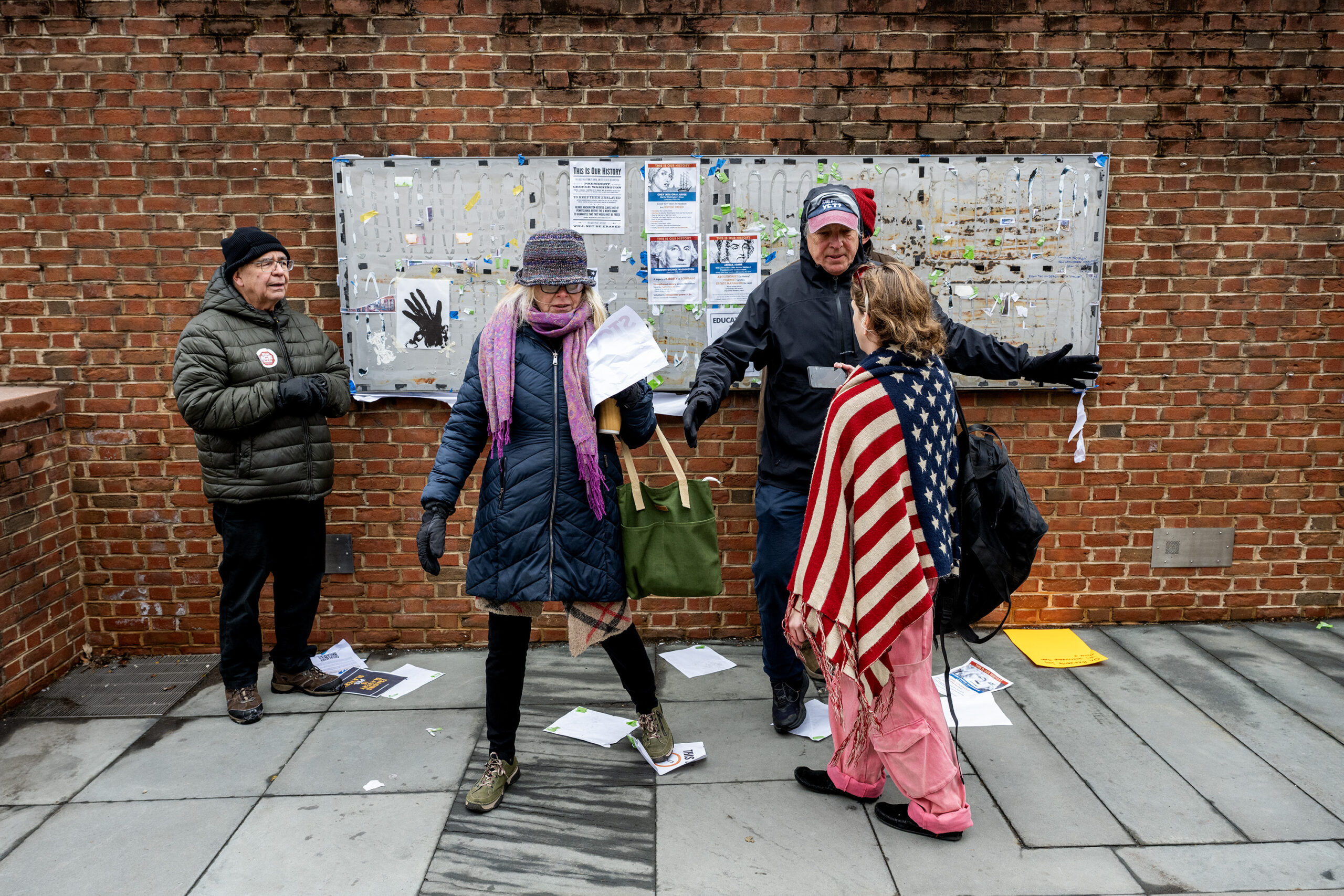
    Glenn Bergman (right) and Dianne Manning try to prevent a “counterprotester” from removing notes posted by visitors on the walls where the National Park Service removed panels about slavery at the President’s House site on Monday. The woman began ripping down the mostly handwritten signs while the group Avenging the Ancestors Coalition was gathered for an annual Presidents Day observance on the other side of the wall.

    U.S. District Judge Cynthia M. Rufe called out Trump’s cruel attempt to take the country backward in unsparing terms. She began her 40-page opinion by quoting directly from 1984, George Orwell’s dystopian novel about a totalitarian regime:

    “All history was a palimpsest, scraped clean and reinscribed exactly as often as was necessary. In no case would it have been possible, once the deed was done, to prove that any falsification had taken place.”

    She compared the Trump administration’s claim that it can unilaterally remove exhibits it does not like to Orwell’s Ministry of Truth.

    “As if the Ministry of Truth in George Orwell’s 1984 now existed, with its motto ‘Ignorance is Strength,’ this Court is now asked to determine whether the federal government has the power it claims — to dissemble and disassemble historical truths when it has some domain over historical facts,” Rufe wrote. “It does not.”

    Rufe, who was appointed to the federal bench by former President George W. Bush, did not buy the Trump administration’s authoritarian argument. “[T]he government claims it alone has the power to erase, alter, remove and hide historical accounts on taxpayer and local government-funded monuments within its control.”

    She added: “The government here likewise asserts truth is no longer self-evident, but rather the property of the elected chief magistrate and his appointees and delegees, at his whim to be scraped clean, hidden, or overwritten. And why? Solely because, as Defendants state, it has the power.”

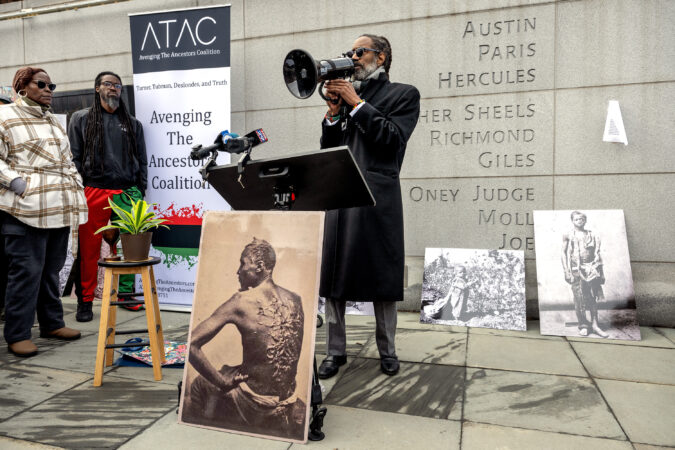
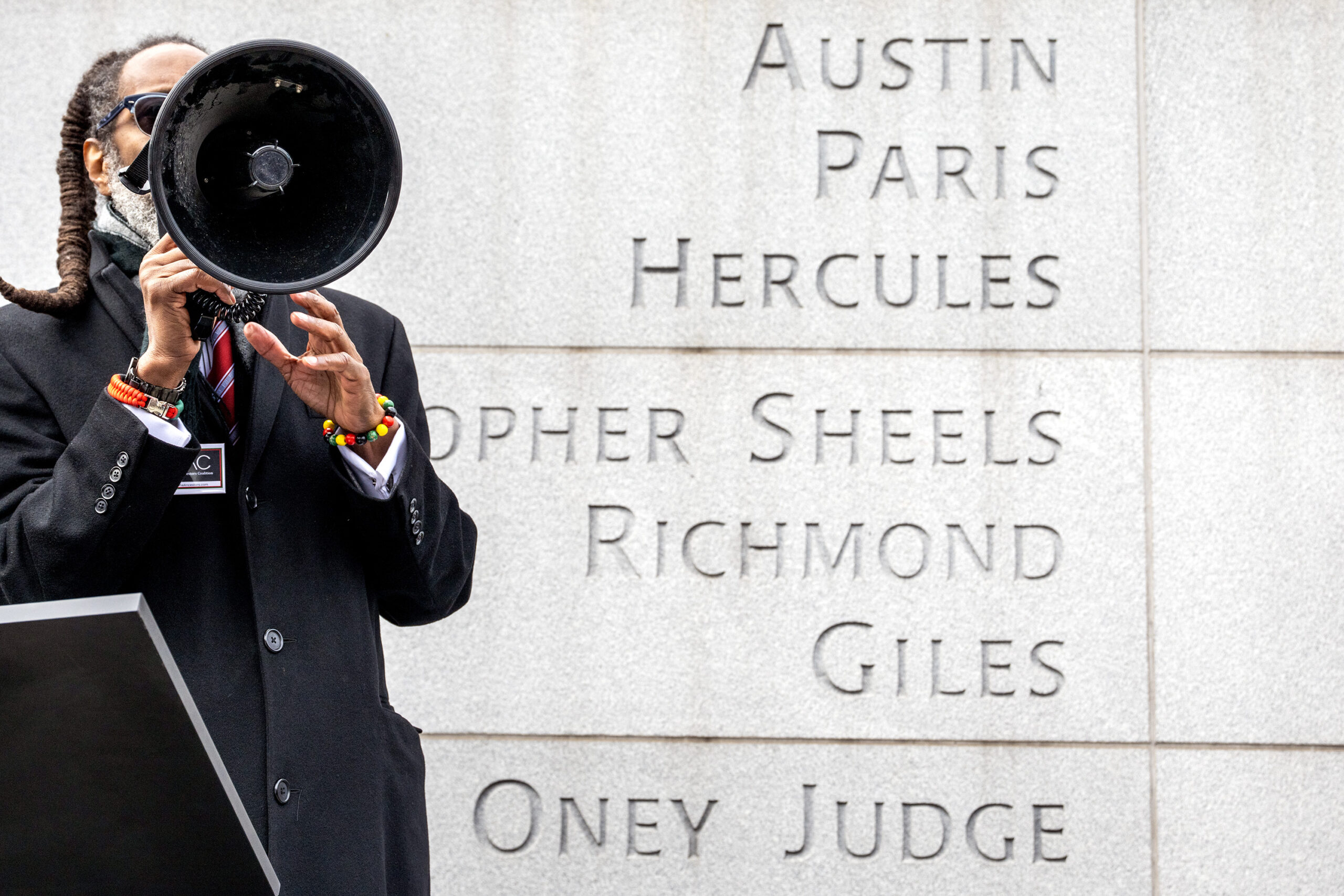
    Attorney Michael Coard, leader of the Avenging the Ancestors Coalition, speaks at the President’s House site Monday, during the group’s annual gathering for a Presidents Day observance.

    Rufe dismissed those claims and ordered the federal government to “restore the President’s House Site to its physical status as of January 21, 2026,” the day before the exhibits were removed.

    Initially, Rufe did not set a deadline to restore the displays. But she updated her order, requiring the exhibits to be restored by 5 p.m. Friday.

    The Trump administration will likely do everything it can to drag out a resolution.

    There is no time to waste in ending this racist charade.

    The country is celebrating the 250th anniversary of the signing of the Declaration of Independence. It is a national embarrassment that the President’s House exhibits are missing while the city expects 1.5 million visitors this year.

    Philadelphia is the birthplace of America. It is here that the founders declared their independence from King George III. Their list of grievances against the king echoes some of Trump’s abuses.

    Judge Rufe’s order struck a blow for telling the truth, something Washington would appreciate.

    “It is not disputed that President Washington owned slaves,” Rufe wrote. “Each person who visits the President’s House and does not learn of the realities of founding-era slavery receives a false account of this country’s history.”

    Somewhere, the enslaved who labored at the President’s House smiled.

    Say their names: Ona Judge, Hercules Posey, Moll, Giles, Austin, Richmond, Paris, Joe Richardson, Christopher Sheels, and William Lee.

  • Philadelphia taxpayers keep covering the high cost of patronage | Editorial

    Philadelphia taxpayers keep covering the high cost of patronage | Editorial

    If Mayor Cherelle L. Parker and City Council needed more convincing about why Philadelphia should no longer elect a register of wills, they now have $900,000 worth of reasons.

    That is the amount taxpayers have shelled out in recent years to settle lawsuits by former employees who refused to play the shopworn patronage game.

    This appalling waste would not happen if the city stopped electing a register of wills.

    There is no logical reason for this to be an elected position. It is a back-office function that issues marriage licenses, probates wills, and maintains records of residents who got married and died.

    In most world-class cities, such as New York and Los Angeles, a clerk or court office handles these mundane tasks. But in Philadelphia, the register of wills stands as a relic from the city’s corrupt and contented era of machine politics.

    The sooner the elected post goes away, the sooner Philadelphia can move into the modern era. The problem is that no elected official in a one-party town has the courage to do what is right by taxpayers and push to eliminate the so-called row offices, which include the register of wills and the sheriff, another elected post with a long history of corruption and inefficiency.

    Former Mayor Michael Nutter, who served from 2008 to 2016, was one of the few elected leaders in recent times who supported eliminating the row offices. He was successful in folding the obscure Clerk of Quarter Sessions office into the Philadelphia court system, but City Council refused to eliminate the other two row offices.

    In the past decade, there has been scant talk about reforming city government or increasing efficiency — even as Philadelphia’s budget ballooned by roughly 75%.

    The register of wills stands as Philly’s patronage poster child.

    For four decades, the office was run by Ron Donatucci and was staffed with ward leaders, committee members, friends, and family members connected to different power players in the Democratic Party.

    Tracey Gordon, former register of wills for the city of Philadelphia.

    In 2019, Donatucci was defeated by Tracey Gordon, who previously ran for City Council, city commissioner, and state representative. Things didn’t exactly improve.

    Gordon lasted only one term, but left taxpayers with a trail of lawsuits by former employees who said they were pressured to donate to her campaign.

    Last week, the city agreed to pay $250,000 to a former clerk who said he was fired for refusing to contribute $150 to Gordon’s campaign. Several other former employees received six-figure payments after filing similar complaints.

    Gordon told The Inquirer she “did nothing wrong.”

    Gordon was defeated in the 2023 Democratic primary by John Sabatina Sr., a ward leader from the Northeast. He began swapping out old patronage hires for new ones, which led to more lawsuits.

    The city has paid out $256,000 in settlements to nine former register of wills employees who filed lawsuits alleging Sabatina fired them.

    Five cases are still pending, which means taxpayers will keep paying.

    This Editorial Board has long called for the elimination of the register of wills and the sheriff’s office, moves that would save the city tax dollars and unending embarrassment.

    The Committee of Seventy and the Pennsylvania Intergovernmental Cooperation Agency both issued reports in 2009 calling for the elimination of row offices. (The title of one was “Needless Jobs.” The title of the other was “A history we can no longer afford: Consolidating Philadelphia’s Row Offices.”)

    But until voters demand change, the inefficient patronage system will grind on.

  • As nonprofits face growing pains, the city must be careful with taxpayer money | Editorial

    As nonprofits face growing pains, the city must be careful with taxpayer money | Editorial

    Amid the surge in murders and shootings that plagued Philadelphia following the pandemic, City Hall directed millions of dollars to dozens of nonprofits to try to stem the violence.

    But an Inquirer investigation in 2023 found the city’s $22 million anti-violence program devolved into a politicized process that steered funding to nascent nonprofits that were unprepared to manage the funds. A city controller’s report the following year backed the reporting.

    Now, along comes another Inquirer investigation, this time detailing the rapid rise and financial struggles of a nonprofit that received millions in taxpayer funds from the same program.

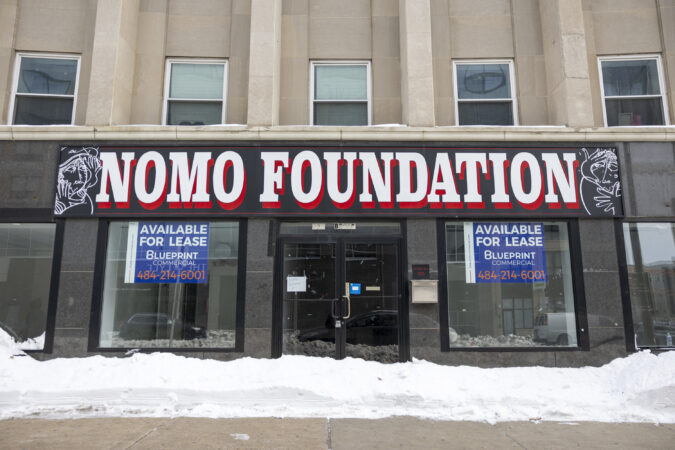
    Soon after the nonprofit New Options More Opportunities, known as NOMO, received a $1 million grant to combat gun violence in 2021, city grant managers raised red flags about the lack of financial records and controls, the recent investigation by Inquirer reporters Ryan W. Briggs and Samantha Melamed found.

    The story detailed a number of issues surrounding NOMO, including multiple eviction filings, an IRS tax lien, and five lawsuits regarding unpaid rent. But even as problems mounted, money from city, state, and federal sources continued to flow.

    In a lengthy statement to the Editorial Board, Rickey Duncan, NOMO’s executive director, denied any wrongdoing. He said that NOMO “faced difficulties” several years ago, but they have been addressed. He stressed that all the funds received by his organization had been properly spent.

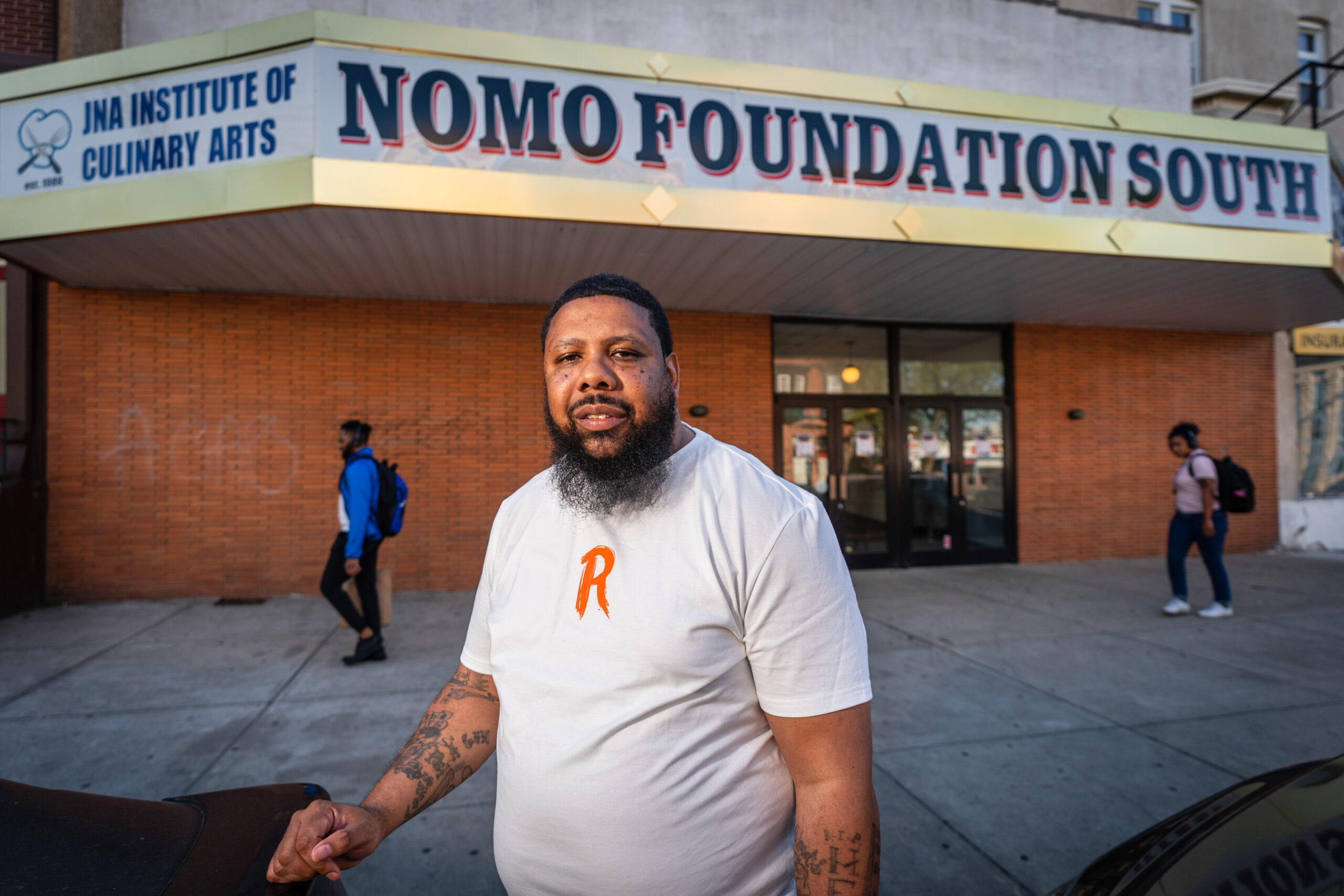
    Rickey Duncan, the CEO and executive director of the nonprofit New Options More Opportunities, or NOMO, on South Broad Street, in 2023.

    Since 2020, NOMO has received roughly $6 million in city, state, and federal funds. Duncan’s salary has increased from $48,000 to $145,000. His profile grew, as well: In November 2023, Mayor-elect Cherelle L. Parker named Duncan, a former volunteer at NOMO before he began leading the group, to her transition team.

    According to The Inquirer investigation, NOMO was one of only two organizations in 2021 to get the maximum grant of $1 million, which was roughly triple its operating budget. The report found that a nonprofit the city contracted to manage the grant program raised immediate concerns that NOMO provided no balance sheet or audited financial statement.

    Over the years, NOMO expanded its gun violence prevention efforts to include youth after-school programs and a short-lived affordable housing initiative.

    At one point, NOMO leased an apartment complex near Drexel University’s campus at a cost of more than $500,000 a year. But it appears no one questioned how the housing plan fit with the organization’s core anti-violence mission, according to The Inquirer report.

    In fact, the city tried to give NOMO more money. Last year, the city wanted to award NOMO a $700,000 contract for homelessness prevention, but the organization couldn’t meet the conditions, so the funds were not disbursed.

    In January 2025, the city drew the line when Duncan tried to get reimbursed $9,000 for season tickets to the Sixers. He said the tickets were “an innovative tool for workforce development.”

    But a grant program manager responded: “Season tickets to the Sixers are not an acceptable programmatic expense.”

    From left, Rickey Duncan, Dawan Williams, and Rasheed Jones discuss a T-shirt design during a workshop on how to create clothing designs hosted at the NOMO Foundation in October 2021.

    The entire saga may underscore the need for stronger vetting and oversight of fledgling organizations that are well-intended but lack the practical experience to manage a program entrusted with hundreds of thousands of taxpayer dollars.

    Adam Geer, Philadelphia’s chief public safety director, stressed in an interview with the Editorial Board that the Parker administration has implemented stronger oversight and support systems that did not exist when the initial anti-violence grants began.

    He said those safeguards helped flag problems and put a stop to some of the spending that concerned city officials. Geer conceded there were “growing pains” when the anti-violence program launched, but he argued that nonprofits like NOMO played a key role in the steep drop in shootings in Philadelphia.

    Duncan defended his organization’s anti-violence track record.

    “There’s a reason why the city has continued to support the work NOMO is doing,” he wrote. “We are having a real, positive impact on people’s lives.”

    Indeed, gun violence prevention programs can work — but the organizations charged with putting them in place must have the proper screening, support, and oversight.

  • Opening a burger place in Fishtown shouldn’t be that hard | Editorial

    Opening a burger place in Fishtown shouldn’t be that hard | Editorial

    Delaware Avenue used to be Philadelphia’s party district. During the 1990s, when nightclub culture was in full swing, people flocked to riverfront venues like Egypt and Maui. While patrons enjoyed the riverfront’s dance era, many of the people living nearby did not.

    With the assistance of their district councilperson, Frank DiCicco, neighbors in Northern Liberties and Fishtown instituted restrictions in 2002 on what kind of businesses could operate in the area. This meant new bars and restaurants adjacent to the nightclub zone would have to go to the city’s zoning board for approval.

    These days, club culture has faded. Young people are staying home, drinking less, and dancing is done on TikTok. Yet, the restrictive zoning rules remain — out of step with the neighborhood’s current needs and realities.

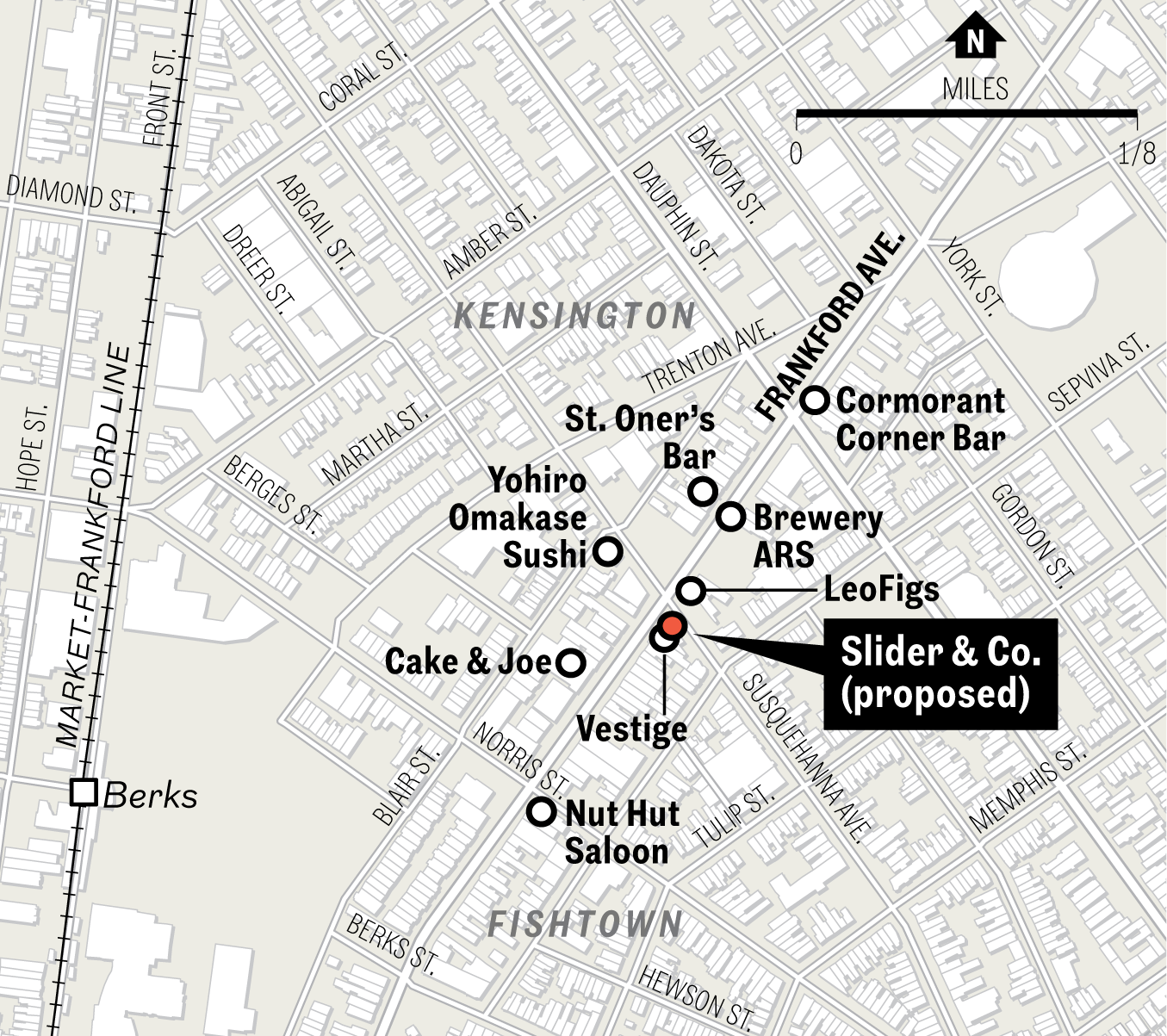
    Take the new bar and restaurant proposed by the Slider Co. for a building at 2043 Frankford Ave. in Fishtown. Since the restriction affects any establishment that serves food or drinks, the business has been mired in red tape that has so far cost owners more than $40,000 in fees and six months in delays, according to reporting by The Inquirer’s Jake Blumgart.

    Even after prevailing recently at the Zoning Board of Adjustment, the eatery could still face further delays — and more legal fees — if an appeal is filed.

    These obstacles are a self-imposed limit on prosperity for Philadelphia.

    The city’s onerous wage and business taxes are often cited as a reason for the lack of economic growth, paucity of businesses, and stagnant job market. Having these zoning restrictions on the books contributes to these problems — without even the benefit of helping to fund city services. Instead, the tens of thousands in legal fees and rent payments go directly to local law firms and landlords.

    It is also inherently unfair. With no objective standards, entrepreneurs are forced to defend themselves against vague arguments. A potential neighbor of the Slider Co. argued to the zoning board that a bar and restaurant would be out of character for the corridor. Never mind that the area is already home to LeoFigs, a winery and restaurant, St. Oner’s restaurant, and Brewery ARS. This incongruity led some neighbors to allege that opposition may be based on race. The Slider Co.’s owners are Black, and most of Fishtown is not.

    Locator map of bars and restaurants along Frankford Avenue in Fishtown and Kensington.

    Over time, maintaining these kinds of zoning restrictions incentivizes the growth of the kind of national franchises that can afford to go through the process, as opposed to the scrappy local options that lack the resources needed to wait out the delays. This board has long opposed the proliferation of these types of limits, as well as the tradition of councilmanic prerogative that makes them possible.

    Given City Council is unlikely to give up prerogative — the tradition of allowing district Council members to control land use in their districts — or to stop adopting zoning restrictions anytime soon, one way they can mitigate some of the resulting bureaucratic entanglement for future Philadelphians is to enact a sunset provision.

    Attaching an expiration date to zoning restrictions would change the conversation.

    Instead of asking why a zoning overlay should be repealed, policymakers would ask why it should be extended. In some cases, antiquated restrictions may simply disappear. After all, the nightclub restriction along Delaware Avenue is not the only one that could use a refresh.

    In much of South Philadelphia, residents are prohibited from adding a third story to their homes without including an 8-foot setback. Beyond making for some truly ugly streetscapes, the requirement also makes the high cost of adding a floor futile by eliminating a sizable chunk of the new square footage. This restriction was passed with the aim of preventing gentrification, but instead, it just makes it harder for families to rightsize their homes for the remote work era.

    Creating a sunset clause doesn’t stop Council members from protecting their communities from unwanted changes; it just allows Philadelphia the chance to evolve with the times.

  • Bad Bunny vs. Trump in a battle of love and hate | Editorial

    Bad Bunny vs. Trump in a battle of love and hate | Editorial

    It says a lot about the state of affairs when a Puerto Rican singer and rapper does more to unify the country in about 13 minutes than the president of the United States has done in the past 13 months.

    Bad Bunny’s halftime performance at Super Bowl XL was all about love, while Donald Trump’s return to the Oval Office is focused on hate.

    Bad Bunny’s joyful celebration of unity, diversity, and togetherness was a needed respite from Trump’s cruelty, retribution, and division.

    Even though many of the more than 135 million viewers may not have understood the words Bad Bunny sang in Spanish, just about everyone could feel the positive vibe and communal celebration that showcased dancing, hard work, urban street life, family — and a wedding.

    Bad Bunny’s ode to Puerto Rico was a reminder that we are neighbors, not enemies. More broadly, the United States is part of the American continent that includes Canada, Mexico, Central America, South America, the Caribbean, and Greenland.

    We are all stronger when we work together than when we are at each other’s throats.

    Bad Bunny’s positive message stood in stark contrast to the president’s relentless serving of hate that is dividing and weakening the country.

    Just last week, Trump posted a racist video on his social media account that depicted former president and first lady Barack and Michelle Obama as apes.

    In case anyone needed a reminder that Trump has been a stone-cold racist throughout his life, he refused to apologize for the vile meme.

    Eventually, he removed the post after several — but not many — GOP officials called out the blatant racism. The bipartisan backlash is a reminder that it will only take a few good Republican men and women to stop Trump’s attack on America’s institutions and its people.

    Trump’s racist meme about the Obamas came on the heels of a racist and misleading move by the White House that posted a digitally altered image of a Black woman who was arrested while demonstrating against the unlawful actions of U.S. Immigration and Customs Enforcement agents in Minneapolis.

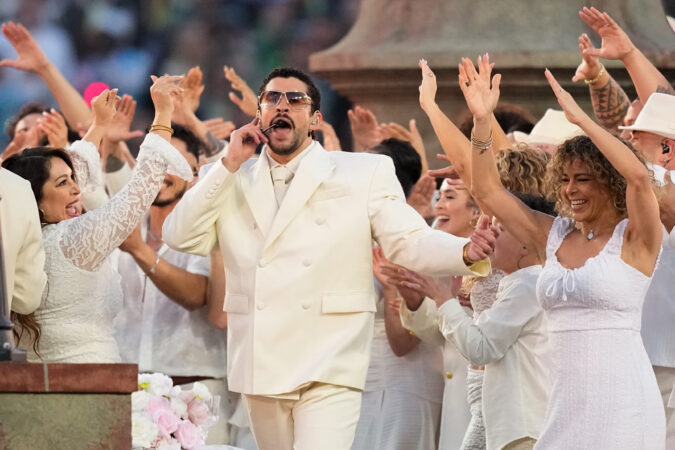
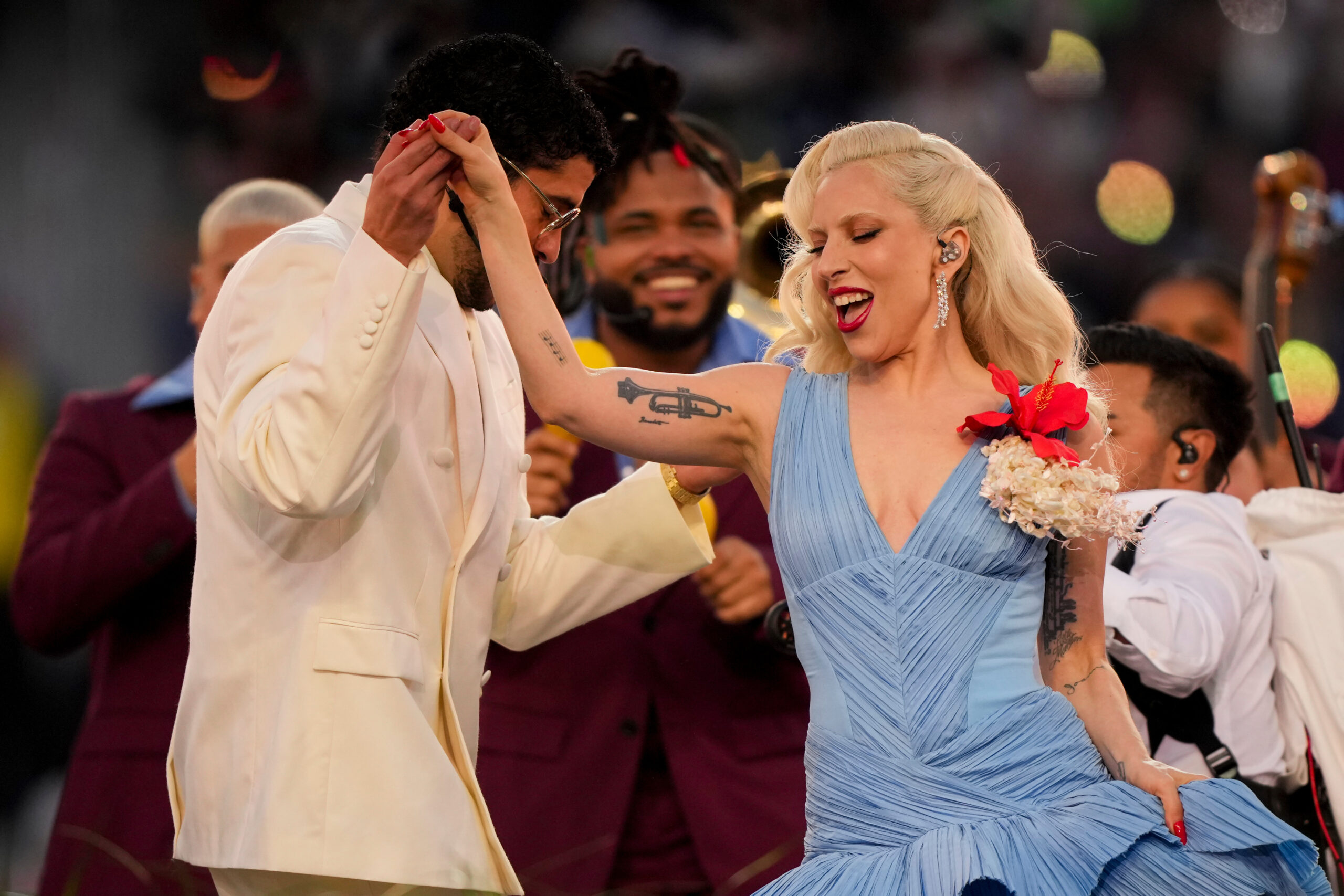
    Bad Bunny and Lady Gaga perform during the Super Bowl halftime show Sunday.

    The image released darkened Nekima Levy Armstrong’s skin and showed her sobbing, though the real picture depicted her as composed. Such detestable propaganda is how the Trump administration spends your tax dollars.

    Trump is not a serious president.

    As much of the country remained in a deep freeze, he spent his 20th weekend at his estate in Palm Beach, Fla., since returning to office last year.

    He played golf with lackey Sen. Lindsey Graham (R., S.C.), and fired off more than 50 social media posts whining about rigged elections (still), the halftime show, and a U.S. Olympic skier he called a “loser” after the athlete expressed “mixed emotions” about representing the country amid Trump’s politics of upheaval.

    The only thing Trump is serious about is enriching himself while many Americans struggle to make ends meet.

    An updated accounting by the New Yorker magazine found Trump and his family leveraged his return to the White House to increase their wealth by $4 billion.

    Lost in all the recent outrages from the Jeffrey Epstein files to Greenland to shooting citizens in Minneapolis was a Wall Street Journal story that detailed how a member of the United Arab Emirates royal family known as the “spy sheikh” invested $500 million to buy 49% of a crypto start-up founded by the Trump family.

    The crypto deal came together as the Trump administration agreed to give the Emirati government hundreds of thousands of advanced computer chips to power artificial intelligence technology — a deal the Biden administration rejected out of national security concerns that the chips could be shared to help China advance its military weapons systems.

    About 70% of Americans believe the country is “out of control” under Trump.

    Many are fed up with his mismanagement of the economy that has resulted in higher prices and fewer jobs — in addition to defying courts, prosecuting political opponents, arresting citizens, deporting immigrants, and stifling free speech.

    The landslide special election victory of a Democrat in a deep-red district in Texas shows voters are putting community before party.

    Then along came Bad Bunny to remind America that love trumps hate.

  • Philadelphia school closure proposal is not perfect, but it is necessary | Editorial

    Philadelphia school closure proposal is not perfect, but it is necessary | Editorial

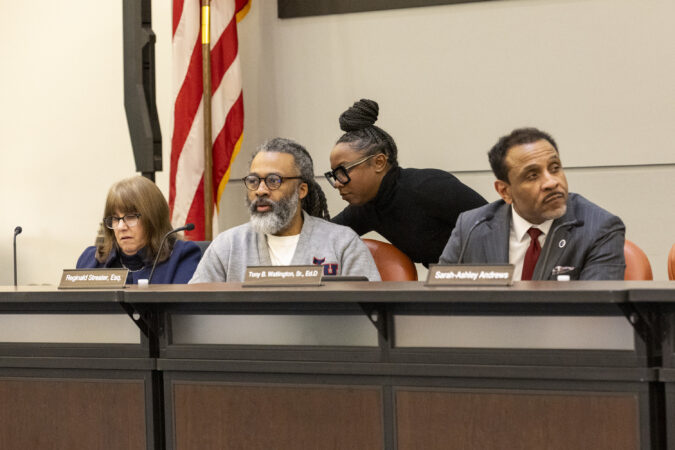
    Superintendent Tony B. Watlington Sr.’s facilities master plan — which includes 20 school closures and comes with a $2.8 billion price tag over 10 years — has attracted serious criticism. But while the proposal requires fine-tuning, and officials must work to earn Philadelphians’ trust, Watlington is wisely pushing to modernize and rightsize the district.

    The need for a facilities plan is clear.

    The average school building in Philadelphia is over 70 years old. More than simply being timeworn and out of date, the district’s buildings frequently contain environmental hazards like asbestos, and staff struggle to maintain older bathrooms and heating systems. In total, the cost of fully updating the district’s facilities is an estimated $10 billion, which is money the district simply doesn’t have.

    Meanwhile, many children attend classes in buildings meant for several times the number of students currently enrolled. Others have been forced to use trailers due to overcrowding. Some institutions lack key enrichment programs, like art or music.

    Unlike the downsizing in 2013, when Superintendent William R. Hite Jr. closed over 20 schools in a desperate bid to stave off a fiscal crisis, Watlington’s plan comes with some clear benefits to students, families, and educators.

    The city plans to open new schools (in part by using empty space in existing buildings), expand access to criteria-based middle school programs, create additional career and technical education pathways at neighborhood high schools, and update recreational and performance spaces. These investments lean into the district’s relative strengths. Suburban schools may have more resources, but they don’t have options like the Philadelphia High School for Creative and Performing Arts, George Washington Carver High School of Engineering and Science, or Central High School.

    The plan, of course, is not perfect. One proposal the district should reconsider, for example, is the relocation of Lankenau High School. The facilities plan recommends relocating Lankenau to Roxborough High School, which would make it difficult to offer many of its nature-oriented programs. The district may be better off keeping Lankenau and closing Roxborough, which has just over 600 students and test scores that are lower than district-wide averages.

    Grace Keiser, 27, of Norristown, a math teacher at Lankenau High School, holding a “Save Lank” sign during a rally outside the Philadelphia School District in January.

    Another reason to reconsider closing Lankenau is the fact that some of the school’s struggles are the result of district decisions. The poorly executed revamp of admissions at the city’s criteria-based, or magnet, high schools led to recruiting struggles at many of the district’s most well-regarded institutions. Beyond Lankenau, CAPA and Girls’ High also experienced a dip in enrollment. For the school to experience another drastic change would be a step backward.

    Another criticism of the plan is that it will impact predominantly Black schools and neighborhoods disproportionately. This is partly a reaction to trends that are far outside the district’s control. Since the 2014-15 school year, there are around 20,000 fewer Black students in traditional public schools. Another factor is the rise of charter and cyber schools, which educate nearly 80,000 students in Philadelphia. As this board wrote in 2024, “threading this needle might be the most daunting part of the job” when it comes to reorganizing the district’s schools.

    The facilities plan has attempted to soften the blow by including a neighborhood vulnerability score. Without it, the plan would likely recommend more closures in predominantly Black neighborhoods.

    Some of the outrage over the plan has less to do with the specifics of the proposal and more to do with the district’s deficit of goodwill among residents. After the 2013 closures, many educators noted an uptick in behavioral issues, and the financial savings failed to fully materialize. It is important to note, however, that while this plan is constrained by fiscal realities, it was not created in reaction to them. The goal is not to save money, but to improve buildings and programs for students.

    Each building that the district transfers to the city for new usage eliminates millions of dollars’ worth of overdue maintenance and upgrades. Given the nearly $30 million cost to renovate and remediate asbestos at Frankford High School, reducing the district’s capital needs by shrinking its physical footprint is the right call. It creates fiscal space for the district to invest in programs that are succeeding.

    No one cheers for the closure of schools, but Watlington’s plan offers students across the city access to better facilities and better programs. After some revisions, it should move forward.

  • A court was right to stop the sale of its water system, but Chester still needs help | Editorial

    A court was right to stop the sale of its water system, but Chester still needs help | Editorial

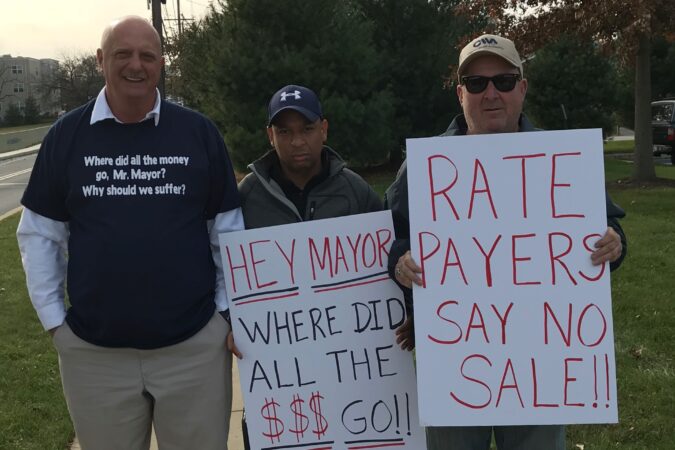
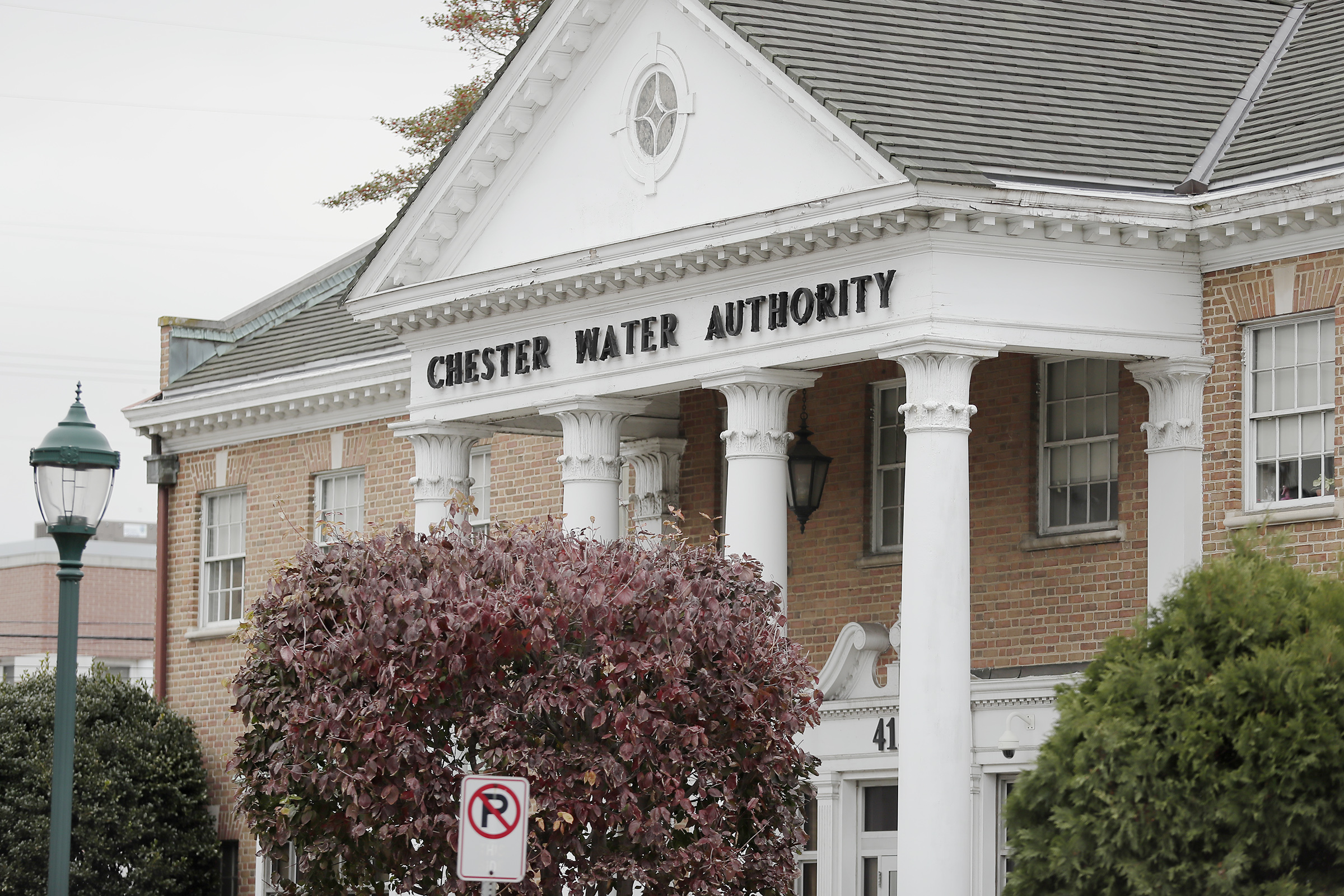
    The recent state Supreme Court ruling that a receiver can’t unilaterally sell the Chester Water Authority to a for-profit company was a big win for its customers. But it complicated a plan to use the sale to bail out the city of Chester.

    While the court ruling is the final word on the sale, there is more to be done to safeguard utility customers across the commonwealth and help the residents of Chester.

    The best way to protect all utility customers in Pennsylvania would be for the General Assembly to repeal Act 12. The misguided legislation, spearheaded by lobbyists, opened the door in 2016 for the sale of municipal water and sewer systems.

    The law was supposed to help distressed utility systems. Instead, for-profit companies have largely purchased well-run systems and massively and routinely increased the rates that customers pay.

    Since Aqua Pennsylvania purchased the sewer system in New Garden Township in Chester County in 2020, for example, residents have seen their rates increase 200%, according to a consumer group fighting the sales. Other cities and towns have seen their bills go up by 100% or more.

    In short, Act 12 has failed to accomplish what it was allegedly designed to do.

    To his credit, State Sen. John Kane, a Democrat who represents parts of Chester and Delaware Counties, has proposed repealing Act 12, but few lawmakers in Harrisburg are brave enough to stand up to the influential for-profit water companies.

    Short of a repeal, lawmakers must reform Act 12. At the very least, the law should be amended to require that the sale of any public utility be put to a vote. The residents who pay for the utility should decide whether to sell it, not the local politicians. If residents approve a sale, the utility should be put out to a public bid and not negotiated in private.

    Such reforms, while not perfect, would give residents some protection from local elected officials selling off public utilities for short-term gains without their input.

    The Chester City Council voted in 2021 to sell the Chester Water Authority to Aqua Pennsylvania for $410 million. In January, the state Supreme Court ruled the sale could not go through.

    The court was right to rule that the city of Chester could not sell the water authority. After all, the authority serves roughly 200,000 people in more than 30 municipalities across Chester and Delaware Counties.

    It is understandable that the city wanted to sell the water authority. The City of Chester, which has about 34,000 residents, filed for Chapter 9 bankruptcy in 2022.

    Aqua offered to buy the water authority in 2017 for $320 million. Two years later, the for-profit company increased its offer to $410 million.

    The board that oversees the water authority unanimously rejected the offer, but the city council in Chester viewed the sale as a way out of its financial problems.

    But any short-term gain for the city would likely have resulted in a sharp increase in water bills for customers. This would have put more financial stress on residents in Chester, which has a poverty rate of 30%, making it one of the poorest municipalities in the state.

    Residents in Chester and Delaware Counties would have also seen steep increases in their water bills. The water authority is already well run, so there is little to be gained by a sale.

    However, the court’s ruling leaves the city of Chester in a bind. There is a vehicle in place to help Chester. Act 47, known as the Municipalities Financial Recovery Act, supplies funding to help municipalities in financial distress.

    The city of Harrisburg, the city of Chester, and the borough of Newville are already part of the Act 47 program. State lawmakers should increase funding for Act 47 to help the commonwealth’s distressed municipalities.

    That is the best solution to a thorny problem. It also avoids the sale of public utilities that will only result in bigger bills coming due for ratepayers.

    Just ask the residents in New Garden and other towns whose local elected officials sold them out to for-profit companies.

  • Officials should be ready to protect Philadelphia from Trump’s immigration overreach | Editorial

    Officials should be ready to protect Philadelphia from Trump’s immigration overreach | Editorial

    The killings, assaults, and gaslighting by the Trump administration in Minneapolis have been heart-wrenching and appalling.

    But the costly chaos has also raised a difficult question: Is Philadelphia prepared if Donald Trump launches an immigration crackdown here?

    Mayor Cherelle L. Parker has largely remained mum on all things Trump. She believes non-provocation is the best way to keep the peace. Given the president’s erratic approach to governing, that strategy may work until something as inane as a Fox News segment sets him off.

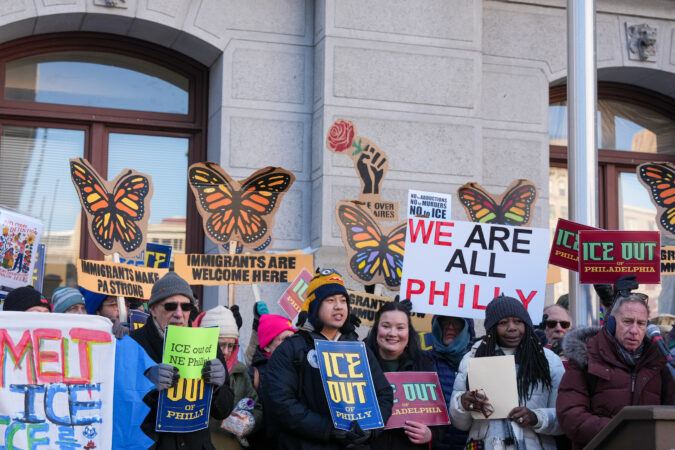
    That’s why two progressive City Council members, Kendra Brooks and Rue Landau, want the city to do more. They proposed a package of bills designed to make it harder for Trump’s U.S. Immigration and Customs Enforcement agents to operate in Philadelphia.

    If approved, the measures would codify into law the existing practices that limit cooperation with immigration enforcement agents, which are currently in place through executive orders by previous mayors. Those orders prohibit city officials from holding undocumented immigrants in custody without a judicial warrant, among other things.

    The Council bills would go further by barring ICE agents from wearing masks, using city-owned property for staging raids, or accessing city databases.

    The measures seem well-intended, but Parker administration officials doubt they will withstand legal challenges. Nor does Parker welcome anything that may irk Trump.

    Tear gas is deployed amid protesters near the scene where Renee Good was fatally shot by an ICE officer in Minneapolis.

    “Our strategy is working, and it’s keeping Philadelphia safe from all this nonsense,” an administration official who asked not to be identified told the Editorial Board.

    Some argue the mayor’s silence signals complicity, and is cold comfort for the city’s estimated 76,000 undocumented immigrants, or the many others who have legal status but still fear harassment — a perfectly rational concern given how ICE under the Trump administration has conducted itself so far.

    Beyond the murders of two U.S. citizens in Minneapolis, everyone has watched federal agents act with violent impunity in the name of purportedly going after the “worst of the worst” undocumented immigrants.

    Armed ICE agents entered a U.S. citizen’s home without a warrant and took him away in his underwear. Masked agents dragged a woman from her car and detained innocent children.

    More than 170 U.S. citizens have been detained by ICE, including one man with a Real ID who was arrested twice during immigration raids at construction sites in Alabama.

    More than 30 immigrants have died in ICE custody. The causes of death include homicide, seizure, and suicide.

    Hundreds of thousands more have been deported, often without due process enshrined in the Fifth and 14th Amendments. Meanwhile, protesters have been shot, assaulted, and pepper-sprayed in violation of their First Amendment rights.

    Given the stakes, Philadelphia would best be served if the mayor and Council put aside political differences and figured out how to marshal a unified plan that protects all residents from Trump’s overreach.

    It would be even better if state and city leaders developed a plan together in case Trump sends the National Guard or ICE agents to Philadelphia.

    The Shapiro administration has engaged in “tabletop exercises” to simulate what a federal incursion would look like, a spokesperson told the Editorial Board, adding that the governor speaks often with the mayor.

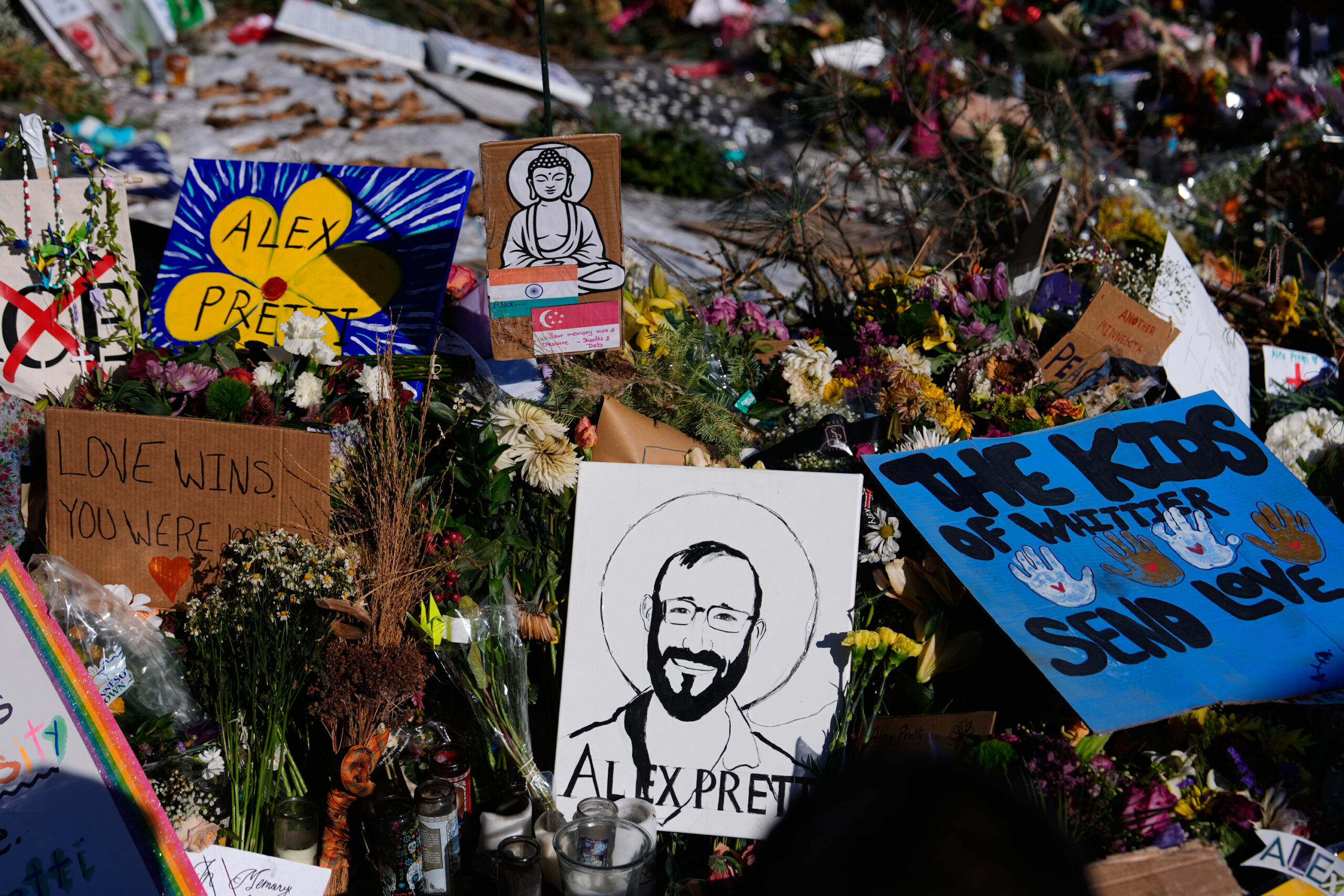
    A drawing of Alex Pretti is displayed at the scene where 37-year-old Pretti was fatally shot by a U.S. Border Patrol officer in Minneapolis.

    Gov. Josh Shapiro has sued the Trump administration 19 times to protect federal funding for critical programs and other issues, including stopping the unlawful deployment of the National Guard into cities.

    While Trump has somewhat dialed down the rhetoric in the face of broad pushback following the killing of Alex Pretti by Border Patrol agents, he has shown no sign of ending his misguided and unconstitutional immigration crackdown. That is even more reason why other leaders must develop a plan to stop the madness.

    The governor of Illinois and the mayor of Chicago were successful in going to the U.S. Supreme Court and getting Trump to withdraw National Guard troops. While cities and states can only go to court after Trump oversteps his authority, it is never too early to prepare.

    Democratic lawmakers in other states have proposed a variety of measures to limit and prevent Trump’s heavy-handed immigration tactics.

    A bill in Delaware, modeled after one in New York, would prohibit airlines from receiving jet fuel tax exemptions if they transport people detained by ICE without warrants and due process.

    A proposed measure in Colorado would allow individuals to sue federal law enforcement officials for civil rights violations.

    In a reminder of just how divided the country remains, lawmakers in some red states have proposed measures to ensure local officials cooperate with ICE.

    A bill in South Carolina would require county sheriffs enter into formal agreements to work with ICE, while a measure in Tennessee would require schools to check the immigration status of K-12 students.

    It’s beyond head-spinning that any reasonable person — let alone elected officials sworn to uphold the Constitution — could watch how ICE is operating and want more.

    Enough is enough. As the country prepares to celebrate the 250th anniversary of the Declaration of Independence, city and state officials here must work on a unified plan to ensure everyone is free to pursue life, liberty, and happiness.