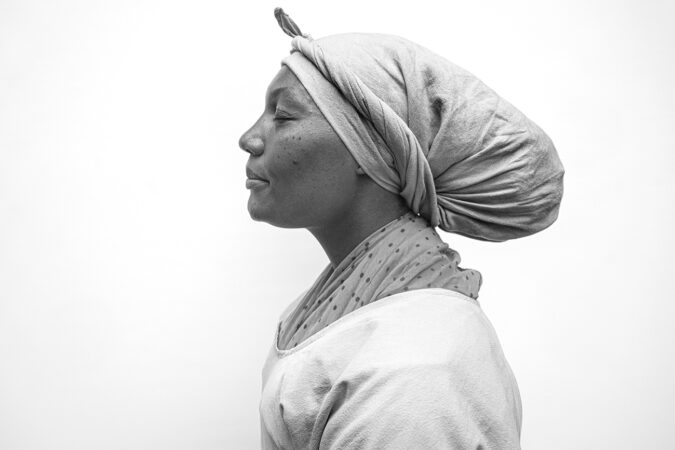
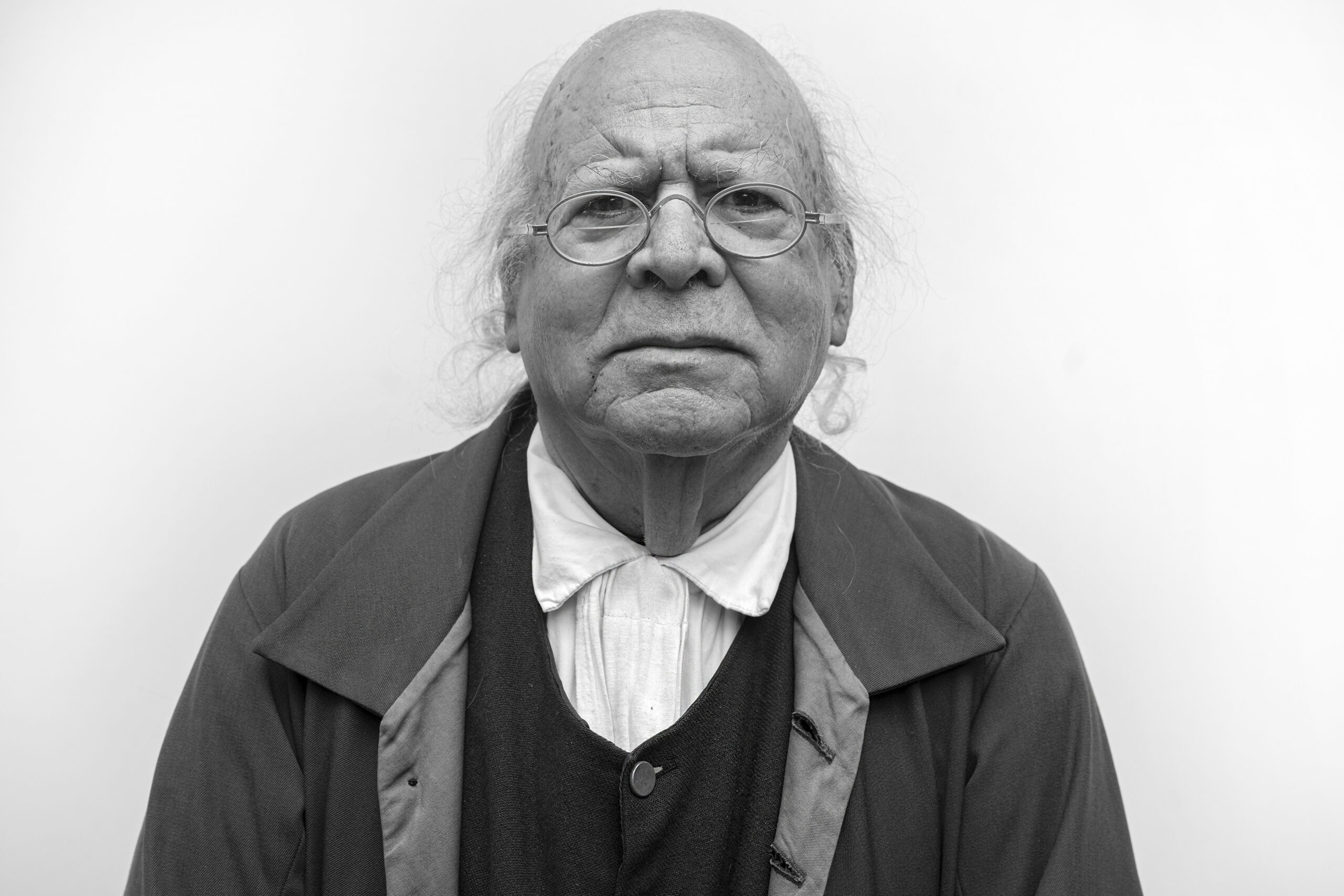
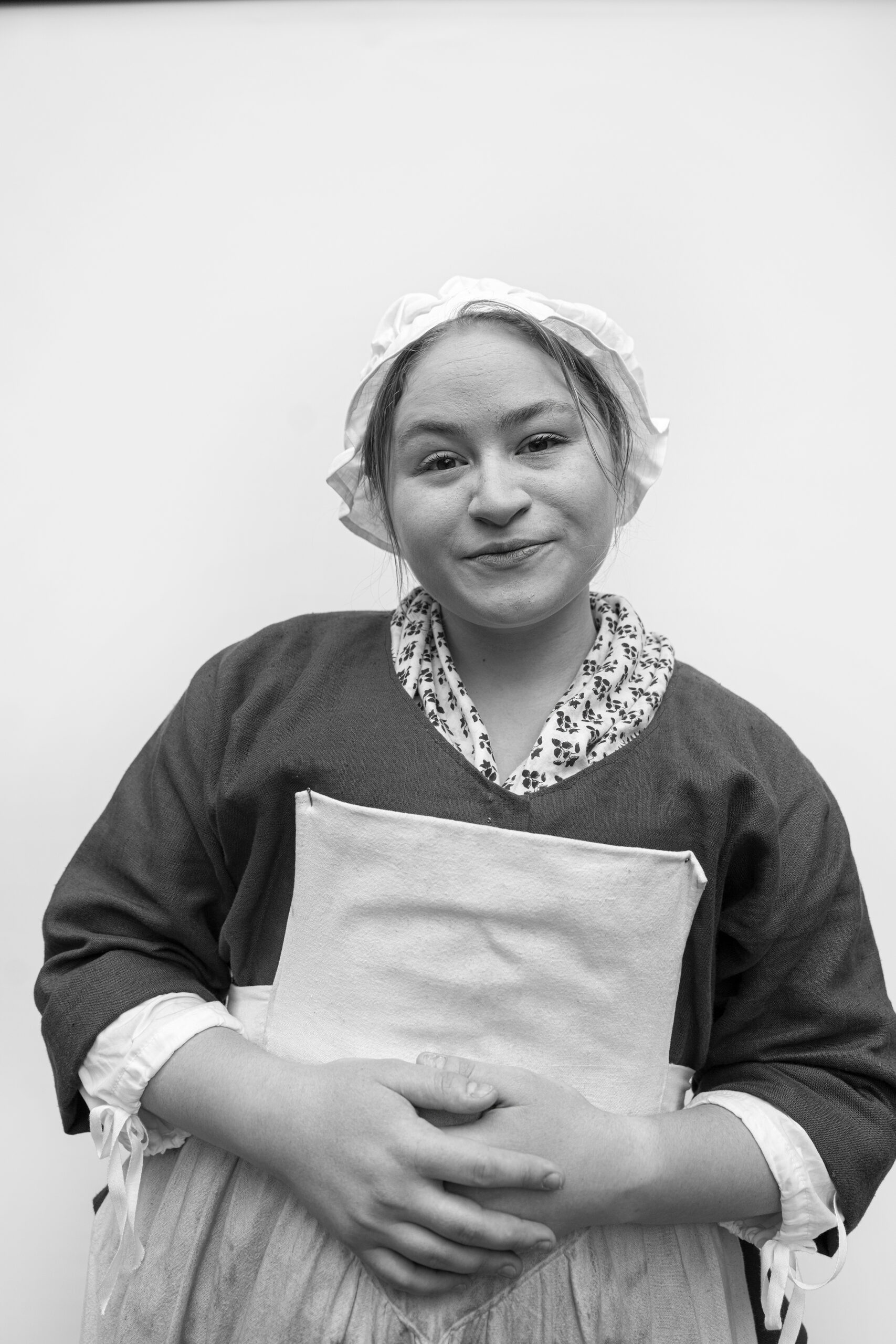
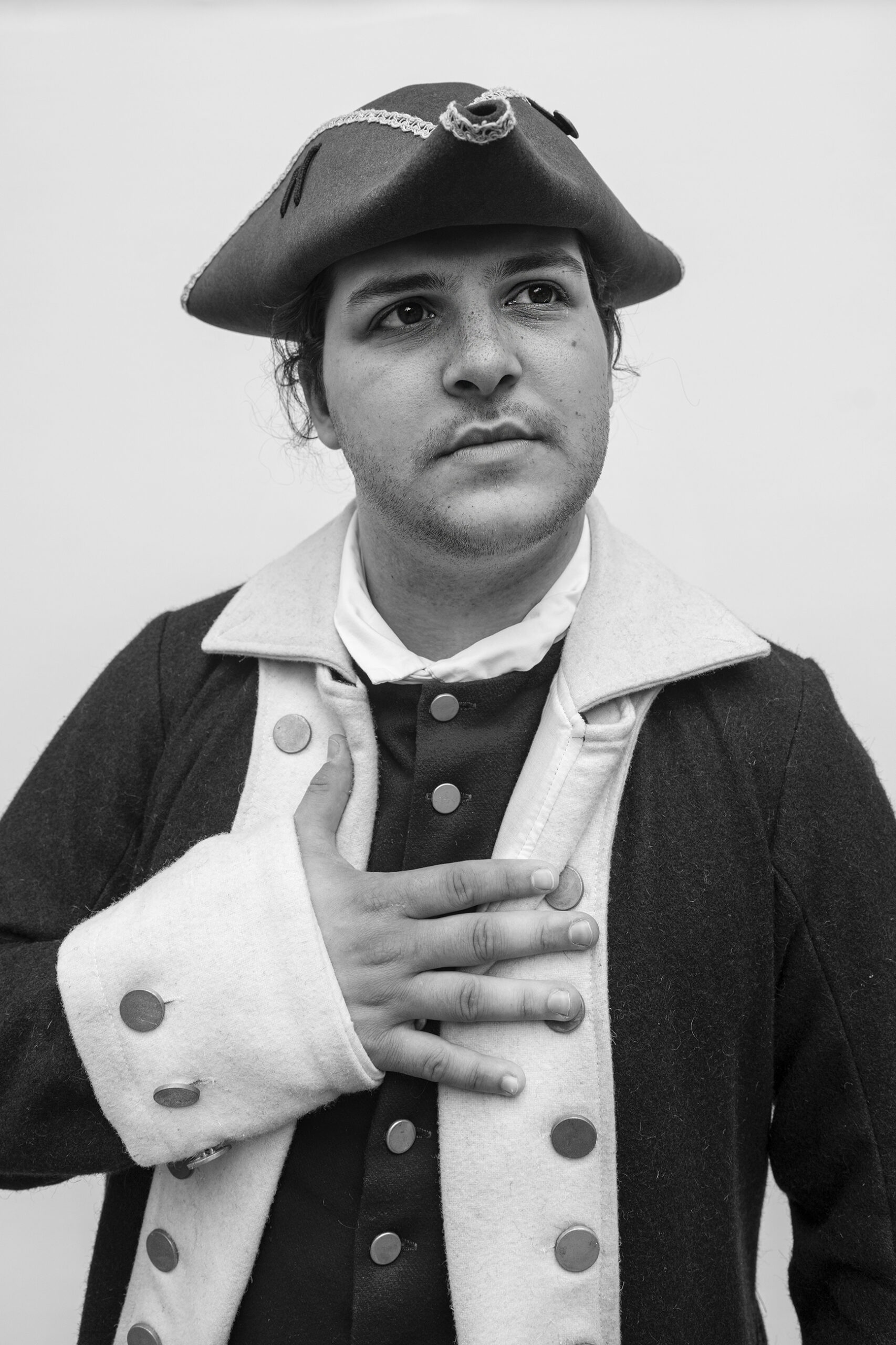
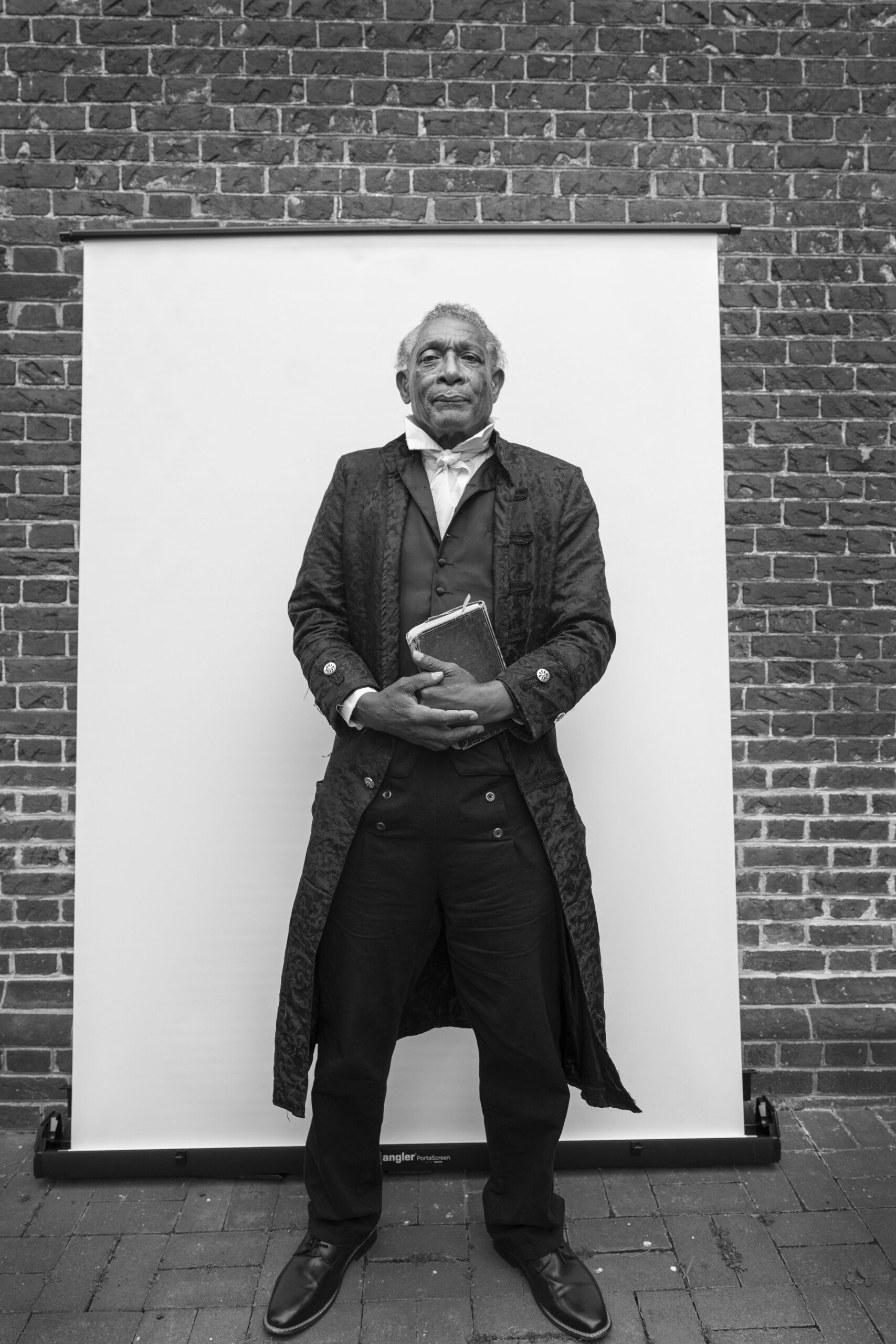
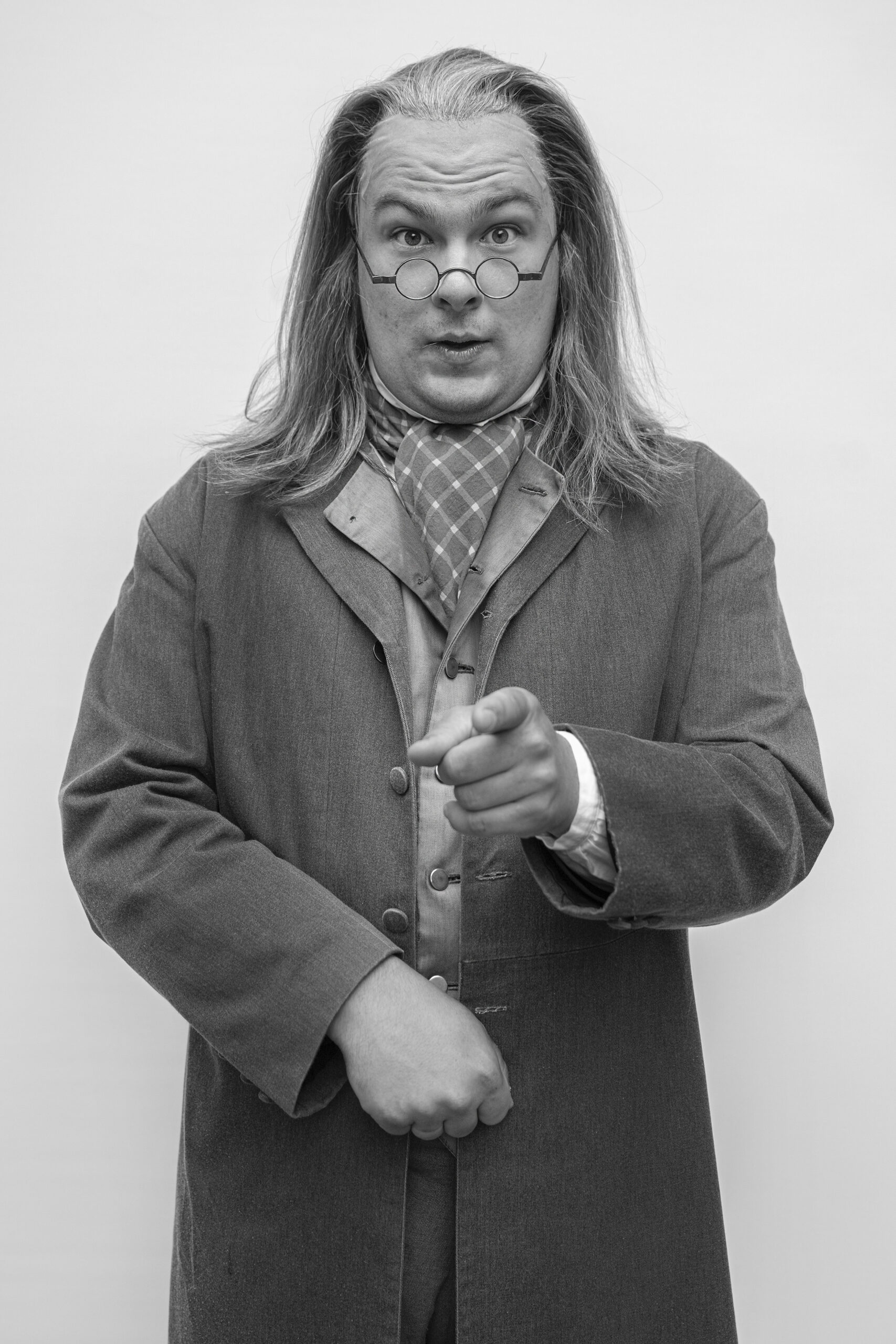
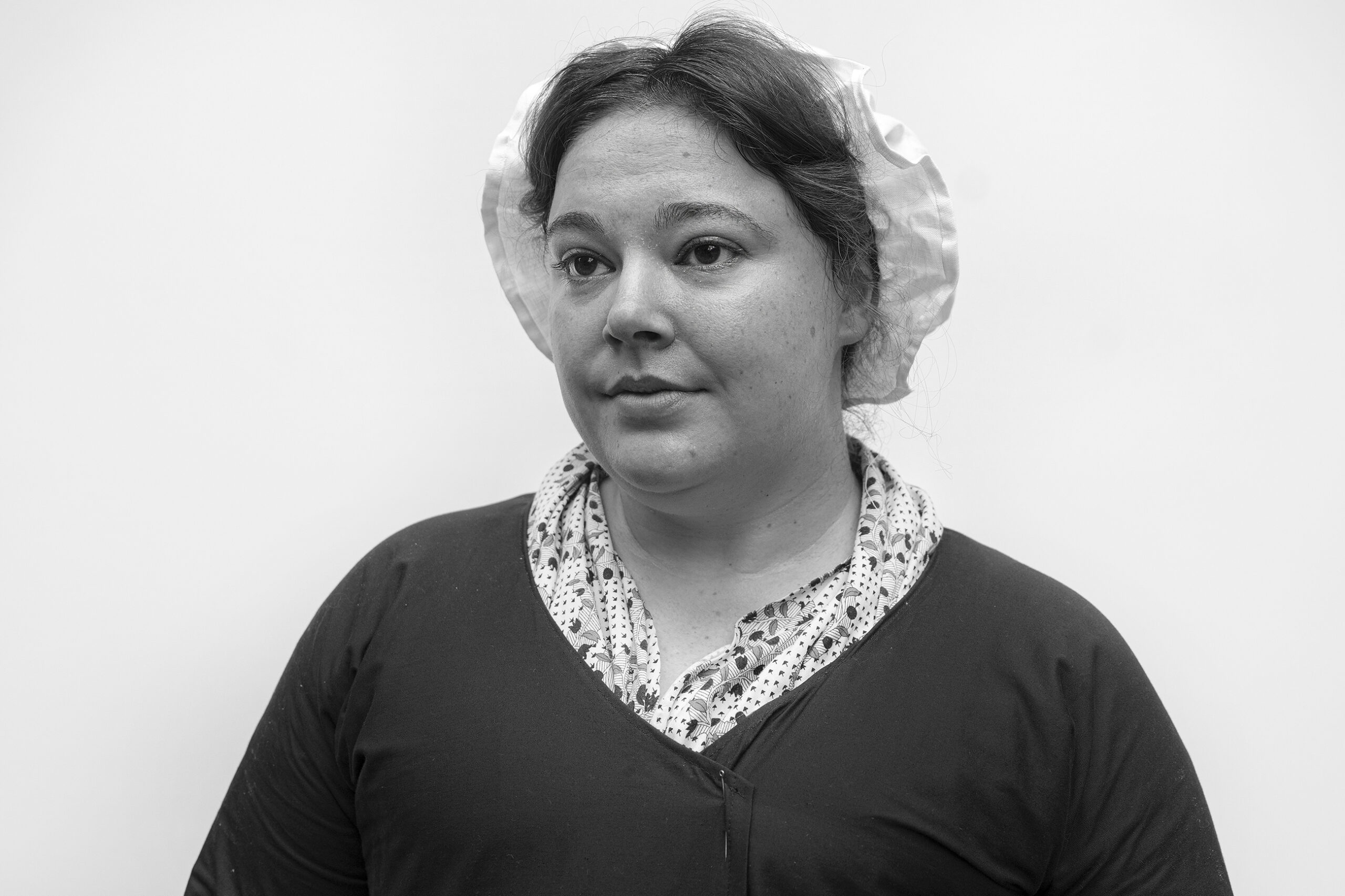
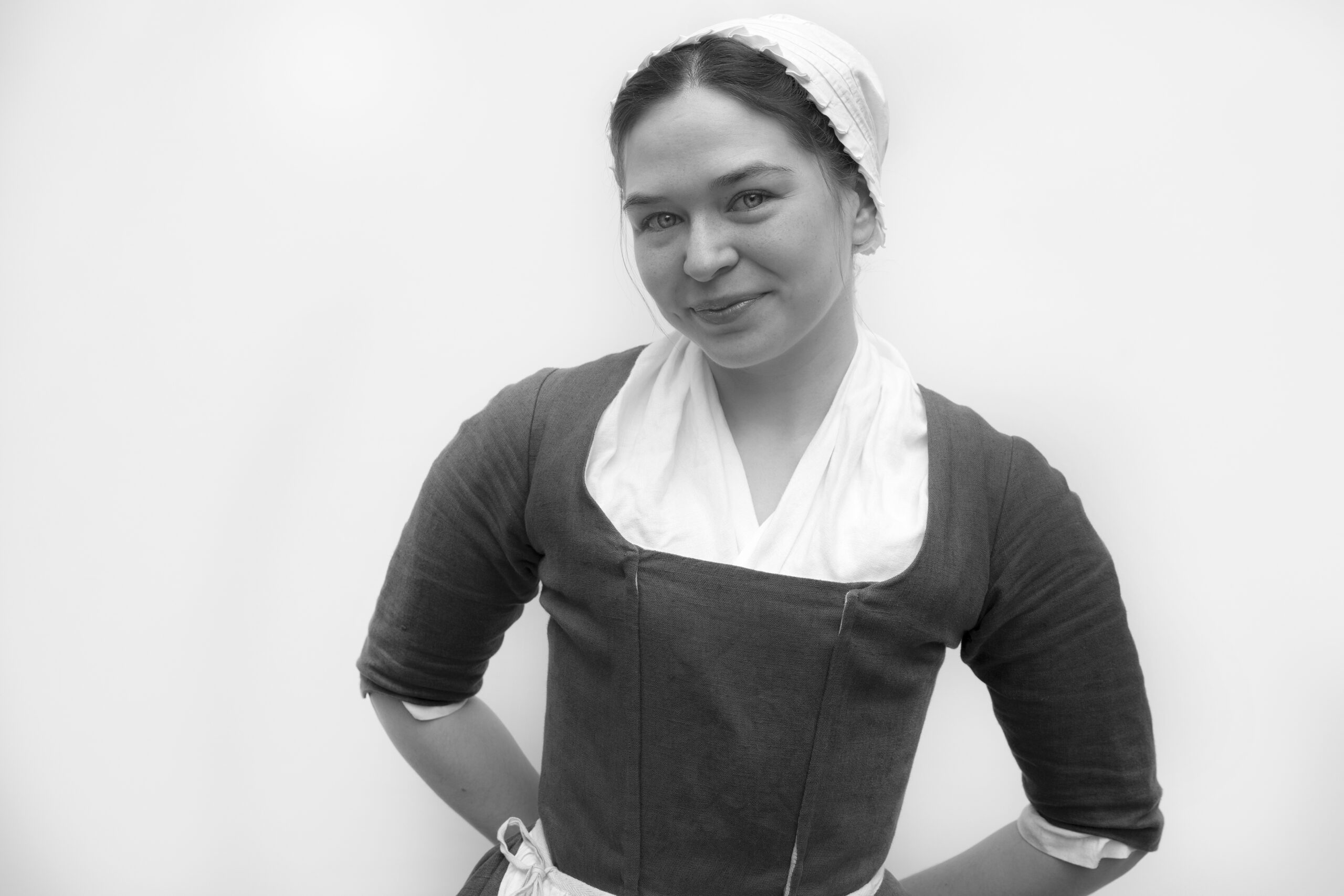
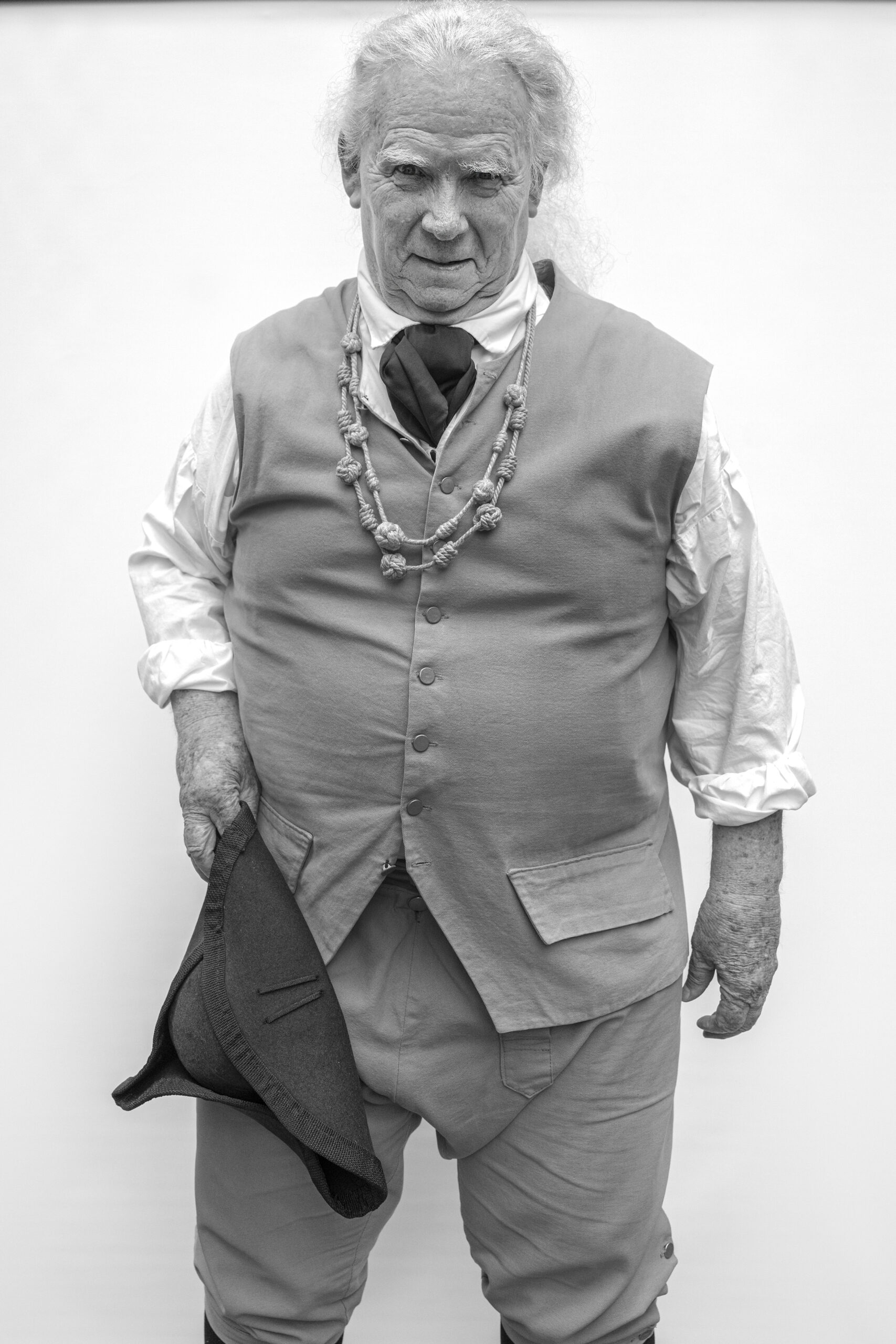
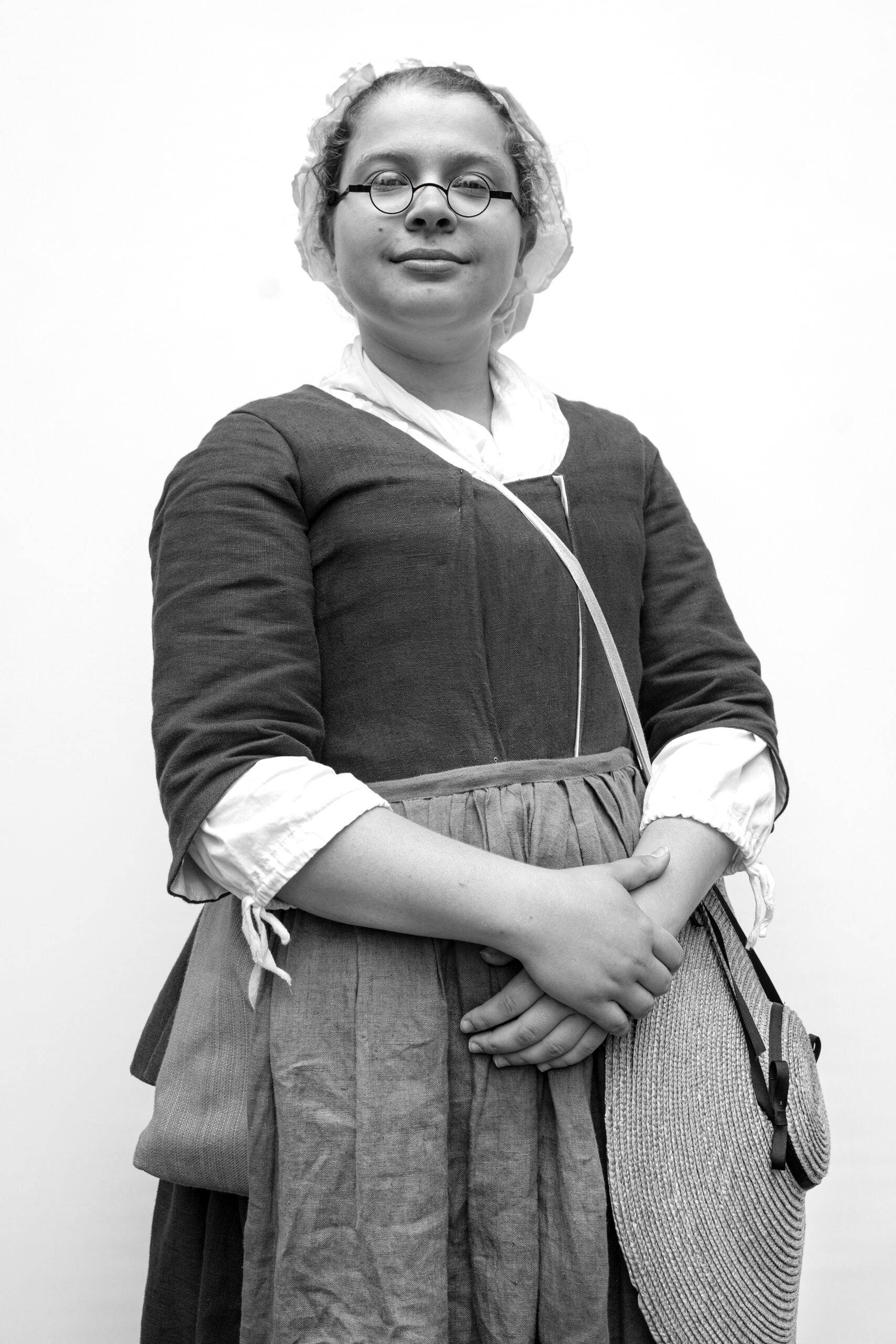
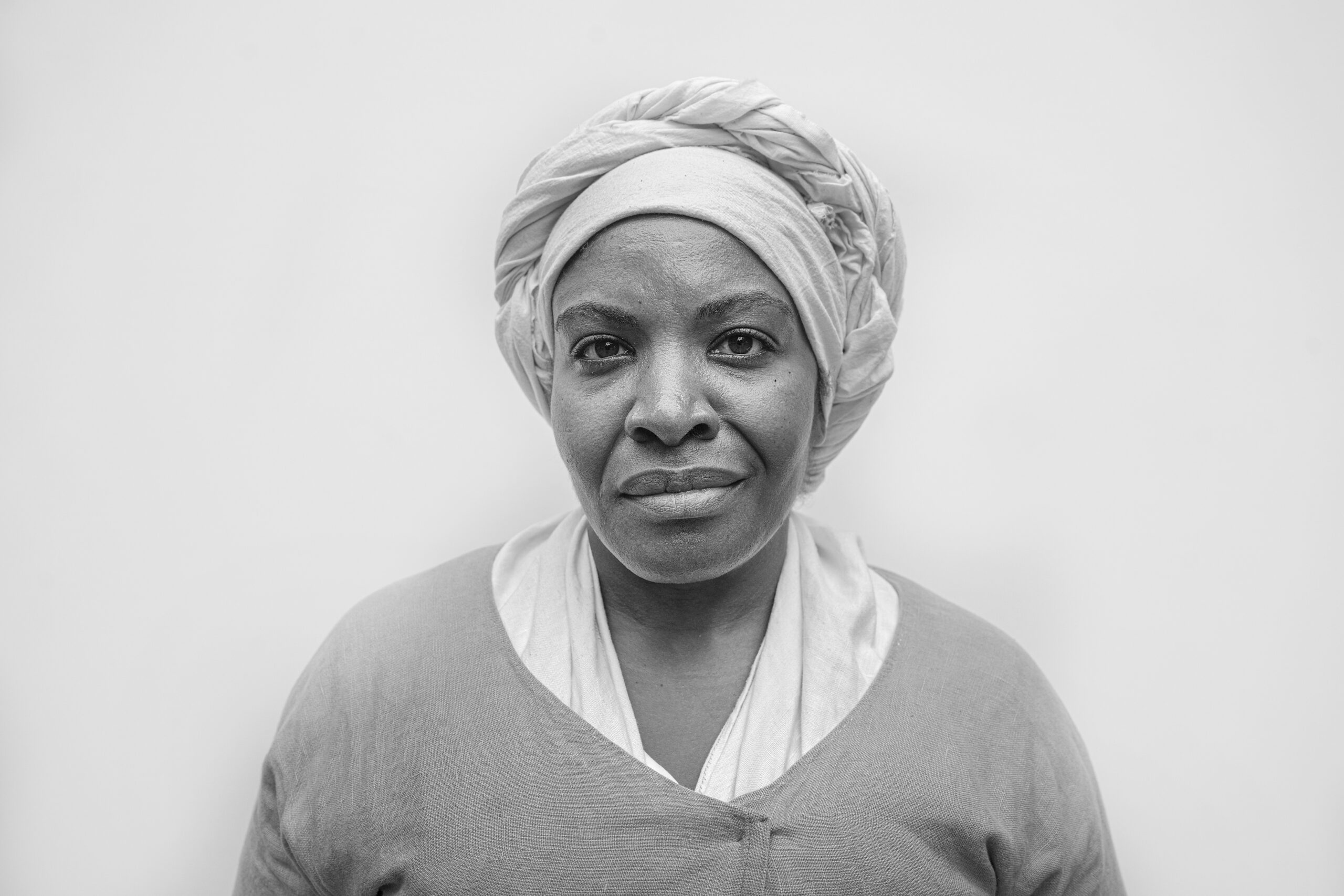
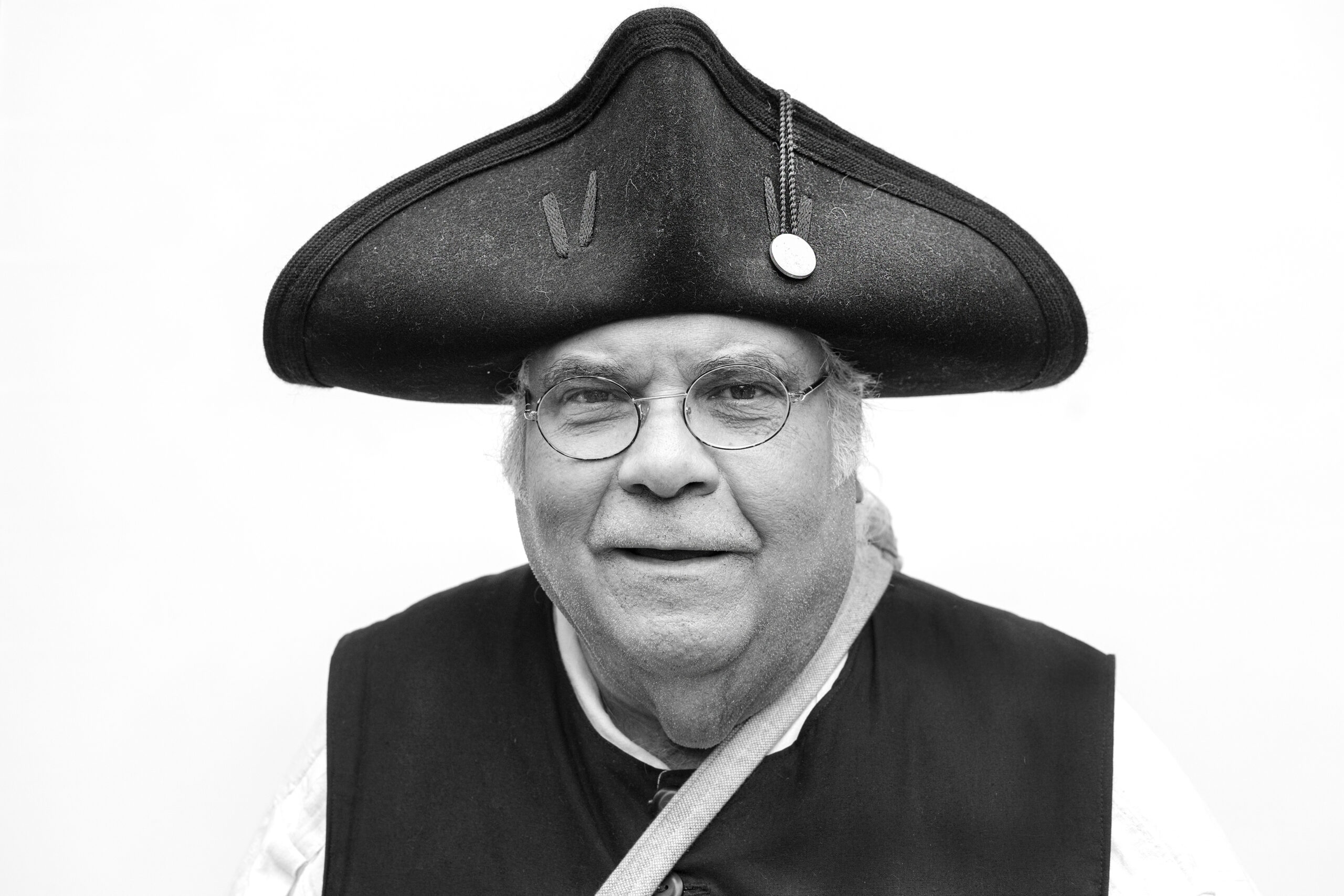
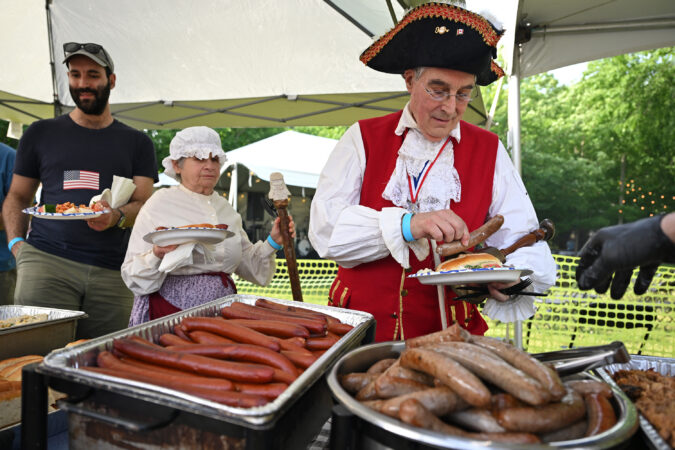
As Philadelphia celebrates America’s 250th anniversary, I wanted to focus on the people who help keep the city’s history alive every day. These individuals, known as the History Makers of Historic Philadelphia Inc., bring Philadelphia’s founding story to life through their work and interactions with the public. Whether they are welcoming visitors at Independence Mall, sharing stories at the Betsy Ross House, or simply walking the streets of Philadelphia in period clothing, they create connections between the past and present. For many visitors, these encounters are their first personal experience with the city’s history. Through conversation, storytelling, and character portrayal, the History Makers make Philadelphia’s past feel real and accessible. Photographed against a plain white background, these portraits remove the historic settings and costumes from their usual context and place the focus on the individuals. This project is a recognition of the people whose passion, knowledge, and dedication help tell Philadelphia’s story as the city celebrates this historic milestone.
Shecky Perlman as Benjamin Franklin. “The reasons I most like portraying Dr. Franklin are his wit and humor. I believe these qualities aided him greatly in accomplishing all that he did in his lifetime and, as one recent biographer said, made him ‘the first real American.’”Zoe Hollander as Mary Crathorne. A chocolate maker and business owner living in 18th century Philadelphia. Following the death of her husband, Mary became sole proprietor of the business and successfully managed operations on her own, while providing for her three young children. “I enjoy portraying Mary because she is an ambitious woman that when faced with tragedy, allowed herself time to mourn, evaluated her options, and then rolled up her sleeves and got to work.”Josh Gold as Joseph Plumb Martin. “I play Joseph Plumb Martin, who joined up with the Revolution at 15 and fought for the duration of the war. It’s an honor to tell this person’s story because it highlights the fact that our independence was won by everyday people who said ‘enough’ and that everyday, regular people can change the world when they choose.”Robert Branch as Bishop Richard Allen. “Founder of the first independent African Church denomination in the U.S., A.M.E., African Methodist Episcopal. I love interpreting this historical figure because he is a Founding Father of struggle to overcome slavery and racism in this nation.”Jackson Pavlik as Benjamin Franklin. “It’s a treat to play Franklin because he reminds me of the curiosity inherent to the American spirit. I also get to wear a fun wig!”Kaitlin Healy as Susanna Cooke. “A Philadelphia woman who came of age during the American Revolution. In 1793 her husband passed from the yellow fever epidemic, and she turned to renting her home and working as a laundress to make ends meet. While many were still reveling in our newly found independence, she was struggling with her own. She stands as a testament to every woman who has had the courage and resilience to keep going after everything falls apart.”Nell Fossa as Betsy Ross. “Betsy is credited with making the first flag, but more than that, she represents the multitude of contributions that working-class women made to the Revolution. This year, I especially love having the privilege of portraying such a strong woman.”David Scott Taylor as Gideon Olmsted. “As a privateer, in support of the fight for independence, the young Captain Gideon Olmsted mutinied and captured a British merchant vessel, the Active, off the coast of New Jersey. Before he could get to the privateering center on the coast of New Jersey, two ships from the Pennsylvania Navy intervened and the case ended up before the admiralty court in Philadelphia. This led to a 30-year ordeal which was finally resolved before the fledgling Untied States Supreme Court. This is a good character for me, partially, because he lived to ‘advanced’ age and I am not so young anymore. The story is also rich with historic significance and name-dropping of others involved, such as George Ross, Benedict Arnold, and David Rittenhouse.”Miriam Reid as Milcah Martha Moore. “One of those figures who wasn’t monumentally historically important in their day, but serves as an excellent tool for modern day research. Between her dedication to documenting prominent female poets of her time and her extensive family connections, playing Milcah gives me the opportunity to talk about a little bit of everything and inspire curiosity about topics people might never have thought could be interesting.”Miranda Thompson as Hannah Till. “Playing Hannah Till gives me the continued strength to persevere throughout the uncertainties of life. Mrs. Hannah believed in and achieved her freedom and I believe I can continue to have mine.”Coe Kummer as Jacob Hiltzheimer.
This weekend, the Descendants of the Signers of the Declaration of Independence (DSDI) gathered in Philadelphia as they do every July Fourth. This year’s Semiquincentennial events kept them from meeting in the room in Independence Hall where their direct ancestors met as America was born. But their children still participated in the annual symbolic tapping of the Liberty Bell ceremony.
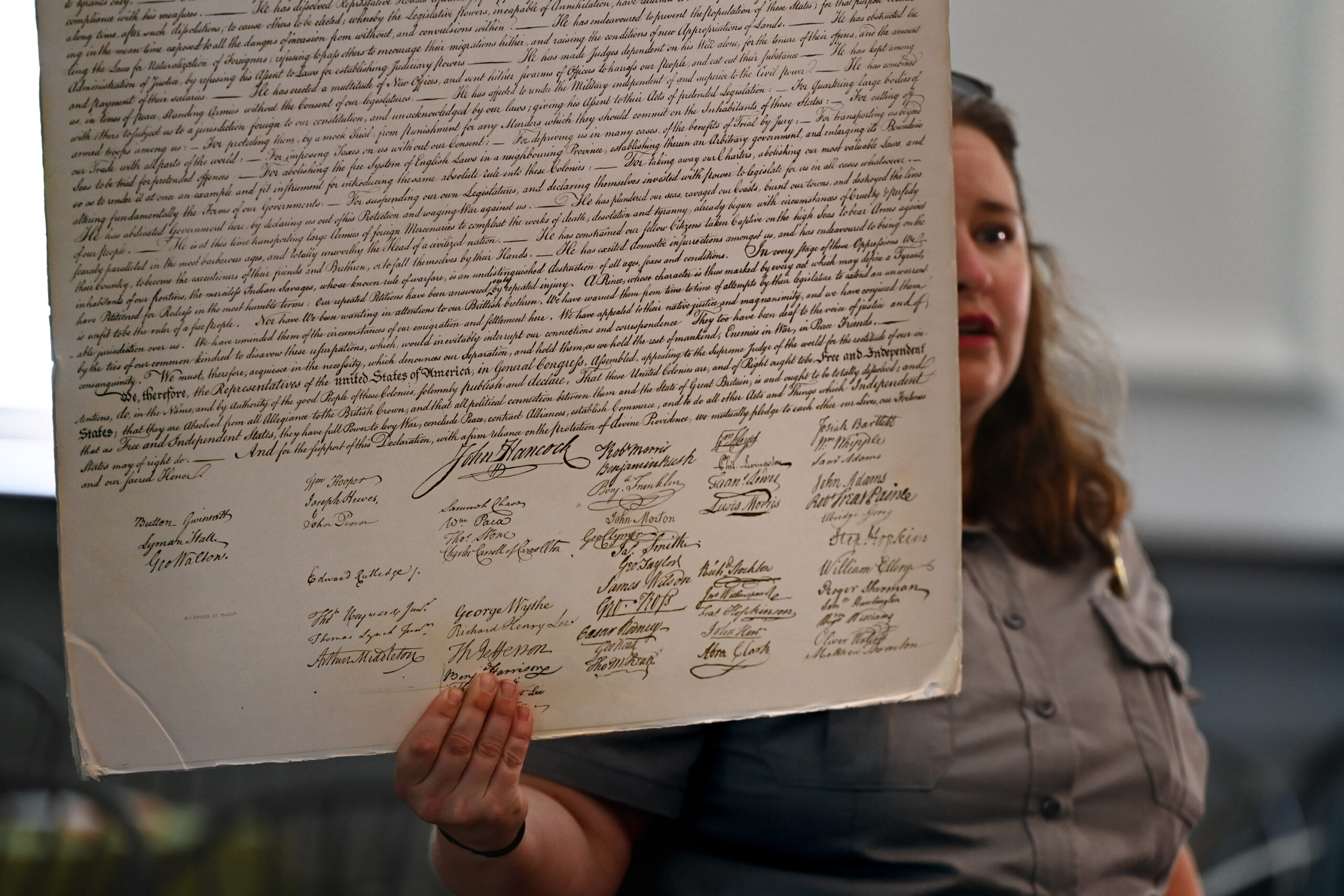
National Park Service ranger Maggie Burkett gives a tour of Independence Hall in June. Fifty-six delegates to the Second Continental Congress signed the Declaration of Independence.
Everyone knows about Thomas Jefferson, John Hancock, and the Adams cousins. But few know much about the other 52 delegates to the Second Continental Congress. These men all had interesting lives, and we hardly know them — especially our signers from Delaware, New Jersey, and Pennsylvania (well, except for Ben).
GEORGE ROSS, PENNSYLVANIA
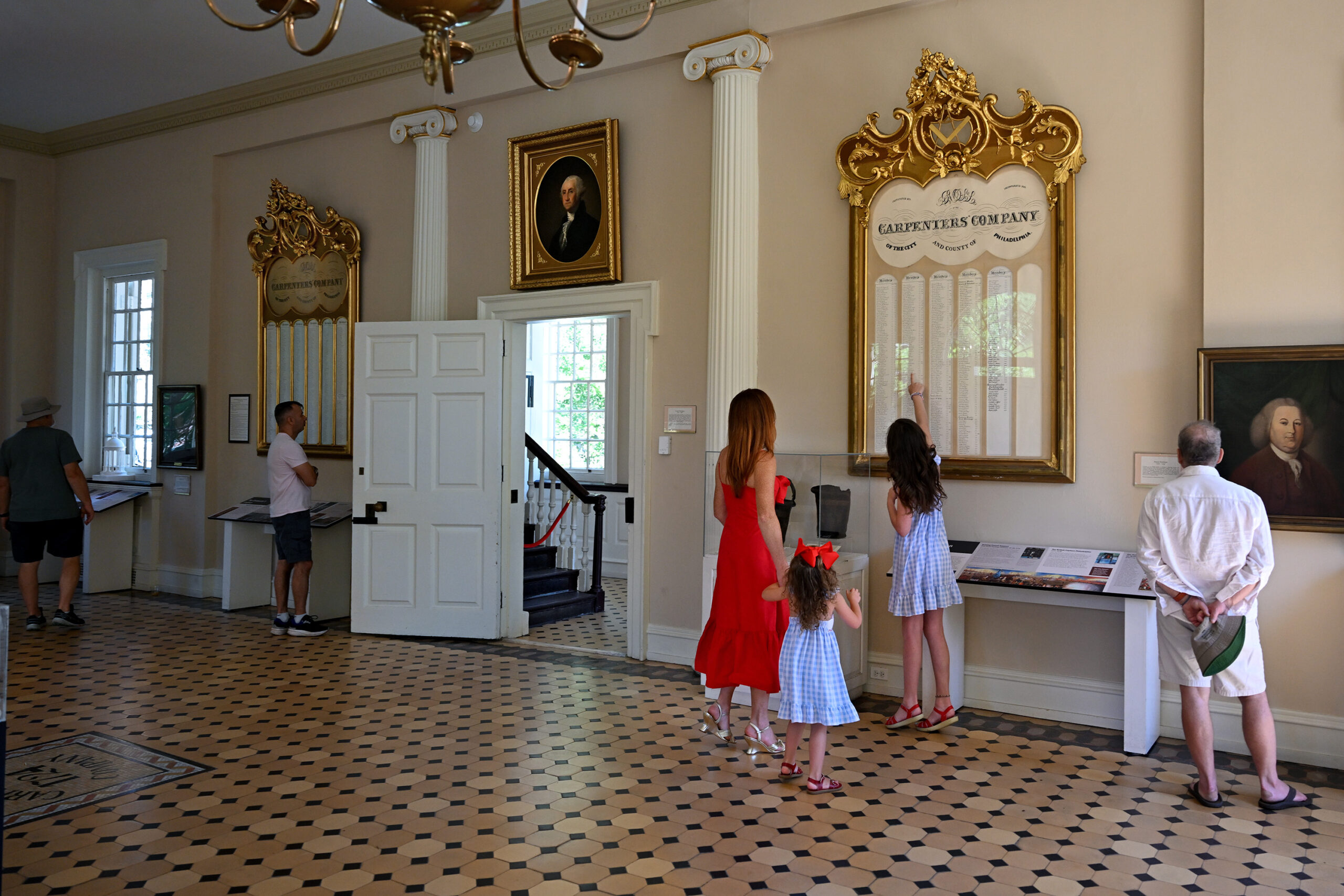
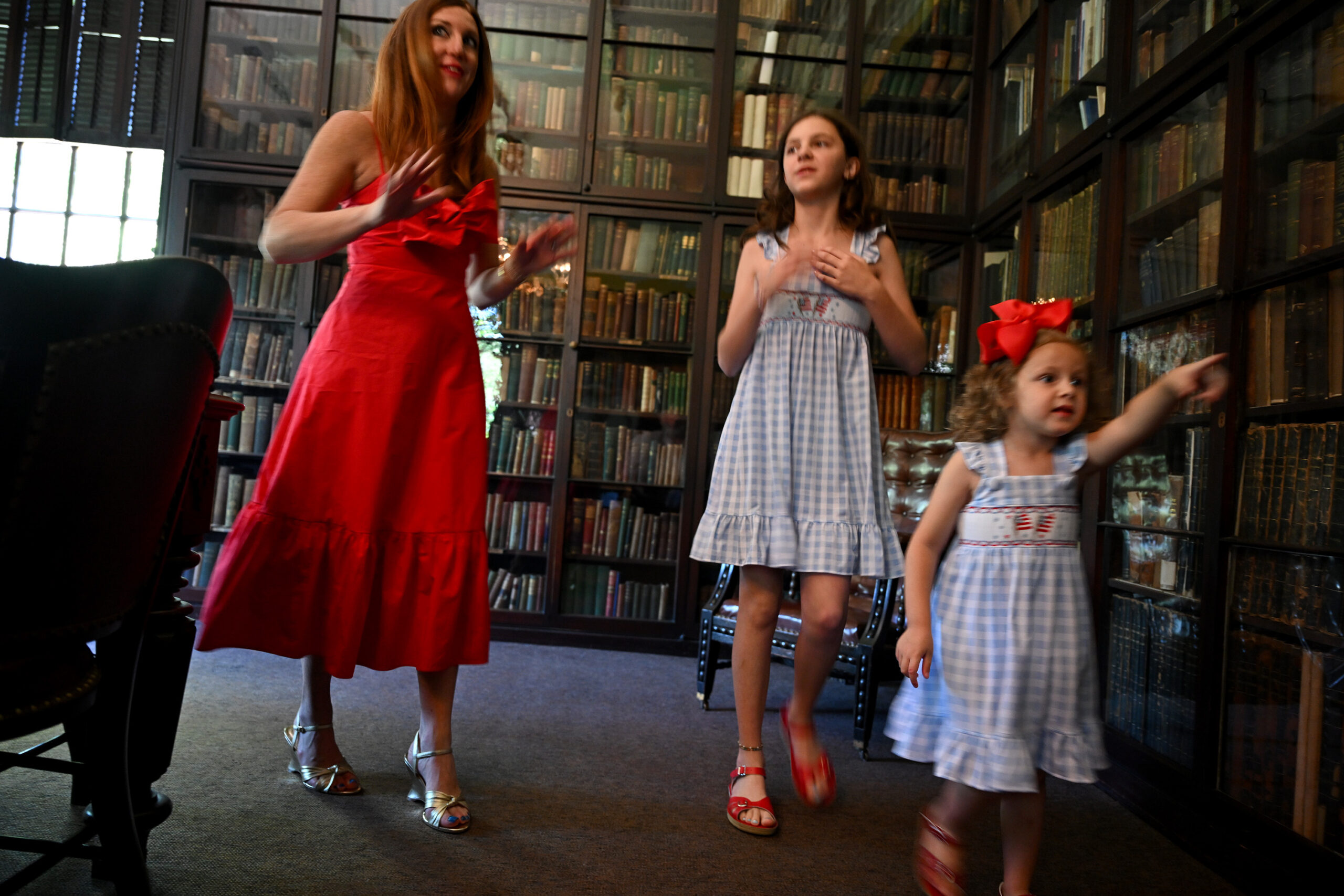
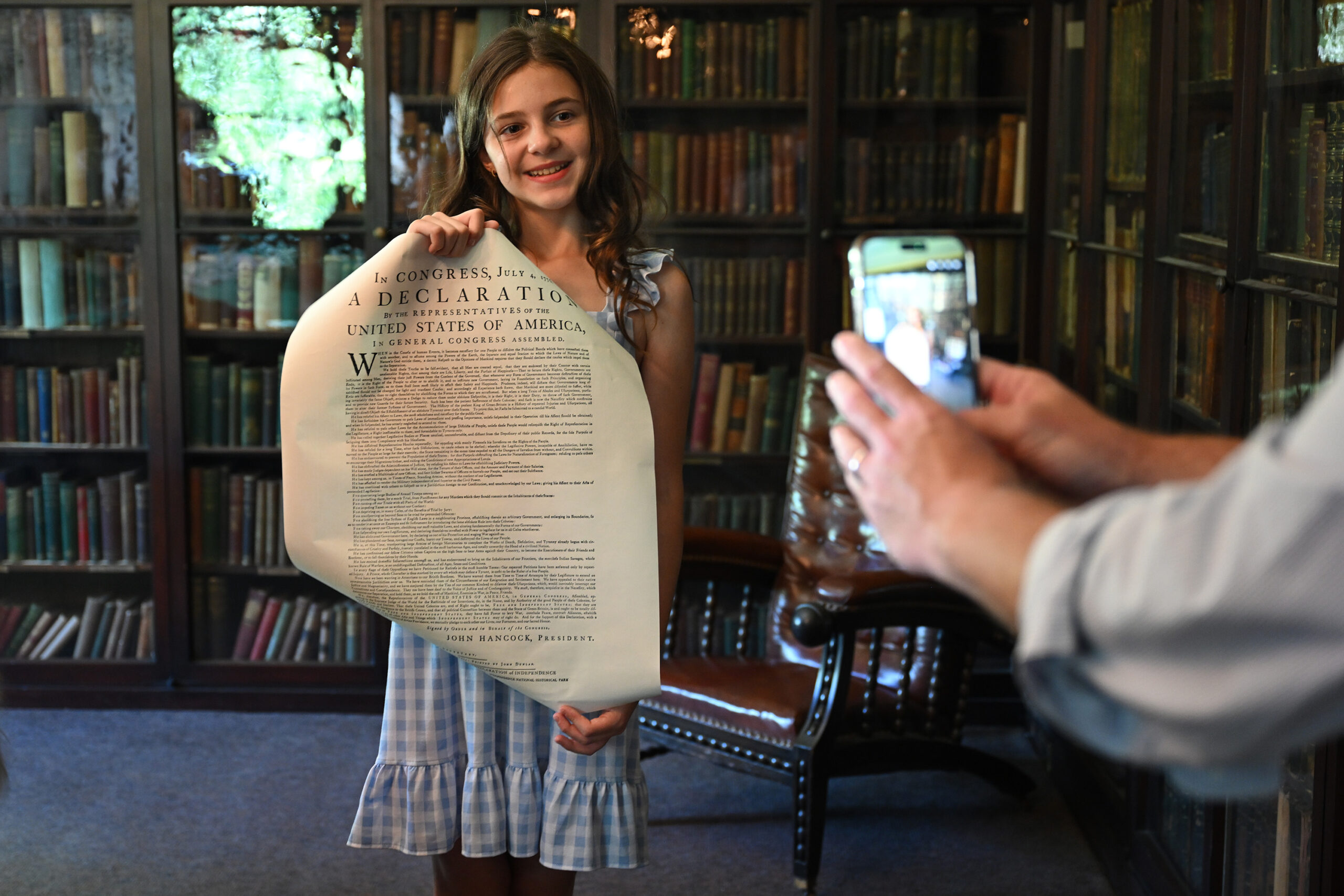
Stacie Pagano and her children, direct descendants of Declaration of Independence signer George Ross of Pennsylvania, at Carpenters Hall.Helena, 3, and Theodora, 11, look for their father Richard’s name of the Carpenters Company list of members.
George Ross studied law with his half brother John and was admitted to the Pennsylvania Bar when he was 20, establishing his own practice in Lancaster.
Like several founders, he started out as a Tory, representing the British Crown as a prosecutor before gradually concluding that colonial rights could not be protected within the existing system. The brother later married Elizabeth Griscom, known to us as seamstress Betsy Ross.
Stacie Pagano grew up in Lancaster County, where her grandmother told her she was descended from Ross. She rode on a float dressed as Betsy Ross in a 1988 parade celebrating the 200th anniversary of the town of Columbia, but never gave it much thought.
It was while she was in her 20s and met her husband Richard, who is a member of the Carpenters Company — where the First Continental Congress met — that they started to explore her ancestry.
As a DSDI member, she coordinates the annual ceremonial tapping of the Liberty Bell by junior descendants. Her 11-year-old daughter Theodora was one of the kids who tapped the bell 13 times on July Fourth for the 13 original colonies.
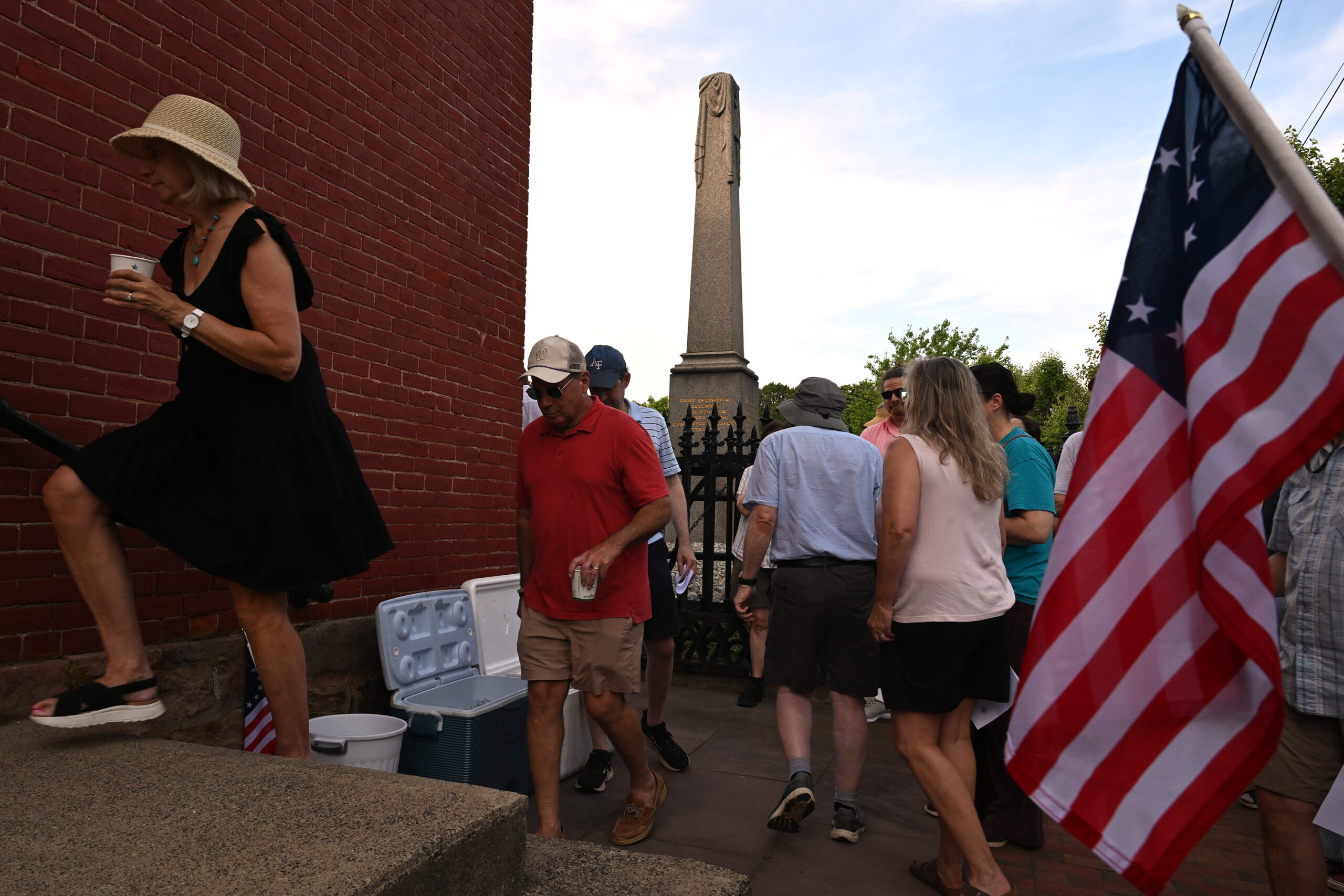
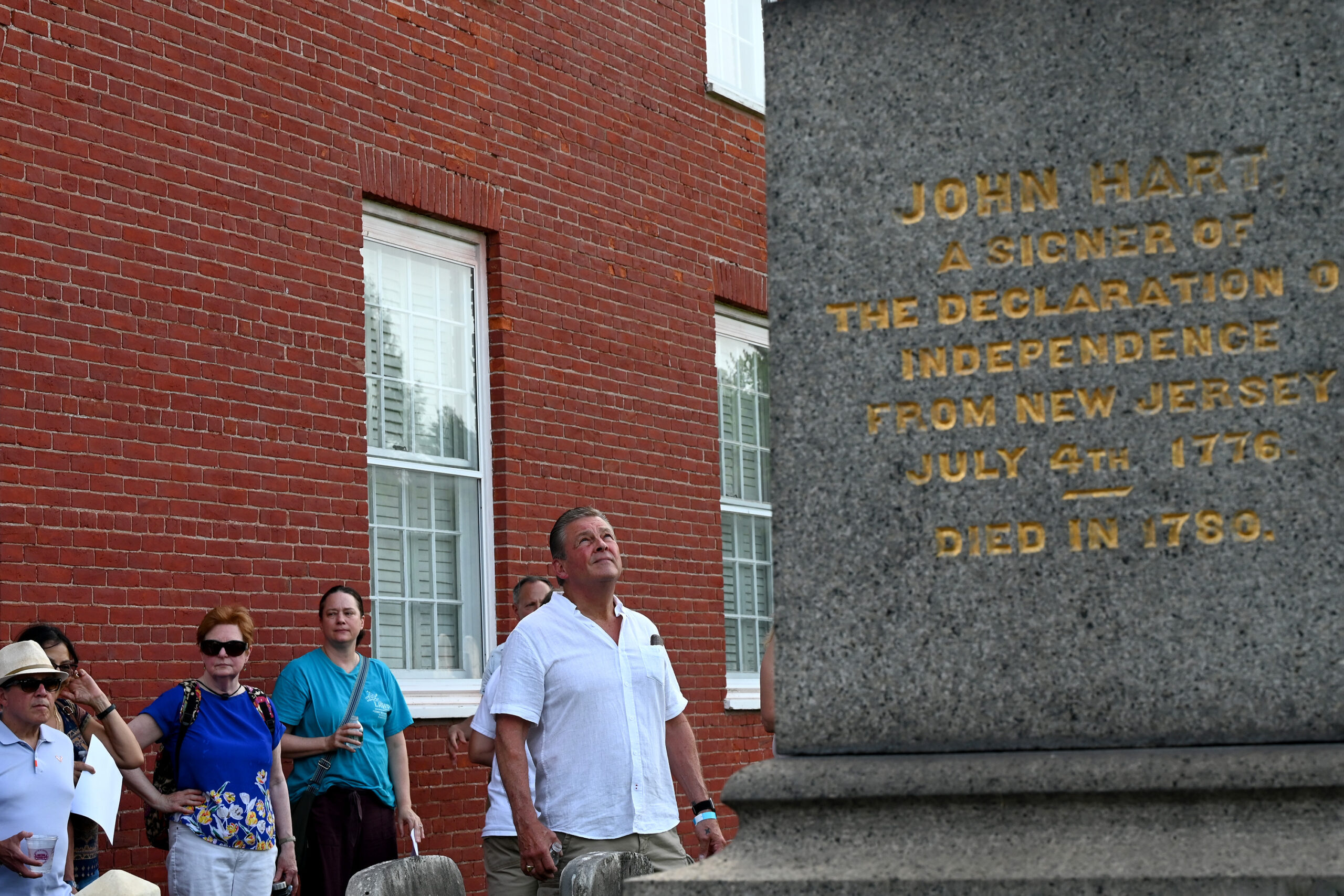
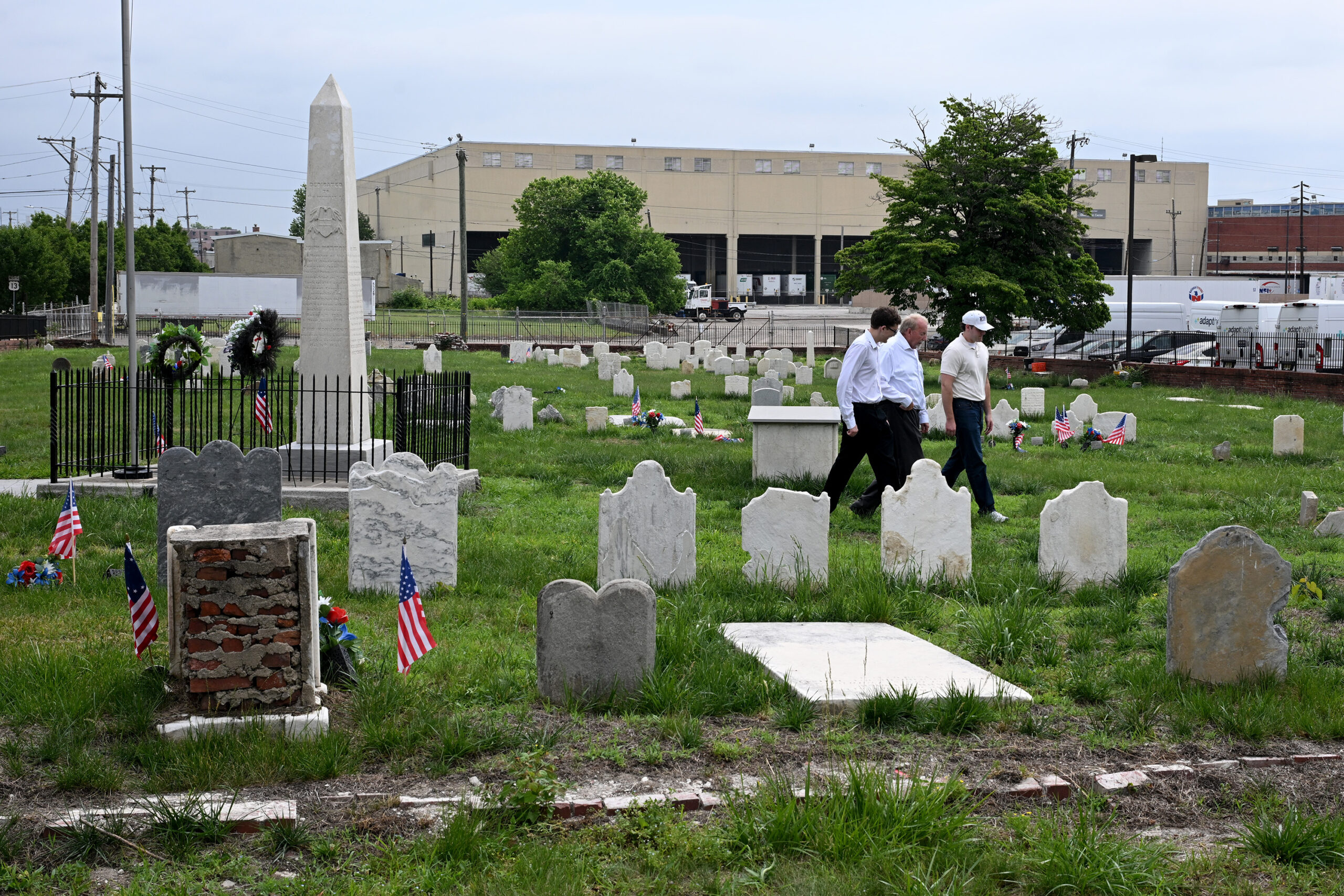
The gravesite of signer John Hart. His remains were moved there in 1864 and a granite draped obelisk erected as a memorial monument.
JOHN HART, NEW JERSEY
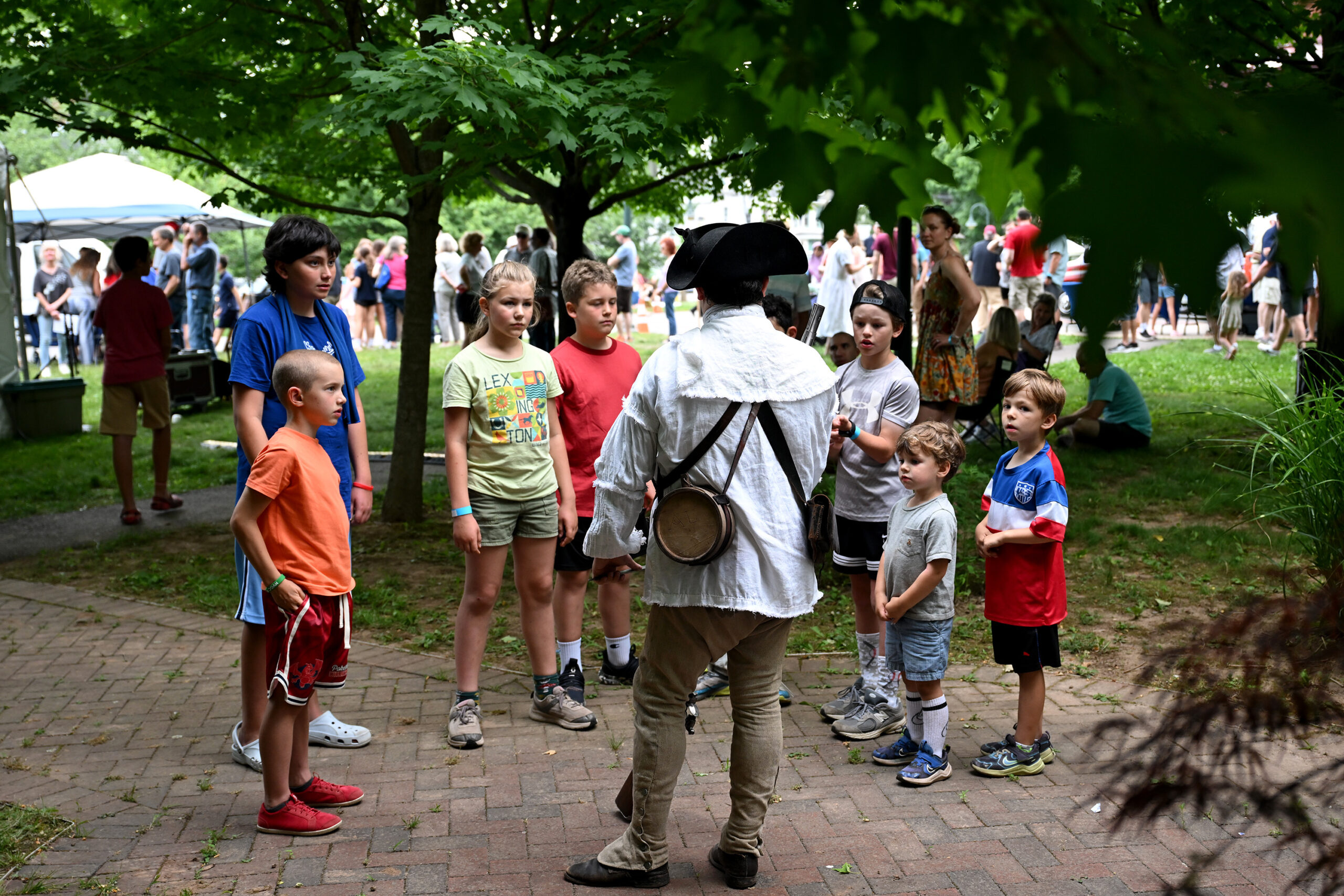
Greg Munro, a direct descendant of signer John Hart, at the cemetery of Old School Baptist Church in Hopewell, N.J. He was there to read the Declaration of Independence at the town’s USA 250th Town-Wide Block Party. Hopewell Museum executive director Asher Lurie portrays a Continental soldier during the Town-Wide Block Party.
John Hart was a farmer, unlike most signers, who were lawyers, merchants, or wealthy intellectuals, but he earned a reputation for integrity rather than brilliance or eloquence. Fellow signer Benjamin Rush described him as having no formal education but possessing exceptional judgment and virtue.
Descendant Greg Munro’s sister in-law was into genealogy, and she was tracking her husband’s family. When he was in his 30s, she said, ”You know what, Greg, you’re related to John Hart.” Munro said, “Who was John Hart?“
Decades later when he retired, it gave him something to do. Munro’s first step was joining the Descendants of the Signers of the Declaration of Independence, something he thought would be easy. His brother’s wife had already documented his family tree, and the organization told him he had to document every step back to maybe three, four generations. From there, the DSDI had records that go back to Hart, who had 13 children.
But Munro’s birth certificate did not have his father’s name on it. Once he got all the right papers together, he was admitted and is now spreading the word.
He recently wrote and helped produce a documentary on his ancestor’s life, and worked to reprint a Hart biography originally published for the Bicentennial.
After Hart signed the Declaration, he became a wanted rebel leader. When British troops occupied parts of New Jersey in late 1776, he fled his home while it was looted, spending months separated from his family and sleeping wherever he could.
In June 1778, Hart invited George Washington and roughly 12,000 Continental soldiers to camp on his New Jersey farm — right at the height of growing season. When the troops left, they fought and won the Battle of Monmouth.
FRANCIS HOPKINSON, NEW JERSEY
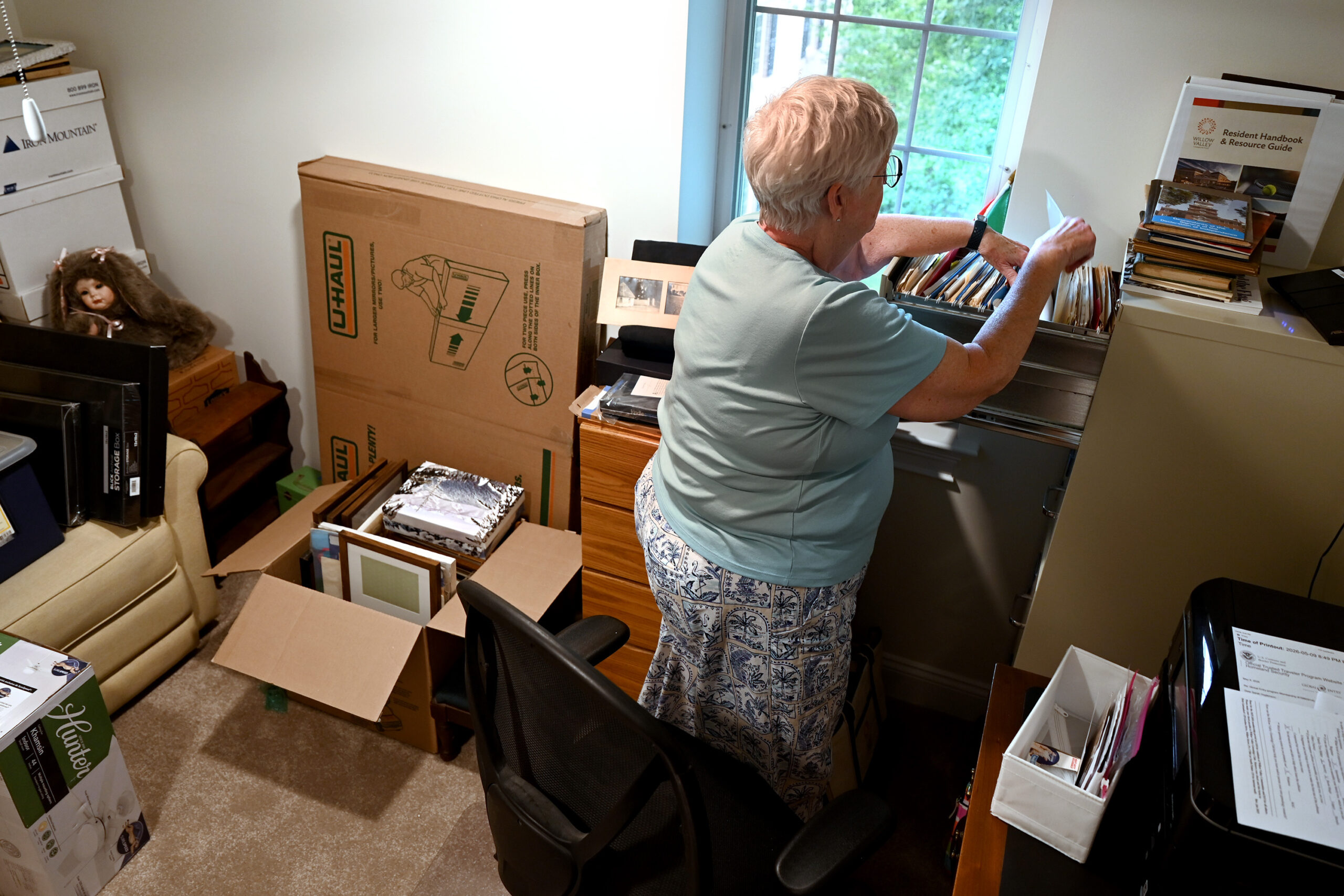
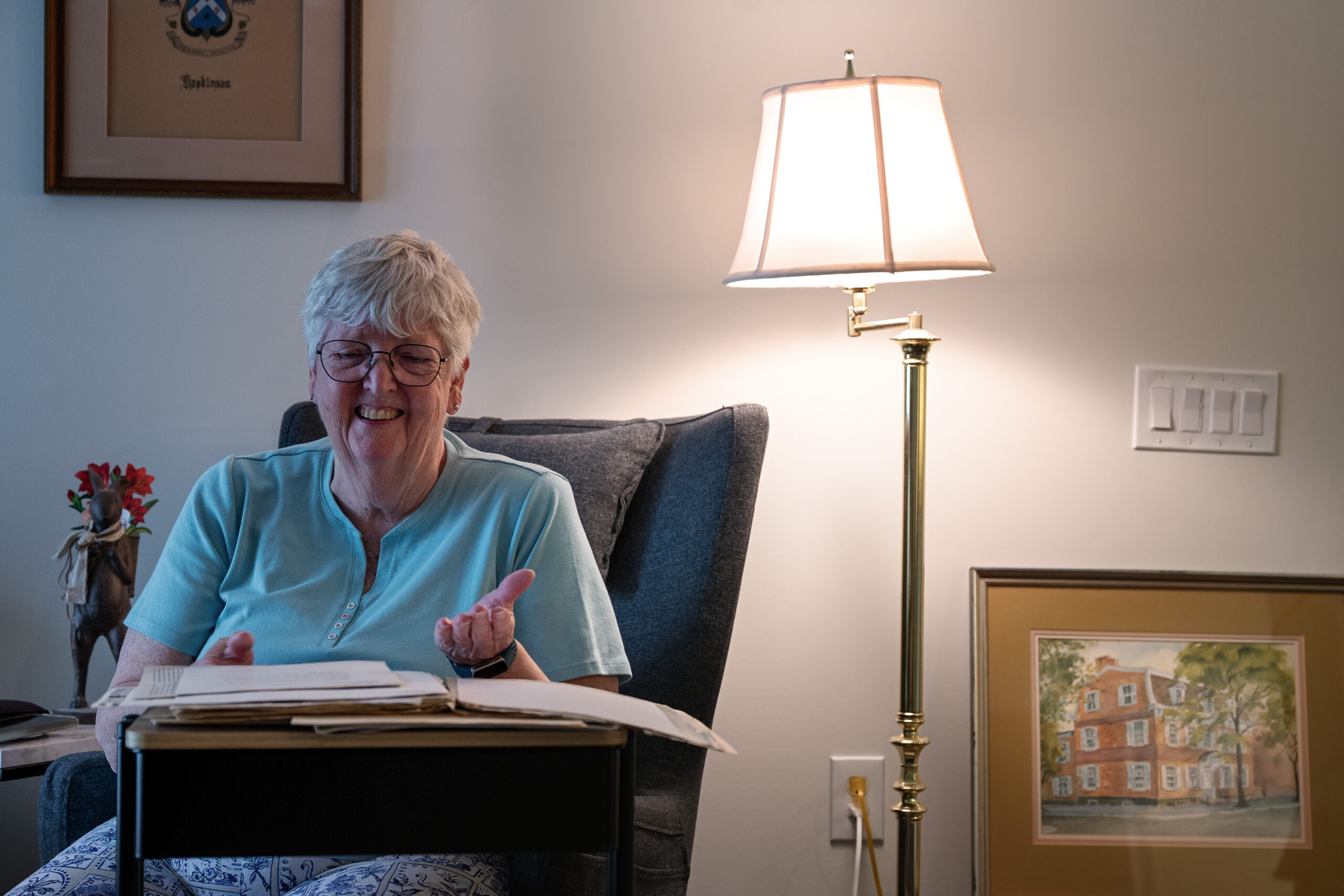
Sally Hopkinson, a direct descendant of signer Francis Hopkinson of New Jersey, sorts through her father’s old filing cabinet. She is still unpacking from her recent move.The home in the painting at right is the 1750 Georgian style mansion of Francis Hopkinson, a National Historic Landmark in Bordentown, N.J.
Sally Hopkinson is a descendant of Francis Hopkinson, something she learned when she was in the fifth grade. “My name appeared in a history book, and I was like, why is my name here?”
Her father was actually the DSDI’s treasurer for years, until he died. “I had no idea back then. I didn’t know anything about this.”
Later on, though, she really got into genealogy and started questioning her grandmother. “And then I found all this stuff when finally it came on line after 2000.” But the most information came from her dad’s papers. “I found he had this treasure trove in his filing cabinet. Wow. Everything I was trying to figure out.”
Francis Hopkinson’s father died when he was 14, but his mother, determined to ensure that her son had a good education. enrolled him in the brand new College of Philadelphia (later the University of Pennsylvania) when he was 16, making him a member of UPenn’s first class of students.
Many historians now believe Hopkinson — not Betsy Ross — was the principal designer of the original Stars and Stripes. He submitted a bill to Congress seeking payment — “a Quarter Cask of the public Wine” — rather than cash as compensation. He never received it.
He also was an accomplished organist and a harpsichordist, and, as early as 1759, he had composed the song “My Days Have Been So Wondrous Free,” considered the earliest surviving American secular composition.
On Sunday, July 5, Hopkinson and descendants of New Jersey’s four other signers are scheduled to throw out the ceremonial first pitches and participate in an on-field reading of the Declaration at TD Bank Ballpark in Bridgewater. The New York Yankees’ Double-A affiliate there — the Somerset Patriots — is temporarily rebranding as the Somerset Semiquincentennials to commemorate America’s 250th anniversary. The players will wear red-and-blue pinstriped jerseys with the original signers’ signatures written in gold on the sleeves.
GEORGE READ, DELAWARE
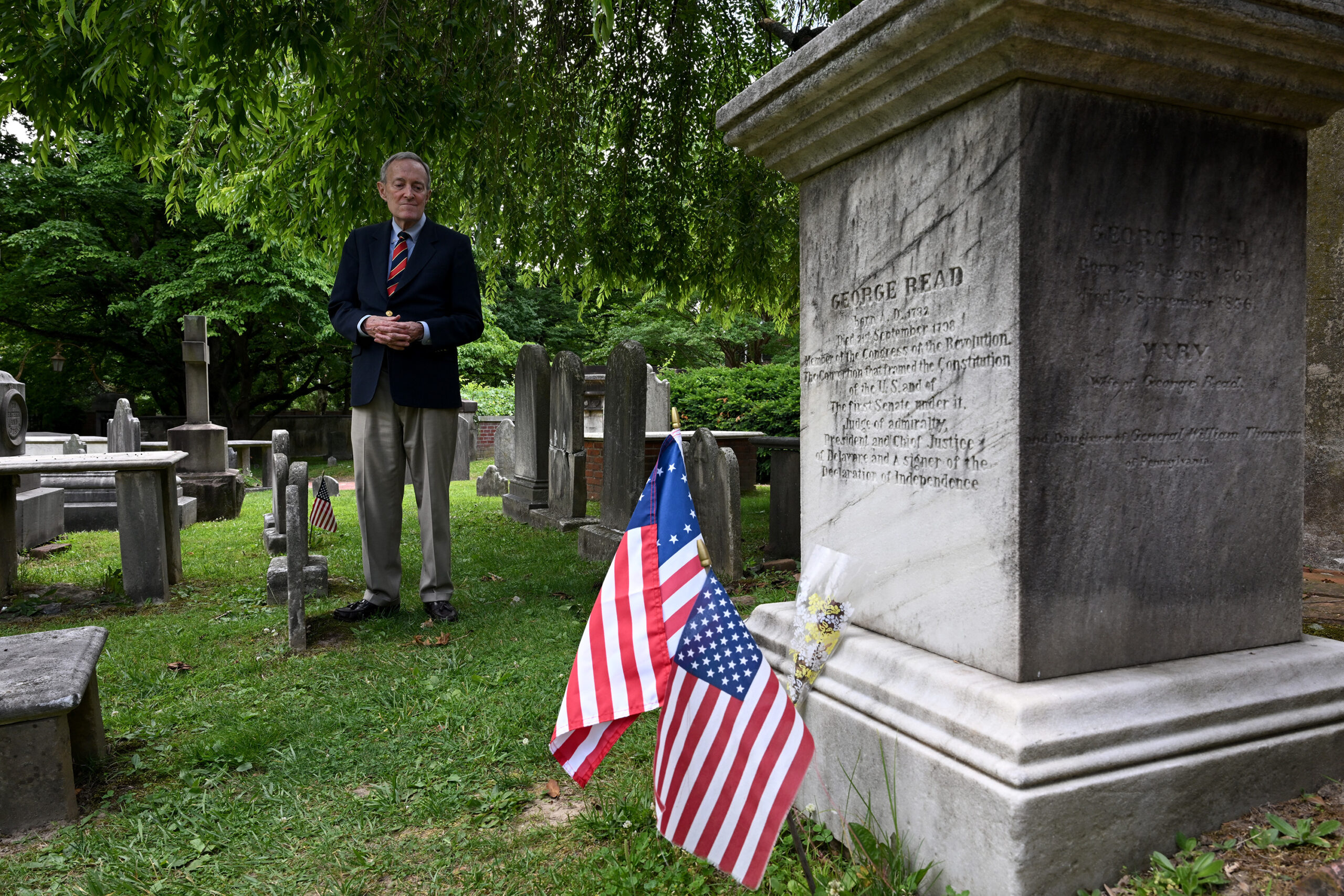
Richard Rodney Cooch, a direct descendant of signer George Read of Delaware, in New Castle. He, like Read, lives and works right in town.
Richard Rodney Cooch, a retired Delaware Superior Court judge and direct descendant of signer George Read, lives across the street from Immanuel Episcopal Church on the Green in New Castle, his ancestor’s final resting place.
His mother’s family has lived in New Castle since the church’s first rector, Rev. George Ross, came from Scotland in 1703. His son, George Ross, later moved to Philadelphia and signed the Declaration as a delegate from Pennsylvania. Read and Ross were brothers-in-law. Cooch is also related to Delaware’s two another signers; through marriage to Thomas McKean, and through a cousin, to Caesar Rodney.
He is the eighth and final generation of his family to have lived at the family’s namesake property south of Newark. It was the site of the state’s only Revolutionary War battlefield — Cooch’s Bridge — a week before the Battle of Brandywine in September, 1777.
George Read initially thought independence was a mistake and hoped reconciliation with Britain was still possible. He voted against independence but after the measure passed, he signed, supporting the new nation. He was also one of only six men who signed both the Declaration and the U.S. Constitution. At the Constitutional Convention, Read wanted a stronger national government and even suggested eliminating state boundaries altogether.
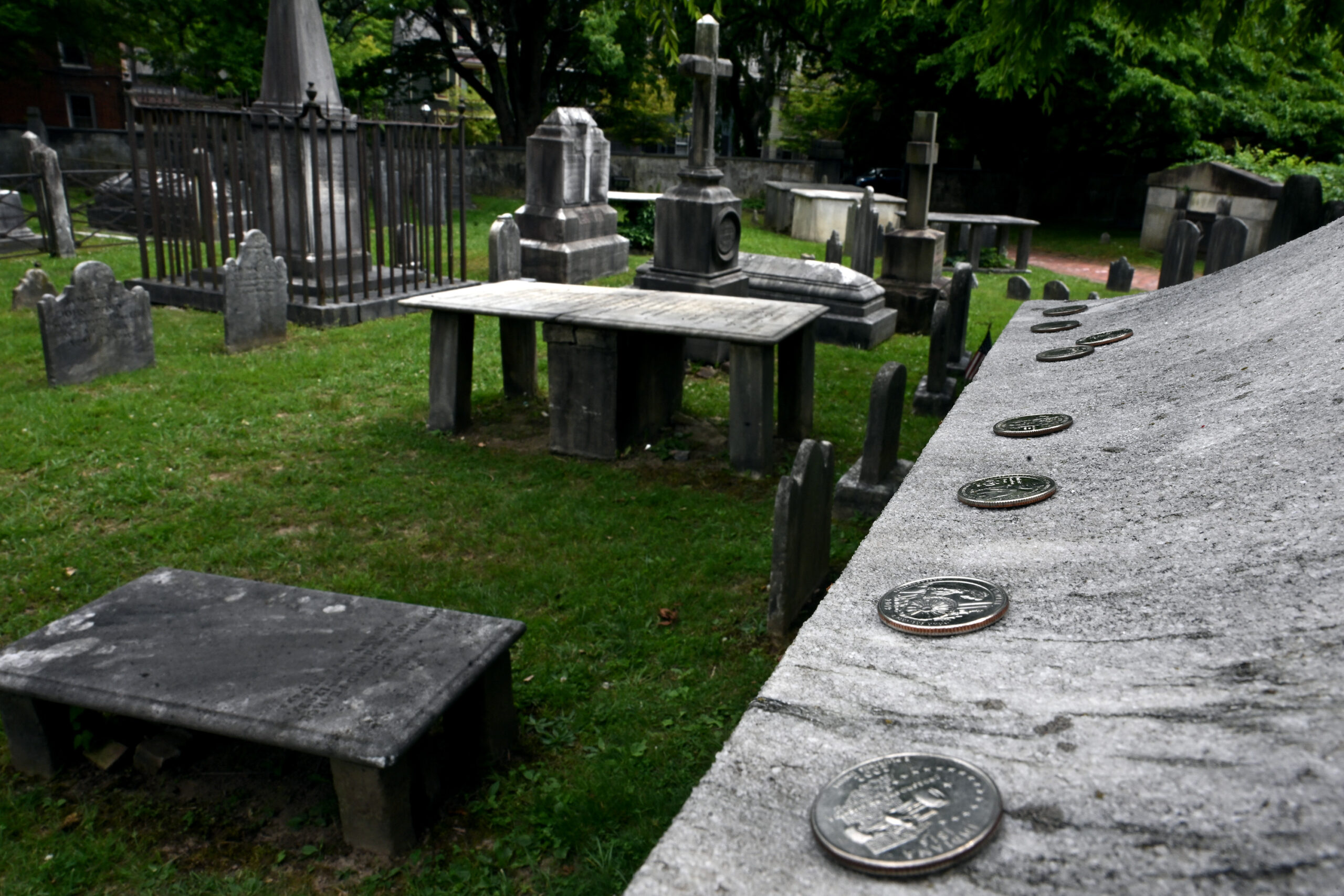
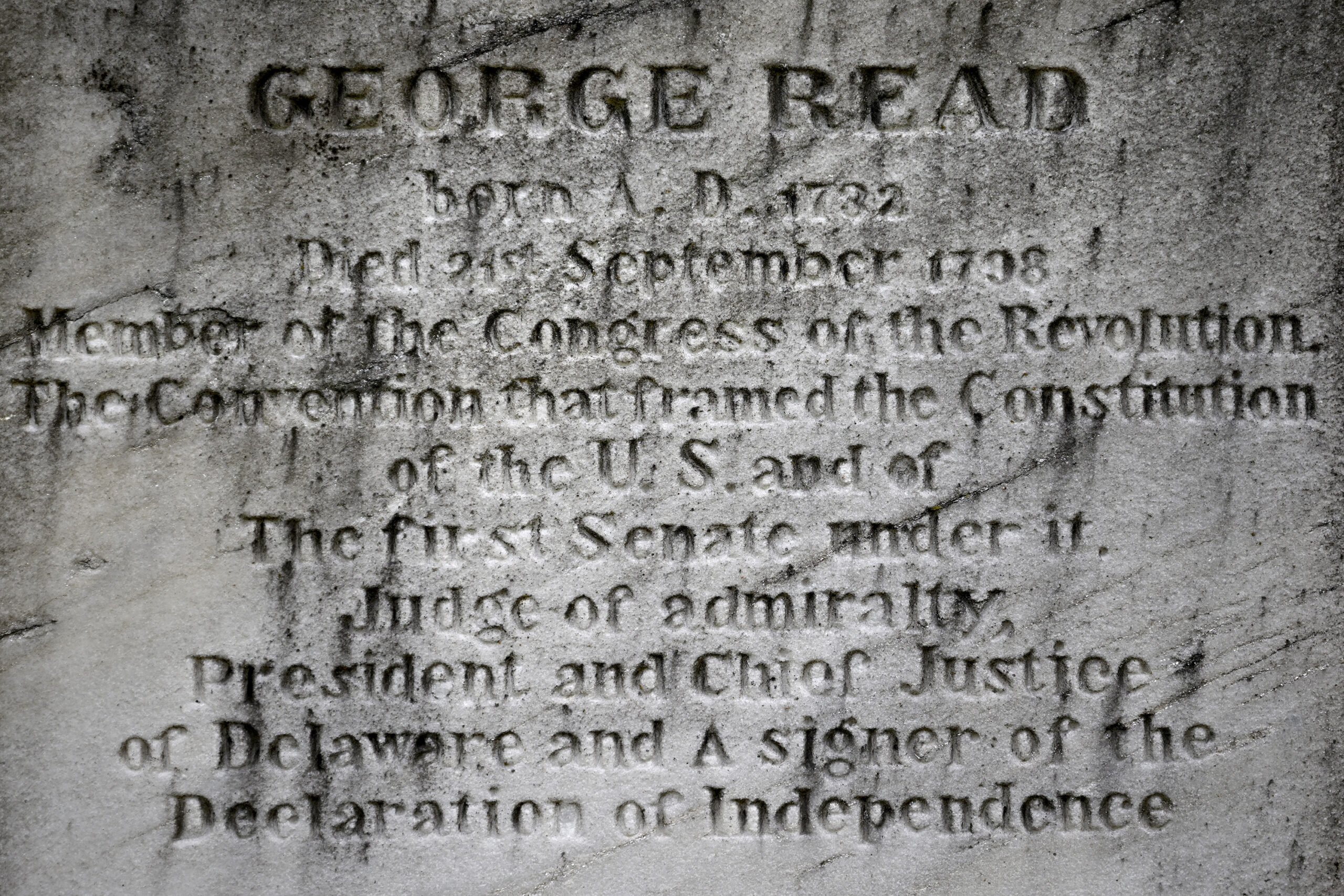
Coins placed on the gravesite of signer George Read at the Immanuel Episcopal Church on the Green Cemetery in New Castle, Del.Read was also president of Delaware and served the state as a U.S. Senator and chief justice.Cooch is also related to both of Delaware’s two other signers and to Pennsylvania’s George Ross.
JOHN MORTON, PENNSYLVANIA
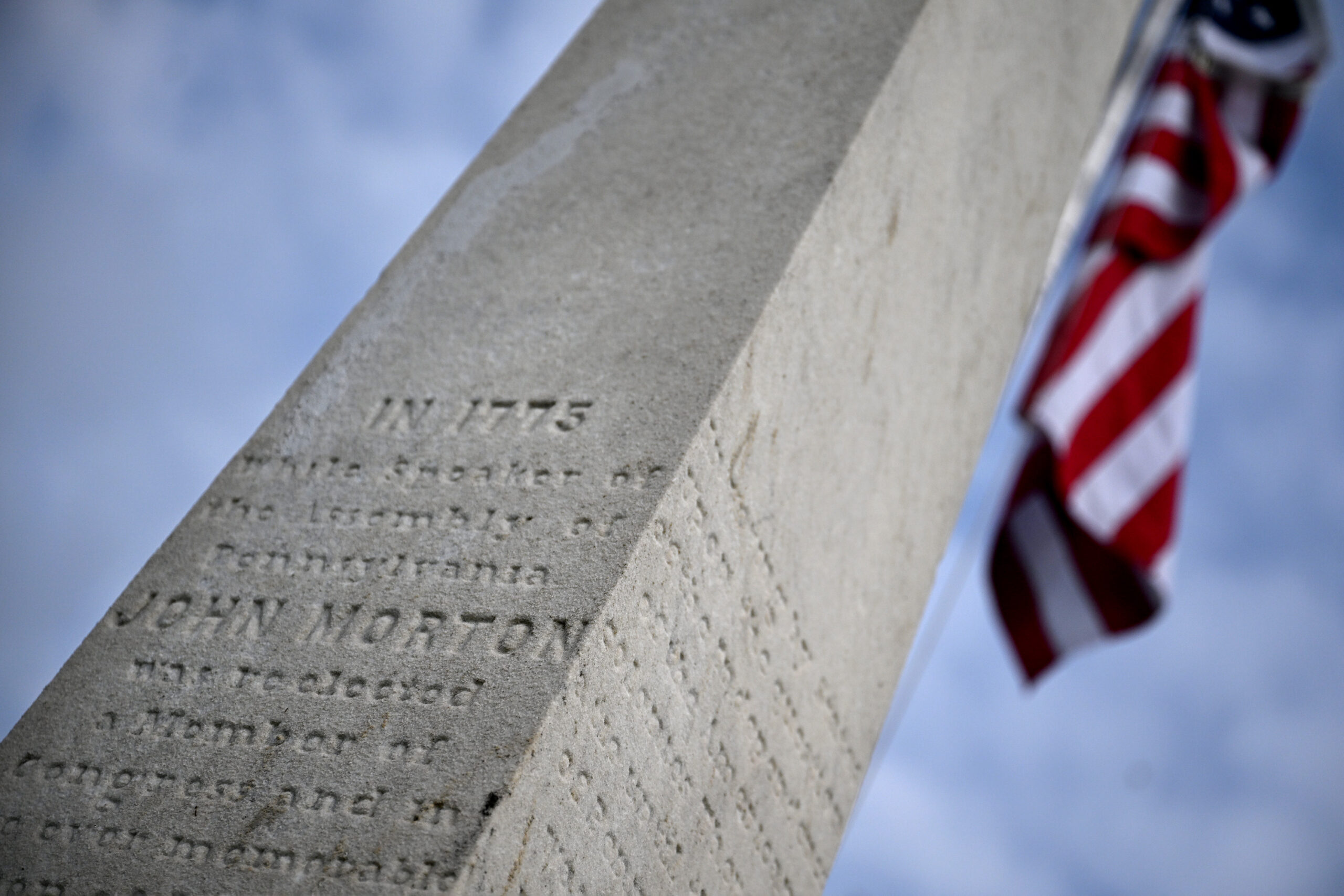
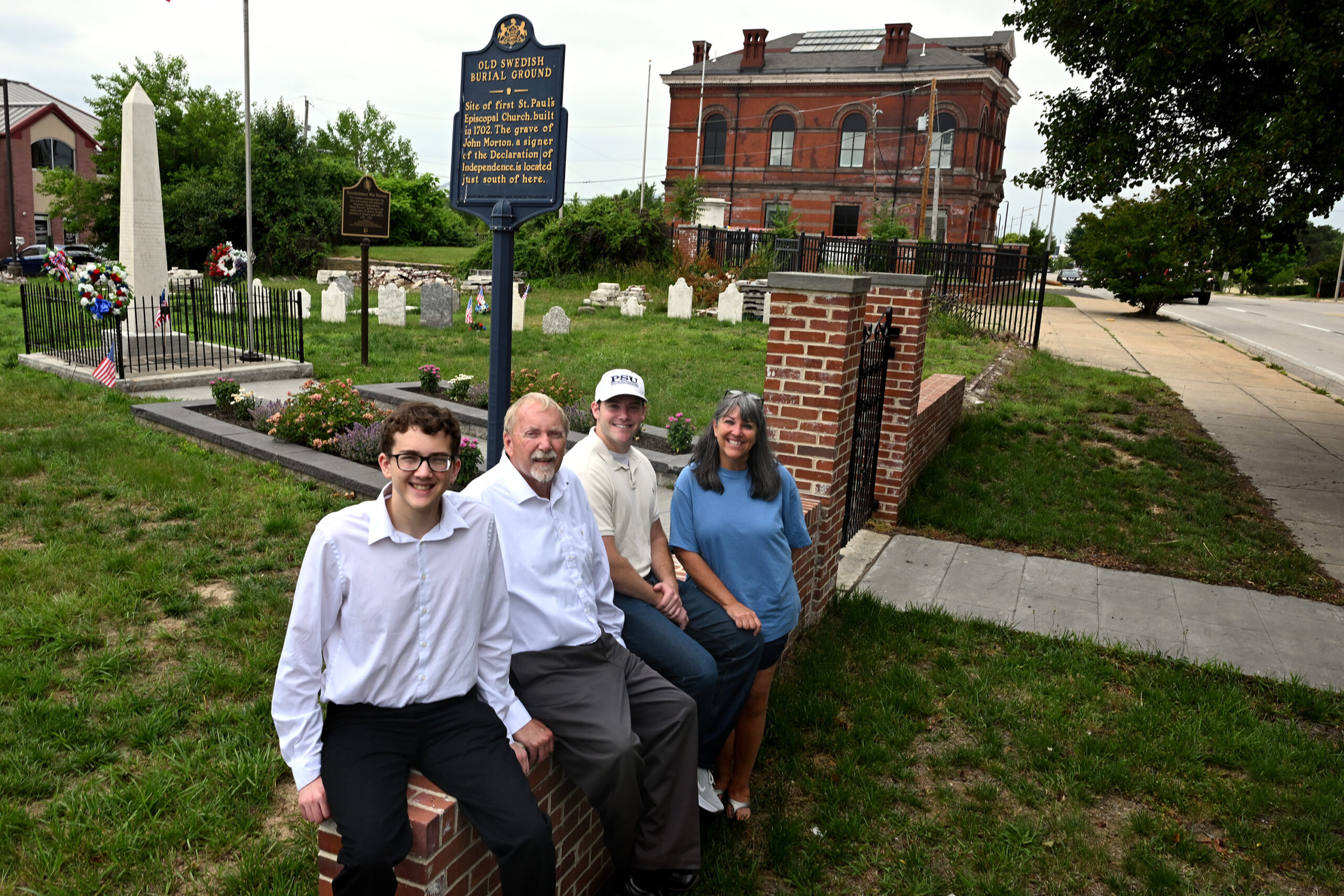
The memorial for signer John Morton of Pennsylvania at the Old Swedish Burial Ground (also known as the Old St. Paul’s Episcopal Churchyard) in Chester, Delaware County.Rick Morton and his sons, all direct descendants of signer John Morton of Pennsylvania, at his gravesite.Rick and Nealla Morton with their sons Josh (left), 21; and Sketch, 24, at Chester’s Old Swedish Burial Ground.
John Morton is also an important figure in Finnish American history, as his family roots go back to the Finns who lived in New Sweden, the colony of the Swedish Empire settled in the mid-1600s along the lower Delaware River.
Generations of Mortons have lived in Delaware and Chester Counties since, including descendant Rick Morton, who says of his lineage: “It was so well known in the family that it’s almost like I came out of the womb with the knowledge.”
He remembers as a kid placing wreaths with his sister at the Old Swedish Burial Ground in Chester and getting their picture in the Delaware County Daily Times.
Both of his sons have participated in the annual DSDI ceremonial tapping of the Liberty Bell by young descendants on Independence Day. His oldest son, Sketch, was named after John Morton’s son Sketchley.
The Pennsylvania delegation in the Second Continental Congress was deeply divided and Morton was the “swing vote” for independence.
It is said his deciding vote is why the Commonwealth is nicknamed the “Keystone State” as without Pennsylvania, the Declaration might not have been adopted.
Morton died before the Revolutionary War ended — the first signer to die — even before the new nation was fully established. As a result, he left fewer writings and had less opportunity to shape the country’s early growth.
GEORGE CLYMER, PENNSYLVANIA
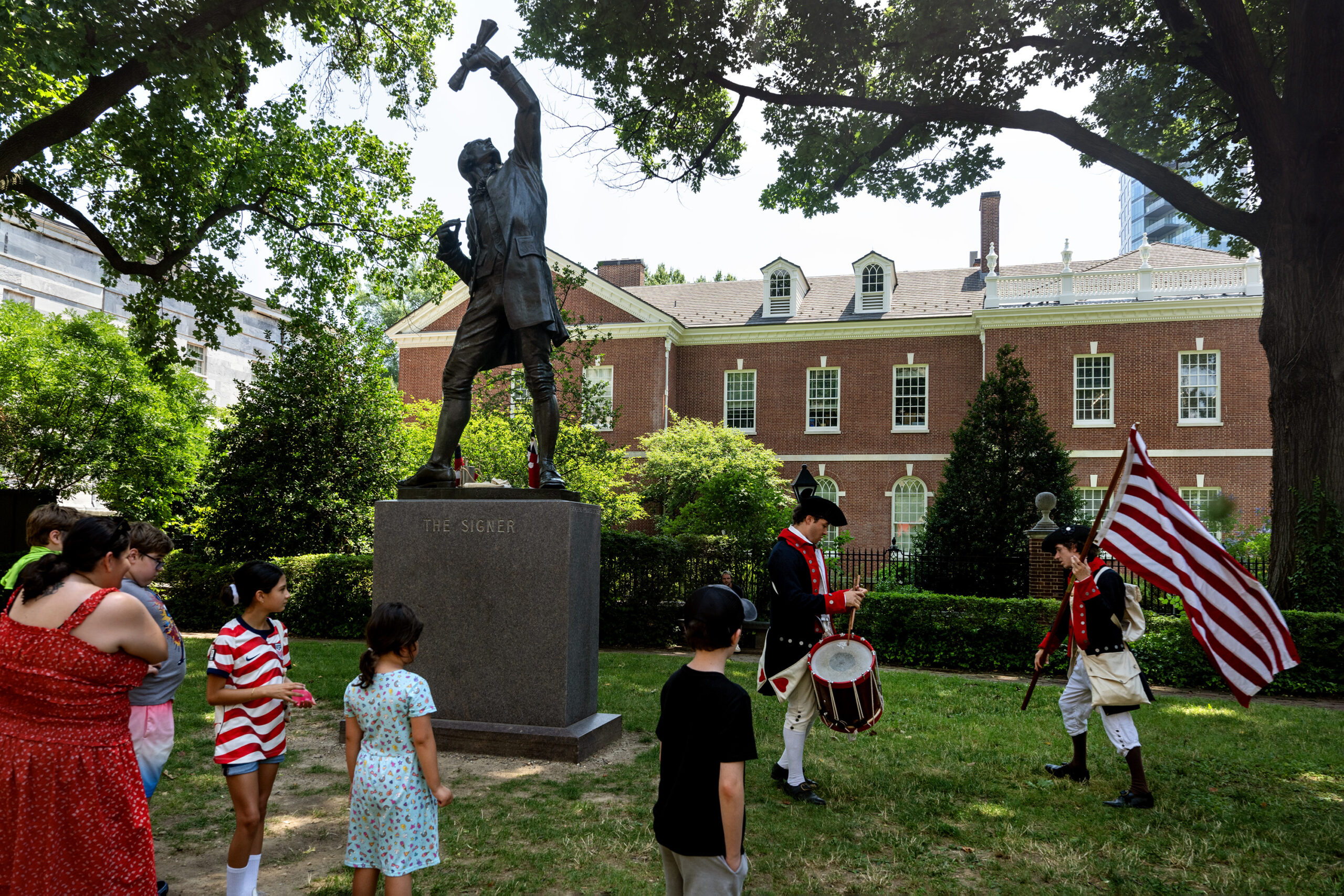
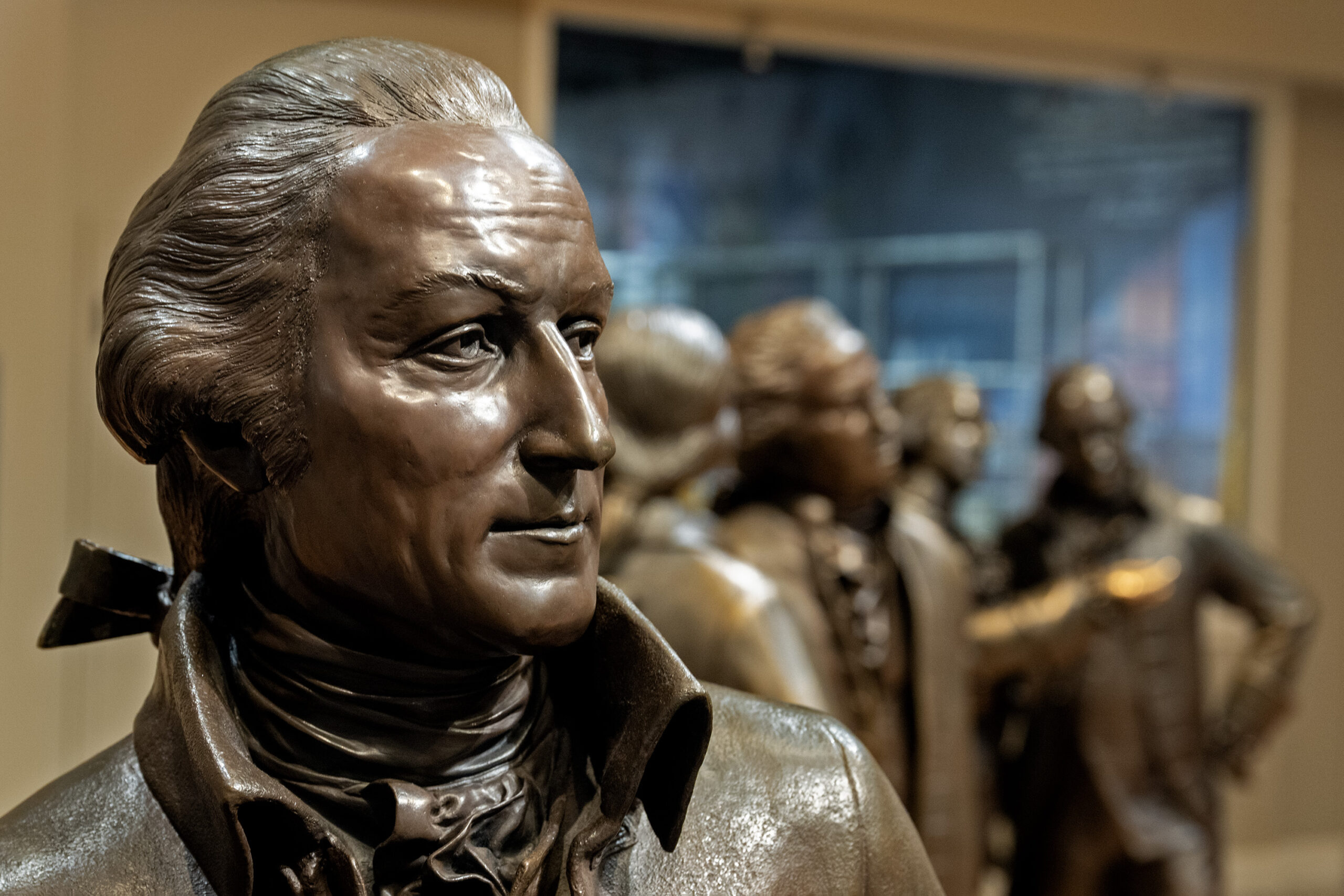
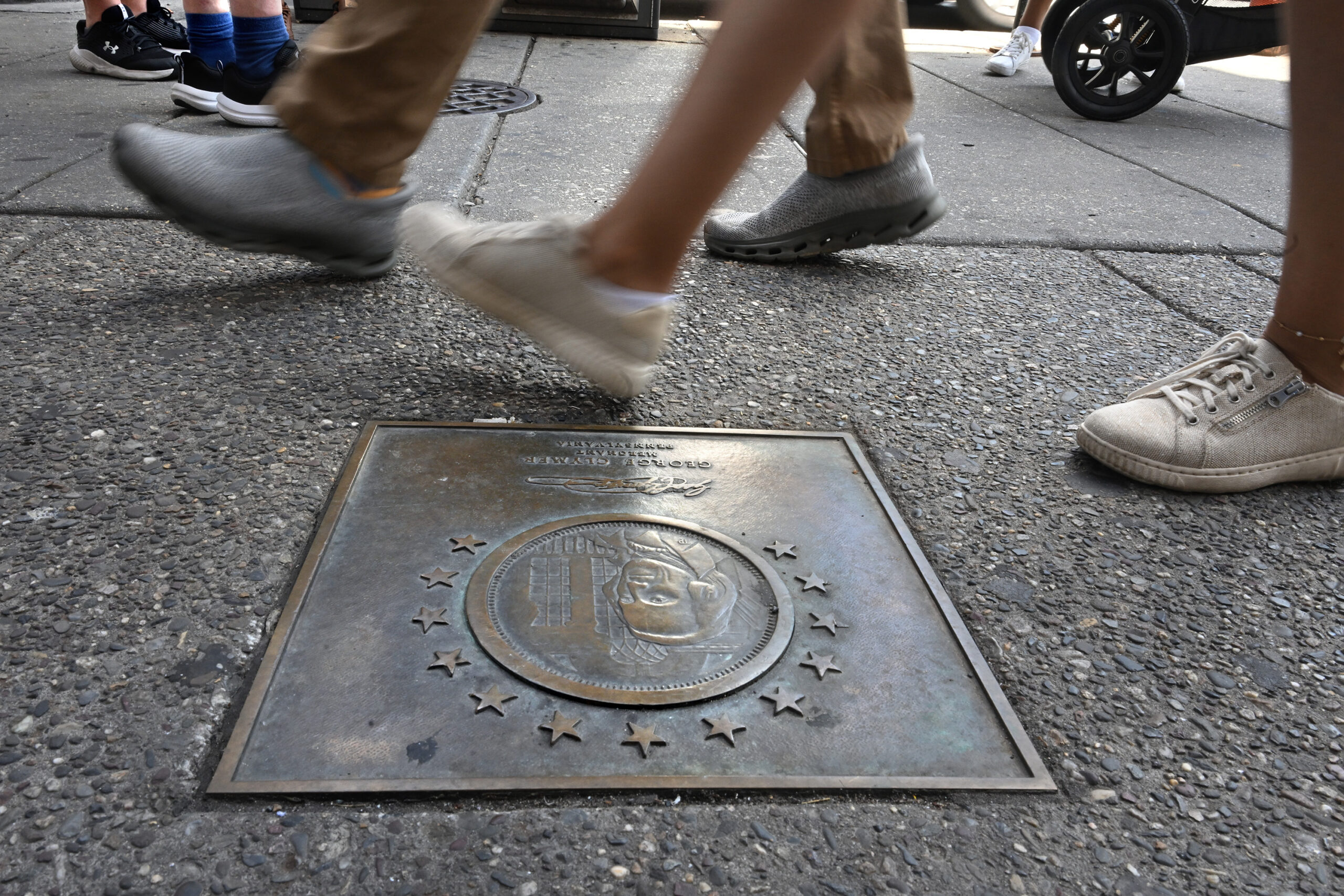
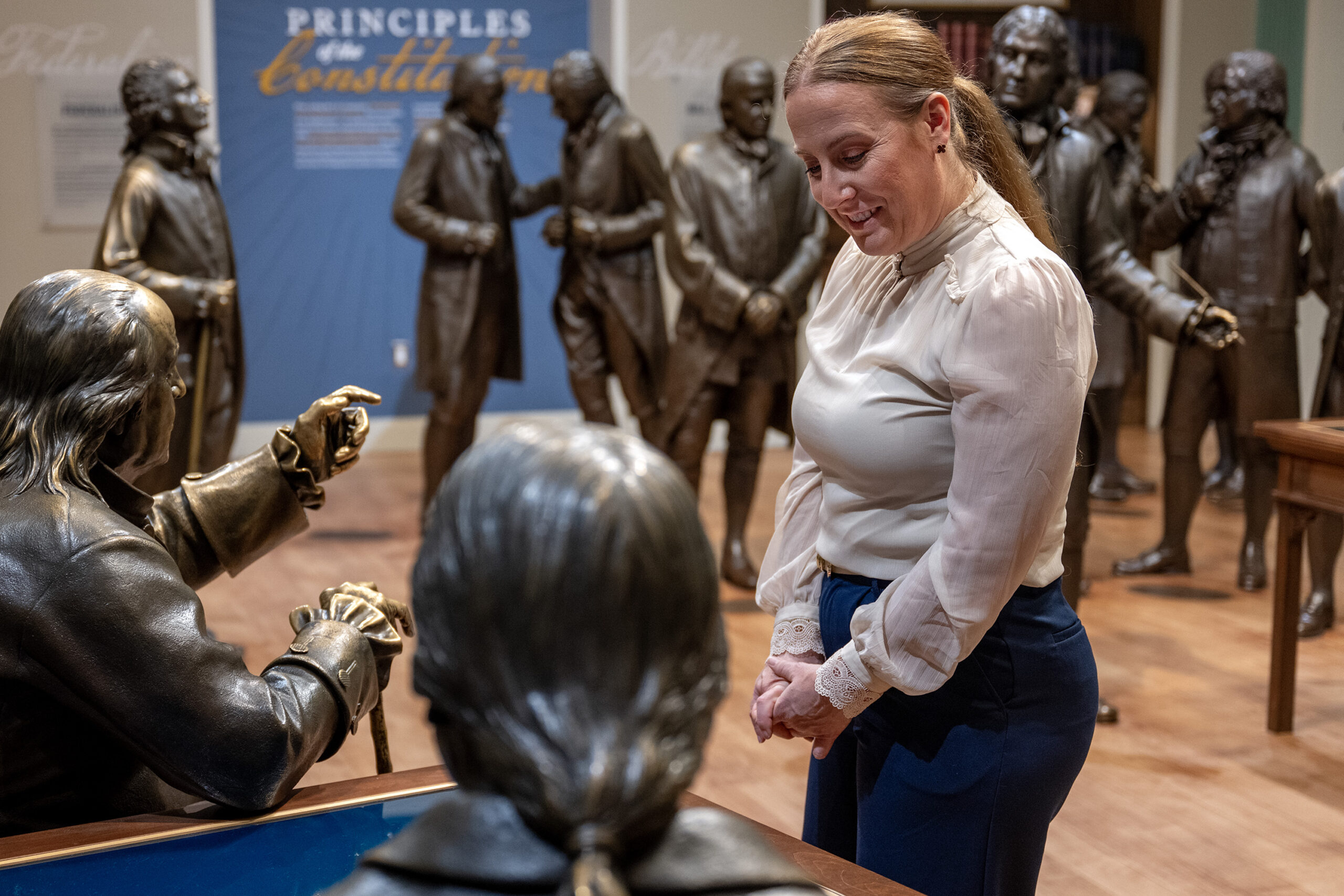
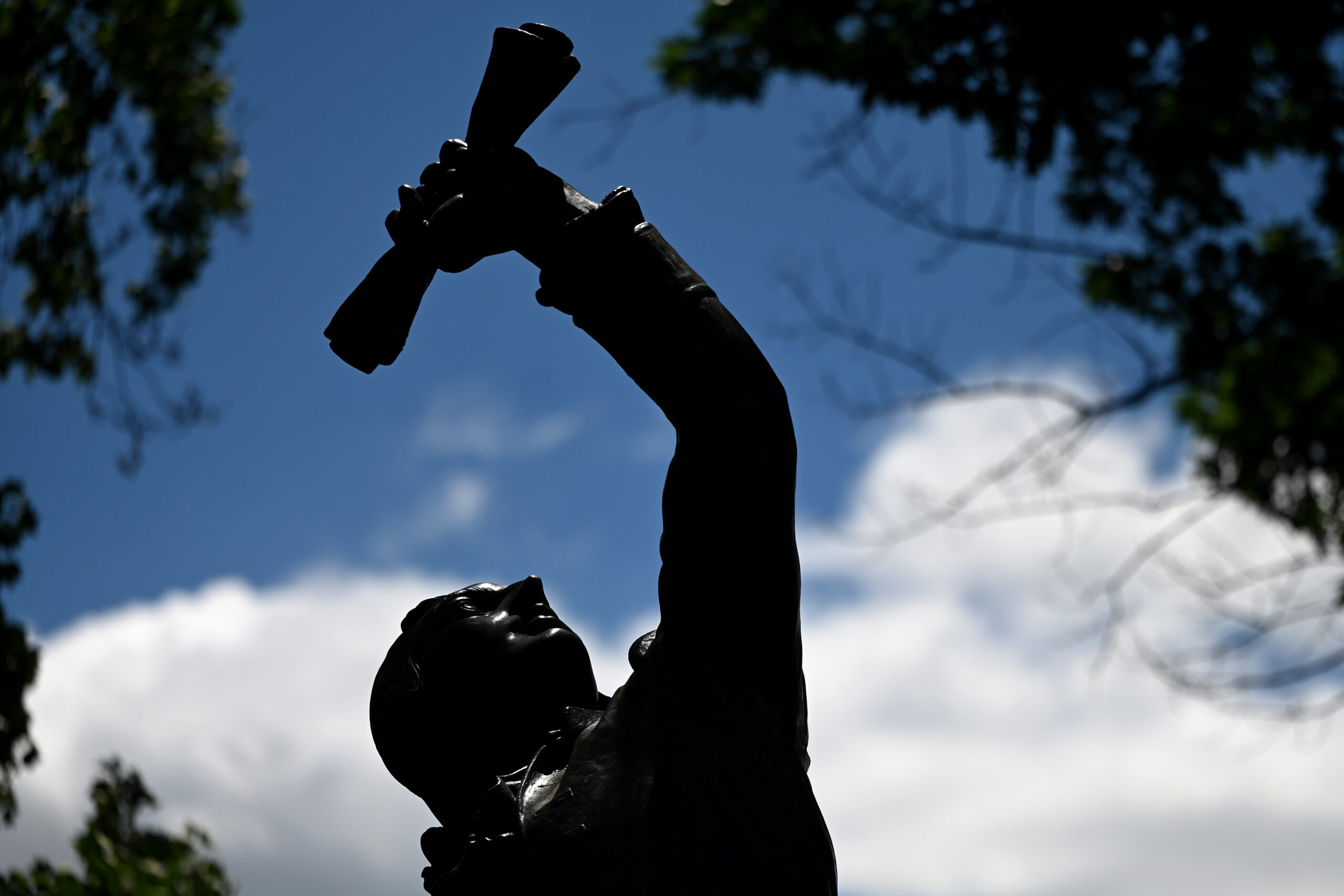
“The Signer” statue in a garden across the street from Independence Hall is modeled on George Clymer of Pennsylvania, one of six delegates who signed both the Declaration and the U.S. Constitution.Life-size bronze stature of signer George Clymer of Pennsylvania in Signers’ Hall at the National Constitution Center. Plaque for George Clymer of Pennsylvania, one of 56 memorials for the signers of the Declaration of Independence in the sidewalk along the 600 block of Chestnut Street. Most of the plaques have been stolen over the years.
George Clymer, orphaned before his first birthday, was raised by a wealthy uncle. Although that uncle helped found Philadelphia College, which later became the University of Pennsylvania, Clymer received little formal schooling and was largely self-educated. Through reading and his uncle’s training for a career in business and commerce, he became a successful merchant and statesman.
In 1773, George Clymer led efforts that pressured British-appointed tea agents in Philadelphia to resign. As a result, Philadelphia avoided the kind of confrontation that later erupted at the Boston Tea Party.
Before independence became mainstream, Clymer was already arguing that the colonies should separate completely from Britain. His views put him in frequent conflict with the more cautious Quaker-led powers of Pennsylvania who initially hoped for reconciliation.
Brett Clayton Johnson grew up not knowing he was a descendant. When he found out from his grandparents, he wondered why there was nothing about Clymer in any of his history books in school.
Johnson visited Philadelphia once with those grandparents, but he was too young to really appreciate what those men did. “It was brave,” he says. “Every freedom we have is because of those guys in the room,” adding “I now know and it is the proudest thing of my life.”
BEN FRANKLIN, PENNSYLVANIA
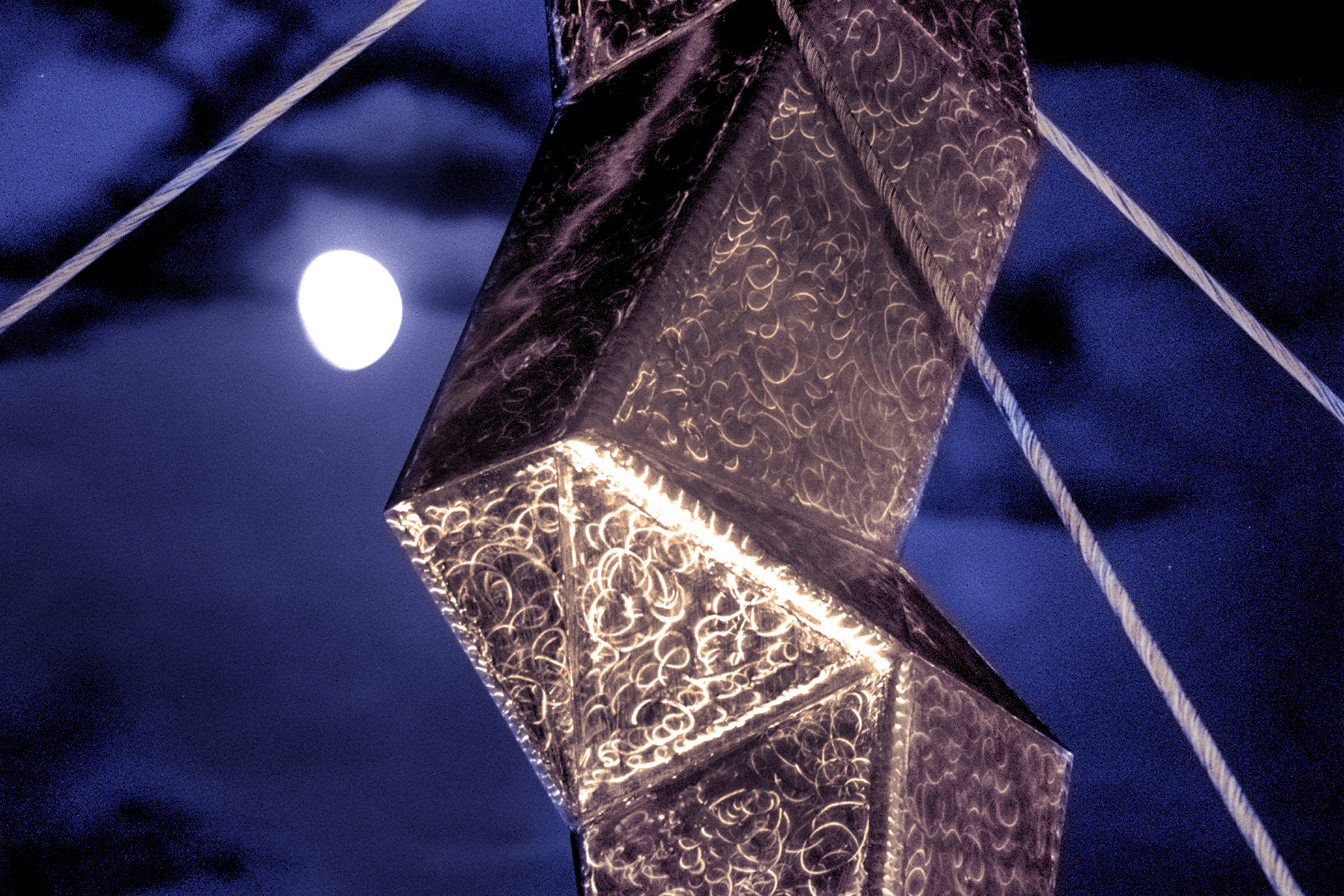
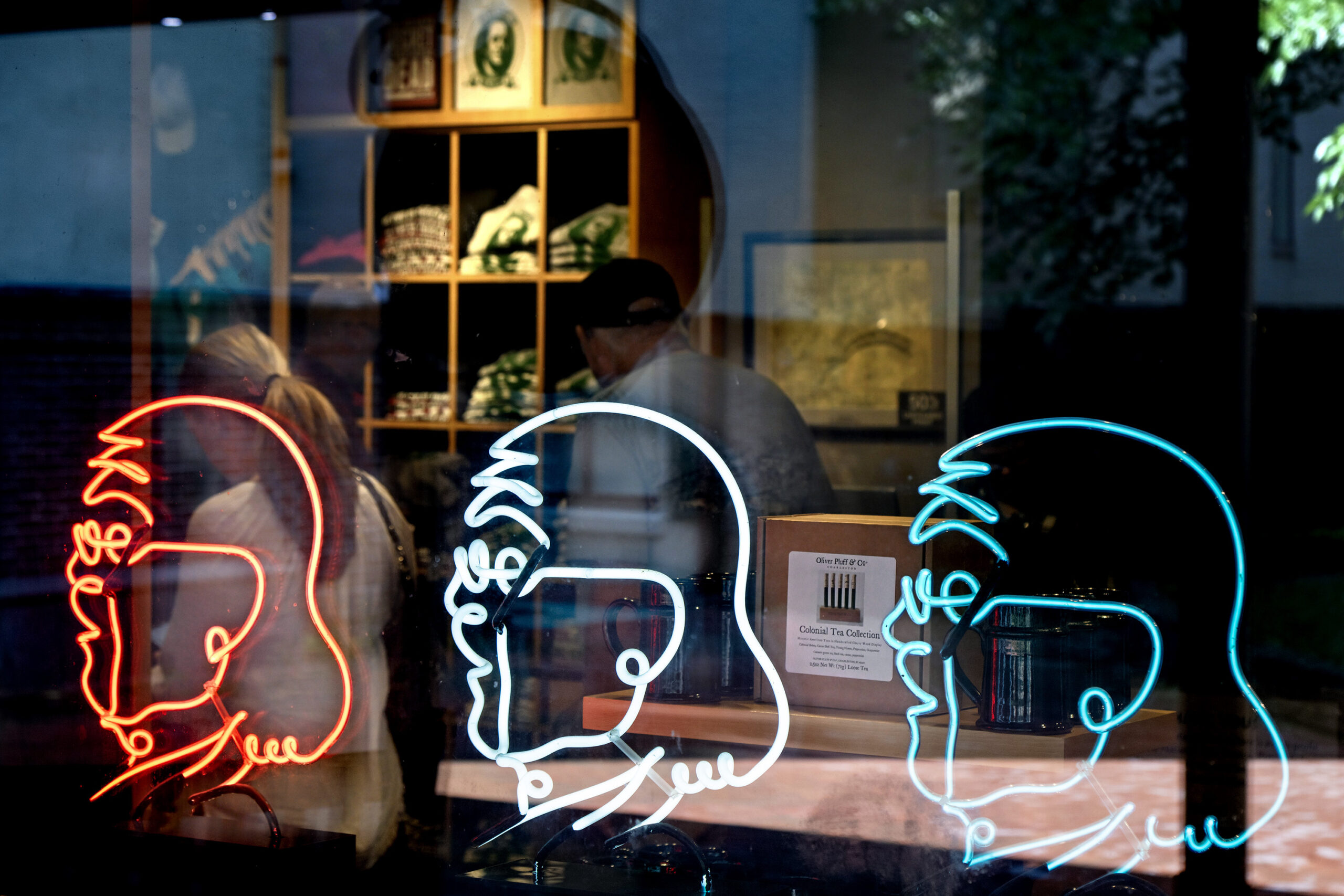
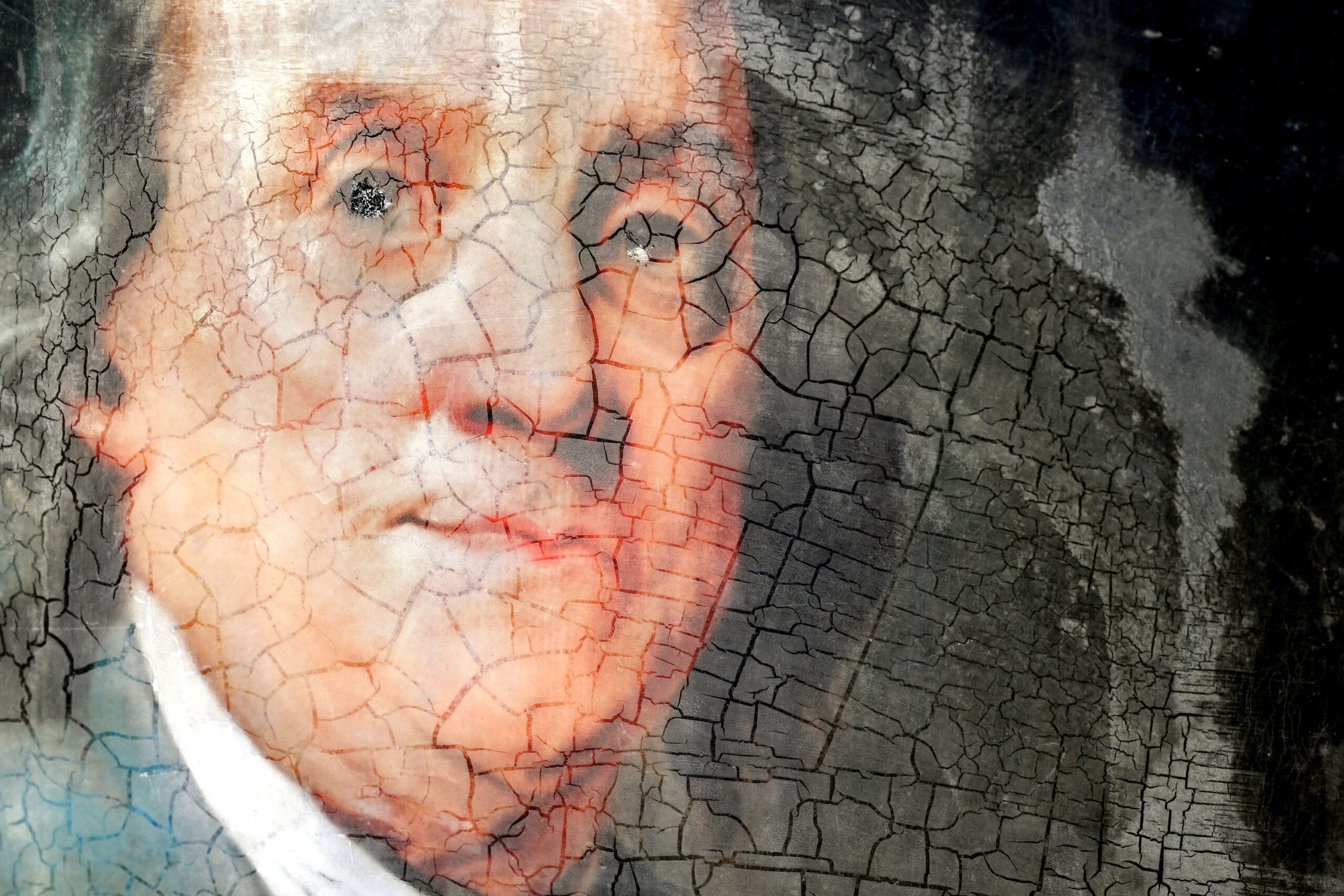
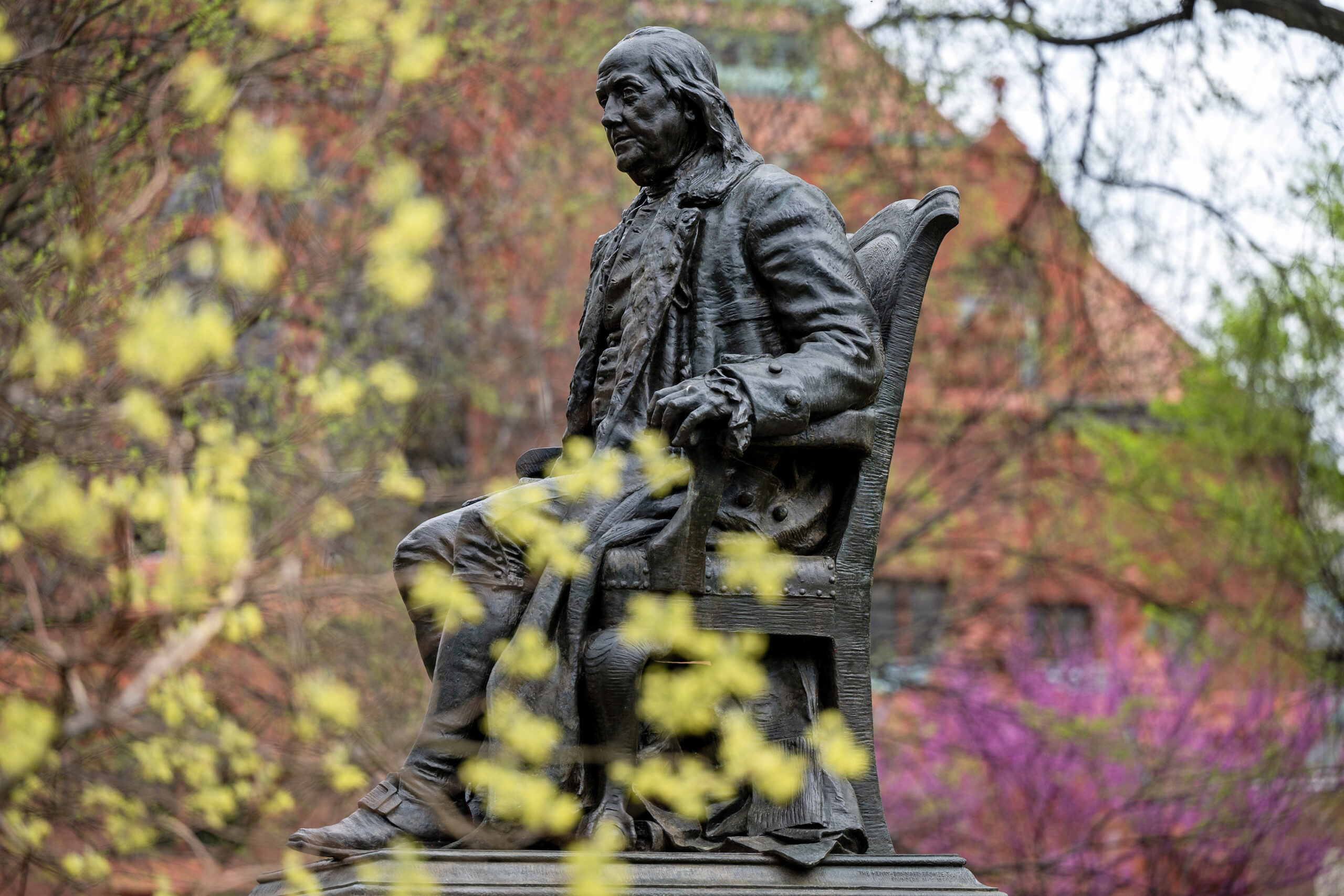
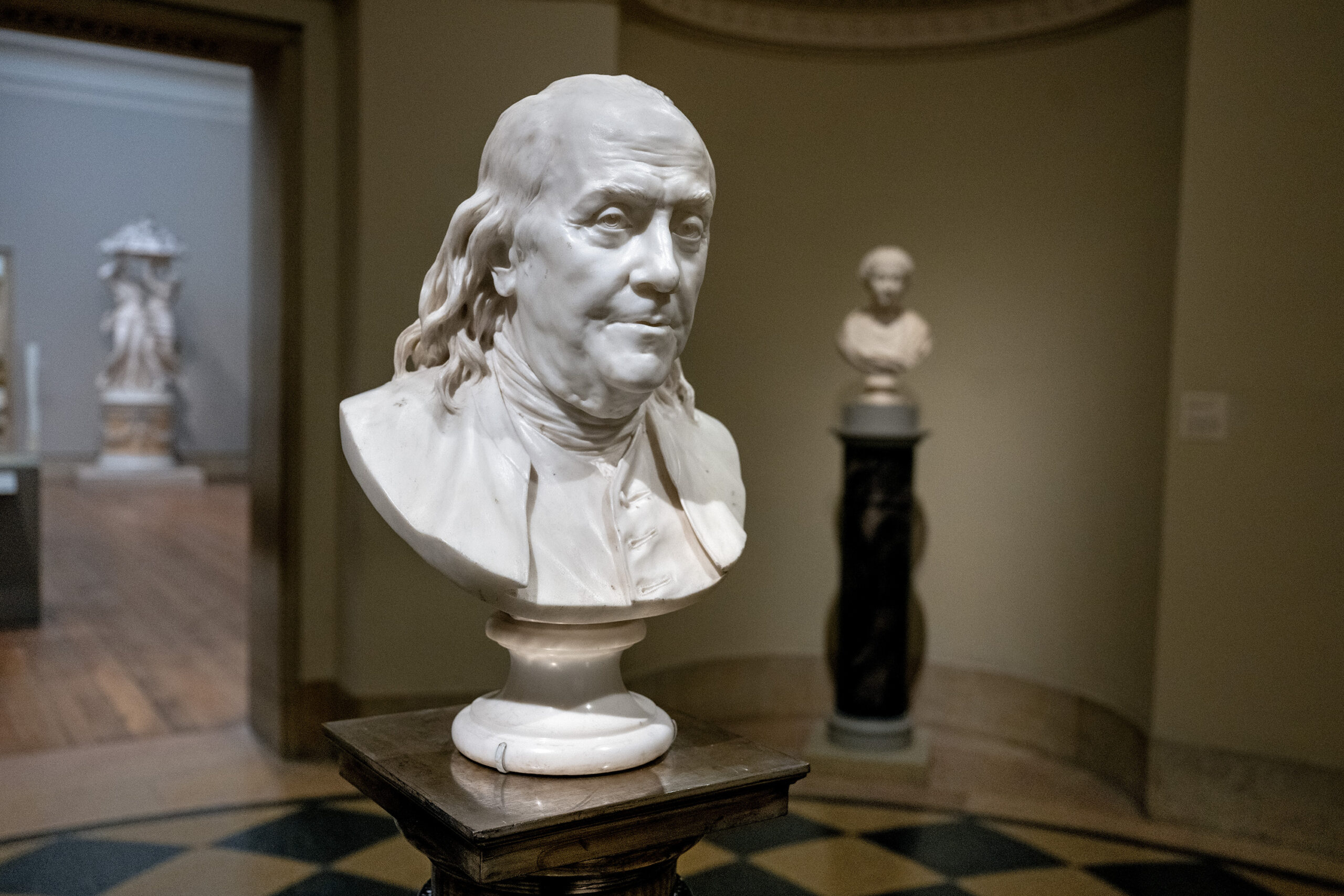
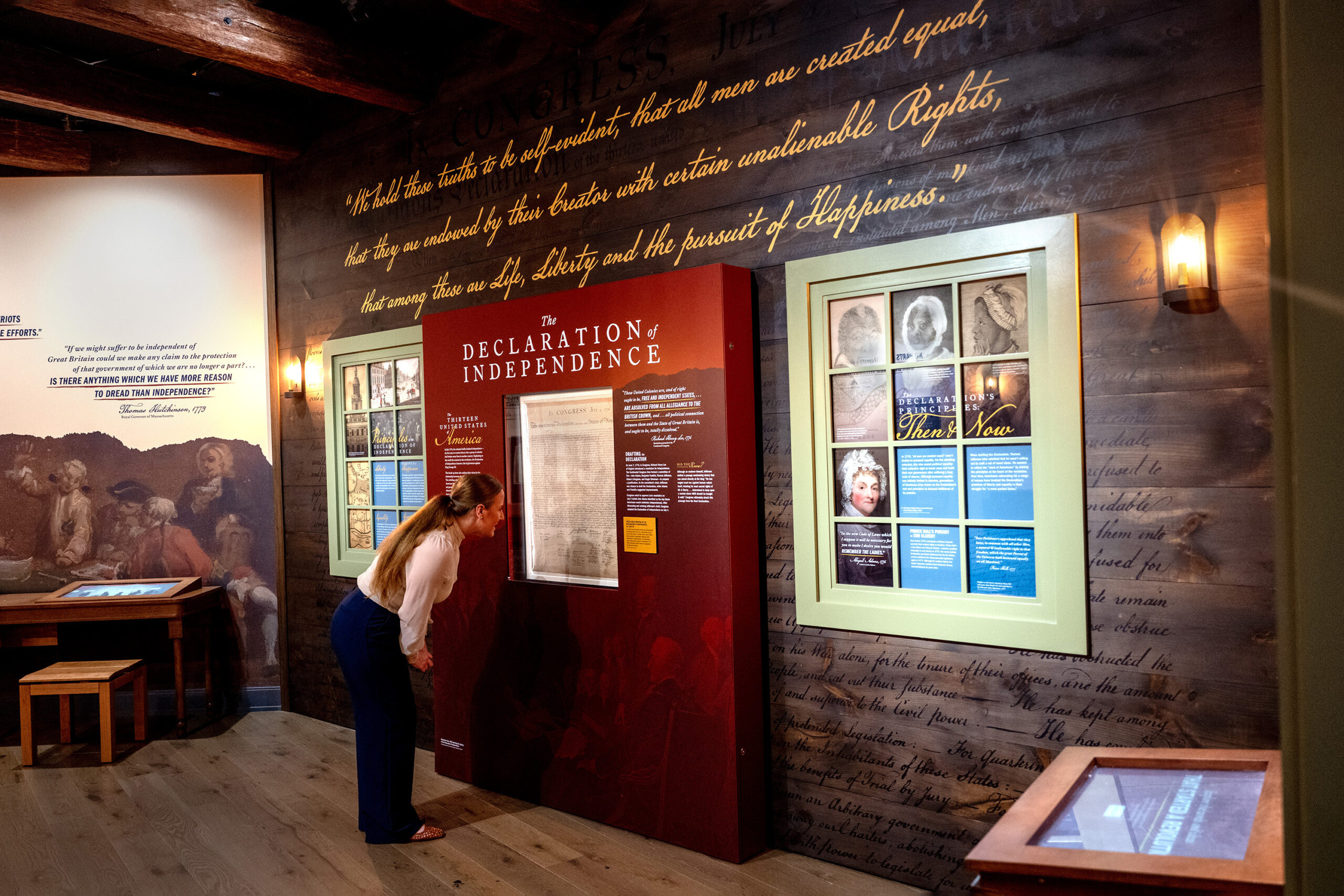
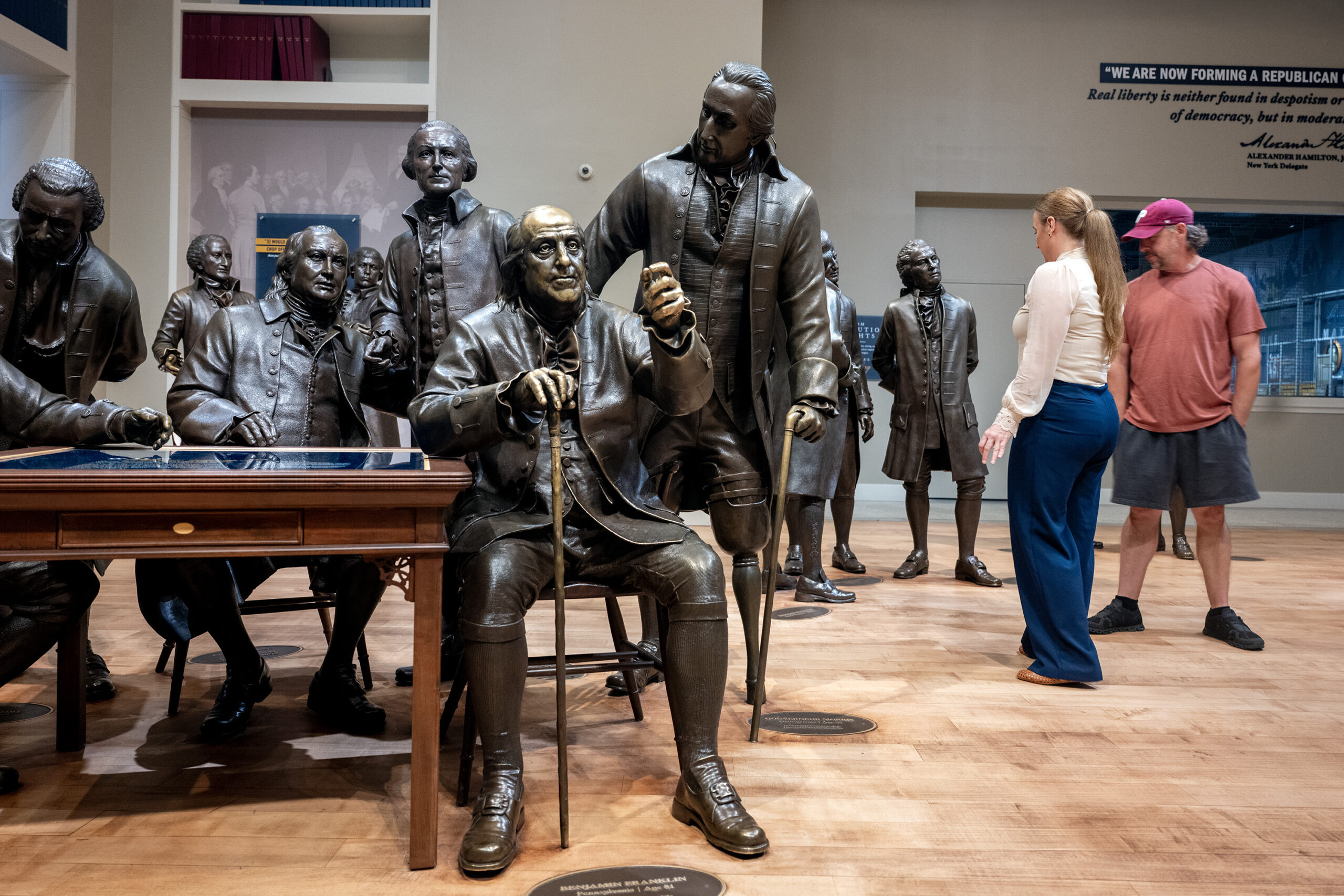
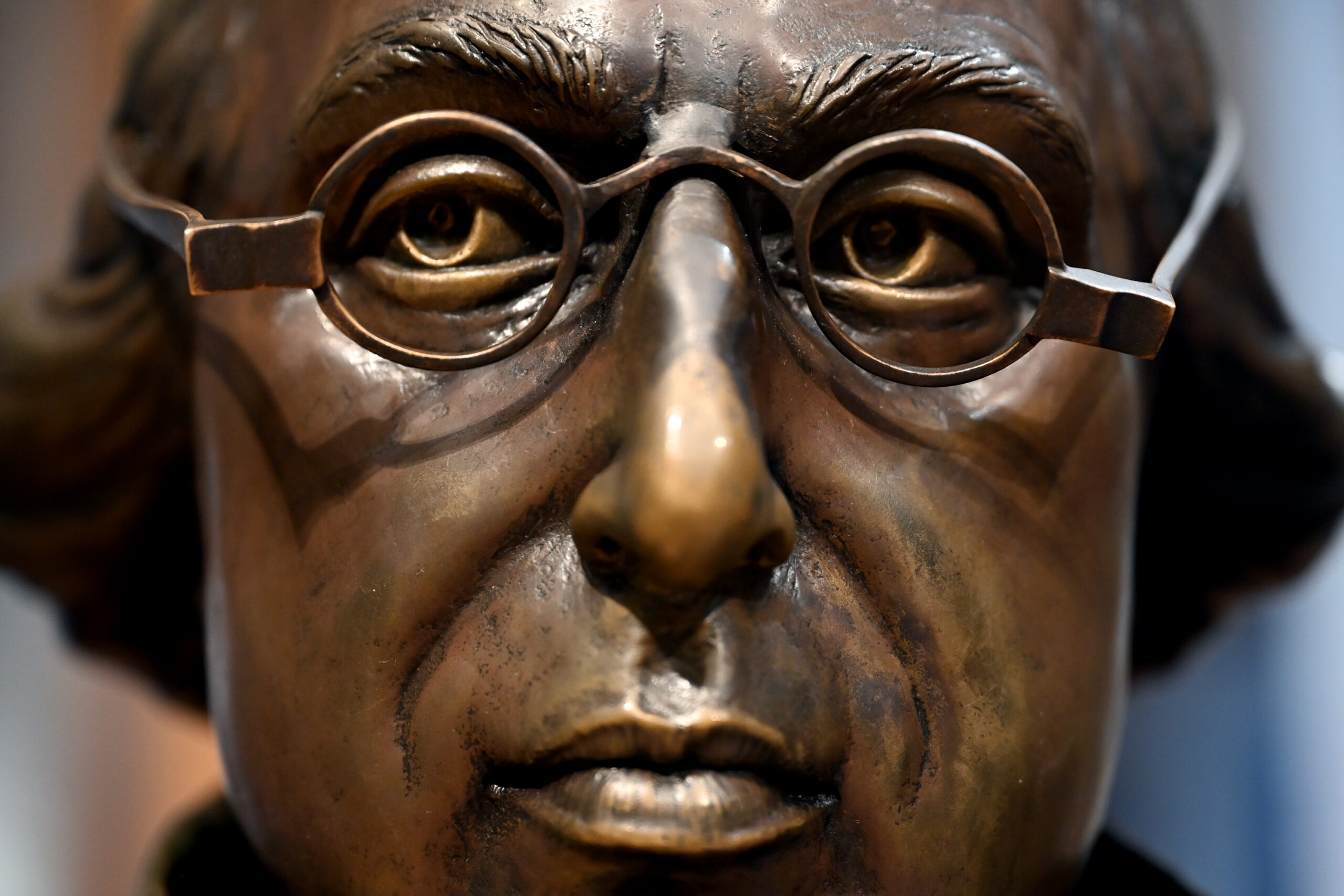
Sarah Miller, a direct descendant of signer Benjamin Franklin of Pennsylvania, visits Signers’ Hall at the National Constitution Center. Six men, including Franklin, signed both the Declaration of Independence and the U.S. Constitution. “Bolt of Lightning,” a 1984 memorial to Franklin, is a 102-foot-tall stainless steel lightning bolt, kite, and key by sculptor Isamu Noguchi at the base of the Ben Franklin Bridge.Neon art in the Benjamin Franklin Museum gift shop in Independence National Historical Park. A faded Franklin portrait on an interpretive panel in Independence National Historical Park.The Franklin statue on the campus of the University of Pennsylvania in front of College Hall. It was commissioned in 1896 by Justus Clayton Strawbridge, of Strawbridge’s department stores, and created by sculptor John J. Boyle as a gift to the City of Philadelphia. A 1779 bust of Franklin by Jean-Antoine Houdon at the Philadelphia Museum of Art. It was made while he was minister from the American colonies to France.A display of an original 1833 printing of the Declaration of Independence.Miller and her husband, Michael DiMarzio, in Signers’ Hall. Six men, including Franklin, signed both the Declaration and the Constitution.
Benjamin Franklin is one of the most recognizable figures in American history, and much is known about him because he left behind such a detailed record of his life.
Even before he arrived in Philadelphia as a teenager, Franklin was already a “best-selling” humor writer, known for the witty and satirical letters he secretly submitted to his older brother’s Boston newspaper, the New-England Courant under the pseudonym Silence Dogood, pretending to be a middle-aged widow.
Growing up in South Philadelphia, Sarah Miller heard the stories passed down for generations. “All the parents would tell the kids we were related to Benjamin Franklin,” she says, “but then no one really looked into it. It was kind of like, Is that true? Is it just a story?”
It was her mother, who was not a direct descendant but was really into ancestry, who started looking into it. “She used to drag me to the National Archives [then in the Robert N.C. Nix Federal Building — the old U.S. Post Office at Ninth and Market Streets] when I was in high school to search through their microfiche,” she recalls.
During a recent visit to Constitution Center’s Signers’ Hall — Franklin was one of six who signed both documents — and seeing his life-size statue, Miller said it seems like it was a long time ago, “but it really wasn’t. We all still live in the same area.” It really puts the Declaration of Independence in perspective she says. “It’s really only a few generations back. America is still very young.”
CAESAR RODNEY, DELAWARE
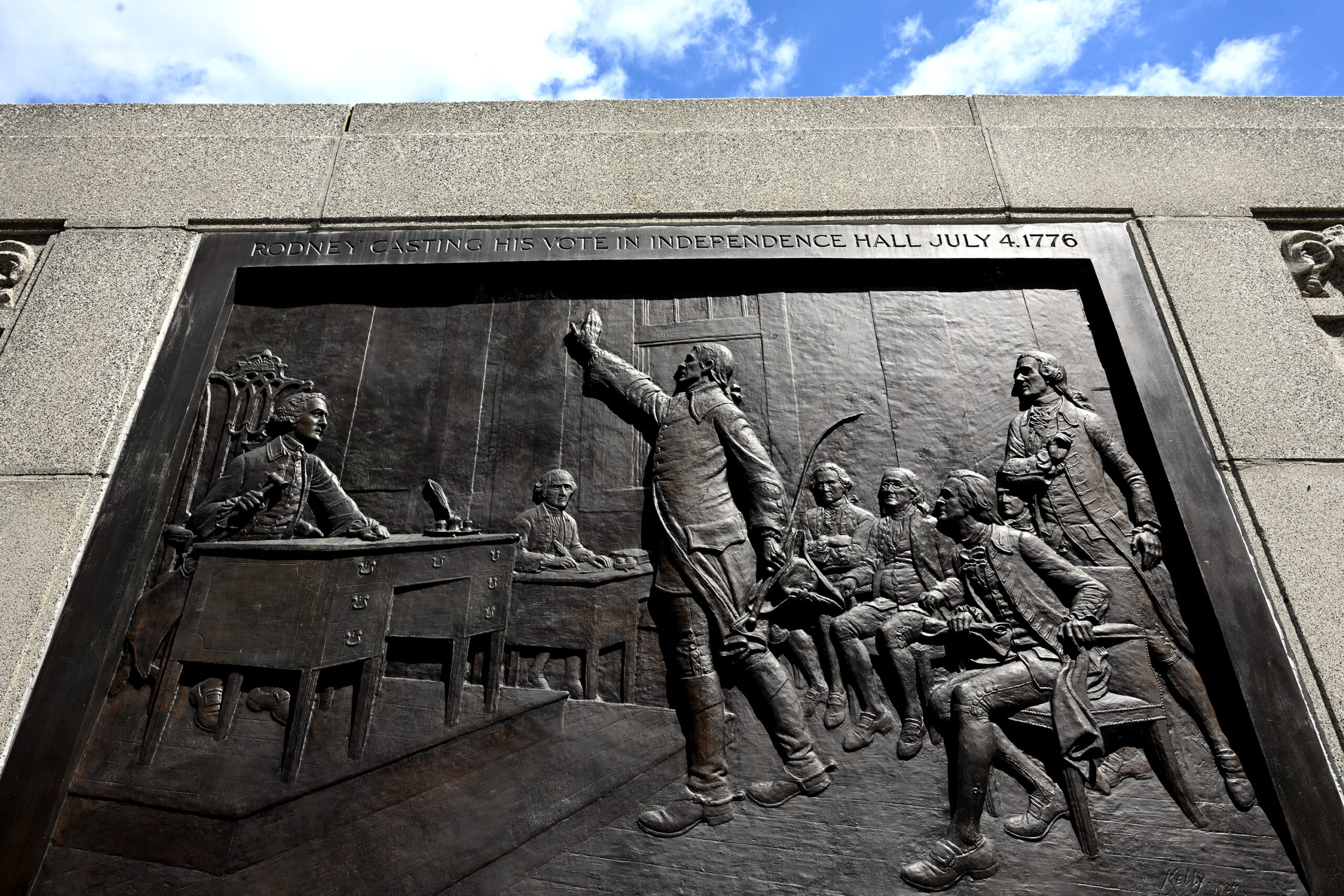
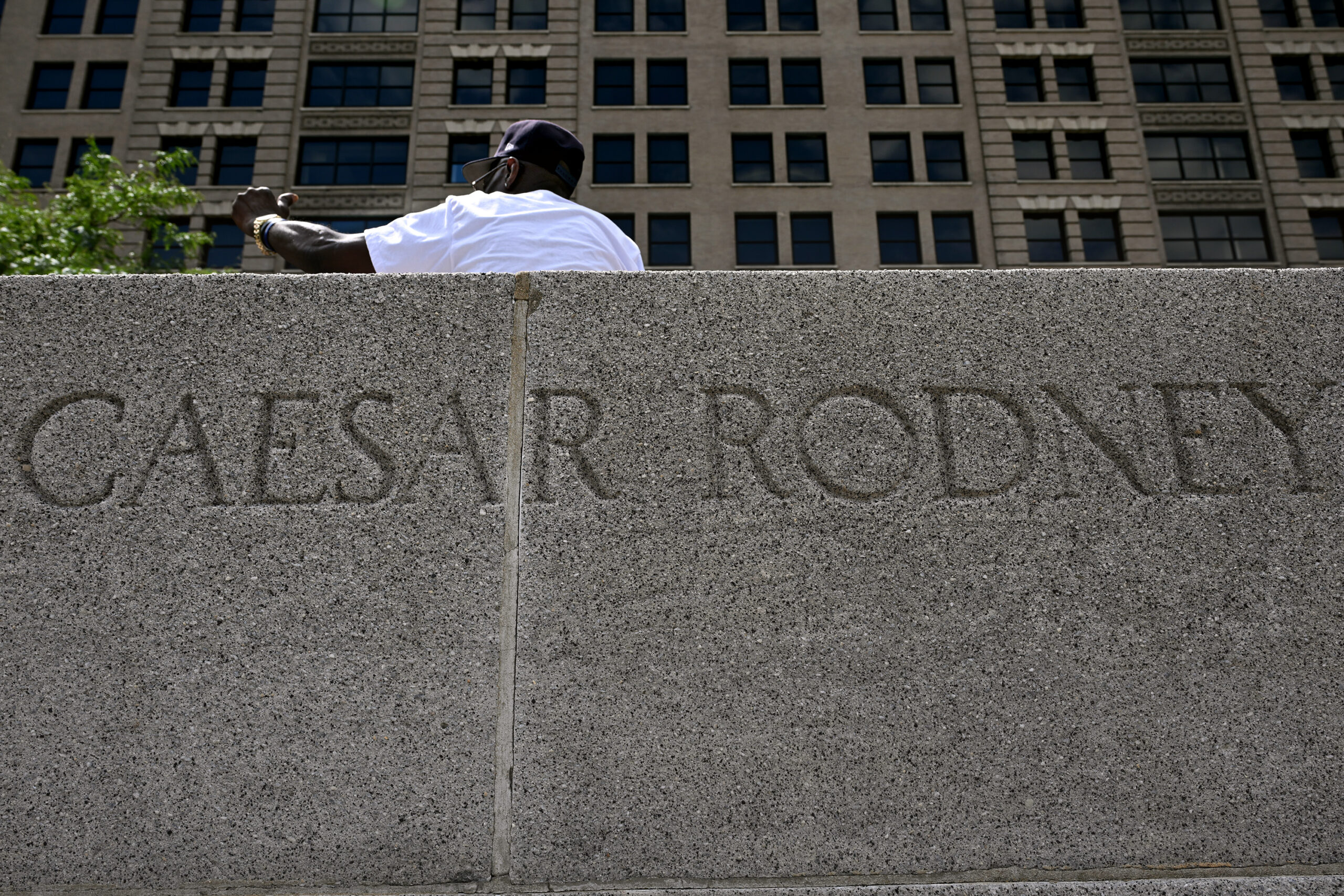
The base of a monument in Wilmington’s downtown Rodney Square features a low-relief sculpture showing him casting his vote for independence.The base of a monument for signer Caesar Rodney, an enslaver, remains in Wilmington after the statue it held was removed in June 2020, amid nationwide Black Lives Matter protests.
When the U.S. Mint produced the statehood quarters from 1999 through 2008, it issued the coins in the order that the states ratified the U.S. Constitution or joined the Union. Delaware was honored on the first coin, and it shows a man on a galloping horse. People assumed it was Paul Revere, as he is the most famous Revolutionary War horseman.
That man was Caesar Rodney.
At home in Delaware recuperating from painful facial cancer, Rodney left on a stormy night, riding the 80 miles from Dover to Philadelphia on horseback to cast Delaware’s tiebreaking vote for independence on July 2, 1776.
Rodney served Delaware as a judge, sheriff, military officer, legislator, and governor but was also a plantation owner who relied on enslaved labor. In 2020, amid nationwide Black Lives Matter protests, his equestrian statue was removed from the park that is named for him in downtown Wilmington. It remained in storage until President Donald Trump had it installed in May 2026 in Freedom Plaza in Washington.
GEORGE TAYLOR,PENNSYLVANIA
Independence Hall (Pennsylvania State House).
George Taylor arrived in America as an indentured servant to an ironmaster near Philadelphia. Working off the debt involved manual labor in iron production, making him one of the most working-class signers.
He worked his way up into management and when the forge’s owner died he married the widow and took over running the ironworks.
His furnaces produced castings, and stoves, including Franklin stoves. In August 1775, Taylor secured a contract from Pennsylvania for cannonballs and later made grape shot, bar shot and cannons for the Continental Army.
When several Pennsylvania delegates chose not to vote in favor of the Independence on July 4, the Assembly chose five replacements: George Taylor, George Ross, George Clymer, Benjamin Rush, and James Smith, all of whom signed the Declaration of Independence when the engrossed copy of the document was ready on August 2, 1776.
GEORGE WILSON, PENNSYLVANIA
Life-size bronze statue of George Wilson of Pennsylvania in Signers’ Hall at the National Constitution Center. He was one of six men who signed both the Declaration and U.S. Constitution.
As a young man in Scotland James Wilson was studying for a life in the church. But as it was the time of the Scottish Enlightenment, he entertained much broader interests, including classical governments and philosophy, and in 1765 sailed to America for more opportunities.
He arrived in New York during the Stamp Tax dispute, and ended up in Philadelphia where he found employment teaching Latin at the College of Philadelphia, the school that later became the University of Pennsylvania. He also prepared to be a lawyer and passed the Bar a few years later.
His writings – while still in his 20s – on the legal relationship between the British Parliament, the Colonies, and the King foreshadowed the content of the Declaration of Independence two years later. Constitutional scholars often rank him among the most influential thinkers at the Constitutional Convention.
ABRAHAM CLARK, NEW JERSEY
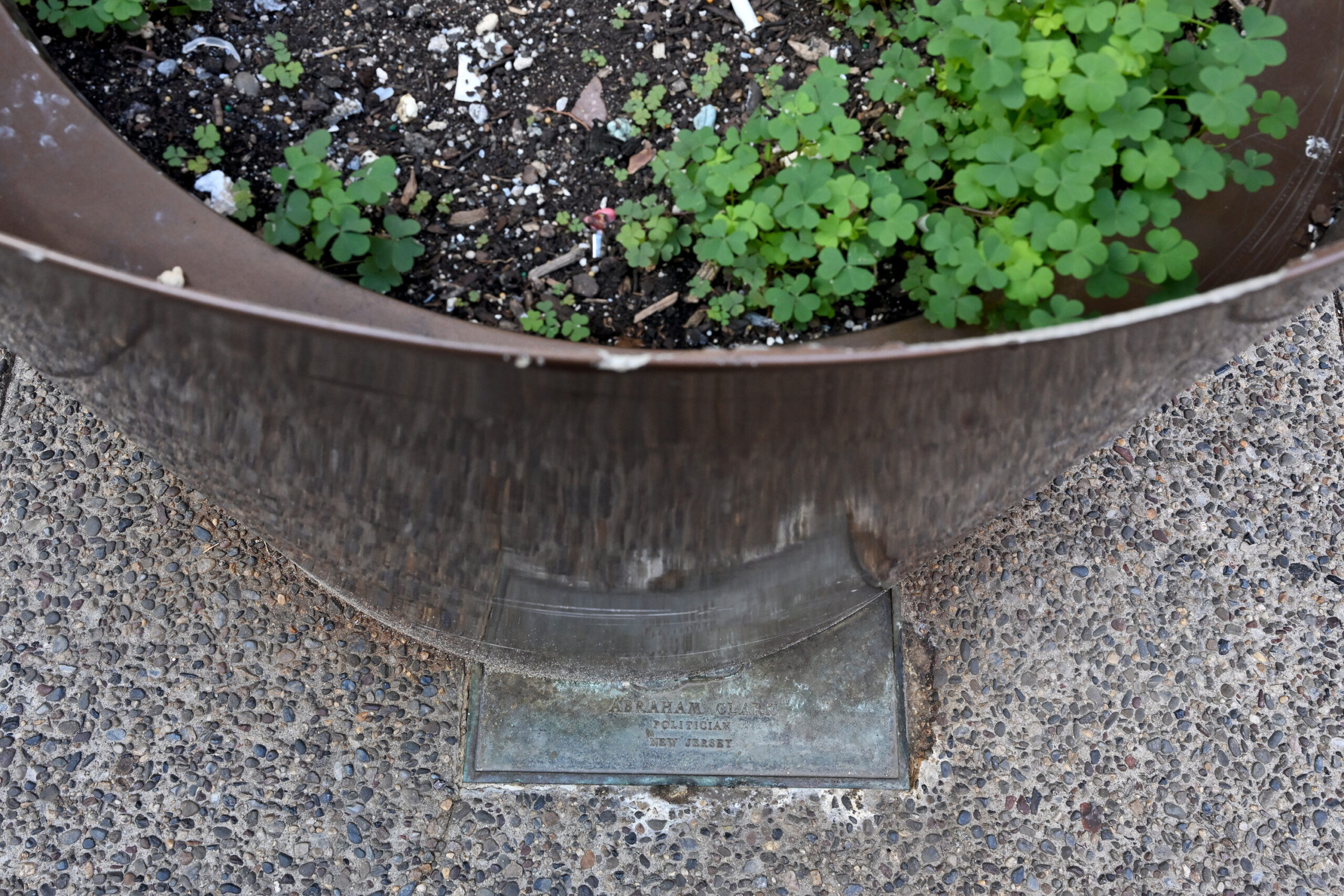
Plaque for Abraham Clark of New Jersey, one of 56 for the signers of the Declaration of Independence in the sidewalk along the 600 block of Chestnut Street near Independence Hall. Most of the plaques have been stolen over the years. His has survived by being under a planter.
Abraham Clark was born into a farming family, but his father considered him not made for manual labor, so he had his son trained in surveying, Not content, Clark taught himself law and set up a practice, earning a reputation as “the poor man’s councilor” because of his willingness to defend those who could not afford a lawyer’s fee. His contemporaries said he was “limited in his circumstances, moderate in his desires, and unambitious of wealth.” He refused to wear a wig or ruffles on his shirts.
He consistently argued that the new nation should protect ordinary farmers and working people.
THOMAS MCKEAN, DELAWARE
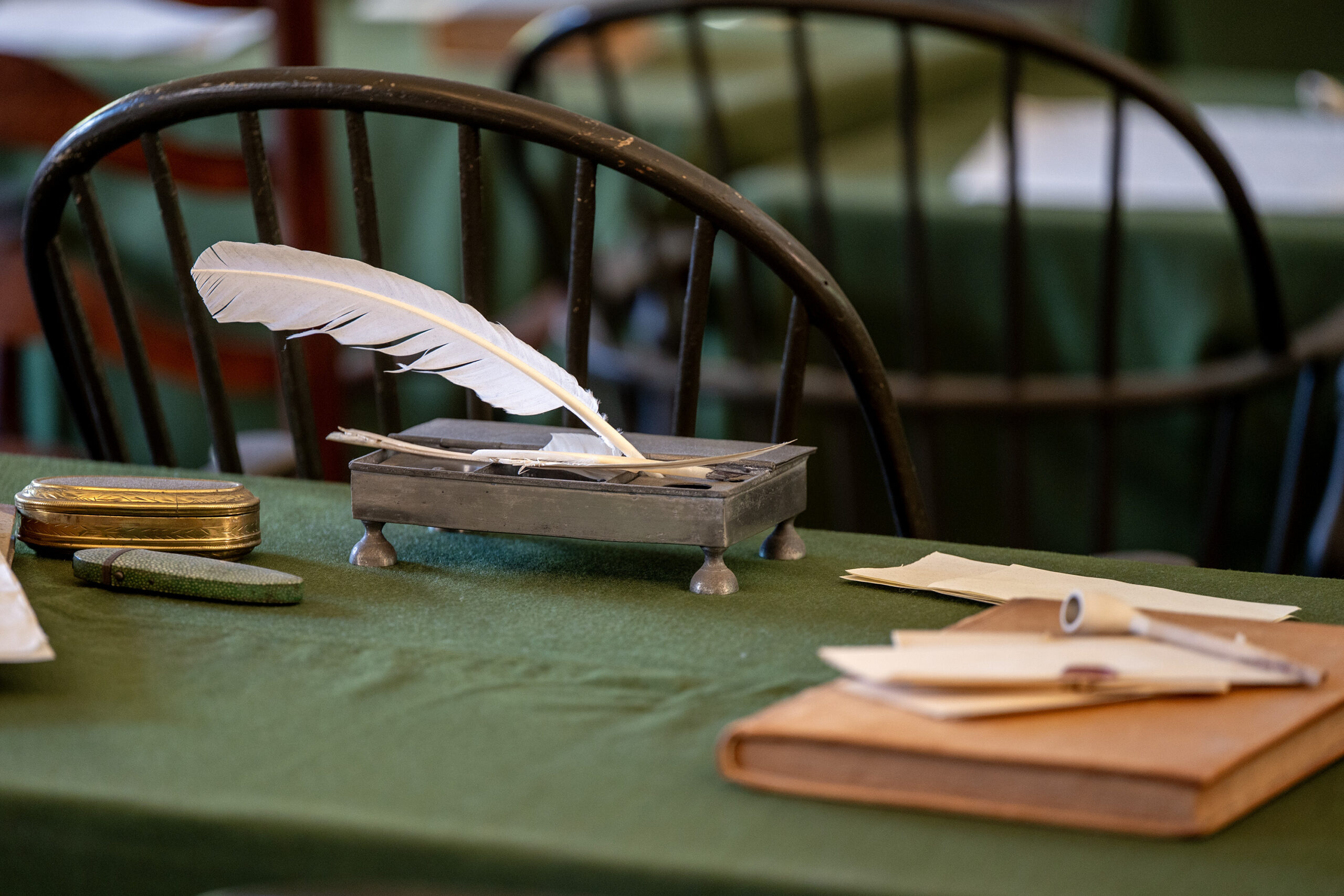
A replica desk in the Assembly Room in Independence Hall (Pennsylvania State House) where the Second Continental Congress met and the Declaration of Independence was adopted.
McKean voted to approve the Declaration of Independence in July 1776, but he left Philadelphia before the document was signed, to rejoin the fight against the British.
Historians believe he was the last person to sign the Declaration, either in early 1777 or as late as 1781.
One of his daughters married a prominent Spanish diplomat and her descendant — a great-grandson — was born in Europe, growing up to serve as the prime minister of Spain in 1847.
BENJAMIN RUSH, PENNSYVANIA
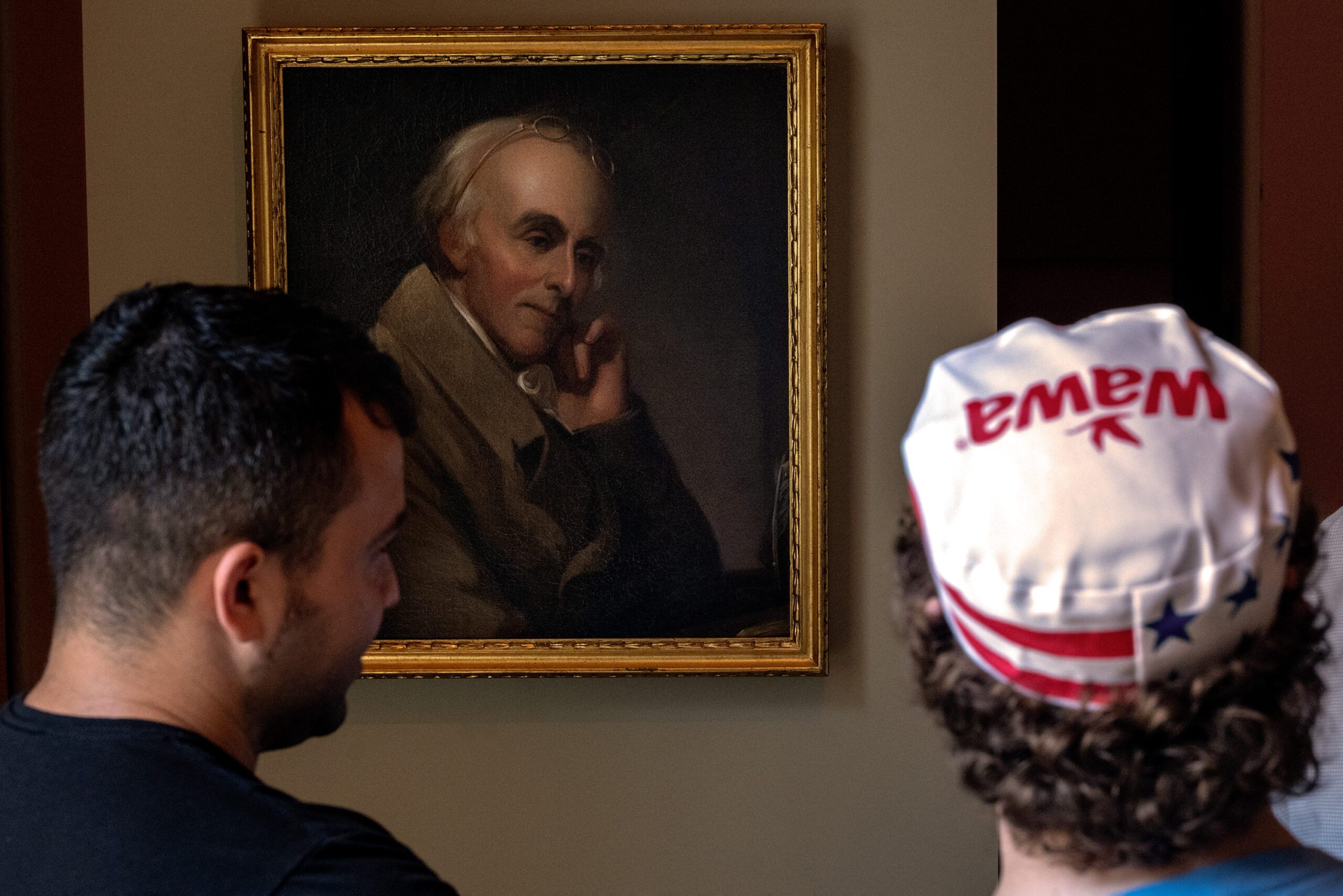
Portrait of signer Benjamin Rush of Pennsylvania in the Second Bank of the United States in Independence National Historical Park.
Benjamin Rush opened a medical practice in Philadelphia in 1769 and was appointed professor of chemistry at the College of Philadelphia (now the University of Pennsylvania). He wrote the first American textbook on chemistry. He supported the patriot cause and recommended the title “Common Sense” to his friend Thomas Paine.
On January, 1776, Rush married the daughter of his good friend Richard Stockton of Princeton. The minister that married them was John Witherspoon whom he had helped bring to America ten years earlier. Six months later they would all sign the Declaration of Independence.
JOHN WITHERSPOON, NEW JERSEY
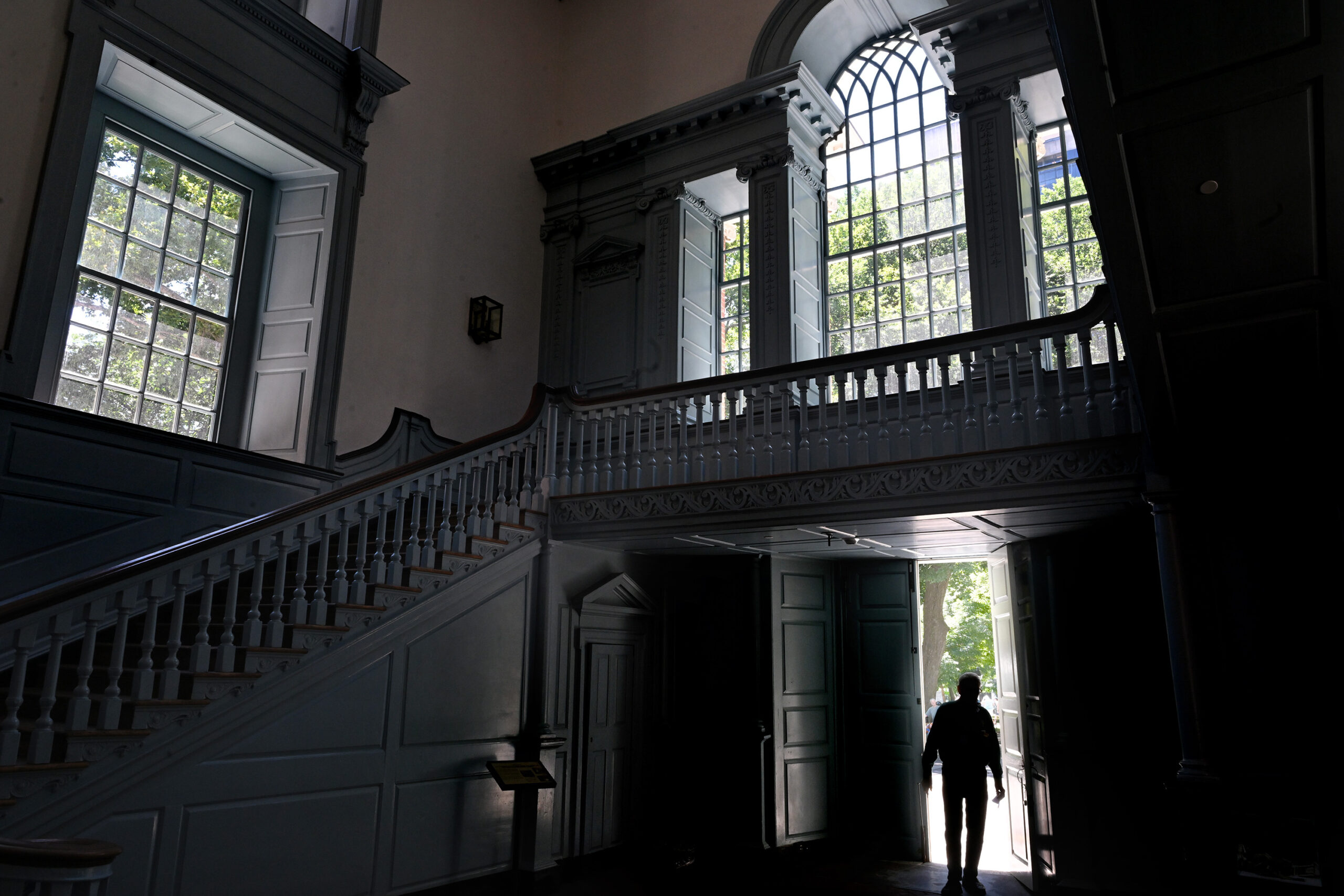
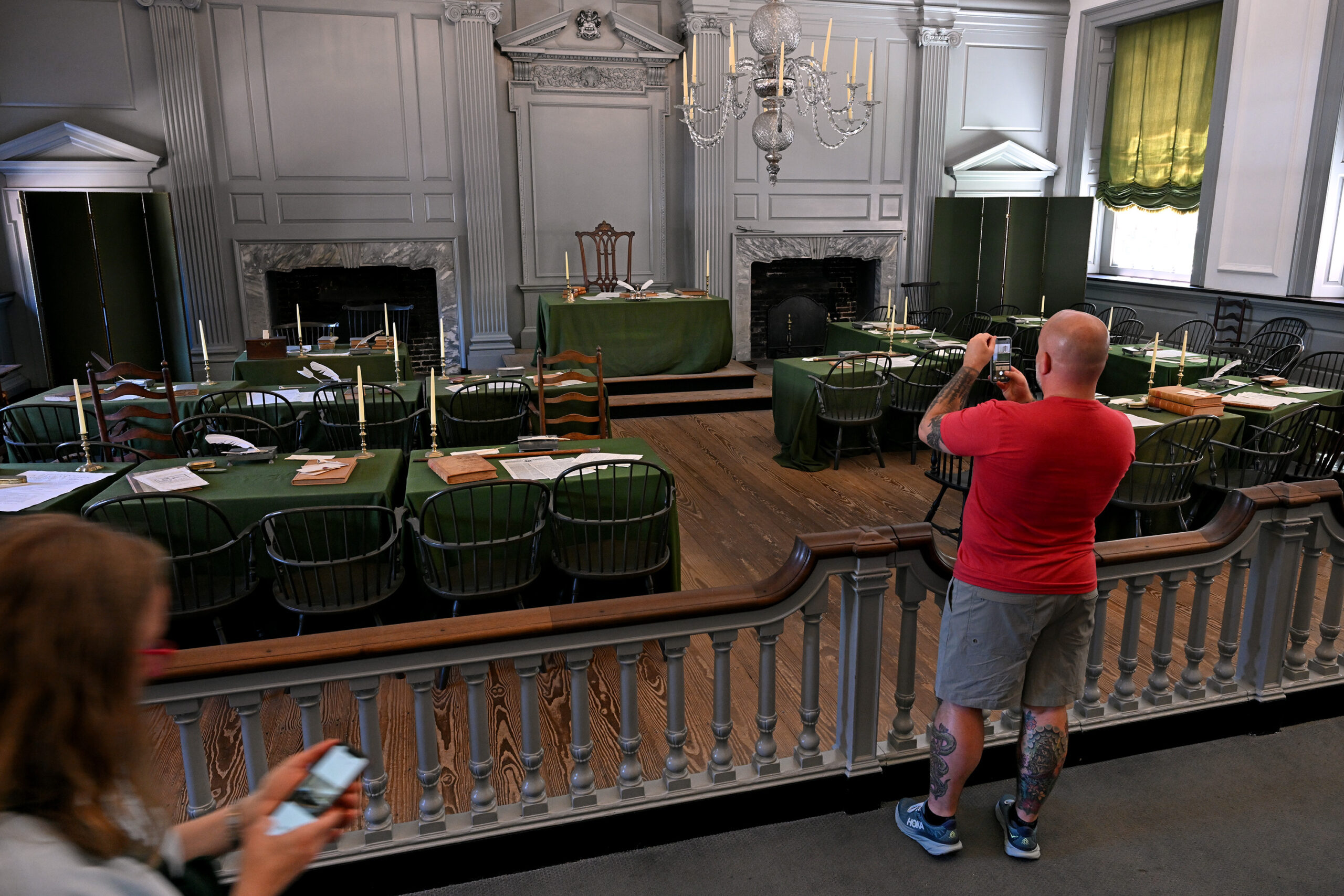
Assembly Room in Independence Hall (Pennsylvania State House) Monday, June 15, 2026. This is the exact space where the Second Continental Congress met and the Declaration of Independence was adopted.
Before becoming an American patriot, John Witherspoon was a well-known Presbyterian minister in Scotland. He didn’t move to America until he was 45 years old, when he accepted the presidency of the College of New Jersey (now Princeton University).
The college sent Benjamin Rush and Richard Stockton (also later signers of the Declaration of Independence) to Scotland to recruit Witherspoon for the position.
One of his students was James Madison, often called the “Father of the Constitution.” Historians generally agree that Witherspoon’s teachings on moral philosophy, liberty, and government had a major influence on Madison’s political thinking.
ROBERT MORRIS, PENNSYLVANIA
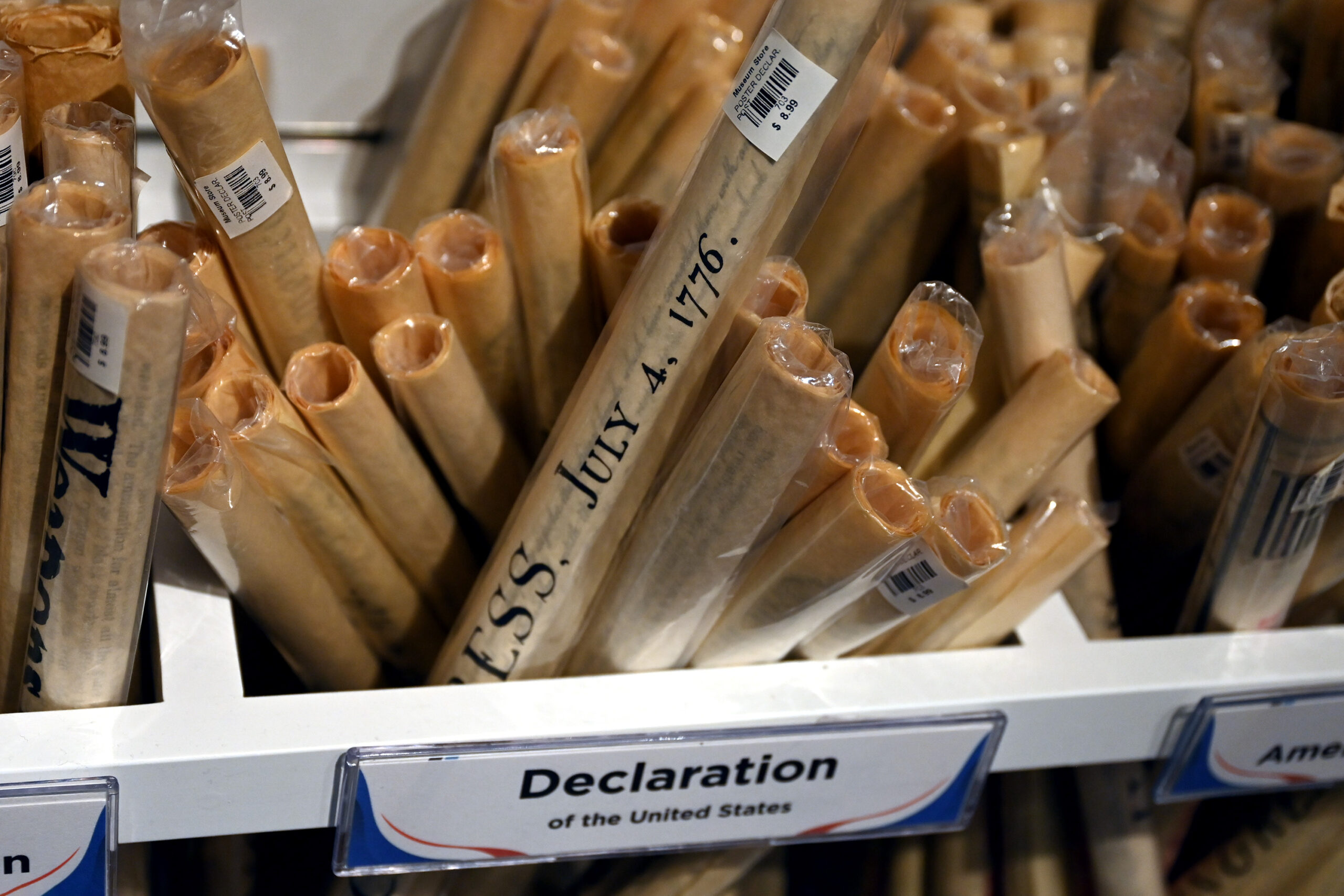
Copies of the Declaration of Independence for sale ($8.99) in the gift ship at the National Constitution Center.
Historians often call Robert Morris the “Financier of the Revolution” because he used his business connections and personal credit to obtain supplies and loans for the war effort.
During the war he purchased the house at 6th and Market Streets in Philadelphia and later volunteered it to serve as the presidential residence while Philadelphia was temporarily the nation’s capital. George Washington lived there on the site now known as the Presidents’ House, a memorial to the nine enslaved Africans who also lived there.
After the Revolution, Morris speculated heavily in land in New York and the nation’s new capital, Washington, D.C. During the financial panic of the 1790s, he couldn’t pay his debts and was taken to Prune Street debtors’ prison where he remained for over three years. His friend Senator John Marshall helped pass a bankruptcy law and Morris was released, but he was never able to restart his career.
JAMES SMITH, PENNSYLVANIA
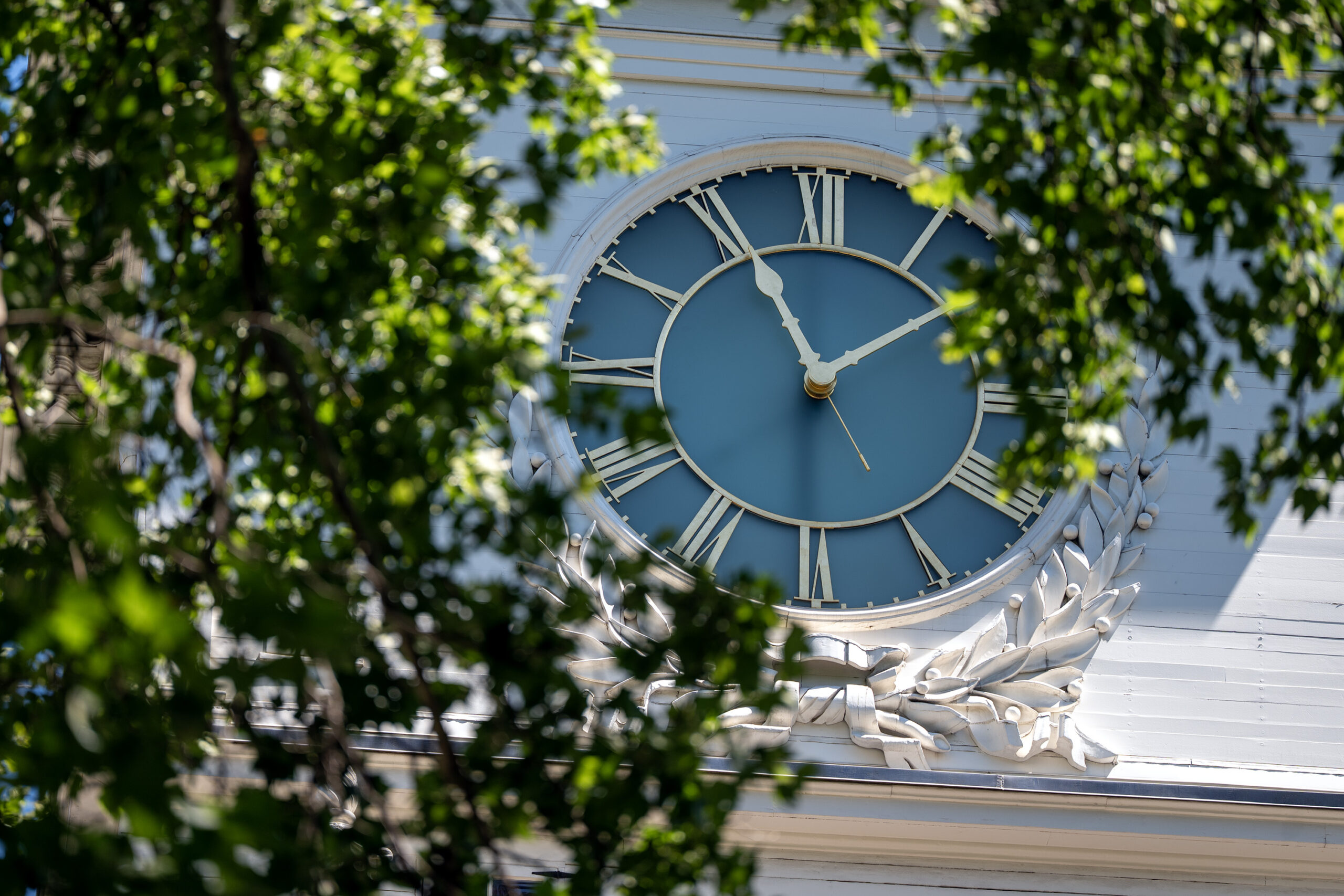
Clock tower at Independence Hall (Pennsylvania State House)
Smith was elected to the Continental Congress on July 20, 1776 – more than two weeks after the Declaration was adopted. Like many other delegates who were serving in their state governments or in the military he later signed the engrossed copy in August.
A fire destroyed his office and his personal and professional records simply disappeared. That is one reason he is much less well known than figures such as Thomas Jefferson or Benjamin Franklin.
RICHARD STOCKTON, NEW JERSEY
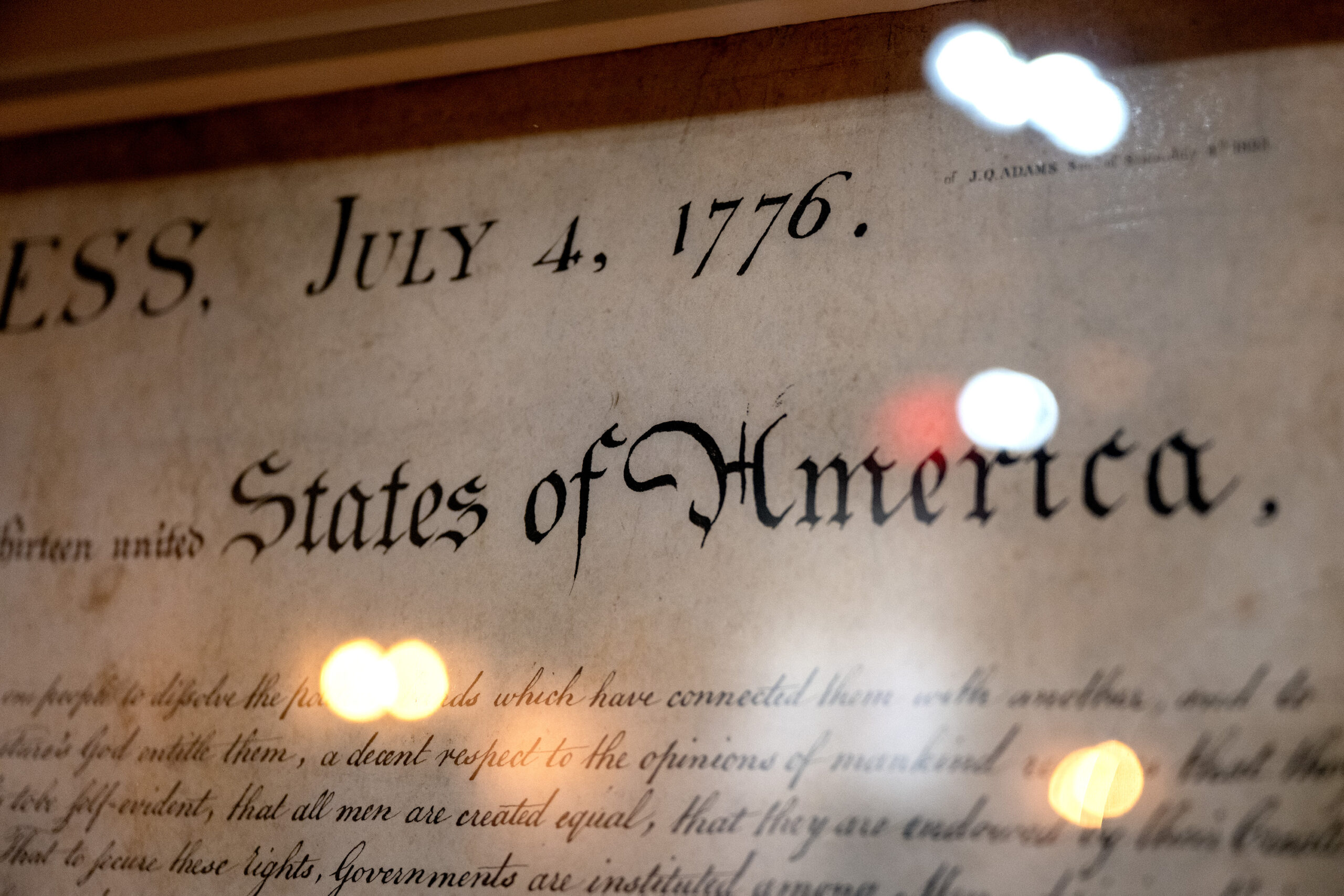
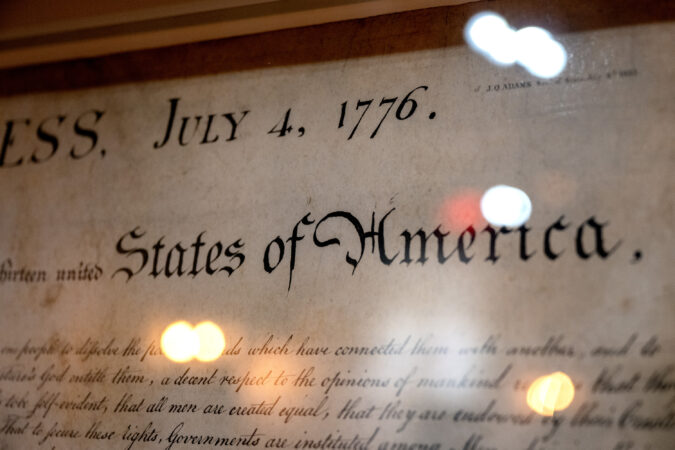
An original 1833 printing of the Declaration of Independence, by Peter Force currently on display at the National Constitution Center. It was created from the plate engraved ten years earlier by W. J. Stone that was commissioned by Congress for the 50th anniversary of the Declaration of Independence, as by the 1820s the original engrossed version of the document was becoming fragile and faded.
On July 1, 1776, Richard Stockton and fellow New Jersey delegate John Witherspoon traveled to Philadelphia from Princeton during a storm. They were late and caught only the end of a speech John Adams was giving. They asked Adams to repeat what they had missed. He at first refused, but then rose to the occasion and gave a stirring speech in favor of independence. Stockton later declared Adams “the Atlas of the hour, the man to whom the country is most indebted for the great measure of independency.”
After signing the Declaration, Stockton was captured on a trip for Congress to Fort Ticonderoga. He was dragged from his bed, put in irons, and sent to New York’s notorious Provost Jail, where reports describe starvation, freezing conditions, and severe mistreatment. He was released after five weeks, his health ruined. When he returned to his home he found it plundered of its books and furniture by the British army and his horses, cattle, hogs, sheep, and grain had all been taken.
His wife, Annis Boudinot Stockton, was apublished poet and one of the more influential female voices in revolutionary New Jersey. She corresponded with leading figures of the time including George Washington.
It’s a common sound in Philadelphia’s historic district during the summer. I was photographing tourists in front of Independence Hall on Wednesday when the beat of a single snare drum a block away achieved its intended purpose.
Just like when the fife and drum corps would relay tactical commands over the noise of the battlefield, or regulate a soldier’s daily routine, I stopped what I was going and headed in the direction of the beating pulse.
It was coming from the normally quiet Signer’s Garden pocket park, across 5th Street.
I had intended to go there anyway to photograph the statue — “The Signer” — as I am working with present-day descendants of the signers of the Declaration of Independence on a photo essay that will be posted online this Fourth of July weekend.
The statue was inspired by George Clymer, a Philadelphia merchant, statesman, and signer of both the Declaration of Independence and the U.S. Constitution. A National Park Service plaque at the entrance reads “it commemorates the courage of those who altered their lives, and ours, by affixing their names to these documents.”
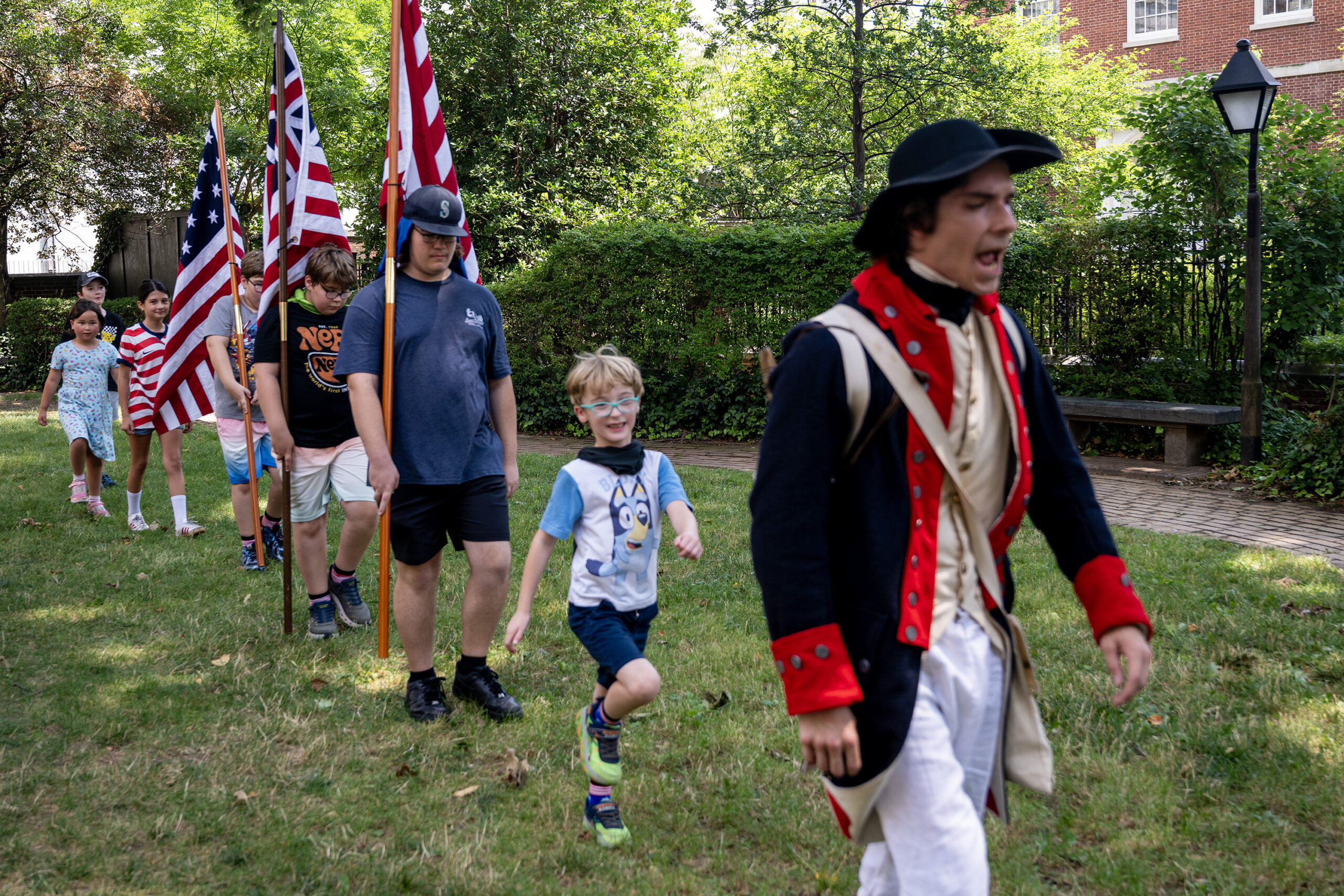
The drum was mustering holiday week visitors for a presentation by two costumed actors from Historic Philadelphia portraying continental soldiers. I watched as the tourists watched them “draft” youngsters into their performance and found myself smiling more than once at how they engaged the kids — and the rest of us in the crowd — with some of their one-liners.
Historic Philadelphia actor Lane Norris portraying Continental soldier Conrad Frye leads a contingent of young tourists in Independence National Historical Park Wednesday, July 1, 2026.
Did I say, smile? I might have had a slightly more sentimental reaction. I have written before that Independence Day has always been my favorite holiday. My dad, who passed away a few years ago, was born on the Fourth of July.
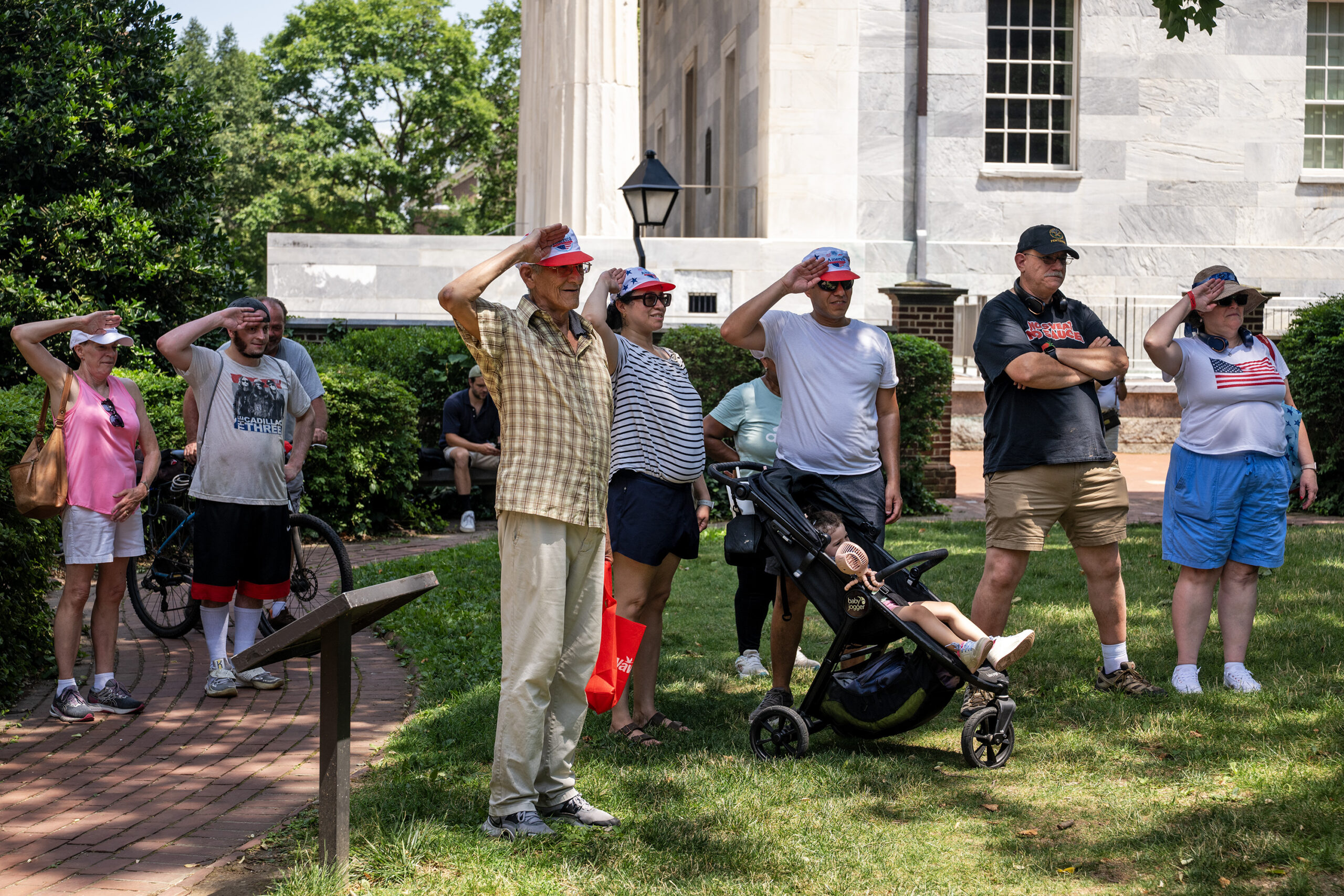
As I looked around at the crowd I could tell everyone else was also getting into the interactive and engaging program. I photographed saluting adults who I assumed were parents, mirroring the actions of their kids doing the marching drills.
Afterward, I learned they weren’t. They had a toddler still in a stroller. They were immigrants from Venezuela, and just happy to be here. Like me.
We’re still in the middle of Philly’s celebration of America’s 250th birthday (with canceled events in a declared heat emergency with 100-plus degree temperatures!). Here are more of my Fourth of July photos and those of my colleagues:
Since 1998 a black-and-white photo has appeared every Monday in staff photographer Tom Gralish’s “Scene Through the Lens” photo column in the print editions of The Inquirer’s local news section. Here are the most recent, in color:
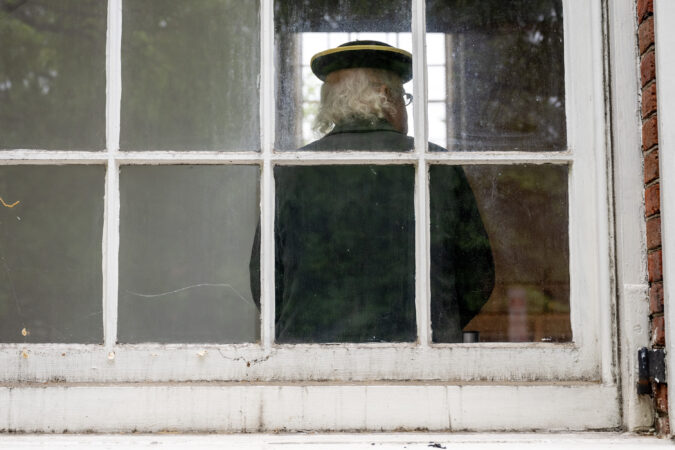
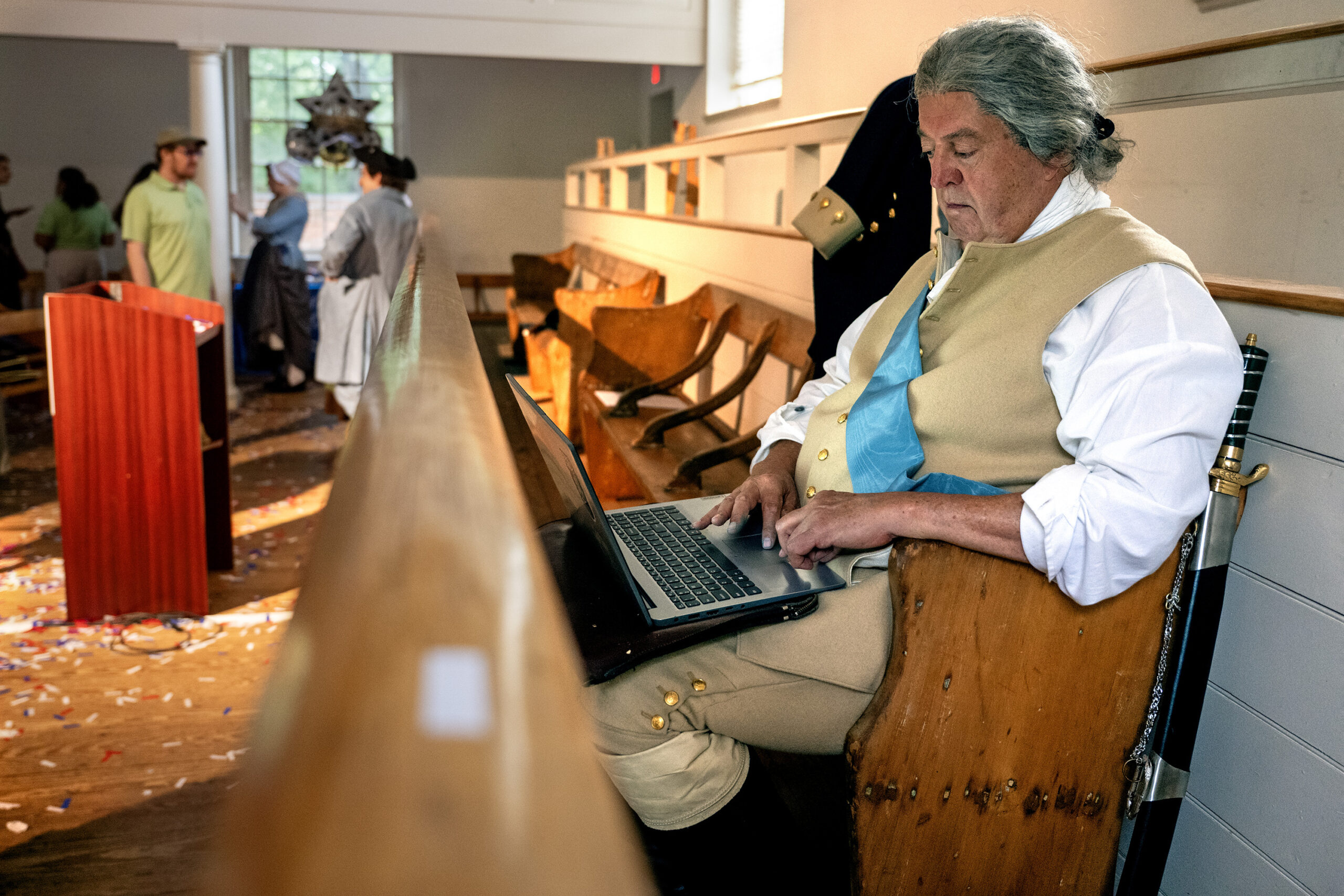
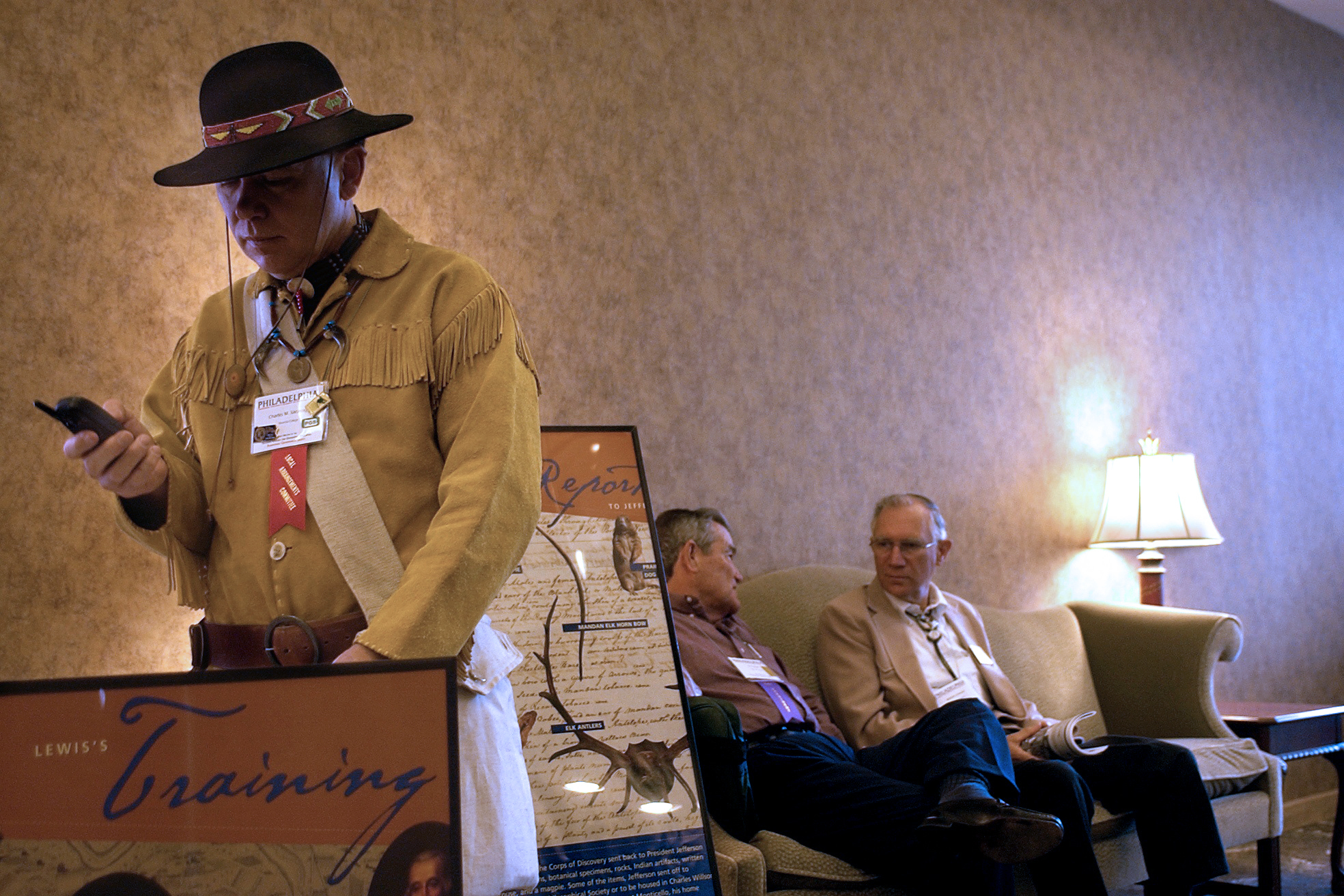
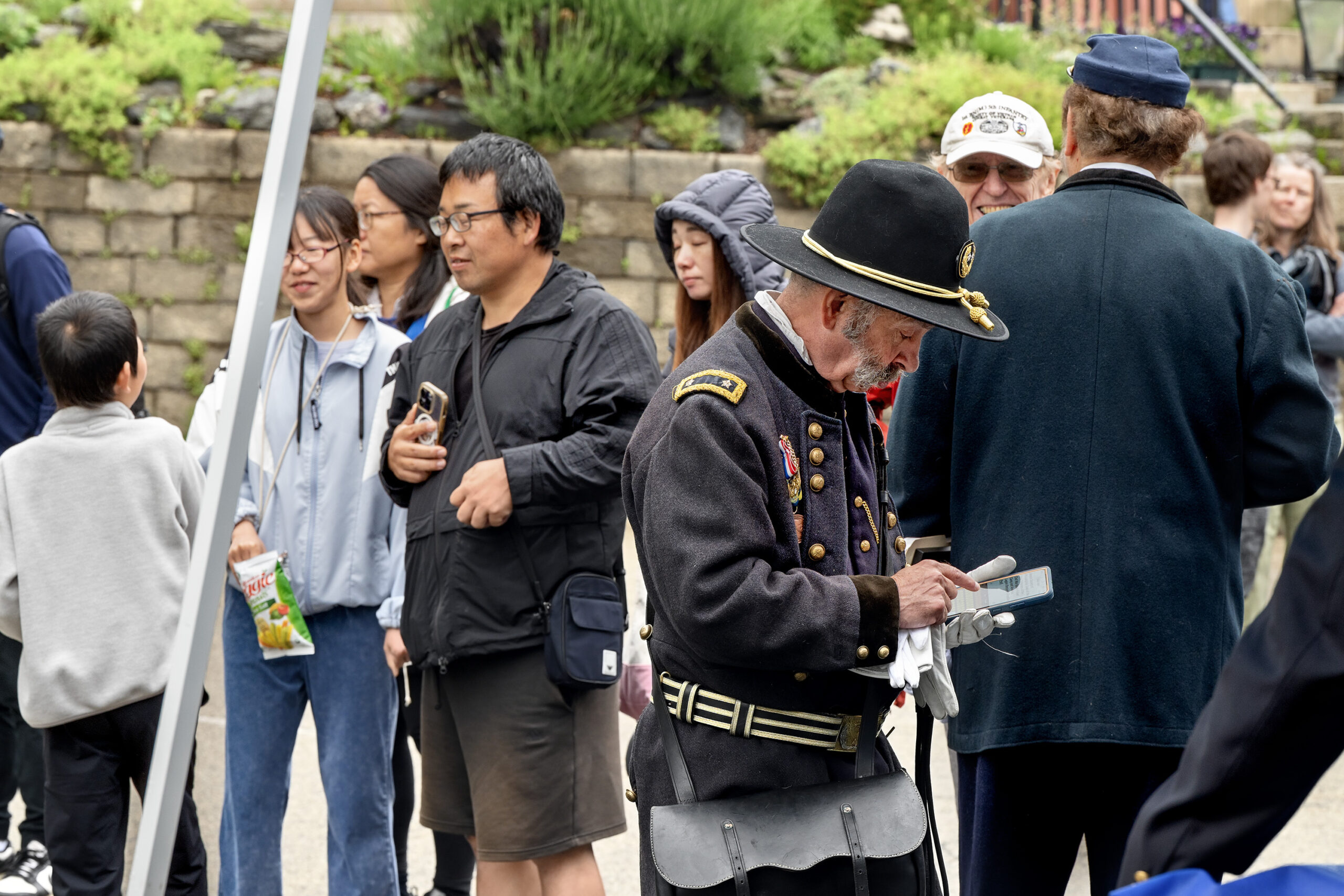
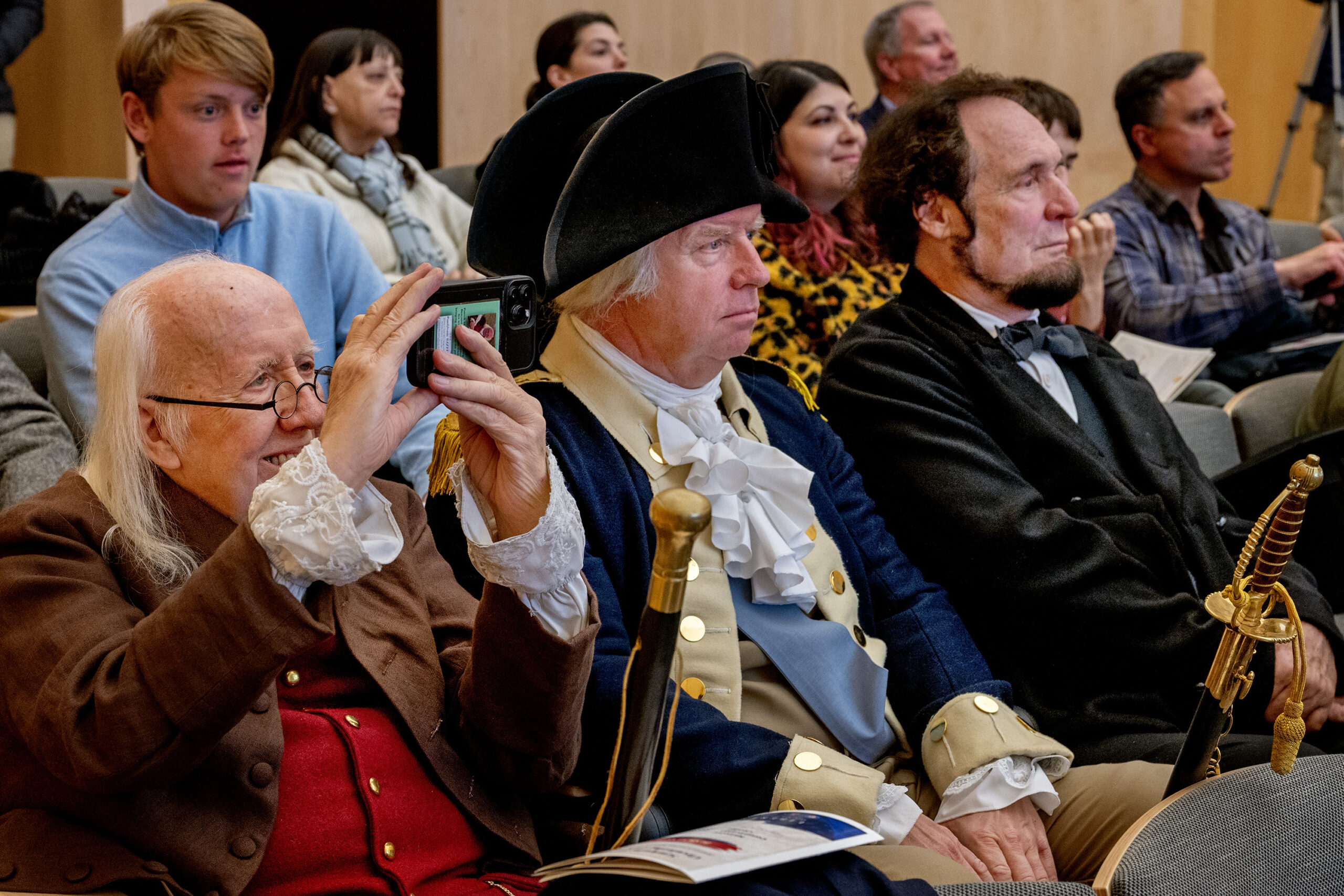
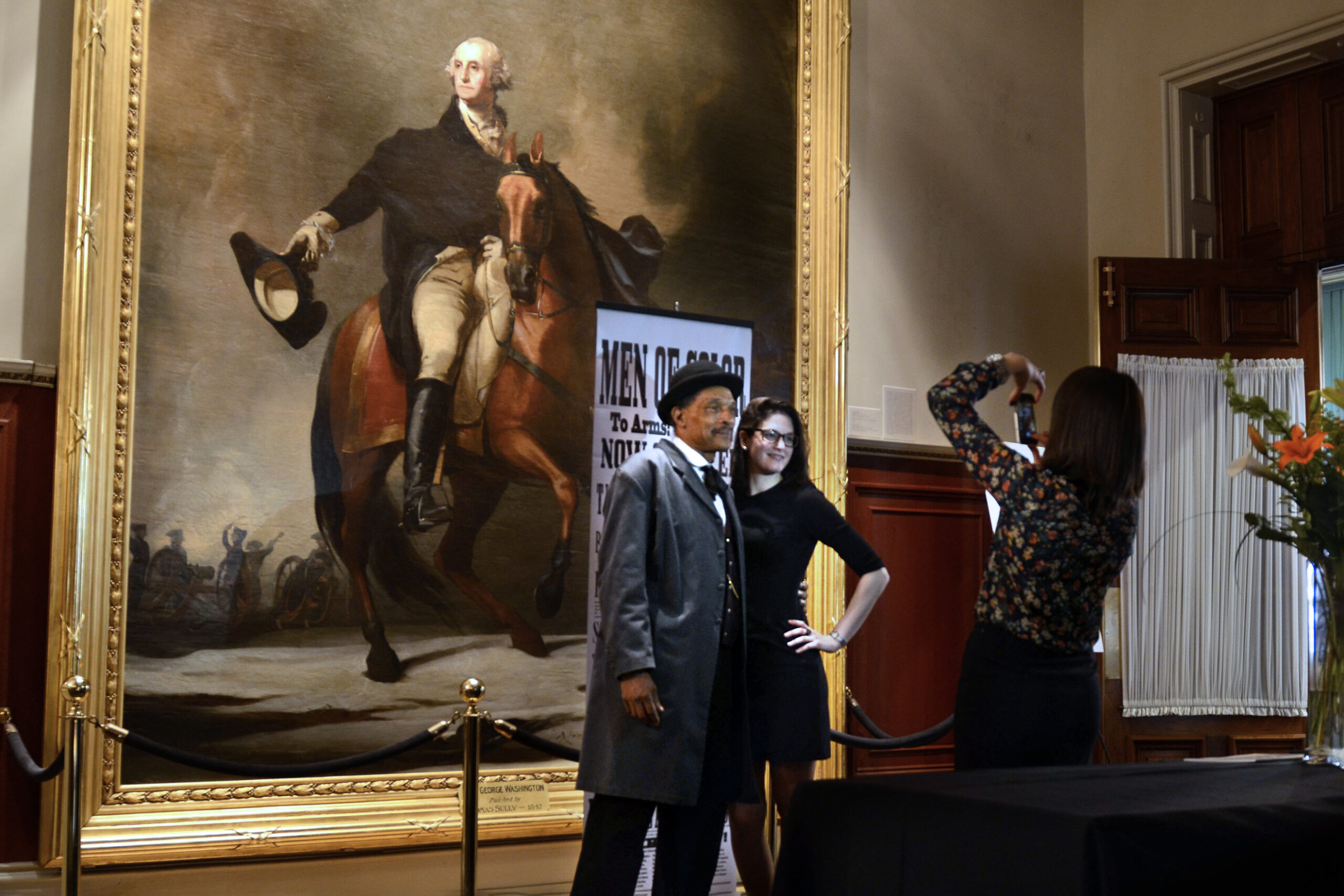
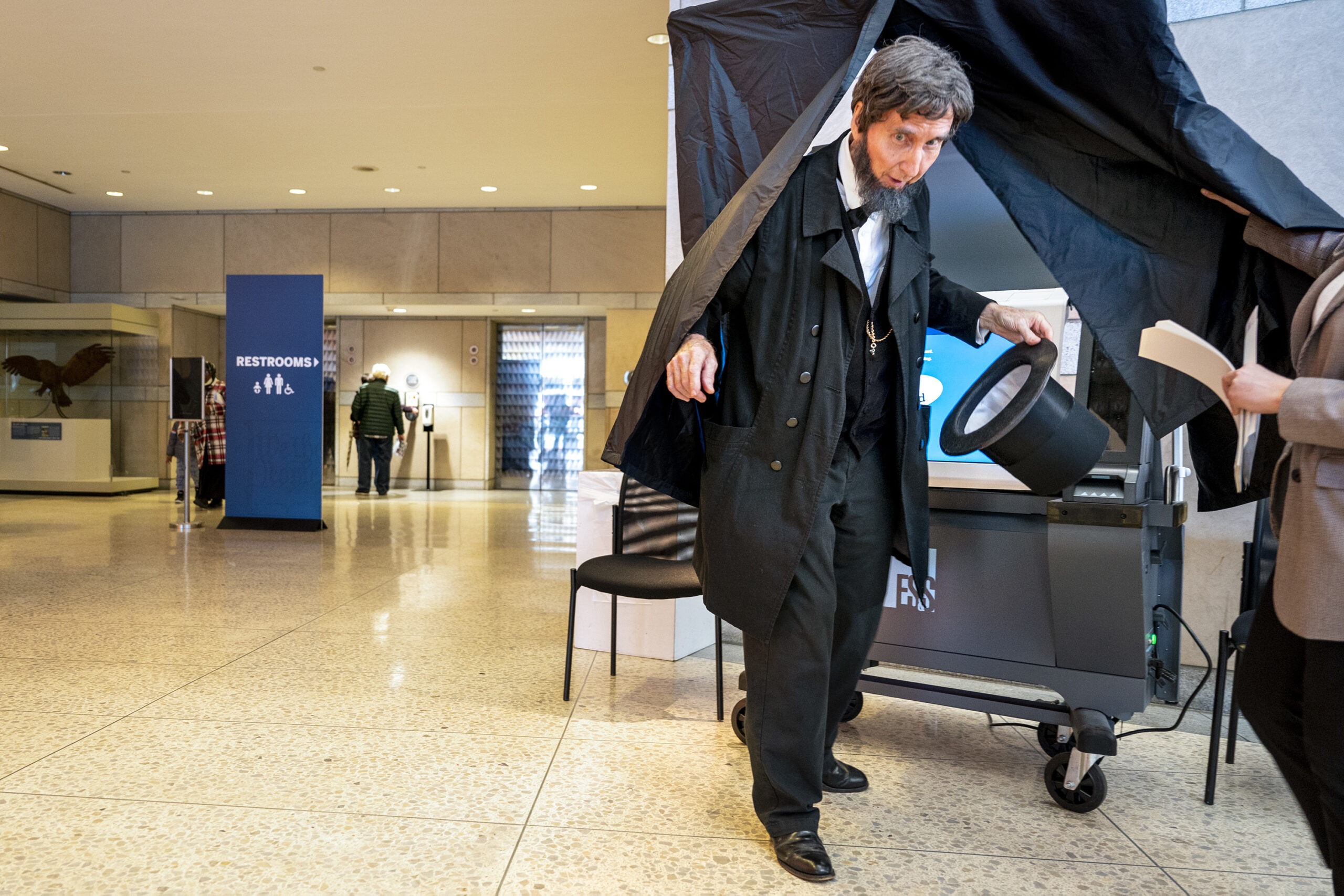
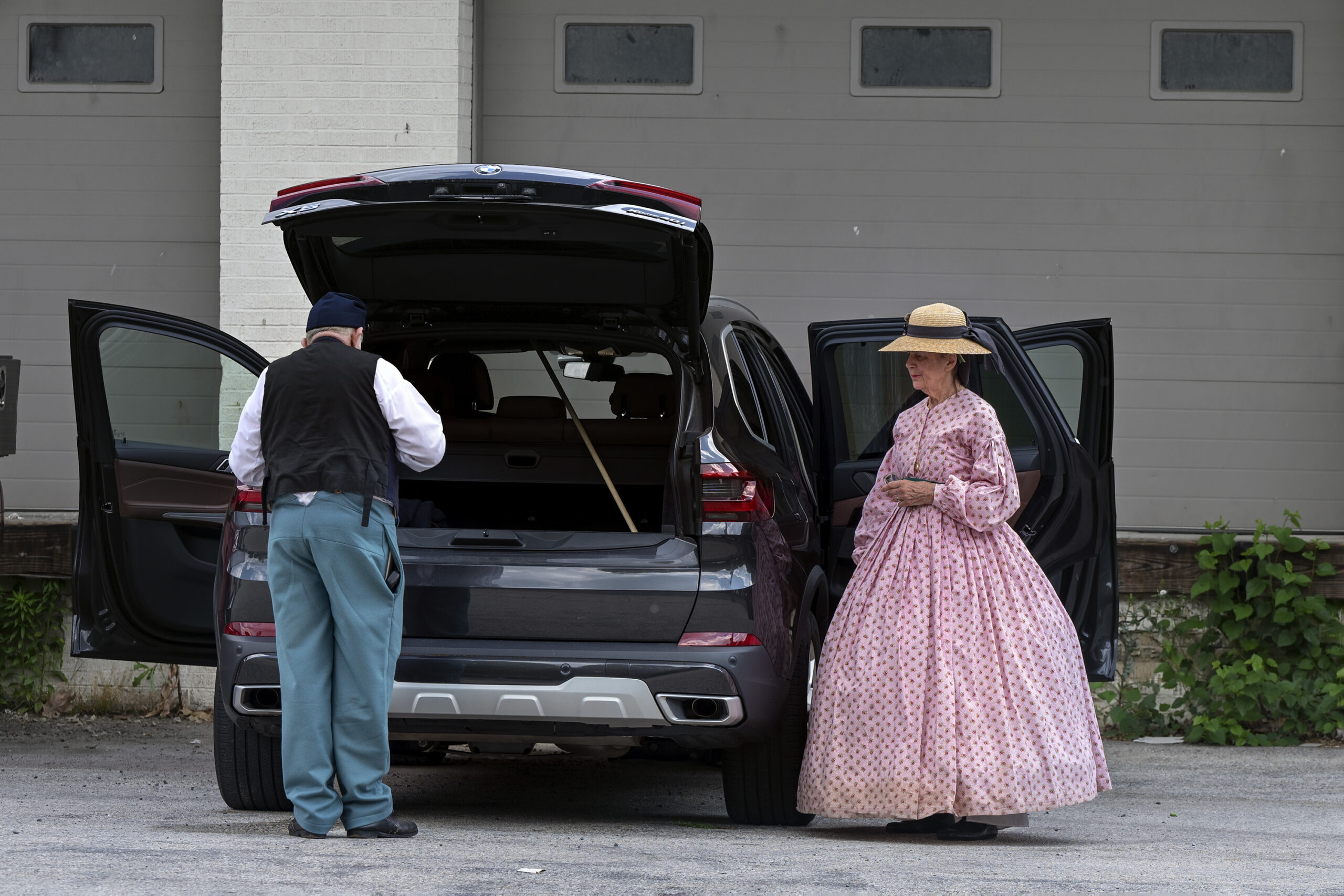
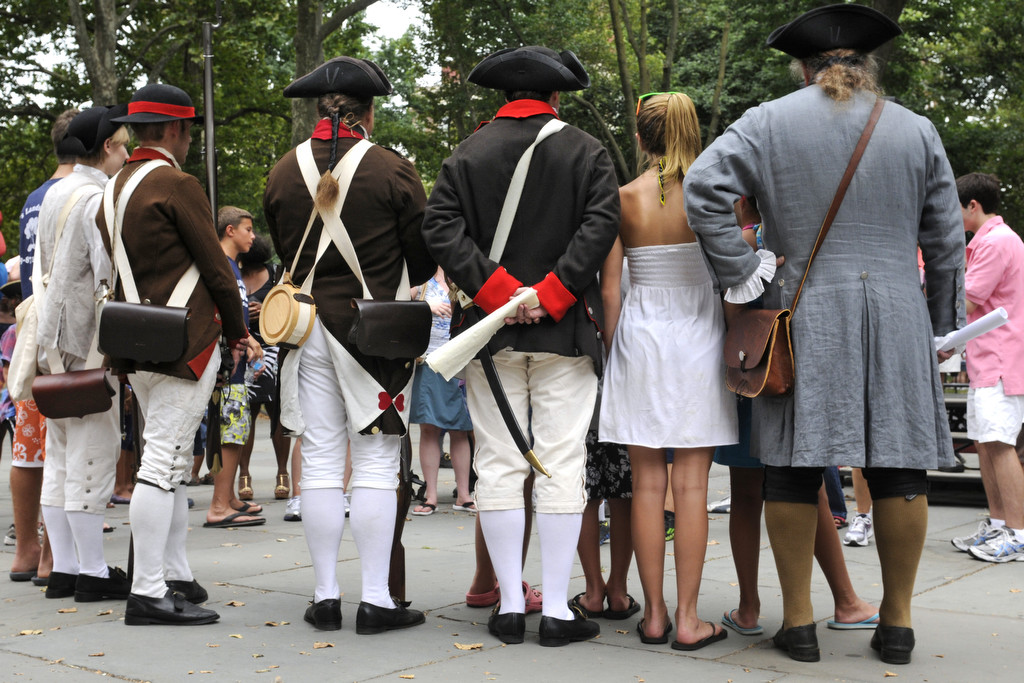
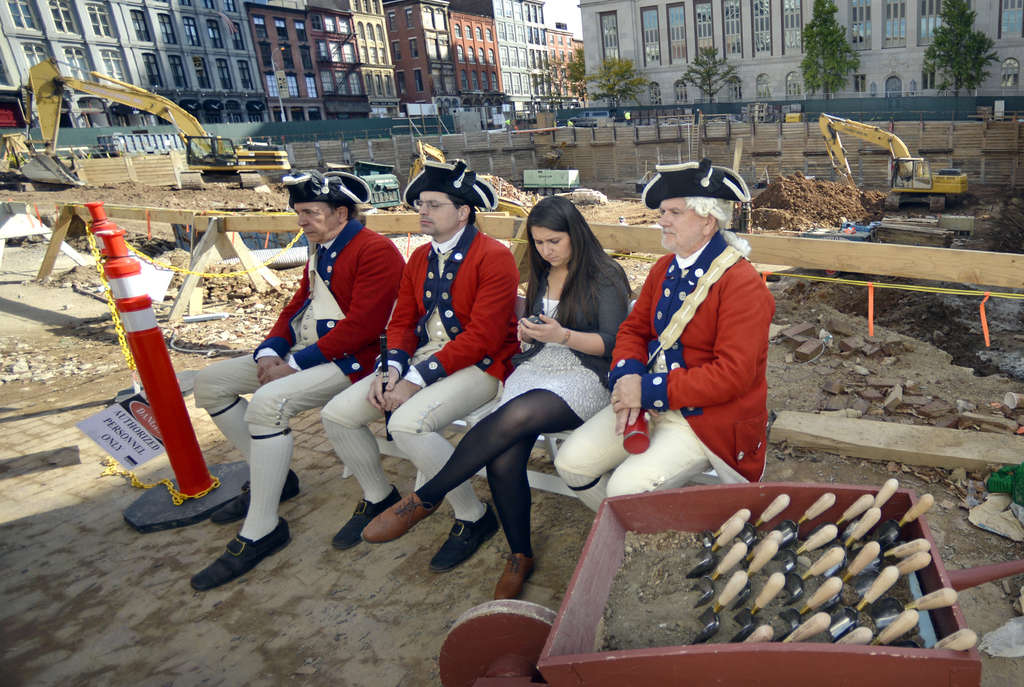
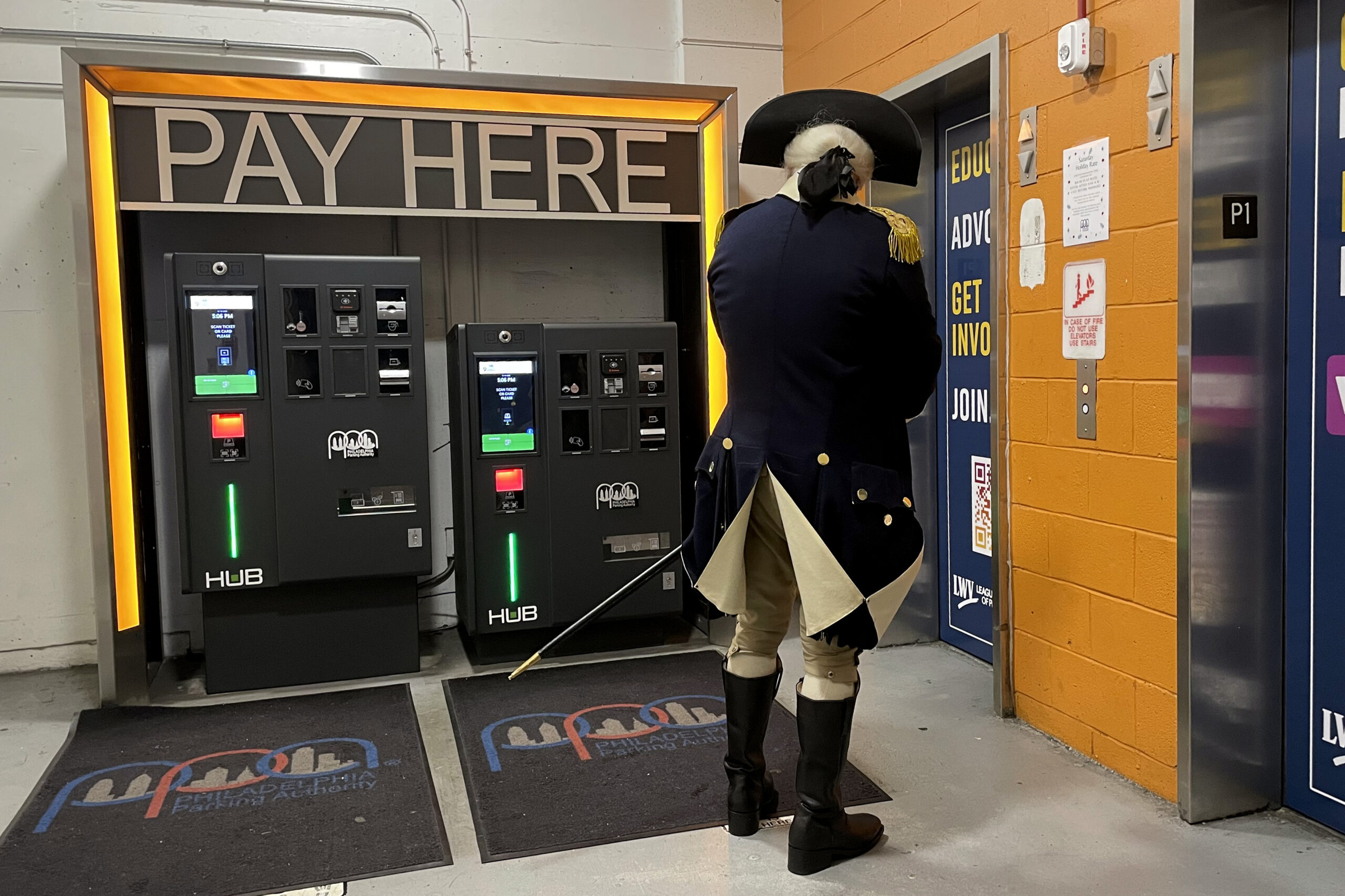
Besides shadows, reflections, silhouettes, pigeons, umbrellas, or hats one of my favorite photo gimmick-clichés is finding juxtapositions. Like catching historic reenactors in moments of chronological inconsistency.
The image of Ben above and George below was made on assignment for an upcoming story on the 21st season of Historic Philadelphia’s Once Upon a Nation program — where costumed actors perform first-person interpretations of real 18th-century Philadelphians in the Historic District and at Valley Forge National Historical Park.
May 21, 2026: Jim Fryer as George Washington.
The photo of the actor portraying Franklin was made from outside the Free Quaker Meeting House at 5th and Arch Streets. It was established during the Revolution when a rift occurred among the Society of Friends. As pacifists they would not take up arms, pay war taxes, or take an oath of allegiance. A group calling themselves “Free” Quakers supported the American cause and were expelled or “read out of meeting” by the mainstream Friends.
Among those Free Quakers was Timothy Matlack, a clerk in the Pennsylvania Statehouse known for his excellent penmanship. He was chosen by the Continental Congress to produce the handwritten copy of the Declaration of Independence — the engrossed parchment version that we all recognize as the “original” — that was signed by the 56 delegates in August 1776. (Matlack, who was born in Haddonfield, N.J. was also one of the earliest opponents of slavery in America, and he felt that the Quakers were not moving quickly enough to abolish it.)
I only mention the Declaration as, along with many other stories, I have been photographing for in the Historic District and at the President’s House, I’ve been working on a photo essay on some of the direct descendants of the men who were in the room in Independence Hall (then the Pennsylvania State House) as America was born. Their photos, along with interesting and little known facts about the 17 local Signers from Pennsylvania, New Jersey, and Delaware will be published later this week as part of The Inquirer’s coverage of the 250th.
As promised in a previous column, I’ve collected a bunch of my Philly photo-anachronisms from over the years.
October 17, 2002: Charles Sacavage as Meriwether Lewis (of the Lewis & Clark Expedition).May 24, 2026: Mike Gabriele as Civil War General Ambrose E. Burnside.December 10, 2025: Benjamin Franklin (from left) Gen. George Washington and President Abraham Lincoln.January 15, 2014: Robert Branch (left) as 19th Century educator, intellectual, and civil rights activist Octavius V. Catto.February. 20, 2023: President Abraham Lincoln votes.May 26, 2024: Civil War reenactors Kathy and Ed Berna.July 8, 2012: After the annual reenactment of the first public reading of the Declaration of Independence.October 9, 2014: Ceremonial groundbreaking for the Museum of the American Revolution.December 10, 2025: George Washington.
Since 1998 a black-and-white photo has appeared every Monday in staff photographer Tom Gralish’s “Scene Through the Lens” photo column in the print editions of The Inquirer’s local news section. Here are the most recent, in color:
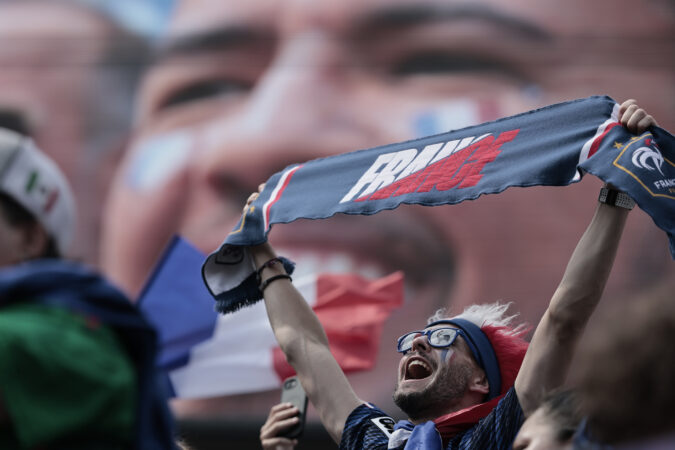
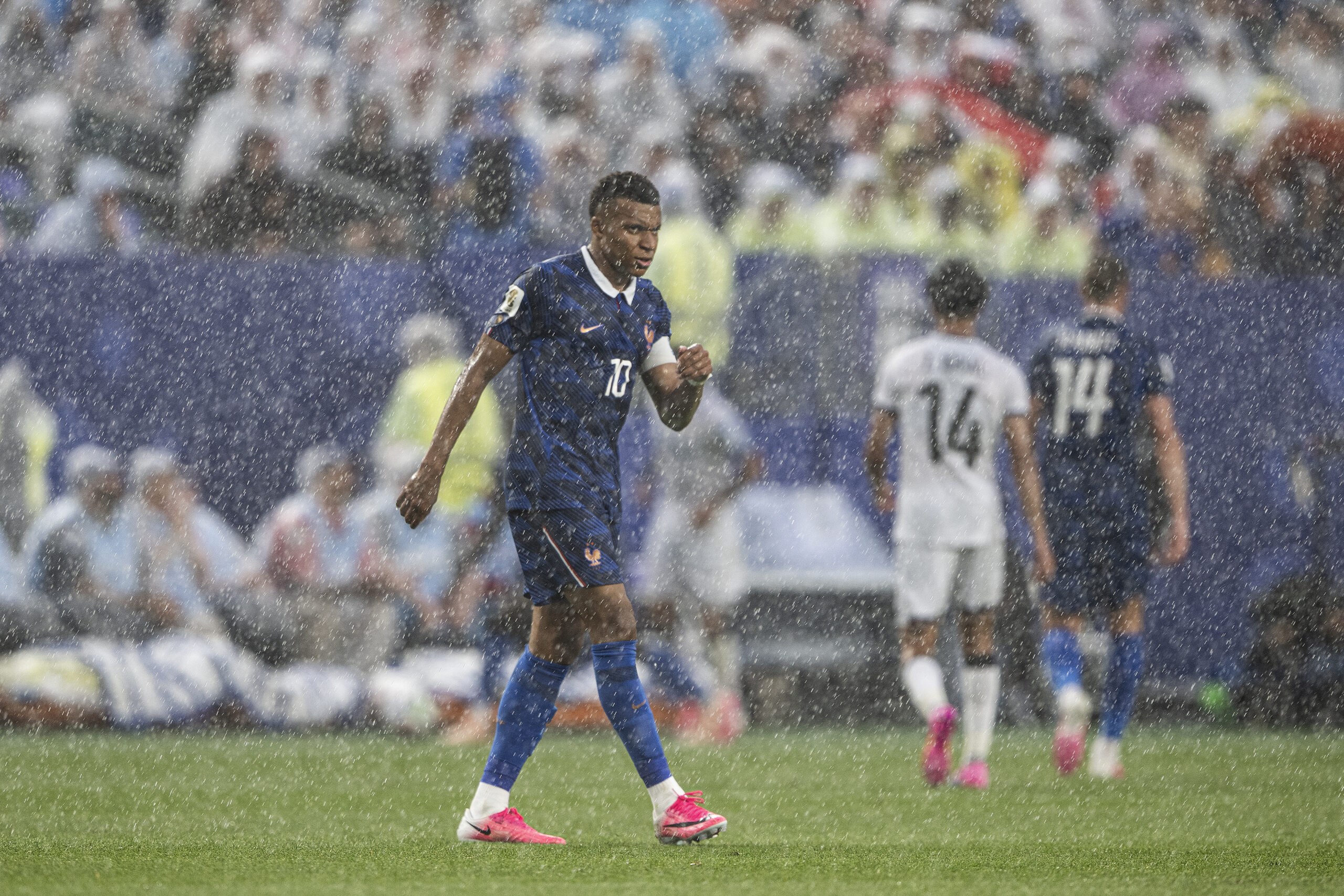
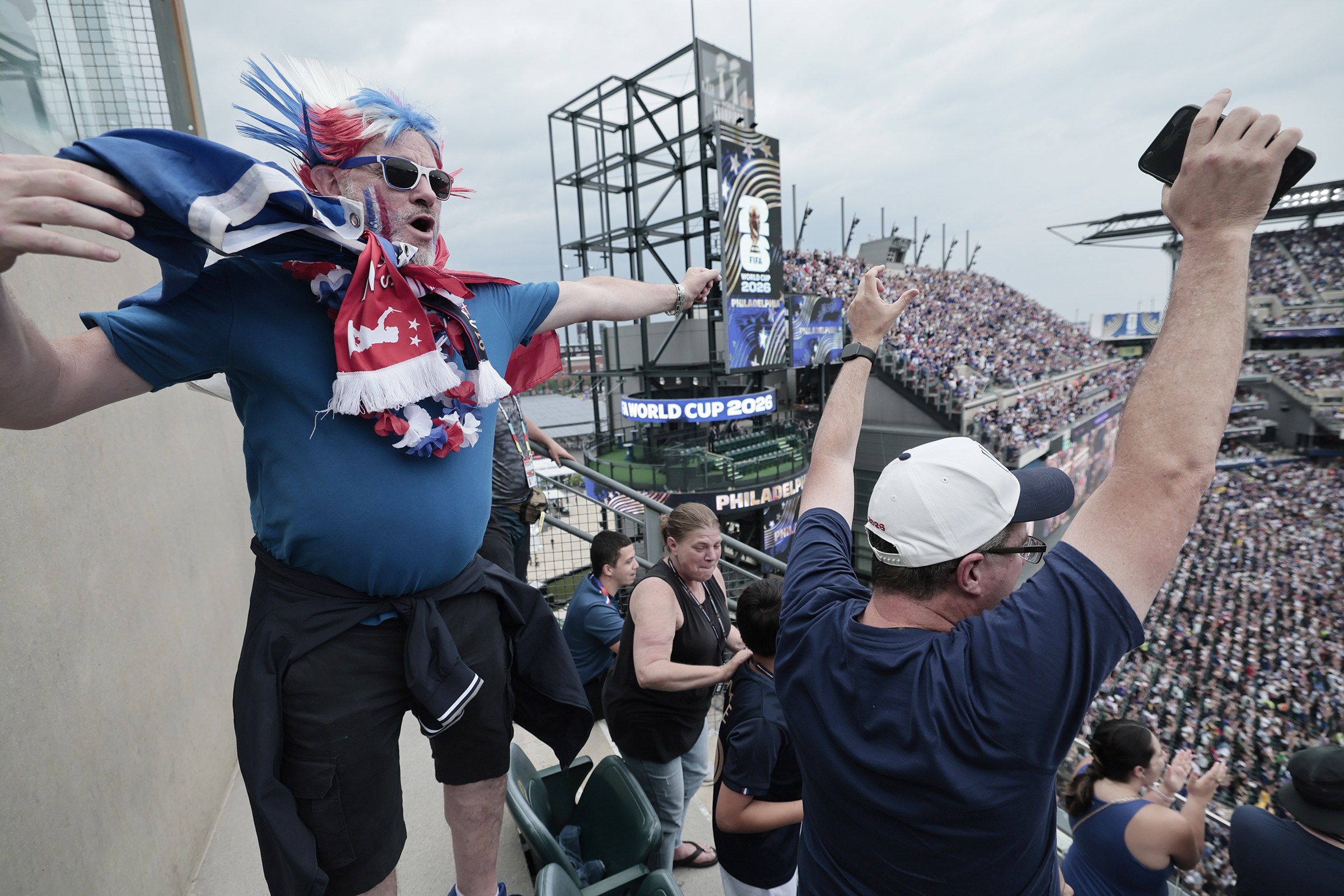
Each Friday, Inquirer photo editors pick the best sports images from the last seven days. This week, the World Cup craziness continues — but at least there were no more run-ins with the Rocky curse. On Monday, a powerful thunderstorm temporarily halted the fun in South Philly during the France-Iraq match, but fans — and even a French radio crew — weathered the storm and finished the game.
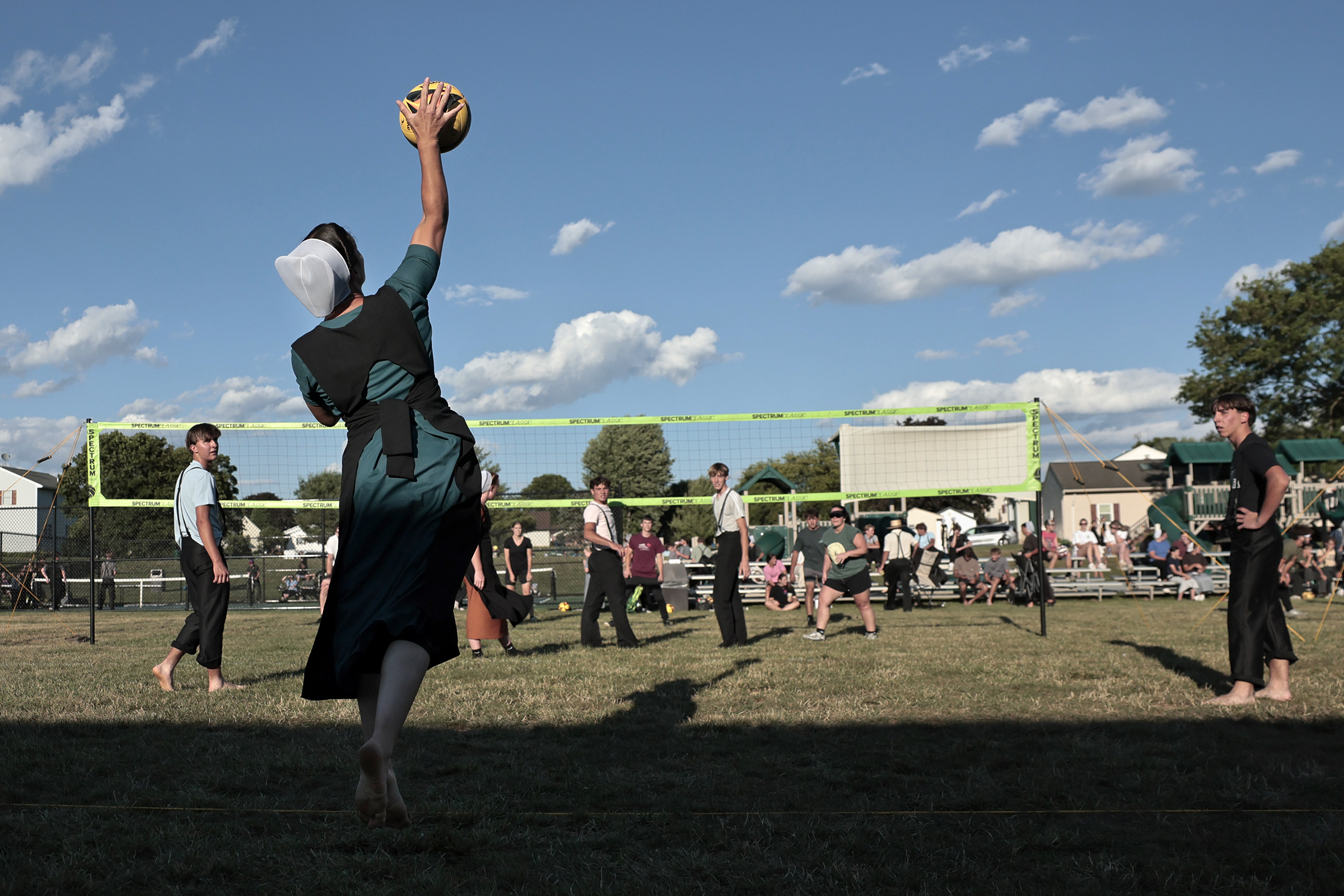
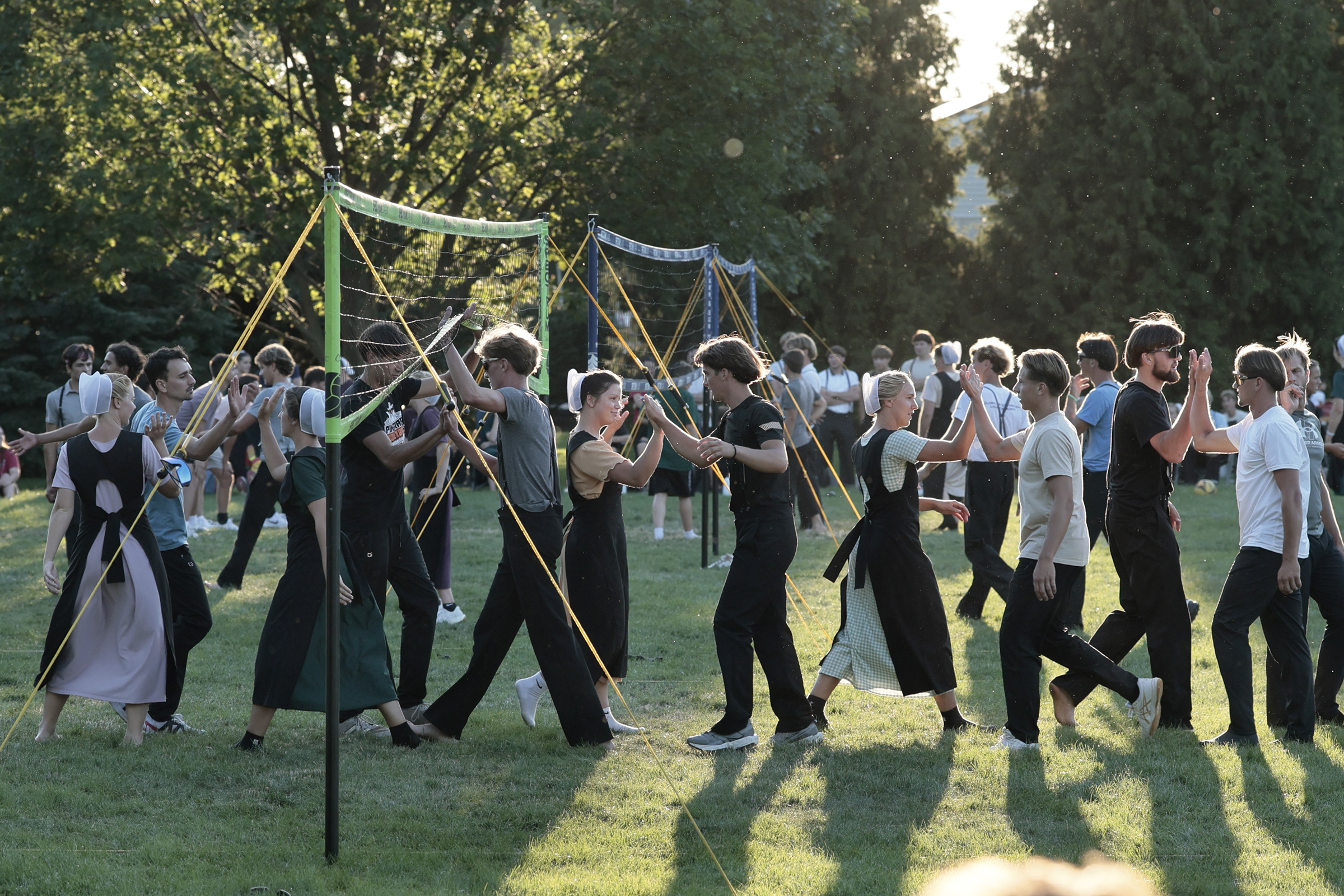
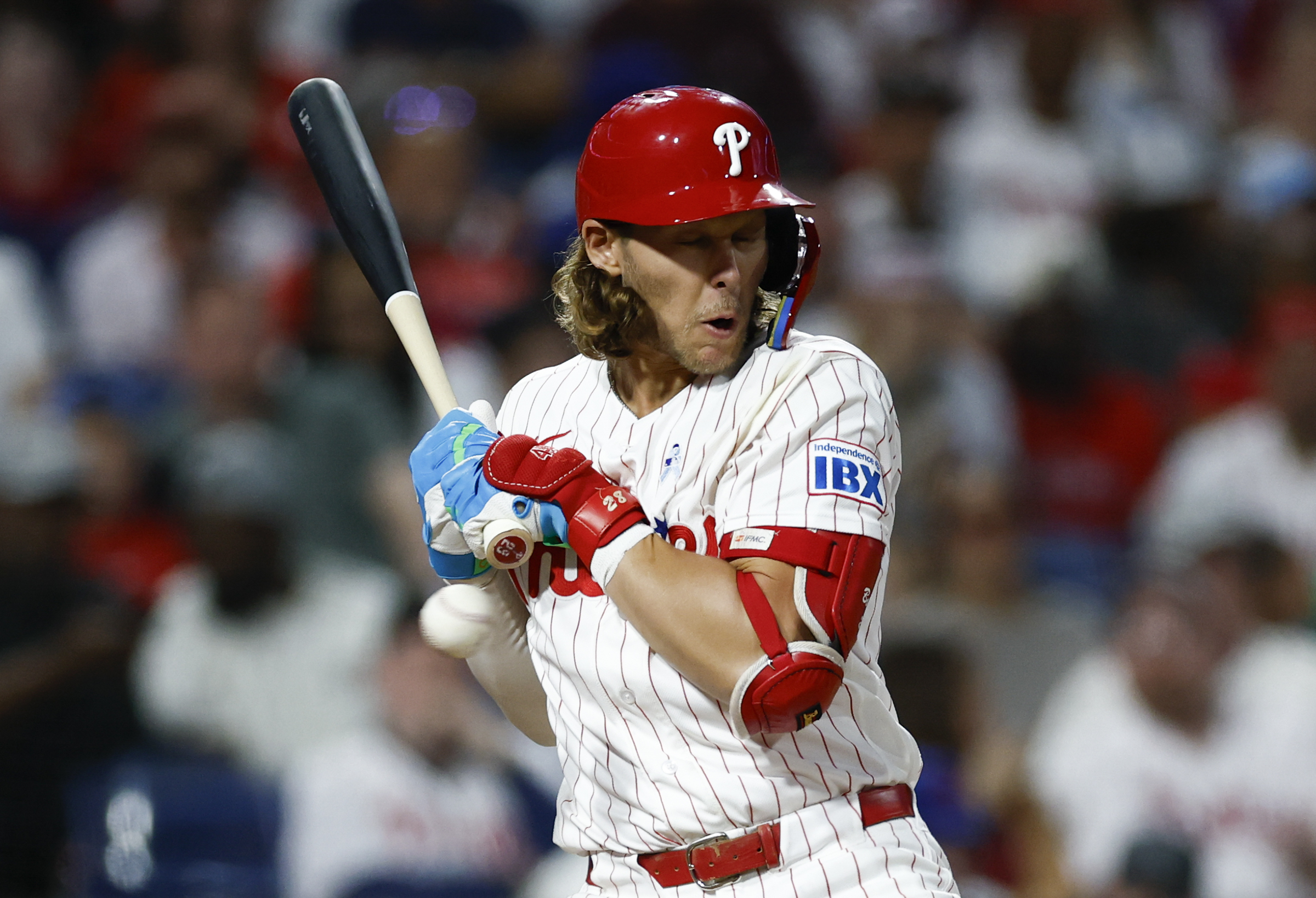
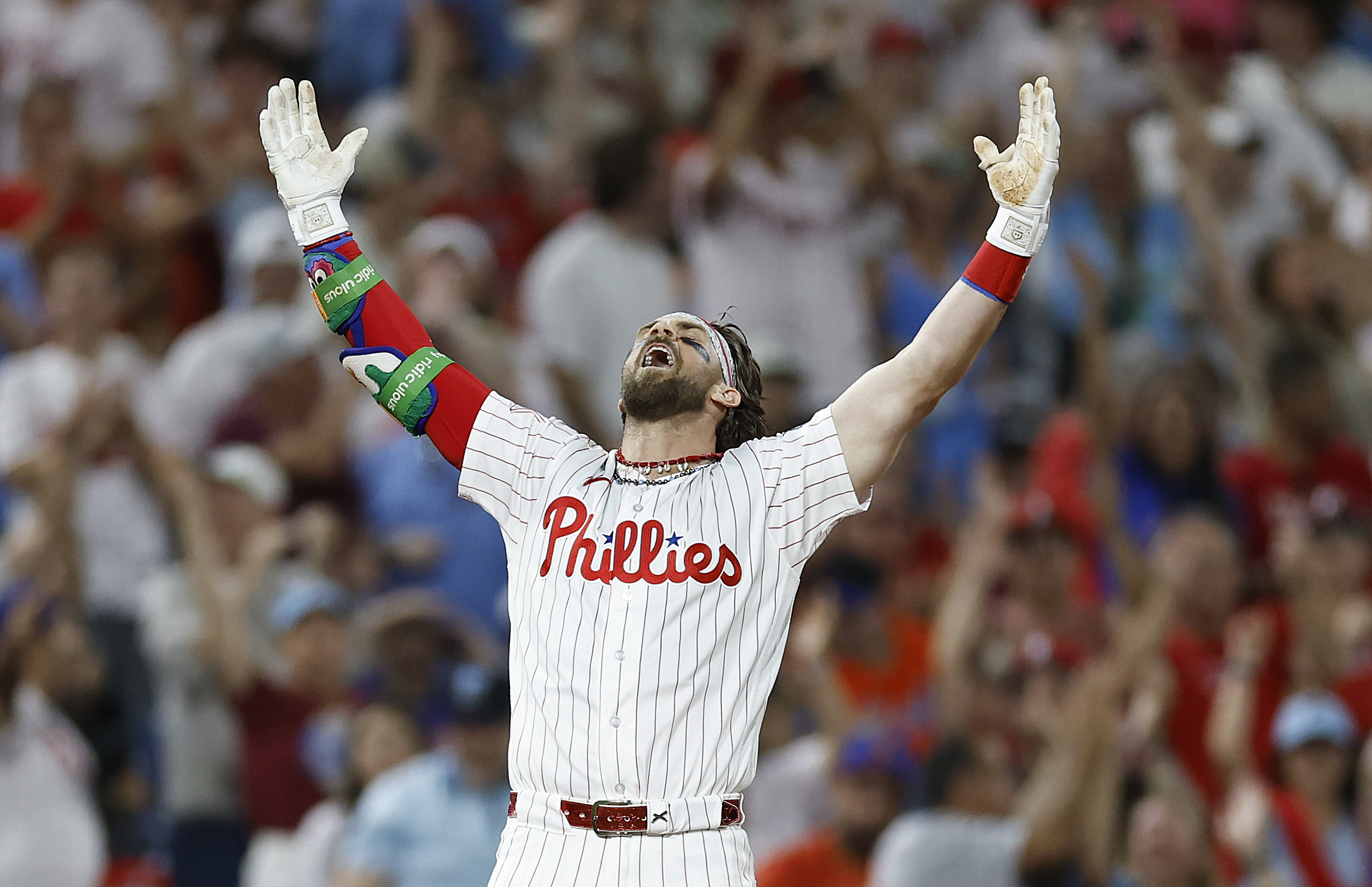
Across the street, the Phillies hosted the Mets before heading down to Washington for a couple of their craziest games of the season. And out in Amish country, we learned that volleyball is taken very seriously. Here’s a look back at some of our favorite photos from the week:
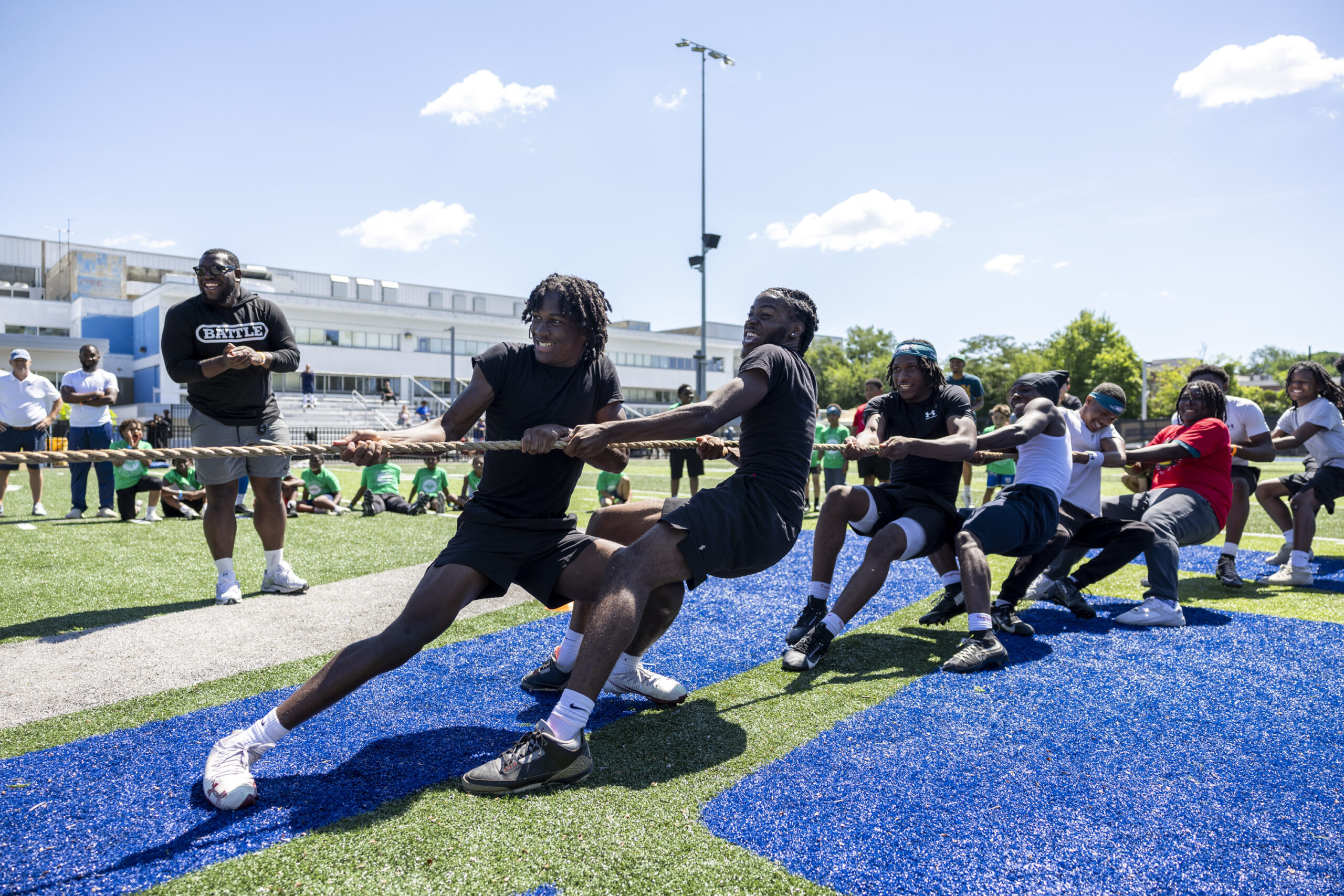
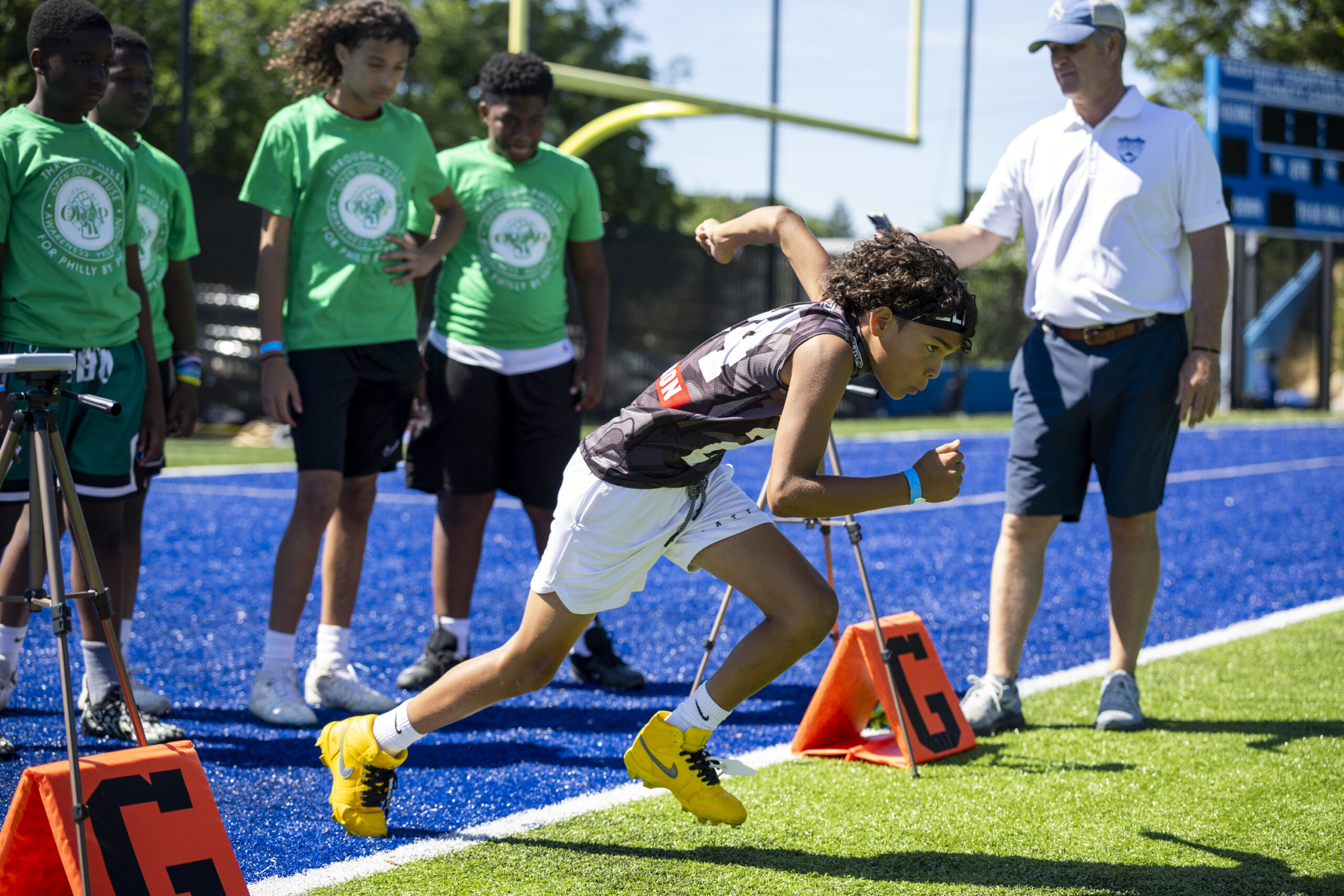
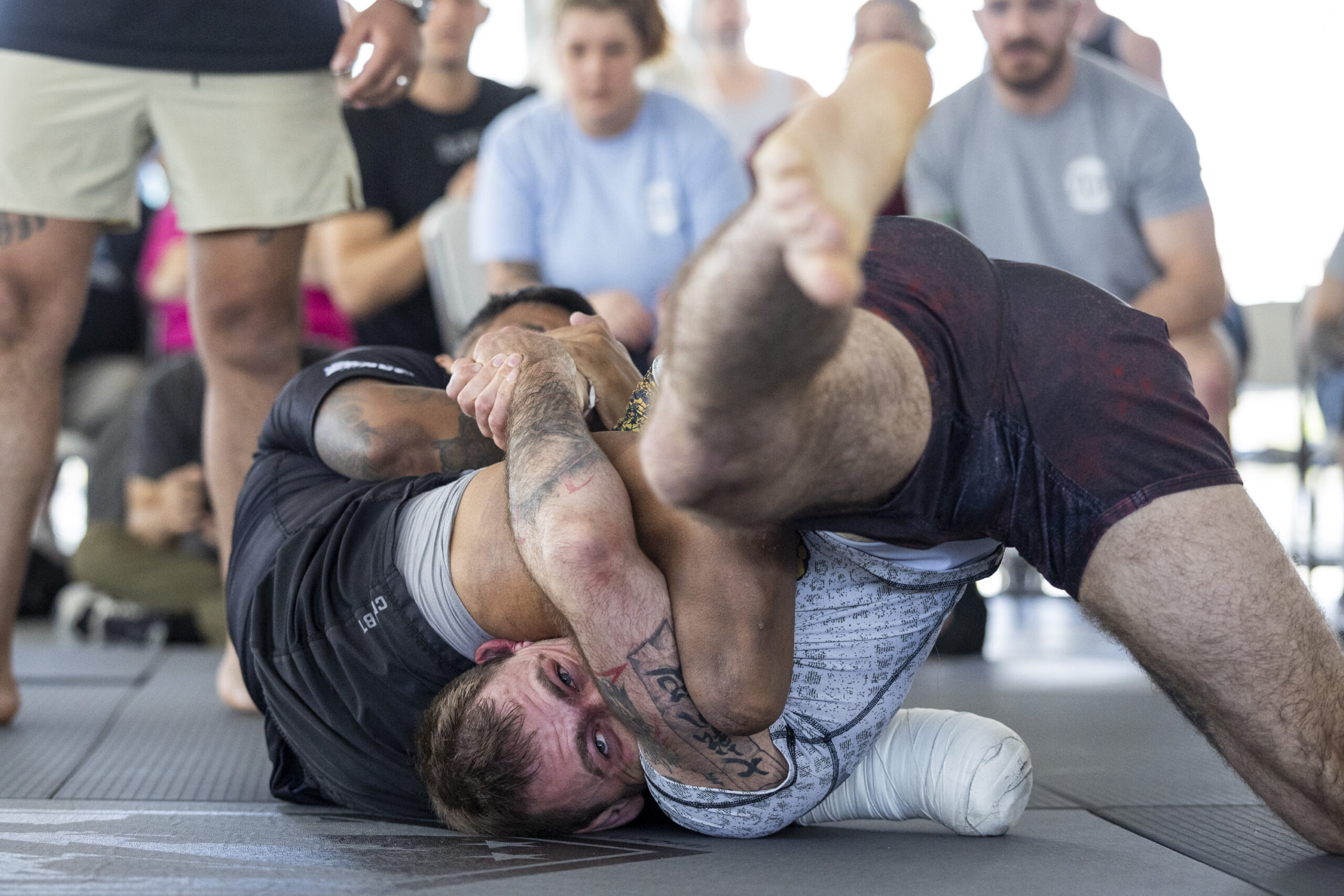
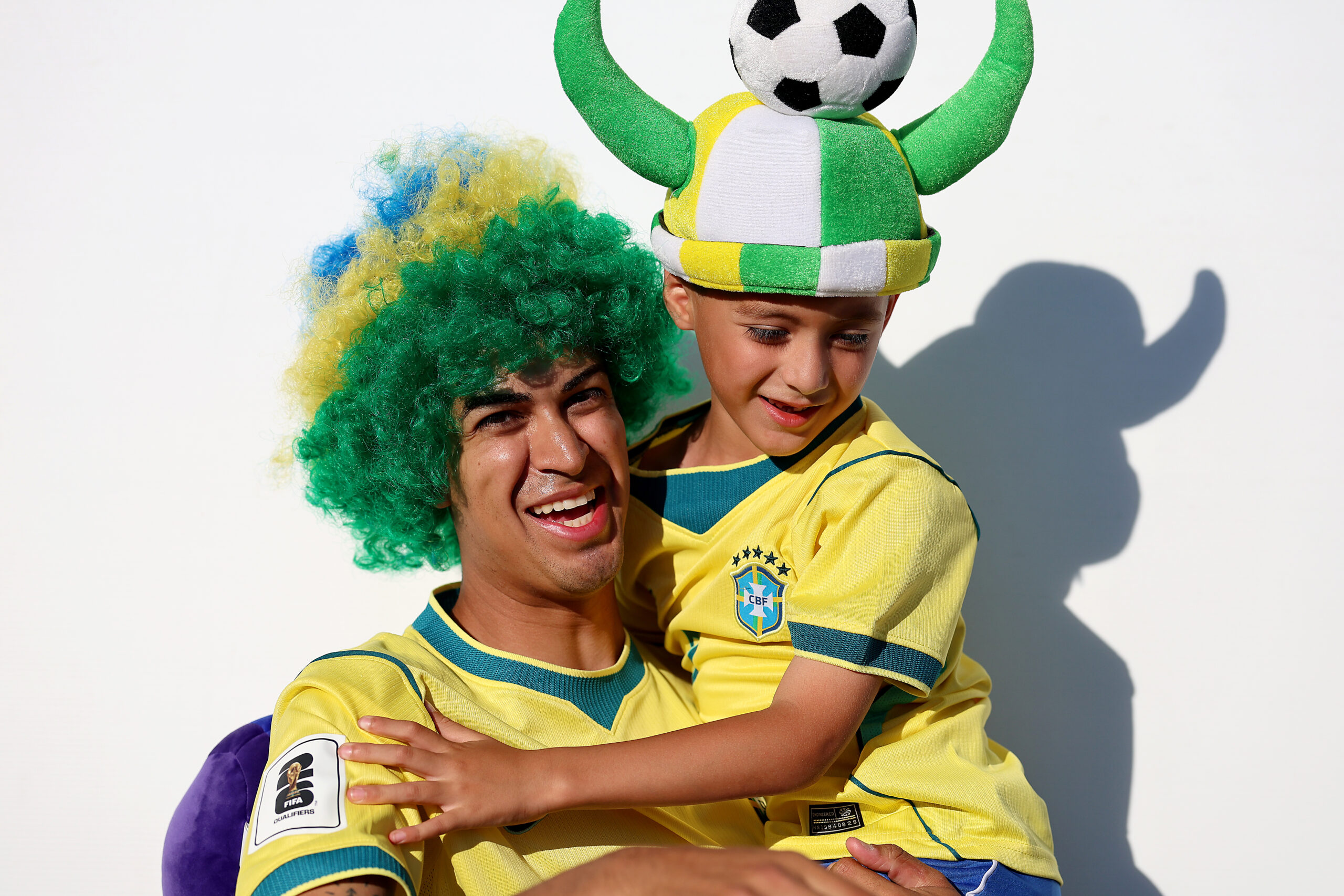
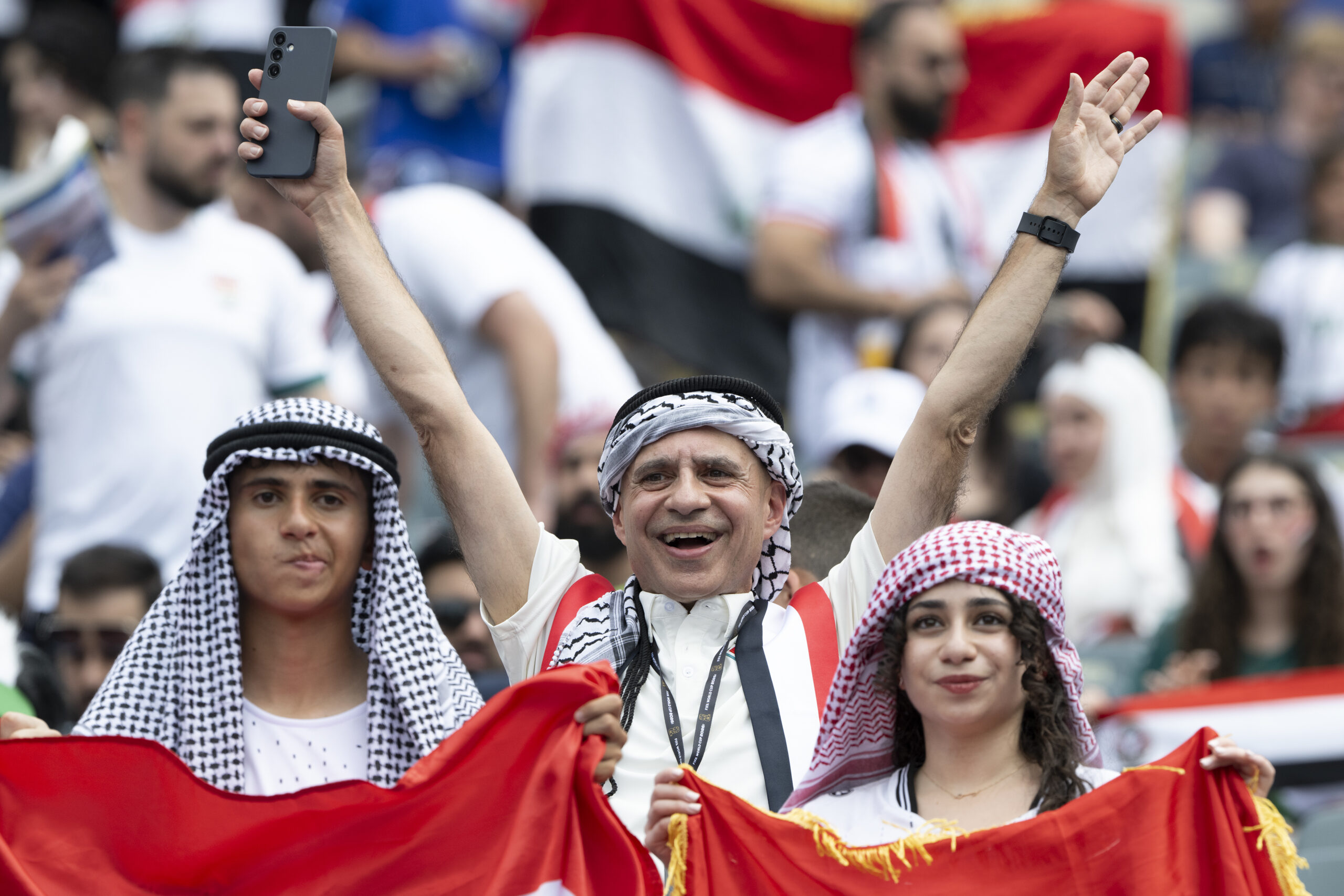
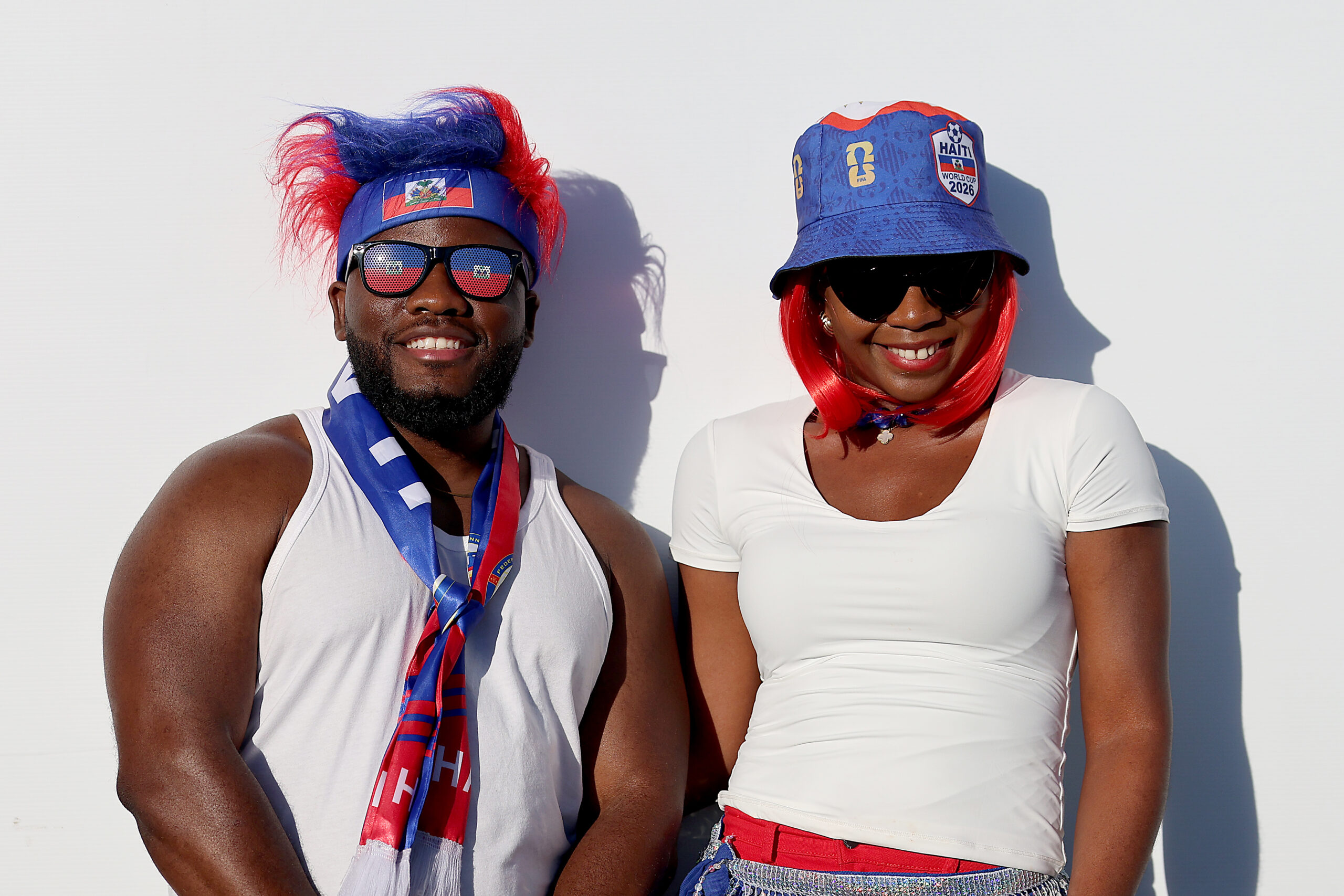
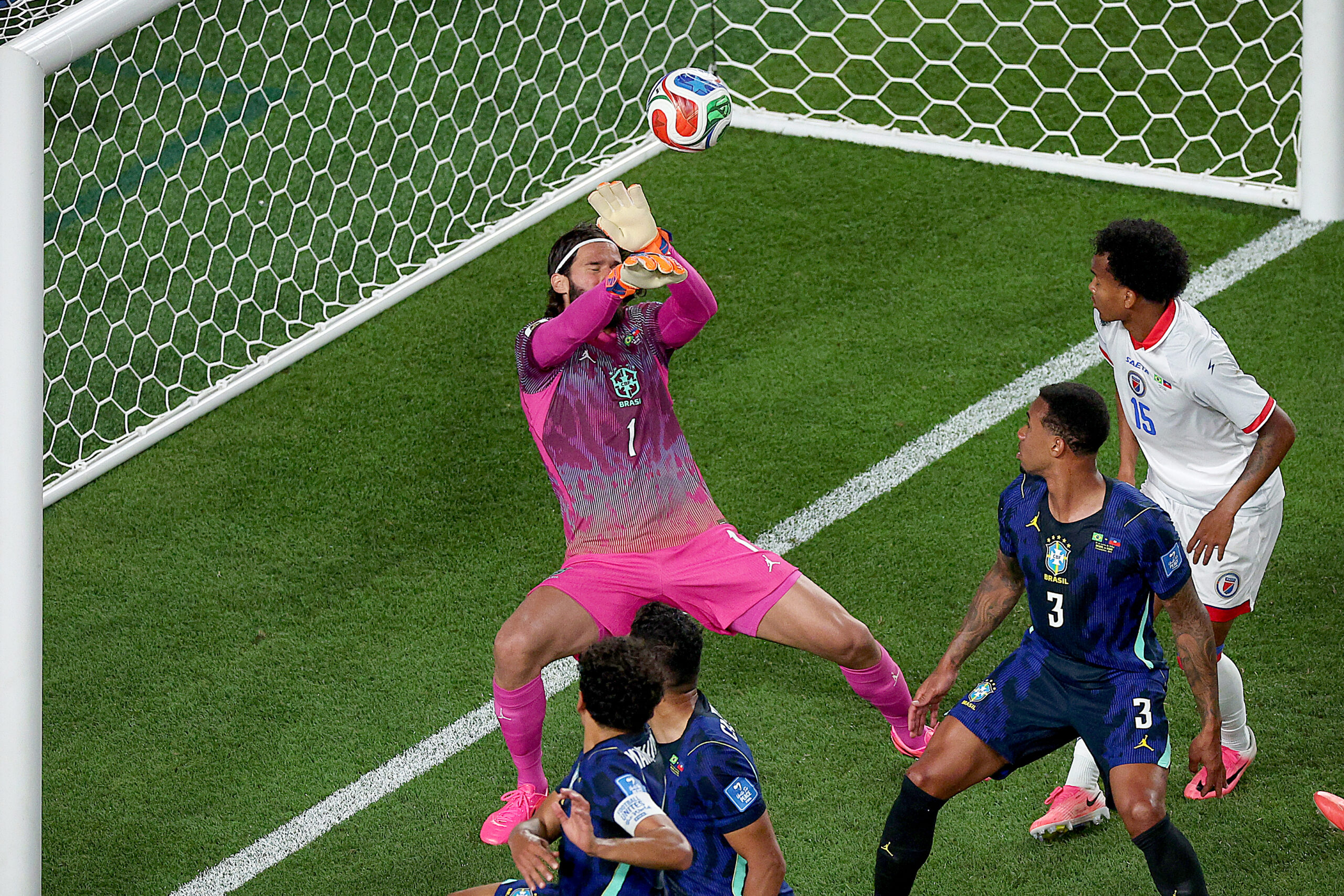
An Amish woman serves the ball during a volleyball match at the Heritage Days Co-ed 6’s Volleyball Tournament at Intercourse Community Park in Gordonville, Pa.Teams high five and shake hands after a volleyball match during day one of the Heritage Days Co-ed 6’s Volleyball Tournament at Intercourse Community Park.Phillies third baseman Alec Bohm backs off from a inside pitch from Mets reliever Austin Warren in the fifth inning of Sunday’s 6-2 win.Bryce Harper celebrates his triple against the Mets Saturday that clinched the first cycle of his career. Kaamil Nelson (left), a strong safety and wide receiver at Pennwood High School, and Semaj Pridgen (second from left), a wide receiver and defensive back at Vaux Big Picture High School take part in a friendly tug of war. The two 17-year-old Philly natives were on hand for the Open Door Abuse and Prevention youth football clinic at Mastery Charter on Saturday.Kamden Cintron, 11, ran the 40-yard dash in 6.3 seconds at the clinic, which featured an appearance from Eagles first-round pick Makai Lemon.On the USS New Jersey, Pisey Tan (top), 46, of South Philadelphia, a sergeant in US Army, has James Mevoglioni, 26, of North Jersey in an arm lock during their Jiu Jitsu match at an event on Saturday for the We Defy Foundation in Camden.France star Kylian Mbappé walks off the field during a weather delay at the end of the first half of his team’s win over Iraq Monday. The delay lasted over two hours.Prior to the rain arriving, France took a 1-0 lead over Iraq, causing Jimmy Coilliot of Lille, France, to dance in celebration.Brazil fans Miguel Sosa and his son, Enzo, of Nebraska, were in Philly for the team’s win over Haiti on Friday night.Fans cheer for Iraq from the stands before their team’s game against France.Haiti fans Roby and Mama Cristin, of New York, attended Friday’s game against Brazil in South Philly.Brazilian goalkeeper Alisson Becker makes a save in the second half as Brazil beats Haiti, 3-0.
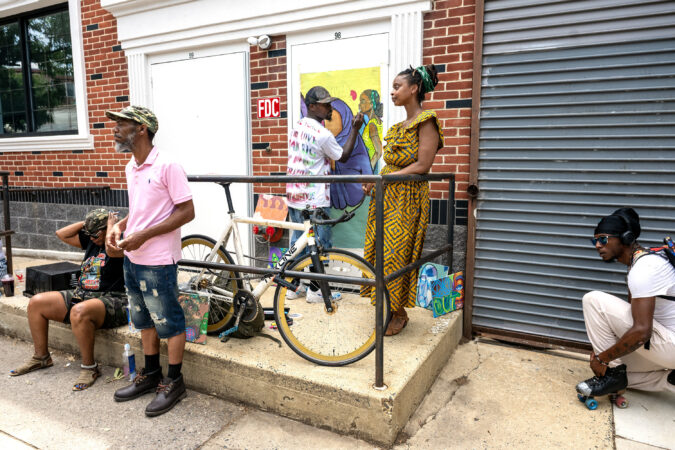
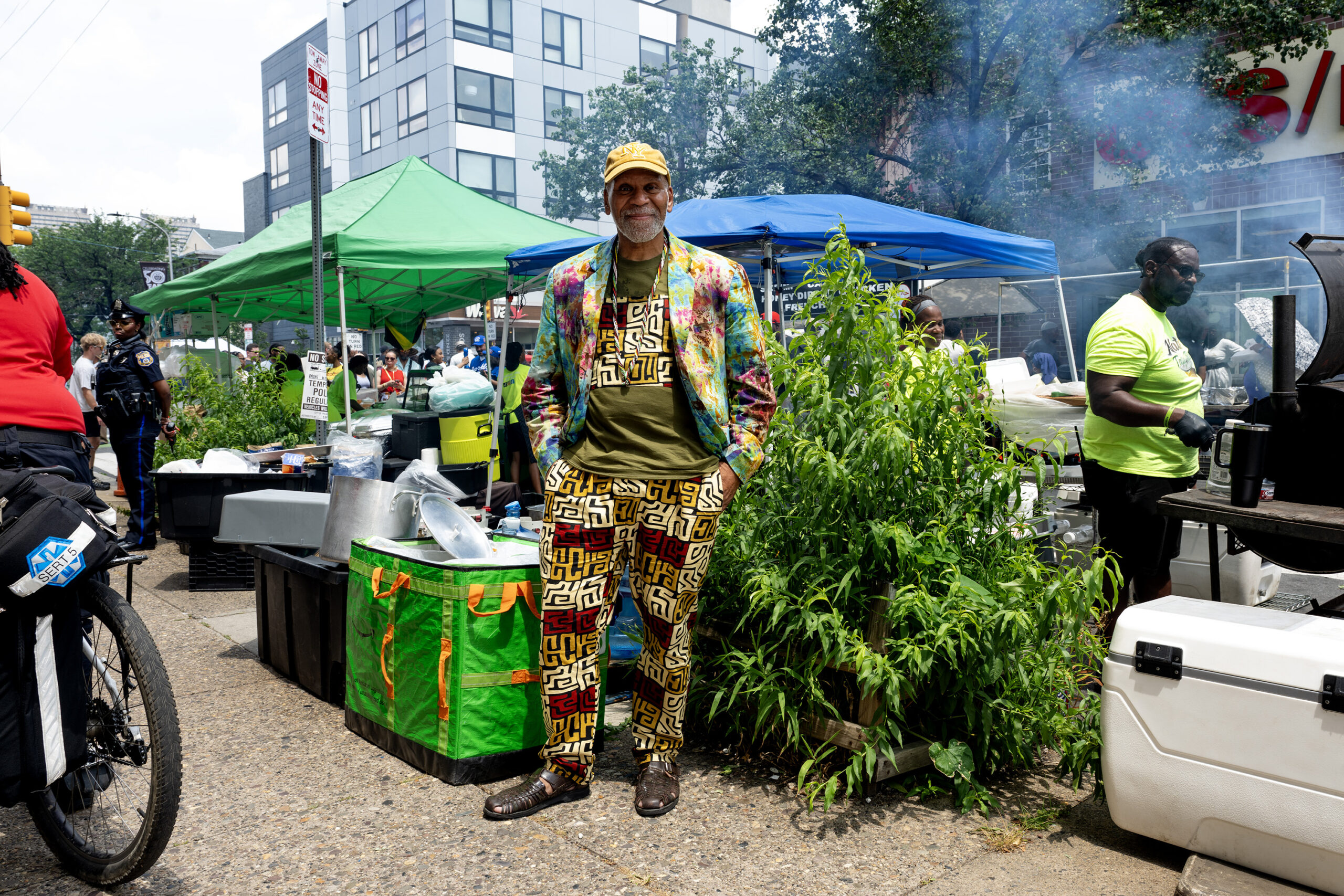
The Odunde Festival began in 1975 as a community event in South Philadelphia inspired by Yoruba traditions from Nigeria. It has since grown into one of the largest Black cultural festivals in North America.
“Odunde”is often translated as “the celebration has arrived.” The festival is rooted in the Yoruba New Year celebration and honors African heritage, history, and spirituality.
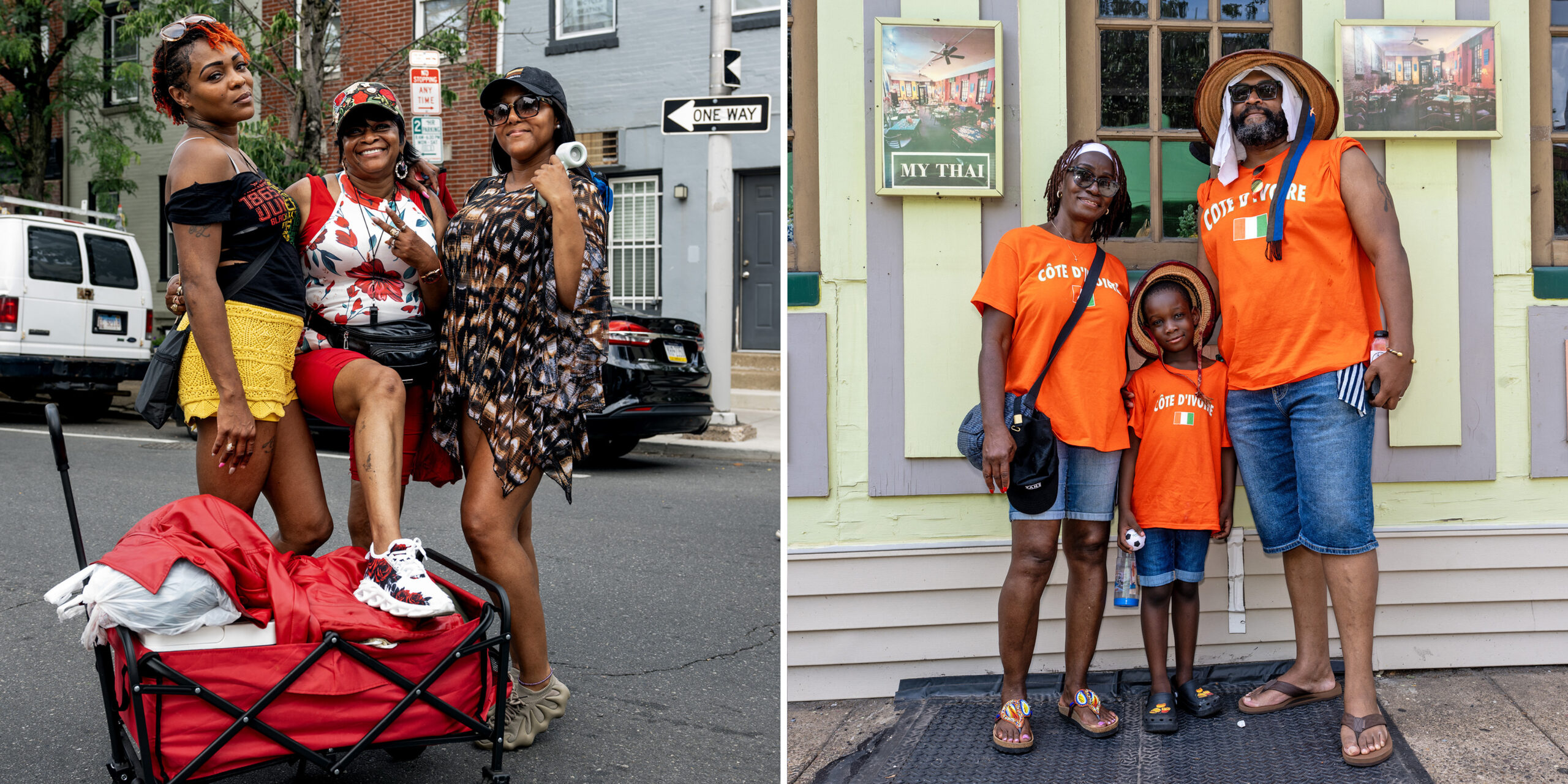
LEFT: Vonetta Jones, (from left), Cynthia Johnson and Alexis Murray. RIGHT: Lea and Damon Cunningham and their grandson, Noah, 6.
As a photographer working a Sunday-to-Thursday shift for decades, I’ve covered this and many other Sunday ethnic, religious, historic, and cultural festivals — always with a street-photographer vibe.
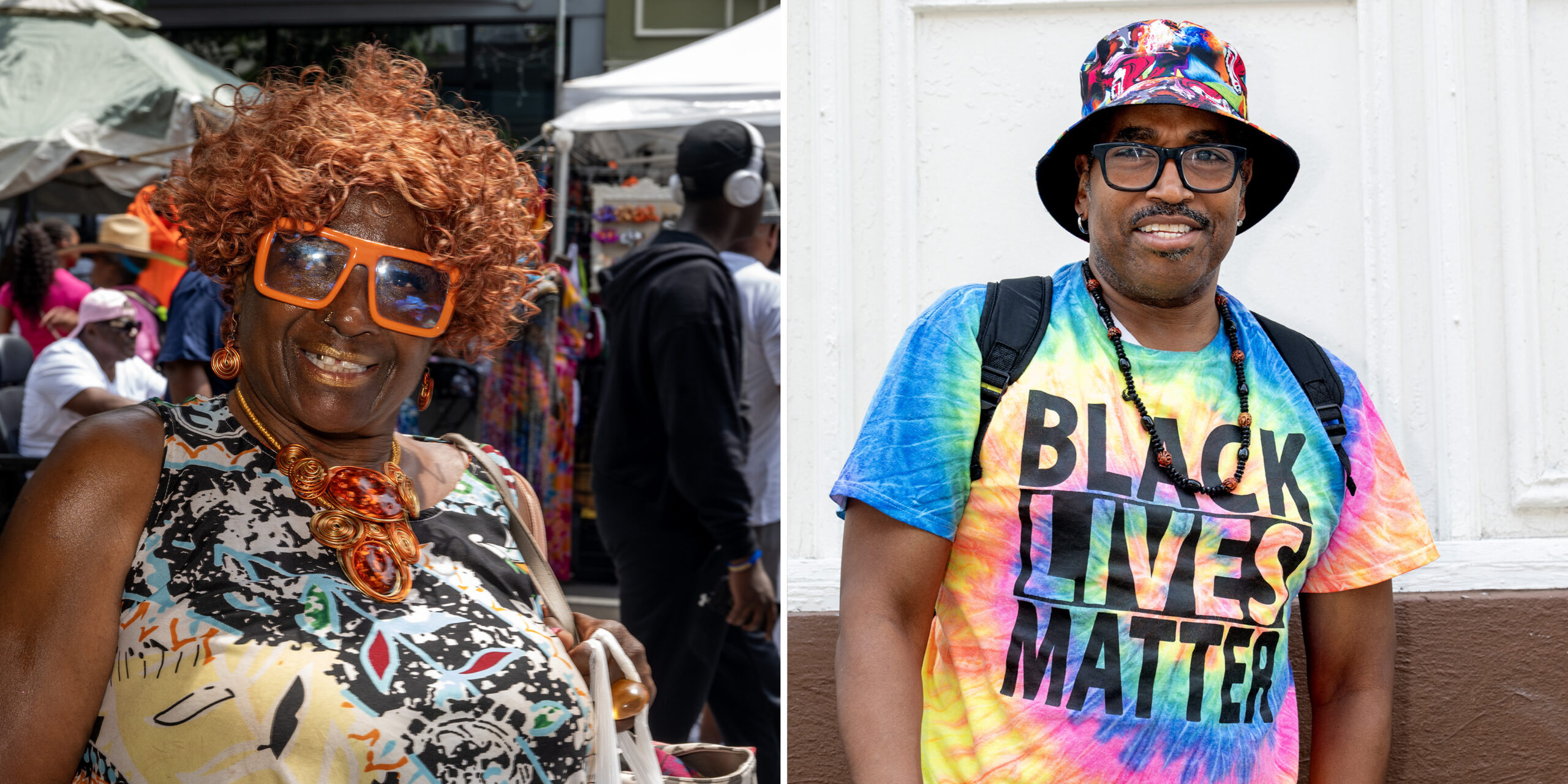
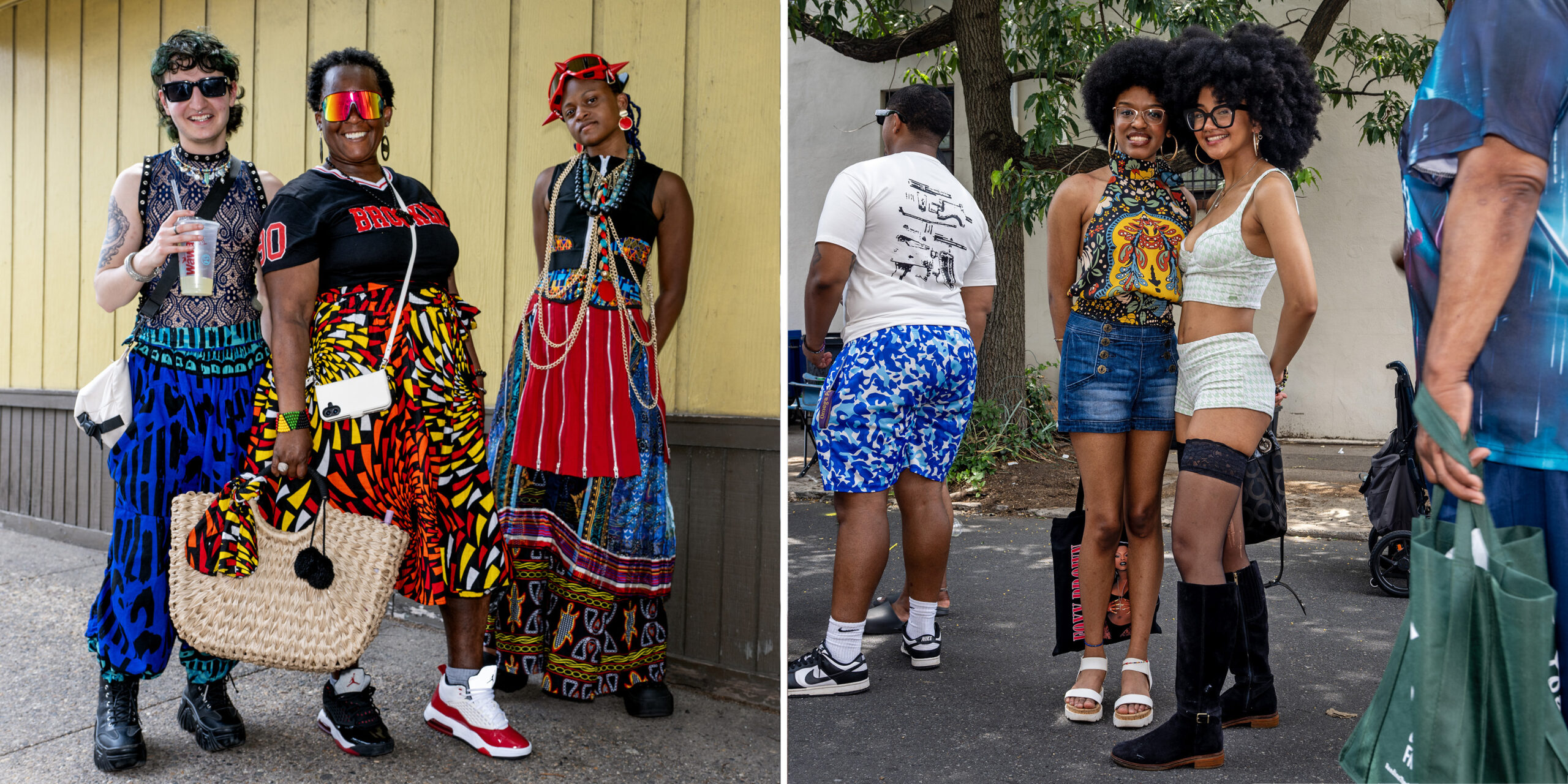
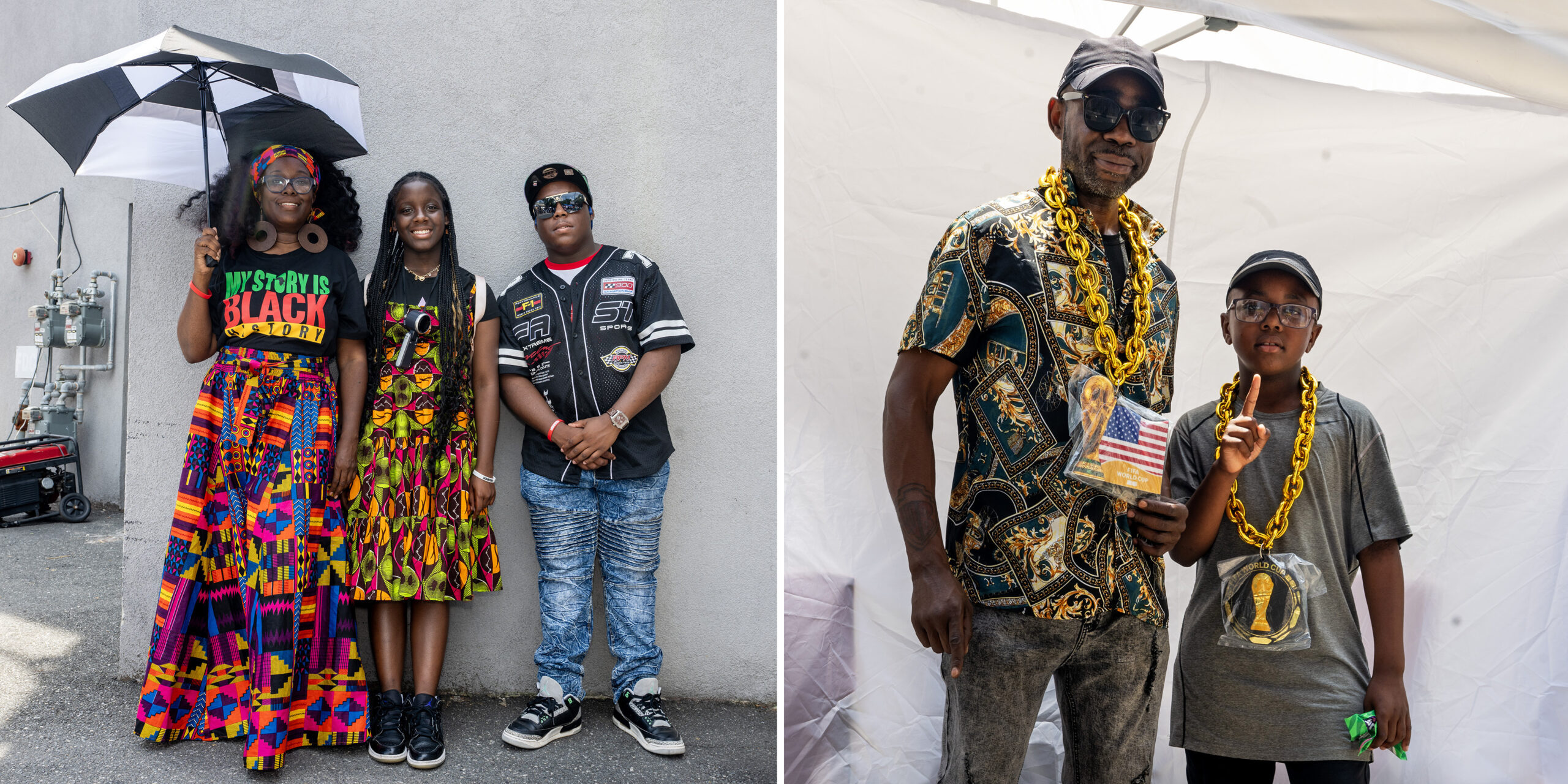
When I was assigned to photograph stylish clothing last Sunday — festivalgoers are known for expressing their cultural identity, heritage, and pride through fashion — I saw it as fun challenge to work outside my comfort zone and channel a bit of Philly influencer Big Rube or Humans of New York creator Brandon Stanton.
LEFT: Penny Thompson RIGHT: Kelvin Beck
Something I am always asked when speaking to camera clubs or groups of amateurs photographers is: “Do you have to ask people permission to take their picture?” Others ask, “Do you need to get their names?” The most consistent question, though, is: “How do you approach people you don’t even know?”
Joe Quinones.
I am not an extrovert, but early on I realized that “hiding” behind my camera gave me the confidence to meet and build rapport with strangers.
LEFT: Partners Julian Livingston (left) and Nyobi Nashedeem-Murphy (right) and Nyobi’s mother, Stacey Daniels. RIGHT: Tyanna Man and Bella Reina (right).
After years of doing it, talking to people has never been a concern. But using a flash outdoors to fill in shadows while also worrying about visual variety — different ages, genders, couples, individuals, and backgrounds — was not the way I usually work.
LEFT: Angelina Fletcher (left) and her niece and nephew, Leah Fletcher and TJ Fletcher. RIGHT: Jamar Williams and Jamar, Jr., 9.
I think it turned out OK, and I look forward to trying something similar with my visual coverage of the many events ahead this summer. Bring on the World Cup, America 250, the All-Star Game, and everything else.
Since 1998 a black-and-white photo has appeared every Monday in staff photographer Tom Gralish’s “Scene Through the Lens” photo column in the print editions of The Inquirer’s local news section. Here are the most recent, in color:
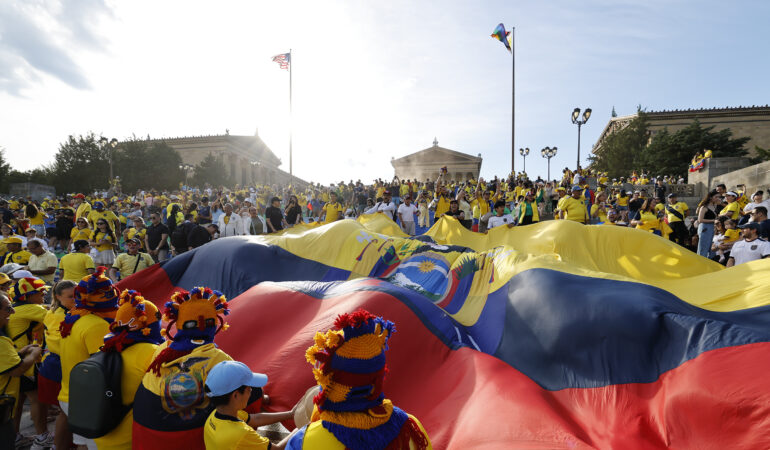
Each Friday, Inquirer photo editors pick the best sports images from the last seven days. This week, it should come as no surprise that you’ll find lots of World Cup photos — especially after Ecuadorian fans rallied on the steps of the Art Museum, and fell victim to the Rocky curse the next night against Ivory Coast. Brazil fans, whose team plays Friday night in South Philly, took precautions to avoid that fate.
Elsewhere, the Phillies took the field against some divisional foes, a state champion returned to the track, and dodgeball got serious. Here’s a look back at some of our favorite photos from the week:
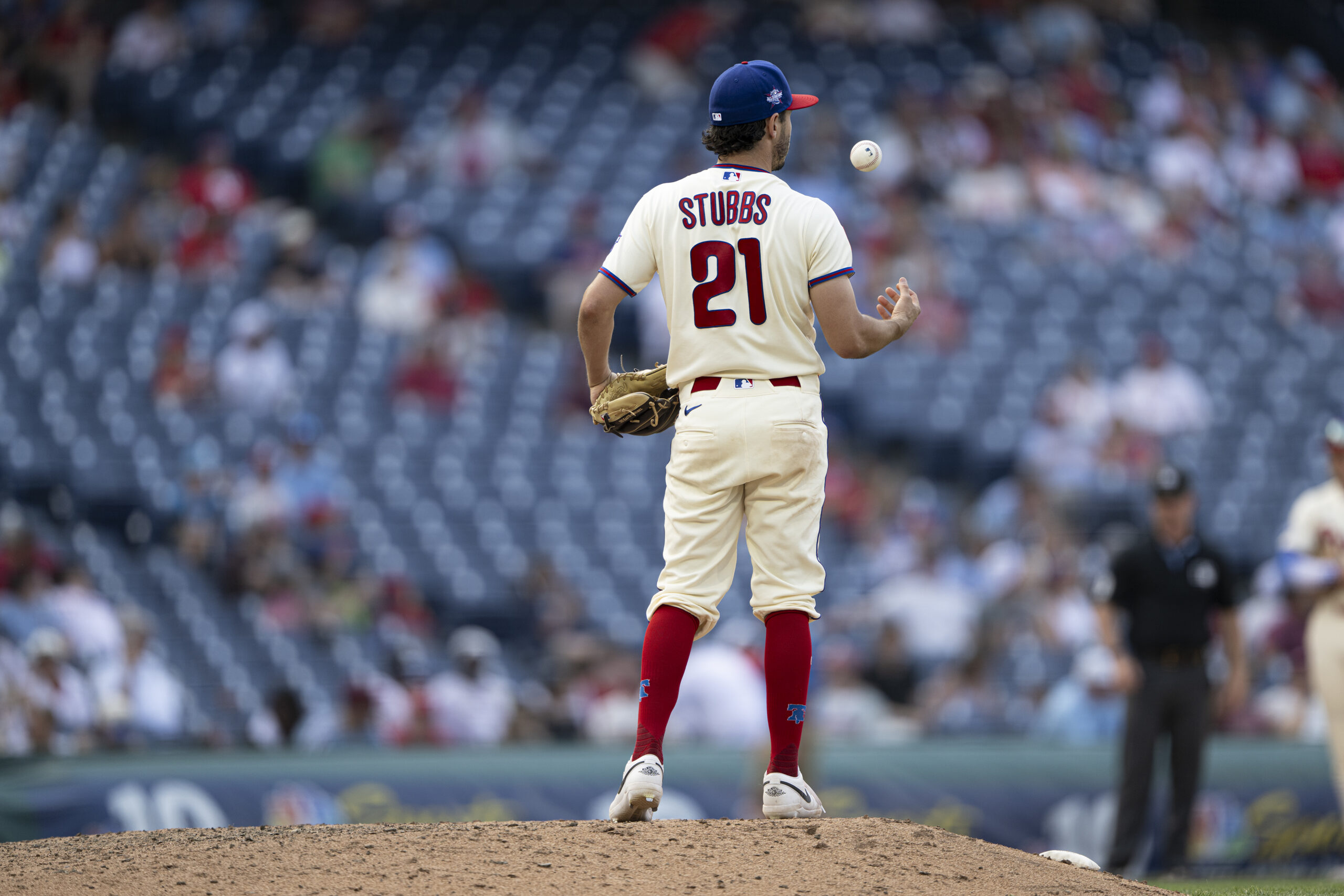
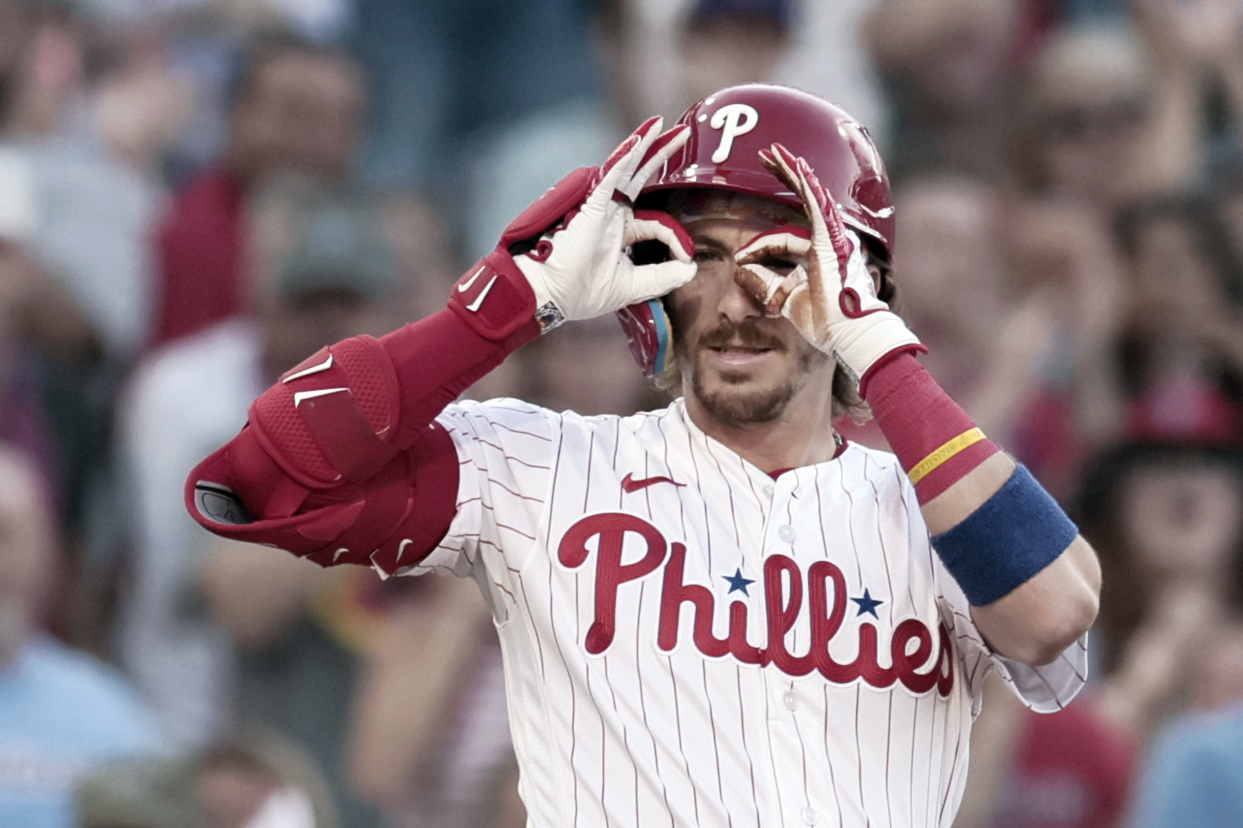
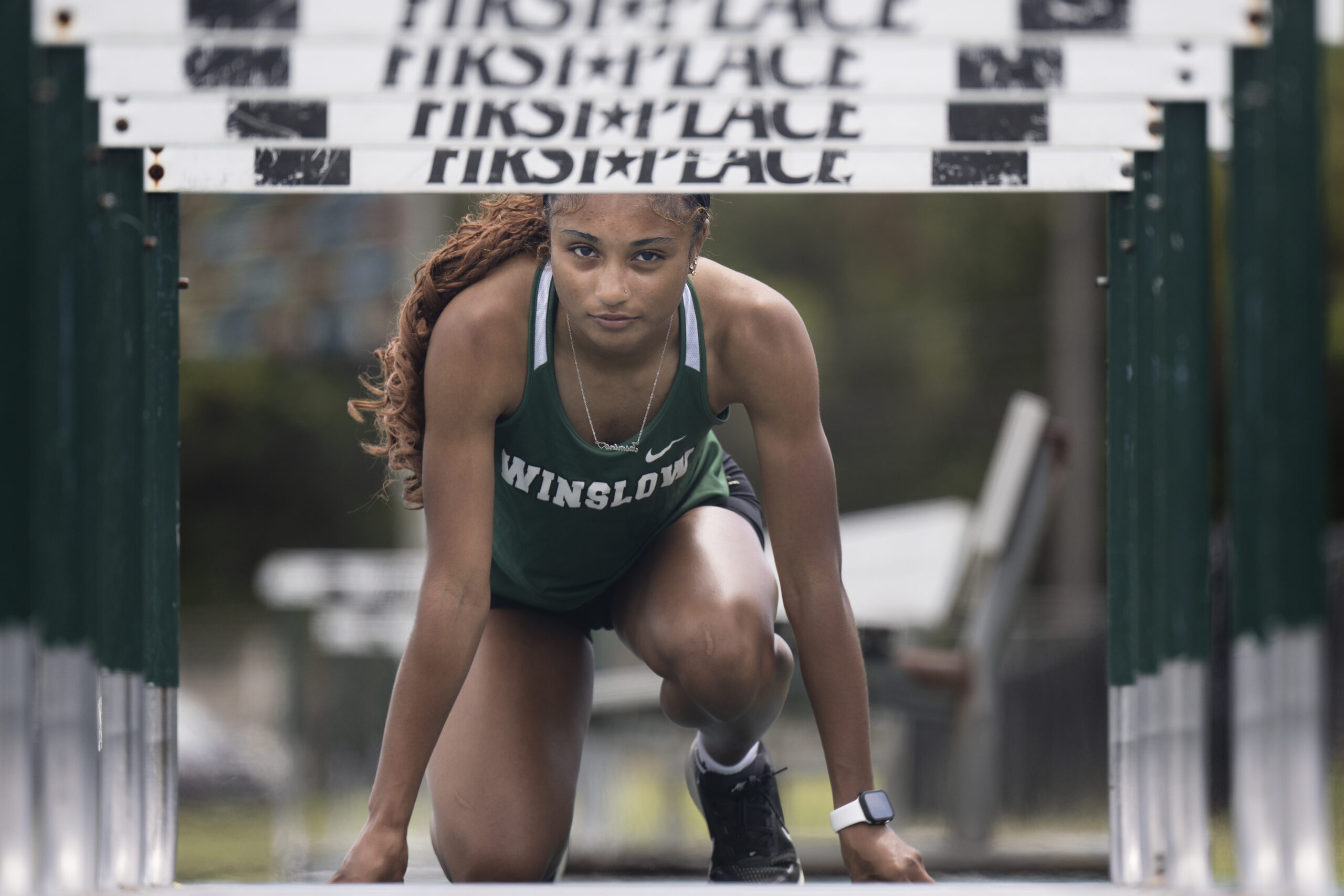
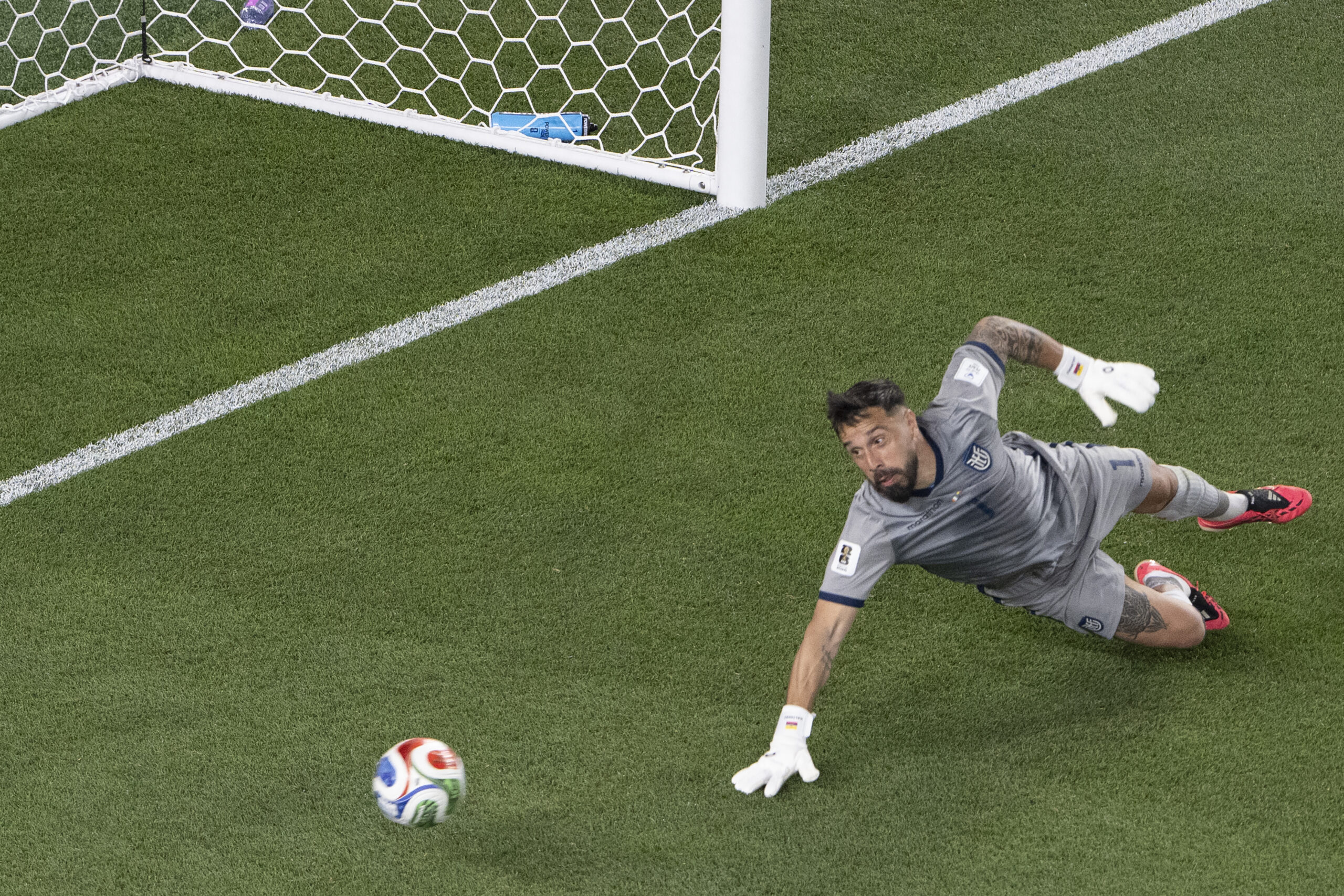
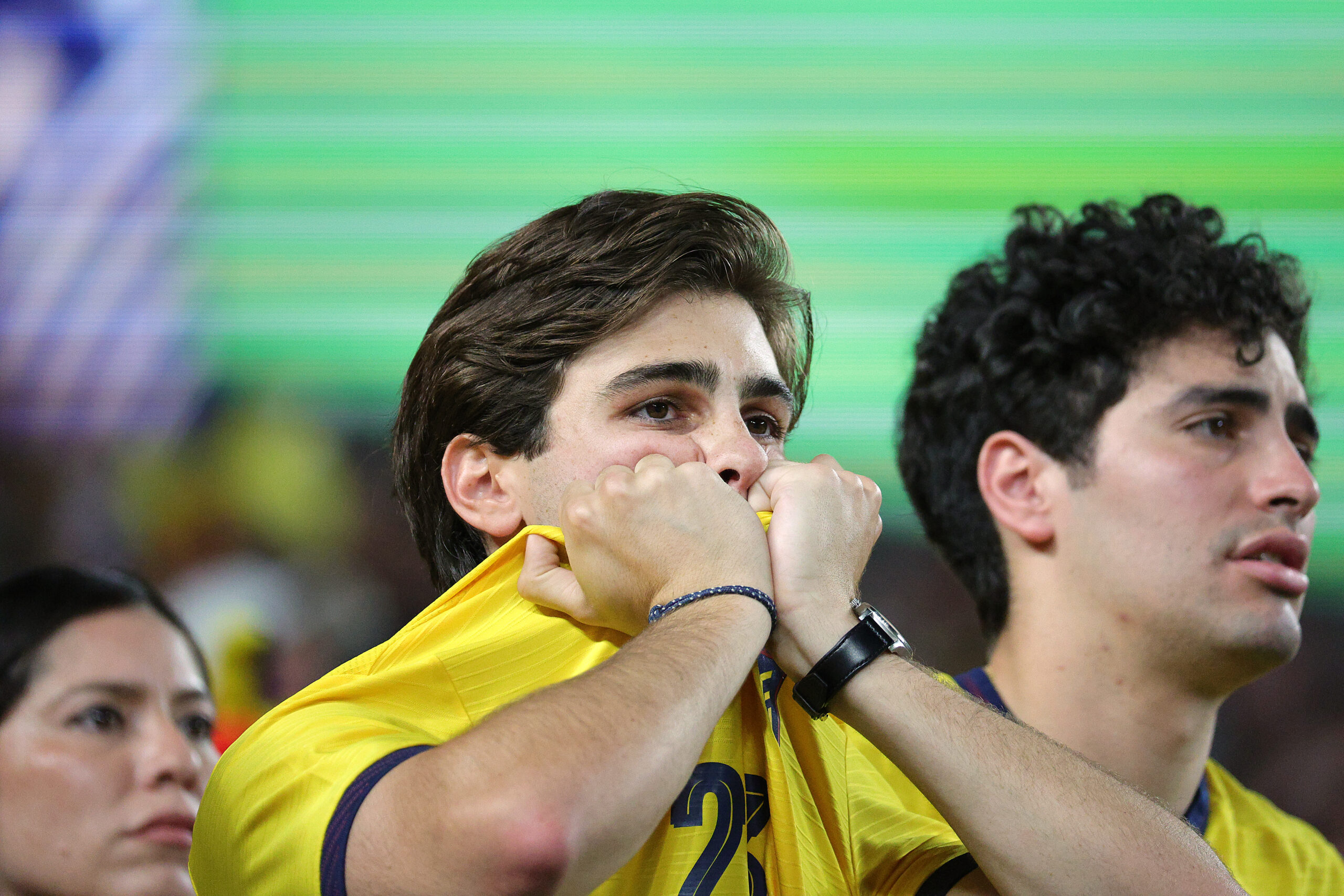
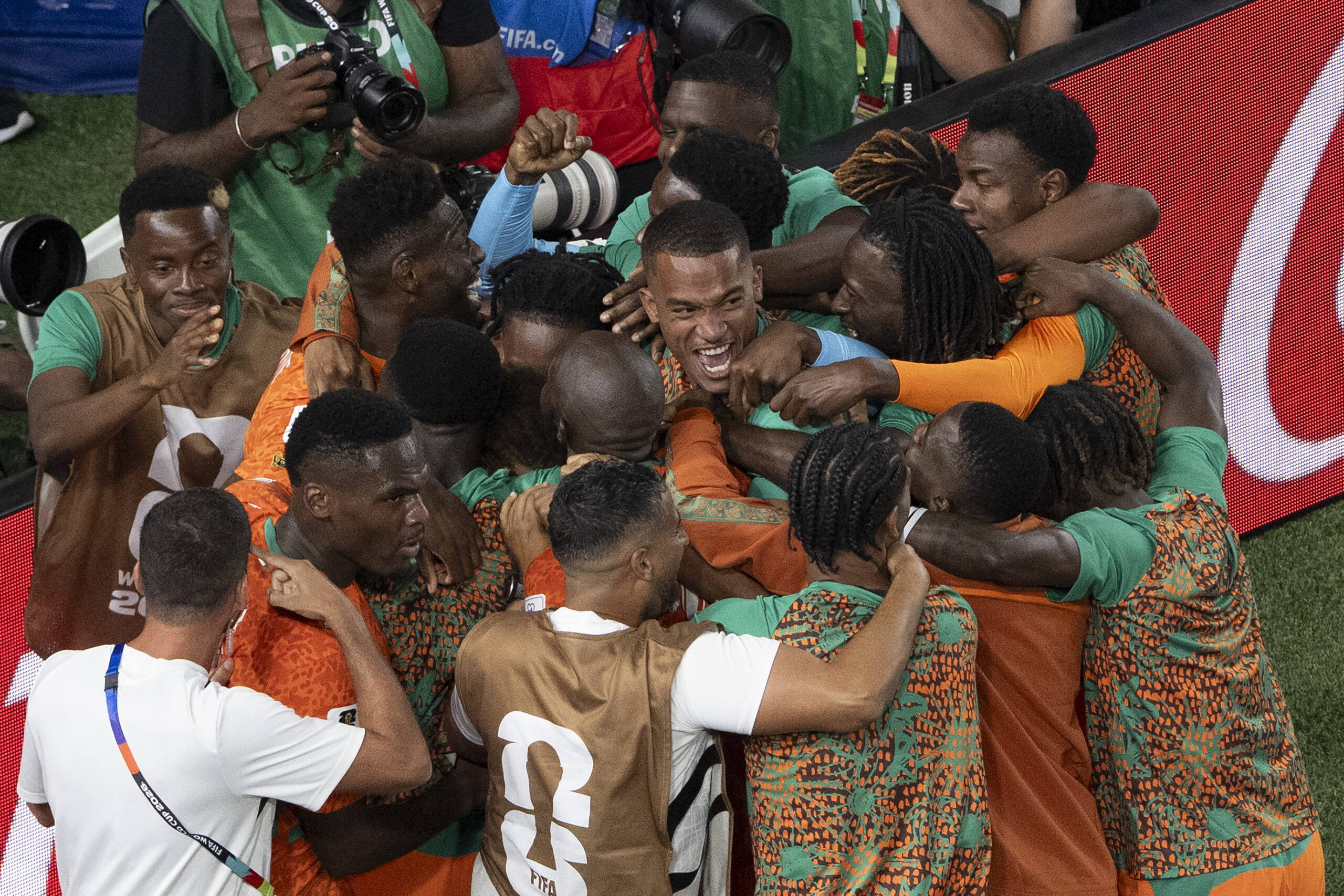
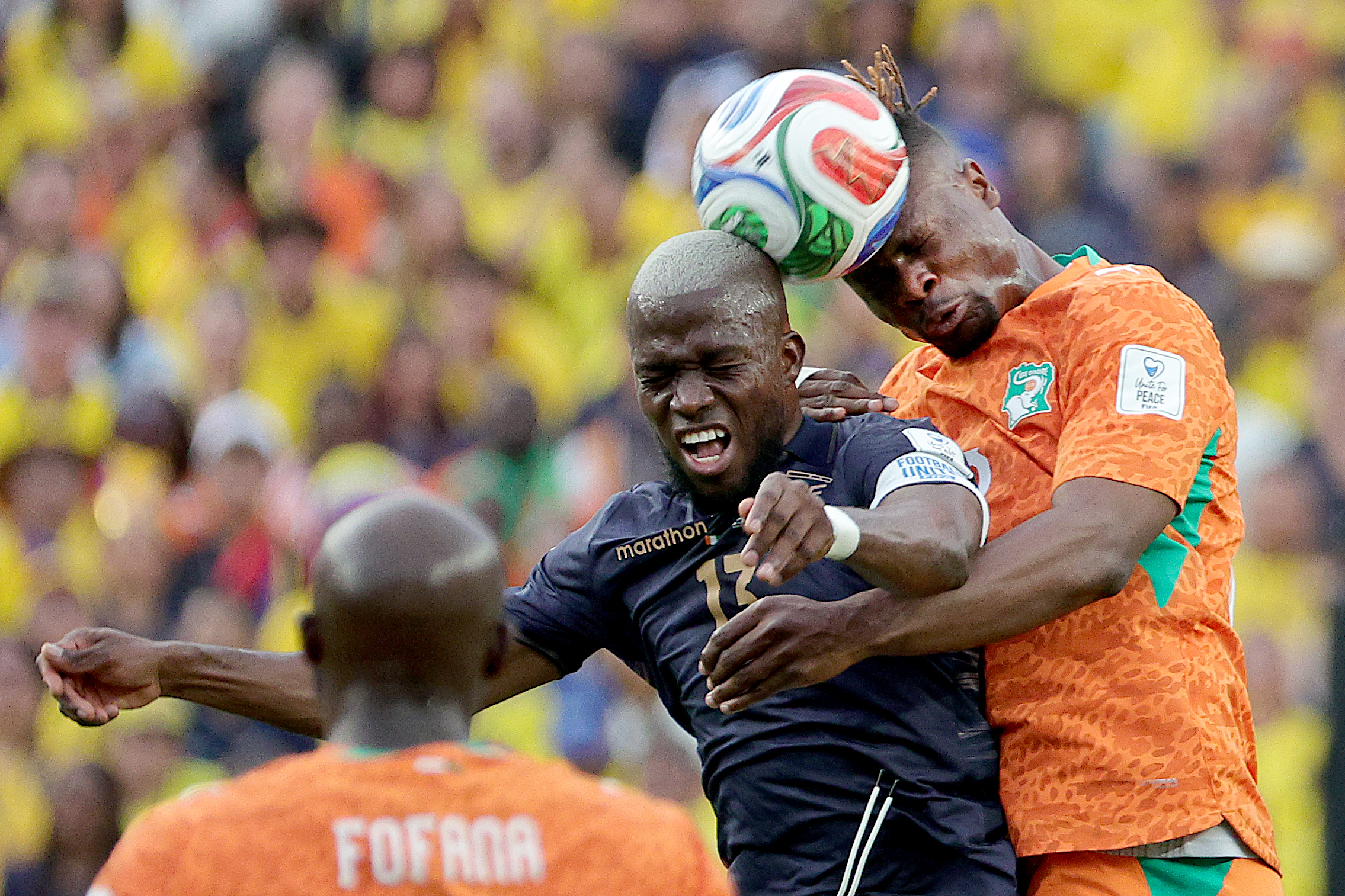
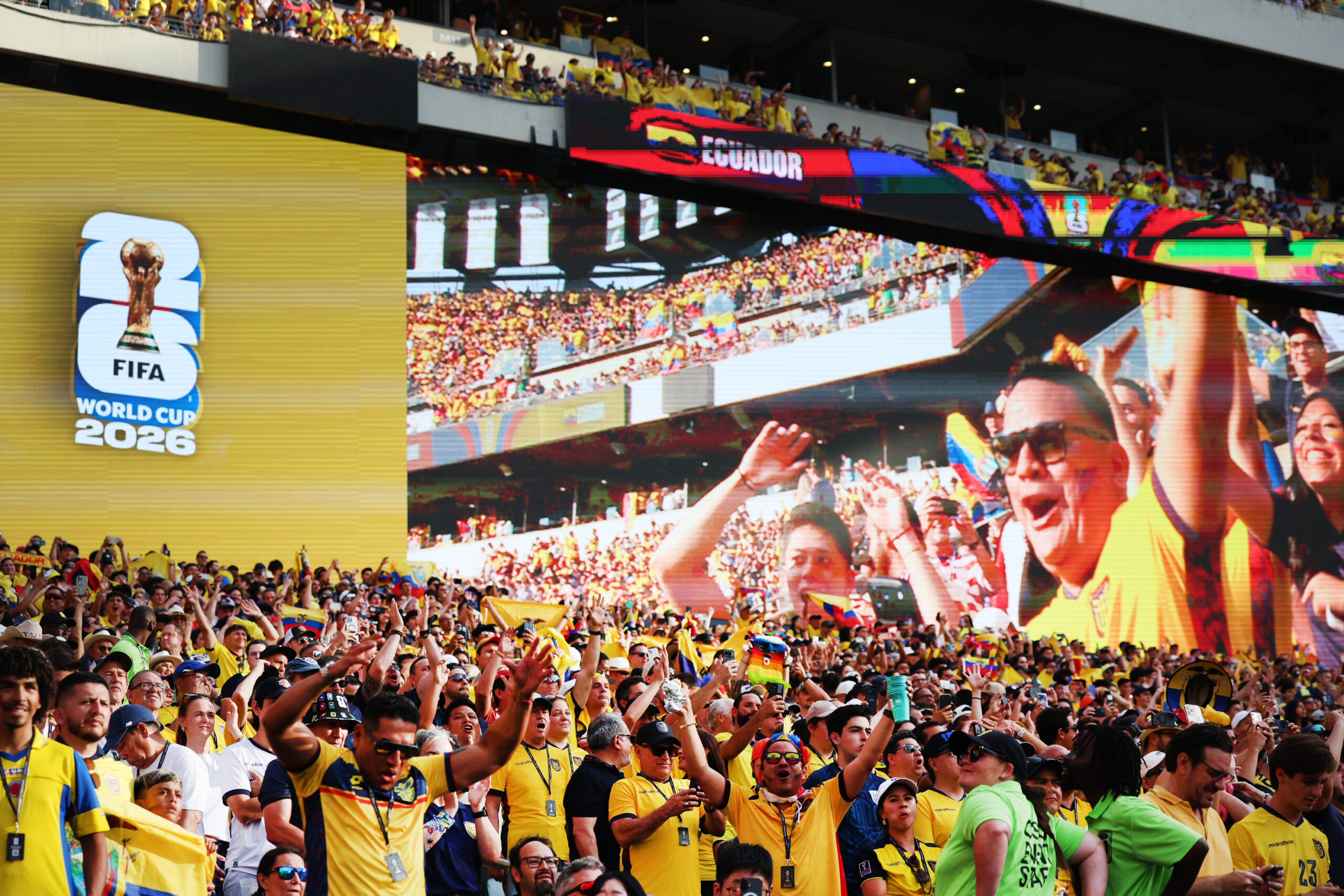
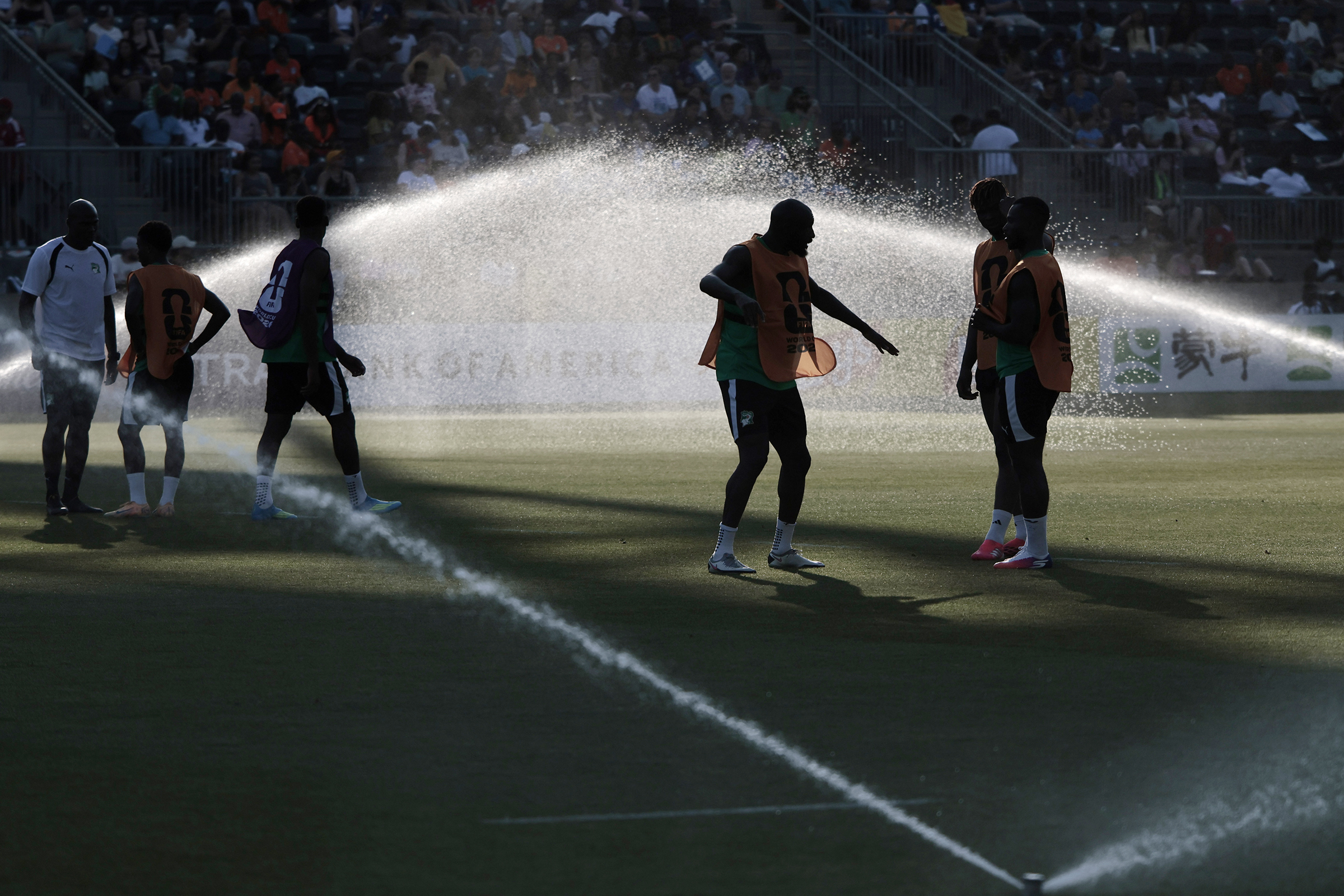
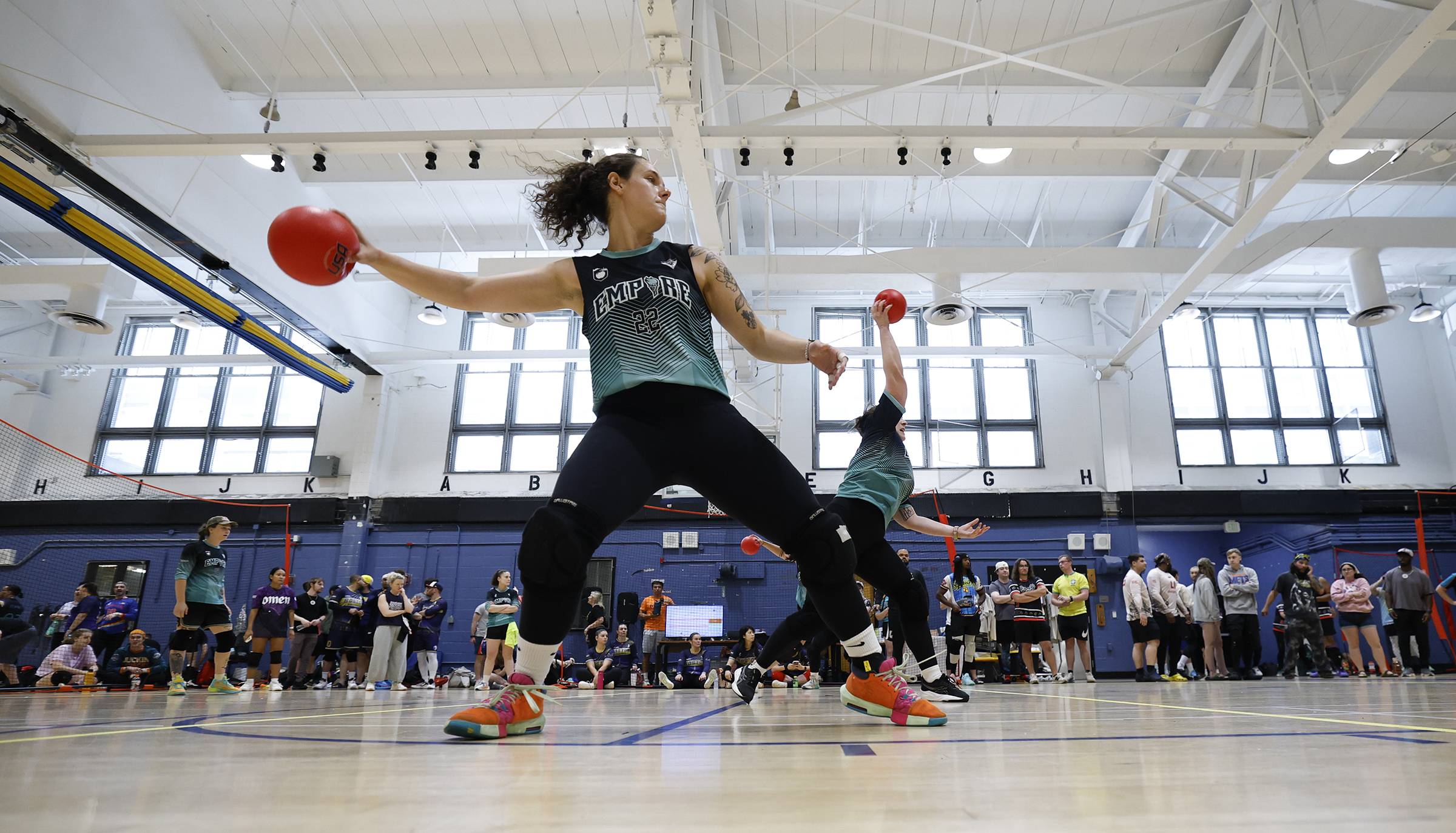
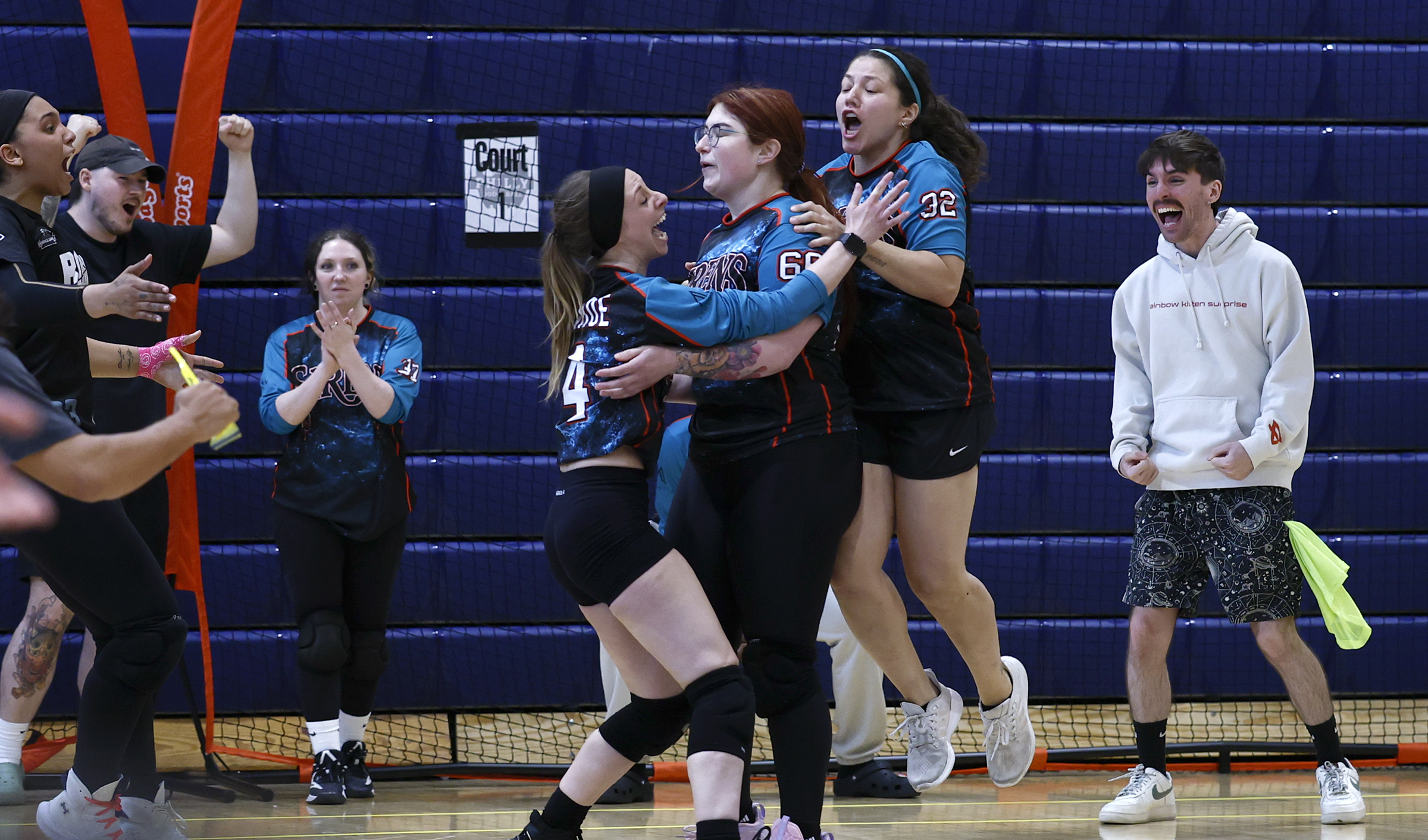
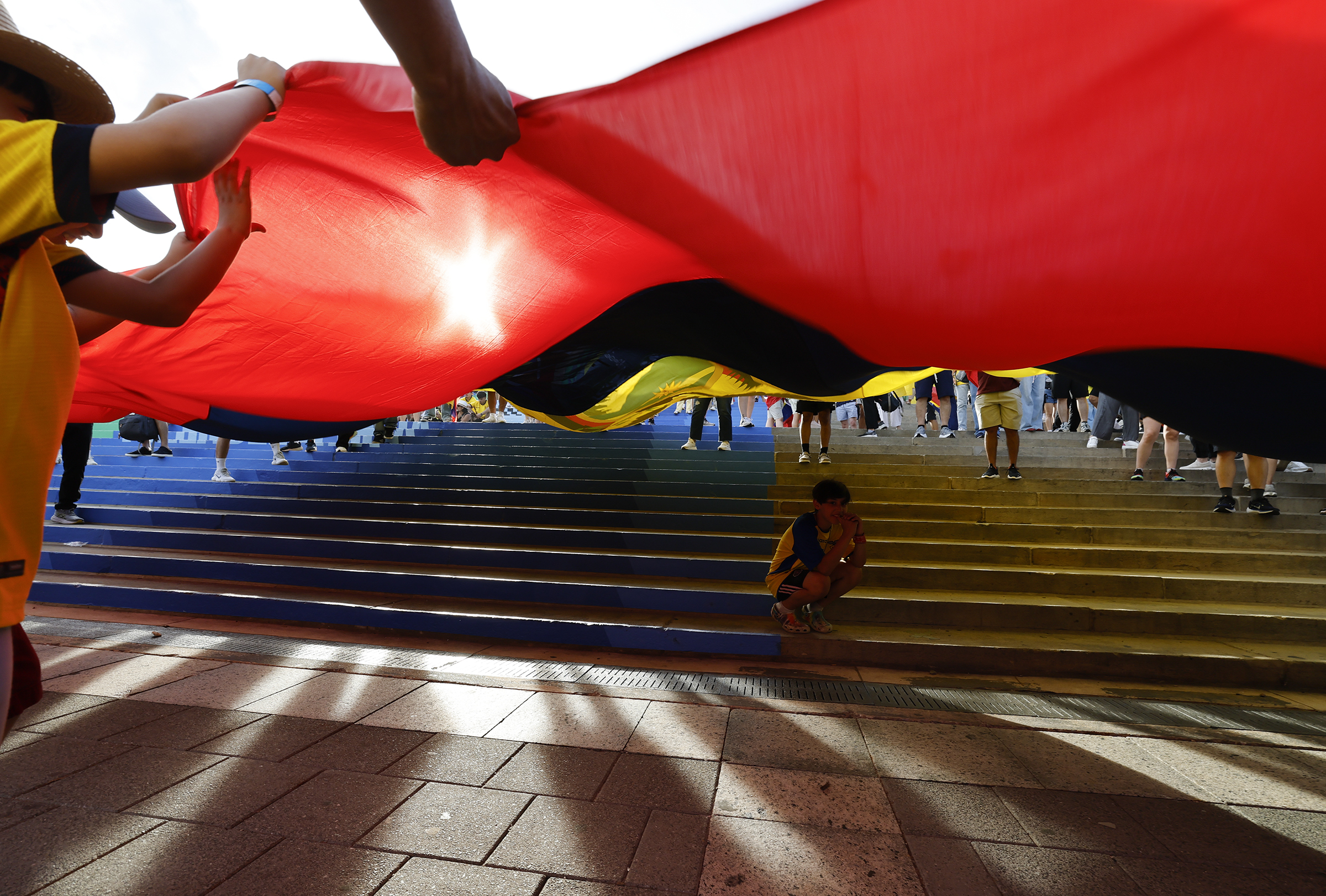
The Phillies used eight pitchers — technically seven and cathcer Garrett Stubbs — in Wednesday’s loss to the Marlins.Phillies second baseman Bryson Stott looks to the dugout after hitting a triple in the first inning of Tuesday’s 8-2 win over the Marlins.Winslow Township High School sophomore Jasmine Jackson recently won a state championship in the 100-meter hurdles and earned an invite to the Brooks PR Invitational.Ecuador goalkeeper Hernán Galíndez allowed the game-deciding goal by Ivory Coast’s Amad Diallo in the 90th minute of their World Cup Group E match on Sunday.Ecuador fans were shocked by their team’s World Cup loss to Ivory Coast on Sunday in Philadelphia.Ivory Coast’s Amad Diallo (center) is surrounded by his teammates after scoring the lone goal in a 1-0 victory over Ecuador in the World Cup on Sunday in Philadelphia.Ecuador forward Enner Valencia (center) and Ivory Coast defender Emmanuel Agbadou (right) battle for the ball during their World Cup match on Sunday in Philadelphia.Ecuadorian fans cheer during their World Cup match against Ivory Coast in Philadelphia.Ivory Coast’s soccer team practice as the sprinklers began operating last Friday at Subaru Park in Chester. They faced Ecuador in Philadelphia that Sunday.Members of the Empire, a women, trans, and nonbinary dodgeball team, prepare to throw while taking on team Sirens during the “Beast Coast” championship Saturday at Ben Franklin High School.Members of the Sirens celebrate after beating Empire in a WTNB dodgeball quarterfinal.A young Ecuadorian soccer fan sits under the Ecuadorian flag during a flag-waving event on Saturday at the Philadelphia Museum of Art steps, before the team faced Ivory Coast in the World Cup.
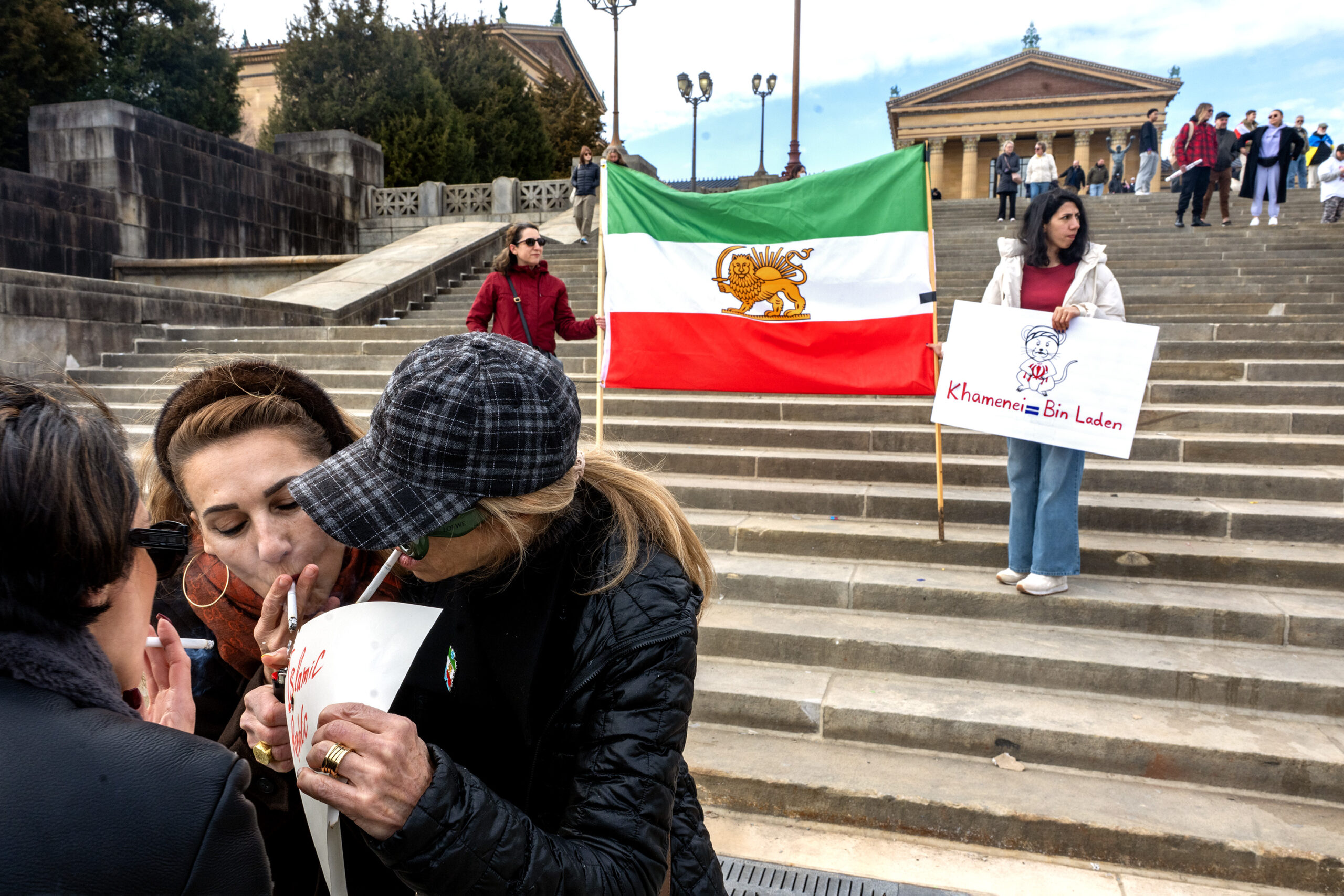
Last weekend I photographed members of the group Philly Iranians at the museum steps calling for a “free, secular, democratic Iran — united for human rights and against gender apartheid.” (They used cigarettes to burn a sheet of paper representing the Islamic Republic. The smoking symbolized and celebrated the “power of women” they told me, as under Iran’s Islamic penal code, women’s rights are severely restricted.)
The flag with the Lion and Sun emblem was the official flag of Iran since 1907. It was changed following the 1979 Islamic Revolution is strictly banned from public use in the Islamic Republic. Iranian opposition groups use the old flag in protests.
I even mentioned the art museum in this space in January.
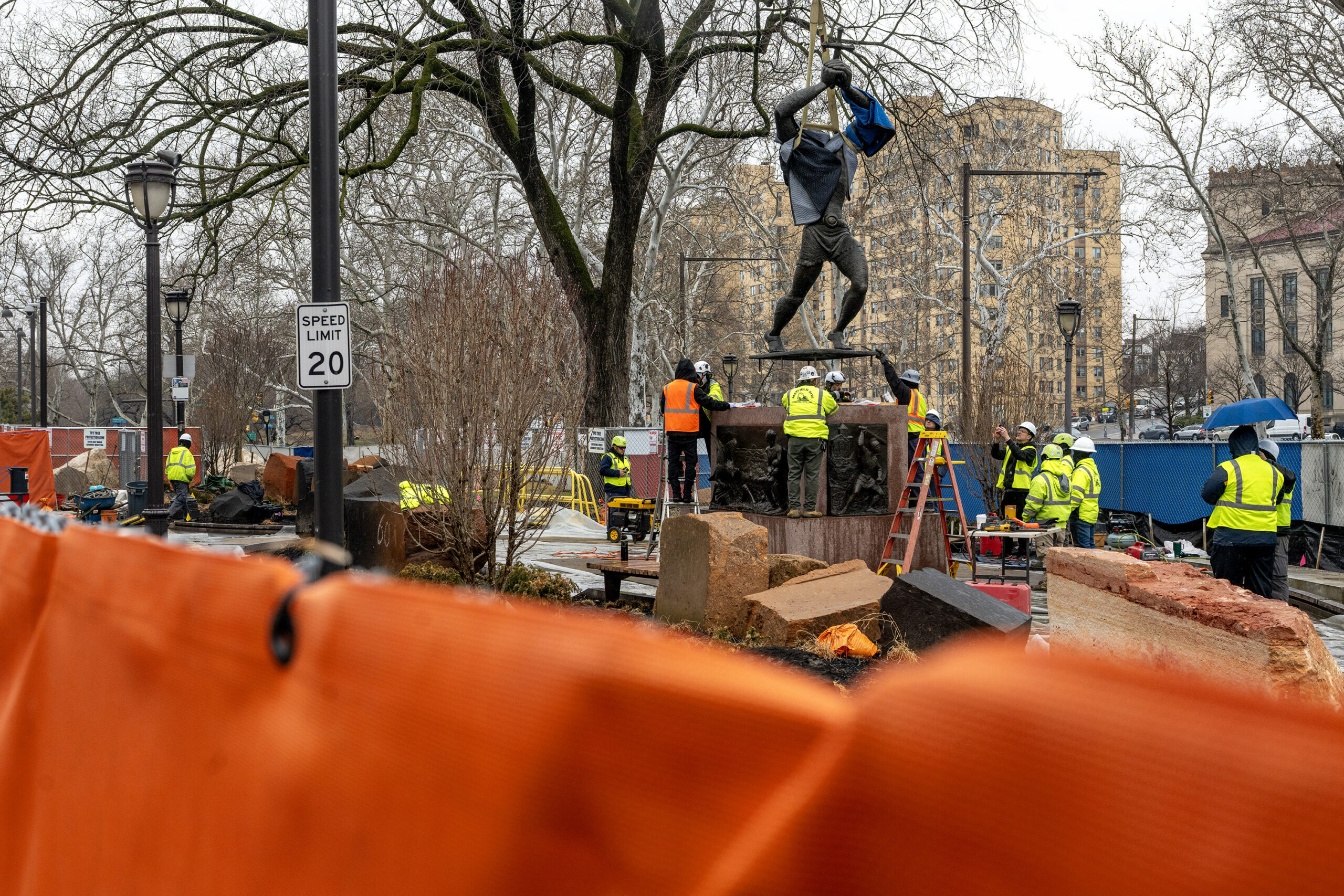
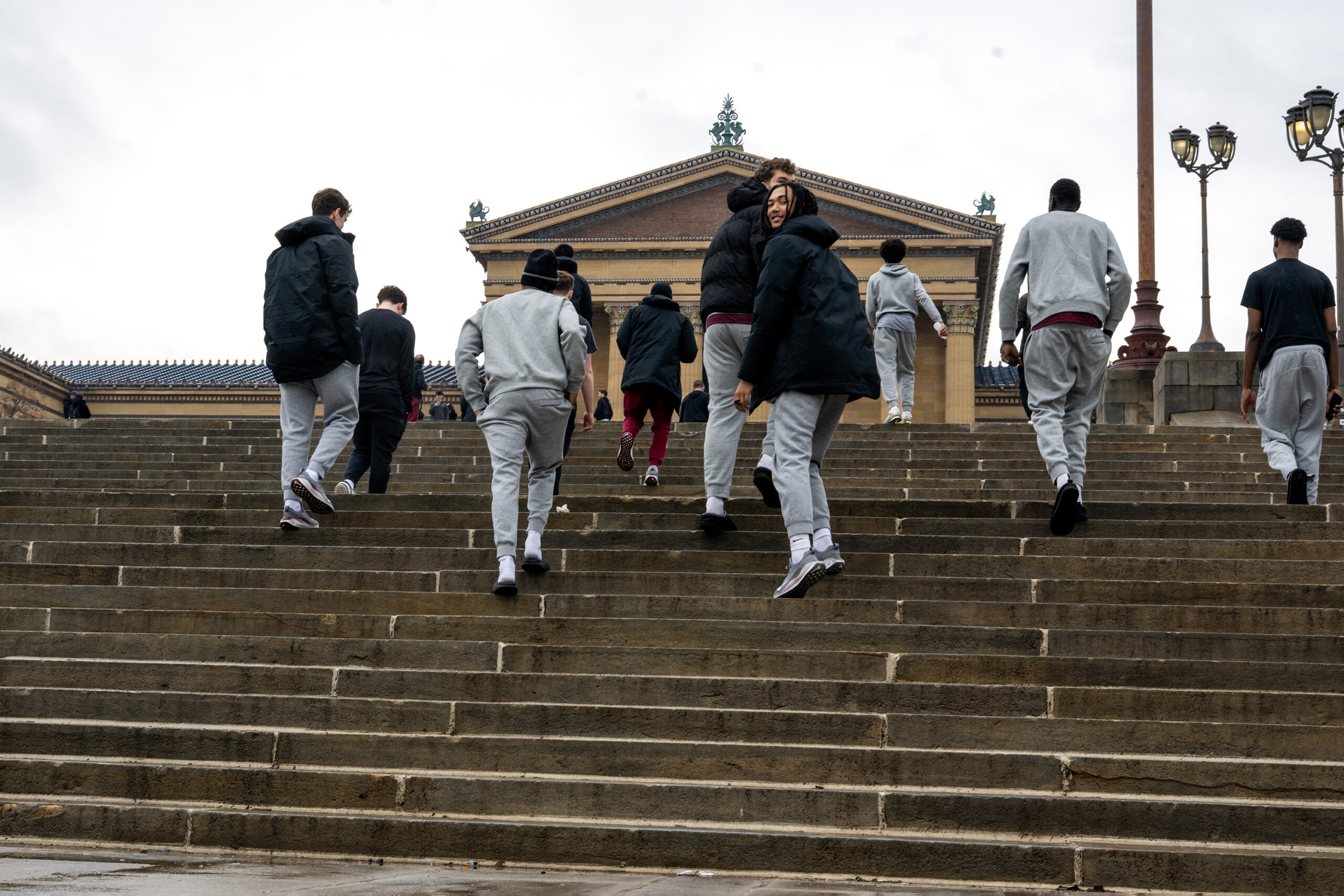
Workers reinstall the Young Meher statue behind construction fencing outside the museum along Kelly Drive. The work by Armenian artist Khoren Der Harootian was presented to the city in 1976 for the Bicentennial. It was reconditioned and will be the centerpiece of the Armenian Heritage Walk to be unveiled in April for American’s 250th anniversary. Student athletes from Fordham University in the Bronx visit the Philadelphia Museum of Art. The steps, anyway. The grey sweats are their “normal travel attire.”
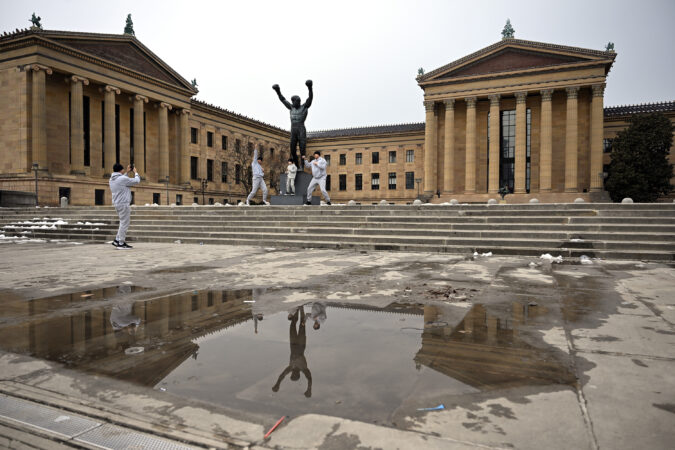
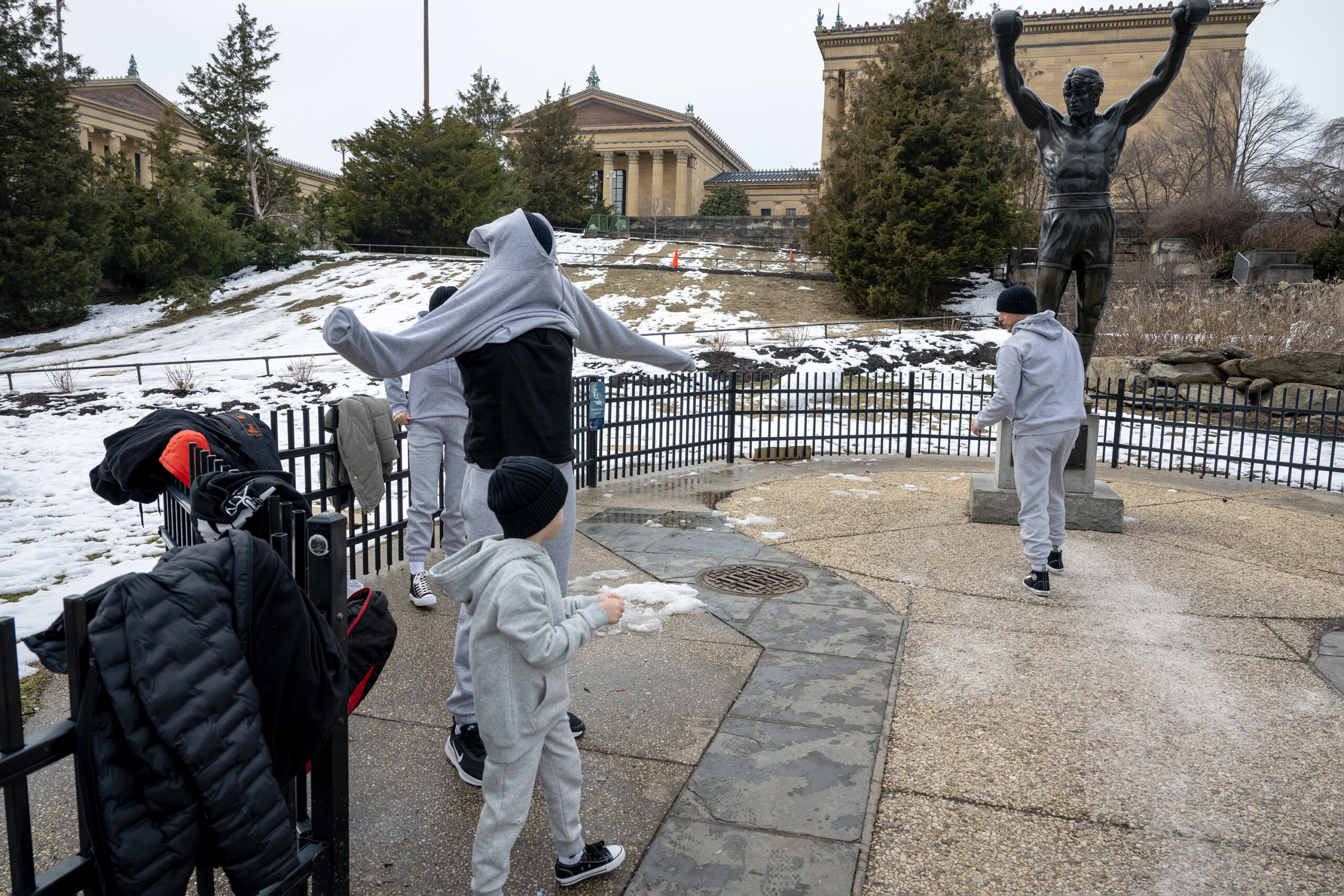
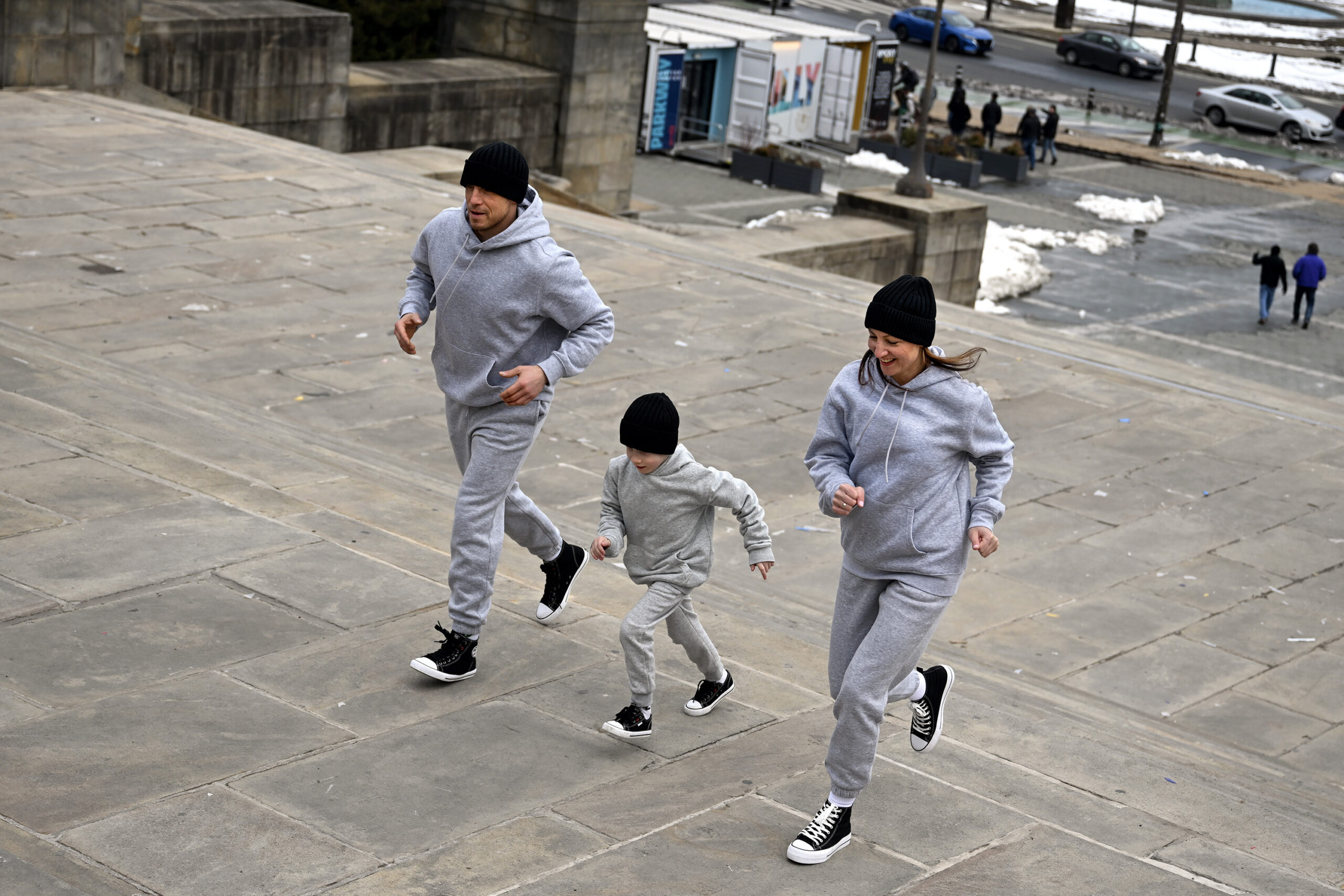
Being there so often, I knew exactly what was going on as I saw three adults and a kid changing clothes next to the Rocky statue. I didn’t have to ask, as I knew exactly what was coming next as they got decked out in gray cotton sweats, black stocking watch caps, and high-top black Converse All-Star Chuck Taylors.
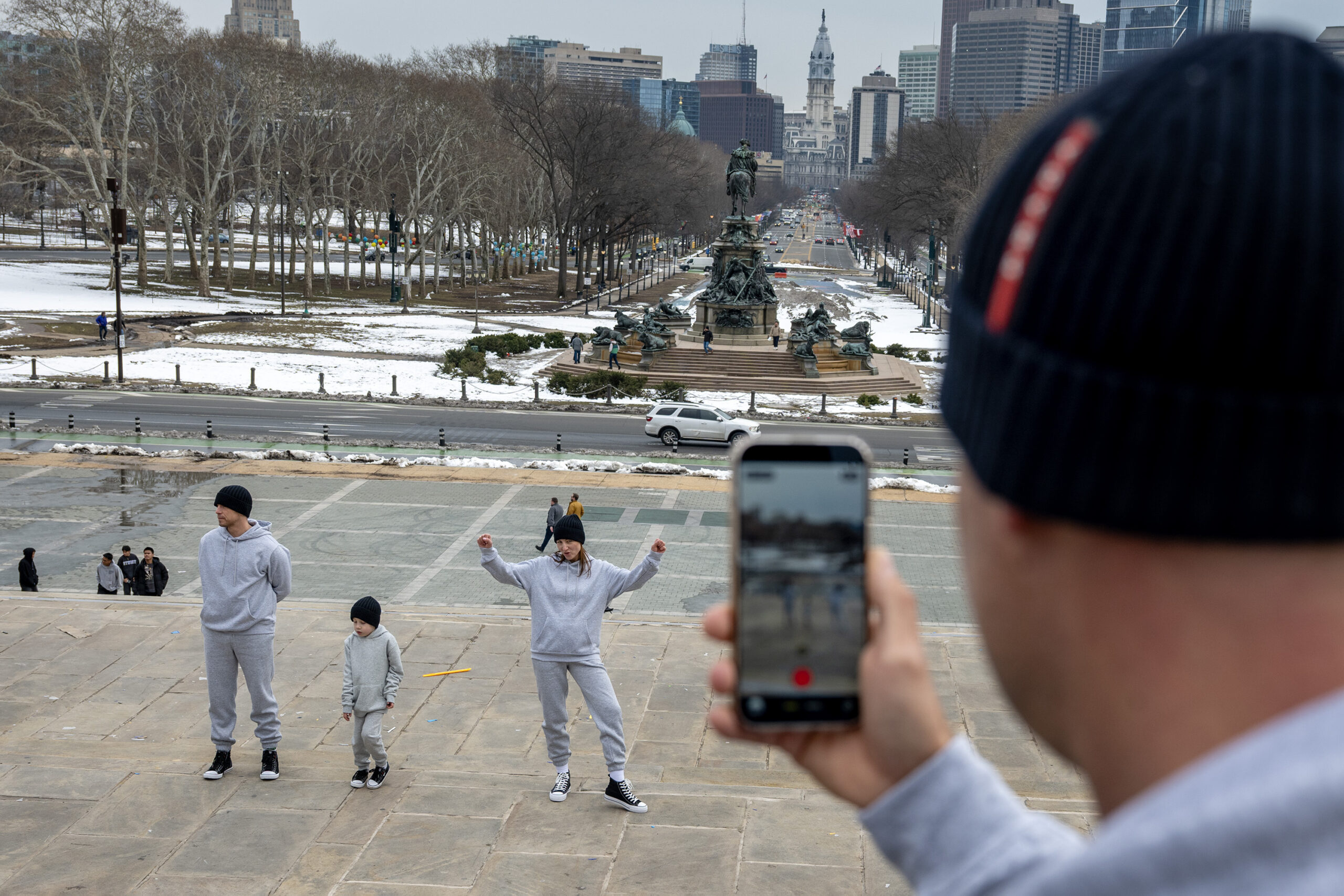
Mariusz Sliwa, his wife Magdalena, and their six year-old son Tymek came from Poznan, Poland. Marcin Danych, a friend now living in Chicago, joined them for what is now a classic pilgrimage.
When he was a boy, Mariusz’s father was “a typical factory worker … worked seven days a week,” he told me. But when he was with his father at night they would watch Rocky — “Playing it over and over, in the VHS.” It was just a part of Mariusz’s childhood, so he wanted his own son to experience it.
I see it every time I am at the steps, people of all ages, from all over sprinting up those 72 steps, “Gonna Fly Now” playing in their heads. It’s why writer Michael Vitez asked me to join him, to spend a year at the steps meeting people just like Mariusz, seeking a tangible way to inhabit a universal story of hope. As Michael often says, “It’s like the ocean; the waves keep crashing on the beach, they never stop.”
Mariusz wanted to bring his father with him from Poland, but he is unable to travel. With his friend Danych’s help, he recorded video — over and over — running up the steps with Magdalena and Tymek. And with just Tymek. And only Magdalena and Tymek together. Finally, Tymek alone. He was making his own Rocky movie. Recasting the scene, as it is etched in his mind.
I hope he sends me a copy. After he shares it back home with his dad.
Since 1998 a black-and-white photo has appeared every Monday in staff photographer Tom Gralish’s “Scene Through the Lens” photo column in the print editions of The Inquirer’s local news section. Here are the most recent, in color:
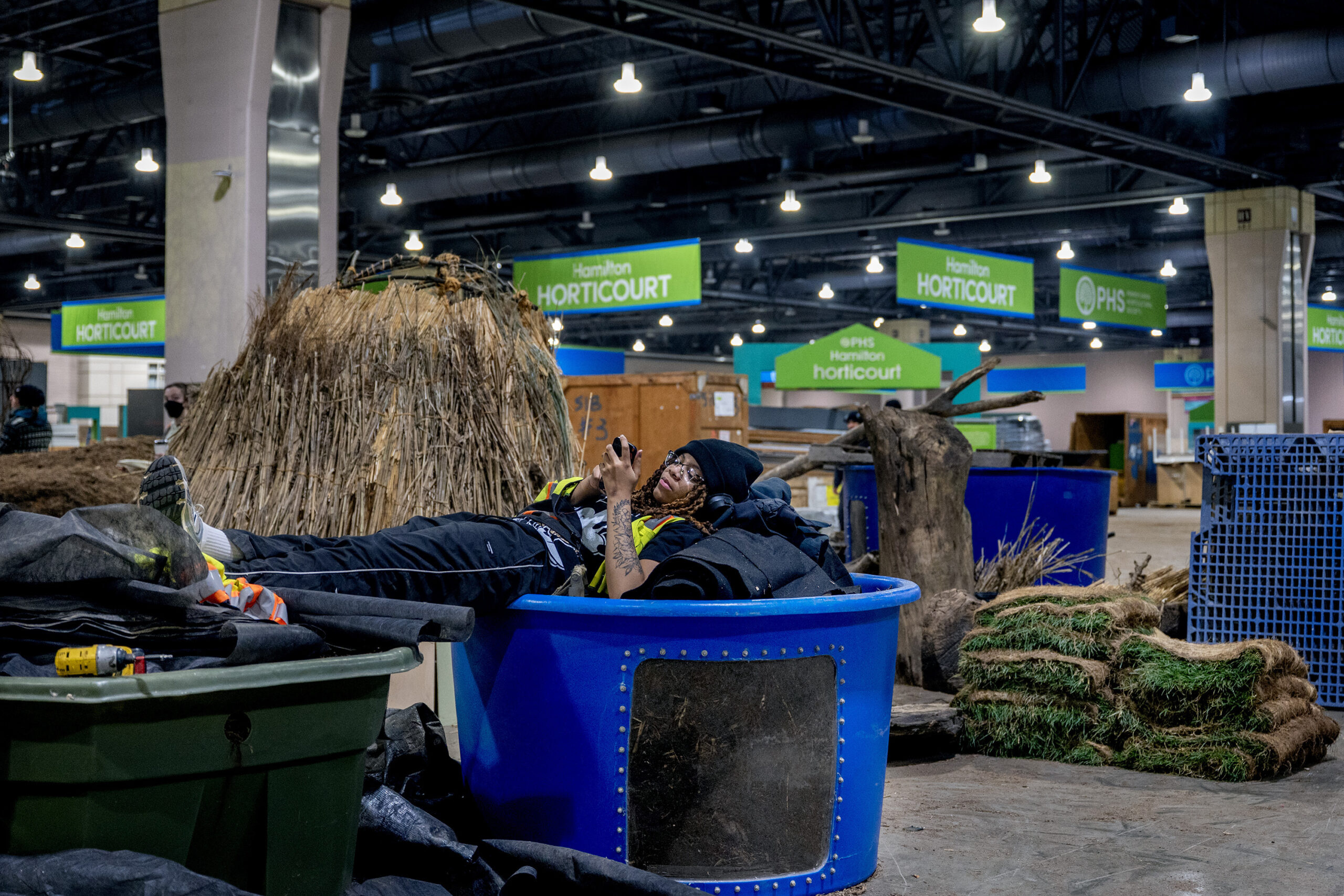
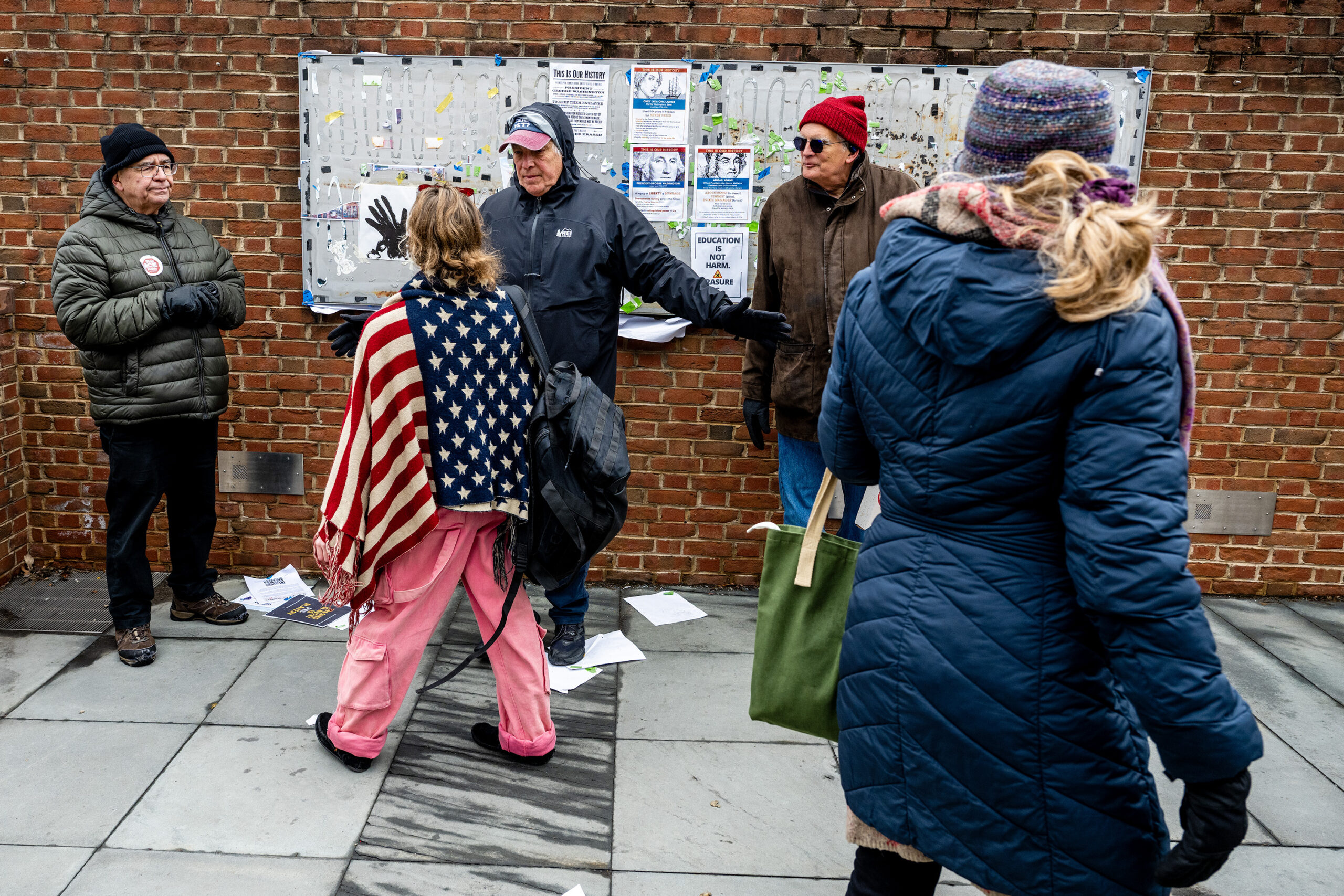
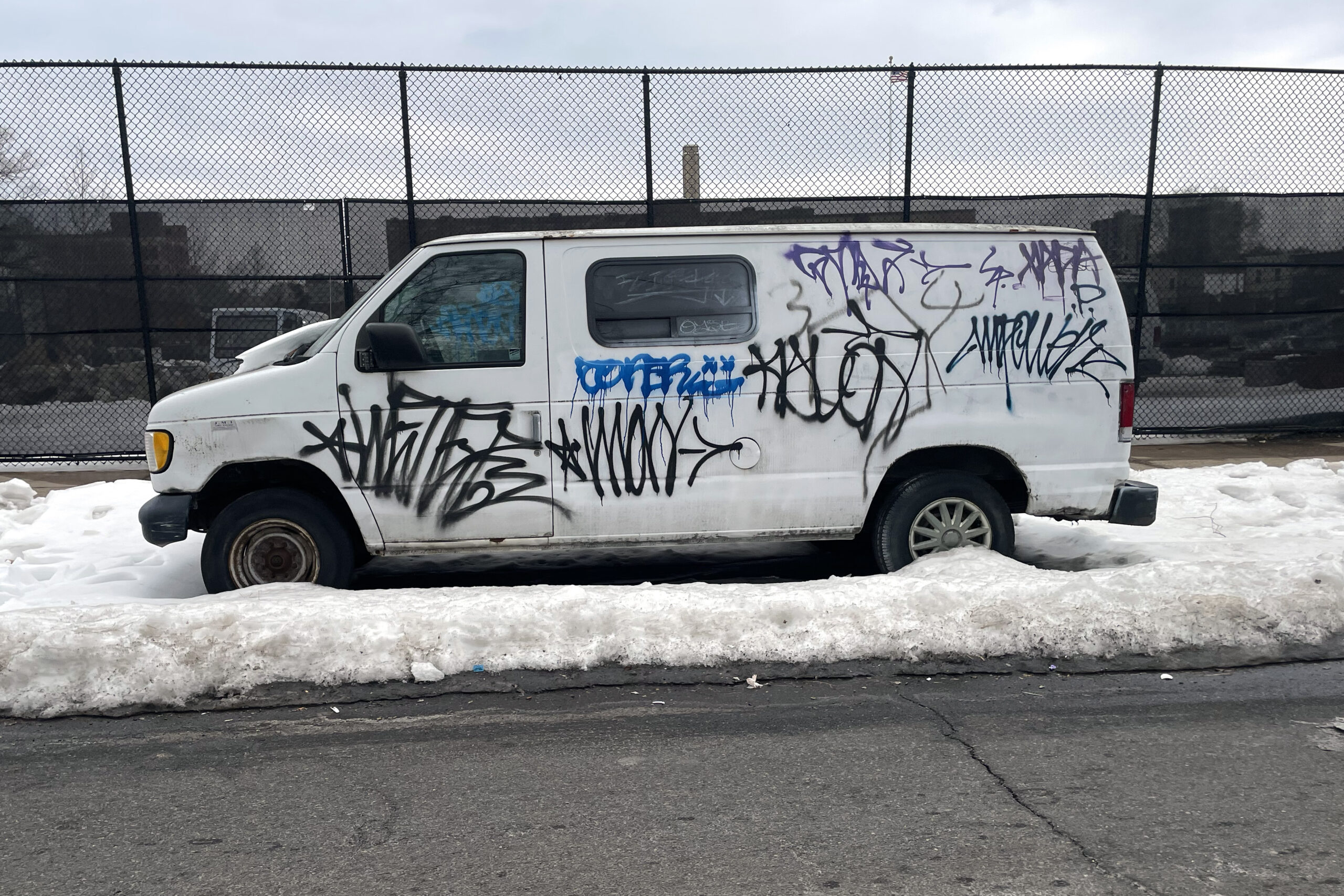
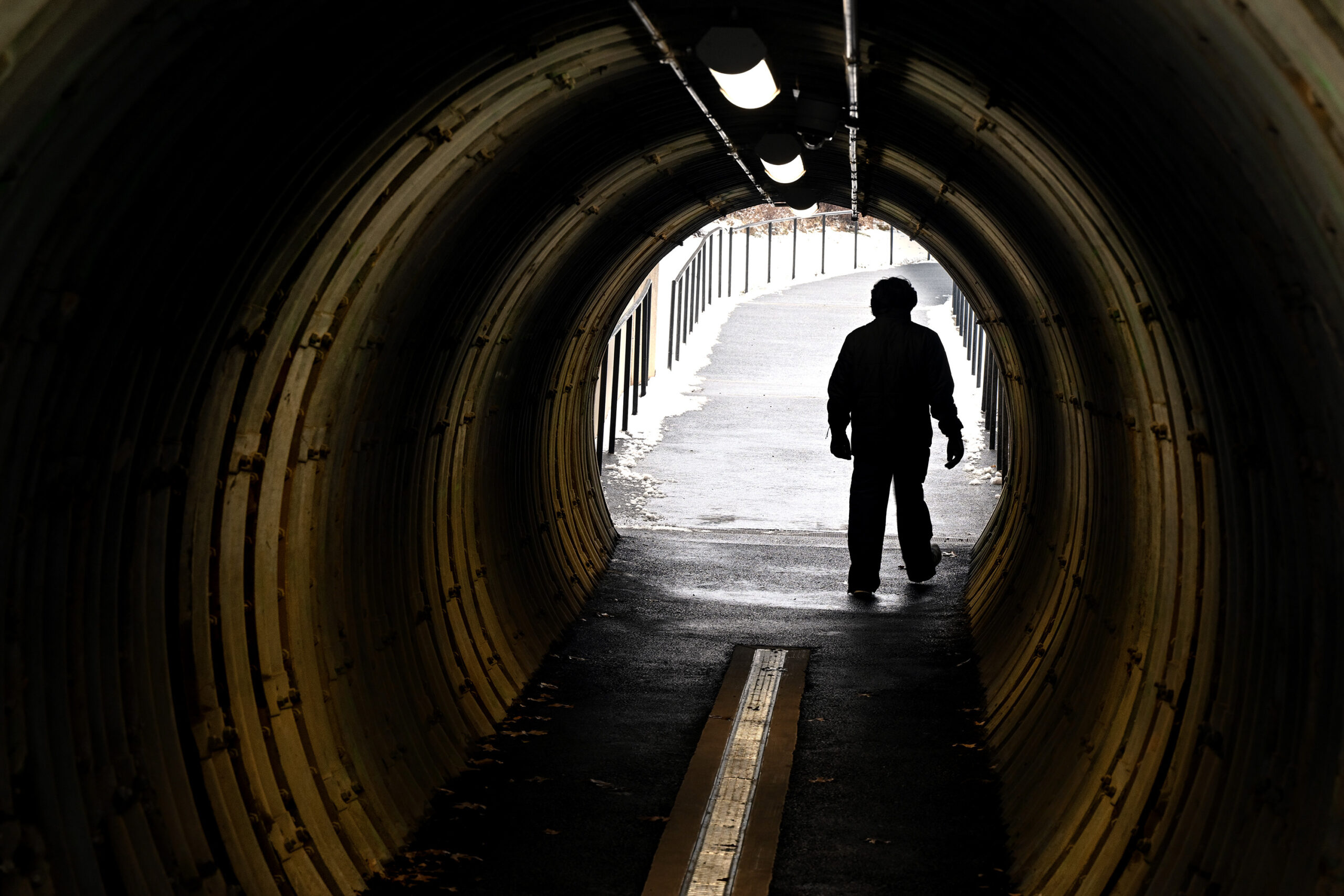
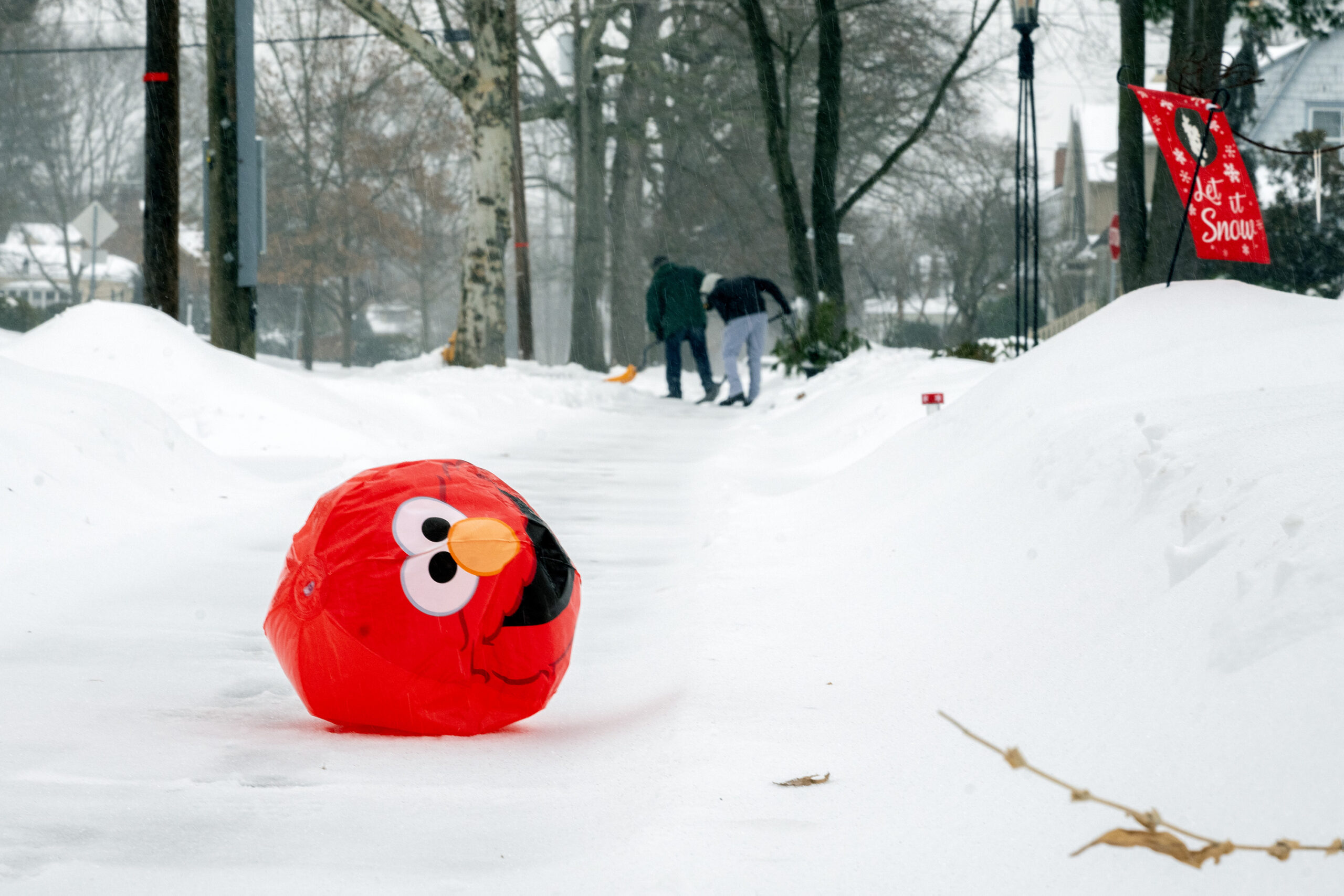
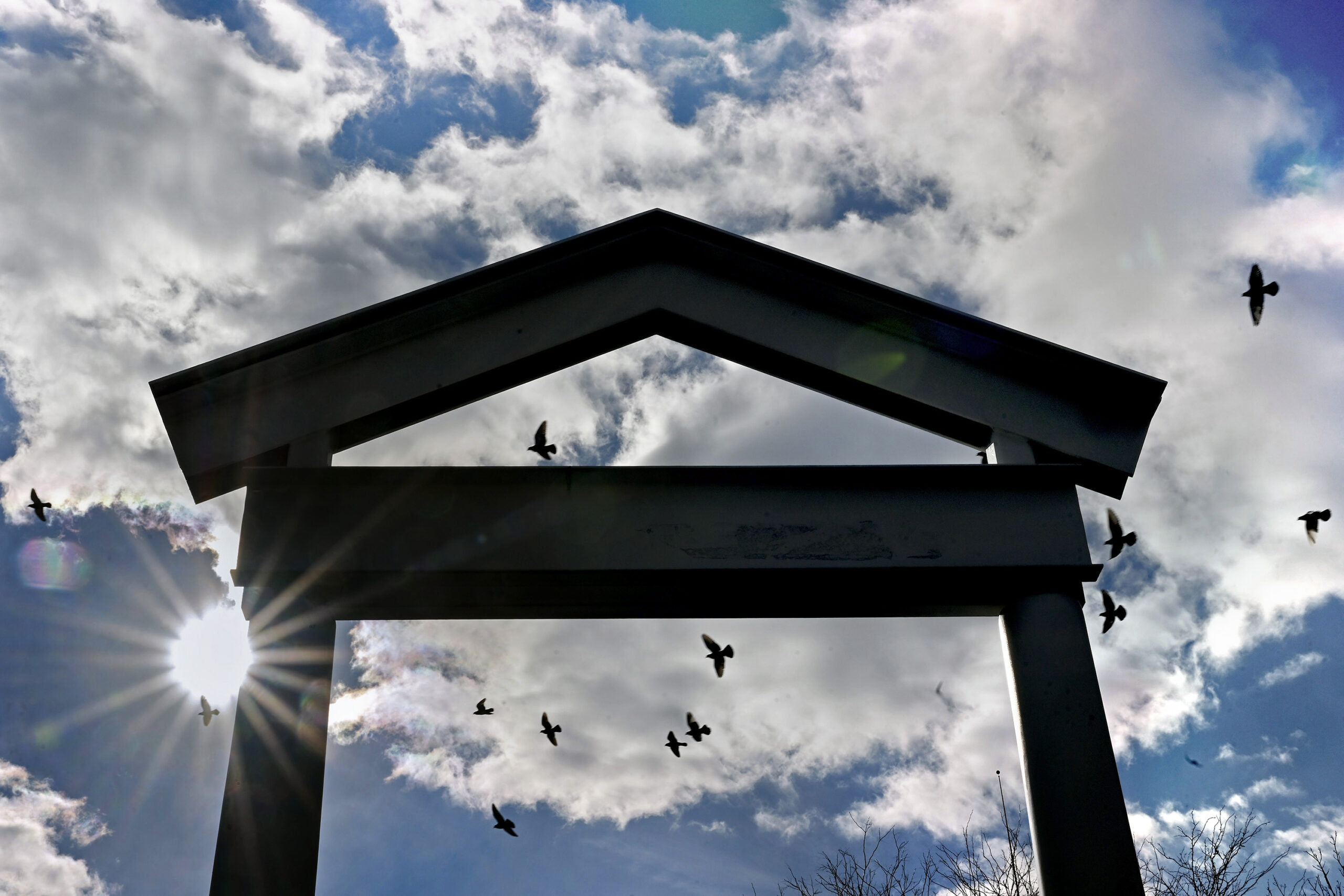
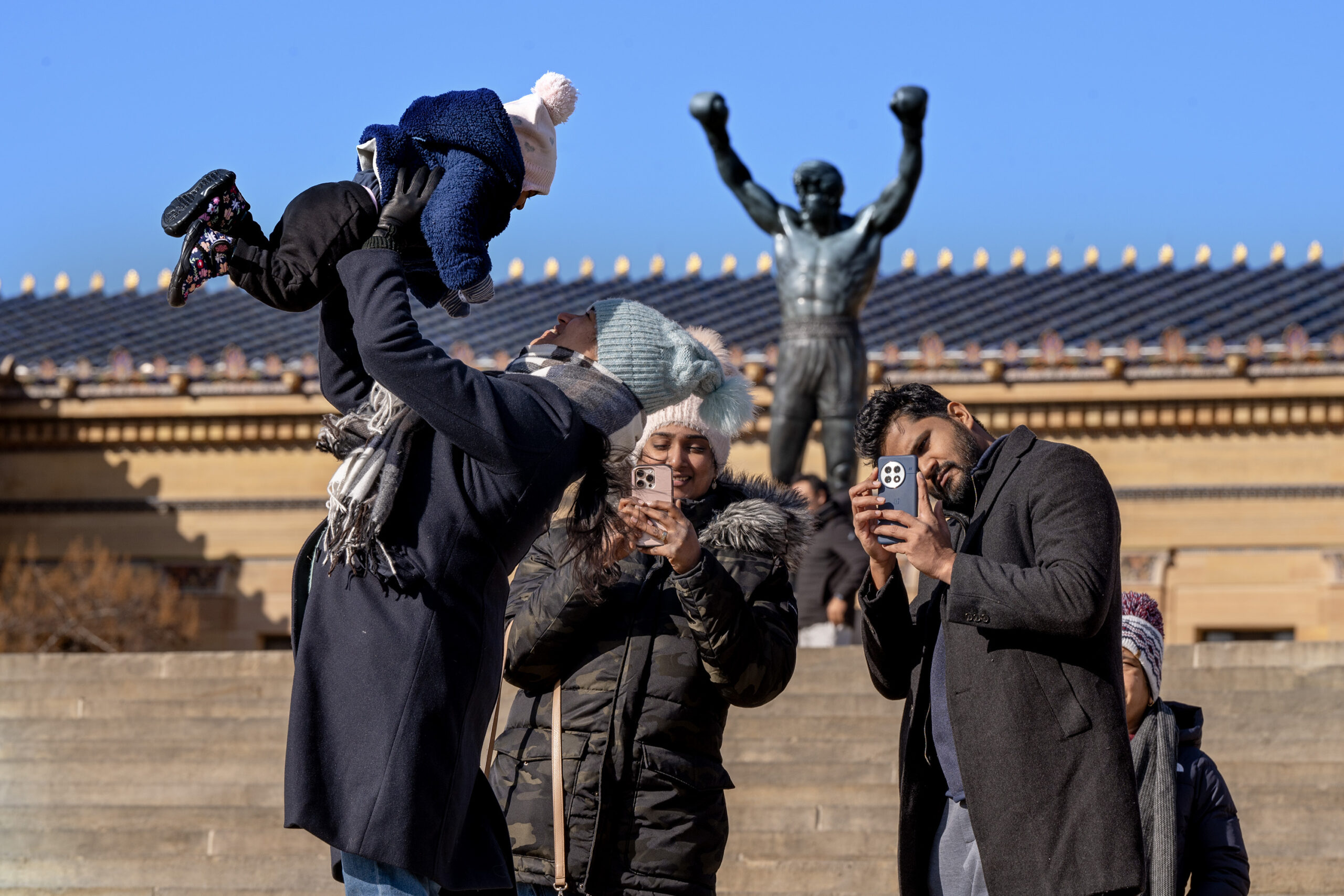
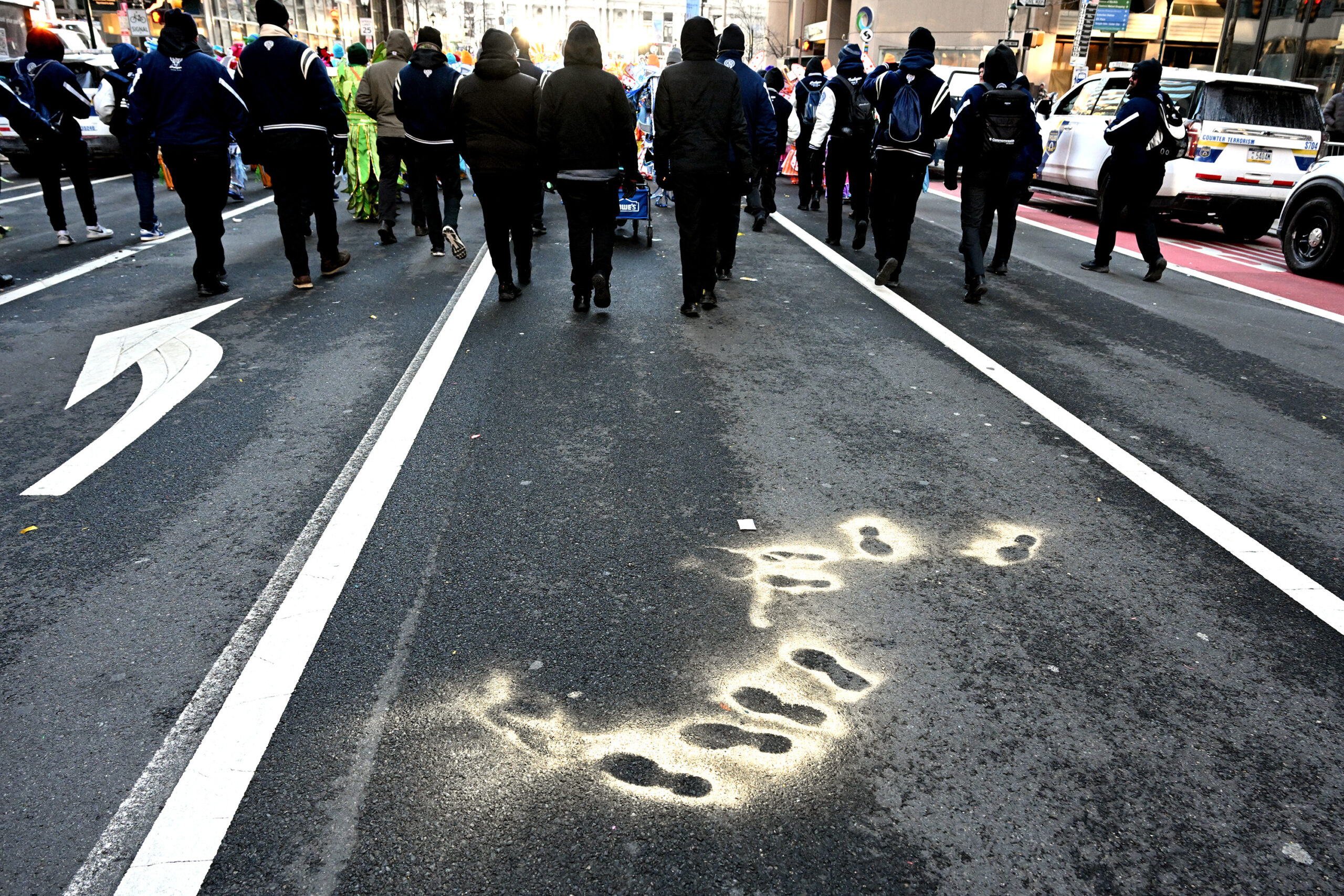
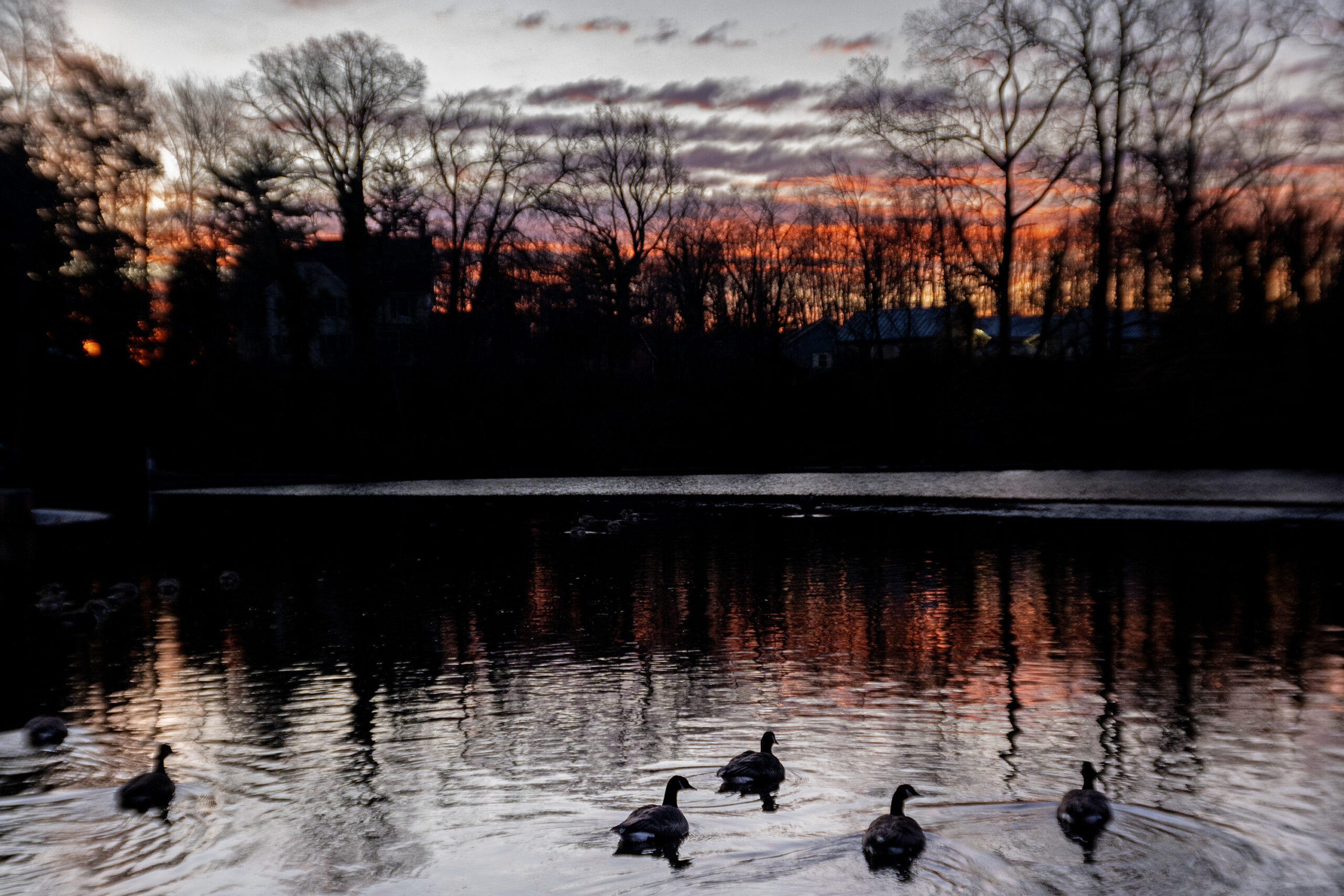
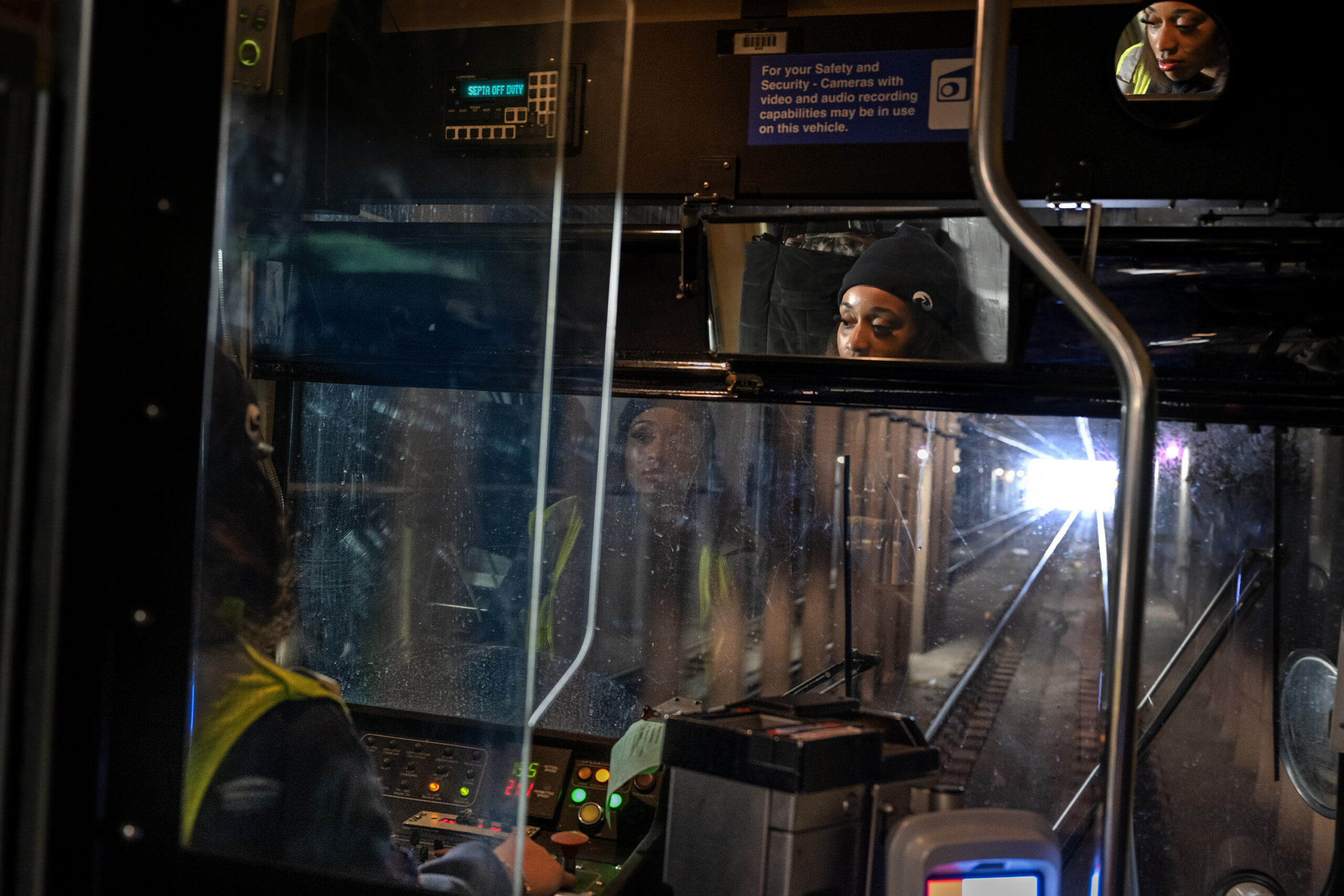
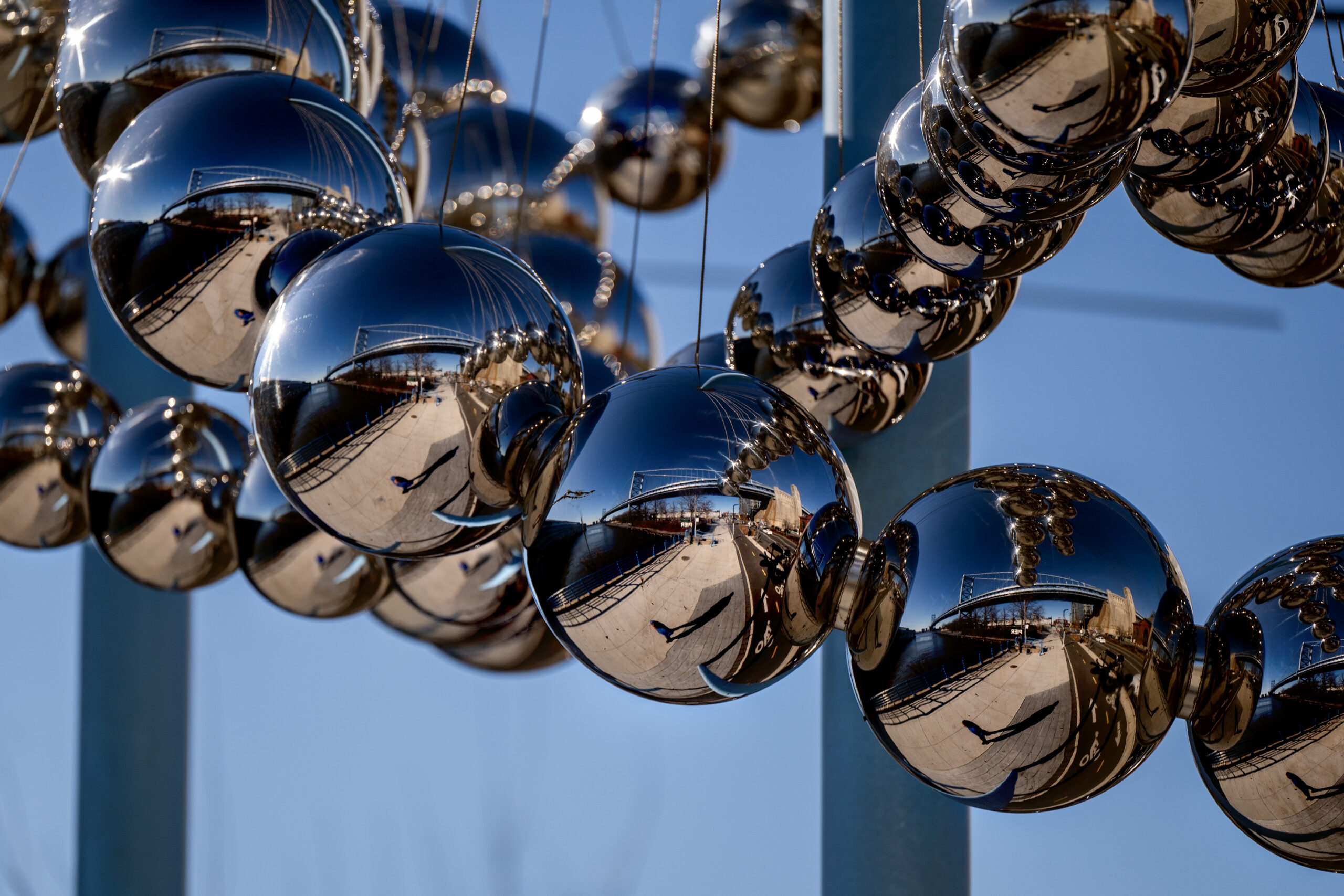
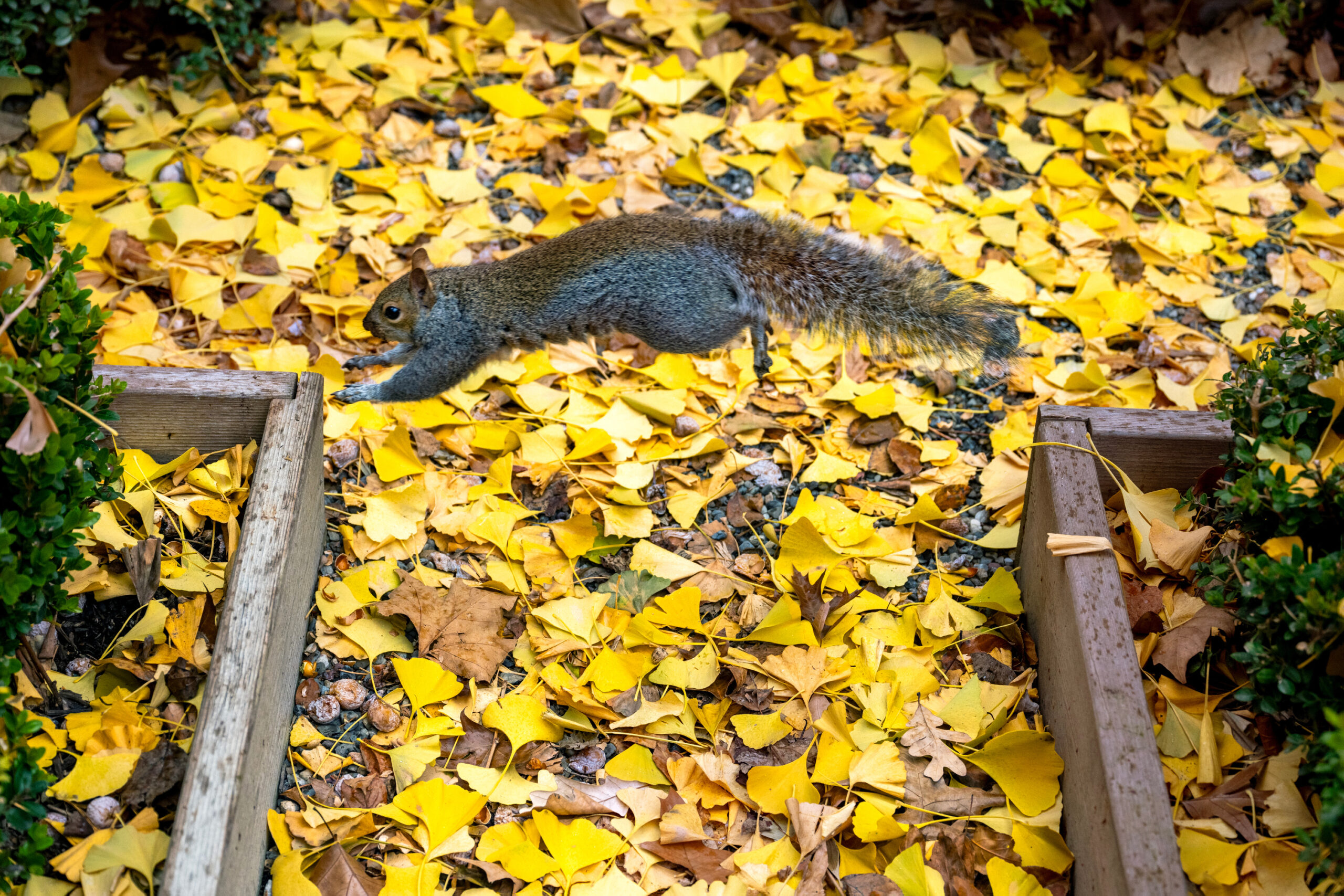
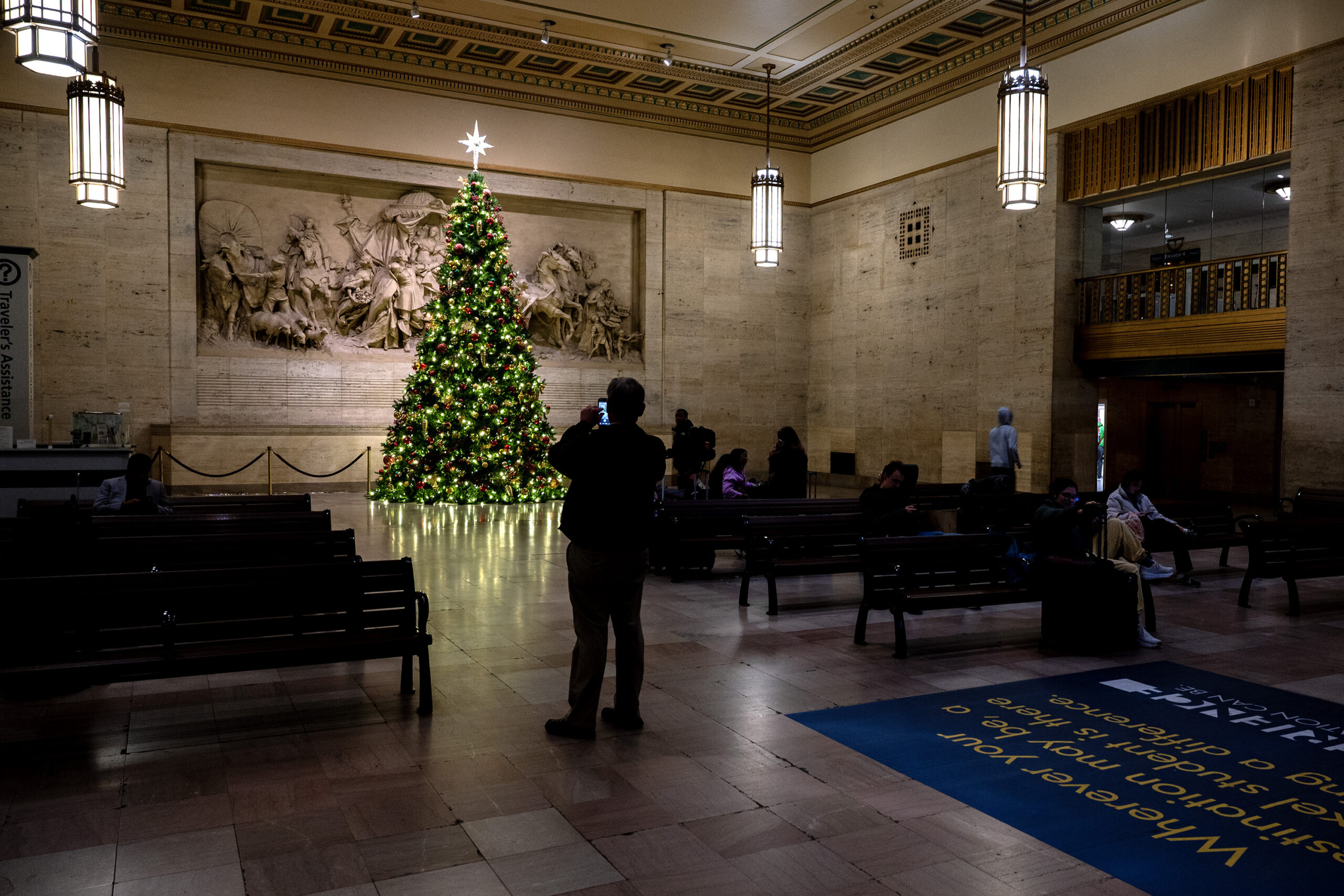
March 2, 2026: Lynasia Allen, a junior horticulture student at W.B. Saul High School is on lunch break at the Convention Center while setting up for the PHS Philadelphia Flower Show before it opened to the public. Her school’s exhibit is titled, “Up-Rooted, Re-Planted.” February 23, 2026: Bystanders at the President’s House try to prevent a “counter-protester” from ripping off notes posted by visitors where panels about slavery had been removed by President Donald Trump’s administration.February 16, 2026: What came first? The dirty snowpacked berm of frozen slush or the graffiti? February 9, 2026: Walking through a corrugated metal culvert called the “Duck Tunnel,” a pedestrian navigates the passageway under the SEPTA tracks on the Swarthmore College campus. February 2, 2026: A light-as-air Elmo balloon rolls along a sidewalk in Haddonfield, propelled by the wind as Sunday’s heavy snow starts to turn to ice and sleet. January 26, 2026: The President’s House in Independence National Historical Park hours Jan, 22, after all historical exhibits were removed following President Trump’s Executive Order last March that the content at national parks that “inappropriately disparage” the U.S. be reviewed. The site, a reconstructed “ghost” structure titled “Freedom and Slavery in the Making of a New Nation” (2010), serves as a memorial to the nine people George Washington enslaved there during the founding of America.January 19, 2026: A low-in-the-sky winter sun is behind the triangular pediment of the “front door” of the open-air President’s House installation in Independence National Historical Park. The reconstructed “ghost” structure with partial walls and windows of the Georgian home known in the 18th century as 190 High St. is officially titled, “Freedom and Slavery in the Making of a New Nation” (2010). It is designed to give visitors a sense of the house where the first two presidents of the United States, George Washington and John Adams, served their terms of office. The commemorative site designed by Emanuel Kelly, with Kelly/Maiello Architects, pays homage to nine enslaved people of African descent who were part of the Washington household with videos scripted by Lorene Cary and directed by Louis Massiah. Deepika Iyer holds her niece Ira Samudra aloft in a Rockyesque pose, while her parents photograph their 8 month-old daughter, in front of the famous movie prop at the top of the steps at the Philadelphia Art Museum. Iyer lives in Philadelphia and is hosting a visit by her mother Vijayalakshmi Ramachandran (partially hidden); brother Gautham Ramachandran; and her sister-in-law Janani Gautham who all live in Bangalore, India.January 5, 2026: Parade marshals trail behind the musicians of the Greater Kensington String Band heading to their #9 position start in the Mummers Parade. Spray paint by comic wenches earlier in the day left “Oh, Dem Golden Slippers” shadows on the pavement of Market Street. This year marked the 125th anniversary of Philly’s iconic New Year’s Day celebration.Dec. 29, 2025: Canada geese at sunrise in Evans Pond in Haddonfield, during the week of the Winter Solstice for the Northern Hemisphere. December 22, 2025: SEPTA trolley operator Victoria Daniels approaches the end of the Center City Tunnel, heading toward the 40th Street trolley portal after a tour to update the news media on overhead wire repairs in the closed tunnel due to unexpected issues from new slider parts.December 15, 2025: A historical interpreter waits at the parking garage elevators headed not to a December crossing of the Delaware River, but an event at the National Constitution Center. General George Washington was on his way to an unveiling of the U.S. Mint’s new 2026 coins for the Semiquincentennial, December 8, 2025: The Benjamin Franklin Bridge and pedestrians on the Delaware River Trail are reflected in mirrored spheres of the “Weaver’s Knot: Sheet Bend” public artwork on Columbus Boulevard. The site-specific stainless steel piece located between the Cherry Street and Race Street Piers was commissioned by the City’s Public Art Office and the Delaware River Waterfront Corporation and created and installed in 2022 by the design and fabrication group Ball-Nogues Studio. The name recalls a history that dominated the region for hundreds of years. “Weaver’s knot” derives from use in textile mills and the “Sheet bend” or “sheet knot” was used on sailing vessels for bending ropes to sails. November 29, 2025: t’s ginkgo time in our region again when the distinctive fan-shaped leaves turn yellow and then, on one day, lose all their leaves at the same time laying a carpet on city streets and sidewalks. A squirrel leaps over leaves in the 18th Century Garden in Independence National Historical Park Nov. 25, 2025. The ginkgo (Ginkgo biloba) is considered a living fossil as it’s the only surviving species of a group of trees that existed before dinosaurs. Genetically, it has remained unchanged over the past 200 million years. William Hamilton, owner the Woodlands in SW Phila (no relation to Alexander Hamilton) brought the first ginkgo trees to North America in 1785.November 24, 2025: The old waiting room at 30th Street Station that most people only pass through on their way to the restrooms has been spiffed up with benches – and a Christmas tree. It was placed there this year in front of the 30-foot frieze, “The Spirit of Transportation” while the lobby of Amtrak’s $550 million station restoration is underway. The 1895 relief sculpture by Karl Bitter was originally hung in the Broad Street Station by City Hall, but was moved in 1933. It depicts travel from ancient to modern and even futuristic times.
Each Friday, Inquirer photo editors pick the best Philly sports images from the last seven days. As the calendar flips to March, we’ve got nearly every sport covered, with the exception of football — but don’t worry, NFL free agency starts next week. From the Sixers and Flyers getting physical in Philly to the Phillies heating up in Clearwater, here’s a look at our best shots of the week.
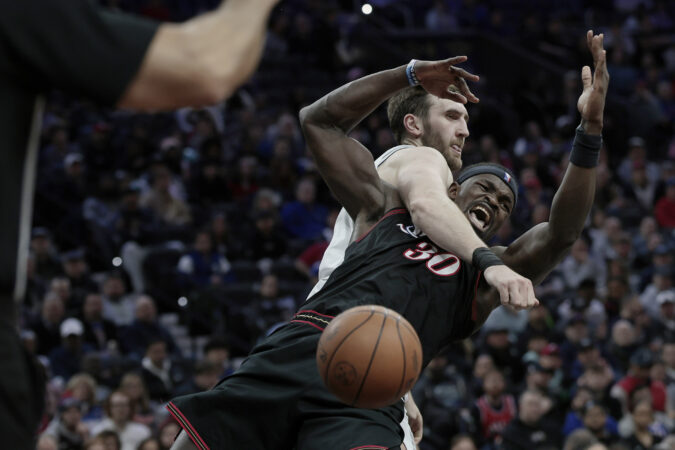
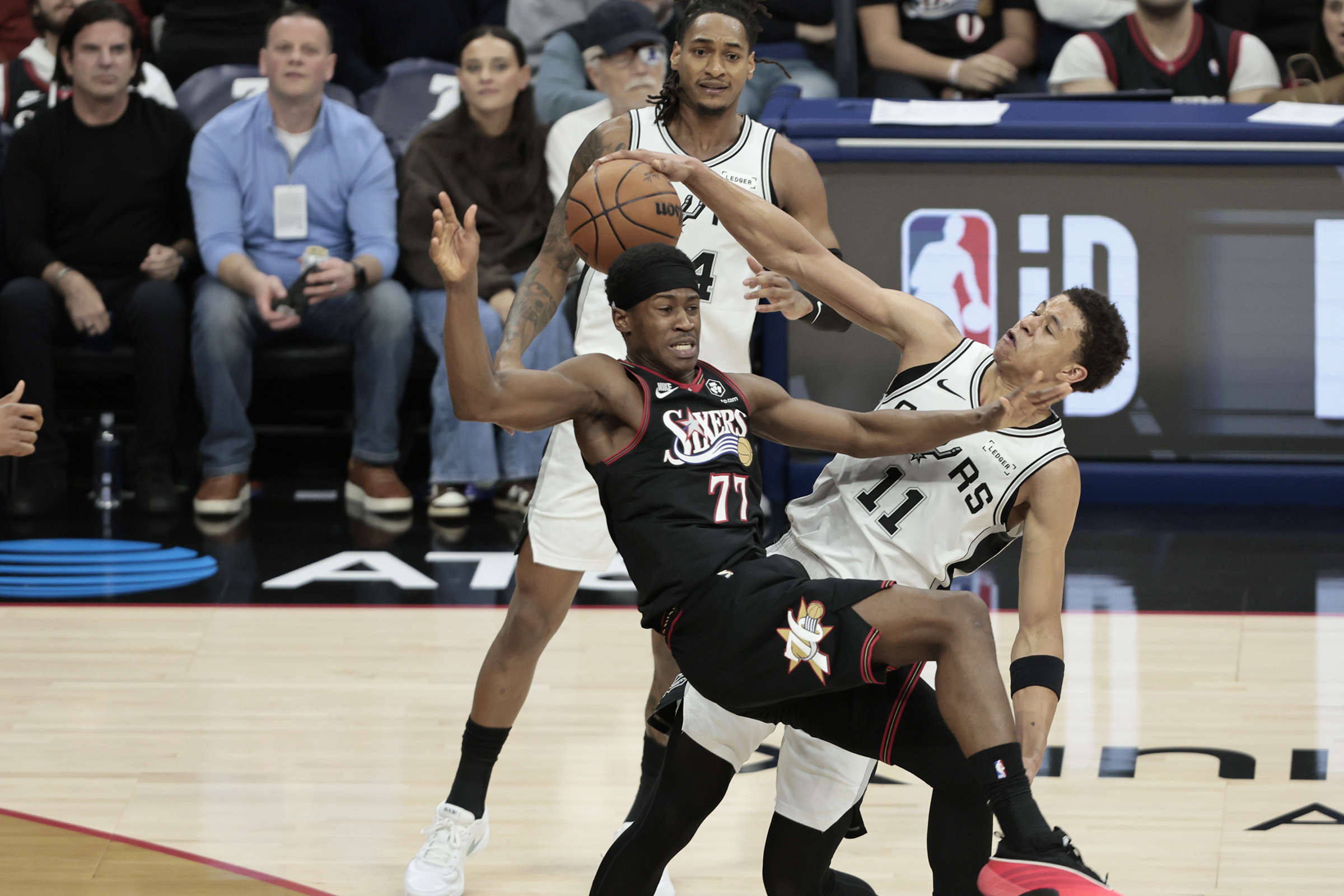
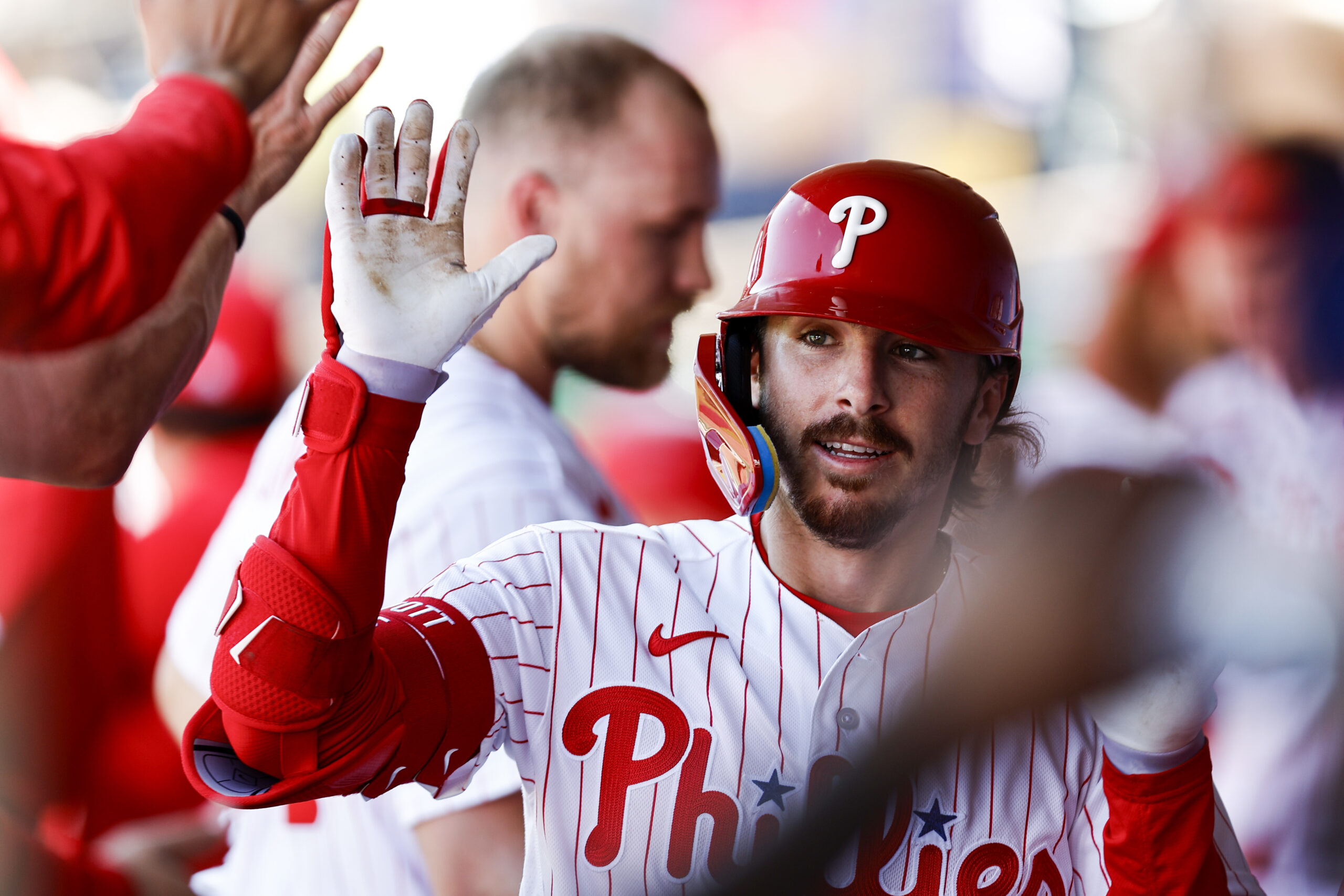
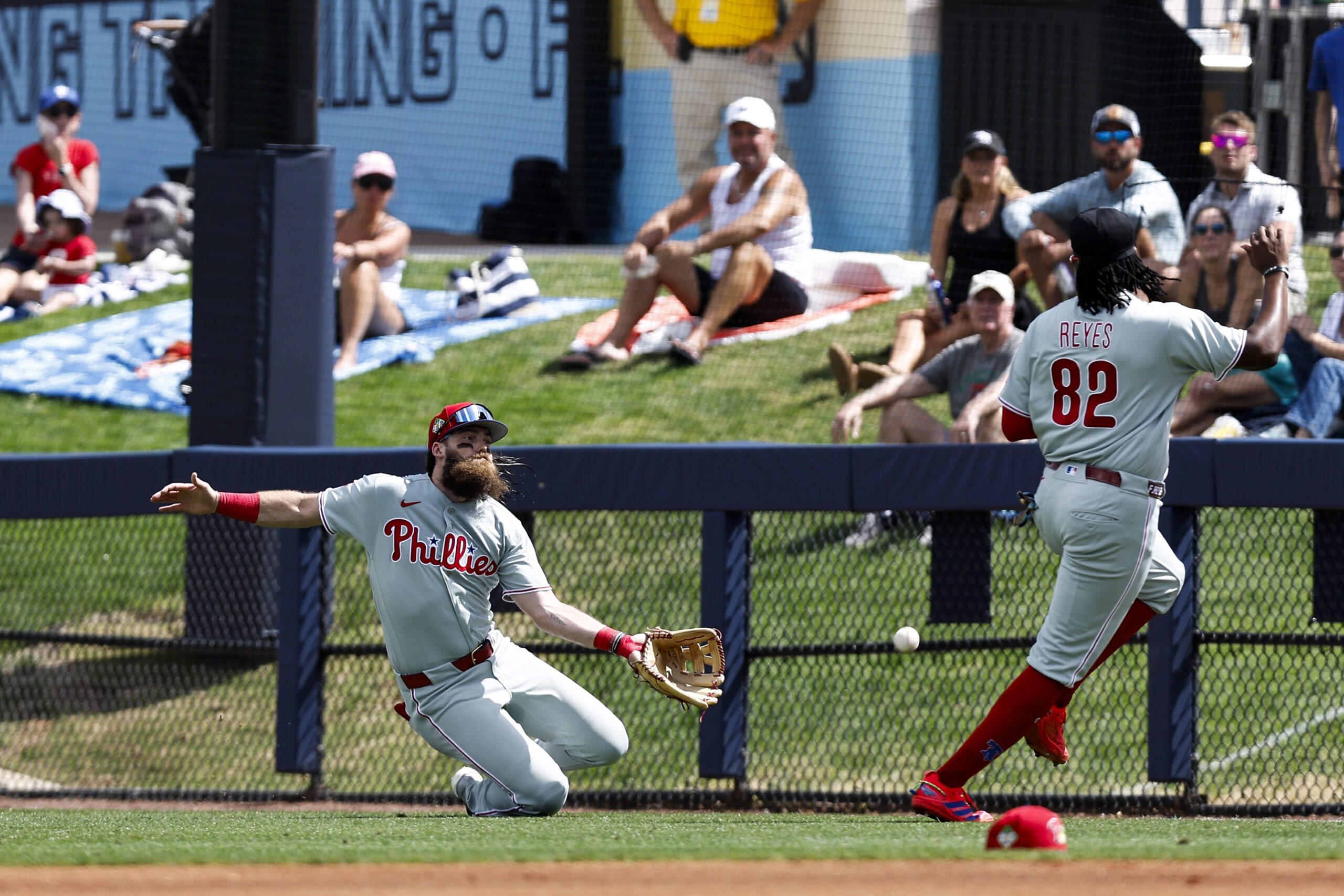
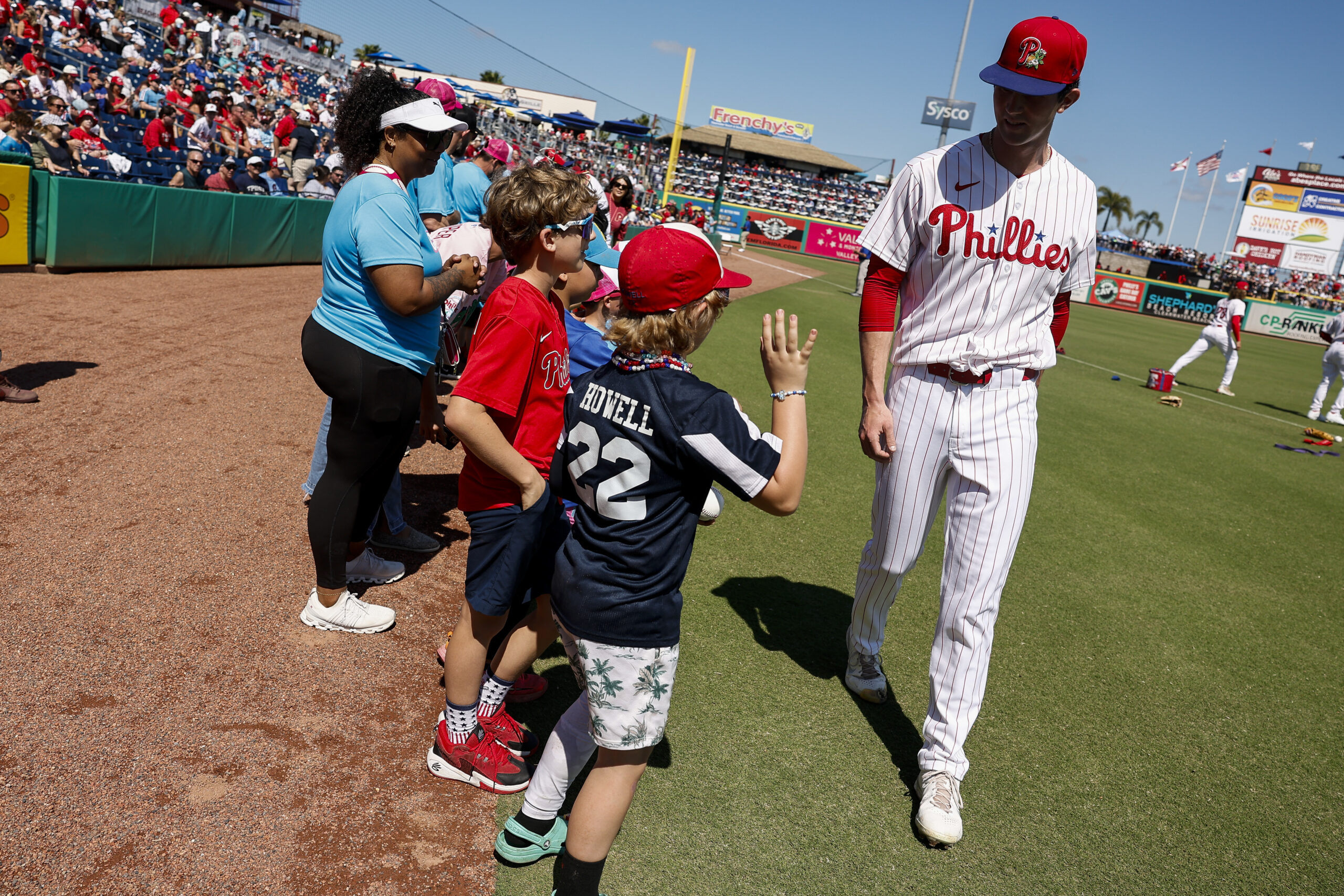
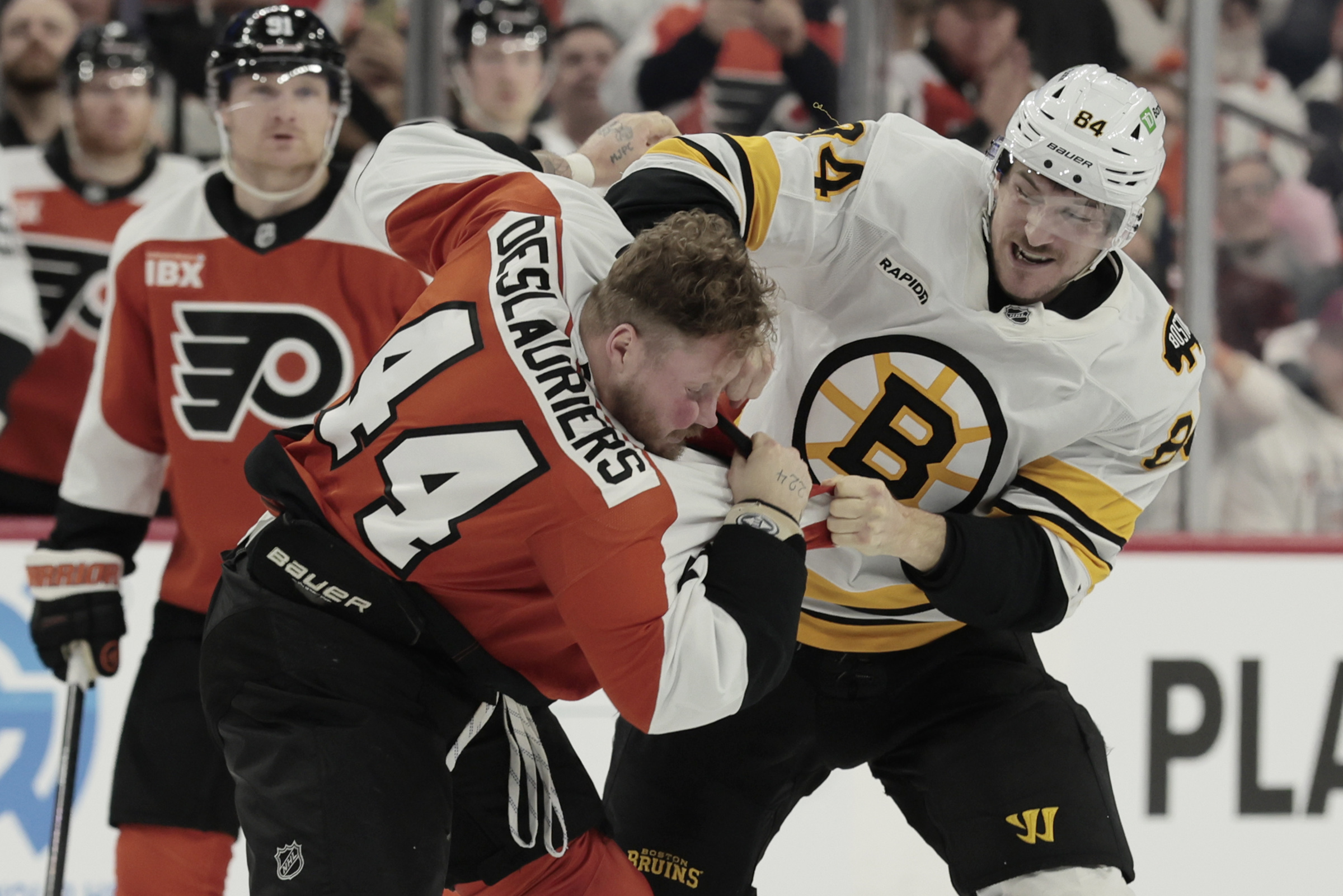
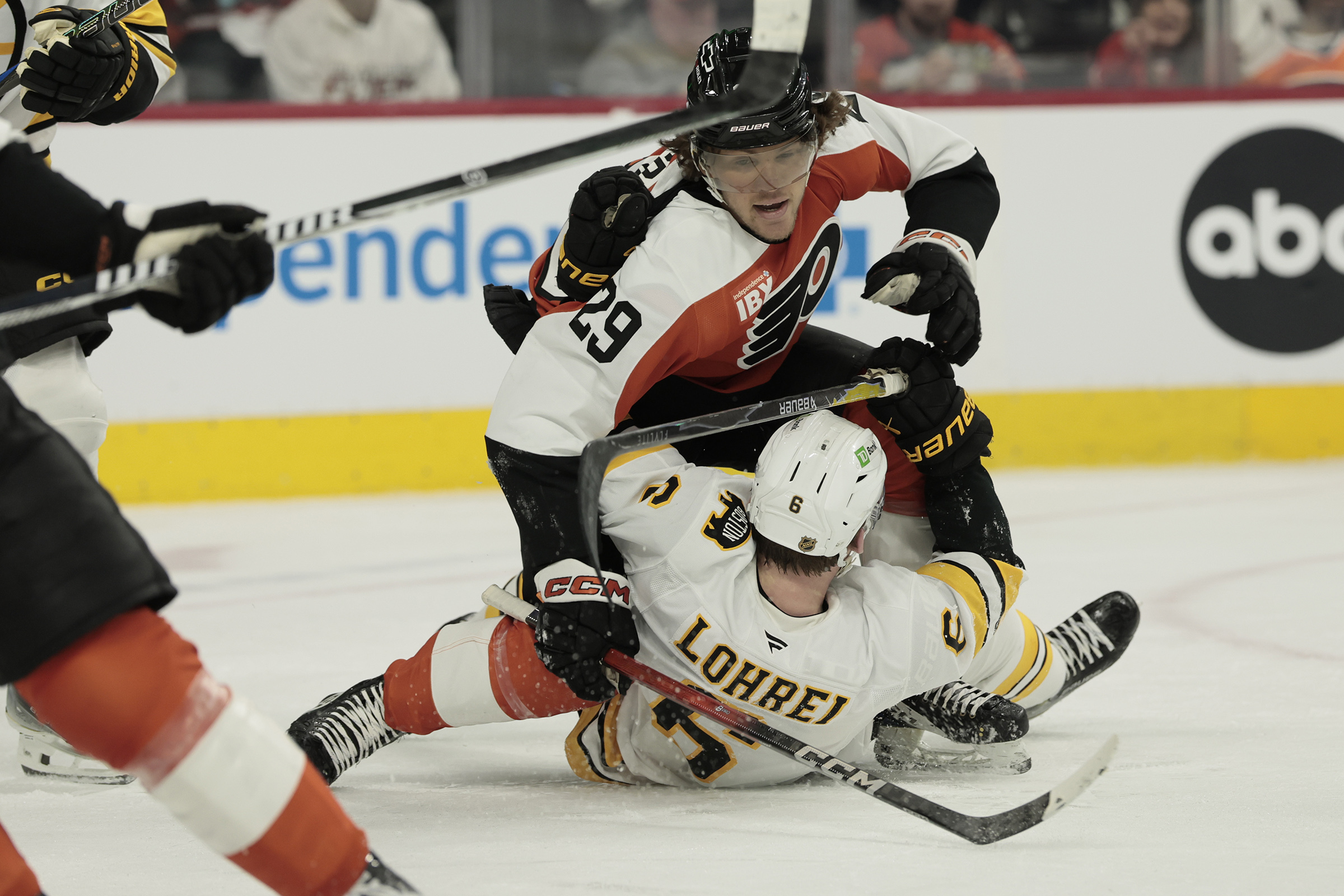
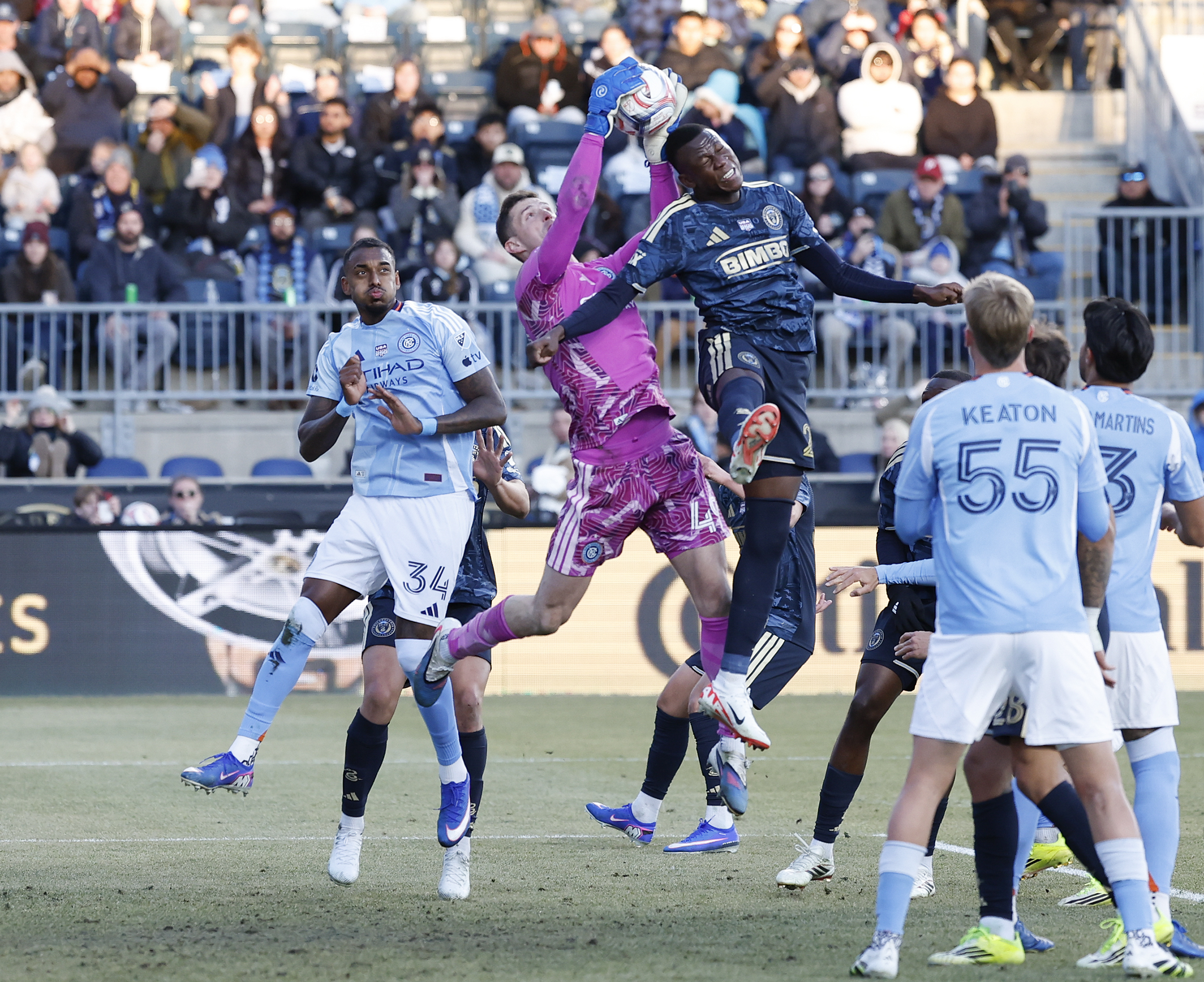
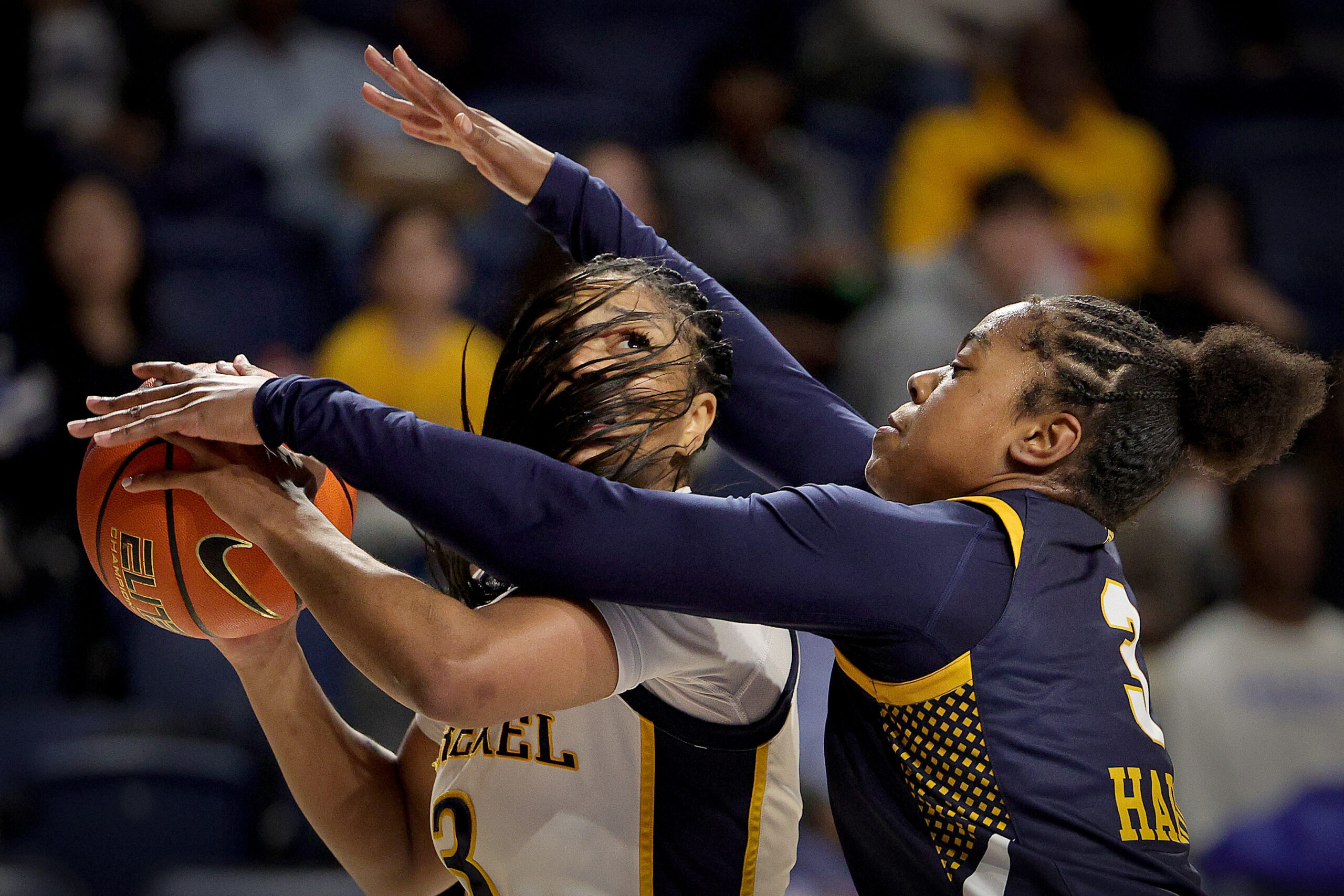
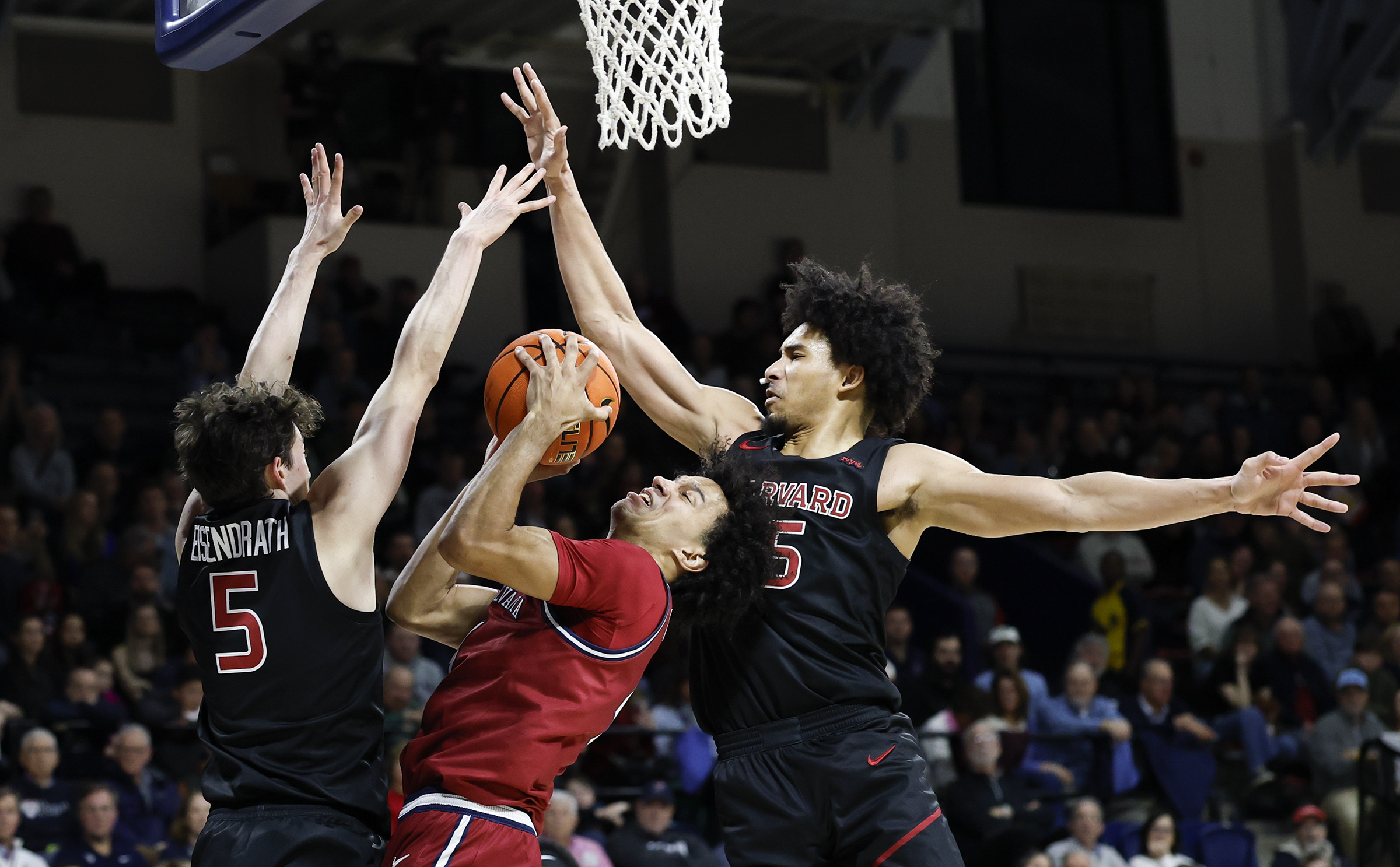
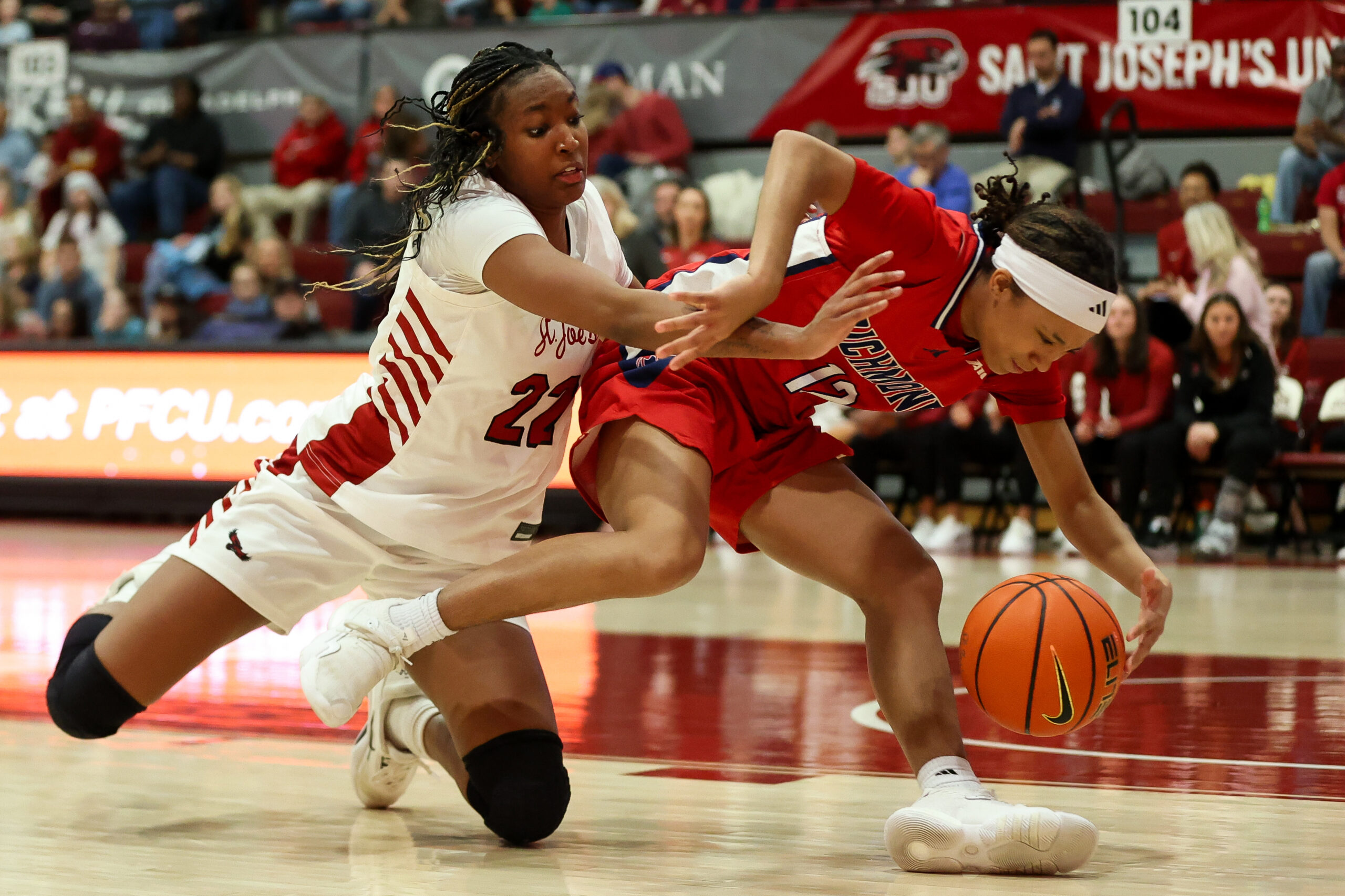
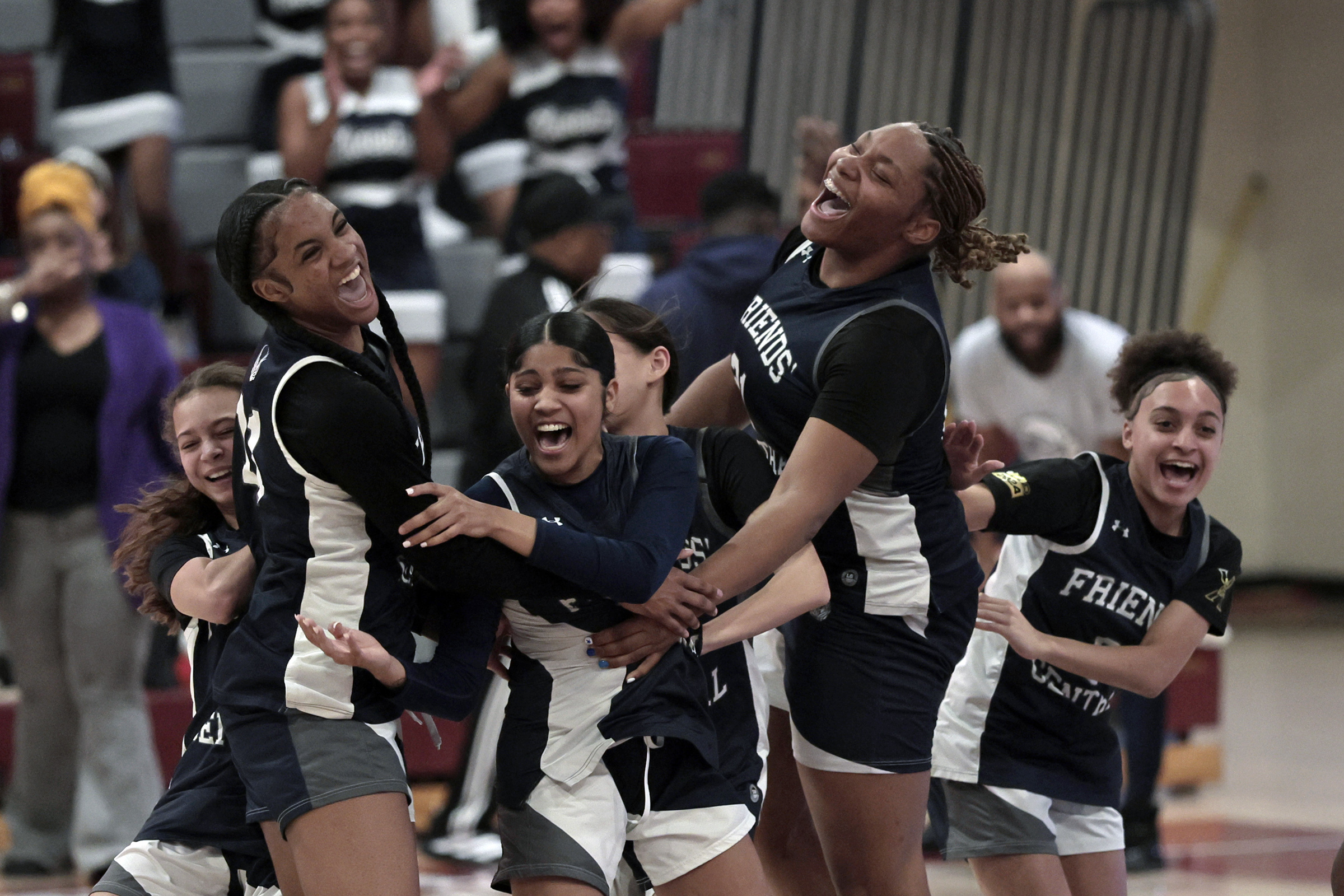
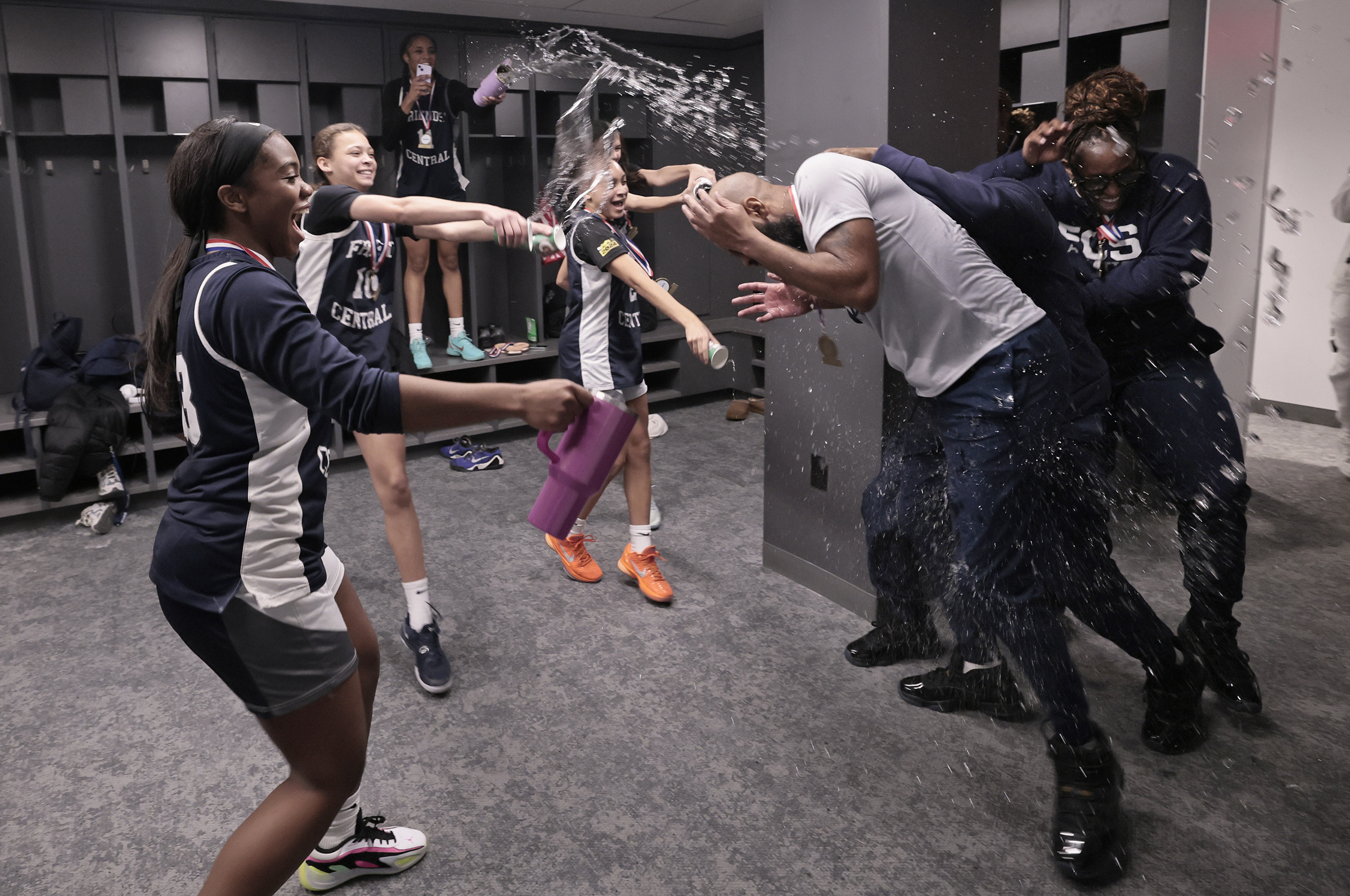
Sixers guard VJ Edgecombe falls hard and injures his back after being fouled by Spurs forward Carter Bryant on Tuesday. Edgecombe missed Wednesday’s game against the Jazz with a lumbar contusion.Phillies second baseman Bryson Stott is 7-for-10 with two home runs through his first six spring training games.Phillies right fielder Brandon Marsh misses a foul ball during the second inning of Tuesday’s spring training game against the Tampa Bay Rays in Port Charlotte, Fla.Phillies pitcher Andrew Painter greets Little Leaguers before Sunday’s game against the New York Yankees at BayCare Ballpark in Clearwater, Fla.Flyers winger Nic Deslauriers and Bruins forward Tanner Jeannot tangle during the Flyers’ 3-1 win over Boston on Sunday.Bruins defenseman Mason Lohrei takes down Flyers forward Nikita Grebenkin, drawing a holding penalty in the first period of Saturday’s game.New York City FC goalkeeper Matt Freese catches a corner over Union midfielder Danley Jean Jacques during the first half Sunday’s loss at Subaru Park.Drexel guard Amaris Baker (left) is fouled by North Carolina A&T Aggies guard Crystal Hardy (right) during the Dragons’ 65-63 overtime win at the Daskalakis Athletic Center Sunday.Penn guard Jay Jones is fouled while driving to the basket against Harvard guard Ben Eisendrath (left) and forward Thomas Batties III in the first half Saturday. Penn won, 64-61, and will face Harvard again in the first round of the Ivy League Tournament.Saint Joseph’s Hawks guard Kaylinn Bethea (left) and Richmond Spiders guard Aneisha Scott (right) scramble for the ball during the fourth quarter at Hagan Arena on Saturday. Richmond won, 72-61,The Friends Central girls celebrate winning the PAISAA girls’ basketball final over Westtown.Friends Central head coach Vincent Simpson and assistant coach Joy Morton (far right) get a celebratory water bath after the team won the PAISAA girls’ basketball final last Friday night.
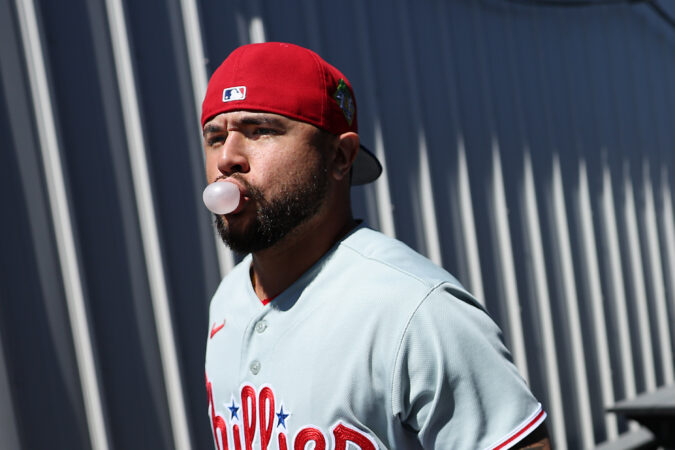
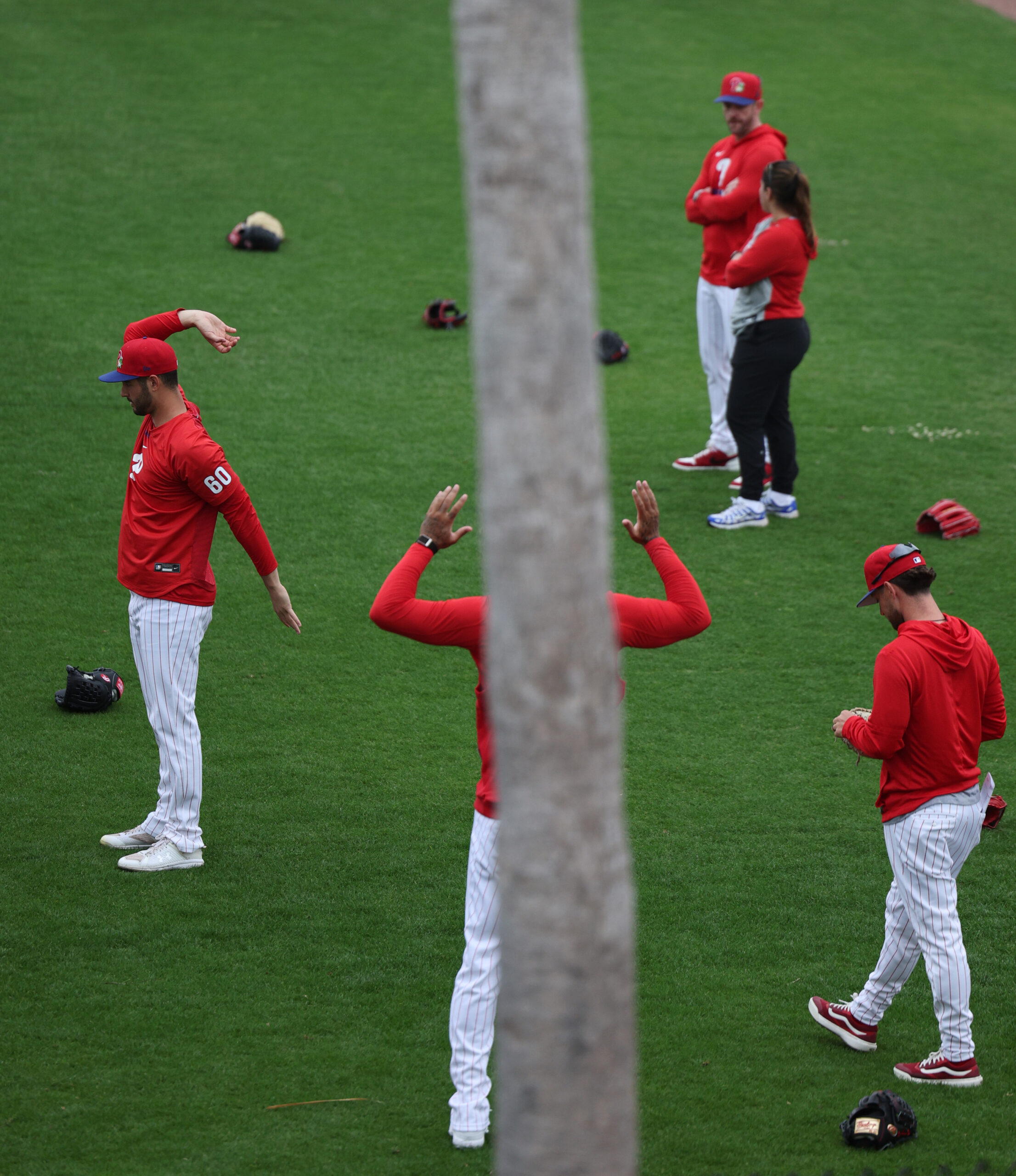
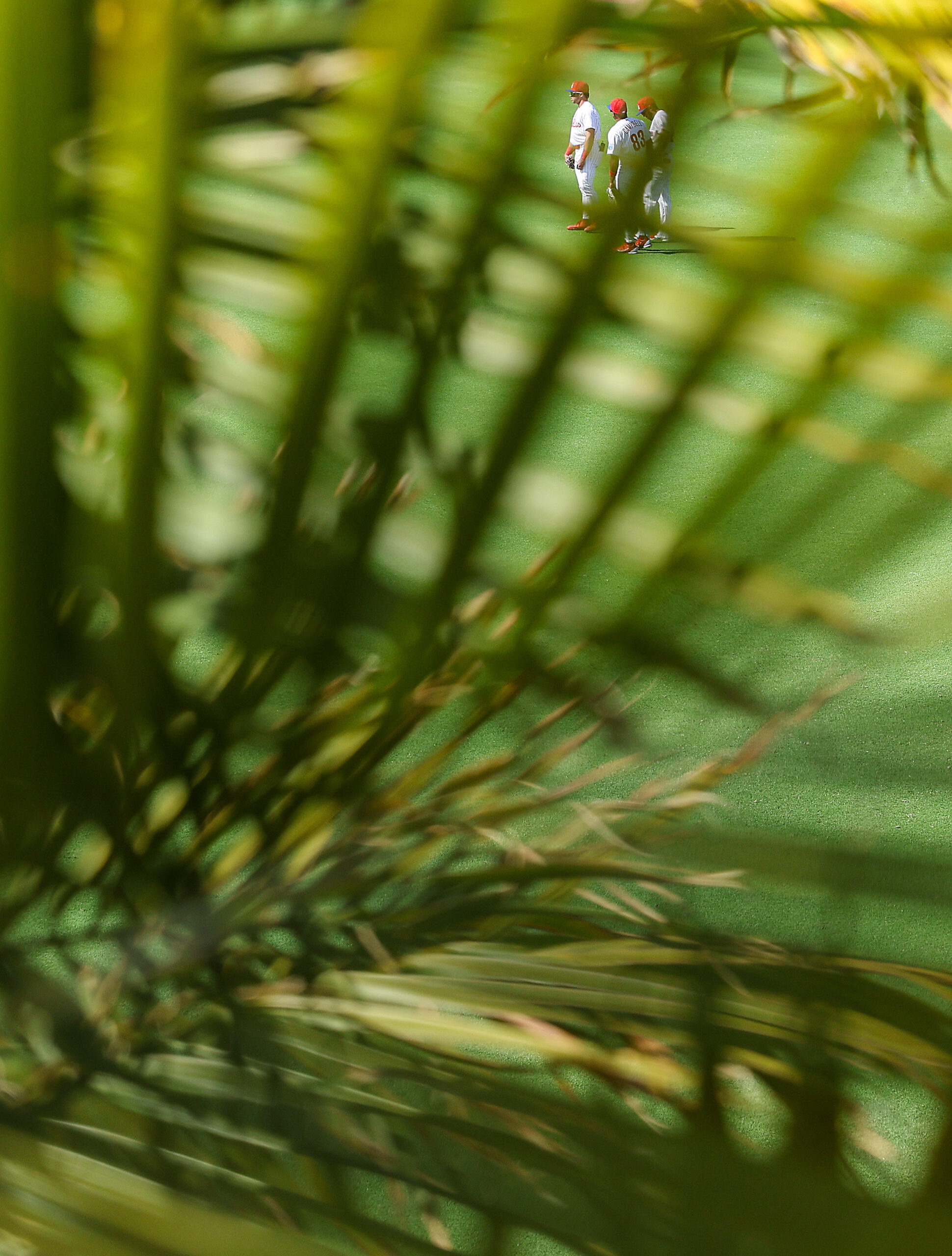
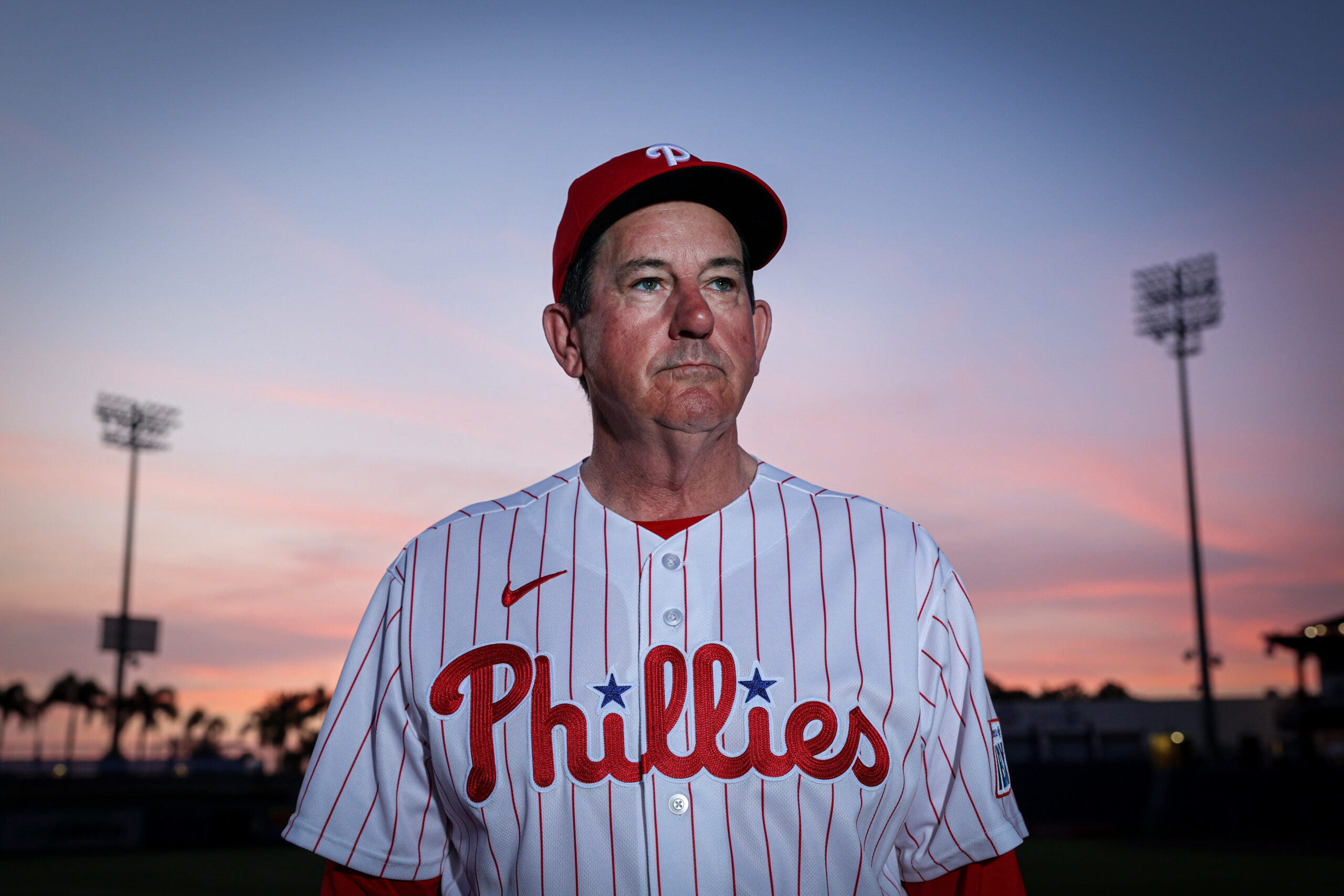
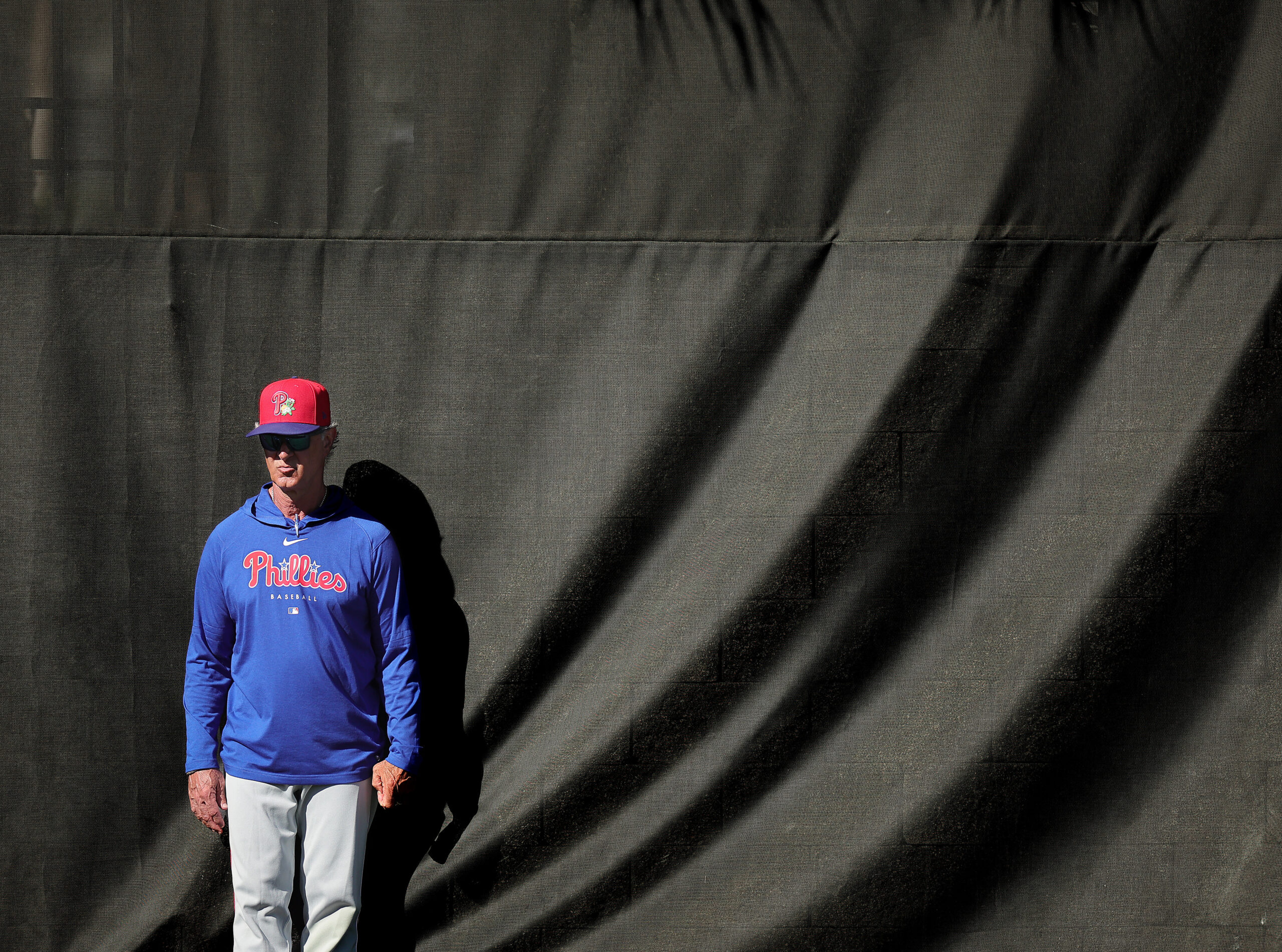
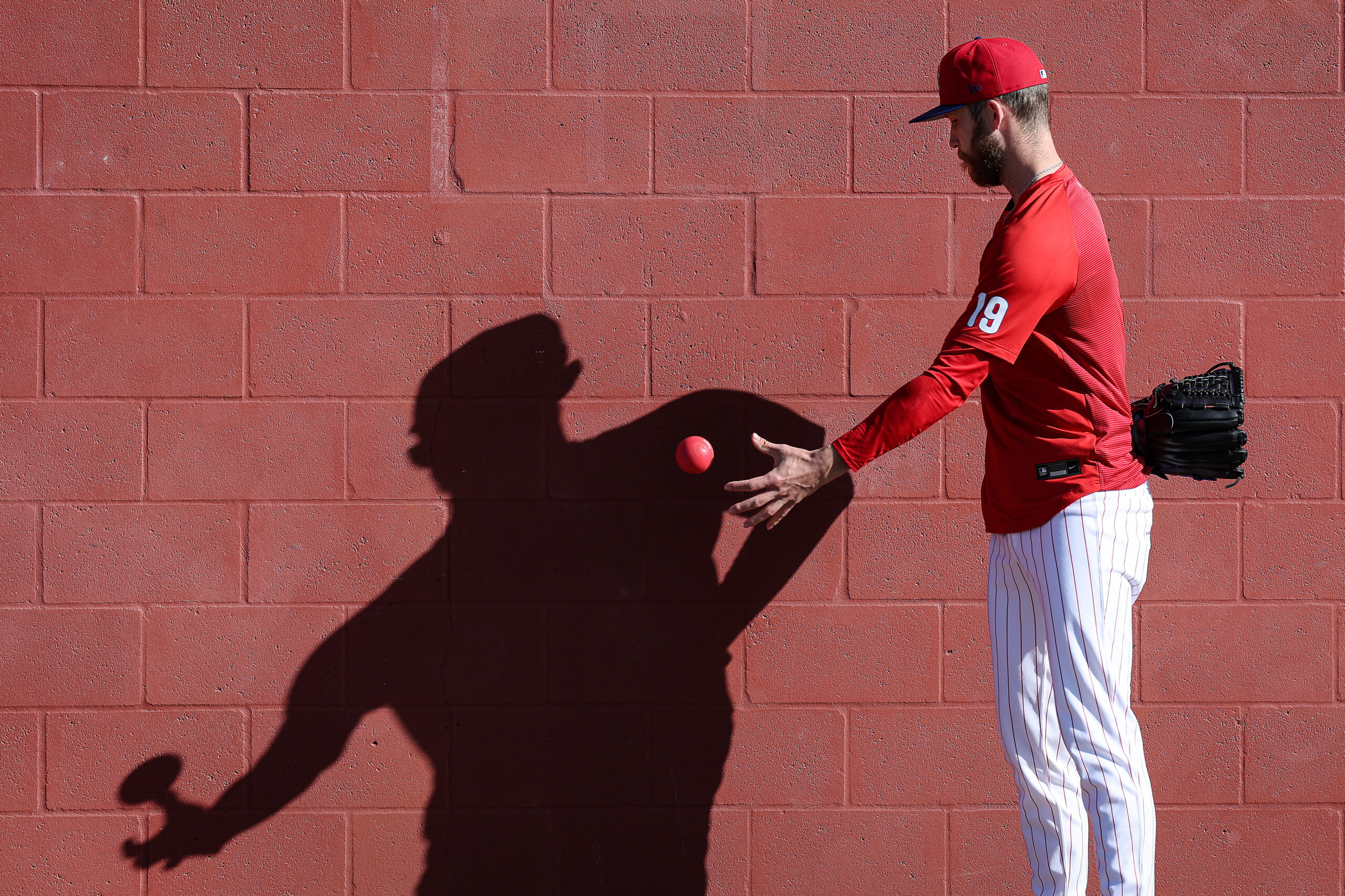
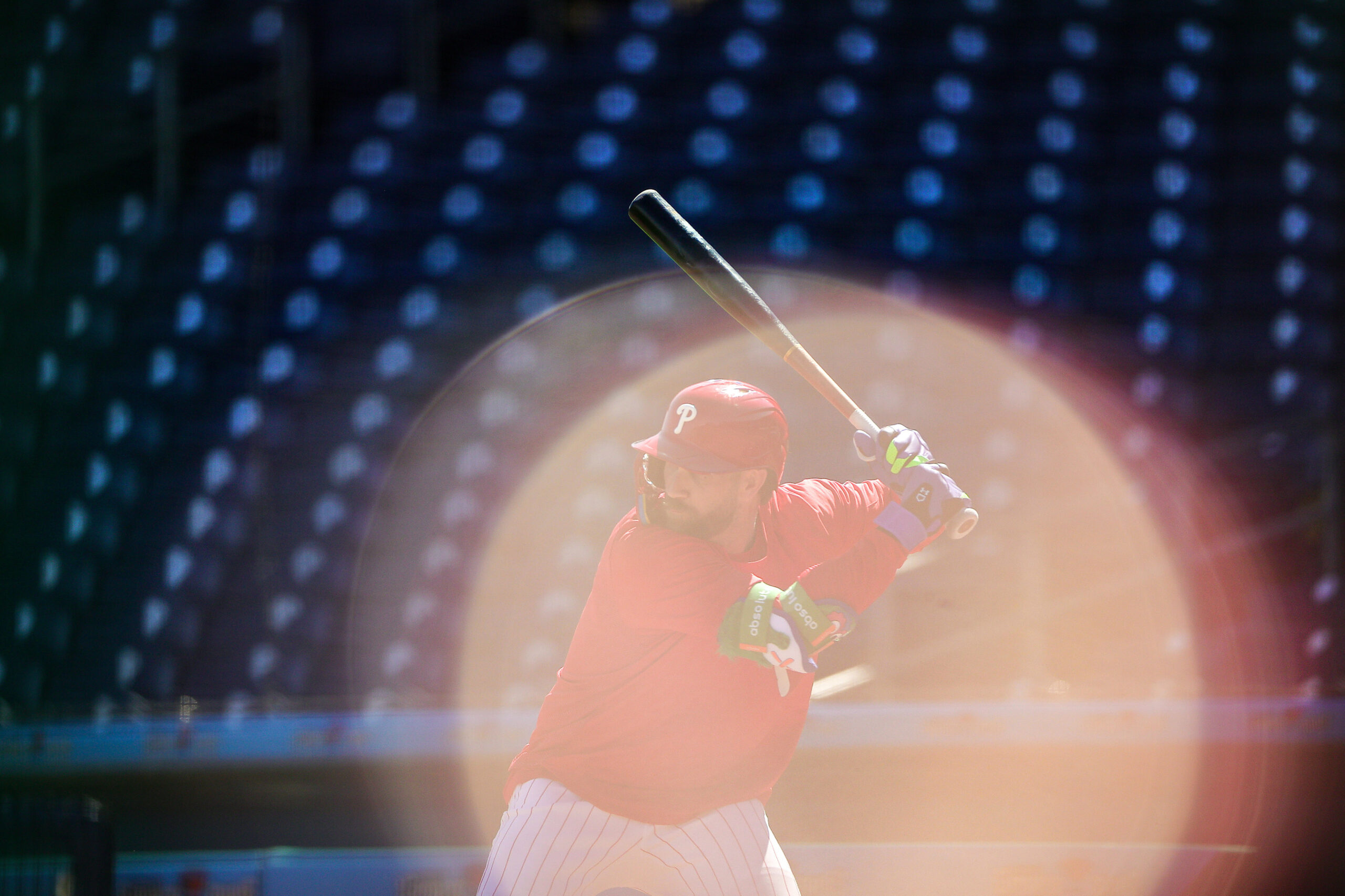
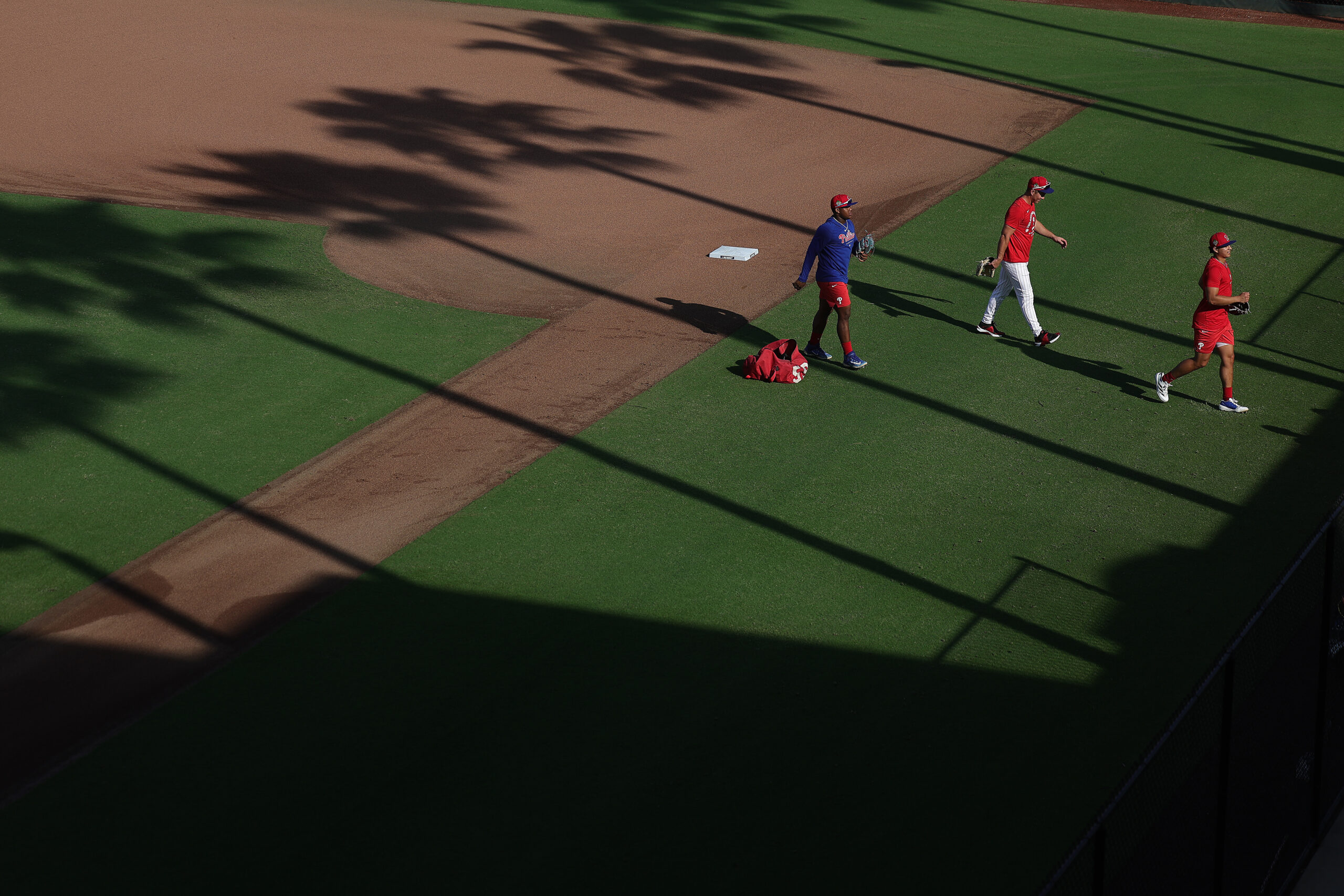
Covering Phillies spring training offers sports photographers an opportunity to stretch beyond everyday game coverage. On one of my first mornings at the training facility in Clearwater, Fla., I noticed pitcher Taijuan Walker stretching behind a palm tree. I knew it could make a picture, but it didn’t line up naturally. Every morning, he stretched. Every morning, I tried again. Finally, I made the picture on my last day in the Sunshine State. When I made the photo of bench coach Don Mattingly, I looked for a way to eliminate all other visual distractions. The morning light created a unique pattern on the tarp that put the attention on Mattingly. Using red as the dominant color holds the image of pitcher Kyle Backhus together. I again took advantage of the morning light to capture the shadow and fill the negative space. The portrait of manager Rob Thomson was a combination of a little planning and a lot of luck. I knew there would be a small window at sunrise when the sky would add some visual drama. Luckily, it was when Thomson was ready for his photo. The Phillies outfielders are seen through palm fronds during a game. The contrast of the mostly green palette with the red in the Phillies uniforms encourages the viewer to search into the image. For the photo of catcher Rafael Marchán jogging from the clubhouse, the pattern on the background caught my eye first. I then waited for someone to come into the space. The bubble gum gave the photo an extra pop.
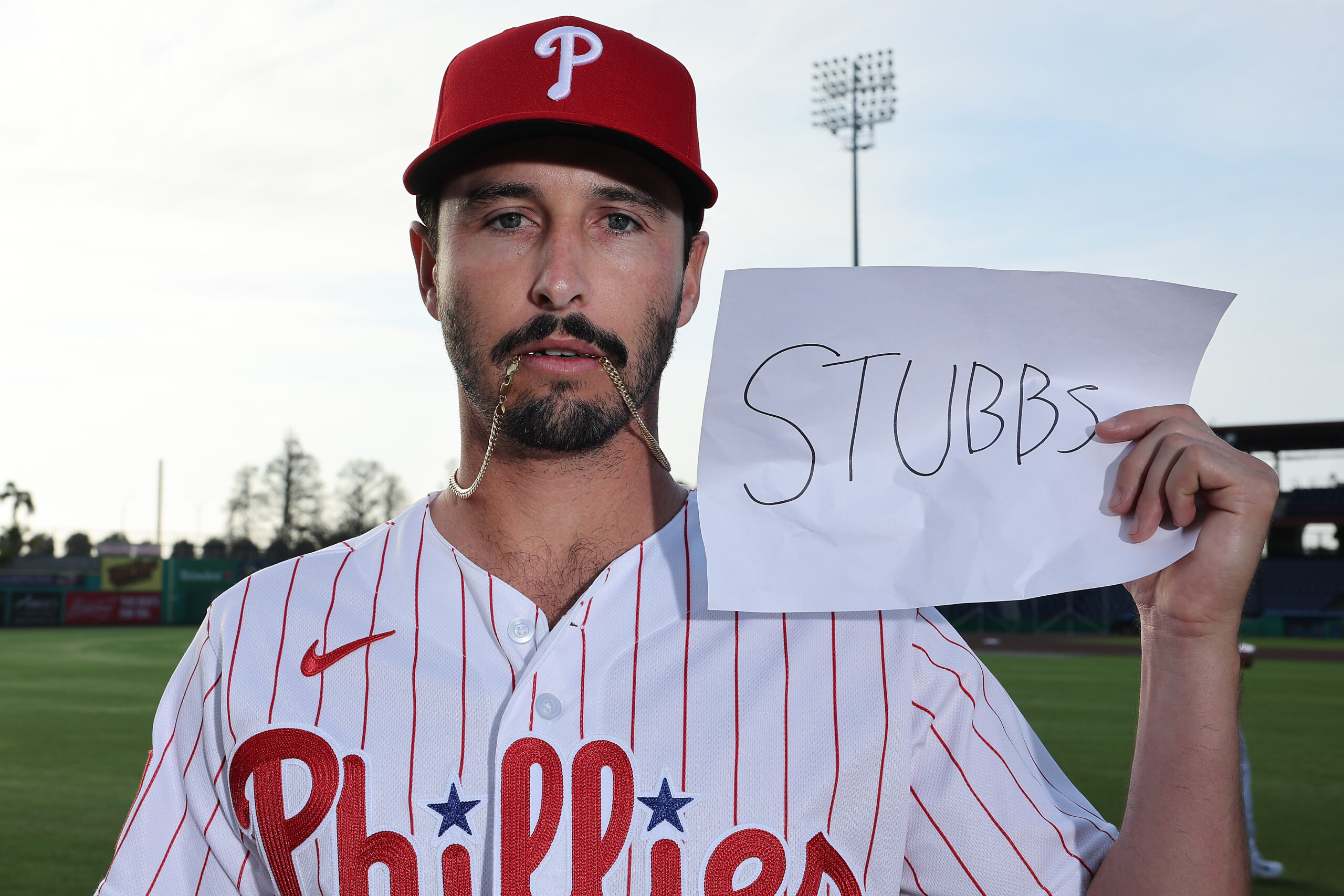
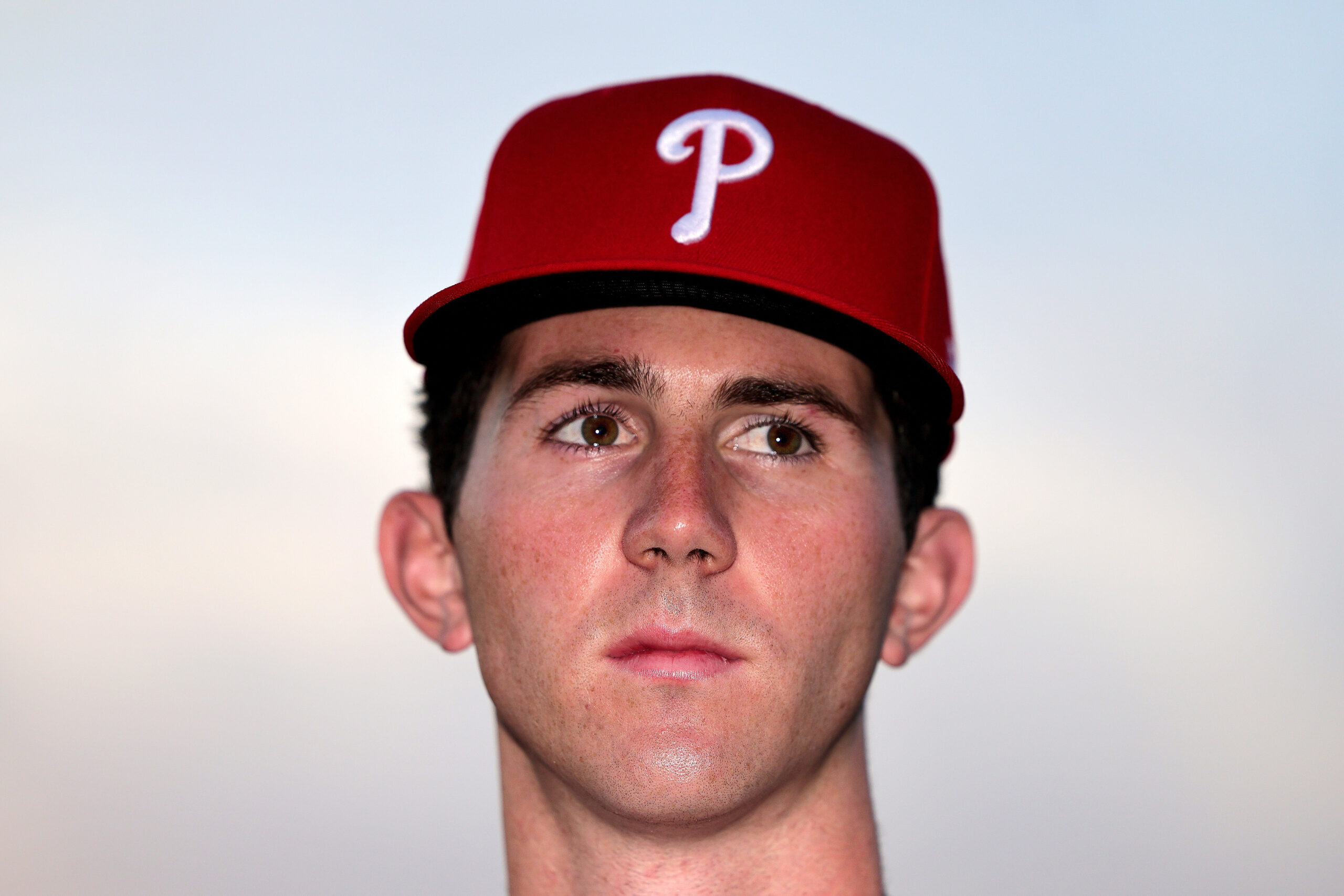
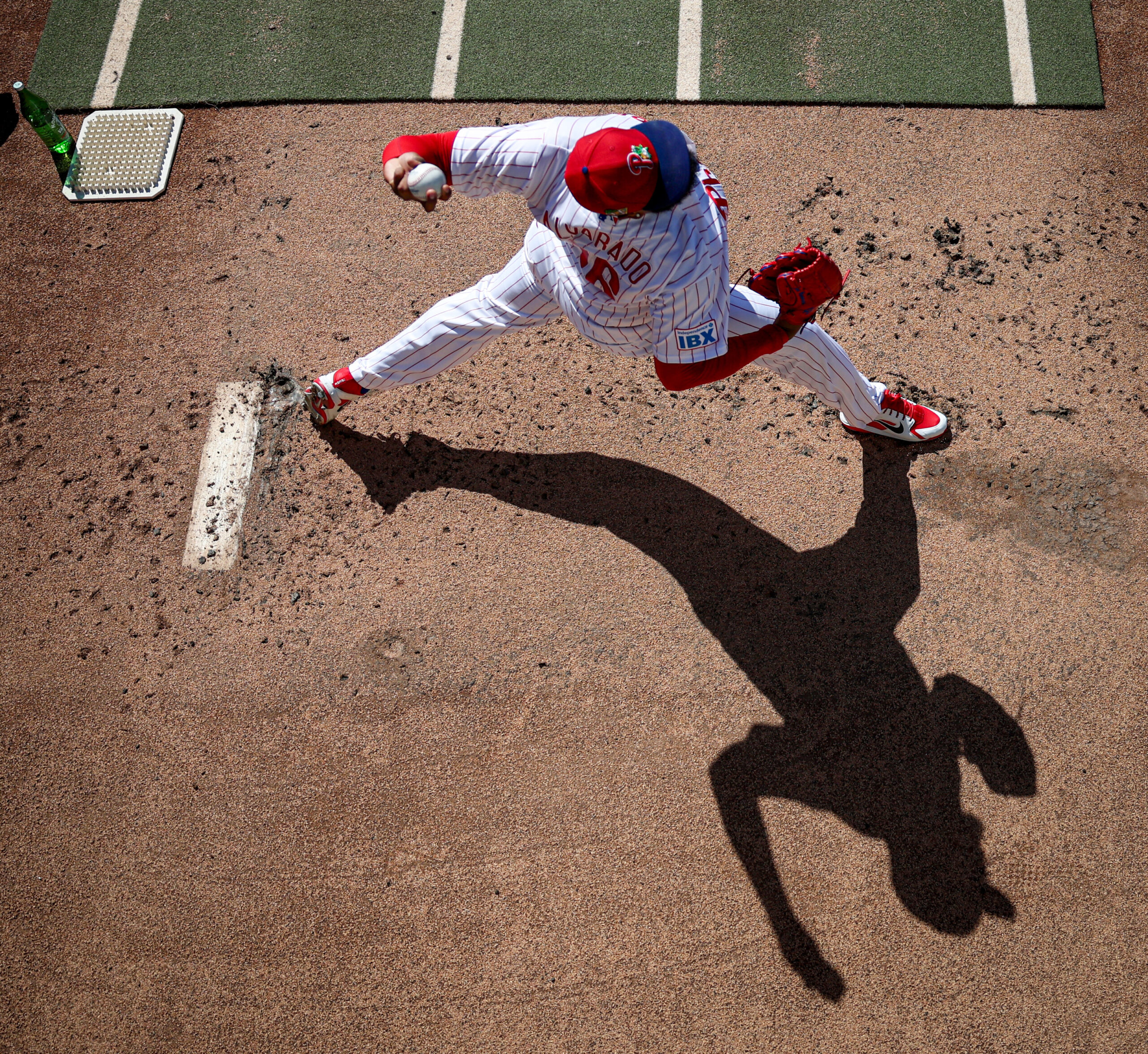
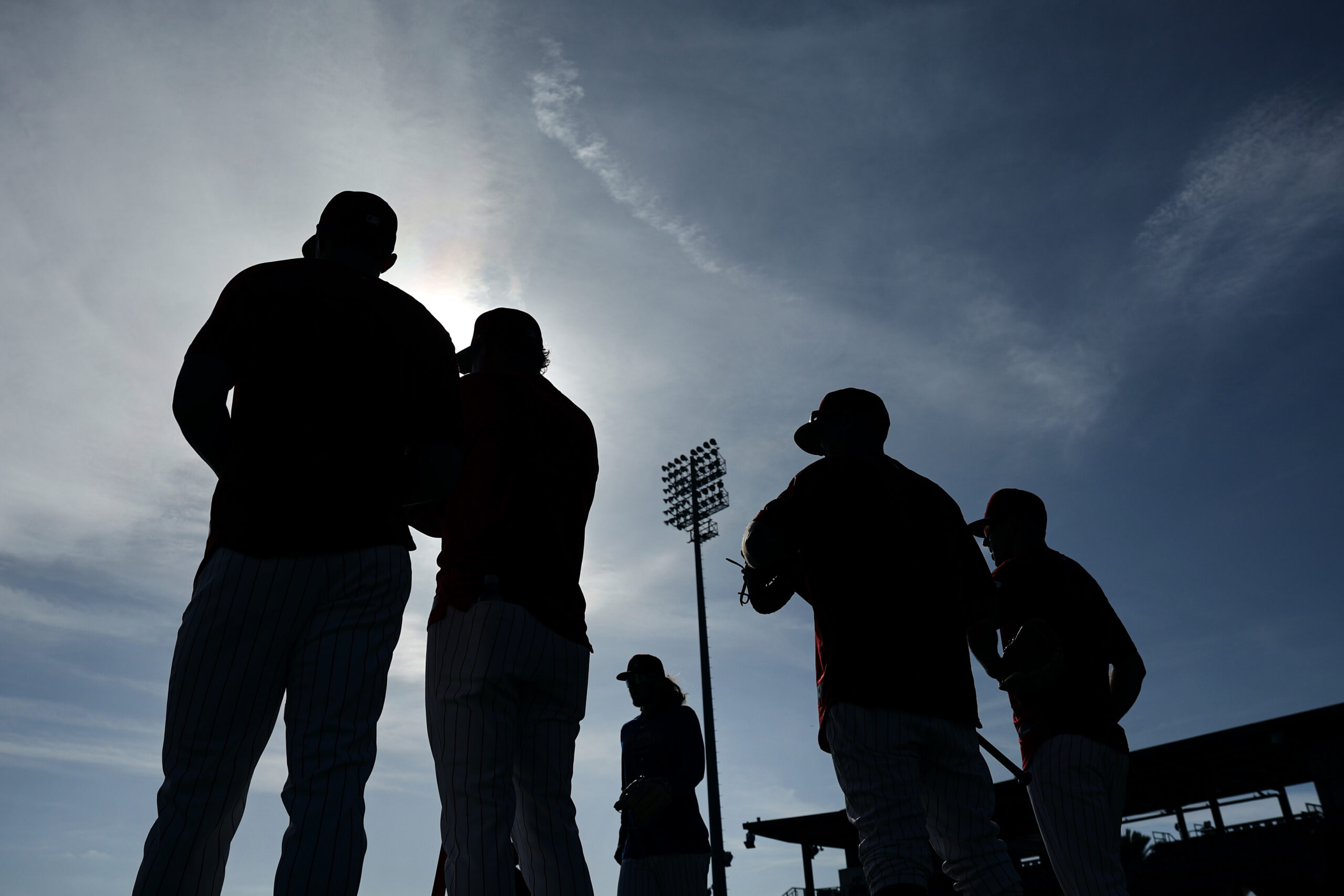
On Feb. 22, pitcher Tijuan Walker warms up behind the truck of a palm tree.Outfielders Dante Nori (from left), Dylan Campbell, and Pedro León are seen through a palm tree during a spring training game against the Pittsburgh Pirates on Feb. 22. Catcher Garrett Stubbs with a playful pose on photo day.Manager Rob Thomson poses as the sun rises on photo day Feb. 19.Pitcher Andrew Painter poses on Feb. 19 for photo day.On Feb. 21, bench coach Don Mattingly watches as players warm up.Pitcher Kyle Backhus warms up on Feb. 17.Pitcher José Alvarado warms up Feb. 20.Alec Bohm (center) is silhouetted with teammates as they watch a drill Feb. 18.A light refection from a bat in the dugout casts a glow around first baseman Bryce Harper at batting practice Feb. 20.Aroon Escobar (from left), Dylan Moore, and Bryan Rincon leave after completing a drill Feb. 19.