Category: Politics

Political news and coverage

  • U.S. vows to control Venezuela oil sales ‘indefinitely’

    U.S. vows to control Venezuela oil sales ‘indefinitely’

    Energy Secretary Chris Wright announced Wednesday that the Trump administration will take control of all existing flows of oil from Venezuela for the foreseeable future as it struggles to persuade U.S. firms to invest in expansive drilling operations there.

    Speaking at a Goldman Sachs energy industry event in Miami, Wright said the United States will allow Venezuelan oil under U.S. sanctions to flow again, but only to U.S. refineries. He said the sales will be “done by the U.S. government and deposited into accounts controlled by the U.S. government.”

    “From there, those funds can flow back into Venezuela to benefit the Venezuelan people,” Wright said. “We need to leverage and control those oil sales to drive the changes that must happen in Venezuela.”

    Wright’s comments followed an announcement from President Donald Trump on Tuesday night that tens of millions of barrels of Venezuelan oil currently blocked by a U.S. embargo will be shipped to refineries in the U.S. The directive enables revenue to start flowing to Venezuela, but even that arrangement could be complicated because those refineries get abundant oil from North America.

    On Wednesday, Wright framed the effort as crucial to re-establishing a viable oil industry in Venezuela. He said the revenue generated could be used to help rebuild the badly rotting oil infrastructure in that country and to help lure U.S. firms to invest there. He said the U.S. will control Venezuelan oil flows “indefinitely.”

    The unorthodox arrangement puzzled some analysts. The reason oil had not been flowing to the U.S. refineries was that U.S. sanctions prohibit it. If the sanctions were lifted, they say, market forces would already guide most of the Venezuelan oil to the U.S., which has refineries specially equipped to handle the heavy type of crude pumped there.

    “So much Venezuelan oil is exported to China, India, and other markets because of sanctions,” said Ben Cahill, an energy markets scholar at the University of Texas at Austin. “If the goal is to redirect it to U.S. refiners, sanctions relief could do that on its own.”

    The Venezuelan oil will be flowing at a time forecasts project the U.S. refining market will have more than enough oil.

    “I don’t see how this benefits the American people,” said Amos Hochstein, managing partner at the investment holding company TWG Global, who was a senior economic and national security adviser in the Biden White House. “If anything, we may have an oversupply, which is why oil prices are in multiyear lows and declining. Nor do I see how this helps the people of Venezuela.”

    An oil tanker is docked at El Palito Port in Puerto Cabello, Venezuela, last month.

    The effort is underway as Wright also runs point on the White House effort to coax U.S. oil companies to invest in Venezuela, according to industry officials. As the companies express reticence, the White House is working aggressively to try to lure them.

    Trump has started telling reluctant oil company leaders that he might make it worth their while.

    Within days after sending Special Operations forces into Venezuela to arrest Nicolás Maduro, Trump suggested that U.S. taxpayers could help foot the bill to drill the vast reserves of the Latin American nation.

    “A tremendous amount of money will have to be spent, and the oil companies will spend it, and then they’ll get reimbursed by us or through revenue,” he told NBC on Monday.

    Using taxpayer-funded cash subsidies to incentivize oil companies to pump abroad would be unprecedented, industry analysts say. But the White House faces a steep challenge persuading firms to drill in a politically and economically unstable country that has burned them in the past by expropriating assets worth billions and then leaving U.S.-built oil infrastructure to rot.

    The firms themselves are still working out what they want to request from the White House, according to a half-dozen individuals close to the companies who spoke on the condition of anonymity to talk speak frankly.

    Since Monday, Wright has talked with the CEOs of the three major oil companies that would be positioned to drill there: Chevron, the sole remaining U.S. firm that has operations in Venezuela; ConocoPhillips, which is still owed some $8 billion after its assets were taken when it exited nearly two decades ago; and ExxonMobil, which also previously operated in Venezuela and is owed about $1 billion. The Energy Department said in an email that Wright would meet privately with executives from the firms at the Goldman Sachs event Wednesday.

    ConocoPhillips said in a statement that “it would be premature to speculate on any future business activities or investments.” The other companies did not respond to requests for comment.

    The White House declined to answer detailed questions.

    According to one lobbyist close to the conversations, some company officials have been pondering the possibility of proposing a joint venture with the U.S. government, in which American taxpayers would invest in drilling in return for a stake in any profits.

    The conversations are focused on how to make it viable to invest tens of billions of dollars in such a high-risk country at a time when oil prices are low and there are many other safer, more attractive places for them to drill, such as nearby Guyana.

    “The companies are scrambling right now,” said a senior oil industry executive who has been involved in conversations with the administration. “I don’t think this was on anybody’s bingo card when they were making their [corporate] budgets for 2026.”

    “I have talked to all of the CEOs at companies that could be in a position to engage there,” said the executive. “There were no conversations between the industry and the White House or the president about what would happen. Maybe the president said something to somebody, like ‘be ready’ at some casual conversation. If it happened, it happened months and months ago.”

    The executive was also skeptical that companies would want subsidies, because partnering with the U.S. government carries its own risks. The next administration could be hostile to fossil fuels, and the companies would find themselves tied to it financially, as these agreements would pencil out only if they were in place for at least a decade or two. “We are a free-market industry,” the executive said. “We have benefited from not having state control of oil companies.”

    Still, the firms, indebted to a White House that has been a relentless booster of the industry, are under considerable pressure to deliver in Venezuela, even as company officials warn privately that Trump’s vows that expanded pumping will begin in as soon as 18 months are out of touch with reality.

    Despite other corporate partnerships undertaken by the administration around the world, it’s unclear how serious officials are about providing financial help for oil producers. Involving U.S. taxpayers is politically fraught and would probably confront opposition in Congress, industry analysts said.

    “These companies being asked by the Trump administration to dive into Venezuela are confronting enormous risks,” said Bob McNally, president of Rapidan Energy Group, a research firm that serves the industry. “It is like walking into a factory left to rot for 2 1/2 decades, or like asking yourself, ‘How bad is this house we just bought?’ I imagine they would want to mitigate those risks however they can.”

    The administration has offered financial incentives elsewhere around the world to entice companies and countries to align with the White House. In Ukraine, it struck a deal to create a Reconstruction Investment Fund, through which companies that invest in that country can tap into a fund generated with the help of natural-resource revenue from Ukraine.

    Ted Posner, a partner at Baker Botts, a global law firm that advises major oil companies, said the Trump administration could do something similar for U.S. corporations investing in Venezuela “as a way of demonstrating that the U.S. government has skin in the game. It’s here by your side.”

    But the levels of industry investment the White House wants to see in Venezuela — estimated at as much as $100 billion — dwarf what is being considered in Ukraine, and it is unclear if such partnerships would help sway oil company executives and their reluctant shareholders.

    “There are carrots available” to entice companies to drill, Posner said. “What I don’t know is if there are enough.”

    One oil company executive who has firsthand experience with the challenges in Venezuela warned that the administration’s rosy projections ignore realities on the ground.

    Even the firms that are owed billions of dollars, the executive said, will be reluctant to return, because recouping their investments would almost certainly require them to spend billions more.

    The reimbursement for seized assets would be the obligation of the Venezuelan state oil company, and it won’t have the funds if Venezuela does not restore its production capacity, which has collapsed after decades of neglect.

    “The only way to recoup that funding is through [pumping] crude oil,” the executive said. “But that will not happen overnight. Will you be fully compensated at the end of the day? Maybe. Maybe not.”

    “The U.S. government is going to have a hard time making this sales pitch,” this individual said. “Some companies are going to say, ‘We appreciate this, but we have our shareholders to think about and just cannot do it.’ Other companies will make demands to the U.S. that they want to be made whole if something happens. … How can you commit the U.S. Treasury to backstop these issues in Venezuela? Think about all the geopolitics around that. That alone could be tied up with lawyers for a year.”

    As oil executives grapple with all of this uncertainty, Trump continues to indicate that he expects all of them to align with his plans.

    On Tuesday he told reporters that he will personally be meeting with companies. “You know what that’s about,” he said, alluding to Venezuela. “We got a lot of oil to drill, which is going to bring down oil prices even further.”

  • NYC Mayor Zohran Mamdani defends tenant official facing backlash for ‘white supremacy’ posts

    NYC Mayor Zohran Mamdani defends tenant official facing backlash for ‘white supremacy’ posts

    NEW YORK — New York City Mayor Zohran Mamdani is standing behind a newly appointed housing official as she faces backlash for years-old social media posts, including messages that called for the seizure of private property and linked homeownership to white supremacy.

    Cea Weaver, a longtime tenant activist, was tapped by the Democrat last week to serve as executive director of the Mayor’s Office to Protect Tenants. The mayor has vowed to expand and empower the office to take “unprecedented” steps against negligent landlords.

    But in a sign of the high-level scrutiny on Mamdani’s administration, Weaver’s since-deleted posts have sparked condemnations from officials in the U.S. Department of Justice and the editorial board of The Washington Post.

    The posts, which were circulated on social media in recent days by critics of Mamdani, included calls to treat private property as a “collective good” and to “impoverish the *white* middle class.” A tweet sent in 2017 described homeownership as “a weapon of white supremacy masquerading as ‘wealth building public policy.’”

    Eric Adams, the city’s former mayor and a fellow Democrat, said the remarks showed “extreme privilege and total detachment from reality.”

    Asked about the controversy on Wednesday, Mamdani did not address the substance of Weaver’s posts but defended her record of “standing up for tenants across the city and state.”

    Weaver said in an interview with a local TV station that some of the messages were “regretful” and “not something I would say today.”

    “I want to make sure that everybody has a safe and affordable place to live, whether they rent or own, and that is something I’m laser-focused on in this new role,” she added.

    The discussion comes after Mamdani last month accepted the resignation of another official, Catherine Almonte Da Costa, after the Anti-Defamation League shared social media posts she made over a decade ago that featured antisemitic tropes.

    While Mamdani had said he was unaware of Da Costa’s messages, Weaver’s past social media posts were known to the administration, according to a mayoral spokesperson, Dora Pekec.

    Weaver previously led the Housing Justice for All coalition, which was widely credited with helping to convince state lawmakers to pass a sweeping package of tenant protections in 2019.

    As leader of the city’s tenant protection office, she would play a key role in achieving one of Mamdani’s most polarizing campaign pledges: identifying negligent landlords and forcing them to negotiate the sale of their properties to the city if they are unable to pay fines for violations.

    The “public stewardship” proposal has drawn consternation from landlord groups and skepticism from others in city government.

    But the early days of his administration have brought signs that the new mayor is not backing off on the idea.

    In a press conference immediately following his inauguration last week, Mamdani said the city would take “precedent-setting” action against the owner of a Brooklyn apartment building that owed the city money and was currently in bankruptcy proceedings.

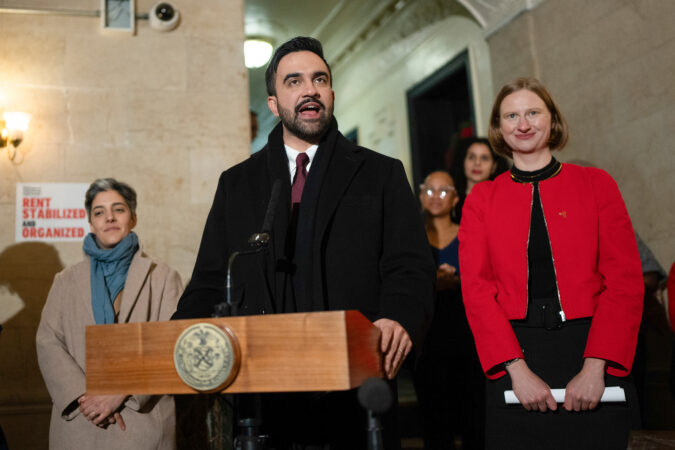
    He then announced Weaver’s appointment, drawing loud cheers from the members of a tenants union gathered in the building’s lobby.

    “It is going to be challenging,” Weaver acknowledged. “New York is home to some of the most valuable real estate in the world. Everything about New York politics is about that fact.”

  • Bolsonaro leaves Brazilian prison to undergo medical examinations after fall from his bed

    Bolsonaro leaves Brazilian prison to undergo medical examinations after fall from his bed

    RIO DE JANEIRO — Former President Jair Bolsonaro was granted a brief leave Wednesday from his 27-year prison sentence for a coup attempt so that he could undergo medical tests at a hospital in the capital after he fell from his bed.

    Police escorted Bolsonaro, 70, from the federal police’s headquarters in Brasilia to the nearby DF Star hospital where he arrived at around midday for three brain tests.

    At about 4:30 p.m. local time, Bolsonaro’s wife, Michelle, said on Instagram that the exams had been carried out and that they were awaiting results. Her husband went back to prison, she said.

    Later, DF Star hospital said in a brief statement that the tests showed “mild soft-tissue thickening in the frontal and right temporal regions” due to the trauma, but that no additional treatment was needed.

    Bolsonaro fell in his cell overnight from Monday to Tuesday while sleeping. His wife, and Bolsonaro’s son Carlos, said on social media Tuesday that the far-right politician needed medical attention and expressed frustration that Bolsonaro hadn’t been sent to the hospital on Tuesday.

    In his decision authorizing the trip to the hospital Wednesday, Supreme Court Justice Alexandre de Moraes cited a health report conducted by the federal police on Tuesday. Bolsonaro reported mild head trauma, according to the report. Upon examination, the former Brazilian leader was found to be conscious and lucid, with a superficial cut to his face.

    De Moraes authorized a tomography, brain scan and a brain wave test requested by Bolsonaro’s lawyers. The Supreme Court justice said that his transfer to the hospital should be conducted in a “discreet manner,” and that federal police were responsible for Bolsonaro’s security and his return to prison.

    Bolsonaro had previously left the hospital and returned to prison last Thursday, a week after undergoing double hernia surgery.

    Bolsonaro has been hospitalized multiple times since being stabbed at a campaign event before the 2018 presidential election.

    Bolsonaro and several of his allies were convicted in September by a panel of Supreme Court justices of attempting to overthrow Brazil’s democratic system following his 2022 election defeat.

    The plot included plans to kill Lula, Vice President Geraldo Alckmin and de Moraes. There was also a plan to encourage an insurrection in early 2023.

    Bolsonaro was also convicted on charges that include leading an armed criminal organization and attempting the violent abolition of the democratic rule of law. He has denied any wrongdoing.

  • CIA turncoat Aldrich Ames, who sold U.S. secrets to the Soviets, dies in prison at 84

    CIA turncoat Aldrich Ames, who sold U.S. secrets to the Soviets, dies in prison at 84

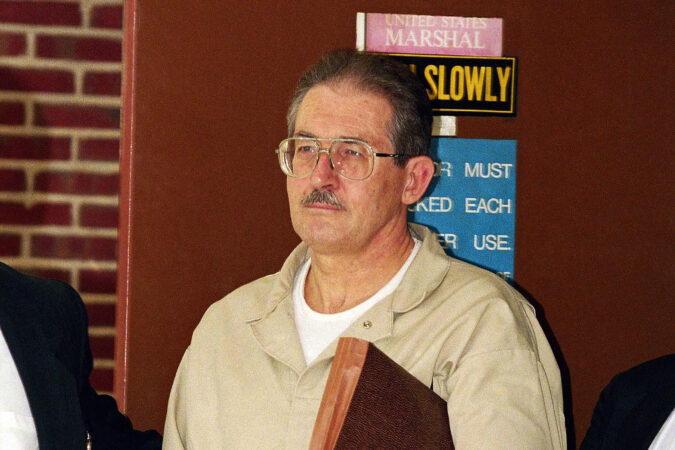
    WASHINGTON — CIA turncoat Aldrich Mr. Ames, who betrayed Western intelligence assets to the Soviet Union and Russia in one of the most damaging intelligence breaches in U.S. history, has died in a Maryland prison. He was 84.

    A spokesperson for the Bureau of Prisons confirmed Mr. Ames died Monday.

    Mr. Ames, a 31-year CIA veteran, admitted being paid $2.5 million by Moscow for U.S. secrets from 1985 until his arrest in 1994. His disclosures included the identities of 10 Russian officials and one Eastern European who were spying for the United States or Great Britain, along with spy satellite operations, eavesdropping and general spy procedures. His betrayals are blamed for the executions of Western agents working behind the Iron Curtain and were a major setback to the CIA during the Cold War.

    He pleaded guilty without a trial to espionage and tax evasion and was sentenced to life in prison without parole. Prosecutors said he deprived the United States of valuable intelligence material for years.

    He professed “profound shame and guilt” for “this betrayal of trust, done for the basest motives,” money to pay debts. But he downplayed the damage he caused, telling the court he did not believe he had “noticeably damaged” the United States or “noticeably aided” Moscow.

    “These spy wars are a sideshow which have had no real impact on our significant security interests over the years,” he told the court, questioning the value that leaders of any country derived from vast networks of human spies around the globe.

    In a jailhouse interview with The Washington Post the day before he was sentenced, Mr. Ames said he was motivated to spy by “financial troubles, immediate and continuing.”

    Mr. Ames was working in the Soviet/Eastern European division at the CIA’s headquarters in Langley, Va., when he first approached the KGB, according to an FBI history of the case. He continued passing secrets to the Soviets while stationed in Rome for the CIA and after returning to Washington. Meanwhile, the U.S. intelligence community was frantically trying to figure out why so many agents were getting discovered by Moscow.

    Mr. Ames’ spying coincided with that of FBI agent Robert Hanssen, who was caught in 2001 and charged with taking $1.4 million in cash and diamonds to sell secrets to Moscow. He died in prison in 2023.

    Mr. Ames’ wife, Rosario, pleaded guilty to lesser espionage charges of assisting his spying and was sentenced to 63 months in prison.

  • Vineland educator is named new Camden superintendent, the first Hispanic to lead the district

    Vineland educator is named new Camden superintendent, the first Hispanic to lead the district

    A veteran Vineland educator has been named the state-appointed superintendent to oversee the Camden school system, state Education Commissioner Kevin Dehmer announced Wednesday.

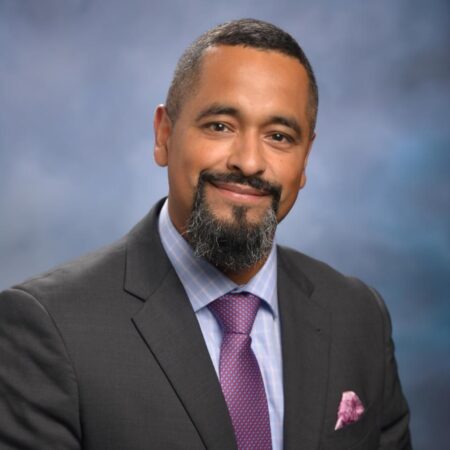
    Alfonso Q. Llano Jr. was selected after a national search that began in June. He will begin heading the troubled South Jersey school system starting March 1.

    He will be the first Hispanic superintendent to lead the district. Demographics in Camden have shifted in recent years, and 56% of its traditional public school students are now Hispanic, 42% are Black, and 1.2% are white.

    Dehmer made the long-awaited announcement at the monthly state Board of Education meeting in Trenton. The board unanimously approved the appointment.

    “I’m honored for the opportunity to serve the Camden City School District,” Llano said. “Together, we’re going to work through transparency and tough times. We’re going to achieve great things.”

    Llano will receive an annual salary of $260,000 under a three-year contract.

    In Vineland, he was the highest-paid superintendent in Cumberland County with an annual base salary of $206,000.

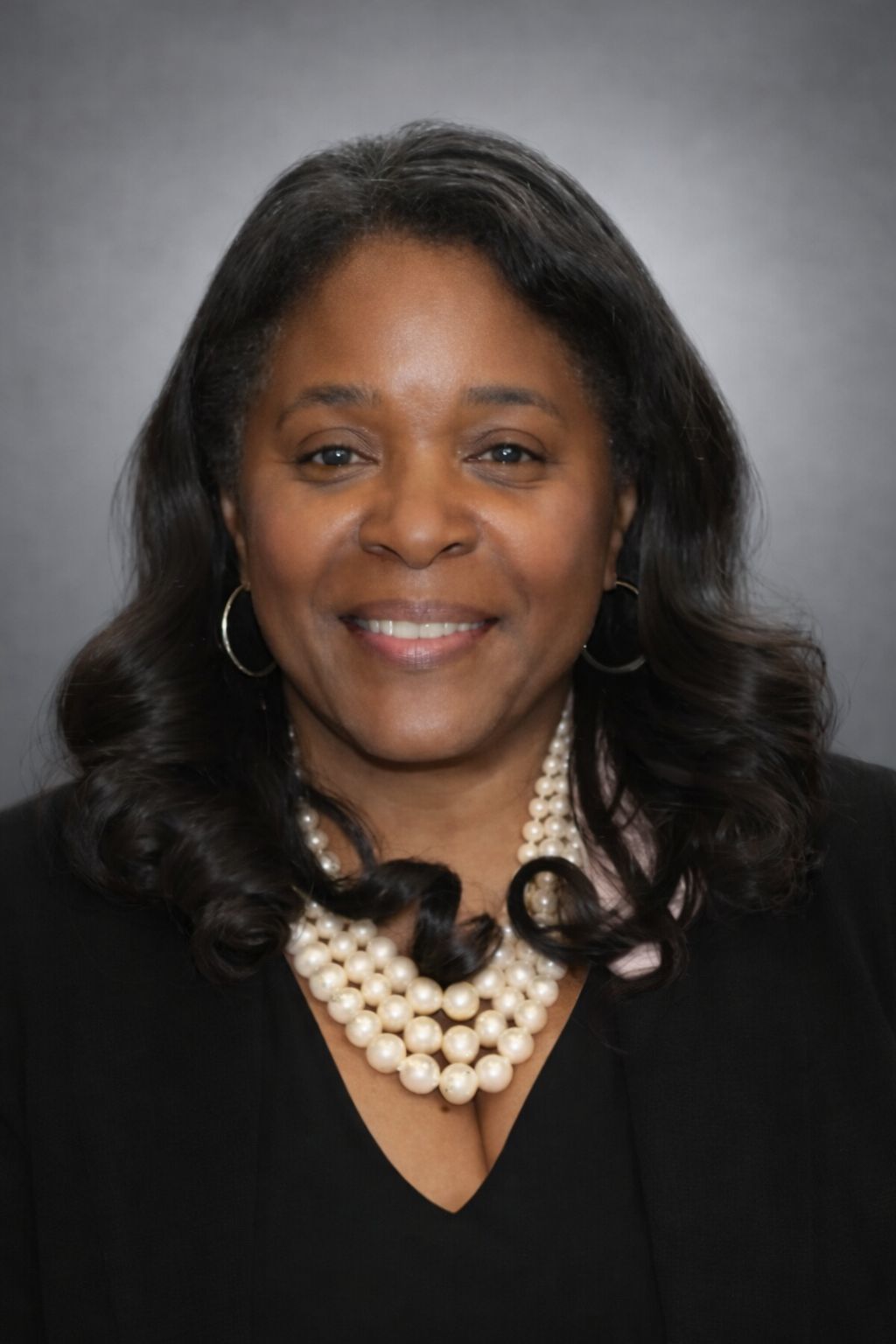
    Davida Coe-Brockington, a longtime Camden educator who has served as the interim superintendent during the search, will remain in that role until Llano takes over. She was not a candidate for the job.

    Llano succeeds Katrina T. McCombs, whose contract was not renewed after a group of city leaders, including Mayor Victor Carstarphen, called for her ouster. The group said Camden schools needed “a new vision for leadership.” McCombs left Camden in July for a state role after seven years as superintendent.

    Reactions to Llano’s hiring

    Carstarphen and other officials praised Llano’s appointment in a statement released Wednesday. The mayor lauded the state “for identifying someone who will bring meaningful change for Camden’s students.”

    “I am confident he will be an excellent leader who prepares our students for the future and always puts our students’ academic interest first,” Carstarphen said.

    N’Namdee Nelson, president of the Camden City Advisory School Board, said: “We want to ensure that every child in the school district has access to a great school.”

    Others, like former longtime school board member Jose E. Delgado, wished Llano well but were less optimistic. He said the selection of a Hispanic superintendent was “long overdue.”

    “He’s stepping into a very dysfunctional environment that will require a wide array of fiscal, administrative, and educational skills,” Delgado said.

    Llano inherits a district with declining enrollment — it currently has about 5,532 students — low test scores, and a high dropout rate. There have been modest gains since the state seized control of the district in 2013.

    The changing educational landscape in Camden poses the biggest challenge. Thousands of students have left the city’s traditional public schools for Renaissance and charter schools, which are publicly funded but privately run and now lead the district’s enrollment.

    Camden is the only district in New Jersey with three school types. Charters enroll 3,236 students, and Renaissance schools have 6,664 students.

    Last spring, McCombs cited the declining enrollment in part for a $91 million budget deficit. She cut more than 100 positions and laid off teachers and support staff in a massive restructuring.

    Camden Education Association president Pamela Clark, who represents more than 1,000 teachers and support staff, said she hopes to meet with Llano soon to discuss concerns about possible layoffs and school closures.

    “I will continue to advocate fiercely to protect my members’ jobs and school closures, and I hope the new superintendent brings fairness, transparency, and unity to our city,” she said.

    Llano’s past work in Vineland and Trenton

    Llano has been superintendent of the Vineland district in Cumberland County since 2021. His five-year contract was set to expire in June.

    During a meeting in June, the Vineland board was bitterly divided over whether to renew his contract. The board must give six months’ notice if it plans to terminate a superintendent. The motion to not renew it failed, and it was unclear what direction the board would pursue.

    In Vineland, Llano oversaw a diverse district of more than 10,200 students enrolled in 16 schools. About 63% of the students are Hispanic, 14% are Black, and 18% are white. About 17.4% of its students are multilingual learners.

    Vineland has some of the same issues as Camden schools — low test scores and chronic absenteeism. The majority of the students in the sprawling 68-square-mile community are economically disadvantaged.

    Llano also spent 10 years in the Trenton school system, most recently as the interim schools chief for nearly a year prior to moving to Vineland. He previously was the district’s chief academic officer for six months. He also was an assistant superintendent and principal in Trenton.

    According to his LinkedIn profile, Llano also had stints in the Readington Township and Howell Township school districts in a career spanning 27 years.

    He is pursuing a doctoral degree in education at Seton Hall University. He holds master’s degrees from New Jersey City University and Kean University, and a bachelor’s degree from Rowan University.

    Interim State-appointed Camden school Superintendent Davida Coe-Brockington.

    Coe-Brockington said Llano’s reputation precedes him and that she was looking forward to working with him to “focus on the progress we’ve made in the district and focus on creating better outcomes for the students and families of Camden City.”

    It was unclear Wednesday whether Coe-Brockington would remain in the central office when Llano takes over or return to Creative Arts High School, where she has been principal since it opened in 1999.

  • Michael Reagan, political commentator and son of Ronald Reagan, dies at 80

    Michael Reagan, political commentator and son of Ronald Reagan, dies at 80

    Michael Reagan, a longtime political commentator for radio, TV and print media, and the eldest son of President Ronald Reagan, died Jan. 4 from cancer, a conservative group affiliated with the former president said Tuesday. He was 80.

    A longtime Republican like his father, Mr. Reagan espoused conservative opinions, advocating antiabortion views, stressing adherence to Christianity and expressing skepticism about green policies. Like many in his party, he was initially a critic of President Donald Trump, describing him as an “egomaniacal billionaire” and a “political train wreck” who had little chance of winning in 2016. When Trump defied the odds and won, Mr. Reagan embraced him, decrying the “liberal media” that he said hated Trump.

    But Mr. Reagan’s political outspokenness and his famous father appeared to overshadow his lifelong struggle with scars suffered during a tumultuous childhood. He first heard at the age of 4 that he had been adopted, and he was sexually molested at the age of 7 by a camp counselor – experiences that molded his political views and prompted him to turn to religion for solace.

    Mr. Reagan kept the molestation a secret for decades, partly out of fear that revealing it could ruin his dad’s political career. Mr. Reagan finally told his father in 1987, as the president was nearing the end of his second term and when Mr. Reagan was writing a memoir. The book was going to contain the story, so Mr. Reagan felt compelled to tell his father beforehand.

    “Now here I am at the ranch. Dad’s standing in front of me with his belt buckle on, and it looks like a brand new pair of cowboy boots. Nancy’s on my left side. Nancy and Dad say, ‘So what’s in the book we don’t know about?’ I had to tell Dad, and I couldn’t look at him,” he recalled in a later interview.

    “The hardest thing was telling him the act. It was not enough to tell him, ‘Geez, Dad, I was molested,’ but the act … that was the toughest thing. I got all done. My dad looked at me and said, ‘Where’s this guy? I’ll kick his butt.’ My dad didn’t walk away, didn’t say he hated me. I thought to myself, Why didn’t I do this years ago? But I couldn’t have years ago. God brought me to the right moment in 1987.”

    Michael Edward Reagan was born on March 18, 1945, in Los Angeles. Born to unmarried parents John Bourgholtzer, an Army soldier, and Essie Irene Flaugher, his birth name was John Charles Flaugher. The Reagans changed his name after adopting him. Mr. Reagan often joked that he was born German but became Irish at 3 days old, referring to the Reagans’ Irish roots.

    Mr. Reagan first learned he was adopted from his 8-year-old sister Maureen. When Mr. Reagan asked their mother, actress Jane Wyman, what the word “adopted” meant, she first gave a stern look to Maureen before telling her son that he had been chosen so he was special. “Let’s not ever talk about it again,” Wyman told her children.

    But when Mr. Reagan went to boarding school a few years later and told a classmate that he was special, he was bullied.

    “He comes back to me, ‘You were not chosen; you’re illegitimate,’” Mr. Reagan said in a 2008 interview. “So the kids started teasing me in school that I wasn’t a real Reagan. I was the ‘Bastard Reagan,’ the illegitimate Reagan.”

    Mr. Reagan didn’t understand what “illegitimate” meant. So he consulted the Bible, and found a verse that said “all the illegitimate children and their children until the 10th generation will never enter the kingdom of Heaven.”

    “I closed the Bible. This is like 1951. [I] didn’t reopen the Bible until 1978.”

    The pain pushed him toward self-hate and anger. His parents’ subsequent divorce and the crime he suffered at the hands of a child molester exacerbated the negative emotions. As a high school student, he told himself he was condemned and blamed himself for his molestation.

    “I thought I was living a lie because no one knew what I had done. I questioned my sexuality, I stole money from my parents to buy prostitutes trying to convince myself I was straight,” he said in 2012. “I just didn’t know … I thought my birth parents gave me away because they knew I would be evil and I thought the Reagans would give me back if they found out.”

    He briefly attended Arizona State University and Los Angeles Valley College, and attempted to follow his parents into acting, but ultimately became better known for the radio shows he hosted, starting in the late 1980s in Los Angeles, where he briefly rubbed elbows with conservative talk show star Rush Limbaugh. Mr. Reagan attributed Trump’s rise to his ability to cater to the millions who tuned into conservative radio talk shows.

    Mr. Reagan became a frequent presence on television, radio and print as a political commentator, working as an analyst for the right-wing news outlet Newsmax during his final days.

    Although Mr. Reagan repeatedly expressed dismay over Trump’s haphazard style of politics earlier in Trump’s political career, Mr. Reagan’s opinions appeared to veer increasingly closer to those of Trump.

    Mr. Reagan initially denounced the events at the Capitol on Jan. 6, 2021, calling them “wrong” and saying that they had “soiled [Trump’s] legacy forever.” But a year later, he was describing those arrested for allegedly participating in the events that day as “political prisoners.”

    In 2024, he wrote a column titled “Democrats: The Enemy of Democracy.”

    “While our streets and campuses are crawling with [left-wing protesters] and pro-Palestine vandals, Democrats are still yammering about the ‘insurrection’ of Jan. 6 and worrying about the existential threat Donald Trump supposedly poses to our democracy,” he said.

    That year, Mr. Reagan welcomed Trump’s reelection, praising the president for building a broad coalition that included “blue-collar workers, blacks and Latinos” – those who have not traditionally voted Republican.

    “With his historic political comeback and his MAGA movement, Trump has created the Republican Party of the future,” Mr. Reagan wrote in November 2024.

    In his private life, Mr. Reagan cherished his relationship with his wife, Colleen, whom he married in 1975 after a short marriage to Pamela Putnam that ended in 1972. Mr. Reagan has publicly thanked his wife for persuading him to turn to religion. Survivors include his wife and two children.

  • Iran army chief threatens preemptive attack over ‘rhetoric’ targeting country after Trump’s comments

    Iran army chief threatens preemptive attack over ‘rhetoric’ targeting country after Trump’s comments

    DUBAI, United Arab Emirates — Iran’s army chief threatened preemptive military action Wednesday over the “rhetoric” targeting the Islamic Republic, likely referring to President Donald Trump’s warning that if Tehran “violently kills peaceful protesters,” the United States “will come to their rescue.”

    The comments by Maj. Gen. Amir Hatami come as Iran tries to respond to what it sees as a dual threat posed by Israel and the United States, as well as the protests sparked by its economic woes that have grown into a direct challenge to its theocracy.

    Seeking to halt the anger, Iran’s government began Wednesday paying the equivalent of $7 a month to subsidize rising costs for dinner table essentials like rice, meat and pastas. Shopkeepers warn prices for items as basic as cooking oil likely will triple under pressure from the collapse of Iran’s rial currency and the end of a preferential subsidized dollar-rial exchange rate for importers and manufacturers — likely fueling further popular anger.

    “More than a week of protests in Iran reflects not only worsening economic conditions, but longstanding anger at government repression and regime policies that have led to Iran’s global isolation,” the New York-based Soufan Center think tank said.

    Army chief’s threat

    Hatami spoke to military academy students. He took over as commander in chief of Iran’s army, known by the Farsi word “Artesh,” after Israel killed a number of the country’s top military commanders in June’s 12-day war. He is the first regular military officer in decades to hold a position long controlled by Iran’s paramilitary Revolutionary Guard.

    “The Islamic Republic considers the intensification of such rhetoric against the Iranian nation as a threat and will not leave its continuation without a response,” Hatami said, according to the state-run IRNA news agency.

    He added, “I can say with confidence that today the readiness of Iran’s armed forces is far greater than before the war. If the enemy commits an error, it will face a more decisive response, and we will cut off the hand of any aggressor.”

    Iranian officials, including Supreme Leader Ayatollah Ali Khamenei, have been responding to Trump’s comments, which took on more significance after the U.S. military raid that seized Venezuelan President Nicolás Maduro, a longtime ally of Tehran, over the weekend. But there’s been no immediate public sign of Iran preparing for an attack in the region.

    New subsidy payment begins

    Iranian state television reported on the start of a new subsidy of the equivalent of $7, put into the bank accounts of heads of households across the country. More than 71 million people will receive the benefit, which is 10 million Iranian rials, it reported. The rial now trades at more than 1.4 million to $1 and continues to depreciate.

    The subsidy is more than double than the 4.5 million rial people previously received. But already, Iranian media report sharp rises in the cost of basic goods, including cooking oil, poultry and cheese, placing additional strain on households already burdened by international sanctions targeting the country and inflation.

    Iran’s vice president in charge of executive affairs, Mohammad Jafar Ghaempanah, told reporters on Wednesday that the country was in a “full-fledged economic war.” He called for “economic surgery” to eliminate rentier policies and corruption within the country.

    More protests

    Iran has faced rounds of nationwide protests in recent years. As sanctions tightened and Iran struggled after the June war with Israel, its rial currency sharply fell in December. Protests began soon after on Dec. 28. They reached their 11th day on Wednesday and didn’t appear to be stopping.

    Social media videos purported to show new cities like Bojnourd, Kerman, Rasht, Shiraz, and Tabriz, as well some smaller towns, joining the demonstrations on Wednesday.

    The U.S.-based Human Rights Activists News Agency offered the latest death toll of 36 for the demonstrations. It said 30 protesters, four children and two members of Iran’s security forces have been killed. Demonstrations have reached over 310 locations in 28 of Iran’s 31 provinces. More than 2,100 people have been arrested, it said.

    The group, which relies on an activist network inside of Iran for its reporting, has been accurate in past unrest.

  • Lower Merion swore in five new commissioners this week. Here’s who they are.

    Lower Merion swore in five new commissioners this week. Here’s who they are.

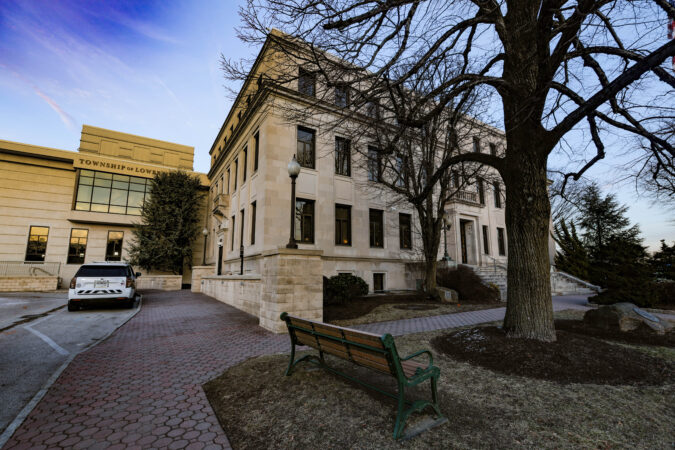
    Lower Merion swore in five new commissioners on Monday, kicking off the board’s 126th year of governing the Montgomery County township.

    Between rounds of applause and family photos, commissioners outlined the major challenges, and opportunities, the body will face in 2026. Board members highlighted recent accomplishments — creating a process for establishing board priorities, restricting gas-powered leaf blowers and plastic bags, advancing capital projects, hiring a police superintendent, supporting the development of affordable housing, and reversing the post-pandemic decline in police staffing levels.

    Yet they also underscored that much awaits the new board, including negotiating two collective bargaining agreements, overseeing Main Line Health’s redevelopment of the St. Charles Borromeo Seminary property, and addressing a difficult fiscal reality (the board last month authorized an 8% property tax increase, citing the “mistake” of having kept tax rates stagnant for over a decade).

    “We’re solving problems, we’re moving forward, and we’re even having a little fun,” said commissioner V. Scott Zelov, who was sworn in for his sixth term.

    Zelov on Monday night became the eighth commissioner in Lower Merion history to serve for at least 20 years, board President Todd Sinai said.

    Sinai, who was first elected to the board in 2017, was unanimously reelected board president. Incumbent commissioner Sean Whalen called Sinai a “stalwart leader of this board,” praising Sinai’s leadership through economic ups and downs.

    Jeremiah Woodring, also an incumbent commissioner, was unanimously elected vice president. Sinai described Woodring as “thoughtful and inquisitive,” “balanced,” and “diplomatic.”

    Jana Lunger was sworn in as Lower Merion tax collector.

    Here’s a who’s who of the five newly elected Lower Merion commissioners, all of whom replaced outgoing commissioners who chose not to run again in 2025.

    Michael Daly, an attorney and the former president of the Gladwyne Civic Association, was sworn in to represent Ward 2, which includes Gladwyne and Penn Valley. Daly has lived in Lower Merion for around 15 years with his wife and three children, all of whom are products of the Lower Merion School District. In his law practice, he focuses on defending class action lawsuits and complex litigation. In a candidate interview earlier this fall, Daly said he’s focused on quality of life issues, including walkability, public parks, and safe streets. He replaced outgoing commissioner Joshua Grimes.

    Charles Gregory, a longtime township employee, will represent Ward 4, which encompasses Ardmore and Haverford. Gregory, who was born and raised in Ardmore, worked for Lower Merion Township for 23 years until 2024. He’s the former president of the Lower Merion Workers Association and a Boy Scout troop leader. During a candidate forum, Gregory said he believed he could “make a difference from a blue collar aspect.” Gregory replaced outgoing commissioner Anthony Stevenson.

    Christine McGuire is a forensic psychologist and business owner who will serve Rosemont and Villanova in Ward 6. McGuire lived in Gladwyne for nine years before moving to Villanova around three years ago. In a candidate forum, McGuire said she has been active in the Gladwyne Civic Association and in the parent group that studied Lower Merion’s school start time change. As the owner of a psychology practice, she said she understands “what a budget is and that you have to work within the budget and not look at it like a blank check.” She replaced outgoing commissioner Andrew Gavrin.

    Craig Timberlake, an Ardmore resident who was instrumental in the 2025 redevelopment at Schauffele Plaza, will represent Ward 8’s South Wynnewood and East Ardmore. Timberlake moved to Ardmore around 15 years ago from Maine. He says he was drawn to Ardmore’s high-quality schools, walkable neighborhoods, and transit options. He believes the township should incentivize “smaller,” “incremental,” and locally funded development and decrease speed limits to protect pedestrians. Timberlake is a project manager at OnCourse, an education technology platform. He replaced Shawn Kraemer, the board’s outgoing vice president.

    Shelby Sparrow, the former president of the Penn Wynne Civic Association and a longtime community organizer, will represent Penn Wynne and Wynnewood in Ward 14. Sparrow’s priorities include ensuring the community is engaged in Main Line Health’s redevelopment of the St. Charles Borromeo Seminary property; addressing pedestrian safety; and encouraging sustainability and park stewardship. She was previously the director of development for St. Peter’s Independent School in Center City. She replaced outgoing commissioner Rick Churchill.

    Sinai and Zelov, who were reelected in November, were sworn in, and sitting commissioners Woodring, Whalen, Daniel Bernheim, Louis Rossman, Ray Courtney, Maggie Harper Epstein, and Gilda Kramer were welcomed back.

    This suburban content is produced with support from the Leslie Miller and Richard Worley Foundation and The Lenfest Institute for Journalism. Editorial content is created independently of the project donors. Gifts to support The Inquirer’s high-impact journalism can be made at inquirer.com/donate. A list of Lenfest Institute donors can be found at lenfestinstitute.org/supporters.

  • Emails outline potential cuts affecting thousands of FEMA disaster responders

    Emails outline potential cuts affecting thousands of FEMA disaster responders

    The Department of Homeland Security has drafted plans to drastically cut the Federal Emergency Management Agency workforce in 2026, according to documents obtained by the Washington Post that detail potential reductions to thousands of disaster response and recovery roles.

    The terminations are likely to come in waves, according to three people familiar with the plans who, like some others interviewed for this report, spoke on the condition of anonymity for fear of retribution. They said the cuts began on New Year’s Eve with the elimination of about 65 positions that were part of FEMA’s largest workforce, known as the Cadre of On-Call Response and Recovery (CORE) — staffers who are among the first on the ground after a disaster and often stick around for years to help communities recover.

    Independent journalist Marisa Kabas and CNN earlier reported a portion of the New Year’s Eve cuts.

    Emails sent to senior agency leadership in late December include detailed tables identifying roles that can be cut from the agency’s divisions. These tables include a 41% reduction in CORE disaster roles, amounting to more than 4,300 positions. They also list reductions in surge staffing, standby workers who are often the first on the ground when a disaster strikes, by 85%, or nearly 6,500 roles.

    In a statement, FEMA spokesperson Daniel Llargués said the agency has “not issued and is not implementing a percentage-based workforce reduction.”

    “The materials referenced from the leaked documentation stem from a routine, pre-decisional workforce planning exercise conducted in line with OMB and OPM guidance,” Llargués added. “The email outlining that exercise did not direct staffing cuts or establish reduction targets.”

    Homeland Security Secretary Kristi L. Noem has long wanted to cut back on CORE staffing, according to two former senior officials.

    Losing a large number of disaster-specific workers over a short period “would mean greater delays in processing and survivors not being dealt with as quickly as they had been before,” said Cameron Hamilton, who led FEMA as acting administrator in the early months of President Donald Trump’s second term.

    Internal agency emails and documents, as well as people familiar with the plans, suggest Noem is spearheading the drastic reductions, which may impede FEMA’s ability to fulfill its legal obligation to help the nation respond to disasters, according to three FEMA officials.

    Noem, who has exercised a tight grip over FEMA since taking over its parent department, has repeatedly expressed a desire to shrink or eliminate the agency. The Post reported that she previously made recommendations to cut agency staffing by about half.

    Although the documents call the staffing reduction an “exercise” and say “no staffing actions or personnel decisions are being directed or implemented as part of this request,” two officials familiar with the situation said the tables reflect Noem’s targets for the agency.

    An email describes the tables, which list total reduction counts and percentages for most of the agency’s divisions, as a “planning document.”

    Llargués said in FEMA’s statement that the “accompanying spreadsheet was an internal working tool used to collect planning inputs.”

    The emails show that there have been “deliberate” discussions regarding workforce reductions, said a person familiar with them, who added that the documents request “senior leadership to review and ensure that whatever staff is retained is absolutely necessary.”

    DHS has said publicly that it terminated 50 people in early January and that the cuts were “a routine staff adjustment of 50 staff out of 8000.”

    Two officials with knowledge of the process said that number is closer to 65. The officials had been told to expect that hundreds more people would lose their jobs by the end of January. CORE staffers whose jobs were supposed to be renewed this week still have not heard anything about their status, officials said.

    Llargués said the New Year’s Eve cuts were unrelated to the “planning exercise described in the leaked email.”

    The potential for additional cuts come less than a year after a wave of FEMA terminations, including of hundreds of probationary employees. FEMA officials are also awaiting a final draft of a report by a Trump-appointed review council on the agency’s future, which was supposed to be released last month. The Post previously reported that a version of that report recommended making FEMA leaner but also more independent — findings that countered recommendations from Noem, the council’s co-chair.

    Three FEMA officials raised concerns about the rapid and drastic dismantling of the agency workforce.

    Under the Post-Katrina Emergency Management Reform Act, the homeland security secretary is prohibited from taking actions that “substantially or significantly reduce the authorities, responsibilities, or functions” of FEMA.

    “It’s not just unprecedented — it directly contradicts the law,” said a veteran FEMA official who has also worked within DHS.

    Having the head of DHS determine the fate of disaster response roles “strips FEMA leadership of its statutory authority and puts control of the nation’s disaster workforce in the hands of a department that Congress explicitly told to step back after Katrina,” that person added.

    Emergency management historian Scott Robinson said cutting FEMA’s staffing at these levels “would [undo] an act of Congress without an act of Congress.”

    “The president is using a lot of administrative tools to try and do things we would have traditionally expected legislation to do,” Robinson said.

    There are about 17,500 CORE employees spread across the country — the majority of FEMA’s workforce of 22,316, an agency official said. Under the Stafford Act, FEMA hires these staffers for multiyear terms using the disaster relief fund.

    CORE teams partner directly with state and local officials to support ongoing response and recovery after a hurricane strikes or a fire tears through a town. They may move resources from warehouses to hard-hit communities; they process grants and conduct trainings. Some staffers were working on long-term projects related to Hurricanes Sandy, Maria, and Fiona. CORE teams also include lawyers, IT experts, and others who may help oversee nuclear plant operations or help in hazard reduction for earthquakes.

    For example, in a region that includes Texas, Louisiana and more than 60 tribal nations, about 80% of the FEMA staffers deployed in support roles are CORE employees, a former senior official said.

    Ongoing discussions to downsize FEMA also underscore how much autonomy the nation’s emergency management agency has lost since the start of Trump’s second term. FEMA has been without a congressionally appointed leader for nearly a year, cycling through temporary officials who have lacked disaster management experience, which is required by law to lead the agency. After David Richardson resigned in November, DHS tapped its chief of staff at the time, Karen Evans, to act as the agency’s interim administrator.

    An agency official familiar with the discussions said Evans has been part of conversations about the future of this disaster-specific workforce for the past few weeks, including about whether to extend positions for a month or two until the agency has had enough time to review the need for the roles. But the official said it seemed that Noem was making the final decision.

    As documents detailing workforce cuts made rounds within the agency over the past week, FEMA officials were stunned and pointed out that getting rid of nearly half of the nation’s disaster workforce would greatly harm communities in various stages of disaster recovery. States would need much more time to prepare and bolster their own disaster capabilities before the federal government significantly pulled back resources such as CORE employees.

    “The entire framework of a reduction should be built on stronger state partnerships, not knee-jerk reactions from the federal government,” Hamilton said.

    CORE appointments are typically renewed every two to four years. When the end of an employee’s contracted term approaches, their supervisors submit paperwork to renew those roles and send it up the chain. Most of the positions are usually reinstated, according to four current and former FEMA officials, in part because recovery work is long and complex.

    In mid-December, DHS took away FEMA’s authority to independently renew these positions, and it instituted a hiring process that requires Noem to review all CORE positions and help decide whether they should continue to exist, according to emails and a person familiar with a meeting where these new requirements were discussed.

    An email from Dec. 17 described how Noem — often referred to as “S1” in internal DHS and FEMA conversations and documents — created parameters for keeping the CORE employees.

    “To improve DHS review outcomes, each CORE term renewal justification must be written to fit what the S1 verification form is designed to capture,” it said.

    Noem overseeing hiring for disaster-specific employees “is completely outside the norm,” said the veteran FEMA official who also served within DHS. “CORE renewals have always been handled inside FEMA, as Congress intended under the Post-Katrina Emergency Management Reform Act.”

    The new system created year-end confusion as supervisors scrambled to send in detailed letters justifying a variety of positions.

    For example, in one region with 40 CORE employees whose jobs were to be renewed in January, supervisors sent lengthy justification notes for about 35 of those workers. That same day, they were told to trim the letters and send them again.

    They heard nothing in response, until they learned on Dec. 31 that they would lose nine employees “regardless of the recommendations of emergency management experts,” one official familiar with the situation said. The fate of the rest is unknown, a supervisor said. He said he was also told “there was no plan” to extend any other CORE employees whose jobs were supposed to be renewed this month.

    It is unclear whether FEMA or DHS took the justification memos into account.

    In the last weeks of December, the office was inundated with hundreds of these justification memos, including statistics and data meant to explain why specific roles were crucial to FEMA’s mission to help communities recover from disasters.

    Then, on New Year’s Eve, human resources staffers were told to inform people they had lost their jobs, according to a person familiar with the situation and memos obtained by the Post. Some CORE staffers learned they were fired on New Year’s Day while on vacation, and they were asked to send in their equipment by Jan. 2.

    Several agency officials who supervise CORE team members were shocked when they learned that numerous employees had suddenly lost their jobs, emails show.

    “This must be a mistake,” one supervisor wrote to FEMA’s HR services and other officials, explaining that they had approved their employee’s renewal and sent the paperwork through the proper channels.

    Another supervisor overseeing recovery work for Hurricane Helene expressed concern and confusion over losing a staffer, stating in a New Year’s Eve note to human resources that “based on the attached emails and form,” the worker’s “appointment should be renewed.”

    “I would like to resolve this ASAP, as this is a disappointing and confusing email to get right before a holiday,” the supervisor said.

    In response, a top human resources official said the situation was essentially out of their hands.

  • Fifth anniversary of the Jan. 6 attack brings fresh division to the Capitol

    Fifth anniversary of the Jan. 6 attack brings fresh division to the Capitol

    WASHINGTON — Five years ago outside the White House, outgoing President Donald Trump told a crowd of supporters to head to the Capitol — “and I’ll be there with you” — in protest as Congress was affirming the 2020 election victory for Democrat Joe Biden.

    A short time later, the world watched as the seat of U.S. power descended into chaos, and democracy hung in the balance.

    On the fifth anniversary of Jan. 6, 2021, there is no official event to memorialize what happened that day, when the mob made its way down Pennsylvania Avenue, battled police at the Capitol barricades and stormed inside, as lawmakers fled. The political parties refuse to agree to a shared history of the events, which were broadcast around the globe. And the official plaque honoring the police who defended the Capitol has never been hung.

    Instead, the day displayed the divisions that still define Washington, and the country, and the White House itself issued a glossy new report with its own revised history of what happened.

    Trump, during a lengthy morning speech to House Republicans convening away from the Capitol at the rebranded Kennedy Center now carrying his own name, shifted blame for Jan. 6 onto the rioters themselves.

    The president said he had intended only for his supporters to go “peacefully and patriotically” to confront Congress as it certified Biden’s win. He blamed the media for focusing on other parts of his speech that day.

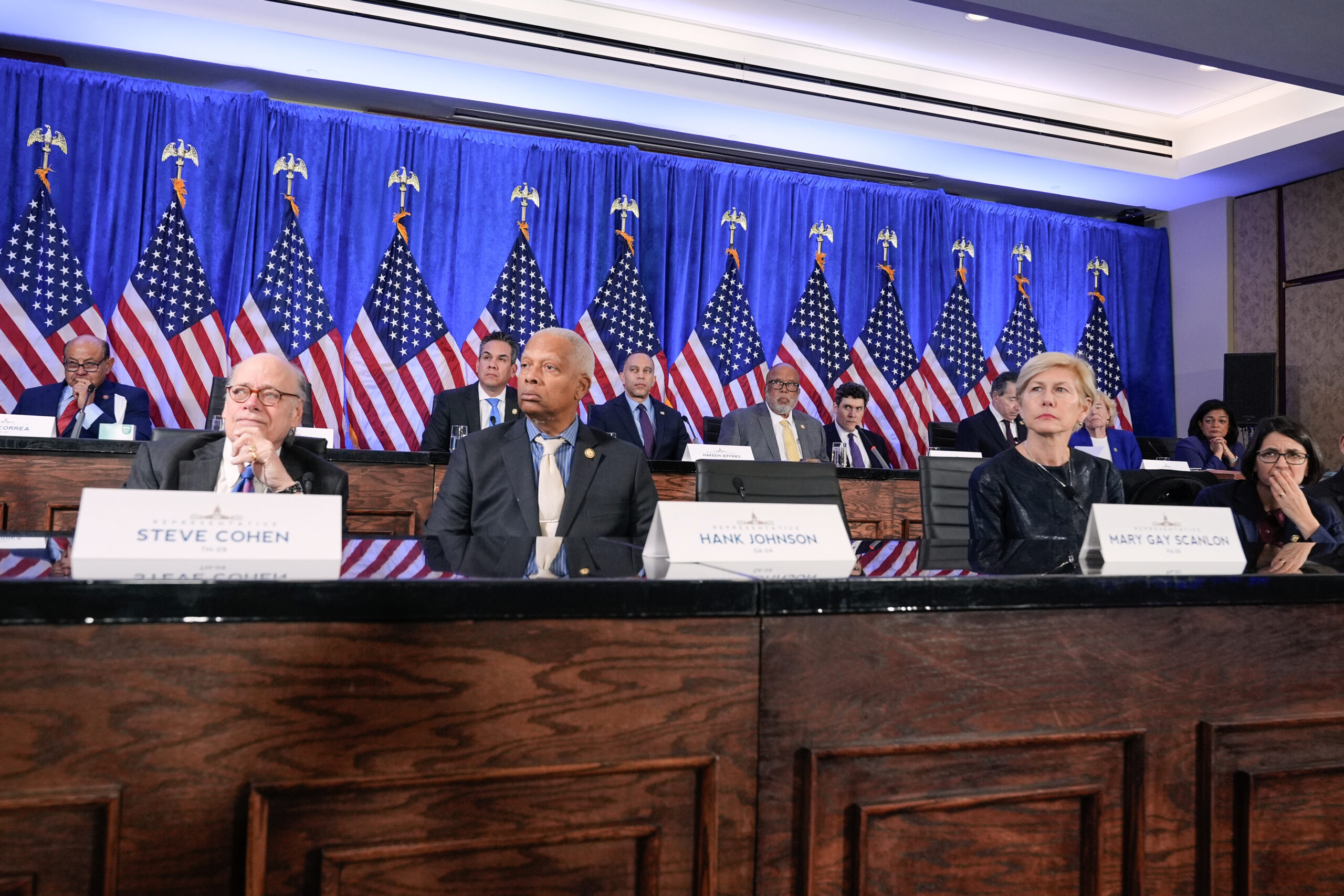
    Rep. Mary Gay Scanlon (second from right, front row), a Pennsylvania Democrat, was among members of Congress watching a video from the Jan. 6 attack during a hearing at the U.S. Capitol.

    At the same time, Democrats held their own morning meeting at the Capitol, reconvening members of the House committee that investigated the Jan. 6, 2021, attack for a panel discussion. Recalling the history of the day is important, they said, in order to prevent what Rep. Jamie Raskin (D., Md.) warned was the GOP’s “Orwellian project of forgetting.”

    And the former leader of the militant Proud Boys, Enrique Tarrio, summoned people for a midday march retracing the rioters’ steps from the White House to the Capitol, this time to honor Trump supporter Ashli Babbitt and others who died in the Jan. 6 siege and its aftermath. More than 100 people gathered, including Babbitt’s mother.

    Tarrio and others are putting pressure on the Trump administration to punish officials who investigated and prosecuted the Jan. 6 rioters. He was sentenced to 22 years in prison for seditious conspiracy for orchestrating the Jan. 6 attack, and he is among more than 1,500 defendants who saw their charges dropped when Trump issued a sweeping pardon on his return to the White House last year.

    “They should be fired and prosecuted,” Tarrio told the crowd before they arrived at the Capitol, confronted along the way by counterprotesters, and sang the national anthem.

    The White House in its new report highlighted the work the president has already done to free those charged and turned the blame on Democrats for certifying Biden’s election victory.

    Echoes of 5 years ago

    This milestone anniversary carried echoes of the differences that erupted that day.

    But it unfolds while attention is focused elsewhere, particularly after the U.S. military’s stunning capture of Venezuela’s president, Nicolás Maduro, and Trump’s plans to take over the country and prop up its vast oil industry, a striking new era of American expansionism.

    “These people in the administration, they want to lecture the world about democracy when they’re undermining the rule of law at home, as we all will be powerfully reminded,” House Democratic leader Hakeem Jeffries of New York said on the eve of the anniversary.

    House Speaker Mike Johnson of Louisiana, responding to requests for comment about the delay in hanging the plaque honoring the police at the Capitol, as required by law, said in a statement on the eve of the anniversary that the statute “is not implementable,” and proposed alternatives “also do not comply with the statute.”

    Democrats revive an old committee, Republicans lead a new one

    At the morning hearing at the Capitol, lawmakers heard from a range of witnesses and others — including former U.S. Capitol Police officer Winston Pingeon, who said as a kid he always dreamed of being a cop. But on that day, he thought he was going to die in the mayhem on the steps of the Capitol.

    “I implore America to not forget what happened,” he said, “I believe the vast majority of Americans have so much more in common than what separates us.”

    Also testifying was Pamela Hemphill, a rioter who refused Trump’s pardon, blamed the president for the violence and silenced the room as she apologized to the officer sitting alongside her at the witness table, stifling tears.

    “I can’t allow them not be recognized, to be lied about,” Hemphill said about the police who she said also saved her life as she fell and was trampled on by the mob. “Until I can see that plaque get up there, I’m not done.”

    Among those testifying were former Rep. Adam Kinzinger of Illinois, who along with former Rep. Liz Cheney of Wyoming were the two Republicans on the panel that investigated Trump’s efforts to overturn Biden’s win. Cheney, who lost her own reelection bid to a Trump-backed challenger, did not appear. Speaker Emerita Nancy Pelosi urged the country to turn away from a culture of lies and violence that she said sends the wrong message about democracy.

    Republican Rep. Barry Loudermilk of Georgia, who has been tapped by Johnson to lead a new committee to probe other theories about what happened on Jan. 6, rejected Tuesday’s session as a “partisan exercise” designed to hurt Trump and his allies.

    Many Republicans reject the narrative that Trump sparked the Jan. 6 attack, and Johnson, before he became the House speaker, had led challenges to the 2020 election. He was among some 130 GOP lawmakers voting that day to reject the presidential results from some states.

    Instead, they have focused on security lapses at the Capitol — from the time it took for the National Guard to arrive on the scene to the failure of the police canine units to discover the pipe bombs found that day outside Republican and Democratic party headquarters. The FBI arrested a Virginia man suspected of placing the pipe bombs, and he told investigators last month he believed someone needed to speak up for those who believed the 2020 election was stolen, authorities say.

    “The Capitol Complex is no more secure today than it was on Jan. 6,” Loudermilk said in a social media post. “My Select Subcommittee remains committed to transparency and accountability and ensuring the security failures that occurred on Jan. 6 and the partisan investigation that followed never happens again.”

    The aftermath of Jan. 6

    At least five people died in the Capitol siege and its aftermath, including Babbitt, who was shot and killed by police while trying to climb through the window of a door near the House chamber, and Capitol Police Officer Brian Sicknick died later after battling the mob. Several law enforcement personnel died later, some by suicide.

    The Justice Department indicted Trump on four counts in a conspiracy to defraud voters with his claims of a rigged election in the run-up to the Jan. 6 attack.

    Former Justice Department special counsel Jack Smith told lawmakers last month that the riot at the Capitol “does not happen” without Trump. He ended up abandoning the case once Trump was reelected president, adhering to department guidelines against prosecuting a sitting president.

    Trump, who never made it to the Capitol that day as he hunkered down at the White House, was impeached by the House on the sole charge of having incited the insurrection. The Senate acquitted him after top GOP senators said they believed the matter was best left to the courts.

    Ahead of the 2024 election, the Supreme Court ruled ex-presidents have broad immunity from prosecution.