Category: Commercial Real Estate

  • P.J. Whelihan’s restaurant group may move into a former Iron Hill Brewery

    P.J. Whelihan’s restaurant group may move into a former Iron Hill Brewery

    The company that owns P.J. Whelihan’s may be moving into a former Iron Hill Brewery in Bucks County.

    PJW Opco LLC, which is registered at the headquarters of PJW Restaurant Group, was approved to take over a lease for the shuttered Iron Hill in Newtown, effective Dec. 31, according to documents filed in U.S. Bankruptcy Court in New Jersey.

    PJW marketing director Kristen Foord declined to comment.

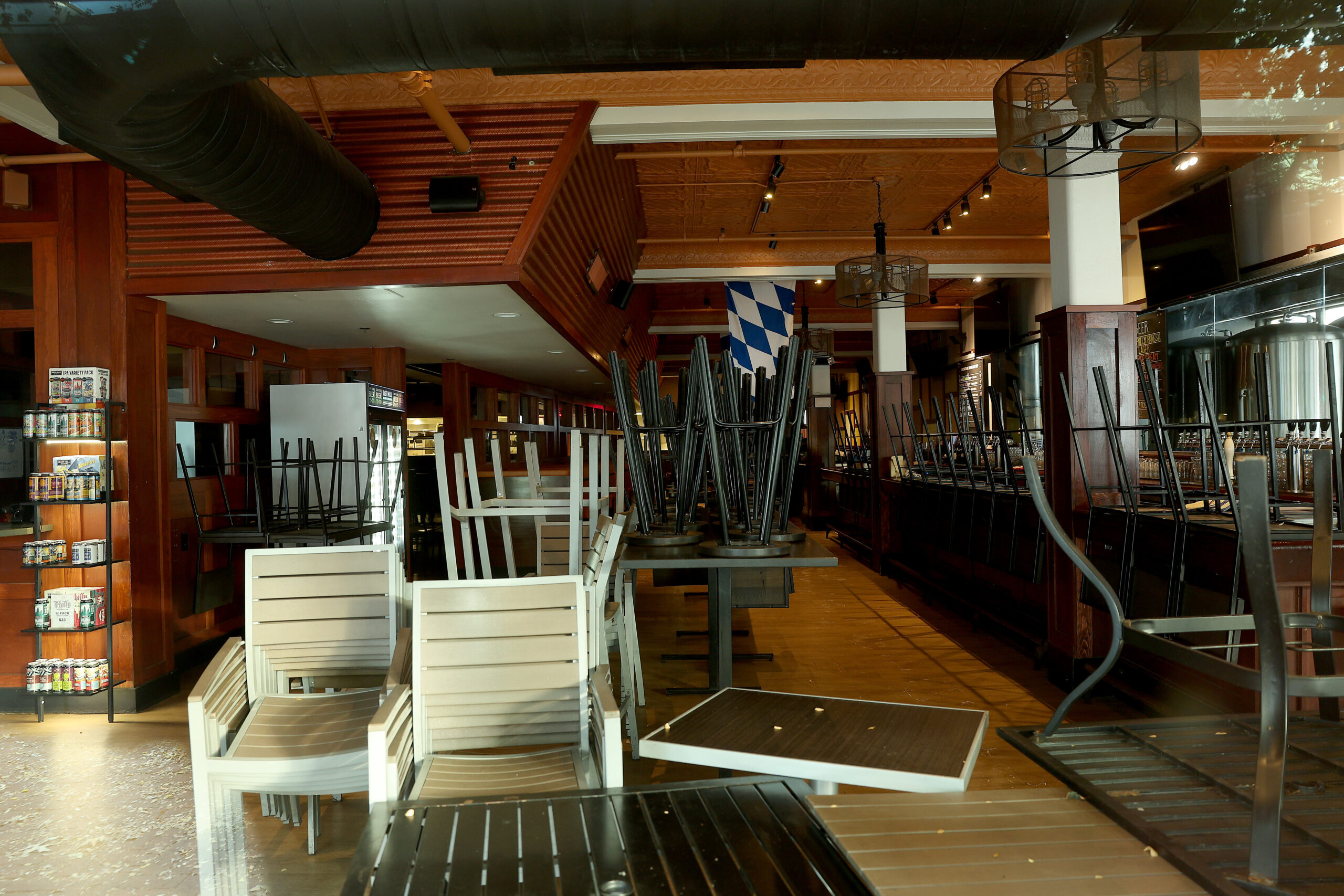
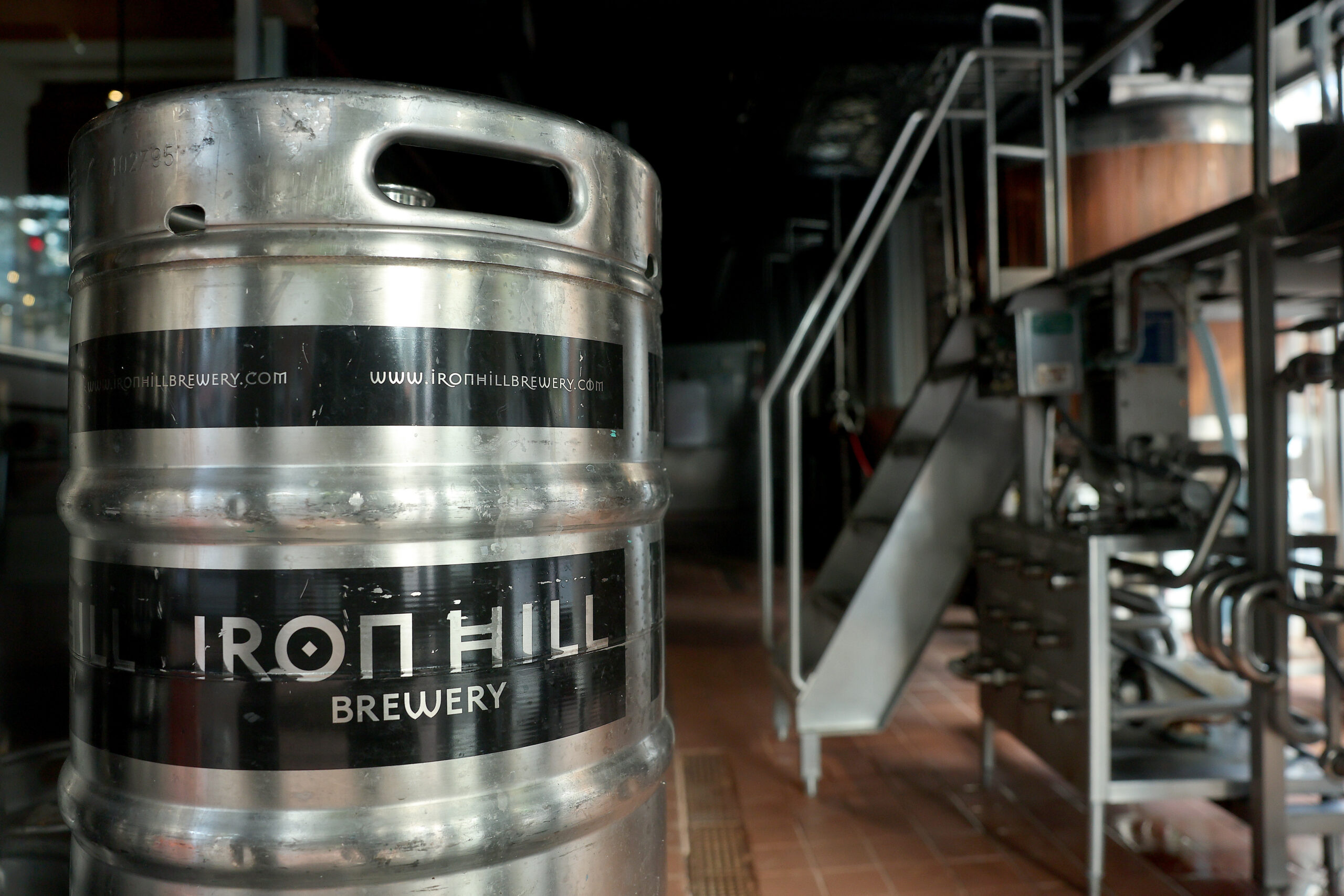
    The nearly 8,000-square-foot brewpub in the Village at Newtown shopping center has sat empty since September, when Iron Hill abruptly closed all its locations and filed for liquidation bankruptcy. The Newtown Iron Hill had been among the chain’s newest locations, having opened in 2020.
    A view from the outside looking in on the closed Iron Hill Brewery in West Chester in October.

    Brixmor Property Group, which owns the Village at Newtown, is “excited about what’s in the works” for the former Iron Hill space, spokesperson Maria Pace said in a statement, but she declined to share details.

    The court documents did not indicate PJW’s plans for the Newtown site.

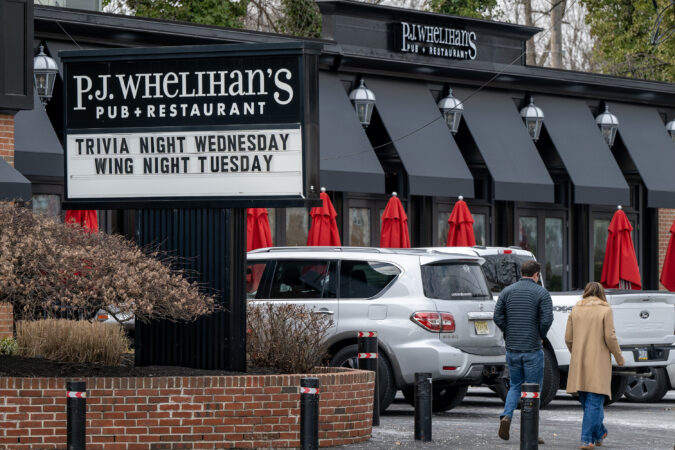
    PJW’s most well-known franchise is P.J. Whelihan’s, the regional bar-restaurant chain that started in the Poconos in 1983. There are now 25 P.J. Whelihan’s locations from Harrisburg to Washington Township, with the vast majority in the Philadelphia area.

    Haddon Township-based PJW also owns the Pour House, which has locations in Exton, North Wales, and Westmont, Haddon Township; the ChopHouse in Gibbsboro; the ChopHouse Grille in Exton; Central Taco & Tequila in Westmont; and Treno, also in Westmont.
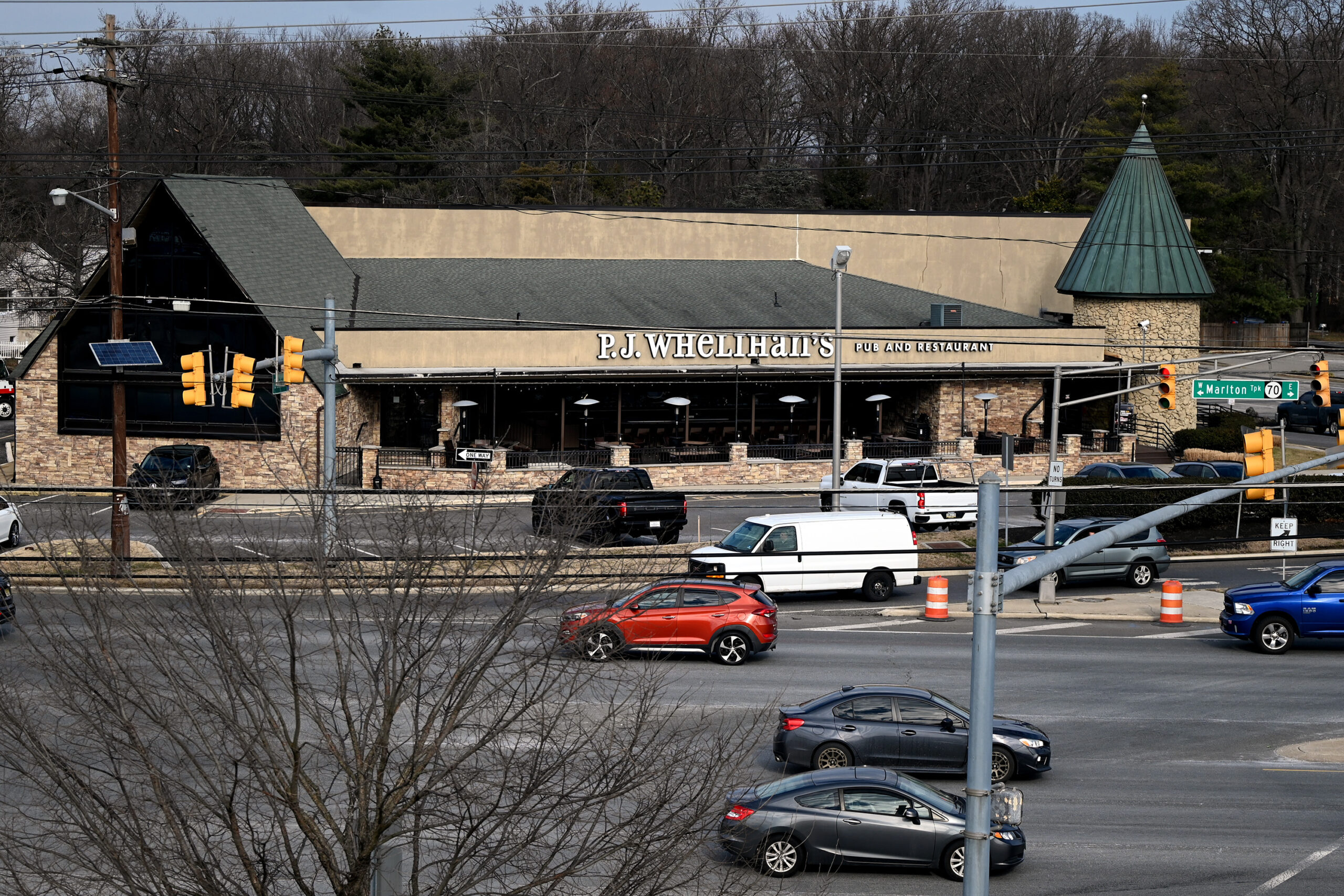
    The P.J. Whelihan’s on Route 70 in Cherry Hill.

    As 2026 gets underway, Iron Hill’s bankruptcy case continues to make its way through the courts. In recent weeks, Iron Hill’s leases in Exton, Maple Shade, and North Wales were formally rejected, according to court documents. That means these empty breweries are getting closer to finding new tenants.

    At the Shops at Eagleview in Exton, landlord Suresh Kagithapu is already advertising the nearly 20,000-square-foot taphouse and production facility that Iron Hill vacated.

    “Any out-of-town brewery with plans to leverage existing brewery infrastructure and scale its operations in the region would be a good fit, as it would save significant tenant improvement costs,” Kagithapu said in a statement. “I also believe a grocery store would serve the community very well.”
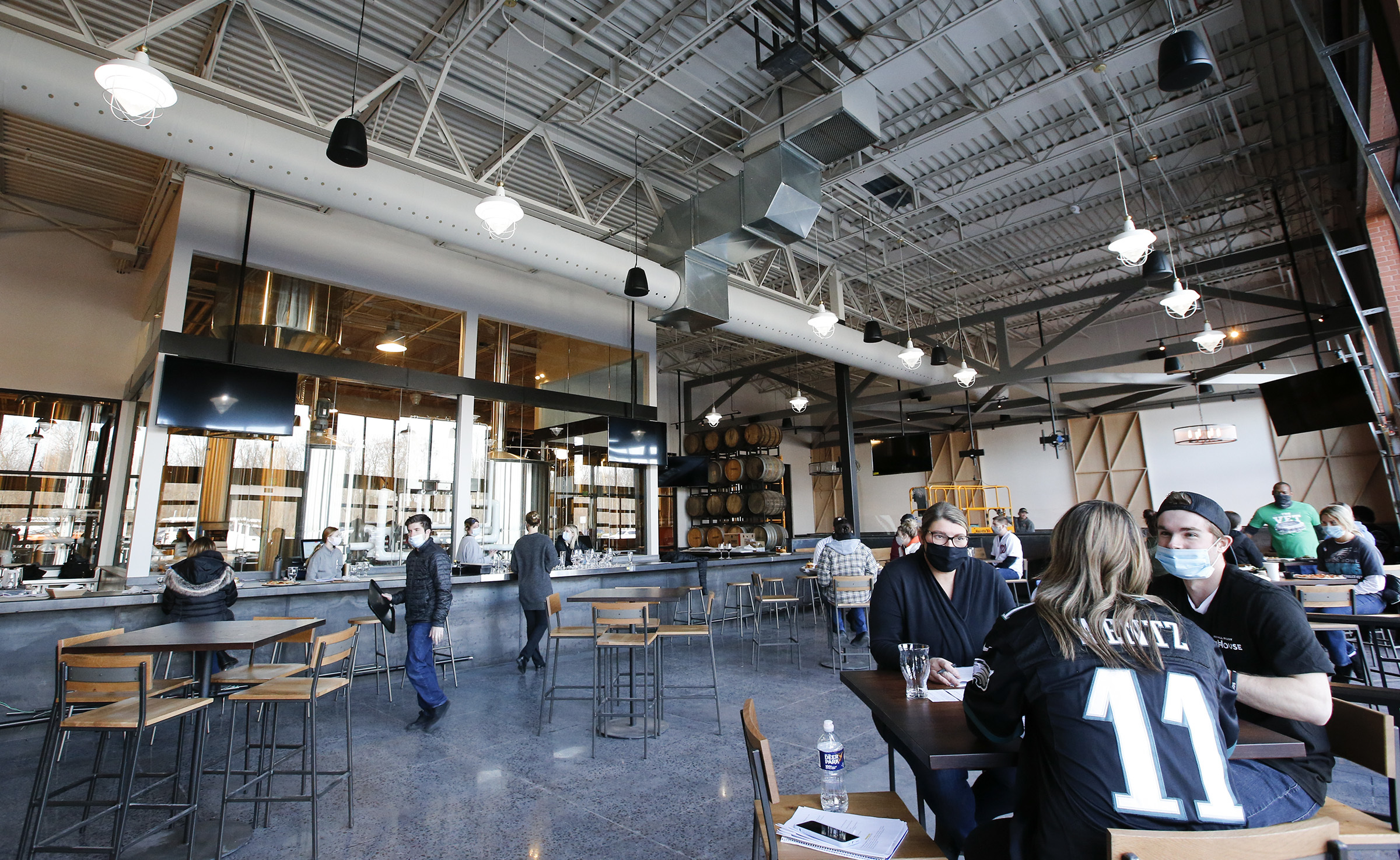
    The Iron Hill Brewery TapHouse in Exton is pictured in 2020. After Iron Hill’s bankruptcy, the Exton landlord is seeking a new tenant for the massive space.

    In West Chester, landlord John Barry is also on the hunt for a new restaurateur to take over prime real estate long occupied by Iron Hill.

    On Christmas Eve, Barry, a Massachusetts-based real estate investor, inked a deal to buy the liquor license and all interior assets of the location at the borough’s central corner of High and Gay Streets.

    “It will not be reopening as Iron Hill Brewery,” Barry said in a recent interview. “My goal would be to find something similar,” though not necessarily a brewery.

    Barry purchased the assets from Jeff Crivello, the former CEO of Famous Dave’s BBQ, who in November was approved by a bankruptcy judge to revive 10 Iron Hills under the same name or as a new concept. Barry and Crivello declined to disclose the financial details of the West Chester deal.
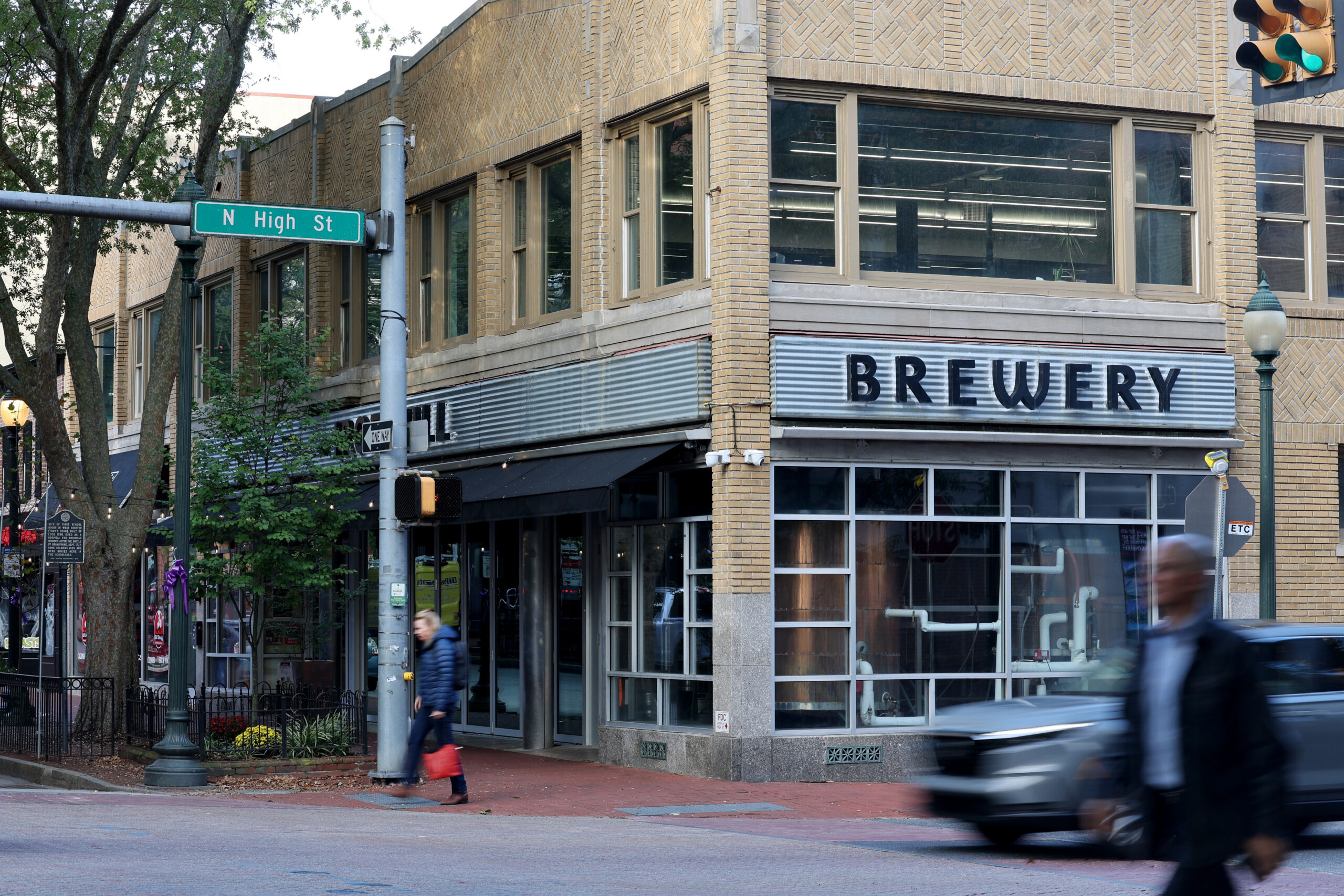
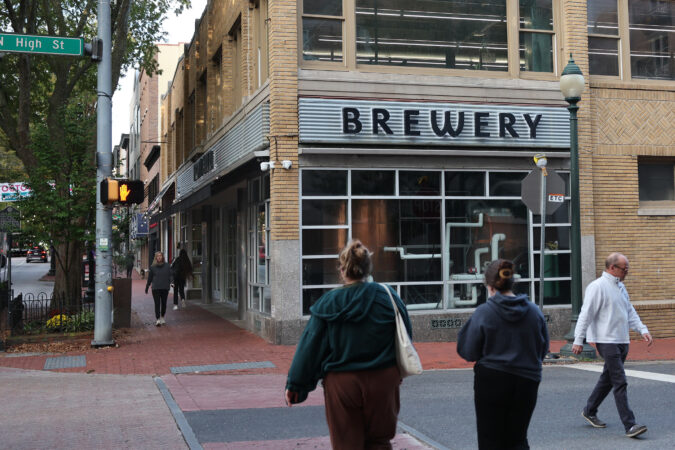
    Pedestrians walk by the closed Iron Hill Brewery in West Chester in October.

    Crivello said he has since sold the assets of the South Carolina Iron Hills — in Columbia and Greenville — to Virginia-based Three Notch’d Brewing Co.

    The Newtown location was originally among the locations of which Crivello was approved to buy the assets, pending negotiations with landlords. Court documents indicate the asset sale was put on hold amid a landlord objection.

    Founded in Newark, Del., Iron Hill Brewery operated for nearly 30 years, earning a reputation as a local craft-brewing pioneer and a family-friendly mainstay in the Philadelphia suburbs. In recent years, the chain had expanded into South Carolina and Georgia and had announced plans to open a Temple University location that never materialized.

    When brewery executives filed for bankruptcy, they reported that they owed $20 million to creditors and had about $125,000 in the bank.
  • Cars are essential to American life. They’re also toxic for the environment, humans, and society, these authors say.

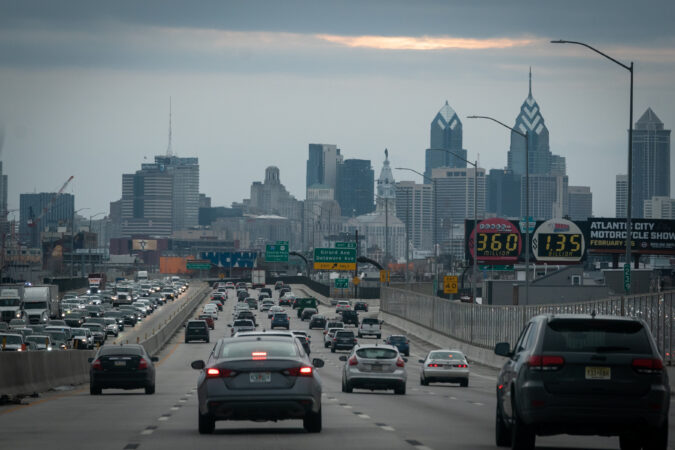
    Cars are essential to American life. They’re also toxic for the environment, humans, and society, these authors say.

    For most Americans, driving is a normal part of everyday life. In much of the United States, a car is required for most trips to visit friends, commute to work, or go to the grocery store.

    The side effects of this auto-dependence are catastrophic, argue the coauthors of a new book called Life After Cars.

    There is the obvious danger from crashes, which kill roughly 110 Americans every day, but there’s also environmental devastation wrought by mass car ownership, social isolation engendered by the built environment, and soaring costs for American households.

    Did you know that the largest source of microplastics strangling oceans come from the tiny particles thrown off by tires? Or that in 1969, more than 40% of U.S. kids walked or biked to school while today only 11% do?

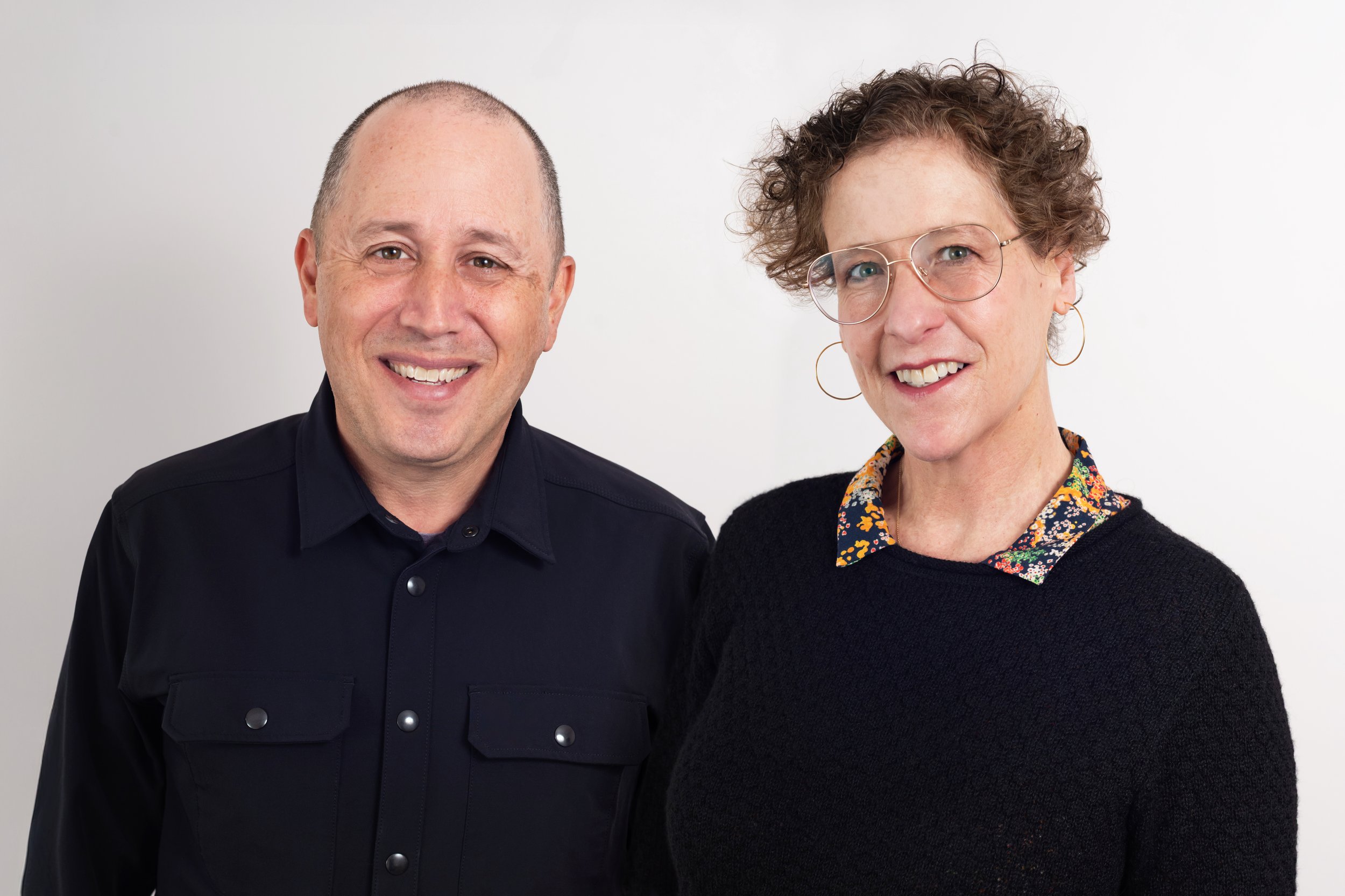
    Life After Cars is by Sarah Goodyear and Doug Gordon, hosts of a podcast called The War on Cars, a facetious name they adopted because opponents of non-car traffic infrastructure often accuse advocates of waging such a crusade.

    The conversation has been edited for length and clarity. Aaron Naparstek is a cowriter but was not featured in this Q&A.

    For most Americans, driving is part of everyday life. Why do you think that needs to be reevaluated?

    Gordon: Forced car dependency isn’t really working, even for people who love driving.

    Many Americans do love driving, but the type of driving that most Americans do is terrible. It would be great if most of the driving we did was on the open road, the camping trip, or the road trip, but most people are driving to work; they’re driving to get groceries. Those are such stressful trips that it would be great to provide alternatives.

    Goodyear: The price of real estate in walkable neighborhoods and transit-rich neighborhoods tells us that there is a real appetite for living in places where car dependence is not a given and where there are options.

    We’ve gotten to the point in this country where walkable neighborhoods have become a luxury good. We think walkable neighborhoods are something that should be available to everybody.

    You argue that America’s car culture severely limits the freedom of children. When I was a kid, I walked to school or to friends’ houses. Today, that’s rarer because of the threat of cars. And parents’ freedom is limited, too, because they have to drive their kids everywhere.

    Gordon: Cars and traffic fatalities are one of the leading causes of deaths for children in this country. You’re not wrong if you think to yourself, I don’t want my child walking to school because of the roads they might have to cross.

    Most of my friends and family who live in car-dependent suburbs have to serve as chauffeurs for their children until they’re at least 16. If they can’t afford another car, they have to continue negotiating how they’re going to get places after that.

    Doug Gordon and Sarah Goodyear are coauthors of the new book “Life After Cars.”

    We live in a walkable neighborhood. My kids walk and take transit to school. There are some mornings where they get up and leave the house and I don’t see them because they’re totally independent. We want that freedom to be available to all parents.

    It’s also robbing kids of their ability to be kids, to learn about the world around them, to navigate their neighborhoods, to interact with shopkeepers and their neighbors. If we want to create better American citizens, we have to start creating walkable places for children.

    You have a chapter on the effect that cars have on the environment, a lot of which was news to me, like the fact that up to 340 million birds die every year in America from car strikes.

    Goodyear: It’s on all fronts. Transportation is a huge contributor to climate change. If SUVs globally were a nation, they would be in the top 10 for carbon emissions.

    But there’s all sorts of unintended consequences, like habitat fragmentation. Roads cut up our natural areas to the extent that animals can’t seek mates and their genetic diversity is really constrained by these islands that they’re living on between roads.

    We really don’t think about the effect of road noise, which increases stress hormones in animals that leads to them being less effective at reproducing.

    These things are happening constantly all around us, and we don’t even think about it. And as we sprawl outward, we’re not thinking about what all of the effects are on wildlife.

    I’m old enough to remember when if you were driving cross country, your windshield would be covered with bug splatter. That doesn’t happen anymore because there are not as many bugs. Cars are one of the reasons that’s true.

    You compare tech companies of today and the automobile industry in the early 20th century. Negative effects of cars have been known — and resisted — for a long time. But through media and political campaigns, the industry was able to argue that efforts to regulate the technology would undermine progress. Sounds familiar!

    Gordon: Cars were the original ‘move fast and break things’ technology. The Silicon Valley ethos is exactly the same.

    The cover for their new book.

    It was important for us in the book to document that early history [of resistance to cars] because we’ve lost sight of that outrage.

    There’s this myth building around cars that we had this love affair, and it was the inevitable march of progress that got us all behind the wheel. But at the outset, that was not the case at all.

    There was deep, deep resistance, and we’ve forgotten that because none of us know a world without cars. Getting people to understand that this was not inevitable is the first step toward changing our future trajectory.

    You try to end the book on a hopeful note. But a lot of the human-centric cities in Europe and East Asia are possible because those countries have comprehensive mass transit. The U.S. doesn’t and isn’t likely to for the foreseeable future.

    Gordon: It does boil down to transit. Almost all of this stems from density and transit and all of those things that we are lacking in the United States. It’s a long battle. We are planting trees, and we will not get to sit under their shade.

    Goodyear: We started this podcast seven years ago. I’ve been covering these issues as a journalist for 20 years, so I have had a pretty good look as issues of livable streets and reducing car dependency have gone from being fringe to being much more mainstream.

    Just the fact that this book came out from a major publisher is huge. Another metric is that in almost every city on our book tour there has been a local elected official on the panel with us. And these are younger politicians.

    What’s really been missing in the United States is leadership on these issues. The advocacy community has been there, and it’s growing. But what hasn’t been there is political leadership to make the changes that we all know are necessary. I see that changing, and that gives me hope.

  • A Phoenixville shopping center sold for more than $7 million

    A Phoenixville shopping center sold for more than $7 million

    A fully occupied shopping center near downtown Phoenixville recently sold for nearly $7.4 million.

    Chester County property records show that the 33,000-square-foot complex was sold in late November by one private investor based in Malvern to another based in Glen Mills, with both registered as limited liability companies. The sale was first reported Thursday by the Philadelphia Business Journal.

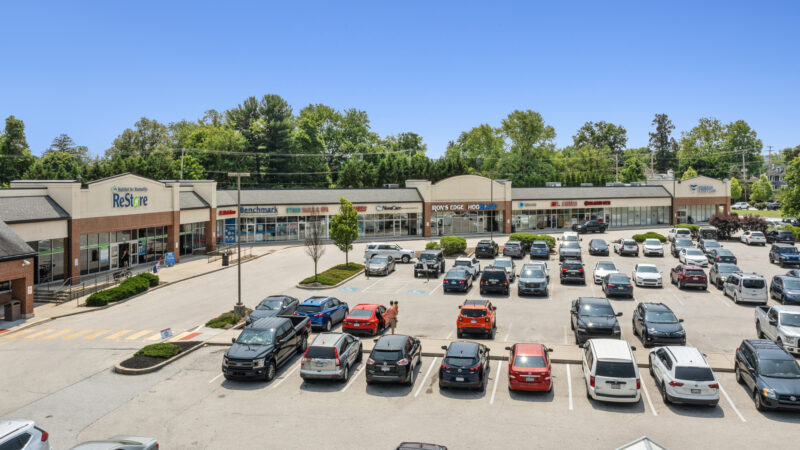
    Located at 785 Starr St., the center is about a mile down the road from Phoenixville’s main drag. It is shadow-anchored by a corporately owned Acme, according to Marcus & Millichap, the firm that represented the seller. The Acme is connected to the rest of the shopping center — and drives traffic to other stores — but was not included in the sale.

    The center’s other tenants include Benchmark Federal Credit Union, Habitat for Humanity ReStore thrift store, Fresenius Kidney Care, Labcorp, NovaCare Rehabilitation, and State Farm. It also has a martial arts gym, a dry cleaner, and several quick-service restaurants.

    “This closing highlights the strength of essential-service tenants, 100% occupancy, and strong tenant performance,” Scott Woodard, senior director of investments for Marcus & Millichap, said in a statement. “Phoenixville’s expected population growth and proximity to major anchors, such as Acme, made this center a standout asset with long-term stability.”

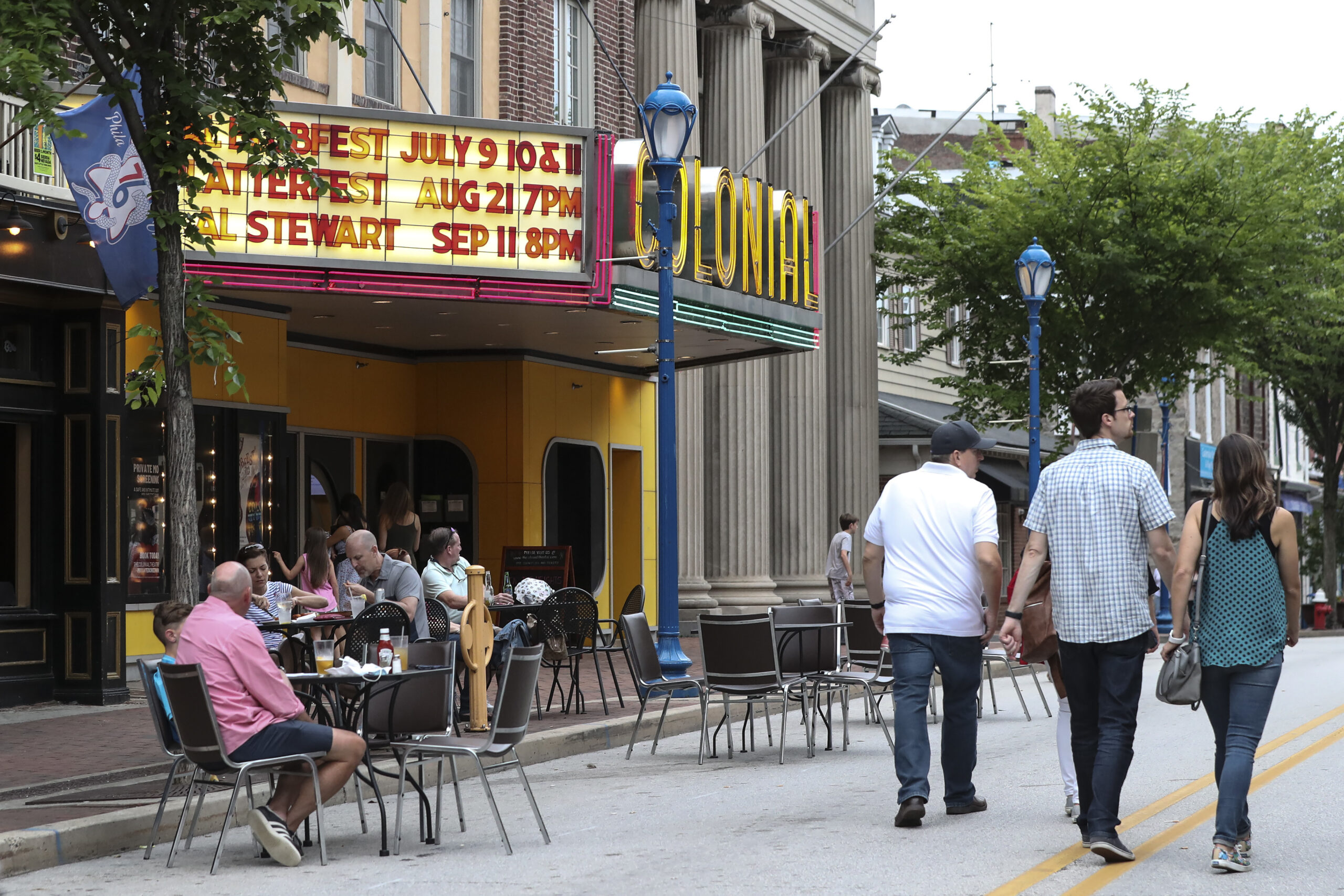
    People walk along Bridge Street by the historic Colonial Theatre in Phoenixville in this June 2021 file photo.

    Woodard represented the seller alongside Derrick Dougherty, senior managing director of investments.

    The shopping center sits on 3.7 acres, near the corner of Nutt Road and Starr Street, and was built in 2007. According to Chester County property records, it previously sold for $6.35 million in 2018.

    Prior to that, the property had last changed hands in 2006, when the land was purchased for $325,000, according to the records.

    Phoenixville, a once-dilapidated former steel town, has experienced a rebirth over the past two decades.

    Its restaurant and bar scene has flourished, and Bridge Street is bustling, especially on the weekends. Luxury apartment complexes have attracted both millennials and empty nesters to the quaint 3.8-square-mile borough.

    Since the pandemic, Phoenixville has continued to grow: Its population increased 9% between 2020 and 2024, according to census data.

    In 2010, it was home to roughly 16,000 people. Today, that number is estimated to be more than 20,000.

    The Acme shopping center sits just inside the bounds of Phoenixville, near its border with Schuylkill Township and not far from Valley Forge National Historic Park.

    The Phoenixville center’s sale occurred around the same time that grocer Jeff Brown bought a 98,000-square-foot Northeast Philadelphia complex, anchored by one of his ShopRites, for $30.8 million.

  • How Montco is addressing homelessness with an unusually bipartisan effort

    How Montco is addressing homelessness with an unusually bipartisan effort

    By the end of this year, Montgomery County will have three emergency short-term shelters with beds for 190 people in Pottstown, Lansdale, and Norristown.

    In late 2024, it had zero full-time shelters, even as homelessness soared to new heights in the county — Pennsylvania’s second wealthiest.

    The three-member board of commissioners is currently composed of two Democrats and one Republican, but in the past year they have operated with an unusual degree of cohesion on both the challenge of homelessness and on a county budget that included a small property tax increase.

    “We came in with similar goals around addressing the homeless problem throughout the county,” said Tom DiBello, the Republican commissioner. “We all heard it when we were campaigning [in 2023] and when we got elected, we felt that we needed to do something. We can’t continue doing it the way it’s always been done in the past, where people just kept talking about it.”

    Although the Montgomery County commissioners have formed a united front on many issues last year, housing policy issues are more likely to divide them in 2026.

    In Pennsylvania, county governments’ revenue sources are restricted to the politically sensitive property tax. And counties have no direct influence over municipal-level zoning restrictions that limit how much housing can be built.

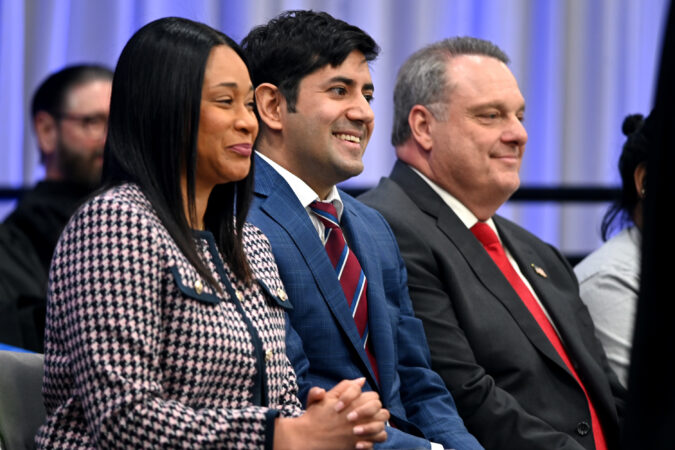
    But the Democrat commissioners, Neil Makhija and Jamila Winder, have ideas about how to get around those limitations to directly fund more affordable housing and encourage local governments to allow more building.

    DiBello is not excited about many of the proposals being considered by the two Democrats. He opposes creating new county-level taxes and says zoning powers should be left to localities.

    Still, DiBello has further housing policy goals he would like to pursue — such as developing more affordable homes for senior citizens.

    As the county releases its 2026 housing blueprint, expected early this year, the first round of these debates will begin in earnest. This planning document, created by county government staff with commissioner feedback, lays out goals for the county based on a comprehensive housing policy — the first its seen in recent memory, Makhija says.

    “It’s going to be the first time that the entire board has had a voice and a view on what our role is to address a crisis in the cost of housing,” said Makhija. “There are things we can do to help people.”

    How the shelters got built

    Making policy to address homelessness is difficult because many municipalities and community groups fight against having shelters placed in their neighborhoods.

    The number of people in Montgomery County experiencing homelessness has grown with the cost of housing. In 2024, there were 435 people living without a roof over their heads. In 2025, the number grew to 534.

    Meanwhile, Montgomery County’s last full-service homeless shelter closed in 2022.

    Opposition to new shelters or affordable housing bloomed in Norristown, where officials said the rowhouse-dominated municipality was already asked to shoulder too many social services, and in Lower Providence where the local government denied a shelter application (the legal fallout is ongoing).

    The county commissioners decided to get involved by courting local governments and personally attending zoning hearings about potential placements. DiBello attended meetings in Pottstown, near where he lives. Winder went to hearings in Norristown, including one that stretched past midnight, then stuck around to discuss neighbors’ concerns.

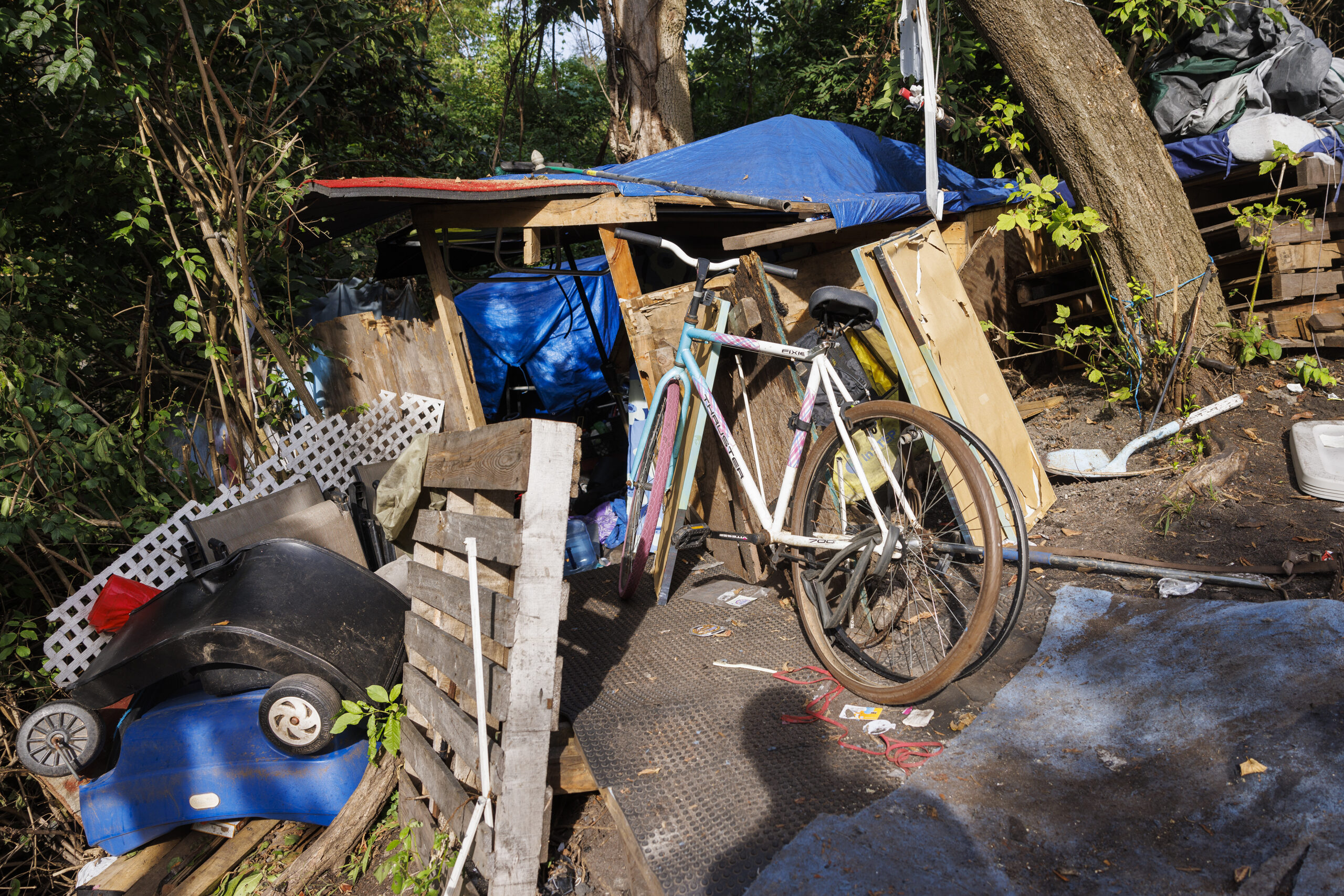
    A homeless encampment near the Schuylkill River Trail and Norristown in Montgomery County.

    In some parts of the county, efforts to address the issue overcame opposition.

    Communities like East Norriton have established more code blue shelters, which only operate during freezing weather, and in wealthy Lower Merion, a new affordable housing complex for seniors and people with disabilities, called Ardmore House II, is under construction.

    “It takes political courage in these moments,” Winder said, referring to local officials who have embraced shelters and affordable housing. “Sometimes you have loud voices in the room and just have to say, well, this is the right thing to do.”

    The commissioners provided $5.3 million in county funding for the shelters. The county also provided a quarter of Ardmore House II’s $20 million budget. And as federal funding cuts loom under President Donald Trump’s administration, the commissioners have also been engaging with philanthropists and foundations.

    Earlier this month, Nand Todi, president of Montgomery County-based Penn Manufacturing Industries, announced a $1 million donation to the Lansdale shelter.

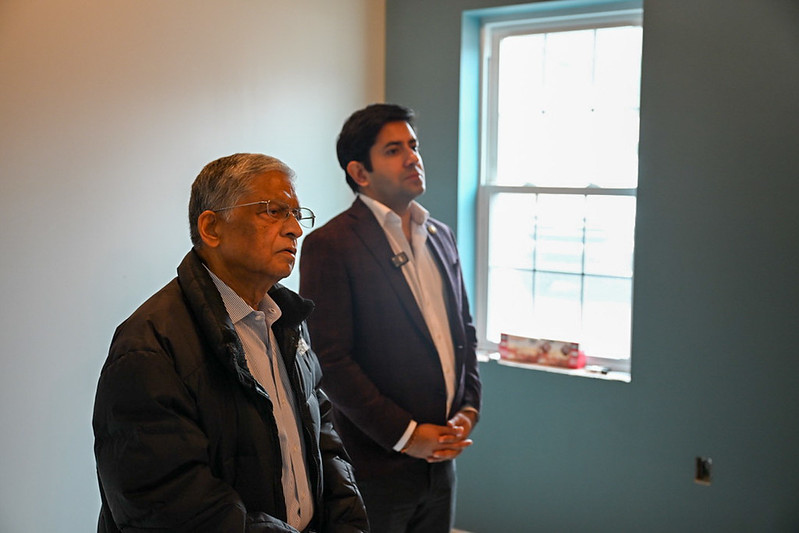
    Nand Todi, president of Montgomery County-based Penn Manufacturing Industries, and County Commissioner Neil Makhija at a walk-through of the completed Lansdale shelter.

    Winder hopes this example of generosity is just the beginning.

    “I come from the private sector, so I believe in public-private partnerships,” said Winder. “We’re home to some of the largest corporations in the southeast area. We know that companies have social responsibility goals. So how do we partner with corporations?”

    What can a county government do?

    This year, the commissioners want to continue to tackle housing issues.

    But county-level politicians do not have large budgets at their command, and unlike their municipal-level counterparts, they do not set zoning policy.

    Makhija and Winder want to push those limits.

    For example, the county dispenses infrastructure grants, and Makhija says the rules around that funding could be rewritten to incentivize municipalities to reform their zoning codes, perhaps using model ordinances established by the county.

    Such ordinances could, for example, allow more transit-oriented development. Or they could legalize accessory dwelling units — small living spaces such as a garage apartment or in-law suite that can be rented out.

    “If you have a grant program and it says these are the requirements, then people are going to prioritize getting those things done,” said Makhija, though, he said, he still has to make the case to his colleagues.

    He also noted that county planning staff can help implement new municipality policies.

    DiBello is skeptical of the county getting involved in local zoning policy.

    “The governing structure in Pennsylvania is that municipalities are autonomous to county and state when it comes to zoning,” said DiBello. “It’s up to the communities.”

    The Democrats would also like to find revenue sources to pay for more housing projects without increasing the property tax, which would cut against their goal of affordability.

    But for that they would need permission from Harrisburg, which Republicans in the state Senate have denied.

    “There are opportunities for us to advocate to the state legislature, to give counties like ours other means to generate revenue,” said Winder. “It’s not sustainable to continue to burden taxpayers by increasing property taxes, and we can’t fund these programs unless we have the money to do so.”

    DiBello is also opposed to creating new taxes (if Harrisburg allows it), and doesn’t want to see more property tax increases either. But he still wants to see proactive housing investments by county government.

    These debates will unfold next year as the housing blueprint dominates the commissioners’ agenda.

    “We’re the second wealthiest county in Pennsylvania, and people struggling to find housing can be quite invisible in these communities,” said Winder. “We’ve got an embarrassment of riches, but there are people that are struggling and so we’re trying to be on the ground helping to solve these issues.”

  • New building will bring 46 apartments to Germantown

    New building will bring 46 apartments to Germantown

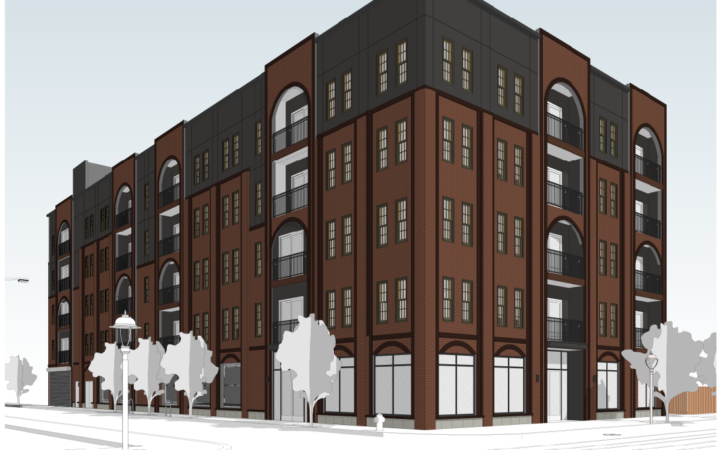
    A new 46-unit apartment building is coming to 5322-28 Germantown Ave., from longtime Northwest Philadelphia developer Ken Weinstein.

    The five-story building is in Germantown’s Penn Knox area. It also will include over 1,600 square feet of commercial space and 17 parking spaces.

    The project comes amid a burst of new multifamily construction in Germantown, a neighborhood that garnered little interest from few developers in the second half of the 20th century.

    “The demand for housing in Germantown continues to outpace the supply so more housing, at all income levels, is needed,” Weinstein said.

    “Germantown is located near good public transit and Fairmount Park and is viewed as much more affordable than hot city neighborhoods in and around Center City,” he said.

    Weinstein said that he will break ground on the building during the first week of January and that funding and contracting is already secured.

    The project did not require any relief from the city’s Zoning Board of Adjustment, so Weinstein was not legally required to consult with the neighborhood group, Penn Knox Neighborhood Association.

    But he met with the community group anyway to hear concerns they might have with the project.

    “This is not an out-of-town developer; this is a developer from the area. He’s part of the community,” said Deneene Brockington, chair of the Penn Knox Neighborhood Association. “So I think there is a level of respect, and I think willingness to do as much as possible [in response to neighborhood concerns] as long as it doesn’t compromise the project.”

    Brockington said that the community group’s main concerns were about building materials and lighting and that the developer had addressed both.

    Weinstein said parking wasn’t the principal concern he heard from neighbors because the building is in a commercial corridor.

    The apartment building’s 17 spaces are not required by the zoning code. Weinstein said he would have liked to include more, but he was constrained by the fact that all the spaces had to be on the ground floor and that the site’s land use rules require that he include commercial space.

    “Underground parking is too expensive in middle neighborhoods like Germantown,” Weinstein said. “There will always be a divide between the number of parking spaces developers want to provide and what neighbors want.”

    The building will include 28 one-bedroom apartments and 18 two-bedroom units, with rents ranging from $1,450 to $2,200. There will be no subsidized or affordable units set aside.

    The project is expected to be completed within 18 months of the groundbreaking next month.

    There is no definite tenant for the commercial space, but Weinstein has some ideas.

    “With Uncle Bobbie’s moving to a new location, I would love to see a cafe or coffee shop lease the first floor,” Weinstein said. “There would be a lot of demand from students and staff at GFS [Germantown Friends School] and from the community.”

  • Iron Hill Brewery in West Chester is officially seeking a new tenant

    Iron Hill Brewery in West Chester is officially seeking a new tenant

    The search is on for a new restaurateur to take over the shuttered Iron Hill Brewery in West Chester, after the building’s owner bought the assets from the former CEO of Famous Dave’s BBQ.

    John Barry, a Massachusetts-based real estate investor who owns the building, and Jeff Crivello, the ex-CEO of Famous Dave’s, said Friday that Barry purchased the liquor license and all assets inside the former West Chester Iron Hill, one of 16 locations that closed abruptly this fall when the regional chain filed for bankruptcy.

    In November, Crivello had said he intended to revive the West Chester Iron Hill, under the same name or as a new concept, after a bankruptcy judge approved his offer to buy the assets of the location and nine others in Pennsylvania, Delaware, and South Carolina.

    A view from the outside looking in of the closed Iron Hill Brewery in West Chester in October.

    Both Barry and Crivello declined to disclose financial details of the West Chester deal, which was finalized on Christmas Eve. It was first reported Wednesday by Hello, West Chester, a local news website.

    “As a landlord, I was hoping to have a chance to purchase the assets,” Barry said Friday in an interview. “I wanted to buy and keep the liquor license with the building. It allows me to get a better tenant in there that is probably going to pay a little bit more in rent.”

    Iron Hill had anchored the old Woolworth’s building since 1998, when the brewery founders opened their second location there. Many local business owners credit Iron Hill with sparking a restaurant renaissance in the borough, as the brewery did in other Philadelphia suburbs.

    Situated at West Chester’s central corner of High and Gay Streets, Iron Hill had a 30-year lease, with a 15-year extension, Barry said.

    Barry, a West Chester native who now lives outside Boston, purchased the nearly 30,000-square-foot building for $8.25 million in 2022, according to Chester County property records.

    Barry said the next anchor tenant would take over a new lease for the now-vacant 10,000-square-foot space that can seat 300 people. He declined to specify what the lease terms might be.

    “It will not be reopening as Iron Hill Brewery,” said Barry, who didn’t buy the rights to the name. “My goal would be to find something similar,” though not necessarily a brewery.

    In buying the assets, Barry said the restaurant is essentially turnkey, with all the furniture and kitchen and brewing equipment still inside. A new tenant, however, may want to redesign, he said, or the space could even be subdivided for a restaurant and a retail space.

    A view from the outside looking in the now closed Iron Hill Brewery in West Chester in October.

    “It’s really important to me that we find the right tenant for the West Chester community,” Barry said. “It’ll take a little bit of time.”

    But, he added, “my hope is we get somebody in there and operating by the summer.”

    Elsewhere, Crivello said there is still hope that the Iron Hill brand could get another life.

    “We’re working with a couple buyers that want to reopen [closed breweries] as Iron Hill,” Crivello said. He declined to say which locations could be resurrected.

    In November, Crivello got the OK to acquire the assets of former Iron Hill brewpubs in Center City, Huntingdon Valley, Newtown, Wilmington, Lancaster, Hershey, and Rehoboth Beach, as well as West Chester and the two locations in South Carolina.

    Crivello said Friday that he has since sold the assets of the former Iron Hills in Columbia and Greenville, S.C., to Virginia-based Three Notch’d Brewing Co. He said plans for the other locations were still in the works.

  • Why a California company decided to manufacture 3 billion canned beverages a year in Philadelphia

    Why a California company decided to manufacture 3 billion canned beverages a year in Philadelphia

    As California-based canned beverage manufacturer DrinkPAK eyed an East Coast expansion, Pennsylvania was always at the top of their list of potential sites.

    But in the end Philadelphia’s Bellwether District — the sprawling site of the former South Philadelphia oil refinery — won out not only over other states like New Jersey, but other possible Pennsylvania destinations like Scranton and the Lehigh Valley as well.

    “We looked at other geographies, but ultimately we’d like to be where the people are, where the jobs are,” said Jon Ballas, president of DrinkPAK. “We’re not scared of building in large city centers. It just provides an energy that doesn’t exist out in the more general manufacturing landscapes.”

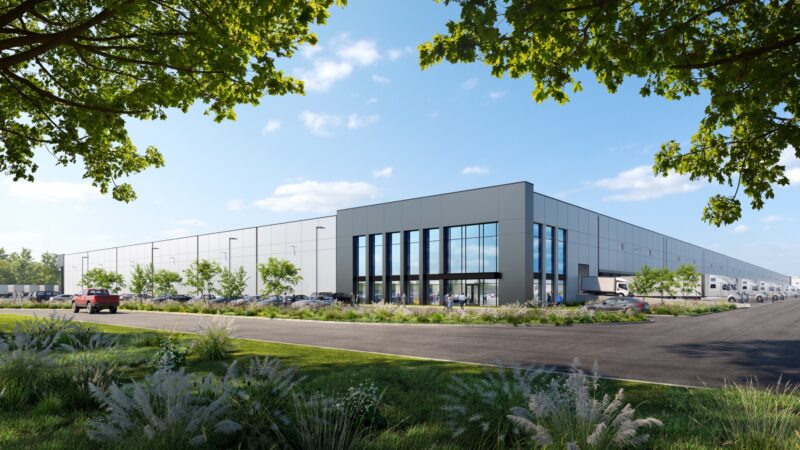
    The 1.4 million-square-foot factory will be the first tenant for the 1,300-acre Bellwether District, which developer HRP Group (formerly known as Hilco Redevelopment Partners) hopes to turn into a new industrial and life sciences hub in the city.

    Contractors broke ground on the manufacturing facility earlier this month, and the building’s shell should be complete by this time next year. Then construction on the internal mechanics will begin, with plans to complete it by April 1, 2027.

    Once it’s operational, DrinkPAK’s manufacturing facility will operate 24 hours a day, seven days a week, cranking out 3 billion cans a year.

    The factory will employ 174 people, largely on site because DrinkPAK doesn’t employ a lot of truck drivers. The workers will be operating the production line and managing machinery.

    “We’re committed to hiring the best in the industry, [offering] competitive wages, some of the best benefit programs out there,” said Ballas. “These are very attractive jobs, high-paying jobs.”

    DrinkPAK doesn’t work with the major soda or beer companies. Instead it manufactures cans for a variety of smaller, specialty beverage brands including alcoholic seltzer, energy drinks, and lower-calorie soda products.

    “We’re not making your typical Coke and Pepsi,” said Ballas. “We’re making a lot of this innovative, better-for-you-type products.”

    DrinkPAK was founded in 2020 and already has factories of similar capacity to its future Philadelphia facility in Southern California and in Texas.

    There is some regional variation (more canned wine in California, and more health drinks on the coasts), but its production line’s output is largely determined by broad trends in the industry.

    “Beverage is very cyclical,” said Ballas, and the facility needs to be designed with flexibility to make what’s most in demand. Right now, he noted protein drinks are “the hottest trend.”

    “It takes a specific type of liquid handling equipment to handle all the protein hydration, to get that into solution in order to carbonate it into a can,” he said.

    DrinkPAK’s facility is in the portion of the Bellwether District slated for industrial use, with the idea that warehouses and factories would be the tenants.

    The HRP Group already built a 326,000-square-foot warehouse and second 727,000-square-foot warehouse, which were both built on spec — meaning without a prospective tenant in mind.

    But the 3 billion-can production facility is the first official tenant.

    “We’re looking forward to delivering this building for DrinkPAK and playing a small role in their company’s incredible growth trajectory,” said Andrew Chused, chief investment officer for HRP Group.

    “DrinkPAK’s decision to build its flagship East Coast facility here is the first big step in turning this site into the dynamic commercial ecosystem we always envisioned,” said Chused.

  • City Council bill would ban housing from former Hahnemann University Hospital area

    City Council bill would ban housing from former Hahnemann University Hospital area

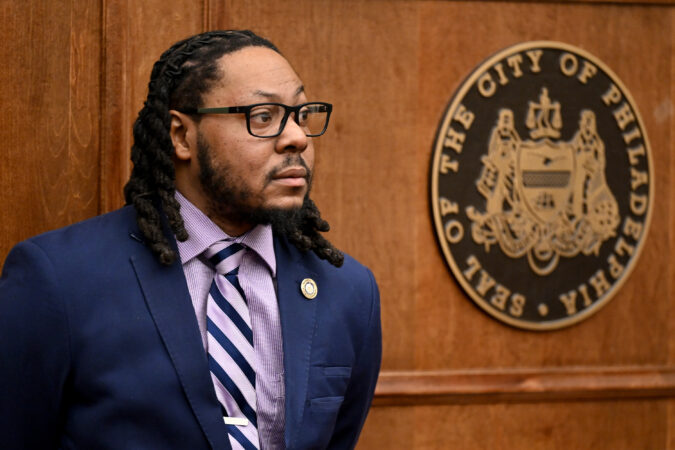
    Philadelphia Councilmember Jeffery “Jay” Young introduced legislation at the last City Council meeting of 2025 that would ban residential development from the area that once housed Hahnemann University Hospital.

    The bill would create a new zoning overlay — a hyperlocal patch on the code — covering the area “bounded by the north side of Race Street, the east side of North 16th Street, the south side of Callowhill Street, and the west side of North Broad Street.”

    That covers the area where developer Dwight City Group plans to convert two former Hahnemann University Hospital patient towers into 288 apartments, and other related properties including those owned by Drexel University and Iron Stone Real Estate Partners.

    The project does not yet have building or zoning permits. The legislation would make the project impossible unless the developer could convince the Zoning Board of Adjustment to make an exception, if the law is passed.

    Young pitched the bill as an employment-generating measure in the long term.

    “It is for commercial preservation in that part of our district,” Young said last week. “We want to make sure that area keeps producing jobs for our city.”

    Dwight City Group declined to comment on the legislation.

    The developer is known for redeveloping old and underutilized buildings into moderately priced apartments.

    In an interview earlier this year, the company’s CEO Judah Angster said the apartments planned for the Hahnemann University Hospital patient towers would be moderately priced one- to two-bedroom units.

    “We stick with middle-market apartments, not super high-end,” Angster said at the time. “We like to believe that there’s a lot of space for affordable luxury product in the area. That’s the only thing we do.”

    But he also cautioned that the redevelopment would take a while, saying the buildings might not be leased up until 2030.

    City Council returns on Jan. 22. The earliest Young’s bill could be enacted is February. If Young proceeds with the bill, the tradition of “councilmanic prerogative” would likely guarantee its passage because other Council members are usually unlikely to vote against a district member’s bills that only affect their territory.

    Developers, good government groups, and housing advocates frequently decry City Council’s use of zoning overlays to create custom land use tweaks to specific corners of City Council districts, especially when they seem designed to help or hurt a particular project.

    “Choking housing supply isn’t the direction that our city should take,” said Mohamed “Mo” Rushdy, who is managing partner of the Riverwards Group and chair of the Philadelphia Housing Development Corp.

    “Overlays that prohibits housing units is generally a bad idea,” Rushdy said. “Overlays that target a ‘specific’ project is, let me be politically correct here, is simply unwise and not right.”

    Young said his bill is simply meant to preserve the possibility of jobs, especially as a new 20-year tax abatement is considered next year for the redevelopment of old commercial, industrial, and public buildings into housing.

    “Next year, we’re going to be facing, potentially, a bill that will allow abatements for underutilized commercial properties,” Young said. “We want to make sure that those benefits that the property owners can reap, that Philadelphians see those benefits with the creation of jobs in those locations.”

  • Drexel University signed a lease to consolidate medical college research in University City

    Drexel University signed a lease to consolidate medical college research in University City

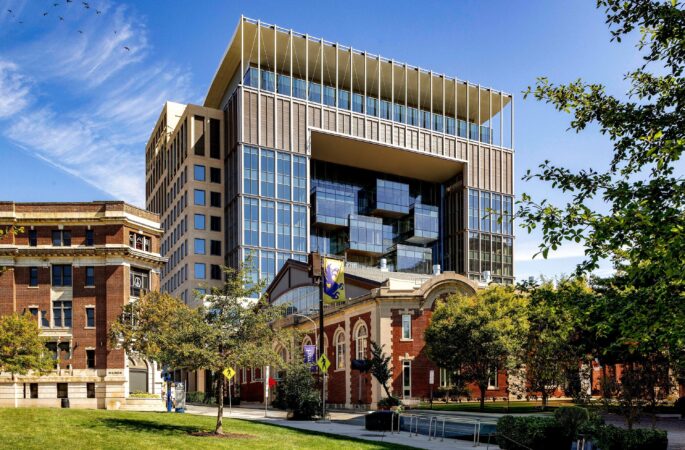
    Drexel University has signed a lease that will enable it to consolidate its College of Medicine research labs in University City, Drexel and the developers of a new building at 3201 Cuthbert St. said Thursday.

    Drexel’s space in the $500 million building, a joint project from Gattuso Development Partners and Vigilant Holdings, is slated for completion in 2027. Drexel researchers moving from sites in Center City and East Falls are expected to fill four floors of the structure.

    “By bringing our research spaces together in University City, we will create an environment that fosters greater interdisciplinary collaboration, accelerates innovation, and strengthens our collective capacity for discovery,” Drexel president Antonio Merlo said in a message to the school community.

    Drexel will occupy 150,741 square feet of the 11-story, 520,000-square-foot building. The developers’ goal is to fill the rest of the building with life sciences tenants, though that could be harder than it was in 2022, when the building was announced as a partnership between Drexel and Gattuso Development.

    The move of research labs to University City is part of a long-term plan to centralize the Drexel College of Medicine, which includes the combined operations of the former Hahnemann Medical College in Center City and the former Medical College of Pennsylvania in East Falls.

    In 2023, most of the medical school’s administrative and academic functions moved to Drexel’s Health Sciences Building at 60 N. 36th St.

  • Happy Bear Coffee, with Carlino’s bites, coming to Philly’s Navy Yard

    Happy Bear Coffee, with Carlino’s bites, coming to Philly’s Navy Yard

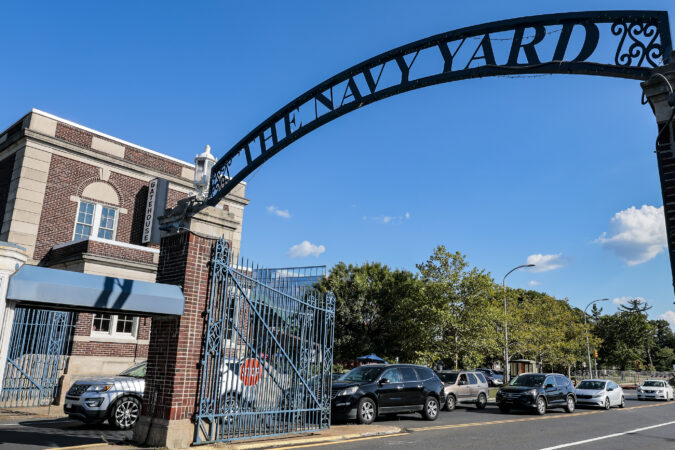
    The Navy Yard is getting a coffee shop and wine bar as part of its redevelopment.

    Happy Bear Coffee Company is set to open its first physical location at the former military base early next year, the homegrown roasters and Navy Yard developers Ensemble/Mosaic announced this week.

    Executives at Happy Bear, which has sold coffee online for the past two years, said they recently signed a lease for a 3,000-square-foot space on the ground floor of 1201 Normandy Place, a mixed-use lab building optimized for life-science tenants, including those who do gene and cell therapy research and development.

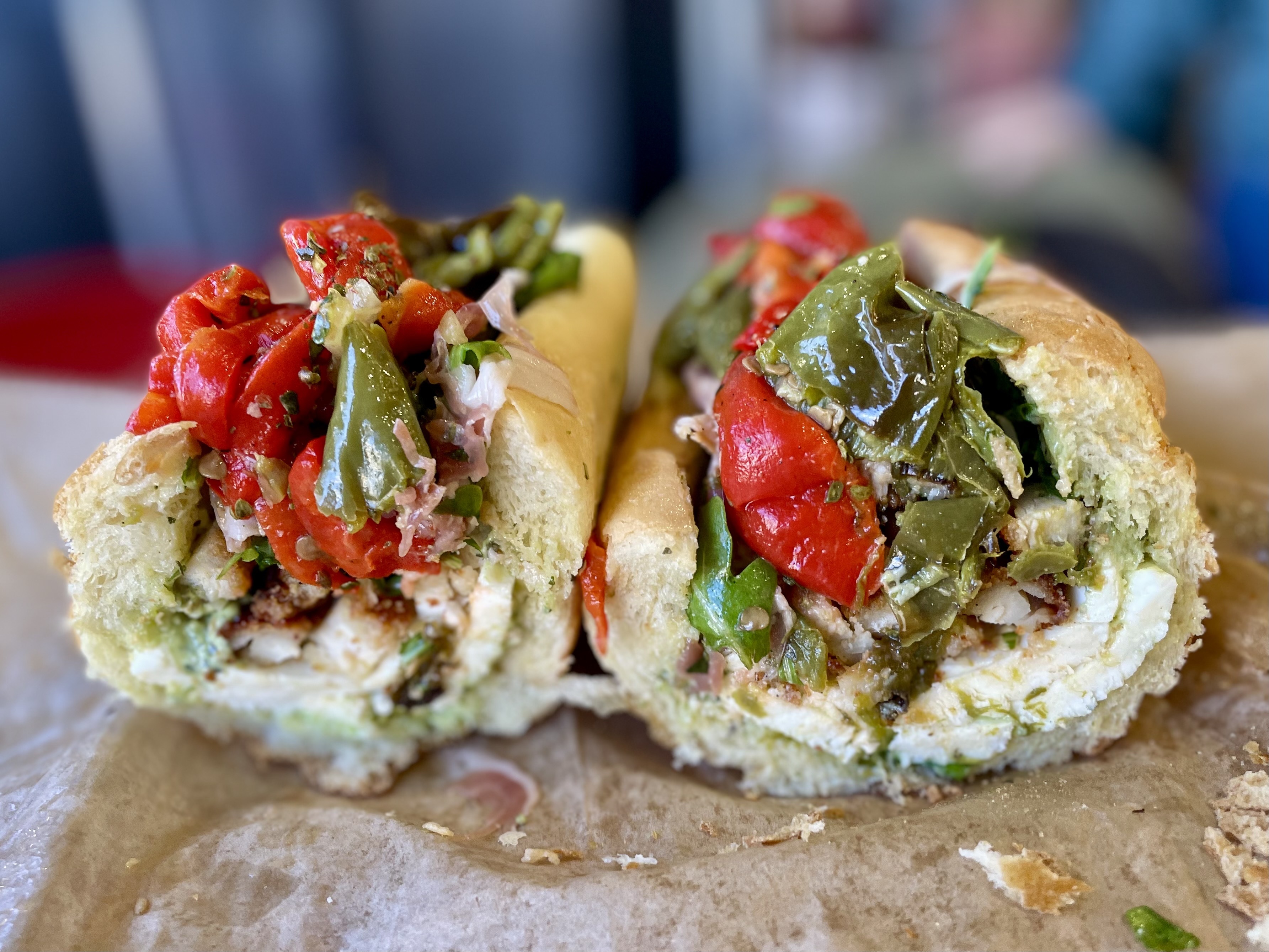
    The Happy Bear cafe is set to serve coffee, wine, and grab-and-go food, including sandwiches, breakfast items, soups, salads, flatbreads, and tomato pie made in partnership with Carlino’s, the Ardmore-based specialty-food purveyor.

    A Saquon hoagie special at Carlino’s Market in Ardmore. The specialty-food purveyor’s food will be available at the the Happy Bear Coffee Company’s first physical store at the Navy Yard.

    The cafe will have indoor and outdoor seating overlooking the five-acre Central Green Park, and provide “a versatile setting for morning coffee, a quick lunch, or an evening glass of wine,” according to the news release.

    “We wanted to create a place that feels like a daily ritual and a small retreat all in one,” Happy Bear cofounder Dan Kredensor said in a statement.

    “With Carlino’s expertise as one of our culinary partners, we’re building a cafe that brings together wonderful specialty coffee, great flavors, and a welcoming atmosphere, right in the heart of the Navy Yard’s most exciting new district.”

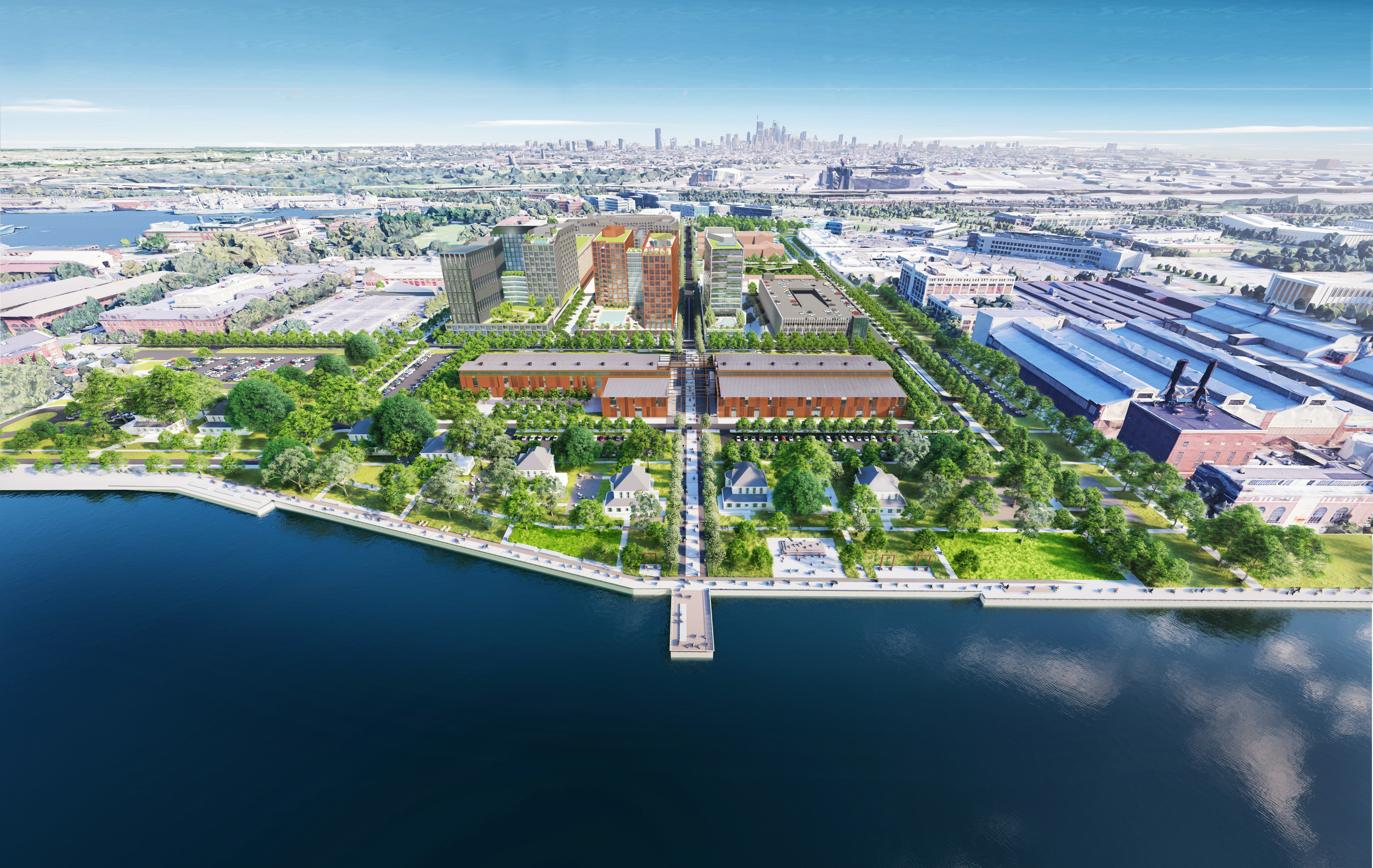
    An artist’s rendering shows an aerial view of the proposed development plan for the Navy Yard.

    Ensemble Real Estate Investments, of California, and Philly’s Mosaic Development Partners were selected in 2020 to lead an estimated $2.5 billion redevelopment of 109 acres of the former base.

    Construction of 1201 Normandy was part of Ensemble/Mosaic’s first phase of redevelopment, which was estimated to cost $400 million.

    “Happy Bear represents the type of dynamic, community-focused retail that will define the Navy Yard as it enters its next phase of growth,” said Nelson Way, vice president of leasing and development for Ensemble.

    Happy Bear was founded by longtime friends Kredensor and Frank Orman, who bonded by exploring Philly’s coffee shops during their college years.

    The pair’s first cafe will be near a 12-acre section of the Navy Yard that’s being called the Historic Core District, combining historic buildings with new construction.

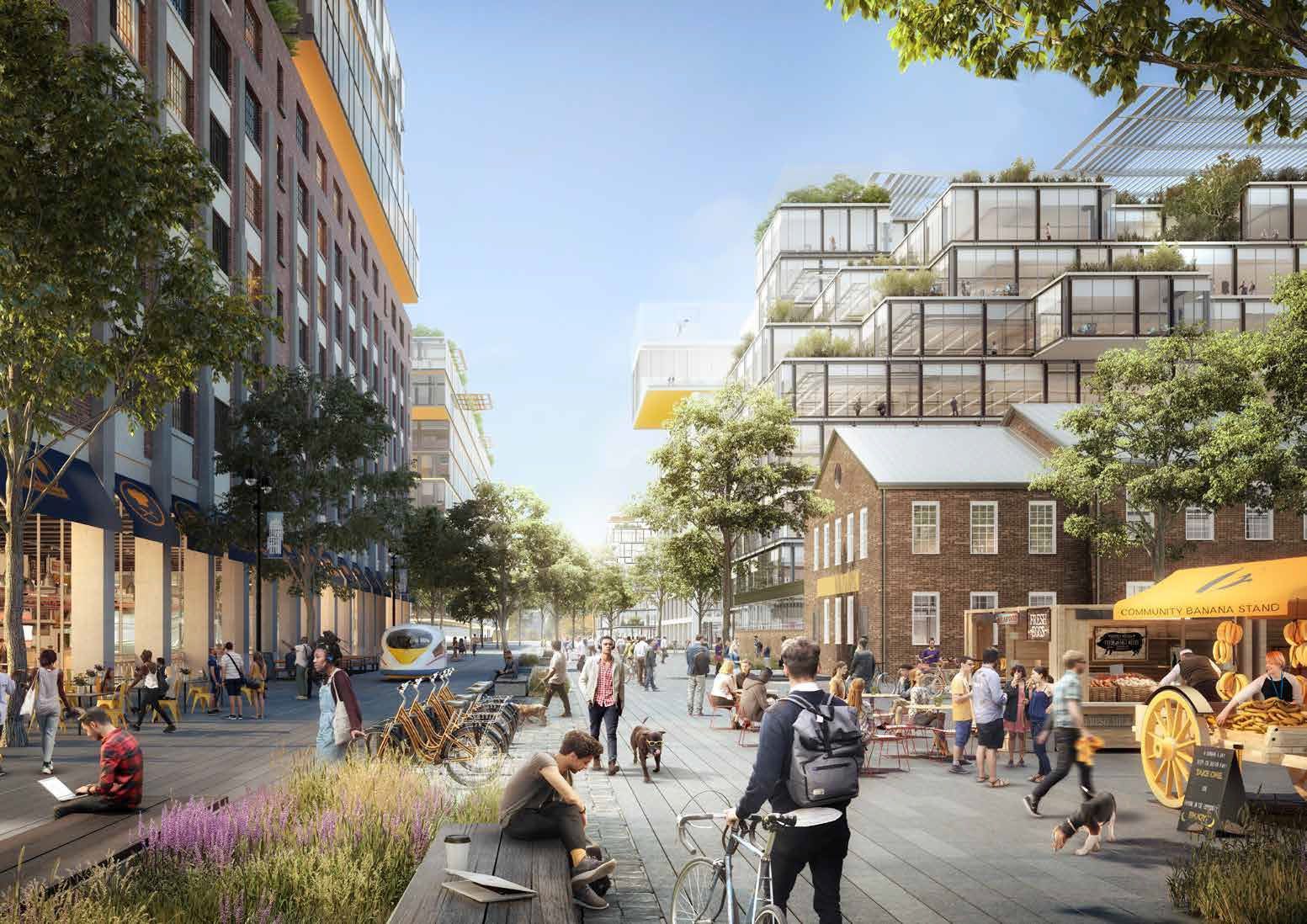
    An artist’s rendering of PIDC’s vision for the Navy Yard Historic District Core district, which would combine historic buildings and new construction.

    In the same area, developers have built more than 600 apartments in a mixed-use community called AVE Navy Yard, which is expected to open next year.

    The Philadelphia Industrial Development Corporation (PIDC), an independent nonprofit, manages the Navy Yard on the city’s behalf. It has owned the 1,200-acre site since the U.S. Defense Department decommissioned it as a military base in 2000.

    The Navy Yard is home to 150 companies that employ 16,000 people, according to its online directory. Its tenants include Urban Outfitters, which is headquartered at the site, and Jefferson Health.

    The property also has a Courtyard Marriott, several daytime food options, and a full-service restaurant called the Gatehouse.

    Navy Yard stakeholders want the campus to eventually have nearly 4,000 new apartments; 235,000 square feet of retail; and more than 4.2 million square-feet of office, research and development, and manufacturing space, according to its 2022 redevelopment plan. Developers also want to bring another hotel to the site.