Category: Commercial Real Estate

  • Contractor caused construction of the W and Element hotels to go ‘off the rails,’ judge finds

    Contractor caused construction of the W and Element hotels to go ‘off the rails,’ judge finds

    When a Marriott representative visited the construction site of the W Philadelphia hotel in Center City in January 2019, months after the project should have been completed, the concrete floors were so uneven that a pen placed on the ground rolled downhill.

    The construction of Philadelphia’s largest hotel, home of the W and the Element, both part of the Marriott umbrella, began in 2015 and had a strict 2018 deadline for completion. Delays led to an avalanche of nearly 30 lawsuits with the site’s owner, construction contractor, and design company pointing fingers at each other.

    The W, which comprises 295 rooms of the 51-story building, eventually opened in 2021, roughly three years late.

    Bringing to a close 25 of the lawsuits, a Philadelphia judge issued a 69-page memo last week laying out the saga and finding the construction company responsible for the project going “off the rails.”

    Common Pleas Court Judge James Crumlish found that the construction contractor, Tutor Perini Building Corp., subcontracted the concrete work to a company that botched the job. And despite knowing about the problems, which were detrimental to the entire project, Tutor denied the issues for months.

    The judge’s finding comes after trial testimonies that took five months as the parties “turned this litigation into a challenging behemoth that made any effort at resolution impossible,” Crumlish wrote.

    A yearslong saga

    The saga began when Chestlen Development LP, the owner of the site, picked Tutor as the construction manager. The agreement capped the cost of construction at $239 million and required completion within 1,017 days after April 2015.

    An attorney for Tutor did not respond to a request for comment.

    From the outset, Tutor suffered “chronic turnover of its personnel,” the judge wrote, resulting in the loss of “institutional knowledge of key decisions.”

    Tutored subcontracted the concrete work to Thomas P. Carney Inc. Construction, a Bucks County company.

    When a different subcontractor, Ventana DBS LLC, began installing the wall-window systems, they immediately noticed a “big problem,” according to the judge’s memo. In many places the concrete wasn’t level or did not meet the elevation requirements in the design.

    Tutor pushed back, denying that there was a problem, while quietly attempting to grind the edges of the concrete slabs to address the issue.

    While denying the problem, Tutor hired outside advisers to evaluate the concrete work. But they confirmed the problem too.

    Finally, in March 2018, Tutor shared the outside reports that acknowledged Carney’s shoddy concrete work with Chestlen’s representative for the project.

    As summer 2018 began, it was clear that the project would not be completed on deadline.

    In September 2018 Tutor asked Chestlen for an extension, which the owner rejected, saying the request came “months if not years after some of the concrete issues started to become apparent,” according to Crumlish’s memo.

    The remediation of the floor began in April 2019 and was completed in October.
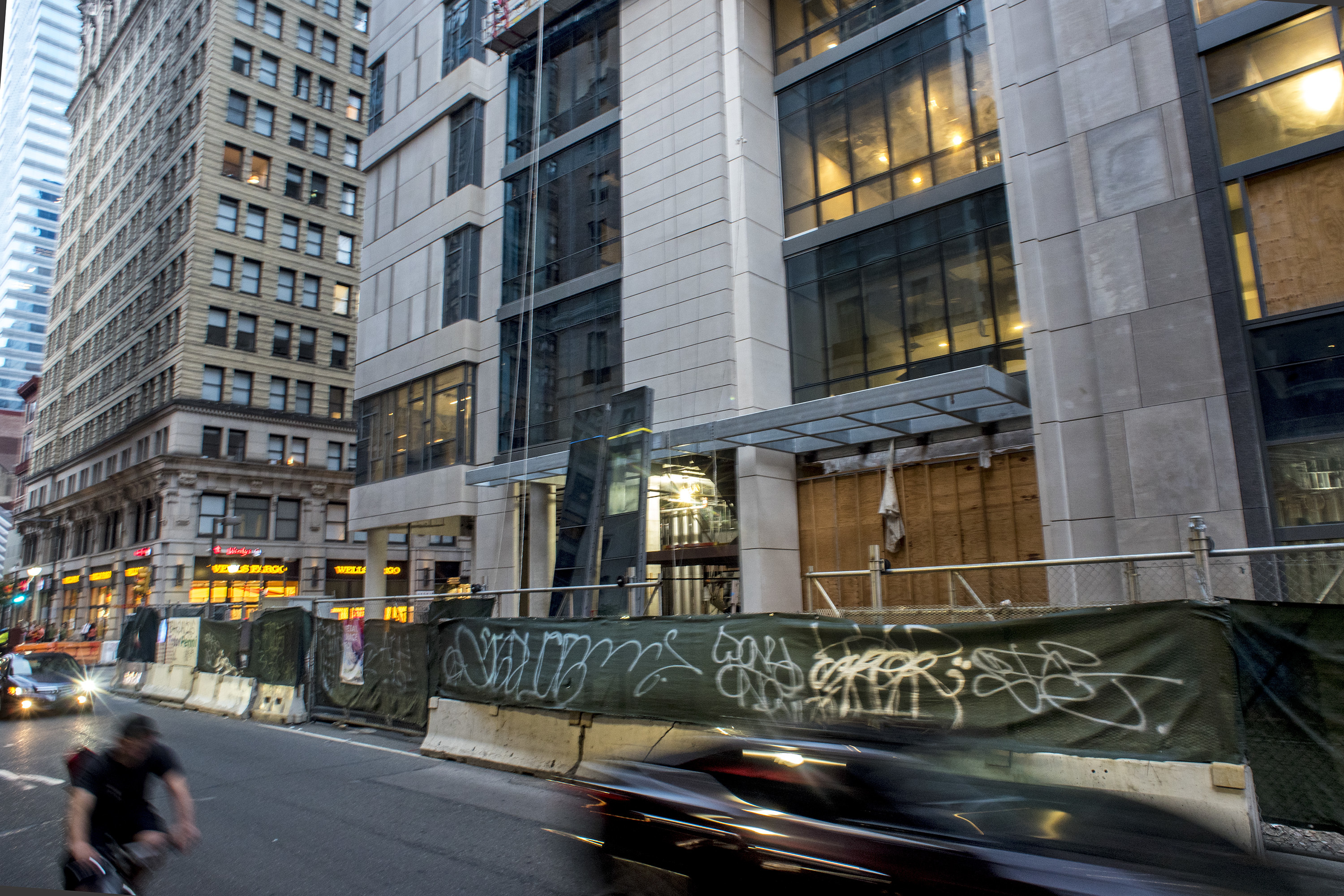
    The sidewalk area of W Philadelphia and Element Philadelphia Hotel under construction, looking northwest along the 1400 block of Chestnut Street July 2, 2019.

    The building finally obtained a certificate of occupancy in April 2021. But Marriott couldn’t open the W until August because over a hundred window vents were inoperable because Tutor failed to follow the design.

    “Tutor knew that the floors did not meet specifications but did not timely disclose its knowledge to Chestlen or consult with it,” Crumlish wrote. The judge further found that Tutor refused to work with contractors to remediate the problems in 2017 and 2018, and proceeded to install interiors over the deficient concrete floors.

    The blame game

    Throughout the litigation, the parties all blamed one another for various problems and aspects of the delay.

    Costs and liens piled up.

    Chestlen paid Tutor $239 million for the construction, accrued over $40 million in damages as set in its contract with Tutor, and paid tens of millions to remediate the floors. The property is “clouded with over $155 million in liens,” according to the judge’s memo.

    Crumlish concluded that Tutor breached its contract when it failed to oversee the concrete work and the window-wall installation, and generally didn’t fulfill its obligations.

    “Every delay in the performance and completion of the project is the responsibility of Tutor and Carney,” the judge said. The judge will decide on the amount of damages following hearings scheduled for January.

    Chestlen’s attorney was unavailable to provide comment. Carney did not respond to a request for comment.

    The W hotel is located where One Meridian Plaza used to be, before that building suffered a devastating fire in 1991 and was finally demolished in 1999.

    Filling the vacant lot, a mere block from City Hall, became a top priority for policymakers during Mayor Michael Nutter’s time in office. The hotel proposal eventually received $75 million in taxpayer support across local, state, and federal funding sources in addition to other legislative assistance.

    The project was developed by Brook Lenfest, son of the former Inquirer owner H.F. “Gerry” Lenfest, whose foundation continues to own the newspaper today.
  • Philly Housing Authority plans to lay off almost 300 workers in 2026

    Philly Housing Authority plans to lay off almost 300 workers in 2026

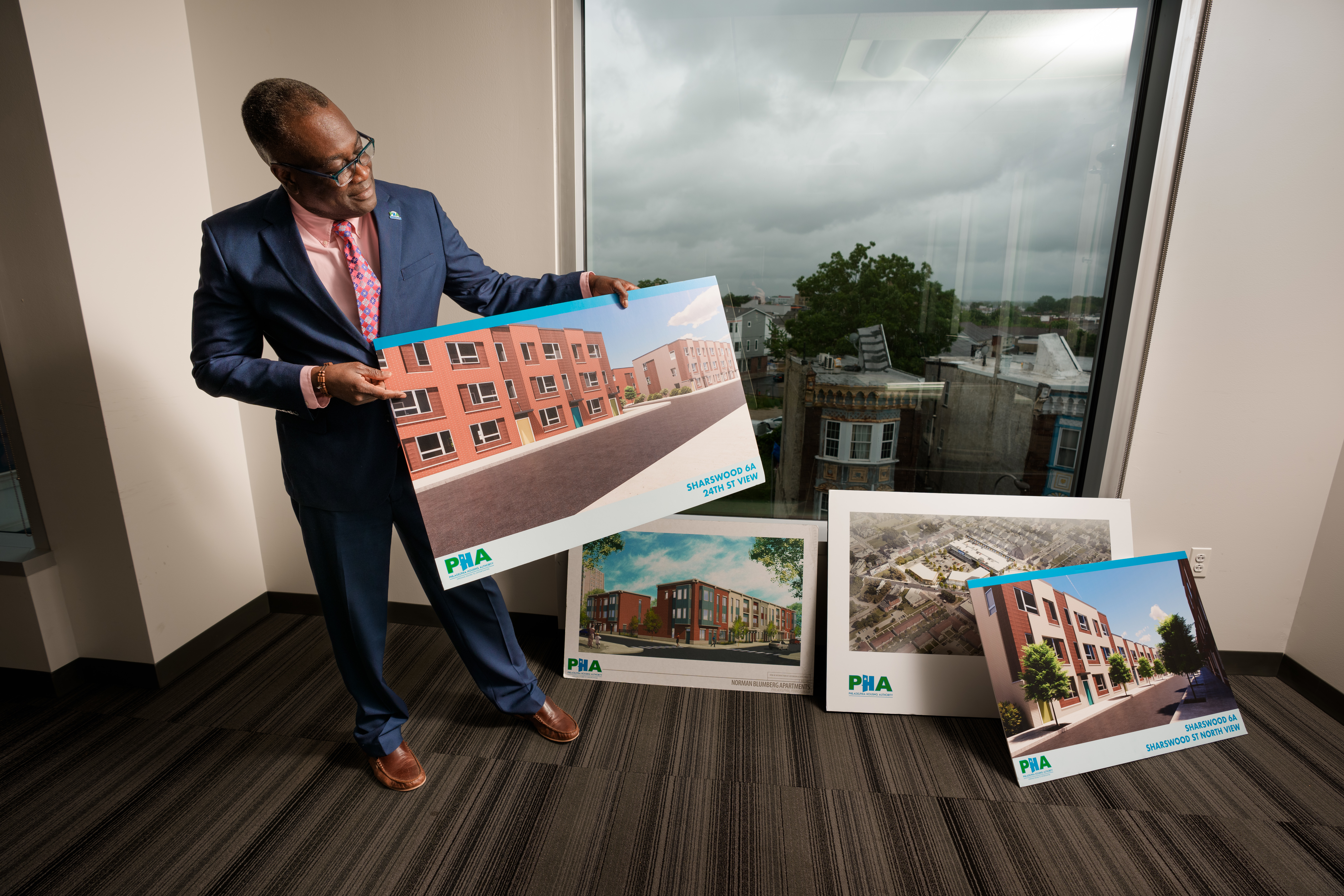
    The Philadelphia Housing Authority (PHA) is planning sweeping layoffs that will affect almost 300 of the agency’s 1,200 employees, beginning in January 2026.

    The cutbacks are the result of dramatic changes in how PHA, which provides affordable housing to thousands of families across the city, does maintenance and repair work. Instead of directly employing union electricians, carpenters, and other workers, beginning next year, the agency will contract out for those jobs as needed.

    “This is a housing program, it is not a jobs program,” said Kelvin Jeremiah, the president and CEO of PHA, in an interview.

    “Do I use the resources that we have to protect residents, to advance the availability of affordable housing to the families that are most in need? Or do I use those limited resources to fund positions that I don’t need?” Jeremiah said.

    There are 620 members of the Philadelphia Building and Construction Trades Council employed full-time by the agency as maintenance staff. Jeremiah estimates that by almost halving that number PHA will see a cost savings of $24 million annually.

    The agency said it currently costs $15,500 to maintain a single unit of traditional public housing annually, due to the agency’s complex work rules, which require many different union workers to make repairs. Most other multifamily providers have dramatically lower per-unit maintenance costs.

    “PHA has engaged the unions throughout this process and can proceed with this policy decision without additional approvals,” an agency spokesperson said in an emailed statement.

    Although in-house building trades workers will constitute the majority of lost jobs, other positions will also be affected, including 33 managerial roles in PHA headquarters. Overall, PHA’s workforce will shrink by about 20%.

    “We are going to talk and try to offer some alternatives, but this is an issue of price sensitivity and we have to understand, given the new environment, that there are less funds to do the same mission with,” said Ryan Boyer, business manager for the Philadelphia Building and Construction Trades Council, whose unions represent many of the affected workers.

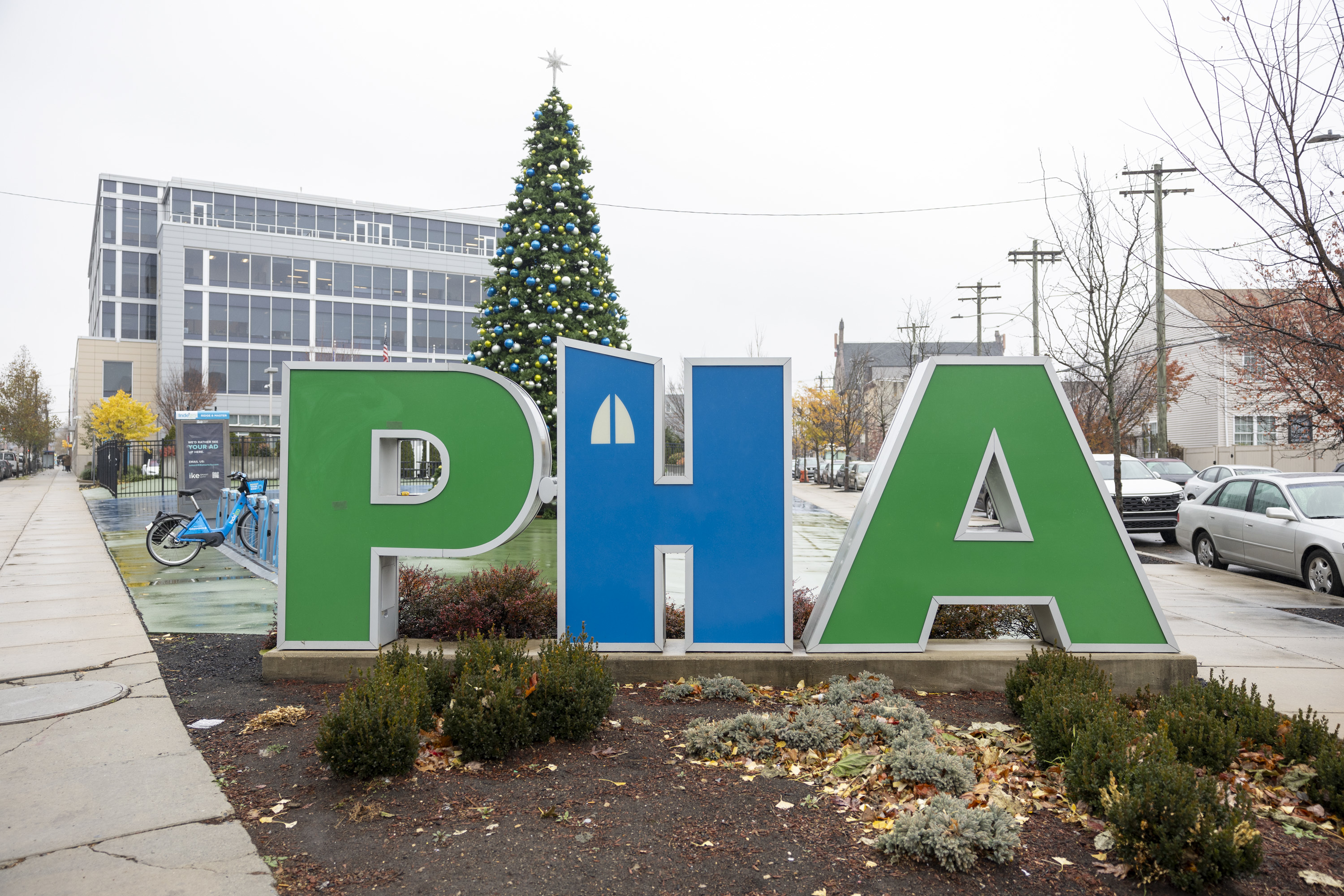
    The Philadelphia Housing Authority Headquarters is planning sweeping layoffs that will affect almost 300 of the agency’s 1,200 employees, beginning in January 2026 in Philadelphia, on Wednesday, Nov. 19, 2025.

    More with less?

    The cutbacks come amid an aggressive $6.3 billion plan unveiled earlier this year, through which the agency hopes to expand its housing portfolio by 7,000 units while rehabbing the 13,000 units it already owns.

    Jeremiah said that the staff reduction should not be seen as PHA doing more with less, and that it will not limit the agency’s ability to execute his planned expansion.

    “We will not be doing less than what we’re doing now, but we have been doing too little with too much,” Jeremiah said. He said other market-rate and affordable housing multifamily operators are able to do unit repairs for far less than what PHA pays.

    “My colleagues have all been doing this at substantially less cost,” Jeremiah said. “The only difference between us is that they have an operating model that does not require six different trades to do a single thing.”

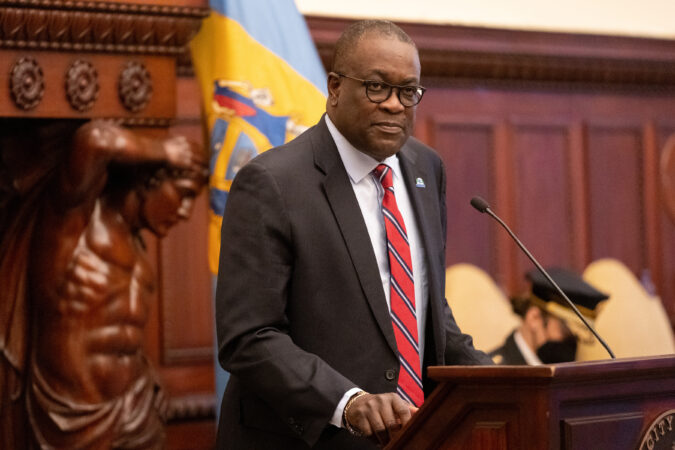
    Kelvin A. Jeremiah, PHA President & Chief Executive Officer, at PHA headquarters, in Philadelphia, May 21, 2025.

    Because PHA’s layoffs will affect hundreds of members of Philadelphia’s influential building trades unions, Jeremiah said, he has been negotiating with Boyer on the work-rule changes.

    “My reaction is one of disappointment. However, we remain partners with PHA and we will still build most of the stuff on the capital side,” Boyer said. “I don’t want it to be lost that when they build stuff, they will still be members of the Philadelphia building trades working, and there will still be members doing maintenance work.”

    Boyer is also the business manager for the Laborers’ District Council and a close ally of Mayor Cherelle L. Parker.

    Jeremiah said maintenance technicians, laborers, and painters will be the only trades that remain directly employed with the agency after the work-rule changes go into effect.

    The electricians union, IBEW Local 98, said it is still studying PHA’s new policy.

    PHA will also still work with the trades for discrete repair and maintenance jobs within the agency’s housing portfolio but will no longer directly employ as many workers full-time, Jeremiah said.

    The Trump effect?

    PHA’s layoffs, and its expansion plan, are unfolding during a period of uncertainty nationwide for affordable housing policies and organizations like PHA.

    Some housing experts were surprised to see PHA embark on its ambitious $6.3 billion plan amid President Donald Trump’s skepticism of affordable housing programs and a raft of austerity measures from his administration, which has sought to reduce public support for lower-income Americans.

    Nearly all of PHA’s funding — 93% — comes from the federal government, according to the agency.

    “If Congress and the administration coughs, it impacts us,” Jeremiah said. “If there is a reduction [in funding], it impacts us.”

    Jeremiah said he is seeking to operate within the mandates set by Trump’s administration while continuing to support PHA’s tenant base and plans.

    “Subsidizing employment … is just not the way to go at a time when we’re looking at less funding on the horizon,” Jeremiah said. “Where am I to get the funds not only to do more developments, acquire more, and preserve what we have at the same time [that] we have a workforce that is, quite frankly, I will dare to use the word bloated?”

    Waves of layoffs

    Despite the layoffs, Jeremiah believes the agency will still be a rich source of jobs for the building trades unions as the $6.3 billion plan unfolds. He points to an analysis of PHA’s 10-year plan by economic consulting firm Econsult Solutions, which said it would create 4,900 jobs annually in the city.

    The first round of 260 job losses will hit in mid-January 2026, although Jeremiah says 93 of those workers will be retained in new positions as maintenance aides, laborers, and painters. A further 116-position reduction will occur next summer.

    A vice president of development, Greg Hampson, also recently left PHA, although the agency declined to comment on that case. Jeremiah said that several vice president and director-level positions will be among the coming layoffs.

    The last major round of layoffs at PHA was in 2016, when 14% of the staff was cut. Those positions were mostly administrative roles.

    Editor’s note: A previous version of this story misstated the number of employees impacted.

  • Bistro at Cherry Hill owner indicted on charges of tax fraud

    Bistro at Cherry Hill owner indicted on charges of tax fraud

    The owner of the beleaguered Bistro at Cherry Hill, a longtime mall fixture that closed this summer amid bankruptcy proceedings, has been indicted on charges of tax fraud.

    The New Jersey Attorney General’s Office announced the indictment against Andrew Cosenza Jr. on Tuesday, saying an investigation found that he had failed to send the state more than $270,000 in sales tax paid by Bistro customers in 2021 and 2022.

    The 57-year-old Cherry Hill resident was indicted Oct. 29 on several charges, including tax fraud.

    “Everyone is required to pay their fair share of taxes,” New Jersey Attorney General Matthew J. Platkin said in the statement. “This form of tax fraud will not be tolerated.”

    Cosenza did not return a request for comment on Tuesday. No defense attorney was listed on court documents as of Tuesday, and an attorney representing Cosenza in a new Chapter 11 bankruptcy case did not return requests for comment.

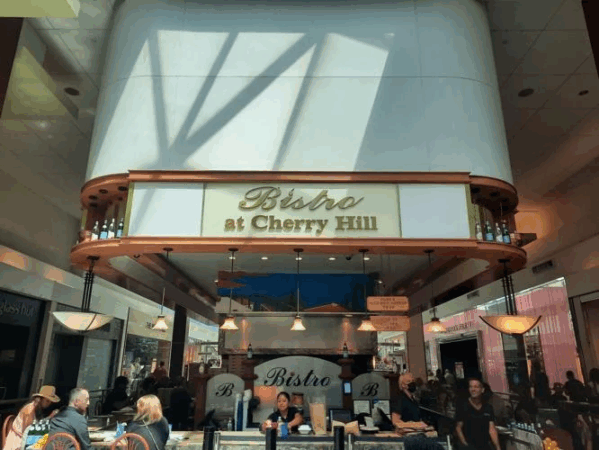
    Cosenza had owned the Bistro at Cherry Hill for more than 25 years. The beloved restaurant operated out of a 12,000-square-foot kiosk in the middle of the Cherry Hill Mall. This summer, it closed abruptly, saddening loyal customers.

    In July, Cosenza told The Inquirer that the sudden closure was the result of a communication “breakdown” regarding a Chapter 11 bankruptcy petition that he filed in May. It was the restaurant’s second bankruptcy filing since 2017.

    While Cosenza was incapacitated by medical issues over the summer, he said the Bistro’s Chapter 11 bankruptcy petition had been converted to a Chapter 7, which involves the liquidation of assets, without his consent. Cosenza said his brother showed up to open the Bistro on July 10 and found the doors locked.

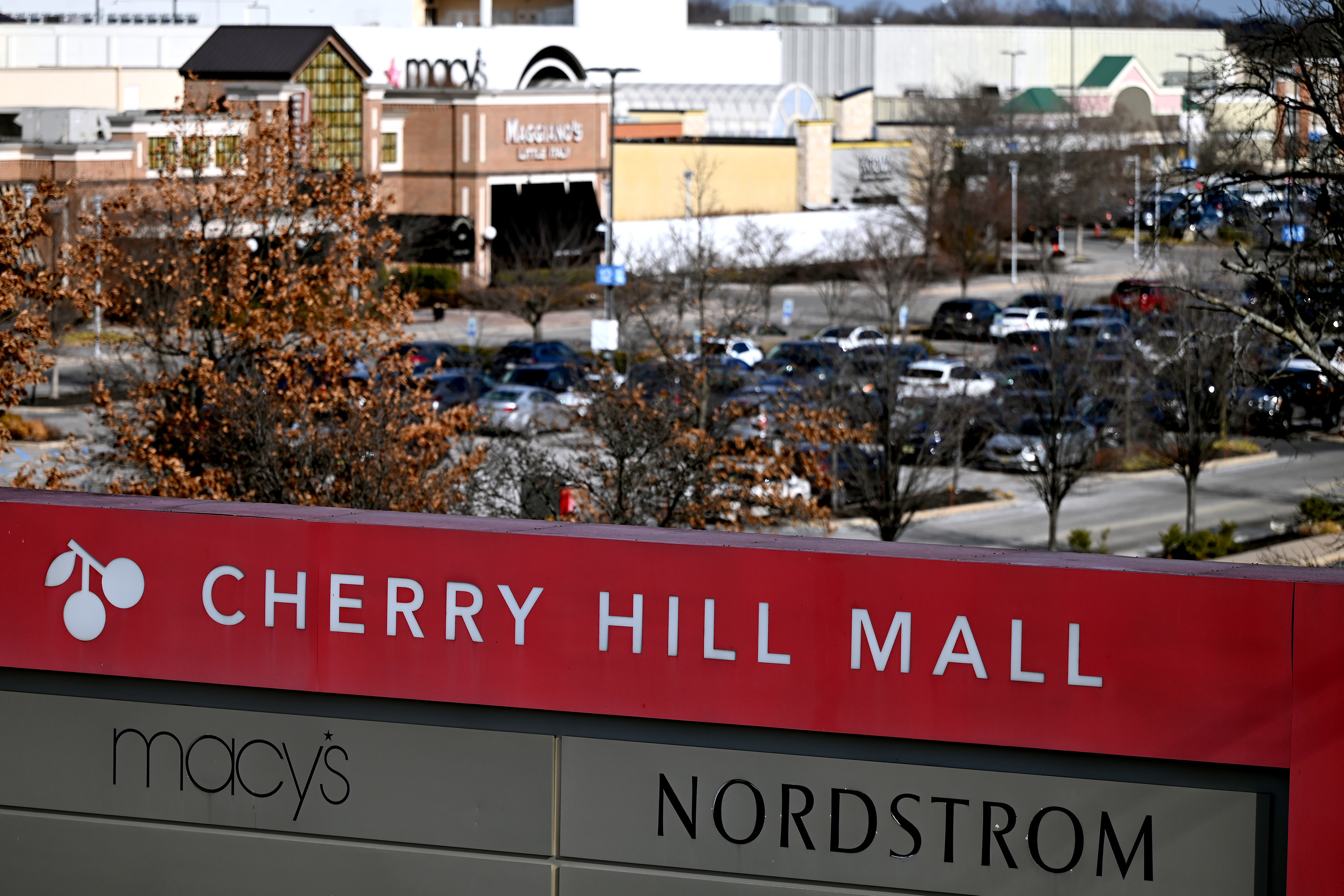
    The Cherry Hill Mall, where the Bistro at Cherry Hill operated for 27 years, is shown in January.

    “This is not a case of mismanagement or inability to meet financial obligations,” Cosenza said in a July interview. He said that the bankruptcy was the result of lingering pandemic-related issues and that he had a plan for repaying his debts.

    In early October, the Bistro’s bankruptcy case was dismissed. Cosenza told The Inquirer on Oct. 10, two weeks before the indictment, that he planned to keep fighting to reopen the Bistro. On Oct. 15, he filed for Chapter 11 bankruptcy as a small-business debtor.

    The charges against Cosenza stem from a 2023 joint investigation by the New Jersey Division of Taxation’s Office of Criminal Investigation and the Division of Criminal Justice. Investigators said they found discrepancies between the gross sales tax amounts that Cosenza reported on his business tax returns and the amounts turned over to the state.

    If found guilty of the charges, Cosenza could face five years or more in state prison and fines of more than $150,000, according to the prosecutor’s office.

  • Conshohocken-area AI data center proposal abruptly withdrawn over legal issues

    Conshohocken-area AI data center proposal abruptly withdrawn over legal issues

    A Main Line developer’s plan to turn a shuttered steel mill into a 2-million-square-foot AI data center on the outskirts of Conshohocken was stymied Monday when he was forced to withdraw his application over legal issues.

    At the Plymouth Township zoning hearing board meeting, Brian O’Neill’s team had been set to make their case for an exception that would allow a data center to be built at 900 Conshohocken Rd.

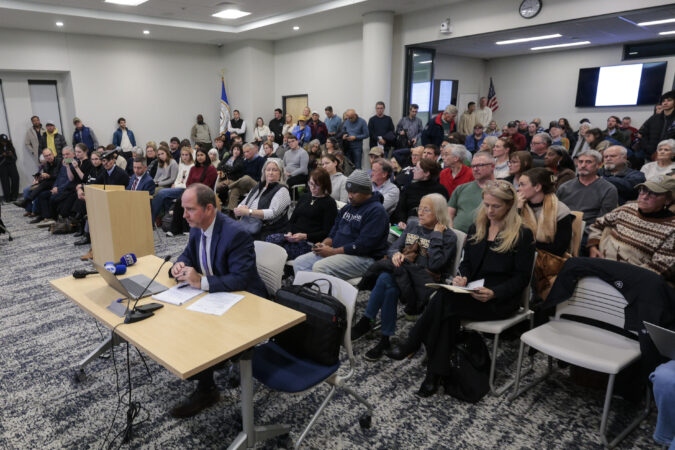
    The plan has faced neighborhood pushback, and hundreds of people packed the meeting room on Monday night. O’Neill did not appear to be among them.

    Edmund J. Campbell Jr., an attorney for O’Neill, said they wished to move the hearing to the township’s December meeting. Then an attorney for Cleveland-Cliffs, the property owner, said the prospective buyer did not have legal standing to do so.

    An agreement of sale had not been approved prior to the meeting, said Heather Fine, the attorney for Cleveland-Cliffs.

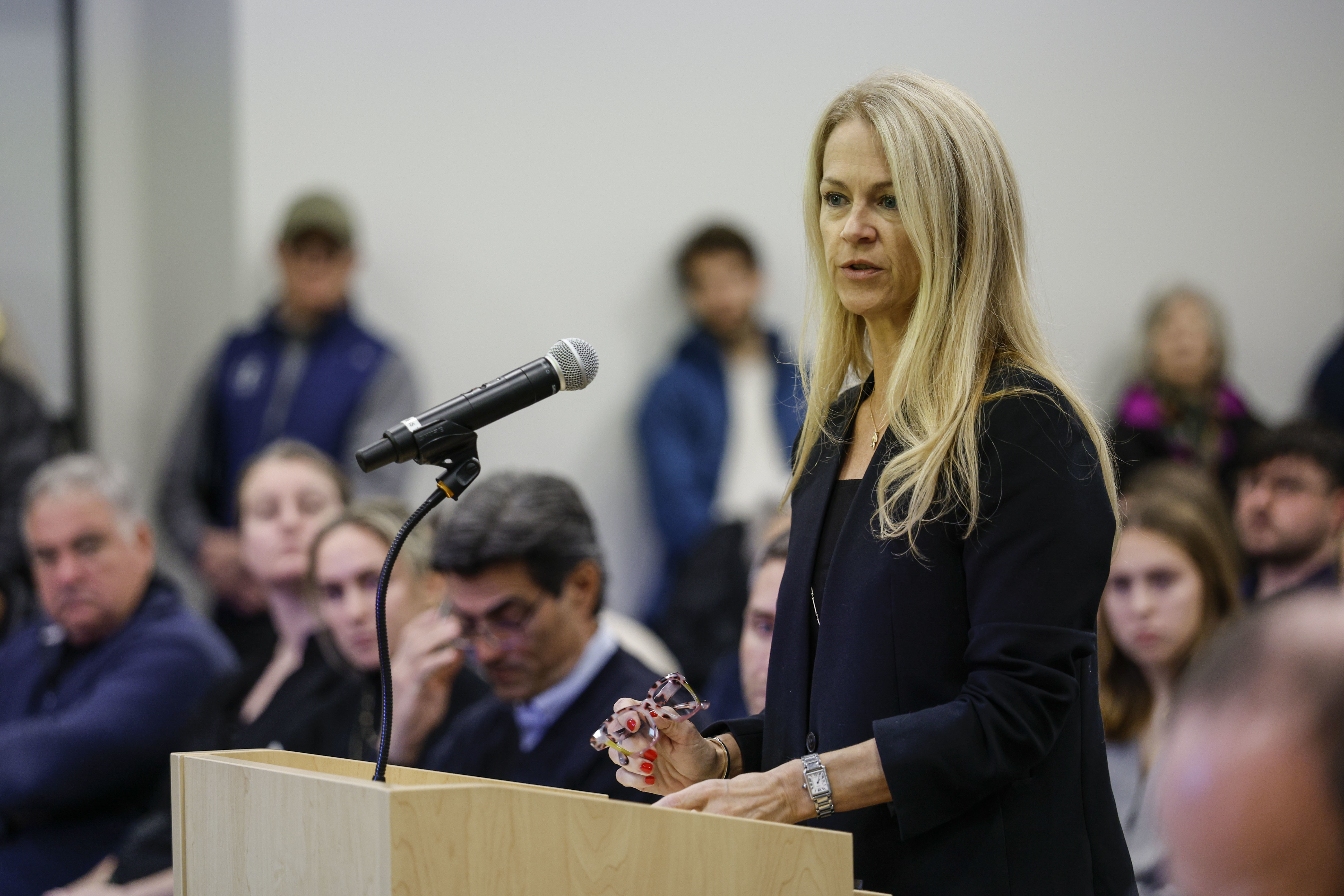
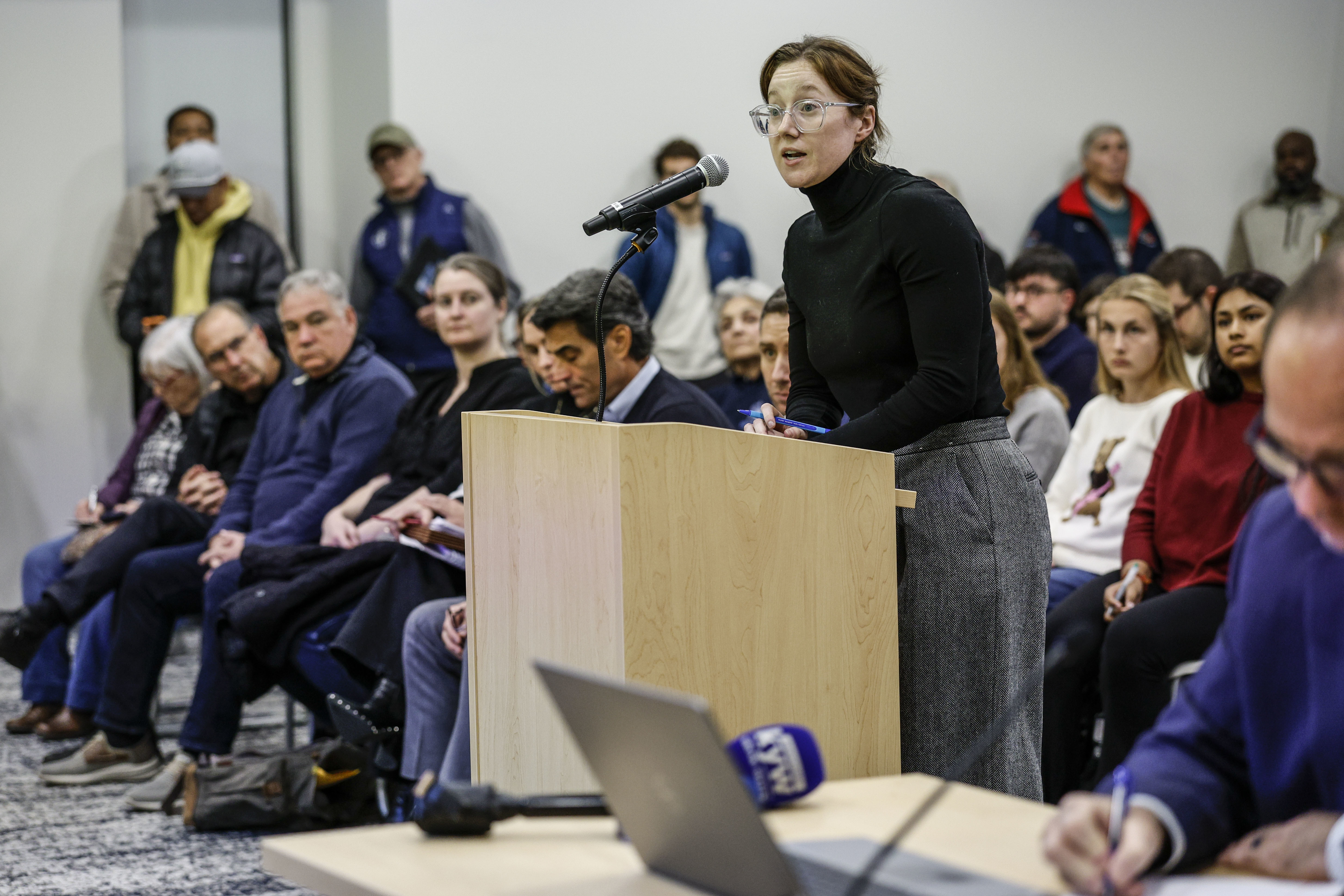
    Heather Fine, an attorney for Cleveland-Cliffs, addresses the Plymouth Township zoning hearing board on Monday.

    Campbell later asked Fine and then the board for permission to withdraw the application. Both declined to provide additional comment.

    Residents who had spent more than a month organizing in opposition to the project said they had mixed emotions.

    “It is the smallest of small wins, because we’re making it harder for something bad to happen to our community,” said Nick Liermann, an attorney who lives in a neighborhood near the former steel mill. “But we will be back in this room in a few months.”

    “Communities can be effective,” said Patti Smith, a neighbor of Liermann who has spearheaded the local data-center opposition efforts. “We have to stand up for ourselves.”

    With the withdrawal, the data center proposal is officially off the docket in Plymouth Township, zoning officer Joel Rowe said, but the applicant can resubmit a plan at any time, restarting the process.

    What the data center proposal entailed

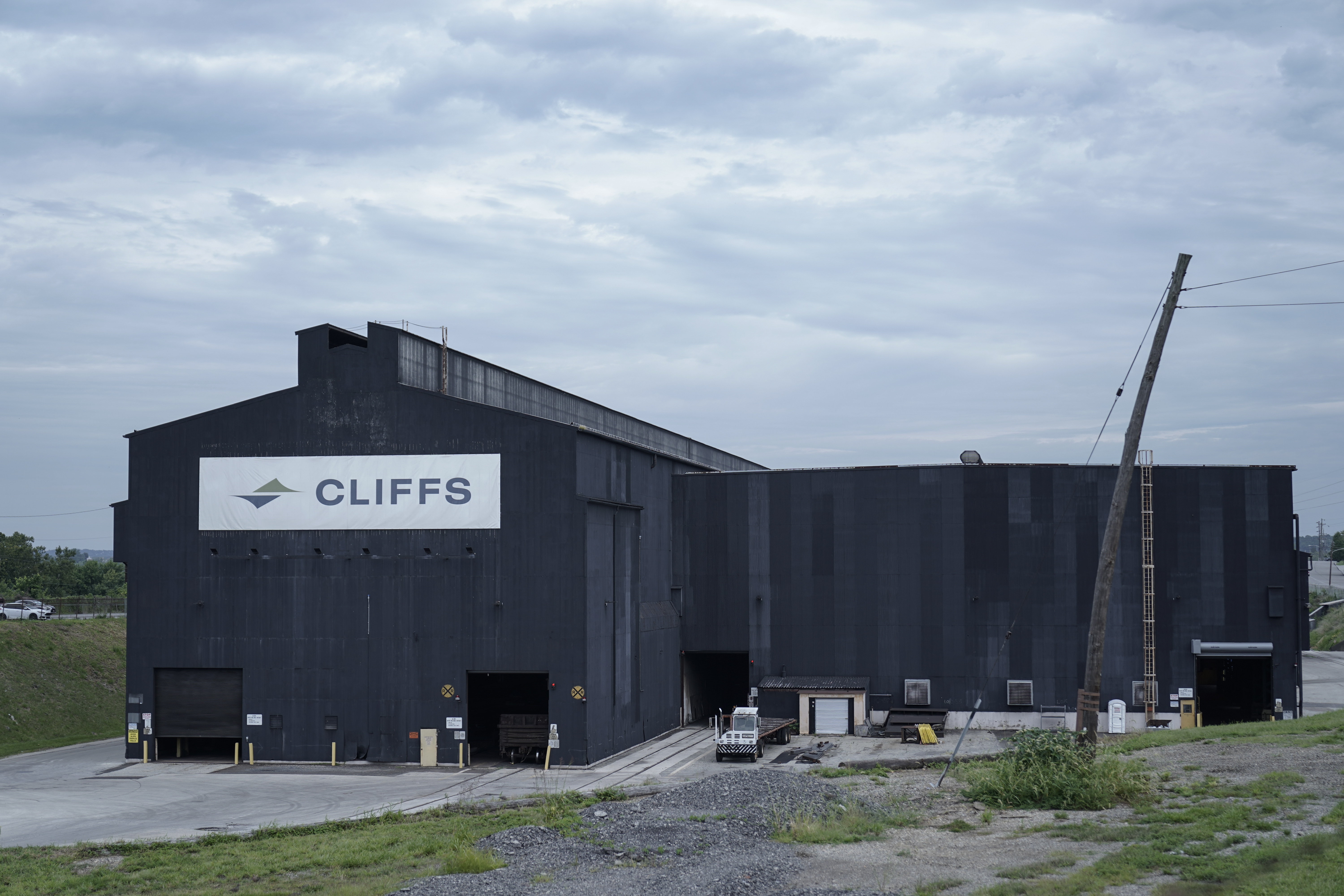
    The now-closed Cleveland-Cliffs plant near Conshohocken is shown in this 2023 file photo. A data center has been proposed for the site.

    This latest development in the Conshohocken-area data center saga occurs amid broader controversy about such facilities, which handle cloud-computing and storage for Big Tech companies.

    The construction of data centers has been fast-tracked to meet the growing demands of power-hungry AI tools like ChatGPT. Politicians on both sides of the aisle, including President Donald Trump and Gov. Josh Shapiro, have pushed for more centers, while some neighbors near proposed sites have mounted fierce pushback.

    In the Philadelphia area, Amazon is building a 2-million-square-foot data center on a former steel mill in Falls Township, Bucks County. And a 1.3-million-square-foot data center has been proposed at the former Pennhurst State School and Hospital in East Vincent Township, Chester County.

    In Plymouth Township, O’Neill had not revealed the potential tenant for his proposed data center, but indicated it would be related to the life sciences.

    The data center is proposed for a 66-acre property along the Schuylkill in the Connaughtown section of the township. The site is less than a mile from downtown Conshohocken. Its neighbors include the Proving Grounds sports complex, Tee’s Golf Center, and dozens of homes.

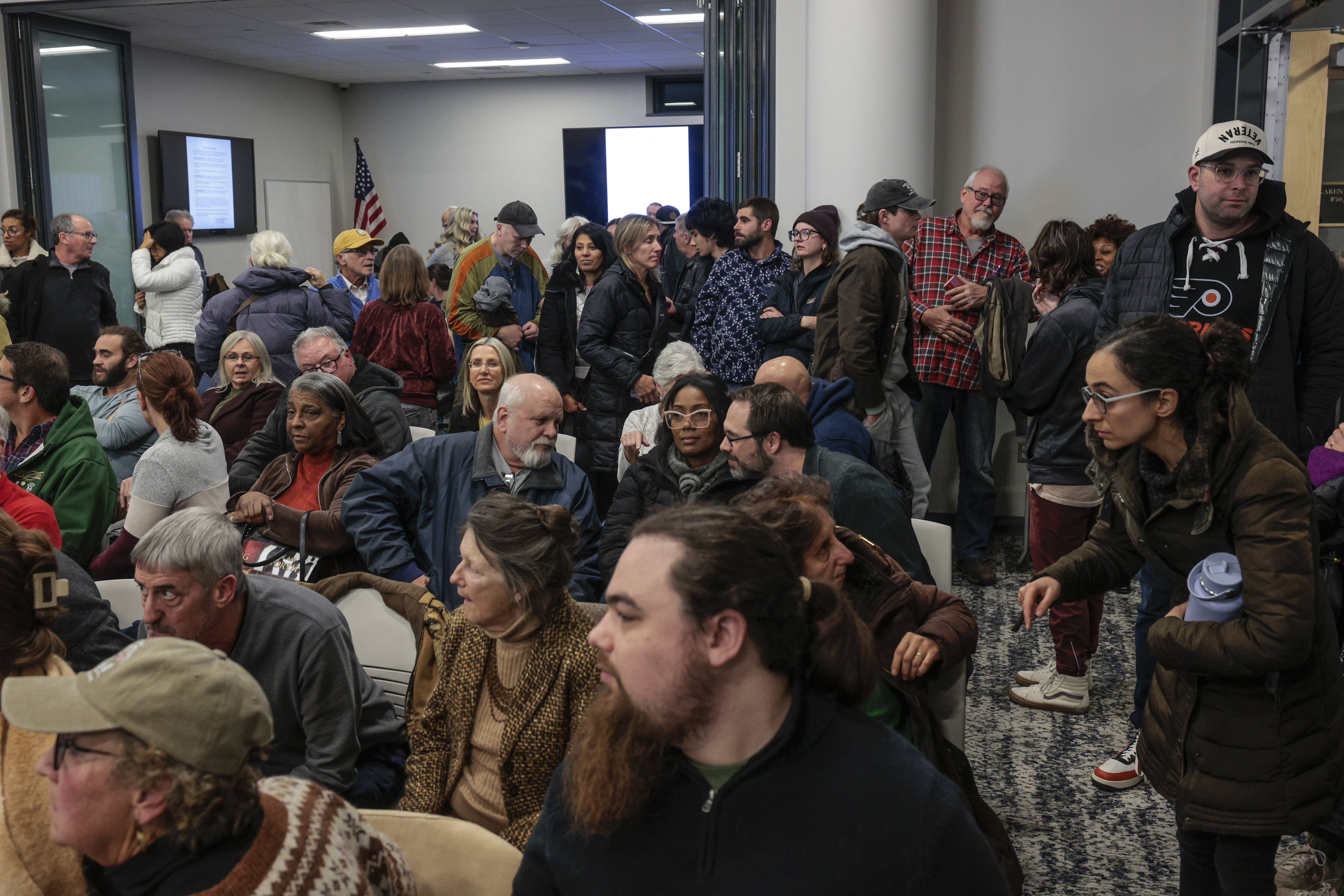
    A crowd of people leave the Plymouth Township zoning hearing board meeting on Monday.

    Some Connaughtown residents, along with other data center opponents from across the Philadelphia region, have rallied against the proposal. As of Tuesday, more than 1,000 people had signed an online petition urging township officials not to grant a zoning exception for the data center, citing concerns about light, noise, and air pollution; water usage; and electricity costs.

    O’Neill, meanwhile, had argued that a data center should be permitted in the “heavy industrial” zone due its to similarity to a warehouse and laboratory, which are both permitted uses under township code. He had also touted the center’s potential economic benefits, saying it could bring in $21 million in annual tax revenue and attract other companies to the area.

    “Industry hasn’t come and gone. It’s simply changed,” O’Neill said at last month’s planning board meeting. “What I’m proposing is to put 21st-century industry into an industrial building.”

    Why the data center plan was withdrawn

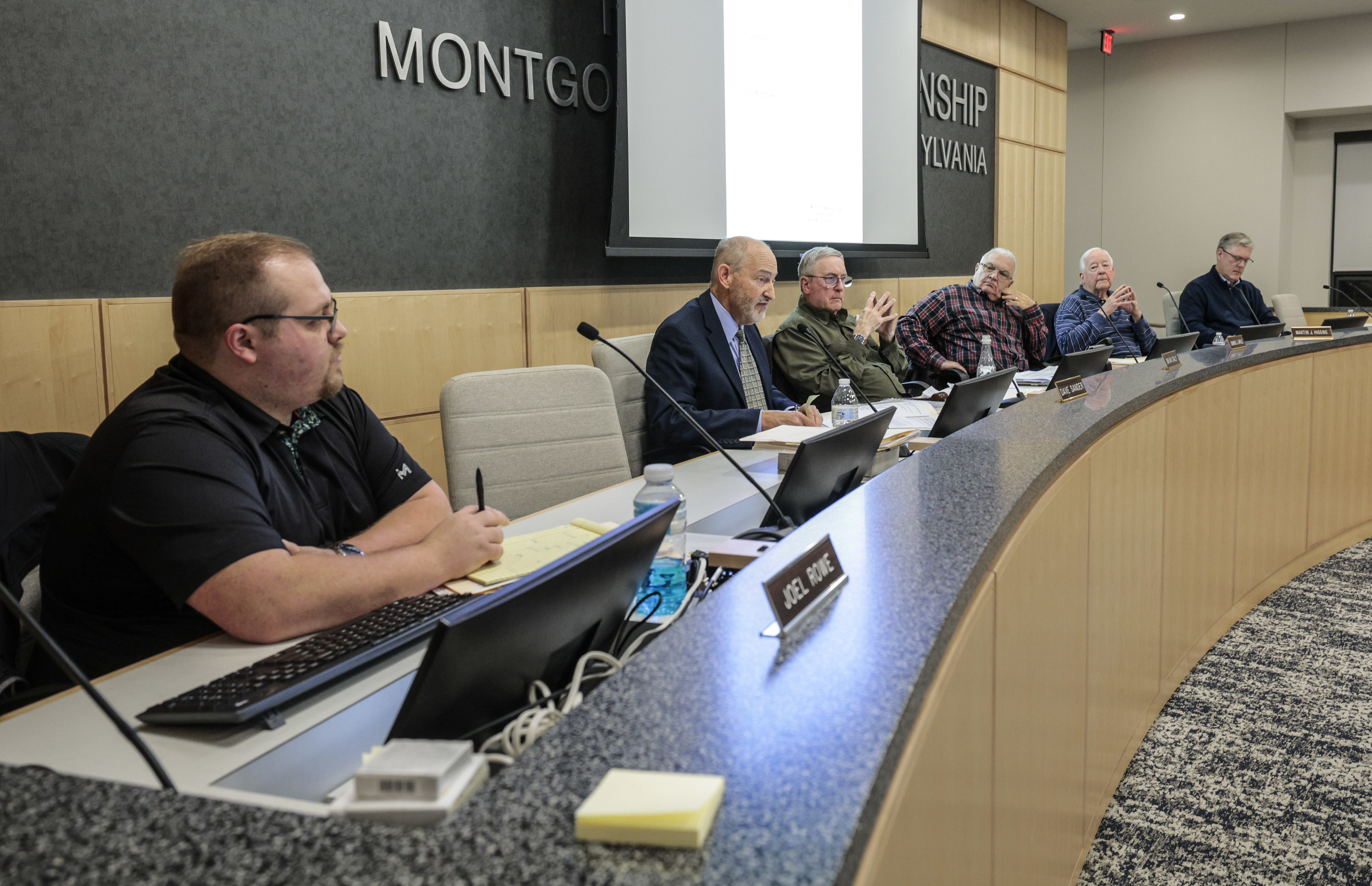
    The Plymouth Township zoning hearing board had been set to hear Brian O’Neill’s proposal for an AI data center outside Conshohocken on Monday.

    At the start of Monday’s standing-room-only meeting, Plymouth Township officials were expecting a long and potentially tense night.

    Solicitor Dave Sander began by warning the crowd that they must maintain decorum, and said he would cut off the proceedings at 10 p.m. Police officers stood outside the room.

    Quickly, however, it became clear that Campbell, O’Neill’s attorney, had other plans, requesting a continuance to the Dec. 15 meeting. If granted, it would have marked the hearing’s second continuance: The proposal was initially supposed to be discussed at an October meeting.

    “My client would like an additional opportunity to review with [community members] the project,” Campbell said. “When we proceed, if we have had a more robust dialogue with those participants, this hearing on the 15th would be significantly more efficient.”

    Neighbors, some of whom had already attended a private meeting with O’Neill last month, objected to the last-minute request, saying that it was unlikely their minds would be changed if no significant changes had been made to the plan.

    “Is the proposal significantly different than what was displayed to community members at the Oct. 8 meeting?” asked Smith, who organized neighborhood opposition.

    Patti Smith, resident and organizer of anti-data center movement in the neighborhood, addresses the Plymouth Township zoning hearing board at Monday’s meeting.

    “No,” Campbell responded, later adding that they wanted more residents to be able to attend the meeting and hear from their experts who could speak to concerns, including about noise and emissions.

    Before the zoning hearing board could vote on the continuance request, Fine, the attorney for property owner Cleveland-Cliffs, took to the podium.

    “There is no standing for the prospective buyer to proceed with the application this evening,” Fine said. “That authority was not extended to the prospective buyer from the owner. There is no LOI [letter of intent] in place.”

    “My client delivered a signed agreement of sale to the owner this evening,” Campbell said. “Based on that, we have standing. … We made our application with the express consent of the owner.”

    Sander turned to Fine, asking if that was true.

    “It’s not entirely true, no,” Fine said. “The signed agreement that was transmitted to my colleague at 5:51 p.m. this evening had redline changes. Those have not been accepted by my client.”

    She did not elaborate on what those changes entailed.

    The zoning hearing board recessed before returning to accept Campbell’s motion to withdraw the application.

    As a neighbor to the site, Liermann said the unexpected turn of events left him with a more sour taste in his mouth about the developer: “The last-minute request in an attempt to obstruct the process and dissuade the public from participating, and then this ‘confusion’ over whether or not an LOI was actually signed between the developer and the owner, is incredibly disturbing.”

  • How Philly-area outlets survive and sometimes thrive in an era of dying malls

    How Philly-area outlets survive and sometimes thrive in an era of dying malls

    For the Nowell family, the outlets are an annual tradition.

    Every Veterans Day, a dozen relatives venture to Limerick Township in Montgomery County, where they kick off their holiday shopping at the Philadelphia Premium Outlets.

    Even this year, as bitter winds whipped through the outdoor plaza, the family was undeterred.

    After a morning of shopping, the multigenerational group, which included two veterans, warmed up with their yearly food-court lunch, courtesy of matriarch Geri Nowell, 77, of Telford. Then, the men returned to the cars and dropped off dozens of shopping bags, which they’d been carting around in a wagon. The women walked on, hunting for their next find among the more than 130 shops.

    The Nowell family poses in front of a holiday backdrop during their annual outing to the Philadelphia Premium Outlets.

    “It’s super fun,” said Ann Blaney, 47, of Drexel Hill.

    “We get great deals,” added Kim Woodman, 55, of Hatboro.

    The tradition is an experience they say can’t be replicated online. The fact that the complex is open-air and contained in a 550,000-square-foot plaza somehow adds to the fun, they said.

    As Kathy Nelson, 48, of Broomall, browsed the outlets with her friends, she said she also shops at the nearly 3 million-square-foot King of Prussia Mall, less than 20 miles away. But otherwise, she said, “there aren’t many indoor malls left” with the variety of stores she prefers.

    As some indoor malls have struggled and died, leaving fewer than 1,000 left nationwide, the outlets remain alive.

    Outlets have always accounted for a fraction of the in-person retail market, which is partly why there have been few headlines about dying outlet malls. But some of the country’s roughly 200 outlet malls seem to be downright thriving, with full parking lots on weekends, few vacant stores, and relatively strong revenue.

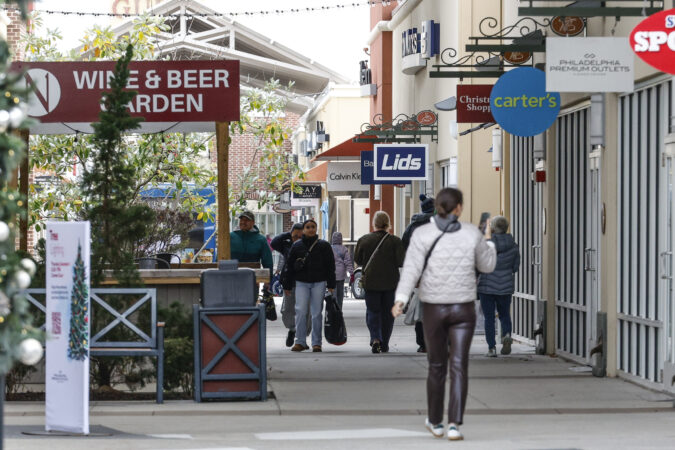
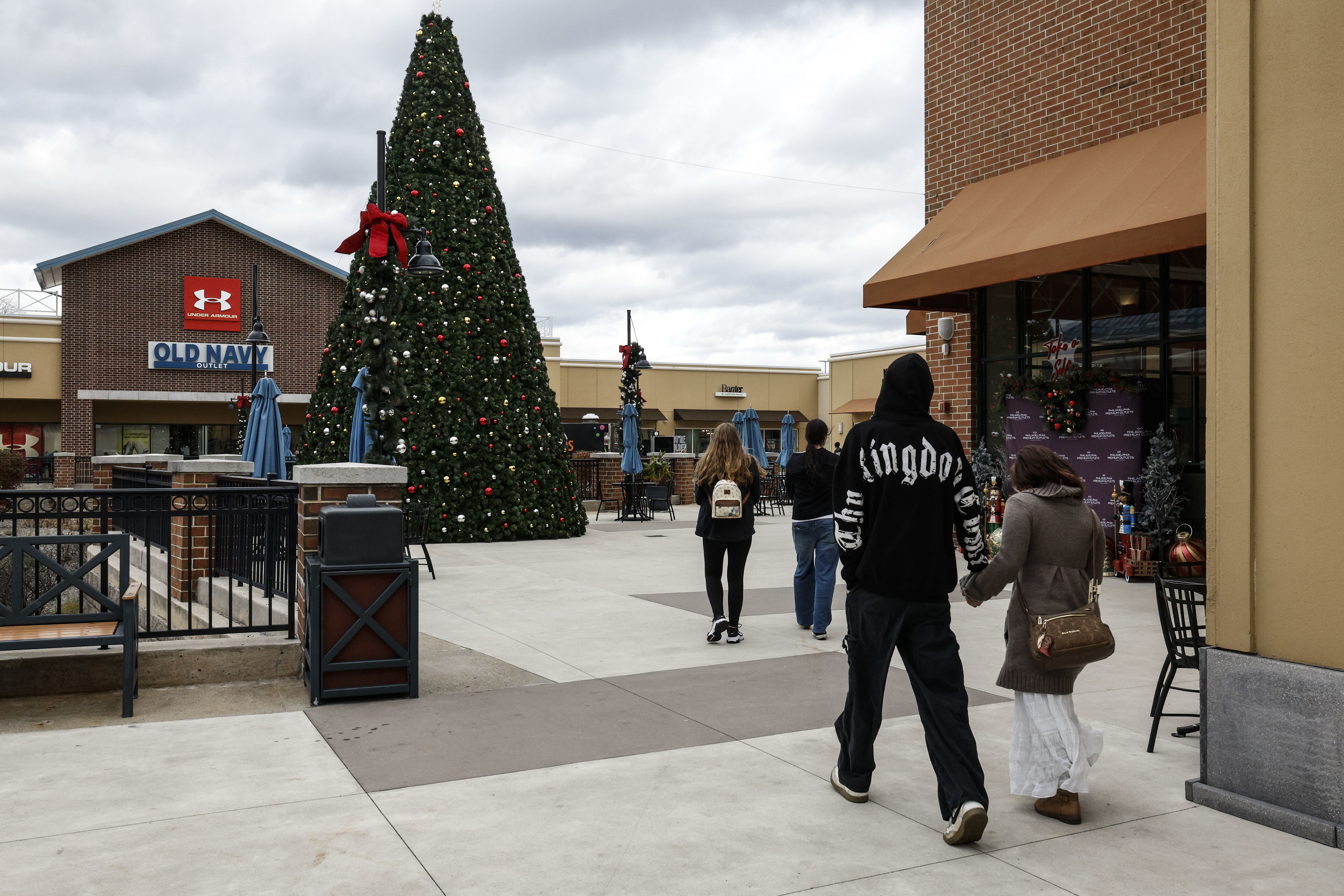
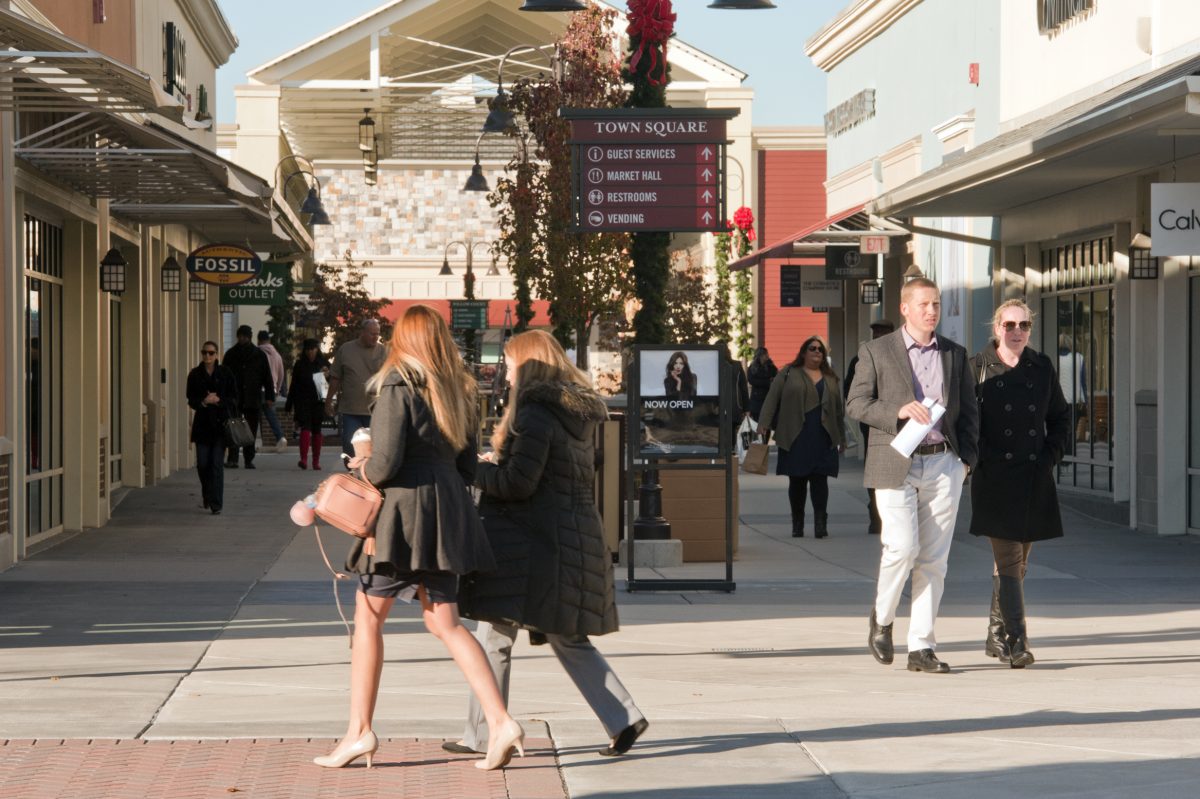
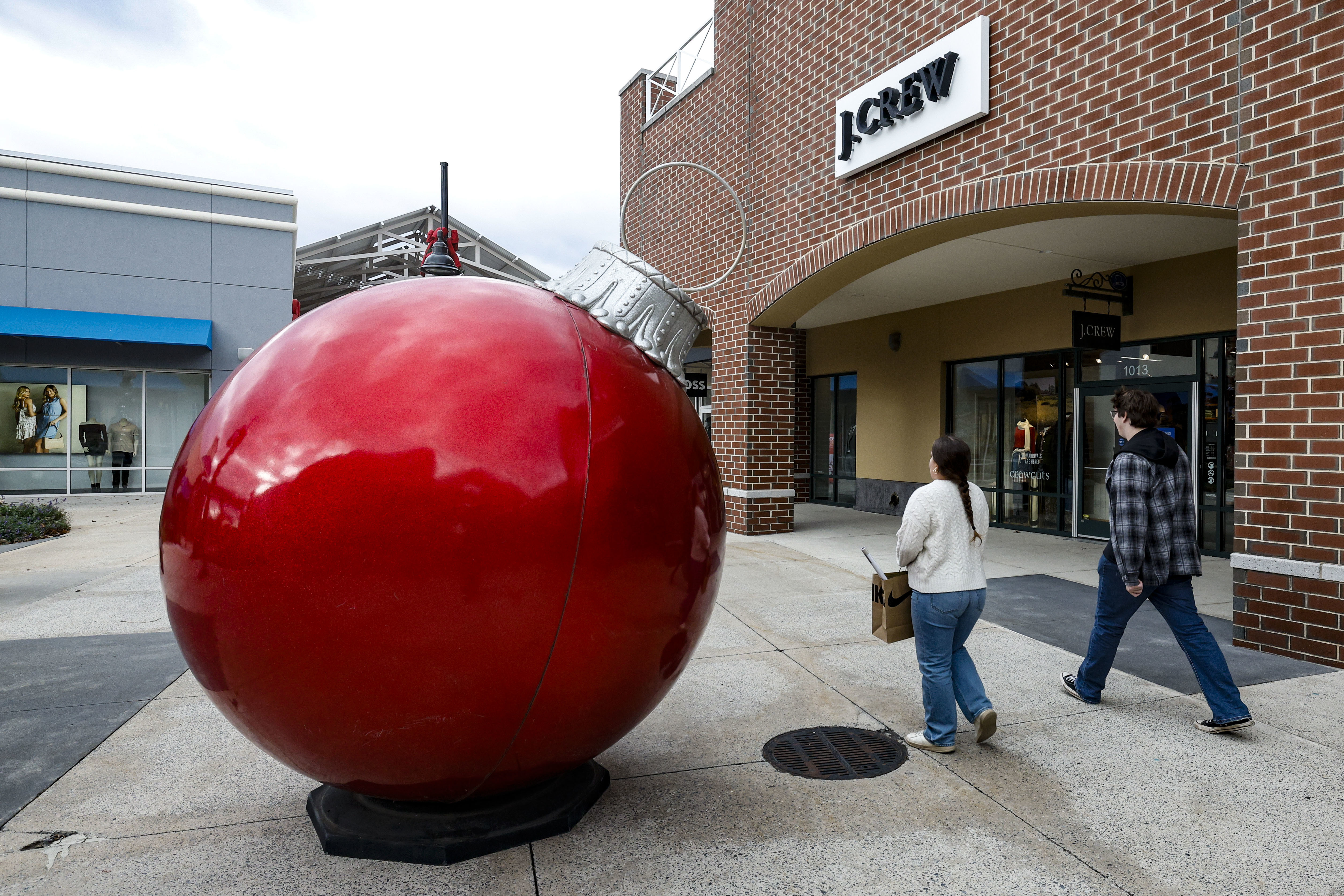
    Shoppers walk by the tree at the Philadelphia Premium Outlets on Nov. 11.

    The Philadelphia region’s two major outlet malls — the Philadelphia Premium Outlets in Limerick Township and the Gloucester Premium Outlets, both owned by Simon Property Group — are more than 92% occupied, according to a count by The Inquirer during visits to each location this month. Both outlets have found success despite being less than 20 miles from thriving indoor malls in King of Prussia and Cherry Hill.

    Tanger Outlets, which has locations in Atlantic City and Lancaster, recently reported more than 97% occupancy across its 39 open-air centers and an increase in average tenant sales per square foot.

    “Outlets do good in good times and great in bad times,” said Lisa Wagner, a longtime consultant for outlets, repeating a common refrain in the industry.

    The centers have evolved amid the broader push toward more experiential retail and most now have a mix of discount stores and full-price retailers. But they have done so while embracing their reputation as the go-to destination for snagging deals, said Wagner, a principal at the Outlet Resource Group.

    “Honestly no one knew what was going to happen after COVID, but [the outlets] came out incredibly strong,” she said. More recently, the retail industry has been rattled by tariffs and economic uncertainty. The outlets have not been immune to those challenges, but they have held strong despite them.

    “People want value right now,” Wagner said. “They need it.”

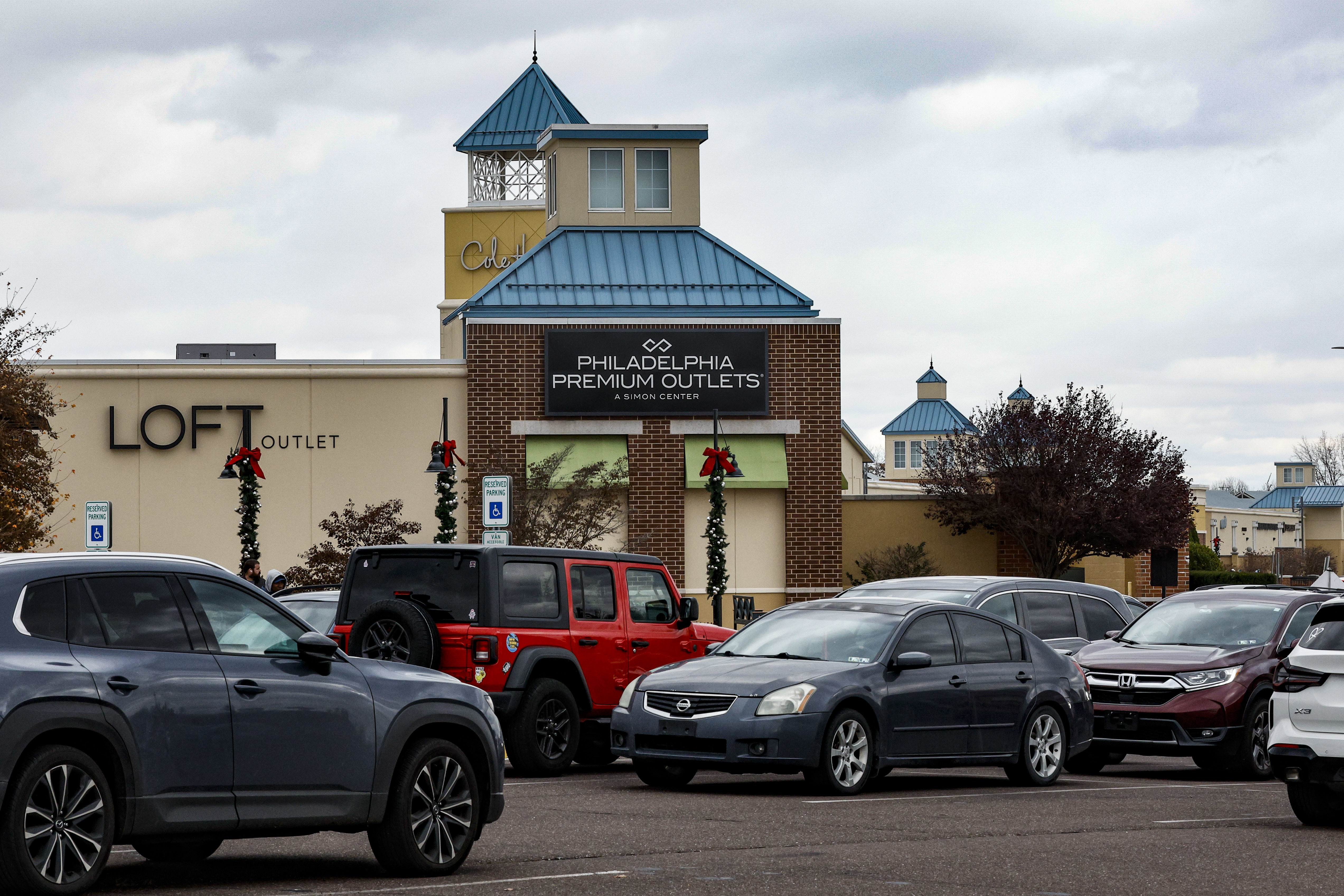
    The Philadelphia Premium Outlets has more than 130 stores in its 500,000-square-foot complex.

    Outlet malls become one-stop shops

    On a rainy, early November Sunday, hundreds of people descended on the Gloucester Premium Outlets.

    Shoppers pulled up hoods and huddled under umbrellas as they made their way from store to store. Many balanced several large bags bearing brand names like Columbia and Kate Spade, Rally House and Hey Dude shoes. Some munched on Auntie Anne’s pretzels or sipped Starbucks from holiday cups. An acoustic version of Jingle Bells played over the speakers.

    For some, the dreary, drizzly weather was even more reason to spend their afternoon at the 86-store complex in Blackwood, Camden County, about 15 miles outside Philadelphia.

    With two young children in tow, Jessica Bonsu, 30, of Sicklerville, was on a mission.

    “We came out to go to the indoor playground,” called Stay & Play, Bonsu said, pointing to her rambunctious kids. “Just to get some energy out.”

    “And then we can also get some shopping done,” added her cousin, Taneisha Laume, 30, who was visiting from D.C. She needed a gift for her uncle. “Kill two birds with one stone.”

    Shoppers peruse the stores at the Gloucester Premium Outlets in this 2019 file photo.

    These kind of multipurpose visits are buoying outlet malls, which are increasingly becoming mixed-use destinations for dining, drinking, entertainment, and shopping.

    “You’re coming for a little bit of everything,” said Gerilyn Davis, director of marketing and business development at Philadelphia Premium Outlets.

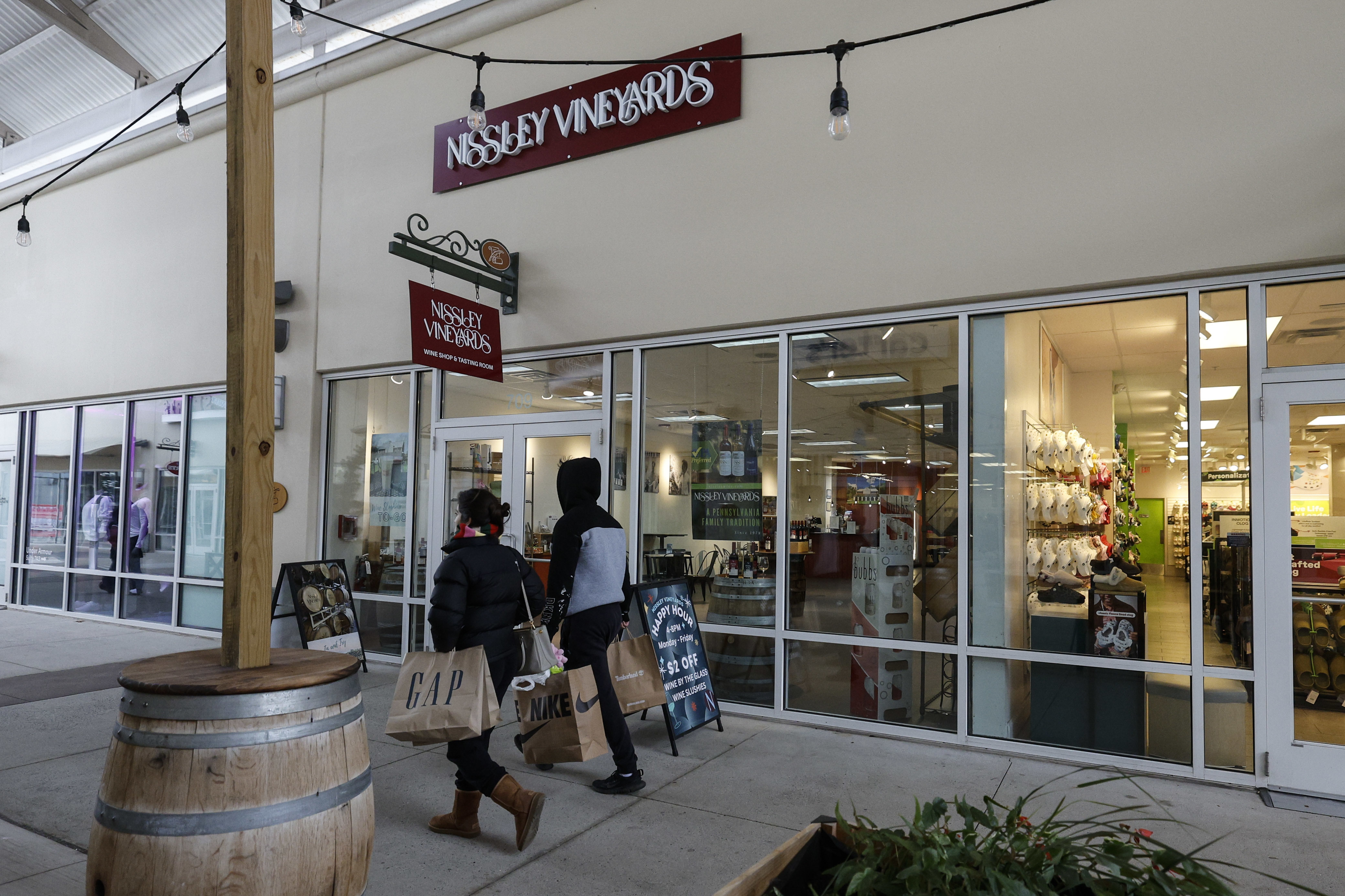
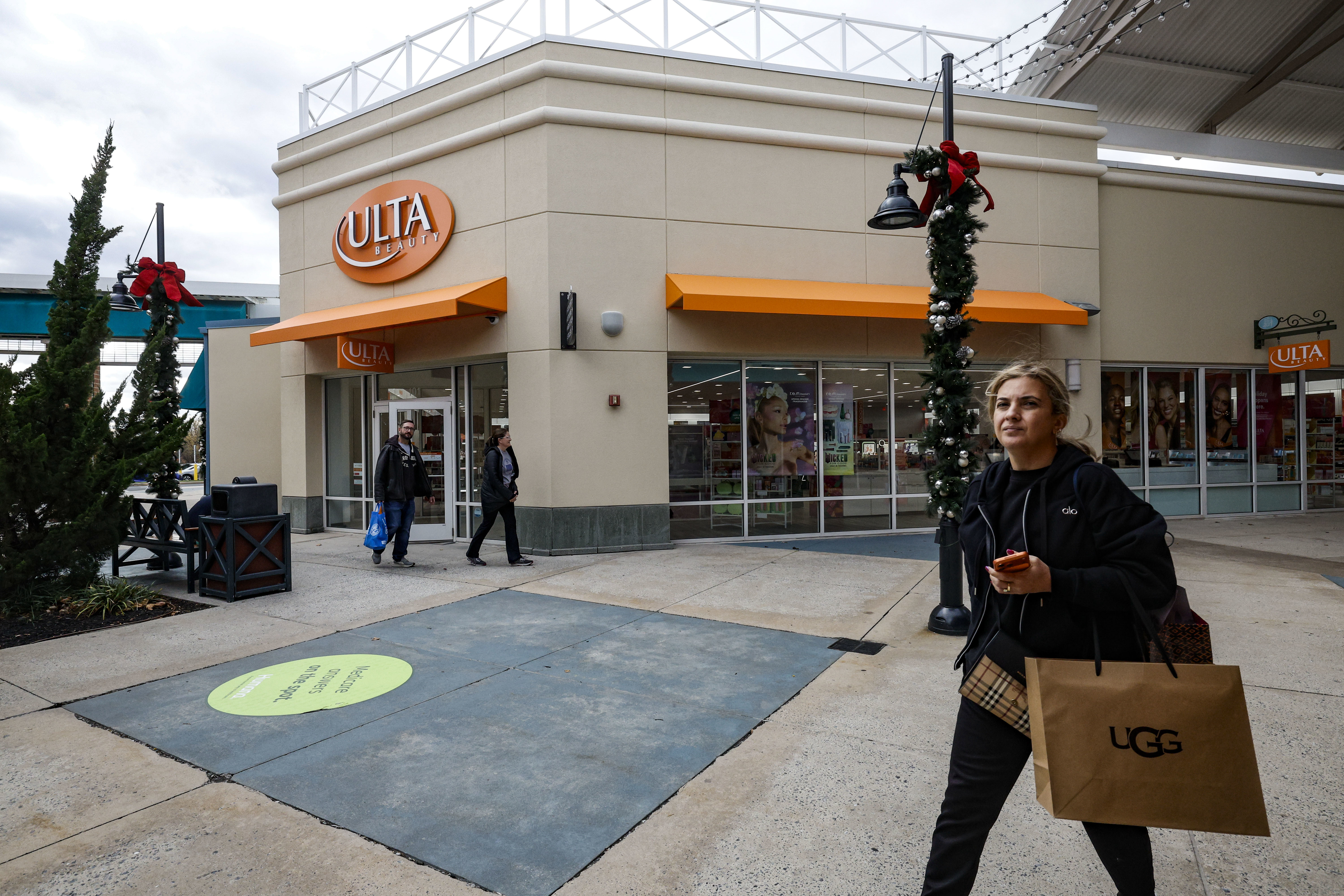
    The Limerick Township complex recently welcomed a slate of new tenants, including Marc Jacobs’ first Pennsylvania outlet store, a BOSS outlet, an Ulta Beauty, and an outpost of central Pennsylvania’s Nissley Vineyards, which has an outdoor seating area.

    Shoppers walk by the Nissley Vineyards store at the Philadelphia Premium Outlets.

    New Balance, whose shoes are trendy again, is also opening stores in both the Philadelphia and Gloucester outlets.

    Justin Stein, Tanger’s executive vice president of leasing, said the North-Carolina-based company is focused on adding more food, beverage, and entertainment options.

    While overall occupancy at its Atlantic City center is lower than others, the complex has a Dave & Buster’s and a Ruth’s Chris steakhouse. The Simpson, a Caribbean restaurant and bar, is also set to open there in early 2026.

    In Lancaster, Tanger is looking to add food and beverage options, Stein said. But that center is still performing well, with a 97% occupancy rate, according to an online map, and only two vacancies.

    When there are places to eat and drink at the outlets, “people stay longer,” Stein said, “and when they stay longer, they spend more.”

    Philadelphia Premium Outlets had a steady crowd on a bitter cold Veterans Day.

    From ‘no frills’ to outlets of the future

    Today’s outlet malls look vastly different from what Wagner calls the “no frills” complexes of the 1990s.

    At the time, an outlet mall served as “a release valve for excess goods,” Wagner said. “There were some stores that had really broken merchandise.”

    To comply with branding rules and avoid competition with department stores, outlet malls were often located along highways between two major metro areas, she said.

    “What became clear is that customers loved it,” Wagner said. Soon, brands started overproducing to supply these outlet stores with products in an array of a sizes and colors.

    This effort to bulk up outlet offerings was “a roaring success,” she said, with companies finding that more than a third of outlet customers went on to buy their products at full price at other locations.

    Philadelphia Premium Outlets, which opened in 2007, has very few vacant storefronts.

    As their popularity rose, more outlet malls were built across the country.

    The Atlantic City outlets, originally called The Walk, opened in 2003, followed by the Philadelphia Premium Outlets four years later. In 2015, the Gloucester Premium Outlets opened, with local officials calling the approximately 400,000-square-foot center the largest economic development project in township history.

    As the centers look to the future, their executives are continuing to hone their identity as “not just a discount-and-clearance center,” said Deanna Pascucci, director of marketing and business development at Gloucester Premium Outlets.

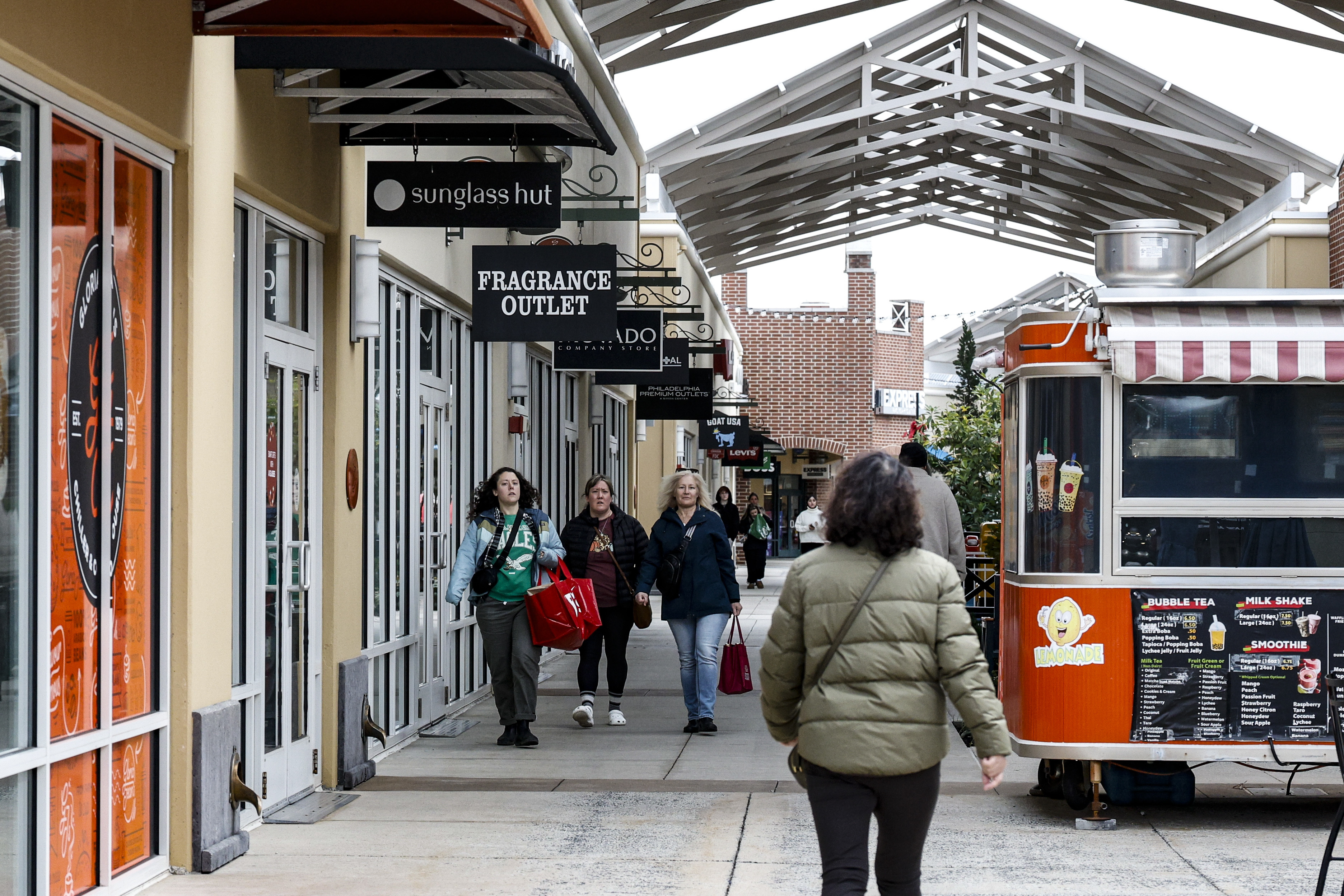
    Center leaders are bringing in food trucks, leaning into rewards programs, and promoting community events, such as Gloucester’s holiday tree lighting, which took place Saturday. Starting Black Friday, the Philadelphia Premium Outlets will offer Santa photos after a successful pilot program last year.

    And the complexes are finding new ways to attract and retain shoppers, online and in real life.

    Tanger recently announced an advertising partnership with Unrivaled Sports, which operates youth sports complexes, including the Ripken Baseball Experience in Aberdeen, Md., an hour drive from its Lancaster outlets. Stein said the company hopes to attract families looking to pass the time between tournament games.

    Tanger is also using AI and data analytics to email specific deals to customers based on where they’ve previously shopped, Stein said.

    “We want you to start your experience online and end it in the store,” Stein said.

    Shoppers walk by a new Ulta store at the Philadelphia Premium Outlets.

    At Simon outlets, customers can search a store’s inventory online before they make the trip, Davis said.

    “Online shopping at this point, it’s a complement,” Davis said. “It’s not viewed as competition.”

    Wagner, the outlet consultant, said she thinks even more centers will be built in the coming years, with a focus on urban and close-in suburban locations that are accessible by public transit.

    As for existing centers, she sees them thriving for the foreseeable future.

    “As long as outlets continue to emphasize a value message and use their loyalty programs to reward customers,” Wagner said, “I think they will hold their own.”

  • King of Prussia Mall is getting a real-life gaming venue with a bar-restaurant

    King of Prussia Mall is getting a real-life gaming venue with a bar-restaurant

    Another experiential retail concept is coming to the region. This time it’s a live social-gaming venue at the King of Prussia Mall.

    Massachusetts-based Level99 announced this week that it plans to bring its next “sprawling adult playground” to the Montgomery County shopping destination in 2027. The move marks the company’s first foray into the Philadelphia market.

    The 46,000-square-foot venue will include 50 “life-size mini games” geared toward adults, according to a news release, and a full-service restaurant and bar serving local craft beer.

    “Level99 goes beyond your conventional entertainment venue — it’s a place to play, explore, and actively connect,” Matthew DuPlessie, founder and CEO of Level99, said in a statement.

    The venue is moving into the ground floor of the former JCPenney, which closed in 2017.

    It will be across the mall from the 100,000-square-foot Netflix House. The immersive experience for fans of the streaming service’s shows is set to open Nov. 12 in the former Lord & Taylor department store.

    Level99 customers race through the venue’s signature “Axe Run” game, one of 50 mini-challenges set to be part of King of Prussia’s location when it opens in 2027.

    “We’re thrilled to welcome Level99 to King of Prussia, further elevating our commitment to delivering dynamic, experience-driven destinations,” Mark Silvestri, president of development for mall owner Simon Property Group, said in a statement. ”This innovative concept brings a new layer of interactive entertainment to King of Prussia and is a perfect complement to our growing lineup of immersive offerings.”

    As more consumers shop online, experiential retail has transformed malls nationwide, helping complexes fill empty spaces and attract new customers.

    In the Philadelphia region, Cherry Hill Mall is set to open a Dick’s House of Sport next year. The 120,000-square-foot space will include a climbing wall, golf simulators, a running track, and batting and soccer cages.

    At the Moorestown Mall, an empty department store is set to be filled by a massive entertainment center with axe-throwing and go-karts.

    In Center City, the Fashion District’s owners are considering adding more experiential retail after the success of nearby spots like Puttshack mini golf and F1 Arcade.

    And along with the forthcoming Netflix House, the King of Prussia Mall recently opened the Philadelphia area’s first Eataly, a 21,000-square-food Italian-centric marketplace and wine shop.

    At Level99 venues, customers can choose from 50 mini-games that test mental and physical skills.

    Level99 has been riding this experiential retail wave, opening its flagship location in 2021 at the Natick Mall in suburban Boston. The company opened another location in Providence, R.I., in January 2024, then added a third this summer in the Washington suburb of Tysons, Va. It has projects under construction in Hartford, Conn., and at Disney Springs in Orlando.

    At existing Level99 locations, pricing starts at $29.99 per person for two hours of play, according to its website. Prices increase on weekends and holidays, and if a customer wants more time.

    Level99 is supported by Act III Holdings, a $1.5 billion private-equity investment firm led by Panera Bread cofounder and Cava chairman Ron Shaich. Last month, Act III executives announced a $50 million commitment to the chain’s expansion into new markets, including Philadelphia.

    Unlike some other Philly-area malls, King of Prussia is thriving, with more than 450 stores occupying 2.9 million square feet of retail space.

  • Is 2025 Philadelphia’s year of the parking garage?

    Is 2025 Philadelphia’s year of the parking garage?

    Three large stand-alone parking garages have been proposed in Philadelphia this year, unusual projects in a city where parking operators have long complained that high taxation makes it difficult to run a business.

    The latest is a 372-unit garage near Fishtown and Northern Liberties at 53-67 E. Laurel St. near the Fillmore concert hall and the Rivers Casino.

    The developers see it as a strong bet for an area of the city that has seen a surge of apartment construction, which, due to Philadelphia’s parking laws, requires developers to only build spaces to serve a fraction of the units.

    “There’s been about 2,500 units that have come online within a 5- to 10-minute walk” of the planned garage, said Aris Kufasimes, director of operations with developer Bridge One Management. “When you’re building those on 7-1 [apartments to parking spaces] ratios, that leaves a massive hole. Where is everybody going to put their vehicles?”

    Despite central Philadelphia’s walkability and high levels of transit access, two other developers have made similar calculations this year.

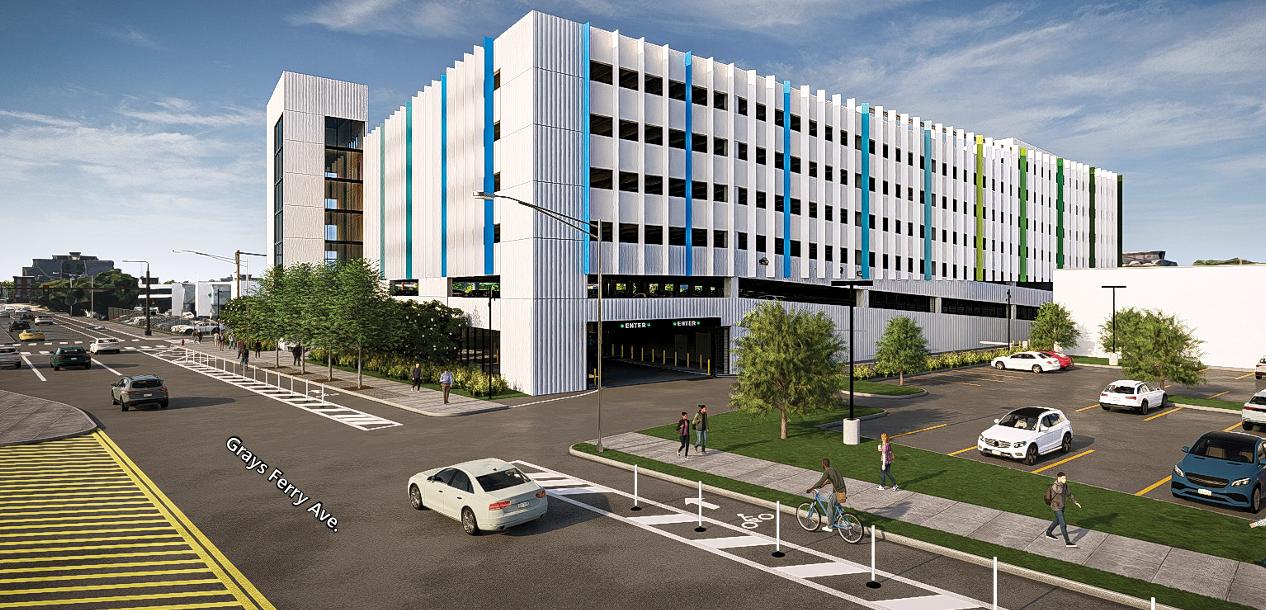
    In the spring, Children’s Hospital of Philadelphia (CHOP) revealed plans for a 1,005-space parking garage in Grays Ferry along with a shuttle service to spirit employees to the main campus a mile away.

    In August, University Place Associates unveiled plans for a 495-unit garage. About a fourth of it will be reserved for the use of the city’s new forensic lab, but the rest will be open to the public.

    All three projects have baffled environmentalists and urbanists, who thought Philadelphia was moving away from car-centric patterns of late 20th-century development.

    It’s also surprised parking operators in the city, who say national construction cost trends and high local taxation make it difficult to turn a profit.

    Legacy parking companies in Philadelphia like E-Z Park and Parkway Corp. have been selling garages and surface lots for redevelopment as anything other than parking. They say the city has lost 10,000 publicly available spaces in the last 15 years, bringing the total to about 40,000 in Center City.

    “I don’t think I’ll ever build another stand-alone parking facility,” said Robert Zuritsky, president of Parkway Corp. and board chair of the National Parking Association. “It doesn’t make any sense.”

    Zuritsky and other parking companies have long noted that operators in Philadelphia, who often have unionized workforces, get hit with parking, wage, property, and the Use and Occupancy Tax.

    When combined with the soaring cost of building new spaces across the nation, it’s difficult to turn a profit in Philadelphia.

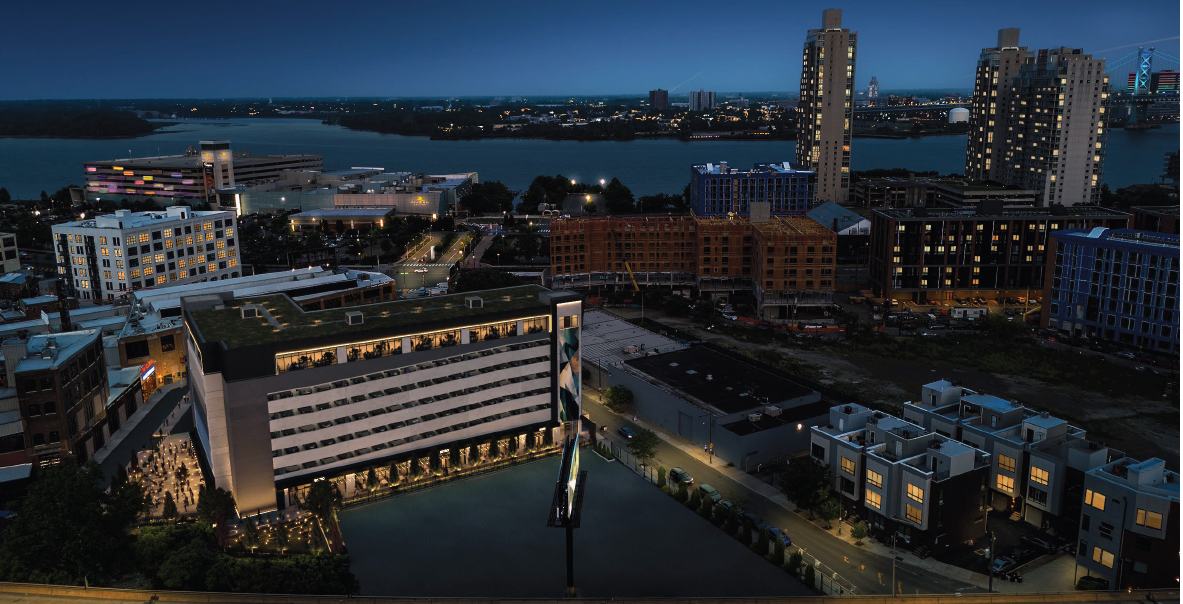
    A rendering of the Fishtown garage, looking towards the Delaware River.

    Zuritsky says it costs $60,000-$70,000 a space to build an aboveground lot in today’s environment and $100,000 to $150,000 below ground.

    “It’s like building a house for a car,” he said.

    Depending on hyperlocal peculiarities, Zuritsky says that taxation in Center City can eat up to 60% of the money they bring in and that to profit from new construction, an operator would have to charge $3,000 per space a month.

    “I wish people luck, the ones that are moving in,” said Harvey Spear, president of E-Z Park. “Between taxes, insurance, and labor, it comes to, like, 70-some percent of what we take in. We have more equipment now that does away with a lot of labor; we’re trying to compensate with that.”

    Urbanist and environmental advocates, meanwhile, have condemned the new garage projects, arguing that they will add to carbon emissions, air pollution, and traffic congestion.

    “A massive parking garage less than half a mile from the El [in Fishtown] is the wrong direction for any city that claims to take climate action seriously,” said Ashlei Tracy, deputy executive director with the Pennsylvania Bipartisan Climate Initiative. “SEPTA is already working to get more people out of cars and onto transit, but projects like this one and the one from CHOP only make that harder.”

    Here are the parking projects in the pipeline.

    Fishtown: 372 spaces

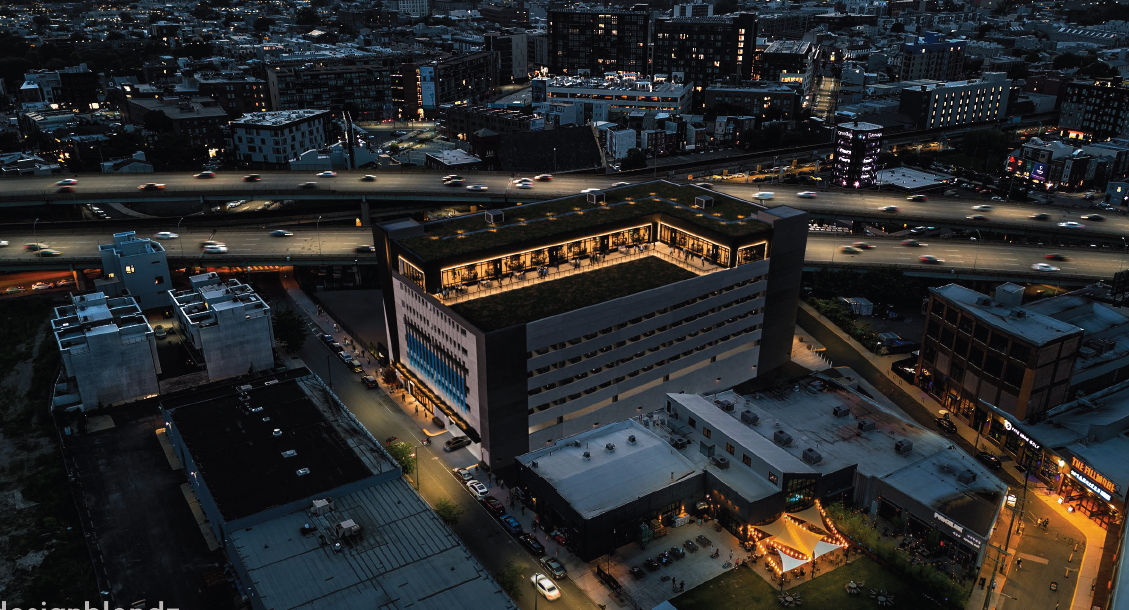
    The garage, with architecture by Philadelphia-based Designblendz, doesn’t just contain parking. It includes close to 14,000 square feet of commercial space on the first floor, which the developer hopes to rent to a restaurant — or two — on the edges of one of Philadelphia’s hottest culinary scenes.

    Another over 16,000-square-foot restaurant space is planned for the top floor, with views of the skyline and river. Both the top and bottom floors also could be used as event spaces.

    Kufasimes says that this aspect of the project could partly offset the kinds of costs that parking veterans warn of.

    “Our due diligence team went through those numbers and vetted them pretty thoroughly: The returns are what they needed to be,” Kufasimes said. “It’s got a multifunction of income streams, so we think that that really will help play a larger role.”

    Kufasimes also said a parking garage made sense in an area that’s seen more development than almost any other corner of Philadelphia. When investors purchased the land at 53-67 E. Laurel St. and approached his company for ideas, they met with other stakeholders in the neighborhood and determined parking would be appreciated.

    “It wasn’t necessarily all about the profit,” Kufasimes said. “A lot of people this day and age, that is their number-one goal. If this is a slightly lower return in the long run but can be better accepted by the community as a whole, we think that actually raises the value of the asset.”

    An overhead-perspective rendering of the Fishtown garage.

    At an October meeting of the Fishtown Neighbors Association, that argument appeared to pay off. Unlike most community meetings where a large new development is proposed, there were no adamant opponents of the project. The project also includes a 20,000-square-foot outdoor space, a green roof, and a to-be-decided public art component. All of that helped, too.

    “It’s nice seeing a parking garage, of all things, be as pedestrian-friendly and thoughtful as this,” one speaker said during the Zoom meeting.

    University City: 495 spaces

    The garage at 17 N. 41st St. is part of a larger complex of developments in a corner of West Philadelphia’s University City.

    Dubbed University Place 5.0, it largely exists because of a major expansion of the municipal bureaucracy west of the Schuylkill.

    For years the city has sought a new location for its criminal forensics laboratory. The debate became heated in City Hall, with numerous Council members making the case for locations within their districts.

    Councilmember Jamie Gauthier pushed for its location in University City Place 3.0, a newly built, state-of-the-art life sciences building that was coming online just as its intended industry was slowing down in the face of higher interest rates.

    To get the crime lab, Mayor Cherelle L. Parker’s administration said the police department would need ample parking. That’s where the new garage comes in.

    In June, Gauthier passed a zoning overlay that cleared away the regulatory hurdles to the project. Six weeks later, the developers revealed University City Place 5.0, which has 29 parking spaces on the ground floor reserved for official use by forensics vehicles and 100 spaces reserved for city employees.

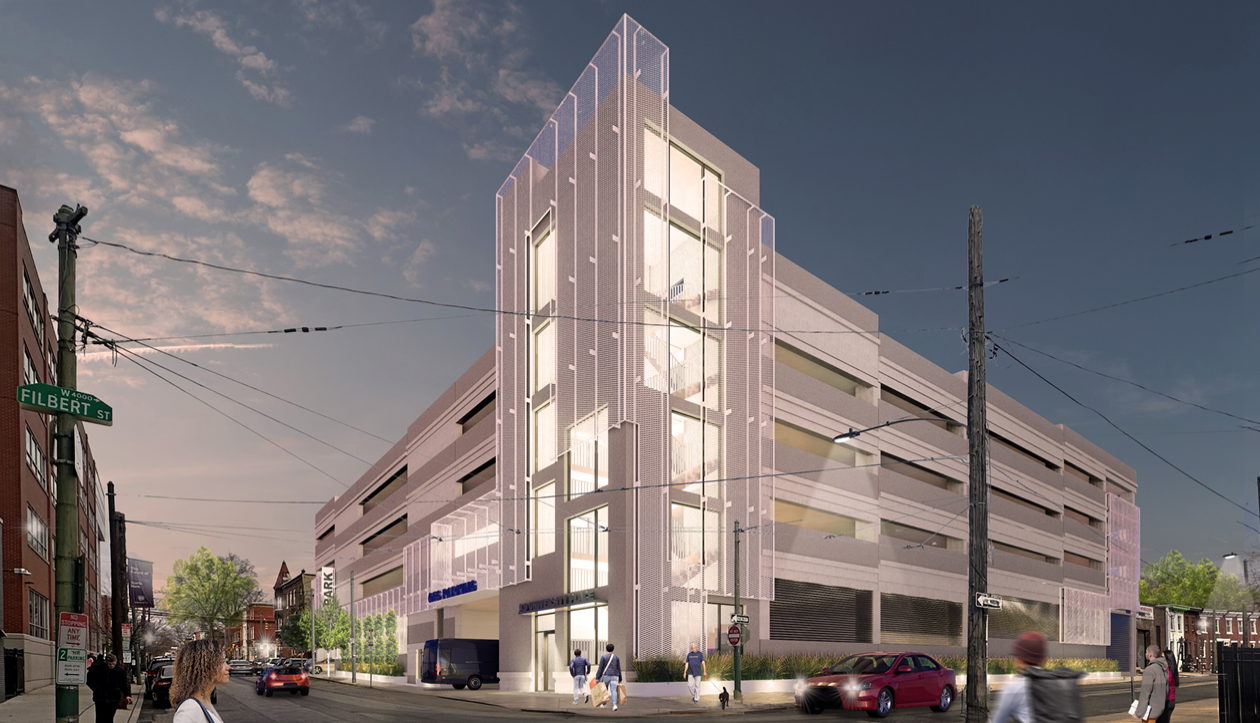
    A rendering of the proposed University City parking garage as seen from 42nd and Filbert Streets.

    Designed by Philadelphia-based ISA Architects, the garage is also meant to serve University Place Associate’s other large developments in the area. Akin to the Fishtown garage, they have also sought to make the development pedestrian friendly, with a dog park, green space, and public art.

    The local community group, West Powelton Saunders Park RCO, also embraced the proposal.

    “The community met regarding this project back in August, and … they were all in support of this project,” Pamela Andrews, president of the West Powelton Saunders Park RCO, said at the city’s September Civic Design Review meeting. “We have a tremendous problem with parking, and the community members felt this was a much needed and welcome addition.”

    Grays Ferry: 1,005 parking spaces

    CHOP’s thousand-car parking garage by far has been the most controversial of the proposals. But it also makes the most economic sense for the owner. Unlike the other garages — or those owned by Parkway and E-Z Park — it will be owned by a nonprofit and exempted from many of the taxes that make it so expensive to own parking in Philadelphia.

    A rendering of the new parking garage CHOP plans for Grays Ferry.

    The hospital purchased the property at 3000 Grays Ferry Ave., next to the Donald Finnegan Playground, for almost $25 million last year.

    The seven-story development, which, plans show, would have far fewer amenities than its University City and Fishtown counterparts, is meant to serve CHOP’s new research facilities in Fitler Square and the new patient tower set to open in 2028.

    “We recently secured permits and have begun construction on the new parking garage at 3000 Grays Ferry Ave.,” a CHOP spokesperson said. “The full construction is expected to go through the fall of 2026. CHOP continues to engage with the community by providing support, timely updates and addressing feedback during construction.”

    At the time of its unveiling, CHOP argued that the massive garage was needed as SEPTA threatened to become unreliable due to a political funding crisis in Harrisburg. But detractors appeared almost immediately to denounce the hospital for worsening air quality in a lower-income neighborhood that is already a hot spot for asthma.

    The project’s design was derided at the city’s advisory Civic Design Review panel and has attracted protest rallies, unlike its counterparts in University City or Fishtown.

    There are no regulatory hurdles to the development, but changes in the political or economic landscape could make it difficult to embark on a large capital project. Notably, the University of Pennsylvania proposed an 858-space garage in 2023 for the nearby Pennovation Center and has never broken ground.

  • A vacant South Philly Walgreens is set to become a supermarket

    A vacant South Philly Walgreens is set to become a supermarket

    South Philadelphia is set to get a new supermarket in early 2026.

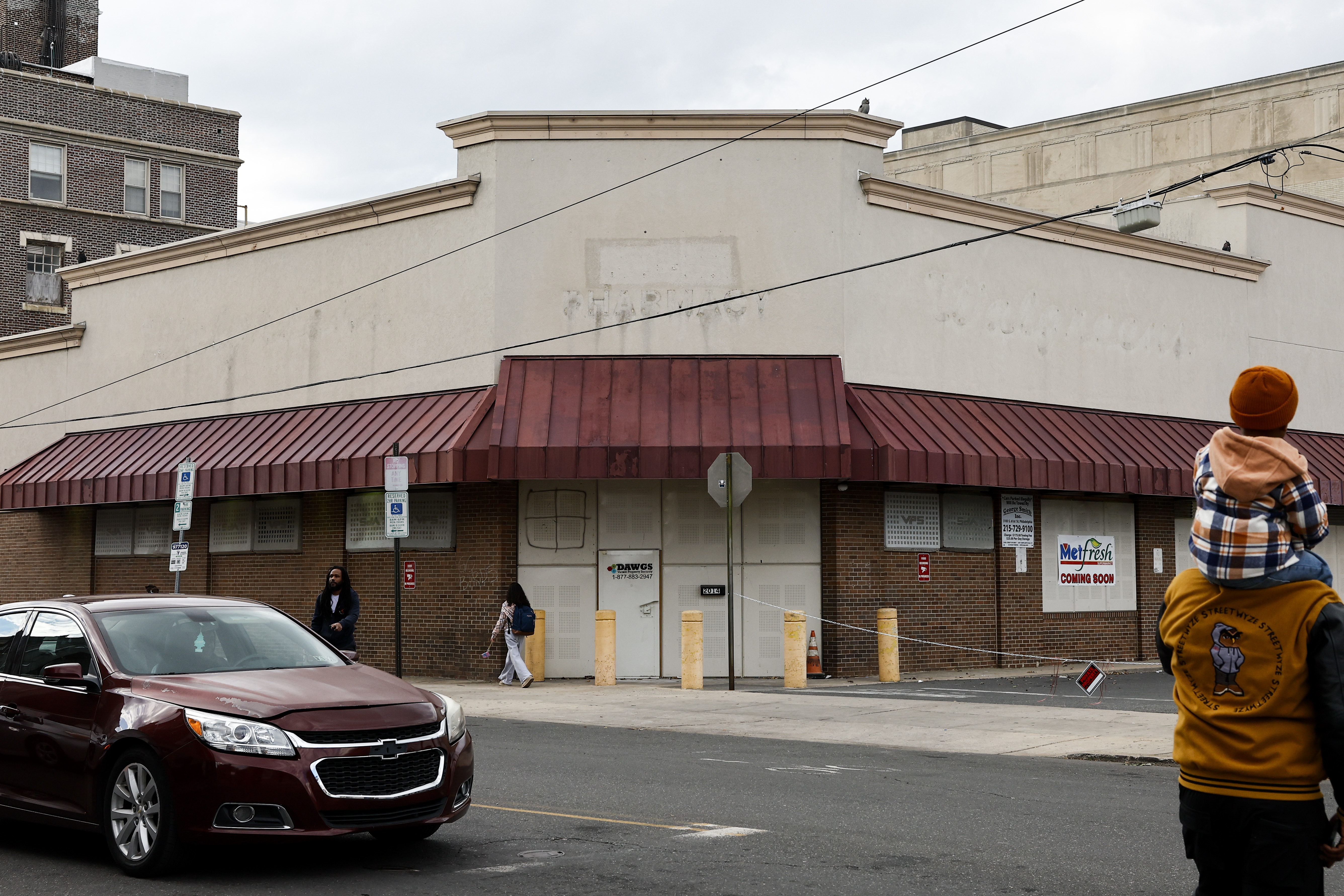
    New York-based Met Fresh is on track to open its first Philly location in January inside the former Walgreens at Broad and Snyder Streets, said owner Omar Hamdan.

    The 13,000-square-foot supermarket will include a pharmacy, a fresh-cut produce department, and a deli counter, Hamdan said, and will offer free grocery and prescription delivery to area seniors. It is also applying for a license to sell beer and wine.

    The former Walgreens at 2014 S. Broad St., where Met Fresh’s first Philly location is set to open in early 2026, photographed on Wednesday.

    “We try to bring the human factor back into the market,” Hamdan said, adding that the company’s philosophy hearkens back to a simpler time: “That store owner who had the apron and was sweeping outside of his store, who said ‘good morning’ to everyone? That is what we do.”

    Met Foods, a family-owned company, has been operating markets in New York City for 15 years, Hamdan said. It currently has locations in the Bronx, Brooklyn, Queens, Staten Island, and northern New Jersey.

    When the South Philly grocer opens, it will mark Met Fresh’s first location outside the New York City area, Hamdan said.

    In 2019, Met Fresh had been in talks to move into a mixed-use development in Philadelphia’s Mantua section, but Hamdan said those plans fell through.

    Since then, Hamdan said they continued to look for potential Philadelphia locations. The store at 2014 S. Broad Street seemed like “a perfect fit,” he said, due to the area’s walkability, dense population, and a demand for more grocery stores and pharmacies.

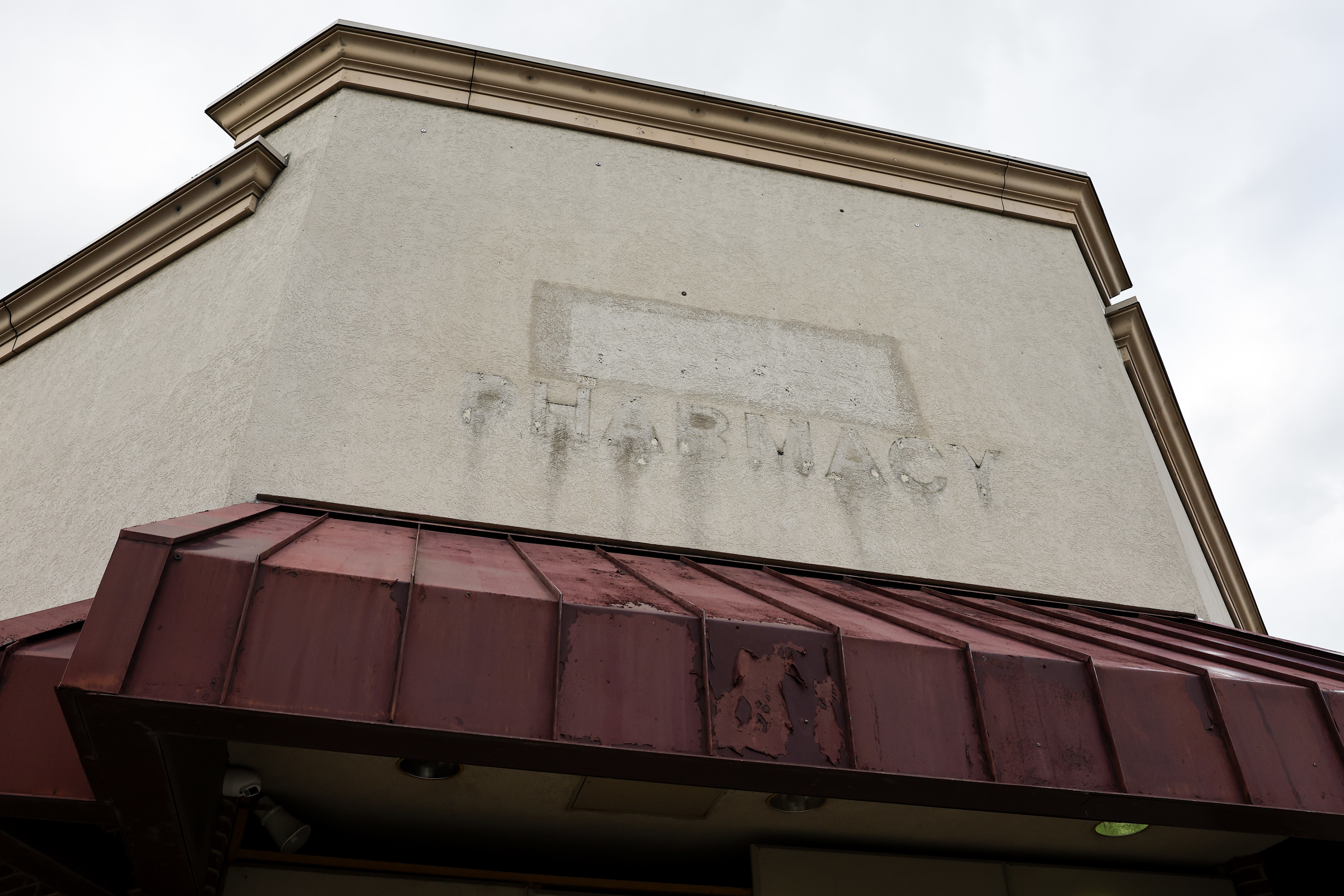
    The “pharmacy” lettering is seen on a former Walgreens on South Broad Street, where Met Fresh plans to open a supermarket in early 2026 after “extensive” renovations, its owner said.

    From the Broad Street store, the nearest supermarket is seven-tenths of a mile away. As for chain pharmacies, the Walgreens closed last year, and a Rite Aid across the street shuttered this summer as the Philly-based company went out of business. So the nearest large drugstore is a CVS off Passyunk Avenue, also seven-tenths of a mile away.

    The Met Fresh will soon start hiring in South Philly, with Hamdan noting that his stores typically need 30 to 40 part- and full-time employees from the surrounding communities. The new location will open after “extensive” renovations, Hamdan said, and once the team gets ahold of refrigeration equipment, which has been impacted by tariffs on steel and aluminum.

    Hamdan said he’s excited for Philly consumers to be introduced to Met Fresh, calling the Broad Street spot “a test pilot to see how we do in the Philly market.”

  • Councilmember Gauthier pursues more red tape for university land sales in West Philly

    Councilmember Gauthier pursues more red tape for university land sales in West Philly

    Philadelphia Councilmember Jamie Gauthier has made it clear that she is unhappy with St. Joseph’s University.

    The school sold much of its West Philadelphia campus to Belmont Neighborhood Educational Alliance, a nonprofit led by Michael Karp, a developer of student housing.

    In City Council on Tuesday, St. Joe’s confirmed that the sale has closed.

    In reaction, Gauthier had authored legislation that sought to require more community oversight when large institutions make significant land sales in University City, which is part of her district. She thinks this sale might not be the last, given the turbulent state of higher education.

    Her original legislation was deemed legally dubious by the city’s law department and by most zoning attorneys consulted by The Inquirer.

    Gauthier amended the bill and got the new version passed by City Council’s Rules Committee on Tuesday.

    “It is an indisputable fact that college campuses significantly impact the communities that surround them,” Gauthier said at the hearing.

    “As higher education undergoes its most significant change in our lifetime,” she continued, “we must ensure that land-use decisions are made with their communities in mind, and recent actions by multiple universities prove this will not happen without legislative action.”

    The original bill sought to regulate how higher education institutions use their land, which is illegal. Zoning concerns land use generally, not only land use of specific actors.

    Gauthier amended the bill so it is triggered not by a change in ownership from a university to a non-higher education buyer, but by a proposed change away from educational use on lots over 5,000 square feet.

    So if a university sold land to a housing developer, the law would be triggered. It is not clear it would be triggered by what St. Joe’s did, which was selling land used for university purposes to another educational provider that claims to want to start a teaching college.

    The amendments also removed clauses that would have required neighborhood residents to join the Philadelphia City Planning Commission when it reviews land-transfer proposals, as is required by this bill.

    Gauthier pushed back against arguments that her bill is an overreach by noting that it simply requires a meeting with neighborhood groups, a review by the planning commission, and a demolition moratorium if there are no permits for new construction.

    “This bill doesn’t cripple anyone’s property values,” Gauthier said. “It doesn’t restrict anyone’s use or density rights. It adds more eyes and more transparency to land-use decisions for major properties that change entire neighborhoods. The idea that this could ever be wrong is simply preposterous.”

    The IPEX building at St. Joseph’s University in Philadelphia on Sept. 12.

    Representatives from a host of West Philadelphia neighborhood groups testified in support of Gauthier’s bill. They detailed their anxieties about living in the shadow of large institutions with expensive real estate portfolios and their frustrations with what they felt had been duplicity by St. Joe’s during a public engagement campaign about the sale.

    During neighborhood meetings earlier this year, attendees detailed their desire for a community college, health clinic, parking, or affordable housing on a post-sale St. Joe’s campus.

    They said they felt that the university ignored their feedback.

    “This thing about community engagement, we feel as though it was false,” said Jacquelyn Owns, a committeeperson in the 27th Ward. “It was just something to keep the community quiet while they did exactly what they wanted to do.”

    St. Joe’s representatives argued that Karp’s plans for the site are in keeping with the neighborhood’s broad desires, given that his Belmont organization runs charter schools.

    St. Joe’s also noted that it will still retain some property in the area affected by Gauthier’s bill and contended that the legislation would have deleterious effects on higher education institutions in University City.

    “It probably would devalue our real estate holdings, which, in turn, would then devalue our balance sheet, which would then restrict our ability to offer financial aid,” said Joseph Kender, senior vice president at St. Joe’s. “It would restrict our ability to start new construction projects. It would restrict our ability to offer new academic programs.”

    A lawyer for St. Joe’s, Ballard Spahr zoning attorney Matthew McClure, said that even the amended bill might still be illegal.

    Despite the protests by St. Joe’s, Council’s Rules Committee passed the amended bill.

    That may be the last movement on the controversial legislation for a while. At its October meeting, the planning commission requested a 45-day hold on the bill to consider its ramifications more thoroughly. That means the full City Council will not be able to consider it until late November.

  • North Broad garage will be redeveloped into 99 apartments and a large restaurant

    North Broad garage will be redeveloped into 99 apartments and a large restaurant

    An antiquated industrial building at 142-144 N. Broad St. is being converted to 99 apartments and over 4,000 square feet in restaurant space.

    The seven-story building previously served as a car showroom with vehicle elevators and a factory. It has been empty for years.

    “It’s gone through a couple of owners,” said Carolina Pena, principal at Parallel Architecture Studio, which is working on the project. “We’re doing an interior renovation. There are no additions proposed. We’re trying to retrofit the existing garage into apartments.”

    The building’s previous owner, John Wei, has been selling off property across the Callowhill area in recent years in the face of mounting financial difficulties. He purchased 142-144 N. Broad in 2022 for $7 million.

    The property sold in August for $6.2 million to a company called Penn Hall Investment LLC.

    In zoning applications filed with the city earlier this month, the owners are listed as Qiaozhen Huang and Yizhou Li with their business address as 300 E. Allegheny Ave. in Kensington.

    Philadelphia-based Parallel Architecture Studio, which is designing the project for the latest developers, also served as the architect for an earlier iteration of the property, when Wei sought to use it to house a 115-room hotel.

    Pre-pandemic permits show a proposal for an even larger hotel from another developer and architect.

    “It’s more stable financially this way,” said Pena, of Parallel Architecture. “It’s harder to get financing for hotels than to get financing for apartments.”

    Pena projects a construction timeline of 18 to 24 months. The apartments will be designed for single-person households.

    “We have some studios, some one-bedrooms,” Pena said. “They’ll be around 600 square feet.”

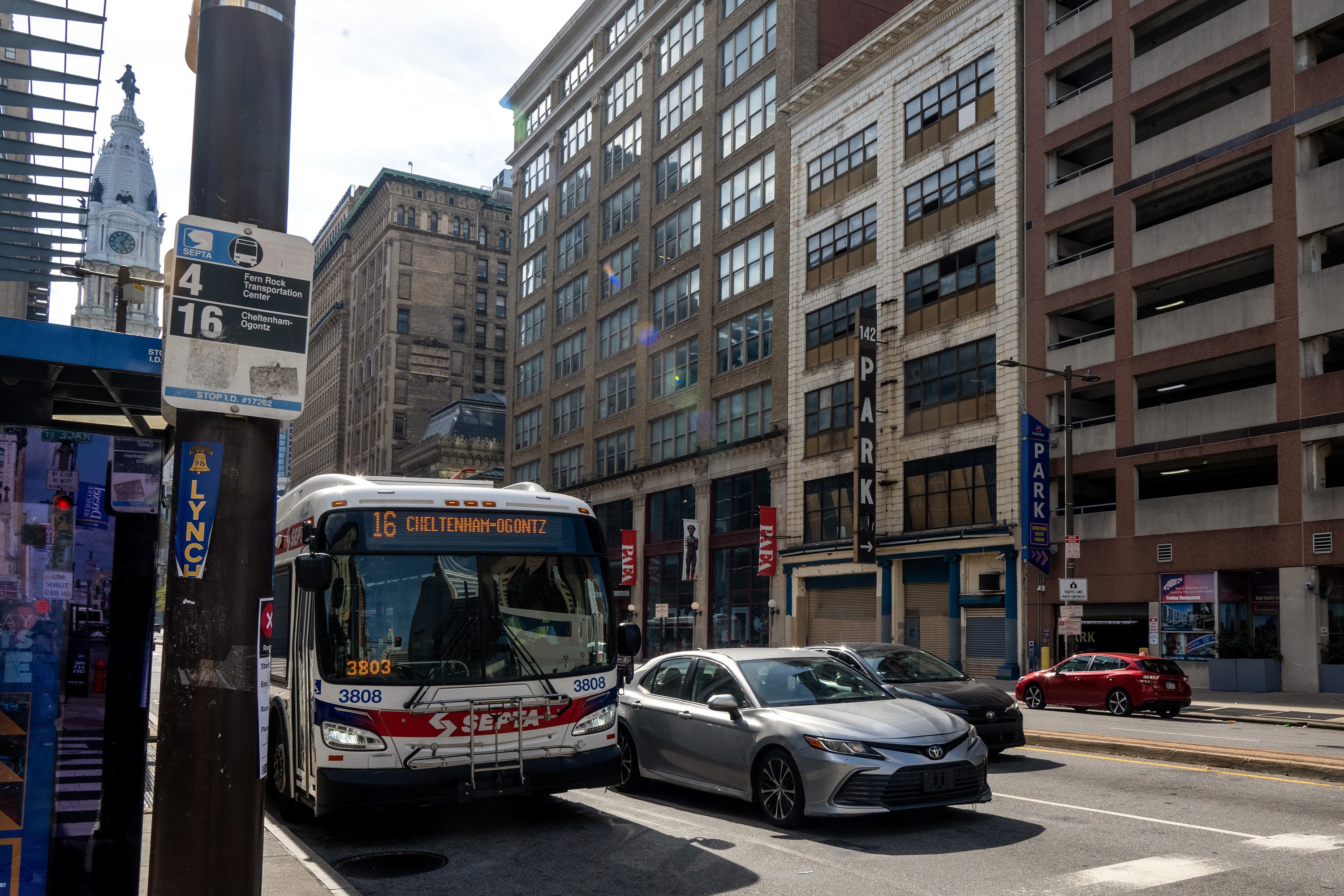
    A view of 142-44 N. Broad St. (black PARK sign). Zoning permits have been pulled for a conversion of the long-vacant tower to residential and restaurant use.

    The current Penn Hall project does not require any action from the zoning board because 142 N. Broad St. is in the most flexible zoning district in the city.

    Bicycle parking and four automobile spaces will be available in the tower’s existing small underground parking facility.

    In 2017, the city issued an “unsafe structure” violation for the building, but the owners at the time shored it up. No violation of that magnitude has been issued since.

    The development along North Broad Street has been advancing at a slow but steady pace since the Great Recession.

    Philadelphia developer Eric Blumenfeld’s string of popular projects along the thoroughfare, including The Met and the Divine Lorraine, started the redevelopment trend.

    Other developers such as Alterra Property Group have added hundreds of new apartments to the area, and the Philadelphia Ballet’s new building is opening soon. Closer to City Hall at the shuttered Hahnemann University Hospital, Dwight City Group plans 288 apartments.