Category: Real Estate

  • Radnor moves to acquire 14 acres of Valley Forge Military Academy by eminent domain

    Radnor moves to acquire 14 acres of Valley Forge Military Academy by eminent domain

    The Radnor Township Board of Commissioners is moving to use eminent domain to take 14 acres owned by the Valley Forge Military Academy, which has said it will close this year.

    A motion Monday by the board authorized township solicitor John Rice to draw up legal paperwork to use eminent domain — a process that allows municipalities to take a property from owners, whether they want to sell or not — by paying an appraised value for the land.

    The Board expects to introduce an eminent domain ordinance at its Jan. 24 meeting. The ordinance would have to be approved after a second hearing and public reading. No date is set for that.

    It’s likely the township would use the land to build a new recreation center and park.

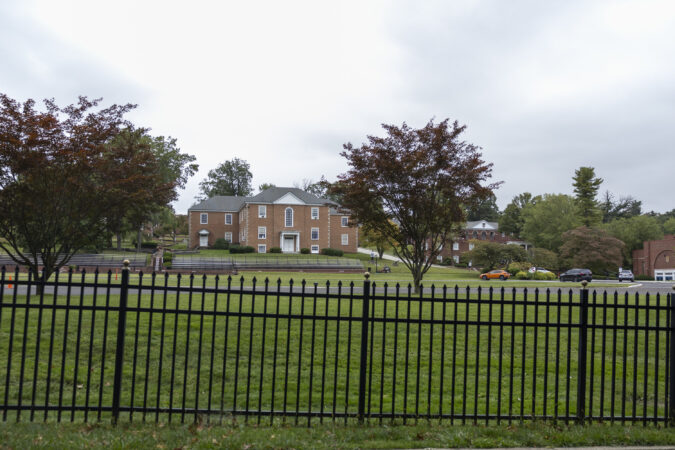
    Valley Forge Military Academy spans about 70 acres in Wayne in Delaware County. The board said its goal is to prevent more development in the area around North Wayne.

    Commissioner Jack Larkin cited a number of developments in recent years that have raised concern about overdevelopment and increased traffic.
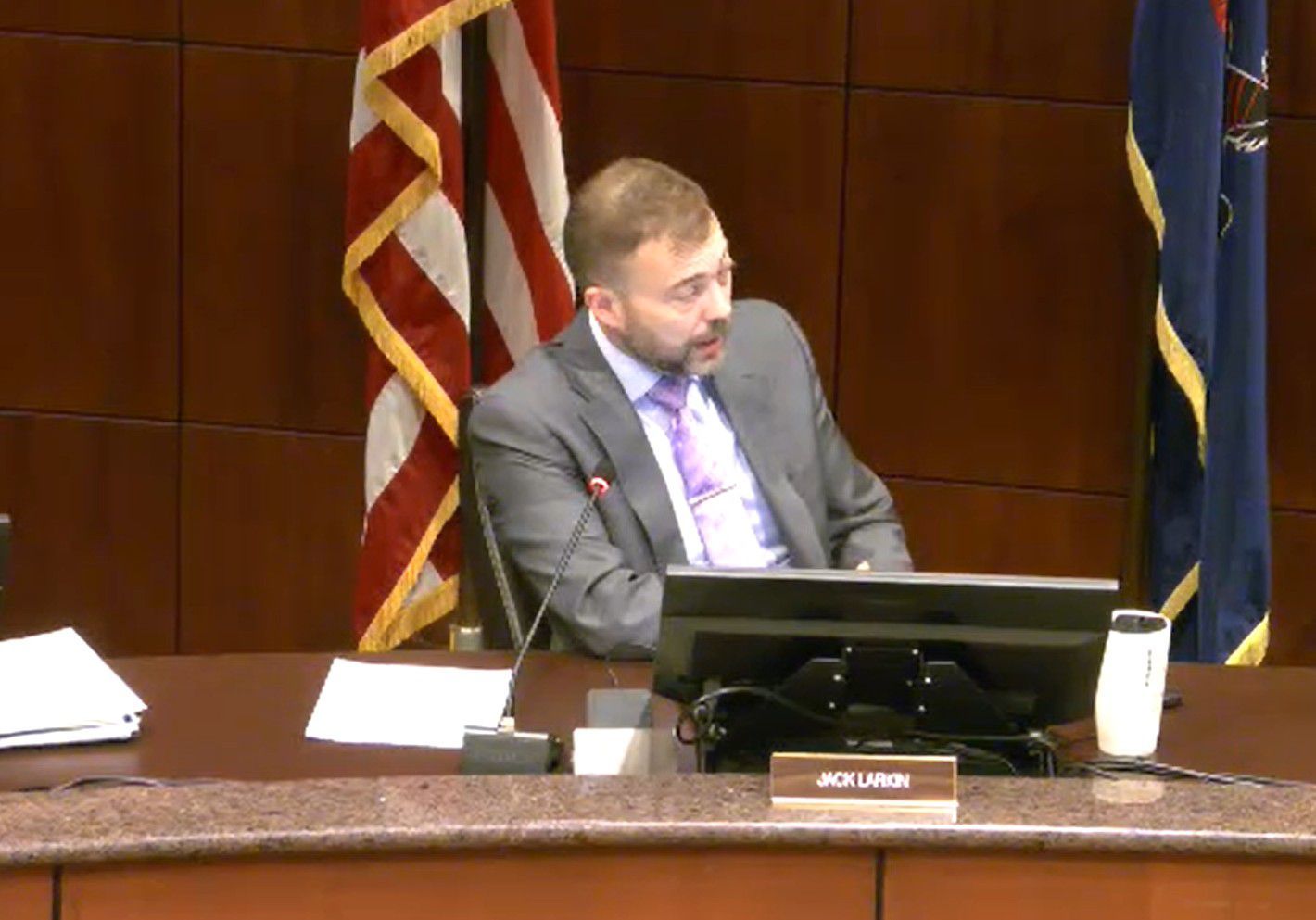
    A video still of Radnor Commissioner Jack Larkin speaking at a Jan. 5, 2026, township meeting regarding the possible taking of 14 acres of Valley Forge Military Academy through eminent domain.

    He said the township has reached out to academy officials but have not heard back.

    “We would need to get this started, to ideally negotiate in good faith, a friendly arrangement, which we started to do,” Larkin said. “And we just haven’t really heard anything back from the school.”

    He said the school has not turned down a deal or set a price.

    “They just kind of went radio silent,” Larkin said at the meeting, and added that, as a result, the township decided to move ahead with a plan that would allow it to use eminent domain.

    However, a representative of the Valley Forge Military Foundation said said Thursday the school was unaware the township planned to move so fast.

    Plans for the 14 acres

    Larkin said in a separate interview Wednesday that the township is eyeing the land as a solution to the township-run Sulkisio Gym on Wayne Avenue.

    The gym needs major repairs, and its lease will be up in coming years. So the township needs to consider whether it’s worth putting more money into the facility, given that it might not remain a tenant when the lease expires.

    As a result, the township is considering a new gym and park for the 14 acres, which are bounded by Eagle Road to the south, the Oak Hill development to the east, and the buildings of the academy’s main buildings to the west.

    “We’re on the hunt for another alternative,” Larkin said. “This would be the place we would hope to build a replacement rec center. But that’s not going to take the entire 14 acres. So we would favor the balance would have some flavor of a park.”

    Larkin said whether the park has trails, a playground, or a community garden will be subject to public input.

    He said the township knows the value of real estate in the area and has a ballpark price per acre it’s willing to pay, but he would not disclose a total figure.

    “My real hope,” he said, “is that we end up negotiating a deal and this is not an exciting process. They want to sell, and we want to buy.”

    Larkin did not believe the 14 acres would conflict with land being eyed for a charter school.

    Currently, a group seeking to open Valley Forge Public Service Academy Charter School on land at the closing military school is already equipped with a leadership team and board, but it cannot open as a publicly funded charter school without approval from the local school board.

    Radnor school board officials are now considering the plan for a charter school that could open in the fall.

    What can eventually be built on the land is restricted by the current institutional zoning to educational, medical, religious, and museum uses, although zoning variances can always be sought.

    Valley Forge Military Foundation’s responds

    John English, board chair of the Valley Forge Military Foundation, said Thursday that the academy was aware Radnor had expressed interest in buying some of the property.

    “We were not aware that the Township believes it needs to proceed as quickly as it is,” English said in an email statement. “While Valley Forge Military Academy is closing, the Valley Forge Military College is still very much active and thriving on our campus as it continues its national security mission of training and commissioning future officers for the United States Army.”

    English said the trustees are, “undergoing a thorough analysis and evaluation of the future needs of the Foundation and the College.”

    Once they establish a path forward, English said, they would be “pleased to share those plans with Radnor Township.”

    What happened to Valley Forge Military Academy

    The rush to buy the land stems from the school’s imminent closure.

    The academy announced in September that it planned to close at the end of the 2025-26 academic year amid declining enrollment, financial challenges, and lawsuits over alleged cadet abuse. Its college would continue to operate on the main campus.

    In December, Eastern University entered an agreement to buy nearly half the Valley Forge Military Academy property, which is less than a mile from the Christian university’s St. David’s campus in Delaware County.

    The planned purchase by Eastern includes 33.3 acres encompassing the football stadium, track, and athletic field house, as well as multiple apartment buildings that will be used to house students.

    In the academy’s closing announcement, school leaders cited declining enrollment and rising insurance premiums, in part tied to the school’s extensive legal battles.

    The Inquirer has reported that even with the school’s finances in a tailspin, board members in recent years personally lent $2 million to cover operating costs, financial disclosure records show.

    They tried other methods to drum up revenue, including franchising the academy’s brand to an Islamic private school in Qatar and unsuccessfully attempting to open a charter school on campus.

    They leased out their buildings for private events and authorized the sale of nearly one-third of the campus to luxury home developers, according to federal filings and emails obtained by The Inquirer.

    Even so, enrollment in 2025 fell to 88 cadets, down from more than 300 a decade ago, the school said.
  • For $9.9 million, you can own this Lower Merion mansion and a bonus house next door

    For $9.9 million, you can own this Lower Merion mansion and a bonus house next door

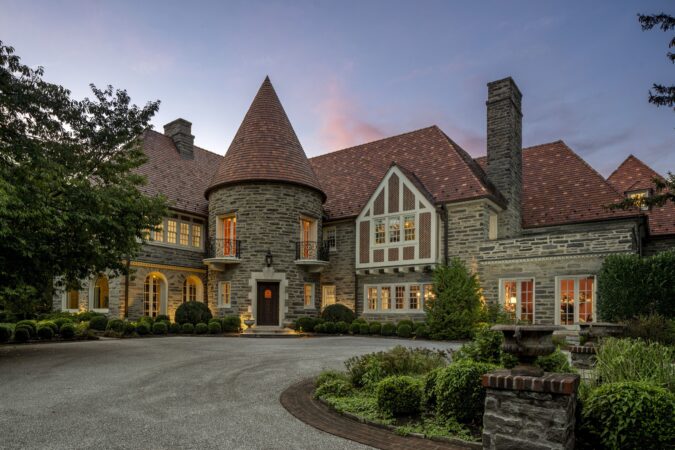
    On Creighton Road in Lower Merion, it’s not unusual for residents to buy the house next door.

    The owners of the 3.85-acre property at 648 Creighton Rd. did just that when they purchased the home but wanted a pool. They decided to put one on the neighboring property.

    Now, the properties are being sold as a package deal.

    The century-old main house with seven bedrooms, seven full bathrooms, and three half bathrooms is available for $7.9 million. And the one-bedroom, one-bathroom carriage house next door that was rebuilt in 2015 is on the market for $2 million.

    Creighton Road “has become the estate street,” said listing agent Lavinia Smerconish with Compass Real Estate.

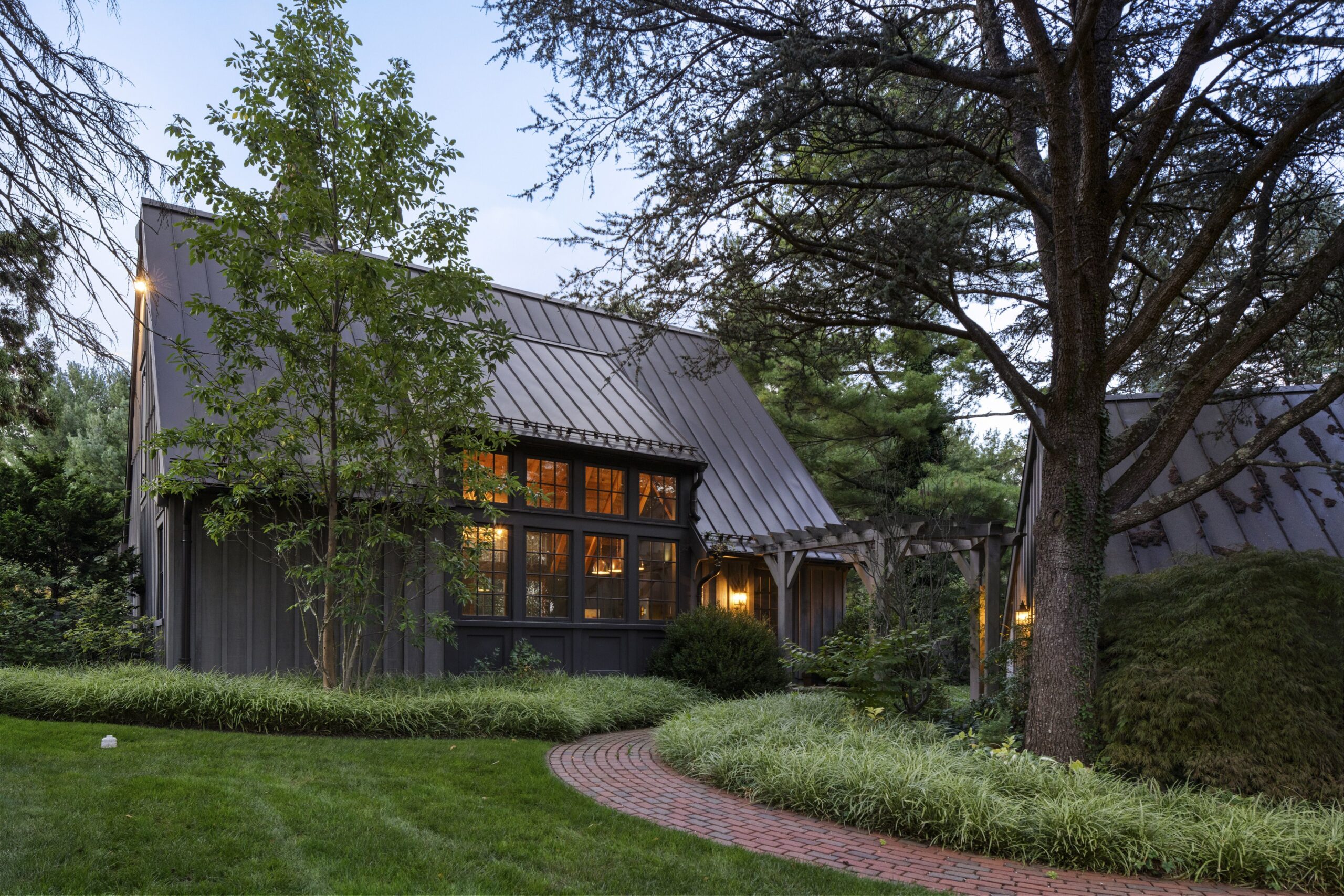
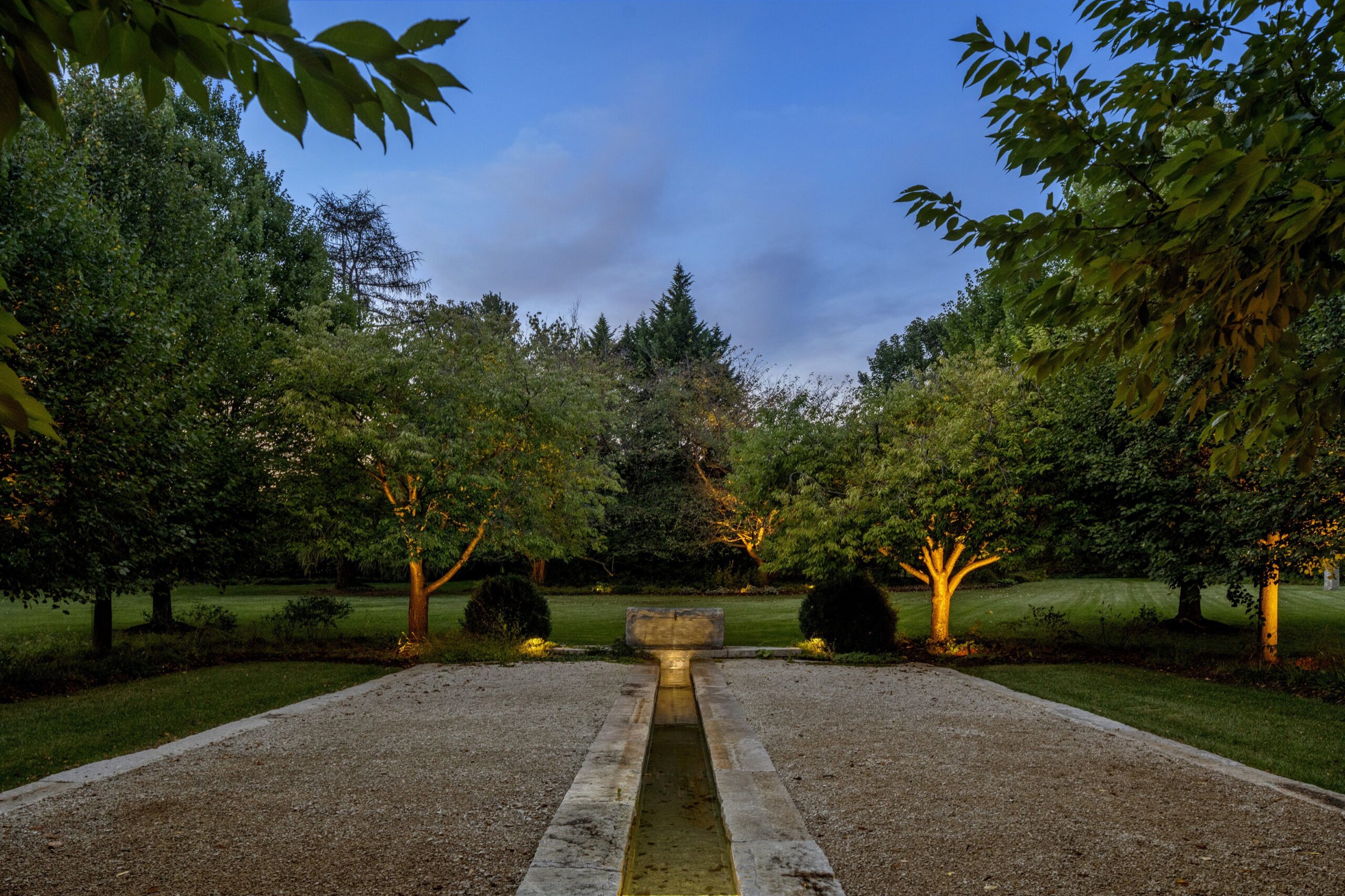
    The property is 3.85 acres and includes a sprawling yard.

    The owners are open to selling their properties separately, but they won’t sell the carriage house before the main one in case a buyer wants both.

    The fieldstone main house is 11,418 square feet. It used to have a series of small rooms for staff and a giant entrance that looked like a banquet hall that no one knew what to do with, Smerconish said. A previous owner reimagined the home with larger rooms, more natural light, and more functional space.
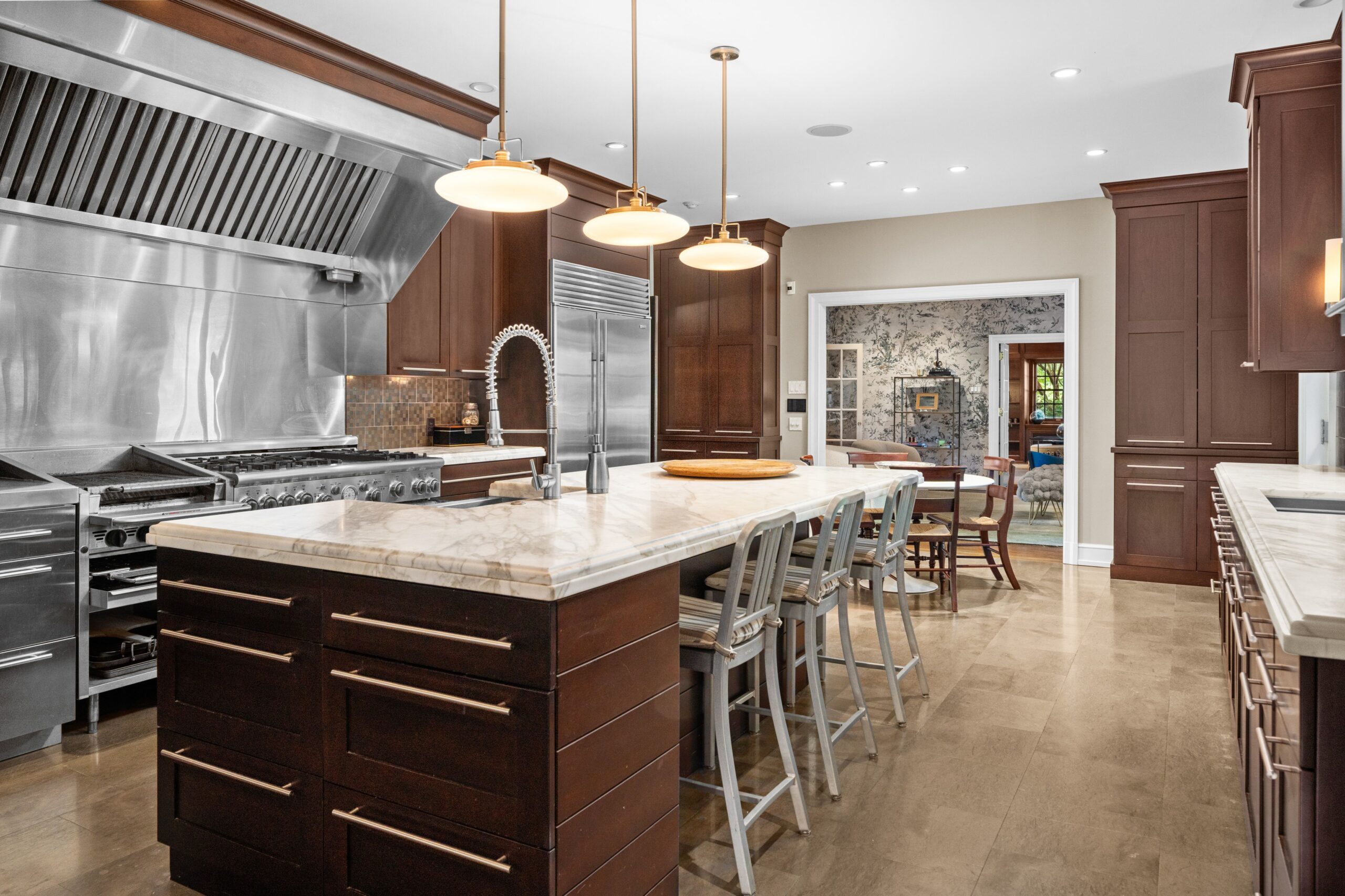
    The home has a commercial kitchen with a large island with seating.

    The front door opens to an entrance tower with a chandelier and winding staircase. Living and dining rooms branch off from the foyer with the family room straight ahead.

    The home has a commercial kitchen with an island with seating. The property includes an exercise room, solarium, four fireplaces, suite above the attached garage for guests or a nanny, sprawling yard lined with trees and hedges, terraces, and detached garage. The sitting room off the primary bedroom could be kept as is or turned into a huge closet, Smerconish said.
    “It’s just an extraordinary house,” she said.
    The finished basement alone spans 1,538 square feet. According to an annual report by the National Association of Realtors, the median size of homes purchased by first-time buyers in the United States is 1,600 square feet.

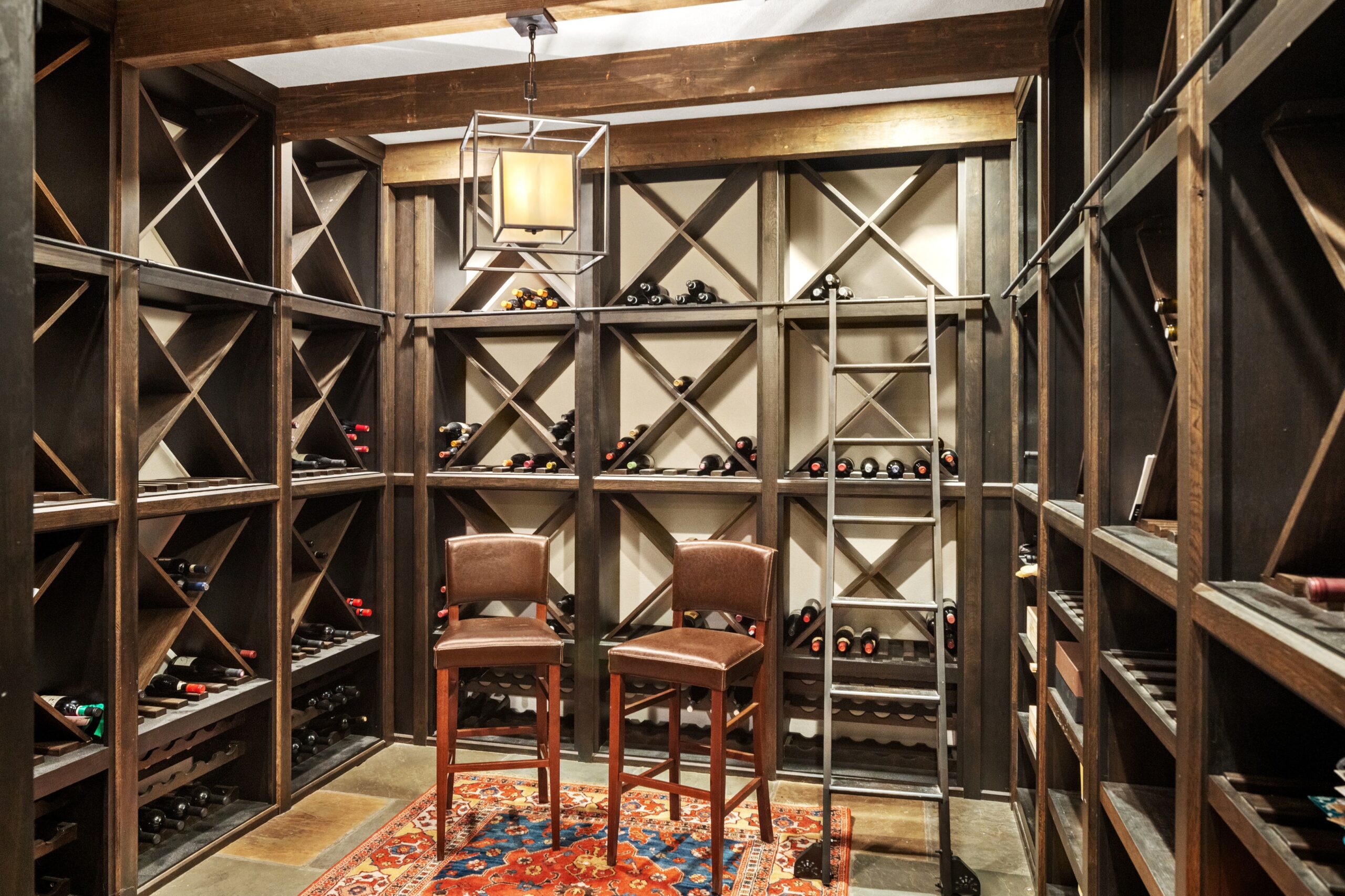
    The finished basement spans 1,538 square feet and includes a wine cellar.

    The basement includes a sports bar with TVs, wine cellar for up to 3,000 bottles, movie room, gym, and bathroom.

    The property “is both impressive and cozy at the same time,” Smerconish said.
    The carriage house on the market for $2 million on Creighton Road in Lower Merion is being sold as a package along with the $7.9 million house next door.

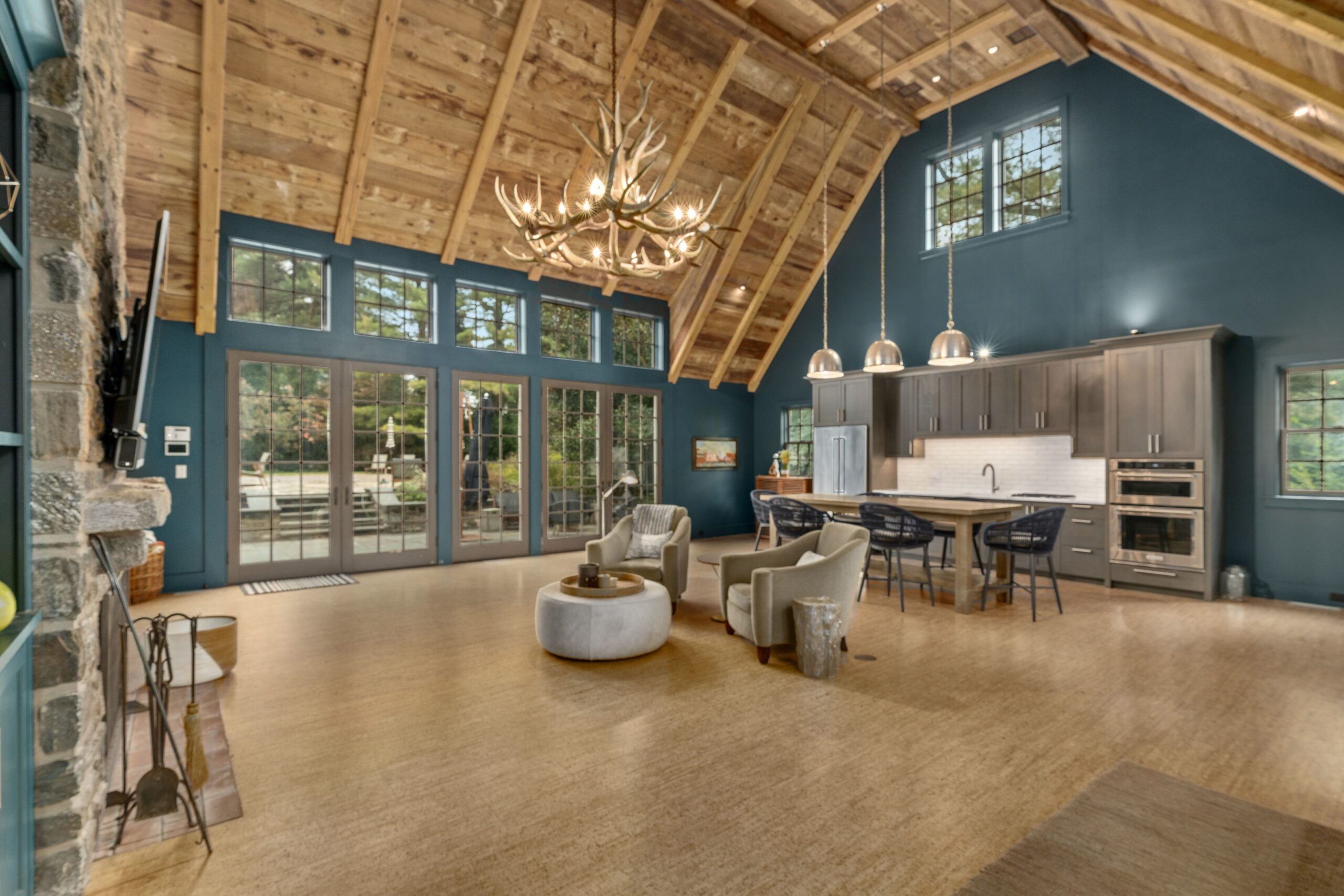
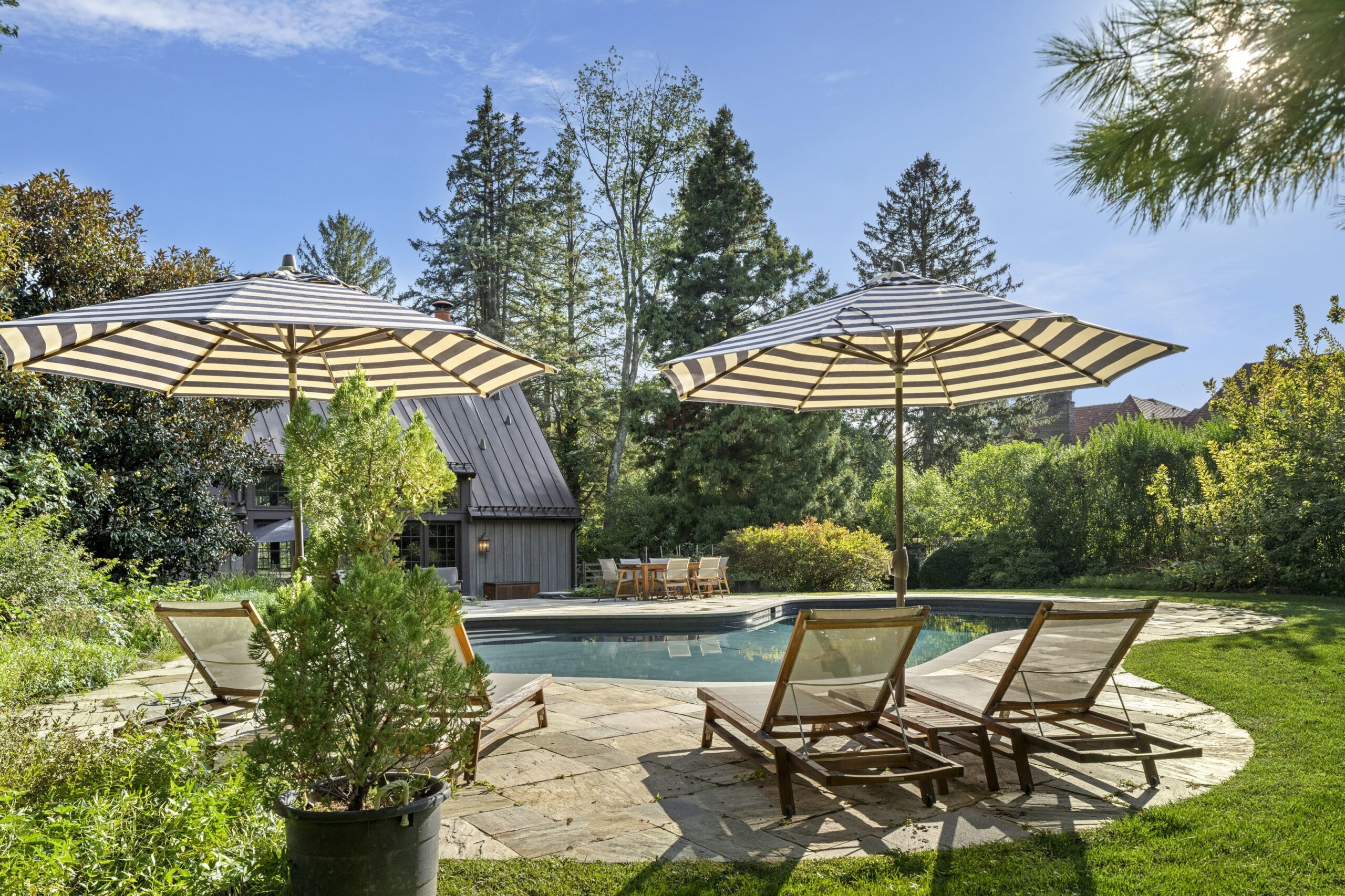
    The carriage house next door spans just over 1,000 square feet on an almost one-acre lot. It has a bedroom, bathroom, laundry room, eat-in kitchen, and living room. A flagstone patio leads to the heated saltwater pool.

    The properties are walking distance from the Appleford estate, which is an event venue, bird sanctuary, and arboretum with gardens and walking paths. They are minutes from Villanova University and Stoneleigh, a public garden of the nonprofit Natural Lands.

    And they’re also minutes from the Schuylkill Expressway and I-476.

    The carriage house includes a kitchen, bathroom, and bedroom.

    The properties were listed for sale on Dec. 5. Now that the holidays are over, Smerconish said, she will start accepting appointments to tour them. She said photos of the main house especially don’t do it justice.

    “You get more with a physical tour and experiencing it,” she said.
    Flagstone surrounds the carriage house’s heated saltwater pool.
  • Her Bella Vista apartment has a second-story tree view and brings nature inside

    Her Bella Vista apartment has a second-story tree view and brings nature inside

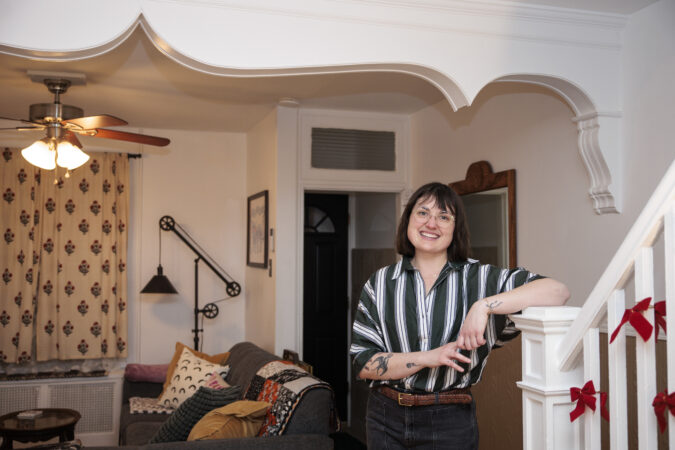
    Last spring, Katie Kring-Schreifels noticed two mourning doves fluttering in the maple tree outside her bedroom window. With the help of binoculars, over the course of several weeks she watched as the birds made a nest in the crook of two branches, then two eggs appeared in the nest, then fledglings hatched, and finally the baby birds grew up and flew away.

    Kring-Schreifels wasn’t surveying birds from a house in a bucolic suburb. She was watching from her second-floor apartment in a brick rowhouse in Bella Vista.

    Wanting to share the urban wildlife’s saga, Kring-Schreifels alerted her upstairs and downstairs neighbors to the nesting doves so they could watch, too.

    The Temple graduate loves city living, shopping at the Italian Market two blocks away, and taking courses at Fleisher Art Memorial down the street.

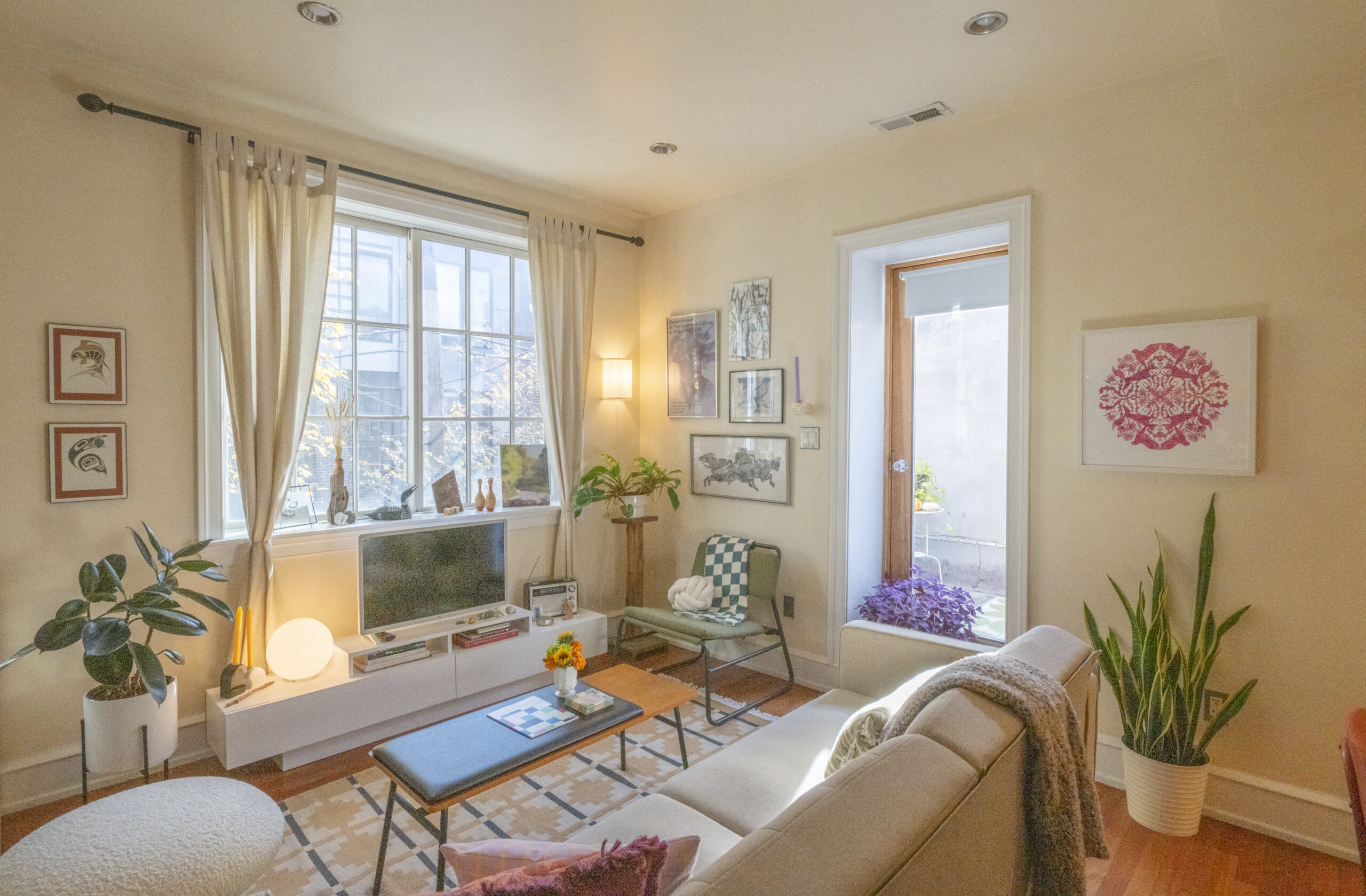
    The apartment is painted in a pale yellow, with live plants throughout the living space.

    Having grown up in Elkins Park, she values nature and has found ways to bring it into her one-bedroom rental. Her walls are painted pale sunshine yellow, for instance, and a flock of paper bluebirds is suspended from string, creating the illusion that they’re flying across a living room window.

    Kring-Schreifels’ mother, Julie, found the birds at a craft show. Julie, an artist, also created the framed collage with red poppies. And her prints of a fanciful salmon and a raven were purchased on a family trip to Vancouver.

    A map of London combining drawings of birds and foxes with street names was acquired by Kring-Schreifels when she spent a college semester abroad.

    Paper birds hang in the living room window.
    A green and bronze dragonfly is attached to a repurposed headboard on the patio.

    The beige pullout couch and coffee table in the living room came from Wayfair. The green chair, globe lamp, and the beige, cream, and black rug were purchased from Ikea, one of her favorite shopping destinations. “I love Scandinavian design,” she said, “It’s simple and warm.”

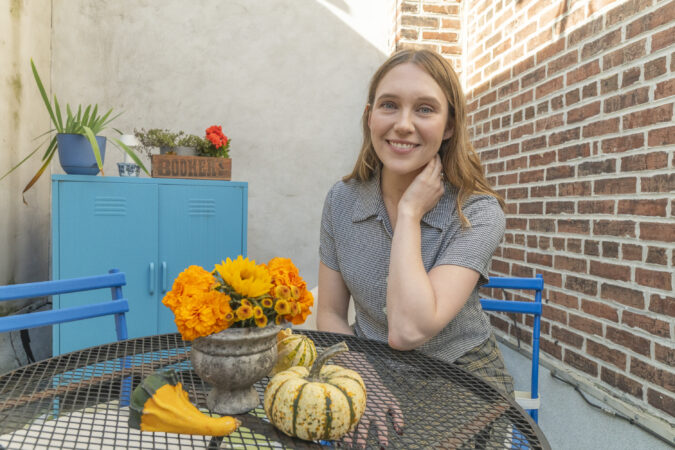
    In warm weather, marigolds and other annuals fill pots on the balcony, which is furnished with a blue storage cabinet from Target, blue chairs from Ikea, and a black metal table from her aunt, Mindy Kring. A brass sunburst headboard has been repurposed as a resting place for a green and bronze dragonfly found at the flea market on Head House Square.

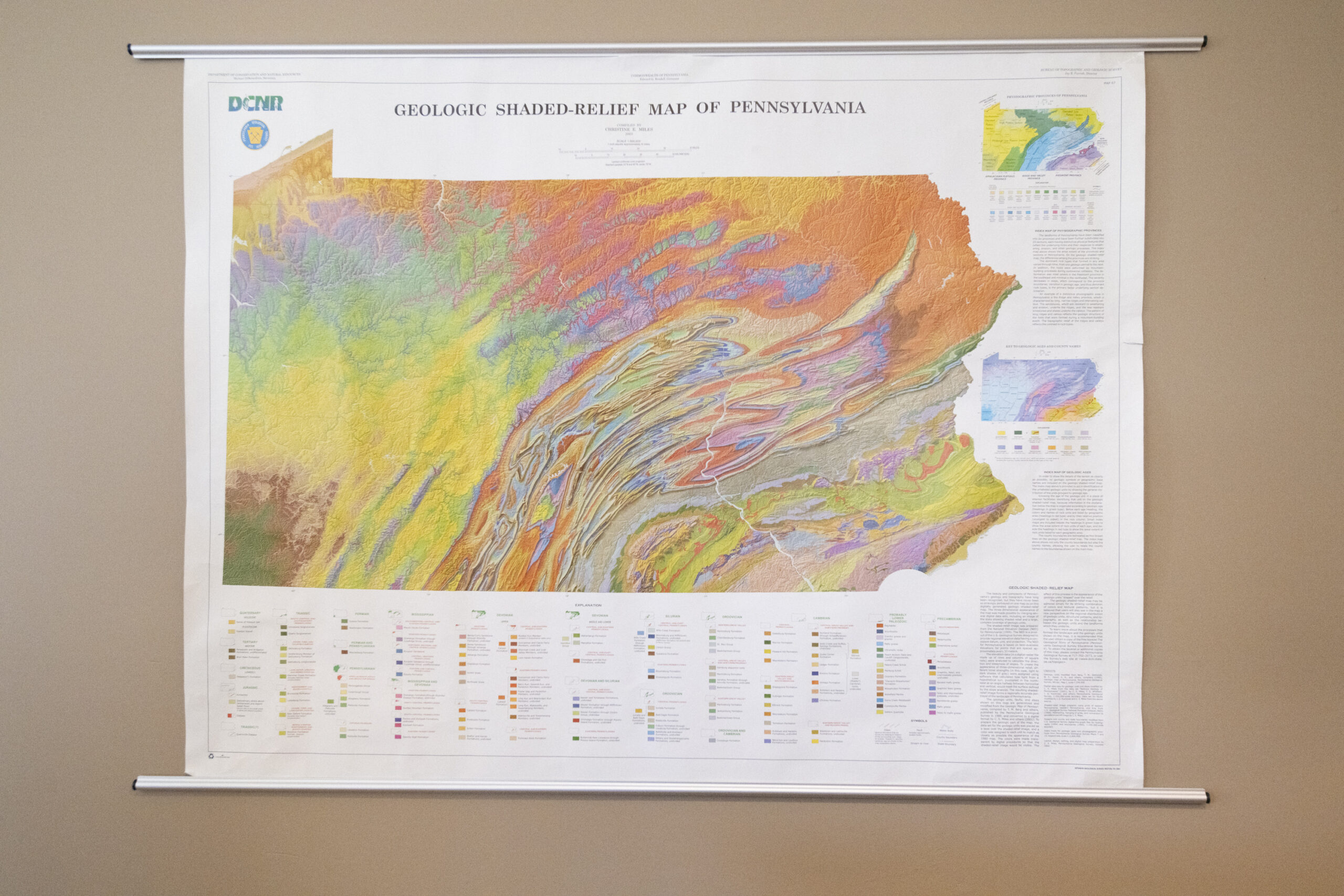
    Inside, on an accent wall painted taupe, hangs a multihued Geologic Shaded-Relief Map of Pennsylvania. Kring-Schreifels finds ancient rock croppings fascinating. “I wish I had been a geology major,” she said.

    A geological map of Pennsylvania, a gift from a friend, hangs near the kitchen.

    Instead she was a public relations and art history major and now works as an executive assistant for a promotional products producer.

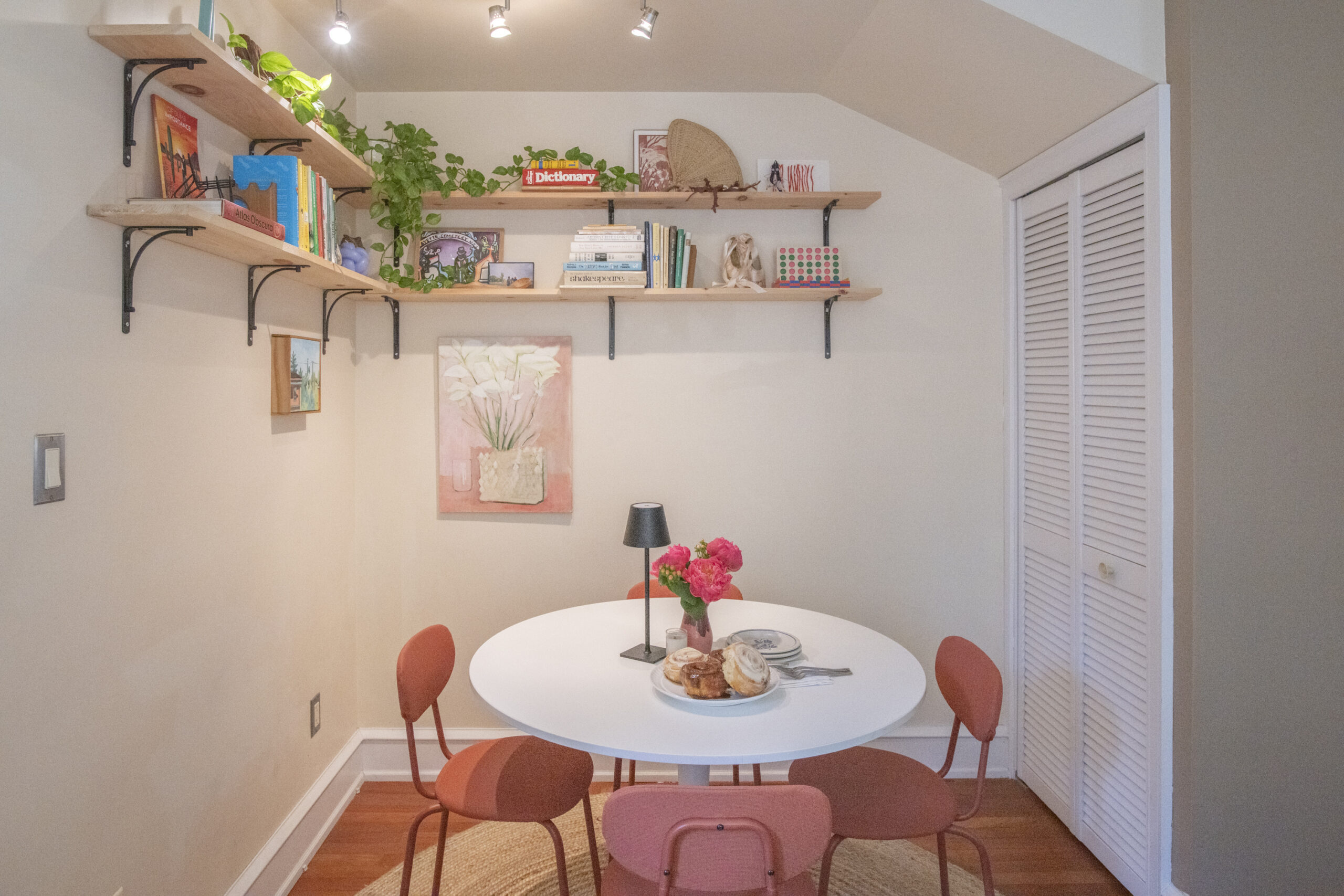
    Plants and books fill shelves over a dining nook furnished with a white table and red chairs from Ikea.

    The kitchen, with pale pine cabinetry and stainless steel appliances, including an apartment-size dishwasher, and the apartment’s oak flooring were installed after Kring-Schreifels’ landlord, Nate Carabello, bought the house in 2005.

    The dining area features a white table and red chairs from Ikea.
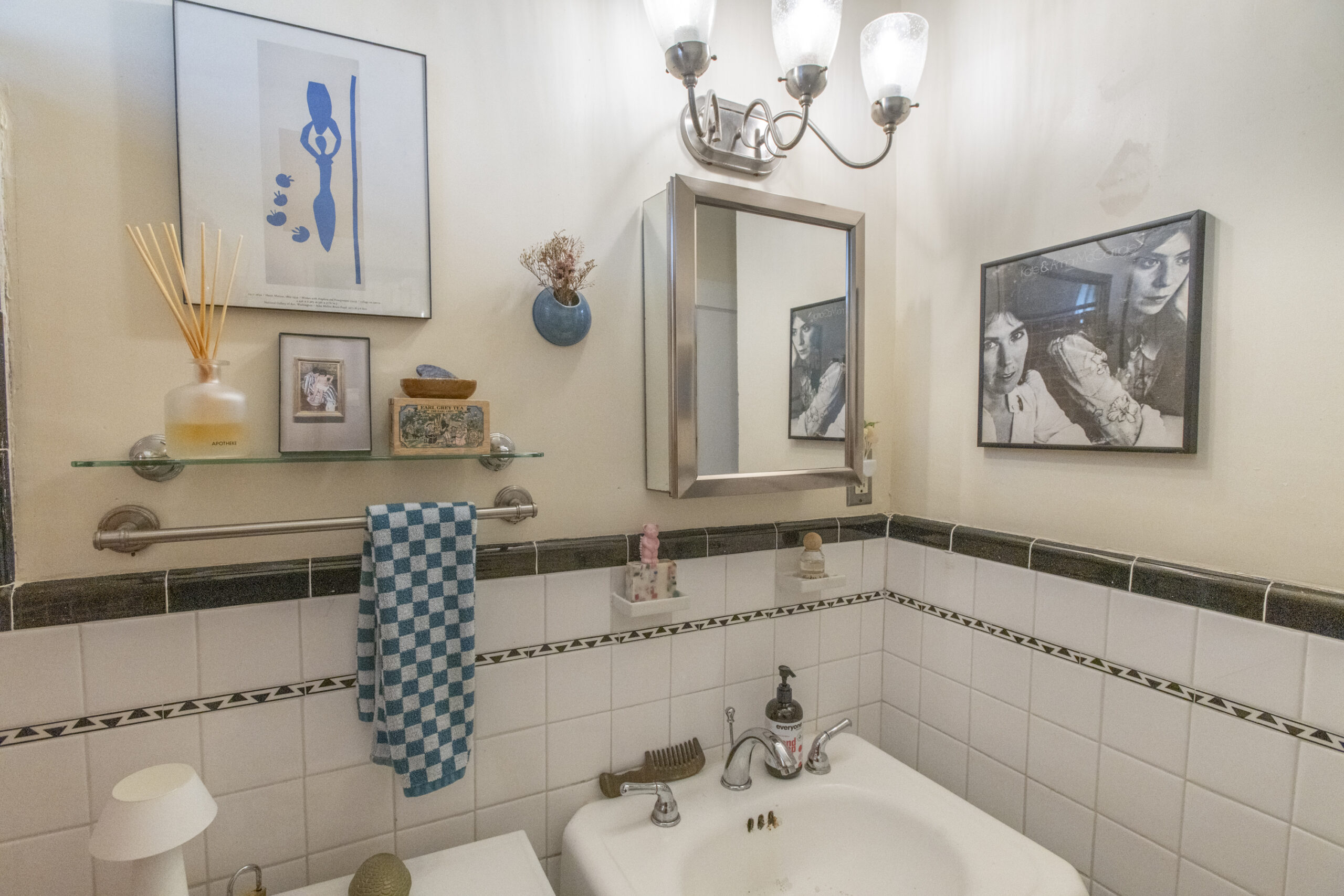
    The property owner was able to salvage the black-and-white tile in the bathroom.

    It had been boarded up for 30 years, he said, and a tree was growing in the middle of the then-roofless house. The brick rowhouse probably had been built in the early 1900s and enlarged in the 1920s, said Carabello, who lives nearby.

    The reglazed white fixtures and black-and-white tile in the bathroom were the only items from the 1920s he was able to salvage.

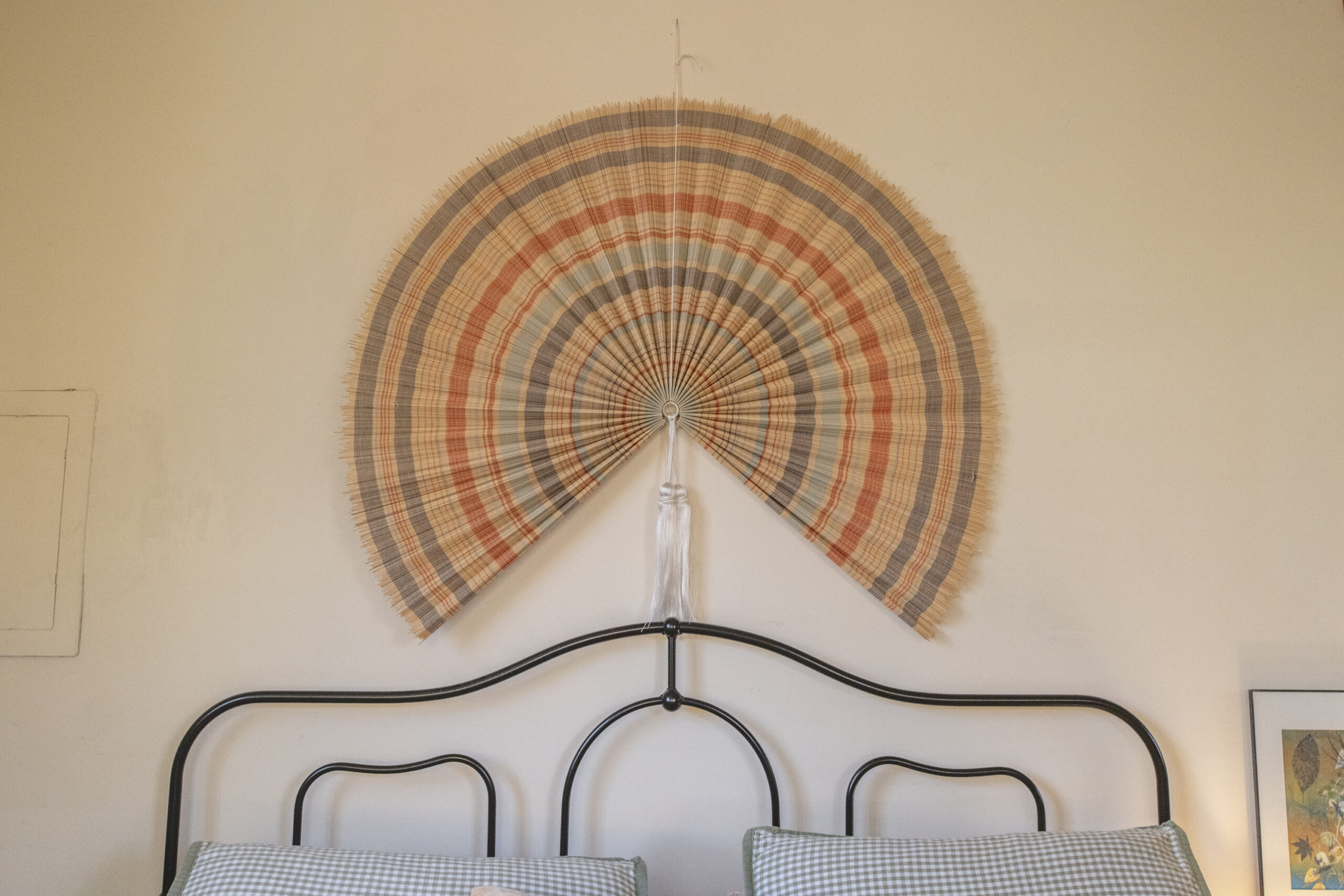
    In the bedroom, Kring-Schreifels’ favorite find is the coral, green, and cream-colored fan above her bed, which she purchased on Facebook Marketplace for $30. The fan’s colors are picked up in the small armchair from the Habitat for Humanity ReStore and in the William Morris-inspired floral patterned rug from eBay.

    A fan over the bed, which Kring-Schreifels found on Facebook Marketplace.

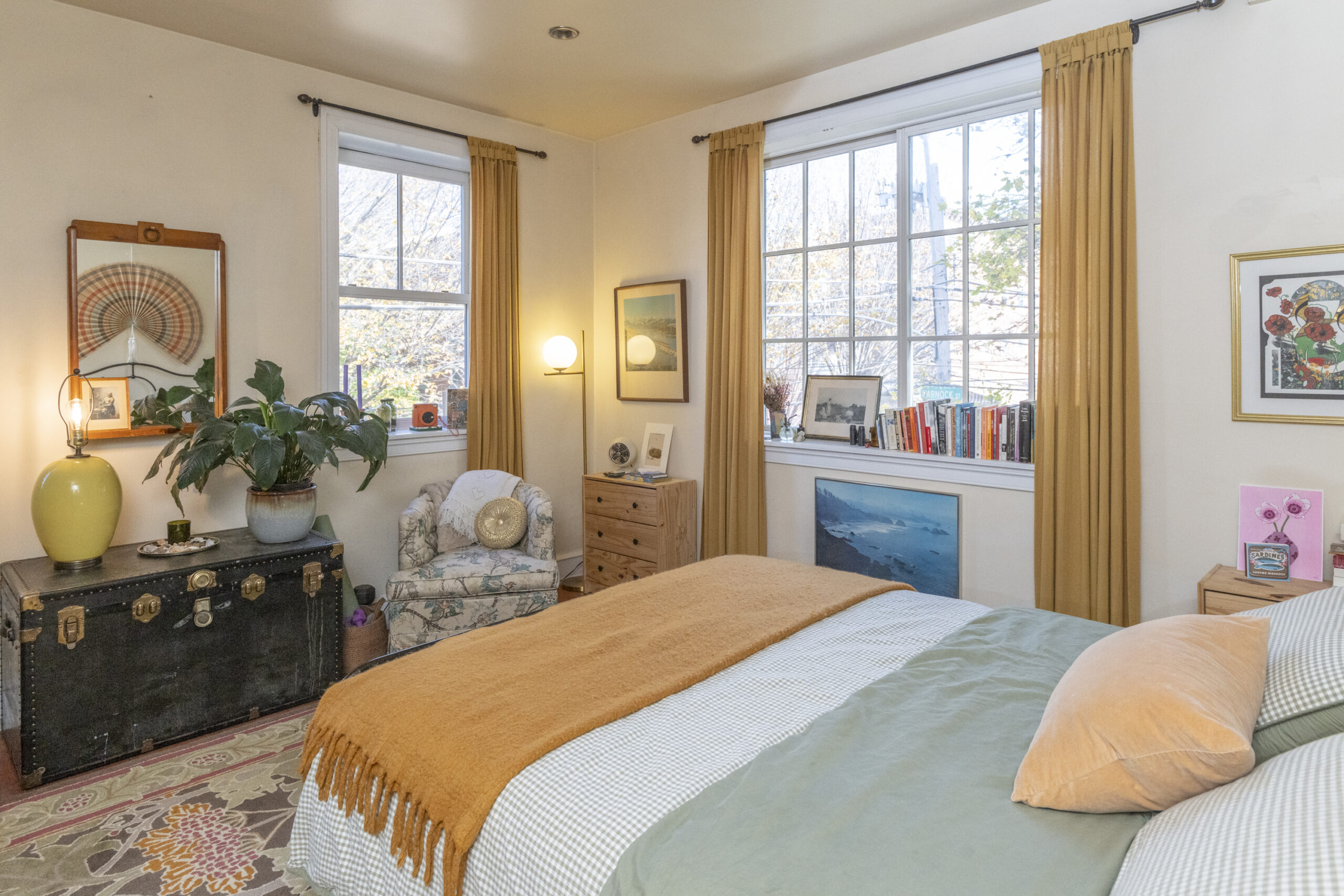
    The iron bed came from Amazon. The gold drapes, green-and-white bedding, and tan blanket came from a nearby Target. The leather trunk with brass fittings belonged to Kring-Schreifels’ great-grandmother.

    Shades covering storage spaces above two closets were hung by Kring-Schreifels’ father, Jeff, who also provides transportation when his daughter, who has no car, wants her purchases hauled home.

    Under the bedroom window hangs a photo of a seascape with roiling blue waves. On the windowsill next to an ethereal print called Evening in Paris are binoculars awaiting the return of mourning birds next spring.

    The bedroom is decorated with eclectic items, including a leather trunk that belonged to Kring-Schreifels’ great-grandmother.

    Is your house a Haven? Nominate your home by email (and send some digital photographs) at properties@inquirer.com.

  • The Shops at Liberty Place are for sale

    The Shops at Liberty Place are for sale

    The 147,201-square-foot mall between the Liberty Place towers, two of Philadelphia’s most iconic skyscrapers, is up for sale.

    Chicago-based Metropolis Investment Holdings sees a sale of the Shops at Liberty Place as a way to put the property in the hands of a company that specializes in retail.

    “With the property established as a leading retail destination in Center City, we believe it is at a natural point for a new owner to build on this foundation with additional investment and fresh ideas,” Tom Dempsey, head of asset management for Metropolis, said in an email.

    Metropolis is focused on office real estate and owns the 61-story One Liberty Place. The company purchased both properties in 1999.

    The sale of the Shops at Liberty Place is not an indication that Metropolis is planning to sell the skyscraper, too.

    “We are focused on our office portfolio, and One Liberty Place will continue to be a cornerstone asset for Metropolis,” Dempsey said. “It has demonstrated strong and consistent performance, benefits from a loyal tenant base, and remains one of Philadelphia’s most iconic and competitive office buildings.”

    There is no listed price, but a source familiar with Metropolis’ thinking says they are hoping to sell the Shops for $20 million.

    The shops at 1625 Chestnut St. are 77.7% occupied and include tenants like Jos. A. Bank, Victoria’s Secret, and Bloomingdale’s. The food court proved especially popular and has long been a draw for office workers.

    In 2024 indoor minigolf facility Puttshack opened as part of a wave of experiential retail in Center City.

    “The venue is particularly strong in group sales, hosting corporate events, social gatherings, and celebrations, which reinforces its role as a destination — its mix of entertainment, dining, and social interaction helps drive consistent foot traffic and contributes to the overall vibrancy of The Shops,” Dempsey said.

    Real estate brokerage Jones Lang LaSalle (JLL) is handling the sale of the Shops at Liberty Place.

    The company’s listing for the Shops at Liberty Place describes it as an “established in-fill urban location with significant population density and economic demand drivers” and boasts its “irreplaceable location along highly trafficked Chestnut Street within Philadelphia’s premier shopping district.”

    JLL says that it attracts 5.1 million visitors a year.

    An aerial view of One Liberty Place, the Shops at Liberty Place, and Two Liberty Place taken during 1990.

    The Shops at Liberty Place opened in 1990, three years after One Liberty, which famously broke the gentleman’s agreement that no building in Philadelphia be taller than William Penn’s hat atop City Hall. Two Liberty Place also opened in 1990.

    The Shops at Liberty Place proved a bright spot on Chestnut Street, which has long been overshadowed by Walnut Street as Center City’s premier shopping destination.

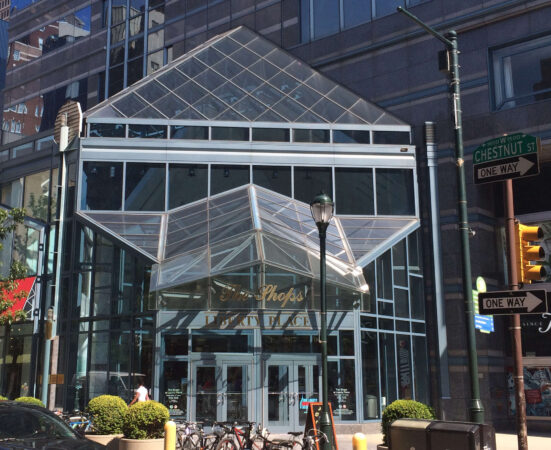
    The Inquirer’s architecture critic, Inga Saffron, praised the design of the building’s entrance, which seeks to echo its sister skyscrapers that soar above.

    “The glass structure sits a generous distance back from the hectic corner, providing plenty of elbow room for harried pedestrians,” she wrote in 2016. “The best detail is the batwing canopy over the doors. … The canopy’s angles recall the tiered chevrons that distinguish the crowns on Liberty Place’s towers.”

    The Shops at Liberty Place’s occupancy suffered a blow following the COVID-19 pandemic, but its general neighborhood is looking healthy. Both the Liberty Place skyscrapers have strong occupancy, and Center City’s residential population is climbing.

    “We’ve managed the asset carefully through challenging times,” Dempsey said. “Today, the property is well-positioned with a diverse mix of tenants, including strong experiential and destination offerings, and continues to attract interest from retailers and visitors alike. We see solid potential for continued growth and momentum under new ownership.”

  • House of the week: An expanded four-bedroom Colonial in Abington Township for $599,900

    House of the week: An expanded four-bedroom Colonial in Abington Township for $599,900

    Living in the Fox Chase Manor neighborhood in the mid-1990s, Linda and Mike Tobin admired the location of houses across the street. So in 1997, they decided to buy one and enlarge it.

    They raised their two children there and sent them to the Abington School District. But now the children are grown up and have moved to Cherry Hill, where Linda is from, so the Tobins will follow them there.

    Mike installs telecommunications systems for businesses, and Linda is a retired telecommunications professional.

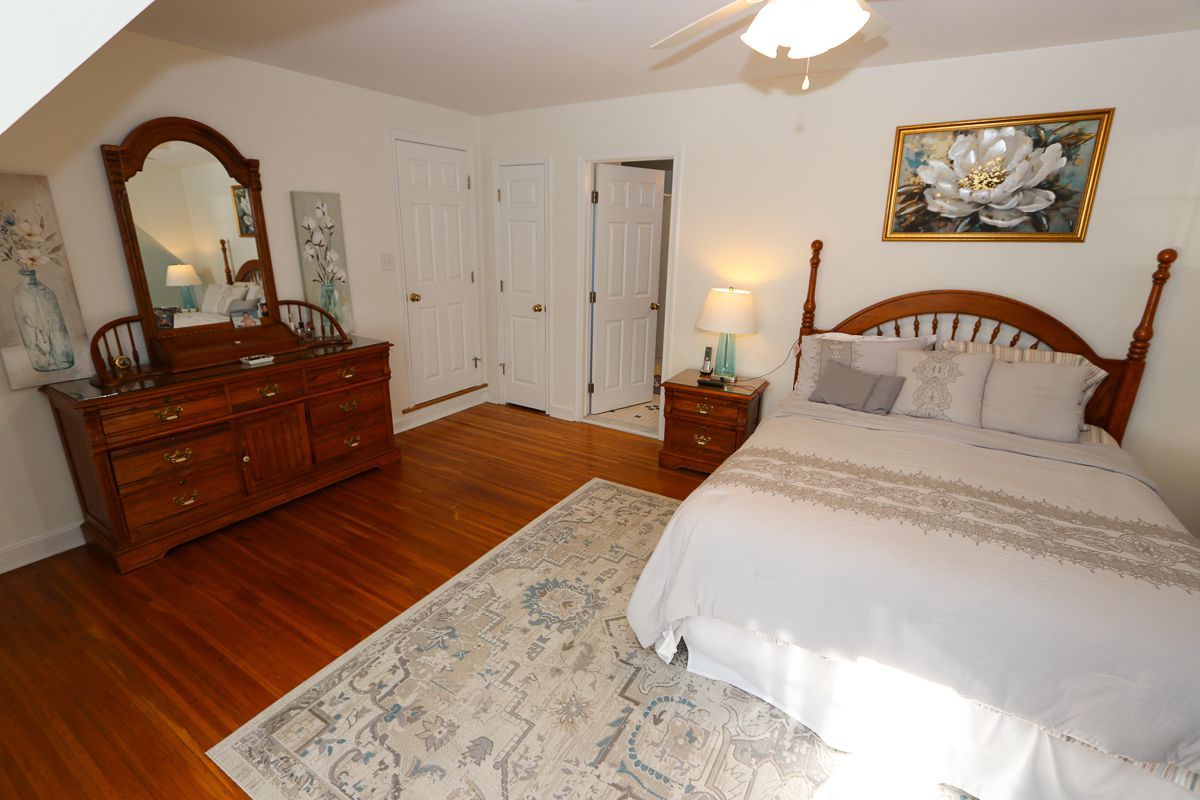
    The primary bedroom.

    Mike said they were particularly attracted by “the quaintness of the neighborhood, the big oak trees,” and township-residents-only Alverthorpe Park, with its variety of athletic facilities.

    So they undertook a major renovation of the house on one of the larger plots of Fox Chase Manor, with a two-car attached garage and driveway parking for four more cars.

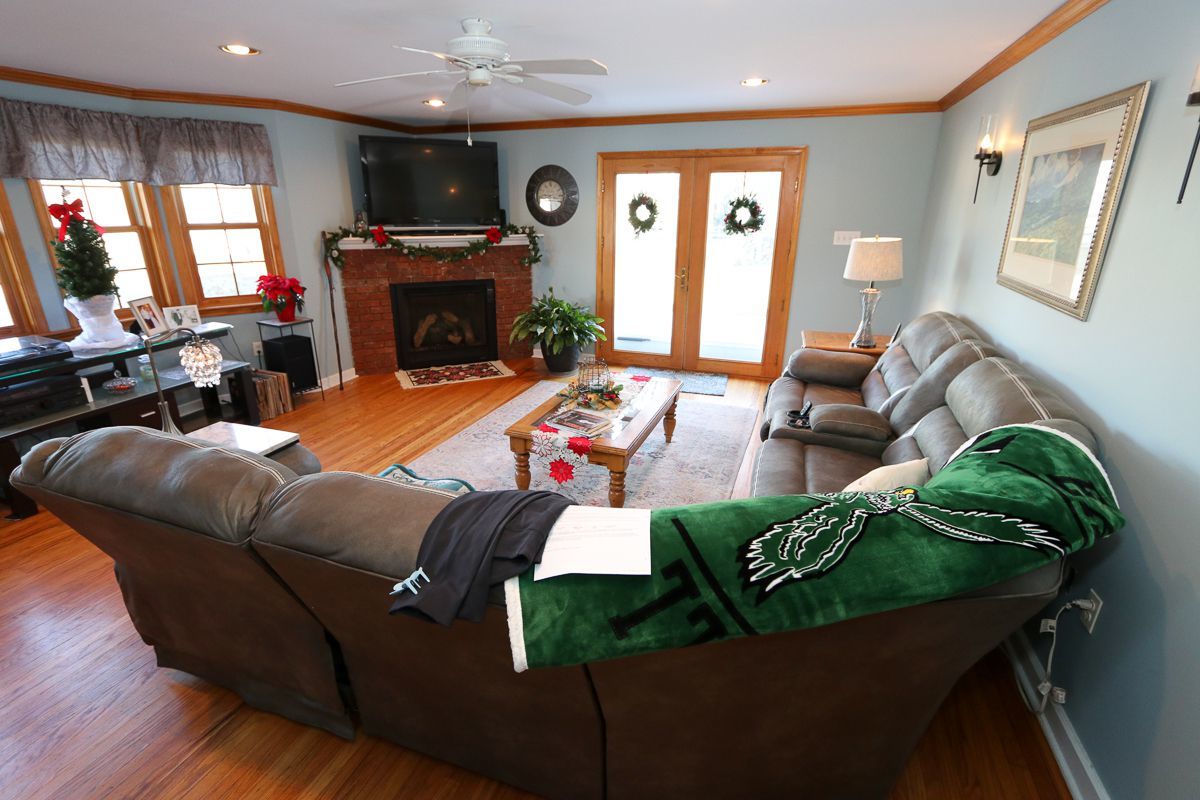
    The family room has a gas fireplace.

    The renovation comprised an expanded eat-in kitchen, first-floor powder room, and a family room with a gas fireplace and a large patio.

    The second level was expanded for the house to have four bedrooms, two full bathrooms, and a laundry room.

    Entrance to the house is through a covered front porch into the foyer, living room, and formal dining room.

    The dining room.

    The second level has the bedrooms, and the primary bathroom has a stall shower and walk-in closet.

    The partially finished basement has heat.

    There are hardwood floors in most of the home, and tile in the kitchen and bathrooms.

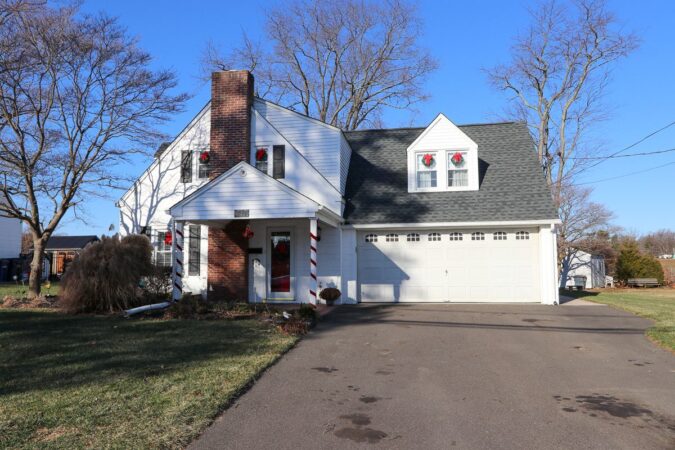
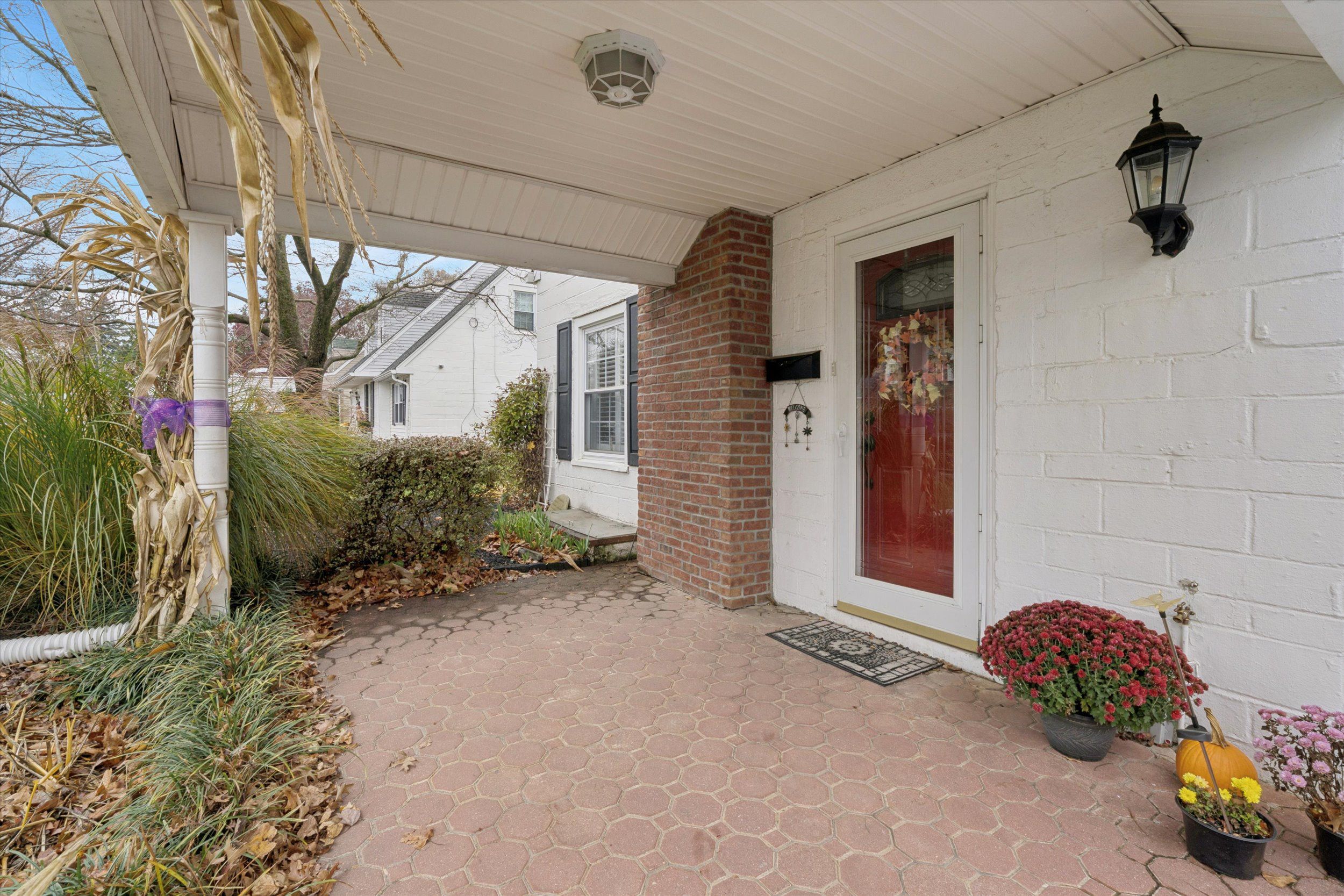
    A covered front porch at the entrance to the house.

    The roof was replaced in 2015 and there is 200-amp electric throughout.

    The house is close to Huntingdon Valley Shopping Center and a Giant supermarket.

    It is listed by Don Rowley of Coldwell Banker Hearthside Realtors for $599,900.

  • P.J. Whelihan’s restaurant group may move into a former Iron Hill Brewery

    P.J. Whelihan’s restaurant group may move into a former Iron Hill Brewery

    The company that owns P.J. Whelihan’s may be moving into a former Iron Hill Brewery in Bucks County.

    PJW Opco LLC, which is registered at the headquarters of PJW Restaurant Group, was approved to take over a lease for the shuttered Iron Hill in Newtown, effective Dec. 31, according to documents filed in U.S. Bankruptcy Court in New Jersey.

    PJW marketing director Kristen Foord declined to comment.

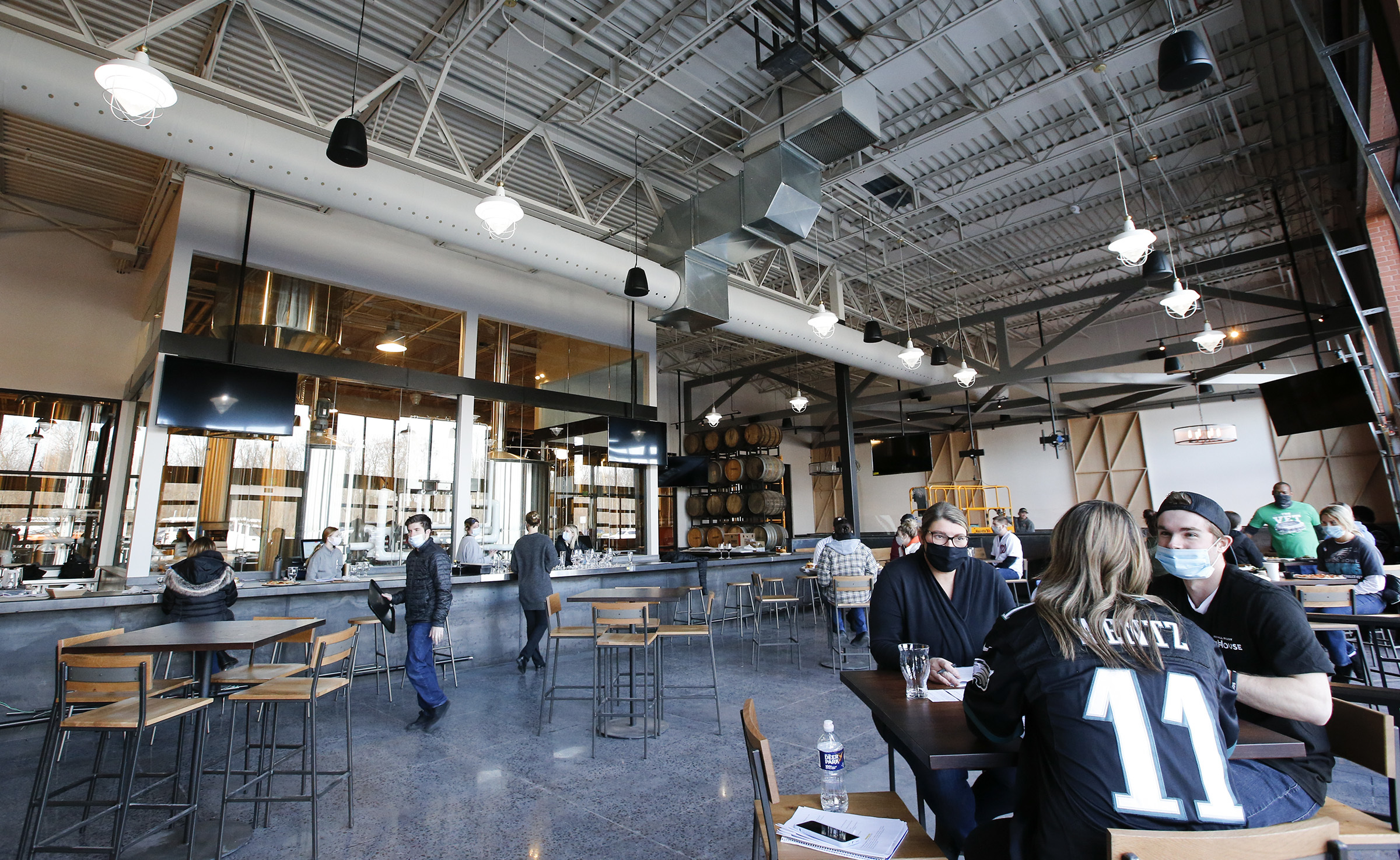
    The nearly 8,000-square-foot brewpub in the Village at Newtown shopping center has sat empty since September, when Iron Hill abruptly closed all its locations and filed for liquidation bankruptcy. The Newtown Iron Hill had been among the chain’s newest locations, having opened in 2020.

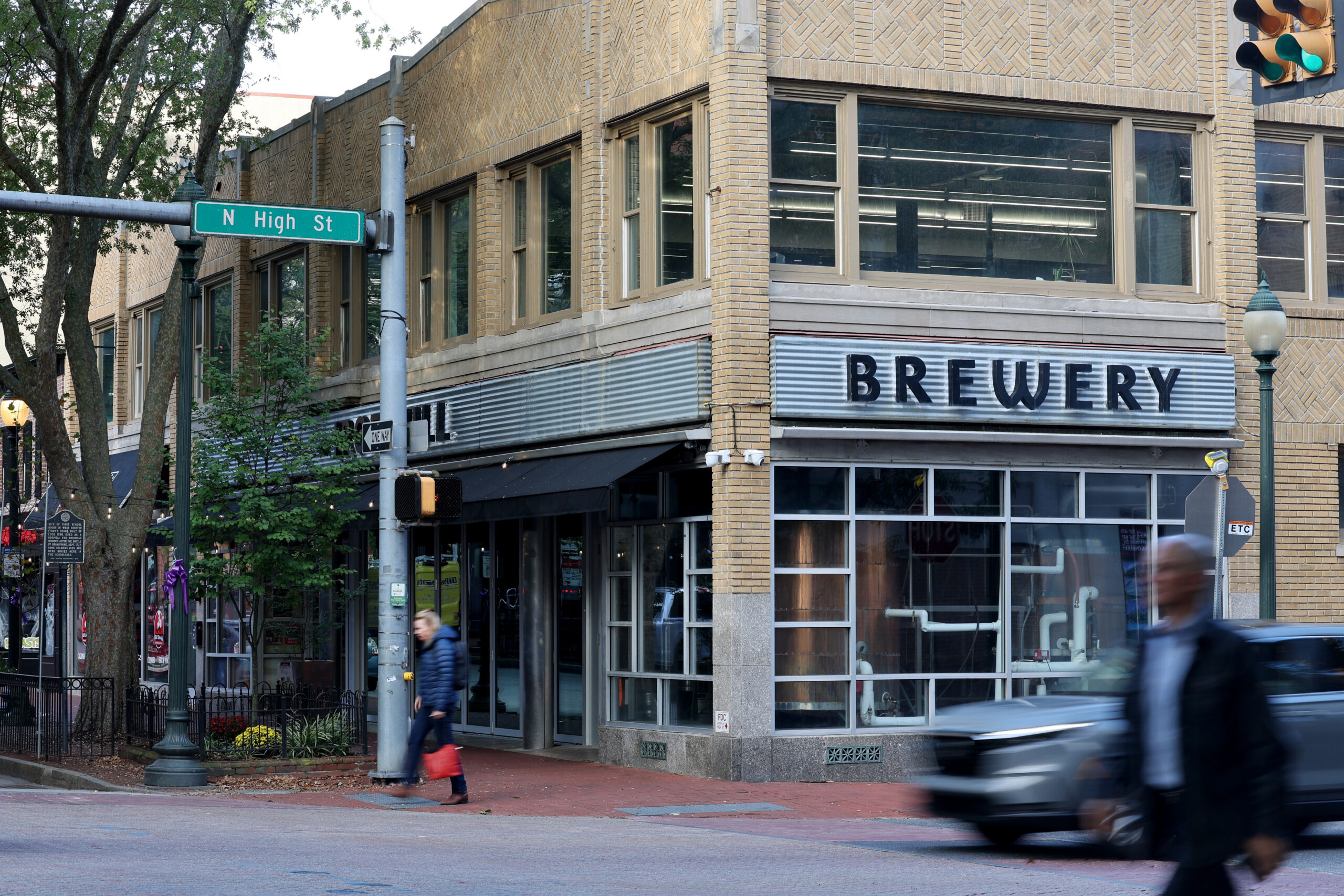
    A view from the outside looking in on the closed Iron Hill Brewery in West Chester in October.

    Brixmor Property Group, which owns the Village at Newtown, is “excited about what’s in the works” for the former Iron Hill space, spokesperson Maria Pace said in a statement, but she declined to share details.

    The court documents did not indicate PJW’s plans for the Newtown site.

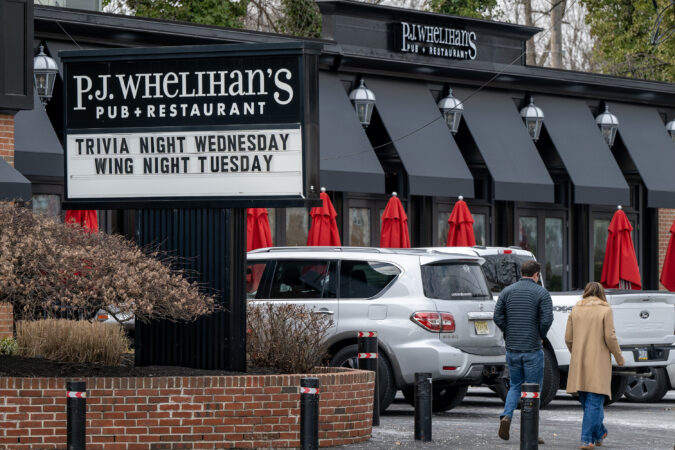
    PJW’s most well-known franchise is P.J. Whelihan’s, the regional bar-restaurant chain that started in the Poconos in 1983. There are now 25 P.J. Whelihan’s locations from Harrisburg to Washington Township, with the vast majority in the Philadelphia area.

    Haddon Township-based PJW also owns the Pour House, which has locations in Exton, North Wales, and Westmont, Haddon Township; the ChopHouse in Gibbsboro; the ChopHouse Grille in Exton; Central Taco & Tequila in Westmont; and Treno, also in Westmont.

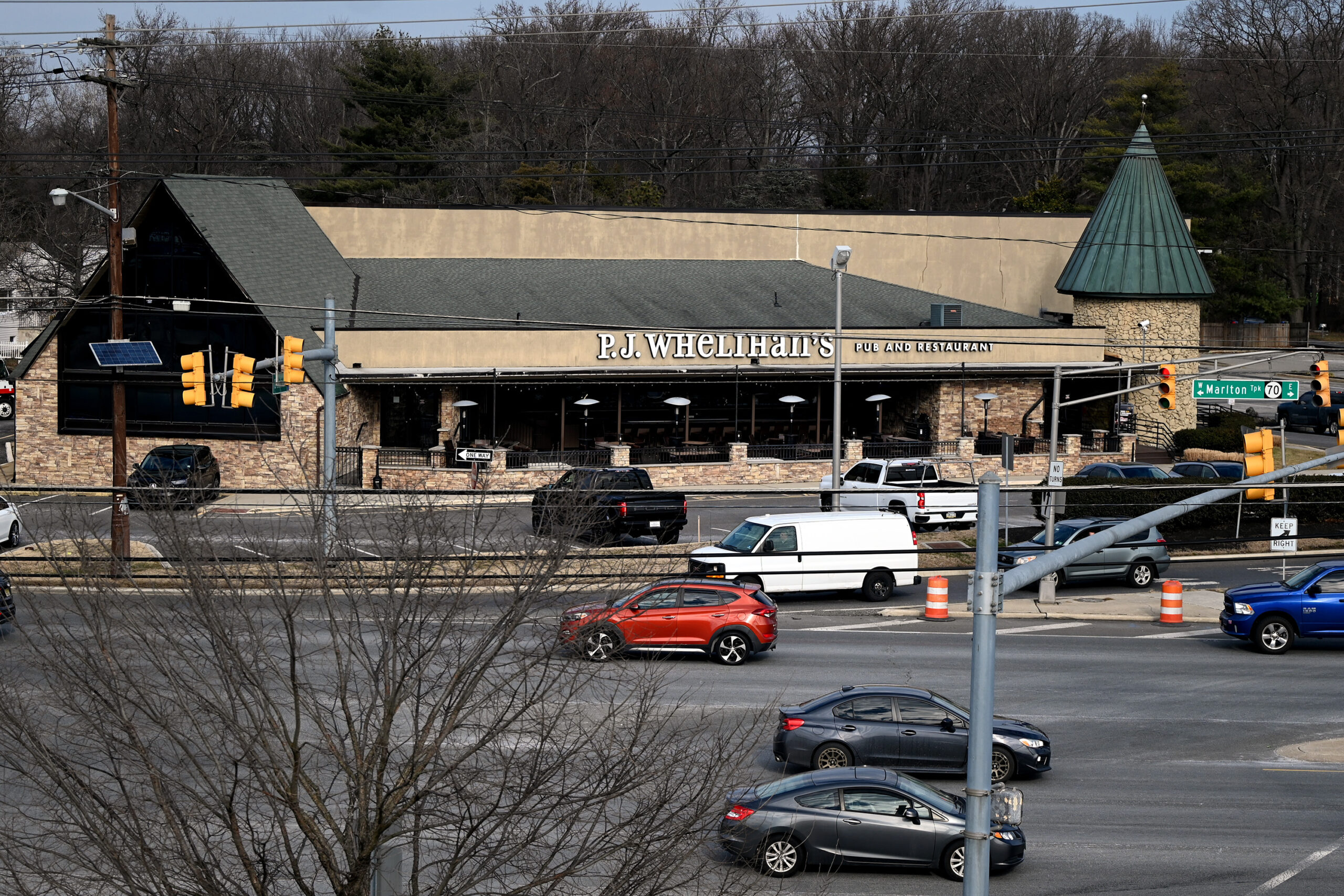
    The P.J. Whelihan’s on Route 70 in Cherry Hill.

    As 2026 gets underway, Iron Hill’s bankruptcy case continues to make its way through the courts. In recent weeks, Iron Hill’s leases in Exton, Maple Shade, and North Wales were formally rejected, according to court documents. That means these empty breweries are getting closer to finding new tenants.

    At the Shops at Eagleview in Exton, landlord Suresh Kagithapu is already advertising the nearly 20,000-square-foot taphouse and production facility that Iron Hill vacated.

    “Any out-of-town brewery with plans to leverage existing brewery infrastructure and scale its operations in the region would be a good fit, as it would save significant tenant improvement costs,” Kagithapu said in a statement. “I also believe a grocery store would serve the community very well.”

    The Iron Hill Brewery TapHouse in Exton is pictured in 2020. After Iron Hill’s bankruptcy, the Exton landlord is seeking a new tenant for the massive space.

    In West Chester, landlord John Barry is also on the hunt for a new restaurateur to take over prime real estate long occupied by Iron Hill.

    On Christmas Eve, Barry, a Massachusetts-based real estate investor, inked a deal to buy the liquor license and all interior assets of the location at the borough’s central corner of High and Gay Streets.

    “It will not be reopening as Iron Hill Brewery,” Barry said in a recent interview. “My goal would be to find something similar,” though not necessarily a brewery.

    Barry purchased the assets from Jeff Crivello, the former CEO of Famous Dave’s BBQ, who in November was approved by a bankruptcy judge to revive 10 Iron Hills under the same name or as a new concept. Barry and Crivello declined to disclose the financial details of the West Chester deal.

    Pedestrians walk by the closed Iron Hill Brewery in West Chester in October.

    Crivello said he has since sold the assets of the South Carolina Iron Hills — in Columbia and Greenville — to Virginia-based Three Notch’d Brewing Co.

    The Newtown location was originally among the locations of which Crivello was approved to buy the assets, pending negotiations with landlords. Court documents indicate the asset sale was put on hold amid a landlord objection.

    Founded in Newark, Del., Iron Hill Brewery operated for nearly 30 years, earning a reputation as a local craft-brewing pioneer and a family-friendly mainstay in the Philadelphia suburbs. In recent years, the chain had expanded into South Carolina and Georgia and had announced plans to open a Temple University location that never materialized.

    When brewery executives filed for bankruptcy, they reported that they owed $20 million to creditors and had about $125,000 in the bank.

  • How a home renovation can make or break your relationship

    How a home renovation can make or break your relationship

    Jena and Brandon Fisher know they have very different decision-making styles. It was important to keep that in mind when they renovated three full bathrooms in their Wynnewood home — all at the same time.

    When making a decision, “I think about it, I look at my options, and then I decide and move on,” said Jena.

    Conversely, Brandon’s style “is very deliberate,” he said. “I want to know every single option, I want to weigh them, and take time with my decisions.”

    The home renovation project they started planning in late December 2024 involved taking each bathroom — one for Jena, one for Brandon, and one for their kids Audrey, 15, and Charlie, 11 — down to the studs. The bathrooms were out of commission for about 3½ months, with the work staggered slightly to ensure they always had a working toilet and shower.

    Jena took the lead on her bathroom and, true to her personality, she made quick decisions. Brandon’s was more of a slog, with Jena pushing him for answers.

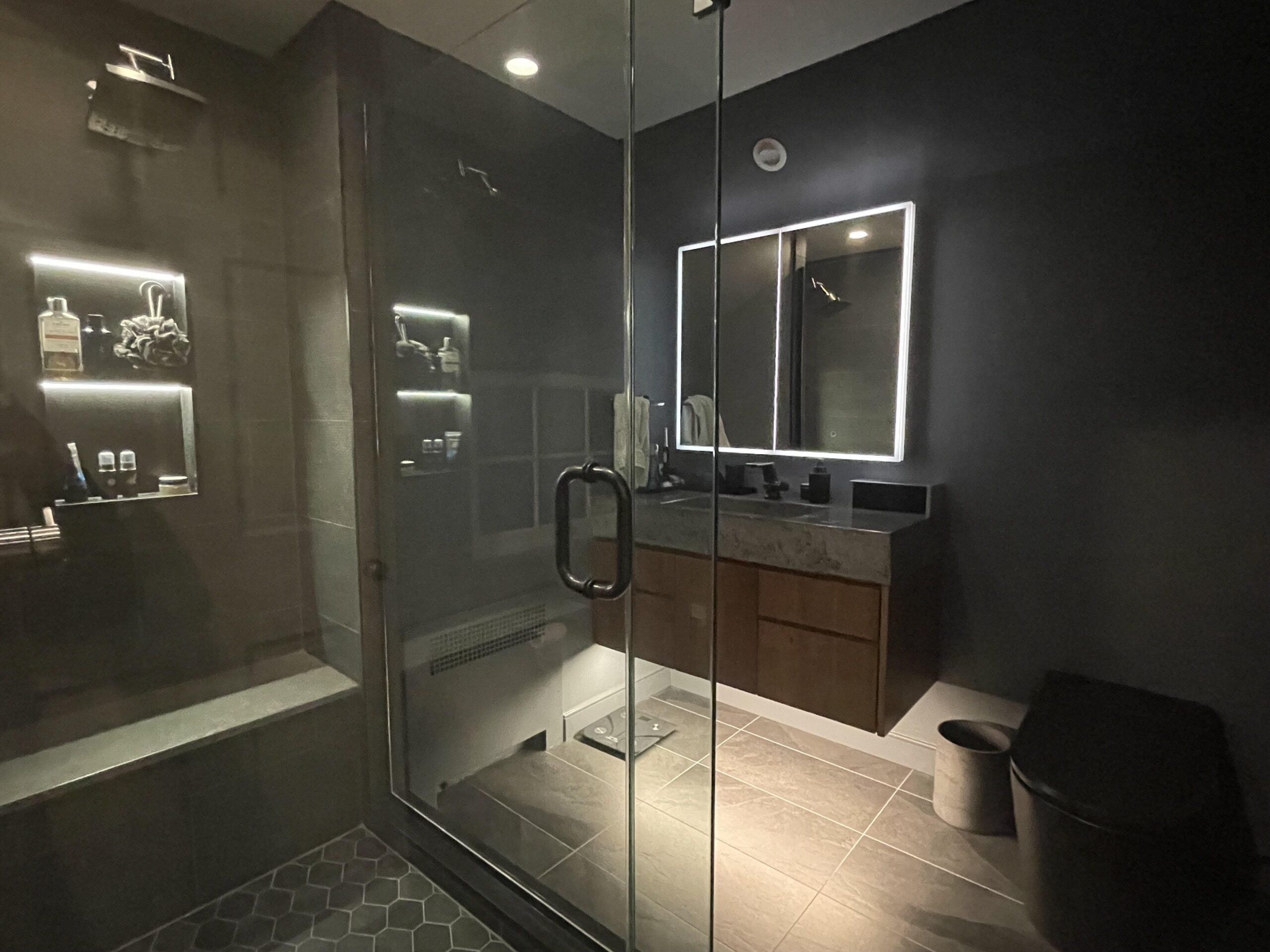
    A photo of Brandon Fisher’s bathroom after the renovations were complete. He was resistant to the project, he says, but he loved the result.

    “My bathroom was in bad shape but it took 10 years of me saying we didn’t need to do it yet,” he recalled, until finally the plumbing started leaking and the grout was crumbling.

    Recognizing their differing styles, the Fishers managed to complete their projects with minor stress, which happened mostly when she had to push him to meet deadlines. They are both thrilled with the finished bathrooms.

    Half of couples who undertake home renovations find the process fulfilling, according to the 2025 U.S. Houzz Remodeling and Relationships Report.

    But 4% said they considered separating or divorcing during renovations, Houzz reported. That share jumps to 12% for couples together five years or less, compared with 2% for couples in relationships of 30 years or more.

    Common sources of conflict include staying on budget; deciding on products, materials, or finishes; and agreeing on the project’s scope or design, the study found.

    Planning ahead is key

    To keep the process positive, set expectations before the project starts and keep communicating throughout, said Anna Nicholaides, owner of Philadelphia Couples Therapy in Center City. Understanding how your partner makes decisions and what causes each of you stress can help guide you.

    “A renovation is a stressor, and the list of things that can trigger people during a renovation is very long,” she said.

    Perhaps you or your spouse is triggered by disruptions to your routine or having strangers coming in your home. And timelines may be exceeded, which can be difficult if your house is constantly filled with dust or if you need to extend the amount of time you must be out of your home.

    Renovations can be riddled with anxieties, starting with budget concerns. Agree on a budget, and divide your project into affordable stages. For example, perhaps you can change the kitchen cabinets this year and wait until next year to replace the countertops.

    If possible, divide responsibilities. For example, if you care deeply about the layout of the kitchen but your spouse is more concerned with the brand of appliances, divvy up those tasks.

    “Maybe one person is highly focused on beauty and the other person is focused on how things work,” Nicholaides said.

    Taking on unforeseen challenges

    As builders, Tim Ernst and Jake Taylor of Ernst Brothers have helped clients navigate many building and renovation projects. But when it came to their own venture, they got a taste of the challenges their customers face.

    In 2014, the couple bought the old Moose Lodge in Doylestown, gutted it to the studs, and created two 4,500-square-foot condos, one above the other, each with three bedrooms and three bathrooms. Taylor and Ernst live in the top unit, featuring 10½-foot ceilings and 7-foot windows.

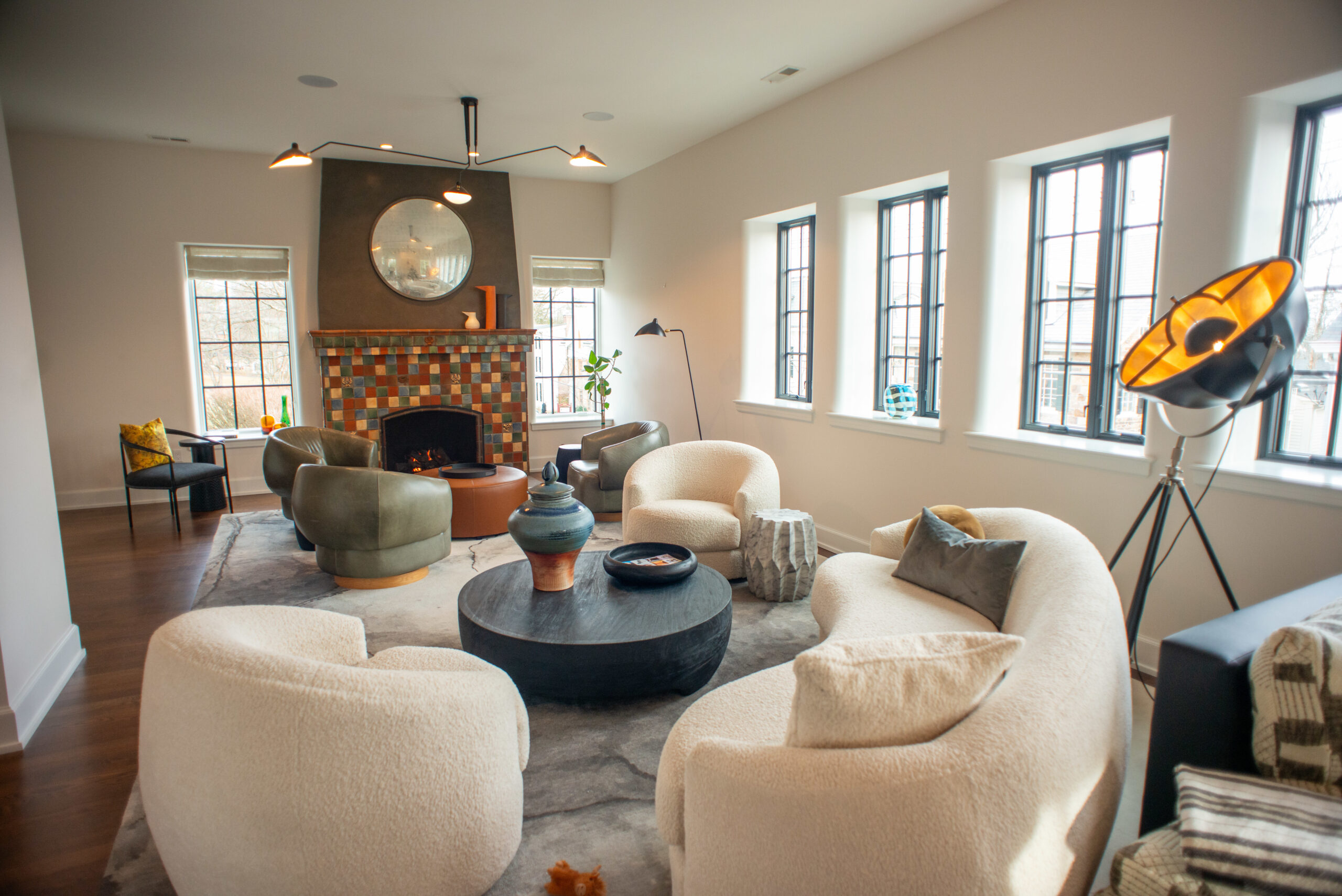
    The living room of Jake Taylor and Tim Ernst’s home.

    “There’s got to be division of labor,” said Taylor, managing partner for the Spring House-based building company. He took charge of the financial matters and deadlines while Ernst managed the construction.

    The pair agreed on the budget, scope, and timeline, but as with most projects, there were unforeseen obstacles. Originally built in 1916, the building had water coming through the foundation. They also discovered grading issues, and that their neighbor’s deck was partially built on Taylor and Ernst’s property.

    “When you’re building, you’re selecting different finishes and tile and plumbing fixtures, and deciding to put in heated floors or not,” said Taylor. “But our biggest challenges weren’t things that were nice to have. They were things you have to fix or you’ll have a major problem.”

    No matter how complete your plan is, it’s difficult to understand all of the nuances on paper, added Ernst.

    “You have to see it in real life at times,” said Ernst, who serves as the building company’s principal project manager. “It’s inevitable that you’re going to want to make changes.”

    The added costs in both dollars and time to fix those unforeseen problems meant making sacrifices elsewhere. Though the couple wanted a heated bathroom floor, it was ultimately cut from the budget.

    The bathroom with tub and shower at the home of Jake Taylor and Tim Ernst. They ultimately had to forego plans for a heated floor due to budget constraints.

    Include a mediator

    To help settle disagreements on design elements, Ernst and Taylor brought in John Levitties, principal at JAGR Projects in Glenside.

    “Not only are you getting someone who is professionally trained, but they can also play referee between you and your spouse and offer a sounding board,” Taylor said.

    Amy Cuker, owner of down 2 earth interior design in Elkins Park, who worked with the Fishers, often plays that role for clients.

    “Design isn’t just about taste, it’s also about meeting functional outcomes, proportion, color theory, and other foundational areas of knowledge the design is based on,” Cuker said. “I will reference back to those things when I’m trying to convince a hesitant partner. Sometimes they want that third voice in the room.”

    In her initial meeting with a couple, she will talk to them about function and aesthetics to understand their goals.

    She has them create an inspiration album with pictures of rooms or pieces with the feel they want for their space.

    “If she likes modern and he likes traditional, here are a few images that are comfortable enough for both of them,” Cuker said. “It gets us quickly to a place of understanding where the middle ground is.”

    She finds the biggest challenges come with gaps in budget, neatness, and how much change each partner wants.

    In the end, most couples learn more about themselves and their partners through the process, and most are happy with the finished product. That is certainly true for the Fishers.

    “I resisted it up to the end and now I would probably live in my bathroom,” said Brandon.

  • The one really great thing about renting in Philly, according to a Boston transplant

    The one really great thing about renting in Philly, according to a Boston transplant

    The Philadelphia Superiority Complex is an occasional series of highly opinionated takes about why Philadelphia is better than other cities.

    As I began in earnest my search for a Philadelphia apartment recently, I steeled myself for a tradition I assumed to be as East Coast as unnecessary honking and an unhealthy animosity toward outsiders.

    I’m speaking, of course, about the broker fee.

    As a native Midwesterner and perpetual renter who has spent the past decade living in Boston, I’d come to view broker fees as an inescapable part of big-city life.

    For the uninitiated, broker fees are a lot like extortion payments. Here’s how it would go in Boston: A so-called apartment broker — to this day I couldn’t tell you what a broker actually is — meets you at an available apartment, unlocks the door, and stands there while you give yourself a brief tour of the unit. In exchange for this white-glove service, and the privilege of renting the apartment, you pay the broker a one-time, nonrefundable fee typically equal to one month’s rent. In Boston, where the average rent for a one-bedroom apartments sits at around $3,500, this is no small thing.

    Making matters worse, the Boston brokers always seem to be finance-bros-in-training, arriving to these brief showings in Lexuses or BMWs, hair meticulously styled and dressed head to toe in Brooks Brothers.

    How refreshing it has been, then, to discover that broker fees just … don’t actually exist here?

    Not once since I began responding to online apartment postings have I been asked to hand a stranger a $3,500 check in exchange for arranging a two-minute tour. I haven’t yet received a torrent of unwanted text messages from guys named Brock or Beau, demanding to know the earliest possible moment I can schedule a viewing.

    And from what I can gather, I’m not going to.

    As one longtime Philadelphian explained it to me recently, “There is a beauty in Philadelphia that no matter how cool it’s trying to be, it is never desirable enough to warrant something like brokers fees.”

    It’s been a true revelation.

    (In Boston’s defense, Massachusetts legislators recently passed a measure mandating that landlords can no longer require tenants to pay a broker fee. Of course, that doesn’t give me back the thousands of dollars I would’ve otherwise put into my retirement fund or, more likely, Uber Eats and Nerf machine guns.)

    Which is not to say, certainly, that things here are perfect. An increasing number of Philly renters are cost-burdened. And the city recently ranked among the nation’s least affordable for apartment renters, according to one online real estate brokerage firm.

    And as someone who is at the very beginning of the process, I’m sure there will be more disappointment in store.

    I’m preparing for an upcoming weekend of apartment tours in Philly, and I have no illusions about how it’s likely to go. I’m imagining a couple days of drab leasing offices and hidden-fee horrors, one-sided rental agreements and a good ol’-fashioned scam or two.

    Fine.

    If it means not handing a half-month’s salary over to a smug 25-year-old in wingtips, well, then, I’m OK with all of it.

    Good on ya, Philadelphia.

  • After walking away during an inspection, she rebounded with a two-bedroom in Newbold | How I Bought This House

    After walking away during an inspection, she rebounded with a two-bedroom in Newbold | How I Bought This House

    The buyers: Emily Miles, 34, lawyer

    The house: A 784-square-foot rowhouse in Newbold with two bedrooms and one bath, built in 1920.

    The price: Listed and purchased for $249,000

    The agent: Allison Fegel, Elfant Wissahickon

    Miles in her two-bedroom home.

    The ask: The only good thing about Emily Miles’ old apartment was the price. Miles was making a “nonprofit lawyer salary” and trying to save money. But “it was terrible,” Miles said. Disgusting even. And by November 2024, she’d had enough.

    Owning a home felt aspirational, if vague. “It was always something I wanted to do,” she said. “But I didn’t know when I’d be able to do it.”

    It didn’t seem like the right time. Miles had student loans. She was bartending in the evenings to make ends meet. Nevertheless, she decided to check out the market and searched for an agent with grant experience. She kept her house wish list short: three bedrooms, outdoor space, and central heat and air.

    The search: Miles had no sense of budget until her lender preapproved her for about $310,000. From there, her agent began sending her listings across the city, including large homes far from the neighborhoods Miles associated with Philadelphia.

    “They were still in Philadelphia County, but not really Philly as you think of it,” Miles said. West Philadelphia, where she was living, was not affordable. Other neighborhoods lacked reliable transportation.

    Between late November and January, Miles saw 30 to 40 homes. “They were a lot of flips, and I didn’t want that,” she said.

    Eventually, Miles found a place and made an offer. But during the inspection, they discovered damage to the front door that indicated someone had kicked it in, and Miles decided to walk away. She was out $1,500. “My pride was hurt a little bit,” she said.

    Miles took a brief break, then started attending open houses on her own. That’s how she found the one, a little less than a month after she backed out of the first house.

    Miles liked the house’s original features and character, such as the arched framing of the living room.

    The appeal: The house Miles ultimately bought — a two-bedroom, one-bath, 780-square-foot rowhouse in South Philadelphia — checked none of her original boxes. “The big LOL about the whole thing is that I ended up with something I didn’t want at all,” she said. It had radiator heat. No air-conditioning. Less space than she planned. The house had been a rental for more than a decade. Carpet covered original features. Paint concealed years of wear. “It was a real landlord special,” Miles said. But when she stepped inside, something clicked. “I walked in, and I could see it,” she said. “It’s full of character.”

    The deal: Miles stumbled into the house she would buy while walking to a bar with her boyfriend on a Friday night. The listing price was $249,900. She offered the asking price the following morning.

    The seller took days to respond but eventually accepted her offer after no one else made a bid.

    When the inspection revealed issues, Miles asked for $5,000 to $7,000 in credits. The seller countered with zero. “He redlined all my stuff,” she said. “So I re-redlined all of his stuff.” The back-and-forth ended with $2,000 in seller’s credit. “Which is better than zero,” Miles said. “I’m pretty proud of that.”

    Miles filled her home with vintage furniture she found at local thrift shops. Her cat, August, has his own bed.

    The money: Miles had about $20,000 saved from her time before law school, when she worked as a human resources manager in New York City. She had an additional $10,000 from the Philly First Home program, $2,000 from the seller’s credit, and $1,000 from her Realtor’s Building Equity program.

    Her lender approved her to put down only 3%, so she made a $7,500 good-faith deposit and brought $1,500 to closing. Miles’ credit score and salary qualified her for a 5.75% interest rate at a time when average rates hovered closer to 7%.

    Her monthly mortgage payment is about $1,800 and includes $120 for private mortgage insurance, which she must pay until she reaches 20%. She recently applied for a Philadelphia homestead exemption, which reduces the taxable portion of your house by $100,000 if you use it as your primary residence, and expects her monthly payment to drop closer to $1,700 as a result.

    The move: Miles closed on March 19 and moved on April 29. She broke her lease without penalty. “I had been complaining about it being a bad apartment for months,” she said, “so I think they were just happy to be rid of me.”

    Miles had to get rid of a lot of her stuff because her new house was so much smaller than her apartment. “I downsized quite significantly,” she said. She also discarded stuff that wouldn’t fit through the house’s small, 30-inch doorway, like her couch. “Luckily, I had some foresight and got rid of it before I moved it over,” she said.

    Miles installed new lighting and faucets to make her home feel less like a rental.

    Any reservations? Miles wishes she knew that refinished floors can take weeks to fully cure. She had to sleep on the living room floor while she waited for the fumes to fully dissipate upstairs. “It was just my cats and me on the ground for about a month,” she said. Still, she doesn’t have any regrets. “Live and learn,” she said.

    The bathroom in Emily Miles’ Newbold home.

    Life after close: Miles used the money her parents had saved for her wedding to make a few cosmetic updates. She fixed the back patio, refurbished the upstairs floors, and replaced light fixtures and faucets so that the house felt less like a rental. She put in a new boiler, too. And filled the house with vintage furniture she thrifted locally. “Stuff that fits the vibe of the house,” she said.

    Did you recently buy a home? We want to hear about it. Email acovington@inquirer.com.

  • Cars are essential to American life. They’re also toxic for the environment, humans, and society, these authors say.

    Cars are essential to American life. They’re also toxic for the environment, humans, and society, these authors say.

    For most Americans, driving is a normal part of everyday life. In much of the United States, a car is required for most trips to visit friends, commute to work, or go to the grocery store.

    The side effects of this auto-dependence are catastrophic, argue the coauthors of a new book called Life After Cars.

    There is the obvious danger from crashes, which kill roughly 110 Americans every day, but there’s also environmental devastation wrought by mass car ownership, social isolation engendered by the built environment, and soaring costs for American households.

    Did you know that the largest source of microplastics strangling oceans come from the tiny particles thrown off by tires? Or that in 1969, more than 40% of U.S. kids walked or biked to school while today only 11% do?

    Life After Cars is by Sarah Goodyear and Doug Gordon, hosts of a podcast called The War on Cars, a facetious name they adopted because opponents of non-car traffic infrastructure often accuse advocates of waging such a crusade.

    The conversation has been edited for length and clarity. Aaron Naparstek is a cowriter but was not featured in this Q&A.

    For most Americans, driving is part of everyday life. Why do you think that needs to be reevaluated?

    Gordon: Forced car dependency isn’t really working, even for people who love driving.

    Many Americans do love driving, but the type of driving that most Americans do is terrible. It would be great if most of the driving we did was on the open road, the camping trip, or the road trip, but most people are driving to work; they’re driving to get groceries. Those are such stressful trips that it would be great to provide alternatives.

    Goodyear: The price of real estate in walkable neighborhoods and transit-rich neighborhoods tells us that there is a real appetite for living in places where car dependence is not a given and where there are options.

    We’ve gotten to the point in this country where walkable neighborhoods have become a luxury good. We think walkable neighborhoods are something that should be available to everybody.

    You argue that America’s car culture severely limits the freedom of children. When I was a kid, I walked to school or to friends’ houses. Today, that’s rarer because of the threat of cars. And parents’ freedom is limited, too, because they have to drive their kids everywhere.

    Gordon: Cars and traffic fatalities are one of the leading causes of deaths for children in this country. You’re not wrong if you think to yourself, I don’t want my child walking to school because of the roads they might have to cross.

    Most of my friends and family who live in car-dependent suburbs have to serve as chauffeurs for their children until they’re at least 16. If they can’t afford another car, they have to continue negotiating how they’re going to get places after that.

    Doug Gordon and Sarah Goodyear are coauthors of the new book “Life After Cars.”

    We live in a walkable neighborhood. My kids walk and take transit to school. There are some mornings where they get up and leave the house and I don’t see them because they’re totally independent. We want that freedom to be available to all parents.

    It’s also robbing kids of their ability to be kids, to learn about the world around them, to navigate their neighborhoods, to interact with shopkeepers and their neighbors. If we want to create better American citizens, we have to start creating walkable places for children.

    You have a chapter on the effect that cars have on the environment, a lot of which was news to me, like the fact that up to 340 million birds die every year in America from car strikes.

    Goodyear: It’s on all fronts. Transportation is a huge contributor to climate change. If SUVs globally were a nation, they would be in the top 10 for carbon emissions.

    But there’s all sorts of unintended consequences, like habitat fragmentation. Roads cut up our natural areas to the extent that animals can’t seek mates and their genetic diversity is really constrained by these islands that they’re living on between roads.

    We really don’t think about the effect of road noise, which increases stress hormones in animals that leads to them being less effective at reproducing.

    These things are happening constantly all around us, and we don’t even think about it. And as we sprawl outward, we’re not thinking about what all of the effects are on wildlife.

    I’m old enough to remember when if you were driving cross country, your windshield would be covered with bug splatter. That doesn’t happen anymore because there are not as many bugs. Cars are one of the reasons that’s true.

    You compare tech companies of today and the automobile industry in the early 20th century. Negative effects of cars have been known — and resisted — for a long time. But through media and political campaigns, the industry was able to argue that efforts to regulate the technology would undermine progress. Sounds familiar!

    Gordon: Cars were the original ‘move fast and break things’ technology. The Silicon Valley ethos is exactly the same.

    The cover for their new book.

    It was important for us in the book to document that early history [of resistance to cars] because we’ve lost sight of that outrage.

    There’s this myth building around cars that we had this love affair, and it was the inevitable march of progress that got us all behind the wheel. But at the outset, that was not the case at all.

    There was deep, deep resistance, and we’ve forgotten that because none of us know a world without cars. Getting people to understand that this was not inevitable is the first step toward changing our future trajectory.

    You try to end the book on a hopeful note. But a lot of the human-centric cities in Europe and East Asia are possible because those countries have comprehensive mass transit. The U.S. doesn’t and isn’t likely to for the foreseeable future.

    Gordon: It does boil down to transit. Almost all of this stems from density and transit and all of those things that we are lacking in the United States. It’s a long battle. We are planting trees, and we will not get to sit under their shade.

    Goodyear: We started this podcast seven years ago. I’ve been covering these issues as a journalist for 20 years, so I have had a pretty good look as issues of livable streets and reducing car dependency have gone from being fringe to being much more mainstream.

    Just the fact that this book came out from a major publisher is huge. Another metric is that in almost every city on our book tour there has been a local elected official on the panel with us. And these are younger politicians.

    What’s really been missing in the United States is leadership on these issues. The advocacy community has been there, and it’s growing. But what hasn’t been there is political leadership to make the changes that we all know are necessary. I see that changing, and that gives me hope.