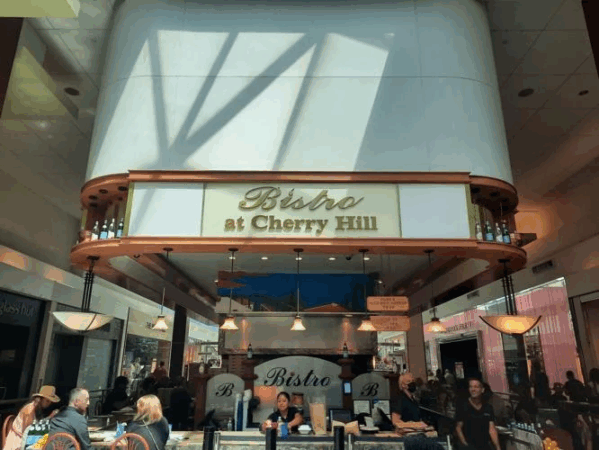
The owner of the beleaguered Bistro at Cherry Hill, a longtime mall fixture that closed this summer amid bankruptcy proceedings, has been indicted on charges of tax fraud.
The New Jersey Attorney General’s Office announced the indictment against Andrew Cosenza Jr. on Tuesday, saying an investigation found that he had failed to send the state more than $270,000 in sales tax paid by Bistro customers in 2021 and 2022.
The 57-year-old Cherry Hill resident was indicted Oct. 29 on several charges, including tax fraud.
“Everyone is required to pay their fair share of taxes,” New Jersey Attorney General Matthew J. Platkin said in the statement. “This form of tax fraud will not be tolerated.”
Cosenza did not return a request for comment on Tuesday. No defense attorney was listed on court documents as of Tuesday, and an attorney representing Cosenza in a new Chapter 11 bankruptcy case did not return requests for comment.
Cosenza had owned the Bistro at Cherry Hill for more than 25 years. The beloved restaurant operated out of a 12,000-square-foot kiosk in the middle of the Cherry Hill Mall. This summer, it closed abruptly, saddening loyal customers.
In July, Cosenza told The Inquirer that the sudden closure was the result of a communication “breakdown” regarding a Chapter 11 bankruptcy petition that he filed in May. It was the restaurant’s second bankruptcy filing since 2017.
While Cosenza was incapacitated by medical issues over the summer, he said the Bistro’s Chapter 11 bankruptcy petition had been converted to a Chapter 7, which involves the liquidation of assets, without his consent. Cosenza said his brother showed up to open the Bistro on July 10 and found the doors locked.
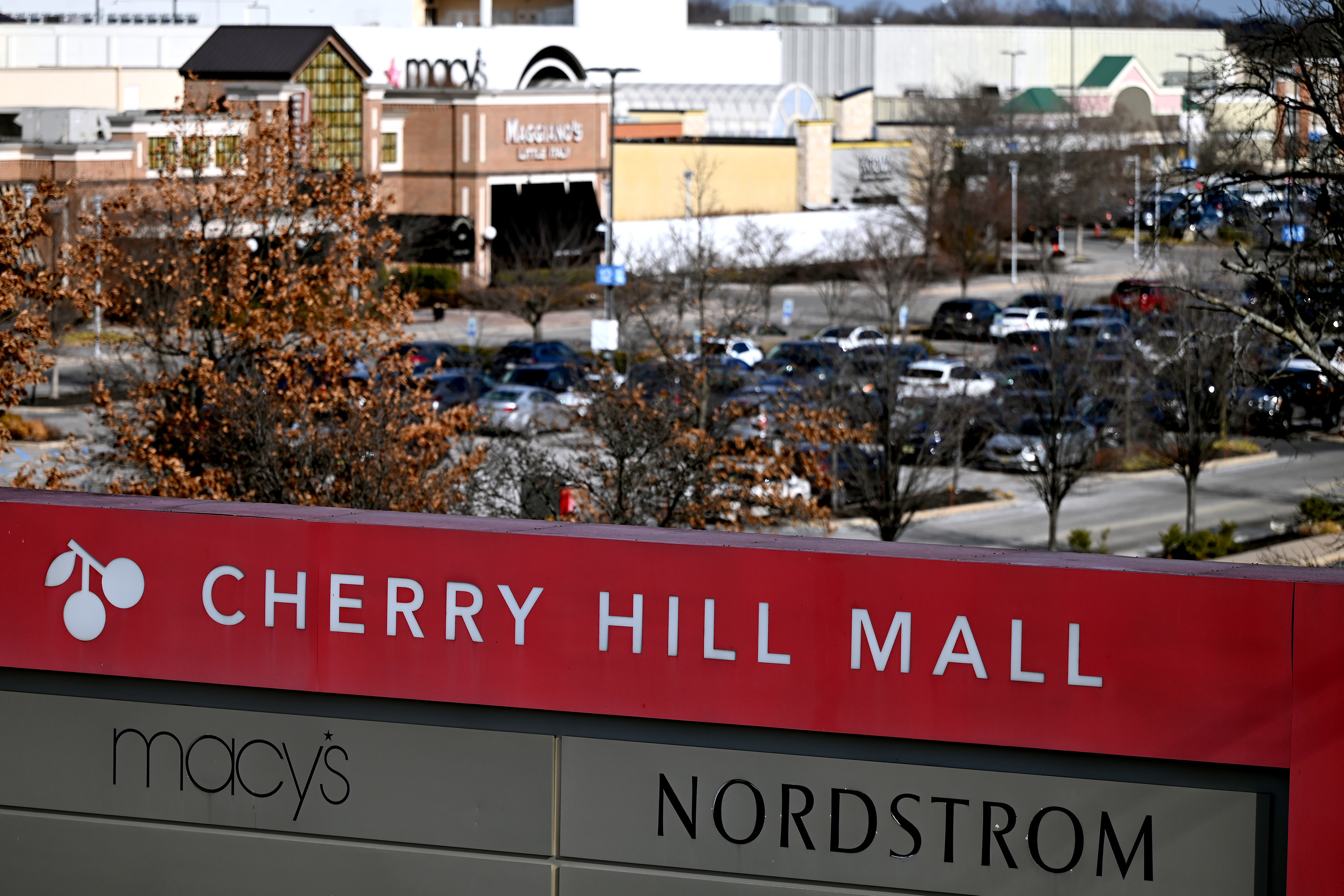
The Cherry Hill Mall, where the Bistro at Cherry Hill operated for 27 years, is shown in January.
“This is not a case of mismanagement or inability to meet financial obligations,” Cosenza said in a July interview. He said that the bankruptcy was the result of lingering pandemic-related issues and that he had a plan for repaying his debts.
In early October, the Bistro’s bankruptcy case was dismissed. Cosenza told The Inquirer on Oct. 10, two weeks before the indictment, that he planned to keep fighting to reopen the Bistro. On Oct. 15, he filed for Chapter 11 bankruptcy as a small-business debtor.
The charges against Cosenza stem from a 2023 joint investigation by the New Jersey Division of Taxation’s Office of Criminal Investigation and the Division of Criminal Justice. Investigators said they found discrepancies between the gross sales tax amounts that Cosenza reported on his business tax returns and the amounts turned over to the state.
If found guilty of the charges, Cosenza could face five years or more in state prison and fines of more than $150,000, according to the prosecutor’s office.
A Main Line developer’s plan to turn a shuttered steel mill into a 2-million-square-foot AI data center on the outskirts of Conshohocken was stymied Monday when he was forced to withdraw his application over legal issues.
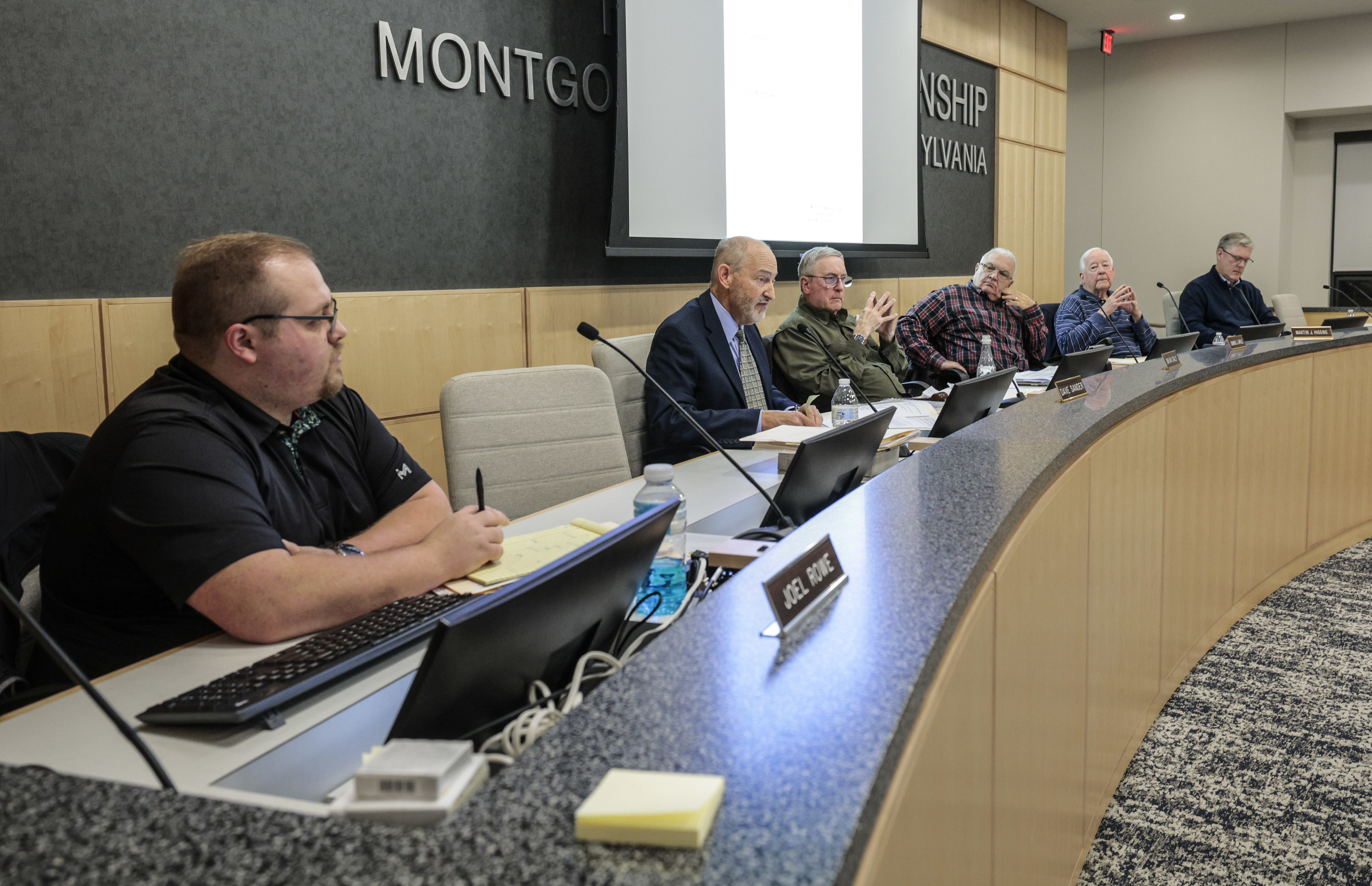
At the Plymouth Township zoning hearing board meeting, Brian O’Neill’s team had been set to make their case for an exception that would allow a data center to be built at 900 Conshohocken Rd.
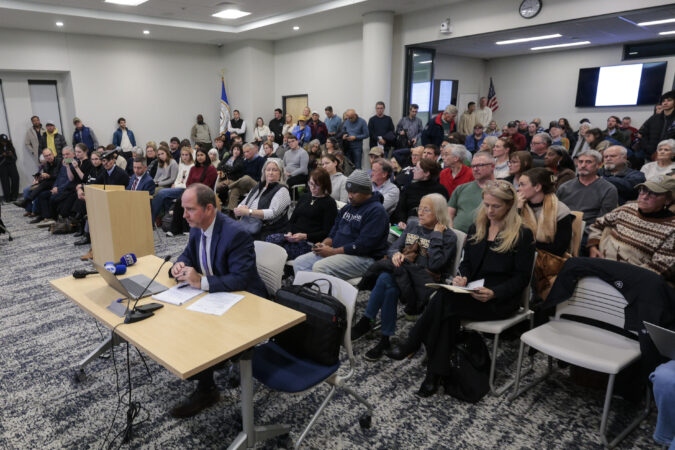
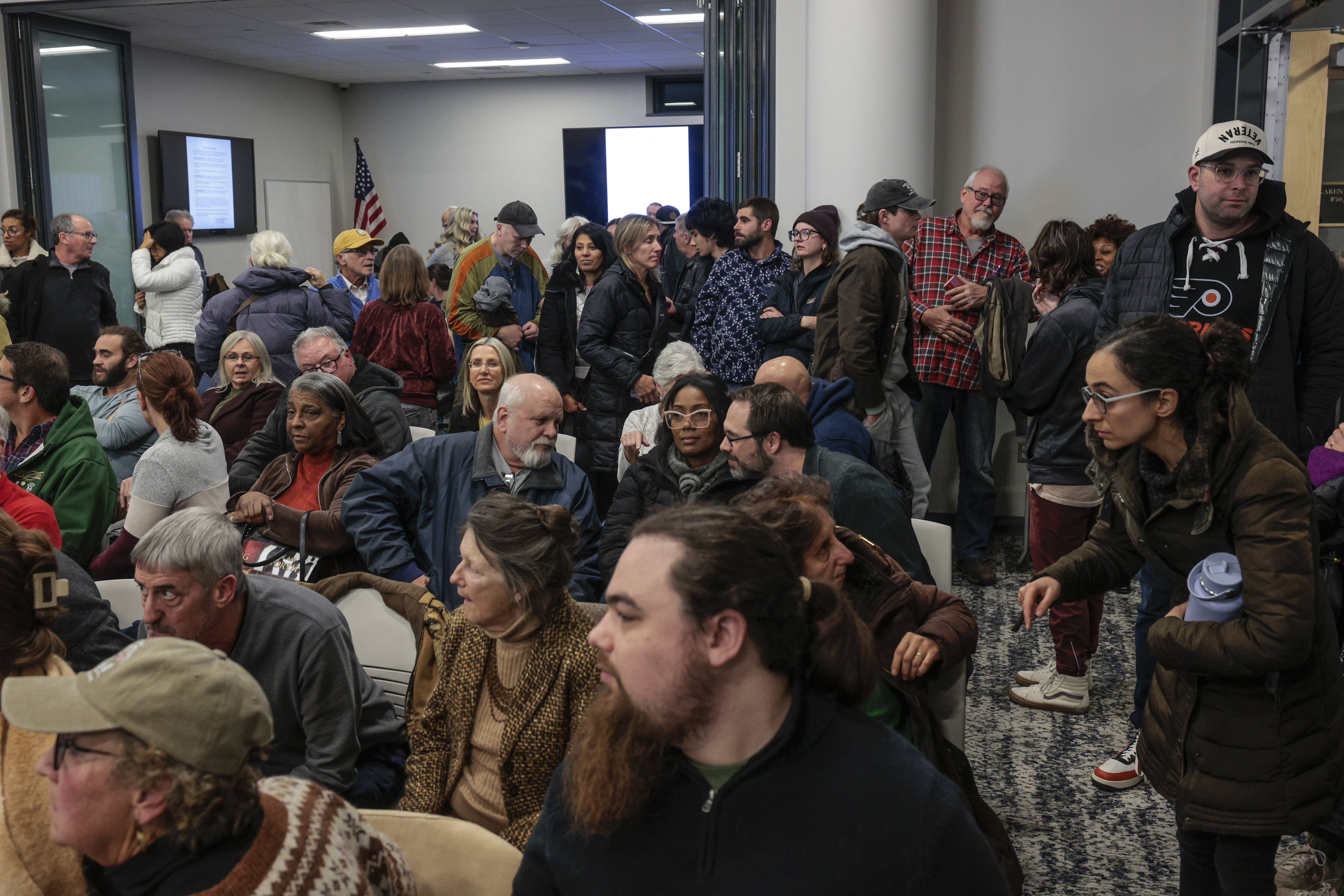
The plan has faced neighborhood pushback, and hundreds of people packed the meeting room on Monday night. O’Neill did not appear to be among them.
Edmund J. Campbell Jr., an attorney for O’Neill, said they wished to move the hearing to the township’s December meeting. Then an attorney for Cleveland-Cliffs, the property owner, said the prospective buyer did not have legal standing to do so.
An agreement of sale had not been approved prior to the meeting, said Heather Fine, the attorney for Cleveland-Cliffs.
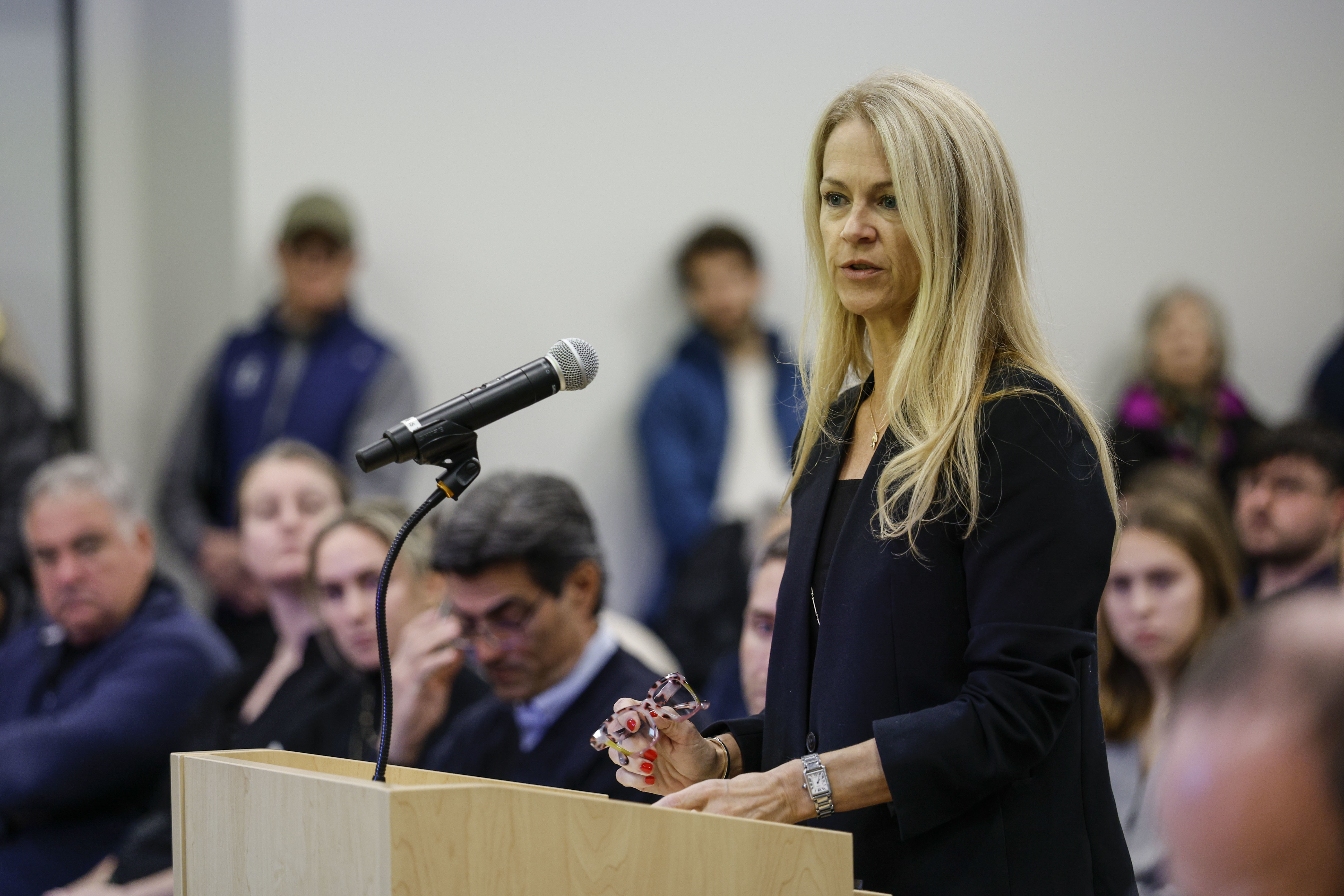
Heather Fine, an attorney for Cleveland-Cliffs, addresses the Plymouth Township zoning hearing board on Monday.
Campbell later asked Fine and then the board for permission to withdraw the application. Both declined to provide additional comment.
Residents who had spent more than a month organizing in opposition to the project said they had mixed emotions.
“It is the smallest of small wins, because we’re making it harder for something bad to happen to our community,” said Nick Liermann, an attorney who lives in a neighborhood near the former steel mill. “But we will be back in this room in a few months.”
“Communities can be effective,” said Patti Smith, a neighbor of Liermann who has spearheaded the local data-center opposition efforts. “We have to stand up for ourselves.”
With the withdrawal, the data center proposal is officially off the docket in Plymouth Township, zoning officer Joel Rowe said, but the applicant can resubmit a plan at any time, restarting the process.
What the data center proposal entailed
The now-closed Cleveland-Cliffs plant near Conshohocken is shown in this 2023 file photo. A data center has been proposed for the site.
This latest development in the Conshohocken-area data center saga occurs amid broader controversy about such facilities, which handle cloud-computing and storage for Big Tech companies.
The construction of data centers has been fast-tracked to meet the growing demands of power-hungry AI tools like ChatGPT. Politicians on both sides of the aisle, including President Donald Trump and Gov. Josh Shapiro, have pushed for more centers, while some neighbors near proposed sites have mounted fierce pushback.
In the Philadelphia area, Amazon is building a 2-million-square-foot data center on a former steel mill in Falls Township, Bucks County. And a 1.3-million-square-foot data center has been proposed at the former Pennhurst State School and Hospital in East Vincent Township, Chester County.
In Plymouth Township, O’Neill had not revealed the potential tenant for his proposed data center, but indicated it would be related to the life sciences.
The data center is proposed for a 66-acre property along the Schuylkill in the Connaughtown section of the township. The site is less than a mile from downtown Conshohocken. Its neighbors include the Proving Grounds sports complex, Tee’s Golf Center, and dozens of homes.
A crowd of people leave the Plymouth Township zoning hearing board meeting on Monday.
Some Connaughtown residents, along with other data center opponents from across the Philadelphia region, have rallied against the proposal. As of Tuesday, more than 1,000 people had signed an online petition urging township officials not to grant a zoning exception for the data center, citing concerns about light, noise, and air pollution; water usage; and electricity costs.
O’Neill, meanwhile, had argued that a data center should be permitted in the “heavy industrial” zone due its to similarity to a warehouse and laboratory, which are both permitted uses under township code. He had also touted the center’s potential economic benefits, saying it could bring in $21 million in annual tax revenue and attract other companies to the area.
“Industry hasn’t come and gone. It’s simply changed,” O’Neill said at last month’s planning board meeting. “What I’m proposing is to put 21st-century industry into an industrial building.”
Why the data center plan was withdrawn
The Plymouth Township zoning hearing board had been set to hear Brian O’Neill’s proposal for an AI data center outside Conshohocken on Monday.
At the start of Monday’s standing-room-only meeting, Plymouth Township officials were expecting a long and potentially tense night.
Solicitor Dave Sander began by warning the crowd that they must maintain decorum, and said he would cut off the proceedings at 10 p.m. Police officers stood outside the room.
Quickly, however, it became clear that Campbell, O’Neill’s attorney, had other plans, requesting a continuance to the Dec. 15 meeting. If granted, it would have marked the hearing’s second continuance: The proposal was initially supposed to be discussed at an October meeting.
“My client would like an additional opportunity to review with [community members] the project,” Campbell said. “When we proceed, if we have had a more robust dialogue with those participants, this hearing on the 15th would be significantly more efficient.”
Neighbors, some of whom had already attended a private meeting with O’Neill last month, objected to the last-minute request, saying that it was unlikely their minds would be changed if no significant changes had been made to the plan.
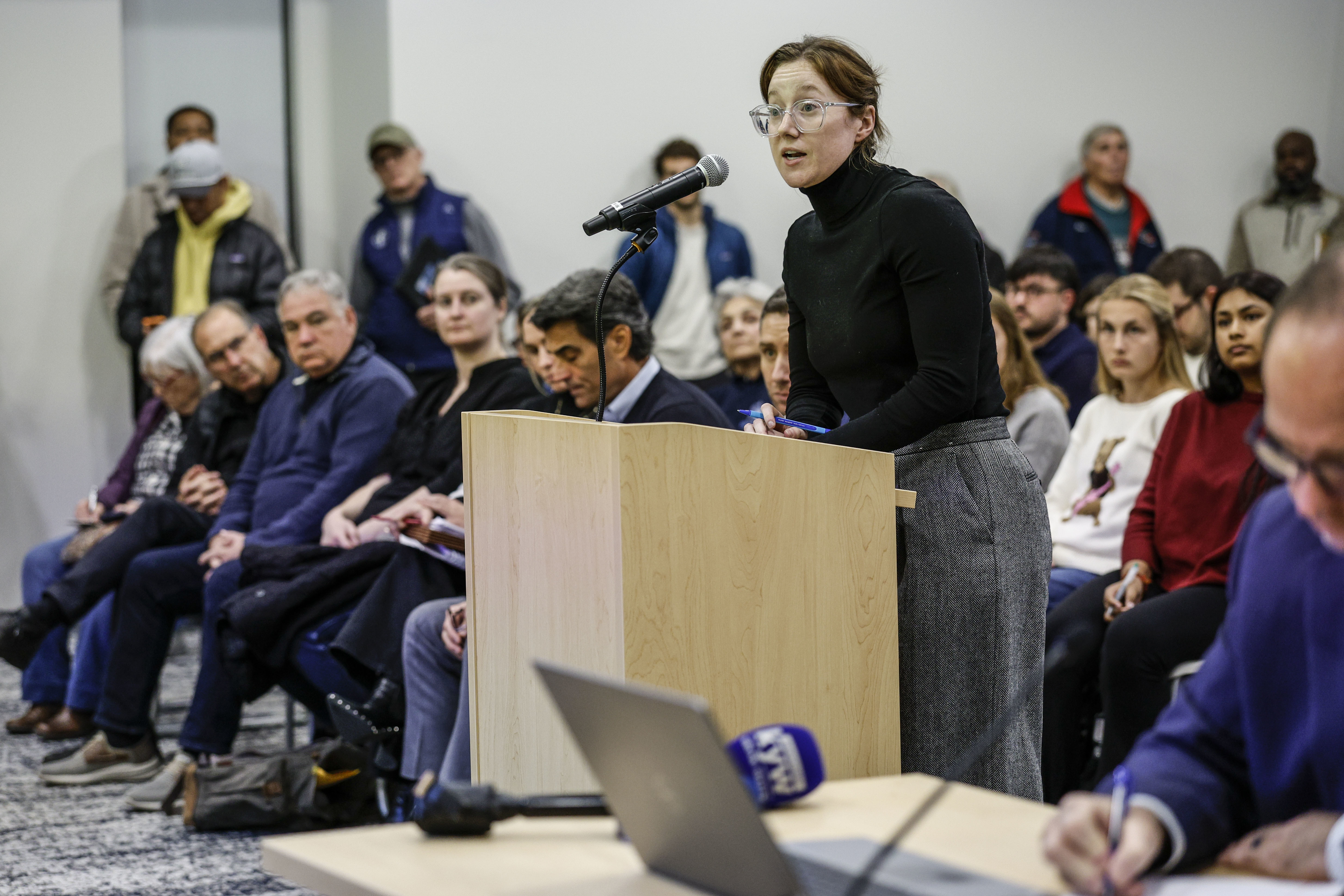
“Is the proposal significantly different than what was displayed to community members at the Oct. 8 meeting?” asked Smith, who organized neighborhood opposition.
Patti Smith, resident and organizer of anti-data center movement in the neighborhood, addresses the Plymouth Township zoning hearing board at Monday’s meeting.
“No,” Campbell responded, later adding that they wanted more residents to be able to attend the meeting and hear from their experts who could speak to concerns, including about noise and emissions.
Before the zoning hearing board could vote on the continuance request, Fine, the attorney for property owner Cleveland-Cliffs, took to the podium.
“There is no standing for the prospective buyer to proceed with the application this evening,” Fine said. “That authority was not extended to the prospective buyer from the owner. There is no LOI [letter of intent] in place.”
“My client delivered a signed agreement of sale to the owner this evening,” Campbell said. “Based on that, we have standing. … We made our application with the express consent of the owner.”
Sander turned to Fine, asking if that was true.
“It’s not entirely true, no,” Fine said. “The signed agreement that was transmitted to my colleague at 5:51 p.m. this evening had redline changes. Those have not been accepted by my client.”
She did not elaborate on what those changes entailed.
The zoning hearing board recessed before returning to accept Campbell’s motion to withdraw the application.
As a neighbor to the site, Liermann said the unexpected turn of events left him with a more sour taste in his mouth about the developer: “The last-minute request in an attempt to obstruct the process and dissuade the public from participating, and then this ‘confusion’ over whether or not an LOI was actually signed between the developer and the owner, is incredibly disturbing.”
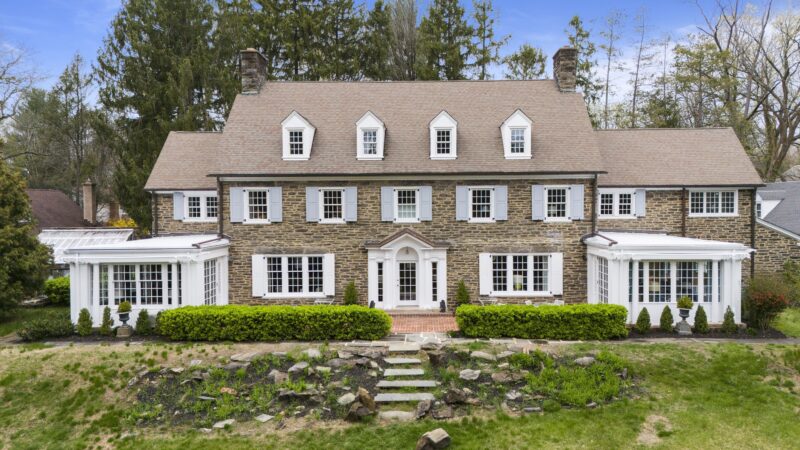
In Philly and Delaware County, listings and sales of luxury homes are down from last year,according to an analysis by the real estate brokerage Redfin.
The luxury home market in the counties is relatively small, “so it can be somewhat volatile,” said Chen Zhao, head of economics research at Redfin.
In the combined market of Philadelphia and Delaware Counties, 285 luxury homes sold between July and September of this year. That’s down about 16% from the same time last year.
Redfin defines luxury homes as those in the top 5% of an area’s prices. The median luxury sale price in this region was about $1.3 million, according to Redfin.
A low supply of homes for sale is helping drive luxury trends. At the end of September, the number of active listings of luxury homes — 503 — was down about 23% from last year, the sharpest drop out of the 50 populous metro areas that Redfin analyzed.
Zhao noted that luxury home owners are less likely to need to sell their properties, and decisions to hold onto multiple luxury homes during a time of economic uncertaintymay be contributing to the tight supply.
window.addEventListener(“message”,function(a){if(void 0!==a.data[“datawrapper-height”]){var e=document.querySelectorAll(“iframe”);for(var t in a.data[“datawrapper-height”])for(var r,i=0;r=e[i];i++)if(r.contentWindow===a.source){var d=a.data[“datawrapper-height”][t]+”px”;r.style.height=d}}});
Faster price growth for luxury homes
Prices for luxury homes have grown faster than prices for other homes both in the Philadelphia region and nationwide.
In the combined market of Philadelphia and Delaware Counties, sale prices grew by almost 8% for luxury homes and about 6% for homes in the middle-price range over the last year.
Nationally, luxury prices increased by about 5%. Prices for homes in the middle range increased by about 2%.
“Luxury prices are outpacing the rest of the market because the people buying at the top end are playing by different rules,” Sheharyar Bokhari, senior economist at Redfin, said in a statement.
Unlike middle-income homebuyers, people purchasing homes at the highest price points don’t need mortgage interest rates or prices to fall before they can afford to buy. They’re more likely to pay in cash or take out smaller loans. Some are choosing real estate as a more stable investment.
“That demand, even at a smaller scale, is enough to keep pushing luxury prices up faster than the broader market,” Bokhari said.
How other metros compare
Between 2024 and 2025, luxury sales rose the most — almost 31% — in the pricey market of San Francisco. The median luxury sale price was more than $6 million.
Luxury homes sold the fastest — in a median of 14 days — in the San Jose, Calif., region and the slowest — in a median of 130 days — in the Miami metro area.
Florida is home to the areas where luxury prices rose and fell the most over the last year. They increased by about 15% in the West Palm Beach metro, and decreased by about 3% in the Tampa area.
“We could walk everywhere,” said Kevin Diehn. “We’d even forget where we’d parked our car.”
This was Diehn’s tribute to the rich offerings around the Bella Vista trinity he bought in 2012 with his wife, Ariel.
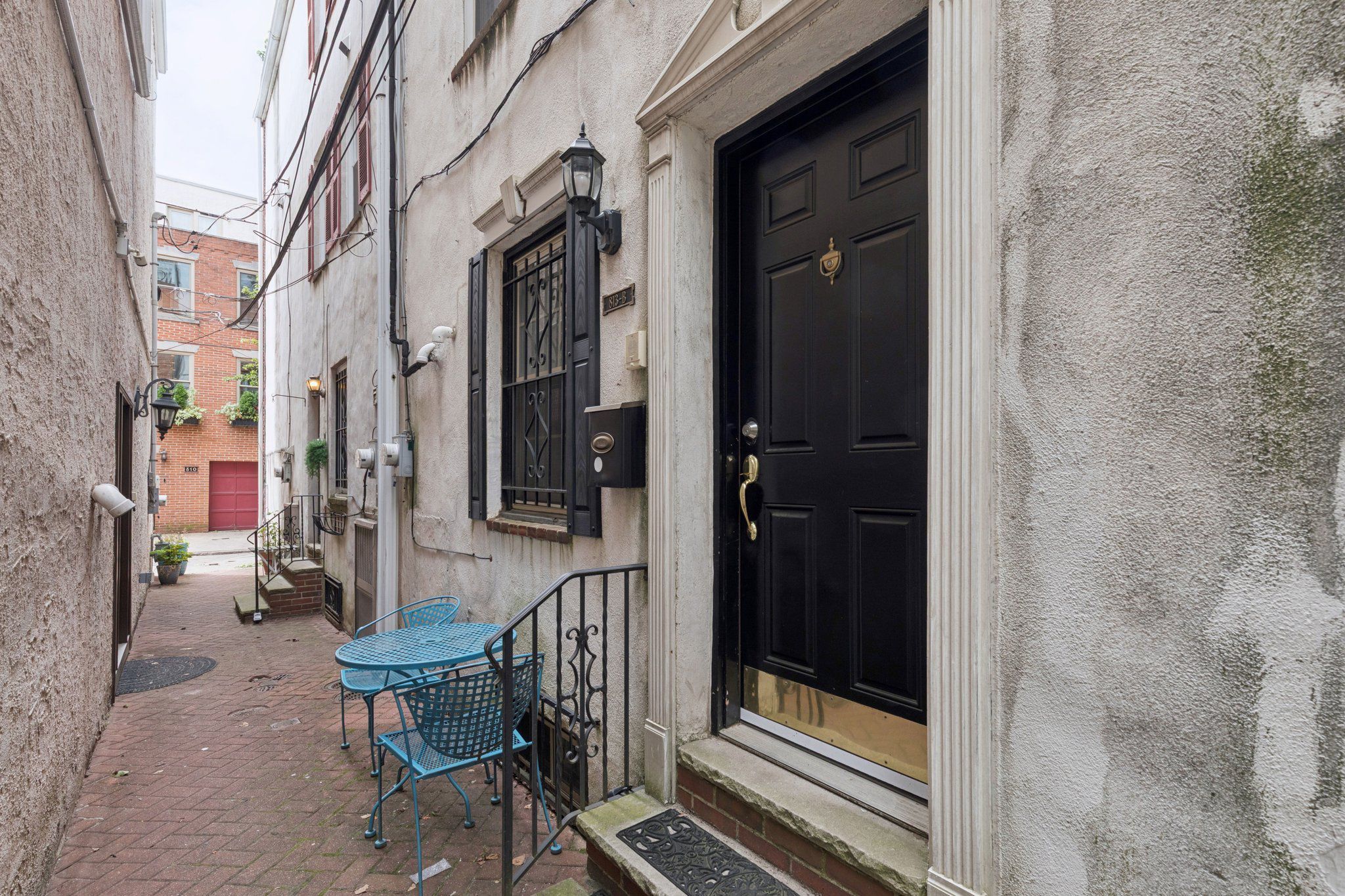
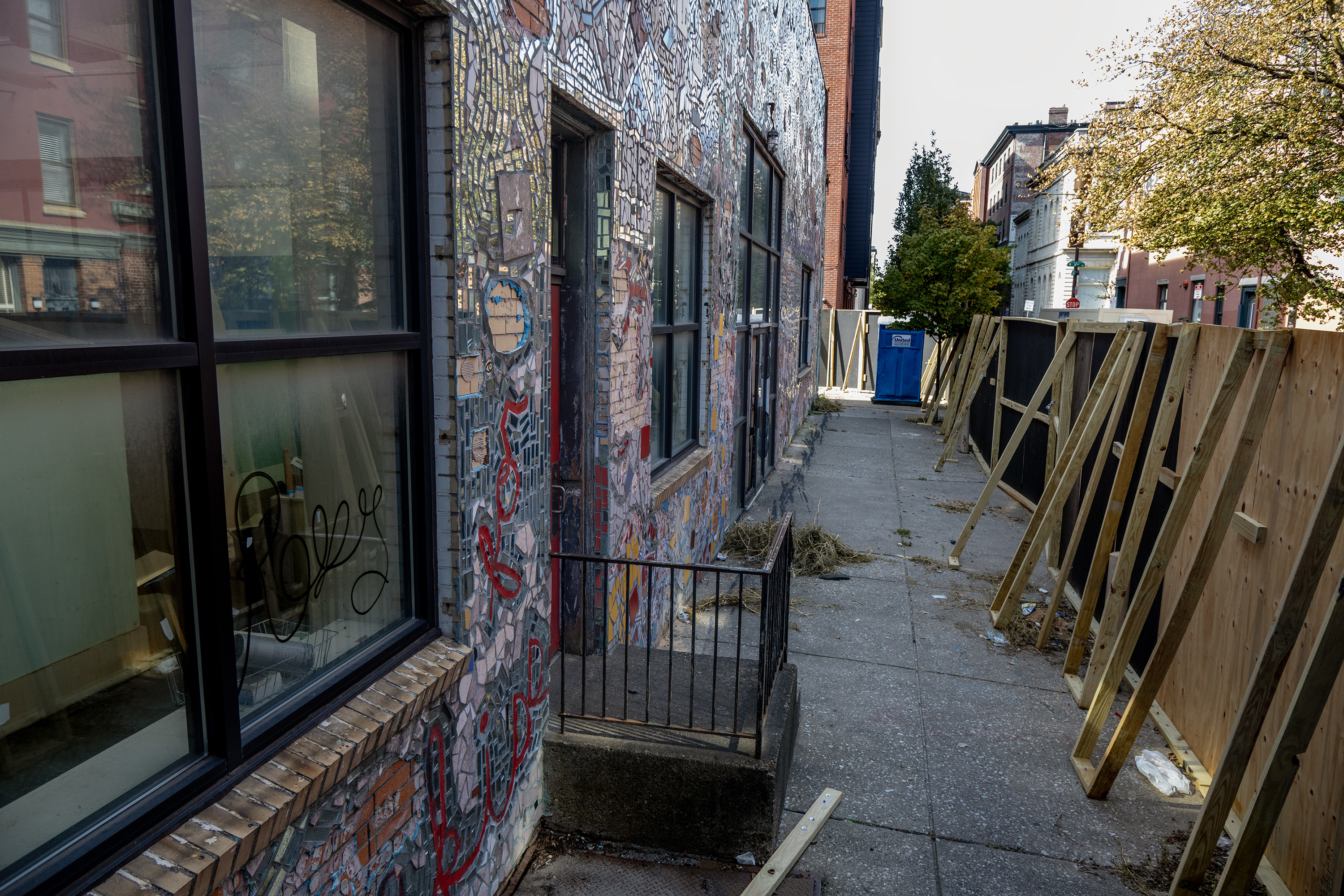
But perhaps the most unusual is the path leading to their street, with mosaics by the legendary Isaiah Zagar. Diehn says it’s about 70 yards long.
The outside of the home sits along a brick path.
And “we loved the proximity to South Street,” he said.
But now the Diehns — he works in the pharmaceutical industry and she’s a Pilates instructor — have moved to Maryland for work.
From the 840-square-foot home, the Italian Market, South Street, Washington Square, Penn’s Landing, and Jefferson and Pennsylvania Hospitals are all easily accessible.
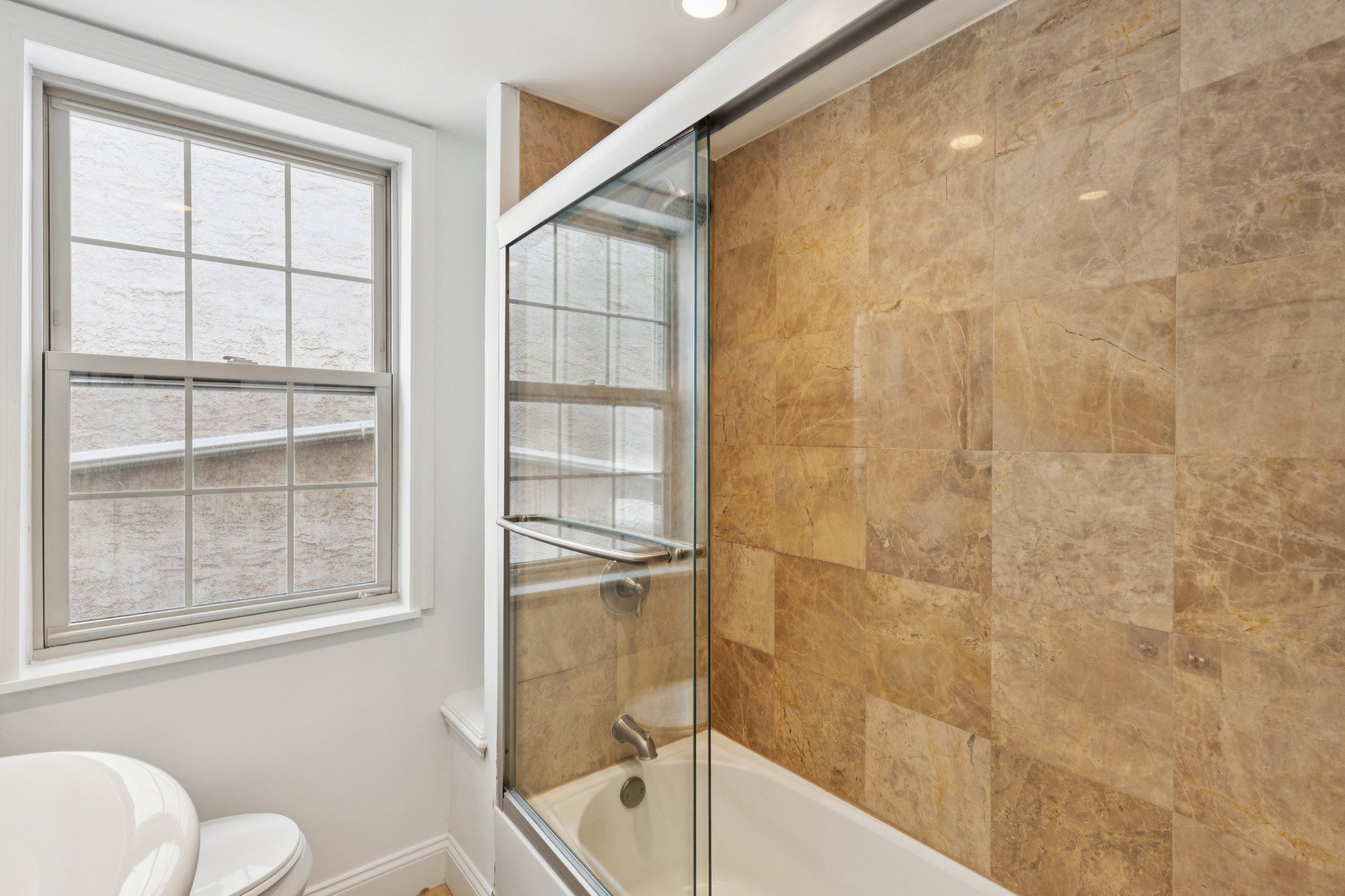
The bathroom has a tub and a window.
The two-bedroom, one-bathroom house is tied together by a spiral staircase that wraps around all four floors.
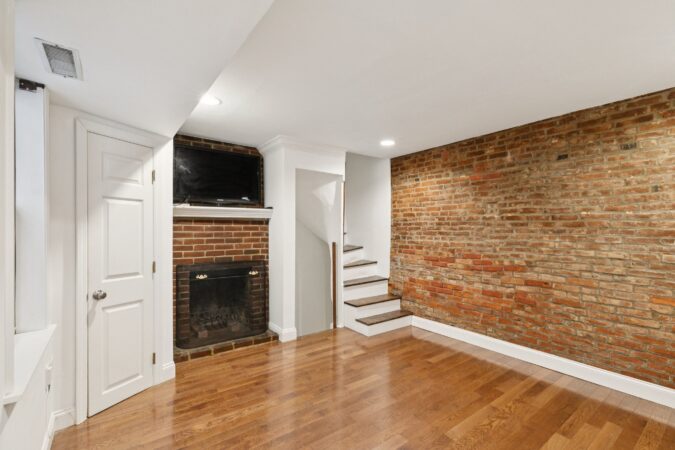
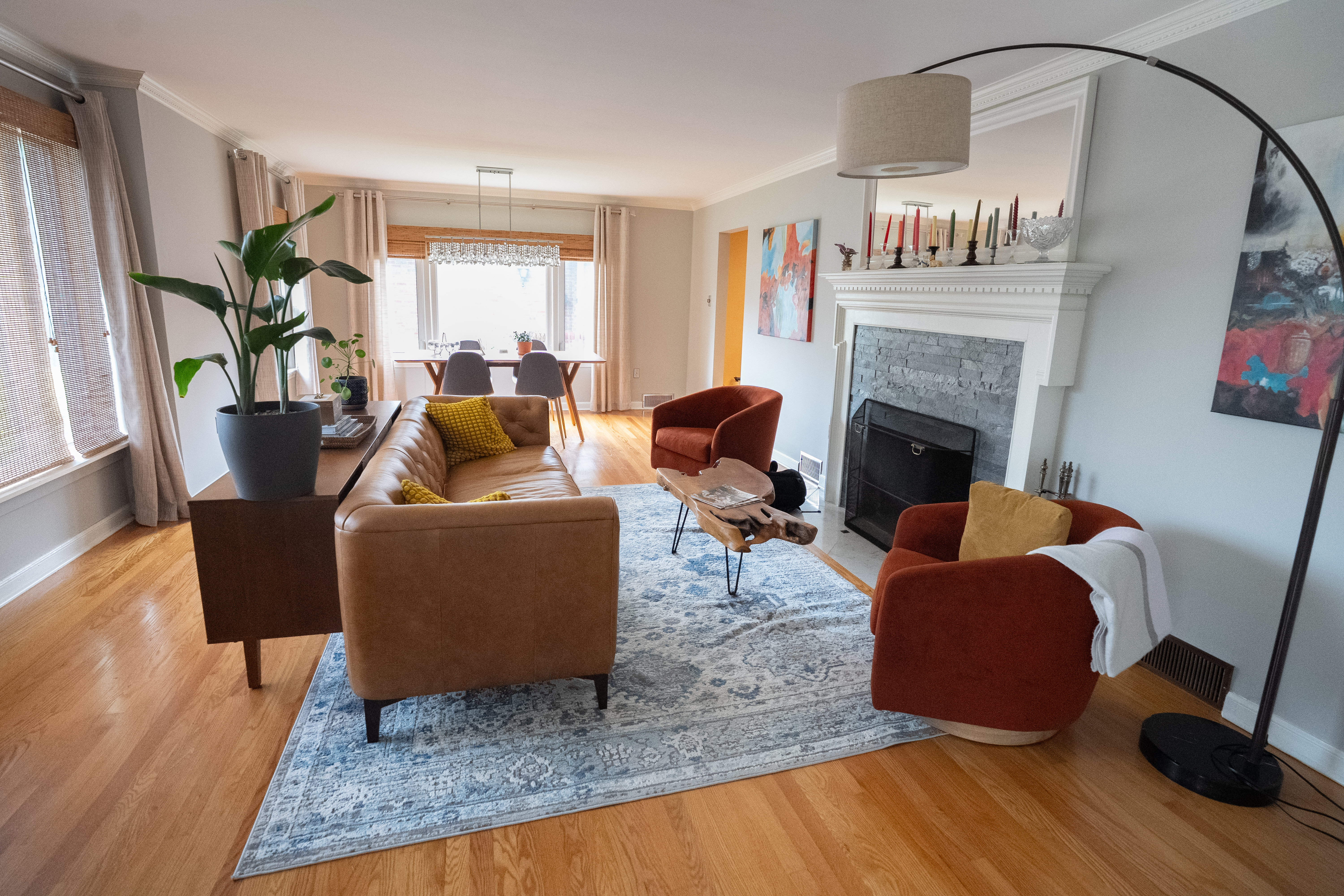
The living room features exposed brick, wood floors, and a fireplace that could work if refurbished.
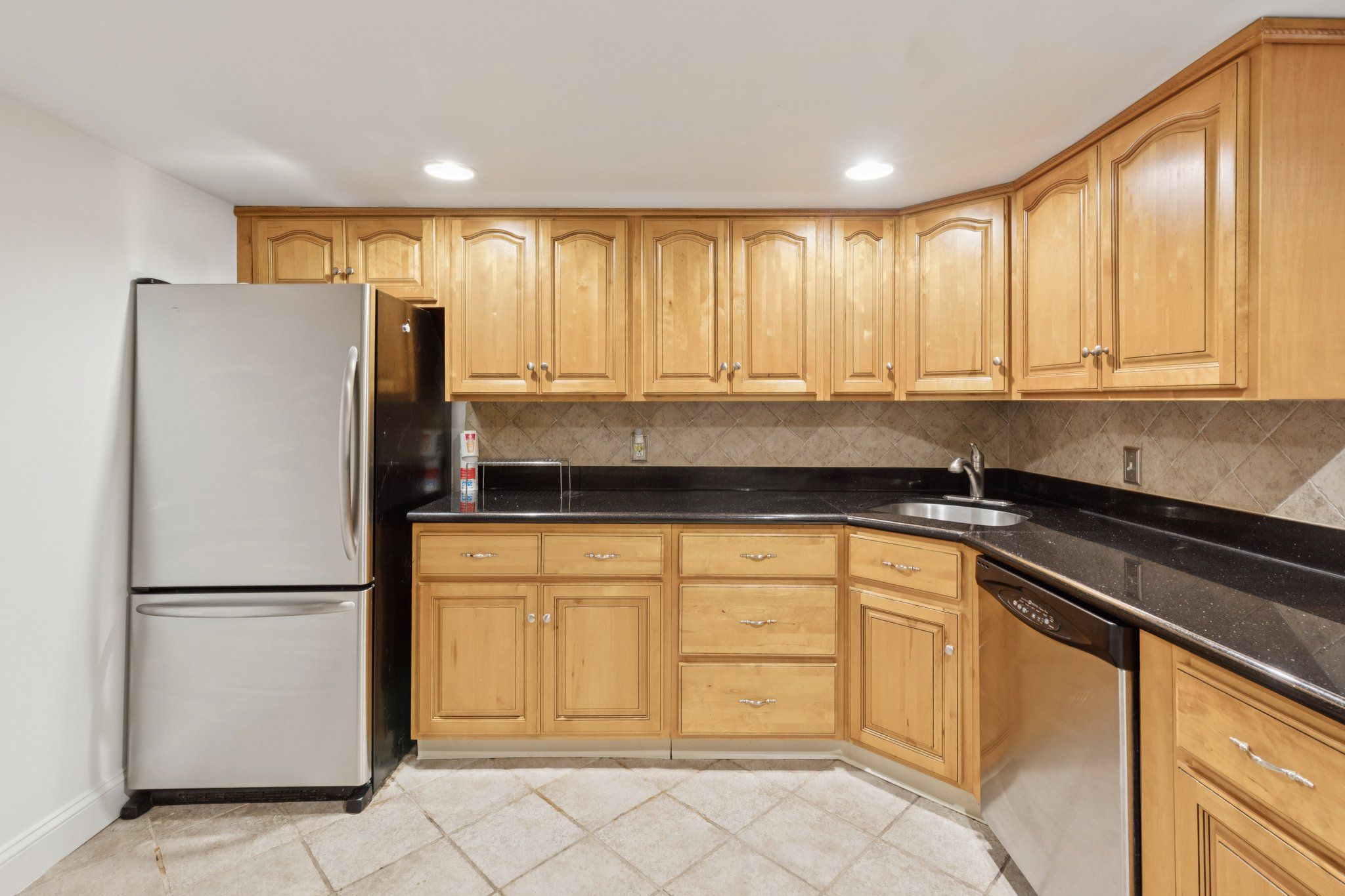
The kitchen is in the basement and has an adjacent pantry, stainless steel appliances, a gas stove, a laundry area, and tile floor.
The kitchen is in the basement.
The winding stairs lead through French doors to the first bedroom and a bathroom with a tub/shower combination and glass enclosure.
The primary bedroom is on the third floor with vaulted ceilings and two large windows. The upper floors have plentiful exposed brick.
The house is in the Meredith School catchment area.
It is listed by Pamela Rosser-Thistle of BHHS Fox & Roach at the Harper Rittenhouse Square for $319,000.
The College of Physicians of Philadelphia, which runs the popular Mütter Museum, announced plans on Monday to expand its footprint at 22nd and Chestnut Streets with a new, accessible entrance, larger galleries, educational and event spaces, an upgraded gift shop, and a renovated core gallery for the museum.
The oldest private society of physicians in the country, the College purchased the buildings at 2129 Chestnut St., a former Swedenborgian Church and Parish House, in 2023 for about $9.3 million.
The organization has since raised $27 million to initiate the first phase of renovations, which will occur in stages over the next few years.
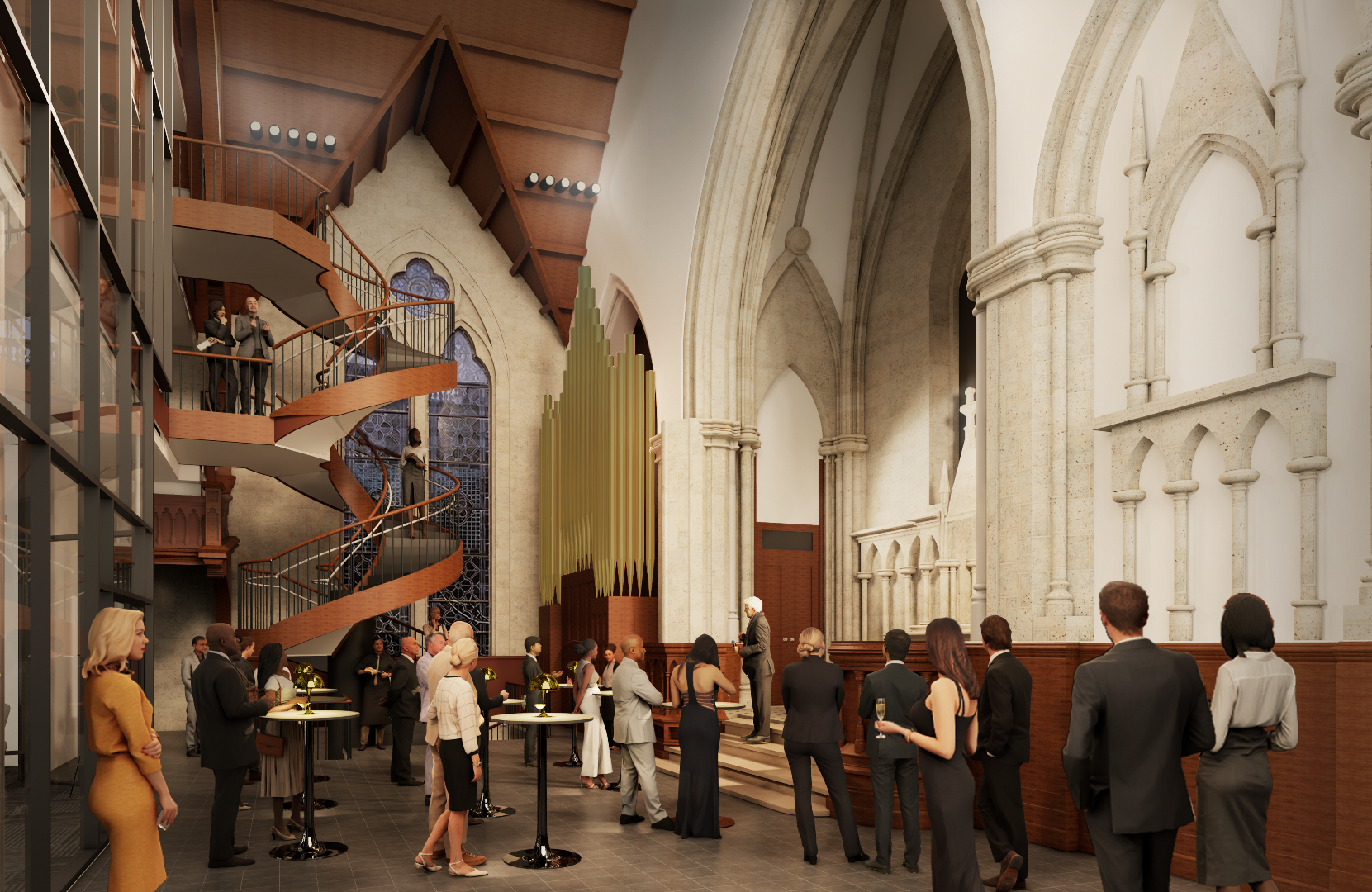
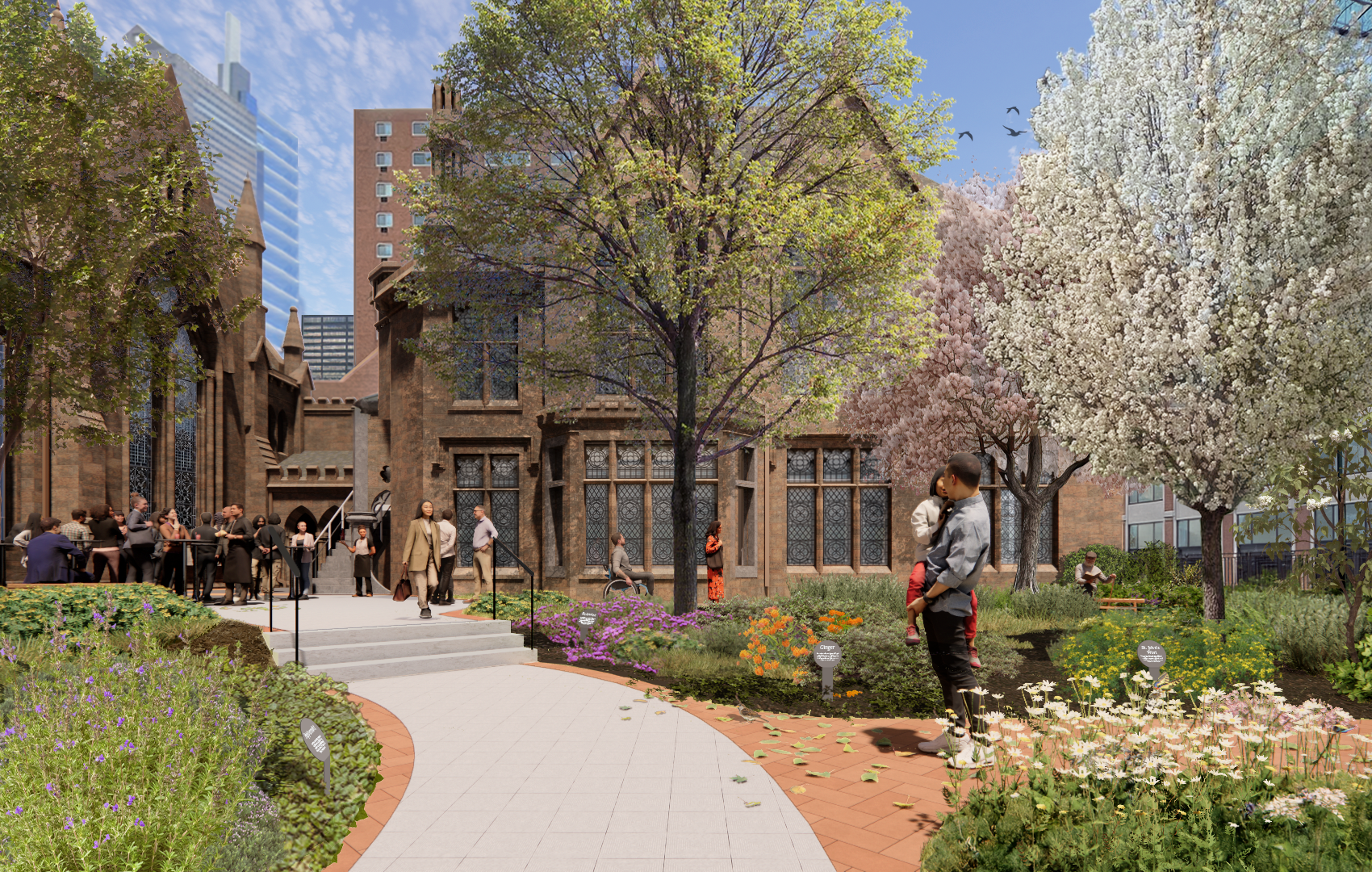
A rendering of the sanctuary space at the former church located at 2129 Chestnut St. The College of Physicians plans to use it for events.
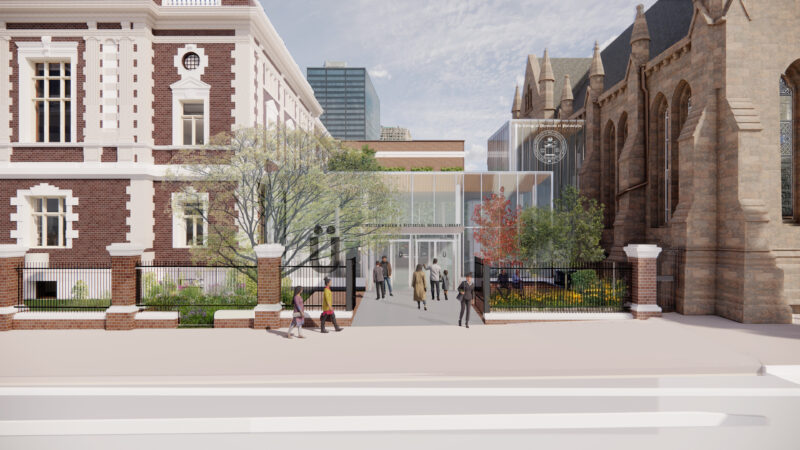
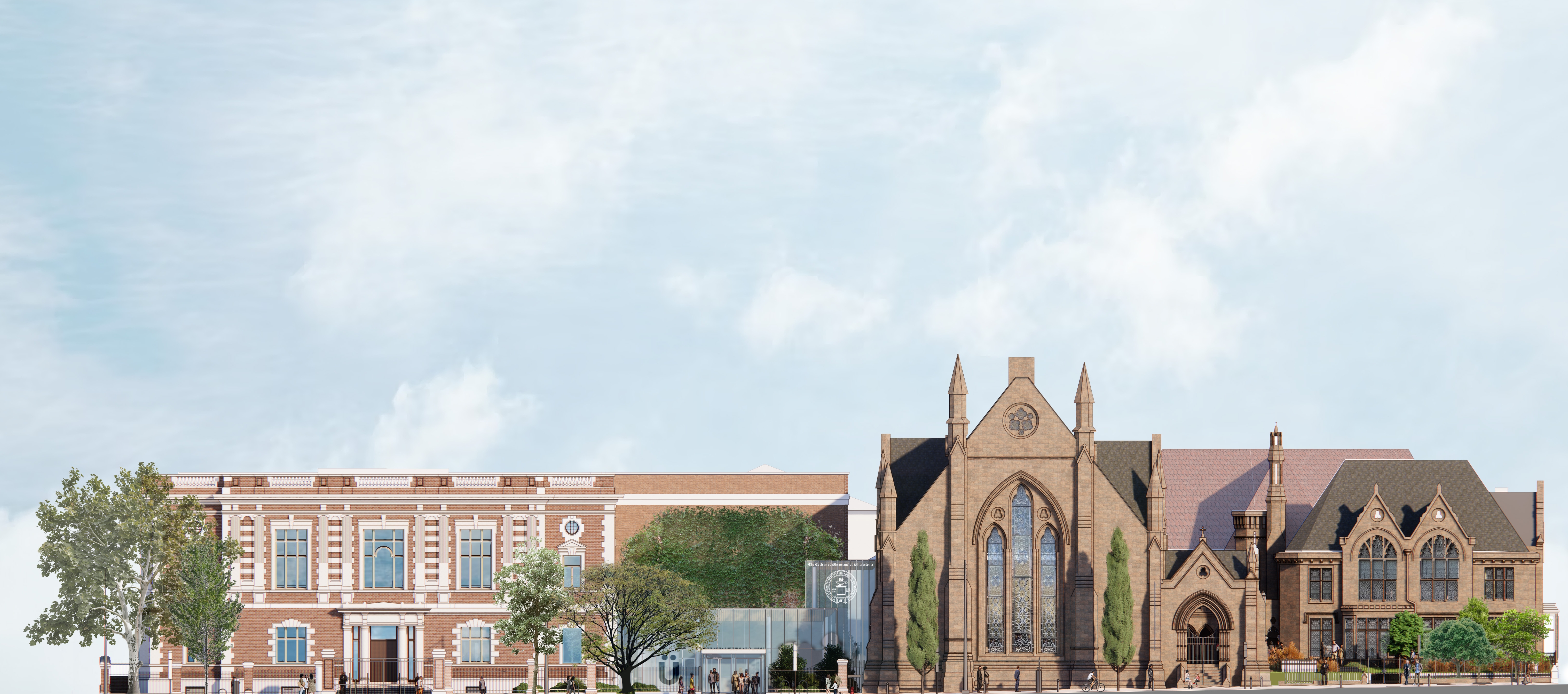
A large glass structure will serve as the new entrance and will connect the current College building and the adjacent church building. The latter will hold administrative offices, shared spaces for College Fellows, and public event spaces for both College and Mütter programming.
“We’ve been space constrained for a number of years. In our original building, we use pretty much every square inch of space, and so this allows us to increase the space, especially our educational offerings,” said CEO Larry Kaiser, a thoracic surgeon who was appointed in January.
The College typically welcomes about 5,000 students a year for STEM and museum programs. With more classroom space, they anticipate doubling the number of Philadelphia students that can be reached.
A rendering of how the College of Physicians building will connect to the adjacent former Swedenborgian Church at 2129 Chestnut Street.
The renovations will also increase the amount of gallery space for the museum. There will be greater square footage in the current galleries with the goal of showcasing more of the Mütter and Historical Medical Library collection of some 500,000 objects, from medical equipment to human remains.
Now, in place of a museum director, the Mütter is led by Erin McLeary, senior director of collections and research, and Sara Ray, senior director of interpretation and engagement.
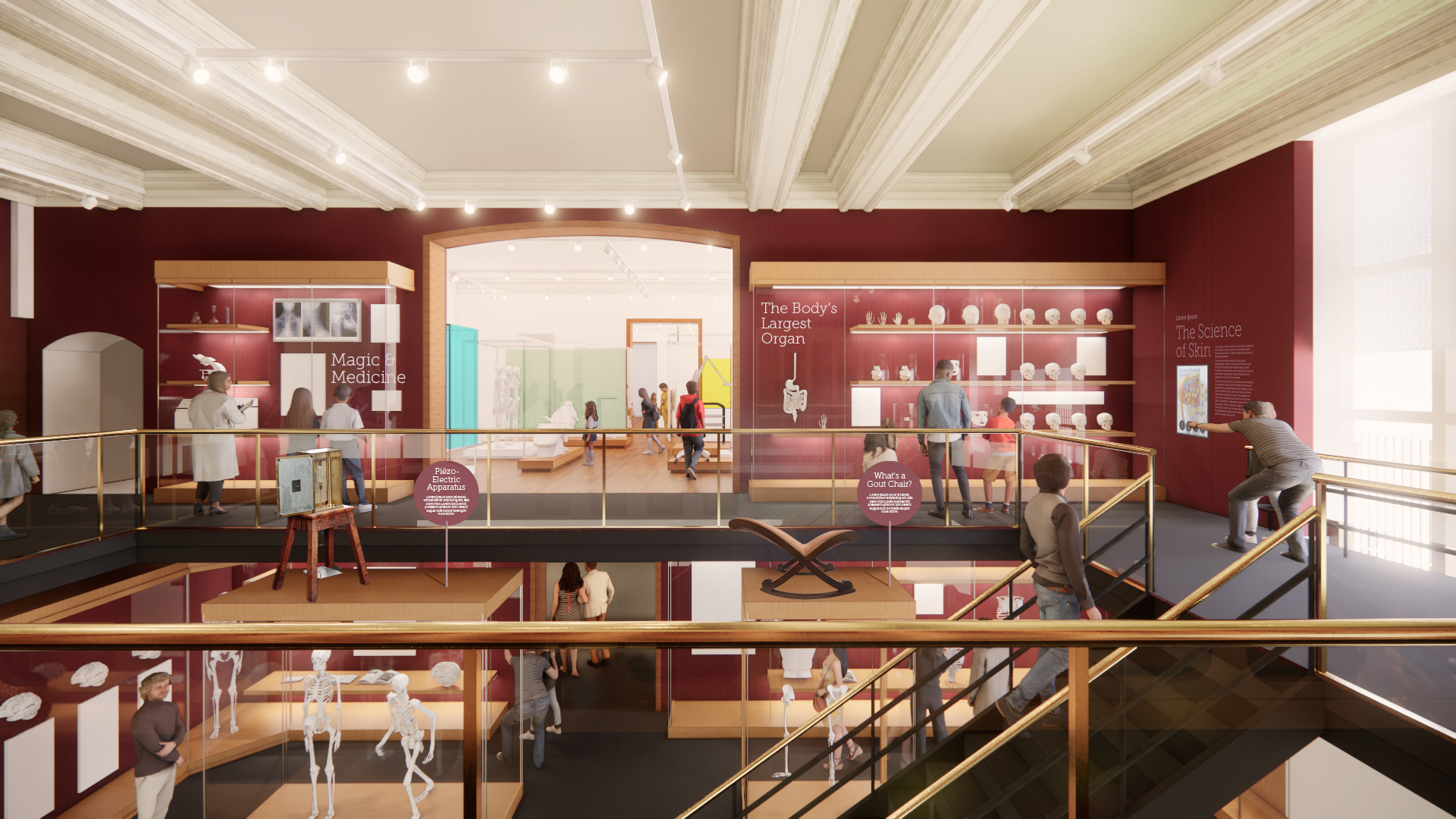
A rendering of the Mütter Museum’s renovated core gallery, which will expand its footprint while retaining its Victorian aesthetic.
The core gallery of the Mütter, which showcases historical artifacts along with skeletons and organs that represent rare medical conditions, will undergo significant renovations to update the display cases and create more space for the exhibits on view.
The Victorian aesthetic will remain, but the casework and labels will be upgraded for better visibility and legibility. Those renovations are expected to begin in 2027.
“People love the look of the museum. They love walking into that space and feeling like they are transported back into time, they respond really positively to it. We really want to respect and honor that,” said McLeary. “However, when people walk up to look into the cases, they’re dealing with century-old glass that’s hard to see through … so we really want to honor the architecture of the building, the feeling of being transported to a different time and place, but really improve the visitor experience and the staff experience [with] strategic updates.”
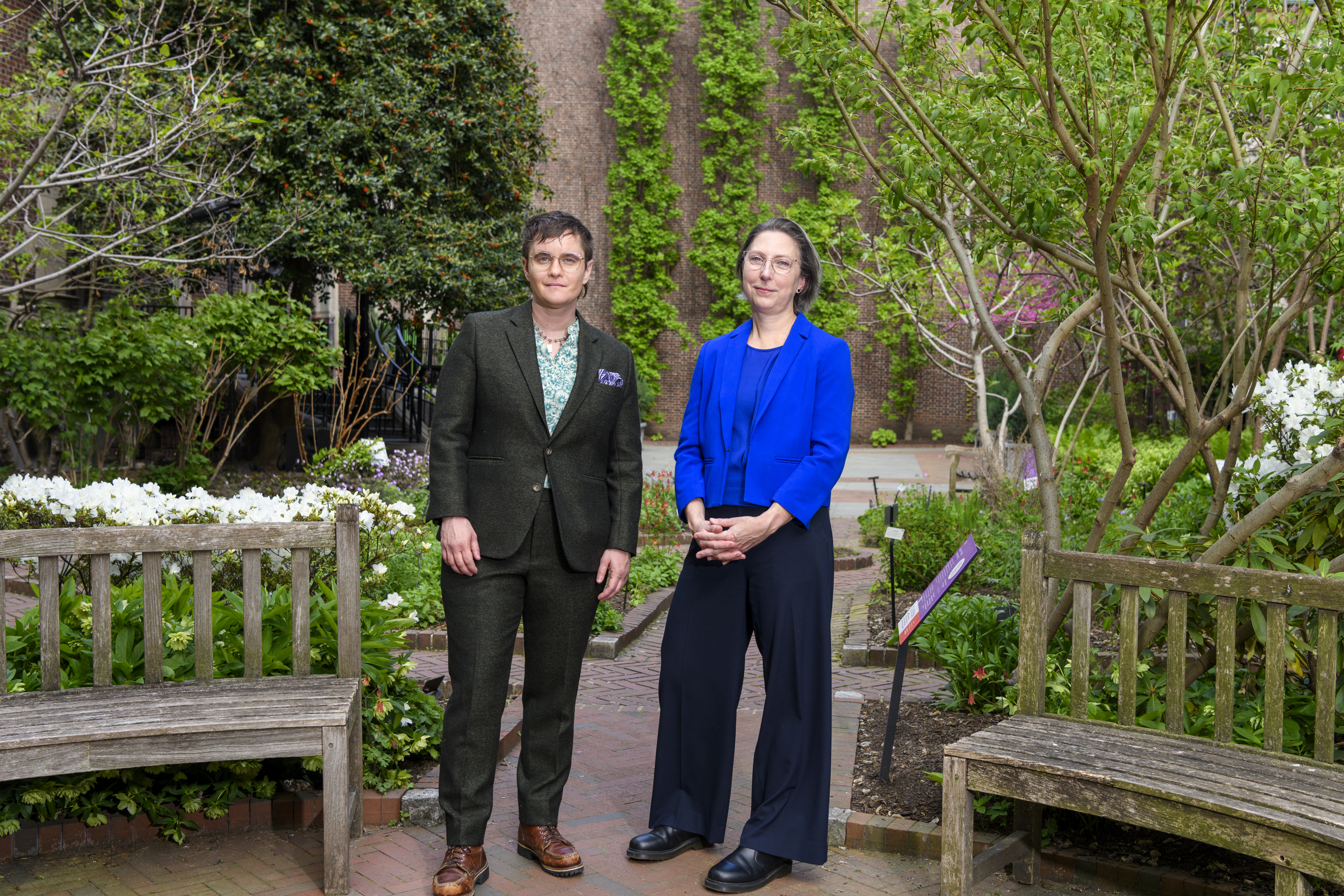
From left: New Mütter Museum leaders Sara Ray, senior director of interpretation and engagement, and Erin McLeary, senior director of collections and research.
It’s likely that the exhibits will also change as staff rotates specimens and objects out so that museum staff can ensure preservation and conservation.
“I’ve been giving tours of this museum since like 2014 — it’s 11 years that I’ve walked through that core gallery with great attention to detail, and almost nothing has changed,” said Ray, who was once a docent. “There’s some things that have been in there for decades at this point, and they need to be rotated off display for the stewardship of that specimen.”
The Benjamin Rush Medicinal Plant Garden.
The hope is that the Mütter will be able to spotlight more of its historical holdings as only about 20% of the collection is currently on display.
Design firm MGA Partners and project managers Becker & Frondorf are partnering with the College on the expansion efforts, and construction will begin in early 2026.
An earlier version of this article reported that Mütter and the College’s expansion is a deviation from Mira Irons’ plans, and that there would be new galleries at 2129 Chestnut Street. The expansion is in line with the plans of Mütter’s former leadership and, for now, is limited to the existing galleries in the museum.
For the Nowell family, the outlets are an annual tradition.
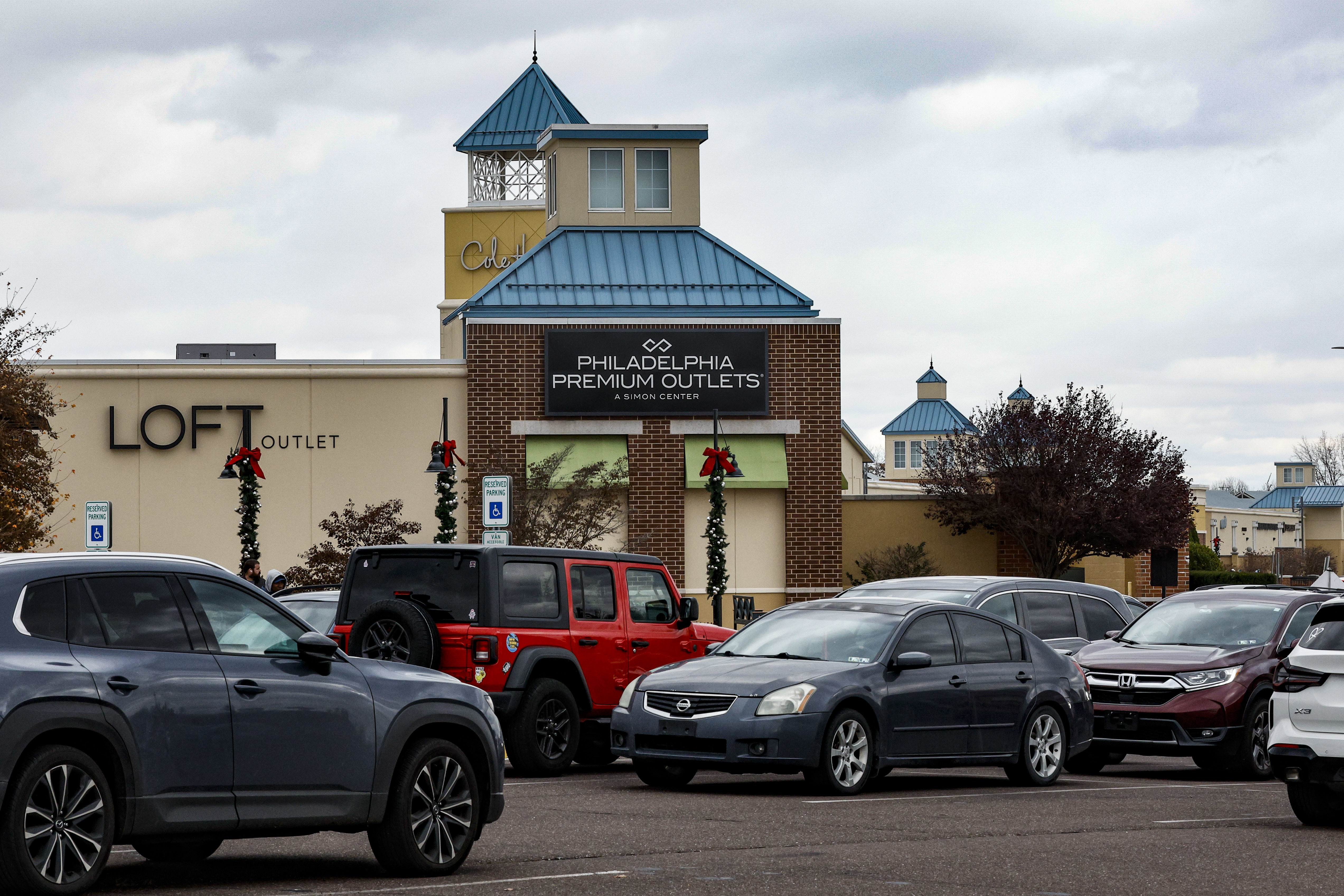
Every Veterans Day, a dozen relatives venture to Limerick Township in Montgomery County, where they kick off their holiday shopping at the Philadelphia Premium Outlets.
Even this year, as bitter winds whipped through the outdoor plaza, the family was undeterred.
After a morning of shopping, the multigenerational group, which included two veterans, warmed up with their yearly food-court lunch, courtesy of matriarch Geri Nowell, 77, of Telford. Then, the men returned to the cars and dropped off dozens of shopping bags, which they’d been carting around in a wagon. The women walked on, hunting for their next find among the more than 130 shops.
The Nowell family poses in front of a holiday backdrop during their annual outing to the Philadelphia Premium Outlets.
“It’s super fun,” said Ann Blaney, 47, of Drexel Hill.
“We get great deals,” added Kim Woodman, 55, of Hatboro.
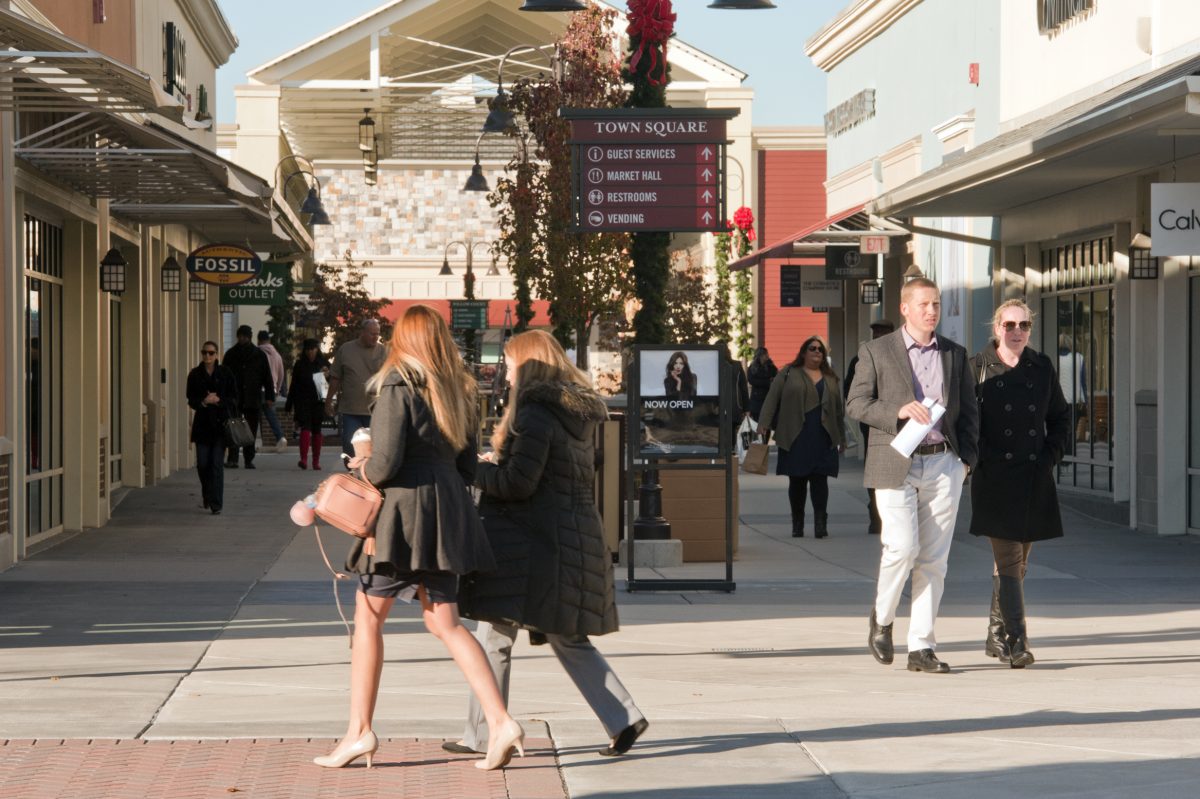
The tradition is an experience they say can’t be replicated online. The fact that the complex is open-air and contained in a 550,000-square-foot plaza somehow adds to the fun, they said.
As Kathy Nelson, 48, of Broomall, browsed the outlets with her friends, she said she also shops at the nearly 3 million-square-foot King of Prussia Mall, less than 20 miles away. But otherwise, she said, “there aren’t many indoor malls left” with the variety of stores she prefers.
Outlets have always accounted for a fraction of the in-person retail market, which is partly why there have been few headlines about dying outlet malls. But some of the country’s roughly 200 outlet malls seem to be downright thriving, with full parking lots on weekends, few vacant stores, and relatively strong revenue.
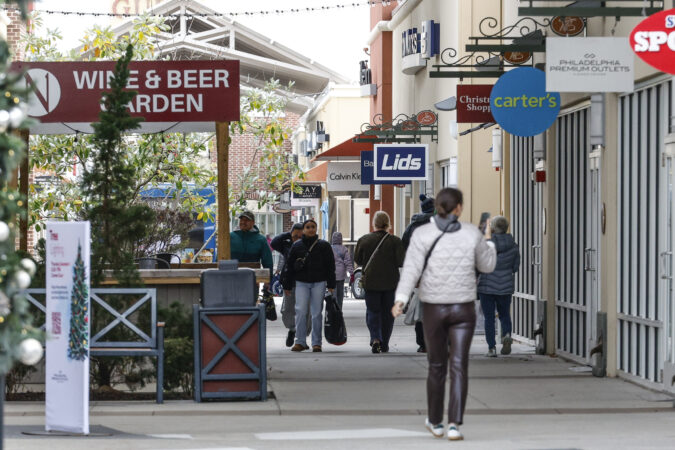
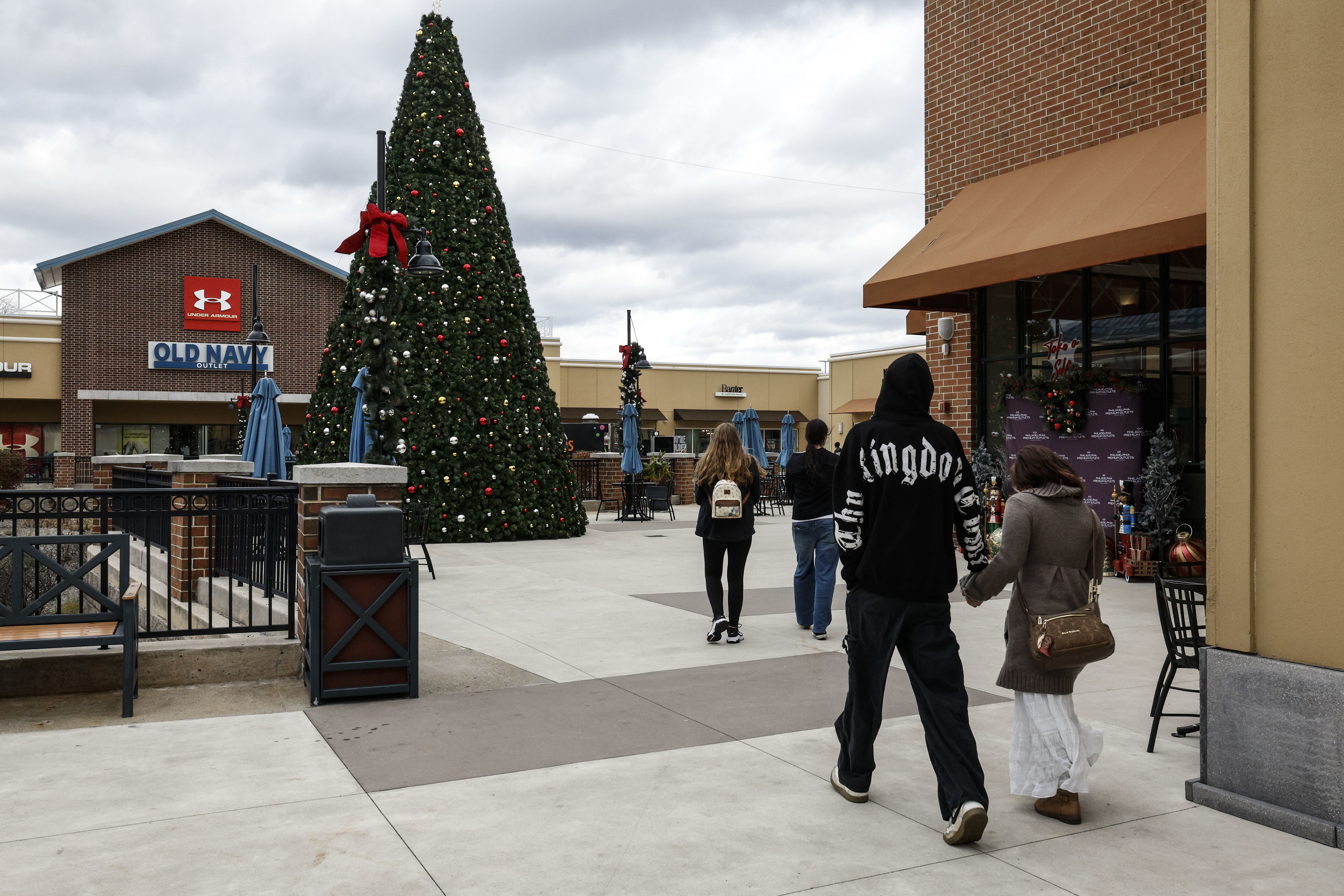
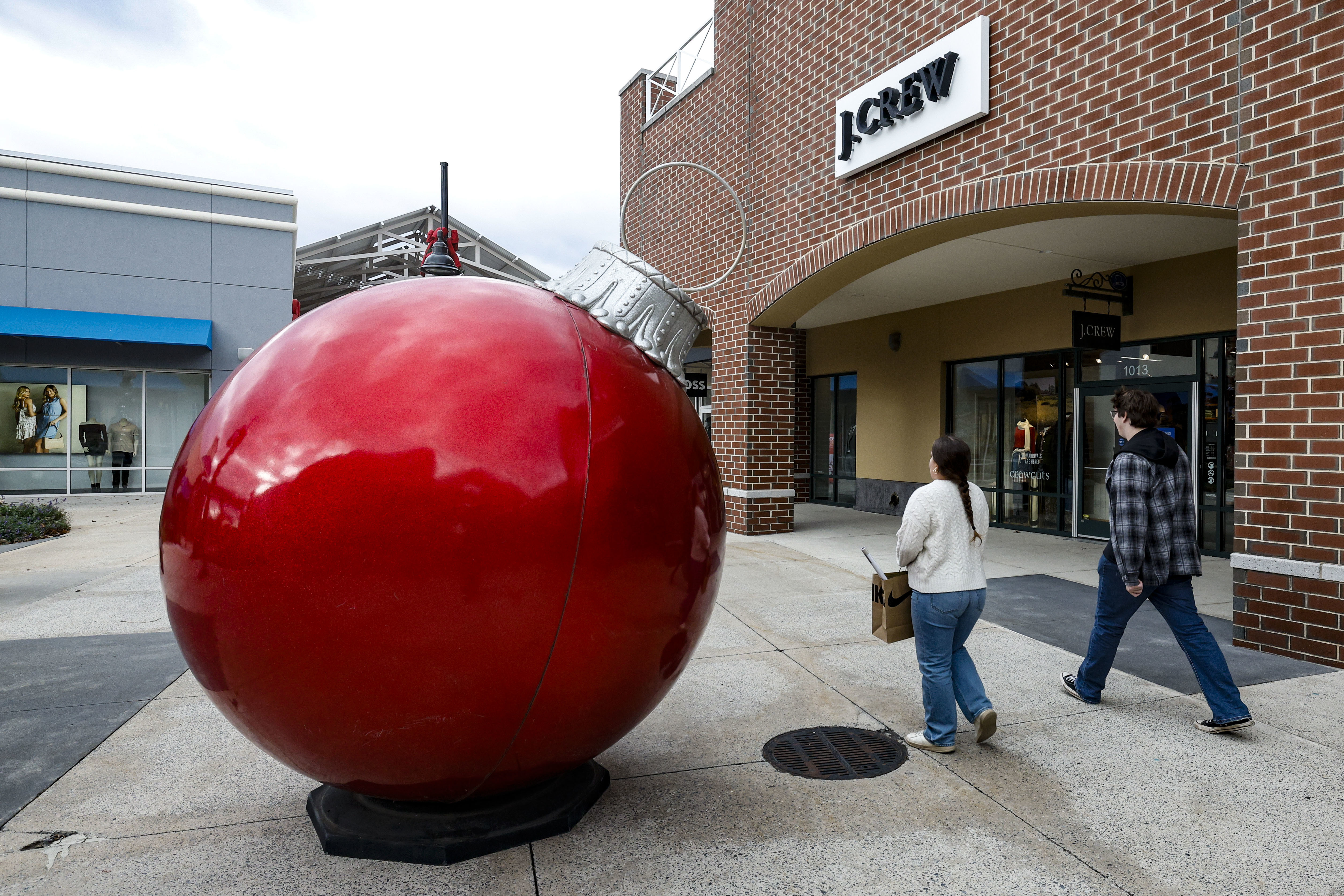
Shoppers walk by the tree at the Philadelphia Premium Outlets on Nov. 11.
The Philadelphia region’s two major outlet malls — the Philadelphia Premium Outlets in Limerick Township and the Gloucester Premium Outlets, both owned by Simon Property Group — are more than 92% occupied, according to a count by The Inquirer during visits to each location this month. Both outlets have found success despite being less than 20 miles from thriving indoor malls in King of Prussia and Cherry Hill.
Tanger Outlets, which has locations in Atlantic City and Lancaster, recently reported more than 97% occupancy across its 39 open-air centers and an increase in average tenant sales per square foot.
“Outlets do good in good times and great in bad times,” said Lisa Wagner, a longtime consultant for outlets, repeating a common refrain in the industry.
The centers have evolved amid the broader push toward more experiential retail and most now have a mix of discount stores and full-price retailers. But they have done so while embracing their reputation as the go-to destination for snagging deals, said Wagner, a principal at the Outlet Resource Group.
“Honestly no one knew what was going to happen after COVID, but [the outlets] came out incredibly strong,” she said. More recently, the retail industry has been rattled by tariffs and economic uncertainty. The outlets have not been immune to those challenges, but they have held strong despite them.
“People want value right now,” Wagner said. “They need it.”
The Philadelphia Premium Outlets has more than 130 stores in its 500,000-square-foot complex.
Outlet malls become one-stop shops
On a rainy, early November Sunday, hundreds of people descended on the Gloucester Premium Outlets.
Shoppers pulled up hoods and huddled under umbrellas as they made their way from store to store. Many balanced several large bags bearing brand names like Columbia and Kate Spade, Rally House and Hey Dude shoes. Some munched on Auntie Anne’s pretzels or sipped Starbucks from holiday cups. An acoustic version of Jingle Bells played over the speakers.
For some, the dreary, drizzly weather was even more reason to spend their afternoon at the 86-store complex in Blackwood, Camden County, about 15 miles outside Philadelphia.
With two young children in tow, Jessica Bonsu, 30, of Sicklerville, was on a mission.
“We came out to go to the indoor playground,” called Stay & Play, Bonsu said, pointing to her rambunctious kids. “Just to get some energy out.”
“And then we can also get some shopping done,” added her cousin, Taneisha Laume, 30, who was visiting from D.C. She needed a gift for her uncle. “Kill two birds with one stone.”
Shoppers peruse the stores at the Gloucester Premium Outlets in this 2019 file photo.
These kind of multipurpose visits are buoying outlet malls, which are increasingly becoming mixed-use destinations for dining, drinking, entertainment, and shopping.
“You’re coming for a little bit of everything,” said Gerilyn Davis, director of marketing and business development at Philadelphia Premium Outlets.
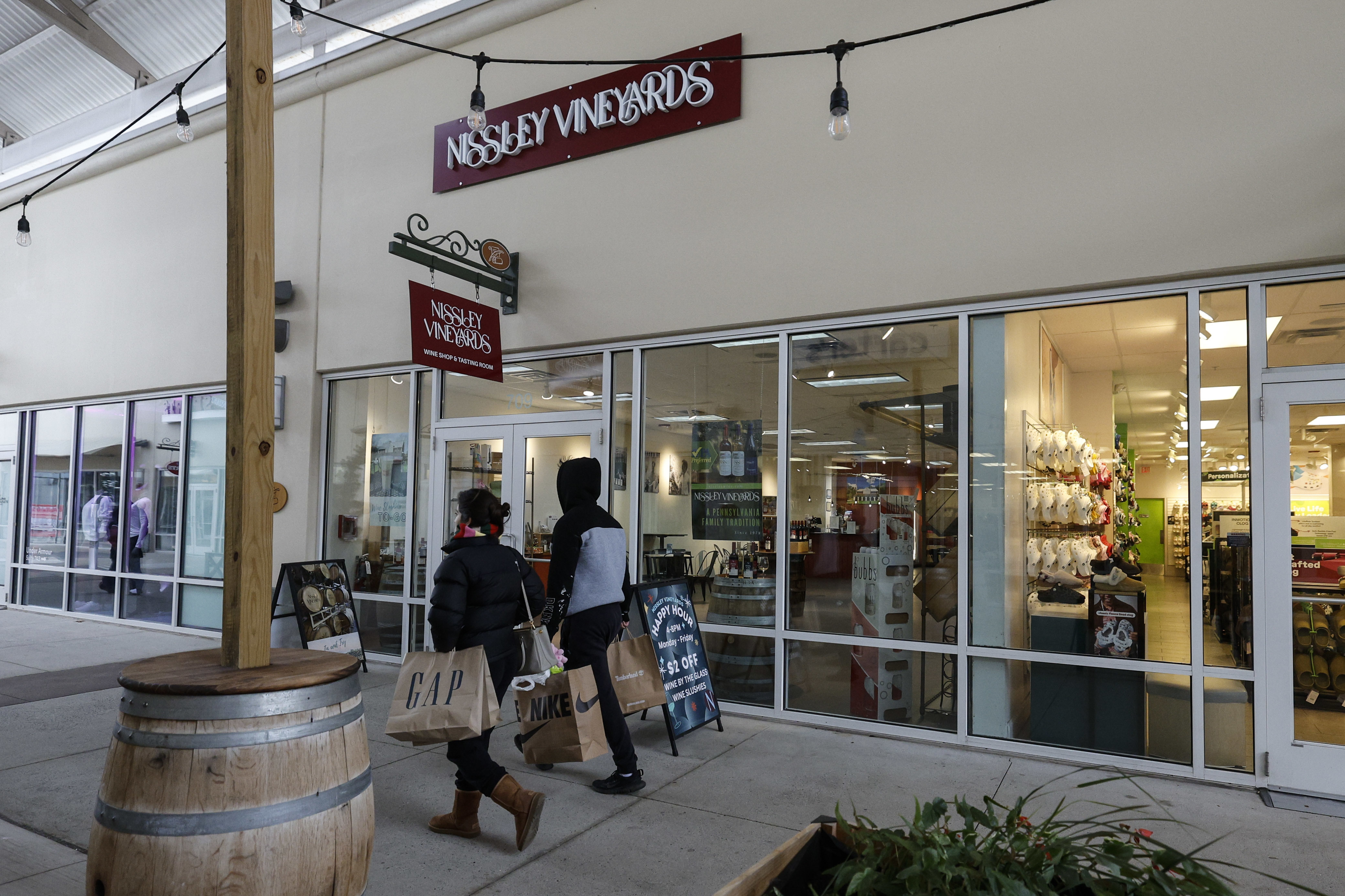
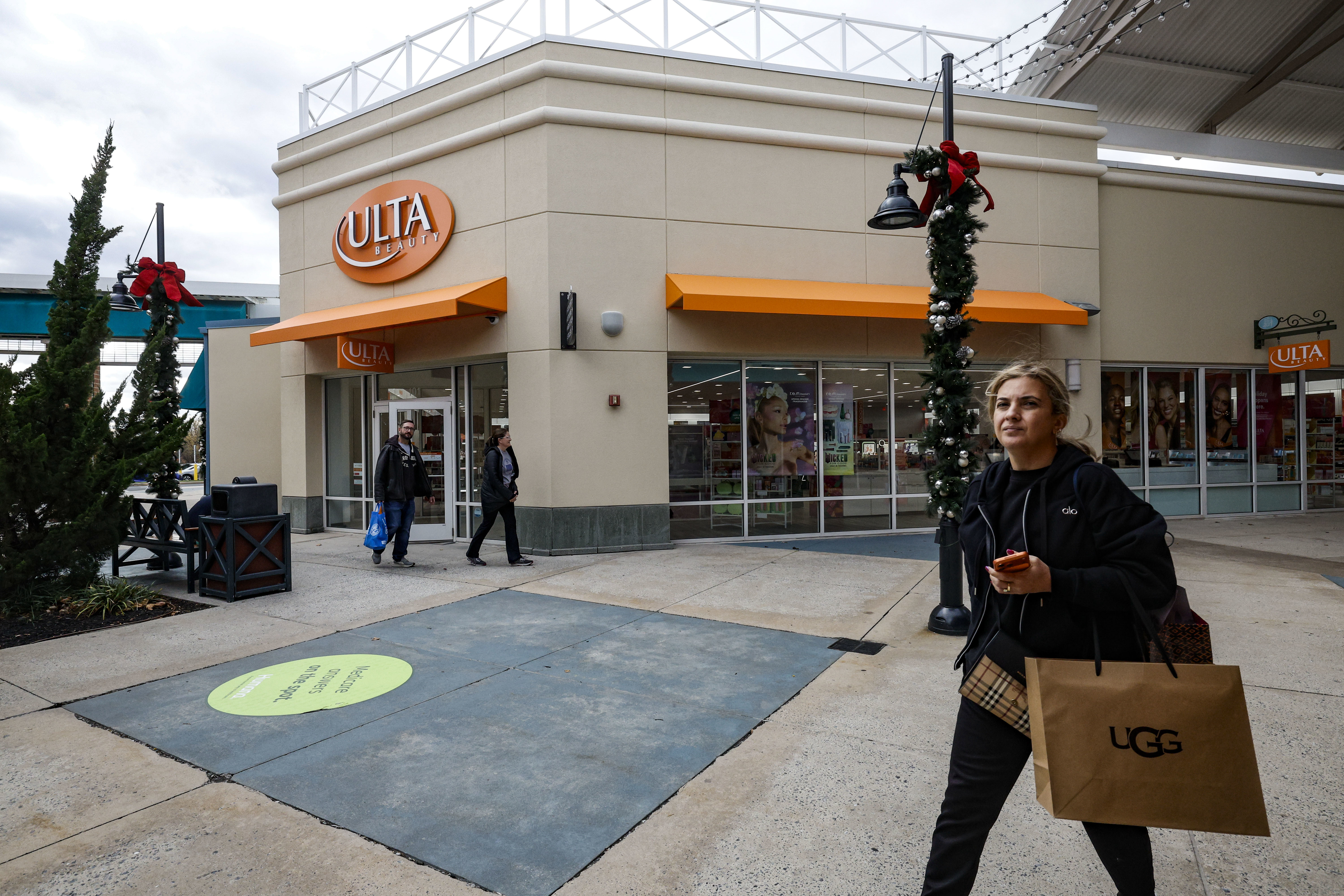
The Limerick Township complex recently welcomed a slate of new tenants, including Marc Jacobs’ first Pennsylvania outlet store, a BOSS outlet, an Ulta Beauty, and an outpost of central Pennsylvania’s Nissley Vineyards, which has an outdoor seating area.
Shoppers walk by the Nissley Vineyards store at the Philadelphia Premium Outlets.
New Balance, whose shoes are trendy again, is also opening stores in both the Philadelphia and Gloucester outlets.
Justin Stein, Tanger’s executive vice president of leasing, said the North-Carolina-based company is focused on adding more food, beverage, and entertainment options.
While overall occupancy at its Atlantic City center is lower than others, the complex has a Dave & Buster’s and a Ruth’s Chris steakhouse. The Simpson, a Caribbean restaurant and bar, is also set to open there in early 2026.
In Lancaster, Tanger is looking to add food and beverage options, Stein said. But that center is still performing well, with a 97% occupancy rate, according to an online map, and only two vacancies.
When there are places to eat and drink at the outlets, “people stay longer,” Stein said, “and when they stay longer, they spend more.”
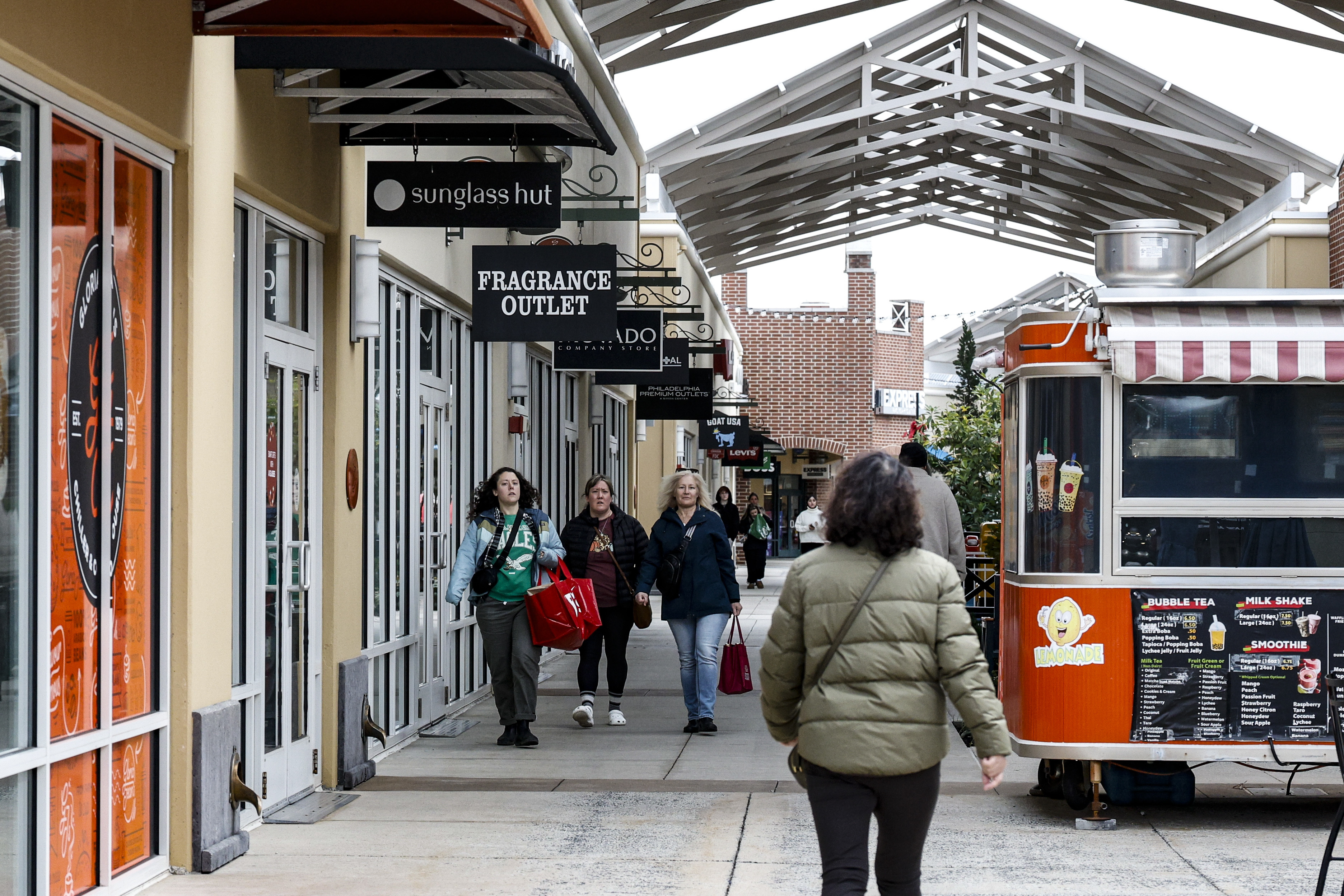
Philadelphia Premium Outlets had a steady crowd on a bitter cold Veterans Day.
From ‘no frills’ to outlets of the future
Today’s outlet malls look vastly different from what Wagner calls the “no frills” complexes of the 1990s.
At the time, an outlet mall served as “a release valve for excess goods,” Wagner said. “There were some stores that had really broken merchandise.”
To comply with branding rules and avoid competition with department stores, outlet malls were often located along highways between two major metro areas, she said.
“What became clear is that customers loved it,” Wagner said. Soon, brands started overproducing to supply these outlet stores with products in an array of a sizes and colors.
This effort to bulk up outlet offerings was “a roaring success,” she said, with companies finding that more than a third of outlet customers went on to buy their products at full price at other locations.
Philadelphia Premium Outlets, which opened in 2007, has very few vacant storefronts.
As their popularity rose, more outlet malls were built across the country.
As the centers look to the future, their executives are continuing to hone their identity as “not just a discount-and-clearance center,” said Deanna Pascucci, director of marketing and business development at Gloucester Premium Outlets.
Center leaders are bringing in food trucks, leaning into rewards programs, and promoting community events, such as Gloucester’s holiday tree lighting,which took place Saturday. Starting Black Friday, the Philadelphia Premium Outlets will offer Santa photos after a successful pilot program last year.
And the complexes are finding new ways to attract and retain shoppers, online and in real life.
Tanger recently announced an advertising partnership with Unrivaled Sports, which operates youth sports complexes, including the Ripken Baseball Experience in Aberdeen, Md., an hour drive from its Lancaster outlets. Stein said the company hopes to attract families looking to pass the time between tournament games.
Tanger is also using AI and data analytics to email specific deals to customers based on where they’ve previously shopped, Stein said.
“We want you to start your experience online and end it in the store,” Stein said.
Shoppers walk by a new Ulta store at the Philadelphia Premium Outlets.
At Simon outlets, customers can search a store’s inventory online before they make the trip, Davis said.
“Online shopping at this point, it’s a complement,” Davis said. “It’s not viewed as competition.”
Wagner, the outlet consultant, said she thinks even more centers will be built in the coming years, with a focus on urban and close-in suburban locations that are accessible by public transit.
As for existing centers, she sees them thriving for the foreseeable future.
“As long as outlets continue to emphasize a value message and use their loyalty programs to reward customers,” Wagner said, “I think they will hold their own.”
Roughly one in four small residential buildings bought in Philadelphia from2017 and 2022were purchased by corporations, according to a new report about investor activity in the city.
Investors compete with low-income homebuyers. They are more likely to pay with cash and less likely to be denied mortgages. They sometimes pursueproperties before they hit the market.
“There are a lot of neighborhoods that are seeing investor activity, that are raising concerns,” said Emily Dowdall, president of policy solutions at Reinvestment Fund. “Our hope is that this report, that other reports, are going to help inform a strategy going forward.”
Smaller operators are buying most Philadelphia homes purchased by investors. But researchers have seen an increase in larger corporate landlords.
Researchers looked at sales of residential buildings with one to four housing units. Most were single-unit homes, but the city records that researchers classified properties with one to four units as single-family housing.
Researchers found that 13 investors bought 100 or more properties and eight bought more than 200 from 2017 through 2022.
Here are some other takeaways from the new study.
No sign of big national players
From 2020 through 2022, 91% of homes purchased by corporations were bought by smallerinvestors.
Researchers said they found no evidence that the biggest national investors in single-family homes — such as the private equity firm Blackstone and Invitation Homes, one of the country’s largest landlords of single-family homes — are active in Philadelphia.
Private equity-backed national investment organizations have bought single-family homes in bulk in places such as the southeastern United States, which has been targeted because it has newer housing stock and fewer tenant protections, Dowdall said.
These types of investors have been tied to rent increases and fewer opportunities for first-time homebuyers and buyers with low and moderate incomes.
Philadelphia is less likely to see these organizations operating here because of the city’s many renter protections and an older housing stock that needs a lot of investment, Dowdall said. The city’s foreclosure prevention program and the relatively long foreclosure process in Pennsylvania also deter these organizations, which like to quickly buy and lease homes on a large scale.
“It’s still possible that we could see more national players, as they have already saturated the easier markets to get into,” she said.
During the pandemic, some larger regional and national companies started to come to Philadelphia, researchers found.
Investor activity is concentrated in certain areas
Corporate investors mostly buy single-family homes in areas of the city where prices are lowest. Those neighborhoods also are predominately Black and Hispanic, including Brewerytown, Germantown, Juniata Park, and Kingsessing.
From 2020 to 2022, the median purchase price for an investor was $129,000, compared to the citywide median purchase price of $225,000 and individual buyers’ median purchase price of $247,000.
During this time, investors were most active in North, West, and Southwest Philadelphia and sections of Lower Northeast and Northwest Philadelphia. Investors bought more than half of all homes sold in these areas.
Before sheriff sales paused because of the pandemic, investors often bought a chunk of their properties that way.
The share of foreclosed homes purchased by investors grew from 31% of properties sold in sheriff sales in 2012 to 60% in 2019.
From 2017 to 2019, high-volume investors got about a third of their single-family properties through sheriff sales.
From 2020 through 2022, fewer than 40 properties were auctioned off each year. So investors relied more on other ways of acquiring properties, including buying directly from homeowners, “potentially creating more direct competition with individual homebuyers,” the report said.
More eviction filings and code violations
Large corporate landlords were more likely to file in court to evict tenants than smaller investors.
About one in seven homes bought by high-volume investors were associated with eviction filings within five years, compared to less than one in 20 homes bought by smaller investors.
Investors of all sizes were more likely than individual homebuyers to have code violations. About 20% of properties bought by investors had violations within five years of the purchase. The share of violations in owner-occupied properties was 9%.
Researchers plan to learn more about the types of code violations these properties generate, since violations can range from trash issues to unsafe conditions.
More work on properties
Researchers also uncovered “potentially positive findings” about large investors, Dowdall said.
Philadelphia’s aging housing stock needs investment for renovations and maintenance, and the report found that larger investors were more likely to get permits to alter their properties than smaller investors. “Bringing much needed dollars in to refurbish our housing stock,” she said.
Large corporate investors received alteration permits for 42% of the properties they bought, compared to 29% for smaller investors and 13% for individual homebuyers.
Like code violations, projects that need permits can range from the minor to the major, from adding electrical outlets to total renovation.
In future analyses, researchers plan to drill down on the specific work being done on investors’ properties.
Researchers’ recommendations
Many investors purchase properties using a variety of corporate names, so identifying who is in control of corporations can be challenging, researchers said. That makes it difficult to hold operators accountable for problems at their properties.
Researchers recommend state lawmakers require limited liability companies to disclose who is in control.
They also recommended that the city:
Enforce rental license requirementsto create a more complete inventory of rental properties
Use public data to understand how investors operate and their effects on the market and renters
Prioritizeindividuals and nonprofits at sheriff sales
Help individual homebuyerscompete in the housing market, including by giving more money to homebuyer assistance programs
Another experiential retail concept is coming to the region. This time it’s a live social-gaming venue at the King of Prussia Mall.
Massachusetts-based Level99 announced this week that it plans to bring its next “sprawling adult playground” to the Montgomery County shopping destination in 2027. The move marks the company’s first foray into the Philadelphia market.
The 46,000-square-foot venue will include 50 “life-size mini games” geared toward adults, according to a news release, and a full-service restaurant and bar serving local craft beer.
“Level99 goes beyond your conventional entertainment venue — it’s a place to play, explore, and actively connect,” Matthew DuPlessie, founder and CEO of Level99, said in a statement.
The venue is moving into the ground floor of the former JCPenney, which closed in 2017.
It will be across the mall from the 100,000-square-foot Netflix House. The immersive experience for fans of the streaming service’s shows is set to open Nov. 12 in the former Lord & Taylor department store.
Level99 customers race through the venue’s signature “Axe Run” game, one of 50 mini-challenges set to be part of King of Prussia’s location when it opens in 2027.
“We’re thrilled to welcome Level99 to King of Prussia, further elevating our commitment to delivering dynamic, experience-driven destinations,” Mark Silvestri, president of development for mall owner Simon Property Group, said in a statement. ”This innovative concept brings a new layer of interactive entertainment to King of Prussia and is a perfect complement to our growing lineup of immersive offerings.”
In the Philadelphia region, Cherry Hill Mall is set to open a Dick’s House of Sport next year. The 120,000-square-foot space will include a climbing wall, golf simulators, a running track, and batting and soccer cages.
And along with the forthcoming Netflix House, the King of Prussia Mall recently opened the Philadelphia area’s first Eataly, a 21,000-square-food Italian-centric marketplace and wine shop.
At Level99 venues, customers can choose from 50 mini-games that test mental and physical skills.
At existing Level99 locations, pricing starts at $29.99 per person for two hours of play, according to its website. Prices increase on weekends and holidays, and if a customer wants more time.
Level99 is supported by Act III Holdings, a $1.5 billion private-equity investment firm led by Panera Bread cofounder and Cava chairman Ron Shaich. Last month, Act III executives announced a $50 million commitment to the chain’s expansion into new markets, including Philadelphia.
The buyers: Brandon Balcom, 44, vice president of product operations at BCD Travel; Dane Cox, 39, owner of Dane Cox State Farm Insurance Agency
The house: A 3,767-square-foot, ranch-style home in Collingswood with three bedrooms and three baths built in 1955
The price: Listed for $695,000; purchased for $735,000
The agent: Amy Telfair, Telfair Collective
The Ask: Brandon Balcom and Dane Cox were not looking to buy a new house. They had just purchased a fixer-upper on a beautiful oversized lot in 2021. “It was in the perfect spot,” Balcom said, “and they always say, ‘you can’t move your house.’”
But it turned out their perfectly located house needed to be rebuilt from the foundation up and the lengthy zoning process was wearing them down. Two years into a renovation with no end in sight, their friend,real estate agent, Amy Telfair, suggested they buy a new house instead. In fact, she knew just the one.
“We chuckled and rolled our eyes, because she’s a Realtor with vested interest,” said Balcom. But the couple agreed to check out the listing anyway.
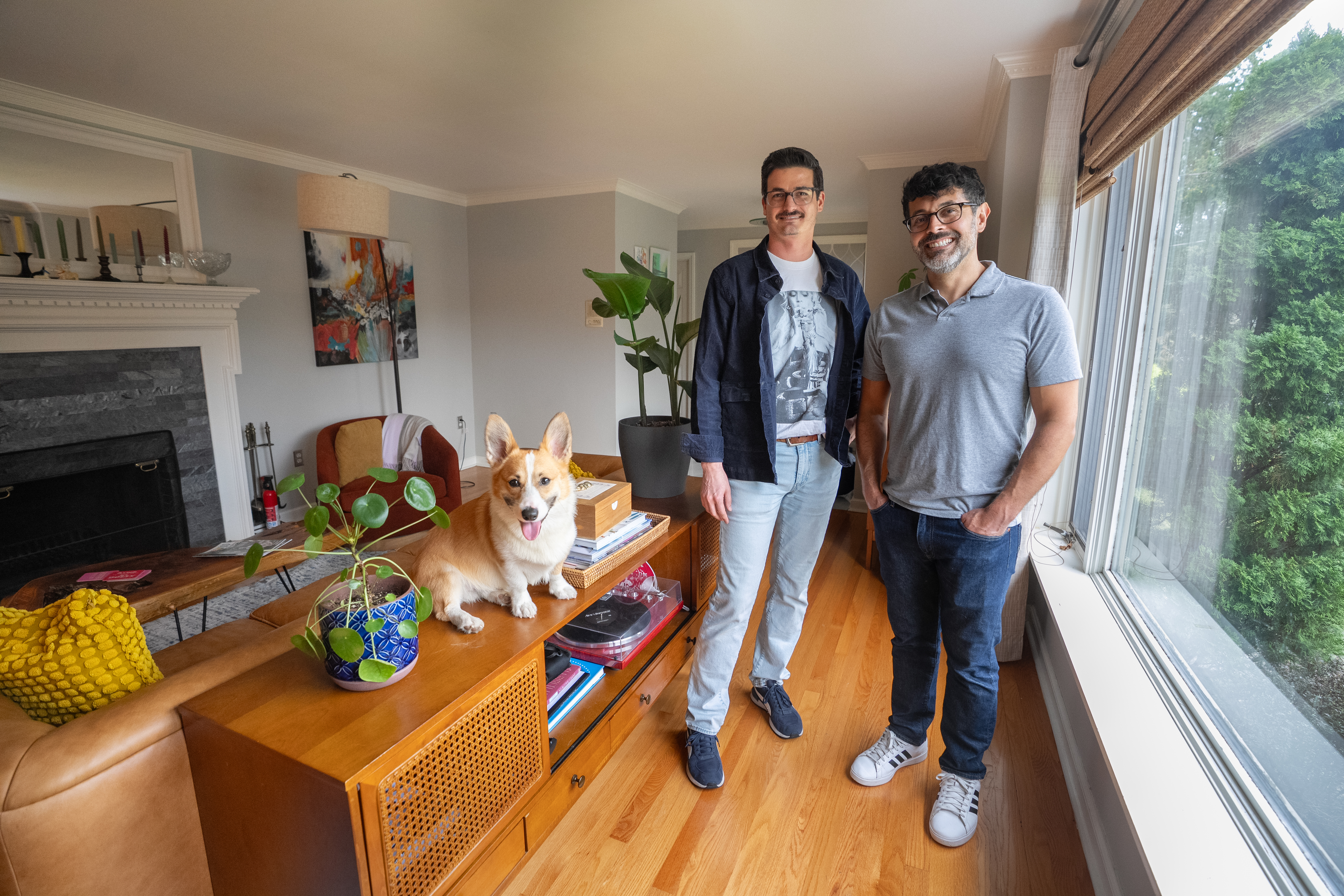
Dane Cox and Brandon Balcom in their living room with their beloved corgy.
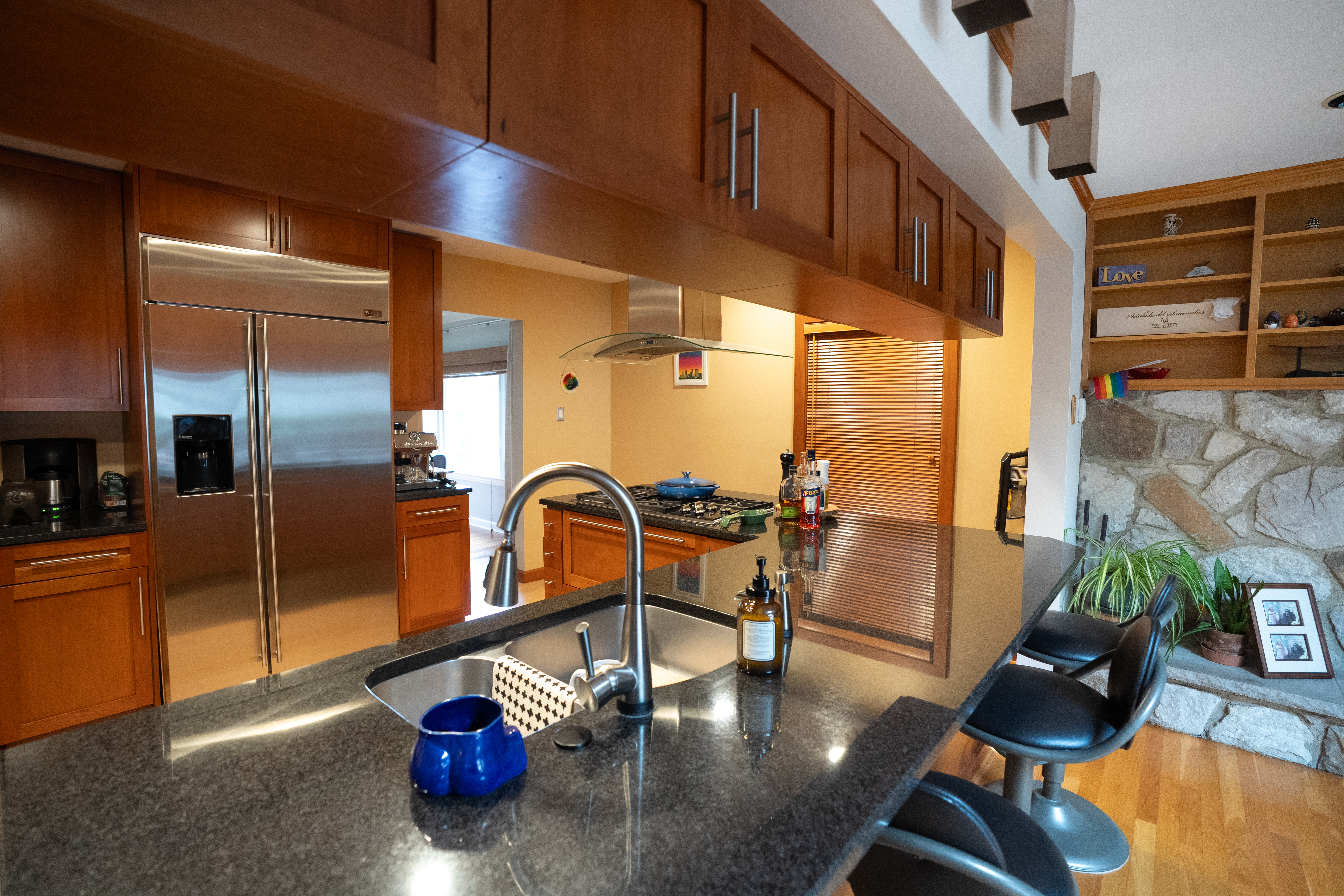
The appeal: The house was designed in the midcentury style they loved, and, unlike their current place, it didn’t need any work. “We started dreaming very quickly about skipping all these steps,” said Balcom. The new house even had a pool, which Balcom said was part of a “years-down-the-line vision” for their current home.
Balcom’s favorite thing was that it was perfect for entertaining, from the bar in the finished basement to the grand fireplace in the living room. When Cox heard his husband gasp at the fireplace, he knew the deal was done.
“I was like, ‘There’s nothing I can say at this point that’s going to convince him otherwise,’” Cox said.
The search: To get ahead of other potential buyers, the couple used a trick they learned while selling their previous house in Minneapolis: they brought their inspector to the showing.
“We wanted to know when we left that day if there was an issue,” said Balcom. Knocking out the inspection early allowed them to waive it as a contingency, which the couple knew from experience would appeal to the sellers.
The kitchen of the couple’s home, which is designed in the midcentury style they love.
The couple’s inspector gave them the go-ahead, so they went to Cox’s office and “started scheming,” said Balcom.
The deal: The couple called Telfair, whose first instinct was to get the house off the market. She didn’t want the sellers to show it over the weekend, so she asked what it would take to get the listing taken down that day. They requested an all-cash offer of $735,000 — $40,000 above the asking price. Cox and Balcom agreed, and a legal contract that required the seller to cancel upcoming showings was speedily signed.
The money: Balcom and Cox didn’t have to hand over $750,000 in cash the day they signed the contract. They just needed to “give up any contingency on the need for financing to buy the home,” said Balcom. Documentation showing that they could pay in full would suffice.
They had over $400,000 in savings and brokerage accounts that they could show as proof of funds, and a letter from their parents confirming another $300,000 was available if needed. “You have to have a promissory note or something from your family that says, ‘I will give this amount for the purchase of the home,” Balcom said.
One of the main selling points was the giant fireplace in the living room.
But they didn’t end up borrowing money from their parents. “We just needed it for a moment to show we’ve got cash,” Balcom said.
Instead, they took out a home-equity loan on their fixer upper. “Between when we signed the contract and when we closed, we had time to pull the equity out of our existing house,” said Balcom. The loan provided them with enough cash to cover the remaining cost of their new home.
The move: Balcom said the actual close was anticlimactic. The sellers were out of town so they pre-signed everything for the couple, who left for a family vacation the day after the paperwork was done.
By the time they returned, the sellers had officially moved out. But they left several items that excited Balcom and Cox — including a pool table and a hot tub.
The couple moved in over two months, taking their time to bring each room “online,” said Balcom. “Once we got the furniture, it was like, ‘OK, now we’re using this room.’”
Any reservations? Balcom was surprised that several of the house’s nice-looking appliances were 20 years old. The previous owners “kept such good care of things,” he said.
Some amenities, like the infrared sauna with wireless speakers in the basement, were actually pretty old.
To listen to music, Balcom has to use the sauna’s built-in CD player, because the speakers were made before Bluetooth technology was common. “It’s like a circa-2000s car stereo,” he said, laughing.
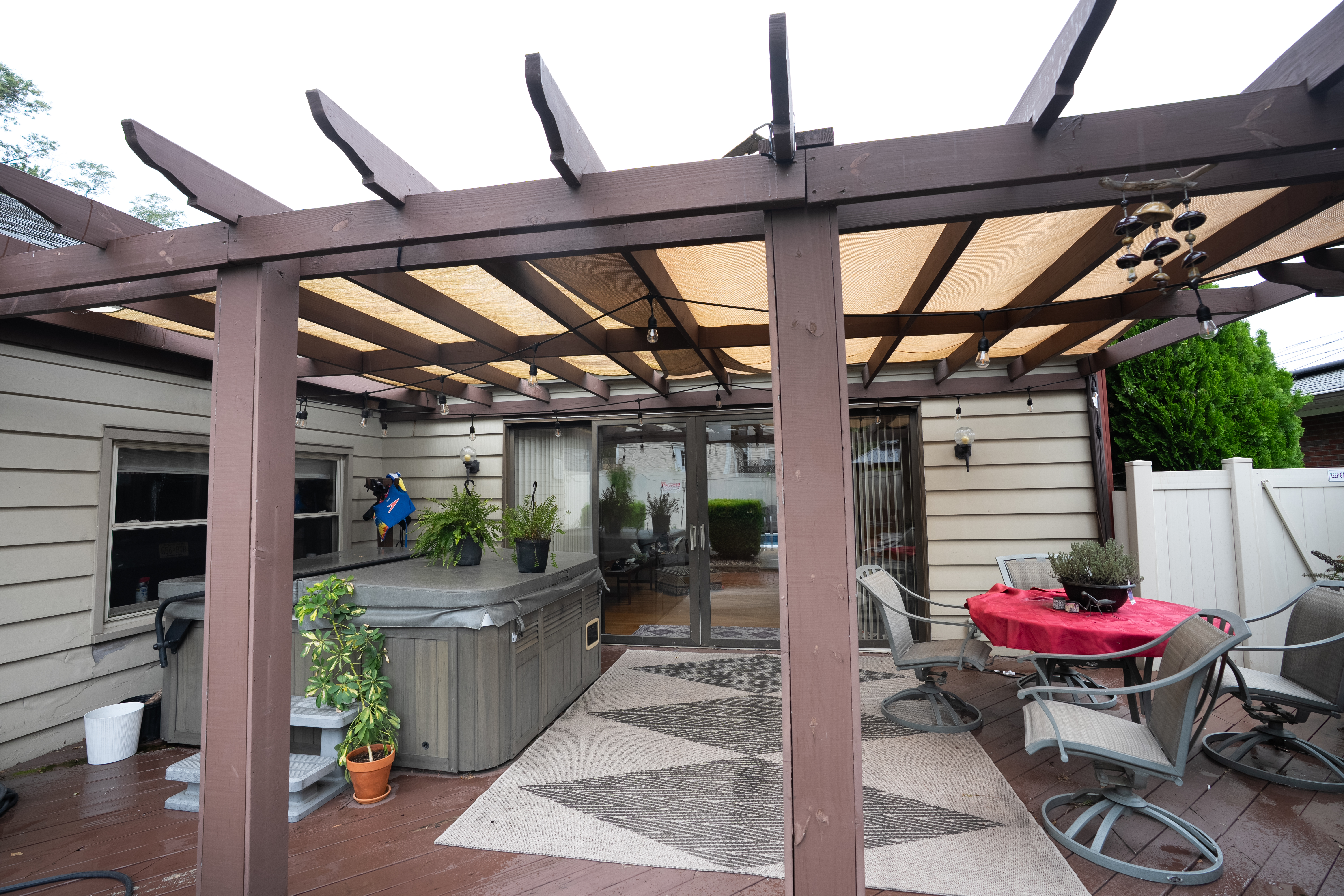
Balcom was excited that the previous owners left the hot tub, even though it only lasted a few months.
The hot tub is 20 years old, too. “It ended up failing at the end of winter,” Balcom said. “I was hoping we’d get two years out of it.”
Life after close: Cox and Balcom haven’t changed anything since they moved in.
“This house doesn’t need anything,” said Cox. Indeed, that’s why they bought it.
Pamela Anderson is a cookbook author, and she puts her skills to good use as cookingfor the corporate events and retreats that she and her husband, an Episcopal priest, host on their 11-acre property in Bucks County.
Groups come for yoga and sound baths and to meditate. On a recent afternoon, about a dozen architects and interior designers held a corporate retreat to learn about sustainable flooring.
The Andersons added gravel trails, grottos, and fire pits to their property to make it a getaway. And the home’s living room has 180-degree forest views through floor-to-ceiling windows.
Besides telling loved ones what to do with your stuff, a signed will could help protect the family home.
I’ve written a bunch of stories about tangled titles, Philly’s name for when it’s not clear who legally owns a property. A common way this happens is when a homeowner dies and the deed isn’t transferred to a new owner.
People living in properties with tangled titles can’t:
use home equity
sell their homes
take advantage of home repair or other homeowner assistance programs
Fixing tangled titles is more complicated when the owner dies without a will that says who should inherit the property.
For the last three years, two Philly-based nonprofits have been running the Will Power Program to help low- and moderate-income homeowners with estate planning so they can protect their properties.
For almost 40 years, the Polish American Cultural Center operated out of a multimillion-dollar property in Society Hill under a rare taxpayer-funded arrangement. Then the city evicted it.
Either way, a handful of readers knew where the photo was shot. Shoutout to Joe C. and Amanda C. for being the first two to give me the right answer.
—
Back in August, my colleague asked Inquirer readers, “What’s your happiest place in Philadelphia?” The question was inspired by a Drexel University professor’s project with his students that mapped their happiest places.