A source with knowledge of the situation confirmed an overnight report that the Union are preparing to transfer longtime defender Kai Wagner to English Championship side Birmingham City.
News of the deal was first reported by soccer reporter Jose R. Nunez via X, late Wednesday. The Inquirer learned that while both parties are ironing out the terms of the deal, the transaction could be announced before the week’s end, ending Wagner’s seven-year run in Philadelphia.
While the terms of the deal have not been announced, Sky Sports reported a transfer fee of €2.3 million for Wagner, or roughly $2.7 million. Upon completion, Wagner will join a Birmingham City side that’s currently 16th in the EFL Championship standings and winless in its last five games.
NFL great Tom Brady became a minority owner of the club in 2023 and has since been on a publicized push to return it to the top of the EFL Championship standings and even compete for promotion to the English Premier League.
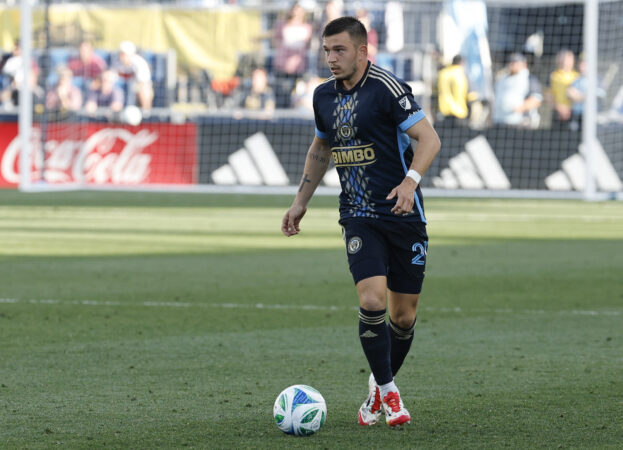
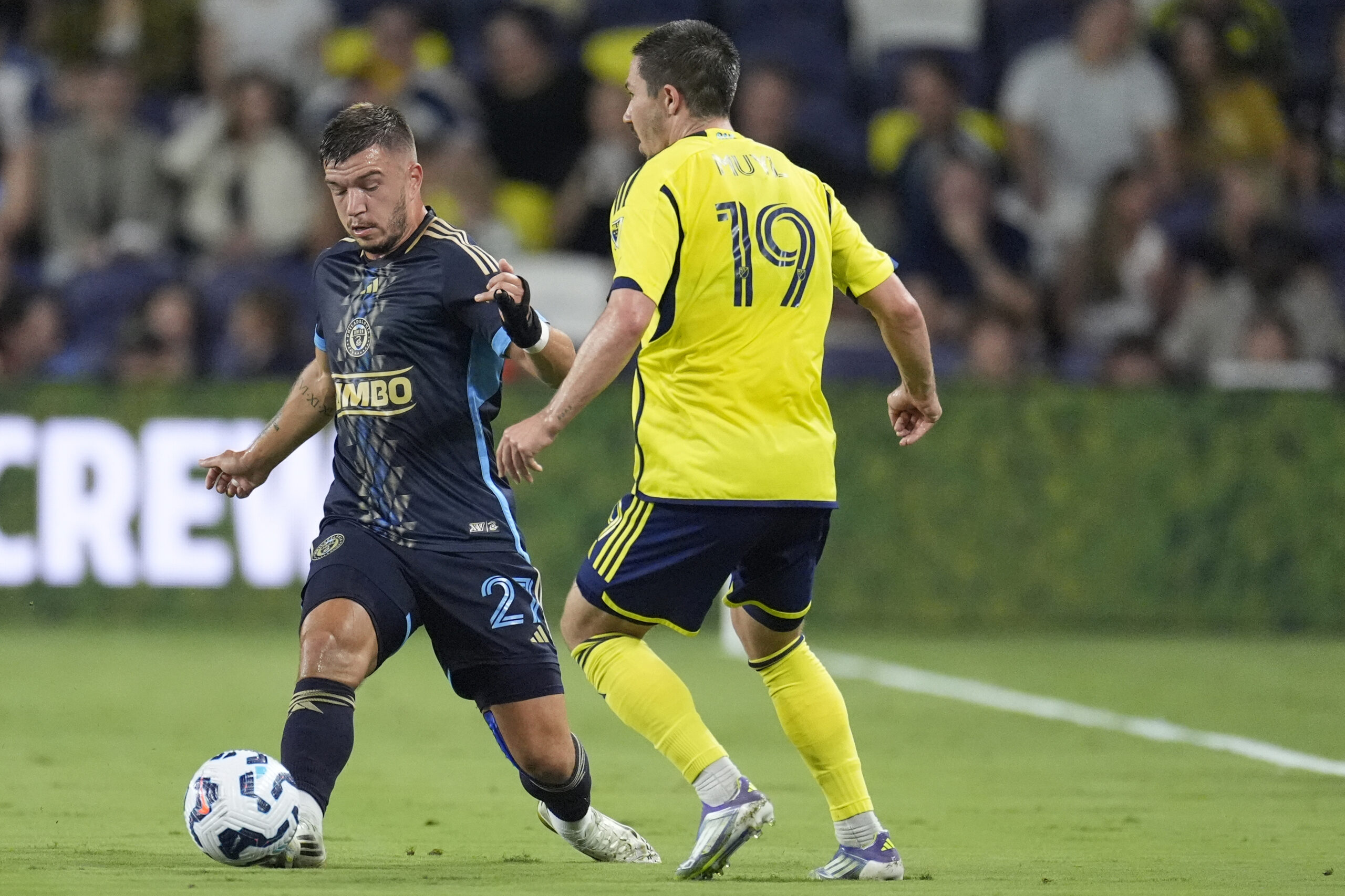
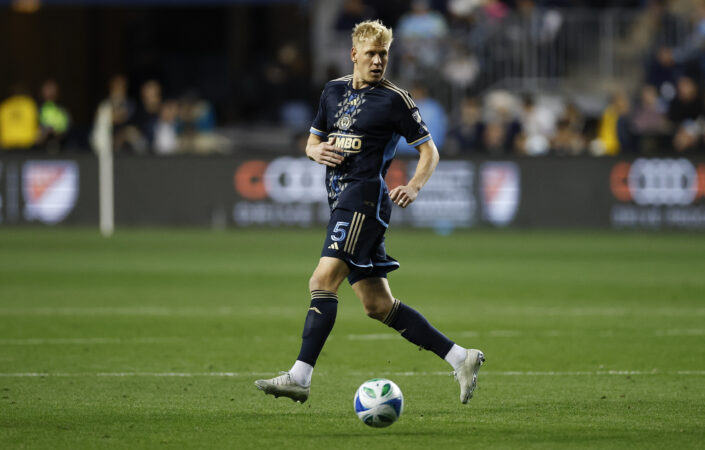
Kai Wagner (27), who is said to be heading to English side Birmingham City, appeared in 251 games in all competitions for the Union.
Wagner, 28, coming off an All-Star season with the Union, is considered one of the best defenders in Major League Soccer. He has made 204 league appearances and 251 in all competitions since the Union acquired his rights from German side FC Schalke on Feb. 6, 2019.
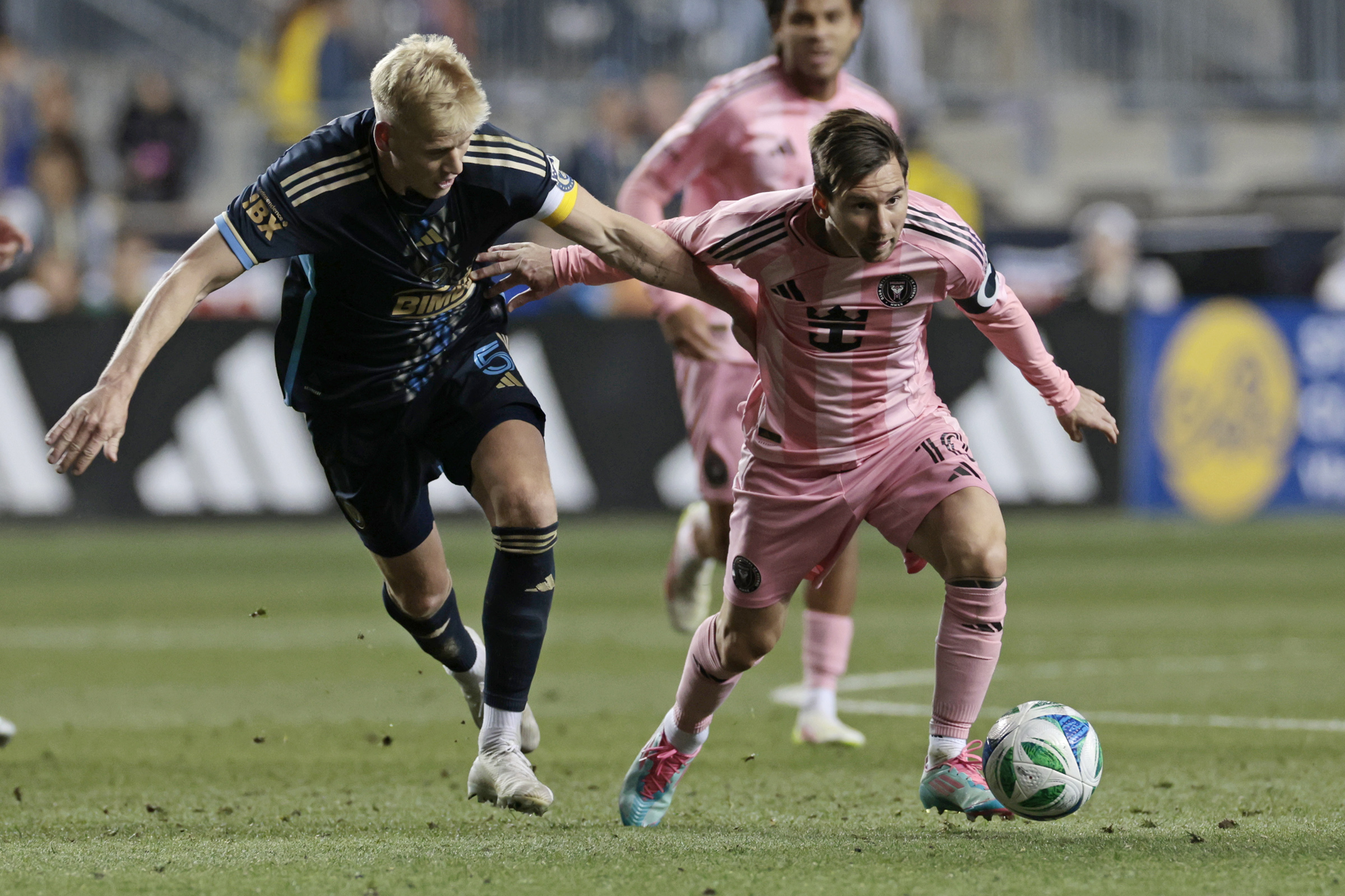
During that span, Wagner is credited with eight goals and 58 assists (11 assists in 2025). In addition to being a staunch defender, Wagner was effective in attack, delivering pinpoint crosses into the penalty area. Over his years in Philadelphia, Wagner was the subject of several trade rumors within and outside MLS, with the latest before the Birmingham news suggesting that current MLS champion Inter Miami could’ve been his next stop.
Wagner is set to be the club’s latest in a trio of blockbuster trades this offseason. Last month, the team traded forward Tai Baribo to D.C. United. Baribo, named an MLS All-Star, was the team’s top scorer in 2025 and was sent for a reported $4 million transfer fee.
Additionally, the Union parted ways with longtime defender Jakob Glesnes, now with the Los Angeles Galaxy, for a reported $2.2 million in allocation money. Glesnes ended the 2025 campaign on MLS’s Best XI.
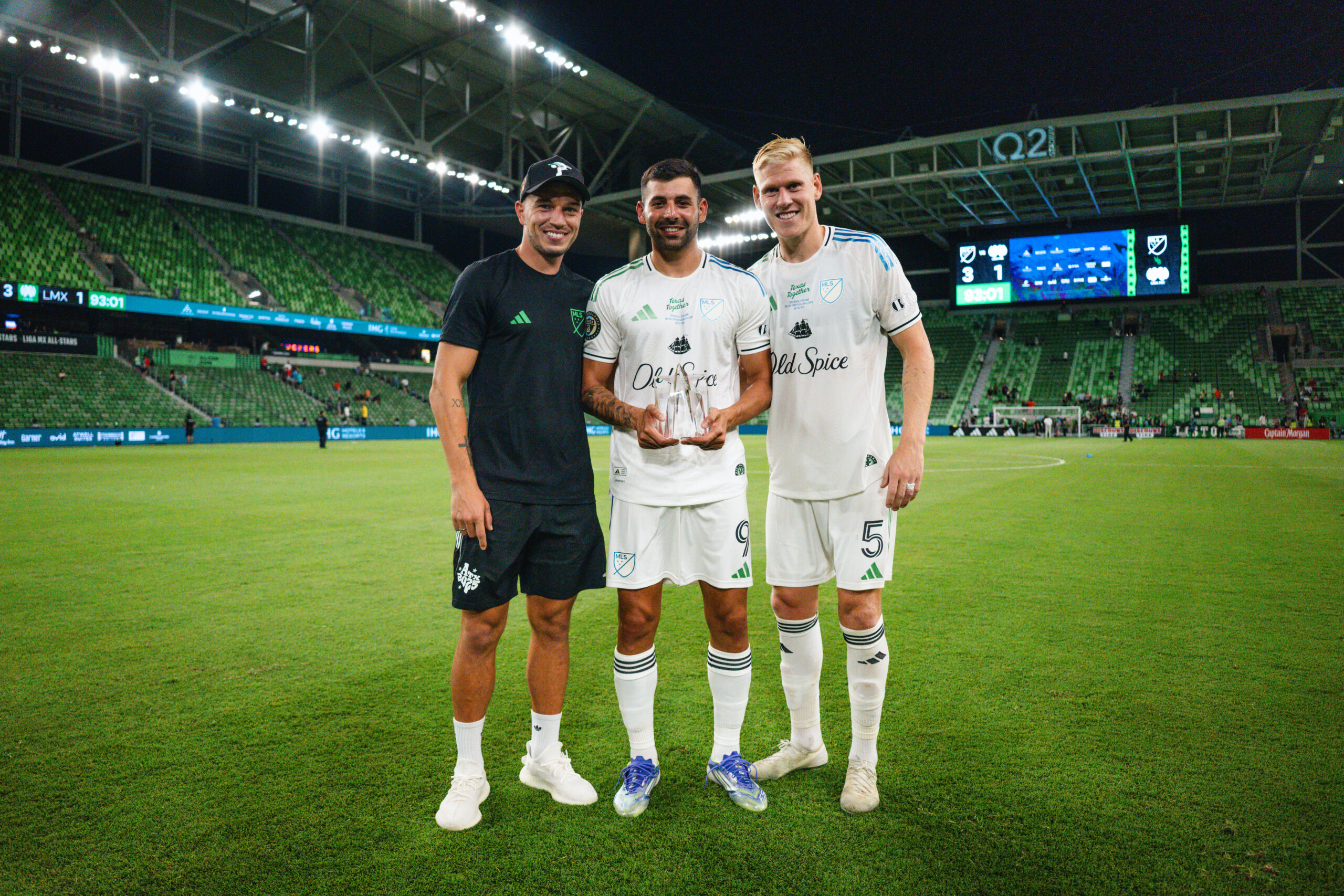
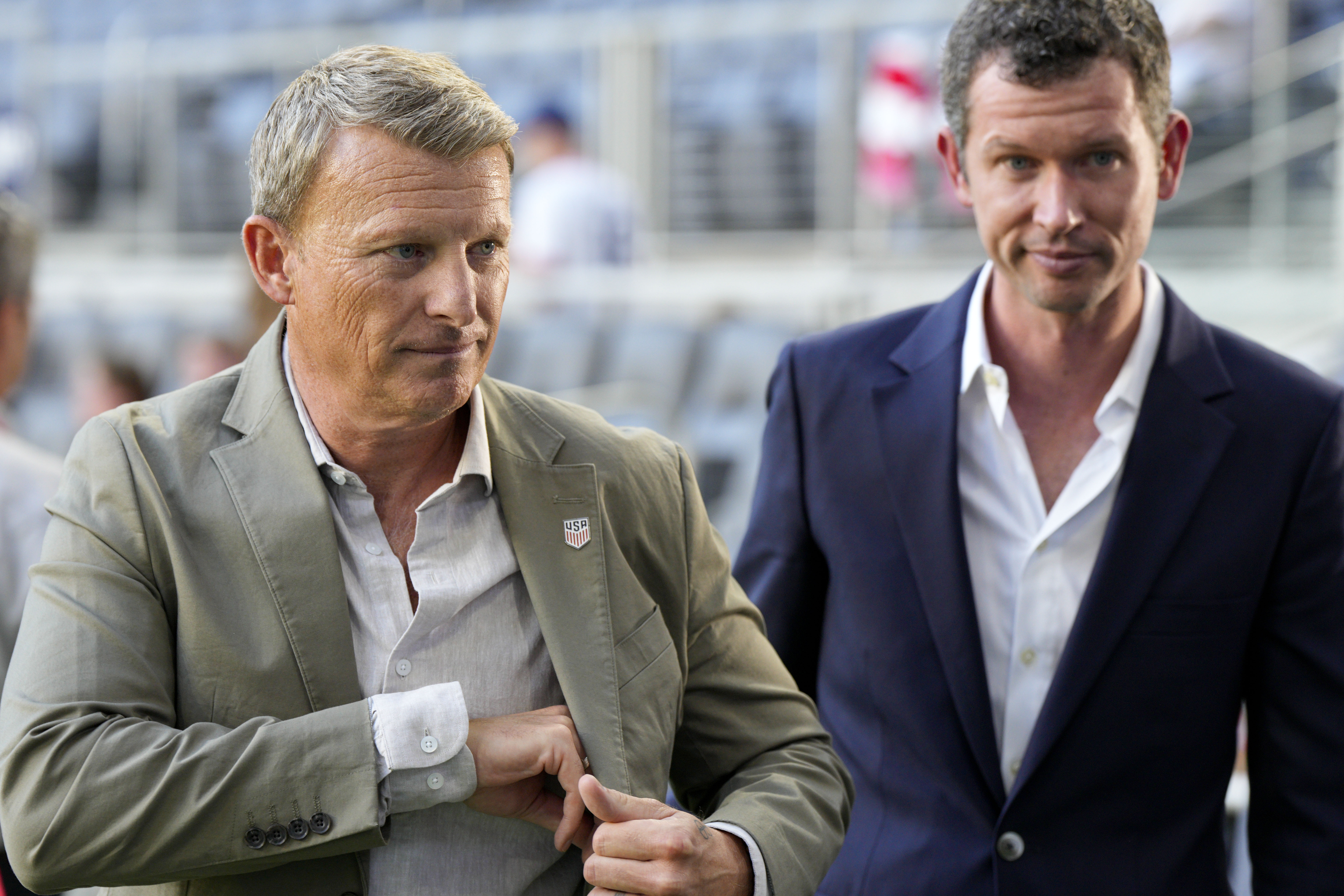
Wagner (left) stands will fellow 2025 MLS All-Stars Tai Baribo (center) and Jakob Glesnes in July. The latter two left the Union this offseason, with Wagner said to be up next.
Wagner’s playmaking ability was undeniable during his time on the Chester waterfront. Concerns about his character, however, arose after he was suspended in 2023 for violating MLS’s on-field discrimination policy, following allegations that he used a racist slur toward former New England forward and U.S. men’s national team forward Bobby Wood.
The incident resulted in Wagner being hit with a three-game suspension during the heart of the MLS playoffs and needing to undergo the league’s restorative practices program established in 2024. That suspension would have run into the start of the 2024 season, but MLS confirmed that Wagner had completed the required training and lifted his ban.
The Union will kick off their 2026 preseason campaign on Jan. 17 in Marbella, Spain. The season will begin in the Concacaf Champions Cup with a game against Trinidadian side Defence Force on Feb. 18 in Port of Spain, followed by a return leg at Subaru Park on Feb. 26.
The club’s MLS opener will be on the road against D.C. United on Feb. 21 (7:30 p.m., Apple TV).
For five out of the last six seasons, the Union have been the class of Major League Soccer’s Eastern Conference. In those six seasons, the team has earned two Supporters’ Shield titles, five MLS playoff appearances, and in 2022 came close to winning arguably one of the best MLS Cup finals ever.
It’s even more incredible when you realize that the franchise has done so with an ownership and front office that have been reluctant to spend any more than they have to, wallowing near the bottom of the league in terms of payroll while consistently being among the leaders in the Eastern Conference.
It’s like that scene in Moneyball when Billy Beane, portrayed by Brad Pitt, asks owner Stephen Schott for a little more money to support championship aspirations. In the case of the Union, owner Jay Sugarman has played the role of Schott to perfection, while the team’s fans could be perceived collectively as Beane, asking for a little more star power to fuel the team to a title.
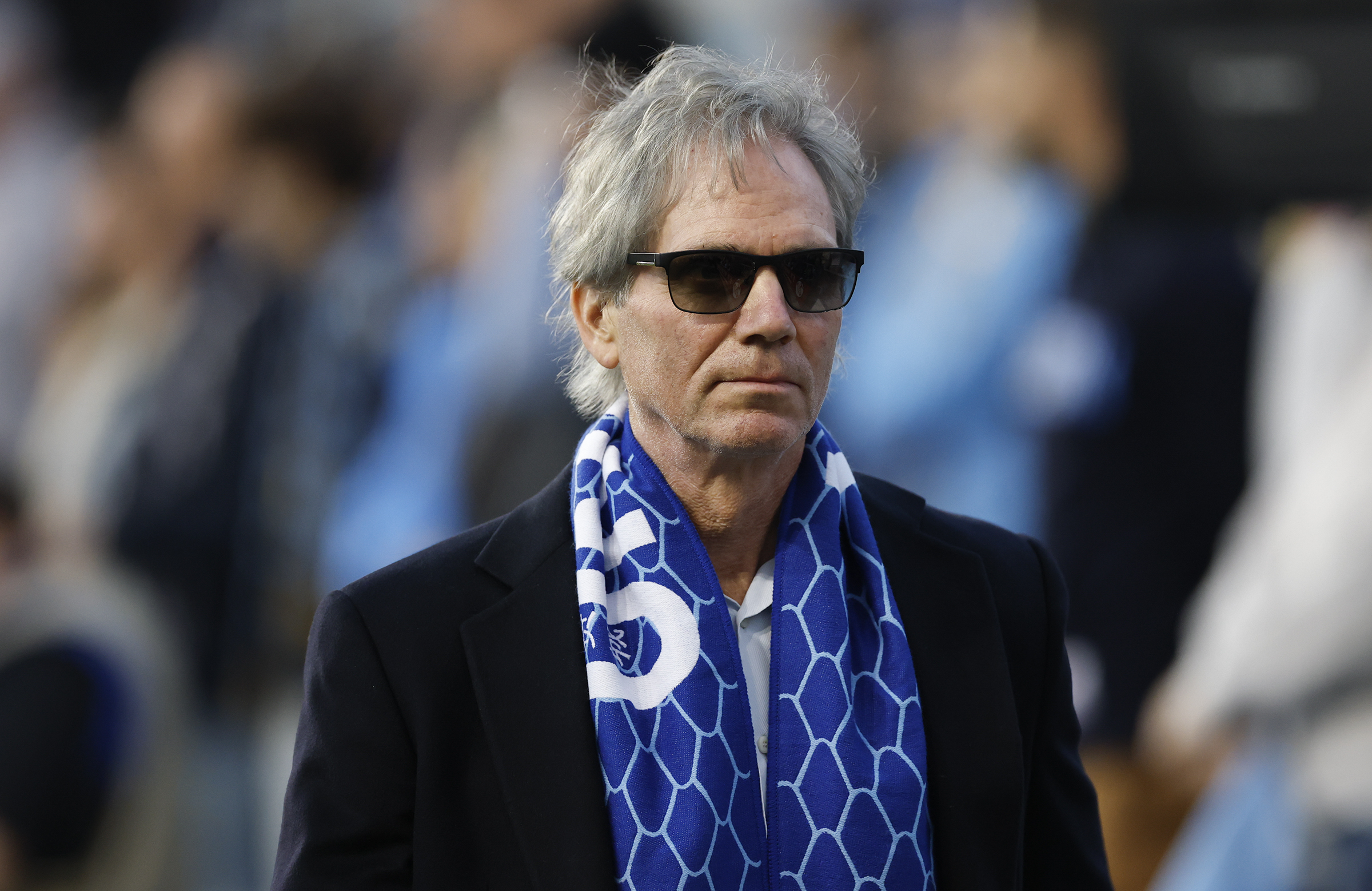
Union chairman and majority owner Jay Sugarman has been stubborn on spending to bring in top talent. But results have shown he doesn’t have to.
It’s been a stubborn approach that has proved successful enough to keep fans interested and engaged. And just like the way Beane’s Oakland team set a modern-day baseball record by winning 20 straight games on a shoestring budget, the Union lifted a trophy by knowing what they had and how much more they were willing to spend, and hiring a coach eager to prove his methods are championship-caliber.
Although the Union lost a pair of key pieces this offseason following the departures of forward Tai Baribo to D.C. United and longtime defender Jakob Glesnes to the Los Angeles Galaxy, there’s a belief that the team can go even further this season.
Their roster supports that claim — but Philly fans will be the first to remind anyone within earshot that a team on paper means very little around here.
The proof is in what the product can consistently produce on the field. Said proof arrives in a little over two weeks as the Union return to Marbella, Spain, on Jan. 17 to kick off their preseason.
The Union will play in 2026 without without Tai Baribo (center) and Jakob Glesnes (right), both MLS All-Stars in 2025 who were traded in the offseason.
It’s also going to be a massive year for soccer in Philadelphia as one of 11 cities in the United States scheduled to host matches in the FIFA World Cup. So much soccer on the horizon will have an impact on the local team. Increased exposure for Philly as a soccer city can only benefit a team coming off one of its best seasons in recent history — assuming the Union can replicate it.
If there was a crystal ball, genie, or whatever else is used to grant a wish for the new year, these are the three that probably are top of mind for most Union fans.
My Union wishes for 2026:
1️⃣ Win the CONCACAF Champions Cup. 2️⃣ Lift MLS Cup. 3️⃣ Cavan Sullivan has a breakout season that feels Messi-level magical.
There are 14 teams in Major League Soccer that have never won an MLS Cup — and seven of those teams were expansion clubs that arrived after the Union kicked off play in 2010.
If there’s an original seven of sorts, the Union are among them. In a poll of Union fans on social media, one of the biggest responses was for the team to win a major trophy. This year, they have a chance to win three: Along with chasing an MLS title, they’ll have an opportunity to lift the Concacaf Champions Cup and the Leagues Cup.
The Union will not be one of the 16 MLS clubs taking part in the 2026 U.S. Open Cup because of their Champions Cup berth, so the Leagues Cup, the competition in which MLS clubs face off against Liga MX teams, will be a third chance to take home some hardware.
A title of any sort beyond boasting the league’s best regular-season record would go a long way in validating the Union’s philosophy and a coach eager to win big.
Use the money from the sell-offs of Baribo and Glesnes for a TOP level player.
The Union have never been in the business of spending money on high-priced players. To their credit, they’ve arguably been the most successful MLS club to prove that the notion of building a roster around superstar talent isn’t a surefire way to success.
However, the obvious problem with that idea is that it’s very hard to win it all without an anchor to guide you to the promised land, in this case an MLS Cup title, Champions Cup trophy, or even a Leagues Cup or Open Cup crown.
This past season proved that bolstering a team around top talent can forge a championship as Miami, led by Lionel Messi — who, yes, just happens to be one of the greatest players on the planet — is the latest defending champion, with Messi collecting Most Valuable Player honors in both the regular season and in the title game.
1. Spend money to push this team from decent to great 2. Capitalize on the world cup via acquiring a 1a star player post World Cup. A leader who can fill Bedoya's role. 3. Win MLS Cup or CONCACAF Champions Cup.
The World Cup is one of the best possible opportunities for exposure. From the Union’s standpoint, they have a front-row seat to watching players from 48 nations, many of whom might be playing in lesser leagues. This is a chance for them to raise their stock and become an attractive move for a club full of talent but devoid of a go-to star (as yes, the jury is still out on 20-year-old newcomer Ezekiel Alladoh). Big tournaments allow players to showcase their talents and they allow clubs to get a look without having to tap their recruiting budget to find them.
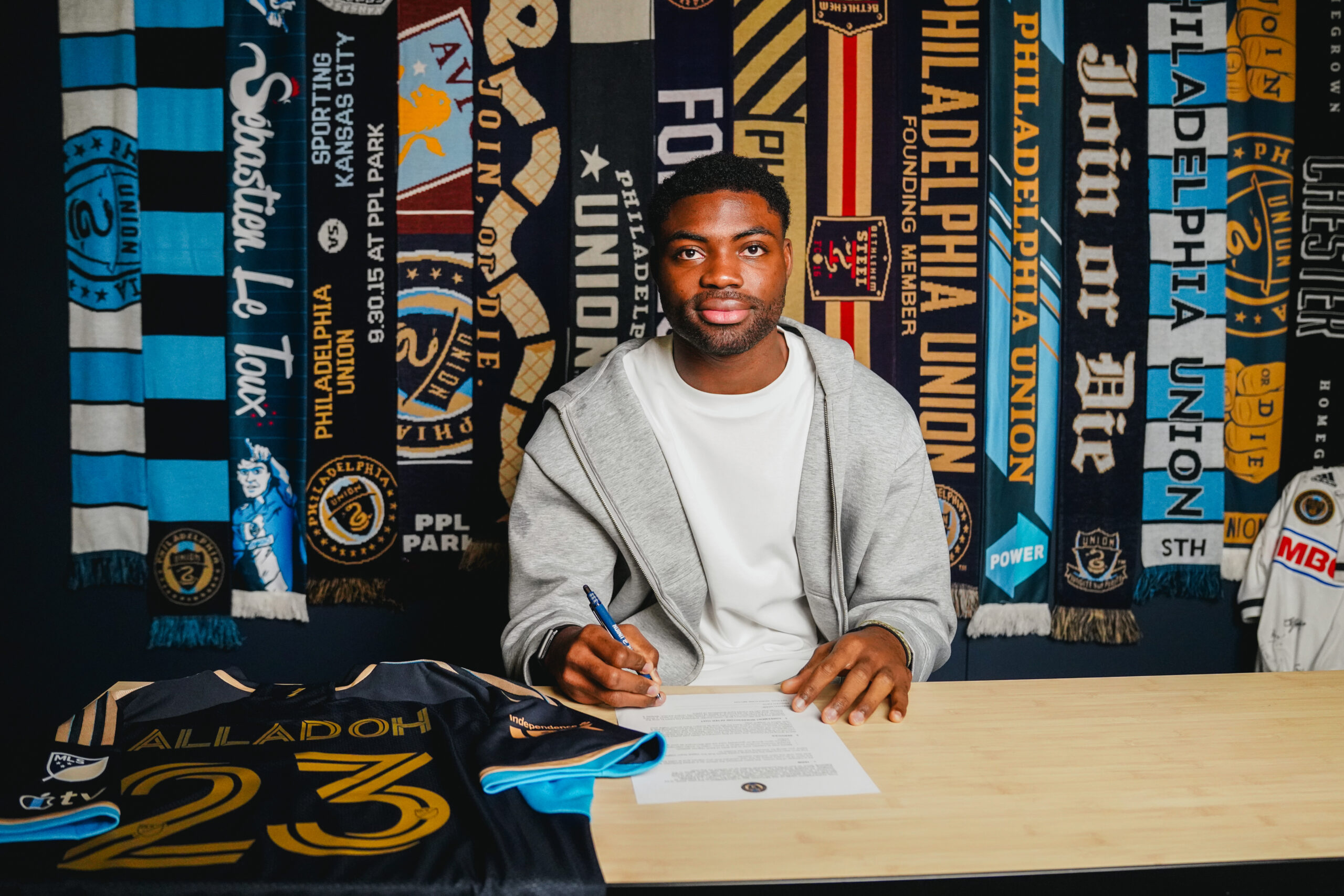
Ezekiel Alladoh signs his new Union contract at the team’s practice facility on Dec. 3.
On the flip side, players want to come to an attractive club and in this sport, like so many others, you’re only as good as your last game. If the Union can replicate the success they had in the 2025 season (especially that stretch from mid-April to late June when they ran through teams in all competitions, setting a club-record 11-game unbeaten streak), then that’s when love affairs tend to become mutual.
Also, a successful club entices interested parties to invest, and I don’t see a world where Sugarman isn’t going to listen to those interested in a minority ownership — or dare we even suggest that after 15 years as the primary funder of this franchise, entertain offers from those who might want to take the task off his hands.
Going into the World Cup as one of MLS’s best teams when the eyes of the world are on America opens up a lot of possibilities. The last one might sound wild to envision — but it’s not out of the realm of reality.
In the backdrop of the excitement surrounding the FIFA World Cup coming to Philadelphia is the question of what impact the tournament will have on soccer in the region.
World Cups have long had the potential to be transformative for the hosting nations. The last men’s edition in the United States, in 1994, helped spur Major League Soccer. The women’s editions in 1999 and 2003 also spawned leagues, but more importantly, they fueled the grassroots growth of the game, benefiting both girls and boys.
Over the course of those years, the youth game has morphed into a pay-for-play structure in which the best clubs are generally the ones that come at a high price, giving youth athletes whose parents have expendable cash — many times in the thousands — the opportunity to play consistently and thus reap the benefits of year-round exposure through tournaments and showcases.
U.S. Youth Soccer is a network that oversees more than 10,000 such clubs, with local branches such as the Eastern Pennsylvania Youth Soccer Association, which govern clubs and leagues across regions under the umbrella of USYS. The thing is, many of those clubs and leagues don’t come from inner-city areas like Philadelphia, where the next great American star could be waiting to be discovered.
But to find that kid, they need a place to play, and in Philadelphia, finding a spot to play organized soccer at times can be equally as tricky.
It is a need that the city, alongside several foundations and organizations, is working to address, recognizing that the World Cup’s visit to Philadelphia may lead more kids to give futból a try.
If you build it …
Ahead of the World Cup, Philadelphia Soccer 2026 committed $2 million to the U.S. Soccer Foundation to support youth soccer initiatives, including the development mini pitches across the state.
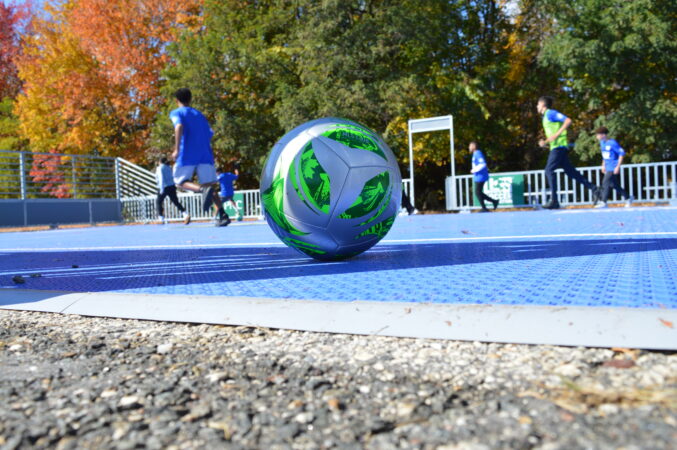
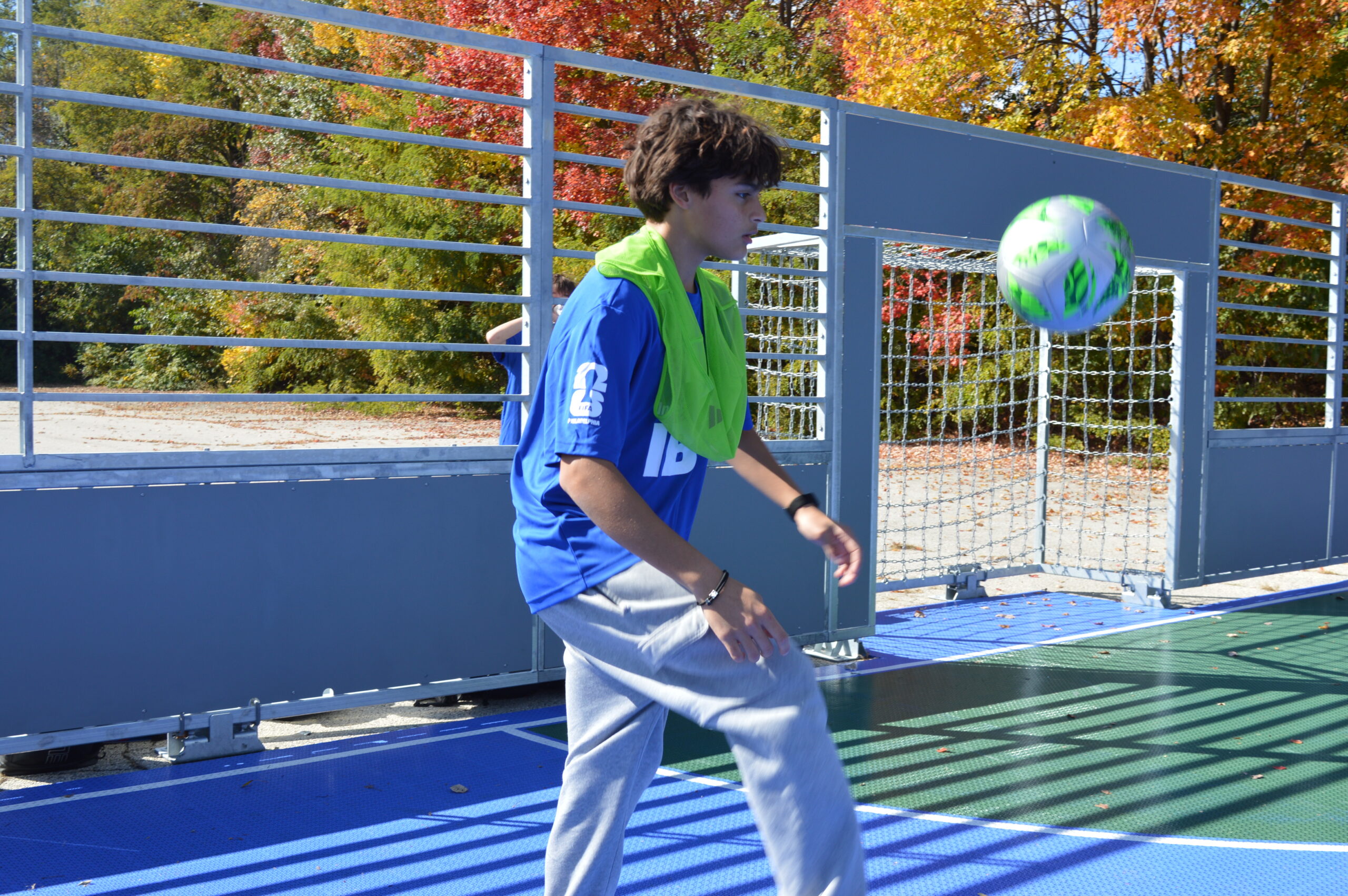
In late fall, U.S. Soccer Foundation installed a pair of those mini-pitches in Philadelphia. The foundation, which was also created after the 1994 World Cup, has a goal to leave a lasting legacy in inner cities. It believes these mini-pitches offer not just a place to play but a place for local organizations to host programs.
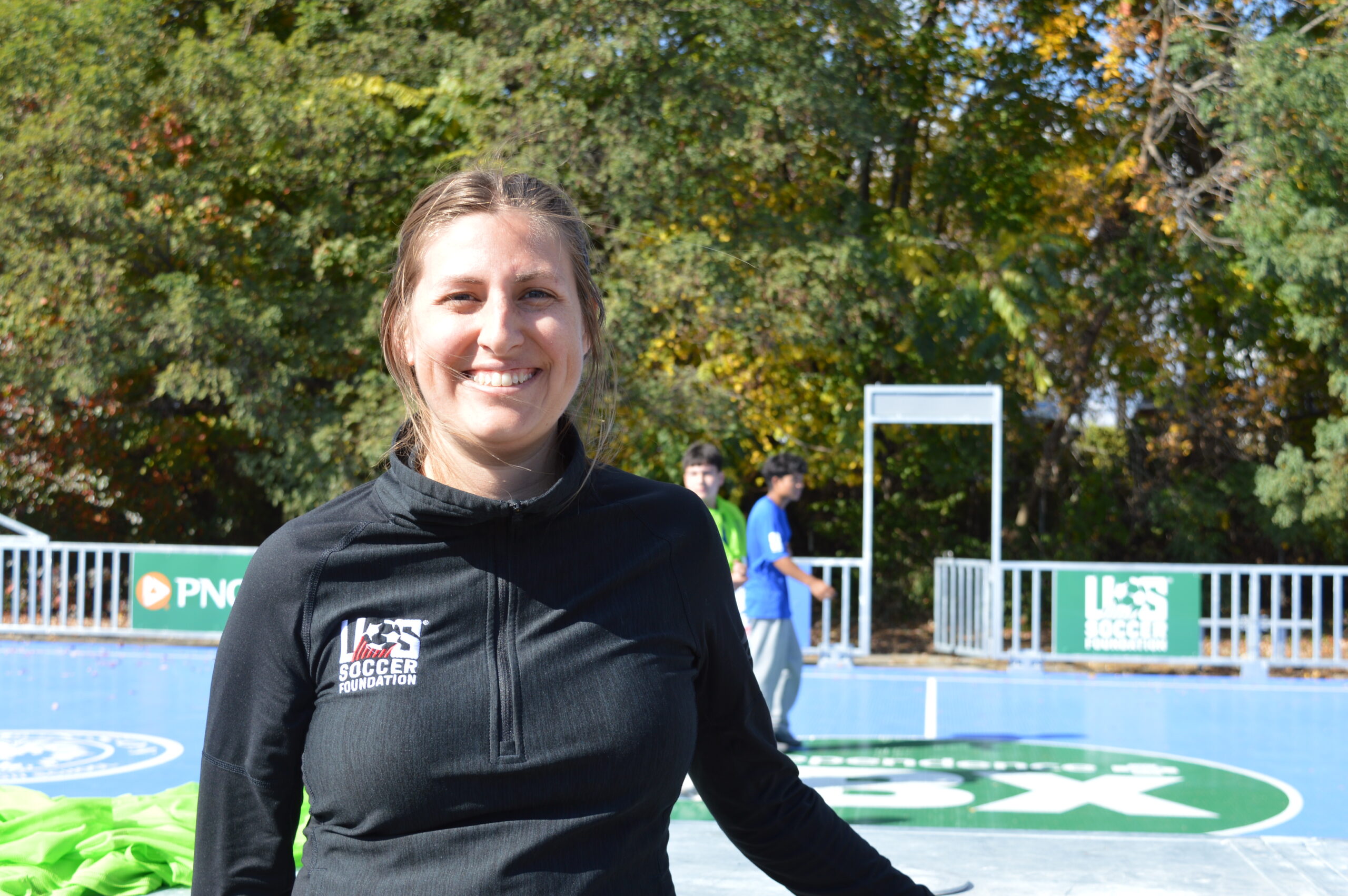
Jen Arnold, vice president of communications and marketing at the U.S. Soccer Foundation, says that the foundation has a commitment to introducing the sport to more children in underserved areas.
“When our current president and CEO [Ed Foster-Simeon] came into the role in 2008, he did a landscape analysis and showed it had grown … but in the suburbs and more affluent communities,” said Jen Arnold, vice president of communications and marketing for the U.S. Soccer Foundation.
“So from the foundation standpoint, we want to make sure it’s growing equally across the ground. We’re here for the under-resourced communities, communities that might not have been part of that boom after 1994. We’re here to make sure that everyone can access the game.”
Arnold spoke after the installation of one of the latest mini-pitches added to Philly’s soccer landscape, behind Swenson Arts and Technology High School in the Far Northeast. The installation was in collaboration with Independence Blue Cross, the School District of Philadelphia, and FIFA Philly 26, the local collective tasked with organizing Philly’s place in this summer’s World Cup.
The fields, which cost $150,000 apiece to install, according to Arnold, are the latest additions to Philly’s sports landscape. They could be considered an addition to the city’s massive Rebuild program, a reported $500 million restoration project for area parks and playgrounds, of which $3.5 million was allocated to create 15 mini-pitches and two signature soccer fields across the city.
Many recreation centers across the city are fenced off, only to be used under permit, which restricts the idea of open play, a key component of soccer.
The idea is that these mini-pitches offer an opportunity for more children to be introduced to the game. They also offer a welcoming environment, unlike the scores of fields around the city that are fenced and kept under lock and key. Or recreation centers in which both indoor and outdoor surfaces get gobbled up often by other sports, or even pay-to-play youth and adult league soccer organizations, which serve to add to city coffers in exchange for monopolizing much-needed field time.
But soccer organizers across the region believe that it’s not simply “If you build it, they will come.” It’s more like: “Build it and add programs and they might come.”
That’s where the big challenge lies when it comes to introducing more city kids to soccer.
… Will they come?
For the better part of a decade, Dom Landry has made it a mission to bring soccer to North Philadelphia. A Philly native who played at St. Joseph’s University, Landry has dedicated time, intuition, and even his own dollars to introduce the sport to as many children in the city’s Fairhill section as possible.
Landry founded AC Fairhill, the neighborhood club created in 2015 with just “three kids and an old bag of balls,” according to Landry. It has since become a recognized club that competes in tournaments across the region. His is one of a few clubs directly from the inner city that have funneled children from North Philly streets to top clubs and academies.
His desire mirrors what the U.S. Soccer Foundation says it’s looking to do in developing the infrastructure, but Landry notes that it goes way beyond plopping a shiny new field in the middle of an underserved neighborhood.
Students at Swenson Arts and Technology School were the first to test out the new soccer mini-pitch that was installed at the rear of the school earlier this fall.
“Putting infrastructure in for play is critically important, but it’s not the United States Soccer Federation or its foundation’s job to provide programming,” Landry said. “I know it’s part of their mission [at the U.S. Soccer Foundation], too, but it’s really the job of local organizations to bring the programming to those fields.
“We don’t have the soccer culture here in America where kids are just going to grab a soccer ball and go to a soccer pitch because it was made; there has to be enough people to bring in that level of interest to them. It’s very much a multiprong approach, and these mini-fields are great, but they’re only scratching the surface.”
Unlike other countries where soccer reigns supreme, in America it’s viewed as a sport for children, residing in the backdrop of football, baseball, and basketball. In other parts of the world, all that’s needed is a ball to get a game going, but here, it’s rare to see the sport being played without an organization tied to it.
Having safe places to play is one thing, but experts say developing a love for the game in area children is up to organizers.
‘We need to do more’
For Landry, it’s a simple thing that has been made to feel quite complex.
“We have to teach kids how to love the sport,” Landry said. “Not necessarily just, like, go get cones and train, but have fun with the sport. Who’s going to be that coach, that parent who’s going to show a kid how to have fun with the sport, so they can go out with their friends and play it? To me, if anything, that’s the next step in the legacy and evolution of soccer here. But that ideology also tends to upset these clubs who spend a great deal of time in generating a living from it.”
A host of organizations, both in the city and out, have taken soccer programming into schools, taking over gym classes or creating after-school outlets.
To introduce the sport directly to more Black and brown youth, the annual Odunde Festival created a soccer pitch in the middle of South Street at this past summer’s event to get children and their families playing soccer, coupled with education on where they could find programs close to home.
Jeremiah White III, a former professional soccer player turned entrepreneur, says he presented the idea to Odunde leadership and already has plans to grow Odunde Sports to align with this summer’s World Cup.
Jeremiah White Jr. (right), with his son, Jeremiah III, kick-started Odunde Sports this past summer, a deriative of the larger Odunde Festival, designed to foster connection between community and sports, like soccer.
“A big thing missing from soccer programming here is the importance of connection,” White said. “[When it comes to soccer in America], we tend to overvalue structural training, and in some cases disconnect training from culture entirely. It makes the game robotic and sucks out all of the passion. What kid is going to want to pick up a soccer ball over a basketball or a football, when that’s what they’re walking into?”
It’s a well-known challenge, even one recognized by top youth organizations as a change agent.
“The fields are great, but yeah, we need to do more,” said Chris Branscome, president and CEO of EPYSA, the organization that oversees club programming in the area. “Once they are built, you’ve got to get the kids there, you’ve got to program them. That’s perhaps the bigger piece of the puzzle: ensuring we have the opportunity to train more coaches and to deliver regular, consistent programming at these locations.
“To me, that’s the big challenge we have over the next year.”
It’s one that feels pretty integral once the noise the World Cup brings finally fades.
The Union added another option to their back line Tuesday in 19-year-old Finn Sundstrom.
Sundstrom comes by way of trade from D.C. United, who initially selected him off waivers from the USL Championship side North Carolina FC. In exchange, the Union gave D.C. United their first-round pick in the 2028 Major League Soccer SuperDraft.
Sundstrom and the Union agreed to terms on a deal that will secure his rights through the 2028 season, with club options for 2029 and 2030.
Welcome to Philly, Finn! ⚡️
Philadelphia Union has acquired defender Finn Sundstrom.
As part of the transaction, the Union have sent the club’s natural 1st round selection in the 2028 MLS SuperDraft to D.C. United for Sundstrom’s rights.
A U.S. under-20 men’s national team player, Sundstrom was a standout for North Carolina FC, where he was named the team’s player of the month twice and was a nominee for the USL’s Young Player of the Year award.
“Finn is a young, versatile defender who aligns well with our playing philosophy,” Union manager Bradley Carnell said. “At just 19 years old, he has demonstrated the toughness and mentality we value at the Union, as well as the ability to adapt to different styles of play. We look forward to continuing his development.”
The 6-foot, 170-pound defender aligns seamlessly with the club’s mantra of growing the game from the youth ranks up, prioritizing development over proven star power. Upon passing a physical, Sundstrom is expected to join the Union in time to head to Marbella, Spain, to kick-start their preseason campaign on Jan. 17.
It will be the second year in a row the club has started its preseason in Spain before returning home to embark on its second phase in Orlando.
MIAMI — FIFA slashed the price of some World Cup tickets for teams’ most loyal fans following a global backlash and some will get $60 seats for the final instead of being asked to pay $4,185.
FIFA said Tuesday that $60 tickets will be made available for every game at the tournament in North America, going to the national federations whose teams are playing. Those federations decide how to distribute them to loyal fans who have attended previous games at home and on the road.
Among the 72 World Cup group stage matches scheduled to be held in the United States, Canada, and Mexico this summer, five will take place at Lincoln Financial Field, with the Ivory Coast and Ecuador kicking off Philly’s slate of matches on June 14.
The number of $60 tickets for each game is likely to be in the hundreds, rather than thousands, in what FIFA is now calling a “Supporter Entry Tier” price category.
FIFA did not specify exactly why it so dramatically changed strategy, but said the lower prices are “designed to further support traveling fans following their national teams across the tournament.”
The World Cup in North America will be the first edition that features 48 teams — up from 32 — and is expected to earn FIFA at least $10 billion in revenue. But fans worldwide reacted with shock and anger last week on seeing FIFA’s ticketing plans that gave participating teams no tickets in the lowest-priced category.
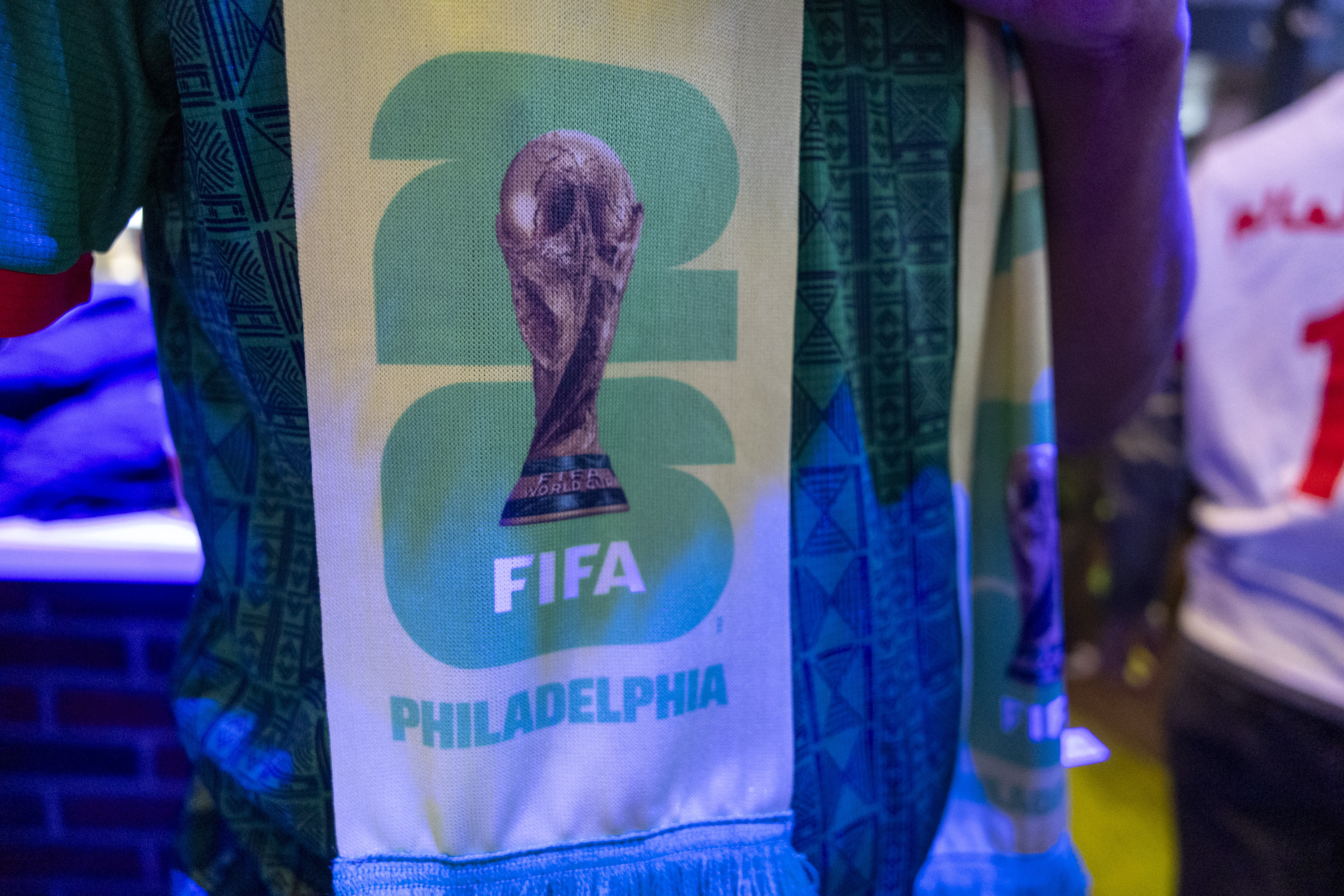
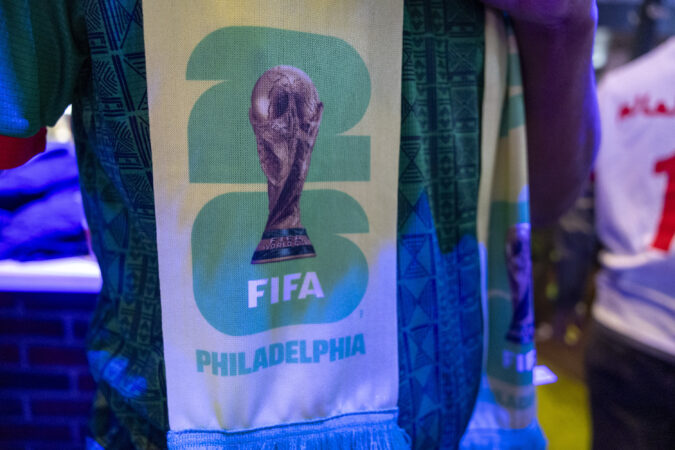
Dan Mayk, 27, of South Philadelphia, wearing a FIFA Philadelphia 2026 scarf at the FIFA World Cup drawing at Stateside Live! on Dec. 5.
The cheapest prices ranged from $120 to $265 for group-stage games that did not involve the United States, Canada, and Mexico.
FIFA had set those prices despite the co-hosts having pledged eight years ago — when they were bidding for the tournament — that hundreds of thousands of $21 tickets would be made available.
Criticism from fans, especially in Europe, had been increasing for several months over plans for “dynamic pricing” plus extra fees on a FIFA-run resale platform — both features that are common in the U.S. entertainment industry but not to soccer fans worldwide.
Fan anger intensified last week when it became clear loyal supporters would have no access to the cheapest category tickets and that fans who wanted to reserve a ticket for all of their team’s potential games — through the final — would not get refunded until after the tournament.
In another change Tuesday, FIFA said it would waive its administrative fees when refunds are made after the July 19 final.
Sometimes, it feels like there’s a distance between the U.S. men’s and women’s soccer teams, even though they wear the same crest.
Over the years, various people involved with both programs have tried to close that gap, including at U.S. Soccer headquarters. Sporting director Matt Crocker is definitely on that list, and high up on it.
That’s especially true when he talks about his vision of “the U.S. Way,” the creation of an on-field guidebook for the whole governing body. Many people will instinctively conclude that Crocker is sending a sermon from the mount, given how often the governing body has tried to do that over the years.
But it isn’t that simple, and it’s not just Crocker saying so. The last few months of on-field results at the senior levels have offered proof.
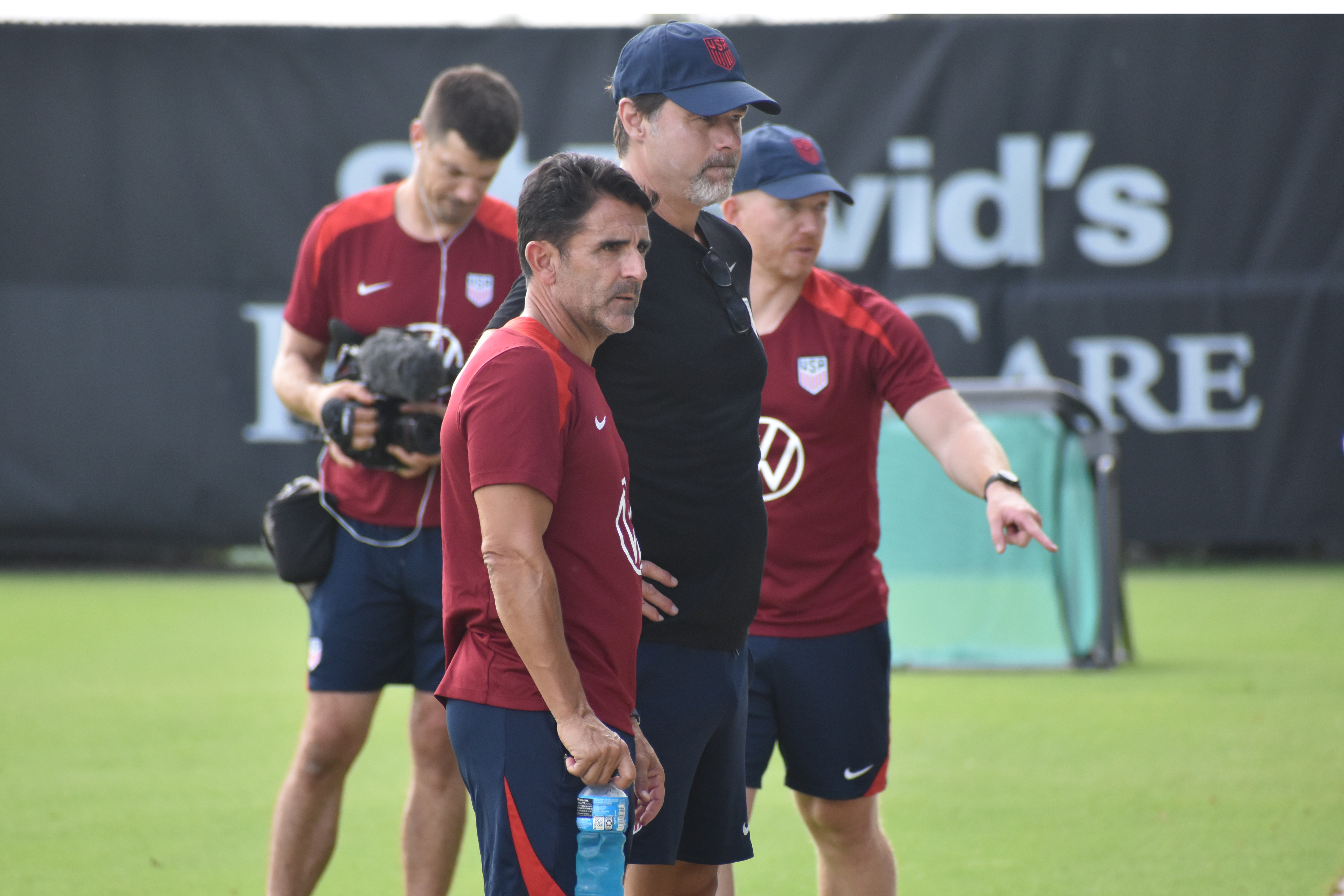
Mauricio Pochettino (center) and his top assistant Javier Pérez (left) at a U.S. men’s soccer team practice in October.
In some countries, every national team would be required to play the same way. Think of the Netherlands and Spain, for example, two programs with decades-long histories of putting philosophy over pragmatism.
Crocker is more pragmatic. Once he hired Mauricio Pochettino to coach the senior men and Emma Hayes to coach the senior women, he wanted to get out of their way. He does not stop Pochettino from playing a 3-4-2-1 formation, and Hayes from playing a 4-3-3.
“They are arguably two of the best coaches in the world,” Crocker told The Inquirer. “Who am I, in my experience, to dictate how they should be playing or not playing? I think the idea of that, for me, is not the way I work.”
His experience gives him power if he wants to exercise it. Before joining U.S. Soccer in 2023, previous stops for the native Welshman included seven years at English soccer’s governing body, the Football Association. He planted seeds that have now made the nation elite on both the men’s and women’s sides.
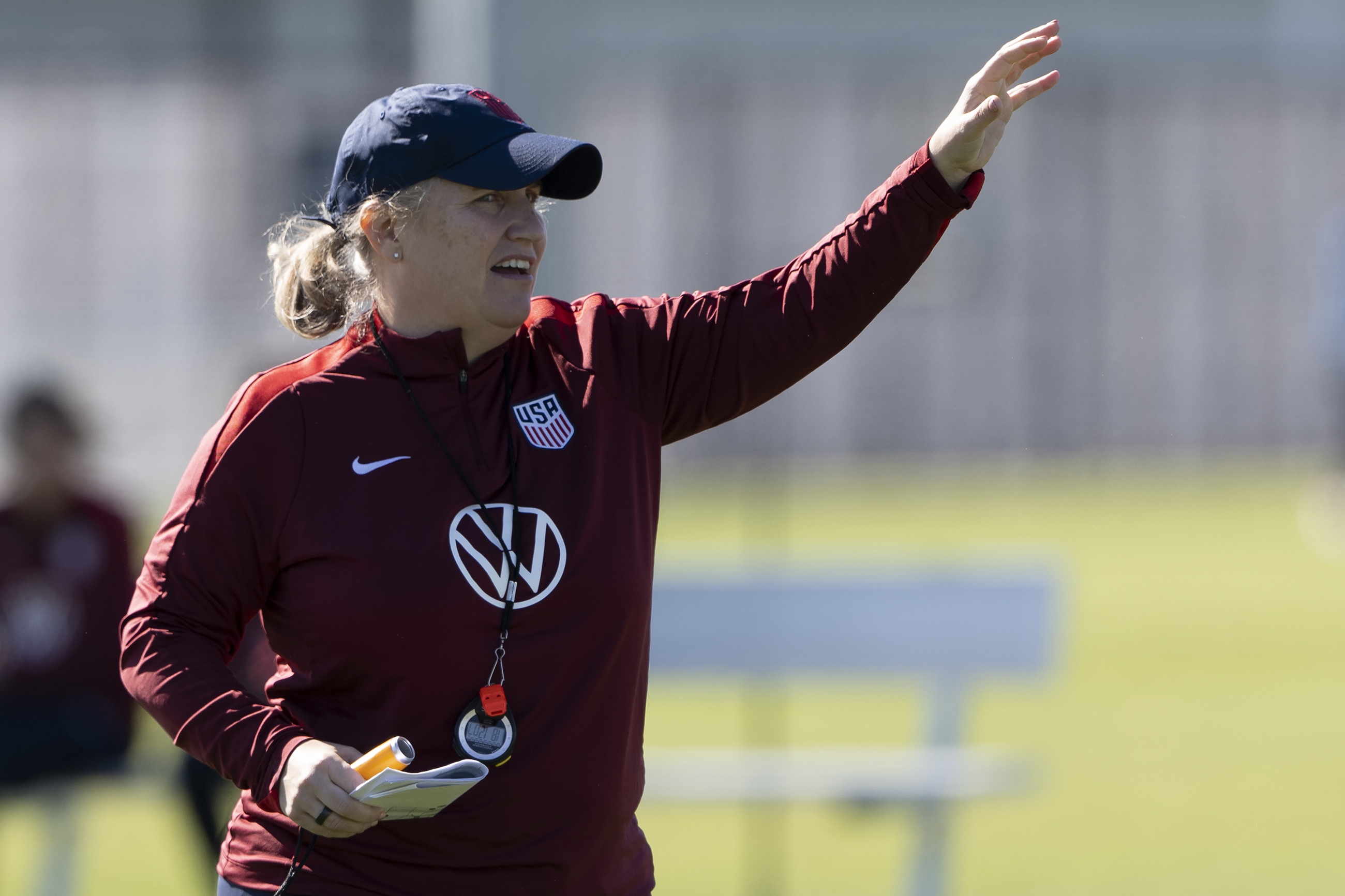
Emma Hayes at a U.S. practice in Chester in October.
But no, what Crocker said is what he meant.
“Of course, there’s going to be a framework … of how we want them to work,” he continued. “But ultimately their job is to provide winning teams, and I think they’re doing a pretty good job at doing that. And my job is to make sure that they get what they need to be able to do that.”
If you only follow soccer casually, you might not think much of this. If you’re deep in the sport, especially the American game, you know it matters to hear that from someone so high-ranking.
“The way I see it is, my job is not to dictate every single detail of how everything needs to look or feel,” Crocker said. “I need to use their experiences, because they’ve got more than me in those areas of what winning looks like.”
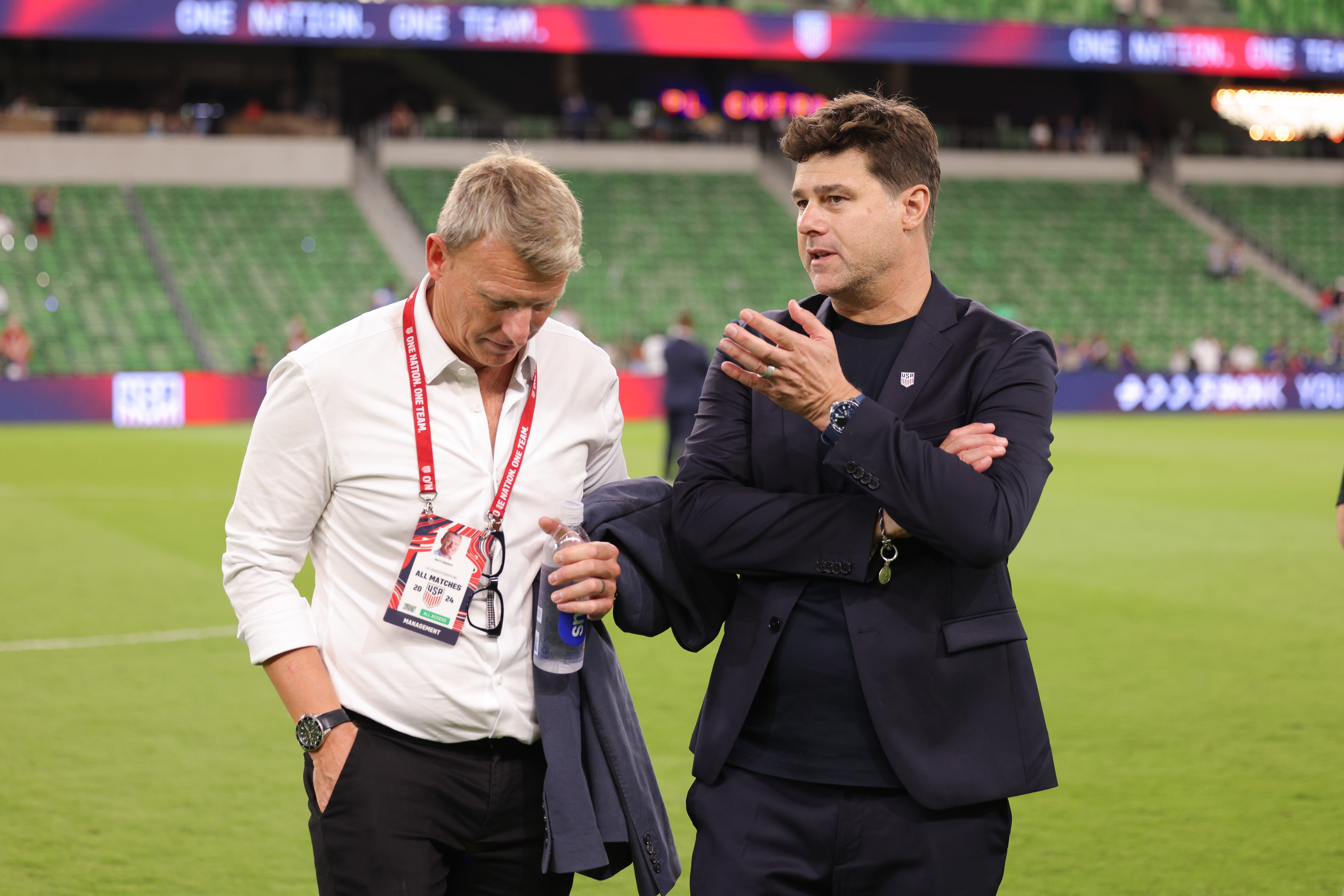
Matt Crocker (left) listening to Mauricio Pochettino at a U.S. game last year.
Hayes vouched for this, and not by making light of the size of her trophy mantel. She knew Pochettino before taking the U.S. job because they overlapped at English club Chelsea, and she knew American soccer from many years of working here before returning to her native London in 2012.
“Mauricio’s ideas on how to win football matches might be different to mine, for example, but we both have ambition to win football matches,” Hayes said. “And we both have an appreciation that American players have their own unique set of qualities that we can lean into.”
“Yes, the U.S. Way is very clear and overarching — that sits above our WNT and MNT and all our other 27 teams,” Hayes said, using the abbreviations for the senior women’s and men’s teams. “But within that, some of those differences are in and around the game model.”
That might not sound like much, but it really does matter.
Emma Hayes has had immense success since arriving as the U.S. team’s manager two years ago.
It all starts with youth soccer
If there’s distance between the men’s and women’s teams, it often feels like there’s a canyon between the senior squads on TV and the youth teams your kids play on. That, too, has seemed deliberate at times, with so many factions in the sport wanting to do what they want instead of working together for the game as a whole.
America’s youth soccer landscape, which better resembles an industrial complex — and really feels that big, in terms of scale — has a long history of rebelling against being told what to do by U.S. Soccer. Crocker quickly became well-versed in this when he took his job, and has spent a lot of time trying to change the tone.
“I think we have to recognize that what we do in state X can’t just be replicated and put into state Y,” he said. “Everyone’s unique and individual, and we have to listen to their individual needs. But we’ve also got to be clear on the framework of the things that are fundamental, and that we are going to do irrespective.”
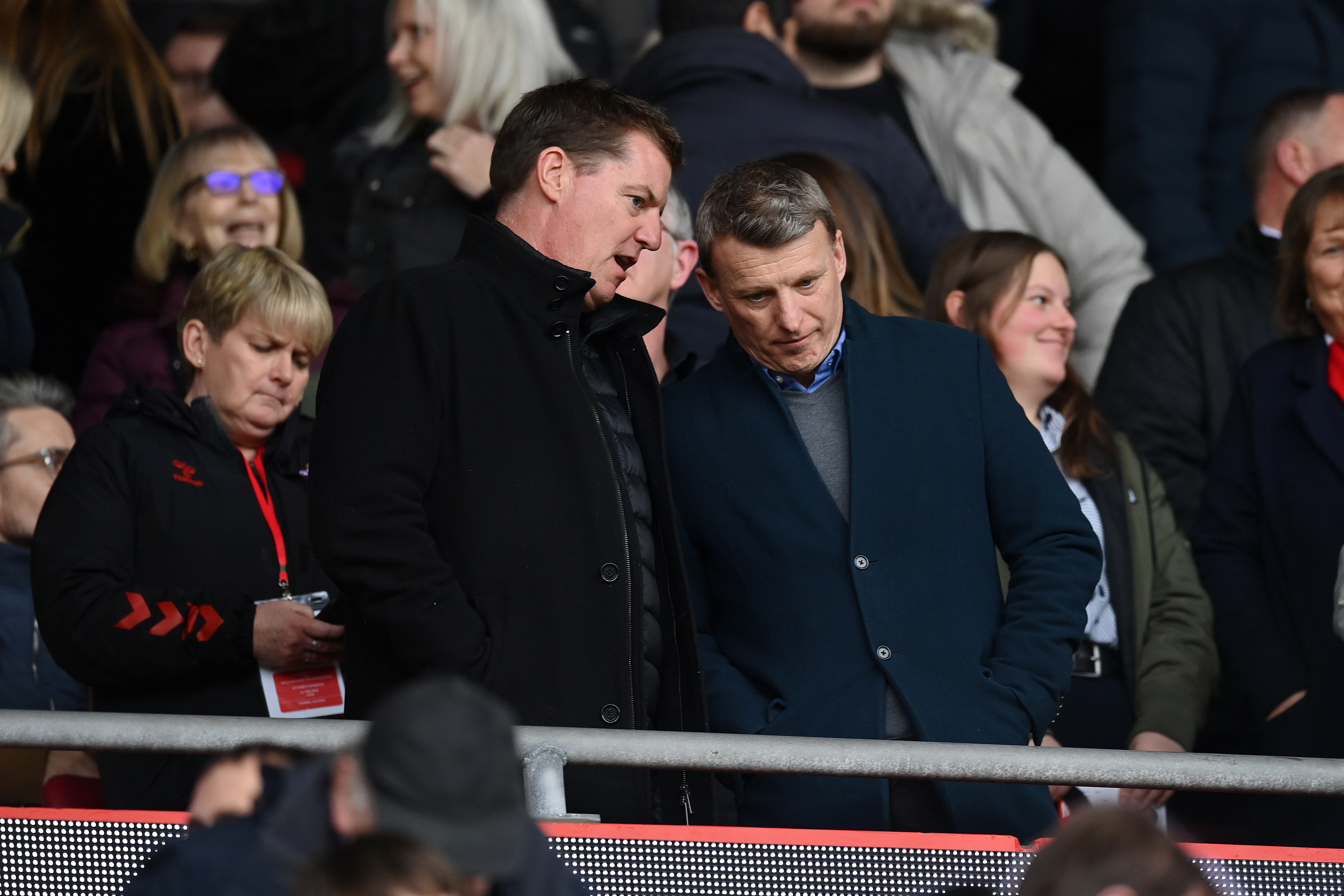
Before joining U.S. Soccer, Matt Crocker (right) spent seven years at England’s Football Association, and also worked twice for English club Southampton.
“You could bring every county FA to St. George’s Park, all of which were within a three-hour drive [from the national training center],” Crocker said. “You could mandate, you could then put people out into those environments to support it, and you could do it where you could really monitor something on a much smaller scale. Doing this is something I’ve never experienced before.”
That literal geography, not just youth soccer politics, influenced his journey to now.
“I don’t think there’s one silver bullet that you need to take, or you go, ‘It’s not going to work because of X,’” he said. “I just think we have to recognize the uniqueness of the country, build on that as a positive, but also remember not to make the same mistakes as others that have gone before us.”
Then came words that a lot of people — especially the youth coaches out there — have wanted to hear.
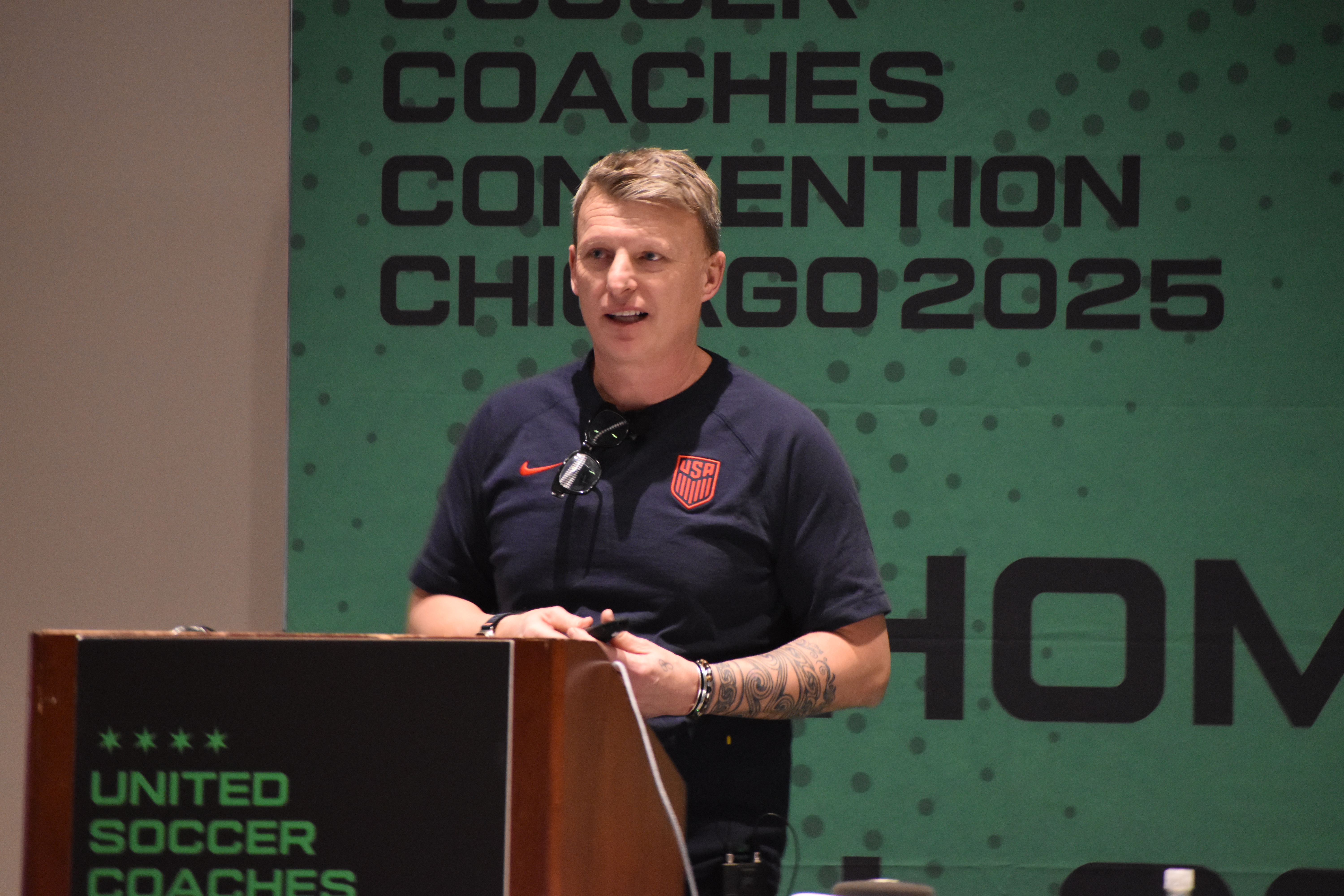
Matt Crocker speaking at the United Soccer Coaches convention last January, to an audience that isn’t always on U.S. Soccer’s side.
“I say this respectfully [because] I wasn’t here, but what I heard was U.S. Soccer was telling: We told, we told, we told,” Crocker said. “And now our job is to listen, to work, to problem solve, but to bring everyone together.”
Anecdotally, it’s been working. At various events this year where Crocker has spoken to youth and amateur teams, he has been warmly received. But the hardest part is yet to come, as a recent moment showed.
Earlier this month, Crocker spoke to a crowd of the governing body’s sponsors and donors. Some of them wore track jackets of their youth clubs, but most were in business clothes. Crocker shared the stage with deputy sporting director and onetime Union centerback Oguchi Onyewu and U.S. men’s legend Landon Donovan.
“For those who are not familiar with the youth soccer landscape in this country, it’s a bit of a disaster, right?” Donovan said. “It really is. There’s so many competing interests.”
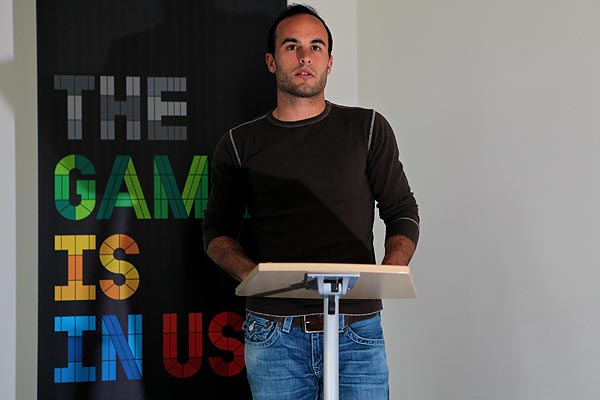
U.S. men’s national team legend Landon Donovan says that the youth model might be too far gone to suggest anything that would affect their bottom line.
He spoke of a local club near his home in southern California, but knew it could have been countless others.
“People are very content with their little fiefdom and their little salary and their club and their control and their power,” Donovan said. “So what’s the incentive now for these clubs to change? … We do have national pride, but they’re more worried about their bottom line than they are [about] growing U.S. soccer.”
“I think the saying is, do what you’ve always done and you’ll get what you’ve always got,” Crocker said. “There’s been a lot of talk about, there’s a player that plays in this league over here that has to drive or fly thousands of miles because this league is falling out with this league, and they won’t play each other. And that’s not putting the child, that’s not putting the sport, at the heart of what we’re all about.”
Matt Crocker (left) with U.S. Soccer Federation CEO JT Batson.
It’s true for the boys and men, and it’s true for the girls and women. It’s an enormous task, but Crocker is willing to give from his side, and that is noticed.
“I think it’s being respectful to environments that have already been created,” he said. “Us as U.S. Soccer, being the national federation, the people that should be really saying, ‘Hey this is what player development and the game could look like in this country’ — it’s about time we spoke up and started to share some of that. But it’s not through a dictator approach, it’s through more of a collaborative way of doing things.”
Crocker’s plans are due to be published in January, the same month Philadelphia will host the 2026 United Soccer Coaches convention. It won’t be easy for him to get that crowd on his side, for the reasons Donovan made clear. If Crocker can, though, the benefits could last long past the World Cup.
The Galaxy will send the Union up to $2.2 million in general allocation money for Jakob Glesnes, the Union announced Monday. Los Angeles will also acquire the homegrown rights to Union academy forward Jamir Johnson in the trade, which was first reported by The Athletic on Saturday.
Half of the general allocation money is guaranteed, while the other half is depends on how Glesnes performs with his new club. The Union are guaranteed $500,000 in 2026 and $600,000 in 2027. The Union did not disclose what metrics Glesnes needs to meet with the Galaxy to send up to $1.1 million in additional money to the Union. The Union will also receive a sell-on percentage for any future transactions the Galaxy make involving Johnson.
🚨🇳🇴 BREAKING: The LA Galaxy are closing in on a blockbuster deal to acquire former MLS Defender of the Year Jakob Glesnes from the Philadelphia Union, per sources.
Glesnes was the cornerstone of the Union’s back line this season, pairing with breakout star Olwethu Makhanya to lead the league’s stingiest defense. The Union conceded 35 goals, fewest in MLS, on their way to winning the 2025 Supporters’ Shield. Glesnes signed a contract extension in August, guaranteeing his deal through 2027, with an option for 2028.
The Norwegian center back joined the Union from Norway’s Strømsgodset in 2020. Glesnes, 31, made 209 starts across all competitions in six seasons with the Union. He has been an MLS All-Star in each of the last three seasons and finished second in the 2025 Defensive Player of the Year vote behind Vancouver’s Tristan Blackmon.
Union’s Jakob Glesnes defends Inter Miami’s Lionel Messi during a game earlier this season.
Johnson, 17, logged two goals and an assist in 12 games this season with MLS Next Pro’s Union II. He also played alongside Union teammate Cavan Sullivan for the U.S. under-17 men’s national team at the FIFA U-17 World Cup in Qatar.
The Union have been active in the transfer market since they were knocked out of the playoffs by New York City FC in the Eastern Conference semifinals. With sporting director Ernst Tanner still on administrative leave while he’s investigated for alleged misconduct by the league, the Union have signed forward Ezekiel Alladoh for a club-record $4.5 million fee. They also are in the process of sending last season’s leading goal scorer, Baribo, to D.C. for $4 million, as reported by The Athletic on Friday.
The Galaxy finished second-to-last in the Western Conference last season, but are only a season removed from winning the MLS Cup. Glesnes would be a key piece for a team looking to bounce back from a down year. The Union are not scheduled to face the Galaxy in the 2026 regular season.
The Union will begin their 2026 campaign with a match against Defense Force FC of Trinidad & Tobago in Concacaf Champions Cup play on Feb. 18 in Trinidad, with a return leg set for Feb. 26 in Chester. The club’s MLS season begins on Feb. 21 with a match at D.C. United. It will open its home schedule on March 1 against New York City FC.
The old saying is if you can’t beat them, join them. For one of the Union’s longtime rivals, it seems that if you can’t beat them, sign one of their strikers.
On Friday, The Athletic reported that D.C. United has offered the Union a $4 million transfer fee to sign Tai Baribo and give him a Designated Player contract.
That is an enormous offer, even for a player who has scored 35 goals over the last year and a half for the Union. Though the Union took Baribo’s contract option for 2026, they had been hedging for a while on giving him a DP deal — especially with two strikers already at that level in Bruno Damiani and new signing Ezekiel Alladoh.
D.C. is looking for a replacement for Christian Benteke, the former English Premier League stalwart who led United’s attack for 3½ years and was MLS’s top scorer in 2023. It wasn’t Benteke’s fault that he lost a lot more games than he won there — D.C. finished 10th or worse in the East in all four of his seasons, and dead last leaguewide twice — but it was certainly noticed.
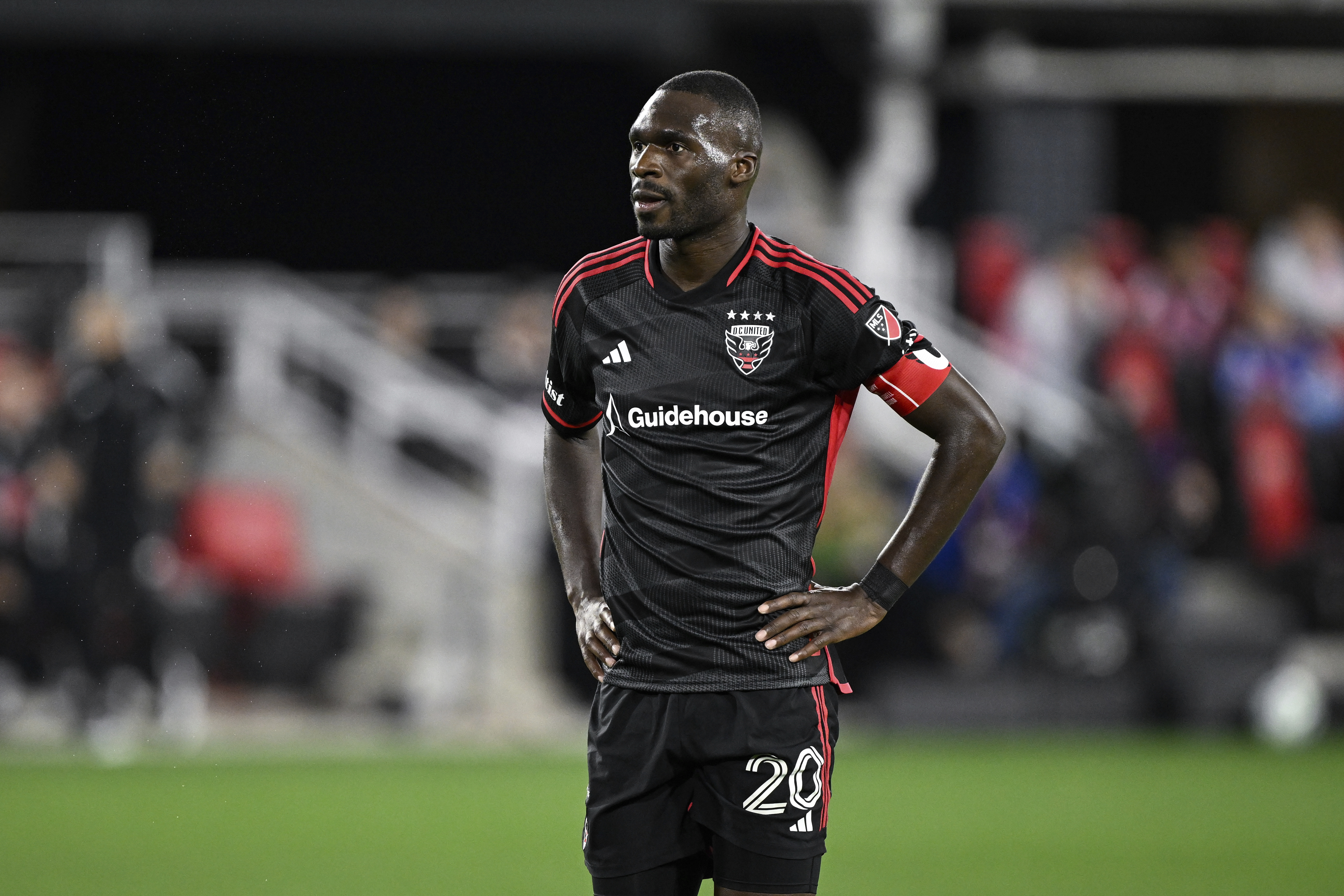
Christian Benteke departed D.C. United as a free agent.
Time will tell if Baribo suffers the same fate, or if the league’s original dynasty builds a good team around him. It’s been over two decades since United won their last MLS Cup, and nearly three decades since they were the league’s original dynasty.
It also was no secret in Chester, including in the stands, that Baribo isn’t exactly great at creating his own shot. Changing clubs within MLS will show to what degree his success was tied to the Union’s playbook.
The Union already have two examples of that on the record, in their multi-million-dollar sales of Jack McGlynn to Houston and Dániel Gazdag to Columbus last year. Houston didn’t make the playoffs, and Gazdag had six goals and seven assists in 32 games. (Nor, by the way, has Julián Carranza’s move to Europe been a great success.)
Perhaps that was why a fair few fans on social media reacted to the Baribo news without complaint. Everyone will find out together if he burns his old club, but until then, this deal looks like too much money to turn down.
Concacaf schedule set
The dates and times for the Union’s Concacaf Champions Cup first-round series against Defence Force FC of Trinidad & Tobago were announced Friday.
The series will start on Feb. 18, a Wednesday, at 6 p.m. at historic Haseley Crawford Stadium in Port of Spain, Trinidad.
The Union’s home leg will be eight days later, Feb. 26, at Subaru Park.
The Union’s MLS opener is Feb. 21 at D.C. United, and their home league opener is March 1 vs. New York City FC.
For those hoping to get into a World Cup game in Philly, the assumption was that obtaining a ticket, even at face value, would be costly.
Well, that was correct, and on Thursday, fans interested in attending learned just how much.
FIFA’s random selection presale was the third in a four-part lottery phase in which interested buyers from around the world were able to select their match by venue or by the team they’d most like to see.
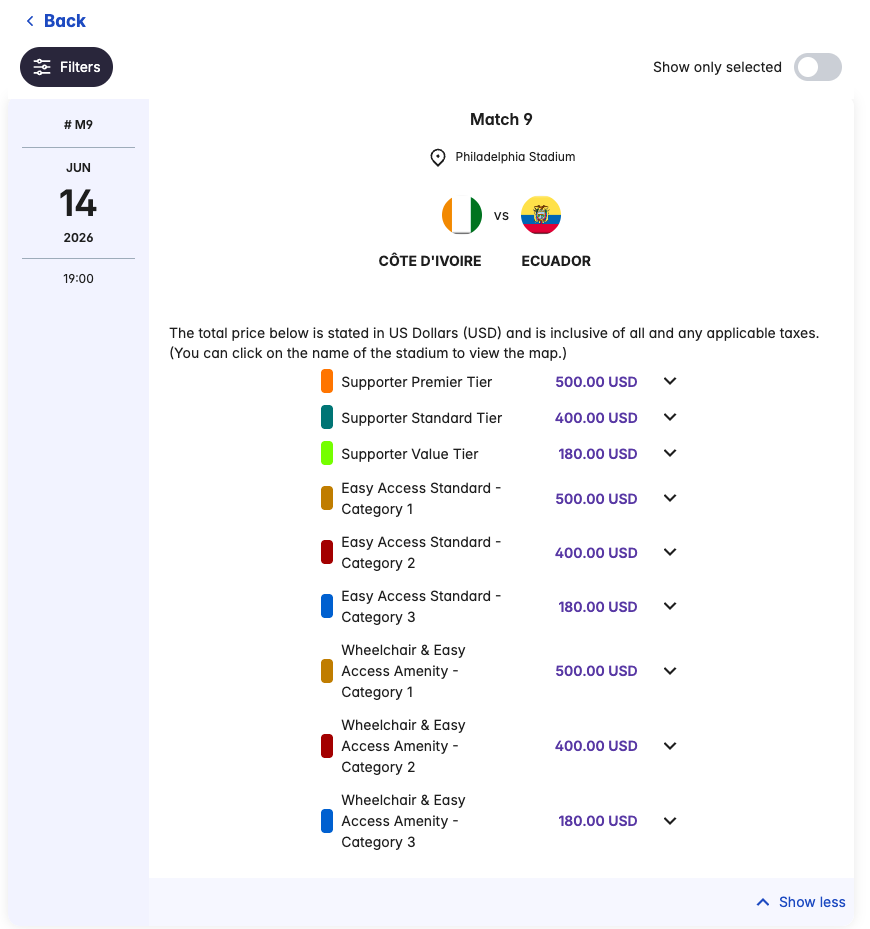
Among the 72 group stage matches scheduled to be held in the United States, Canada, and Mexico this summer, five will take place at Lincoln Financial Field, with the Ivory Coast and Ecuador kicking off Philly’s slate of matches on June 14.
The least expensive seat for that match was $180 under Category 3 tiered pricing (which applies to upper-level seating and designated supporter sections). The most expensive ticket was $500 for a Category 1 seat (lower level, prime placement) or another section called a Supporter Premier Tier.
The cheapest ticket price was $180 for upper deck seats at Lincoln Financial Field for the World Cup opener between the Ivory Coast and Ecuador.
The costliest tickets were for the June 19 match between Brazil and Haiti, with the cheapest seat coming in at $265 and the priciest Category 1 tickets at $700. Even Category 2 seats, which generally are still lower- to mid-level but have corner sightlines, were $500 per seat.
While it remains to be seen, prices for France’s game in Philly on June 22 could mimic the Brazil game as both are high-powered nations in the top 10 of the latest FIFA World Rankings, complete with rosters expected to draw a crowd. France awaits whom it will play at the Linc, as a FIFA playoff in March will determine whether it will be Iraq, Suriname, or Bolivia.
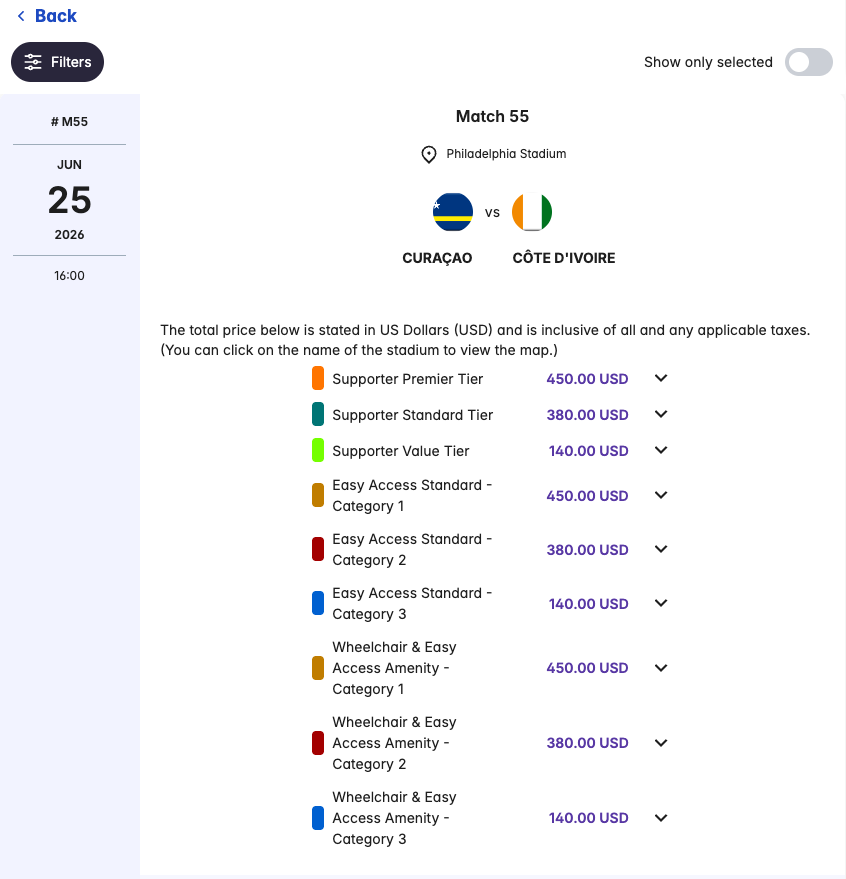
The least expensive game in Philly as of Thursday’s presale was the June 25 match, which features Ivory Coast against Curaçao. Lower-level tickets were $450 for Category 1 and $380 for Category 2 seats. For those who don’t mind sitting in the 200-level section, the price is $140 each.
The game between Ivory Coast and Curaçao on June 25 looked to offer the most affordable path to securing World Cup seats.
It’s believed that with fan bases not as large as some of the other matches coming to Philly, this might be the best chance for people looking to obtain tickets, not just in the presale but perhaps when tickets officially hit the resale market.
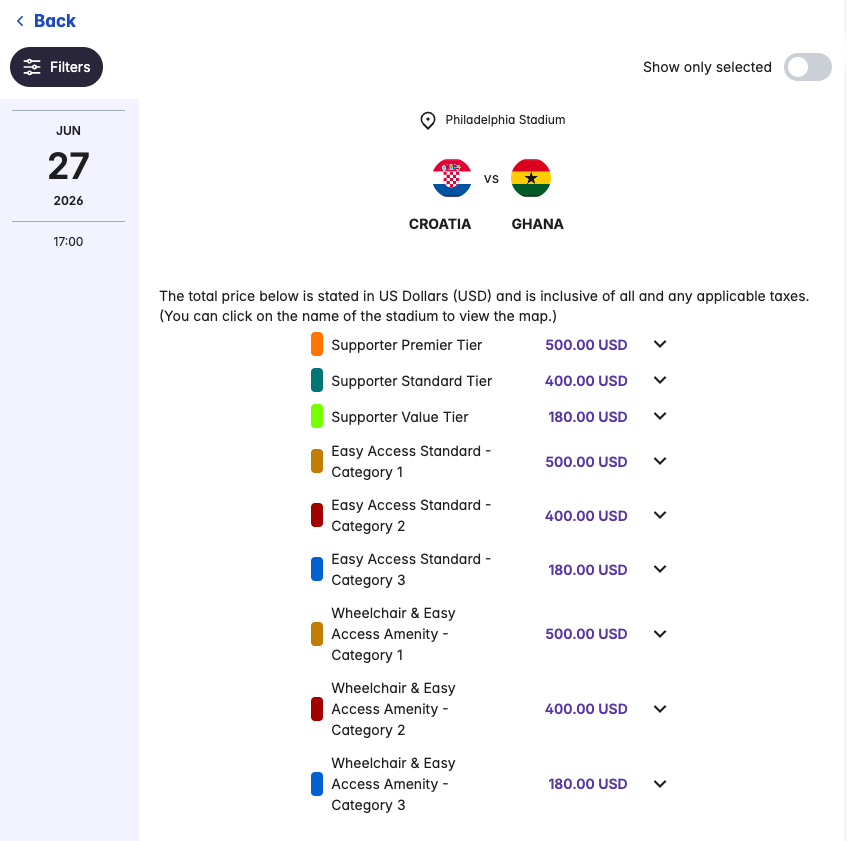
The final group stage match at the Linc, Croatia against Ghana on June 27, offers a live look at Croatian midfield legend Luka Modric, who at age 40, will be playing in his final World Cup. Although Ghana has consistently been a strong nation in past World Cups and enters as one of the better nations throughout Confederation of African Football (CAF) qualifying, the draw is Modric — and FIFA knows that.
Tickets for that match in the presale start at $500 for Category 1, and the least expensive ticket is $180 for a Category 3 seat.
Croatia-Ghana on June 27 offers fans a live look at probably the last time Croatian midfield legend Luka Modric will chase World Cup glory.
So how does it all work?
Interested fans must create a FIFA ID. Creating one is quick, and once you do, you’ll be able to enter the lottery, which runs through 11 a.m. on Jan. 13. FIFA says it will alert people who have won by Feb. 5 if they’ve earned the right to purchase tickets.
Still, you could find out sooner by checking your bank or credit card statement and noticing a balance decrease of hundreds or thousands of dollars.
In the process, fans are entered into a queue to buy, which on Thursday had potential purchasers experiencing wait times of up to 30 minutes. Once there, fans can access two ticket portals: the random selection draw, which allows them to choose one game or preferred venue, and another in which fans can select a preferred team and choose from that nation’s three matches throughout the group stage.
From there, a debit or credit card goes on file, from which, if selected, FIFA will automatically pull funds from the account beginning on Feb. 9. Incidentally, there’s no guarantee that fans will receive their full allocation, as there are options for ticket sales to be “completely successful” or “partially successful.”
What does the latter mean? Here’s is FIFA’s explanation:
“‘Partially successful’ means you received some, but not all, of the tickets you applied for. For example, if you requested tickets for three different matches but were allocated tickets for only one or two of them, your application is considered partially successful. If you are allocated tickets for any match, you will always receive the full quantity you requested for that match; you will never receive fewer than requested.”
The random selection draw is the last presale before FIFA will release remaining tickets in what’s sure to be a first-come, first-served frenzy. This late sales phase is expected to launch closer to the start of the tournament.
We are a week removed from the FIFA World Cup draw, and in the aftermath, a proverbial ball is beginning to roll on several fronts. FIFA opened its latest presale ticket lottery on Thursday for fans to enter the random selection phase of the tournament, the latest chance to hope and wish your name will be called to purchase tickets — ones that might still be priced in the hundreds, if not thousands, of dollars by the time it’s your turn.
These past few days have provided a greater opportunity to examine FIFA’s ways and which nations, cities, and fans benefited or flopped as next steps begin to trickle out.
With that said, these are our picks for winners and losers post-draw.
Wilson Velez, 36, of Northeast Philadelphia, Pa., (left), Edwin Martinez, 25, of Central Philadelphia, watched the FIFA World Cup draw at Stateside Live! on Friday.
👍🏽 Philly getting Brazil, France, and Croatia
For many fans, it’s going to be a breathing-into-a-brown-bag moment watching players like Brazil and Real Madrid’s Vinicús Jr., Croatian midfield maestro Luka Modric, and countless players on France’s squad, undoubtedly headlined by forward sensation Kylian Mbappé, chasing World Cup glory at Lincoln Financial Field. Especially when you consider the French are one of the early favorites to win next summer’s spectacle at +700, according to futures odds on FanDuel.
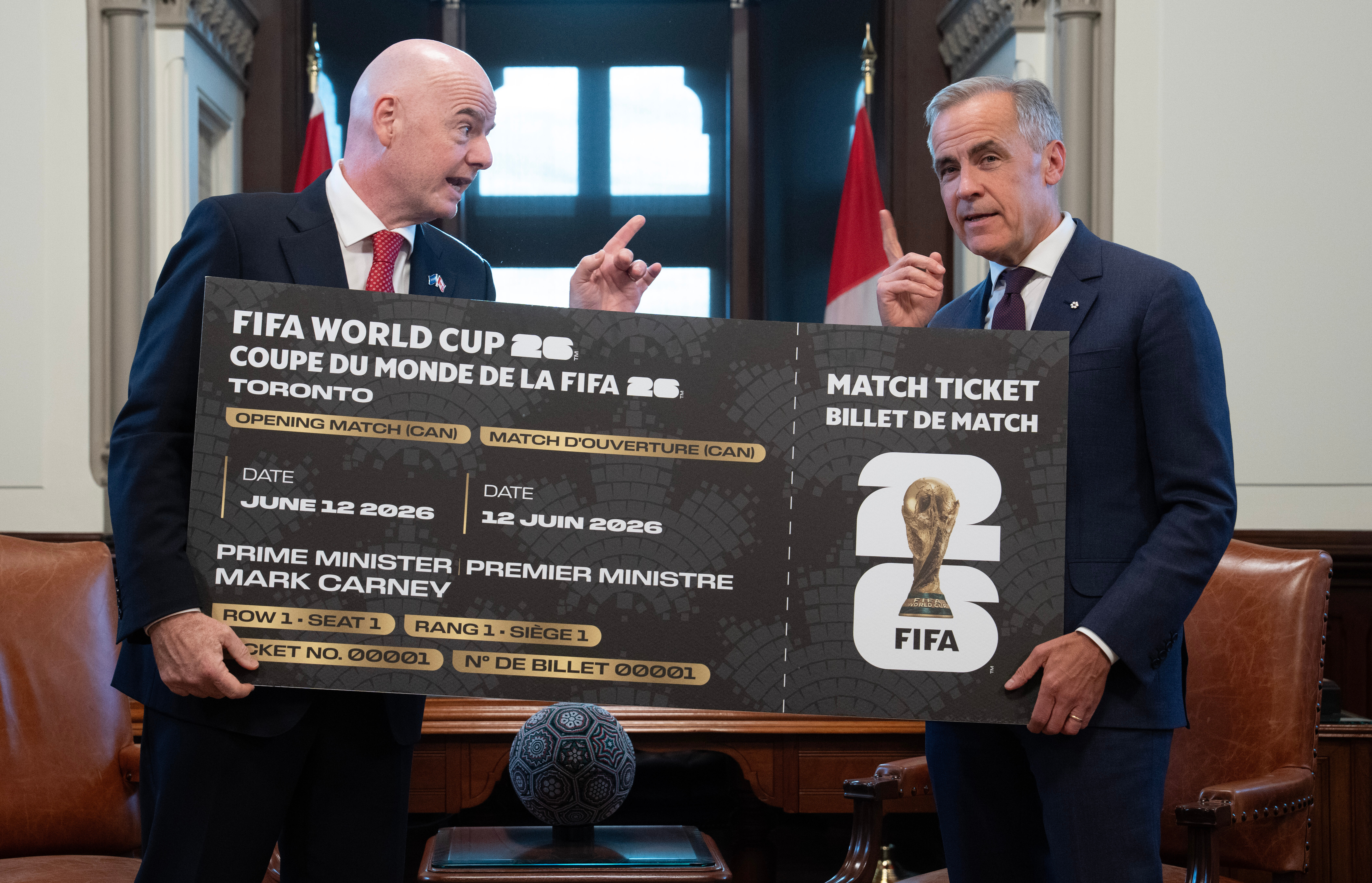
Canadian Prime Minister Mark Carney (right) is presented with a novelty World Cup ticket by FIFA President Gianni Infantino in October.
👎🏽 Dynamic pricing on tickets
For some reason, it just seems counterintuitive for FIFA to stress its desire to grow the game — and then turn around and make the world’s biggest sporting event available only to those who still have expendable cash in this current economic climate.
This is the first time in the history of the tournament that soccer’s governing body has opted to use dynamic pricing for tickets, and some of the early price tags to secure a seat, even during presale, are laughable. Now, some matchups could see prices fall slightly, but it’s the World Cup; demand will always be higher than supply, and that holds for the bulk of the 72 group-stage matches beginning June 11.
MetLife Stadium was the center of the soccer universe this past summer hosting the semifinals and final of the Club World Cup. It’s on the big stage yet again as host of the World Cup final.
👍🏽 The BIG apple
It was already one thing that MetLife Stadium will be the center of the soccer universe next summer as host for the World Cup final. But after last Friday’s draw, it could be argued that the New York-New Jersey delegation hit the jackpot with the group-stage matches and nations coming to East Rutherford, N.J.
First up, Brazil-Morocco (June 13, 8 p.m.), when Morocco is one of the hottest nations in the world, with its senior team just one place outside the Top 10 in FIFA’s latest world rankings. Additionally, MetLife will also host European giants Germany (June 25), England (June 27), and one of the most highly anticipated rematches in France-Senegal (June 16, 3 p.m.). The Senegalese defeated a star-studded French side in the 2002 World Cup, and it’s been the talk since this match got paired.
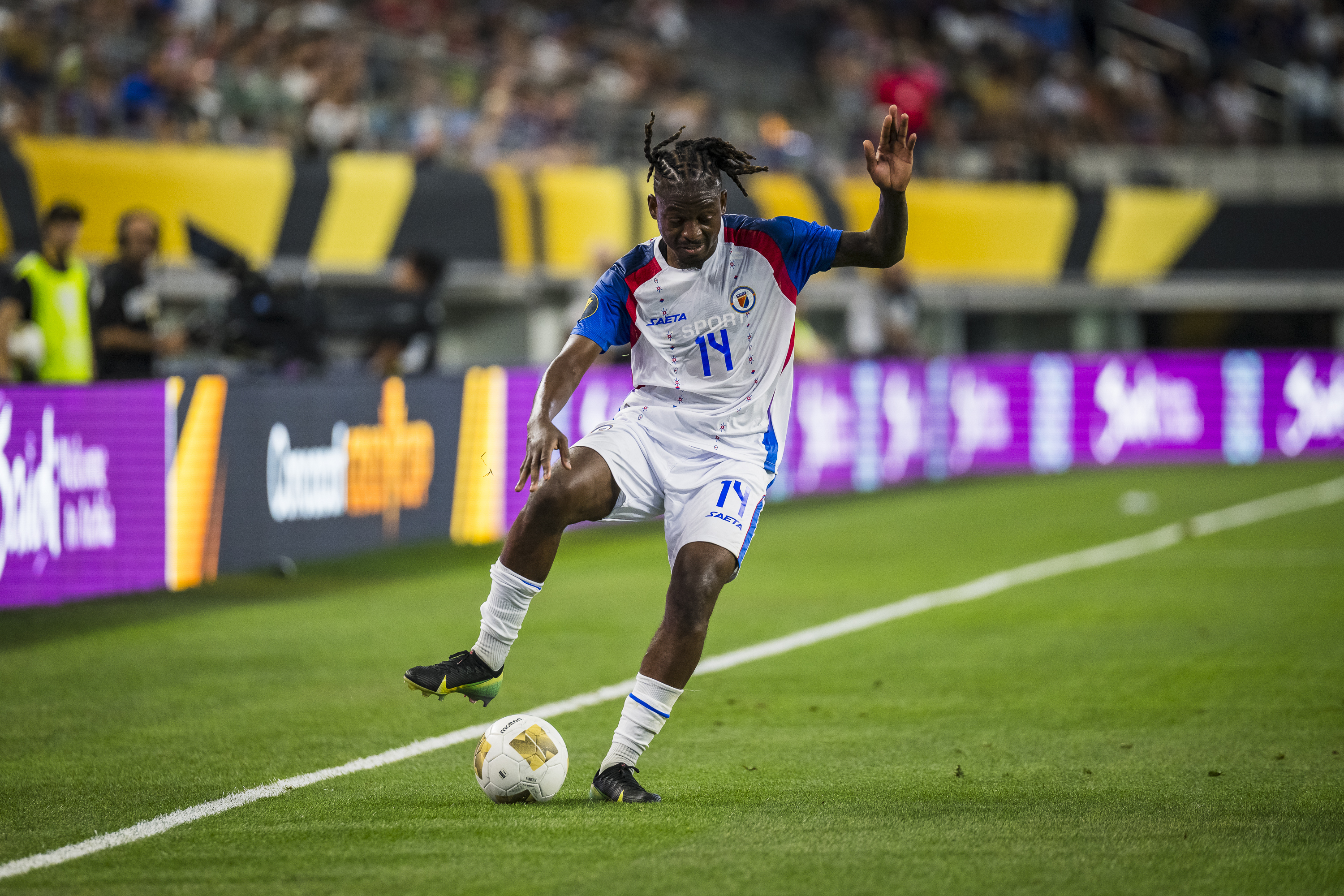
Haiti’s Leverton Pierre controls the ball during a CONCACAF Gold Cup soccer match against the United States in June.
👎🏽 Banned fans
Some fans won’t be able to see their team play live in the United States due to immigration rules and restrictions. Nations like Iran and Haiti will find out just how strong their expat communities are here in the States, but both coaches wouldn’t mind a little diplomacy.
“[President Donald Trump] is a peace prize winner,” Migné said after the event, alluding to the U.S. president winning FIFA’s inaugural Peace Prize award. “Maybe he will continue, and it will open the possibility for our fans to come here.”

A fan of Ghana cheers prior to the start of the African Cup of Nations Group B soccer match between Mozambique and Ghana in Abidjan, Ivory Coast, in January 2024.
👍🏽 African-Caribbean vibes come to Philly
In addition to the big nations like France, Brazil, and Croatia, Philly will host matches featuring the Ivory Coast, Ghana, and Curaçao. Having matches here in Philly that feature the first two bode well for the city’s sizable West African population situated primarily in the West and Southwest sections of the city. They’re also among the top teams in Africa, with Ghana consistently fielding a strong national team, and the Ivory Coast, the defending AFCON champions, ran through qualifying without conceding a goal.
As for Curaçao, the nation with the smallest population competing in the World Cup, despite making Jamaica’s road a bit harder by defeating them in November and forcing the Reggae Boyz into a three-team FIFA playoff in March, people will naturally root for the underdog in a city where the underdog mantra has been fully embraced.
The presence of Ice and Border Patrol agents at World Cup matches could be an issue for fans.
👎🏽 ICE fears
The Club World Cup served as a litmus test of how active U.S. immigration and customs enforcement and the U.S. Border Patrol would be in detaining fans attending the event, specifically in Philadelphia. Before that tournament, there were legitimate fears that ICE would be stationed outside arenas targeting fans.
While there were instances, and still could be next year, for the most part, it wasn’t as large as some led people to believe. During the Club World Cup, FIFA president Gianni Infantino was explicitly asked in a room full of reporters if he had any concerns about the enforcement and harassment of fans, to which he replied: “I don’t have any concerns about anything … most important for us is to be able to guarantee safety for the fans who come to the game.”
It’s important to know that a U.S. Customs and Border Protection spokesperson told The Inquirer via a statement in June that “U.S. Customs and Border Protection is committed to working with our local and federal partners … as we do with every major sporting event, including the Super Bowl. Our mission remains unchanged.”
A rendering shared by FIFA of what Philadelphia’s 2026 World Cup fan fest site at Lemon Hill Park is expected to look like.
👍🏽 Philly’s party HQ
While planning for the next phase of the process is still forthcoming, the revival of the Lemon Hill Mansion and grounds in Brewerytown ahead of the World Cup is promising as FIFA will use the park and grounds as the Philadelphia chapter of its fan festival.
A storied park with incredible views of the city will receive a much-needed facelift and serve as the side stage on matchdays for the six games scheduled to come through Philly. It’s steps from the larger Art Museum area and the Parkway, which will be a fun time to navigate for visitors from around the world, said Meg Kane, the host city executive for Philadelphia Soccer 2026, responsible for planning the event in the city. However, questions still remain on things like transportation, logistics, vendors, and more, but it’s December, so we’re just going to ride out on the excitement of what’s to come.