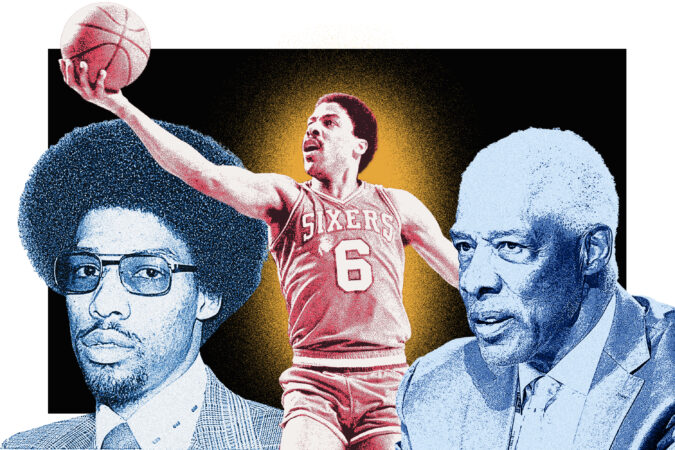
Category: Sports

Sports news, scores, and analysis

  • At 76 years old, Julius Erving reflects on his beloved Sixers’ career and new stage of life

    At 76 years old, Julius Erving reflects on his beloved Sixers’ career and new stage of life

    Julius Erving wakes up each morning and begins taking notes to prepare for the day.

    It is his way to, in his words, “put my focus on keeping the carrot out in front.

    “… and somewhere in there might be that best day [of my life].”

    Right now, there is a milestone birthday for “Dr. J” to celebrate. The ultimate 76er turned 76 years old on Sunday. The team recognized such symmetry throughout Thursday’s home loss to the Atlanta Hawks, illustrating the continued connection between Philly and one of its most revered athletes.

    “He’s got a lifetime membership here,” Clint Richardson, Erving’s former teammate, said from Xfinity Mobile Arena. “They just continue to acknowledge him. This place is very special to him. I know that.”

    It is obvious why Erving’s transformational, Hall of Fame career remains so beloved in this city, where he spent all 11 of his NBA seasons. The eye-popping athleticism channeled into glorious dunks. The 1981 NBA MVP Award and five first-team All-NBA selections. The hip and classy persona. And, on his fourth trip to the NBA Finals, the 1983 title he finally helped bring to Philly.

    Beyond those accolades and highlights, though, Erving and Richardson recalled the pressure and responsibility “Doc” shouldered as the face of the NBA-ABA merger. He also went from being the bona fide leader of the New York Nets to sharing that responsibility with the Sixers alongside Doug Collins and George McGinnis.

    “Pat Williams clearly said, ‘I don’t need a guy who can score 30 points a game,’” Erving said of the Sixers general manager who acquired him. “Thirty points wasn’t a big deal for me, the way that I played. … I don’t talk about it a whole lot because you can’t change it. But the journey could have been different. The NBA was different.

    “I think I made a big sacrifice when I came to Philadelphia. And it paid off in the end because the seventh year, we won a championship. But I think we could have won it sooner.”

    Richardson, whom Erving calls his little brother, idolized him in college. Then becoming teammates, Richardson said, “was kind of mind-blowing.” Off the court, he came to know Erving as the man who lent him a car and welcomed him into his family.
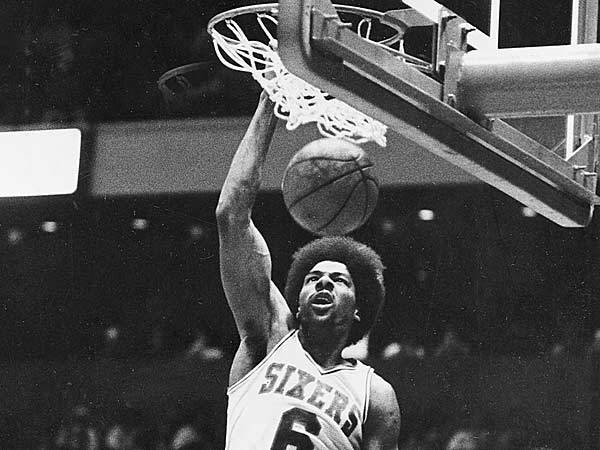
    Former Sixers star Julius Erving delivers a slam dunk at the NBA All-Star Game in Milwaukee in 1977.

    But road trips with Erving were “like being with Mick Jagger.”

    “Traveling with Julius, it was like traveling with the Rolling Stones,” Richardson said. “Every night. Everywhere we went.”

    That gravitas holds long into retirement, with everyday folks and celebrities alike.

    Erving said he does not mind being approached in the airport for conversations he describes as typically “pleasant” and “joyful.” He still is a compelling media and entertainment subject, with the Prime Video docuseries Soul Power about the ABA, in which he is prominently featured, premiering earlier this month.

    And at last weekend’s NBA All-Star Game in suburban Los Angeles, Erving sat courtside with Barack and Michelle Obama. It was the third time he had met the former president, Erving said, including at a planned White House visit and an impromptu crossing of paths on a Washington golf course.
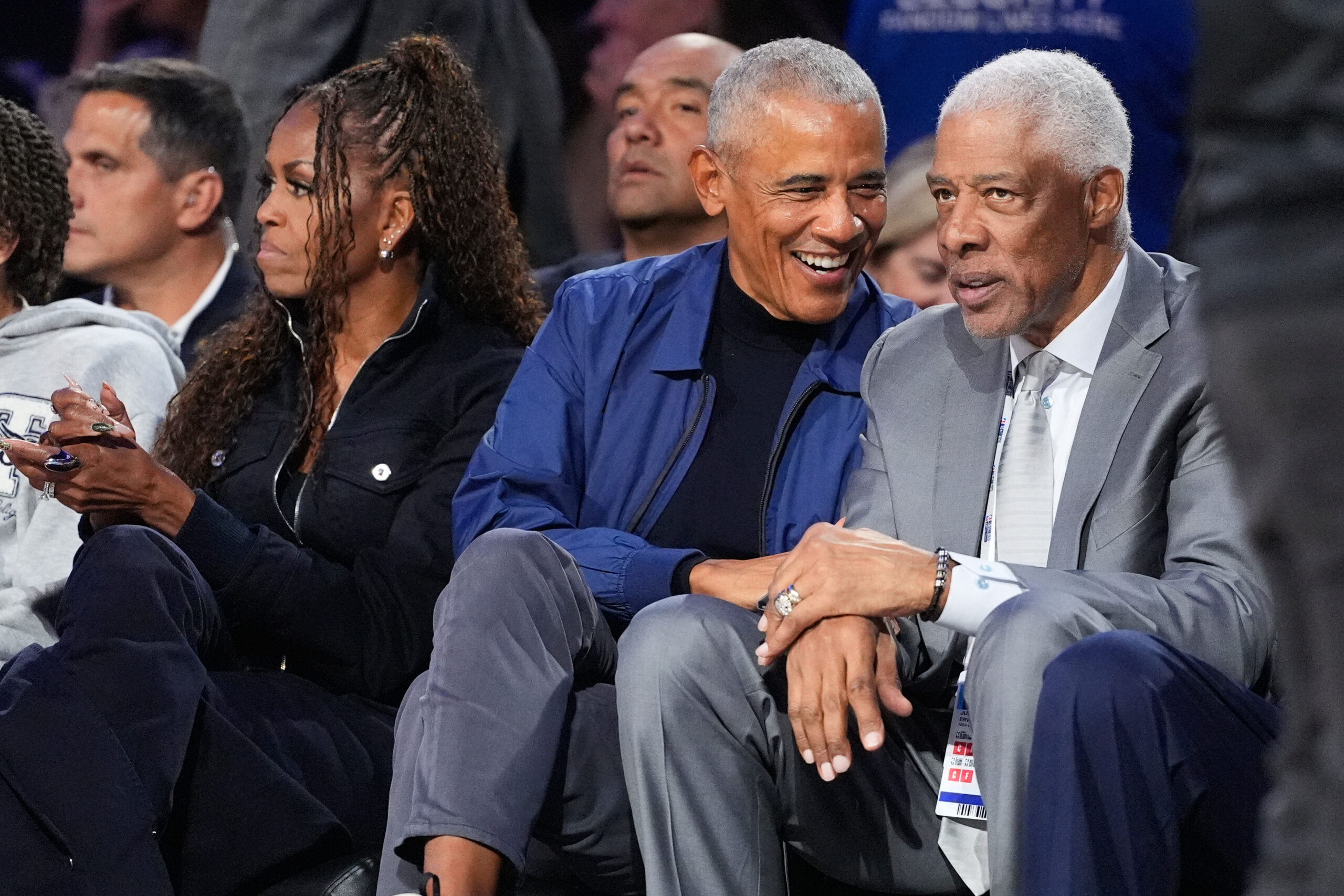
    Barack Obama talks to Julius Erving during the NBA All-Star basketball game on Feb. 15.

    “He told me about growing up in Hawaii and admiring my style of basketball,” Erving said. “The things that I brought to the game. That I was a contributor, not a taker. And that helped to inspire him because he was still in high school.

    “It was quite a thing to hear from someone who is as accomplished as he is and loved and admired as he is.”

    Erving’s public life still regularly brings him to Sixers home games. He said his palms no longer begin sweating when a matchup gets tight and that he can now view the action as more of an outside critic. Though he calls interactions with the current iteration of the Sixers “sporadic,” he has formed a friendship with coach Nick Nurse and has participated in some of the coach’s foundation events in his home state of Iowa.

    “He’s a super gracious person,” Nurse said.

    And Erving’s nonbasketball life? He said that is “on the rebound.”

    “I’m happy about that,” Erving said. “And deserving.”

    He publicly shared some of the more vulnerable experiences — including his infidelity and the accidental drowning of his son, Cory — in his 2013 autobiography he said was written to be passed along to future generations of family. There are other private moments that Richardson knows about Erving that he said he will “go to my grave with. I don’t even share with my family.”

    “I sense him being a little bit more guarded,” Richardson said. “When I see him doing that, that lets me know that I need to be a little bit more guarded, too.”

    Last year, Erving had a “big” party in Fort Lauderdale, Fla., for his 75th birthday, the more commonly celebrated milestone. This year, he wanted to keep the hoopla a bit quieter. But he understands this age’s endearing parallel with his NBA franchise.
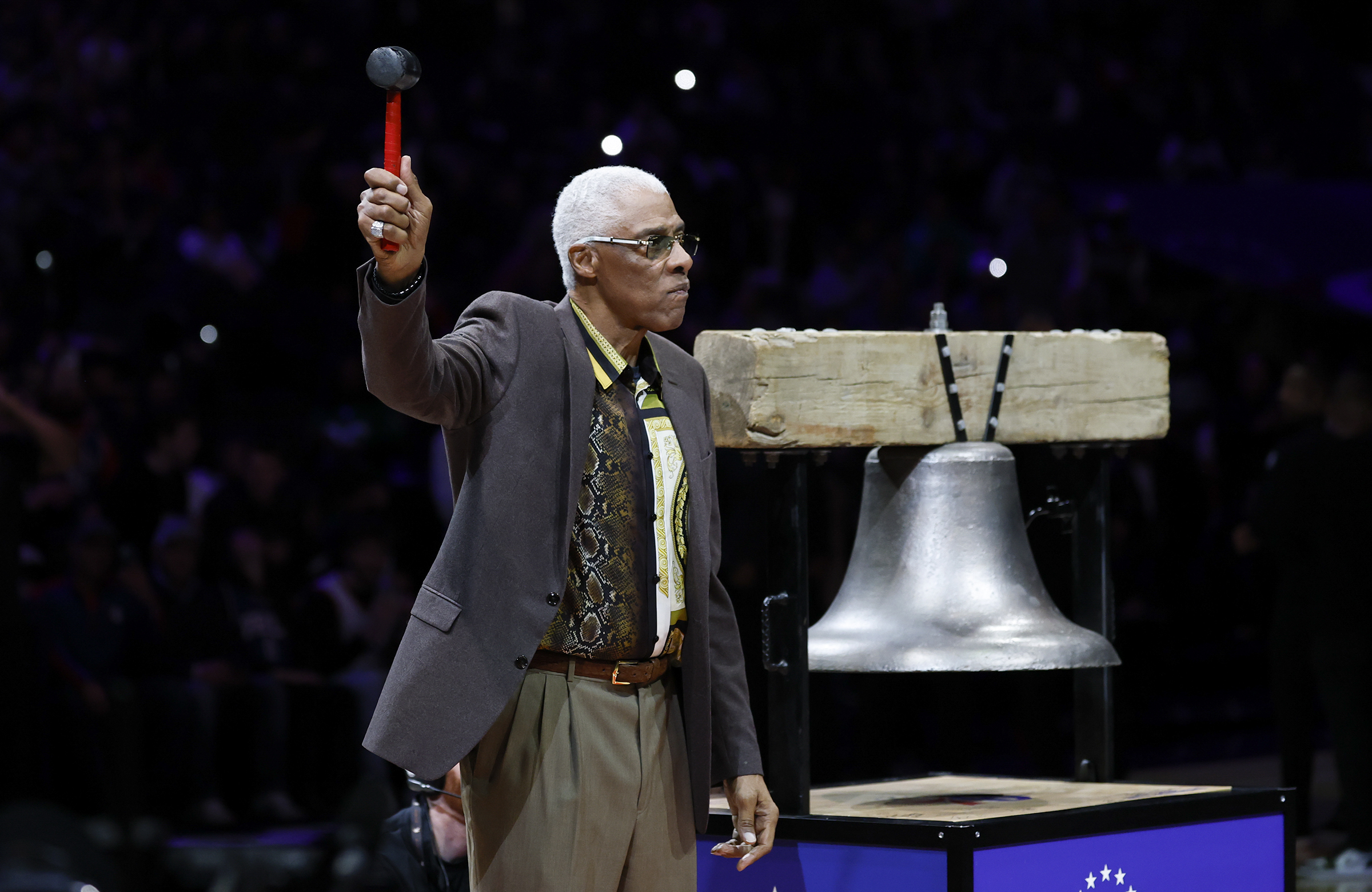
    Former Sixers Julius Erving waves to fans before ringing the ceremonial liberty bell before the Sixers play the Atlanta Hawks on Thursday.

    So he rang the bell before Thursday’s game and received a custom portrait during a first-half timeout. Later, he was up in a suite with a cake with candles shaped like the number 76, before the home crowd was encouraged to sing along to “Happy Birthday.”

    Yet about an hour before those festivities began, Erving dipped into a quiet, back-of-house room. He held a notebook while reminiscing about his legendary career with the Sixers and this stage of his life.

    That is where he can keep writing each morning, while looking forward to 76 and beyond.

    “I want to put my focus on keeping the carrot out in front,” Erving said, “and tomorrow being the best day of my life.”
  • U.S.-Canada men’s hockey headlines the 2026 Olympics closing day

    U.S.-Canada men’s hockey headlines the 2026 Olympics closing day

    The 25th Winter Olympic games will end Sunday with a dramatic showdown between the U.S. and Canada for gold in men’s hockey.

    It’s been an elusive prize for Team USA. In the 46 years since 1980’s “Miracle on Ice” upset victory over the Soviet Union, the U.S. men’s hockey team has played for gold just twice — 2002 in Salt Lake City and 2010 in Vancouver.

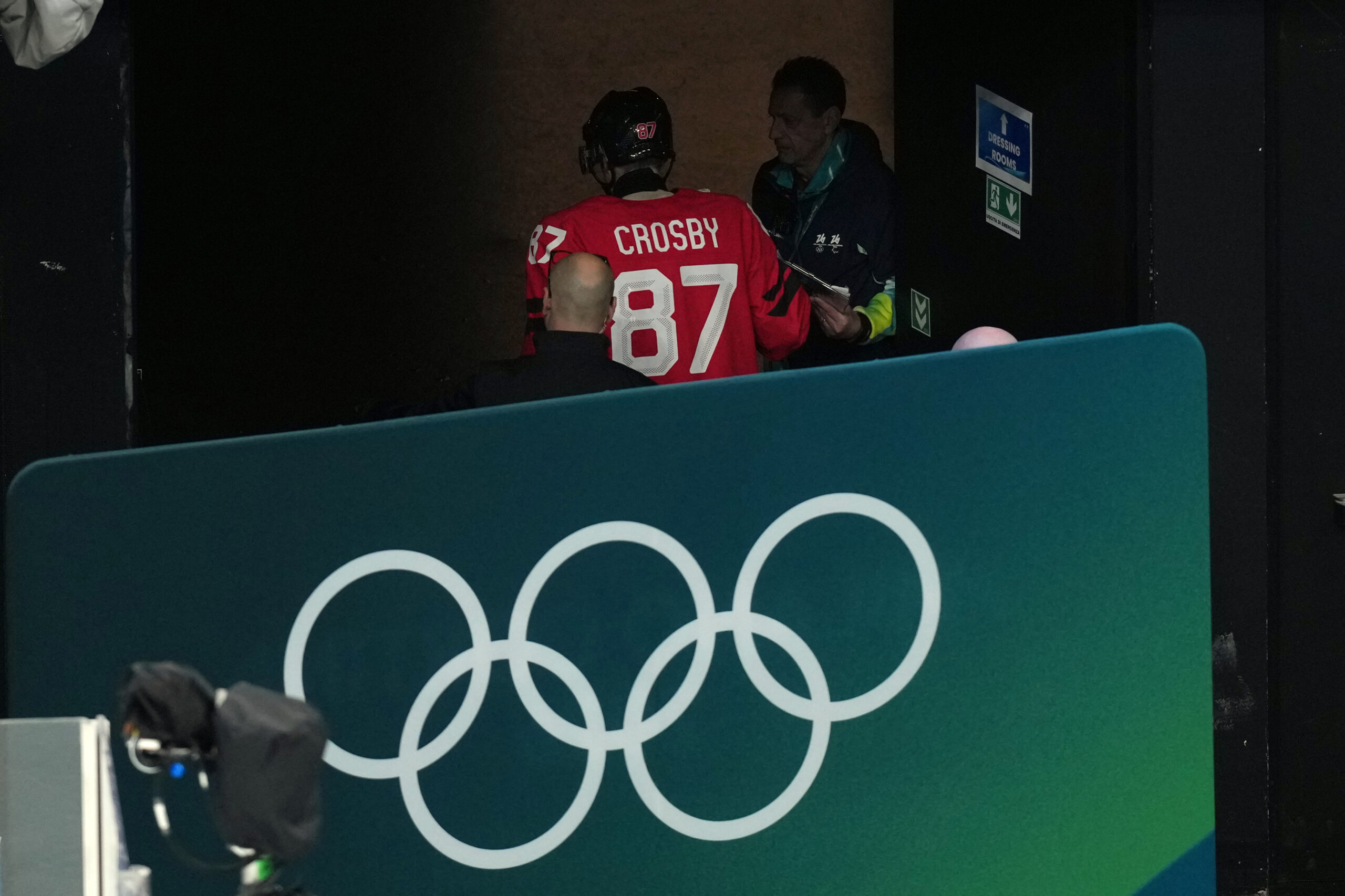
    Both times the U.S. lost to Canada and walked away with silver. This year, our neighbors to the north are favored in Sunday’s game, though Canada might be without captain Sidney Crosby, a game-time decision after being injured during its quarterfinal victory over the Czech Republic.

    Canada’s Sidney Crosby (87) is said to be a game-time decision after being injured during the quarterfinal game between Canada and Czechia at the 2026 Winter Olympics on Wednesday.

    While Crosby might not play, Philly sports fans will see a familiar face on ice for Canada — Flyers defenseman Travis Sanheim, who grew up in tiny Elkhorn, Manitoba (population 500). Flyers coach Rick Tocchet is also serving an assistant coach for Team Canada.

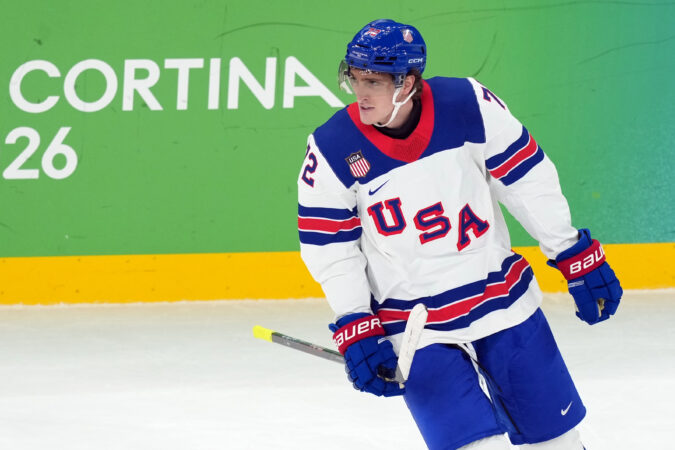
    Auston Matthews and Team USA went a perfect 3-0 during the group stage, defeating Denmark, Latvia, and Germany. But it took an overtime win to sneak past Sweden in the quarterfinals before defeating Slovakia in a lopsided 6-2 win in the semifinals.

    This is the first Winter Olympics featuring NHL players since 2014 in Sochi, Russia. That year, Canada defeated the U.S. in the semifinals, 1-0, and ultimately won gold.

    Later Sunday afternoon, the Olympic flames will be extinguished in Milan and Cortina D’Ampezzo during the closing ceremonies. Ice hockey captain Hilary Knight and figure skater Evan Bates will be Team USA’s flag bearers during the official Closing Ceremony.

    NBC will air the Closing Ceremony live beginning at 2:30 p.m. The network will also air an edited version of the event at 9 p.m., with commentary from Terry Gannon, Tara Lipinski, and Johnny Weir for the fourth straight Winter Olympics.

    The 2030 Winter Olympics will be held in the French Alps before returning to Salt Lake City, Utah, for the 2034 games.

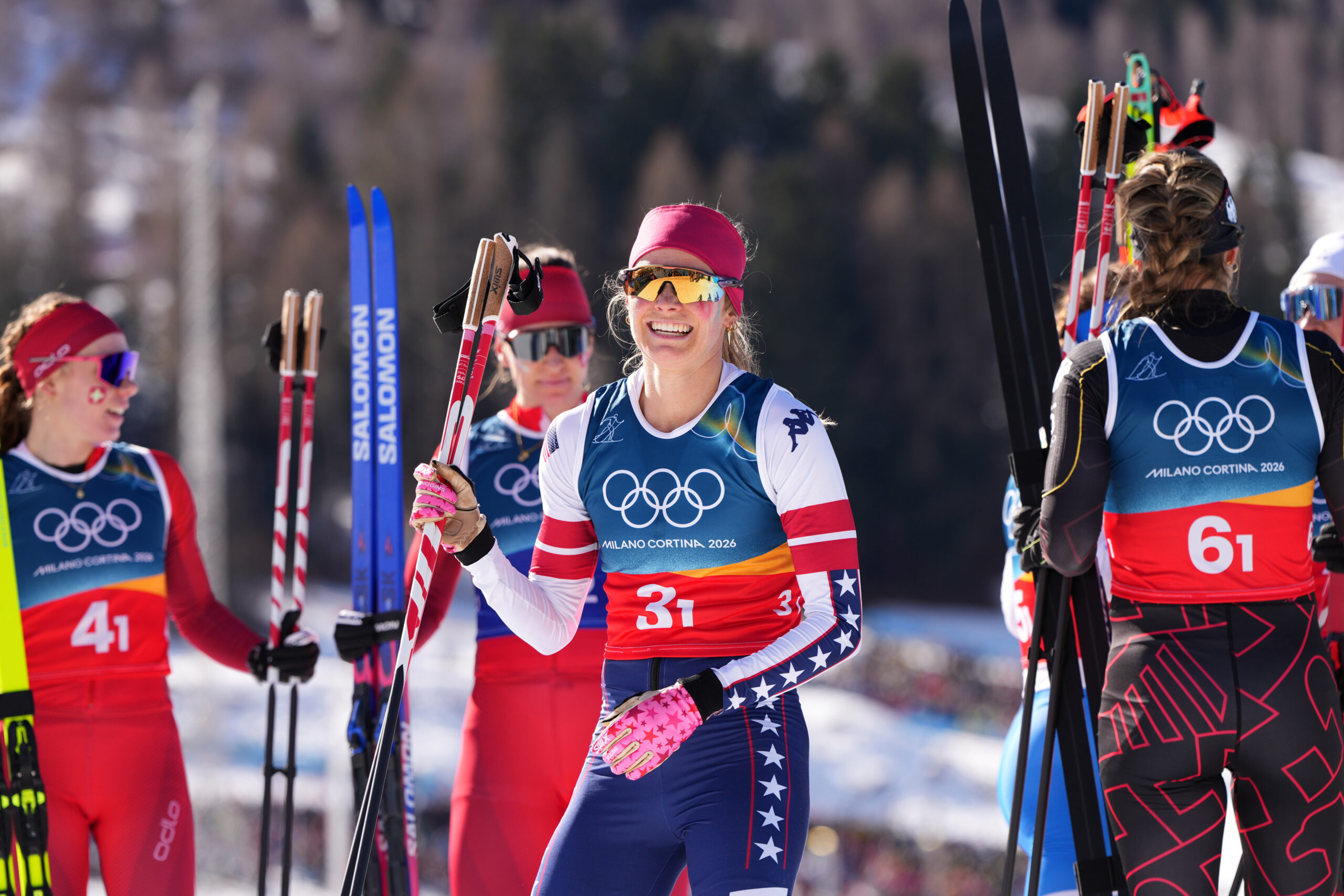
    Jessie Diggins, of the United States, smiles after finishing the women’s cross-country skiing team sprint on Wednesday.

    Sunday’s Olympic TV schedule

    As a general rule, our schedules include all live broadcasts on TV, but not tape-delayed broadcasts on cable channels. We’ll let you know what’s on NBC’s broadcasts, whether they’re live or not.

    NBC

    • 7 a.m.: Women’s curling — Gold medal game, Sweden vs. Switzerland
    • 7:15 a.m.: Bobsled — Four-man, final run (tape-delayed)
    • 8:10 a.m.: Men’s hockey — Gold medal game, U.S. vs. Canada
    • 11 a.m.: Bobsled — Four-man, third and final runs (tape-delayed)
    • 11:45 a.m.: Cross-country skiing — Women’s 50 kilometer (tape-delayed)
    • 2:30 p.m.: Closing ceremony
    • 5 p.m.: Best of Milan Cortina 2026
    • 9 p.m.: Closing ceremony (tape-delayed)

    USA Network

    • 4 a.m. to 6:35 a.m.: Cross-country skiing — Women’s 50 kilometer
    • 6:35 a.m. to 7 a.m.: Bobsled — Four-man, final run
    • 7 a.m. to 7:45 a.m.: Women’s curling — Gold medal game, Sweden vs. Switzerland
  • Daryl Morey said the Sixers ‘sold high’ on Jared McCain. Now, McCain is thriving while the Sixers stumble.

    Daryl Morey said the Sixers ‘sold high’ on Jared McCain. Now, McCain is thriving while the Sixers stumble.

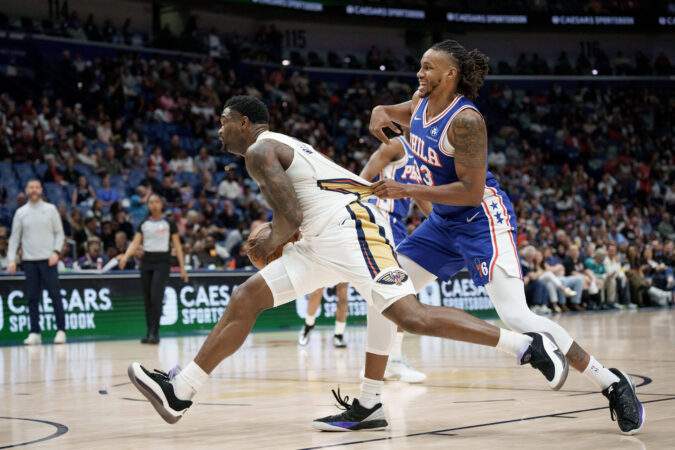
    The Sixers dropped their fourth consecutive game in a 126-111 loss to the Pelicans, who sit in the basement of the Western Conference, torpedoed by a bad third quarter and an atrocious shooting percentage from three.

    The team shot 26% from three-point range, making just 12 of 46 attempts, led by the struggles of Tyrese Maxey, who went 2-for-11.

    In February, Maxey has shot 31% from three-point range, and Kelly Oubre Jr. hasn’t been much better, shooting 33% from behind the arc. Without Joel Embiid and Paul George, the Sixers have even fewer offensive options to rely on.

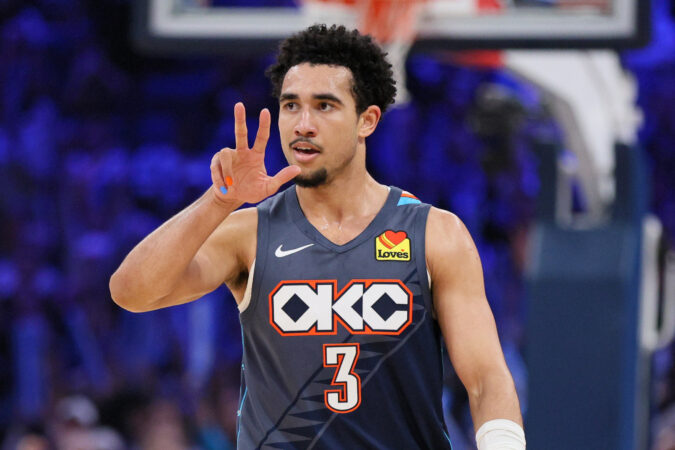
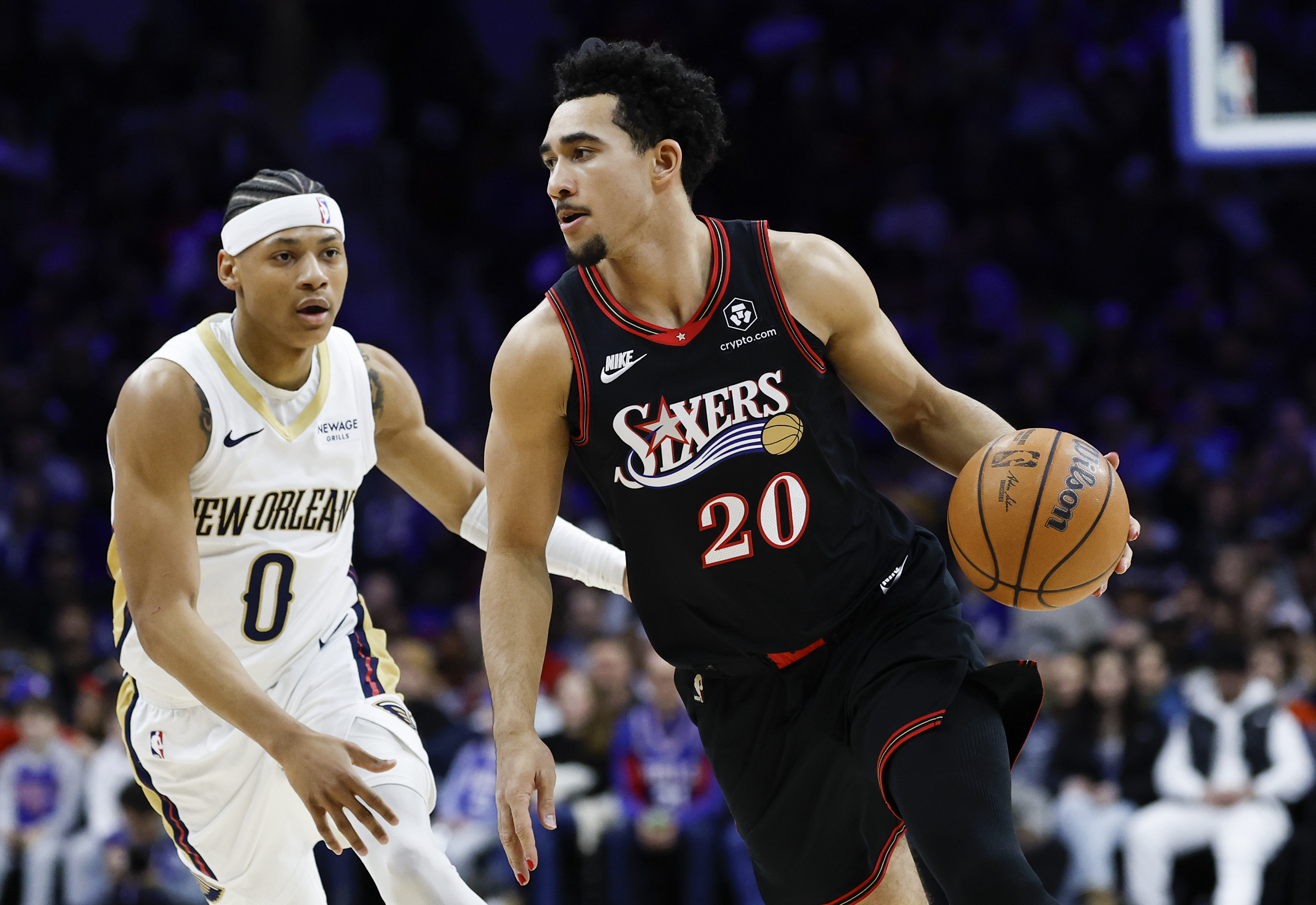
    Former Sixers guard Jared McCain (right) has been on a tear for the Oklahoma City since leaving Philly.

    At the Feb. 5 trade deadline, the Sixers sent Jared McCain to the Oklahoma City Thunder for a 2026 first-round pick and three second-round picks. Daryl Morey asserted after the trade that he felt the Sixers “sold high” on McCain, who didn’t play a lot of minutes early in the season after missing the end of his rookie campaign with a meniscus tear in his knee and suffering a thumb injury in the summer.

    But McCain showed flashes just before the trade deadline that he could be a shooting threat, shooting 57.7% from three in his final six games with the Sixers. And since joining the Thunder, McCain has continued to steadily improve, shooting 45% from three in his first five games in Oklahoma City, including a 21-point performance Friday against the Nets with three made threes.

    “I’m very comfortable with everybody now. They welcomed me,” McCain told reporters after Friday’s game. “I’m just super thankful to be in this organization. It’s truly a blessing to come here and be able to have people who have succeeded at the highest level of basketball and still give me confidence and allow me to be myself. That’s what I feel like I’m at my best. The people around me, when I’m surrounded by good energy, it comes right back to me. So I’m just grateful to be here.”

    Time will tell whether Morey truly sold high on McCain, but right now, the Sixers are still searching for consistency and efficiency on offense without Embiid in the lineup.

  • Sixers drop fourth straight following road loss to lowly New Orleans Pelicans

    Sixers drop fourth straight following road loss to lowly New Orleans Pelicans

    Tyrese Maxey scored 27 points, and Kelly Oubre Jr added 25, but the Sixers would ultimately lose their fourth straight game following a 126-111 loss on Saturday night.

    The Sixers still remain sixth in the Eastern Conference standings.

    Jordan Poole highlighted a 23-point performance with five three-pointers, as the Pelicans outscored Philadelphia 60-35 during the final 21 minutes.

    Zion Williamson added 21 points, Saddiq Bey had 20, and 17-year veteran center DeAndre Jordan grabbed 15 rebounds and blocked four shots.

    The Sixers led from late in the first quarter until the final two minutes of the third, and by as many as 11 points. But the Pelicans chipped away, and Jeremiah Fears’ free throws put New Orleans back in the lead at 91-89 in the third quarter.

    VJ Edgecombe scored 14 for Philadelphia, which shot 31.4% in the second half, missing 21 of 24 three-point attempts.

    Karlo Matkovic followed with a corner three and hit three free throws after being fouled on another deep shot. That gave him nine points — starting with his cutting dunk as he was fouled — during a 40-point period for the Pelicans.

    New Orleans surged to a 97-91 lead by the end of three quarters and opened the fourth quarter on a 23-8 run, capped by Poole’s three which made the score 120-99 with 5:20 left.

    New Orleans remained comfortably in front from there, with Poole’s virtually squelching any chance of a late Sixers comeback.

    The Sixers will look to rebound on a back-to-back to take on Minnesota on Sunday night (7 p.m., NBCSP).

  • Tai Baribo gets some revenge on the Union, handing his old team a 1-0 loss to D.C. United

    Tai Baribo gets some revenge on the Union, handing his old team a 1-0 loss to D.C. United

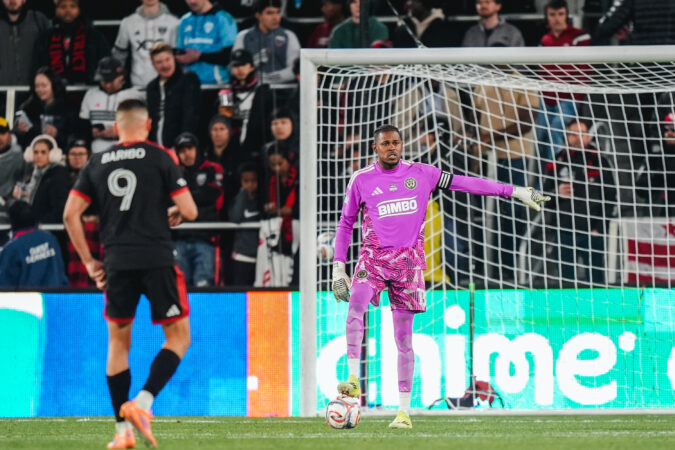
    WASHINGTON — Tai Baribo got a measure of revenge on the Union in his first game with D.C. United, scoring the only goal of a 1-0 game to open the season at Audi Field.

    It felt almost inevitable when Baribo scored against his old team in the 23rd minute, and not just because he screamed in celebration. The $4 million acquisition had put the ball in the net in the ninth minute too, but setup man Keisuke Kurokoawa was far offside in the buildup.

    The guilty party on the Union’s side was a player who wasn’t supposed to start, defender Finn Sundstrom. Left back Frankie Westfield was scratched from the starting lineup just before kickoff — so close, in fact that the Apple broadcast announced him as starting.

    Only when the teams took the field was it clear that Sundstrom was starting instead, with Olivier Mbaizo once again not on the game day roster.

    Gabriel Pirani started the play for the goal by trapping Sundstrom with a great bit of hold-up work. He then sprung João Peglow to lead a 3-on-2 against the Union’s defense. Baribo was wide open to take the feed and send a first-time shot past Andre Blake.

    The rest of the half was mostly as ugly as both teams wanted it to be. D.C. manager René Weiler set his team out in a 4-2-2-2 formation very similar to what the Union play, but with far less experience at it.

    The teams combined for 21 fouls and six shots, with referee Guido Gonzales Jr. giving yellow cards to Olwethu Makhanya in the 41st minute and Jesús Bueno in the 45th.

    On the free kick after Bueno’s infraction, Baribo hit the post with an open look. Halftime came mercifully soon afterward — and was livelier than much of the play, thanks to a concert from hip-hop group, the Sugarhill Gang.

    The closest the Union had come to scoring was a Milan Iloski free kick that went straight to Sean Johnson, the veteran goalkeeper whom D.C. signed in the offseason.

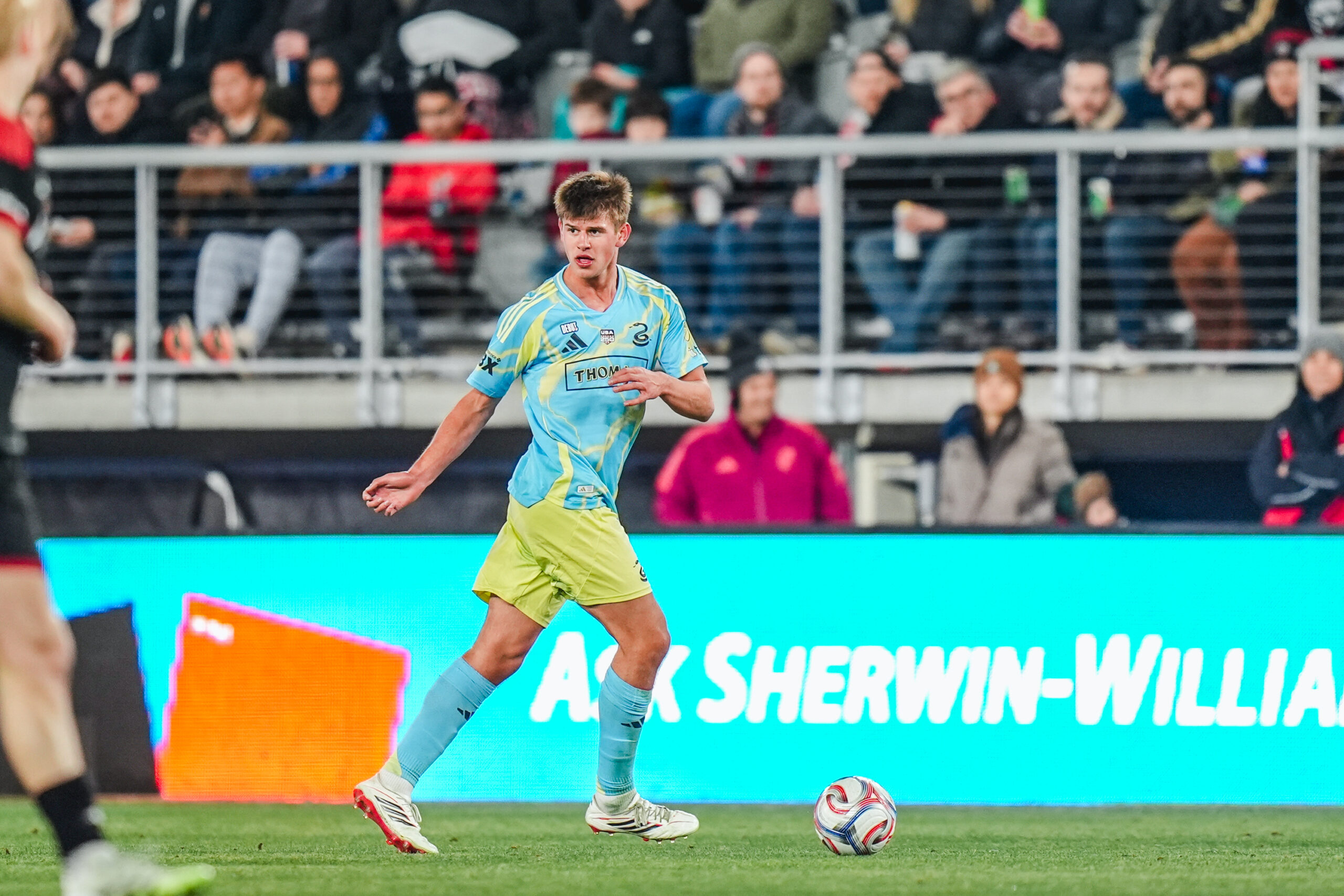
    Finn Sundstrom on the ball during the first half.

    Union manager Bradley Carnell withdrew Sundstrom at halftime for Geiner Martínez, marking the centerback’s Union debut.

    Iloski came even closer in the 54th on a well-worked break up the field, but shot just over the bar.

    Carnell made his first attacking substitution in the 58th: Agustín Anello went in for Jesús Bueno, and Indiana Vassilev moved back from the attacking midfield line to the defensive one.

    But the Union’s momentum went right back out the window just seconds later when Ezekiel Alladoh was given a straight red card after a tussle on the end line with D.C.’s Lucas Bartlett.

    After the game, Gonzales told the pool reporter from Washington’s WTOP radio station that Alladoh “directed an obscene gesture and language” at Bartlett. Gonzales’ written statement further said the ejection was for “offensive, insulting, abusive language/actions.”

    Cavan Sullivan was next to enter for the Union, replacing Iloski in the 70th. Sullivan promptly took a corner in the 72nd that Nathan Harriel headed narrowly wide.

    Baribo came close again in the 78th, hitting a low curler that Andre Blake dove to save. Carnell’s final substitutions came next, Alejandro Bedoya for Vassilev and Stas Korzeniowski for Bruno Damiani in the 79th.

    The Union were actually the better team for most of the rest of the night, but could not find an equalizer through six minutes of stoppage time. The last chance came on a free kick on the game’s final play, with Sullivan serving a cross that Makhanya headed off target.

    Geiner Martínez on the ball during his first MLS game.

    Up next is Thursday’s home leg of the Concacaf Champions Cup series against Defence Force FC at Subaru Park (7 p.m., FS1, TUDN). Alladoh will be eligible to play in that game since it’s a separate competition. And he won’t have much to worry about, since the Union hold a 5-0 aggregate lead from the first game.

  • Villanova’s second-half mistakes ‘snowball’ in humbling loss to No. 5 UConn

    Villanova’s second-half mistakes ‘snowball’ in humbling loss to No. 5 UConn

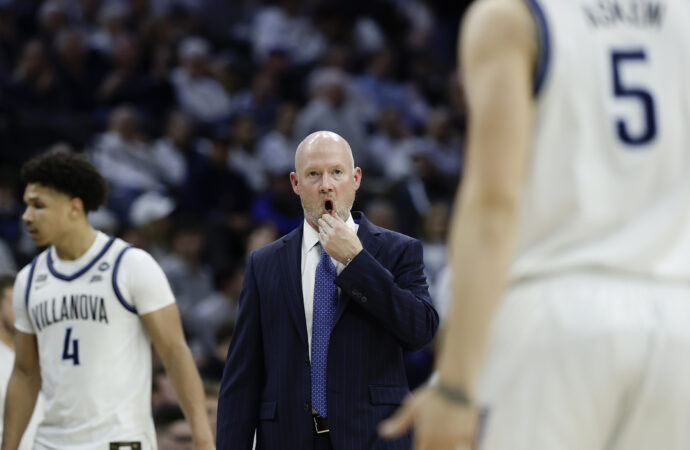
    Kevin Willard has been pretty proficient when it comes to using his timeouts. The first-year Villanova coach has used them quite a few times this season to stop an opposing team’s run.

    He called one 3 minutes, 27 seconds into the second half Saturday, his Wildcats trailing by 10. He called another, less than two minutes later, and another, the last one he had left in the holster, with 10:21 left on the game clock.

    “I ran out of timeouts,” Willard quipped after Villanova’s 73-63 loss to No. 5 Connecticut at Xfinity Mobile Arena.

    Ideas, too.

    The final deficit was 10, but the Huskies led by as many as 21 inside of five minutes to play before Villanova chipped away in garbage time and put the lipstick on the pig.

    It was — given the lead-up, the 20,261 sellout crowd, the six-game winning streak Villanova carried with it — the Wildcats’ worst performance of the season. When they were ran out of the gym on the road at No. 1 Michigan on Dec. 9, you chalked up a 28-point defeat to a young team still finding its way.

    This time felt like more of a reality check.

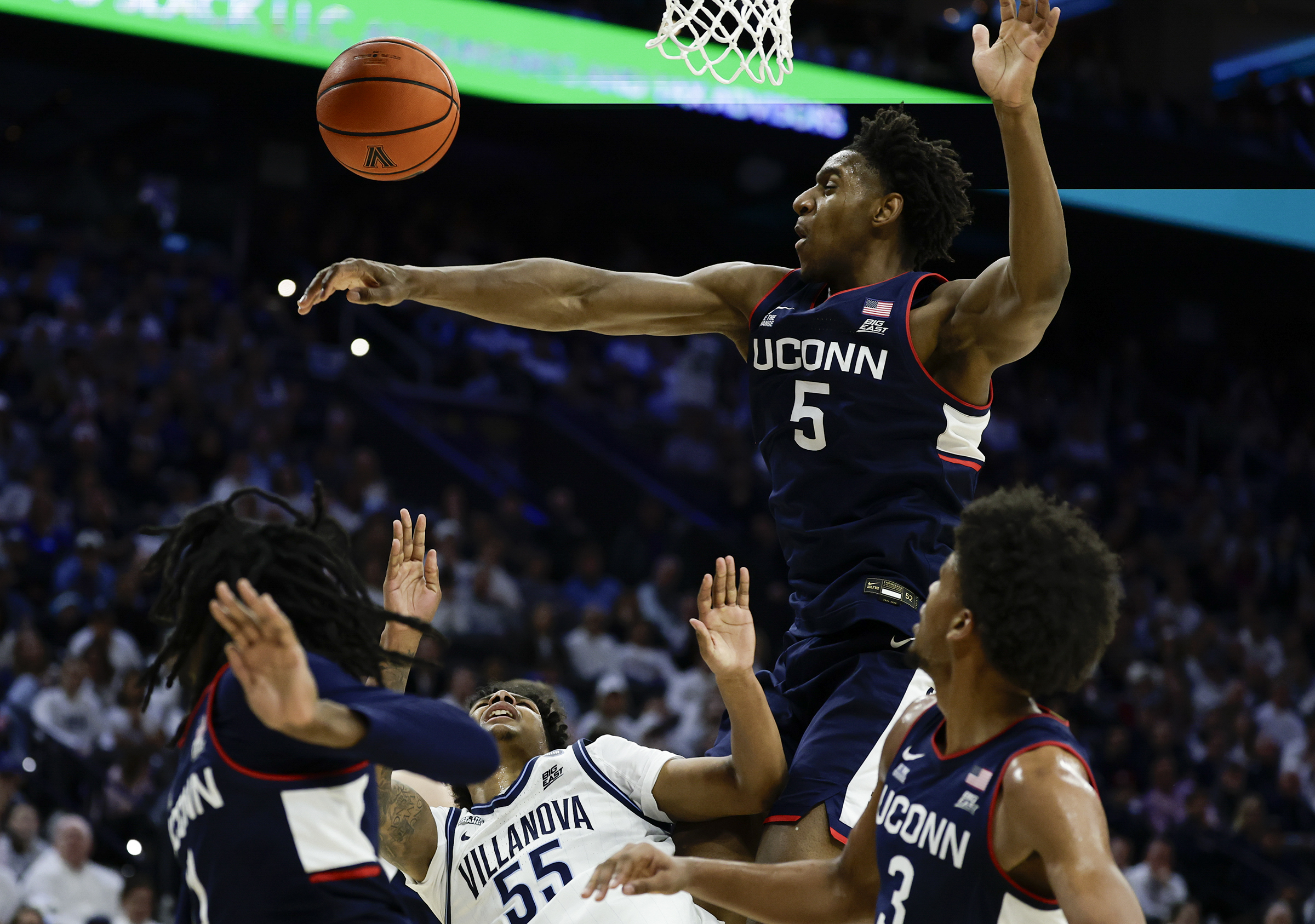
    Villanova guard Acaden Lewis gets his second-half shot blocked by UConn forward Tarris Reed Jr.

    Villanova is 21-6 and 12-4 in the Big East and well on its way to snapping a three-year NCAA Tournament drought. But if you were wondering if the Wildcats were in the same tier as UConn and No. 17 St. John’s, the answer to that query was delivered one beautiful UConn offensive set after another, and one Villanova turnover after another.

    It was 30-27 Villanova with 4 minutes, 29 seconds until halftime. A Matt Hodge putback in transition off of one of eight first-half UConn turnovers caused Dan Hurley to call a timeout and had the rally towels waving. Unlike Willard’s later attempts at stemming the tide, this timeout was a turning point. UConn outscored Villanova, 40-16, over the next 20 minutes.

    “Every once in a while you get your [expletive] kicked,” Willard said.

    “Sometimes it’s just, when guys don’t have it going … or they got into us pretty well, and we missed a couple layups, missed a couple free throws … sometimes it just snowballs.”

    Villanova made just 6 of its 28 shot attempts over those fateful 20 minutes and turned the ball over six times. The Wildcats shot just 40.7% on the night, including 6-for-24 (25%) from three-point range. They opened the second half trailing by just two points and proceeded to commit a few quick turnovers while also missing their first five attempts from the field.

    “We were too soft in the second half to start,” said Hodge, who finished with 13 points. “They came out ready to go, and it’s been a problem a couple games now so we really have to take care of that.”

    Willard referenced the slow start Villanova had to the second half against St. John’s on Jan. 17. Villanova eventually found its way back into that game, but on Saturday never cut the deficit lower than eight after UConn’s initial second-half surge. The Wildcats got beaten to almost every loose ball. UConn’s rebounding advantage was 37-24. The Huskies, who shot 55% from the floor and had six players with eight or more points, had nearly as many offensive rebounds (10) as Villanova did defensive rebounds (13).

    The game was all but over quickly in the second half, and there weren’t enough timeouts for Willard to find a way to get his team out of it.

    “It was very deflating,” Willard said. “Give them credit. They’re an older team, they kind of impose their will on you at times. The game there we did a really good job taking care of the ball.”

    Willard is referencing his team’s 75-67 overtime loss at Connecticut on Jan. 24, a game the Wildcats could have won. Among the many differences this time around was Duke Brennan’s ineffectiveness. Villanova’s center had 16 points and 14 rebounds in the first meeting and was held to seven points and a season-low three rebounds Saturday night. Huskies big man Tarris Reed Jr. defended Villanova’s high post action and his pick-and-roll defense limited Brennan’s touches.

    “We’ve been playing good basketball,” Willard said. “You just got to bounce back. It’s not the end of the world. That’s a good basketball team, and they’re coming off a tough loss against Creighton. I thought their defensive intensity was so much different than it was against Creighton.

    “Sometimes you come off a tough home loss and you go on the road and you can really find a way.”

    Villanova won’t have the same luxury, though maybe hunkering down at home and practicing after a forecast snowstorm for much of the region will yield a bounce-back performance Wednesday night at home against Butler (7 p.m., FS1).

    Tyler Perkins, who scored 10 points in the first 14 minutes of the game and finished with 15, said the Wildcats will draw on their experience from what they learned after losing to Michigan in December. They responded with an 18-point win over Pittsburgh. A similar result Wednesday night would be a confidence booster before next Saturday’s game at Madison Square Garden against a surging St. John’s team.

    “We’ve been through it before,” Hodge said. “We played Michigan and got our [expletive] kicked and bounced back. We just got to stick together.”

  • Penn women’s basketball keeps its Ivy Madness hopes alive with dominant win over Yale

    Penn women’s basketball keeps its Ivy Madness hopes alive with dominant win over Yale

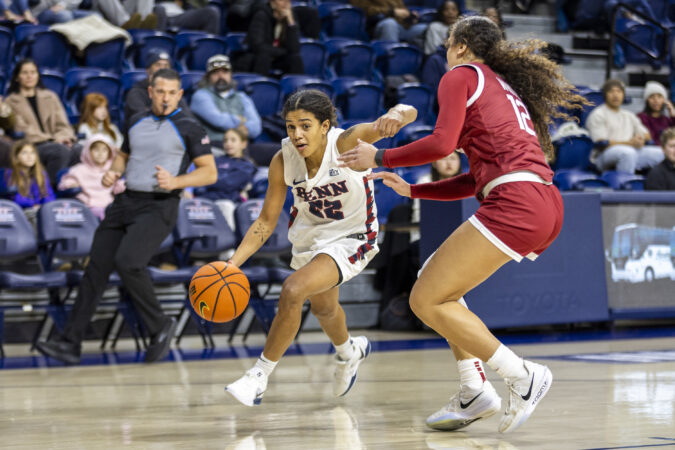
    Penn dominated Yale on Saturday at the Palestra, keeping its slim hope for an Ivy League tournament bid alive.

    Mataya Gayle (22 points, four assists) and Brooke Suttle (16 points) combined for 38 points in the 68-52 win, which put the Quakers three games back of Harvard and Brown for fourth place in the Ancient Eight with four games left in the season.

    Penn women’s basketball competed in the four-team Ivy Madness tournament in six of the possible seven times since its inception in 2017. The Quakers failed to qualify in 2022.

    “They know we need to win,” Penn coach Mike McLaughlin said. “Since they’re smarter than me, they can figure out statistical analysis. I’m just here to tell you one at a time.”

    A mark above

    Gayle was honored pregame at halfcourt for reaching 1,000 career points against Cornell last weekend. The point guard is the 27th player in program history to reach the historic mark, but she’s not resting on her laurels.

    “I was excited about it,” Gayle said. “I think it was more so bittersweet. It’s the last time I’ll do this, so I was happy to get it. I’m proud of myself and the work I put in, but just want to keep winning.”

    Once the ball was tipped, Gayle continued her scoring ways — she tacked on 10 more points before the end of the first quarter. The Quakers (15-9, 5-6 Ivy League) held the lead for all but 21 seconds on Saturday, repeatedly taking advantage of Yale’s Ivy League-worst defense by scoring at the rim.

    Penn took care of the ball, too, and had just seven turnovers.

    “Only turning the ball over seven times gives us a chance to beat anyone,” McLaughlin said.

    Senior guard Simone Sawyer (12 points, eight rebounds) and Suttle combined to go 10-of-17 from the field, stepping up as reigning Ivy League Rookie of the Year Katie Collins (eight points) who shot 2-of-11 from the field and struggled to score against Yale’s size.

    “I felt great,” Suttle, a sophomore guard, said. “Honestly, my teammates were doing a great job of finding me on cuts and off ball screens and actions like that. It’s just really good to be able to go out there knowing that they were confident in me.”

    Sophomore guard Ciniya Moore led Yale (6-18, 2-9) with 19 points.

    Looking for help

    After winning the first iteration of Ivy Madness in 2017, Penn has been a perennial bridesmaid, losing in the championship game the next two seasons and coming in as the fourth seed in each of the last three.

    Now, McLaughlin is looking for help from some unlikely allies down the stretch with the hope that his team, once again, sneaks its way into contention.

    “I’ll buy them something to eat when I see them next,” McLaughlin said in reference to if Princeton beats Brown. “That’s what Philly people do right? They help out. We took care of our business. Whatever happens, happens, but I’m not opposed to buying if they help us out.”

    Not as lucky

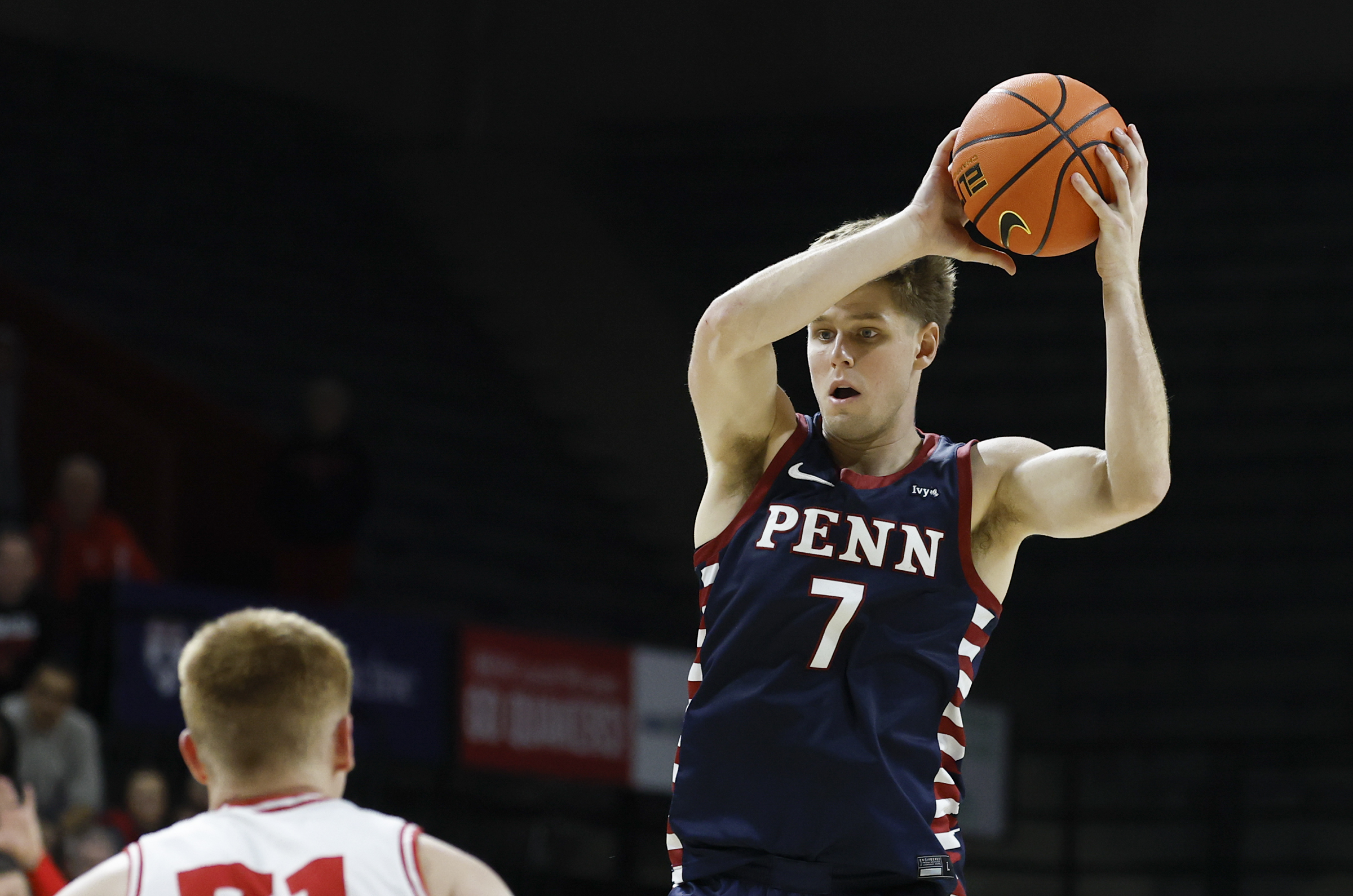
    The men’s team, which traveled to New Haven, Conn., to take on the league-leading Bulldogs, lost, 74-70. The Quakers (13-11, 6-5) remain in third with a one-game lead over fourth-place Cornell.

    Penn’s three-headed offensive attack, led by TJ Power (18 points, eight rebounds), Ethan Roberts (12 points), and Michael Zanoni (20 points), showed out — but the team failed to stop Yale’s paint presence, led by forward Isaac Celiscar (16 points) and center Samson Aletan (13 points).

    The Bulldogs (21-4, 9-2) scored 14 more points in the paint, 36-22, and seven more second-chance points (14-7).

    Penn guard Michael Zanoni had 20 points in a road loss to Yale.

    Up next

    Penn’s women embark on their final regular-season road trip, starting with Harvard on Friday (7 p.m., ESPN+). The men host Dartmouth that night at the Palestra (7 p.m., ESPN+).

  • Justin Crawford is ready to show he can take ‘control’ in the Phillies outfield

    Justin Crawford is ready to show he can take ‘control’ in the Phillies outfield

    DUNEDIN, Fla. — In 2022, the Phillies opened the season with a young center fielder. So, coach Paco Figueroa got Matt Vierling together for a meeting with the veterans on either side of him.

    “I hit Nick [Castellanos] in the chest, and I’m like, ‘You’re the leader of him,’” Figueroa recalled telling Vierling. “I hit [Kyle] Schwarber in the chest. ‘You’re the leader of him.’ I told him, ‘Whatever happens to Nick, it’s your fault, and whatever happens to Schwarber.’

    “You’re teaching him to think like, ‘I’m in control.’”

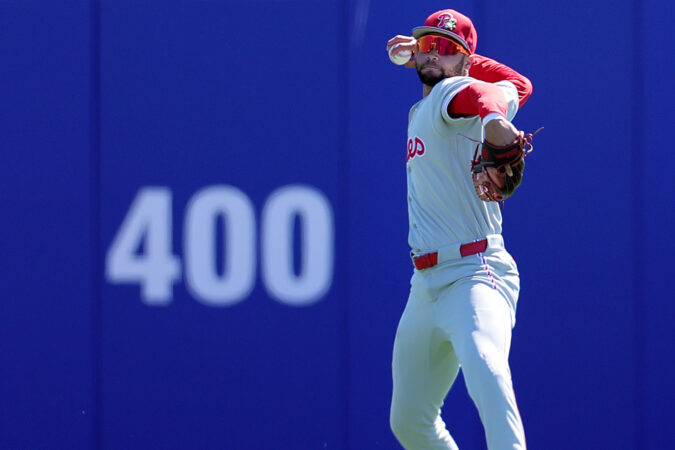
    Four years later, Figueroa, the team’s first base, outfield, and base running coach has had a variation of that talk with Justin Crawford. Because the Phillies are committing to a 22-year-old rookie in center field, and they want to make sure everyone knows who’s in charge.

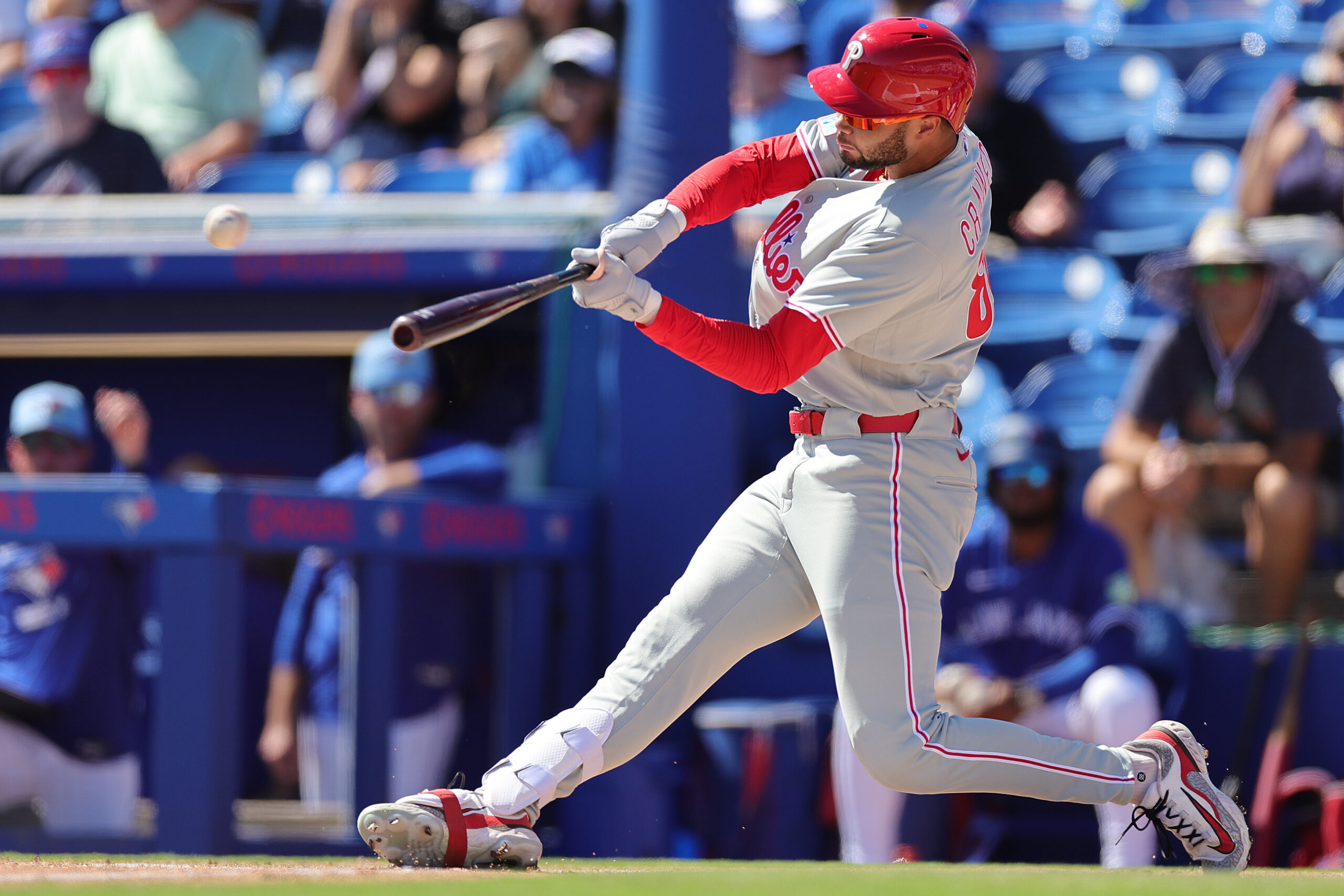
    It was fitting, then, that Crawford led off the Grapefruit League season for the Phillies on Saturday. Six pitches into his first at-bat, he hit an elevated two-strike cutter from a major-league lefty (Toronto’s Eric Lauer) that one-hopped the wall in left-center field for a double.

    As first impressions go, it was pitch perfect.

    “That definitely feels good, getting the first one, first at-bat like that,” Crawford said, beaming after playing five innings of the Phillies’ 3-0 loss to the Blue Jays. “Yeah, it’s kind of nice to be able to get that and then just try to hopefully build off that.”

    Justin Crawford doubles in the first inning against the Blue Jays on Saturday in Dunedin, Fla.

    OK, some perspective: It was an auspicious start, nothing more. Crawford was always going to play a lot this spring, but he figures to see even more at-bats than usual once camp empties out of teammates who are playing in the World Baseball Classic next month.

    There’s time, then, for Crawford to keep refining a swing that produced a .322 average in the minors but also a high rate of ground balls. Near the end of last season, he moved his hands up, closer to his ear, to get his bat to the ball more quickly. He’s sticking with that for now. There will be additional tweaks.

    But spring training will also be a time for Crawford to show he can handle center field. He played exclusively center in the minors until the second half of last season in triple A, when he made 30 starts in left.

    And opinions were split, even among Phillies officials, over which outfield spot is his best right up until they decided to give him the keys to center.

    “He can play,” said Figueroa, who has coached the Phillies’ outfielders since 2018. “Like any young guy, he’s going to get to the big leagues and you’ve got to be patient with him. But one thing that I see is his makeup. He just knows how important the X’s and O’s of the game is, the mental, the physical, the preparation. He’s great with that.”

    It’s in Crawford’s blood. His dad, Carl, was a four-time All-Star outfielder. His godfather, Junior Spivey, played five seasons in the majors. His personal hitting coach, Mike Easler, had a 15-year career and won a World Series with the “We Are Family” Pirates in 1979.

    Crawford focused in the offseason on a more efficient first step in the outfield. His track-star speed enables him to compensate for taking indirect routes to the ball. But he also knows he can be more precise.

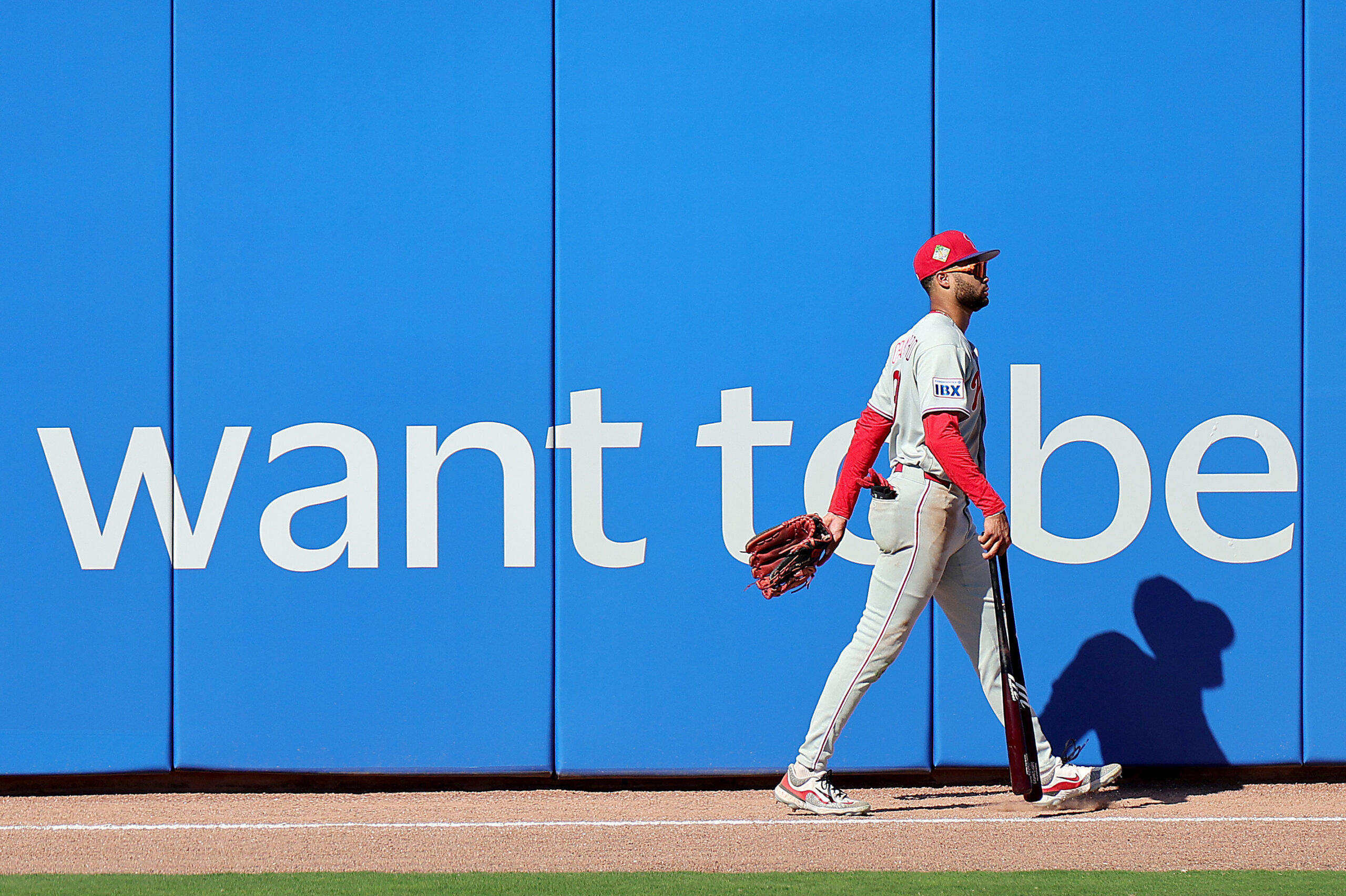
    Phillies outfielder Justin Crawford walks back to the clubhouse following Saturday’s spring training game against Toronto.

    “It kind of started with my set-up and that kind of helped clean up my angles,” Crawford said. “Then I did different types of drills that kind of helped clean up my angles as well. And just in my training, first-step drills, fast-twitch [movements], things like that.”

    Figueroa said the Phillies’ player-development staff didn’t highlight a particular skill that needs refinement. “It’s a little bit of everything,” according to Figueroa, who believes it all begins with the pre-pitch preparation.

    The biggest test in the Grapefruit League opener came in the fourth inning. Crawford got a good jump on Addison Barger’s sinking liner and made a sliding catch.

    “At this level, I think his speed is game-changing,” left fielder Otto Kemp said. “It’s game-changing on the base paths and even in the outfield. I’m excited to see him kind of take control in center field in Philly and just show everybody what he can do.”

    To Figueroa, one of the best moments of camp came a few days ago. The Phillies were doing a drill — known as “pop-up priority” — that emphasizes communication within a hierarchy of defensive positions.

    “We had all the guys out there, and it was like a high fly ball almost to where the shortstop could get it,” Figueroa said. “But he ran in there yelling. And look, he’s at the top of that pyramid. That’s him. So, that was a good sign to me of him taking charge.”

    Surely, Saturday was another good step.

    “The work that I do every day, especially with Paco and everybody we have here, it really helps me have more confidence,“ Crawford said. ”I truly feel like I could play that position and stick there.”

  • Otto Kemp ‘felt pretty comfortable’ in left field in Phillies’ spring opener

    Otto Kemp ‘felt pretty comfortable’ in left field in Phillies’ spring opener

    DUNEDIN, Fla. — Before Otto Kemp started in left field on Saturday, Rob Thomson warned him about his nickname there at Toronto’s TD Ballpark: “Satan’s Corner.”

    The Phillies manager has seen many misplays in that part of the outfield, because of a combination of the wind, the sun, and the typically cloudless sky above Dunedin.

    “I didn’t want to ask right before I started about why he called it that,” Kemp said. “But I felt pretty comfortable out there.”

    Kemp didn’t get a ton of action in the spring opener — a 3-0 Phillies loss to the Blue Jays on Saturday — and caught the only fly ball hit his way in the first inning. But his outfield education this spring will continue to be put to the test, as Kemp gets more innings in left field during Grapefruit League games.

    The 26-year-old learned left field on the fly last season in the majors, after being an infielder throughout the minor leagues. The Phillies believe that Kemp could be a platoon bat in left field for Brandon Marsh and want him to get as many reps as possible.

    Throughout camp, Kemp has been juggling keeping his infield skills sharp with a lot of additional work on his outfield fundamentals, particularly his footwork. He works with infield coach Bobby Dickerson in the morning, and then works with outfield coach Paco Figueroa for most of the day after that.

    “Seeing the ball off the bat and just trying to power shag as much as I can,” Kemp said. “Getting my reads down and getting my first step right. … I feel like I’ve worked a lot already, and it’s been great work so far. So I’m starting to feel really comfortable out there.”

    Justin Crawford walks into the dugout for the spring training game against the Toronto Blue Jays on Saturday.

    On Saturday, Kemp also shared the outfield with Justin Crawford, who started in center and had a 2-for-3 day at the plate.

    “He’s a dynamic player, and he covers a lot of ground, so it’s fun to just be out there,” Kemp said. “And I feel closer to him now being in the outfield, because I’ve been in the infield pretty much the entire time throughout our minor league career. So it’s fun to kind of work a little bit more side-by-side with him, and even learn from him. He’s a great outfielder. He tracks balls down better than I’ve seen a lot of people do.”

    Who stood out: Crawford led off the game with a double to center field off Toronto lefty Eric Lauer, after hitting a laser down the right field line that just stayed foul earlier in the plate appearance. He also singled in the fifth inning and made several solid defensive plays.

    “Definitely feels good getting the first one in the first at-bat like that,” Crawford said. “So it’s kind of nice to be able to get that early and then just trying to hopefully build off of that.”

    Keaton Anthony made a diving stop at first base, and was a part of three double plays turned by the Phillies infield.

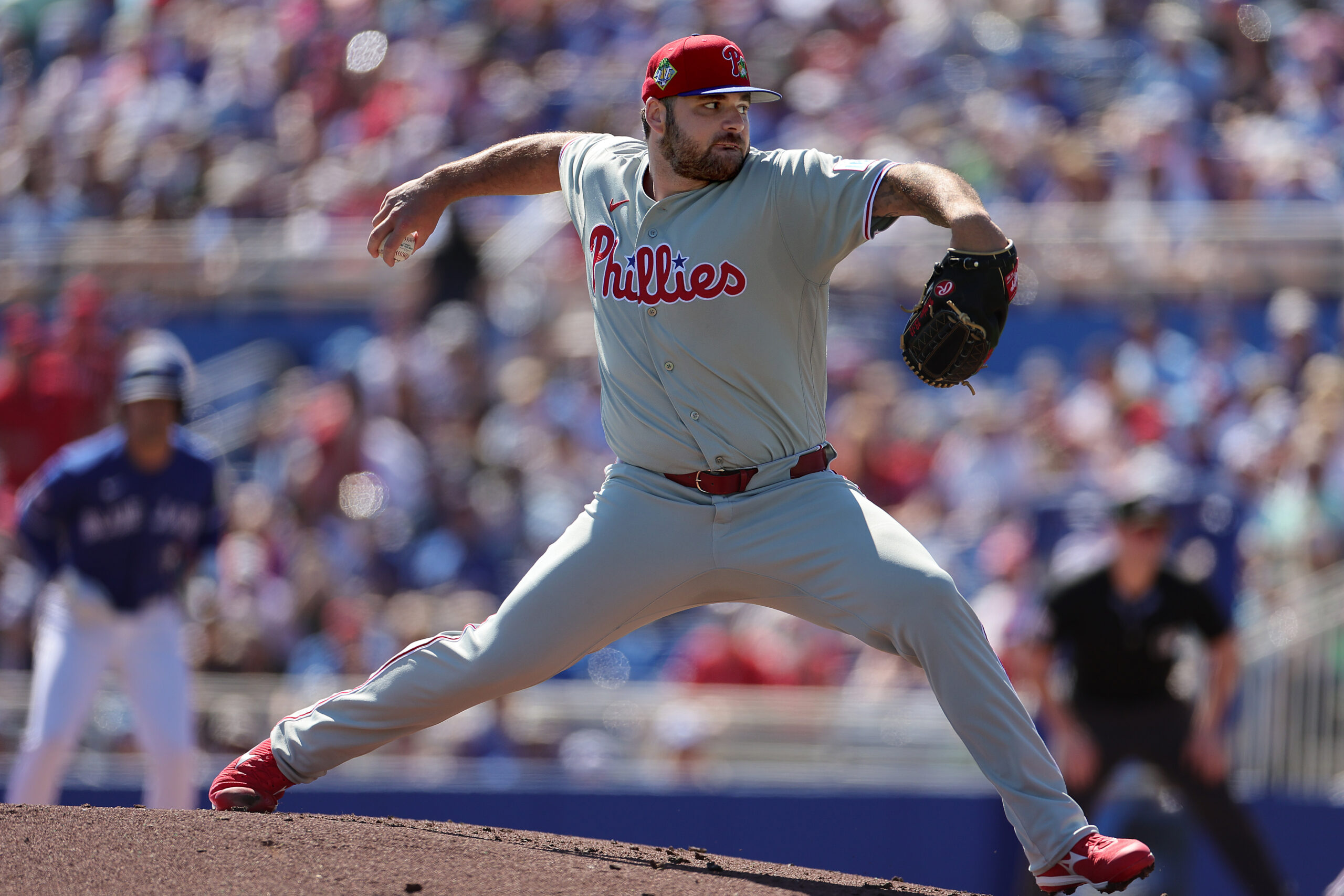
    Bryse Wilson allowed three hits, a walk, and zero runs in two innings of work on Saturday.

    On the mound: Bryse Wilson pitched two innings for the Phillies, allowing three hits, a walk, and zero runs.

    Zach McCambley, a Rule 5 pick this offseason who is in competition for the final two bullpen spots, sidestepped a walk to Ernie Clement for a scoreless inning. He induced a groundout from Andrés Giménez and a lineout from Vladimir Guerrero Jr.

    “He’s got a good arm,” Thomson said of McCambley. “He’s working on cutter today, so it got away from him a little bit. But the slider, he can spin it, the fastball is really good and it plays. I like the kid.”

    Max Lazar tossed a scoreless frame. Seth Johnson and Nolan Hoffman each pitched an inning, and both gave up a home run.

    Quotable: “He acts like a like a professional. He acts like he deserves to be here,” Thomson said of Crawford.

    On deck: The Phillies return to BayCare Ballpark Sunday for their spring home opener against the Pirates (1:05 p.m., NBCSP).

  • St. Joseph’s men win a nailbiter against Loyola-Chicago. Here’s what we saw.

    St. Joseph’s men win a nailbiter against Loyola-Chicago. Here’s what we saw.

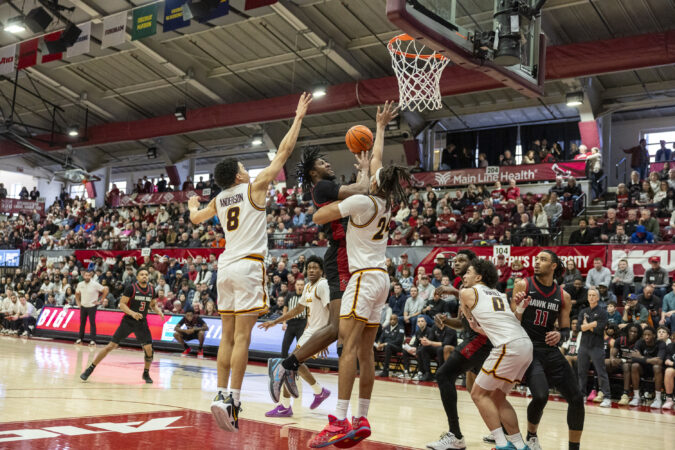
    The St. Joseph’s men’s basketball team has been in this situation multiple times before. The Hawks had double-digit leads in conference play before fumbling them away with poor shooting and losing.

    For a few minutes there against Loyola (Ill.), on Saturday at Hagan Arena, it felt like déjà vu.

    The Hawks saw their 17-point lead dwindle to four with 10 minutes, 53 seconds left in the second half. But they then took it into second gear, and surged to a 75-61 win.

    The win placed St. Joe’s (17-10, 9-5 Atlantic 10) in a tie for third place in the conference, with four games left in the regular season.

    “This is kind of our DNA right now,” said coach Steve Donahue. “We struggle sometimes on the offensive end, not from an execution point, but just the ability to be consistent with our shot making. Then we get better at that … and then we hang our hat on defense.”

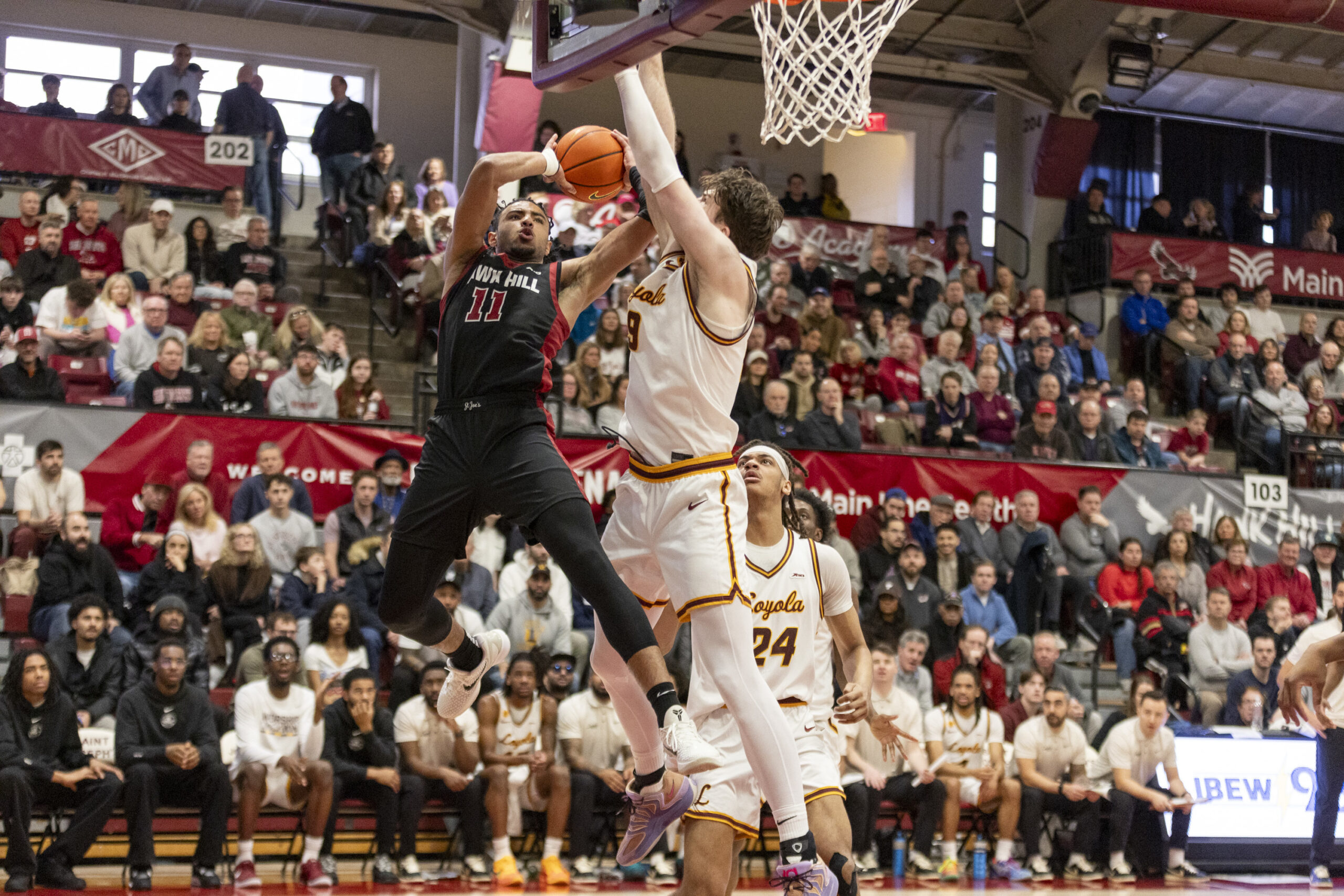
    St. Joe’s Jaiden Glover-Toscano (11) attempts a layup during the first half of Saturday’s game against Loyola-Chicago.

    Statistical leaders

    St. Joe’s dominated the rebounding battle in the second half with 20 boards compared to just 10 from Loyola. The Hawks shot 44.8% from the field and were led by guards Jaiden Glover-Toscano and Dasear Haskins with 23 points apiece, a career-high for Haskins.

    Guard Derek Simpson had 11 points and 10 assists.

    Deywilk Tavarez and Kayde Dotson both finished with 14 points for the Ramblers (6-22, 2-13), who shot just 36.8% from the field.

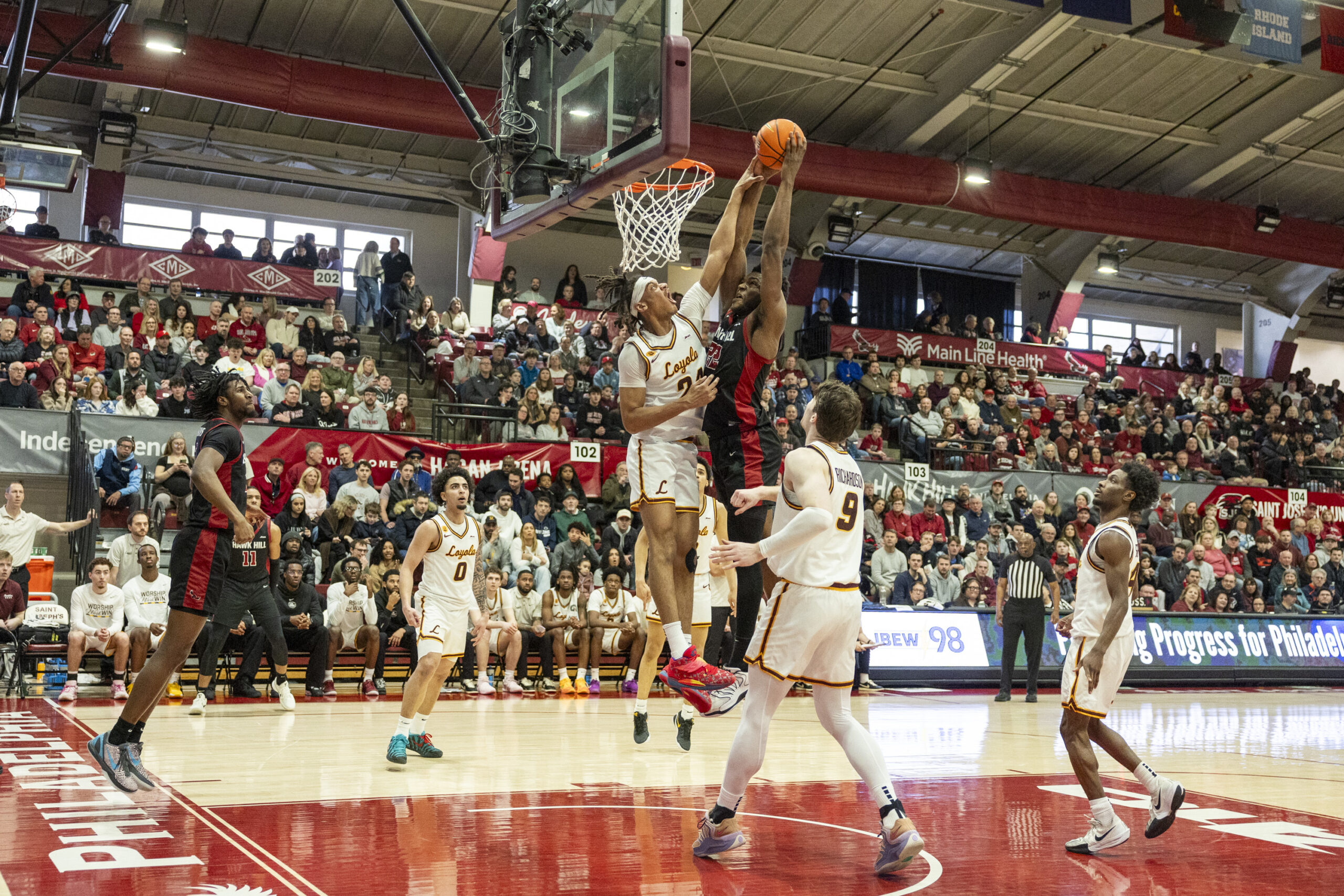
    St. Joe’s Justice Ajogbor (center) goes up for a slam in Saturday’s win over Loyola-Chicago.

    What we saw

    The Hawks bombarded Loyola with their defense. The Ramblers missed their first nine shots before guard Nicolus Anderson finally got the team’s first bucket 7:30 into the game.

    The Hawks alternated between press and man defense to stifle Loyola’s shooting, which found the Ramblers shooting just 27.6% in the first half and going 0-for-10 from three.

    However, the Hawks’ offense took a while to click as well. They made 37.9% of their shots in the half behind Glover-Toscano and Haskins, who led the charge with seven points each in the half.

    But there are inconsistencies, as Donahue was quick to point out.

    “We’re just not 40 minutes [of] consistent offense,” he said. “There’s a lot of inexperience.”

    Game-changing play

    Just more than two minutes had gone by in the second half and the Hawks were charging with a 17-point lead. Then, Loyola started chipping away, finding shots, as its three-point shooting returned and dwindling St. Joseph’s lead to just four.

    Enter Glover-Toscano and Haskins.

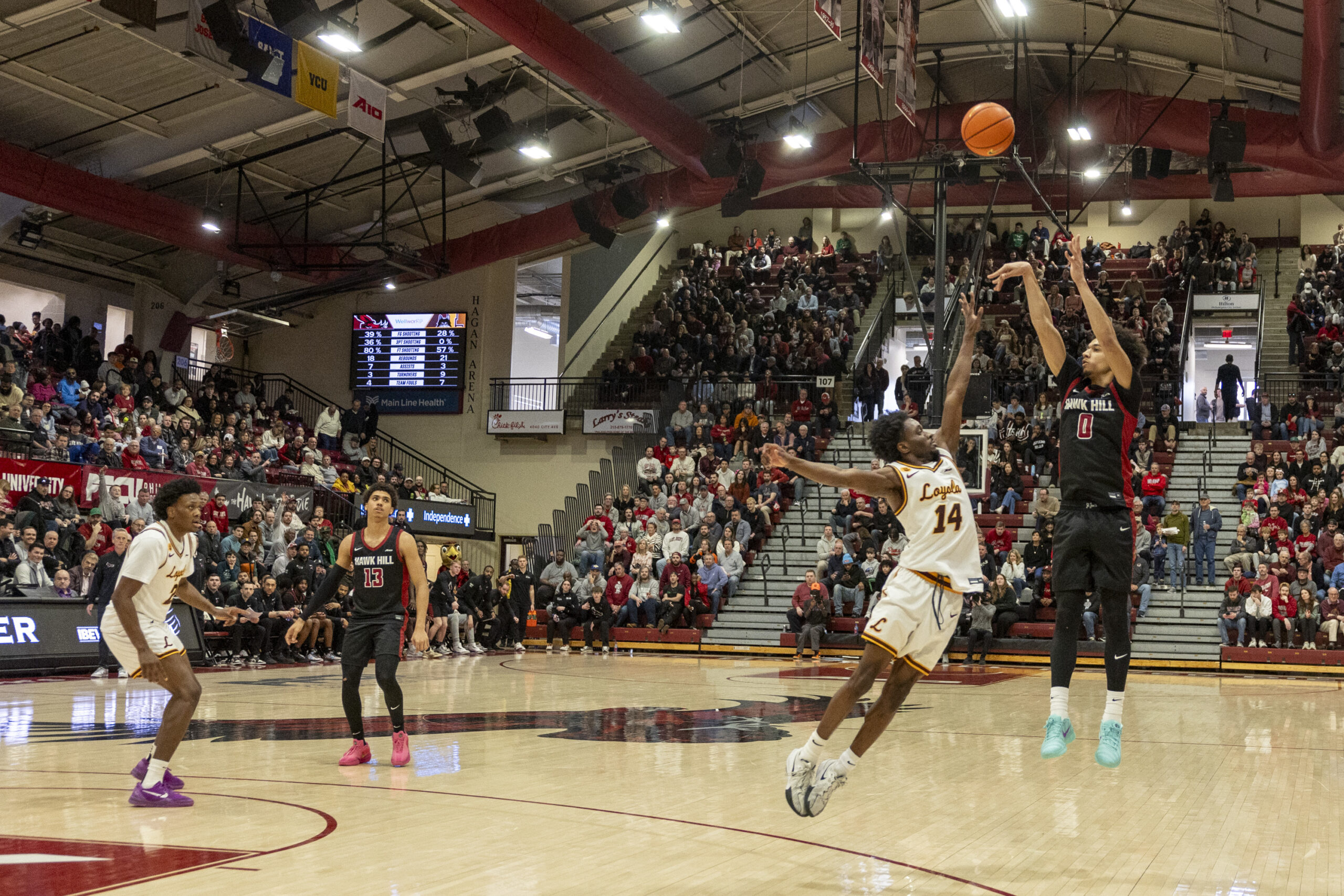
    St. Joe’s Derek Simpson (0) shooting a three-pointer during the first half of Saturday’s game against Loyola.

    Glover-Toscano drilled a three and Simpson found Haskins for an alley-oop to send Hagan Arena into a frenzy. Then both got steals, leading to a dunk and a behind-the-back layup to push the lead up to as much as 14.

    “I was thinking [about] what I was going to do, but I just wanted to get the bucket,” Haskins said.

    Up next

    St. Joe’s will host George Mason (21-6, 9-5) on Wednesday, (7 p.m., ESPN+).