Category: Transportation

  • Some Delco SEPTA riders will have 15 minutes added to their commutes, beginning Monday

    Some Delco SEPTA riders will have 15 minutes added to their commutes, beginning Monday

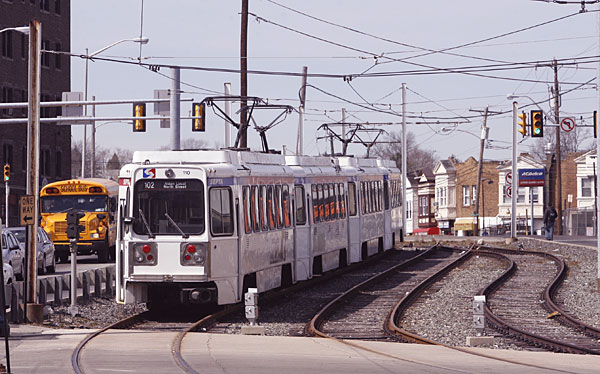
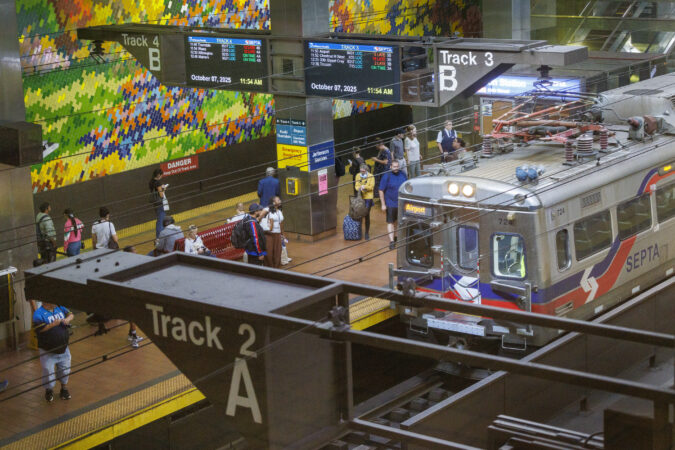
    Rides on the two trolley lines serving Delaware County promise to be safer but longer with a modern signal system scheduled to go live on Monday, SEPTA said.

    The upgraded signals on the D1 and D2 trolley lines will require operators to make more gradual accelerations and decelerations. They will also enforce speed limits and stop signals with automatic braking if needed.

    “It will reduce the possibility of operator error,” SEPTA general manager Scott A. Sauer said. “They won’t be able to speed and risk derailment. They won’t be able to violate stop signals or misaligned switches.”

    But the computer won’t replace the judgment of the people operating a trolley, Sauer said. Operators will get an alert, and the system provides backup if they cannot correct it in time, he said.

    Trips will be up to 15 minutes longer on the D1 route and 10 minutes on the D2 route, depending on where a passenger boards and gets off the trolley.

    The trolleys operate between Media and the 69th Street Transportation Center in Upper Darby, and between Sharon Hill and the transit hub. They were formerly called Routes 101 and 102.

    The transit agency also is releasing new spring schedules for all elevated-subway and bus transit, using the new “Metro” way-finding nomenclature, which uses letters for the various services.

    SEPTA accounted for the increased Delaware County trolley travel times in the new schedules, which begin Monday.

    It took about a decade and $75 million to install the system, called Communications-Based Train Control, on the Delco trolleys, said John Frisoli, SEPTA’s top rail signals engineer. Radios communicate between the control system and the trolleys.

    A similar system has operated in the Center City trolley tunnel since 2005. SEPTA has been adding safety features to its rail-signal systems for about 20 years, including the installation of Positive Train Control on Regional Rail, which controls train speed and applies automatic brakes to prevent crashes caused by human error.

  • NJ Transit riders from Philadelphia should expect service disruptions for the next four weeks

    NJ Transit riders from Philadelphia should expect service disruptions for the next four weeks

    Philadelphia-area commuters must prepare for a monthlong disruption on NJ Transit while an upgrade to a century-old bridge is completed.

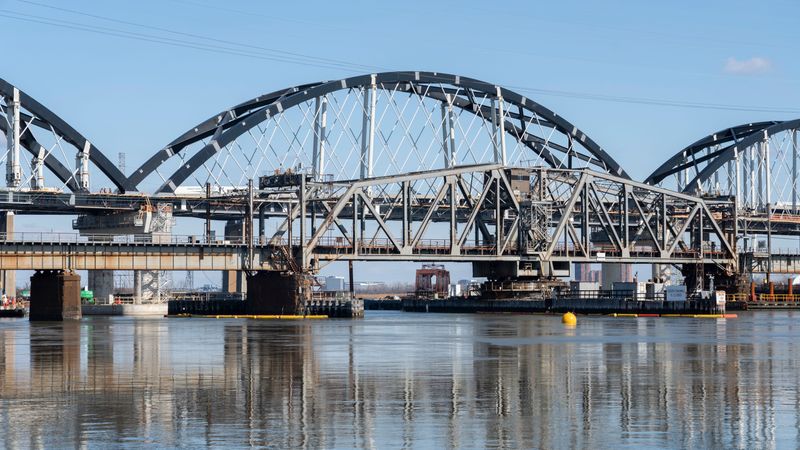
    All NJ Transit lines, except the Atlantic City Rail Line, are operating on modified schedules with fewer trains running, starting Tuesday through March 15, to allow for crews to transfer, or “cut over,” rail service from the 116-year-old Portal Bridge onto the new Portal North Bridge over the Hackensack River.

    Tuesday morning’s “Portal Cutover” schedule led to major disruptions on NJ Transit, the New York Times reported, with crowded trains and buses, many running behind schedule.

    Commuting on NJ Transit

    NJ Transit advises all commuters to work from home if possible and to check the weekday and weekend Portal Cutover schedules at njtransit.com/portalcutover. The agency warns against relying solely on third-party apps, such as Google Maps, because it has received reports of incorrect schedules being shown.

    These modified schedules include some train consolidations or cancellations, and others with changed departure times or stopping patterns.

    Commuters should travel before 7 a.m. or after 9 a.m. on weekday mornings to avoid major disruptions, or before 4 p.m. or after 7 p.m. on weekday evenings, according to NJ Transit.

    Rail service is expected to return to normal on Sunday, March 15, pending a safety inspection.

    “We understand that this work will disrupt the way our customers travel during the cutover period, which is why every element of our service plan was designed to keep people moving as safely and efficiently as possible,” said NJ Transit president and CEO Kris Kolluri. “While the disruption is temporary, the benefits, including a far more reliable and resilient commute along the Northeast Corridor, will last for generations.”

    Why is NJ Transit upgrading the Portal Bridge?

    The 116-year-old steel Portal Bridge has been a source of unreliability for decades as the aging infrastructure requires constant maintenance, an NJ Transit spokesperson said.

    The new Portal North Bridge is also higher and will not have to open for marine traffic, providing more reliable service.

    Amtrak commuters are also encouraged to check times and possible service disruptions, since the bridge is also used by Amtrak.

    “The cutover of the Portal North Bridge represents more than just work to connect railroad infrastructure; it signifies a whole new level of reliability on the Northeast Corridor and New Jersey that has never previously existed,” said Amtrak president Roger Harris.

  • Lincoln Drive and dozens of other Philly roads get $13 million from PennDot

    Philadelphia is getting $13 million to support six traffic-safety projects in Philadelphia, courtesy of speeders caught and fined by automated enforcement cameras.

    The Pennsylvania Department of Transportation announced the grants Wednesday for an array of city projects, including $2 million for traffic-calming measures on Lincoln Drive between Kelly Drive and Wayne Avenue.

    Some of that money will help pay for speed humps at 100 additional public, parochial, and private schools in the city, PennDot said.

    Since taking office in 2023, the Shapiro administration has invested $49.7 million in city traffic-safety projects, all from revenues raised by speed cameras.

    Calming speeders

    Under the automated speed-enforcement program, grants are plowed back into the communities that generated the revenue. Philadelphia is so far the only municipality in the state where speed cameras are authorized.

    Next week, the Philadelphia Parking Authority is activating speed-enforcement cameras in five school zones under an expansion of the program.

    Pennsylvania also has automated speed enforcement in highway work zones, but that revenue goes to the Pennsylvania State Police for extra patrols and more troopers, the turnpike for safety projects and speeding counter-measures, and the general treasury.

    Lincoln Drive improvements

    Fed-up West Mount Airy residents pushed state and local officials for years to reduce speeding, aggressive driving, and near-daily crashes on and near Lincoln Drive, which has hairpin curves and a posted speed limit of 25 mph, and thick commuter traffic zipping through dense neighborhoods.

    It was a high-profile instance of Philadelphians rallying around and demanding projects from the city’s Complete Streets program, a road-design approach that seeks to make roadways safer for all users, including pedestrians and cyclists, as well as drivers of motor vehicles.

    The new grant is meant to continue traffic-safety work on Lincoln Drive that began a couple of years ago.

    That includes speed humps, speed slots, new phosphorescent paint, flexible lane delineators, a smoother merge point where the road narrows, and marked left-turn lanes.

    “It’s made a huge difference,” said Josephine Winter, executive director of the West Mount Airy Neighbors civic group, which organized residents.

    “People that live along Lincoln Drive are feeling positive,” she said — though there is a split between people who are angry at what speed bumps have done to their cars’ undercarriages and those who support what they say are life-saving improvements.

    “The city was wonderful, very responsive,” Winter said. “We’re been fortunate to get something done here.” Next up: working with other Northwest residents to get improvements on side streets, Wissahickon Avenue, and others.

    Other grants

    • $1.5 million for planning work to upgrade traffic signals, better lane and crosswalk markings, and intersection modifications.
    • $5 million for design and construction of safety improvements along commercial and transit corridors. Those include curb extensions, concrete medians, bus boarding bump-outs, and new crosswalks. Locations include: Frankford Avenue (Tyson Avenue to Sheffield Avenue); 52nd Street (Arch Street to Pine Street); Hunting Park Avenue (Old York Road to 15th Street); and Germantown Avenue (Indiana Avenue to Venango Street).
  • Cameras will soon enforce speed limits in five Philly school zones

    Cameras will soon enforce speed limits in five Philly school zones

    Philadelphia drivers are about to get a new incentive to obey the flashing caution lights and 15 mph speed limit near schools.

    On Tuesday, the Philadelphia Parking Authority plans to turn on automated speed-enforcement cameras in five school zones, targeted because they have had a relatively high rate of crashes. All are on major roadways.

    Violators will get warnings until April 20, when the cameras start enforcing the law. Driving 11 miles faster than the school-zone speed limit will carry a $100 fine.

    “The goal is to protect students,” said Rich Lazer, executive director of the PPA. “Speed cameras work. They reduce dangerous behavior.”

    Roosevelt Boulevard has seen a 95% reduction in speeding violations and a 50% reduction in pedestrian-involved crashes since cameras went up in 2020.

    The high-priority school zones were selected based on an analysis of Pennsylvania Department of Transportation crash data by the Philadelphia Office of Transportation and Infrastructure Systems.

    From 2019 through 2023, the five locations recorded 10 crashes in which a person was killed or seriously injured, and 25 pedestrian crashes, as well as several speed-related vehicle-on-vehicle crashes, the PPA said. (Victims included people of all ages; it was not clear how many were students.)

    (function() {
    var l2 = function() {
    new pym.Parent(‘SKLZONECAMS’,
    ‘https://media.inquirer.com/storage/inquirer/projects/innovation/arcgis_iframe/SKLZONECAMS.html’);
    };
    if (typeof(pym) === ‘undefined’) {
    var h = document.getElementsByTagName(‘head’)[0],
    s = document.createElement(‘script’);
    s.type = ‘text/javascript’;
    s.src = ‘https://pym.nprapps.org/pym.v1.min.js’;
    s.onload = l2;
    h.appendChild(s);
    } else {
    l2();
    }
    })();

    “We have tried many traffic-calming methods to stop people from driving dangerously fast in school zones, but many drivers still speed,” said Michael A. Carroll, a deputy managing director for the city who is in charge of OTIS.

    “Speeding is the No. 1 cause of fatal crashes,” he said. The cameras will protect students walking to and from school, as well as crossing guards, “who often put their lives at risk,” Carroll said.

    Automated speed enforcement remains controversial, despite studies that show it is effective, particularly on major urban roadways like the Boulevard.

    The cameras are also popular in dense cities.

    Recently, the Trump administration’s Department of Transportation restricted cities from using federal road safety grants for cameras that enforce speed limits and other traffic laws, unless they are in work or school zones.

    The Pennsylvania legislature, historically skeptical of automated enforcement, in 2024 gave Philadelphia permission to use school-zone cameras through Dec. 31, 2029, on a trial basis.

    There was some hesitation last March when City Council considered an ordinance to authorize the cameras. Three members held up the measure in committee, expressing concerns about a “money grab by the city.” The members also said they did not have enough information about the bill.

    After they met with Councilmember Isaiah Thomas, the chief sponsor, the legislation was enacted.

    “Everybody thinks it’s a money grab, but it’s really not,” Lazer said. “Resources are stretched; police are dealing with a lot of things. … If we can use technology, and it works, why not? Don’t speed, and you won’t get a violation.”

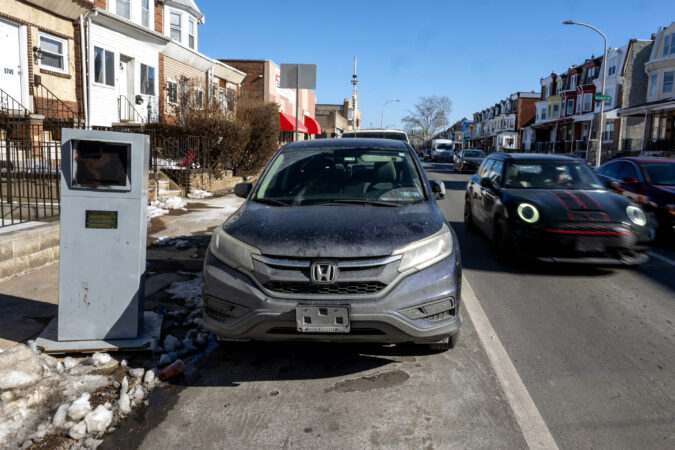
    Unlike the speed cameras on the Boulevard and those along 13 miles of Broad Street since November, the school-zone units deployed by the PPA are squat and at street level.

    Some people say they look like mailboxes or small refrigerators.

    They are meant to be portable, PPA officials said, so that cameras can be moved to other schools with problems, as long as they are operating in only five school zones at any one time.

    That limit is fixed by state law. Cameras can operate only when school zones are active, meaning weekdays when students are arriving in the morning or departing in the afternoon.

  • Downingtown Interchange on Pennsylvania Turnpike reopened after toll-booth canopy collapse

    Downingtown Interchange on Pennsylvania Turnpike reopened after toll-booth canopy collapse

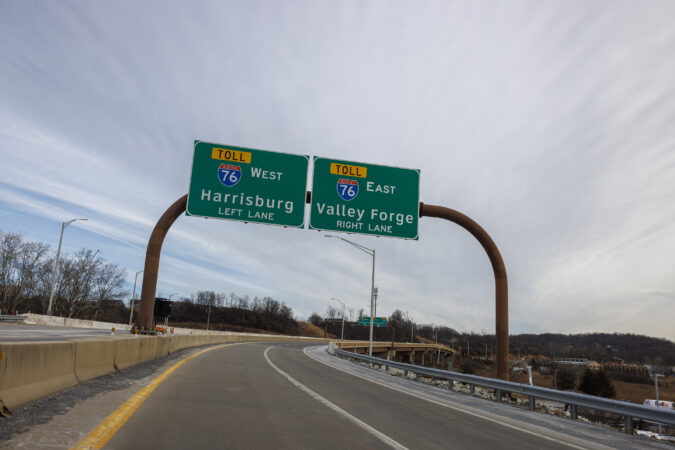
    The Downingtown Interchange reopened Wednesday night after being closed for several hours because a toll-booth canopy collapsed during planned demolition work on the toll plaza, Pennsylvania Turnpike officials said.

    “We were performing preliminary work to remove the canopy, in anticipation of a full closure this weekend. This is part of the demolition work as we reconfigure the toll plaza,” Turnpike spokesperson Marissa Orbanek said in an email.

    “During the preliminary work, canopy columns destabilized, and we immediately shut down the interchange to ensure the safety of employees and motorists. While the interchange was shut down, the canopy fell down on top of the toll booths,” Orbanek said.

    No injuries were reported.

    Certain lanes at the Downingtown Exit were closed late last month as part of the work on the toll plaza.

    The Pennsylvania Turnpike has been switching to an “open road tolling” system that allows tolls to be charged electronically without vehicles having to slow down.

  • Lower Merion and Narberth want to make Montgomery Avenue safer. Here’s how you can weigh in.

    Lower Merion and Narberth want to make Montgomery Avenue safer. Here’s how you can weigh in.

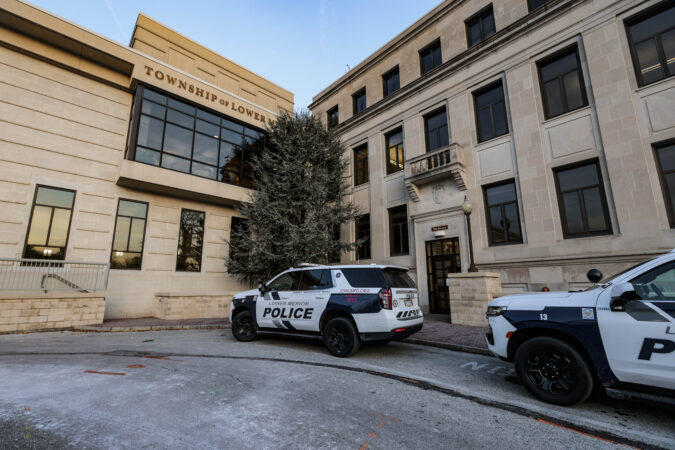
    Lower Merion and Narberth are seeking residents’ input as they embark on an effort to make Montgomery Avenue safer for drivers, cyclists, and pedestrians.

    At a meeting Feb. 3, officials from the township and the borough laid out long-standing safety issues on Montgomery Avenue and took feedback from attendees, many of whom said they no longer feel safe walking and driving along one of the Main Line’s busiest arteries.

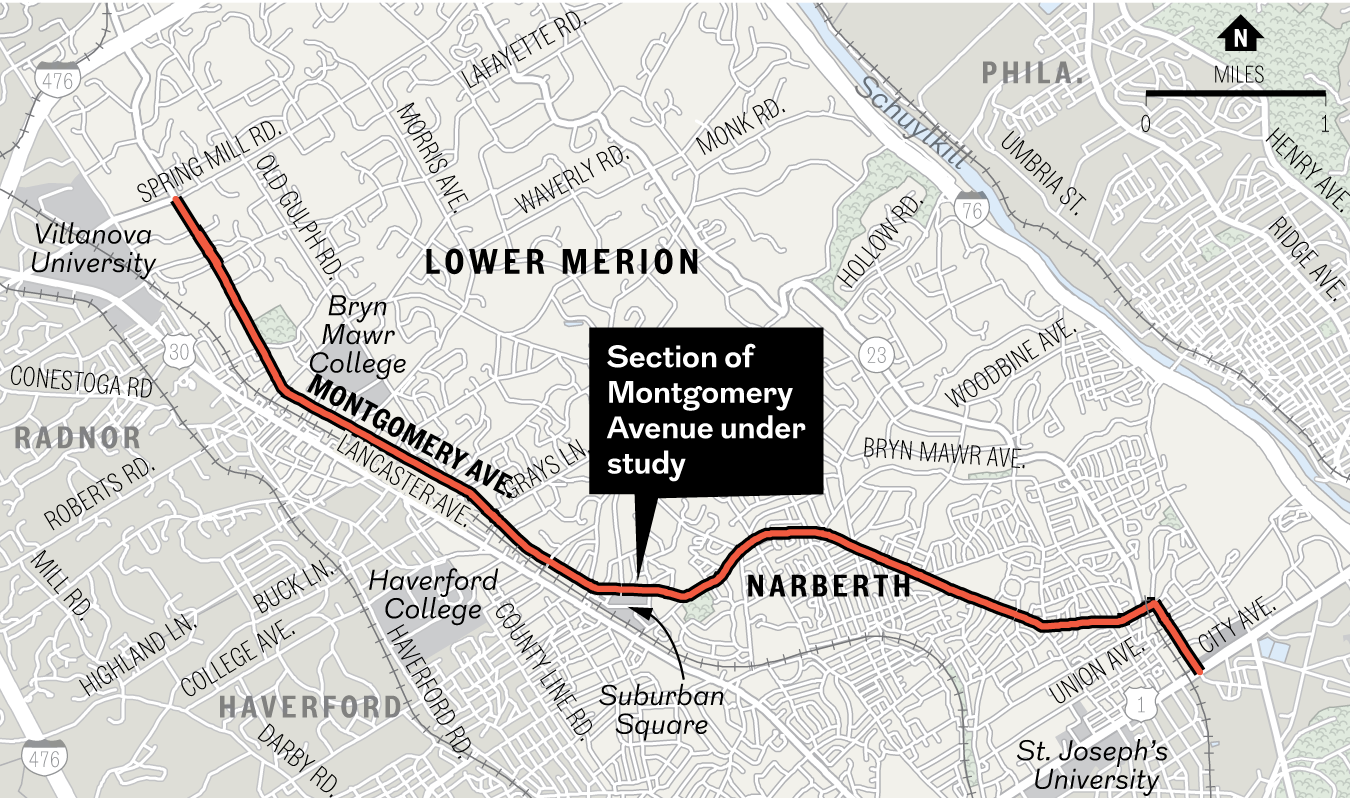
    The U.S. Department of Transportation has awarded Lower Merion and Narberth $340,540 to study a seven-mile stretch of Montgomery Avenue, from Spring Mill Road to City Avenue, through the federal Safe Streets and Roads for All program. The program awards funds to municipalities working to limit roadway deaths and serious injuries. The study will inform safety improvements at 35 intersections on that stretch of Montgomery Avenue.

    Map showing the section of Montgomery
    Avenue in Lower Merion and Narberth undergoing a comprehensive traffic safety study.

    Officials cited a long list of safety issues on Montgomery Avenue, from out-of-date pedestrian push buttons, sidewalk curb ramps, and crosswalk lighting to regular speeding and weaving by drivers. Without proper turn lanes and signals, drivers making left turns on Montgomery Avenue often slow traffic and can endanger pedestrians and other motorists, township representatives added.

    The traffic-calming effort comes at the heels of Lower Merion’s Comprehensive Safety Action Plan, which was published in 2025. The plan calls for eliminating all roadway fatalities and serious injuries in Lower Merion, with a goal of achieving a 50% reduction by 2030. Last summer, township commissioners approved a plan to install automated red-light enforcement cameras at four intersections, beginning with the intersection of Lancaster Avenue and Remington Road.

    Unlike previous traffic studies that focused on individual intersections, this project will take a more comprehensive approach, officials said.

    Between 2020 and 2024, there were 532 reportable crashes on Montgomery Avenue between Spring Mill Road and City Avenue. A reportable crash is defined as a crash resulting in an injury or vehicle damage serious enough to require towing. Around 2.5% of such crashes involved a serious injury. Just over half involved a minor injury, and the rest, around 46%, involved property damage only. In the same time frame, there were 920 minor crashes, or incidents with no injury and no need for towing.

    In total, 3,767 crashes were reported in Lower Merion at-large between 2019 and 2023. In that time frame, Lower Merion Township accounted for 8% of crashes with a fatality or serious injury within Montgomery County.

    Pennsylvania is the only state in the country where local police officers are prohibited from using radar for speed enforcement, said Andy Block, Lower Merion’s police superintendent, making it difficult for his department to enforce speed limits.

    At the meeting, residents told stories of their own crashes and near-misses on Montgomery Avenue.

    Kim Beam, a social worker at Bryn Mawr Hospital, used to walk to work along Montgomery Avenue every day before she was nearly hit by a car a few weeks ago.

    “I had an event which would have made me one of your fatalities,” Beam said, describing her walk to work as poorly lit, contributing to dangerous, and almost deadly, conditions for pedestrians like herself.

    Residents of Lower Merion and Narberth were encouraged to complete a survey that will inform officials as they develop a preliminary set of safety recommendations. A public meeting will be held once the recommendations are developed to gather additional feedback.

    Residents can fill out the survey online via www.lowermerion.org/Home/Components/News/News/5605/50 or print it out and drop it off at Narberth or Lower Merion’s municipal buildings. Completed forms can also be mailed to Brandon Ford, Assistant Township Manager, Lower Merion Township, 75 E. Lancaster Ave., Ardmore, Pa. 19003.

    This suburban content is produced with support from the Leslie Miller and Richard Worley Foundation and The Lenfest Institute for Journalism. Editorial content is created independently of the project donors. Gifts to support The Inquirer’s high-impact journalism can be made at inquirer.com/donate. A list of Lenfest Institute donors can be found at lenfestinstitute.org/supporters.

  • A burst pipe at the Tasker-Morris SEPTA station left a geyser of ice hanging from ceiling and covering floor

    A burst pipe at the Tasker-Morris SEPTA station left a geyser of ice hanging from ceiling and covering floor

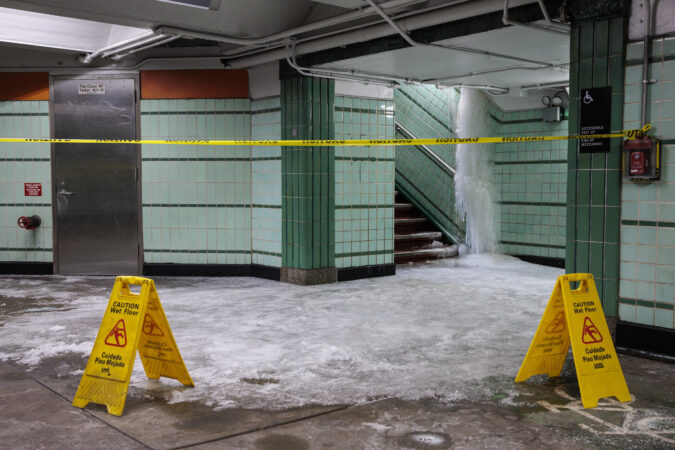
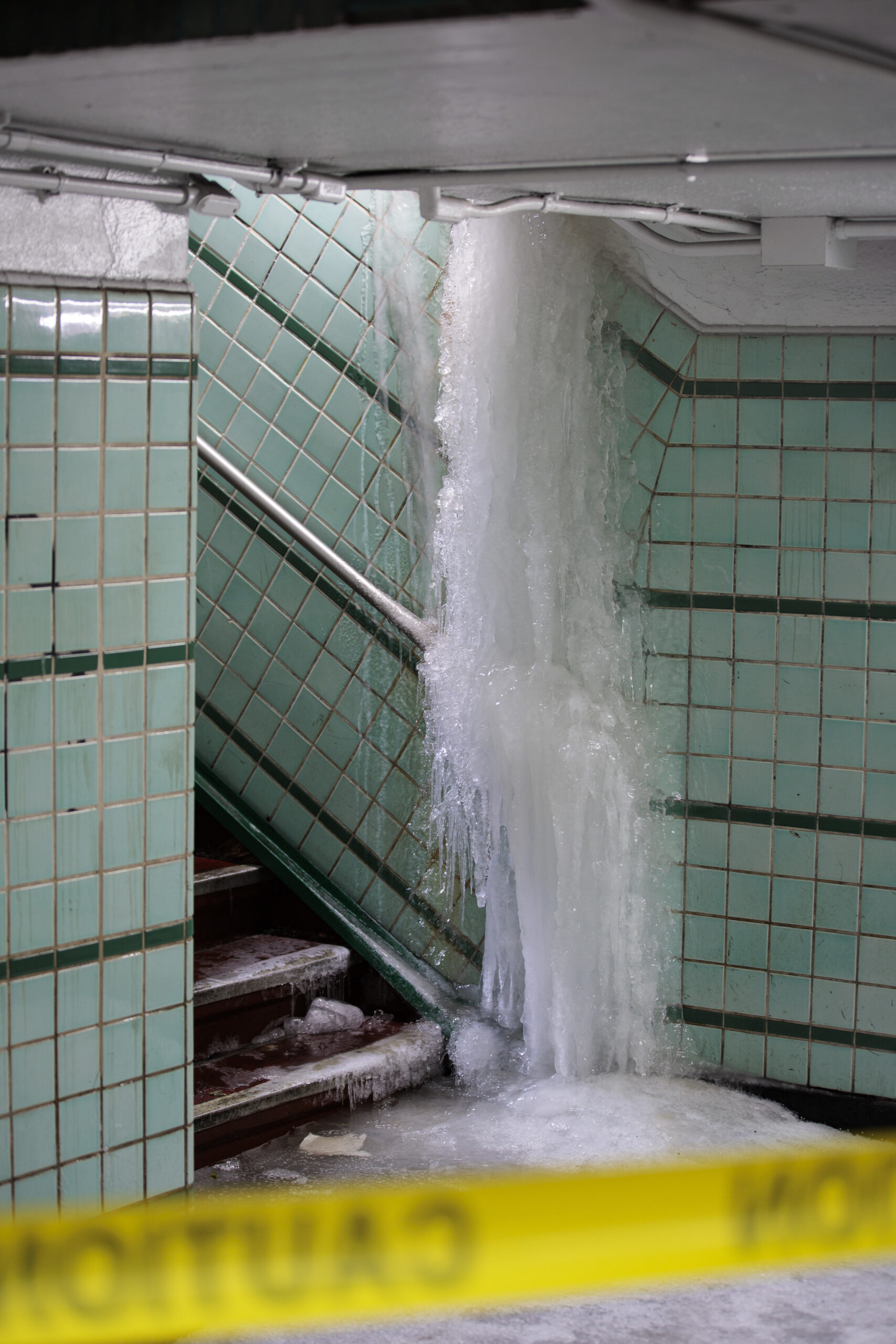
    An enormous block of ice extended from the ceiling and covered the floor at the east-side entrance to the Tasker-Morris Station on SEPTA’s Broad Street Line on Tuesday afternoon after a pipe burst outside the station late Monday.

    The pipe belonged to the Philadelphia Water Department, SEPTA spokesperson Andrew Busch said. It was being repaired and crews were continuing to clean up the damage, Busch said Tuesday afternoon.

    The damage did not affect train service, he said.

    The transit authority has been dealing with a number of burst pipes the last few weeks, only some of which are theirs. Some belong to other property owners, such as the one that burst at the Convention Center and flooded Jefferson Station on Monday night.

    Ice covers the Tasker Street east-side entrance/exit at the Tasker-Morris SEPTA Station on the Broad Street Line on Tuesday, Feb. 10, 2026 in Philadelphia.

    “When we have these deep freezes and then it warms up, and it’s happening all over, that causes problems with the pipes,” Busch said. “In many cases the best we can do is make sure that we have crews ready to respond to it and then work on cleaning up.”

    Over the last two weeks, SEPTA has recorded about 10 incidents of water main breaks or burst pipes leading to flooding in stations or water from SEPTA structures flooding streets, Busch said. In about half those cases, the pipes belonged to SEPTA.

    Many of these issues have occurred along the eastern edge of the Market-Frankford Line from near Spring Garden to the Frankford Transportation Center, Busch said. That is the oldest part of the line and some sections of the pipes are exposed.

    SEPTA is planning a winterization project starting this summer. The project will likely include installing new valves on the water lines, replacing pipe insulation, and upgrading strips in the pipes that heat them. Busch said SEPTA expects that project to be done by around the start of next year. No full cost estimate is available yet, Busch said.

  • Burst water pipe causes partial closure of SEPTA’s Regional Rail station in Center City

    Burst water pipe causes partial closure of SEPTA’s Regional Rail station in Center City

    A burst water pipe caused SEPTA to close a section of Jefferson Station in Center City on Monday night, but Regional Rail trains were still making stops there for commuters, an agency spokesperson said.

    The water started flooding into Section A of the station around 6 p.m., and the water was shut off shortly after 7 p.m., said SEPTA spokesperson Andrew Busch.

    Section A closed Monday night for cleanup but opened in time for the morning rush Tuesday, Busch said.

    All trains were still running with boardings and exits at other platforms, Busch said.

    “We believe the pipe burst was likely due to the change in temperature,” Busch said in an email Monday. “We also had one at the Allegheny subway station today, and a few last week on the days it got above freezing.”

  • Capping the Vine Street Expressway to reunite Chinatown could progress despite the loss of federal money

    Capping the Vine Street Expressway to reunite Chinatown could progress despite the loss of federal money

    The Delaware Valley Regional Planning Commission is working to help keep alive the city’s project to cap the Vine Street Expressway after Washington last year yanked $150 million in promised federal money.

    The project was dependent on a $159 million U.S. Department of Transportation grant covering the entire cost.

    But only $8.4 million was committed before the Republican policy-and-budget legislation called the Big Beautiful Bill, enacted in July 2025, killed most of the Neighborhood Access and Equity grant program, and the rest of the promised money disappeared.

    Now, DVRPC, at the city’s request, is managing the process of gathering $12.5 million to replace some of the lost money, enough to complete the final design.

    “We are taking this administrative action to keep the project moving,” DVRPC spokesperson Elise Turner said.

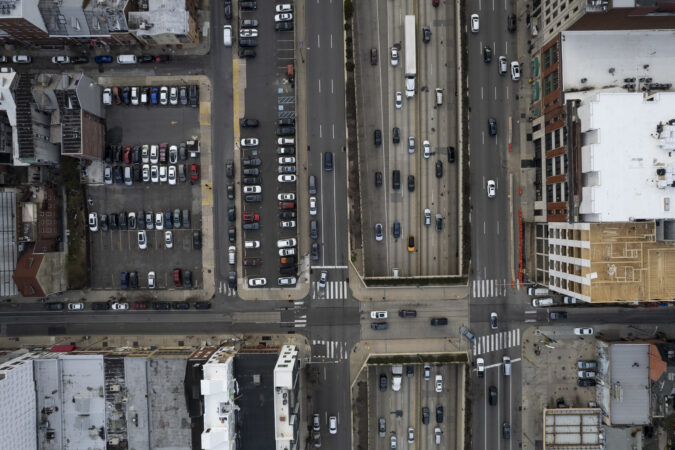
    The Chinatown project involves building a cap over I-676 from just east of 10th to 13th Streets, allowing for a park as well as more developable land. It would tie together Chinatown and the neighborhood to the north, which were united until the interstate split them.

    Finishing the design will advance the project as officials look for construction funding. It’s possible building the cap will be delayed.

    For the design work, $10 million would be obtained from another federal program for improvements on the national highway network. That money is available in the region’s reserve controlled by PennDot, DVRPC staff said.

    The city would contribute $2.5 million.

    The city’s Office of Transportation and Infrastructure Systems is working to secure the money and is “confident” that will happen, a spokesperson said, while declining to disclose details.

    As for construction, “funding will have to be figured out later,” said DVRPC’s Turner.

    The agency determines priorities for regional transportation projects.

    To receive federal funds, an infrastructure project needs the formal blessing of the DVRPC, the designated metropolitan planning organization for the Philadelphia region.

    Meanwhile, preliminary engineering work is continuing, financed by the $8.4 million. The project is expected to receive environmental approvals in the spring, DVRPC said.

    President Donald Trump and the GOP congressional majorities have been targeting Biden-era initiatives for elimination, including various transportation-equity programs — to fund projects like the Stitch — that began under the national infrastructure act of 2022.

    In late 2023, construction of the cap was projected to begin in 2027, although at other points a groundbreaking was anticipated in 2028.

    The timeline is currently unclear.

    This story has been updated to clarify DVRPC’s role in the project.

  • Families of plane crash victims ask U.S. appeals court to revive a criminal case against Boeing

    Families of plane crash victims ask U.S. appeals court to revive a criminal case against Boeing

    Thirty-one families that lost relatives in two fatal crashes of Boeing 737 Max jetliners asked a federal appeals court on Thursday to revive a criminal case against the aircraft manufacturer.

    Paul Cassell, a lawyer for the families, urged a three-judge panel of the 5th U.S. Circuit Court of Appeals to overturn a lower court’s dismissal of a criminal conspiracy charge Boeing faced for allegedly misleading Federal Aviation Administration regulators about a flight-control system tied to the crashes, which killed 346 people.

    The dismissal came at the request of the U.S. government after it reached a deal with Boeing that allowed the company to avoid prosecution in exchange for paying or investing an additional $1.1 billion in fines, compensation for victims’ families, and internal safety and quality measures.

    Cassell said Thursday that federal prosecutors violated the families’ rights by failing to properly consult them before striking the deal and shutting them out of the process.

    Federal prosecutors countered that, for years, the government, “has solicited and weighed the views of the crash victims’ families as it’s decided whether and how to prosecute the Boeing Company.”

    More than a dozen family members attended Thursday’s hearing in New Orleans, and Cassell said many more “around the globe” listened to a livestream of the arguments.

    “I feel that there wouldn’t be meaningful accountability without a trial,” Paul Njoroge said in a statement after the hearing. Njoroge, who lives in Canada, lost his entire family in the second of the two crashes — his wife, Carolyne, their children, ages 6, 4, and 9 months, and his mother-in-law.

    All passengers and crew died when the 737 Max jets crashed less than five months apart in 2018 and 2019 — a Lion Air flight that plunged into the sea off the coast of Indonesia and an Ethiopian Airlines flight that crashed into a field shortly after takeoff.

    U.S. District Judge Reed O’Connor in Texas, who oversaw the case for years, issued a written decision in November that described the families’ arguments as compelling. But O’Connor said case law prevented him from blocking the dismissal motion simply because he disagreed with the government’s view that the deal with Boeing served the public interest.

    The judge also concluded that federal prosecutors hadn’t acted in bad faith, had explained their decision and had met their obligations under the Crime Victims’ Rights Act.

    In the case of its deal with Boeing, the Justice Department had argued that given the possibility a jury might acquit the company, taking the case to trial carried a risk that Boeing would be spared any further punishment.

    Boeing attorney Paul Clement said Thursday that more than 60 families of crash victims “affirmatively supported” the deal and dozens more did not oppose it.

    “Boeing deeply regrets” the tragic crashes, Clement said, and “has taken extraordinary steps to improve its internal processes and has paid substantial compensation” to the victims’ families.

    The appeals court panel that heard the arguments said it would issue a decision at a later date.

    The criminal case took many twists and turns after the Justice Department first charged Boeing in 2021 with defrauding the government but agreed not to prosecute if the company paid a settlement and took steps to comply with anti-fraud laws.

    However, federal prosecutors determined in 2024 that Boeing had violated the agreement, and the company agreed to plead guilty to the charge. O’Connor later rejected that plea deal, however, and directed the two sides to resume negotiations. The Justice Department returned last year with the new deal and its request to withdraw the criminal charge.

    The case centered on a software system that Boeing developed for the 737 Max, which airlines began flying in 2017. The plane was Boeing’s answer to a new, more fuel-efficient model from European rival Airbus, and Boeing billed it as an updated 737 that wouldn’t require much additional pilot training.

    But the Max did include significant changes, some of which Boeing downplayed — most notably, the addition of an automated flight-control system designed to help account for the plane’s larger engines. Boeing didn’t mention the system in airplane manuals, and most pilots didn’t know about it.

    In both of the deadly crashes, that software pitched the nose of the plane down repeatedly based on faulty readings from a single sensor, and pilots flying for Lion Air and Ethiopian Airlines were unable to regain control. After the Ethiopia crash, the planes were grounded worldwide for 20 months.

    Investigators found that Boeing did not inform key Federal Aviation Administration personnel about changes it had made to the software before regulators set pilot training requirements for the Max and certified the airliner for flight.