Category: Wires

  • Iran arrests Nobel Peace Prize laureate Narges Mohammadi, supporters say

    Iran arrests Nobel Peace Prize laureate Narges Mohammadi, supporters say

    DUBAI, United Arab Emirates — Iran has arrested Nobel Peace Prize laureate Narges Mohammadi, her supporters said Friday.

    A foundation in her name said she was detained in Mashhad, about 420 miles northeast of the capital, Tehran, while attending a memorial for a human rights lawyer recently found dead under unclear circumstances.

    A local official reportedly acknowledged arrests had been made, but did not directly name Mohammadi, 53. It wasn’t clear if authorities would immediately return her to prison, where she had been serving a sentence until her temporary release in December 2024 for medical purposes.

    However, her detention comes as Iran has been cracking down on intellectuals and others as Tehran struggles with sanctions, an ailing economy and the fear of a renewed war with Israel. Arresting Mohammadi may spark increased pressure from the West at a time when Iran repeatedly signals it wants new negotiations with the United States over its nuclear program — something that has yet to happen.

    Activist detained at ceremony for dead lawyer

    Her supporters on Friday described her as having been “violently detained earlier today by security and police forces.” They said other activists had been arrested as well at a ceremony honoring Khosrow Alikordi, a 46-year-old Iranian lawyer and human rights advocate who had been based in Mashhad.

    “The Narges Foundation calls for the immediate and unconditional release of all detained individuals who were attending a memorial ceremony to pay their respects and demonstrate solidarity,” a statement read. “Their arrest constitutes a serious violation of fundamental freedoms.”

    Alikordi was found dead earlier this month in his office, with officials in Razavi Khorasan describing his death as a heart attack. However, a tightening security crackdown coincided with his death, raising questions. Over 80 lawyers signed a statement demanding more information.

    “Alikordi was a prominent figure among Iran’s community of human rights defenders,” the New York-based Center for Human Rights in Iran said Thursday. “Over the past several years, he had been repeatedly arrested, harassed and threatened by security and judicial forces.”

    Footage purportedly of the ceremony showed Mohammadi on a microphone, calling out to the crowd gathered without wearing a hijab, or headscarf. She started the crowd chanting the name Majidreza Rahnavard, a man whom authorities hanged from a crane in a public execution in 2022.

    Footage published by her foundation also showed her without a hijab, surrounded by a large crowd.

    Hasan Hosseini, the city governor of Mashhad, said prosecutors ordered security officials to temporarily detain a number of participants at the ceremony after the chanting of “norm-breaking” slogans, Iranian state television reported.

    Hosseini described the detentions as preventive to protect those there from others in the crowd, but did not address claims that security forces used violence in making the arrests.

    Other anti-government chants could be heard in purported video footage of the event.

    Mohammadi had been on furlough for months

    Supporters had warned for months that Mohammadi was at risk of being put back into prison after she received a furlough in December 2024 over medical concerns.

    While that was to be only three weeks, Mohammadi’s time out of prison lengthened, possibly as activists and Western powers pushed Iran to keep her free. She remained out even during the 12-day war in June between Iran and Israel.

    Mohammadi still kept up her activism with public protests and international media appearances, including even demonstrating at one point in front of Tehran’s notorious Evin prison, where she had been held.

    Mohammadi had been serving 13 years and nine months on charges of collusion against state security and propaganda against Iran’s government. She also had backed the nationwide protests sparked by the 2022 death of Mahsa Amini, which have seen women openly defy the government by not wearing the hijab.

    Mohammadi suffered multiple heart attacks while imprisoned before undergoing emergency surgery in 2022, her supporters say. Her lawyer in late 2024 revealed doctors had found a bone lesion that they feared could be cancerous that later was removed.

    “Mohammadi’s doctors recently prescribed an extension of her medical leave for at least six more months to conduct thorough and regular medical examinations, including monitoring the bone lesion which was removed from her leg in November, physiotherapy sessions to recover from the surgery and specialized cardiac care,” the Free Narges Coalition said in late February 2025.

    “The medical team overseeing Mohammadi’s health has warned that her return to prison — especially under stressful conditions of detention and without adequate medical facilities — could severely worsen her physical well-being.”

    An engineer by training, Mohammadi has been imprisoned 13 times and convicted five. In total, she has been sentenced to over 30 years in prison. Her last incarceration began when she was detained in 2021 after attending a memorial for a person killed in nationwide protests.

  • This musician taught an octopus to play the piano

    This musician taught an octopus to play the piano

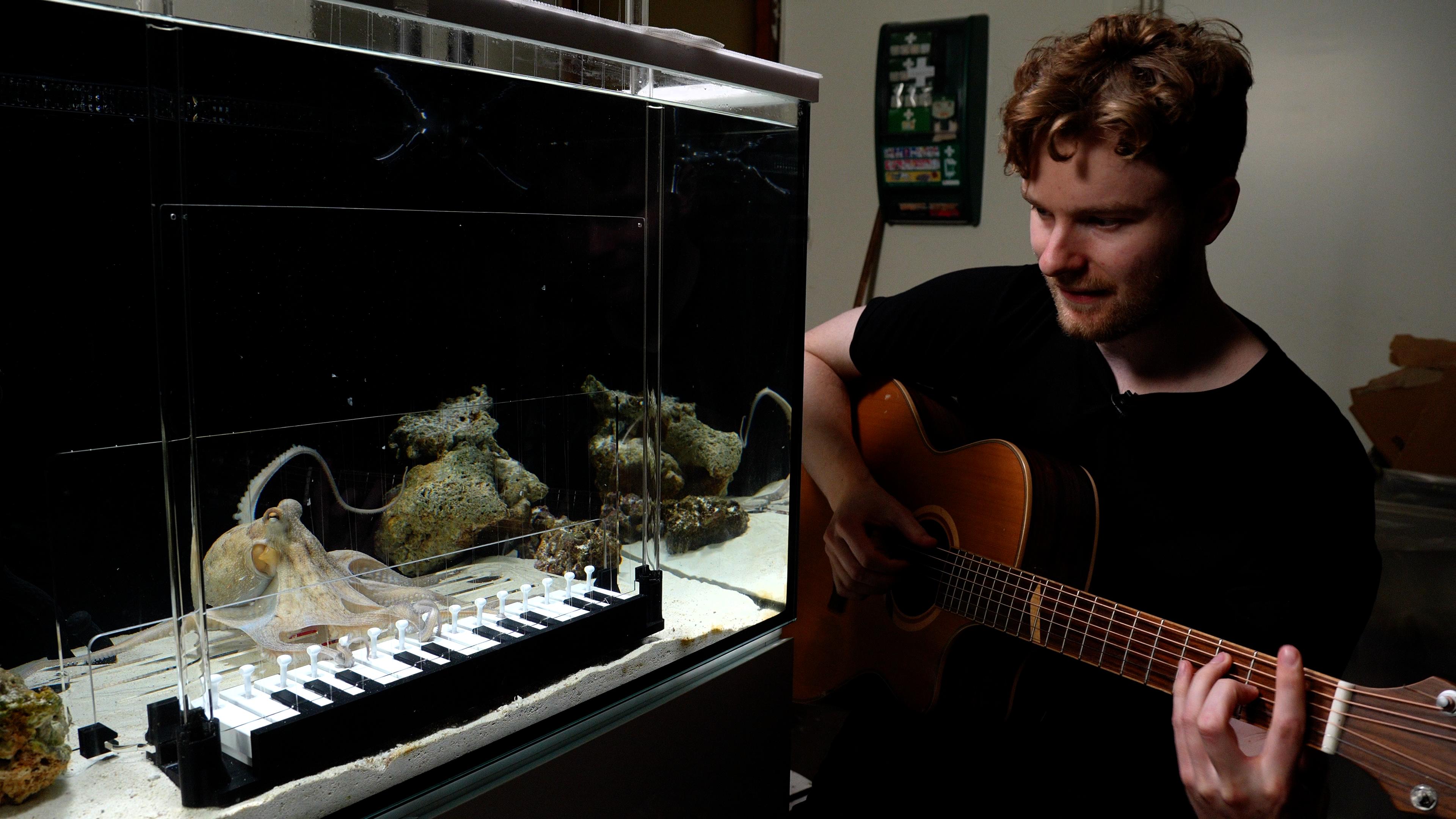
    The white package that arrived at Mattias Krantz’s home in Sweden after a five-hour flight contained an octopus that Krantz saved from becoming someone’s meal.

    Krantz’s hopes for the octopus, which he named Takoyaki, were high — maybe unreasonably so. Within about six months, Krantz wanted Takoyaki to play the piano so well that the animal could perform “Under the Sea” and the theme from the movie Jaws.

    Krantz, who typically makes YouTube videos playing instruments he modifies, had long wanted to teach piano to an animal. Krantz said octopuses, whose eight arms can each act somewhat independently because of the neurons inside them, had the most potential.

    But the task proved more difficult — and fulfilling — than Krantz imagined, requiring hundreds of hours and a wealth of patience. His YouTube video detailing the teaching process has more than 6 million views.

    “It was probably the worst thing I’ve ever done, and maybe the coolest thing, but also the worst ever,” Krantz, 28, told the Washington Post. “I never pushed myself to such limits.”

    Takoyaki, an octopus, played piano keys while Mattias Krantz played an acoustic guitar.

    Krantz purchased Takoyaki from a Portuguese fishery in March; he did not buy the octopus from a Korean market as is depicted in his YouTube video. Once Krantz got the octopus into his home, he dumped the creature into a roughly 110-gallon tank containing rocks, sand, and dog toys. The tank was connected to machines that filtered water and removed octopus waste.

    “You’re going to be the greatest pianist the sea has ever known,” Krantz told Takoyaki, which he nicknamed Tako.

    Mattias Krantz bought Takoyaki, an octopus, from a Portuguese fishery in March.

    But first, Krantz had to earn Tako’s trust.

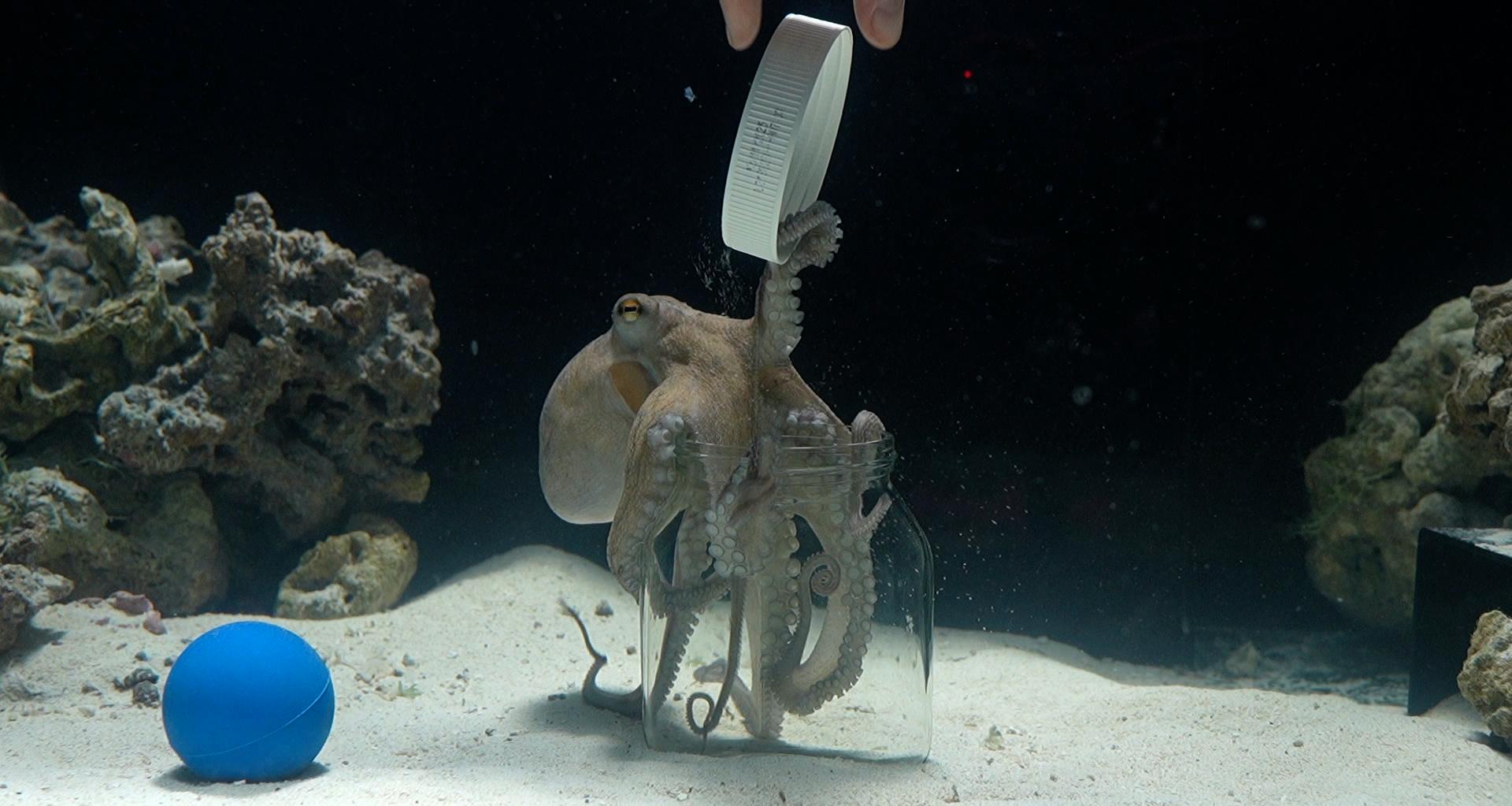
    On the first day in its tank, Tako hid behind rocks and didn’t eat the small crabs and mussels Krantz had fished off Sweden’s southern coast. Tako began eating on the second day, and soon Krantz gave Tako a simple task to judge whether the octopus was up for the piano challenge: Take a plastic lid off a glass jar containing crab and shrimp. Tako passed the test after about three days.

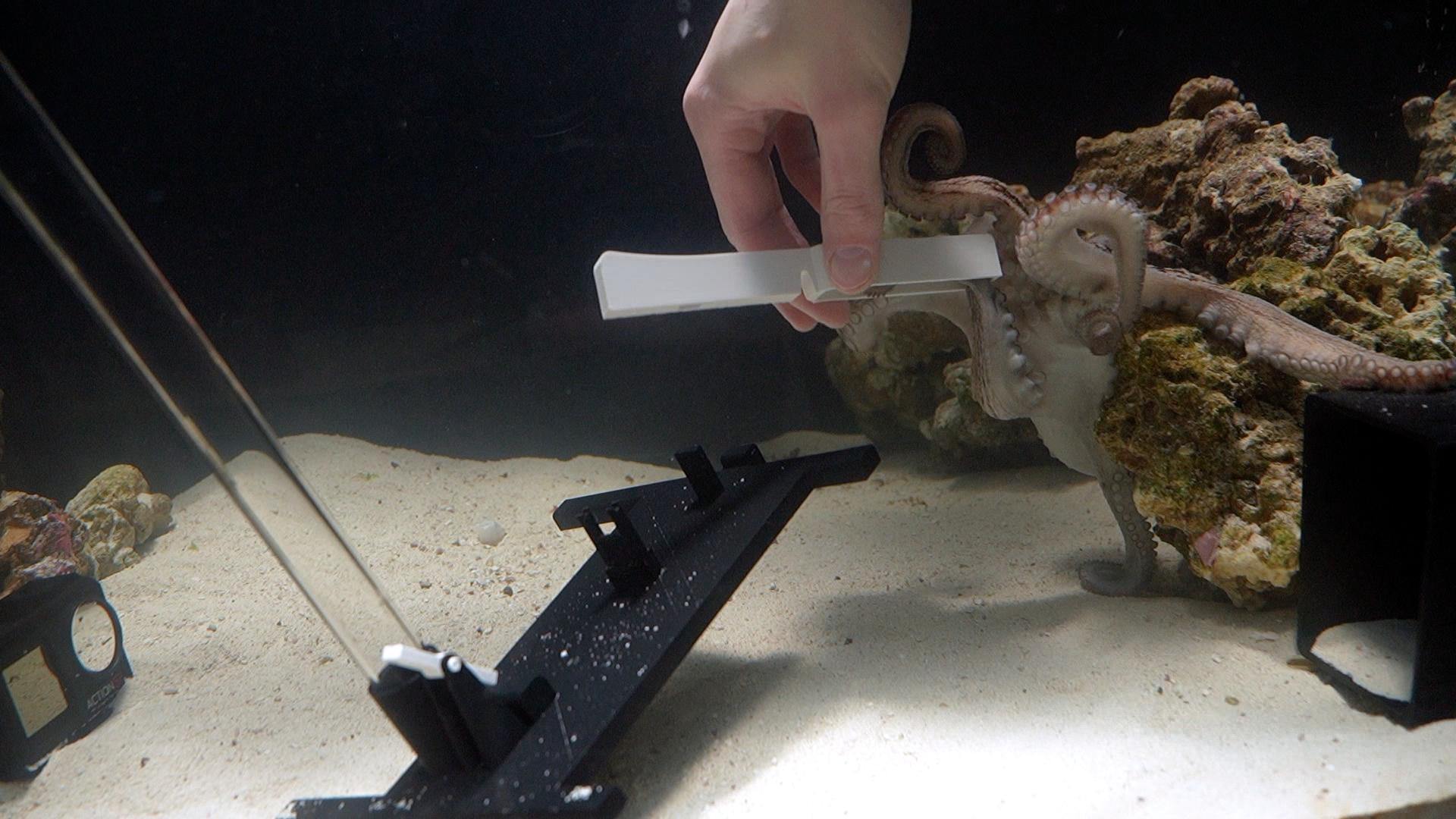
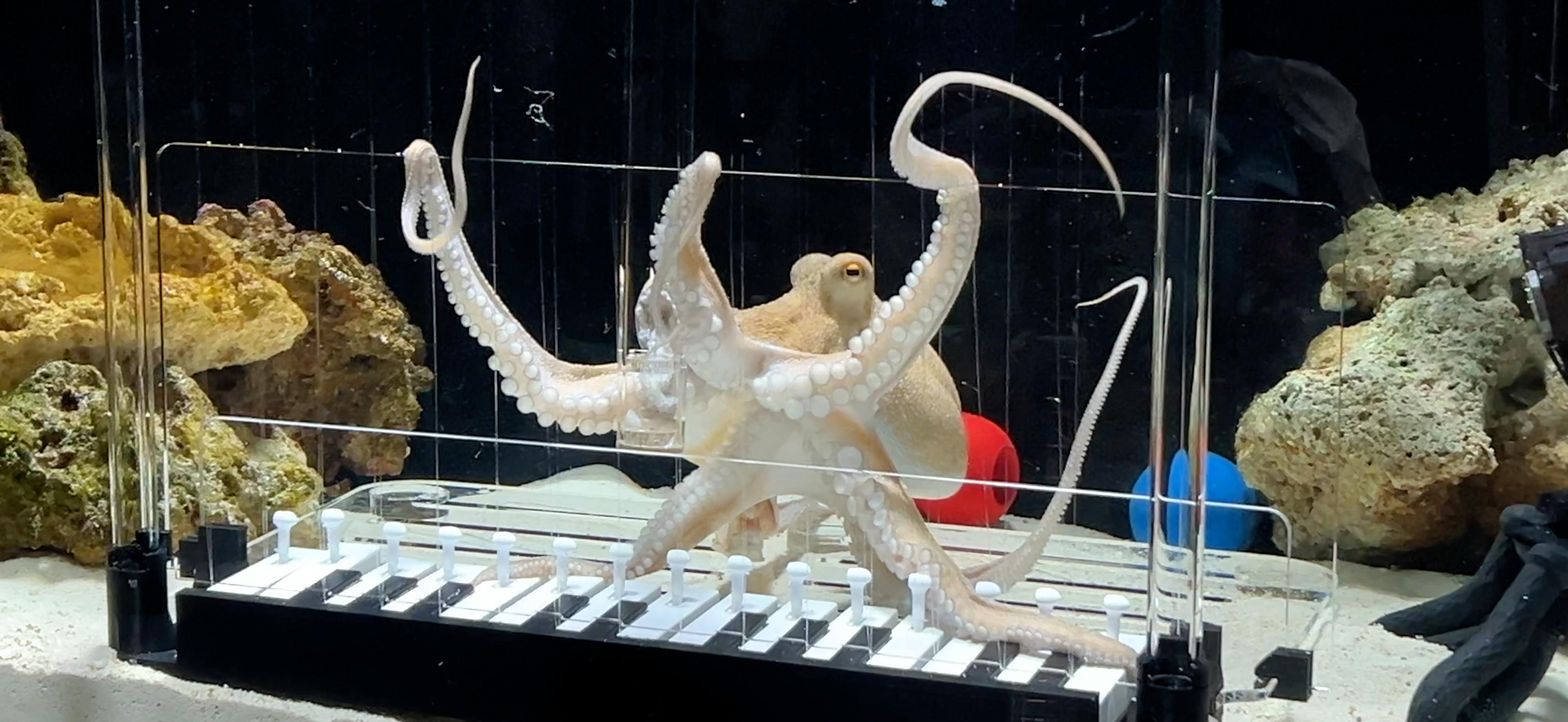
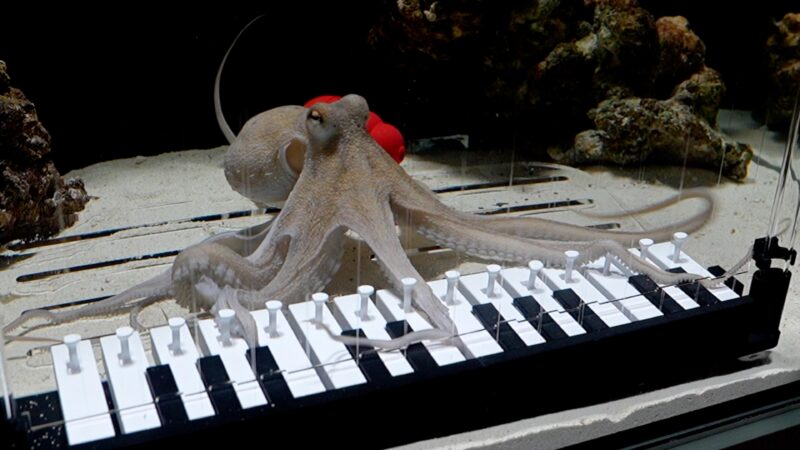
    Krantz then designed a piano key on his computer, 3D-printed it and set it down in the tank. When Tako touched the key on the second day, Krantz gave the octopus a treat. But Krantz wanted Tako to push the key to play a note, so he added a white lever that Tako wrapped its arms around and pulled to make a sound (Tako also broke the key off its mount a few times and hid it under rocks).

    After that first success, Krantz built Tako a 15-key piano — a process Tako seemed to watch closely by pressing its body against the glass. But when Krantz placed the piano in the tank, Tako sat on it instead of playing it.

    One of Takoyaki’s first tasks was to open a plastic lid off a glass jar.

    So Krantz tried different approaches.

    First, he added a blue underwater speaker that allowed Tako — whose species has poor hearing — to feel a vibration when the octopus played a key. Tako began playing random notes, Krantz said, but he wanted Tako to play particular keys to form a melody.

    Krantz added symbols to the keys he wanted Tako to play — circles, crosses, and stripes — which Tako didn’t respond to. Krantz even added pictures of an orange crab to the keys. The octopus was interested in the pictures but not in playing the keys.

    Takoyaki took the piano key Mattias Krantz made.

    But one thing seemed to grab Tako’s attention: movement. When a bubble formed in the tank, Tako chased it.

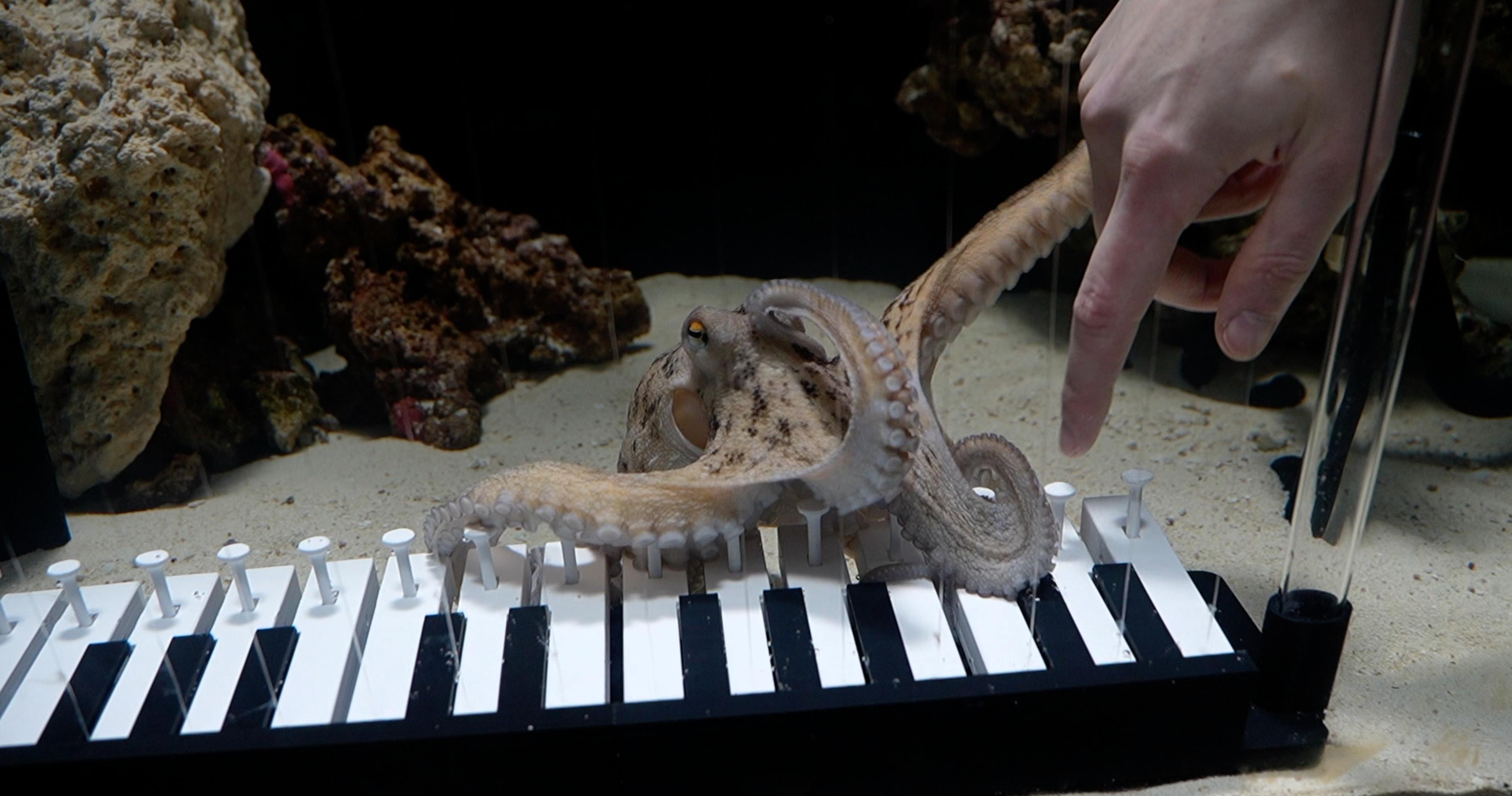
    So, with fishing wire, Krantz wiggled the lever on the keys he wanted Tako to play. It worked — despite Tako also spending time playing the wires like a harp. (Marine scientist Jenny Hofmeister said octopuses are attracted to movement because it might signal prey.)

    After a week, Tako played two notes in a row. After two weeks, Tako played a pair of notes simultaneously.

    After Mattias Krantz built Takoyaki a 15-key piano, the octopus seemed to resist Krantz pointing to the keys from inside the tank.

    But in the following weeks — after about four months of training — Tako plateaued.

    Plus — as expected from an octopus — Tako wasn’t focused on learning the instrument. Tako wrapped its arms around the GoPro camera in its tank, squirted water at Krantz, and, once, escaped the tank and hid in a cupboard.

    Krantz lost hope that Tako could learn to play.

    Takoyaki sometimes squirted water outside of the tank.

    But Tako stared at the piano, which sat on the ground beside the tank, throughout the day, appearing to want to play at the usual 6 p.m. training time, Krantz said. So Krantz experimented with a new strategy.

    “The one thing I’m really good at is insane stubbornness,” Krantz said.

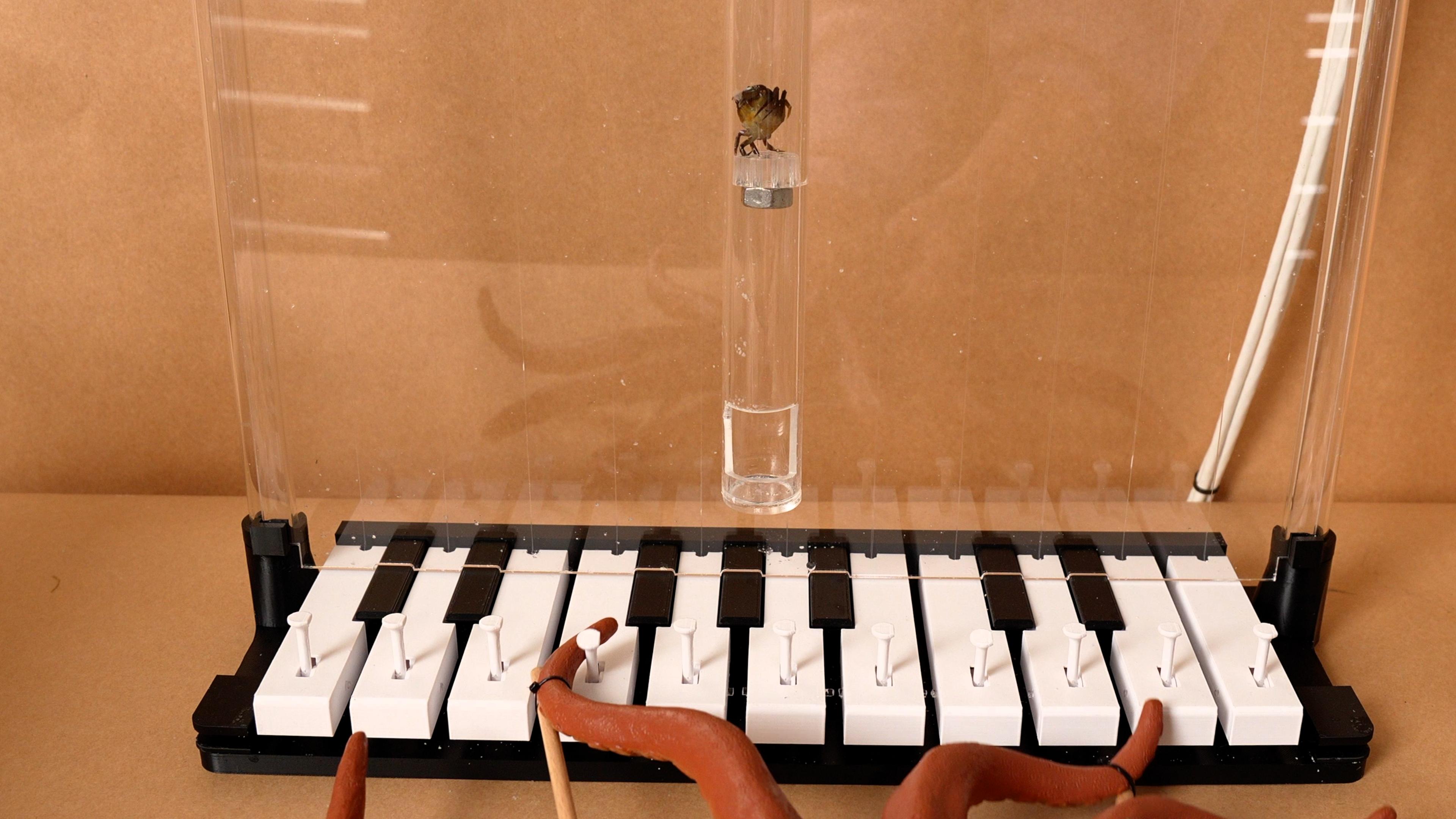
    In early August, he placed an acrylic tube inside the tank and inserted a crab — Tako’s favorite treat — at the top. When Tako played a key, Krantz lowered the crab closer to the bottom of the tube. Krantz called his device the “crab elevator.”

    Mattias Krantz built a “crab elevator” for his octopus, Takoyaki.

    Tako initially tried to retrieve the crab by swimming into the tube and attempting to pull the crab down. But once Tako saw the crab inch closer after playing a note, the octopus became more motivated to play. After a few weeks, Krantz gave Tako the crab once the octopus played seven or eight keys.

    In mid-August, Krantz began playing chord progressions on his acoustic guitar and simultaneously wiggled keys for Tako to play so they could perform together. Krantz fed Tako after each recital.

    Krantz never taught Tako to consistently play the right keys at the right times. Sometimes the piano sounded good; other times, not so much. Tako played the keys to “Baby Shark” — even if it was off tempo, Krantz said.

    “I can’t believe I sit here and play with an octopus,” Mattias Krantz said.

    But the fact that Tako could play keys at all was like a “fever dream,” Krantz said.

    Hofmeister, the marine scientist, said Tako probably didn’t know he was playing the piano; he was motivated by food.

    Octopuses are smart in their own ways: They change colors based on their surroundings, build dens with stones, use makeshift weapons, throw objects at targets, and eject ink clouds when they’re in danger.

    Takoyaki, an octopus, seemed to enjoy playing piano keys.

    “The octopus is not perceiving rhythm,” Hofmeister said. “It’s not perceiving, you know, tempo. It wants to do the steps it has to do to get the crab.”

    She said teaching an octopus to play the piano perfectly is nearly impossible.

    But in addition to creating music, Krantz received another benefit from the process: a friend. He has kept Takoyaki — the name means grilled octopus — as a pet.

    Takoyaki still plays the piano about every other day.

    Octopuses typically live for a year or two, and Krantz said Tako, which he estimated to be about 14 months old, now sleeps most of the day. But that hasn’t stopped Tako from continuing to practice its unique skill; the octopus plays piano about every other day.

    The recitals still leave Krantz in awe.

    “I can’t believe I sit here,” Krantz said last week, “and play with an octopus.”

  • Federal judge issues order to prohibit immigration officials from detaining Kilmar Abrego Garcia

    Federal judge issues order to prohibit immigration officials from detaining Kilmar Abrego Garcia

    BALTIMORE — A federal judge blocked U.S. immigration authorities on Friday from re-detaining Kilmar Abrego Garcia, saying she feared they might take him into custody again just hours after she had ordered his release from a detention center.

    The order came as Abrego Garcia appeared at a scheduled appointment at an Immigration and Customs Enforcement field office roughly 14 hours after he walked out of immigration detention facility in Pennsylvania.

    His lawyers had sent an urgent request to the judge, warning that ICE officials could immediately place him back into custody. Instead, Abrego Garcia exited the building after a short appointment, emerging to cheers from supporters who had gathered outside.

    Speaking briefly to the crowd, he urged others to “stand tall” against what he described as injustices carried out by the government.

    Abrego Garcia became a flashpoint of the Trump administration’s immigration crackdown earlier this year when he was wrongly deported to a notorious prison in El Salvador. He was last taken into custody in August during a similar check-in.

    Officials cannot re-detain him until the court conducts a hearing on the motion for the temporary restraining order, U.S. District Judge Paula Xinis in Maryland said. She wrote that Abrego Garcia is likely to succeed on the merits of any further request for relief from ICE detention.

    “For the public to have any faith in the orderly administration of justice, the Court’s narrowly crafted remedy cannot be so quickly and easily upended without further briefing and consideration,” she wrote.

    Abrego Garcia on Friday stopped at a news conference outside the building, escorted by a group of supporters chanting “We are all Kilmar!”

    Abrego Garcia says he has ‘so much hope’

    “I stand before you a free man and I want you to remember me this way, with my head held up high,” Abrego Garcia said through a translator. “I come here today with so much hope and I thank God who has been with me since the start with my family.”

    He urged people to keep fighting.

    After Abrego Garcia spoke, he went through security at the field office, escorted by supporters.

    When Abrego Garcia’s attorney, Simon Sandoval-Moshenberg, announced to the crowd assembled outside that his client would walk back out the field office’s doors again, he stressed that the legal fight was not over.

    “Yesterday’s order from Judge Xinis and now the temporary restraining order this morning represent a victory of law over power,” Sandoval-Moshenberg said.

    The agency freed him just before 5 p.m. on Thursday in response to a ruling from Xinis, who wrote federal authorities detained him after his return to the United States without any legal basis.

    Kilmar Abrego Garcia waits with Lydia Walther-Rodriguez of Casa in Maryland, left, to enter the building for a mandatory check at the Immigration and Customs Enforcement office in Baltimore, Friday, Dec. 12, 2025, after he was released from detention on Thursday under a judge’s order. (AP Photo/Stephanie Scarbrough)

    Mistakenly deported and then returned

    Abrego Garcia is a Salvadoran citizen with an American wife and child who has lived in Maryland for years. He immigrated to the U.S. illegally as a teenager to join his brother, who had become a U.S. citizen. In 2019, an immigration judge granted him protection from being deported back to his home country, where he faces danger from a gang that targeted his family.

    While he was allowed to live and work in the U.S. under ICE supervision, he was not given residency status. Earlier this year, he was mistakenly deported and held in a notoriously brutal Salvadoran prison despite having no criminal record.

    Facing mounting public pressure and a court order, President Donald Trump’s Republican administration brought him back to the U.S. in June, but only after issuing an arrest warrant on human smuggling charges in Tennessee. He has pleaded not guilty to those charges and asked a federal judge there to dismiss them.

    A lawsuit to block removal from the U.S.

    The 2019 settlement found he had a “well founded fear” of danger in El Salvador if he was deported there. So instead ICE has been seeking to deport him to a series of African countries. Abrego Garcia has sued, claiming the Trump administration is illegally using the removal process to punish him for the public embarrassment caused by his deportation.

    In her order releasing Abrego Garcia, Xinis wrote that federal authorities “did not just stonewall” the court, “They affirmatively misled the tribunal.” Xinis also rejected the government’s argument that she lacked jurisdiction to intervene on a final removal order for Abrego Garcia, because she found no final order had been filed.

    ICE freed Abrego Garcia from Moshannon Valley Processing Center, about 115 miles northeast of Pittsburgh, on Thursday just before the deadline Xinis gave the government to provide an update on Abrego Garcia’s release.

    He returned home to Maryland a few hours later.

    Immigration check-in

    Check-ins are how ICE keeps track of some people who are released by the government to pursue asylum or other immigration cases as they make their way through a backlogged court system. The appointments were once routine but many people have been detained at their check-ins since the start of Trump’s second term.

    The Department of Homeland Security sharply criticized Xinis’ order and vowed to appeal, calling the ruling “naked judicial activism” by a judge appointed during the Obama administration.

    “This order lacks any valid legal basis, and we will continue to fight this tooth and nail in the courts,” said Tricia McLaughlin, the department’s assistant secretary.

    Sandoval-Moshenberg said the judge made it clear that the government can’t detain someone indefinitely without legal authority.

    Abrego Garcia has also applied for asylum in the U.S. in immigration court.

    Charges in Tennessee

    Abrego Garcia was hit with human smuggling and conspiracy to commit human smuggling charges when the U.S. government brought him back from El Salvador. Prosecutors alleged he accepted money to transport within the United States people who were in the country illegally.

    The charges stem from a 2022 traffic stop in Tennessee for speeding. Body camera footage from a Tennessee Highway Patrol officer shows a calm exchange with Abrego Garcia. There were nine passengers in the car, and the officers discussed among themselves their suspicions of smuggling. However, Abrego Garcia was eventually allowed to continue driving with only a warning.

    A Department of Homeland Security agent testified at an earlier hearing that he did not begin investigating the traffic stop until after the U.S. Supreme Court said in April that the Trump administration must work to bring back Abrego Garcia.

  • Silver prices just smashed a new record. What does this mean for the economy?

    Silver prices just smashed a new record. What does this mean for the economy?

    Silver is giving gold a run for the money.

    The precious metal has more than doubled in value since the start of the year and broke a fresh record on Tuesday, rising above $60 per troy ounce on New York’s Commodity Exchange for the first time ever. Now it’s up 102% for 2025 far outpacing the record-building rush that has lifted gold 59%.

    A mix of forces are boosting silver, including the weakened dollar, tariff politics, and supply shortages. Especially critical in recent weeks, though, was the growing expectation that the Federal Reserve would announce another rate cut, which it did on Wednesday, as the U.S. economy continues to slow down. Analysts say that’s likely to further pressure the dollar lower while lifting silver a classic safe-haven asset even higher.

    In light of Fed concerns, “precious metals prices are rising as a bit of a hedge,” said Michael Farr of the D.C.-based investment firm Farr, Miller & Washington, ahead of the meeting.

    But silver’s rise is also a global story with a combination of forces at play. Here’s what you need to know about its soaring popularity.

    Dollar weakness and the ‘debasement trade’

    The softening of the greenback which depreciated about 8.5% since the start of the year is a big part of the story. Most of this drop occurred in the first half of the year, after the Trump administration unleashed steep tariffs on trading allies and competitors alike and reduced U.S. attractiveness as a reliable trade and investment partner. At the same time, rising U.S. debt and lingering concerns about inflation have also diminished the dollar’s value.

    The weakened dollar, in turn, has been driving what’s known as the “debasement trade”: Investors are looking for other assets which include gold as well as silver because the dollar is no longer seen as ultrasafe as it used to be, said Collamore Crocker of the economic consultancy New Century Advisers.

    “‘Concern’ is a big piece of the trade‚” Cocker said. “If you’re worried about governments undermining the value of their own currencies, you might buy precious metals.”

    The Fed rate decision could very well push the dollar down even more. Typically, lower interest rates make a currency less attractive for investors because there’s a lower return on assets in that currency.

    “Lower rates are bullish for precious metals,” said Bob Gottlieb, an independent consultant who previously worked at JP Morgan and other financial institutions.

    The tariff factor

    Traditionally, silver tends to be more volatile compared to gold and more sensitive to policy changes, say analysts. Tariffs are a good example. Recently, concerns spiked that the U.S. could add tariffs specifically for silver after it was added to the U.S. Geological Survey’s list of critical minerals last month, along with copper, lead, and other rare metals.

    The list allows the federal government to “understand where strategic domestic investments or international trade relationships may help mitigate risk to individual supply chains,” USGS acting director Sarah Ryker said in a statement.

    Adding a metal to the list can signal tariffs to come, and many investors reacted accordingly, pushing silver higher. The threat of additional tariffs has also led metals traders to shift silver to the United States and out of London or Shanghai, as a way to preempt the hit from new import taxes on the precious metal.

    Demand and supply squeeze

    The tariff uncertainty and dollar weakness are coinciding with a long-running silver shortage. A recent report from the Silver Institute estimated industrial demand for silver has soared about 18% over the past four years, due in part to India now the world’s second-largest market for silver investment, according to Kitco News, a metals publication.

    Silver is culturally seen as a “poor man’s gold,” said Hiren Chandaria, managing director at the financial firm Monetary Metals. “With gold prices rising so high, many households and smaller investors have shifted toward silver as a more affordable precious metals store of value, so investment and gifting demand has shot up alongside traditional jewelry and silverware buying.”

    Investor demand from India is also spurred by a recent decision by the country’s central bank that allowed for regulated silver-backed loans. The Silver Institute has reported roughly a doubling in silver-backed exchange-traded fund price in India since January 2023, amid a surge of investment.

    Beyond India, broader supply crunches are in play. The world’s mines are expected to produce only about 813 million ounces of silver this year, slightly less than they did in 2021, according to the Silver Institute. Mines can only produce so much each year, and it takes many years to get a new one up and running something that puts a cap on supply.

    Industrial demand

    The buying frenzy for silver and resulting shortage are also driven by technological change across the industrial world that has unfolded over the past five years.

    While gold has relatively little practical use aside from jewelry, silver is a high-quality conductor of electricity and heat and holds a range of industrial applications “at the cusp of precious metals and industrial metals,” as Chandaria describes it.

    Surging investments in electric vehicles and artificial-intelligence data centers, for example, are among the sectors driving demand. Silver is laced throughout electric vehicles and their batteries, which is one reason for its surge during the electric-vehicle investment boom by major automakers in recent years. It’s also used in AI semiconductors.

    “There is an inherent tightness still in the silver market … demand is greater than supply every year,” said Bob Gottlieb, a former metals trader with leading financial institutions.

    Meanwhile, the silver boom is lifting mining companies. Canada’s Wheaton Precious Metals, the largest silver mining company by market capitalization, has seen its stock price rise close to 85% year-to-date. Fresnillo, a Mexico City-based mining company that bills itself as the world’s leading producer of silver ore, is up 365% since the start of the year, while Mexico’s Industrias Peñoles has risen around 230%. Canadian mining conglomerate Pan-American Silver rose 105%.

    Gottlieb, the metals trader, says he believes silver will settle between $50 and $75 an ounce over the next year, adding that he views India’s demand as grounds to stay bullish. But he also urged caution. “I learned a long time ago that whenever you forecast a price, the real movement is not from what you forecasted,” Gottlieb said.

  • Trump seeks to cut restrictions on marijuana through planned order

    Trump seeks to cut restrictions on marijuana through planned order

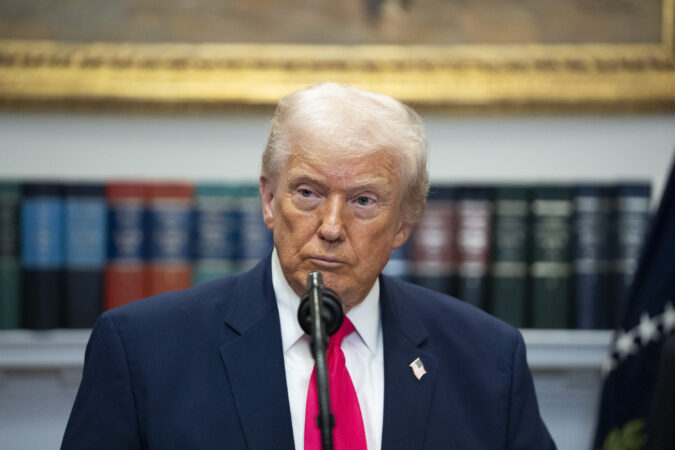
    President Donald Trump is expected to push the government to dramatically loosen federal restrictions on marijuana, reducing oversight of the plant and its derivatives to the same level as some common prescription painkillers and other drugs, according to six people familiar with the discussions.

    Trump discussed the plan with House Speaker Mike Johnson (R., La.) in a Wednesday phone call from the Oval Office, said four of the people, who, like the others, spoke on the condition of anonymity because they were not authorized to speak publicly. The president is expected to seek to ease access to the drug through an upcoming executive order that directs federal agencies to pursue reclassification, the people said.

    The move would not legalize or decriminalize marijuana, but it would ease barriers to research and boost the bottom lines of legal businesses.

    Trump in August said he was “looking at reclassification.” He would be finishing what started under President Joe Biden’s Justice Department, which followed the recommendation of federal health officials in proposing a rule to reclassify marijuana; that proposal has stalled since Trump took office.

    “We’re looking at it. Some people like it, some people hate it,” Trump said this summer. “Some people hate the whole concept of marijuana because it does bad for the children, it does bad for the people that are older than children.”

    Trump cannot unilaterally reclassify marijuana, said Shane Pennington, a D.C. attorney who represents two pro-rescheduling companies involved in the hearing. But he can direct the Justice Department to forgo the hearing and issue the final rule, Pennington said.

    “This would be the biggest reform in federal cannabis policy since marijuana was made a Schedule I drug in the 1970s,” Pennington said.

    The president was joined on the Wednesday call with Johnson by marijuana industry executives, Health Secretary Robert F. Kennedy Jr., and Centers for Medicare and Medicaid Services chief Mehmet Oz, three of the people said.

    Johnson was skeptical of the idea and gave a list of reasons, including several studies and data, to support his position against reclassifying the drug, two of the people said.

    Trump then turned the phone over to the executives gathered around his desk, who rebutted Johnson’s arguments, the people said.

    Trump ended the call appearing ready to go ahead with loosing restrictions on marijuana, the people said, though they caution the plans were not finalized and Trump could still change his mind.

    A White House official said no final decisions have been made on rescheduling of marijuana.

    The Department of Health and Human Services referred questions to the White House. The Centers for Medicare and Medicaid Services did not immediately respond to a request for comment. A representative from Johnson’s office declined to comment.

    Marijuana is currently classified as a Schedule I substance, the same classification as heroin and LSD. Federal regulations consider those drugs to have a high potential for abuse and no accepted use for medical treatment.

    Trump would move to classify marijuana as a Schedule III substance, which regulators say carry less potential for abuse and are used for certain medical treatments, but can also create risks of physical or psychological dependence.

    Other Schedule III drugs include Tylenol with codeine, as well as certain steroid and hormone treatments.

    Democrats and Republicans alike have been interested in reclassifying marijuana, with some politicians citing its potential benefit as a medical treatment and the political popularity of the widely used drug.

    Marijuana has become easier than ever to obtain, growing into an industry worth billions of dollars in the United States. Dozens of states and Washington, D.C., have legalized medical marijuana programs, and 24 have approved recreational marijuana.

    The Biden administration pursued efforts to ease access to the drug, with health officials recommending reclassification to Schedule III in 2023. But health officials have said that those recommendations were slowed down by the Drug Enforcement Administration, which took months to undergo required administrative reviews and were not completed before the end of Biden’s term.

    The Drug Enforcement Administration was supposed to hold an administrative hearing on the proposal, with a judge hearing from experts on the health benefits and risks of marijuana. But the hearing has been in legal limbo since Trump took office, amid allegations from cannabis companies that the DEA was working to torpedo the measure.

  • Accused Charlie Kirk killer makes 1st in-person court appearance as judge weighs media access

    Accused Charlie Kirk killer makes 1st in-person court appearance as judge weighs media access

    PROVO, Utah — The Utah man charged with killing Charlie Kirk made his first in-person court appearance Thursday as his attorneys pushed to further limit media access in the high-profile criminal case.

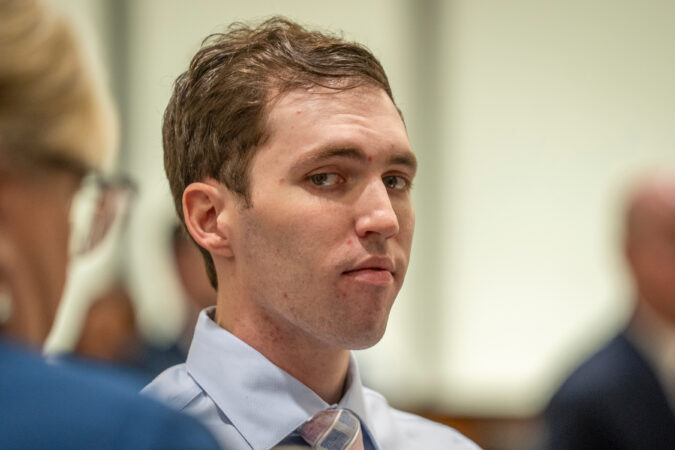
    Prosecutors have charged Tyler Robinson with aggravated murder in the Sept. 10 shooting of the conservative activist on the Utah Valley University campus in Orem, just a few miles north of the Provo courthouse. They plan to seek the death penalty.

    Robinson, 22, arrived amid heavy security, shackled at the waist, wrists and ankles and wearing a dress shirt, tie and slacks.

    He smiled at family members sitting in the front row of the courtroom, where his mother teared up after he entered the court. Next to her were Robinson’s brother and father, who took notes throughout the hearing.

    Early in the proceedings, state District Court Judge Tony Graf briefly stopped livestreaming of the hearing via a media pool and required the camera be moved, after Robinson’s attorneys said the stream showed the defendant’s shackles in violation of a courtroom order.

    Graf said he would terminate future broadcasts if there were further violations of the order issued in October, which bars media from showing images of Robinson in restraints or anywhere in the courtroom except sitting at the defense table.

    “This court takes this very seriously. While the court believes in openness and transparency, it needs to be balanced with the constitutional rights of all parties in this case,” Graf said.

    Graf is weighing the public’s right to know details about Robinson’s case against his attorneys’ concerns that the swarm of media attention could interfere with a fair trial.

    Robinson’s legal team and the Utah County Sheriff’s Office have asked Judge Tony Graf to ban cameras in the courtroom, but he has not yet ruled on the request.

    The defendant had previously appeared before the court via video or audio feed from jail.

    A coalition of national and local news organizations, including The Associated Press, is fighting to preserve media access in the case.

    Graf held a closed hearing on Oct. 24 in which attorneys discussed Robinson’s courtroom attire and security protocols. Under a subsequent ruling by the judge, Robinson is allowed to wear street clothes during pretrial hearings but must be physically restrained due to security concerns.

    Graf also prohibited media from filming or photographing Robinson’s restraints after his attorneys argued widespread images of him shackled and in jail clothing could prejudice future jurors.

    Several university students who witnessed Kirk’s assassination attended Thursday’s hearing.

    Zack Reese, a Utah Valley University student and “big Charlie Kirk fan,” said he had skepticism about Robinson’s arrest and came to the hearing seeking answers. Reese has family in southwestern Utah, where the Robinsons are from, and said he believes they’re a good family.

    Brigham Young University student William Brown, who said he was about 10 feet from Kirk when he was shot, said he felt overwhelmed seeing Robinson walk into the courtroom Thursday.

    “I witnessed a huge event, and my brain is still trying to make sense of it,” Brown said. “I feel like being here helps it feel more real than surreal.”

    Michael Judd, an attorney for the media coalition, has urged Graf to let the news organizations weigh in on any future requests for closed hearings or other limitations.

    The media presence at Utah hearings is already limited, with judges often designating one photographer and one videographer to document a hearing and share their images with other news organizations. Additional journalists can typically attend to listen and take notes, as can members of the public.

    Judd wrote in recent filings that an open court “safeguards the integrity of the fact-finding process” while fostering public confidence in judicial proceedings. Criminal cases in the U.S. have long been open to the public, which he argued is proof that trials can be conducted fairly without restricting reporters as they work to keep the public informed.

    Kirk’s widow, Erika Kirk, has called for full transparency, saying, “We deserve to have cameras in there.” Her husband was an ally of President Donald Trump who worked to steer young voters toward conservatism.

    Robinson’s legal team says his pretrial publicity reaches as far as the White House, with Trump announcing soon after Robinson’s arrest, “With a high degree of certainty, we have him,” and “I hope he gets the death penalty.”

    Defense attorney Kathy Nester has raised concern that digitally altered versions of Robinson’s initial court photo have spread widely, creating misinformation about the case. Some altered images show Robinson crying or having an outburst in court, which did not happen.

  • Winter storm rips through Gaza, exposing failure to deliver enough aid to territory

    Winter storm rips through Gaza, exposing failure to deliver enough aid to territory

    DEIR AL-BALAH, Gaza Strip — Rains drenched Gaza’s tent camps and dropping temperatures chilled Palestinians huddling inside them Thursday as winter storm Byron descended on the war-battered territory, showing how two months of a ceasefire have failed to sufficiently address the spiraling humanitarian crisis there.

    Families found their possessions and food supplies soaked inside their tents. Children’s sandaled feet disappeared under opaque brown water that flooded the camps, running knee deep in some places. Dirt roads turned to mud. Piles of garbage and sewage cascaded like waterfalls.

    “We have been drowned. I don’t have clothes to wear and we have no mattresses left,” said Um Salman Abu Qenas, a displaced mother in a Khan Younis tent camp. She said that her family couldn’t sleep the night before, because of the water in the tent.

    Aid groups say not enough shelter materials are getting into Gaza during the truce. Figures recently released by Israel’s military suggest it hasn’t met the ceasefire stipulation of allowing 600 trucks of aid into Gaza a day, though Israel disputes that finding.

    “Cold, overcrowded, and unsanitary environments heighten the risk of illness and infection,” the U.N. agency for Palestinian refugees, UNRWA, said on X. “This suffering could be prevented by unhindered humanitarian aid, including medical support and proper shelter.”

    Rains wreak havoc

    Sabreen Qudeeh, also in the Khan Younis camp, in a squalid area known as Muwasi, said that her family woke up to rain leaking from their tent’s ceiling and water from the street soaking their mattresses.

    “My little daughters were screaming,” she said.

    Ahmad Abu Taha, also living in the camp, said there wasn’t a tent that escaped the flooding. “Conditions are very bad, we have old people, displaced, and sick people inside this camp,” he said.

    Floods in south-central Israel trapped more than a dozen people in their cars, according to Hebrew media. Israel’s rescue services, MDA, said that two young girls were slightly injured when a tree fell on their school.

    The contrasting scenes with Gaza made clear how profoundly the Israel-Hamas war had damaged the territory, destroying the majority of homes. Gaza’s population of around 2 million is almost entirely displaced, and most people live in vast tent camps stretching along the coast, or set up among the shells of damaged buildings without adequate flooding infrastructure and with cesspits dug near tents as toilets.

    At least three buildings in Gaza City already damaged by Israeli bombardment during the war partially collapsed under the rain, Palestinian Civil Defense said. It warned people not to stay inside damaged buildings, saying they too could fall down on top of them.

    The agency also said that since the storm began, they have received more than 2,500 distress calls from people across Gaza whose tents and shelters were damaged.

    With buckets and mops, Palestinians laboriously scooped water out of their tents.

    Aliaa Bahtiti said her 8-year-old son “was soaked overnight, and in the morning he had turned blue, sleeping on water.” Her tent floor had an inch of water on it “We cannot buy food, covers, towels, or sheets to sleep on.”

    Baraka Bhar was caring for her 3-month-old twins inside her tent as the rain poured outside. One of the twins has hydrocephalus, a build-up of fluids in the brain.

    “Our tents are worn out … and they leak rain water,” she said. “We should not lose our children this winter.”

    Not enough aid

    Aid groups say that Israel isn’t allowing enough aid into Gaza to begin rebuilding the territory after years of war.

    Under the agreement, Israel agreed to comply with aid stipulations from an earlier January truce, which specified that it allow 600 trucks of aid each day into Gaza, It maintains it’s doing so, but The Associated Press found that some of its own figures call that into question.

    The January truce also specified that Israel let in a number of caravans and tents. No caravans have yet entered Gaza during the ceasefire, said Tania Hary, executive director of Gisha, an Israeli group advocating for Palestinians’ right to freedom of movement.

    The Israeli military body in charge of coordinating aid to Gaza, called COGAT, said on Dec. 9 it had “lately” let 260,000 tents and tarpaulins into Gaza and more than 1,500 trucks of blankets and warm clothing.

    Shelter Cluster, an international coalition of aid providers led by the Norwegian Refugee Council, sets the number lower. It says the U.N. and international nongovernmental organizations have gotten 15,590 tents into Gaza since the truce began, and other countries have sent about 48,000. Many of the tents aren’t properly insulated, it says.

    Amjad al-Shawa, Gaza chief of the Palestinian NGO Network, told Al Jazeera on Thursday that only a fraction of the 300,000 tents needed had entered Gaza. He said that Palestinians were in dire need of warmer winter clothes and accused Israel of blocking the entry of water pumps to help clear flooded shelters.

    “All international sides should take the responsibility regarding conditions in Gaza,” he said. “There is real danger for people in Gaza at all levels.”

    Khaled Mashaal, a Hamas leader, said in an interview with Al Jazeera that Gaza needs the rehabilitation of hospitals, the entry of heavy machinery to remove rubble, and the opening of the Rafah crossing — which remains closed after Israel said last week it would shortly open.

    COGAT didn’t immediately respond to a request for comment on the claims that Israel wasn’t allowing water pumps or heavy machinery into Gaza

    Amnesty accuses Hamas of crimes against humanity

    Amnesty International said in a report released Thursday that Hamas and other militant groups committed crimes against humanity in the Oct. 7, 2023, attack on southern Israel that triggered the war in Gaza.

    In the 173-page report, Amnesty pointed to what it found to be widespread and systematic killing of civilians in the attack, as well as torture, hostage-taking and sexual abuse.

    In the attack, Hamas fighters and other militants rampaged through southern Israel, killing some 1,200 people and taking around 250 others hostage. Israel’s campaign in Gaza has since killed more than 70,300 Palestinians, roughly half of them women and children, according to the territory’s Health Ministry, which does not distinguish between militants and civilians in its count. Last year, Amnesty accused Israel of committing genocide in Gaza, a charge Israel denied.

    Amnesty said it conducted interviews with 70 people, including 17 survivors of the attack and family members of some of those killed. It also reviewed hundreds of open-source videos and photos from the day of the attack.

    Contrary to Hamas claims it was targeting the military, it said, the attack was intentionally “directed against a civilian population” and met international law standards for crimes against humanity.

    It said sexual assaults were also committed, although it could not reach a conclusion on their “scope or scale.” It interviewed one man who testified he was raped by armed men at the Nova music festival, as well as a therapist who said she provided intensive treatment to three other survivors of rape.

    Hamas condemned the report, saying it “echoed false claims” by Israel.

    Israeli Foreign Minister spokesperson Oren Marmorstein derided the report in a posting on X, saying it took more than two years for Amnesty to address the attack “and even now its report falls far short of reflecting the full scope of Hamas’ horrific atrocities.”

  • U.S. national park gift shops ordered to purge merchandise promoting DEI

    U.S. national park gift shops ordered to purge merchandise promoting DEI

    The Trump administration is expanding its crackdown on diversity, equity and inclusion by ordering national parks to purge their gift shops of items it deems objectionable.

    The Interior Department said in a memo last month that gift shops, bookstores and concession stands have until Dec. 19 to empty their shelves of retail items that run afoul of President Donald Trump’s agenda.

    The agency said its goal is to create “neutral spaces that serve all visitors.” It’s part of a broader initiative the Trump administration has pursued over the last year to root out policies and programs it says discriminate against people based on race, gender and sexual orientation — an effort that has led some major corporations and prominent universities to roll back diversity programs.

    Conservation groups say the gift shop initiative amounts to censorship and undermines the National Park Service’s educational mission. But conservative think tanks say taxpayer-funded spaces shouldn’t be allowed to advance ideologies they say are divisive.

    Employees of the park service and groups that manage national park gift shops say it’s not clear what items will be banned. They didn’t want to speak on the record for fear of retribution.

    A debate over what’s acceptable for park gift shops

    “Our goal is to keep National Parks focused on their core mission: preserving natural and cultural resources for the benefit of all Americans,” the Interior Department said in a statement. The agency said it wants to ensure parks’ gift shops “do not promote specific viewpoints.”

    Alan Spears, the senior director for cultural resources at the National Parks Conservation Association, said removing history books and other merchandise from gift shops amounts to “silencing science and hiding history,” and does not serve the interests of park visitors.

    Other groups called the review of gift shops a waste of resources at a time of staffing shortages, maintenance backlogs and budget issues.

    Stefan Padfield, a former law professor who now works with a conservative think tank in Washington, said there is no way to defend the government’s promotion of “radical and divisive” ideologies through the sale of books and other items, though he said the challenge for the Trump administration will be in deciding what is acceptable and what isn’t.

    “Now, are there going to be instances of the correction overshooting? Are there going to be difficult line-drawing exercises in gray areas? Absolutely,” said Padfield, the executive director of the Free Enterprise Project at the National Center for Public Policy Research.

    The order is open to interpretation

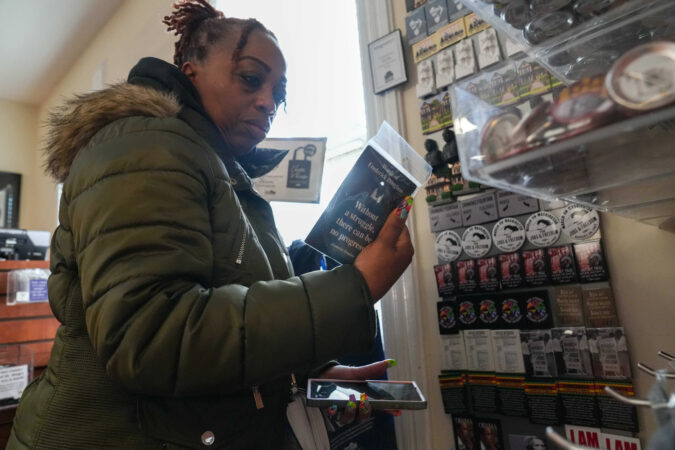
    All items for sale at parks and online are supposed to be reviewed for neutrality. That includes books, T-shirts, keychains, magnets, patches and even pens.

    But the memo issued by a senior Interior Department official didn’t give any examples of items that could no longer be sold, leaving the order open to interpretation. No training sessions have been offered to park service employees.

    Some parks had already completed their reviews, finding nothing to add to the list.

    On display this week at Independence National Historical Park in Philadelphia were items featuring Frederick Douglass. At the Martin Luther King, Jr. National Historical Park store in Atlanta, there were various books on the Civil Rights Movement and a book for children about important Black women in U.S. history. For sale online was a metal token for the Belmont-Paul Women’s Equality National Monument.

    There already is a thorough process for vendors to get merchandise into national park stores. Items are vetted for their educational value and to ensure they align with the themes of the park or historical site.

    National parks in the spotlight

    The park service in recent weeks faced criticism when it stopped offering free admission to visitors on Martin Luther King Jr. Day and Juneteenth, while extending the benefit to U.S. residents on Flag Day, which also happens to be Trump’s birthday next year.

    Earlier this year, the Interior Department’s ordered parks to flag signs, exhibits and other materials it said disparaged Americans. That order sparked debate about books related to Native American history and a photograph at a Georgia park that showed the scars of a formerly enslaved man.

    In one of his executive orders, Trump said the nation’s history was being unfairly recast through a negative lens. Instead, he wants to focus on the positive aspects of America’s achievements, along with the beauty and grandeur of its landscape.

    Mikah Meyer knows that beauty well after a three-year road trip to visit all 419 national park sites. He said part of the mission of his travels, which he shared on social media and in a documentary, was to illustrate that parks are welcoming to the LGBTQ+ community.

    That message aligns with his business, Outside Safe Space, which at its peak was selling stickers and pins featuring a tree with triangle-shaped, rainbow-colored branches to more than 20 associations that operated multiple park stores. His items started to be pulled from some stores after the executive orders were issued earlier this year.

    “How is banning these items supporting freedom of speech?” Meyer said.

  • Homeland Security Secretary Noem defends Trump’s hard-line immigration policies at hearing

    Homeland Security Secretary Noem defends Trump’s hard-line immigration policies at hearing

    Homeland Security Secretary Kristi Noem defiantly defended the Trump administration’s hard-line immigration policies on Thursday during a House committee hearing, portraying migrants as a major threat faced by the nation that justifies a crackdown that has seen widespread arrests, deportations and a dizzying pace of restrictions on foreigners.

    Noem, who heads the agency central to President Donald Trump’s approach to immigration, received backup from Republicans on the panel but faced fierce questioning from Democrats — including many who called for her resignation over the mass deportation agenda.

    The secretary’s testimony was immediately interrupted by protesters shouting for her to stop Immigration and Customs Enforcement raids and “end deportations.” They trailed her down the halls as she left early for another engagement, chanting, “Shame on you!”

    But she vowed she “would not back down.”

    “What keeps me up at night is that we don’t necessarily know all of the people that are in this country, who they are and what their intentions are,” Noem said.

    The hearing was Noem’s first public appearance before Congress in months, testifying at the House Committee on Homeland Security on “Worldwide Threats to the Homeland,” and it quickly grew heated as she emphasized how big a role she believed immigration played in those threats. It focused heavily on the Trump administration’s immigration policies, whereas in years past the hearing has centered on issues such as cybersecurity, terrorism, China and border security.

    Rep. Bennie Thompson, the panel’s ranking Democrat, said Noem has diverted vast taxpayer resources to carry out Trump’s “extreme” immigration agenda and failed to provide basic responses as Congress conducts its oversight.

    “I call on you to resign,” the Mississippi congressman said. “Do a real service to the country.”

    Trump returned to power with what the president says is a mandate to reshape immigration in the U.S. In the months since, the number of people in immigration detention has skyrocketed; the administration has continued to remove migrants to countries they are not from; and, in the wake of an Afghan national being accused of shooting two National Guard troops, Noem’s department has dramatically stepped up checks and screening of immigrants in the U.S.

    Tough questions from Democrats

    Several Democrats repeatedly told Noem flatly that she was “lying” to them and to the public over claims they are focused on violent criminals. They presented cases of U.S. citizens being detained in immigration operations and families of American military veterans being torn apart by deportations of loved ones who have not committed serious crimes or other violations.

    “You lie with impunity,” said Rep. Delia Rodriguez (D., Ill.) who said Noem should resign or be impeached.

    Republicans largely thanked Noem for the work the department is doing to keep the country safe and urged her to carry on.

    “Deport them all,” said Rep. Andy Ogles (R., Tenn).

    Since Noem’s last Congressional appearance in May, immigration enforcement operations, especially in Los Angeles and Chicago, have become increasingly contentious, with federal agents and activists frequently clashing over her department’s tactics.

    Noem did not address the calls to resign, but she tangled with the Democratic lawmakers — interrupting some — and suggested that she and the department she leads weren’t going anywhere.

    “We will never yield. We will never waver,” she said.

    Noem, whose own family, including an infant granddaughter, was in the audience, praised the Trump administration’s efforts when it comes to immigration, saying, “We’re ending illegal immigration, returning sanity to our immigration system.”

    During the hearing, a federal judge ordered the government to free Kilmar Abrego Garcia, whose wrongful deportation to a notorious prison in El Salvador made him a flashpoint in the Trump administration’s immigration enforcement. Noem did not address the judge’s order, nor was she asked about it during the hearing.

    Noem left early, saying she was headed to a meeting of the Federal Emergency Management Agency review council. The meeting, however, was abruptly canceled with no reason given.

    Noem, department under scrutiny

    The worldwide threats hearing, usually held annually, is an opportunity for members of Congress to question the leaders of the Department of Homeland Security, the FBI, and the National Counterterrorism Center.

    FBI Director Kash Patel did not appear, but sent Michael Glasheen, operations director of the national security branch of the FBI.

    Glasheen said the nation faces “serious and evolving” threats, and pointed to so-called antifa, and Trump’s executive order designating the group as a domestic terror organization, as the “most immediate violent threat” facing the country.

    Pressed by Thompson for details — where is antifa headquartered? How many members does it have? — the FBI’s representative appeared unable to provide answers, saying it’s “fluid” and investigations are “ongoing.”

    And, notably, he did not identify immigration as among the most pressing concerns for the homeland.

    Asked about the U.S. seizure of an oil tanker off the Venezuelan coast, Noem linked it to the Trump administration’s antidrug campaign in the region, saying cocaine had been kept from entering the U.S. as a result.

    The hearing offered lawmakers a rare opportunity to hear directly from Noem, but many members of the panel used the bulk of their allotted time to either praise or lambast her handling of immigration enforcement.

    During one sharp exchange, the secretary levied broad criticism for the program through which the man suspected of shooting two National Guard members last month came to the United States.

    “Unfortunate accident?” Noem retorted after Thompson raised the issue. She called it a “terrorist attack.”

    The program, Operation Allies Welcome, was created by then-President Joe Biden’s Democratic administration after the 2021 decision to leave Afghanistan following 20 years of American intervention and billions of dollars in aid. Thompson pointed out that the Trump administration approved the asylum claim of the suspect in the National Guard attack.

    Noem’s department is under particular scrutiny because Congress in July passed legislation giving it roughly $165 billion to carry out its mass deportations agenda and secure the border. The department is getting more money to hire 10,000 more deportation officers, complete the wall between the U.S. and Mexico and increase detention and removal of foreigners from the country.

    The secretary’s appearance also comes as a federal judge is investigating whether she should face a contempt charge over flights carrying migrants to El Salvador.

  • Indiana Republicans defy Trump and reject his House redistricting push in the states

    Indiana Republicans defy Trump and reject his House redistricting push in the states

    INDIANAPOLIS — Indiana’s Republican-led Senate decisively rejected a redrawn congressional map Thursday that would have favored their party, defying months of pressure from President Donald Trump and delivering a stark setback to the White House ahead of next year’s midterm elections.

    The vote was overwhelmingly against the proposed redistricting, with more Republicans opposing than supporting the measure, signaling the limits of Trump’s influence even in one of the country’s most conservative states.

    Trump has been urging Republicans nationwide to redraw their congressional maps in an unusual campaign to help the party maintain its thin majority in the House of Representatives. Although Texas, Missouri, Ohio, and North Carolina went along, Indiana did not — despite cajoling and insults from the president and the possibility of primary challenges.

    “The federal government should not dictate by threat or other means what should happen in our states,” said Spencer Deery, one of the Republican senators who voted no on Thursday.

    When the proposal failed, cheers could be heard inside the chamber as well as shouts of “thank you!” The debate had been shadowed by the possibility of violence, and some lawmakers have received threats.

    The proposed map was designed to give Republicans control of all nine of Indiana’s congressional seats, up from the seven they currently hold. It would have effectively erased Indiana’s two Democrat-held districts by splitting Indianapolis among four districts that extend into rural areas, reshaping U.S. Rep. André Carson’s safe district in the city. It would’ve also eliminated the northwest Indiana district held by U.S. Rep. Frank Mrvan.

    District boundaries are usually adjusted once a decade after a new census. But Trump has described redistricting as an existential issue for the party as Democrats push to regain power in Washington.

    “If Republicans will not do what is necessary to save our Country, they will eventually lose everything to the Democrats,” Trump wrote on social media the night before the vote.

    The president said anyone who voted against the plan should lose their seats. Half of Indiana senators are up for reelection next year, and the conservative organization Turning Point Action had pledged to fund campaigns against them.

    Inside the state Senate chamber, Democratic lawmakers spoke out against redistricting ahead of the vote.

    “Competition is healthy my friends,” said Sen. Fady Qaddoura. “Any political party on earth that cannot run and win based on the merits of its ideas is unworthy of governing.”

    In the hallways outside, redistricting opponents chanted “Vote no!” and “Fair maps!” while holding signs with slogans like “Losers cheat.”

    Three times over the fall Vice President JD Vance met with Republican senators — twice in Indianapolis and once in the White House — to urge their support. Trump joined a conference call with senators on Oct. 17 to make his own 15-minute pitch.

    Behind the scenes, James Blair, Trump’s deputy White House chief of staff for political affairs, was in regular touch with members, as were other groups supporting the effort such as the Heritage Foundation and Turning Point USA.

    “The administration made a full-court press,” said Republican Sen. Andy Zay, who was on the phone with White House aides sometimes multiple times per week, despite his commitment as a yes vote.

    Across the country, mid-cycle redistricting so far has resulted in nine more congressional seats that Republicans believe they can win and six more congressional seats that Democrats think they can win. However, some of the new maps are facing litigation.

    In Utah, a judge imposed new districts that could allow Democrats to win a seat, saying Republican lawmakers violated voter-backed standards against gerrymandering.

    Despite Trump’s push, support for gerrymandering in Indiana’s Senate was uncertain. A dozen of the 50 senators had not publicly committed to a stance ahead of the vote.

    Republican Sen. Greg Goode signaled his displeasure with the redistricting plan before voting no. He said some of his constituents objected to seeing their county split up or paired with Indianapolis. He expressed “love” for Trump but criticized what he called “over-the-top pressure” from inside and outside the state.

    Sen. Michael Young, another Republican, said the stakes in Washington justify redistricting, as Democrats are only a few seats away from flipping control of the U.S. House in 2026. “I know this election is going to be very close,” he said.

    Republican Sen. Mike Gaskill, the redistricting legislation’s sponsor, showed Senators maps of congressional districts around the country, including several focused on Democratic-held seats in New England and Illinois. He argued other states gerrymander and Indiana Republicans should play by the same rules.

    The bill cleared its first hurdle Monday with a 6-3 Senate committee vote, although one Republican joined Democrats in opposing it and a few others signaled they might vote against the final version. The state House passed the proposal last week, with 12 Republicans siding with Democrats in opposition.

    Among them was state Rep. Ed Clere, who said state troopers responded to a hoax message claiming a pipe bomb outside his home Wednesday evening. Indiana state police said “numerous others” received threats but wouldn’t offer details about an ongoing investigation.

    In an interview, Clere said these threats were the inevitable result of Trump’s pressure campaign and a “winner-take-all mentality.”

    “Words have consequences,” Clere said.