Category: Wires

  • Judge bars federal prosecutors from seeking the death penalty against Luigi Mangione

    Judge bars federal prosecutors from seeking the death penalty against Luigi Mangione

    NEW YORK — Federal prosecutors can’t seek the death penalty against Luigi Mangione in the killing of UnitedHealthcare CEO Brian Thompson, a judge ruled Friday, foiling the Trump administration’s bid to see him executed for what it called a “premeditated, cold-blooded assassination that shocked America.”

    U.S. District Judge Margaret Garnett dismissed a federal murder charge that had enabled prosecutors to seek capital punishment, finding that it was technically flawed. She wrote that she did so to “foreclose the death penalty as an available punishment to be considered by the jury” as it weighs whether to convict Mangione.

    Garnett also dismissed a gun charge but left in place stalking charges that carry a maximum punishment of life in prison. In order to seek the death penalty, prosecutors needed to show that Mangione killed Thompson while committing another “crime of violence.” Stalking doesn’t fit that definition, Garnett wrote in her opinion, citing case law and legal precedents.

    In a win for prosecutors, Garnett ruled that prosecutors can use evidence collected from his backpack during his arrest, including a 9mm handgun and a notebook in which authorities say Mangione described his intent to “wack” an insurance executive. Mangione’s lawyers had sought to exclude those items, arguing the search was illegal because police hadn’t yet obtained a warrant.

    The rulings could be subject to appeal. Garnett gave prosecutors 30 days to inform her of any plans to appeal her death penalty decision. A message seeking comment was left for a spokesperson for the U.S. attorney’s office in Manhattan, which is prosecuting the federal case.

    Garnett acknowledged that the decision “may strike the average person — and indeed many lawyers and judges — as tortured and strange, and the result may seem contrary to our intuitions about the criminal law.” But, she said, it reflected her “committed effort to faithfully apply the dictates of the Supreme Court to the charges in this case. The law must the Court’s only concern.”

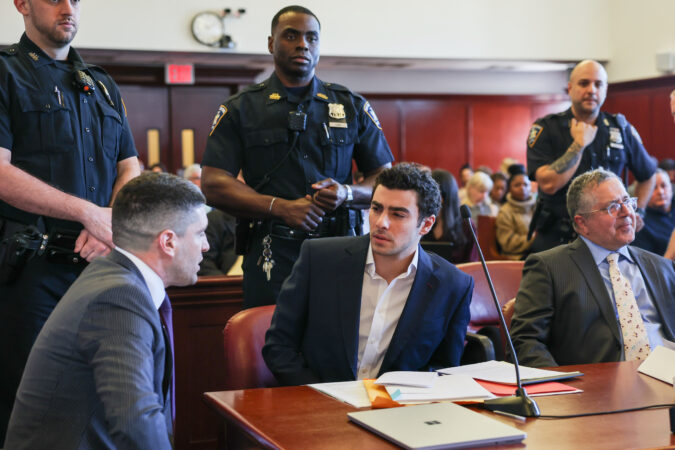
    Mangione, 27, appeared relaxed as he sat with his lawyers at a brief, previously scheduled hearing about an hour after Garnett issued her written ruling. Prosecutors retained their right to appeal the decision but said they were ready to proceed to trial.

    Mangione’s lawyers didn’t address the decision during the hearing. But his lawyer Karen Friedman Agnifilo said afterward that her client and his defense team were relieved by the “incredible decision.”

    Jury selection in the federal case is scheduled to begin Sept. 8, followed by opening statements and testimony beginning on Oct. 13. The state trial’s date hasn’t been set yet. On Wednesday, the Manhattan district attorney’s office sent a letter urging the judge in that case to schedule a July 1 trial date.

    Thompson, 50, was killed on Dec. 4, 2024, as he walked to a midtown Manhattan hotel for UnitedHealth Group’s annual investor conference. Surveillance video showed a masked gunman shooting him from behind. Police say “delay,” “deny” and “depose” were written on the ammunition, mimicking a phrase used to describe how insurers avoid paying claims.

    Mangione, an Ivy League graduate from a wealthy Maryland family, was arrested five days later at a McDonald’s in Altoona, Pa., about 230 miles west of Manhattan.

    Following through on Trump’s campaign promise to vigorously pursue capital punishment, Attorney General Pam Bondi ordered Manhattan federal prosecutors last April to seek the death penalty against Mangione.

    It was the first time the Justice Department was seeking to bring the death penalty in President Donald Trump’s second term. He returned to office a year ago with a vow to resume federal executions after they were halted under his predecessor, President Joe Biden.

    Garnett, a Biden appointee, ruled after a flurry of court filings in the prosecution and defense in recent months. She held oral arguments on the matter earlier this month.

    In addition to seeking to have the death penalty thrown out on the grounds Garnett cited, Mangione’s lawyers argued that Bondi’s announcement flouted long-established Justice Department protocols and showed the decision was “based on politics, not merit.”

    They said her remarks, which were followed by posts to her Instagram account and a TV appearance, “indelibly prejudiced” the grand jury process that resulted in his indictment a few weeks later.

    Prosecutors urged Garnett to keep the death penalty on the table, arguing that the charges allowing for such punishment were legally sound and that Bondi’s remarks weren’t prejudicial, as “pretrial publicity, even when intense, is not itself a constitutional defect.”

    Rather than dismissing the case outright or barring the government from seeking the death penalty, prosecutors argued, the defense’s concerns can best be alleviated by carefully questioning prospective jurors about their knowledge of the case and ensuring Mangione’s rights are respected at trial.

    “What the defendant recasts as a constitutional crisis is merely a repackaging of arguments” rejected in previous cases, prosecutors said. “None warrants dismissal of the indictment or categorical preclusion of a congressionally authorized punishment.”
  • Trump names former Federal Reserve governor Kevin Warsh as the next Fed chair, replacing Jerome Powell

    Trump names former Federal Reserve governor Kevin Warsh as the next Fed chair, replacing Jerome Powell

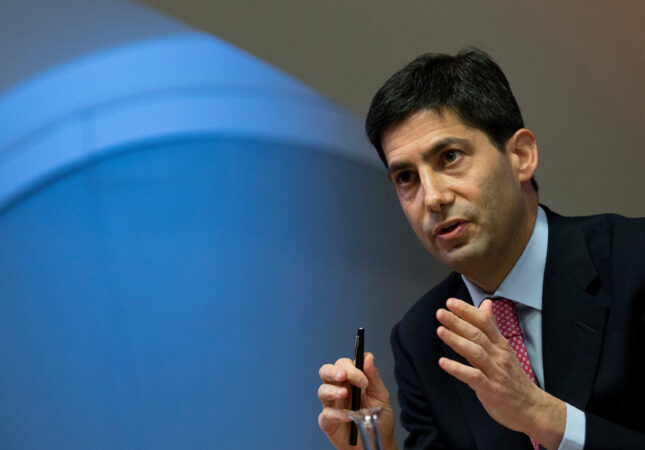
    WASHINGTON — President Donald Trump said Friday that he will nominate former Federal Reserve official Kevin Warsh to be the next chair of the Fed, a decision likely to result in sharp changes to the powerful agency that could bring it closer to the White House.

    If approved by the Senate, Warsh would replace current chair Jerome Powell when his term expires in May. Trump chose Powell to lead the Fed in 2017 but this year has relentlessly assailed him for not cutting interest rates quickly enough.

    “I have known Kevin for a long period of time, and have no doubt that he will go down as one of the GREAT Fed Chairmen, maybe the best,” Trump posted on social media. “On top of everything else, he is ‘central casting,’ and he will never let you down.”

    The appointment, which requires Senate confirmation, amounts to a return trip for Warsh, 55, who was a member of the Fed’s board from 2006 to 2011. He was the youngest governor in history when he was appointed at age 35. He is currently a fellow at the right-leaning Hoover Institution and a lecturer at the Stanford Graduate School of Business.

    In some ways, Warsh is an unlikely choice for the Republican president because he has long been a hawk in Fed parlance, or someone who typically supports higher interest rates to control inflation. Trump, by contrast, has said the Fed’s key rate should be as low as 1%, a level few economists endorse, and far below its current level of about 3.6%.

    During his time as governor, Warsh objected to some of the low-interest rate policies that the Fed pursued during and after the 2008-09 Great Recession. He also often expressed concern at that time that inflation would soon accelerate, even though it remained at rock-bottom levels for many years after that recession ended.

    More recently, however, in speeches and opinion columns, Warsh has voiced support for lower rates.

    Early reaction

    Financial markets reacted in ways that suggest investors expect that Warsh could keep rates a bit higher over time. The dollar and yields on long-term U.S. Treasurys rose, although that moderated a bit.

    The 10-year yield is at 4.26%, up from 4.23% Thursday. U.S. stock futures saw losses of around 0.5%. The biggest moves were in the suddenly volatile metals markets, where gold dropped more than 5% and silver sank more than 13%.

    In Congress, Sen. Thom Tillis, a North Carolina Republican who is retiring, reiterated in a social media post that he will oppose Warsh’s nomination until a Justice Department investigation into Powell is resolved.

    Tillis is a member of the Senate Banking Committee, which will consider Warsh’s nomination.

    He added that Warsh is a “qualified nominee” but stressed that “protecting the independence of the Federal Reserve from political interference or legal intimidation is non-negotiable.”

    Tillis’s opposition could complicate the confirmation process. Asked late Thursday whether Warsh could be confirmed without Tillis’s support, Senate Majority Leader John Thune said, “Probably not.”

    Democratic Sen. Elizabeth Warren of Massachusetts, the highest-ranking Democrat on the Banking Committee, said, “This nomination is the latest step in Trump’s attempt to seize control of the Fed.”

    Warsh beat out several other candidates, including Trump’s top economic adviser, Kevin Hassett, investment manager Rick Rieder, and current Fed governor Christopher Waller.

    Controlling the Fed

    Warsh’s appointment could be a major step toward Trump asserting more control over the Fed, one of the few remaining independent federal agencies. While all presidents influence Fed policy through appointments, Trump’s rhetorical attacks on the central bank have raised concerns about its status as an independent institution.

    The announcement comes after an extended and unusually public search that underscored the importance of the decision to Trump and the potential impact it could have on the economy. The chair of the Federal Reserve is one of the most powerful economic officials in the world, tasked with combating inflation in the United States while also supporting maximum employment.

    The Fed is also the nation’s top banking regulator.

    The Fed’s rate decisions, over time, influence borrowing costs throughout the economy, including for mortgages, car loans, and credit cards.

    For now, Warsh would likely fill a seat on the Fed’s governing board that was temporarily occupied by Stephen Miran, a White House adviser whom Trump appointed in September. Once on the board, Trump could then elevate Warsh to the chair position when Powell’s term ends in May.

    Trump has sought to exert more control over the Fed. In August he tried to fire Lisa Cook, one of seven governors on the Fed’s board, in an effort to secure a majority of the board. Cook, however, sued to keep her job, and the Supreme Court, in a hearing last week, appeared inclined to let her stay in her position while her suit is resolved.

    Powell revealed this month that the Fed had been subpoenaed by the Justice Department about his congressional testimony on a $2.5 billion building renovation. Powell said the subpoenas were “pretexts” to force the Fed to cut rates.

    Trump’s economic policies

    Since Trump’s reelection, Warsh has expressed support for the president’s economic policies, despite a history as a more conventional, pro-free trade Republican.

    In a January 2025 column in the Wall Street Journal, Warsh praised Trump’s deregulatory policies and potential spending cuts, which he said would help bring down inflation. Lower inflation would allow the Fed to deliver the rate cuts the president wants.

    Trump had said he would appoint a Fed chair who will cut interest rates to lower the government’s borrowing costs and bring down mortgage rates, though the Fed doesn’t decide those costs directly.

    In December, he wrote on social media of the need for lower borrowing costs and said, “Anyone who disagrees with me will never be the Fed chairman!”

    Potential challenges and pushback

    Warsh would face challenges in pushing interest rates much lower. The chair is just one member of the Fed’s 19-person rate-setting committee, with 12 of those officials voting on each rate decision. The committee is already split between those worried about persistent inflation, who’d like to keep rates unchanged, and those who think that recent upticks in unemployment point to a stumbling economy that needs lower interest rates to bolster hiring.

    Financial markets could also push back. If the Fed cuts its short-term rate too aggressively and is seen as doing so for political reasons, then Wall Street investors could sell Treasury bonds out of fear that inflation would rise. Such sales would push up longer-term interest rates, including mortgage rates, and backfire on Warsh.

    Trump considered appointing Warsh as Fed chair during his first term, though ultimately he went with Powell. Warsh’s father-in-law is Ronald Lauder, heir to the Estee Lauder cosmetics fortune and a longtime donor and confidant of Trump’s.

    Warsh in recent years has become harshly critical of the Fed, calling for “regime change” and assailing Powell for engaging on issues like climate change and diversity, equity and inclusion, which Warsh said are outside the Fed’s mandate.

    His more critical approach suggests that if he does ascend to the position of chair, it would amount to a sharp transition at the Fed.

    In a July interview on CNBC, Warsh said Fed policy “has been broken for quite a long time.”

    “The central bank that sits there today is radically different than the central bank I joined in 2006,” he added. By allowing inflation to surge in 2021-22, the Fed “brought about the greatest mistake in macroeconomic policy in 45 years, that divided the country.”

  • TikTok star Shirley Raines, known for bringing meals and respect to people on Skid Row, dies at 58

    TikTok star Shirley Raines, known for bringing meals and respect to people on Skid Row, dies at 58

    Shirley Raines, a social media creator and nonprofit founder who dedicated her life to caring for people experiencing homelessness, has died, her organization Beauty 2 The Streetz said Wednesday. She was 58.

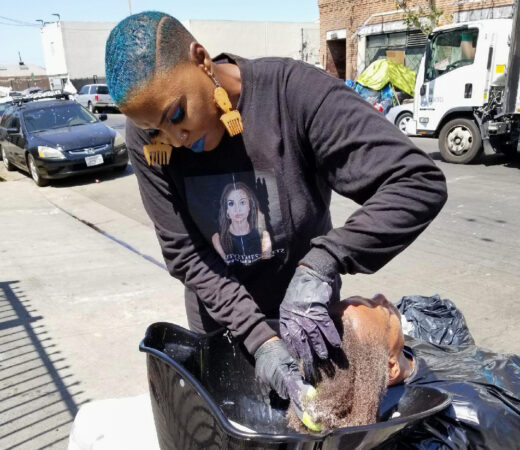
    Ms. Raines was known as “Ms. Shirley,” to her more than 5 million TikTok followers and to the people who regularly lined up for the food, beauty treatments, and hygiene supplies she brought to Los Angeles’ Skid Row and other homeless communities in California and Nevada.

    Ms. Raines’ life made an “immeasurable impact,” Beauty 2 The Streetz wrote on social media.

    “Through her tireless advocacy, deep compassion, and unwavering commitment, she used her powerful media platform to amplify the voices of those in need and to bring dignity, resources, and hope to some of the most underserved populations,” the organization said.

    Ms. Raines’ cause of death was not released, but the organization said it would share additional information when it is available.

    Ms. Raines had six children. One son died as a toddler — an experience that left her a “very broken woman,” Ms. Raines said in 2021 when she was named CNN’s Hero of the Year.

    “It’s important you know that broken people are still very much useful,” she said during the CNN award ceremony.

    That deep grief led her to begin helping homeless people.

    “I would rather have him back than anything in the world, but I am a mother without a son, and there are a lot of people in the street that are without a mother,” she said. “And I feel like it’s a fair exchange — I’m here for them.”

    Ms. Raines began working with homeless communities in 2017. On Monday, Ms. Raines posted a video shot from inside her car as she handed out lunches to a line of people standing outside her passenger window. She greeted her clients with warm enthusiasm and respect, calling them “King,” or “Queen.”

    One man told her he was able to get into an apartment.

    “God is good! Look at you!” Ms. Raines replied, her usual cheerfulness stepping up a notch. In a video posted two weeks earlier, she handed her shoes to a barefoot child who was waiting for a meal, protecting the girl’s feet from the chilly asphalt.

    California’s homelessness crisis is especially visible in downtown Los Angeles, where hundreds of people live in makeshift shanties that line entire blocks in the notorious neighborhood known as Skid Row. Tents regularly pop up on the pavement outside City Hall. Encampments are increasingly found in suburban areas under freeway overpasses. A 2025 survey found that about 72,000 people were homeless on any given night across Los Angeles County.

    Crushow Herring, the art director of the Sidewalk Project, said Ms. Raines was both sentimental and protective of the homeless community. The Sidewalk Project uses art and peer empowerment programs to help people experiencing homelessness in Los Angeles.

    “I’ve been getting calls all morning from people, not just who live in Skid Row but Angelenos who are shocked” by Ms. Raines’ death, Herring said. “To see the work she did, and how people couldn’t wait to see her come out? It was a great mission. What most people need is just feeling dignity about themselves, because if they look better, they feel better.”

    Ms. Raines would often give people on the street a position working with her as she provided haircuts or handed out goods, Herring said.

    “By the time a year or two goes by, they’re part of the organization — they have responsibility, they have something to look forward to,” he said. “She always had people around her that were motivational, and generous and polite to community members.”

    Melissa Acedera, founder of Polo’s Pantry, recalled joining Raines every Saturday to distribute food when Beauty 2 The Streetz was first getting started. Ms. Raines remembered people’s birthdays and took special care to reach out to transgender and queer people who were often on the outskirts of Skid Row, she added.

    “It’s hard not to think of Shirley when I’m there,” Acedera said.

    In 2025, Ms. Raines was named the NAACP Image Award Winner for Outstanding Social Media Personality. Other social media creators lauded her work and shared their own grief online Wednesday.

    “Ms. Shirley was truly the best of us, love incarnate,” wrote Alexis Nikole Nelson, a foraging educator and social media creator known as “blackforager.”

  • 4 Parkinson’s disease symptoms that can show up decades before a diagnosis

    4 Parkinson’s disease symptoms that can show up decades before a diagnosis

    Many people think of a tremor as the quintessential warning sign of Parkinson’s disease. But other symptoms — many of them not involving changes in movement — can appear much earlier than what’s known as a resting tremor.

    In fact, a resting tremor, which is a rhythmic shaking of a body part such as a hand when at rest, isn’t even required for diagnosis. Up to 20% of people with Parkinson’s disease don’t have one.

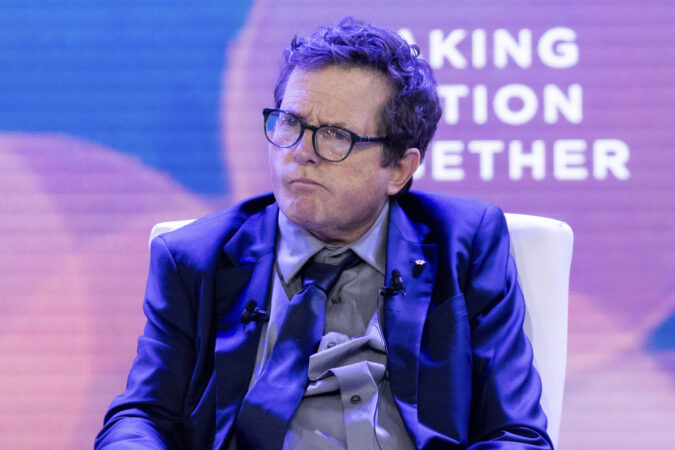
    “Parkinson’s is what we call a movement disorder because it affects our movement, but there’s a whole side of Parkinson’s that is non-motor,” said Rachel Dolhun, a neurologist and principal medical adviser at the Michael J. Fox Foundation for Parkinson’s Research. “We long thought it was just a movement disease, but now we see that it affects the whole body in different ways.”

    Certain symptoms show up years before motor changes

    Parkinson’s disease is one of the most common neurological disorders in the world, with cases expected to reach 25.2 million by 2050. While inherited genetic mutations are associated with 10 to 15% of cases, the rest have no known cause. Symptoms can be managed with available treatments, but there is no cure — although exercise is thought to reduce the risk of developing the condition. And there are several other things you can do to reduce your risk of Parkinson’s disease, as well.

    To make a Parkinson’s diagnosis, neurologists look for characteristic movement symptoms, including slowness, stiffness, and resting tremor. However, common non-motor symptoms of Parkinson’s, such as constipation and loss of sense of smell, often precede such changes in movement by more than a decade. This early stage of Parkinson’s, known as the prodromal phase, marks the beginning of a gradual onset of disease.

    “It’s a slow disease, and we’re realizing just how slow it can be,” said Ronald Postuma, a professor of neurology and neurosurgery at McGill University in Montreal. “It’s progressing in the brain, year by year, until it crosses a threshold at which doctors can make the diagnosis.”

    Parkinson’s disease damages neurons that produce dopamine, a chemical that transmits signals between cells and plays a crucial role in controlling movement and coordination in the brain. By the time motor symptoms show up, 50 to 70% of these neurons in the substantia nigra, a small but vital structure for voluntary movement located in the brain stem, have already died.

    In the last two decades, researchers have made major advances in understanding markers of prodromal Parkinson’s that they hope could, one day, be used for earlier diagnosis.

    “It’s important to stress that not everyone who has these symptoms goes on to develop Parkinson’s,” Dolhun said. “But we know that in some people, these can be some of the earliest signs.”

    Here are four early symptoms that often appear in people who are later diagnosed with Parkinson’s disease:

    Loss of sense of smell

    The inability to detect odors, known as anosmia, can be a temporary side effect from a cold or sinus infection, or even a more permanent issue after COVID. But more than 90% of people with Parkinson’s disease lose their sense of smell gradually over a long period of time. It can begin years or even decades before motor symptoms.

    “We’ve estimated that the loss of the sense of smell is occurring 20 years before the disease is diagnosed,” Postuma said.

    “We know that people who lose their sense of smell have about a fivefold increased risk of developing Parkinson’s in the future,” he said. “People lose their ability to detect and identify odors, and they are often not very aware because it happens so gradually.”

    Researchers are still trying to understand what causes anosmia in Parkinson’s disease and why it is one of the earliest symptoms. One hypothesis states that the disease could actually begin in the olfactory bulb, the part of the brain that controls sense of smell, where abnormal proteins wreak havoc and damage neurons.

    Adults ages 40 and older in the United States or Canada who have not been diagnosed with Parkinson’s disease can request a free scratch-and-sniff smell test from the Michael J. Fox Foundation for Parkinson’s Research. The test is part of a brain health study that uses loss of sense of smell as a way of identifying people who haven’t yet developed Parkinson’s but might in the future.

    Acting out dreams

    Normally, the body enters a state of almost total paralysis during rapid eye movement (REM) sleep, which is the sleep stage with the most vivid dreams. REM sleep behavior disorder is a chronic condition characterized by a loss of this paralysis that leads people to physically act out their dreams. They will sit up in bed, have one-sided conversations, and even punch or kick their partner.

    Studies have shown that between 50 and 70% of people with REM sleep behavior disorder will develop Parkinson’s disease or a related condition such as Lewy body dementia within an average of five to 10 years. People ages 50 and older with REM sleep behavior disorder have a 130 times greater likelihood of developing Parkinson’s compared with someone without the sleep condition.

    If you think you’re acting out your dreams, talk to your doctor and request a sleep study for confirmation. People who receive a diagnosis can sign up for a registry established by the North American Prodromal Synucleinopathy (NAPS) Consortium, which aims to develop treatments to delay or prevent Parkinson’s and related diseases.

    Constipation

    Constipation is one of the most common gastrointestinal complaints in the United States and usually not serious. However, chronic constipation that persists for several weeks or longer affects two-thirds of all people with Parkinson’s. Parkinson’s can affect the nerves that line the digestive tract, and studies have found clumps of abnormal protein in neurons lining the intestines of people with Parkinson’s.

    A meta-analysis of nine studies found that people with constipation — either assessed by a questionnaire or diagnosed by a healthcare professional — were twice as likely to develop Parkinson’s compared with those without constipation. Another study followed 6,790 men ages 51 to 75 over a 24-year period, and those who had a bowel movement less often than once a day had a greater risk of Parkinson’s.

    “Even people who are constipated in their 20s or 30s seem to have an increased chance of getting Parkinson’s 30, 40 years later,” Postuma said. “So, now we’re starting to wonder: Is the disease affecting the nerves that control the gut, or is being constipated a risk factor for Parkinson’s, as well?”

    Dizziness when standing up

    Postural low blood pressure, known as orthostatic hypotension, is a drop in blood pressure that occurs when a person goes from sitting or lying down to standing. It can lead to dizziness, lightheadedness, and even fainting. Orthostatic hypotension can be triggered by mild dehydration, low blood sugar, or overheating. But chronic, persistent orthostatic hypotension can be more serious.

    “When it’s neurological in origin — in other words, not dehydration, medication, or a heart problem — about half of these patients develop Parkinson’s or a related condition,” Postuma said. “So it’s a very high risk factor. Most people, though, don’t have a neurologic cause.”

    Researchers have identified orthostatic hypotension as a possible feature of prodromal Parkinson’s disease, although the evidence is not as strong as for other markers. For example, one study found that otherwise unexplained orthostatic hypotension was associated with an eventual diagnosis of Parkinson’s or a related condition in 18 of 79 (23%) patients after a 10-year follow-up.

    What prodromal markers mean

    At this point, these prodromal markers aren’t specific enough to definitively signal Parkinson’s on their own, and there’s a good chance they may be because of a different cause or medical condition. But if you have several markers at once or a family history of the disease, you may want to speak to your doctor.

    “If you start to combine some of these symptoms, then it really increases your risk for developing Parkinson’s disease in the future,” said Kelly Mills, director of the Parkinson’s disease and Movement Disorders Center at Johns Hopkins Medicine. “If someone has constipation, loss of smell sensation, and they’re acting out their dreams, you’re adding the risk of those different factors. But don’t necessarily jump to any conclusions without getting an evaluation.”

  • TSA’s faster PreCheck lane is expanding to more airports

    TSA’s faster PreCheck lane is expanding to more airports

    A faster way to get through airport security may be coming to an airport near you.

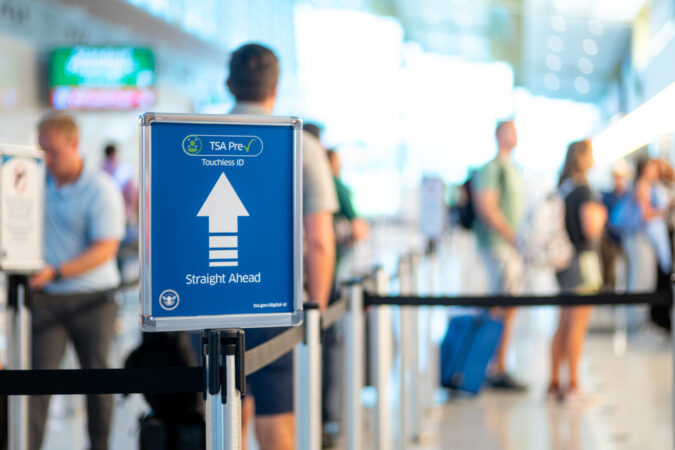
    TSA PreCheck Touchless ID, a new program that uses facial recognition, is expanding to 65 airports this spring. The expansion will prioritize 2026 World Cup host cities, where travel is expected to surge, said Transportation Security Administration spokesperson R. Carter Langston.

    “Passengers seem to absolutely appreciate it — the speed, the efficiency,” Langston said. “All they show is their face, and the officer just waves them right into the checkpoint. No hassling with passports or IDs or phones.”

    TSA launched the first iteration of the program in 2021 in partnership with Delta Air Lines at Hartsfield-Jackson Atlanta International Airport. It’s now available for five airlines across 22 airports.

    Critics worry that the program raises privacy concerns. It is voluntary, and travelers can opt out at any time and use a standard ID verification instead.

    What is PreCheck Touchless ID?

    TSA said in an email that the initiative is a joint effort from U.S. Customs and Border Protection, airports, and airlines that allows travelers “to move through dedicated lanes with ease, enjoying a smoother and more convenient airport experience.”

    The program uses the CBP Traveler Verification Service to create “a secure biometric template of a passenger’s live facial image taken at the checkpoint and matches it against a gallery of templates of pre-staged photos that the passenger previously provided to the government (e.g., U.S. Passport or Visa),” the agency website said.

    Who is eligible for PreCheck Touchless ID?

    To use the program, fliers must be a current TSA PreCheck member with a valid “known traveler number” and an active airline profile (such as being enrolled in a loyalty program). They must also have a valid passport uploaded to their airline profile.

    The airlines currently participating in the program include Alaska, American, Delta, Southwest, and United.

    TSA PreCheck Touchless ID offers current TSA PreCheck members an expedited airport security screening by way of “facial comparison technology.”

    It’s only available at select airports, through participating airlines — which vary. For example, travelers at John F. Kennedy International Airport, but only if they are flying with Alaska, America, or Delta. It is available at George Bush Intercontinental in Houston, but only for passengers flying with American. For a list of availability, visit the TSA website.

    How can travelers opt in?

    To use the program, travelers must first opt in through their airline’s website or app before checking in to their flight.

    The process varies by airline, but you can generally find the prompt under a “travel documents” section (where you add your known traveler number or passport details) of your airline loyalty program app or website.

    American Airlines customers, for example, will find the opt-in choice toward the bottom of the “Information and password” page of their AAdvantage profile, while Alaska Airlines customers should go to their account settings, then click into the “travel documents” section.

    Once travelers have opted in, then checked in for their flight, a TSA PreCheck Touchless ID symbol should then appear on their boarding pass. If the symbol is not on your boarding pass, you won’t be able to use the lane, even if you show an employee that you are enrolled in the program.

    At the airport, travelers should follow signs to a separate TSA PreCheck Touchless ID lane. Instead of handing an ID over to an officer to verify your identity, you’ll instead pause to scan your face, then keep moving.

    Is it really faster?

    It can be, for two reasons.

    First: There is no slowdown to hand over and scan your ID; travelers must only pause during their walk through the line dividers before proceeding to the X-ray machines.

    Second: Because the program is new, requires signing up in advance, and is not available for every airline, it’s getting a fraction of the traffic that regular security, Clear, or PreCheck lanes are.

    We’ve had mixed results. When it works, it’s incredible; you really are through in seconds.

    But we’ve also been delayed when the facial comparison machine was undergoing maintenance and out of use, sending us back into the longer PreCheck lane.

    Which airports offer PreCheck Touchless ID?

    TSA PreCheck Touchless ID is already available at 22 airports (however, participating airlines will vary; check the TSA website for more information):

    • Boston Logan International Airport
    • Charlotte Douglas International Airport
    • Chicago O’Hare International Airport
    • Dallas-Fort Worth International Airport
    • Denver International Airport
    • Detroit Metropolitan Wayne County Airport
    • Dulles International Airport
    • George Bush Intercontinental Airport
    • Harry Reid International Airport in Las Vegas
    • Hartsfield-Jackson Atlanta International Airport
    • John F. Kennedy International Airport
    • LaGuardia Airport
    • Los Angeles International Airport
    • Minneapolis–Saint Paul International Airport
    • Newark Liberty International Airport
    • Palm Beach International Airport
    • Philadelphia International Airport
    • Portland International Airport in Oregon
    • Ronald Reagan Washington National Airport
    • Salt Lake City International Airport
    • San Francisco International Airport
    • Seattle-Tacoma International Airport

    What are the privacy concerns?

    The TSA is using more facial recognition at the airport, including in regular security lanes and CBP checks.

    The CBP says its Enhanced Passenger Processing involves taking a traveler’s photo using “auto capture technology” to simplify the inspection and adjudication process.

    Travelers can also use biometric screenings to speed through Global Entry, using a CBP app.

    TSA says on its website that it may share your information with “CBP, DHS S&T, or others as necessary.” The agency confirmed that includes sharing information about travelers with Immigration and Customs Enforcement to check for deportation orders.

    There has been a bipartisan effort to put more guardrails on its use at airports.

    In 2019, the Department of Homeland Security said that photos of travelers were taken in a data breach, accessed through the network of one of its subcontractors. (TSA says its databases are encrypted).

    A new Senate bill would allow officers to continue scanning travelers’ faces if they opt in; it would ban the technology’s use for anything other than verifying identities. It would also require the agency to immediately delete the scans once the check is complete.

    If you change your mind about TSA PreCheck Touchless ID, you can opt out at any time and ask for standard ID verification instead. You can opt out of any facial recognition at the airport by saying, “I’d prefer a standard ID check.”

    The agency also says it deletes photos and personal data within 24 hours of scheduled flight departures. The TSA website’s FAQ section addresses some privacy concerns and says that all data collected during facial comparison checks is protected.

  • Maxey scores 40 points and hits winning layup with 1.3 seconds left to lead 76ers over Kings 113-111

    Maxey scores 40 points and hits winning layup with 1.3 seconds left to lead 76ers over Kings 113-111

    PHILADELPHIA — Tyrese Maxey scored 40 points, including the winning layup with 1.3 seconds remaining, Joel Embiid had 37 points and the Philadelphia 76ers rallied to edge the Sacramento Kings 113-111 on Thursday night.

    Paul George added 15 points for Philadelphia, which came back from an 11-point deficit in the fourth-quarter.

    Dennis Schroder scored 27 points and DeMar DeRozan added 25 for the Kings, who have lost seven in a row.

    After DeRozan missed a 14-footer that would have put the Kings in front, Embiid grabbed the rebound with 5.2 seconds left and Philadelphia coach Nick Nurse called a timeout. On the 76ers’ second attempt to inbound the ball on their ensuing possession, Kelly Oubre Jr. passed to Embiid at the top of the arc, and Maxey sprinted from half-court. He took the pass from Embiid and converted a driving, left-handed layup and was fouled by Precious Achiuwa.

    Sacramento outscored the 76ers 38-28 in the third quarter to take a 92-88 advantage into the fourth. Zach LaVine’s three-point play with 7:44 remaining put Sacramento up 103-92. But Philadelphia rallied to score 13 of the next 15 points, tying the game at 105 on two free throws by Maxey to set the stage for the finish.

    Sacramento dropped to 3-21 on the road and 0-4 on its six-game road trip.

    The 76ers played their second straight game with a healthy Embiid and George, who each were listed as probable entering the contest. George tied a Philadelphia single-game record with nine 3-pointers in Tuesday’s 139-122 win over Milwaukee, a game in which Embiid had 29 points, nine rebounds, and five assists.

    Russell Westbrook (right foot soreness), Malik Monk (right ankle soreness) and Keegan Murray (left ankle sprain) were sidelined for the Kings. Philadelphia’s Quentin Grimes (right ankle sprain) missed his second straight game.

  • Trump threatens Canada with 50% tariff on aircraft sold in U.S., expanding trade war

    Trump threatens Canada with 50% tariff on aircraft sold in U.S., expanding trade war

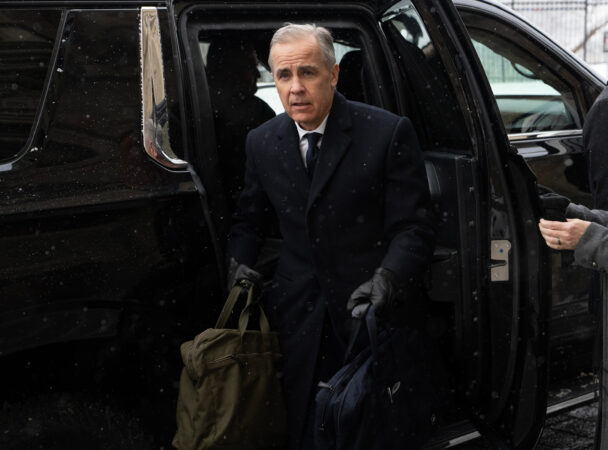
    WASHINGTON — President Donald Trump on Thursday threatened Canada with a 50% tariff on any aircraft sold in the U.S., the latest salvo in his trade war with America’s northern neighbor as his feud with Prime Minister Mark Carney expands.

    Trump’s threat posted on social media came after he threatened over the weekend to impose a 100% tariff on goods imported from Canada if it went forward with a planned trade deal with China. But Trump’s threat did not come with any details about when he would impose the import taxes, as Canada had already struck a deal.

    In Trump’s latest threat, the Republican president said he was retaliating against Canada for refusing to certify jets from Savannah, Ga.-based Gulfstream Aerospace.

    Trump said the U.S., in return, would decertify all Canadian aircraft, including planes from its largest aircraft maker, Bombardier. “If, for any reason, this situation is not immediately corrected, I am going to charge Canada a 50% Tariff on any and all Aircraft sold into the United States of America,” Trump said in his post.

    Spokespeople for Bombardier and Canada’s transport minister didn’t immediately respond to messages seeking comment Thursday evening.

    The U.S. Commerce Department previously put duties on a Bombardier commercial passenger jet in 2017 during the first Trump administration, charging that the Canadian company is selling the planes in America below cost. The U.S. said then that the Montreal-based Bombardier used unfair government subsidies to sell jets at artificially low prices.

    The U.S. International Trade Commission in Washington later ruled that Bombardier did not injure U.S. industry.

    Bombardier has since concentrated on the business and private jet market in recent years. If Trump cuts off the U.S. market it would be a major blow to the Quebec company.

    Treasury Secretary Scott Bessent warned Carney on Wednesday that his recent public comments against U.S. trade policy could backfire going into the formal review of the U.S.-Mexico-Canada Agreement, the trade deal that protects Canada from the heaviest impacts of Trump’s tariffs.

    Carney rejected Bessent’s contention that he had aggressively walked back his comments at the World Economic Forum during a phone call with Trump on Monday.

    Carney said he told Trump that he meant what he said in his speech at Davos, and told him Canada plans to diversify away from the United States with a dozen new trade deals.

    In Davos at the World Economic Forum last week, Carney condemned economic coercion by great powers on smaller countries without mentioning Trump’s name. The prime minister received widespread praise and attention for his remarks, upstaging Trump at the gathering.

  • Venezuelan lawmakers vote to ease state grip on oil, abandoning self-proclaimed socialist tenet

    Venezuelan lawmakers vote to ease state grip on oil, abandoning self-proclaimed socialist tenet

    CARACAS, Venezuela — Venezuela’s acting President Delcy Rodríguez on Thursday signed a law that will open the nation’s oil sector to privatization, reversing a tenet of the self-proclaimed socialist movement that has ruled the country for more than two decades.

    Lawmakers in the country’s National Assembly approved the overhaul of the energy industry law earlier in the day, less than a month after the brazen seizure of then-President Nicolás Maduro in a U.S. military attack in Venezuela’s capital.

    As the bill was being passed, the U.S. Treasury Department officially began to ease sanctions on Venezuelan oil that once crippled the industry, and expanded the ability of U.S. energy companies to operate in the South American nation, the first step in plans outlined by Secretary of State Marco Rubio the day before. The license authorization by the Treasury Department strictly prohibits entities from China, Russia, Iran, North Korea, or Cuba from the transactions.

    The moves by both governments on Thursday are paving the way for yet another radical geopolitical and economic shift in Venezuela.

    “We’re talking about the future. We are talking about the country that we are going to give to our children,” Rodríguez said.

    Rodríguez proposed the changes in the days after President Donald Trump said his administration would take control of Venezuela’s oil exports and revitalize the ailing industry by luring foreign investment.

    Private companies to control oil production

    The legislation promises to give private companies control over the production and sale of oil and allow for independent arbitration of disputes.

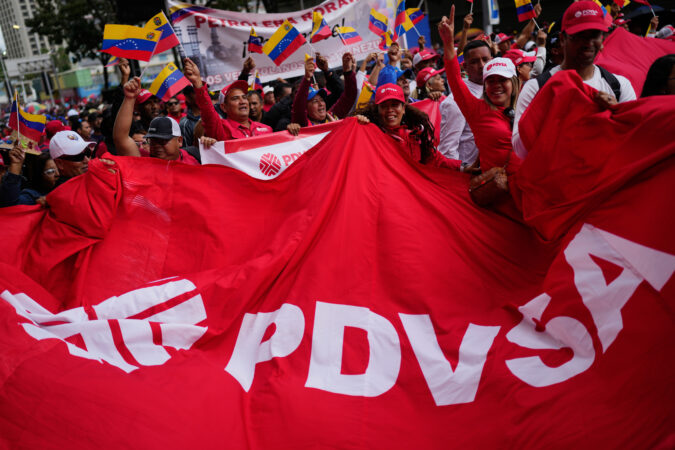
    Rodríguez’s government expects the changes to serve as assurances for major U.S. oil companies that have so far hesitated about returning to the volatile country. Some of those companies lost investments when the ruling party enacted the existing law two decades ago to favor Venezuela’s state-run oil company, Petróleos de Venezuela SA, or PDVSA.

    The revised law would modify extraction taxes, setting a royalty cap rate of 30% and allowing the executive branch to set percentages for every project based on capital investment needs, competitiveness and other factors.

    It also removes the mandate for disputes to be settled only in Venezuelan courts, which are controlled by the ruling party. Foreign investors have long viewed the involvement of independent courts as crucial to guard against future expropriation.

    Will change Venezuela’s economy

    Ruling-party lawmaker Orlando Camacho, head of the assembly’s oil committee, said the reform “will change the country’s economy.”

    Meanwhile, opposition lawmaker Antonio Ecarri urged the assembly to add transparency and accountability provisions to the law, including the creation of a website to make funding and other information public. He noted that the current lack of oversight has led to systemic corruption and argued that these provisions can also be considered judicial guarantees.

    Those guarantees are among the key changes foreign investors are looking for as they weigh entering the Venezuelan market.

    “Let the light shine on in the oil industry,” Ecarri said.

    Some oil workers support overhaul

    Oil workers dressed in red jumpsuits and hard hats celebrated the bill’s approval, waving a Venezuelan flag inside the legislative palace and then joining lawmakers in a demonstration with ruling-party supporters.

    The law was last altered two decades ago as Maduro’s mentor and predecessor, the late Hugo Chávez, made heavy state control over the oil industry a pillar of his socialist-inspired revolution.

    In the early years of his tenure, a massive windfall in petrodollars thanks to record-high global oil prices turned PDVSA into the main source of government revenue and the backbone of Venezuela’s economy.

    Chávez’s 2006 changes to the hydrocarbons law required PDVSA to be the principal stakeholder in all major oil projects.

    In tearing up the contracts that foreign companies signed in the 1990s, Chávez nationalized huge assets belonging to American and other Western firms that refused to comply, including ExxonMobil and ConocoPhillips. They are still waiting to receive billions of dollars in arbitration awards.

    From those heady days of lavish state spending, PDVSA’s fortunes turned — along with the country’s — as oil prices dropped and government mismanagement eroded profits and hurt production, first under Chávez, then Maduro.

    The nation home to the world’s biggest proven crude reserves underwent a dire economic crisis that drove over 7 million Venezuelans to flee since 2014. Sanctions imposed by successive U.S. administrations further crippled the oil industry.

  • A man impersonating an FBI agent tried to get Luigi Mangione out of jail, authorities say

    A man impersonating an FBI agent tried to get Luigi Mangione out of jail, authorities say

    NEW YORK — A man claiming to be an FBI agent showed up to a federal jail in New York City on Wednesday night and told officers he had a court order to release Luigi Mangione, authorities said.

    Mark Anderson, 36, a Minnesota native who has a history of drug and other arrests and disclosed last year in court papers that he suffers from mental illness, was arrested and charged with impersonating a federal officer in a foiled bid to free Mangione from the Metropolitan Detention Center. Mangione is being held at the notorious Brooklyn lockup while awaiting state and federal murder trials in the killing of UnitedHealthcare CEO Brian Thompson.

    A criminal complaint against Anderson did not identify the person he attempted to free. A law enforcement official familiar with the matter confirmed it was Mangione. The official was not authorized to speak publicly and did so on condition of anonymity.

    Anderson was ordered held without bail after an initial appearance Thursday in Brooklyn federal court. He was not required to enter a plea. A day after getting stopped at the entrance, he is now locked up in the same jail as Mangione, according to federal prison records. An online court docket did not include information on a lawyer who could speak on Anderson’s behalf. A message was also left for a spokesperson for Mangione’s legal team.

    In a lawsuit last year alleging injuries from a fall at a city homeless shelter, Anderson said he has “multiple disabilities” and has been ruled by the Social Security Administration to be “fully disabled because of mental illness.” He said he had no money and said he received state and federal assistance.

    According to public records, Anderson has had numerous drug and alcohol-related arrests and convictions over the last two decades in his native Minnesota and in Wisconsin, where he has also lived.

    Papers ‘signed by a judge’ and a pizza cutter

    According to the criminal complaint, Anderson approached the jail intake area around 6:50 p.m. Wednesday and told uniformed jail officers that he was an FBI agent in possession of paperwork “signed by a judge” authorizing the release of a specific person in custody at the jail.

    When the officers asked for his federal credentials, Anderson showed them a Minnesota driver’s license, threw documents at them and claimed to have weapons, the criminal complaint said. The documents appeared related to filing claims against the Justice Department, according to an FBI agent who viewed them and prepared the complaint. Officers searched Anderson’s bag and found a barbecue fork and a circular steel blade, the complaint said. In a photo included in the complaint, the blade appeared to be a small pizza cutter wheel.

    Anderson’s driver’s license listed an address in Mankato, Minn., about 65 miles southwest of Minneapolis. He moved to New York for a job opportunity and started working at a Bronx pizzeria when that fell through, the law enforcement official said. Court records indicate he had been living in the city at least since 2023, including at motels, a shelter and a Bronx apartment.

    Acting as his own lawyer, he has filed handwritten lawsuits against the Pentagon, Chinese and Russian ambassadors and a Minnesota police department, all of which have been thrown out. Another lawsuit, alleging a Bronx pizzeria forced him to work 70 hours a week with no overtime, is still pending.

    Mangione due in court Friday

    The alleged attempt to free Mangione added a bizarre wrinkle to a critical stretch in his legal cases.

    Hours before Anderson’s arrest, the Manhattan district attorney’s office sent a letter urging the judge in Mangione’s state case, Gregory Carro, to set a July 1 trial date.

    On Friday, Mangione will be in court for a conference in his federal case. The judge in that case, Margaret Garnett, is expected to rule soon whether prosecutors can seek the death penalty and whether they can use certain evidence against him.

    Last week, Garnett scheduled jury selection in the federal case for Sept. 8, with the rest of the trial happening in October or January, depending on whether she allows prosecutors to seek the death penalty.

    Mangione has pleaded not guilty in both cases. The state charges carry the possibility of life in prison.

    A cause célèbre for people upset with the health insurance industry, Mangione has attracted legions of supporters, some of whom have regularly turned up at his court appearances donning green clothing — the color worn by the Mario Bros. video game character Luigi — as a symbol of solidarity. Some have brought signs and shirts with slogans such as “Free Luigi” and “No Death For Luigi Mangione.”

    Thompson, 50, was killed on Dec. 4, 2024, as he walked to a midtown Manhattan hotel for UnitedHealth Group’s annual investor conference. Surveillance video showed a masked gunman shooting him from behind. Police say “delay,” “deny,” and “depose” were written on the ammunition, mimicking a phrase used to describe how insurers avoid paying claims.

    Mangione, 27, a Penn graduate from a wealthy Maryland family, was arrested five days later at a McDonald’s in Altoona, Pa., about 230 miles west of Manhattan.

    After several days of court proceedings in Pennsylvania, Mangione was whisked to New York and sent to the Metropolitan Detention Center.

    The jail is also home to former Venezuelan President Nicolás Maduro and his wife, Cilia Flores. Former inmates include hip-hop mogul Sean “Diddy” Combs and cryptocurrency fraudster Sam Bankman-Fried.

  • Man who rammed a car into NYC Jewish site had recently connected with Chabad community, police say

    Man who rammed a car into NYC Jewish site had recently connected with Chabad community, police say

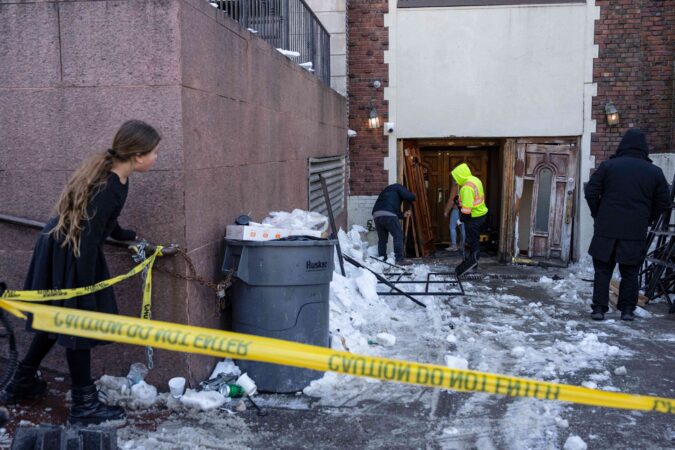
    NEW YORK — A man who drove his car into the Chabad Lubavitch world headquarters in New York City had recently been trying to connect with the Hasidic Jewish community and was recorded on video enthusiastically dancing with congregants during a recent visit to the site, police said.

    Investigators were still trying to piece together what prompted the man, Dan Sohail, 36, to ram his car repeatedly into a set of doors at the revered Hasidic Jewish center in Brooklyn on Wednesday night, but police charged him Thursday with attempted assault as a hate crime, based on the fact that the building was a Jewish institution.

    “Earlier this month, Sohail attended a social gathering at this very same location,” New York Police Department Chief of Detectives Joseph Kenny said at a news conference, noting there was video circulating online of that gathering.

    The video appears to show Sohail dancing with Orthodox men inside the headquarters.

    “We believe that he was in Brooklyn last night to continue this attempt to connect with the Lubavitch Jewish community,” Kenny said.

    Sohail told police that he lost control of his car because he was wearing “clunky boots,” Kenny said, though Kenny added that Sohail had removed several blockades and cleared snow away from a sidewalk before driving into the building.

    The complex at 770 Eastern Parkway includes a synagogue and offices, and was packed with worshippers at the time, but no one was injured. Some of the building’s doors were damaged. No weapons were discovered in Sohail’s car.

    Sohail’s father told the New York Daily News Thursday that his son had been considering converting to Judaism and that he had struggled with “mental problems.” The Forward, a media outlet centered on Jewish issues, interviewed a rabbi in New Jersey who said Sohail attended a Purim service at Chabad last year and visited two other times, looking for spiritual guidance.

    “I was able to talk to him for a few minutes and see that he’s not exactly stable,” Rabbi Levi Azimov told the Forward. Another rabbi at a Jewish school in Carteret, N.J., where Sohail lived, told the Forward he had dropped by for afternoon prayers on Tuesday but began yelling about feeling let down by Chabad after the service.

    The crash occurred on the 75th anniversary of Rabbi Menachem Mendel Schneerson becoming the leader of the Lubavitch movement and prompted immediate concern in the city. Mayor Zohran Mamdani and the city’s police commissioner, Jessica Tisch, rushed to the scene to brief the media, with officials announcing increased security around houses of worship across the city.

    “This is deeply alarming, especially given the deep meaning and the history of the institution to so many in New York and around the world,” Mamdani said. “And on today of all days.”

    The Chabad Lubavitch headquarters and synagogue in Brooklyn draws thousands of visitors each year. There is a near constant police presence around the complex.