Blog

  • African American personal faith and organized traditions have had historic impact

    African American personal faith and organized traditions have had historic impact

    When you hear the word faith in relation to the history of African Americans in the United States, what do you imagine? Do you see a preacher, or a gospel choir, or imagine a church mother in a resplendent hat?

    These images, while valid depictions of the Black church, are not the only measures of how faith informs and shapes the history of African American life.

    For African Americans, faith has not been simply about belief in a deity. By necessity, it has also been about having the faith to fight for freedom, faith in showing the shortcomings of democracy, faith in finding hope during struggle, and protecting the community. It was also the only way, for many years, to organize and establish places of worship or set up businesses.

    In the American context, many equate African American religion with Protestant Christianity. Yet, faith isn’t limited to a particular religious tradition or organized religion. It is an intentional practice of believing. The history of African Americans’ personal faith and organized faith traditions is what has sustained them in their tumultuous history in America.

    It is impossible to speak about the history of faith and African American life without speaking of the brutal realities of the Atlantic slave trade and slaveholding in America. Africans who were captured and sold into slavery from ports in West Africa came to the Americas from rich traditions steeped in different African religious practices, like Vodun.

    Some of the enslaved, like Omar Ibn Said, were Muslim, and still others were from places like Congo and had been introduced to Christianity in Africa. Examples of the longevity of these religious traditions can be seen in the practices of the Gullah people in South Carolina, who have shared their traditions like rice growing, ring shouts, and burial practices from enslavement to the 21st century.
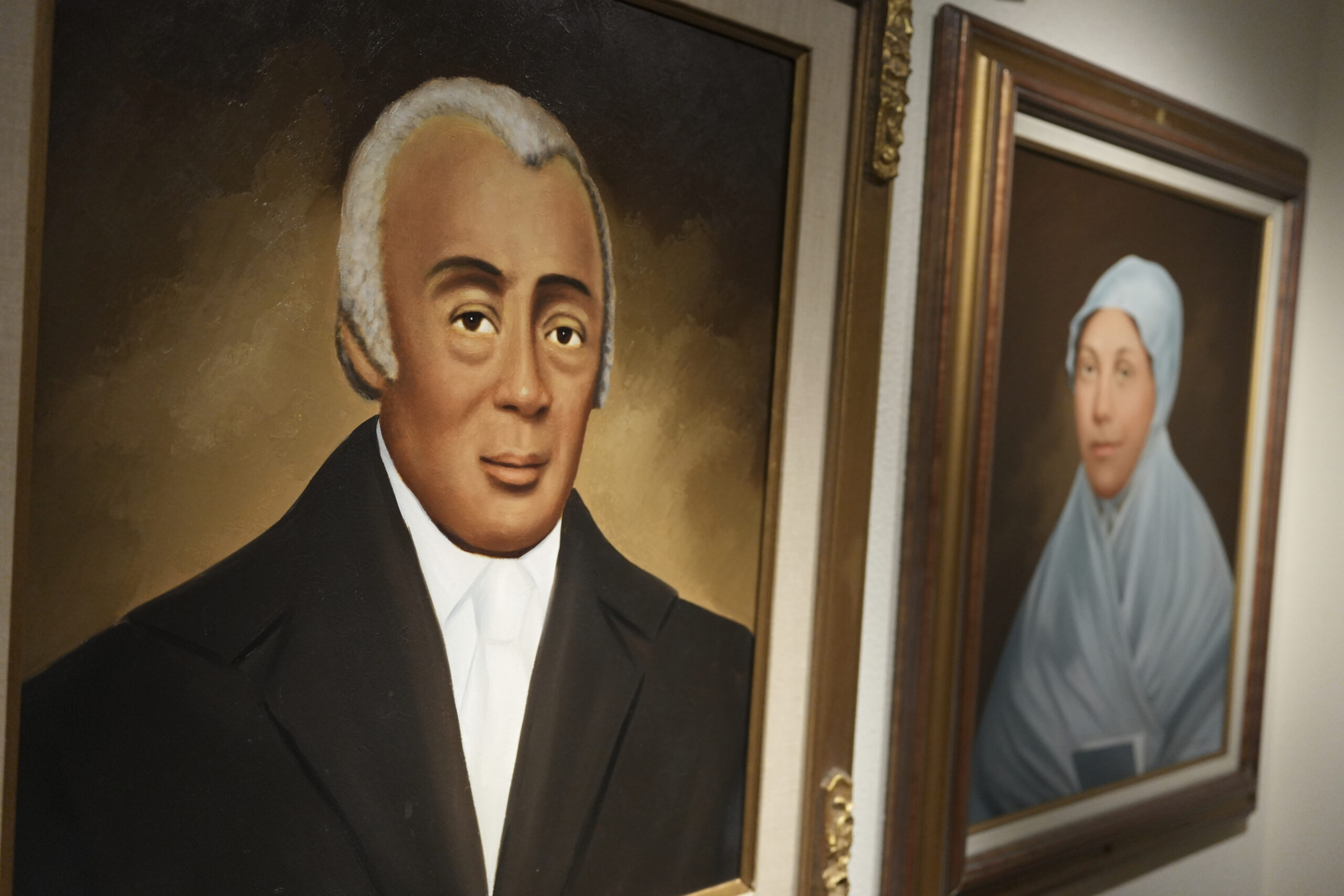
    Portraits of Mother Bethel AME Church founder, the Rev. Richard Allen, and his wife, Sarah, are displayed on a wall at the church’s museum in Philadelphia.

    Faith also defined the involvement and influence of African Americans in the struggle for equality and freedom. Richard Allen and Absalom Jones, both important members of the freed Black community in Philadelphia, left St. George’s United Methodist Church over the racism there. Both Allen and Jones would establish churches: Allen starting Mother Bethel African Methodist Episcopal Church and Jones establishing the African Episcopal Church of St. Thomas.
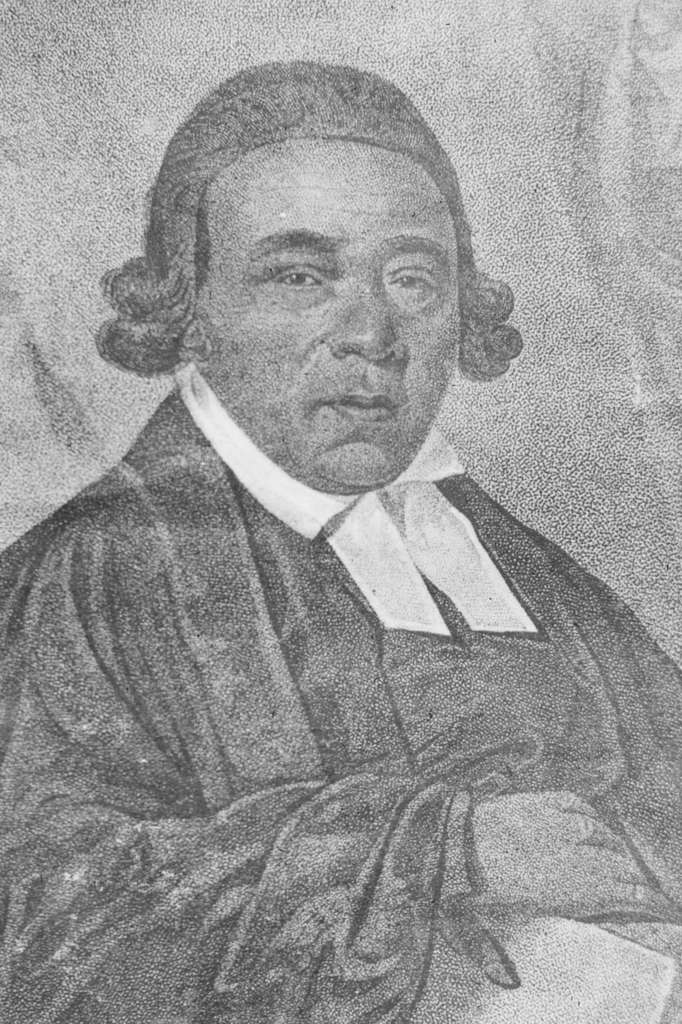
    The Rev. Absalom Jones was a priest in the African Episcopal Church of St. Thomas.

    To wrest Mother Bethel from the attempts of the white Methodist group to gain control over it, Allen would use the legal system, incorporating the church in 1796 and then fighting to keep control of it from the larger white Methodist denomination. Faith, as well as acumen, would give him the determination to see the legal process through to incorporation in Pennsylvania.

    Today, the AME denomination is a worldwide church, estimated to have more than two million members.

    Faith would also play a role in establishing organizations within the African American community.

    Schools in the 19th and early 20th century found their formation in religious organizations post-Civil War. Clergy would pair with white denominations to form schools such as Spellman and Morehouse. Other organizational structures formed by religious communities would include insurance organizations, funeral homes, fraternities, and sororities. The best-known organization, the National Association for the Advancement of Colored People, would also find pastors and religious figures in the initial call for its formation.

    Faith leaders from various religious communities were also instrumental in reminding and challenging white leadership of the promises of democracy and freedom in our founding documents.

    In the 20th century, new religious movements such as Garveyism, Moorish Science Temple, the Nation of Islam, and Father Divine’s peace movement would all organize as a counternarrative to the harsh conditions of racism and Jim Crow in American life. All these movements offered an alternative narrative of not only uplift but also promoted different visions of race through religion that drew followers who questioned the merits of white Protestantism for African Americans.

    Of course, we cannot forget the role of faith in the civil rights movement. While it is obvious to think of the Rev. Dr. Martin Luther King Jr., it is important to remember that King not only found his voice through Christianity, but through the principle of satyāgraha, soul force, coined by Mohandas Gandhi, the famous Hindu leader who promoted nonviolent struggle that formed the foundations of the civil rights movement. Diane Nash, who was Catholic and considered being a nun before becoming an activist while at Fisk College in Nashville, would become an important part of the movement — along with figures like the late U.S. Rep. John Lewis, who was enrolled in divinity school before joining the movement.

    All of these are very brief examples from a very diverse history of faith in the African American community that was not only about individual belief, but many times served as a counter to the racism of religious communities in America that treated African Americans as second-class citizens.

    Suppressing this history by altering it or calling it DEI does an injustice to the history of faith-based organizing in America.

    African Americans’ faith, and the challenges they brought to bear on the racial issues of America, highlighted the promises of the Declaration of Independence and the Constitution. Now, more than ever, we need that faith to sustain us during the 250th anniversary of America.

    Anthea Butler is the Geraldine R. Segal Professor in American Social Thought at the University of Pennsylvania.

  • 🏔️ The politics of snow | Morning Newsletter

    🏔️ The politics of snow | Morning Newsletter

    Good morning, Philly. As the 2026 Winter Olympics kick off this week, it’s a great time to consider: What is curling, really? We have your explainer, courtesy of a visit to a local curling club.

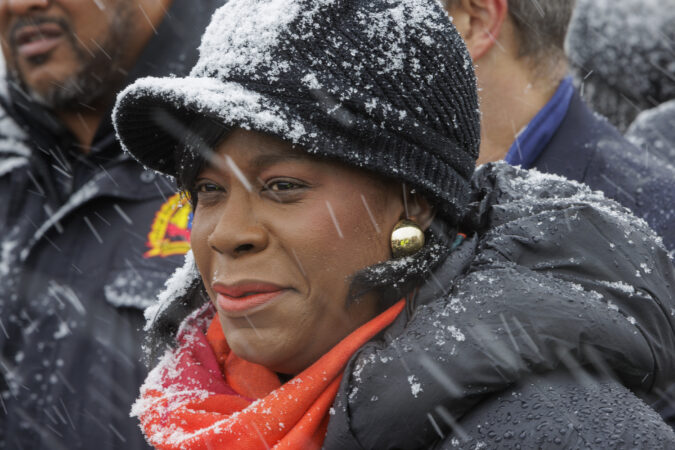
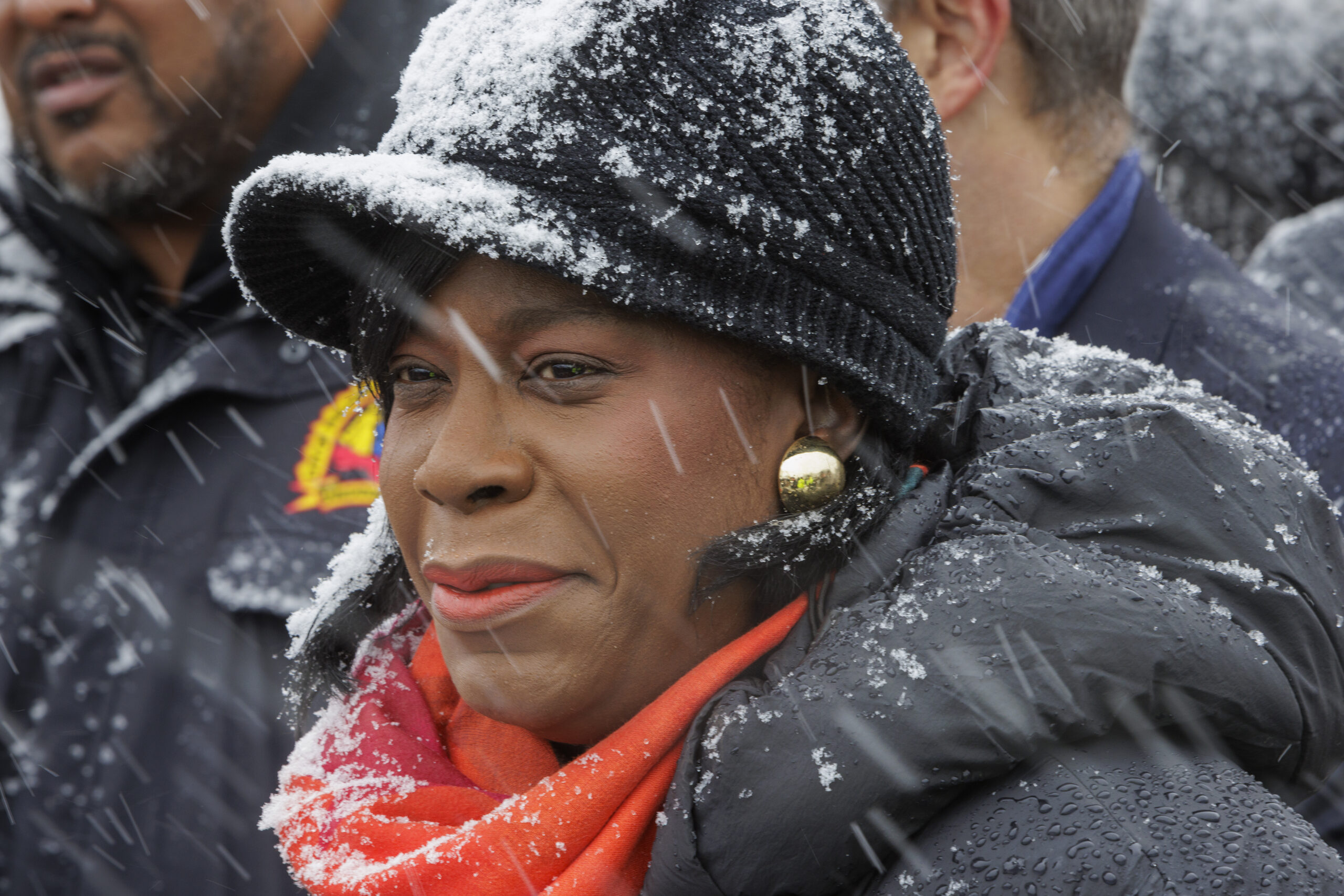
    Philadelphians are frustrated by the city’s snowstorm response. What does that mean for Mayor Cherelle L. Parker?

    And four months after a new name and rebrand, the city’s most iconic cultural institution is now called the Philadelphia Museum of Art once again.

    — Julie Zeglen (morningnewsletter@inquirer.com)

    If someone forwarded you this email, sign up for free here.

    Snow-going recovery

    Eleven days past the region’s biggest snowfall in a decade, mounds of slush and ice are still blocking crosswalks and messing with commutes.

    🏔️ Much of the city’s slow recovery from the 9.3 inches and icy sleet that fell on Jan. 25 can be attributed to the Arctic freeze that followed.

    🏔️ Yet while the Parker administration says it has deployed 1,000 workers and 800 pieces of snow-removal equipment to deal with the emergency — an unusually large arsenal compared with what it has mobilized to battle storms in the past — mobility remains limited in many neighborhoods.

    🏔️ Now, Parker, who campaigned on a promise to provide city services, is feeling the heat from fed-up Philadelphians. Such resentment has burned other cities’ mayors before.

    Reporters Sean Collins Walsh and Ryan W. Briggs dig in.

    Plus: A barge carrying 21,000 tons of salt reinforcements for Philadelphia got stuck in the frozen Delaware River. And after an ice-covered car in Fishtown went viral on TikTok, it was listed as a tourist attraction on Google Maps.

    Return of the PMA

    Following four months of tumult that included a panned rebrand, the ousting of its top executive, and the resignation of its marketing chief, the cultural institution formerly known as the Philadelphia Museum of Art has a new name: the Philadelphia Museum of Art.

    Rebrand fallout: In October, the nearly 150-year-old museum announced its name would change to the Philadelphia Art Museum, or PhAM, in a bid to seem more accessible and attract new audiences. Critics quickly pounced (cue the unfortunate internet nickname “PhArt”). Board members said they had been given little notice before the rollout. A month later, director and CEO Sasha Suda was gone.

    Changes to come: The board voted unanimously on Wednesday to revert to the old name. But much of the look of the rebrand, which cost around $1 million, will remain.

    What leadership says: Daniel H. Weiss, who took over in November after Suda’s departure, called the entire rebrand episode “an unnecessary distraction for us. We want to move on and focus on things that matter most to our mission.”

    Arts reporter Peter Dobrin has more on the museum’s about-face.

    What you should know today

    • Pennsylvania officials pushed back after President Donald Trump said federal officials should oversee elections in cities like Philadelphia and repeated unproven claims of election fraud.
    • Philadelphia police are searching for a suspect in connection with the shooting deaths of two tow truck drivers.
    • A teenager who was detained for 49 days over his friend’s killing at a SEPTA station contends police “buried” footage that showed he was innocent. Now he’s suing the city and transit officers.
    • A former Villanova professor says in a federal lawsuit she was fired from the Catholic university after accusing its law school of racial discrimination involving one of her students.
    • Philly’s crowded congressional race has yet to attract much money from political action committees or donors outside the region. That may change as the primary approaches.
    • U.S. Rep. Brian Fitzpatrick of Bucks County has more cash on hand than any other GOP incumbent in a swing district nationwide as the party prepares for a tough election.
    • Philadelphia biotech companies are worried about losing a key source of federal funding for early-stage innovation. The city’s new matching program offers a small boost.
    • The new Norristown school board is moving to oust its superintendent, saying the district needs a new leader to reverse years of poor test scores.

    Quote of the day

    The developer wants to transform one of South Jersey’s deadest malls, now called the Voorhees Town Center, into a mixed-used development. But he says he needs money from the state to do it.

    In other development news: A quarter-century-old zoning law threatens to block a restaurant and bar in Fishtown. And City Council is seeking to stop demolitions as an anti-blight measure, while a housing ban on the former Hahnemann campus is on hold.

    🧠 Trivia time

    The 76ers have traded guard Jared McCain to the Oklahoma City Thunder. Besides his basketball skills, which is a reason he became famous in Philadelphia?

    A) His sock collection

    B) His social media flair

    C) His music side project

    D) His celebrity friends

    Think you know? Check your answer.

    What (and whom) we’re …

    🚍 Noting: How other Pennsylvania transit systems are dealing with the fiscal crunch that hit SEPTA last year.

    🏠 Meeting: The architect whose style defined modern Jersey Shore homes.

    🌴 Saying goodbye to: Bahama Breeze, including the King of Prussia and Cherry Hill locations.

    🗣️ Not sure about: This Jersey Jeopardy! champ’s pronunciation of “Schuylkill.”

    🕊️ Considering: The historic impact of faith in the African American community.

    🧩 Unscramble the anagram

    Hint: Delaware County borough

    AIMED

    Email us if you know the answer. We’ll select a reader at random to shout out here.

    Cheers to Marie Bacon, who solved Wednesday’s anagram: Philadelphia. America’s oldest warship, sunk by the British in 1776, is getting a 250th-birthday makeover.

    Photo of the day

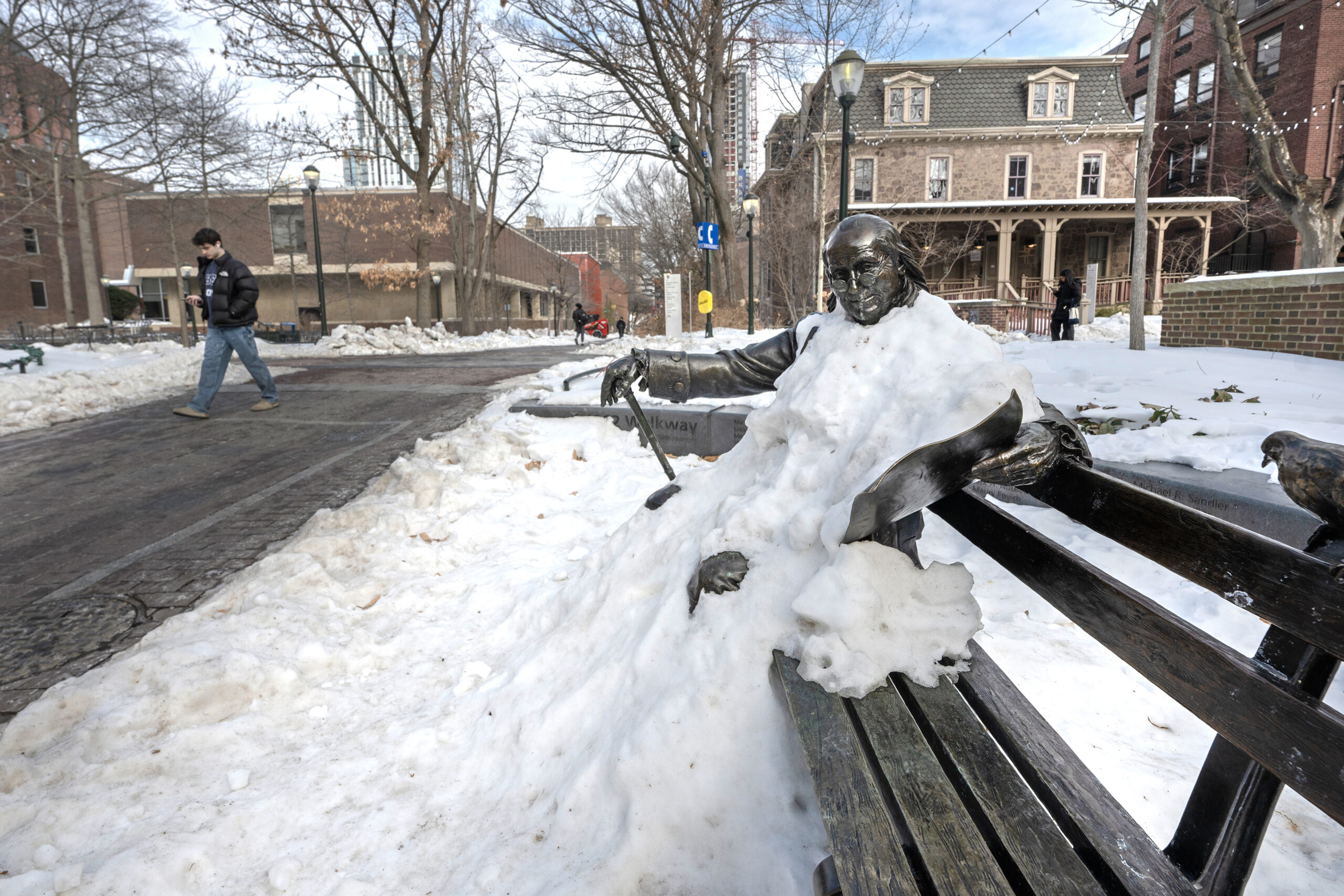
    The bronze sculpture “Ben on the Bench” is covered with snow and ice on Locust Walk at the University of Pennsylvania.
    At least we’re getting some sun this week. See you back here tomorrow.

    By submitting your written, visual, and/or audio contributions, you agree to The Inquirer’s Terms of Use, including the grant of rights in Section 10.

  • Gameday Central: Phillies Extra with Orion Kerkering

    Gameday Central: Phillies Extra with Orion Kerkering

    When the Phillies report to spring training Wednesday, it will have been 125 days since last season ended on Orion Kerkering’s 11th-inning throwing error at Dodger Stadium. How does an athlete – even a major-league pitcher who is 24, with a gifted right arm and a long career ahead of him – move forward from something like that? Kerkering joined Phillies Extra to discuss the path back.

  • Why Di Bruno’s downsizing isn’t a huge surprise | Inquirer Lower Merion

    Why Di Bruno’s downsizing isn’t a huge surprise | Inquirer Lower Merion

    Hi, Lower Merion! 👋

    Di Bruno Bros. announced it was closing three of its stores last week, but the news wasn’t a surprise to some shoppers. Here’s why. Also this week, Narberth is home to one of the region’s under-the-radar romantic eateries, final construction on SEPTA’s Ardmore station is underway, plus one woman’s dismay at Lifecycle Wellness’ closing.

    We want your feedback! Tell us what you think of the newsletter by taking our survey or emailing us at lowermerion@inquirer.com.

    If someone forwarded you this email, sign up for free here.

    Di Bruno Bros.’ downsizing wasn’t a huge surprise to some

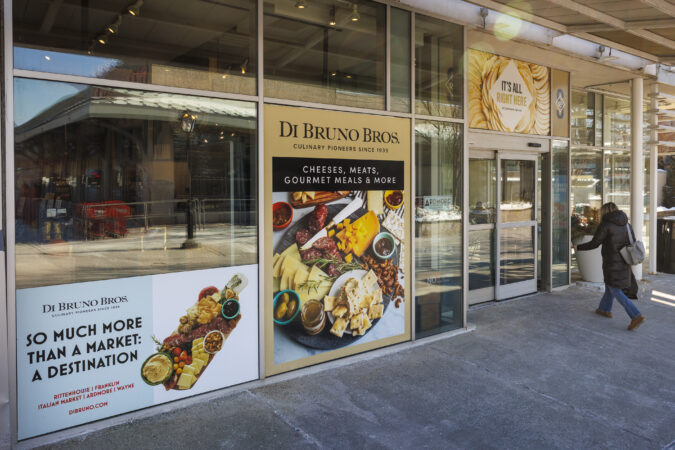
    Di Bruno Bros. is closing three of its five locations, including at the Ardmore Farmers Market.

    Some Di Bruno Bros. shoppers were saddened last week to learn that the longtime beloved specialty grocery store was closing three of its locations, including at the Ardmore Farmers Market. But it didn’t come as a shock to everyone, with some who say there’s been a noticeable decline in quality in recent years.

    “Why am I going to pay upmarket prices for a midmarket product?” one former shopper told The Inquirer’s Denali Sagner.

    Some blamed the decline on Di Bruno’s new owner, Brown’s Super Stores, which purchased a stake in the stores in 2024. Its brand was later brought under the Wakefern Food Corp. portfolio. But Brown’s executive vice president said Di Bruno’s was “very distressed” and despite its efforts was unable to bring back lost business.

    Here’s what other shoppers had to say about Di Bruno’s shrinking footprint.

    💡 Community News

    • The final phase of construction on the Ardmore SEPTA station got underway on Sunday and is expected to continue through the next few weeks, though a SEPTA spokesperson said the agency doesn’t yet have a date for completion. Work will take place weekdays from 6 a.m. to 3 p.m. and on weekends from 8 p.m. to 5 a.m. and will include finishing the roof, installing message boards, adjusting and testing elevators, making ADA-compliant adjustments, and painting.
    • Lower Merion police said two people were taken into custody by ICE during a vehicle stop Friday. In response to community concerns, LMPD yesterday reiterated that it doesn’t participate in programs deputizing local police as federal immigration agents. The department added that residents who see police activity but no marked LMPD presence can call 911 so it can verify the legitimacy, but added that officers will not interfere if federal agents are acting legally.
    • Lankenau Medical Center and Bryn Mawr Hospital both recently ranked among America’s 250 Best Hospitals by Healthgrades. The rankings, released last week, are awarded to the top 5% of institutions in the nation for “overall clinical excellence.”
    • In an opinion piece, a local physician lamented the loss of Lifecycle Wellness in Bryn Mawr, which is closing its doors on Feb. 15 after facing financial pressure. Cara Lea Smith is one of the thousands who gave birth there and found comfort in its “homelike” setting. Read more about the physician’s experience and why she feels the closure is devastating.
    • A former Villanova University professor has filed a federal lawsuit claiming she was fired in 2024 after accusing the law school of racial discrimination involving one of her students. The Inquirer’s Susan Snyder delves into the details.
    • Main Line Today recently took a look inside a 1980s Gladwyne home that’s been updated with a timeless look, complete with a neutral color palette. The 8,000-square-foot home’s dining room has a hand-painted de Gournay wallcovering inspired by Japan’s Kiso Mountains and a large dressing room off the primary suite.
    • Philadelphia Jewish Exponent recently profiled Rabbi Daniel Levitt, the director of adult Jewish learning at Gratz College. The Bala Cynwyd resident reflected on his passion for connecting people to “Jewish intellectual heritage.”

    🏫 Schools Briefing

    • Lower Merion and Harriton won’t be merging their football teams anytime soon. Lower Merion School District’s board of directors last week declined to add a vote to merge to the agenda, keeping in line with Superintendent Frank Ranelli’s previous recommendation not to merge the teams.
    • Lower Merion High School’s winter drama, Eurydice, kicks off tonight and runs through Sunday. Penn Wynne is hosting its “Special Persons Dance” for second and third graders tomorrow evening. There are school board committee meetings Monday evening and home school association meetings on Tuesday. There are no classes next Thursday, which is a staff professional development day, and the district is closed on Friday. See the district’s full calendar here.
    • Students in third through eighth grade who have a sibling with special needs can join an upcoming “SibShops” Zoom, where they can connect, share experiences, and play games. The six, one-hour sessions will take place Wednesdays from 5 to 6 p.m., starting on Feb. 18. Registration is required.
    • Families interested in having a table at next month’s Taste of Penn Wynne must sign up by Feb. 7.

    🍽️ On our Plate

    • Looking for a place to dine this Valentine’s Day? Coco Thai Bistro in Narberth is among the region’s under-the-radar romantic dining spots, according to The Inquirer’s food reporters. The menu at the tropical greenhouse-inspired BYOB combines homestyle Thai curries with street food, Beatrice Forman reports.

    🎳 Things to Do

    🐉 The Neverending Story: Catch a screening of the 1984 cult classic. There’s another screening later this month. ⏰ Saturday, Feb. 7, 11 a.m. 💵 $6.75-$7.75 📍 Bryn Mawr Film Institute

    🍪 Teen-Time Cookie Decorating: Teens 13 to 17 can decorate cookies then take some home. Registration is required. ⏰ Monday, Feb. 9, 7-8 p.m. 💵 Free 📍 Penn Wynne Library

    🐎 Lunar New Year Crafternoon: Celebrate the start of the Year of the Horse by making a themed craft at this drop-in event. ⏰ Wednesday, Feb. 11, 3-5 p.m. 💵 Free 📍 Gladwyne Library

    📜 Remember the Ladies: The Legacy of the Women of Stoneleigh: This presentation will highlight some of the most impactful women who lived or worked at Stoneleigh over the centuries. ⏰ Thursday, Feb. 12, 6:30-7:30 p.m. (Snow date: Feb. 19) 💵 $2-$20 📍 Stoneleigh, Villanova

    🏡 On the Market

    A newly built five-bedroom Penn Valley home with an impressive wine cellar

    A living room adjoining the kitchen features coffered ceilings, built-ins, and a fireplace.

    This newly built home blends classic design with modern amenities. The first floor features two living rooms, both with fireplaces, a dining room, an office, and an eat-in kitchen with an island and high-end appliances, plus an adjoining butler’s pantry and a wine cellar. There are five bedrooms upstairs, including a spacious primary suite with an oversized walk-in closet outfitted with built-ins, and a bathroom with a double vanity, marble floors, and a soaking tub. It also has a rear patio and a three-car garage. There’s an open house Sunday from noon to 2 p.m.

    See more photos of the home here.

    Price: $2.995M | Size: 4,830 SF | Acreage: 0.86

    🗞️ What other Lower Merion residents are reading this week:

    By submitting your written, visual, and/or audio contributions, you agree to The Inquirer’s Terms of Use, including the grant of rights in Section 10.

    This suburban content is produced with support from the Leslie Miller and Richard Worley Foundation and The Lenfest Institute for Journalism. Editorial content is created independently of the project donors. Gifts to support The Inquirer’s high-impact journalism can be made at inquirer.com/donate. A list of Lenfest Institute donors can be found at lenfestinstitute.org/supporters.

  • Joi Washington’s ‘whirlwind’ first weeks as mayor | Inquirer Greater Media

    Joi Washington’s ‘whirlwind’ first weeks as mayor | Inquirer Greater Media

    Hi, Greater Media! 👋

    What have the first few weeks of Joi Washington’s time as mayor looked like? We recently caught up with her to discuss her path to the office. Also this week, the former Providence Village general store, which has since turned into a single-family home, is for sale, Media has one of the region’s most romantic under-the-radar restaurants, plus a new cheesesteak joint is opening.

    We want your feedback! Tell us what you think of the newsletter by taking our survey or emailing us at greatermedia@inquirer.com.

    If someone forwarded you this email, sign up for free here.

    Joi Washington dives in headfirst as Media’s new mayor

    Joi Washington was sworn in as Media’s mayor last month.

    Joi Washington’s first few weeks as the mayor of Media have been a whirlwind. Less than three weeks after being sworn into office, the largest snow storm in years hit the region, forcing a snow emergency declaration and swift action on her part.

    While Washington might have had to dive into running the borough headfirst, she’s no stranger to Media or local government. Washington was elected to borough council in 2021 and is described by Media’s tax collector as being civically and politically engaged.

    The Inquirer’s Denali Sagner recently caught up with Washington to talk about what drew her to Media and what the last few weeks have looked like.

    💡 Community News

    • A historic five-bedroom Media home that was once the Providence Village general store is on the market for $785,000. The couple who live there expected to stay far longer than two years, but when one of them landed a dream job, those plans changed. Spanning over 4,300 square feet and three stories, the home has a newly renovated kitchen and a formal dining room with built-ins and a fireplace. Take a peek inside.
    • The Delaware County housing market got a slow start to the year, with pending sales down 4% as of Jan. 25, compared to the same time a year ago, according to new Redfin data. While home sales were slow, prices were on the rise, with median sale prices in the county and Philadelphia up 10% from the same timeframe last year.
    • Riddle Hospital was recently ranked among America’s 250 Best Hospitals by Healthgrades. The rankings, released last week, are awarded to the top 5% of institutions in the nation for “overall clinical excellence.”
    • Speaking of Riddle, the hospital is expanding its gastroenterology care this month, offering routine screenings, digestive issue care, and minimally invasive treatments.
    • Delaware County Council recently voted to increase the hotel occupancy tax for non-residents from 3% to 5% beginning April 1. The county projects the change will result in $6.4 million in revenue this year, funds which will be used to support the marketing of Delaware County elsewhere. The increase comes ahead of an anticipated influx of visitors to the region for events like the FIFA World Cup, the MLB All-Star Game, the PGA Championship, and celebrations for the nation’s 250th birthday. The hike also puts Delco on par with neighboring Bucks and Chester Counties.
    • L.L. Bean is targeting an early May opening for its Glen Mills store. The apparel retailer is opening a 20,000-square-foot store in the Concordville Town Centre at 901 Byers Dr., taking over the former Staples space.
    • The future of the Eddie Bauer location at The Shoppes at Brinton Lake in Glen Mills is uncertain with the outdoor apparel brand’s parent company planning to file for bankruptcy. When it does, most stores are expected to close. (Retail Dive)

    🏫 Schools Briefing

    • Some Rutledge Elementary School students were left standing in freezing temperatures last week after a miscommunication over an earlier bus pickup time. Wallingford-Swarthmore School District said it has reviewed its protocols to ensure it won’t happen again. (Fox 29)
    • In the Wallingford-Swarthmore School District, tonight kicks off performances of Strath Haven Middle School’s musical, The Music Man, which runs through Sunday. Tomorrow and Saturday, Strath Haven High is hosting the Pennsylvania Music Educators Association District 12 band festival, which includes a free concert at 7 p.m. on Saturday.
    • In the Rose Tree Media School District, Glenwood Elementary is hosting its Olympics opening ceremonies on Monday. There are Valentine’s parties for Indian Lane kindergartners on Wednesday and Media Elementary kindergartners on Thursday. The high school is also holding a student blood drive next Thursday. See the full calendar here.

    🍽️ On our Plate

    • After spending months converting the former House space at 110 S. Jackson St., Jackson St. Steaks is hosting its grand opening next Wednesday. Its menu includes cheesesteaks, pizzas, cutlet and focaccia sandwiches, grinders, and burgers, as well as drinks from Fishtown-based Meyers Brewing Co.
    • Looking for a great date night spot? La Belle Epoque in Media is one of the region’s under-the-radar romantic dining spots, according to The Inquirer’s food reporters. It has an extensive wine list, bistro-style entrees like steak frites, and a dining room befitting Emily in Paris. If you really want to impress your date, try the escargots de Bourgogne, pan-roasted duck, or bucatini, reporter Beatrice Forman suggests.
    • Amid shifting dining habits and increasing food costs, Harvest Seasonal Grill recently made changes that its leadership team said are paying off. Instead of raising prices, the restaurant, which has a location in Glen Mills, changed some of its meat and seafood sourcing and did away with garnishes to slash prices. The result has been an increase in visitors and revenue that founder Dave Magrogan said doesn’t sacrifice quality.

    🎳 Things to Do

    🩰 Ballet of Lights: Tickets are going fast for this take on Cinderella, which gives the classic fairytale a little extra shine thanks to dancers performing in glow-in-the-dark costumes. ⏰ Friday, Feb. 6, 9 p.m. 💵 $43-$69 📍The Media Theatre

    🎭 And Then There Were None: See the Agatha Christie classic come to life on stage. ⏰ Friday, Feb. 6-Sunday, Feb. 8, and Thursday, Feb. 12-Saturday, Feb. 14, times vary 💵 $21.50-$23.50 📍Players Club of Swarthmore

    🏛️ I Love Media Day: The borough event includes a scavenger hunt to find hidden hearts. There will also be board games, snacks, and bingo. Advanced registration is required. ⏰ Saturday, Feb. 7, 10 a.m.-9 p.m. 💵 Free 📍Downtown Media

    ❤️ Galentine’s Brunch: Towne House is hosting a themed brunch that includes dueling pianos. ⏰ Sunday, Feb. 8, noon-3 p.m. 💵 $40; minimum purchase of four tickets 📍Towne House, Media

    💌 Dear Jack, Dear Louise: Catch the regional premiere of Ken Ludwig’s show about an unlikely courtship between two strangers exchanging letters during World War II. ⏰ Wednesday, Feb. 11-Sunday, March 1, times vary 💵 $20-$35 📍Hedgerow Theatre, Rose Valley

    🏡 On the Market

    A split-level Wallingford home with two family rooms

    The updated kitchen has an island with pendant lights.

    Located in Sproul Estates, this split-level home has hardwood floors throughout its main level, including the living room, eat-in-kitchen, and family room, which has a vaulted ceiling and a fireplace. It has an additional family room at ground level and three bedrooms upstairs. Other features include a walk-up attic, a patio, and a one-car garage.

    See more photos of the home here.

    Price: $625,000 | Size: 2,219 SF | Acreage: 0.33

    🗞️ What other Greater Media residents are reading this week:

    By submitting your written, visual, and/or audio contributions, you agree to The Inquirer’s Terms of Use, including the grant of rights in Section 10.

    This suburban content is produced with support from the Leslie Miller and Richard Worley Foundation and The Lenfest Institute for Journalism. Editorial content is created independently of the project donors. Gifts to support The Inquirer’s high-impact journalism can be made at inquirer.com/donate. A list of Lenfest Institute donors can be found at lenfestinstitute.org/supporters.

  • Patriots owner Robert Kraft’s snub shows again that Hall of Fame voters don’t like cheaters

    Patriots owner Robert Kraft’s snub shows again that Hall of Fame voters don’t like cheaters

    When Patriots owner Robert Kraft sent his team to his 11th Super Bowl, a record for any owner, in search of a seventh title, which would be a record for any franchise, he expected the team to have to deal with uncomfortable questions.

    Last week, ESPN reported that Bill Belichick, who won all six of New England’s titles, did not receive the minimum number of votes by a committee required to secure induction into the Pro Football Hall of Fame in this cycle.

    Now, Kraft and the Patriots will spend the week answering questions about why Kraft didn’t make it, either. ESPN reported Tuesday that Kraft failed to receive at least 40 of 50 votes required for induction. The 2026 inductees will be officially announced Thursday.

    Several explanations and theories circulated following last week’s news. There were assertions that some voters sought revenge for Belichick’s constant bullying. There were assertions that the new, convoluted voting system is flawed.

    But the reality seems clearer than ever:

    The voters don’t like cheaters.

    The Patriots were found guilty of cheating twice during their run. Spygate and Deflategate cost them millions of dollars and several draft picks.

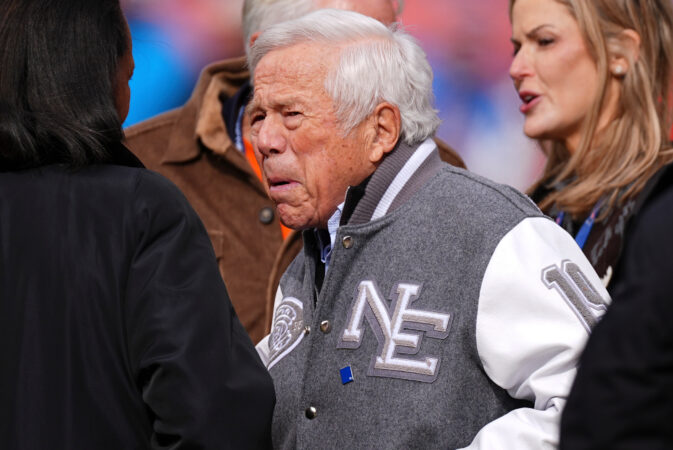
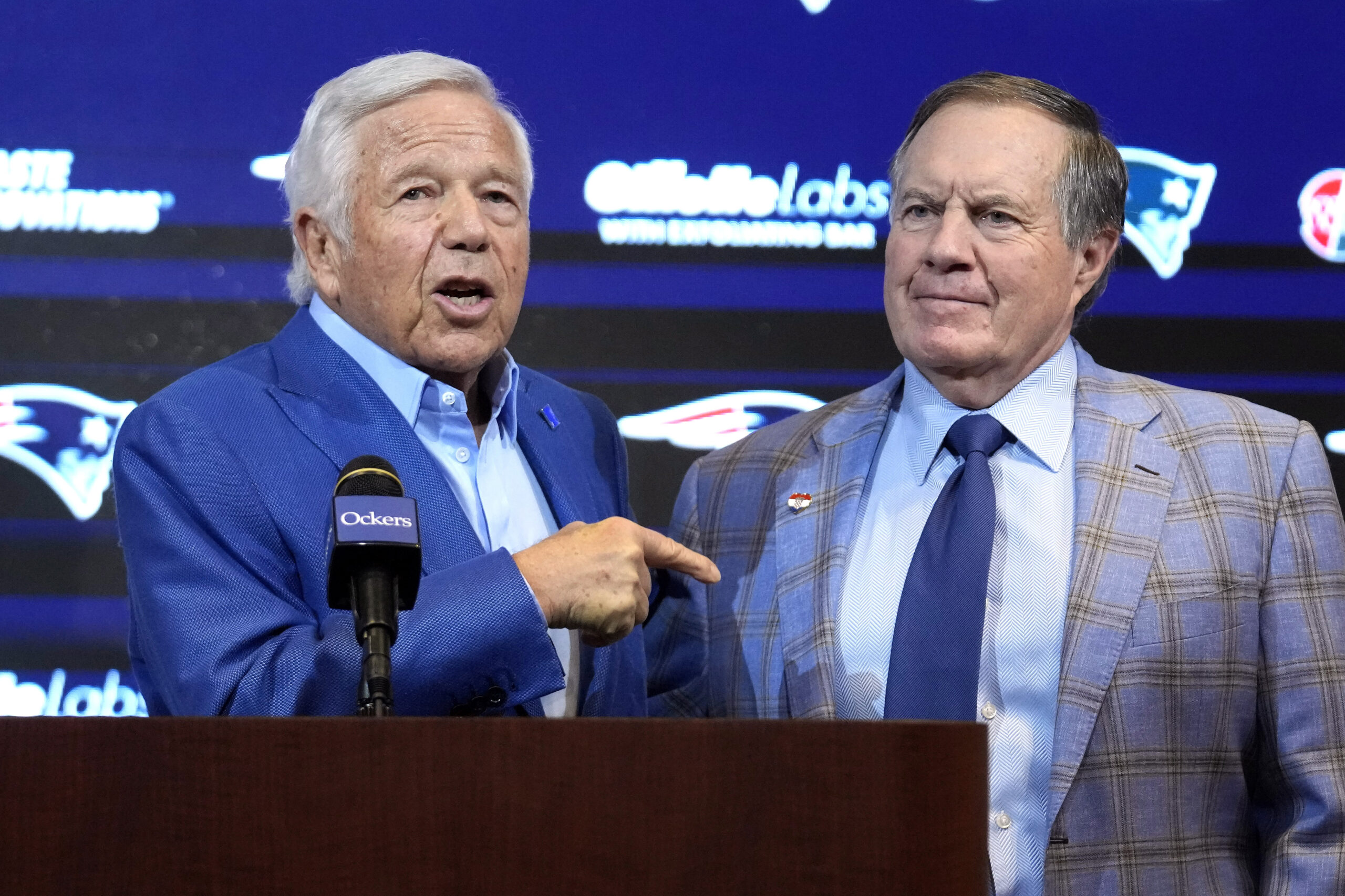
    New England Patriots owner Robert Kraft (left) with coach Bill Belichick on Jan. 11, 2024, the day of Belichick’s exit.

    Notably, the span of cheating included not only Super Bowl XXXIX, when they beat the Eagles, but also all but two of their Super Bowl appearances: their loss in Super Bowl LII to the Eagles and their win the next year over the Rams.

    Clearly, voters believe that cheating devalues winning.

    They also might consider Kraft’s 2019 involvement in a massage-parlor sting a disqualifying element (see below).

    NFL commissioner Roger Goodell said Monday, before the news broke, “They are spectacular. They have contributed so much to this game, and I believe they will be Hall of Famers.”

    It sounds like Goodell knew that Kraft hadn’t made it, either.

    It also sounds like Goodell knows, as hard as it is to imagine, that their tainted records might keep them out forever.

    NFL’s Epstein hypocrisy

    The NFL is supposed to hold team executives to a higher standard of conduct than it holds players. Don’t expect Deshaun Watson and Justin Tucker to believe that.

    Goodell on Monday indicated that the league will not immediately launch an investigation into Giants co-owner Steve Tisch, and probably never will. Tisch appears repeatedly in the latest released batch of files concerning the activities of convicted pedophile Jeffrey Epstein, who died in jail awaiting trial in 2019.

    There are hundreds of emails between Tisch and Epstein, some of which indicate that Epstein was supplying Tisch with female companionship. This correspondence took place after Epstein had served jail time for soliciting a prostitute and procuring a child for prostitution, the latter conviction requiring him to register as a sex offender in both Florida and New York.

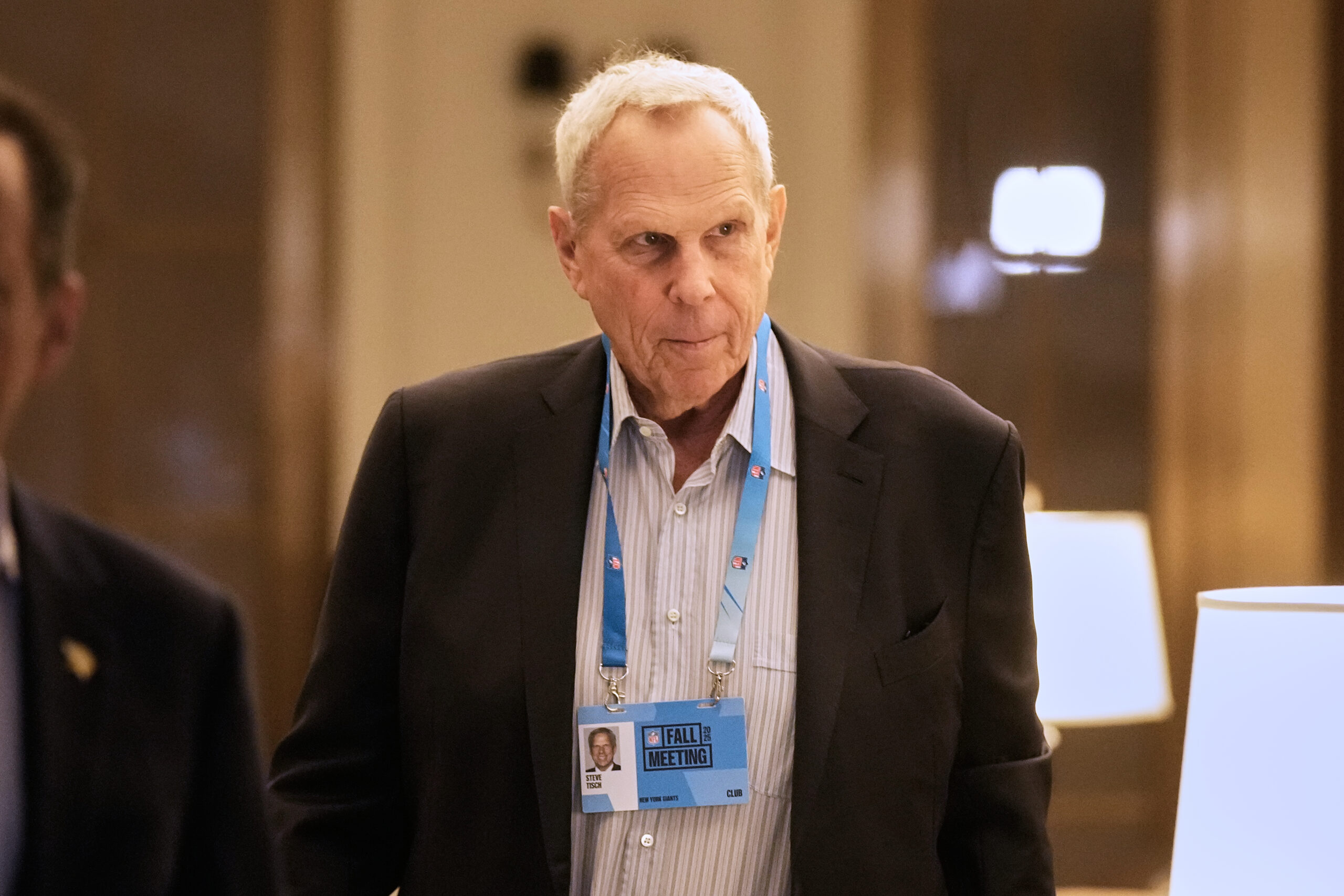
    New York Giants co-owner Steve Tisch’s name appears repeatedly in the latest released batch of files regarding Jeffrey Epstein.

    The nature of the companionship and the ages of those companions Epstein supplied to Tisch remain unknown. Tisch insists that all of the women Epstein supplied him were adults and that he never visited the notorious Epstein island.

    Even Tisch’s apparently legal and possibly acceptable interaction with a man who has become synonymous with sex trafficking and pedophilia sounds like something the NFL should probably investigate, right? The Personal Conduct Policy exists to keep The Shield clean.

    No, said Goodell.

    “We will look at all the facts,” he said. “We’ll look at the context of those, and try to understand that. We’ll look at how that falls under the policy. I think we’ll take one step at a time. Let’s get the facts first.”

    Well, that’s what an investigation does.

    With so many more prominent personalities mentioned in the files, including President Donald Trump, it is likely that the government will have neither the bandwidth nor the incentive (Trump routinely diminishes the files) to pursue a relatively small fish like Tisch.

    Translation: Unless other entities uncover more facts about Tisch’s relationship with Epstein and what services he provided him with, the NFL will turn a blind eye.

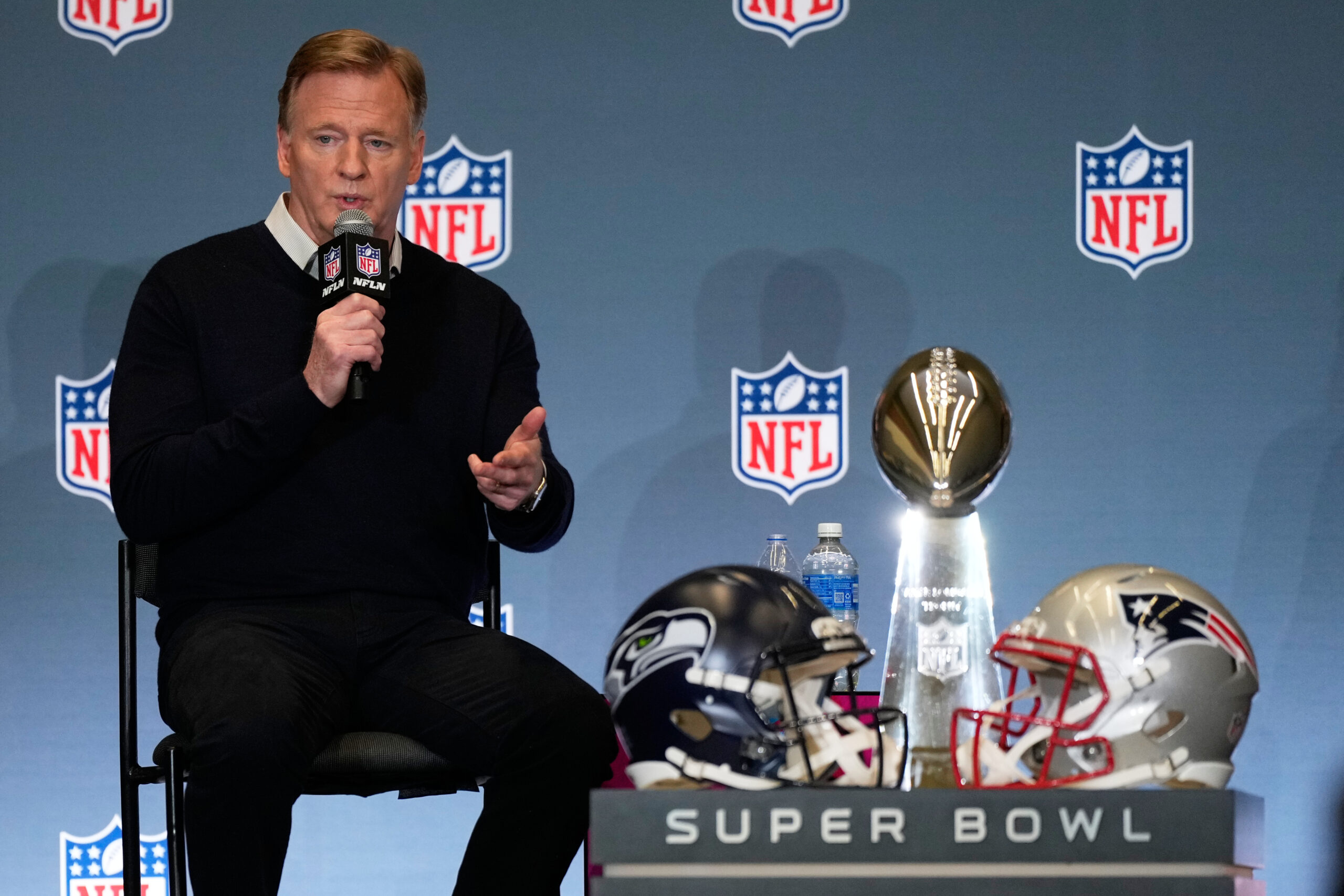
    Commissioner Roger Goodell during his state of the NFL news conference on Monday.

    Which is the opposite of what it does with its players.

    I don’t think there’s any question that if, say, Jameis Winston was found to have exchanged similar emails with Sean “Diddy” Combs, who went to prison for sex-related offenses, the NFL would investigate the matter posthaste (sorry for the stray, Jameis).

    But it seems like Goodell will handle this matter the way he handled the Robert Kraft scandal.

    The Patriots’ owner was caught in a sex trafficking and prostitution sting in 2019. Video allegedly showed Kraft paying for sexual acts on consecutive days that year in Florida. The misdemeanor charges were dropped, but Kraft admitted at least a measure of guilt when he apologized for having “hurt and disappointed” fans and family members.

    Unlike Kraft, neither Watson nor Tucker was ever charged with a crime for his alleged sexual misconduct with private massage professionals, but both were suspended without pay.

    Goodell chose to not punish Kraft back then. He seems just as reluctant to hold Tisch accountable today.

    Notably, NFL owners like Kraft and Tisch are the ones who pay Goodell’s $64 million salary.

  • Philadelphians are frustrated with the city’s snowstorm cleanup. What does that mean for Mayor Cherelle Parker?

    Philadelphians are frustrated with the city’s snowstorm cleanup. What does that mean for Mayor Cherelle Parker?

    Mayor Cherelle L. Parker often says she isn’t a fan of “Monday-morning quarterbacks” and “expert AOPs” — her shorthand for so-called articulators of problems who don’t offer solutions.

    Now she has a city full of them.

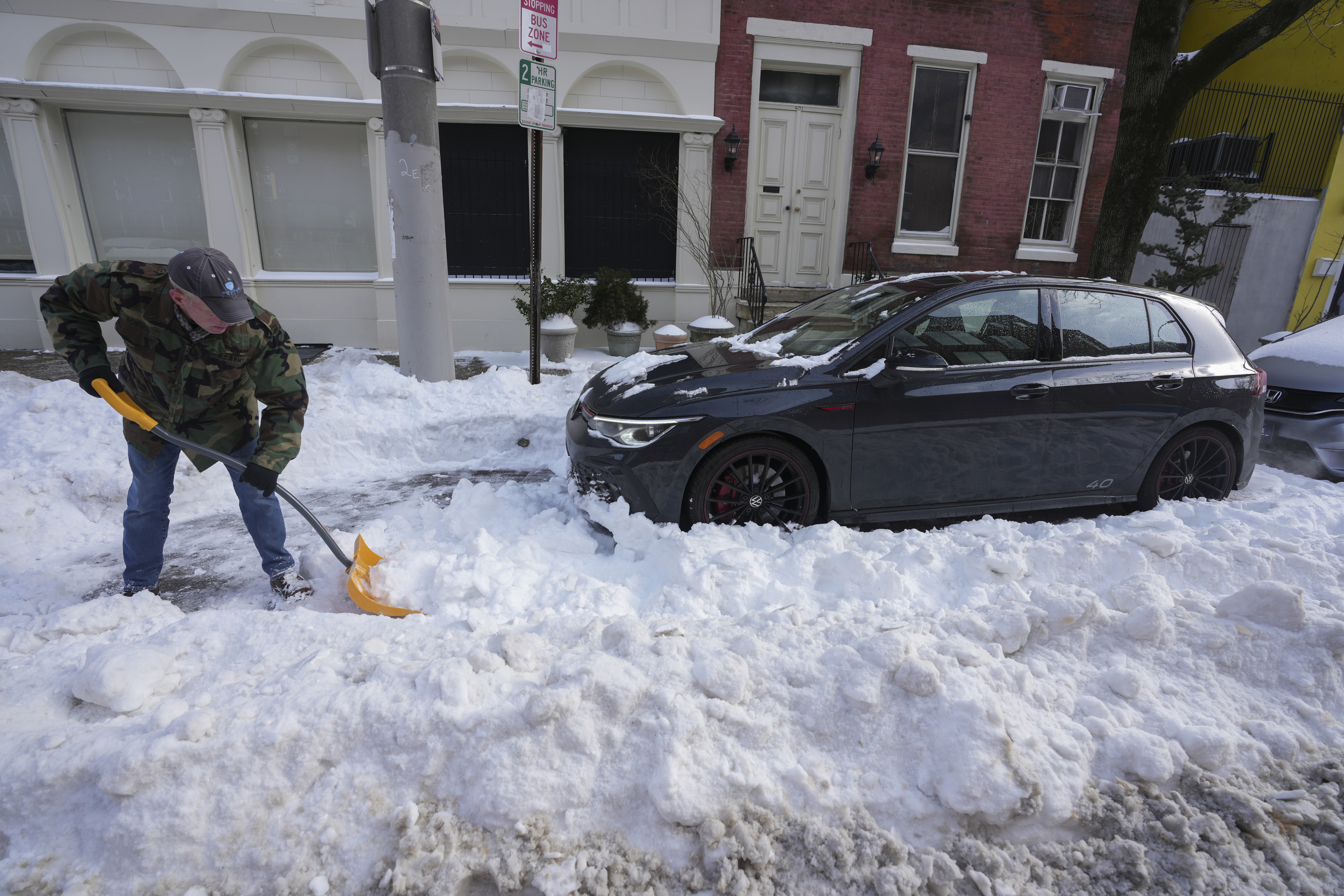
    After a heavy snowfall followed by a week of below-freezing temperatures, Philadelphia’s streets are still laden with snow, slush, and ice; SEPTA buses are packed; and numerous cars are still stuck in the spots residents left them in 11 days ago.

    The mayor acknowledged residents’ exasperation at a news conference at the Pelbano Recreation Center in Northeast Philadelphia on Wednesday, her first appearance dedicated to the city’s snow response since Jan. 26, the day after the storm walloped the region.

    “For anyone who is frustrated right now about the ice, about the ability for all of the streets to be fully cleared, I want you to know that I understand,” she said. “Everybody can Monday-morning quarterback. … That’s cool. We can’t stop people from feeling the way they feel. But let me tell you something: We were prepared.”

    Parker said the city deployed 1,000 workers and 800 pieces of snow-removal equipment to deal with the emergency.

    “We don’t promise to be perfect, Philadelphia,” she said. “We promise to go to war with the status quo and to fix things, to be doers. … We’re going to continue doing everything that we can to make sure all of this work is done.”

    A pedestrian walks past a large pile of snow and ice along the Benjamin Franklin Parkway days after a fierce winter storm dropped up to 9 inches of snow and sleet, with freezing temperatures leaving large banks of ice and snow on streets and sidewalks in Philadelphia, Monday, Feb. 2, 2026.

    Snowstorms are infamous for their ability to undermine constituents’ faith in their mayors. Over the years, they have been credited with ending political careers in Denver, New York, Chicago, and Seattle.

    The risk of political fallout could be heightened for Parker, who campaigned on a promise to upgrade city services. When Parker ceremonially dropped the puck at Tuesday night’s Flyers game, she was greeted with boos from many fans at Xfinity Mobile Arena.

    “Parker has pitched herself as the can-do mayor. ‘I’m not gonna deal with ideology. I’ve got principles, but I’m here to get the job done,’” said Randall M. Miller, a political historian and professor emeritus at St. Joseph’s University. “There’s that expectation you’re going to get this thing done.”

    Parker also faced questions about her administration’s commitment to delivering core services during the eight-day city workers strike last July, when “Parker piles” of trash mounted around Philadelphia in the hot summer sun. She escaped that ordeal relatively unscathed after winning what she called a “fiscally responsible” contract largely in line with her goals.

    But Miller said the mobility issues associated with snow removal have unique psychological effects for constituents.

    “You’re cold, you’re miserable, and you’re trapped. You’re looking around like, ‘Who is confining me?’” Miller said. “You get angry at the mayor because the mayor said, ‘I’m here to provide public services,’ and public service isn’t being provided.”

    Fred Scheuren shovels snow at 12th Street, near Waverly Street, in Center City, Philadelphia, Monday, Jan. 26, 2026.

    The circumstances of this year’s winter weather emergency could also give Parker some breathing room. Municipal leaders in Pittsburgh, New York, Washington, D.C., and Providence, R.I., are all feeling the heat amid the polar temperatures, thanks to an unusually persistent cold snap that has hampered snow-removal operations.

    A slight reprieve in the weather this week, with highs peaking above freezing Tuesday and Wednesday, could help the city’s cleanup efforts. But officials warned Wednesday that temperatures are forecast to fall again by the end of the week.

    “It’s not hyperbole to consider that we’re still under emergency conditions,” Dominick Mireles, who leads the Philadelphia Office of Emergency Management, said Wednesday.

    Lessons from past Philly storms

    By some measures, the city threw more resources at the latest storm than in the past, but got fewer returns.

    After the legendary blizzard of Jan. 7, 1996, then-Mayor Ed Rendell deployed more than 540 snowplows, dump trucks, and other vehicles to clear away the record 30.7 inches of snow that fell over two days, according to an Inquirer report from that year. Officials bragged at the time that the fleet eclipsed the 300 vehicles marshaled by former Mayor W. Wilson Goode Sr. for the last major blizzard, in 1987.

    Four days after the 1996 storm, the city said it hauled away 50,000 tons of snow, including truckloads famously dumped directly into the Delaware River and the Schuylkill. Officials also said that day that about 71% of roadways were passable, including around half of all side streets.

    In February 2003, the city got walloped with 19 inches of snow, followed by days of subfreezing temperatures. Four days after that storm, the city said it had cleared 75% to 80% of city streets.

    In 2016, Mayor Jim Kenney used 10,000 tons of salt and 1,600 city workers to clear away 22.5 inches of snow, clearing 92% of residential streets by day four — with a major assist from warmer temperatures a few days after the storm.

    The 800 pieces of snow-removal equipment Parker cited that were used in the most recent storm are far more than even in the blizzard of 1996. She also said the city brought in a snow-melting machine from Chicago, saying workers had melted about 4.7 million pounds of snow, while scattering 30,000 tons of salt.

    The result: More than a week after the end of the snowfall, about 85% of city streets had been “treated,” which includes salting, plowing, or both, according to the city.

    Heavy equipment clearing snow along S. Broad Street at Dickinson Street, Philadelphia, Tuesday, Feb. 3, 2026.

    But mobility nonetheless remains limited in much of the city, and officials pointed to the lingering icy conditions.

    The prolonged freeze is “not unheard of, but it is unusual, and that stresses and makes the potential for a lot of not-great things to happen,” Mireles said. “It’s affecting the snow-fighting operation.”

    An analysis of city plowing data shows that after the conclusion of the storm on Jan. 25, vehicles reached about 70% of city streets by the end of Monday. As the snow hardened, activity slowed by about a third on Jan. 27. Some parts of the city — including neighborhood-size chunks of South Philly — saw little plowing until five days after the storm or longer.

    The psychology of snow

    One reason voters punish mayors more harshly for failing to remove snow than for other problems is because of its omnipresence, from getting around the city to small talk about the weather, Miller said.

    Even trash-collection problems tend not to get under residents’ skin to the same degree because they don’t shut the city down, he said.

    “You are furious, and it’s day in, day out,” Miller said. “You’re constantly reminded.”

    Trisha Swed walks with her dog Alberta Einstein at North 30th Street and Girard Avenue in Brewerytown on Monday, Jan. 26, 2026 in Philadelphia. In Philadelphia, 9.3 inches of snow fell, the most in a decade.

    Parker has turned to private contractors to help with the snow-removal operation. And at Wednesday’s news conference, she touted the city’s efforts to deploy 300 “same-day pay and work” laborers earning $25 per hour to help manually clear streets and sidewalks.

    Those moves drew criticism Wednesday from the city’s largest union for municipal workers, District Council 33 of the American Federation of State, County and Municipal Workers, which went on strike for higher wages last summer.

    “District Council 33 is deeply concerned by the City’s decision to bring in outside laborers for snow‐removal operations without any consultation or collaboration with our union,” DC 33 president Greg Boulware said in a statement. “Our members deserve better, and the residents of Philadelphia deserve a snow‐removal strategy rooted in safety, foresight, and respect for the workforce that keeps this city running.”

    Miller said those efforts show the city is doing everything it can to clear the city’s streets and sidewalks.

    “There’s been a great effort to try to deal with it, but Philadelphia is a very difficult place to manage in terms of snow because it’s got so many older streets,” he said.

    Man with shovel clearing snow from small park on Main Street in Manayunk on Monday, Jan. 26, 2026.

    But, he said, hearing about the city’s efforts is cold comfort to residents struggling to navigate their neighborhoods.

    “The major thoroughfares, they’ve done a pretty good job. But folks are concerned with their neighborhoods. They’re not concerned with if they go down to Fourth and Market,” he said. “Once you start to hear those kinds of complaints, it’s hard to contain it.”

    Parker said complaints will not deter her team. “Whenever we’ve been dealing with something challenging in government … there are some people who are expert articulators for problems,” she said.

    Her staff, she said, “is not a team of expert AOPs.”

    “This is a team of subject-matter experts who are doers and they are fixers, and we don’t cry,” she said. “Our job won’t be done until every street in the city of Philadelphia is walkable.”

    Staff writers Ximena Conde and Anna Orso contributed to this article.

  • Ex-Eagle Josh Jobe won Seahawks’ respect through battles with Jaxon Smith-Njigba: ‘This guy’s pretty dang good’

    Ex-Eagle Josh Jobe won Seahawks’ respect through battles with Jaxon Smith-Njigba: ‘This guy’s pretty dang good’

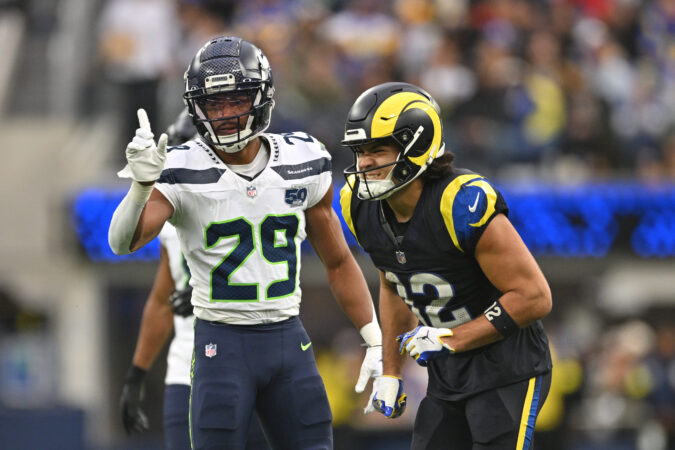
    SAN JOSE, Calif. — Josh Jobe had locked down Jaxon Smith-Njigba in college before their matchups in Seahawks practices compelled Smith-Njigba to extol the virtues of the Eagles castoff to his coaches.

    Smith-Njigba was a rookie wide receiver at Ohio State when he first faced the Alabama cornerback in the College Football Playoff championship game in January 2021.

    “I was like, ‘Gosh this guy’s buff,” Smith-Njigba said. “Who’s this buff guy at corner lifting all these weights?”

    Smith-Njigba lined up opposite Jobe for only about a dozen plays, but the ball never came his way. He had three future NFL first-round Buckeyes receivers also vying for targets, but the receiver struggled vs. Jobe’s press-man coverage as the Crimson Tide won, 52-24.

    Three years later, Seattle signed Jobe to the practice squad when the Eagles released him after two seasons in August 2024. His confidence was shaken, but he had found a scheme that augmented his physicality and immediately had Smith-Njigba bending the ear of coach Mike Macdonald about the third-year corner.

    “I remember our veteran receivers saying, ‘Hey, this guy’s pretty dang good,’” Macdonald said Wednesday. “And he kept making plays and when there was an opportunity to be on the field, we felt really confident for him to go out there and do his job. And he just kept hitting it.”

    Josh Jobe worked his way up from the Seattle practice squad to a critical starting role.

    Jobe started earning call-ups to the game day roster, a promotion to the 53-man roster, and eventually starts in his first season in Seattle. But he elevated his play in 2025 and became a regular for arguably the best secondary in the NFL as the Seahawks are poised to face the Patriots in Super Bowl LX on Sunday (6:30 p.m., NBC10).

    The soft-spoken Jobe may float under the radar while cornerback Devon Witherspoon or safeties Julian Love and Nick Emmanwori get most of the attention. But teams around the league likely are aware of Jobe with the fourth-year pro set to become an unrestricted free agent this offseason.

    His ascension may seem sudden — which Jobe acknowledged — but only he knows all the steps he had to climb. As for pending free agency, he said he should be “the top” corner on the market.

    “It is shocking — being undrafted and cut, trying to make the team throughout training camp,” Jobe said. “But I’ve been through a lot of adversity. So this is a big accomplishment. It’s pretty awesome. It’s a pretty great story.

    “I thank Seattle for this opportunity. I would love to stay in Seattle. Hopefully, something works out.”

    Nearly three years ago, Jobe saw his pre-draft stock fall because of a hamstring injury he suffered during his senior year. The Eagles snagged him after the draft. He contributed mostly on special teams, and started three games in 2023 when injuries forced him into the lineup.

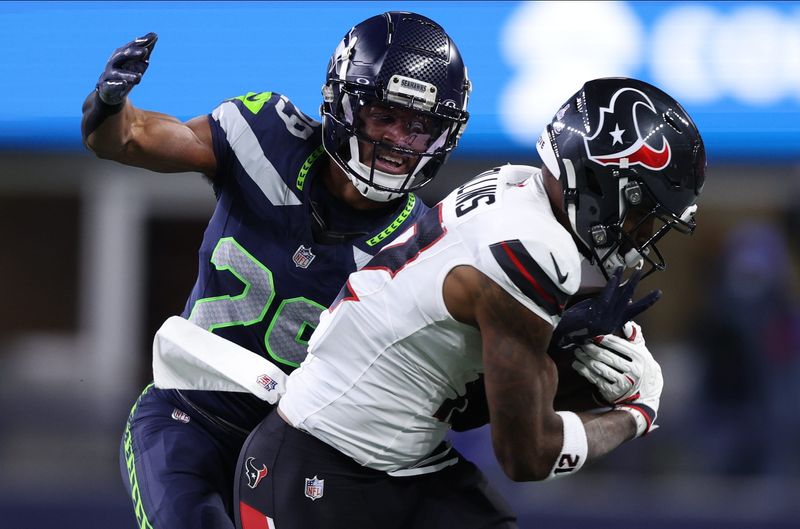
    He played two snaps at the Seahawks late in the season. Starter James Bradberry was getting torched so badly by receiver DK Metcalf that he was pulled before a series.

    “I jumped in, and I got a flag,” Jobe said.

    Josh Jobe received occasional snaps at defensive back but largely was a special teams player in Philly.

    Metcalf — another future teammate who eventually would praise Jobe — drew a pass interference penalty vs. the handsy cornerback. Jobe logged one more snap and then was yanked himself. Smith-Njigba later caught the game-winning touchdown over the overmatched Bradberry.

    Jobe, meanwhile, never quite hit his stride in the Eagles’ Vic Fangio-influenced defense. When Fangio was hired as defensive coordinator in 2024, and general manager Howie Roseman expended the team’s top two picks on Quinyon Mitchell and Cooper DeJean, Jobe became the odd man out.

    He said the additional competition didn’t affect him.

    “I’ve been going against vets for years — [Darius] Slay, James Bradberry, and other guys,” Jobe said. “I’m used to competing since I was at Alabama. I’m all about competing. At the end of the day, what they decide is out of my control.”

    The Eagles released Jobe after training camp. Seahawks general manager John Schneider scooped him up two days later. He saw a corner who could fit in McDonald’s aggressive scheme, which had similarities to the one Jobe played in at Alabama. It helped that Karl Scott, his defensive backs coach with the Crimson Tide, was in Seattle by then.

    “He’s taken a slow climb to get where he’s going,” Scott said. “He’d be the first to tell you that he has a ton to learn about the position. He has a lot of the tools, especially his pure confidence, whether that’s false or real.

    “Having confidence in yourself is important. I think a lot of that comes from hard work.”

    Scott said he was worried this offseason about the cornerback spot opposite Witherspoon because Smith-Njigba was getting the better of Jobe and Riq Woolen. But when it became obvious during the season that the receiver had jumped to the elite level at his position, he recalibrated.

    “I think, in turn, Josh contributed to Jaxon’s improvement,” Scott said. “He was jamming receivers and you would see them autocorrecting themselves. That was a sign to us in training camp that we might have something.”

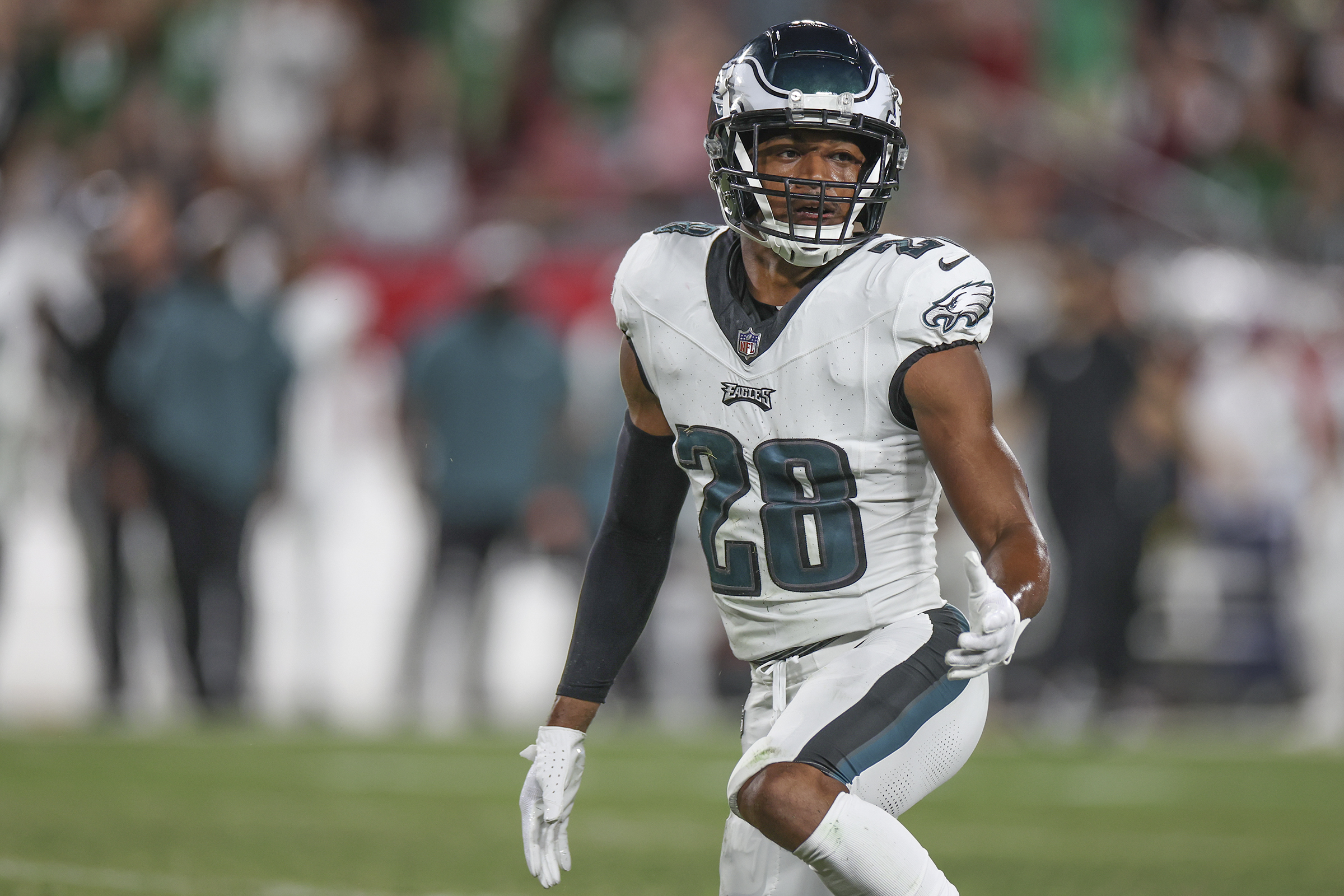
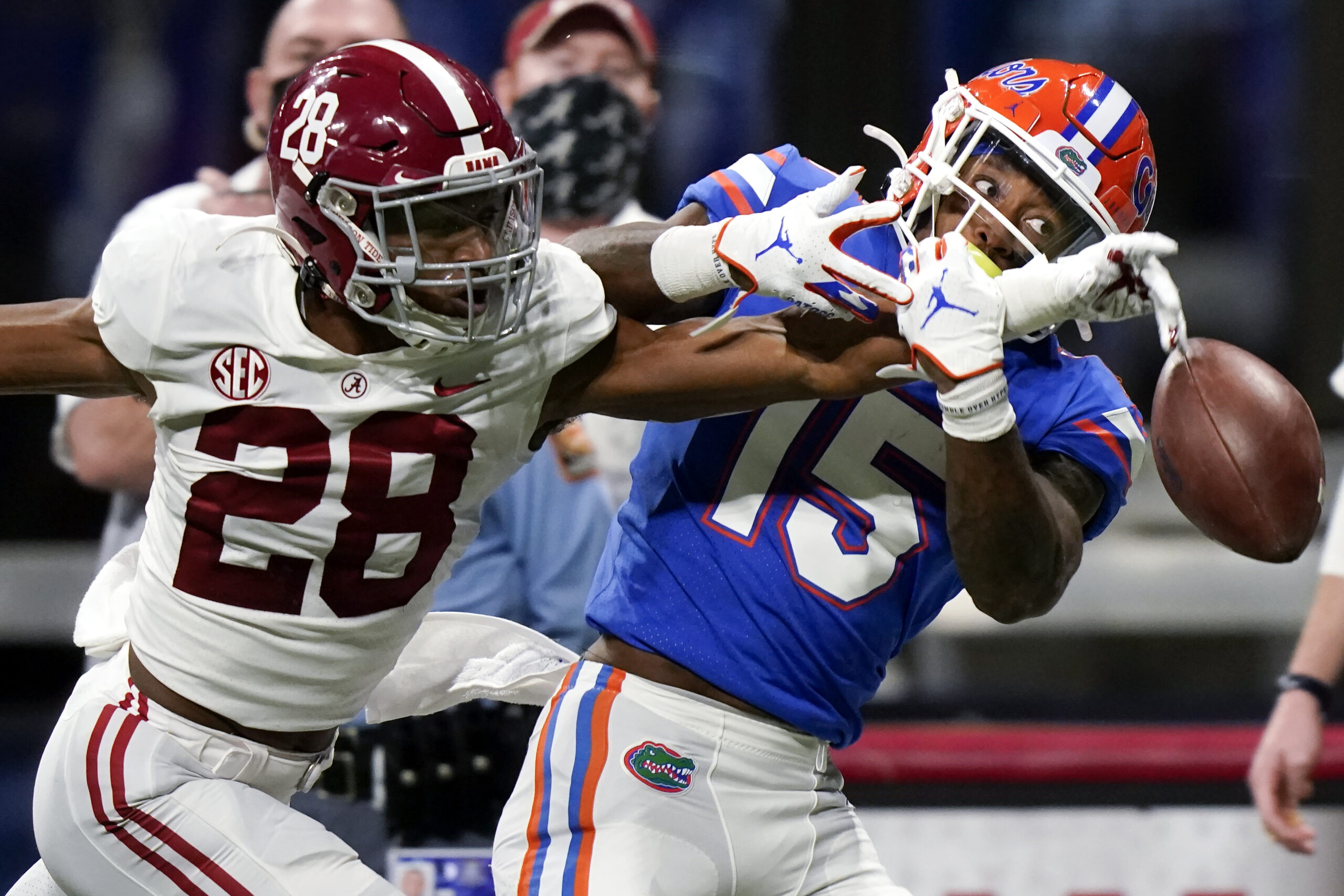
    Josh Jobe (28) believes the competition he faced at Alabama helped prepare him for the trials of the NFL.

    Woolen might have been drafted by Schneider, but Jobe’s progress forced the Seahawks to split time between the two.

    “That’s a great example of the pride that we take in how we run our program,” Macdonald said. “When you come in and you play great football, and you’re a great teammate, you’re going to get an opportunity to play.”

    A year ago, Jobe said he watched the Eagles play in the Super Bowl “[ticked] off.” He said he was rooting for his former teammates, though, and that he appreciated Roseman and the Eagles giving him a first chance.

    “At the end of the day it’s just a business and I wasn’t going to let that bring me down,” Jobe said. “I know what kind of person I am, what kind of player I am. So I just moved onto the next organization and showed them what kind of person and what kind of man I am.”

    Jobe is about to become a first-time father. His fiancée, Nayomie Suarez, is due on March 13. They’re having a daughter.

    “We’re naming her Ami,” Jobe said, “short for Amelia.”

    Scott, more than anyone in football, has seen Jobe mature before his eyes.

    “Whether he’s in a room with big names or no-names, Josh is a very quiet, cerebral guy. … I wish everything that’s coming to him in the future, but I don’t think it’s possible now to keep Joshua a secret,” Scott said.

    “He’s done the part that everybody asked him to do, and now in turn, he’s going to hopefully get what he deserves.”

  • 2026 BMW iX garners some rave reviews

    2026 BMW iX garners some rave reviews

    2026 BMW iX xDrive45 vs. 2026 Cadillac Vistiq: A lot for a lot?

    This week: BMW iX

    Price: $96,275 as tested. M Sport Package added $4,500 for a lot of M’s (on the steering wheel, among exterior and interior elements); Executive Package, $3,250 for soft-close doors and more; Driving assistant professional, $2,550. And there’s more, mentioned below.

    What others are saying: “Highs: Tranquil cruising, competitive driving range, deluxe cabin. Lows: Busy exterior styling is polarizing, low rear seating position,” says Car and Driver.

    Consumer Reports gushed: “We were thoroughly impressed with BMW’s all-electric iX, which is speedy, ultraquiet, and delivers a cushy ride. Even with its complicated controls, the iX earned one of the highest road test scores ever.”

    What BMW is saying: “The new age of iX.”

    Reality: And this $100,000 model is the low-budget iX.

    What’s new: The iX electric SUV is new and improved for model year 2026, BMW says, with a redesigned exterior, cutting-edge technology, and versatility.

    Competition: In addition to the Vistiq, there are the Genesis Electrified GV70, Lexus RZ, Mercedes-Benz EQE, Tesla Model X, and Volvo EX90.

    Up to speed: Car and Driver reports the iX xDrive45 gets to 60 mph in 4.6 seconds. An M70 version takes just 3.6. It’s still quite fast, but there are other reasons to upgrade. Read on.

    Shiftless: A small toggle gets you into Reverse or Drive; there’s a button for Park.

    On the road: The iX handles nicely like a good all-wheel-drive EV should. It’s not stellar but it’s smooth and fun. It was actually a little rough on highways.

    Vehicle modes are accessed via a touch pad on the console, which gives you a touchscreen full of choices to take your mind and eyes off the road. When you press Sport then there’s an activation dialogue to capture your attention. Who cares about the car that stopped in front of you, the cyclist, the deer, the kid chasing the ball, when there’s all this touchscreen to look at.

    The interior of the 2026 BMW iX is striking in red leather. It’s comfortable and spacious but with some quirks.

    Driver’s Seat: Here’s another of the iX’s mysteries. The seat is nicely appointed and most comfortable (and on the roomy side), but I was stuck with a lumbar bump that I couldn’t get rid of. The controls are on the door a la old Hyundais but there’s there nothing for lumbar. The touchscreen wasn’t offering any clues either.

    The seats do offer massage, and that function helped take my mind off the lumbar issues — and convinced me there has to be a control for it … somewhere.

    All this for the bargain price of $3,500, for the leather seats.

    Steady speed: The steering wheel controls allow for changing from adaptive cruise to a more intrusive driving assist mode.

    All I wanted to do was simply figure out how to set the distance to the next car. It flashed on the screen when I set the system up and then disappeared forever. Because it was set to the farthest distance, cruise control became useless on Philly-region roads, because everyone here will just cut right in front of you. Mr. Driver’s Seat included.

    Friends and stuff: The rear seat is comfortable and luxurious, although the backrest is a little recline-y for me. There’s ample room for three people across and for everyone’s legs.

    Cargo space is 35.5 cubic feet behind the rear seat and 77.9 with the seat folded.

    In and out: The iX is at a nice height so anyone who doesn’t like climbing or bending will be pleased.

    Play some tunes: The Harman Kardon stereo system produces among the best sound I’ve heard in a long time. Notes and chords that are buried by normal speakers are allowed to sparkle as intended; this is an A+.

    The system is all in the touchscreen or through BMW’s dial and buttons on the console. A volume roller knob on the console just monkeys things up; it’s fairly smooth to the touch and hard to roll. The latter controls remain a favorite and bring this system a step above many other modern BMW offerings (I’m glaring at you, 228).

    Keeping warm and cool: Temperature settings are available on the main touchscreen. A small fan icon on the touchscreen opens the larger menu, and I confess for the first couple days I found that HVAC system annoying — it would blow too hard on auto, even on the lowest setting — and then occasionally boil us. In manual mode I had to run the fan at four out of five to get any coolness.

    Range: The iX xDrive45 has a range of 312 miles, according to BMW. That jumps to 340 miles in the mid-range xDrive60, and drops back to 302 in the high-performance M70.

    Where it’s built: Dingolfing, Germany

    How it’s built: Consumer Reports gives the iX a 3 out of 5 for reliability.

    Next week: Step into the Cadillac Vistiq.

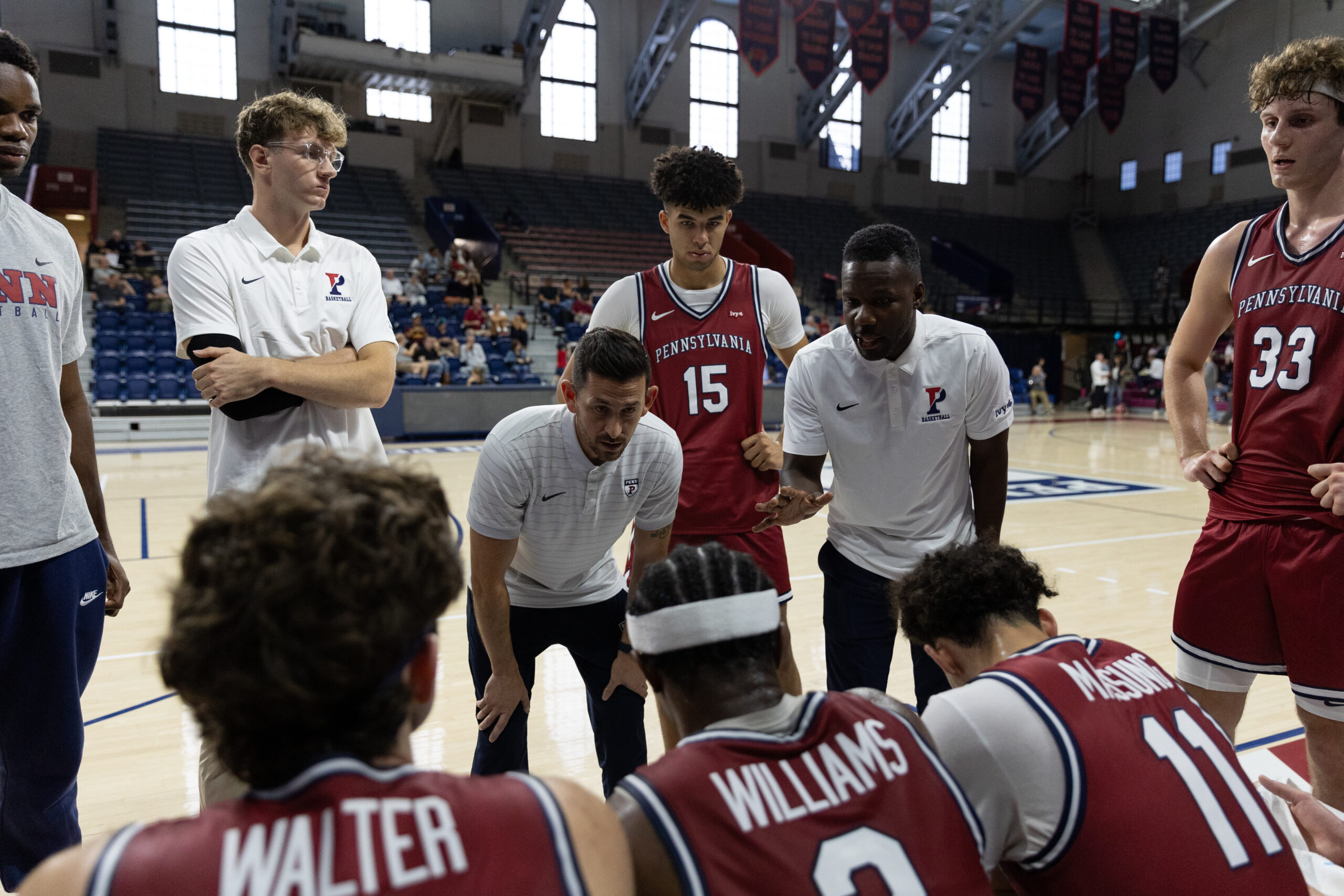
  • Ronald Moore was once a March Madness sensation. Now he’s a Penn assistant coach.

    Ronald Moore was once a March Madness sensation. Now he’s a Penn assistant coach.

    When Ronald Moore became an NCAA Tournament hero in 2009, TikTok and Instagram had not yet been invented. The iPhone was in only its second iteration, the 3G, and the first one had been launched just two years before.

    You could certainly become a national sensation, but it would have been with a highlight reel play instead of a viral one.

    Yet for all that has changed in technology since then — to say nothing of all that has changed in college basketball — some things never go out of style. A mid-major toppling a Big Ten beast in March is certainly one of them.

    It was news enough that Siena had taken Ohio State to overtime, and all the better since the game was in Dayton, just over an hour from Columbus. With 9.1 seconds left in the extra session, the Saints trailed the Buckeyes, 65-62.

    Moore, a Plymouth Meeting native who was then a junior guard from Plymouth-Whitemarsh High, took the inbounds pass and raced up the floor. When he neared the three-point arc, he faked left on Ohio State’s P.J. Hill and dribbled right. Hill bit, Moore let fly, and the shot was inch-perfect.

    As CBS announcers Verne Lundqist and Bill Raftery joined the crowd in delirium, Ohio State’s Jon Diebler shot a potential game-winner off the rim. A second overtime beckoned.

    “The little guy that could!” Raftery exclaimed over replays of 6-foot-tall Moore’s three, including a wide-eyed Siena coach Fran McCaffery and an even more wide-eyed bench.

    With 19 seconds left in the second OT, future 76er Evan Turner’s gutsy layup put Ohio State ahead, 72-71. Moore again took the inbounds pass, this time dribbling left, then toward the middle.

    He passed to Edwin Ubiles, who gave a pump fake, a dribble, and a pass back out of a triple team to the man of the hour. The clock read 5.4 when Moore let fly.

    “Three-pointer … Yes!” Lundquist roared, with Raftery landing an “Oh!” right on top of his partner.

    Then came the moment that really sticks in many fans’ minds: Raftery’s “Onions! Double order!” exclamation. The sport’s king of rhetorical flourishes had never taken his most famous line to that level, and it’s still rare.

    Bill Raftery (left) calling a game on CBS with former Villanova coach Jay Wright in 2022.

    Had Turner made the running jumper he missed on Ohio State’s last possession, perhaps all of this would have been forgotten. But the ball rolled around the rim and out, and the nation had a new star.

    ‘A great moment in time’

    Countless fans of Cinderella have memories of Moore’s heroics. So does Siena’s all-time assists leader, now 37 and settled back in his hometown as an assistant coach at Penn.

    “They’re always vivid,” he said in an interview this week. “I’m blessed to have had that moment in my basketball career. And every March, it’s always a flashback, whether someone brings it to my attention or I catch a glimpse of it in some of the highlight reels they play of March Madness.”

    And he still gets “the same feeling every time I see it — just because of what it meant to not only the university, but to myself, to my teammates. So it’s always a great moment in time when I flash back and look at those shots.”

    McCaffery, now at the helm of Penn, hasn’t forgotten either, just as he hasn’t forgotten many of his great moments as a player and a coach. But he offered a reminder of something those fans might have forgotten: Siena was a ninth seed that year, and this was its second straight tournament with a win.

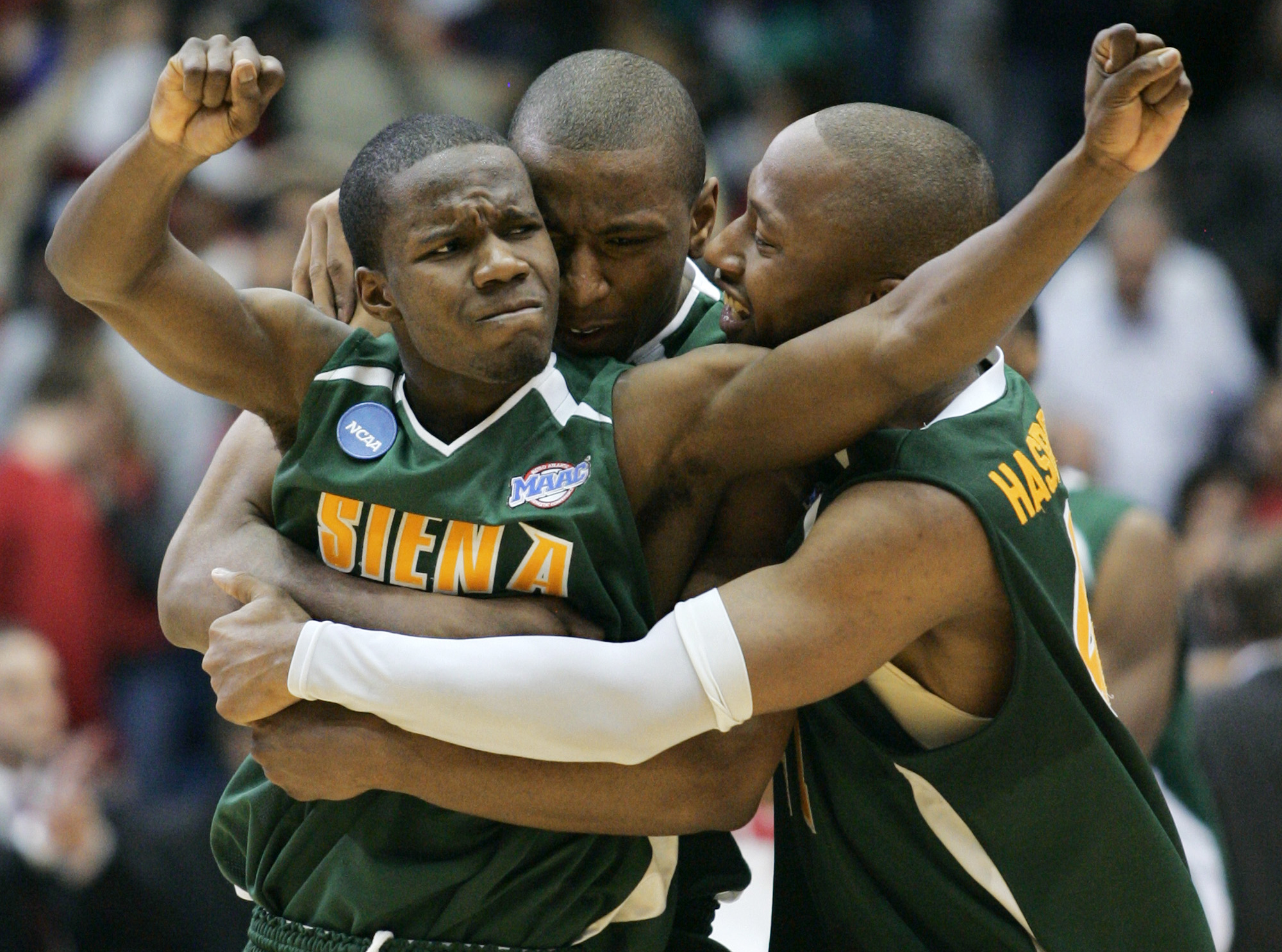
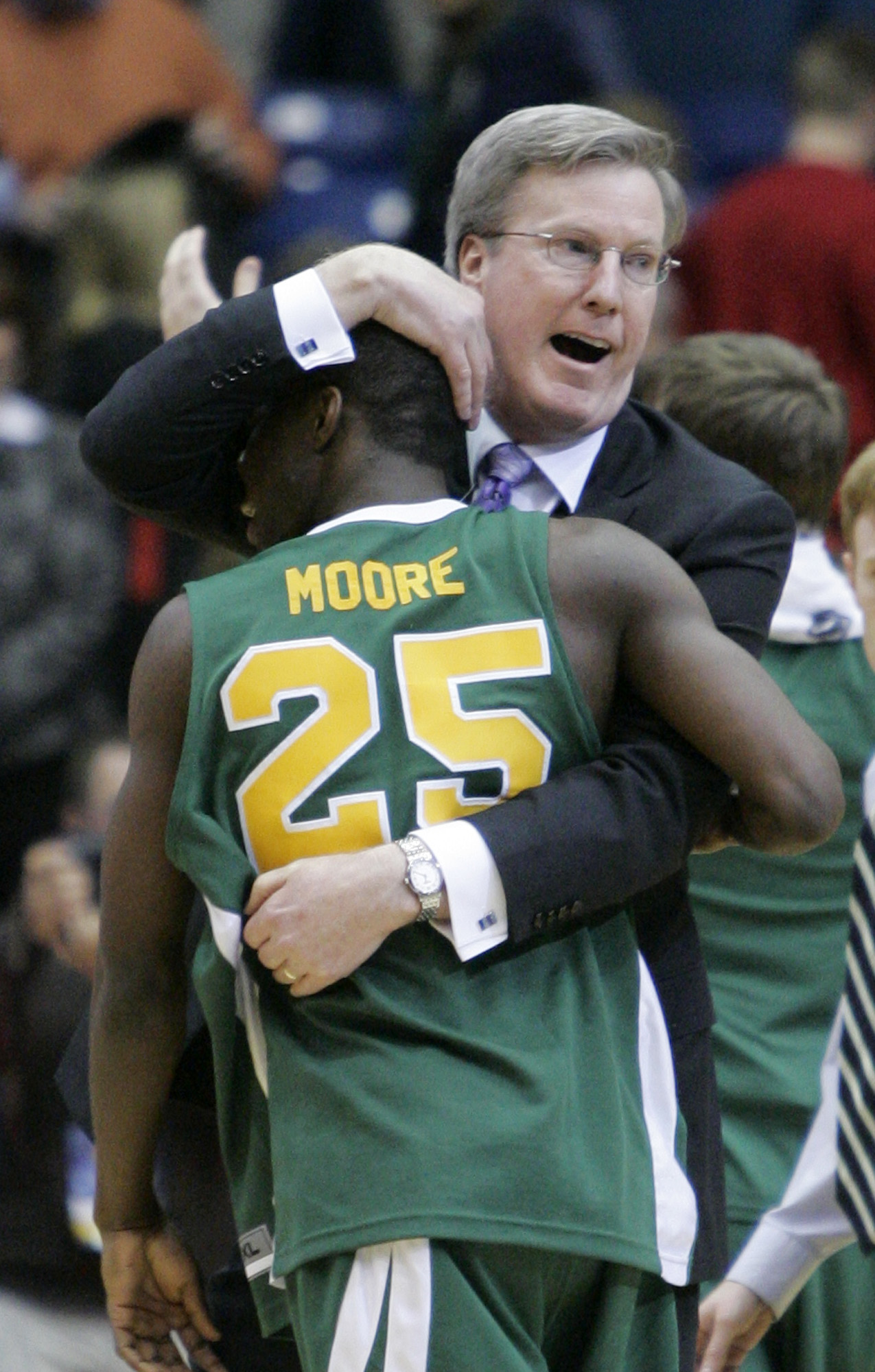
    Ronald Moore (left) celebrates with teammates after his famous game-winning three-pointer.

    “In the moment you’re just thinking about adjustments, personnel — what are we in defensively? What are they in? Are we in the bonus?” McCaffery recalled. “With that team, it was easy to trust your guys. It was a veteran group, they were really smart, and they were incredibly mentally tough. So you can play Ohio State in Ohio [and] nobody’s rattled at all.”

    McCaffery also recalled what followed: “That was as good a locker room celebration as I can remember.”

    After graduating in 2010, Moore went on to play professional basketball in Europe for 11 years, for teams in Slovakia, Poland, Hungary, Ukraine, Italy, and France. He retired from the court in 2021, then returned to his hometown to run a youth basketball outfit.

    “I felt that it was something that was my calling, just to kind of help the next generation and give all the knowledge that I possibly can to help those kids try to help achieve their goals and their dreams in the game of basketball,” he said. “It’s brought me so much that I wanted to be able to help someone do the same.”

    Then, last spring, his old college coach returned to his hometown, and his alma mater. When McCaffery hired Moore to the staff at Penn, some people of a certain age reacted: “That Ronald Moore?”

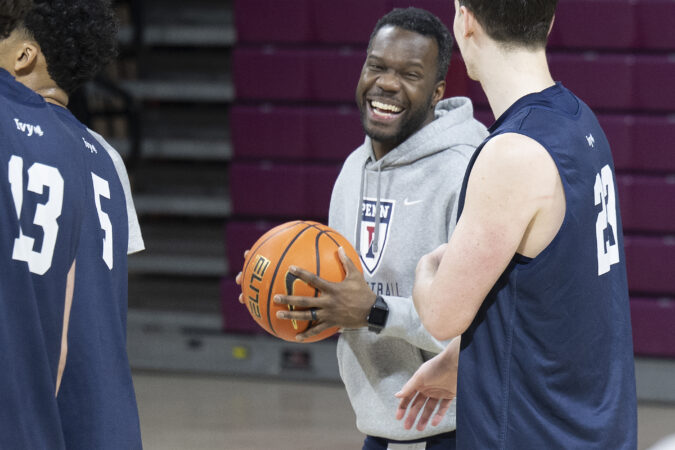
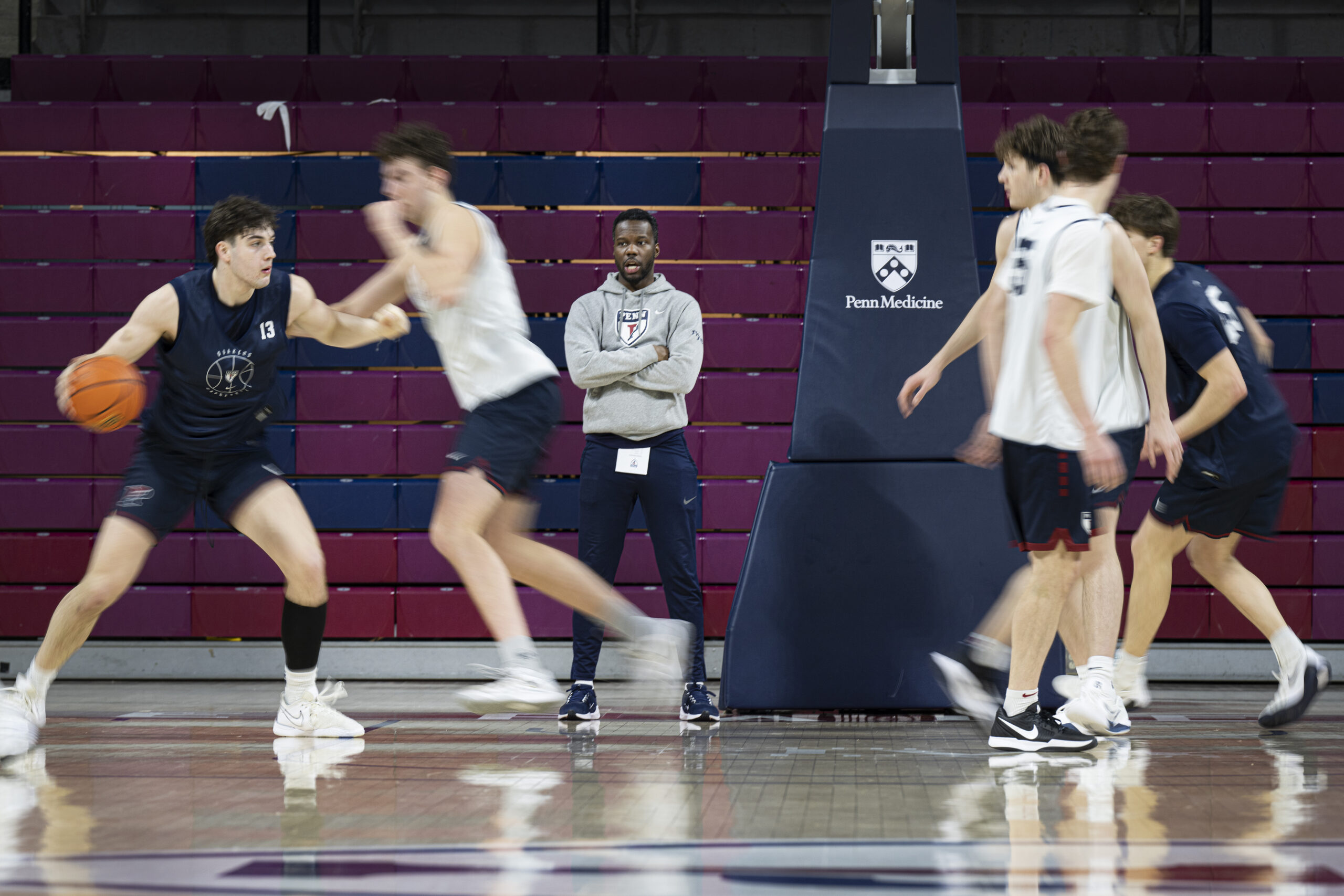
    Ronald Moore watching Penn’s players practice at the Palestra this week.

    Yes, that Ronald Moore. He and his old coach had stayed in close touch over the years. They traded text messages, and when time allowed, Moore would visit McCaffery at Iowa, where the coach moved in 2010. Their families got to know each other, too.

    “It’s just the type of person Fran is, man,” Moore said. “I think a lot of people get a misconception of when he’s out here yelling and trying to motivate guys on the floor, but off the court, he’s always been an open book, and someone who would be approachable to talk about anything.”

    Hiring him made ‘perfect sense’

    McCaffery had long felt Moore would make a good coach someday, and had told him so.

    “I always thought about having him on my staff no matter where I was, but it makes perfect sense in Philadelphia, where we’re both from,” McCaffery said.

    Now Moore’s experiences make him even better-suited for the job.

    “He’s played at an incredibly high level internationally,” McCaffery said. “He’s played for some really good coaches — played for some coaches who probably weren’t very good, and that’s part of the growth in this profession. … But his knowledge is just next-level of the game. So the coaching side of it is easy.”

    Ronald Moore (second from right) and fellow Penn assistant coach Ben Luber talking with players during a preseason scrimmage last fall.

    When the offer came to join Penn’s staff, Moore felt that “it just was a full-circle moment.” And he was ready.

    “Many people have asked me, ‘Hey, have you ever thought about getting into college coaching?’” he said. “I had plenty of friends that coached at the college level, so I knew what it entails, but I didn’t really want to move around. So him coming back to Penn and getting that phone call, it kind of just seemed like a no-brainer.”

    On top of that, he now has a key to the Palestra, his city’s basketball shrine. He appreciates that too with one of its annual rituals played on Saturday’s. The 61-60 win over rival Princeton, ended an 8-year, 14-game skid an offered a measure of Penn’s progress this season.

    “You soak it all in when you’re in this place and it’s quiet and nobody’s around — you kind of can stand back and look at it from a different lens,” Moore said. “Having been able to play here as a college player, play here as a high school player, knowing what it means to the city of Philadelphia, and just its history in general, it’s a special place to be able to work at and come in every day.”

    Fran McCaffery embraces Ronald Moore after Siena’s upset of Ohio State.