Blog

  • Seth Williams, city jail chaplain | Morning Newsletter

    Seth Williams, city jail chaplain | Morning Newsletter

    It’s a new week, Philly, but the temps stay below freezing.

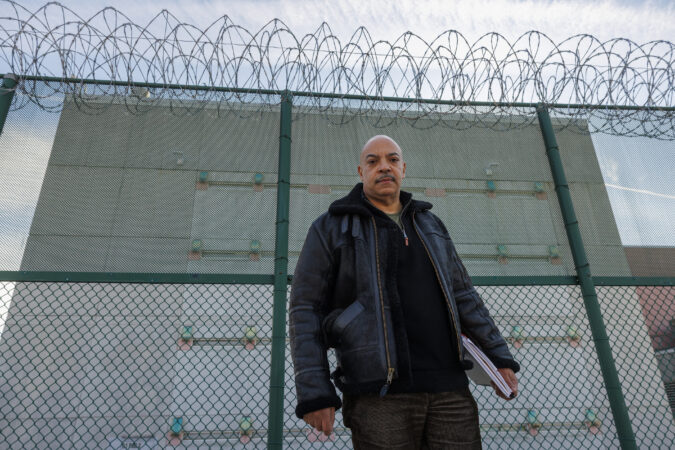
    From Philadelphia district attorney to federal inmate, Seth Williams now has another new title: part-time chaplain in the city’s jail system.

    And an Army veteran from Montgomery County was arrested Friday alongside journalist Don Lemon for protesting at a Minnesota church, two days after a video of him speaking out against the Trump administration went viral.

    — Julie Zeglen (morningnewsletter@inquirer.com)

    P.S. Did Punxsutawney Phil see his shadow? See the results of the weather-predicting Gobbler’s Knob ceremony at Inquirer.com.

    If someone forwarded you this email, sign up for free here.

    Seth Williams’ next chapter
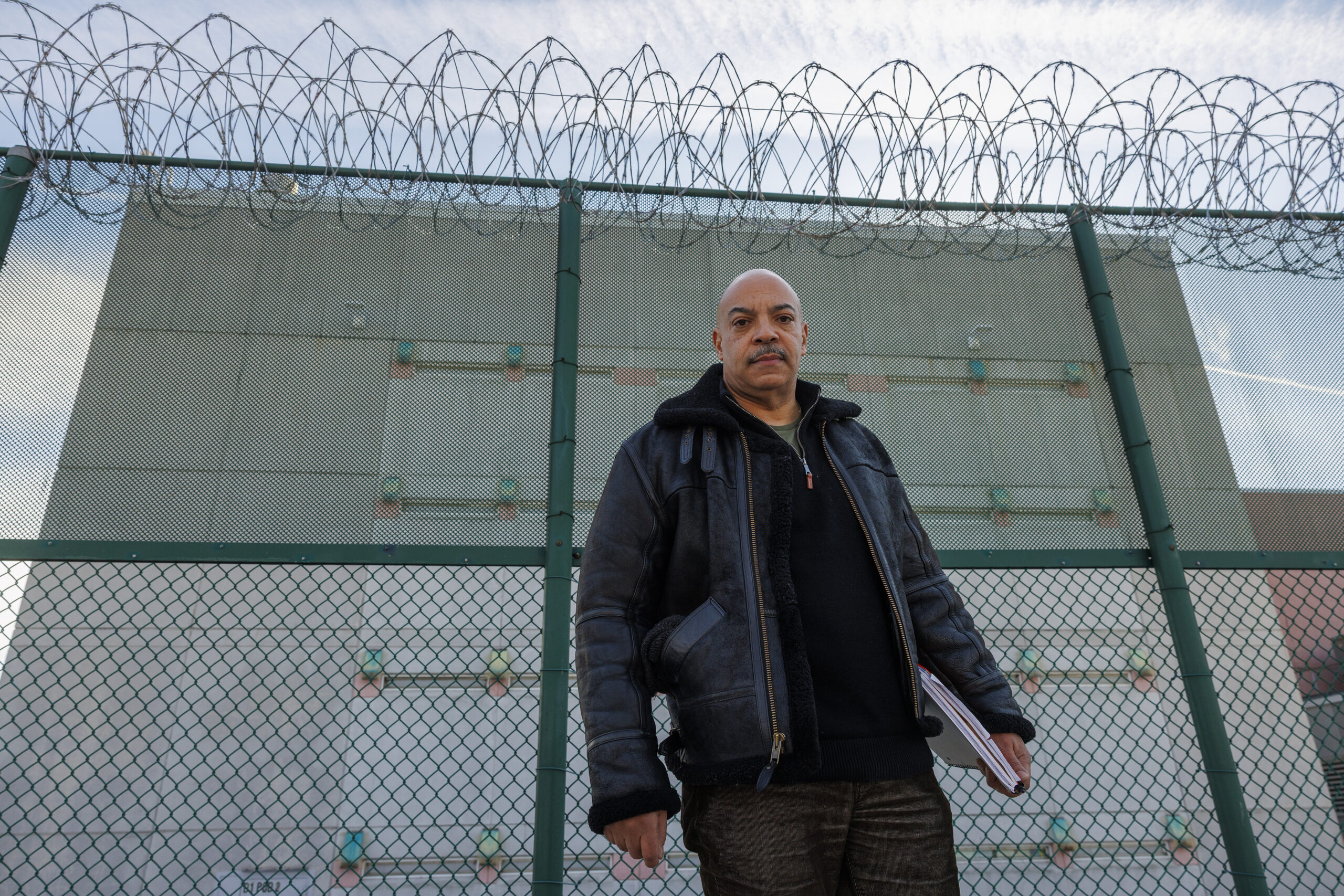
    Seth Williams was once Philadelphia’s top prosecutor, building a promising political career on a possible trajectory to the mayorship.

    Then came the federal corruption charges and five-year prison sentence.

    Nearly a decade later, Williams has a new role serving as a chaplain at the city’s jails. Going from being the man tasked with putting Philadelphians in jail to becoming one of them himself has enabled him to offer spiritual guidance with perspective, he says.

    In his own words: “I can be a better advocate, a better vessel, to help prevent crime and reduce recidivism … by helping people learn the skills they need to keep jobs and de-escalate conflict,” Williams told The Inquirer. “The best use of my experience … is helping people who are incarcerated the way I was.”

    Reporter Chris Palmer visited Williams at work to learn more.

    Montco veteran arrested at ICE protest

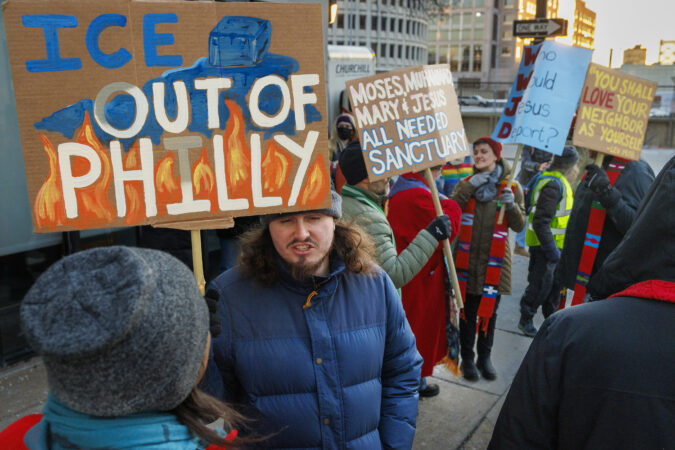
    A 35-year-old Bryn Athyn man is one of nine people facing felony charges for their involvement in a Jan. 18 protest at Cities Church in St. Paul, Minn. The protesters said they targeted the church because one of its pastors leads the U.S. Immigration and Customs Enforcement St. Paul field office.

    In a video clip posted online two days before his arrest, Ian Austin said he believed as an Army veteran it was his duty to travel to Minnesota.

    “We took an oath to the Constitution, and it’s just being shredded right now,” Austin said in the now-viral video.

    Former CNN host Don Lemon, who was covering the protest, is also a defendant. Lemon’s arrest, and that of another journalist who attended the protest, has brought criticism from media and civil rights advocates.

    Reporter Brett Sholtis spoke to Austin’s parents about their son’s arrest and military background.

    In other ICE news: U.S. Sen. John Fetterman (D., Pa.) on Sunday defended ICE officials who wear masks to obscure their faces, arguing that doxing is a “serious concern” for agents.

    What you should know today

    • On the anniversary of the Jan. 31, 2025, plane crash in Northeast Philadelphia, about 100 people attended a ceremony near the Cottman Avenue site to remember those who lost their lives.
    • An estimated 144,000 SNAP recipients in Pennsylvania began losing benefits in January as new rules included in the Trump administration’s “Big, Beautiful Bill Act” kicked in.
    • Newly released documents show that Jeffrey Epstein expressed interest in buying Bill Cosby’s New York City home and closely followed the Philly-born comedian’s 2016 sex assault trial.
    • A freshman football player at Villanova University has been charged with rape and sexual assault stemming from a December incident on campus.
    • The former mayor of Willingboro Township was found guilty by a federal jury of mortgage fraud.
    • Pete Buttigieg, the former transportation secretary and a potential presidential hopeful for 2028, has endorsed Democrat Bob Brooks, a firefighter running for Congress in the Lehigh Valley.
    • Immigrants are a “main driver” of the city’s economy, local leaders said at an Economy League of Greater Philadelphia event, while painting a grim picture of the future with fewer of them.
    • Ahead of Friday’s Unrivaled game at Xfinity Mobile Arena, professional basketball player Kahleah Copper took her teammates on a tour of “Norf” — including the corner of 32nd and Berks Streets, where it all started for her.
    • Philly artists won big at the Grammy Awards Sunday, including bassist Christian McBride, songwriter Andre “Dre” Harris, and rock producer Will Yip.

    Quote of the day
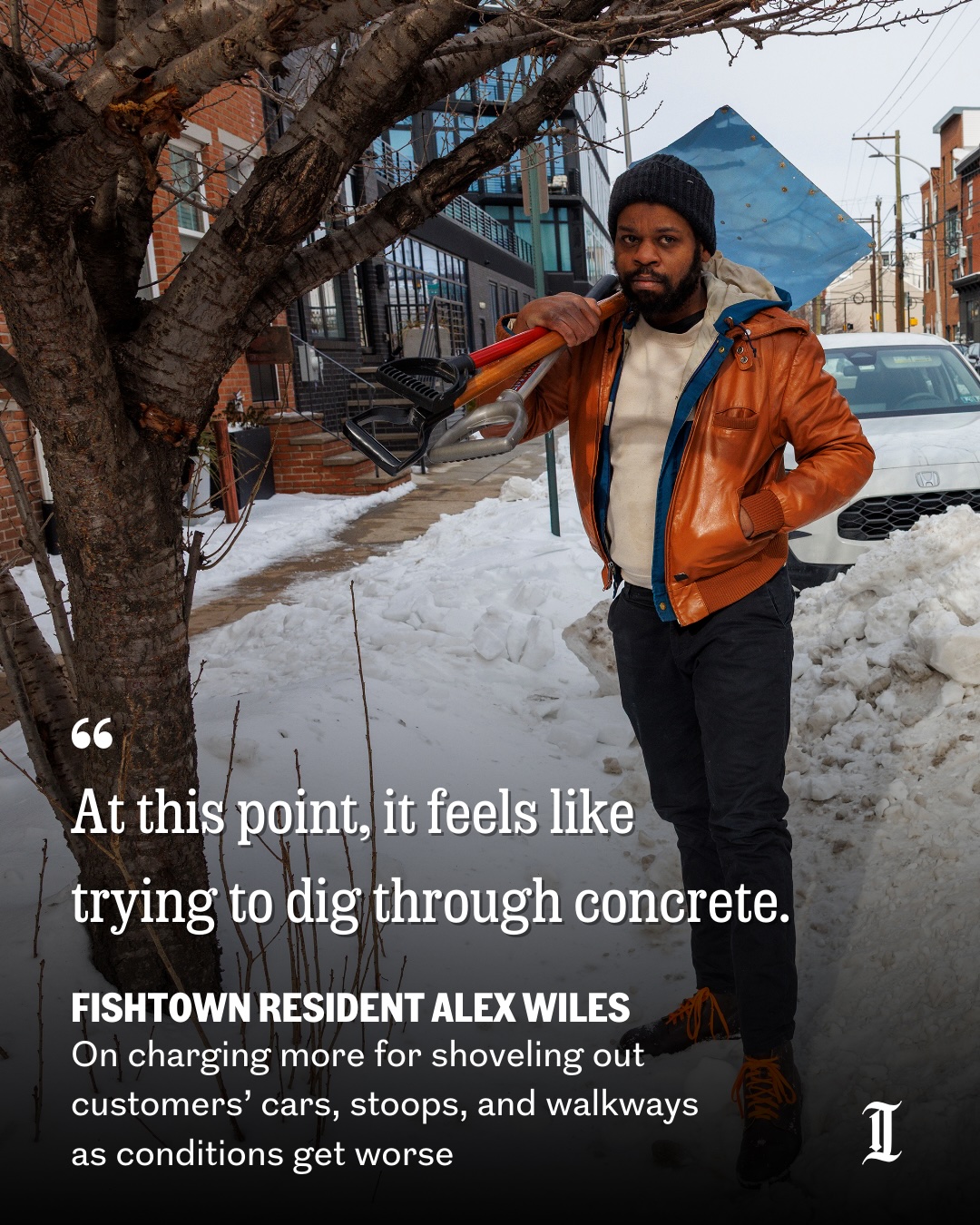
    What’s a fair price for shoveling snow that’s turned to ice? Some freelance shovelers increased their rates last week — in Wiles’ case, to about $50 — as the work became more physically demanding.

    🧠 Trivia time

    Twenty years ago this month, a suburban vegan restaurant moved to Bella Vista and sparked Philadelphia’s embrace of plant-based food. What was it called?

    A) Horizons

    B) Vedge

    C) Ground Provisions

    D) HipCityVeg

    Think you know? Check your answer.

    What we’re…

    🎶 Curious about: Opera Philadelphia’s still-in-progress, multiauthored work Complications in Sue, opening this week.

    🏠 Familiar with: Feeling “house poor but happy,” à la our latest How I Bought This House.

    🏀 Recapping: Everything you missed from the Sixers’ 2001 reunion night.

    🌊 Enjoying: Off-season eats, arcades, and live music in Asbury Park.

    🗓️ Considering: The fraught politics behind the creation of Black History Month.

    🧩 Unscramble the anagram

    Hint: URBN’s discount store

    CIRCLE ETC

    Email us if you know the answer. We’ll select a reader at random to shout out here.

    Cheers to Dwight Munroe, who solved Sunday’s anagram: Philly Special. ESPN’s 30 for 30 documentary series is set to relive one of the most memorable moments in Eagles history.

    More Eagles media news: Peacock’s forthcoming docuseries, Field Generals: History of the Black Quarterback, tells the history of Black NFL QBs — and features several prominent Eagles.

    Photo of the day

    A light-as-air Elmo balloon rolls along a sidewalk in Haddonfield, propelled by the wind as last Sunday’s (Jan. 25) heavy snow starts to turn to ice and sleet.

    📬 Your ‘only in Philly’ story

    Think back to the night that changed your life that could only happen in Philly, a true example of the Philly spirit, the time you finally felt like you belonged in Philly if you’re not a lifer, something that made you fall in love with Philly all over again — or proud to be from here if you are. Then email it to us for a chance to be featured in the Monday edition of this newsletter.

    This “only in Philly” story comes from reader Michael Thomas Leibrandt, who shares an appreciation for a modern Birds star:

    An unfortunate early exit for the Eagles this season means that our fandom will sit waiting in the wings until the excitement of training camp at the Novacare Complex next summer. And as the season closed with all measure of analysis over recent weeks, perhaps no story has been front and center like whether or not AJ Brown will be an Eagle next season.

    Whether number 11 takes the field next September in midnight green or eventually visits Lincoln Financial Field on an opposing roster, I’ll always remember seeing his talent on one of the best teams ever to play football in Philadelphia. At times, it seemed like there was nothing that he couldn’t catch, combined with that 6-foot-1, 226-pound frame that set the edge with thunderous blocks springing Saquon Barkley, DeAndre Swift, and Miles Sanders to daylight. Play him in single coverage — good luck. Bring help on him with a safety over-the-top, then risk allowing a big play from another of the Eagles offensive weapons.

    For one of the NFL’s oldest franchises, AJ Brown is the best ever. He has more receptions than Terrell Owens in a single season. He has more yards in a single season than Tommy McDonald. And he has played in more Super Bowls for the Eagles than Harold Carmichael, DeSean Jackson, or Alshon Jeffery.

    Like most around our region, the Eagles are a generational obsession in my family. My great-grandfather saw another NFL franchise — the Frankford Yellow Jackets — run to a championship in 1926. My grandfather saw the Eagles go to three championship games between 1947 and 1949; they won two. As far back as my young mind can recall, he told me about an Eagles unstoppable running back named Steve Van Buren. My father saw the Eagles win the title in 1960.

    I’ve seen something better than all that: a period of Eagles on-field excellence spanning half a decade. I’m not sure that it would have been possible without AJ Brown.

    🦅 P.S. If you’re planning to watch the Birds-less Super Bowl next Sunday, you can still enjoy some Philly flavor. We rounded up some of the best local spots to get game-day cheesesteaks, hoagies, wings, and tomato pies.

    Thanks for starting your week with The Inquirer. See you back here tomorrow.

    By submitting your written, visual, and/or audio contributions, you agree to The Inquirer’s Terms of Use, including the grant of rights in Section 10.

  • The fraught politics behind the creation of Black History Month

    The fraught politics behind the creation of Black History Month

    In 1926, when historian Carter G. Woodson created Negro History Week, racism was firmly entrenched in American politics.

    In a country whose economy was built on the free labor of enslaved Africans, Woodson — just the second Black man to earn a doctorate from Harvard — believed the educational system sought to enslave Black minds.

    The racism in education worked through politics. After all, schools were run by the government and funded by tax dollars, and while the students were segregated by race, the lessons were unified in their promotion of white supremacy.

    As Woodson would later write in his book, The Mis-Education Of The Negro: “It is strange, then, that the friends of truth and the promoters of freedom have not risen up against the present propaganda in the schools and crushed it. This crusade is much more important than the anti-lynching movement, because there would be no lynching if it did not start in the schoolroom. Why not exploit, enslave, or exterminate a class that everybody is taught to regard as inferior?”

    Woodson had a point. The politics of American education meant the stories of America’s wars were told from a Eurocentric perspective. America’s economic rise ignored the role of racism. The country’s cultural norms formed a tapestry of whiteness, and at the root of it all was an underlying theme that Black people were something less than human.

    That was the prevailing attitude, but Black Americans kept proving their own nation wrong.

    Nearly 180,000 Black men served in the Union Army during the Civil War, but only after petitioning the government to remove the political barrier of a 1792 law that forbade Black Americans from bearing arms for the U.S. Army.

    After emancipation, Black property owners acquired an estimated 16 million acres of farmland by 1910. The backlash against that achievement was not only driven by acts of violence. It played out politically, as local governments seized Black land through eminent domain, and the U.S. Department of Agriculture pushed Black people off their land through lending discrimination.

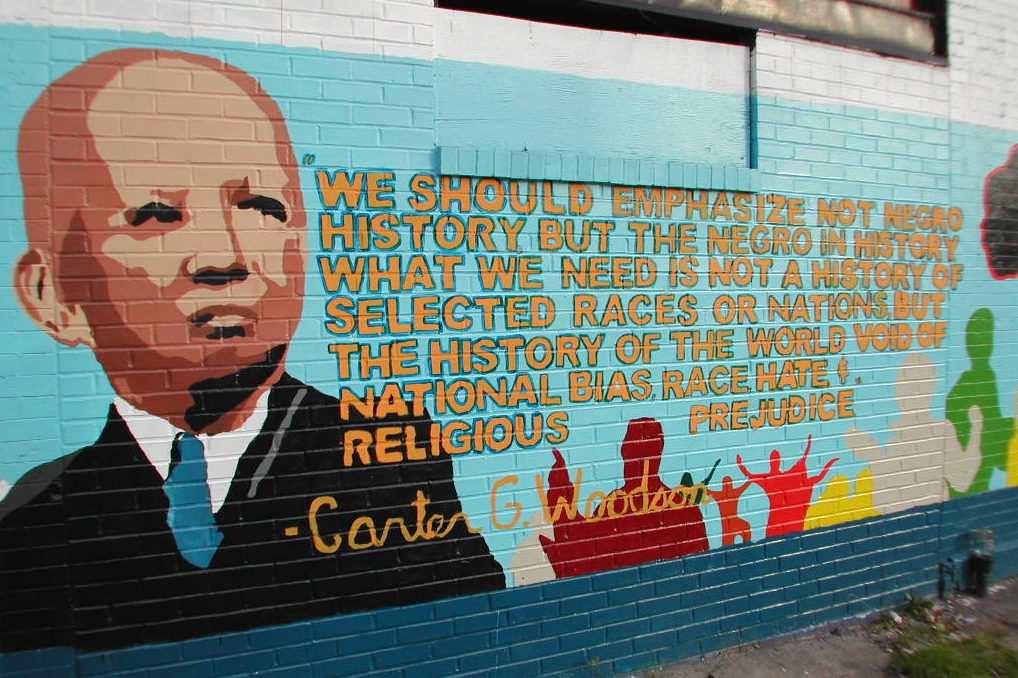
    A mural in Washington, D.C., pays tribute to historian Carter G. Woodson, who in 1926 created what became Black History Month.

    Sharing such history is inconvenient because it unravels the narrative that white America acquired everything through hard work and sacrifice, while Black America lost everything through laziness and incompetence.

    Maintaining such historical lies requires political will and a story people want to believe. In 1915, America got both.

    D.W. Griffith released a film called The Birth of a Nation. Its racist narrative portrayed Black men as savages, while depicting the Ku Klux Klan as heroes.

    President Woodrow Wilson, who screened the film in the White House, said The Birth of a Nation was “like writing history with lightning.”

    In truth, the film was not history. It was racist propaganda, and it helped to fuel the resurgence of the Ku Klux Klan. By 1921, African Americans were facing a full-on assault. In Tulsa, Okla., they endured what the U.S. Department of Justice later called a “coordinated, military-style attack” on a prosperous Black community. It was an assault that destroyed property worth millions of dollars, and it happened with the cooperation of the police and National Guard.

    In 1923, the political leadership changed. Republican President Calvin Coolidge, in his first congressional address, said that under the Constitution, Black people’s rights “are just as sacred as those of any other citizen,” while calling on Congress “to exercise all its powers of prevention and punishment against the hideous crime of lynching.”

    However, the president was only willing to go so far. He said racial issues should be worked out locally, and ultimately chose not to endorse an anti-lynching bill because he feared that in doing so, he would jeopardize tax legislation he was trying to push through the Senate. Black people weren’t his priority.

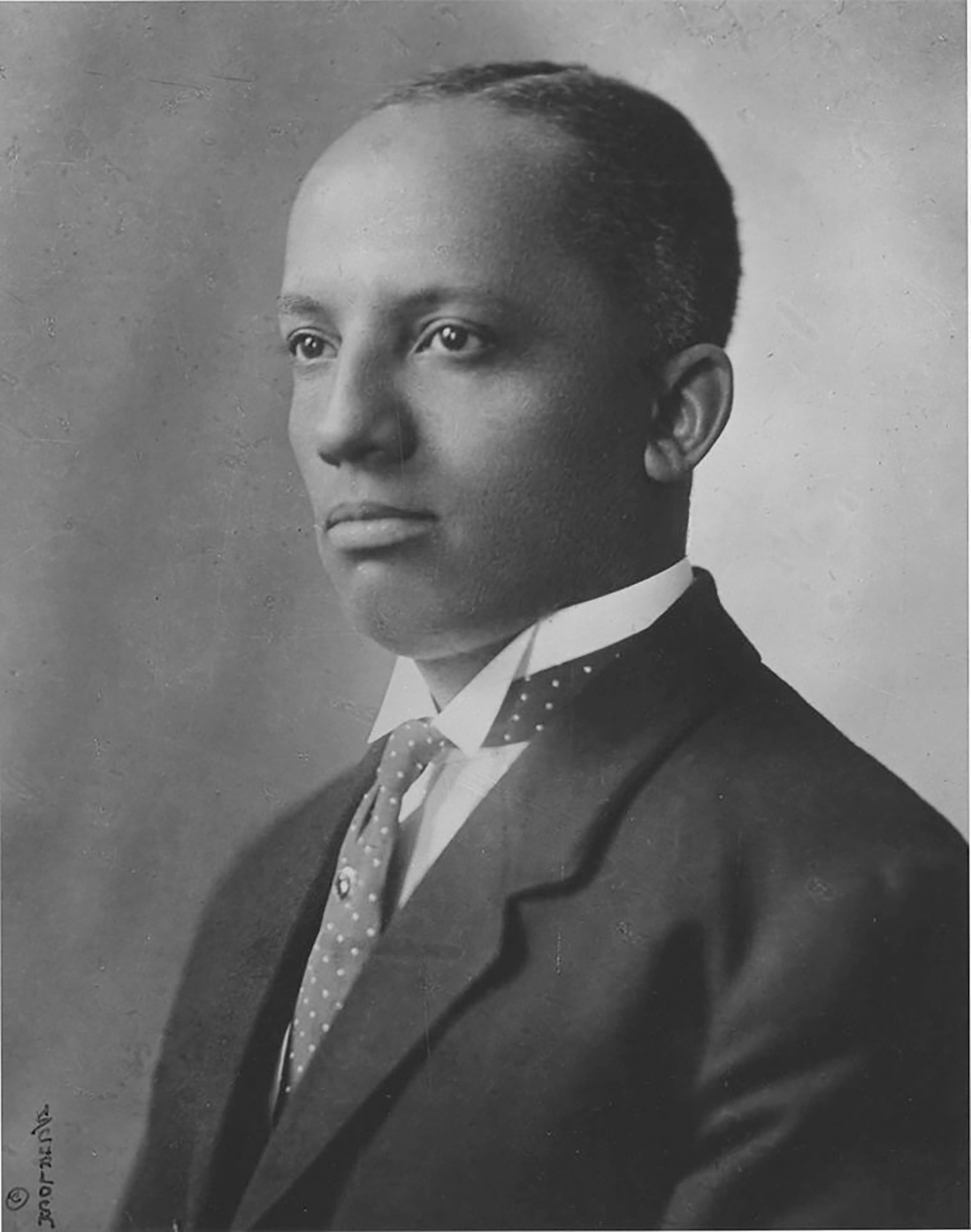
    Carter G. Woodson created Negro History Week in 1926 largely because he believed the nation’s educational system sought to enslave Black minds, Solomon Jones writes.

    It was against that political backdrop that Woodson founded Negro History Week — a celebration that wasn’t officially sanctioned by the federal government until 1976, when President Gerald Ford recognized Black History Month. A decade later, Congress passed it into law.

    Between then and now, as political winds have shifted, we are once again facing backlash against Black progress.

    In this moment, when the weight of Black history both strengthens and comforts us, I am reminded that Woodson, in his seminal work, The Mis-Education of the Negro, warned Black people against staking our hopes solely on politics.

    “History does not show that any race, especially a minority group, has ever solved an important problem by relying altogether on one thing, certainly not by parking its political strength on one side of the fence because of empty promises,” he wrote.

    In other words, if the past has taught Black people anything, it has shown us how to look beyond the rhetoric of politics and seek out each other for strength.

  • Forget about trading VJ Edgecombe for Giannis. Or anybody.

    Forget about trading VJ Edgecombe for Giannis. Or anybody.

    The following is a list of players who began their NBA careers with 1,500 minutes, 650 points, 225 rebounds, 175 assists and a .534 true shooting percentage in their first 43 games.

    • Oscar Robertson
    • Larry Bird
    • Magic Johnson
    • Michael Jordan
    • Chris Paul
    • VJ Edgecombe

    This shouldn’t need to be said, but the Sixers aren’t going to trade VJ Edgecombe for Giannis Antetokounmpo. Nor should they. Which also shouldn’t need to be said.

    Just in case, let’s say it again.

    No Edgecombe for Giannis. No Edgecombe for anyone. No Edgecombe at the trade deadline. No Edgecombe in the offseason.

    No Edgecombe, know peace.

    The conversation is worth having just to make sure we’re all on the same page. It isn’t every day that a superstar the caliber of Giannis hits the trade market. Even less often are the Sixers identified as a team that “intrigues” said superstar, as they were in a report by the Stein Line over the weekend. Giannis is smart to fancy the idea of teaming up with Tyrese Maxey, who has exploded into the realm of legitimate superstars this season. The Sixers would be foolish not to find out what it would take to land the perennial MVP candidate.

    Draft picks, Jared McCain, maybe even Joel Embiid? Sure, let’s talk.

    Edgecombe?

    Nope. Click.

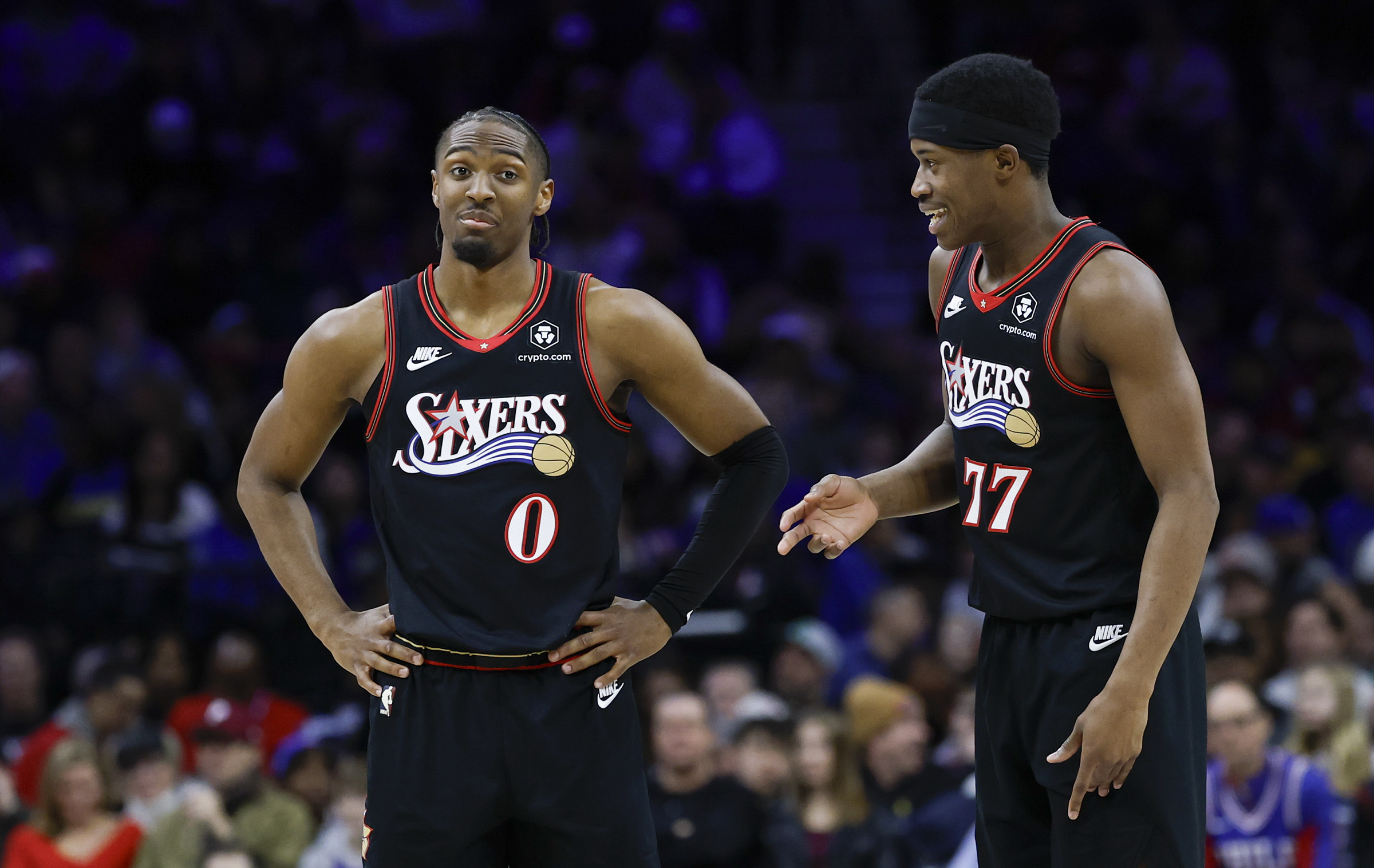
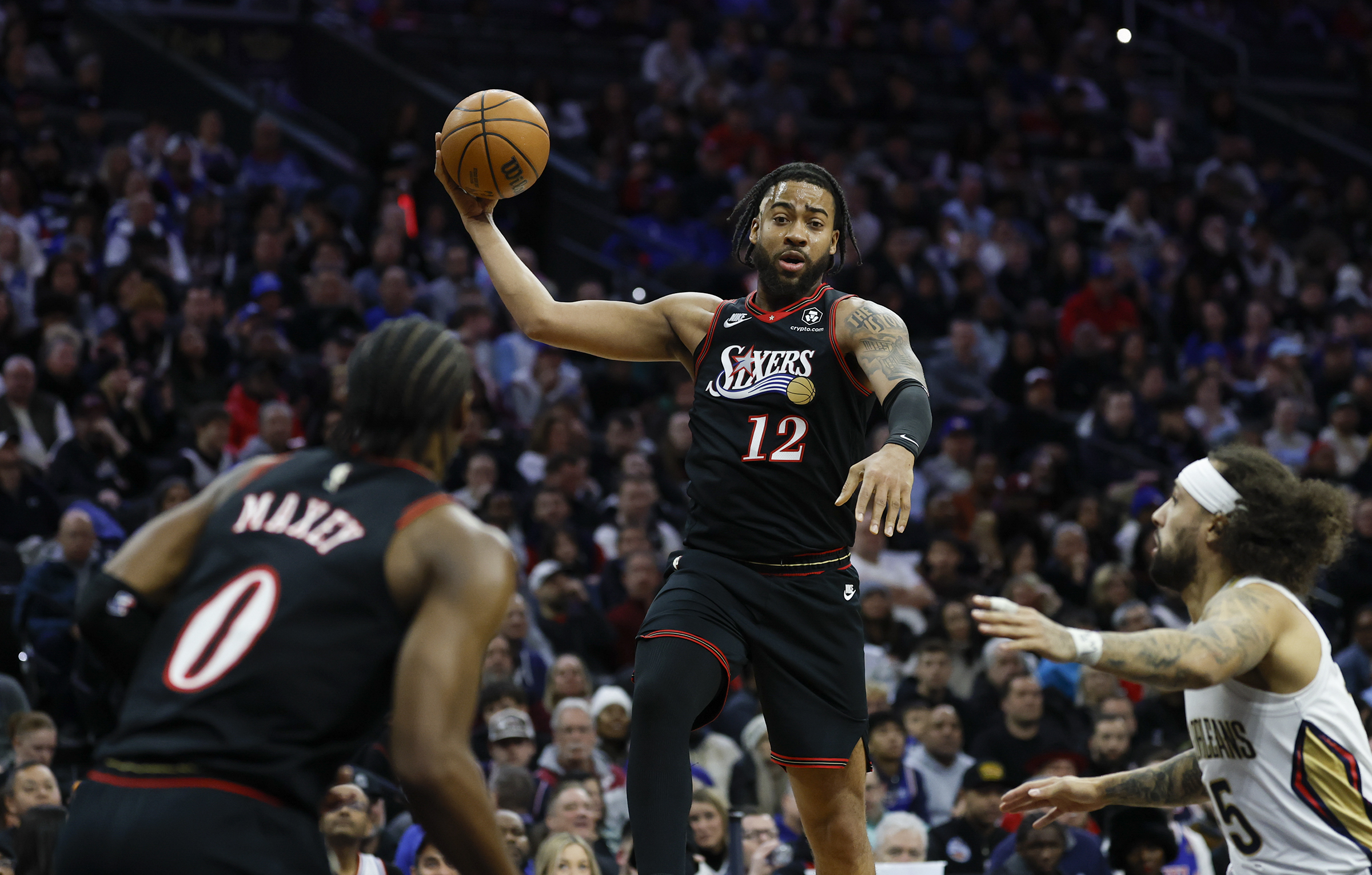
    Tyrese Maxey (left) and rookie VJ Edgecombe give the Sixers a dynamic backcourt combination.

    To be clear, this isn’t about Giannis. He’s in the midst of the most efficient season of his career, by virtually every measure. His .666 effective field goal percentage is 70 points higher than his career average and 46 points higher than his mark last season. While he largely abandoned his three-point shot after connecting on just 28.3% of his attempts from 2022-24, he already has more makes than he did all last season. His career-best .395 shooting clip from deep comes with a giant asterisk: a mere 38 attempts in 30 games. But, hey, making is better than missing. Giannis still does all of the stuff that has made him a top-five MVP finisher for a remarkable seven straight seasons. Rebounds, assists, steals — all of his numbers are at or above his five-year averages on a per possession basis. His 46.8 points per 100 possessions would be the highest of his career.

    This is purely about Edgecombe. To understand his immense present and future value, you have to watch him on the court. It’s incredibly rare for a 20-year-old rookie to average 35.6 minutes per night for a team that is six games over .500 and has a legitimate chance to make a playoff run. It’s even rarer for said rookie to do it with the maturity and grace that Edgecombe exhibits at both ends of the court. And it’s rarer still for a rookie to possess that veteran-level basketball IQ while also possessing such an electric athletic upside.

    Edgecombe’s polish is evident in two pieces of his stat line, beyond the top-line numbers. He is one 18 players in NBA history to have 178 assists and fewer than 80 turnovers in his first 43 games. That’s incredibly hard to do for any player who routinely has the ball in his hands, let alone a player who expends the amount of energy Edgecombe does on the defensive end of the court. Simply put, he is a winning basketball player, as evidenced by his cumulative plus-minus. The Sixers are outscoring opponents by nearly 1.5 points per game in Edgecombe’s minutes on the court. Again, very rare to see out of a rookie.

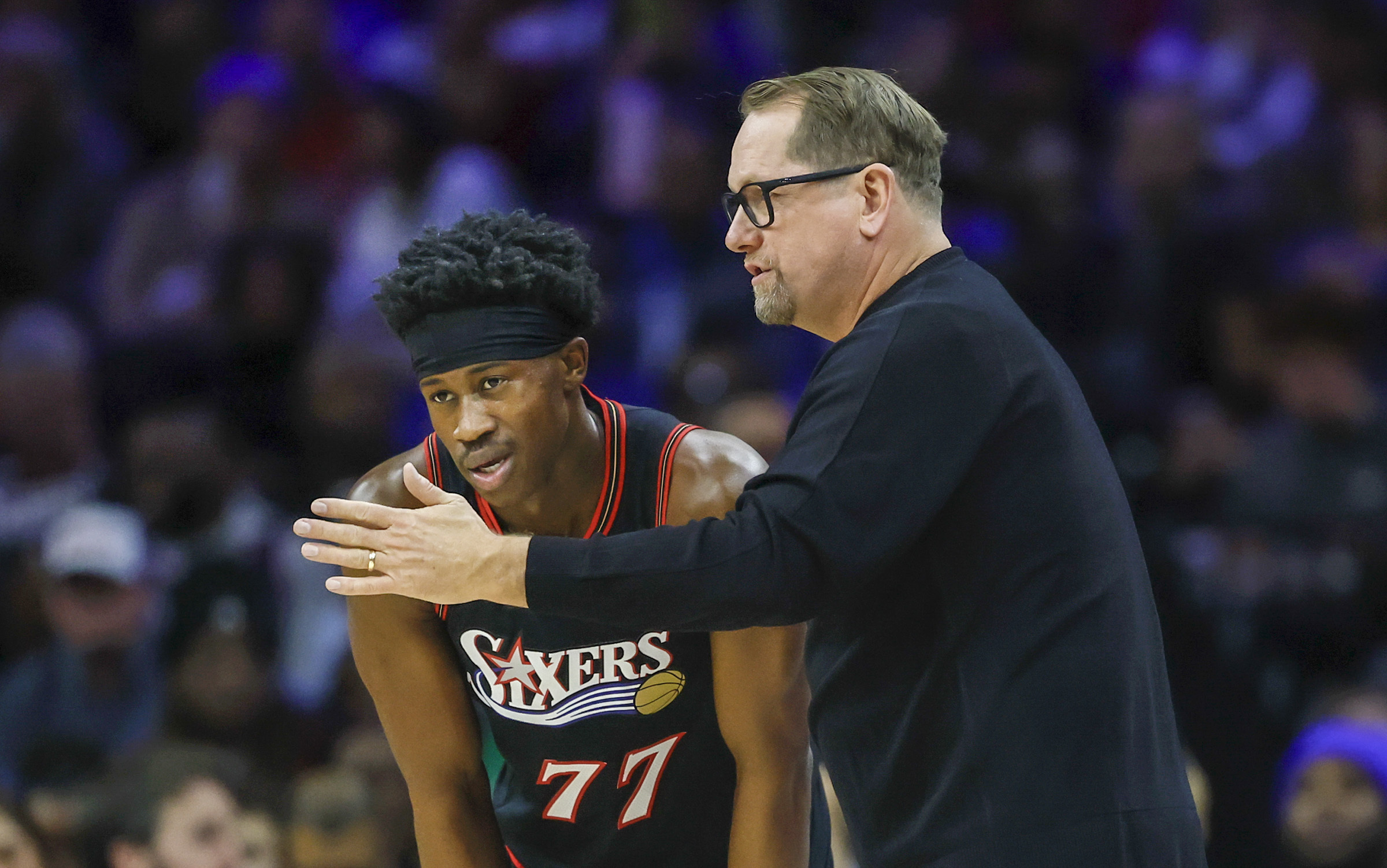
    Sixers coach Nick Nurse knows what he has in rookie guard VJ Edgecombe.

    The Sixers’ state of play in advance of this week’s trade deadline took a hard right turn over the weekend. It did so in a manner that was quintessential Sixers. Paul George’s 25-game suspension for a violation of the NBA’s anti-drug policy was the exact sort of nowhere-on-the-bingo-card development that has come to define the organization in the post-Process era. Unexpected? Only if you forget who you’re dealing with.

    In our defense, the Sixers had done a heck of a job lulling us to sleep over the first half of the season. Maxey was an All-Star starter and MVP candidate while averaging an efficient 29.2 points and 6.9 assists. Embiid was playing basketball reminiscent of his MVP prime. Even George had bounced back from his disastrous debut season, shooting .382 from three-point range while averaging 16 points per night.

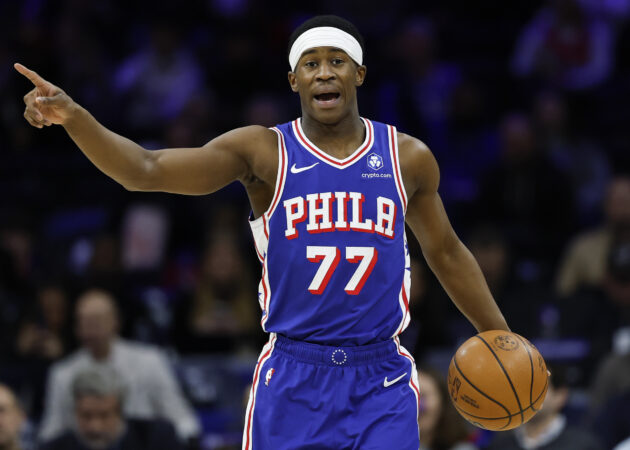
    Yet the brightest development of them all has been the kid with the double sevens on his jersey. Edgecombe’s per-game numbers may not look like the stuff of legends: 15.1 points, 5.3 rebounds, 4.2 assists, a .510 effective field goal percentage. But keep in mind: What we are witnessing right now is the floor. At the very least, he is a winning basketball player who would have a spot in the starting lineup of any contending team. A good defender, a willing rebounder, a capable scorer, an improving passer. Combine that floor with the ceiling afforded him by his explosive physical gifts and you have the sort of player whose trajectory could easily follow Maxey’s into the realm of the NBA’s elite. That’s not the kind of thing a team can afford to trade away.

    Not for Giannis. Not for anybody.

  • Steve Donahue has St. Joe’s ‘blending’ together at the right time

    Steve Donahue has St. Joe’s ‘blending’ together at the right time

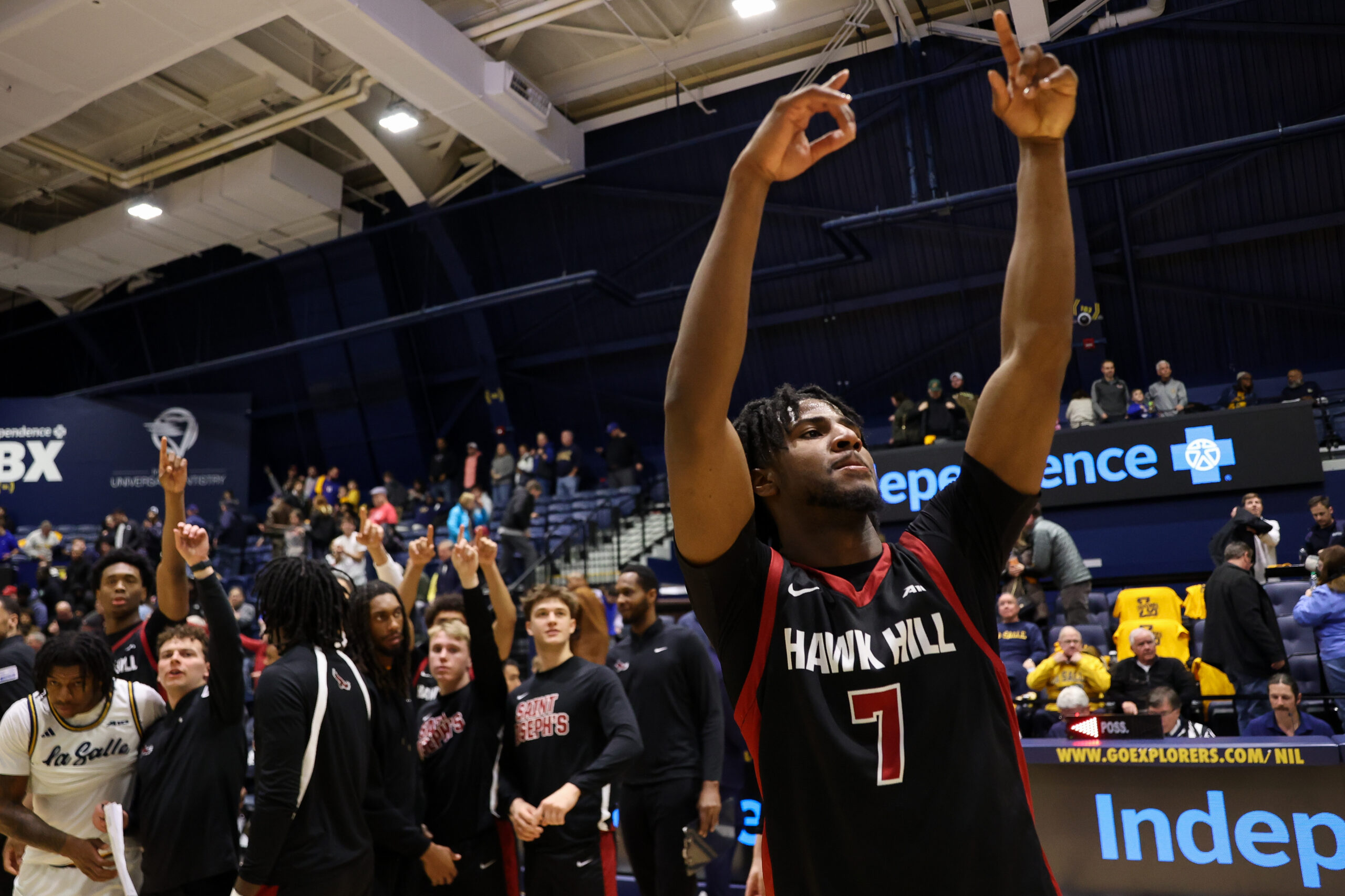
    Steve Donahue sat back in his chair, a smile stretched across his face. St. Joseph’s had just beaten La Salle, 67-58, on Saturday, the Hawks’ sixth win in their last seven, and Dasear Haskins, who made six three-pointers and tied a career high with 20 points, was talking about the “A to B mentality” Donahue has drilled into his team.

    “I told my mom I will A to B to practice the other day,” said Haskins, a redshirt sophomore who played at Camden High. “It’s like a lifestyle to me now. I think the guys are treating it like that.”

    The motto is simple enough: “Whatever A is, you have to get to B,” Donahue said later. A can be something good. A can be something bad. St. Joe’s has just gotten a lot better at the getting to B, and it’s not surprising that it took a couple of months for that to happen, for the Hawks to look like the sum of all their parts, considering all that has happened since September.

    Former coach Billy Lange abruptly left for the NBA. The roster that he worked hard to build would be playing for a new coach, Donahue, whom Lange brought on as his top assistant after the Delaware County native was fired following his ninth season at Penn. New coach, new roster, awkward timing. The Hawks started 2-3, had some ups and downs, then by mid-December their leading scorer, Deuce Jones, was no longer with the program.

    They started Atlantic 10 play by losing their first two games. Then came a team meeting. Then came six wins in seven tries, a stretch that could be a perfect 7-for-7 if not for late-game execution on the road against a good VCU team.

    Zoom out a little bit, and on a macro level this version of the Hawks is the B to whatever A was after they allowed Davidson to leave Hagan Arena with a 62-56 win on Jan. 3. The season could have gone sideways then, but it hasn’t. St. Joe’s is 14-8 overall and 6-3 in the A-10 and in fourth place in the conference.

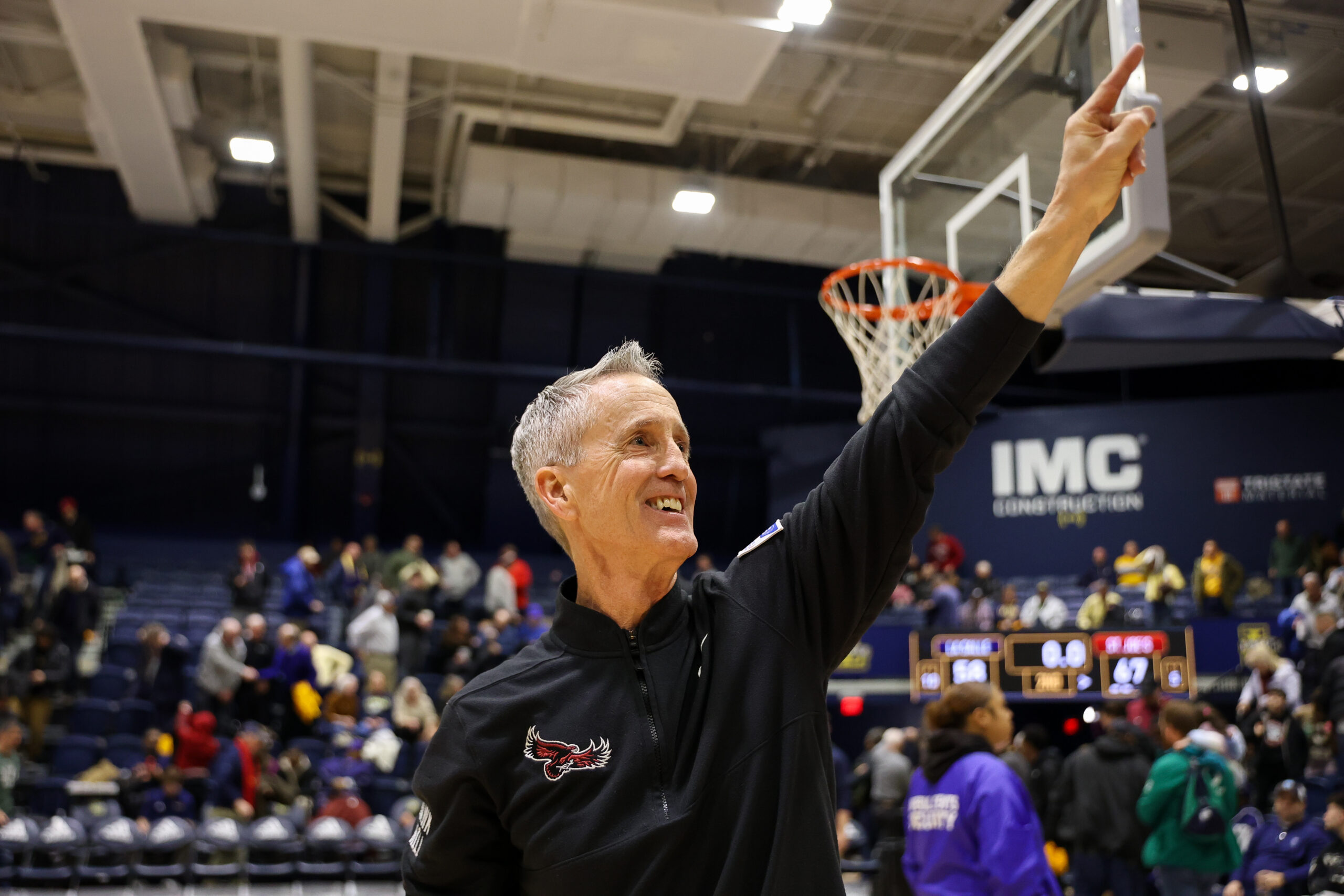
    St. Joseph’s coach Steve Donahue points to the student section after a 67-58 win against La Salle.

    Perhaps, finally, Donahue’s team is taking on a little bit of his own personality, playing the way Donahue wants the Hawks to play.

    “I like to think that,” Donahue said Saturday. But he also wanted to credit Lange for laying a foundation. Lange, Donahue said, “built a really good program here with really good people.” He pointed to the consecutive 20-win seasons and the program’s footing in the A-10.

    “I’m grateful that I walked into this and have guys like [Haskins],” Donahue said. “That being said, I saw things that bothered me.”

    Like?

    “We lost three games where we were tied or up against good opponents with eight minutes left, and we didn’t get from A to B,” Donahue said. “We allowed the circumstances to change who we are. We’ve been through a lot, and since then I just see their ability to forget about personal expectations and figure out what needs to be done in that game.”

    Saturday, Donahue said, was living proof.

    La Salle did everything it could to take Derek Simpson out of the game. Simpson has been on a tear during this recent run, but the shooting lanes weren’t there, so the Hawks found Haskins on the weak side and the lefty made La Salle pay with six threes on seven attempts. Simpson still more than made his mark on the game with 13 points, six rebounds, and seven assists.

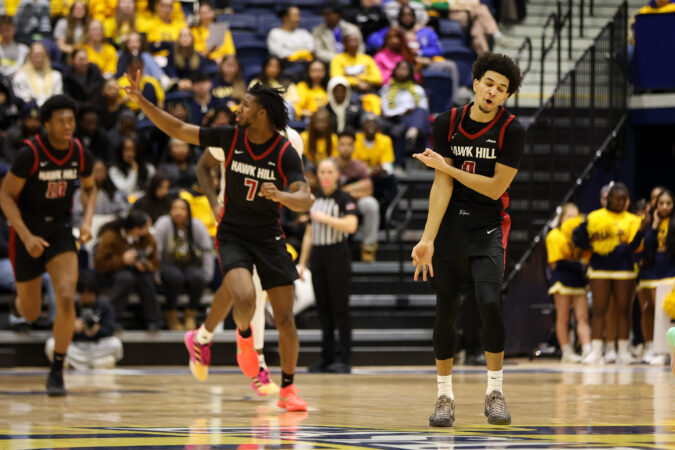
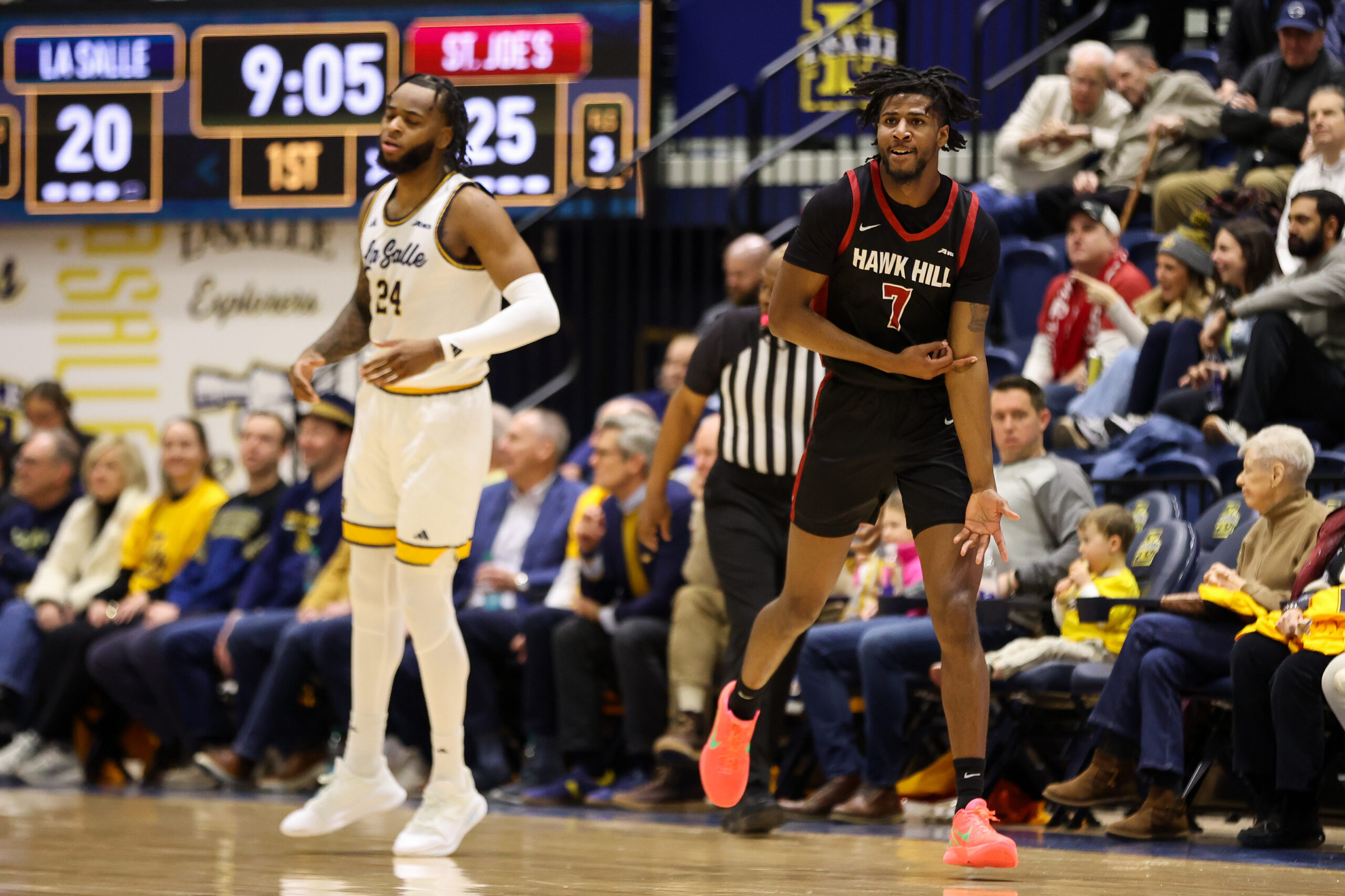
    Hawks guard Dasear Haskins (7) reacts after a made three-pointer against Jerome Brewer and La Salle.

    The feisty Explorers used an 11-0 run to make the game interesting late, but St. Joe’s battled through a couple of turnovers and closed the game with its free-throw shooting.

    “When a game gets closer, we just want to get closer,” Haskins said. “We just come together, listen to our coaches, trust in our game plan, and just come together as a unit.”

    Words that make Donahue smile.

    “There’s a mentality now that we’re not going to be affected if something is going right for the other team and wrong for us,” Donahue said. “We’re going to move on and figure out how to win this game.”

    Some of this recent success has a simpler explanation. It’s just a natural part of a team growing together. Simpson and Justice Ajogbor, both seniors, have been steady. Simpson, Donahue said, is the “heart and soul” of the team, and is no longer looking over his shoulder. But the other components of the team needed time. Jaiden Glover-Toscano barely played at St. John’s last season. Haskins is playing his second season of college basketball. The Hawks rely a lot on two freshmen, Austin Williford and Khaafiq Myers, and a backup center, sophomore Jaden Smith, who had a limited role at Fordham last year.

    “The youth is catching up to the older guys and we’re blending,” Donahue said.

    It’s the right time for it, considering the calendar just flipped to February. The Hawks have nine games left before the conference tournament in Pittsburgh. They have shown the ability to play with and beat some of the conference’s best, like Dayton and Virginia Commonwealth. There will, of course, be no trip to the NCAA Tournament without running the table in Pittsburgh, and doing so means getting through those teams and the juggernauts, St. Louis, which beat St. Joe’s by 23, and a George Mason squad the Hawks play on the road on Saturday.

    That stuff will sort itself out when it’s supposed to. For now, the Hawks can just enjoy the ride.

    “Winning is so fun,” Haskins said. “I love winning so much.”

  • 🦅 Goodbye, Vic? | Sports Daily Newsletter

    🦅 Goodbye, Vic? | Sports Daily Newsletter

    There’s nothing like surprising news on the weekend to jar you out of a deep, deep freeze.

    The first new flash came Saturday when we learned that the NBA had suspended Paul George for 25 games for violating the league’s anti-drug program. There’s more on our coverage of George directly below in this newsletter.

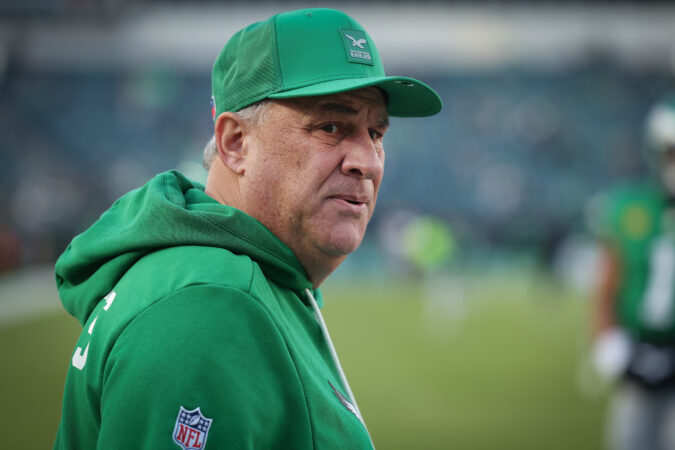
    The second news flash came Sunday when Jeff McLane reported that the Eagles have yet to receive a final decision on whether Vic Fangio plans to return next season.

    Will the molder of the team’s dominant defense retire? ”He keeps talking retirement, but he did the same last year,” an Eagles source told McLane last week.

    The defensive coordinator, 67, has not responded to questions about his future since the end of the season, nor has the team. Just in case, the Eagles reportedly considered reaching out to two former coordinators about the job. More about the possibility of Fangio’s retirement can be found here.

    — Jim Swan, @phillysport, sports.daily@inquirer.com.

    If someone forwarded you this email, sign up for free here.

    ❓What’s your reaction to Paul George’s suspension? Email us back for a chance to be featured in the newsletter.

    Proceeding without George

    Sixers forward Paul George will serve a 25-game suspension for violating the NBA’s anti-drug policy.

    Here’s what George said in a statement about his suspension:

    “Over the past few years, I’ve discussed the importance of mental health, and in the course of recently seeking treatment for an issue of my own, I made the mistake of taking an improper medication. I take full responsibility for my actions and apologize to the Sixers organization, my teammates, and the Philly fans for my decision-making during this process.”

    Just like that, George’s tenure with the Sixers is back to being recognized as a disaster, Keith Pompey writes.

    The suspension will cost him $11.7 million. In the meantime, his teammates will try to pick up the slack for the star forward until he is eligible to return on March 25. “There’s a number of guys there to do it,” coach Nick Nurse said. “That’s where we are. We’ve been in this kind of next man up mentality for quite a while, and we’re going to have to dig in and do it again.”

    Sixers fans reacted to the news about George in their own way. Said one: “We pick up a little traction and we’re doing our thing and something always bad happens to us. We have some sort of bad luck.”

    Happy Valley on ice

    Penn State held its first outdoor game at Beaver Stadium on Saturday.

    Cold enough for you? There were 74,575 fans packed into Beaver Stadium on Saturday to watch the first outdoor hockey game at the home of the Nittany Lions. Bundled up in 16-degree weather at the game’s start (it only got colder), they witnessed No. 2 Michigan State’s 5-4 overtime win against No. 5 Penn State.

    The atmosphere at the football stadium impressed Penn State coach Guy Gadowsky, to say the least. “I couldn’t believe it was a hockey game; I really couldn’t,” he said. “It just blew me away.”

    Saluting the ’01 Sixers

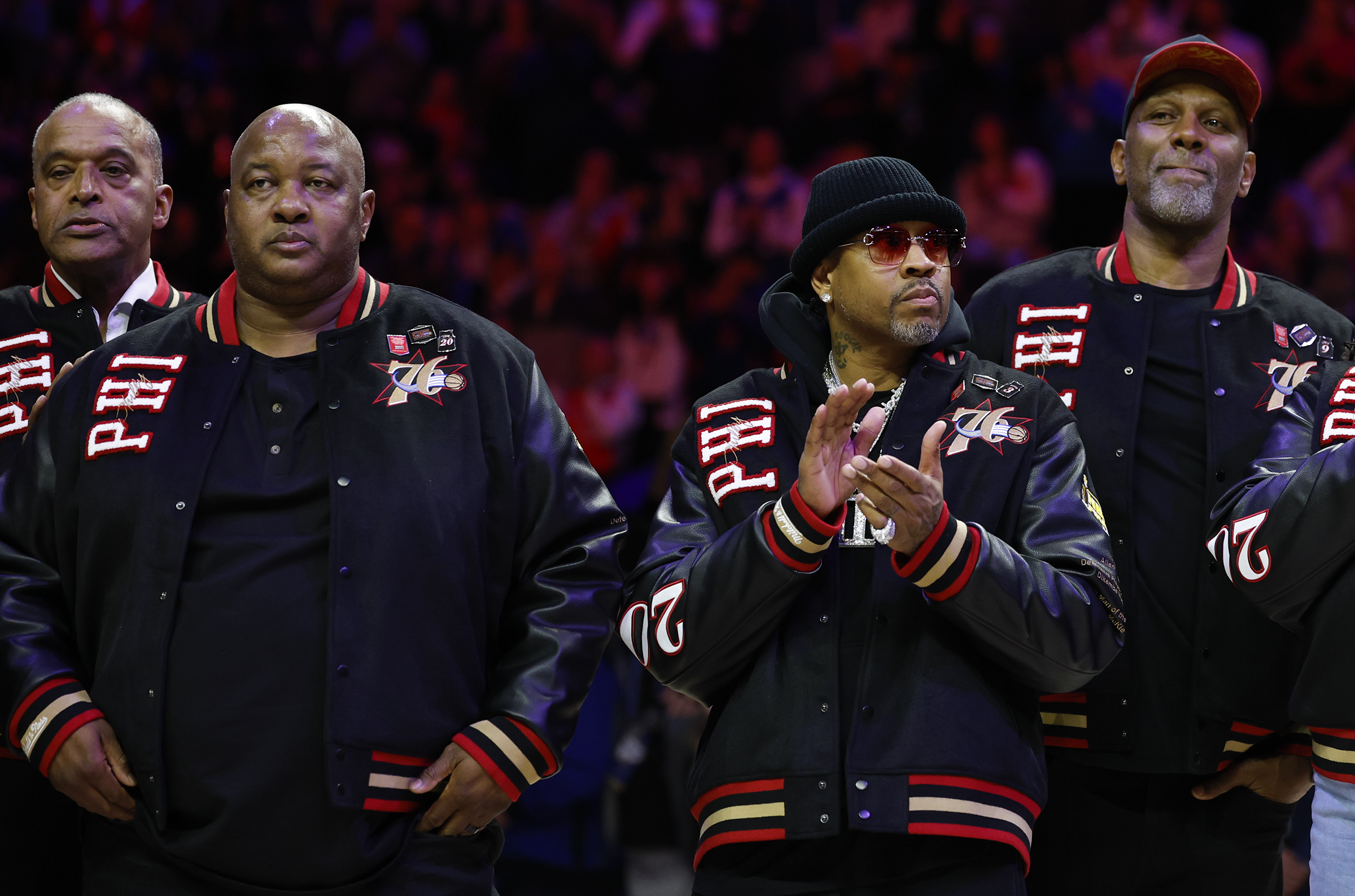
    Allen Iverson is flanked by former Sixers teammates Eric Snow (left) and George Lynch (right) during the tribute to the 2001 NBA Finals team.

    On Saturday night, the Sixers paid tribute to the team that rolled all the way to the NBA Finals 25 years ago. Hip-Hop, the bad bunny mascot, returned to entertain the fans. Former team president Pat Croce acknowledged Hall of Famer Allen Iverson’s greatness but also paid tribute to a glue guy, Eric Snow. George Lynch, Theo Ratliff, and others took their bows. (And rest in peace, Dikembe Mutombo.)

    Iverson acknowledged other key contributors that season: “We couldn’t have accomplished anything without the fans of Philadelphia, the best fans in the world.”

    Hawks on the rise

    St. Joseph’s Dasear Haskins gestures to the student section after the Hawks beat La Salle on Saturday.

    The St. Joseph’s Hawks have won six of their last seven games and might even find a way to the NCAA Tournament if they continue to climb in the Atlantic 10 Conference. That’s a remarkable turnaround when you consider that coach Steve Donahue, fired from the Penn job, suddenly inherited the Hawks’ head coaching chores in September. Jeff Neiburg writes about the rebirth on Hawk Hill.

    Meanwhile at Division II Thomas Jefferson University, Chris Cervino has emerged as a TikTok influencer. Here’s how he did it.

    Sports snapshot

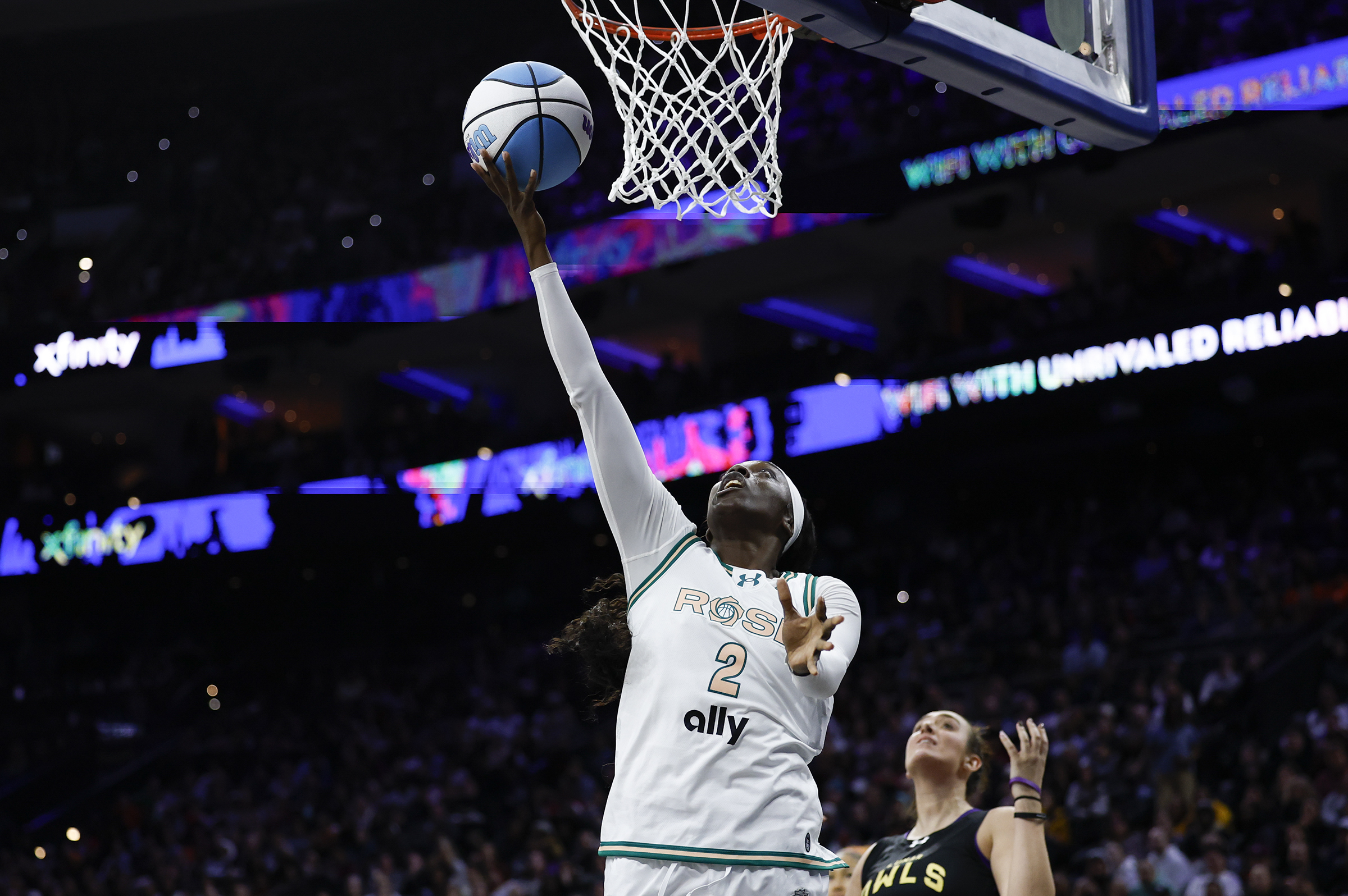
    Kahleah Copper goes to the hoop during the sold-out Philly Is Unrivaled doubleheader on Friday.

    On this date

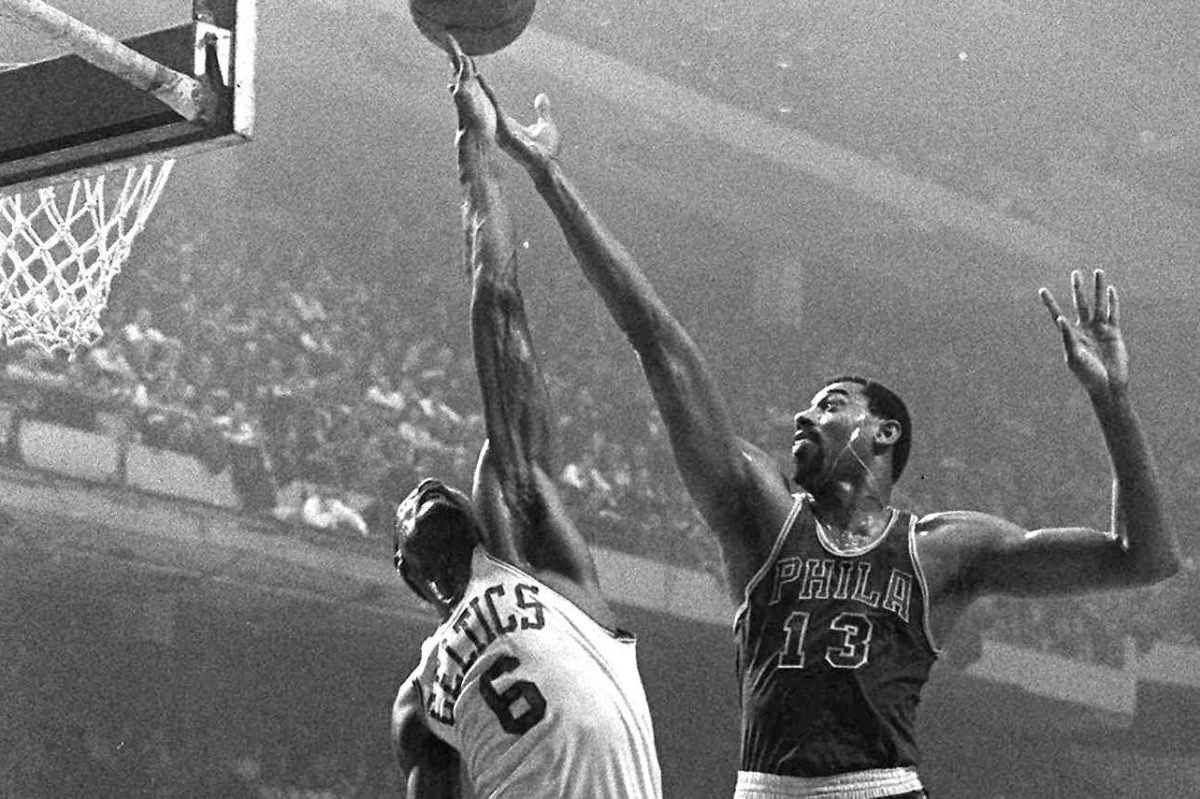
    Wilt Chamberlain (right) taking on Boston’s Bill Russell in January 1967.

    Feb. 2, 1968: Wilt Chamberlain racked up 22 points, 25 rebounds, and 21 assists for the Sixers in a 131-121 victory against the Detroit Pistons.

    Our columnists say …

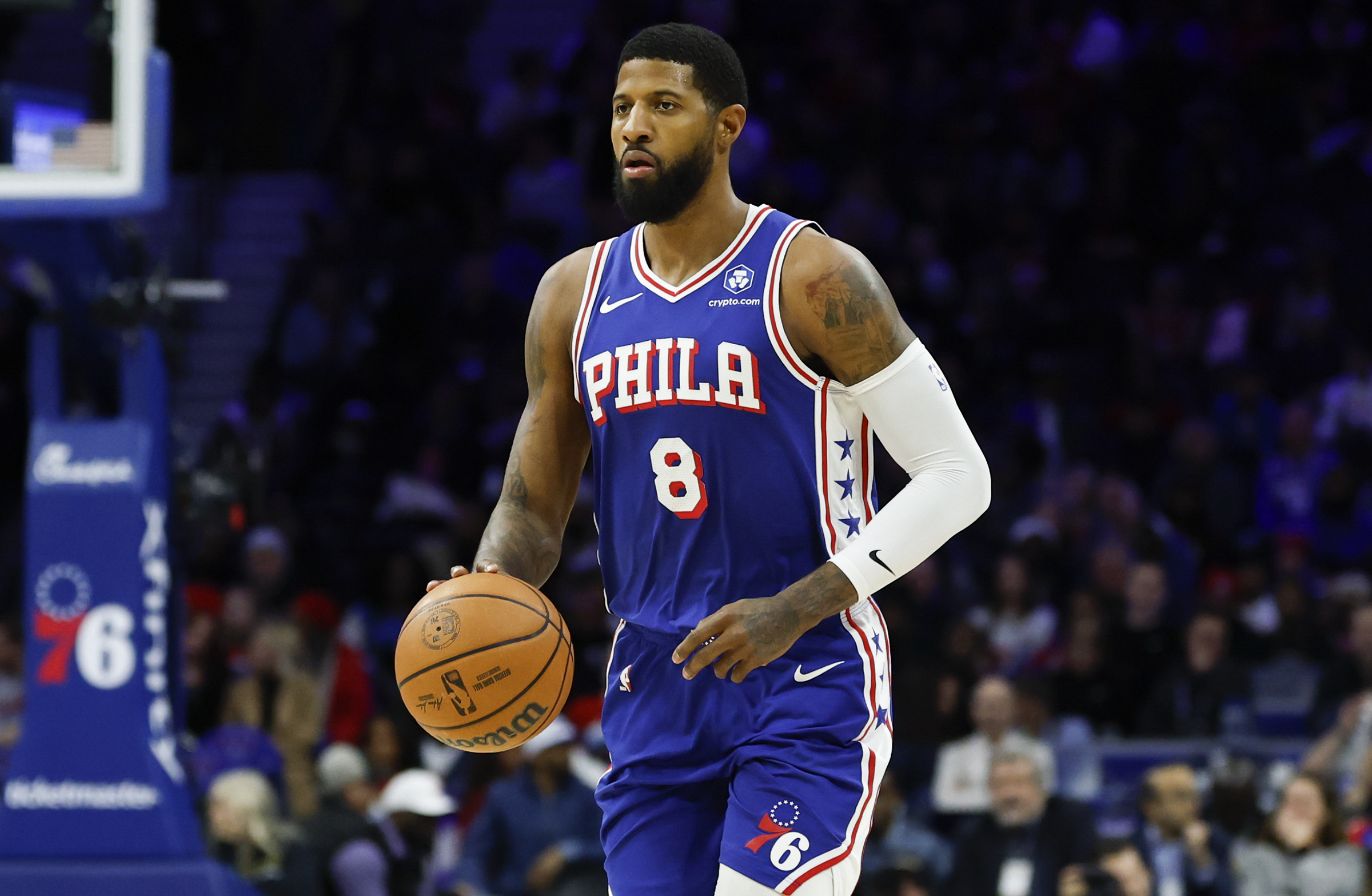
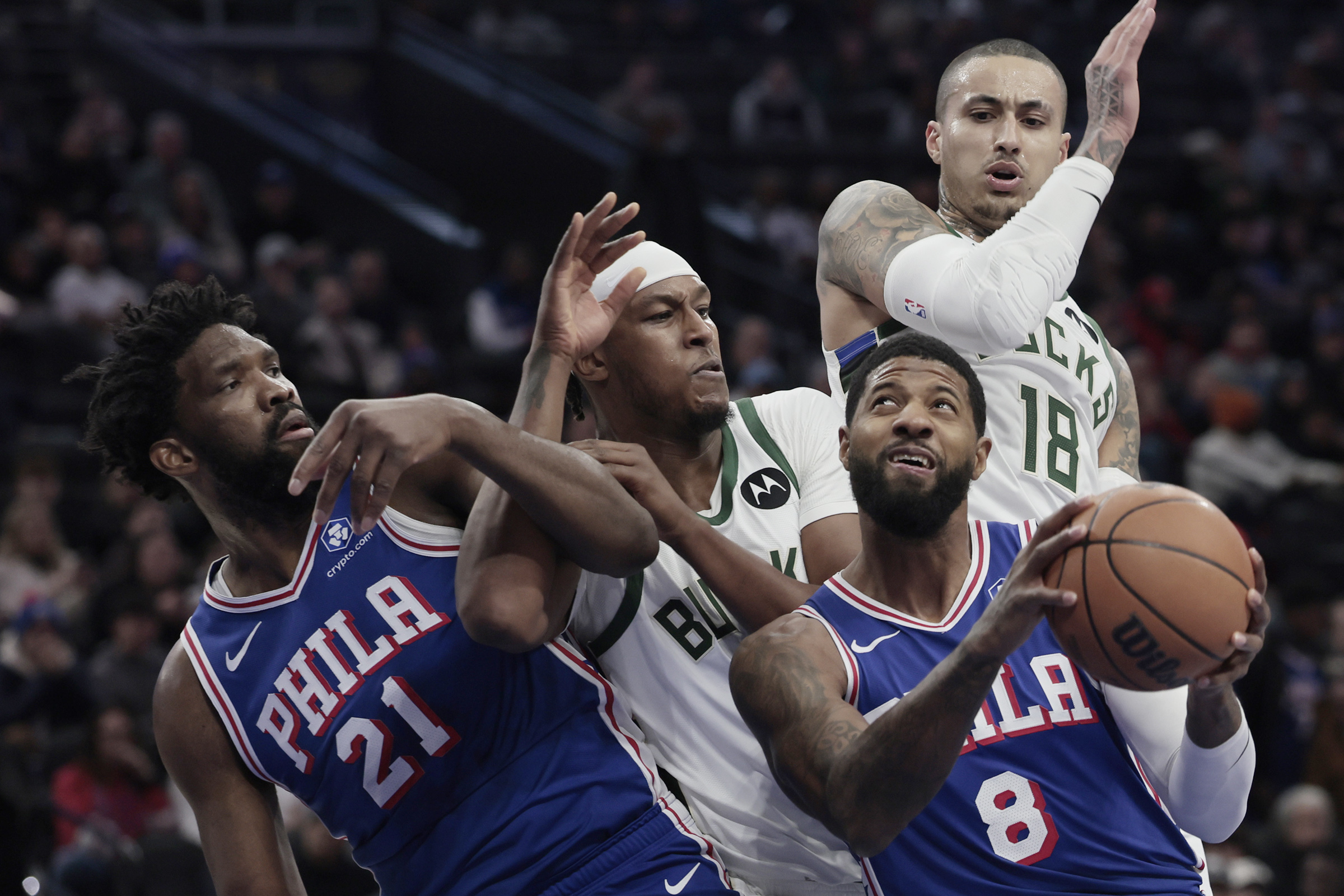
    With forward Paul George (8) being suspended for 25 games, the Sixers hit another speed bump.

    From Marcus Hayes:

    It goes without saying that Paul George’s carelessness and selfishness are inexcusable. George told ESPN that he mistakenly took a banned medication to address a mental health concern.

    We’re all in favor of addressing mental health, we’re also in favor of telling team doctors about every chemical you put in your body. That’s how you stay available. That’s how you earn that four-year, $211 million contract, the biggest free-agent deal in franchise history. There is simply no excuse.

    From David Murphy:

    Sean Mannion may not be the next Andy Reid. The Eagles didn’t hire the 33-year-old Green Bay assistant with the thought that he would become Reid. But Reid was Mannion at one point in time: an under-the-radar position coach without play-calling experience who was hired for a big boy job well ahead of schedule.

    The Eagles will need Mannion to be a good play-caller but also a good coach, especially when it comes to his dealings with Jalen Hurts.

    We compiled today’s newsletter using reporting from Jeff McLane, Keith Pompey, Gina Mizell, Ariel Simpson, Marcus Hayes, David Murphy, Jackie Spiegel, Jeff Neiburg, Isabella DiAmore, Sean McKeown, and Ryan Mack.

    By submitting your written, visual, and/or audio contributions, you agree to The Inquirer’s Terms of Use, including the grant of rights in Section 10.
    Could today be the day when we actually climb above freezing around here? I’ll believe it when I feel it. Thanks for reading. Stay warm and I’ll see you in Tuesday’s newsletter. — Jim

  • A look at the Sixers’ movable contracts, and how Paul George’s suspension could impact their trade deadline plans

    A look at the Sixers’ movable contracts, and how Paul George’s suspension could impact their trade deadline plans

    Paul George’s shocking suspension for violating the NBA’s anti-drug policy does not necessarily upend the 76ers’ trade deadline approach. But it does change their situation heading into Thursday.

    On one hand, the Sixers are now in more need of an immediate boost — particularly at the wing or frontcourt positions — to keep pace in a tightly packed Eastern Conference during George’s 25-game absence. On the other, it has become significantly easier for the Sixers to get under the luxury tax because George’s unpaid suspension will give the team a tax variance credit of nearly $5.9 million.

    The Sixers’ roster construction remains top-heavy, with three players on long-term max deals in George, Joel Embiid, and Tyrese Maxey. But it is always reasonable to expect the team’s president of basketball operations, Daryl Morey, to pull off something at the deadline.

    Here is a look at the Sixers’ most movable contracts, either to tinker with the roster or hit financial goals.

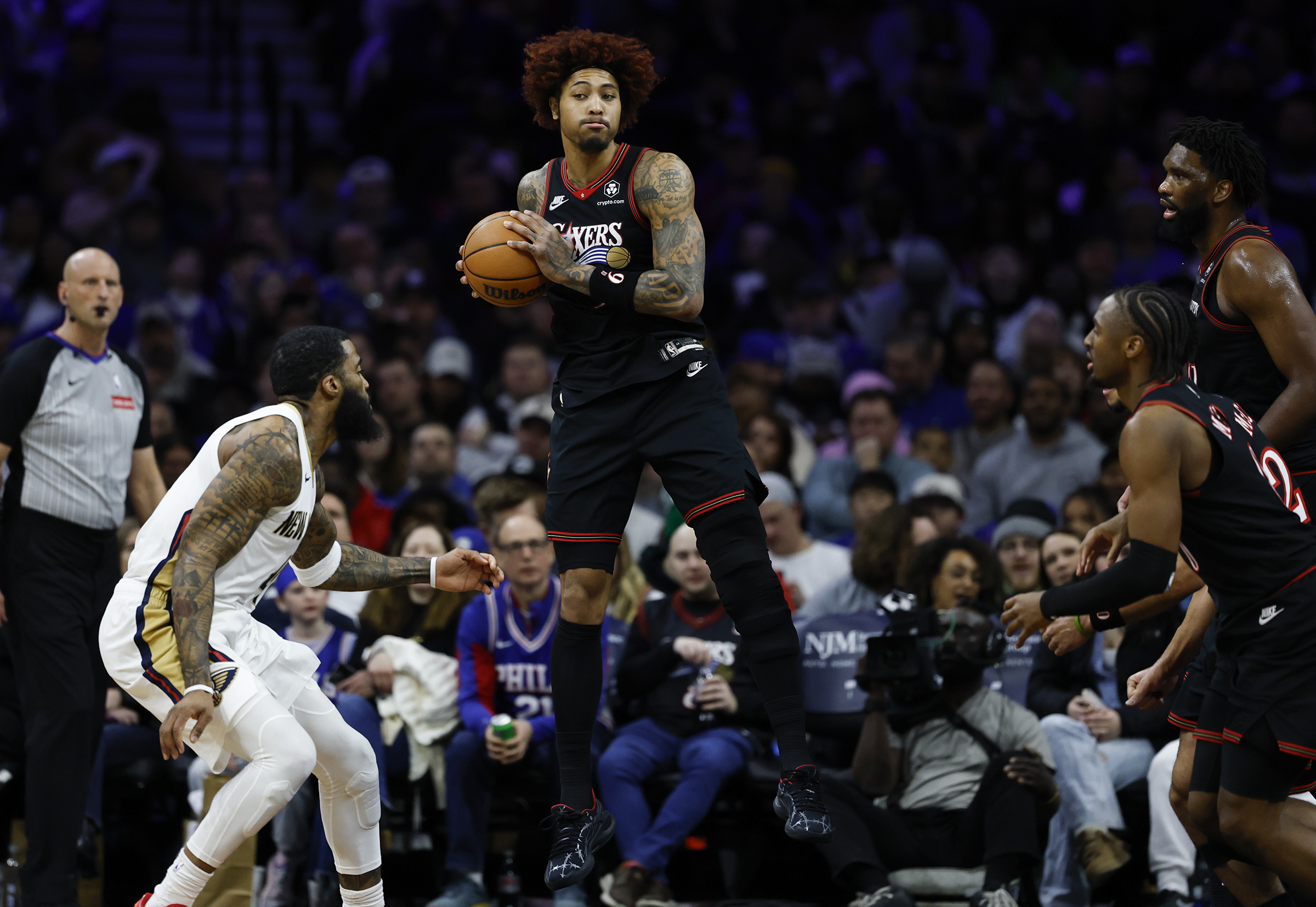
    Kelly Oubre Jr. is averaging 14.2 points this season for the Sixers. It seems highly unlikely that he could be traded.

    Expiring contracts

    Kelly Oubre Jr.

    Salary: $8.4 million

    Before the George situation emerged, Oubre’s was viewed as the Sixers’ most tradable contract — especially if the front office was instructed to get under the luxury tax. Now he is vital to the current roster as a tenacious wing defender and offensive player who can slash to the basket — and he has upped his three-point percentage.

    Oubre, who earlier this season missed seven weeks with a knee sprain, has been looking more and more like the player who was enjoying the best basketball of his 11-year career before his injury. He is back in the starting lineup and is averaging 14.2 points on nearly 50% shooting from the floor (36.9% from three-point range) along with 4.7 rebounds and 1.1 steals. He is also often tasked with a challenging perimeter defensive assignment.

    Oubre’s skill set and production this season could have been attractive to win-now teams looking for that always-coveted wing spot. Rebuilding ones might have been enticed by a short-term commitment to Oubre. His name surfaced in trade rumors before the start of training camp, and was percolating in early deadline chatter in recent weeks.

    Now it feels like a near certainty that Oubre will remain with the Sixers through the end of the season.

    Quentin Grimes

    Salary: $8.7 million

    This comes with a massive asterisk because Grimes has the power to veto any trade after signing a one-year qualifying offer in October.

    Additionally, any trade approved by Grimes would relinquish his’ “Bird” rights, which allow teams to offer their own players a higher salary in free agency. So unless the new destination appears to be an ideal long-term fit, it is unlikely Grimes would sign off on any trade-deadline move and instead enter unrestricted free agency this summer.

    Grimes spent chunks of December and January in a rut, shooting 23.1% from three-point range in his last 12 games. Coach Nick Nurse recently said he was considering moving Grimes to the starting lineup in an effort to spark his production, although so far that has not transpired. He is another player who could see increased opportunity in George’s absence.

    At his best, Grimes provides scoring punch at all three levels and is a tough perimeter defender. Even with a lesser role than during last season’s tank after arriving in Philly, Grimes should be one of the NBA’s better sixth men and a contender to play in closing lineups.

    Sixers guard Quentin Grimes can veto any possible trade.

    Andre Drummond

    Salary: $5 million

    What once looked like a resurgent Drummond season has turned into an odd role for the 14-year veteran. He starts whenever Embiid sits out for injury or load-management reasons, and does not play at all when Embiid is in the lineup. Drummond is averaging 6.8 points and 8.7 rebounds in 37 games with 17 starts this season.

    That theoretically makes Drummond expendable — and perhaps the most likely (fringe) rotation player to depart at the deadline.

    The Sixers could try to move Drummond to acquire a cheaper traditional center, or to land a player at a different position. That latter option would put a lot of trust in second-year big man Adem Bona to remain the consistent backup and become the spot starter when Embiid rests.

    Bona is a high-energy rim protector and lob threat, but he still needs development as a rebounder and offensive player. The Sixers’ other center options would be of the small-ball variety in Dominick Barlow and Jabari Walker, assuming both get converted to standard contracts.

    Eric Gordon

    Salary: $3.6 million

    Gordon, on the tail end of a successful career, has played in only six games in his second season as a Sixer. Trading the 37-year-old in a salary-dump move would open up an additional roster spot that could be used to sign Walker or Barlow to a standard NBA contract.

    One wrinkle: Gordon is close with rookie standout VJ Edgecombe, who played with Gordon on the Bahamian national team.

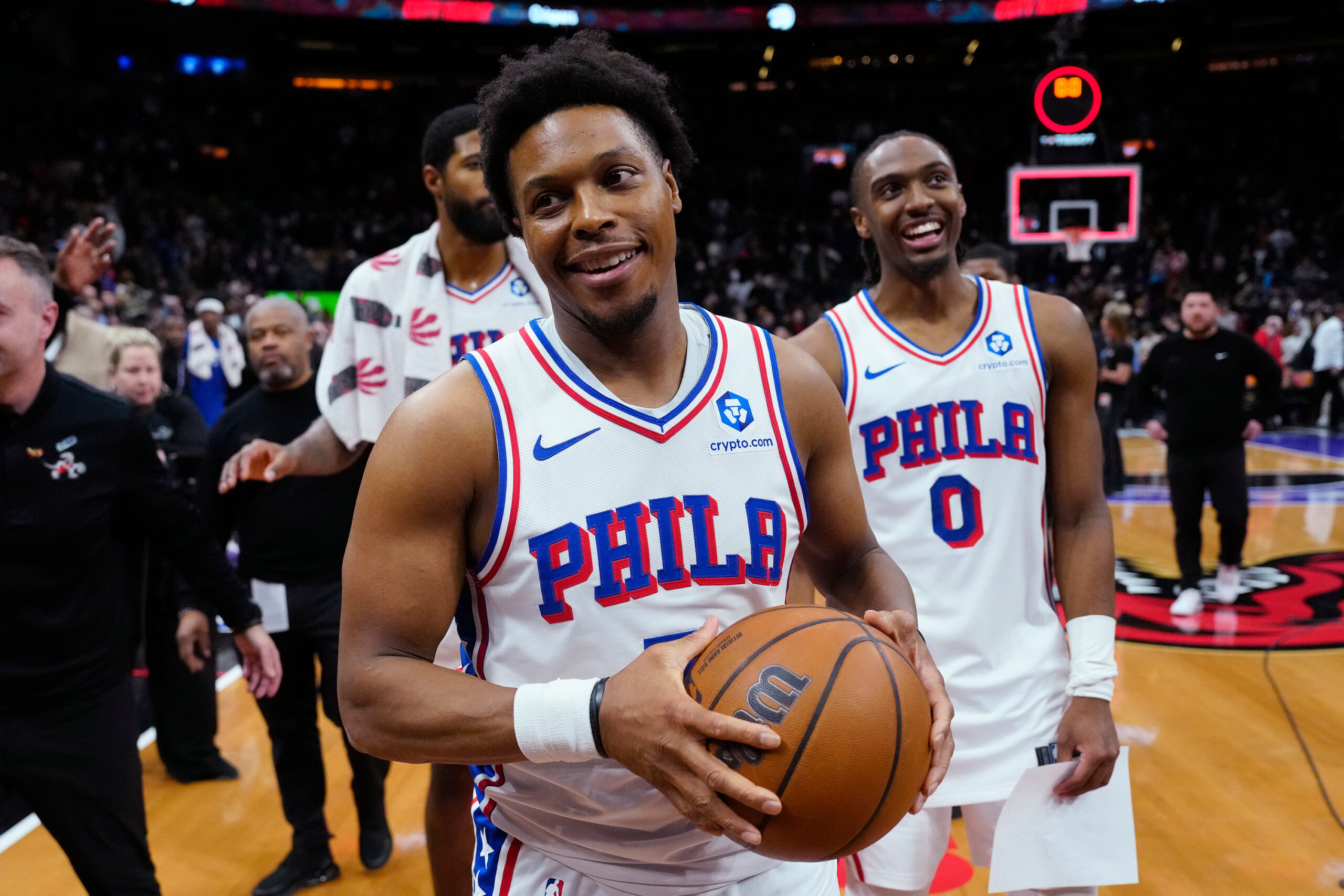
    Sixers veteran Kyle Lowry paid an emotional visit last month to Toronto, where he won an NBA title.

    Kyle Lowry

    Salary: $3.6 million

    Lowry is in his 20th NBA season. Like Gordon, he is on a veteran minimum contract. It feels less likely that the Sixers would let go of the Philly native and former Villanova star, given his primarily off-the-court role as a respected leader in the locker room and on the bench.

    Worth keeping an eye on

    Jared McCain

    Salary: $4.2 million

    Putting McCain on such a list seemed unfathomable early last season, when he was a Rookie of the Year front-runner. And perhaps his breakout shooting week has restabilized him as a contributor to the Sixers’ present and future.

    Before that, McCain’s return from knee and thumb surgeries had been an immense struggle. He could not find his shot — making just 36.1% of his attempts from the floor and 33.7% from beyond the arc before going 13-of-20 from deep in his last four games — and had fallen out of the rotation.

    Still, last season’s immediate flash, and the expectation that, with time, that rediscovered rhythm continues for extended stretches, still make McCain a valuable young player. He would be the type to be included in a blockbuster trade. But it does not make much sense to give him up in any other scenario, given that the Sixers could lose Grimes in free agency this summer.

    Trendon Watford

    Salary: $2.5 million (team option for 2026-27)

    Watford is another lower-salary player who could be traded to get under the luxury tax. Although his minutes have been inconsistent throughout an injury-riddled start to his first season in Philly, he could become increasingly valuable in George’s absence because of his unique ballhandling and playmaking skills as a point forward. He has a triple-double this season, and totaled four assists in 17 minutes as a reserve small forward in Thursday’s win over New Orleans.

    Moving Watford also could be a tricky topic to broach with Maxey, one of Watford’s close friends.

    Trendon Watford gives the Sixers a versatile option at forward.

    Justin Edwards

    Salary: $2 million

    Edwards was another feel-good story last season as the local kid who went from going undrafted to earning a standard NBA contract and significant minutes. But although Nurse has reiterated that he still “loves” Edwards’ game, he often gets squeezed out of the rotation when the Sixers are at relatively full strength. His contract is the type that could be used as salary-filler in a deal.

    Johni Broome

    Salary: $1.3 million

    The rookie big man, who has spent the bulk of this season with the G League’s Delaware Blue Coats, is another lower-salary player who could be moved to get under the luxury tax.

  • The closure of the Bryn Mawr birth center is an inconceivable loss

    The closure of the Bryn Mawr birth center is an inconceivable loss

    Five and a half years ago, I was 41 weeks pregnant and in active labor with my second child, trying to breathe through the pain as my husband sped us to the Bryn Mawr birth center.

    Hobbling up to the birth center door, my husband in tow, I was greeted by the on-call midwife whom I had spoken to right before leaving home. She showed us to a yellow room, a beautiful birthing suite with a queen bed and window shutters that could’ve been in any home, where 15 minutes later, my healthy baby boy came screaming into the world.

    Relief flooded my body. Only days earlier, COVID-19-related policies had locked down maternity and postpartum floors. My heart ached reading stories of mothers laboring alone and being separated from their new babies. Pregnant women around me felt scared and powerless.

    Instead of pandemic-forced isolation, my husband, newborn, and I spent a peaceful night together in that yellow room, quietly being cared for by the nurse and midwife. It’s a night I’ll always cherish as the calm in the storm of an otherwise scary and painful time.

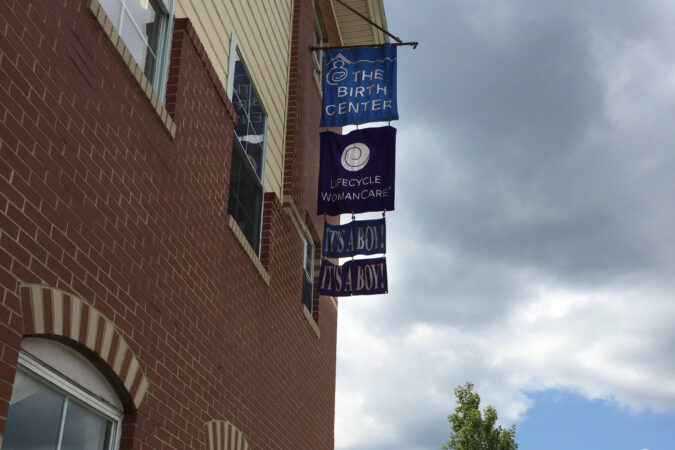
    And it’s that night I thought of when I learned that, after 47 years and over 16,000 deliveries, the Bryn Mawr birth center, also known as the Lifecycle Wellness and Birth Center, will close its doors early this year. The reason is simple and stark: It can no longer afford the rising cost of insurance.

    As a woman, I feel devastated that this choice will no longer be accessible to Philadelphia mothers. As a physician, I am angry at the continued erosion of patient care by a healthcare model that values money over people — an insurance system in which a successful, hugely impactful clinical practice nearly half a century old could dissolve under the threat of massive insurance premium hikes.

    I’ve been practicing medicine for eight years at three different hospitals in the Philadelphia region, first within general internal medicine and now within the subspecialty of cardiology. Despite my decision to work at large academic centers, I’ve come to see the birth center as the gold standard — an antidote to healthcare systems that are so large that patients feel invisible.

    At every stop of my career, I have been mentored by brilliant, dedicated health professionals. But what I’ve learned from the midwives and nurses at the Bryn Mawr birth center has profoundly impacted who I am as a doctor, and what I believe medicine should and can look like.

    In medical training, we’re rewarded for memorizing guidelines, drug mechanisms, trial names, and dates. We are taught to apply a rigid standard of care that too often ignores patient realities. The truth of medicine is that there is a lot that is not under our control.

    We miss the boat as doctors when we focus too much on medications, testing, and interventions, and fail to see the human in front of us who is suffering. Patients suffer alone, confused, bouncing around providers who don’t look up from computers to see the person in front of them for who they are.

    The Bryn Mawr birth center was different: A place where people, including me, felt seen and cared for.

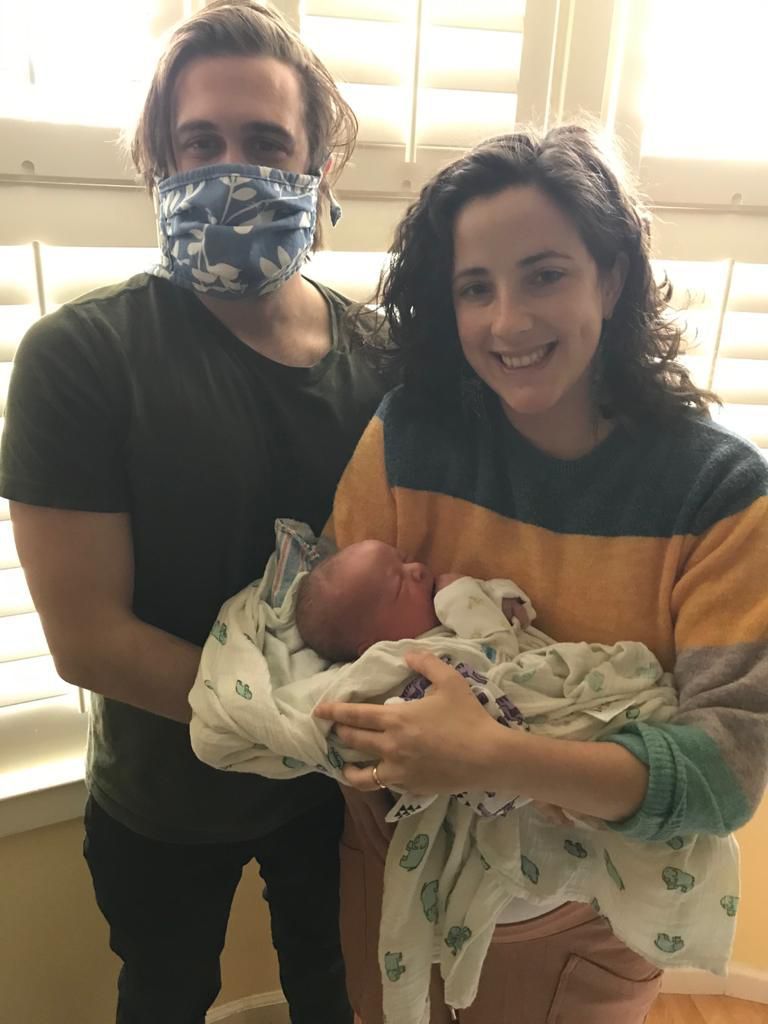
    The author, a physician at Cooper University Hospital, gave birth to her second child at the Bryn Mawr birth center. She is devastated by the anticipated closure of the birth center, slated to happen early this year.

    With the loss of the birth center, Philly mothers are losing that intimate, personalized care I received in the yellow room.

    There has been an outpouring of grief from women and providers who see what a profound loss this is for our larger community. It feels devastating to me that, in a time when so many people feel disappointed by their experiences with healthcare, one of the few clinical models that actually succeeded in making patients feel cared for would be the one to close.

    And still, the birth center will close its doors. My heart is full of sadness for this inconceivable loss. But I’ll hold that alongside gratitude: for the midwives, nurse practitioners, and nurses who have taught this doctor so much about seeing patients for who they are, and respecting our bodies for what they can do.

    Cara Lea Smith is a physician at a local hospital, who was born and raised in West Philadelphia and continues to live there now with her husband and two children.

  • From Philly DA to federal inmate, Seth Williams now has another new title: city jail chaplain

    From Philly DA to federal inmate, Seth Williams now has another new title: city jail chaplain

    He walked toward the cellblock in Riverside Correctional Facility, pulling a cart of books behind him.

    For a moment, it was quiet. The only sounds that echoed off the jail’s cinder block walls were the squeaks of his cart’s wheels.

    But as a heavy door to a busy unit swung open, Seth Williams’ work was set to begin.

    “Chaplain up!” one of the inmates inside yelled.

    Williams smiled at the crowd of prisoners who began walking toward him and his squeaky cart, which was filled with Bibles, Qurans, and other religious texts.

    “Step into my office,” he said, placing his hand on an inmate’s shoulder.

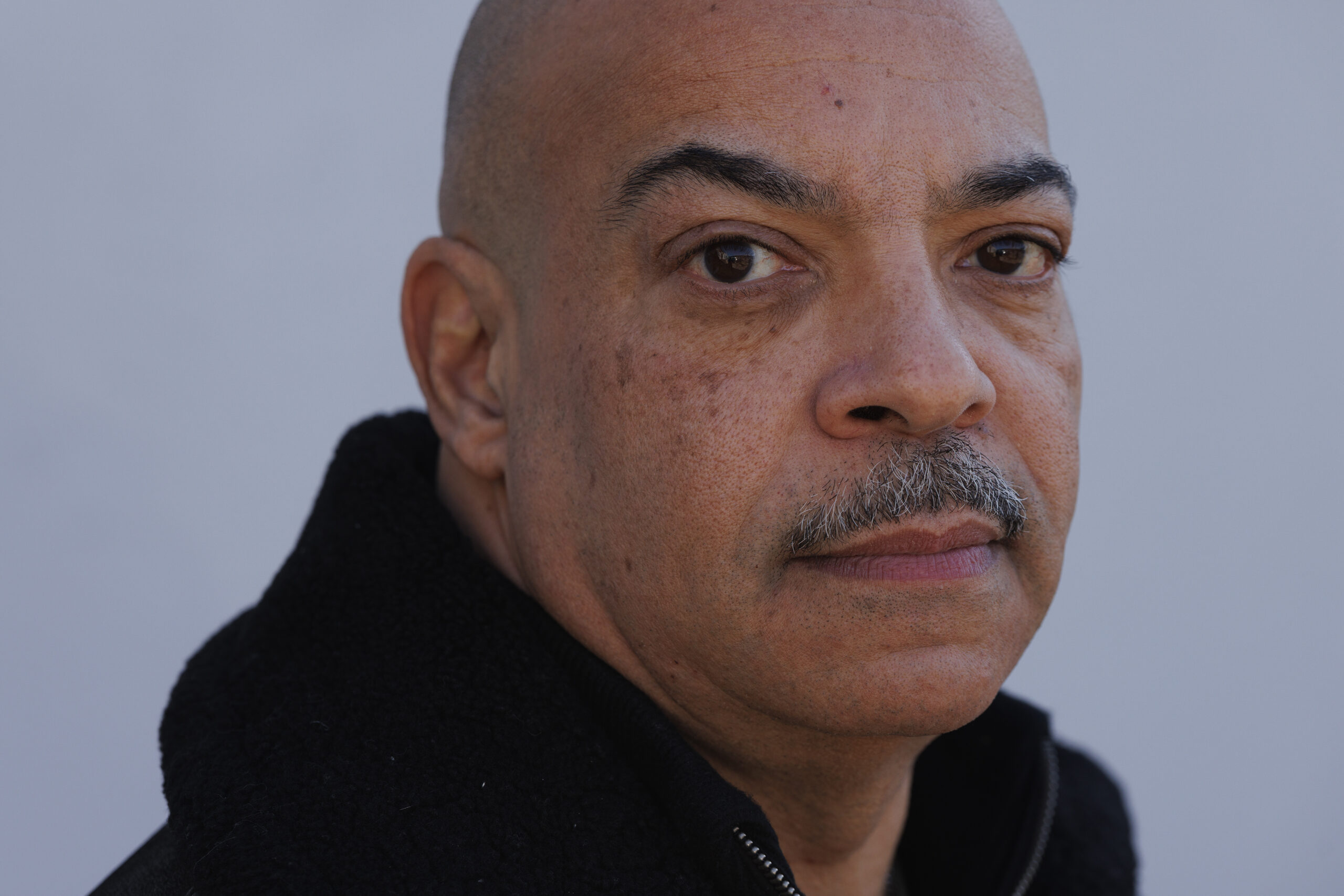
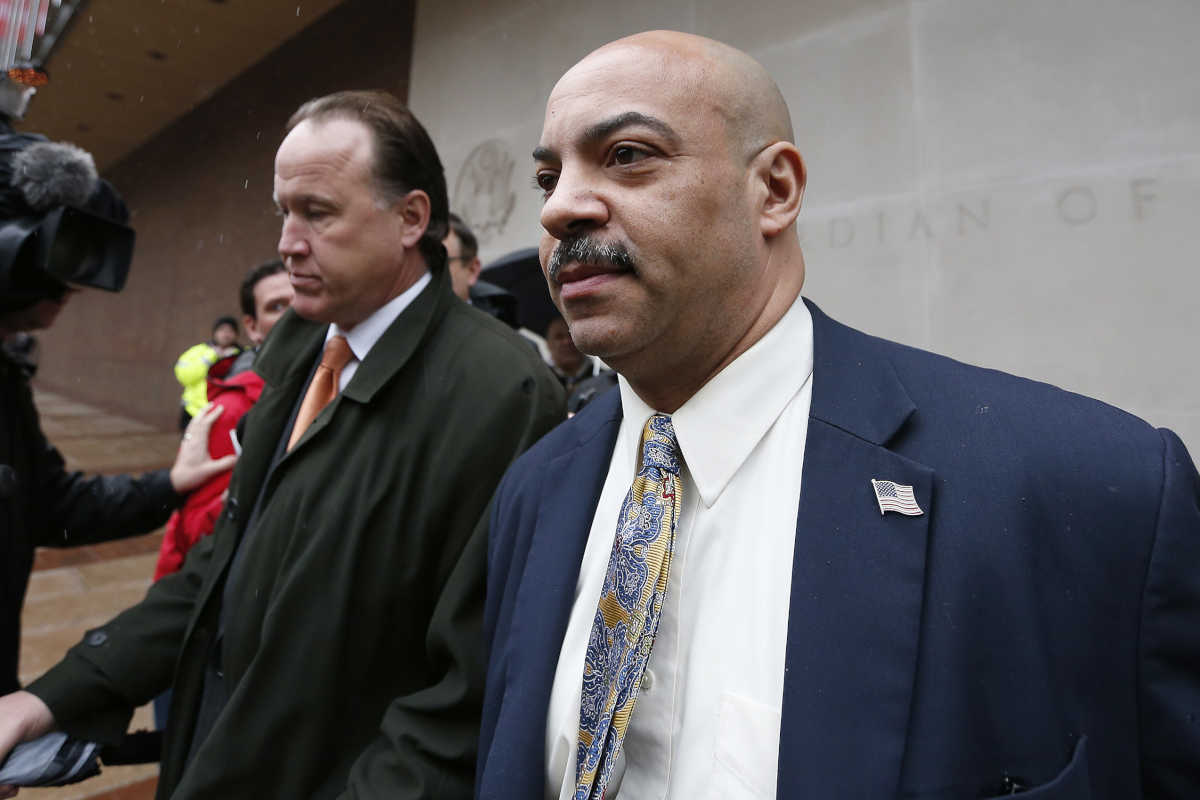
    Nearly a decade after Williams went through one of Philadelphia’s most spectacular and public falls from grace, the former district attorney — whose tenure imploded as he was prosecuted on federal corruption charges — is now serving as a chaplain in the city’s jails.

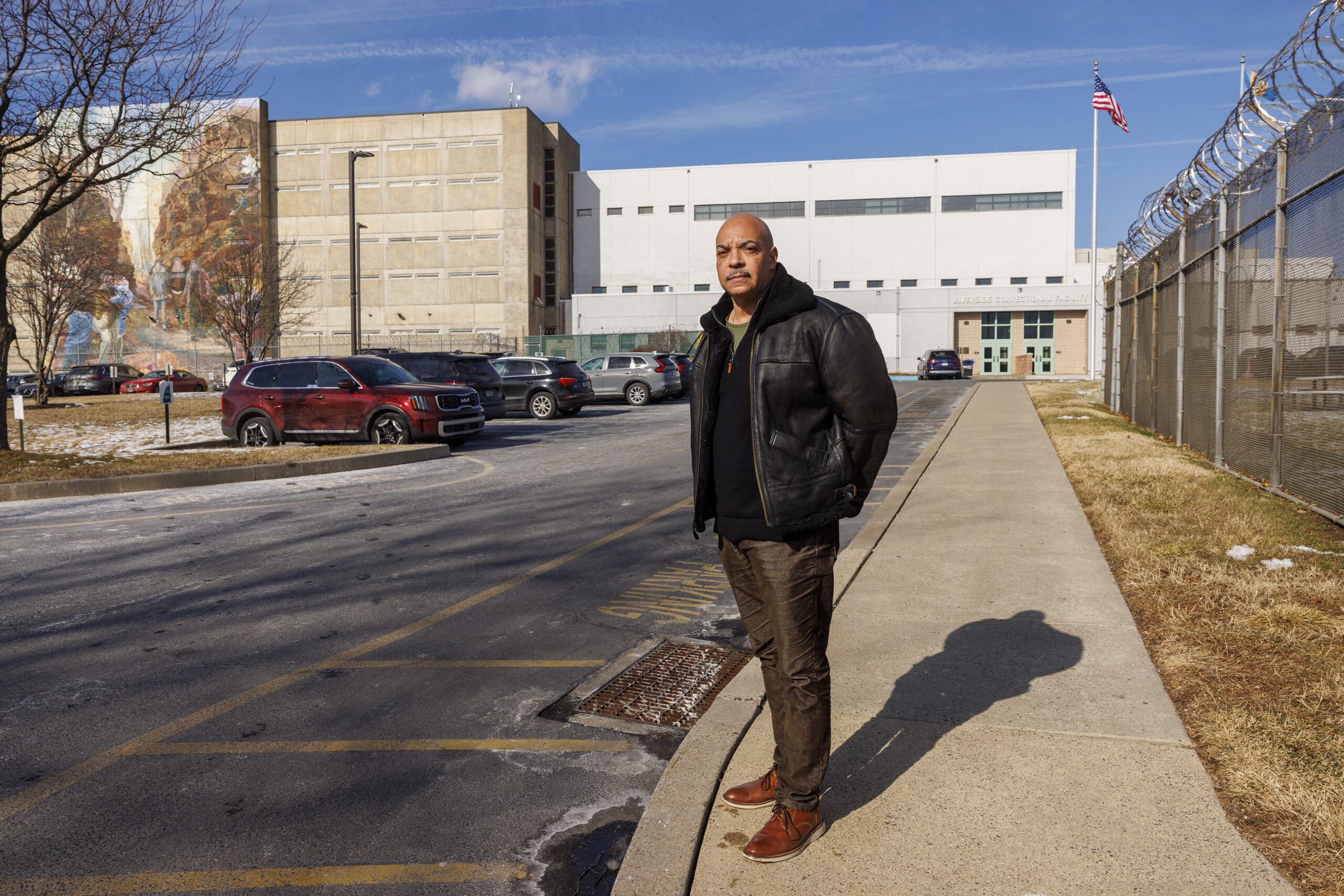
    The role’s expectations are modest. He offers spiritual counseling and religious programming to the 600 or so prisoners held at Riverside. It is part-time and pays about $21 per hour.

    Still, for Williams, the position was uniquely appealing. After putting people in jail as the city’s top prosecutor, then spending five years in federal prison as an inmate himself, he believes he can use what he learned from that journey to help young men avoid committing crimes in the future.

    “I can be a better advocate, a better vessel, to help prevent crime and reduce recidivism … by helping people learn the skills they need to keep jobs and de-escalate conflict,” Williams said. “The best use of my experience … is helping people who are incarcerated the way I was.”

    Williams believes his efforts now can help reduce recidivism among young men in jail.

    It is a long way from the halls of power that Williams once inhabited as the city’s first Black district attorney — and from his standing as a politician who was viewed as a possible future mayor.

    Still, Williams says, he is fulfilled by this more humble form of service. And becoming chaplain is not the only role he has taken up behind bars: For the last two years, he has also volunteered at Curran-Fromhold Correctional Facility, teaching weekly classes on career preparedness and poetry, and at State Correctional Institute Phoenix, where he directs a volunteer program about Christianity.

    Last month, Williams agreed to allow an Inquirer reporter to join him inside the city’s jails as he counseled inmates. He shared stories about his time in prison, delivered socks and toothpaste to indigent inmates, gathered a group to recite the rosary, and gave books to men who expressed interest in spiritual counseling.

    He was energetic, open, and passionate. He spoke openly about his past misdeeds, but remained defiant about his federal prosecution — saying he was wrong for not reporting gifts he received as DA, but insisting that he did not sell his office to his benefactors, as the U.S. Attorney’s Office alleged.

    Williams acknowledged that his path to becoming a jailhouse chaplain and volunteer has been unusual. He pointed out, for instance, that the room where he teaches his Career Keepers course is just down the hall from the jail’s print shop — which once printed the DA’s letterhead with his name at the top.

    Prisons Commissioner Michael Resnick said Williams’ transformation is one of the key attributes he brings to the job.

    “He just has a passion for this work, to get people on the right path,” Resnick said.

    And Williams said he feels as if he is doing more to help people now than he ever has.

    “What if the worst thing that happens in your life,” he said, “could be used for good?”

    From rising star to ‘criminal’

    To understand where Williams is now, it helps to recall where he came from.

    After he was elected district attorney in 2009, Williams, then 42, promised to reform the office where he had spent a decade working as a line prosecutor. He said he would assign lawyers to handle cases by neighborhood, place greater emphasis on charging crimes correctly at the outset, and divert minor offenses into community-based treatment programs.

    His policy positions were part of his appeal, but he also leaned into a compelling personal story: Abandoned in an orphanage at birth, Williams was adopted at age 2 and raised in Cobbs Creek. He went on to graduate from Central High School, Pennsylvania State University, and Georgetown University’s law school before returning to his hometown to work as an assistant district attorney.

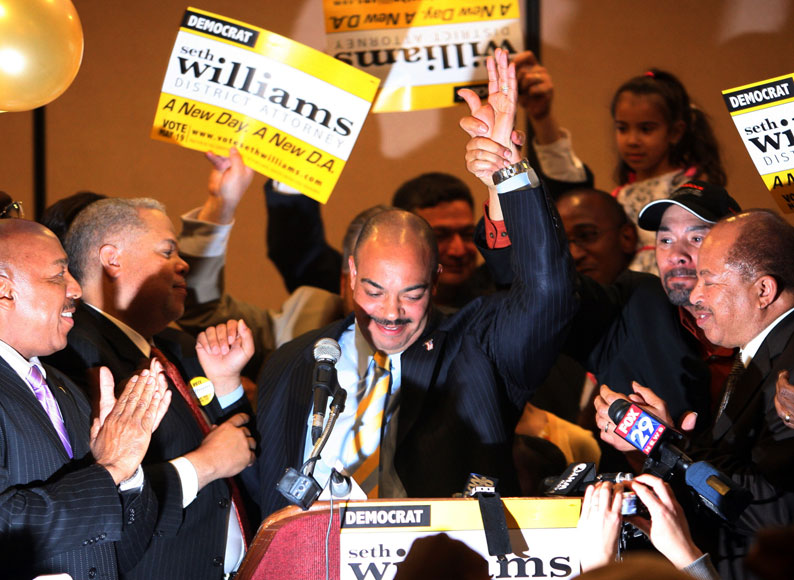
    When he ran to become the city’s top prosecutor in 2009 — his second attempt after a narrow loss four years earlier — he had a campaign slogan that matched his aspirations: “A new day, a new D.A.”

    Williams thanks supporters after winning the Democratic primary for district attorney in 2009.

    And for a while, some political observers said, he was living up to that mantra. In addition to engineering an ambitious restructuring of the office, he made headlines during his first term by charging West Philadelphia doctor Kermit Gosnell with killing babies during illegal late-term abortions, and by charging Msgr. William Lynn, a top official in the Archdiocese of Philadelphia, with shielding sexually abusive Catholic priests.

    Charismatic and camera-friendly, Williams was easily reelected to a second term in 2013, and homicides began falling to their lowest levels in decades. Some began wondering if he might leverage his success as DA into a run for City Hall.

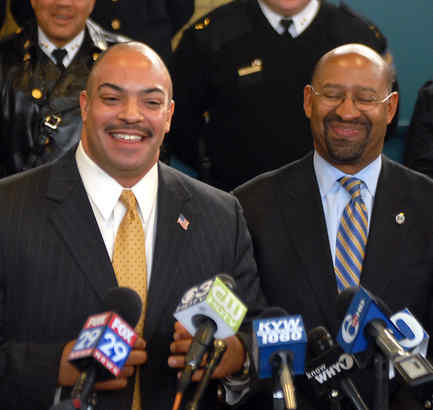
    Williams and then-Mayor Michael Nutter at a press conference in 2010.

    Beneath the surface, though, challenges in Williams’ personal life began to mount.

    Several years after he and his wife divorced, creditors pursued him for unpaid bills. Yet he still made frequent stops to smoke cigars and hobnob with the city’s elite at the Union League — expenses he sometimes paid for using campaign funds.

    He now admits he was also drinking too much, “numbing myself from the daily trauma with too much Jack Daniel’s and martinis and Yuenglings.”

    By 2015, the FBI was investigating whether he had been misusing campaign funds to live beyond his means. And two years after that, he was indicted on charges of wire fraud, honest services fraud, and bribery-related crimes.

    Federal prosecutors said he not only misspent political money but also sold the influence of his office to wealthy allies who showered him with vacations, clothing, and a used Jaguar convertible.

    Williams outside of federal court, where he was charged with bribery and related crimes.

    Williams insisted he was not guilty and took his case to trial. But midway through the proceedings, he accepted an offer from prosecutors to plead guilty to a single count of violating the Travel Act.

    U.S. District Judge Paul Diamond showed no mercy — jailing Williams immediately, then imposing a five-year prison term, the maximum allowed by law. The judge called Williams a “criminal” who surrounded himself with “parasites” and “fed his face at the trough” of public money.

    A mentor in solitary

    During the first five months of Williams’ incarceration, he was held in solitary confinement at Philadelphia’s Federal Detention Center. That was intended to protect him — former law enforcement officers can become targets behind bars — but it left him confined to a cell for 23 hours a day.

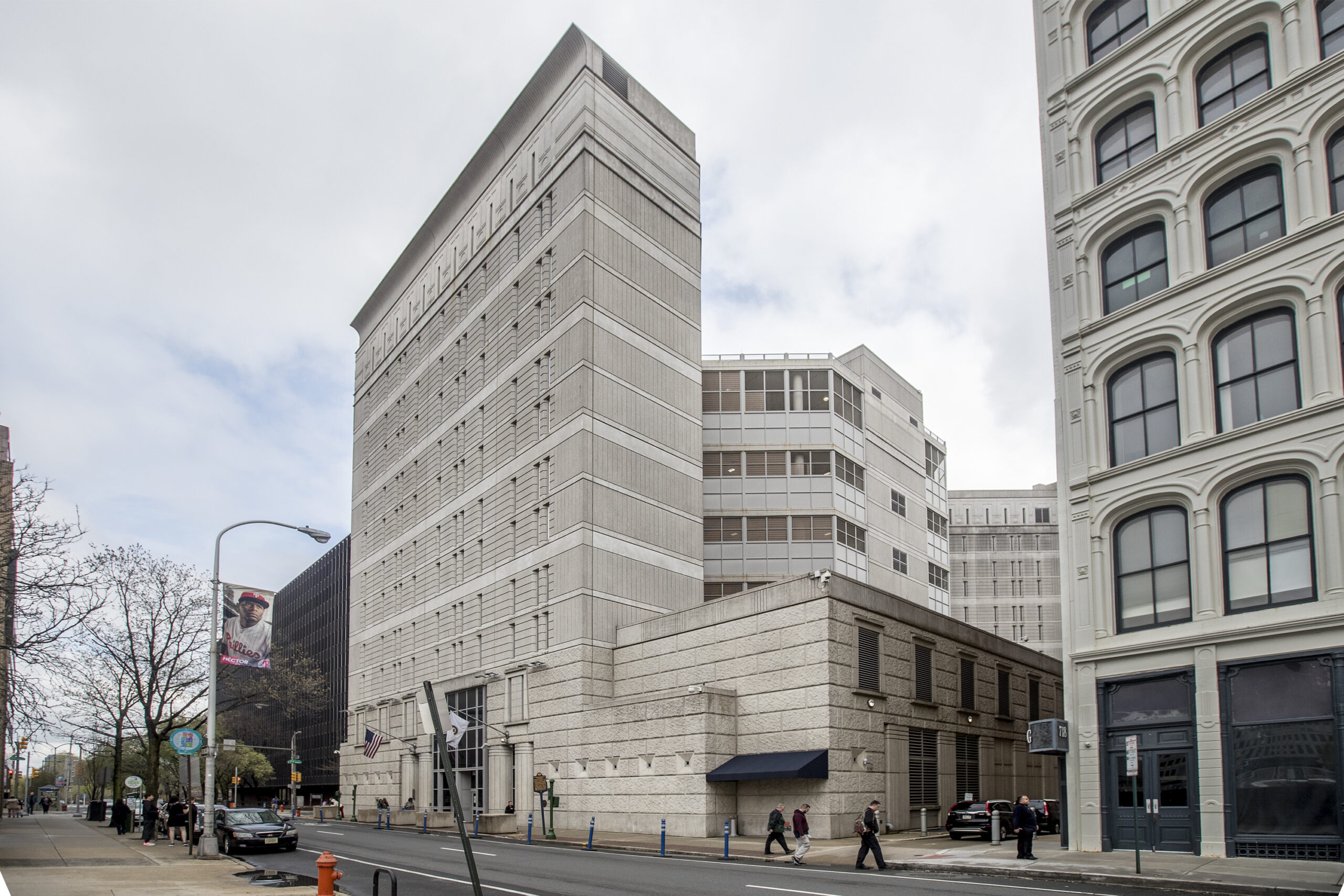
    The Federal Detention Center, at 7th and Arch Streets.

    Beyond the once-monthly 15-minute phone call he was allowed to make to his daughters, Williams said, there was one thing that helped him endure isolation: Friar Ben Regotti.

    Regotti, then a resident at Center City’s St. John the Evangelist Catholic Church, served as the detention center’s chaplain. And when Williams was in solitary, he said, Regotti came to his cell every day and offered an escape: praying with him through a slit in the thick steel door, hearing his confession, and offering him books, including the Bible, which Williams — who was raised Catholic — said he finally read cover-to-cover for the first time.

    “I’d lost everything,” Williams recalled. “But Father Regotti was the kindest person to me.”

    When he was transferred to a prison camp in Morgantown, W.Va., Williams continued his spiritual journey by attending weekly Masses, Bible studies, and services for other religions. He also completed substance abuse classes, taught classes to help prisoners get high school diplomas, and learned how to play the saxophone.

    He made some unlikely friends while he was locked up, including Michael Vandergrift of Delaware County, who is serving a life sentence plus 20 years for killing a rival drug dealer as part of a hired hit; and Bright Ogodo of Brooklyn, N.Y., who was sentenced to more than six years in prison for running a sophisticated identity-theft ring out of TD Bank branches.

    Williams said Ogodo later told him he was considering taking his own life — he had even written a letter to his family, convinced they would be better off without him. But when Ogodo saw that Philadelphia’s former DA was in jail, too, Williams said, Ogodo changed his mind.

    “He said, ‘I saw you walking with your head up, and [thought], if you can survive, so shall I,’” Williams said.

    Finding his footing

    Williams was released from prison in 2020, but said almost no one was willing to help him get back on his feet. Before he was incarcerated, he said, he had visited the governor’s mansion and taken his daughters to the Easter egg roll on the White House lawn. But afterward, few people would even take his calls.

    “Nobody would hire me,” he said, describing people’s default position toward him as “the Heisman,” the college football statue with an arm extended to keep opponents away.

    So Williams — whose law license was suspended when he was convicted — found work at a Lowe’s Home Improvement store in Havertown, unloading trucks and fulfilling online orders from 7 p.m. until 5:30 a.m.

    Most of his coworkers, he said, had also recently been released from prison. And while working, he said, he was “kind of providing pastoral care [to them] daily,” similar to his teaching of GED courses in prison, or participating in Bible studies.

    In time, he said, he began developing his ideas about self-improvement into formal programs for nonprofits, providing ways for recently incarcerated people to learn the skills needed to maintain consistent employment — developing a resumé, for instance, but also focusing on topics like conflict de-escalation.

    Much of his motivation for doing that work, he said, came from research showing that recidivism is greatly reduced among people who receive substance abuse counseling, career coaching, and regular spiritual practice.

    “What all three have in common,” Williams said, “is changing the hearts and minds of people.”

    In 2023, he ran into Terrell Bagby, then a deputy commissioner in Philadelphia’s jail system, and the two discussed the possibility of bringing Williams’ teachings into the jails. That’s how he ended up bringing his volunteer courses — Career Keepers and Prison Poets — into Curran-Fromhold, the city’s largest jail, he said.

    In a recent session of Career Keepers, Williams was at the head of the class as nine prisoners sat at a U-shaped table around the room. They took turns practicing public speaking by delivering updates on the weather, sports, and news, then discussed topics including how to reward positive behavior — rather than linger on bad choices — and how to display gratitude.

    In the moments after the prisoners were escorted back to their blocks, Williams said the men he has taught over the years have often been more open and vulnerable than he expected. Some have shared stories about traumatic experiences — such as being shot or sexually abused — and then discussed how those experiences affected their lives.

    “I spent all this time trying to get out of prison,” he said, “and then I found myself loving being there, trying to help the inmates themselves.”

    Becoming a presence

    Inside his spare chaplain’s office at the jail, Williams has a desk, a few shelves, and scores of religious books. He keeps packs of white T-shirts, socks, and toothpaste to put into care packages for prisoners and, before making his rounds, keeps a list of people he wants to see.

    His time on the cellblocks can be brief. During his rounds on a recent day, his presence did not always seem to have much of an impact. As he passed through each unit’s main expanse, where dozens of prisoners have cells overlooking a bustling common area, some prisoners were more interested in getting their lunch or hanging out by the phones than in checking out what Williams had to offer.

    But other times, during several different stops, Williams sat and prayed with prisoners. And the care packages he hands out have become a frequent request, he said.

    He wound down his shift in a room near the law library, reciting the rosary with a half-dozen men who had expressed interest in praying with him.

    Williams’ chaplaincy is centered at the Riverside Correctional Facility in Northeast Philadelphia.

    Regotti, the chaplain Williams had encountered in solitary, said in an interview that even though they first met while the former DA was behind a thick steel door, Regotti could immediately sense his curiosity, intellect, and desire to better himself.

    “Going from feeling absolutely desperate to finding ways to cope, it was kind of a mark of his own personal resilience,” Regotti said. “He really developed into somebody that was in touch with God’s grace.”

    Williams said he now aspires to be for people what Regotti was for him — a comforting presence in a dark place, and someone who, he hopes, can help provide guidance that can last well beyond someone’s time in confinement.

    “The cheapest way to do that is by spreading the gospel,” he said. “People don’t want you to preach to them. They just want your presence — they want you to be there.”

  • The Eagles aren’t playing, but Philly’s Super Bowl food selection is unmatched

    The Eagles aren’t playing, but Philly’s Super Bowl food selection is unmatched

    Let’s be honest, watching this year’s Super Bowl is bound to bring on mixed feelings, apathy, and thoughts of what was and what might have been.

    The best salve for that pathos? Good food.

    Thankfully, we live in a city that is practically unmatched in its culinary prowess, especially when it comes to foods that pair well with pigskin.

    In the last year, The Inquirer food team assembled guides to the area’s best cheesesteaks (whether consumed on the spot or delivered to your door), hoagies, wings, and tomato pie — all prime suspects for your Super Bowl spread. If that doesn’t appeal, we have options for party trays and barbecue, too, plus places to stock up on good beer and wine.

    We also have nearly two dozen excellent new pizza places in the city and the ’burbs, plus great Philly spots for burgers and cheap drinks, if you prefer to go out for the game.

    Here’s a guide to Philly’s Super Bowl foods (and drink).

    Cheesesteaks from Angelo’s and Del Rossi’s photographed in the Philadelphia Inquirer studio on Tuesday, Jan. 28, 2025 in Philadelphia.

    Cheesesteaks

    Who cares if it’s a bit cliche? Philly’s the only town where you can grab a Michelin-recommended cheesesteak. But don’t take their word for it — take ours; we’ve been here a lot longer. We have one map for the best cheesesteaks to get delivered (relevant) and one for the best cheesesteaks to eat right then and there.

    Hoagies photographed in the Philadelphia Inquirer studio on Tuesday, Jan. 28, 2025 in Philadelphia.

    Hoagies

    Arguably the city’s true sandwich star, a hoagie provides a better-balanced meal — hey, there’s usually some veg in there! — and we have so many spots that do them really, really well.

    The Valentina Buffalo wings at Hi Lo Taco Co., on Friday, Oct, 31, 2025

    Wings

    The end of football season may be the unofficial end of wing season, too. Whether you like them sauced in traditional Buffalo or something funkier, we have many recommendations.

    Tomato pie from Liberty Kitchen photographed at the Inquirer studio on Thursday, March 6, 2025 in Philadelphia. Food Styling by Emilie Fosnocht.

    Tomato pie

    Pizza is always an option for the Super Bowl, of course, but if you don’t want it to dominate the meal, consider subbing in tomato pie — pizza’s lighter, brighter, quintessentially Philadelphia cousin.

    Freshly baked soft pretzels cool at Philly Pretzel Factory headquarters in Bensalem, Pa.

    Party trays

    Want variety on a platter, without doing any work? Order a party tray, in iterations savory or sweet, from one of these 15 area operators.

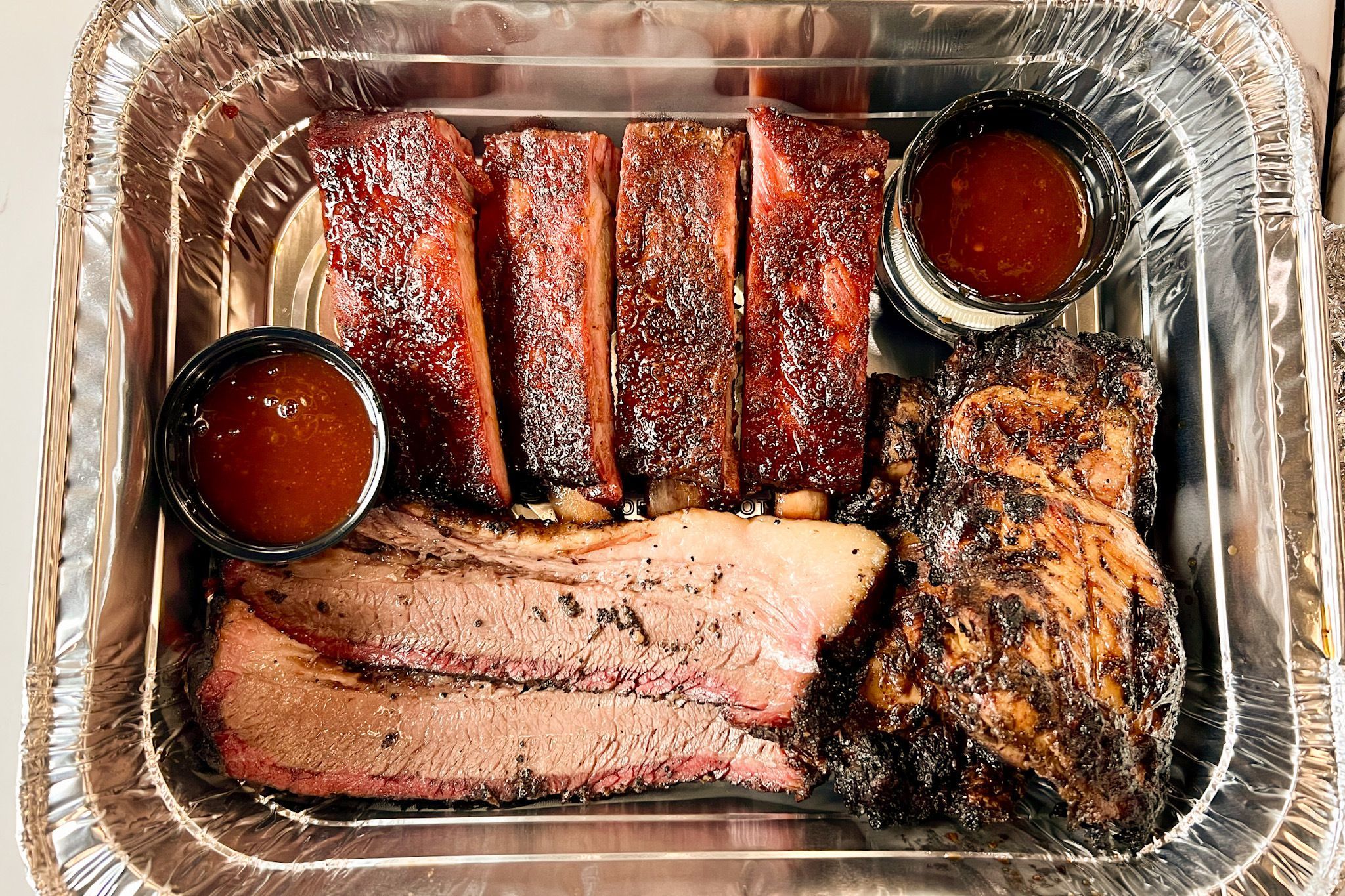
    A platter including pork ribs, brisket, and jerk chicken at Big Swerve’s BBQ, 201 Broadway, Westville, on May 22, 2025.

    Barbecue

    Perhaps meat is set to rule your Super Bowl feast. If so, the Philly area’s small but mighty barbecue scene has you covered.

    At East Falls Beverage, Gerald Berger looks over the large selection of craft beer that is offered by the bottleshop, on March 25, 2019.

    Drinks

    What gameday would be complete without a liquid accompaniment (and something to drown your sorrows)? We have you covered for great bottle shops in the city and the suburbs, whether you’re drinking beer or wine.

  • Immigrants are a ‘main driver’ of the Philadelphia economy, local leaders say

    Immigrants are a ‘main driver’ of the Philadelphia economy, local leaders say

    Foreign nationals are facing increasing challenges to working and studying in the U.S., but their contributions to the Philadelphia economy are critical, local business leaders say, painting a grim picture of Philadelphia’s future with fewer of them.

    In Philadelphia, “immigrants are not a side factor when it comes to our economy. They are a main driver,” Alain Joinville, from the city’s Office of Immigrant Affairs, said at a panel discussion, hosted last week by the Economy League of Greater Philadelphia, in partnership with immigration-reform organization FWD.us.

    The foreign-born population has supported Philadelphia’s workforce growth in recent years. Between 2010 and 2022, the immigrant workforce grew by 50% from 105,600 to 158,300, according to the Pew Charitable Trusts. In 2022, the foreign-born population represented 15.7% of the total Philadelphia population.

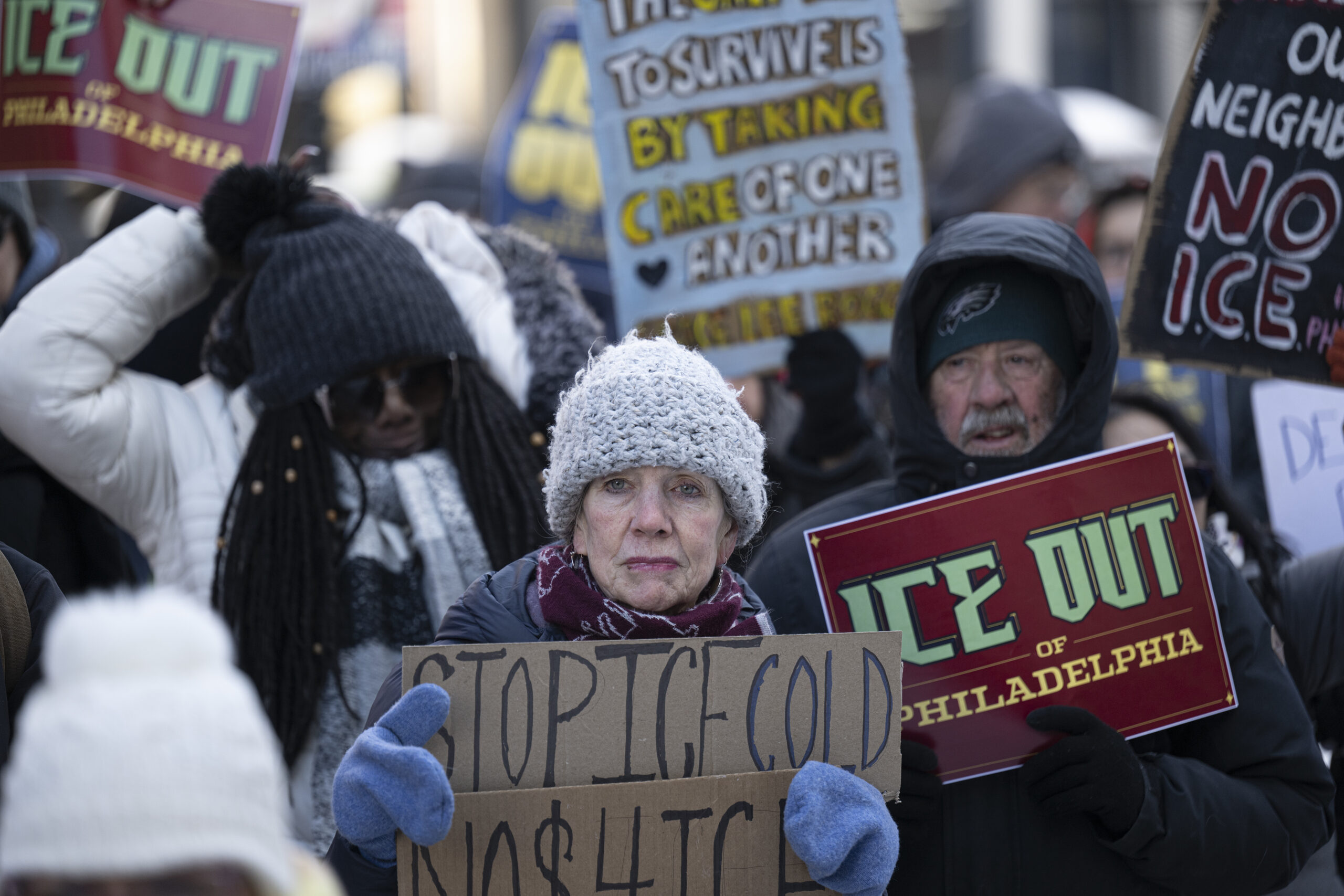
    But over the past year, President Donald Trump’s administration has pushed to carry out the largest deportation effort in the country’s history, and put forward a plan to charge employers $100,000 to secure H-1B visas for their employees. ICE agents have detained immigrants across the region.

    Anti-ICE activists demonstrate outside U.S. Sen. John Fetterman’s Philadelphia office on Jan. 27, 2026, calling for an end to federal immigration enforcement policies.

    “If we have policies that are disrupting families, detaining people, sending people back, that’s a huge part of our economy that impacts manufacturing, transportation of all the goods and services that we manufacture,” said Elizabeth Jones, of immigrant-support nonprofit the Welcoming Center. “The ripple effect is scary in terms of how it’s going to impact the economy.”

    Potential to lose the research edge

    While the U.S is a global leader in research universities, it could be losing that grip, said Amy Gadsden, from the University of Pennsylvania’s Global Initiatives. Having the best research universities in the world requires the best talent — namely international students that also become faculty, she noted.

    Penn has roughly 9,000 international students and an additional 2,000 faculty, postdoc students, and others who “drive a lot of economic activity, both for Penn and for the city of Philadelphia — for the country, for that matter,” she said.

    International student enrollments are down across the country, and students are being cautious about where they apply.

    “There is not a guidance counselor around the world who is advising their student not to hedge their application to the United States with an application to another country,” she said.

    A view over Walnut Street on the University of Pennsylvania campus, with the Philadelphia skyline at left rear.

    Penn, Philadelphia’s largest employer, depends on international students, said Gadsden. “When we think about what is going on with visa policy in the United States, what we see is a decrease in international students, a decrease in international faculty, a decrease in research output, that will ultimately lead to a decrease in our position as a leading research university in the world,” she said.

    A challenge for employers

    Jennifer Rodriguez, president and CEO of the Greater Philadelphia Hispanic Chamber of Commerce, highlighted the challenge employers can face under the new fee for H-1B visas.

    “Immigrants and the foreign-born population in general is one that is critical for the economic health of the city of Philadelphia and the region,” she said.

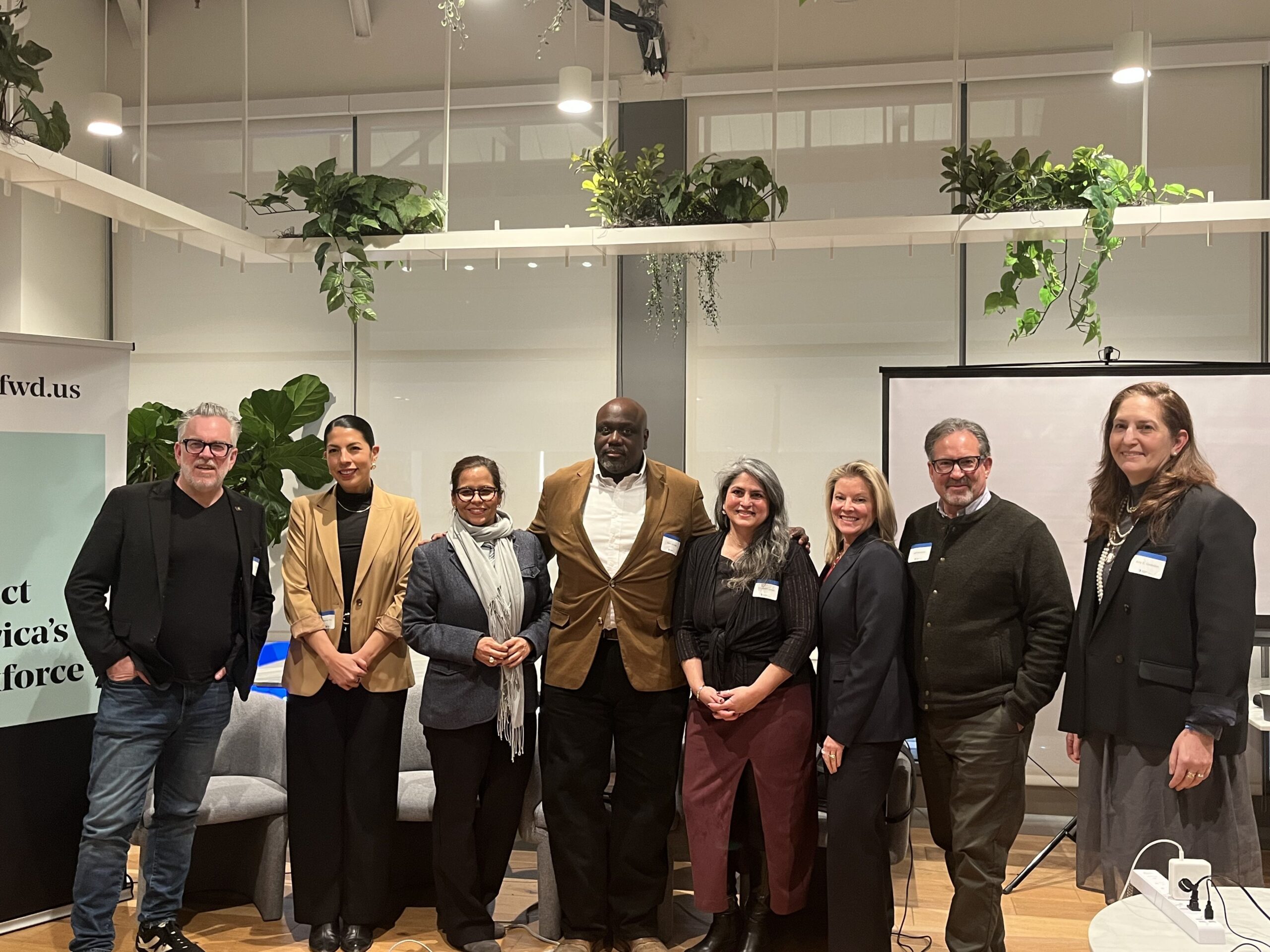
    The Economy League of Greater Philadelphia held a panel discussion in collaboration with FWD.us. From left are Ben Fileccia, Pennsylvania Restaurant & Lodging Association; Maria Praeli, FWD.us; Jennifer Rodriguez, Greater Philadelphia Hispanic Chamber of Commerce; Alain Joinville, Philadelphia’s Office of Immigrant Affairs; Elizabeth Jones, the Welcoming Center; Tracy Brala, University City Science Center; Jeff Hornstein, the Economy League of Greater Philadelphia; Amy Gadsden, University of Pennsylvania.

    Rodriguez described the additional $100,000, which is on top of other expected visa processing costs, as exorbitant. While some large businesses might have resources to handle it, she said, middle-market companies will be more challenged.

    “Philadelphia is desperate to get more of those businesses to establish here, and now you’re making it that much harder,” said Rodriguez. “We are really curtailing the ability of these businesses to innovate, to hire, to really be the contributors to the economy that we want them to be.”

    Immigrants in Philadelphia are of prime working age, noted Joinville, from the city’s Office of Immigrant Affairs.

    “Without immigrants, we have a smaller workforce to drive and support our businesses locally,” he said, adding that immigrants start small businesses at a high rate in Philadelphia.

    “As a child of immigrants, focusing on the economy can be a little tricky for me, because we’re not just data or money or economy,” said Joinville. “Yes, immigrants have an economic impact, but they are cultural leaders, civic leaders, and, yeah, just good people.”