Blog

  • As Josh Shapiro seeks reelection, his business-friendly brand has drawn millions from CEOs — including some with interests in Harrisburg

    As Josh Shapiro seeks reelection, his business-friendly brand has drawn millions from CEOs — including some with interests in Harrisburg

    A Florida developer who is building data centers in Pennsylvania. A Chicago crypto trader whose company was sued by the Biden administration. And a Southwestern Pennsylvania coal magnate whose firm received a permit from state regulators last year to expand operations — and is now seeking approval to open a new mine.

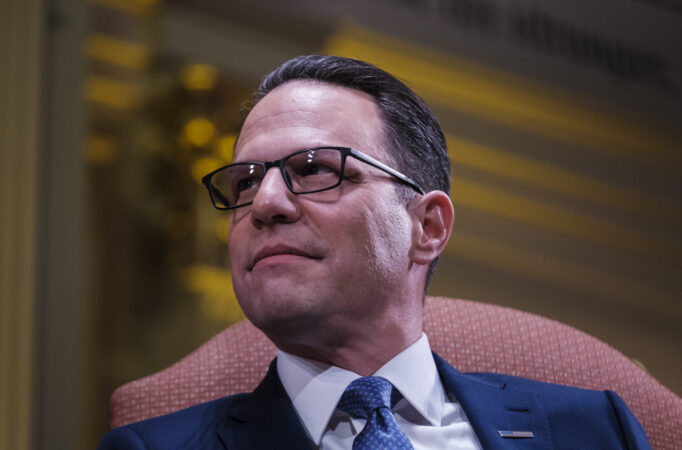
    These are some of the dozens of CEOs backing Pennsylvania Gov. Josh Shapiro, a Democrat, as he seeks a second term this fall in Harrisburg — with an eye on a possible run for president in 2028.

    Shapiro’s gubernatorial campaign raised at least $8.5 million last year from nearly 240 CEOs, founders, business owners, and other top executives, according to an Inquirer analysis of campaign-finance records that were made public last month.

    That includes the single biggest donation to the campaign: $2.5 million from billionaire and former New York City Mayor Michael Bloomberg. Shapiro’s haul from top executives represents 50.8% of the $16.8 million he raised from donors who listed their occupation in campaign finance filings.

    window.addEventListener(“message”,function(a){if(void 0!==a.data[“datawrapper-height”]){var e=document.querySelectorAll(“iframe”);for(var t in a.data[“datawrapper-height”])for(var r,i=0;r=e[i];i++)if(r.contentWindow===a.source){var d=a.data[“datawrapper-height”][t]+”px”;r.style.height=d}}});

    During his first three years in office, Shapiro, 52, has sought to build a profile as a pragmatic, business-friendly governor, focusing on speeding the permitting process and promoting economic development through government grants and tax breaks.

    At the same time, the governor has proven adept at raising campaign cash from people who have business interests before state government in Harrisburg. Those include a skill game developer who staved off a major policy defeat this year and a waste coal power plant owner who gave $100,000 to Shapiro two days before the governor pulled out of a multistate program that requires such facilities to pay for their greenhouse gas emissions.

    It’s a contrast with the rising populism on both the left and right, marked by a “Fighting Oligarchy” tour by progressive leaders and the MAGA movement’s deep suspicion of elites.

    It’s not unusual for corporate executives to make contributions to candidates from both parties. But the practice could invite scrutiny for Shapiro in a White House run — particularly among voters and activists who are dismayed by the role of money in politics.

    “We are concerned about any elected leaders taking monetary donations from corporate interests, regardless of who they are,” said Ashley Funk, executive director of the Mountain Watershed Association, a nonprofit that opposes a Shapiro donor’s coal mining expansion.

    “I think that it influences decision-making,” she said.

    ‘The speed of business’

    For now, Shapiro’s pledge to make Pennsylvania’s government run “at the speed of business” appears to have won over many executives, helping him build a massive fundraising advantage in his reelection bid. Shapiro raised $23.2 million overall in 2025, compared with the $1.5 million reported by his likely Republican opponent, State Treasurer Stacy Garrity.

    “I’ve long admired the way the commonwealth approaches economic development and innovation, and I have deep respect for Gov. Shapiro’s leadership,” said Bob Clark, executive chairman and founder of Clayco, a Chicago-based real estate and construction firm that is redeveloping a site at the industrial hub known as the Bellwether District in South Philadelphia.

    Clark gave Shapiro’s campaign $100,000 last year. “I consider him both a trusted colleague and an effective leader,” he said.

    In recent weeks, the governor has celebrated pledges by pharmaceutical companies to invest billions of dollars in new facilities in Montgomery County and the Lehigh Valley, secured with tens of millions of dollars in state incentives. And last year, Amazon said it would spend $20 billion in Pennsylvania to build two new artificial intelligence data centers, in what officials called the single largest private investment in state history.

    Shapiro’s allies say he stands up to big business, too, highlighting how he successfully prodded PJM Interconnection LLC — the Valley Forge-based regional electric grid operator whose voting members largely consist of companies in the electricity industry — to impose and extend a price cap. He has also received support from organized labor.

    Shapiro argues that the way to restore faith in institutions is not by railing against billionaires but by showing that the government can fix real problems — “get s— done,” in his parlance.

    Garrity, the Republican state treasurer, says Shapiro’s actions don’t live up to the hype.

    Under Shapiro’s watch, she said, the state budget now has a $4.3 billion shortfall and Pennsylvania’s economy is on the wrong track.

    “Liberal national donors may be investing in Josh Shapiro’s political vanity project, but hardworking Pennsylvanians are seeing nothing in return,” she said in a statement.

    Garrity received nearly $380,000 from more than 60 CEOs and other top business executives. That figure represents about 41% of her contributions from donors who listed their occupation in campaign-finance filings.

    Shapiro’s campaign said his coalition is “reflective of a governor who is delivering for all Pennsylvanians — and of a campaign that is fighting to win up and down the ballot.”

    window.addEventListener(“message”,function(a){if(void 0!==a.data[“datawrapper-height”]){var e=document.querySelectorAll(“iframe”);for(var t in a.data[“datawrapper-height”])for(var r,i=0;r=e[i];i++)if(r.contentWindow===a.source){var d=a.data[“datawrapper-height”][t]+”px”;r.style.height=d}}});

    The governor has “focused on growing our economy and creating jobs, and he has delivered — creating tens of thousands of jobs, winning major deals, and building the only growing economy in the Northeast,” campaign spokesperson Manuel Bonder said in a statement.

    Shapiro highlighted one such deal in July, when he appeared alongside executives at defense contractor Rhoads Industries at the Navy Yard in South Philly to announce the firm’s $100 million plan to build a new manufacturing facility, create 450 jobs, and boost production of submarine parts.

    To help secure the investment, the Shapiro administration approved $4 million in grants and, along with the City of Philadelphia, extended a tax designation around the project site known as a Keystone Opportunity Zone, a program that voids most state and local taxes.

    “One of the things that Rhoads is known to do is get things done. … We want to turn out product; we want to turn it around; we want to get it done,” president Mike Rhoads said.

    Looking toward Shapiro, he said, “Somebody standing to my left has the kind of same attitude.”

    Gov. Josh Shapiro (right) with Rhoads Industries CEO Dan Rhoads in July 2025 at the Navy Yard.

    Taking his turn at a lectern that read “Rebuilding America’s Fleet,” Shapiro said Rhoads’ investment — with help from the state — would “ensure the future of submarine manufacturing, shipbuilding, and all things important to securing our freedom is going to run right through the Philadelphia Shipyard.”

    Three months later, in October, CEO Dan Rhoads contributed $10,000 to Shapiro’s campaign — the single largest donation he made to a candidate for state office in the last decade, records show. Rhoads did not respond to requests for comment.

    Data centers and ‘skill games’

    Shapiro donors’ business interests include everything from data center construction to state regulation of slot machine-style games and approvals for a nuclear reactor.

    • Dan Hilferty, CEO of Philadelphia-based Comcast Spectacor — which owns the Flyers and the Xfinity Mobile Arena in South Philly — gave $40,000. A political action committee affiliated with parent company Comcast also gave $50,000. Comcast Spectacor and the 76ers are building a new arena at the South Philadelphia sports complex, and Shapiro last year did not rule out offering state incentives. Hilferty, a former CEO of Independence Blue Cross, previously gave Shapiro’s campaigns $27,500 over the last decade. Other Comcast Spectacor executives contributed about $95,000 during that period.
    • Top executives at Pace-O-Matic, the Georgia-based developer of so-called skill games that have proliferated across convenience stores and bars, gave $50,000. Operators for Skill, a PAC affiliated with the firm, contributed $10,000. The company successfully fended off a push in 2025 by Shapiro and lawmakers to tax the games at a level the industry considered too high. The governor has renewed a push to regulate the games, which some Philadelphia lawmakers say they would prefer to see banned. Pace-O-Matic contributes to both parties and remains “committed to fighting for fair regulation and taxation of Pennsylvania skill games,” said Mike Barley, chief public affairs officer for Pace-O-Matic.
    • Joseph Dominguez, president of Baltimore-based Constellation Energy, gave $25,000. The company is seeking to restart a nuclear reactor at Three Mile Island, just outside Harrisburg, and needs state and federal approvals. The plant would supply power to Microsoft to support the tech company’s data centers. “Constellation executives contribute to policymakers on both sides of the aisle who, like Gov. Shapiro, prioritize results and pragmatic solutions over politics,” a company spokesperson said.
    • Brian Patten, CEO of Next Generation Land Co. LLC, gave $10,000. He is a Florida data center developer who says he is pursuing projects in Pennsylvania. Data centers that power companies’ cloud storage and computing needs have drawn backlash across the U.S. over fears of rising electricity rates. In his February budget address, Shapiro said he wants data centers to supply their own energy and pay for any new generation they need. He has also said the U.S. needs to win the AI race against China.
    • Justin Thompson, CEO of Iron Senergy, a coal operator, gave $10,000. His firm owns the Cumberland Mine in Greene County. When Pennsylvania applied to the U.S. Environmental Protection Agency for a $400 million grant, it mentioned several firms — including Iron Senergy — that could use the money for decarbonization projects, the Pittsburgh Post-Gazette reported in 2024. The EPA awarded the grant, and the Pennsylvania Department of Environmental Protection is tasked with administering it. The state is now reviewing applications, which it says are confidential.
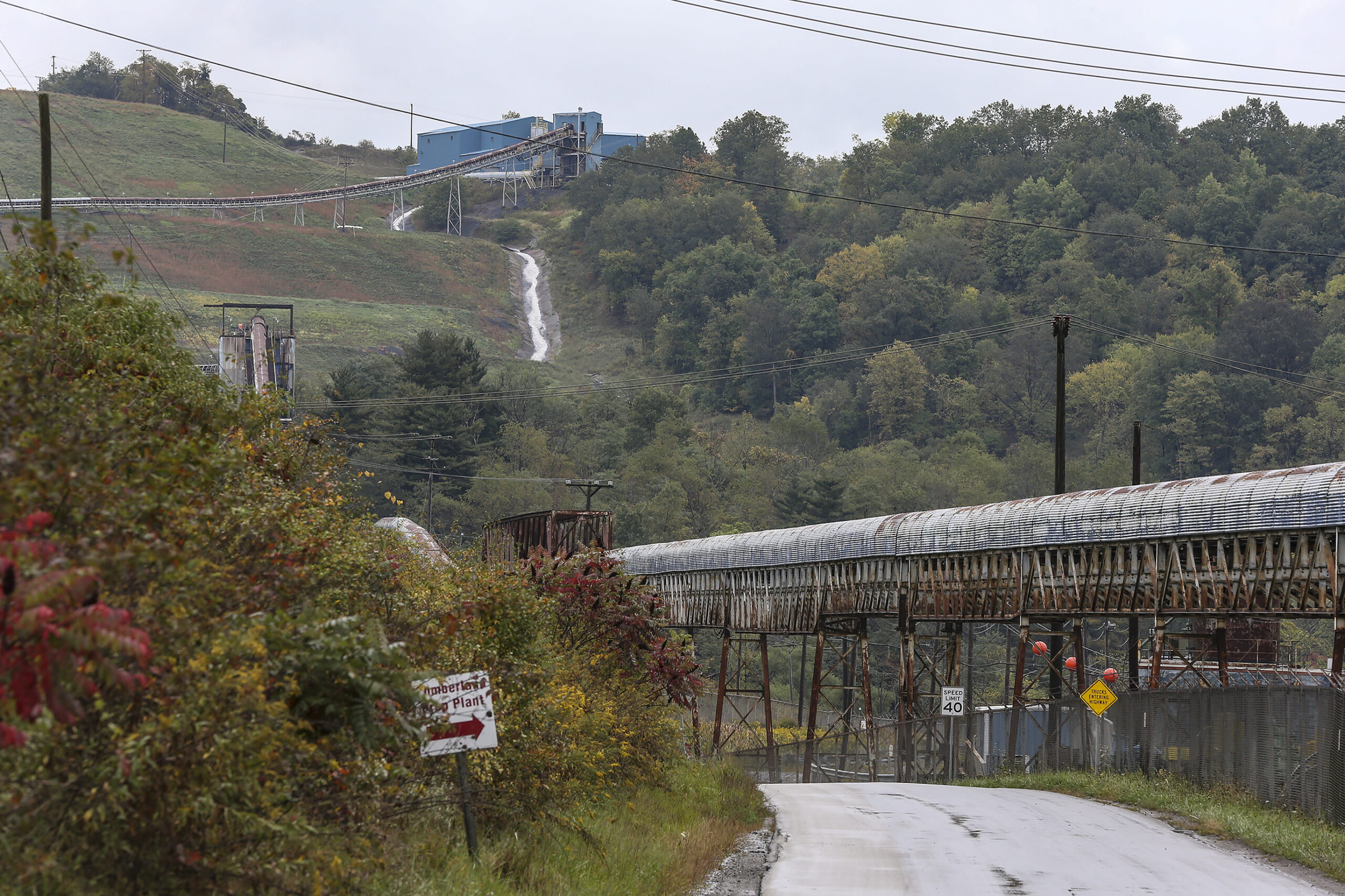
    The Cumberland Coal Mine in Greene County seen in 2020.

    Local and national donors

    Shapiro drew on a mix of executives from local and national firms. In Pennsylvania, he raised money from health system CEOs (Joseph Cacchione of Thomas Jefferson University, $10,000), bankers (Richard J. Green of Philly-based Firstrust Bank, $125,000), and a home remodeler (Asher Raphael of Power Home Remodeling in Chester, $100,000). Josh Kopelman — founder of First Round Capital and chairman emeritus of The Inquirer’s board of directors — and his wife, Rena, each gave $50,000.

    There were private equity investors (San Francisco billionaire John Pritzker, cousin of Illinois Gov. JB Pritzker, $50,000), Hollywood producers (Jimmy Miller of talent management and production firm Mosaic, $75,000), professional sports team owners (telecom billionaire Robert Hale, minority owner of the Boston Celtics, $50,000), and a Massachusetts sports betting executive (Jason Robins of DraftKings, $10,000).

    For his part, Bloomberg is “a big fan of Gov. Shapiro and a big believer in his leadership, and thinks he’s done a great job for Pennsylvania,” adviser Howard Wolfson told Axios.

    At least one donor had ties to President Donald Trump, whom Shapiro often criticizes.

    Don Wilson Jr., CEO of Chicago-based trading firm DRW Holdings LLC, gave $10,000 to Shapiro in September.

    The Securities and Exchange Commission filed civil charges against a unit of Wilson’s firm while President Joe Biden, a Democrat, was in office. The SEC accused it of operating as an unregistered cryptocurrency dealer.

    Biden-era regulators said that firms were dodging that rule by claiming crypto was a commodity, not a security. The enforcers argued this exposed investors to extra risks associated with digital currencies.

    Then last March, a couple of months after Trump took office, the new administration dropped the charges against Wilson’s firm. Nine weeks later, Wilson invested $100 million into a Trump bitcoin project, the Financial Times reported.

    The company told the newspaper it engages in a “variety of strategies in the crypto ecosystem” and saw value in holding bitcoin. “This transaction was viewed purely through that lens,” it said.

    Trump denies having conflicts of interest.

    That didn’t stop the Democratic National Committee from flagging the news on its “CORRUPTION WATCH” page.

    The Trump administration, the Democrats’ post said, “now appears to be engaged in blatant pay-to-play politics.”

    Power plants and coal mines

    Among corporate executives, two of the eight biggest donors to Shapiro’s campaign last year were the father-and-son owners of privately held Robindale Energy Services, which owns about 20 companies involved in waste coal reclamation, power generation, mining, and logistics. Robindale’s assets include multiple power plants fueled by waste products from abandoned coal mines.

    CEO Scott Kroh and his son Judson, the Latrobe-based company’s president, gave a total of $271,000.

    That included a $100,000 contribution from Scott Kroh two days before Shapiro signed the annual budget, which came after a monthslong stalemate. The deal with Senate Republicans included language pulling the state out of the Regional Greenhouse Gas Initiative, a multistate effort to generate cleaner power that Robindale had vocally opposed.

    Robindale’s executives did not respond to requests for comment.

    In June 2023, Judson Kroh spoke out against RGGI at a public hearing, telling Pennsylvania lawmakers that Robindale’s power plants have enough capacity to power 500,000 homes. “Our main concern is you’ll see a significant decrease in power exports out of the state due to RGGI, as well as a significant decrease in coal production,” Kroh said.

    Other energy industry firms, Republican lawmakers, and building trades unions have also long opposed the initiative, which requires power plants to buy allowances to cover their carbon emissions. They call it a job killer and an electricity tax. Environmental groups say it has reduced pollution and led to investments in clean energy in other states.

    Shapiro had for years expressed concerns about the greenhouse gas initiative, which Pennsylvania joined under his predecessor but never implemented due to litigation. Shapiro said in 2021 during his first run for governor that “it’s not clear to me” that the program protected jobs, addressed climate change, or ensured energy reliability.

    The Kroh family donated a total of $55,000 to his 2022 campaign and $21,000 the following year. Judson Kroh was among the more than 300 people who served on Shapiro’s transition team.

    Many of Robindale’s operations are regulated by the state, and the company spent $150,000 lobbying state government officials last year, records show. Company executives in recent years have largely donated to Republicans in Harrisburg, though they have also supported some Democrats, including Shapiro.

    window.addEventListener(“message”,function(a){if(void 0!==a.data[“datawrapper-height”]){var e=document.querySelectorAll(“iframe”);for(var t in a.data[“datawrapper-height”])for(var r,i=0;r=e[i];i++)if(r.contentWindow===a.source){var d=a.data[“datawrapper-height”][t]+”px”;r.style.height=d}}});

    In addition to its power generation business, Robindale owns coal mines that are subject to state inspections and oversight. When two people died in a Somerset County mine operated by subsidiary LCT Energy, DEP required the company to update its safety protocols. The deaths in 2022 and 2023 came during a time in which there were 20 coal mining fatalities nationwide, according to federal data.

    Johnstown-based LCT is currently expanding.

    About 30 miles west of Maple Springs, LCT opened another mine in 2018 in Westmoreland County called Rustic Ridge 1, which produces 600,000 tons of coal a year.

    The state renewed the permit for the 2,800-acre underground mine in January last year, and from that month through March, the Kroh family donated $70,000 to Shapiro’s campaign.

    In April, after a yearslong review, the Pennsylvania Department of Environmental Protection approved a permit authorizing LCT to expand its operations there, adding 1,400 acres under the Pennsylvania Turnpike — the equivalent of 93 Lincoln Financial Fields. The permit allows LCT to mine coal up to 600 feet underground. The company sells the coal for production of steel.

    The nonprofit Mountain Watershed Association is appealing the DEP’s approval to the Pennsylvania Environmental Hearing Board — whose judges are appointed by the governor, subject to confirmation by the state Senate — arguing that the expansion could harm groundwater and streams.

    Others say the mine supports jobs and helps the local economy. Before opening, the company said in 2014 that it would invest $50 million to develop the mine, according to local news reports.

    LCT is now also seeking federal and state approvals to open a new, 2,300-acre underground mine nearby.

    That process could soon speed up.

    The state budget Shapiro signed in November expanded a program for expedited permitting involving approvals from the DEP, which reviews 40,000 permits a year. Introduced in 2024, the program is currently available for eligible permits such as air quality, dam safety, and oil and gas erosion and sediment control.

    The budget legislation — cheered by Shapiro and GOP lawmakers — added more permit types, including one for mining, “which DEP is in the process of adding to the program,” a department spokesperson said.

    Funk — the executive director of the watershed association, which has spent millions of dollars over the last 30 years repairing the environmental damage of legacy coal mining — said she is concerned the Krohs’ political giving “might be having an influence over Shapiro and his administration as we work to permit some of Robindale’s projects such as LCT Energy.”

    Shapiro says permitting reform reflects his governing ethos.

    “When you think about getting stuff done … it requires focus and speed,” he said in December at a National Governors Association event. “We’ve gotta be speedier as a country.”
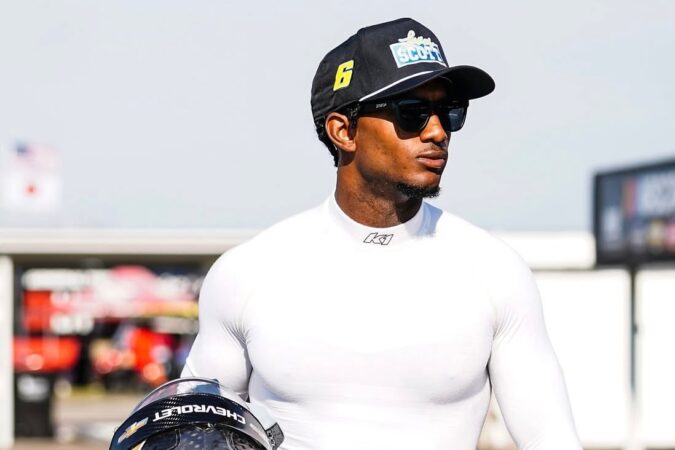

  • South Jersey’s Lavar Scott is NASCAR’s third active Black driver. He’s ‘trying to change the whole dynamic of motorsports.’

    South Jersey’s Lavar Scott is NASCAR’s third active Black driver. He’s ‘trying to change the whole dynamic of motorsports.’

    Racing has always been in Lavar Scott’s DNA, stemming from the auto repair shop in Carneys Point, N.J., that his grandfather, Wayne Scott Sr., founded in 1978.

    His older brother, mother Sonia, aunts and uncles, and even Wayne all raced growing up, mostly in drag racing. Scott began his racing journey when he was 5 years old on dirt tracks across Pennsylvania and Delaware. In trying to follow his older brother’s footsteps, Scott quickly developed an affinity for the sport, one that would lead to him becoming one of just a handful of Black NASCAR drivers.

    “I just raced all my life and fell in love with the sport, just from the fact that when we show up to the racetrack when I was younger, show up with the cars that my grandfather worked on, helped build, and it was a family effort, family team,” Scott told The Inquirer recently. “We [would] drive to the racetrack together, and then doing that and winning races like that, you don’t find that other type of love and I guess gratitude for something like in any other sport that I played.”

    Lavar Scott (center) shown with his grandfather and mother after winning a race during his childhood.

    Scott raced on dirt tracks until he was 14. When he turned 15, he transitioned to racing on asphalt tracks to try and seriously pursue a career in racing, which meant moving to Charlotte, N.C., to make that happen.

    From those humble beginnings, Scott, now 22, has risen quickly. Six years ago, he was accepted into the NASCAR Drive for Diversity program and is working his way toward racing at the highest level. Last month, Scott began his first year racing full-time in the NASCAR O’Reilly Auto Parts Series, the second-tier of the sport.

    He credits his Pa. roots.

    “[I] became really good, worked hard at it, had a chance to move down south at 16 to become part of the NASCAR diversity program and be a part of Rev Racing,” Scott said. “I raced for Rev for five years throughout the ranks of late models, ARCA legends, [and] just had a really good few years with them. I was rookie of the year in 2024 in the ARCA [Menards Series].

    “It all comes from racing back at home in the Pennsylvania area. We used to race there three times a week. It was a full-time job really as a kid racing. And that’s what got me to this point, was doing it consistently.”

    Scott, whose racing journey will bring him back to the area later this year, is just the third active Black driver in the sport. He joins NASCAR star Bubba Wallace and fellow O’Reilly Auto Parts Series driver Rajah Caruth, who went through NASCAR’s Drive for Diversity program with Scott. The two have continued their friendship on and off the track, and leaned on one another as they try to grow the sport.

    “I think me and Rajah go through so many things and we kind of battle it together,” Scott said. “We’re really in a team a little bit, trying to change the whole dynamic of motorsports and bring more of us alike in the sport.

    “And it’s so good to have someone like him to do it with, because Rajah is a not only a great driver, but he’s a great person. … I really connect with [him], aside from just being a professional athlete together. He’s not just a teammate or just a friend, like he’s someone that we really going through this stuff together and figuring out, and it’s really cool.”

    Through it all, Scott has remained himself.

    And as he’s continued to level up, he’s also started to give back.

    Scott, who races with Alpha Prime Racing, entered a partnership with Philadelphia-based Urban Affairs Coalition last fall, a nonprofit which aims to “unite government, business, neighborhoods, and community leaders to improve the quality of life, build wealth, and solve emerging issues in urban communities.”

    Through this partnership, UAC is launching Team Racing-2-Education, with the goal of introducing young people to careers in engineering, data analytics, automotive tech, and media production within motorsports.

    Lavar Scott’s No. 45 car is decorated with the logo of the Philly-based nonprofit Urban Affairs Coalition.

    “Lavar represents the dreams of every kid. He represents the opportunity that every kid should have. And ultimately, we are in the business of changing and saving lives and making dreams come true through the nonprofit sector,” said Arun Prabhakaran, the president of the UAC. “The partnership really arose around this idea of, ‘How do we create enough visibility for a story like this to be able to change the way that America thinks about motorsports?’ They should think about motorsports, and see, ‘I could become a petrochemical engineer.’ They should see, ‘I could become a designer and design cool looking race cars.’”

    And while Scott is behind the wheel of his own car, he is also a perfect example, having gone from “a 5-year-old who was racing on a dirt track to arguably one of the most decorated motor sports athletes and NASCAR athletes in the region’s history,” Prabhakaran added.

    For Scott, he sees the local interest, but hopes the partnership can open more eyes to the many motorsport jobs that don’t involve making a series of left-hand turns.

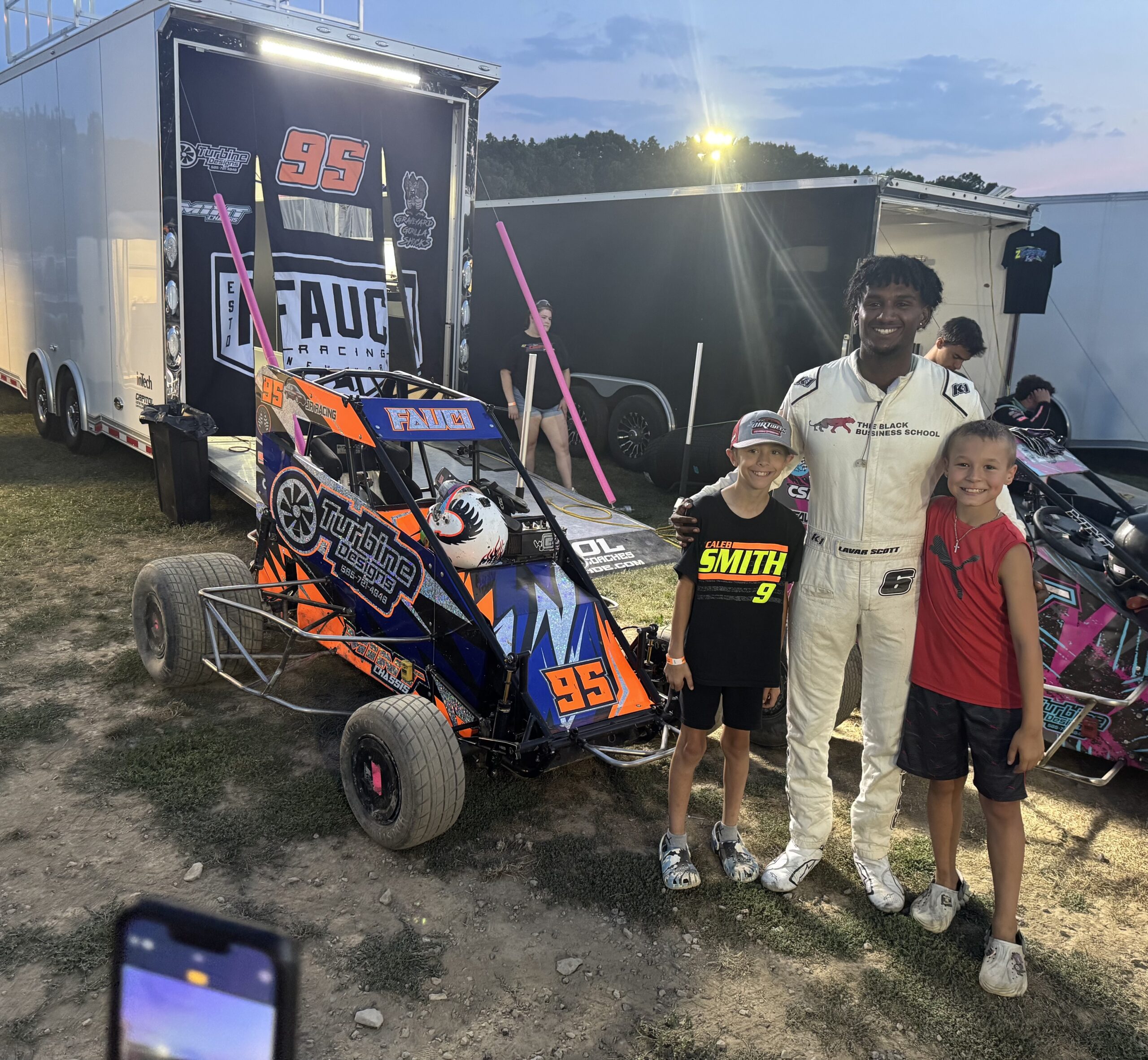
    Lavar Scott shown with young fans after winning at the Limerock Dirt Speedway in New York last August.

    “I know in the Philadelphia market, there is so much interest in motorsports, but I want to expose more and make it more known to people,” Scott said. “I think anything you want to do … happens in motorsports, whether it’s like a designer, somebody working with tires, shock guys, social media.

    “Every avenue that you can take in this world applies to motorsports in some way or form.”

    When will Lavar Scott compete near Philadelphia?

    Scott’s debut season in the NASCAR O’Reilly Auto Parts Series began at the Daytona 500 in Florida on Feb. 14, where he finished 16th. But that was his third overall race in NASCAR’s second-tier series.

    Scott made his debut at Dover Motor Speedway in Dover, last July, finishing 28th in the formerly named Xfinity Series, and raced again in September at the Xfinity Series at World Wide Technology in Madison, Ill., where he finished 19th.

    The South Jersey native finished 28th at Atlanta Motor Speedway two weeks ago and finished 22nd at the Circuit of the Americas this past weekend, which is just outside of Austin, Texas.

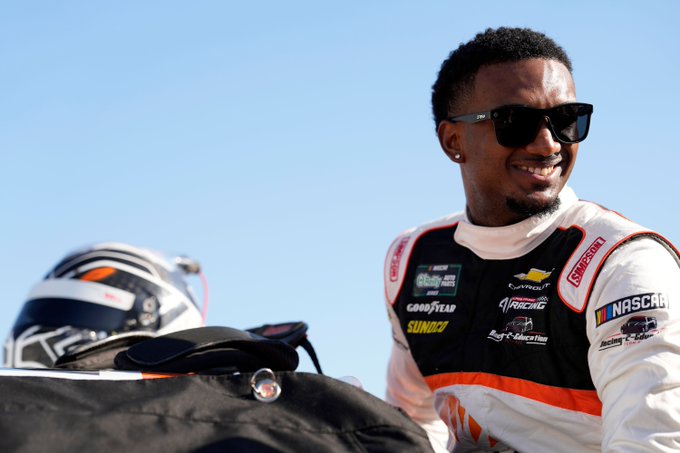
    South Jersey’s Lavar Scott shown before the Daytona 500 in February.

    He will compete at Dover Motor Speedway this season on May 16 and will race at Pocono Raceway on June 13. Scott is looking forward to being close to home for both tracks, with Pocono being less than two hours from his hometown and Dover just under an hour from where he grew up.

    “Dover and Pocono, they’re fun tracks. Dover more so fits my driving style. It’s kind of really aggressive,” Scott said. “I like tracks like that where really a lot of it depends on the driver. And then Pocono, racing out in Pa. again, it’s always cool. It’s a big track. It’s definitely error dependent, so you got to be smart there. …

    “It’s a lot around those weekends that matter to me and make it more than — I won’t say other weekends — but it’s an emphasis, and I definitely have those weekends circled on the calendar.”

  • Burpee, the Philly-born seed seller, has proven to be ‘recession resistant’ after 150 years in business

    Burpee, the Philly-born seed seller, has proven to be ‘recession resistant’ after 150 years in business

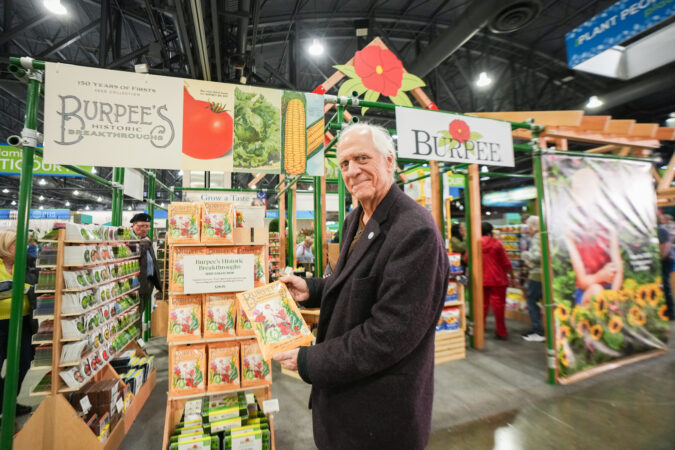
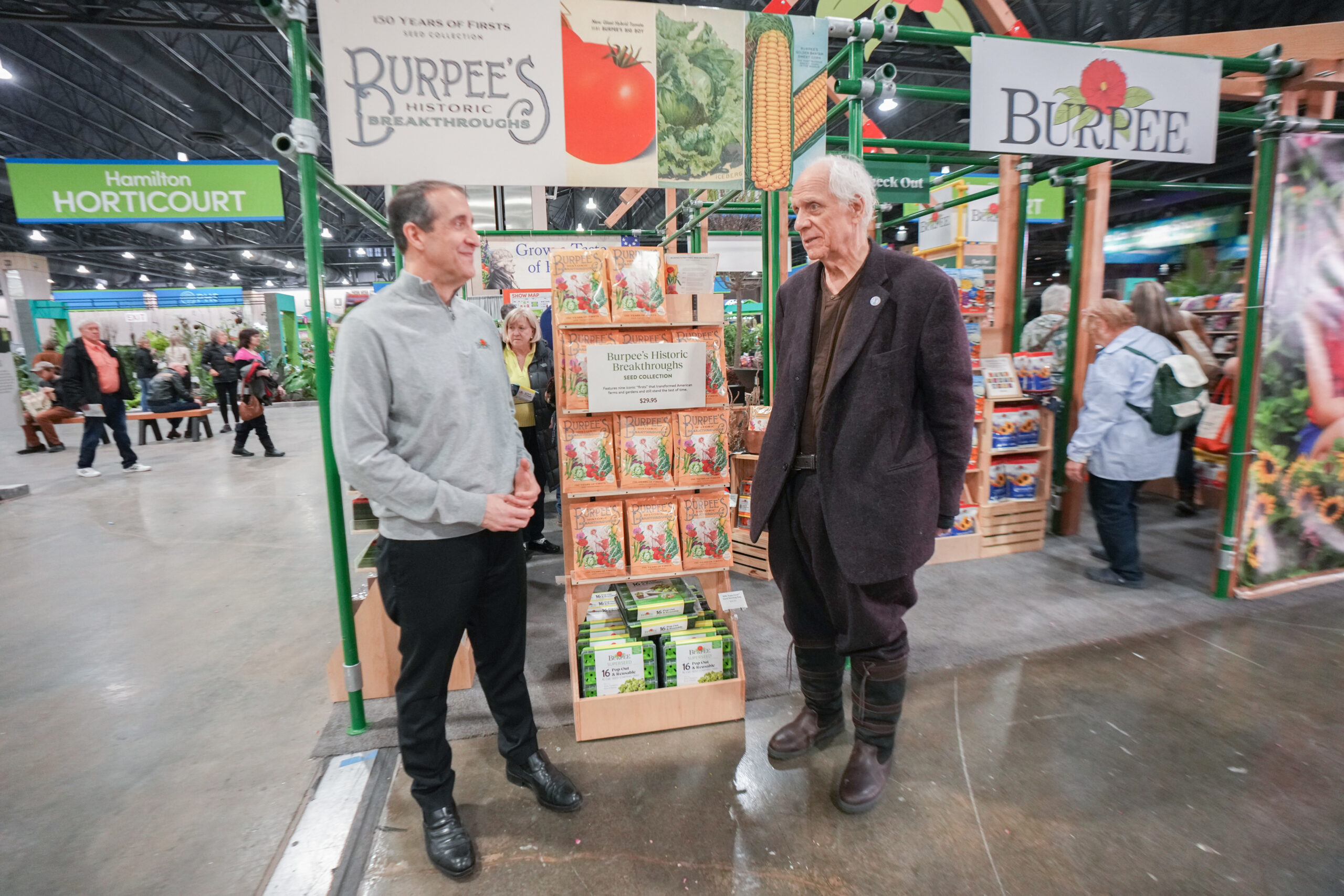
    George Ball stood at the W. Atlee Burpee & Co. booth at the Philadelphia Flower show last week and lifted the company’s artfully designed 150th anniversary seed collection from a wooden rack.

    Ball, 74, traced a finger down the list of nine packets of “Historic Breakthroughs” and told stories about some of them: Iceberg lettuce (1894). Big Boy tomatoes (1949). Snowbird sugar snap peas (1978).

    Golden Bantam sweet corn (1902) wasn’t an instant hit, Ball noted, despite its sweet, buttery flavor. Americans were accustomed to white corn.

    “This is the first yellow sweet corn. Before that, yellow corn was hog feed. The kernels were hard,” Ball said. “This yellow corn was a totally new taste. It’s delicious. But for two years, nobody bought it because to them it was hog feed.”

    Only when an assistant coined the phrase “Looks like butter, tastes like butter” did the variety take off.

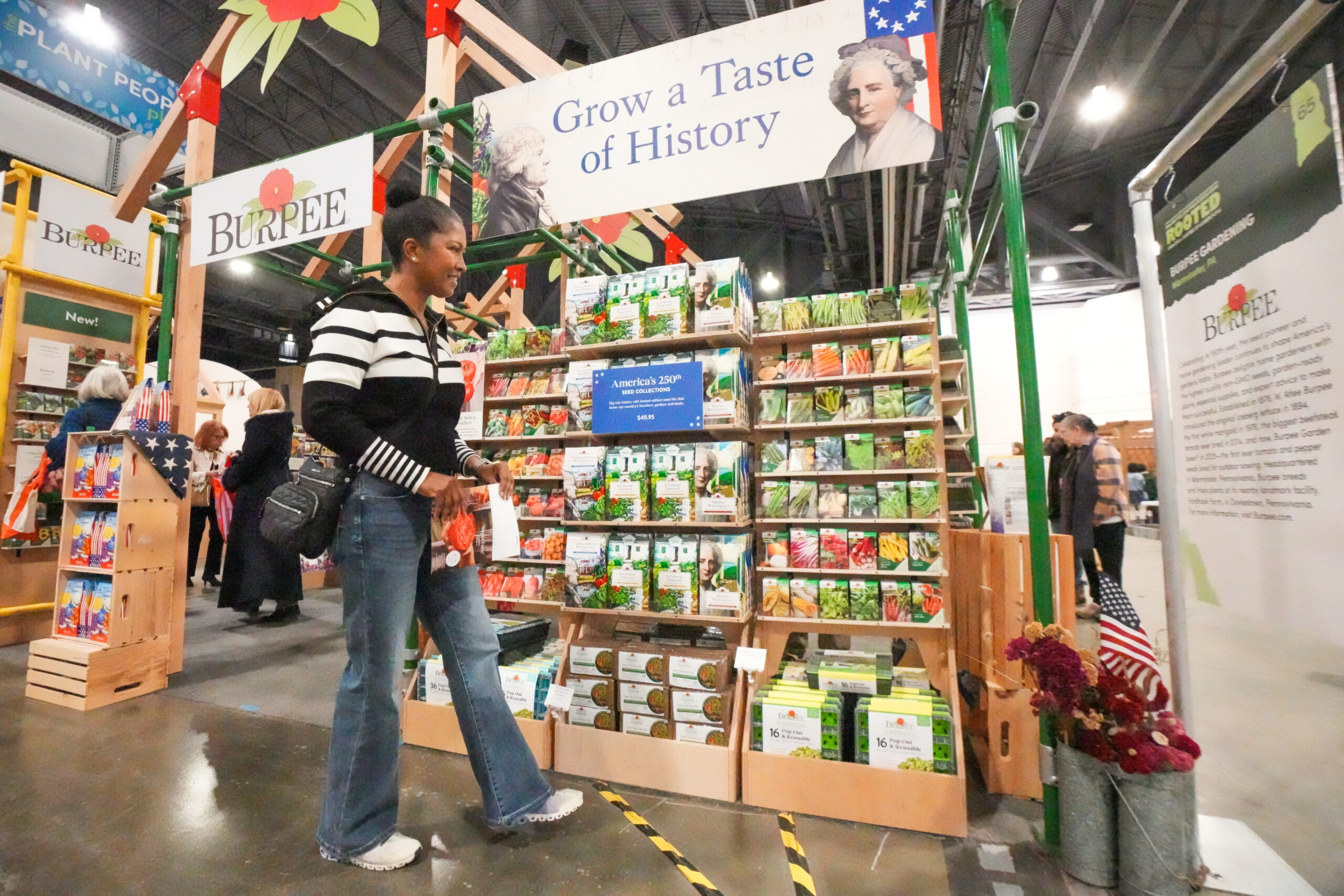
    Burpee’s display at this year’s Philadelphia Flower Show highlighted the brand’s historical roots.

    Burpee has been rooted in the Philadelphia area since its founding by W. Atlee Burpee in 1876. Now, more than a century later, having once teetered on the brink, it’s again thriving and positioned for the future with seed, plant, and product sales in big box stores and online.

    “We’re celebrating our 150th” and still selling those same seeds, Ball said.

    Regrowing Burpee

    When Ball came to buy Burpee in the 1980s, the company was in serious financial trouble, and its staying power was anything but certain.

    “Burpee was going to be padlocked,” Ball recounted. It had fallen 240 days behind on payments, some of which were owed to his family’s company, Ball Horticultural.

    Ball had become president of PanAmerican Seed, a Ball Horticultural company, by the mid-1980s and was breeding plants in Costa Rica. When he returned to the United States, he read a story in the Wall Street Journal that industry giant Burpee was teetering.

    Sensing an opportunity, Ball moved to buy the historic brand for a fraction of its value, or as he phrased it, for “kind of a poem.”

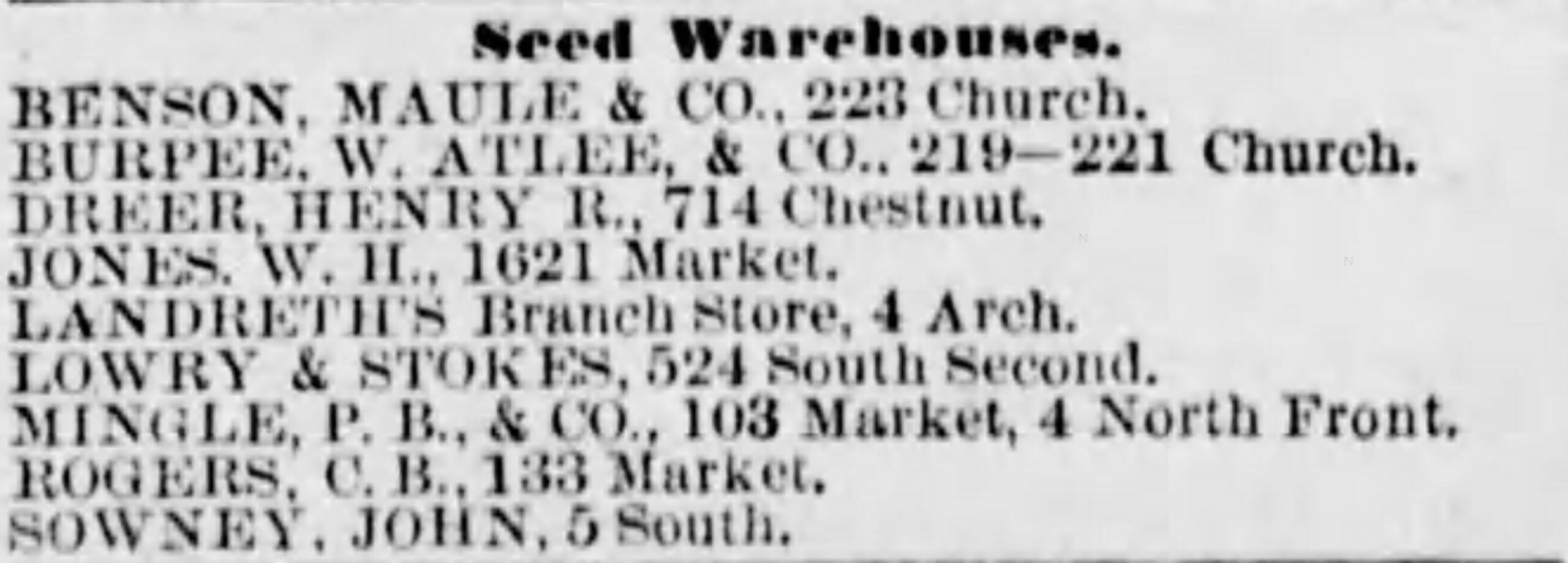
    More than a century before that, W. Atlee Burpee, scion of a prominent Philadelphia medical family, started his seed company in 1876, the same year he visited the Centennial Exposition in Philadelphia. It featured robust agricultural and horticultural displays. By 1881, a notice for the company’s Old City warehouse appeared in The Inquirer.

    The first mention of W. Atlee Burpee & Co. in The Philadelphia Inquirer on Jan. 3, 1881.

    Burpee seized on the emerging power of mail-order catalogs — the era’s version of the internet — and the catalog became a rural household staple since most of his customers were originally farmers.

    In 1888, Burpee bought a farm on New Britain Road in Doylestown. He named it Fordhook and transformed it into the company’s experimental garden and began conducting thousands of seed trials. The 60-acre property still opens to the public once a year.

    Burpee died in 1915, leaving the business to his 22-year-old son, David, who expanded the company’s flower offerings and cemented a reputation for innovation. The company soon found a market for its seeds with home gardeners.

    Christopher DeMairo, a former archivist for the Smithsonian Institution and the author of a book on the history of Burpee, calls W. Atlee Burpee, “a really fascinating man, and one of the most prolific businessmen in American history.”

    DeMairo credits David Burpee as a visionary who steered the company through the turbulent 20th century when many competitors went bankrupt. Under David’s leadership, Burpee pushed hard on innovation, pioneering hybrid vegetables through controlled pollination experiments.

    “Even if you may not know Burpee now, your ancestors certainly did,” DeMairo said. “It is still really important when you think of where agriculture and gardening are today.”

    In 1970, David Burpee sold to General Foods, and the corporate headquarters moved from Philadelphia to Warminster, where it remains.

    Eventually, ownership passed to a private equity firm, and the company fell into financial trouble.

    Then Ball, who views himself as a turnaround specialist, stepped in to save Burpee, officially becoming its sole owner in 1991. He’s run the company ever since and still lives at Fordhook Farm.

    The Creekbed Garden at Fordhook Farm in Doylestown in 2024. The seed barn is second building from the right.

    “I was very interested in the basic virtues and values of life,” Ball said, and felt that the nursery business fit with that essence.

    DeMairo, the archivist, believes the founding Burpee family would be relieved to know the company is privately held by Ball, who has no plans to sell.

    “I can almost say for a fact that both David and Atlee would be very happy to know that the company is in the hands of a true gardener,” DeMairo said, “and not a boardroom.”

    Burpee today

    Under Ball’s leadership, Burpee expanded into retail aisles and into the digital age.

    When COVID-19 hit in 2020, Burpee experienced a surge in demand, CEO Jamie Mattikow said, and the company has retained much of that momentum.

    He declined to share financial details or an employee count. But, he said, consumers spent $242 million on Burpee products last year, a 120% jump from 2019. Growth, he added, is in the “mid-single digits.”

    “Fortunately, seeds have proven to be a recession-resistant type of category,” Mattikow said, “so the growth is pretty steady.”

    Burpee president and CEO Jamie Mattikow (left) with owner George Ball at the Burpee Seed display at this year’s Philadelphia Flower Show.

    Burpee has long focused on home gardeners. Its products appear in major chains including Walmart, Target, Home Depot, and Tractor Supply.

    Mattikow describes Burpee as a full-service “gardening company” rather than simply a seed supplier, offering live plants and supplies like soil and cages. Online sales through Burpee.com and Amazon continue to expand.

    The company also maintains a niche business selling seeds to small growers who supply farmers markets and restaurants.

    The company has leveraged social media to reach younger customers. It has about 725,000 followers across Meta’s Facebook and Instagram platforms, and offers advice such as “the easiest tomatoes to grow for beginner gardeners.”

    Burpee relies on its own horticulturists and traditional seed breeders to adapt to changing customer preferences.

    For example, a seven-year breeding process resulted in the company’s new line of “garden sown” tomatoes and peppers — seeds hardy enough to be planted in ground after the last frost, bypassing indoor tray-starting.

    That painstaking breeding process has been with the company since the beginning. In his history of Burpee, DeMairo cites a Life magazine article describing the painstaking work behind developing seed varieties.

    The company, the article noted, “hired 60 girls from Vassar, Smith, Bryn Mawr and other colleges to spend the summer with tweezers and brushes” to control pollination and create new hybrids.

    Mattikow said Burpee faces typical challenges such as supply chain issues, tough competition, and tariffs.

    “We do a great balance of holding on to a loyal base of customers, and every year we bring in new customers,” Mattikow said.

  • Neumann Goretti’s Andrea Peterson is more than a girls’ basketball coach. She’s a tenacious leader.

    Neumann Goretti’s Andrea Peterson is more than a girls’ basketball coach. She’s a tenacious leader.

    The Neumann Goretti girls’ basketball team bus was almost as quiet as the church the players were in a day earlier. Everyone sat in their usual places.

    Saints coach Andrea “Petey” Peterson was in the front right seat, her hair in its familiar bun, her head resting on her outstretched arm across the windowsill, her AirPods in, a way to insulate herself from the world that Saturday morning in early December. The day before had been her mother’s funeral.

    In the back, the Neumann Goretti team whispered, the volume down from the blaring noise that typically wends through the bus during chartered away trips. None of Peterson’s players were surprised that their coach was on the bus with them, traveling to their season opener against St. Mary’s on Long Island in New York.

    “I remember that trip,” said Saints senior guard Kamora Berry. “I remember seeing Coach Petey’s hair bun in the back of the bus and thinking we have to do this for her. There was no doubt in my mind she would be there that day. She is so strong. I would be a mess. Anyone would be.

    “Think about it. Coach Petey is on a bus with us going to a game the day after her mother’s funeral. Who does that?”

    Apparently, Andrea Peterson.

    She is in her 12th season as Neumann Goretti’s head coach. She is the most accomplished girls’ high school basketball coach in the area, with six state championships, including last season’s first Class 4A title in school history (plus two in Class 2A and three in 3A), two Catholic League championships, and six District 12 titles.

    In 2015, Peterson was named the national Naismith Coach of the Year, guiding the Saints to a 30-0 finish and a No. 1 ranking nationally by USA Today. Her team will compete in the first round of the state Class 4A playoffs on Saturday against Susquenita of Perry County.

    Somehow, she manages to run her childcare business, Christopher’s Footprints, in Norwood, Delaware County, coaches Neumann Goretti, which is really a 12-month long responsibility, runs her AAU Philly Legacy program, all while raising her sibling’s three children on her own, and easily working between 70 to 80 hours a week during the four-month high school basketball season.

    Who does that?

    Apparently, she does.

    Peterson says she derives her wrought-iron will power from her parents, Thomas and Alice, who were in ill health and died within 133 days of each other last year, though in many ways she channels old-world coaches like the raspy-voiced John Chaney and towering John Thompson.

    Her friends and family joke there is a cuddly side to her, you just have to peel away the prickly cactus thorns. She has no filter. What she says, she means. She is demanding. Unbending. Stubborn. And incredibly loyal and giving.

    The loyal and giving side, Peterson says, comes from her mom, who temporarily fostered three children one Christmas after their family house burned down. The diamond-hard edges, she laughs, comes from Thomas, a Vietnam veteran who fought PTSD most of his adult life and worked countless hours in baggage claim at Philadelphia International Airport.

    Her players say that if you do not know Coach Petey, she can be intimidating and cold. Peterson will also be the first to acknowledge that she is not looking to be anyone’s buddy, because no one comes between her and her players. And she wins. She has won many times with players from hard, sometimes unimaginable backgrounds.

    Legendary Westtown coach Fran Burbidge has known Peterson since she was 11, a pigtailed stubby little girl who played tackle football for the Brookhaven Jets. She’s the sixth of seven children and wanted to be like her older brothers, Joey and Chris.

    Burbidge remembers when his daughter Chrissy played for the AAU Comets and Cardinal O’Hara and Peterson was playing for the Philadelphia Belles and Archbishop Carroll. Burbidge became good friends with her father and followed Peterson’s path to Carroll, where she won two Catholic League championships, one time canning a free throw with 5.3 seconds left to win the 2003 PCL title over O’Hara.

    Burbidge, who has known Peterson for 30 years, now coaches against her.

    “Through coaching AAU and here at Westtown, I have coached a lot of different kids, from a lot of different backgrounds, and there are certain things that you have to deal with as a coach, and with Andrea, she coaches great kids at Neumann Goretti, but she coaches kids who take the train home at night and kids that are homeless,” Burbidge said.

    “She coaches kids who come from some rough situations. I don’t think a lot of people understand that about Andrea and what she does, because she’s been so successful as a basketball coach.

    “Because Neumann Goretti, under her, has been so successful, they have the misconception Neumann Goretti is a basketball factory with talented kids that flock to them. It’s a lot more complicated than that.”

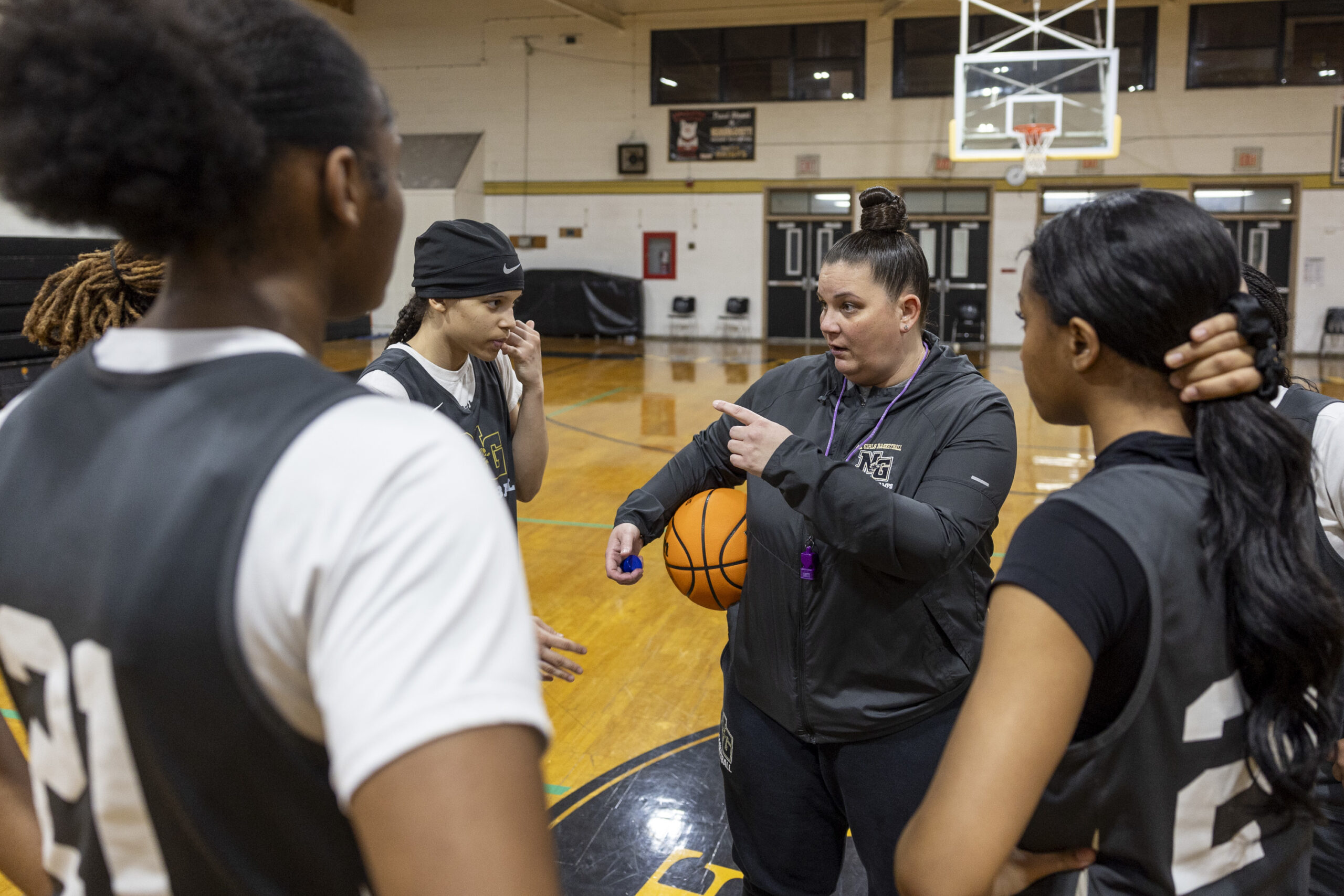
    Andrea Peterson coaches her team during practice in January.

    Peterson had players, according to many associated with the program, who were from broken backgrounds, some homeless and some abused, and a few survivors of domestic abuse.

    She was a four-year starter at Carroll for Hall of Fame coach Barry Kirsch. How Peterson maintains everything she does is beyond him. Kirsch knew of her tireless work ethic as a player, which she continues as a coach.

    She has an ability to relate to city players, because in many ways, she comes from the same rowhouse working-class existence as they do.

    “Andrea always understood the game beyond her years,” Kirsch said. “You never had to explain anything to her. She was like having a coach on the court in high school. Her teammates respected her and loved her. You could see then Andrea was going to be a great coach. The relationship she has with her players is beyond reproach.

    “She does not want the attention on her. She wants it on her team. Andrea has always been incredibly hard on herself, because I had her as a student. Maybe it’s why she takes on Neumann Goretti, because no one in the Catholic League has a harder job than her. Look at Carroll, O’Hara, [Archbishop] Wood, they get players from solid homes, and she is dealing with kids with challenging situations.”

    ‘Focused on the moment’

    Peterson originally grew up in Brookhaven and moved to Norwood. She was one of seven in a three-bedroom home, with the five girls sleeping in bunk beds, and Joey in a separate room. After her older brother Christopher passed away on Mother’s Day 1994 in a car accident, when Peterson was 10, their mother, Alice, began sleeping by the door.

    Alice, one of 10 children with South Philadelphia roots, would get so nervous watching Andrea play at Carroll she would rock back and forth in her seat. She did not know much about basketball, so she would yell, “Score that touchdown,” at Andrea’s games. Alice and Thomas more than a few times put up the family rent so Andrea could play summer AAU basketball.

    “Seeing my mom at my games, knowing I was her baby girl in these big games, made me happy. My parents always made sure I had what I wanted, and that is what drives me today,” Peterson said. “I was spoiled. We never wanted for anything. But as you get older, you realize how life really is, and what your parents sacrificed. We knew we weren’t living in a mansion.”

    Growing up, Joey would take “Angie,” as her family calls her, to Norwood Park to play with grown men when she was 13 on the asphalt courts. Peterson would get knocked around, and Joey never ran to pick her up.

    “That’s where Angie got her toughness, and we weren’t about to help her up,” Joey said. “I think it’s why Angie was able to get on that bus the next day after our mother’s funeral. That tells you who she is, and about her commitment.

    “I have to tell her to slow down sometimes. Our whole family tells her that. It is nonstop, between the basketball, the daycare, taking on our dad a few years ago, and now my sister’s kids. She is able to get focused on the moment in the moment.”

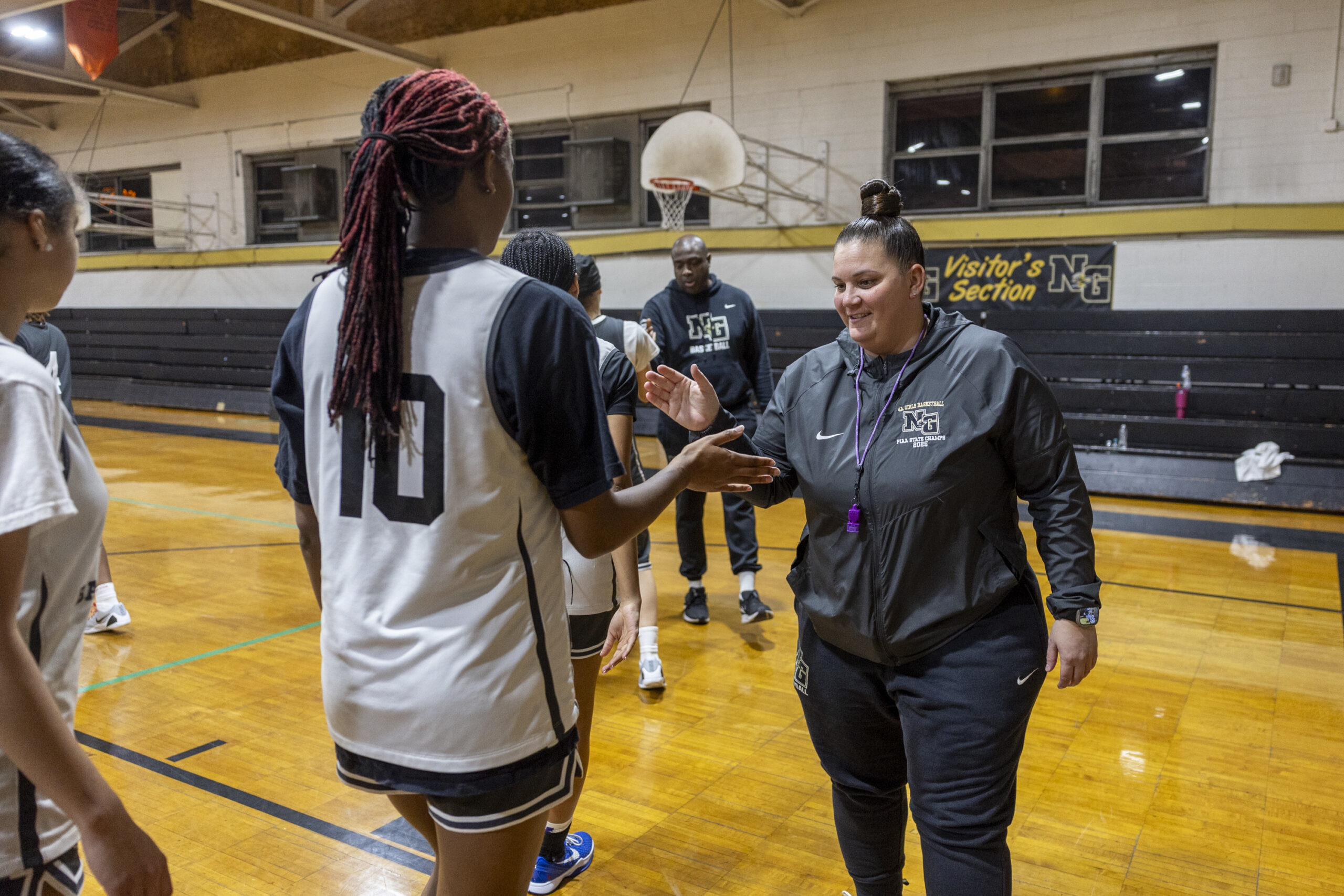
    Andrea Peterson ends practice with a line up, doing special hand shakes with her players on Jan. 14.

    Peterson first went to St. John’s University out of Carroll but decided to come home to care for her parents, who were in ill health. She transferred to Drexel, where she received her undergraduate in sports management and graduate degree in higher education, becoming the first college graduate in her family.

    One time Peterson quit basketball while in grade school, because she felt that her father was living too vicariously through her and that nothing was good enough in his eyes.

    They had a heart-to-heart to settle their differences. Peterson felt that was a coming-of-age moment.

    “I was always stubborn, like my dad, and if that conversation doesn’t take place, I don’t know if I would have left basketball, but I wanted to show him I could do this on my own,” said Peterson, who wore the No. 22 because it was Christopher’s birthday and her daycare business is named after him.

    “I knew what I had to do to get a college scholarship. I knew I was in love with basketball, and I knew that was where my path would go. I was told I wouldn’t make it at St. John’s. I was considered too small, too slow. I love being told I can’t do something. You can tell me 10 things, nine positive and one negative. I’ll hear the one negative and turn that into a positive.

    “I hear it every year that Neumann Goretti isn’t good enough. You do not have to like us, but you have to respect my kids and our program, and the culture that we built.”

    Thomas wanted more for his daughter, and he was even coaching her while she was coaching. Thomas would keep the articles written about his little “Angie” tucked under his bed.

    During the last months of her father’s failing health, Peterson was his sole caretaker. Before he died, she said, he told her, “Thank you for making me proud.”

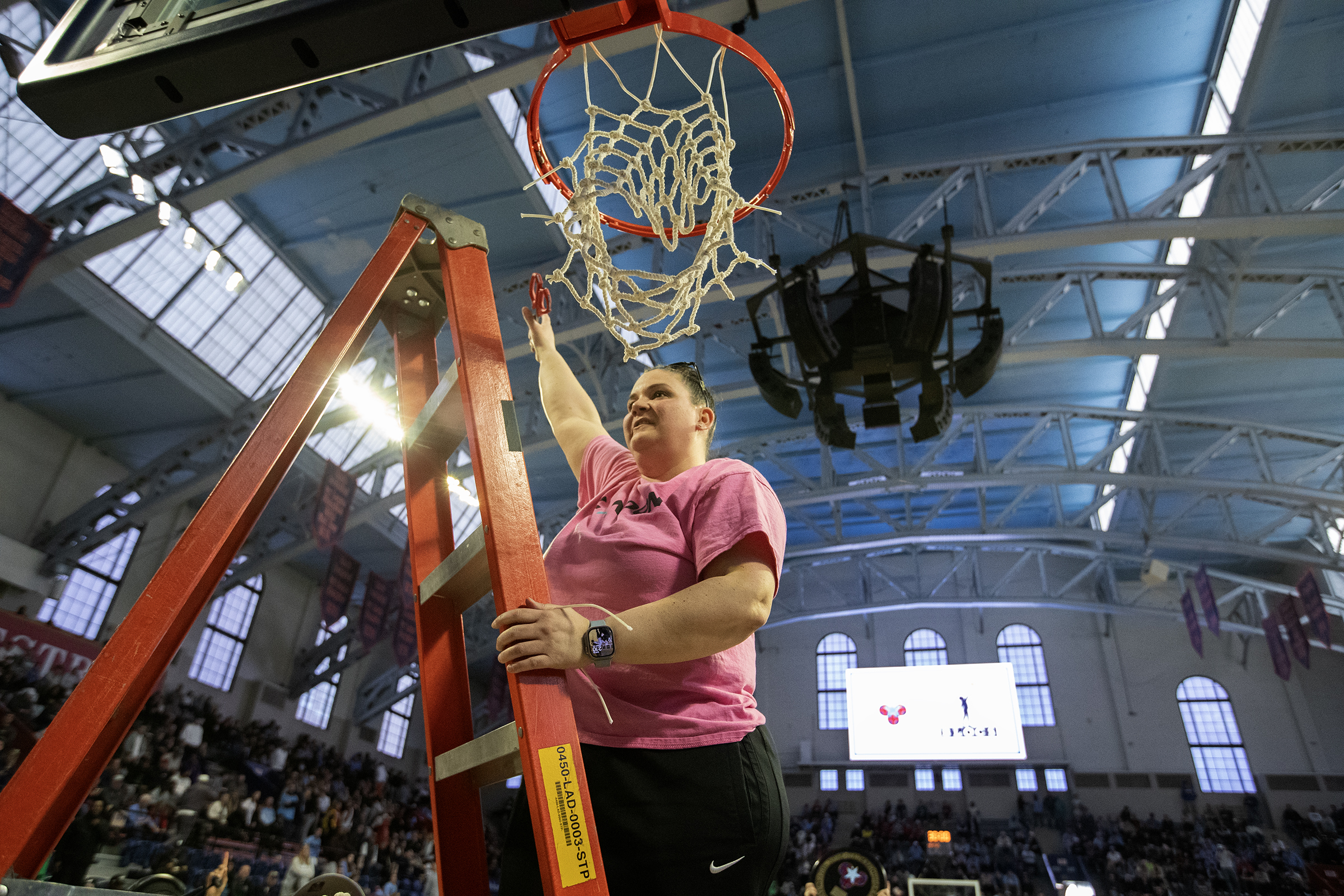
    Andrea Peterson won her second PCL title as Neumann Goretti’s head coach on Feb. 23, 2025.

    After each practice this season, her players have made it a habit to hug Peterson and tell her they love her.

    “We know what Coach Petey has been through,” Berry said. “It’s why we dedicated this season to her. She buried both her parents last year and never missed a practice or training session. She was always there for us. We have to be there for her.

    “I think high school players take for granted what their coaches do. We don’t. Coach Petey was on the bus with us going to a game the day after she buried her mother. I mean, who does that?”

    Apparently, Andrea Peterson.

  • House of the week: A Spanish-style ranch house near Swarthmore for $699,000

    House of the week: A Spanish-style ranch house near Swarthmore for $699,000

    Donna Wise doesn’t know if this was on the builder’s mind in 1970, but he designed a house that combined sociability and privacy.

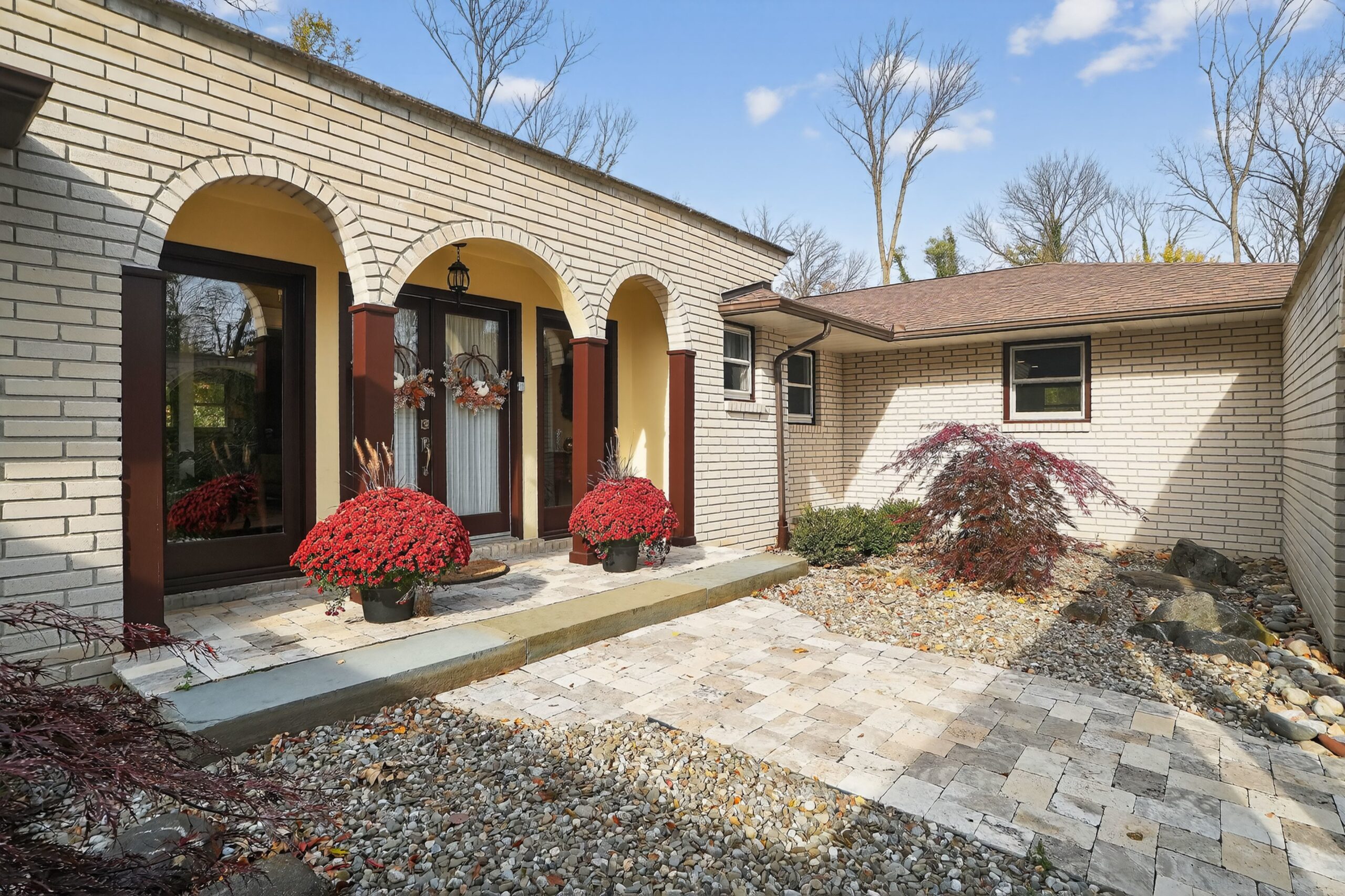
    The four-bedroom, 2½-bathroom ranch house in Wallingford has the kitchen, living room, dining room, basement, and two-car garage on one side of the house and the living quarters on the other side.

    That way, Wise said, guests “can ask to use the bathroom without passing through your bedroom. And the grounds are beautiful.”

    The living room.

    The builder’s other houses nearby were all Colonials, she said. Her parents, Mary and Robert Wise, bought the Spanish-style house 42 years ago. After her father died in 1995 and her mother in 2006, she and her sister, Cheryl Wise, remained there.

    Now the sisters, who grew up in Folcroft, Delaware County, are moving to a nearby condo.

    The kitchen has stainless steel appliances.

    The approach to the 3,064-square-foot house is on a circular driveway.

    Donna said the construction is so symmetrical that if one looks through a window, they can see through the whole house.

    The kitchen has stainless steel appliances, and the office could be converted to a fifth bedroom.

    The primary bedroom.

    The family opened up the layout, knocking down a wall separating the kitchen and the dining room. The basement is unfinished.

    The house is near the Commodore Barry Bridge, which provides easy access to the Jersey Shore. It is also close to the Swarthmore SEPTA Regional Rail station. It is also convenient to Tyler Memorial Arboretum and several parks.

    The front entrance to the house.

    The house is in the Wallingford-Swarthmore School District.

    It is listed by Lindsay Wise of Coldwell Banker Realty for $699,000.

  • After a 33-year run, Metropolitan Bakery has sold. Its Rittenhouse shop closes this month, but the breads will live on.

    After a 33-year run, Metropolitan Bakery has sold. Its Rittenhouse shop closes this month, but the breads will live on.

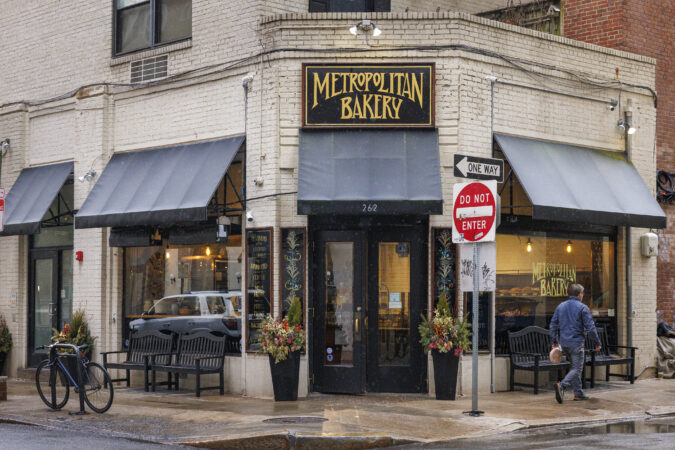
    Metropolitan Bakery — one of the city’s foundational bread bakeries, introducing legions of Philadelphians to crusty sourdough boules and other European-style loaves — has been sold. Its 19th Street shop, a nearly 33-year-old icon just south of Rittenhouse Square, will close permanently on March 15.

    Fans of the bakery, fear not: Metropolitan founders James Barrett and Wendy Smith Born sold the brand, recipes, and equipment to Pete Merzbacher, owner of the eponymous local bread bakery best known for its “Philly muffin” (an English muffin) and sandwich breads.

    Merzbacher will maintain Metropolitan’s wholesale and mail-order operations, with Merzbacher’s staff first learning the ropes at Metropolitan’s production space in Fishtown, then eventually baking its breads, granola, and many of its pastries out of Merzbacher’s own Germantown facility. Merzbacher’s will also begin selling Metropolitan products to its Rittenhouse farmers market.

    Both parties declined to specify the terms of the sale.

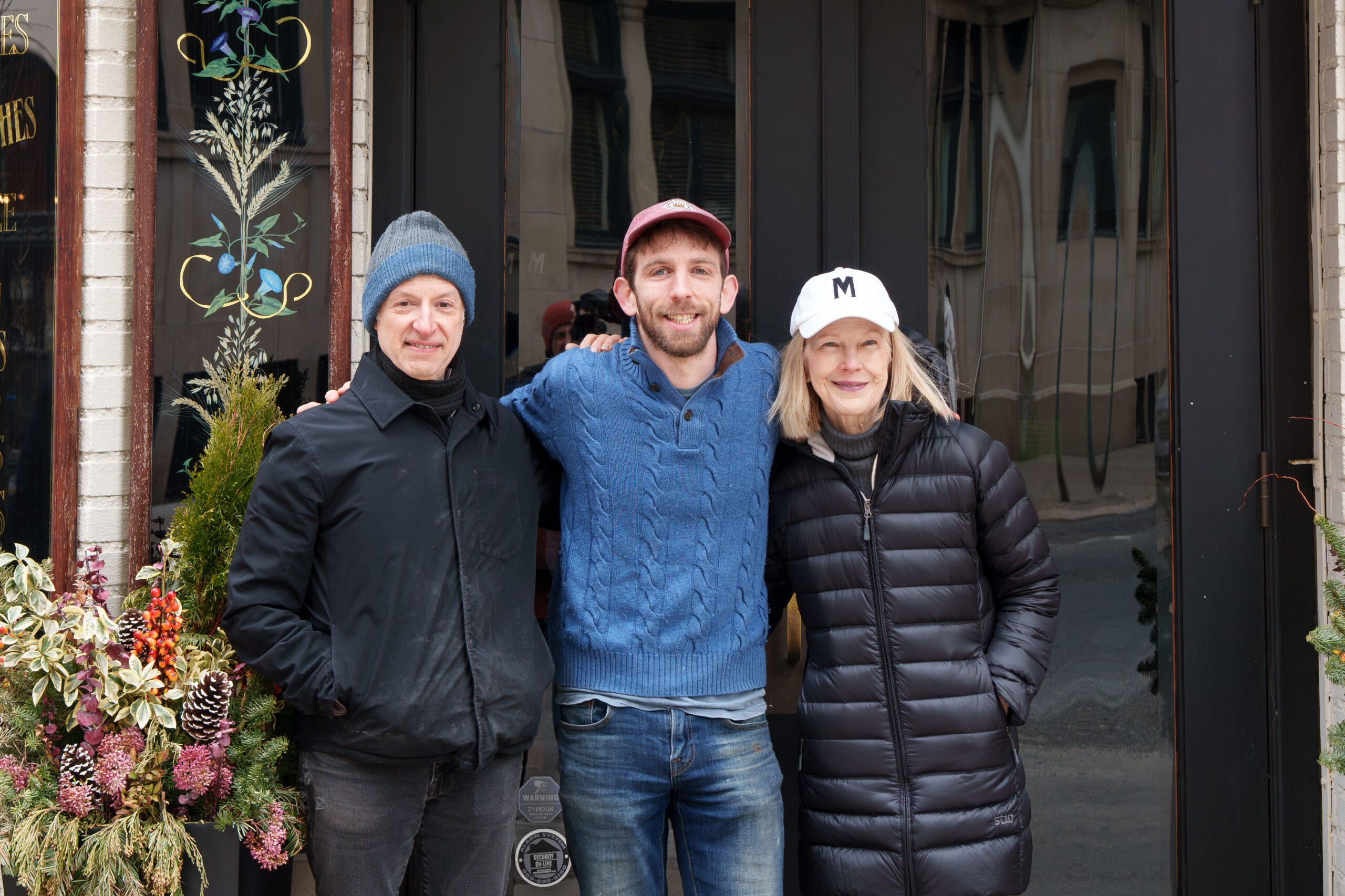
    Metropolitan Bakery founders and co-owners James Barrett and Wendy Smith Born sold the nearly 33-year-old bakery to Pete Merzbacher (center) of Merzbacher’s.

    Barrett will stay on as a consultant overseeing production during the changeover. Merzbacher hopes to hire as many of Metropolitan’s 40 employees as possible.

    “We’re basically doubling our business,” Merzbacher said. “Our goal is to hire as many of their bakers, packers, drivers — I’ve been meeting with them — definitely bringing on their office staff. The idea is to really bring everyone over.”

    “I’m 100% committed to help Pete successfully make the transition,” Barrett said.

    Barrett and Born had been quietly looking for a buyer for about five years, but the business partners were determined to be selective, looking for a seasoned, Philadelphia-based operator with intention to uphold Metropolitan’s quality and grow the brand.

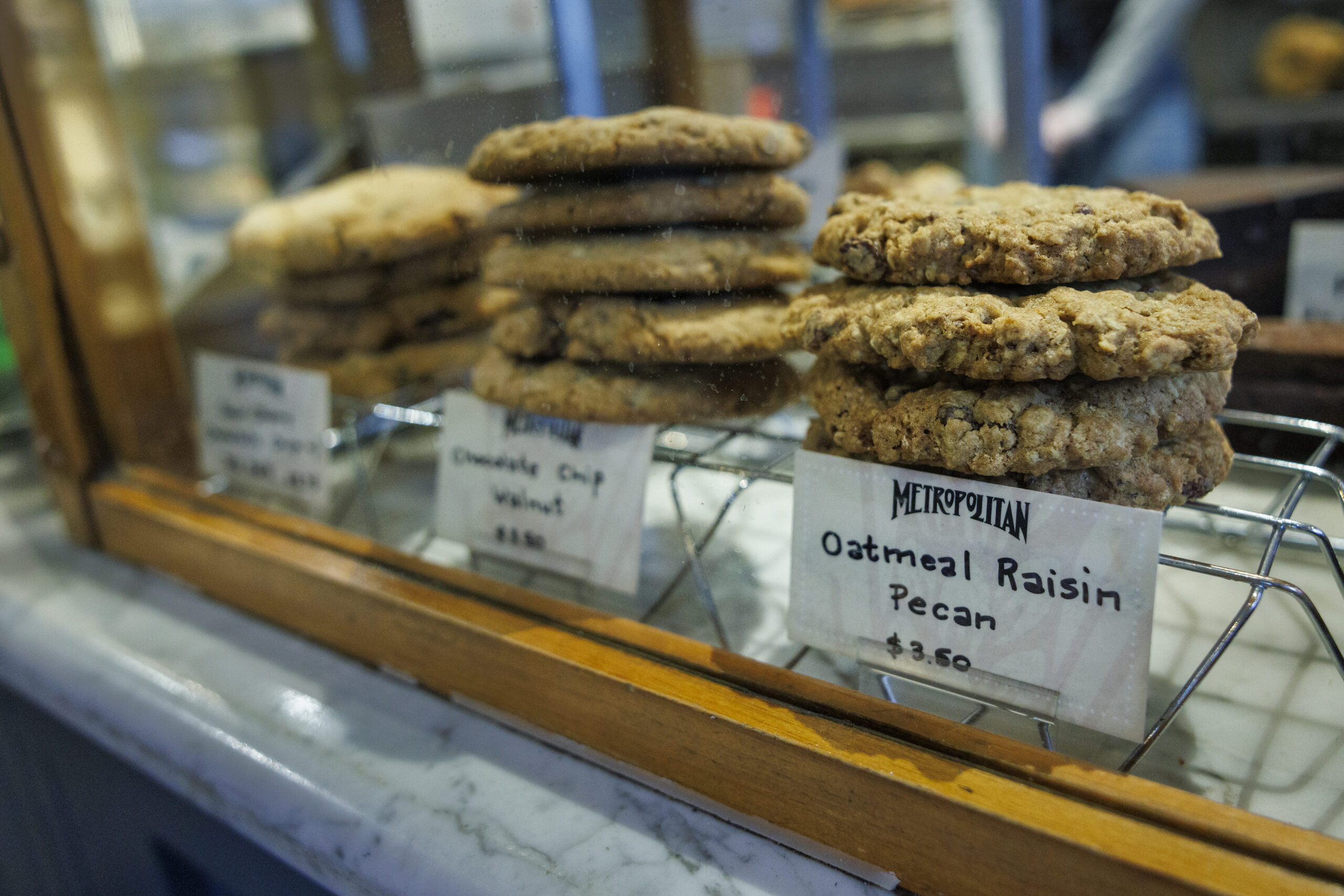
    Oatmeal raisin-pecan cookie at Metropolitan Bakery on Tuesday, March 3, 2026.

    “At one point we had somebody interested in the real estate, but they didn’t really know too much — or anything — about operating a bakery. [There were] a couple people like that,” Born said in an interview Monday. “We were really interested in trying to have the brand [and] this really wonderful bread not just die in the wind. It wasn’t just about real estate at all for us.”

    When Merzbacher expressed interest in buying the bakery last fall, he proved an ideal candidate. Merzbacher’s, itself a 13-year-old bread bakery that scaled up to a 4,800-square-foot warehouse in Germantown in 2020, wholesales to dozens of Philadelphia-area grocery stores and restaurants. Merzbacher’s and Metropolitan have several overlapping clients.

    “Honestly, I developed all of my products with Metropolitan being the elephant in the room,” Merzbacher said. “Every account I went to trying to sell a baguette, they were like, ‘I use Metropolitan, we’re happy with it.’ ‘And how about a classic sourdough?’ ‘Yeah, we got it from Metropolitan. We’re pretty happy with it.’ ‘How about a brioche bun?’ ‘Yep, Metropolitan — we’re happy with it.’”

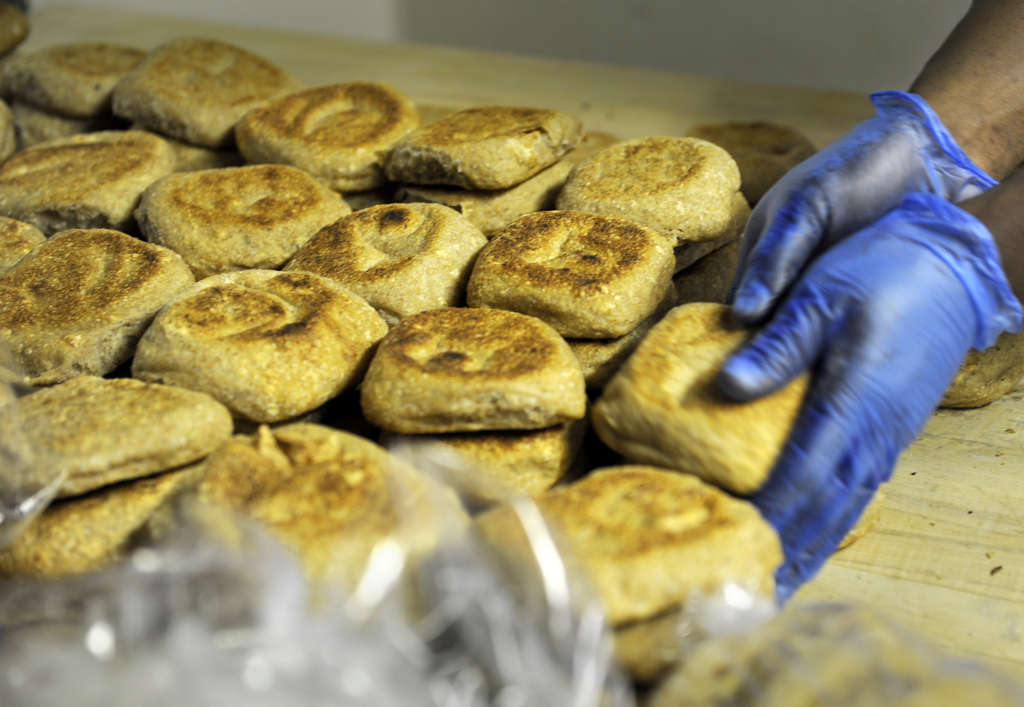
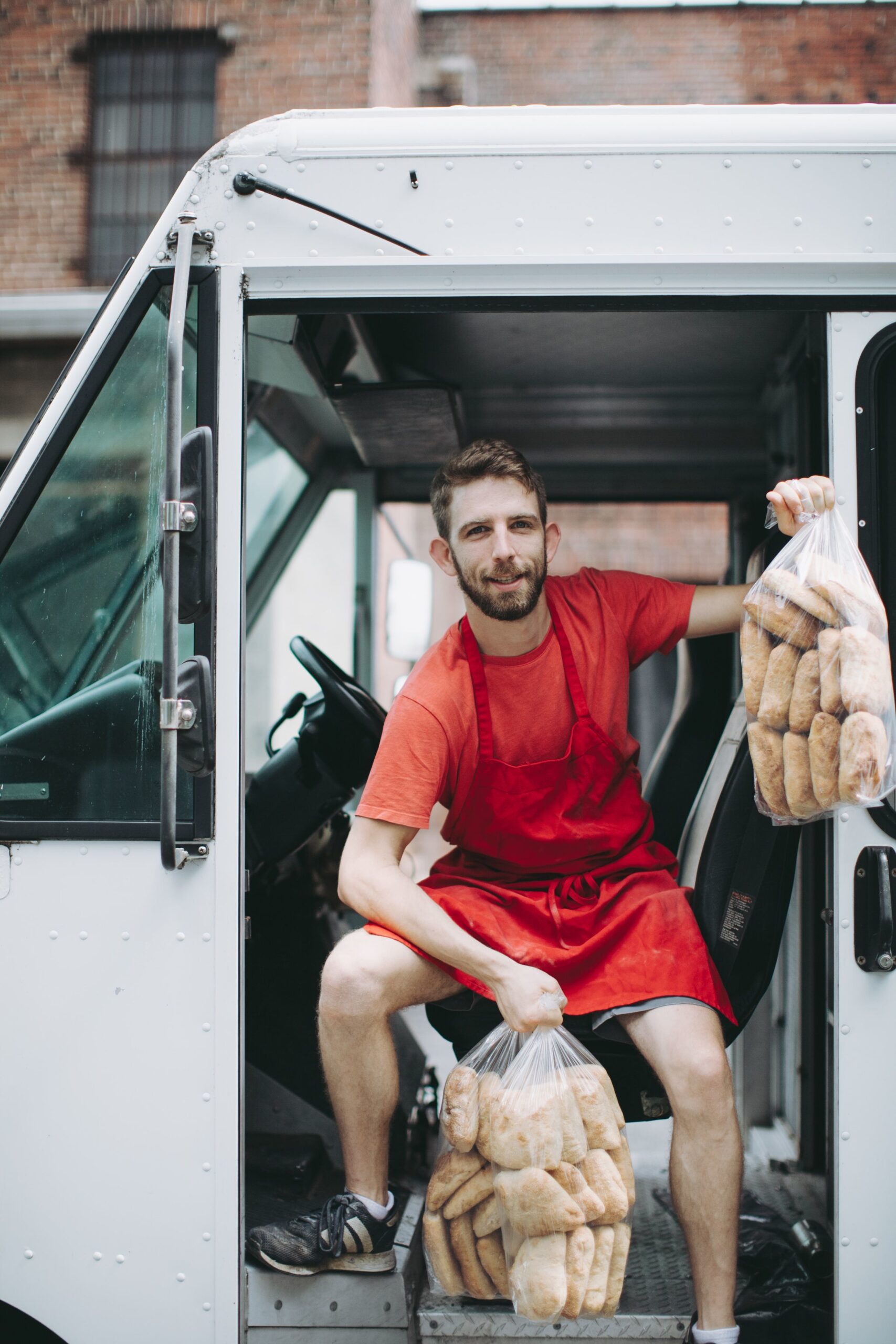
    Philly muffins are one of Merzbacher’s calling cards.

    Merzbacher intends to keep both bakeries’ brands, breads, and baked goods distinct, even as they live under the same roof. “The brand awareness is amazing,” he said of Metropolitan’s stature.

    Inquirer critic Craig LaBan, a longtime Metropolitan regular, called the Rittenhouse bakery “one of the true pioneers of artisan quality for our ambitious food scene,” praising it for bringing a corner bakery to Center City Philadelphians, “just like so many in Paris get to experience,” he said. (He and wife Elizabeth LaBan had an engagement photo shot at the 19th Street shop 30 years ago, before he became the paper’s restaurant critic.)

    “Wendy and James’ work has been essential to the growth of so many great restaurants over the years by providing them high-quality French bread,” LaBan said. “They provided neighbors with world-class baguettes and rustic levain boules to elevate our dinners at home. They surely inspired the next generation of local bakers that followed them.”

    Metropolitan Bakery’s background

    Loaves of miche bread cool inside Metropolitan Bakery in Fishtown.

    When Barrett and Born launched Metropolitan in 1993, they were establishing a Parisian-style bakery in a mostly white-bread world. Aside from Le Bus and Chestnut Hill’s Breadsmith (later renamed Baker Street), few bakeries in the area offered the sturdy, naturally fermented baguettes and loaves they dealt in, leavened with wild-yeast starters Barrett had cultivated and fed for years. (The starter is included in the sale.)

    The pair met in 1987 while working at White Dog Cafe, where Barrett was pastry chef and Born was managing partner. Years later, Barrett approached Born about opening a bakery together — they were both friends and “extreme perfectionists,” according to what Barrett told Inquirer writer Elaine Tait in 1993. A business plan was born.

    Outfitted with a brick oven from France, a proofing room, and a fleet of willow baskets for shaping loaves, Metropolitan’s original production facility opened on the ground floor of a Delaware Avenue office building in October 1993. The retail storefront at 262 S. 19th St. followed weeks after. The blistered, flour-dusted goods that emanated from both locations made an immediate impression on Philadelphians, drawing keen wholesale and restaurant clients along with everyday crowds that would be familiar to today’s social-media set.

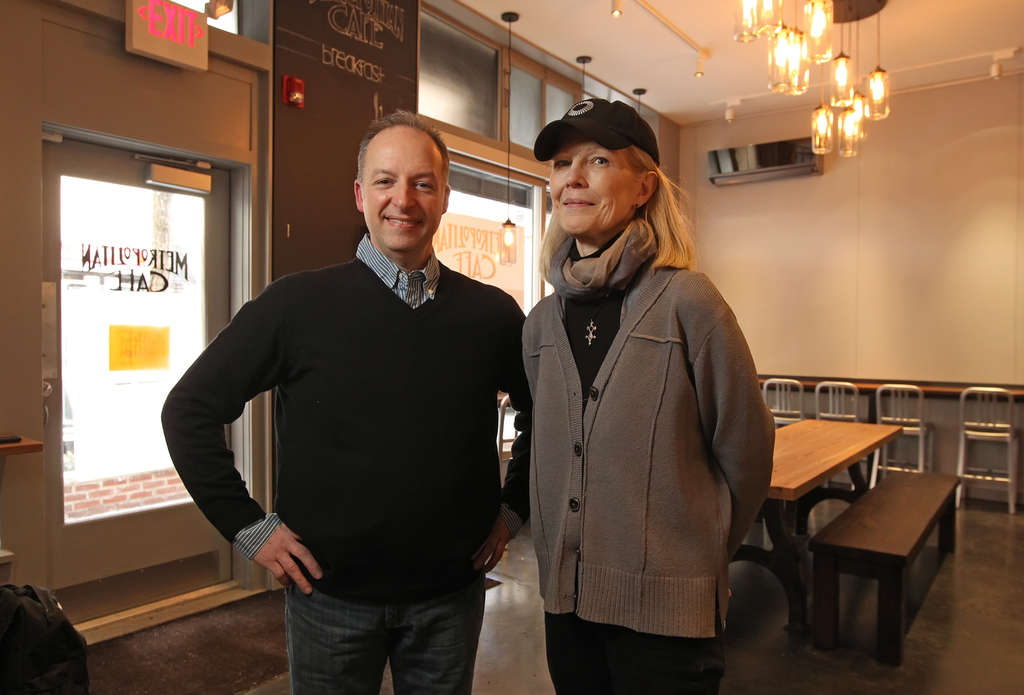
    Metropolitan Bakery owners James Barrett and Wendy Smith Born at the cafe at 264 S. 19th St., next door to their flagship bakery, in 2013.

    “If you like bread with chewy crusts, moist and just-slightly tooth-resistant interiors, clean fresh mildly sour flavors — try this bread,” wrote Inquirer columnist Jim Quinn in 1994, advising would-be buyers to arrive early. Metropolitan’s 19th Street shop “is already mobbed with Center City West neighbors; all loaves often sell out hours before closing.”

    By 2007, Metropolitan had added five retail stores — in Washington Square West, Reading Terminal Market, Chestnut Hill, Old City, and University City — supplying them and a vast network of clients out of a 10,000-square-foot production space on Marlborough Street in Fishtown. But as Philadelphia rents rose along with the cost of labor, the owners realized they had to contract. “We couldn’t manage all those locations in a way and connect with our public properly,” Born said. As leases came to end, Born and Barrett let them go, preserving the 19th Street original.

    “The Rittenhouse location was exceedingly, exceedingly busy,” Born said. “It was always the busiest of our locations, by quite a long shot.”

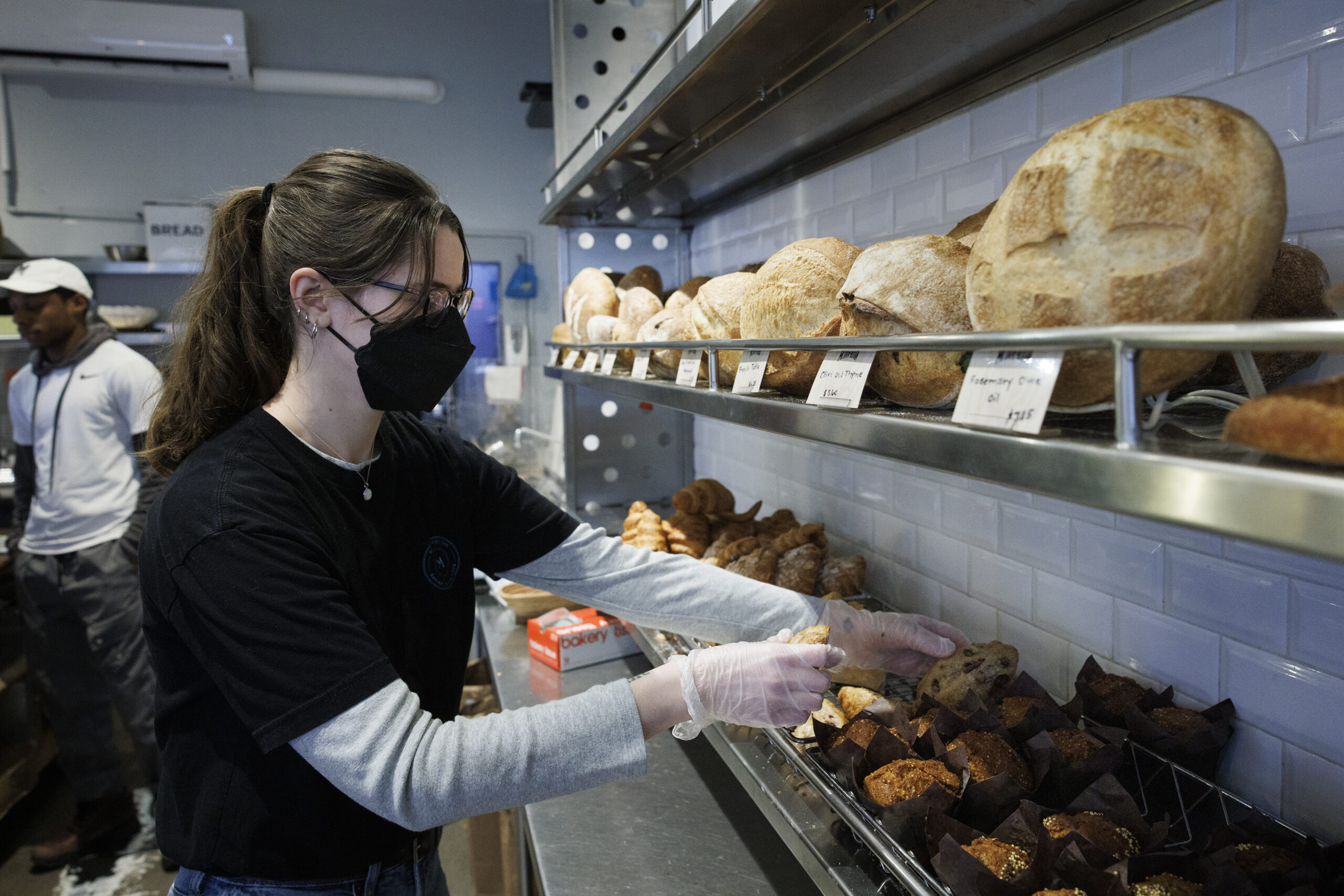
    Jacquelyn Littlefield, shift leader at Metropolitan Bakery, displays scones and rolls at the store at South 19th Street on March 3, 2026.

    Looking back on more than three decades in business, the owners expressed gratitude to have been so entrenched in Philly’s community, and to have been “such a part of people’s lives,” Barrett said. “Now we are servicing grandchildren of our original customers and folks that have moved cross country [who] mail-order our products.”

    “People just keep coming back,” Born said. “At the end of the day, after being beaten up at work, they come in and get a beautiful sour cherry-chocolate chip cookie or something. Those are the memories that stay with me.”

    Two brands, one bakery

    Merzbacher, Metropolitan’s new owner, said he considered keeping the 19th Street store open. “I still fantasize about it,” he said, but “I didn’t want to overpromise and underdeliver.” While Merzbacher’s has its own takeout window, open five days a week, “retail is a whole different animal — staffing, lease, front-of-house ops,” Merzbacher said. “Gotta be disciplined about what we say yes to.”

    Pete Merzbacher started Philly Bread in a rowhouse in Olney in 2013.

    Instead, the 36-year-old baker said he was focused “at this moment, [on] learning, paying homage to the systems that they built, and not breaking anything that isn’t broken — which is a very stable customer base and a lot of employees who have been with them for a long time.”

    Merzbacher’s may seem an unlikely successor to Metropolitan. The 23-employee bakery’s lineup is imminently approachable, American-inspired, even “kid friendly,” Merzbacher said. Think sweet potato buns (deployed in many of the area’s best burgers), tender-crumbed hoagie rolls, and soft loaves of white, wheat, rye, multigrain, and more.

    But Merzbacher’s also exclusively uses locally milled grains and natural leavening (i.e., no commercial yeast). Like Metropolitan, it ferments its bread doughs over a long period of time; Merzbacher’s loaves proof over a 24-hour period to develop their flavor, texture, and “digestibility,” Merzbacher said. “And a lot of our recipes feature whole-food ingredients like cooked red lentils, toasted corn, polenta, and roasted sweet potatoes.”

    A Boston-area native who moved to Philly when he was 22, Merzbacher started his bakery — initially named Philly Bread — as a “gypsy baker,” working out of a pizzeria in West Philadelphia before moving production to a former Tunisian bakery in Olney. (His square “Philly muffin” impressed LaBan off the bat.) The move to Germantown in 2020 has allowed for steady growth, and Merzbacher said he has the ability to expand to the second floor of the bakery, at the intersection of Germantown Avenue and Berkley Street.

    That may well be necessary, as Merzbacher’s will be moving over Metropolitan’s American-made stone flour mill, deck oven, sheeter, and mixers. In addition to all of Metropolitan’s breads — including best-sellers like pain au levain, miche, multigrain, and French berry rolls — Merzbacher’s will continue to make the bakery’s granola, scones, muffins, cookies, brownies, and lemon and raspberry bars. (Eventually, both bakeries’ product lines will be available for preordered pickup at Merzbacher’s retail window, open 4 to 8 p.m. every day except Tuesdays and Saturdays.)

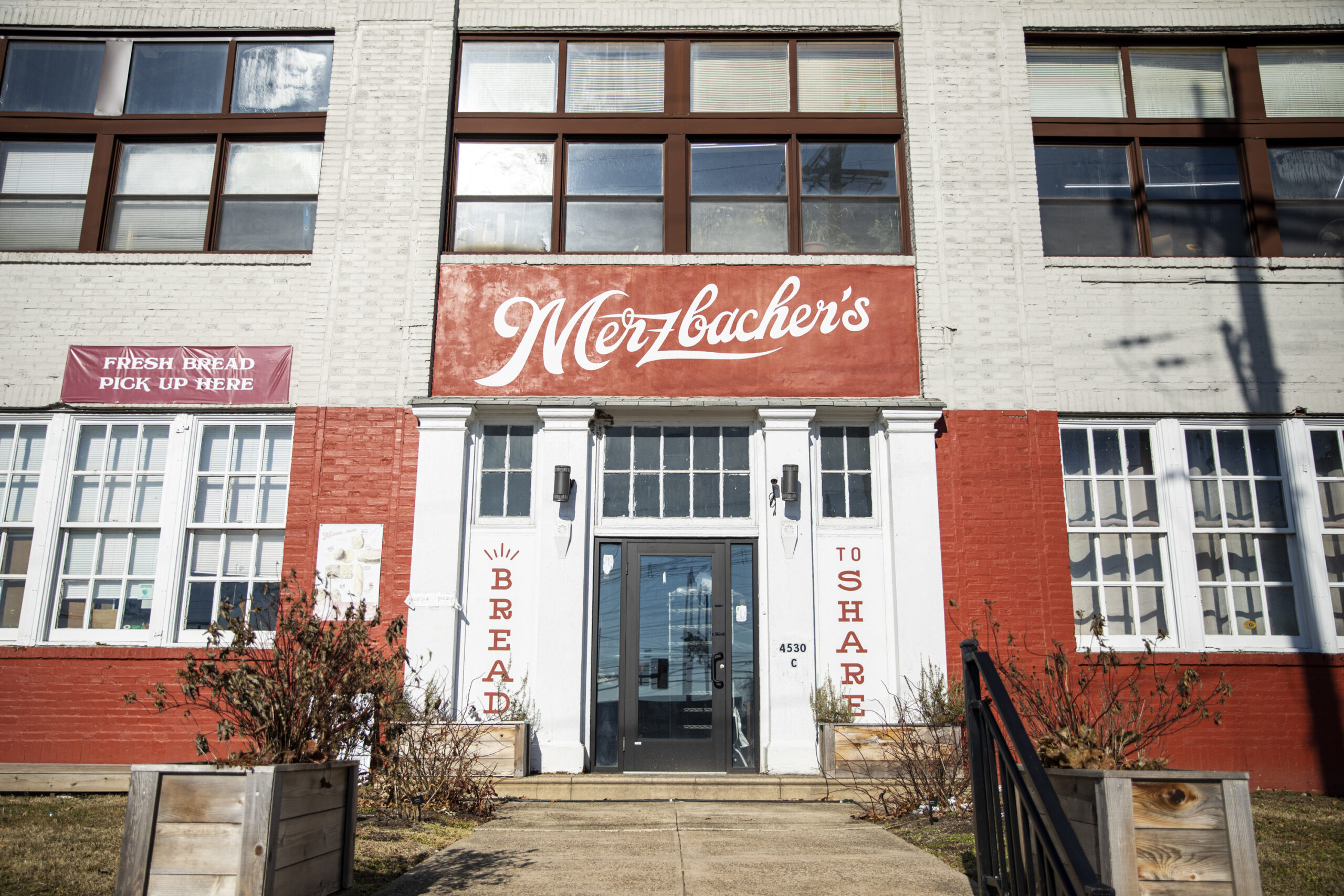
    Merzbacher’s bakery is one of the buildings in the Wayne Junction neighborhood that was redeveloped by Philly Office Retail in Philadelphia, on Wednesday Feb. 9, 2022.

    Merzbacher is excited for various prospects that acquiring a storied Philadelphia brand might lead to: “Expanding in Germantown, doing more pizza, doing some retail, could be growing into some other product categories — to be determined,” he said. “But one foot in front of the other.”

    For now, besides learning all things Metropolitan, from its bread-baking to its bookkeeping, Merzbacher is hoping to hear from fans of the downtown bakery.

    “I’d love to hear ideas for growth,” he said. “I’d just love to have a conversation with people about bread, about their experiences with Metro.”

  • Dear Abby | Man has always enjoyed smooth silk on his skin

    DEAR ABBY: Since I was a small boy, silk fabric has always made me feel “safe.” I remember wearing tights in the bathroom in front of the mirror or under my pajamas. Throughout the years, if nobody was around after work, I continued, but not around my wife, kids or now grandkids. I don’t know why I enjoy them now in my 50s. Is this OK, or is something wrong with me? Am I missing one can in my six-pack?

    — SMOOTH AS SILK IN VIRGINIA

    DEAR SMOOTH: I don’t think you are missing anything in your six-pack or anywhere else. Men have been known to wear silk tights because it helps them stay warmer in cold weather. They have also been known to do it because it feels good next to their skin.

    I wish you had mentioned why you felt it was necessary to smuggle this past your wife all these years, because there is nothing shameful about it. (Perhaps if you discuss it with her, she will tell you she wasn’t fooled but never mentioned it because you didn’t seem eager to talk.)

    ** ** **

    DEAR ABBY: Yesterday, my wife and I went out to the cemetery to lay some flowers for her brother and father, who passed away many years ago. After we were finished and on our way out, I stopped for a few minutes to check on my first wife’s crypt before returning to the car. When she asked what I had been doing, I told her I was making sure the plastic flowers were still there. My wife was surprised that I still check on her crypt because she had been gone for more than 16 years.

    I married my second and current wife 15 years ago. It was a wonderful marriage — until now. She said her feelings were hurt that I was still checking out the crypt. She asked me how often I do it, and I told her twice a year. She’s now upset with me. Was I wrong to pay my respects? My parents’ crypts are nearby, and I check on theirs as well.

    — STILL CARE IN THE WEST

    DEAR STILL CARE: Your wife is being childish, and I hope you will point that out to her. Much as she might wish otherwise, you came to her with a history. (You were, I assume, happily married before your first wife’s death.) Tell “Number Two” that checking on your deceased wife’s crypt isn’t a threat to her unless she chooses to make it so, and that Dear Abby suggests she knock it off before she damages a good thing.

    ** ** **

    DEAR ABBY: My wife threatens to divorce me in most every situation in which I drink alcohol. The context doesn’t matter. Should I divorce her or try to work out another solution?

    — THREATENED IN CALIFORNIA

    DEAR THREATENED: The first thing to do is understand why your wife feels as strongly as she does about your drinking. Does she have a family history in which alcohol played a role? Does your personality change when you drink socially? How much are you drinking on a daily basis? Are other relationships affected by your drinking? Once you have the answer to these questions, you can decide which is more important to you — the drinking or the marriage.

  • Horoscopes: Wednesday, March 4, 2026

    ARIES (March 21-April 19). You can’t accurately map your options from inside your head. Your sense of what’s possible can be distorted by incomplete information or assumptions based in fear. Say what you want. Give the world a chance to show you what’s feasible.

    TAURUS (April 20-May 20). We live in a rapidly changing world. To keep up, we have to update. Staying engaged means staying flexible. You’re willing to revisit ideas and adjust your thinking when new information or contexts ask for it.

    GEMINI (May 21-June 21). Finally, you’re in a group of diverse strengths. It feels good to show up, do your part and trust that others will handle their share. Things move forward as a wheel does, not as a pogo stick does.

    CANCER (June 22-July 22). Could everything be happening for the highest good? You’re not always sure what to believe. You’ll be moved today to ask fewer questions as you get down to the work. Sometimes it’s OK to accept what is before you completely understand it.

    LEO (July 23-Aug. 22). Would you rather have teasing or fawning? A challenge or a massage? Truth or flattery? There are no universally wrong answers, only answers that bring you closer or further away from a goal.

    VIRGO (Aug. 23-Sept. 22). You’ll be reminded how important daily rituals really are to your well-being. Emotional balance depends at least partly on what we automatically repeat. A new influence will inspire you to elevate your habits.

    LIBRA (Sept. 23-Oct. 23). Something as grand as a career doesn’t happen overnight. It’s a culmination of thousands of small steps, tasks, moves, commitments, decisions — and, wow, are you making them with style and speed today.

    SCORPIO (Oct. 24-Nov. 21). Your inner critic has been speaking too loudly and too often. If only you could be the network executive who cancels its show or at least interrupts it for more relevant programming. You deserve your own support. More cheerleading, less analyzing.

    SAGITTARIUS (Nov. 22-Dec. 21). You are bright, free and possessing of an endless curiosity that keeps leading you from interest to interest, and only you can say what deserves a longer stay. You decide for yourself what’s acceptable instead of adopting anyone else’s rules.

    CAPRICORN (Dec. 22-Jan. 19). Noticing talent is a talent in and of itself. You’ll not only see what’s special and strong in others, but you’ll also have a sense of who should work together and how it might fit. You’ll bring people together.

    AQUARIUS (Jan. 20-Feb. 18). Media can set up unrealistic expectations of love and relationships. This will be especially true of social media today, but you’re savvy to the many ways people tell visual lies and will neither believe nor perpetuate the problem.

    PISCES (Feb. 19-March 20). There’s something so beautiful about a relationship in which you can respectfully disagree without too much friction or a negative outcome. It signals great maturity for all involved as well as deep respect and the potential to learn from one another.

    TODAY’S BIRTHDAY (March 4). It’s your Year of Fearless Championing, and you’ll use this gift in many directions. You’ll give astounding performances and coax others toward their best performances, too. More highlights: You’ll take a serendipitous journey with the spirit of exploration and curiosity opening doors of all kinds — professional, personal and social. One special relationship takes a surprising and auspicious new turn. You’ll score three bonus checks. Sagittarius and Aquarius adore you. Your lucky numbers are: 2, 19, 36, 7 and 28.

  • AI is reshaping childhood. Here are the risks and benefits parents should know about, according to CHOP researchers.

    AI is reshaping childhood. Here are the risks and benefits parents should know about, according to CHOP researchers.

    Artificial intelligence presents a mixed bag of risks and benefits for children that vary by age, according to Children’s Hospital of Philadelphia researchers who reviewed dozens of academic studies on the emerging technology.

    For young children, an AI chatbot could help with language development, yet it could also distort their perceptions of social interactions.

    For adolescents, the technology could help with career exploration, but its record of inappropriate responses to mental health matters raises concerns.

    The researchers summarized the current evidence on generative AI — tools that imitate human intelligence to produce content in the form of text, audio, images, or videos — in a review article published Wednesday in the medical journal Pediatrics. They reviewed 55 published works largely released in the last five years, including nearly three dozen peer-reviewed studies and a mix of news articles, blog posts, and pending legislation.

    They separated the potential effects across early childhood (ages 0 to 5), middle childhood (6 to 11), and adolescence (12 and older) to lay out the considerations for families.

    Guidance for parents on how AI might reshape childhood remains limited, despite its rapid spread into children’s learning and play, said Robert Grundmeier, a primary care pediatrician at the Children’s Hospital of Philadelphia and the lead author.

    Nearly two-thirds of teens use chatbots, like ChatGPT or Gemini, with 28% doing so daily, according to a Pew Research Center survey last year. They are using the tools for everything from searching for information to getting help on homework and having a digital companion to chat with.

    “Our children are getting exposed to AI at incredibly young ages, well before they have a smartphone,” Grundmeier said.

    The article was what’s called a “state-of-the-art review,” meaning it covers a topic that is rapidly changing, and for which there’s not yet a lot of rigorous research, he said.

    He hopes other researchers will dig deeper into the area “so that we can actually start to, in the future, make some concrete recommendations about best practices.”

    The Inquirer spoke with Grundmeier about what parents should know about children’s use of generative AI in a conversation lightly edited for clarity and length.

    Robert Grundmeier is a pediatrician at CHOP and lead author on the recent article
    What are the takeaways of your review?

    There’s a lot of opportunity, clearly in the educational domain, in helping to really creatively tailor and customize educational materials.

    One of the biggest concerns that came up had to do with the reliance on artificial intelligence as a companionship tool. You can interact with it in a way that you might a friend. And there are some nice things about that, in terms of being able to explore ideas in a non-judgmental way. But I think there’s a tremendous concern, especially from a child development perspective, that children could learn incorrect mental models of human interaction.

    How might interacting with AI differ?

    AI tools are typically designed to promote engagement. While a human might challenge your ideas and push back — friends do it all the time — an AI tool is typically a little less likely to push back and challenge you in a way that might make you unhappy with the interaction.

    There’s more nuance in the human interaction.

    What are the potential risks and benefits of AI in early childhood?

    There’s a lot of opportunity for creativity, storytelling, and supporting language development that could be a really nice benefit of AI in preschool-aged children. The concern regarding incorrect mental models and not correctly understanding what a human interaction is meant to be like is really most notable, however, in this age category.

    It’s really essential that a parent always remains involved in any AI interactions, looking at the output from AI alongside their child, and preferably pre-screening what’s being generated to make sure their young child is not accidentally exposed to any harmful content.

    What about for school-age children?

    There’s a lot more opportunity to personalize education to people’s different learning styles.

    But similarly, there are definitely school rules that have to be followed on the appropriate use of AI. To the extent parents can start to promote an idea of AI literacy and make sure that their child is not handing over their learning to the AI, then I think there’s a lot of good opportunity there.

    We want to promote skill development, not cause people to have their skills atrophy because they’re relying on the AI to do their homework.

    What are the considerations for adolescents?

    There are social interaction concerns. We reference some of the news related to problems with teenagers using AI tools as a companion or a friend. In particular, there was some research that showed that AI tools may respond very inappropriately to questions about mental health topics, including suicide. There really needs to be a lot of guardrail development on the part of the AI vendors to make sure that teenagers do not have harmful interactions with AI.

    What are potential benefits of adolescents using AI?

    AI is here to stay as part of our futures and our professional careers. To the extent that AI literacy can be supported in the adolescent age group, so that they can enter the workforce as a professional who knows how to use AI appropriately, I think that’s a worthwhile educational effort.

    It can also be a valuable tool for career exploration and college choice. There’s a lot of information about different colleges and career paths, and AI tools are good at summarizing, synthesizing, and interpreting something in light of what you might say are your priorities.

    Is there anything that you feel is still uncertain or needs to be clarified through future research?

    The manner of interacting with AI keeps changing. For example, various household ambient AI tools (devices that passively listen to us) have been in existence for a while, but now the types of interaction have become much more complicated. We need to understand what are safe and effective ways to use these tools in the household in a way that’s supportive of child development.

    Another category of research that is really important is developing guardrails, evaluating them, and making sure that they’re adapted appropriately for different age stages.

    As a pediatrician, what have you been hearing about AI from parents?

    I was chatting with the family of an elementary school-aged child about school performance, and the mom indicated some difficulties supporting his reading comprehension. They had discovered, with support from his school, that they could use AI tools to create reading comprehension paragraphs that they could practice with at home to help their child learn how to really focus on their reading. I thought that was actually a fantastic example.

    What I’m struck by is really the creativity that families are approaching this with. There’s a lot of good opportunity there, as long as we pay attention to the risks and make sure guardrails are in place appropriately.

  • Sixers blown off the court by the Spurs in a 131-91 home loss

    Sixers blown off the court by the Spurs in a 131-91 home loss

    Dylan Harper scored 22 points and Victor Wembanyama needed only 10 to help the San Antonio Spurs bounce back from their first loss in 12 games and rout the 76ers 131-91 on Tuesday night.

    The Spurs hit 18 three-pointers and wrapped their annual rodeo road trip with a 5-1 record. They had won 11 straight games overall before they lost Sunday to the New York Knicks.

    There were no worries in Philly about a losing streak. San Antonio never trailed and led by 49 points at the end of the third quarter.

    Devin Vassell hit six three-pointers and scored 22 points for the Spurs.

    Tyrese Maxey scored 21 points for the Sixers. They scored only 11 points total in the third quarter.

    The Sixers played again without Joel Embiid as he sat out the second of a scheduled three straight games with a strained right oblique. The 76ers were also without the suspended Paul George and Kelly Oubre Jr. (illness), which left them undermanned and greatly overwhelmed from tip against the superior Spurs.

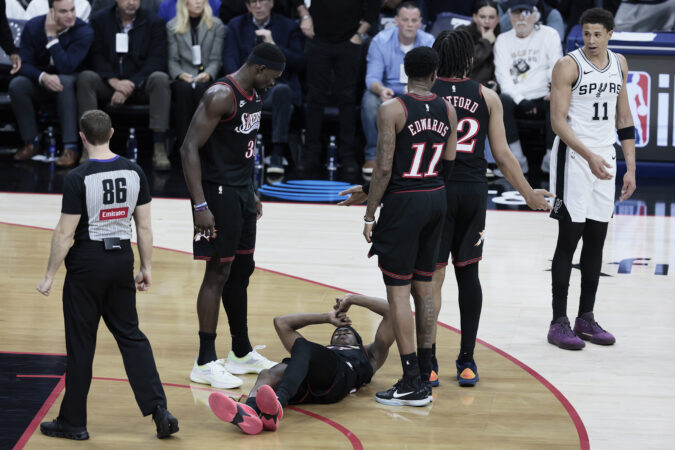
    The Sixers lost VJ Edgecombe after he had a hard landing on his back on a three-point attempt in the first half.

    The Spurs put on a show in front of Bob Costas, Doug Collins and more familiar broadcasters as part of a throwback night for NBC’s NBA coverage.

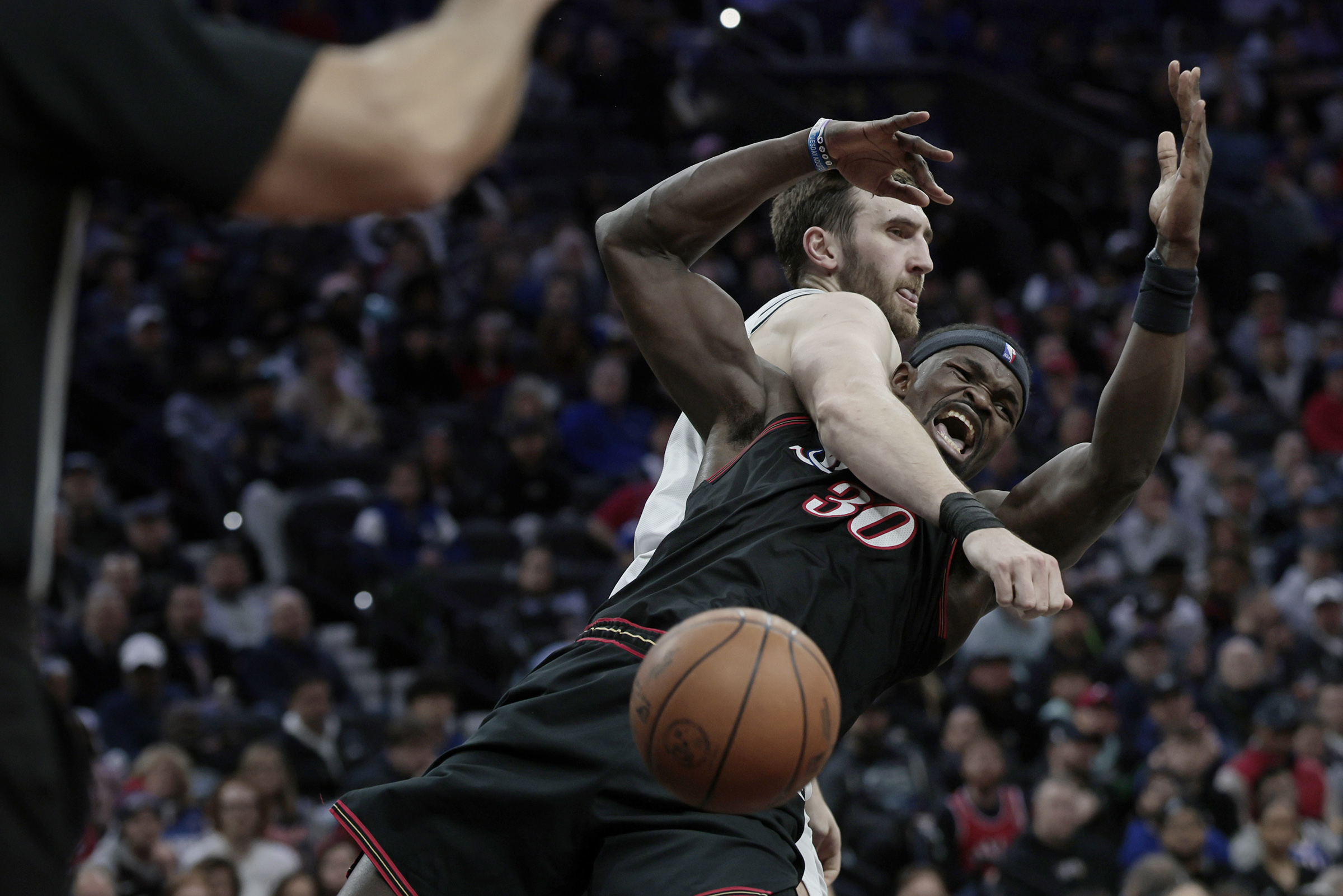
    Sixers’ Adem Bona (right) and Spurs’ Luke Kornet battle for the ball in the first half of Tuesday’s game.

    The Sixers would like to throw this one back.

    Carter Bryant buried a three for to push San Antonio’s lead to 60-36 in the first half and the Sixers were booed off the court headed into a timeout. Harper scored 14 points in the half to take a 78-53 lead — all done without forward Harrison Barnes, who had his 364 consecutive games played streak end when he woke up from a nap with a sore ankle.

    The Sixers host the Utah Jazz on Wednesday (7:30 p.m., NBCSP) for the second night of a back-to-back.