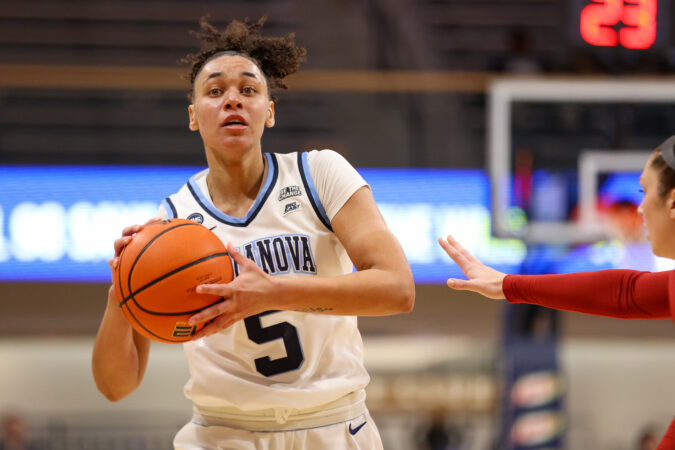
A 22-point deficit heading into the final quarter was just too much.
In the end, Villanova found themselves on the tail end of a 71-58 final against St. John’s on Saturday in New York City. For St. John’s, the win was retribution from the last time the teams faced off on Dec. 22 — when Villanova claimed an 85-48 victory.
Ryanne Allen led the Wildcats with 12 points. Jasmine Bascoe, Villanova’s star sophomore guard, added 11.
Villanova (8-3, 15-5 Big East) is now tied for second place in the conference with Seton Hall. St. John’s (6-5, 16-6 Big East) stands fourth in the Big East.
St. John’s fast start
The game quickly spun out of control for Villanova, as St. John’s sprinted off to a 22-5 lead across the opening 10 minutes. Brooke Moore led the way for the Red Storm, as the junior guard scored 10 points in the first quarter.
St. John’s shut down Villanova’s offense, going on a 17-0 run across the last 7 minutes, and 38 seconds of the quarter.
Meanwhile, the Wildcats shot an uncharacteristic 2-for-11 from the field and 1-for-6 from three. Villanova entered the game as the second-best shooting team in the conference, averaging 45.1% from the field.
Villanova attempted to push back in an energetic second quarter, in which it was outscored just 18-17. Junior forward Brynn McCurry led the Wildcats in the first half, with eight points and four rebounds.
St. John’s, which saw some difficulty early in Big East play, was dominant on its home court on. Unlike in its previous meeting with Villanova, St. John’s controlled the game and led by double-digits throughout the second, third, and fourth quarters.
The Red Storm succeeded in holding back Bascoe, who leads Villanova in scoring with 17.2 points per game. Bascoe dropped 21 points with a season-high nine assists in the previous win over St. John’s. But in Saturday’s contest, she was restricted, scoring just four points in the first half to support her total.
Villanova scored its highest point total (20 points) in the fourth quarter. Allen helped the Wildcats make a late-game push to narrow the deficit, scoring seven points and continuing her consistent three-point shooting.
Up next
Villanova returns to Finneran Pavilion on Tuesday to take on Providence (7 p.m., ESPN+).
Gov. Josh Shapiro recounted Saturday to a crowd of nearly 500 in Philadelphia how he found himself struggling as a father weeks after his family survived an arson attempt at the governor’s mansion on Passover last year.
That’s when the proudly Jewish governor went to Salem Baptist Church in his hometown of Abington for counsel and support from Pastor Marshall Mitchell.
“I could feel the power of their prayers,” Shapiro recalled. “I think that’s helped me be a better, more compassionate governor for all.”
Mitchell, a longtime Shapiro friend who served on his transition team, joined the governor onstage at the Central Library of the Free Library of Philadelphia to discuss his memoir, Where We Keep The Light, set for release Tuesday.
The conversation focused on the governor’s spiritual journey and family, but it also offered critiques of both parties and promises to the community.
“There’s a lot more that unites us,” Shapiro said during the hour-long conversation. “There’s a lot more common bonds that we have. And we have to find our way back to that.”
Shapiro opined that the city’s Quaker founder, William Penn, “would have never imagined a Jewish governor and a Black preacher sitting up here, but I bet he’d be proud of that.”
The Philadelphia event kicked off a flurry of promotional events as Shapiro plans to travel to New York, Boston, and Washington in the coming week. A CBS interview focused on the book is also slated to air Sunday.
The release of the memoir comes as Shapiro is seeking a second term as governor, but it has fueled speculation about his potential presidential ambitions in 2028.
“I think people want authenticity from our leadership, and I think he’s providing it,” said State Rep. Sharif Street, a Philadelphia Democrat running for Congress, who attended the event. “I think Josh Shapiro would make an excellent president.”
The book, which has been shared with The Inquirer and other outlets, includes details on what Shapiro called an “offensive” vetting process to be Kamala Harris’ running mate when she took over the Democratic presidential ticket for President Joe Biden in 2024. Shapiro said he was being unfairly scrutinized as the only Jewish person in the running for the vice presidency.
Harris did not come up during the conversation with Mitchell.
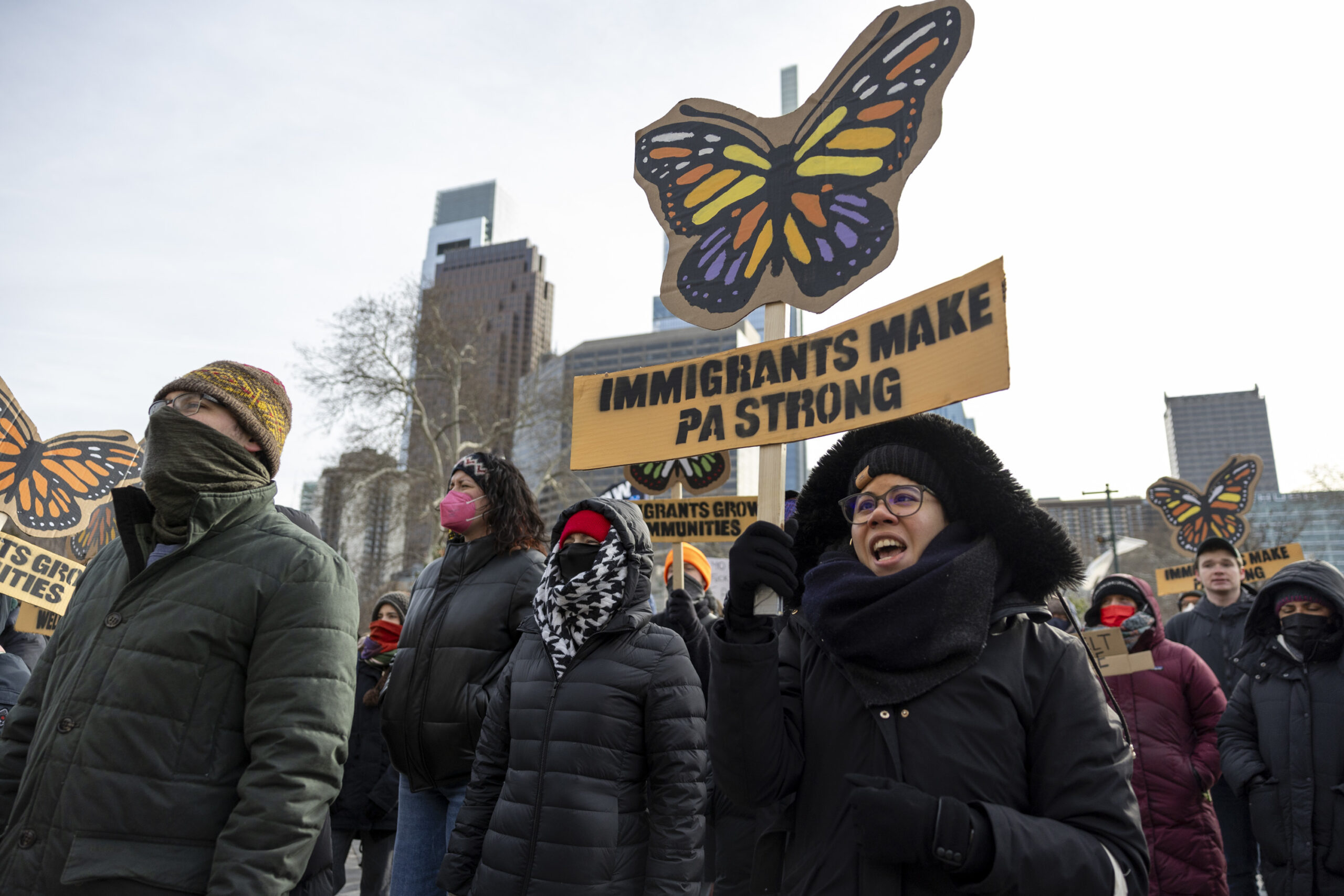
Diana Robinson, of East Kensington, Codirector with Make the Road Pennsylvania, chants with fellow protestors outside the Free Library at Governor Josh Shapiro’s new book “Where We Keep The Light” author event in Philadelphia, Pa., on Saturday, Jan. 24, 2026.
Shapiro weighs in on ICE’s crackdown as protesters gather outside
Shapiro answered several submitted questions after the discussion. He said that he expects President Donald Trump to attempt to disrupt the 2026 election, as he did in 2020.
“We are on it. We are prepared. We will do everything in our power to protect your vote.”
Shapiro also said that his team was prepared to handle a Minneapolis-style Immigration and Customs Enforcement action in Pennsylvania.
“What we are seeing in Minnesota is absolutely unacceptable,” Shapiro told the crowd. “What we are seeing is lawlessness by these federal agents.”
The conversation took place just hours after a U.S. Border Patrol agent shot and killed a man in Minneapolis, which Shapiro decried as an atrocity.
Outside the book event, roughly 100 protesters gathered in the bitter cold to demand that Shapiro “stop working with ICE.”
Pennsylvania has no sanctuary policy limiting cooperation with ICE — though Philadelphia and several other jurisdictions in the state do.
Immigration advocates contend Shapiro is collaborating by allowing ICE access to state databases that they said provide the agency with facial recognition and personal information that can put immigrants in Pennsylvania at risk.
“As the governor, he has an opportunity to step up and lead with conviction, especially at a moment when people are dying in ICE custody,” said Jasmine Rivera, executive director of the Pennsylvania Immigration Coalition. “Instead, he is arming ICE with the information they need to attack his own people.”
Will Simons, a spokesperson for the governor, said in a statement after the rally that outside agencies “do not have unfettered access to state databases,” but rather Pennsylvania State Police share information when it’s necessary for an investigation.
“There are legitimate investigations that involve foreign nationals who have committed crimes in PA or elsewhere that would require immigration enforcement agencies to seek access to information contained in Commonwealth-run databases,” Simons said.
Democrats are likely to be grappling with how best to respond to Trump’s immigration crackdown and other policies as they head into this year’s midterms and the next presidential cycle.
But Shapiro warned the party risks alienating voters with too much of a focus on Trump.
“I think we can’t be a party that is defined by being negative on Donald Trump all the time,” Shapiro said.
This story was updated to include Shapiro’s spokesperson’s statement on state databases.
HARTFORD, Conn. — Devin Askew drove into the paint with Villanova trailing Connecticut by just one point inside two minutes to play. The defense collapsed, so Askew kicked the ball to the wing and into the waiting hands of … Kevin Willard.
The Villanova coach pounded the basketball onto the court with two hands. One of Villanova’s 11 turnovers came at an inopportune time.
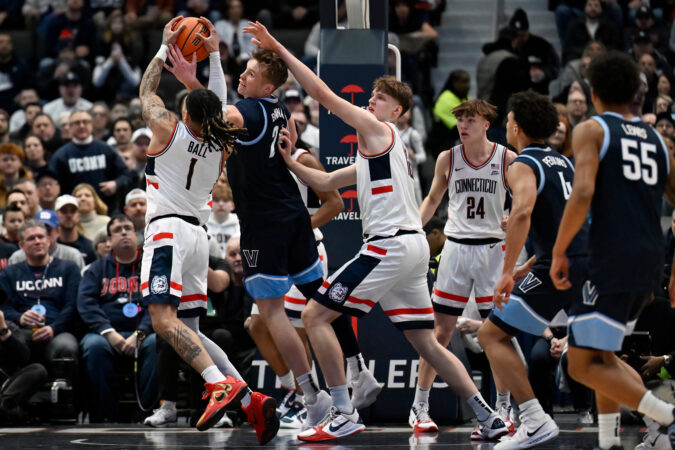
The Wildcats later had a lead with less than a minute on the clock, and they still did take the second-ranked team in the country to overtime, but Askew’s turnover was one of many little moments that didn’t go Villanova’s way in a 75-67 loss at PeoplesBank Arena.
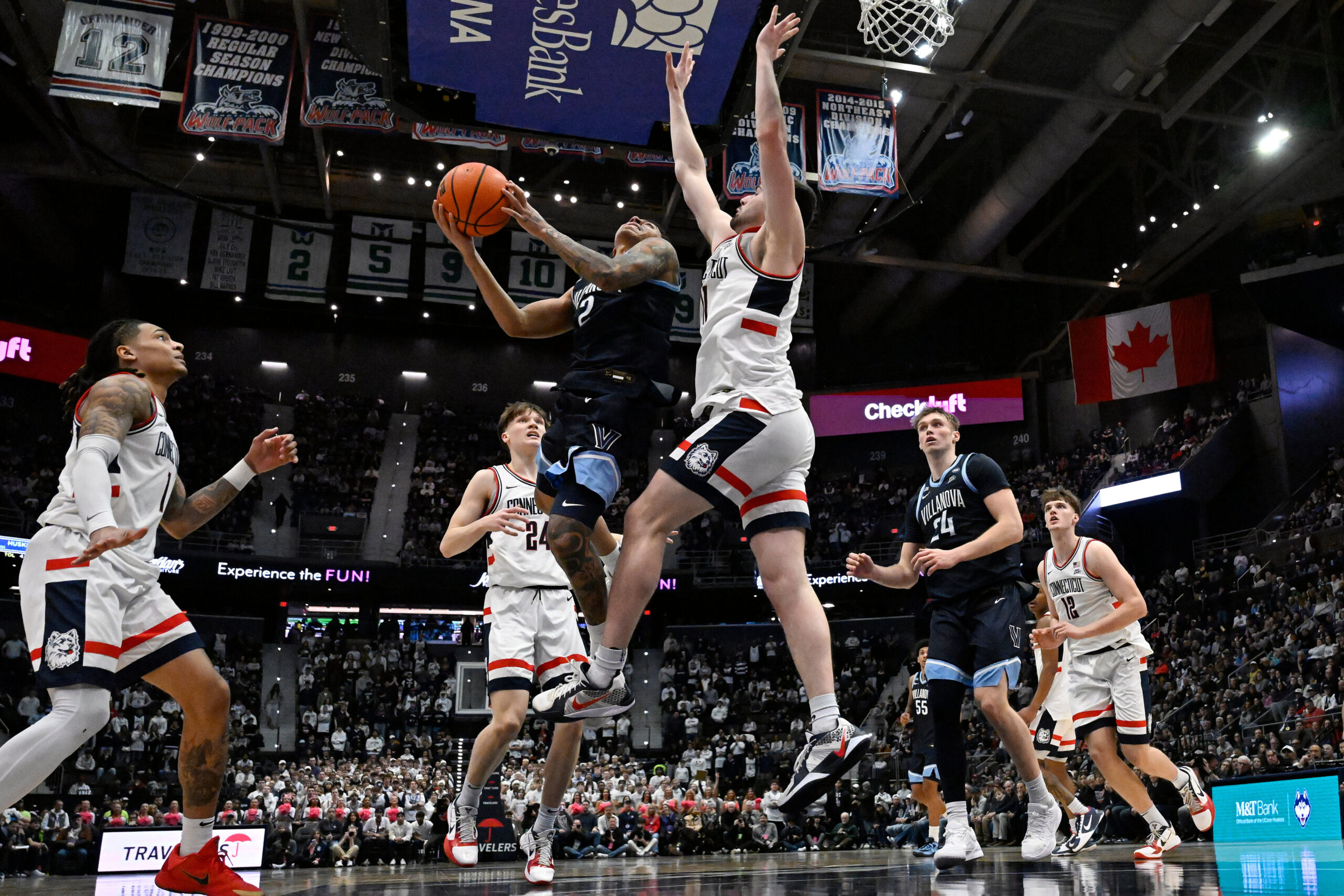
Where to start? There was Acaden Lewis’ out-of-control drive down two in overtime with just over a minute to go. Back in regulation, Bryce Lindsay missed an open runner in the paint shortly after the Askew turnover. Then Villanova’s leading scorer, who was held to three points and didn’t make any of his eight attempts, had a three-point attempt blocked in a tie game with less than 30 seconds to play.
Villanova started overtime with a Tyler Perkins three-pointer, then got the ball back when Perkins drew a charging foul. But instead of building on the lead, Lindsay had his pocket picked by Silas Demary Jr., leading to a runout dunk from Tarris Reed Jr. Perkins’ triple, 12 seconds into overtime, was Villanova’s only made basket of the extra session.
Villanova guard Bryce Lindsay shoots as UConn forward Alex Karaban defends on Saturday.
“It just hurts,” said Villanova senior big man Duke Brennan, who struggled last week with the size and physicality of St. John’s but battled back in a big way Saturday. He had 16 points and 14 rebounds and, perhaps most importantly, made eight of his nine free-throw attempts in 40 minutes. “We fought until the end. That’s a great team over there.”
To be sure, there were things Villanova did well enough to win. You don’t take the No. 2 team in the country to overtime without doing things correctly. The Wildcats had answers for a lot of UConn’s offensive action. They held Alex Karaban, who averages nearly 14 points, off the scoreboard for the first 30 minutes (though he did finish with 17 points).
Perkins had 16 points and 10 rebounds and continued to be the physical and experienced guard presence Villanova needs. Askew, too, continued his strong stretch of games with 13 points, four rebounds, and three assists before he fouled out in overtime. Matt Hodge followed up consecutive games being held to four points or less with 12 points on 4-for-6 shooting from three-point range, including a corner three that gave Villanova a 61-59 lead with just over a minute to go.
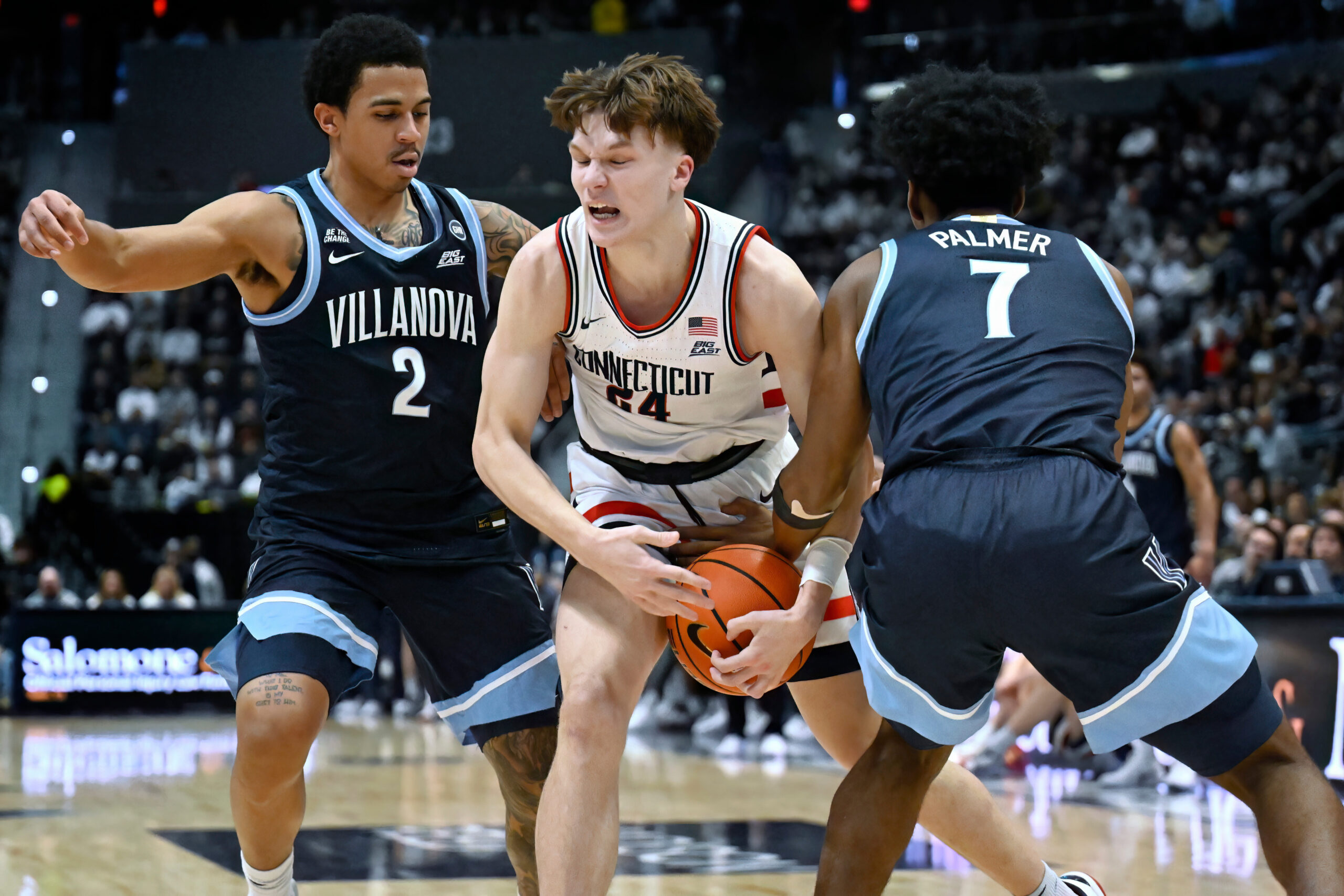
UConn guard Braylon Mullins is guarded by Villanova guards Bryce Lindsay (2) and Malachi Palmer (7) on Saturday.
But then came another costly error. Demary missed a driving layup, and Villanova couldn’t secure a rebound, allowing Reed to tip in the tying basket.
In the end, UConn made the plays when it mattered. Solo Ball, who led all scorers with 24 points, hit arguably the game’s biggest shot, a three-pointer with two minutes left in overtime that turned a one-point Villanova lead into a two-point deficit.
It is hard for Villanova to win when Lindsay doesn’t make a shot and Lewis goes 1-for-13 from the field. Yet, it nearly happened anyway.
“We’re a young team,” Willard said. “Guys were trying to make plays. We got to the rim. We didn’t finish at the rim, and I thought we had some opportunities at the rim.”
Villanova made 5 of 15 layup attempts.
“We’re still going down and playing high-level defense,” Willard said. “If we can continue to build on that, then we’ll get out in transition and get some easier buckets.”
It was the closing minutes that Willard said he needed to “get better at.” Lewis was seemingly benched for a large stretch of the second half. Brennan was in foul trouble. The Wildcats are a team without much depth.
“I got to put the right lineups out there at times and I’m learning a lot about certain guys and what to do,” Willard said. “At the end of the day, we don’t do a free throw box out, and we don’t get a huge rebound when we’re up four with about six minutes to go. … Sometimes to get there on the road you got to make sure you finish possessions, and I thought there was three or four times where we didn’t finish possessions with rebounds.”
An encouraging game nonetheless?
“No,” Willard replied. “I don’t like losing. We should have won that game.”
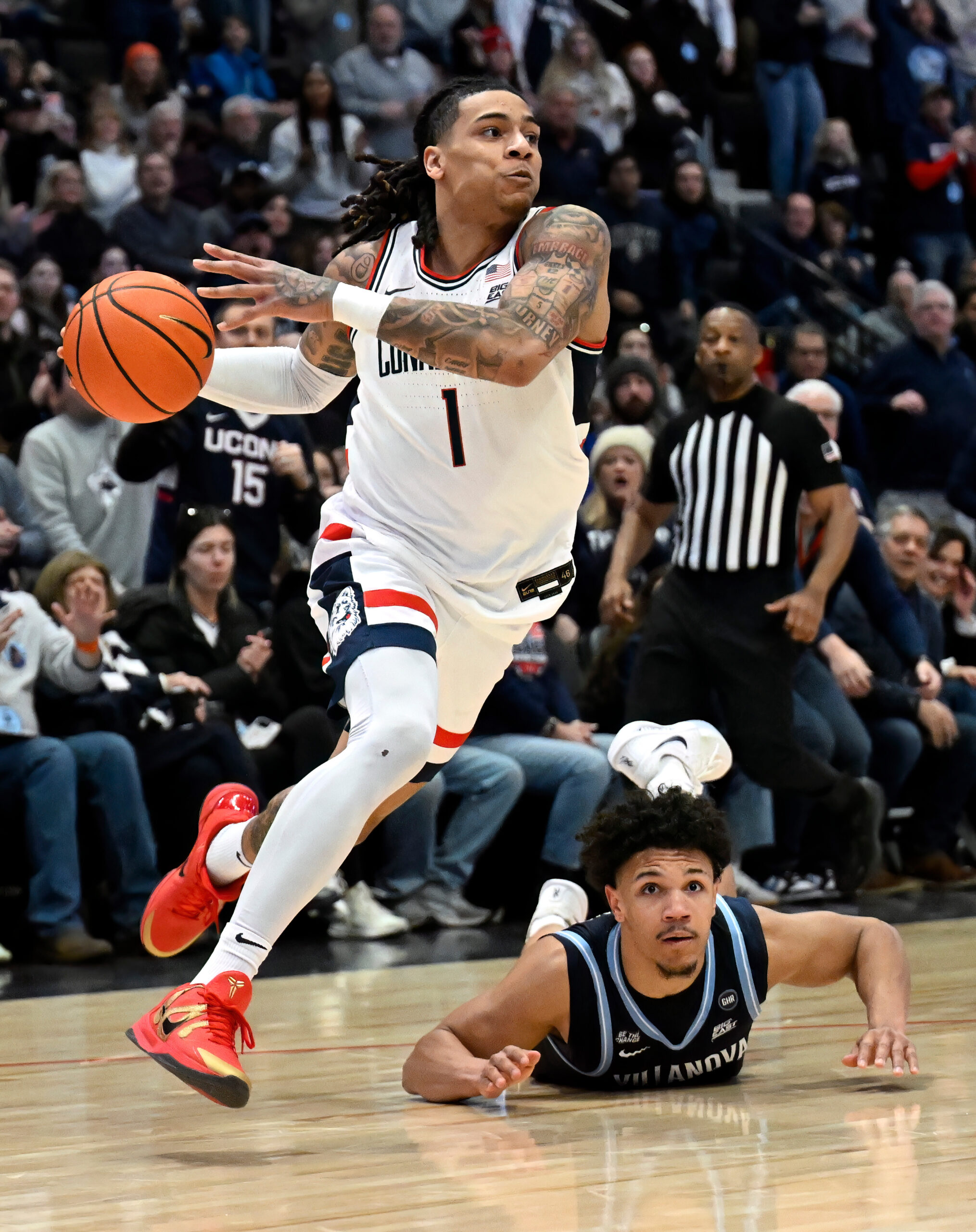
UConn guard Solo Ball, who led all scorers with 24 points, dribbles around Villanova guard Tyler Perkins on Saturday.
The reality for Villanova is Saturday’s loss is one that won’t necessarily hurt. A road upset helps a lot more than an eight-point overtime loss stings as far as the meaningful metrics go. The Wildcats are 15-5 overall and 6-3 in Big East play. They started the day rated 25th at KenPom and were still there by late Saturday afternoon. They have rest ahead before a Friday home game vs. Providence, and plenty of winnable games on the calendar as they continue to hunt for an at-large bid to the NCAA Tournament.
Plus, two more shots at the conference’s elite. On consecutive Saturdays, Villanova took St. John’s and Connecticut to the brink.
“The good thing about conference is you play every team twice,” Brennan said. “We get another shot at those dudes. St. John’s we felt like we didn’t play good at all, all throughout our program. This game we felt like we really battled.
“It feels like it got away and we felt like we were there the whole game. There are certain little things that come down at the end of the game where it can flip one way. It wasn’t on our side tonight.”
Nearly a quarter century ago, Black activists fought relentlessly to memorialize the lives of nine people enslaved at the first presidential mansion. On Saturday, the leader of that decade-long battle rallied a new fight.
Michael Coard, an attorney and founding member of Avenging the Ancestors Coalition (ATAC), pledged to restore the slavery memorial at the President’s House Site on Independence Mall and said his group will not concede on the exhibit’s location or its content, despite efforts from federal officials to sanitize and erase the outdoor museum.
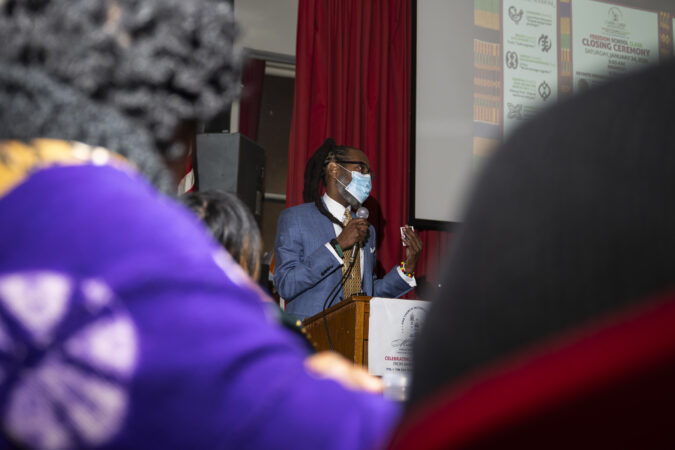
“Our goal, first and foremost, is to remain at that site — intact,” Coard told a roughly 60-person crowd at an unrelated event at Mother Bethel A.M.E. Church. “There’s only one first White House where Black people were enslaved. … There are no alternatives.”
This week, the National Park Service dismantled all the educational displays and illustrations, including those titled “Life Under Slavery” and “The Dirty Business of Slavery,” at the memorial on the corner of Sixth and Market Streets. The site was the latest casualty in President Donald Trump’s push to remove all displays and other content that he has said “inappropriately disparage Americans past or living” from federal land — what some have called an attempt to whitewash history.
Coard, whose group has been stewarding and championing the exhibits since 2002, said Avenging the Ancestors is mounting a multipronged response; he alluded to a legal strategy but would not elaborate. (Mayor Cherelle L. Parker’s administration filed a lawsuit Thursday arguing that the removal of the exhibits is unlawful.)
There has been an outpouring of sorrow and appreciation for the exhibits and anger at Trump’s administration. On Friday, small tokens — a rose, a bouquet of flowers, and a sign that read “Slavery was real” — were left at the site. A group of teachers on their lunch break taped up dozens of posters reading “Learn all history” and “History is real.” The signs were gone as of Saturday morning; by the afternoon, new tributes had spawned. One event promoted online encouraged Philadelphia artists to craft replicas of the removed displays.
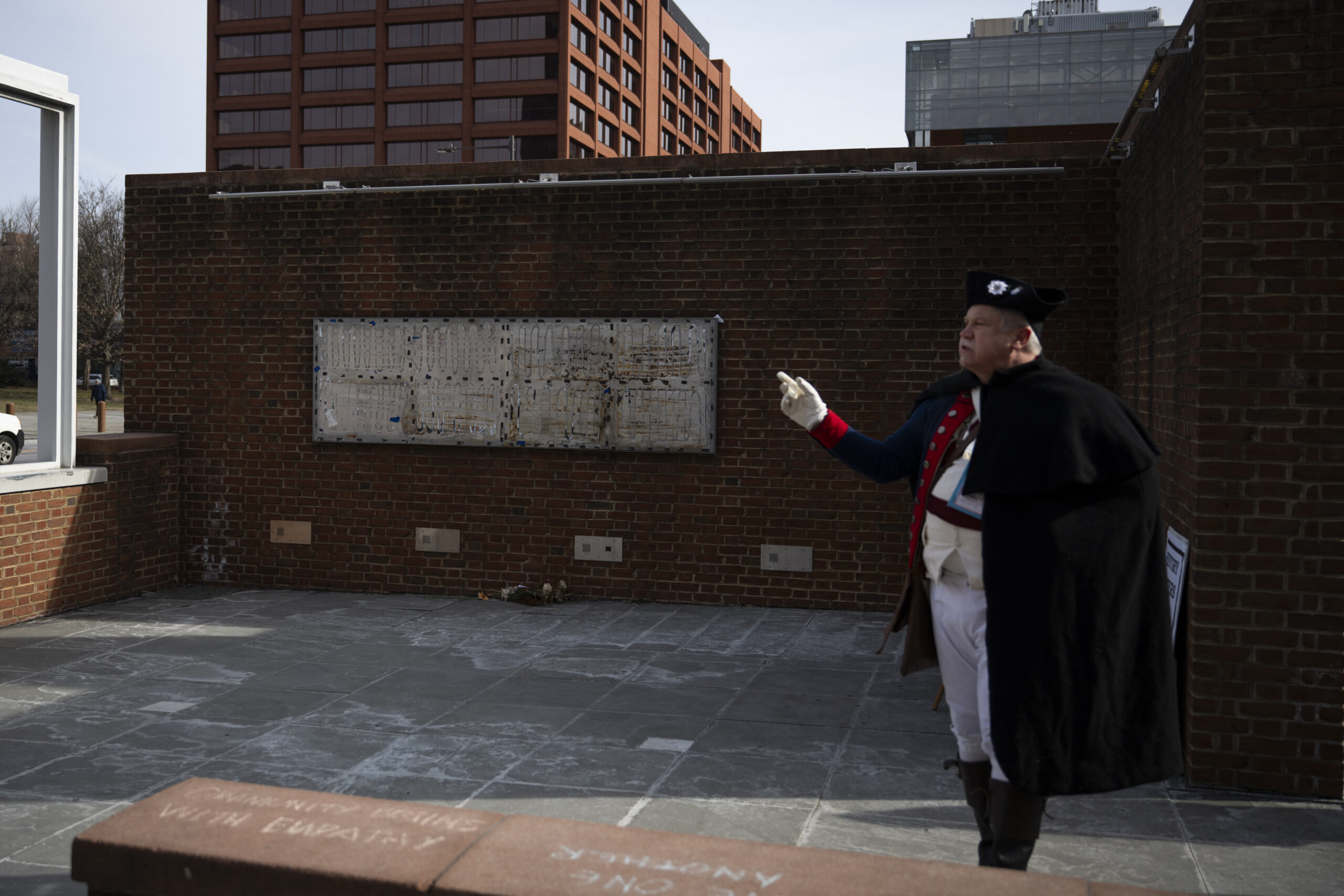
Michael Carver portrays colonial merchant and soldier Mordecai Sheftall during a “History Matters” event Saturday at the President’s House Site in Independence National Historical Park. Displays at the site were dismantled by the National Park Service last week.
“We support and commend those who are doing something,” Coard told The Inquirer after the event, which honored the inaugural graduates of Mother Bethel’s “Freedom School,” a 10-week course on African American history. “If that’s simply liking a social media post about resisting, do that. If it’s taking signs and other items down to the site, do that. … Stand up, fight back, and resist.”
“Our history is our history. It is our willingness to learn from it that makes America exceptional and the greatest country on Earth, on our journey to become a more perfect union,” McCormick wrote on X, responding to The Inquirer’s reporting.
In the same post, McCormick said he also invoked this reasoning when he opposed renaming military bases, like Fort Bragg, after Confederate generals and the park service’s proposal (which was later retracted) to remove a statue of William Penn in Philadelphia in 2024.
Fort Bragg was named after Confederate Gen. Braxton Bragg before former President Joe Biden’s administration changed it to Fort Liberty. Secretary of Defense Pete Hegseth changed it back to Bragg, but in honor of Roland L. Bragg, whom the Defense Department describes as a “World War II hero,” NPR reported.
McCormick appears to be one of the first Pennsylvania Republicans — if not the only one — to weigh in against the exhibits’ removal. Democratic lawmakers across the region have also expressed their disapproval.
U.S. Sen. John Fetterman (D., Pa.) called the NPS decision “deeply wrong and misguided” in a statement emailed to The Inquirer on Saturday.
“America is the best country in the world. Our history is filled with the greatest sacrifices to the most awful chapters. Teach all of it,” Fetterman said.
The erasure of the site — which captured the somber paradox of a young America that exalted freedom for some but deprived others of it — comes ahead of the country’s Semiquincentennial celebrations, when Philadelphia will be in the national spotlight.
The Rev. Carolyn Cavaness of Mother Bethel said it was a blow to her heart to see the exhibits removed. Mother Bethel is a hub for activism and the oldest church property in the United States to be owned continually by Black people. Bishop Richard Allen, the former slave, educator, and Methodist lay preacher who founded the church, was featured at the site.
“There’s something about the full story being told, and for that piece of this story to just be ripped away, I think it even mobilizes … preserving, protecting, sharing our story and our contributions,” Cavaness said. “It just ups the ante.”
DENVER ― Three games. Three different outcomes. Five out of six points.
Not a shabby week for the Flyers, who lost six straight before heading west and took on three of the NHL’s best. Not a shabby week for, really, anyone, facing the gauntlet of the Vegas Golden Knights, Utah Mammoth, and Colorado Avalanche in three consecutive games.
Coach Rick Tocchet and his players have often talked about lessons. Here are five lessons the Flyers learned this week that could help propel them forward as the season heads to the Olympic break.
1. Owen Tippett has been unleashed
Speaking with The Inquirer after his introductory press conference, Tocchet said, “I think Owen Tippett is a guy who I feel has another level in him. I think he’s a prototypical big, fast winger. Can we unleash him?”
If you hadn’t noticed it in the past few weeks, it smacked you in the face Friday: Tippett is officially unleashed.
“He’s a big-time player,” Sam Ersson said postgame. “He makes big-time plays at the right time when we need it. And he’s that guy who can score from anywhere. He just doesn’t need much. And you give him the finger, he’ll take the whole hand.”
Standing in the Flyers locker room at Ball Arena after the game, Tippett’s hand was filled with pucks after the winger notched his second career hat trick. His first came after his initial shot was blocked, but he stayed with it and sniped it past Mackenzie Blackwood from the right circle. The second came on the left side off the rush, and his third, which sealed a 7-3 victory over Colorado, was a short-handed goal through the wickets.
His four points — he also assisted on Denver Barkey’s power-play — showed everything he’s been doing well for weeks. Since Dec. 20, Tippett leads the Flyers in goals (nine) and is two points back of Travis Konecny’s team-leading 15. He also ranks third in hits (29).
“I think I’ve been pretty happy with my game the last couple of weeks, just doing all the little things and not really worrying about kind of points or scoring or just knowing they’re coming,” he said. “So obviously, it’s nice to have three [goals]. But more importantly, it’s about the win.
2. Keep the foot on the pedal
On Wednesday, the Flyers learned the hard way on how letting up can change a game. Losing 5-4 in overtime, they faltered despite having 3-0 and 4-2 leads before Utah scored twice in the third period, including the game-tying goal in the last minute.
“We talked about it as a team. I think, like, sometimes when the pressure comes, instead of folding, it’s when you have to play your best hockey,” defenseman Cam York said after morning skate in Denver. “I felt like when the pressure hit, we didn’t play our best hockey … [and] it’s mental. I think sometimes when we get a lead, we like to just kind of let them do their thing a little bit more, instead of just keeping our game going. So I think that’s the biggest piece for us.”
Flyers defenseman Cam York said against Utah, “I felt like when the pressure hit, we didn’t play our best hockey.”
On Friday, the Flyers did not let up. They scored three goals on seven shots in the final frame, including two goals in the first two minutes of the period to break open a 3-3 game.
“[Friday], there were about four or five guys … who stood on the bench and said some key things,” Tocchet said. “Usually, we’re a fairly quiet bench. But the guys who were talking don’t talk that much, and it was really inspiring for me to hear them say that.
“Jamie Drysdale stood up and said, ‘Let’s enjoy this moment. Like, we’ve got to enjoy these pressure games. That’s why you play the game. You don’t want hide from it.’ When he said that, I think maybe that gave everybody a little bit of ‘Yeah, let’s enjoy it, let’s not be nervous about it.’ And I think that helped.”
3. Stop taking penalties
For the love of hockey, the Flyers need to stop taking penalties.
Penalties happen, of course, and is every penalty a legitimate call? Absolutely not, as the officiating has been downright dreadful this year. However, there are certainly penalties that could have been avoided.
The good news is that the penalty kill has been much better. It went from a league-worst 60.6% from the holiday break through Sunday to 85.7% across the three games this past week.
The bad news, since Monday’s 2-1 win against the Vegas Golden Knights — where one of Konecny’s two goals was a shortie — the Flyers lead the NHL in times shorthanded (14). They’ve spent the second-most time on ice shorthanded at almost 8 minutes a game, with only Utah, which played that one game against them, having more at 8:30.
Part of why the penalty kill has been better was because they have more structure — playing the diamond Tocchet likes while being smart with their aggressiveness — and part of it was Ersson. According to Natural Stat Trick, across the last three games, the Flyers allowed 36 shot attempts, 19 shots, 21 scoring chances, and 10 high-danger chances.
Samuel Ersson has contributed toward improving the Flyers’ penalty kill.
They allowed just two power-play goals against, with one coming from a high-danger spot — and none of the three shot attempts from in tight by Colorado, which kept feeding the bumper, got through. On the flip side, they do have two short-handed goals this past week and five on the season.
“We scratched and clawed. It was a tough game; got to kill two penalties right off the start. We had to kill a bunch of penalties tonight,” said Tocchet of the Flyers taking two penalties in the first five minutes and four in the game. “And I’m not going to blame the guys on the penalties, but I really felt they grinded it out killing those penalties.”
4. Bobby Brink is a catalyst
Could Brink be the straw that stirs the Flyers’ drink? Brink missed six games and the Flyers lost them all. Brink returns on Monday, and the Flyers go 2-0-1. Coincidence?
Whether or not there is a correlation, Brink doesn’t just bring a balance to the forward lines; he brings speed, a dogged determination, and pressure that creates turnovers and puts the opposition on its heels.
“There’s a guy like Bobby Brink, I think the last couple of games, he adds a lot of speed,” Tocchet said following morning skate at Ball Arena. “If he gets the puck, you see him through the neutral zone, separating himself. Those are the things we’re teaching our players to do.
While right wing Bobby Brink was sidelined for six games, the Flyers lost six straight.
He notched yet another goal — he has two in three games since returning from a concussion — on Friday for a career-high 13 this season. It was a pivotal moment as it regained the Flyers’ lead 32 seconds after the Avalanche tied it up 2-2. It was his work ethic, alongside Noah Cates, that led to the goal.
Skating in on a two-on-one, Brink fed Cates, who didn’t get good wood on the pass. But the centerman stayed with it as he and Brink worked together down low and around the net before Brink used his feet to keep the puck loose. The 24-year-old winger got the puck atop the crease and roofed it.
5. Never give up on Ersson
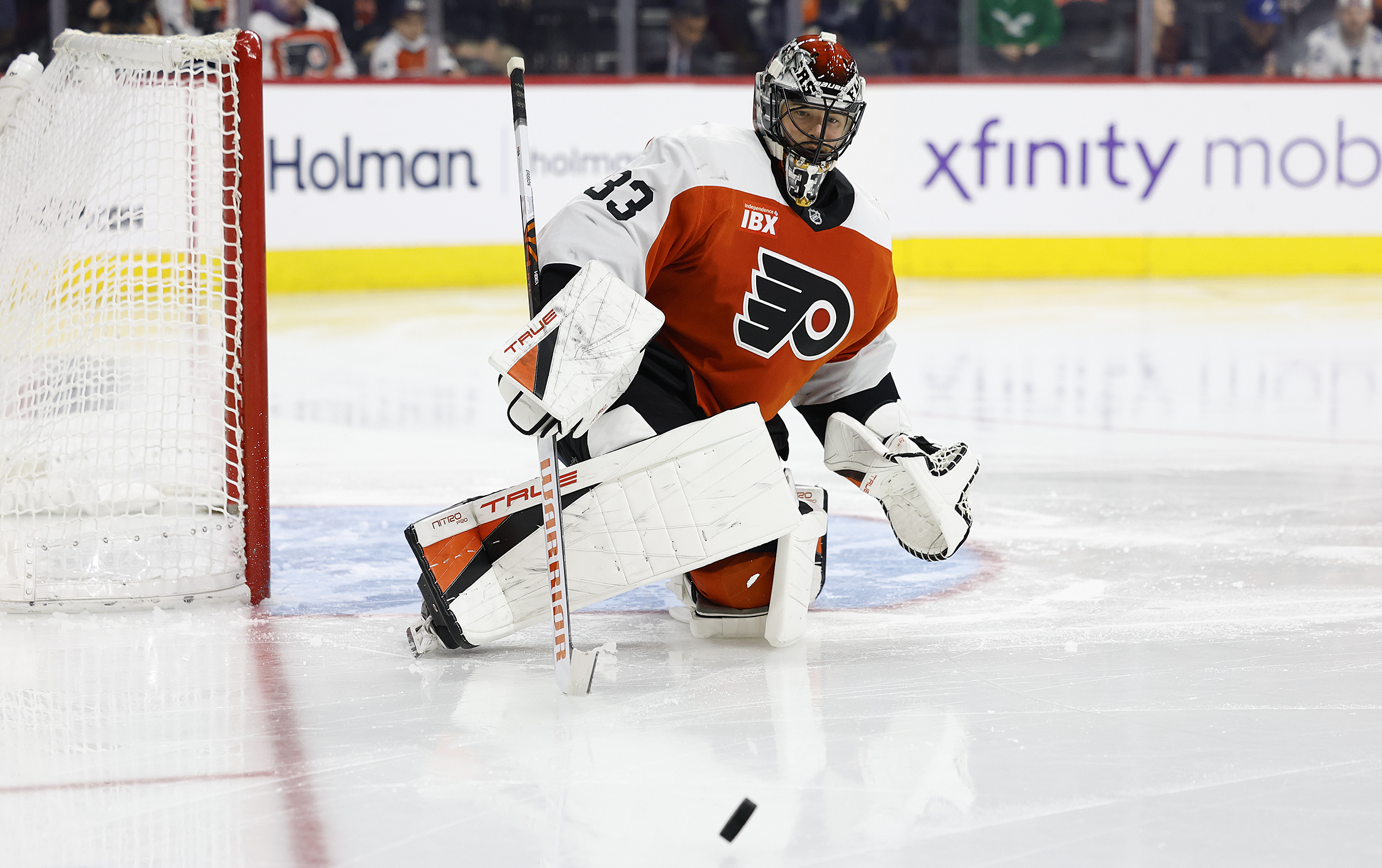
It wasn’t an easy one to close out the road trip — as Ersson said, “You kind of get those flashbacks from the Utah game” as the Avalanche kept pressing. But while they may have bent slightly, the Flyers didn’t break — in large part because of their goaltender.
According to Natural Stat Trick, entering the week, Ersson had the worst save percentage (.854) among goalies with at least 1000 minutes played this season. His Goals Saved Above Average (-18.35) and high-danger save percentage (.750) were second-worst in the NHL, better than only Jordan Binnington of the St. Louis Blues.
With Dan Vladař injured and Aleksei Kolosov allowing three goals on three shots last Saturday to the New York Rangers, the net was Ersson’s. He took hold of it as he started three straight for the first time this season — and the first time since late March.
This past week, among the 37 goalies who played at least 60 minutes, every one of his stats rose. His save percentage was 24th (.897), his GSAA was 26th (-0.41), and his HDSV% was 18th (.846). Most impressive was that his high-dangers goals saved above average rose from -6.67 to 1.04. He tied Kevin Lankinen of the Vancouver Canucks, Tocchet’s old team, for the most high-danger shots faced this past week (26).
Ersson was modest postgame on Friday, saying it was “all about just making those timely saves,” but it’s clear he’s seeing the puck well. Always a goalie who likes to see shots early to get into the game, on Monday, he had his fifth first-period shutout of the season when he stopped 11 pucks by Vegas on the way to the win. On Friday, he made 17 saves — several of which were masterful as the Avalanche put quick snapshots and peppered him from the slot and in tight — for his sixth clean first period.
“Yeah, obviously, you get a lot of action early, and I think that helps to settle in,” he said. “Every game has its own challenges. And, you know this team is so good [that] they’re going to make a huge push to come back, and they did. And how we dealt with it in the team, [we] just kept believing in ourselves.”
Flyers goaltender Samuel Ersson had his fifth first-period shutout of the season when he stopped 11 pucks by Vegas on Friday.
Long known for his tough mental game and often praised for it by former coach John Tortorella, the turnaround was not unexpected from the Swede or his new coach.
“He was down in dumps, and he knew that he wanted to get his game going, but he worked at it. Spent a lot of time with [goaltending coach Kim Dillabaugh], with video, and I got to give him credit,” Tocchet said.
“He had a smile on his face there about three games ago — I didn’t see him kind of moping around — I like that. A lot of things were being tested, and some of the demons in him, and that’s where you got to face it, and I think he did. He was solid in net.”
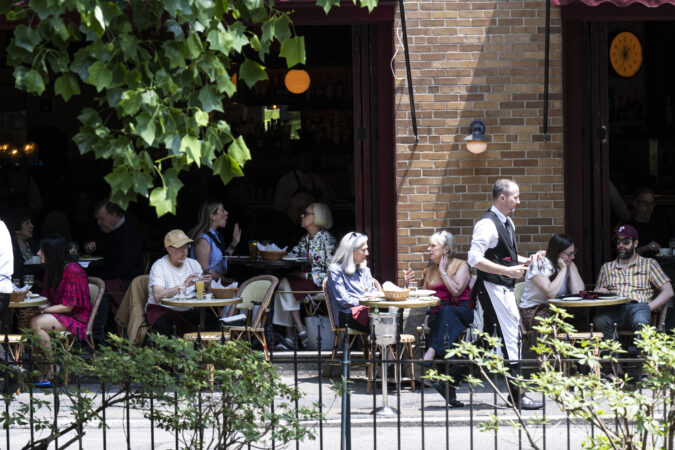
With a snowstorm bearing down, Philadelphia-area restaurant and bar owners spent Saturday weighing whether to stay open, limit hours, or close altogether — balancing safety concerns against the reality that snow days can sometimes drive business.
Heavy snow is historically a mixed proposition for the hospitality industry, especially in the city. After the 30.7-inch snowfall in January 1996, for example, The Inquirer reported that the chef at Moriarty’s restaurant slept overnight in a booth and awoke to record crowds, fueled by nearby hotel guests, hospital workers, and neighborhood regulars trudging through the drifts.
Similar dynamics could still play out in dense neighborhoods, where many bar customers and employees live within walking distance — especially given the fact that Pennsylvania’s Fine Wine & Good Spirits stores will be closed Sunday.
This weekend’s forecast, however, arrives at a sensitive moment. The storm threatens to disrupt Center City District Restaurant Week; of the 120 participating restaurants, most were counting on strong Sunday sales.
A spot check of local restaurants and bars shows a wide range of approaches. Ember & Ash and River Twice in South Philadelphia plan to close Sunday, as do Southgate, Wilder, and Leo in Center City and Fleur’s and Amá in Kensington. Suraya in Fishtown plans to close for brunch but open for dinner. Gather Food Hall in University City will be closed Sunday and Monday. Others, including Uchi in Rittenhouse, and Hannah K’s in Point Breeze, were still evaluating conditions Saturday.
Stephen Starr said he expected his 19 Philadelphia restaurants to be open Sunday, though he planned to reassess conditions in the morning. “Parc never closes,” Starr said of his brasserie, a Rittenhouse Square stalwart. “No matter what.”
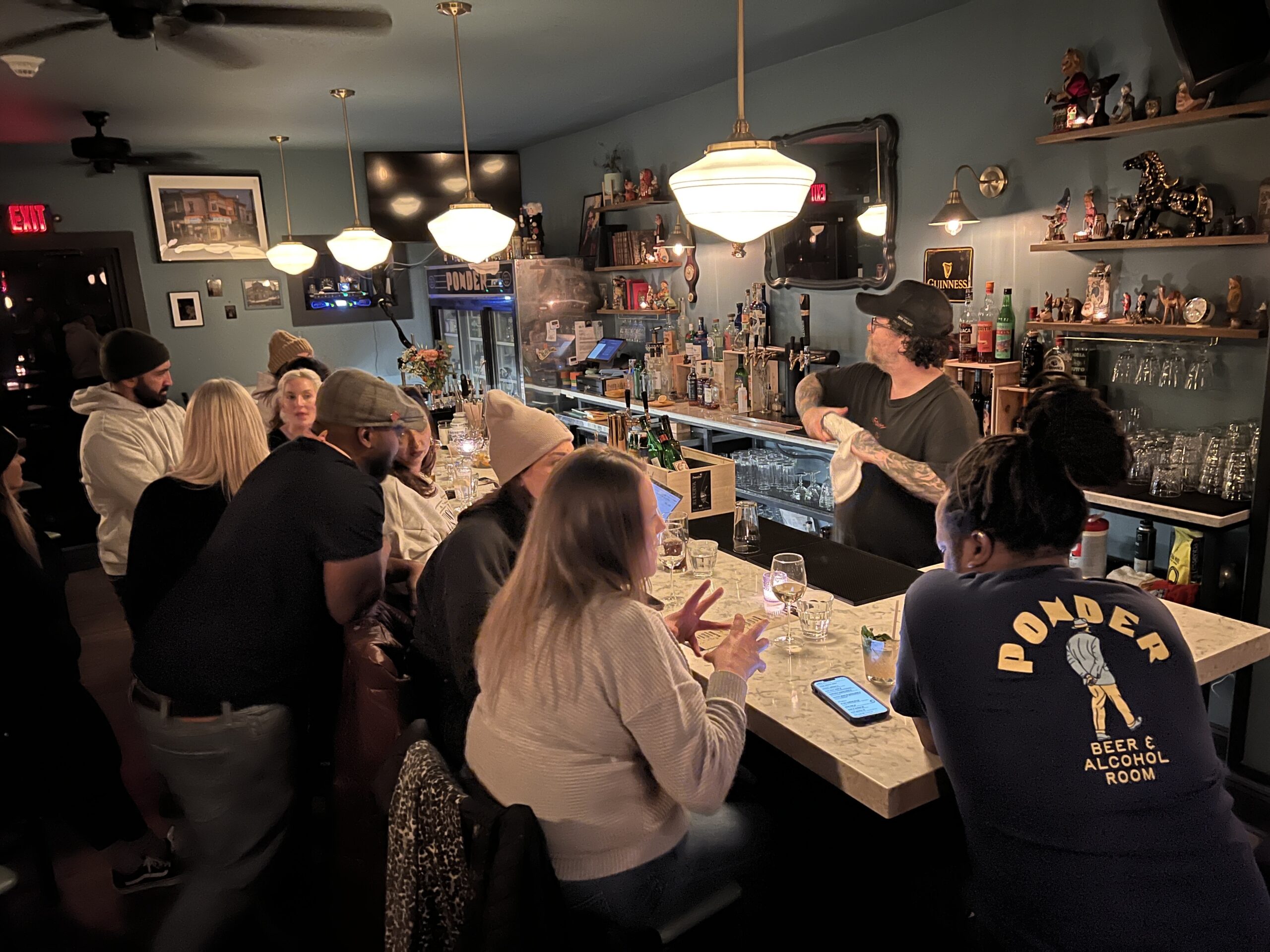
Customers crowding the bar at Ponder Bar in Kensington on Jan. 21, 2026.
Matt Kuziemski said his newly opened Ponder Bar in Kensington would be open, in part because he lives nearby. “I’ll set expectations,” he said. “Come in for something simple — cozy up or grab takeout.”
At the Little Gay Pub in Washington Square West, co-owner Dito Sevilla said the bar plans to open. “We have done what we can to make sure staff has places to stay and can commute on foot for the next few days,” Sevilla said. “We’ve got enough booze stored up for a storm or two.”
Other operators are taking a wait-and-see approach. Dave Conn, chef-owner of Alice in South Philadelphia, said Saturday that he would decide Sunday morning. “If it’s eight or nine inches or less [of snow], we’d probably open,” Conn said. “Anything crazy where it might be unsafe for staff coming and going, we’d probably close.”
Hotel restaurants are more likely to remain open, largely because many are housing employees. About 30 staff members are staying overnight at the Logan Hotel, which houses Urban Farmer steakhouse and Assembly Rooftop Lounge, while roughly 20 employees are being accommodated at Hotel Palomar, home to Square 1682.
Aleks Alimpijevic of Restaurant Aleksandar in Rittenhouse said the restaurant would be open for lunch Sunday, serving its Restaurant Week menu, but would close for dinner and remain closed Monday, its normal day off.
In the suburbs, Sydney Grims of Fearless Restaurants said she was monitoring conditions but hoped to open Triple Crown at the Radnor Hotel and Rosalie at the Wayne Hotel. “Our staff’s safety is priority number one,” she said, noting both properties have generator backup.
Justin Weathers, co-owner of several suburban restaurants, including Stove & Tap, said staffing decisions depend heavily on who lives nearby. “If the snow starts to accumulate, then we cut third-party apps as well,” he said.
Third-party delivery from companies such as DoorDash and Grubhub was not a thing in 1996. Philadelphia’s snow emergency declaration, issued ahead of the storm, does not automatically ban driving. A Grubhub spokesperson said the company may proactively pause deliveries in certain areas ahead of severe weather and continue doing so on a rolling basis to prioritize safety. If deliveries remain available and restaurants stay open, customers are encouraged to be patient, as delivery times may be longer.
Large-scale caterers face additional logistical challenges. Joe Volpe, owner of Cescaphe, said his company, which handles events at nine local venues, was relieved that the storm was forecast to begin late Saturday night rather than earlier. Cescaphe had four weddings and a 300-person anniversary party scheduled for Saturday, but only one wedding on Sunday.
Cescaphe is preparing extra food for guests who may arrive early or stay overnight due to travel disruptions, Volpe said, adding that safety remains the priority. Weddings, he noted, leave little room for rescheduling. “It’s rain or shine — there are no makeups, no do-overs,” he said. “We’re going to be there, and we’ll do everything possible to make it happen.”
The storm is also rippling through the supply chain. Mark Oltman, chief financial officer of Foods Galore, said the South Jersey distributor urged customers to complete deliveries by Saturday for food needed through Monday. “Most places are telling us they won’t be open Sunday and possibly not even Monday,” Oltman said. “As much as we want to service our customers, we’re never going to put our people at risk.”
Winter weather, he added, compounds an already slow season. “January and February are tough,” Oltman said. “You finally get into a rhythm, and then winter shows up and wipes it out.”
Still, some view snow days as part of the city’s fabric. “Bar-hopping during snowstorms in Philadelphia are great memories of mine,” Weathers said.
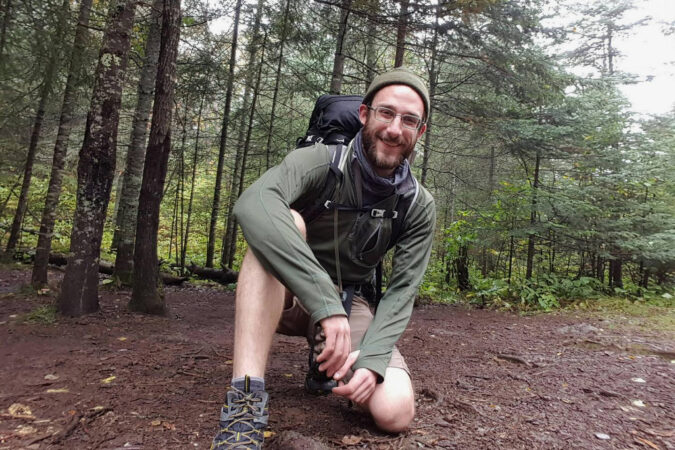
Alex Jeffrey Pretti, 37, was an avid outdoorsman who enjoyed getting in adventures with Joule, his beloved Catahoula leopard dog who also recently died. He had participated in protests following the killing of Renee Good by a U.S. Immigration and Customs officer on Jan. 7.
“He cared about people deeply and he was very upset with what was happening in Minneapolis and throughout the United States with ICE, as millions of other people are upset,” said Michael Pretti, Alex’s father. “He thought it was terrible, you know, kidnapping children, just grabbing people off the street. He cared about those people, and he knew it was wrong, so he did participate in protests.”
Pretti was a U.S. citizen, born in Illinois. Like Good, court records showed he had no criminal record and his family said he had never had any interactions with law enforcement beyond a handful of traffic tickets.
In a recent conversation with their son, his parents, who live in Colorado, told him to be careful when protesting.
“We had this discussion with him two weeks ago or so, you know, that go ahead and protest, but do not engage, do not do anything stupid, basically,” Michael Pretti said. “And he said he knows that. He knew that.”
The Department of Homeland Security said that the man was shot after he “approached” Border Patrol officers with a 9 mm semiautomatic handgun. Officials did not specify if Pretti brandished the gun. In bystander videos of the shooting that emerged soon after, Pretti is seen with a phone in his hand but none appears to show him with a visible weapon.
Family members said Pretti owned a handgun and had a permit to carry a concealed handgun in Minnesota. They said they had never known him to carry it.
Alex Pretti’s family struggles for information about what happened
The family first learned of the shooting when they were called by an Associated Press reporter. They watched the video and said the man killed appeared to be their son. They then tried reaching out to officials in Minnesota.
“I can’t get any information from anybody,” Michael Pretti said Saturday. “The police, they said call Border Patrol, Border Patrol’s closed, the hospitals won’t answer any questions.”
Eventually, the family called the Hennepin County Medical Examiner, who they said confirmed had a body matching the name and description of their son.
Alex Pretti grew up in Green Bay, Wisc., where he played football and baseball and ran track for Preble High School. He was a Boy Scout and sang in the Green Bay Boy Choir.
After graduation, he went to the University of Minnesota, graduating in 2011 with a bachelor’s degree in biology, society, and the environment, according to the family. He worked as a research scientist before returning to school to become a registered nurse.
Pretti had protested before
Pretti’s ex-wife, Rachel N. Canoun, said she was not surprised he would have been involved in protesting Trump’s immigration crackdown. She said she had not spoken to him since they divorced more than two years ago and she moved to another state.
She said he was a Democratic voter and that he had participated in the wave of street protests following the killing of George Floyd by a Minneapolis police officer in 2020, not far from the couple’s neighborhood. She described him as someone who might shout at law enforcement officers at a protest, but she had never known him to be physically confrontational.
“These kinds of things, you know, he felt the injustice to it,” Canoun said. “So it doesn’t surprise me that he would be involved.”
Canoun said Pretti got a permit to carry a concealed firearm about three years ago and that he owned at least one semiautomatic handgun when they separated.
“He didn’t carry it around me, because it made me uncomfortable,” she said.
Pretti had ‘a great heart’
Pretti lived in a four-unit condominium building about 2 miles from where he was shot. Neighbors described him as quiet and warmhearted.
“He’s a wonderful person,” said Sue Gitar, who lived downstairs from Pretti and said he moved into the building about three years ago. “He has a great heart.”
If there was something suspicious going on in the neighborhood, or when they worried the building might have a gas leak, he would jump in to help.
Pretti lived alone and worked long hours as a nurse, but he was not a loner, his neighbors said, and would sometimes have friends over.
His neighbors knew he had guns — he’d occasionally take a rifle to shoot at a gun range — but were surprised at the idea that he might carry a pistol on the streets.
“I never thought of him as a person who carried a gun,” said Gitar.
Pretti was passionate about the outdoors
A competitive bicycle racer who lavished care on his new Audi, Pretti had also been deeply attached to his dog, who died about a year ago.
His parents said their last conversation with their son was a couple of days before his death. They talked about repairs he had done to the garage door of his home. The worker was a Latino man, and they said with all that was happening in Minneapolis he gave the man a $100 tip.
Pretti’s mother said her son cared immensely about the direction the county was headed, especially the Trump administration’s rollback of environmental regulations.
“He hated that, you know, people were just trashing the land,” Susan Pretti said. “He was an outdoorsman. He took his dog everywhere he went. You know, he loved this country, but he hated what people were doing to it.”
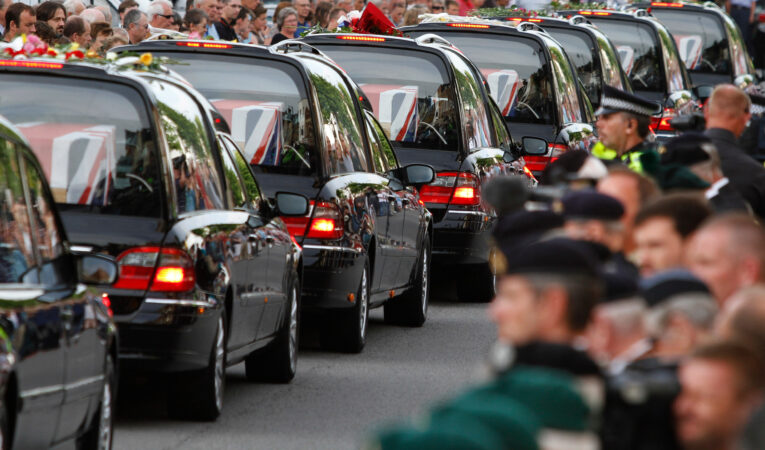
LONDON — U.S. President Donald Trump heaped praise Saturday on British soldiers who fought in Afghanistan, in a post on social media that represented a partial reversal of comments he made this week that drew a cascade of criticism in the U.K., particularly from families of those killed and seriously injured in the conflict.
In the wake of a conversation earlier with British Prime Minister Keir Starmer, Trump said on Truth Social that the “great and very brave soldiers of the United Kingdom will always be with the United States of America.”
He described the 457 British servicemen and women who died in Afghanistan and those that were badly injured as “among the greatest of all warriors.”
Trump added that the bond between the two countries’ militaries is “too strong to ever be broken” and that the U.K. “with tremendous heart and soul, is second to none (except for the USA).”
Trump’s comments follow an interview with Fox Business Network on Thursday in Davos, Switzerland, when he said he wasn’t sure the other 31 nations in NATO would be there to support the United States if and when requested and that troops from those countries stayed “a little off the front lines.”
Trump did not apologize directly for those comments, nor retract them, as Starmer had suggested in his initial response on Friday when he described the words of the president as “insulting and frankly appalling.”
Starmer’s office in No. 10 Downing Street said the issue was raised in a conversation between the pair on Saturday, in which other topics were discussed, including the war in Ukraine and security in the Arctic region.
“The prime minister raised the brave and heroic British and American soldiers who fought side by side in Afghanistan, many of whom never returned home,” Downing Street said in a statement. “We must never forget their sacrifice.”
Trump’s view as expressed in the Fox Business interview stands at odds with the reality that in October 2001, nearly a month after the 9/11 attacks, the U.S. led an international coalition in Afghanistan to destroy al-Qaida, which had used the country as its base, and the group’s Taliban hosts.
Alongside the U.S. were troops from dozens of countries, including from NATO, whose mutual-defense mandate had been triggered for the first time after the attacks on New York and Washington. More than 150,000 British troops served in Afghanistan in the years after the invasion, the largest contingent after the American one.
The Italian and French governments also expressed their disapproval Saturday at Trump’s comments, with both describing them as “unacceptable.”
DUBAI, United Arab Emirates — The commander of Iran’s paramilitary Revolutionary Guard, which was key in putting down recent nationwide protests in a crackdown that left thousands dead, warned that his force is “more ready than ever, finger on the trigger,” as U.S. warships headed toward the Middle East.
Nournews, a news outlet close to Iran’s Supreme National Security Council, reported on its Telegram channel that the commander, Gen. Mohammad Pakpour, warned the United States and Israel “to avoid any miscalculation.”
“The Islamic Revolutionary Guard and dear Iran stand more ready than ever, finger on the trigger, to execute the orders and directives of the Commander-in-Chief,” Nournews quoted Pakpour as saying.
Tension remains high between Iran and the U.S. in the wake of a bloody crackdown on protests that began on Dec. 28, triggered by the collapse of Iran’s currency, the rial, and swept the country for about two weeks.
Meanwhile, the number of people reported by activists as having been arrested jumped to more than 40,000, as fears grow some could face the death penalty.
Trump’s warnings
U.S. President Donald Trump has repeatedly warned Tehran, setting two red lines for the use of military force: the killing of peaceful demonstrators and the mass execution of people arrested in the protests.
Trump has repeatedly said Iran halted the execution of 800 people detained in the protests. He has not elaborated on the source of the claim, which Iran’s top prosecutor, Mohammad Movahedi, strongly denied Friday in comments carried by the judiciary’s Mizan news agency.
On Thursday, Trump said aboard Air Force One that the U.S. was moving warships toward Iran “just in case” he wants to take action.
“We have a massive fleet heading in that direction and maybe we won’t have to use it,” Trump said.
A U.S. Navy official, who spoke on condition of anonymity to discuss military movements, said Thursday that the aircraft carrier USS Abraham Lincoln and other warships traveling with it were in the Indian Ocean.
Trump also mentioned the multiple rounds of talks American officials had with Iran over its nuclear program before Israel launched a 12-day war against the Islamic Republic in June, which also saw U.S. warplanes bomb Iranian nuclear sites. He threatened Iran with military action that would make earlier U.S. strikes against Iranian uranium enrichment sites “look like peanuts.”
Airline jitters
The tension has led at least two European airlines to suspend some flights to the wider region.
Air France canceled two return flights from Paris to Dubai over the weekend. The airline said it was “closely following developments in the Middle East in real time and continuously monitors the geopolitical situation in the territories served and overflown by its aircraft in order to ensure the highest level of flight safety and security.” It said it would resume its service to Dubai later Saturday.
Luxair said it had postponed its Saturday flight from Luxembourg to Dubai by 24 hours “in light of ongoing tensions and insecurity affecting the region’s airspace, and in line with measures taken by several other airlines.”
It told the AP it was closely monitoring the situation “and a decision on whether the flight will operate tomorrow will be taken based on the ongoing assessment.”
Arrivals information at Dubai’s international airport also showed the cancellation of Saturday flights from Amsterdam by Dutch carriers KLM and Transavia. The airlines did not immediately respond to requests for comment.
Some KLM flights to Tel Aviv in Israel were also canceled on Friday and Saturday, according to online flight trackers.
Rising death toll and arrests
Although there have been no further demonstrations in Iran for days, the death toll reported by activists has continued to rise as information trickles out despite the most comprehensive internet blackout in Iran’s history, which has now lasted more than two weeks.
The U.S.-based Human Rights Activists News Agency on Saturday put the death toll at 5,200, with the number expected to increase. The group’s figures have been accurate in previous unrest and rely on a network of activists in Iran to verify deaths. That death toll exceeds that of any other round of protest or unrest there in decades, and recalls the chaos surrounding Iran’s 1979 Islamic Revolution.
Iran’s government offered its first death toll on Wednesday, saying 3,117 people were killed. It said 2,427 were civilians and security forces, and labeled the rest as “terrorists.” In the past, Iran’s theocracy has undercounted or not reported fatalities from unrest.
The activist agency on Saturday also increased the total number of people arrested to 40,879 — a significant jump from the more than 27,700 people in its previous update.
There have been fears Iran could apply the death penalty to arrested protesters, as it has done in the past.
Iranian judiciary officials have called some of those being held “mohareb” — or “enemies of God” — a charge that carries the death penalty. It had been used along with other charges to carry out mass executions in 1988 that reportedly killed at least 5,000 people.
At a U.N. Human Rights Council special session on Iran held in Geneva Friday, Volker Türk, the U.N.’s high commissioner for human rights, expressed concern over “contradictory statements from the Iranian authorities about whether those detained in connection with the protests may be executed.”
He said Iran “remains among the top executioner states in the world,” with at least 1,500 people reportedly executed last year — a 50% increase over 2024.
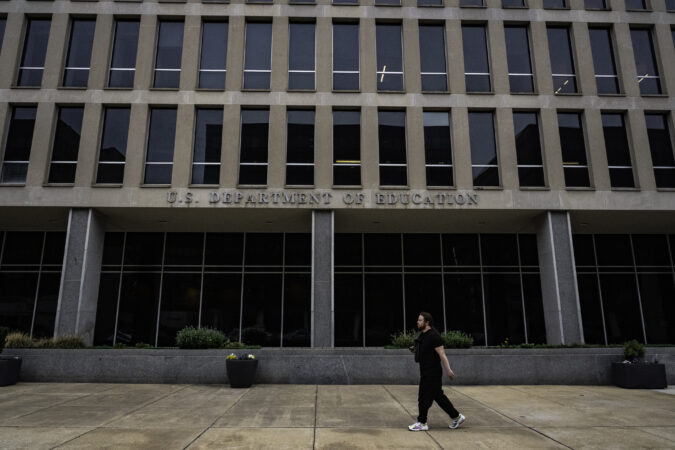
Nearly a year ago, the Education Department sent universities and K-12 school districts scrambling with a sweeping but vague directive. The “Dear Colleague” letter said schools may be in violation of federal law if they consider race in virtually any way — hiring, discipline policy, scholarships, or programming.
After a lawsuit and a defeat in court, however, the Trump administration says it is dropping the matter entirely.
That means an August federal court order blocking the “Dear Colleague” letter will stand. The Trump administration had also demanded that schools certify that they are in compliance with the letter, and that demand is now dead, too.
Still, it is unclear how significant the impact will be. The Trump administration, which made sweeping changes to education over its first year, can still work to impose its view of the law on schools through enforcement actions and other pressure. For instance, in July, the Justice Department published a memo that included many of the same ideas that were in the Education Department’s letter.
Further, many schools have already changed their diversity, equity, and inclusion policies, wary of running afoul of the administration’s anti-DEI stance.
In a statement, Education Department spokesperson Julie Hartman said the agency will continue to interpret Title VI of the Civil Rights Act as barring “impermissible DEI initiatives” that discriminate on the basis of race, color, or national origin.
“Title VI has always prohibited schools from racial preferencing and stereotyping, and it continues to do so with or without the February 14th Dear Colleague Letter,” Hartman said. She said the agency’s civil rights office “will continue to vigorously enforce Title VI to protect all students and hold violators accountable.”
The letter, issued by the department last February, laid out the agency’s interpretation of civil rights law and argued that schools at every level had embraced “pervasive and repugnant race-based preferences and other forms of racial discrimination.”
It said that efforts to consider race in staffing, programming, and other aspects of campus lifewere unlawful, and that even race-neutral policies aimed at diversity could result in schools, colleges, and universities losing federal funding.
Soon after, the American Federation of Teachers filed a lawsuit challenging the directive.
In court, the government argued that it was simply clarifying and reaffirming that schools may not practice racial discrimination. But in August, U.S. District Judge Stephanie Gallagher in Maryland struck down both the guidance and the certification requirement, saying the department was trying to “substantially alter the legal obligations” of schools without going through proper procedures.
“The government did not merely remind educators that discrimination is illegal: it initiated a sea change in how the Department of Education regulates educational practices and classroom conduct, causing millions of educators to reasonably fear that their lawful, and even beneficial, speech might cause them or their schools to be punished,” she wrote.
The judge pointed to the letter’s suggestion that teaching about “systemic and structural racism” would be discriminatory. That, she wrote, is “textbook viewpoint discrimination” and contrary to law.
The government appealed Gallagher’s ruling, and the case was proceeding until Wednesday, when the administration informed the court that it was dropping its challenge. That left the August ruling in place.
The American Federation of Teachers and Democracy Forward, which brought the case, hailed the legal victory as a “final defeat” for the administration’s attempt to enforce what they see as an unlawful interpretation of civil rights law.
“With the stroke of a pen, the administration tried to take a hatchet to 60 years of civil rights laws that were meant to create educational opportunity for all kids,” Randi Weingarten, president of the American Federation of Teachers, the lead plaintiff, said in a statement.
The government’s decision to drop its appeal should put an end to the assertions in the original guidance since it was so thoroughly rejected by the court, said Michael Pillera, who worked for a decade at the Education Department’s civil rights office before becoming director of the educational opportunities project at the Lawyers’ Committee for Civil Rights Under Law.
“The Dear Colleague letter was really their opening volley in their campaign of chaos against DEI, and what we have now is a spectacular failure,” he said. “They could not defend their positions in court. They had no argument to stand on.”
But he conceded that it’s possible nothing will change and said the administration’s behavior “is often untethered to law.”
Many schools may continue to comply with the anti-DEI directive in an effort to stave off attention from the administration, said Frederick Hess, director of education policy studies at the American Enterprise Institute, a conservative think tank.
“One of the things we have seen is how reluctant institutional leaders are to get crosswise with the federal government, whether or not it’s clearly aligned with the law,” he said.
Either way, Hess said, he was pleased that the February letter is no longer in force. That’s because he does not think those types of guidance documents should be used to make policy — something that both Democratic and Republican administrations have done in the past.
“Dear Colleague letters have become a blunt instrument to move thousands of postsecondary institutions or 10,000-plus school districts in one direction or another, and I don’t think that’s an appropriate use of them,” he said. “I don’t think that’s good for anybody.”