Blog

  • Mixed PHA tenant reviews | Real Estate Newsletter

    Mixed PHA tenant reviews | Real Estate Newsletter

    The Philadelphia Housing Authority is the city’s largest provider of affordable housing. But last year, the agency started buying private-sector apartment buildings where tenants paid market-rate rents.

    It’s part of PHA’s new strategy to add to the city’s affordable housing supply.

    The first building PHA bought under this plan is in West Philly and has 233 apartments. Some tenants pay the going rate, and some get help from government subsidies.

    But the transition to PHA ownership hasn’t been smooth, tenants told my colleague. They laid out potential challenges within PHA’s new model.

    Keep scrolling for that story and more in this week’s edition:

    — Michaelle Bond

    If someone forwarded you this email, sign up for free here.

    Mixed tenant reviews
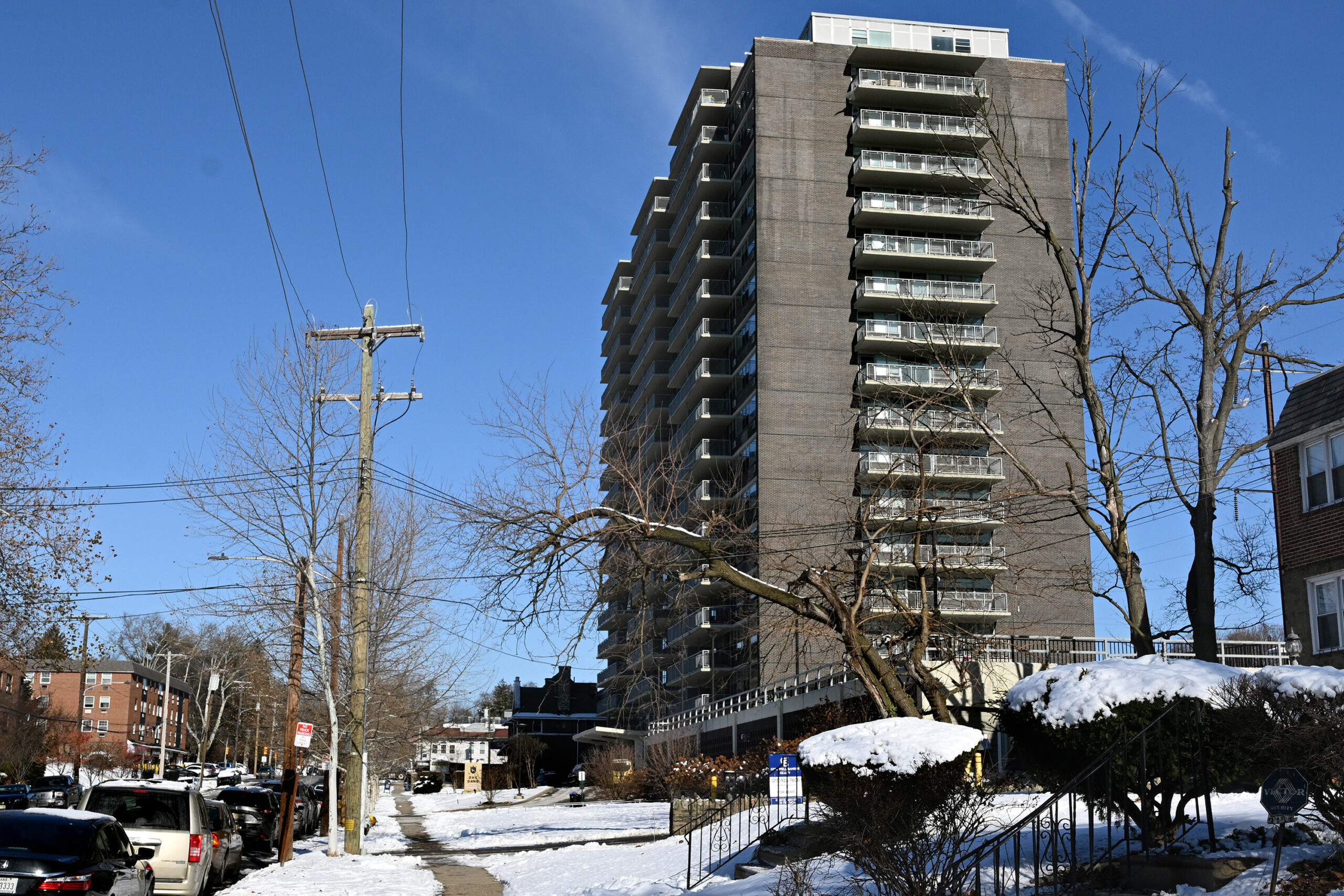
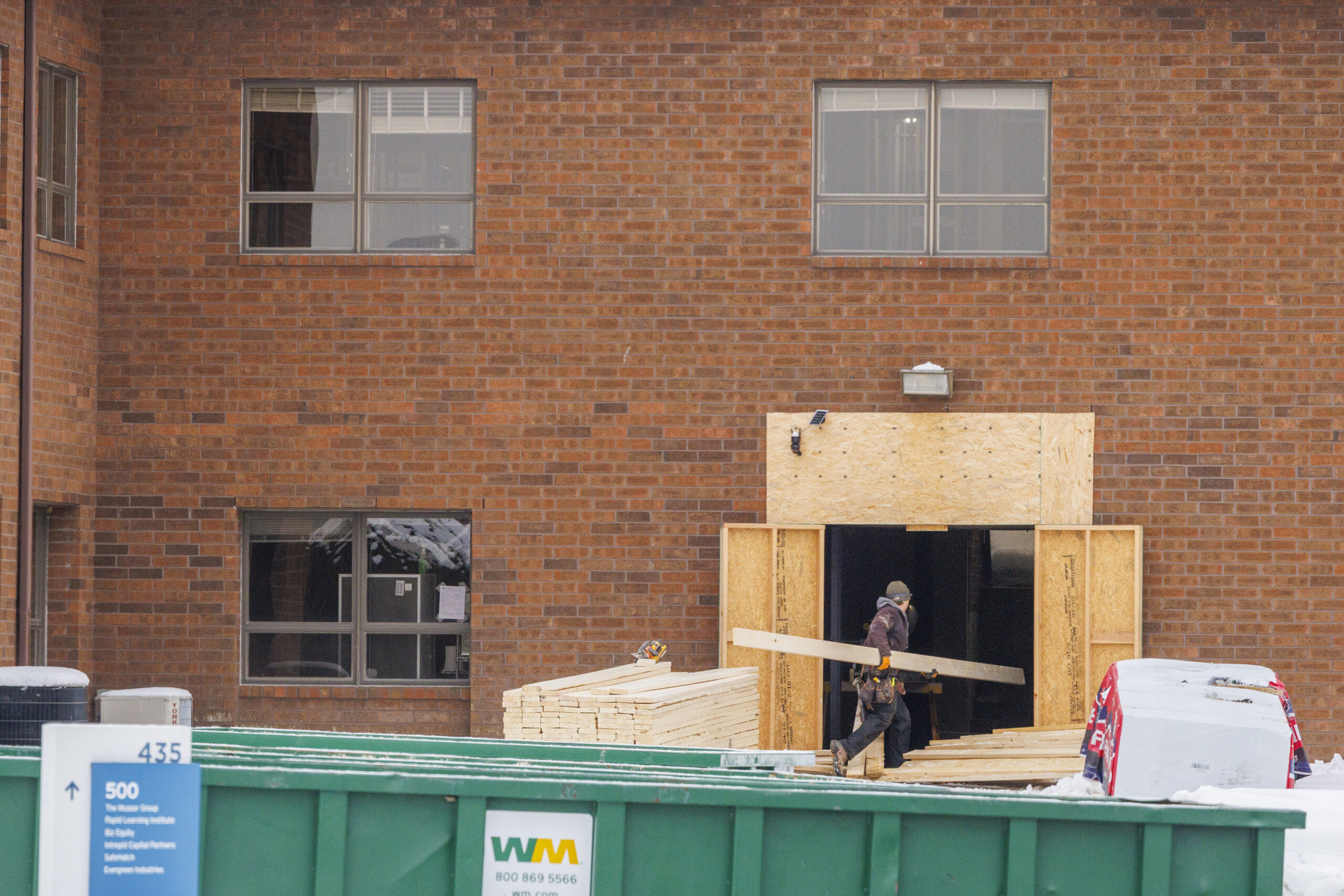
    Tenants keep leaving The Dane, the apartment building in Wynnefield that the Philadelphia Housing Authority took over last year.

    They say conditions have gotten better since the switch in ownership. But they’re still dealing with things like pest outbreaks and a garage door that breaks down.

    Tenants say the transition to PHA ownership has been challenging. But PHA’s new strategy to expand the city’s affordable housing supply relies on transitioning buildings like The Dane.

    In the last 14 months, PHA has spent $280.6 million for a total of 17 multifamily properties across the city. All together, that’s 1,515 apartments.

    In most of them, tenants are paying the going rate.

    But PHA wants to fill the buildings with tenants who use housing vouchers to cover a chunk of the rent. It plans to keep renting some apartments at the market rate, and those units will help pay operating expenses.

    Keep reading to learn more about PHA’s plans and some of the pain points that have popped up at The Dane.

    Same price but very different sizes
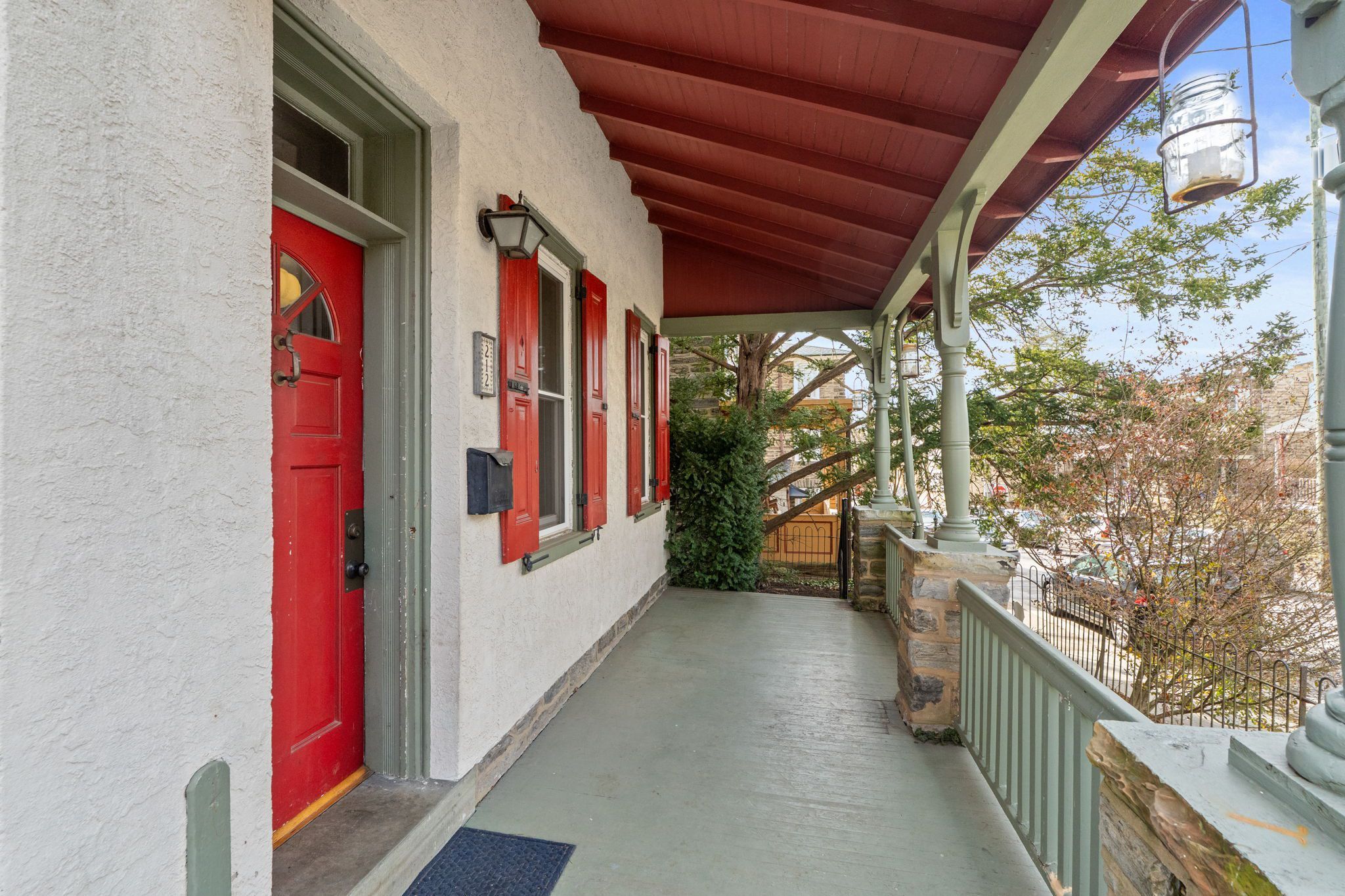
    And now it’s time for Price Point, the series in which I compare local homes on the market for about the same price.

    This time, I looked for homes for sale for about $760,000, which is twice the median sale price in the Philly region last month.

    I was excited to feature these three homes because even though they’re priced similarly, they vary significantly in size.

    The Upper Dublin Township home is roughly 1,000 square feet larger than the Riverton, Burlington County, home, which is roughly 1,000 larger than the home in Chestnut Hill.

    Two were built more than a century ago. One was built in the ‘80s. The homes have varying outdoor spaces, design styles, and numbers of bedrooms and bathrooms.

    Peek inside these homes for sale and see what roughly $765,000 can buy you in three local communities.

    The latest news to pay attention to

    Home tour: Old is new in Center City

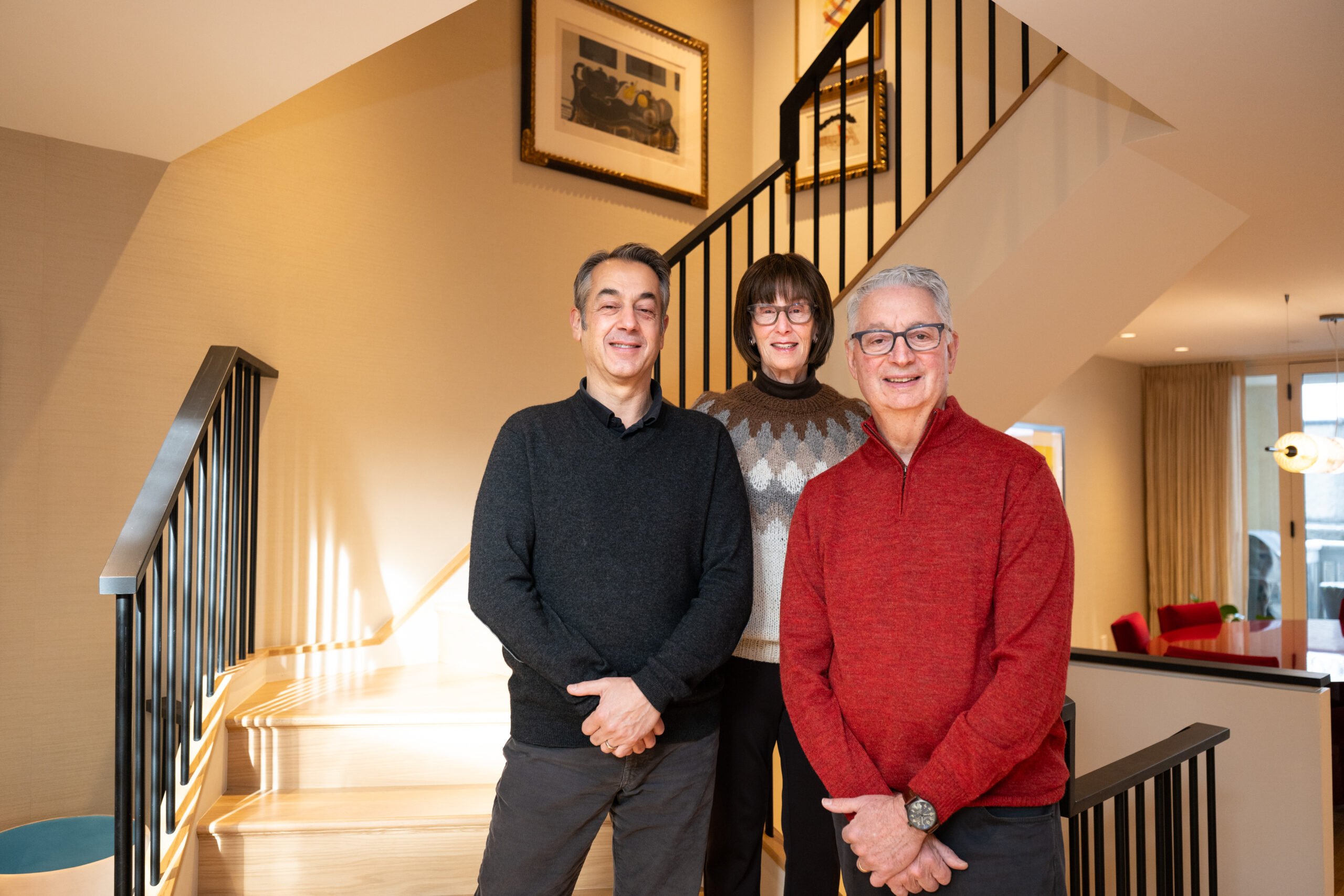
    In 2020, Amy Slater and Mark Silow didn’t know exactly what they were looking for as they walked the streets of Center City and looked for inspiration in other people’s homes.

    But they’d know when they found it, they said. And that’s exactly what happened when they saw a home on Rittenhouse Square with a style they loved.

    They left a note for the owners asking for the name of the home’s architect.

    Their boldness paid off. They got the name and an invitation to come over.

    That started the couple’s journey to update the home where they’d lived since 1989. On their wish list? More natural light, a new kitchen, and a new roof with a deck.

    Slater and Silow made those renovations and more.

    Peek inside the home they call their “new old house.”

    📷 Photo quiz

    Do you know the location this photo shows?
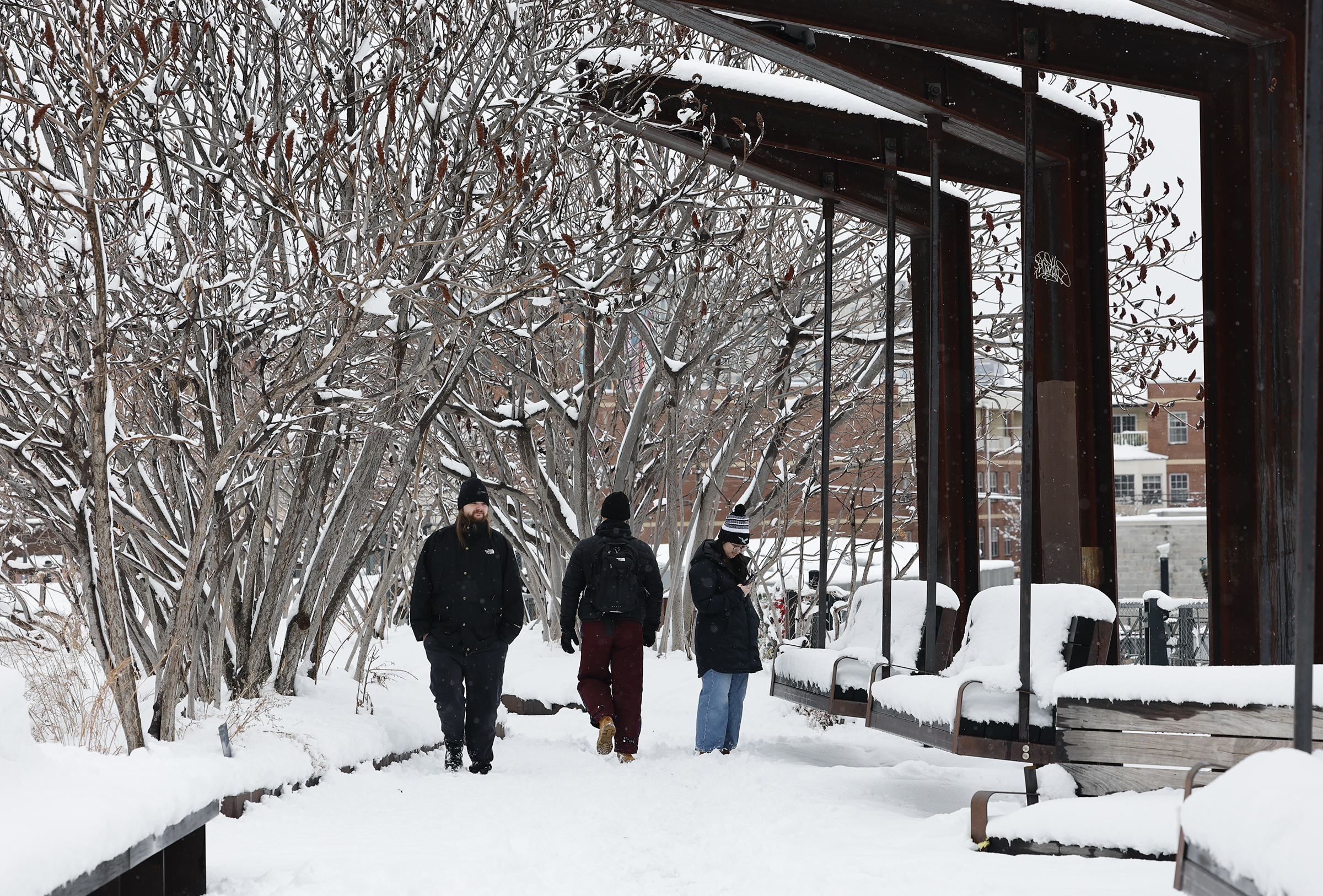
    📮 If you think you do, email me back. You and your memories of visiting this spot might be featured in the newsletter.

    Shout-out to Tim G., Maria D., Don L. and Anna-Marie S. for knowing that last week’s quiz featured a photo of the steps to the El station at 8th and Market Streets.

    Anna-Marie and Don both said they recognized the steps from their former commutes. Up until a few years ago, The Inquirer office was across the street, which is why I know those steps, too.

    Enjoy the rest of your week.

    By submitting your written, visual, and/or audio contributions, you agree to The Inquirer’s Terms of Use, including the grant of rights in Section 10.

  • Black History Month teaches us to learn from our past, flaws and all

    Black History Month teaches us to learn from our past, flaws and all

    When I studied American history in 11th grade, African American history was barely discussed, except for slavery. I took it upon myself to read about Black history to learn what my class hadn’t included.

    Since then, I’ve always looked forward to Black History Month, as scholars of African American history and culture present new research on what had been an understudied aspect of American history.

    After the Civil War ended, Confederate diehards, in a successful effort to memorialize “the lost cause,” reframed America’s deadliest conflict as the War of Northern Aggression. For over a century, this falsehood included textbooks that claimed plantation owners treated their slaves decently, and that the North’s interference in the South’s internal affairs caused the Civil War.

    In the early 1900s, the bodies of Confederate soldiers, buried in various Washington cemeteries, were disinterred and reburied in Arlington National Cemetery, America’s most hallowed ground. Shortly thereafter, the massive Confederate Memorial was installed near these graves, as if it were another shrine to Americans who fought for our country.

    This Jan. 4, 2020, file photo shows a sign for Fort Bragg, N.C., which was named for a Confederate general who fought against the United States of America. The Confederate name was changed during Joe Biden’s presidency, but has been restored during Donald Trump’s second term.

    With the increase in the Army’s man power during both world wars, new forts were established. The War Department named 10 of them to honor Confederate generals. Mind you, these generals led their forces in a rebellion against the United States that killed American servicemen.

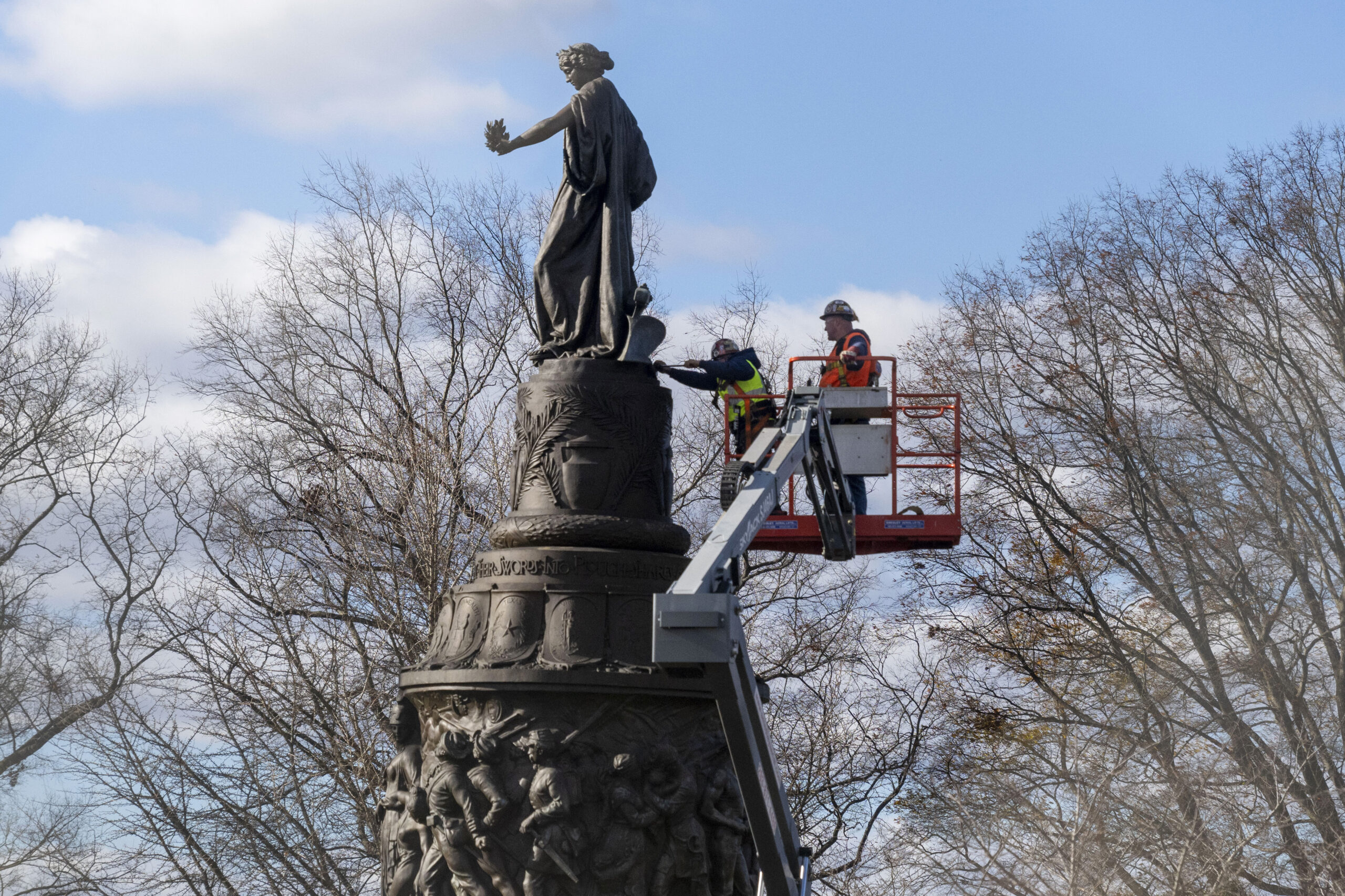
    During President Joe Biden’s presidential term, the Confederate Memorial was removed from Arlington, and Army bases were renamed for American military leaders who fought for the United States, not against it.

    Workers prepare the Confederate Memorial for removal in Arlington National Cemetery on Monday, Dec. 18, 2023, in Arlington, Va.

    More importantly, federal and state governments were willing to acknowledge past mistakes in the treatment of America’s Black citizens.

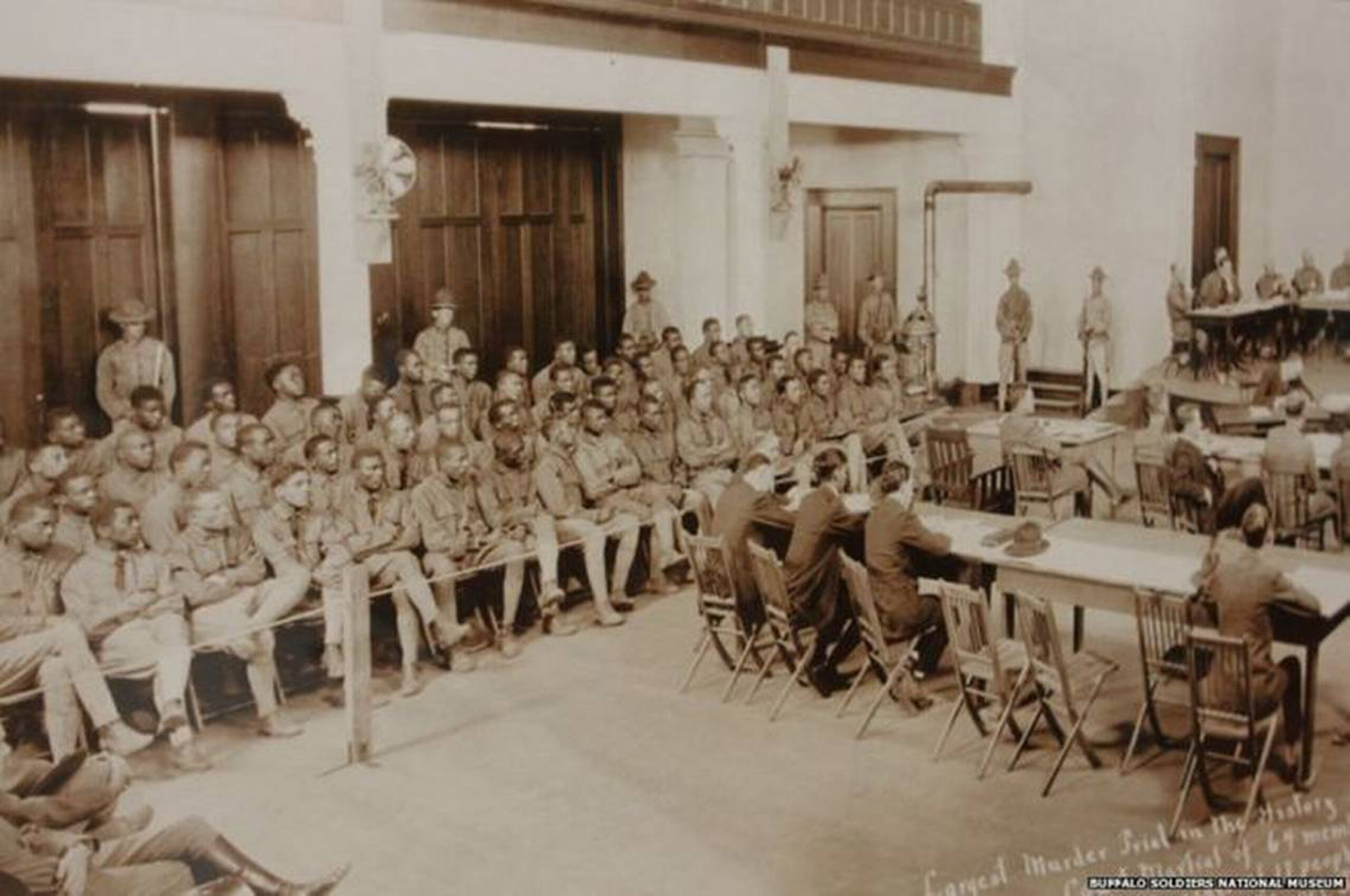
    During Biden’s administration, the unjust treatment of Black soldiers following the 1917 Houston Riot and of Black sailors convicted in the 1944 Port Chicago Mutiny was recognized. Although these men were dead, awarding them posthumous honorable discharges was an acknowledgment that they had been unfairly treated.

    A photograph of the courtroom where 63 Buffalo Soldiers from the predominantly Black 24th Infantry Regiment stood trial in 1917 for the Houston riot.

    These were signs of progress in race relations.

    In early 2025, I marveled at the changes in relaying America’s history, including its unpleasant truths, to students. State and federal governments now emphasize the multiple contributions of Black Americans in all fields of endeavor.

    The greatest aid in elucidating these contributions was the requirement to teach African American history in schools.

    Today, it seems that progress is stopping, as advancements in telling the true story of American history are reversed. Army forts now bear the same names as Confederate generals, and the Confederate Memorial is scheduled to be reinstalled in 2027.

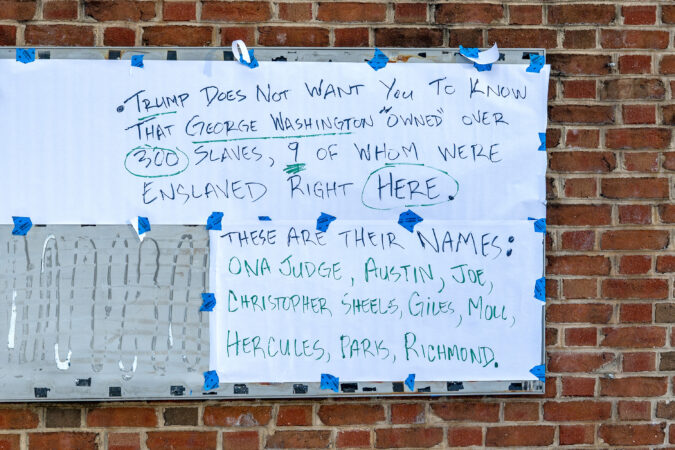
    On Jan. 22, the National Park Service ordered the removal of slavery storyboards at the President’s House, the home of America’s first family. They’ve now been restored, awaiting a decision by the Third Circuit Court of Appeals.

    A worker pauses while rehanging a panel of Oney Judge at the President’s House in Independence National Historical Park on Feb. 19, 2026. Judge was a woman enslaved by George Washington. A federal judge earlier in the week ordered the Trump administration to restore the slavery exhibits that the National Park Service removed in January.

    For a month, visitors were deprived of learning true stories about the people George Washington enslaved, Washington’s circumvention of Pennsylvania’s manumission laws, the enslaved who escaped, and Washington’s failure to recapture them.

    Having visited this site multiple times, I never saw any falsehoods on its signage. Instead, I saw an inconvenient truth. America’s first president — as well as the majority of our first 18 — owned human beings despite living 100 yards from where “all men are created equal” was adopted in our country’s founding document.

    Mount Vernon, the Washingtons’ Virginia plantation, doesn’t hide their enslavement of hundreds. Nor do Thomas Jefferson’s plantation at Monticello, James Madison’s at Montpelier, James Monroe’s at Highland, and Andrew Jackson’s at Hermitage.

    Americans can’t ignore the cruelty of slavery, the wealth enslaved people created for Southern plantation owners, and the Northern bankers, ship owners, and clothing/textile manufacturers who benefited, as well.

    We cannot obfuscate the fact that slavery didn’t end in 1865, as throughout the South, convict leasing and debt peonage reigned for decades after the Civil War.

    We cannot forget that federal and state governments failed to protect the voting rights of Black citizens for 100 years.

    We cannot bury the fact that thousands of Black people were publicly lynched in full view of hundreds of men, women, and children.

    The solution to teaching the unseemly side of American history is to look at Germany, the country whose Nazi regime murdered six million Jews and millions of Catholics, those physically and/or mentally challenged, Roma, gay people, Jehovah’s Witnesses, and political opponents.

    Germany doesn’t hide its horrific past. Instead, it has erected monuments memorializing victims of an earlier German government. Germany’s past is not buried, forgotten, or ignored.

    America is not Nazi Germany, but if we start to hide our flaws, we risk repeating history. Black History Month teaches us to learn from our past, flaws and all, and ensure they aren’t repeated.

    Paul L. Newman is an amateur historian of African American history. He’s working on a miniseries docudrama on the African American civil rights movement of the first half of the 20th century.

  • 🚙 Courtesy tows to get the boot? | Morning Newsletter

    🚙 Courtesy tows to get the boot? | Morning Newsletter

    Hey there, Philly.

    After a yearslong legal battle, the city tentatively agreed to start requiring tow truck drivers to keep track of where they leave vehicles, signaling a fix to the long-maligned “courtesy tow” problem.

    And a suburban office park in Chester County is getting converted to apartments. Is it a sign of things to come?

    Plus, we asked you where South and Central Jersey start. The results are in.

    — Julie Zeglen (morningnewsletter@inquirer.com)

    If someone forwarded you this email, sign up for free here.

    ‘A due-process violation’

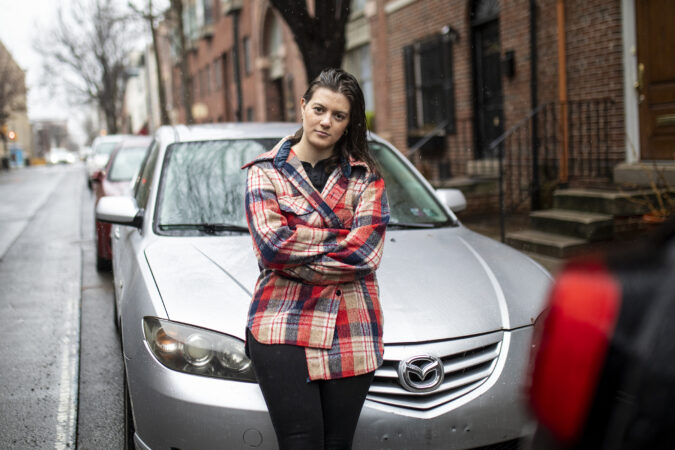
    Have you ever felt bewildered after your car went missing from its legal parking spot, only to be found blocks away, thanks to a towing company that never bothered to let you or police know they were moving it? Maybe you’ve even had to pay to get your vehicle back from the Parking Authority lot after it was moved to a no-parking zone and towed again?

    🚙 Congratulations: You’ve been the victim of so-called courtesy towing, a very Philly problem.

    🚙 After a protracted legal battle in federal court, reform of the maddening practice may be on the way: Lawyers for the city have tentatively agreed to require tow truck drivers who participate in its vehicle relocation program to keep track of where they unhook them.

    🚙 The settlement agreement will also pay $750,000 to 36 courtesy-tow victims.

    🚙 As of Wednesday evening, a judge still needs to approve the court settlement.

    Reporter William Bender, who has been tracking the courtesy-tow saga for years, has the story — including tales from towing hell.

    Suburban conversion

    Several former office buildings in downtown Philadelphia are being converted for residential use as housing demand increases and workspace demand decreases. A high-profile case is the historic Wanamaker Building, where 600 loft apartments will be constructed in former office and retail areas.

    But the suburbs have been lagging in replacing vacant offices with housing, due in part to architectural challenges — their developers tended to build out, not up, which means lots of dark interior space — as well as hyperlocal zoning regulations and remote locations.

    One new project, a sprawling office complex in Tredyffrin Township that will become 162 apartments, indicates that could be changing. It helps that its buildings aren’t big glass boxes, leaders say.

    Commercial real estate reporter Jake Blumgart has more.

    What you should know today

    Plus: The lines are drawn

    As we noted here last month, South and Central Jersey are nebulous concepts. For one: Does Central Jersey even exist?

    📍 We asked readers to draw a line where they believed each section starts. Factors that influenced their lines included highways — say, I-195 — and area codes.

    📍 And on that existential question, 74% said yes, Central Jersey is real. But they strongly disagreed on where it is.

    See the full map, based on thousands of reader suggestions.

    In other Jersey news: Attorney General Jennifer Davenport marked her first official day in the office exchanging lawsuits with the Trump administration.

    🧠 Trivia time

    The latest Rock & Roll Hall of Fame nominations were announced on Wednesday. Which Philly-tied musical act has never been nominated?

    A) Lauryn Hill

    B) Chubby Checker

    C) Pink

    D) The Roots

    Think you know? Check your answer.

    What we’re …

    🦪 Congratulating: Oyster House for its America’s Classics Award win from the James Beard Foundation.

    🌈 Visiting: Philly’s new LGBTQ+ visitor center, one of few in the country.

    🐴 Trying to adopt: One of 30 miniature horses up for sale in Gettysburg.

    Standing in line for: Powelton’s buzzy new Yemeni coffee shop.

    📖 Considering: How Black History Month teaches us to learn from our past, flaws and all.

    🧩 Unscramble the anagram

    Hint: Historic Germantown _ Meetinghouse

    NO EMINENT

    Email us if you know the answer. We’ll select a reader at random to shout out here.

    Cheers to Keyana Kutney, who solved Wednesday’s anagram: Pennsport. The development group behind a 36-story apartment tower planned for the Delaware River-adjacent neighborhood secured a $150 million construction loan and plans to break ground next year.

    Photo of the day

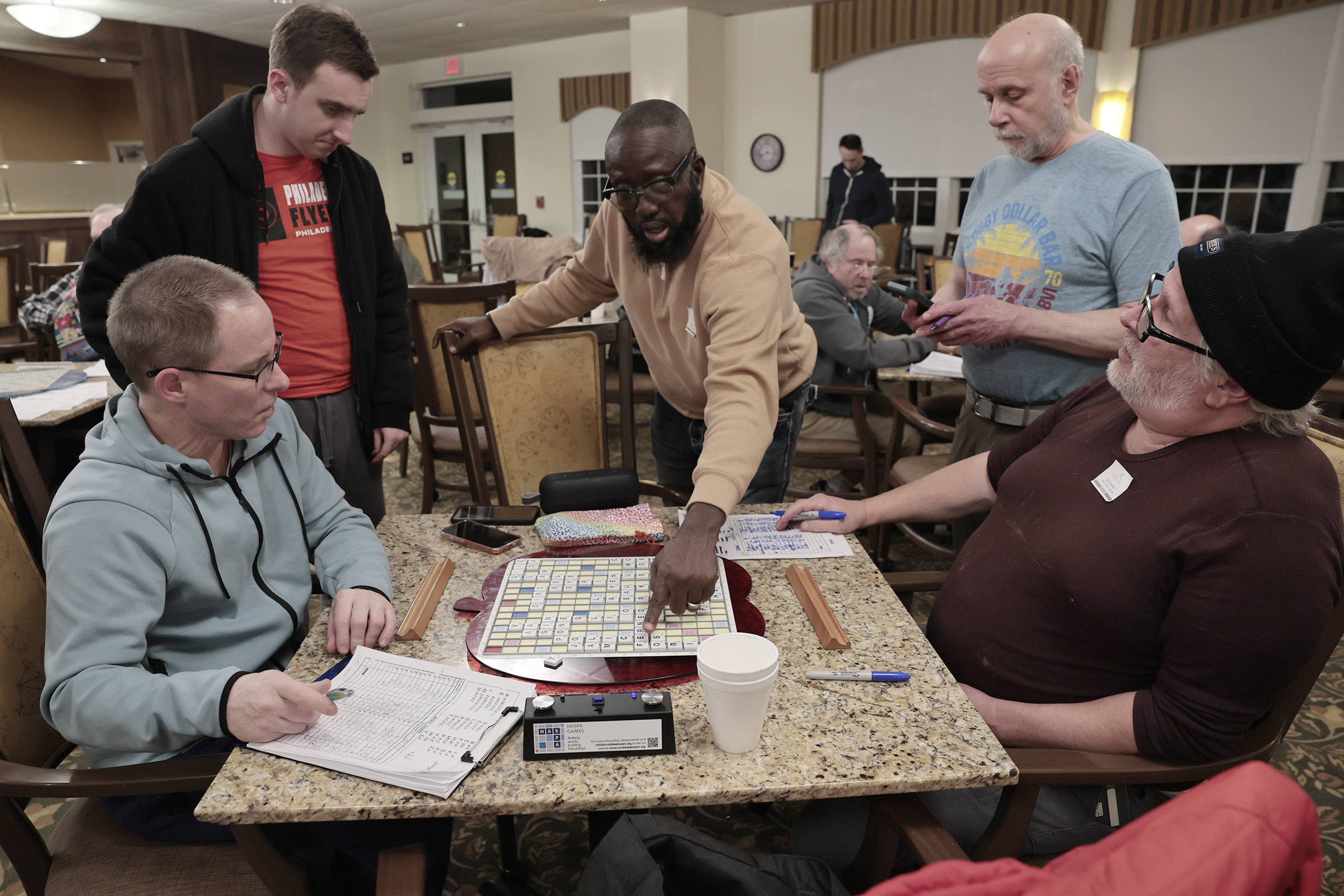
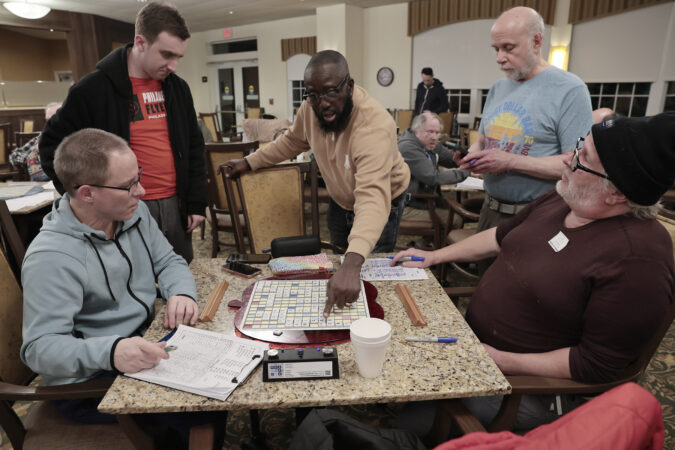
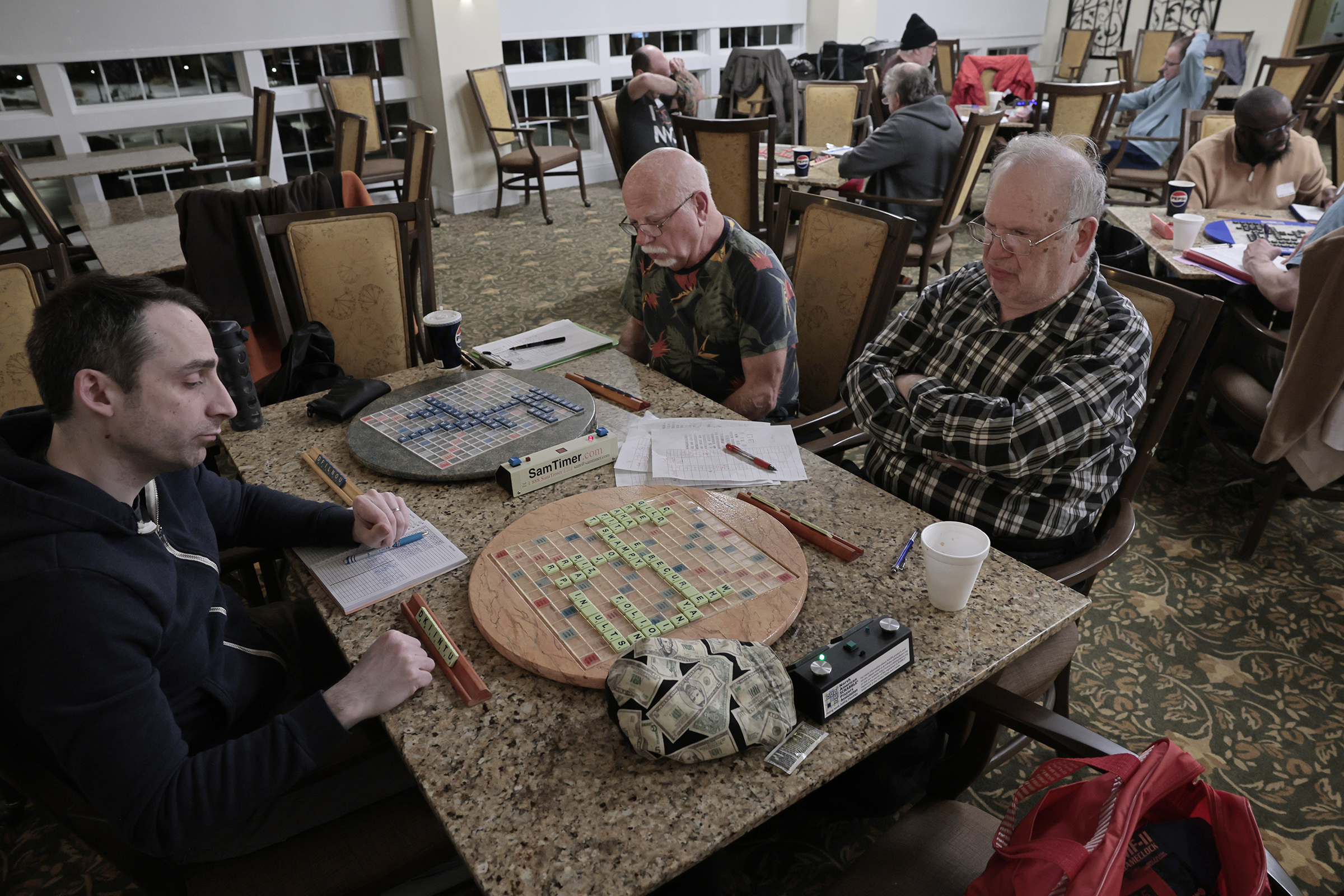
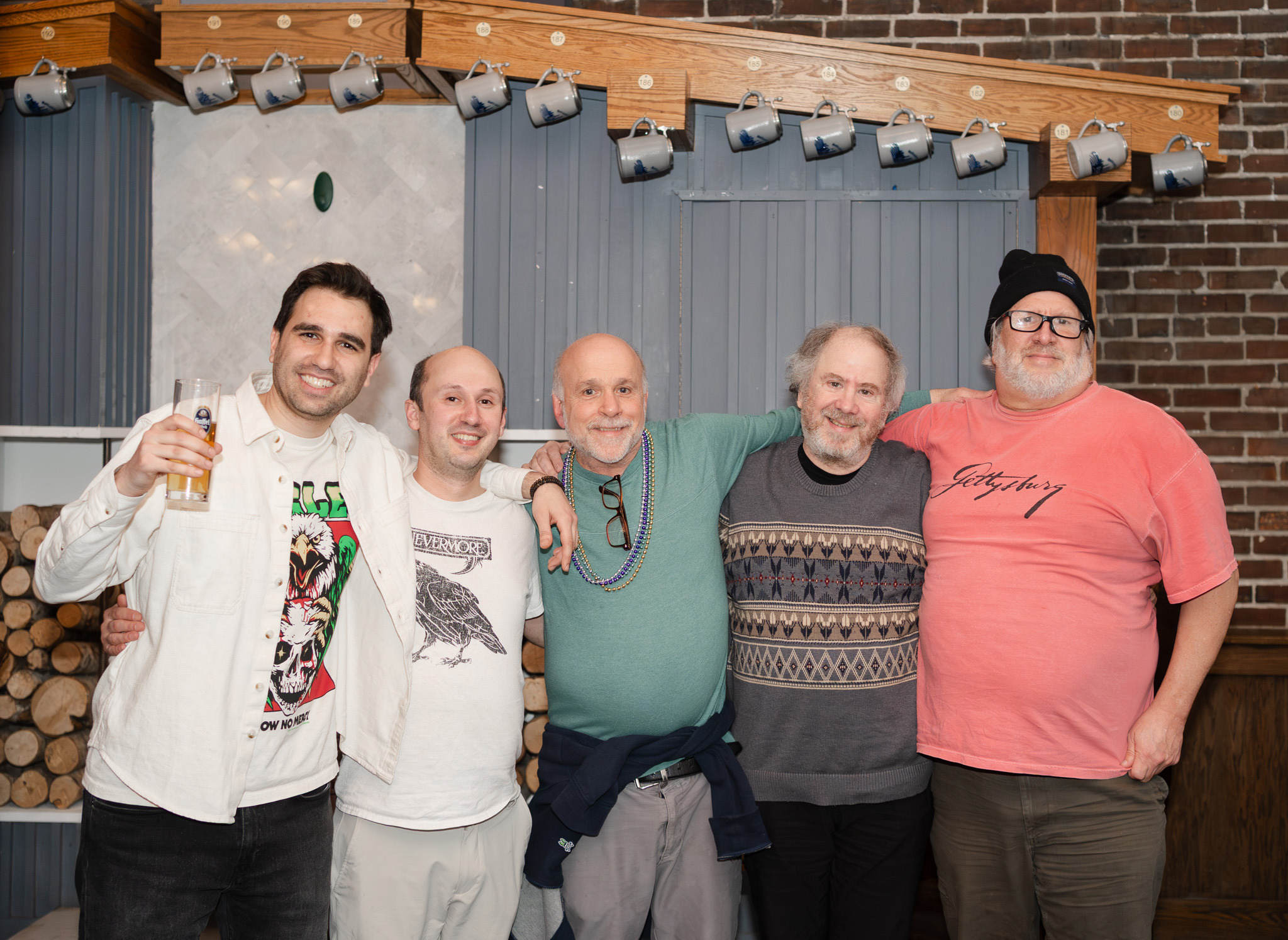
    Brendan McClanahan (from left) of Havertown; Evan Chester of Southampton; Clay Herron of Dover, Del.; Edwin Roth of Conshohocken; and Joe Geibler of Folsom have a spirited exchange during a Scrabble group meetup at Riddle Village in Media on Feb. 12.

    🟫 One last wordy thing: Feeling competitive? Go inside the Delco Scrabble Club, a home for the thriving local Scrabble scene including some of the best players in the country.

    Enjoy the rest of your Thursday. I’ll be back with you tomorrow morning to close out the week in news.

    By submitting your written, visual, and/or audio contributions, you agree to The Inquirer’s Terms of Use, including the grant of rights in Section 10.
  • Tired Hands reenvisions Ardmore Brewing Company | Inquirer Lower Merion

    Tired Hands reenvisions Ardmore Brewing Company | Inquirer Lower Merion

    Hi, Lower Merion! 👋

    Tired Hands Brewing Company is making some changes to one of its Ardmore locations. Here’s what to know. Also this week, we’re following the latest on a fatal shooting yesterday morning in Bala Cynwyd, we look at how much snow blanketed the area earlier this week, plus a look at where Lower Merion ranks among the region’s wealthiest spots.

    If someone forwarded you this email, sign up for free here.

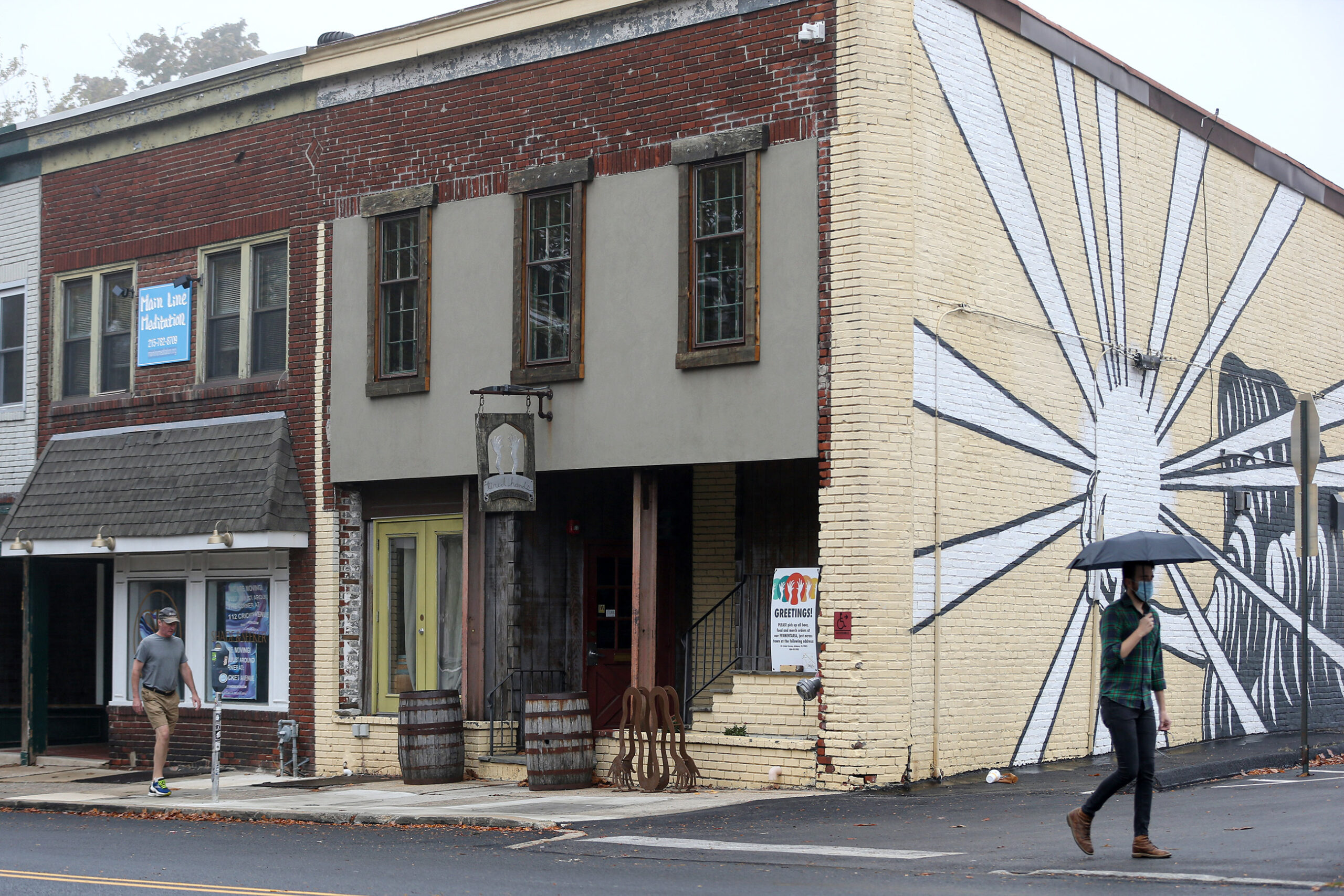
    Ardmore Brewing Company is now a private event space

    Ardmore Brewing Company is now a private event space as Tired Hands plots its next steps.

    Tired Hands Brewing Company, the owner of Ardmore Brewing Company, has transformed the 16 Ardmore Ave. spot into a private event space for the time being.

    Despite rebranding the space, previously known as BrewCafe, having two Tired Hands locations just a short distance apart in Ardmore was confusing for customers, the owner says. Paired with changes to the brewing industry landscape, additions to Ardmore’s food scene, and construction in the area, owner Jean Broillet decided it was time for a change.

    While he says the location will be open to the public again in the future, he hasn’t specified in what form, The Inquirer’s Denali Sagner reports.

    Read more about what prompted the change to Ardmore Brewing Company.

    💡 Community News

    • A former part-time police officer in Delaware County was fatally shot by Lower Merion police yesterday morning after exchanging gunfire with officers near Old Lancaster Road and City Avenue in Bala Cynwyd. When LMPD officers confronted Francis Connell Collier, 38, who was wanted on charges of rape and other sex crimes involving children, he shot at them, police say. Read more about what we know about the incident.
    • The region saw widely ranging snowfall totals from the storm earlier this week thanks to heavy banding. Penn Wynne saw 10.5 inches, according to a figure reported to the National Weather Service. See a map of how much snow fell near you.
    • Hair stylist Artur Kirsh is opening a salon in Narberth in April after Saks Fifth Avenue’s parent company announced it would be closing the Bala Cynwyd location, where he had long operated. Artur Kirsh Hair Studio will be located at 948 Montgomery Ave. and have what he described as a “fun and intimate” vibe. Kirsh also plans to open a second location at Boyds in Center City this fall.
    • Lower Merion is among the top 25 wealthiest spots in the Philadelphia area based on median household income between 2020 and 2024, according to the latest U.S. Census American Community Survey, which compiles self-reported income data. Township residents reported a median annual household income of $176,500, which puts it at No. 21 in the region. That’s more than $20,000 higher than the prior survey that looked at data from 2010 to 2014. Narberth comes in at No. 109 with a $124,000 median household income.
    • Two men have been arrested for allegedly breaking into the Lululemon in Suburban Square last month and making off with nearly $11,000 in goods. Quran Harmon, 23, and James Jordan, 49, both from Philadelphia, are accused of using a sledgehammer to break into the store and then fleeing with merchandise.
    • After an initial decision earlier this month to maintain pool fee pricing this year at the Ardmore Avenue and Belmont Hills pools for both residents and visitors, the board of commissioners last week approved a motion to increase fees 6.5% for non-residents this summer.
    • The former headquarters of Bryn Mawr Trust at 801 W. Lancaster Ave. is going to be converted into a financial literacy center. Real estate investor and developer Michael Karp said the project to convert the roughly 46,000-square-foot property will take 18 to 24 months and he envisions it including classroom and exhibition space where local students can learn. A WSFS bank branch in the building will remain there. (Philadelphia Business Journal)
    • The community is mourning the death of longtime former Wynnewood resident and local culinary pioneer Charlotte Ann Albertson, who died earlier this month at the age of 90. Albertson taught fifth and sixth grade English at the former Wynnewood Road School, before launching Albertson Cooking School, where she recruited high-profile chefs like Georges Perrier of Le Bec-Fin fame to teach. As the school grew, Albertson gave back by supporting philanthropic organizations like the Ronald McDonald House and Alex’s Lemonade Stand Foundation.

    🏫 Schools Briefing

    • Lower Merion School District is hosting the fourth and final community meeting about its 2026-2031 strategic plan on Tuesday from 6:30 to 8:30 p.m. at the Lower Merion High School cafeteria.
    • Registration opens tomorrow for new students entering second through 12th grade in the 2026-27 school year. Find more information about registration here.
    • Tonight is the Lower Merion High School Black Student Union’s fourth annual “Shades of Black” showcase, featuring dancing, singing, and spoken word performances.
    • Spring sports start on Monday, there’s an emergency bus evacuation drill on Tuesday, and on Wednesday, Black Rock will host a special education parent information meeting. Penn Wynne Elementary School is hosting its “Taste of Penn Wynne” event next Thursday from 6:30 to 8 p.m., when families will showcase different cultures through displays and cuisine. See the district’s full calendar here.

    🍽️ On our Plate

    • Joseph Amrani, an owner of Delice et Chocolat, which has locations in Ardmore and Wayne, appeared on PHL17’s Positively Philly recently, showcasing some of the French shop’s pastries and chocolates, including the “crookie,” a cross between a cookie and a croissant. He was joined by Alec Hersh, executive director of Downtown Ardmore District, which recently rebranded from The Ardmore Initiative and Destination Ardmore. See the segment here.

    🎳 Things to Do

    🦁 The Lion King: Catch a screening of the 1994 animated Disney classic. ⏰ Saturday, Feb. 28, 11 a.m. 💵 $6.75-$7.75 📍Bryn Mawr Film Institute

    🖨️ Community Scanning Day: Have older documents or photos you want to digitize? This event will convert up to 10 files and provide attendees with a flash drive. Registration is required. ⏰ Saturday, Feb. 28, noon-3 p.m. 💵 Free 📍Ardmore Library

    ✡️ Purim Fest 2026: Celebrate the Jewish holiday at this family-friendly event that includes games, crafts, and other entertainment. ⏰ Sunday, March 1, 11 a.m.-2:30 p.m. 💵 $40 per family in advance, $48 at the door 📍Kaiserman JCC

    🎨 Holi Crafternoon: Celebrate the colorful Hindu festival by making themed crafts at this drop-in event. ⏰ Wednesday, March 4, 3-5 p.m. 💵 Free 📍Gladwyne Library

    🏡 On the Market

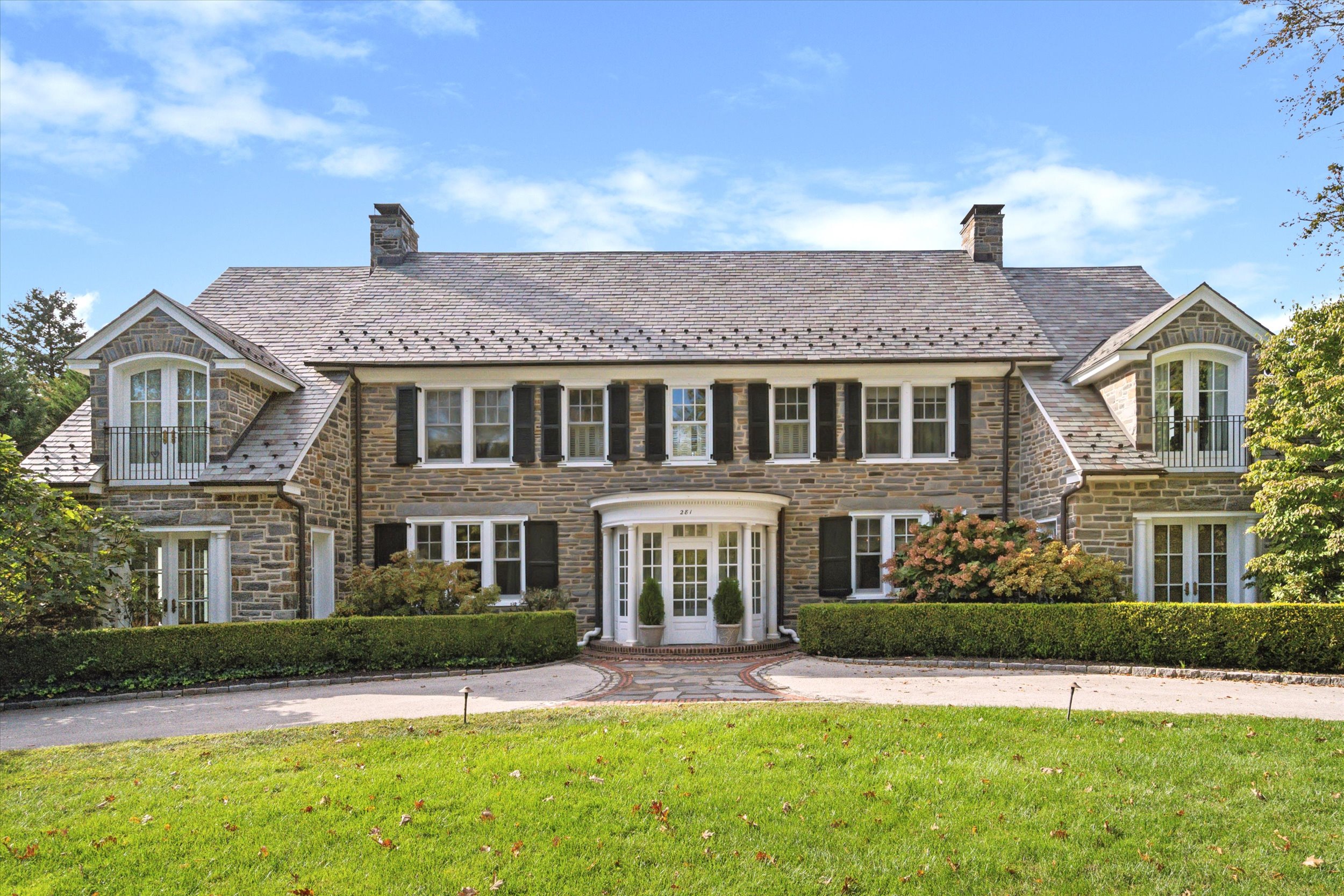
    A six-bedroom Merion Station home with a pool and wine cellar

    The home spans over 8,000 square feet.

    Built in 1925 and updated in recent years, this classic stone Merion Station home has multiple amenities like a pool, a home theater, a temperature-controlled wine cellar, and an elevator that stops at each floor. The first floor features formal living and dining rooms, a sunroom, and a kitchen with an island, black soapstone countertops, and stainless steel appliances. The home has six bedrooms, including a primary suite with its own dressing room and a bathroom with a whirlpool tub. The third floor has an additional bedroom, plus living space, while the basement features the home theater, a wine cellar, and a rec room.

    See more photos of the home here.

    Price: $3.33M | Size: 8,169 SF | Acreage: 1.01

    🗞️ What other Lower Merion residents are reading this week:

    By submitting your written, visual, and/or audio contributions, you agree to The Inquirer’s Terms of Use, including the grant of rights in Section 10.
    This suburban content is produced with support from the Leslie Miller and Richard Worley Foundation and The Lenfest Institute for Journalism. Editorial content is created independently of the project donors. Gifts to support The Inquirer’s high-impact journalism can be made at inquirer.com/donate. A list of Lenfest Institute donors can be found at lenfestinstitute.org/supporters.

  • 30 miniature horses are for sale in Gettysburg this weekend. Here’s what’s involved in owning one.

    30 miniature horses are for sale in Gettysburg this weekend. Here’s what’s involved in owning one.

    Everything at Land of Little Horses animal theme park in Gettysburg must go this weekend. That means tractors, picnic tables, porta potties, and about 30 miniature horses.

    Sparkle, Pumpernickel, Russel’s Majestic Princess Gingerbread, Summer Wish, Shortcake, and the others will head for greener pastures at the Saturday morning auction, which will mark the end of the 55-year-old park.

    In December, the park owners announced on social media that they’d decided to retire and close the facility, which hosted horse shows, trail rides, and grooming activities. They declined to be interviewed for this story.

    Selling horses, let alone miniature horses, is a first for auctioneer Larry Swartz.

    “We have had strong interest from really across the nation, even a breeder from Hawaii has reached out,” Swartz said.

    (If you’re wondering if a mini horse can be transported on an airplane, it can, Swartz said.)

    Swartz predicts one particular miniature horse, an 11-year-old chocolate mare with a bald face, to fetch the highest price.

    “Cameo was the star of their show here,” Swartz said. “We expect her probably to be the high seller.”

    Cameo, an 11-year-old miniature horse for sale at the Land of Little Horses auction, can wave, smile, untie, and sit down.

    Not only does she have distinctive markings, she can wave, smile, untie, lay down, and sit.

    As of Wednesday afternoon, she was already going for $3,550 in the online prebidding which started Feb. 14 and ends when the live auction starts Saturday at 10 a.m. at the Gettysburg farm at 125 Glenwood Dr. The auction will also be available to view on livestream. Swartz expects each miniature horse to sell for around $2,000 to $3,000.

    The origins of miniature horses in the United States may date back to the 1800s, according to the American Miniature Horse Association, a Texas-based nonprofit that sets regulations and compiles registries of miniature horses around the country and world.

    Sparkle, a 16-year-old miniature horse who will be available at the Land of Little Horses auction, is food motivated.

    The horses were originally brought over from Britain to assist in the mining industry for hauling wagons of coal, said Valerie Shingledecker, the association’s operations manager. The United States now has around 100,000 of them, according to the association’s registry.

    Texas, California, and Florida have the largest number of association-registered miniature horses in the country as of this month. States along the Appalachian Mountain range, where much 19th-century coal mining activity was concentrated, have the next-highest number. Pennsylvania has the fifth-largest population of association-registered miniature horses at about 3,800.

    Can you own a miniature horse?

    In recent decades, miniature horses are more commonly seen at petting zoos and in horse shows performing tricks, like pulling people in wagons.

    They can also be kept as pets. In Philadelphia, residents can apply for a license to own a horse if they have a stable or one quarter acre of land per horse, according to a 2013 law. If residents have neither, they can still keep one so long as they have fewer than three horses in the same space and submit an equine veterinarian-approved exercise plan for the horses.

    Most importantly manure must be disposed of every 24 hours.

    Macy is a 30-year-old Falabella miniature horse who knows how to smile. She’ll be up for auction at the Land of Little Horses sale.

    Under the Americans with Disabilities Act, a miniature horse can function as a service animal for people with disabilities. Facilities covered by the ADA are required to adopt policies detailing where and when service miniature horses are permitted. Facilities may elect to not allow them inside if they’re not housebroken.

    If you’re interested in owning one, get ready for a long-haul commitment, Shingledecker said. These horses “cannot exceed 34 inches in height at the withers as measured from the last hairs of the mane,” according to the American Miniature Horse Association. They’re about a quarter the size of a regular horse and can live for over 30 years. However, they’re “easy keepers,” she said, meaning they don’t require a lot of food — about $2 of hay a day or $730 a year.

    They also need vaccines and have to have their feet trimmed every six weeks by a farrier, but they don’t need horseshoes.

    All in all, Shingledecker estimates one miniature horse costs about $1,500 a year to take care of.

    Though they’re generally well-behaved, it’s important to remember they’re still animals with their own set of defense mechanisms.

    “It is a horse, it’s not a dog,” she said. ”They can kick and they can bite if they were not socialized well. Don’t put them in the house.”

    If they become afraid, they’ll either run, kick, or bite, Shingledecker said. “On the whole, they’re very friendly, very easy to work with.”

  • Wawa has grown — but has it changed too much? | Inquirer Greater Media

    Wawa has grown — but has it changed too much? | Inquirer Greater Media

    Hi, Greater Media! 👋

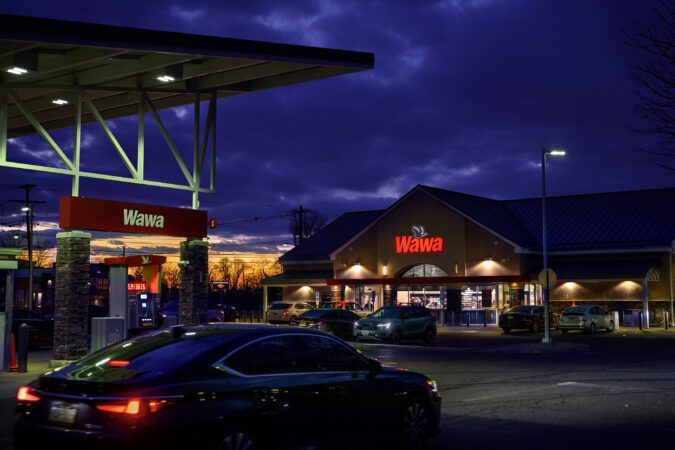
    Wawa has experienced rapid growth in recent years, but it still takes its hometown fans seriously when it comes to changes. Some Inquirer staffers asked, though: Has a little of its magic been lost? Also this week, Delaware County Council has ended a disaster emergency related to Crozer Health’s closure, plans for a loop road in Middletown Township have been scrapped, plus Swarthmore College’s president is stepping down next year.

    If someone forwarded you this email, sign up for free here.

    Wawa remains true to its local fans amid expansion

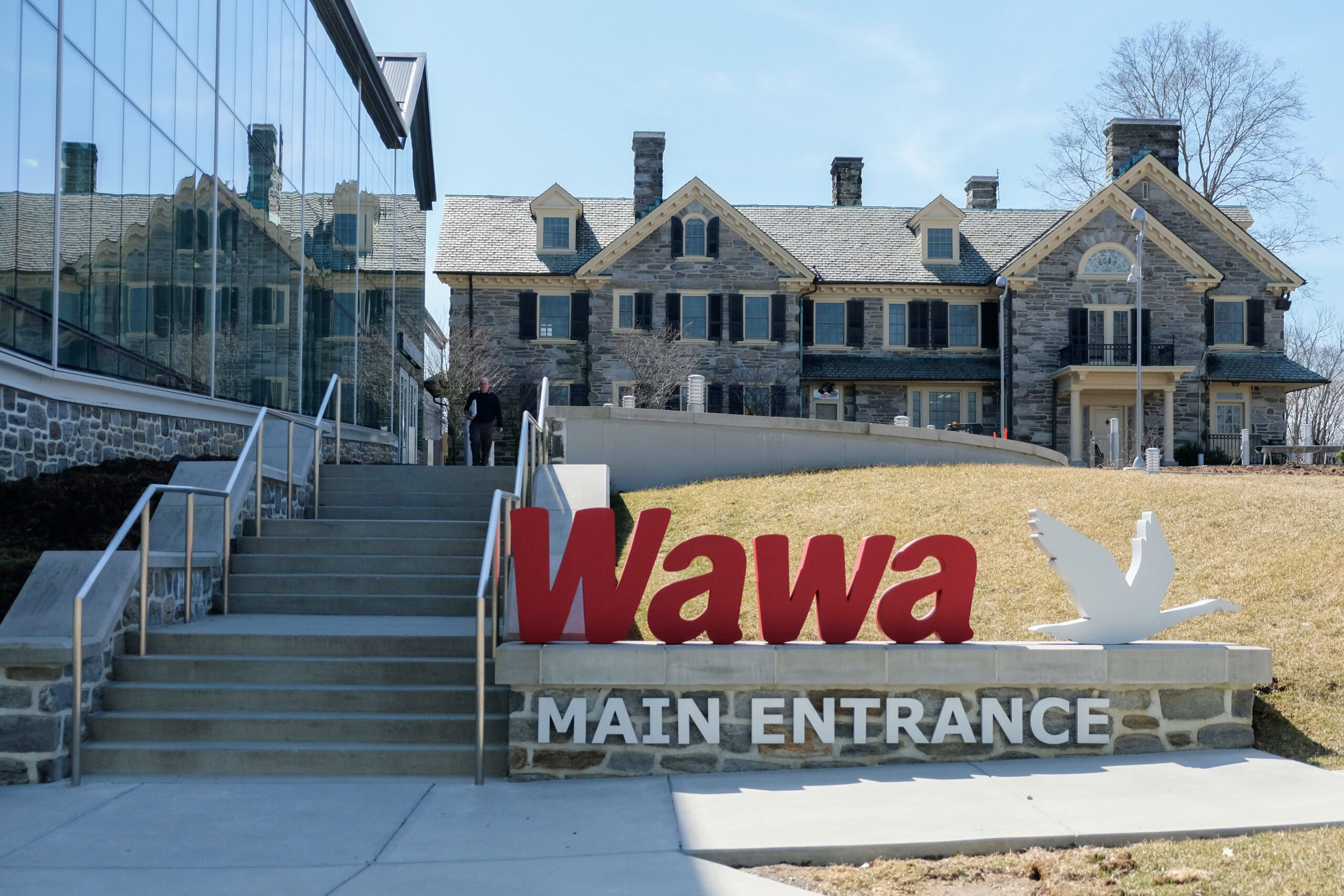
    Wawa’s corporate headquarters is located in Delaware County.

    Wawa’s stores and menu offerings look quite different than they did a couple of decades ago, but despite the many changes the Delco-rooted company has made over the years, leadership says it’s still taking cues from its hometown base.

    “For a lot of people, it’s their daily routine,” CEO Chris Gheysens told The Inquirer’s Erin McCarthy recently.

    While some bemoan the loss of freshly sliced meats (more on that below), other changes to Wawa have been consumer-driven, like introducing coffee, adding gas, and delivering protein-packed menu items.

    Read more about how Wawa continues to stay in tune with its hometown fans even as it grows and evolves.

    Yes, but is Wawa still good?

    Is Wawa what it used to be?

    Wawa has expanded to nearly 1,200 stores across 13 states and Washington, D.C., and some wonder if it’s lost a little bit of its luster all these years later.

    Three Inquirer staffers recently shared what they still love about the convenience chain and what they miss (including the freshly sliced deli meat and the spicy cherry relish).

    Read what they had to say and why they think locals remain so loyal to the brand.

    💡 Community News

    • The region saw widely ranging snowfall totals from the storm earlier this week thanks to heavy banding, but Nether Providence and Swarthmore topped the lists locally, according to figures reported to the National Weather Service. Both recorded a foot of snow, while Media clocked in at 7.8 inches. See a map of how much snow fell near you.
    • Middletown Township is not moving forward with plans for the proposed “loop road” that was intended to be built behind the Chick-fil-A and CVS to ease congestion near the busy intersection of Route 1 and Pennell Road. With PennDot planning to widen the road and add turn lanes, the project would be unnecessary. (Daily Times)
    • Delaware County Council voted last week to end a disaster emergency related to Prospect Medical’s closure of Crozer Health last year, including Crozer-Chester Medical Center. Council enacted the resolution last summer, allowing it to allocate funds that ensured residents had continued access to emergency medical services, such as ambulances. It also gave local municipalities time to establish their own EMS contracts, which, according to council, all have since done.
    • Swarthmore College President Valerie Smith announced this week that she will step down from her role in June 2027, when her contract ends. Smith has served as president since 2015, leading the liberal arts school through the pandemic, student protests, and funding threats from the federal government.
    • Eight Swarthmore College students face possible expulsion after distributing a “zine” criticizing seven members of the college’s board of managers for their ties to companies invested in Israel. The school says the students used imagery and language that “threatened, intimidated, and/or promoted potential violence on campus.” (WHYY)
    • Heads up for trolley riders: Trips on the D1 line, which starts at Orange Street in Media, could be up to 15 minutes longer after SEPTA launched a new safety system this week. The new system includes upgraded signals that require more gradual accelerations and decelerations, which are aimed at improving safety.
    • Media Mayor Joi Washington said she knows that her office carries weight beyond policy-making. The first woman and person of color to be mayor of Media, she said in a recent interview with CBS News Philadelphia, “What I want young Black girls to see, what I want Black residents to see, is that we’re still here. There are a lot of things that are stacked against us, but we can’t succumb to negativity.”
    • Swarthmore Borough residents can purchase a tree to go along or near their curb through March 9. Trees are $250 and include mulching and planting.

    📸 Local residents embrace the snow

    Josh Jordan and his 3 year-old daughter, Louise, took advantage of the snow earlier this week to build a snowman near their home in Media.

    🏫 Schools Briefing

    • On Tuesday, Wallingford-Swarthmore School District’s board approved a reorganization plan that would eliminate nearly 20 jobs as it looks to trim spending. The plan, which goes into effect in July, is expected to save the district about $2 million by eliminating five administrative positions, some instructional assistants, and other roles. The measure comes as the district faced a budget deficit for the 2027-28 school year.
    • WSSD is hosting a pair of community conversations today at Strath Haven Middle School at 9 a.m. and 6 p.m. to discuss the budget development for next school year.
    • Reminder for Wallingford-Swarthmore families: Tomorrow is the last day to register for next year’s morning/afternoon kindergarten lottery.
    • Also in Wallingford-Swarthmore, tomorrow is Strath Haven Middle School’s sixth and seventh grade dance, and Monday is the start of pre-season for spring athletics. There’s a policy committee meeting Tuesday night. See the district’s full calendar here.
    • In Rose Tree Media School District, there’s a school board meeting tonight at 6:30 p.m. at Penncrest High School, and Springton Lake Middle School’s musical kicks off tonight and runs through Saturday. Tomorrow, there’s a pep rally and science fair at Indian Lane. There are early dismissals for elementary school students on Wednesday for parent-teacher conferences. See the district’s full calendar here.

    🍽️ On our Plate

    • Media Restaurant Week is just a few weeks away, and eateries are offering special pricing for the occasion. See the restaurants that have signed up so far here.

    🎳 Things to Do

    🎷 Tino Serrano and His Latin Jazz Quintet: Hear the band play Latin jazz tunes as part of the Friday Night Live Concert series. ⏰ Friday, Feb. 27, 7-9:30 p.m. 💵 $10-$15 📍Community Arts Center, Wallingford

    😂 Delco Improv Night: ComedySportz Philadelphia returns for another unscripted night of comedy. ⏰ Saturday, Feb. 28, 7:30-9 p.m. 💵 $20.50 📍Park Avenue Community Center, Swarthmore

    🎵 Rust: Hear tunes from the Neil Young tribute band. ⏰ Saturday, Feb. 28, 8:30 p.m. 💵 Free 📍Shere-e-Punjab

    🏡 On the Market

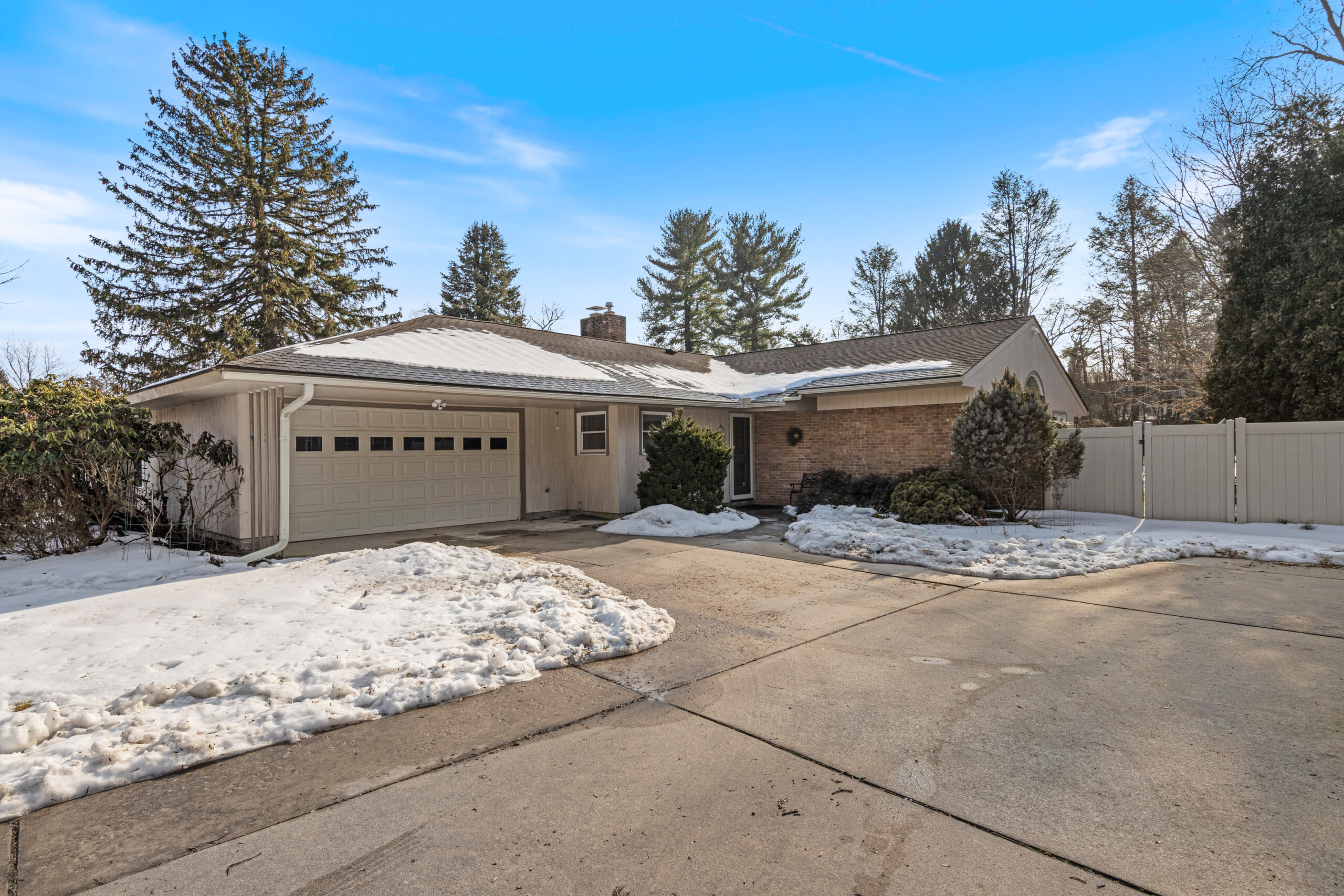
    A mid-century Media home with a three-season room

    The home also has solar panels.

    Built in 1950, this four-bedroom Media ranch has mid-century elements but has also been updated and expanded. Brick walls and original oak flooring give nods to the past, along with a brick fireplace that has space for wood storage, while stainless steel appliances, granite countertops, and a peninsula with seating give the kitchen a 21st-century feel. The home has a living room, family room with vaulted ceilings, a dining room with a dry bar area, and an office. There’s also a three-season room, a back patio, and a fenced yard.

    See more photos of the home here.

    Price: $899,000 | Size: 4,010 SF | Acreage: 0.76

    🗞️ What other Greater Media residents are reading this week:

    By submitting your written, visual, and/or audio contributions, you agree to The Inquirer’s Terms of Use, including the grant of rights in Section 10.

    This suburban content is produced with support from the Leslie Miller and Richard Worley Foundation and The Lenfest Institute for Journalism. Editorial content is created independently of the project donors. Gifts to support The Inquirer’s high-impact journalism can be made at inquirer.com/donate. A list of Lenfest Institute donors can be found at lenfestinstitute.org/supporters.

  • Don’t make Parkway Northwest a ‘sacrificial lamb’, those fighting its closure say

    Don’t make Parkway Northwest a ‘sacrificial lamb’, those fighting its closure say

    Lyric Jenkins is a strong student, with a report card full of As and Bs.

    She approached her high school selection process seriously, finally zeroing in on a school that checked all her boxes. Jenkins chose Parkway Northwest High School for Peace and Social Justice, she said, because it was an academically rigorous magnet school, safe — and not huge.

    “I wanted a small community where I could be seen,” said Jenkins, now a 10th grader at Parkway Northwest in East Germantown.

    Last month, Jenkins was “shocked” to find her school was being targeted for closure, in part because of the very size that drew her to choose it.

    Philadelphia School District officials have proposed closing Parkway Northwest and 19 other schools, colocating six more and modernizing 159 under a sweeping facilities plan. The proposal calls for closing Parkway Northwest in 2027 and making it an honors program inside Martin Luther King, a large comprehensive high school about half a mile away.

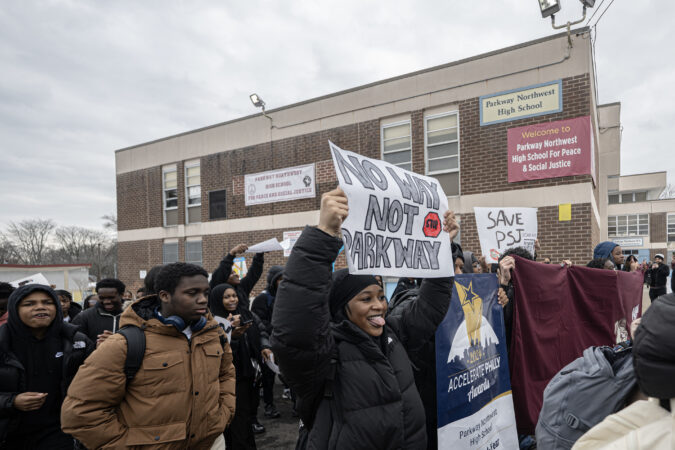
    Student Alasia Payne speaks during a rally for peace and social justice on Wednesday outside Parkway Northwest in protest of its potential closure.

    That plan has drawn fire from many, including more than 100 Parkway Northwest students, who walked out of school en masse Wednesday to protest — waving signs, singing, and banging drums.

    Those fighting to save the school argue that its small size is an asset, and enrollment has been growing, and they have expressed safety concerns about sending children to Martin Luther King.

    More students choosing Parkway NW

    District leaders have said their plan is not motivated by finances, though there is clearly a desire to shrink the school system’s footprint, with 70,000 empty seats citywide. Some schools are less than a quarter full, and others, mostly in the Northeast, don’t have enough room to accommodate all the students enrolled.

    Superintendent Tony B. Watlington Sr. said the plan will provide a stronger and more equitable education for students citywide.

    Closing Parkway Northwest is part of a strategy to shut a handful of small district magnet or citywide schools, moving them into reinvigorate neighborhood high schools.

    That strategy has been uniformly denounced by staff, students, and parents at Parkway Northwest and the other schools that would be forced to surrender their independence — Parkway West, Motivation, Lankenau, and Robeson. All have been affected by changes to the district’s special admission process, which shifted the district to a strict centralized lottery, stripping away from schools the ability to have any discretion over their incoming classes.

    Parkway Northwest and the other magnets all saw enrollment tumble after the forced move to the lottery — a factor that’s now being used against them.

    Student Dane McFarland speaks during a rally outside Parkway Northwest High School on Wednesday.

    The school has worked diligently to build enrollment back up, said Beth Ziegenfus, Parkway Northwest’s school-based teacher leader and the coordinator of its robust dual enrollment program.

    “More students have been choosing Parkway,” Ziegenfus said. “If you think about what our projected enrollment is for next year, we’re looking at an extra 150 kids that we could have here.”

    The closure recommendation discounts that growth, Ziegenfus said, and it also threatens students like Jenkins.

    “These small schools offer something to students who don’t thrive in large environments,” said Ziegenfus. “There is something to be said about kids knowing every single adult in the school — it contributes to the safety. When every child knows you and you know every child, you’re able to offer support, or redirect behaviors, or offer assistance.”

    Ziegenfus spent years teaching at Frankford, another large neighborhood school. She said she cares about comprehensive high schools, sees their value, and believes they need more resources. But those resources shouldn’t come at the expense of Parkway and other small schools.

    “We should invest in King, but two things can be true at the same time. We need Parkway,” said Ziegenfus. “They’re really disrupting the children here, and the children at King, and the incoming kids who are going through the school selection process.”

    ‘They’re going to flee somewhere else’

    At recent district meetings about the proposed Parkway Northwest closure, anger bubbled over.

    Students, teachers, and community members disputed the district’s statistics around the school in a meeting with district officials, saying its 60% building capacity score was off.

    But mostly, they raised alarms about safety.

    “My question is, how will I be able to grow my education at a bigger school if I don’t even feel safe there?” said Sanai Williams, a Parkway Northwest 10th grader. “I don’t feel like I’m going to be able to grow my education if I’m watching my back, thinking I’m going to get attacked every which way at King.”

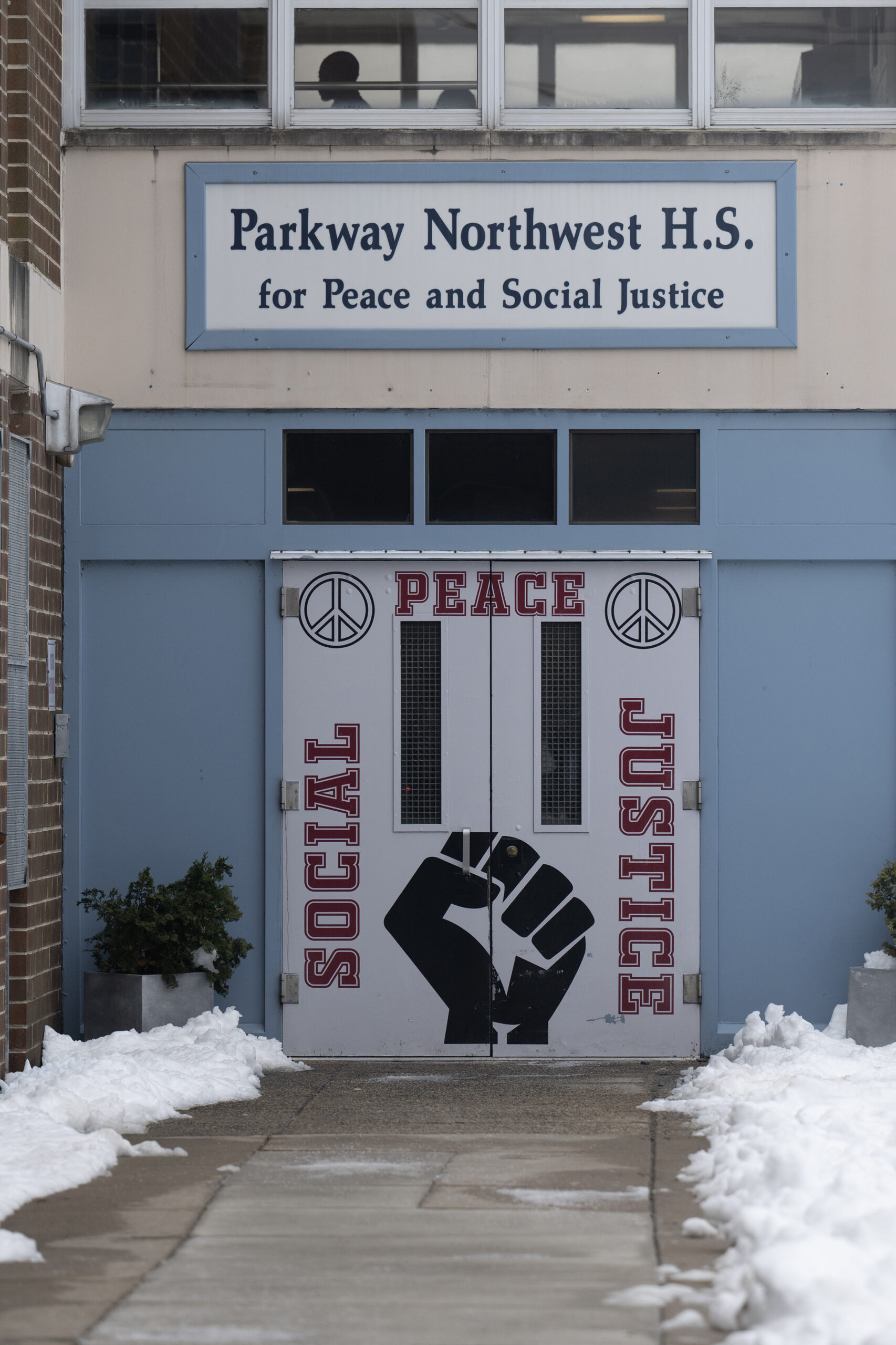
    Parkway Northwest High School in Philadelphia.

    Rodrigo Fernández, the Parkway Northwest Spanish teacher, said he was frustrated by a perceived lack of real opportunity to shape the plan.

    “You are not listening to us,” Fernández said. “You haven’t heard one single person saying, ‘I am excited about this plan.’ If you want to retain our students, you won’t retain them by doing this. They’re going to flee somewhere else. They didn’t choose that setting.”

    Over 1,500 community members have signed a Change.org petition calling for the district to reverse the closure recommendation.

    A peace and social justice mission

    Parkway Northwest, said Elliott Seif — a retired educator and author who’s volunteered at Parkway Northwest for 15 years — is being offered up as “sacrificial lamb to do something at Martin Luther King, which it may not be able to do.”

    And Paula Paul, another longtime Parkway Northwest volunteer, said the very nature of the school makes it essential in the city.

    Students walked out of Parkway Northwest on Wednesday to protest its closure.

    “Does not our city need a school devoted to peace, social justice, and violence prevention, and one where people have formed a community that is functional, a school that works, a school where kids want to be?” Paul asked district officials. “We’ve been struggling to get schools that are functioning, not to lose students, for students to feel safe, to feel connected. Why would we close this school?”

    Watlington is expected to present his plan to the school board Thursday, but the board will not vote then. A date for the final decision on closures and other changes has not yet been set.

  • Brandon Graham, Jaelan Phillips among athletes working with organization to prepare for post-playing career

    Brandon Graham, Jaelan Phillips among athletes working with organization to prepare for post-playing career

    It’s common advice, Brandon Graham said, to plan out what you’re going to do after you retire while you’re still playing pro sports.

    You never know when your career will be over, the Eagles defensive end said. Just take it from him — Graham retired at the end of the 2024 season, then decided to come back midway through the 2025 campaign.

    But it’s easier said than done to plan for later while you’re still in the game. Being a professional athlete takes up a massive amount of time and mental energy, and their bubble is often made up primarily of people who play their sport.

    Enter Pro Athlete Community, an organization dedicated to supporting professional athletes across all sports as they transition into post-playing careers. Graham, 37, got involved with the organization in its early stages in 2018, just after the Eagles’ Super Bowl LII win.

    “When we won, when I finally got out of that label, I started to really take it seriously and try to make sure that I have something to look forward to when I’m done, so that I won’t be behind the eight ball on that,” Graham said.

    PAC claims to be like “the locker room outside the locker room.” Through group conferences and networking events, it connects active and retired pro athletes with business leaders and career fields that are interested in bringing pro athletes into the fold.

    One of the discussions that resonated most with Graham was on real estate investing, and finding a way to continue to generate income without working a 9-to-5 job. Through PAC, he has started making connections with people who make their money through investments, and learning about how to manage those opportunities.

    “For me, I don’t want to be locked up in a job,” Graham said. “I’ve been locked up in the job for a long time. It’s been a good job, don’t get me wrong, playing, but it’s stressful, too, and then on top of that, I’ve got kids, so I want to be available to them.”

    Eagles pass rusher Jaelan Phillips has been involved with PAC since his rookie season. He played for the Miami Dolphins when the Dolphins Business Combine expanded beyond the organization to become what is now PAC in 2022.

    Getting involved with the organization so early was key for Phillips, 26, because PAC was not only useful for him to learn about what comes after football but for what he does off the field during his NFL career.

    When Phillips suffered a torn ACL in 2024, he spent the recovery period doing a business fellowship with PAC, working to organize events and engage more athletes.

    “It’s really cool to be able to go to these combines and see and hear athletes that you’ve heard of,” Phillips said. “Maybe you know them personally, maybe you don’t, but you might, after 20 minutes, [you] figure out that, ‘Man, I have a lot in common with this guy.’”

    Jaelan Phillips came to the Eagles from the Dolphins in a deal at the trade deadline in November.

    From there, Phillips said, he has made new friends and business connections. Retired athletes, like former NFL players and twins Devin and Jason McCourty, who are on the board of the organization, regularly share their paths and provide support for PAC members.

    And because of the unique skill set of pro athletes, business leaders are especially excited about the prospect of bringing them in.

    “It’s not just like this conceptual idea of, ‘Oh, go to PAC and learn a bunch of things,” Phillips said. “I’ve actually seen it firsthand, where people start to take action and start to do some really cool things based on the information and the people they’ve met at PAC.”

  • Delco, apparently, is the place where the country’s best Scrabble players meet and compete

    Delco, apparently, is the place where the country’s best Scrabble players meet and compete

    South Philly’s Mark Abadi has had a way with word games since he was old enough to pick up a Scrabble board.

    By 10, he would complete large-print mini games and crossword puzzles, and started playing Scrabble against his parents.

    He became what he calls a “word nerd,” obsessing over newly-learned words and trying out new strategies in hotly-contested Scrabble battles at home.

    “I could never compete with my parents,” he joked. His parents always matched his competitive spirit.

    Eventually, he lost interest in the game until, at 15, he found his childhood Scrabble board and began playing again. Only this time, he had spent days studying the Scrabble dictionary, which made him better equipped to out-point his parents.

    “I looked through the [dictionary] pages, and was like, ‘Oh my God, that’s a word? You can play ‘A‘ā’ because it’s a kind of lava? What?’”

    Mark Abadi is one of several nationally-ranked Scrabble players in the country. He recently struck gold on the CW game show based on the iconic board game.

    Abadi, a copy editor at Business Insider, found immediate inspiration reading the 2001 Word Freak by Stefan Fatsis, a journalist who explored the underground Scrabble community and became an expert-level player. Soon, he’d follow Fatsis’ footsteps and become a nationally-ranked Scrabble player.

    For nearly two decades, Abadi, 35, has competed in tournaments throughout the country. He’s won regional matches and scored top five finishes in world-class competitions, including the North American Scrabble Championship.

    The Montgomery County native has continued to sharpen his skills by rubbing shoulders with other world-class players, many of who (like Abadi) are members of the Delco Scrabble Club.

    “I casually hop on SEPTA and then I’m face-to-face with the best Scrabble players in the country. It’s kind of intimidating,” he said.

    ‘We’re waiting for you’

    The Riddle Village dining room was pin-drop quiet on a recent evening, save for the occasional shaking of Scrabble tiles. The Delco Scrabble Club had gathered at the assisted living facility, where one of their oldest members lives, for their weekly meeting.

    When The Inquirer got there, the members were halfway through their first of five 50-minute games.

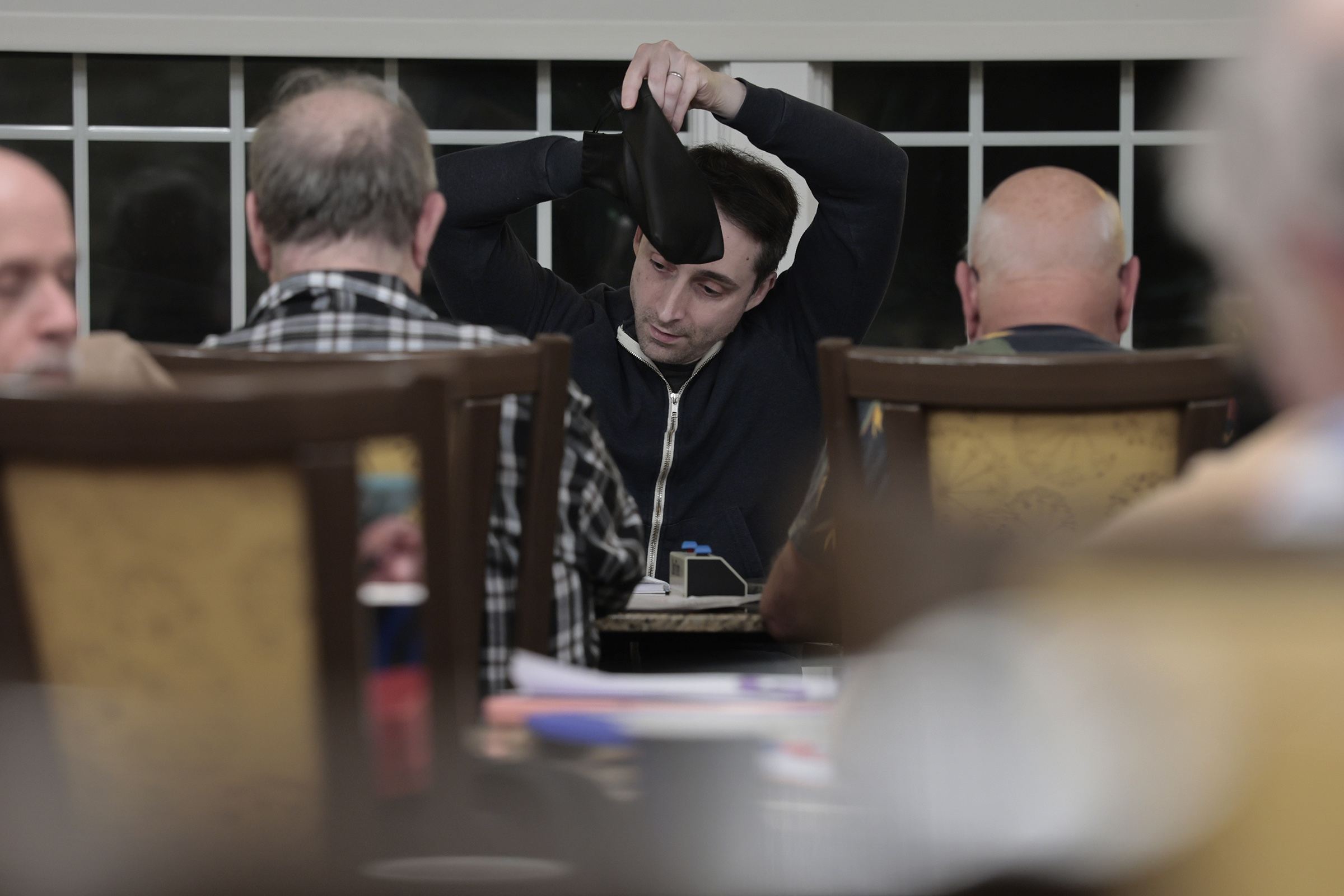
    Will Anderson, a 41-year-old national Scrabble champion, reached into the black drawstring bag suspended above his head and plucked a plastic tile. “We do this as a courtesy to our opponents,” he said, glancing at the bag. “So you aren’t doing any shenanigans when you’re drawing.”

    Will Anderson picks his tiles from the bag while playing Scrabble during a Scrabble group meetup at Riddle Village in Media on Thursday, Feb. 12, 2026.

    Unlike Abadi, Anderson did not grow up playing Scrabble. He started as an adult, partly to break a World of Warcraft addiction. That was in 2009.

    Since then, he’s won multiple tournaments and become an online Scrabble celebrity of sorts. After building an audience on Twitch, he turned to YouTube, where he currently has 70,000 subscribers and regularly posts “Scrabble History” videos detailing legendary games and players.

    “It’s more growth than I ever could have imagined,” Anderson said. His online following even led to his day job as a content producer at Scopely, the mobile gaming company behind the Scrabble app.

    In Riddle Village, Anderson was playing two games at once because the group had an odd number of players. “We call it good Will and evil Will,” said Samuel Moch, a top-10 player in Pennsylvania, also a club member. “And that’s appropriate because I’m playing good Will and I’m beating him.”

    Meanwhile, “Evil Will” was facing Jeff Jacobson, a retired tuxedo salesman and another top player in the state, and winning.

    Jeff Jacobson of Philadelphia (left) ponders his next move while playing Scrabble with Samuel Moch of Philadelphia (right) during a Scrabble group meetup at Riddle Village in Media on Thursday, Feb. 12, 2026.

    Anderson, who lives in Aston, said part of the reason Philadelphia is home to so many strong Scrabble players may simply be its size.

    “You have a higher chance of these unusual hobbies in urban areas,” he said. Or perhaps, he added, the city’s competitive sports culture spills over into word games. “There could be something to that.”

    The competitive scene also benefits from the fact that Scrabble is a universally known game. Almost everyone learns it at home, as did several members of the Delco Scrabble Club.

    They grew up playing with friends and relatives, got so good that nobody around them could beat them, and began looking for tougher opponents.

    “If you’re that person in your family,” Anderson said, “we’re waiting for you with open arms.”

    Will Anderson (left) plays Joe Petree (middle) and Marty Fialkow (right) during a Scrabble group meetup at Riddle Village in Media on Thursday, Feb. 12, 2026.

    At the Delco Scrabble Club, it quickly becomes clear that Scrabble has more in common with chess than it does with word games.

    “As a tournament player, you realize how deep and how beautiful the strategy of Scrabble is,” Anderson explained. “And in your pursuit of playing better and better, you leave the word game part of it behind and embrace it as a strategy game.”

    Often, players don’t even know the definitions of the words they play.

    Evan Chester, the fifth-best player in Pennsylvania and one of the top 50 players in the country, doesn’t know the definition of unaus, the word he had put down in the Riddle Village game. He knows it because he memorized the dictionary.

    “But it’s a very useful and playable word,” said the 22-year-old.

    “It’s a two-toed sloth,” said fellow club member Brendan McClanahan. Other club members, like de facto leader Ed Roth, who has been hosting the club at his house regularly for six years, nodded in agreement.

    “Yup, two-toed sloth,” he said, as he laid down the word decrial.

    A completed Scrabble game board during a Scrabble group meetup at Riddle Village in Media on Thursday, Feb. 12, 2026.

    Delco to TV

    The Delco Scrabble Club is drawing the attention of national TV audiences. Abadi and Anderson are competing on CW’s Scrabble game show, hosted by comedian and former late-night show host Craig Ferguson.

    Last summer, Abadi submitted an application to audition for the game show. And after meeting with the casting director, he was invited to compete in London for the show’s $10,000 prize.

    Abadi scored a win last week and will advance to future episodes of the show.

    “I put my fist up and clapped and everything,” he said. “I was way more peppy than I am in real life, to be honest.”

    Anderson, who applied to audition after a show producer reached out to him on YouTube, won’t appear until the tail-end of the season in August. He was equally enthusiastic during his run.

    “I kicked up the hooting and hollering far beyond my norm,” he said. And while he was nervous in the lead-up to the game, “when it came to actually playing Scrabble,” he said, “the muscle memory kicked in, and it just became fun again.”

    A group of Mark Abadi’s friends, family, and Scrabble club members celebrate his win on the CW game show, “Scrabble.”

    Anderson and Abadi signed NDAs preventing them from discussing their performance, but both said winning wasn’t their main goal. Abadi wanted to “have fun” and represent the Philly and Scrabble communities well, which he thinks he did. Anderson just hopes his appearance on the show is entertaining for viewers.

    Through the show, Abadi is hopeful more people are drawn to the iconic board game. It’s not just a “vocabulary contest,” or a “game made for grandparents,” he said, adding there’s “something for everyone to appreciate about it.”

  • FedEx joins other U.S. companies in seeking a refund after Trump tariffs are ruled illegal

    FedEx joins other U.S. companies in seeking a refund after Trump tariffs are ruled illegal

    FedEx is suing the U.S. government, the latest company to request a refund on what it paid for tariffs set by President Donald Trump last year after the Supreme Court ruled that the tariffs are illegal.

    More than 1,000 companies have filed suit in the U.S. Court of International Trade in efforts to recoup costs from the illegal tariffs, including large U.S. corporations such as Costco and Revlon. Most of the lawsuits were already in process ahead of the Supreme Court decision Friday.

    FedEx said in a filing with the U.S. Court of International Trade that they have “suffered injury” from having to pay the tariffs and that the relief they’re seeking from the court would redress those injuries.

    Tim Meyer, a law professor at Duke University, said each case is likely to have to be tried individually.

    “We’re going to have to wait and see how the government decides to handle the refund claims,” he said. “And then if the government chooses not to set up a process for the refunds, ultimately the Court of International Trade is going to have to adjudicate over a thousand cases.”

    The National Retail Federation said in a statement on Friday that the Supreme Court’s ruling provided certainty for U.S. businesses and manufacturers.

    “We urge the lower court to ensure a seamless process to refund the tariffs to U.S. importers,” it said. “The refunds will serve as an economic boost and allow companies to reinvest in their operations, their employees and their customers.”

    The Supreme Court struck down Trump’s far-reaching global tariffs on Friday. Trump said he was “absolutely ashamed” of some justices who ruled 6-3 against him, calling them “disloyal to our Constitution” and “lapdogs.” At one point he even raised the specter of foreign influence without citing any evidence.

    The court’s ruling found tariffs that Trump imposed under an emergency powers law were unconstitutional, including the sweeping “reciprocal” tariffs he levied on nearly every other country.

    The Treasury had collected more than $133 billion from the import taxes the president has imposed under the emergency powers law as of December, federal data shows. The impact over the next decade has been estimated at some $3 trillion. A study by the Federal Reserve Bank of New York found U.S. businesses and consumers are paying nearly 90% of the tariffs that Trump has imposed.

    Trump has vowed to collect tariffs through other means. He reached for a stopgap option immediately after his defeat Friday at the Supreme Court: Section 122 of the Trade Act of 1974 allows the president to impose tariffs of up to 15% for up to 150 days. But any extension beyond 150 days must be approved by a Congress likely to balk at passing a tax increase as November’s midterm elections loom.