Blog

  • A frustrated Aidan Miller says his sore back is ‘getting better,’ but his return is uncertain

    A frustrated Aidan Miller says his sore back is ‘getting better,’ but his return is uncertain

    CLEARWATER, Fla. — Aidan Miller isn’t on social media, so it wasn’t until his father sent along a television clip last Sunday that he realized Bryce Harper told Phillies fans everywhere that he’s injured.

    “I was like, ‘Oh, that’s pretty cool,’” Miller said with a laugh Thursday. “’He’s talking about me on the broadcast.’”

    If anything, it speaks to how highly the face of the Phillies thinks of the 21-year-old top prospect that the status of Miller’s sore lower back is on Harper’s mind. Soon, though, Miller hopes Harper will be talking about him more for what he does on the field.

    Miller’s work largely has been confined to the training room since the Grapefruit League schedule opened last weekend. He awoke one day last week, and his back was “super tight.” The feeling didn’t subside with treatment.

    “We decided to take a couple of days off to just kind of let it relax, and now I’m kind of building back,” Miller said. “I feel like I’m in a better spot than I was. It’s getting better.”

    The Phillies haven’t announced a timeline for Miller’s return, but they won’t rush him back.

    “I still think I’m going to get into some games toward the end,” Miller said. “It’s definitely frustrating. I feel like it’s a big camp. Just really trying to stay present. My mind’s been spiraling a little like, ‘When am I going to get into games? Is it going to be next week? The week after?’ But I’m trying to just get better every day.”

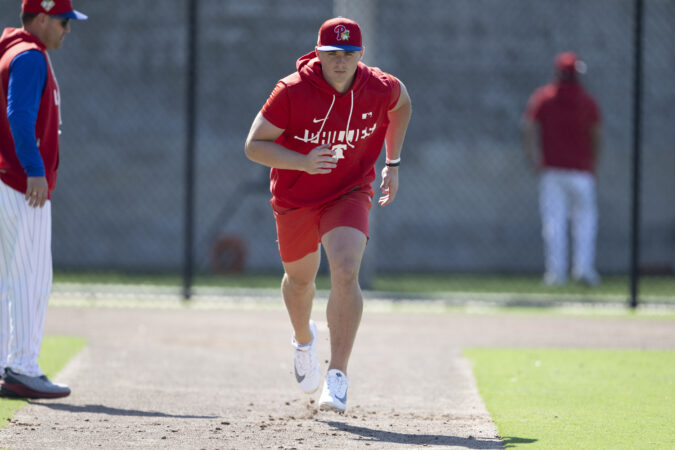
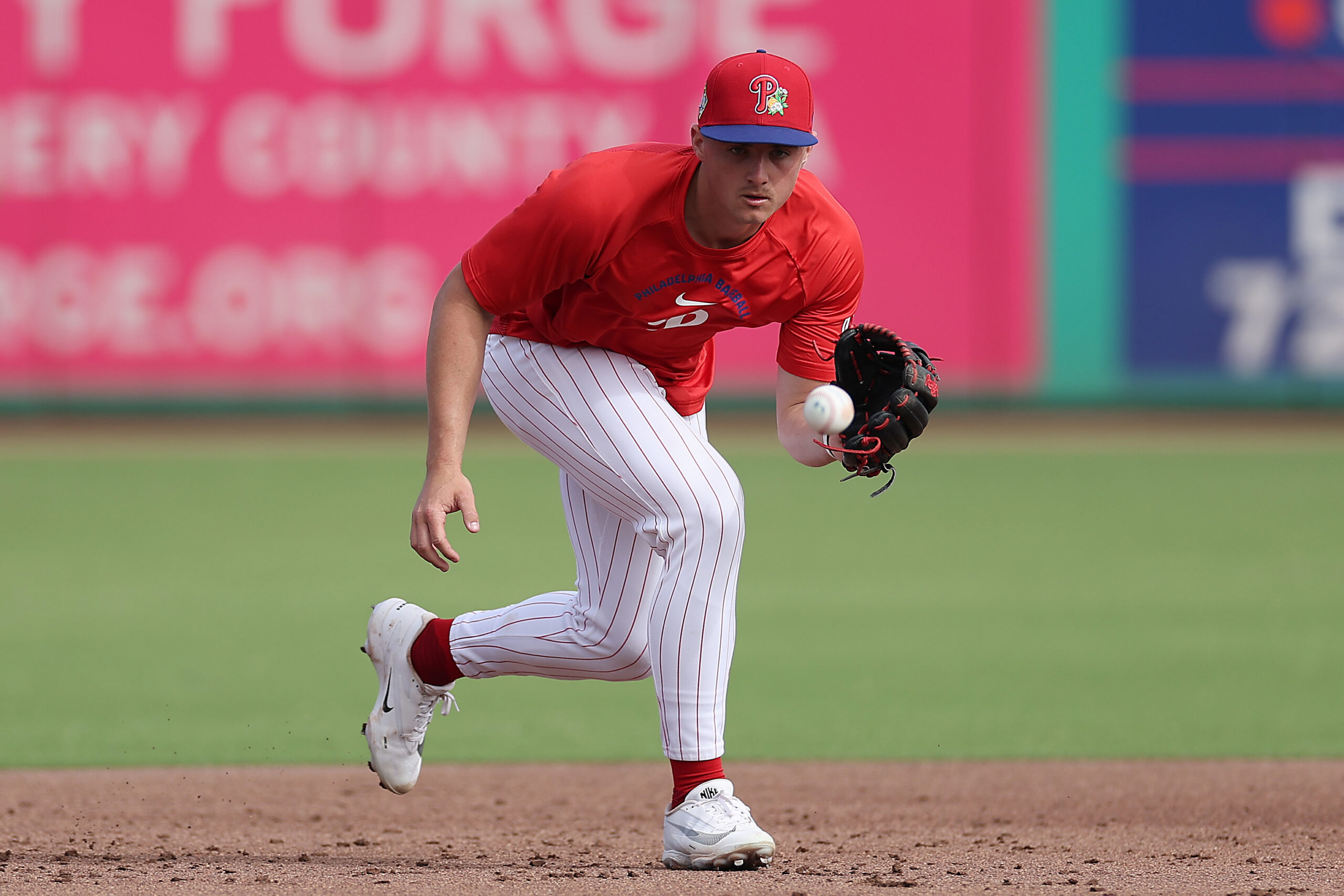
    The Phillies plan to give Aidan Miller reps this spring at shortstop, third base, and second when he’s healthy.

    Miller was a long shot to make the Phillies’ opening day roster. But he was expected to get reps in spring training at third base and second base, in addition to shortstop, in preparation for a potential midseason call-up.

    The root of the lower back soreness is unclear, according to Miller, who said it wasn’t a specific incident on the field. He said he felt similar soreness late last season. Miller was ticketed to play in the Arizona Fall League, but the Phillies told him to stay home. At the time, farm director Luke Murton said Miller had “some nagging things physically.”

    “It went away for a little bit, and I thought it was gone,” Miller said. “Structurally, there’s nothing wrong there. It’s just, I think swinging a bat 100,000 times a year, we put a little bit of a toll on it. I think it’s just finding a good routine that could help me and prevent flare-ups in the future. I’m not worried about it at all.”

    Miller, whose spring training locker is sandwiched between those of Harper and J.T. Realmuto, said he has asked older teammates about best practices for dealing with similar issues.

    “They’re texting people for me and trying to help me out,” Miller said. “They’ve been a huge help, just kind of bouncing questions off them.”

    Miller, the Phillies’ first-round draft pick in 2023, has shot through the farm system over the last two years. Last season, he batted .264 with 27 doubles, 14 homers, 59 stolen bases, and an .825 OPS between double-A Reading and triple-A Lehigh Valley.

  • YBC indictment: A timeline of shootings and related charges

    YBC indictment: A timeline of shootings and related charges

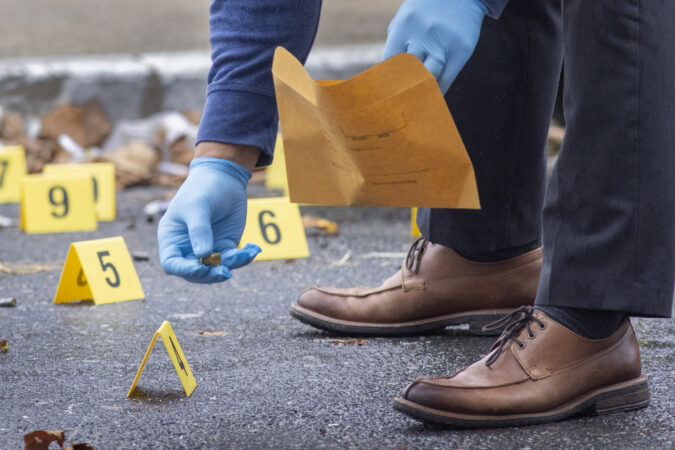
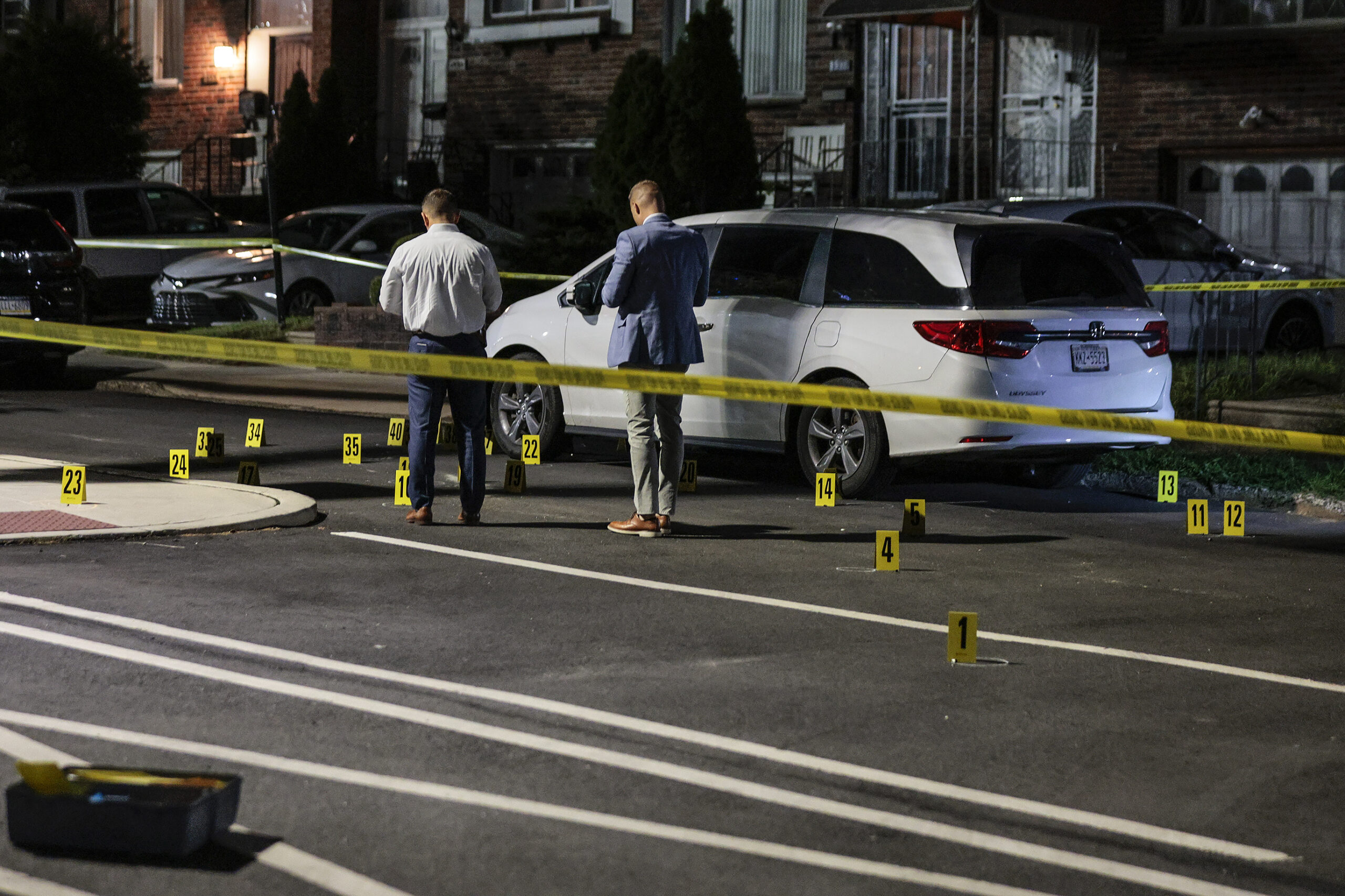
    Law enforcement officials on Wednesday announced sweeping charges against 19 people affiliated with several Philadelphia gangs they say are responsible for shooting nearly three dozen people in two years.

    The indictment caps a more than two-year investigation into the Young Bag Chasers, or YBC, and rival crews including CCK and the Parkside Killers. Authorities say the groups traded gunfire in brazen retaliatory shootings — sometimes on consecutive days, often in broad daylight, and at times on the same blocks over and over again.

    Below is a breakdown of the shootings included in the indictment and the defendants charged in each case, according to prosecutors:

    Sept. 21, 2022 — Shots are fired at 1400 N. 75th St. No one is struck.

    • YBC members Mark “Yak Yola” Johnson and Kasim Brown, aka “FSdaBender,” have been charged.
    Police investigate a triple shooting in the 1500 block of N. 13th street, where an 8-year-old girl was grazed in the head by a bullet on Sept. 22, 2022.

    Sept. 22, 2022 — An 8-year-old girl and 20-year-old man are shot at 1500 N. 13th St.

    • YBC members Salahhuddin Carter, aka YFA4our, and Jymir “Lil Mir” Burbage have been charged.

    Oct. 7, 2022 — Shots are fired at 3900 Wallace St. No one is struck.

    • YBC members Carter and Burbage have been charged.

    Oct. 29, 2022 — Three people are shot at 3800 Aspen St.

    • YBC members Burbage and Jerwayne Haywood have been charged.

    Nov. 30, 2022 — Shots are fired at 4300 Reno St. No one is struck.

    • YBC member Burbage has been charged.
    In this music video filmed by Marlissa Monay, Tahjae Brooks sings his 2020 song “Hear Me Out.” Brooks, or “Jae100,” was a founder of YBC and the original face and talent of the group.

    Dec. 5, 2022 — Tahjae Brooks, aka Jae100, is killed at 4300 Parrish St.

    May 16, 2023 — Kameir “T.O.” Scott is killed at 600 N. Preston St.

    • Markees Muhammad, of the Parkside Killers, is charged.

    May 27, 2023 — Three people are shot at 5200 Jefferson St.

    May 30, 2023 — Shots are fired at 5200 Jefferson St. No one is struck.

    • YBC members Burbage and Brown have been charged.

    July 8, 2023 — Sharif King, 34, is killed at 5200 Jefferson St.

    • YBC members Stephen Weddington, Hall, and Johnson have been charged.

    July 27, 2023 — Shots are fired at 100 Manton St. No one is struck.

    • CCK member Hasaan Stafford, aka “Saany Goon,” is charged. Kydair “Honcho” Strickland, a CCK/7th Street member who was killed in August 2024, was also involved, prosecutors said.

    Oct. 5, 2023 — A 20-year-old man is shot at 5200 Jefferson St.

    • YBC members Weddington and Johnson have been charged.

    Oct. 6, 2023 — A 20-year-old man is shot at 600 North Brooklyn St.

    • Parkside members Muhammad and Paul Beckwith are charged.

    Oct. 10, 2023 — Shots are fired at 2100 N 53rd St. No one is struck.

    • YBC’s Weddington charged, and CCK affiliate Strickland also fired shots, prosecutors said.

    Nov. 4, 2023 — Shots are fired at 1300 N 53rd St. No one is struck.

    • CCK’s Stafford is charged.

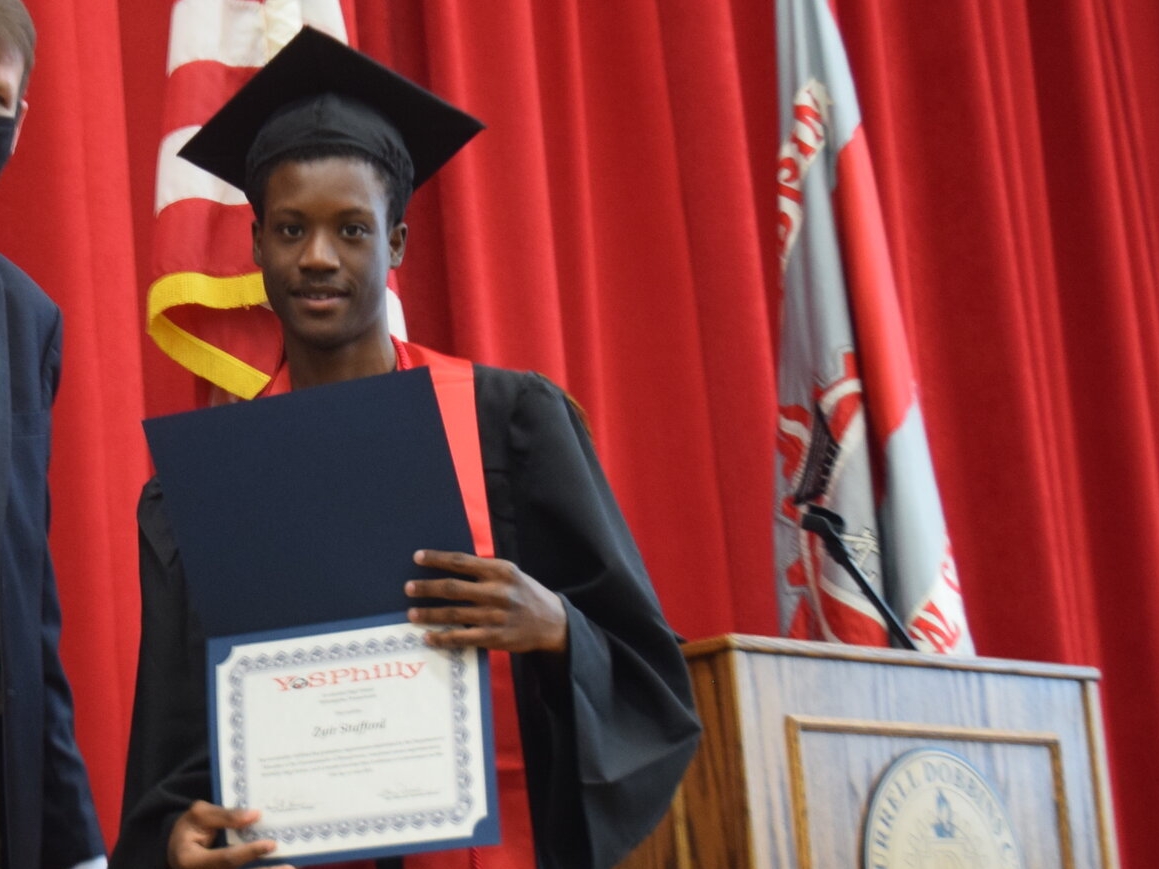
    Dec. 7, 2023 — Zyir “Booga” Stafford is killed while leaving his work at McDonalds, at 29th and Clearfield Streets.

    • YBC’s Weddington and Burbage have been charged.
    Zyir Stafford, a 22-year-old father of two, was shot and killed in December 2023. In this photo, he had just received his diploma from YES Philly High.

    Dec. 11, 2023 — Shots are fired at 1400 S 56th St. No one is struck.

    • CCK’s Stafford, Stigall, and Nasir “Jefe” Wells — who is serving life in prison for a separate murder — have been charged.

    Dec. 15, 2023 — Shots are fired at 2900 Girard Ave. No one is struck.

    • CCK’s Wells is charged.

    Jan. 22, 2024 — Shots are fired at 1000 Arch St. No one is struck.

    • CCK’s Wells and Stafford are charged.

    March 13, 2024 — Shots are fired at 4300 Lancaster Ave. No one is struck.

    • Parkside’s Muhammad is charged.

    May 18, 2024 — Qaadir Cheeks, aka 55Qua, is killed at 5500 Baltimore Ave.

    • YBC’s Weddington, Burbage, Hamzah Curry, and Hasin “HassPNB” Muse, have been charged with murder. Tatiana Edwards has been charged with criminal conspiracy to murder after officials said she lured Cheeks outside to ultimately be shot.

    Dec. 8, 2025 — A 24-year-old man is shot multiple times at 4800 Folsom St.

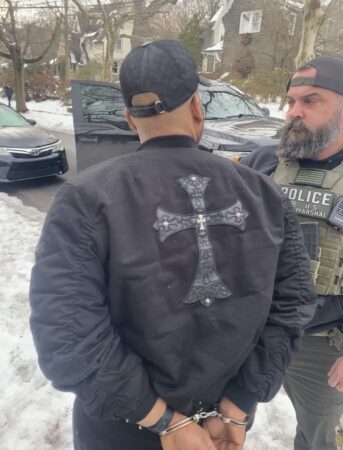
    • Hasaan Taylor, aka YBC Waters, who was recently released from federal custody, was arrested Wednesday and has been charged in the case outside of the grand jury indictment.
  • Radnor Middle School employee arrested for sexual assault of a minor in Texas, authorities say

    Radnor Middle School employee arrested for sexual assault of a minor in Texas, authorities say

    An employee of Radnor Middle School was arrested Thursday morning and charged with sexually assaulting a child in Texas, authorities say.

    Michael Robinson, 43, was taken into custody by U.S. marshals and Radnor police a block from the Wayne middle school around 7:30 a.m., according to a spokesperson for the marshals service.

    Robinson is a paraprofessional at Radnor Middle School, law enforcement officials said. He was wanted by Texas authorities in connection with the assault, which officials said occurred in 2024 after Robinson met the victim online.

    A spokesperson for the Radnor Township School District said that it is cooperating with law enforcement and that it has not received information indicating that Robinson behaved inappropriately with Radnor students.

    “Parents of the limited number of children to whom the employee was assigned were contacted by the administration immediately,” the spokesperson said, adding that Robinson has been placed on leave amid the investigation into his behavior.

    Law enforcement officials said Robinson traveled to Tyler, Texas, to meet the victim, whom he assaulted over the course of a weekend.

    He was indicted by prosecutors in Smith County, Texas, in December and charged with aggravated sexual assault of a child under 15 years old.

    Robinson is being held at the George W. Hill Correctional Facility in Delaware County, awaiting extradition to Texas.

  • Affidavit for arrests in Quakertown protest details injuries to police chief, doesn’t mention chokehold

    Affidavit for arrests in Quakertown protest details injuries to police chief, doesn’t mention chokehold

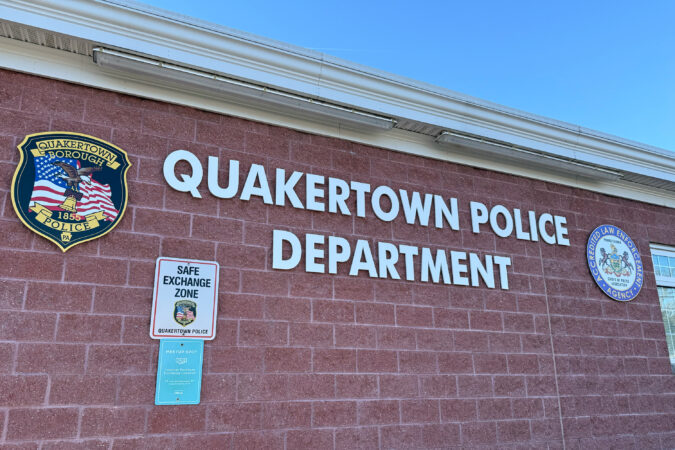
    A student protest in Quakertown last week escalated when officers attempted to detain a teenage girl, police say, setting off a struggle that ended with five teenagers charged and the police chief in the fray.

    The protest quickly devolved into a melee in which students obstructed traffic, struck vehicles, and assaulted Chief Scott McElree as he tried to take one of the teens into custody, according to the affidavit of probable cause for the arrest of one of the students.

    The document, obtained by The Inquirer, offers the most detailed account yet of what law enforcement officials say happened that day.

    The protest took place Friday near the intersection of Juniper and Front Streets, where dozens of students had gathered to demonstrate against federal immigration enforcement actions.

    According to the affidavit, officers were already monitoring the crowd when they observed students walking into roadways, throwing snowballs at vehicles, standing on benches, and, in one instance, kicking a white pickup truck and hitting its side mirror. Officers warned the students to remain peaceful, the document said.

    At some point, the affidavit said, a teenage girl stepped into the street “numerous times, including in front of moving vehicles.” An officer approached her on the sidewalk and told her she would be detained. When the girl attempted to walk away, the officer grabbed her arm, the affidavit said, and was quickly surrounded by other students.

    It was then, according to the document, that McElree intervened. The chief “attempted to make an arrest” of the girl, the affidavit said, but a teenage boy began pulling her away. McElree grabbed the boy, who “began resisting arrest by pulling away” and struck the chief in the ear with a cell phone, the affidavit said.

    The document said several others joined in: One girl struck McElree on the left shoulder. A teenage boy hit him in the head and ribs before an officer took the boy to the ground. Another girl punched McElree with a closed fist, and a different student struck him in the head with a backpack, according to the affidavit.

    McElree, who left the scene with blood on his face, later told officers that he went to a hospital for treatment, according to the affidavit.

    Defense attorneys and witnesses have challenged the account officers detailed in the affidavit.

    Five teenagers were charged with aggravated assault, which is a felony, and other misdemeanor offenses, according to two sources with knowledge of the case.

    Quakertown police and Bucks County prosecutors have declined to release details of the arrests, including the students’ names and ages and the charges against them.

    The teenagers were detained until Tuesday, when they appeared before a Bucks County judge. By late Thursday night , all five teenagers had been released.

    Videos recorded by bystanders and obtained by The Inquirer show portions of the struggle from different angles. In one clip, McElree, who was dressed in plain clothes, appears to wrap his arm around a girl’s neck. Witnesses have said he did not identify himself as the police chief before engaging physically with the teenagers.

    The affidavit makes no mention of a chokehold.

    The Bucks County District Attorney’s Office is investigating the incident. On Thursday, a spokesperson said the office was renewing “our request to the community for any footage, photos, or information that they may have to ensure a thorough investigation.” .

    Timothy Prendergast, who represents the 15-year-old girl seen in videos being held in what appears to be a chokehold by McElree, questioned whether the Bucks County District Attorney’s Office can conduct an impartial investigation while prosecuting the teenagers.

    “It’s hard to believe that a district attorney’s office — which has charged our clients with felonies, continues to argue for their detention, and has already labeled the chief a victim — will do an independent review of what happened,” he said.

    Prendergast and Ed Angelo, who represents a different 15-year-old accused of striking McElree in the shoulder, said they plan to ask the Pennsylvania attorney general to intervene. “We need a truly independent investigation,” Prendergast said.

    Prendergast said his client is the teenager accused in the affidavit of hitting McElree with her backpack. In video footage reviewed by The Inquirer, her backpack appears to remain on her back as McElree takes her to the ground.

    Prendergast contended that affidavits of probable cause reflect law enforcement’s theory of a case, not established facts. “Probable causes are not for the truth of the matter,” he said. “They are for the commonwealth’s circling of the wagons — what their version of the facts are, which insulates their culpability in this matter.”

    Angelo said that his client also denies hitting the chief and that the charges against her should be withdrawn. He said the situation escalated only after McElree inserted himself into the confrontation.

    “I think it’s time for the adults to be adults and pull the plug on this,” Angelo said.

    Another adult who entered the altercation was initially placed in handcuffs but was not charged. In one video, an officer can be heard telling the man that the person involved was McElree — suggesting the man did not realize he was grappling with the police chief.

    McElree has not spoken publicly since the incident and has not returned phone calls and text messages seeking comment.

    Some Quakertown residents have called for McElree’s ouster. Quakertown Community School District officials have said they expected to hear concerns from community members Thursday evening at a scheduled board meeting.

    This article was updated to reflect new information that, as of late Thursday night, all teenagers had been released from custody.

  • Philly-based Every Cure gets $76M in funding from ARPA-H for rare disease AI tool

    Philly-based Every Cure gets $76M in funding from ARPA-H for rare disease AI tool

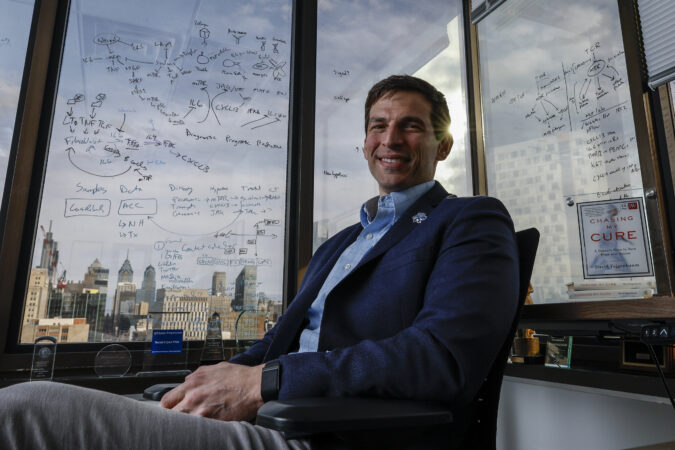
    Every Cure, a biotech nonprofit started by a University of Pennsylvania researcher, has landed $76 million in federal funding to advance its artificial intelligence match-making tool that identifies existing drugs to treat rare diseases.

    Over the next three years, Philadelphia-based Every Cure will use the funding from the Advanced Research Projects Agency for Health (ARPA-H) to pursue preclinical studies for at least 20 drugs that show promise for being repurposed for rare diseases with no other treatment options. The company will also pursue clinical trials to further test the safety and effectiveness of repurposing another 10 existing drugs.

    The nonprofit was co-founded in 2022 by David Fajgenbaum, an associate professor at University of Pennsylvania, after his own experience with a rare disease.

    He was diagnosed with Castleman disease as a medical student at Penn, and experimented in a campus lab with his own blood to try to find an off-label medication that could address his symptoms.

    Every Cure’s AI tool expedites a drug discovery process that is otherwise often left to chance. When patients with rare diseases have few treatment options, doctors may scour medical journals or tap expert networks for leads on other drugs to try with mixed results.

    The tool automates the process, using an algorithm to read massive biomedical data about diseases, medications, genes, and proteins. The tool looks for bits of data that diseases and medications may have in common that were previously unrecognized.

    “This next phase will allow us to do the essential work of evaluating these potentially life-saving treatments in the lab and clinical trials, accelerating access to potential treatments for those who urgently need them,” Fajgenbaum, Every Cure’s President, said in a statement.

    The new funding adds to $108 million in federal support the nonprofit has already received.

  • When too many people showed up, East Whiteland’s planning commission postponed a data center meeting

    When too many people showed up, East Whiteland’s planning commission postponed a data center meeting

    So many people packed into an East Whiteland Planning Commission meeting Wednesday in response to a data center project that the crowd exceeded capacity and forced township officials to reschedule the discussion.

    The meeting will be tentatively rescheduled for March 9 at a larger venue, township officials said.

    It was the second time this week that a strong public presence changed the course for local officials weighing data center projects. In North Coventry, the township supervisors took a vote Monday saying they would deny a data center project that had not yet been formally submitted after more than a hundred people packed into the meeting to object to it.

    In East Whiteland, the planning commission is weighing an amended application seeking to expand a previously approved data center project that sits on the border of the township and neighboring West Whiteland.

    The new plan would increase the size of the two data center buildings by roughly 61% from what was previously approved, to exceed 1.6 million square feet.

    The developers, Sentinel Data Centers and Green Fig Land LLC, said the changes would also update the project to modern technology, saying the approved 2024 plan was outdated. Those changes would include removing two microwave towers, antenna yards, and ground-mounted cooling towers. It would also redesign cooling equipment to use waterless chillers.

    Lou Colagreco, the attorney for the developer, told the board Wednesday construction would commence within the next couple of weeks, with groundwork underway, under the previously approved project. He urged the commission to recommend the amended plan to the township’s board of supervisors.

    “We think that a yes vote … approves, at the end of the day, a better plan,” Colagreco said.

    After some musical chairs — with the attendees scooting their chairs up to make more standing room at the back — the discussion came to a halt roughly a half hour into the meeting.

    “I hate to be the bearer of bad news,” planning commission chairwoman Deborah Abel said after a brief pause, “but we’ve just been told by the fire marshal that we cannot continue this meeting with this amount of people in the room.”

    Attendees exceeded the room’s capacity of 98, with an additional 30 people in the lobby. Township officials sought to whittle the numbers down, saying people could watch the livestream at home, or stand in the lobby.

    But residents chafed at the request, calling on the board to reschedule the meeting instead.

    It represents a growing trend of residents packing into municipal meetings in Chester County to decry data center projects. More than 100 residents showed up at the North Coventry meeting Monday, speaking for more than an hour against a project that had not formally been submitted to the township. It surprised the developer, who decided to scrap it. In East Vincent, after months of public participation, the planning commission recommended that the township’s board of supervisors reject a proposal for the historic Pennhurst site.

    The opposition from residents clashes with Democratic Gov. Josh Shapiro, who has sought to draw more of this development to Pennsylvania. And while about 38% of Pennsylvanians said in a December survey they support data centers being built in the state, they were less likely to support data centers in their own backyards.

    “Thanks, everyone, for coming out,” Abel told residents as she ended the meeting. “Sorry for the waste of time.”

  • Intermittent fasting not more effective than conventional dieting, Rutgers researcher says

    Intermittent fasting not more effective than conventional dieting, Rutgers researcher says

    Intermittent fasting, one of America’s most popular diet trends, may be no more effective than simply cutting calories for weight loss, a new review of research shows.

    Researchers found little to no difference in the amount of weight loss across more than 20 studies comparing intermittent fasting, an eating pattern that cycles between periods of eating and fasting, with traditional dietary advice (which calls for restricting calories or the types of foods eaten).

    The findings were published this month in the Cochrane Library, home to evidence reviews that are considered the gold standard for evaluating health evidence.

    “From the results of this review, it doesn’t look like intermittent fasting is any better than regular dietary advice,” said Diane Rigassio Radler, a co-author on the study and a clinical nutrition professor at Rutgers School of Health Professions.

    The data came from 22 randomized controlled trials involving nearly 2,000 participants across Europe, North America, China, Australia, and South America. Interventions ranged from four weeks to six months long, and looked at participants’ outcomes up to a year later.

    In six of the trials, participants were picked at random to either practice intermittent fasting or do nothing. The difference in weight loss between the two groups was so small that it was not considered “clinically meaningful,” Radler said.

    People generally need to lose 5% of their body weight to see health benefits. When the research team pooled the results of studies, they found weight loss from intermittent fasting slightly exceeded that of the group that did nothing, but remained below the 5% threshold.

    “Anecdotally, people have told me that [intermittent fasting] might work for them, but the reasons for doing these systematic reviews is so that you can pull the evidence and make a stronger conclusion based on facts,” Radler said.

    The studies focused on people in the overweight or obese categories as measured by BMI, a calculation of a person’s body fat based on their height and weight. The relevance of the research findings to people in the healthy weight category remains unknown. (While widely used, BMI is often not a good predictor of an individual’s health, as people’s body types can vary widely depending on race, gender, and age.)

    The Inquirer spoke with Radler, who is also a registered dietitian by training, about the findings of the study and its implications, in an interview that was lightly edited for length and clarity.

    What is the theory behind intermittent fasting?

    From a physiological perspective, there’s sound science in terms of why fasting might have an edge over just calorie restriction alone.

    Number one, it involves calorie restriction. It’s thought to increase fat metabolism. There’s some hormonal stuff going on. It may enhance insulin sensitivity. When you’re fasting, you’re going to be breaking down fatty acids, and those can produce a significant source of energy.

    But from the available studies we were able to evaluate, the findings are that intermittent fasting was not really different [in terms of weight loss].

    There’s the theoretical framework, and then there’s what happens when you put it into reality.

    Instead of intermittent fasting, what would you recommend?

    It’s individualized. It depends on where the patient’s at and what they feel that they want to do.

    The cardinal rule of thumb is you create a calorie deficit, and whether that’s with restricted eating or increased energy expenditure (such as through exercise), or a combination of both, you’re looking to achieve calorie restriction over time. Generally, you’re going to probably sustain that for at least 12 weeks, and then look at some outcomes.

    We found that people who work with a registered dietitian on a weekly or every other week basis have the most success in terms of achieving weight management.

    Your study found that intermittent fasting wouldn’t necessarily be effective. But would it be harmful for people to do?

    You have to look at people’s baseline and their other comorbidities if they have any. But generally, we didn’t find that there were adverse effects, according to the studies that measured that as an outcome.

    When you fast, there’s a risk of dehydration and risk of low blood sugar, but generally, the studies that measured the adverse effects didn’t find significant differences.

    Are there any gaps in the research that you think should be looked into further?

    There could be room for more research with a wider diversity of subjects, because most of the studies were in high-income countries. We have to look at some of the cultural differences.

    Also, research with longer durations. We were not able to find studies that went out beyond 12 months of outcomes.

  • A sixth YBC member was arrested overnight and will be charged with two killings

    A sixth YBC member was arrested overnight and will be charged with two killings

    A sixth person associated with the Young Bag Chasers was arrested overnight and is expected to be charged with two homicides, prosecutors said.

    Hamzah Curry, 25, was taken into custody Wednesday evening in Kansas City, Mo., after spending nearly a year on the run after the killing of a 36-year-old man in 2021.

    Curry was also newly wanted in connection with the killing of Qaadir Cheeks, a 20-year-old better known as “55Qua,” who was shot and killed near 55th Street and Baltimore Avenue in May 2024, said Assistant District Attorney Bill Fritze, supervisor of the Gun Violence Task Force in the Philadelphia District Attorney’s Office.

    Curry is one of 19 people indicted by a grand jury as part of a sprawling investigation by Philadelphia police and prosecutors into years of retaliatory shootings between West Philadelphia gangs, Fritze said.

    He will be charged once he is extradited to Philadelphia, he said.

    Officials identified him as a member of Young Face Arrangers, or YFA, a younger subset of YBC. He is also the older brother of Arshad Curry, another YBC/YFA member, who is serving 42½ to 85 years in prison for killing three people in 2021.

    A warrant was issued for Hamzah Curry’s arrest last spring after detectives tied him to the killing of Stangely Bertrand on the 300 block of North Salford Street on July 16, 2021.

    Investigators believe Bertrand, who was shot in the head, was a bystander caught in the crossfire, according to a law enforcement source familiar with the investigation.

    Salahuddin Carter, 21, another YBC/YFA member known as “YFA4our,” was arrested and charged with Bertrand’s death in June.

    Carter was also charged Wednesday with two additional shootings — including the shooting of an 8-year-old near 13th and Oxford Streets in 2022 — as part of the indictment.

    Investigators tied Carter and Curry to Bertrand’s killing after Carter, who was 16 at the time, was shot twice in the stomach during the exchange of gunfire, and Curry drove him to the hospital, according to the affidavit of probable cause for Carter’s arrest.

    Inside Curry’s car, police found two 9mm handguns, blue latex gloves, and live rounds, the affidavit said. A ballistics report later showed that both guns were fired on Salford Street the night Bertrand was killed, the records say.

    And then, this month, Curry was also sought in the killing of Cheeks, whom YBC members shot more than a dozen times in West Philadelphia.

    Four others have been charged in that case: Stephen “Baby Yopp” Weddington, Jymir “Lil Mir” Burbage, Hasin Muse, and Tatiana Edwards.

    The Philadelphia Police Department’s homicide fugitive task force and U.S. marshals had been working to locate Curry since last year, and on Wednesday evening found him at a motel in Missouri, the source said.

  • Voice of America is covering Iran’s protests, but not its best-known dissident

    Voice of America is covering Iran’s protests, but not its best-known dissident

    When Sahar Tahvili, a professor at a Swedish university, sat for an interview with Voice of America’s Persian service on Jan. 9, she discussed the security concerns for Iranian viewers using Starlink satellites to circumvent the government’s internet blackouts.

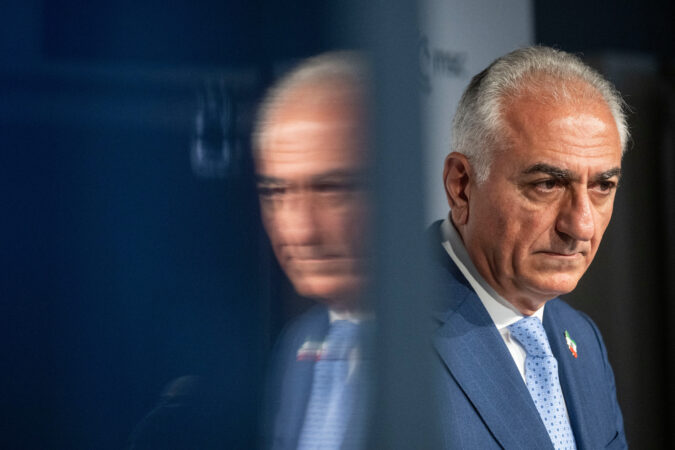
    But it was a greeting at the start of the interview that crossed a line with the company’s top brass. She thanked the network for having her before invoking the name of Reza Pahlavi, the son of Iran’s deposed shah: “Let me first pass my greetings to our compatriots in Iran, a nation that, by standing on the right side of history and by responding in the millions to Crown Prince Reza Pahlavi’s call, is shaping historic days for the freedom of our country.”

    Later that day, Tahvili received a phone call from the VOA producer who arranged her interview, complaining that she had violated Voice of America’s new policy barring mentions of Pahlavi’s name — which she said she didn’t know about.

    “He called me in a very angry way and said, ‘Why did you mention his name?’” Tahvili, adjunct associate professor of AI industrial systems at Sweden’s Mälardalen University, said in an interview. “No one is allowed to mention Pahlavi’s name.” Because she had mentioned him, Tahvili said she was told her interview, which aired live, would not be reposted to social media and she would no longer be welcome on the network.

    Critics including Tahvili allege that since the mass protests broke out in the final days of last year, the U.S. government has systematically censored the best-known Iranian opposition figure by banning his name from its broadcasts. They also claim that, in the process, U.S. Agency for Global Media Deputy CEO Kari Lake and the new head of the Persian service, Ali Javanmardi, have exerted control over a government broadcaster that’s long been editorially independent of the U.S. government.

    In a January interview with Reuters, President Donald Trump questioned whether Pahlavi has enough support to take over in Iran, but said “that would be fine with me” if he wins over the majority of Iranians. “He seems very nice, but I don’t know how he’d play within his own country,” Trump said.

    In the same interview, he remained noncommittal about efforts to pressure regime change in Iran either, saying, “Whether or not it falls or not, it’s going to be an interesting period of time.”

    The push to excise Pahlavi’s name was first reported by the Hill.

    Lake and Javanmardi, a former VOA contractor recently brought in to run the Persian service, have defended their new rules, saying that they are simply clamping down on an effort by VOA employees eager to see one opposition group prevail over another at a time when Iran’s regime under Ayatollah Ali Khamenei is on shaky ground. They say it applies to all opposition leaders, not just Pahlavi.

    “We are not in the business of selecting Iran’s political leadership,” Lake said in a statement. “That decision belongs solely to Iran’s 93 million citizens, who have a right to self-determination. Right now, the story should be about them, not the numerous opposition groups outside Iran. Elevating external opposition figures over voices inside the country risks externalizing the conflict in ways that would only benefit the cruel regime and undermine protesters on the ground.”

    In a separate statement, Lake called Javanmardi “a respected and fearless journalist” with deep experience reporting on Iran and the region. “His commitment is to journalistic responsibility, truth, and ensuring coverage that aligns with American policy interests and centers the voices of the Iranian people in support of their right to freedom and self-determination.”

    The spokesperson did not make Javanmardi available for an interview.

    Javanmardi has voiced opinions, however, about Pahlavi on-air, saying in a recent VOA appearance, “The United States government is not going to replace a dictator inside Iran with another totalitarian one who has threatened all his opponents even before coming to power with death and elimination.” In recent months he has also described other media as engaging in “propaganda engineering” and “artificial magnification” of issues in Iran.

    Javanmardi has also called out Iranians for not participating in the recent protests. “We should all participate in identifying the mercenaries who did not join the people and are involved in suppressing the people,” he said in one broadcast. “Let’s participate so that they do not have immunity, both inside and outside Iran.”

    Under Lake, Voice of America has undergone massive staff cuts. The broadcaster, first set up in 1942 to counter Nazi propaganda abroad, suspended most of its programming after Trump issued an executive order in March. Then, Lake cut hundreds of contractors and placed hundreds of full-time staffers on paid administration leave. A federal judge blocked Lake from firing the employees and instructed the agency to uphold its statutory obligations for broadcasting. As a result, Lake brought back broadcasting in a few languages mandated by law, including Farsi.

    In January, Congress rejected requests from Lake and the White House to zero out the agency’s budget, approving a $653 million budget. Lake said she was “disappointed” at the move.

    VOA’s Persian service, once among its largest divisions, has maintained a skeleton crew since this summer, when Lake briefly ordered staff back and called for some broadcasts amid escalating military tensions between Iran and Israel. Many of those recalled staffers were put back on administrative leave when the conflict simmered.

    But when popular uprising broke out in late December, Lake once again ramped up its staffing, bringing back a few dozen employees and contractors.

    She also tapped Javanmardi, who years earlier worked as a VOA correspondent based in Irbil, Iraq, to lead the charge. He quickly became a divisive figure among staffers and viewers because of his close control over broadcasts. So far, more than 58,000 people signed a Change.org petition to have him removed, saying, “Ali Javanmardi’s biased approach silences the Iranian struggle and betrays the trust of those who depend on honest journalism.”

    In an email, a U.S. Agency for Global Media spokesman defended the new policy regarding opposition figures. “Mr. Reza Pahlavi himself, as well as the leaders of other political groups, have been invited to speak on the Voice of America,” he said.

    Despite the invitation, Pahlavi has not appeared on the network. Pahlavi did not respond to a request for comment.

    Several VOA staffers working on the broadcasts, who spoke on the condition of anonymity out of fear of retaliation, said that Javanmardi appeared to target Pahlavi. The staffers said he personally approves all guests before they appear on air and has instructed staff not to book anyone who sympathizes or promotes Pahlavi.

    “He completely censors his name, his activity and everything,” one staffer said, noting that Javanmardi has refused to play audio of protesters in Iran shouting Pahlavi’s name. “All the people chanting in Iran — nothing. He censors everything.”

    Holly Dagres, a senior fellow at the Washington Institute who writes a Substack newsletter called “The Iranist,” said that many Iranians have indeed chanted Pahlavi’s name during the protests. “While this may seem surprising to outside observers, nostalgia for the pre-1979 era has grown in recent years,” she said. “Many Iranians — particularly Gen Zers who weren’t alive during that period — perceive life before the revolution as a better time.”

    She added that omitting this detail “erases a key element of the uprising — including the motivations of some of the protesters who have risked, and in some cases lost, their lives in the name of freedom.”

    Another staffer said that no pro-Pahlavi content can appear on the network. “If anything ever has been published or broadcast, it’s because we missed it,” the staffer said.

    Another employee said that the approach has hampered reporting, such as when Sen. Lindsey Graham (R., S.C.) met with Pahlavi and Javanmardi instructed the staff not to cover it.

    However, one VOA staffer defended the policy, saying that without it, the service and the United States could be labeled having interfered in Iran’s internal affairs.

    And Arash Azizi, a lecturer at Yale University who writes about Iran for different publications, also said he is “at least partially favorable” to VOA’s approach because Pahlavi leads “one political faction” of the opposition.

    “No country in the world should recognize Mr. Pahlavi as the leader of the Iranian opposition because he has absolutely no legitimacy for that position,” Azizi said. “I think it’s good for VOA to have effectively pulled the brake and say, look, you’re nobody’s leader. You can’t just appoint yourself the leader and then expect us to treat you as one.”

    Navid Mohebbi, a former political prisoner in Iran now advising the National Union for Democracy in Iran (NUFDI), which supports Pahlavi, said in a statement that VOA is effectively the “only major Persian-language diaspora outlet” that has avoided covering Pahlavi’s calls for demonstrations in Iran and protesters shouting pro-Pahlavi slogans.

    “This level of censorship is striking, particularly when even Iranian regime media and outlets hostile to the United States acknowledged the existence of these slogans,” he said.

    For Tahvili, who grew up watching VOA in Iran, the experience of being banned from the network was painful.

    “For us, for my generation, we grew up with the Voice of America,” she said. “It was the only channel, the only Persian-language news source that we had at that time. Freedom of speech. Professional journalism. It really hurts to see how it changed from that to this.”
  • This year’s One Book, One Philadelphia pick was released in 2022 but is uncannily resonant of today’s times

    This year’s One Book, One Philadelphia pick was released in 2022 but is uncannily resonant of today’s times

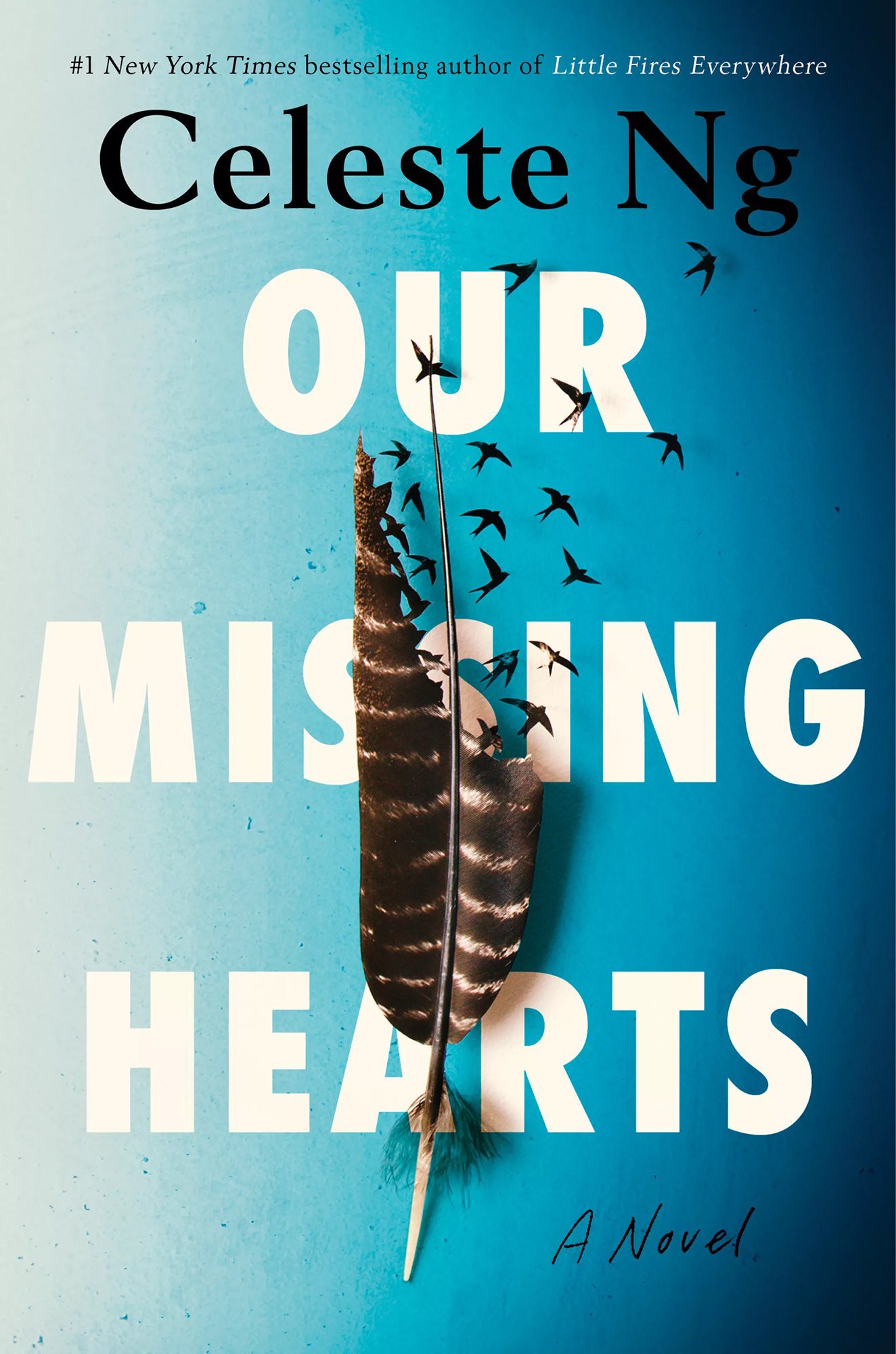
    Celeste Ng’s 2022 New York Times bestseller, Our Missing Hearts, is the 2026 One Book, One Philadelphia pick. The dystopian novel is about a 12-year-old biracial Chinese American boy and his quest to be reunited with his mother in an authoritarian America.

    “I’m thrilled and honored,” Ng said Wednesday, speaking from her Boston study a few hours before she hopped on a plane to Philadelphia for Thursday’s announcement.

    Ng’s 2017 novel Little Fires Everywhere was adapted into the 2020 Hulu miniseries of the same name, starring Kerry Washington and Reese Witherspoon.

    “I love community reads programs,” Ng said. “I relish in this idea that readers will have a shared experience, that they will be able to talk to each other, get to examine the world they are living in, ask if this is the world they want to live in, and figure out what they are going to do about it.”

    “Our Missing Hearts,” by Celeste Ng. (Penguin Press/TNS)

    In Ng’s 335-page paperback, a future America is living under the Preserving American Culture and Traditions Act, where books are banned, voices are censored, and citizens are forbidden to criticize a government for its wrongdoings, especially its unfair treatment of people of color. People of Asian descent are particularly mistreated, considered scapegoats for a severe economic crisis.

    Ng wrote Our Missing Hearts in 2020 during the pandemic when AAPI hate was at an all-time high. Years on, Ng’s PACT mirrors present-day America, where under President Trump’s executive order to “restore truth and sanity to American history,” historic panels honoring George Washington’s enslaved staff were removed from Independence Hall National Park last month.

    (On Feb. 17, a federal judge ordered the panels to be restored, but the Trump administration appealed the decision and the return of the plaques to the park has been halted.)

    “I sort of hoped the book would get further way from reality as the years went by, but that’s not the case so far,” said Ng, who stressed she’s not a psychic, just aware of history. “We are in a world where we just aren’t going to mention George Washington had enslaved people and we are taking down the gay pride [flag] at Stonewall, trying to pretend that none of this happened.”

    Bird is the 12-year-old in the center of Ng’s book. His Chinese mother criticizes America through her poetry and art. She leaves Bird with his white dad, and continues to make public art that unites Americans and encourages them to speak out.

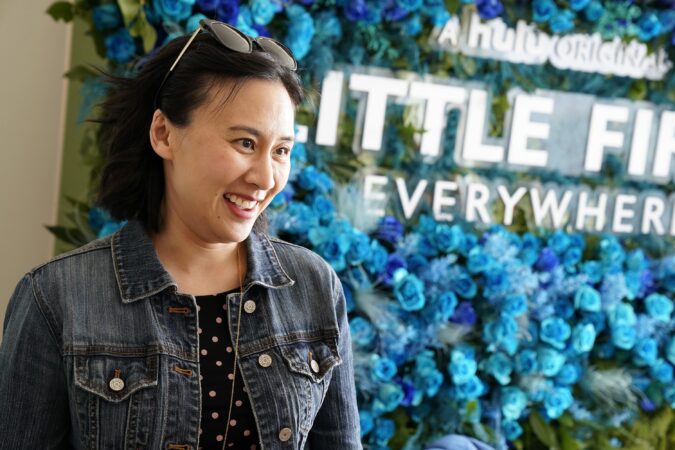
    Celeste Ng attends Hulu Little Fires Everywhere Press Brunch at ROSS HOUSE on Feb. 19, 2020 in Los Angeles, Calif. (Photo by Erik Voake/Getty Images for Hulu/TNS)

    “I feel like Philly is a living example of that,” said Ng, who was born in Pittsburgh and periodically visits Philadelphia. The Mütter Museum is one of her favorite places to visit. She’s keeping an eye on how the museum handles its collection of human remains.

    “Philadelphians get to walk past history daily. There is art all around you, reminding you of the stories that form you and are a part of your lives. Philly is a space that can start connection through all of the beautiful sculptures and murals reminding us that change is possible.”

    Our Missing Hearts is the Free Library’s 24th One Book, One Philadelphia pick. Last year’s choice was Tariq “Black Thought” Trotter’s 2023 memoir, The Upcycled Self.

    The annual program urges Philadelphians to read the same book, fostering literacy and civic dialogue. The kick-off event is April 7. Ng will return to Philadelphia that day for a book signing and celebration. One Book ends May 28.

    A series of events at Parkway Central and the 54 branch libraries will take place throughout the year.

    “I hope the conversation will get people thinking, what do we lose when stories disappear,” Ng said. “What do we do if stories never get told? What happens when we intimidate people out of talking about the past and learning from it? I’m really grateful to the Free Library of Philadelphia for starting these conversations in this moment.”