Blog

  • What did Villanova learn in its loss to No. 1 UConn? The game truly is ‘four quarters.’

    What did Villanova learn in its loss to No. 1 UConn? The game truly is ‘four quarters.’

    It would be unfair to call Wednesday night’s Big East clash between Villanova and No. 1 Connecticut anything other than what it ultimately was: a litmus test for the Wildcats.

    Villanova may sit in second place in a demanding Big East, but in Wednesday’s game against UConn, the Wildcats once were again looking up at a Geno Auriemma-coached Huskies program, which entered Finneran Pavilion undefeated with 27 wins.

    Technically, make that 43 regular-season games, if you consider the Huskies haven’t lost since last February when, as the No. 1 team in the land, they suffered a four-point upset against then-No. 19 Tennessee.

    A perennial power team in a power conference, Villanova wasn’t just playing the women wearing the Huskies’ deep blue on the other side of the floor; it was playing to prove itself against UConn’s stature, its reputation.

    And, if we’re being honest, the result of UConn’s tens of millions in NIL funding, ready for distribution.
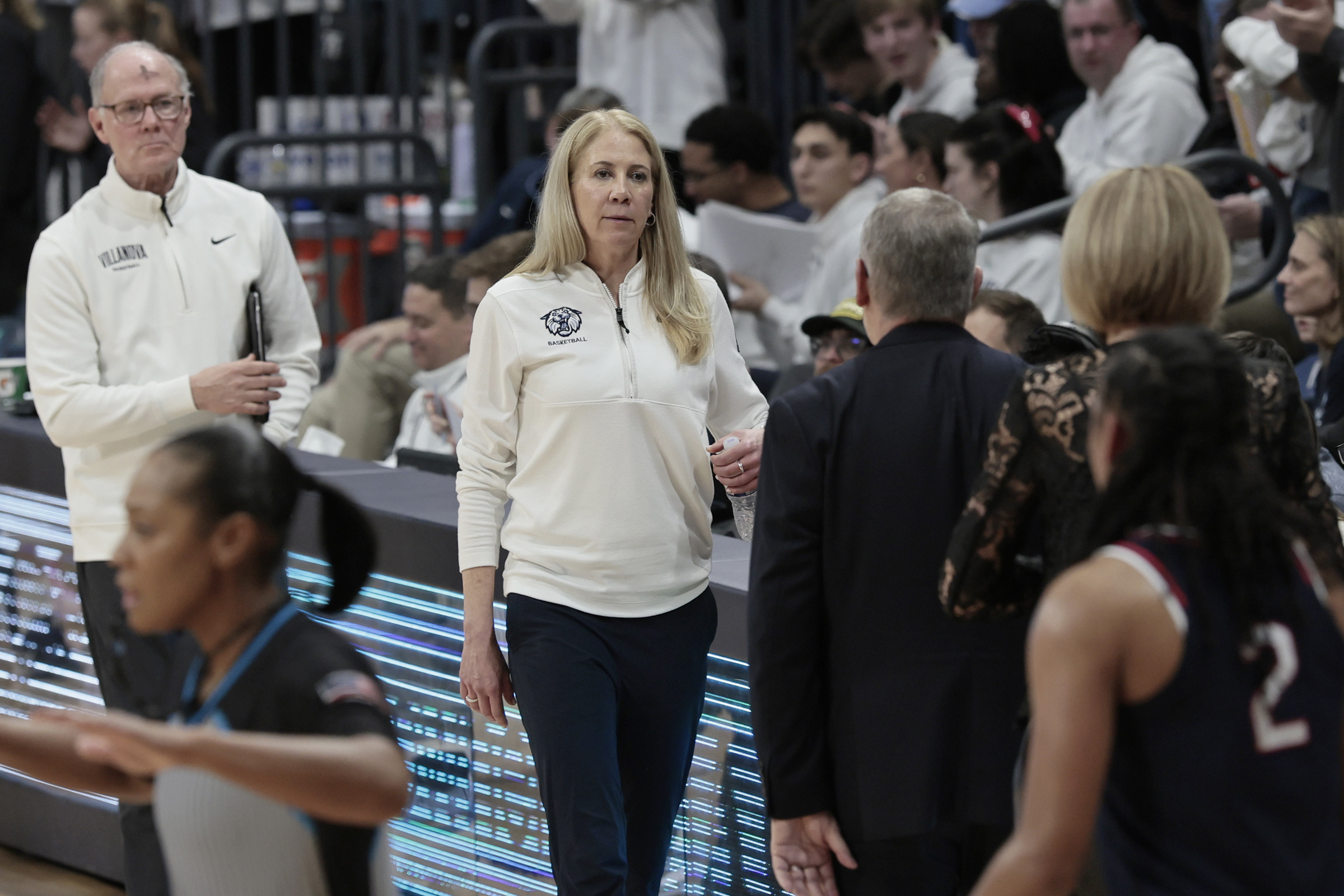
    Villanova coach Denise Dillon approaches UConn coach Geno Auriemma following Wednesday’s game between the two at Finneran Pavilion.

    In her six years as head coach, Denise Dillon has never made concessions for her team after it came up short against UConn, time and time again.

    But if she wants this year’s Wildcats to dance far into March, their performance has to match what was on display in the first half on Wednesday night. And look a heck of a lot better than a second-half fallout that resulted in an 83-69 loss.

    “Honestly, give them credit. [UConn] stuck to their game plan,” Dillon said. “I think we let up on what we needed to do … miss a possession here or there, they’re going to take advantage.

    “And that’s what happened.”

    Villanova’s Ryanne Allen (left) is held back by UConn’s Sarah Strong during their game on Wednesday. Strong finished with 21 points and 12 rebounds.

    Don’t sleep on the Wildcats

    Villanova (21-6, 14-4 Big East) looked like a true contender in the first eight minutes. The Wildcats held a one-point lead at the first television timeout with 4 minutes, 38 seconds remaining and went into halftime up three.

    It marked the only time UConn (28-0, 17-0) has trailed at halftime this season and one of its longest deficits, with the Wildcats ahead for 16:10 of the first half, compared to just 2:09 for the Huskies.

    “How we started the game was unacceptable,” said UConn guard Azzi Fudd, who finished with a team-high 25 points. “We need to be able to start the game strong, play the full 40, and not take the game or a team for granted. I think they proved we cannot overlook anyone.”

    One player UConn certainly couldn’t overlook was Jasmine Bascoe, who had a game-high 26 points and was a rebound shy of a double-double. She got help from Denae Carter (21 points) and freshman Kennedy Henry, who finished with nine, but played one of her best games of the season.

    “If it weren’t for my two girls [Fudd and forward Sarah Strong], she’d be the best player in the Big East, hands down,” said Auriemma, who lauded Bascoe’s performance. “Just an amazing talent, and she made it really tough for us tonight.”

    Villanova’s Jasmine Bascoe signals one of her four made three-pointers in Wednesday’s game against UConn.

    Lessons learned

    The reason UConn is No. 1 — besides having one of the most dominant players in women’s college basketball in Strong — is an ability to grind out wins.

    Speaking of Strong, while she finished with 21 points and 12 rebounds, the Wildcats frustrated the sophomore enough that by the third quarter, she was in danger of fouling out. She kept her composure and aided the Huskies in outscoring Villanova, 46-29, in the second half.

    Strong and Fudd did what they do, but in the end, turnovers were the Wildcats’ undoing; UConn scored 28 points off 26 Villanova turnovers.

    Villanova’s Denae Carter has her shot blocked from behind by UConn’s Serah Williams.

    “We talked about it, even at the end of the first quarter,” Dillon said. “I said, ‘Imagine if we’d got 8-10 more shots off in that period, what a difference it could make.’ We just have to focus our attention on taking care of the basketball.”

    Before the game, ESPN bracketologists had Villanova as a bubble team, projected as the No. 9 seed in the NCAA Tournament. Judging by last night’s performance, it feels like a pretty fair assessment.

    “The goal is to get to the [Big East] championship game and [get into] March Madness,” Dillon said. “We’re preparing for that every day. We talk to our players about our practice plan, which is to prepare to face a UConn; and if they train that way, you’re going to have a lot of success along the way.”

    On Wednesday night, the Wildcats came close to the type of success that could have landed them in Top 25 polls this time next week.

    That didn’t happen.

    But the consolation? They did more than enough to impress a storied coach who has firsthand experience of what success looks like.

    “They’re a team that will be in the tournament, I think,” Auriemma said. “They’re really well coached. Denise [Dillon] does a tremendous job. You know, this felt like one of those old-school Big East games tonight where you have to grind it out, and that’s usually what it’s like when you play here.”

    Up next

    Villanova will remain in town in preparation for Marquette at the Finn on Sunday (3:30 p.m., Peacock). The Golden Eagles (16-10, 10-7) are coming off a 71-56 Valentine’s Day loss to UConn and will look to snap a three-game losing streak.

    It’s Huskies week in Philly

    On Saturday, Villanova’s men host No. 5 UConn (24-3, 14-2) at Xfinity Mobile Arena (5:30 p.m., TNT). The Wildcats (21-5, 12-3 Big East) are on a six-game winning streak and are looking to avenge a 75-67 overtime loss against then-No. 2 UConn on Jan. 24.


  • A style of chardonnay that’s bone-dry and tart

    A style of chardonnay that’s bone-dry and tart

    Chablis is a French white wine made with 100% chardonnay grapes, but its flavor profile is nothing like the chardonnay American wine drinkers are accustomed to. Where most Chardonnays are fuller-bodied and richer in texture than other whites, Chablis is lightweight and sheer on the palate. Where the majority of Chardonnays feature some overt apple-pear fruitiness and the distinctive pumpkin spice flavors of new oak, almost all Chablis wines are bone-dry, unoaked, and a little anemic in the fruit department. Most importantly, where most Chardonnays are on the softer end of the white wine acidity scale, Chablis is famously tart — so much so that it can taste unpleasant alone, needing to be partnered with salty foods in order to taste balanced.

    All of these qualities give Chablis an austerity whose appeal is a challenge to describe in positive terms, as with the ferocious bitterness of Campari or the beach-fire funk of an Islay single-malt scotch. Like these other drinks, Chablis tends to be an acquired taste that rarely appeals to the wine novice, but nonetheless retains its prestige from generation to generation as new converts discover its charms.

    What makes Chablis so distinctive is that it is grown in considerably colder conditions than is normal for the chardonnay grape — in a zone of northern France whose climate is a closer match to that of Nova Scotia than it is to California’s. Low ripeness in the fruit grown in Chablis amplifies acidity and minerality, while suppressing fruitiness and alcohol. While most Chablis is quite pricey, petit Chablis — or small Chablis — is the name used there for modest, entry-level wines like this one. It may not have the complexity or the long finish of a superior Chablis, but makes a solid introduction to this style that is a chardonnay for chardonnay haters. Brisk, cleansing, and as dry as the desert, with flavors of crabapples and goat cheese, it makes a marvelous match for any food you might squeeze some lemon on.

    Moillard-Grivot petit Chablis

    Moillard-Grivot petit Chablis

    Burgundy, France; 12.5% ABV

    PLCB Item #100048775 – on sale for $17.99 through March 1 (regularly $19.99)

    No alternate retail locations within 50 miles of Philadelphia according to Wine-Searcher.com

  • Father Judge overcomes early deficit to beat Archbishop Wood, earns spot in boys’ Catholic League final

    Father Judge overcomes early deficit to beat Archbishop Wood, earns spot in boys’ Catholic League final

    The reigning Catholic League champion has earned another shot at the title.

    On Wednesday, the Archbishop Wood boys’ basketball team took on Father Judge in the Catholic League semifinals at the Palestra. After trailing 19-3, Judge mounted a comeback for the ages. Led by Temple recruit Derrick Morton-Rivera’s 27 points, Judge won, 52-46.

    The Crusaders will face Neumann Goretti in the Catholic League final on Sunday at the Palestra. NG beat Bonner-Prendergast, 64-60, in the second PCL semifinal.

    “Being confident in myself,” Morton-Rivera said. “Even if I miss shots or don’t get the shots that I want, I just keep believing in myself and keep trying to get shots or trying to make plays and look for my teammates.”

    Morton-Rivera, the program’s all-time leading scorer and son of former Neumann Goretti star D.J. Rivera, is happy to leave his own mark on the PCL.

    “It means a lot being able to leave a legacy, make a name for myself,” Morton-Rivera said. “A lot of people know me from being D.J.’s son — he went to Neumann Goretti and he was great. I’m glad I can make a name for myself at Judge.”

    Father Judge coach Chris Roantree spent eight years as an assistant at Wood under opposing coach John Mosco before rejoining his alma mater five years ago.

    “First for me and John,” Roantree said. “We have a great relationship, my best friend, coaching with them for nine years, but more importantly, he’s a friend. We went through a lot together, and somebody’s got to lose. That’s the hardest thing about it.”

    Last year, Roantree and Father Judge earned the program’s first PCL title in 27 years. Now they have a chance to go back-to-back for the first time in program history.

    Archbishop Wood’s Jaydn Jenkins (11) reaches for a rebound against several Father Judge players.

    “It would mean a lot because that’s what we talked about all season,” Morton-Rivera said. “Being the first class to come out of here with two championships. Nobody has ever done that before. That’s something that we definitely want to get.”

    Wood dominated the regular season with its 1-2 punch of Caleb Lundy and Brady MacAdams, who are first and second on the team in scoring, while 6-foot-11 Jaydn Jenkins roamed the paint on defense.

    Jenkins blocked Morton-Rivera’s first two shots, helping to stifle Judge in the first quarter. MacAdams hit a corner three and contested a layup on back-to-back possessions to push Wood’s lead to 16-3 after the first quarter.

    “We’ve been here for the past two years,” Father Judge point guard Rocco Westfield said. “It’s not easy to come down here and play in this environment in front of 10,000 people. So we just really stuck together and really kept our mindset straight.”

    Morton-Rivera scored 12 of Judge’s next 22 points to tie the score at 25 at the half.

    In the third quarter, Judge forced the Vikings into taking outside shots, stopping Lundy’s dribble penetration and Wood’s offense while Morton-Rivera scored eight of the Crusaders’ first 10 points to open the half.

    MacAdams did his best to keep Wood close, but the Crusaders kept the lead for the majority of the second half.

  • Savú, a two-level restaurant-bar in Washington Square West, aims for dining and nightlife under one roof

    Savú, a two-level restaurant-bar in Washington Square West, aims for dining and nightlife under one roof

    Savú opened earlier this month in Washington Square West with a clear pitch: dinner and nightlife under one roof — and a retractable one, at that.

    “The concept is really about bringing a little bit of Miami and New York to Philadelphia,” said owner Kevin Dolce, the restaurant’s managing partner and founder of Hi-Def Hospitality. “There are places that do dinner and places that do nightlife. We want both in the same space, consistently.”

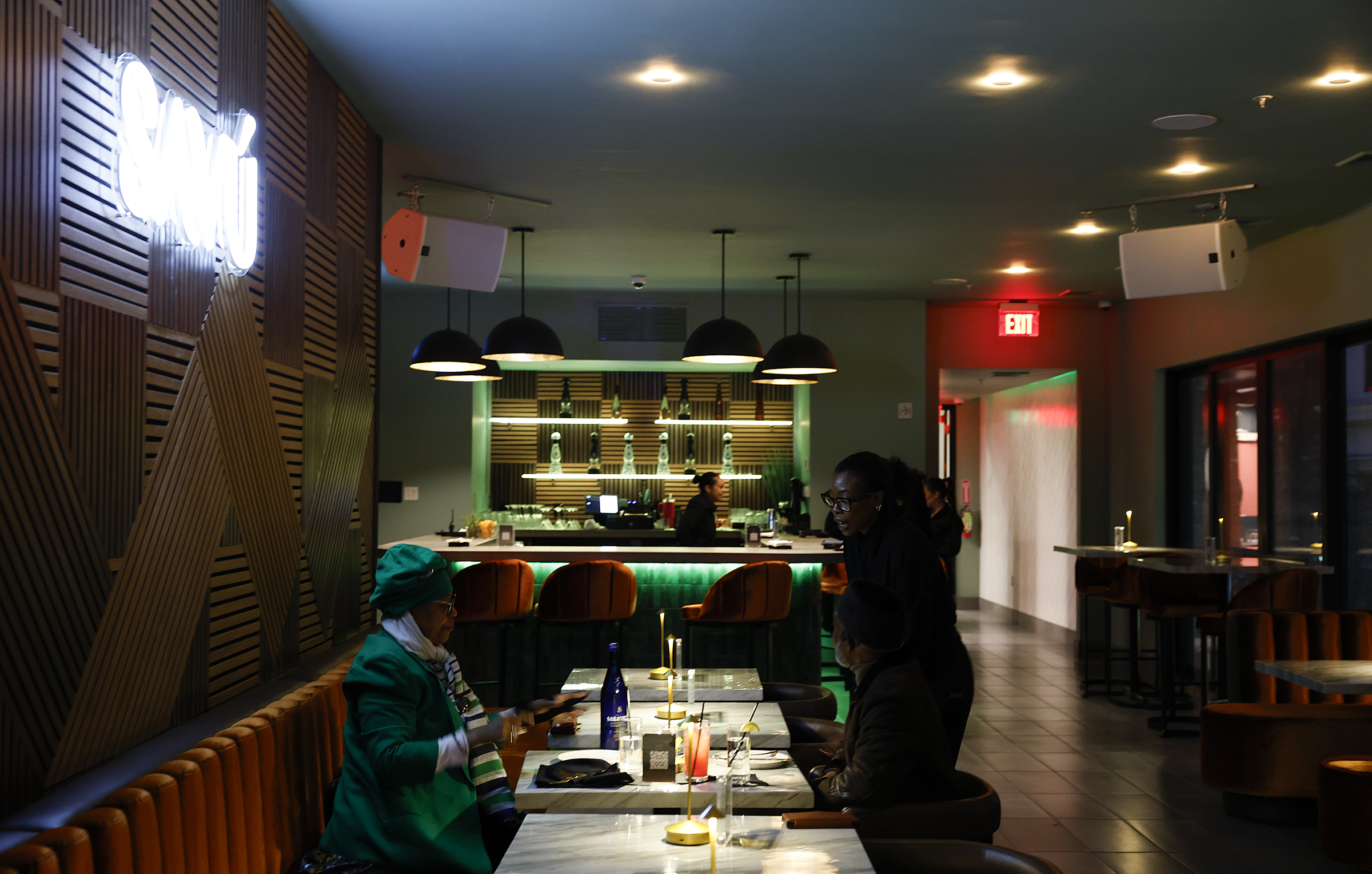
    The second-level dining room, and the rear bar, at Savú.

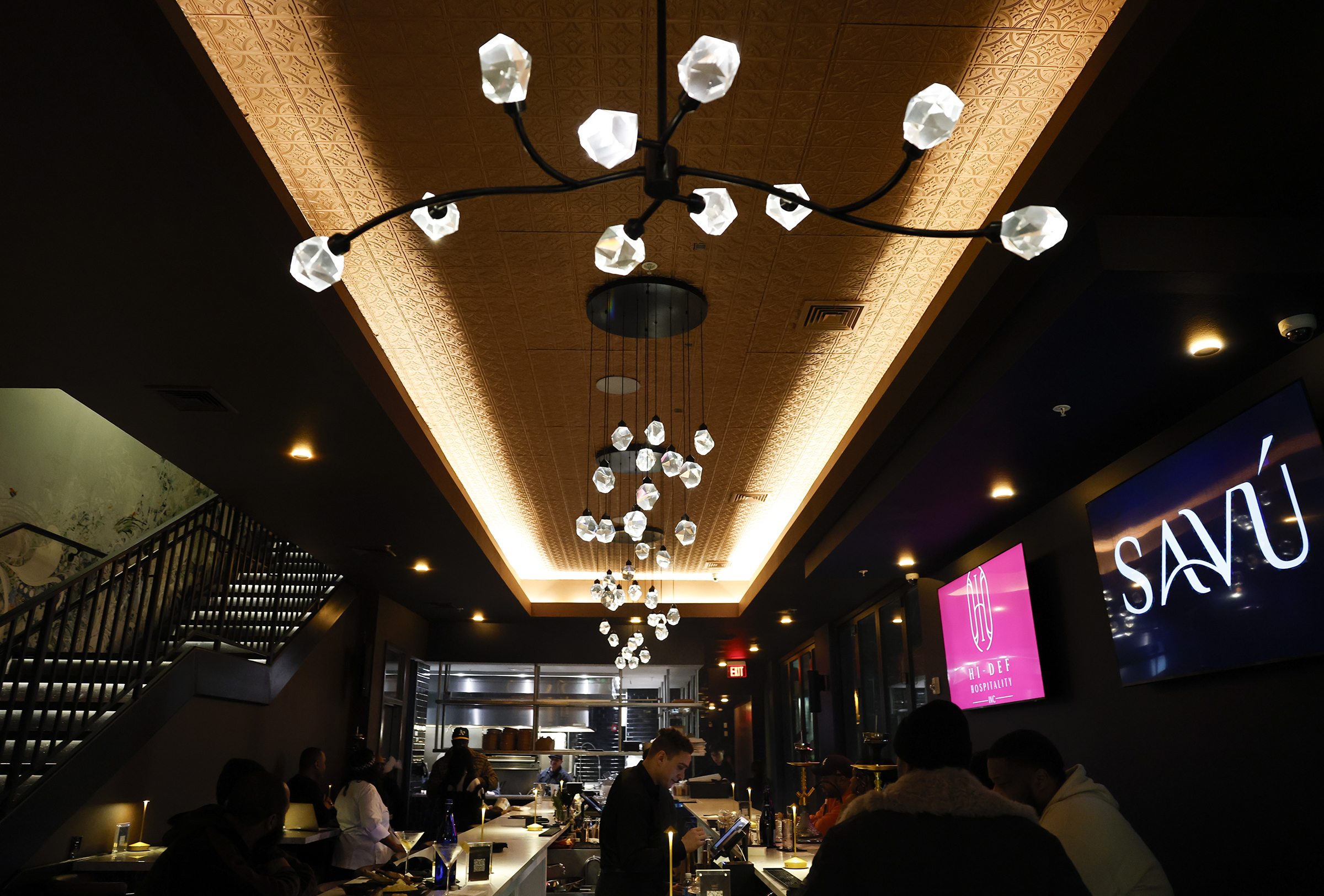
    Savú occupies the two-level space that last housed Cockatoo, an LGBTQ-friendly bar-restaurant. Dolce said Savú is aimed at everyone. The first floor is anchored by an enormous rectangular bar for walk-ins at the center of the room, with seating wrapped around it. Lounge seating lines the fling-open front windows at 13th and Chancellor Streets, where DJs spin Thursday through Sunday from 9 p.m. to 2 a.m., shifting the mood from dinner to late-night. Cocktails stick to standards — espresso martinis, French 75s — alongside Champagne and bottle service.

    Upstairs, two additional bars designated for customers with reservations serve a dining room outfitted with banquettes and low lighting. When weather allows, the retractable roof will open, creating an indoor-outdoor feel rare among Center City restaurants.

    The ground-floor bar at Savú, in Washington Square West.

    Savú’s address — along the restaurant row that includes Barbuzzo, Double Knot, and El Vez — has turned over in recent decades. A midcentury diner called Dewey’s once stood there, followed later by Letto Deli. The building was razed in the mid-2010s and replaced with a modern structure that reopened in 2017 as Maison 208. That concept gave way in late 2020 to Cockatoo.

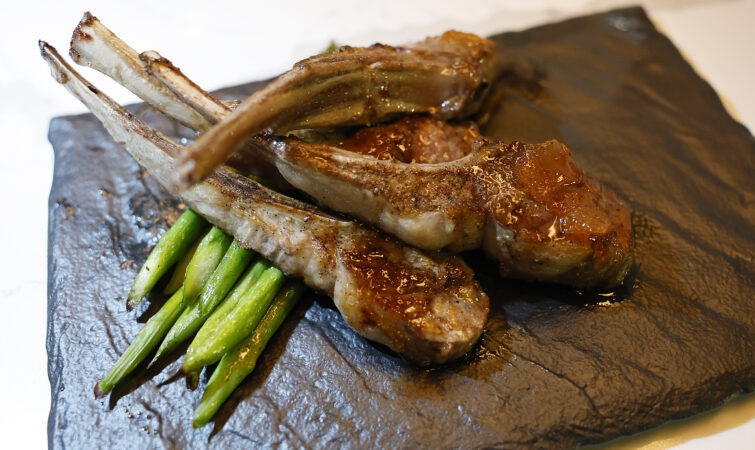
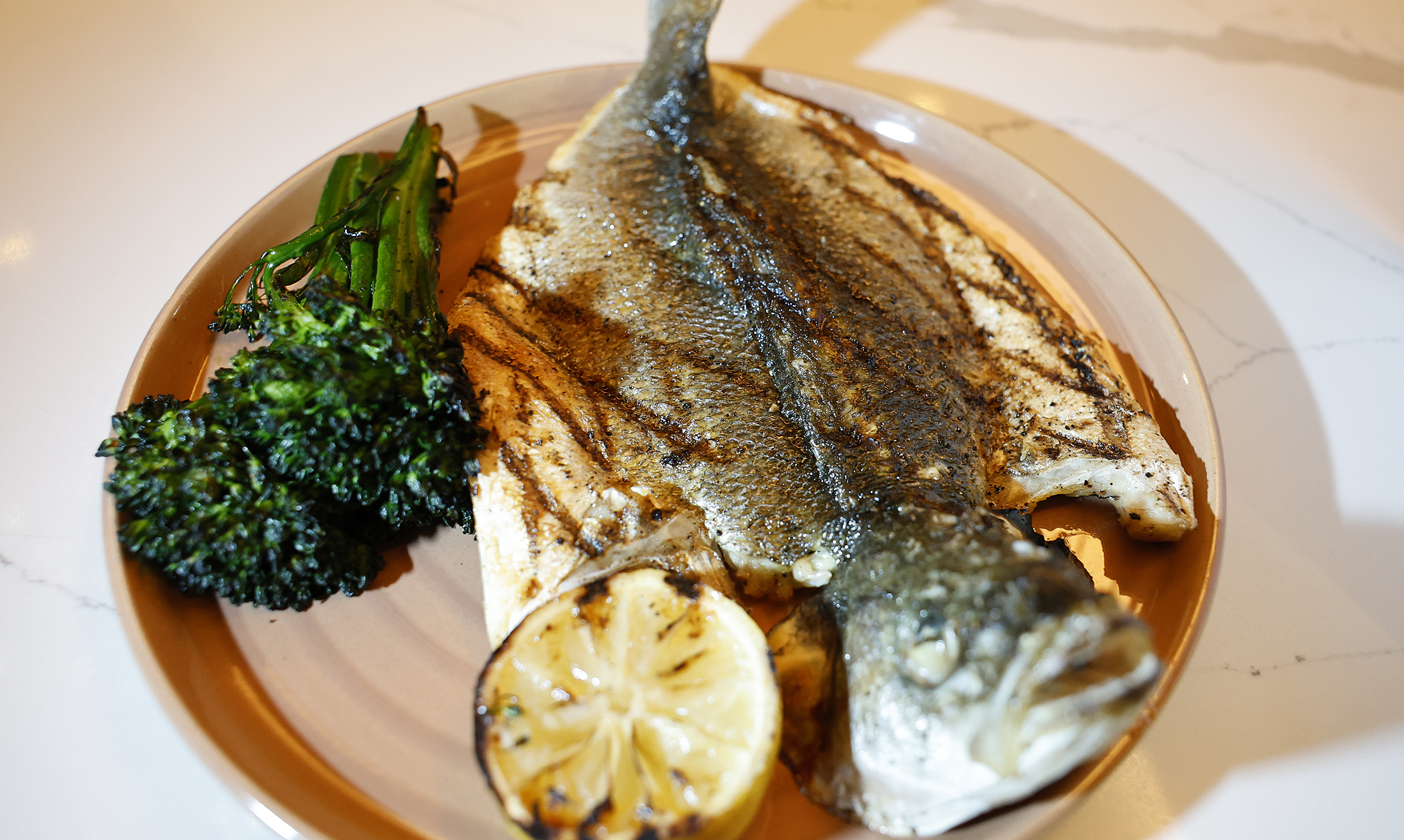
    Chef Maulana Muhammad’s dinner menu signals a push toward a higher-end night out: caviar bumps paired with fries and champagne, lamb chops, grilled branzino, lobster pasta, and ribeyes.

    Chef Maulana Muhammad at Savú.

    Muhammad, a graduate of the Restaurant School, has been around the block. She interned at the old Striped Bass and spent 12 years at the Four Seasons on Logan Square under chef Jean-Marie Lacroix and his team. Through the 2010s, she ran her own restaurant, Maulana’s Café, in the Philadelphia Design & Distribution Center in Wissahickon, and then worked for Constellation Catering just before the pandemic.

    After handling production that had her and colleagues cranking out 50,000 meals a day, she stepped away from the kitchen to help operate her family’s home healthcare agency.

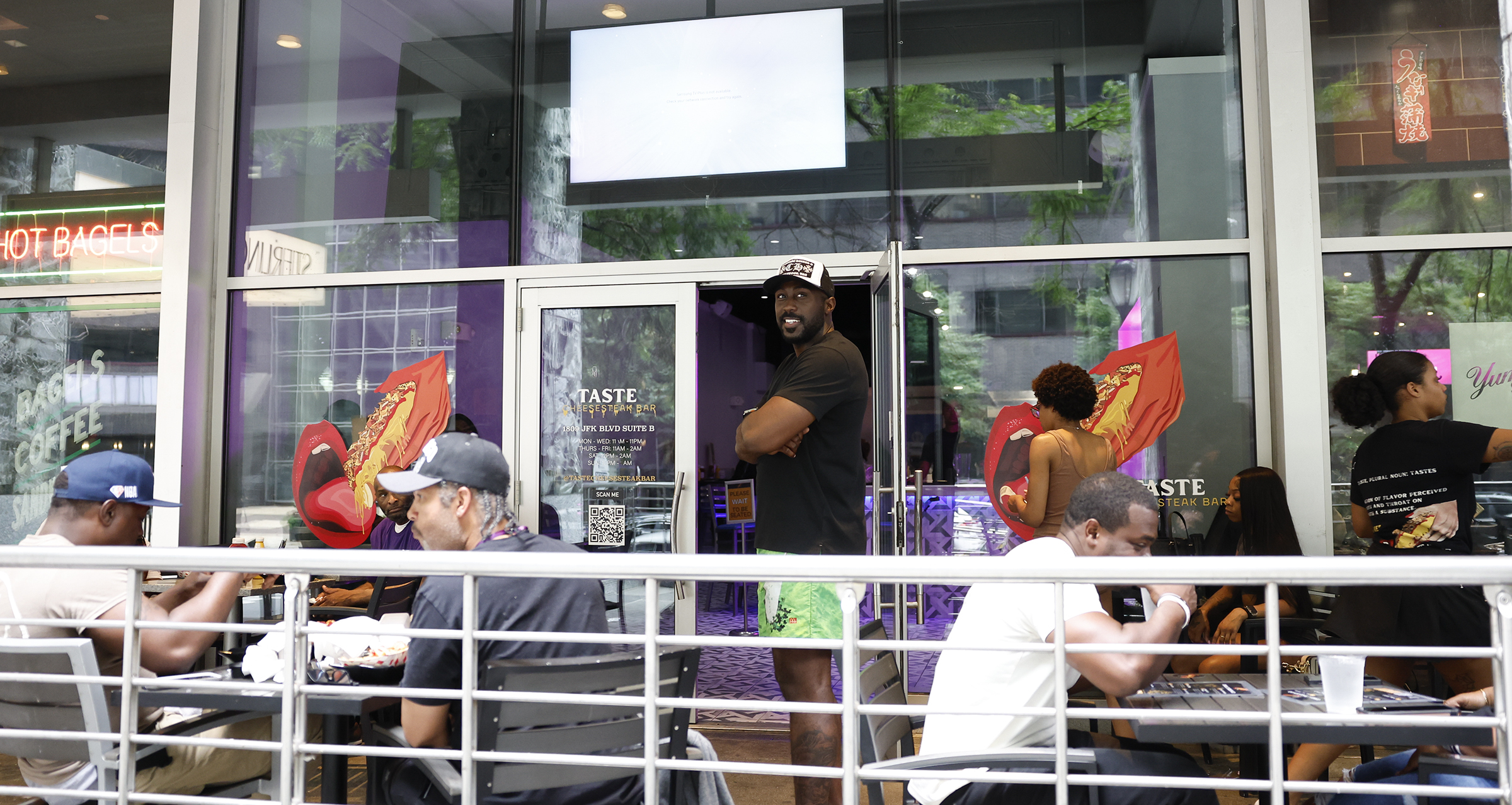
    Kevin Dolce with customers at Taste Cheesesteak Bar in 2024.

    Muhammad joined Savú a year ago to build the menu, after her brother, who knows Dolce, mentioned plans for the restaurant. “I like simple, good food,” Muhammad said. “I love creativity, but I want people to feel full and satisfied. I don’t want them leaving and stopping somewhere else to eat.”

    Dolce has brought in chef Dominique Shields, founder and former owner of North Philly’s Pretty Girls Cook, to oversee weekend brunch, which starts Feb. 28 with such offerings as seafood grits with fried flounder and shrimp, pancakes with fried chicken wings and honey butter, and oxtail hash along with made-to-order omelets and classic egg plates with beef or turkey bacon. In addition to the 11 a.m.-to-3 p.m. brunches, there will be a Sunday Champagne brunch from 4 to 8 p.m. that will be a ticketed, entertainment-focused event upstairs. General admission will include a drink and booths will be reservable.

    Branzino served at Savú.

    Dolce, whose background is in financial consulting, got a taste for nightlife in September 2023 when he opened Taste Cheesesteak Bar on the ground floor of the Sterling, an apartment building at 1809 JFK Blvd. It was, and still is, one of the city’s few cheesesteak shops offering DJs and a full bar.

    Dolce has been on a tear of lease-signing. In 2024, he announced plans for Enigma Sky, a three-story Thai-fusion restaurant and lounge in the former Golf & Social at 1080 N. Delaware Ave., as well as Taste Taco Bar, under the Larry Fine mural at Third and South Streets, at the former Jon’s Bar & Grille. Last year, Dolce said he was also converting the former 7-Eleven store at 1084 N. Delaware Ave., next to Enigma Sky, into Finish Your Champagne, a brunch-driven concept. Citing delays with permitting and approvals, Dolce said Taste Taco Bar is expected to open for Cinco de Mayo, with Enigma Sky and Finish Your Champagne opening by the end of the year.

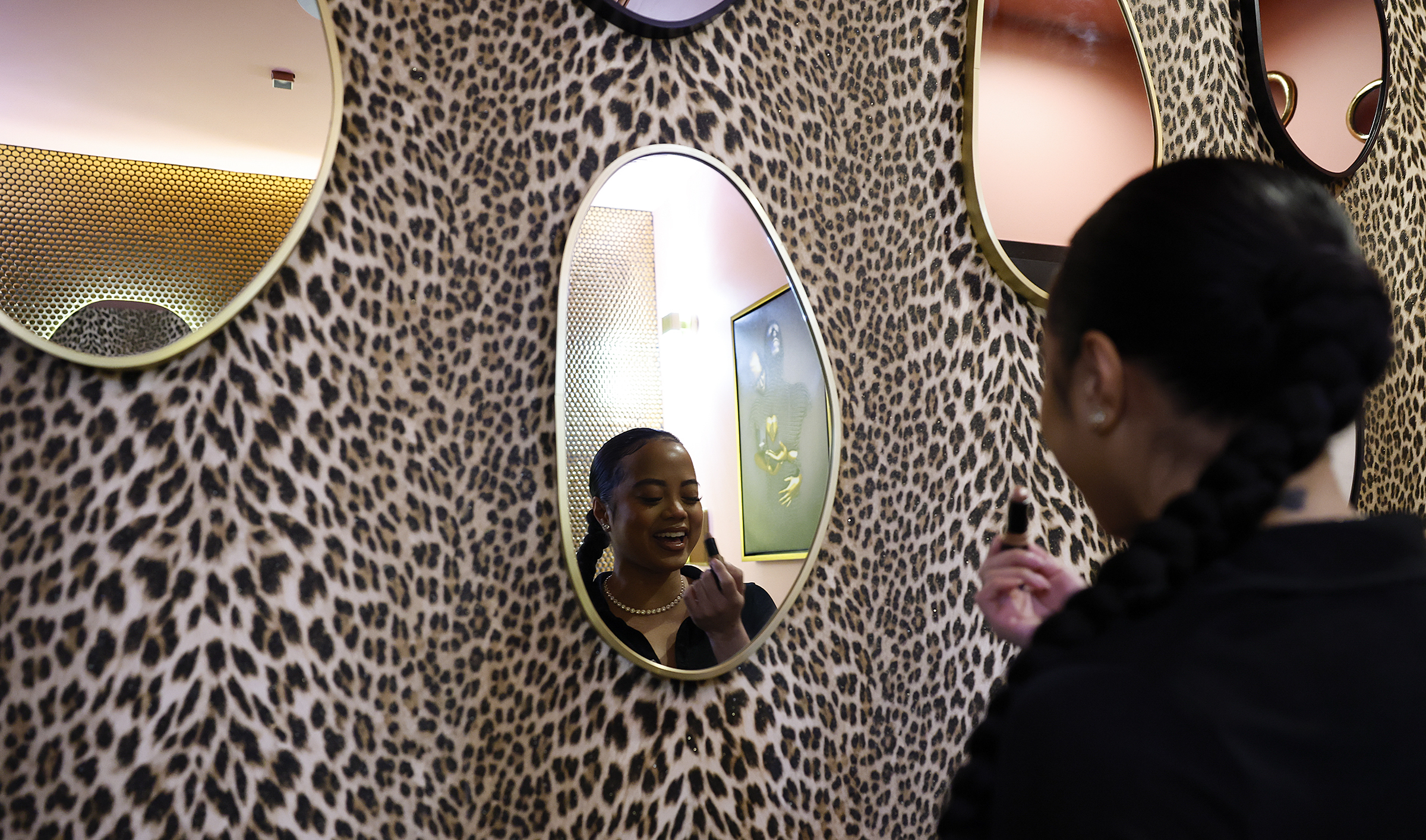
    Savú waitress Dominique Antes fixes her lipstick in a restroom at the restaurant.

    “Philadelphia is about to have a huge few years: the World Cup, the city’s 250th anniversary, the MLB All-Star Game, NCAA tournaments, PGA events,” Dolce said. “Millions of people are coming, and we want to grow alongside the city and be part of that story.”

    Savú, 208 S. 13th St., 445-223-4865, savuphl.com. Initial dinner hours: 4 p.m. to 2 a.m. Thursday to Saturday. Brunch (starting Feb. 28): 11 a.m. to 3 p.m. Saturday and Sunday. Champagne brunch: 4 to 8 p.m. Sunday.

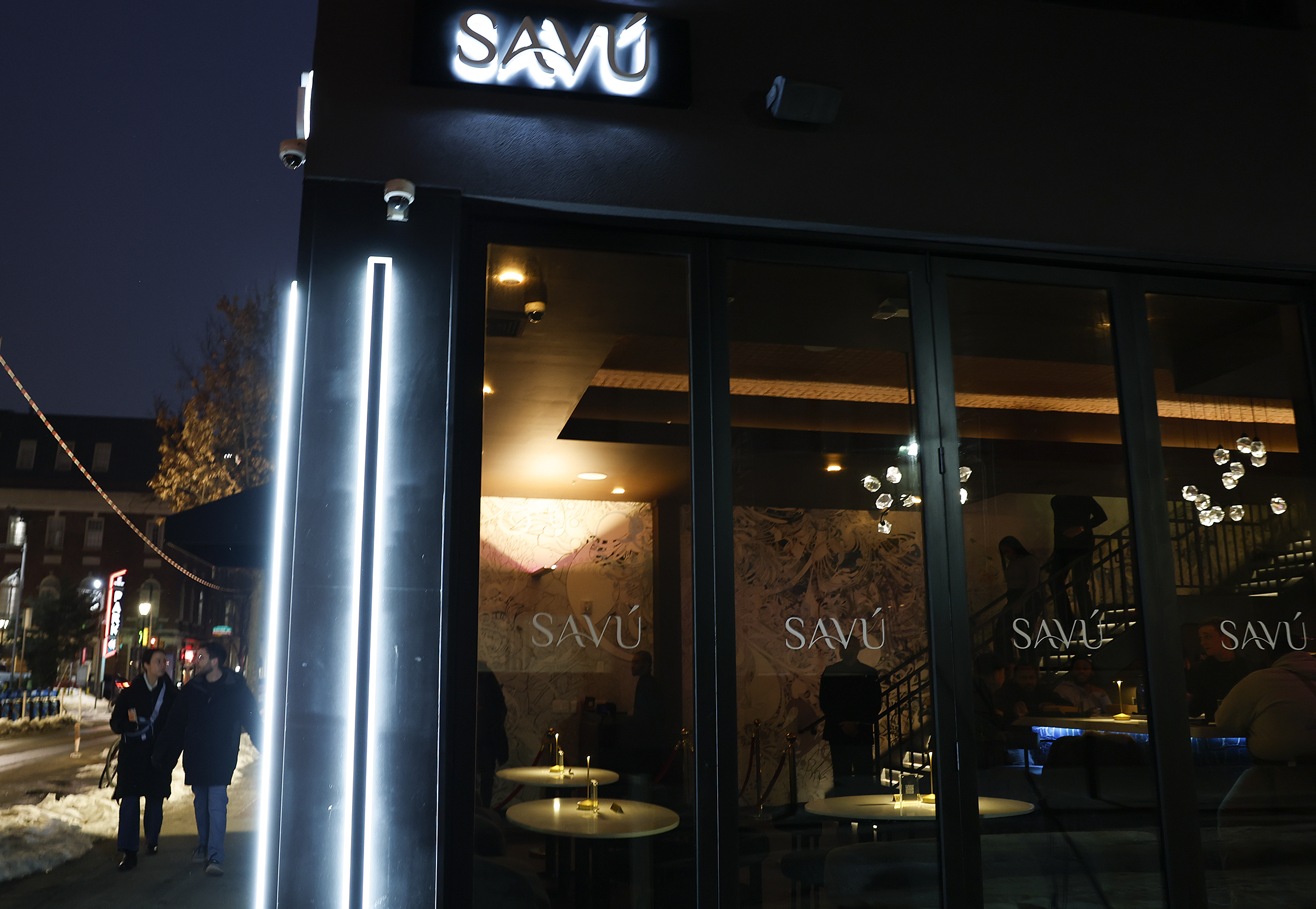
    Savú at 13th and Chancellor Streets.
  • A ‘giant’ down payment | Real Estate Newsletter

    A ‘giant’ down payment | Real Estate Newsletter

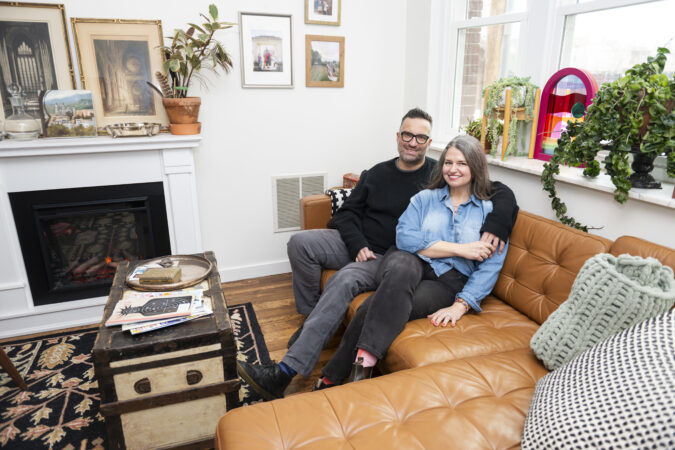
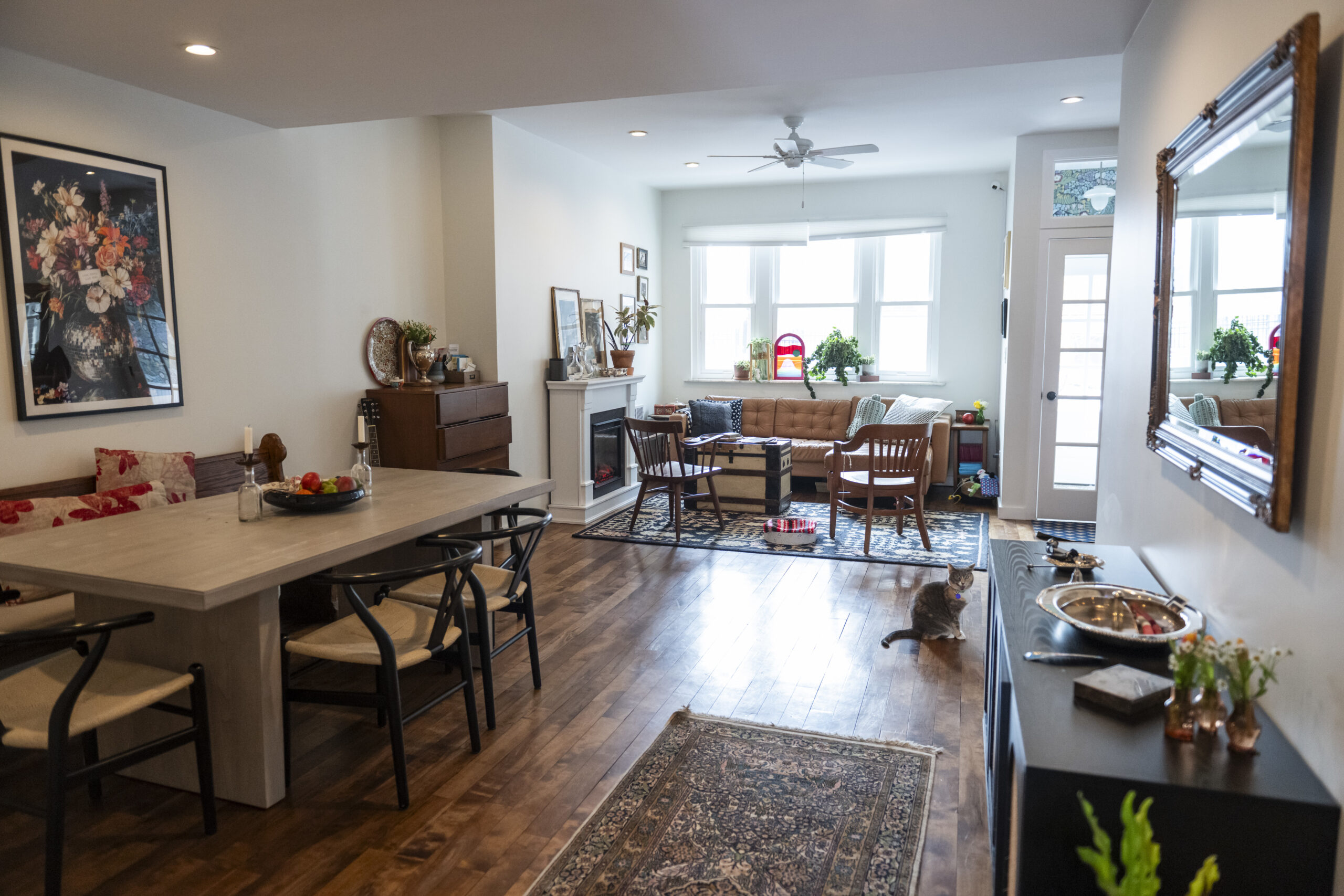
    One family’s list of must-haves narrowed their home search to just one property in Passyunk Square. And it wasn’t even on the market — yet.

    Fast forward a few months and the couple snagged the first viewing and snatched up the century-old house. The homebuyers were able to make a down payment of $300,000 thanks to the sale of their former home.

    Read on to see which traditional South Philly home feature the family rebuilt because they had to have it.

    Keep scrolling for that story and more in this week’s edition:

    — Michaelle Bond

    If someone forwarded you this email, sign up for free here.

    Putting a lot down to move up

    Homebuyer Catherine Wargo Roberts calls one aspect of her home renovation “a vanity project for sure.” But she doesn’t regret it.

    She really wanted a traditional South Philly vestibule in the front of her home, so she rebuilt one. “Best money I ever spent,” she said.

    Speaking of money, she and her husband put down what she called a “giant down payment” of $300,000 on their $725,000 home to keep the monthly mortgage payment manageable for them. That was possible because they sold their old home.

    The family loved living in Passyunk Square and didn’t want to leave, but their block of both homes and businesses had gotten too busy. And they wanted more space, especially outside.

    Keep reading to learn about complications with the home sale and why the homebuyers sought out an unfinished basement.

    What to do with school buildings

    It’s common for homebuyers to pick locations based on the schools their kids would attend. And families get deeply attached to their school communities, whether residents are new or have been living in an area for generations.

    That’s why it’s not surprising that a plan to close some Philly schools is getting pushback.

    The School District of Philadelphia has around 300 buildings, including more than 200 schools. Many buildings are at least 75 years old and not in good condition.

    Some schools have 1,000+ empty seats, and others are squeezing students in.

    This week, City Council members grilled school district officials about the superintendent’s plan to address these challenges.

    Over the course of a decade, according to the plan:

    • 20 schools would close.
    • 6 would be co-located inside existing school buildings.
    • 159 would be modernized.

    Before the superintendent’s scheduled presentation to the school board next Thursday, read up on his plan and the reaction it’s gotten.

    The latest news to pay attention to

    Home tour: Transformation in Lambertville

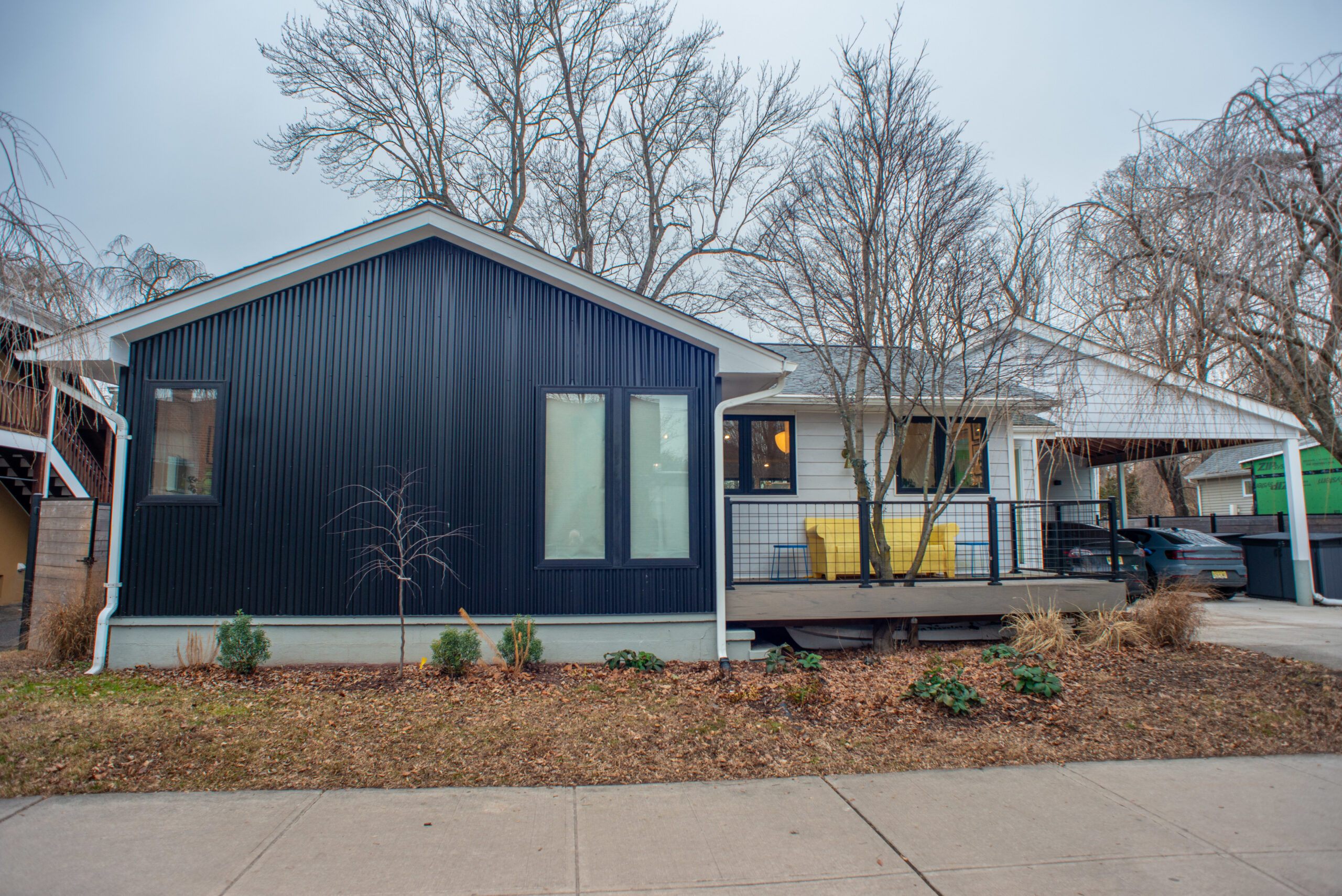
    Lauren Braun-Strumfels and Kyle Strumfels lived in a rowhouse in Lambertville, N.J. when they started eyeing the neighboring standalone house.

    They and their two kids had outgrown their home, and the couple had a vision for how to transform the other property, where maintenance had lapsed for decades.

    The couple bought the house in 2017 in a “very stressful and very intense” process, Braun-Strumfels said.

    Then, in the first round of renovations, the homeowners:

    🛠️ moved the kitchen

    🛠️ bumped the back wall out to create more space

    🛠️ added a Jack-and-Jill bathroom

    🛠️ upgraded mechanical systems

    They turned the home into a California modern-inspired ranch house.

    “Sometimes I wondered if people would be mad we stuck a modern house in the middle of this [Victorian-era] town, but people seem to really like it,” Strumfels said.

    Peek inside the family’s home and learn about the second renovation, which created an “adult wing.”

    📷 Photo quiz

    Do you know the location this photo shows?

    📮 If you think you do, email me back. You and your memories of visiting this spot might be featured in the newsletter.

    Last week’s quiz featured a photo captured in the East Conservatory at Longwood Gardens.

    Shout-out to Doug S. and Jeff B. for getting that right.

    Jeff said: “Wonderful place to go to beat the cold weather blues. Every now and then we just need a pick-me-up, especially since we like to garden. Every season has something new to see. Been going there since I was a kid with my parents and now we are senior citizens and still love it.”

    I’ve only been to Longwood for a reporting assignment or two. But last week’s photo and Jeff’s memories are making me want to flee there for my own winter pick-me-up.

    📹 On the street

    A couple weeks ago, I shared the latest news in the saga of suspicious property sales near Temple University. Buyers seemed to be paying almost double the asking price for buildings that had been sitting on the market.

    According to an Inquirer investigation, more than two dozen Philly-area real estate agents helped arrange $45 million worth of questionable deals involving student rentals.

    My colleagues’ new video lays it all out.

    Watch the video and join the conversation here.

    And enjoy the rest of your week.

    By submitting your written, visual, and/or audio contributions, you agree to The Inquirer’s Terms of Use, including the grant of rights in Section 10.

  • DUIs, secret crashes linked to cop bar | Morning Newsletter

    DUIs, secret crashes linked to cop bar | Morning Newsletter

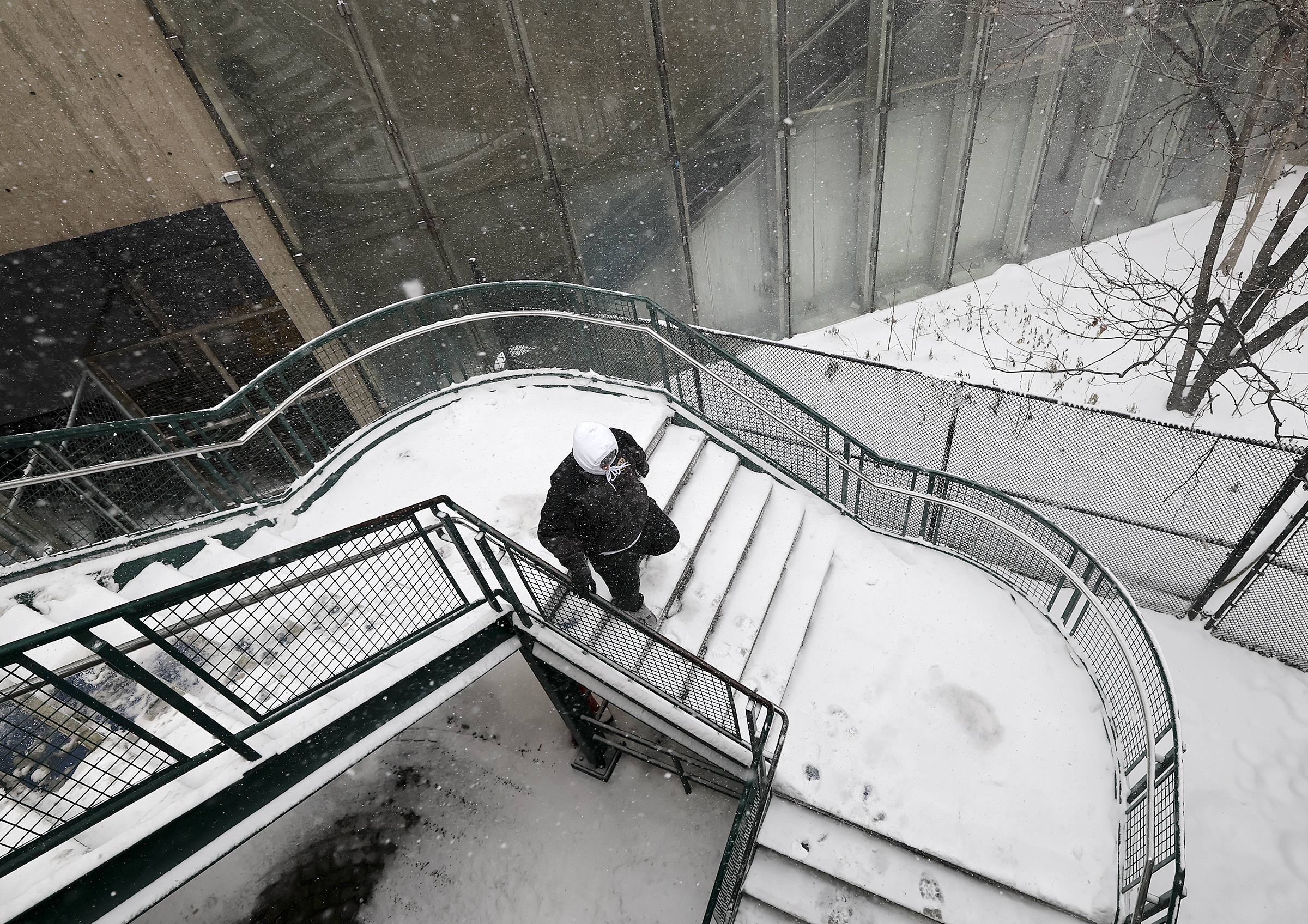
    Welcome to Thursday, Philly. First, see the latest details on the region’s weekend snow threat.

    A members-only cop bar in the Far Northeast has been linked to two DUIs — plus a third crash previously kept secret.

    And the city’s No. 2 public official has been noticeably absent during major events in the last year. His increasingly low profile in Philadelphia City Hall has generated frustration and fueled questions.

    — Julie Zeglen (morningnewsletter@inquirer.com)

    If someone forwarded you this email, sign up for free here.

    ‘It’s just not something that would have happened maybe if it didn’t involve the police or the FOP’

    7C Lounge, a members-only club in the Far Northeast for active and retired cops, has been connected to multiple drunken-driving incidents in the last few years.

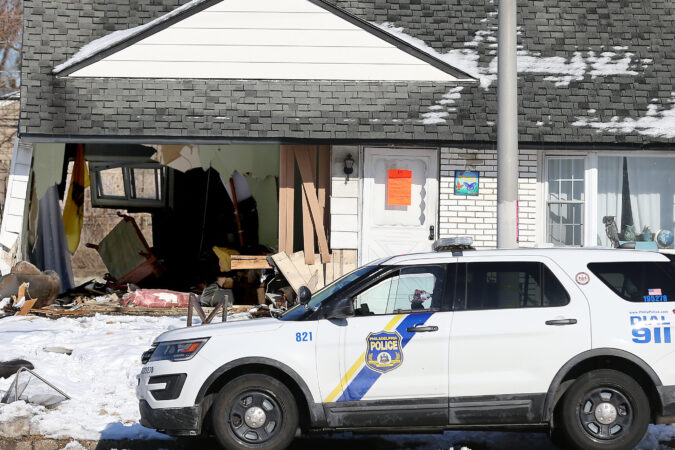
    The most severe incident left a woman in a coma for more than two months. An off-duty police officer who had been drinking at 7C just down the street plowed his car through the front of her home, striking and dragging her into another room.

    It was the second time the family’s property had been damaged by a patron who left 7C impaired.

    The bar is operated by the Fraternal Order of Police Lodge 5, inside the union’s headquarters, raising questions about how drunken-driving cases are investigated when they involve a powerful police union operating its own bar.

    The officer behind the near-fatal crash was ultimately sentenced to prison. But records show that in the immediate aftermath of the incident, he had been allowed to confer with FOP representatives and delay a blood-alcohol test for nearly six hours.

    Reporters Barbara Laker and David Gambacorta investigate several apparent alcohol-related crashes linked to 7C — including one in the union’s own parking lot that was kept secret.

    In other police news: Dozens of drug and gun convictions were vacated Wednesday, the latest batch in what could grow to 1,000 cases tied to three narcotics officers who prosecutors say repeatedly gave false testimony in court.

    MIA managing director

    As Philadelphia’s managing director, Adam Thiel is tasked with overseeing the delivery of city services. Yet the top-ranking official has been noticeably absent from public view in recent months.

    An Inquirer review found that Thiel was out of office last year for a total of nearly five months, much of which he spent on military leave. In addition to his high-profile role with the city, he serves as a major in the U.S. Army Reserves, works as a consultant, and is an adjunct faculty member at two universities.

    Almost half of his $316,200 city salary — more than the mayor’s — in 2025 was for paid time off, according to payroll records.

    His extended absence has prompted frustration at City Hall.

    City Hall reporter Anna Orso has the story.

    More on local government: Philadelphia has spent about $59 million in snow response since January’s massive storm. That includes spending on the extended activation of warming centers, plowing operations, and more.

    What you should know today

    Quote of the day

    Lingel interviewed hundreds of Craigslist users in Philadelphia for her book An Internet for the People: The Politics and Promise of Craigslist. She says the platform functions as a kind of parallel infrastructure to the more polished Facebook Marketplace and Depop, particularly for people with fewer financial resources.

    🧠 Trivia time

    Philadelphia’s Chinatown gate isn’t the oldest in the country, but does have the distinction of being the first Chinese American archway that was what?

    A) Built over 20 feet tall

    B) Built with materials from Asia

    C) Built to match another U.S. city’s gate

    D) Reconstructed after a massive fire

    Think you know? Check your answer.

    What and whom we’re …

    🏡 Remembering: Marie Whitaker, whose Media organization bridged racial divides.

    🫁 Checking: Philly’s new real-time public air quality monitoring network.

    🍲 Suggesting: Where to break Ramadan fast around Philadelphia.

    🌊 Eager to see: A concert on the Atlantic City beach.

    📜 Considering: The pitch to get this Old City print shop a blue historic marker before July 4.

    🧩 Unscramble the anagram

    Hint: Wildwood amusement park

    ROSY EMPIRES

    Email us if you know the answer. We’ll select a reader at random to shout out here.

    Cheers to Nereda Jones-Pugh, who solved Wednesday’s anagram: NovaCare Complex. The Eagles’ training facility in South Philadelphia will have a new name this coming season: Jefferson Health Training Complex.

    Photo of the day

    Ice sculptures made by artist Emily D. Stewart seen outside her home in Narberth last week.

    One last creative thing: Narberth artist Emily Stewart is making public art out of snow in her own front yard, including Swedish lanterns and sculptures of a giant eagle and orge-like creature. The art form is “ephemeral,” she said. “Like, enjoy it, and it’s not yours to keep.”

    Thanks for starting your day with The Inquirer. See you back here tomorrow.

    By submitting your written, visual, and/or audio contributions, you agree to The Inquirer’s Terms of Use, including the grant of rights in Section 10.

  • Should your therapy session be outdoors? More therapists are trying it.

    Should your therapy session be outdoors? More therapists are trying it.

    Jennifer Udler has been a practicing therapist for 25 years. A little over a decade ago, she started training for a marathon, running with a group near her home in Montgomery County, Maryland.

    “I noticed that people were more comfortable, less inhibited, opening up and talking during our group training runs,” Udler said. “And I started to wonder if there was a way to do a practice where people are moving.”

    Udler sees children and adolescents as well as adults, and she suspected that her younger clients especially might feel more comfortable talking while walking on a nature trail rather than sitting in a therapist’s office. She decided to try it with one of her young clients with his mom’s permission.

    “We met at a park, and we walked around, and he was a different kid,” Udler said. “He was running around, and he was showing me stuff in nature. And he talked.” She said they made more progress in one session outside than they had in two years meeting in her office.

    “That was in the snow in February,” she added. “So I was like, it’s only going to get better.”

    Udler started reading more about outdoor therapy, which is also known as walk-and-talk or nature-informed therapy. At that time she couldn’t find any formal training or certification programs, but she did learn that other therapists had tried it and found many of the same benefits she had.

    “You’ve got the movement, you’ve got nature, which is extremely grounding and stabilizing for people, and you have the co-regulation, walking side-by-side,” Udler said. For her younger clients or anyone uncomfortable with therapy, it also helped to be walking while talking about difficult topics because they didn’t always have to make eye contact with her.

    She wrote her own informed consent for her clients, establishing the additional risks of outdoor therapy and how confidentiality would work in a public park. She started a practice called Positive Strides, specializing in walk-and-talk therapy sessions outdoors in nature.

    “As I did the work and saw different types of people with different kinds of mental health issues, I realized how amazing it is,” Udler said.

    Trading the couch for the great outdoors

    In March of 2020, when many therapists moved their practices online, a smaller number brought their practices outside. The benefits were not felt only by the clients. Nature acts as a sort of “buffer against burnout,” said Heidi Schreiber-Pan, the executive director and founder of the Center for Nature Informed Therapy, where she trains clinicians in how to bring their practices outdoors.

    “What we’re hearing from people is that they can see more clients when they have outdoor sessions or nature-informed sessions,” Schreiber-Pan said.

    The American Psychological Association put out new guidelines this past fall for how clinicians can implement walk-and-talk therapy into their practice.

    The number of therapists working outside is still small. Shreiber-Pan believes that’s in part because therapists don’t realize that nature is all around us. One of the first questions she asks in her trainings is: When you think of nature, what comes to mind?

    “They talk about, like, these beautiful national parks or the mountains or the ocean,” Shreiber-Pan said. “And where is your therapy office? Not there.” She said that part of the training is helping practitioners recognize that nature is all around us — even in a city park.

    Miki Moskowitz is a clinical psychologist who practices in a primary care setting, which means she sometimes sees a patient only a couple of times.

    “We’re trying to make a difference, even in one single session,” she said.

    For Moskowitz, practicing outside has improved her own mental health and increased her capacity, but she also sees the immediate impact for her patients.

    “What I’ve seen that’s so encouraging is that sometimes just that first session we go for the walk, and patients are, like: ‘Wow, I didn’t know this trail was here. This is so beautiful. This feels so great. This is totally something I can do on my own,’” Moskowitz said. “That is so much more powerful than if we’re sitting in my office, which has no windows, just talking about the idea of going outside.”

    The brain benefits of getting outside — even when it’s freezing

    When Marc Berman was doing research at the University of Michigan, he helped devise a study to look at the brain benefits of time in nature. Participants did a challenging task testing their memory and attention, and then they were sent on a walk either through downtown Ann Arbor or in the area arboretum. Those who walked in nature showed a 20% improvement in their short-term memory, while those who walked in an urban environment did not.

    Berman and his colleagues did this experiment in June and January. In the winter, the nature walk was less enjoyable — but just as beneficial.

    “That was pretty cool because it suggested that you didn’t have to enjoy the nature walk to get these cognitive benefits. There was something deeper going on,” Berman said.

    One explanation for why nature is so good for our brains is called the attention restoration theory. The idea is that our ability to pay attention is finite, and spending time in nature can replenish our capacity. Nature is also “softly fascinating” — it captures our attention without overwhelming our senses.

    “I can kind of mind-wander and think about other things when I’m looking at a waterfall,” Berman said. “I can’t really mind-wander or think about other things when I’m in Times Square.”

    Berman is now a psychology professor at the University of Chicago and author of the new book Nature and the Mind: The Science of How Nature Improves Cognitive, Physical, and Social Well-Being.

    How to make the most of time outdoors

    Whether or not you are in therapy, your brain can benefit from a dose of nature, especially during the colder months when many of us are inclined to stay indoors. Here are some science-backed tips for how to get the benefits.

    • Nature can be found anywhere. You just have to look for it. Research has shown that noticing nature and paying attention to it can have positive effects even in an urban environment. Psychologists recommend noting the bird song you hear on the walk to your car, looking at the leaves on the trees and the clouds in the sky, and just taking a moment to appreciate nature’s beauty — even if it’s just a small plant poking through the sidewalk.
    • You don’t have to like it. Nature can be an acquired taste, especially when it’s cold. But you don’t have to be a backpacker or love camping to benefit from time outside. Berman and others have found in their research that we get the brain benefits whether or not we enjoy a walk in the woods.
    • Try a mindfulness exercise. Many people struggle to sit still and meditate, despite its benefits — but Moskowitz said that mindfulness practices can come more easily outside. “Just look up at the treetops and notice what you see, notice what you hear,” Moskowitz said. “Look for something that’s moving, and watch the branches sway in the breeze. Look at something close up, or look at something far away. You’re doing a mindfulness practice, and you’re tuning into your senses, and you are focusing your attention, but it’s not hard work.”
    • Bring nature inside. If you aren’t able to get outside as often as you would like, you can still get some of the benefits. Put a plant in your office — even a fake one — or look at pictures of beautiful landscapes. Listen to bird songs at your desk. “It’s not as strong as the real thing, but you can get benefits from the simulated nature,” Berman said.
    • Embrace the winter. When it’s cold and snowy outside, our impulse is to stay inside. But less time outside can contribute to seasonal depression. Schreiber-Pan recommends following the Scandinavian practices of “friluftsliv” — or “open-air living,” getting outside no matter the weather — and hygge, or embracing the cozy indoors when you come back in. “The happiest people on this planet are the Scandinavians,” Schreiber-Pan said. “They also have the longest winters.”
  • Carlino’s has your back following Di Bruno’s closure | Inquirer Lower Merion

    Carlino’s has your back following Di Bruno’s closure | Inquirer Lower Merion

    Hi, Lower Merion! 👋

    Missing Di Bruno’s? Don’t worry — we’ve still got Carlino’s Market. Also this week, a popular gluten-free bakery has opened in Bryn Mawr, a Narberth artist used the recent snow to craft Swedish-inspired sculptures, plus a new hotel with a tavern and rooftop terrace is opening this spring.

    If someone forwarded you this email, sign up for free here.

    Carlino’s Market remains a Main Line go-to for Italian goods

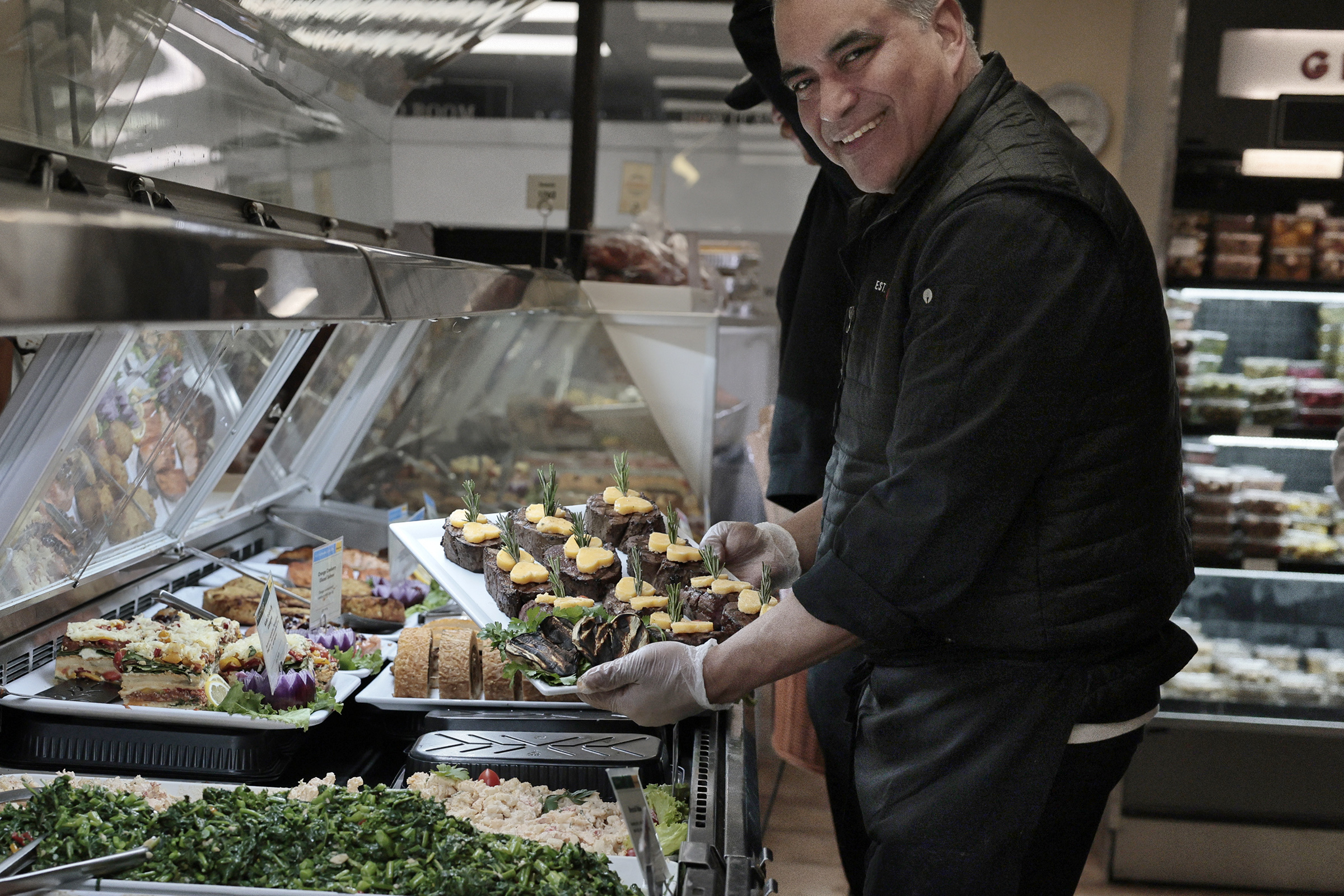
    Alejandro Perez is the executive chef at Carlino’s Market.

    While Di Bruno’s recent downsizing left a hole in the Ardmore Farmers Market — and in some shoppers’ hearts — a longtime staple continues to serve Main Liners in search of Italian goods.

    Founded in 1983 in Ardmore by husband and wife Nicola and Angela Carlino, who immigrated from Italy, Carlino’s Market has grown over the years and expanded into wholesale.

    In the past two decades, the family-operated market, now led by their son Pat Carlino, has added a location in West Chester but continues to serve its core customers, some of whom Pat grew up with.

    The Inquirer’s Denali Sagner checked in with the family on its measured growth plans.

    Gluten-free bakery Flakely opens in Bryn Mawr

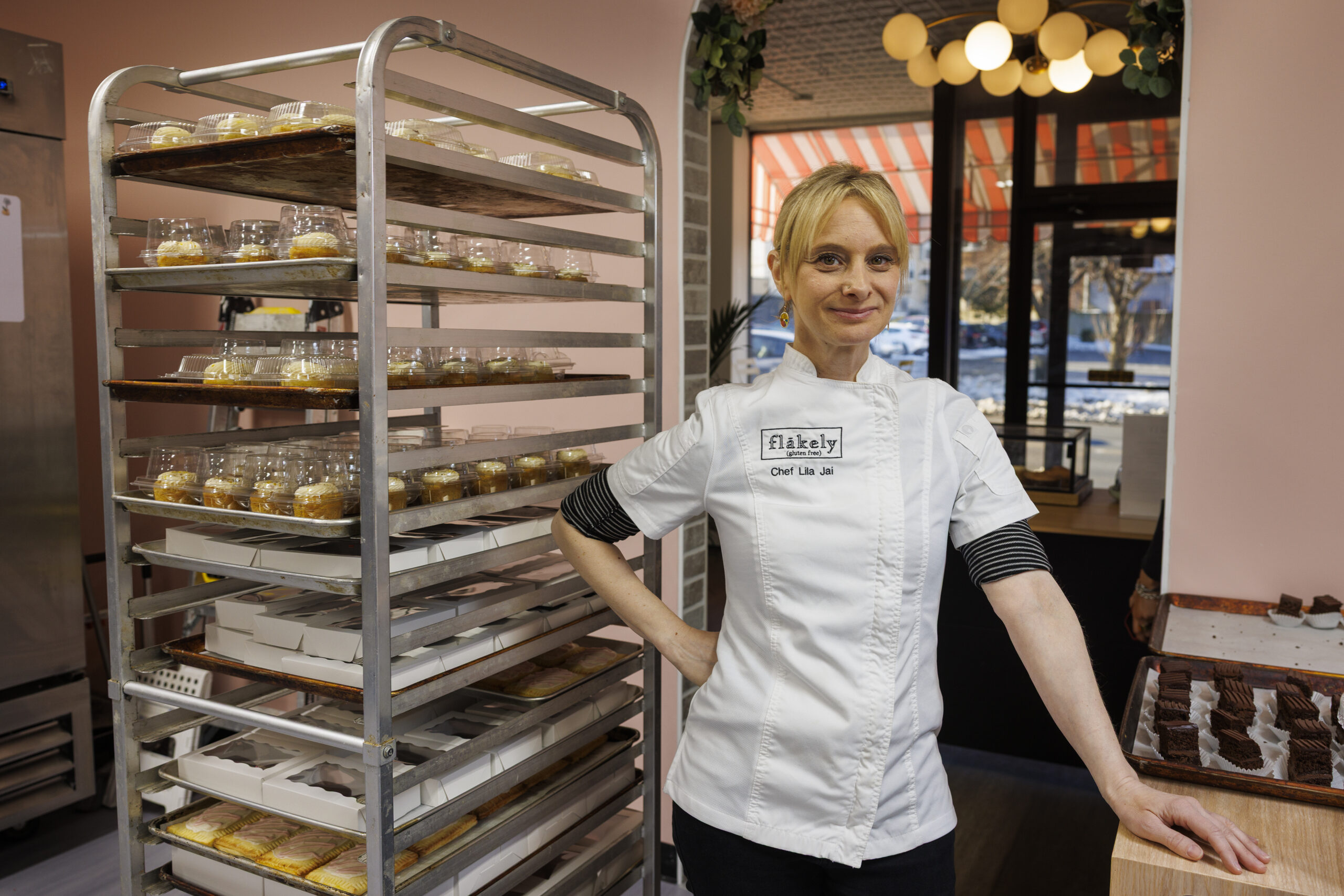
    Lila Colello is the owner of gluten-free bakery Flakely.

    Main Liners can get fresh gluten-free pastries closer to home now that Flakely has opened in Bryn Mawr.

    The popular bakery held a soft opening for its new storefront this past weekend at the former Grand Middle East hookah lounge. The new space means more offerings than were possible at its previous home in Manayunk, including fresh gluten-free croissants.

    “It’s a totally different experience,” said owner Lila Colello, an Ardmore native and Shipley School alum.

    Read more about what you can find at the new bakery.

    💡 Community News

    • The Montgomery County District Attorney and the Police Chiefs Association of Montgomery County recently released a joint statement underscoring that they don’t enforce immigration action. Earlier this month, the LMPD released its own statement, reiterating that it doesn’t enforce or participate in immigration enforcement. The joint statement comes after recent ICE action in the area, including an arrest in Norristown that some local officials condemned.
    • Montgomery County commissioners covered a wide range of topics during their annual State of the County address last week, from potential federal funding cuts to immigration concerns. While the top officials remain divided by party lines, they did underscore some bipartisan achievements, like the 2026 budget, as well as upcoming goals like opening more shelters for those experiencing homelessness. The Inquirer’s Fallon Roth recaps the key takeaways.
    • The Ardmore Avenue Pool won’t be reopening in time for Memorial Day weekend this year. The township’s parks and recreation department said at a meeting that it expects the pool, which was closed last summer for construction of the Ardmore Avenue Community Center, to not open until late June or early July. The good news: Membership fees won’t be going up for the township’s pools this year, despite a proposal from the finance committee to increase rates at Belmont Hills by 4.25% for residents and 6.5% for non-residents. Commissioners decided against the increase for 2026, albeit not unanimously.
    • Narberth artist Emily Stewart used the lingering effects of last month’s snowstorm to craft icy sculptures in her yard, where three Swedish lanterns glowed. More than looking cool, these pieces of public art provide a “little communal social interaction” among neighbors.
    • A new hotel is coming to the Main Line. Brandywine Realty Trust plans to open a 121-room Marriott Tribute Portfolio hotel at 165 King of Prussia Rd. that will be called The Brandywine. The $60 million Radnor hotel is expected to open in time for college graduations this spring and will have a ground floor tavern and a rooftop terrace.
    • A Lower Merion High School alum has thrown his hat into the ring to represent the 148th district after State Rep. Mary Jo Daley announced she will not seek reelection. Leo Solga, who graduated LMHS in 2022 and the University of Pennsylvania in December, is a criminal justice researcher at Penn’s Carey School of Law, and served on LMHS student council and Model UN. He will face Jason Landau Goodman, Andrea Deutsch, and Megan Griffin-Shelley in the May Democratic primary. (The Merionite)
    • Tuesday is the last day to submit responses to the township’s Montgomery Avenue safety study survey, which you can find here.
    • A note about last week’s newsletter: We’ve updated the photo accompanying details on the Montgomery Avenue safety study to better reflect the story.

    🏫 Schools Briefing

    • Black Rock’s home-school association is hosting an ice cream social tonight and tomorrow Penn Wynne has a fourth grade social. Tomorrow is also “Panther Pride” day at Penn Valley and Tuesday is STEM Night at Black Rock. Next Thursday, the Lower Merion High School Black Student Union is hosting its fourth annual “Shades of Black” showcase, featuring dancing, singing, and spoken word performances. See the district’s full calendar here.
    • The 2026 Prom Boutique kicks off tomorrow at Lower Merion High School, where students attending prom can browse free dresses and accessories. It’ll be open tomorrow from 3:30 to 6 p.m. and again on Monday from 3:30 to 7 p.m. See all the upcoming dates here.
    • The deadline to submit applications for the Lower Merion Township Scholarship Fund has been extended one week to Feb. 27. To be eligible, recipients must graduate from a Lower Merion School District high school, have attended one of the district’s high schools for at least two years, have been a student in the district for at least four years, and be a full-time student at an accredited post-secondary education institution.

    🍽️ On our Plate

    • Middle Eastern restaurant Malooga opened its Narberth outpost this week at 203 Haverford Ave. This is the second location for the Old City Philadelphia restaurant that specializes in traditional Yemeni dishes like lamb fahsah, made with potatoes, okra, and herb fenugreek; and saltah, a potato and okra dish.

    🎳 Things to Do

    🧊 Bryn Mawr on Ice: Ice sculptures will dot Lancaster Avenue between Roberts Road and Bryn Mawr Avenue. ⏰ Friday, Feb. 20, 4-7 p.m. 💵 Free 📍 Downtown Bryn Mawr

    🔍 Best-Laid Plans: A Murder Mystery: Try your hand at sleuthing in this immersive whodunit at Stoneleigh’s main house. There will also be light food and drinks available. ⏰ Saturday, Feb. 21, 4:30-7:30 p.m. 💵 $75-$85 for standard tickets 📍 Stoneleigh

    📽️ Ordinary People: Catch a screening of the 1980 Robert Redford-directed film starring Donald Sutherland, Mary Tyler Moore, and Timothy Hutton in 4K. ⏰ Monday, Feb. 23, 7:15 p.m. 💵 $11.75-$16.25 📍 Bryn Mawr Film Institute

    ☪️ Ramadan Crafternoon: Celebrate the holiday with themed crafts at this drop-in event. ⏰ Wednesday, Feb. 25, 3-5 p.m. 💵 Free 📍 Gladwyne Library

    🏡 On the Market

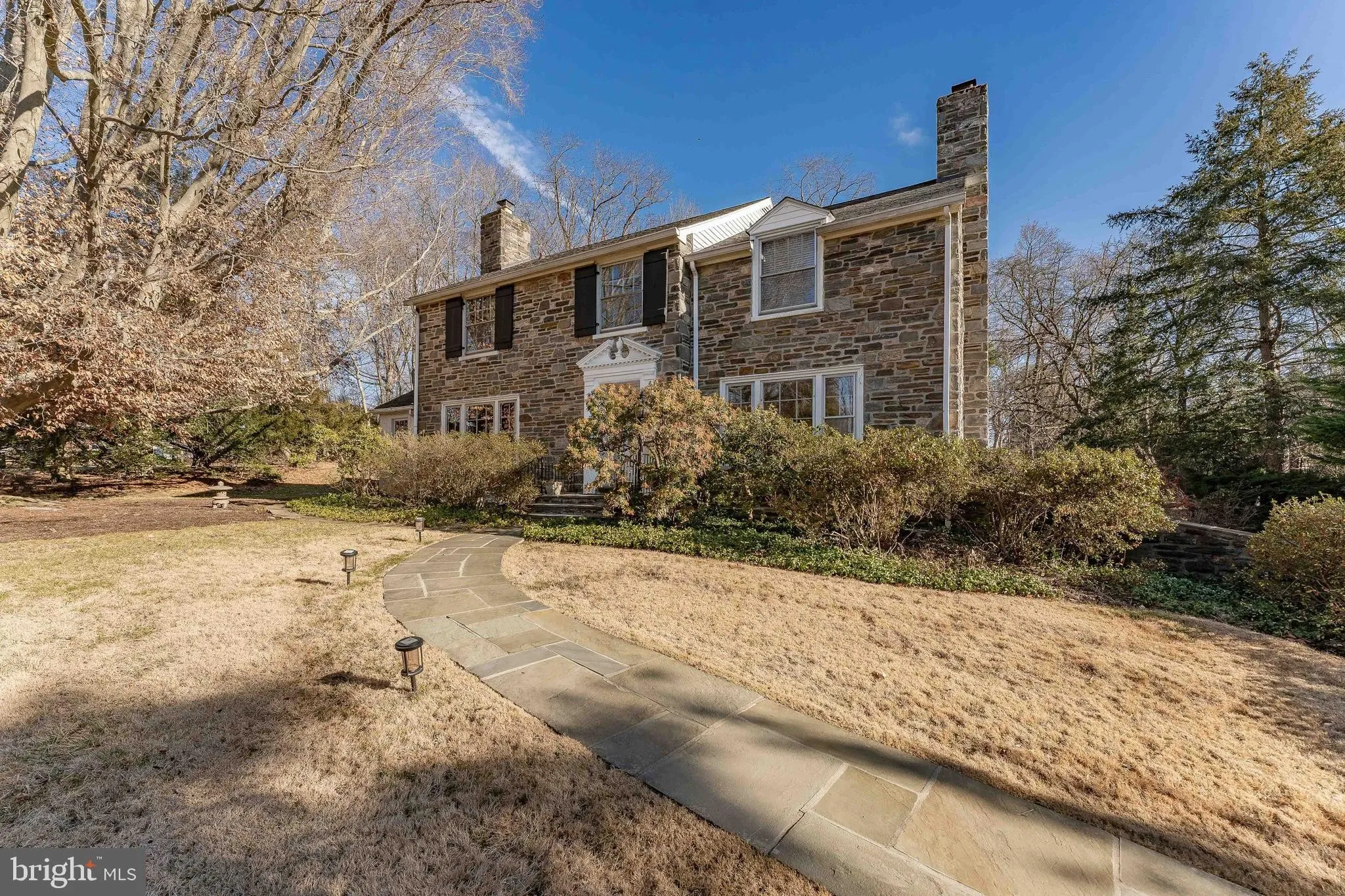
    A four-bedroom Wynnewood home with a screened-in porch

    The home spans more than 3,700 square feet and sits on a half-acre lot.

    Built in 1952, this four-bedroom Wynnewood home blends past and present thanks to its classic stone exterior. The home’s first floor features a living room with a fireplace, a dining room, a home office with an exterior entrance, a family room with vaulted ceilings and built-ins, and an eat-in kitchen with an island and double ovens. The bedrooms are all on the second floor, including the primary suite, which has two closets and a bathroom with marble floors and a steam shower. Other features include a screened-in porch, a flagstone patio, and a finished walk-out basement.

    See more photos of the home here.

    Price: $1.6M | Size: 3,724 SF | Acreage: 0.52

    🗞️ What other Lower Merion residents are reading this week:

    By submitting your written, visual, and/or audio contributions, you agree to The Inquirer’s Terms of Use, including the grant of rights in Section 10.

    This suburban content is produced with support from the Leslie Miller and Richard Worley Foundation and The Lenfest Institute for Journalism. Editorial content is created independently of the project donors. Gifts to support The Inquirer’s high-impact journalism can be made at inquirer.com/donate. A list of Lenfest Institute donors can be found at lenfestinstitute.org/supporters.

  • Racism in a restaurant spurred a woman’s life mission | Inquirer Greater Media

    Racism in a restaurant spurred a woman’s life mission | Inquirer Greater Media

    Hi, Greater Media! 👋

    The co-founder of Media Fellowship House is being recognized this month by the local branch of the NAACP. Here’s why. Also this week, Sheetz is looking to plant its flag in the heart of Wawa country, a new stir-fry and salads eatery is coming to Granite Run, plus, we’re keeping an eye on another potential snowstorm this weekend.

    If someone forwarded you this email, sign up for free here.

    The local NAACP branch is remembering a woman who championed inclusion in Media

    A mural of Marie Whitaker and Dorothy James, co-founders of Media Fellowship House.

    It’s been 82 years since Marie Whitaker co-founded Media Fellowship House and 73 years since the organization opened on South Jackson Street, but its founding principles of inclusion, resilience, and courage live on.

    She and another woman, Dorothy James, launched the organization after Whitaker was denied service at the Tower Restaurant at the corner of State and Olive Streets. James, a white Quaker woman, witnessed the interaction and approached a worker there, who said the waitresses did not serve Black people. Whitaker and James left the restaurant soon after and became fast friends. They later formed the Media Fellowship as a place where residents of all races and religions could gather.

    Its mission has since expanded, but remains rooted in “bringing people together and having people speak across what seems now to be a chasm of our differences,” said Whitaker’s son, Bill, a 60 Minutes correspondent for CBS.

    Read more about Whitaker’s legacy and why the NAACP Media Branch is spotlighting her this Black History Month.

    💡 Community News

    • Cross-state rival convenience chain Sheetz is looking to enter the heart of Wawa country and has submitted a proposal to open a store just five miles from Wawa’s corporate campus. The Altoona-based competitor wants to put its first Delaware County location in the Village at Painters’ Crossing, with plans to build a 6,000-square-foot store at the site of the vacant Carrabba’s Italian Grill and Wells Fargo. Plans call for indoor and outdoor seating, two mobile-order pickup windows, and six gas pumps, but still require approvals.
    • Swarthmore’s planning and zoning committee will discuss Swarthmore College’s Cunningham Fields proposal at tonight’s meeting. The college is looking to redevelop its aging facilities at College Avenue and North Chester Road.
    • After dropping for four consecutive years, underage drinking offenses picked back up in Delaware County in 2024, according to the latest available data, which was released this month. The county had 192 offenses of individuals under 21 purchasing, consuming, possessing, or transporting alcohol in 2024, accounting for about 3% of the statewide total. It’s among the top 10 counties in the state with the highest percentage of offenses. Locally, Montgomery and Philadelphia Counties surpassed Delco at 4% each, and Chester County had the region’s highest total, accounting for 8% of cases statewide.
    • Lingering snow from the storm a few weeks ago is melting, but there’s a chance for even more white stuff this weekend. Here’s what we know about a possible snowstorm on Sunday.
    • Five couples who live at Upper Providence Township retirement community Rose Tree Place renewed their vows last week. Each of the couples have been married for at least 50 years and some for over 70 years. 6abc’s Alicia Vitarelli spoke to two of them. See the segment here.
    • Swarthmore College has thrown its support behind Harvard University, which is suing the Trump administration for its efforts to block international students from enrolling at U.S. colleges and universities. Twenty-seven percent of Swarthmore’s latest incoming class consisted of international citizens, people with dual citizenship, or permanent residents. (WHYY)

    🏫 Schools Briefing

    • In Rose Tree Media, there’s a districtwide technology presentation from 6:30 to 8 p.m. tonight at Springton Lake Middle School. Tomorrow night is Penncrest High School’s choir cabaret, and Saturday is the high school’s sports fest and jazz night. See the district’s full calendar here.
    • Wallingford-Swarthmore School District is hosting eighth grade orientation tonight from 7 to 8 p.m. It’s also the Strath Haven Middle School student-faculty basketball game. On Monday, there’s a board of education meeting at 7 p.m. See the district’s full calendar here.
    • Yan Weng, an eighth grader at Mother of Providence Regional Catholic School in Wallingford, won first place in the National Society Sons of the American Revolution’s Sergeant Moses Adams Memorial Brochure Contest for her design of the Bill of Rights. The contest was open to middle school students, who designed brochures based on the United States’ foundational documents. (Daily Times)

    🍽️ On our Plate

    • A new fast-casual restaurant is coming to the Promenade at Granite Run later this year. Honeygrow, the Philadelphia-born eatery known for its made-to-order stir-fries and and salads, plans to open at 1127 West Baltimore Pike this summer, a company spokesperson said. Honeygrow is looking to expand its footprint this year as part of a push to become a more national brand.
    • If this week’s great thaw has you hankering for summer, good news: Scooped Ice Cream & Gelato has reopened for the season, and it has more than just sweets on offer. The shop in the heart of Media has added an outpost of Backroom Records, which buys, sells, and trades vinyl records.
    • Taste and Sea is hosting a four-course winter wine tasting dinner next Thursday at 6 p.m. The meal at the Glen Mills restaurant is $99 per person.

    🎳 Things to Do

    🗓️ Lunar New Year Celebration and Lion Dance: Celebrate the Lunar New Year by catching a lion dance that will loop through the borough of Media. ⏰ Saturday, Feb. 21, 2-4 p.m. 💵 Free 📍Downtown Media

    🇨🇴 Colombian Festival: Learn more about Colombian culture through dancing, music, food, and crafts. ⏰ Saturday, Feb. 21, 5:30 p.m. 💵 Suggested donation of $5 per person or $25 per family 📍Park Avenue Community Center, Swarthmore

    🎭 Rapunzel! Rapunzel!: See the classic fairy tale come to life on stage. ⏰ Sunday, Feb. 22, 11 a.m., and Saturday, Feb. 28-Sunday, March 1, 11 a.m. and 3 p.m. 💵 $13.50-$18.50 📍Players Club of Swarthmore

    🌱 Winter Gardening: Vegetable Seed Starting: Learn how to get a jump-start on your vegetable gardening. Registration is required. ⏰ Sunday, Feb. 22, 1-2:30 p.m. 💵 $21.25-$25 📍Tyler Arboretum, Media

    🗓️ A Celebration of Black History Month: Delaware County Council is celebrating the 100th anniversary of Black History Month with music, art, and a keynote address. Registration is required. ⏰ Thursday, Feb. 26, noon-2 p.m. 💵 Free 📍Towne House, Media

    🏡 On the Market

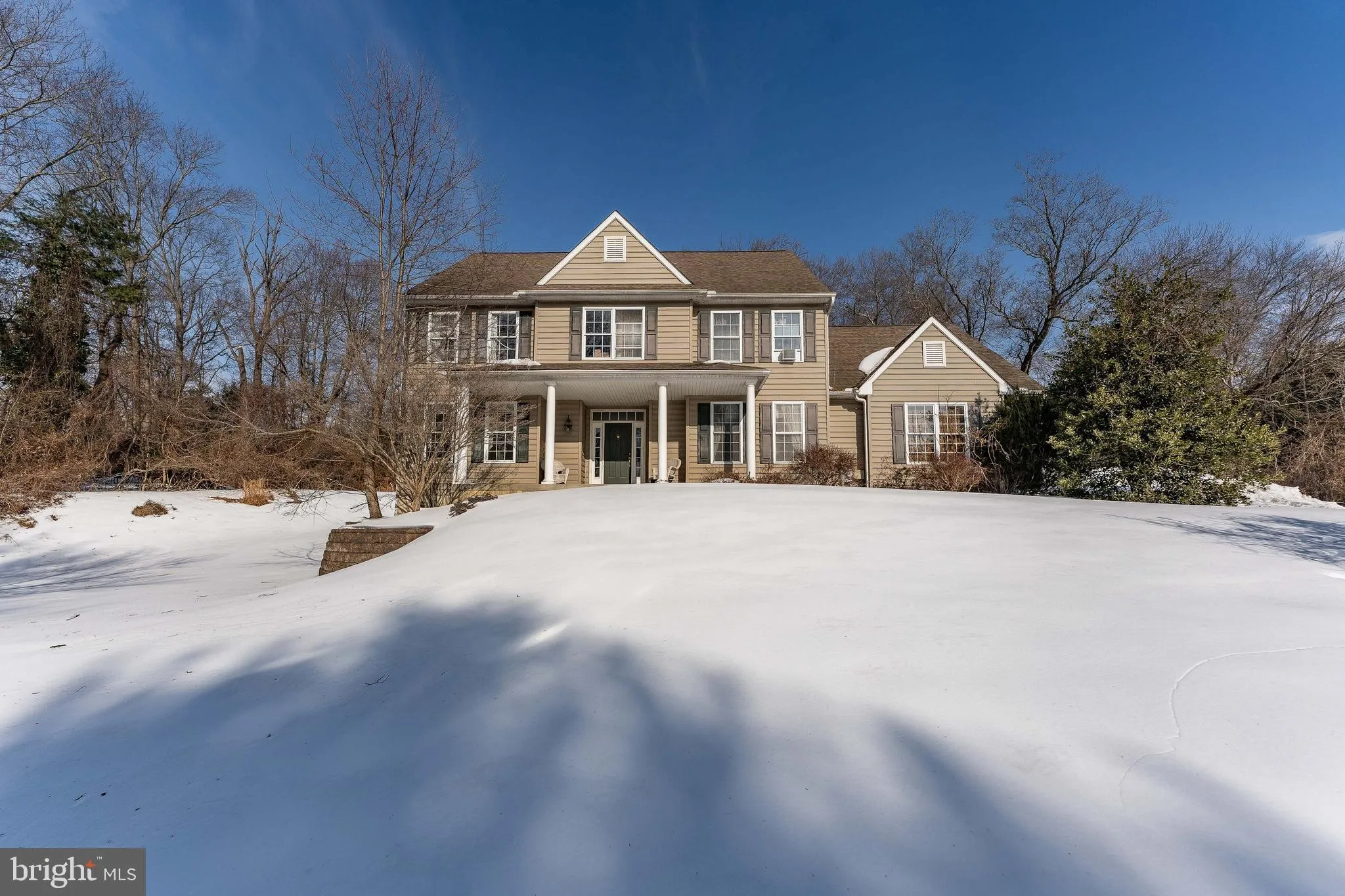
    A four-bedroom Media home with a covered porch

    The home spans over 4,700 square feet and sits on more than an acre.

    Built in 2006, this four-bedroom, three-and-a-half-bathroom Middletown Township home has had just one owner. It features hardwood across part of the first floor, including the foyer, a living room, and a dining room. It also has a family room with a gas fireplace, a home office, an eat-in kitchen with stainless steel appliances, and a wet bar area in a hallway. The bedrooms are upstairs, including the primary suite, which has a walk-in closet, a jetted tub, dual vanities, and a separate sitting room. The home also has a partially finished basement and a three-car garage.

    See more photos of the home here.

    Price: $800,000 | Size: 4,756 SF | Acreage: 1.02

    🗞️ What other Greater Media residents are reading this week:

    By submitting your written, visual, and/or audio contributions, you agree to The Inquirer’s Terms of Use, including the grant of rights in Section 10.

    This suburban content is produced with support from the Leslie Miller and Richard Worley Foundation and The Lenfest Institute for Journalism. Editorial content is created independently of the project donors. Gifts to support The Inquirer’s high-impact journalism can be made at inquirer.com/donate. A list of Lenfest Institute donors can be found at lenfestinstitute.org/supporters.

  • Stetson Middle School was neglected for decades, district officials admit. Now, they’re trying to close the school.

    Stetson Middle School was neglected for decades, district officials admit. Now, they’re trying to close the school.

    As cars whizzed by on B Street, one student banged a drum and another struck a cymbal. Others waved signs and marched in circles.

    “Save our school!” the group of about 50 middle schoolers shouted outside Stetson Middle School in Kensington last week. “Save Stetson!”

    Stetson is one of 20 schools Superintendent Tony B. Watlington Sr. has proposed closing as part of a $2.8 billion facilities plan. Officials say closures are necessary to improve educational outcomes and equity system-wide, and to balance enrollment in a district that has 70,000 empty seats.

    Love Letters to Stetson decorate the hallway during a community meeting at John B. Stetson Middle School in Kensington last week. Stetson is one of 20 Philly public schools facing closure.

    But Stetson isn’t going down without a fight.

    The school is 59% occupied, by the district’s calculations, and its building is in “unsatisfactory” condition. Stetson also scored “poor” on program alignment, a measure that takes into account a school’s ability to offer “appropriate spaces” for things like art, music, physical education, and career and technical education.

    Its supporters say Stetson has been left to languish and that their neighborhood is overrepresented on the closure list. The district, they say, is taking away a community that’s been a constant for families in a struggling neighborhood at the center of the city’s opioid crisis.

    “You tell this community that they are not worth investment,” one Stetson student said at a meeting at the school last week. “How is it equitable to shut a school in a neighborhood that already lost so much? If this building needs repair, fix it for the children, not for the administration.”

    Twelve requests to fix a leaky roof

    The district has said it plans to hold on to the Stetson building and operate it as “swing space” — a building that can be used to relocate students from other schools that must temporarily shut down to accommodate repairs.

    Instead of closing soon, the district is proposing phasing Stetson out gradually. The school would stop accepting new fifth graders in 2028, and close in 2030.

    Students who previously would have gone to Stetson will go to Cramp and Elkin elementaries, which will grow to accommodate middle grades. Both schools are less than a mile from Stetson.

    Students, teachers and supporters rally before a community meeting at John B. Stetson Middle School on Thursday, Feb. 12, 2026 in Philadelphia. Stetson is one of 20 Philly public schools facing closure.

    Officials have also said the move to shut down Stetson is part of a larger strategy of moving away from middle schools and focusing instead on K-8 schools.

    Community angst spilled over at the closing meeting last week, with audience members booing district officials who were there to present information and answer questions, and applauding for those who spoke up for Stetson.

    If the district has money to spend on fixing up buildings, why not spend on Stetson’s building, students asked.

    Students and attendees listen during a community meeting at John B. Stetson Middle School last week.

    “We have a fourth floor,” one sixth grader said. “Y’all could just fix that, y’all could fix the pipes, y’all could fix everything.”

    Another student said she was frustrated by mold in the school, and a leaky roof.

    “I heard that it’s your fault,” the student said.

    Later, at a Tuesday City Council hearing, Councilmember Quetcy Lozada told Superintendent Tony B. Watlington Sr. that Stetson staff have put in 12 separate requests to fix the leaking roof.

    “That roof is still leaking,” a frustrated Lozada said. “Can I have someone please today commit to going to Stetson and checking their leaking roof?”

    Watlington said he would “make that happen.”

    ‘The void that it’s going to leave behind’

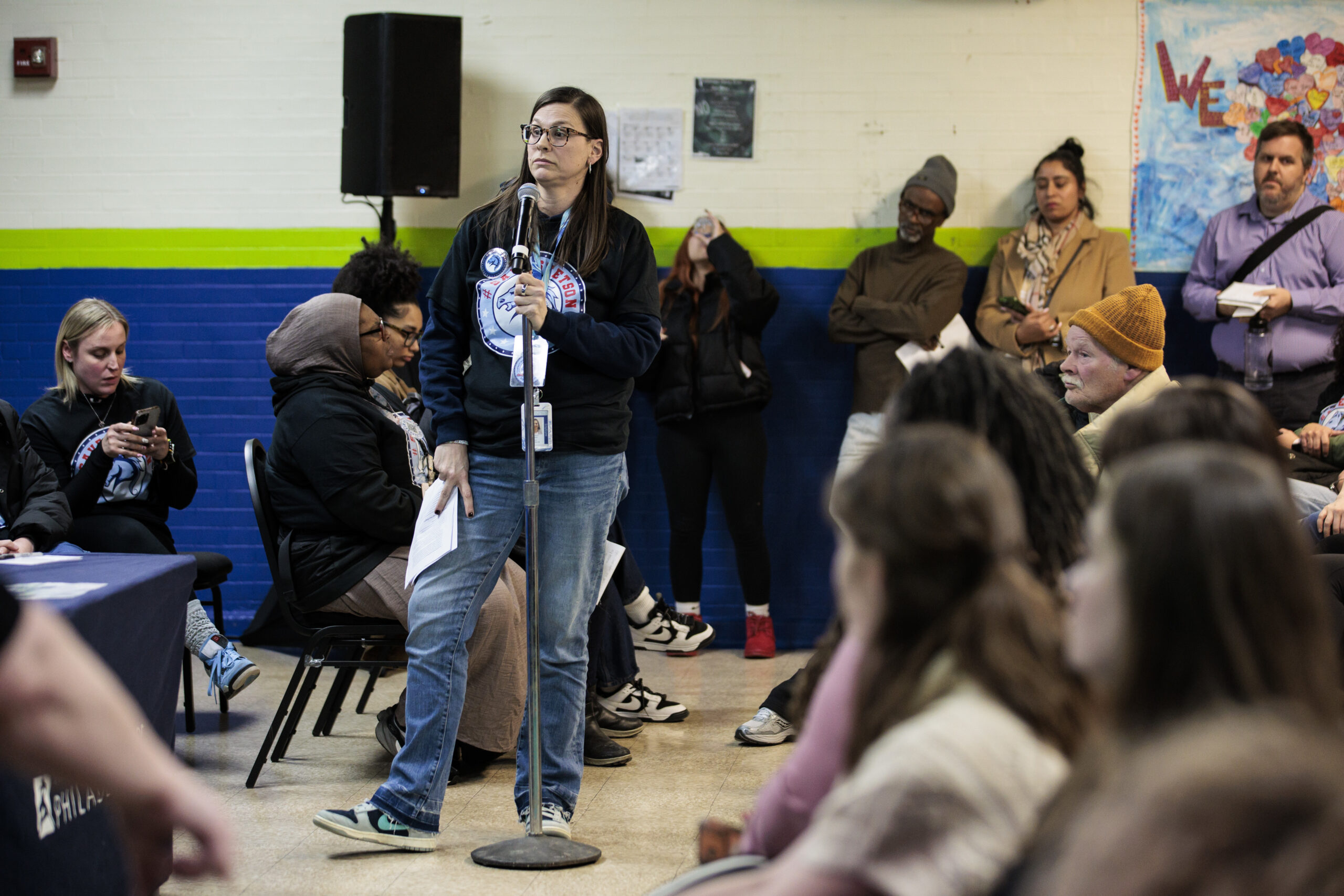
    The district got the Stetson call wrong, said Kathryn Lajara, a special-education teacher at the school.

    “Our school is being penalized for allegedly lacking space — P.E., special education, art,” Lajara said. “These conclusions are based on incomplete and misleading information, not on lived reality of what happens in our building every single day.”

    Special ed coordinator Kathryn Lajara speaks during a community meeting at John B. Stetson Middle School last week. Lajara and others spoke out against the recommendation to close the school in Kensington.

    Stetson has an art lab, rooms for piano class, dance, a music room, and a photography room, Lajara said. And it serves 140 students with disabilities, despite the district saying it had inadequate special-education spaces.

    Lajara was also frustrated by the district’s upkeep of the building.

    “We fight the dripping water every day from the roof that you continue to neglect,” Lajara told district officials at the community meeting.

    “I’m going to admit to you: We have neglected this building over decades,” Deputy Superintendent Oz Hill told the audience.

    Lajara looked at Hill.

    “Instead of continuing to neglect, how about we decide that our community and our students are best to invest in?” she said.

    Deputy Superintendent Oz Hill speaks during a community meeting at John B. Stetson Middle School last week.

    Crystal Pritchett, another Stetson teacher, suggested the district’s decision to send students to Cramp and Elkin was not in tune with neighbors’ wishes about safety and comfort.

    Families have safety concerns about sending their kids to other schools, Pritchett said.

    “You know nothing about this community,” Pritchett said. “You aren’t listening.”

    Stetson opened in 1915 and was a district school for nearly 100 years. It turned into a charter school run by the nonprofit Aspira in 2010, but the district took it back in 2022 after Aspira failed to meet district standards.

    Abandoning it altogether is unthinkable, said the Rev. David Orellana, a pastor at CityReach Church in Kensington.

    “I don’t think we’re taking into account the negative impact and the void that it’s going to leave behind,” Orellana said. “Taking Stetson away is taking the heartbeat of this community.”