Blog

  • Police release video of Roxborough High School vandalism suspect

    Police release video of Roxborough High School vandalism suspect

    Philadelphia police seek to identify the suspect responsible for recent vandalism at Roxborough High School.

    A person painted racist and antisemitic slogans across the exterior walls of the school building Sunday, which included a swastika and racial epithets.

    Surveillance video caught the suspect vandalizing the walls around 5:25 a.m. Police describe the suspect as a white male, wearing an orange scarf, a green and black winter hat, a gray hooded jacket, gray pants, and a gray and black backpack.

    Cameras captured the person on Jan. 4 approaching the school on foot, coming eastbound from Fountain Street toward Pechin Street. The suspect was last seen heading toward Ridge Avenue

    Police asked people to call 911 if the suspect is seen. Information about this crime or suspect can also be shared with Northwest Detective Division by calling 215-686-3353

    The public can also submit tips by calling 215-686-8477 or using the online form. All tips remain confidential.

    Members of the Roxborough High community chalked positive messages outside the school on Ridge Avenue after racist and antisemitic graffiti was scrawled at the school.

    After officials painted over the vandalism over the weekend, Roxborough High School countered the hateful messaging with peaceful messages of their own, written in chalk.

    Principal Kristin Williams Smalley said the act of hate didn’t represent the school body.

    “We are deeply disappointed by these actions,” Williams Smalley wrote in a letter to the community. “We wish to remind everyone that we have a zero-tolerance policy for harassment or hate speech of any kind, and we will investigate all matters involving racist remarks and other hate speech.”

    On Wednesday, the Pennsylvania Human Relations Commission condemned the “acts of hate and discrimination” and praised Roxborough’s respons as a testament to the community’s dignity, respect, and shared values.

    “Racism and antisemitism are not isolated acts. These acts harm entire communities,” commission executive director Chad Dion Lassiter said. “The response at Roxborough High School shows what is possible when people refuse to be divided and instead stand together to affirm humanity, belonging, and respect. That solidarity is a powerful counter to hate.”

  • Flyers fans still don’t like Cutter Gauthier. Trevor Zegras has made it sting a little less.

    Flyers fans still don’t like Cutter Gauthier. Trevor Zegras has made it sting a little less.

    Cutter who?

    That was the message from Flyers fans for former top prospect Cutter Gauthier on Tuesday in his second career game in Philadelphia — at least on some of the pregame signs.

    If fans had somewhat gotten over the whole ordeal in warmups, Tuesday’s game — a 5-2 Flyers win over the Anaheim Ducks — unfolded perfectly to hook them back in.

    “The crowd was outstanding,” Flyers coach Rick Tocchet said. “I remember the days when I played, that’s a loud building tonight. They were awesome. I think they really gave our team some juice. Even when they scored the first goal, they didn’t let up.”

    Colin Meehan, a 19-year-old St. Joseph’s student, came armed with a sign he made with a picture of Jamie Drysdale and a picture of Gauthier to support the player the Flyers received in the trade out of Philly that Gauthier forced nearly two years ago.

    Drysdale is having the best season of his young career, but Meehan still wondered pregame what could have been if Gauthier hadn’t asked out.

    “Imagine if we had Trevor Zegras, [Matvei] Michkov, Cutter, [Travis] Konecny, we would have been unstoppable,” Meehan said. “I feel like we would have been first in the league.

    “Jamie, he’s not a quitter,” Meehan added. “I’ll tell you that. He tried with the Ducks. The Ducks didn’t want him. We’ll happily take him.”

    St. Joseph’s student Colin Meehan yells at Anaheim’s Cutter Gauthier as he skates by during warmups before Tuesday’s game.

    While Gauthier still got a healthy round of boos as the Ducks took the ice for warmups, most of the signs lining the glass weren’t about him at all. Many celebrated the addition of former Duck Trevor Zegras, who was playing his first game against his old team.

    Gauthier did have a small group of supporters in the form of two Boston College students from Philadelphia who, for the second year in a row, made a sign supporting the player who’d brought their college hockey team to the national championship game.

    “I think it’s a lot to put on someone who’s 21, 22 years old,” one of the students said. “It might be really loud in here and people are rooting against you, but there is someone in the building who’s rooting for you.”

    Compared to his first game here last year, the proceedings in warmups were civil. Instead of a raucous crowd shouting expletives the entire warmup, fans mostly stayed quiet after the Ducks had taken the ice.

    When the puck dropped, though, fans started chanting “We want Cutter!” Once Gauthier was on the ice, he was greeted by a loud chorus of boos.

    But Gauthier quieted the crowd by scoring the first goal of the game to give Anaheim an early lead, and he gave it back to the crowd.

    Not to be outdone, Zegras scored against his former team to tie it at 1 later in the first, and then hung up the phone on the Ducks, which he said postgame was meant to mimic the length of the phone call he got when he found out he was getting traded.

    Zegras scored his second goal of the game from the same spot a few minutes later, pumping up the already-juiced crowd even more.

    “This is home for me,” Zegras said. “I love being here. These guys are amazing. I’m having a blast, but it’s always going to feel good playing them for sure.”

    But the game took a more somber turn after Ross Johnston checked Drysdale behind the play. Drysdale was down on the ice for a long time and nearly left the game on a stretcher, but he ultimately stood up and left the ice on his skates with assistance. The crowd rang out with a supportive “Jamie’s better” chant.

    Anaheim’s Cutter Gauthier carries the puck during second period while facing the Flyers on Tuesday.

    Drysdale’s injury took some of the bite out of the crowd, but, as the game continued, Flyers fans got back in the hating spirit.

    As the Flyers closed out their win, chants cursing Gauthier continued to ring out, and the team left the ice to a standing ovation from the sold-out crowd.

    It wasn’t quite as raucous as a year ago, but the crowd still created a playoff-type atmosphere. Cam York said postgame that what’s important now is continuing to play meaningful games so that Xfinity Mobile Arena doesn’t get loud only once a year.

    “Pretty crazy, great atmosphere, felt like a playoff game,” York said. “It was really cool, a little bit different when there’s so much noise during the play, but I think I’d probably rather have it that way.”

  • Where are the hot, new restaurants? | Let’s Eat

    Where are the hot, new restaurants? | Let’s Eat

    Welcome back! You and I have a lot to cover, starting with an exhaustive rundown of the 100-plus restaurant openings expected in 2026.

    Also in this edition:

    Mike Klein

    If someone forwarded you this email, sign up for free here.

    All the new restaurants for 2026

    What’s hot in 2026: French bars, bagels, and the Main Line, to point out just a few observations from my rundown of the more than 100 restaurants due to open this year in Philadelphia and the area. Read on for more analysis of this year’s dining forecast.

    🍴 Here is the full picture: New restaurants are coming from Ellen Yin, Greg Vernick, Teddy Sourias, and dozens more.

    Welcome back from the holidays!

    Let’s recap what The Inquirer’s food team has been up to over the last few weeks:

    Baby, it’s pozole outside

    The hearty, body-warming stew/soup that is pozole comes in the colors of the Mexican flag: rojo, verde, and blanco, with regional variations of each. The good news, Kiki says, is that you don’t have to go all the way to Mexico City for excellent pozole. Here are her picks.

    Where to dine outside comfortably

    Want to dine in the great outdoors despite the winter chill? Hira Qureshi found more than 40 restaurants with comfy, heated outdoor seating.

    Do the hot potato

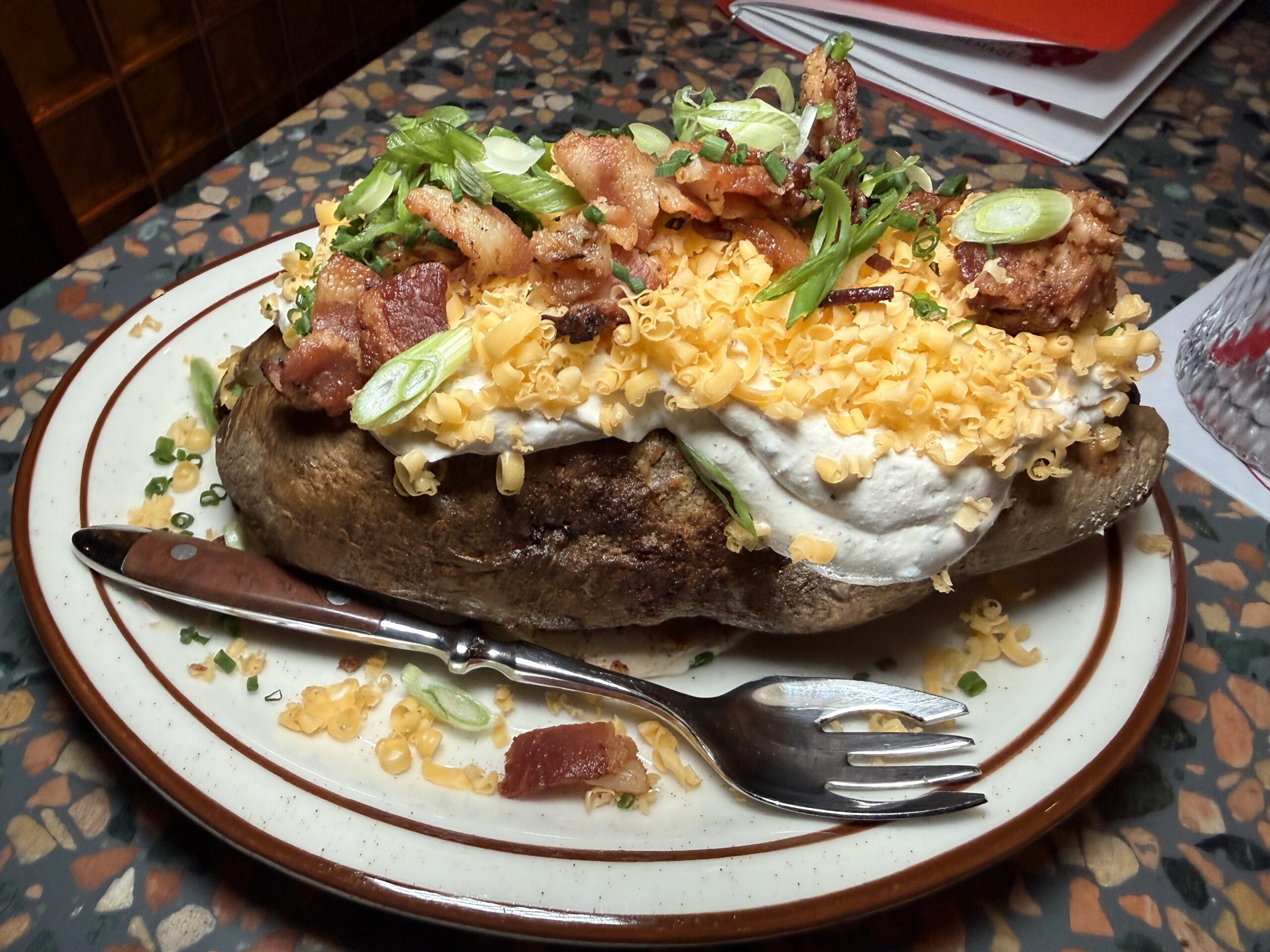
    The baked potato is having its moment, Kiki says. The Idaho spud served at Wine Dive is no small potato. It’s roughly the size of her Chihuahua and comes topped with sour cream, cheddar, bits of bacon, and scallions.

    The best things we ate last year

    Best dishes of 2025 Philadelphia
    Best dishes of 2025

    We all dined out a lot last year (perhaps so did you). Here are our 21 favorite dishes of 2025, including a Hyderabadi paneer curry so hot it made Craig LaBan’s ears ring and left his face temporarily numb. And that was one of his favorites?! Read on to see what else made an impression.

    Restaurant report

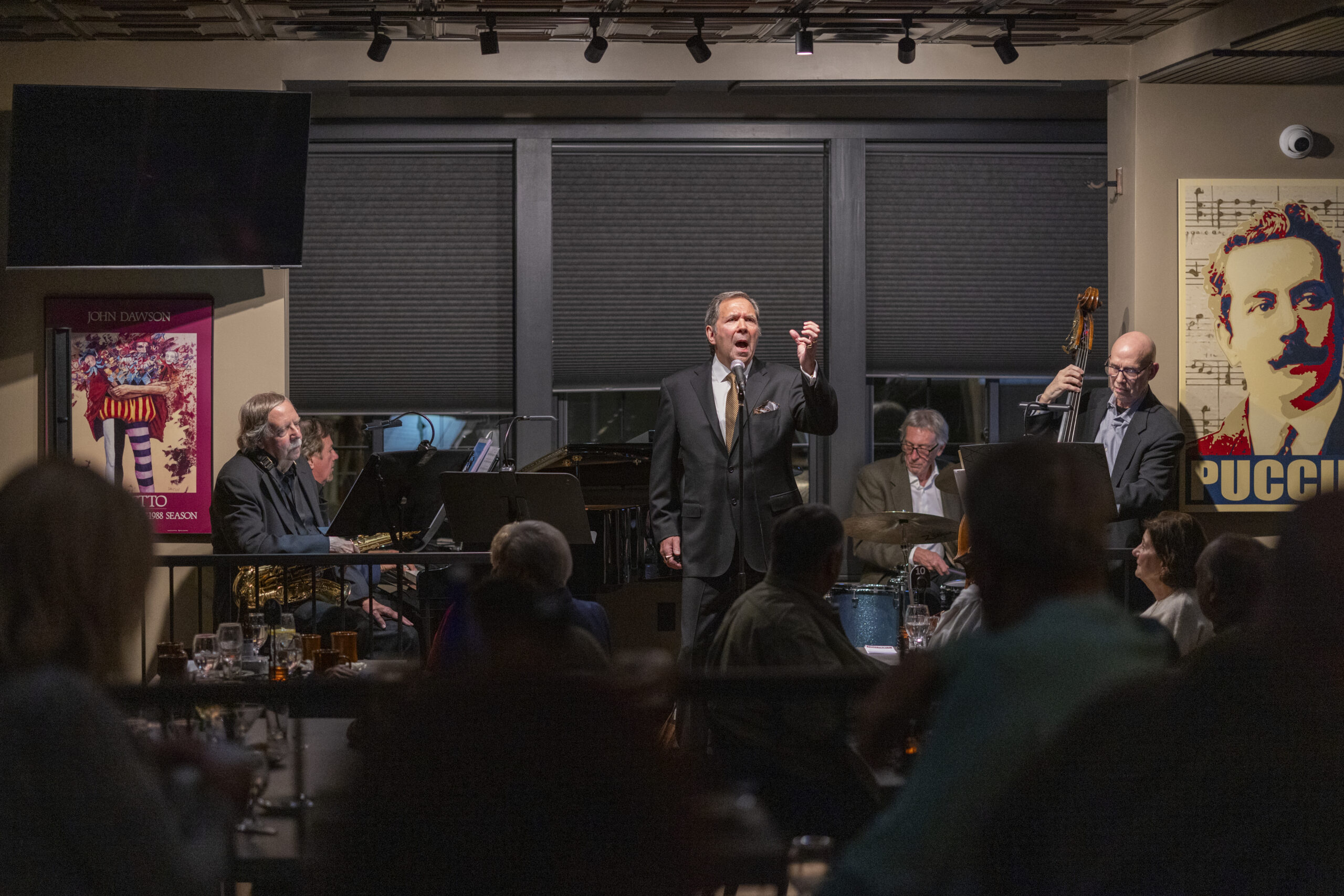
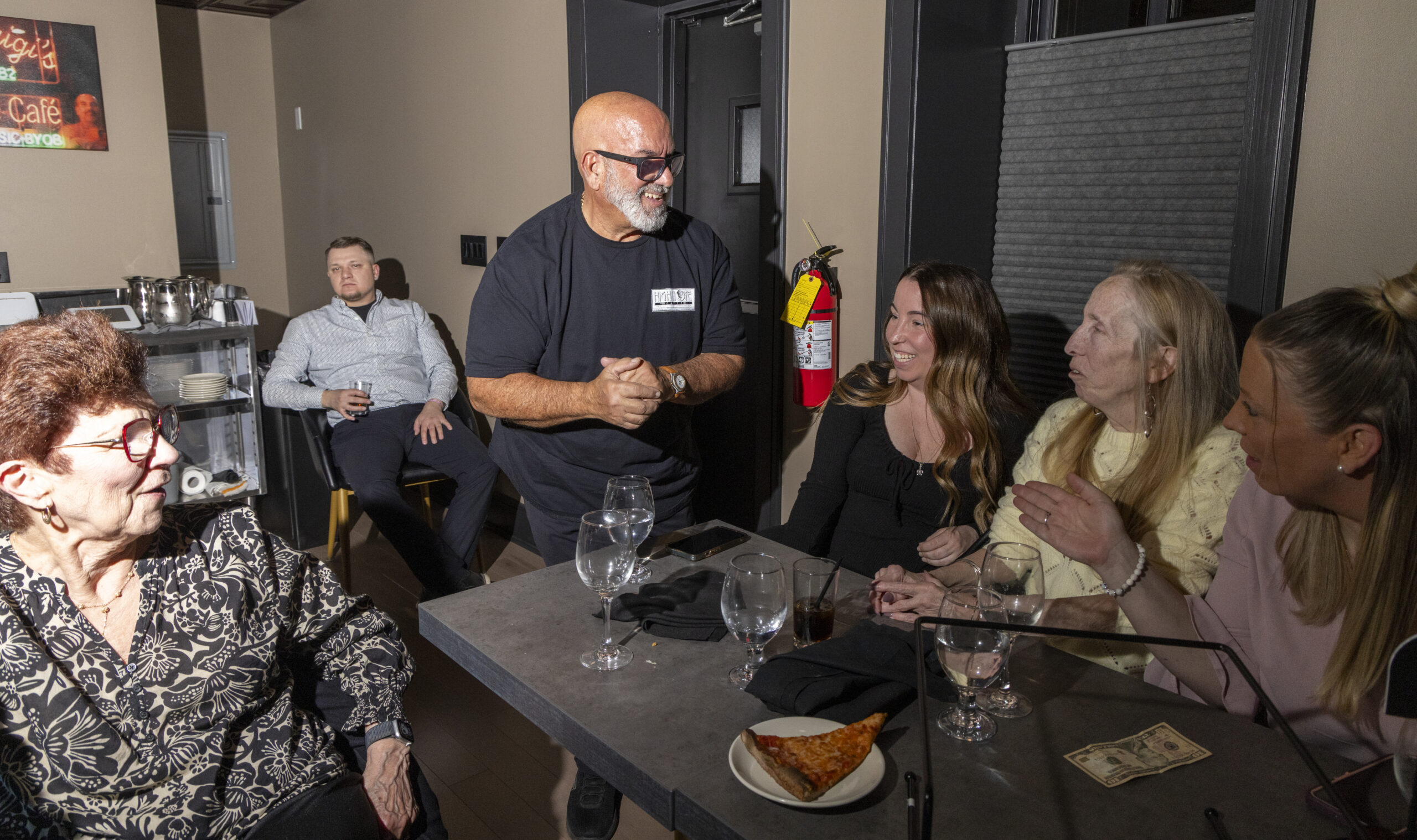
    Restaurateur Franco Borda (that’s him shown below) loves Italian food, opera and jazz music, and South Philly. So after he closed his High Note Caffe during the pandemic, he decided to turn the joint into a nightclub. Five years later, the High Note is back, with a stage. I stopped recently to catch crooner Harry Barlo’s act, and the experience was an old-time delight. Dinner and a show for 50 bucks?

    Briefly noted

    Center City District Restaurant Week returns Jan. 18-31 with 100-plus restaurants offering three-course, prix-fixe dinners for $45 or $60 and two-course lunches for $20. Here’s the rundown.

    Yum Grills, opening this weekend at 1135 Vine St., comes from Shahezad “Shah” Contractor and the crew from Cousin’s Burger Co. The halal shop will sell smash burgers, chicken sandwiches, chicken over rice, and wings out of a Shell station; at the Jan. 10 grand opening (1 p.m.), the first 100 people will get a double smash burger, fries, and soda.

    Gluten-free bakery Flakely is opening a proper storefront in Bryn Mawr.

    Emmett in Kensington has secured a full liquor license, allowing it to broaden its wine and spirit list beyond Pennsylvania labels. The new era starts Thursday.

    Why is the food sold at Pennsylvania Turnpike’s rest stops so … um … mid? Brett Sholtis found out.

    ❓Pop quiz

    Why is McDonald’s being sued this time? Not over coffee, but…

    A) The ice cream machine gave the plaintiff trust issues after being “temporarily unavailable” for the 400th consecutive visit.

    B) The plaintiff alleges that the McRib sandwich is not made from pork rib meat.

    C) A Happy Meal did not make the plaintiff happy. Just nostalgic and sad.

    D) The “two all-beef patties” jingle has been stuck in the plaintiff’s head since 1994, causing permanent mental occupation.

    Find out if you know the answer.

    Ask Mike anything

    I’m wondering if there is a list of restaurants that take reservations but aren’t on the two major services. I always feel like I’m missing some good places out there. — Chuck L.

    You may also check Tock for restaurants not on OpenTable or Resy. For years, OpenTable was the big player. Then Resy came online and started cherry-picking popular newcomers. Then OpenTable sweetened the deals for restaurants and began to recapture the market. (My editor Jenn Ladd wrote a fascinating article about this a year ago.) Tock has been a solid No. 3, but that’s where you’ll find tables at such places as DanDan, Elwood, South, and Barcelona Wine Bar. Some restaurants — such as Uchi, Scarpetta, and Cuba Libre — use SevenRooms on their back end, so you must book through the restaurant’s individual websites.

    📮 Have a question about food in Philly? Email your questions to me at mklein@inquirer.com for a chance to be featured in my newsletter.

    By submitting your written, visual, and/or audio contributions, you agree to The Inquirer’s Terms of Use, including the grant of rights in Section 10.

  • ✏️ Parents’ school closure concerns | Morning Newsletter

    ✏️ Parents’ school closure concerns | Morning Newsletter

    Happy Wednesday, Philly. After a run of cloudy days, we’ll be treated to sun and high temps in the low 50s today.

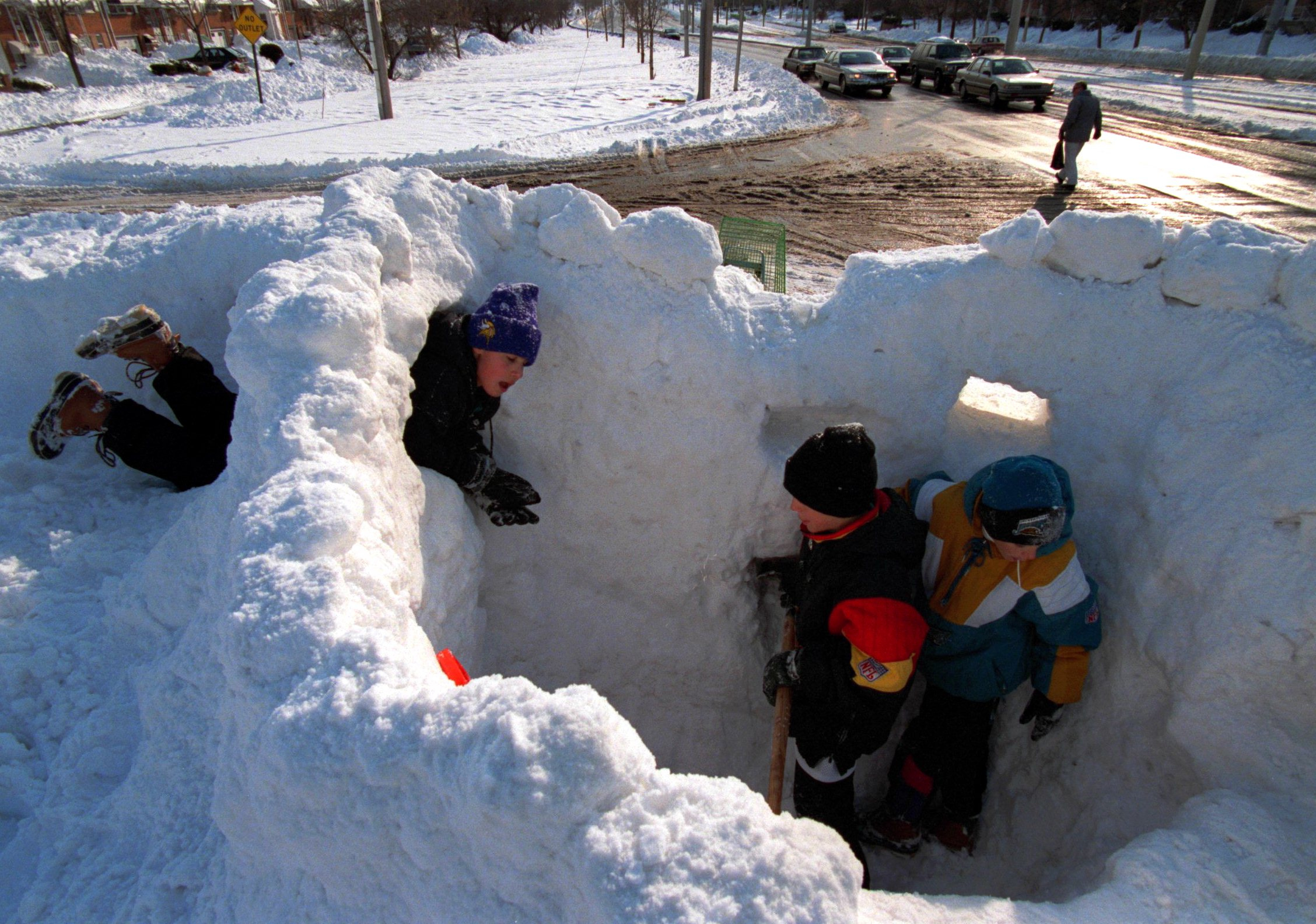
    That’s a stark difference from 1996, when 2.5 feet of snow fell upon the region on Jan. 7 and 8. On the 30th anniversary of our biggest blizzard on record, see whether the atmosphere this year is expected to bring a good ol’ fashioned snowstorm.

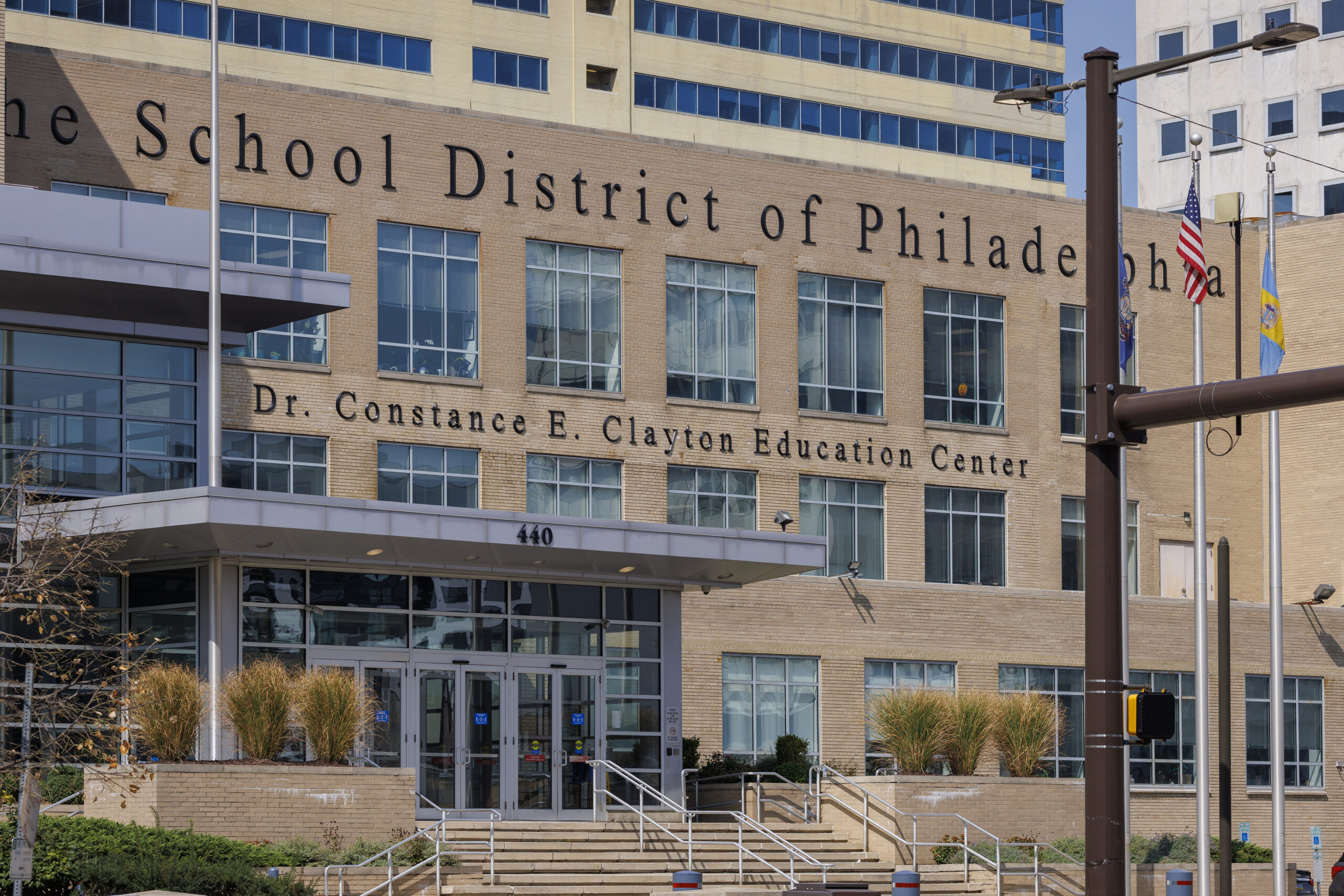
    But first: The results are in from the Philadelphia School District’s facilities planning survey. Read on to learn what parents and teachers said they want, including smaller classes and no school closures.

    — Julie Zeglen (morningnewsletter@inquirer.com)

    If someone forwarded you this email, sign up for free here.

    Survey says …

    What do Philly parents, teachers, students, and community members want to happen to their neighborhood school buildings? For one, they want them to remain.

    The city’s school district surveyed stakeholders on what they hope to see come of its slow-moving facilities master planning process, which is expected to yield big decisions this year about school closings and reconfigurations.

    Some themes emerged, many of which will be tough for the cash-strapped district to balance:

    ✏️ No school closures, and instead, more investment in existing facilities

    ✏️ Smaller class sizes

    ✏️ More magnets to attract high-performing students

    ✏️ Upgraded resources, such as vocational programs, technology, and AP courses

    Education reporter Kristen A. Graham has more takeaways from the survey.

    Remembering the blizzard of ‘96

    Thirty years ago, nearly 31 inches of snow fell on the region over two days — the largest blizzard in Philadelphia history. Millennials have never stopped romanticizing it.

    Sure, in terms of record storms, we also got 29 inches in 2010, and just a decade ago, we got 22.

    But more than two feet of snow to a kid? As Inquirer editorial writer Daniel Pearson noted in his ode to the Philly snow day, that’s magical.

    As for this year, it’s tough to say whether we’ll get a big storm later on, but no flakes are expected in the short term. Friday may even hit 60 degrees.

    Weather reporter Anthony R. Wood has more on the 2026 forecast.

    Further watching: See Wood — who wrote the book on snow, literally — answer Philly’s most searched winter weather questions on the latest episode of The Inquirer’s Wooder Cooler.

    What you should know today

    Quote of the day

    El Carnaval de Puebla, one of the biggest yearly celebrations of Mexican culture in Philadelphia and on the East Coast, will not return in 2026 amid concerns over federal immigration activity.

    🧠 Trivia time

    Signage from which iconic shuttered Philadelphia eatery is now available for sale on Facebook Marketplace?

    A) Little Pete’s

    B) Melrose Diner

    C) Bookbinder’s

    D) Horn & Hardart

    Think you know? Check your answer.

    What (and whom) we’re …

    🩸 Donating: Blood as post-holiday shortages loom.

    Attending: Bowieoke and other Philly Loves Bowie Week events.

    ⛸️ Cheering on: The South Jersey skater aiming to join the U.S. Olympic team this week.

    🛍️ Curious to see: Who will buy the Shops at Liberty Place.

    🖥️ Considering: The impact of Grok’s alarming deepfakes of children.

    🧩 Unscramble the anagram

    Hint: Convenience store rival

    ZEST HE

    Email us if you know the answer. We’ll select a reader at random to shout out here.

    Cheers to Colby Tecklin, who solved Tuesday’s anagram: Haddon. The company that owns P.J. Whelihan’s, which is headquartered in the Camden County township, may be moving into a former Iron Hill Brewery in Bucks County.

    Photo of the day

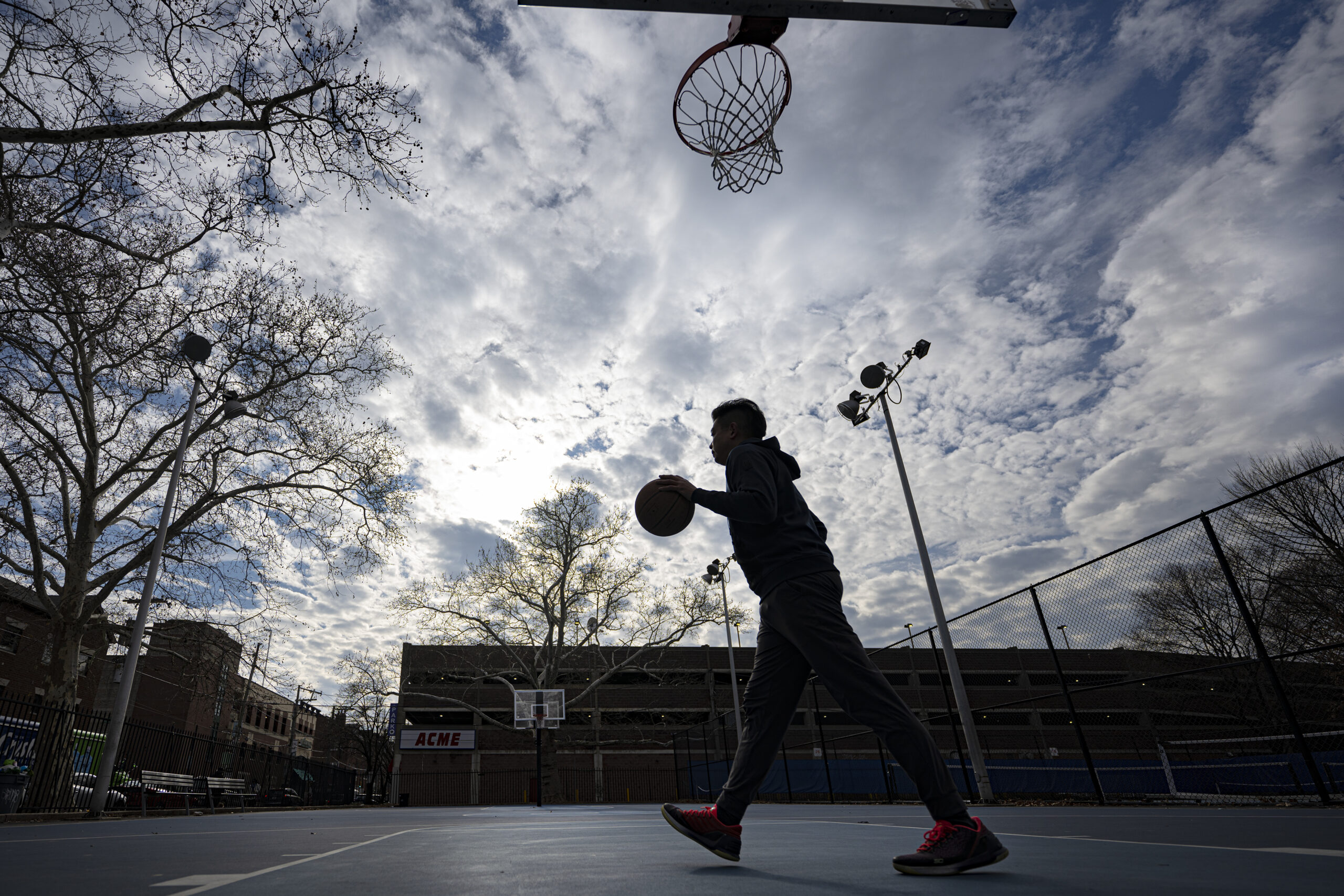
    Peter Chang plays basketball during a mild winter afternoon at Charles T. Mitchell Jr. Park.

    Enjoy the rest of your Wednesday, even if it feels like this post-holiday week should already be long over. See ya back here tomorrow.

    By submitting your written, visual, and/or audio contributions, you agree to The Inquirer’s Terms of Use, including the grant of rights in Section 10.

  • She battled bladder accidents for decades before doctors found the problem | Medical Mystery

    She battled bladder accidents for decades before doctors found the problem | Medical Mystery

    From as early as she can remember, Cindy O’Connor couldn’t control her bladder. She would suddenly feel the urge to pee and couldn’t make it to the bathroom before urine leaked out.

    In kindergarten, the Wisconsin resident wet her snow pants, which froze to a ledge as she sat outside of school. In seventh grade, a teacher who thought she was faking the need to go stopped her in the hallway, where, surrounded by classmates, she soaked her jeans. When playing outdoors with friends, she would run to a neighbor’s weeping willow and relieve herself under its wispy branches.

    Kids called her “pee-britches,” and her parents scolded her. To reduce the need to urinate, she stopped drinking water, only to develop cramps from constipation.

    As an adult, especially after the birth of her son, the problem got worse. She had to abruptly leave work meetings, stop the car frequently on road trips, and plan walks around available restrooms. Her regular doctors didn’t suggest any treatment for what they said was an overactive bladder, so she wore absorbent pads and figured she had to live with incontinence.

    Other doctors eventually prescribed medications and implanted two devices to try to resolve the issue, but the approaches didn’t help and had side effects. It wasn’t until O’Connor saw another specialist, who ordered a test other doctors hadn’t, that she was diagnosed with a rare condition that is typically caught at a much younger age.

    “I wish they would have figured it out years ago,” said O’Connor, now 65. “I wonder what things would have been like to have that normalcy.”

    Lifelong struggle

    O’Connor’s childhood memories are marked by urinary accidents.

    Her parents told her Santa wouldn’t leave gifts if he caught her up at night. Afraid to go to the bathroom, she often wet the bed on Christmas Eve. At the annual carnival in Belleville, the small town south of Madison where she grew up and still lives, she got stuck on a Ferris wheel and couldn’t hold her pee. After accidents at school, she would walk home during recess to change clothes.

    “I can’t tell you how many times I heard, ‘Why are you waiting until the last minute?’” O’Connor said.

    “‘I don’t,’” she would reply.

    When the trouble didn’t go away after her teens, she told doctors about it at visits for other complaints, but they didn’t focus on her incontinence. After her son was born when she was 21, she developed endometriosis, which is when tissue similar to the uterine lining grows outside of the uterus. She underwent a hysterectomy a few years later. Her abnormal bladder seemed like a secondary concern.

    As she raised her son, helped her husband, Mike, start an insurance business, and cared for her father before he died of lung cancer, O’Connor adapted to her uncontrolled peeing. On morning walks, she and Mike would go by the fire station, their church, a park, a laundromat, and a bar — all of which had bathrooms open early — so she could dash in when necessary.

    But the condition was more than a nuisance. After Mike struggled to pull the car over in time, they stopped taking lengthy road trips. Sometimes the urge to pee was so overwhelming that O’Connor’s whole body would tremble. Unless she calmed herself, an accident was inevitable.

    “It was like my bladder was spasming, my heart was racing, my ears were ringing, and my head was pounding,” she said. “Everything just goes haywire. If I stood up right away, I was done.”

    Unhelpful treatments

    In her late 40s, a change in health insurance led O’Connor to see a new gynecologist. The doctor treated her for incontinence with a medication called Detrol. It didn’t help and made O’Connor’s constipation worse.

    The gynecologist surgically placed a mesh sling under her urethra, which can ease some kinds of urinary incontinence. But O’Connor’s bladder was nicked during the procedure, requiring her to use a catheter for 12 days. The sling made it hard for her to urinate, so after three months the doctor cut the device to release its tension.

    O’Connor tried oxybutynin, another drug for overactive bladder, but it didn’t help and caused dry eyes and blurry vision. She went to another doctor — a gynecologist with training in urology — who prescribed a drug called Vesicare, which had a similar effect. Physical therapy, with Kegel exercises, wasn’t beneficial.

    The urogynecologist implanted a device that acts like a urinary “pacemaker,” using electrical pulses to stimulate nerves that communicate between the bladder and the brain.

    The device didn’t lessen O’Connor’s bladder symptoms. Instead, it activated another part of her body. “It made my toes curl,” she said.

    A new test

    In 2013, nearly four years after her first treatment, she saw another urogynecologist, Sarah McAchran, at UW Health in Madison. McAchran, a urologist with training in gynecology, found two things about O’Connor to be unusual. Her incontinence had persisted since childhood, and she hadn’t responded to numerous treatments. McAchran tried two additional drugs, which were also unsuccessful: Mirabegron, which gave O’Connor headaches, and Gelnique, a topical form of oxybutynin, from which she broke out in a rash.

    McAchran conducted urodynamic tests, in which catheters, electrodes, and fluids measure bladder capacity, pressure, and flow. O’Connor’s results were unusual. “She had a very early first sensation to void,” McAchran said. “Her contractions got progressively stronger and were all associated with leakage.”

    Using a flexible tube mounted with a camera, McAchran inspected O’Connor’s bladder and saw some trabeculations, or thickening of the wall, which suggests the bladder was contracting too much. “It can be a sign that the bladder has had to work harder than it should to try to get urine out,” McAchran said.

    Suspecting an underlying nervous system condition, McAchran ordered a spinal MRI. The scan revealed that the tip of O’Connor’s spinal cord was low and that a band of tissue between the tip and her tailbone appeared abnormal, indicating a condition called a tethered spinal cord. In the disorder, the spinal cord attaches to the spinal canal instead of flowing freely. Body movement causes the spinal cord to stretch too much, which can interfere with signals between the brain and the bladder.

    The condition can be caused by scar tissue from surgery but is often present at birth, when it is associated with spina bifida occulta, a mild version of a birth defect that can cause serious disabilities. O’Connor almost certainly was born with her tethered cord; many children who have it are diagnosed at a young age. But in a middle-aged woman, “you have to think about it to diagnose it,” McAchran said. “There’s so many other, more common … reasons for a woman to have incontinence that you would focus on those first.”

    When she heard the diagnosis, O’Connor was ecstatic. She finally had a response to the ridicule she had endured.

    “‘See, I told you that it’s not my fault; I don’t wait too long,’” O’Connor said she told those close to her. “Nobody would listen to me all those years. That was so frustrating.”

    Finding comfort

    Despite getting the diagnosis, a remedy did not come easily. When O’Connor was 53, a neurosurgeon cut the band of abnormal tissue connected to her spinal cord to release the cord, confirming during the procedure that the cord had been tethered. The operation, when performed at a young age, can prevent bladder and neurological problems.

    The surgery relieved O’Connor’s lower back pain, another symptom of her tethered cord, but it didn’t significantly improve her incontinence. That is because the procedure can’t reverse damage already done, said the neurosurgeon, Bermans Iskandar, of UW Health, who normally operates on children.

    “If you wait 50 years, there’s no way you’re going to bring back a bladder that has been damaged over the years,” Iskandar said. “The main reason for the surgery is to prevent additional problems in the future.”

    McAchran turned to Botox, injecting purified botulinum toxin through O’Connor’s urethra into her bladder to relax the muscle and reduce contractions. At first, the treatment decreased accidents, even though it made it harder for O’Connor to urinate and sometimes required her to use disposable catheters. But the benefit of the injections, given nine times over more than two years, diminished. “The spasms came back just as hard,” O’Connor said.

    The last option was surgery to increase the size of her bladder. It would require her to use a disposable catheter every time she went to the bathroom, regularly flush her urethra and bladder with saline solution, and urinate on schedule, every five or six hours, for the rest of her life. She worried about how she would do those things as she got older.

    But on a trip with Mike to Door County, Wisconsin’s version of Cape Cod, she had an accident at a restaurant. As their retirement years approached, she wanted to travel without worrying so much about her bladder.

    She decided to have the operation. In October 2018, during the five-hour procedure, McAchran and another surgeon used a piece of O’Connor’s bowel to more than double the size of her bladder, increasing its capacity to store urine more than threefold.

    Since then, O’Connor has had only one accident, when she exceeded her scheduled urination time while watching a parade in New Orleans. She has acclimated to using catheters in her daily routine. “It’s natural, it’s normal,” she said.

    For much of her life, she struggled with low self-esteem, sensing that people were laughing at her because of her condition. “It wasn’t a death sentence, but it sure wasn’t fun,” she said.

    Now, after retiring in September as office manager for Mike, she is embracing a more unencumbered life. She went with Mike to Europe two years ago, took a trip to Nashville last summer with her son and is regularly playing with her granddaughter, who is nearly 2. She and Mike plan to fly to California and drive back along Route 66.

    “Mike has always wanted to do that,” she said. “It is something that has never crossed my mind as possible until now.”

    David Wahlberg has been a medical reporter for 30 years, including at the Atlanta Journal-Constitution and the Wisconsin State Journal in Madison.


  • 30.7 inches of snow fell in Philly on this week in 1996. Don’t bet against an encore some winter soon.

    30.7 inches of snow fell in Philly on this week in 1996. Don’t bet against an encore some winter soon.

    The plows and shovels haven’t had a whole lot of action in the region in recent winters, and it looks like the rulers will be at rest at least for a while. It may even hit 60 degrees Friday.

    Perhaps the atmosphere over the I-95 corridor is still catching its breath and awaiting a second wind after an unprecedented sequence of megastorms that began 30 years ago.

    It was on Jan. 7-8, 1996, that an unreal 30.7 inches of snow fell officially* (we’ll come back to that asterisk) at Philadelphia International Airport, the biggest snowfall on record, and a total so astounding it precipitated a federal investigation. The region wasn’t shut down so much as entombed in road-closing heaps of snow.

    Philly snow records date to the winter of 1884-85, and in the first 100 years, the city would experience a single snowfall of 20 inches or more only twice.

    In the 20-winter period that began in 1996, it happened four times. Three of those winters rank in the top three snowiest.

    This, during a time when planetary warming was picking up steam. Rather than paradox, some atmospheric scientists see symmetry.

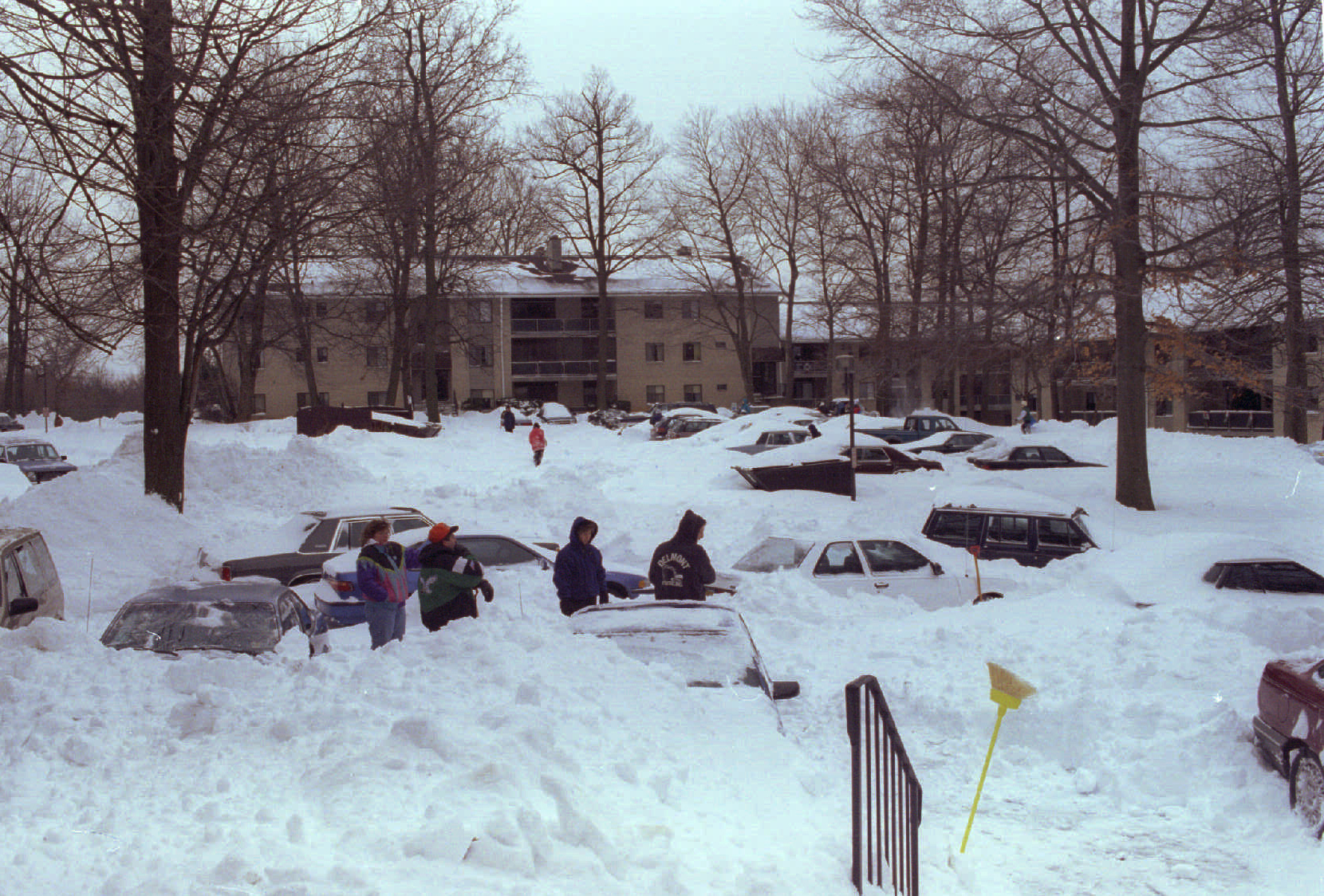
    A view looking out over the snow covered parking lot in Malvern.

    How warming may be affecting snowstorms

    Warming has resulted in more evaporation, filling the air with more moisture, “and the potential for more extreme precipitation,” said Kyle Imhoff, a Pennsylvania State University professor who is the state climatologist.

    Said Louis Uccellini, former head of the National Weather Service and one of the nation’s most prominent storm experts, “if conditions are right … that would include the potential for more snowfall within an individual storm.”

    Proximity to bodies of water, primary sources of moisture, may be making a difference, said Imhoff. In Erie, in recent decades warming appears to be prolonging the lake-effect snow season as waters have been less prone to freezing.

    In recent decades, snowfall from coastal lows has “become more frequent,” he said. Philly’s biggest snows typically are generated by nor’easters that import moist air from the Atlantic, where sea-surface temperatures have been above normal consistently. That warmth may be giving a jolt to coastal storms, according to a paper published in July by a group of researchers, including the University of Pennsylvania’s Michael E. Mann.

    It ain’t necessarily snow

    That wouldn’t necessarily mean more snow. Ocean temperatures typically are several degrees above freezing in winter, and onshore winds often have turned snow to rain in Philly.

    “The trick is getting enough cold air for snowfall,” said Imhoff.

    Snowfalls of a foot or more require a highly unlikely alignment of circumstances, a meeting of opposites: Cold air that holds its ground near the surface, forcing warm moist air to rise and generate snowflakes.

    Philly’s normal seasonal snowfall is 23.1 inches, but a “normal” season is hardly the norm. The totals have varied from nothing (1972-73) to 78.7 (2009-10). The region has experienced decades of robust snow totals, and snow scarcity.

    Sarah Johnson, the warning coordination meteorologist in Mount Holly says she hasn’t yet seen the fingerprints of climate change on snowfall patterns.

    “My hypothesis: It’s probably just the luck of the draw,” she said.

    Tony Gigi, retired weather service meteorologist, said he wondered if some overarching pattern might explain the decadal variability of snowfall in the region.

    About the 1996 storm

    Gigi was working the overnight on the morning of Jan. 7, a Sunday, when the snow began. He somehow made it to his Mount Laurel home after work, only to be called back Monday to relieve stranded colleagues.

    Overall, the storm was a forecasting triumph, but Gigi said the European model well outperformed its U.S. counterpart. But no one was predicting 30 inches for Philly.

    It was an astounding total for a variety of reasons, including the fact that it predated the region’s peak snow season by about three weeks. Of the total, 27 inches fell on the 7th; the previous record for the date was 5 inches.

    The 30.7 total became a source of controversy. The reason: “The snow wasn’t measured,” said Gigi.

    The total was inferred from a formula using the melted liquid equivalent of the snow and the air temperatures, which were in the teens and 20s during the snowfall. “It was in the realm of possibility,” said Gigi.

    But that’s not quite the standard method, said Johnson. Ideally, she said, snow should be measured once with a ruler (or yardstick) at the point that the snow stops.

    In this case, the total was so suspect that it wasn’t entered into the climate record for four years. The weather service commissioned then-Franklin Institute meteorologist Jon Nese and New Jersey state climatologist Dave Robinson, an international snow expert, to conduct a forensic investigation. They concluded the total was legitimate, given similar nearby snow reports.

    It remains unclear whether it was truly an all-time record, since no official measurements are available before 1884. The late weather historian David Ludlum quoted a visiting Swedish author as having witnessed snow “a yard deep” in Philadelphia in March 1705. However, Ludlum pointed out that it was unclear whether that was the result of a single snowfall.

    The future of snow

    As of Wednesday, at 4.8 inches, Philly’s official seasonal snowfall total is exactly “normal.”

    Highs are expected to climb into the 50s through Saturday, perhaps reaching 60 on Friday before a cool-down early next week. Not a flake sighting is in the extended outlooks.

    One factor in the lack of snow in recent years has been consistently cool waters in the tropical Pacific that tend to affect west-to-east upper-air patterns that are unfavorable to East Coast storms.

    For the Philly region, “The pattern has not been kind to snow lovers,” he said.

    Of note, the 1995-96 winter came at the end one of the most snowless 10-year periods in Philly on record.

  • A Malvern teen is launching free art classes for kids | Inquirer Chester County

    A Malvern teen is launching free art classes for kids | Inquirer Chester County

    Hi, Chester County! 👋

    Welcome to the first full week of 2026. We’re kicking off the new year with the story of a Malvern teen who’s helping kids find joy in art. Also this week, four new county officials have been sworn in, West Bradford Township’s property taxes are being slashed, plus the search is on for a new tenant at the former Iron Hill in West Chester.

    We want your feedback! Tell us what you think of the newsletter by taking our survey or emailing us at chestercounty@inquirer.com.

    If someone forwarded you this email, sign up for free here.

    A 15-year-old’s nonprofit looks to spread the joy of art

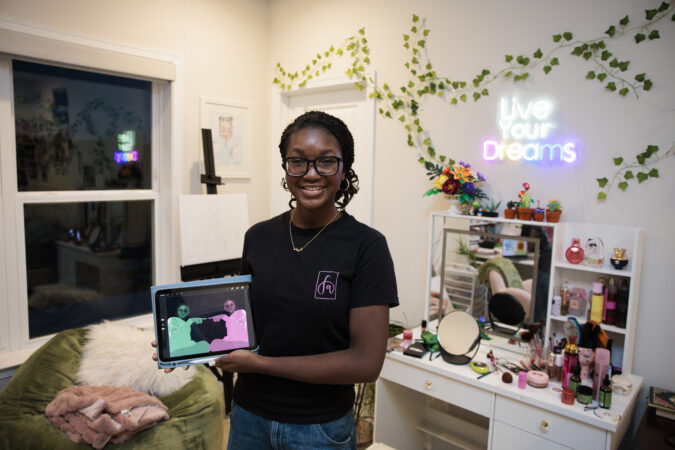
    Faridah Ismaila launched nonprofit A Paint-full of Promise to connect younger students with free monthly art classes.

    A Great Valley High School sophomore will soon be bringing her passion for art to young students in the district.

    Inspired by the phrase “Do what makes you happy,” Faridah Ismaila recently launched nonprofit A Paint-full of Promise to provide free monthly art classes for kindergarteners through sixth graders, The Inquirer’s Brooke Schultz reports.

    The program is slated to kick off this month with a winter wonderland-themed class. Ismaila is working with district educators to offer the workshops where students can learn new skills and express themselves.

    Read more about what inspired A Paint-full of Promise.

    📍 Countywide News

    💡 Community News

    • Erica Deuso was sworn in Monday as mayor of Downingtown, making her the first openly transgender mayor in the state.
    • A person on a trail on Warwick Furnace Road in Warwick Township was recently injured by a coyote, prompting the Chester County Health Department to look for the animal. It’s unknown if the coyote is rabid.
    • Residents of West Bradford Township will see a decrease in their property taxes this year, bucking a trend in the region. The 50% reduction is due in part to a mix of savings during the pandemic and more revenue from long-term leases.
    • The community is mourning the death of photographer, filmmaker, and Kennett Square resident Robert Caputo, who died Dec. 18 at a voluntary assisted dying center in Switzerland. Throughout his career, Mr. Caputo traveled the world, producing stories, films, and photographs for National Geographic magazine, Time, PBS, and TNT. The 76-year-old was diagnosed with Alzheimer’s disease last year.
    • A Malvern office building at 52 Swedesford Rd. is poised for demolition to make way for a mixed-use development with 250 apartments and retail space, including a market and cafe. (Philadelphia Business Journal)
    • The 33,000-square-foot Acme-anchored shopping center at 785 Starr St. in Phoenixville recently sold for nearly $7.4 million. The sale didn’t include Acme’s space.
    • The state’s Department of Environmental Protection is expected to evaluate surface and well water at the Bishop Tube HSCA Site in East Whiteland Township this month for contaminants such as PFAS, volatile organic compounds, and inorganics, as well as fluoride.
    • The Paoli Memorial Association in Malvern has been awarded a $325,000 grant, which will help fund construction of the Paoli-Malvern Heritage Center. The center, which will be adjacent to the Paoli Battlefield, will preserve an 1817 obelisk and offer interpretive exhibits.
    • Several Chester County communities have received funding from the state’s Green Light-Go Program aimed at improving traffic safety and mobility. Upper Uwchlan Township has been awarded over $920,000 to upgrade detection and controller equipment at Route 100 and Graphite Mine Road. West Whiteland Township is getting nearly $390,000 to upgrade multiple intersections along Route 100 and Commerce Drive. And East Whiteland Township will get almost $192,000 to modernize Lancaster Avenue and Conestoga Road.
    • Heads up for drivers: Asplundh will be pruning trees along Goshen Road between Pottstown Pike and Hillside Drive in West Chester throughout the first quarter of 2026.
    • Paoli Hospital is among Forbes Top Hospitals for 2026 and is the sole Chester County institution on the list.
    • Two new gyms are now open: CrossFit Reckoning opened this week at 199 Reeceville Rd. in Coatesville and Planet Fitness has opened at 270 Swedesford Rd. in Berwyn.
    • On Monday, Coatesville-based Presence Bank became part of Norwood Financial Corp.’s Wayne Bank after being acquired for $54.9 million. Presence has two Chester County branches, in Coatesville and Oxford.
    • Kennett Area Senior Center, the nonprofit helping older adults, took on a new name at the start of the year. It’s now known as The Gathering Place at Kennett.
    • Looking to dispose of your Christmas tree? Upper Uwchlan will collect trees curbside on Jan. 15; Spring City residents can place trees curbside daily through Jan. 30 for pickup; East Pikeland residents can place trees curbside on Wednesdays in January or drop them off at the township yard waste recycling facility; West Vincent residents can drop them off at the township building through Jan. 23; and Phoenixville residents can place them curbside with trash through Feb. 28. Trees can also be dropped off at the compost site at 18 S. 2nd Ave.
    • It’s the last chance for residents in Easttown (through Jan. 12) and Upper Uwchlan (through Jan. 15) to recycle old holiday lights.

    🏫 Schools Briefing

    • Tredyffrin/Easttown School District is hosting its elementary new student registration window for next school year from Jan. 20-26. Learn more here.
    • West Chester Area School District has an opening on its school board following Alex Christy’s resignation ahead of his term’s expiration next December. Applications to fill the vacancy are open until noon on Jan. 21.
    • Coatesville offensive lineman Maxwell Hiller was named to Sporting News’ 2025 High School Football All-America Team. The junior is rated the top interior offensive line in his class.

    🍽️ On our Plate

    • The search is on for someone to take over the former Iron Hill Brewery in West Chester. Over the holidays, building owner John Barry acquired the liquor license and all assets inside the space, which he said will help him “to get a better tenant in there.”
    • In case you missed it, The Inquirer’s Michael Klein reflected on the most notable restaurant openings of 2025. They include Bao Nine in Malvern, The Borough in Downingtown, Jolene’s in West Chester, L’Olivo Trattoria in Exton, The Local in Phoenixville, and Stubborn Goat Brewing in West Grove. See the full list here. The Borough also made Klein’s roundup of the best new pizza restaurants to open in the region last year.
    • As for the best things Inquirer food writers ate last year, the Caramelia at Longwood Gardens’ 1906 restaurant was up there. Paying homage to Kennett Square’s mushroom industry, the red-topped mushroom-shaped dessert features chocolate mousse with espresso and caramel flavors.

    🎳 Things to Do

    🎨 An Ancestral Journey: Moore College of Art grad Roe Murray’s works will be on display for the next few weeks. She will also participate in an artist talk on Jan. 28. ⏰ Thursday, Jan. 8-Thursday, Jan. 29, times vary 💵 Free 📍 Chester County Art Association West Chester Galleries

    🎶 A Grand Night For Singing: This rendition will celebrate the wide-ranging works of Rodgers & Hammerstein with singing, dancing, and a live orchestra. ⏰ Friday, Jan. 9-Sunday, Jan. 18, select days and times 💵 $31.60-$36.70 📍 SALT Performing Arts, Chester Springs

    🧁 Pinkalicious the Musical: The musical adaptation of the book follows a pink-loving heroine who inadvertently turns herself into her favorite color by eating too many cupcakes. ⏰ Friday, Jan. 9-Sunday, Jan. 18, select days and times 💵 $21-$30 📍 Uptown! Knauer Performing Arts Center, West Chester

    🏡 On the Market

    An airy four-bedroom Kennett Square carriage home

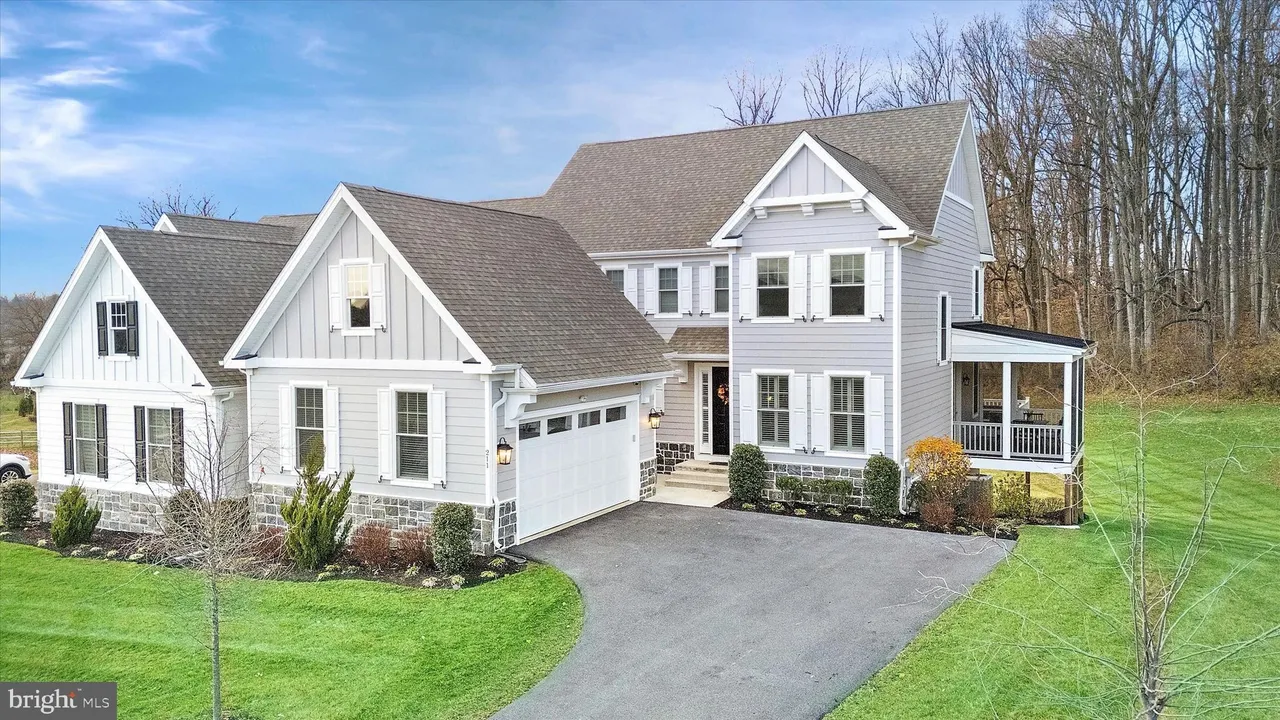
    The carriage home has a two-car garage and a screened-in porch that leads to a deck.

    Located in the Villages at Northridge, this Kennett Square carriage home is just a few years old. The great room, which has a fireplace, opens to the kitchen, where there’s two-toned cabinetry, an island with a farmhouse sink, a pantry, and a dining area with a built-in beverage station complete with a bar refrigerator and ice maker. The great room also has access to the screened-in porch, which leads to the deck. There are three bedrooms upstairs, including a primary suite with a walk-in closet and a bathroom with a double sink vanity. The finished lower level walk-out has another bedroom, a full bathroom, and a living room.

    See more photos of the property here.

    Price: $975,000 | Size: 3,544 SF | Acreage: 0.06

    🗞️ What other Chester County residents are reading this week:

    By submitting your written, visual, and/or audio contributions, you agree to The Inquirer’s Terms of Use, including the grant of rights in Section 10.

    This suburban content is produced with support from the Leslie Miller and Richard Worley Foundation and The Lenfest Institute for Journalism. Editorial content is created independently of the project donors. Gifts to support The Inquirer’s high-impact journalism can be made at inquirer.com/donate. A list of Lenfest Institute donors can be found at lenfestinstitute.org/supporters.

  • The story behind a colonial-era Woodcrest cemetery | Inquirer Cherry Hill

    The story behind a colonial-era Woodcrest cemetery | Inquirer Cherry Hill

    Hello, Cherry Hill! 👋

    Did you know one of South Jersey’s first colonial families is laid to rest in Woodcrest? Learn more about the cemetery tucked into a residential part of town. Also this week, a new Inquirer analysis shows how Cherry Hill voters shifted toward Democrats in the last election, plus work is still underway to update H Mart.

    We want your feedback! Tell us what you think about the newsletter by taking our survey or emailing us at cherryhill@inquirer.com.

    If someone forwarded you this email, sign up for free here.

    The story behind a colonial-era gravesite in Woodcrest

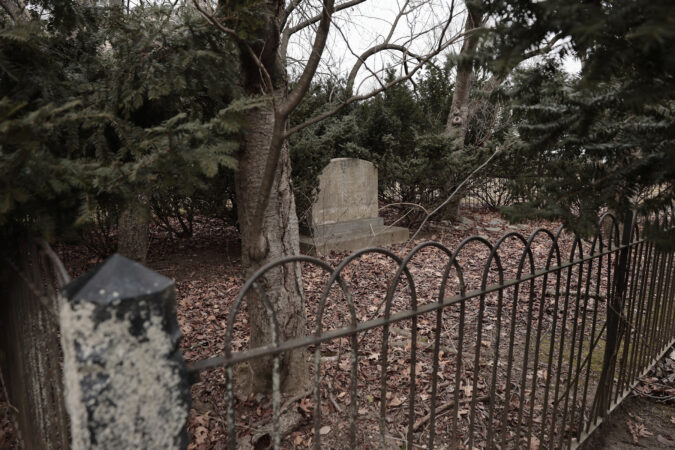
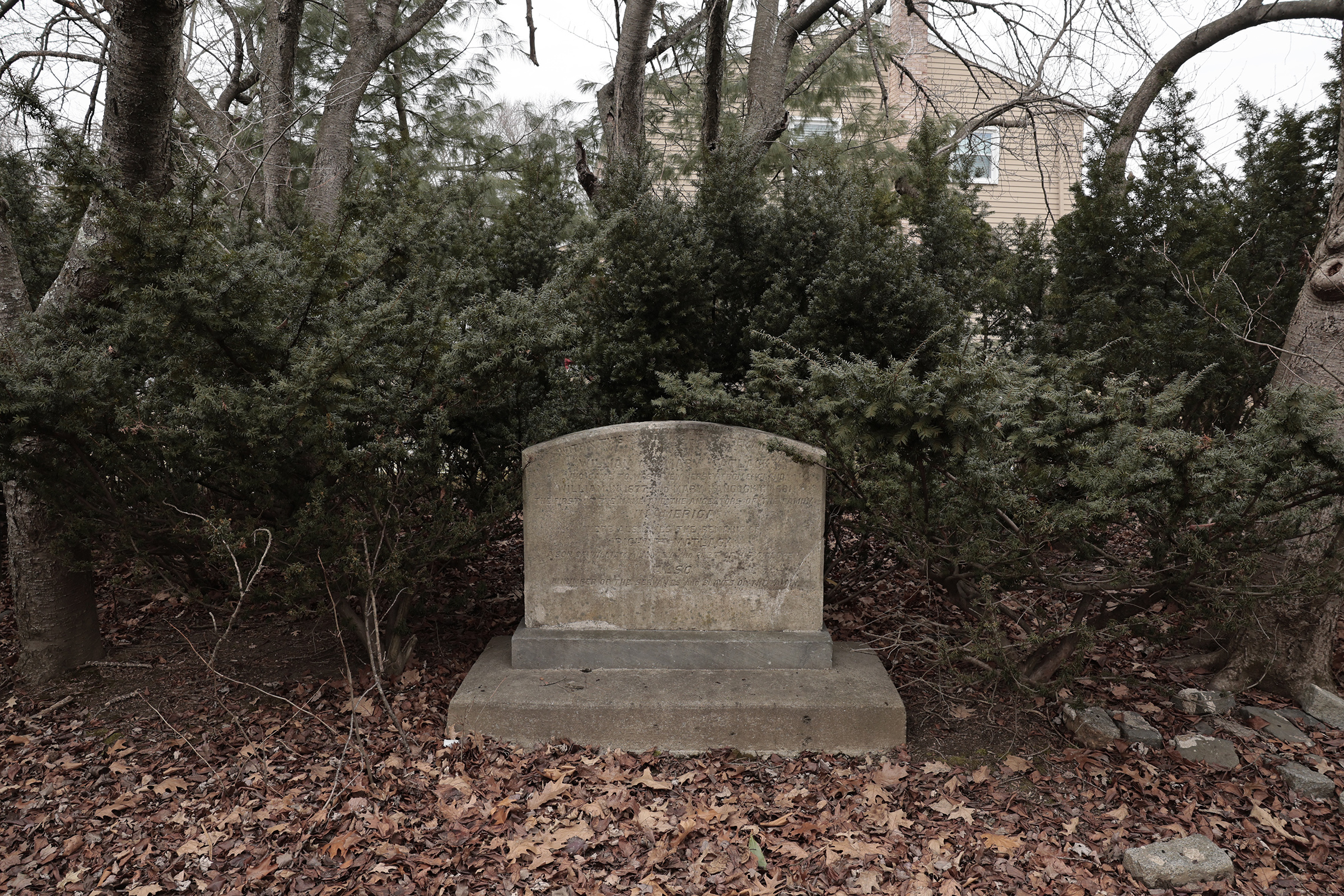
    The Matlack Family Cemetery is located at 535 Balsam Rd.

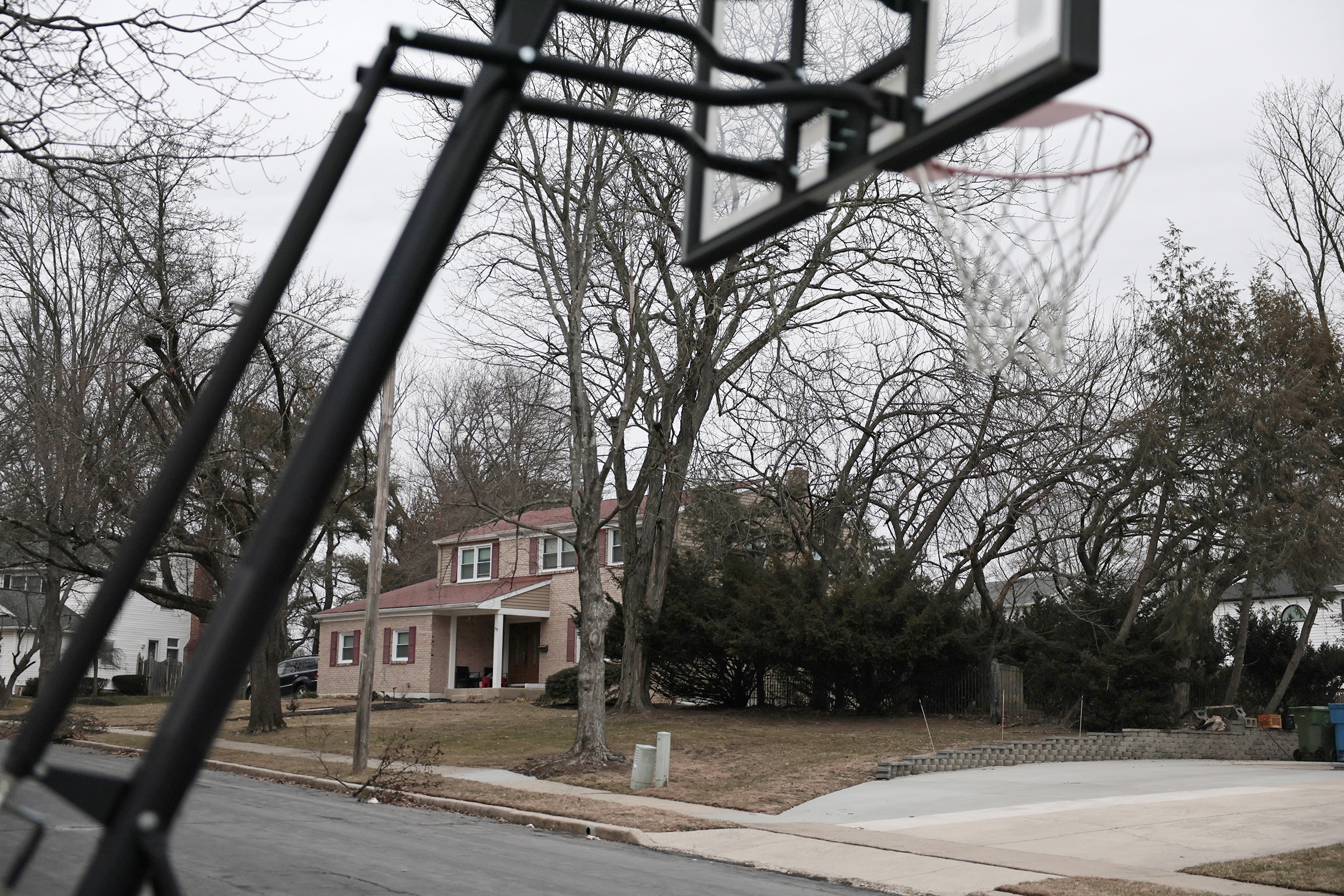
    The residential street of Balsam Road in Woodcrest is an unlikely spot for a gravesite, but tucked among the houses and sassafras trees, there’s a small cemetery that dates back nearly 300 years.

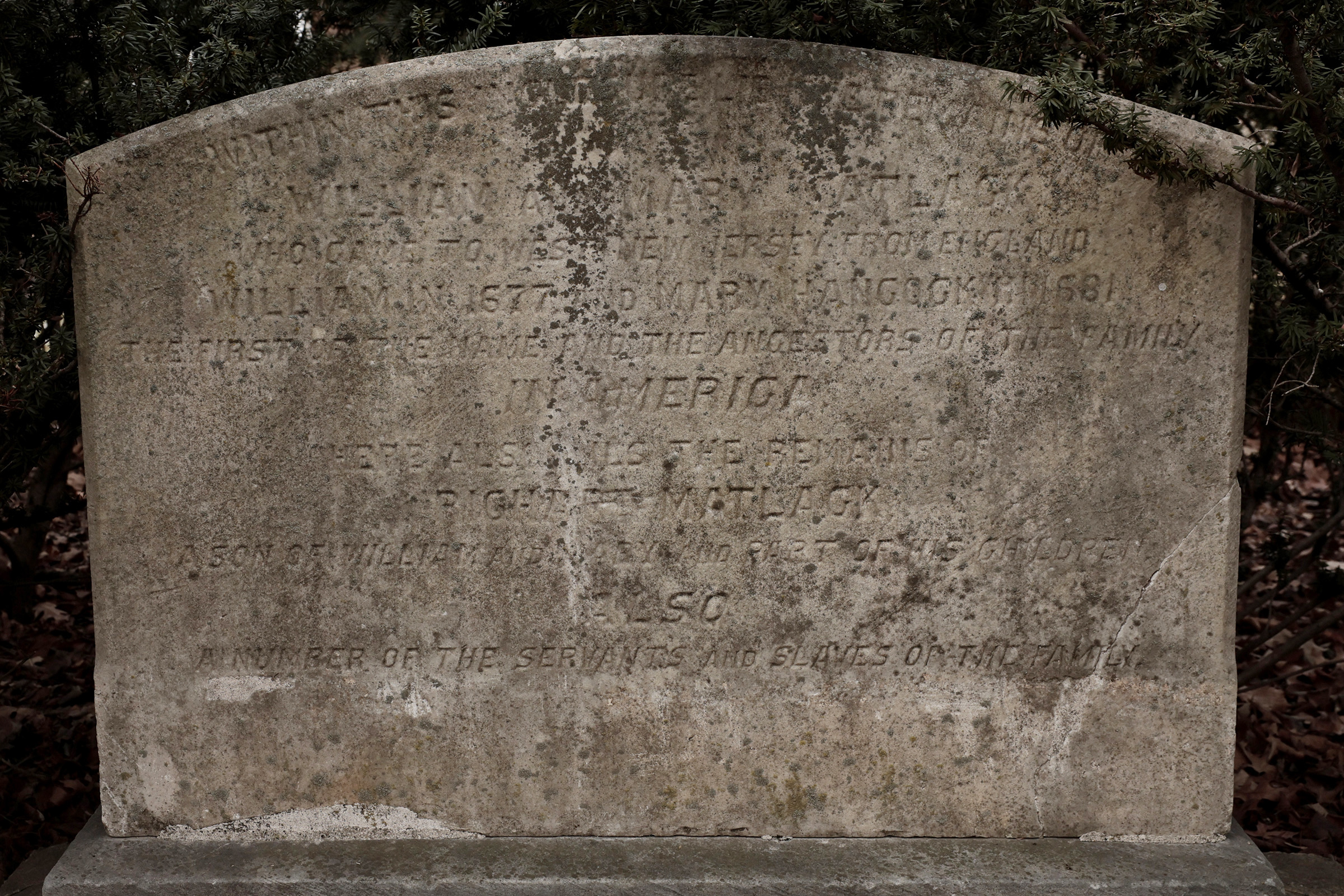
    The site is the final resting place for the Matlacks, one of South Jersey’s first colonial families, as well as an unknown number of servants and enslaved people.

    A township resident, curious about how the gravesite came to be, posed his question to Curious Cherry Hill. The Inquirer’s Denali Sagner set out to learn more about the family and its patriarch, who moved to New Jersey in 1677 from England as an indentured servant and ultimately began one of the largest colonial-era families in the region.

    Here’s what she uncovered.

    Have a question about town you want answered? Submit it to Curious Cherry Hill here.

    💡 Community News

    • There was a 3.9% shift among Cherry Hill voters to Democrats in 2024-25, with about 68% voting for Gov.-elect Mikie Sherrill in November’s election. The Inquirer recently analyzed Sherrill’s path to victory, finding that the largest shift within Cherry Hill took place in District 10, encompassing Brookfield, where there was a 10.3% shift, followed by District 8 (9.4%), which includes Kenilworth, and District 2 (8.2%), which spans Cooper Park Village, Kingsway Village, and Waterford Park. See a map of how districts shifted.
    • Cherry Hill Township Council held its reorganization meeting on Monday night, where William Carter was reelected council president and Michele Golkow was elected vice president.
    • The new season of King of Collectibles began streaming late last month on Netflix, where Cherry Hill native Ken Goldin takes viewers inside his South Jersey auction house. One of the highlights of Season 3 is a jersey used by soccer legend Lionel Messi when he was a child. In a video by The Inquirer, Goldin gives viewers a glimpse. He also shows off some of the Philly sports gems in his possession.
    • The Eagles are heading into the NFC Wild Card playoffs as the No. 3 seed, taking on the 49ers at 4:30 p.m. on Sunday. As the team gears up for the postseason, the Road to Victory Bus Tour is stopping in town Thursday, where you can shop for gear and enter for a chance to score playoff game tickets. It’ll be at the P.J. Whelihan’s on Marlton Pike from 5:30 to 6:30 p.m.
    • Work is still underway to overhaul the H Mart on Route 70. The popular chain Asian grocery store closed in July for renovations, including an expansion of the second floor and the addition of an open-concept food court. The Cherry Hill location, which was expected to reopen in October, remains closed as work on the entire complex continues. (42 Freeway)
    • Some retail shakeups are happening around town. The New Balance at Tuscany Marketplace closed its doors indefinitely on Dec. 27. At the mall, plus-size women’s apparel brand Torrid is closing on Jan. 19, athleisure brand Lululemon Athletica is relocating to a larger space, and jeweler Pandora is expanding next door. And on Route 70, Appliances Outlet will be taking over the space occupied by Whole Hog Cafe and part of Wine Legend. (A View From Evesham)
    • Fox29’s Bob Kelly recently dropped by D&Q Skate, Snow, and Surf shop in Cherry Hill to chat about trending gear for those heading to the slopes. Catch the segment here starting around the 5-minute mark.

    🏫 Schools Briefing

    • There’s a board of education meeting Tuesday at 6:30 p.m.
    • Teachers in Cherry Hill Public Schools made a median salary of $102,148 last school year, according to an NJ.com analysis. It is one of 30 districts statewide with a median salary greater than $100,000. The district’s median salary last year marked a 4.1% increase over the previous year and was nearly $20,000 higher than the statewide median.

    🍽️ On our Plate

    🎳 Things to Do

    😂 All Laughs, No Hate: Latin comedy and culture take center stage during this comedy night. ⏰ Friday, Jan. 9, 6:30-8:30 p.m. 💵 $36.09 📍Vera

    🌱 Winter Sowing: This workshop will teach you how to get a jump on your spring gardening. ⏰ Saturday, Jan. 10, 10 a.m.-noon 💵 $15 📍Camden County Environmental Center

    💡 Panoply: Test your knowledge of pop culture, sports, music, history, and more in this out-of-the-box game night. The event is 21 and older. ⏰ Saturday, Jan. 10, 7-9:45 p.m. 💵 $36 📍Katz JCC

    🍷 January Wine Down Wednesday: Sip five, two-ounce pours and enjoy appetizers at this event. ⏰ Wednesday, Jan. 14, reservations available from 6 to 8 p.m. 💵 $25 📍Randall’s Restaurant

    🏡 On the Market

    An updated five-bedroom Woodcrest ranch

    The home has an open-concept living and dining room.

    This Woodcrest ranch was recently remodeled to give its interior and exterior a modern makeover. It features an open-concept dining and living room, a sunroom, and an eat-in kitchen with quartz countertops and a gray-and-white herringbone backsplash. It has five bedrooms and three bathrooms, including a primary suite with a walk-in closet and its own bathroom. There’s also a finished basement.

    See more photos of the property here.

    Price: $759,900 | Size: 2,592 SF | Acreage: 0.29

    🗞️ What other Cherry Hill residents are reading this week:

    By submitting your written, visual, and/or audio contributions, you agree to The Inquirer’s Terms of Use, including the grant of rights in Section 10.

    This suburban content is produced with support from the Leslie Miller and Richard Worley Foundation and The Lenfest Institute for Journalism. Editorial content is created independently of the project donors. Gifts to support The Inquirer’s high-impact journalism can be made at inquirer.com/donate. A list of Lenfest Institute donors can be found at lenfestinstitute.org/supporters.

  • The story behind a colonial-era grave site hidden in residential Cherry Hill

    The story behind a colonial-era grave site hidden in residential Cherry Hill

    Giancarlo Brugnolo moved to Cherry Hill’s Woodcrest neighborhood in 2014, but it wasn’t until last year that he heard about the centuries-old cemetery just a stone’s throw away from his house. When friends first mentioned it, he assumed they were joking.

    “I was like, ‘What are you talking about? What graveyard?’” he remembers saying. “We live in a residential neighborhood, there’s no way there’s a graveyard.”

    Yet tucked away under sassafras trees and in the shade of neighboring houses, members of one of South Jersey’s first colonial families are laid to rest.

    The Matlack Family Cemetery is located on the 500 block of Cherry Hill’s Balsam Road. At the small grave site lie the remains of William and Mary Matlack, some of their descendants, and an unspecified number of servants and enslaved people. William Matlack is believed to have died in 1738, at around age 90, and Mary Matlack in 1728, at around age 62.

    Wanting to know more about the cemetery, Brugnolo took his question to Curious Cherry Hill, The Inquirer’s forum for answering local questions. Who was the Matlack family, and how did their grave site end up in a residential neighborhood?

    » ASK US: Have something you’re wondering about in Cherry Hill? Submit your Curious Cherry Hill question here.

    William Matlack, a carpenter, came to New Jersey in 1677 from Cropwell Bishop in Nottinghamshire, England. He traveled to the Americas on a ship named the Kent as an indentured servant to Thomas Ollive and Daniel Wills. Wills was appointed as the commissioner of West Jersey and sent to make deals with the Lenni-Lenape people who had long lived on the land. Many of the Kent’s travelers, including Matlack, were Quakers. The ship traversed the Atlantic Ocean from England, ultimately heading up the Delaware River to present-day Burlington County. Matlack is said to have been the first European settler to put his foot on the shore of what is now the city of Burlington (however some historians believe Swedes settled there a half-century earlier).

    At the time Matlack and Wills arrived in South Jersey, the spot was “a bleak haven” from their English homes, covered in dense forest and impenetrable at night, according to a 1970 article in the Courier-Post. Yet South Jersey stood out as a “long-sought destination thousands of miles from the brutality of bigots” in England who persecuted them for their Quaker practices.

    Matlack owed Wills four years of servitude and, in 1681, was granted 100 acres of land in return. While working for Wills, Matlack helped build two of the first houses and the first corn mill in the area.

    The headstone in the Matlack Family Cemetery on the 500 block of Balsam Road in Cherry Hill.

    Matlack would become the patriarch to one of the largest families in colonial South Jersey. In the early 1680s he married Mary Hancock, who had recently come to New Jersey from England with her brother, Timothy. At the time of their marriage, William Matlack was 34 and Mary Matlack was 16. The Matlacks lived between two branches of Pennsauken Creek in present-day Maple Shade. William Matlack would come to own around 1,500 acres of land across South Jersey. The couple had six sons, three daughters, and an estimated 40 grandchildren.

    Though Quakers became one of the first religious movements to reject slavery, many Quakers in early America, including the Matlacks, enslaved people. Research turned up little information about the enslaved people buried at the Matlack grave site. Birth and death records for enslaved people were often poorly kept in the age of chattel slavery, making it difficult to conduct genealogical research and historical inquiries into the lives of people held in slavery.

    We do know, however, that slavery was pervasive in Philadelphia’s suburbs during and after the colonial era. Despite abolitionist activism, much of which was driven by Quakers in the Philadelphia region, thousands of people remained enslaved in New Jersey through the turn of the nineteenth century. New Jersey was the last Northern state to officially abolish slavery in 1866, when Gov. Marcus Ward signed a state constitutional amendment outlawing the institution. The amendment followed the 1865 ratification of the 13th Amendment to the U.S. Constitution, which New Jersey had initially rejected.

    The Matlack Family Cemetery is a small graveyard in a residential neighborhood.

    One well-known descendant of the Matlacks was Timothy Matlack, a politician and delegate to the Second Continental Congress who inscribed the Declaration of Independence. In Facebook groups and blog posts, dozens of residents of the Mid-Atlantic region say they are descendants of the first New Jersey Matlacks — likely claims given the expansive Matlack family tree, but difficult to prove.

    William and Mary Matlack were not originally buried at the Balsam Road site, according to archival materials from the Rancocas Valley Chapter of the National Society of The Colonial Dames of America. They were initially buried on their son Richard’s farm near Springdale and Evesham Roads and were moved to the Balsam Road grave site in the late 1800s.

    The grave was discovered by a Girl Scout troop on a camping trip in what was then an apple orchard, according to a Courier-Post article from 1990. The housing development surrounding the grave site went up in 1972, but the graveyard was left in tact due to its historical value. Today, it’s owned and maintained by the township.

    This suburban content is produced with support from the Leslie Miller and Richard Worley Foundation and The Lenfest Institute for Journalism. Editorial content is created independently of the project donors. Gifts to support The Inquirer’s high-impact journalism can be made at inquirer.com/donate. A list of Lenfest Institute donors can be found at lenfestinstitute.org/supporters.

  • How Bo Bichette could wind up with the Phillies

    How Bo Bichette could wind up with the Phillies

    There is a long list of reasons that you shouldn’t waste your daydreams on visions of Bo Bichette wearing red pinstripes and hitting behind Bryce Harper. The Phillies’ reported interest in the Blue Jays star only barely distinguishes them from the 29 other major league teams that likewise are interested in signing very good baseball players at the right price. Interest is not a differentiator. You can’t buy a Bentley with affection.

    Circumstance, context, and logic suggest that Bichette will end up signing elsewhere. And that’s great if you’re into those things. The rest of us will be over here indulging ourselves. On the 12th day of Christmas, the New York Post’s Jon Heyman gave to us a vaguely worded, thinly sourced report connecting the Phillies to a big-ticket free agent. What are we supposed to do? Underreact?

    The least we can do is try to proceed with some level of dignity and decorum. This often is easiest to do under the guise of asking questions. There are no dumb questions, only dumb questioners, right? So let’s fire away.

    The Phillies already have a shortstop in Trea Turner. Presumably, Bo Bichette would move to second base in any scenario that brought him to Philadelphia.

    Only a few weeks ago, Dave Dombrowski sounded like a man who didn’t expect any more major additions to his roster. What would have caused that to change? Is Bitcoin about to spike again?

    This is the however-many-million-dollar question. Five weeks out from pitchers and catchers reporting, the roster looks pretty close to set. Ken Rosenthal of The Athletic reported Monday that the Phillies still were in the market for another right-handed-hitting outfielder, which is encouraging, because they really could use a viable Plan B in case Justin Crawford turns out to be late-stage Juan Pierre or Ben Revere. They don’t need anything major. Veteran Randal Grichuk, whom the report mentioned specifically, would make a lot of sense. Otherwise, there isn’t an obvious opening that would compel the Phillies to make an offer with the sort of necessity premium that often distinguishes a winning bid from the rest.

    One thing that may have changed is Dombrowski’s evaluation of the market. Not much has happened since the last time he spoke. Not only do most of the major free agents remain unsigned, we aren’t even seeing smoke. Bichette, Cubs outfielder Kyle Tucker, Red Sox third baseman Alex Bregman, Yankees outfielder Cody Bellinger, Mariners third baseman Eugenio Suárez, not to mention Ranger Suárez and the rest of the starting pitchers … the complete lack of movement at the top of the market is abnormal.

    We’ve seen slow-moving markets before. But there is some reason to believe that this one is reaching a point of collapse. The money may not be out there this year. Virtually all of the big-market teams already are at or above the luxury tax threshold with the money on their books. Last year, the Phillies were at a disadvantage because teams like the Mets, Red Sox, and Cubs were in payroll expansion mode. Other teams simply had more money to spend than they did. That may not be the case this year.

    The Cubs still are a potential market maker, with roughly $80 million in space before the first luxury tax threshold. It shouldn’t surprise anybody if they make a flurry of moves that alters the current narrative about the NL landscape. Same goes for the Mets, who presumably have whatever money they would have paid to Pete Alonso and Edwin Díaz before both signed elsewhere. The Orioles are always lingering. The Blue Jays are pushing $300 million but seem to be operating with the taste of blood in their mouths. So there still is plenty of reason to doubt that the Phillies can win via aggression.

    But there are a lot of players out there. And there don’t seem to be the usual dark-horse lurkers among the midmarket clubs. It’s worth noting the situation in Minnesota, where the Twins are shedding payroll as if they need to make rent. The middle class might be content to sit this one out, especially with next year’s labor talks looming.

    Bo Bichette was an MVP-level hitter after he broke out of an extended slump last season.

    So Bichette might be more affordable than the Phillies thought?

    Yes and no. It’s awfully hard to project a contract for a player who is an anomaly in terms of his age (only 28 this season), career production (24 home runs per 162 games and 121 OPS+) and pedigree (Dante Bichette’s kid), but who also is less than a year removed from a brutal 18-month stretch in which he posted a .651 OPS in 651 plate appearances. Trea Turner’s career numbers were nearly identical (minus the steals) when the Phillies signed him to an 11-year, $300 million contract heading into his 30-year-old season. FanGraphs had Bichette projected at seven years and $189 million entering the offseason. ESPN recently updated its projection to five years and $150 million. If that second number is close to reality, the Phillies may well readjust their expectations.

    What’s this about Bichette posting a .651 OPS in 651 plate appearances? Isn’t that a concern?

    It is. But it also might be an opportunity, if other teams are worried. Once he snapped out of his funk early last season, Bichette was an MVP-level hitter. In his last 102 games, he hit .325/.372/.528 with 17 home runs. From the right side of the plate. While playing middle infield. He has always had the kind of skill set scouts drool over. Bichette’s contact rate ranked in the top 20% of qualified hitters last season. At 83.2%, it would have ranked third among Phillies regulars, behind Alec Bohm (87%) and Bryson Stott (86.1%). His chase rate also ranked at the high end of the spectrum — in a bad way. Only 18 qualified hitters chased more often: Bichette’s 37.9% ranked just behind Bryce Harper (38.1%).

    That said, Bichette did make some steady progress last season. It’s fair to wonder if he emerged from his slump as a different hitter. Only 10 hitters in baseball had a lower strikeout rate after the All-Star Break — his 11.1% was a dramatic improvement over an already-solid roughly 15%. He coupled that with a huge boost in his walk rate, from an anemic 5.5% to a slightly-better-than-average 8.8%. If the Phillies think they can get a $250 million player for $175 million, that might change things.

    Bo Bichette scoring a run for the Blue Jays in June as Phillies catcher J.T. Realmuto tries to catch the throw.

    Why wouldn’t the Blue Jays just match any offer?

    I guess Christmas is over, isn’t it? Assuming Bichette likes Toronto, which seems to be the case, and the Blue Jays are willing to spend, which seems to be the case, the Phillies presumably would need to land Bichette the old-fashioned way: by guaranteeing him more than anybody else is willing to guarantee him. They have close to $60 million coming off the books next season and theoretically would be able to accommodate another big deal, biting the bullet on the luxury tax this season while freeing up $15 million to $20 million by trading Bohm and Edmundo Sosa and finding someone to pay a little bit of Nick Castellanos’ salary.

    But, then, we’d be back where we started. Realizing that Bichette probably won’t be here.