Following a cybersecurity breach at the University of Pennsylvania last month, an anonymous hacker claimed that they had compromised data for some 1.2 million students, donors, and alumni — a figure that the school now says is inaccurate.
The university said that a forensic investigation into the breach remains ongoing and that a “precise number” for the amount of records that were improperly accessed was not yet available.
A timeline of when that investigation would be concluded was not provided, with the school noting that analysis of the breach would “take time to complete.”
“While our investigation is ongoing, we do not currently have evidence to indicate that information involved in this incident has been used for the purposes of fraud,” the university said.
The incident was reported Oct. 31, when students and alumni received what the school called a “fraudulent” email crudely criticizing Penn’s hiring practices. The message, which also called on recipients to stop donating money to the university, appeared to come from Penn’s Graduate School of Education.
“We have terrible security practices and are completely unmeritocratic,” the email said.
The breach, the university said, came as a result of “sophisticated identity impersonation commonly known as social engineering,” which is a hacking technique in which “bad actors deceive individuals into giving up confidential information.”
Systems accessed included “Penn’s Customer Relationship Management (CRM) system (Salesforce), file repositories (SharePoint and Box), a reporting application (Qlikview), as well as Marketing Cloud,” the school added.
Electronic medical records from Penn Medicine do not appear to have been accessed in the breach. In its update Friday, the university said that it would notify individuals whose information had been accessed once its analysis of the incident was complete.
The data, according to the Daily Pennsylvanian, Penn’s student newspaper, included memos about donors and their families, receipts of bank transactions, and personal information. The DP said that it reviewed documents released by the alleged hacker on LeakForum and that the perpetrator claimed to have accessed data on 1.2 million Penn students, alumni, and donors.
The Verge, a technology publication, reported that among the items obtained was personal information about former President Joe Biden, whose granddaughter had been a student at Penn. The hacker claiming responsibility for the breach told the outlet that they planned to sell some of the data before releasing it publicly.
Beyond disputing the 1.2 million figure, Penn has not commented on what information was accessed.
Following news of the breach, more than a dozen proposed class-action lawsuits were filed against the university in federal and state courts alleging that Penn failed to secure the personal information of those affected.
The litigation is still in its early stages, and Penn hasn’t yet responded to the allegations in court filings. On Monday, attorneys who filed 10 of the 14 federal lawsuits in the Eastern District of Pennsylvania asked the court to consolidate the cases.
On its information page about the incident, Penn warned school community members to “be wary of suspicious calls or emails that could be phishing attempts,” as well as “any embedded links in emails that you are not familiar with.”
It also advised concerned individuals to take steps such as reviewing their credit reports and activating fraud alerts with major credit bureaus.
“We recognize the severity of this incident and are working diligently to address it,” the university said.
Staff writers Abraham Gutman and Susan Snyder contributed to this article.
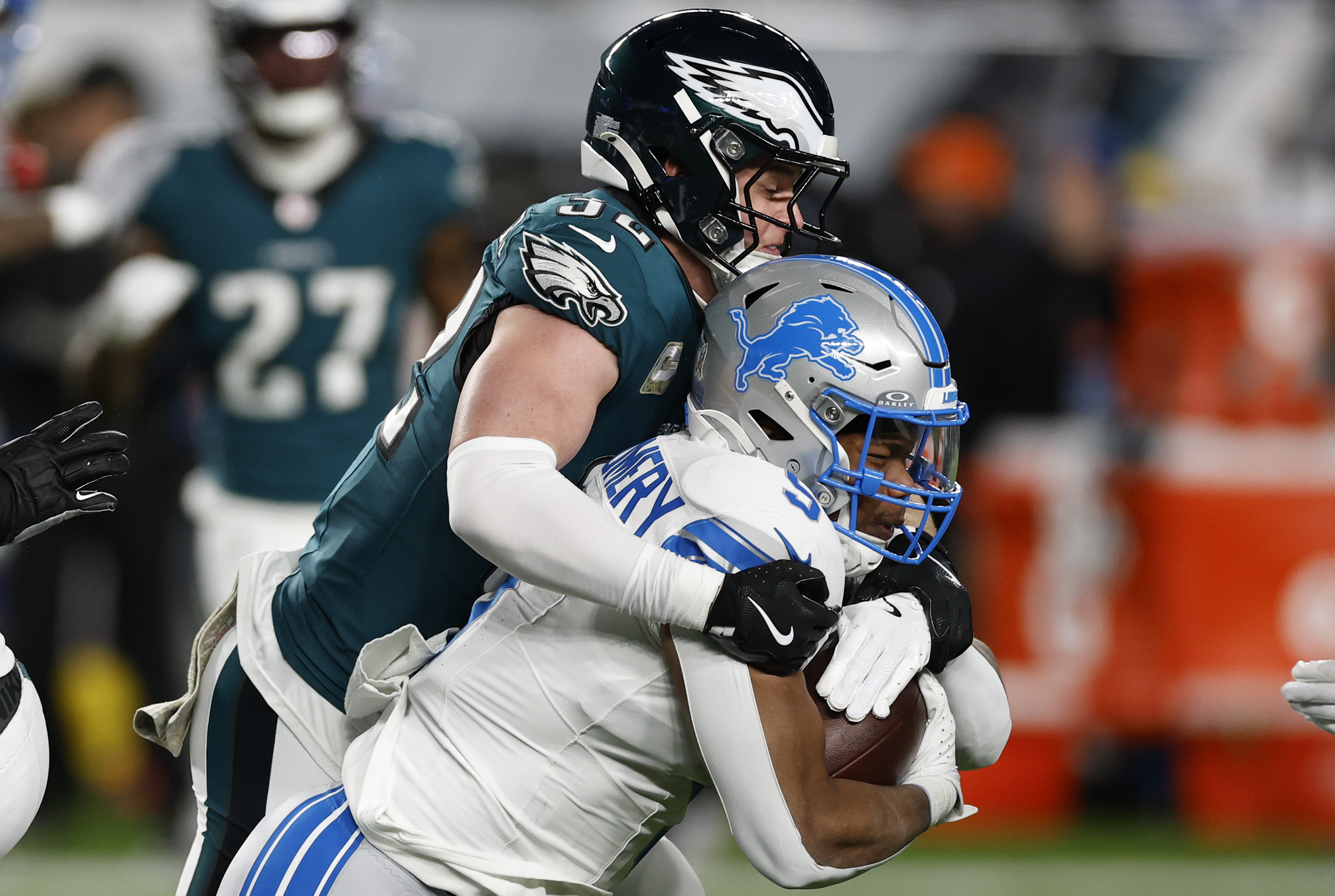
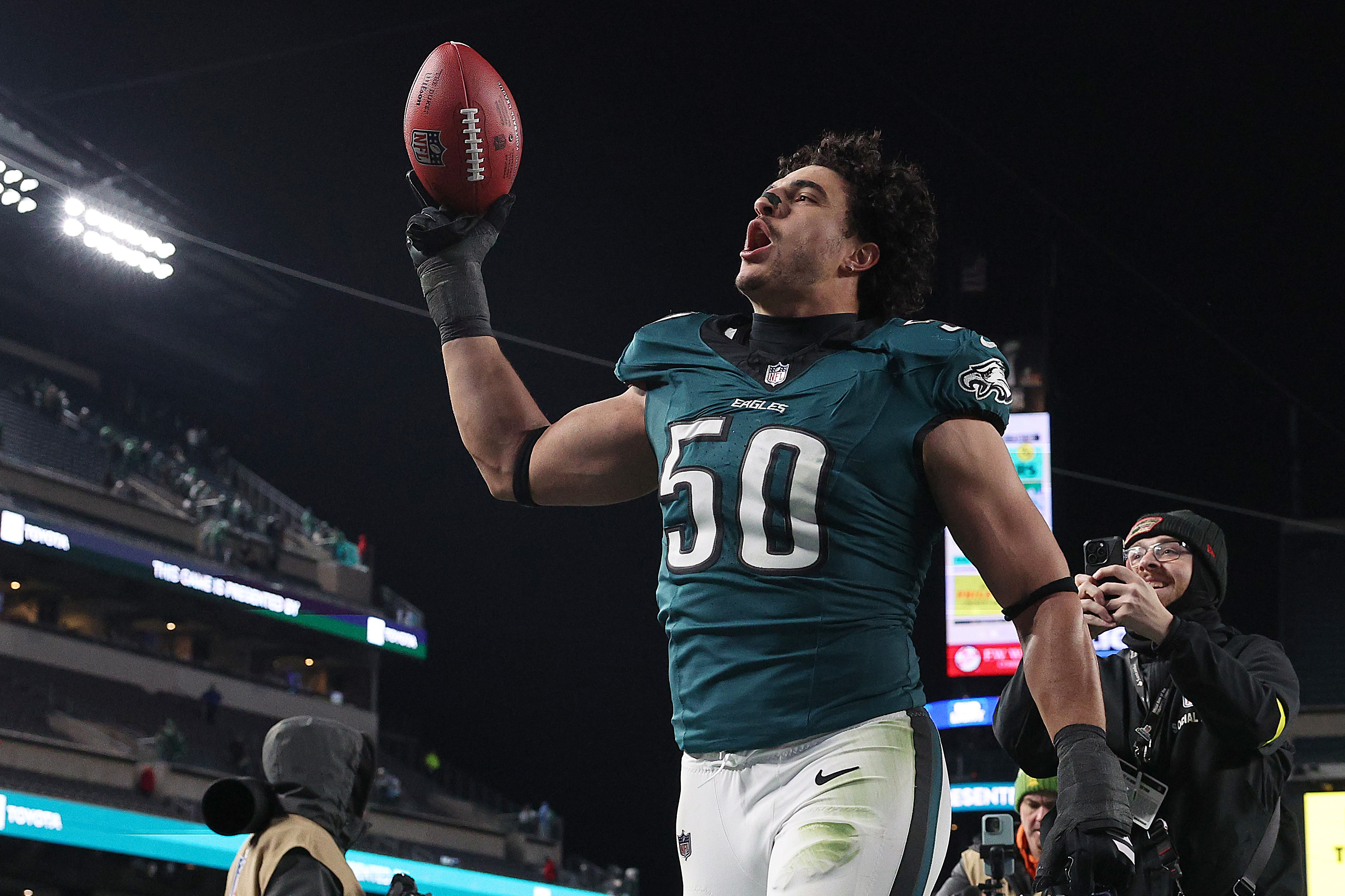
The Eagles defense paved the way to a victory for a second straight week, once again dominating an NFC contender on the defensive side and getting just enough offense to win. The Eagles limited the Detroit Lions to just nine points in their 16-9 win at Lincoln Financial Field.
The Birds improved to 8-2 with the win, but we’re already looking ahead at their next opponent — the Dallas Cowboys. From the Eagles’ chances against their division opponent to updates on yearly awards, here are some of the latest odds at two of the biggest sportsbooks …
Eagles vs. Cowboys odds
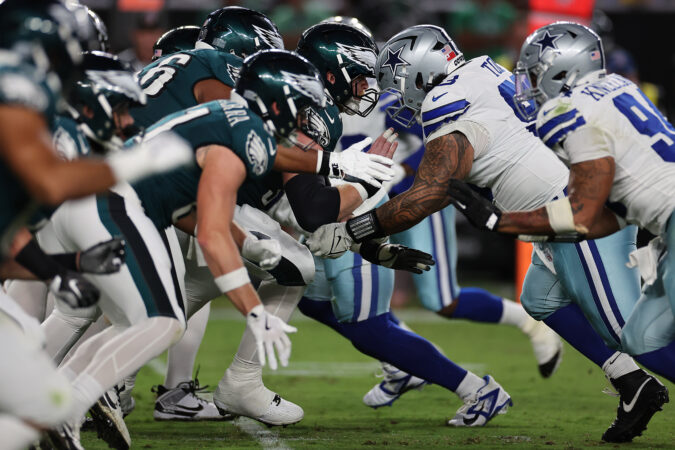
After securing a win at home, the Eagles are gearing up to travel to AT&T Stadium to face the Dallas Cowboys. The teams met at the Linc in the season opener, in a game that saw the Eagles pull out a 24-20 win despite a big ejection, a lightning delay, and some shaky early defense.
Now, the Eagles defense looks the best it has all season. Meanwhile, the Cowboys are preparing to play the Las Vegas Raiders on Monday Night Football after losing their last two games.
The Eagles continue to hold a big lead over the rest of the NFC East in the race to win the division. They are several games above the Dallas Cowboys (3-5-1), who have the second best odds to win the division.
Meanwhile, Washington’s (3-8) chances continue to fall without Jayden Daniels, and the New York Giants (2-9), who fired head coach Brian Daboll and are without quarterback Jaxson Dart, are at the bottom of the list.
The Eagles already have wins over several of the other top NFC teams, including the Lions, Packers, Rams, and Buccaneers.
NFC odds update
After their win over the Lions on Sunday night, the Eagles are now the favorites to win the conference at both sportsbooks — dethroning the Los Angeles Rams, who defeated the Seattle Seahawks, 21-19, on Sunday. Meanwhile, the Lions remain in the top five, just ahead of the Green Bay Packers.
Despite the Eagles having the better NFC odds, the two sportsbooks are split between the Rams and the Eagles as Super Bowl favorites. Sunday’s win was enough for FanDuel to move the Eagles into the top spot. At DraftKings, however, the Birds are still behind L.A., although they’re considerably closer than they were last week. The top three favorites remain the same: the Eagles, Rams, and the Buffalo Bills, who are in the third spot at both books.
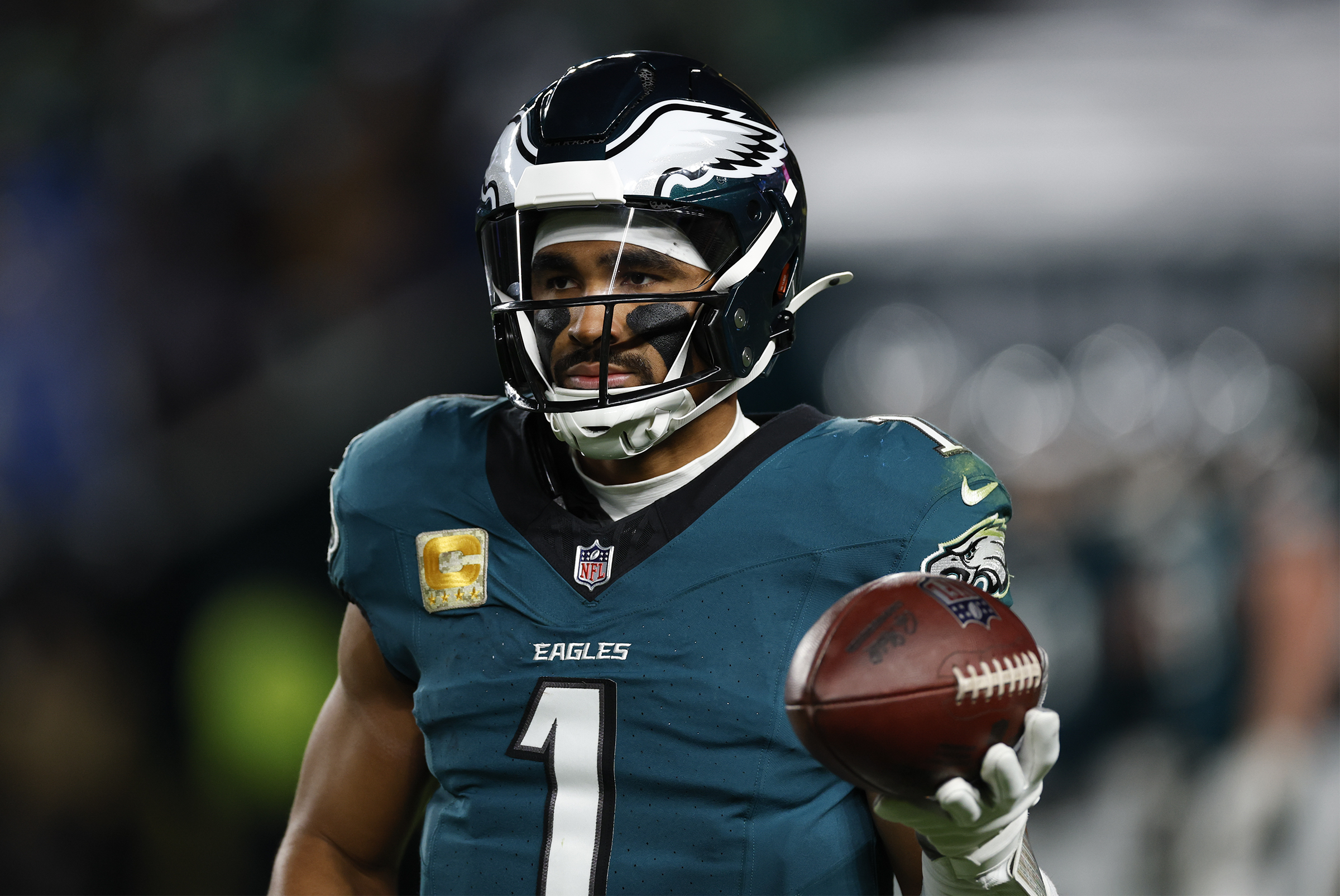
Quarterback Jalen Hurts and the Eagles are 8-2, just like they were through 10 games last season.
MVP odds
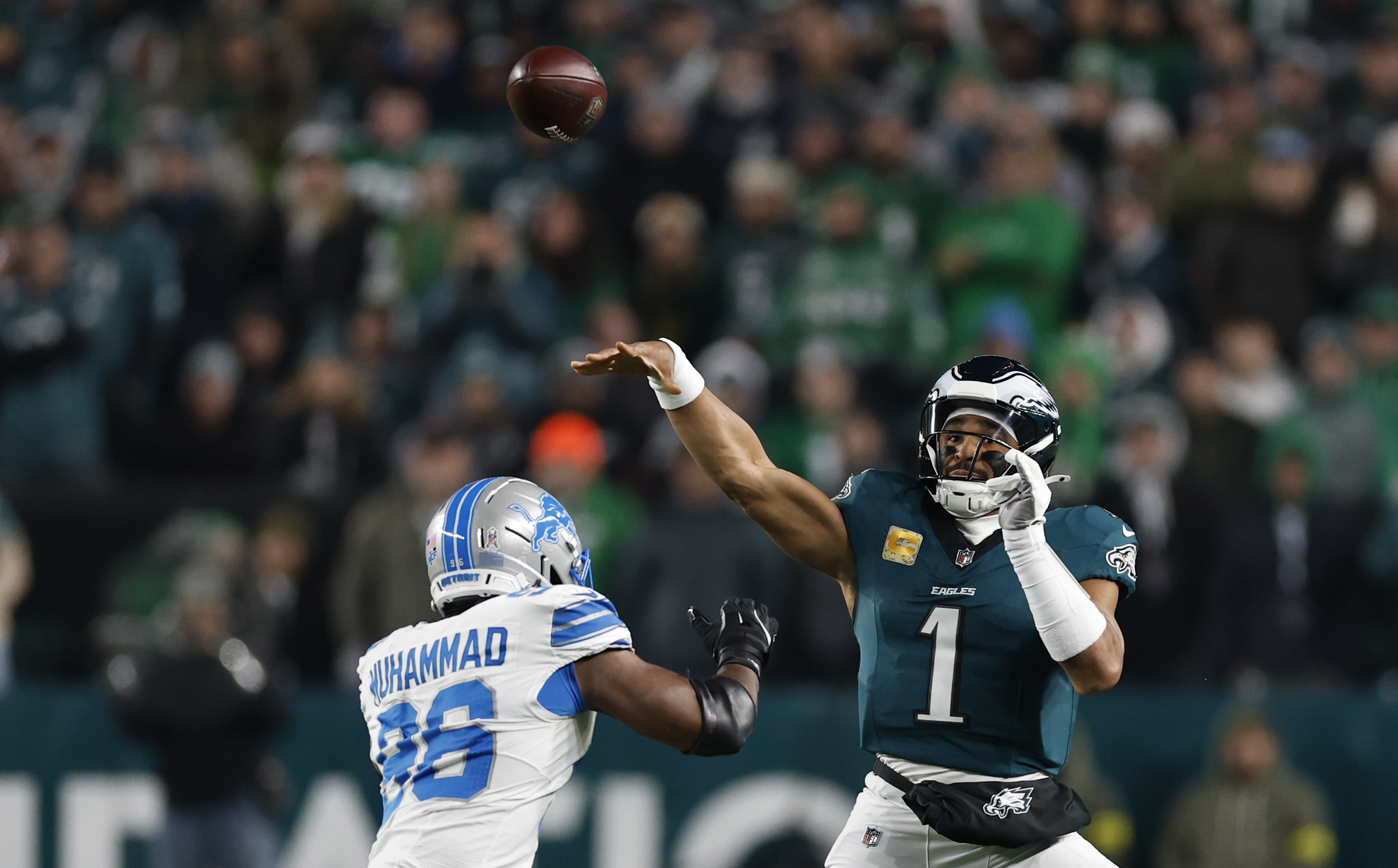
After throwing for just 135 yards in the Eagles’ win over the Lions, Jalen Hurts’ MVP odds continue to fall in both sportsbooks. Drake Maye, Matthew Stafford, and Josh Allen hold the top three spots in the race to MVP.
After a Week 12 performance in which he finished with 83 yards on 26 carries, Saquon Barkley continues to fall out of the race for offensive player of the year. Meanwhile, Jonathan Taylor remains a clear favorite despite his bye on Sunday.
On the face of it, the Galilee Chamber Orchestra could be an impossible meeting of musical minds.
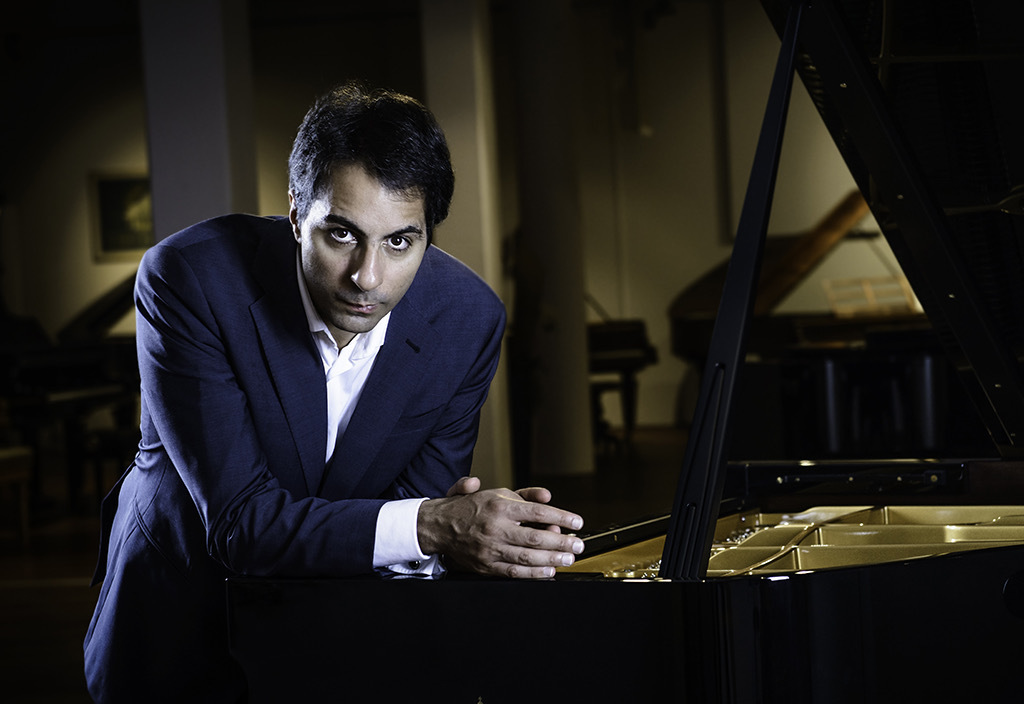
Comprising “equal numbers of both Jewish and Arab musicians,” as its website notes, the orchestra has a 13-year history, and is now on a high-prestige tour with celebrated pianist Bruce Liu that includes the Kimmel Center on Nov. 19 and New York’s Carnegie Hall Nov 20.
Based in Nazareth (known as the “Arab capital of Israel”), the orchestra’s common ground on this tour includes Mozart among other composers whose nationalities, from centuries past, now feel like neutral territory — while still speaking to the present.
“Classical music has become something that belongs to the world. If you go to Japan or Brazil, they feel that Mozart and Beethoven belong to them as much as anybody else. There’s something very global about it,” said Nabeel Abboud-Ashkar, executive director of Polyphony Education, the conservatory where the orchestra is based.
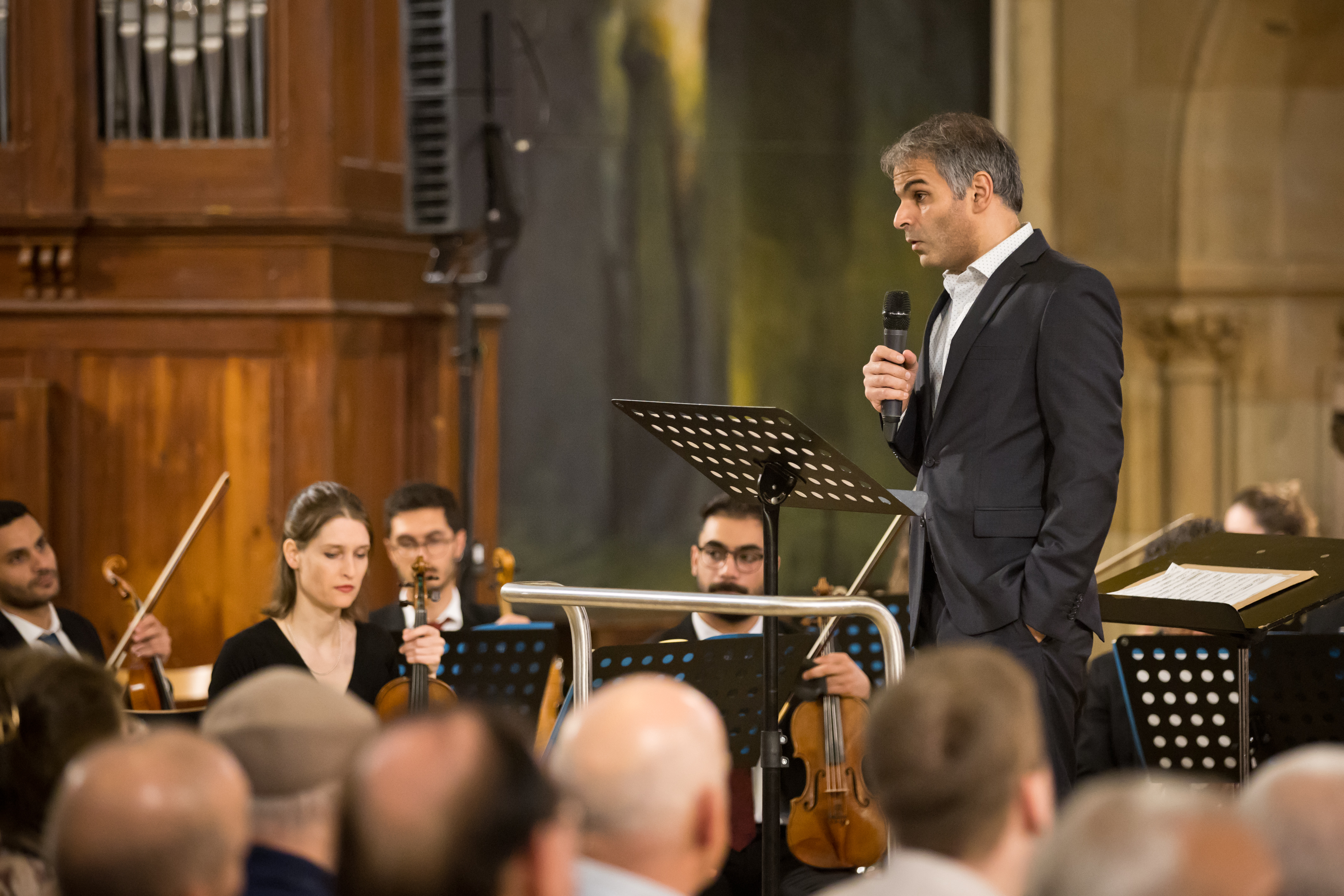
Nabeel Abboud-Ashkar, executive director of Polyphony Education, the conservatory where the Galilee Orchestra is based, speaks during Bachfest 2025 in Leipzig, Germany.
“Once you’re part of this cultural world, you instantly connect with so many people around the world … you have a lot more in common with so many people.”
With that kind of mandate, it’s no surprise that the orchestra, in its last U.S. tour in 2022, was acclaimed for generating more sound than a typical chamber orchestra. This year, its 42 players draw from Polyphony students, faculty, graduates, and nearby professionals.
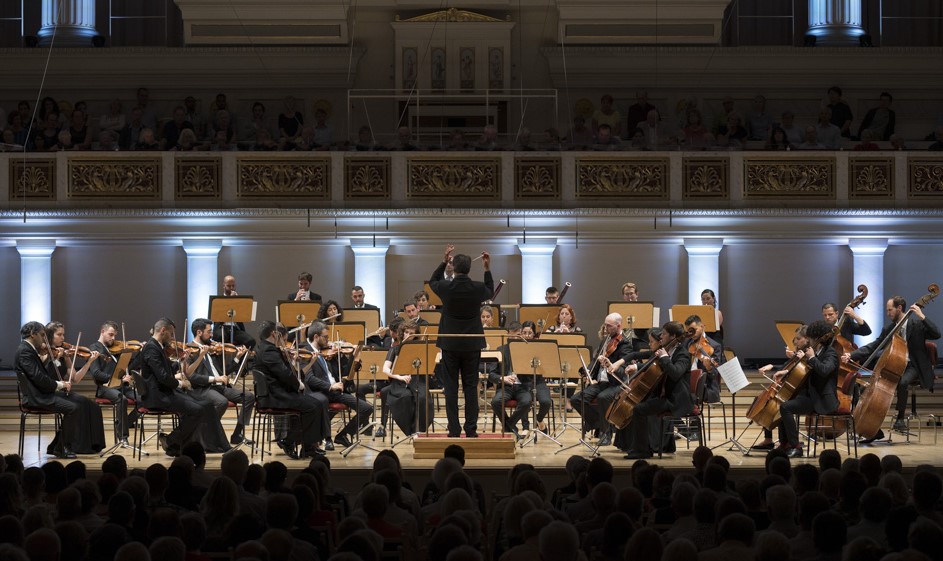
The Galilee Orchestra, which is currently on its U.S. tour. The group will perform in Philadelphia on Nov. 19.
Structurally, the conservatory/orchestra setup resembles Venezuela’s much larger El Sistema but also is meant to have an ethnicity mixture more like the Spain-based West-Eastern Divan Orchestra. Galilee Chamber Orchestra is firmly planted in its Jewish/Arab balance and in Israel, a country with a 20% Arab population.
The tour program includes the Mozart Piano Concerto No. 23 with Paris-born, Montreal-raised pianist Liu, a 2021 winner of the International Chopin Piano Competition. The presence of Symphony No. 3 (“Scotch”) by the Jewish composer Felix Mendelssohn isn’t meant to make a statement but is a piece the orchestra has wanted to do for a few years.
Also, Abboud-Ashkar’s brother Saleem Ashkar, conductor of the tour, has considerable history with the composer, having also been the soloist in both piano concertos in a well-received, major-label recording with the Leipzig Gewandhaus Orchestra.
More intentional is the inclusion of Nocturnal Whispers by Arab composer Nizar Elkhater, whose own Israel-based ensemble, named Abaad, seeks to fuse Western and Eastern musical styles
Saleem Ashkar, conductor of the Galilee Orchestra, which is currently on its U.S. tour. The orchestra will perform in Philadelphia on Nov. 19.
The orchestra’s concerts haven’t been subject to the kinds of in-concert interruptions and demonstrations that have greeted the Israel Philharmonic and the Jerusalem Quartet in Europe and the U.S.
But years of war, however, have strained the orchestra and conservatory in tangible ways. Planning is more provisional than ever. Concerts can be canceled on short notice, lessons planned to be in-person can suddenly switch to online, getting home from a European tour can be impeded and delayed by new conflict outbreaks in the Middle East.
Among the musicians, tensions are heightened by constantly seesawing events, said Abboud-Ashkar. After the attack of Oct. 7, 2023, the whole operation was suddenly in unfamiliar territory, he said.
“We don’t live in our own bubble. We experience, we see … we feel everything that is happening around us,” Abboud-Ashkar said in a Zoom interview from Nazareth. “Some people might think we’re being naive and ask … ‘How can you talk about collaboration and partnership being equal … with horrific things happening in Gaza?’ … We believe that what we’re doing has an impact. Even if it’s just making it a little better, we’re moving the needle in the right direction.”
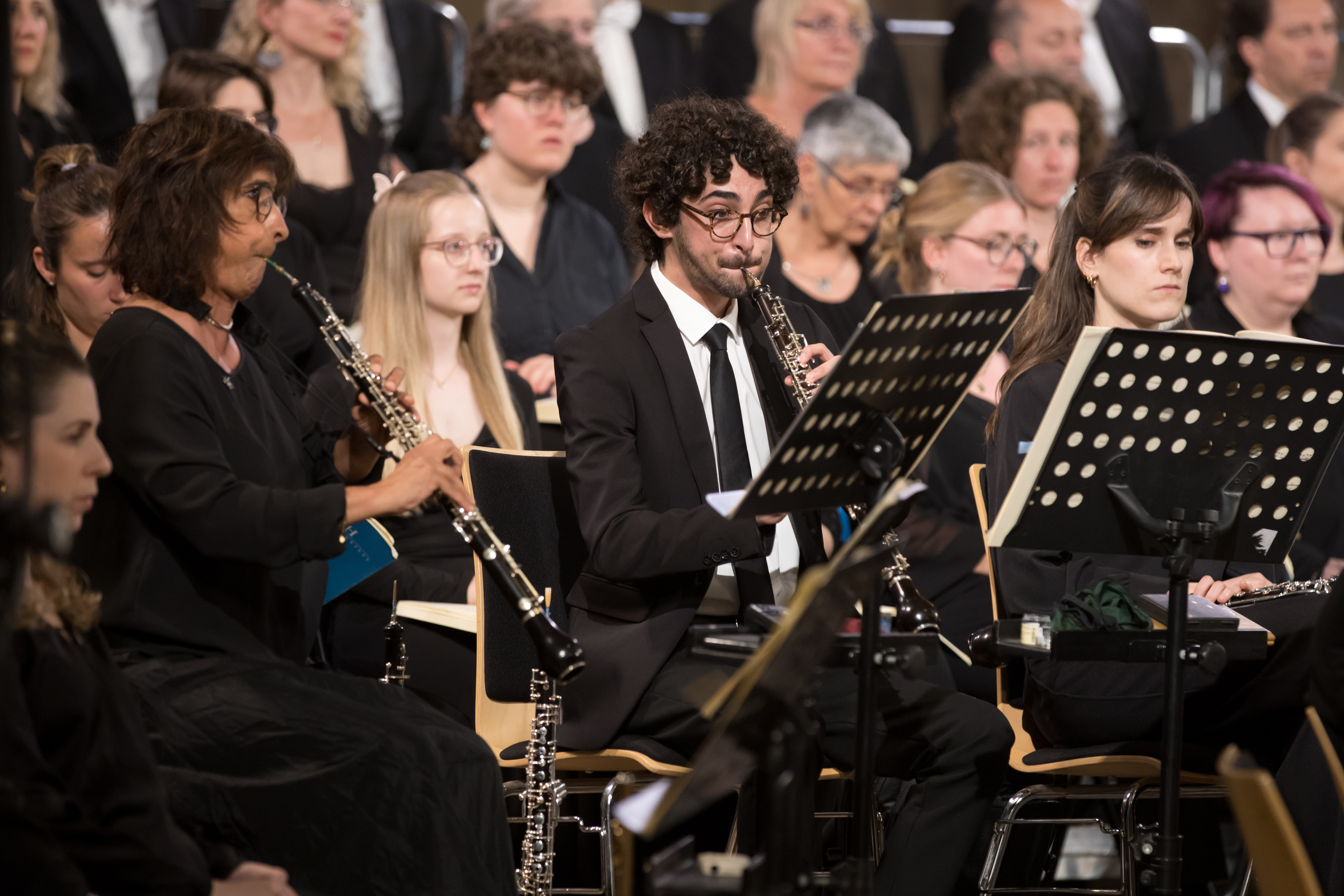
The Galilee Chamber Orchestra performs at Bachfest 2025, in Leipzig, Germany.
The main enemy may well be despair. Within the orchestra and conservatory, lack of hope for war resolution can turn into loss of musical motivation.
“On the other hand, there are cases where people show incredible empathy for others,” said Abboud-Ashkar. “There’s a commitment to having this (musical) dialogue … and having more consideration for each other. When you’re in distress … you’re motivated to continue and to always find a way. You fight for your space and your values and hope there are still enough people out there who shared them. We’re going to stay together because this is what we believe in.”
The Galilee Chamber Orchestra performs Nov. 19, at 7:30 p.m. at the Perelman Theater. Tickets: $39-$89.60. philorch.ensembleartsphilly.org
Tower Health’s preliminary financial report in August for fiscal 2025 showed a $5.9 million operating profit, a gain that came thanks for the sale of a shuttered hospital in Chester County.
But that apparent annual profit, the Berks County nonprofit’s first since 2017, turned into a $20.6 million loss when Tower released its annual audit.
Auditors from KPMG decided that Tower should boost medical malpractice reserves and give up on collecting millions owed by patients, Tower said in a statement.
“As part of our standard accounting process, the audited financials for the full year reflect increased malpractice insurance reserves and final adjustments to accounts receivable,” Tower said.
Most of the $26 million swing to a loss came from medical malpractice, but Tower also reduced what is called patient accounts receivable, representing unpaid bills, to $236.6 million from $251.6 million in August’s preliminary results, according to Tower’s audited financial statements that were published Friday.
Separately, Tower reported a $15.9 million operating loss for the three months that ended Sept. 30. That loss was a bit bigger than the $14.2 million loss in the same period last year. Tower’s revenue for the quarter was $501 million, up 4% from $479.8 million last year.
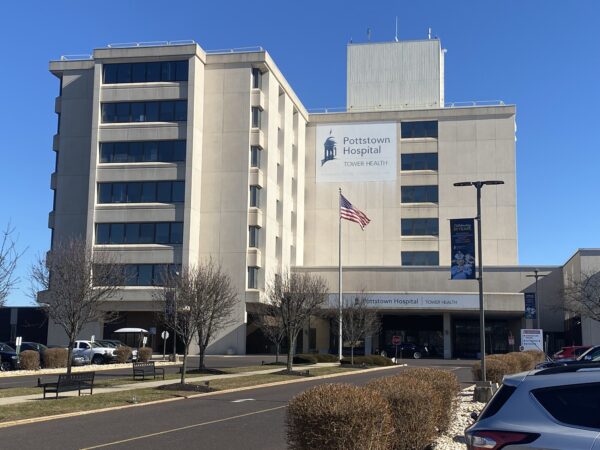
The results for the first quarter of 2026 did not include expenses for Tower’s layoff of 350 employees, or about 3% of its workforce, earlier this month. The cuts hit Pottstown Hospital particularly hard. Tower is eliminating 131 jobs there and eliminating some services.
The closures include the combined intensive care/critical care unit, the Pottstown location of the McGlinn Cancer Institute, and the hospital’s endoscopy center.
Two unions that represent Pottstown employees, the Pennsylvania Association of Staff Nurses and Allied Professionals and SEIU Healthcare Pennsylvania have decried the cuts and called on management to engage in discussions on how to preserve jobs and services.
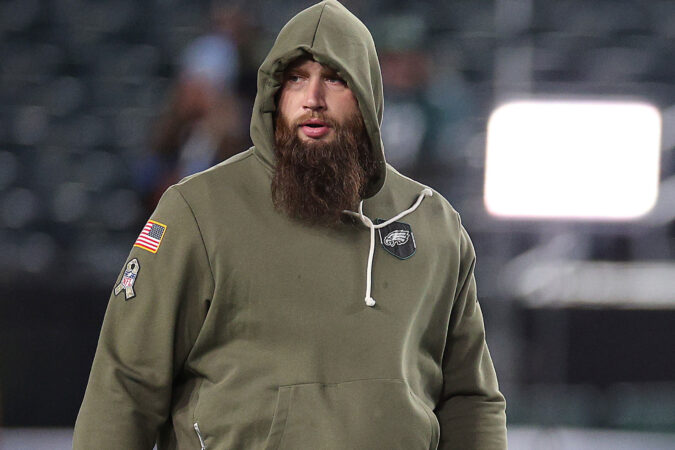
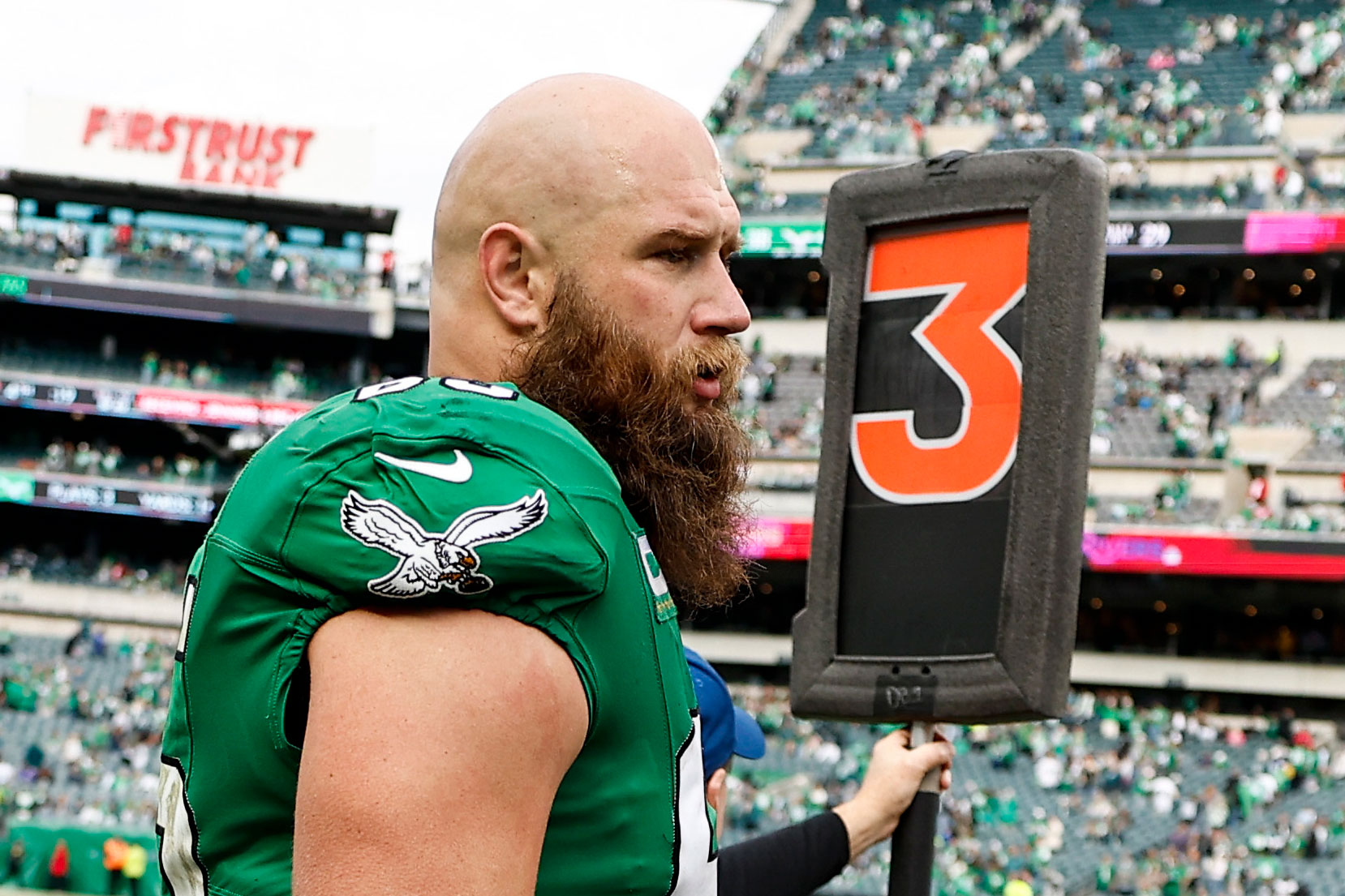
Lane Johnson is dealing with a Lisfranc sprain in his foot that is likely to sideline the Eagles’ star right tackle for multiple weeks, league sources confirmed to The Inquirer on Monday.
NFL Network was first to report the update on Johnson, who left Sunday’s 16-9 Eagles win over the Detroit Lions after playing just 14 snaps.
Johnson is awaiting results from X-rays with Dr. Robert Anderson, a foot and ankle specialist. While Johnson is believed to have suffered a sprain, a decision will be made if he needs potentially season-ending surgery, according to sources.
He is likely to miss at least 4-6 weeks with a sprain. A placement on injured reserve would force him to miss at least the next four games.
“I know that he’ll do everything he can do to get back as quick as he possibly can,” Eagles coach Nick Sirianni said Monday. Sirianni would not discuss a potential timeline.
The 35-year-old Johnson, who is playing in his 13th season, has dealt with multiple injuries this year. He left the Eagles’ Week 3 game against the Los Angeles Rams with a stinger, then left the team’s Week 4 game against Tampa Bay because of a shoulder injury. He left last week’s game against Green Bay with an ankle injury and missed a large chunk before returning in the fourth quarter.
Johnson, who has been a first- or second-team All-Pro selection in each of the last four seasons, has played in every game this season and continues to play at a high level despite battling multiple injuries.
This one, however, will cost him at least a few games, which historically presents a problem to the Eagles.
The Eagles are 12-23 in games Johnson hasn’t started since the beginning of the 2016 season. But backup tackle Fred Johnson has filled in well this season — and last year — when Johnson has missed time.
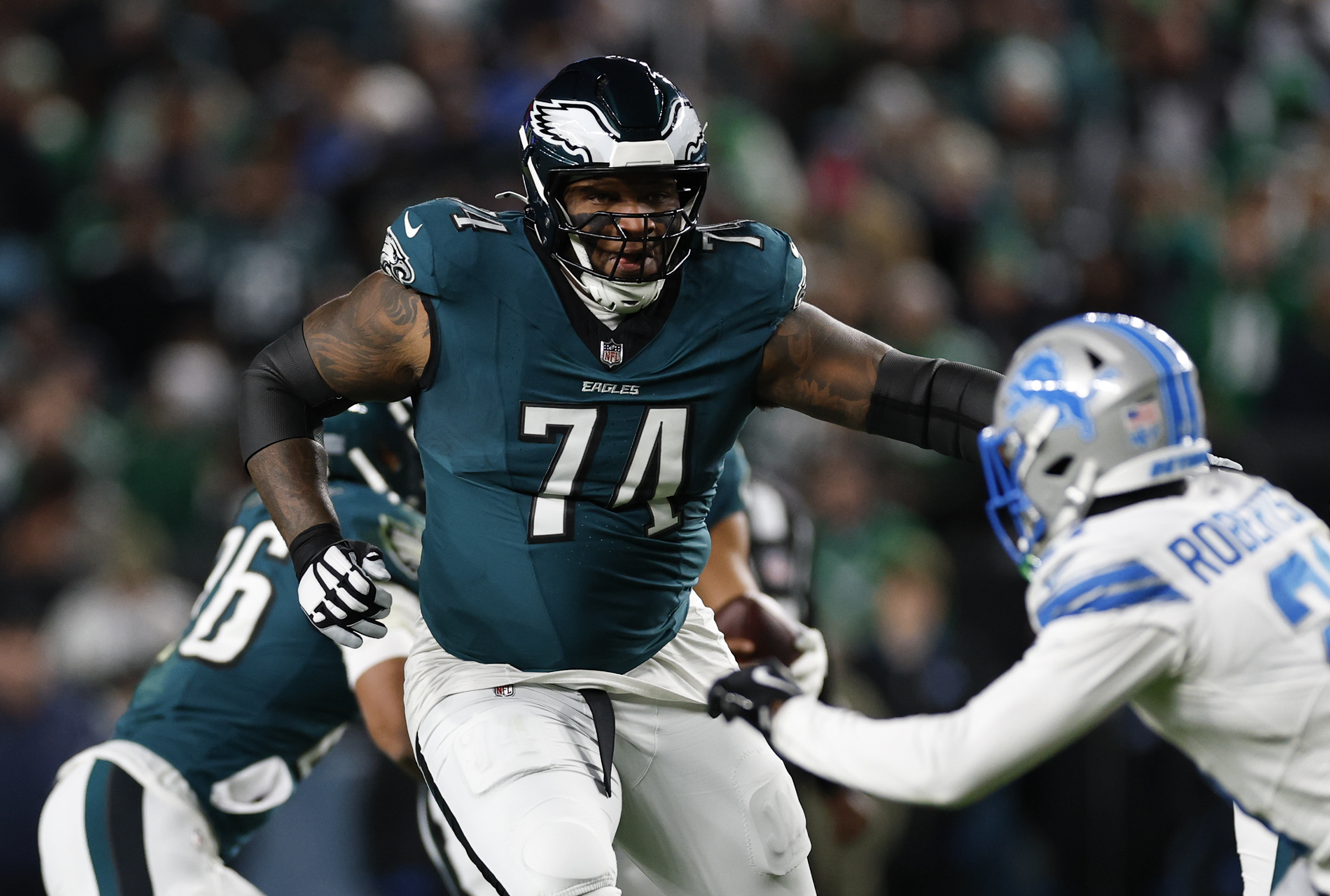
Eagles offensive tackle Fred Johnson keeps an eye on Lions cornerback Amik Robertson on Sunday.
The Eagles traded to bring Fred Johnson back at the end of training camp after the tackle left for Jacksonville in free agency. He has been a difference maker for the Eagles. They were 5-1 last season when he started and are 3-0 in games this season when he has come on in relief to play at least 50% of the offensive snaps.
The Eagles have been using Fred Johnson as an extra tight end in jumbo packages in recent weeks. That duty will fall to Matt Pryor, who saw four snaps Sunday night after Lane Johnson exited. Sirianni said the Eagles have confidence in both Fred Johnson and Pryor.
“I think they’ve played good football when they’ve been able to go in and play,” Sirianni said.
Fred Johnson, 28, played his first substantial snaps with the Eagles in 2024 after the team signed him to its practice squad in 2022. In Week 4 last year, he started his first game since the 2021 season, when he was a member of the Cincinnati Bengals. So far this season, he has played 181 offensive snaps and, according to Pro Football Focus, has allowed seven pressures and one sack on 78 pass blocking snaps.
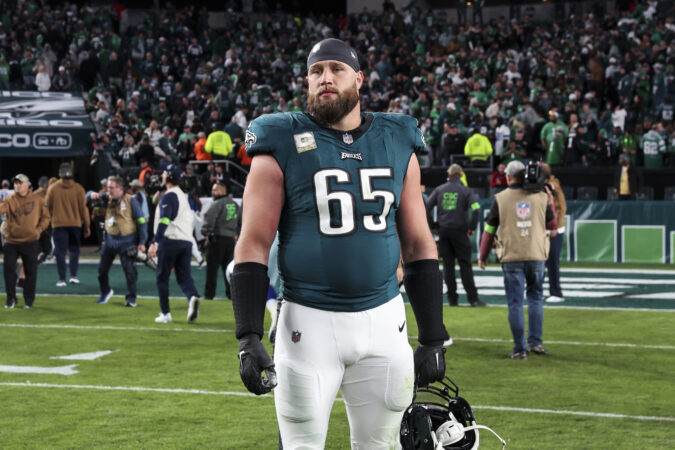
Lane Johnson wasn’t the only Eagles offensive lineman to leave the game. Center Cam Jurgens also did not finish the contest.
Sirianni was not asked Monday for an update on Jurgens, who left the game in the fourth quarter Sunday. Jurgens was playing in his first game since Week 7, when he suffered a knee injury. It’s unclear whether he aggravated that injury or whether he’ll miss time.
Brett Toth filled in for Jurgens after he left the game.
Sirianni on fourth-down decision
Six days after the analytics overwhelmingly supported the Eagles punting on fourth down at the end of the Packers game (to the tune of a 5% increase in win percentage if they would have punted), Sirianni again made an aggressive fourth-down decision that didn’t go the team’s way.
The Eagles, leading the Lions by 10 points, tried to Tush Push their way to a first down on a fourth-and-1 from their own 29-yard line with three minutes to play. The Eagles, down two starters on the offensive line, got stuffed, and the Lions took over in scoring range. They cut the lead to one score and almost got the ball back again to try for a game-tying drive.
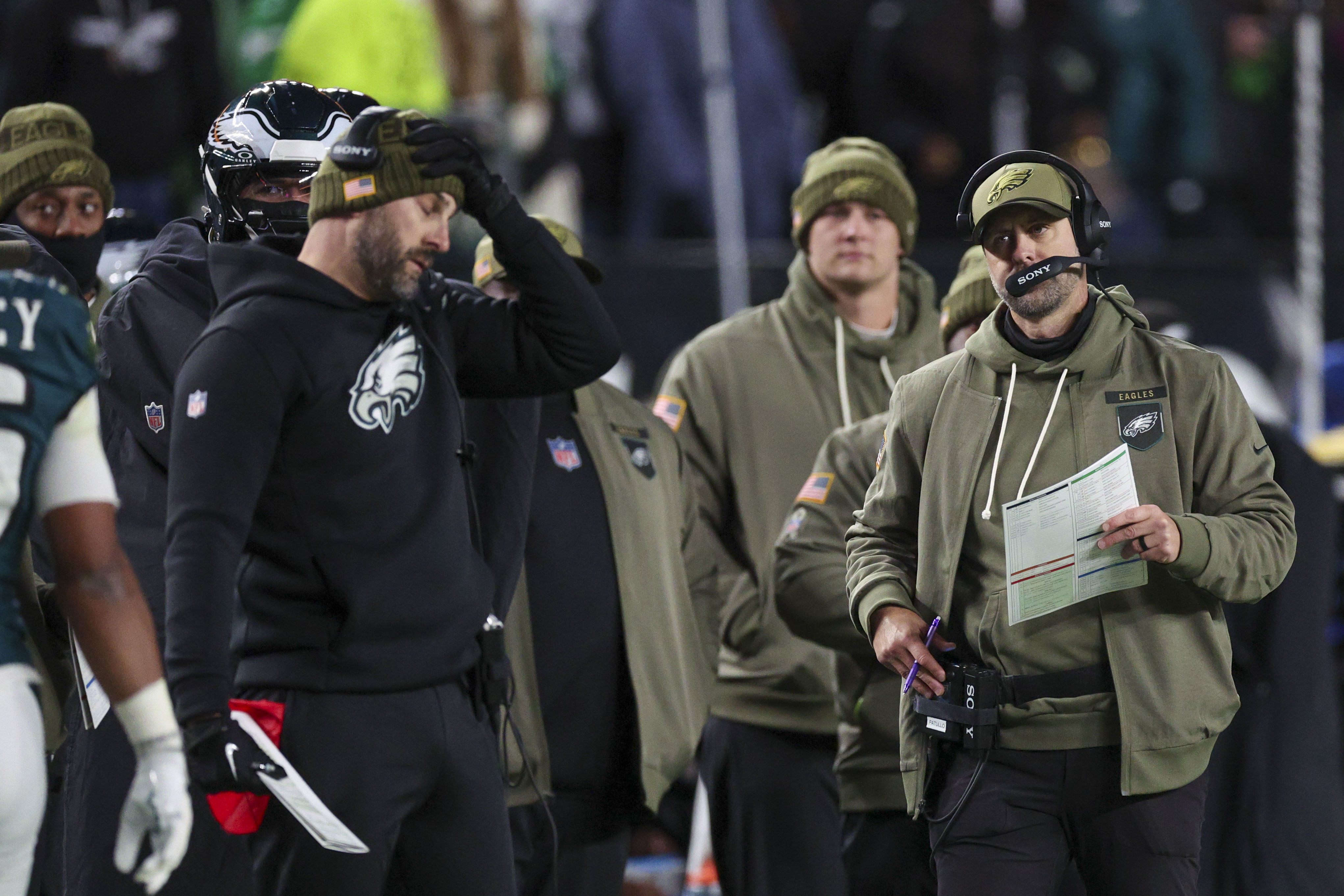
Eagles offensive coordinator Kevin Patullo (right) and coach Nick Sirianni after running back Saquon Barkley lost a few yards on a play against the Lions.
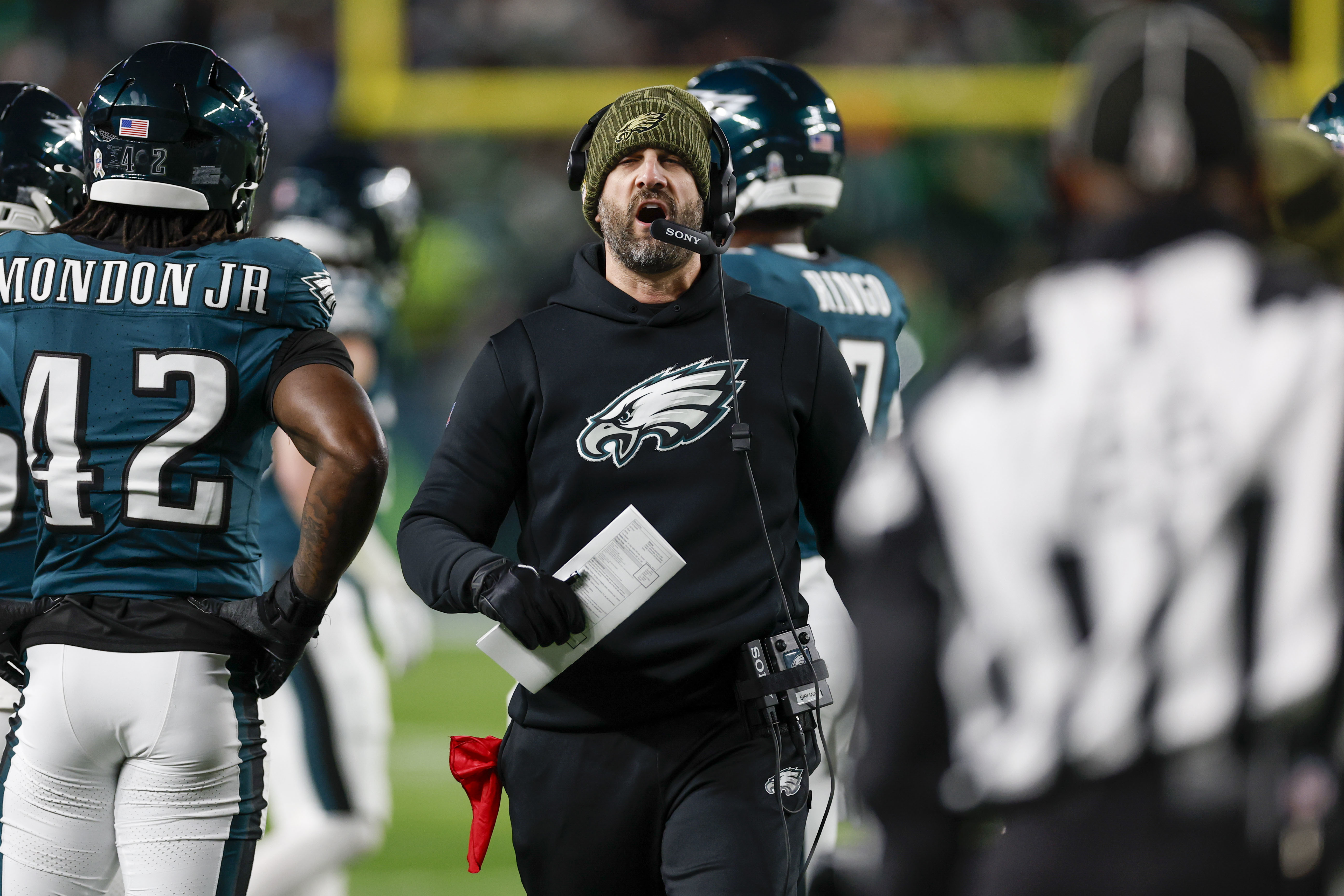
Sirianni took the blame for the decision not working after the game and was asked again about the topic on Monday. The fifth-year Eagles coach said the decision starts with his confidence in his players and the play.
“The analytics can say what it wants, but if you don’t have faith in the players to go execute it, that doesn’t give you a lot of confidence,” he said. “Analytics is a piece of the puzzle. All these different things are a piece of the puzzle: your past successes, the league studies that you do. All these things play into that. I love our process. Just because you have a great process doesn’t automatically mean you’re going to convert every fourth down.”
The Eagles have learned that over the last two weeks.
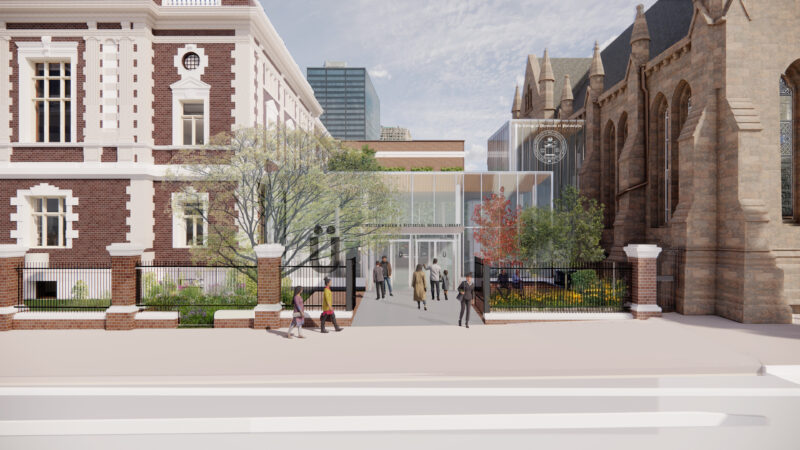
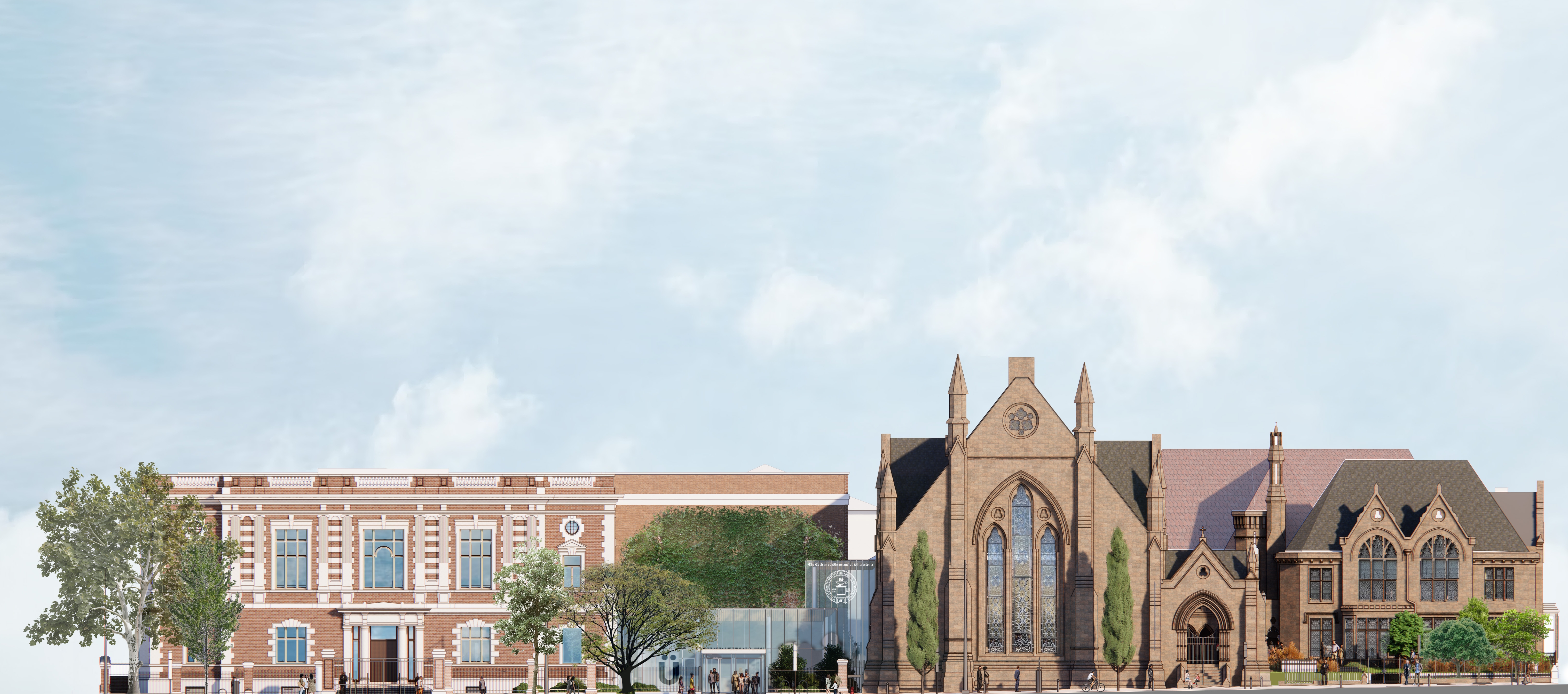
The College of Physicians of Philadelphia, which runs the popular Mütter Museum, announced plans on Monday to expand its footprint at 22nd and Chestnut Streets with a new, accessible entrance, larger galleries, educational and event spaces, an upgraded gift shop, and a renovated core gallery for the museum.
The oldest private society of physicians in the country, the College purchased the buildings at 2129 Chestnut St., a former Swedenborgian Church and Parish House, in 2023 for about $9.3 million.
The organization has since raised $27 million to initiate the first phase of renovations, which will occur in stages over the next few years.
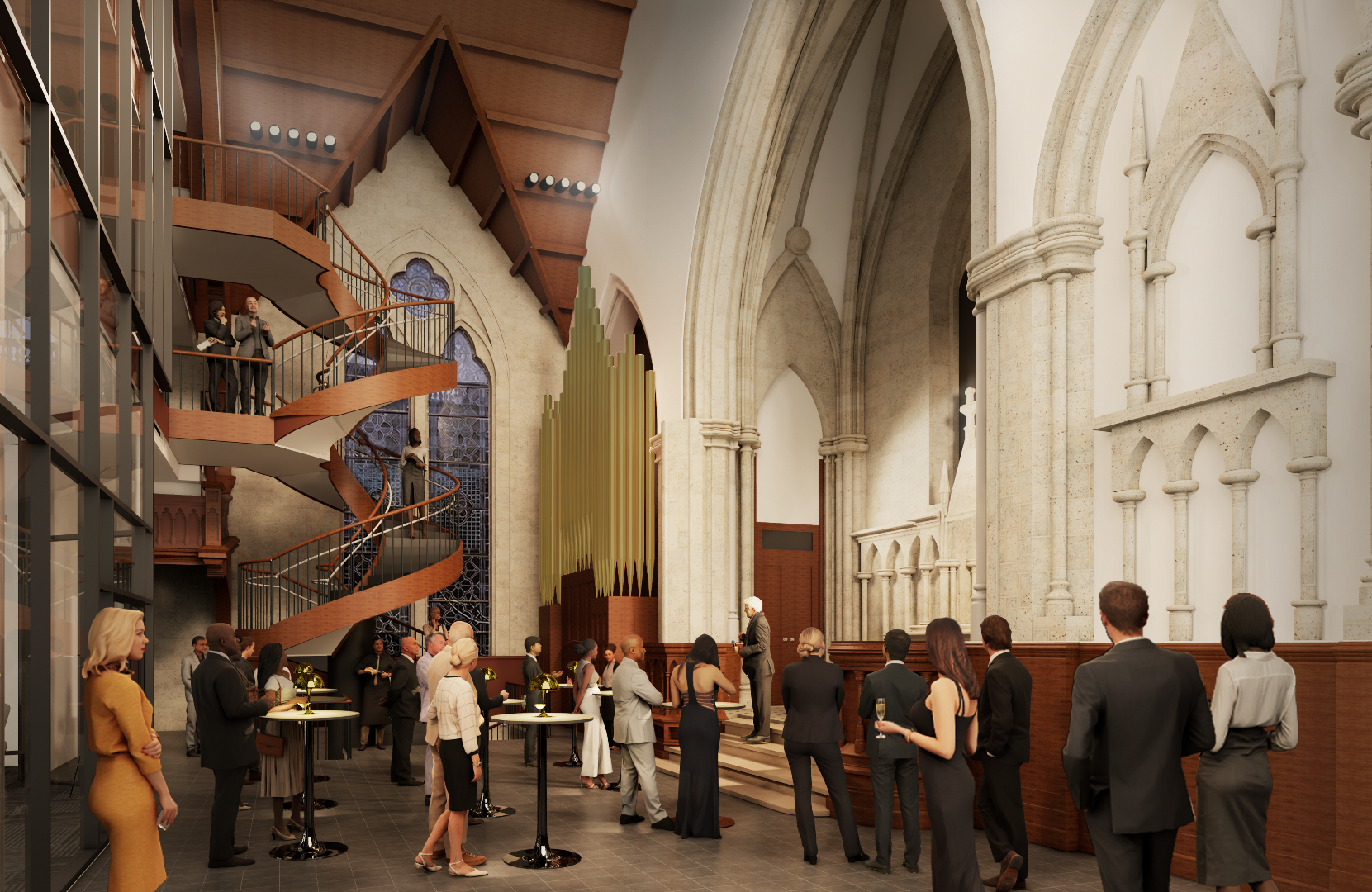
A rendering of the sanctuary space at the former church located at 2129 Chestnut St. The College of Physicians plans to use it for events.
A large glass structure will serve as the new entrance and will connect the current College building and the adjacent church building. The latter will hold administrative offices, shared spaces for College Fellows, and public event spaces for both College and Mütter programming.
“We’ve been space constrained for a number of years. In our original building, we use pretty much every square inch of space, and so this allows us to increase the space, especially our educational offerings,” said CEO Larry Kaiser, a thoracic surgeon who was appointed in January.
The College typically welcomes about 5,000 students a year for STEM and museum programs. With more classroom space, they anticipate doubling the number of Philadelphia students that can be reached.
A rendering of how the College of Physicians building will connect to the adjacent former Swedenborgian Church at 2129 Chestnut Street.
The renovations will also increase the amount of gallery space for the museum. There will be greater square footage in the current galleries with the goal of showcasing more of the Mütter and Historical Medical Library collection of some 500,000 objects, from medical equipment to human remains.
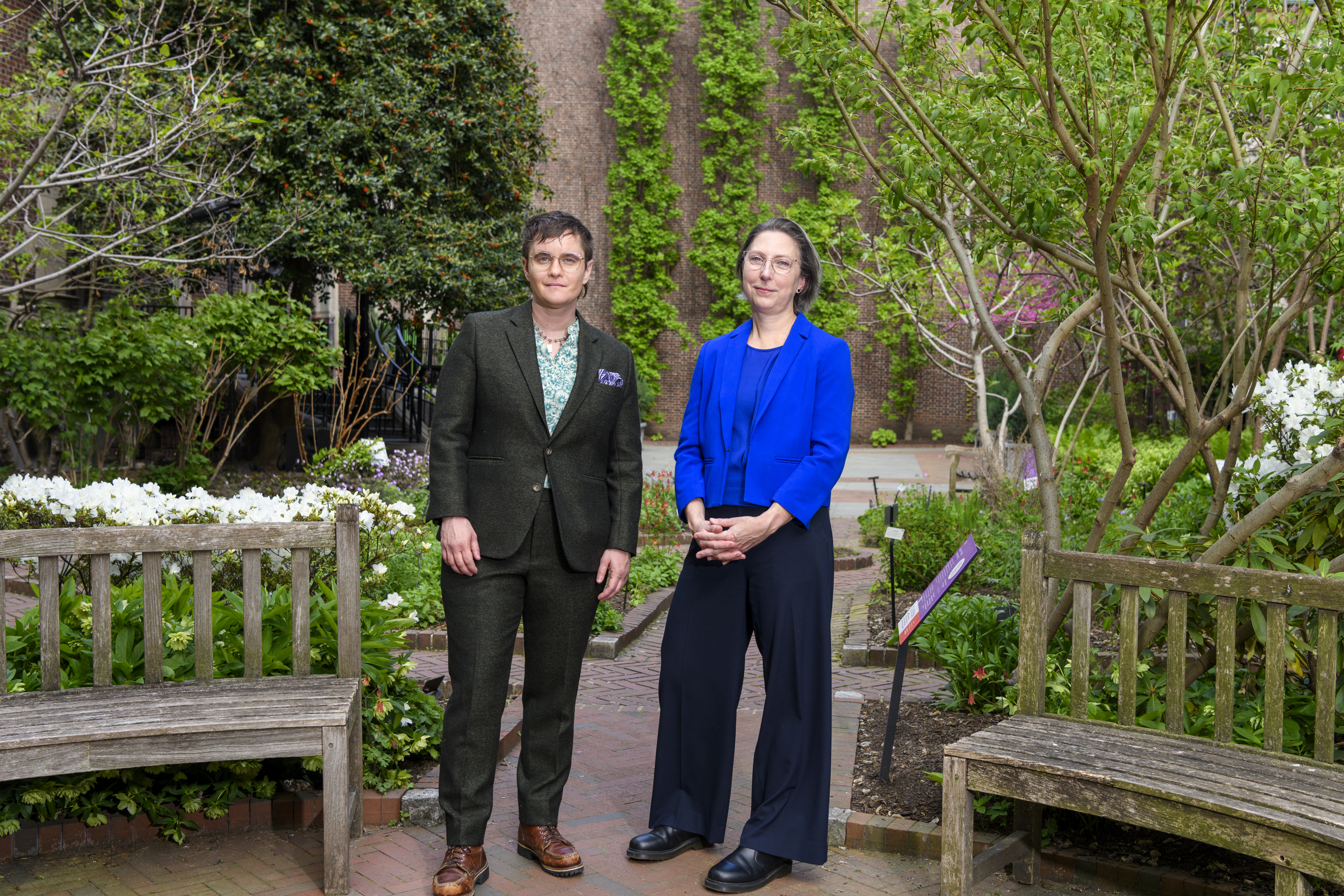
Now, in place of a museum director, the Mütter is led by Erin McLeary, senior director of collections and research, and Sara Ray, senior director of interpretation and engagement.
A rendering of the Mütter Museum’s renovated core gallery, which will expand its footprint while retaining its Victorian aesthetic.
The core gallery of the Mütter, which showcases historical artifacts along with skeletons and organs that represent rare medical conditions, will undergo significant renovations to update the display cases and create more space for the exhibits on view.
The Victorian aesthetic will remain, but the casework and labels will be upgraded for better visibility and legibility. Those renovations are expected to begin in 2027.
“People love the look of the museum. They love walking into that space and feeling like they are transported back into time, they respond really positively to it. We really want to respect and honor that,” said McLeary. “However, when people walk up to look into the cases, they’re dealing with century-old glass that’s hard to see through … so we really want to honor the architecture of the building, the feeling of being transported to a different time and place, but really improve the visitor experience and the staff experience [with] strategic updates.”
From left: New Mütter Museum leaders Sara Ray, senior director of interpretation and engagement, and Erin McLeary, senior director of collections and research.
It’s likely that the exhibits will also change as staff rotates specimens and objects out so that museum staff can ensure preservation and conservation.
“I’ve been giving tours of this museum since like 2014 — it’s 11 years that I’ve walked through that core gallery with great attention to detail, and almost nothing has changed,” said Ray, who was once a docent. “There’s some things that have been in there for decades at this point, and they need to be rotated off display for the stewardship of that specimen.”
The Benjamin Rush Medicinal Plant Garden.
The hope is that the Mütter will be able to spotlight more of its historical holdings as only about 20% of the collection is currently on display.
Design firm MGA Partners and project managers Becker & Frondorf are partnering with the College on the expansion efforts, and construction will begin in early 2026.
An earlier version of this article reported that Mütter and the College’s expansion is a deviation from Mira Irons’ plans, and that there would be new galleries at 2129 Chestnut Street. The expansion is in line with the plans of Mütter’s former leadership and, for now, is limited to the existing galleries in the museum.
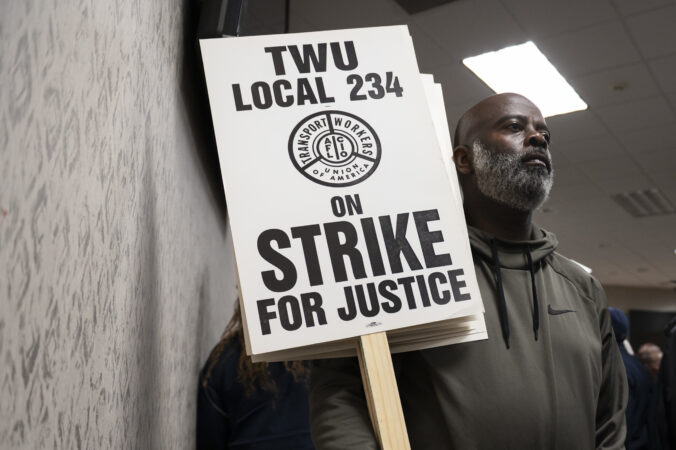
Members of the Transport Workers Union Local 234 on Sunday, Nov. 16 voted to authorize a strike if union and SEPTA negotiators can’t reach an agreement on a new contract.
Shortly before the current contract ran out at 11:59 p.m. on Nov. 7, TWU’s new president, Will Vera, urged union members to stay on the job. In an unusual move, he delayed a strike vote at the time of contract expiration, saying he had hope that a deal could be reached without the usual brinksmanship.
“We’re asking you to please continue to come to work and put money aside. We want you to be prepared in case we have to call a work stoppage,” he told members in a video at the time.
Local 234 leaders say they’re prioritizing a two-year deal with raises and changes to what the union views as onerous work rules, including the transit agency’s use of a third party that Vera said makes it hard for members to use their allotted sick time.
In a statement, SEPTA said it was aware of the authorization vote and is committed “to continue to engage in good-faith negotiations, with the goal of reaching a new agreement that is fair.”
2023 Fraternal Order of Transit Police Lodge 109 (three days)
SEPTA police officers walked off the job after bargaining with the transit agency for almost nine months, largely over the timing of a 13% pay raise for members. The agreement, partially brokered by Gov. Josh Shapiro, came amid heightened fears about safety on public transit and a funding crisis for SEPTA.
TWU Local 234 walked off the job for six days; the biggest issue was retirement benefits. SEPTA’s contributions toward union members’ pensions did not rise in tandem with wages when workers made more than $50,000. Managers’ pension benefits were not capped. The union also wanted to reduce out-of-pocket health-care costs and win longer breaks for bus, trolley, and subway operators between shifts and route changes.
SEPTA and the union reached an agreement Nov. 7, the day before the general election. Democrat Hillary Clinton’s presidential campaign was worried about voter turnout, and the city sought an injunction to end the strike. It proved unnecessary.
Talk about leverage. TWU was ready to strike just before the first home game of the World Series between the Phillies and the New York Yankees. Gov. Ed Rendell pushed the two sides to continue talking, and the transit workers waited to walk out until three hours after the end of Game 5, the last in the series played at Citizens Bank Park.
It was a bitter strike, coming just a year after the stock market’s meltdown started the Great Recession. TWULocal 234 President Willie Brown called himself “the most hated man” in Philadelphia. Mayor Michael Nutter was harshly critical. Brown called him “Little Caesar.”
The strike was settled Nov. 7 with a deal on a five-year contract. Transit workers got a $1,250 bonus, a 2.5% raise in the second year, a graduated increase in SEPTA pension contributions from 2% to 3.5%, and the maximum pension benefit was raised to $30,000 from $27,000.
2005: TWU Local 234 and United Transportation Union Local 1594 (seven days)
Negotiations collapsed mostly over SEPTA’s insistence that workers pay 5% of medical insurance premiums. At that point, the authority paid 100% of the workers’ premiums for family coverage.
In the end, it was solved by Gov. Rendell, a Democrat who had been Philadelphia mayor in the 1990s. He agreed to give promised state money to SEPTA early, so it could pay premiums in advance, reducing its costs.
In the resulting four-year deal, the unions had to pay for 1% of their medical premiums. They also received 3% yearly raises.
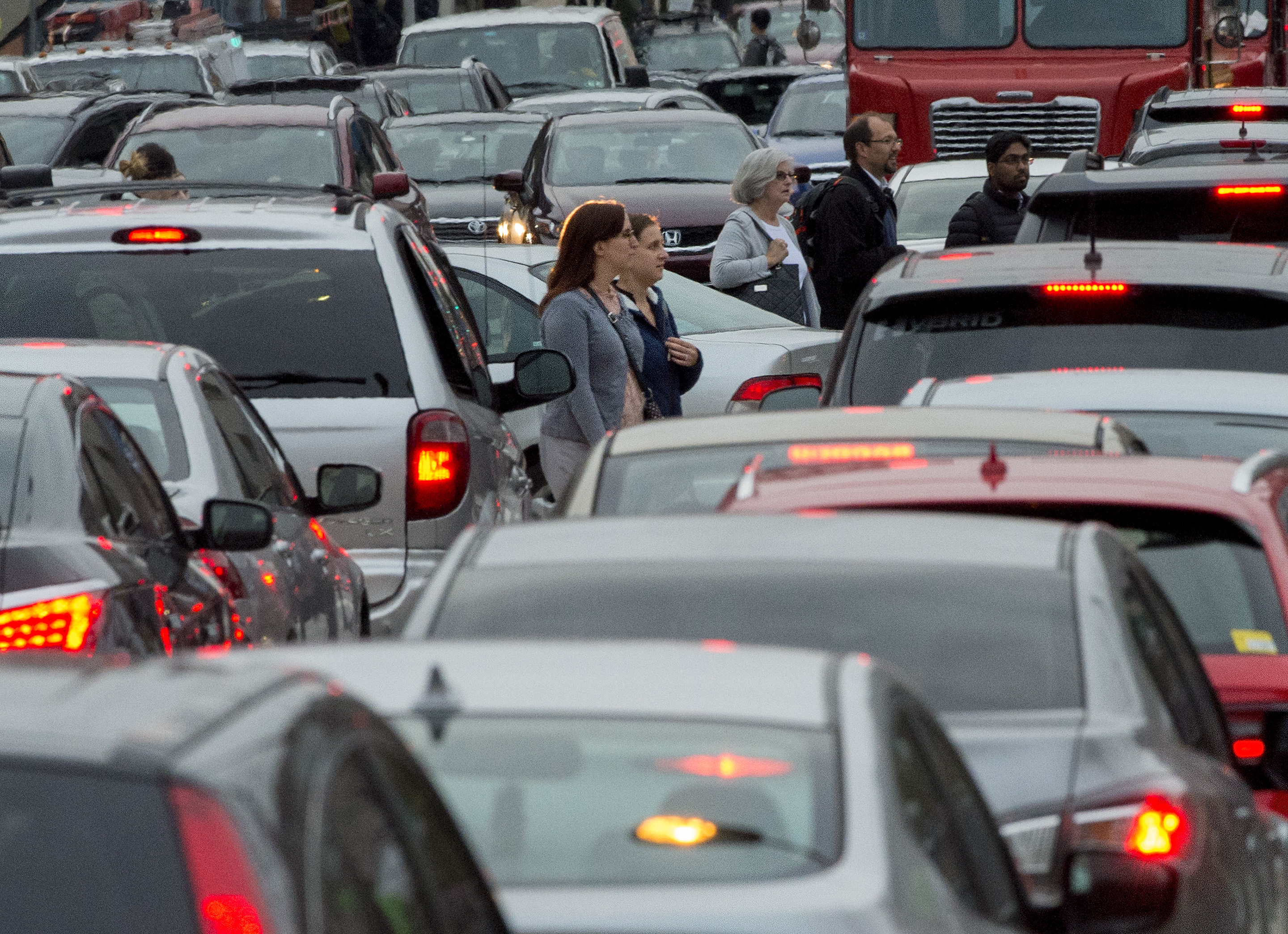
Pedestrians and cars in a chaotic dance at the intersection of Market and 30th Streets during the afternoon commute on the first day of the SEPTA city workers’ strike Nov. 1, 2016.
1998: TWU Local 234 (40 days)
City transit workers’ contract expired in March, but they did not strike until June — and then stayed out for 40 days. The two sides reached an agreement in July, but it fell apart. TWU members had returned to their jobs and kept working under an extension of their old contract. A final agreement was signed Oct. 23.
The union agreed to SEPTA’s demand that injured-on-duty benefits be limited. The old contract gave them full pay and benefits while on leave after a work injury. SEPTA wanted to hire an unlimited number of part-time workers. The union agreed to 100 part-timers to drive small buses.
SEPTA’s chief negotiator was David L. Cohen, famous for reining in unions representing city workers during Philadelphia’s bankruptcy in 1992, as Rendell’s mayoral chief of staff.
A two-week strike stilled city buses, trolleys and subways until an agreement was reached April 10. Transit workers would get 3% raises per year over the three-year span of the new contract, as well as increases in pension benefits and sick pay.
The union agreed to several cost-reduction measures, including a restructuring of SEPTA’s workers compensation policies.
Mayor Ed Rendell, a villain to many in labor for winning givebacks from city unions in 1992, pushed SEPTA to offer more generous terms to TWU than it had initially. Cohen, who was his chief of staff, crunched the numbers to make it work. Three years later, out of the city administration and working as a lawyer, he was hired as SEPTA’s chief negotiator.
1986: TWU Local 234 (four days) and UTU Local 1594 (61 days)
When TWU struck the city transit division in March 1986 over a variety of economic issues and work rules, some bus drivers pulled over mid-route and told passengers to dismount, The Inquirer reported.
Members were particularly incensed at what they considered SEPTA’s draconian disciplinary procedures. Union leaders said the issue was a basic lack of respect. The strike was settled in four days.
Drivers for 23 suburban bus routes, two trolley lines in Delaware County and the Norristown High-Speed Line — all members of the United Transportation Union — struck for just over two months, affecting about 30,000 passengers a day.
Employees in what was then known as SEPTA’s Red Arrow Division — after the private transit company that used to own the routes and lines — made considerably less than their city counterparts and had weaker pension benefits. They won raises and pension changes that brought them closer to parity.
1983: Regional Rail (108 days)
Thirteen separate unions walked off the job on the commuter rail lines that SEPTA had taken over at the beginning of the year from Conrail, successor to the bankrupt Pennsylvania and Reading Railroads.
In addition to wages, a key issue was SEPTA’s demand that union train conductors accept pay cuts. The authority had already cut the number of those workers by more than half.
Eventually SEPTA reached deals with a dozen of the unions. The 13th local, which represented 44 railroad signalmen, held out longer. Main issue: Whether SEPTA had the right to contract with outside firms for some types of signal work.
The Regional Rail strike remains SEPTA’s longest work stoppage since 1975.
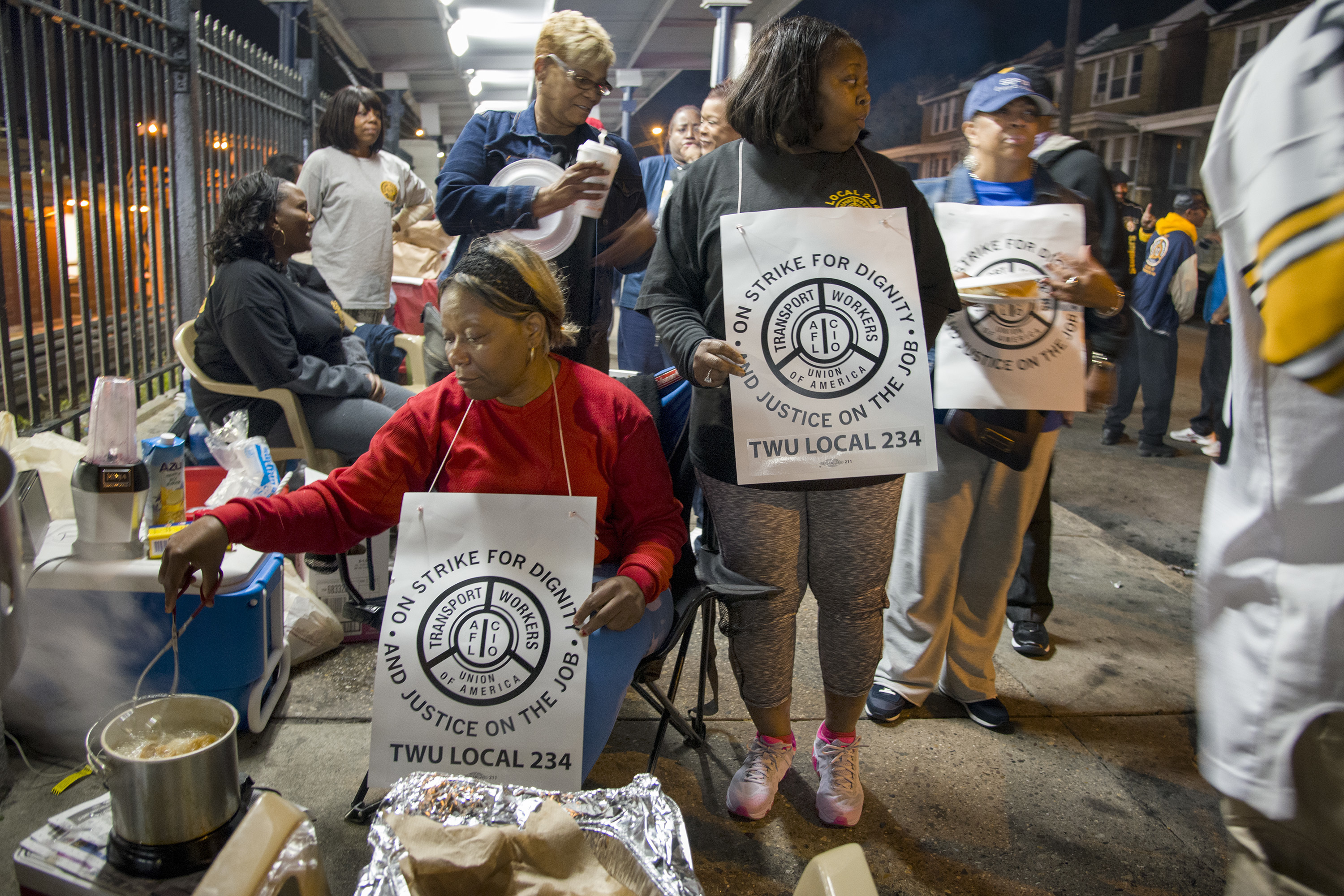
Joyce Woodford (center), a 25-year veteran cashier on SEPTA’s Broad Street Line, serves up fried fish for her fellow striking cashiers outside the Fern Rock Transportation Center during dinnertime on the third day of the SEPTA strike in 2016.
1982: TWU Local 234 (34 days)
About 36 suburban bus drivers and mechanics operating routes primarily in Montgomery County, and some routes in Bucks, won an 8.5% wage increase over three years.
The bus routes were the descendants of the Schuylkill Valley Lines and the Trenton-Philadelphia Coach Lines, which SEPTA acquired in 1976 and 1983, respectively. Service has grown, and the collection of bus routes is known as the Frontier Division today.
1981: TWU Local 234 (19 days) and UTU Local 1594 (46 days)
Transit workers shut down buses, trolleys and subways in the city on March 15, seeking job security in the form of a no-layoff clause, wage increases and a bar on SEPTA hiring part-time workers.
And the Red Arrow division went out for 46 days seeking higher wages and better medical benefits. SEPTA also backed down a demand for permission to hire private contractors for some work on the suburban buses, trolleys, and the Norristown High Speed Line.
1977: TWU Local 234 (44 days)
After a bitter strike, union members who run the city transit division got higher wages and more benefits, after rejecting an arbitrator’s proposed contract that was portrayed in news reports as generous.
A furious Mayor Frank Rizzo told reporters the strike “can last 10 years for all I care.” He said of the union’s rejection of the earlier offer: “It is outrageous, and I hope the people won’t forget it.”
1975: TWU Local 234 (11 days)
Transit workers, concerned about the ravages of inflation, wanted a clause giving them cost-of-living increases and enhancements to health-care benefits. Those were granted after Rizzo agreed to add $7.5 million to the city’s annual SEPTA contribution. Perhaps that’s one reason the mayor was so annoyed two years later.
Staff writer Erica Palan contributed to this article.
Max’s Seafood Cafe, which brought lofty dining ambitions to down-to-earth Gloucester City, has changed hands after a quarter-century.
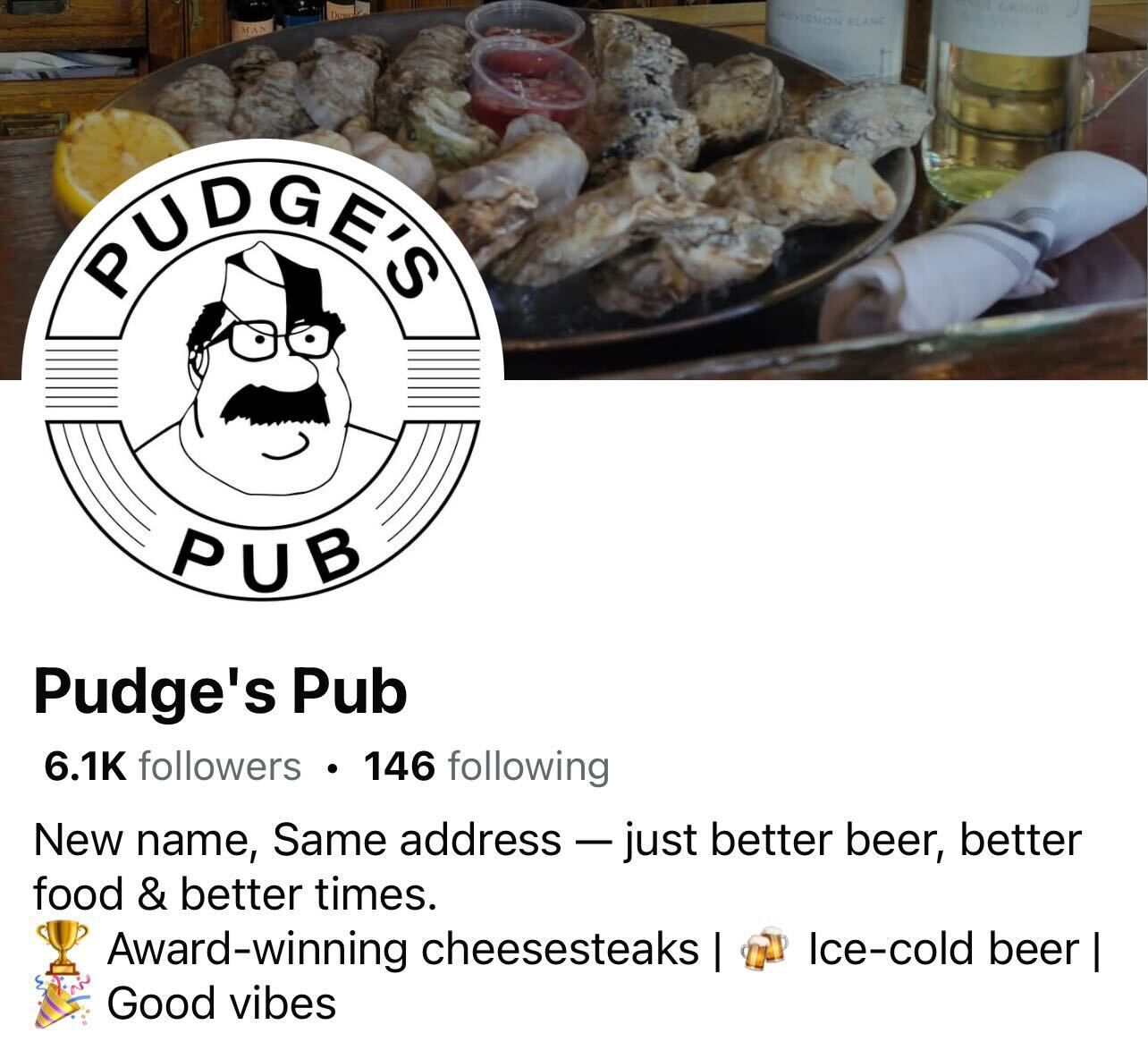
The new owners — Mike and Barb Williams, who previously ran the three Pudge’s sandwich shops still operating in the Pennsylvania suburbs, and entrepreneur Chris Widell — plan to open Tuesday as Pudge’s Pub. It will sport a far more accessible menu of steaks, hoagies, and bar food, as well as some of Max’s bestsellers, such as steamed clams, clams casino, and mussels in three sauces. A former Max’s chef is on board, as is the former bar manager.
Pudge’s Pub’s Facebook page.
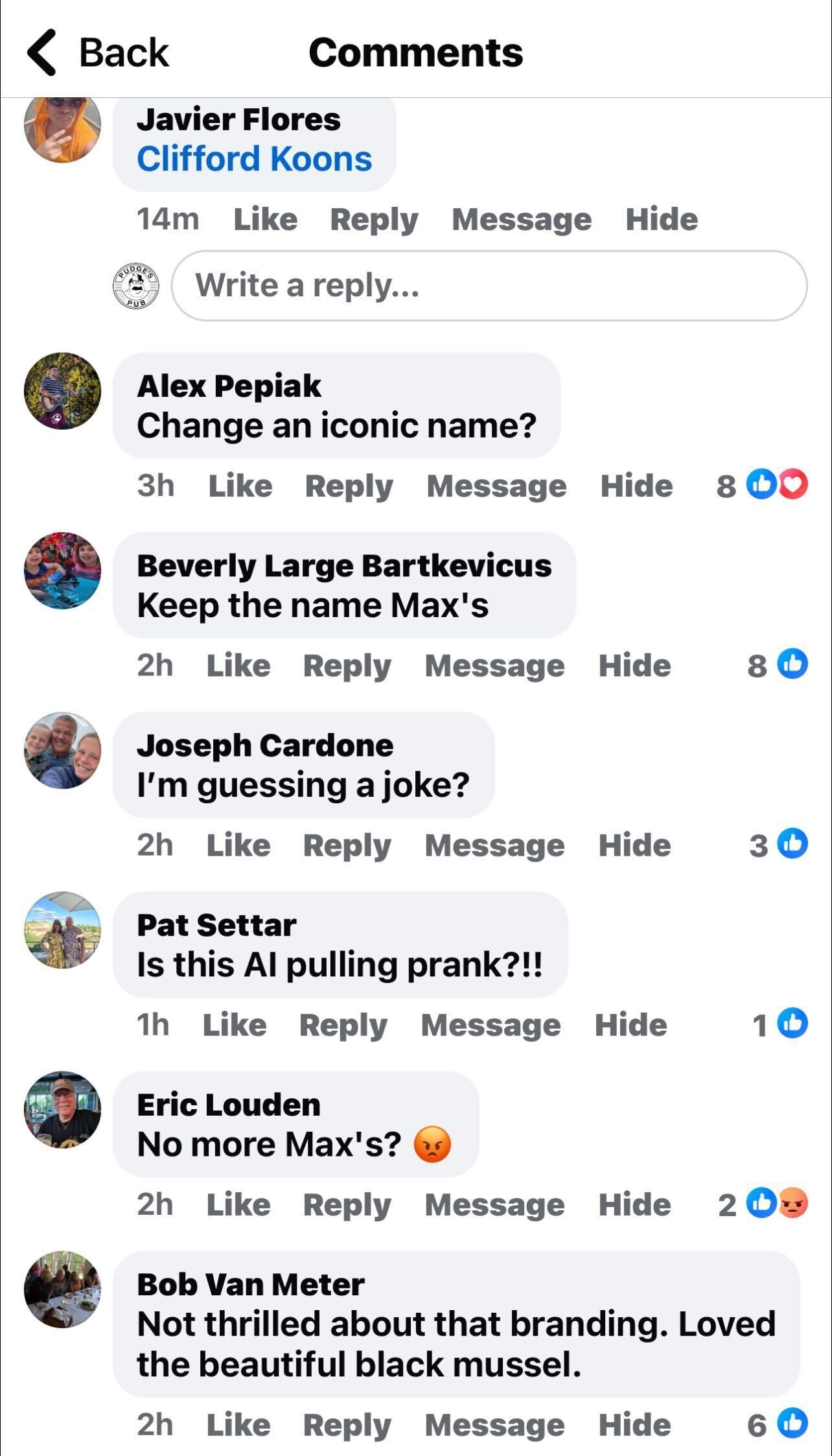
But while change is inevitable, especially in the restaurant world, last week’s announcement failed to impress the Facebook crowd. No sooner had the partners swapped out Max’s logo for a jaunty sketch of a mustachioed Pudge on the profile page than the comments flew on the page of the news site 42 Freeway, based on its article about the transaction:
“Oh, my God! They’re not using ‘Max’s’ anymore!” “I’m guessing a joke?” “Change an iconic name?” “Such a classy-looking restaurant for a cartoon character logo and basically takeout food menu.” “Is this AI pulling [a] prank?”
The partners expressed frustration as moderator Mark Matthews tried to reason with the commenters. Marilyn Johnson, moderator of the South Jersey Food Scene page, did the same on her post.
“Give us a chance,” an exasperated Mike Williams told The Inquirer on Friday. Economic reality drove the decision to rebrand as Pudge’s. Max’s hasn’t made a profit in at least three years and foot traffic was low, Williams said.
Many commenters conceded that they hadn’t visited Max’s in a long time. “I don’t want to say we’re saving it, but we want to resurrect a place where all walks of life can come and have fun,” Williams said.
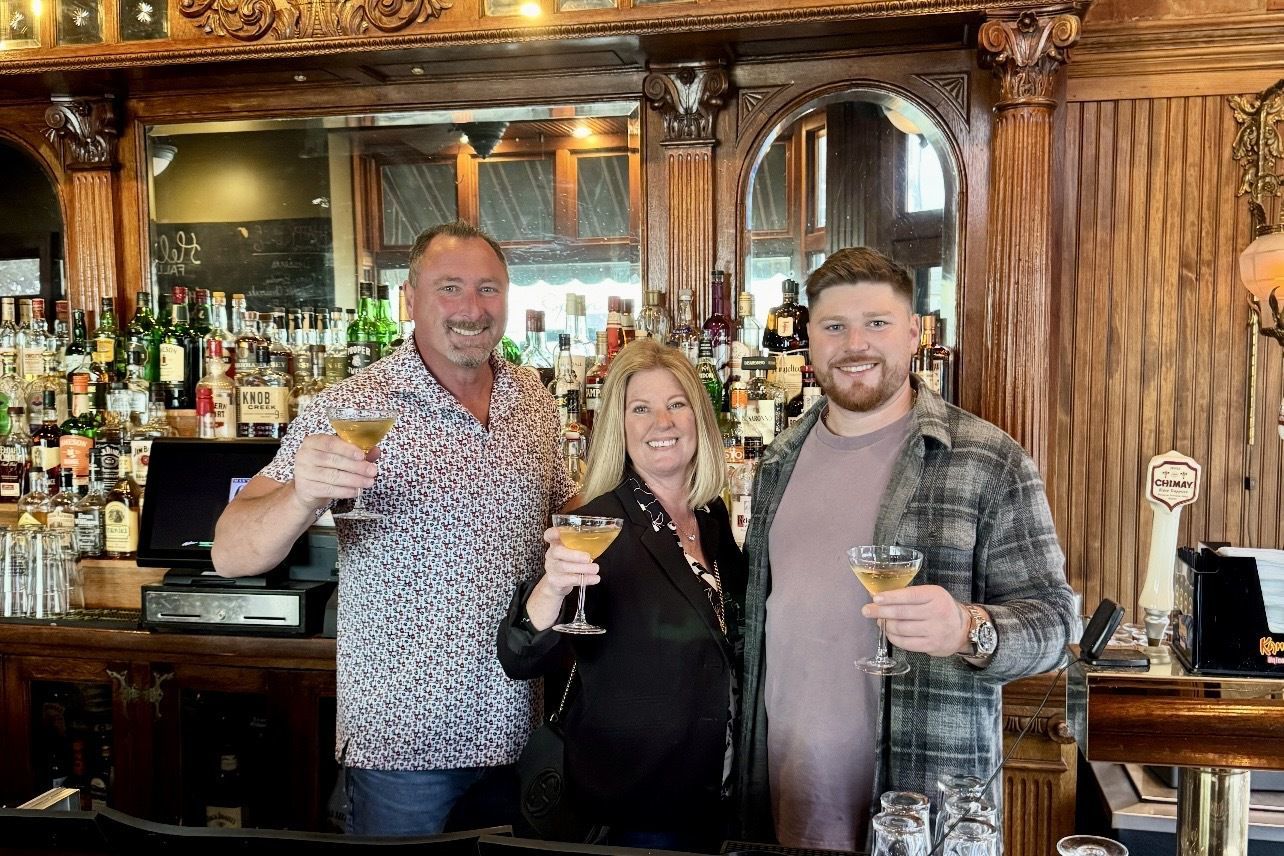
Pudge’s Pub co-owners Mike and Barbara Williams and their son Preston in the bar, formerly Max’s Seafood Cafe in Gloucester City.
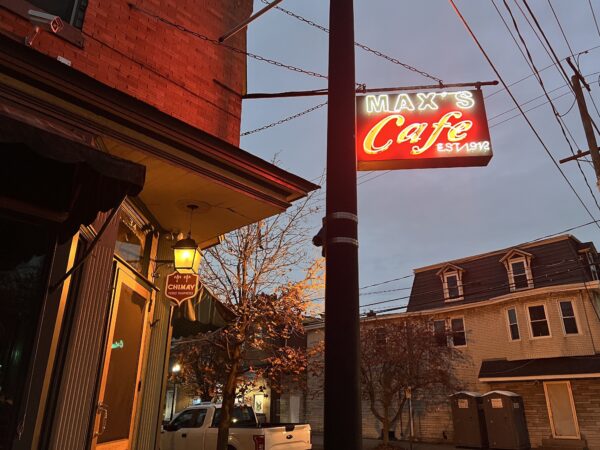
They are keeping the neon Max’s Cafe sign, which has cast a glow over the intersection of Hudson and Burlington Streets for decades. They applied a fresh coat of paint to the classic barroom, and are keeping the ornate wood-and-mirror bar, circa 1912, as it was.
The draft-beer list, which included high-brow specialties like Chimay, has been simplified to more standard offerings like Miller Lite, Stella, and Yards. (The fancier beers will be available in bottles.) Williams said they plan to host special events in the parking lot and are adding four TVs inside.
Mike Williams said he had a butcher prepare a custom cut of beef for the cheesesteaks. They’ll use rolls from Liscio’s, also a South Jersey business, since their previous supplier, Conshohocken Italian Bakery, closed last year.
Facebook comments opposed to the changeover at Max’s Seafood Cafe in Gloucester City.
Even the bar’s new focus on cheesesteaks sparked outrage from commenters who lamented that greater Gloucester was on the brink of Whiz overload. Two other shops are due to open soon just down the street: a barroom from Lillo’s (of Hainesport fame) at the former Thomas Murphy’s Pub, and Irishtown Steaks, from a former head cook at the well-regarded Donkey’s Place a few minutes away in Camden. In nearby West Collingswood Heights, Danny DiGiampietro of Angelo’s Pizzeria is planning to open a new eatery.
Pudge’s and Max’s histories
It’s not as if the Williamses are new to the game. The Pudge’s project is a return to their family’s roots. Pudge’s traces its history to Frank’s, the hoagie shop that a 21-year-old Frank Carbone opened at Wister Street and Chew Avenue in Germantown, near what was then La Salle College, after he got out of the service in the late 1950s.
Carbone renamed it Pudge’s — his childhood nickname — when he moved it to Whitpain Shopping Center in Blue Bell, Montgomery County, in 1972. His daughter, Barbara, and her husband, Mike Williams, took over Pudge’s after Carbone’s death in 2000. The Williamses opened locations in the Lansdale and Pottstown areas before selling their last location in October 2024; all three operate under the new owners, and Williams said he has rights to the name.
The Gloucester City bar opened in 1890 as a shoe store and became Leisinger’s Saloon in 1912, when German immigrant Joseph Fred Leisinger installed the bar. After Leisinger’s death in 1937, another German immigrant, Max Waterstradt, bought the business and named it Max’s Cafe, also a neighborhood taproom. By the late 1970s, Max’s had evolved into Max’s Seafood Cafe, known for simply prepared seafood. Time and deferred maintenance caught up with the building, and Max’s went dark in 1998.
In 2001, Tom Monahan — a partner in the nearby Chubby’s restaurant — bought Max’s, restored it, and reopened it with a premium menu whose entrees in its later years were priced in the high $30s. Monahan, who operated Max’s until last week’s sale, did not reply to a message seeking clarity on his restaurant’s gift certificates. Mike Williams and Widell said they would not honor them at Pudge’s.
By the weekend, as the Facebook crowd had moved on to a new tempest (was a new bank planned for Washington Township really necessary?), the partners were applying their final touches to the pub.
Asked how Pudge’s would set itself apart from other local hangouts, Mike Williams replied that an owner — he, his wife, or son Preston — would be on premises from opening till closing daily: “That’s the only way for quality control, and just being friendly — that is an art that is lost these days.”
Pudge’s Pub, 34 N. Burlington St., Gloucester City, N.J. Hours: 11 a.m. to 9 p.m. Tuesday to Thursday, 11 a.m. to 10 p.m. Friday and Saturday, and noon to 8 p.m. Sunday. Hours will be extended on select game days.
The Eagles failed to convert a pair of crucial fourth downs in the their last two games, but still managed to come away unscathed.
Six days after the analytics overwhelmingly supported the Eagles punting on fourth down at the end of the Packers game — to the tune of a 5% increase in win percentage had they punted — Nick Sirianni again made an aggressive fourth-down decision that didn’t go the Eagles’ way.
The Eagles, ahead by 10 points, tried to Tush Push their way to a first down on a fourth-and-1 from their own 29-yard line with three minutes to play. The Eagles, down two starters on the offensive line, got stuffed, and the Lions took over in scoring range. They cut the lead to one score and almost got the ball back again to try for a game-tying drive.
Sirianni took the blame for the decision not working after the game, and on Monday was asked again about the topic. The fifth-year Eagles coach said the decision starts with his confidence in his players and the play.
“The analytics can say what it wants, but if you don’t have faith in the players to go execute it, that doesn’t give you a lot of confidence,” he said. “Analytics is a piece of the puzzle. All these different things are a piece of the puzzle: your past successes, the league studies that you do. All these things play into that. I love our process. Just because you have a great process doesn’t automatically mean you’re going to convert every fourth down.”
The Eagles have learned that over the last two weeks.
“Ultimately I have to make those tough calls and be able to have that conviction,” Sirianni said. “When you don’t convert on fourth down it is always going to be on you as a head coach because you ultimately made that decision. And you’re not going to get a lot of praise when you get it on first down … it just doesn’t go that way.
“You have to have a major process that you go through to put yourself in a position where you can have major conviction when you make those decisions. Fully accept all the criticisms that happen when you don’t get it, because that’s my job as the coach, but it can’t affect you moving forward of making the right decisions with the right process as we continue on.”
Eagles film review: Jalen Carter’s dominance, Brandon Graham’s impact
Underrated credit goes to Brandon Graham on the #Eagles first fourth down stop of the game on a tackle that Moro Ojomo made last night. Graham knocks back the #Lions LG into Jahmyr Gibbs and halts his momentum. pic.twitter.com/Z6jKHlAydX
Another dominant game from #Eagles DT Jalen Carter defending the run (also helped create a sack for Jaelan Phillips and batted 2 passes at the LOS).
His quickness and ability to stack, shed, and close just makes it tough for offenses to run through the middle of this defense. pic.twitter.com/Sc9Y2Hmqsx
Even on the plays that ended in a tipped or batted ball, #Eagles DB Quinyon Mitchell stayed in the hip pocket of Lions receivers all game long. Made plays on the ball against Amon-Ra St. Brown and Isaac Teslaa on back-to-back plays, then was in position to make plays on the ball… pic.twitter.com/5lPnvTXI0K
What is a Lisfranc injury, and what is Lane Johnson’s recovery time?
Lane Johnson is waiting on X-ray results to determine if he needs season-ending surgery.
Eagles right tackle Lane Johnson is expected to miss multiple weeks with a Lisfranc sprain in his foot that could land him on injured reserve.
Johnson suffered the midfoot injury in the first quarter and did not return to the game.
What is a Lisfranc injury?
According to the Neville Foot & Ankle Centers, “Lisfranc injuries often occur as a result of a high-energy impact to the midfoot. It’s common to see fractures of the Lisfranc Joint in contact/collision sports like American Football, however low energy incidents (like twisting) can also be a cause.”
According to the Cleveland Clinic, a Lisfranc injury is “any damage to the Lisfranc joint on top of your foot. It’s where your metatarsal bones (the bridges to your toes) connect to the rest of your foot.”
Cleveland Clinic describes the Lisfranc joint as “a busy highway or on-ramp” because so many parts of the foot meet up in one place.
Where does the name come from?
The Lisfranc was named, according to the National Institutes of Health, in homage to French physician Jacques Lisfranc de St. Martin, “who was the first to describe an amputation through this joint.”
Lisfranc was a surgeon and OBGYN who during the Napoleonic Wars was brought in to help France, which was dealing with a physician shortage.
The story has it that a soldier dismounting from his horse had his foot stuck in the stirrups. The blood flow to his lower limb was stopped and it created a “gangrenous foot,” according to the Neville Foot & Ankle Centers. Lisfranc described the surgery as “amputation of the foot through the tarsometatarsal articulation.”
Does a Lisfranc injury require surgery?
Unlike in Lisfranc’s days, the injury isn’t a prescription for an amputation anymore.
It sometimes doesn’t even require surgery.
In Johnson’s case, it might. He is awaiting results from X-rays from Dr. Robert Anderson. While he is believed to have suffered a sprain, a decision will be made if he needs potentially season-ending surgery, according to sources.
Non-surgical Lisfranc injuries could take about six to eight weeks to recover, but sometimes less. If Johnson doesn’t require surgery, he could be back on the field after four to six weeks.
Anderson, a former Packers and Panthers physician, is a sort of NFL authority on the Lisfranc injury.
Have other Eagles suffered Lisfranc injuries?
Yes. Many of them.
Offensive lineman Isaac Seumalo suffered a Lisfranc injury in September of 2021 that required season-ending surgery. Two years earlier, defensive tackle Malik Jackson suffered a season-ending Lisfranc injury in a season-opening game.
More recently, Nakobe Dean suffered a Lisfranc sprain in early November of 2023 that required surgery and ended his season.
Others, like Cre’Von LeBlanc, have suffered Lisfranc sprains that did not require surgery. LeBlanc suffered his injury in training camp in 2019, and while he did not have to have surgery, he did not make his season debut until December.
Johnson’s timeline will all depend on the severity of his sprain.
The Eagles beat the Cowboys, 24-20, in their season opener at the Linc.
After securing a 16-9 win at home over the Lions, the Eagles are gearing up to travel to AT&T Stadium to face the Dallas Cowboys. The teams last met in the season opener at the Linc, a game that saw the Eagles pull out a 24-20 win at home despite a big ejection, a lightning delay, and some shaky early defense.
Now, the Eagles defense looks the best they have all season. Meanwhile, the Cowboys are preparing to play the Las Vegas Raiders on Monday Night Football after losing their last two games.
Ahead of their Week 12 matchup, sportsbooks are favoring Philadelphia, who opens as a 4.5-point favorite at both FanDuel and DraftKings.
The younger Johnson will likely play a critical role at right tackle on the Eagles offensive line for the next month and a half. But just a few months ago, he wasn’t even on the team.
Howie Roseman acquired the 6-foot-7, 326-pound Johnson from the Jacksonville Jaguars on Aug. 24, two days before the roster cutdown deadline, in exchange for a 2026 seventh-round pick. Johnson had signed to the Eagles’ practice squad in 2022 and had served as the depth tackle from 2023-24, but he opted to join the Jaguars in free agency with the aspiration to earn a starting gig.
That didn’t work out, but Johnson said he wasn’t disappointed in the aftermath of the trade.
“I went down there with the right mentality, with the right goals, and I attacked it the right way, the process,” Johnson said on Aug. 27. “It’s one of those things that didn’t end up working out. I developed a lot more of my game mentally and what I go through and how I attack stuff. I’m back here, back ready to do what I’ve got to do for this team and get another opportunity and do what I’ve got to do.”
Johnson played his first substantial snaps with the Eagles in 2024 and started his first game since the 2021 season when he was a member of the Cincinnati Bengals, the team that claimed him off waivers from the Pittsburgh Steelers in his rookie year in 2019. The Steelers had signed Johnson as an undrafted free agent out of Florida.
He played a critical role in the Eagles’ 2024 Week 3 win over the New Orleans Saints when he stepped in for Johnson, who went down with a concussion in the first quarter. Johnson started one game at right tackle and four at left tackle last season while Jordan Mailata was sidelined with a hamstring issue.
This year, Johnson has filled in for the elder Johnson on 144 snaps as he dealt with various injuries. He’s also served as the sixth offensive lineman when the Eagles utilize their jumbo package. With Johnson expected to start at right tackle, Matt Pryor is the next in line to step into the sixth offensive lineman role.
Lane Johnson waiting on X-ray results, season-ending surgery possible
Lane Johnson is awaiting results from X-rays with Dr. Robert Anderson. While he is believed to have suffered a sprain, a decision will be made if he needs potentially season-ending surgery, per sources.
Lane Johnson expected to miss 4-6 weeks with foot injury
Lane Johnson could be back in time for the playoffs.
Eagles star right tackle Lane Johnson is dealing with a Lisfranc sprain in his foot likely to sideline him for multiple weeks, league sources confirmed to The Inquirer.
NFL Network was first to report the update on Johnson, who left Sunday’s 16-9 Eagles win over the Detroit Lions after playing just 14 snaps.
Johnson will undergo further testing, and while the injury is not expected to end his season, he is likely to miss four to six weeks. A placement on injured reserve, which is likely, would force him to miss at least the next four games.
Johnson, who is 35 years old and playing in his 13th season, has dealt with multiple injuries this season. He left the Eagles’ Week 3 game against Los Angeles with a stinger, then left the team’s Week 4 game due to a shoulder injury. He left last week’s game vs. the Green Bay Packers due to an ankle injury and missed a large chunk before returning in the fourth quarter.
Johnson, who has been a first- or second-team All-Pro selection in each of the last four seasons, has played in every game this season and continues to play at a high level despite battling multiple injuries.
This one, however, will cost him at least a few contests. The Eagles are 12-23 in games Johnson hasn’t started since the beginning of the 2016 season. But backup tackle Fred Johnson has filled in well this season — and last year — when Johnson has missed time.
Jalen Carter puts pressure on Jared Goff during Sunday’s win against the Lions.
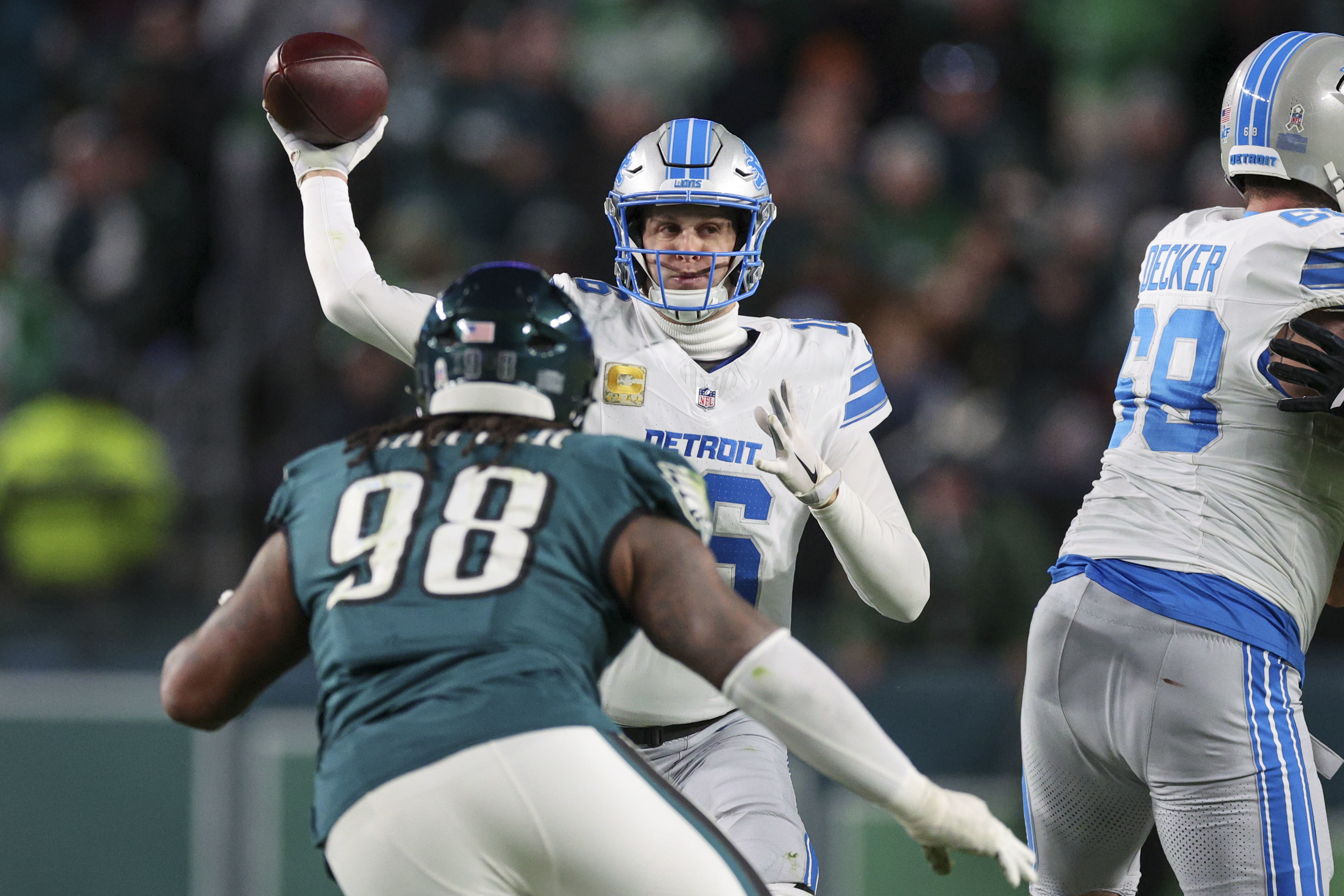
Jordan Davis, who batted three of Jared Goff’s passes, said it started with film study earlier in the week.
The Eagles noticed Goff had an arm angle that would give them a chance to deflect balls up front, so they spent extra time this week practicing deflections. The Eagles coach their players along the defensive front to get their hands in the air when they’re being double-teamed or if their pass rush is failing on a given play.
This week, the Eagles worked more on the tip drill. Sometimes it was Nick Sirianni at quarterback. Other times it was defensive line coach Clint Hurtt or player development assistant Matt Leo.
Turning drills in practice into on-field success was reminiscent of the Eagles’ Week 7 win over the Minnesota Vikings. Prior to that game, the Eagles sent their edge rushers through extra catching drills. Jalyx Hunt had dropped an interception a week earlier. Against Minnesota, Hunt dropped into coverage and returned an interception for a touchdown.
On Sunday, the Eagles batted five of Goff’s passes. Davis started it all on the first drive, when he batted a pass into the air that Cooper DeJean intercepted.
For the second consecutive game, the Eagles, with their new-look defensive front, dominated a good opponent.
Jaelan Phillips’ busy night, Jihaad Campbell getting less playing time
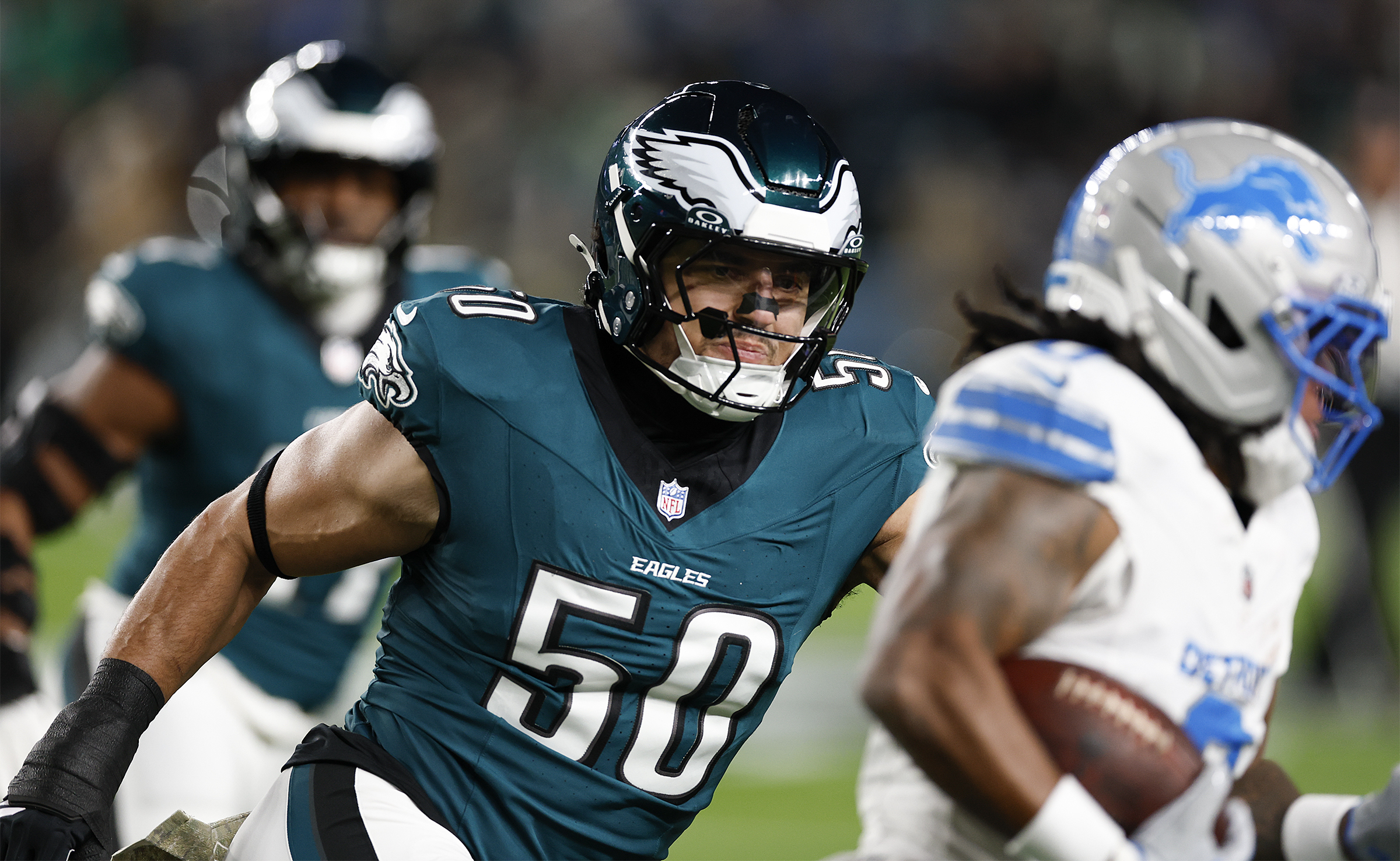
Eagles linebacker Jaelan Phillips played 76% of the defensive snaps Sunday night.
The Eagles’ offense was on the field for 72 snaps Sunday while the defense played 59 plays. Here are some notes and thoughts from Sunday’s snap counts vs. the Lions:
Rookie linebacker Jihaad Campbell saw his lightest workload of the season. His 20 snaps were just behind the 21 he played in Week 8 vs. the New York Giants. Nakobe Dean’s return (40 snaps, 68%) has meant less time on the field for Campbell, who, according to Pro Football Focus, lined up on the edge just three times and in the box 17 times.
Cornerback Adoree’ Jackson saw much more of the field Sunday than he did last week vs. Green Bay. That’s because the Eagles were rarely in their base package with just four defensive backs. When that package is deployed, Cooper DeJean moves outside. But the Eagles were often in nickel and at least once went into a dime package. Jackson played 57 of a possible 59 snaps. The 57 snaps tied a season-high. Jackson held up well, too, despite being burned for a long pass to Jameson Williams.
Jaelan Phillips led the edge rushers with 45 snaps (76%). Nolan Smith still seems to be on a pitch count like he was last week when he returned from a triceps injury that had him on injured reserve since after Week 3. Smith played 37% of the snaps while Jalyx Hunt was on the field 61% of the time. Brandon Graham got out there for eight snaps (14%) and almost picked up his first sack of the season. Josh Uche, meanwhile, is the odd one out of the rotation. He played solely on special teams (nine snaps).
Offensively, the Eagles played a lot of 11 or 12 personnel. They rarely had more than two receivers on the field. Jahan Dotson played 23 snaps (32%), though he did contribute with two catches for 43 yards. Darius Cooper, meanwhile, the fourth receiver, saw just three snaps.
Lane Johnson left a game early for the fourth time this season. He finished with just 14 snaps before suffering a foot injury. Cam Jurgens also left early. He played 61 snaps before Brett Toth came in for the final 11 offensive plays.
Saquon Barkley’s workload was over 80% (58 snaps, 81%) for the first time since Week 6.
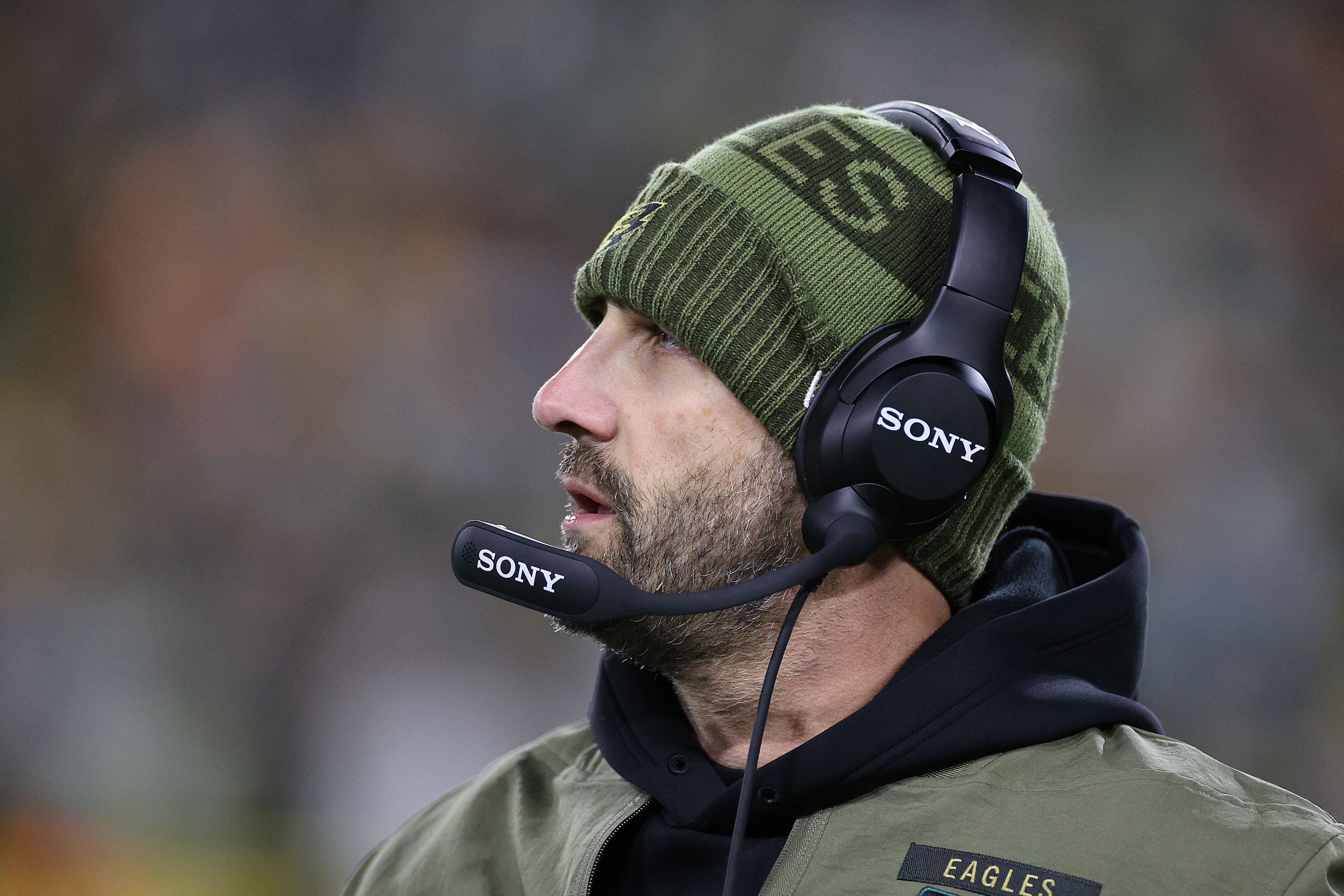
Eagles head coach Nick Sirianni just keeps winning.
The narrative that the Eagles win in spite of Nick Sirianni still exists despite his continued success.
His detractors were given more ammunition on Sunday with another lackluster offensive performance and another aggressive fourth-down gamble from the coach that failed. They’ll point to contradictory decision-making that leaned conservative early on, but was almost reckless in the latter stages at Lincoln Financial Field.
Sirianni’s critics will credit Vic Fangio and his defense for the Eagles’ 16-9 victory over the Detroit Lions. They’ll say any coach can win with the roster general manager Howie Roseman has assembled. And some will spend the next week digging through stats and film to support their claim.
They might have an argument, especially this season. This version of the Eagles may defy logic. But it’s hard to debate facts. They’re 8-2 and possibly two more wins from clinching the NFC East before December. They sit atop the conference having already beaten the 8-2 Rams, not to mention five other playoff teams from last season.
And Sirianni just piles up Ws — 56 in his first 78 regular season games — and in each of his five seasons in Philly he’s found a different way to do so. For most of this season, the Eagles have been a team in search of an identity.
They haven’t quite found one on offense and that remains a concern. But after two dominating defensive performances, it’s clear the Eagles can ride Fangio’s unit to the playoffs as long as Sirianni’s aesthetically unpleasing philosophy holds.
Eagles linebacker Jaelan Phillips celebrates following Sunday’s win against the Lions.
The Eagles’ magic number to win the NFC East is four.
The Birds improved to 8-2 Sunday night, and are currently four-and-a-half games up on the Dallas Cowboys in the NFC East, which the Eagles could clinch before December.
If the Cowboys lose tonight against the Las Vegas Raiders and the Birds defeat them next week in Dallas, the Eagles will be five-and-a-half games up with just six to play. The Washington Commanders, currently five games back, have their bye next week.
The Cowboys’ upcoming schedule is also tough, which also helps the Eagles. After the two face off Sunday, Dallas has to play the Kansas City Chiefs and Detroit Lions.
What helps is the Eagles currently hold tiebreakers against four of the top six NFC teams — the Lions, Los Angeles Rams, Tampa Bay Buccaneers, and Green Bay Packers. They can add the Chicago Bears to that list on Black Friday.
As for the rest of the NFC, the Rams, Bears, and Buccaneers are currently the division leaders, while the three wild card teams are the Seattle Seahawks, Packers, and San Francisco 49ers.
If the season were to end today, the Lions wouldn’t qualify for the playoffs.
NFC playoff picture
window.addEventListener(“message”,function(a){if(void 0!==a.data[“datawrapper-height”]){var e=document.querySelectorAll(“iframe”);for(var t in a.data[“datawrapper-height”])for(var r,i=0;r=e[i];i++)if(r.contentWindow===a.source){var d=a.data[“datawrapper-height”][t]+”px”;r.style.height=d}}});
Week 12 elimination scenarios
As of now, it doesn’t look like there are any official elimination scenarios in the NFC heading into Week 12, but it seems unlikely five teams — the Arizona Cardinals, Atlanta Falcons, Washington Commanders, New Orleans Saints, and New York Giants — have much of a shot of turning things around.
Jalen Hurts and the Eagles’ offense struggled again
Jalen Hurts and the Eagles offense have scored just 26 points combined in their last two games.
The Eagles are a very good team. Winning football games is important. But so is progress. Right now, the Eagles are a long way off from being the best team they can be.
Nothing that we saw from them on Sunday night suggests their fundamental problem has been solved. It isn’t just that the Eagles aren’t scoring enough points. It’s that they don’t appear to be getting any better.
They have scored 17 or fewer in four of their last six games, including a combined 26 in their last two. Are they capable of winning a Super Bowl in their current form? Absolutely. But you can’t ignore how different their current form is from the one that saw them win the Super Bowl last season.
For the second straight game, and for the fifth time this season, the Eagles failed to crack 300 yards of total offense. That only happened three times all last season. Heck, it only happened five times in 2023.
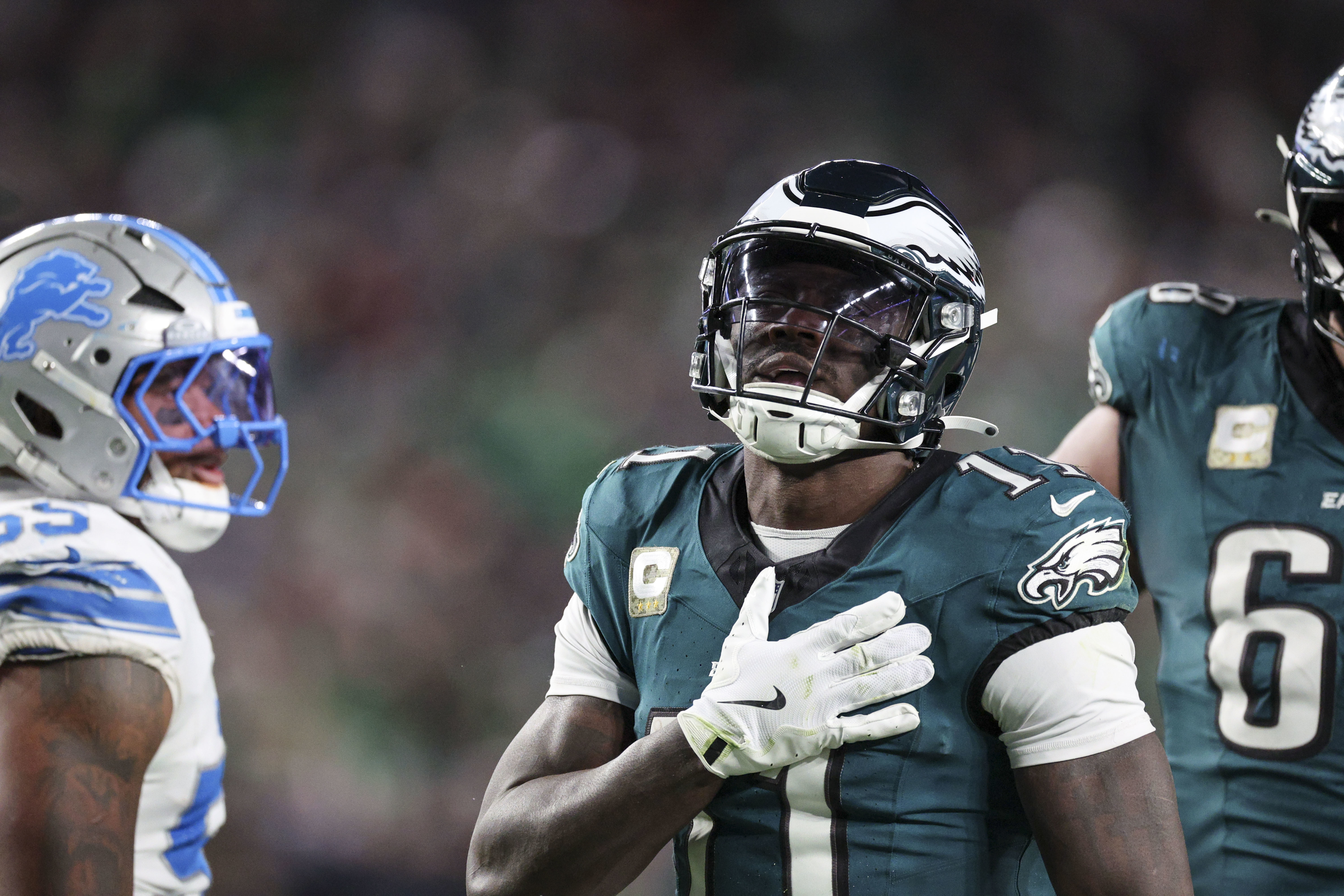
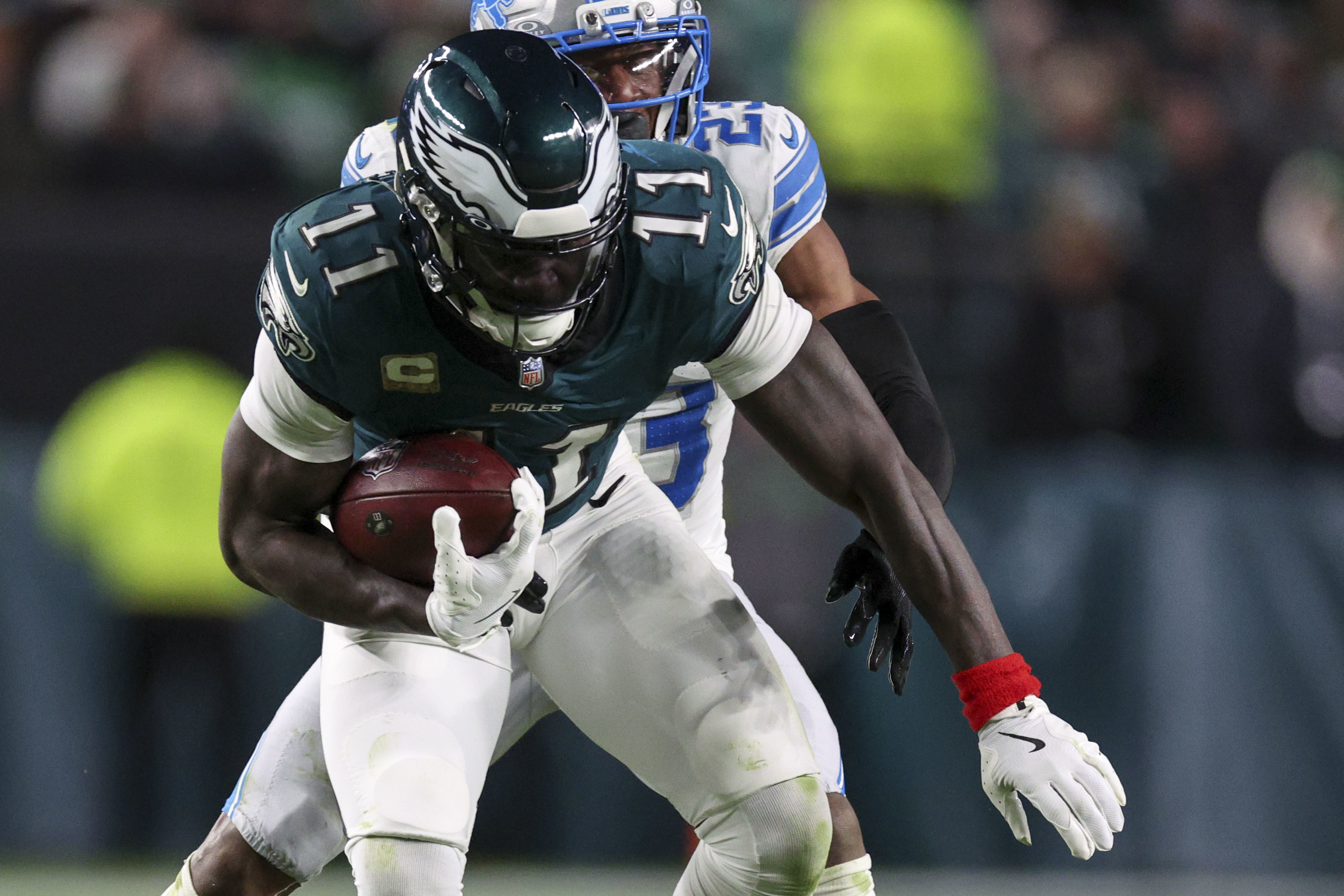
Give them credit for trying something new. They tried to force the ball to Brown, which is something that he and plenty of Eagles fans have been lobbying for in recent weeks. His 11 targets were more than he had in the last two games combined, including last week’s three-target, two-catch nothingburger in Green Bay.
The concerning thing is that nothing else changed. Brown’s seven catches went for just 49 yards. The Eagles scored just one touchdown. Even on a night where Jared Goff was out of sync and the Lions went 0-for-5 on fourth down, Detroit’s offense looked like the more highly evolved unit. The pinnacle came in the second quarter, when Goff hit Amon-Ra St. Brown for 34 yards and then Jameson Williams for a 40-yard touchdown. The 74 yards the Lions gained on two plays were more than the Eagles had gained all game to that point.
A.J. Brown and the Eagles benefited from a bad call late in the game.
Thankfully the worst pass interference call so far this season worked in the Eagles’ favor.
With just under two minutes left, Jalen Hurts failed to connect with A.J. Brown, which would have given the Lions one final chance to tie the game.
Instead, the officials called pass interference on Lions defender Rock Ya-Sin, a call so bad even NBC’s Cris Collinsworth ripped the refs.
“Oh come on. That is terrible,” Collinsworth said during the broadcast. “That is an absolutely terrible call that’s going to decide this football game.”
Cris Collinsworth: "Oh, come on! Come on! That is terrible! That is an absolutely terrible call that's going to decide this football game! If anything, it's an offensive push!"
And it did. The penalty gave the Eagles a first down, and they were able to run out the clock, preventing Jared Goff and the Lions offense from getting one final shot at evening the score.
Following the game referee Alex Kemp was asked by the Athletic’s Zach Berman, the designated pool reporter, about the penalty.
“The official observed the receiver’s arm getting grabbed and restricting him from going up to make the catch,” Kemp said. “So, the ball was in the air, there was a grab at the arm, restricted him and he called defensive pass interference.”
“I thought he played defense like he did the whole game,” Lions head coach Campbell told reporters following the game. “I thought he challenged and played it like he did the very first rep that we played man-to-man. So I wouldn’t tell him to do anything different: Get up there and challenge and play your style. That’s it.”
The Eagles were also the victim of a bad call. Facing third-and-1 from their own 41-yard line in the middle of the third quarter, right guard Tyler Steen was called for a false start when it seemed obvious he was pointing out Lions defender Tyleik Williams had entered the neutral zone.
“That’s a neutral zone infraction,” said NBC rules analyst and former NFL referee Terry McAulay.
Tyler Steen was called for a false start for pushing the Lions’ hand out of the neutral zone pic.twitter.com/qi6ivspqy2
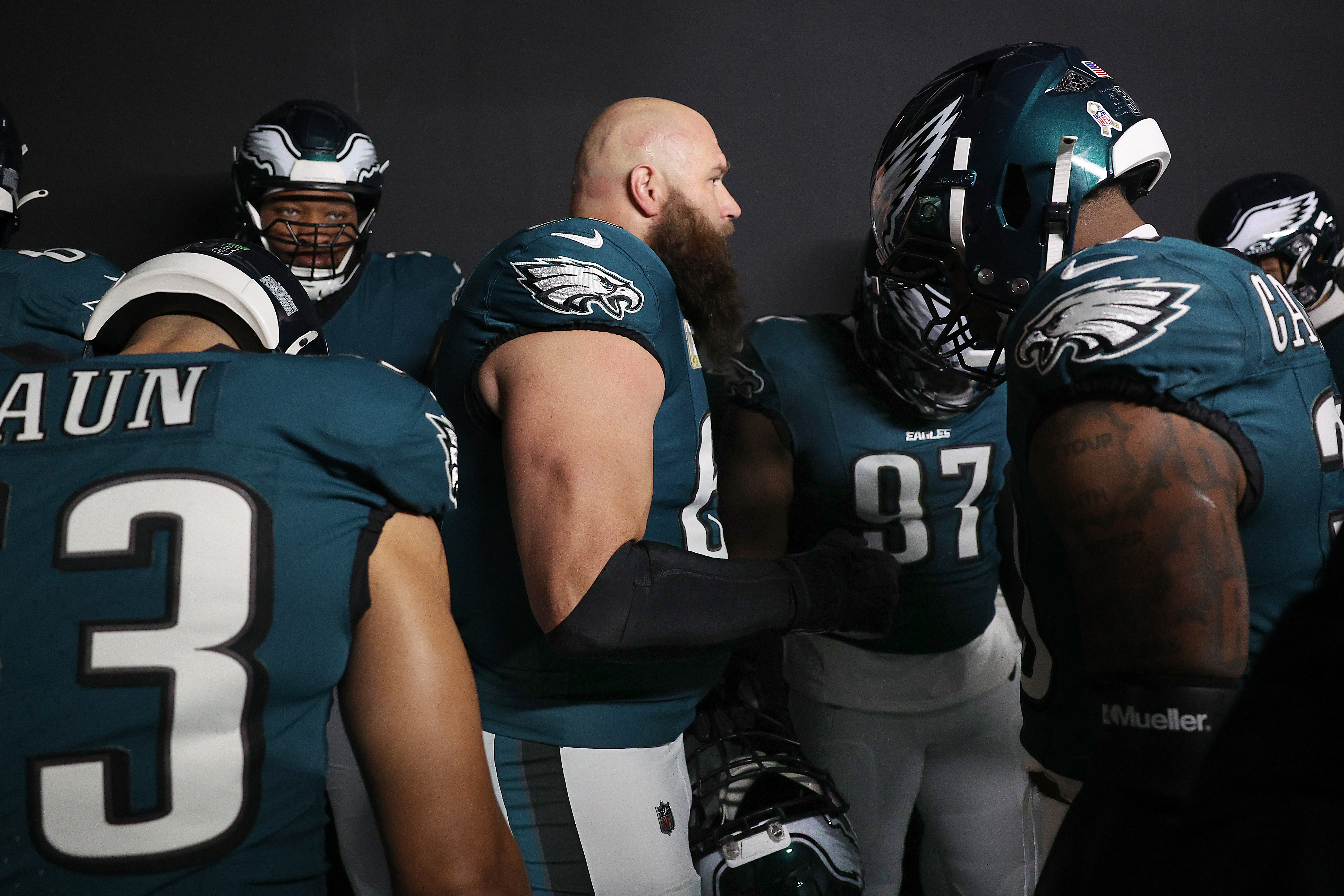
Lane Johnson (center) gives a pep talk to his teammates prior to Sunday’s win against the lions.
Offensive tackle Lane Johnson went down with a foot injury late in the first quarter and didn’t return. He suffered a Lisfranc sprain in his foot and is expected to miss four to six weeks.
Center Cam Jurgens, who entered the game with a right knee injury, left late in the fourth quarter. The 26-year-old starting center went indoors after a visit to the medical tent and was replaced by Brett Toth.
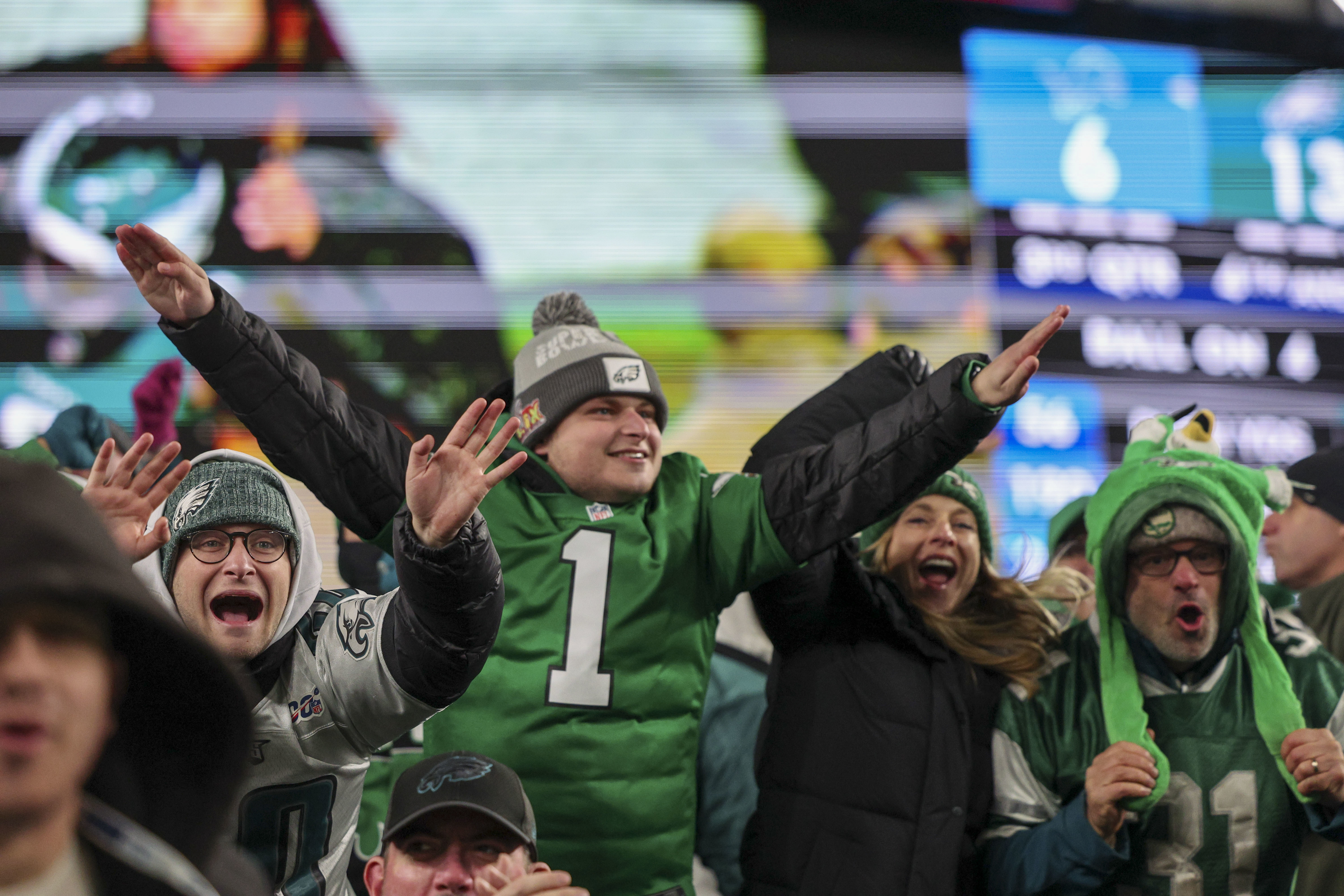
Eagles fans celebrate during the Birds’ win against the Lions Sunday.
The Eagles remain at the top of the NFC for another week thanks to their win against the Detroit Lions Sunday night.
It’s the fourth straight season the Eagles have started 8-2 or better, and Nick Sirianni is a perfect 11-0 as a coach against the NFC North, including playoff games.
Speaking of the playoffs, the Birds now have the head-to-head tiebreaker against four of the top six teams, with a chance to add the Chicago Bears on Black Friday.
NFC standings
window.addEventListener(“message”,function(a){if(void 0!==a.data[“datawrapper-height”]){var e=document.querySelectorAll(“iframe”);for(var t in a.data[“datawrapper-height”])for(var r,i=0;r=e[i];i++)if(r.contentWindow===a.source){var d=a.data[“datawrapper-height”][t]+”px”;r.style.height=d}}});
The Eagles also extended their lead in the NFC East Sunday thanks to the Washington Commanders’ wild overtime loss against the Miami Dolphins.
The Dallas Cowboys play tonight against the Las Vegas Raiders. A loss will push the Cowboys back four-and-a-half games behind the Eagles with seven left to play.
NFC East standings
!function(){“use strict”;window.addEventListener(“message”,function(a){if(void 0!==a.data[“datawrapper-height”]){var e=document.querySelectorAll(“iframe”);for(var t in a.data[“datawrapper-height”])for(var r,i=0;r=e[i];i++)if(r.contentWindow===a.source){var d=a.data[“datawrapper-height”][t]+”px”;r.style.height=d}}})}();
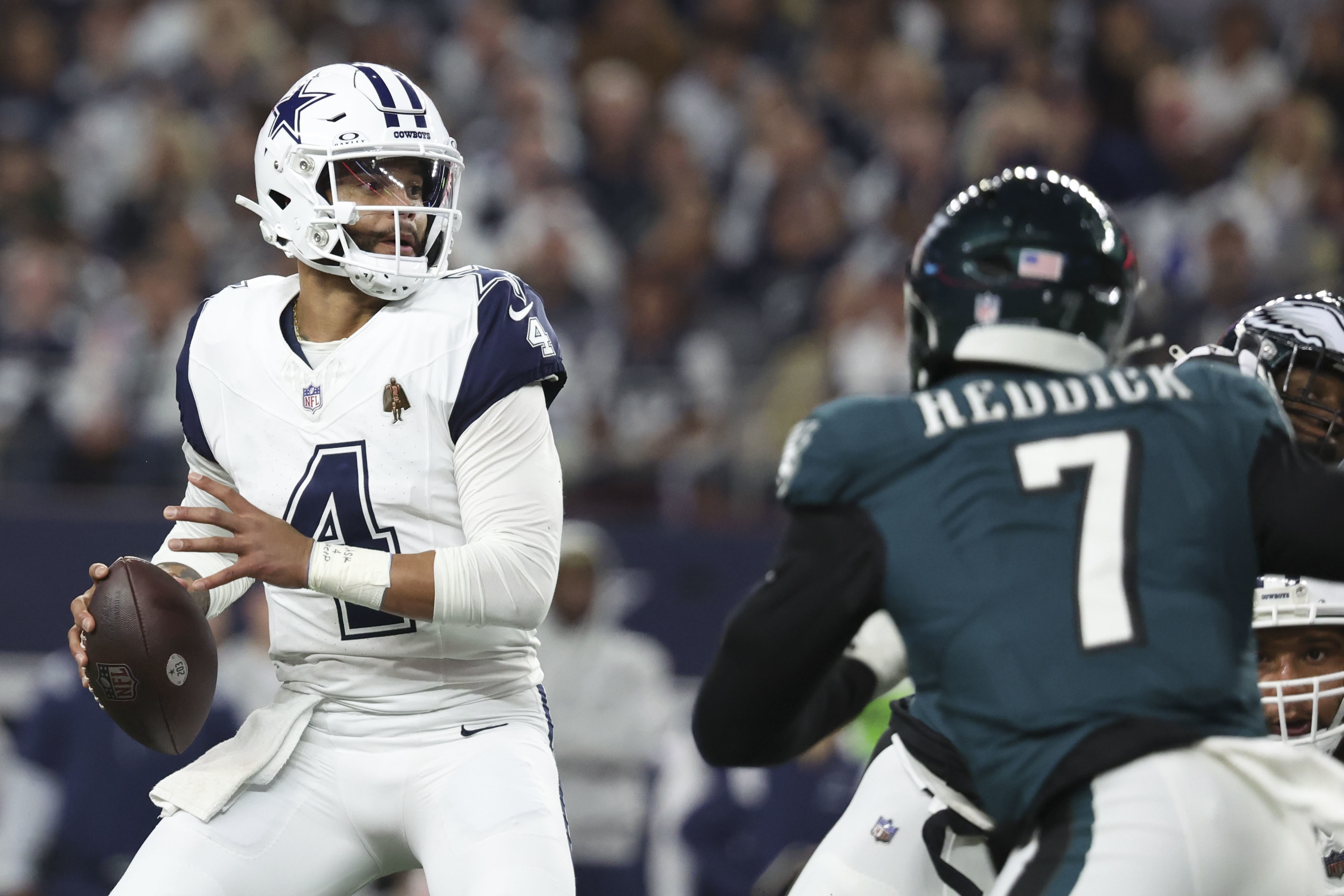
The Eagles defeated Dak Prescott and the Cowboys 24-20 way back in Week 1.
The Eagles will need another dominating performance by their defense next week against the Dallas Cowboys.
The Cowboys, who play tonight against the Las Vegas Raiders, are averaging 29.2 points per game, fourth-best in the NFL. Dallas has the No. 3 offense in the league and leads the NFL in passing yards, averaging 257.8 points per game.
It’s not like the Eagles’ defense isn’t capable. The Birds held the high-powered Detroit Lions offense to just nine points and 317 total yards, and the Eagles defense hasn’t allowed more than 10 points for two straight weeks.
The Eagles narrowly won their first matchup against the Cowboys, a 24-20 nail-biter in the NFL kickoff game, helped by CeeDee Lamb’s fourth-down drop late in the game. Dallas has lost three of their last four games, and are quietly watching their playoff hopes fade away.
The good news for the Eagles is the Cowboys have the third-worst defense in the league, allowing 378.4 yards and 29.2 points per game. If Jalen Hurts and the Eagles offense can’t get things going against the Cowboys, the Birds may be in store for a tough playoff run.
The narrative that the Eagles win in spite of Nick Sirianni still exists despite his continued success.
His detractors were given more ammunition Sunday with another lackluster offensive performance and another aggressive fourth-down gamble from the coach that failed. They’ll point to contradictory decision-making that leaned conservative early on but was almost reckless in the latter stages at Lincoln Financial Field.
Sirianni’s critics will credit Vic Fangio and his defense for the Eagles’ 16-9 victory over the Detroit Lions. They’ll say any coach can win with the roster general manager Howie Roseman has assembled. And some will spend the next week digging through stats and film to support their claim.
They might have an argument, especially this season. This version of the Eagles may defy logic. But it’s hard to debate facts. They’re 8-2 and possibly two more wins from clinching the NFC East before December. They sit atop the conference having already beaten the 8-2 Rams, not to mention five other playoff teams from last season.
And Sirianni just piles up W’s — 56 in his first 78 regular-season games — and in each of his five seasons in Philly he’s found a different way to do so. For most of this season, the Eagles have been a team in search of an identity.
They haven’t quite found one on offense and that remains a concern. But after two dominating defensive performances, it’s clear the Eagles can ride Fangio’s unit to the playoffs as long as Sirianni’s aesthetically unpleasing philosophy holds.
“I think our guys have this knack of knowing,” Sirianni said. “As I watched football today, I feel like I saw a lot of teams waiting to lose. Our team’s waiting to win because they know how to win.”
Some fans have become spoiled by all the winning since Sirianni arrived. There’s nothing wrong with having a high standard. The Eagles have it themselves and have struggled at times to enjoy the victories when they’ve looked unappealing, particularly on offense.
A.J. Brown has been the most vocal about the deficiencies and despite being targeted Sunday night more than the wide receiver has all season, the offense looked just as inept as it did last week at the Packers. The Eagles averaged just 3.9 yards per play vs. the Lions. They finished with their worst expected points added per drive (-1.40) in nearly two seasons.
But unlike in 2023, they have a defense and a coordinator to compensate. Even Brown seemed resolved to accept this current version of the Eagles. He may have no choice.
“We’re in the business of trying to get better,” Brown said. “It’s not that we just moping around. We’re excited. Guys were just here dancing.”
Sirianni is an offensive-minded coach, but the defense still works for him. Fangio is the schematic architect. And Roseman has built a young group that has elite talent at all three levels. But the coach has established a culture centered on a slogan — “Tough, detailed, together” — that may seem hackneyed until you watch his players execute it.
“I think it comes from the bond and the familiarity within the building,” quarterback Jalen Hurts said. “You’ve heard me talk a lot about those Georgia guys on the other side of the ball and how familiar they are with one another. I think they bring a special energy to the defense and into the team.
“You see it out there today with all those guys making plays. The defense was playing lights out. It was one of the best performances I’ve ever seen.”
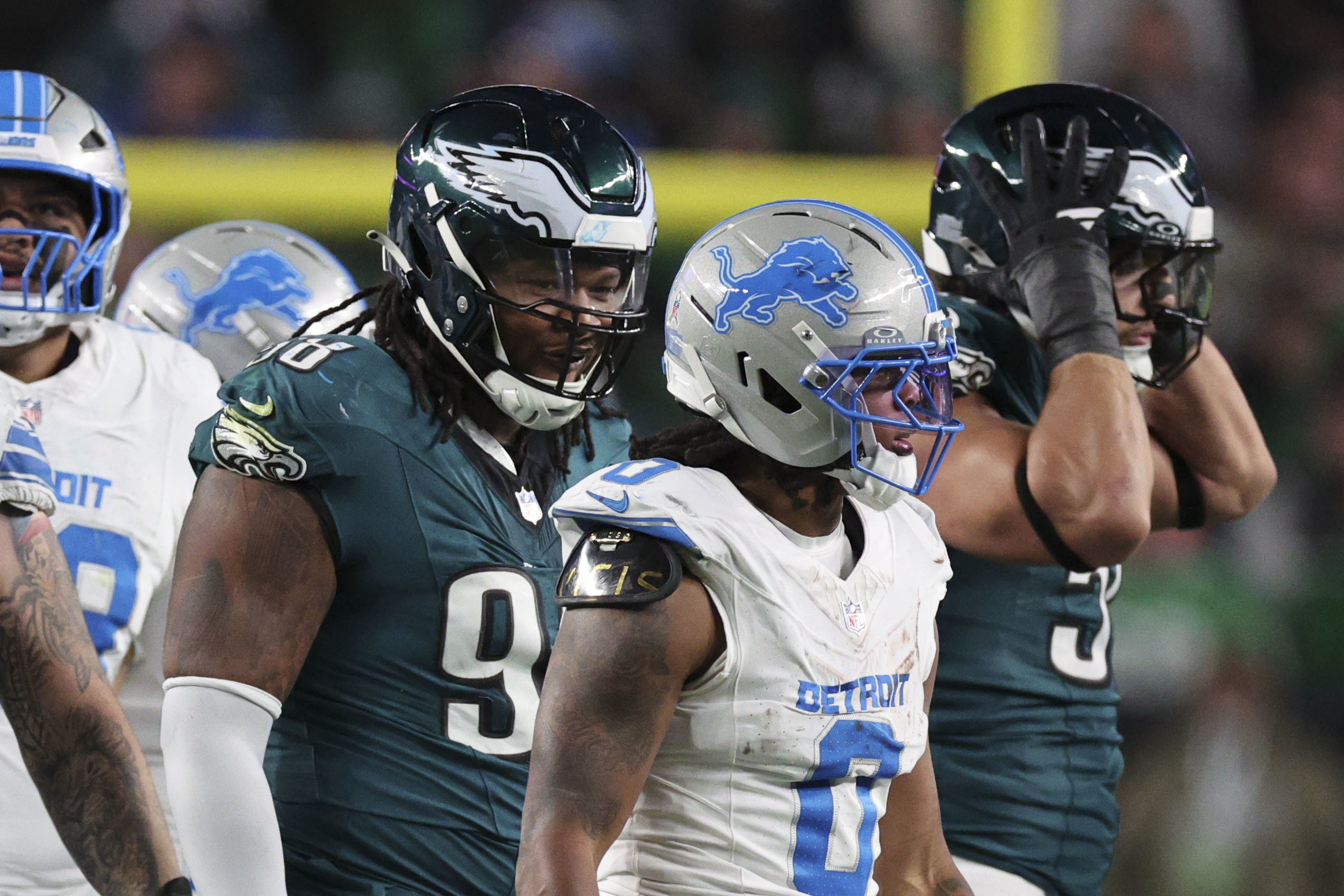
Eagles defensive tackle Jalen Carter has some words with Lions running back Jahmyr Gibbs.
Two of the Georgia guys — defensive linemen Jordan Davis and Jalen Carter — combined to deflect five passes at the line of scrimmage. One of Davis’ deflected to cornerback Cooper DeJean for an interception.
It was the Eagles’ lone takeaway, but they had five fourth-down stops that Sirianni characterizes as turnovers. The offense, meanwhile, didn’t give the ball away and still has the lowest turnover percentage in the NFL.
“That’s always a philosophical staple and what he believes,” Hurts said of Sirianni and winning the turnover battle. “It’s always been that.”
It wasn’t the only offensive highlight. The four-minute offense finally delivered with running back Saquon Barkley (26 carries for 83 yards) picking up tough gains in the final moments. There were occasional glimmers.
But Hurts and Co. struggled again to get into any rhythm. Offensive coordinator Kevin Patullo’s play-calling resulted in more negative-yard plays and three- and-outs. There were self-inflicted wounds: dropped passes, penalties, missed blocks, and throws.
Hurts completed just 50% of his passes. He was sacked only once. Left tackle Jordan Mailata was instrumental in keeping Lions defensive end Aidan Hutchinson from wrecking the Eagles, especially after right tackle Lane Johnson left early with a foot injury.
But with Barkley failing to find light on the ground, the drop-back game often resulted in errant throws or Hurts scrambling and throwing the ball away. He forced the ball to Brown at times. Four of his first six attempts went to the receiver and 11 overall. Brown caught seven for 49 yards, but he never broke free after contact or found much separation downfield.
“It wasn’t about targets last week or the week before … it wasn’t about that at all,” Brown said. “It was me trying to help and contribute. That’s all. And regardless of what that looked like in phases, I think I did.
“But like I said, it’s a lot of stuff that we as [an] offense — and me myself — need to continue to get better at.”
A.J. Brown was more involved on Sunday night, but the offense remained inconsistent.
Asked about Brown’s targets after the receiver saw the ball come his way just three times in Green Bay, Hurts said he was “going with the flow of the game” and “how it was called.”
“That may be a KP question,” he added.
Hurts spoke with several reporters off the podium after his news conference ended in the early morning hours. He talked about the various ways the offense has approached each week based on game planning and how it has been defended. He wasn’t making excuses, but it’s obvious the Eagles are still trying to find an element to hang their hats on.
“We have to do a bit of identifying who we are, so we can find consistency in something and go out there and execute at a high level,” Hurts said earlier. “I think there was a lot of encouragement coming into the bye week, where we were still with a ton of room to improve. But you know what I feel about momentum, it can begin to end at any moment.
“But as I told you guys last week, is it half-full or half-empty? Everybody’s got to be all hands on deck and trying to improve that. Nothing takes over the precedent of winning.”
Hurts has faced the same scrutiny as Sirianni and the belief from some that he is a product of his supporting cast. But the idea that the offense, despite returning 10 of 11 starters, has elite talent across the board may be an erroneous one.
And yet, Sirianni rolled the dice on fourth-and-1 with the Tush Push — after falling short on third down — on the Eagles’ 29 with three minutes left in the game. He essentially handed Detroit at least three points when Hurts was stopped short, but his defense — some might say — bailed him out.
“Obviously, I’m going to be second-guessing myself about the fourth-and-1 in our own territory there, but awesome job by the defense holding them to three there,” Sirianni said. “We got about half of it the play before. I thought we could get the other half right there. We didn’t. I have to live with that when we don’t execute on fourth down.”
It was the second straight week that Sirianni’s fourth-down gamble nearly cost his team. Game management has mostly been a strong point, especially after he handed over offensive play calling in 2021. So he gets the benefit of doubt once more.
But the only guy in the Super Bowl era to win at least eight of the first 10 games of a season four times in his first five years — some guys named George Halas, Paul Brown, and Guy Chamberlin did it — may deserve more than that.
All you have to do is look at the rest of the NFL to put Sirianni’s accomplishments in perspective. Lions coach Dan Campbell had multiple dubious calls and decisions that backfired on him Sunday night.
Sirianni will face the gauntlet after another ugly win. He knows as well as anyone that the Eagles won’t likely win another Super Bowl if his offense keeps sputtering.
“Do we want things to be better? Yeah, of course,” he said. “You’re in a constant quest of getting better and we’re going to be crazy tomorrow about the things. We are working tomorrow.”