Blog

  • A recession seems increasingly likely in 2026, economist says

    A recession seems increasingly likely in 2026, economist says

    It’s December, which means it’s time for economists to publish their forecasts for the upcoming year. Given all the political, economic, and social concerns, the crystal ball is fuzzy.

    However, the factors that should drive growth in 2026 are fairly clear.

    Tariffs are an unknown and the greatest potential threat

    With inflation remaining stubbornly high and affordability becoming a political battleground, President Donald Trump is faced with some difficult decisions. It is hard to argue that tariffs are not paid for by consumers. Recent actions to lower tariffs on imported food products is an admission that is the case.

    So in 2026, will tariffs be reduced? And if so, how broadly?

    The likelihood is they will be lowered, but the ad hoc nature of tariff adjustments indicates the changes will not likely have much of an impact on prices. And that means inflation is likely to remain well above the Fed’s target rate of 2%.

    The effects of high and rising prices on economic activity cannot be denied. Affordability is not a hoax, at least not for the average household. Consumer confidence recently fell to some of the lowest levels recorded.

    While overall consumer spending has held up, much of the demand is coming from upper-income households. An economy can be supported for only so long by a small percentage of the population. Eventually, the companies that provide goods and services to the average household will feel the pain.

    Without a major turnabout on tariffs, inflation is likely to remain high, further depressing consumer confidence and spending.

    Immigration policy and deportations are slowing population growth

    Whatever you think of the Trump immigration and deportation strategy, there are economic implications.

    When the shutdown in immigration is combined with rising death rates and falling birth rates, the result is the U.S. population may have declined in 2025 for the first time ever.

    Also, restrictions on immigration have slowed labor force growth. When you add in the fear factor affecting both documented and undocumented workers, the negative effects on the labor supply are magnified.

    In an economy with low unemployment rates, the lack of workers puts upward pressure on wages and inflation while reducing income growth and total consumer spending.

    In addition, the labor shortage restricts business growth. Small businesses continue to report that the lack of qualified workers is their biggest problem.

    The administration’s immigration policy will likely continue to limit labor availability, slow hiring, and restrain spending, while putting upward pressure on wages and prices.

    The Federal Reserve faces a difficult choice

    The Fed is in a pickle. If it tries to fight elevated inflation by not lowering interest rates, it risks slowing the economy. If it tries to address a softening economy by reducing interest rates, it risks inflaming inflationary pressures.

    It is clear the monetary authorities would prefer to lower rates back toward trend levels. And they are likely to cut rates next year. But there is little reason to believe inflation will settle down soon, so the Fed cannot be expected to act aggressively.

    The Fed cannot fight high inflation and slowing growth at the same time, so barring a recession, expect it to act cautiously.

    The impact of AI on the economy should accelerate in 2026

    The 800-pound gorilla in the economic forecast is artificial intelligence, the next industrial revolution.

    Next year will likely be make-it-or-break-it for many companies when it comes to AI. The hundreds of billions of dollars being invested must show clear signs of being financially profitable. By this time next year, AI firms must create real value, not just stock market value.

    Previous early phases of industrial revolutions typically led to massive upheaval in the labor market. We are starting to see the outlines of what that might look like once AI becomes embedded in the economy.

    Right now, firms are not firing workers. But many have paused hiring. The next step, though, is layoffs. We could start seeing that by mid-2026.

    Ultimately, hiring should come back. It always happened in past phases of the industrial revolution. Just don’t expect to see that until 2027 or even later.

    As AI spreads thorough the economy, anticipate much slower or even negative job growth, leading to higher unemployment rates, lower consumer confidence, and slower spending.

    Upending traditional international relationships creates tremendous economic uncertainties

    The Trump administration’s desire to reframe international relationships cannot be viewed simply as a political strategy. Its economic consequences are hardly clear now but may show up in 2026.

    A rough summary of the latest national security outline points to a pullback from Europe, an expansion in the Americas, closer relations with Russia, and more competition with China.

    Again, how this plays out is anyone’s guess, but we could see Europe become a major economic competitor, China become more aggressive when it comes to trade, and Russia, well who knows what Vladimir Putin will do?

    How could this affect the U.S. economy? Consider China. It has no qualms about using its economic strength as a cudgel. Its economic war with the U.S. is likely to heat up.

    Think about soybeans. China had been the U.S.’s biggest market but has bought little this year. Instead, China is encouraging other countries to grow soybeans. U.S. soybean farmers are going bankrupt and the huge farm bailout could be needed for other segments of the economy if the economic war heats up.

    Similarly, look for Europe, which Trump wants to set afloat, to start switching its demand for American-made products to other parts of the world. The continent could become a full-throated competitor with no holds barred.

    The Trump administration’s goal of resetting international political relationships is likely to spread into a restructuring of international economic competition.

    The U.S. economy is amazingly resilient, but a number of significant issues could become major problems. How they all play out is uncertain, but given the potential negative impacts on growth, it is hard to think we can skirt a recession next year.

  • Silver prices just smashed a new record. What does this mean for the economy?

    Silver prices just smashed a new record. What does this mean for the economy?

    Silver is giving gold a run for the money.

    The precious metal has more than doubled in value since the start of the year and broke a fresh record on Tuesday, rising above $60 per troy ounce on New York’s Commodity Exchange for the first time ever. Now it’s up 102% for 2025 far outpacing the record-building rush that has lifted gold 59%.

    A mix of forces are boosting silver, including the weakened dollar, tariff politics, and supply shortages. Especially critical in recent weeks, though, was the growing expectation that the Federal Reserve would announce another rate cut, which it did on Wednesday, as the U.S. economy continues to slow down. Analysts say that’s likely to further pressure the dollar lower while lifting silver a classic safe-haven asset even higher.

    In light of Fed concerns, “precious metals prices are rising as a bit of a hedge,” said Michael Farr of the D.C.-based investment firm Farr, Miller & Washington, ahead of the meeting.

    But silver’s rise is also a global story with a combination of forces at play. Here’s what you need to know about its soaring popularity.

    Dollar weakness and the ‘debasement trade’

    The softening of the greenback which depreciated about 8.5% since the start of the year is a big part of the story. Most of this drop occurred in the first half of the year, after the Trump administration unleashed steep tariffs on trading allies and competitors alike and reduced U.S. attractiveness as a reliable trade and investment partner. At the same time, rising U.S. debt and lingering concerns about inflation have also diminished the dollar’s value.

    The weakened dollar, in turn, has been driving what’s known as the “debasement trade”: Investors are looking for other assets which include gold as well as silver because the dollar is no longer seen as ultrasafe as it used to be, said Collamore Crocker of the economic consultancy New Century Advisers.

    “‘Concern’ is a big piece of the trade‚” Cocker said. “If you’re worried about governments undermining the value of their own currencies, you might buy precious metals.”

    The Fed rate decision could very well push the dollar down even more. Typically, lower interest rates make a currency less attractive for investors because there’s a lower return on assets in that currency.

    “Lower rates are bullish for precious metals,” said Bob Gottlieb, an independent consultant who previously worked at JP Morgan and other financial institutions.

    The tariff factor

    Traditionally, silver tends to be more volatile compared to gold and more sensitive to policy changes, say analysts. Tariffs are a good example. Recently, concerns spiked that the U.S. could add tariffs specifically for silver after it was added to the U.S. Geological Survey’s list of critical minerals last month, along with copper, lead, and other rare metals.

    The list allows the federal government to “understand where strategic domestic investments or international trade relationships may help mitigate risk to individual supply chains,” USGS acting director Sarah Ryker said in a statement.

    Adding a metal to the list can signal tariffs to come, and many investors reacted accordingly, pushing silver higher. The threat of additional tariffs has also led metals traders to shift silver to the United States and out of London or Shanghai, as a way to preempt the hit from new import taxes on the precious metal.

    Demand and supply squeeze

    The tariff uncertainty and dollar weakness are coinciding with a long-running silver shortage. A recent report from the Silver Institute estimated industrial demand for silver has soared about 18% over the past four years, due in part to India now the world’s second-largest market for silver investment, according to Kitco News, a metals publication.

    Silver is culturally seen as a “poor man’s gold,” said Hiren Chandaria, managing director at the financial firm Monetary Metals. “With gold prices rising so high, many households and smaller investors have shifted toward silver as a more affordable precious metals store of value, so investment and gifting demand has shot up alongside traditional jewelry and silverware buying.”

    Investor demand from India is also spurred by a recent decision by the country’s central bank that allowed for regulated silver-backed loans. The Silver Institute has reported roughly a doubling in silver-backed exchange-traded fund price in India since January 2023, amid a surge of investment.

    Beyond India, broader supply crunches are in play. The world’s mines are expected to produce only about 813 million ounces of silver this year, slightly less than they did in 2021, according to the Silver Institute. Mines can only produce so much each year, and it takes many years to get a new one up and running something that puts a cap on supply.

    Industrial demand

    The buying frenzy for silver and resulting shortage are also driven by technological change across the industrial world that has unfolded over the past five years.

    While gold has relatively little practical use aside from jewelry, silver is a high-quality conductor of electricity and heat and holds a range of industrial applications “at the cusp of precious metals and industrial metals,” as Chandaria describes it.

    Surging investments in electric vehicles and artificial-intelligence data centers, for example, are among the sectors driving demand. Silver is laced throughout electric vehicles and their batteries, which is one reason for its surge during the electric-vehicle investment boom by major automakers in recent years. It’s also used in AI semiconductors.

    “There is an inherent tightness still in the silver market … demand is greater than supply every year,” said Bob Gottlieb, a former metals trader with leading financial institutions.

    Meanwhile, the silver boom is lifting mining companies. Canada’s Wheaton Precious Metals, the largest silver mining company by market capitalization, has seen its stock price rise close to 85% year-to-date. Fresnillo, a Mexico City-based mining company that bills itself as the world’s leading producer of silver ore, is up 365% since the start of the year, while Mexico’s Industrias Peñoles has risen around 230%. Canadian mining conglomerate Pan-American Silver rose 105%.

    Gottlieb, the metals trader, says he believes silver will settle between $50 and $75 an ounce over the next year, adding that he views India’s demand as grounds to stay bullish. But he also urged caution. “I learned a long time ago that whenever you forecast a price, the real movement is not from what you forecasted,” Gottlieb said.

  • Shapiro strikes a deal, Council micromanages, and Parker gets a H.O.M.E. debate for the holidays | Shackamaxon

    Shapiro strikes a deal, Council micromanages, and Parker gets a H.O.M.E. debate for the holidays | Shackamaxon

    This week’s Shackamaxon is about the mayor’s housing plan, micromanaging tables and chairs, and Gov. Josh Shapiro’s abilities as a dealmaker.

    Not yet H.O.M.E.

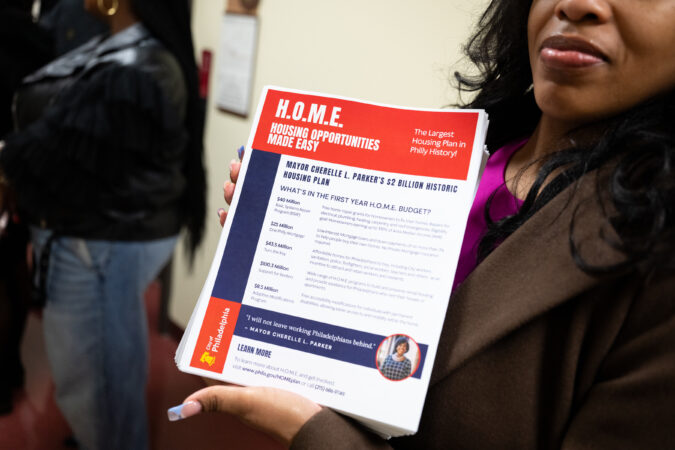
    Initially, Mayor Cherelle L. Parker’s $2 billion proposal to build or restore 30,000 homes seemed like a point of consensus between the administration and City Council. Yet, Parker’s attempt to expand the income limits, particularly for the Basic Systems Repair and Adaptive Modifications programs, has proved to be a sticking point, and the war of words is escalating.

    The mayor has been campaigning for her plan across the city, including at places of worship. She’s cast Council as unwilling to help those who have “paid up and prayed up.” A majority of Council members took issue with that description, insisting all they want to do is ensure the neediest residents have first dibs on the resources.

    Frankly, the temperature in this debate has gotten much too high. Under either side’s plan, income levels will be expanded, and most of the benefit will go to people making less than 60% of area median income.

    Instead of fighting Council over income levels, Parker should have pushed them to allow for more market-rate construction in areas that aren’t in and around Center City. Ironically, the city’s chief housing officer, Angela Brooks, published an article for the National League of Cities that makes the case to do exactly that, citing a Moody’s report that shows that much of the city is undersupplied when it comes to housing and calling for a market-smart response.

    Yet, much of Parker’s Housing Opportunities Made Easy plan is geared toward demand-side support that may help individual households, but won’t reduce the rapid appreciation in housing costs for the hundreds of thousands of families across all income levels who will never apply for or receive any of these benefits.

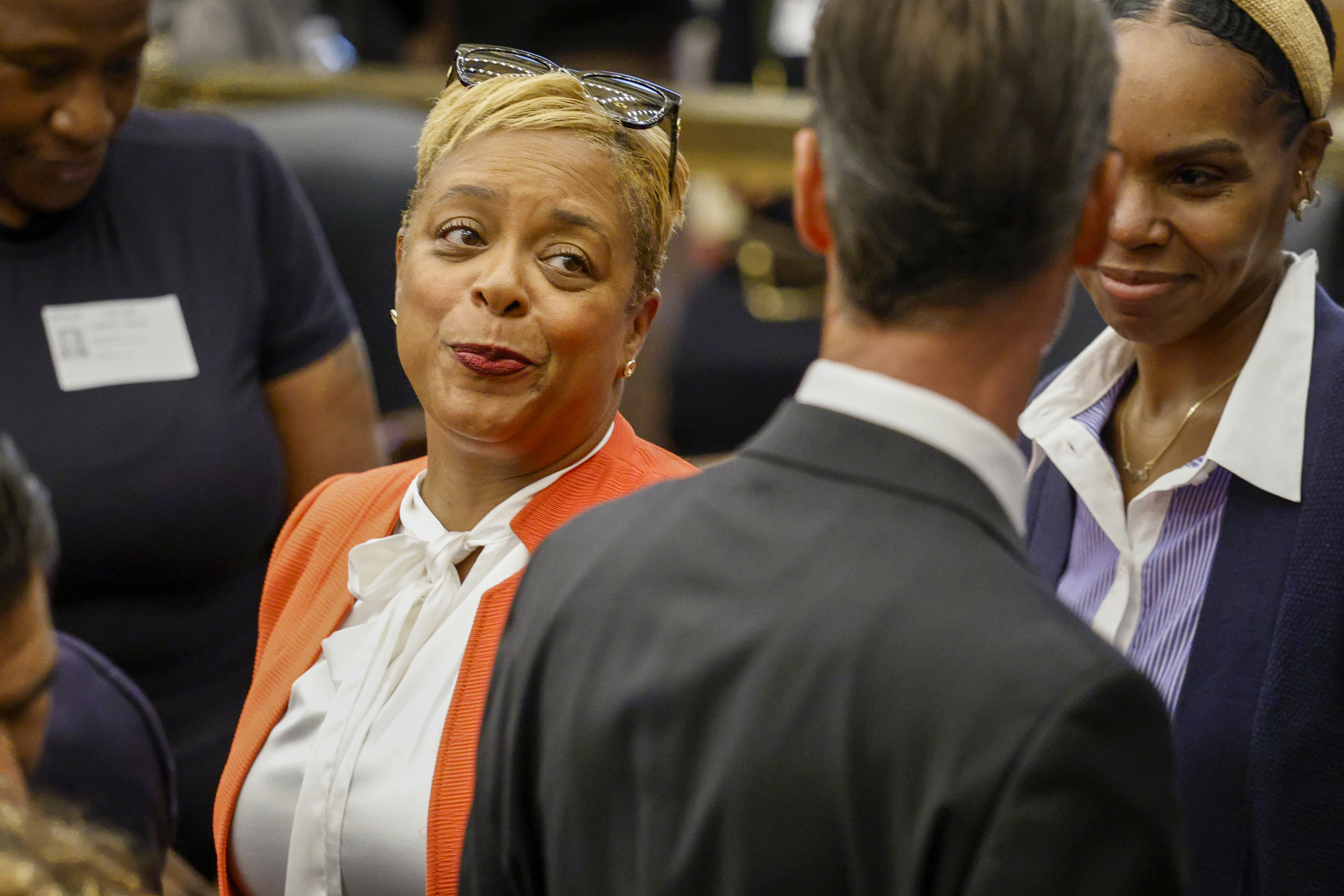
    Cindy Bass during the first day of Council’s fall session in September.

    Wait outside

    Shackamaxon readers are familiar with Philadelphia’s tradition of councilmanic prerogative, which gives district Council members total discretion over land use and transportation questions within their districts. Typically, this means big civic questions like what to do with a closed middle school, how to renovate an aging library, or whether to proceed with an ambitious street redesign.

    It also means that district members have control over even the most minor of concerns — like whether a restaurant can place tables and chairs outside.

    In most of Philadelphia, you actually need a city ordinance to do this. That’s right. A restaurant or cafe owner can’t just notice it is a nice day and decide to set up outdoor dining. There isn’t even a simple permit system. Installation requires Council approval, which means getting your district Council member’s sign-off. That can be easier said than done.

    After the pandemic demonstrated that expanded outdoor dining can be done without causing an uprising, City Council created a few (what I call) micromanagement-free zones for restaurants, where the process is simplified. (To her credit, 3rd District Councilmember Jamie Gauthier included her entire district.)

    Even then, they must secure a $1 million insurance policy, pay a $227 annual licensing fee, and hire an architect. Yes, an architect must be involved just to put out a few tables and chairs. At Thursday’s City Council hearing, one restaurant owner claimed the process was more difficult than getting his food safety certification. For restaurants outside the designated zones, Council authorization is still required. This puts them at a competitive disadvantage against restaurants that already have the benefits of being located inside a zone.

    At-Large City Councilmember Rue Landau, whose brother, Rich, owns Vedge, has come to the aid of these forgotten eateries. She proposed and passed a bill to expand the “by-right” areas, freeing more businesses from Council’s micromanagement. While the bill should help more restaurants navigate the process, they still face the prospect of waiting months or years for city approval, in a process many entrepreneurs say seems designed to trip them up rather than bring them into compliance.

    Even with the limited assistance on offer, the effort still attracted the ire of 8th District Councilmember Cindy Bass. Bass, one of Council’s most prolific practitioners of prerogative, viewed the bill as an imposition on her right to dictate how things should be done. Even though Landau carved out Bass’ entire district from the legislation, Bass still felt the need to beat up on the proposal at a committee hearing.

    Saudia Shuler (left), dressed as “Saudi Claus,” helps Averie Love, 11, pick out a new bicycle during a 2017 Christmas toy giveaway in front of Shuler’s restaurant in North Philadelphia.

    Favors for fraudsters

    Bass isn’t against all restaurant owners, however. This week, she pushed through a resolution honorarily renaming the intersection of Broad and Pike Streets for Saudia Shuler.

    The North Philly mom and owner of Saudia Shuler’s Country Cookin’ rose to prominence as the “camel prom mom” in 2017 after hosting an extravagant Dubai-themed send-off for her son. The event included three different luxury cars, three different luxury outfits, and three different dates, alongside a camel and sand.

    Shuler told journalists at the time that it all cost just over $25,000. She also held an extravagant toy giveaway later that year, handing out 100 bicycles and 800 presents to local kids.

    Unfortunately, Shuler’s story did not end there. The next year, she was indicted for Social Security fraud. In 2019, she pleaded guilty, admitting to taking nearly $40,000. That means much of her generosity was coming at the expense of taxpayers and Social Security beneficiaries. Somehow, this episode went unmentioned by every member of Council, and her honors were passed unanimously.

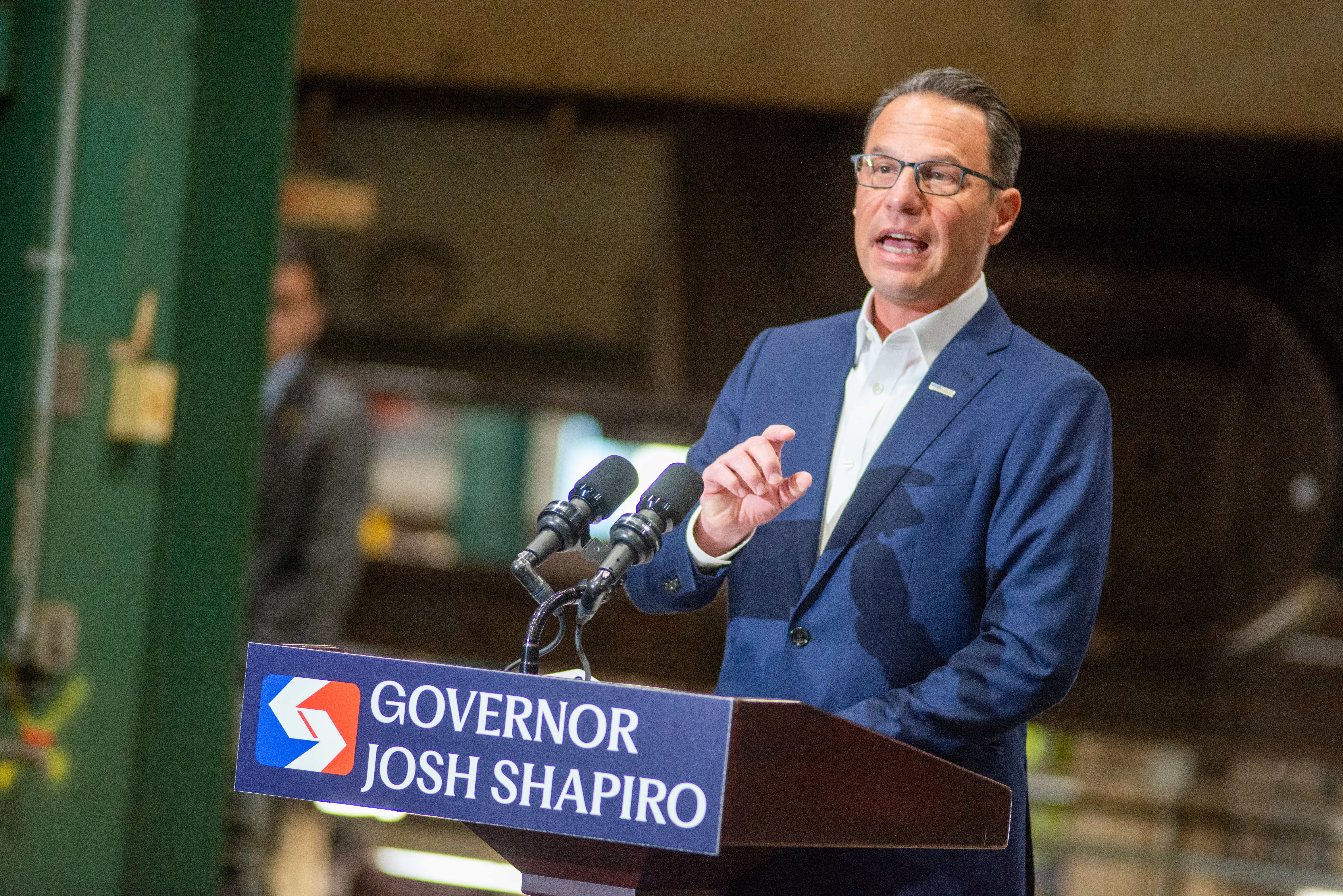
    Gov. Josh Shapiro speaks at SEPTA’s Frazer Shop and Rail Yard in Malvern in November.

    Gov. Dealmaker

    After a four-month-long impasse over the state budget, some may have questioned Gov. Shapiro’s credentials as a dealmaker. Yet, this weekend, the ambitious Abingtonian demonstrated his mediation skills, helping to broker a deal between SEPTA and its largest labor group, the Transport Workers Union Local 234.

    The agreement averts a strike that could have started on Monday (or even last Friday, according to a few operators who told me they thought action was imminent that day).

    This is now the third time the governor has come to SEPTA’s rescue, although this time he managed to pass up getting behind a podium at a news conference. For riders hoping to avoid service interruptions, these interventions have been welcome. Still, I can’t help wondering why the Transport Workers Union had an easier time making a deal with Shapiro instead of with Scott Sauer, the first general manager to start his career as a rank-and-file operator.

  • Letters to the Editor | Dec. 12, 2025

    Letters to the Editor | Dec. 12, 2025

    Equitable education

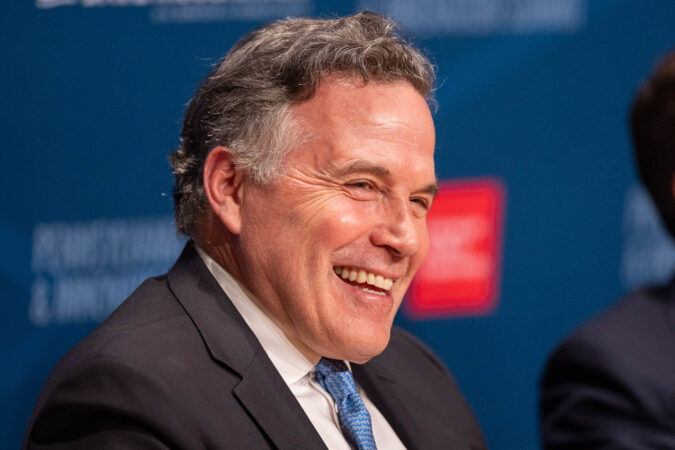
    Sen. David McCormick is right that many students struggle in low-performing public schools. He is wrong that school choice is the cure. He wants Pennsylvania to opt into a tax credit scheme for wealthy donors to assist not just “those who can afford it” to go to private school. He wants you to think this will fix the problem of struggling public school students. It can’t. It’s not only affordability that allows some parents to pay for private school tuition. It is access to information, time to complete application processes, access to a reliable car, and time to drive the child to school every day. It’s not simply affordability.

    What school choice does is take one or two students out of many classrooms in a school, city, or township, those with parents with information, time, and a working car, and remove them from their public school community. The public school network loses a few children from each local school, but not enough to close classrooms or reduce staff. The loss of active families and funding, which follows slowly, bleeds schools of support and leaves the budget short for operations, maintenance, and improvements. The problem compounds because private schools and charter schools do not serve all students with special needs, as public schools must.

    Opting in to McCormick’s tax credit for wealthy donors will short public schools and worsen the problems for all students. No more schemes to “fix” schools while making problems worse. Instead of incentivizing wealthy donors to subsidize some students’ private school tuition, incentivize donors to give to public schools to benefit all children. Fix our public schools now by providing all the resources our children deserve.

    Ann Burruss, Newark, Del.

    . . .

    When U.S. Sen. Dave McCormick published his recent op-ed attempting to rebrand Donald Trump’s unpopularOne Big Bad Bill” and advocating for school vouchers and tax credits, he painted a bleak picture of Pennsylvania’s public schools and offered privatization as the cure. As a lifelong advocate for our children, I cannot let his Wall Street talking points go unchallenged — because the health of our commonwealth is at stake.

    Sen. McCormick, a hedge fund executive turned politician, claims his plan would give every family “school choice.” But let’s be clear: His proposal isn’t about empowering working Pennsylvanians. It’s about siphoning public dollars away from our neighborhood schools and funneling them into private institutions — many unaccountable to taxpayers and selective about whom they serve. This is the same playbook we’ve seen from billionaires and wealthy conservative donors who routinely privatize public goods for profit, leaving real Pennsylvanians to foot the bill.

    Sen. McCormick’s plan would drain hundreds of millions from public education annually. In 2024-2025 alone, Pennsylvania’s tax credit programs diverted over $525 million in potential state support away from public schools—money that could have repaired buildings, reduced class sizes, and hired more counselors. That’s not fiscal responsibility — that’s fiscal sabotage.

    Sen. McCormick and his allies love to talk about “waste, fraud, and abuse” in government — until it’s their donors cashing in. Voucher schemes across the country have led to exactly the kind of corruption and inflated spending they claim to oppose. States like Florida and Ohio have seen voucher programs riddled with scandals and declining student performance.

    Sen. McCormick’s allegiance is clear: He stands with the donor class and private interests who profit from dismantling public education. The real choice isn’t between “failing schools” and privatization. It’s between investing in the public good or selling it off to the highest bidder. Let’s choose to strengthen the health of our public schools — because the health of our children, our communities, and our democracy depends on it.

    Maria Collett, Pennsylvania state senator, 12th Senatorial District

    . . .

    A free-market system is grounded in the idea that consumers making informed choices spur competition, which, in turn, leads to improved goods and services. Dave McCormick, however, turns that idea on its head by telling us in his recent op-ed that “School choice offers accountability through competition.” He explains his position by writing that “It lets parents choose what’s best for their children.” But how do parents choose a school for their child without any information on how students perform at that school?

    Public school performance data is readily available for various school districts, as well as the Pennsylvania Department of Education. If Sen. McCormick believes school choice is such a great idea, then he should be advocating for private schools making their data available to the public, too, rather than trying to make us believe competition will somehow make schools more accountable.

    Coleman Poses, Philadelphia

    . . .

    Sen. Dave McCormick’s recent op-ed is little more than a self-promotional puff piece with a glaring omission. What McCormick does not mention is the Educational Improvement Tax Credit Program. It is basically a huge handout from Pennsylvania’s taxpayers to rich private schools. Wealthy individuals form limited liability corporations, and then get a significant tax break on up to $750,000 per year that they donate to a private school.

    The EITC program has been a windfall for schools with wealthy parents. Take the Episcopal Academy in Newtown Square, one of Pennsylvania’s richest and most prestigious private schools. Every year, several million dollars are donated through EITC. This is an educational institution in which the head of school got $961,451 in total compensation in 2024, according to ProPublica.

    The Working Families Tax Cut Act that McCormick praises is just one more shot at undermining the quality of our public schools. The more money they take away, the worse schools perform, and the more Republicans blame schools and teachers for that failure. In truth, it is the Republican Party that is responsible for the deterioration of our public school system.

    Alex Pearson, Merion Station

    . . .

    Pennsylvania Sen. David McCormick did a fine job of showing his bona fides as a blind follower of the Trump regime.

    His first mistake is being on the wrong side of history and constituent well-being in his mindless pursuit of Donald Trump’s favor.

    His second is using Florida as an example of success with “busting the education monopoly.” I’ve now lived in Florida for 25 years, and watched as a Republican-dominated state legislature added ever more money to school choice vouchers.

    Yet, Florida, too, has an abysmal rate of 12th graders who could not succeed on basic math and reading exams. Plus, charters and other private schools that receive vouchers are not held to the same high standards as public schools for teacher accreditation, testing, and core curriculum. They’re also permitted to cherry-pick their students instead of accepting everyone. Many have closed because of either poor performance or poor financial management while using tax dollars.

    I’ve seen it firsthand: Pennsylvania shouldn’t let vouchers make a mess of its public schools the way Florida has.

    Terri Benincasa, Palm Harbor, Fla.

    . . .

    The term school choice is a euphemism for taking funds away from those who need it and giving it to those who don’t. Public education in the wealthy suburbs and private schools is doing just fine. It’s public schools in the cities that are failing. They’re failing due to a critical lack of financial resources, low tax bases, and the relentless cycle of poverty that our country is unable/unwilling to resolve.

    I am a product of private, Catholic schools where my faith was taught every day. I don’t think taxpayer dollars (which are what school vouchers are) should support this type of school. If certain groups wish to provide education based upon their specific beliefs or principles, they must fund it for themselves. Taxpayers include Jews, Muslims, atheists, all faiths. Why should their dollars go to Catholic schools?

    I live in a city and have no children, yet I am willing to have my tax dollars support urban public schools. All kids need the basic skills to support themselves in meaningful, productive jobs, which is important, especially to Republicans.

    Let’s all say no to school vouchers.

    Patricia Clarke, Pittsburgh

    Join the conversation: Send letters to letters@inquirer.com. Limit length to 150 words and include home address and day and evening phone number. Letters run in The Inquirer six days a week on the editorial pages and online.

  • Horoscopes: Friday, Dec. 12, 2025

    ARIES (March 21-April 19). You’ve already lived through a pattern, so there’s no reason to be blindsided by the recurring conflict or the stressful scenario that keeps coming back around. You have the data you need for wise reflection.

    TAURUS (April 20-May 20). Chasing your dream will require lost sleep, emotional vulnerability and lots of uncertainty. But you knew what you were signing up for. You weren’t expecting a free ride. Your struggle will feel purposeful.

    GEMINI (May 21-June 21). The one who’s supposed to be in charge is either inept or absent. You might not want to step up, but since you understand what needs to be done and people respect you, you’ll make quick work of it.

    CANCER (June 22-July 22). You’ll work toward giving others a smooth, novel and meaningful experience. Ultimately, it’s about creating an atmosphere where people feel comfortable enough to be themselves. They’ll keep coming back, and much good springs from that.

    LEO (July 23-Aug. 22). The connection you feel with someone goes beyond words or logic. It’s like you’re communicating on multiple planes. This kind of uncanny attunement doesn’t come along every day. It will be worthwhile to note the details of your perception.

    VIRGO (Aug. 23-Sept. 22). Like most smart, thoughtful people, you notice that some of what drifts through your mind is not accurate, helpful … or even yours! Today, there will be some benefit to an action taken unthinkingly. Heed instinct, and even impulse.

    LIBRA (Sept. 23-Oct. 23). It’s easy to cheer for heroes in stories who conquer trouble, but it’s not so fun to live that plot. And yet, here you are. The struggle you’re facing now is what’s building your strength and legend.

    SCORPIO (Oct. 24-Nov. 21). There’s power in precise language. Today, the person who explains something best wins the room. Take time to define your terms and choose words carefully. Some may not mean what you’ve always assumed they do. Clarity is influence.

    SAGITTARIUS (Nov. 22-Dec. 21). The stress and sweat you put into creating organized processes will be well worth it. This is what allows you to work well and build your resources, which will include practical supplies and money, but also love, knowledge and wisdom.

    CAPRICORN (Dec. 22-Jan. 19). We usually expect competition from rivals or outsiders. But sometimes it comes from within your own circle. With close ones, competition can take the form of teasing, one-upping or withholding praise. Extra empathy and boundaries will be necessary.

    AQUARIUS (Jan. 20-Feb. 18). Venting has its place, but you’re wired for solutions. If there’s no fix in sight, you’d rather steer attention toward what’s working. Today, there’s progress to be made by simply putting your energy and resources behind what’s gaining traction.

    PISCES (Feb. 19-March 20). It’s been hard to find happiness lately, like it’s hiding from you. This doesn’t have to be tricky. Forget the medicines, methods or formulas. Joy is simpler than that. People, humor, movement, music — those are the daily doses that make your spirit feel alive again.

    TODAY’S BIRTHDAY (Dec. 12). Welcome to your Year of Living Magnetically. What you need most is out there. In fact, it’s everywhere, and it’s as drawn to you as you are to it. Your authenticity attracts prosperity, love and wishes fulfilled. People trust you, and your influence grows. More highlights: You figure out how to make your money make money for you. Mentors come out of the woodwork. Social horizons expand with fun people. Pisces and Aries adore you. Your lucky numbers are: 12, 30, 26, 39 and 7.

  • Dear Abby | Family’s collective mental health is declining rapidly

    DEAR ABBY: As my parents have aged, my father has been misremembering things or making wrong assumptions. It has increasingly gotten on my mom’s nerves (she has also become more impatient and snappy lately), and she has been yelling at him in response. Sometimes, he responds back, but usually he doesn’t.

    My sister snapped at them, saying she is tired of their bickering, so they don’t do that around her as often anymore. But anytime I have gotten upset about it or tried to suggest to them how to resolve things, Mom gets upset with me. My mental health isn’t the best right now, so continuing to do that doesn’t seem like a good idea, but I’m at a loss about what to do. Any thoughts?

    — UNCERTAIN IN IOWA

    DEAR UNCERTAIN: Before this situation grows worse, please understand that it may be necessary for both of your parents to have physical and neurological examinations. If you can arrange for that, PLEASE do. The changes you describe in your father may be signs of dementia, and your mother may be stressed to the point that she can no longer deal with him without losing it.

    ** ** **

    DEAR ABBY: My 13-year-old son was getting off the school bus. His friend was in front of him. My son thought it would be funny to take his friend’s water bottle out of his backpack and drop it on the pavement. A few days later, my son got sent to the principal’s office, not because he was in trouble but because the parents had called the school to complain about their son’s scuffed water bottle and wanted it replaced. They asked for $23.

    I wrote a check and was tempted to add a snarky comment, but I didn’t. Yes, my son should keep his hands to himself, but the water bottle is still functional. My son apologized. Am I living my life wrong, or is it OK that they just invoiced me like that?

    — UNSURE IN ILLINOIS

    DEAR UNSURE: Your son may have been trying to be funny when he damaged another student’s property, but the boy’s parents didn’t see the humor in it. The bottle wasn’t the disposable kind, and the parents were not out of line to expect to be reimbursed for your son damaging it. Perhaps HE can reimburse YOU.

    ** ** **

    DEAR ABBY: Our family is already picking out items they want after my wife and I pass. They bring the subject up at every gathering. They have even started marking the items they want. My wife and I are 67 and 68. We are healthy and don’t plan on dying for a while. This is starting to upset us both. How to shut them up is my question.

    — ANNOYED IN TEXAS

    DEAR ANNOYED: Your family gatherings remind me of a pack of slavering wolves surrounding their potential prey. Here’s how to shut them up: At the next gathering, tell your kin that if they keep this up, when you and your wife depart this earthly plane, ALL of your possessions will be going to charity.

  • Gameday Central: Eagles vs Raiders

    Gameday Central: Eagles vs Raiders

    The Eagles head into this week’s showdown with the Raiders eager to keep their momentum rolling and strengthen their standing in the NFC race. After battling through a challenging stretch, they’re looking to put together a complete performance and make a statement as the season heats up.Join Olivia Reiner & Jeff McLane on Gameday Central for expert analysis, insider perspectives, and live updates throughout Eagles–Raiders this week.

  • Trump seeks to cut restrictions on marijuana through planned order

    Trump seeks to cut restrictions on marijuana through planned order

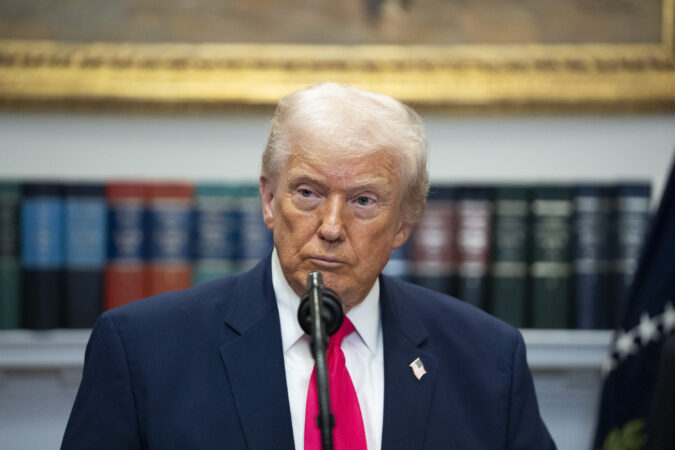
    President Donald Trump is expected to push the government to dramatically loosen federal restrictions on marijuana, reducing oversight of the plant and its derivatives to the same level as some common prescription painkillers and other drugs, according to six people familiar with the discussions.

    Trump discussed the plan with House Speaker Mike Johnson (R., La.) in a Wednesday phone call from the Oval Office, said four of the people, who, like the others, spoke on the condition of anonymity because they were not authorized to speak publicly. The president is expected to seek to ease access to the drug through an upcoming executive order that directs federal agencies to pursue reclassification, the people said.

    The move would not legalize or decriminalize marijuana, but it would ease barriers to research and boost the bottom lines of legal businesses.

    Trump in August said he was “looking at reclassification.” He would be finishing what started under President Joe Biden’s Justice Department, which followed the recommendation of federal health officials in proposing a rule to reclassify marijuana; that proposal has stalled since Trump took office.

    “We’re looking at it. Some people like it, some people hate it,” Trump said this summer. “Some people hate the whole concept of marijuana because it does bad for the children, it does bad for the people that are older than children.”

    Trump cannot unilaterally reclassify marijuana, said Shane Pennington, a D.C. attorney who represents two pro-rescheduling companies involved in the hearing. But he can direct the Justice Department to forgo the hearing and issue the final rule, Pennington said.

    “This would be the biggest reform in federal cannabis policy since marijuana was made a Schedule I drug in the 1970s,” Pennington said.

    The president was joined on the Wednesday call with Johnson by marijuana industry executives, Health Secretary Robert F. Kennedy Jr., and Centers for Medicare and Medicaid Services chief Mehmet Oz, three of the people said.

    Johnson was skeptical of the idea and gave a list of reasons, including several studies and data, to support his position against reclassifying the drug, two of the people said.

    Trump then turned the phone over to the executives gathered around his desk, who rebutted Johnson’s arguments, the people said.

    Trump ended the call appearing ready to go ahead with loosing restrictions on marijuana, the people said, though they caution the plans were not finalized and Trump could still change his mind.

    A White House official said no final decisions have been made on rescheduling of marijuana.

    The Department of Health and Human Services referred questions to the White House. The Centers for Medicare and Medicaid Services did not immediately respond to a request for comment. A representative from Johnson’s office declined to comment.

    Marijuana is currently classified as a Schedule I substance, the same classification as heroin and LSD. Federal regulations consider those drugs to have a high potential for abuse and no accepted use for medical treatment.

    Trump would move to classify marijuana as a Schedule III substance, which regulators say carry less potential for abuse and are used for certain medical treatments, but can also create risks of physical or psychological dependence.

    Other Schedule III drugs include Tylenol with codeine, as well as certain steroid and hormone treatments.

    Democrats and Republicans alike have been interested in reclassifying marijuana, with some politicians citing its potential benefit as a medical treatment and the political popularity of the widely used drug.

    Marijuana has become easier than ever to obtain, growing into an industry worth billions of dollars in the United States. Dozens of states and Washington, D.C., have legalized medical marijuana programs, and 24 have approved recreational marijuana.

    The Biden administration pursued efforts to ease access to the drug, with health officials recommending reclassification to Schedule III in 2023. But health officials have said that those recommendations were slowed down by the Drug Enforcement Administration, which took months to undergo required administrative reviews and were not completed before the end of Biden’s term.

    The Drug Enforcement Administration was supposed to hold an administrative hearing on the proposal, with a judge hearing from experts on the health benefits and risks of marijuana. But the hearing has been in legal limbo since Trump took office, amid allegations from cannabis companies that the DEA was working to torpedo the measure.

  • 14-year-old boy wounded in possible accidental shooting in North Philadelphia

    14-year-old boy wounded in possible accidental shooting in North Philadelphia

    A 14-year-old boy was wounded in a possible accidental shooting involving another teen Thursday evening in North Philadelphia, police said.

    Around 5:45 p.m., police were called to a residence on the 1500 block of North Street and found the victim shot in the lower abdomen, said Chief Inspector Scott Small.

    The teen, who was “walking and talking,” was transported to St. Christopher’s Hospital for Children, where he was listed in stable condition, Small said.

    The shooting happened in the third-floor front bedroom, where police found one spent shell casing and blood, Small said.

    Witnesses said several teens were hanging out and another teen boy around the same age as the victim was handling the gun when it was fired, Small said.

    The boy handling the gun fled the location, Small said.

    The teen who was shot does not live at the residence but frequently visits the location, Small said.

    The gun was not immediately found, and it was unclear if it was taken or left somewhere on the property, Small said. Detectives were getting a search warrant for the house.

  • Jalen Brunson gifts Villanova men’s and women’s basketball teams his new Kobe shoe

    Jalen Brunson gifts Villanova men’s and women’s basketball teams his new Kobe shoe

    On Thursday, current New York Knicks star and former Villanova guard Jalen Brunson and Nike officially released his first retail player edition shoe, the Kobe 6 PE “Statue of Liberty.”

    This is not the first time Brunson has created a player edition Kobe shoe, but it is the first to go to retail. The shoe went on sale Thursday morning at 10 a.m. on the Nike SNKRS app through the draw drop and in-store drops at the Nike Store and Foot Locker. It was first debuted by Brunson during the Eastern Conference finals against the Indiana Pacers.

    Brunson designed the shoes through Nike’s player edition collaborations. While it does not specifically mention the Statue of Liberty, it clearly draws on his New York ties, and is the same turquoise color as the Statue of Liberty and features bronze accents.

    Instead of getting a signature shoe, NBA players like Brunson get to choose one from Nike’s current lineup and design the colorway of it. Brunson is a longtime wearer of the late Kobe Bryant’s shoes. The Kobe 6 was originally designed and created specifically for Bryant in late 2010. Bryant, of course, was born in Philadelphia and went on to star for Lower Merion High School and later the Los Angeles Lakers.

    Brunson’s Kobe shoes are already sold out on the retail market and can now only be attained through third-party sellers. A pair currently runs for around $460 on popular third-party shoe reseller StockX.

    But Brunson was nice enough to save a few for his alma mater, gifting every Villanova men’s and women’s player a pair of the sneakers. Both basketball programs posted player reactions to the shoes on their social media.

    In February 2025, Brunson unveiled a pair of Kobe 4 Protro PE “The Natty’s” he designed that were inspired by Villanova’s championships from 2016 and 2018.

    In 2014, Brunson met Bryant in Chicago when the Los Angeles Lakers traveled to play the Chicago Bulls. While Bryant did not play, he ended up gifting Brunson a pair of red Kobe 9s that he was supposed to wear in the game. Brunson went on to wear them for his high school, Stevenson, during the team’s holiday tournament. The team won the tournament.

    Since then, Brunson has continued to wear Bryant’s shoes, and this collaboration with Nike marks the start of what possibly could be a long line of Brunson player edition Kobe’s.