Blog

  • Gov. Josh Shapiro’s property battle | Real Estate Newsletter

    Gov. Josh Shapiro’s property battle | Real Estate Newsletter

    Not even governors are immune to neighbor wars.

    In fact, Gov. Josh Shapiro’s job has fueled a legal dispute between his family and the folks living next to his private residence.

    The Shapiros and their neighbors have sued each other over a security fence and a fight over property boundaries.

    Keep scrolling for that story and more in this week’s edition:

    — Michaelle Bond

    If someone forwarded you this email, sign up for free here.

    The governor’s property dispute

    Last spring, a man firebombed the Pennsylvania governor’s mansion in Harrisburg while Gov. Josh Shapiro and his family slept inside.

    Following the arson attack, Shapiro made security upgrades at his personal home in Abington Township.

    This week, Shapiro’s neighbors filed a lawsuit in federal court against Pennsylvania’s first couple, accusing the Shapiros of illegally occupying part of their yard to build a security fence. They say the planned location for the structure is on their property, and they’ve asked a judge to get the couple off their lawn.

    The Shapiros quickly filed a countersuit. They say they thought the roughly 2,900 square feet of land under dispute was theirs when they bought their home in 2003, and both they and their neighbors believed that to be true until last year.

    Over the summer, a land surveyor discovered that the Shapiros’ neighbors actually owned the land, according to the countersuit. But the governor and his wife are asking a judge to rule that they are the legal owners.

    Keep reading to learn about a legal mechanism called adverse possession and details of the fight between Pennsylvania’s governor and his neighbors. (It involves drones, tree planting, and the scaring off of contractors.)

    A chat with a big local builder

    Mike Lloyd is a Harvard Law School graduate, a former Wall Street trader, and a former lawyer for Uber.

    For the last few years, he’s been president and controlling owner of one of the mid-Atlantic’s largest general construction contractors, Malvern-based IMC. In that time, both the company’s revenue and its presence in New Jersey and Delaware have grown.

    IMC’s work includes offices, hospitals, warehouses, and apartments. It’s currently building apartments in Ardmore and East Whiteland Township.

    Lloyd said he’s seeing a lot of demand in Philly’s suburbs. I’ve written about how they frequently rank among the most competitive rental markets in the country.

    My colleague Joseph N. DiStefano toured an IMC apartment construction site and talked to Lloyd about growing his business.

    The latest news to pay attention to

    Home tour: An 18th-century Colonial

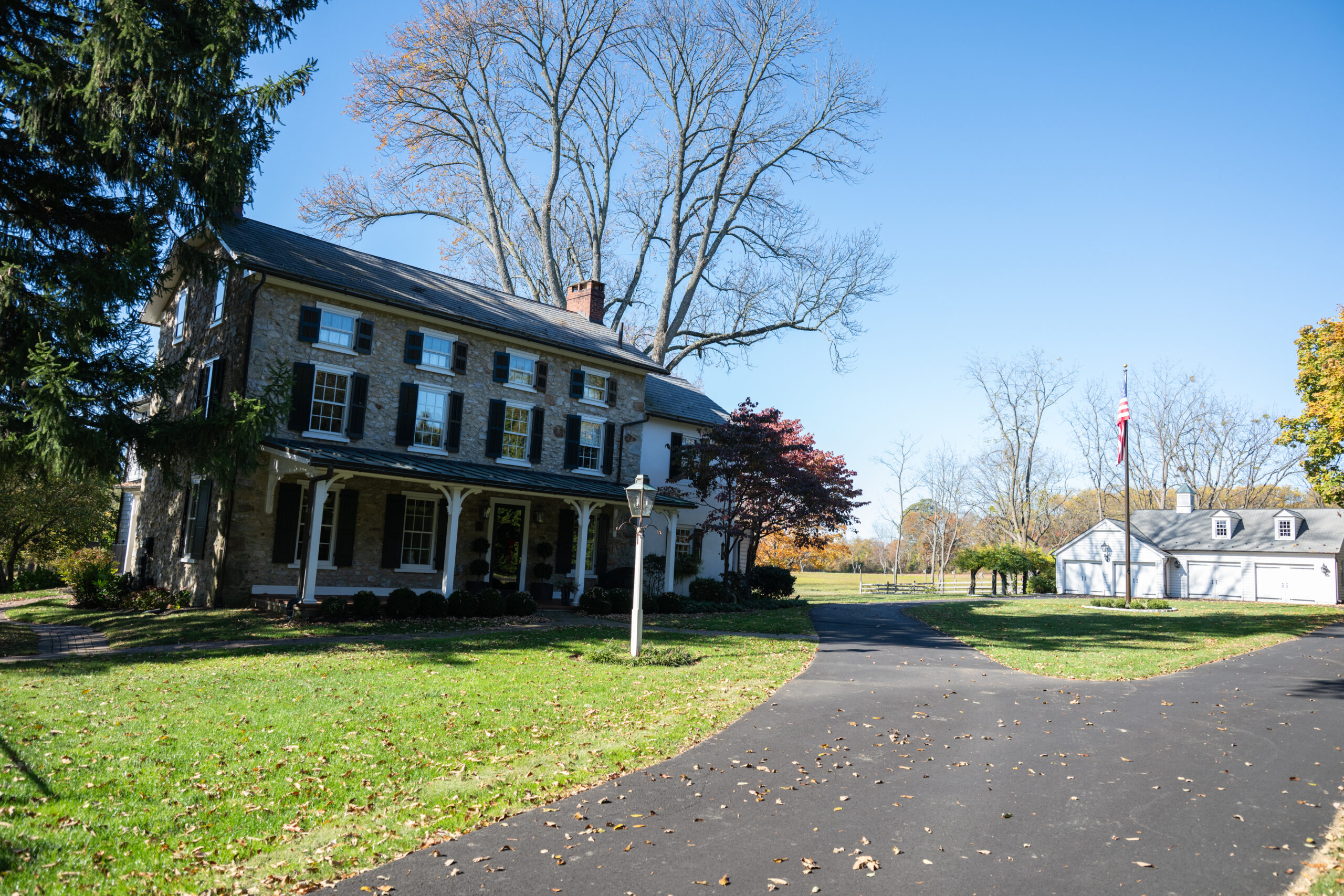
    Cynthia and Chris Swayze bought their home on 32 acres of Bucks County farmland in 1985. At the time, the 18th-century house was falling apart, and the couple had never farmed before.

    But the Swayzes thought the property was “a diamond in the rough,” Chris said. And they set out to make it their home.

    An expanded kitchen and addition increased the size of their home from about 3,000 square feet to about 6,500 square feet.

    A partial list of their renovations:

    • They moved a staircase and removed a wall to make the kitchen bigger.
    • An addition on the back of the house includes the primary bedroom suite.
    • They removed plaster that had been covering fieldstones on the exterior of the home.

    Their daughter co-owns an interior design firm and designed their home.

    Peek inside the Swayzes’ home and see the structural feature they call the “party hat.”

    📊 The market

    In the first month of the year, Philly-area households whose new year’s resolution was to buy a home had a few reasons to feel hopeful. But local housing markets were generally still on sellers’ side.

    Homes stayed on the market for a median of 26 days before selling in January, according to the multiple listing service Bright MLS. That’s up from 21 days at the same time last year. So buyers had a little more time and room to negotiate.

    “Buyers have a bit more leverage on terms and concessions than they have had in recent years,” Lisa Sturtevant, chief economist at Bright MLS, said in a statement, “but in many local markets, limited supply means well‑priced homes in desirable neighborhoods will still attract strong interest this spring.”

    That’s the case here. Our limited home supply means prices are continuing to climb.

    In the Philadelphia metro area last month, according to Bright MLS:

    🔺The number of active home listings was up 8.4% from last January. But the supply of homes for sale is still only about half of what it was before the pandemic.

    🔺The median sale price of $380,000 was up 6.4% from the same time last year.

    🔻The number of closed sales was down 8.6% from last January, reflecting softer demand, even though mortgage rates have dropped. The number of new pending sales was also down — by 5.7%.

    📷 Photo quiz

    Do you know the location this photo shows?

    📮 If you think you do, email me back. You and your memories of visiting this spot might be featured in the newsletter.

    Last week’s quiz featured a photo of the Stenton mansion.

    Shout-out to Paul S. and John S. for getting that right.

    Enjoy the rest of your week.

    By submitting your written, visual, and/or audio contributions, you agree to The Inquirer’s Terms of Use, including the grant of rights in Section 10.


  • My opioid addiction-related weight loss drew praise. Regaining during recovery? Not so much.

    My opioid addiction-related weight loss drew praise. Regaining during recovery? Not so much.

    A normal, healthy weight for me was 120 pounds. In the late 1990s, before addiction reshaped the course of my life, I was a model — someone whose world revolved around silhouettes, styling, and self-expression through fashion.

    My metabolism kept me effortlessly consistent in size, my confidence steady, my presence bold. In Philadelphia, style carried currency, and I spent mine generously. I was known — and crowned — as the “Queen of Fashion,” a title that suggested a life stitched together with glamour, ease, and admiration.

    I hired two of my very own fashion designers, and they made leather tops and pants specifically for me. I shopped at the most exquisite stores on South Street for shoes, clothes, and designer sunglasses. I kept my hair done and went to a nail salon in Center City on a regular basis — all part of the architecture of how I showed up.

    Chekesha Lakenya Ellis was a 29-year-old model in 2000, the year her addiction to opioids began.

    I looked healthy, controlled, and admired, even as addiction was quietly taking hold. I looked like someone who had mastered the runway. No one knew that soon I would be fighting a battle that fashion couldn’t tailor, metabolism couldn’t manage, and praise couldn’t heal.

    No one knew the story would shift from being known for how well I wore clothes to how bravely I rebuilt the body inside them.

    By 2001, that admiration extended beyond aesthetics. I worked as therapeutic support staff — a job that demanded attentiveness, emotional intelligence, and care. I delivered it well. My clients felt seen. My coworkers felt supported. Respect followed me into rooms before I even sat down.

    On the surface, my life looked like momentum — until prescription opioids quietly stepped in and dismantled the foundation beneath it.

    I became what many called “functional” — a person whose addiction was masked by productivity, routine, and public reliability. But functionality is not the absence of illness. It is often the art of hiding it. And I practiced that art for nearly a decade.

    Chekesha Lakenya Ellis during the self-described “party era” at the beginning of her opioid addiction in 2001, after a dramatic weight loss when she went from a size 5/6 to a 1/2 very quickly. The weight disappeared, she said, and the applause appeared.

    I went from a size 5/6 to a 1/2 very quickly — a dramatic drop that unfolded faster than most narratives could keep up. The weight disappeared. The applause appeared. The concern stayed absent. People praised the result without recognizing the cause.

    Compliments met me at the door before questions ever did: You look amazing. You’re so small now. What are you doing?

    Chekesha Lakenya Ellis in 2008 in active addiction at a party. “I was very frail,” she remembered.

    But I wasn’t doing anything admirable. I was enduring something dangerous. The shrinking they celebrated was not transformation. It was toxicity — a body under neurological attack, nutritional depletion, depression, and a decade-long prescription opioid addiction that pulled more from me than pounds. It eventually cost me my hearing.

    As my body grew smaller, the praise grew louder. At the same time, as I declined medically, physically, mentally, and emotionally, the world grew quieter about the part that mattered. They applauded the appearance of wellness while I was privately collapsing.

    Skinny equaled praise to them.

    To me, it was evidence that I was fading.

    In 2010, recovery finally became my rescue. It demanded rebuilding, not shrinking — a process slower, quieter, and far less visible than what the world celebrates.

    Chekesha Lakenya Ellis in 2010, her first year in recovery. Weight gain can mean restoration, healing, and survival, Ellis says. It deserves compassion and applause, but is rarely celebrated the way weight loss is.

    As my brain healed from the damage of long-term opioid use, my body began reclaiming the signals addiction had silenced: appetite, rest, regulation, safety, nourishment. The pounds I regained were not a reversal of progress. They were proof of it.

    There was no applause for that rebuilding. No celebration for the return of sleep, nourishment, or neurological stabilization. The world didn’t honor restoration because restoration didn’t look like reduction. It looked like progress that challenged how we measure wellness.

    At times, rebuilding invited commentary that echoed the same shallow math that once praised me: You used to be so small. Are you OK? The irony was painful. The same shrinking that was celebrated when it was harming me was questioned when it was saving me.

    Today, the cultural conversation around weight has grown louder, faster, more pharmaceutical, and more celebrated. Medications that promise shrinking have become shorthand for “wellness” in the public imagination.

    But in recovery communities — including those quietly healing in our own region — weight gain often signals restoration. It signals life returning to a body that nearly didn’t survive the war addiction waged on it.

    Bodies in crisis don’t need applause for shrinking. They need care for surviving. And bodies in recovery don’t need shame for rebuilding. They deserve compassion.

    Recovery doesn’t always show up as loss. Sometimes it shows up as strength. Sometimes it shows up as nourishment. Sometimes it shows up as life returning to places addiction tried to erase.

    Chekesha Lakenya Ellis in 2024. As she recovered from addiction and regained weight, she says people would say: You used to be so small. Are you OK? The irony was painful. The same shrinking that was celebrated when it was harming me was questioned when it was saving me.

    If you or someone in your life is walking the path of recovery, understand this: Healing does not always match what society rewards. Progress may look unfamiliar or misunderstood. A body that is stabilizing is not disappearing — it is reclaiming itself.

    Culture may applaud reduction. Recovery teaches something different: renewal, resilience, and the quiet work of staying alive.

    That work matters. And it deserves dignity and recognition.

    Chekesha Lakenya Ellis is a certified peer recovery specialist. The Burlington County resident uses Facebook to raise awareness about addiction and recovery.

  • A diagnosis that came too late | Morning Newsletter

    A diagnosis that came too late | Morning Newsletter

    Hi, Philly. The city is finally warming up after that historic cold snap. Some people are already wearing short sleeves and planning vacations.

    A South Jersey man died after Penn Medicine doctors failed to diagnose him in time. A simple blood test could have saved his life.

    And Philadelphia’s recycling rules have changed. Test how well you know them with our quiz.

    — Julie Zeglen (morningnewsletter@inquirer.com)

    If someone forwarded you this email, sign up for free here.

    Missed medical clues

    The doctors couldn’t explain Louis-Hunter Kean’s symptoms: high fevers, a swollen liver and spleen, low blood cell counts.

    Over six months, more than 30 doctors tried to figure out what was causing a previously healthy young man to become so sick. Kean was admitted five times to the Hospital of the University of Pennsylvania. His electronic medical chart grew to thousands of pages. Along the way, doctors missed critical clues.

    When they finally found the cause, the diagnosis came too late to save the Haddonfield native’s life. Kean died less than two weeks later at age 34.

    A key test that might have led to a much-earlier diagnosis and thus could have saved him was never conducted. Kean’s family is now suing Penn’s health system for medical malpractice.

    “It was horrible when we lost him, but now it’s horrible finding out that we didn’t have to lose him,” his father told The Inquirer.

    Health reporter Wendy Ruderman investigates what went wrong.

    Further reading: The infection that killed Kean is treatable when caught early but often fatal if not. Here’s what to know about the parasite that causes it, which is active in Southern Europe.

    Where to toss it

    You probably know the general rules of recycling — paper, glass, and some kinds of plastic are OK, while everything else gets trashed. Right?

    ♻️ Within those parameters is plenty of nuance. And in Philadelphia, the rules of the city’s curbside collection program changed in January.

    ♻️ Think you know what to do with rinsed shampoo bottles? Greasy pizza boxes? Packing peanuts? Batteries?

    What goes in the blue recycling bins? Let us help with this guide.

    More on city services: Mayor Cherelle L. Parker on Wednesday unveiled PHL PRIME, a program to help businesses navigate Philly’s red tape.

    What you should know today

    Quote of the day

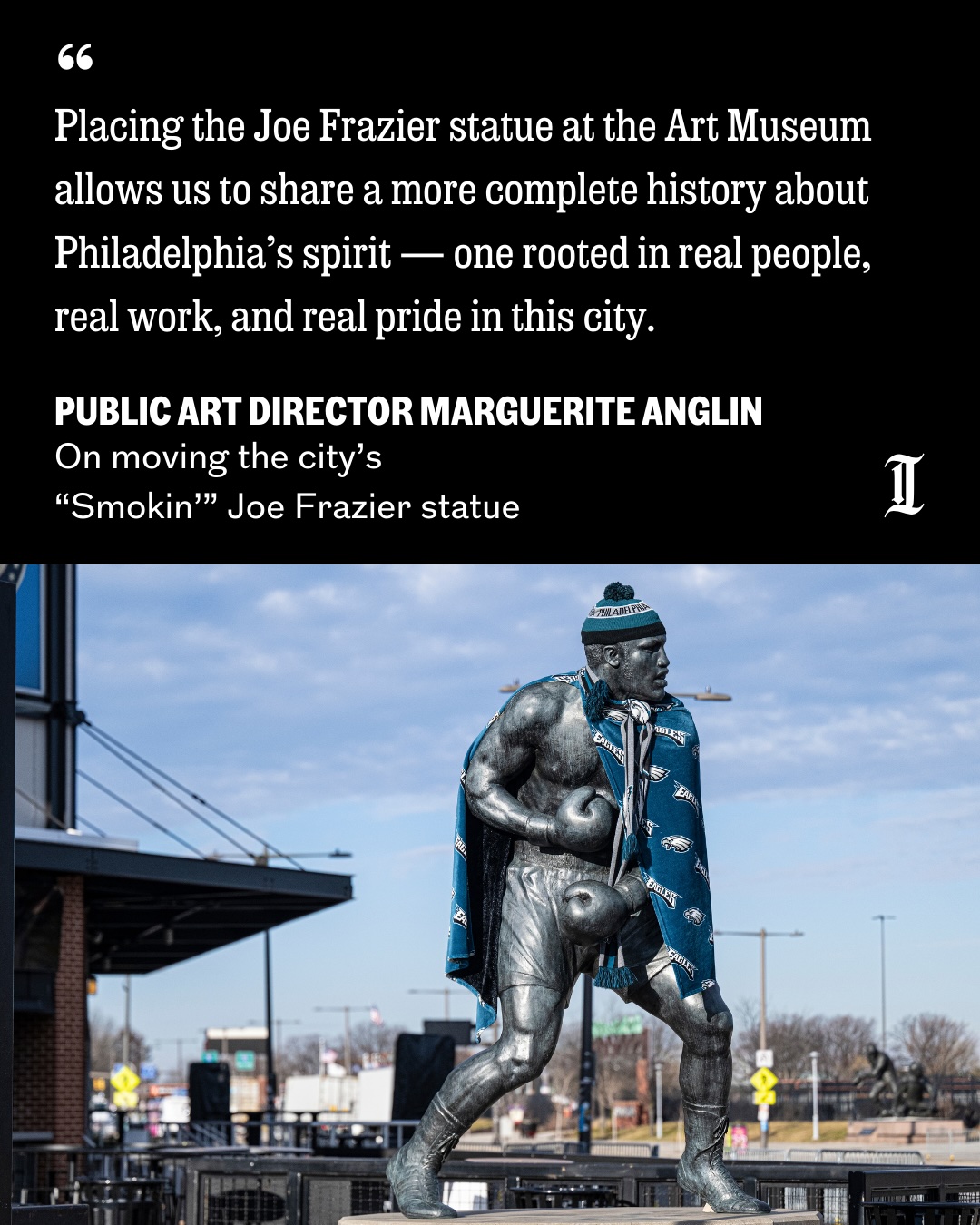
    The Art Commission voted Wednesday to move the Frazier statue from the South Philly sports complex to the base of the Philadelphia Museum of Art’s steps, where the original Rocky statue currently stands.

    The Rocky statue will be installed at the top of the museum’s steps. Columnist Stephanie Farr echoes the concerns noted by some of Frazier’s family members: Shouldn’t the statue of the real legendary Black boxer be placed above that of a fictional character?

    🧠 Trivia time

    Philadelphia District Attorney Larry Krasner on Wednesday denied rumors that he may challenge which elected official when they are up for reelection?

    A) Mayor Cherelle L. Parker

    B) Gov. Josh Shapiro

    C) City Council President Kenyatta Johnson

    D) Sen. John Fetterman

    Think you know? Check your answer.

    What we’re …

    🥌 Trying: Curling, because how hard can it be?

    🦅 Watching: Two bald eagle eggs hatch in Lancaster County via livestream.

    🍟 Visiting: The Center City steakhouse home to a viral “girl dinner” offering.

    ♨️ Eager to try: The Nordic-style sauna and cold plunge at the Schuylkill Center.

    📜 Learning: The history of the Pennsylvania Abolitionist Society, which turns 251 this year.

    🧩 Unscramble the anagram

    Hint: Regional restaurant chain

    WHIPLASH JEN

    Email us if you know the answer. We’ll select a reader at random to shout out here.

    Cheers to Phil Fantozzi, who solved Wednesday’s anagram: Di Bruno Bros. The last of the brand’s three stores set to close permanently did so this week. The former Di Bruno’s space in Ardmore will be redeveloped.

    Photo of the day

    A custom Lego model of restaurant Friday Saturday Sunday built by Leo Gualtieri.

    🍴 One last miniature thing: A Rittenhouse Square restaurant regular’s devotion inspired his son to build a $1,500 Lego replica. See the tiny Friday Saturday Sunday complete with action figures of co-owners Chad and Hanna Williams.

    Enjoy your Thursday. Back at it tomorrow.

    By submitting your written, visual, and/or audio contributions, you agree to The Inquirer’s Terms of Use, including the grant of rights in Section 10.

  • What science says we’ve been getting wrong about exercise

    What science says we’ve been getting wrong about exercise

    Every year, I climb to the top of Everest. It’s no big deal. I take it one step at a time, 80,000 steps per year.

    By the time Dec. 31 arrives, I calculated, I have ascended at least seven vertical miles, carrying loads roughly equal to the weight of three pickup trucks, mostly composed of laundry, groceries, and small children.

    You see, I live on the top floor of a duplex.

    Public health messaging has convinced us that the only way to work out is “exercising.” Yet, for most of human history, of course, living was exercise. Humans got most — if not all — of the physical activity needed to stay healthy through natural movement in their daily lives.

    After a half-century asking us to exercise more, doctors and physiologists say we have been thinking about it wrong. U.S. and World Health Organization guidelines no longer specify a minimum duration of moderate or vigorous aerobic activity.

    Movement-tracking studies show even tiny, regular bursts of effort — as short as 30 seconds — can capture many of the health benefits of the gym. Climbing two to three flights of stairs a few times per day could change your life. Experts call it VILPA, or vigorous intermittent lifestyle physical activity.

    “The message now is that all activity counts,” said Martin Gibala, a professor and former chair of the kinesiology department at McMaster University in Canada. And perhaps nothing’s better than stairs.

    Here’s how to take your first step toward living to 100.

    Staircase athletes

    In the world’s “Blue Zones” — Sardinia, Italy; Okinawa, Japan; Nicoya Peninsula, Costa Rica; Ikaria, Greece; Loma Linda, California — a disproportionate number of people live to be 100 and beyond. Scientists aren’t certain why, but they’ve proposed several reasons, including diet, genetics, social connection, purpose, and daily physical activity, especially on hills and stairs.

    The villagers of Sardinia, a rugged part of Italy, stand out. A typical octogenarian engages in daily physical activity equivalent to climbing many flights of stairs. When researchers looked at what was behind Sardinians’ extraordinary longevity, three factors — terrain slope, distance to workplace, and working as a shepherd (who often climb more than 1,000 feet per day) — were most strongly correlated with longer lives. In some regions, the global pattern of men dying earlier than women was virtually absent.

    Since we can’t all move to Sardinia, as beautiful as it is, we can just stop avoiding gravity instead.

    From a topological perspective, modern life has leveled what’s healthy about Blue Zones, replacing them with a “frictionless” landscape of elevators, cars, instant delivery, and sedentary jobs. Just about a quarter of U.S. adults meet the modest targets for aerobic activity.

    Yet our stairs remain. And if you’re looking to maximize the benefits of short bouts of exercise, “stair climbing is the clear winner,” said Emmanuel Stamatakis, a professor of physical activity and population health at the University of Sydney.

    That’s because of what stairs, and hill climbing generally, force your body to do. With each step, you must momentarily balance your entire body weight on one leg. As you ascend — an exquisite feat of neurological coordination — you’re constantly lifting at least 100 pounds into the air, boosting your heart rate and cardiovascular fitness. On the way down, bracing against the pull of gravity, you build bone density and muscle strength, especially in your quadriceps, hamstrings, glutes, calves, adductors, and core muscles.

    Over the past decade, studies have shown the potency of going up and down stairs each day to boost your health. It doesn’t take much. Just taking the stairs daily is associated with lower body weight and cutting the risk of stroke and heart disease — the leading (and largely preventable) cause of death globally. While it may not burn many calories (most exercise doesn’t), it does appear to extend your health span. Leg power — a measure of explosive muscle strength — was a stronger predictor of brain aging than any lifestyle factors measured in a 2015 study in the journal Gerontology.

    Subsequent studies put a finer point on it: Just nine to 10 brief bouts of vigorous activity per day — averaging 30 to 45 seconds each — lowered the risk of dying by about 40% in nonexercisers, according to a 2022 study in Britain. Benefits increased as people exercised longer, but most of the risk reduction occurred during the first few minutes of daily activity.

    Anyone who has ever prepared for a race will be familiar with the question: What are you training for? At some point, I realized what I’m really training for — whether I acknowledge it or not — is the life I want to lead when I’m older.

    If the goal is live independently and get out of a chair unassisted, something has to change for many Americans.

    The belief that your daily routine isn’t exercise is a good place to start. The truth is that we don’t have “exercise” guidelines, Gibala said. We have physical activity guidelines. That doesn’t distinguish between the gym, dancing, or using your home stairs.

    “Exercise doesn’t need to be this special thing you do in this special place after you change into special clothes,” Gibala said. “It can be part of everyday life.”

    How little activity can you do?

    Four minutes daily. Essentially, a few flights of stairs at a vigorous pace. That’s the effort Stamatakis found delivered significant health benefits in that 2022 study of British nonexercisers.

    “We saw benefits from the first minute,” Stamatakis said.

    For Americans, the effect is even more dramatic: a 44% drop in deaths, according to a peer-reviewed paper recently accepted for publication.

    “We showed for the first time that vigorous intensity, even if it’s done as part of the day-to-day routine, not in a planned and structured manner, works miracles,” Stamatakis said. “The key principle here is start with one, two minutes a day. The focus should be on making sure that it’s something that you can incorporate into your daily routine. Then you can start thinking about increasing the dose.”

    Intensity is the most important factor. You won’t break a sweat in a brief burst, but you do need to feel it. A highly conditioned athlete might need to sprint to reach vigorous territory. But many people need only to take the stairs. Use your breathing as a guide, Stamatakis said: If you can sing, it’s light intensity. If you can speak but not sing, you’re entering moderate exertion. If you can’t hold a conversation, it’s vigorous.

    The biggest benefits come from moderate to vigorous movement. One minute of incidental vigorous activity prevents premature deaths, heart attacks or strokes as well as about three minutes of moderate activity or 35 to 49 minutes of light activity. Other studies show an even wider gap for reducing the risk of developing Type 2 diabetes: One minute of vigorous activity is roughly as effective as about 1½ hours of light activity.

    If you rarely climb stairs, or it’s not safe to climb unassisted, then check with your doctor before starting any activity regimen.

    How to do it

    Home. Office. Subway. A step platform in your living room. All stairs work at every fitness level.

    But they work best with someone else. That’s a lesson from Blue Zones: Social connection is probably essential to our health. You can’t “stair-climb” out of a solitary, stressful, junk-food-filled lifestyle on your own. Try a few sessions with a coach, friend, or social fitness app to stick to your routine.

    If you want to know where your fitness level stands (or lies sprawled on the couch), the best gauge of cardiorespiratory fitness is VO2 max, a measure of how much oxygen your body can consume during intense exercise. You can test this in a lab, use a stopwatch or health app, or estimate it with an online calculator.

    The most important thing? Start moving, said Gibala, who recommends beginning with at least 30 seconds of continuous climbing or one minute of ascending and descending. “It doesn’t matter what you are starting from, you’re still going to see benefits,” he said.

    After that, it’s just one step at a time. I made a calculator through which you can estimate your annual ascents — and decide how many Everests you want to climb.

    Upward.

  • Philadelphians deserve safe and healthy homes

    Philadelphians deserve safe and healthy homes

    The Department of Licenses and Inspections didn’t mince words when it declared the 144-unit Upsal Gardens complex an “unsafe structure.”

    Foundation separation. Cracked masonry. Failing floor joists. A building so compromised that city officials said it posed “immediate danger” to human life.

    That violation is just the tip of the iceberg. I know this because I have lived it. On Aug. 23, my wife noticed a large crack forming in our living room ceiling. We alerted management through their portal, and I went to their on-site office to report it. Less than 24 hours later, at 12:06 a.m., the entire ceiling collapsed.

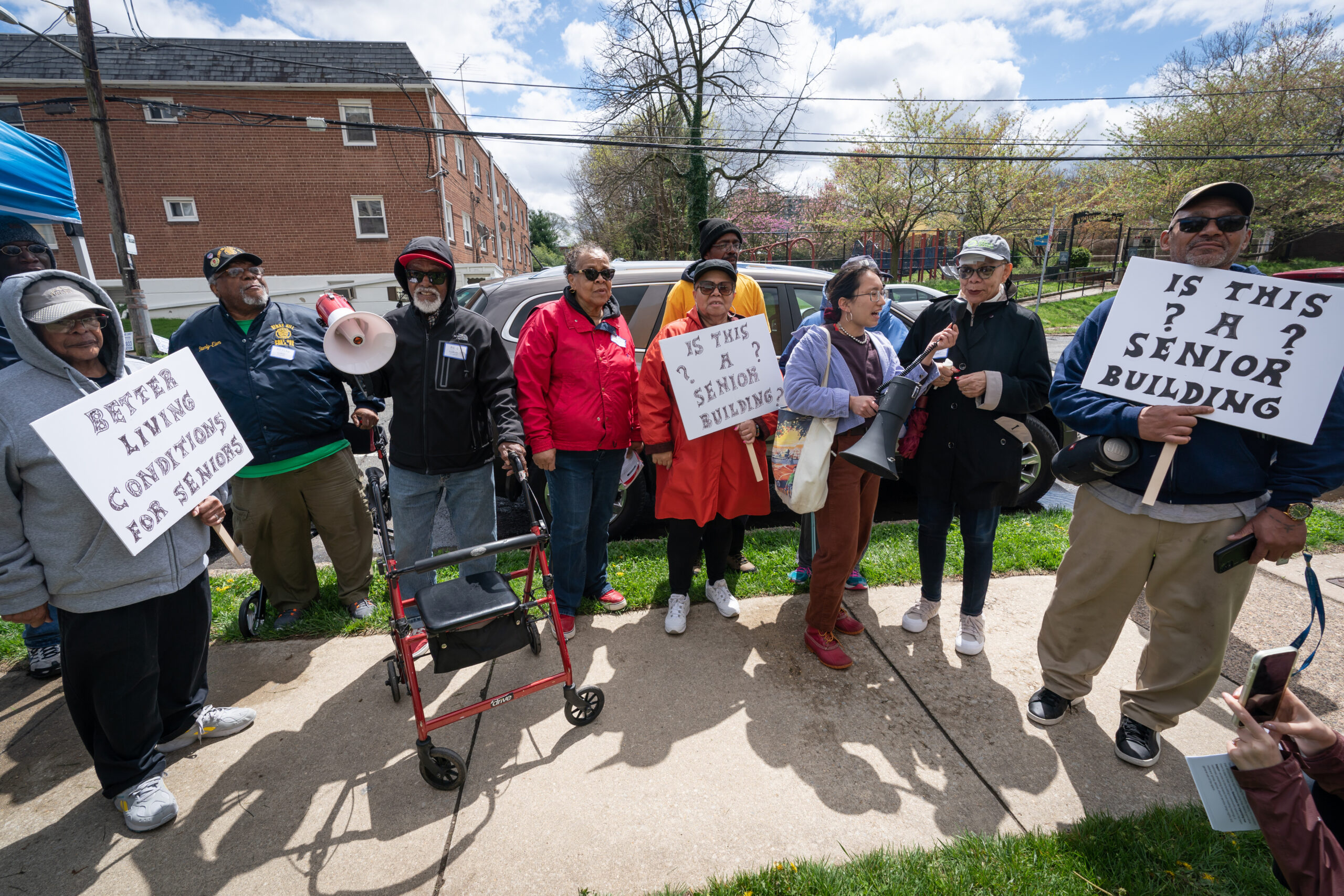
    Residents speak during a demonstration organized to protest against the living conditions at Brith Sholom House apartments in Philadelphia in April 2024.

    Fortunately, we had renters’ insurance. While management took their time deciding what to do, we stayed in the apartment under the exposed ceiling until our insurance finally booked us a hotel. After two days of waiting, we were moved temporarily so repairs could be made. But that displacement came with costs: For eight days, we paid out of pocket for meals and essentials while living in the hotel.

    Nevertheless, when we returned home, a notice was taped to our door: “Overdue rent.”

    Management knew we were displaced because of conditions they failed to address. And still, they badgered us for late rent — as though the collapse was an inconvenience to them, rather than a danger to us.

    A citywide crisis

    Unfortunately, my story isn’t unusual. My neighbors have filed a class-action lawsuit against the owners and managers of the property due to the complex-wide dangerous conditions described in an “unsafe structure” L&I violation. This lawsuit reflects a mounting rental safety crisis across Philadelphia.

    In West Oak Lane, tenants at Bentley Manor filed a similar lawsuit after their building was deemed unsafe while rent was still being collected. Upsal Gardens, Bentley Manor, Brith Sholom, Phillip Pulley and SBG Management, 8500 Lindbergh Blvd., ABC Capital. These are different buildings with different owners, managers, and business models, but nonetheless an all too similar story: Tenants forced to live in deplorable conditions while predatory landlords keep turning a profit.

    Philadelphians deserve safe and healthy homes, tenants deserve roofs and ceilings that are secure, floors that don’t buckle, and air that doesn’t make their children sick. We have laws on the books intended to address these issues.

    But a combination of loopholes, insufficient funding, and lack of enforcement leaves renters without a clear means to enforce those laws, placing many renters between a rock and a hard place: pay for unsafe housing, risk retaliation for withholding rent, or absorb the costs of displacement.

    Renters aren’t completely powerless, though. This year, we’ve seen that when renters come together, they win. This spring, City Council took the first steps toward addressing the city’s rental safety crisis by creating a fund for tenants displaced because of unsafe conditions. But that fund sat empty for months, until a coalition of housing justice advocates successfully lobbied for Mayor Cherelle L. Parker’s H.O.M.E. Plan to fund it.

    Dangerous, uninhabitable

    Still, there is much more work to be done. The vast majority of renters continue to live in units that have never been inspected. Landlords continue to demand rent for rental units with dangerous, uninhabitable conditions. Renters continue to acquiesce to those conditions out of fear of retaliation.

    The Safe Healthy Homes (SHH) campaign, led by OnePA, Renters United Philadelphia, Philly Thrive, and the office of Councilmember Nicolas O’Rourke, provides commonsense answers to these issues: protecting renters who speak up about unsafe conditions from landlord retaliation, authorizing proactive L&I inspections, and requiring proof of code compliance to evict or collect rent. These are all things we would assume are happening already, but this package adds the critical enforcement provisions that have been missing.

    Safe housing is not a perk — it is the bare minimum, and City Council’s Housing Committee had a long-overdue hearing for the SHH package tentatively scheduled for Tuesday.

    I encourage you to let the members of the committee know how you feel about having safe and healthy homes for tenants across our city.

    B. Cincere Wilson is the chief operations officer of Myra’s Kids Inc., a nonprofit serving justice-impacted and high-risk youth. He lives in Philadelphia and works in New York City.

  • Brandywine Realty Trust is opening a $60 million hotel in Radnor

    Brandywine Realty Trust is opening a $60 million hotel in Radnor

    Brandywine Realty Trust plans to open a 121-room Marriott Tribute Portfolio hotel this spring in Radnor.

    The company is the region’s largest office building owner, and the five-story project at 165 King of Prussia Rd. is meant to cater to their tenants in the suburbs.

    Dubbed The Brandywine, it cost $60 million to develop and will include an expansive roof deck and two restaurants with almost 260 seats between them.

    The 80,000-square-foot hotel will be in the midst of the company’s 2.1 million square feet of holdings in Radnor, its largest suburban cluster.

    “We were constantly hearing from our tenant base that as they were bringing people in from out of town, there was no real high-end, luxury hotel for them to spend time in,” said Jerry Sweeney, Brandywine’s CEO.

    Brandywine’s other large suburban office holdings are in King of Prussia and Conshohocken.

    “We saw a real window of opportunity to really upscale the hospitality experience available on the Main Line,” Sweeney said. “That’s very important to us because we have 3 million plus square feet of office space in the Pennsylvania suburbs, and over 2 million is concentrated within walking distance of this hotel.”

    Sweeney estimates that over a quarter of the hotel’s business will come from Brandywine’s tenants in their Radnor office buildings, which include Lincoln Financial Group, Arkema, and Penn Medicine among many others.

    In Brandywine’s second-quarter earnings call last year, Sweeney said he anticipates additional demand will be drawn from the seven colleges, including Villanova University, that are within a five-mile radius and from nearby healthcare facilities.

    The Brandywine is expected to be open in time for graduation this year, and the company anticipates a boost from sporting events and celebrations this summer, which include World Cup games, a PGA tournament, the MLB All-Star Game, and the 250th anniversary of the United States.

    The hotel’s ground floor will include the 114-seat Merrick’s Tavern, serving regional American dishes, a cocktail list anchored by bourbon and rye, local beer, and what is billed as a wine program. It’s intended for everyday dining and groups.

    The 145-seat Pomelo Rooftop Terrace will operate year-round, serving botanical-forward cocktails and a locally sourced menu.

    Merrick’s Tavern is named after Samuel Vaughan Merrick, the first president of the Pennsylvania Railroad and a founder of the Franklin Institute.

    “With this hotel we really used the historical evolution of the Main Line as a theme, which is tied to the history of the Pennsylvania Railroad,” Sweeney said. “Even some of the motif and interior space designs we have are very reminiscent of the great age of American railroads, where travel was upscale.”

    A rendering of Merrick’s Tavern within Brandywine Realty Trust’s new hotel, opening this spring in Radnor.

    The hotel is next to the Radnor stop on SEPTA’s Norristown High Speed Line and close to two Regional Rail stations.

    The building’s architect is the DLR Group, while interior design is by Restoration Hardware and Bergmeyer. The Brandywine will be operated by Aimbridge Hospitality.

    As part of the Marriott Bonvoy Tribute portfolio, the brand is a boutique hotel within the larger chain, which allows more flexibility for decor and furnishings.

    Brandywine Realty Trust has developed hotels before, notably the AKA University City in the FMC Tower, in partnership with Korman Communities.

    “For us, it was really brand building, expanding our tenant service program to our tenants and creating more connective tissue between us and our customers,” Sweeney said.

    “We saw a great window of economic opportunity to build a high-end hotel that was positioned along two interstates, two train lines that would appeal to a much broader base of customers beyond just the Brandywine universe,” he said.

    The Brandywine will be just the latest hotel added to the Main Line.

    New venues have been opening in recent years in municipalities like Newtown Square and Conshohocken.

    “It wasn’t all that long ago when you just had the [65-year-old] Radnor hotel, but wherever there’s a big business presence, you’re going to need hotel rooms,” said Ed Grose, CEO of the Greater Philadelphia Hotel Association. “These aren’t your typical limited-service hotels. They’re nice. They’re hotels that cater to businesses that are also growing in that area.”

  • Swarthmore library ditches overdue fees | Inquirer Greater Media

    Swarthmore library ditches overdue fees | Inquirer Greater Media

    Hi, Greater Media! 👋

    Swarthmore Public Library has done away with late fees. Here’s why. Also this week, nonprofit organization Elwyn broke ground on its new $45 million school, a new golf simulator with a restaurant and bar is coming to Springfield, plus a Nether Providence Township woman believed to be missing was safely located.

    If someone forwarded you this email, sign up for free here.

    Swarthmore says goodbye to overdue library fees

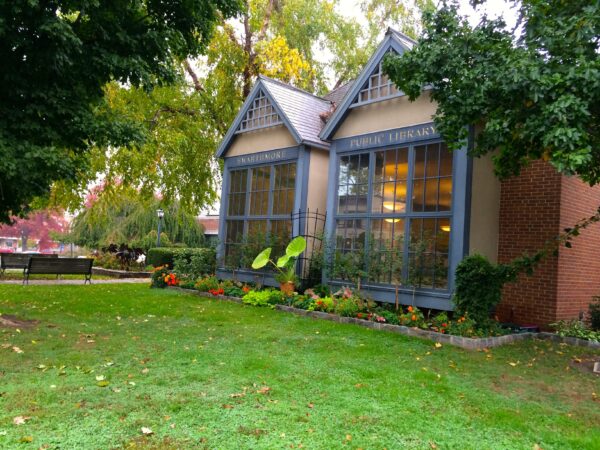
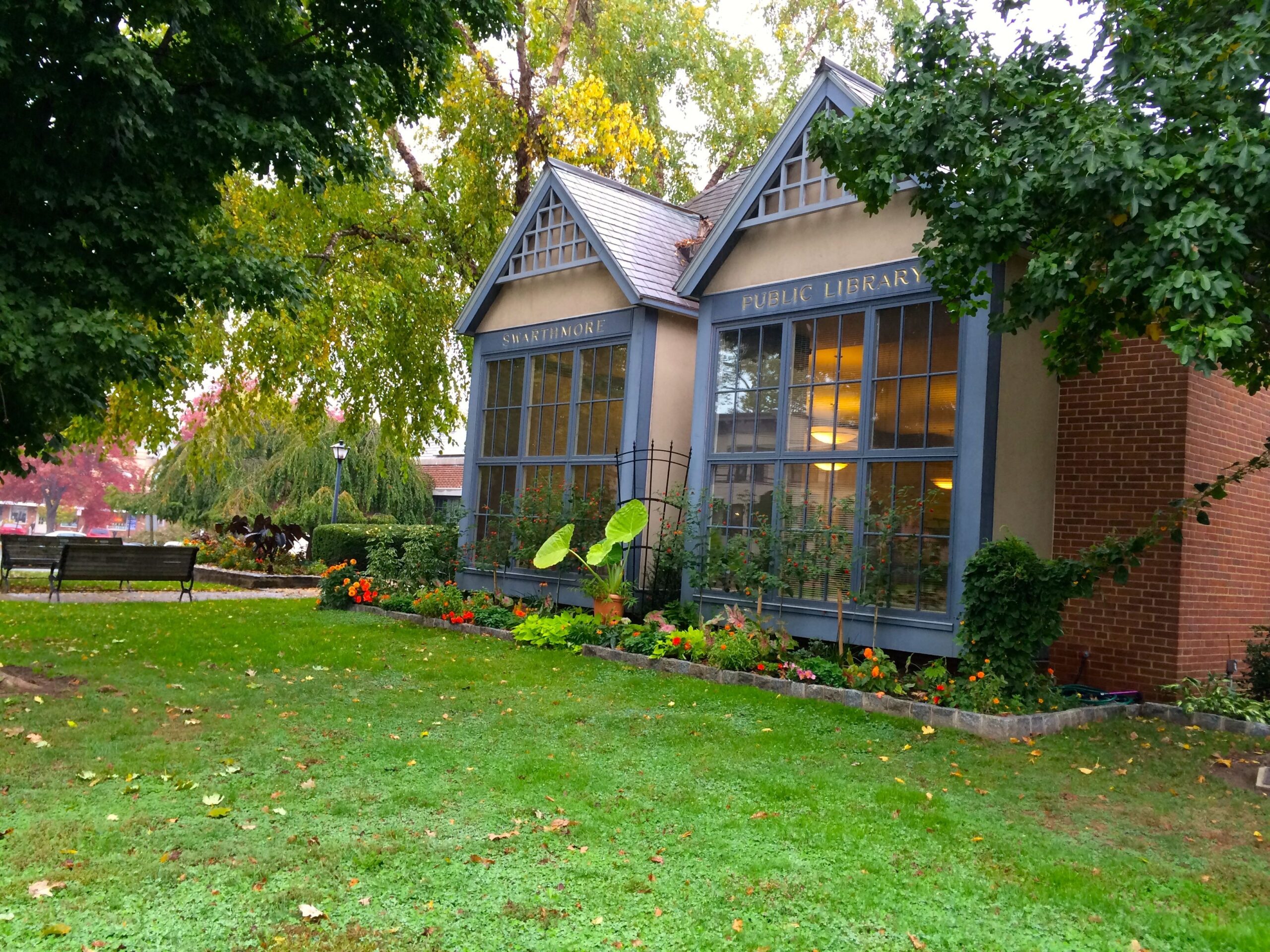
    Bookworms no longer have to worry about late fees at Swarthmore Public Library.

    Swarthmore Public Library is no longer charging overdue fees. Members of the library’s staff hope the action makes it clear that it truly is a free space, noting that overdue fees were counterproductive to that mission.

    Overdue fines make up about 1% of the library’s budget, and the library’s staff said they hope to close the $5,000 gap through fundraising.

    To ensure loaned items are returned, the library will assess a “lost” fee if something’s not returned within three weeks. Like the overdue fines, it’ll be erased once that item is returned.

    Read more about the library’s decision to eliminate late fees.

    💡 Community News

    • Swarthmore’s planning commission is meeting Wednesday to again review Swarthmore College’s Cunningham Fields proposal, which has been met with some community pushback. The school is looking to redevelop its aging athletic complex, including the facilities off College Avenue and North Chester Road, into new tennis courts, spectator seating, updated grass and turf fields, and a pavilion with restrooms and team meeting areas. If the commission issues an opinion following the meeting, council could then approve or deny the plan. The meeting is scheduled for 7 p.m. (Daily Times)
    • A Nether Providence Township woman thought to be missing for more than two weeks was located on Tuesday afternoon and is safe, police said. Earlier this week, Nether Providence police received a report that 73-year-old Margaret Coyne was missing and hadn’t been seen since Jan. 22, prompting them to ask the public for help finding her. Coyne was staying with a friend nearby due to “cold weather conditions” at her home.
    • Elwyn, the nonprofit serving individuals with intellectual disabilities, broke ground on its new school on Friday. The $45 million project is expected to be completed by August 2027 and welcome students shortly after. It will have two tracks, one for those expected to continue in a residential program there, and another for those who are more independent. The Middletown Township-headquartered organization is currently undertaking a 10-year, $100 million master plan to its campus.
    • X-Golf, an indoor golf simulator with a bar and restaurant, is planning to open a location at 751 W. Sproul Road in the Springfield Shopping Center, taking over the space currently occupied by Mattress Firm. On Tuesday, Springfield Township’s board of commissioners approved the operators to have a small kitchen in the space, which required conditional use approval. X-Golf will have a small lounge area with TVs, an eight- to 10-seat bar, and eight golf simulators, where it will also have leagues and clinics. The kitchen will serve bar food like chicken fingers, flatbreads, pizzas, and nachos, with a goal of partnering with area restaurants, such as Johnny Paisano’s. There are currently two other X-Golf locations in the region, one in Chester Springs and one at the Village at Painters’ Crossing Shopping Center. X-Golf Springfield hasn’t set an opening date yet.
    • Delaware County has a new interim chief of social services and community programs. The county council last week approved the appointment of Chris Welsh to the role. Welsh previously served as the county’s public defender. Taylor Dunn was appointed to take Welsh’s place as interim public defender.
    • Eddie Bauer filed for Chapter 11 bankruptcy on Monday and is beginning to wind down operations at its 175 remaining stores, which includes a location in The Shoppes at Brinton Lake in Glen Mills. It may not be the end of the road for the outdoor apparel retailer, though, which is seeking a buyer.

    🏫 Schools Briefing

    • Rose Tree Media School District has early dismissals tomorrow for the elementary schools, and no school on Monday. There’s a student blood drive at Penncrest High School today and the three-day run of its musical, The Phantom of the Opera, kicks off tomorrow night. Next Thursday, Springton Lake Middle School is hosting a workshop at 6:30 p.m. on screen dependence and how to create a healthy balance. See the district’s full calendar here.
    • Wallingford-Swarthmore School District has no classes on Monday and Tuesday. The high school is hosting the Chris King Memorial Basketball Marathon tomorrow. See the district’s full calendar here.

    🍽️ On our Plate

    • A new restaurant is planning to open at the Springfield Mall. Blue Sunday is taking over the Carrabba’s Italian Grill space, which spans approximately 6,700 square feet. Blue Sunday serves Asian-American cuisine, including rice, noodle, and seafood entrees, as well as Asian fusion dishes like General Tso’s Chicken. The restaurant is also seeking a liquor license. Blue Sunday plans to renovate the space this summer and open in September.
    • In case you missed it, Jackson St. Steaks opened yesterday, taking over the former House location in Media.

    🎳 Things to Do

    🥾 School Day Off Mini-Adventure Camp: Kids in kindergarten through third grade can explore Tyler Arboretum through hiking, games, and crafts at one of two mini camps on Friday and Monday. ⏰ Friday, Feb. 13, and Monday, Feb. 16, 9 a.m.-4 p.m. 💵 $83.70-$93 for standard admission, with reduced and sliding scale options available 📍Tyler Arboretum, Media

    ❤️ Valentines For All Family Fun: Families will learn about the so-called mother of the American valentine, create poetry and origami, and enjoy snacks. Registration is required. ⏰ Saturday, Feb. 14, 1-2 p.m. 💵 Free 📍Helen Kate Furness Free Library, Wallingford

    🍫 Fair Trade Chocolate Tasting: Sample chocolates you can find at shops around Media, and guess the cocoa content of a few others. ⏰ Saturday, Feb. 14, 1-2:30 p.m. 💵 Free 📍Media-Upper Providence Free Library

    💃 Delco Dance Night: Valentine’s Edition: Adults can dance the night away at this BYOB event. ⏰ Saturday, Feb. 14, 7-10 p.m. 💵 $20.50 📍Park Avenue Community Center, Swarthmore

    🏡 On the Market

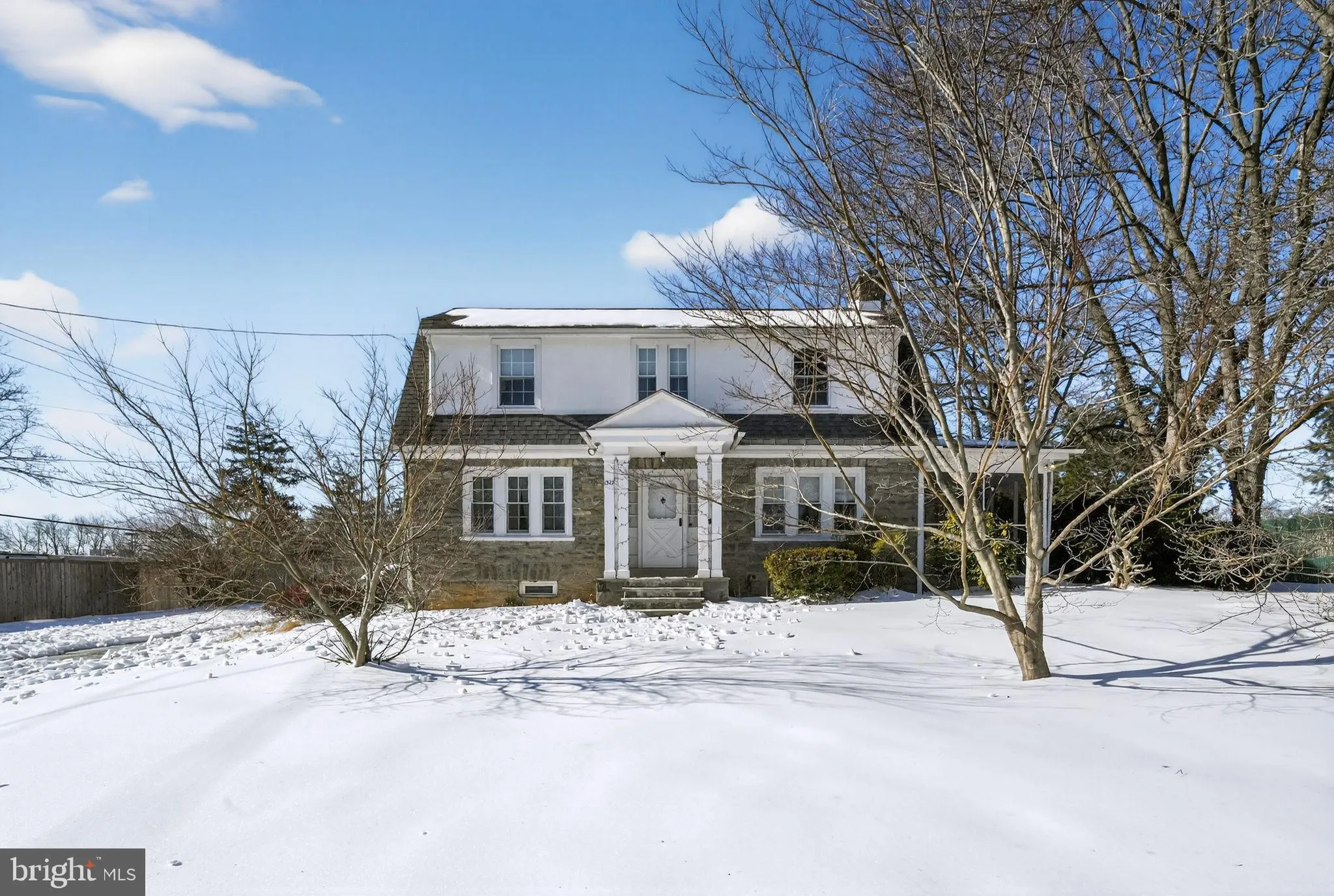
    A 1930s Swarthmore home with a screened-in porch

    The four-bedroom home was built in 1938 and has a screened-in porch.

    Built in 1938, this updated Swarthmore home exudes historic charm thanks to its stone exterior and columns at its entryway. The four-bedroom, one-and-a-half-bathroom home features a family room with a wood-burning fireplace, a dining room, and an eat-in kitchen. It also has a screened-in porch, a walk-up attic, and a walk-out basement, plus a detached two-car garage, and several systems have been updated in the last year, including the boiler and central air.

    See more photos of the home here.

    Price: $549,888 | Size: 2,163 SF | Acreage: 0.32

    🗞️ What other Greater Media residents are reading this week:

    By submitting your written, visual, and/or audio contributions, you agree to The Inquirer’s Terms of Use, including the grant of rights in Section 10.

    This suburban content is produced with support from the Leslie Miller and Richard Worley Foundation and The Lenfest Institute for Journalism. Editorial content is created independently of the project donors. Gifts to support The Inquirer’s high-impact journalism can be made at inquirer.com/donate. A list of Lenfest Institute donors can be found at lenfestinstitute.org/supporters.

  • Philly DA Larry Krasner casts doubt on running against Mayor Cherelle Parker

    Philly DA Larry Krasner casts doubt on running against Mayor Cherelle Parker

    Philadelphia District Attorney Larry Krasner on Wednesday dismissed rumors that he may challenge Mayor Cherelle L. Parker when she will face reelection next year, and he said in a statement that he is focused on his job as the city’s top prosecutor.

    Krasner, who last year won his third term as district attorney and has cultivated a national brand, told The Inquirer that talk he might challenge the incumbent divides the city’s leadership.

    His statement came after the news website Axios Philly reported that some political insiders were floating Krasner’s name as a potential mayoral contender.

    “Especially in these times, all Philadelphia residents need to stand together and work together for Philly,” Krasner said. “Not sure whose agenda this narrative serves, but there’s nothing new about insiders stirring things up to benefit themselves at the expense of everyone else.”

    Talk of Parker facing a potential primary challenge ramped up in recent days after the mayor’s political action committee filed a campaign finance report showing she had raised $1.7 million last year, a striking sum for a sitting mayor two years out from a reelection bid.

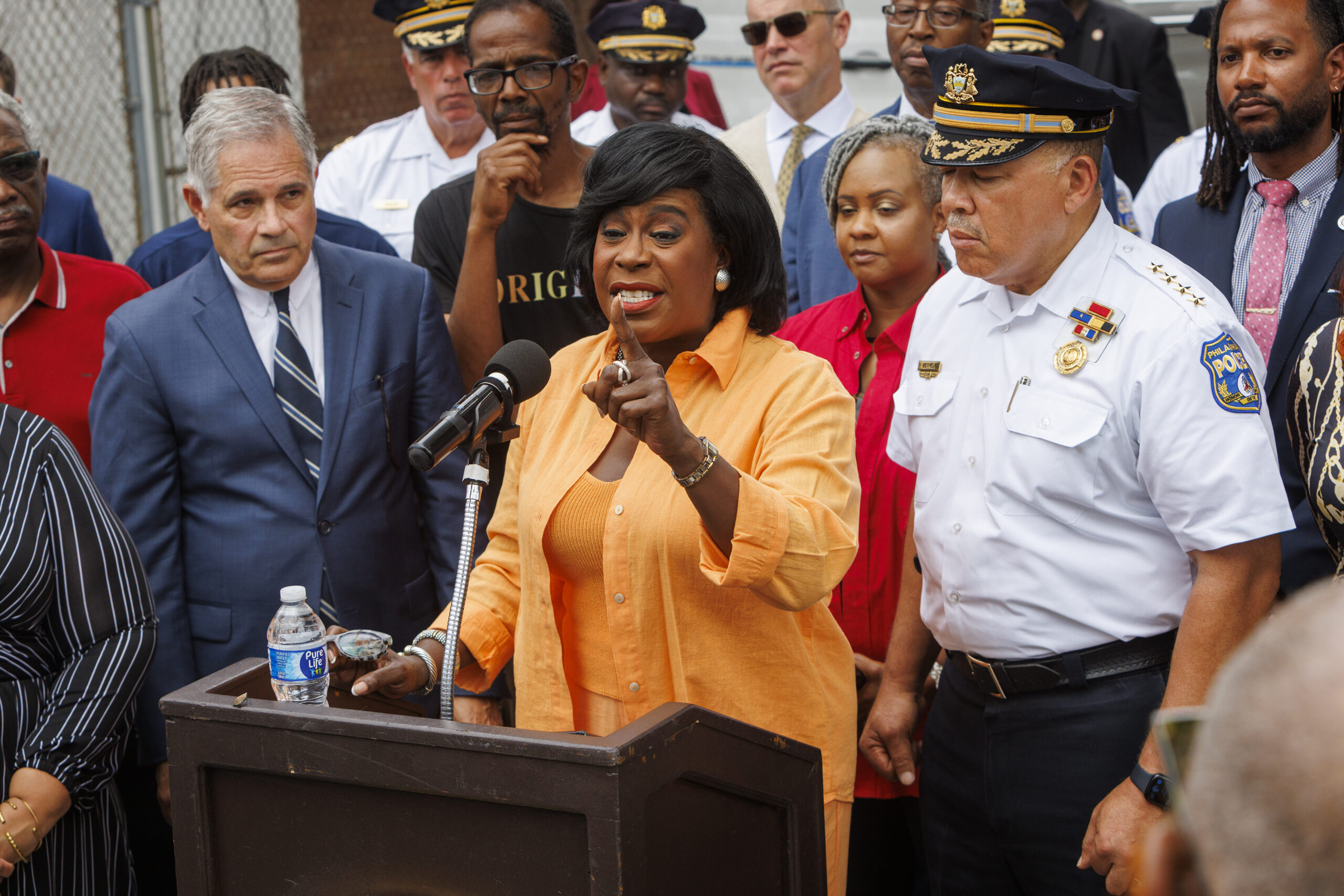
    In this 2024 file photo, Philadelphia Mayor Cherelle L. Parker is flanked by Police Commissioner Kevin Bethel and District Attorney Larry Krasner during a news conference.

    The fundraising report fueled speculation among the city’s political class that Parker, a centrist Democrat who is backed by much of the party establishment, may be expecting a challenge in the primary.

    A progressive would be a natural fit for a challenger. The city’s left has opposed some of Parker’s initiatives, including her law enforcement-driven plan to address the Kensington drug market. Activists have also been critical of Parker’s cautious approach to President Donald Trump, whom she generally avoids attacking directly.

    Krasner, 64, is the most prominent progressive in the city. He won reelection last year in landslide fashion, and he has positioned himself as the city’s most vocal Trump opponent, often drawing comparisons between the federal government and 20th-century fascism.

    And several past district attorneys have run for mayor, including Ed Rendell, who went on to serve two terms in City Hall and then was elected governor of Pennsylvania.

    But for Krasner, any run at Parker would be tricky.

    Krasner, who is white, has been successful in electoral politics in large part because of support from the city’s significant bloc of Black voters, politicians, and clergy. Those groups are also key to the base of support that has backed Parker, who comes from a long line of Black politicians hailing from the city’s Northwest.

    Allies of the district attorney say a better fit — if he decided to seek higher office — could be running for a federal seat.

    Political observers have suggested a handful of Democrats, including Krasner, could run for the U.S. Senate seat currently occupied by Sen. John Fetterman. The Democratic senator, who will be up for reelection in 2028, has an independent streak and has angered many in the party for at times siding with Republicans.

    Several other Democrats have been floated as potential contenders for the seat, including U.S. Reps. Brendan Boyle, of Philadelphia, and Chris Deluzio, whose Western Pennsylvania district includes Allegheny County. Some have also speculated that former U.S. Rep. Conor Lamb, also of Western Pennsylvania, could run.

    Fetterman has not said whether he intends to run for reelection. Left-leaning organizations have already pledged to back a primary challenger against him.

  • Closed Iron Hill Brewery in Newtown is officially becoming a P.J. Whelihan’s franchise

    Closed Iron Hill Brewery in Newtown is officially becoming a P.J. Whelihan’s franchise

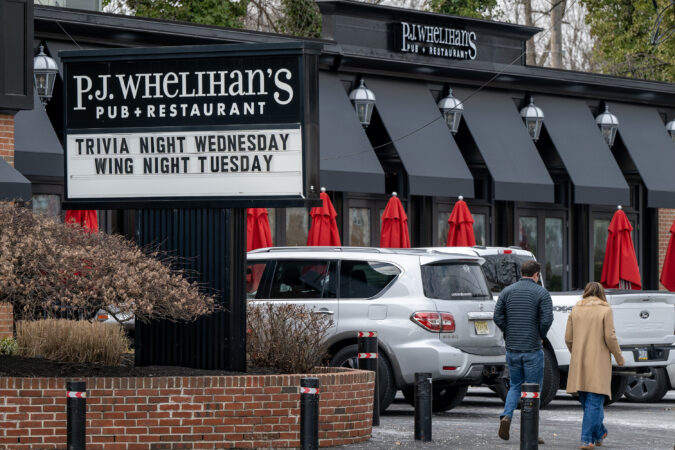
    The company behind P.J. Whelihan’s is officially moving into a shuttered Iron Hill Brewery.

    The Haddon Township-based PJW Restaurant Group has signed a lease for Iron Hill’s former location at the Village at Newtown, according to Brian Finnegan, the CEO of Brixmor Property Group, which owns the Bucks County shopping center.

    PJW marketing director Kristen Foord confirmed the lease signing, saying in an email that the company was “not in a position to share additional specifics” at this time.

    The move was approved by a federal judge last month as part of Iron Hill’s bankruptcy proceedings.

    Like more than a dozen other former Iron Hills throughout the region, the nearly 8,000-square-foot space in Newtown has sat empty since the Exton-based brewpub chain closed all locations and filed for liquidation bankruptcy last fall.

    Iron Hill opened in the affluent suburb in 2020. The restaurant moved in after Brixmor refurbished the more than 200,000-square-foot complex on South Eagle Road.

    As part of the revamp, the developer added new buildings, allowing it to bring in shops and restaurants like Iron Hill, Harvest Seasonal Grill, and Turning Point. The 30-acre complex is anchored by the high-end grocer McCaffrey’s Food Markets.

    In Newtown, “we’ve got Free People and Lululemon and Ulta that we added to the shopping center,” Finnegan said Wednesday in an interview. “We’ve got a lot of strong service tenants. We also have Capital Grill and Harvest, so some great food and beverage options.”

    And soon, he said, that list will also include P.J. Whelihan’s.

    PJW’s most well-known restaurant is P.J. Whelihan’s, which started in the Poconos in 1983 and has expanded to include 25 P.J. locations, the majority of which are in the Philly region.

    PJW also owns the Pour House in Exton, North Wales, and Westmont, Haddon Township; the ChopHouse in Gibbsboro; the ChopHouse Grille in Exton; Central Taco & Tequila in Westmont; and Treno, also in Westmont.

    While the Newtown restaurant will get new life soon, many other former Iron Hills still sit vacant.

    Some landlords are actively looking for tenants, with West Chester’s John Barry saying he hopes to have a lease signed by the end of this month.

    “We have a number of groups interested in the space and a few [letters of intent] have been submitted,” Barry said in an email last month.

    In other places, such as Voorhees, township officials and community members remain in the dark about whether another tenant will move in soon, and landlords can’t be reached.

    A few of the closed breweries may be revived under new owners, though details are slim.

    A federal judge last month approved the acquisition of Iron Hill’s trademark and intellectual property in conjunction with the transfer of restaurant leases in Center City, Huntingdon Valley, Hershey, Lancaster, and Wilmington.

    Representatives of the potential new owner, Rightlane LLC, have been unable to be reached. Contacted through the owner of Iron Hill’s building in Center City, Rightlane declined to comment to the Philadelphia Business Journal earlier this month.

  • Thursday’s Olympic TV schedule: U.S. men’s hockey, Chloe Kim bids for a three-peat, and more

    Thursday’s Olympic TV schedule: U.S. men’s hockey, Chloe Kim bids for a three-peat, and more

    NHL players are playing in the Winter Olympics for the first time in 12 years, going back to the 2014 Sochi Games. The United States will open Group C play at the Milan Cortina Olympics on Thursday against Latvia. Live coverage is scheduled to begin at 3:10 p.m. Philadelphia time (USA Network).

    Because of that 12-year gap, forced by scheduling issues and the COVID-19 pandemic, a number of NHL All-Stars will be making their Olympic debuts for Team USA. Among them are Auston Matthews (Toronto Maple Leafs), Jack Hughes (New Jersey Devils), and Jack Eichel (Vegas Golden Knights).

    After Latvia, the U.S. will face Denmark and Germany in Group C games. Out of 12 teams, the top four (three group winners and the best second-place team) will advance to the quarterfinals. Then eight teams will face off in qualification games to fill the remaining four quarterfinal spots.

    Here’s the full U.S. men’s hockey schedule:

    • Thursday: Latvia vs. U.S., 3:10 p.m.
    • Saturday: U.S. vs. Denmark, 3:10 p.m.
    • Sunday: U.S. vs. Germany, 3:10 p.m.
    • Tuesday: Qualification playoff (if necessary)
    • Wednesday: Quarterfinals
    • Friday, Feb. 20: Semifinals
    • Saturday, Feb. 21: Bronze medal game
    • Sunday, Feb. 22: Gold medal game

    Three Flyers players are competing in the Olympics for other countries — Travis Sanheim (Canada), Rasmus Ristolainen (Finland), and Dan Vladar (Czechia).

    Princeton grad Chloe Kim goes for Olympic three-peat

    Chloe Kim of the United States during women’s snowboarding halfpipe qualifications on Wednesday.

    U.S. snowboarder and Princeton grad Chloe Kim is hoping to join elite Olympic company Thursday, going for her third straight gold medal in the halfpipe competition.

    The halfpipe finals begin at 1:30 p.m. and will air live on NBC.

    Kim is looking to become the first snowboarder to win three straight Olympic gold medals, a feat she would accomplish while still recovering from a torn labrum in her shoulder she suffered last month.

    It didn’t slow her down during the qualifiers, when she was the only snowboarder out of two dozen to post a score higher than 90 (out of 100).

    “Honestly, I’m just happy to be here because for a little bit a couple months ago, it wasn’t looking too certain,” Kim said after Wednesday’s qualifier.

    She will be joined in the halfpipe final by American teammates Maddie Mastro and Bea Kim.

    Other Olympics events to catch Thursday

    • Speedskating: Julie Letai and Kristen Santos-Griswold will attempt to become the first Americans to win gold in the 500-meter short track since 2010. The event will air live on NBC beginning at 2:15 p.m.
    • Cross-country skiing: Three-time Olympic medalist Jessie Diggins, who bruised her ribs during a crash in the biathlon on Saturday, will compete in the 10-kilometer race live at 7 a.m. on USA Network.
    • Other gold medal events: Women’s super-G (5:30 a.m.), men’s moguls (6:15 a.m.), women’s speedskating, 5,000 meters (10:30 a.m.), luge team relay (12:30 p.m.), men’s short-track speedskating (3:43 p.m.)

    How to watch the Olympics on TV and stream online

    NBC’s TV coverage will have live events from noon to 5 p.m. Philadelphia time on weekdays and starting in the mornings on the weekends. There’s a six-hour time difference between Italy and here. The traditional prime-time coverage will have highlights of the day and storytelling features.

    As far as the TV channels, the Olympics are airing on NBC, USA, CNBC, and NBCSN. Spanish coverage can be found on Telemundo and Universo.

    NBCSN is carrying the Gold Zone whip-around show that was so popular during the Summer Olympics in 2024, with hosts including Scott Hanson of NFL RedZone. It used to be just on Peacock, NBC’s online streaming service, but now is on TV, too.

    Every event is available to stream live on NBCOlympics.com and the NBC Sports app. You’ll have to log in with your pay-TV provider, whether cable, satellite, or streaming platforms including YouTube TV, FuboTV, and Sling TV.

    On Peacock, the events are on the platform’s premium subscription tier, which starts at $10.99 per month or $109.99 per year.

    Here is the full event schedule for the entire Olympics, and here are live scores and results.

    Thursday’s Olympic TV schedule

    As a general rule, our schedules include all live broadcasts on TV, but not tape-delayed broadcasts on cable channels. We’ll let you know what’s on NBC’s broadcasts, whether they’re live or not.

    NBC

    • Noon: Freestyle skiing — Men’s moguls final (tape-delayed)
    • 12:30 p.m.: Luge — Team relay
    • 1:30 p.m.: Snowboarding — Women’s halfpipe final
    • 2:15 p.m.: Speedskating — Men’s 1,000 meter short track, women’s 500 meter short track
    • 4 p.m.: Cross-country skiing — Women’s 10-kilometer freestyle, interval start (tape-delayed)
    • 8 p.m.: Prime time in Milan, with replays including luge, Alpine skiing, and snowboarding
    • 11:35 p.m.: Late show replays including freestyle skiing and snowboarding

    USA Network

    • 5:30 a.m.: Alpine skiing — Women’s super-G
    • 6:15 a.m.: Freestyle skiing — Men’s moguls final
    • 7 a.m.: Cross-country skiing — Women’s 10 kilometer freestyle, interval start
    • 7:45 a.m.: Snowboarding — Men’s snowboardcross
    • 10:40 a.m.: Men’s ice hockey — Czechia vs. Canada
    • 3:10 p.m.: Men’s ice hockey — Latvia vs. United States