When Mick Abel, then the Phillies’ No. 8 prospect, made his major league debut in May, it was just for a spot start.
But he impressed enough in those six scoreless innings that the Phillies decided to give him a chance in the rotation two weeks later. After a tough 2024 season, Abel was a bit of a revelation for the Phillies early on as their fifth starter.
And while he was ultimately sent back to triple A in July to reset after some struggles with command, his turnaround continued to impact the major league club when he was traded to the Minnesota Twins as part of the package for Jhoan Duran.
Of the players yet to make their major league debuts, who could be the Abel of 2026? Let’s take a look at the Phillies’ pitching prospects who are the most likely to make a major league impact next season.
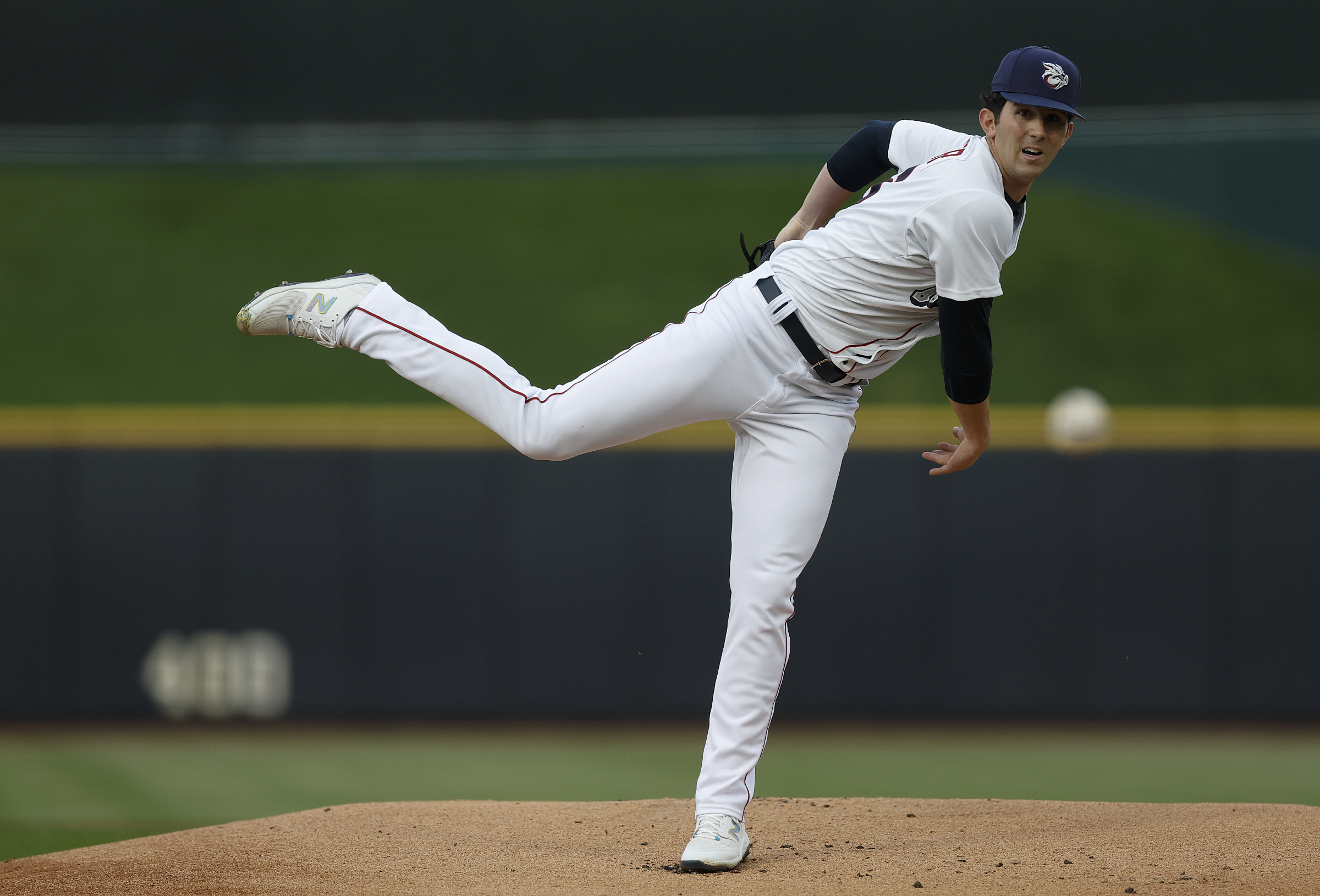
Andrew Painter struggled with his command in his return to the mound with Lehigh Valley following Tommy John surgery in 2023.
Andrew Painter
Plenty of ink has been devoted to the subject of Painter’s major league debut since at least 2023, when he was under consideration for the Phillies’ rotation at age 19.
A ligament sprain and subsequent Tommy John elbow surgery delayed that timeline. But once he returned to the mound in 2025, it was expected he would figure into the Phillies’ plans by the summer.
That didn’t happen, either.
The Phillies were pleased with the quality of Painter’s stuff and his velocity. But command is typically the last thing that returns to a pitcher after Tommy John surgery, and that’s what Painter struggled with the most in 2025. He had a 5.40 ERA and issued 3.9 walks per nine innings at triple-A Lehigh Valley, and the call-up never arrived.
“I think everybody was excited about getting him back,” Phillies manager Rob Thomson said in September. “I think at the end of the day you look back on it, you say, ‘First time going through this, it usually takes two years for a guy to come back [from Tommy John].’ I think we can all look back and think, ‘Man, [we] probably should have expected this.’”
Given that he remains healthy, next season should be different. Painter will have a normal offseason and spring for the first time since 2023. He will again enter camp in contention for a rotation spot, and this time he isn’t a teenager; he’ll turn 23 in April.
There figures to be a place for him, too. Ranger Suárez is likely to command a big contract as one of the top left-handers on the free-agent market, and unless the Phillies outbid pitching-starved teams or make a splash elsewhere, that would leave an opportunity for Painter to break camp with the team.
“We’re optimistic that with a regular offseason training program and getting ready to come in the season, that he’ll be able to regain that [command],” Phillies president of baseball operations Dave Dombrowski said.
Jean Cabrera had a 3.81 ERA and 1.23 WHIP over a career-high 137 innings last season with double-A Reading.
Jean Cabrera
At the general managers’ meetings last month, Dombrowski pointed to the 24-year-old Cabrera as the Phillies’ current minor league starting pitching depth beyond Painter.
“You never have enough starting pitching,” he said. “And really, for us, after you get past Painter, now you’re talking about Cabrera, [who] would be one of those guys. But we don’t have a lot of starting pitching, so that’s something we’re going to be cognizant of.”
Cabrera spent the 2025 season with double-A Reading, where he posted a 3.81 ERA and 1.23 WHIP over a career-high 137 innings. The right-hander allowed just 0.72 home runs per nine innings. Cabrera has been on the Phillies’ 40-man roster since 2024, when he was added as protection from the Rule 5 draft.
Cabrera was consistent in terms of workload last season. He made 26 starts and none was shorter than 4⅓ innings. In the event of an injury or if a spot start is needed, Cabrera provides the Phillies with crucial starting depth.
Alex McFarlane had a strong second half in his first season back from Tommy John surgery.
Alex McFarlane
McFarlane was added to the Phillies’ 40-man roster last month ahead of the Rule 5 draft, signaling the team’s faith in the 24-year-old righty.
Like Painter, McFarlane is coming off his first full season back after undergoing Tommy John surgery in 2023. He had a stronger second half, with a 2.54 ERA and 1.03 WHIP in his last 39 innings compared to a 7.02 ERA and 1.71 WHIP in his first 41 innings.
That improvement also came with a move to the bullpen in August. McFarlane was promoted from high-A Jersey Shore to double-A Reading in September to finish out the year.
With a fastball that can touch 100 mph, McFarlane could be possible bullpen depth for the Phillies in 2026.
The Phillies left pitcher Griff McGarry unprotected in the Rule 5 draft for the second straight year.
Griff McGarry
It’s possible that McGarry could find himself in a new organization come Dec. 11, as he was left unprotected in the Rule 5 draft for the second year in a row.
Another team can pay the Phillies $100,000 to select McGarry, but he must remain on that team’s 26-man roster for the entire season or be offered back for $50,000. Last December, the Twins selected right-hander Eiberson Castellano from the Phillies in the Rule 5 draft, but he was returned in March. (Castellano elected free agency at the end of the season.)
McGarry built a solid foundation for 2026 with a bounceback 2025 season. The 26-year-old righty won the Phillies’ Paul Owens Award, an internal honor for their top minor league pitcher, after posting a 3.44 ERA in 83⅔ innings.
McGarry has struggled with command throughout his minor league career and was moved to the bullpen in 2024. Last year, though, the Phillies moved him back to a starting role. He cut his walks from 10.2 per nine innings in 2024 to 5.3 per nine in 2025.
“Heading into this year, early in the spring, they kind of made it known to me that I’d be back in a starting role,” McGarry said in September. “I think I definitely am capable of doing both. And I love starting; I love relieving. So it’s kind of wherever the Phillies want me, I’m willing to perform.”
McGarry spent most of the season at double-A Reading, but he finished the year on a high note with a final start back up in triple A.
“I think in years past in triple A, I’ve had my ups and downs there,” he said. “It’s good to really finish there and kind of finish the season how I wanted to, with a successful start.”
Gage Wood, the Phillies’ 2025 first-round pick, is likely to be on an innings limit in 2026.
Names to know, but unlikely for this year
Moises Chace was a deadline acquisition from the Baltimore Orioles in 2024 and had an intriguing fastball that missed a lot of bats. But the 22-year-old right-hander underwent Tommy John surgery in 2025 and is still rehabbing.
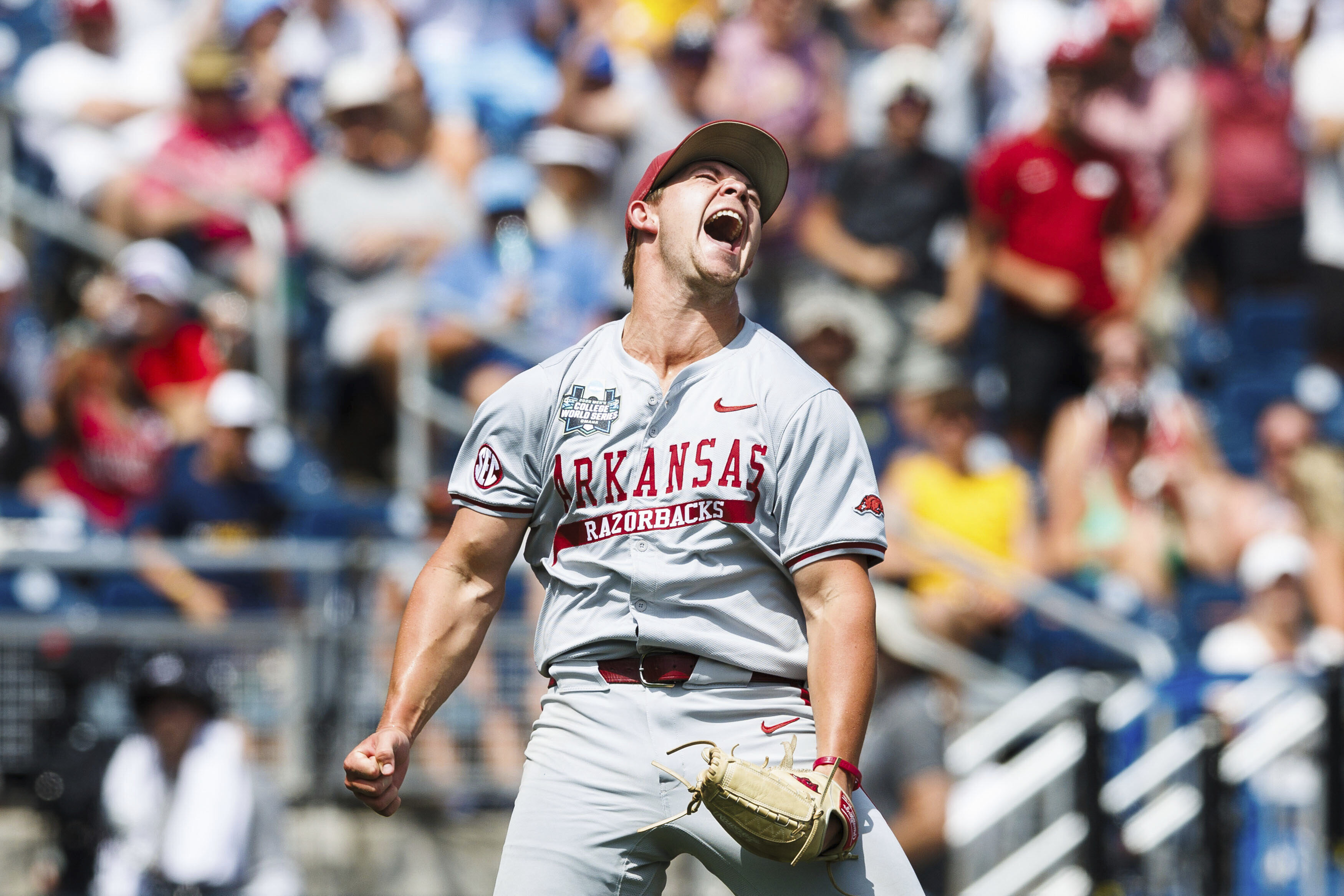
Since the Phillies drafted right-hander Gage Wood out of Arkansas — going the college pitcher route in the first round for the first time since Aaron Nola in 2014 — questions have swirled about how soon he could arrive in the majors.
But don’t bank on Wood following the breakneck trajectory of Pottstown’s Trey Yesavage, who went from starting games in single A to the World Series with the Blue Jays in four months. The Phillies plan to build him up as a starter, but Wood is likely to be on an innings limit in 2026, according to Dombrowski.
Wood didn’t experience a full starter’s workload in his college career. He pitched 37⅔ innings for Arkansas in 2025, missing almost two months due to a shoulder impingement. In his two college seasons before that, Wood was primarily a reliever for the Razorbacks.
NEW YORK — Starbucks will pay about $35 million to more than 15,000 New York City workers to settle claims it denied them stable schedules and arbitrarily cut their hours, city officials announced Monday.
The company will also pay $3.4 million in civil penalties under the agreement with the city’s Department of Consumer and Worker Protection. It also agrees to comply with the city’s Fair Workweek law going forward.
A company spokesperson said Starbucks is committed to operating responsibly and in compliance with all applicable local laws and regulations in every market where it does business, but also noted the complexities of the city’s law.
“This [law] is notoriously challenging to manage and this isn’t just a Starbucks issue, nearly every retailer in the city faces these roadblocks,” spokesperson Jaci Anderson said.
Most of the affected employees who held hourly positions will receive $50 for each week worked from July 2021 through July 2024, the department said. Workers who experienced a violation after that may be eligible for compensation by filing a complaint with the department.
The settlement also guarantees employees laid off during recent store closings in the city will get the chance for reinstatement at other company locations.
The city began investigating in 2022 after receiving dozens of worker complaints against several Starbucks locations, and eventually expanded its investigation to the hundreds of stores in the city. The probe found most Starbucks employees never got regular schedules and the company routinely reduced employees’ hours by more than 15%, making it difficult for staffers to know their regular weekly earnings and plan other commitments, such as childcare, education, or other jobs.
The company also routinely denied workers the chance to pick up extra shifts, leaving them involuntarily in part-time status, according to the city.
The agreement with New York comes as Starbucks’ union continues a nationwide strike at dozens of locations that began last month, including at some Philadelphia stores. The number of affected stores and the strike’s impact remain in dispute by the two sides.
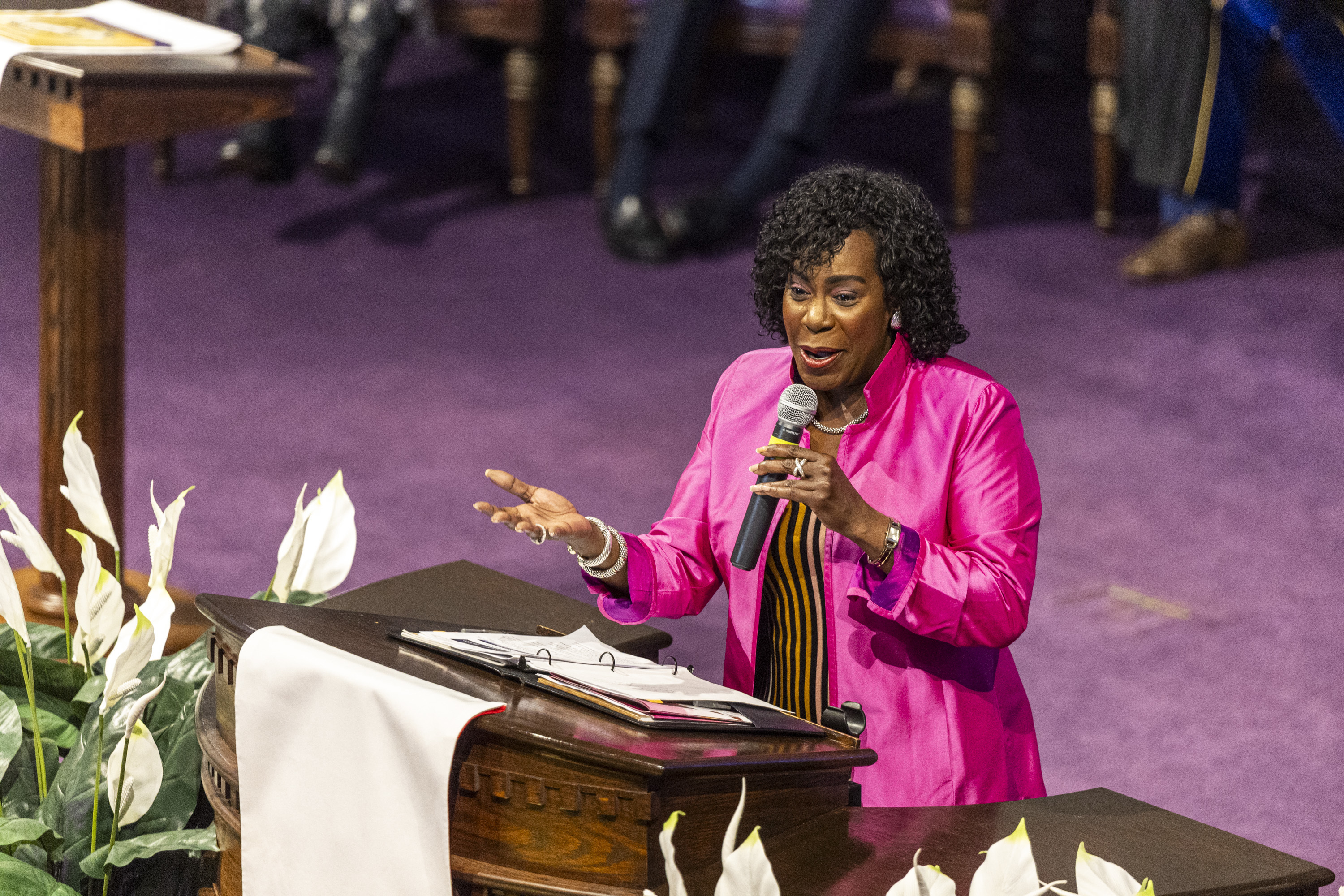
Mayor Cherelle L. Parker has said her administration relied on expert advice from a top law firm when it decided to end a Philadelphia policy prioritizing businesses owned by women or people of color in city contracting following recent court rulings that limited affirmative action-style government programs in hiring and contracting.
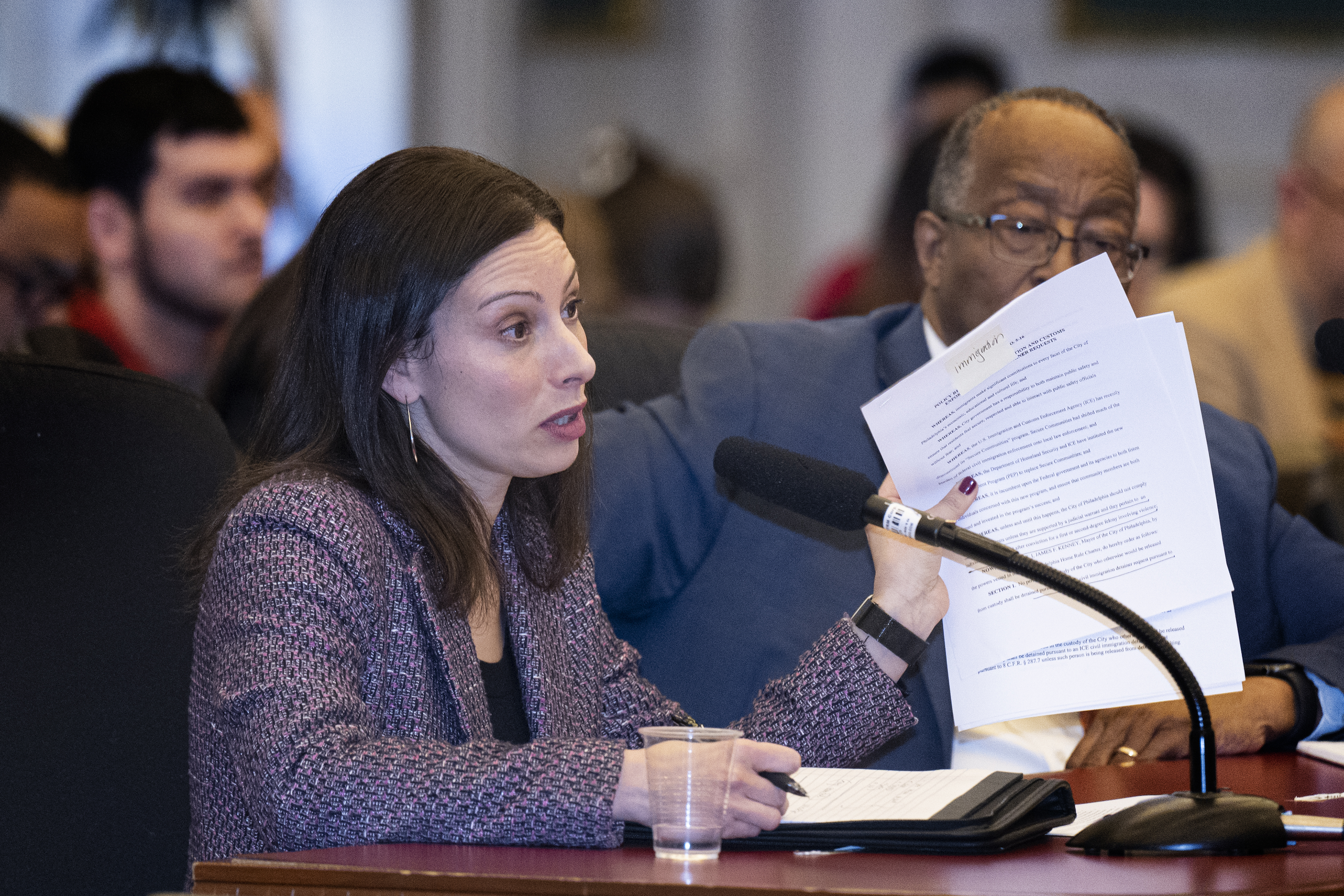
“I call them my genius attorneys because they all clerked for Supreme Court justices, and they handle the hardest cases throughout the country,” City Solicitor Renee Garcia, the city’s top lawyer, recently said of the New York-based firm Hecker Fink.
“And we went back and forth,” Garcia said. “Can we do this? Can we do this? What about this? What about that?”
But when it came time to replace the city’s old program with a new policy, the Parker administration didn’t adopt all of the suggestions it received from Hecker Fink, internal administration documents obtained by The Inquirer show.
Hecker Fink attorneys suggested that Philadelphia replace its old contracting system with one that favors “socially and economically disadvantaged” businesses, the documents show. Parker instead created a new policy favoring “small and local” companies.
The differences between Parker’s program and alternatives the city could have adopted are highly technical but hugely important, attorneys and researchers who study government contracting told The Inquirer.
Critics say the new policy indicates Philadelphia took the easy way out in the face of conservative legal attacks, instead of fighting to preserve the spirit of the old program: promoting equity and diversity in city contracting.
Parker, however, is adamant that her “small and local” policy will achieve that goal, given that many small companies in the city are owned by Black and brown Philadelphians who have faced discrimination.
“Our small and local business program is our disadvantage program,” Garcia said in a written statement. “Considering counsel’s advice, the City determined that a small and local business program is the best way to incorporate social and economic disadvantage in a way that is objective, content-neutral, consistent, demonstrable, and could be stood up very quickly.”
The documents, which include confidential legal memos from Hecker and internal administration emails, show how top city officials attempted to navigate a new legal landscape after the U.S. Supreme Court in 2023 upended decades of jurisprudence on affirmative action and other race-conscious policies.
Mayor Cherelle L. Parker said her “small and local” contracting policy will boost Philadelphia companies.
In early 2025, the Law Department provided a spreadsheet of line-by-line edits to the city’s Five Year Plan, a long-term budgeting document, to remove language about racial and gender-equity goals submitted by city departments.
When the Office of Community Empowerment and Opportunity, for instance, wrote that its mission involved “advancing racial equity,” the Law Department simply wrote, “remove racial,” as it did for several other agencies.
The edits signify a stark contrast to the city’s approach under former Mayor Jim Kenney, who in 2020, operating under very different circumstances, instructed all departments to craft comprehensive racial-equity plans.
There is no indication in the internal documents, which are primarily from 2024 and 2025, that Parker, the city’s first Black female mayor, or administration officials were eager to make those changes. And no city officials appeared in the documents to view the “small and local” policy as less aggressive or safer than the other options at Parker’s disposal when she replaced the city’s race-conscious contracting system.
But for Wendell R. Stemley, president of the National Association of Minority Contractors, the mayor’s choice was revealing.
“The cities that want to cave in on this issue without doing the hard work are just doing small [and] local, race- and gender-neutral,” Stemley said.
‘Disadvantaged’ vs. ‘small and local’
The documents obtained by The Inquirer show that Hecker recommended the city abandon its decades-old contracting system — responsible for allotting more than $370 million each year in city contracts to historically disadvantaged firms — due to the threat of potential legal challenges, as Parker and Garcia have said.
But they also show that the firm proposed replacing that policy with a system “setting mandatory goals for hiring socially and economically disadvantaged businesses or persons,” a race- and gender-neutral standard based on the federal Small Business Administration’s 8(a) business development program.
Like the city’s contracting policies, the federal program previously had a stated policy of aiding business owners who were members of specific historically disadvantaged groups, such as women and Black people. But a 2023 federal court ruling in Washington, D.C., prohibited the SBA from presuming that members of those groups had faced barriers and required 8(a) applicants to demonstrate social and economic disadvantages.
The change allowed the program to pass legal muster by not favoring race or gender groups, while still allowing the agency to consider whether each applicant had faced discrimination on an individual basis.
Hecker, a litigation and public interest firm, suggested that Philadelphia adopt a similar approach.
“Adopting mandatory goals for hiring socially or economically disadvantaged individuals or businesses, defined along the same race-neutral lines as in the SBA’s 8(a) program, would likely be defensible if challenged,” Hecker lawyers wrote in a May 5 memo to the city.
An internal administration memo analyzing the city’s options on May 16 said that Hecker “recommended taking a look at the federal SBA 8(a) Business Development Program as a model.”
“This is a program to recognize small and disadvantaged businesses,” the city’s memo said, adding that the SBA defines socially disadvantaged individuals as “those who have been subjected to racial or ethnic prejudice or cultural bias within American society because of their identities as members of groups and without regard to their individual qualities.”
The executive order governing the city’s old minority contracting program, which aimed to award 35% of contracts to historically disadvantaged firms, expired at the end of 2024, and the city quietly ended it at some point earlier this year.
The key difference between Parker’s program and the 8(a) model is that the city’s new policy gives no explicit consideration for social disadvantage, prejudice, or cultural bias.
Garcia, the city solicitor, firmly pushed back against the notion that the city had ignored Hecker’s advice on reshaping its contracting landscape and contended that the “small and local” policy will result in equitable outcomes because many of Philadelphia’s small businesses are owned by people of color and have faced discrimination and other barriers to growth.
“The City’s small and local business program … is more aggressive [than an SBA 8(a)-style policy] in that it is broadly applicable to small and local businesses, without creating unnecessary hurdles and confusion over the word ‘disadvantage’ or requiring onerous paperwork” for business owners to demonstrate their disadvantages, she said.
City Solicitor Renee Garcia is the Parker administration’s top lawyer.
Although Parker’s new program is not exclusively available to disadvantaged firms, Garcia said it “has built-in elements of social and economic disadvantaged programs like the SBA 8(a) and [U.S. Department of Transportation] programs, such as utilizing SBA business size standard caps, examining years in business, examining employee count, and personal net worth considerations.”
But Andre M. Perry, a senior fellow at the Brookings Institution, said that while the city may be intending to help disadvantaged businesses with its “small and local” approach, specifying that goal in writing is important. The mayor’s executive order does not use the word disadvantage.
“They are different,” said Perry, the author of Black Power Scorecard, an examination of access to property, education, and business success. “The downside of any approach that does not use some criteria for being disadvantaged is that you can ignore them.
“There is a history that suggests that you absolutely need some process to identify groups of people who have been ignored by the city. It’s certainly not a given that you will touch those communities that have been denied opportunities in the past under ‘small and local,’” Perry said.
‘Too early to tell’
Parker’s move to abandon the city’s goal of prioritizing businesses owned by women and Black and brown people has become the latest flashpoint in the debate over the centrist Democrat mayor’s approach to the new political reality under President Donald Trump’s second administration, as critics like progressive City Councilmember Kendra Brooks have accused her of “caving” to Trump.
Parker, however, said the city had little choice but to end the old system following Students for Fair Admissions v. Harvard, a 2023 Supreme Court ruling that prohibited affirmative action in college admissions and has had widespread consequences for race-conscious government programs.
“There were people who told us that leadership meant justifying the [old] law,” Parker said at a recent news conference announcing the contracting policy changes. “They said, ‘Forget about the Supreme Court ruling. Philadelphia should just continue functioning and operating its program even if your Law Department and these genius lawyers at [Hecker] who have clerked for Supreme Court justices [recommended abandoning it.]’
“I want to take some advice from somebody to interpret the Supreme Court ruling right for some folks who have worked there.”
The U.S. Supreme Court upended the legal landscape for race-conscious government programs with a 2023 case ending affirmative action in college admissions.
But Parker also said she felt that the city’s old system was “broken” long before the Harvard decision because it failed to achieve its goal of boosting the number of “Black and brown and women and disabled business owners” in Philadelphia.
Parker, who as a lawmaker worked on policies aimed at boosting economic opportunities for minority- and women-owned firms, said she was optimistic that pivoting to a focus on “small and local” firms would produce better results.
Parker has not publicly discussed suggested alternatives to her new policy, including the 8(a)-style approach.
Several government contracting attorneys and researchers interviewed by The Inquirer said that both “small and local” and “socially disadvantaged” programs have downsides and that the success of either would primarily depend on how well it is executed. Details are scant on what the new policy will actually look like, making it difficult to evaluate the potential impact.
But experts said choosing a policy that seeks to favor disadvantaged businesses rather than any small Philadelphia firm would indicate the mayor was fighting to maintain the spirit of the old program, which sought to boost companies owned by women and people of color who have long been underrepresented among business owners and government contractors.
“Adopting an 8(a)-style program with language prioritizing contracts for socially disadvantaged businesses would signal a desire to maintain the pre-2024 understanding that cities can procure goods deliberately, intentionally, in different ways, with preferences from disadvantaged businesses,” said Brett Theodos, a senior fellow at the Urban Institute who has written a paper about how governments can use contracting to promote equity, despite recent court decisions. “Having an (8)a-style [program] would signal that the mayor wanted to try something more.”
Parker has defended her policy shift by invoking the bona fides of the Hecker attorneys who worked with the city. She and other city officials have noted that one clerked for liberal U.S. Supreme Court Justice Sonia Sotomayor and now works for the American Civil Liberty Union — “not somebody who would have had a conservative mindset,” as Garrett Harley put it. (Those comments later prompted the ACLU-PA to distance itself from what it described as the city’s “DEI rollback.”)
To be sure, adopting a program in which contractors need to demonstrate social disadvantages, such as past instances of discrimination, has its own drawbacks.
Following the 2023 federal court decision, the SBA now requires 8(a) applicants to submit “social disadvantage narratives,” or essays, increasing administrative burdens and potentially favoring savvier contractors. The U.S. Department of Transportation has a similar essay-based approach.
The U.S. Small Business Administration’s 8(a) business development program is aimed at helping “socially and economically disadvantaged” firms.
“We have heard from our businesses it is already too hard to do business in Philadelphia; these kinds of additional requirements will exacerbate an already difficult and burdensome process,” Garcia said.
And despite being a race- and gender-neutral federal policy, the current 8(a) standard, which was adopted in President Joe Biden’s administration, may still be challenged in court.
The lawyers at Hecker Fink, however, believed that a Philadelphia version of the policy could withstand scrutiny.
“The next wave of conservative litigation in this space may target such programs, arguing that social or economic disadvantage is a proxy for race,” Hecker attorneys wrote in the May 2025 memo. “However, based on our assessment of the current legal landscape, the City would have a strong chance of defeating such challenges.”
Like many diversity, equity, and inclusion initiatives cast as discriminatory by the president, the 8(a) program has come under siege since Trump took office in January. On the agency’s website, hyperlinks to guidelines on how companies can demonstrate social disadvantage have gone dead, and the Trump administration has launched an audit of the program in the wake of an alleged bribery scheme.
None of those issues, however, address the question of whether a similar policy crafted for the city would be legally defensible. Despite Trump’s attacks, the current version of the 8(a) program’s focus on “socially disadvantaged” firms has not been overturned in court.
Regina Hairston, president and CEO of the African-American Chamber of Commerce of PA, NJ, and DE, said the organization will wait and see how Parker’s new policy shakes out.
“It’s too early to tell if the mayor’s policy is the right policy, but from what I’ve seen across the country, other cities are moving to [prioritize] small, medium enterprises,” Hairston said. “We don’t know if that’s the answer, but we will be monitoring it.”
Staff writer Anna Orso contributed to this article.
Joann Spatola and her then-husband were living in a Horsham townhouse in 1990 when builder Nicholas Braccia came to them with a proposition.
He knew of a vacant piece of land near the Chalfont pizzeria the couple owned that would be the perfect place for a contemporary home they could help design.
“We’d only been married two years, and we wanted something of our own,” she said. So she and Braccia went over blueprints and basically designed the house together.
The great room.
She has spent 35 years in the four-bedroom, 3½-bathroom home.
But she is single now, and her kids are grown, so she is ready to downsize to an over-55 community in North Wales.
The house “has good bones,” she said. “They don’t make them like that any more.”
The kitchen was redesigned five years ago.
And she is particularly sad to lose the kitchen she helped design five years ago, with its quartz countertops and stainless steel appliances. “But it’s too much upkeep for me,” she said.
The house has 2,671 square feet and is three stories, including the finished basement, which has been used as a home gym and includes a half bathroom.
The dining area off the kitchen.
The first floor has two bedrooms, a great room with a vaulted ceiling, the kitchen and dining room, and a full bathroom.
The second floor has the primary bedroom and bathroom, with the main closet in the bathroom, as well as a double-bowl vanity and sunken bath tub. There is another bedroom and bathroom on this floor. And there is a walkout attic.
The deck overlooks a large, landscaped yard with a gazebo.

Dining room
All mechanicals have been updated.
The house is close to parks, schools, and shopping. It is in the Central Bucks West School District.
It is listed by David Dupell of Coldwell Banker Realty for $799,999.
All is not lost. Many of the Eagles’ followers are distraught after two straight defeats (see “Fans are flustered” below), but the team remains in first place in the NFC East at 8-4.
The fans need to take a deep breath, look at the Eagles’ remaining schedule, and hope that Nick Sirianni and his staff get things straightened out to make another playoff run.
The top seeds in the NFC, the 9-3 Bears, have a challenging schedule in their last five games. The Eagles could be facing a Chargers team without Justin Herbert, then they’ll play the lowly Raiders and a tough road game against the Bills sandwiched by two Commanders games. Of course, the loss to the Giants this season proves that the Eagles can be beaten by anyone.
If the season ended now, the Eagles would be seeded third in the conference. Jeff Neiburg examines their chances of gaining the NFC’s top seed and the bye that goes with it. The odds are not great, but the Birds control their own destiny when it comes to the NFC East.
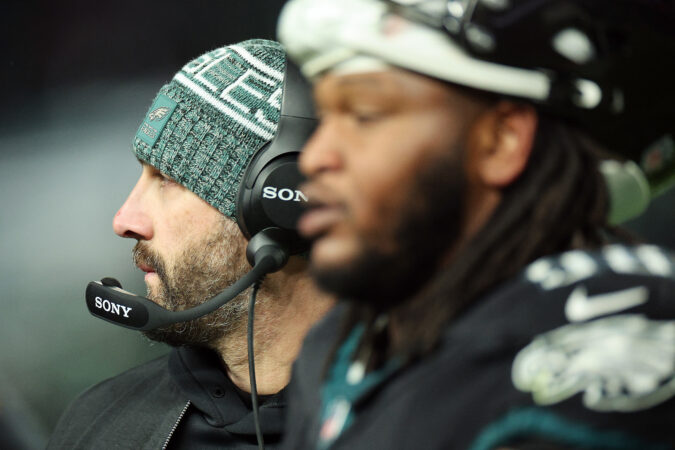
Sirianni said Monday that the team has been evaluating everything since the Black Friday loss to Chicago. “We all have to look internally and get better,” said the coach, who also said that the embattled Kevin Patullo will remain as the play-caller.
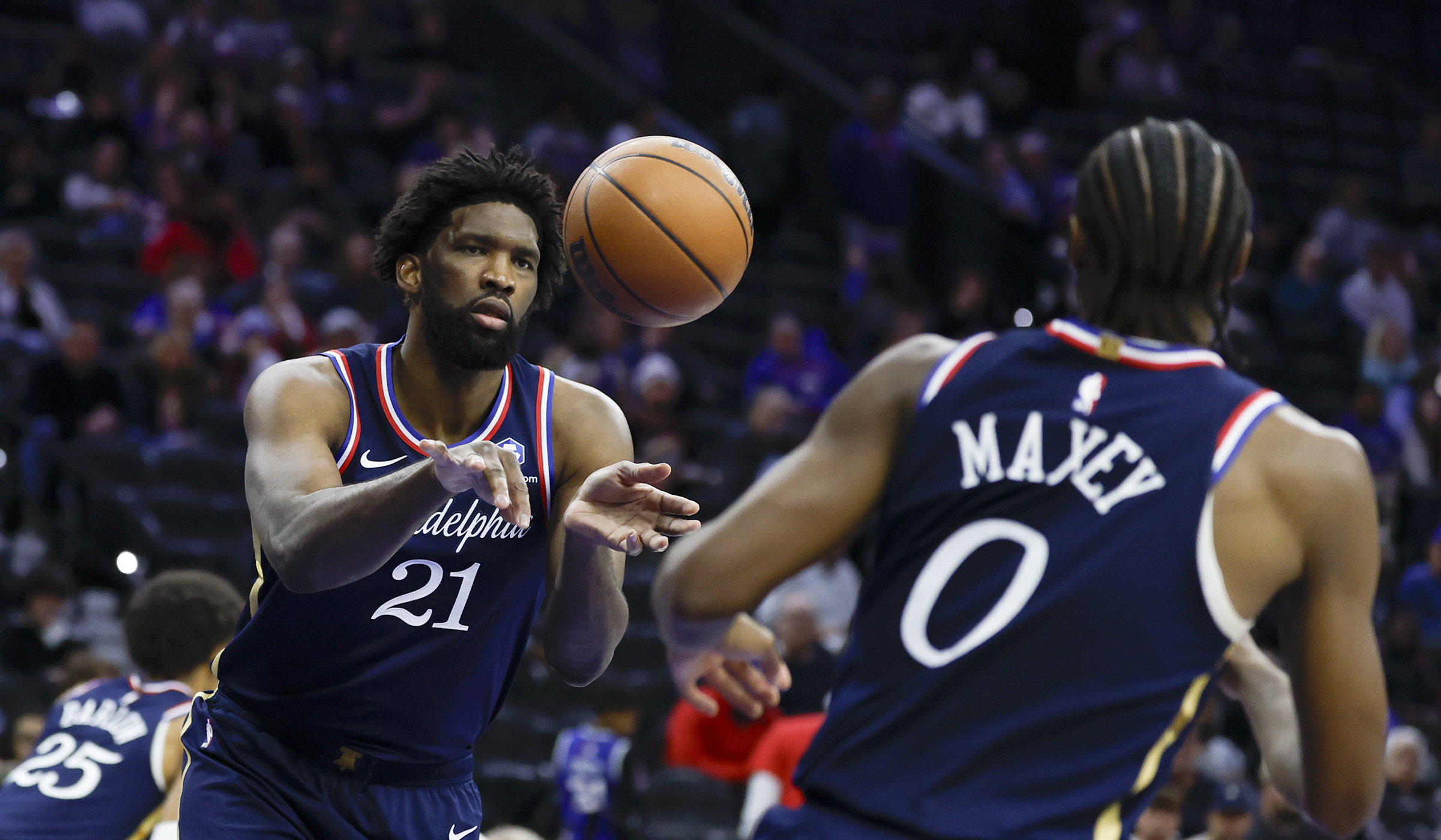
Sixers center Joel Embiid played for the first time since he suffered soreness in his right knee.
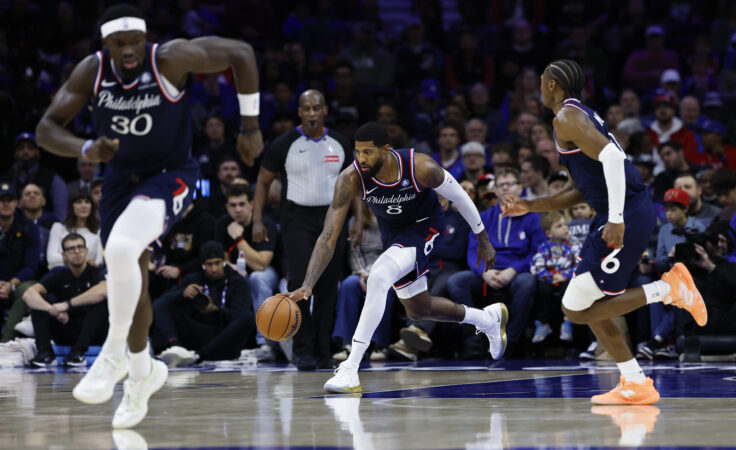
Sunday marked the first time Joel Embiid, Paul George, and Tyrese Maxey have been on the floor together in a game this season. It also marked just the 19th game the trio played together since George signed his four-year, $211.5 million deal on July 6, 2024. There were some encouraging and not-so-encouraging signs from the loss to the Atlanta Hawks. The Inquirer’s Keith Pompey does a deep dive into Maxey’s high usage, George’s shot making, and Embiid’s mobility (or lack thereof).
Flyers right wing Travis Konecny has yet to really get going despite averaging almost a point per game.
Travis Konecny has been the Flyers’ best player for the past few seasons, as the right winger has led the team in scoring in four straight campaigns and five of the last six.
But while the Flyers have gotten off to a surprisingly strong start, Konecny is one of the few players who has yet to really click the way he has before. On pace for just 17 goals after averaging 29 over the last three seasons, Konecny says there is “more for me to give.”
But is the historically streaky Konecny due for a breakout in terms of scoring goals? Count Rick Tocchet among those who believe so.
The Flyers’ three-game winning streak was snapped in 5-1 loss to the Pittsburgh Penguins. The team also lost top scorer Tyson Foerster to an upper-body injury during the game.
Top pitching prospect Andrew Painter is expected to make his major league debut in 2026.
The Phillies were pleased with the quality of Andrew Painter’s stuff and his velocity in 2025. But command is typically the last thing that returns to a pitcher after undergoing Tommy John elbow surgery, and that’s what Painter struggled with the most. He had a 5.40 ERA and issued 3.9 walks per nine innings at triple-A Lehigh Valley, and a call-up never arrived.
But Painter, their top pitching prospect, should make his long-awaited major league debut in 2026. And he might not be the only one. Let’s take a look at the Phillies’ pitching prospects who are the most likely to make a major league impact this season.
Unhappy Eagles fans during the loss to the Bears on Friday.
Many Eagles fans have had it after two straight losses in which the offense looked leaner than a picked-over turkey carcass. Someone lit up an electronic sign outside the Linc yesterday that said: “FIRE KEVIN PATULLO.” One fan even broke up with his girlfriend over the Birds, saying the Eagles have been playing badly ever since they got together. She agreed to stop talking to him until the end of the season.
Some fans take out their frustrations in the wrong way, though. Police in Moorestown said someone vandalized Patullo’s house early Saturday morning.
Eagles quarterback Jalen Hurts struggled in the Black Friday loss to the Chicago Bears.
Jalen Hurts is a competent starter with a few special gifts. He is a tireless worker, a steady hand on the tiller, a fine runner, fearless, tough, accurate, with exquisite touch on deep passes. He is not the total package. To expect him to be so only courts disappointment.
Eagles first-year coordinator Kevin Patullo might not be calling all the best plays, and his sequencing might be imperfect, but the consensus among analysts and several Eagles sources is that Patullo’s not the problem. Hurts is missing wide-open receivers, sometimes missing multiple receivers on the same play, even when he’s not pressured.
Saquon Barkley and the Eagles running game have struggled to get off the ground this season.
The Eagles managed only 87 rushing yards in the loss to the Bears. Do you know which Birds player had this take? Click here to find out.
What you’re saying about this sports town
We asked: What do you think makes Philadelphia a great sports city?Among your responses:
It’s the City of Brotherly Love! Philadelphia and its fans are real — both are intense, passionate, loyal, and have always, always had an unwavering fan base. Philadelphia is in a league of their own; always have been, always will be. — Karen L.
Philly is all in on all sports … and not person by person. If the Eagles are up it’s all green all the time. If it’s the Phillies … it’s red October. When the Sixers are up — play the song. In Boston, if you’re a Sox fan you might be a Pats fan but not passionately. Chicago is similarly divided. SF is either Giants or Niners. Not here. We get behind the team that’s taking us to the promised land. But be sure you don’t underperform or we’ll eat your lunch. — Angelo D.
Obviously, the Washington Post works for Trump, Trump hates blue cities, Philly is a blue city, ergo Philly is not on the list. — Diane D.
The Union’s fans getting fired up during the playoff game against New York City FC at Subaru Park.
Why? Because we love the Union! — Valerie M.
Every time I see a Philly sports team playing in some other city I always see more than one fan where a Phillies, Eagles, Flyers, college team in the stands wearing Philly team clothes. P.S. I love the Phillies Friday home uniforms. —Bill M.
A fairly recent great example of why Philly is a great sports town is how during Covid, when fans were not allowed in the stadium, a group of fans met outside the stadium for every home game and watched and cheered the Phillies through the gates. That’s fans who truly love their teams! —Bob A.
I have lived in Los Angeles/Orange County Calif., and now here in Arizona and have been to games in many cities and have never experienced the excitement and fan loyalty Philadelphia has in any other city or area. Maybe Philly doesn’t have the championships that NY and LA and Boston have, but it has a very special Philly feeling around the Eagles, Phillies, Sixers, Flyers, & Union that is unmatched anywhere. — Everett S.
We compiled today’s newsletter using reporting from Jeff Neiburg, Olivia Reiner, Jeff McLane, Gabriela Carroll, Lochlahn March, Keith Pompey, Jackie Spiegel, Marcus Hayes, and Ariel Simpson.
By submitting your written, visual, and/or audio contributions, you agree to The Inquirer’s Terms of Use, including the grant of rights in Section 10.
Thanks for reading our newsletter. Bella will bring you Sports Daily on Wednesday. — Jim
NEW YORK — After four days of deal-fueled spending sprees that kicked off on Thanksgiving, shoppers shifted their focus on Cyber Monday, which is again expected to be the biggest sales day of the year for online retailers.
Walmart was promoting up to 50% off on fashion on its website among some of the deals, while online juggernaut Amazon was hoping to ply customers with discounts of up to 55%.
It’s no secret that buying things online is now a staple of many people’s everyday routines. And year after year, those purchases mount during the gift-giving holiday rush. Experts expect consumers to drive record Cyber Monday spending this year, despite wider economic uncertainty.
Adobe Analytics estimated that U.S. shoppers will spend $14.2 billion online Monday, or 6.3% more than in 2024. Spending was expected to peak between the hours of 8 and 10 p.m. local time, when Adobe expected $16 million to pass through online shopping carts every minute nationwide.
U.S. consumers already spent $11.8 billion online for Black Friday, $6.4 billion on Thanksgiving Day, and another $11.8 billion over the weekend — exceeding Adobe’s forecasts. Purchases made across Cyber Week — the five major shopping days between Thanksgiving and Cyber Monday — provides a strong indication of how much shoppers are willing to spend for the holidays.
“Cyber Week is off to a strong start,” Vivek Pandya, lead analyst at Adobe Digital Insights, said. “Discounts are set to remain elevated through Cyber Monday, which we expect will remain the biggest online shopping day of the season and year.”
Pandya said he will be analyzing Adobe data capturing Cyber Monday sales to see if some of the spending momentum dissipated after a strong weekend.
Deals on electronics and apparel were expected to peak Monday at 30% and 26% off average listed prices, per Adobe’s latest estimates. But other categories will still continue to see deep discounts — including toys, which Adobe expects to reach 27% off listed prices.
Meanwhile, software company Salesforce — which tracks digital spending from a range of retailers, including grocers — estimated Cyber Monday’s online sales will total $13.4 billion in the U.S. and $53.7 billion globally.
While the amount of money going into online shopping carts was expected to reach new heights Monday, rising retail prices also may contribute to any record sales figures that materialize. Consumers may be buying fewer total items. Experts say tighter budgets are causing many to shop with more precision than in years past — such as focusing on a few “big ticket” purchases, for example, and spreading out what they buy over days of promotions in hopes of getting the most bang for their buck.
Businesses and households have watched anxiously for financial impacts from U.S. President Donald Trump’s tariffs on foreign imports. Workers in both the public and private sectors are also struggling with anxieties over job security amid both corporate layoffs and the aftereffects of the 43-day government shutdown.
For the November-December holiday season overall, the National Retail Federation estimates that U.S. shoppers will spend more than $1 trillion for the first time this year. But the rate of growth is slowing — with an anticipated increase of 3.7% to 4.2% year over year, compared with 4.3% during last year’s holiday season.
An Amazon Prime delivery person lifts packages while making a stop on Nov. 28, 2023, in Denver.
Buy now, pay later loans are expected to drive $20.2 billion in online spending this holiday season, according to Adobe, up 11% from last year. The firm predicted that buy now, pay later loans would pass a new $1 billion milestone on Cyber Monday, the vast majority involving purchases made on mobile devices.
Overall, mobile devices have become the dominant shopping platform consumers are turning to for the holidays. Adobe expects smartphones, wearable tech, and other handheld electronics to account for 58% of online spending this season.
Five years ago, a majority of online purchases were made on desktops.
Shopping services powered by artificial intelligence are also expected to play a role in what consumers choose to buy. For Black Friday, Salesforce estimated that AI assistants and digital agents contributed to $14.2 billion of the total $79 billion it said was spent online worldwide.
Across the holiday season, “hot sellers” will include gaming consoles such as the Nintendo Switch 2 and toys-turned-fashion statements like Labubu Dolls, Adobe said. The analytics company anticipates the newest editions of popular consumer electronics — including the iPhone 17, Google Pixel 10, and Samsung Galaxy S25 — will also see high demand.
To many, Cyber Monday is billed as the “last call” to take advantage of the deepest discounts in the days following Thanksgiving. But its reach has grown over the years.
Cyber Monday is two decades old now, dating back to when the National Retail Federation first coined the term in 2005. Today, sales continue to bubble up throughout the week — riding on the hype that the industry has built to fuel consumer spending.
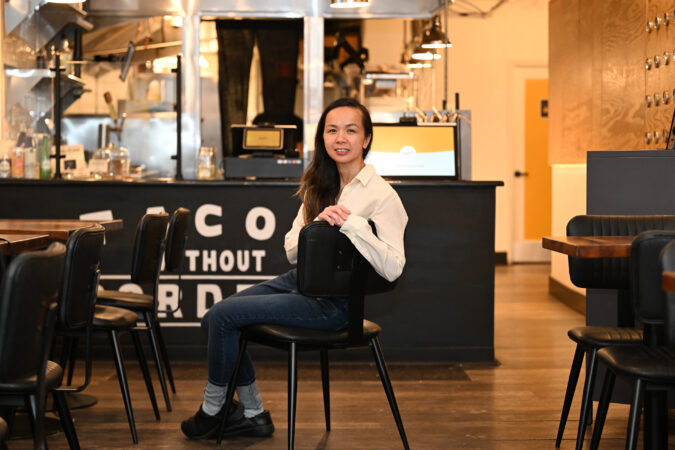
After 10 years in Rittenhouse, Revolution Taco, a fast-casual restaurant whose menu blends global influences from chorizo to Peking duck to Korean BBQ beef, plans to close early next month.
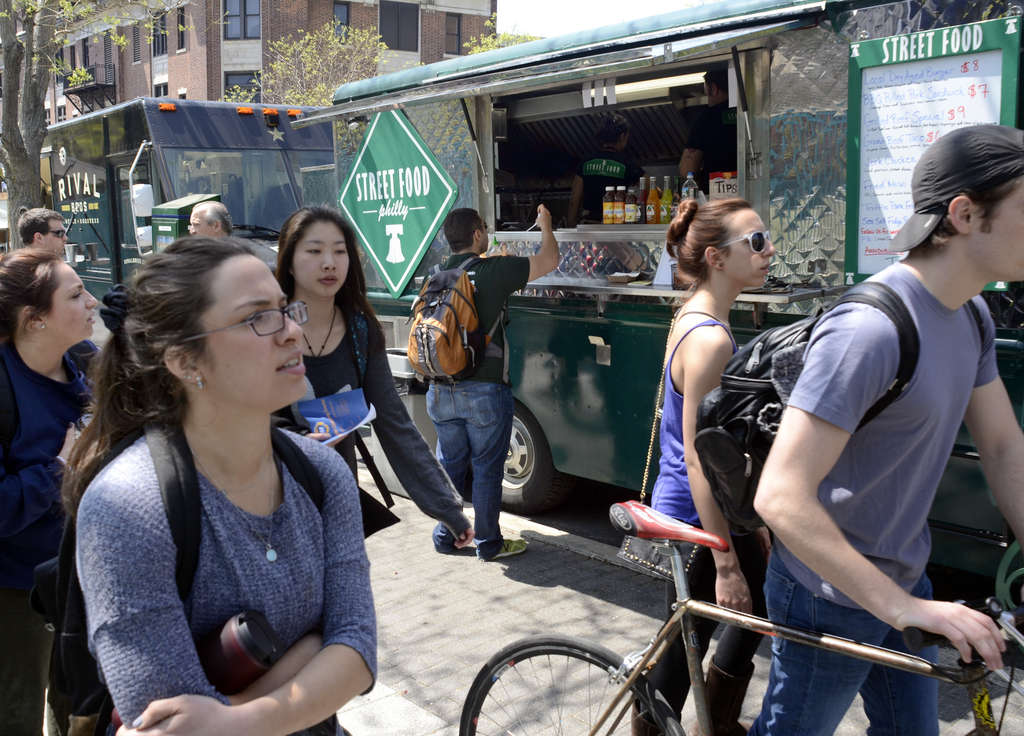
Owner Carolyn Nguyen, 41, grew the business from Street Food Philly and Taco Mondo, two stalwarts of Philly’s new age food truck scene, which had its heyday from 2012 to 2016. The two trucks, which Nguyen co-owned and operated, vended regularly on 33rd Street at Drexel University’s campus — a street once referred to as Philly’s “Food Truck Mecca” — and at the now-defunct Night Markets, once run by The Food Trust.
Revolution Taco’s Jan. 6. closure isn’t goodbye for Nguyen, who has leased the space at 2015 Walnut St. for another three years. Rather, Nguyen is returning to her roots: For the first time in her two decades of working as a chef in Philadelphia, Nguyen will be cooking the Cajun Vietnamese food of her Louisiana youth.
Also for the first time, her name will be on the door of her business. She aims to open Carolyn’s Modern Vietnamese within weeks of Revolution Taco’s closure. “It will combine my Vietnamese heritage, my Cajun upbringing, and the global flavors that I’ve come to love and enjoy to cook through my career,” said Nguyen.
“Growing up, we always had seafood boils when crabs and crawfish were in season. They were a major part of my childhood. We ate boudin — a stuffed rice sausage with pork — lots of curries, and a lot of chicken. My family had a little chicken farm just for our relatives, with around 20 to 30 chickens,” said Nguyen. “As a child I had so much curry chicken, but I’ll modify it a little [for the new restaurant], along with thịt kho, a braised pork with egg that I’ll use pork belly for. And there will be slow-cooked grits.”
Nguyen speaks both English and Vietnamese with a soft but distinct Southern twang. She was born and raised in Amelia, Louisiana. “It’s a very small town with a population of around 2,000 people. When I lived there, around a third of the population consisted of Vietnamese people,” she said.
Nguyen came to Philly in 2007, intending a visit to her sister here to be a stopover on her way to New York. But she never left and ended up attending the Arts Institute for culinary school. After graduating, she worked for Susanna Foo in Center City, and then at Nectar and Maia with Patrick and Terence Feury. When Terence went to work for Ellen Yin at Fork, she followed as a line cook from 2013 to 2014 and worked closely with Andrew Wood (now the chef at Le Virtù). “He was a big part of my cooking journey,” she said.
During a catering stint in the early 2010s, “I was watching a lot of Food Network and The Great Food Truck Race and I knew I wanted to open one.” Together with a former business partner, she leased the truck that would become Street Food Philly. The menu was a conglomeration of many influences, featuring everything from tacos to the handmade pastas Nguyen mastered at Fork.
Street Food Philly, run by restaurant vets Carolyn “Mama C” Nguyen and Michael Sultan. TOM GRALISH / Staff Photographer
These experiences will feed the menu at Carolyn’s Modern Vietnamese, where Nguyen is planning on making a curry duck with handmade gnocchi.
To cook from her roots is something Nguyen has long wanted to do, “but I never felt the timing was right. Then a lot happened in my personal life and I was just like, the timing is never going to be perfect, it’s now or never.”
And yet, perhaps Nguyen’s timing is perfect. Philly is having a moment where chefs, especially Southeast Asian ones in their 30s and early 40s, are reflecting on their childhoods. With restaurants like Manong, Baby’s Kusina, and Rice and Sambal retelling their chef-owners’ American upbringings — mingled with Southeast Asian flavors and ingredients — Philadelphia is primed for Nguyen’s story. And the Mid-Atlantic as a region may be on the cusp of a much deeper exploration of Cajun Vietnamese flavors, as chef Kevin Tien has done in D.C. with Moon Rabbit.
Roast duck tacos from Revolution Taco at 2015 Walnut St.
Nguyen returned to Louisiana last month after a many-year absence and spoke to her family about her plans. “The excitement, enthusiasm, and support from family and relatives,” coupled with Ellen Yin’s encouragement, solidified her resolve to make a change to her Rittenhouse business.
Minimal work is required to revamp Revolution Taco’s existing space. The upstairs dining room will receive a paint job and new decor, and the front counter and dining area will be reconfigured for table service. Some Revolution Taco staff will remain at Carolyn’s Modern Vietnamese, and others will be offered positions at Revolution Taco’s kiosk at the Comcast Center’s concourse, which will continue to operate as Revolution Taco Express.
“Revolution Taco has been my home for the past 10 years. But I’m looking forward to being more creative with the food and being vulnerable with the way I cook, not knowing how people will receive it,” she said.
Sunday also marked just the 19th game that Embiid, George, and Maxey played together since George signed his four-year, $211.5 million deal on July 6, 2024. This was only the 16th game that all three finished. In those 16 games, the Sixers are 7-9.
“It was just great to get out there with those guys,” George said of the Big Three. “We just logged minutes together. I thought it was just a ton of excitement. But we obviously got work to do.”
On paper, Maxey, Embiid, and George are a solid mix.
Maxey is a budding superstar. Embiid is the former MVP and arguably one of the NBA’s all-time best scoring big men. George is a nine-time All-Star forward and three-level scorer. And despite coming off July’s left knee surgery, the 35-year-old still appears to be an elite defender. However, the problem is their usage.
Maxey is good enough that if the right co-stars surround him, the 6-foot-2, 200-pounder could excel like the Cleveland Cavaliers’ perennial All-Star, Donovan Mitchell.
The Sixers’ point guard is playing at an All-NBA level. If you put the ball in his hands, he’ll make plays for you offensively.
And on Sunday, the Embiid, George, and Maxey lineup looked improved compared to their limited games together last season. But it was far from Eastern Conference championship worthy.
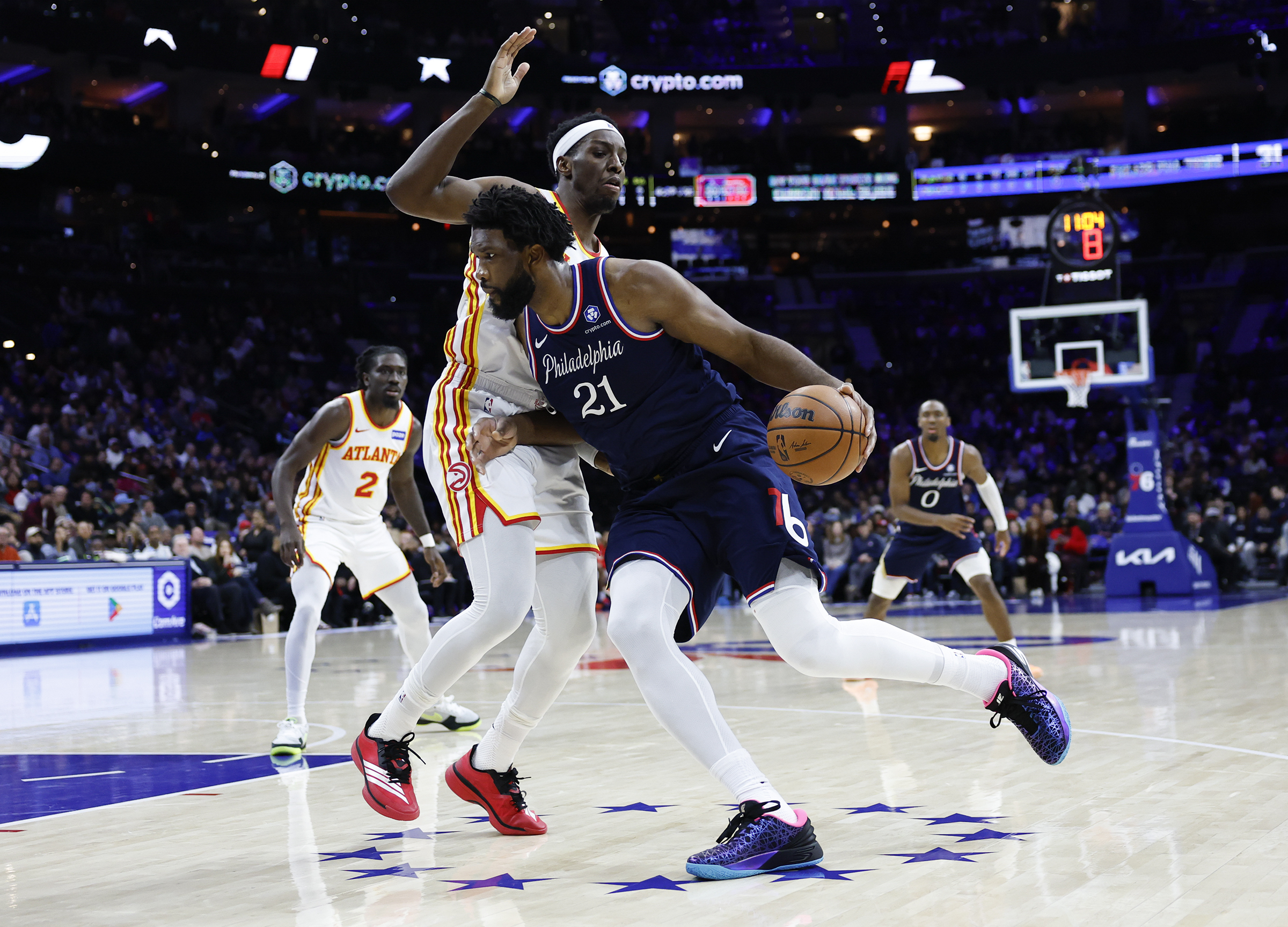
There were times against the Hawks when the lineup looked clunky. Embiid still spends most of his time on the perimeter. The 7-foot-2, 280-pounder’s outside presence often gets in his teammates’ driving lanes to the basket.
But when things did run smoothly, Maxey and Embiid did a solid job of orchestrating the pick-and-roll and keeping George involved. George, however, failed to knock down wide-open three-point shots on passes from the duo.
There was one moment in the fourth quarter when Maxey dished the ball to Embiid in the pick-and-roll. The seven-time All-Star, in turn, passed to a wide-open George in the corner. But he missed the 24-footer.
Then, a couple of possessions later, Maxey dished to George, who again was left wide-open in the corner for a three. He missed, again.
But in his defense, George isn’t known as a catch-and-shoot three-point shooter.
Sixers center Joel Embiid drives to the basket against the Atlanta Hawks on Sunday.
There were also times when the offense flowed perfectly with the trio on the floor together. And if we learned something in the overtime sessions, it’s that the Sixers need George, Embiid, and Maxey on the floor together more.
The Sixers often replaced George and Embiid with undersized, nonshooting post players, which resulted in Maxey drawing extra attention. And he was also blitzed on screens, making it harder to free Maxey with screens or switches.
But due to a minutes restriction, George’s night was over after the opening minute, 22 seconds of the first overtime. Meanwhile, Embiid was unable to play in the second overtime due to his minutes restriction. Sunday marked Embiid’s first game since Nov. 8 and seventh this season due to knee injuries. This was just George’s fifth game because of left knee injury recovery and a sprained right ankle.
Without Embiid’s presence and George’s playmaking and stellar defense, the Sixers went Maxey or bust in the second overtime.
He tried to do his part, scoring all eight of his team’s points in the five-minute session. However, the Sixers’ small-ball lineup struggled on the boards. Atlanta outrebounded them, 7-2, in the second overtime, which enabled it to score seven second-chance points.
“It was tough not having [Embiid] out there in the second overtime,” coach Nick Nurse said. “He got us some open space to play in, with him just being on the floor. He created a lot of offense for us.”
Sixers forward Paul George was limited to 28 minutes against the Atlanta Hawks on Sunday.
Maxey finished with game highs of 44 points and nine assists to go with seven rebounds, six turnovers, and one block in 52:18. He scored 24 of his points over the fourth quarter and overtime sessions.
The Sixers walked away believing a victory would’ve been in the cards had Embiid, George, and VJ Edgecombe, who also sat out the extra sessions due to a minutes restriction, all played at the end. And they’re probably right under those circumstances on that particular night.
The Hawks were without perennial All-Star guard Trae Young and standout center Kristaps Porziņģis.
Right now, the Sixers are having a tough time beating quality opponents.
“I never get real satisfaction out of not winning,” said Nurse, whose Sixers (10-9) have lost nine of 15 games after starting 4-0. “Right now, though, we’ve gotten so thin over the last 10, 12 days. It’s just nice to have a few guys filtering back in. That’s like hopefully we can come out of this, obviously, we try to recover and rejuvenate [Monday], and hopefully, we can get most of the guys back on the floor Tuesday, again.
“And hopefully, the minute restrictions will start going up a little bit again. That’s something to look forward to again.”
The Sixers entertain the Washington Wizards on Tuesday. The Wizards improved to 3-16 after Monday’s 129-126 home victory over the Milwaukee Bucks. They were riding a 14-game losing streak before defeating the Hawks on Nov. 25.
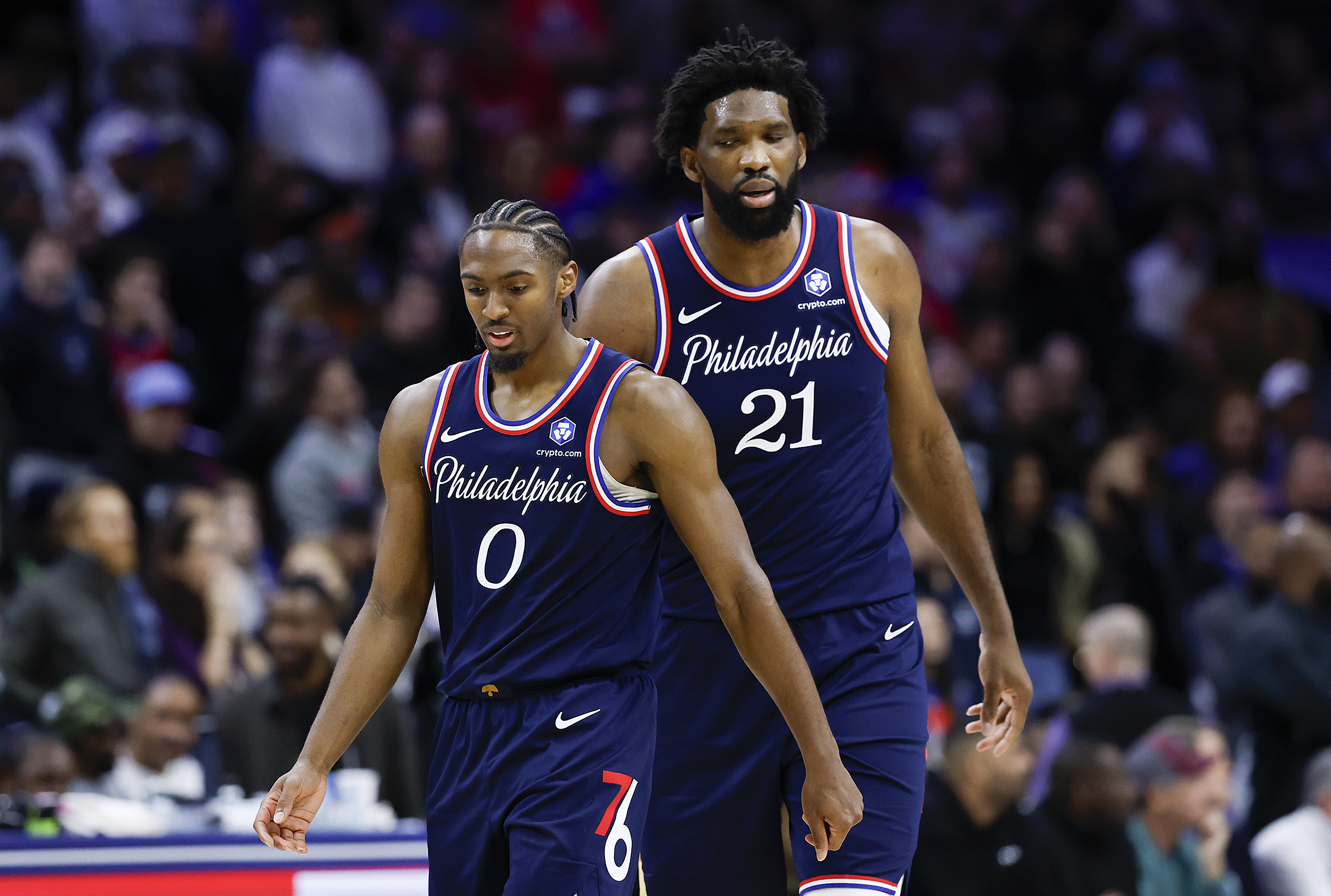
Sixers guard Tyrese Maxey and center Joel Embiid shown during the loss to the Hawks on Sunday.
But once he returns, the Sixers must face reality.
Right now, they have a high-scoring speedster in Maxey and a big man who barely plays in Embiid. And when the 31-year-old does play, he doesn’t really move, especially defensively, following April’s arthroscopic left knee surgery. It was his second left knee surgery in 14 months and third in nine years.
Even though he’s averaging 32.3 points, the Sixers can’t count on Maxey to score 44 points every night. And at times this season — including Sunday — it appeared Embiid wasn’t trying on defense or just wasn’t able to get to a spot.
Offensively, the Sixers can give the ball to him, and he’ll score. He is averaging 19.4 points in just 24.3 minutes in seven games.
The problem is they’re not going to beat quality opponents with Embiid being limited. But the Sixers have to endure the process of acclimating Embiid and George, and there will likely be some collateral damage.
After all, the Sixers have been most successful in an up-tempo offense centered around ball movement. Yet Embiid is better suited to a two-man game with Maxey and isolation plays.
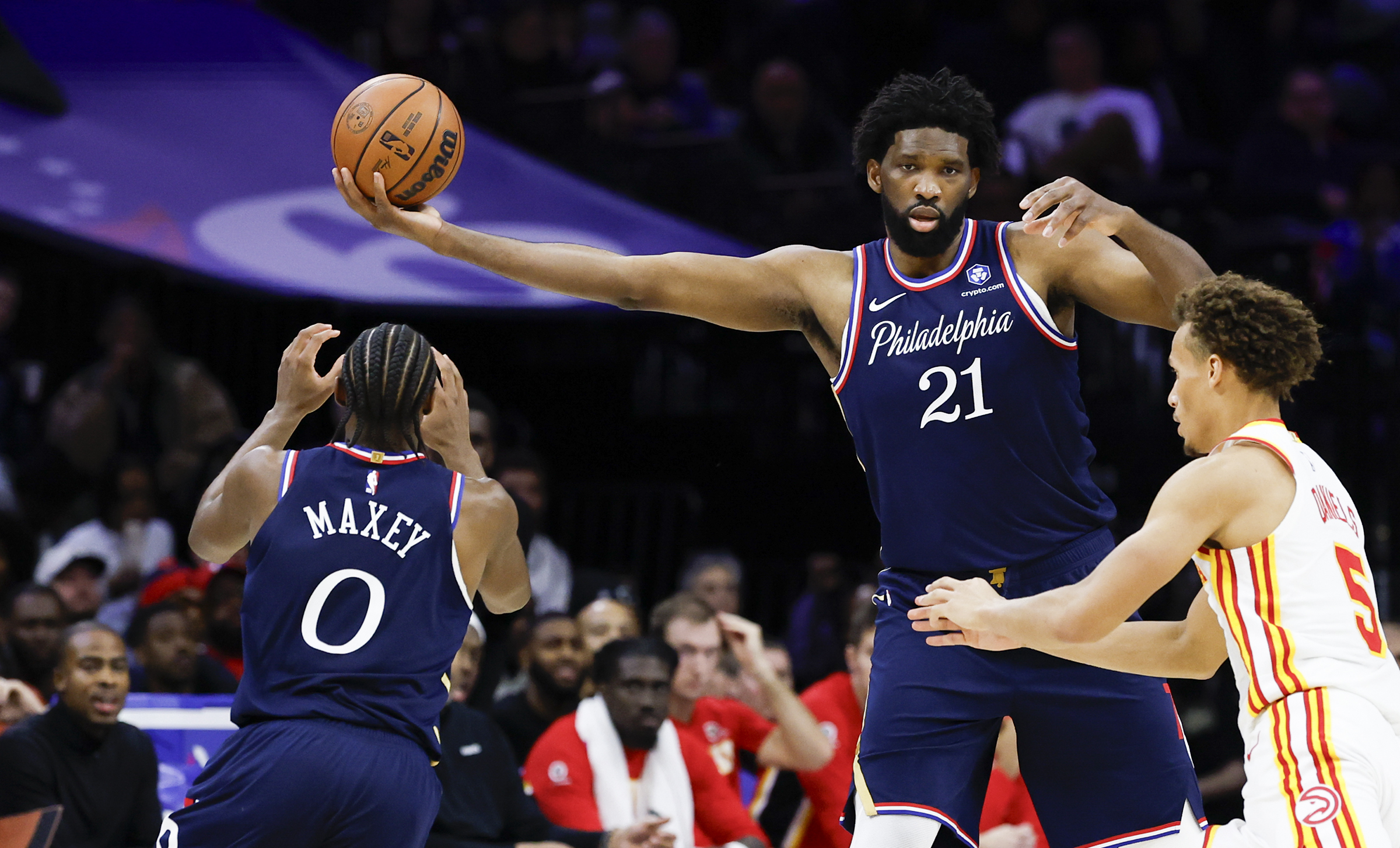
Sixers center Joel Embiid holds the basketball out with teammate guard Tyrese Maxey past Atlanta Hawks guard Dyson Daniels on Sunday, November 30, 2025 in Philadelphia.
“It’s different because he’s still really good,” Maxey said. “We still got to get him the ball. We also got to run our stuff. It’s going to come with time. … I think that may be VJ’s first time playing with Joel and Paul. A lot of guys’ first time playing with them.
“So we haven’t really practiced with that group. It’s kind of hard, but that’s no excuse. I think we did a good enough job to win the game. We played well. We got to finish those out.”
“I thought offensively, it kind of felt like we did have a better little rhythm out there, kind of finding, picking, choosing different lineups to incorporate, whether it’s pick-and-rolls, positioning on the floor,” George said. “And then defensively, I thought there were a lot of positives there. But again, all of it is now we’ve got to get to work and try to be consistent together.”
While that was encouraging, the Sixers still have a long way to go.
Historic preservation advocates are sounding the alarm about legislation from Councilmember Mark Squilla, which they argue would weaken existing protections in Philadelphia.
The bill, introduced Nov. 20, would institute changes to the city’s Historical Commission, which regulates properties on the Philadelphia Register of Historic Places and ensures that they cannot be demolished or their exteriors substantially altered.
“This is the first time the [preservation] ordinance has been proposed for amendment in decades,” said Paul Steinke, executive director of the Preservation Alliance for Greater Philadelphia. “This is a developer-driven proposal that does not reflect any of the priorities of the preservation community.”
Proponents of the bill argue that it is simply meant to give more notice and power to property owners before their buildings are considered by the Historical Commission.
“The bill does nothing to decrease the power of the Historical Commission to protect important historic resources,” said Matthew McClure, who served as co-chair of the regulatory committee of Mayor Jim Kenney’s preservation task force.
“It is a modest good government piece of legislation,” said McClure, a prominent zoning attorney with Ballard Spahr. He emphasized that he was not speaking on behalf of a client.
The bill was introduced too late in this year’s Council session to receive a hearing. Squilla says it will be considered next year.
Currently, the interest group most supportive of the bill is the development industry. But even some preservation opponents are displeased with Squilla’s effort, arguing that it does too little for homeowners.
“Everybody’s talking, and I think they all agree to move forward with continued conversations to maybe tweak the language a little bit so everybody feels comfortable with it,” Squilla said.
At least one more stakeholder meeting will be held in December.
Tensions over preservation
Squilla’s proposal comes in the midst of heightened debate around preservation in Philadelphia, where the majority of buildings were constructed before 1960.
Over the last decade, the number of historically protected properties doubled, although well below 5% of the city’s buildings are covered. Preservationists oppose what they see as a demolition-first approach to development in the United States’ only World Heritage City.
These have provoked backlash among some homeowner groups and pro-development advocacy organizations, which see these regulations as increasing housing costs.
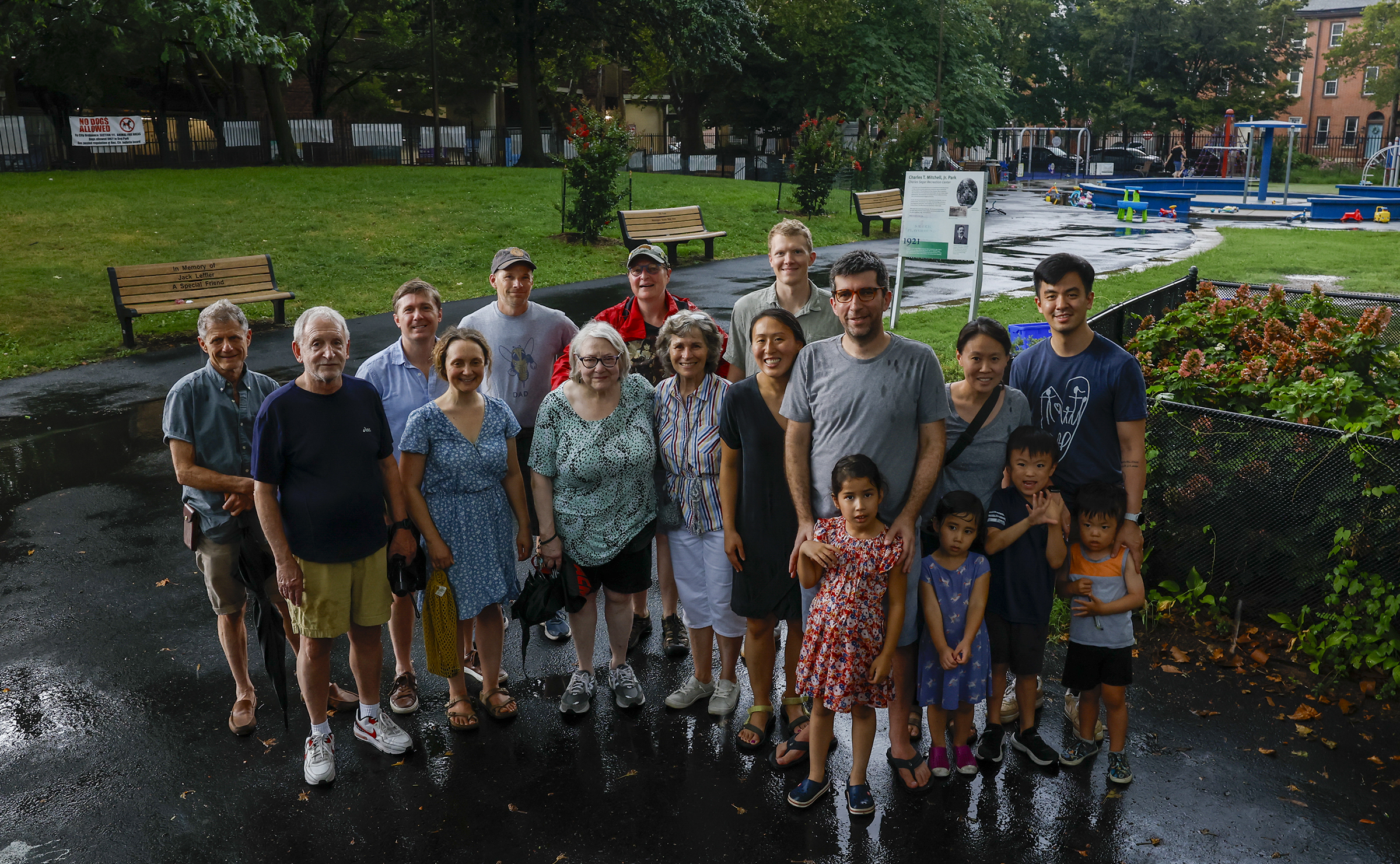
Members of the Philadelphians for Rational Preservation gathered at Seger Park in the Washington Square West neighborhood on July 27 to talk about their opposition to the Washington Square West Historic District.
Some property owners have grievances against the way the local nomination process works.
In Philadelphia, citizens are empowered to nominate buildings to the local register — giving buildings protection from demolition or exterior changes — without input from the property owner until the Historical Commission considers the case.
This practice persistently causes controversy, especially because there are few local incentives for homeowners whose properties get protected.
In some localities, preservation protections are promulgated exclusively by planners. In others, owner consent is required.
“The current historic nomination process is most often dictated by nongovernmental actors who operate without notice to property owners,” McClure said. “The administration’s bill is aimed at increasing transparency and basic fairness during the nomination process.”
Mayor Cherelle L. Parker’s administration did not respond to a request for comment.
What’s in the bill
Squilla’s bill is thick with new provisions to the local historic ordinance. A key aspect of the legislation gives property owners at least 30 days before a pending nomination of their building is considered by the commission and protections kick in.
While homeowners probably would not have time to radically alter the exterior of their house — and presumably wouldn’t demolish it — preservationists fear that developers will use the extra time to begin razing historic buildings.
“No one likes the notice provision the way it’s written; that’s freaking people out,” Steinke said. “We made clear why we think that’s a problem, and we were heard. Of course, the development community would love it to be the way it’s currently expressed in the bill.”
A Victorian home in the Spruce Hill historic district. Recently large new historic districts have been created to cover neighborhoods like Powelton Village, parts of Spruce Hill, and 1,441 properties in Washington Square West.
The delayed provision particularly worries preservationists in combination with a proposed requirement that the commission approve permits — including demolition or exterior design work — if “material commitments” were made to plans before the attempt to protect the historic building.
Other provisions include language to make it more difficult to protect land because it may house archaeological remains. It also limits the ability to consider a property for protection due to its relation to a landscape architect (as opposed to, say, a building designer).
Despite their animus toward existing preservation rules in the city, groups like 5th Square and Philadelphians for Rational Preservation called the legislation a sop to those who least need help.
“While this bill is a boon to developers, it doesn’t help ordinary Philadelphians,” said Jonathan Hessney of Philadelphians for Rational Preservation.
He argues that Squilla isn’t curbing historic districts that burden homeowners, “while at the same time risks allowing genuinely historic properties to be destroyed in the new 30-day race to demolish or deface it creates.”
A possible reform that some critics of the bill would like to see are flexible, tiered historic districts, where only a select group of buildings would be fully regulated. Demolition protections would still exist for many buildings, but most would not be subjected to oversight for changes like replacing a door or window.
“That was discussed as something that the preservation community would like to see that was mentioned in the original draft and then stripped out,” Steinke said.
Squilla said the pushback surprised him, given that negotiations have been held since June. He’s confident a compromise can be reached.
Beyond the Preservation Alliance — the advocacy group with the most funding and pull in City Hall — the bill has caused alarm among historic activists.
“It was a blindside to the progress that many stakeholders in the preservation community felt they were reaching with him,” said Arielle Harris, an advocate. “Squilla understands the preservation climate in the city — given that he was on the preservation task force — so this is out of left field.”
For years, Rutgers-Camden faculty and staff have complained that the school does not get its fair share from the main campus in New Brunswick.
Faculty in the past have asserted that their salaries are inequitable to counterparts on Rutgers’ other campuses — there’s a process in place to address that — and Chancellor Antonio D. Tillis has cited inadequate investments in campus facilities.
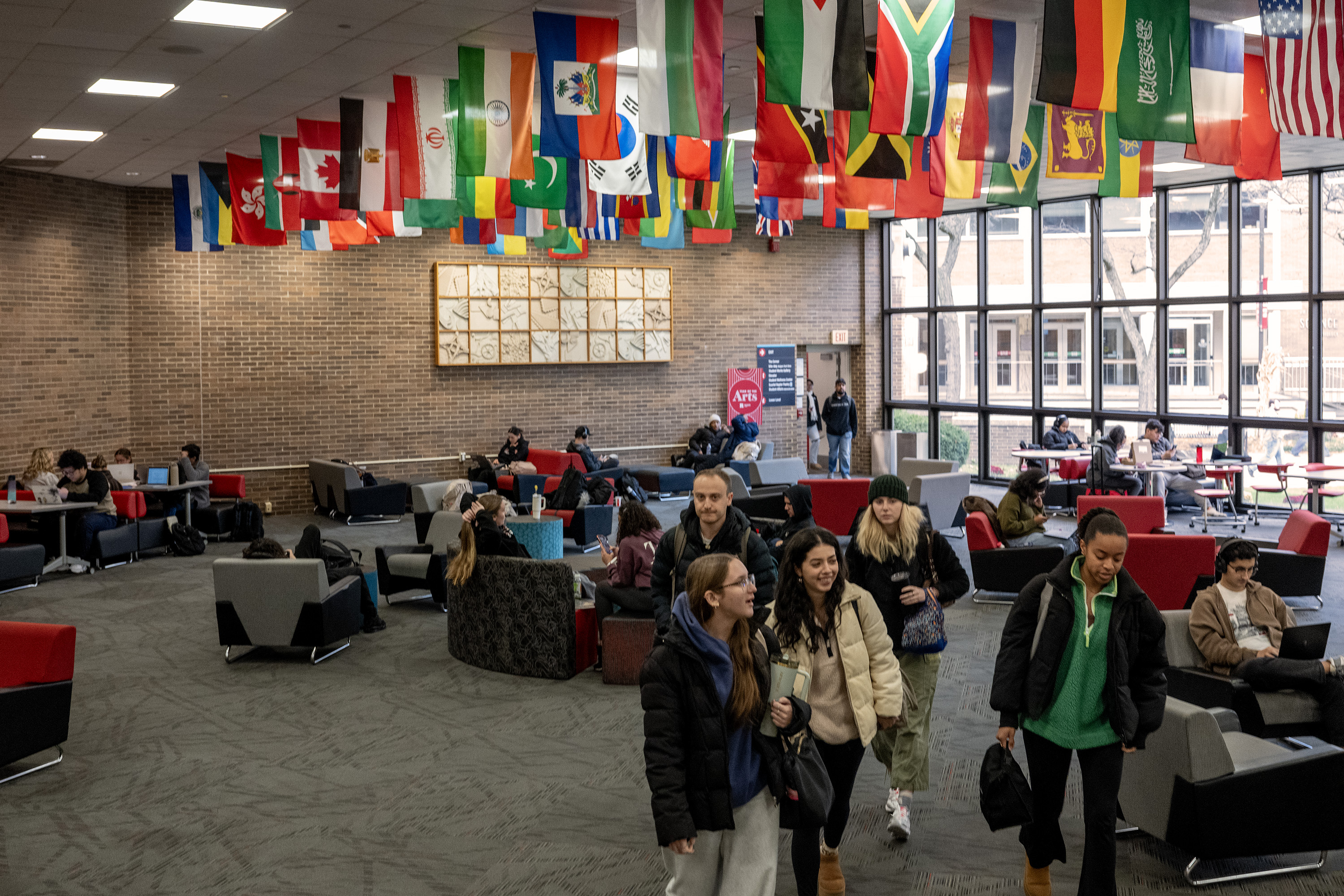
The Campus Center (student center) on the Rutgers-Camden campus with flags of students’ home countries.
“Since I’ve taken this job, I’ve had people say to me ‘Don’t invest in Camden,’” said Tate, a social scientist who grew up in Chicago and came to the job at Rutgers after serving as president of Louisiana State University. “I don’t think they know who they are talking to. … Do you think I have forgotten who I am?”
Tate, who became president in July, pledged during his inauguration speech to make the school a stronger competitor regionally.
“We’re going to build that Big Ten brand in Camden,” he said, referring to the NCAA athletic conference whose members are major research universities. “Look out Philadelphia, we’re coming for opportunity.”
His comments come as Rutgers-Camden is about to celebrate its 100th anniversary and as Tillis, in his fifth year, is nearing the end of his initial contract and aiming to receive a renewal.
Tillis touts 97% occupancy this year in the school’s residence halls, the highest since before the pandemic and up from 84% last year, and a boost in international students even while international enrollment declined 17% nationally, amid federal government policies including a pause of student visas earlier this year.
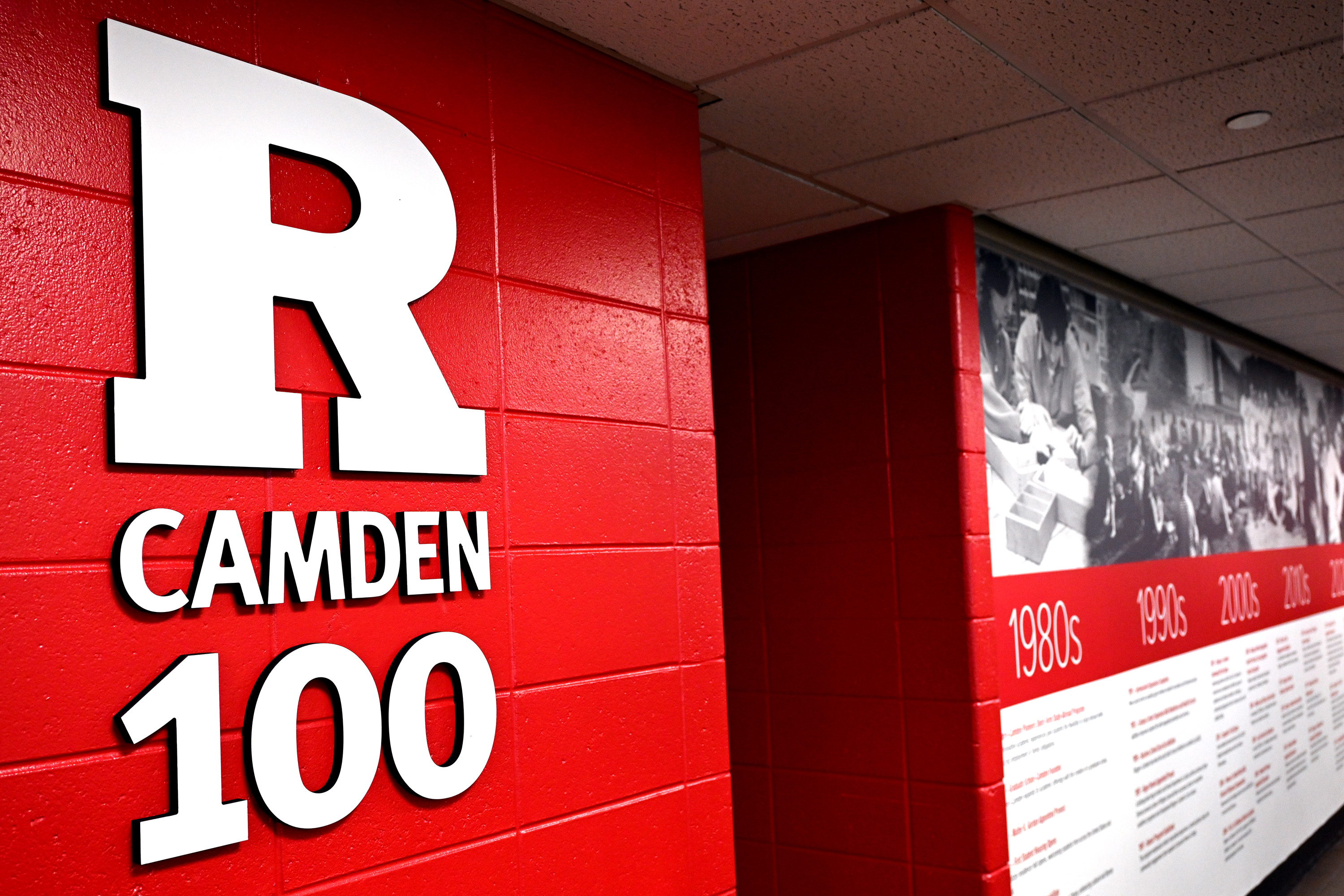
The Campus Center at Rutgers-Camden has a display showing some of the school’s 100-year history.
The school is also climbing in U.S. News rankings from 148th nationally among both public and private universities in 2021 — the yearTillis came — to 97th this year. It also rose from 18th to ninth in social mobility, meaning it enrolls and graduates large proportions of disadvantaged students.
“Rutgers Camden has just punched above its weight for such a long time and now the fruit are beginning to bear,” he said.
But Tillis’ relationship with some faculty has remained strained. Arts & Sciences faculty voted no confidence in him four months after he took the job and after he removedthe Arts & Sciences’ dean.
Since then, concerns have persisted about pay equity forRutgers-Camden professors compared to counterparts on the other Rutgers’ campuses, in New Brunswick and Newark, and what several faculty said was Tillis’ unwillingness to consult and communicate with faculty.
“There has been a real lack of communication between the chancellor and his office and the faculty, which has made it really hard to understand some of the decisions that have been made in regard to our budget cuts and campus priorities,” said Emily Marker, president of Rutgers-Camden chapter of the AAUP-AFT, the faculty union.
“If he were to be renewed, we would really hope that the communication, the consultation with and involvement of the faculty would improve in campus governance,” Marker said.
Tillis acknowledged a rough entry in part because of the pandemic but said from his perspective, things are better with faculty. He said he hosts regular “coffee with the chancellor” meetings where faculty and staff can come and talk to him.
If he gets a new term, Tillis said he would aim to grow enrollment, increase Rutgers-Camden’s share of out-of-state students from about 20% to 30% to generate more revenue, enroll more students from Camden, and increase internship opportunities.
There are plans to lease the former Camden Free Public Library building, a historic landmark on Broadway, and convert it into a center for the arts, including a bistro and wine bar.
Rutgers-Camden’s overall enrollment stands at 5,822, up 2.6% from last year. Overall, Rutgers’ enrollment neared 71,500 this year, up 3.2%.
Rutgers-Camden junior Mohammed Al Libaan Kazi, a transfer student from India, walks toward the stage to speak during a luncheon for international students hosted by Chancellor Antonio D. Tillis. International enrollment increased 6% on the campus this year.
At Rutgers-Camden, international student enrollment climbed 6% to 312, largely fueled by a jump in freshmen. That’s even though about 30 students deferred enrollment due to the visa holdup, said Carol Mandzik, director of international programs.
Tillis said the school has been recruiting more heavily from Nigeria and Ghana.
“I chose Rutgers-Camden because it’s close to Philadelphia,” said Bao Mai, 18 a freshman from Vietnam, who wanted what a big city has to offer.
But Mai, who spoke at an international student luncheon hosted by Tillis, said he also chose it because he likes the “small campus vibe” and array of business programs.
Tillis also has pledged to bring in more students from Camden. This year, there are 80, up from 53 last year.
The atrium lobby of the Nursing and Science Building on the Rutgers-Camden campus.
He said he asked the admissions team to create more opportunities for students from Camden to come on campus so they begin “to feel as if the campus is theirs because it’s right in their backyard.”
The school, which is designated as a minority-serving institution — meaning at least 50% of students are minorities — also plans to begin to offer in-state tuition to students from Philadelphia and northern Delaware, Tillis said. Prospective students from Philadelphia who chose not to enroll cited the price tag, he said.
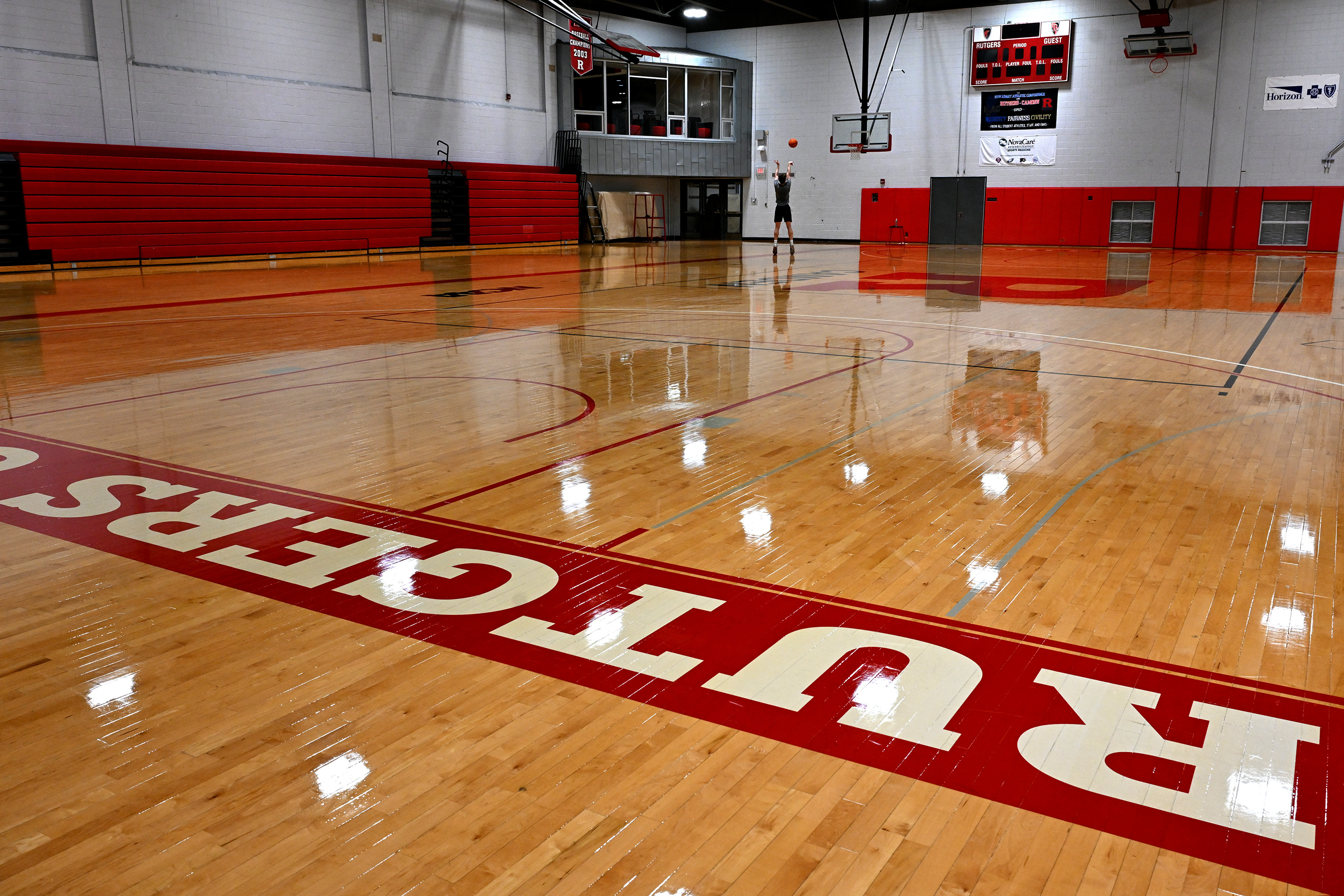
Rutgers-Camden sophomore basketball forward Robert Peirson from Toms River practices in the gym in the Athletic & Fitness Center.
Fostering campus culture
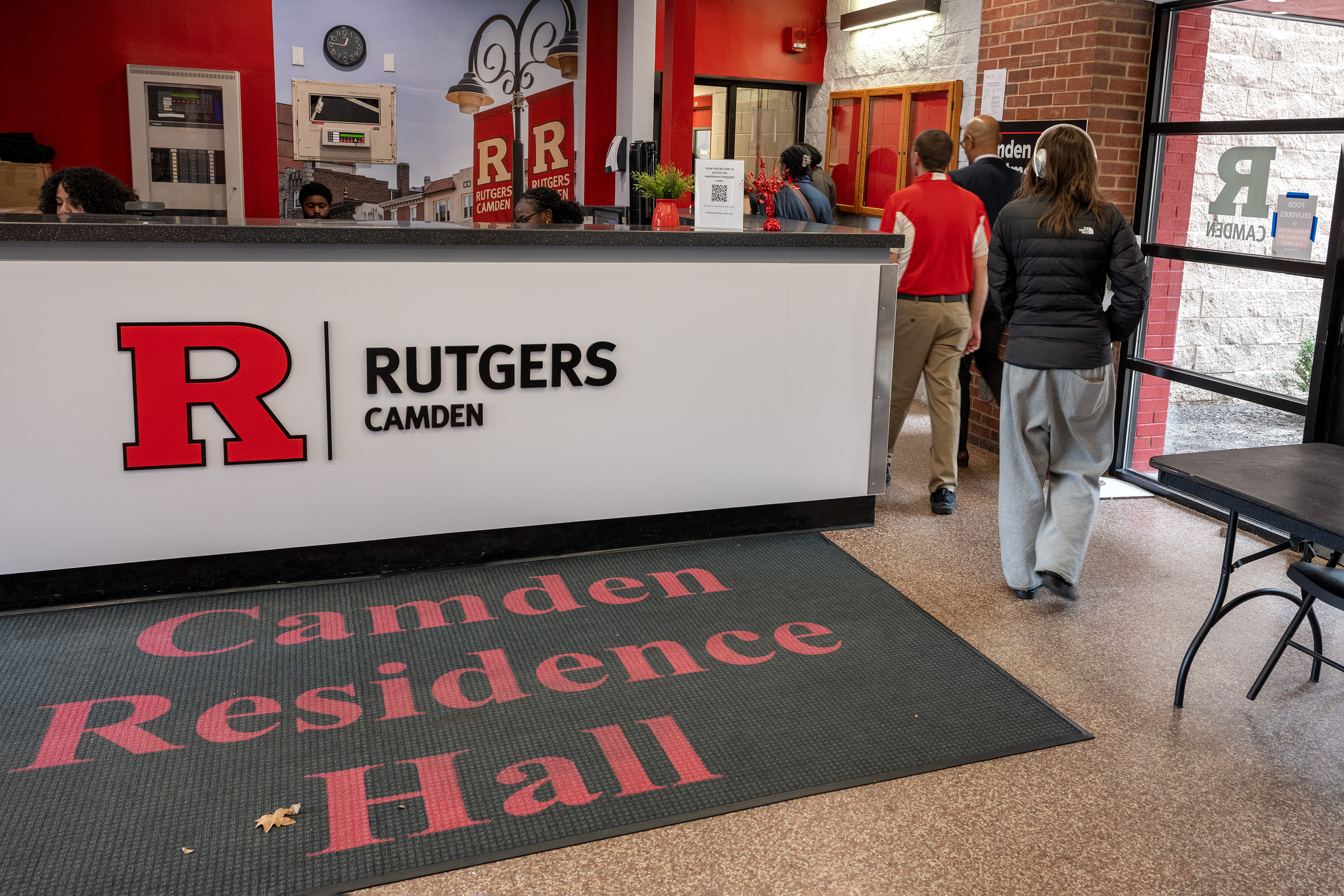
More than 710 students are living in the residence halls this year, representing the highest occupancy since 2019, Tillis said.
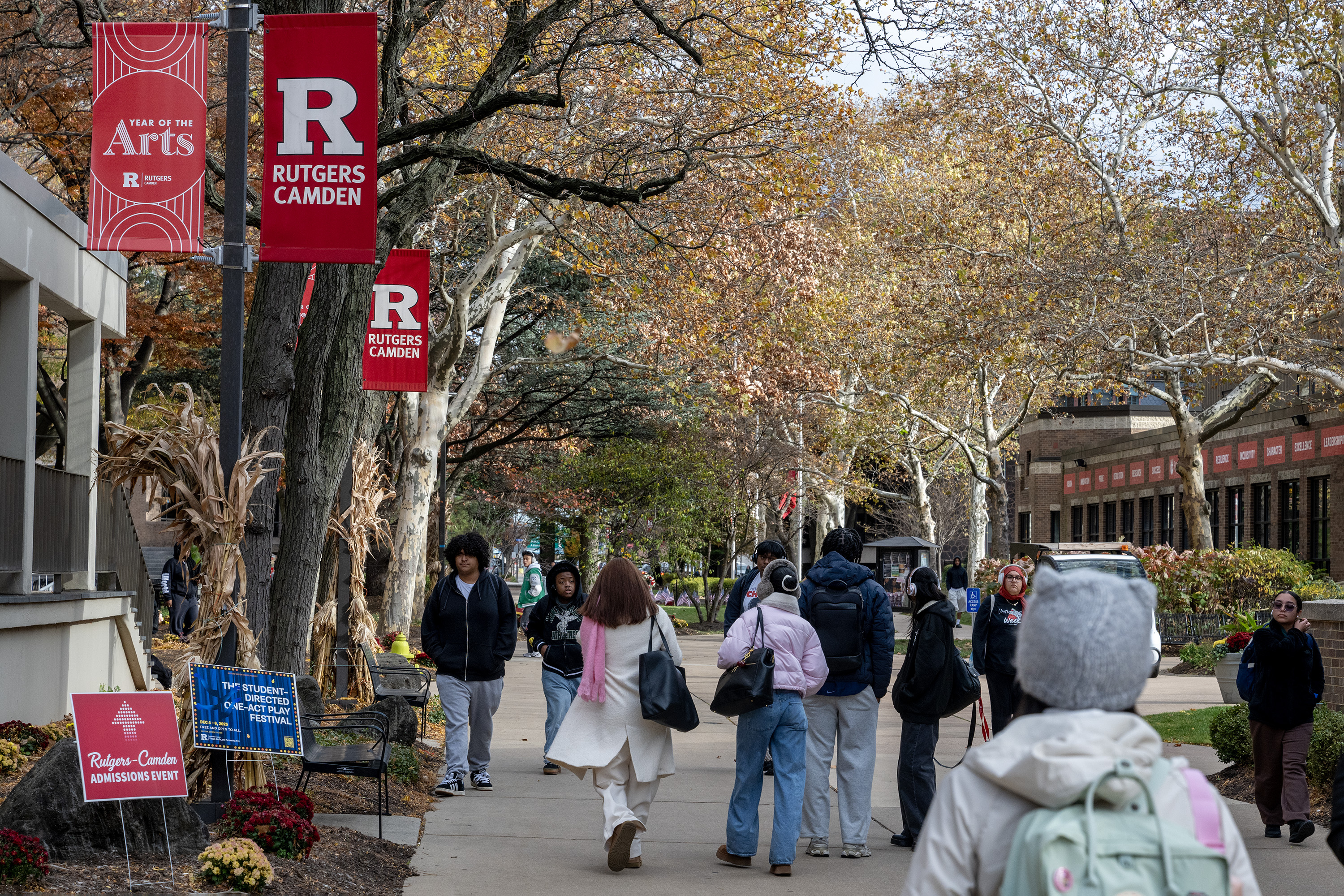
“Our campus is trying to create a sense of residential culture … even for our commuter students,” Tillis said, so that “they don’t just come here, go to class, and then go home.”
window.addEventListener(“message”,function(a){if(void 0!==a.data[“datawrapper-height”]){var e=document.querySelectorAll(“iframe”);for(var t in a.data[“datawrapper-height”])for(var r,i=0;r=e[i];i++)if(r.contentWindow===a.source){var d=a.data[“datawrapper-height”][t]+”px”;r.style.height=d}}});
The school held a welcome back barbecue during move-in and brought back homecoming last year; there was homecoming before the pandemic but not to the same degree, Tillis said.
The school also has spruced up residence halls and added evening events such as arts and theater performances, he said. There are little things, too, like plans to install hammocks on the quad.
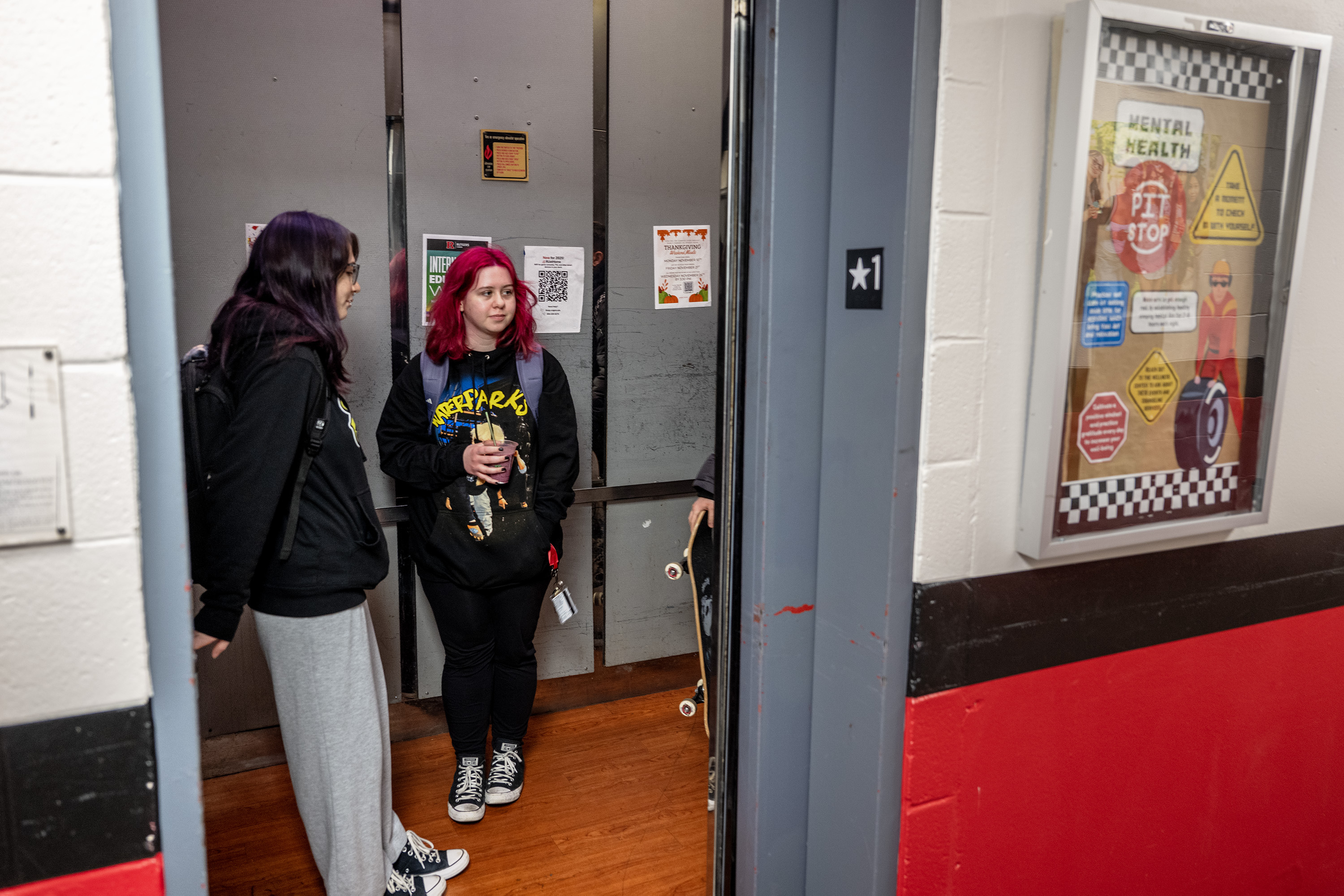
Freshmen Ollie McDermott (left), a psychology major from Buena and Remi Zebedies (right) an art therapy major from Mays Landing take an elevator in their residence hall at Rutgers-Camden.
Ollie McDermott, 22, a freshman psychology major from Buena, had decided against college, but McDermott’s stepfather, who recently graduated from Rutgers-Camden, convinced McDermott to try it.
“I’m kind of glad I did,” McDermott said. “I love it here.”
McDermott convinced a friend, Remi Zebedies, 19, an art therapy major from Mays Landing who also had been leaning against college, to try it, too. They became roommates.
The campus has enough beds to accommodate this year’s students, but if growth continues, it may need more housing, Tillis said. He’d like to open a residential space for students with children and/or spouses.
The lobby entrance between the Towers and Apartments resident halls at Rutgers-Camden.
Working on graduation and retention rates
In the school’s strategic plan approved in 2023, Tillis set improvement in graduation and retention rates as primary goals.
The school’s retention rate from first-year students to sophomores has increased from 71% in 2021 — the year he came — to 73.4% this fall. The six-year graduation rate decreased from 63.6% in 2021 to 61.5% in 2024. (The school said that 2025 data had not been verified and that the 2024 dip reflects lingering pandemic-related challenges.)
Tillis also discussed the Cooper Gateway Project, which will renovate four properties to add event halls, a new space for Arts & Sciences, and pedestrian walkways and courtyards. It’s expected to be completed by early 2027.
A new athletic field house also is in the works, and there are plans for a new building for business students to live and learn in, he said.
Pay equity was a sore spot with faculty for years, despite the process put in place under which they could be compared to peers at the New Brunswick and Newark campuses.
The university said in a statement that since 2021, the vast majority of faculty who petitioned for equitable pay got increases. The requests are reviewed by a committee of faculty experts who look at the professor’s classroom instruction, research, and scholarly activity.
Rutgers-Camden graduate student Funmi Adebajo, from Nigeria, speaks during a luncheon for international students hosted by Chancellor Antonio D. Tillis.
Tillis said sometimes faculty were seeking to compare themselves to peers who were not really comparable.
Marker, the Rutgers-Camden AAUP-AFT president, said through a grievance, the union negotiated a change to the process that will make it harder for Tillis to overrule recommendations by the committee.
In the last cycle, the vast majority of professors with equity claims received “meaningful” pay adjustments, said Marker, an associate professor of European and Global History.
As for the comments about Camden by Tate, the new Rutgers president, Marker said she is hopeful they lead to action.
“If it actually results in a massive investment in Camden, in our students, in our faculty, in our facilities, I would be delighted,” she said. “But we’ll see. That has really not been the orientation of any of the central administrations since I was hired in 2017.”
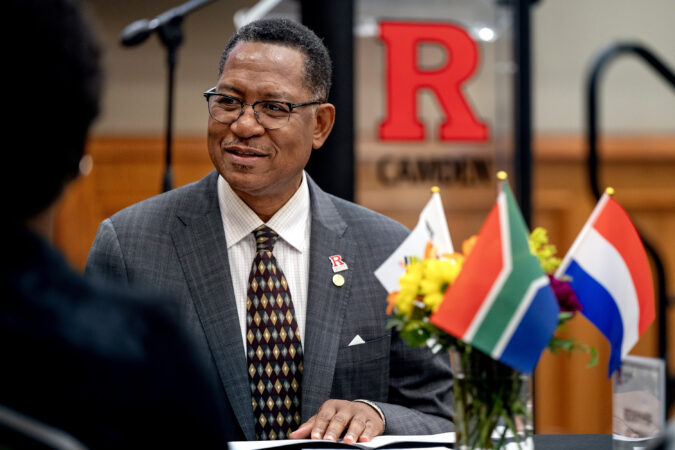
Rutgers-Camden Chancellor Antonio D. Tillis walks rather than rides in the offered golf cart to a luncheon he hosted for international students.
Tillis said he is hopeful that Rutgers-Camden will get more support under Tate. He got to know Tate in 2020 when they were both in a program at Harvard for new presidents and chancellors.
“We have a beautiful campus, but it’s stuck between the 1950s and the 1970s,” he said. “Certain types of innovative spaces for 21st century instruction needs to happen.”