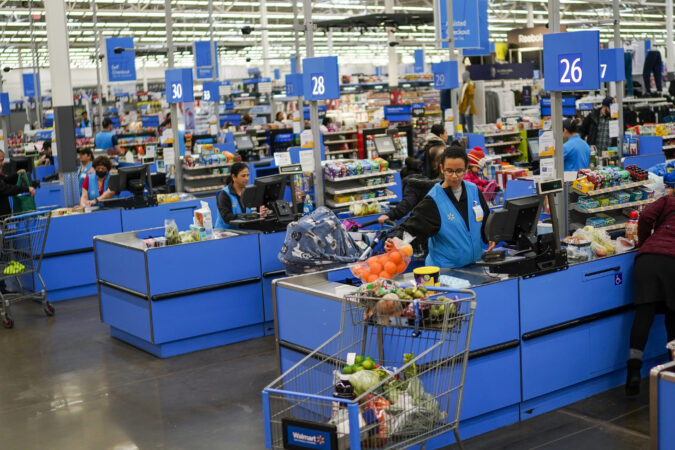
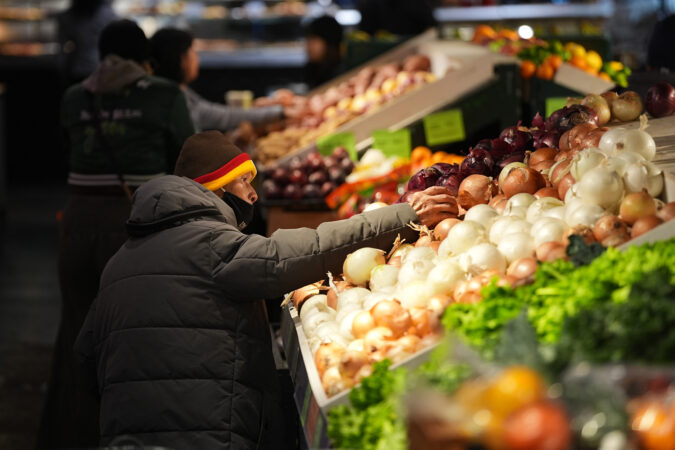
Imagine walking out of a Walmart, Target, or Costco. As you push your large shopping cart to your car, you ask yourself: Did I really need all that stuff?
The answer is you probably didn’t.
In a recent study, my coauthors, Lina Wang and Sungho Park, and I found that the presence of supercenters — large retailers that sell groceries alongside general merchandise — results in a significant uptick in consumer waste due to overpurchasing.
These supercenters often sit on lots in excess of 150,000 square feet. But figuring out how all that real estate affects people’s shopping habits — if it does at all — is tricky. That’s because a lot of factors influence how much people buy on a single shopping trip.
To answer this question, we looked at the impact of the spread of Walmart supercenters across the U.S. over a decade, using a technique called difference-in-differences — an analytical method in which we compared consumer waste trends in counties that saw supercenter launches with “matched” counties that did not. This matching ensured that counties were otherwise closely comparable on socioeconomic factors such as housing, income, and education.
Our analysis showed that the launch of a supercenter results in an increase in consumer waste of up to 7%. Furthermore, this increase in consumer waste is larger for new supercenter openings compared with conversions, when existing regular stores are expanded into large-format ones.
Why it matters
For decades, neighborhood stores across the U.S. were edged out by large-format retailers: department stores, supercenters, and shopping malls. Although there is evidence that many of these big-name retailers are beginning to look toward smaller stores, the shopping landscape remains dotted by supercenters.
And these large stores stimulate mass consumption through gradual shifts in consumer behaviors. For example, in their attempt to generate more sales, large-format retailers often underprice smaller neighborhood stores.
Take, for example, Walmart’s “everyday low price” strategy, which is key to its business model. This pricing strategy offers shoppers a largely consistent year-round low price rather than relying on occasional sales and discounts.
Further contributing to overpurchasing is the supercenters’ typical location, which tends to be away from residential areas. Naturally, in their effort to avoid multiple trips, consumers tend to maximize the utility of each visit by making their basket sizes larger.
Unfortunately, this overpurchasing often leads to waste as more goods reach expiration date or sit unused in people’s homes.
While this may be a profitable strategy for retailers, it’s bad for society and the environment and creates billions of dollars in waste. To put this into context, the United States generates close to 300 million tons of consumer waste every year, and then spends billions of dollars managing this waste.
What still isn’t known
Now that we have measured the “supercenter effect,” we are keen to look at potential solutions to this problem. Some existing solutions are based on implementing policies that encourage behavioral shifts in consumers. For example, many cities have adopted a pay-as-you-throw policy that charges people based on the volume of waste generated.
Other solutions are more structural, such as bringing back neighborhood stores and developing stronger circular economy channels. For example, neighborhood stores can play an important role in mitigating the supercenter effect and could allow for smaller, more frequent shopping trips and significantly less waste.
In many cities, initiatives promoting localvendors and stores are gaining momentum. Such solutions would not only encourage sustainable consumption but also have benefits for local economic growth by promoting small businesses that have historically accounted for 62% of net new job creation.
A second solution entails leveraging the “reuse economy,” which can provide a back-end channel for circulating surplus and used goods. While both offline and online reuse channels exist – through the likes of thrift stores, food banks, and Facebook Marketplace, for example — they currently remain vastly underused.
Identifying and aggressively implementing such solutions might turn out to be both economically meaningful and environmentally beneficial. But more work needs to be done to figure out which solutions are more effective, and why.
Suvrat Dhanorkar is an associate professor at the Georgia Institute of Technology. This article is republished from The Conversation. Read the original article at theconversation.com/us.
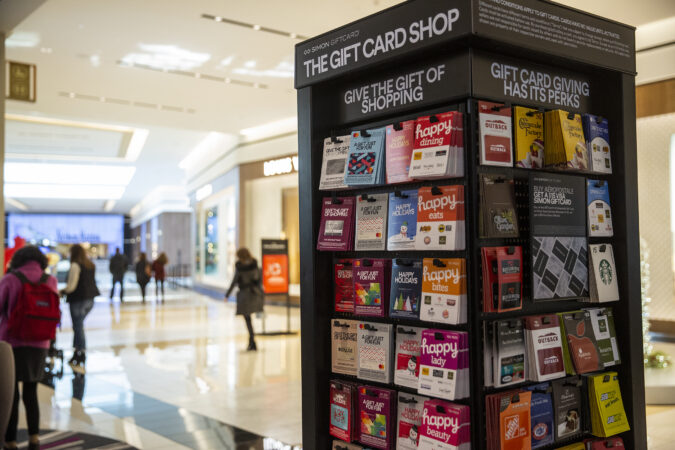
Restaurant gift cards begin as a thoughtful gesture — a birthday envelope, a holiday token, a “you deserve a night out.” So often, however, they migrate to a junk drawer or coat pocket, resurfacing in a moment of hopeful nostalgia:
“Hey, remember this place?”
But that cool restaurant has become a vape store, a Pilates studio, or a bubble-tea shop with a plastic vine selfie wall accented by the phrase “Let’s Make Pour Decisions.” written in neon.
That $75 that you thought would buy a roasted half chicken and a glass of natural wine from a “carefully curated” list has become a relic of a business that thrived briefly and then disappeared.
If you’re receiving a restaurant gift card this holiday season, there’s one important thing to bear in mind:
Use it. Fast. Not “soon.” Not “when it feels right.” Not after you’ve coordinated three calendars and a celestial alignment. Treat it like arugula, not heirloom jewelry. And if you’re giving one, attach an affectionate nudge: Go immediately.
Gift card horror stories
One-off, independent restaurants — the mainstay of Philadelphia’s mighty restaurant scene — depend on gift card sales. Ben Fileccia, senior vice president with the Pennsylvania Restaurant & Lodging Association, calls restaurant gift cards “one of the best ways to support the local businesses that bring our communities together.” He considers them a “direct investment in the neighborhood restaurants that show up for our schools, charities, and local events. Most restaurants honor every card they sell, and gift cards continue to be a reliable, meaningful way to support the hospitality businesses you love.”
But temper that with the idea that restaurants come and go.
Some restaurants wind down operations and stop selling gift cards months before the shutdown, publicly advising customers to use them promptly. One case in point is Laurel in South Philadelphia this year, which enjoyed a six-month countdown. Just last week, Rocco’s at the Brick shut down without warning during a dispute with the landlord; the owner graciously is refunding outstanding gift cards.
Others are not so ethical. On Christmas Eve 1994, a popular Center City bistro called Odeon was selling gift certificates — they were paper back then. Odeon never reopened after New Year’s and the gift certificates became bookmarks. The rumor was that the reservationist sold them, not knowing that the restaurant was closing.
Buying from a restaurant chain can be safer. But just two months ago, Iron Hill Brewery & Restaurant — a pillar of the region for three decades — shuttered three locations and, two weeks later, closed the remaining 16 and then filed for bankruptcy protection. If you have an Iron Hill gift card, you’re at the very back of the line.
J. Alexander’s, a contemporary steakhouse chain, shut down its King of Prussia location without notice last year. Gift cards can be honored at the closest remaining locations in Clifton, N.J., or Annapolis, Md. Grand Lux Cafe’s Cherry Hill location closed in 2020, directing customers to its King of Prussia location, which closed a year later. If you still have a Grand Lux Cafe card, plan a day trip to Paramus, N.J., or Garden City, N.Y. (Cheesecake Factory owns Grand Lux but does not accept its cards.)
Bertucci’s is slowly, quietly exiting: The suburban locations in Bryn Mawr, Langhorne, Marlton, Mount Laurel, and beyond went dark, leaving only Springfield, Delaware County, and Newark, Del. Houlihan’s vanished from Philadelphia and its suburbs altogether, and Ruby Tuesday has done the same slow fade, retreating from malls and roadside plazas that once seemed permanent.
The numbers
Total gift card spending is expected to reach $29.1 billion, up from $28.6 billion in 2024, according to the National Retail Federation. Consumers plan to purchase between three to four gift cards and expect to spend an average of $171.32 per person. Restaurants remain the most popular gift card type (27%), followed by bank-issued cards (25%), department stores (25%), and coffee shops (20%).
As you might imagine, restaurants do not mind selling cards. By industry estimates, 5% to 15% of restaurant card value is never used — a concept known as “breakage.”
In Pennsylvania, the law prohibits gift cards from expiring in less than two years and bans dormancy fees; after five years without redemption the value is presumed abandoned and may be sent to the state. In New Jersey, the law requires that gift card value remain fully available for at least 24 months and restricts inactivity fees during that period.
What else to do
Universal gift cards, like those issued by Visa and Mastercard, are the safest bet if you want to give something other than cold, hard cash. Although there’s usually an upfront fee with their purchase, they travel with the recipient, not the business. They survive concept changes, closures, disputes, and chef departures. Perhaps give the recipient one of these gift cards with a list of suggested restaurants. (For inspiration, I might suggest including a copy of The Inquirer’s 76 Magazine, our guide to the restaurants that are defining dining in the region, available through The Inquirer’s online store.)
Or consider a donation in your friend’s name to a Philadelphia hunger-relief nonprofit, such as Share Food Program, Sunday Love Project, and People’s Kitchen, which work magic turning even modest gifts into many meals.
Of course, you could skip giving a gift card altogether. Instead, pick a date, make a reservation, and treat the recipient to a meal — and to your company.
The holiday is over but that doesn’t mean the drama has ended. I’ve pulled in two Inquirer Features staffers to help answer the familial conundrum.
Evan Weiss, Deputy Features Editor: Okay, the question is…
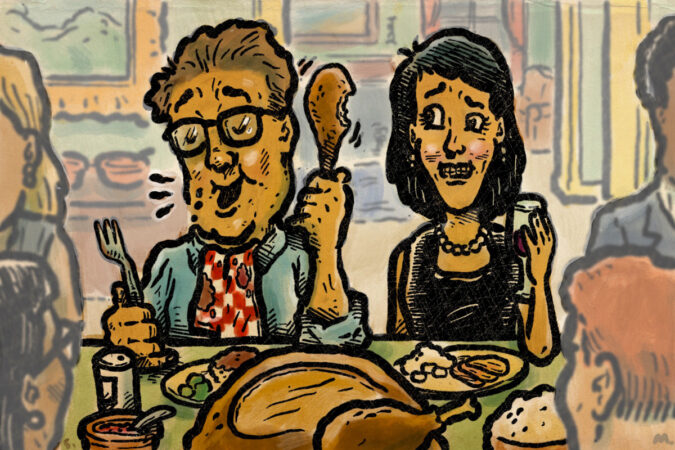
My sister brought her new boyfriend to Thanksgiving and asked if we like him. Should I tell the truth? (Which is no.)
Stephanie Farr, Staff Columnist: I think honesty is always the way to go, but when it comes to your loved one’s partners, you must tread carefully.
I definitely think you shouldn’t say no flat-out, but you could turn it around and ask questions of her: How do you feel he did? What do you like about him? What did he think of us?
Jason Nark, Life & Culture Reporter: This is a tough one because I’ve learned, after the fact, what people thought of partners. It would have been helpful to know their opinions ahead of time.
Stephanie Farr: I definitely brought a stinker of a boyfriend to Thanksgiving once, and while I didn’t ask what my father’s opinion of him was, I didn’t have to. My dad didn’t say anything about the dude and I didn’t ask because I knew and he knew and he knew I knew. If he liked him, he would have said it, there would be no need to ask.
Jason Nark: My mom has said “Would it have mattered?” It probably wouldn’t have. lol
Stephanie Farr: And I think that’s exactly the point! When you’re in a relationship with someone that you don’t want to leave — for whatever reason, good or bad — very little anyone says is going to change your mind. And if it’s your family, well then you start to think they just don’t want your happiness or understand you.
Jason Nark: I feel like there needs to be a devil’s advocate in life situations, the one relative who will get you the straight story. I would like to be that person but it’s hard.
Stephanie Farr: DRUNK UNCLE FTW!
Jason Nark: Yes, I’ll be the drunk uncle.
Stephanie Farr: Haha! I got one, he’s great.
Jason Nark: Then again, I would never want to be “I told you so” kind of person.
I think, if my theoretical sister was looking for a life partner and was very serious, I would express my concerns if I saw red flags. What if the guy rooted for the Cowboys?
But if it’s less serious, I’d probably hold back.
Evan Weiss: You really don’t want to be in the situation where you disparage the person so heavily and then they end up marrying them and it’s awkward forever.
Stephanie Farr: I think if you’re genuinely concerned about your sister’s partner, maybe pointing out specifics instead of disparaging the entire person is the way to go. For example: “I didn’t like that Brad didn’t say ‘Thank you’ to you for clearing his plate. Is he usually better about such things?” or “I noticed Brad spent the entire trip home watching football instead of hanging with the family. Was it us or is that how he usually is?”
Sow the seeds of doubt, if warranted, but don’t pull out the entire weed because you don’t know how far his roots have grown.
Jason Nark: Mostly, I’d want to see how he treats her in little moments. Does he ask her if she needs something? Does he laugh at her jokes? Is he family-oriented and not a curmudgeon?
We’re reporters after all, we’re great observers.
Evan Weiss: I think a big question for Thanksgiving specifically: Does he help out?
If he isn’t cooking… does he clean?
Stephanie Farr: 110%. I think that’s a big question when considering a life partner overall too, but if you want to impress someone’s family, offer to do chores! I can’t cook, but I wash all the dishes at my in-laws’ holiday gatherings (Bonus: It also gives me alone time. Shhhh!)
Jason Nark: I guess my takeaway is this: If you express your concerns, do it gently, with grace, knowing your opinion could be ignored.
Stephanie Farr: Yes, do it sneakily!
Evan Weiss: And don’t get mad if things don’t go your way.
Stephanie Farr: For sure, you have to be prepared to be the bad guy if you want to be brutally honest.
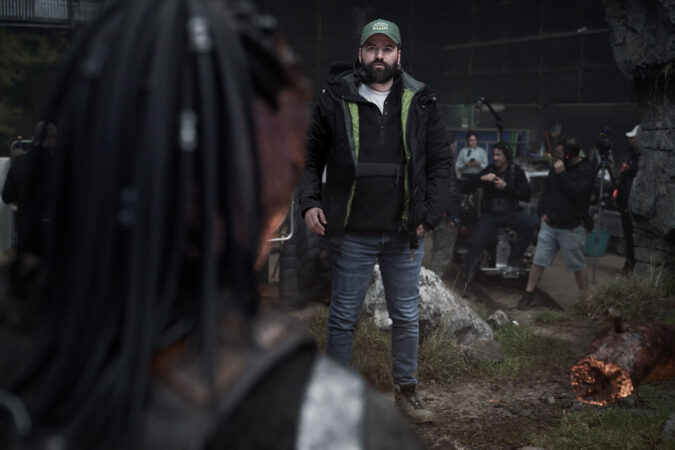
As a kid growing up in Philly’s northeast suburbs, filmmaker Dan Trachtenberg was obsessed with movies. In fact, he spent so much time at the local video store in Willow Grove Mall that the manager eventually hired him, even though he was only 15.
“I wasn’t really allowed to work,” said Trachtenberg. “But because I frequented the store so much and would advise people on what movie they should get, they gave me a job.”
After his shift, he’d often take the train to Market Street station and walk over to Chinatown where he would pick up a new Hong Kong action movie. He even learned Mandarin so he could speak to the woman at the pharmacy who rented Chinese movies on the side. He may have purchased a few bootlegs from the adult film store down the street, too.
“Hong Kong action movies really ignited my fire for filmmaking,” said Trachtenberg. He has since transformed that passion into a successful career as a major Hollywood director. His most recent film, Predator: Badlands, hit theaters in November and earned rave reviews from audiences and critics alike.
“I am thrilled to have made the kind of movie that I would have devoured as a kid growing up,” said Trachtenberg.
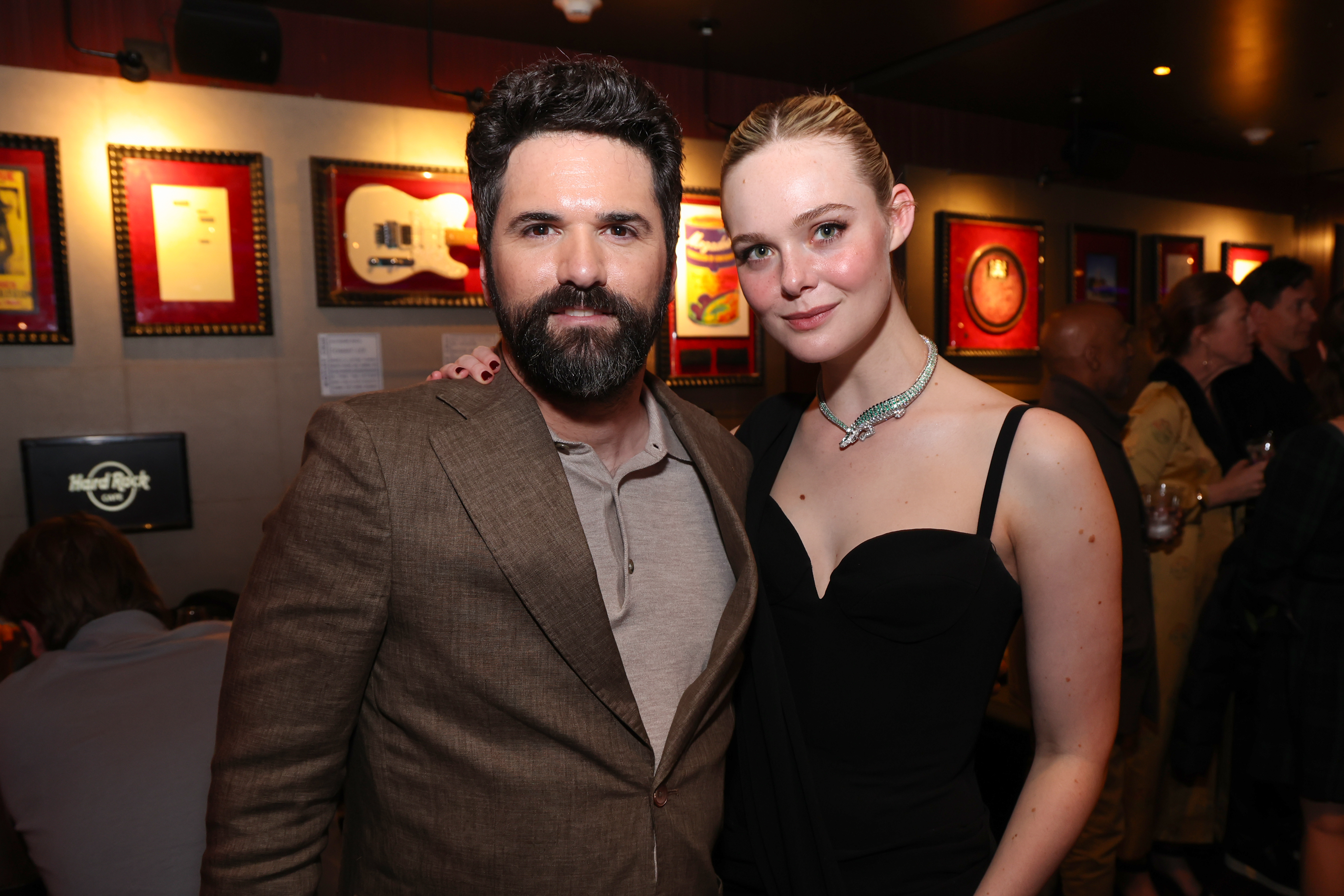
Dan Trachtenberg and Elle Fanning attend the premiere after-party for “Predator: Badlands” at Hard Rock Cafe on Nov. 03, 2025, in Los Angeles.
Here’s how Trachtenberg, who now lives in Los Angeles, would spend a perfect Philly day — or afternoon, rather — based on his time as a student at Temple University in the early aughts. His perfect day requires a bit of time travel.
4 p.m.
I spent so much time on South Street because I was really big into pop-punk and emo music. I would go to Tower Records where you could listen to music on the headsets. It was the only way to hear something before you bought it.
[Editor’s note: Tower Records closed in 2006, unfortunately.]
6 p.m.
Then I would go to Jim’s and get a cheesesteak. Sometimes I would have two cheesesteaks in a row. I don’t know how I did it. Then I’d walk two blocks up and go to Lorenzo’s and get a slice of pizza. They have these giant slices, literally pizza the size of your chest, and it’s incredible.
8 p.m.
Two pretty treasured movie experiences were going to the Ritz and seeing movies that didn’t normally come to the movie theaters where I grew up in the suburbs. And then also going to the Riverview for a very interactive experience — people yelling, throwing popcorn, and getting fired up. There was no better crowd than seeing something at the Riverview.
I saw a Jackie Chan movie called Jackie Chan’s First Strike. It’s the one that had this iconic ladder fight in it where he fought off a bunch of guys using a ladder. At the end of that sequence, I started clapping. I initiated the clap that became a standing ovation in the theater. No one was there to receive the standing ovation. All of us were so taken by what we had just experienced that we had to erupt in a standing ovation. That was a truly incredible moment.
11 p.m.
Late at night my friend and I would often go to Melrose Diner [Editor’s note: the diner was demolished in 2023]. It was a staple, but it was the most annoying diner because the way the seats were, they forced you to sit facing other people. They would cut a booth in half and seat three people on one side and three other people on the other side. We would get grilled cheese and mozzarella sticks and a bunch of marinara sauce and just dip it all. It was my favorite late-night food.
I also loved going to Wawa. There was a meatball sub there that I devoured. When you leave Philly, you realize how ridiculous the word Wawa is. When you grow up with it, it’s just normal. You don’t think about it. But when you leave, you realize how silly you sound when you say it. No one believes you that it’s actually a store that really exists.
Six lawmakers, including two from Pennsylvania, had good reason to remind military members not to follow unlawful orders, given Donald Trump’s illicit history and recent actions, such as sending federal troops into cities and boat strikes that violate international law.
The six Democrats, who either served in the military or the intelligence community, posted a short video telling their former counterparts that “no one has to carry out orders that violate the law or our Constitution.”
Right on cue, Trump responded with a fury of unhinged social media posts calling for the lawmakers to be jailed or executed.
“Each one of these traitors to our Country should be ARRESTED AND PUT ON TRIAL,” Trump wrote. He followed that with: “SEDITIOUS BEHAVIOR FROM TRAITORS!!! LOCK THEM UP???” He escalated in yet another post: “SEDITIOUS BEHAVIOR, punishable by DEATH!”
Trump later claimed he was not calling for members of Congress to be put to death — though his words plainly suggested otherwise.
When he isn’t lying, Trump’s abhorrent rhetoric over the past decade has become so routine that it barely causes a stir. (See: his recent outburst telling a reporter, “Quiet, piggy!” and shameful defense of Saudi Crown Prince Mohammed bin Salman, who authorized the vile murder of a journalist.)
Given Trump’s record of abusing his power, the members of Congress were right to sound the alarm.
In his previous term, Trump incited a violent insurrection at the U.S. Capitol. Let’s not forget he is a convicted felon who was criminally indicted three other times.
Trump was also impeached twice in his first term. Since his return, he has committed as many as eight impeachable offenses, according to legal scholars.
Trump’s first year back in office has been marked by relentless abuses. A federal judge said his attempt to eliminate birthright citizenship was “blatantly unconstitutional.” (The U.S. Supreme Court is weighing whether to take it up.)
Trump’s pardon of more than 1,500 insurrectionists, including nearly 200 who assaulted police officers, rewarded lawbreakers. Other steps to freeze foreign aid, fire federal workers, send troops into cities, and deport migrants have faced more than 100 legal challenges and strong rebukes from judges.
The Republicans who control Congress have done nothing to stop Trump’s abuses, let alone investigate whether he has used the presidency to enrich himself.
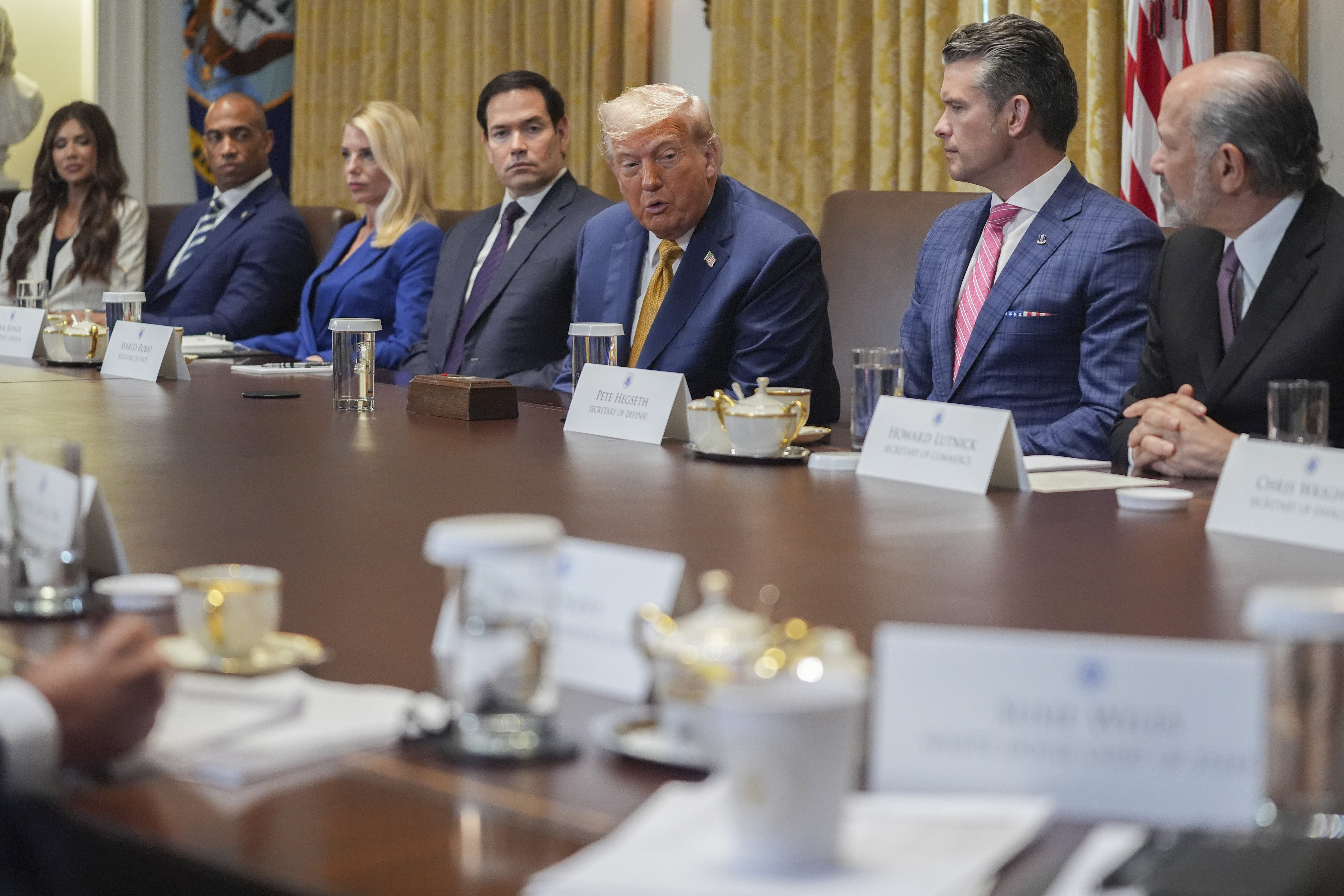
President Donald Trump speaks during a cabinet meeting at the White House in July.
Likewise, the unqualified loyalists overseeing the various government departments do whatever Trump demands. See: Attorney General Pam Bondi’s willingness to fire career prosecutors and go after Trump’s perceived political enemies.
Former Defense Secretary Mark Esper ignored Trump’s suggestion to shoot demonstrators following the death of George Floyd. Does anyone trust Pete Hegseth — a former weekend Fox News host who has faced allegations of financial mismanagement, sexist behavior, and excessive drinking — to show similar restraint?
That explains why the members of Congress urged service members to follow their constitutional oath — and not any unlawful orders.
Trump’s response to jail and kill elected officials is especially irresponsible given the rise in political violence, including murders of state lawmakers, a judge, and far-right podcaster Charlie Kirk. Not to mention the attack on former House Speaker Nancy Pelosi’s husband, the firebombing of the Pennsylvania governor’s mansion, and the attack on Trump’s own life.
After the president targeted the six Democrats, Pennsylvania Reps. Chrissy Houlahan and Chris Deluzio received bomb threats at their offices. Michigan Sen. Elissa Slotkin received a similar threat at her home.
Meanwhile, House Speaker Mike Johnson (R., La.) deflected Trump’s outrageous behavior by claiming it was “wildly inappropriate” for Democrats to urge troops not to follow the chain of command.
But that was not what the six legislators did. They reminded military members not to follow unlawful orders in accordance with Article 92 of the Uniform Code of Military Justice.
For example, the legality of Trump’s boat strikes — which have killed more than 80 people — is dubious.
A secret U.S. Department of Justice memo reportedly blessed the strikes by claiming the U.S. is in an armed conflict with drug cartels. But members of Congress from both parties argue it is illegal to target civilians — even suspected criminals — who do not pose an imminent threat. The United Nations’ human rights chief said the strikes violated international law.
As such, legal experts said if the strikes are found to be illegal, a defense by military officials of “just following orders” may not hold up in court.
Of course, Trump is shielded from prosecution thanks to a Supreme Court ruling last year that placed presidents above the law.
The same cannot be said for those who do Trump’s bidding.
Philadelphia nearly experienced its own nightmare before Christmas this year, with the closure of the Center City Macy’s and the iconic, beloved holiday light show.
Capitalism can’t stop Christmas traditions, though. The light show is back, and across the region, people are buying Christmas trees, prepping for Hanukkah, and preparing for Kwanzaa events this week.
One simple way to get in the spirit? Visit one of the many holiday light shows, from neighborly displays to events steeped in decades of history and nostalgia.
Philadelphia and its suburbs offer plenty of options. Here are some of the best.
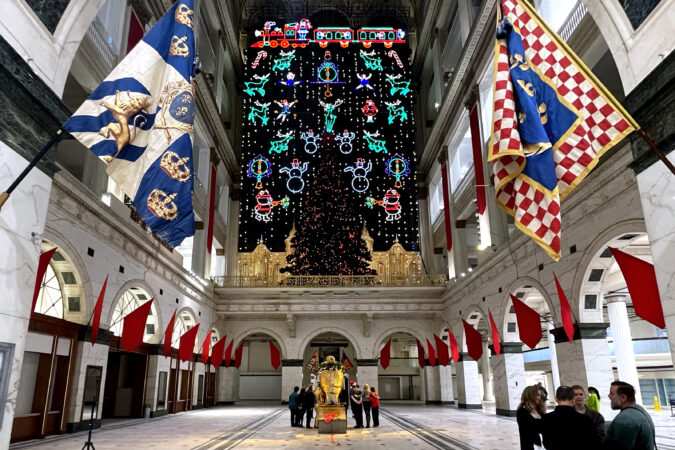
The decades-old holiday tradition is back at Center City’s shuttered Macy’s, with a new name and, possibly, an entirely better experience. With more than 100,000 LED lights, the Wanamaker Light Show remains free to the public. What makes the Wanamaker Building so magical is the melodies booming throughout the cathedral-like department store from the century-old organ, one of the largest in the world. Enjoy the massive light show beginning on Black Friday. The show operates Wednesday to Sunday from noon to 8 p.m., through Dec. 11. Starting Dec. 12, there are daily shows from noon to 8 p.m. The final day for the show is Christmas Eve, from noon to 4 p.m.
According to Visit Philadelphia, the Wanamaker Building will undergo renovations after the holidays, and the light show may be on hiatus for several years.
🕒 Through Dec. 24, daily, various times, 💵 Free, 📍1300 Market St., Philadelphia, Pa. 19107, 🌐 visitphilly.com
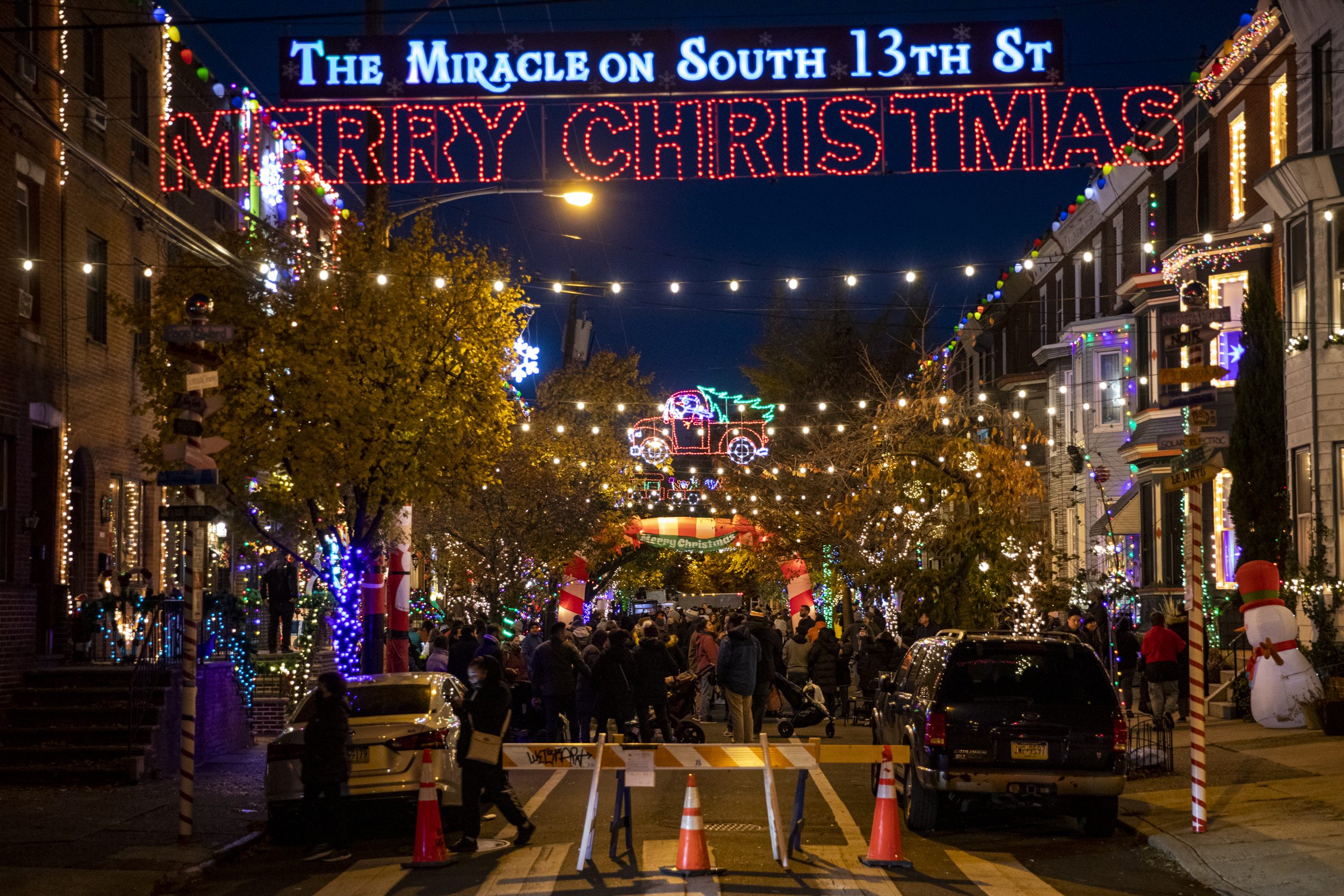
The Miracle on South 13th Street block party filled with Christmas lights and decorations in South Philadelphia, on Saturday, Nov. 27, 2021.
Nothing spreads holiday spirit more than neighbors coming together to remind us what it’s all about. Since the ‘90s, residents of the 1600 block of South 13th Street in East Passyunk have transformed their street into a Christmas light show so spectacular that Peco must see a spike in usage. The show opens with a block party on Nov. 29 from 5 to 9 p.m. with face painting, balloon art, and a 6 p.m. special guest from the North Pole.
🕒 Through Jan. 1, daily, 5 to 10 p.m., 💵 Free, 📍 1700 S. 13th St., Philadelphia, Pa. 19148, 📷 @themiracleonsouth13thstreet
It was opening night for Winter in Franklin Square featuring the Electrical Spectacle Light Show presented by PECO.
Celebrate the holidays in Franklin Square, a park older than the Declaration of Independence, where each year the Electrical Spectacle Holiday Light Show illuminates the plaza along with classic Christmas songs. The event includes mini golf, street curling, and seasonal sweet treats and cocktails at Frosty’s Fireside Winter Pop-Up Bar.
🕒 Through Feb. 23, various times, 💵 Free, 📍200 N. Sixth St., Philadelphia, Pa. 19106, 🌐 historicphiladelphia.org
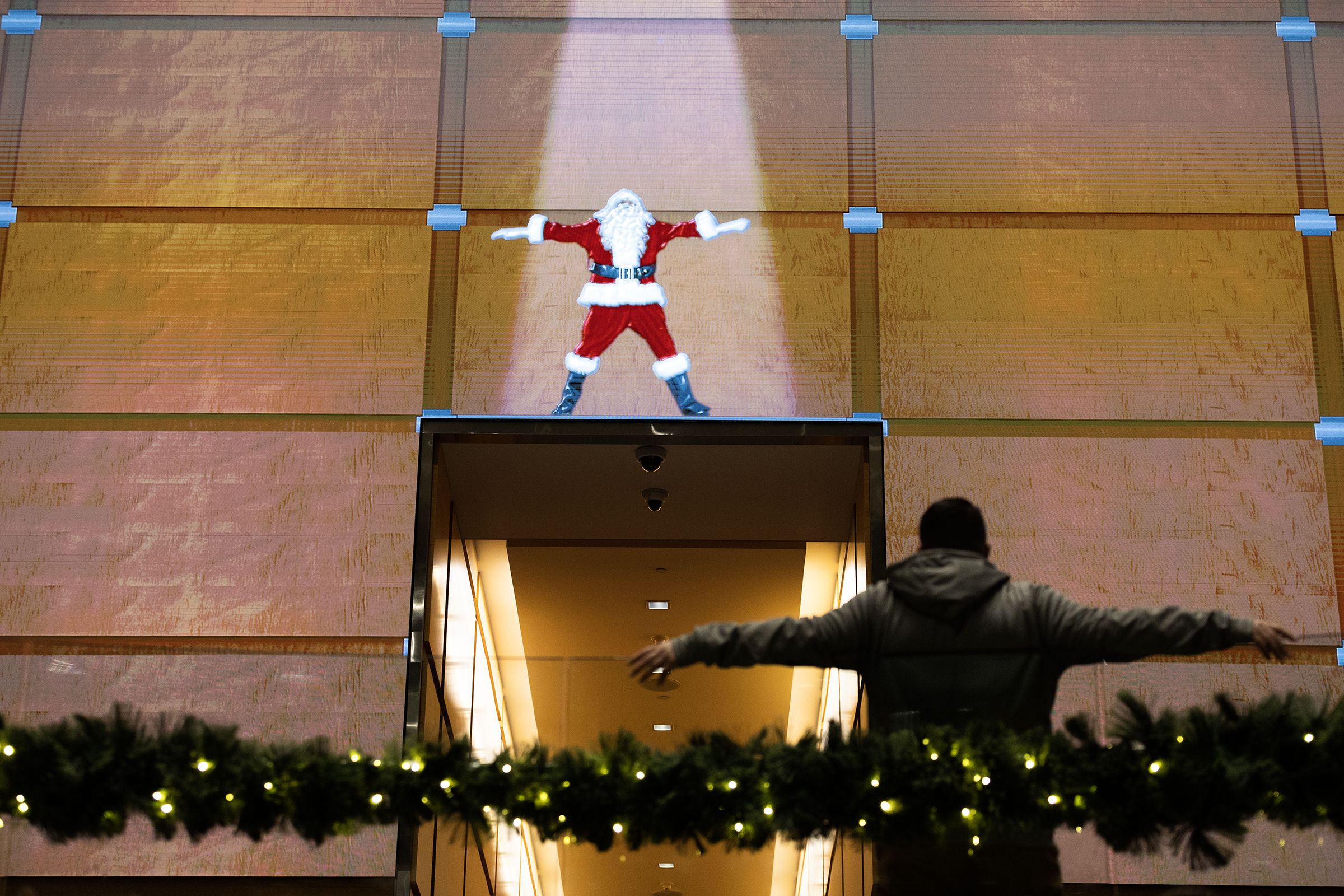
A man watches a dancing Santa with a similar body language in the lobby of the Comcast Technology Center during a Dec. 15, 2023, holiday video presentation.
Philly’s telecommunications giant has two immersive attractions again this year. Each day, the Comcast Holiday Spectacular at the Comcast Center wows visitors with light shows at the top of every hour. Inside the Comcast Technology Center, which is right around the corner, theDreamWorks’ Shrek’s Festive Flightreturns. The show tells the story of Shrek, Donkey, and Gingy’s journey from Philadelphia to the North Pole Bakery.
🕒 Through Jan. 2, daily, 10 a.m. to 8 p.m., 💵 Free, 📍1701 JFK Blvd., Philadelphia, Pa. 19103, 🌐 comcastcentercampus.com
This regional credit union gives back during the holidays with a 400,000-light display accompanied by 40-foot Christmas trees, hundreds of wreaths, and more. Stroll through American Heritage’s campus, where you can snap family photos, enjoy the displays, and take in the winter night air. The events begin on Nov. 29.
🕒 Through Jan. 1, daily at dusk, 💵 Free, 📍2060 Red Lion Rd., Philadelphia, Pa. 19115, 🌐 americanheritagecu.org
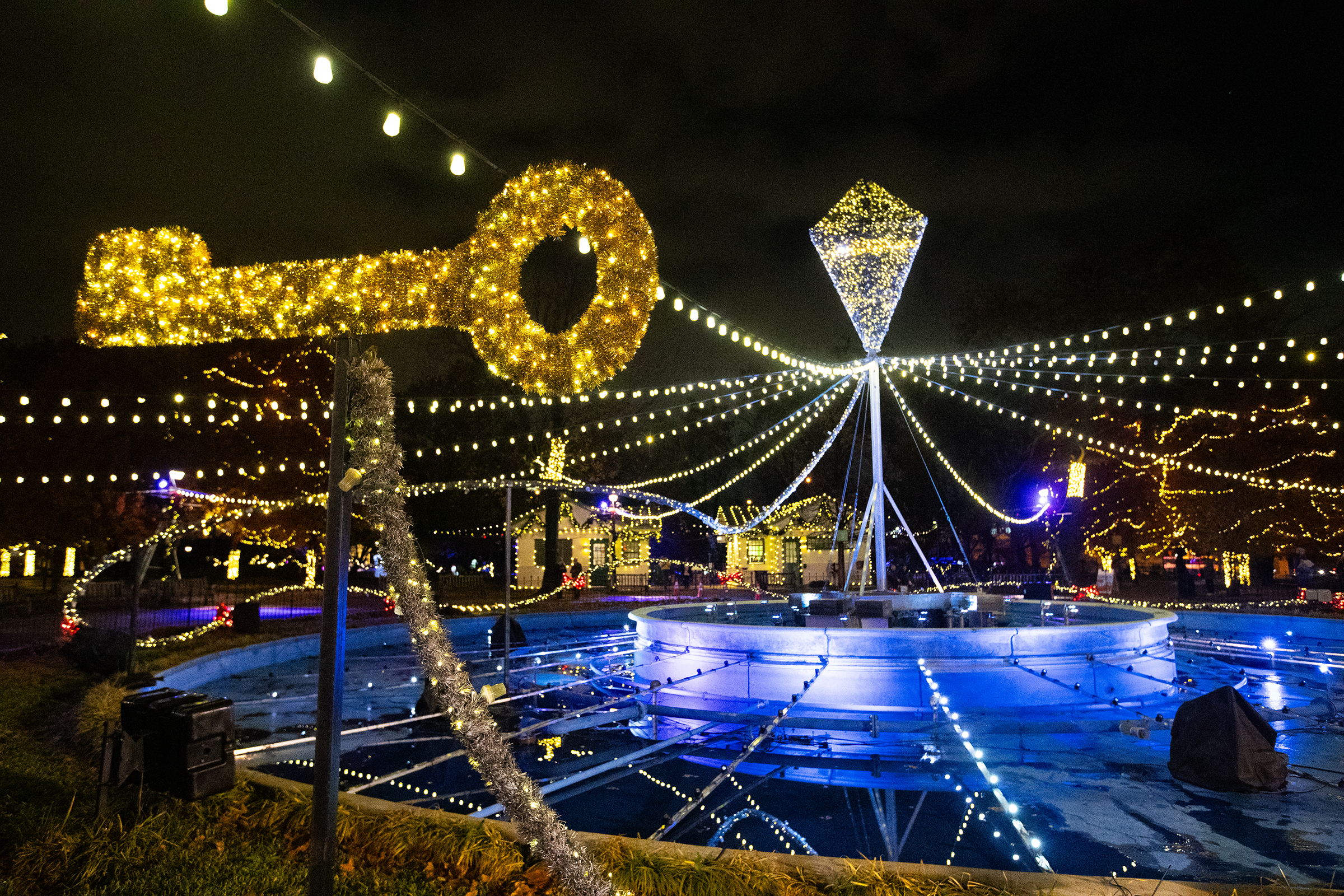
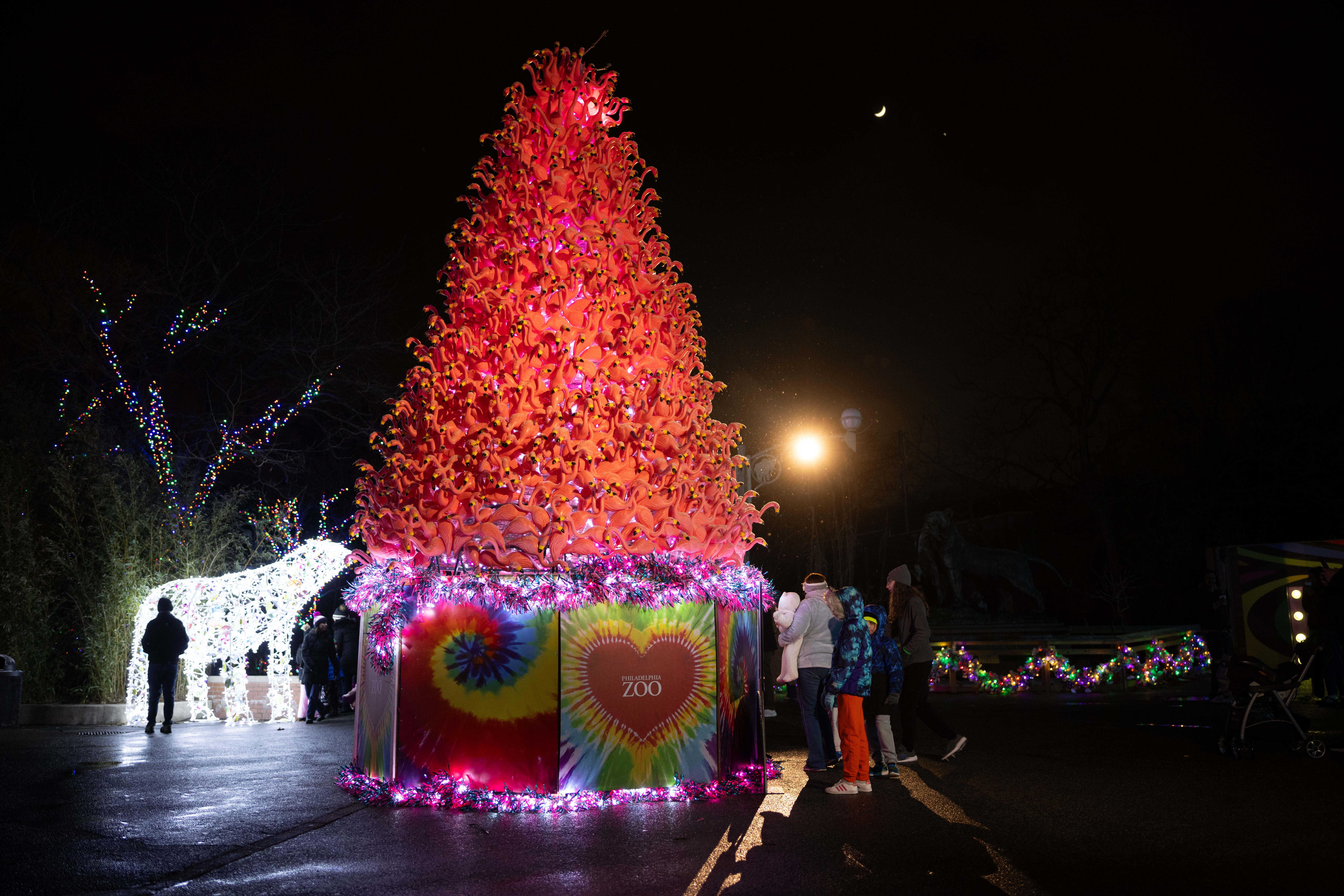
Philadelphia Zoo’s nature-inspired holiday tradition, LumiNature, returns for its sixth season of whimsical wildlife scenes come to light.
Philadelphia Zoo’s nature-inspired holiday tradition, LumiNature, returns for its sixth season of whimsical wildlife scenes come to light. Guests are invited to take a spin on the brand new Philly Zoo Pherris Wheel, a 110-foot-tall ride with breathtaking views of the city skyline, grab a drink with Santa inside his warm, cozy lodge, bring their old zoo key (or treat themselves to a new one) to turn on the magic at select displays, play and dance with roaming animal characters, and take in more than a million twinkling lights with family and friends. Guests should note the zoo’s animals will be sleeping in their indoor homes.
Bucks County’s all-in-one holiday shopping experience and attraction is back to bring smiles to all who visit. The Colonial-style Peddler’s Village is adorned with thousands of lights among the dozens of shops and restaurants connected by brick walkways. The annual gingerbread displays will feature 125 creations, and the tunnel of lights is the Instagrammable photo of the season.
🕒 Through Jan. 18, Monday to Saturday, 10 a.m. to 9 p.m.; Sunday, 10 a.m. to 7 p.m., 💵 Free, 📍100 Peddlers Village, Lahaska, Pa. 18931, 🌐 peddlersvillage.com
Clark Griswold would be proud of his estranged West Chester relatives’ over-the-top holiday display. Known as the West Chester Griswolds, this family covers their home and property with thousands of LED lights, glowing figurines, nativity scenes, and, if you’re lucky, a glimpse of Santa Claus peeking from a window. Each year, they turn their dazzling display into a charitable effort, raising $400 for the Hearing Loss Association of America in 2023. Don’t forget to tune your car radio to 87.9 FM to enjoy the synchronized light-and-music show. This year, donations are going to LaMancha Animal Rescue in Coatesville.
🕒 Through Dec. 28, Monday to Thursday, 4:45 to 9:45 p.m.; Friday to Sunday, 4:45 to 10:15 p.m., 💵 Free, 📍304 Dutton Mill Rd., West Chester, Pa. 19380, 🌐 westchestergriswolds.com
The Harnishfegers on Colonial Drive transform their Bucks County home into Danny DeVito’s from Deck the Halls, equipped with Pixel technology to sync holiday music to the thousands of LED lights and a projector that displays animations across the house. So bright, you could swear satellites can see it from space. Donations will go to the Children’s Hospital of Philadelphia’s toy drive.
🕒 Through Jan. 1, daily, 5 to 10 p.m., 💵 Free, 📍155 Colonial Dr., Langhorne, Pa. 19047, 🌐 facebook.com/ColonialLights
Herr’s, the nationwide snack brand headquartered in Philly’s backyard of Chester County, invites families and friends to enjoy a free drive-through holiday lights show. More than 600,000 lights are on display throughout the company’s corporate campus. Visitors should stay in their cars at all times while driving through the show.
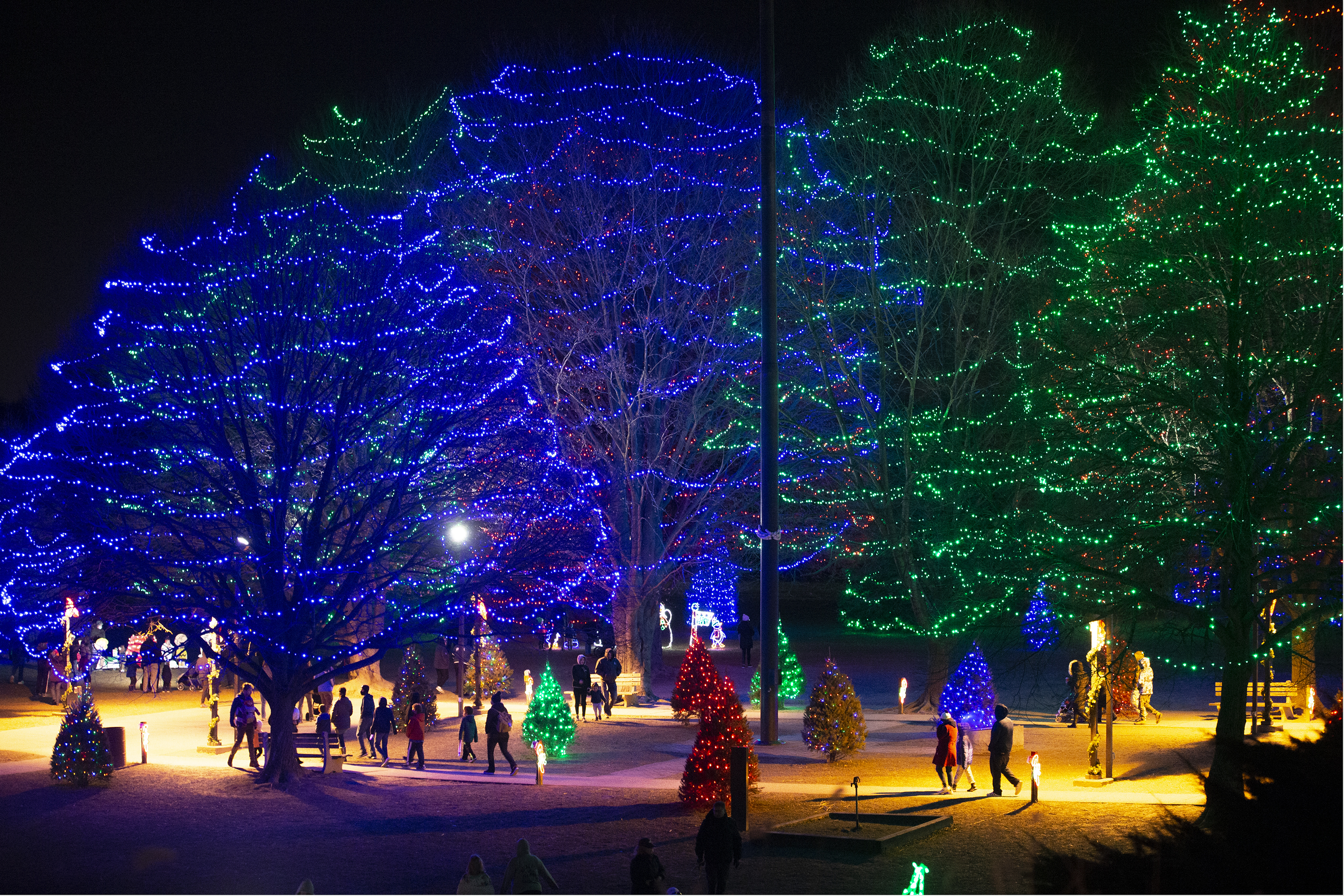
Visit Rose Tree Park anytime during the holiday season for a serene nighttime stroll among brightly colored illuminated trees. On Dec. 5, Dec. 7-8, and Dec. 14-15, enjoy food trucks, vendor markets, and live entertainment with Delco Fare and Flair Nights. Friendly, leashed dogs are welcome.
🕒 Through Jan. 4, daily, 5 to 10 p.m., 💵 Free, 📍1671 N. Providence Rd., Media, Pa. 19063, 🌐 delcopa.gov
Manayunk businesses are bringing the holiday cheer with more than 80,000 lights lining Main Street — and some friendly rivalry in the annual Manayunk Gets Lit Competition. Stroll through the hillside neighborhood to enjoy festive food, drink, and shopping while casting your votes for the Best Overall, Most Lit, and Most Creative light displays. Participants will also be entered for a chance to win a $200 Manayunk shopping spree. The lights shine daily, but for an extra festive experience, hop aboard the free Jolly Trolley for tours of the displays Thursday through Saturday, now through Dec. 20.
In Philadelphia’s historic district, December is a nonstop holiday celebration with street events, holiday shopping, menorah lighting, light shows, and more. On the Old City District’s website at oldcitydistrict.org is a full schedule of events to attend. Don’t miss the Historic Holiday Tree at the Betsy Ross House.
🕒 Through Jan. 1, various dates and times, 💵 Free to $100-plus depending on event, 📍239 Arch St., Philadelphia, Pa. 19106, 🌐 oldcitydistrict.org
The trek to Sicklerville, Camden County, is worth it for this award-winning mile-long drive-through holiday light show, marketplace, and Ferris wheel. Glow at Washington Township is one of the largest light displays in the region with 8 million animated lights synced to music playing through the car radio, and it’s perhaps the most costly starting at $40 per car.
🕒 Through Jan. 26, daily, Sunday to Thursday, 5 to 9 p.m.; Friday and Saturday, 5 to 10 p.m., 💵 $50-$75 per vehicle, 📍217 Berlin-Cross Keys Rd., Sicklerville, N.J. 08081, 🌐 visitglow.com
In West Chester, live music, markets, Santa Claus, and a professional gingerbread competition are happening on the weekends. Free to the public, each weekend will feature different events among the illuminated streets and businesses of West Chester. Find a schedule of events and promotions at greaterwestchester.com.
🕒 Through Jan. 1, various times, 💵 Free, 📍137 N. High St., West Chester, Pa. 19380, 🌐 greaterwestchester.com
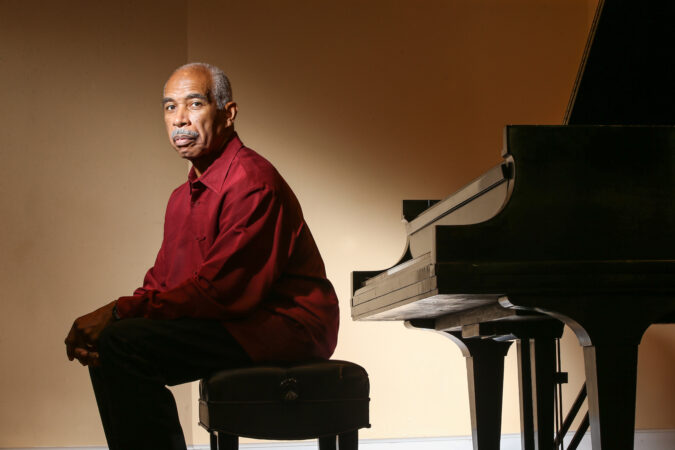
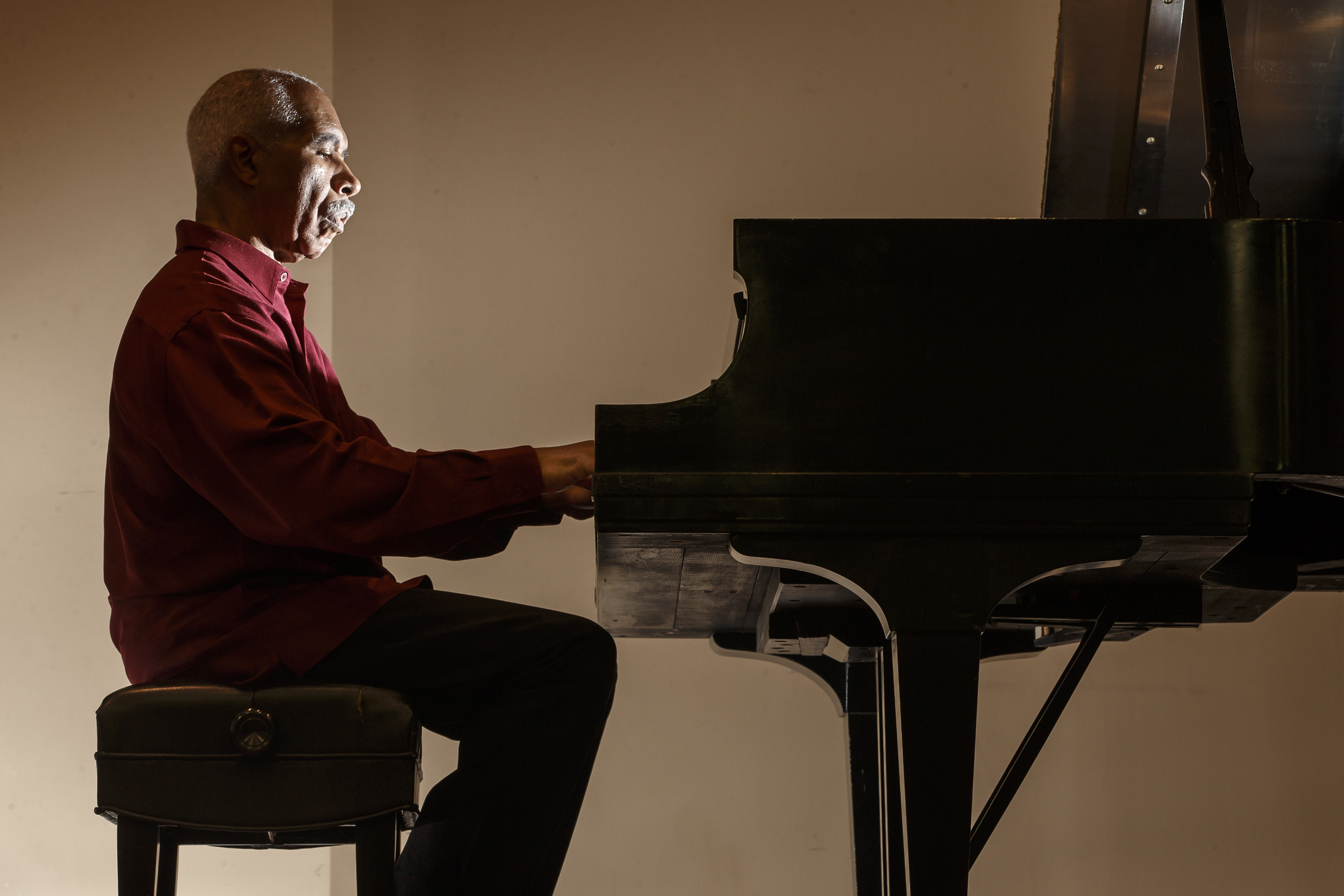
Concert pianist Leon Bates, whose musical authority and far-reaching versatility took him to the world’s greatest concert halls, died Nov. 21 after a seven-year decline from Parkinson’s disease. He was 76.
An articulate, charismatic presence, Mr. Bates was a Philadelphia born and educated pianist, and while growing up in Germantown, showed talent as early as age 6.
He started formal study at Settlement Music School and graduated from Temple University’s Boyer College of Music, where he studied under the legendary Natalie Hinderas. In his final student recital, Mr. Bates played Ravel’s fearsome Gaspard de la Nuit.
As a leading figure in the generation of Black pianists who followed the early-1960s breakthrough of Andre Watts, Mr. Bates’ dream-come-true career encompassed Ravel, Gershwin, and Bartok over 10 concerts with the Philadelphia Orchestra between 1970 and 2002. He played three recitals with Philadelphia Chamber Music Society and taught master classes at Temple University, where he also gave recitals at the Temple Performing Arts Center.
Though he maintained residency in Philadelphia with his wife and three children in Mount Airy, Mr. Bates toured the great concert halls of Europe, China, South Africa, and America, often playing 100 concerts a year. His forceful repertoire of Rachmaninoff and Liszt was partly enabled by his hobby — body building — and the stamina that came with it.
“What set Leon Bates apart was his genuine character and the way he focused on the music above all else. He impacted countless lives through his generosity, his example, and the depth of his artistry,” wrote his student of 10 years, pianist Dynasty Battles, on Instagram. Beyond that, added Battles, Mr. Bates showed him how every concert program could be “a journey” and that rich, “radical” elements in music were already there to be found.
Pianist Leon Bates in 2018
Mr. Bates’ sense of communication was illustrated by how he embraced outdoor concert settings. In such acoustically risky circumstances, he performed at Chicago’s Grant Park, played Rhapsody in Blue in the July 4, 1995 Concert on the Parkway at the Philadelphia Museum of Art, and, with the Duke Ellington Orchestra, had an audience of 20,000 at Rome’s Olympic Stadium.
In less-recreational settings, Mr. Bates’ Philadelphia Chamber Music Society programs were a high-style mixture of the lesser-known and the familiar: Edward MacDowell and Samuel Barber, for example, were followed by the mighty Liszt Sonata in B Minor.
Most adventurous of all was his 2018 recital that he did not personally perform due to his Parkinson’s diagnosis, but had students and other associates step in to play Ives and George Walker. In his prime, Mr. Bates premiered new works by living Black composers such as Walker’s Piano Sonata No. 3 and the Adolphus Hailstork Piano Concerto No. 1, in performances acclaimed for the same commitment he brought to masterworks of the past.
“When you really are involved in the process of making music, it’s something that’s with you when you’re sleeping, when you’re awake, when you’re relaxing, when you’re truly focused on working at the instrument,” he told Chicago-based journalist Brice Duffie during an in-depth 1991 interview. “It is the sum total of all of that time together that really produces what people get when they see the performer come out on stage.”
Besides being a fine pianist, Mr. Bates was also a great talker. He traveled with two prepared lectures — one on the 1954 Brown v. the Board of Education Supreme Court ruling that declared school segregation unconstitutional, and the other, titled “American Originals,” on modern American composers.
“Leon offered school shows where he often dressed in the local football team’s jersey. No suits or ties — just to connect visually with the students,” recalled his longtime agent Joanne Rile. In his WRTI-FM radio show titled Notes on Philadelphia during the 1990s, Mr. Bates was what Charles Abramovic, chair of the Temple University keyboard studies, described as “beautifully articulate and a wonderful interviewer. The warmth of personality came out. He was such a natural with that.”
And he was fun, says fellow-Philadelphia-born Lambert Orkis, now professor of piano at Temple, who was among the musicians interviewed on the show.
Even during interviews, the Bates body-building regimen didn’t let up with his squeezing a rubber ball for hand exercise, and inevitably exposing his impressive musculature.
When tapped to choose a Steinway piano to reside at the Temple Performing Arts Center, Mr. Bates “was looking for projection and power that were hallmarks of his playing,” recalls Abramovic. The Parkinson’s symptoms were noticed by others before he did — though he bore the onset of the disease with public dignity.
He declared, “My spirit is still there.”
Mr. Bates made numerous recordings and received an honorary doctorate from Washington and Lee University in Lexington, Va., as well as the Raoul Wallenberg Humanitarian Award from the Greater New York Wallenberg Committee.
He is survived by his wife of many years, Jocelyn; his three sons, Christopher, James, and Jock; and five grandchildren.
Details for a memorial service will be announced at a later date.
Many Americans are deeply unhappy with their financial situation, and with good reason. They are grappling with a serious affordability squeeze.
Prices for many things, from groceries to car insurance, are high and continue to climb. Meanwhile, pay increases are slowing as job growth has stalled and unemployment is on the rise.
Americans’ unease with their finances is apparent in the long-running University of Michigan survey of consumer sentiment. This survey of consumers’ financial well-being has been conducted monthly since the early 1950s, and in the past few weeks, the responses have been about as weak as ever.
The survey likely overstates consumers’ collective gloominess, as political biases are increasingly shaping people’s feelings about almost everything, including their finances. Democrats have been more glum than Republicans since President Donald Trump’s election, whereas the opposite was true under President Joe Biden. Even so, the survey results send a loud and clear message.
The angst over affordability was also front and center in the recent election results. The cost of living was far and away the top concern of voters in New York City’s mayoral race, and in the governors’ races in New Jersey and Virginia. The high and rising cost of electricity, healthcare, and housing were especially prominent in voters’ decisions.
The affordability squeeze has been a long time in the making.
Prices jumped during the COVID-19 pandemic, as global supply chains and labor markets were upended. Then, the Russian invasion of Ukraine drove up food prices, and at the height of the economic fallout from that war, the cost of a gallon of gasoline reached a record $5 in some U.S. locations.
Adding to Americans’ financial pain, the Fed aggressively raised interest rates in an effort to slow the economy down and rein in the high inflation. This exacerbated the affordability squeeze, particularly with the cost of homeownership.
Prior to the pandemic, the typical monthly mortgage payment was no more $1,000. Once the Fed had finished increasing rates, the monthly payment was well over $2,000. Homeownership, a key part of Americans’ definition of financial success, is completely out of reach for most.
Despite all of this, it did appear, coming into this year, that the worst of the affordability squeeze had passed. Inflation was quickly receding and headed back toward the Fed’s inflation target. Fed officials were so confident in this forecast that they began cutting interest rates.
But, alas, the forecast was wrong. The Trump administration’s higher tariffs, highly restrictive immigration policy, and broader de-globalization efforts have upended that outlook.
De-globalization scrambles global supply chains, which raises costs, reduces competition, weakens productivity growth, and leads to labor shortages. Inflation now appears set to remain uncomfortably high for the foreseeable future. The affordability squeeze is intensifying again, leading to renewed anguish among consumers and voters.
De-globalization is also weighing heavily on the job market and incomes, adding to the country’s affordability woes. Job growth has come to a virtual standstill, as businesses, unsure of how the tariffs and other policies will play out, enact hiring freezes. They aren’t all laying off workers — that would be a recession — but they’ve done everything but.
Unemployment remains low, but it is steadily increasing, particularly for younger workers seeking new employment opportunities. Wage growth is thus throttling back.
The upcoming cuts to federal government benefits for lower-income households, included as part of the One Big Beautiful Bill Act, will worsen the affordability problem. Tax subsidies to help pay for the cost of health insurance under the Affordable Care Act have been scaled back, and cuts to the Medicaid program and SNAP, the food assistance program, are looming. As these programs are cut back, the cost of living for families reliant on them will increase.
Congress appears to have taken the election results to heart and seems to be focused on ways to ease the affordability squeeze. Lawmakers are holding hearings on how to reduce the financial burden on Americans from electricity, food, healthcare, and housing costs. But this won’t be easy, as there are no slam-dunk legislative solutions.
Trump has proposed providing a $2,000 stimulus check to families with an annual income of less than $100,000 — similar to the checks sent during the pandemic. Of course, like then, this might merely provide temporary financial relief, as it boosts consumer spending, pumps up inflation, and ultimately worsens the affordability squeeze.
The quickest way to address the affordability squeeze is to relax tariffs and immigration policies. The president has taken this approach on a case-by-case basis, reducing tariffs on bananas, beef, and coffee, and halting some ICE raids on agricultural workplaces that heavily rely on immigrant workers.
However, it remains to be seen if he will further backtrack on his signature economic policies. If not, the affordability squeeze and the tough financial times facing many Americans are sure to persist.
Pennsylvania’s Department of Health investigated several complaints at the Children’s Hospital of Philadelphia between October 2024 and September of this year but did not cite the hospital for any safety violations.
Here’s a look at the publicly available details:
Oct. 30, 2024: Inspectors came to investigate a complaint but found the hospital was in compliance. Complaint details are not made public when inspectors determine it was unfounded.
Jan. 27, 2025: Inspectors came to investigate a complaint but found the hospital was in compliance.
Feb. 18: Inspectors came to investigate a complaint but found the hospital was in compliance.
March 11: Inspectors came to investigate a complaint but found the hospital was in compliance.
May 15: Inspectors came to investigate a complaint but found the hospital was in compliance.
Think you know your news? There’s only one way to find out. Welcome back to our weekly News Quiz — a quick way to see if your reading habits are sinking in and to put your local news knowledge to the test.
Question 1 of 10
This nearly 1,000-member Philadelphia union has a tentative deal after months of negotiations with the local school district:
CorrectIncorrect. XX% of other readers got this question right.
Philadelphia School District principals have a contract and raises. The tentative, four-year deal was struck Monday night, nearly three months after an August contract deadline for the Commonwealth Association of School Administrators, Teamsters Local 502. The union represents nearly 1,000 Philadelphia principals, assistant principals, climate managers and other workers.
Question 2 of 10
A beloved stone statue in Manayunk’s Bridge Garden named Bridget was vandalized with its head smashed off. Bridget is a:
CorrectIncorrect. XX% of other readers got this question right.
Bridget the Dino, a 3-foot-tall costume-sporting stone Tyrannosaurus rex, was ruthlessly beheaded in the garden she calls home. Bridget’s head, still wearing a scarf, was lying at the foot of her stone body in the photo posted by the Manayunk Bridge Garden, the dinosaur’s caretakers. Holod’s, the Lafayette Hill home and garden store, donated a brand new stone dinosaur. Their name is still being decided on.
Subscribe to The Philadelphia Inquirer
Our reporting is directly supported by reader subscriptions. If you want more journalism like this story, please subscribe today.
Facing mounting personal, legal, and financial pressures, Essen Bakery is closing. What treat was the James Beard-nominated bakery particularly known for?
CorrectIncorrect. XX% of other readers got this question right.
Tova Du Plessis, the owner of Essen Bakery, says she couldn’t find a way back after announcing a ‘pause’ in baking operations six months ago. By closing, she says, she has saved her marriage. The bakery was known for its challah, babka, laminated pastries, and seasonal bread.
Question 4 of 10
The Pennsylvania Film Office announced that this TV show will receive a record $49.8 million tax credit, the largest amount the state has granted to a single production:
CorrectIncorrect. XX% of other readers got this question right.
Task received the largest tax credit awarded to a single film production, the state film office announced Monday. The tax credit is part of Gov. Josh Shapiro’s efforts to bring more TV and film productions to Pennsylvania. The effort is expected to bring about 3,700 jobs to Pennsylvania as HBO estimates investing $194.1 million into the state economy, including hiring local crews and paying for hotel accommodations.
Question 5 of 10
What color uniform are the Eagles set to wear for Friday’s game against the Chicago Bears?
CorrectIncorrect. XX% of other readers got this question right.
The team announced it will don its all-black alternate uniforms for the first time this season. As part of the Black Friday matchup, the Eagles are encouraging fans to ditch their green and instead dress in black for a proper blackout at the Linc.
story continues after advertisement
Question 6 of 10
Bridal fashion designer and Say Yes to the Dress star Randy Fenoli visited Cherry Hill bridal shop Dress 2 Impress’ new location. He strongly advised potential brides against this one thing:
CorrectIncorrect. XX% of other readers got this question right.
Fenoli said the world of bridal fashion has changed “completely” from his mid-2000s Say Yes to the Dress days. Brides show up to appointments with screenshots from Instagram and TikTok videos, asking to try on dresses from unknown designers. Others come with AI-generated images that are impossible to match. He added, “Don’t ever, ever, ever, ever order a wedding dress online.”
Question 7 of 10
Northeast vs. Central High School is one of the longest-running rivalries in the country, but the Thanksgiving game is no longer the spectacle it once was. The halls of the schools don’t buzz in the weeks leading up to it, the parade down Cottman Avenue was canceled years ago, the bleachers aren’t filled, and the trophy is falling apart. What figure is at the top of the trophy?
CorrectIncorrect. XX% of other readers got this question right.
The trophy is a wooden horse. Last year, Northeast High won — and broke the horse’s tail in celebration. It was repaired and sat in the school’s trophy case for the year until the anticipated rematch this week.
Question 8 of 10
A group of South Philly dads on Iseminger have organized a weekly activity to improve the neighborhood families’ day-to-day experience. What are they doing?
CorrectIncorrect. XX% of other readers got this question right.
The dad trio invested in their own German personal-sized street sweepers and maintains the stretch of street to help with dust, litter, and broken glass. Their block has 18 kids under the age of 14 and eight under the age of 3. The weekly street-sweeping has turned into a community spectacle.
Question 9 of 10
A vacant lot along Elfreth’s Alley will soon be named after Dolly Ottey. What was she best known for championing?
CorrectIncorrect. XX% of other readers got this question right.
Plans call for the lot at North Second Street and Elfreth’s Alley to be reborn as Dolly Ottey Park, honoring the woman who first championed preservation of the narrow cobblestone passage starting in the 1930s. Ottey, a resident and owner of The Hearthstone restaurant at 115 Elfreth’s Alley, formed the Elfreth’s Alley Association in 1934 to protect the unique street and save it from destruction.
Question 10 of 10
What major event in 1986 nearly caused the Philadelphia Thanksgiving Parade to be canceled?
CorrectIncorrect. XX% of other readers got this question right.
The 1986 edition of the country's oldest Thanksgiving Day parade was imperiled by Gimbels' liquidation. But the community pleaded for it to continue, and eventually, WPVI (Channel 6), better known today as 6abc, saved the day.
Your Results
You have skipped .
You scored XX out of 10.
The average reader scored XX out of 10
Seems like you’ve been skimming more than reading there, buddy. There’s always next week.
You’ve read some articles (or made some educated guesses) but we wouldn’t come to you first for our local news recaps. Better luck next week!
Do you work here? You’re a local news stan with the latest updates on Philly happenings. Your friends definitely ask you for summaries on what’s going on and it shows.