Tag: 52 Weeks of Firsts

  • Yes, Philly is most definitely a basketball city. Dating all the way back to 1898.

    Yes, Philly is most definitely a basketball city. Dating all the way back to 1898.

    On Dec. 1, 1898, about 1,000 people gathered at a court in Textile Hall — today’s Kensington neighborhood. They were there to watch the Philadelphia Hancock Athletic Association play the New Jersey Trenton Nationals in America’s first professional basketball game.

    According to an article in the following day’s Philadelphia Times, the game got a late start because referees were still ironing out the rules of the world’s newest professional sport.

    But once the game got underway, it was fast and furious.

    Hancock “started with a rush, scoring two field goals before the players had become warmed up to their work,” the story reads.

    “Throughout the entire first half, the home team had the better of the argument, taking advantage of every opportunity finishing the half in the lead by a score of 11 to [0].”

    In the end, Philadelphia lost by two points, a disappointment Philly sports fans know all too well, even in these modern times.

    The final score: 21 to 19.
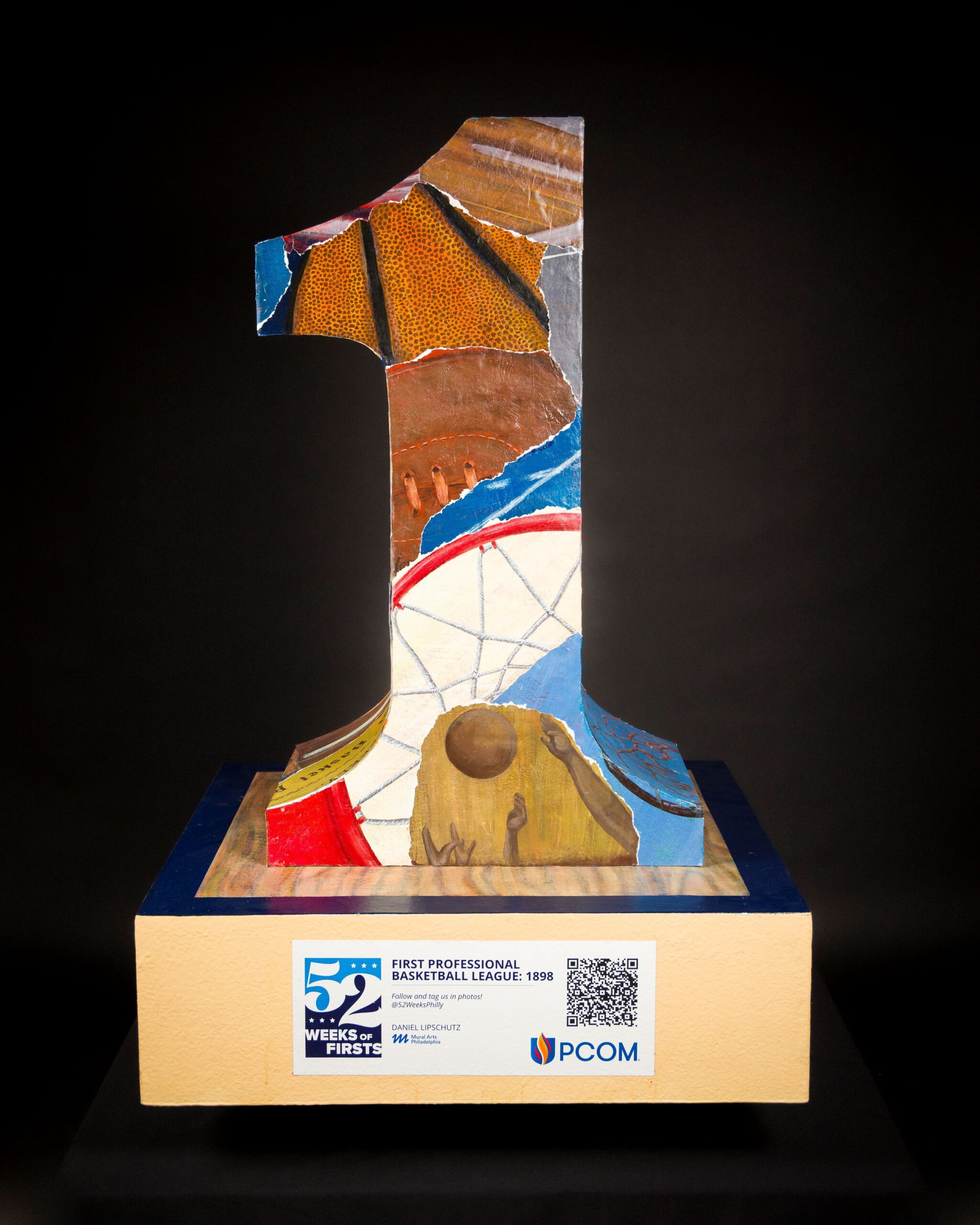
    Daniel Lipschutz blended history into his love of the modern day sport for this sculpture.

    That first game of the National Basketball League will be feted this Saturday at a Firstival at Xfinity Mobile Arena. Firstivals are the Philadelphia Historic District’s weekly day parties celebrating events that happened in Philadelphia before anywhere else in America, and often the world. They are part of a yearlong celebration of America’s 250th birthday.

    James Naismith, a YMCA coach in Springfield, Mass., invented basketball in 1891 to keep kids active during winter months. The sport incorporated elements of rugby, lacrosse, and soccer. Instead of throwing balls into a bottomless net to score, players threw balls into peach baskets.

    (In other words, there was no such thing as a rebound.)
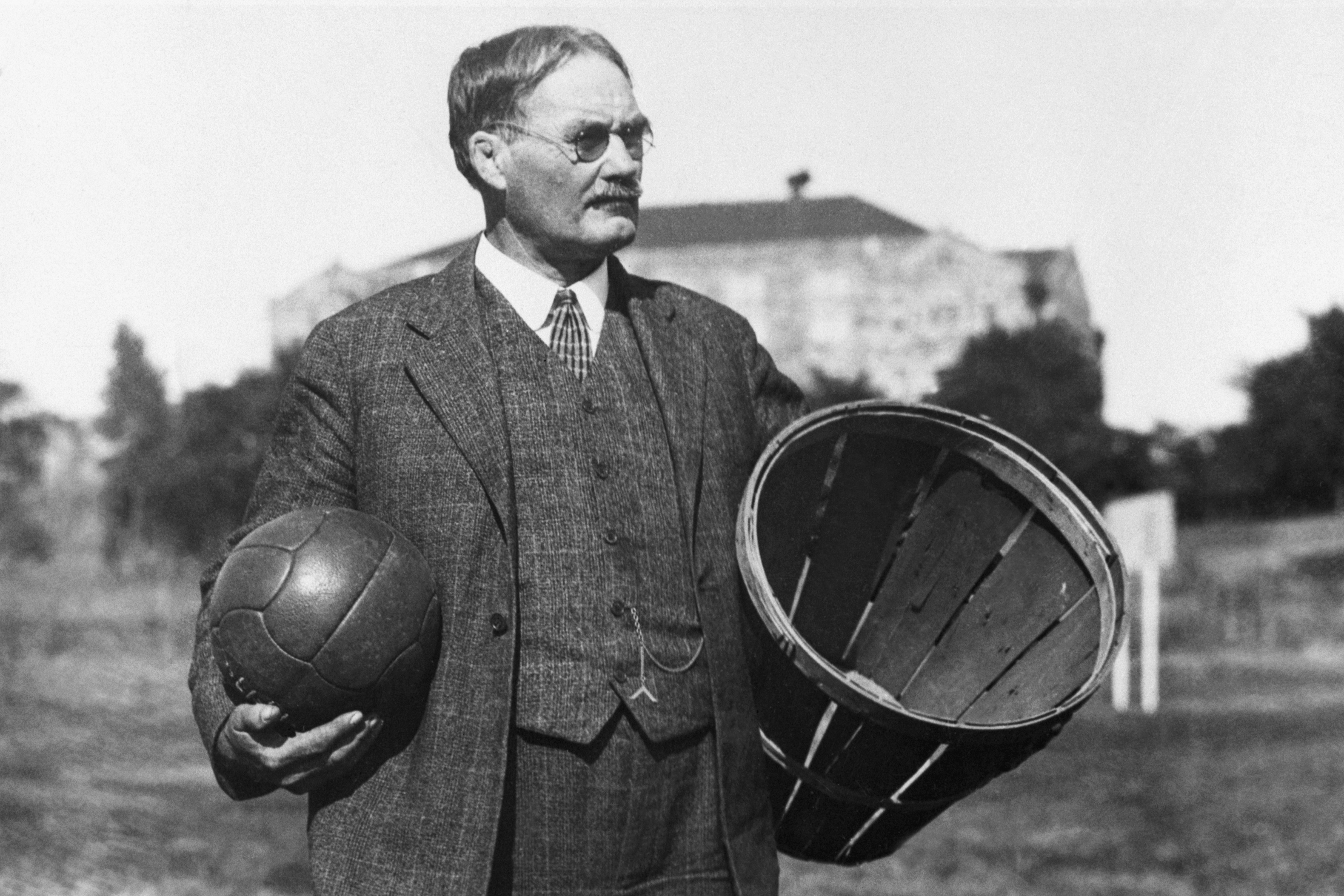
    James Naismith, inventor of basketball, with a ball and a basket.

    Basketball quickly became popular with college students and in 1898, Naismith was recruited to coach the University of Kansas basketball team.

    That same year, Horace Fogel, sports editor of the Philadelphia Public Ledger, organized the first professional basketball league with three teams from Philadelphia and three from South Jersey.

    A 12-foot chain-link cage separated players from the fans. Ropes replaced these iron cages in the 1920s.

    Fogel’s National Basketball League lasted just five years, folding in 1904 because of quick player turnover eating into profits. A second league was formed in 1937 and was sponsored by Goodyear. In 1946, the Basketball Association of America was established.

    And in 1949, the BAA and NBL merged to create today’s NBA.

    “This really goes to show that Philadelphia is a sports city,” said Shavonnia Corbin Johnson, vice president of civic affairs for the 76ers. “When people talk about Philadelphia sports rooted in history, tradition, and passion, it’s true, but now we know that America’s true love of sports can trace its roots right back here.”

    This week’s Firstival is Saturday, Jan. 24, 11 a.m. — 1 p.m., at Xfinity Mobile Arena, 3601 S. Broad St., Philadelphia, Pa. Premium Access Entrance on the Broad Street side, near Lot C. The Inquirer will highlight a “first” from Philadelphia Historic District’s 52 Weeks of Firsts program every week.
  • Founding Father Ben Franklin also founded America’s first volunteer fire department

    Founding Father Ben Franklin also founded America’s first volunteer fire department

    Colonial Philadelphia — a community of wooden dwellings and businesses along the Delaware River back in the 1700s — was under constant threat of burning to the ground. Fires could and did start from the haphazard fling of a cigarette, or burning the soot out of chimneys, or sometimes the accidental drop of a lantern.

    By 1730, the city had just one fire engine — a steam-powered box car — and dozens of buckets for carrying water to extinguish flames. When a fire that year on Fishbourne Wharf nearly destroyed the city, causing 5,000 pounds in property damage, Ben Franklin took notice.

    The incident prompted him to advocate for fire prevention in his newspaper, The Pennsylvania Gazette, coining the still-used fire safety mantra, “An ounce of prevention is worth a pound of cure.”

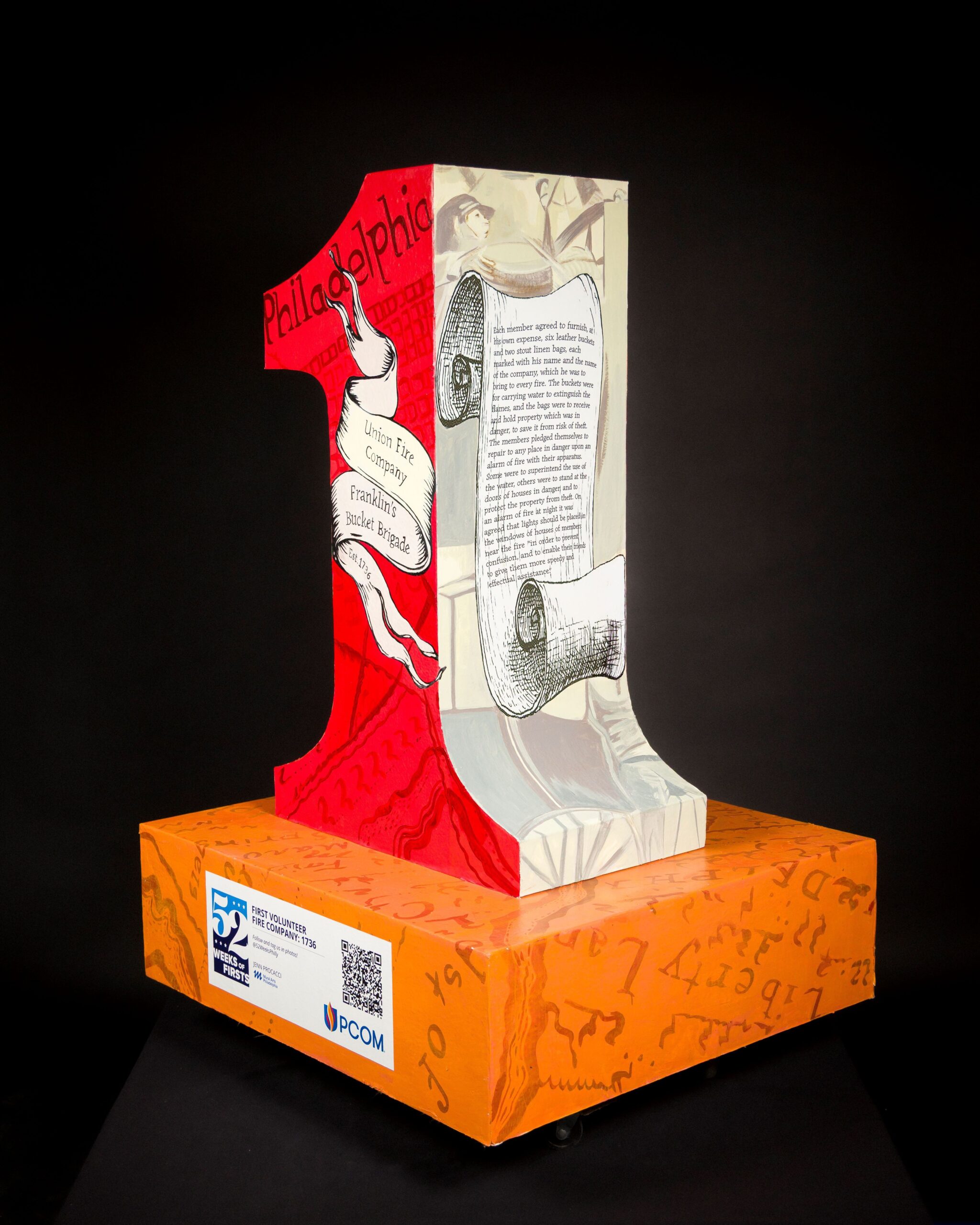
    On Dec. 7, 1736, Franklin and 24 other prominent Philadelphians established the Union Fire Company.

    The formation of the Union Fire Company will be remembered Saturday at the Firstival to be held at Fireman’s Hall Museum. Firstivals are the Philadelphia Historic District’s weekly day parties celebrating historic events that happened in Philadelphia before anywhere else in America, and often the world. They are part of a yearlong celebration of America’s 250th birthday.

    Artist Jenn Procacci’s sculpture incorporates maps of 1700s Philadelphia highlighting routes volunteer firefighters would take to extinguish blazes.

    The Union Fire Company, also called the Bucket Brigade, was modeled after mutual aid firefighting organizations in Boston. In its early years, the company only helped its members put out fires in their homes or properties.

    In 1742, the members voted to help any Philadelphian whose home or property was ablaze. The fact that they helped all Philadelphians, not just members, made the company America’s first volunteer fire department.

    Within the decade, Philadelphia had eight volunteer fire companies.

    These early volunteer fire companies were elite organizations that capped their memberships at about 30, explained Carol Smith, curator and archivist at Fireman’s Hall Museum. Members provided their own equipment: buckets for carrying water to put out fires and bags to salvage items from being destroyed. Companies had several meetings a year and members were fined for absence or tardiness.

    As the home of the country’s first volunteer firefighting outfit, Philadelphia was progressive when it came to fighting fires — they were among the first companies in the country to experiment with innovative hoses. The city also was unique in establishing ways to support Philadelphia residents impacted by fire.

    In 1752, Franklin started the nation’s first property insurance company, the Philadelphia Contributionship for the Insurance of Houses from Loss by Fire, still operating today.

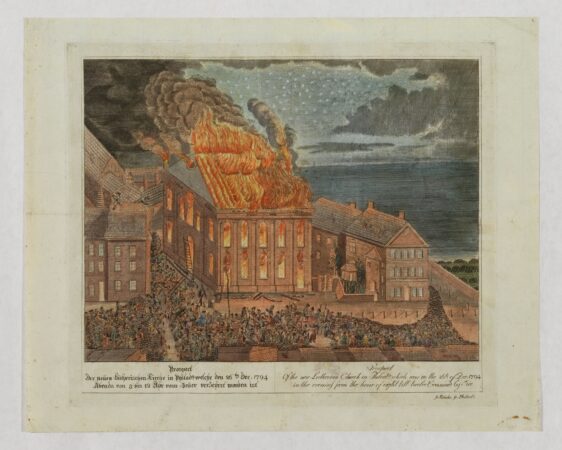
    Philadelphia’s early network of volunteer firefighters stopped major fires, like the 1794 burning of Zion Lutheran Church, and prevented extensive fire damage to the city.

    “A lot of it was because of the advances in firefighting technology like updated hoses,” Smith said. “Our volunteer fire departments were very proactive.”

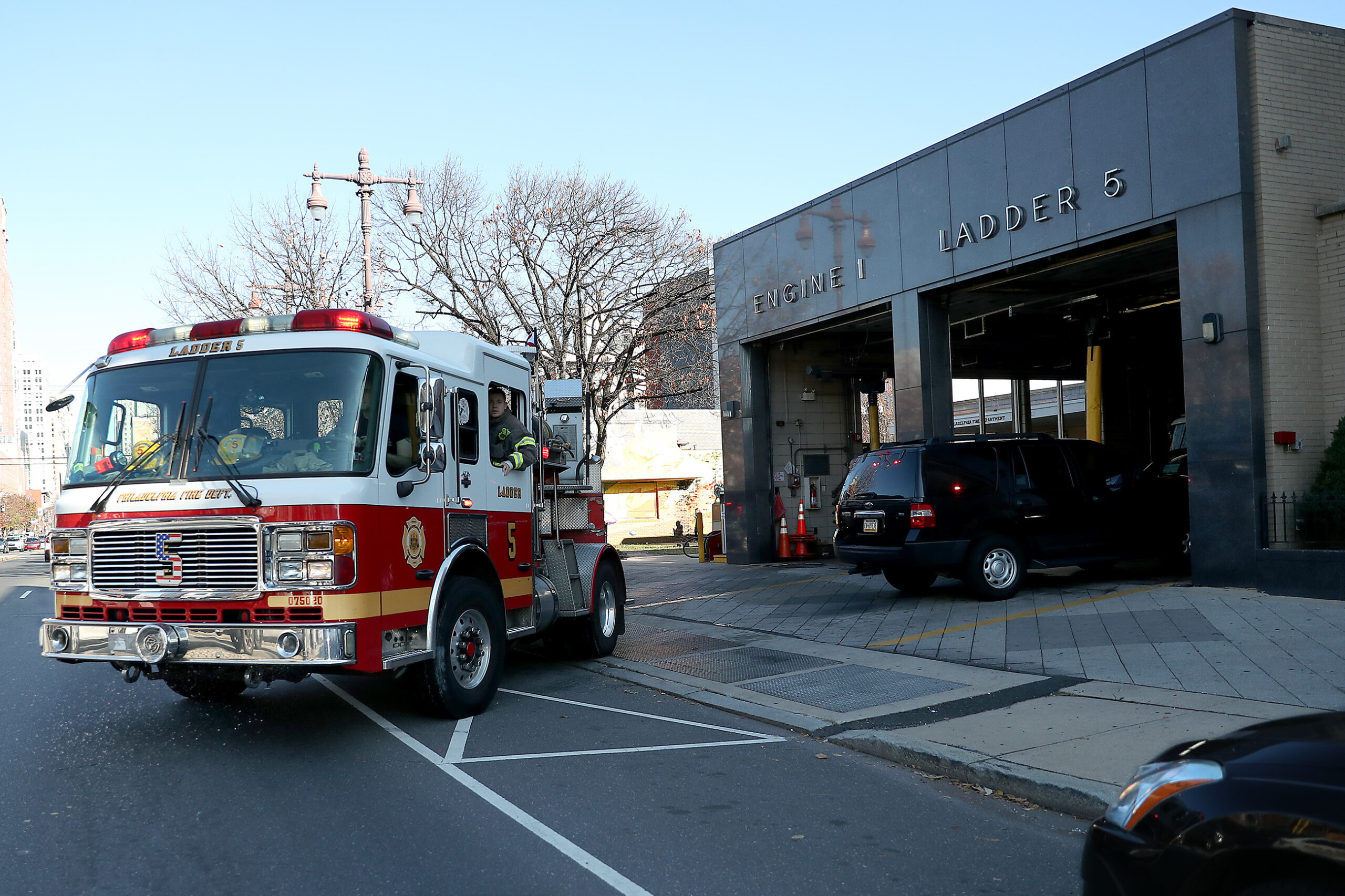
    Today’s fire houses are descendants of Ben Franklin’s Union Fire Company.

    The Union Fire Company housed its equipment on Old City’s Grindstone Alley and was active through the early 1800s, disbanding in 1843. Its remaining members joined the Vigilant Engine Company, that, in 1871 became Engine 8, one of the city’s first municipal fire stations.

    It remains open.

    This week’s Firstival is Saturday, Jan. 17, 11 a.m. — 1 p.m., Fireman’s Hall Museum, 147 N. Second St. The Inquirer will highlight a “first” from Philadelphia Historic District’s 52 Weeks of Firsts program every week.
  • What was the first city-sponsored New Year’s Day procession in America? The answer lies in Philly.

    What was the first city-sponsored New Year’s Day procession in America? The answer lies in Philly.

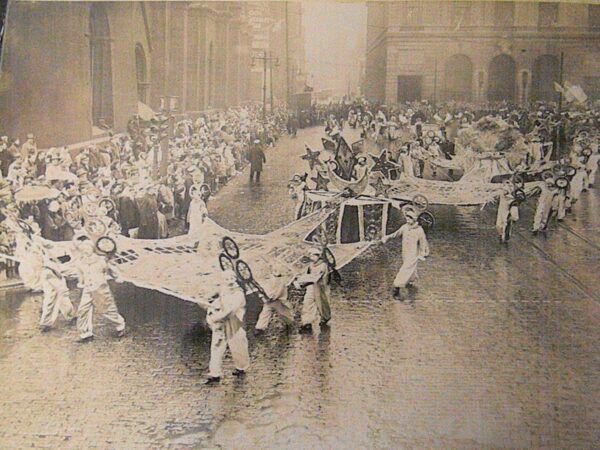
    As the fog lifted on Jan. 1, 1901, four Fancy Dress Clubs and 16 Comic Clubs gathered at the corner of Broad and Reed Streets for the first ever Mummers Parade.

    “Kings, emperors, knights and jesters, clothed in purple royal or tinkling tensel [sic], wended their way up the broad thoroughfare …” reads a front-page story from the Jan. 2, 1901, Philadelphia Inquirer. “In the throng of merry makers, no tribe no nation, scarcely an individual was neglected.”

    That inaugural Mummers Parade was America’s first folk parade. It also marks the first time an American city hosted a New Year’s Day procession.

    It will be remembered Saturday at the Firstival in the Mummers Museum. Firstivals are the Philadelphia Historic District’s weekly day parties celebrating historic events that happened in Philadelphia before anywhere else in America, and often the world. They are part of a yearlong celebration of America’s 250th birthday.

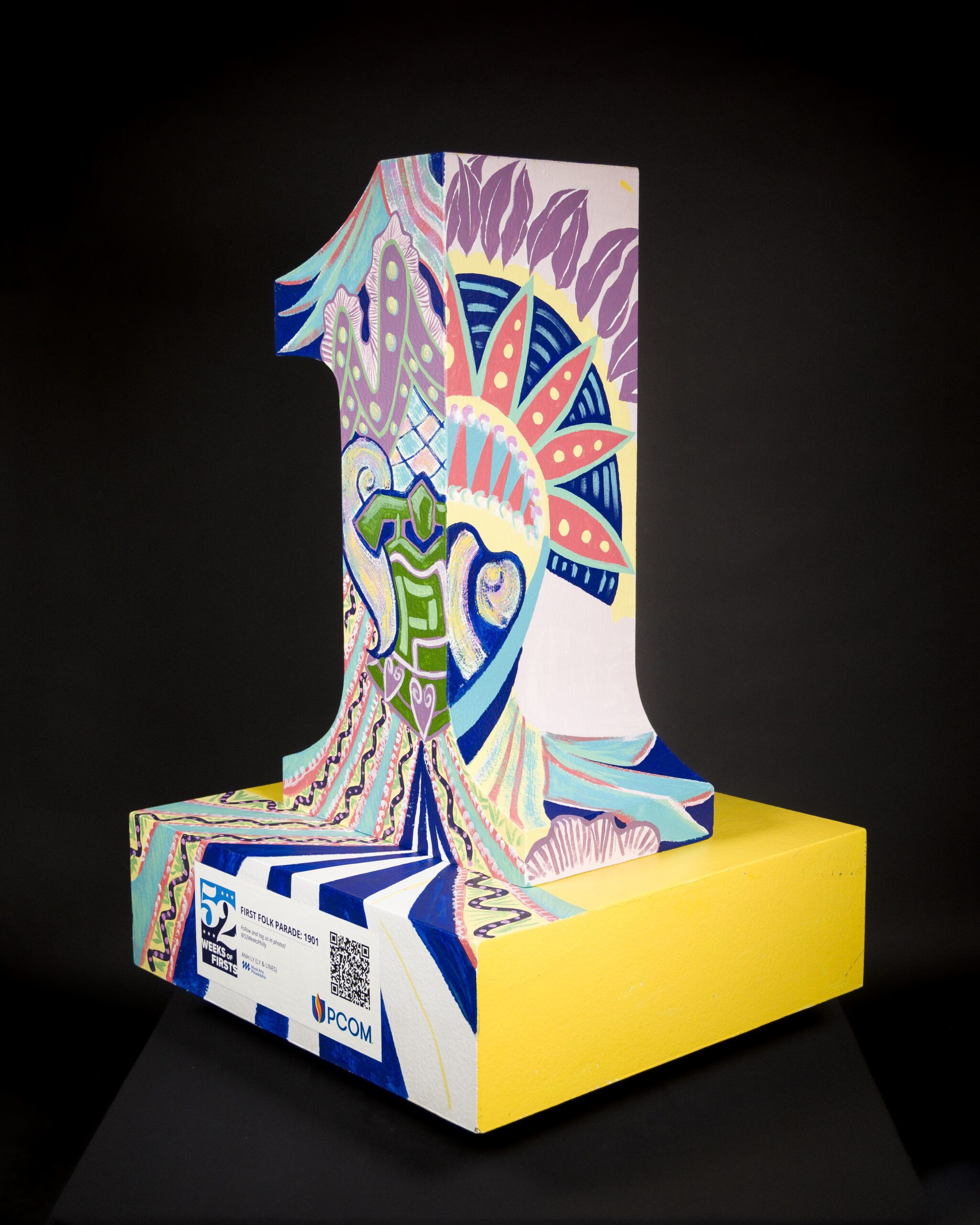
    Artist Anh Ly’s No. 1 highlights the Mummers Parade’s vibrant costumes, instruments and playful traditions.

    That first Mummers Parade began 125 years ago at 9 a.m. on a chilly overcast morning, said Mark A. Montanaro, the Mummers Museum’s curator. It took participants just two hours to march up Broad Street and around City Hall to Girard Avenue.

    Three hundred dollars — $11,575 in today’s money — was awarded to the parade’s two first-place winners: the Elkton Association, part of the Fancy Dressed Club; and the White Cap Association, belonging to the Comic Club.

    Revelers partied all day and into the night.

    The boisterousness remains to this day. So much so that the Philadelphia Historic District did not want to start the Firstival celebrations with the parade, even though that was the initial plan. Why? Because they assumed the Mummers would still be recovering from their parade.

    The word mummer is derived from Momus, the Greek god of satire and mockery. Mommer is the Old French word for mime.

    Philadelphia’s 17th century English and Swedish immigrants dressed in elaborate regalia during the days between Christmas and New Year’s, knocked on their neighbors’ doors, and demanded treats of sweets and nuts. Over the decades, the door-to-door tradition turned into rambunctious neighborhood parties as Dutch, Irish, and Italian immigrants joined in on the fun.

    In November of 1900, Philadelphia Evening Bulletin reporter and theatrical promoter H. Bart McHugh and City Councilman John H. Baizley asked Mayor Samuel Ashbridge if the city would consolidate the block parties into one big parade.

    Plans were finalized by mid-December.

    The Mummers Parade remains one of Philadelphia’s most enduring traditions. It’s only been canceled three times: during the 1919 Spanish Flu, 1934 during the Great Depression, and 2021 during COVID. (This year, the String Band Division called off its competition due to strong winds.)

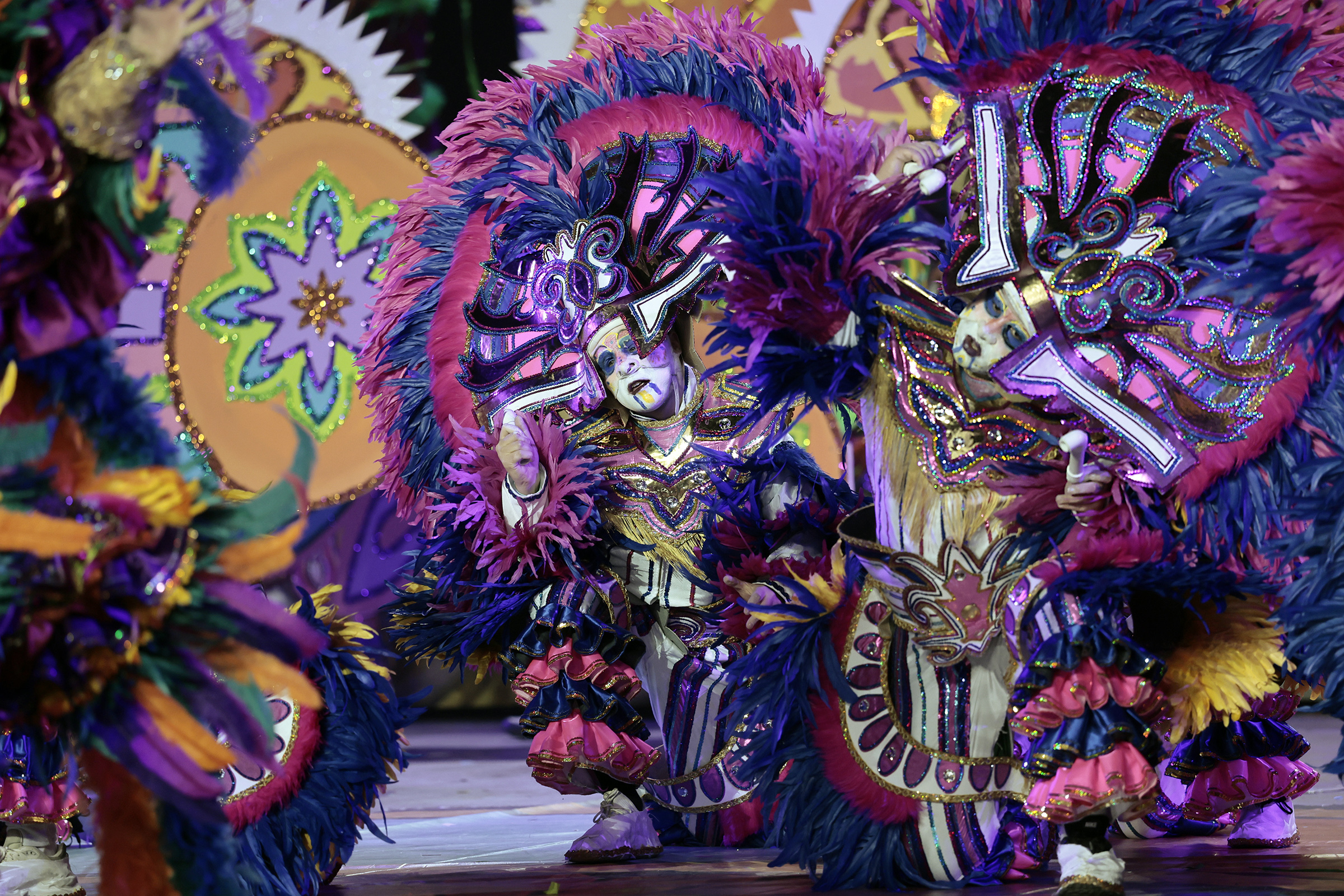
    The Jokers perform during the Fancy Brigade Finale at the Pennsylvania Convention Center during the 2026 Mummers Parade in Philadelphia on Thursday, Jan. 1, 2026.

    Parade routes have changed; today it starts at City Hall and ends at Washington Avenue. At times its been fraught with racial controversy, as some members have appeared in blackface as recently as 2020.

    That’s all in the past, Montanaro stressed.

    “The Mummers are striving for inclusivity,” Montanaro said. “We are a little bit of Mardi Gras, a little bit of Carnival, and a whole lot of Philly.”

    This week’s Firstival is Saturday, Jan. 9, 11 a.m. — 1 p.m., at the Mummers Museum, located at 1100 S. 2nd Street. The Inquirer will highlight a “first” from Philadelphia Historic District’s 52 Weeks of Firsts program every week.
  • America’s first balloon ride happened right here in Philly, the birthplace of American aeronautics

    America’s first balloon ride happened right here in Philly, the birthplace of American aeronautics

    It was a cold January morning in colonial Philadelphia. The year was 1793 and Thomas Jefferson, James Monroe, John Adams, and George Washington were among dozens of spectators gathered in the Walnut Street Prison workyard. The Founding Fathers watched in awe as French aeronaut Jean-Pierre Blanchard prepared to take flight.

    Blanchard’s hydrogen-powered balloon rose up into the sky. It was the first time someone had ever seen a balloon take off in America.

    Two and a half hours later, Blanchard landed the blue-and-yellow striped silk balloon 15 miles north in a Deptford, N.J., field that today is a Walmart Supercenter parking lot.

    That historic moment — America’s first balloon ride — will be remembered on Saturday at the Athenæum, where the Walnut Street Prison workyard once stood.

    The festivities will kick off the Philadelphia Historic District’s 52 Weeks of Firsts, a weekly day party marking events that happened in Philadelphia before anywhere else in America, and often the world. Each Saturday, the Historic District will partner with a local institution to host a free festival — or “Firstival.” This will be part of a yearlong celebration of America’s 250th birthday.

    Each of those locations will feature a foam sculpture illustrated by a Mural Arts of Philadelphia artist commemorating the historic event.

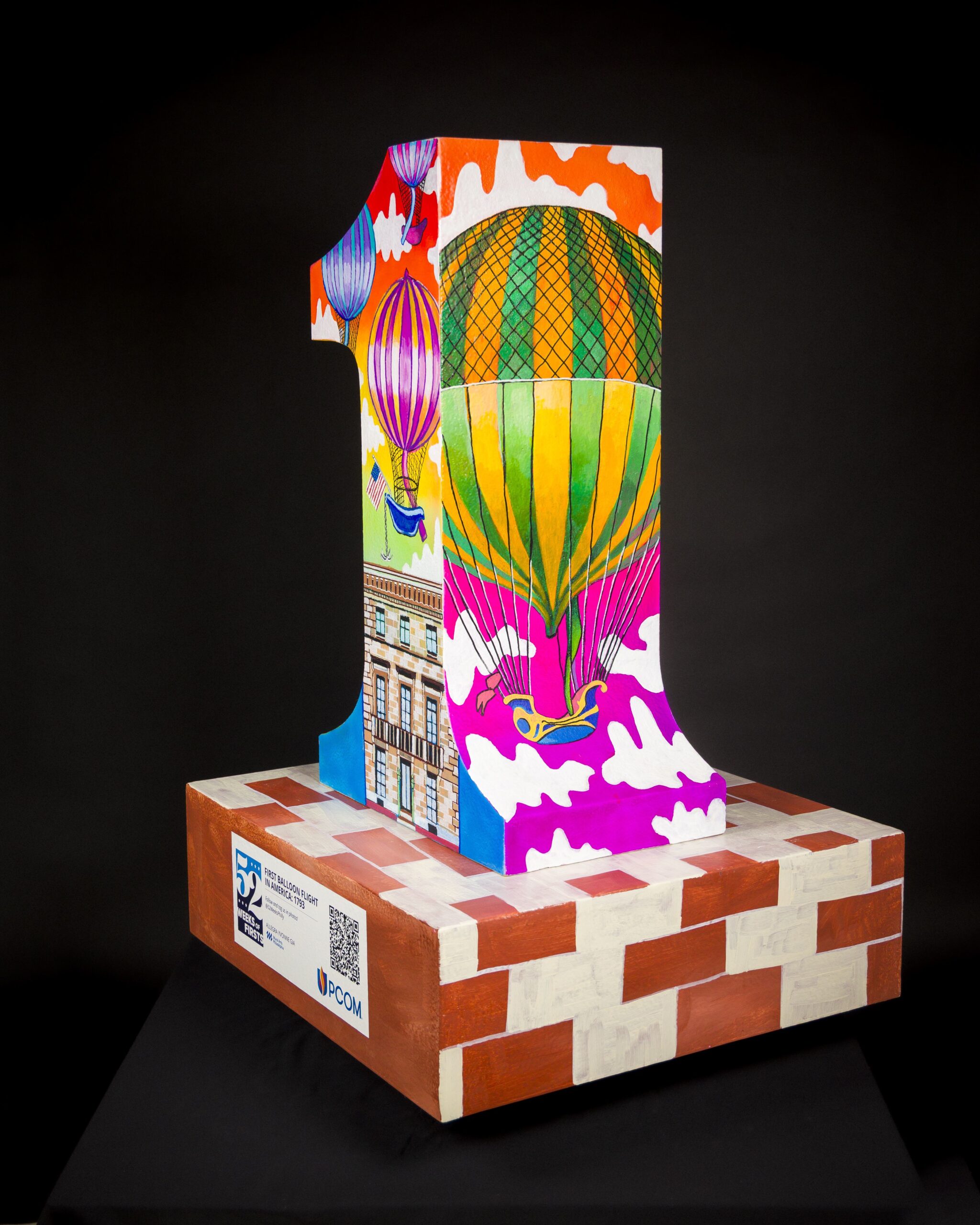
    Mural Arts artist Allegra Yvonne Gia infused images of the Walnut Street prison yard, The Athenæum of Philadelphia, and hydrogen balloons in this illustration.

    Blanchard’s historic balloon ride proves that even back then, Philadelphia resonated greatly with Parisian culture.

    While in Paris negotiating an end to the Revolutionary War in 1783, America’s A-list forefathers, Ben Franklin, John Adams, and John Jay witnessed some of the world’s first balloon rides. Impressed, they came back to Philadelphia raving about the innovation.

    Two years later, Blanchard, and co-aeronaut John Jefferies, became the first people to sail over the English Channel in a hydrogen balloon. (He chose hydrogen because hot air balloons were powered by fire and prone to explosion, thereby making any flight more than three miles risky.)

    The English Channel trip made Blanchard a big deal in aeronautical circles, and he started traveling around the world, flying balloons, and charging spectators, explained Beth Shalom Hessel, executive director of the Athenæum of Philadelphia

    On Jan. 9, 1793, Blanchard made his landmark 45th flight in Philadelphia, turning the Walnut Street Prison workyard into the birthplace of aeronautics in America.

    Onlookers paid $5 — more than $150 in today’s money — to witness Blanchard take off. He carried with him a dog and a letter from Washington. This letter, which demanded that Blanchard be offered safe passage wherever he landed, is considered by many to be the first ever American passport.

    “As a way of making money and drumming up interest in his balloon, Blanchard intentionally chose Philadelphia for his first American flight,” Hessel said. “And that’s fascinating.”

    This week’s Firstival is Saturday, Jan. 3, 11 a.m.- 1 p.m., at the Athenæum of Philadelphia, 219 S. Sixth St. The Inquirer will highlight a Philly “first” from the 52 Weeks of Firsts program every week.