Tag: Bala Cynwyd

  • Haverford College vows to make changes to its events policy following disturbance at Israeli journalist talk

    Haverford College vows to make changes to its events policy following disturbance at Israeli journalist talk

    During a talk by an Israeli journalist at Haverford College earlier this month, a group of about a dozen masked people sat and stood in the audience.

    At one point, one of them began shouting through a bullhorn, “Death to IOF,” or Israeli Occupying Forces, a name critics use to refer to Israel Defense Forces, and “Shame,” according to a video of the incident and people who attended the event. The protesters’ faces were covered by masks or keffiyehs, a symbol of Palestinian identity.

    “When Gaza has burned, you will all burn, too,” the protester shouted at the audience of about 180 people, many of them members of the local Jewish community, according to another video viewed by The Inquirer.

    An audience member grabbed at the bullhorn and appeared to make contact with the protester as the protester yelled in his face, according to a video. The college’s campus safety personnel ejected both the bullhorn user and the audience member and has since banned both from campus, college officials said, noting that neither is an employee, student, or alumnus of Haverford.

    The event sparked renewed charges of antisemitism on the highly selective liberal arts campus, which already is under scrutiny by a Republican-led congressional committee for its handling of antisemitism complaints and is the subject of an open investigation by the U.S. Department of Education.

    It will also lead to changes in Haverford’s policies. In a message to the campus after the event, president Wendy Raymond — who faced intense questioning from the congressional committee about the school’s response to antisemitism last year — said “shouting down a speaker whom one does not agree with is never acceptable and stands outside of our shared community values.”

    College officials acknowledged that Haverford needs to upgrade its event policies and said changes would be rolled out no later than after spring break.

    Some people who attended the event to hear journalist Haviv Rettig Gur said they were afraid because they did not know who the masked attendees were or what they had in their belongings, and in light of recent mass violence at Jewish events around the world.

    “I was scared to walk back to my car by myself, which is the only time I ever felt that way in Lower Merion, where I live,” said Susan Taichman, a resident of Bala Cynwyd, who was in the audience.
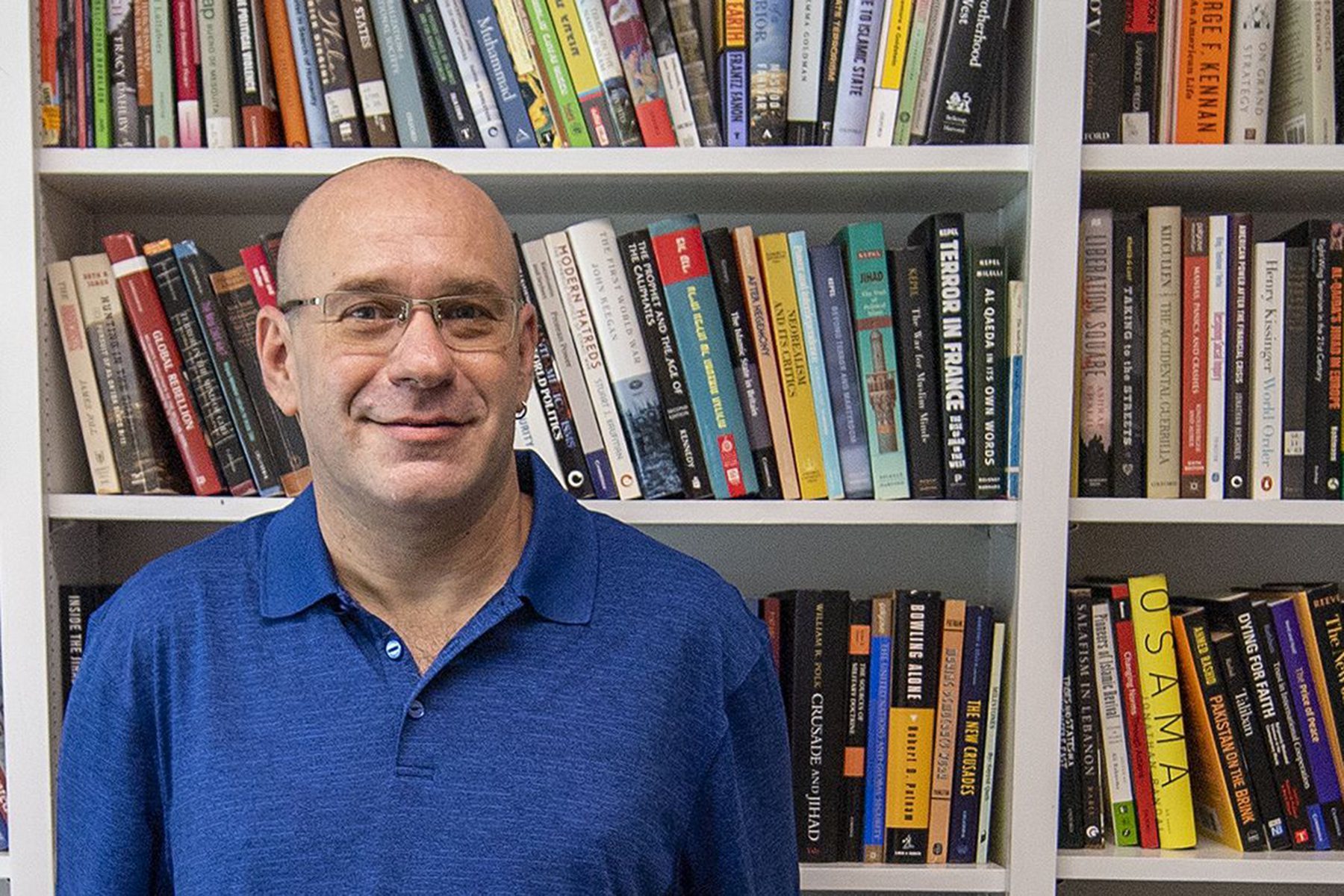
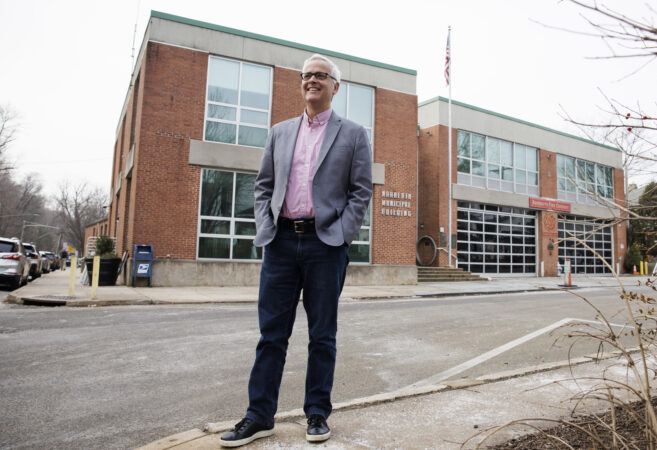
    Barak Mendelsohn,professor of political science at Haverford College

    Several students in attendance that night said most of the protesters sat or stood silently during the event — which is permitted under campus policy.

    “I went into that event not with hatred for Jewish people, as some … have claimed was the intention of the protesters at the event,” said one Haverford student protester who asked that her name be withheld for safety reasons. “I went in with love, empathy, and deep concern for the Palestinians experiencing abhorrent amounts of violence in their homeland, as well as an understanding of the historical contexts that led to this violence, including the historic persecution of Jewish people that led to the development of Zionist thought.

    “This context, in my opinion, is not an excuse for the genocide. It’s something really tragic that is going on, and I feel really strongly that it has to be stopped.”

    Cade Fanning, the associate editor of the Clerk, Haverford’s student newspaper, cited three interruptions by protesters. One early on argued with Gur for an extended period, followed by the bullhorn incident less than an hour into the event, and then some banging on doors and yelling outside the room, said Fanning, 21, a senior history major from Annapolis, who attended the event.

    Haverford professor Barak Mendelsohn, who helped organize the nearly three-hour event and has complained about the college’s handling of antisemitism in the past, said attendees were terrified as disruptions continued.

    “I can’t tell you how ashamed I am as one of the organizers,” said Mendelsohn, an Israeli-born professor of political science and a terrorism scholar.

    Leaders of Haverford’s students’ council, meanwhile, voiced concerns that an audience member had initiated physical contact with the protester, “which deeply frightened and disturbed members of Students’ Council,” they wrote. “We believe it is paramount to prioritize the safety of members of our college community. Actions like this have no place in our community.”

    Some community members also interrupted and “heckled” protesters, Fanning said, adding that Gur belittled the activists as “children” who did not know enough about the world. The college, Fanning said, should have addressed that in its statement to the community.

    “It would have been beneficial had they at least acknowledged that he wasn’t the most conducive to respectful, honest, open debate either,” Fanning said of Gur. “He didn’t treat the students with the most respect.”

    But Anna Braun, 21, a senior English major from New York City who attended the event, said she was impressed with how Gur handled the protesters.

    “He decided to engage with them one on one to really ask them questions and try to deconstruct why they were protesting,” she said. “The only way we can have any hope for peace is for people to listen to each other and to find some middle ground. And if you’re ignoring each other or if you are interrupting each other, then there is no potential for seeing eye to eye.”

    An effort to ensure safe events

    “It has become clear that there are gaps in how events are reviewed, supported, and managed on campus,” Raymond said in her message to campus. “We are actively revising our event management and space use policies to improve clarity and processes.”

    Wendy Raymond, president of Haverford College, testifies before the House Committee on Education and Workforce hearing on antisemitism on American campuses on May 7, 2025.

    The new policy, she said, “will clarify expectations for different types of events, strengthen coordination among College offices, and establish additional planning and support for events that require heightened attention.”

    Factors such as “significant attendance or operational complexity, heightened public visibility, safety, security, or crowd-management considerations, media presence or external participation, and increased likelihood of disruption or protest activity” may trigger the need for additional review to determine whether more resources are needed, said Melissa Shaffmaster, Haverford’s vice president for marketing and communication.

    “Our intention … is not in any way to restrict free speech or restrict access for different speakers or topics to be discussed on campus,” she said. “We want to make sure that the proper resources are allocated so events can happen safely, people can have really thoughtful discourse, and these events can go off the way they are intended.”

    The indoor use of bullhorns violated the school’s “expressive freedom” policy put in place last spring, she said.

    The college is participating in the Hillel Campus Climate Initiative, touted as an effort to help college leaders counter antisemitism. A survey “to better understand the current climate for Jewish students” will be part of the effort.

    Haverford also is preparing for a major change in leadership. Raymond said in November she would step down as president in June 2027; John McKnight, the dean of the college, also announced he would be leaving at the end of this semester for a new role at Dartmouth College; and the college’s vice president for institutional equity and access also will exit that post in May.

    ‘The howling cry of an uneducated child’

    Gur’s talk was titled “Roots, Return, and Reality: Jews, Israel, and the Myth of Settler Colonialism.” In an opinion piece for the Free Press after the talk, Gur said he had gone to Haverford to talk “about the Jewish history that forged Israeli identity.”

    While he saw the audience “tense up” when protesters entered, he wrote, he saw it as “a chance to explore managing an encounter with the abusive ideologues.”

    During the event, Gur called the bullhorn protester’s disruption “the howling cry of an uneducated child.”

    He said he invited protesters to stay, but told them they had to remove their masks, which they did not do. Most protesters remained for the entire talk, he said, some even crying and engaging in dialogue with him.

    “The more I treated them like neglected children hungry for knowledge, the more likely they were to respond in healthy and productive ways,” he wrote.

    The event was organized by Kevin Foley, a 1983 Haverford graduate. Foley said he was impressed with Gur, a political correspondent and senior analyst for the Times of Israel, after seeing a video of him teaching.

    “I thought I could do something good for Haverford by having him teach there,” said Foley, who lives in Connecticut and New York City and spent his career running electronic trading businesses at Bloomberg and Cantor Fitzgerald.

    Foley’s best friend was killed in the 9/11 attacks and he said he experienced Hamas’ October 2023 attack on Israel as an “echo trauma.” To see concerns at Haverford about its handling of antisemitism “was disappointing,” he said, and what happened at Gur’s talk reinforced those concerns.

    “What I can’t believe is that Haverford has so abandoned its liberal values of academic freedom, freedom of inquiry, that it’s considered acceptable for protesters to come in and disrupt and shut down an educational class,” Foley said.

    Foley called on the college to ban masks and have metal detectors available when needed, and to apologize to Gur’s audience.

    Shaffmaster said the college’s policy allows people to wear masks, but they must remove them if they are asked by campus safety officers or administrators for identification purposes.

    Ongoing tensions on campus

    Several students in attendance, who asked not to be named because of tensions on campus over the issue, said they thought campus safety and the college handled the event as best they could without silencing either side.

    “No matter what they had done, people would be mad at them,” one said.

    Fanning, the student editor, understood why older community members may have been fearful, but said protesters also have fears of being harassed or doxed for their pro-Palestinian advocacy if their identity is known.

    “They are not fearless themselves,” Fanning said. “Nobody is.”

    But Mendelsohn, the professor, was disturbed that Haverford seemed to equate the actions of the audience member who grabbed the bullhorn with those of the protester.

    “The person acted in self-defense and managed to get the bullhorn from her hands,” he said. “If someone turned to you with a microphone and screamed, you would not sit there and do nothing.”

    Mendelsohn has been at the forefront of allegations that Haverford has not done enough to address antisemitism, and the college has investigated him for speaking out on social media and in emails, according to a lawsuit filed against the college last year by a Jewish group. Much of the complaint was dismissed, but the judge allowed a portion involving breach of contract that would result in nominal damages to proceed, and that is in mediation, court records show.

    The actions at Gur’s speech were just one of several ongoing problems with antisemitism on the campus, Mendelsohn said. His mezuzah — an object signifying the Jewish faith — was stolen from his office door a couple of months ago, he said. And he referred to a bias complaint over comments made around funding for the Haverford Chabad board. That remains under review, the college said.

    Braun, the English major, said that she was heartened to see improvement in Haverford’s handling of the Gur event and that the campus has been more welcoming to Jewish students. Most people she has spoken with, she said, did not think the use of the bullhorn was appropriate.

    “That’s not something I would have heard two years ago on this campus,” she said. “I sincerely believe there is more of a desire to create an inclusive environment.”
  • ArchWell Health is a new primary care provider for Philadelphians with Medicare Advantage

    ArchWell Health is a new primary care provider for Philadelphians with Medicare Advantage

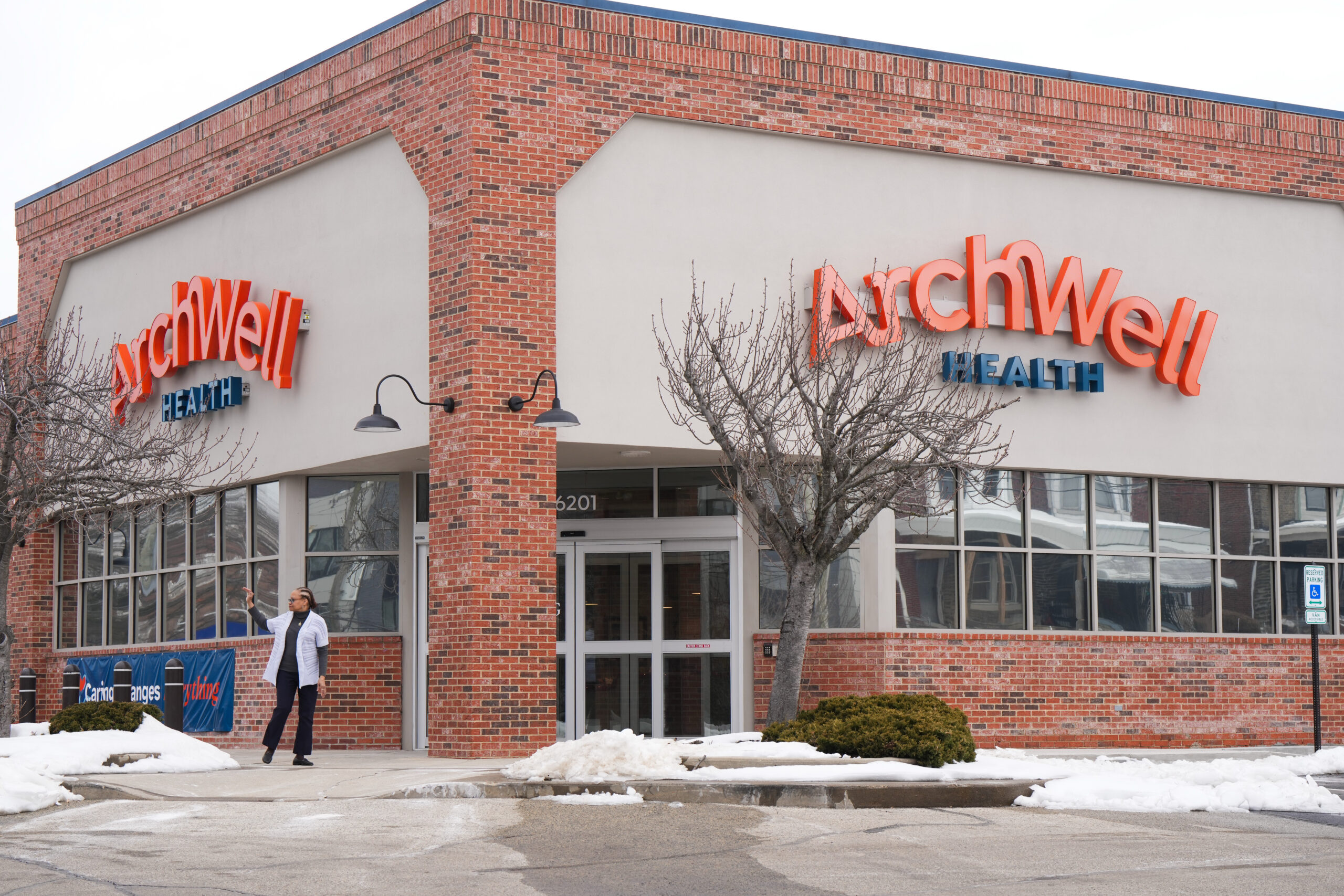
    A new sign with orange letters outside a former Rite Aid in Germantown announces the arrival of a primary care model new to the Philadelphia region.

    ArchWell Health recently opened its first three of eight planned primary care centers here for people with Medicare Advantage, promising convenient and personalized care in neighborhoods with a relative lack of doctors.

    Two others have opened on North Broad Street, near Stenton and Susquehanna Avenues, also in former Rite Aid stores.

    A privately held company based in Nashville, Tenn., ArchWell says it can offer patients greater access to healthcare through lower patient-provider ratios.

    It plans to limit each of its physicians to no more than 500 patients — about a fifth of the patient load for typical primary care doctors. Nurse practitioners working under the doctors will manage a maximum of 250 patients, officials said.

    The approach is built around a financial model that differentiates ArchWell from Medicare-focused competitors already in Philadelphia like Oak Street Health and ChenMed’s Dedicated Senior Medical Centers. ArchWell only accepts patients who have private Medicare or are willing to switch to it. Oak Street and ChenMed also accept traditional Medicare.

    Privately run Medicare Advantage plans are increasingly popular among people ages 65 and older who qualify for government-funded Medicare coverage. Advantage plans appeal to people by covering services, such as dental and vision care, left out of traditional Medicare, but have come under scrutiny for exaggerating how sick patients are to rack up more revenue.

    ArchWell sees exclusively working with Medicare Advantage plans as helping doctors to focus solely on the best outcomes for patients, rather than on providing more services to bring in more revenue, a criticism of traditional Medicare, said Doron Schneider, its medical director for the Philadelphia market.

    Melissa A. Herd, community relations specialist for ArchWell Health in Philadelphia, is shown outside the company’s Germantown location, which is in a former Rite Aid building.

    “You have different incentives, you have different care models, you have different case management models, you have different ways to treat one person versus the other,” Schneider said.

    Before starting at ArchWell in late 2024, Schneider worked at Tandigm Health, an Independence Health Group company founded in 2014 with the goal of helping primary care doctors manage costs and improve care for their patients. He learned there how hard it is for doctors to work with different types of insurers and the varied incentives that go with them.

    How ArchWell conducts business

    ArchWell, which opened its first clinic in 2021 in Birmingham, Ala., operates under contracts with Medicare Advantage plans. The plans give ArchWell a portion of the monthly payment they get from Medicare for each patient. That money is supposed to cover all of the person’s medical costs.

    Aetna, UnitedHealthcare, and Devoted Health have contracts with ArchWell to cover the Philadelphia market. ArchWell is close to getting contracts with HealthSpring and Humana, Schneider said. Those five companies had more than 90,000 people in their plans in December, according to federal data.

    Aetna and UnitedHealthcare said they work with clinics like ArchWell’s around the country to improve health outcomes and leave patients more satisfied with their experience.

    “We are pleased that they are now an option for Aetna Medicare Advantage members in the Philadelphia area,” Aetna said in a statement.

    ArchWell declined to provide financial details, such as annual revenue from the more than 80 clinics it had in a dozen states before coming to Philadelphia or how much it spends to open each center. ArchWell representatives also did not disclose who its owners are.

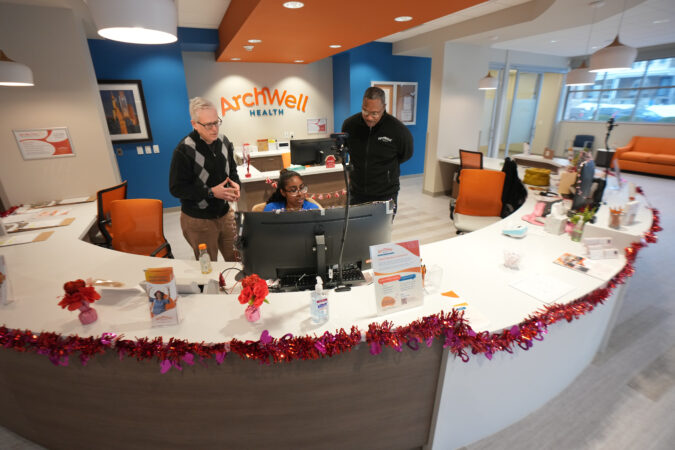
    The interior of Archwell Health’s Germantown primary care clinic has Philadelphia-centric images painted on the walls.

    Company founder Carl Whitmer worked at Clayton, Dubilier & Rice, a global private equity firm, before founding ArchWell.

    “We have partners that are focused on our sustainability and growth,” said Christina Cober, ArchWell’s vice president of marketing.

    But companies focused on primary care for seniors haven’t always been as successful as anticipated.

    Oak Street, founded in Chicago in 2012, grew rapidly and now services 450,000 patients at 230 centers across the country. It declined to say how many patients it has in Philadelphia. Oak Street arrived here in 2018.

    CVS Health bought Oak Street in 2023 for $10.6 billion, anticipating that it would expand to more than 300 centers by this year. Last fall, CVS announced it was closing 16 centers and taking a $5.7 billion write-down on its health-services business, largely because of slower anticipated growth at Oak Street.

    Patina Health, a Bala Cynwyd company that offered virtual and in-home primary care for Medicare Advantage patients through a partnership with Independence Blue Cross, shut down last year due to “unforeseen business challenges.”

    How ArchWell approaches patient care

    ArchWell says its lower patient-provider ratios allow more frequent interactions with patients. If a patient is diagnosed with high blood pressure, Schneider said, the message to the patient is: “We’ll see you back in a week. We’ll see you back in two weeks.”

    The repeat visits happen with no cost to the member and no extra revenue to ArchWell because all care is supposed to be covered by a monthly payment per member.

    ArchWell expects to add about 300 patients per year at each center, said Cober. Staffing at the centers starts out with a physician, a nurse-practitioner, two care navigators, two medical assistants, and a center manager.

    Among the early patients at ArchWell’s center on Germantown Avenue is Marcella James, 69, who lives across the street from the clinic and watched as the building was transformed from a shuttered Rite Aid.

    “I walked over there one day just to see what it was like and what they offer, and I signed up right away,” James said. James likes her doctor at Temple Health, but ArchWell was irresistibly convenient.

    “If I can get the same help or better help from ArchWell is to be seen because I just started with them,” she said.

  • Saks Fifth Avenue in Bala Cynwyd is closing

    Saks Fifth Avenue in Bala Cynwyd is closing

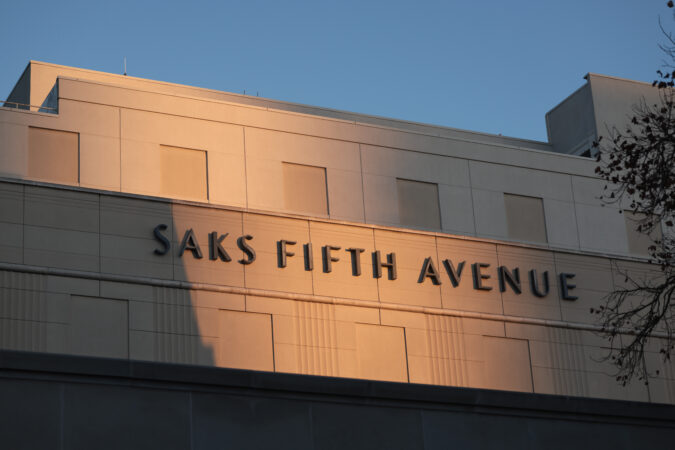
    Saks Fifth Avenue will be closing its Bala Cynwyd location.

    Saks Global, which owns Saks Fifth Avenue and Neiman Marcus, announced the impending closure in a news release Tuesday, a month after the luxury clothing retailer filed for Chapter 11 bankruptcy.

    After decades in business, the expansive store along City Avenue is expected to close in April, according to a Saks Global spokesperson, who said decisions were based on several factors, including store performance and “lease economics.”

    Fifty workers at the Bala Cynwyd Saks Fifth Avenue will lose their jobs effective April 11, according to a WARN Act filing with the Pennsylvania Department of Labor and Industry. Another 155 workers at a Wilkes Barre fulfillment center will be laid off, according to a separate filing.

    As part of the company’s restructuring, it will shutter seven other Saks Fifth Avenue stores, including at the American Dream mall in North Jersey, as well as a Neiman Marcus in Boston.

    “Saks Global is refining its store footprint to focus on profitable locations with the highest growth potential,” company executives wrote on its website, adding that the nine closures represented “the first phase of this ongoing review.”

    The move will make the company “better positioned to deliver exceptional products, elevated experiences and highly personalized service across all channels,” CEO Geoffroy van Raemdonck said in a statement.

    Over the years, the Saks Fifth Avenue in Bala Cynwyd has become the brand’s only physical outpost in the region. It is referred to as “Saks Philadelphia” on the company’s website, despite being located across the city line in a freestanding building at Bala Plaza.

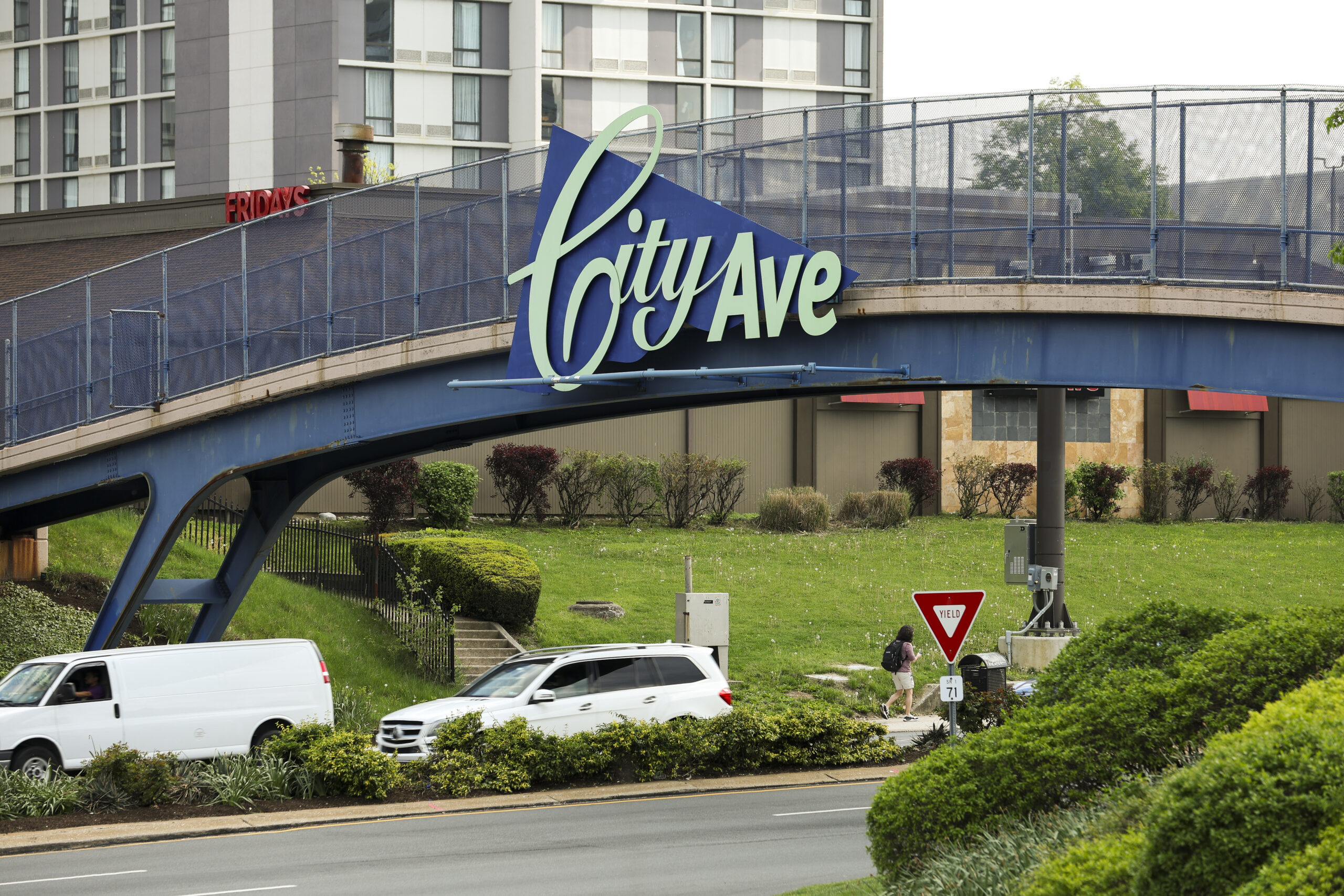
    City Avenue is shown in April 2024. The Saks Fifth Avenue along the busy thoroughfare is closing in April.

    The aging shopping center is in the process of being revamped into what developers are advertising as a “sanctuary for work, life and play,” with hundreds of new residential units.

    Nearby on City Avenue, a standalone Lord & Taylor, which closed in 2021 amid the department store’s bankruptcy, is being converted into an apartment building.

    Until recently, the longstanding Saks Fifth Avenue appeared primed to be part of the area’s future: In 2024, City Ave District, the nonprofit business development agency that straddles Lower Merion and Philadelphia, reported that business at the store was so strong that it had resisted offers to move to King of Prussia.

    Once the Bala Cynwyd Saks Fifth Avenue closes, the nearest location will be in New York.

    Saks Global also operates a Neiman Marcus at the King of Prussia Mall, which is not on the list of stores to close.

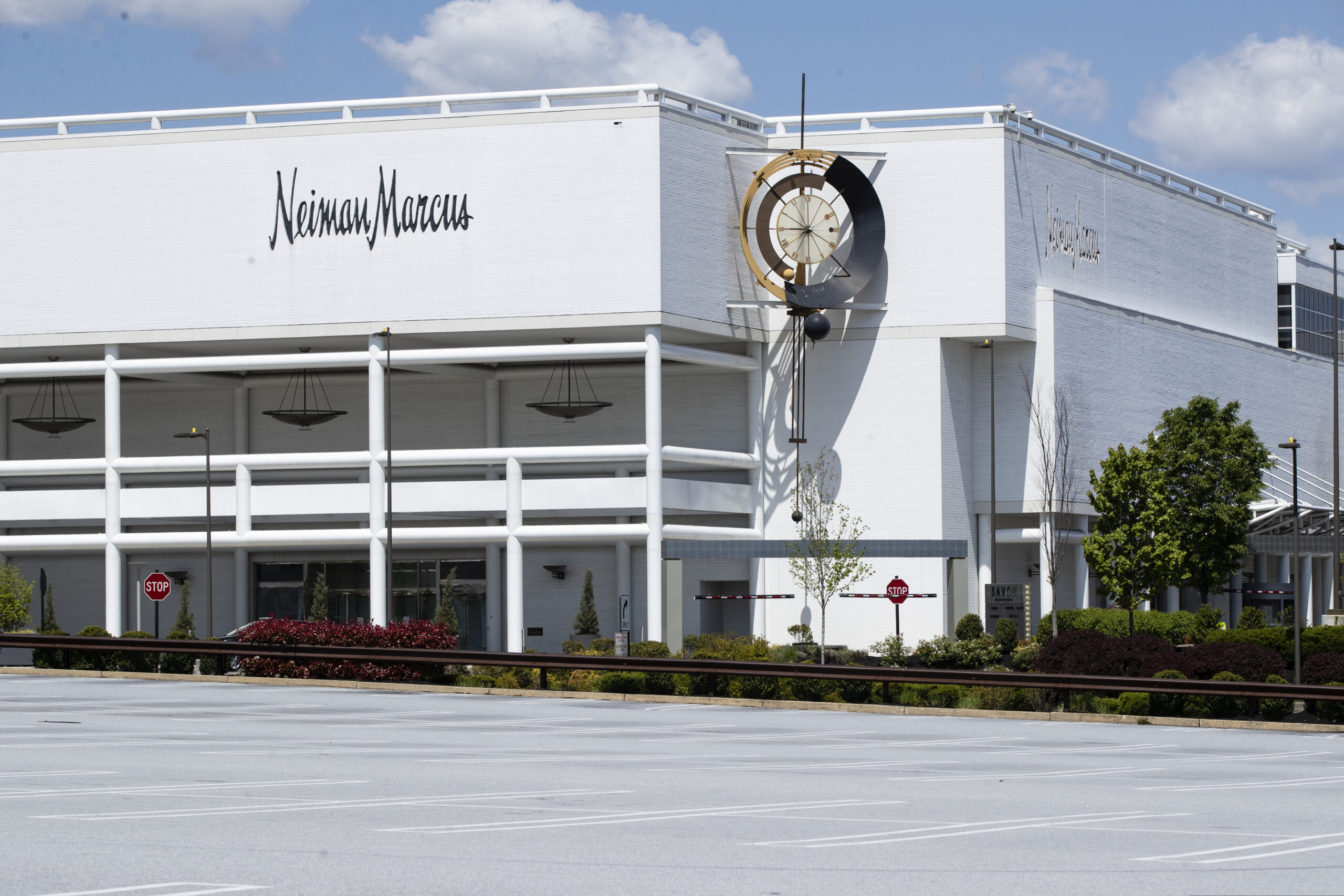
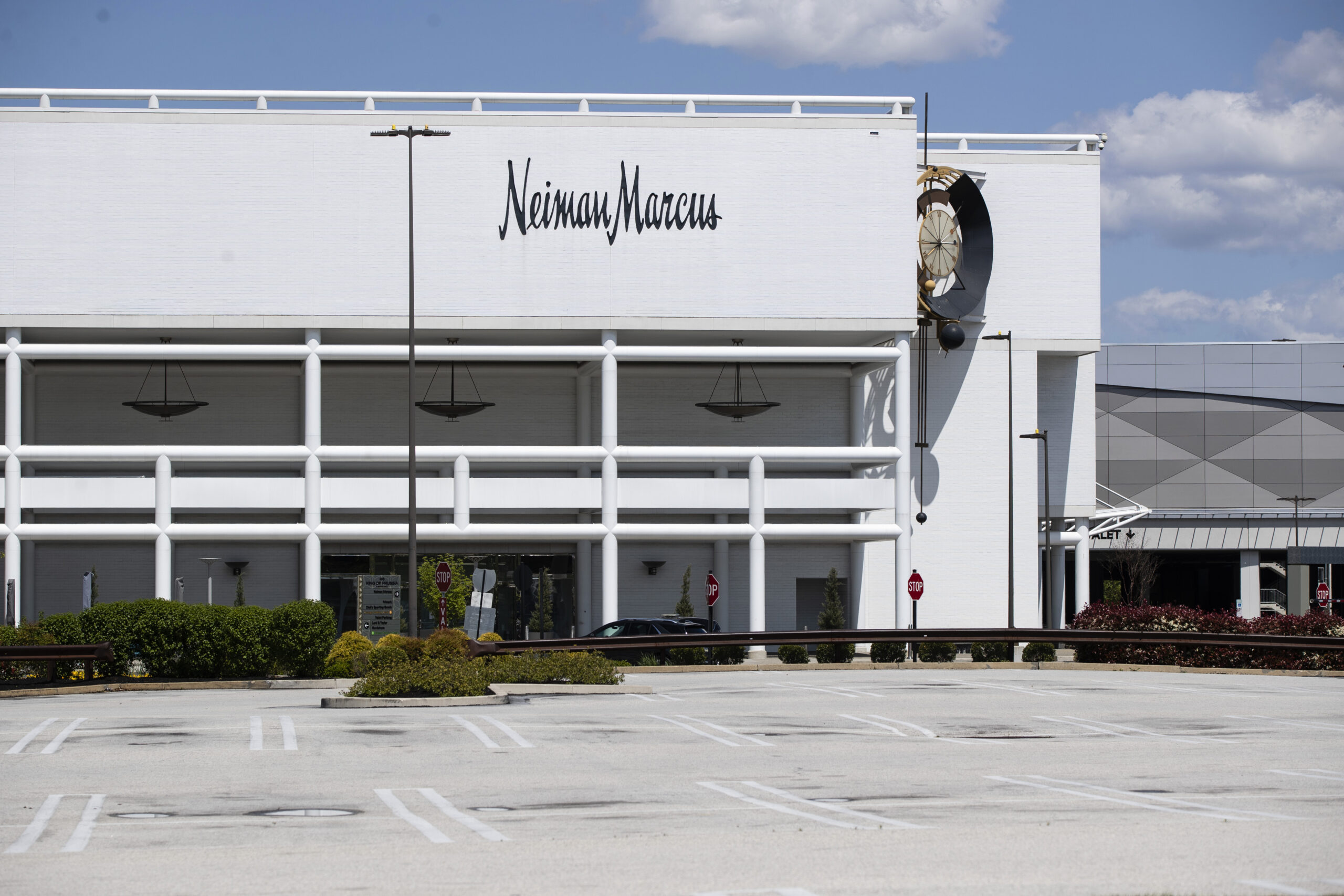
    The Neiman Marcus at the King of Prussia Mall, pictured in 2020, will remain open.

    Saks Off 5th discount outlets at the Franklin Mall in Northeast Philadelphia and at the Metroplex shopping center in Plymouth Meeting recently closed. The winding down of those stores was announced before the bankruptcy filing, as was reported by several news outlets, including the Philadelphia Business Journal.

    Elsewhere in the country, Saks Global is closing the majority of its standalone Fifth Avenue Club personal styling suites, the company said Tuesday.

    In New York, Bergdorf Goodman, which Saks also owns, will remain open.

    What Philly-area Saks customers should know

    Shoppers walk through Saks Fifth Avenue in New York in January.

    Shoppers at the Bala Cynwyd store will no longer be able to buy gift cards in person, according to Saks, and will have 15 days from the start of the closing sale to use existing gift cards.

    Items that were bought before the closing sale can be returned or exchanged as usual, the company said, but purchases made during it will be final. Merchandise bought during the closing sale will also be ineligible for return or exchange at stores that are remaining open.

    SaksFirst credit cards will still be accepted, according to the company, and customers with those credit cards will still earn points for purchases made in store. Shoppers will no longer be able to make in-person credit card payments or apply for credit cards at the Bala Cynwyd store.

    At other Saks locations, including the King of Prussia Neiman Marcus, the company says the customer experience will remain unchanged.

  • Expecting a big tax refund? One missing detail could freeze your money for weeks

    Expecting a big tax refund? One missing detail could freeze your money for weeks

    Thanks to new changes in the tax law caused by 2025’s One Big Beautiful Bill — specifically with regard to new deductions for tipped and overtime income — the U.S. Treasury Department expects many taxpayers to receive refunds this year.

    “The bill was passed in July [and many] working Americans didn’t change their withholding, so they’re going to be getting very large refunds in the first quarter,” Treasury Secretary Scott Bessent said in a December interview broadcast on NBC10. “So I think we’re going to see $100 [billion]-$150 billion of refunds, which could be between $1,000 to $2,000 per household.”

    Sounds great. But be careful. If you’re in line to get your tax refund, you better make sure you’re prepared to share your bank account information with the Internal Revenue Service. Otherwise you could experience significant delays.

    A new IRS rule that affects 2025 tax returns is now requiring taxpayers to provide their bank account and routing numbers to receive refunds timely via direct deposit.

    The IRS will still process individual income tax returns (Form 1040 series) filed without bank account information. However, the agency will temporarily freeze the refund until the taxpayer provides direct-deposit information or requests a paper check. More importantly, if incorrect bank account information is submitted, the IRS will freeze those direct deposits until the issue is resolved.

    “Many taxpayers haven’t fully grasped that shift yet,” said Mitchell Gerstein, a senior tax adviser at Isdaner & Company in Bala Cynwyd. “If you are hesitant to share bank information with the IRS, we explain that electronic payments are now the default.”

    Some may not feel comfortable sharing their bank information with the government, and ultimately providing this information is voluntary. But, according to Philadelphia CPA Jacob Cohen, not doing so will create headaches and delays.

    “If a taxpayer does not want to share the information, their refund will take longer to process and the IRS will still attempt to collect banking information before they issue a refund check,” he said. “The refund could be delayed several weeks at a minimum, but likely longer.”

    Not everyone will be affected by this rule. The IRS says international taxpayers, minors, prisoners, taxpayers with religious exceptions, and decedent taxpayers will receive paper check refunds as in the past.

    And the IRS will still be making payments by check for now for those who request it. But they do plan on phasing out that ability in the coming years.

    “If you do not have an account, we’d recommend setting up a basic no-fee checking account in person at a reputable bank, or even online with certain banks like Ally Bank or Discover Bank,” Cohen said. The IRS offers the ability to split your refund into up to three accounts for retirement, savings, and checking.

    What if you don’t have a bank account and don’t want to open one?

    There are other options for those without bank accounts.

    Treasury does offer alternative options such as prepaid debit cards, credit cards, or approved digital wallets such as PayPal, says Gerstein. Many reloadable prepaid cards like Netspend and Bluebird provide a routing and account number that you can use for direct deposit.

    Make sure to check with your mobile app provider or financial institution to confirm which numbers to use.

    The IRS also recommends visiting the FDIC website or using the National Credit Union Administration‘s Credit Union Locator Tool to find a bank or credit union and how to choose the right account for you. If you are a veteran, you can use the Veterans Benefits Banking Program (VBBP) for access to financial services at participating banks

    If you decide to go fully digital, Philadelphia CPA David Lopez recommends setting up your online account and also creating an account on ID.me. This program is used by several government and non-government agencies and allows you to track the status of your tax refund.

    “For the IRS, you can use the ID.me platform to review your tax documents for the past seven years, run reports on your income and wages, and obtain tax documents that you may have displaced,” he said. Users can see “if you owe, if you have a refund, and [can] even make payments in installments if needed.”

    Typical refunds are processed within 21 days for an e-filed return and six weeks or more if sent by mail, according to the IRS. Refunds will take even longer if corrections are needed or bank information isn’t included. Where’s My Refund will have the latest information on your return.

    Why is the IRS pushing so hard for electronic payments?

    Gerstein says the real benefit for both individuals and businesses is faster, more secure refunds and fewer lost checks with an immediate payment confirmation. Most accounting experts say that the IRS does process refunds via direct deposit faster than by check and that it’s the quickest way to do business with the agency.

    “Our advice is simple,” he said. “Set up an IRS online account, double-check your bank routing and account numbers, and don’t ignore IRS letters.

  • Get to know Narberth’s new mayor | Inquirer Lower Merion

    Get to know Narberth’s new mayor | Inquirer Lower Merion

    Hi, Lower Merion! 👋

    Dana Edwards may be a fairly new Narberth transplant, but the recently sworn-in mayor has a clear vision for the borough. Also this week, we look back at how Kobe Bryant spurred a high school basketball rivalry, Villanova University is now paying some of its athletes, plus the surprising spot that one Inquirer reporter says serves the best meal she’s eaten on the Main Line. We’re also gearing up for a (potentially big) snowstorm this weekend. Follow along here for the latest forecast.

    If someone forwarded you this email, sign up for free here.

    Narberth’s new mayor has a clear vision for the borough

    Dana Edwards was sworn in as mayor of Narberth earlier this month.

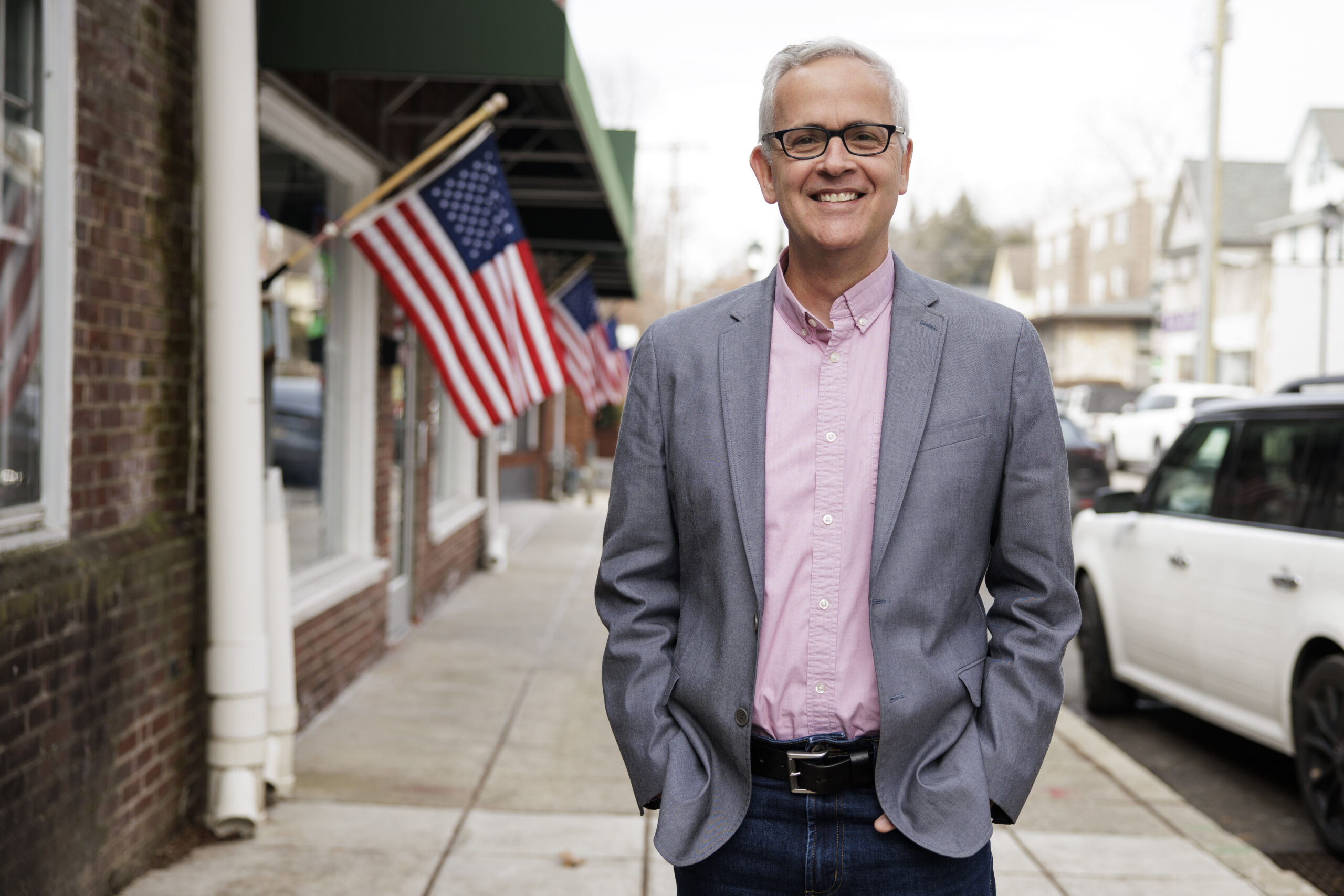
    Narberth’s new mayor may have only lived in the 4,500-person borough for five years, but he’s already got a vision for it.

    Dana Edwards, 53, was sworn into office earlier this month after securing the backing of Narberth’s Democratic committee and running unopposed in both the primary and general elections.

    Now the Puerto Rico native who’s lived in several other parts of the U.S. before settling in Narberth is focused on sustainable growth while maintaining the borough’s “hometown feel,” The Inquirer’s Denali Sagner reports.

    Read more about Edwards’ background and some of his goals for his term.

    How Kobe Bryant spurred a decades-long high school basketball rivalry

    Lower Merion, Chester, Kobe Bryant
    When the late Kobe Bryant came to Lower Merion, he helped shape a rivalry with Chester that endured.

    Decades may have passed, but a longtime rivalry between two high school basketball teams, begun in part by legend Kobe Bryant, still lives on today.

    When Bryant joined the Lower Merion Aces his freshman year, the school wasn’t a basketball powerhouse. But as the program improved, it soon built a rivalry with the much-more-stacked Chester High School, so much so that their matchups would often sell out venues.

    The Inquirer’s Alex Coffey delves into the rivalry’s roots and how Bryant played a role.

    💡 Community News

    • Saks Fifth Avenue’s parent company filed for Chapter 11 bankruptcy last week, leaving some questions about the future of its stores. For the time being, the Saks on City Avenue in Bala Cynwyd will remain open while the company restructures. Here’s what we know so far.
    • Women’s apparel and accessories store Francesca’s, which has a location at Suburban Square in Ardmore, is reportedly closing its remaining stores after years of financial turmoil. Francesca’s filed for Chapter 11 bankruptcy protection in late 2020. (Fox Business)
    • Villanova University is among a handful of Pennsylvania colleges that are now paying some of its athletes directly. The move comes after a federal class-action lawsuit last year regarding student athlete compensation. Villanova said it will primarily pay athletes on its basketball teams.
    • Coulter Place, an apartment community at Suburban Square, is now open. The 131-unit, five-story building has a fitness center, clubroom, game room, pool, coworking spaces, and pet-care spaces with rents ranging from about $3,030 to $7,035 per month.
    • A handful of Philadelphia Police Department employees live in and around Lower Merion, according to a new Inquirer analysis. An increasing number of Philadelphia police employees — about a third of full-time staff — live outside the city, with four who reside in Bala Cynwyd, three in Bryn Mawr, and two each in Ardmore, Narberth, Villanova, and Wynnewood. See a map of where employees live here.
    • Bala Cynwyd resident Jenny Sved has been named the new executive director of Teach PA, the statewide affiliate of Jewish education advocacy organization Teach Coalition, which represents Jack M. Barrack Hebrew Academy and Perelman Jewish Day School.
    • A new pet boutique, Mila’s Pup Tienda, is coming to Ardmore, taking over the space at 18 E. Lancaster Ave.
    • 6abc recently caught up with Carolyn Vachani, the owner of Plant 4 Good in Ardmore. When the former nurse was ready to retire, she decided to open the shop at 100 Cricket Ave. to help connect others to plants and gardening. See the segment here.
    • Wynnewood’s English Village recently marked a milestone, turning 100 last year, and a century later still remains a coveted, if under-the-radar spot for homebuyers. The village sits between Cherry Lane and Wister Road and spans 29 Tudor-style homes. (Main Line Today)

    🏫 Schools Briefing

    • The district is hosting its third strategic plan community input meeting on Wednesday from 6:30 to 8:30 p.m. at the Lower Merion High School cafeteria. There, members of the community can share their thoughts on the district’s strategic plan for 2026 to 2031.
    • Tonight is Welsh Valley’s winter choral concert. The school board will meet from 7 to 9 p.m. on Monday, and there will be tours of Harriton High for eighth grade students and their families on Wednesday, which is also course selection night. See the district’s full calendar here.
    • Lower Merion High School’s wrestling team recently took home third place overall in the Central League Championship Tournament, held at Harriton High School. It was the team’s best overall performance. Senior Sam Soeffing also took home first place in his competition.

    🍽️ On our Plate

    • With a more than 700-person waitlist, a Gladwyne restaurant is surprisingly tough to get into, but it’s the best meal The Inquirer’s Kiki Aranita has eaten on the Main Line. Why’s it so difficult to score a table? Partly because Carlton Commons is in senior-living community Waverly Heights and requires residency. For those with friends or relatives there, it’s worth tagging along for the osso buco, butternut squash risotto, rigatoni alla vodka, or the signature tomato aspic.
    • Bikini Burger, a new eatery at 44 Rittenhouse Place in Ardmore, is hosting a ribbon cutting today at 11:30 a.m. to mark its official opening. Its menu includes burgers, milkshakes, and fries.
    • Looking for a non-alcoholic cocktail? Char & Stave in Ardmore has a barrel-aged “Old Fashioned,” which Philadelphia Magazine says is among the best alcohol-free sips on area menus currently, noting its barrel-aged espresso base gives it “a bourbon-like, oaky smoothness.”

    🎳 Things to Do

    🎶 The Music of Beyoncé and More for Kids: This kid-friendly show will feature music from the iconic artist. ⏰ Sunday, Jan. 25, 11:45 a.m. 💵 $20.44 📍 Ardmore Music Hall

    🎥 The Awful Truth: Catch a screening of this Cary Grant and Irene Dunne screwball comedy. ⏰ Wednesday, Jan. 28, 7:15 p.m. 💵 $11.75-$16.25 📍 Bryn Mawr Film Institute

    🏡 On the Market

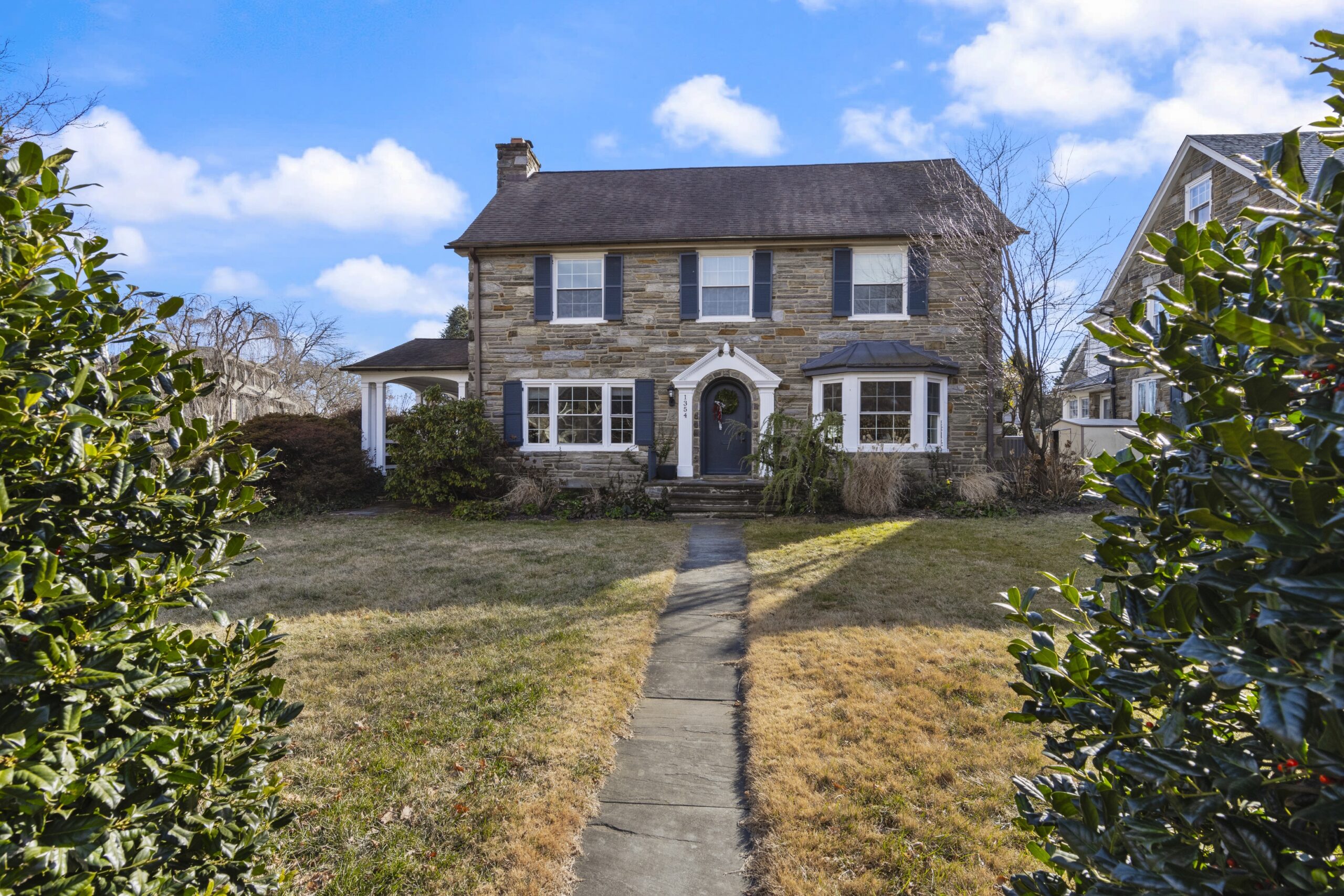
    A four-bedroom Wynnewood stone Colonial

    The stone Colonial was built in 1925 and spans over 4,000 square feet.

    Built in 1925, this spacious Wynnewood stone Colonial has a classic exterior and a contemporary updated interior. The home’s first floor features a living room with a fireplace, and a dining room that opens onto the kitchen, which has a waterfall peninsula with a breakfast bar. There are four bedrooms and three full bathrooms on the second floor, and a “bonus room” on the third floor. The home also has a finished basement with a half bathroom.

    See more photos of the home here.

    Price: $1.25M | Size: 4,173 SF | Acreage: 0.18

    🗞️ What other Lower Merion residents are reading this week:

    By submitting your written, visual, and/or audio contributions, you agree to The Inquirer’s Terms of Use, including the grant of rights in Section 10.

    This suburban content is produced with support from the Leslie Miller and Richard Worley Foundation and The Lenfest Institute for Journalism. Editorial content is created independently of the project donors. Gifts to support The Inquirer’s high-impact journalism can be made at inquirer.com/donate. A list of Lenfest Institute donors can be found at lenfestinstitute.org/supporters.

  • What the Saks bankruptcy means for Philly-area shoppers

    What the Saks bankruptcy means for Philly-area shoppers

    Saks Global, which operates Saks Fifth Avenue and Neiman Marcus, has filed for bankruptcy.

    The high-end clothing retailer announced the move on Wednesday, saying in a statement that the Chapter 11 filing will “facilitate its ongoing transformation.”

    In the Philadelphia region, Saks Global has long operated an expansive Saks Fifth Avenue store off City Avenue in Bala Cynwyd. The company also has a Neiman Marcus at the King of Prussia Mall, as well as Saks Off 5th discount outlets at the Franklin Mall in Northeast Philadelphia and at the Metroplex shopping center in Plymouth Meeting.

    Both local Saks Off 5th locations are slated to close soon, as was reported this fall by several news outlets, including the Philadelphia Business Journal.

    Here’s what the bankruptcy filing means for local Saks shopper.

    Is Saks Fifth Avenue in Bala Cynwyd closing?

    Saks Fifth Avenue has been a retail success along City Avenue in Bala Cynwyd, as shown in April 2024.

    No. At least not in the immediate future.

    Saks has filed for Chapter 11 bankruptcy, which means the company intends to reorganize financially and stay in business. That’s opposed to Chapter 7 bankruptcy — as is the Iron Hill Brewery case — through which businesses liquidate all their assets and close locations.

    “To be clear, a Chapter 11 filing does not mean that Saks Global is going out of business,” Saks wrote in a bankruptcy FAQ on its website.

    But when companies reorganize through bankruptcy, they sometimes do close stores, particularly underperforming ones.

    Saks executives alluded to the possibility of this in its statement, which read in part: “As part of the Chapter 11 process, the company is evaluating its operational footprint to invest resources where it has the greatest long-term potential. This approach reflects an effort to focus the business in areas where the company’s luxury retail brands are best positioned for sustainable growth.”

    The Saks Fifth Avenue opened in Bala Cynwyd decades ago. It is now the retailer’s only location in the Philadelphia region and is called “Saks Philadelphia” on the company’s website.

    The Inquirer reported in 2024 that business at the store was strong and that the chain had resisted offers to move to King of Prussia, according to the City Ave District.

    In response to questions from The Inquirer about the future of Philadelphia-area stores, Saks Global said: “Our footprint evaluation is underway, and we have already begun to work collaboratively with our real estate partners to find future-facing solutions, where possible, to achieve a stable and sustainable business model and optimized portfolio on the other side of this process.”

    Is Neiman Marcus in King of Prussia closing?

    The Neiman Marcus store in King of Prussia, as shown in May 2020.

    Also not in the immediate future.

    King of Prussia Mall has long been a go-to spot for retailers. Even after the challenges of the pandemic, and amid competition from online retailers, the center remains among the region’s thriving shopping destinations.

    In 2024, Saks Global bought Neiman Marcus in a $2.65 billion deal after Neiman Marcus filed for Chapter 11 bankruptcy during the pandemic.

    Are Saks credit cards or gift cards impacted by the bankruptcy?

    No, the company says.

    “There are no changes to our credit card programs and rewards, with customers continuing to shop, earn and redeem benefits as usual,“ the company wrote in the FAQ. ”We continue to accept payments as usual, including credit cards and gift cards, with no changes to how customers transact with us.”

    Are Saks’ return policies impacted by the bankruptcy?

    No, according to the company.

    “Our refund and exchange policy is expected to remain unchanged, with refunds and exchanges being accepted and issued as usual,” the company wrote.

    I am waiting on a package from Saks. Will my order still arrive?

    Yes, all current and future orders will be delivered as usual, the company said.

    What’s next for Saks?

    In New York, Saks Fifth Avenue’s holiday light show and window was revealed in November.

    The company says it is not going anywhere.

    “Saks Global is firmly focused on the future, and we look forward to continuing to serve customers and deliver for our stakeholders,” the company wrote in the FAQ.

    As of Wednesday, Saks was waiting for court approval of a $1.75 billion financing deal that would come with an immediate $1 billion debtor-in-possession loan from an investor group.

    If approved, the deal “will provide ample liquidity to fund Saks Global’s operations and turnaround initiatives,” the company said in a statement.

    Saks estimates its assets and liabilities at between $1 billion and $10 billion, according to court documents filed in U.S. Bankruptcy Court in Houston. Saks has between 10,001 and 25,000 creditors, including luxury brands like Chanel, to which Saks owes $136 million, according to the documents.

    To lead the company during this transition, Saks also announced a new chief executive, with former Neiman Marcus CEO Geoffroy van Raemdonck replacing Richard Baker.

    Saks said it hopes to emerge from bankruptcy later this year.

    The company said in its FAQ: “With new capital and a stronger financial foundation on the other side of this process, we are confident that we can play a central role in shaping the future of the luxury retail industry while delivering the elevated shopping experience our customers expect from our dedicated team.”

  • Bart’s Bagels is opening a third location, in Bala Cynwyd

    Bart’s Bagels is opening a third location, in Bala Cynwyd

    Bart’s Bagels is coming to Bala Cynwyd.

    The New York-style bagel shop, which currently has locations in West and South Philadelphia, is bringing its fresh bagels, smoked meats, egg sandwiches, and unique schmears to 273 Montgomery Ave.

    The Main Line outpost is expected to open this summer.

    While the new storefront marks a major expansion for the local bagel shop, it’s also a homecoming for cofounders and brothers Brett and Kyle Frankel, who grew up in Bala Cynwyd.

    “We know the area very, very well,” Brett Frankel said.

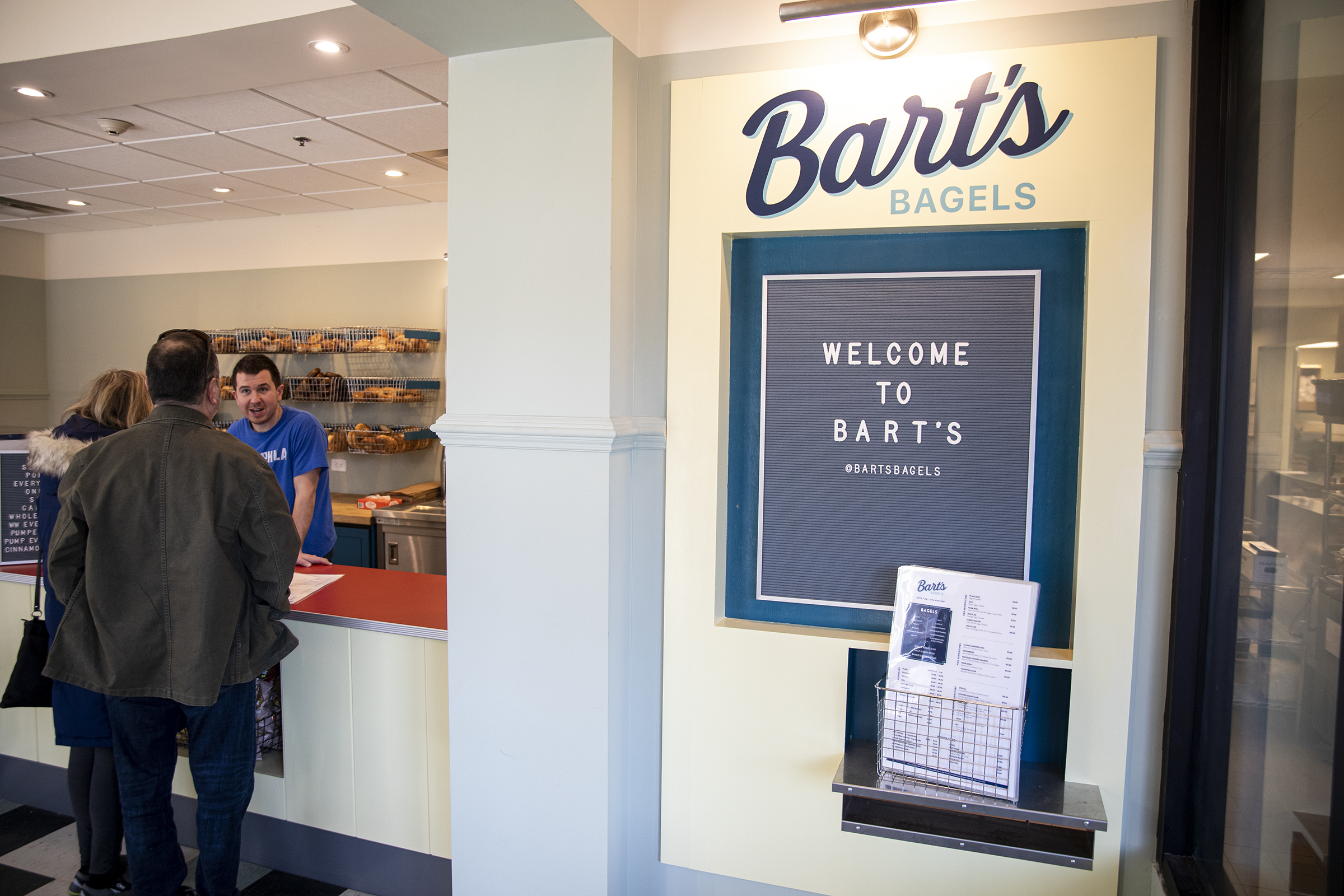
    Brett Frankel, co-owner of Bart’s Bagels, helps customers at Bart’s Bagels on Wednesday, Jan. 22, 2020. Bart’s is expanding to Bala Cynwyd later this year.

    Brett, 34, and Kyle, 41, both Lower Merion High School graduates, grew up a five-minute walk from their newest location. Brett Frankel says he remembers hanging out at the soon-to-be Bart’s Bagels storefront after middle school, back in the days when it was Bravo Pizza.

    Main Line patrons will be able to expect all of the same kettle-boiled bagels and fixins’ that Bart’s is known for, from pumpernickel bagels to pastrami smoked salmon and beet-horseradish cream cheese.

    While Bart’s city-based locations are grab-and-go only, there will be a few seats in the new Bala Cynwyd shop.

    The unique part of Bart’s, Brett Frankel said, is that patrons can see bagels being made in front of them through the open kitchen.

    “You’re kind of immersed in it,” he said.

    The Frankels say their love for good bagels was forged through regular trips to New York’s Upper West Side to eat at the famed Zabar’s and H&H Bagels.

    Looking to get their fix closer to home, Brett Frankel taught himself how to make bagels while working as a business analyst for a software company. He traveled to Denver, New Jersey, and Detroit to learn the ins and outs of the bagel industry.

    Bart’s started as a wholesale operation in late 2019, selling to Di Bruno Bros., Middle Child, Elixr Coffee, White Dog Cafe, and other local restaurants. The Frankels brought chef Ron Silverberg on board, and they opened the first Bart’s in West Philly in January 2020. Their South Philly location opened in July 2024.

    Bart’s is not the only new bagel place coming to Lower Merion this year.

    PopUp Bagels, the viral bagel chain known for its “grip, rip, and dip” model, is opening in Ardmore’s Suburban Square early this year.

    This suburban content is produced with support from the Leslie Miller and Richard Worley Foundation and The Lenfest Institute for Journalism. Editorial content is created independently of the project donors. Gifts to support The Inquirer’s high-impact journalism can be made at inquirer.com/donate. A list of Lenfest Institute donors can be found at lenfestinstitute.org/supporters.

  • A new $50 million investment fund will back Penn life sciences startups

    The University of Pennsylvania, German biotech firm BioNTech, and Osage University Partners, a Bala Cynwyd venture capital firm, have formed a $50 million fund to back early-stage life sciences startups at Penn, the partners announced Friday.

    The announcement came on the eve of the much-hyped annual J.P. Morgan Healthcare Conference in San Francisco, which starts Monday. The conference has become a way to measure the mood of the biotech sector, which has slumped after investment peaked in 2021. It’s been particularly difficult for early-stage biotech companies to raise money in recent years, according to a recent J.P. Morgan report.

    For Penn scientists and company founders, the so-called Penn-BioNTech Innovative Therapeutics Seed Fund, or PxB Fund for short, will step into that gap. It is designed to invest in companies that are developing new therapeutics, diagnostics, and research tools.

    The announcement did not include a breakdown of how much money each of the three backers provided. Osage University Partners, which has $800 million under management and had previously invested in at least 10 Penn spinouts, will run the fund.

    “Penn has a remarkable track record of creating cutting-edge startups,” Marc Singer, an Osage managing partner, said in a statement.

    He cited two deals for Penn spinouts last year: AbbVie acquired San-Diego-based Capstan Therapeutics for up to $2.1 billion, and Kite paid $350 million for Interius BioTherapeutics, which was based at Pennovation Works in the Grays Ferry section of Philadelphia.

    Penn was among the first six universities Osage partnered with 15 years ago when it started investing in spinouts from research universities, while allowing the institutions to share in some of the profits. This was at a time when few universities were investing in their own startups.

    Penn’s evolution as an investor in its own startups

    For Penn, that began changing about a decade ago. The university’s first investment in one of its own faculty-member spinouts came in 2016, when it invested $5 million in Carl June’s Tmunity Therapeutics. In 2018, Penn Medicine agreed to invest an additional $45 million in Penn biotech companies over three years in conjunction with outside funds.

    In December, Penn announced a $10 million fund that will make seed investments of up to $250,000 in companies that have at least one founder affiliated with the University of Pennsylvania. That fund is for the entire university, not just life sciences.

    PxB is another part of what John Swartley, Penn’s chief innovation officer, called in an interview Friday a “constellation of different support structures and funding sources that our companies can draw upon in order to advance their opportunities and agenda.”

    Anna Turetsky, a biotech investor in New York who received her undergraduate degree at Penn and has a doctorate in biophysics from Harvard University, has joined Osage and will serve as PxB’s general partner. She said PxB is a 10-year fund and is expected to build a portfolio of around 15 companies in the early years.

    “Part of why this is a fantastic time to start this fund is that there has been a gap in venture funding for early stage startups over the last few years. Everyone wants to see clinical data these days,“ Turetsky said. If that continues, ”then in a few years, there will be no early-stage clinical companies,” she said.

    Germany’s BioNTech, which partnered with Pfizer on one of the COVID-19 vaccines that used mRNA technology developed at Penn, will use the fund to deepen its longstanding ties to Penn researchers.

    Philadelphia’s place in biotech

    Some observers of Philadelphia’s biotech sector have lamented the relative lack of local investors, which are abundant in places like Boston and San Francisco and have helped turn those metro areas into leading innovation centers.

    Quaker BioVentures was a local investment fund that raised $700 million in the early 2000s to buy into biotech firms in Philadelphia and elsewhere, but was not successful for its investors, which included Pennsylvania state pension funds.

    Others, when asked why the Philadelphia region trails Boston, San Francisco, and San Diego, as a biotech hub, point to the need for a deeper pool of management talent.

    PxB could help change that, Singer said.

    “Part of our hope with the fund is to create some companies, start from scratch, take technology, find management teams, start them in Philadelphia. Hopefully, that will create a new crop of managers,” he said.

  • How to have a Perfect Philly Day, according to 92.5 XTU’s Nicole Michalik

    How to have a Perfect Philly Day, according to 92.5 XTU’s Nicole Michalik

    Nicole Michalik spends her afternoons talking directly to Philadelphians as they make their way home. As a host on 92.5 XTU, the city’s country music station, she’s on air from 2 to 7 p.m., juggling live breaks, listener calls, and interviews with artists like Luke Combs and Parker McCollum. Radio, she insists, is still relevant, “sexy” even. “I’m live, I’m local, I’m talking about stuff that’s going on in Philly,” Michalik said. What more could you want?

    Michalik lives in Midtown Village, but her days stretch across the city, including a trek to Bala Cynwyd, where the radio station is located. She loves her job. In fact, she loves it so much that her perfect Philly day includes a trip to the office. Here’s what else it includes.

    This interview has been lightly edited for clarity.

    7:30 a.m.

    I usually wake up somewhere between 7 and 7:30. First thing I do is check socials and email, then I make coffee at home. I need it piping hot. I use a Keurig — no judgment — with organic half-and-half.

    I take it back to bed and do my Instagram bit, “Coffee Under the Covers.” I started it during COVID and it just became a thing. I’ll take a sip and talk about whatever’s on my mind. People have sent me mugs. It’s wild.

    After that, I record my Boston radio show from home. I’m on Country 102.5 up there, so I have a whole setup — computer, mic, everything. I want it to feel as local as possible, even though I’m not physically there.

    10 a.m.

    I force myself to work out. I walk to XForce to train with James, who keeps me accountable. I hate working out, but I don’t hate it there, so that’s a win for me.

    When I cross Broad Street, I always take a photo of City Hall and post the temperature. It’s become a thing. One of my friends who lives in Portugal checks it every day. He calls me his Cecily Tynan.

    11:30 a.m.

    After the gym, I get my hair blown out at Dina Does Glam inside Sola Salons at 15th and Walnut. I go at least once a week. I love that Sola lets people in the beauty industry run their own little studios.

    From there, I walk to Gran Caffè L’Aquila for an iced coffee. It’s the best iced coffee in the city. That’s nonnegotiable.

    I try to head home after that, because if I don’t, I’ll get sucked into Sephora buying makeup I absolutely do not need.

    1 p.m.

    I get ready for work and drive to Bala Cynwyd. On the way, I stop at the Starbucks on City Avenue. I order an iced Americano with almond milk and a drizzle of caramel. They know me there.

    I don’t even know if caffeine really affects me that much. I just love the ritual. I like sipping it throughout the show.

    Nicole Michalik works at 925XTU on Monday, Dec. 1, 2025 in Philadelphia.

    2 to 7 p.m.

    I’m live on the air. On my perfect day, I’m doing a Zoom interview with Luke Combs, and he finally announces he’s coming back to Philly. We’ve been mad at him for skipping us for a few years, so this would be huge.

    7:30 p.m.

    After work, I meet friends at Lark in Bala Cynwyd. It’s right across from the station, and it’s one of my favorite places. I’m ordering the gnocco fritto — they’re like little puffy clouds with lemon ricotta — and the striped bass. Nick Elmi just knows what he’s doing.

    9 p.m.

    I’m heading to a Sixers game. In my perfect world, it’s the Eastern Conference finals, Joel Embiid has great knees, and we’re winning. I live in the city and love walking everywhere, but I also love that Philly is easy to drive around — as long as the PPA doesn’t get you.

    11 p.m.

    Once 11 p.m. hits — I’m like Cinderella — I’m ready for bed. I love going home to put my pajamas on.

  • Honeygrow aims to be a national brand. Here’s where the Philly company is planning new locations.

    Honeygrow aims to be a national brand. Here’s where the Philly company is planning new locations.

    Honeygrow keeps growing.

    The fast-casual eatery, based in Center City, plans to open up to 18 new locations next year, following 17 new outposts in 2025, founder and CEO Justin Rosenberg told The Inquirer on Monday.

    “It was definitely a good year,” said Rosenberg, adding that the company is “just continuing to build the pipeline for 2026 and beyond.”

    Honeygrow sells made-to-order stir-fries as well as salads and desserts. Since launching in 2012, the company has grown to 71 locations across several states, including Ohio, Massachusetts, Virginia, Maryland, Delaware, and New York.

    Philadelphia-area stores include Center City, Kensington, University City, North Philadelphia, Bala Cynwyd, and Cherry Hill.

    The company’s expansion plans include adding locations in Ohio and New Jersey, as well as in Boston. The eatery is also currently in negotiations to bring Honeygrow to the Detroit metropolitan area, a new market, said Rosenberg.

    Honeygrow also aims to open a location in Middletown, Del.

    As of February 2024, Boston was the company’s most-profitable market, but since then, Philadelphia has caught up, he says.

    “Saleswise, it’s kind of neck and neck between certain Philly stores and our two Boston stores,” Rosenberg said.

    Further expansion in Philadelphia is also possible.

    “We are always looking at Philly,” Rosenberg said. “We’ve been poking around South Philly for a while. We just haven’t found the right opportunity.”

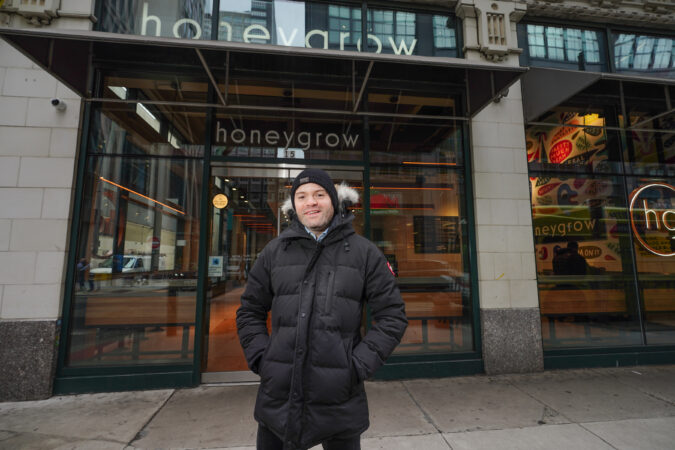
    Honeygrow, at 11th Street in Center City, in 2024.

    The company typically seeks 2,500-square-foot locations for new stores, but Rosenberg says it’s a competitive market for that kind of real estate.

    “One of the things that has made us successful — and I give credit to my team for this — is that we’ve been very disciplined on growth, just saying, look, if we can’t get the deal we need in terms of underwriting, let someone else take it,” he said.

    The company employs roughly 2,000 people, and each new store adds some 30 new hires, Rosenberg said.

    Some of the considerations when looking at new markets include what other fast-casual concepts are in the area, and how they’re doing, Rosenberg said.

    “If a Starbucks is underperforming in that market, that’s certainly going to spook us. Or a Chick-fil-A, if it’s below average unit volume, it’s probably not the right market for us,” he said.

    On the flip side, if a Chipotle, Chick-fil-A, Starbucks, Raising Cane’s, or another brand is doing well in an area, Rosenberg said, “We feel that those would be very similar customers to ours. We’re willing to put a restaurant in there and see what happens.”

    The plans for new locations come as the company shuttered some stores in Chicago, Washington, and New York in 2018 after rapid expansion plans. Some stores were “dragging down profitability,” Rosenberg has said, and he has attributed closures to growth that happened too quickly as well as poor real estate.

    Since then, the company has roughly tripled in size, said Rosenberg, adding “you just keep learning with every opening that you have.”

    “My mission remains the same,” he said. “I want to build something that’s from Philadelphia — make this a national, if not international, brand that we can be proud of.”

    Chicken Parm Stir-fry at Honeygrow at the 11th Street location in Philadelphia in 2024.