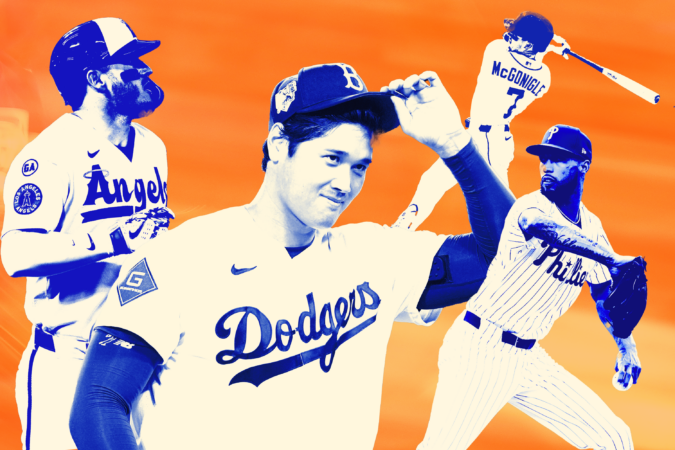
CINCINNATI — This year’s Home Run Derby will officially have some hometown flavor.
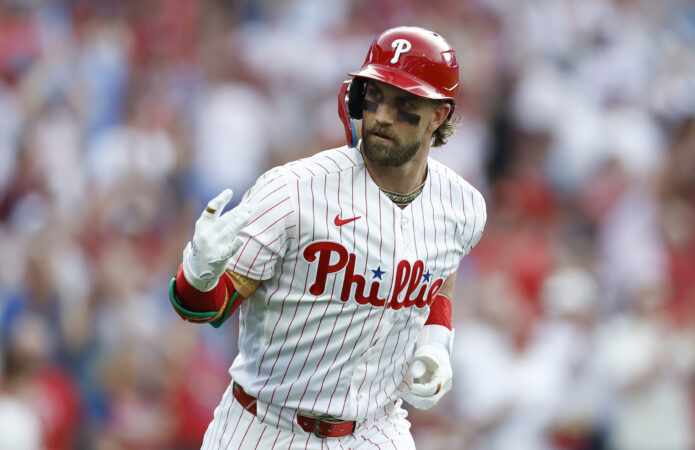
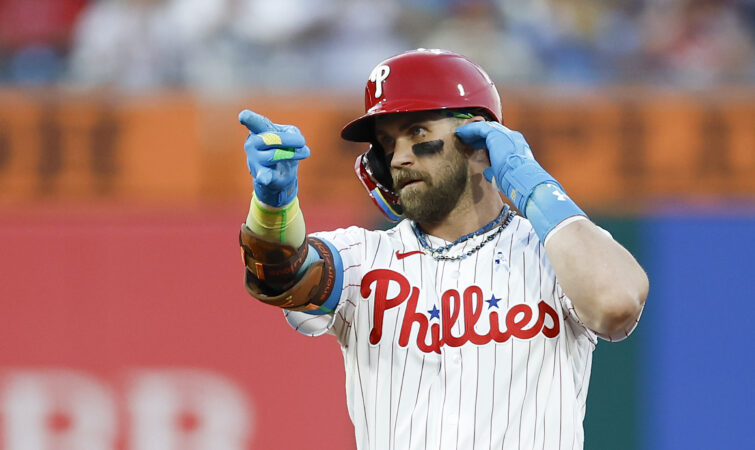
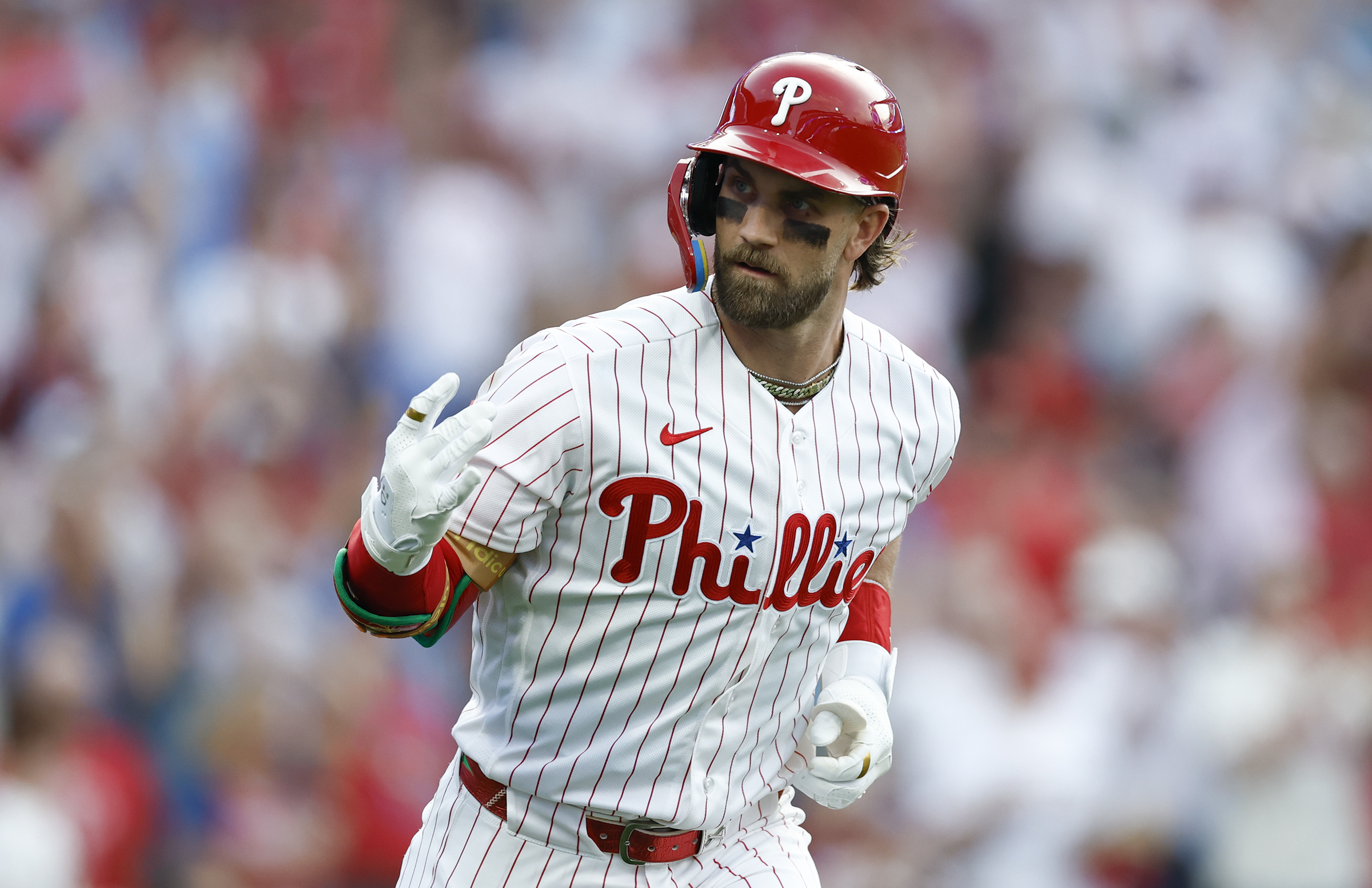
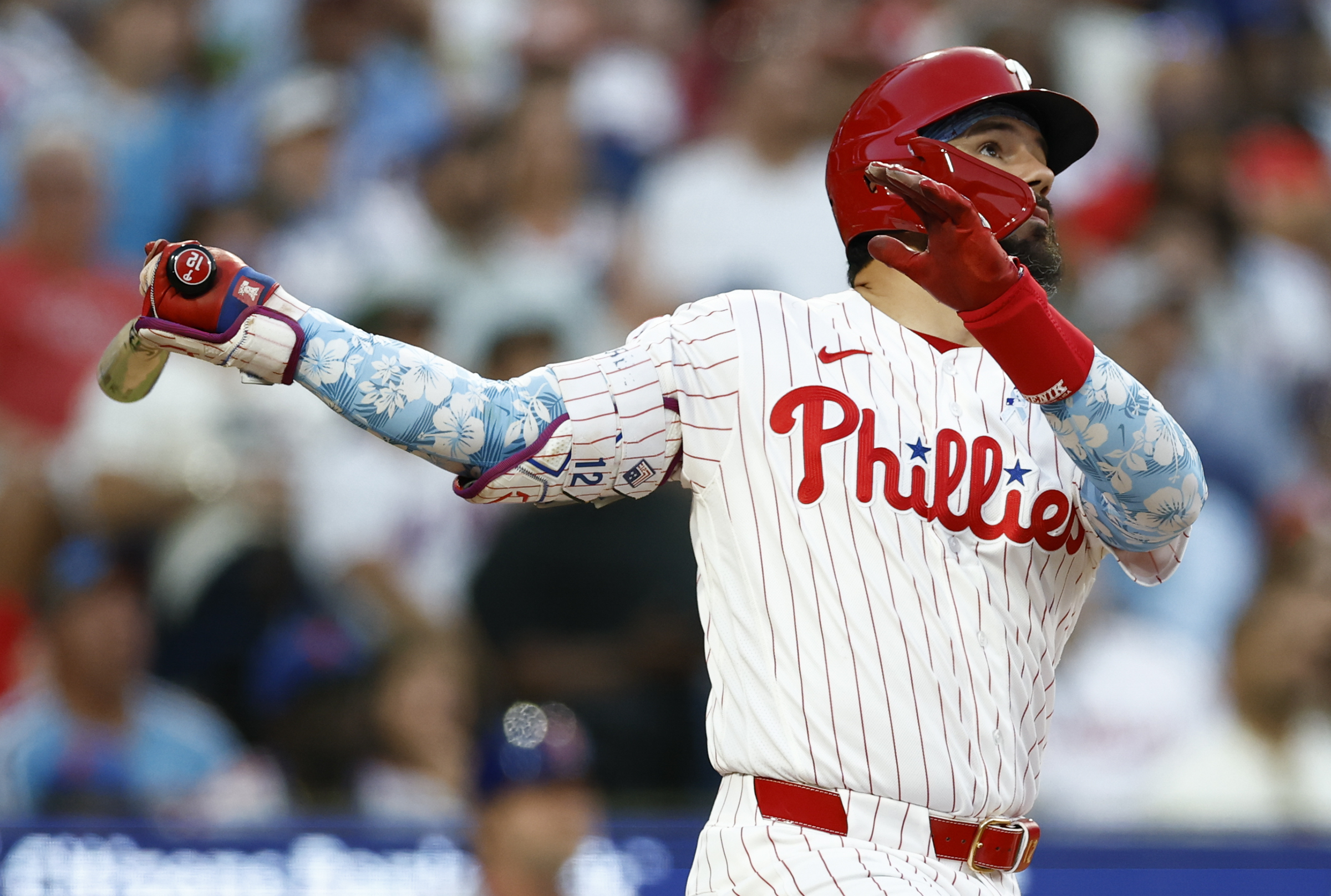
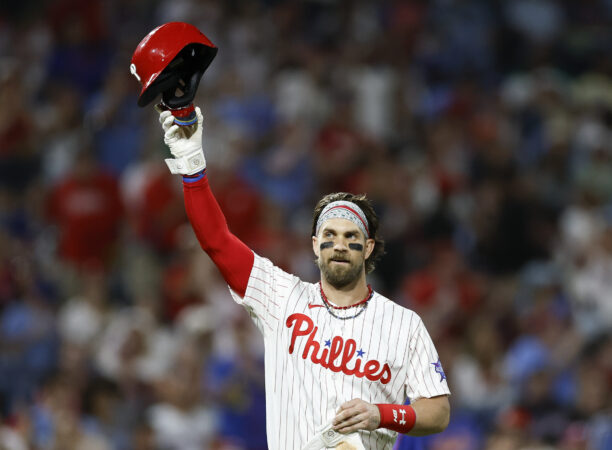
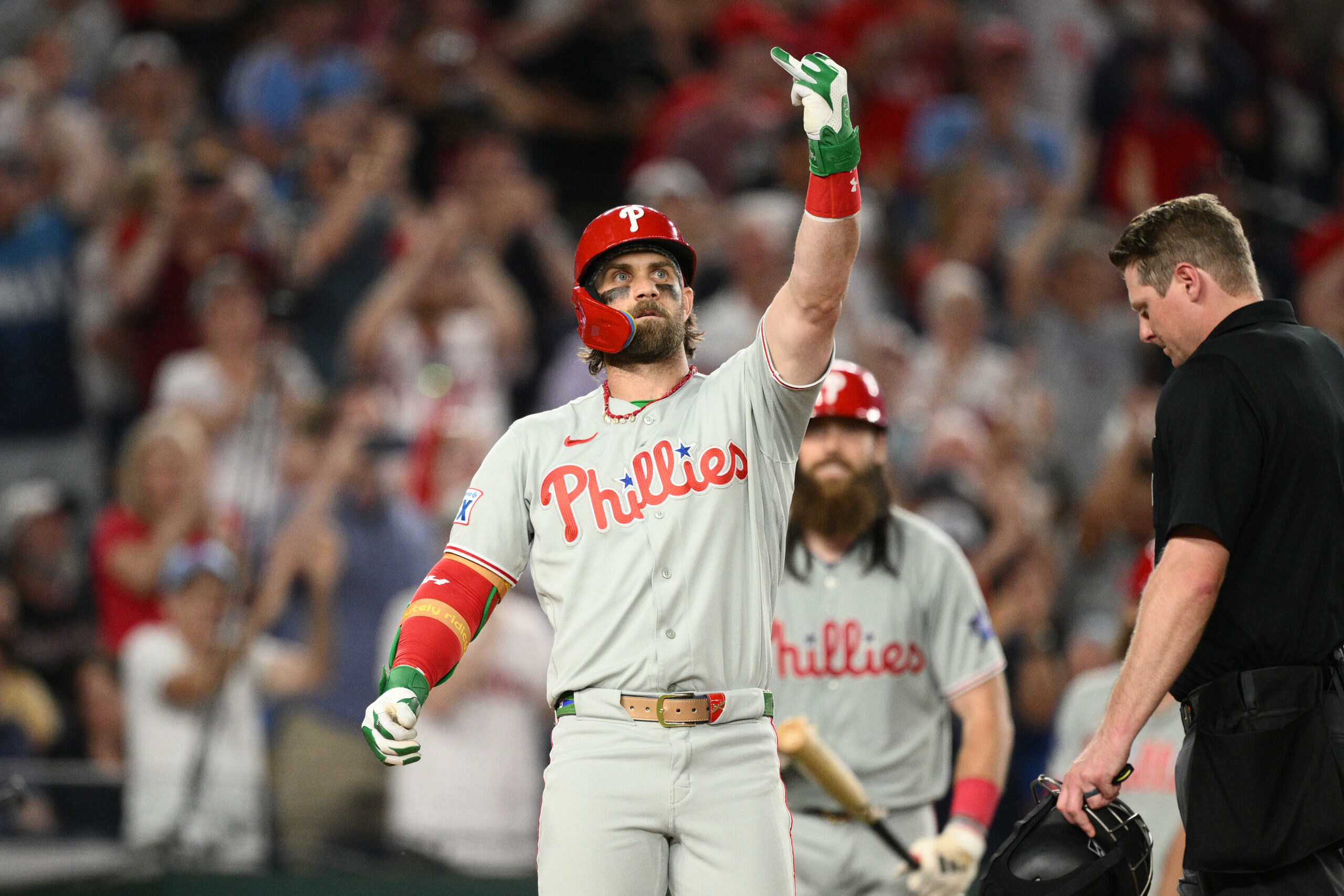
Bryce Harper announced on Instagram Thursday he will participate in the derby, which will be held on Monday.
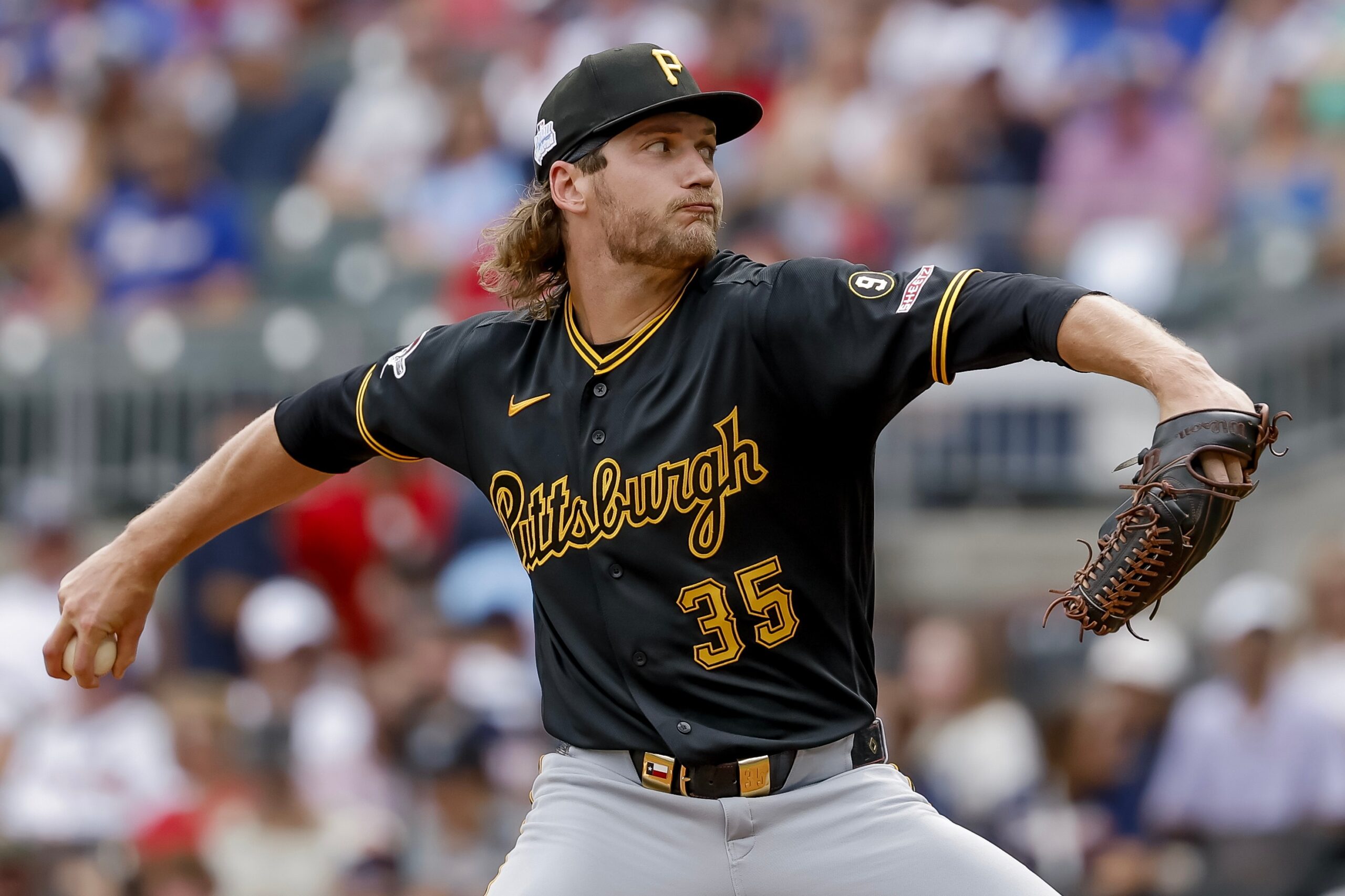
“Derby at home? Sure why not?” Harper captioned a video of himself homering off the Pirates’ Braxton Ashcraft.
Harper, who was included on the National League All-Star roster as MLB commissioner Rob Manfred’s “Legend Pick,” has 20 homers entering Thursday’s series finale against the Reds.
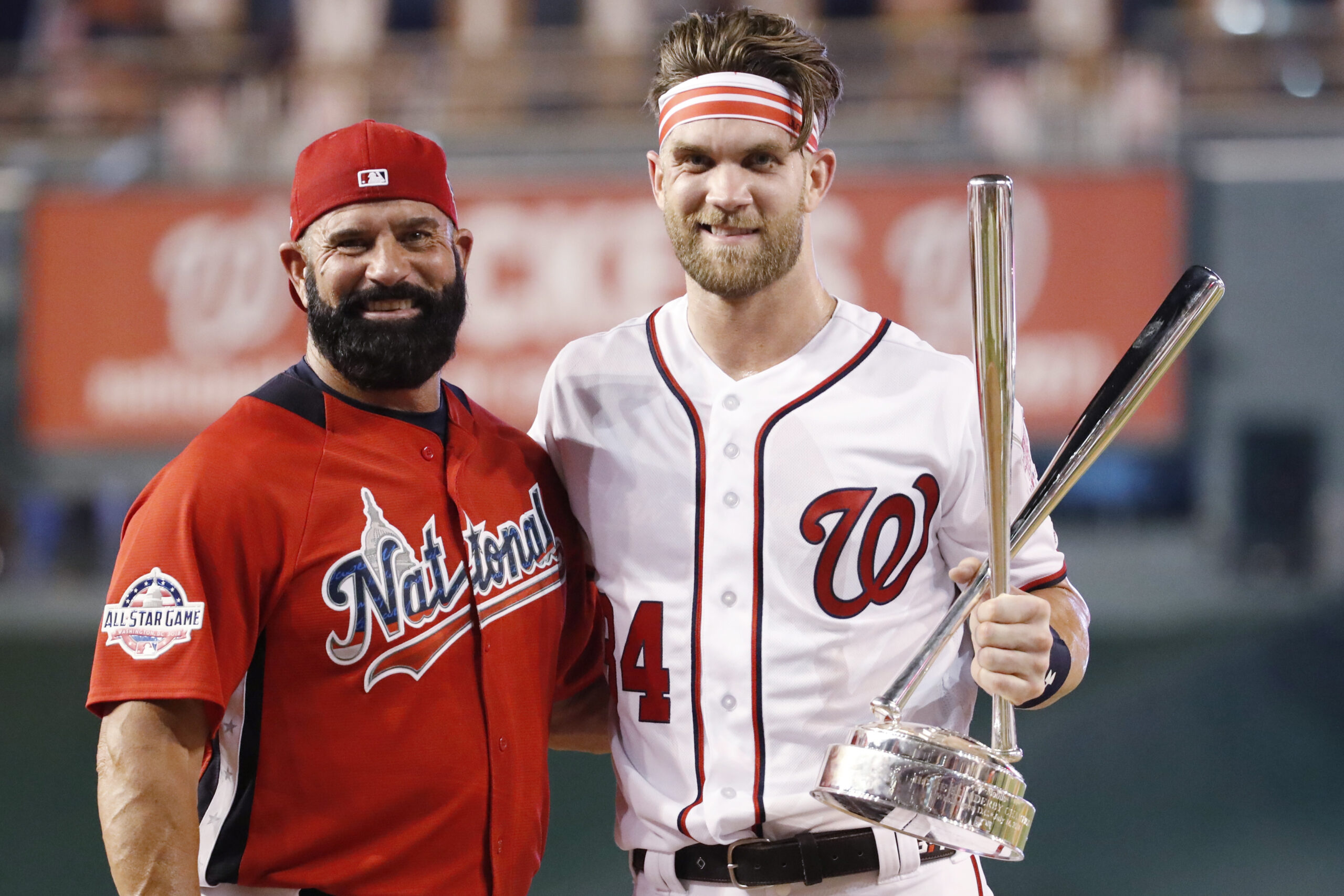
He last won the Derby in 2018 as a member of the Nationals, the year the All-Star festivities were hosted in Washington, D.C. In the final round, Harper beat future teammate Kyle Schwarber, who was representing the Cubs. Harper tied Schwarber with his 18th homer when the horn sounded before hitting the winner in bonus time.
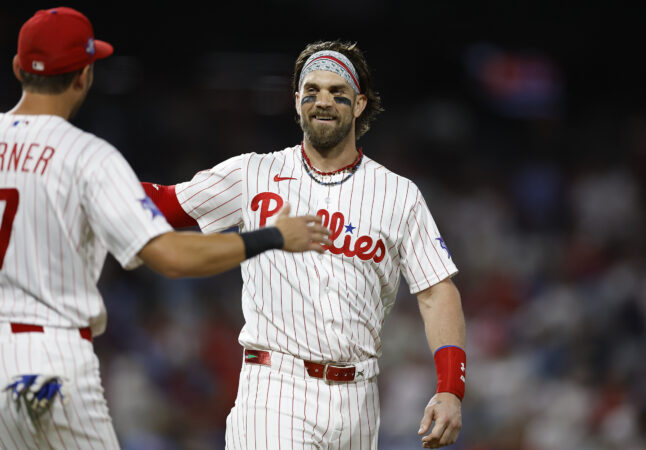
Bryce Harper won the 2018 Home Run Derby at Nationals Park as a member of the Nationals.
This year will look a little different, however. Rather than using a timer, the Derby is reverting to a swing-based format where each competitor has a set number of swings for each round.
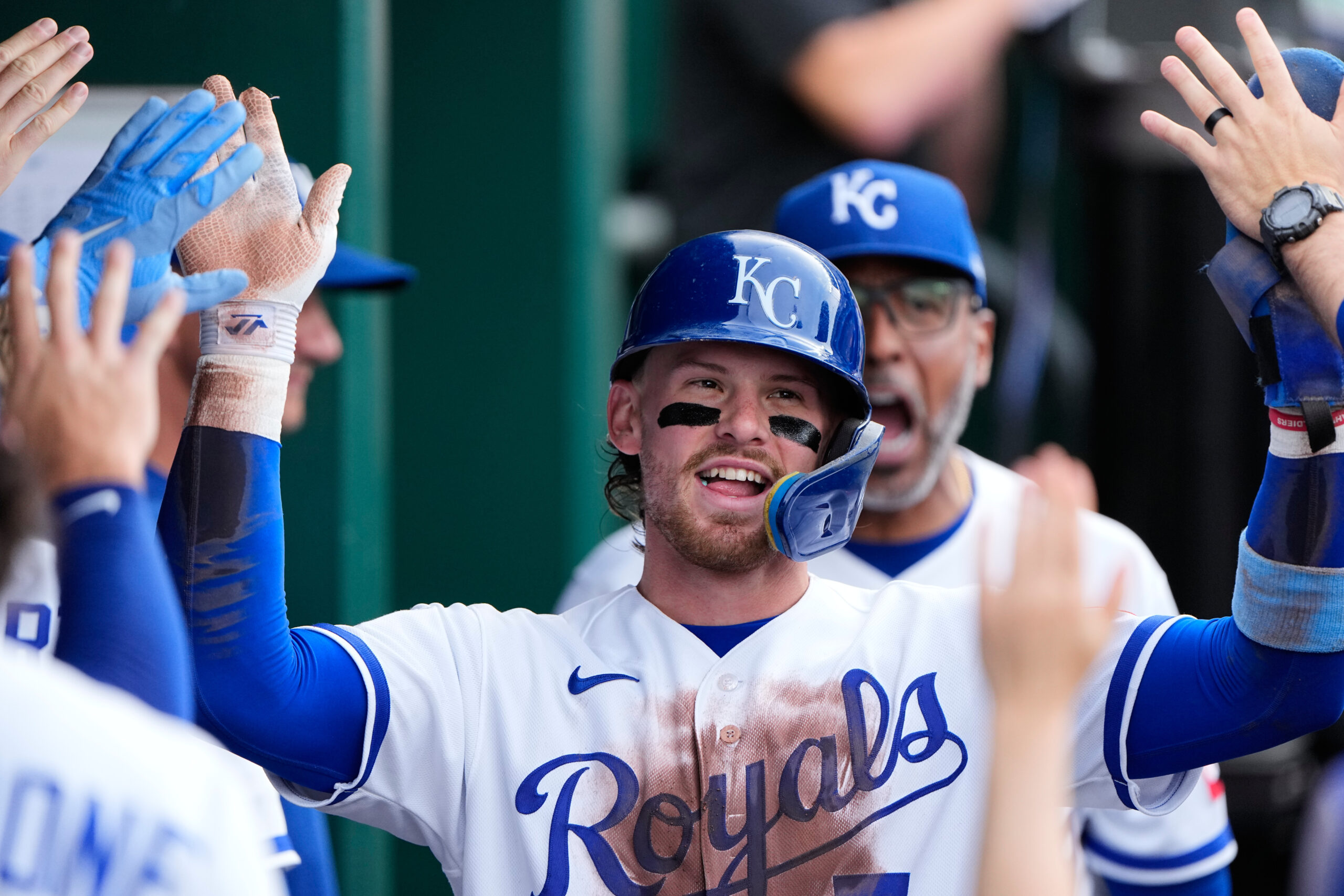
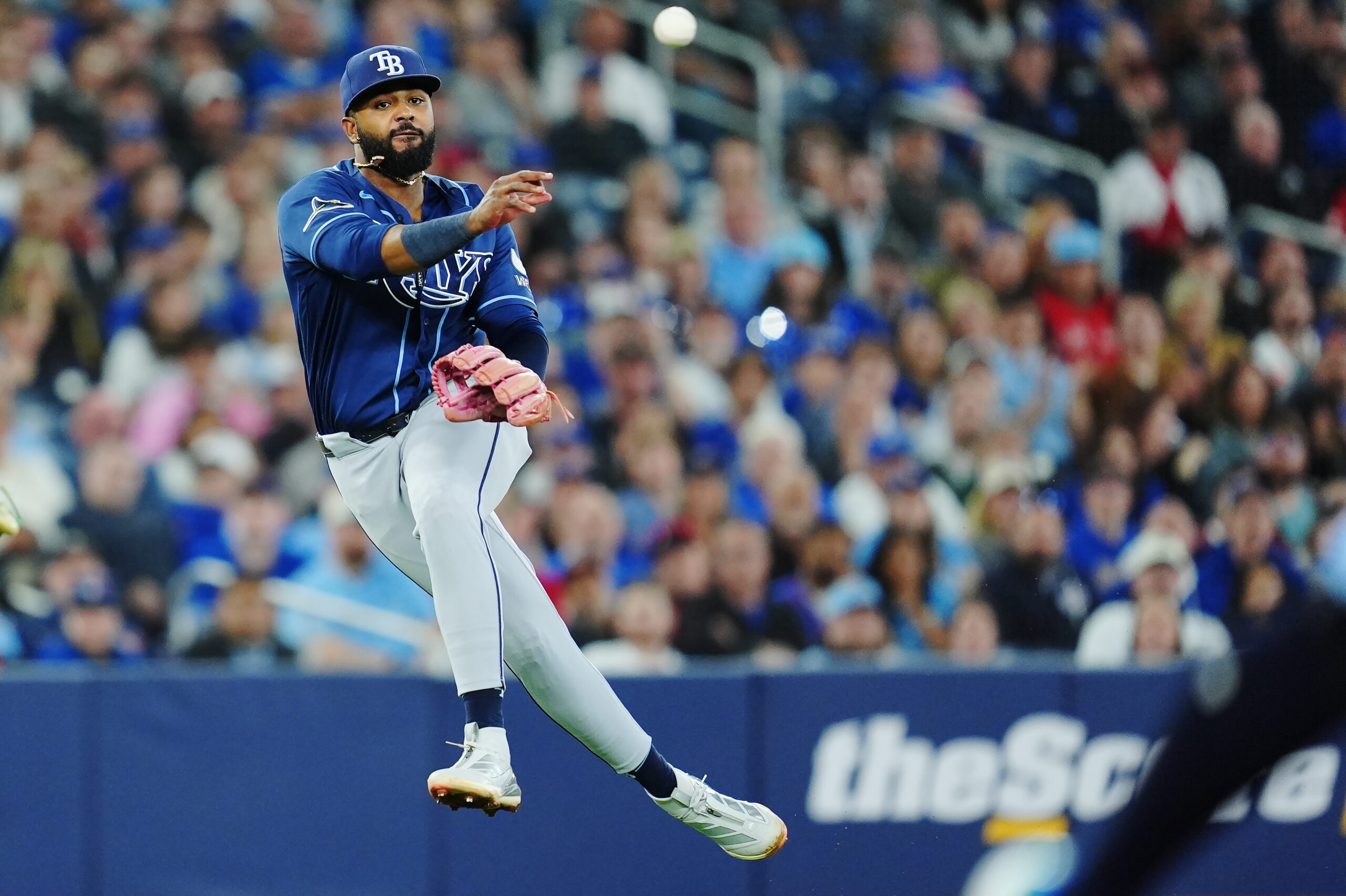
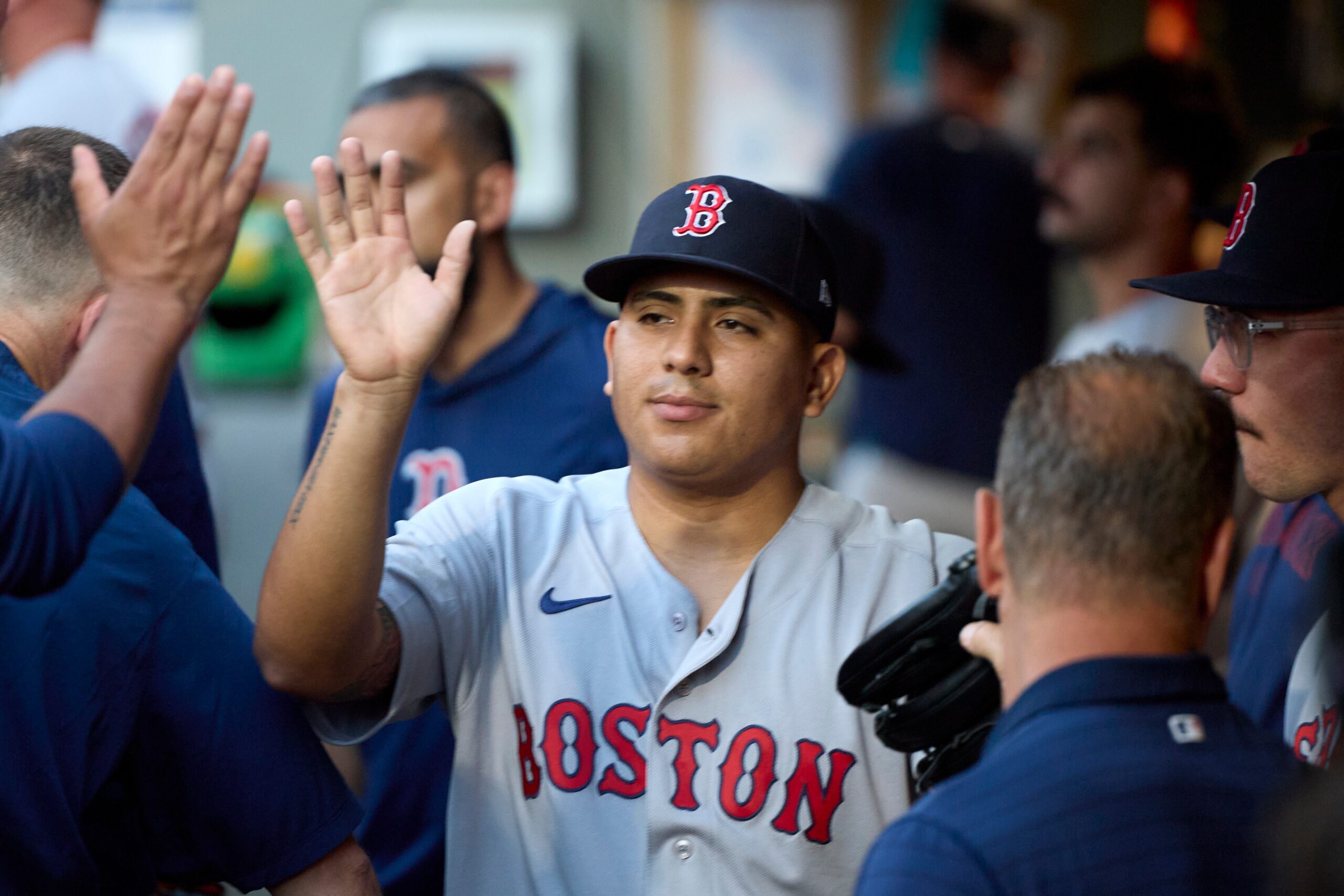
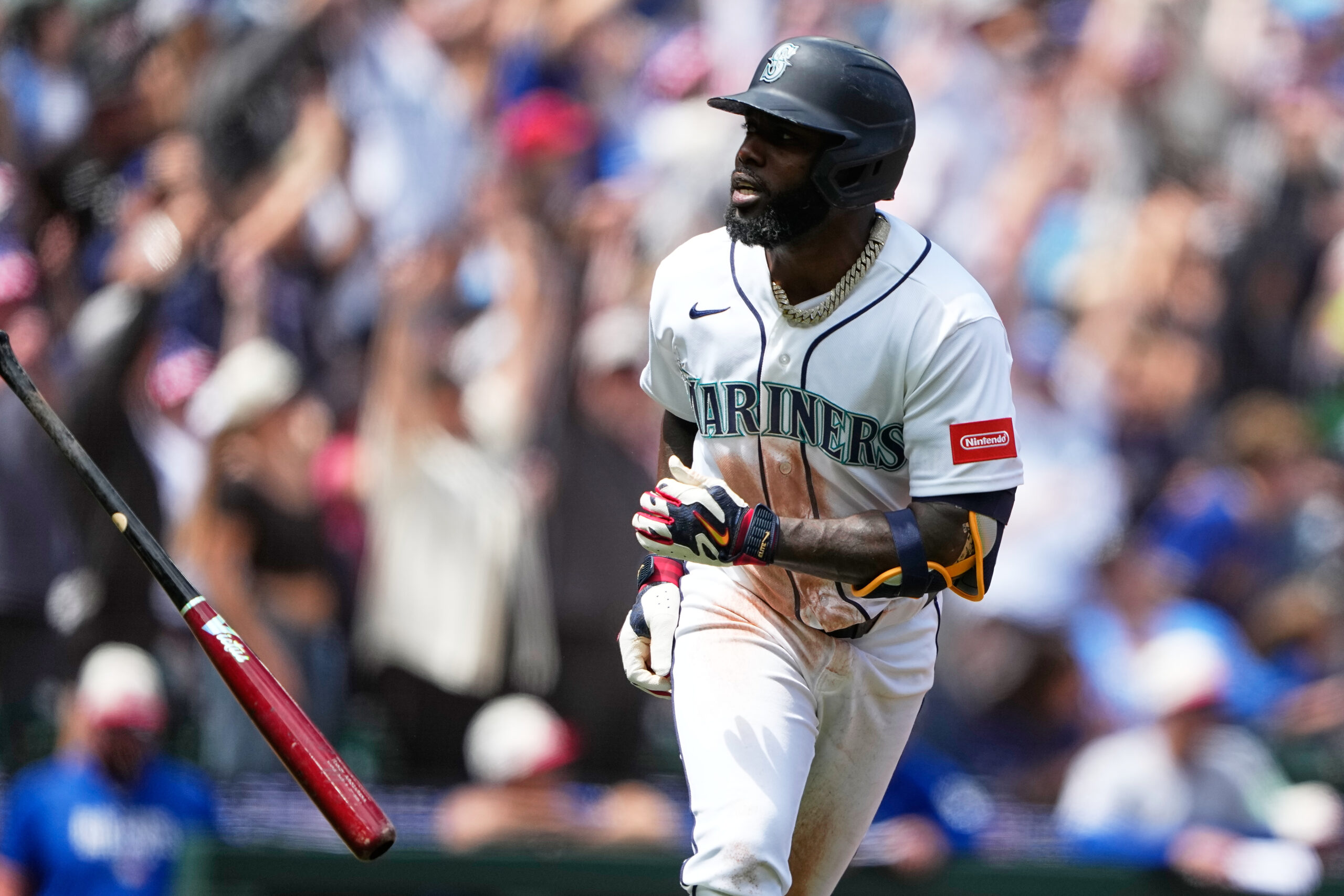
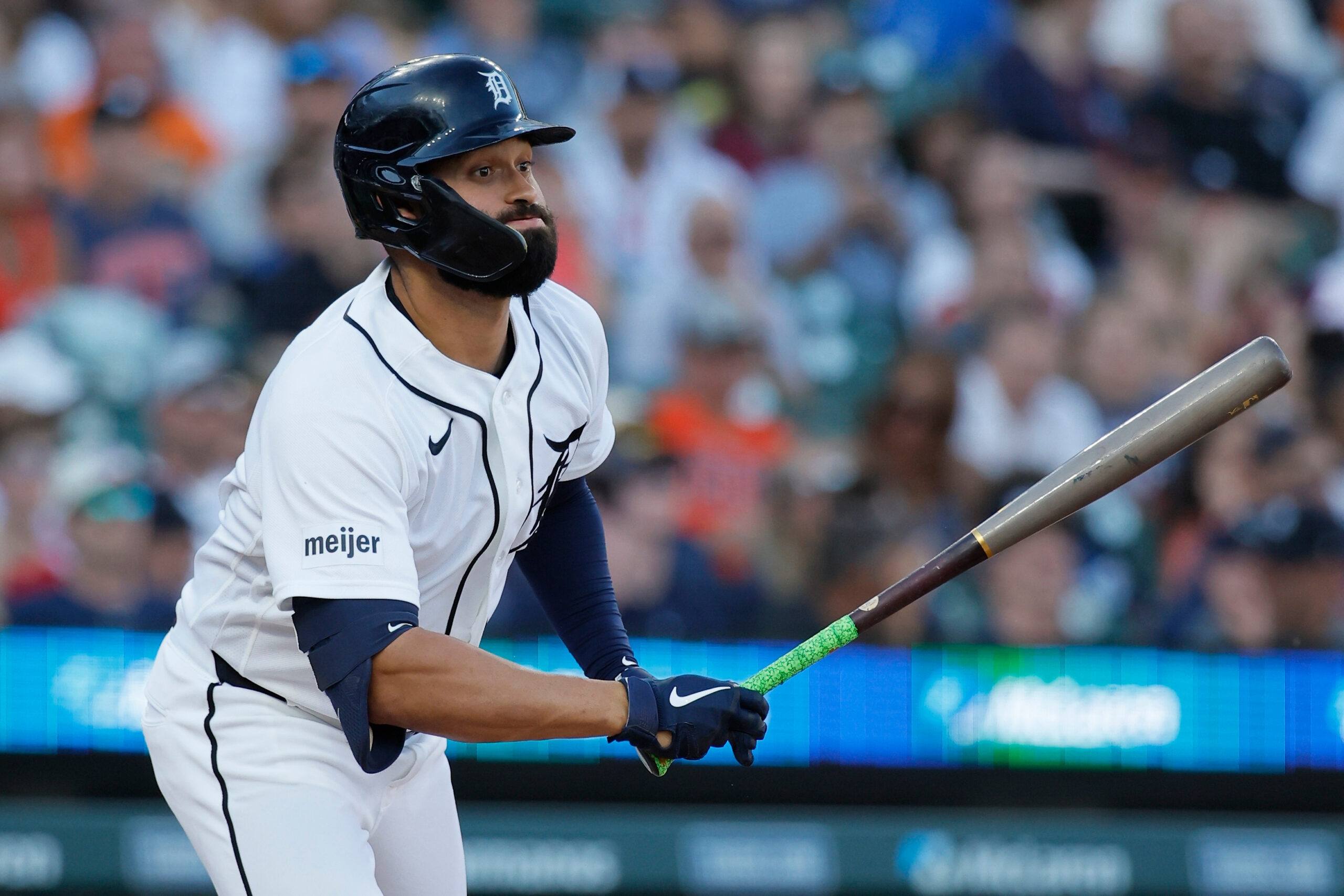
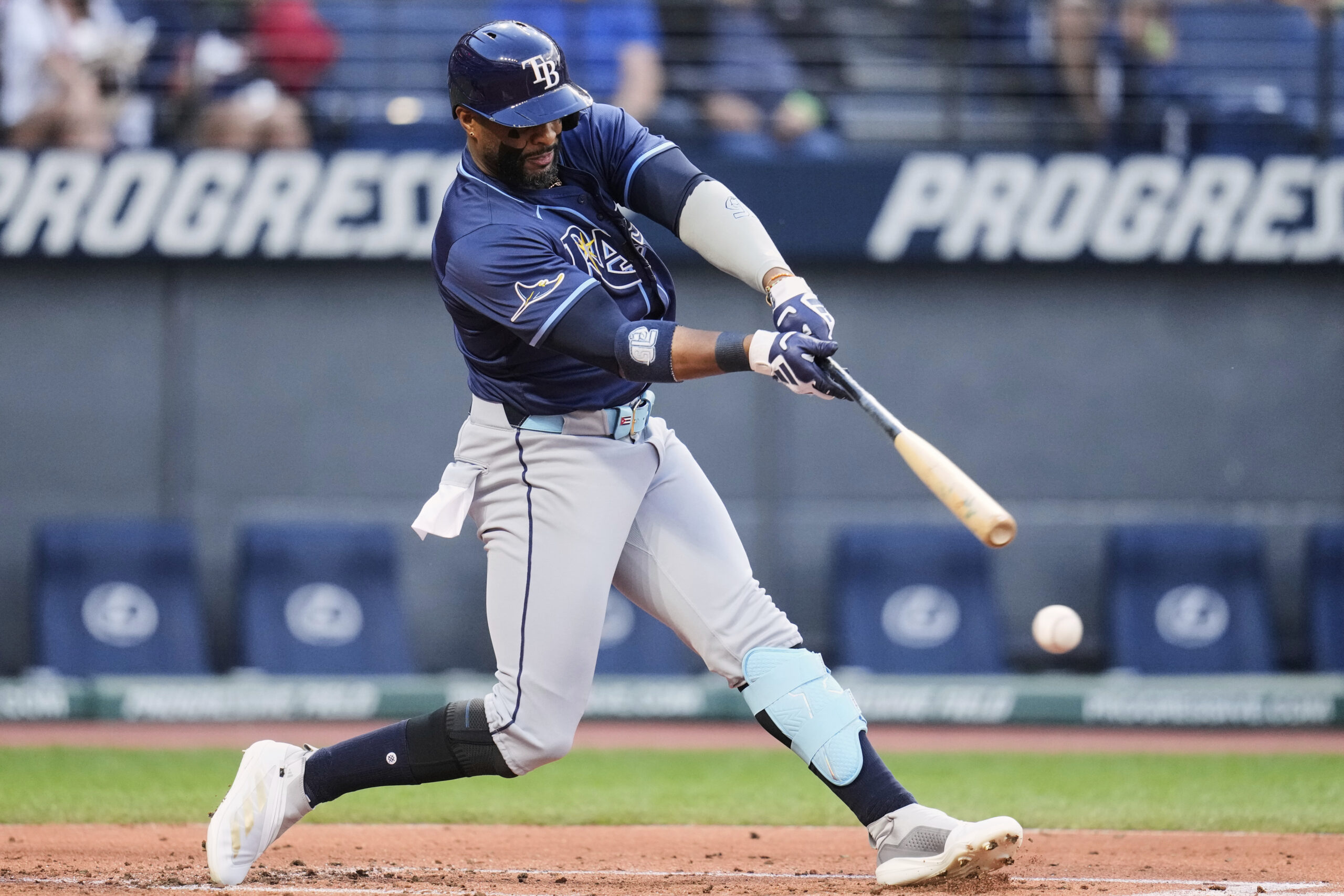
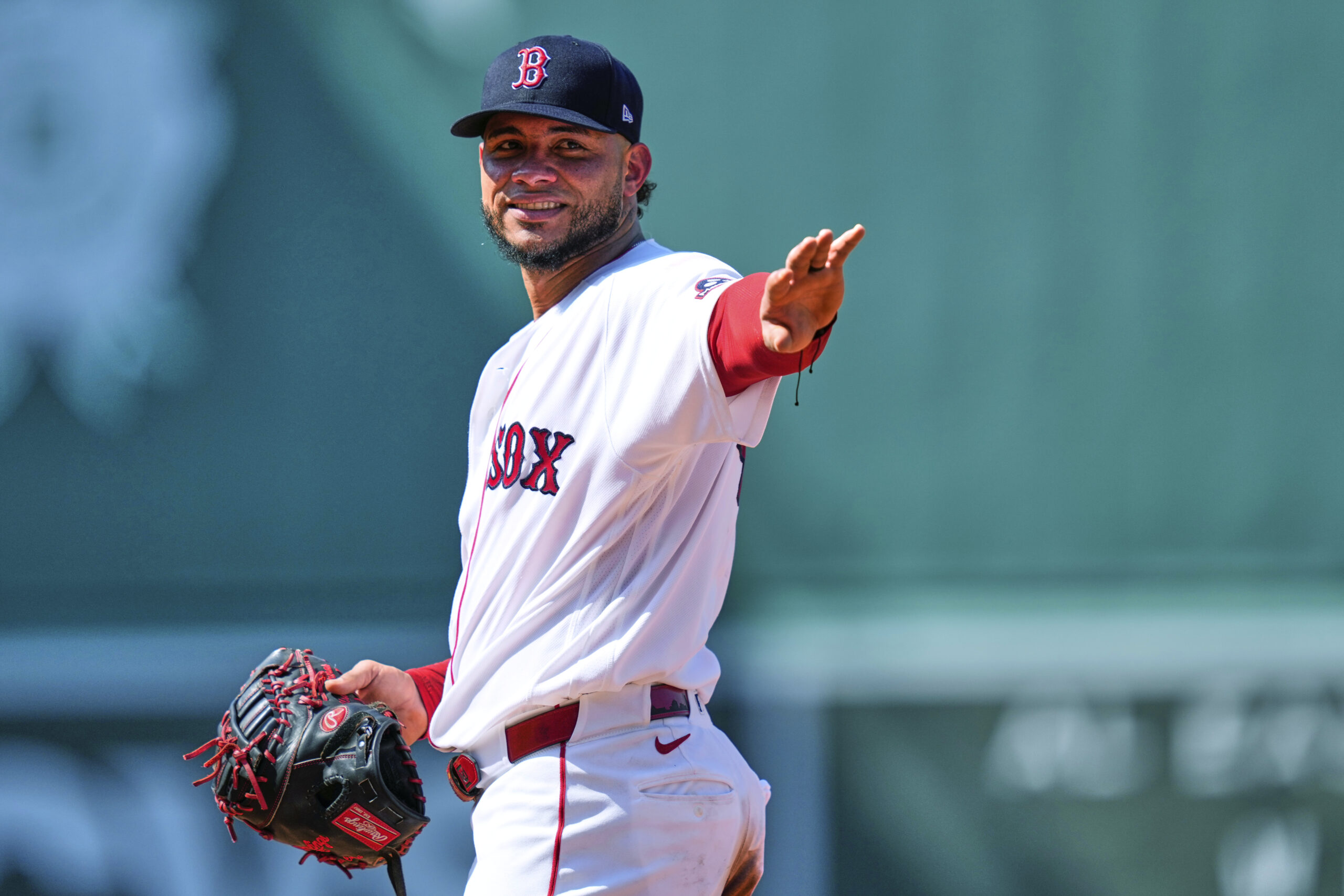
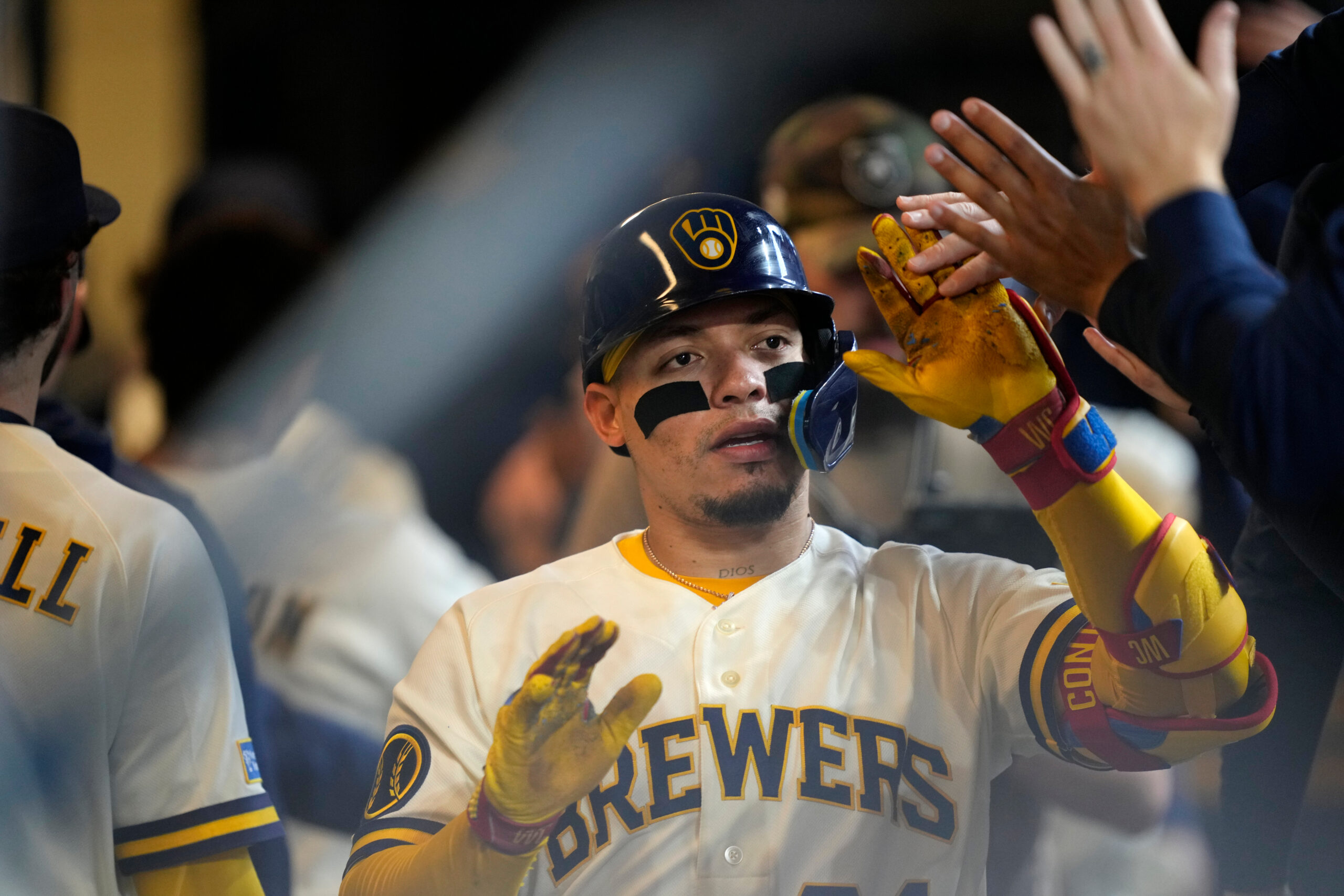
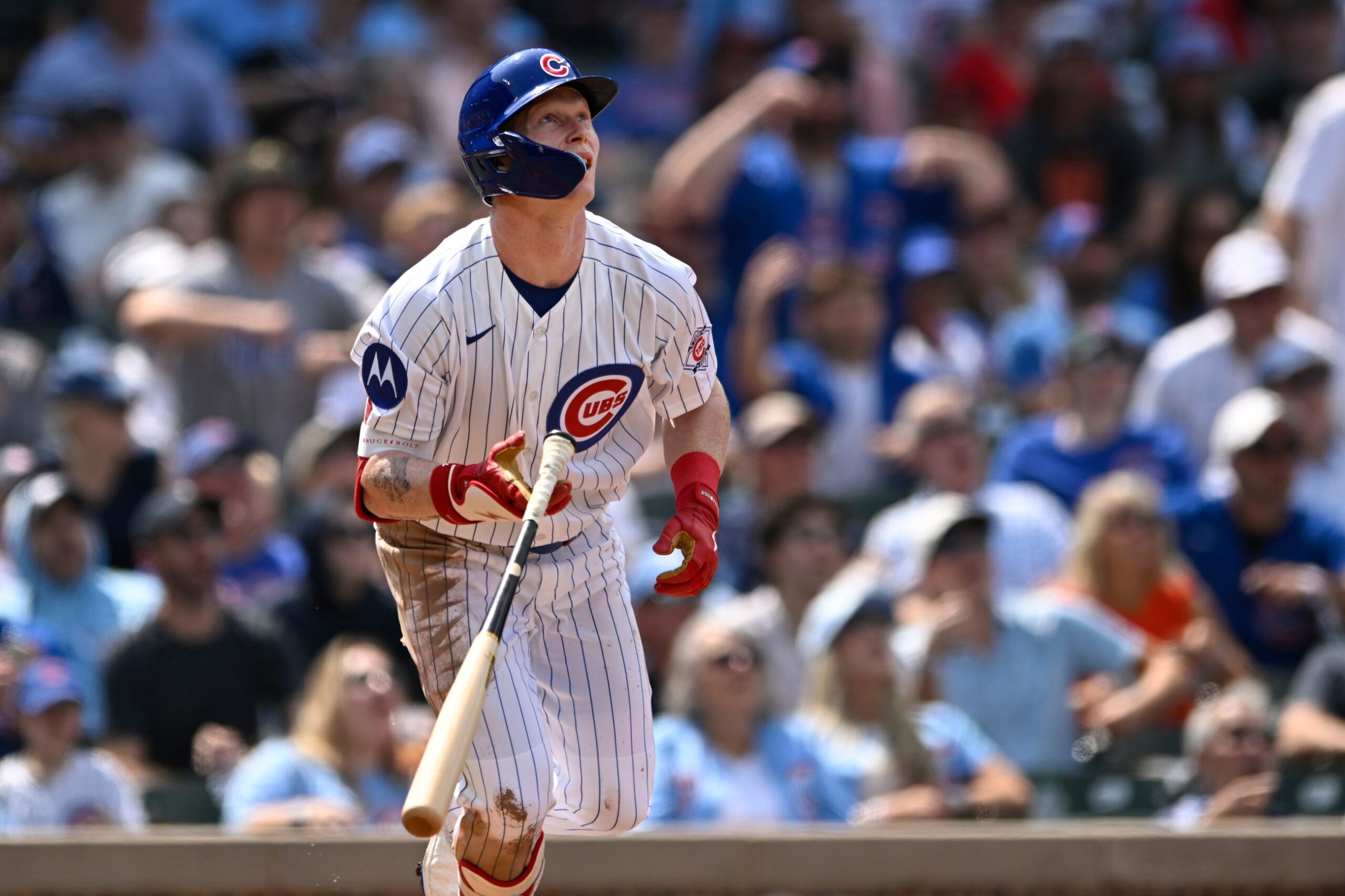
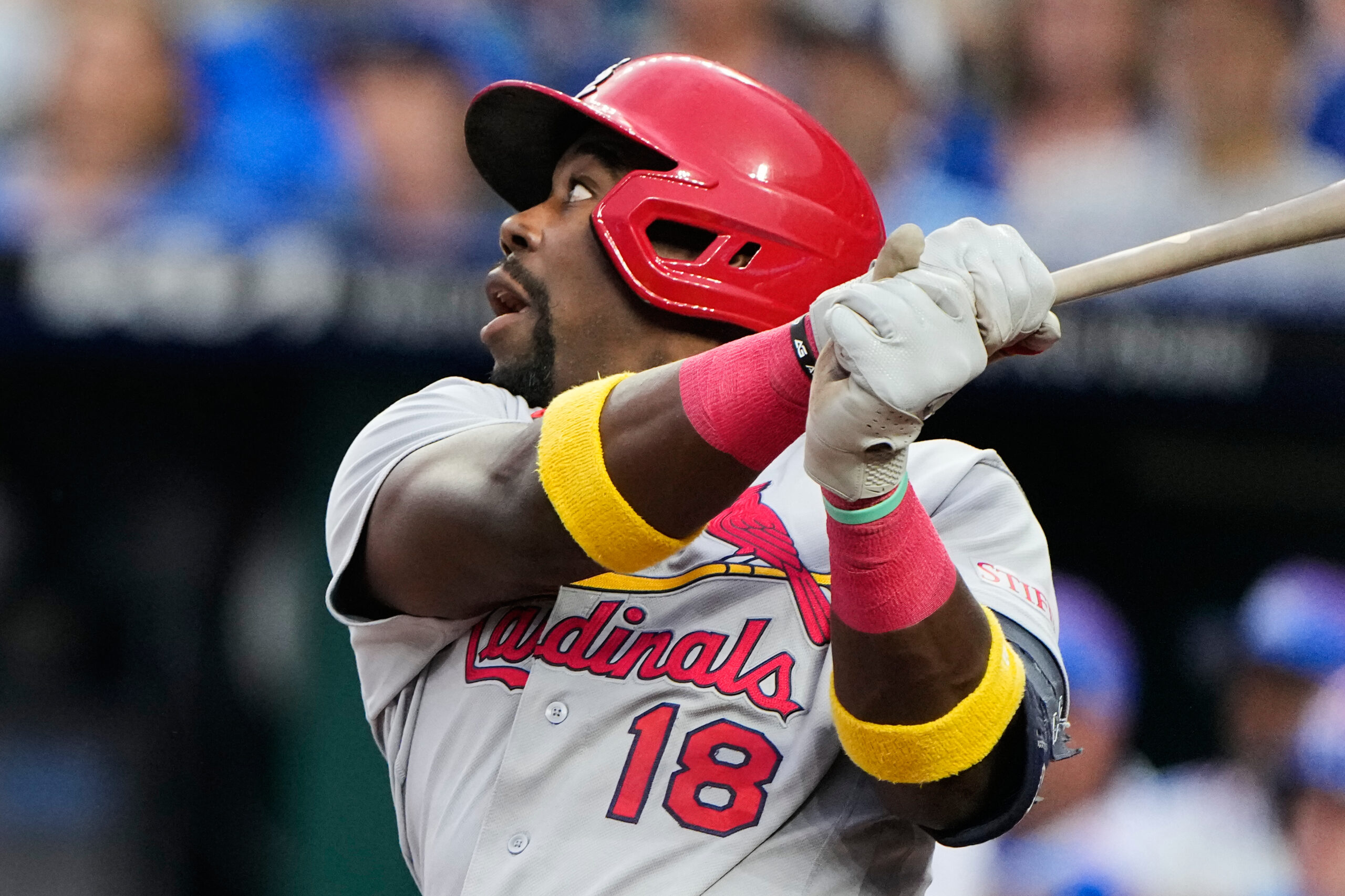
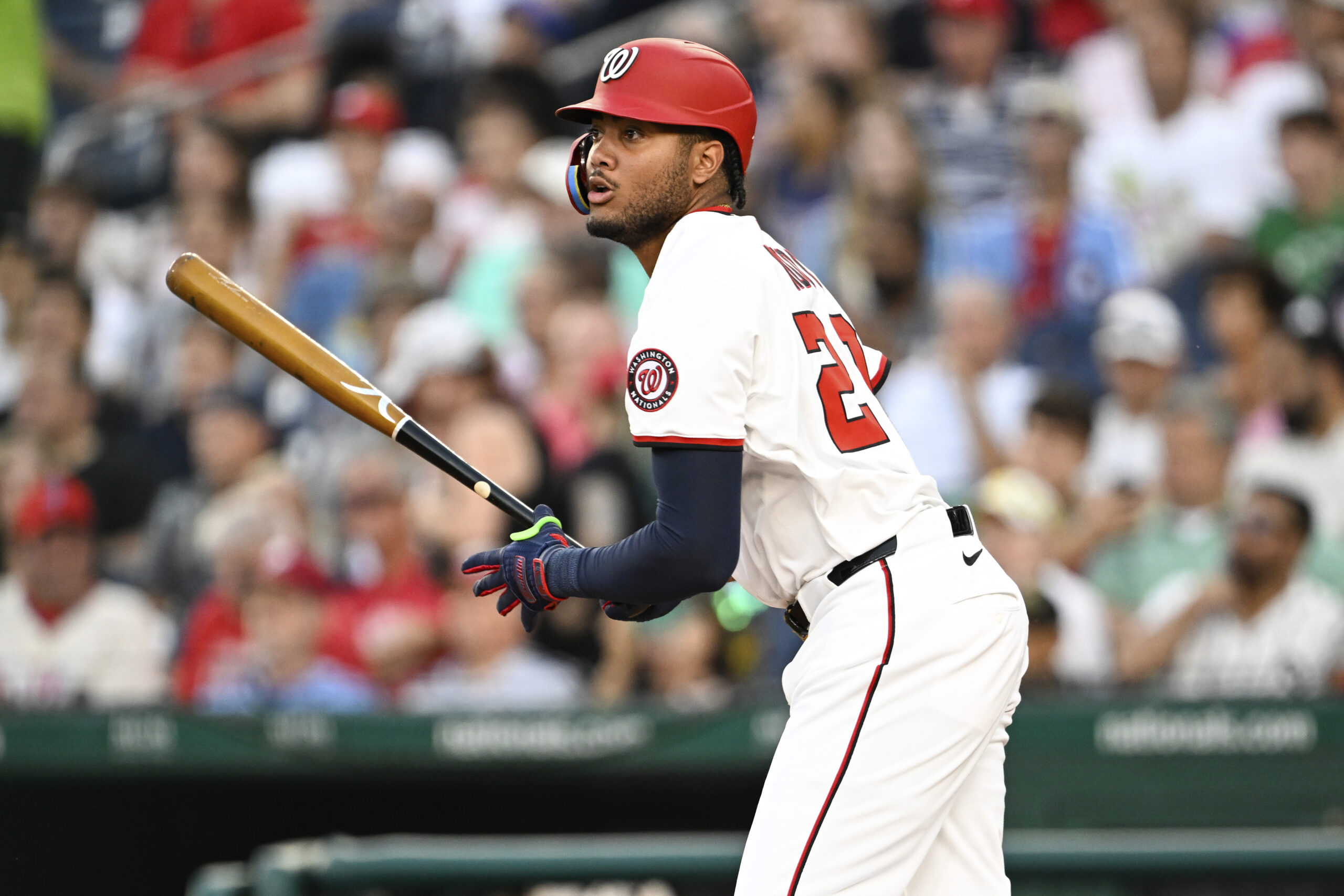
Schwarber, who bashed his league-leading 32nd homer of the season on Wednesday against the Reds, has not confirmed whether he has decided to participate as well. In addition to Harper, the field includes Cardinals outfielder Jordan Walker, Rays third baseman Junior Caminero, Yankees first baseman Ben Rice, Royals outfielder Jac Caglianone, and Red Sox first baseman Willson Contreras.
Harper will look to become the first Phillie to win the Derby since Ryan Howard in 2006.
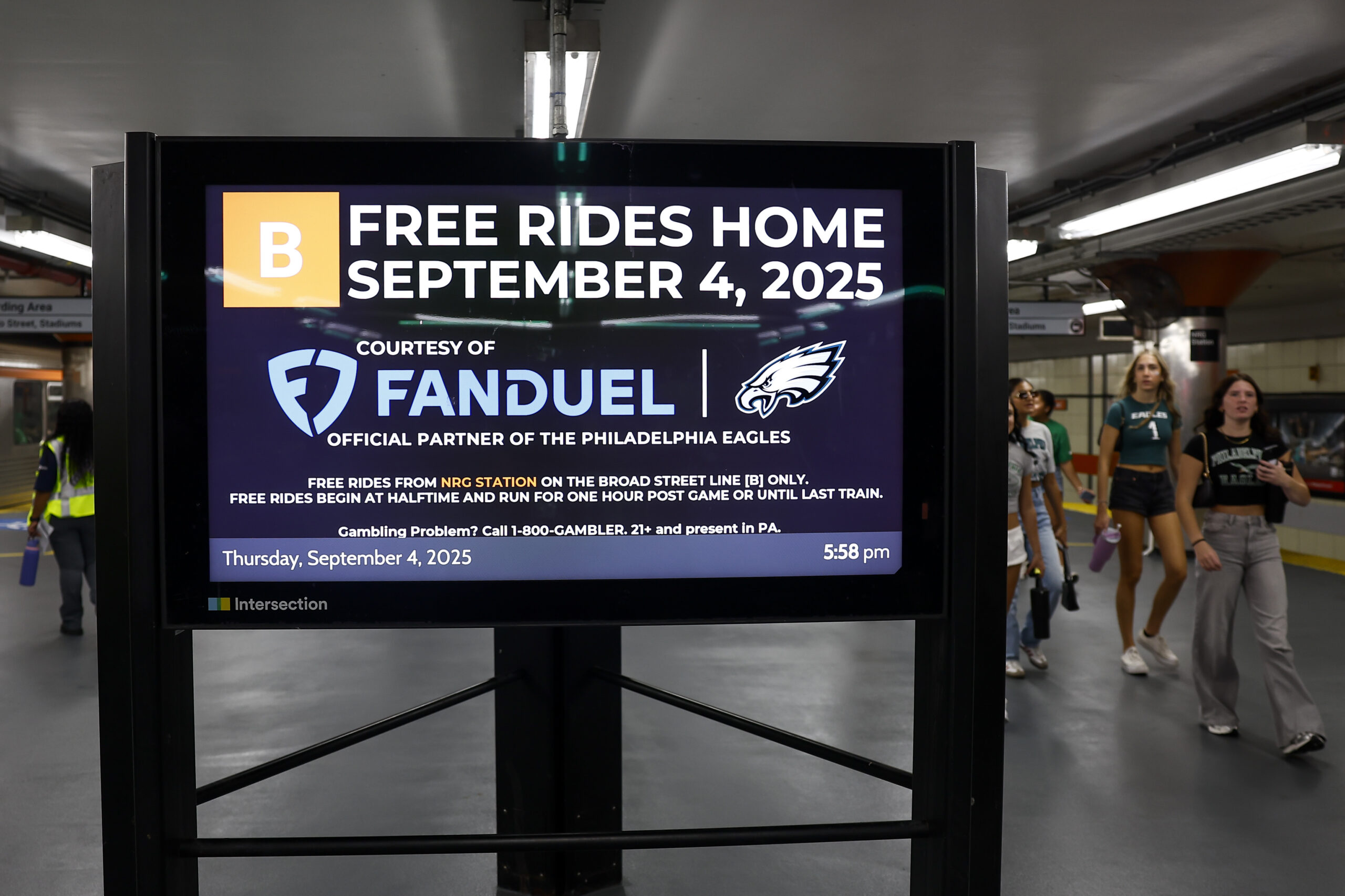
As the 2020 NFL season kicked off, Terry Thompson picked up his phone and placed a wager with FanDuel Sportsbook on his favorite team, the Philadelphia Eagles.
It was his first time gambling through an app, and he soon started placing microbets, which are in-game wagers on something as small as whether the next play would be a pass or run.
He grew addicted to the effortless, rapid-fire action. Every game, every quarter, every play — click, click, click. Thompson would ultimately wager $18.5 million with FanDuel, earning him VIP status with the company. That meant exclusive perks, from champagne to Super Bowl tickets, which made him feel important and enticed him to continue gambling.
By late November 2024, Thompson had incurred steep losses and resorted to desperate measures to fund his addiction. Then, one afternoon, he flicked open his phone and received a FanDuel reward that momentarily distracted him from his debts: a personalized video message from Philadelphia Phillies superstar Bryce Harper.
The Inquirer obtained a copy of the 21-second video. In it, Harper addresses Thompson by name and acknowledges Thompson’s young son. Harper ends by thanking Thompson for his support.
Harper is not wearing any FanDuel merchandise, but the video is marked with the company’s logo, and Harper mentions that he was reaching out at the request of Thompson’s VIP manager, “your host Bryttanni at FanDuel,” who wanted to ensure that Thompson had an “extra special Thanksgiving.”
Professional sports leaders had long recoiled at having any association with gambling. But the U.S. Supreme Court ruled in 2018 that states could legalize sports betting, and each league now has lucrative partnerships with sportsbook companies, whose advertisements can be easily found in stadiums and arenas, and during game broadcasts.
Still, league officials preach about the importance of protecting the integrity of their games and have rules that are designed to maintain distance between professional athletes and bettors. Although Major League Baseball’s policy does not explicitly reference interactions with VIP gamblers, Harper’s personal message to a bettor — apparently arranged by an employee of a major sportsbook — is a unique test of how cozy the league will allow players to get with gambling companies.
There is no evidence that Harper has an official partnership with FanDuel, or was aware that Thompson had an addiction.
The Inquirer could find no other examples of an active athlete recording a personal message to a sportsbook VIP customer who, by definition, had to be regularly betting large sums of money.
The Inquirer shared the video with Scott Boras, Harper’s longtime agent, and asked if he or Harper would discuss how FanDuel had obtained the video.
Boras declined to comment.
The Inquirer also shared the video with the Phillies and MLB. Both declined to comment, and the players union did not respond to a request for comment.
Multiple experts familiar with the fraught intersection of professional sports and the gambling industry said that while Harper does not explicitly encourage gambling in the video, it still raises concerns.
Danny Funt, who researched sportsbook VIP programs for his 2026 book, Everybody Loses: The Tumultuous Rise of American Sports Gambling, said in an email that VIP bettors sometimes get to hang out with former athletes. He cited former San Diego Charger LaDainian Tomlinson, who worked in retirement for DraftKings, as one example.
But the Harper video is entirely different, he said.
Harper, a nine-time All-Star and two-time MVP, has been one of baseball’s most marketable stars throughout his 15-year career.
“I’ve never heard of an active player, let alone a former MVP, doing something like this,” Funt said.
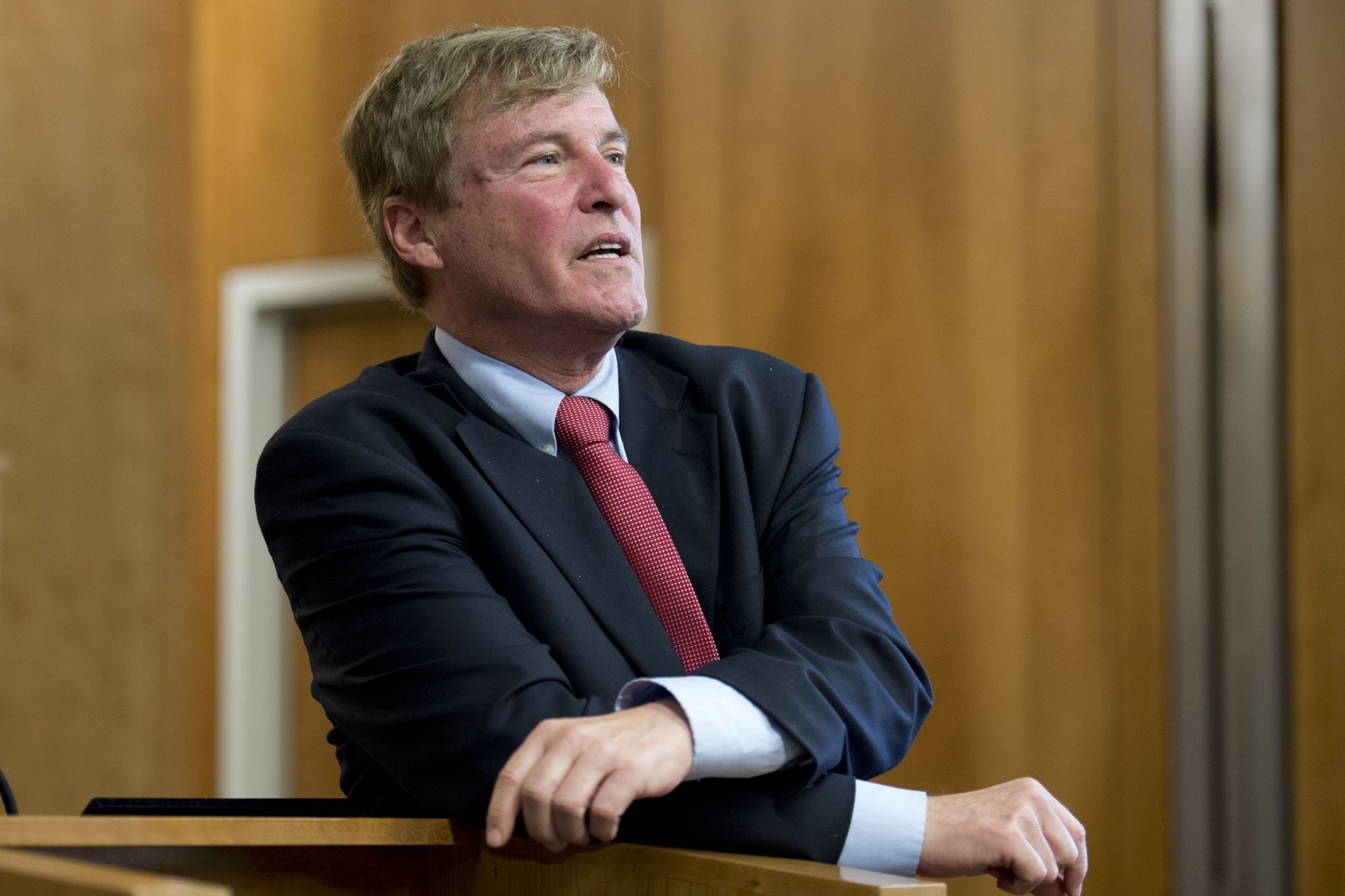
Leigh Steinberg — an agent who represents Kansas City Chiefs quarterback Patrick Mahomes, and whose past clients included MLB All-Stars Manny Ramirez and Will Clark — called the Harper video “bad for sports.”
Steinberg said if one of his clients approached him about doing promotional work of any kind for a sportsbook company, he would advise them to walk away.
“It’s not good for your brand,” he said. “It’s exploitative and it’s not the sort of activity you want to be associated with.”
MLB’s collective bargaining agreement, which is set to expire in December, allows athletes to appear in advertisements or make personal appearances for casinos, racetracks, or sportsbook companies, so long as the ballplayers do not encourage betting on baseball.
NFL players are prohibited from marketing or promoting “any form of gambling” under the league’s current collective bargaining agreement.
The NBA, meanwhile, allows its players to own a passive ownership stake — less than 1% — in sportsbook and prediction market companies, and engage in promotional work for gambling companies, provided they do not encourage betting on basketball. As a member of the Los Angeles Lakers, LeBron James appeared in advertisements for DraftKings.
Harper, 33, has been one of baseball’s most marketable players throughout his 15-year career. He has had endorsement deals with many companies, including Under Armour, Gatorade, Dairy Queen, and Blind Barber, a chain of barbershops and lounges of which Harper owns an equity stake.
He has also been famously unafraid of the spotlight, openly discussing everything from his Mormon faith — which prohibits gambling and alcohol use — to perceived criticism from his boss.
Professional sports leagues that once vehemently opposed any association with gambling enterprises have now embraced lucrative partnerships with sportsbook operators.
Jodi Balsam, a former NFL attorney who is now a sports law professor at Brooklyn Law School, said even if Harper’s video does not violate baseball policy, it raises ethical questions about the league’s relationship with gambling companies, whose business practices are facing increasing scrutiny from state and federal lawmakers.
“The first question I would have is, was [the Harper video] done by the sportsbook company precisely because they know they have an addicted gambler on their hands, and they’re trying to wring every cent out of him that they can?” Balsam asked.
FanDuel did not respond to a request for comment.
Balsam’s question is at the center of a lawsuit that attorneys for the nonprofit Public Health Advocacy Institute filed in March in Common Pleas Court in Philadelphia on behalf of Thompson and another plaintiff. The suit alleges that FanDuel and DraftKings, another sportsbook company, use their products and VIP services to intentionally maximize addiction.
Harper is not named in the lawsuit.
Thompson, whose attorneys declined to make him available for this story, details the depths of his gambling addiction in his lawsuit.
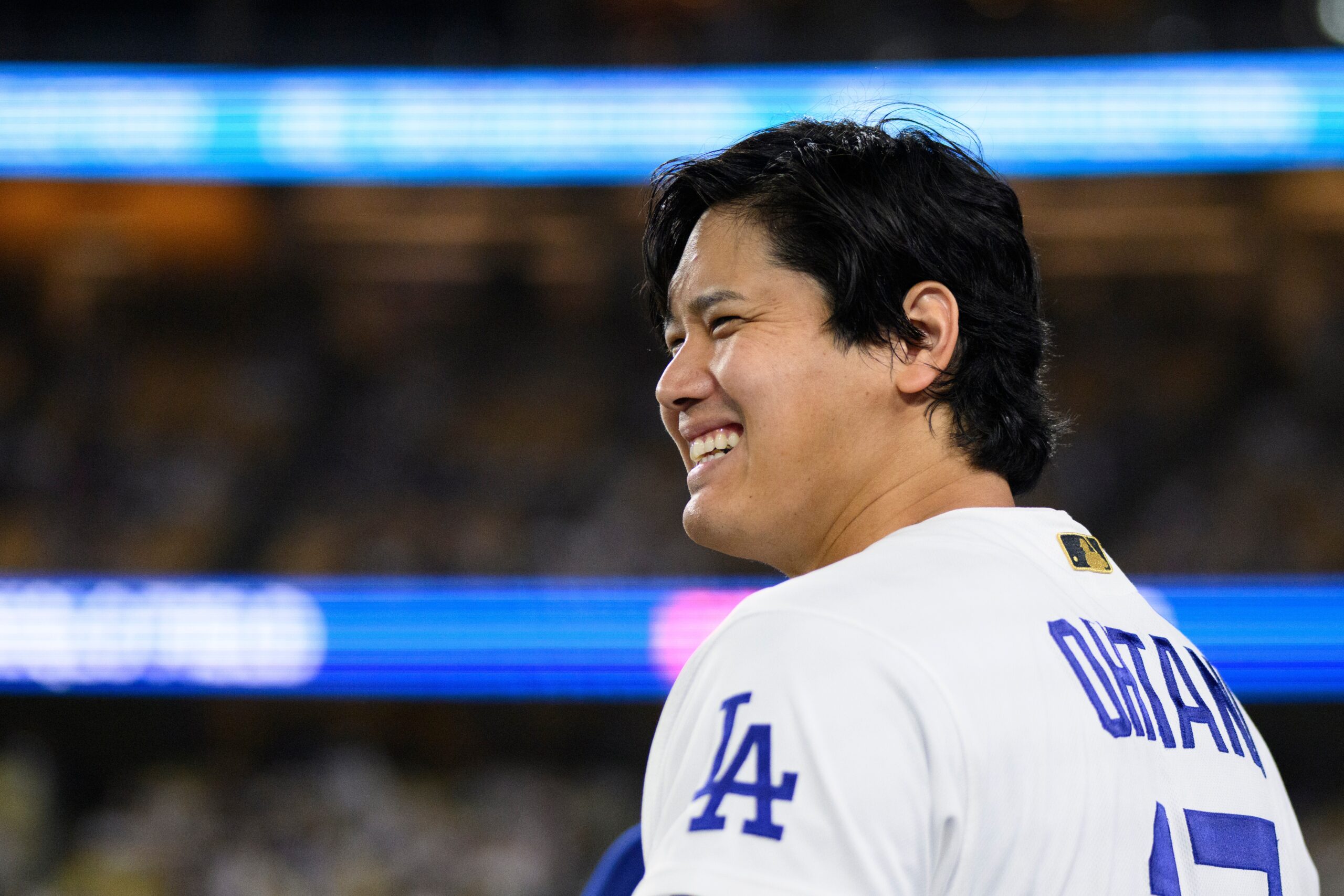
Los Angeles Dodgers star Shohei Ohtani’s former interpreter, Ippei Mizuhara, was sentenced in 2025 to 57 months in federal prison for illegally transferring nearly $17 million from Ohtani’s bank accounts to pay off gambling debts.
He alleges that he covered his losses by taking out second and third mortgages on his home, which later fell into foreclosure, and then sold his shares of an investment company that he had run for two decades.
By late February, Thompson’s suit claims, he wagered and lost his last $10,000 on a DraftKings parlay bet.
His losses totaled nearly $2 million, according to the lawsuit. Desperate and feeling like he could not confess the scope of his financial ruin to his family, Thompson texted his therapist, who then contacted the police. Officers raced to Thompson’s home and prevented him from harming himself.
Balsam said Thompson’s tragic story should give sports leagues and its players pause.
“Is this the kind of activity that either the union or the league want their players to be associated with,” Balsam said, “if it leads to addictive and self-destructive behaviors by a fan?”
How MLB’s betting stance changed
“People know gambling is deadly,” Allan H. “Bud” Selig said. “I don’t have to conduct focus groups.”
It was November 2012, and Selig, then MLB’s commissioner, was being deposed for nearly three hours in Milwaukee. A lawsuit instigated by then-New Jersey Gov. Chris Christie sought to overturn a longstanding federal law that restricted legal sports betting to just four states.
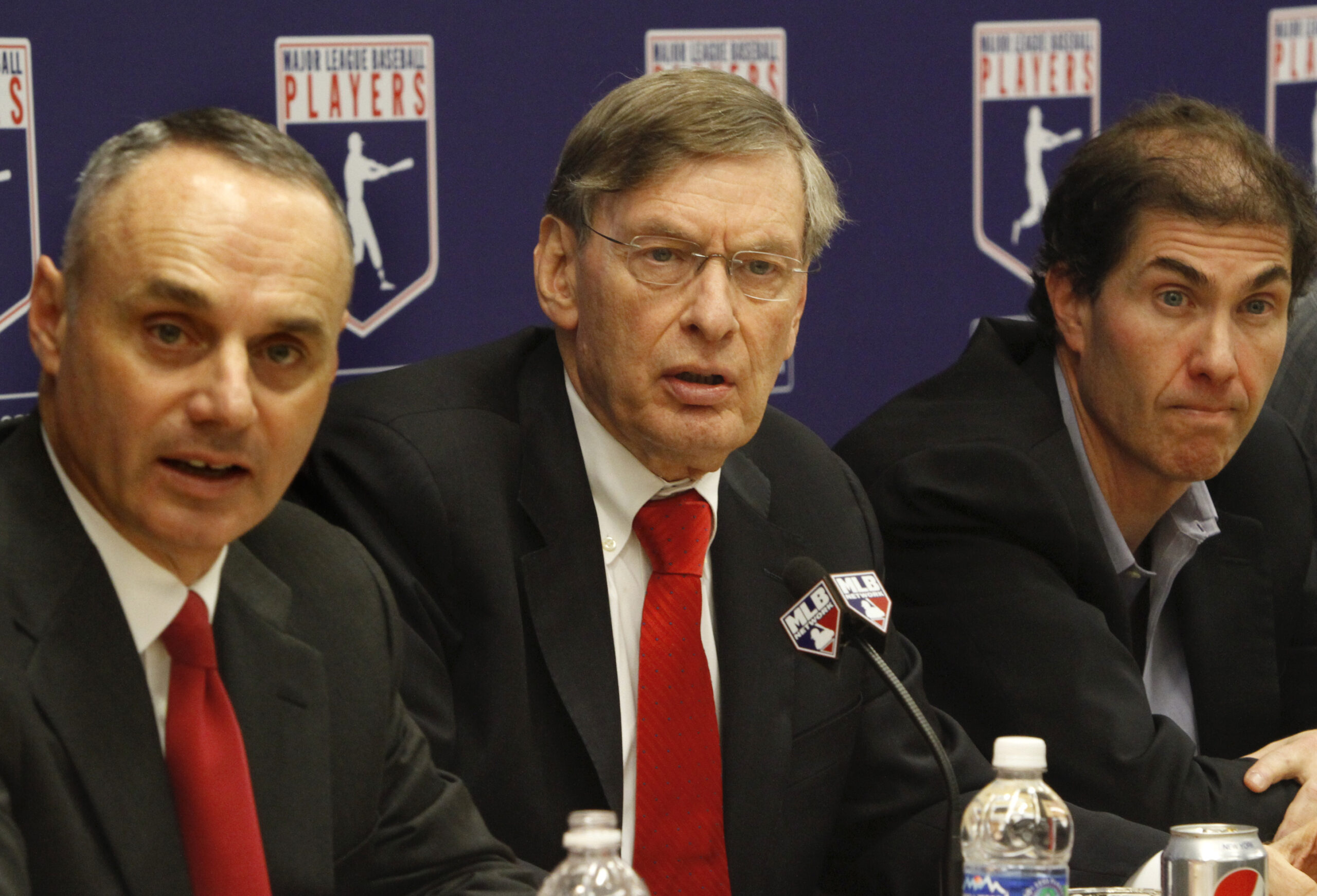
Major League Baseball longtime commissioner Bud Selig (center) argued in a 2012 deposition that widespread legalized sports gambling would be harmful to baseball. He was later succeeded by Rob Manfred (left), who has overseen partnerships between the league and sportsbook companies.
Baseball’s leaders had sought for decades to avoid recurrences of past gambling scandals that had threatened the integrity of the sport. Selig had maintained the hard line of his predecessors, perhaps most notably by upholding the league’s 1989 lifetime ban of former Phillies first baseman Pete Rose, who was found to have bet on baseball while managing the Cincinnati Reds.
Selig said he understood why state lawmakers would welcome the tax revenue that widespread legalized sports gambling could generate. But he argued such a development could only increase the odds of new baseball betting crises, which would be “the end of your sport.”
“I’m just — guess I have to say to you that I’m appalled,” Selig said in the deposition. “I’m really appalled.”
In 2019, MLB — led by a new commissioner, Rob Manfred — entered into its first partnership agreement with FanDuel.
Manfred sent a memo to players outlining the league’s gambling policy. At that time, it prohibited players from performing services “in any capacity involving sports betting for any third party,” a categorization that included “promoting or endorsing sports betting products or services.”
A new collective bargaining agreement, reached in 2022, allowed players to do promotional work for sportsbooks. Colorado Rockies outfielder Charlie Blackmon soon became the first professional baseball player to secure a deal as a brand ambassador for a sportsbook company.
Not everyone affiliated with MLB has welcomed the new relationships between the league and gambling entities.
“We’re entering a very delicate and, dare I say, dangerous world here,” Tony Clark, then president of the players union, told reporters in 2022.
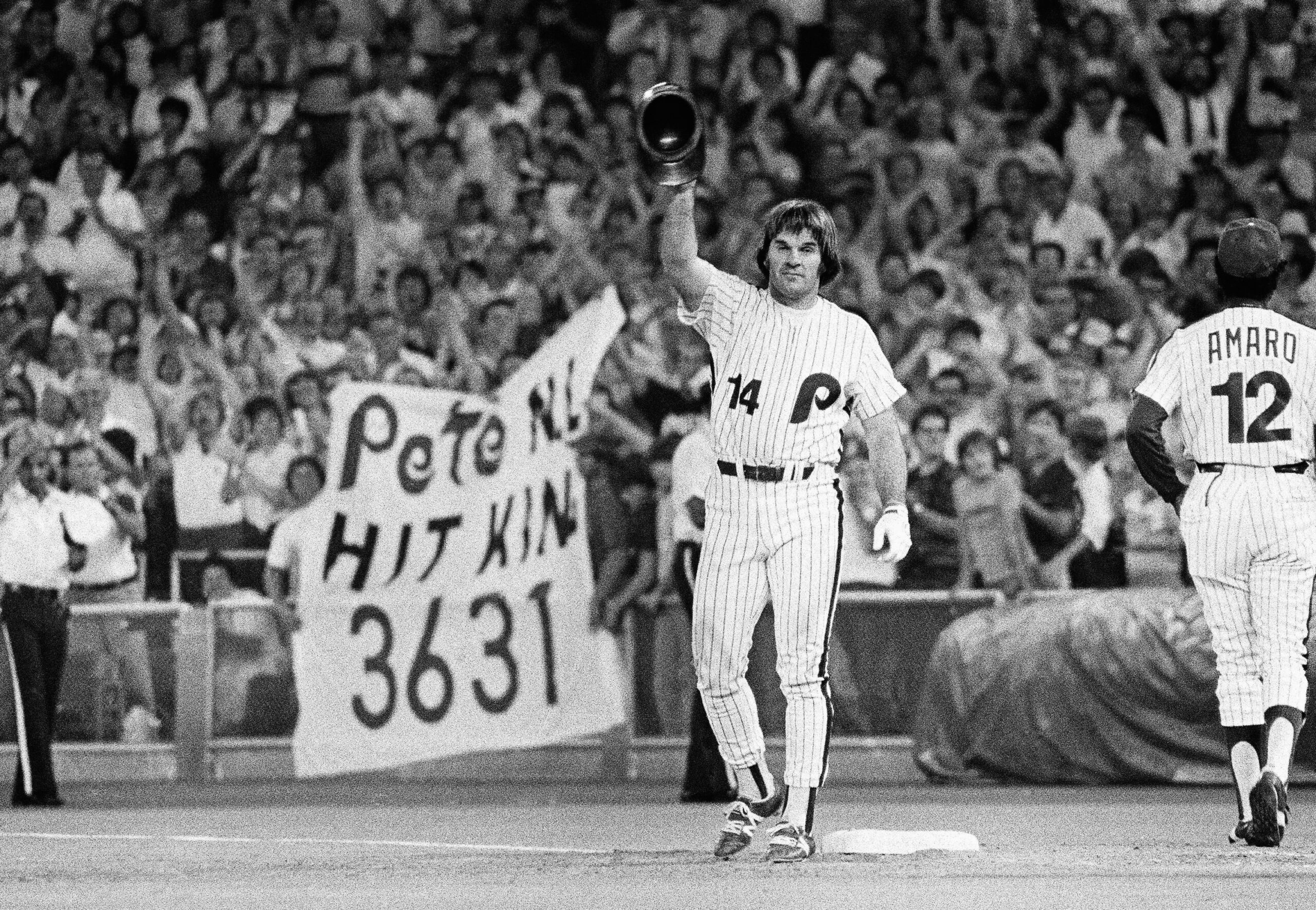
MLB gave a lifetime ban in 1989 to former Phillie Pete Rose for betting on baseball while he was the manager of the Reds.
Two years later, MLB Players Inc. — a licensing and marketing subsidiary of the players union — filed a lawsuit that accused DraftKings of using without permission or compensation photos of MLB stars on its betting app and in social media posts. FanDuel and Bet365 were also named as defendants in the suit.
Harper figured prominently in the lawsuit. The complaint against DraftKings, filed in U.S. District Court in the Eastern District of Pennsylvania, included images of Harper’s face on the DraftKings app and a reference to a hypothetical wager on Harper hitting two home runs in a game. Attorneys also mentioned Harper in later courtroom arguments.
Being able to control how their names, images, and likenesses are used is a “crucial return on their substantial career investment,” the players’ attorneys wrote in the complaint. “It also enables athletes to avoid being associated with companies, commercial products, and industries that they do not wish to be perceived as supporting and endorsing.”
(The union ultimately dropped its case against FanDuel, and the lawsuit was settled earlier this year for undisclosed terms.)
In May 2024 — five months before FanDuel sent Harper’s video message to Terry Thompson — Manfred fired umpire Pat Hoberg for sharing a sportsbook account with a professional poker player who placed bets on baseball.
An investigation found no evidence that Hoberg himself had bet on baseball, Manfred later said. But the existence of the shared account — and the fact the umpire had deleted Telegram messages between himself and the poker player — created the “appearance of impropriety that warrants imposing the most severe discipline.” Hoberg appealed his dismissal but lost.
A year later, Bud Selig’s stark warning materialized.
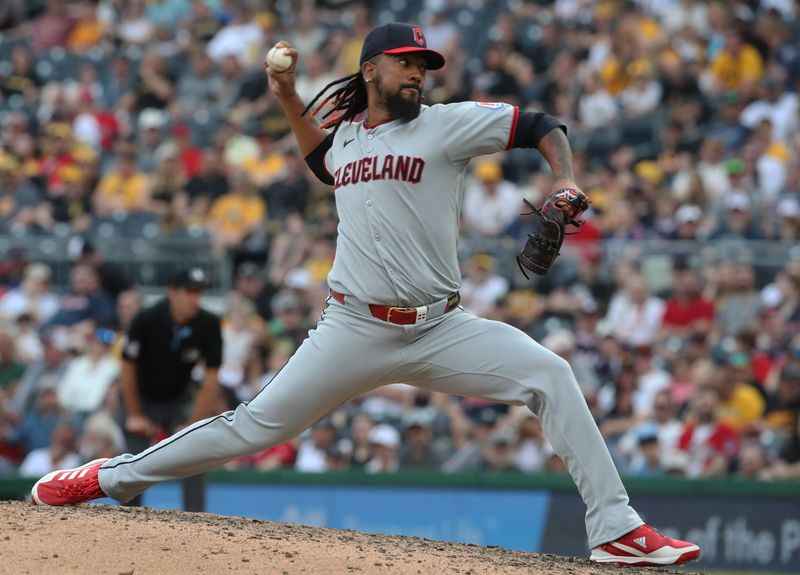
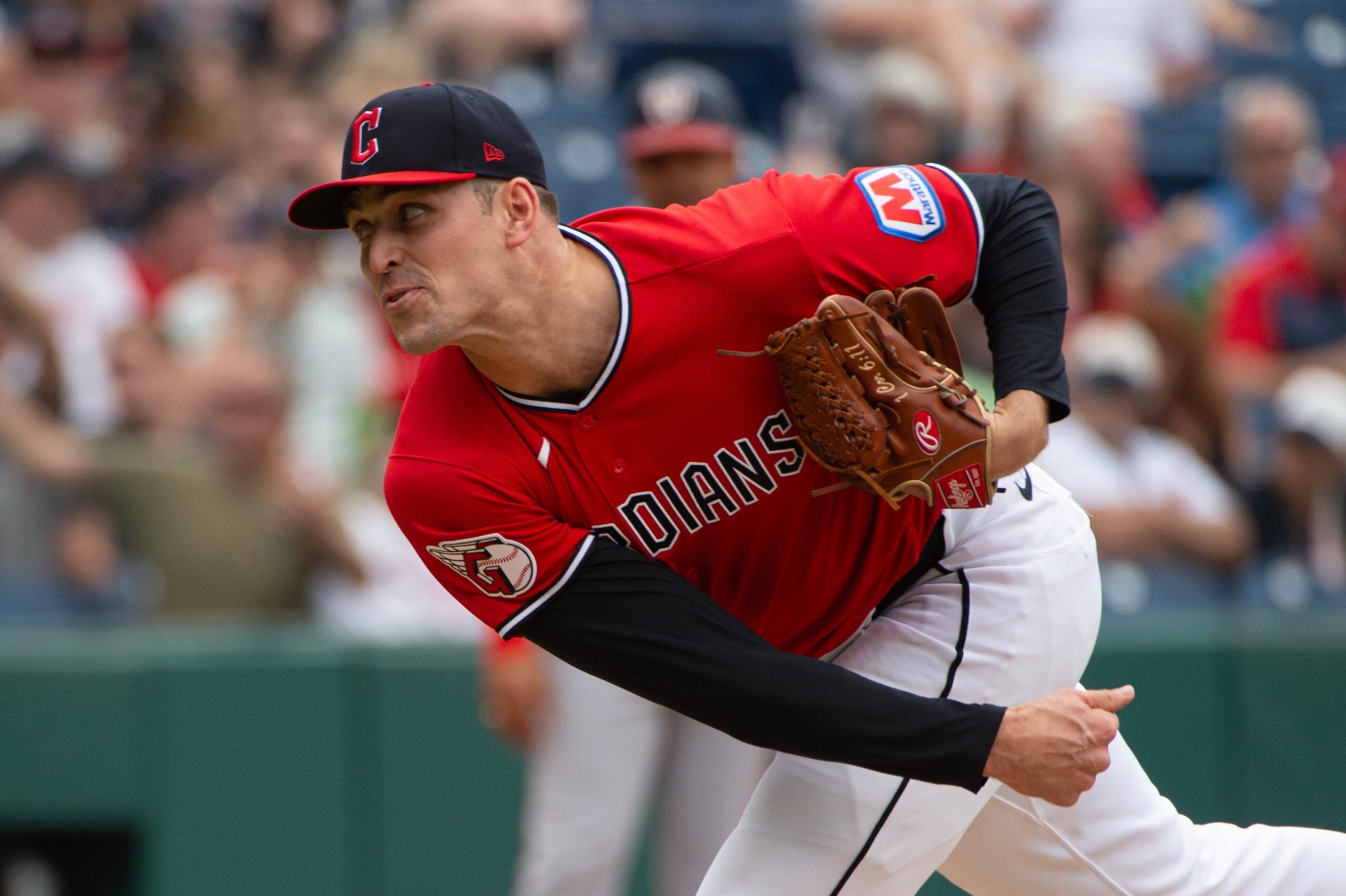
Former Cleveland Guardians pitcher Emmanuel Clase has been accused by federal investigators of conspiring with bettors in exchange for financial kickbacks.
Federal authorities indicted Cleveland Guardians pitchers Emmanuel Clase and Luis L. Ortiz, and accused each of conspiring with bettors.
Clase and Ortiz “agreed to throw specific types and speeds of pitches” prior to games, and bettors wagered on those pitches, the indictment states. In exchange, the bettors wired thousands of dollars to the pitchers through a third party in the Dominican Republic. Clase and Ortiz have each pleaded not guilty to wire fraud conspiracy and related charges and are awaiting trial. MLB has placed them on paid nondisciplinary leave.
That same year, Ippei Mizuhara, a former translator for Los Angeles Dodgers star Shohei Ohtani, was sentenced to 57 months in federal prison for illegally transferring nearly $17 million from Ohtani’s bank account to pay Mizuhara’s gambling debts.
Those episodes have not resulted in baseball’s demise, as Selig had once imagined. But they also did not rupture MLB’s relationship with gambling entities, which collected a record $165 billion in sports wagers in 2025.
As part of negotiations over a new collective bargaining agreement with MLB, the players union recently asked the league for to grant players more freedom to seek endorsements from sportsbook operators and prediction markets, ESPN reported.
The VIP treatment
FanDuel awards five points for every dollar that a bettor pays on a contest entry fee. To achieve VIP status, bettors must amass 600,000 points, which expire after a year of inactivity.
“But don’t worry,” the company explains on its website, “it’s easy to stay active.”
Terry Thompson earned a FanDuel VIP manager, Bryttanni Morgan, in 2021, court records show.
Morgan texted Thompson often about the fortunes of the Eagles, commiserating over the team’s ups and downs. Their conversations also veered into more personal terrain — favorite restaurants, travel plans, and family.
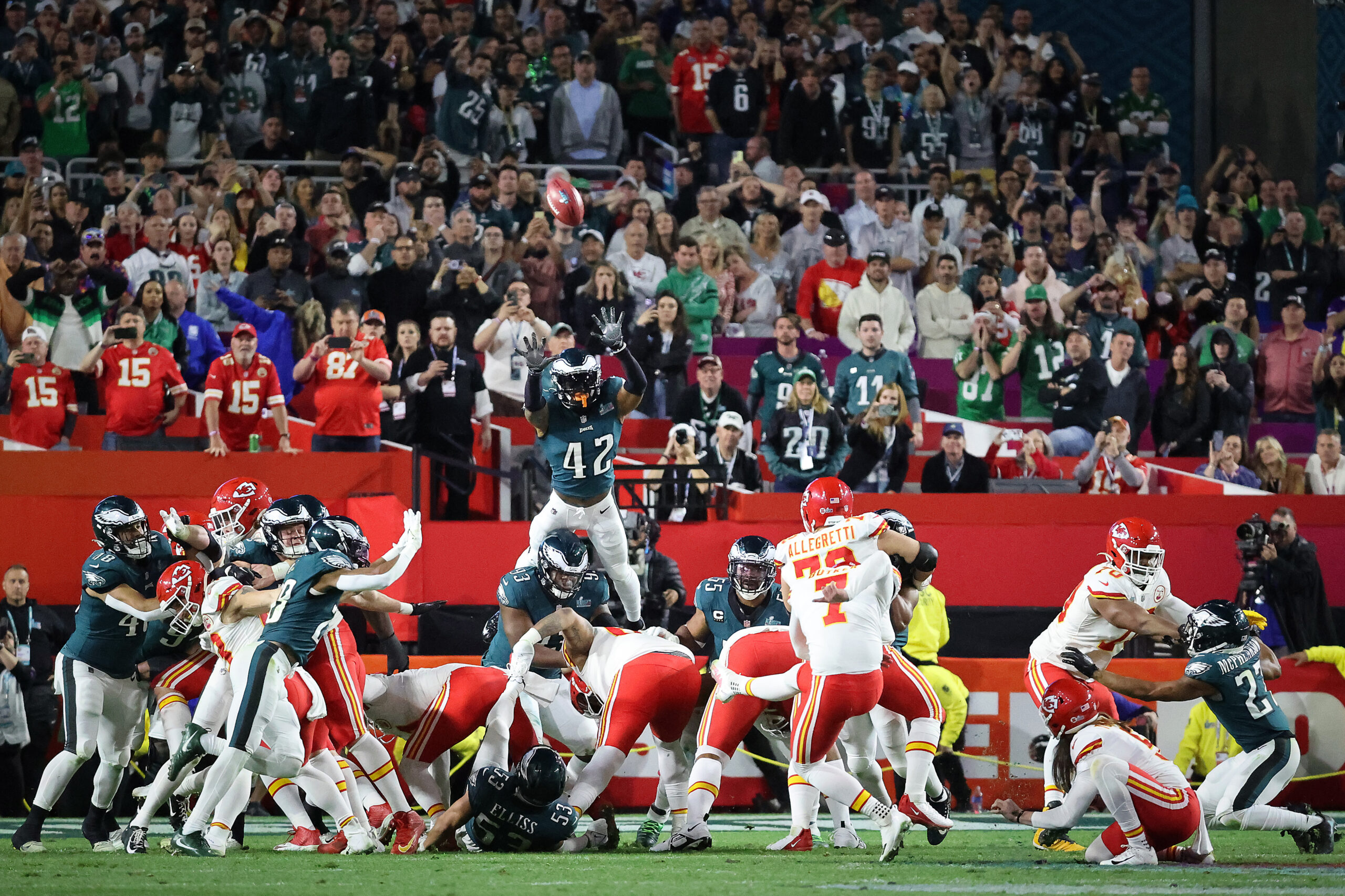
A FanDuel VIP manager allegedly offered tickets to Super Bowl LVII to bettor Terry Thompson, an Eagles fan who had a gambling addiction.
FanDuel’s intention, Thompson’s attorneys allege, was for Thompson to believe that Morgan was his friend.
Their exchanges often returned to Thompson’s betting activity. Morgan encouraged him to place more wagers, even when he showed signs of financial strain, the lawsuit states.
Morgan is named as a defendant in Thompson’s lawsuit. Her attorney could not be reached for comment.
In late December 2022, after Thompson had suffered more losses, Morgan texted him: “Are we gonna take a little break and start fresh in the New Year?”
“I’ll try,” Thompson wrote back, adding a smiley face symbol.
A few weeks later, on Jan. 13, 2023, Morgan offered a FanDuel VIP perk: two tickets to Super Bowl LVII in Arizona — where Thompson’s beloved Eagles would face the Kansas City Chiefs — along with free transportation, and tickets to Sports Illustrated and FanDuel parties.
On other occasions, Morgan provided Thompson with tickets to Eagles, Flyers, and Sixers games. FanDuel also flew Thompson and his son to Super Bowl LVI in California, with pregame access to the playing field and celebrities like Chris Rock.
Funt, the author, said he has major concerns about how the VIP programs are used to ensnare gamblers.
“They exist to egg on a reckless and potentially dangerous style of betting, using perks and other incentives that would be borderline irresistible for many sports fans,” he said. “I can only imagine how someone who loves Bryce Harper would feel indebted (no pun intended) to a sportsbook that facilitated a personalized video from him.”
Leigh Steinberg said he had not heard of other instances of sportsbook companies using active athletes to send greetings to a bettor.
“Because it’s not public, it’s hard to understand whether it’s ubiquitous or an exception,” he said.
Leigh Steinberg has represented numerous NFL stars, from Chiefs quarterback Patrick Mahomes to NFL Hall of Famers Troy Aikman and Steve Young.
But Steinberg, who publicly struggled with an addiction to alcohol, argues that interactions between athletes and bettors who wager heavily on sports are inherently problematic.
“Getting a phone call or a zoom or a Cameo from a highly placed player is so flattering,” he said. “It’s stacking the deck unfairly in favor of continuing addicting behavior.”
The glamour of Thompson’s Super Bowl trips and brushes with celebrities had long since faded when he reached the nadir of his gambling earlier this year.
There were no more offers of free betting credits to be had, or microbets to chase.
Broke and broken, Thompson entered a psychiatric facility to undergo treatment for gambling addiction.
The Inquirer will continue to report on issues related to the growth of gambling addiction — among teens and adults — across Pennsylvania. If you, or someone you know, wants to speak with a reporter, please contact David Gambacorta or William Bender at dgambacorta@inquirer.com and wbender@inquirer.com
Correction: An earlier version of this story misstated the university where Jodi Balsam works as a law professor. She works at Brooklyn Law School.
CINCINNATI — Interim manager Don Mattingly briefly considered putting Brandon Marsh back at leadoff.
The No. 1 spot in the lineup was vacant on Wednesday against the Reds as Trea Turner was due for a day off. The Phillies shortstop has been “a little banged up in the lower half,” according to Mattingly.
Marsh previously batted leadoff against the Marlins on June 16, while Turner was down with a bruised wrist. But this time, Bryce Harper — who typically prefers to hit No. 3 — went to hitting coach Kevin Long and volunteered to lead off against righty Chase Burns.
It marks Harper’s first time in the leadoff spot since Sept. 8, 2025.
“I don’t mind it,” Mattingly said. “I mean, he comes up quicker than anybody else.”
Marsh instead moved to No. 3 in the order, offering protection to Kyle Schwarber at No. 2. The Phillies stacked four straight lefties — Harper, Schwarber, Marsh, and Bryson Stott — at the top of Wednesday’s lineup to combat the right-handed Burns, who entered Wednesday with a 2.40 ERA. The 23-year-old debuted last season and earned his first career All-Star selection this year.
“Hopefully we can just keep throwing those lefties at him, get some hanging sliders, or try to put some damage on him,” Mattingly said.
Brad Keller was activated from the injured list on Wednesday.
Brad Keller reinstated
Right-handed reliever Brad Keller was activated from the injured list on Wednesday to give the Phillies a reinforcement for their bullpen game against the Reds. As a corresponding move, Seth Johnson was optioned to triple-A Lehigh Valley.
The Phillies need a reliable setup arm as a bridge to closer Jhoan Duran, and Keller was signed in the offseason to be just that. But Keller, who Mattingly said had been dealing with nagging forearm tendinitis for a while before hitting the injured list, has a 4.15 ERA this year.
Orion Kerkering, who has the most eighth-inning appearances for the Phillies this year, walked the bases loaded on Tuesday night against the Reds. Jonathan Bowlan entered the game and stranded all three runners with a strikeout, but it’s not the only time Kerkering has found himself in that situation recently. Kerkering also walked the bases loaded June 28 against the Mets, though he battled back to end the inning without damage.
“We like him, his stuff is good, but you got to throw strikes to the point where you trust your stuff, and you got to get in the zone,” Mattingly said of Kerkering. “We still like his stuff and where he’s been, but obviously the walks are something you hate seeing late in the game.”
He hopes a fully healthy Keller could be a big asset for the Phillies bullpen.
“The bounce back is different when you’re feeling that kind of stuff, because then the next day, you’re not feeling great, you’re just taking another day to recover, and it’s putting pressure on another guy,” Mattingly said. “So, looking forward to having him healthy, not worried about what his stuff’s going to look like. It’s going to be good.”
Extra bases
Lou Trivino III was placed on the injured list Wednesday with a right thoracic muscle spasm. Alan Rangel was recalled to fill his spot on the 26-man roster and started Wednesday’s bullpen game. … The Abbott Elementary episode that Schwarber appeared in during Season 5 — after hitting four homers in a game — received Emmy recognition on Wednesday. Randall Einhorn was nominated for his outstanding direction for a comedy series for the episode. … Fresh off his All-Star selection, Jesús Luzardo (7-4, 3.75 ERA) is scheduled to start Thursday’s series finale against Reds right-hander Brady Singer (3-8, 5.03).
Bryce Harper is not shy about showing love to the Philadelphia area, and his latest cleats are no exception.
On Tuesday, Under Amour released the UA Harper 11, the Phillies star’s 11th signature cleat with the company. And the first colorway, named “All Lines Lead Home,” is inspired by SEPTA and its colorful map, symbolizing the “many paths players, fans, and visitors take to reach the city,” the brand wrote in a release.
The low-top cleats feature a knit sock collar and a metallic silver base with streaks of color across it to symbolize SEPTA’s different routes. The colors include orange (for the Broad Street Line), blue (Market/Frankford Line), red (PATCO), light green (trolleys), and purple (Norristown High Speed Line). There also is a replica of the SEPTA map on the cleat’s tongue. The bottom of the cleat spikes are half red and half blue, similar to the SEPTA logo, and the tongue pull loop has Philly’s “215″ area code on it.
“Inspired by the Philly lines that bring fans together on game day and the player at the center of it all — the UA Harper 11 brings crazy new traction and signature Bryce attitude,” Under Armour wrote under the listing of Harper’s cleat on its website.
Harper’s “All Lines Lead Home” cleats also will be part of a Yard Icon collection at Under Armour and release in the five colorways representing Philly’s transit lines.
In addition to new cleats for Harper (right), Under Armour also released new “All Lines” colorways for its UA Yard Icon cleats, featuring fellow big-league stars (from left) Konnor Griffin, Juan Soto, Gunnar Henderson, Freddie Freeman, and Bobby Witt Jr.
The “All Lines Lead Home” cleats — which can be preordered for $140 (shipping is expected later this month, according to the website) — are the latest cleat collaboration from Harper that pays tribute to the region. Earlier this year, Harper released the “Mad House” colorway of his Under Armour Harper 10s, which referenced the Jersey Shore. In the past, he’s also paid homage to Wawa with his “Gottahava Harper” PE cleats, which were released during HoagieFest two years ago. And, of course, he’s continued his love affair with the Phillie Phanatic, rocking fuzzy Harper 3s inspired by the mascot’s colors last year.
Harper and Under Armour reached a contract extension in January, and the arrival of a new signature cleat shows the company’s commitment to keeping him as the face of its baseball endeavors. The Phillies’ first baseman has been with Under Amour since 2011.
The release of Harper’s new footwear also coincides with next week’s MLB All-Star Game, in which the former MVP will participate for the ninth time in his career, and third time as a Phillie. The brand also announced it “will bring Harper’s cleats to life” through a fan experience at 1190 Market St. during All-Star week, which starts Saturday.
So as the baseball world prepares to descend on Philly for the midsummer classic, it appears Harper’s new cleats are correct: all routes do indeed lead to the Bank.
Citizens Bank Park will host the 96th All-Star Game on July 14, a showcase for the game’s best with a healthy contingent of Phillies.
After two phases of fan voting, Major League Baseball announced the starters on Saturday along with the reserves and pitchers. The remaining roster spots were determined through a players’ ballot and the commissioner’s office.
Let’s meet the cast of stars who were selected to play in South Philly (statistics through Sunday):
(Editor’s note: This story has been updated with roster moves on Tuesday).
American League starters
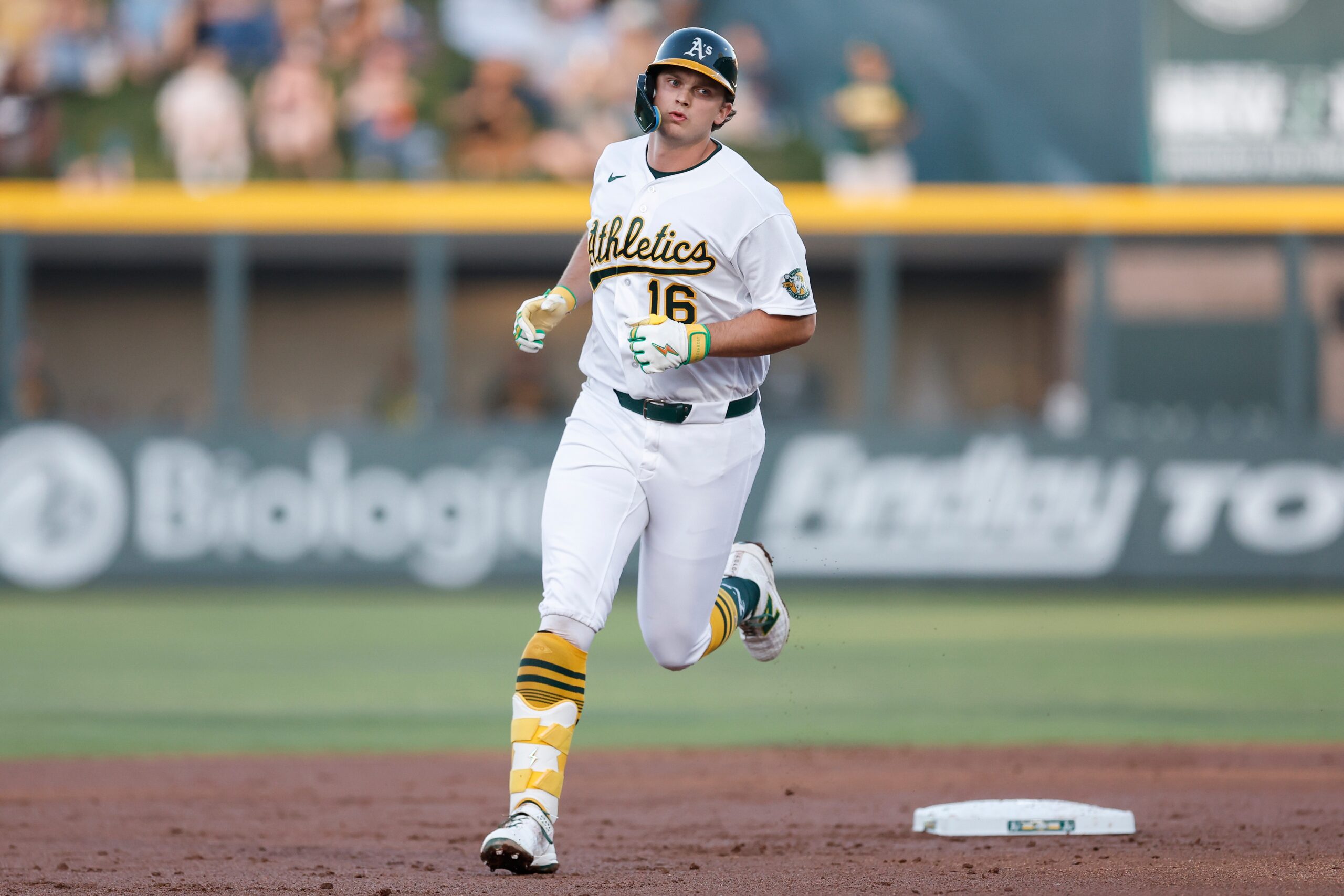
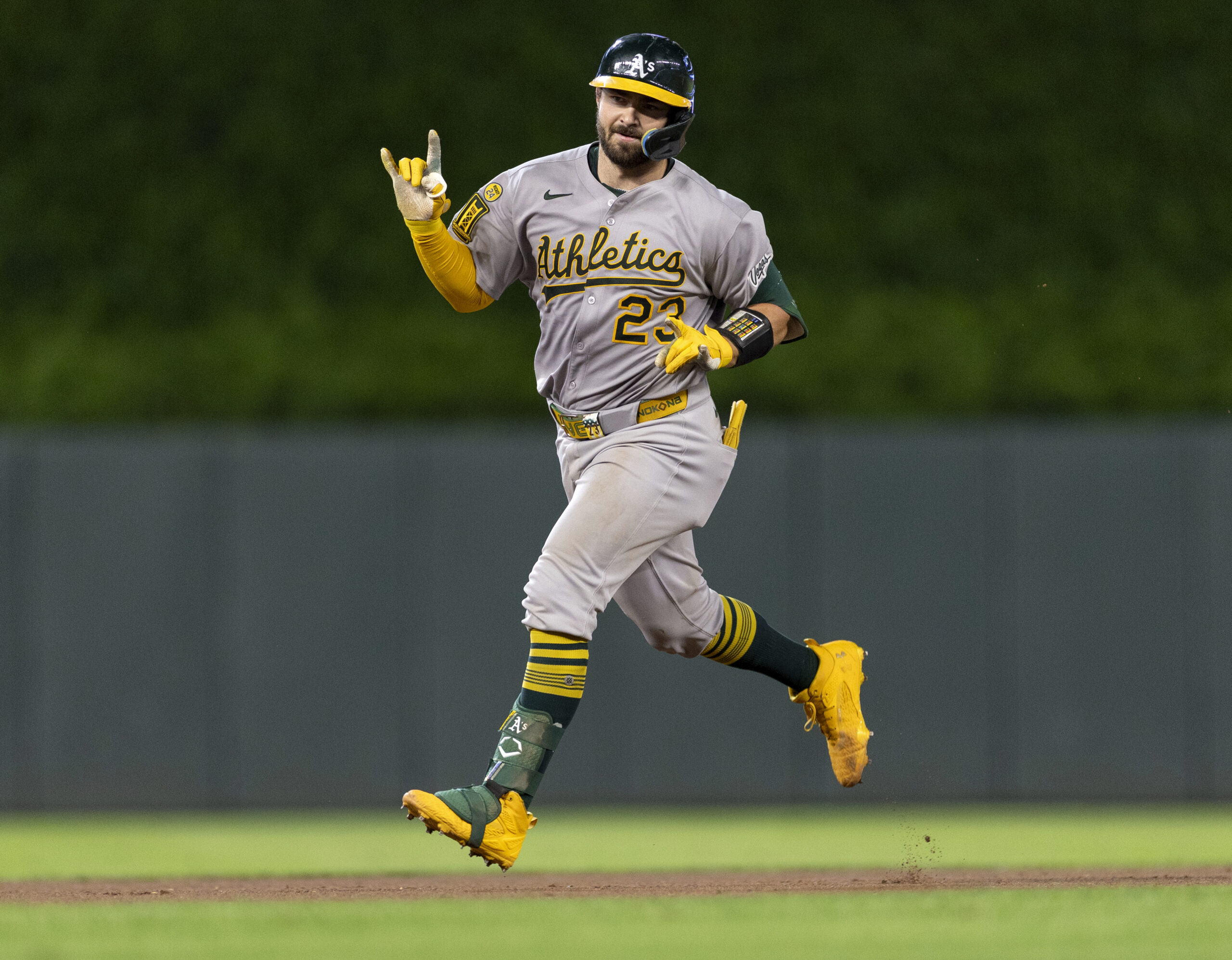
First base: Nick Kurtz, Athletics
All-Star selections: First
2026 stats: .275/.415/.512, 20 HR, 66 RBIs
What to know: Kurtz gets the starting spot at first after top vote-getter Vladimir Guerrero Jr. declined to play as he recovers from a lower back issue that has plagued him for weeks. The 23-year-old Kurtz won the AL Rookie of the Year last season and is on pace to have an even better season in 2026.
All-Star stat: Kurtz is an on-base machine. He leads baseball with 76 walks and is second in walk percentage (.189) and on-base percentage (.415). And when he makes contact, he mashes. He’s in the 99th percentile in hard-hit percentage, up from the 92nd last season.
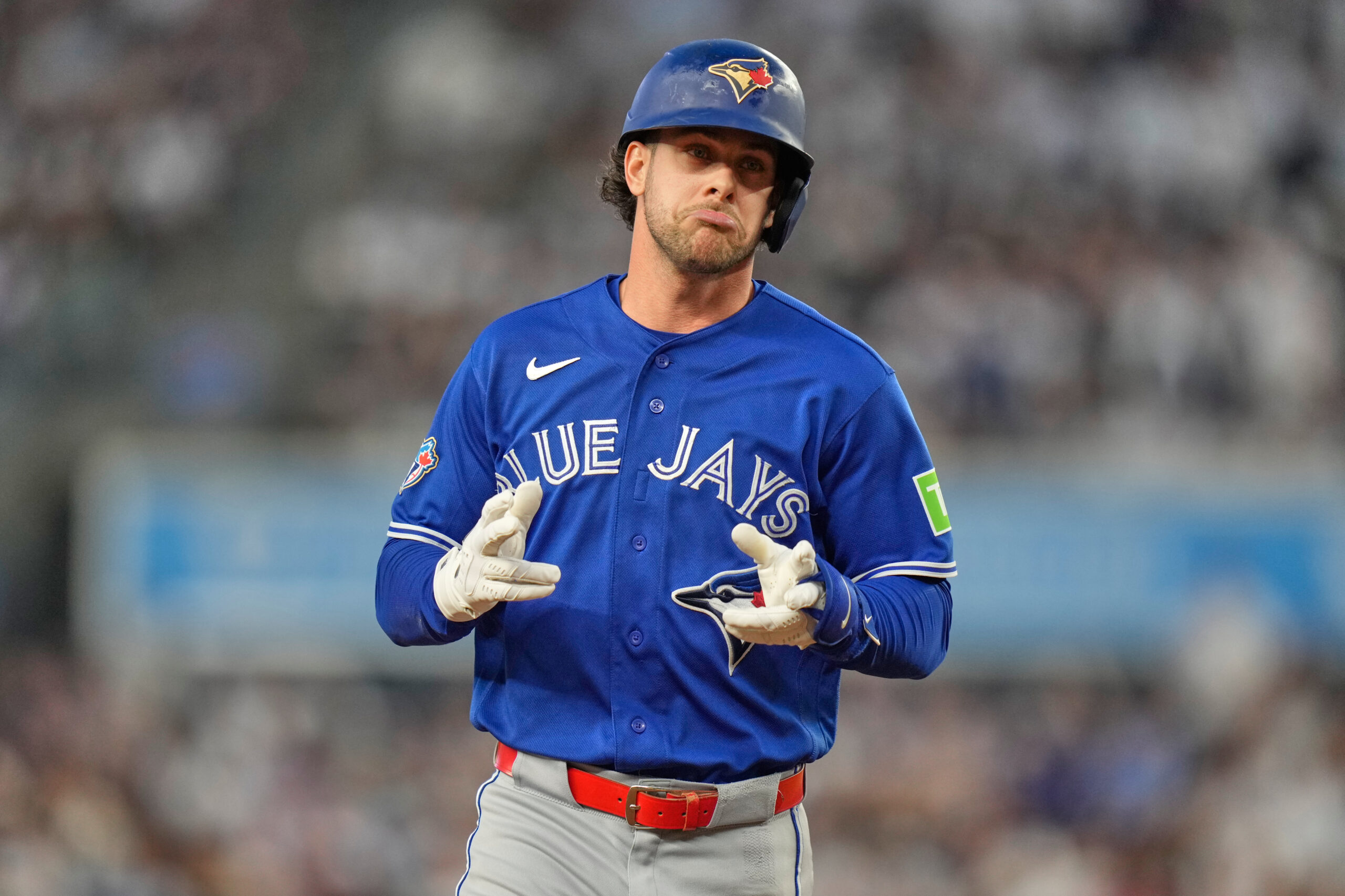
Second base: Ernie Clement, Blue Jays
All-Star selections: First
2026 stats: .293/.316/.429, 7 HR, 29 RBIs
What to know: Clement was the top vote-getter in the AL for Phase 1, earning him a starting nod. It’s the latest achievement for an unlikely star, who has become a fan favorite in Toronto and delivered a record-setting postseason performance with 30 hits during the Jays’ run to the 2025 World Series.
All-Star stat: Clement is among the game’s toughest hitters to strike out with a 9.9% whiff rate, which is in the 97th percentile among MLB hitters.
Shortstop: Bobby Witt Jr., Royals
All-Star selections: Third
2026 stats: .290/.362/.466, 12 HR, 36 RBIs, 30 SBs
What to know: A Team USA teammate of Bryce Harper and Kyle Schwarber in the World Baseball Classic in March, Witt Jr. is a five-tool player who is in the 99th percentile in sprint speed and is second in fielding range (outs above average). He’s averaged 23.4 home runs, 81.8 RBIs, 35.6 stolen bases, and an .842 OPS in his five major league seasons.
All-Star stat: Witt Jr. leads the American League with 4.7 WAR (Baseball Reference), and is fourth in baseball.
Third base: Junior Caminero, Rays
All-Star selections: Second
2026 stats: .288/.378/.561, 26 HR, 56 RBIs
What to know: The 23-year-old Caminero, who also will compete in the Home Run Derby, is starting his second straight All-Star Game, but this is his first time being voted in. Nicknamed “La Máxima,” Caminero has a brother named Girardi, after former Phillies manager Joe Girardi, then the manager of the Yankees.
All-Star stat: Caminero has elite bat speed, averaging 79.9 mph, tops in baseball, and has a hard-hit rate of 51.7%, a career best and in the 93rd percentile in MLB.
Outfield: Aaron Judge, Yankees
All-Star selections: Eighth
2026 stats: .248/.375/.533, 17 HR, 38 RBIs
What to know: The reigning AL MVP won’t play in the game because of a fractured rib that has kept him out since early June and will sideline him likely into August.
All-Star stat: Not much has stood out from Judge’s 2026 season, on pace to be his worst non-COVID season since 2019. But he’s Aaron Judge, and he has the Yankees fan base behind him voting.
Outfield: Mike Trout, Angels
All-Star selections: 12th
2026 stats: .234/.394/.472, 17 HR, 36 RBIs
What to know: The three-time MVP’s 90.5 career WAR is tops among active players. After playing in 130 games last season — his most since 2019 — Trout has played in 74 of the Angels’ 91 games this season, but has been out since June 18 with a strained right hamstring. With the Angels going nowhere again, will the Millville native and rabid Eagles fan finally ask to be traded? Expect that to be a topic of conversation during All-Star festivities with the Phillies among the teams in the market for a right-handed hitter.
All-Star stat: A career .291 hitter, Trout is way down at .234, but his on-base percentage remains elite at .394. And with 17 home runs so far, he is on pace to surpass the 26 he hit last season, his most since his 40 in 2022.
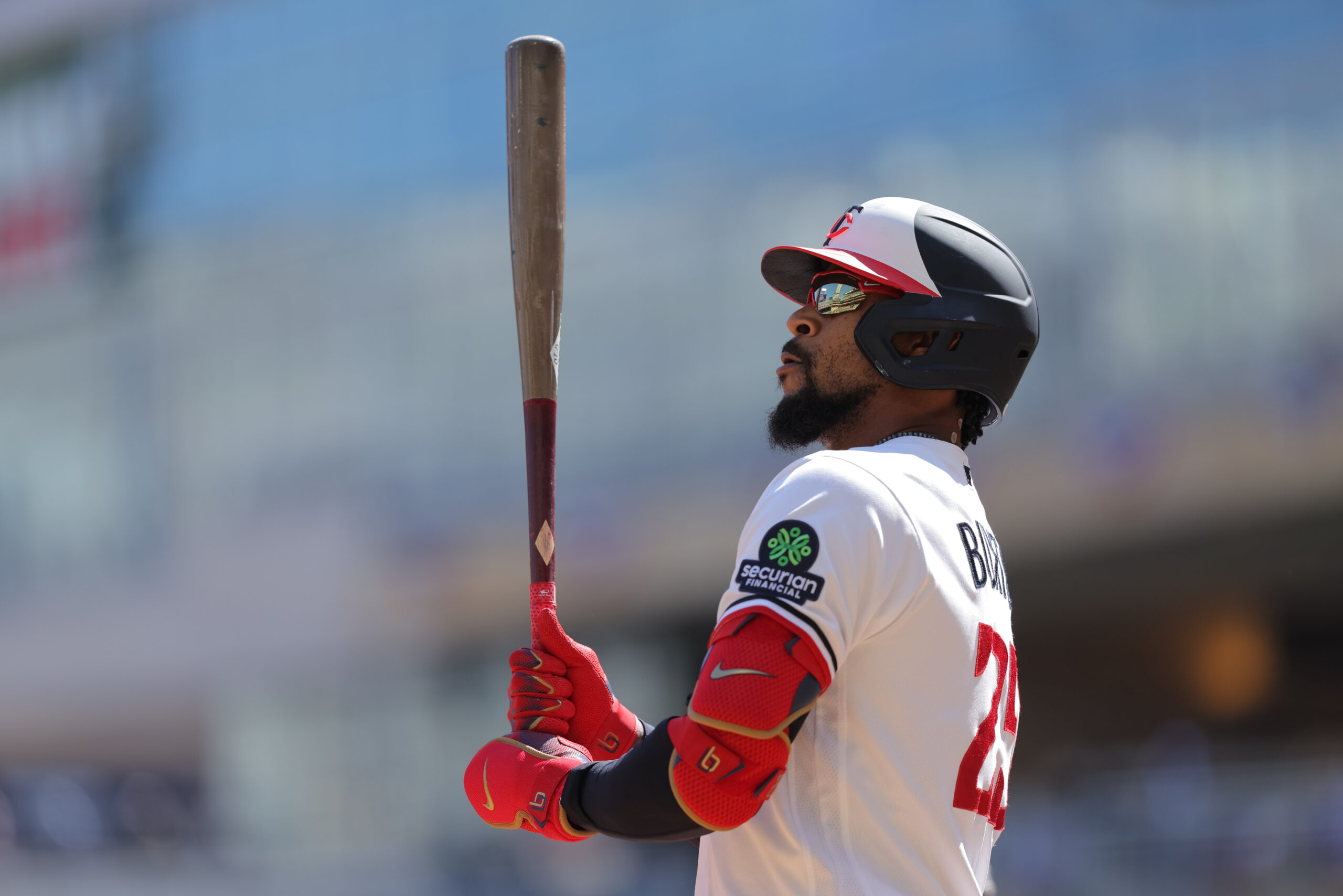
Outfield: Byron Buxton, Twins
All-Star selections: Third
2026 stats: .271/.328/.575, 25 HR, 45 RBIs
What to know: Another potential trade candidate for the Phillies playing in the All-Star Game, Buxton has said he’s not interested in moving on from the Twins. The 32-year-old still has elite speed, ranking in the 98th percentile in sprint speed, and remains one of the game’s top center fielders.
All-Star stat: After hitting a career high 35 home runs last season, Buxton is on pace to surpass that total in 2026. His 25 homers rank fifth in baseball.
Catcher: Shea Langeliers, Athletics
All-Star selections: First
2026 stats: .264/.328/.494, 20 HR, 44 RBIs
What to know: The 28-year-old Langeliers has already notched his fourth straight season with at least 20 home runs. Only Cal Raleigh (133) has more home runs among catchers since 2023 than Langeliers (102).
All-Star stat: Langeliers posted a career-best 3.9 oWAR (offensive wins above replacement) in 2025, second among catchers again only to Raleigh’s 4.1. Langeliers has a 2.4 oWAR in 2026, trailing only Tigers catcher Dillon Dingler (3.2).
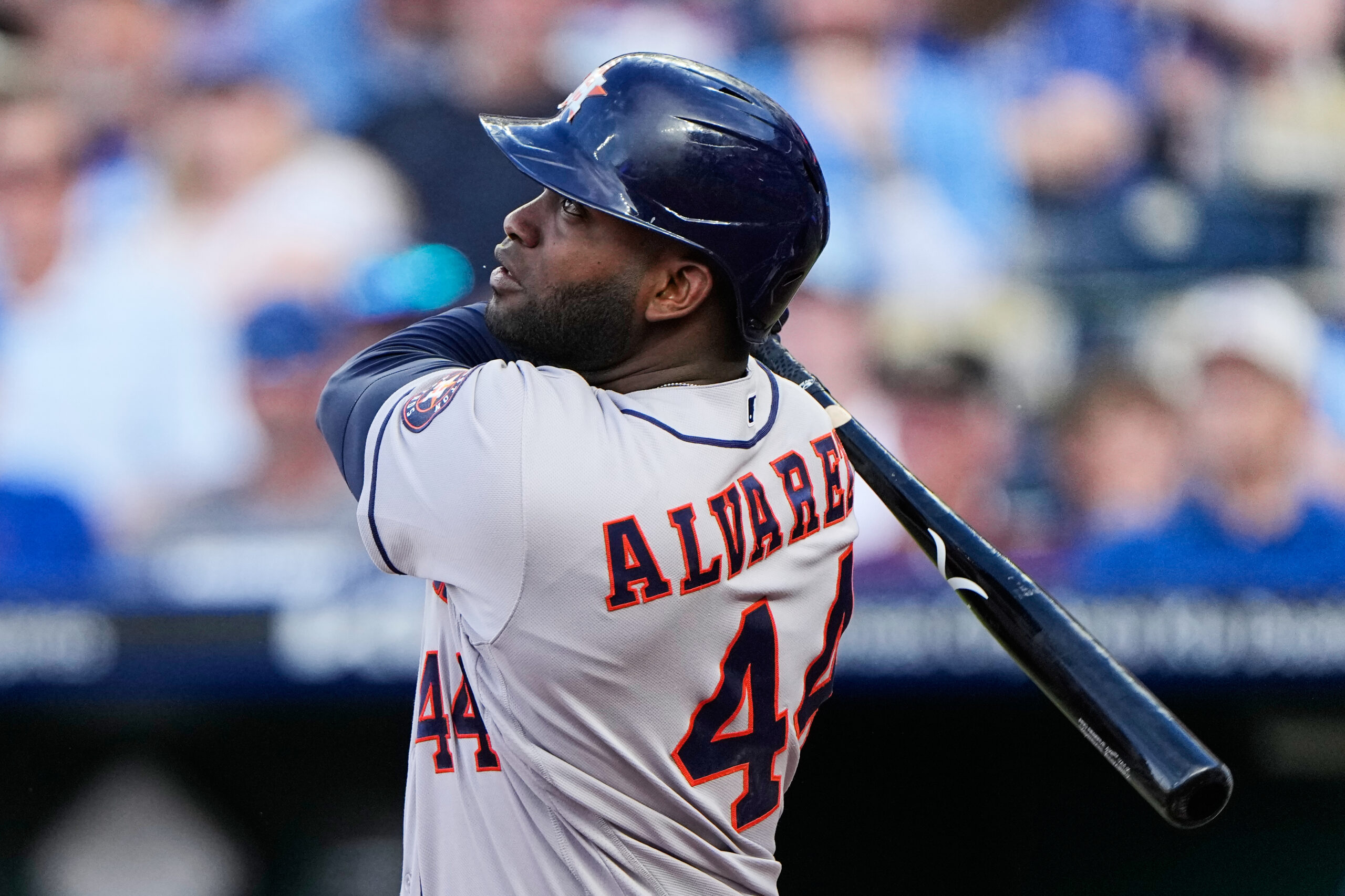
Designated hitter: Yordan Alvarez, Astros
All-Star selections: Fourth
2026 stats: .320/.429/.637 29 HR, 67 RBIs
What to know: Alvarez, who won AL Rookie of the Year in 2019 and finished third in MVP voting in 2022, is having another big season, topping baseball in OPS, on-base percentage, and slugging.
All-Star stat: Alvarez’s expected slugging percentage, which measures a hitter’s quality of contact, is the best in MLB at .718, a career high.
National League starters
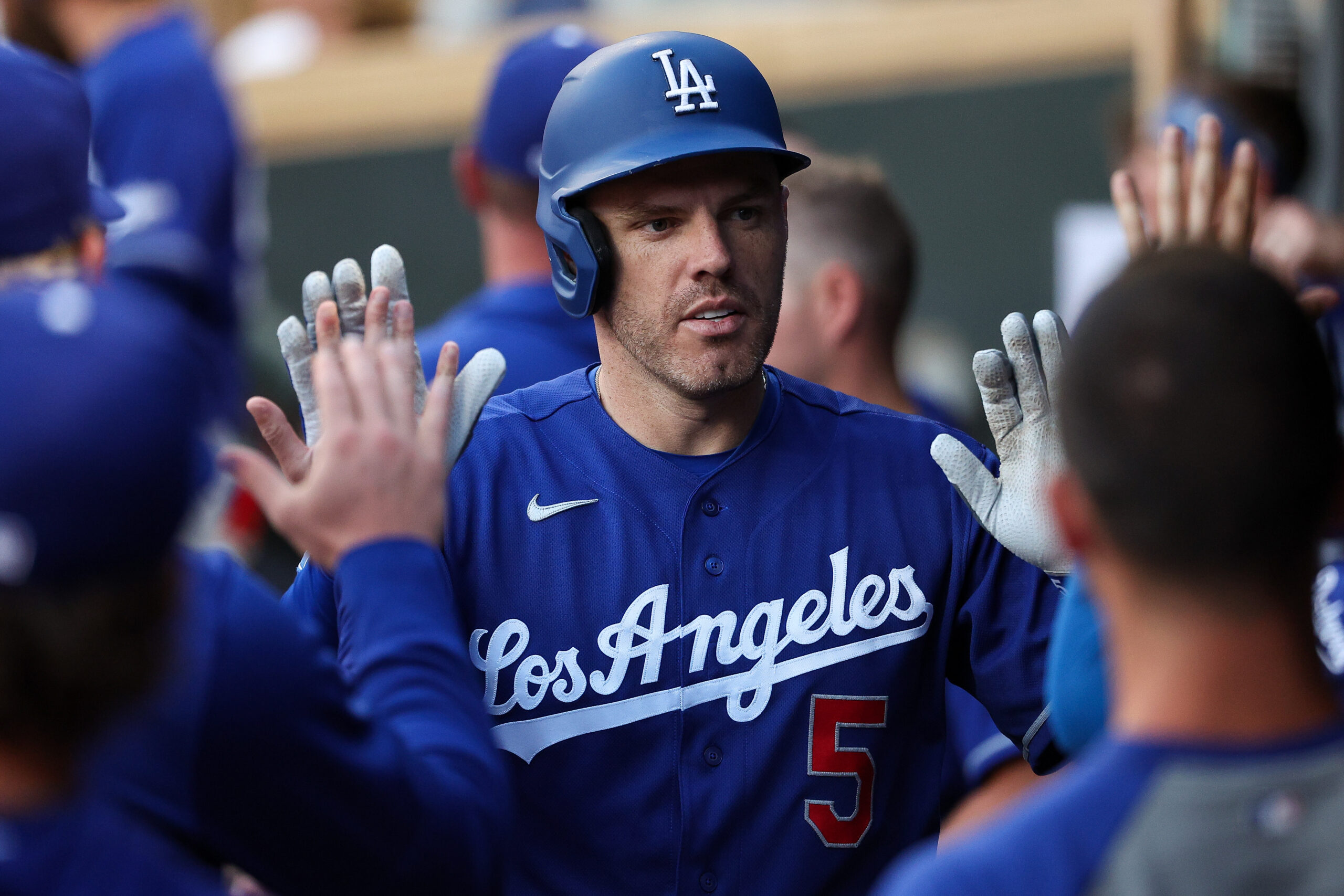
First base: Freddie Freeman, Dodgers
All-Star selections: 10th
2026 stats: .293/.383/.502, 15 HR, 49 RBIs
What to know: Freeman, 36, has appeared in every All-Star Game from 2018 to 2026, the only player in baseball to do so. This will be his sixth start and third with the Dodgers.
All-Star stat: One of the best pure hitters in the game, Freeman’s expected weighted on-base average (which measures the quality of a hitter’s contact regardless of factors beyond their control like defensive player abilities and dimensions of the ballpark) of .391 is in the 96th percentile and is up 40 points from 2025.
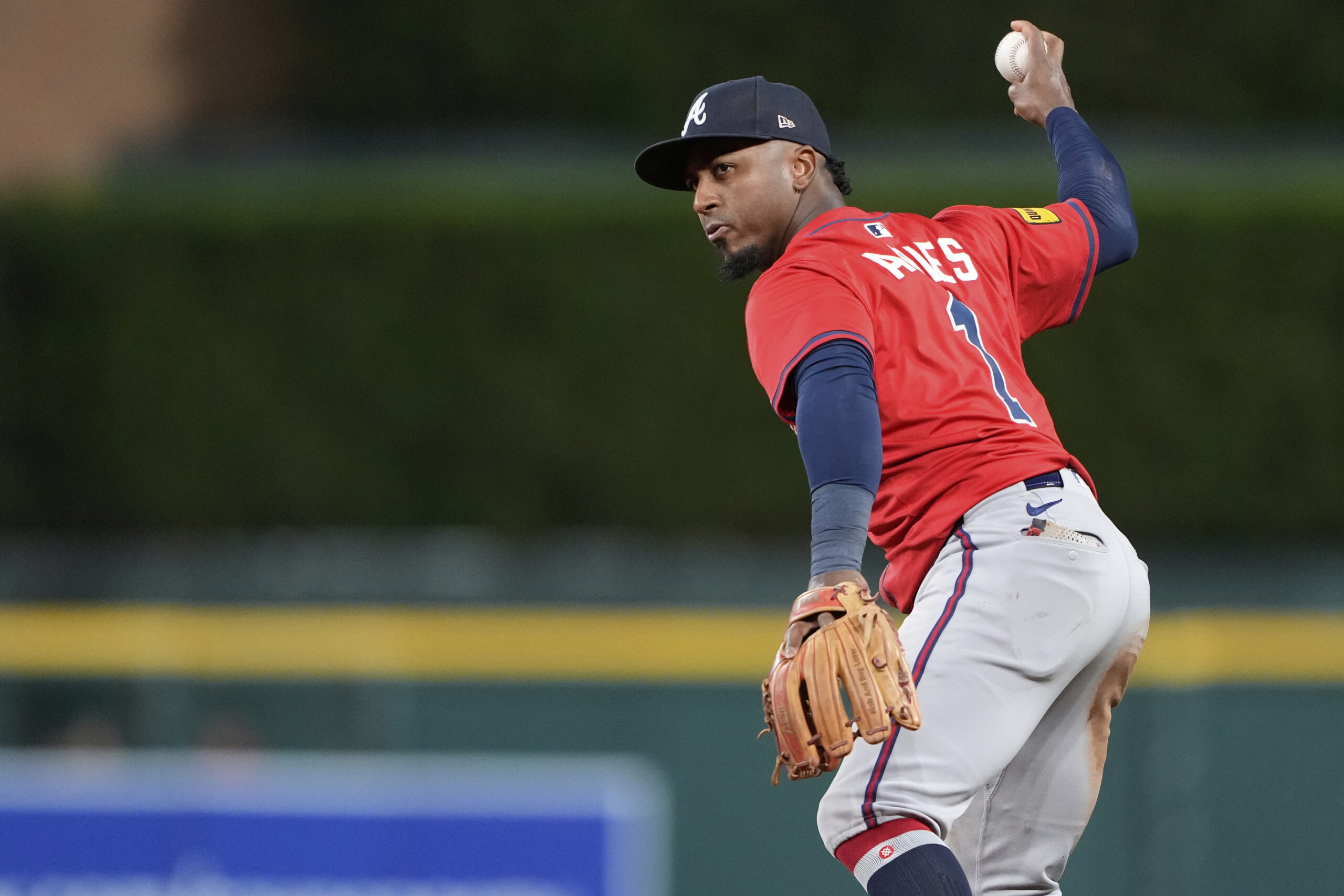
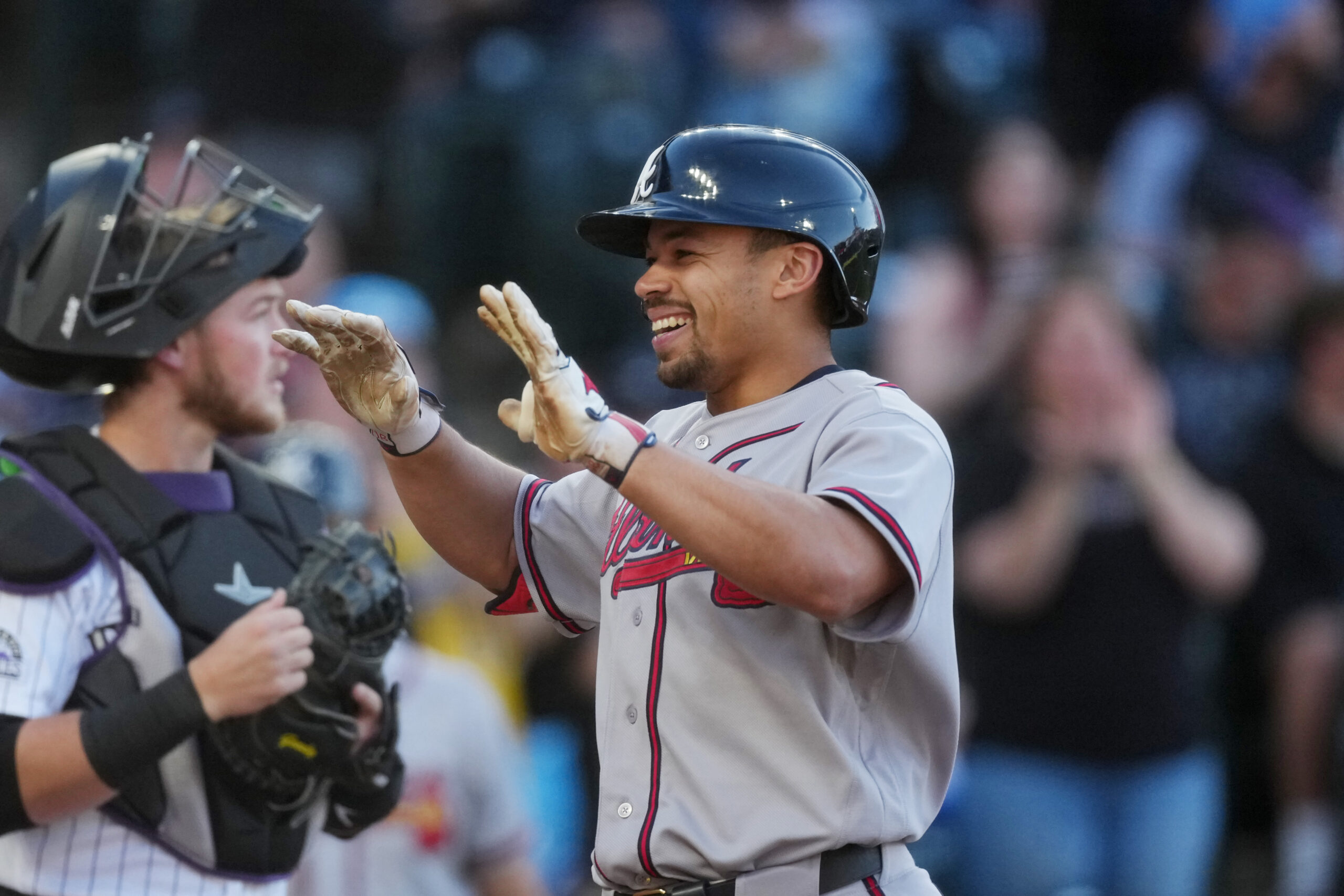
Second base: Ozzie Albies, Braves
All-Star selections: Fourth
2026 stats: .271/.322/.445, 14 HR, 49 RBIs
What to know: Albies topped Phillies second baseman Bryson Stott in Phase 2 of the All-Star vote. After getting off to a hot start (.908 OPS, seven homers, 20 RBIs) in the first month of the season, Albies has a .687 OPS since May 1.
All-Star stat: Along with decent power and speed, Albies has been one of the toughest hitters to strike out this season. His strikeout percentage of 11.9% is in the 94th percentile in the game.
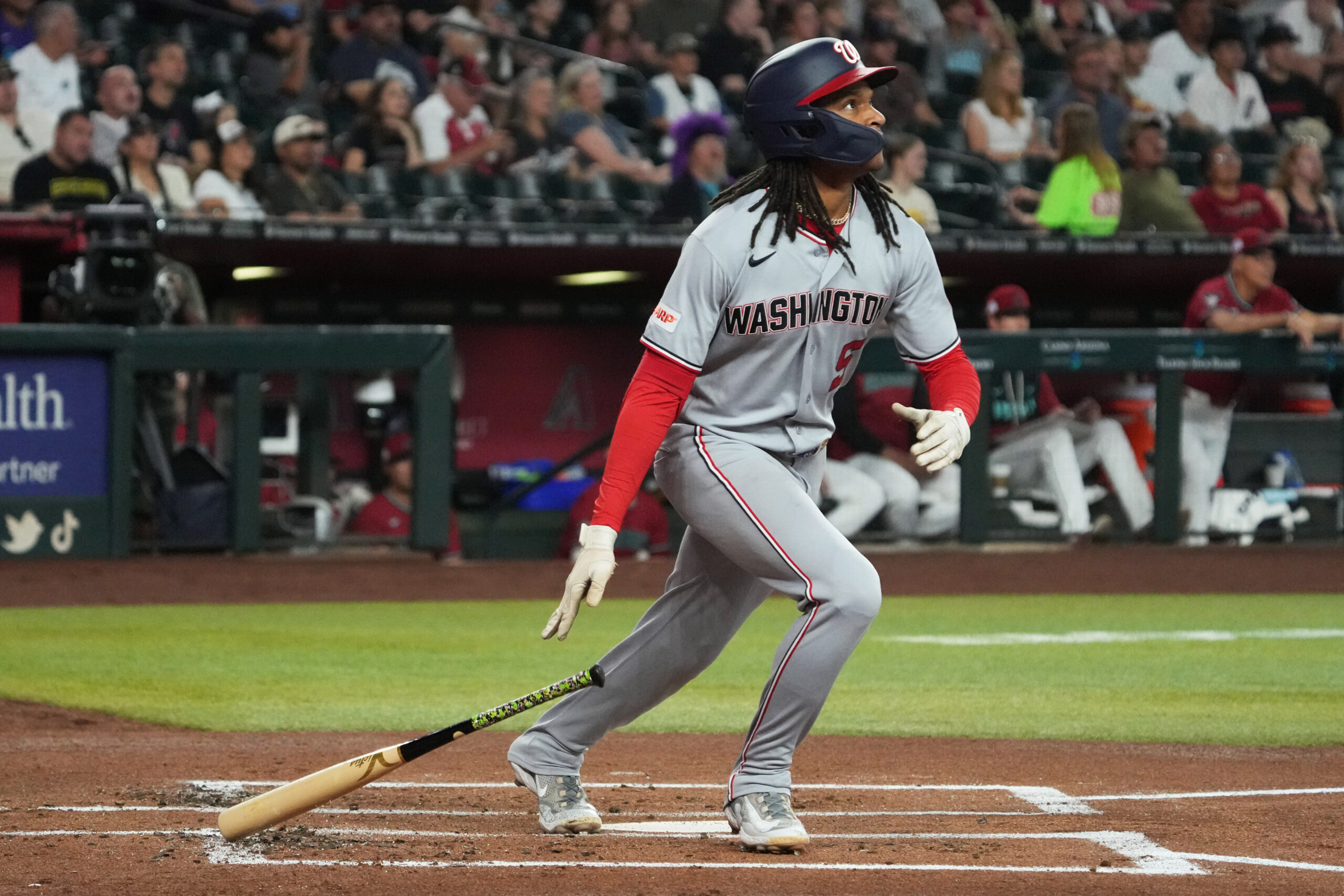
Shortstop: CJ Abrams, Nationals
All-Star selections: Second
2026 stats: .269/.348/.498, 18 HR, 61 RBIs
What to know: The speedy Abrams has improved his power metrics in his fourth full season with the Nationals. He has almost eclipsed his career high of 20 homers set in 2024 and has almost done the same with RBIs (his career best of 65 also came in 2024).
All-Star stat: Abrams’ slugging percentage is up 65 points from last season, and his average exit velocity has risen to a career-best 90 mph, which puts him in the 60th percentile among major leaguers.
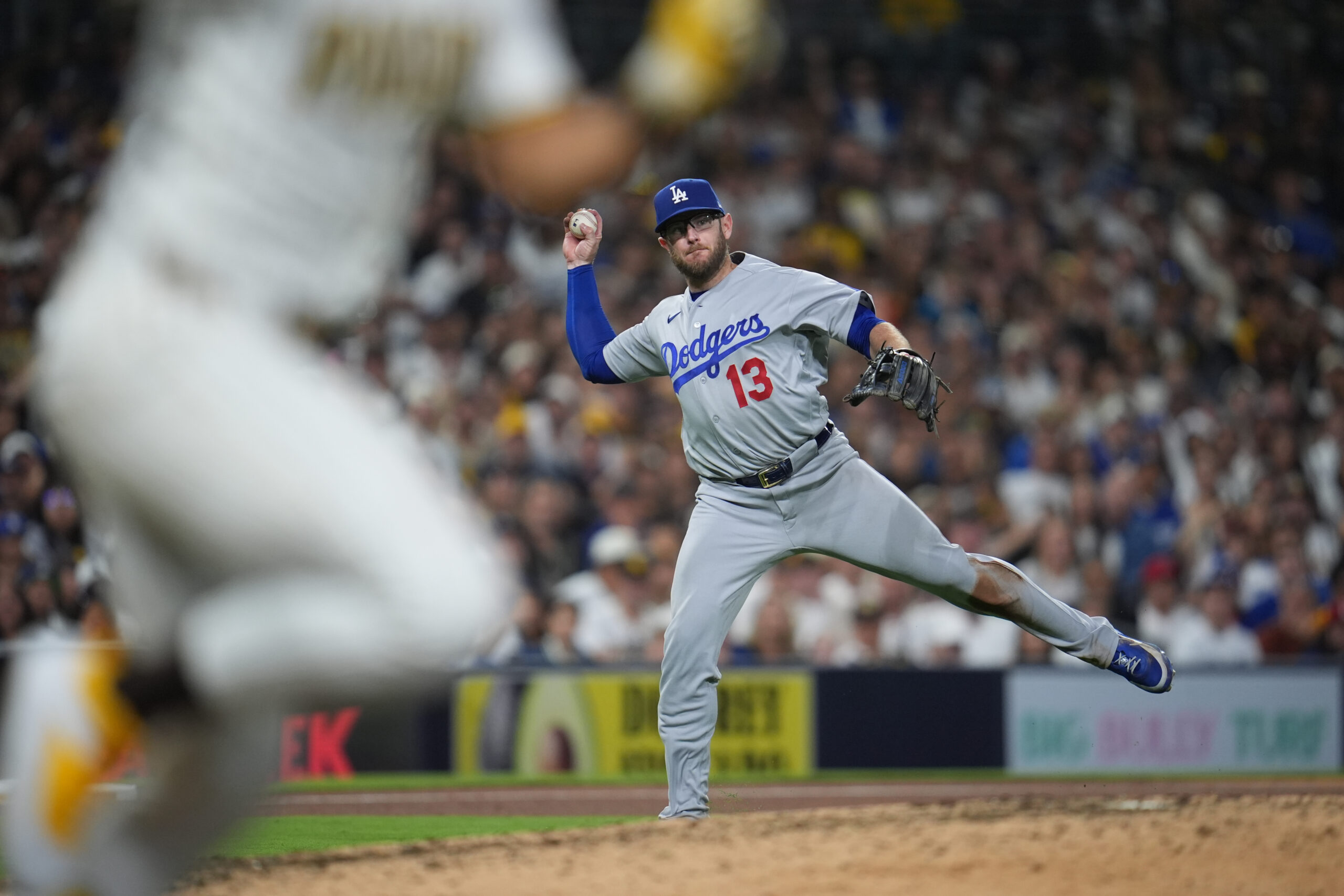
Third base: Max Muncy, Dodgers
All-Star selections: Third
2026 stats: .264/.358/.504, 17 HR, 39 RBIs
What to know: Muncy beat out the Phillies’ Alec Bohm to become the first Dodger to start an All-Star Game at third base since Ron Cey in 1977.
All-Star stat: In addition to boosting his batting average and maintaining his power stroke, the 35-year-old Muncy is having his best defensive season at third base. His outs above average is in the 93rd percentile of all major leaguers, by far the best of his career at third base.
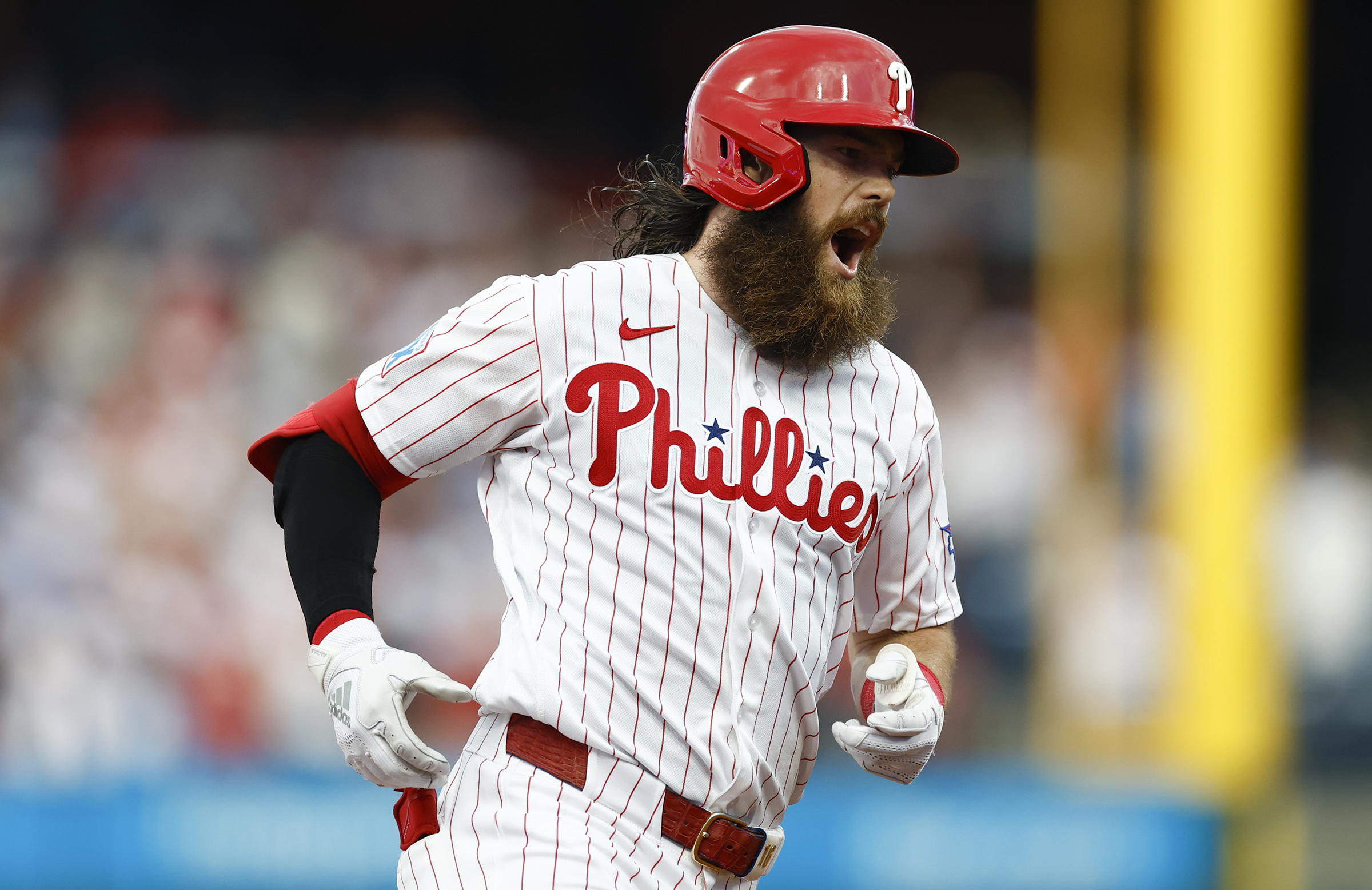
Outfield: Brandon Marsh, Phillies
All-Star selections: First
2026 stats: .309/.341/.511, 15 HR, 46 RBIs
What to know: Marsh has broken through as an All-Star starter in his fourth full season with the Phillies, proving that he can hit enough against lefties to be an everyday player. A career .208 hitter against lefties entering this season, Marsh is batting .264 against southpaws in 2026.
All-Star stat: While Marsh is swinging at almost anything (his 38.6% chase rate is in the bottom 10% of the league and is the highest of his career), he is crushing pitches in the zone. He is among the best in the game with a 46.1% launch angle sweet spot rate (99th percentile).
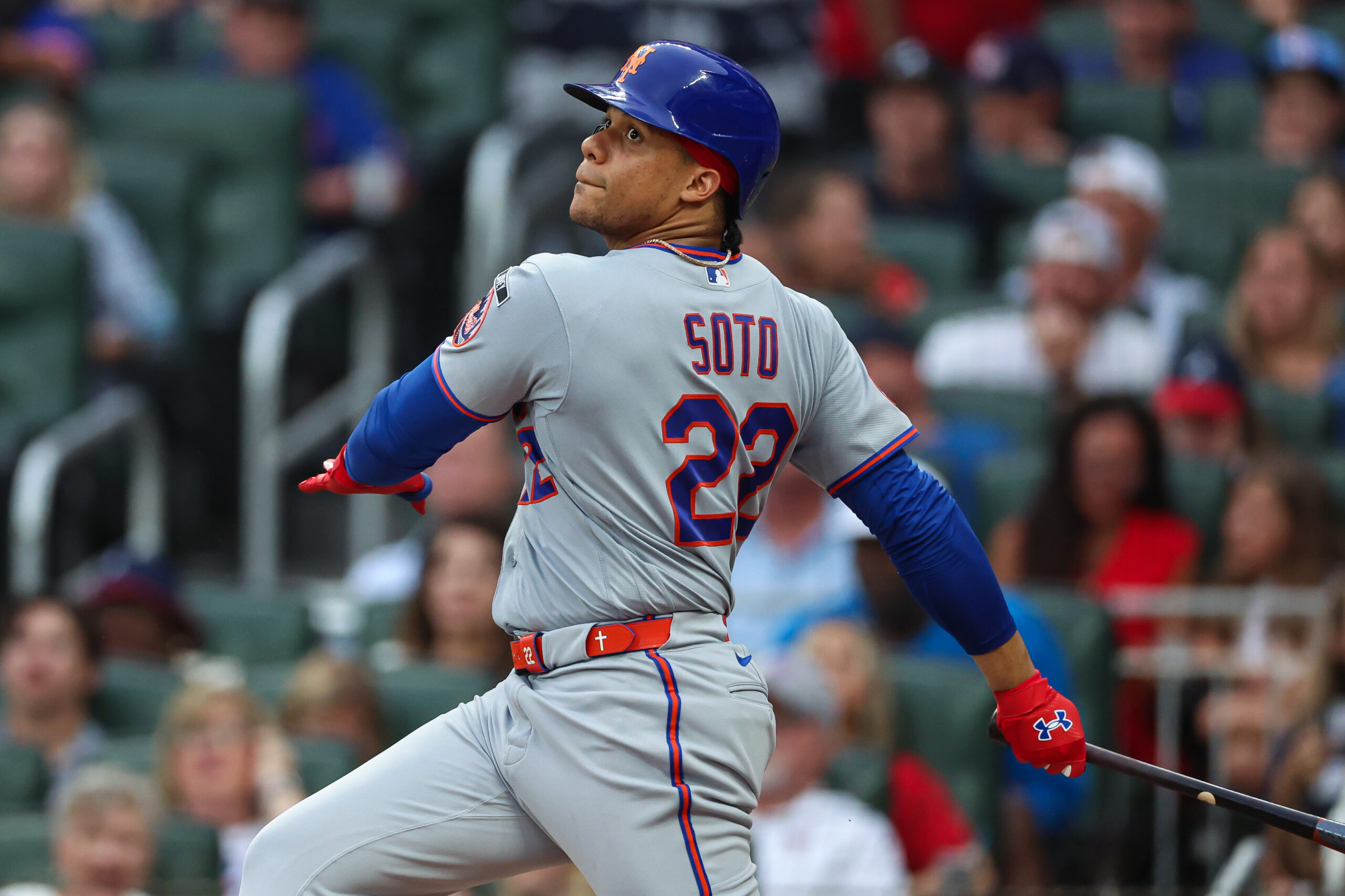
Outfield: Juan Soto, Mets
All-Star selections: Fifth
2026 stats: .299/.407/.559, 18 HR, 43 RBIs
What to know: The Mets’ $765 million man is having an elite season even if his team has underwhelmed, sitting in last place in the NL East. He leads baseball with a .407 on-base percentage and has more walks (47) than strikeouts (38). His walk-to-strikeout ratio is second in the National League to the Giants’ Luis Arraez.
All-Star stat: Soto, along with the Astros’ Yordan Alvarez and Nationals’ James Wood, is in the top three in baseball in two of the most comprehensive contact quality metrics, expected weighted on-base average and expected slugging.
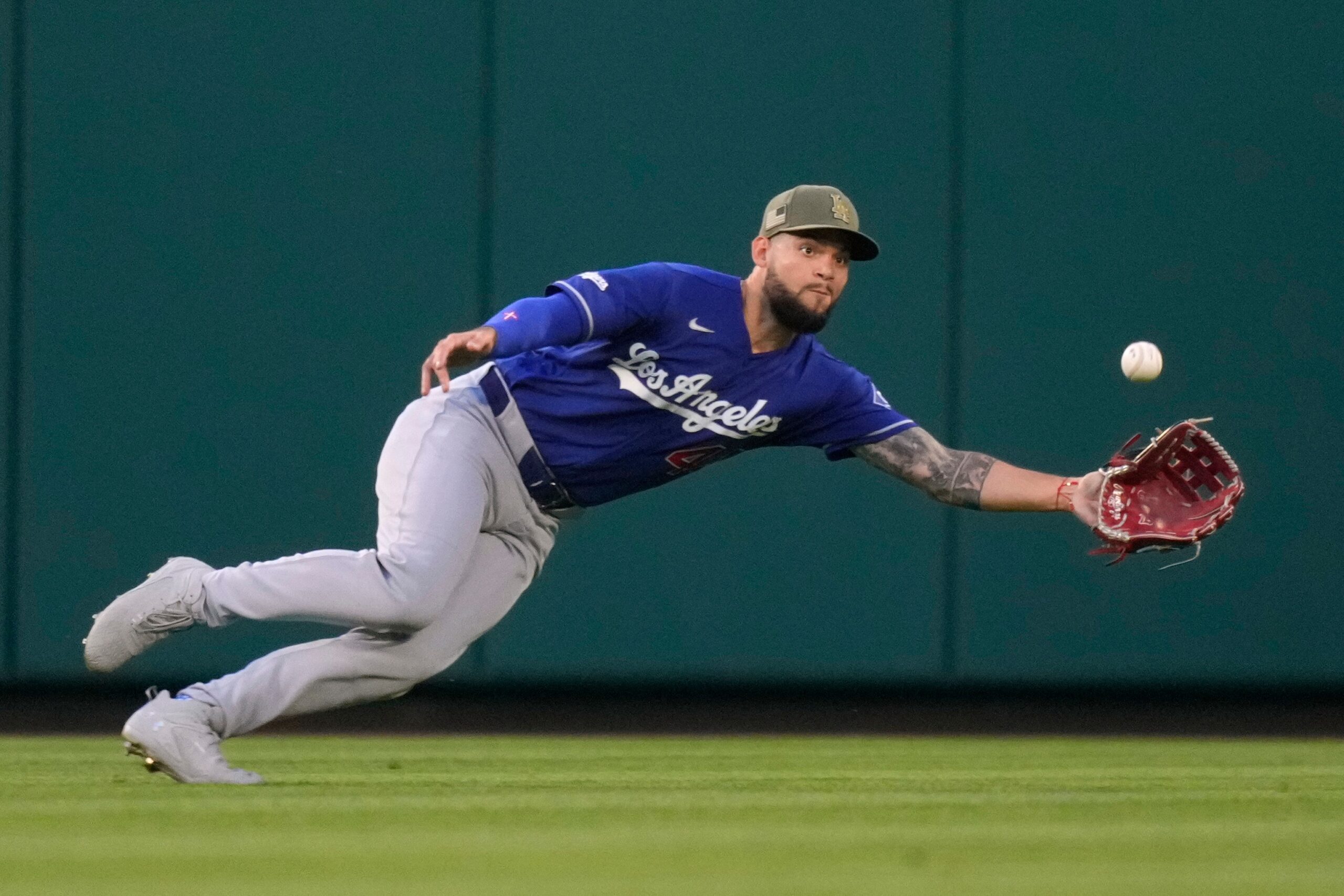
Outfield: Andy Pages, Dodgers
All-Star selections: First
2026 stats: .267/.332/.471, 16 HR, 63 RBIs
What to know: The 25-year-old leads the NL in RBIs, building off a 27-homer season in 2025 while playing elite defense in center field.
All-Star stat: Pages has cleaned up batting with runners in scoring position this season. He’s among the league leaders with a .350 batting average with runners in scoring position, driving in 51 of his 63 RBIs.
Catcher: Drake Baldwin, Braves
All-Star selections: First
2026 stats: .251/.336/.451, 15 HR, 43 RBIs
What to know: The National League Rookie of the Year in 2025 got off to a strong start to his second season, batting .303 with 13 home runs and 38 RBIs through May 18, but an oblique strain in his right side sidelined him for almost a month. He’s struggled in his return, batting .104 in 17 games.
All-Star stat: Although Baldwin is still trying to regain his early-season stroke, he is hitting the ball with an elite combination of launch angle and exit velocity. His 16% barrel rate is in the 95th percentile among major leaguers, and is up from 11% in his rookie season.
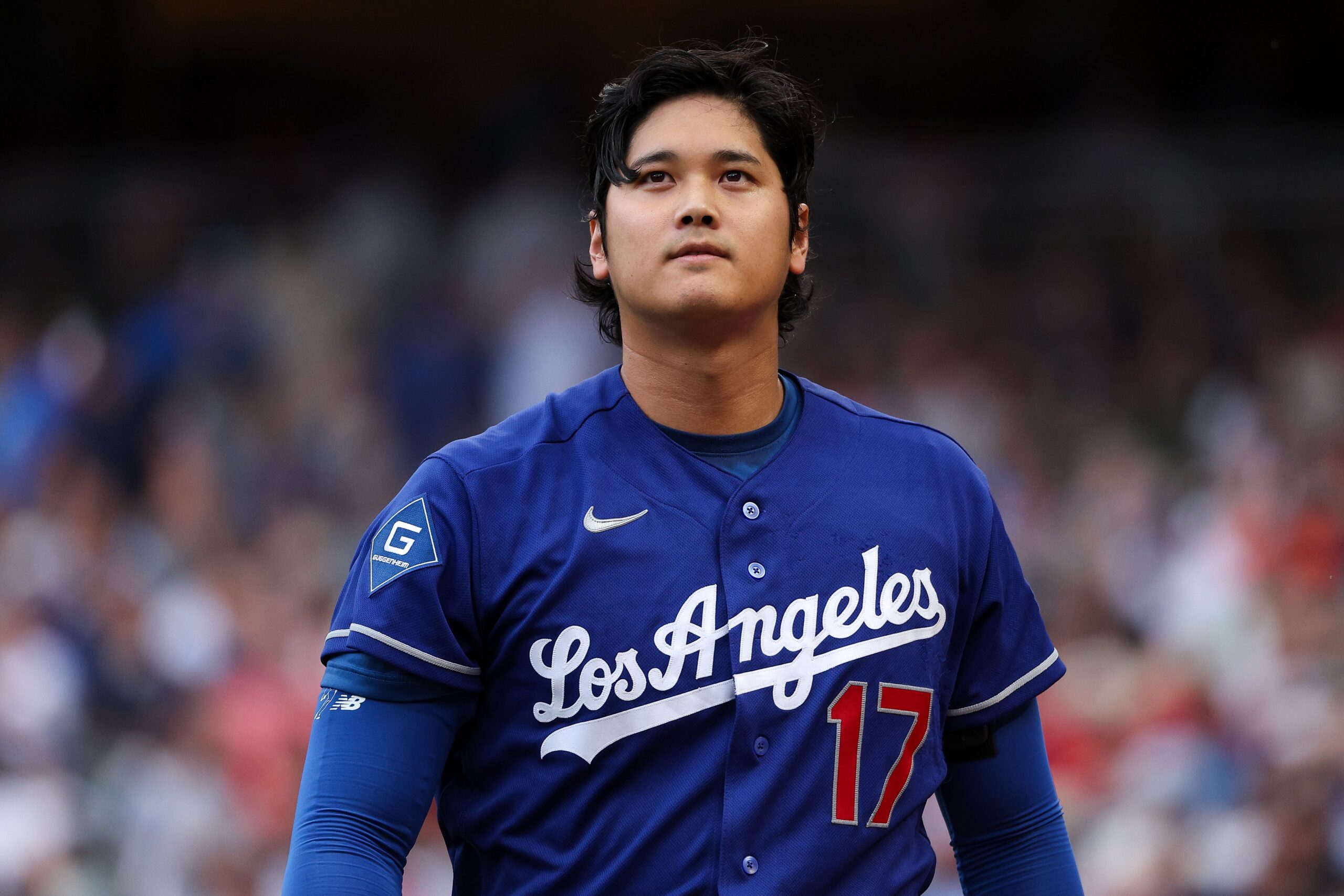
Designated hitter: Shohei Ohtani, Dodgers
All-Star selections: Sixth
2026 stats: .288/.404/.522, 18 HR, 51 RBIs
What to know: Schwarber is having another monster season at DH, but no one is moving Ohtani, the unicorn of baseball, out of a starting spot on the All-Star team. He led baseball in fan voting during Phase 1, ensuring that he would bypass the next phase and lock up a starting spot at DH.
All-Star stat: Ohtani is putting together another MVP-level season that will be hard to beat, simply because not only is he an elite hitter, but he’s among the game’s best pitchers. His 1.79 ERA leads baseball, buoyed by an elite barrel percentage (3.8%) that ranks in the 93rd percentile.
AL pitchers
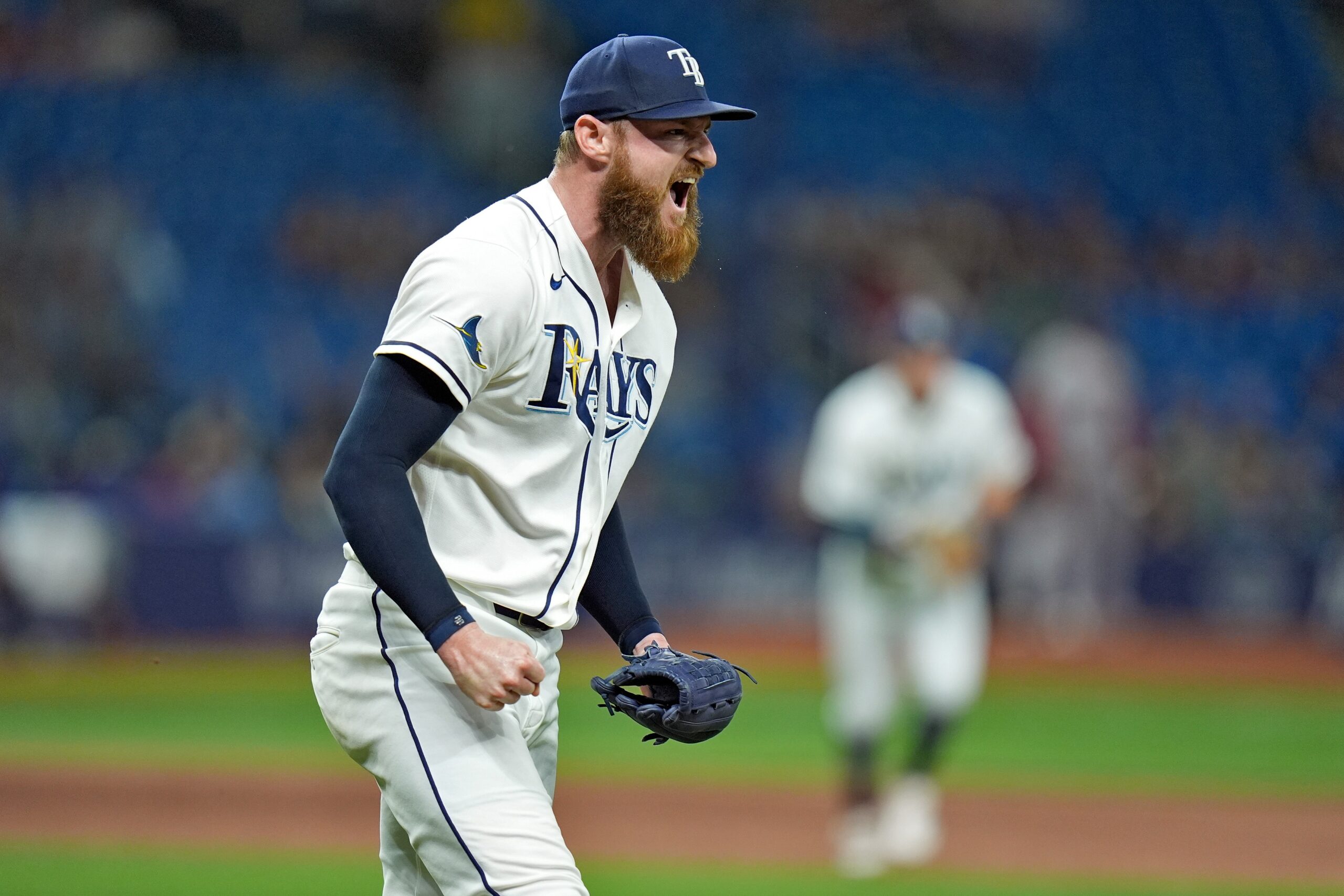
Bryan Baker, Rays
All-Star selections: First
2026 stats: 1.83 ERA, 23 saves
What to know: Baker is second in saves in his first season as the Rays’ closer, holding opponents to a .143 batting average.
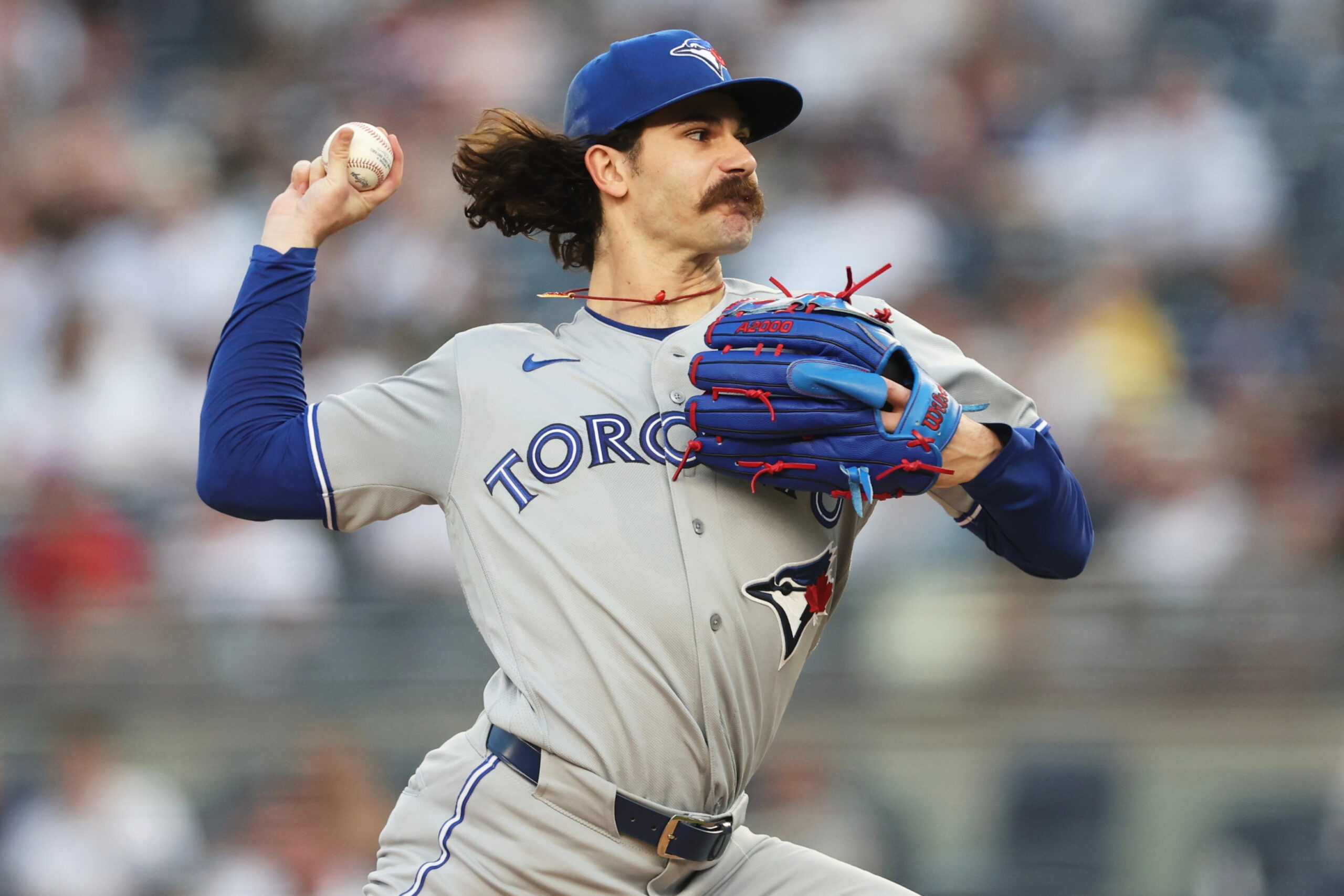
Dylan Cease, Blue Jays
All-Star selections: First
2026 stats: 2.79 ERA, 137 Ks, 2.26 FIP
What to know: In his first season with the Jays after signing a $210 million deal, Cease leads the AL in strikeouts.
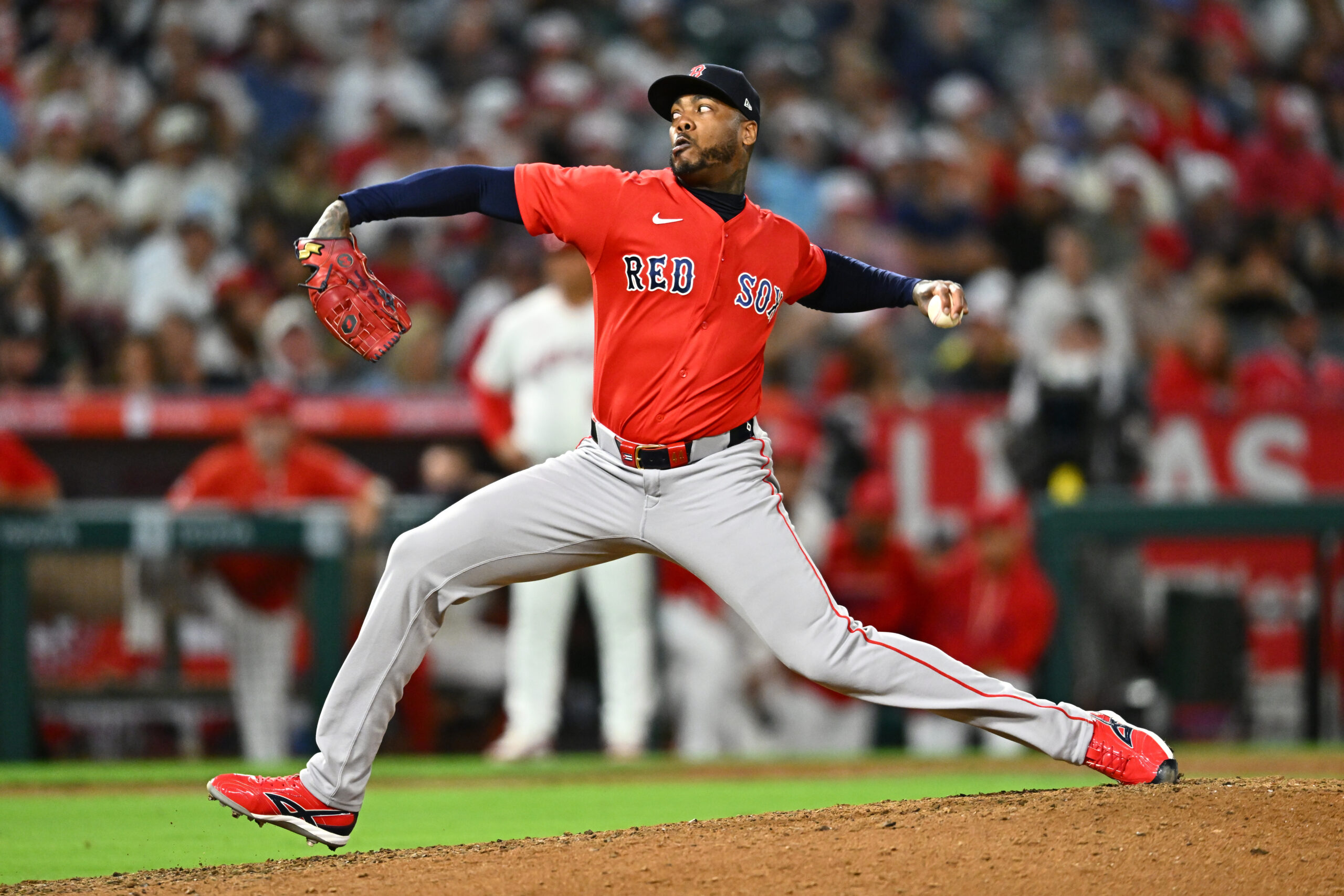
Aroldis Chapman, Red Sox
All-Star selections: Ninth
2026 stats: 2.36 ERA, 18 saves
What to know: The 38-year-old flame-throwing closer is still missing bats, with 35 strikeouts in 26⅔ innings, but his 30% whiff rate is his lowest in six seasons.
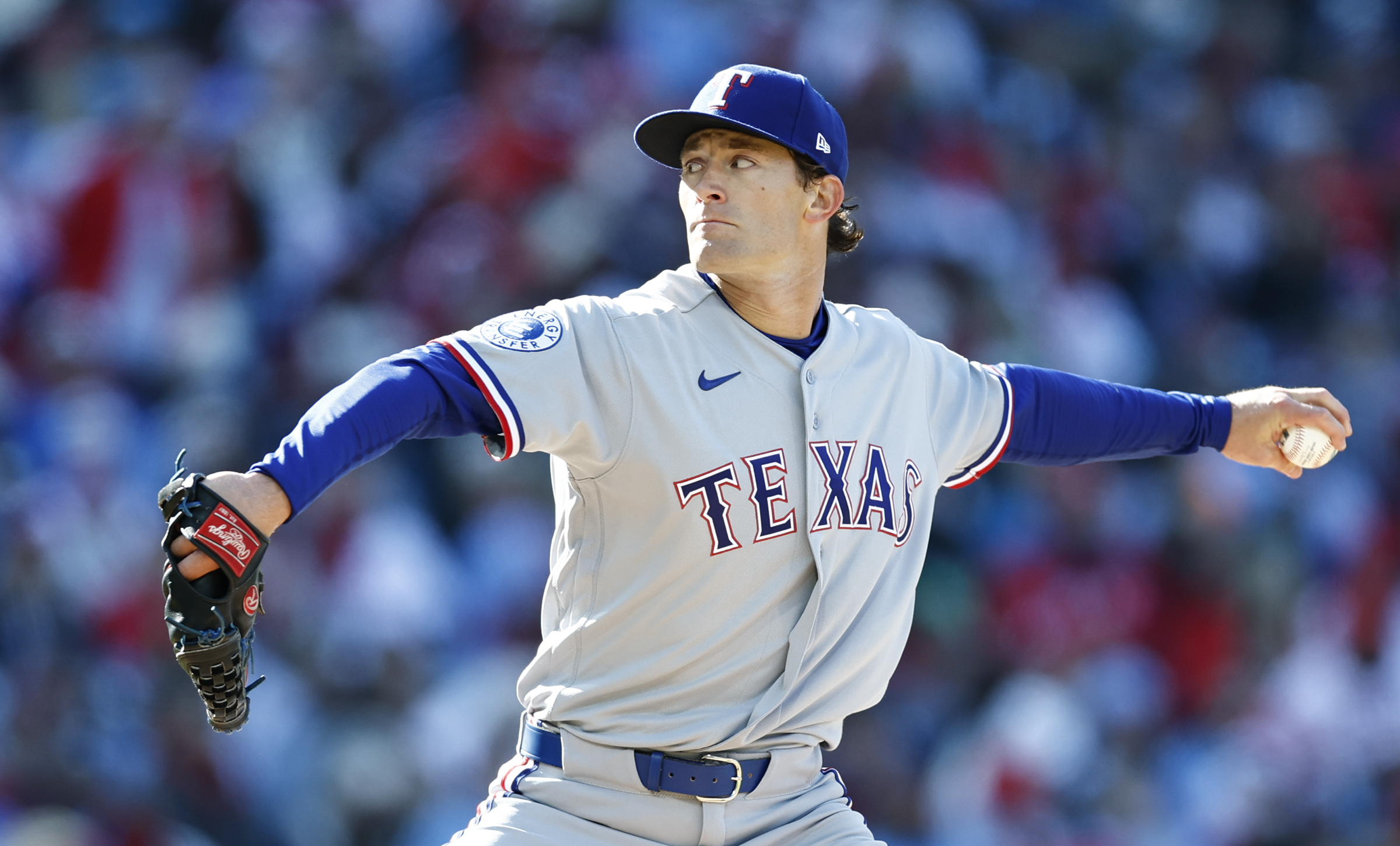
Jacob Latz, Rangers
All-Star selections: First
2026 stats: 1.71 ERA, 18 saves, 0.619 WHIP
What to know: After losing out for a spot in the rotation entering the season, Latz moved to the bullpen and thrived. He took over officially as closer in late April. Latz posted a 1.13 ERA with 11 saves in June to win AL Reliever of the Month.
Parker Messick, Guardians
All-Star selections: First
2026 stats: 2.80 ERA, 1.085 WHIP
What to know: Messick wasn’t even assured of a rotation spot entering the season, but the rookie has emerged as one of the best young pitchers in the game. Hitters are batting just .147 against his four-seam fastball.
Drew Rasmussen, Rays
All-Star selections: Second
2026 stats: 2.78 ERA, 0.897 WHIP
What to know: Rasmussen followed up an All-Star season in 2025 with an even better one in 2026. He leads the AL in WHIP, and is in the 97th percentile in walk rate (4.5%).
Joe Ryan, Twins
All-Star selections: Second
2026 stats: 3.36 ERA, 1.045 WHIP
What to know: Ryan figures to be one of the more popular pitchers mentioned in trade deadline speculation. He has anchored the Twins’ rotation for a second straight All-Star season.
Cam Schlittler, Yankees
All-Star selections: First
2026 stats: 2.08 ERA, 203 ERA+
What to know: Schlittler’s four-seamer, which averages 97.7 mph, has held opponents to a .181 batting average and a 32.5% whiff rate. His strikeout percentage (29.7%) is in the 92nd percentile.
Cade Smith, Guardians
All-Star selections: First
2026 stats: 2.90 ERA, 26 saves
What to know: Smith has led the majors in saves for much of the season, buoyed by a 35% strikeout rate, which is in the 98th percentile in the game.
Ranger Suárez, Red Sox
All-Star selections: Second
2026 stats: 3.15 ERA, 1.161 WHIP
What to know: The former Phillie is an All-Star in his first season in Boston. He throws five pitches with regularity, but his four-seamer has been particularly effective, holding hitters to a .212 batting average and a .231 slugging percentage. His status for the All-Star Game is uncertain after he suffered a left adductor injury in his start on Sunday.
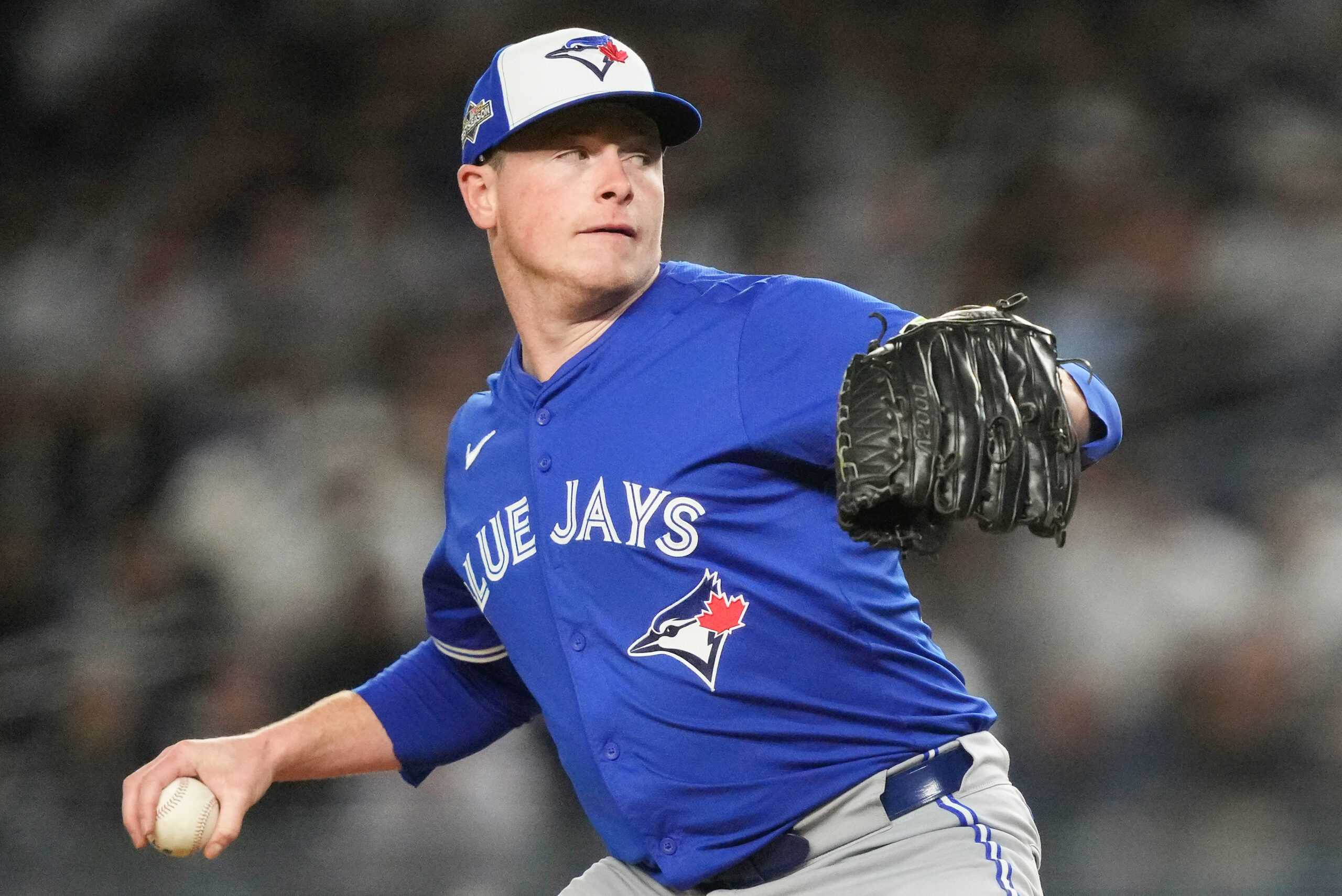
Louis Varland, Blue Jays
All-Star selections: First
2026 stats: 0.96 ERA, 18 saves, 12.4 SO/9
What to know: In his first season as closer, Varland has been dominant, striking out 65 in 47 innings.
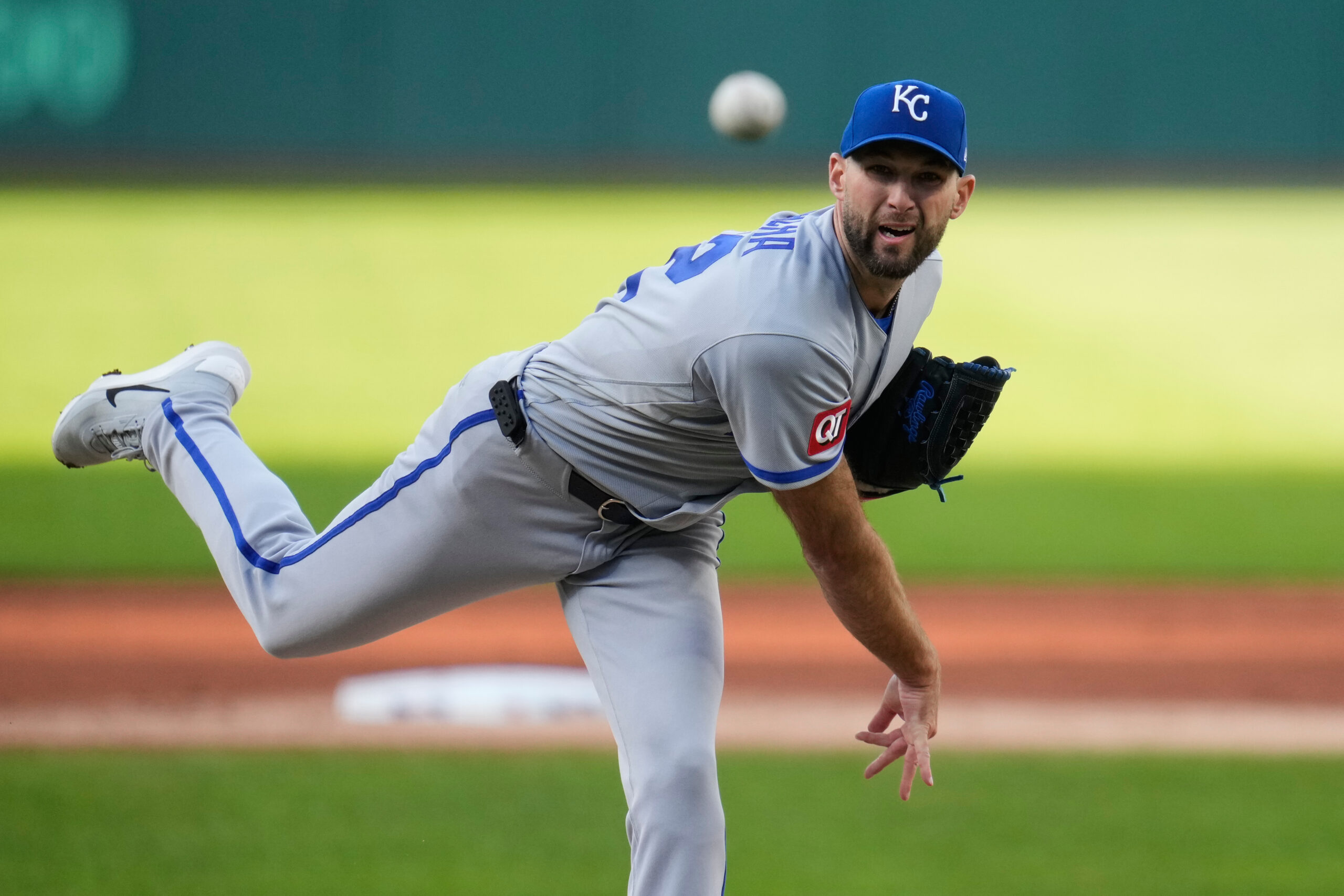
Michael Wacha, Royals
All-Star selections: Second
2026 stats: 3.45 ERA, 1.160 WHIP
What to know: The 35-year-old starter, who last made the All-Star Game in 2015, has been a workhorse for the Royals, pitching a league-high 114⅔ innings in 18 starts.
Justin Verlander, P, Tigers
All-Star selections: 10
2026 stats: 12.27 ERA in one start
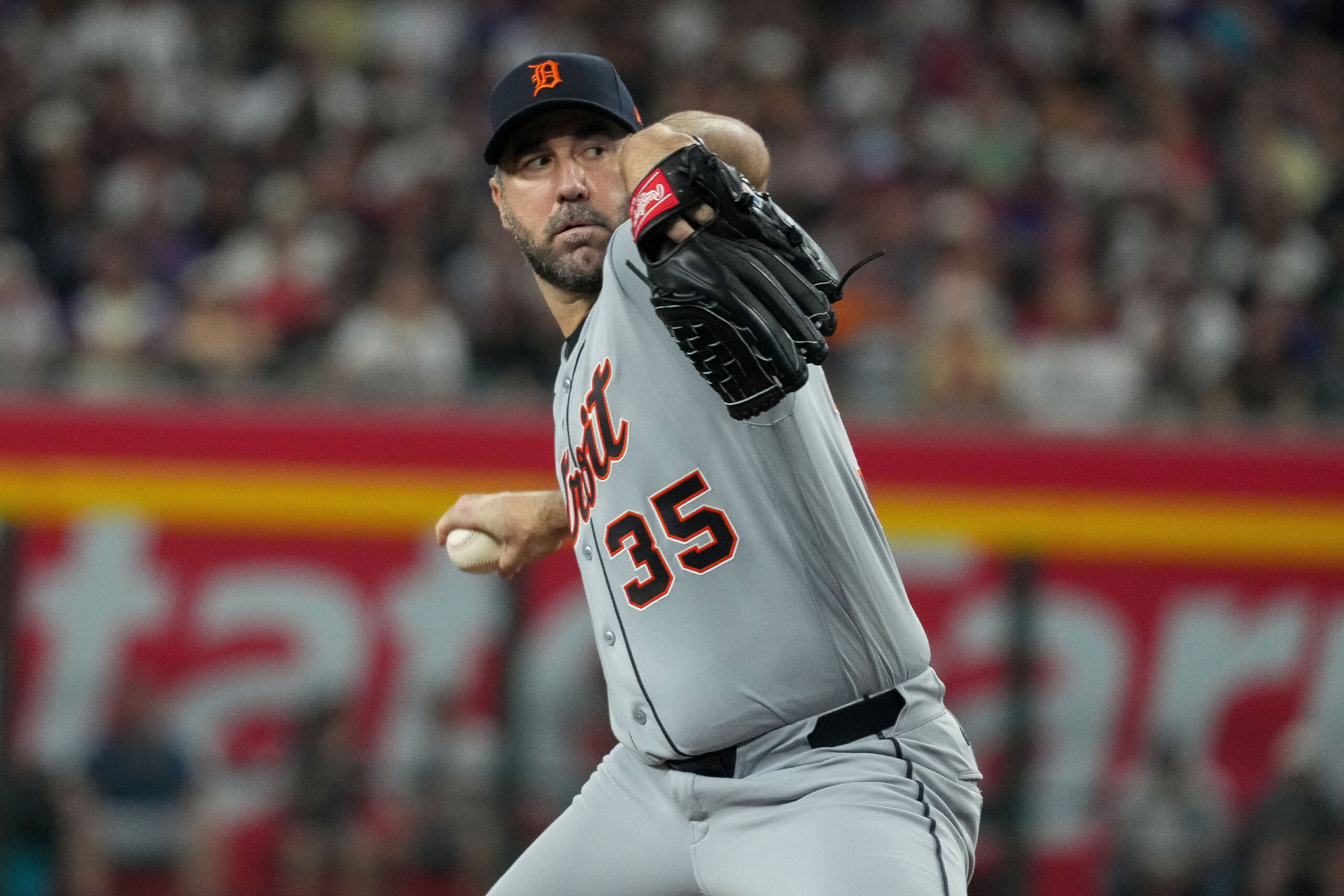
What to know: The 43-year-old Verlander, who announced on Wednesday that he will retire at the end of the season, was added to the AL team as a “Legend Pick” by commissioner Rob Manfred. On the 60-day injured list with hamstring and hip injuries, Verlander will not pitch in the game but will be honored during the All-Star festivities.
AL reserves
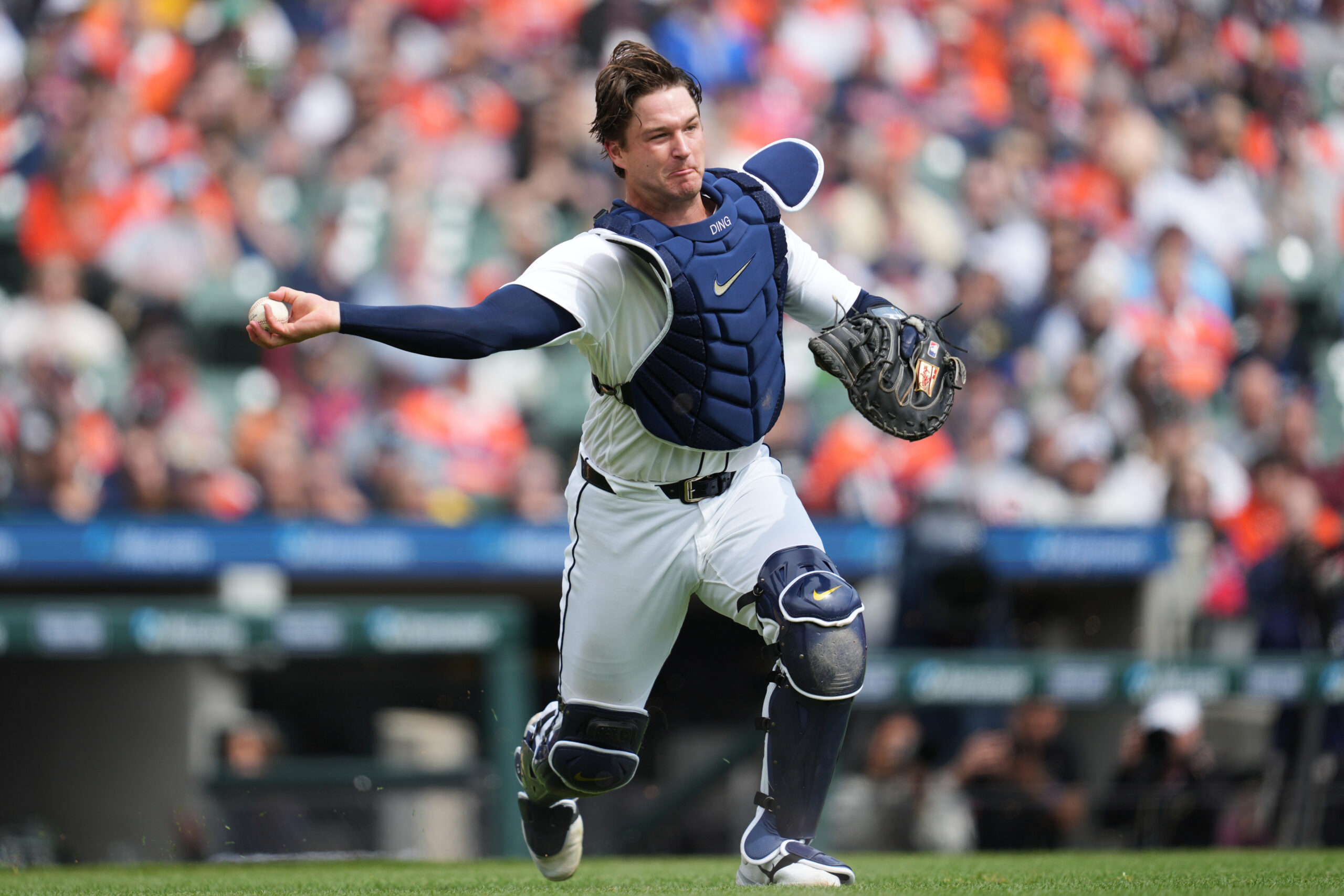
Dillon Dingler, C, Tigers
All-Star selections: First
2026 stats: .265/.327/.521, 19 HR, 60 RBI
What to know: Dingler’s .521 slugging percentage is second among catchers only to fellow All-Star Hunter Goodman. He is also a Gold Glove-caliber backstop with elite numbers for pitch framing, blocks above average, and pop time.
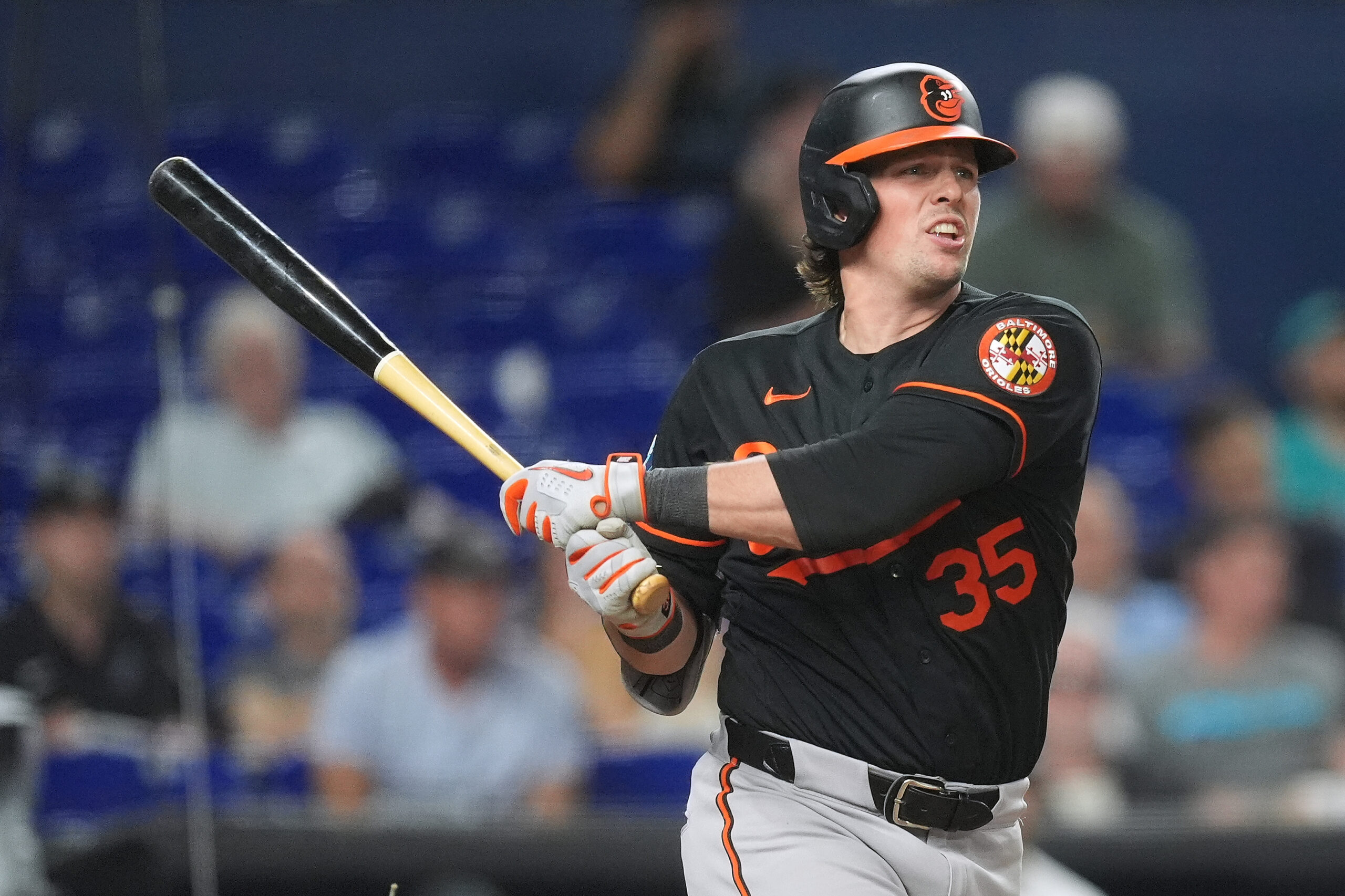
Adley Rutschman, C, Orioles
All-Star selections: Third
2026 stats: .254/.323/.451, 8 HR, 45 RBIs
What to know: Rutschman remains an elite defensive catcher, ranking in the 97th percentile in caught stealing above average. He also has an impressive 16.3% whiff rate, meaning he rarely swings and misses.
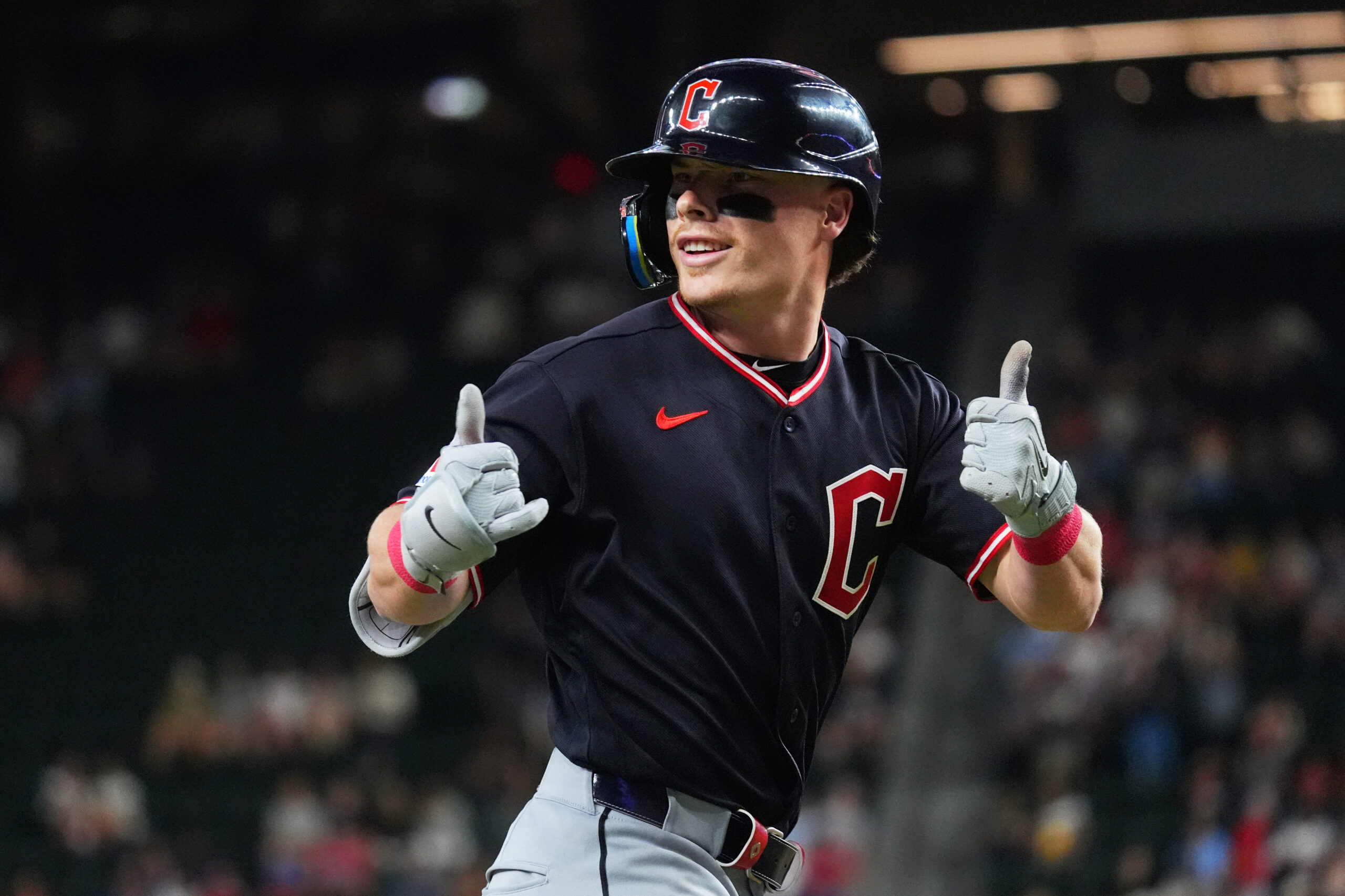
Travis Bazzana, 2B, Guardians
All-Star selections: First
2026 stats: .249/.339/.412, 7 HR, 27 RBIs, 12 SB
What to know: The first overall pick of the 2024 draft, Bazzana, who’s from Australia, has impressed with his discipline at the plate and speed on the bases. His walk percentage (11.6%) and chase rate (25.6%) are near the 75th percentile in the majors, not bad for a 23-year-old rookie.
Kevin McGonigle, SS, Tigers
All-Star selections: First
2026 stats: .284/.395/.422, 7 HR, 31 RBIs
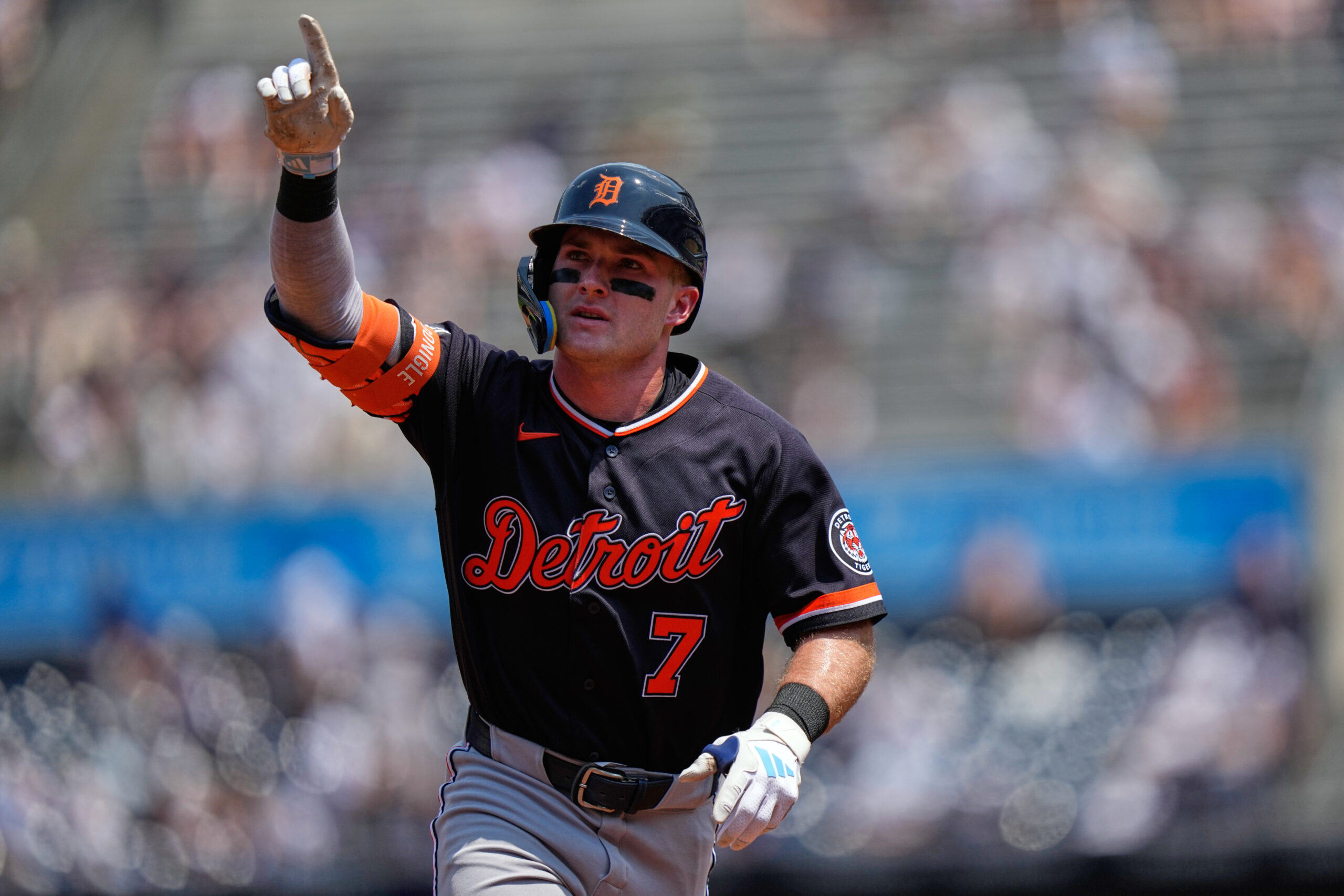
What to know: An Aldan native and Bonner-Prendergast graduate, McGonigle, 21, has arrived as a rookie star for the Tigers. Most notable is his plate discipline: He has more walks than strikeouts and is in the 99th percentile in chase rate. That contributes to a .395 on-base percentage, good for sixth in the majors.
Ben Rice, 1B/DH, Yankees
All-Star selections: First
2026 stats: .267/.361/.559, 24 HR, 56 RBIs
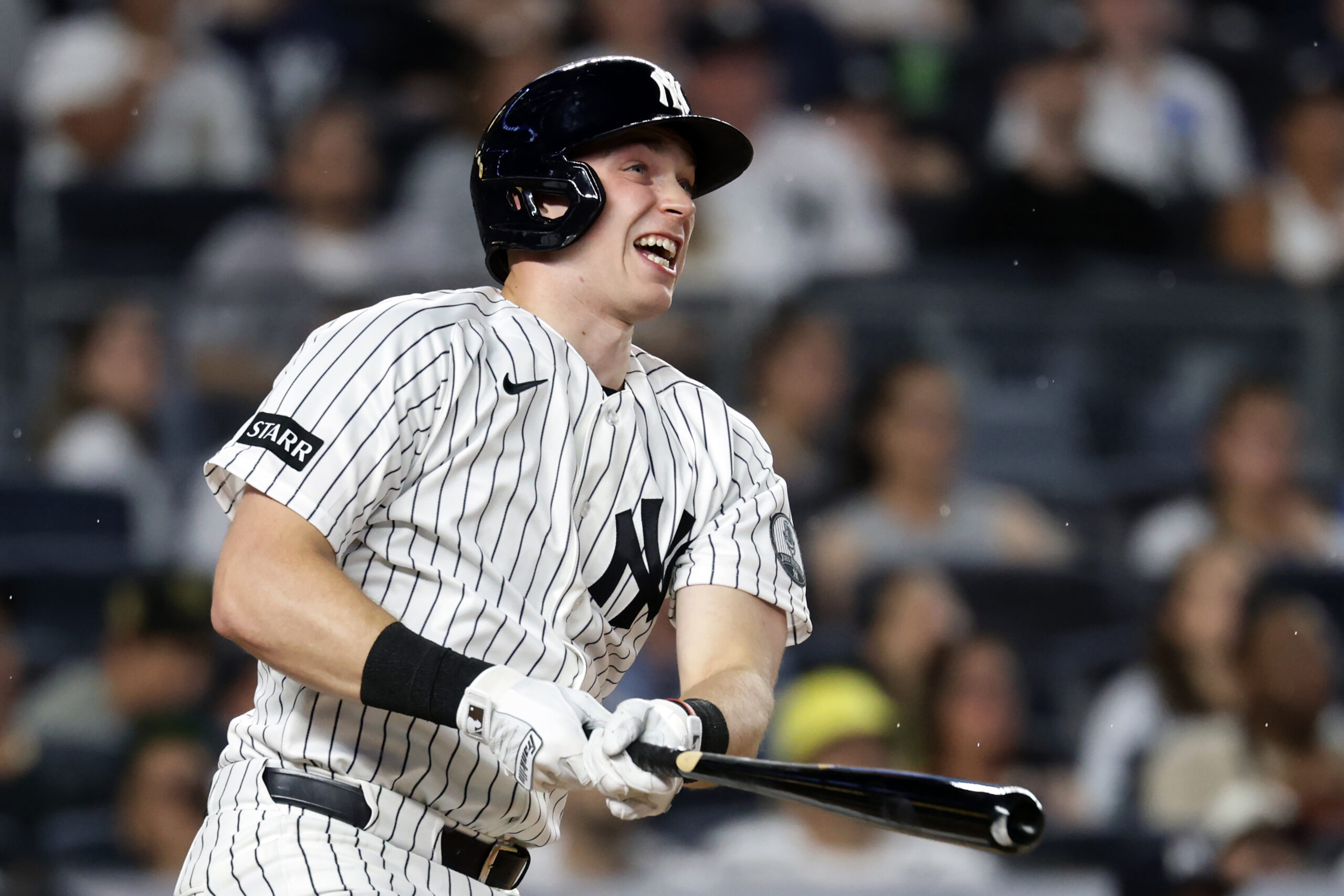
What to know: The 27-year-old Rice was beat out in fan voting for the starting spot at first base by Guerrero, but he had much better numbers than the Jays star. Rice’s .921 OPS is tied for seventh in baseball.
Miguel Vargas, INF, White Sox
All-Star selections: First
2026 stats: .247/.363/.494, 20 HR, 56 RBIs
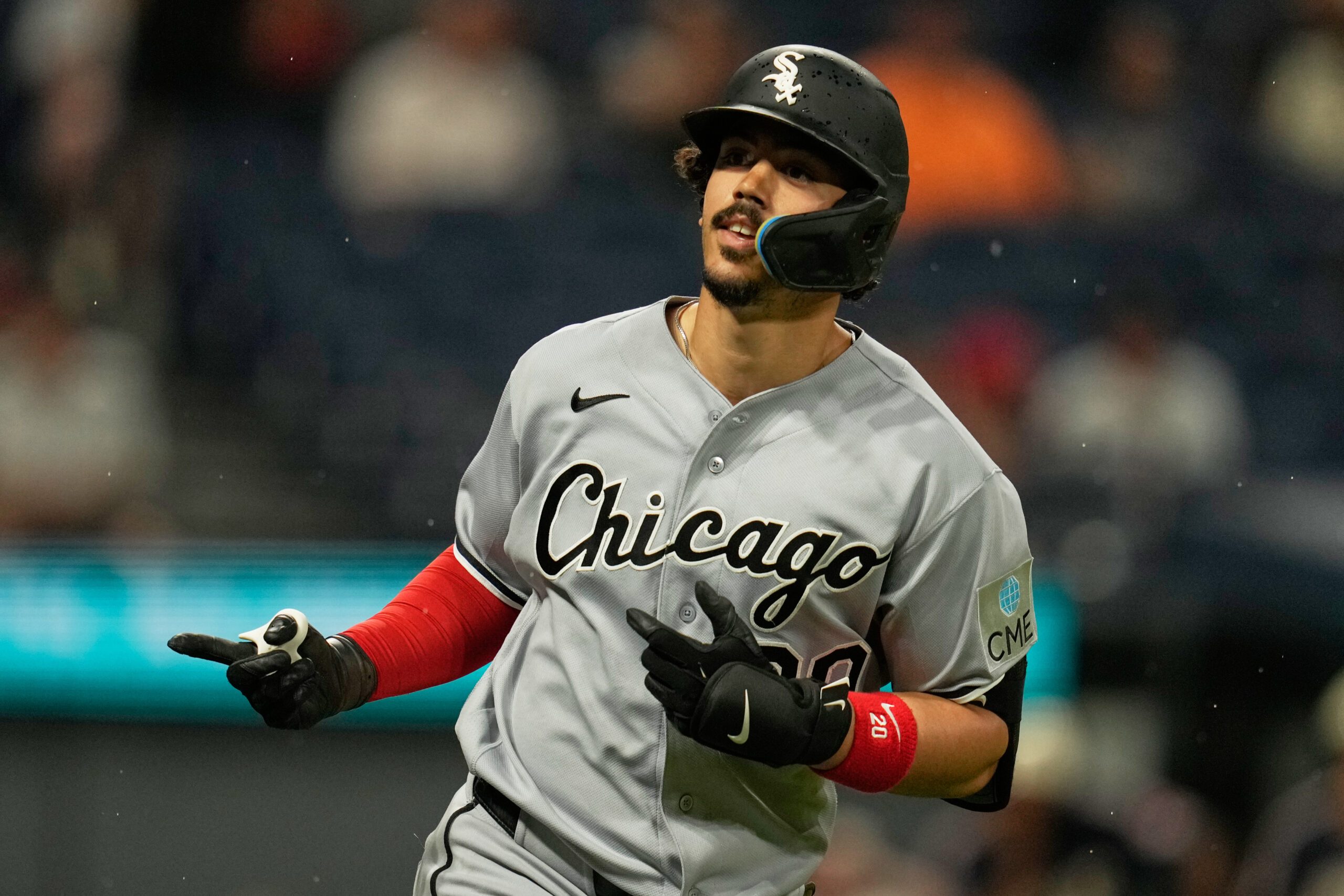
What to know: Vargas has emerged as a power hitter with plate discipline in his fifth major league season. His barrel percentage has jumped to 15.2% from 9.4% in 2025. Meanwhile, he rarely chases (20.6% chase rate) and has a 13.7% walk rate, which ranks in the 97th percentile in the majors.
Cody Bellinger, OF, Yankees
All-Star selections: Third
2026 stats: .251/.348/.426 11 HR, 50 RBIs
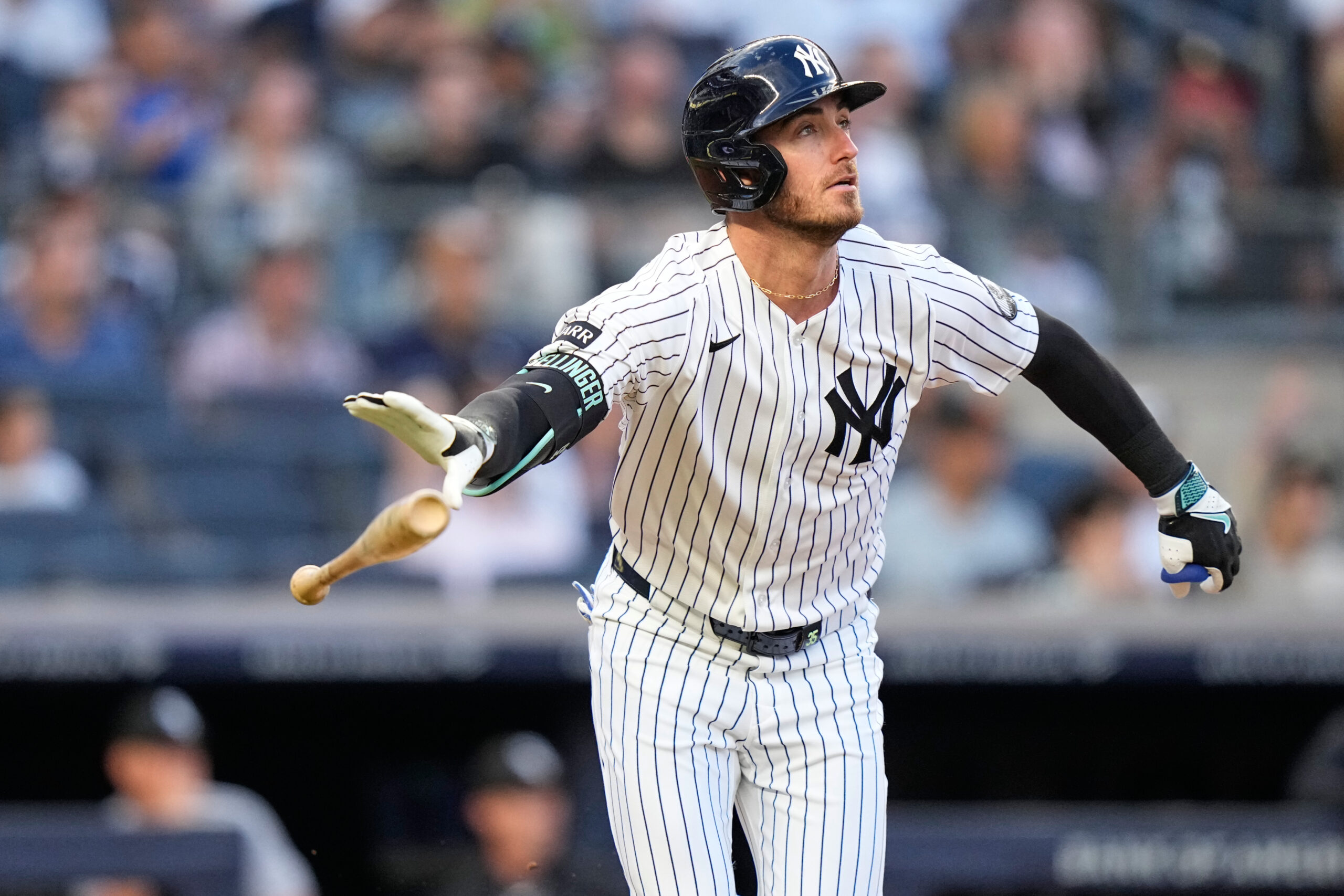
What to know: Bellinger has regained the elite plate discipline that was a staple of his game when he won NL MVP with the Dodgers in 2019. His 13.6% walk rate is in the 91st percentile and is way up from last season (8.7%).
Randy Arozarena, OF, Mariners
All-Star selections: Third
2026 stats: .286/.375/.451, 9 HR, 41 RBIs
What to know: The Mariners’ lone representative, Arozarena is striking out less (22.1%, down from career 25.5%) and is about 30 points higher in batting average and on-base percentage in putting together a solid age-31 season.
Riley Greene, OF, Tigers
All-Star selections: Third
2026 stats: .292/.380/.474, 13 HR, 44 RBI
What to know: One of three Tigers in the game, Greene, 25, is hitting for a higher average this season after batting .260 over the previous two seasons. But his power numbers are down for a guy who averaged 30 homers from 2024-25, and strikeouts remain an issue: He led the majors with 201 in 2025 and has 101 this season.
Yandy Díaz, DH, Rays
All-Star selections: Second
2026 stats: .321/.404/.489, 12 HR, 53 RBIs
What to know: Díaz is having perhaps his best season of an underrated career, blending power with a disciplined approach at the plate. His 13.3% strikeout rate is in the 89th percentile in the majors.
Willson Contreras, 1B, Red Sox
All-Star selections: Fourth
2026 stats: .284/.378/.542, 20 HR, 59 RBIs
What to know: Contreras replaces Vladimir Guerrero Jr. on the AL roster and joins his brother William in the All-Star Game. Contreras is on pace for his best season in his first year in Boston with a career-high .921 OPS.
NL pitchers
Chase Burns, Reds
All-Star selections: First
2026 stats: 10-1, 2.40 ERA
What to know: The second pick of the 2024 draft has blossomed in his first full season. His 52.8% whiff rate is fourth in baseball as is his strikeout rate (49.7%).
Jhoan Duran, Phillies
All-Star selections: First
2026 stats: 1.52 ERA, 21 saves, 0.944 WHIP
What to know: Duran has given the Phillies everything they hoped for when they acquired him at the 2025 trade deadline. His success starts with his four-seamer, which averages 100.2 mph and has held opponents to a .148 batting average against it. His 39.5% strikeout rate is the best of his career.
Raisel Iglesias, Braves
All-Star selections: First
2026 stats: 1.53 ERA, 17 saves, 1.057 WHIP
What to know: This All-Star selection has been a long time coming for the 12-year veteran Iglesias, who is fifth in the NL in saves. A master of getting hitters to swing at pitches out of the zone, Iglesias, 36, is in the 99th percentile in chase rate (39.2%, a career high).
Jesús Luzardo, Phillies
All-Star selections: First
2026 stats: 3.75 ERA, 125 strikeouts
What to know: Luzardo replaced the Marlins’ Max Meyer to become the sixth Phillies All-Star. After a rough start to the season when he sported a 5.50 ERA in his first six starts, Luzardo has been a different pitcher since May 1, posting a 2.87 ERA in his last 12 starts.
Braxton Ashcraft, Pirates
All-Star appearances: First
2026 stats: 9-3, 3.24 ERA, 1.098 WHIP
What to know: The 26-year-old Ashcroft, who replaced the Brewers’ Jacob Misiorowski, has been a pleasant surprise for the Pirates this season. He’s allowed one run or fewer in nine of 18 starts. Opponents are batting .150 against his curveball, which has an elite 40.3% whiff rate.
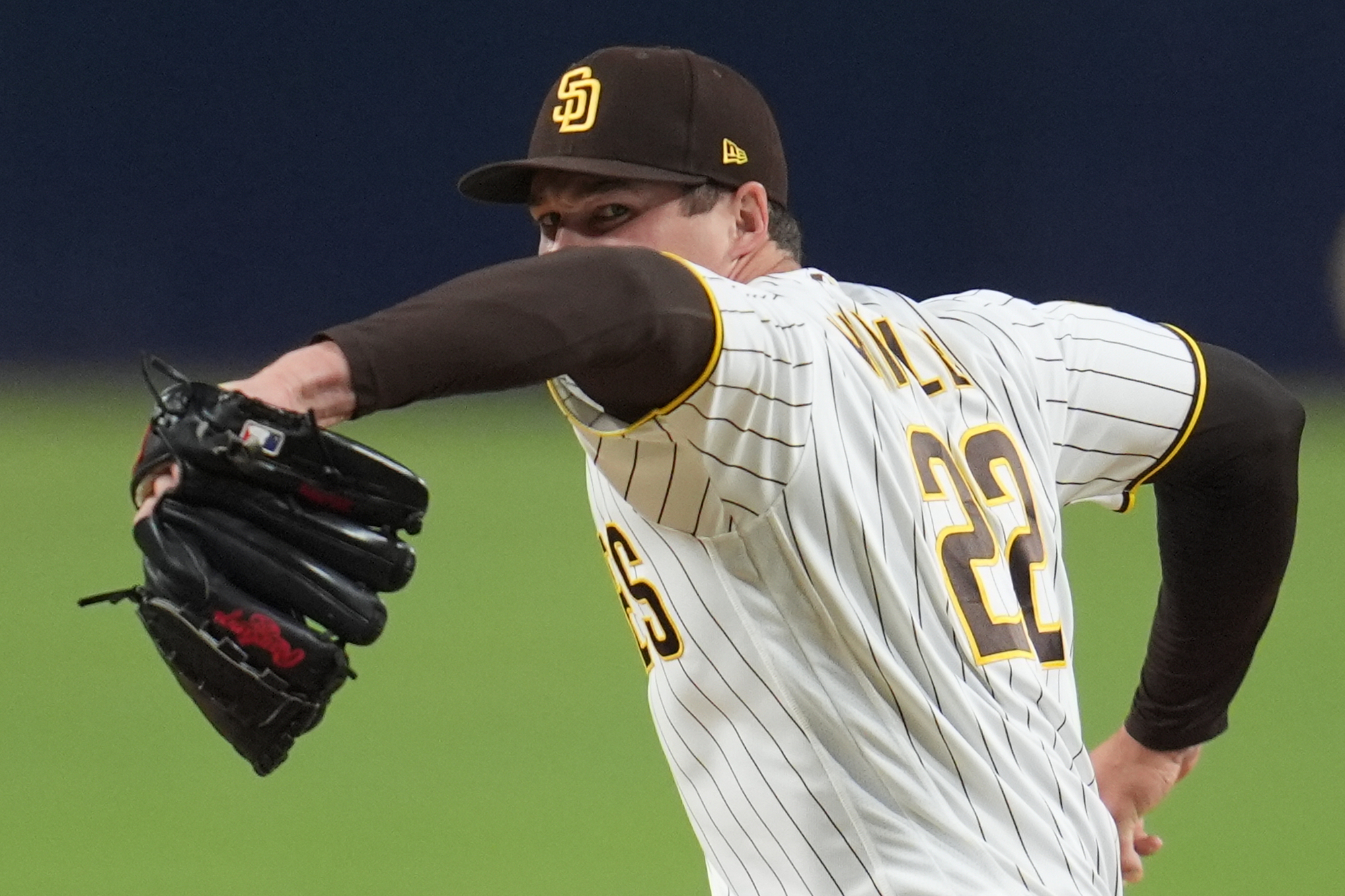
Mason Miller has an 0.98 ERA this season.
Mason Miller, Padres
All-Star selections: Second
2026 stats: 0.98 ERA, 22 saves, 0.818 WHIP
What to know: Miller might be the most intimidating closer in the game with a four-seamer that averages 101.2 mph. His slider is the deadliest put-away pitch in the game with a strikeout rate of 59.7%.
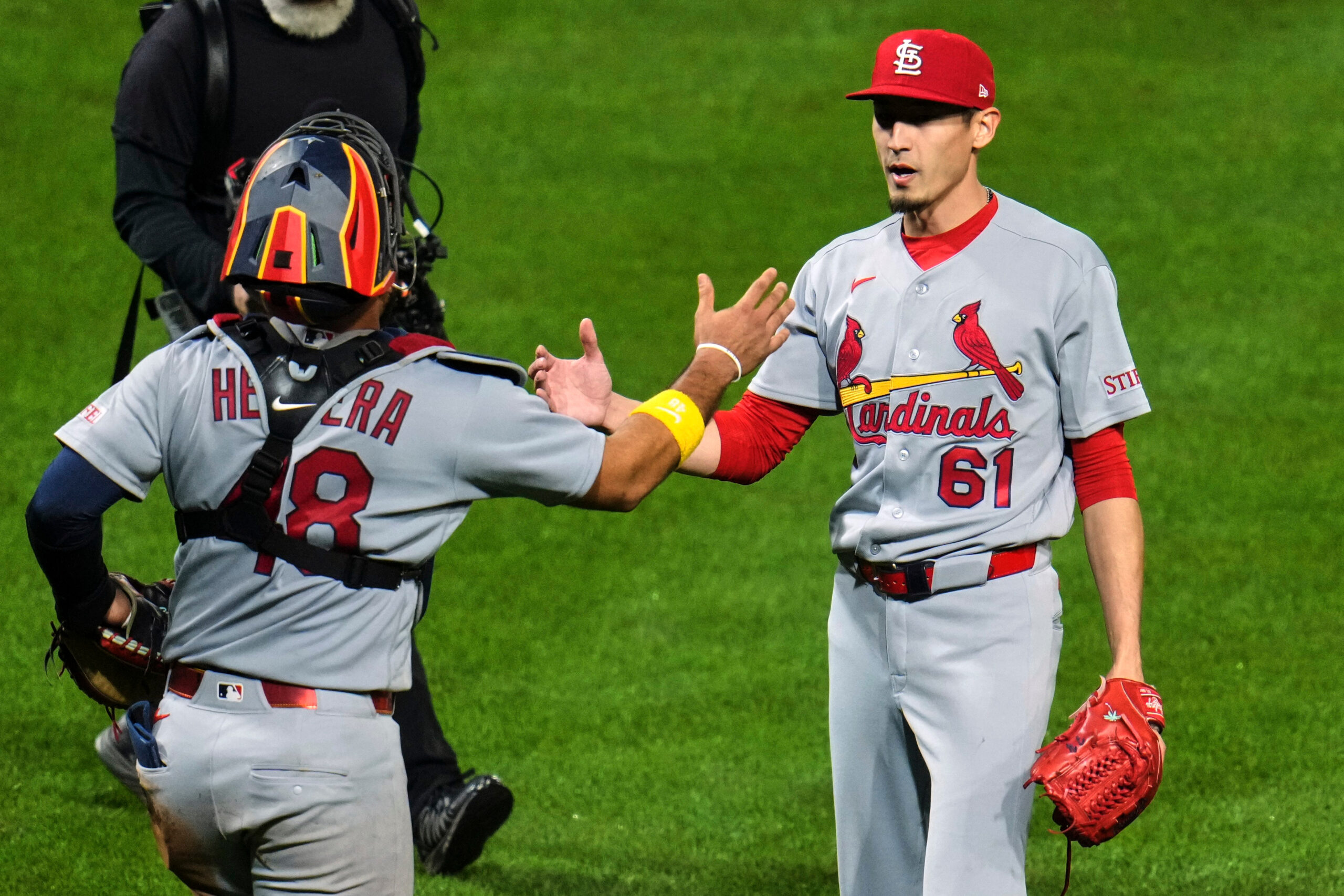
Riley O’Brien, Cardinals
All-Star selections: First
2026 stats: 3.72 ERA, 22 saves
What to know: The 31-year-old O’Brien, who replaced Pirates ace Paul Skenes, is tied for third in the NL with 22 saves. His success is driven by a devastating sweeper, which opponents are batting just .033 against and has led to a 48.6% whiff rate.
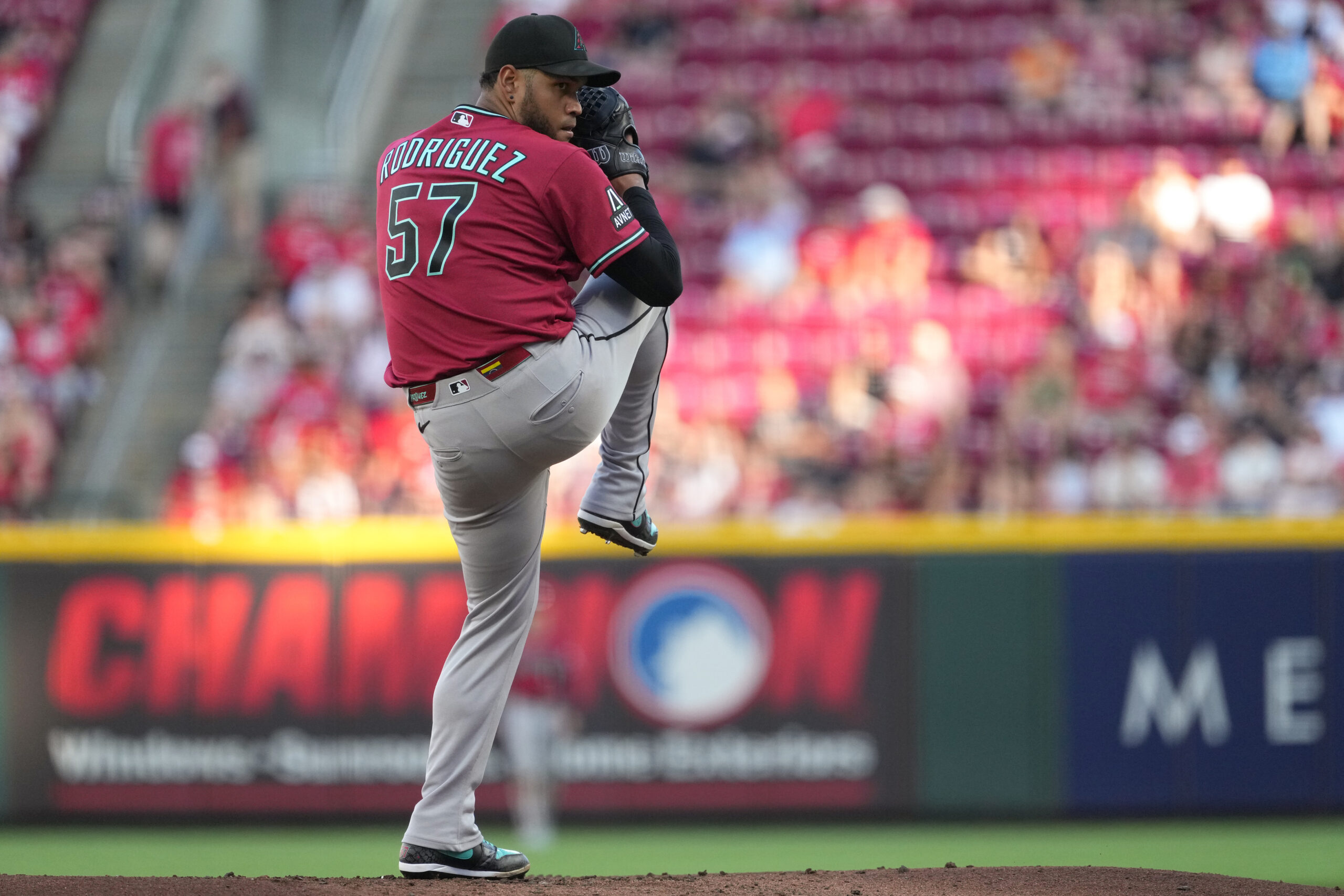
Eduardo Rodriguez, Diamondbacks
All-Star selections: First
2026 stats: 7-3, 2.25 ERA
What to know: Another NL pitcher who had to wait awhile to make his first All-Star team, Rodriguez has been stellar for Arizona in his 11th season. He has given up one run or fewer in 11 of his 18 starts this season.
Chris Sale, Braves
All-Star selections: 10th
2026 stats: 9-6, 2.27 ERA
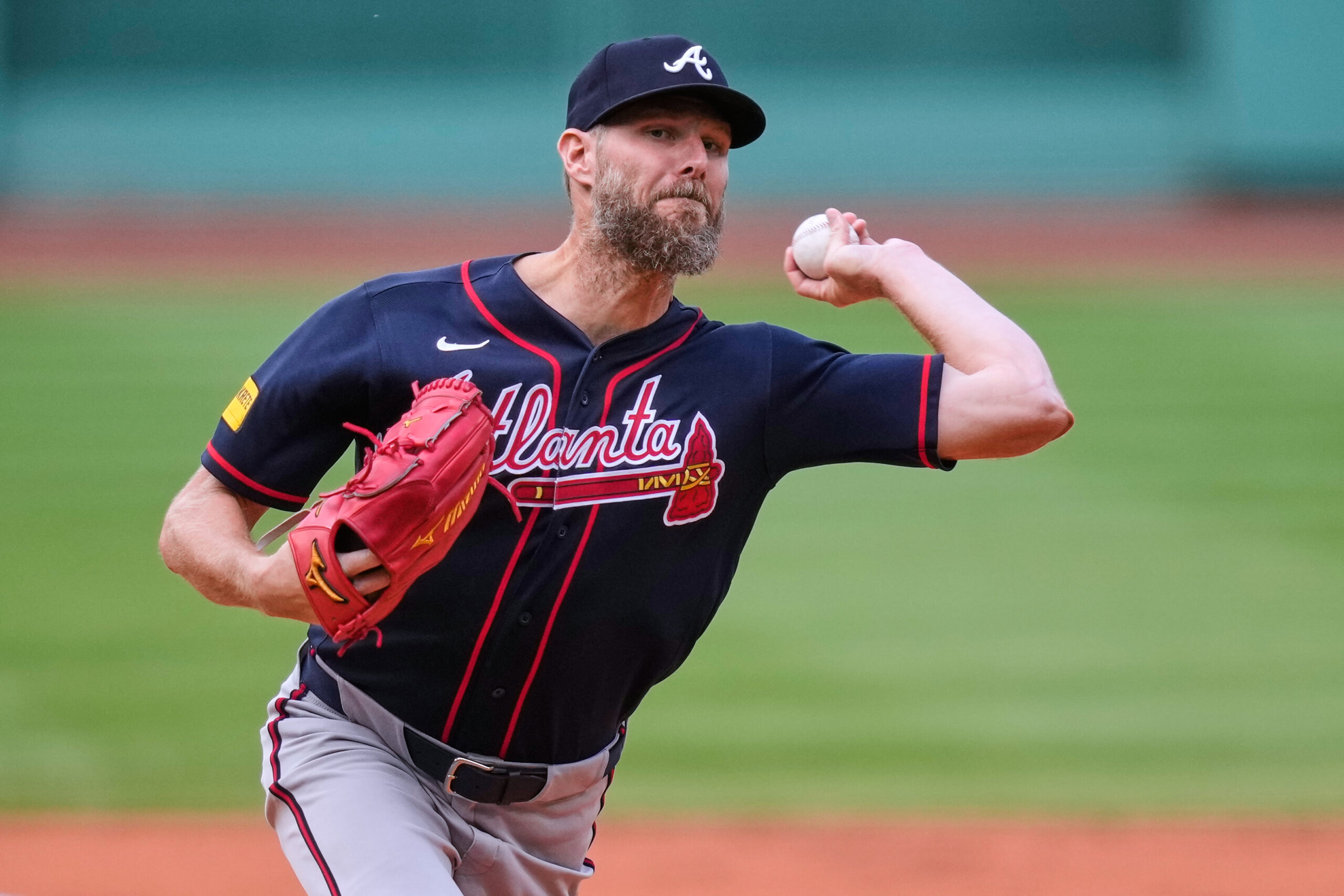
What to know: The 37-year-old Sale is still elite, relying on a four-seamer and slider almost 80% of the time. And he can still fool hitters with the best of them — his 35.4% chase rate is in the 92nd percentile of all pitchers.
Cristopher Sánchez, Phillies
All-Star selections: Second
2026 stats: 10-3, 2.00 ERA, 5.91 SO/BB
What to know: The unlikely ascent from fringe minor leaguer to Cy Young candidate has continued this season. Sánchez leads all pitchers with 5.7 WAR and didn’t allow a run for 50⅔ innings earlier this season, the most ever for a left-handed pitcher. It all starts with his changeup, against which hitters are batting .142 this season.
Logan Webb, Giants
All-Star selections: Third
2026 stats: 3.66 ERA, 1.168 WHIP
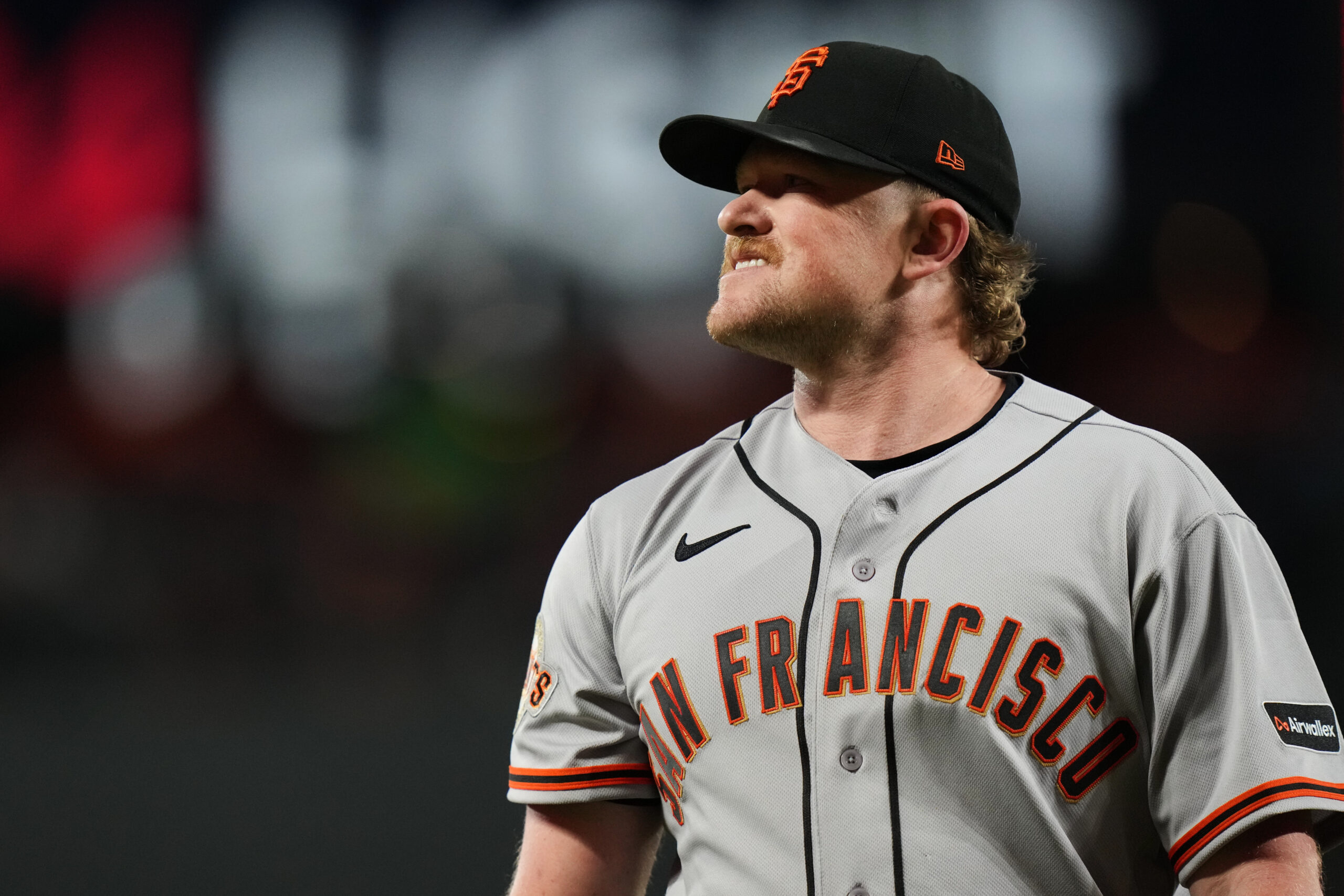
What to know: Webb, who led the NL in innings the past three years, got off to a rough start to the season. He had a 5.06 ERA in his first eight starts but has turned it around over his last seven with a 2.18 ERA.
Yoshinobu Yamamoto, Dodgers
All-Star selections: Second
2026 stats: 9-5, 2.49 ERA, 0.879 WHIP
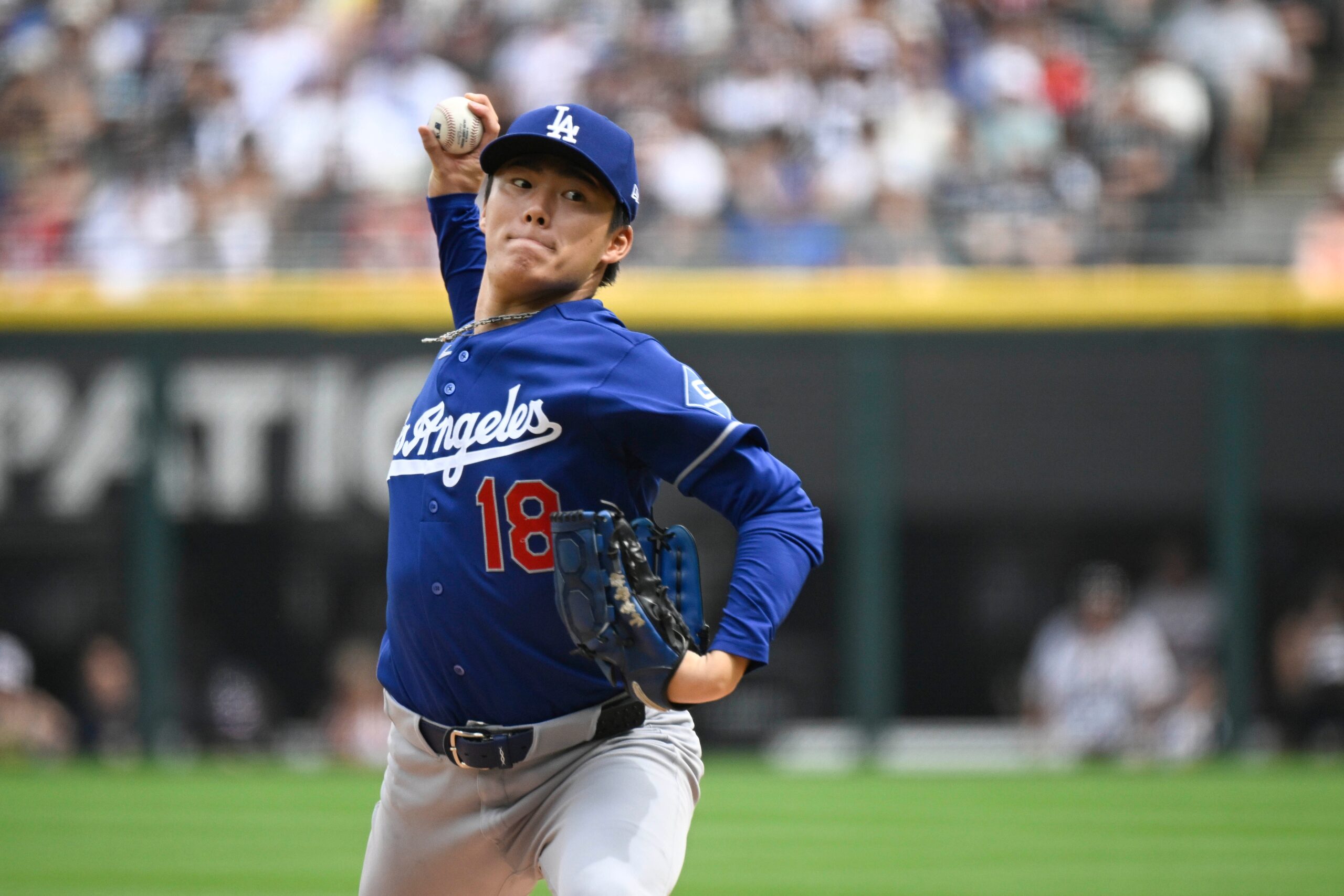
What to know: Last year’s postseason hero has been just as good as in 2025. In fact, he has the same ERA (2.49) as last season and has lowered his WHIP. He’s also lowered his walk rate to an elite 5.3%, which puts him in the 92nd percentile of pitchers.
NL reserves
William Contreras, C, Brewers
All-Star selections: Third
2026 stats: .295/.358/.416, 9 HR, 51 RBIs
What to know: Contreras has been the most productive catcher offensively over the past four seasons. And he’s durable, averaging 149 games in his last three full seasons.
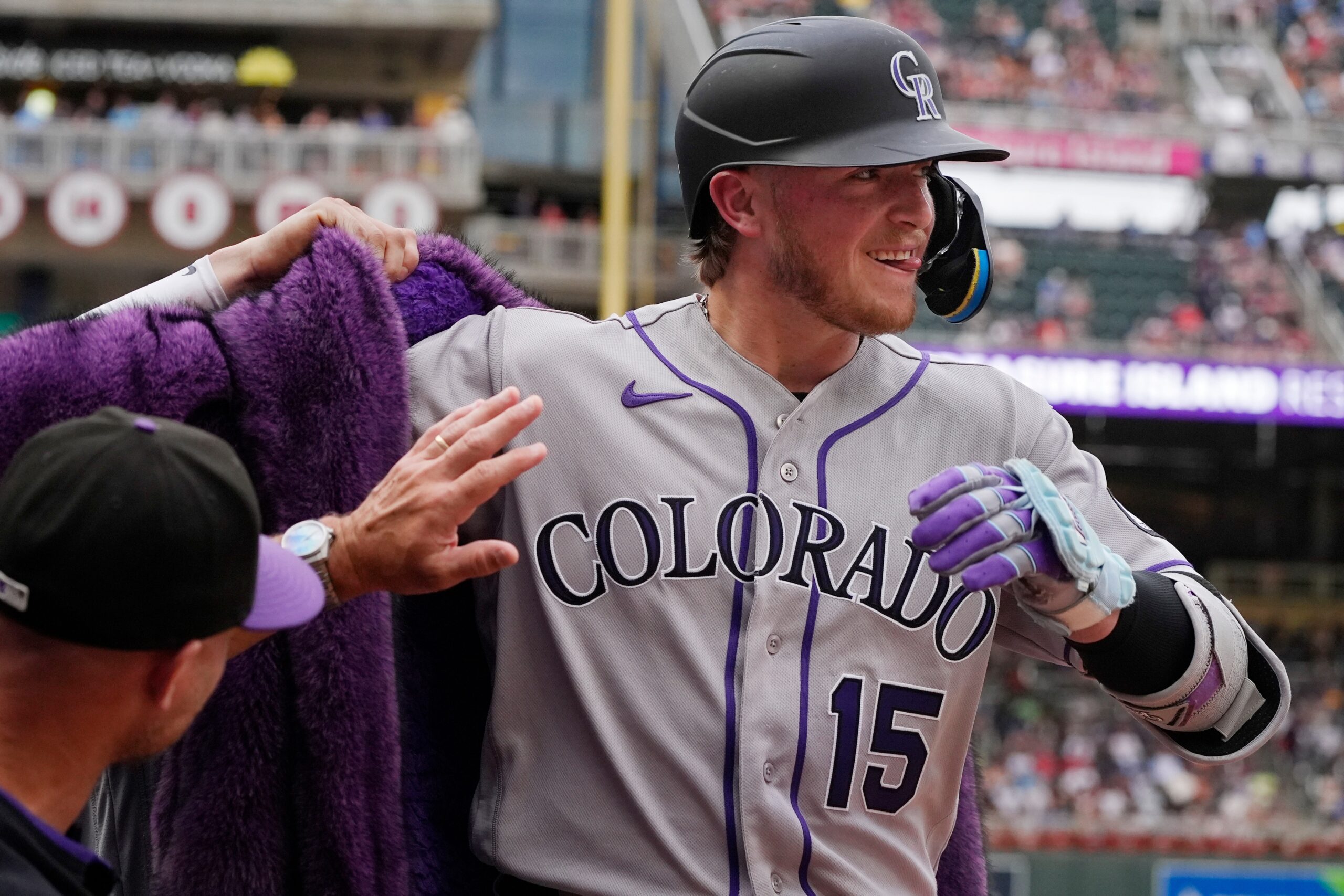
Hunter Goodman, C, Rockies
All-Star selections: Second
2026 stats: .254/.318/.552, 27 HR, 51 RBIs
What to know: Goodman has developed into one of the best power-hitting catchers in the game over the past two seasons. He’s on his way to a second straight 30-homer season and ranks fourth in the NL in slugging percentage.
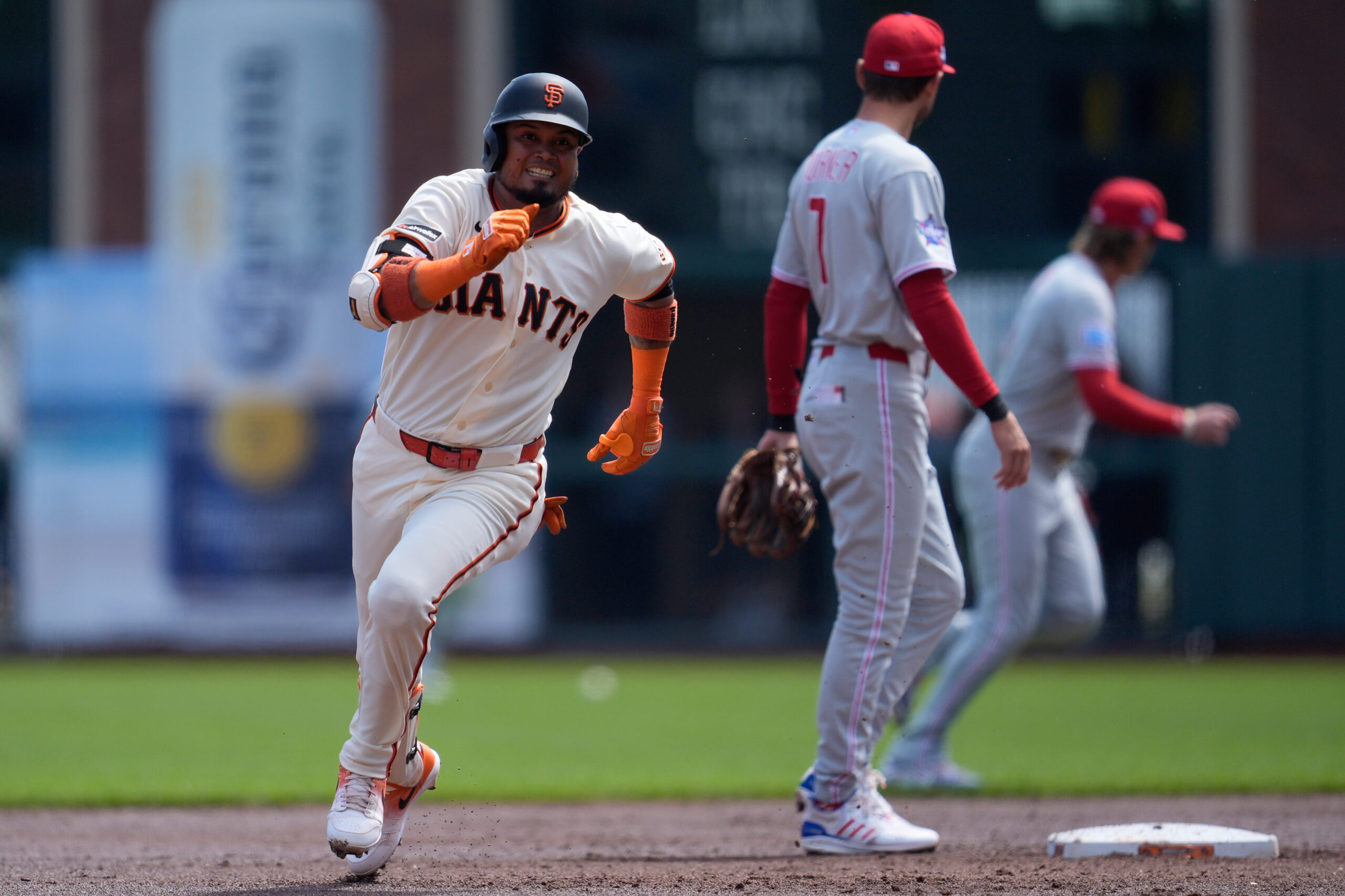
Luis Arraez, 2B, Giants
All-Star selections: Fourth
2026 stats: .326/.362/.461, 4 HR, 33 RBIs
What to know: The toughest guy to strike out in baseball, Arraez is a career. 318 hitter, and has led the league in hits twice in his career, and is second this season.
Bryce Harper, 1B, Phillies
All-Star selections: Ninth
2026 stats: .270/.370/.522, 20 HR, 57 RBI
What to know: After coming up short in the fan vote, Harper was “grateful” to be picked for the team by commissioner Rob Manfred. He’s certainly deserving of the spot with an OPS over .900 and his 12th 20-homer season while playing every game. After all, an All-Star Game at Citizens Bank Park without the Showman wouldn’t seem like much of a show at all.
Otto Lopez, SS, Marlins
All-Star selections: First
2026 stats: .346/.376/.520, 9 HR, 43 RBI, 17 SB
What to know: Baseball’s batting leader also is tops in hits (123) and doubles (25) during what has been a career year for the 27-year-old.
Matt Olson, 1B, Braves
All-Star selections: Fourth
2026 stats: .271/.341/.531, 22 HR, 54 RBI
What to know: Olson, who has nine seasons of 20-plus home runs, is having a resurgent power season. His slugging percentage has surged to .531 this season after sitting at a combined .471 in 2024 and 2025. And more than half his batted balls are considered hard hit, putting him in the 92nd percentile among all hitters.
Sal Stewart, INF, Reds
All-Star selections: First
2026 stats: .254/.339/.466, 17 HR, 61 RBI
What to know: The 22-year-old is one of two rookies to represent the Reds at the All-Star Game, along with pitcher Chase Burns. Stewart, who has played mostly third and first base this season, is tied for fourth in the NL in RBIs.
Corbin Carroll, OF, Diamondbacks
All-Star selections: Third
2026 stats: .266./.356/.506, 13 HR, 45 RBI
What to know: An All-Star for the third time in his four full seasons, the 25-year-old Carroll is having another strong season with an .862 OPS. The speedy outfielder again leads the majors in triples, a crown he was won for four straight seasons.
Pete Crow-Armstrong, OF, Cubs
All-Star selections: Second
2026 stats: .292/.383/.527, 19 HR, 49 RBI, 23 SB
What to know: Entering June, PCA was batting .231 with a .713 OPS and a 25.6% strikeout rate. Then June rolled around (along with a late-May switch to the leadoff spot), and he took off with an epic month. He posted a 1.249 OPS with 40 hits, 11 home runs and a .381 batting average to surge back into All-Star contention.
Jordan Walker, OF, Cardinals
All-Star selections: First
2026 stats: .292/.352/.529, 20 HR, 67 RBI
What to know: The 24-year-old Walker is having a breakout season for the surprising Cardinals. It’s been fueled by elite bat speed (79.1 mph), which trails only Junior Caminero (79.9) as the best in the majors.
James Wood, OF, Nationals
All-Star selections: Second
2026 stats: .266/.393/.533, 23 HR, 56 RBI
What to know: The 23-year-old is having an exceptional offensive season. It’s a combination of solid contact and an elite ability to get on base — he is in the 99th percentile among hitters in hard hit and walk percentages. He’s also been durable, playing in every game this season.
Kyle Schwarber, DH, Phillies
All-Star selections: Fourth
2026 stats: .254/.370/.567, 30 HR, 55 RBI
What to know: Schwarber is back in the All-Star Game for a second straight season and third time as a Phillie. His 30 home runs lead the majors along with his .567 slugging percentage.
Bryce Harper hit 20 home runs through the Phillies’ first 88 games, a pace that would put him on the doorstep — but not quite over the threshold — of 400 for his career.
And wouldn’t that spice up opening day 2027?
Well, assuming it doesn’t get canceled.
Can you see the storm clouds on the horizon? Baseball’s biggest stars are about to converge on South Philly for the 96th All-Star Game, a celebration of the best talent in the sport. And once they leave, the threat of an ugly, protracted, self-destructive work stoppage will begin to creep ever closer.
It’s impossible to ignore, even though owners, players, and everyone stuck in between will try their darndest to pretend they don’t see it during the two-day All-Star festivities.
But it’s almost inevitable that the owners will lock out the players on Dec. 1, when the collective bargaining agreement expires. And unlike five years ago, when a 99-day lockout preceded a mid-March settlement and a briefly delayed start to a full 162-game season, the disagreement this time is over the fundamental structure of the sport’s economic system.
The owners are proposing a salary cap, a concept the players have rejected for, well, forever. The players are calling for changes to how revenue is shared between the clubs that they believe, in theory, would improve competitive integrity.
It’s as if one side is speaking French and the other is replying in German. Until they converse in English, progress will be virtually nonexistent.
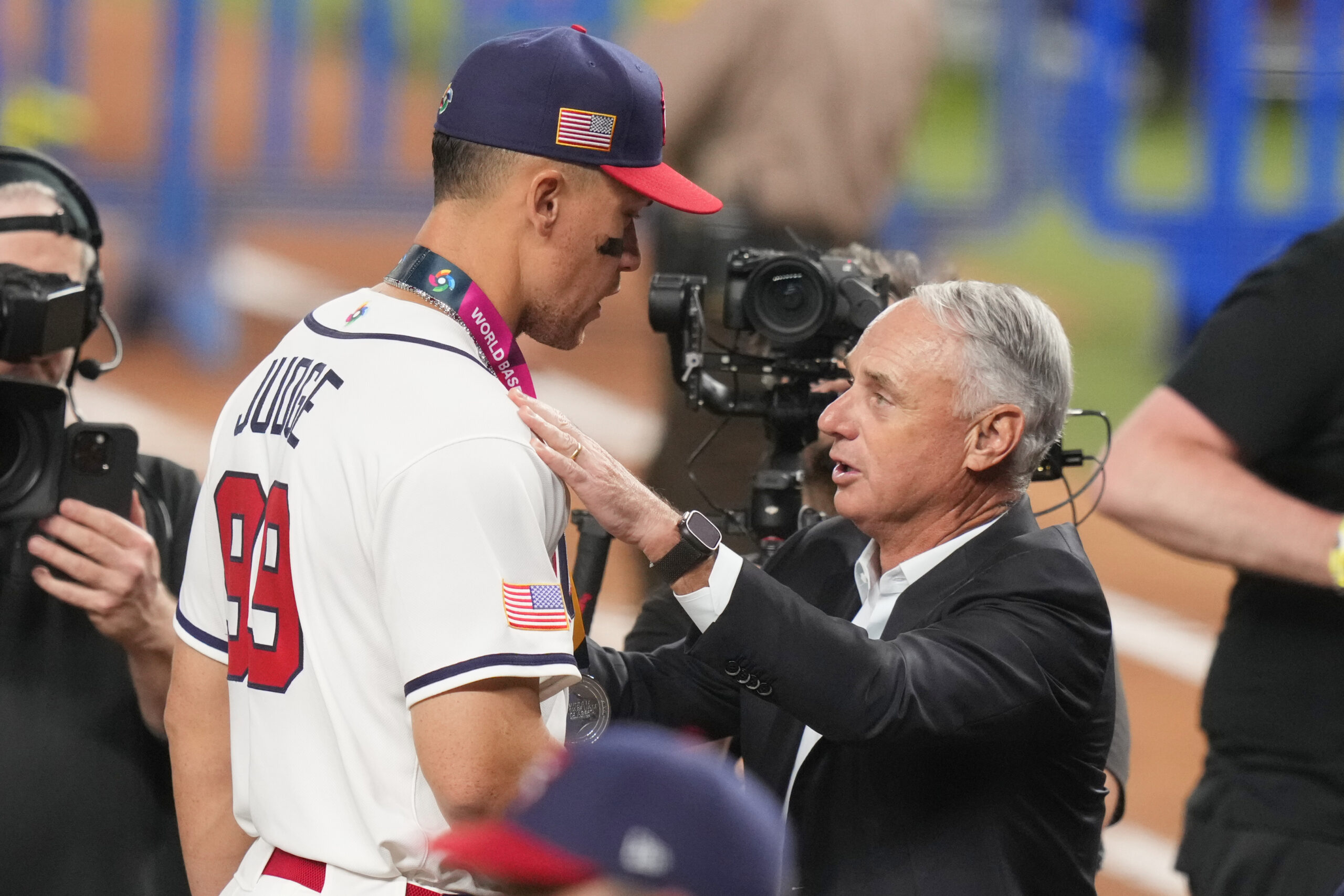
MLB commissioner Rob Manfred (right) and players such as Yankees star Aaron Judge will soon be at odds over baseball’s economic system.
And depending on how long that takes, the 2027 season — or at least a portion of it, if a deal isn’t reached before the middle of March — could be in peril.
“I hope that we can come together for the sake of our game and for where our game is right now, the direction that it’s going,” Harper said recently in a conversation with The Inquirer. “I don’t think it’s ever been, in the years that I’ve played, it’s never been [as good as] this.
“We need to both come together and understand what is best for both sides to make it work and us to play baseball because the game is where it needs to be right now. And I just see it getting better and better.”
Indeed, there’s momentum from last year’s epic World Series and the well-attended, highly rated World Baseball Classic in March. Rules changes, including the pitch clock and automatic ball-strike system, are wildly popular. The San Diego Padres recently sold for $3.9 billion, a record price for an MLB team by about $1.5 billion.
By most projections, baseball is a $13 billion industry. And in 2028, MLB will negotiate new national television deals that figure to pour even more money into the pool.
“When you’re in a position where you’ve had record attendance, record revenues, when you go through all this … we’re in a completely different place than we were five years ago,” agent Scott Boras said on The Inquirer’s Phillies Extra podcast. “We also now have a presence in Asia that is completely different; we have a presence in Canada that’s completely different. Netflix paid $100 million just for the rights for the Japanese feed for the WBC alone.
“So, when you’re seeing that, we’re in great prosperity, revenue-wise, attendance-wise. … I think it’s very difficult for anyone to say that we’re not in a far better position than we were five years ago in every category.”
A work stoppage, especially if it drags into next season, could be catastrophic for business.
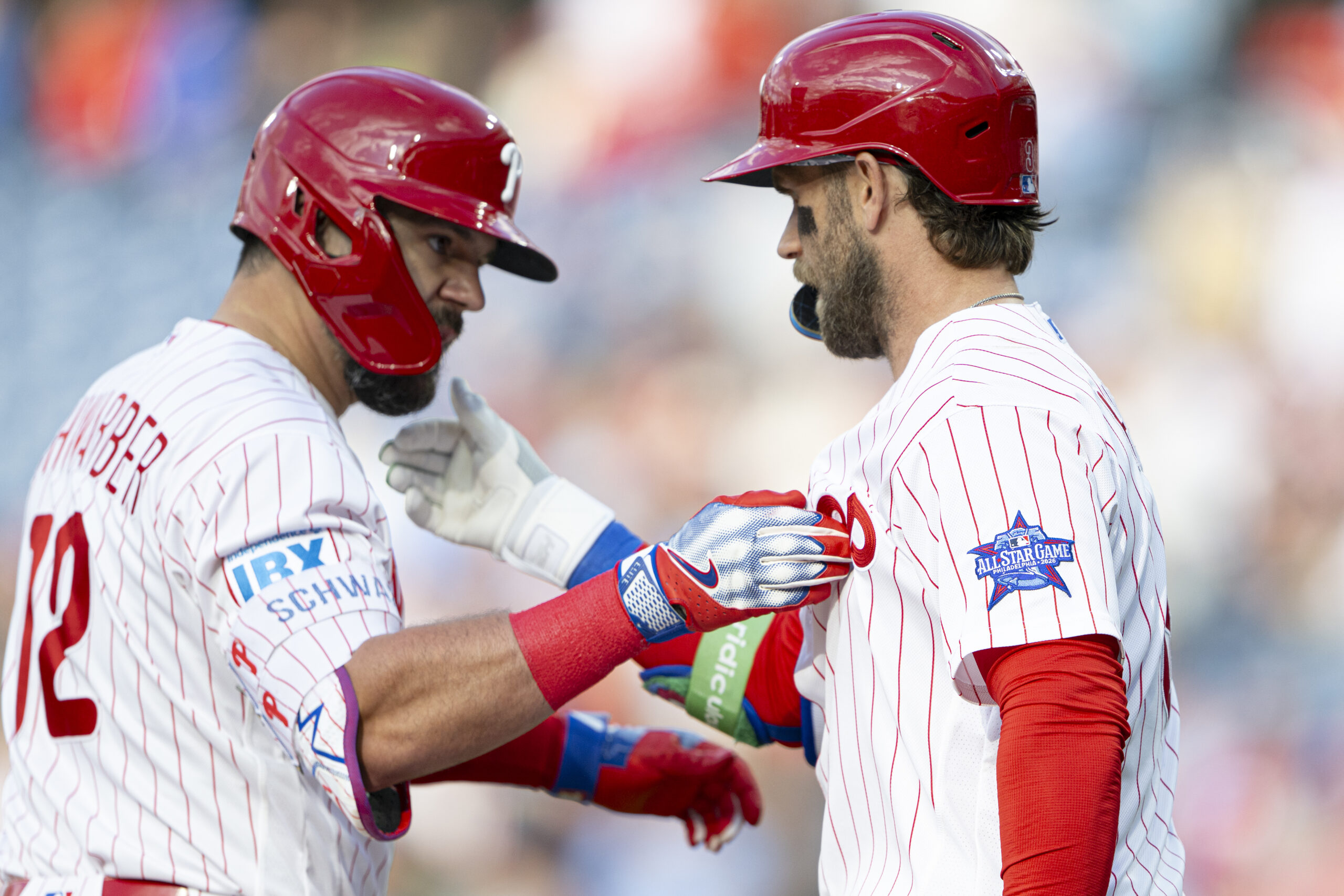
Kyle Schwarber (left) and Bryce Harper are both closing in on 400 career home runs.
It could also detract from players’ legacies.
Take Harper, for example. Since 2022, when the Phillies broke a decadelong playoff drought, he has chased an elusive World Series crown with a familiar group of teammates, notably J.T. Realmuto, Zack Wheeler, Aaron Nola, and Kyle Schwarber. Trea Turner joined the pursuit in 2023, when Cristopher Sánchez reached the majors for good.
According to Baseball-Reference, the Phillies have the second-oldest group of position players (average age: 30.1 years old) in the majors this season. Realmuto is 35; Harper, Schwarber, and Turner are 33. On the pitching side, Wheeler is 36 and Nola 33.
Playing careers are finite. Father Time is undefeated. And losing a season because of a labor dispute doesn’t help.
Just ask the NHL players whose careers spanned two shortened seasons (1994-95, 2012-13) and one that was canceled entirely (2004-05). The stoppages probably cost Jaromir Jagr close to 100 career goals.
As much as any player, Harper realizes the impact on a career. He’s closing in on 400 homers, and with a desire to play beyond the five years left on his contract, he’s a good bet to reach 500 and maybe even 600.
But there wasn’t any recouping, say, 20 homers from the pandemic-shortened 60-game 2020 season. If all or part of the 2027 season is lost, it could deprive Harper of another 30 homers … or Schwarber of his bid for 500 homers … or Wheeler in his pursuit of Hall of Fame numbers.
“Yeah, for sure,” Harper said. “Obviously missing those games, it’s possibly 30 more homers or an MVP or a World Series, right?”
And yet, it’s a sacrifice he says he’s willing to make.
The son of a former union ironworker who laid rebar to help build Las Vegas casinos, Harper is an influential voice within the MLB Players Association. When Rob Manfred visited the Phillies last July as part of his annual meetings with each team, Harper confronted the commissioner over what he perceived as an attempt to sell players on the idea of a salary cap.
“Individual numbers, getting later in my career, all that kind of stuff has to take a back seat,” Harper said. “We all think that. At the end of the day for us, it can’t be about one individual or anything else. There’s a fine line of wanting that over what Curt Flood did for us and what the guys did all through the ’70s, ’80s, ’90s.
“All the guys that sat out, went through strikes, went through situations that I couldn’t fathom — missed checks, missed meals, all that kind of stuff — way back when. I don’t want our decisions to be a negative for what those guys did for us. I couldn’t fathom being part of the group that took [a salary cap proposal] and was like, ‘OK, yeah, we’re good.’”
So, Harper will do his part as one of the bigger stars in the sport to help keep the players unified. But he won’t be a hawk, either. Mostly, he wants a compromise.
“None of us want to miss games,” he said. “But at the end of the day, if we do miss games, there’s nothing we can do at that point until the two sides come together.
“I understand where the commissioner’s office is coming from; I understand where the players are coming from. I understand both sides. But also we can’t, as owners or as players, come in and go, ‘We’re not doing this, we’re not doing this.’ We need to both come together and understand what is best for both sides to make it work.”
As a heatwave continued to roll across the Northeast on Thursday, the Phillies’ offense wilted.
On a scorching afternoon at Citizens Bank Park, where the temperature at first pitch was 98 degrees and climbed to triple digits from there, the Phillies dropped the series finale to the Pirates, 6-1.
But the loss could have easily been even more lopsided. Pittsburgh had plenty of opportunities to run up the score further, with 14 hits to the Phillies’ four.
“That was definitely one of the hotter days I’ve felt in this ballpark,” said Bryce Harper, whose RBI double in the third inning drove in the Phillies’ only run. “Played some hot ones out in Turner Field against the Braves, but that was one of the hotter days I’ve ever felt in this park.”
The Pirates had base runners in every inning except the first, and stranded 12 thanks to some solid defensive efforts from the Phillies.
Interim manager Don Mattingly opted not to use an opener for Alan Rangel, who made his first major league start and delivered four scoreless innings. He wriggled out of a few jams to do it. A double play from Alec Bohm — who fielded a grounder, stepped on third, and fired to first base — helped Rangel leave two on in the third. Rangel also recovered from back-to-back walks in the fourth with a groundout that ended the inning.
Alan Rangel pitched four scoreless innings in his first major league start.
“He’s kind of doing what he’s been doing for us the whole time, which is keeping us in the game,” Mattingly said. “Threw zeros. You could tell he was kind of running out of gas at the end with the walks and things like that, but he did a nice job for us.”
The Phillies led early after Harper’s RBI double, but the bats fell silent after that. It gave the Pirates time to break through, which they did against the Phillies’ bullpen.
Pittsburgh tied things up with one run on three hits against Tim Mayza in the fifth. Trea Turner limited the damage there with another double play, which he fielded himself and threw to first while stepping across the bag.
The Pirates took the lead against José Alvarado in the seventh inning. He got ahead, 0-2, against Brandon Lowe, but failed to put him away, giving up a leadoff single instead on a cutter. Lowe later scored when Esmerlyn Valdez sent a ball past Justin Crawford in center for a triple.
Another single scored Valdez before Alvarado ended the inning with a strikeout. The lefty has a 6.10 ERA this season.
“It’s kind of game to game with Alvy,” Mattingly said. “Big games, he’s been good, getting some big outs. But in other games, he gives up the hit that obviously hurts. But in general, I think his stuff has been good.”
Runs scored on all three left-handed relievers the Phillies used in the game: Mayza, Alvarado, and Kyle Backhus, who gave up a solo homer in the ninth. Lefties in the Phillies’ bullpen have a 4.73 ERA, fifth-worst in baseball.
Lou Trivino, a righty who had his contract selected earlier this week to give the bullpen a fresh arm, also allowed a pair of runs in the eighth. He gave up two hits, including a solo homer, and walked two.
Bryce Harper (far right) said Thursday was “definitely one of the hotter days I’ve felt in this ballpark.”
The Phillies’ bullpen overall has been taxed this week, but will get a respite with Friday’s off day.
“The off day is definitely coming at a good time for us,” Mattingly said. “ … I think anytime you can get guys a day off their legs, it’s good. And obviously we need to try to get that bullpen where more of the guys are rested.”
The offense, meanwhile, struggled against Pirates starter Jared Jones and piggybacking Carmen Mlodzinski, who combined for seven innings. After Harper’s RBI double against Jones, the Phillies managed just two more hits — singles from Turner and Bryson Stott — the rest of the game.
“I think in the whole series I thought we swung the bat well,” Harper said. “Obviously, today didn’t go as planned. They got four horses over there that throw really hard and have really good stuff, so just weren’t able to really get it going today, fell behind, and split the series.”
Pirates relievers entered Thursday’s game with a 4.44 ERA, which is fourth-worst in the National League, but the Phillies didn’t capitalize. Mason Montgomery struck out Brandon Marsh, Bohm, and Stott in order in the ninth to seal it.
“Obviously it was hot, we know that, but both teams played in it, so can’t really make an excuse with the weather,” Mattingly said. “Obviously, it affects in some way, but both teams played in it.”
The Phillies played their final game at home before the All-Star Game at Citizens Bank Park on July 14. They depart on a three-city, nine-game road trip, opening in Kansas City on Saturday.
For the better part of a decade, Aaron Nola has been the Phillies’ workhorse.
It’s a role he takes pride in. Six times, he has taken down over 180 innings in a season. But lately, that durability has started to show cracks.
Last year, Nola was uncharacteristically hampered by injuries. He’s healthy now, but his bounceback season hasn’t gone according to plan. And after Monday’s 11-7 loss to the Pirates, where he allowed a season-high seven earned runs over just 4⅓ innings, the path forward isn’t clear.
“I haven’t really had a stretch like this ever in my career,” said Nola, whose season ERA has risen to 6.04.
Nola squandered a 5-0 lead the offense built against Pirates starter Braxton Ashcraft. Trea Turner and Brandon Marsh each hit solo homers in the first inning, while Bryce Harper hit a two-run shot in the third. All three homers came in two-strike counts.
But Nola had issues with homers, too. He looked efficient early with an eight-pitch first inning, and was getting a lot of batters to swing and miss. But he started to falter by the fourth. Bryan Reynolds was inches away from clearing the top of the railing in left-center, settling for a leadoff double. He scored anyway when Esmerlyn Valdez teed up a curveball over the middle of the plate for a two-run shot.
“Early in that game I thought he was going to roll,” said interim manager Don Mattingly. “The way he was throwing the ball, it seemed sharp. Good breaking ball, down in the zone, a lot of swing-and-miss early in the game. And then just got sideways. So I’m not quite sure what happened.”
For the seventh time this year, Nola failed to get out of the fifth inning, which turned ugly quickly. Nola allowed four hits — including another homer and a double — and walked two in the frame.
Three runs had already scored when Seth Johnson finally relieved him with the bases loaded, and all three inherited runs would score, too.
“It just sped up on him quite a bit there,” said catcher J.T. Realmuto. “The stuff diminished quite a bit. … You could just tell he got a little tired, it was hot, just the stuff wasn’t as good that inning.”
Although Nola induced 23 whiffs from Pirates hitters, the second-most in a game in his career, he wasn’t able to take many positives from his outing.
“A lot of runs tonight, I didn’t really do well with the lead I got, what the guys gave me. They hit really well tonight,” Nola said. “… Swing and misses, honestly, tonight it doesn’t really matter. Gave up too many hits, too many runs, got to be better at that.”
The two homers Nola allowed Monday upped his season total to 19, which is tied for fifth-most among pitchers this year.
As Nola tries to find a way to turn his season around, he has started toying with a slider as a potential different look for hitters. It can be a challenge to add a new pitch mid-season and he hasn’t thrown it much. He flashed it three times against the Pirates, generating one whiff.
“Just something different,” Nola said. “I throw so many curveballs, and I feel like we saw it tonight, if one pops, it usually gets barreled. So we’ll see.”
Nola’s shorter outing caused the Phillies to turn to their bullpen earlier than hoped, as the unit had been taxed recently after some tight games against the Nationals and Mets.
After entering the game, Johnson issued a leadoff walk to force in the go-ahead run, and then induced a grounder to Harper. He got the force out at second, but Turner flung the ball high over first base, allowing two more runs to score for the 8-5 Pirates lead. Turner’s error is his 11th of the season, which has already surpassed his full-season total of eight in 2025.
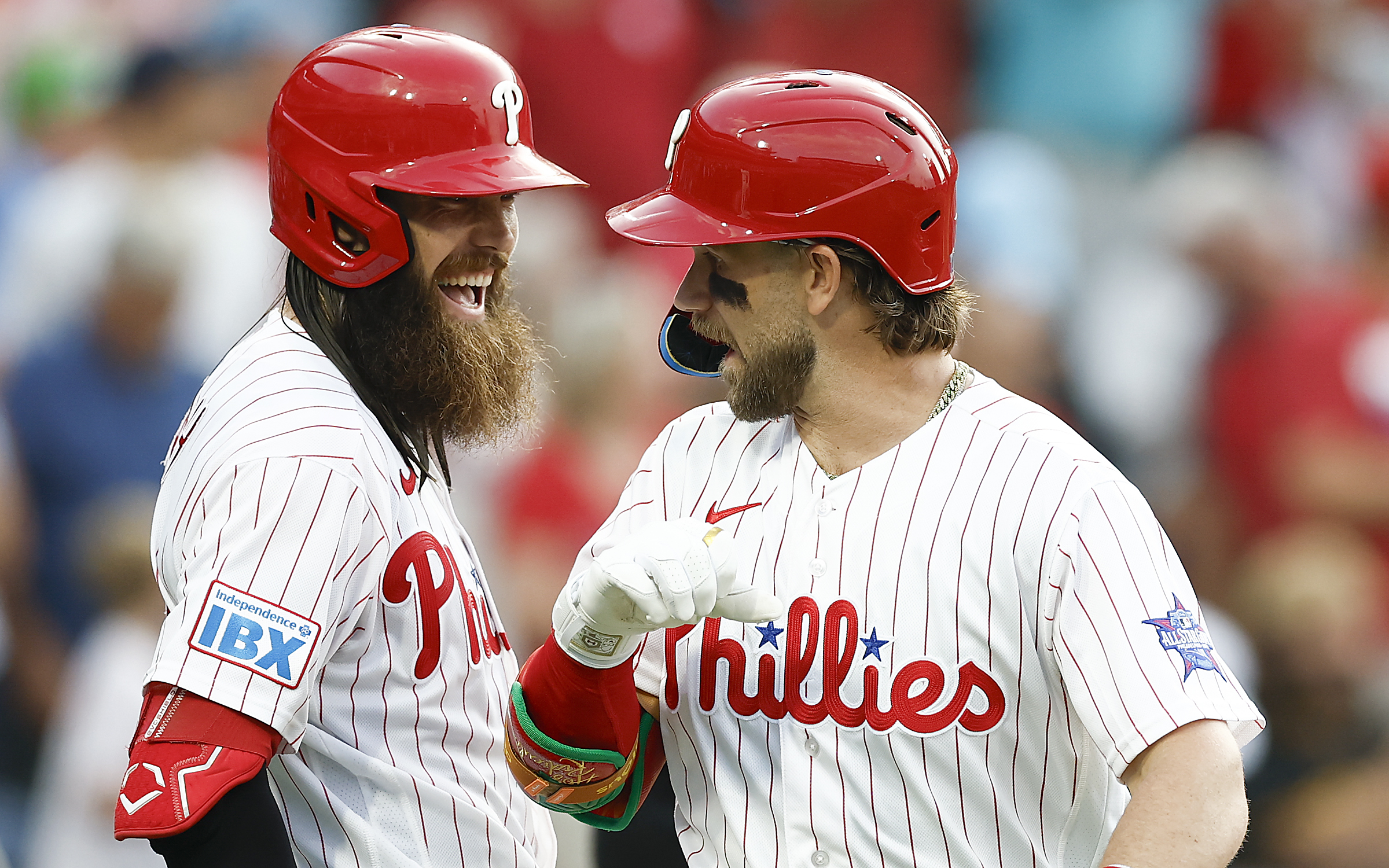
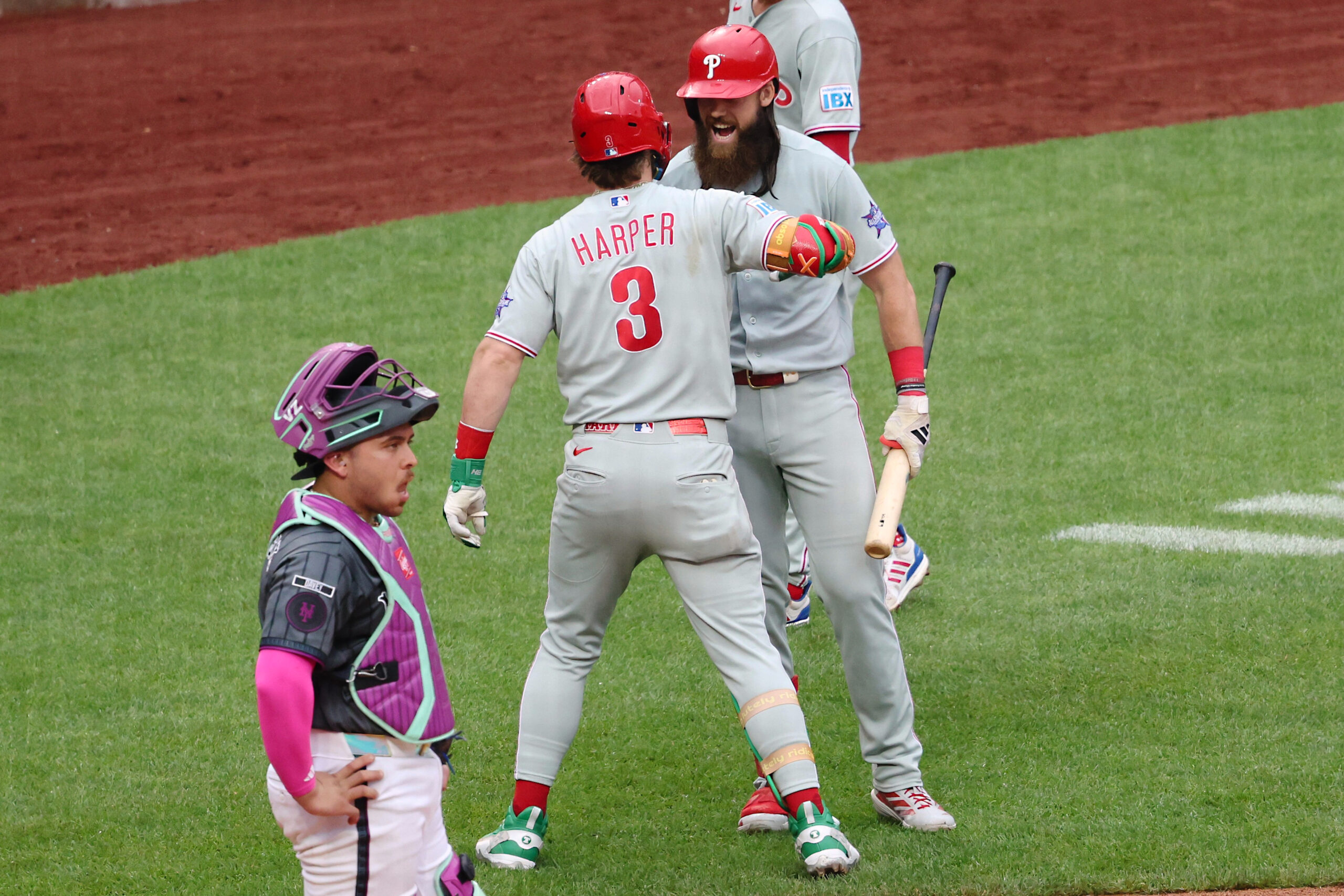
Bryce Harper (right) celebrates with Brandon Marsh after hitting a two-run home run in the third inning of Monday’s loss to the Pittsburgh Pirates.
The offense showed some life late, though. Marsh hit his second homer of the game in the eighth to start chipping away. He fell behind in the count, 1-2, to Gregory Soto, but put a good swing on a high and inside fastball. Bryson Stott and J.T. Realmuto hit back-to-back two-out singles to cut the lead to 8-7.
Derek Hill kept the line moving with a walk, but Justin Crawford was called out on strikes to end it, stranding two.
In the ninth, Mattingly opted to use righty Chase Shugart, who had blown a save against the Mets on Sunday, with the intention of preserving his higher-leverage arms. It backfired when he gave up a three-run homer to Pittsburgh catcher Endy Rodríguez that put the Pirates back ahead by four runs.
“I really didn’t feel like I have much of a choice, honestly, there,” Mattingly said. “Didn’t really feel like, where we’re at with everything, we could just keep chasing a win in with our back-end guys and lose another one. Yeah, I felt like we had to get through that with Shug. He gets two outs quick, and then little kind of a halfway flare to center, and yeah, obviously the breaking ball he hits for the homer.”
In the bottom of the ninth, Turner struck out, Schwarber grounded out, and Marsh struck out to end it.
The funny thing about Bryce Harper’s 2026 world-wrecking tour is that he has somehow managed to both vindicate his boss and hang him over the dunk tank. There isn’t an executive in Major League Baseball that should be feeling more pressure than Dave Dombrowski now that Harper has answered fully and satisfactorily the infamous question that the Phillies president posed this offseason.
“Can he rise to the next level again?‚” Dombrowski asked about Harper after the Phillies’ postseason loss to the Dodgers. “I don’t really know that answer.”
Eight months later, Dombrowski should know it better than anyone. The Phillies’ personnel boss has spent 84 games watching Harper bail him out of another failure of an offseason. One year after the Phillies’ superstar posted an .844 OPS that was his lowest since 2016, his current .915 OPS would be his best since 2021, when he hit .309/.429/.615 with 35 home runs en route to winning his second MVP.
Harper’s 19 home runs in his first 83 games were his second-most as a member of the Phillies. His .391 wOBA ranked eighth in the major as of Saturday. His .278/.379/.536 batting line is pretty much exactly his career baseline. It is a lofty baseline. You might even call it elite.
While Harper might argue that retribution is a dish best served raw (like milk), his performance this season actually lends some credence to his boss’ offseason critique. Harper isn’t proving Dombrowski wrong. He is proving him right.
Fact is, Harper wasn’t an elite player in 2025. Between 2021 and 2024, Harper was one of five players in the majors with a wOBA of .390+. The other four were Aaron Judge, Shohei Ohtani, Juan Soto and Yordan Alvarez. Add in Ronald Acuña Jr., Freddie Freeman, and Mookie Betts, and those were the truly elite hitters in Major League Baseball.
Bryce Harper has hit 19 home runs this season.
In 2025?
Harper’s .361 wOBA ranked 25th, behind guys like Ramon Laureano (.364), Pete Alonso (.368) and Geraldo Perdomo (.370). That was Dombrowski’s whole point. You can certainly question whether it was an appropriate one to make. The under-the-hood numbers suggested that Harper’s “down” year was mostly attributable to chance.
There weren’t any significant dips in his hard hit rate or his strikeout rate or his bat speed. He showed fewer signs of regression than most 32-year-old hitters. The Phillies could not have hoped for a better return on the first seven years of the 13-year, $330 million contract that Harper signed in 2019. As the old saying goes, don’t look a gift horse in the mouth and tell him he isn’t elite.
At the same time, Dombrowski’s assessment was correct. In 2025, Harper’s production wasn’t in the same realm as a Judge or a Soto or an Ohtani. It just wasn’t. He was still a very, very good player. He just wasn’t a singular one.
Here in 2026, Harper is reminding us just how much of an impact he can make when he is elite. The Phillies have been the best team in baseball since the beginning of May despite a lineup that has five regulars who have been 30% worse than league average as measured by OPS+. Harper’s 146 OPS+ is more than twice as high as those of four of the six guys who hit behind him in the lineup.
The onus is now on Dombrowski to do his part.
How active will Dave Dombrowski and the Phillies be at the MLB trade deadline?
As good as the Phillies have been since replacing Rob Thomson with Don Mattingly, any realist should wonder how good they’d be with a roster that wasn’t completely reliant on two MVP seasons at the plate, two Cy Young seasons in the rotation, and one of the best closers in the game … and Brandon Marsh. It would be foolish for anybody to think that formula can carry them through a month of playoff baseball.
With just over a month to go until the trade deadline, Dombrowski and his front office better have a serious plan for broadening the team’s potential contributors for a postseason series against the Dodgers or Braves.
window.addEventListener(“message”,function(a){if(void 0!==a.data[“datawrapper-height”]){var e=document.querySelectorAll(“iframe”);for(var t in a.data[“datawrapper-height”])for(var r,i=0;r=e[i];i++)if(r.contentWindow===a.source){var d=a.data[“datawrapper-height”][t]+”px”;r.style.height=d}}});
Even with Marsh’s All-Star-worthy season, the Phillies’ outfield entered Sunday with the sixth-worst collective OPS in the majors. At catcher, theirs is the second-worst OPS. They rank in the bottom five at third base and shortstop and are 23rd at third base. But, hey, other than that they’ve been great.
Right now, Dombrowski’s offseason looks like a near-total failure. Adolis García, J.T. Realmuto, Andrew Painter, Brad Keller, Justin Crawford — all received his stamp of approval as he tinkered with a roster that had suffered three straight playoff disappointments.
Even if you are willing to credit Crawford with being a perfectly adequate bottom-of-the-order hitter at a premium position in center field, the aggregate output of the offseason maneuvering still qualifies as a man-made disaster.
It may not be now or never. But it is getting close. The Phillies owe it to Harper, Schwarber, Zack Wheeler, Cristopher Sánchez and Jhoan Duran to aggressively address the holes that threaten to undermine one of the greatest efforts we’ve ever seen from five superstars in one season.
Hey, it happens. Near the end of a weeklong road trip in which they’ve scored 34 runs in six games, after a 44-run outburst on a six-game homestand, the bats were bound to cool.
But if Harper’s glove was as quick in the sixth inning as his bat in the third, it may not have mattered. Instead, Francisco Lindor’s scorched liner went under Harper’s mitt as he dove to his left, the start of a Mets’ rally that doomed the Phillies to a 6-2 loss.
“I felt like he top-spun it and I thought it was going to bounce up, and it just got under my glove,” Harper said after the Phillies’ four-game winning streak ended. “I was pretty upset about that play. Obviously a play I think I should have made, but it didn’t happen.”
It wasn’t the only costly play, though. Two batters before Lindor’s game-tying two-run triple, Juan Soto singled on a fly ball that fell in front of right fielder Gabriel Rincones Jr.
Could Rincones have been more aggressive?
“I couldn’t really tell,” interim manager Don Mattingly said. “They’ll have the report out tomorrow, just [catch] probabilities and things like that. I haven’t really looked at it yet.”
Phillies lefty reliever Tim Mayza (left) opened Saturday’s game before Alan Rangel entered in the second inning.
In any case, the two plays in the Mets’ four-run sixth inning amplified one Phillies weakness that hasn’t gotten better since Mattingly took over on April 28.
While the rotation is among the best in baseball, the bullpen has largely held up, and the offense is more productive despite lacking a big right-handed bat, the Phillies remain the second-worst defensive team in the sport, according to both defensive runs saved (minus-29) and outs above average (minus-20).
And it isn’t a nitpick. In close, low-scoring games — the kind that get played in October — even the slightest defensive shortcomings loom large.
For as well as the Phillies have played under Mattingly, he knows it’s an area they need to button up.
“There’s times I like it, and there’s times that I don’t feel as good about it,” Mattingly said of the overall team defense. “It’s kind of day-to-day. Some of the plays, you don’t know why. Like, I see certain plays that you feel like you can get to.
“In general, it’s been OK.”
Hardly a ringing endorsement.
Then there was another out on the bases by Harper. With the Phillies leading 2-0, he led off with a bloop between diving center fielder A.J. Ewing and Lindor. When Lindor fell down, Harper tried to reach second, but the shortstop recovered to throw him out.
“I didn’t think Lindor was going to go get it, and he did,” Harper said. “Not one that I’m trying to go to second on aggressively.”
Bryce Harper (3) celebrates after his two-run home run with teammate Brandon Marsh in the third inning.
Mattingly liked the aggressiveness. And given the lack of hits from everyone else in the lineup (Harper had two of the Phillies’ five), it’s hardly a guarantee Harper would have scored.
Alan Rangel, meanwhile, continued to impress Mattingly in what amounts to an ongoing audition for the No. 5 starter spot. Once again, the 28-year-old righty came in after lefty opener Tim Mayza — after a 70-minute rain delay at the outset — and held the Mets to one infield hit before the sixth inning.
“I felt great today,” Rangel said through a team interpreter. “I felt great with commanding the strike zone, and I just felt great overall with my slider, my curveball. My changeup was good.”
Rangel has a higher-than-usual release point and three varieties of offspeed pitches (changeup, slider, and curveball). Harper said the changeup reminds him of reliever Tyler Clippard, his teammate with the Nationals.
“Just a really good pitch,” Harper said. “I think that just keeps guys off balance. The changeup is kind of a hidden gem in the game nowadays. Not many people throw it, but when they do, and they can throw it really well, you’re going to have success.”
After Lindor’s triple, Rangel walked Jared Young and was lifted for Jonathan Bowlan, who walked Mark Vientos to load the bases and gave up Ewing’s two-run single through a drawn-in infield.
But while the sixth inning spoiled Rangel’s outing, the Phillies are content to keep using him in the fifth-starter spot.
“I’d say right now we’re committed to him being in there,” Mattingly said. “He’s thrown the ball good both times, kept us in the game. We weren’t really putting runs on the board to give a little bit of a cushion where one inning doesn’t hurt you. But in general, Al’s been good.”
Unlike, say, the defense.
“I’d like to see us always continue to tighten everything up,” Mattingly said. “We can get better where, the outs we’re supposed to get, we want to get and not give those guys extra chances.”