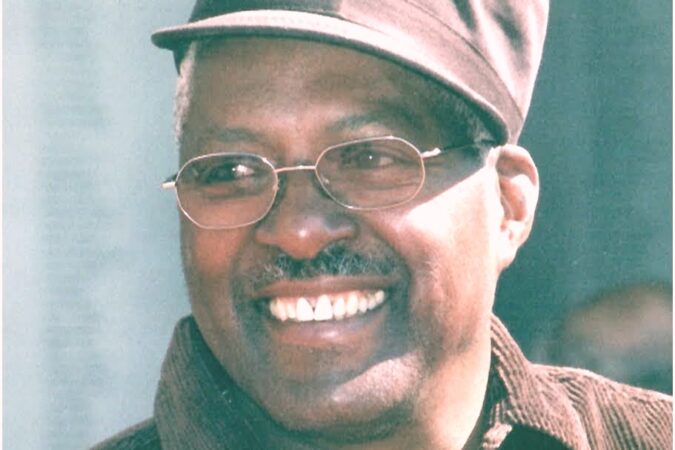
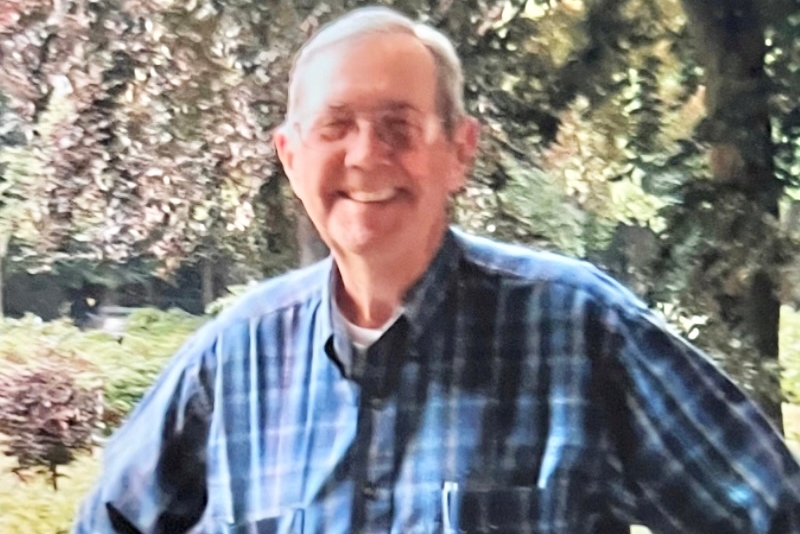
Evonn Wadkins, 88, formerly of Philadelphia, retired Philadelphia Mounted Police Officer, basketball and football star at Simon Gratz High School, builder, carpenter, plumber, bus driver, and volunteer, died Sunday, Jan. 11, of complications from a stroke at Bryn Mawr Extended Care Center.
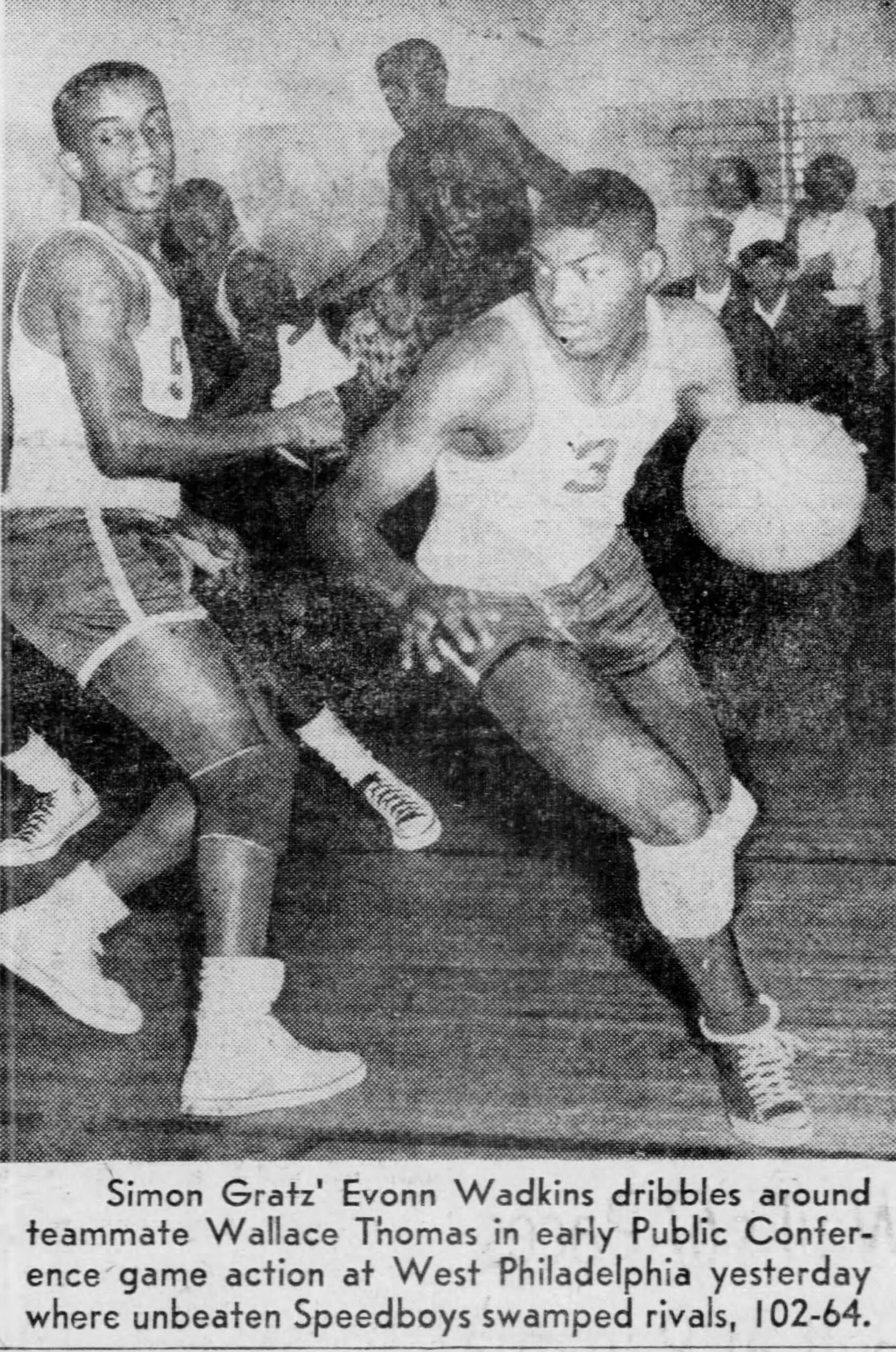
A gifted athlete with an innate desire to help others and be part of a team, Mr. Wadkins played basketball and football on Philadelphia playgrounds, in youth leagues and high school, and later with adults in semipro leagues and the Charles Baker Memorial Basketball League. He usually scored in double digits for the Gratz basketball team and went head-to-head against the legendary Sonny Hill and Wilt Chamberlain.
He overcame a severe ankle injury when he was young and retired from the Baker League years later only after age and ailments forced him off the court. He was a “speedy end” on the football team at Gratz, the Daily Journal in Vineland said in 1955.
His name appeared often in The Inquirer and other local newspapers in 1955 and ‘56, and they noted his 55-yard touchdown catch against Dobbins, 25-yard scoring reception against Vineland, and 44-yard scoring catch-and-run against Northeast in 1955.
Mr. Wadkins (right) drives with the ball in this photo that was published in The Inquirer in 1956.
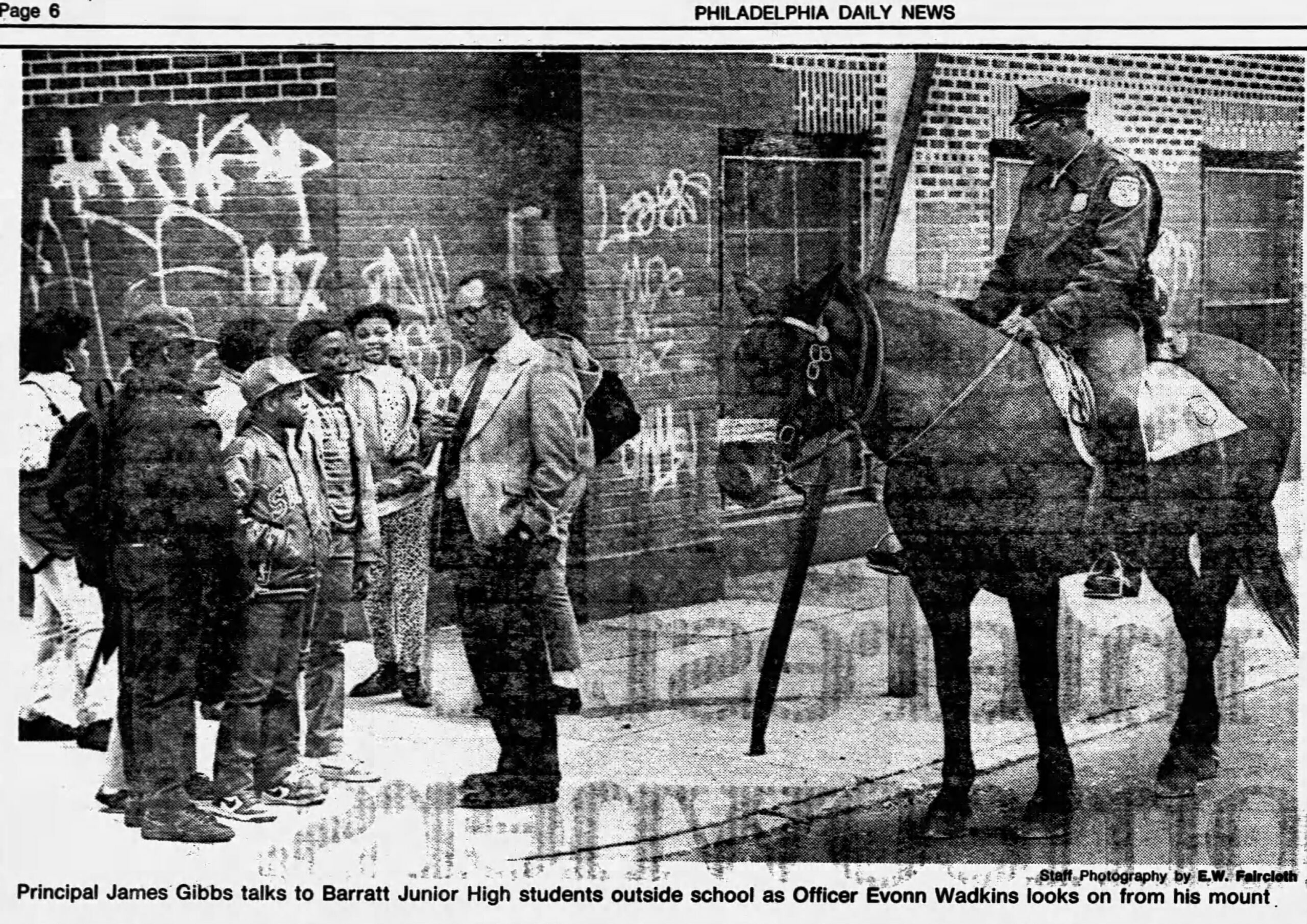
Mr. Wadkins graduated from the Philadelphia Police Training Center in 1963 and spent 11 years patrolling Fairmount Park and elsewhere in the Traffic Division. He transferred to the Mounted Unit — and met Cracker Jack — in 1974, and officer and horse rode the Philly streets together until they both retired in 1988.
“When he went on vacation, nobody could ride Cracker Jack,” said Mr. Wadkins’ wife, Elaine. “They could groom him. But Cracker Jack wouldn’t let anyone else ride him.”
He also worked construction side jobs with neighbors and friends, and learned plumbing, heating, and carpentry skills. “Family and friends are still sleeping comfortably on his one-of-a-kind beds more than 40 years later,” his family said in a tribute.
He drove a school bus for the School District of Philadelphia for 10 years in the 1980s and ’90s, and made friends with many of the students. He moved with his wife to Goochland, Va., 35 miles northwest of Richmond, in 1998.
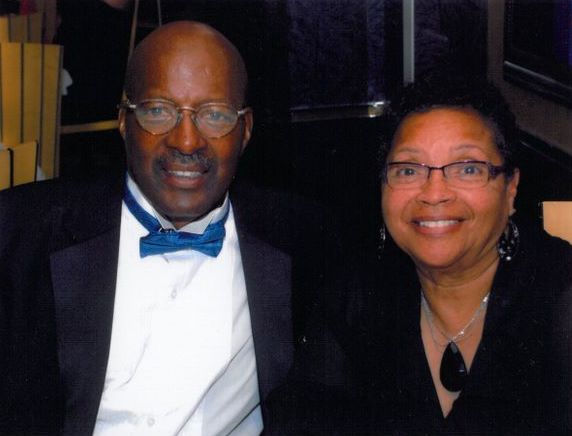
Mr. Wadkins and his wife, Elaine, married in 1959.
He joined the Goochland chapter of the NAACP and volunteered at the Second Union Rosenwald School Museum. At the Second Union Baptist Church, he mentored boys and young men, and supervised the media ministry.
He was serious about community service. “He never met a stranger,” his wife said.
Evonn LeFrancis Wadkins was born June 4, 1937, in Philadelphia. He was the fifth of six children and earned his high school degree at night school after leaving Gratz early.
He met Flora Elaine Poole at Gratz in 1954, and they married in 1959. They set up house in West Philadelphia a few years later and had daughters Evette and Elise, and a son, Evonn.
This photo of Mr. Wadkins on his horse appeared in the Daily News in 1987.
Mr. Wadkins, familiar with Fairmount Park from his time on police patrol, liked to share historical tidbits when the family drove through. He loved cars and traveled to Canada with his wife and to Germany with his brother to shop for several that caught his eye.
He and his family traveled to Florida for a New Year’s party and to South Dakota to fly over Mount Rushmore. He and his wife cruised the Caribbean and toured the United States and Europe.
He even flew with a friend to two Super Bowls. “He was a man on the go,” his family said.
Mr. Wadkins liked McDonald’s pancakes and coached a few youth league basketball teams, one to a championship. When asked how he was doing, his usual response was: “Livin’ slow.”
Mr. Wadkins enjoyed time with his family.
His wife said: “He was a good provider. He was a great husband.”
In addition to his wife and children, Mr. Wadkins is survived by five grandchildren, five great-grandchildren, a brother, and other relatives. Two brothers and two sisters died earlier.
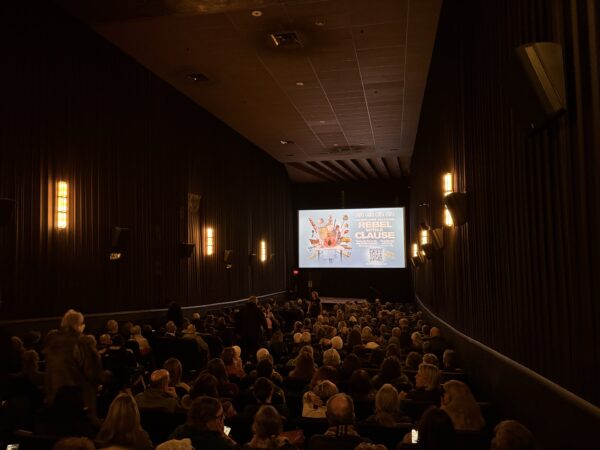
Despite frigid temperatures and the specter of the Philly area’s largest snowstorm in years, hundreds of language lovers and grammar nerds gathered in Bryn Mawr on Saturday for a screening of Rebel with a Clause, the hottest “road trip, grammar docu-comedy” on the indie movie circuit.
Rebel with a Clause follows language expert Ellen Jovin as she takes her makeshift “Grammar Table” on a journey across the United States, from Bozeman, Mont., to New York City (and everywhere in between). From behind the table, Jovin asks strangers to divulge their questions, comments, and concerns about the English language, from when it’s best to use a semicolon to how to properly punctuate “y’all.” What starts as an amusing grammarrefresher turns into a moving text on Americans’ shared humanity, even in polarizing times.
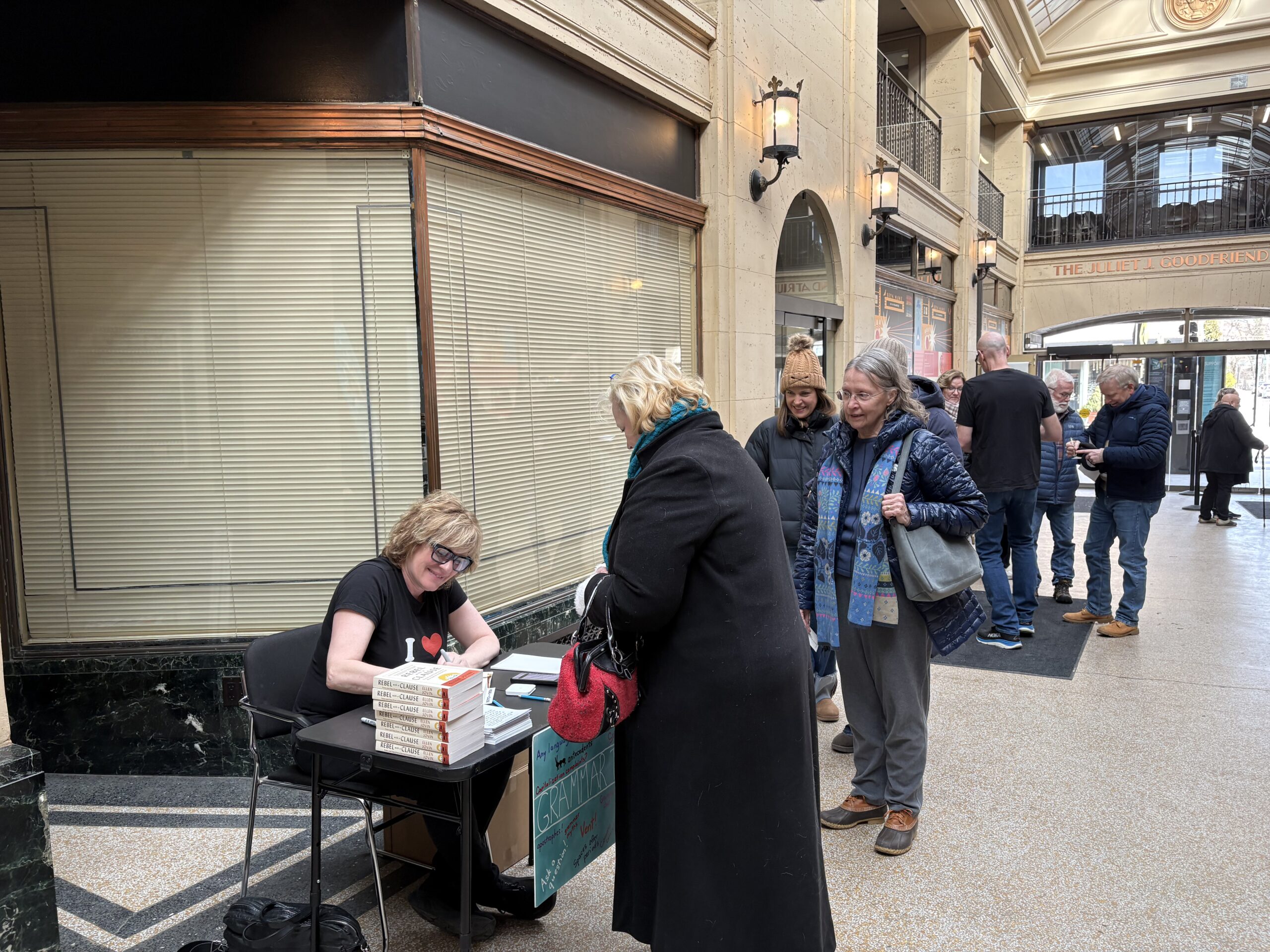
Ellen Jovin, subject of “Rebel with a Clause,” signs books at a screening at the Bryn Mawr Film Institute on Jan. 24, 2026.
Jovin, the movie’s star, has written four books on writing and grammar, including Rebel with a Clause: Tales and Tips from a Roving Grammarian, a reflection on her cross-country tour. The movie was directed and produced by Brandt Johnson, a writer and filmmaker who also happens to be Jovin’s husband.
Jovin and Johnson, who are based in New York,are on a second cross-country tour as the Rebel with a Clause movie graces audiences. The Bryn Mawr screening marked the film’s first public showing in the Philly area.
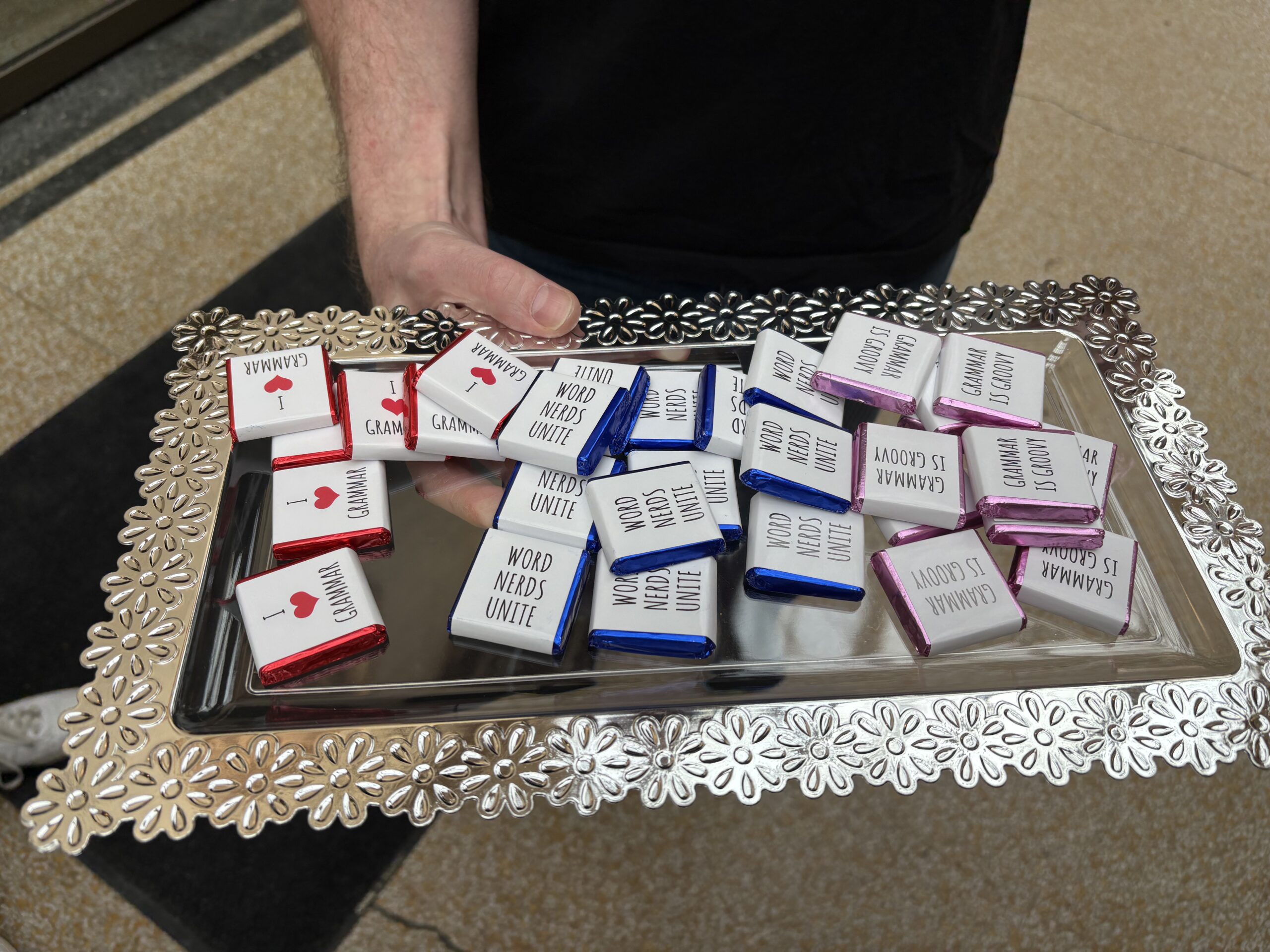
As he handed out optional grammar quizzes and grammar-themed chocolates in the Bryn Mawr Film Institute’s foyer, Johnson said the response to the movie has been “extraordinary.”
“Ellen’s Grammar Table that she started in 2018 was about grammar, for sure, but it turned out to be as much about human connection,” Johnson said.
“Just as a life experience, oh my gosh,” he added. “It’s been something that I certainly didn’t anticipate.”
“Rebel with a Clause” producer Brandt Johnson hands out grammar-themed chocolates to moviegoers at the Bryn Mawr Film Institute on Jan. 24, 2026.
Before the screening, attendees waited for their turn at the table, where Jovin was signing books and answering pressing questions about commas and ellipses.
Mary Alice Cullinan, 76, said she and her friends are fascinated by grammar and how it seems to be losing ground among younger generations.
Cullinan, who lives in Blue Bell, spent her career working in the restaurant industry but always read and wrote on the side.
“I read to live,” she added.
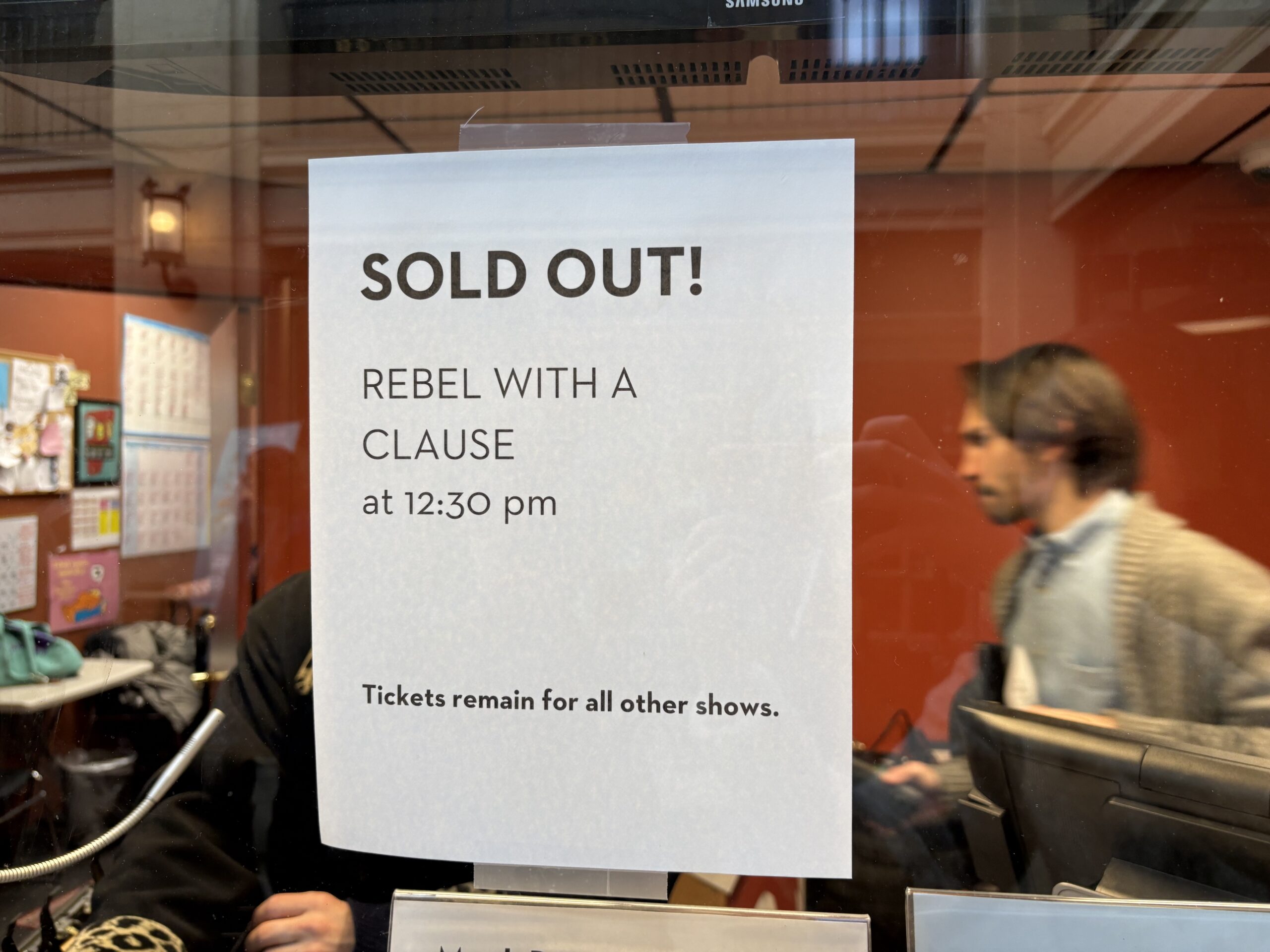
The Bryn Mawr Film Institute was packed with retired teachers, avid writers, and grammar aficionados who came armed with gripes about commas, parentheses, and quotation marks. At five minutes to showtime, an employee plastered a “SOLD OUT!” sign on the box office window.
A sign announcing that the Bryn Mawr Film Institute’s screening of “Rebel with a Clause” was sold out. The grammar-themed documentary played at the Main Line movie theater on Jan. 24, 2026.
Jen Tolnay, 63, a copy editor from Phoenixville, heard about the movie at an editors’ conference. She was so excited that she moved a haircut appointment to be there.
The 86-minute film provoked regular laughter in the audience (and a line about Philadelphians’ pronunciation of the wet substance that comes out of the sink got a particularly hearty laugh).
During a post-screening question-and-answer session, moviegoers complained about the poor grammar of sportscasters, praised Jovin and Johnson, and inquired about the colorful interactions Jovin had at the Grammar Table.
For Katie McGlade, 69, grammar is an art form.
The retired communications professional from Ardmore described herself as a habitual grammar corrector who would often fight with her editors about proper language usage. Now,as an artist, she makes colorful prints that center the adverb.
“I love that’s she’s bringing joy to the word,” McGlade said of Jovin. ”We need joy and laughter, and we need to communicate with each other.”
This suburban content is produced with support from the Leslie Miller and Richard Worley Foundation and The Lenfest Institute for Journalism. Editorial content is created independently of the project donors. Gifts to support The Inquirer’s high-impact journalism can be made at inquirer.com/donate. A list of Lenfest Institute donors can be found at lenfestinstitute.org/supporters.
Main Line restaurateur Alessandro “Alex” Fiorello — who is slowly growing a suburban Italian portfolio, with a Wayne osteria and West Chester pizzeria — is preparing to open a new, bar-forward concept at Bryn Mawr Village, 915 Lancaster Ave.
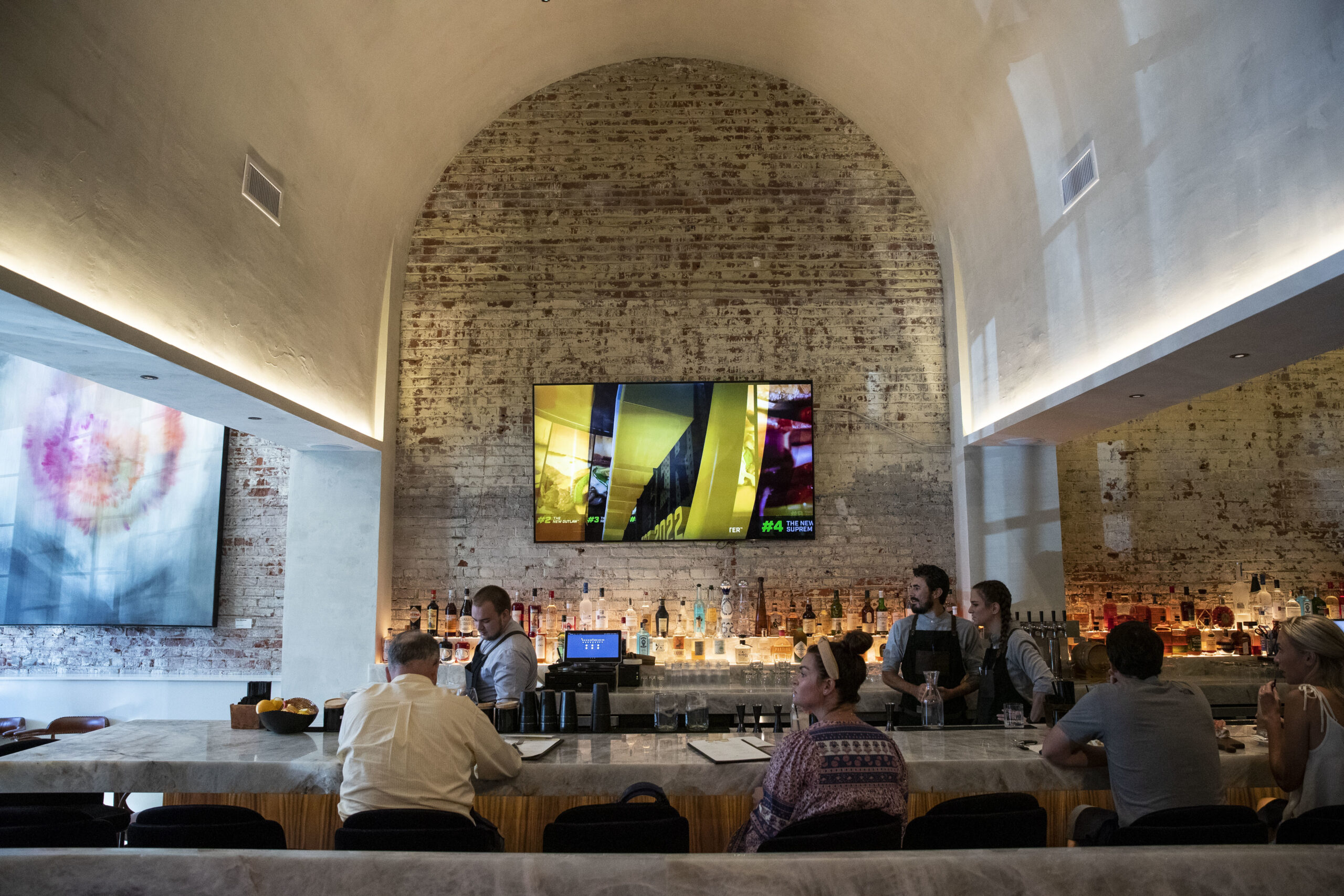
The Bryn Mawr space, which opened in 2022 as the short-lived Marc Vetri-operated Fiore Rosso, most recently was Il Fiore. It closed last month.
The bar at Fiore Rosso in Bryn Mawr, which was operating most recently as Il Fiore. It closed at the end of 2025.
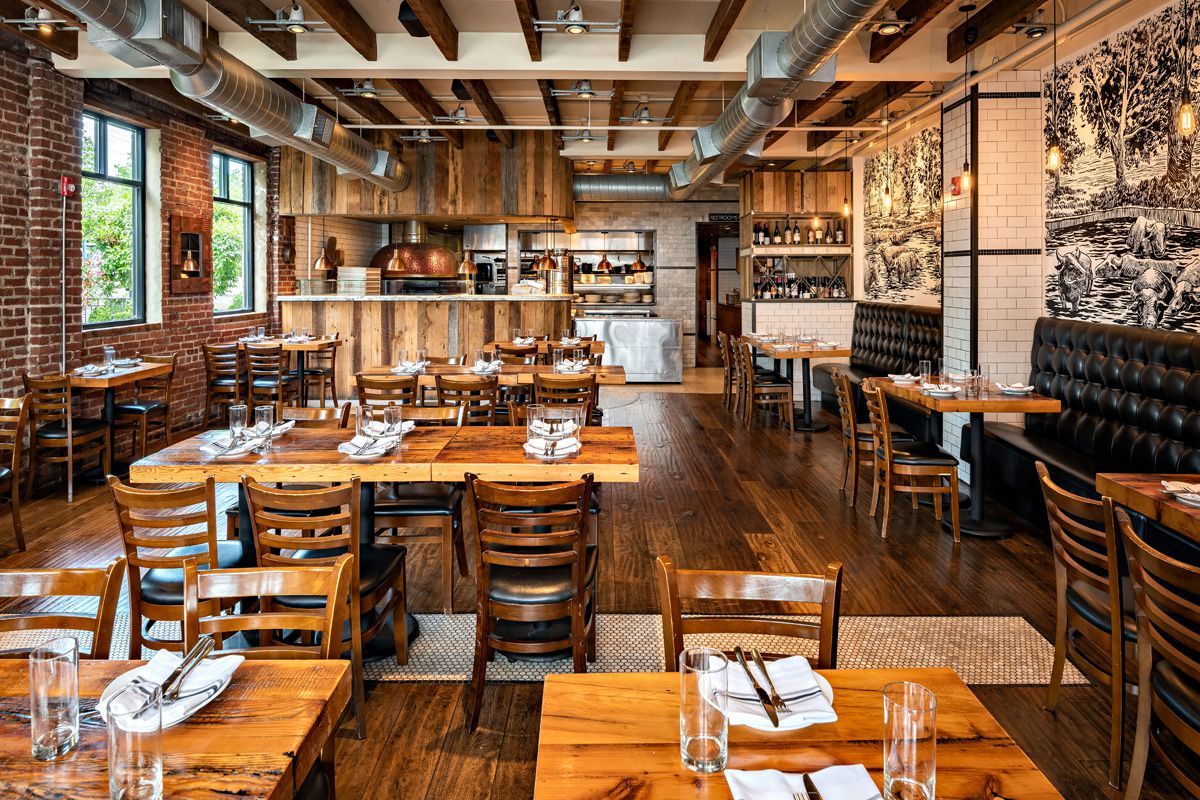
The new project will sit at the top of Fiorello’s three-tier restaurant lineup. His Wayne restaurant, Alessandro’s Wood Fired Italian, opened in 2020 as an upscale-casual neighborhood osteria with a strong takeout business and a busy dining room. Alessandro’s Pizzeria, which the self-taught chef opened in April, is positioned as a casual lunch and slice shop serving pizza, cheesesteaks, and salads.
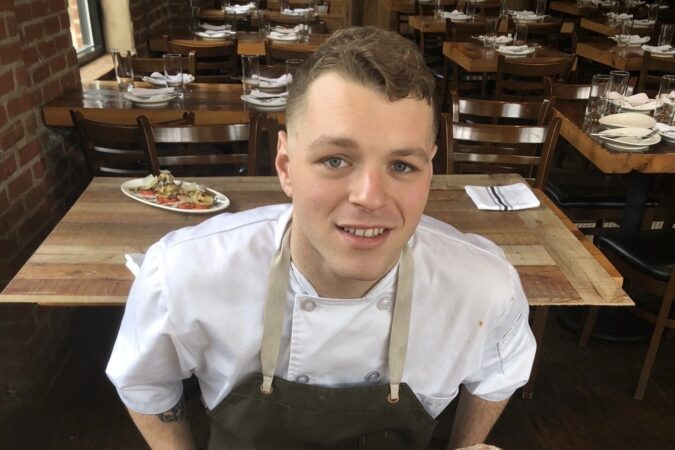
Fiorello grew up in the restaurant business. His father ran Fiorella’s Café in West Chester, while his mother’s family operated pizza shops in New York. Raised in Brooklyn, Fiorello worked in kitchens from a young age before returning to Chester County as a teenager.
Fiorello said Enoteca Alessandro’s or Alessandro’s Enoteca were in the running for the name of the new Bryn Mawr spot.
Fiorello, who said he is backed by investors, plans to maintain the restaurant’s industrial look, adding that the restaurant’s solid infrastructure would allow for a relatively fast turnaround.
Dining room at Alessandro’s Wood Fired Italian, 133 N. Wayne Ave. in Wayne.
“This new place will be a step up from Wayne,” Fiorello said. “Still approachable but more bar-focused, with a great bar scene.”
The menu will remain Italian at its core, built around house-made pasta, wood-fired pizzas, and a wood-fired grill, with several signature dishes from Alessandro’s Wood Fired Italian carrying over. The new kitchen will also feature dry-aged proteins, using on-site aging refrigerators inherited with the space, and may incorporate subtle Japanese influences, including a small number of sushi-style items.
The city’s crime, corruption, and urban blight impressed themselves on the young artist’s mind and lent to his uncanny vision combining the sinister and the absurd. The Twin Peaks creator, however, only spent a short time living in the city.
By 1970, he had decamped to Los Angeles to study at the American Film Institute and work on his first feature, the cult classic Eraserhead.
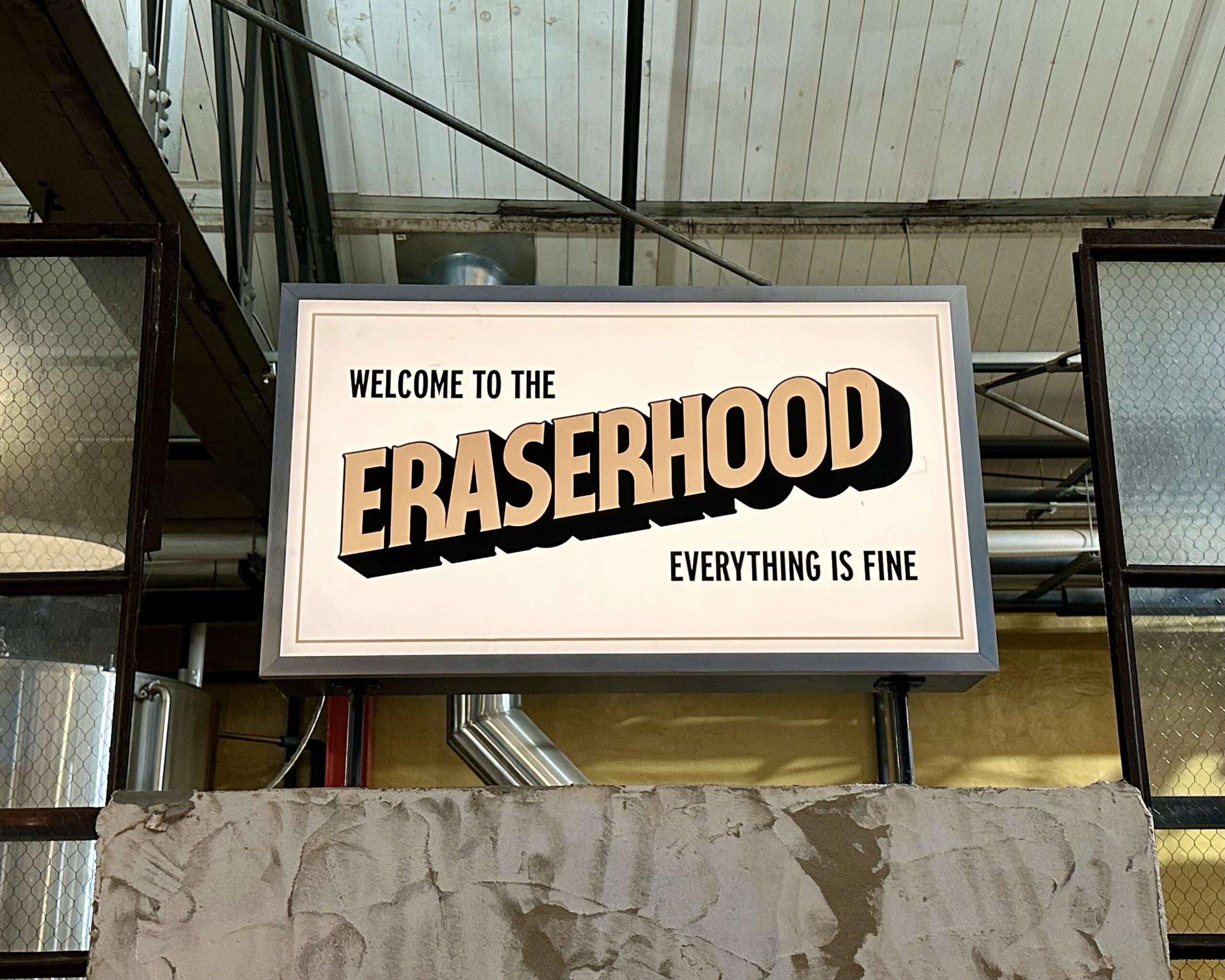
A sign at Callowhill’s Love City Brewery nods to David Lynch’s film “Eraserhead.”
In the year since his passing, retrospectives of his films have dominated programming at Philadelphia rep cinemas and art houses, Callowhill (where Lynch used to live and work) got a makeover as “Eraserhood,” and the neighborhood’s Love City Brewing’s hazy “Eraserhood IPA” grew in popularity.
Now, a new podcast is digging deeper into Lynch’s influence on Philadelphia, exploring the extent to which the city impressed itself upon his life and work — from PAFA to Hollywood to the soapy subterfuges of the Twin Peaks universe.
Launched Jan. 15 (the first anniversary of the filmmaker’s passing), Song of Lynchadelphia explores, in the words of host Julien Suaudeau, “the encounter of the 1950s American innocence with a place where the dream had already, and very concretely, turned into a nightmare.”
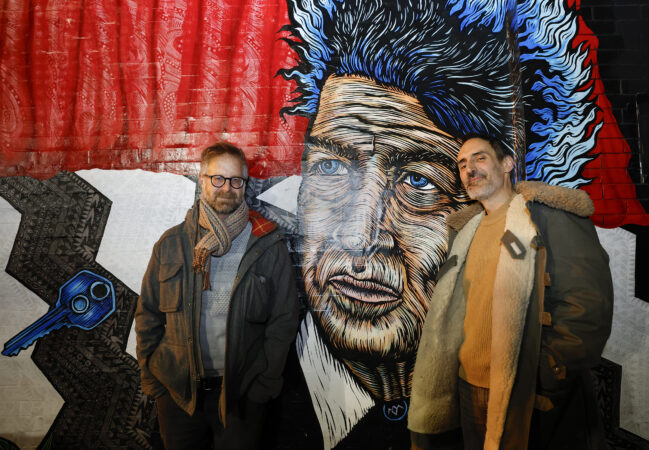
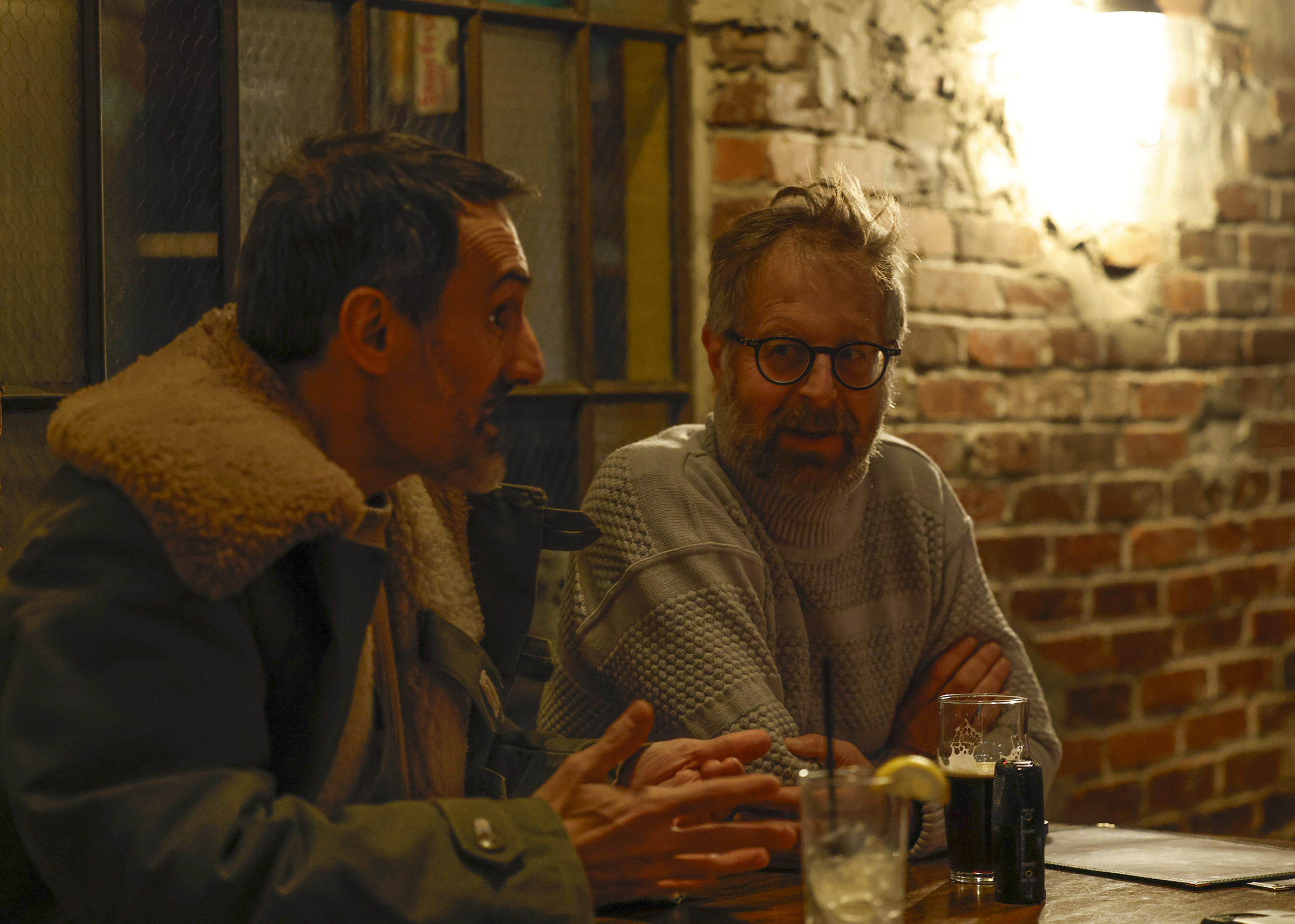
Hidden City supervising producer Nathaniel Popkin (right) and Julien Suaudeau discuss their podcast investigating how David Lynch invented a “cinematic language of fear and strangeness in Philadelphia” on Monday, December 15, 2025.
For Suaudeau, a writer and scholar who teaches film at Bryn Mawr College, Philadelphia served as a creative catalyst for Lynch. Many great cities inspire, whether in their beauty, their scale, or deep history. Philadelphia, which Lynch called “one of the sickest, most corrupt, decadent, fear-ridden cities that exists.” The filmmaker was enamored with its crime and filth in the mid-1960s.
“He was traumatized by Philly,” Suaudeau said, over drinks at Love City Brewing. “And he turned that trauma into art, something both beautiful and strange.”
A Parisian native who moved to the region to teach, Suaudeau felt drawn to Philadelphia, and to Lynch, early in life. As an adolescent living in France, he responded to the anxious, hysterical, at-times deeply disturbing depiction of teenage life offered by Twin Peaks.
At the same time, he fell in love with the ‘70s Philly Soul sound, and admired (then) 76er Charles Barkley. (Suaudeau played power forward in high school and, like Barkley, was also considered undersized.)
“I didn’t know about Lynch’s foundational years in Philly,” he said, “but that convergence feels so meaningful to me today.”
Song of Lynchadelphia grows out of Song of Philadelphia, a podcast produced by the local public history project Hidden City, which curates the “Eraserhood Tours” in Callowhill.
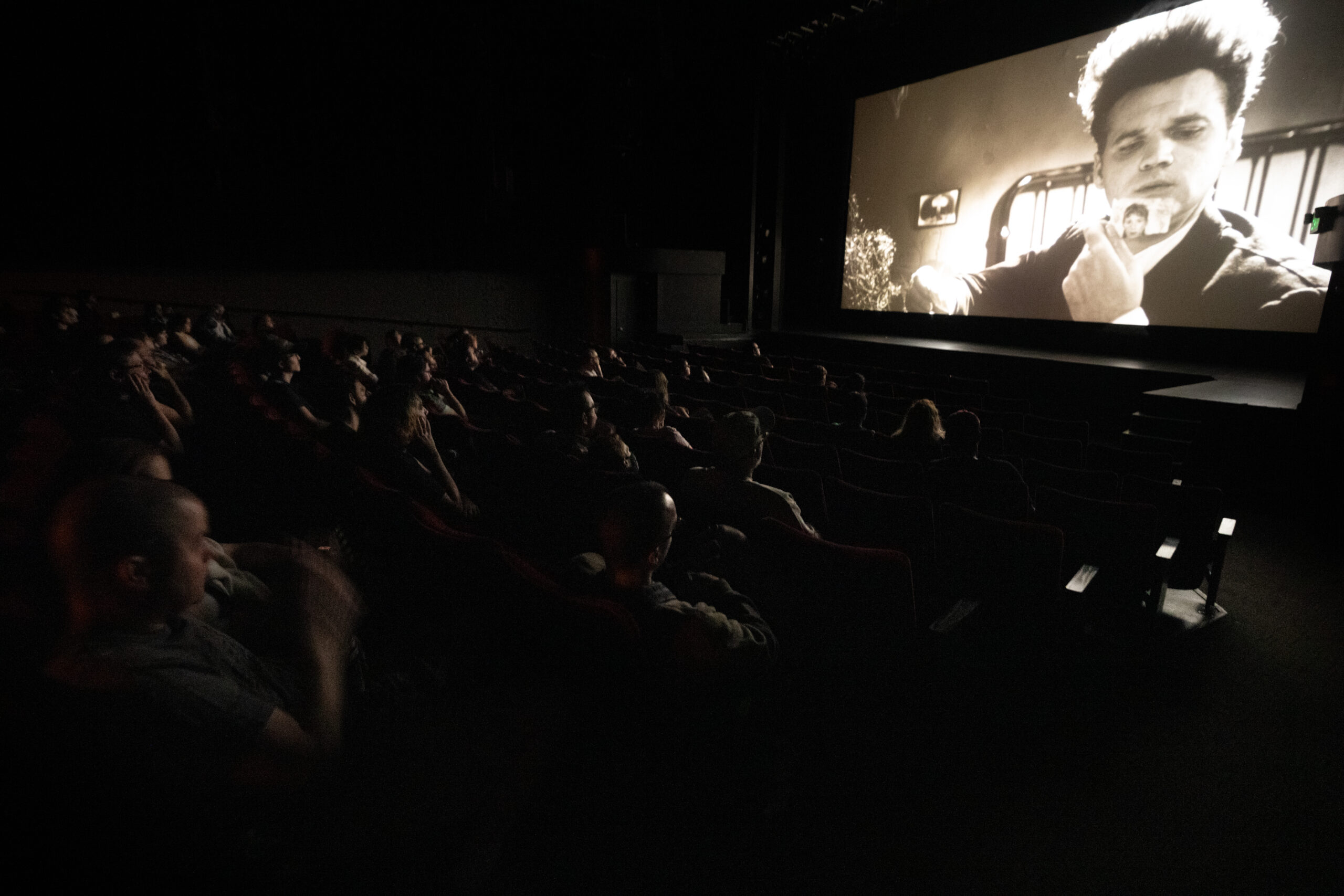
Audience members watch “Eraserhead” by David Lynch at the Film Society Center, in Philadelphia, Oct. 5, 2025.
The new series explores the city’s secret stories through a distinctly warped Lynchian lens.
The first episode looks into Lynch’s rather despairing comments on the Philadelphia of his artistic adolescence, a place of “insanity” possessed by a “beautiful mood.” Through interviews with local fans, historians, and Lynch’s collaborators (including production designer Jack Fisk, one of Lynch’s longtime collaborators and a PAFA classmate), archival clips, and distinctly Lynchian soundscapes, Suaudeau guides the listener through Lynch’s relationship with the city.
“We’re always interested in origins, especially among creative people,” said author and Hidden City cofounder Nathaniel Popkin, who serves as Song of Lynchadelphia’s supervising producer. “There is a darkness that is particularly important [in Philadelphia]. It was a place imagined to have brought light in the 18th century. And it got dark, real fast.”
A historian interviewed in the series’ first episode cites deindustrialization, white flight, racism, rioting, and rising crime as sources of that creeping darkness.
This curdling of the so-called American dream, so key to Lynch’s filmography, also defines Philadelphia in the period of the director’s artistic awakening. Popkin notes Lynch was living in Philly around the same time as Ira Einhorn, the rabble-rousing environmental activist who was arrested after his former girlfriend’s remains were found decomposing in a suitcase in his closet.
In this Jan. 9, 2017, file photo, filmmaker David Lynch attends the “Twin Peaks” panel at the Showtime portion of the 2017 Winter Television Critics Association press tour in Pasadena, Calif. (Photo by Richard Shotwell/Invision/AP, File)
Einhorn would claim he was set up by the CIA, because he knew too much about their top secret paranormal mind-control experiments, a defense that could be ripped from a Twin Peaks episode.
This very “Philly” feeling of weirdness and unease, Suaudeau said, permeates Lynch’s work, well beyond the early shorts he made here.
A character in Twin Peaks calling a cadaver a “smiling bag” dates back to a late-night tour a young Lynch took of a Philadelphia morgue. Visions of soot-covered buildings reveal themselves, decades later, in a particularly nightmarish encounter in Mulholland Drive. Laura Dern’s hard-drinking, no-nonsense character Dianne in The Return lives in Philly and, as Suaudeau puts it, “is the kind of person you would meet in a Philadelphia bar.”
In Twin Peaks, Suaudeau believes that Lynch reveals the city as a kind of dreamscape. In the series and accompanying 1992 feature film, Lynch casts himself as a good-natured (and doornail-deaf) FBI director, operating out of the bureau’s Philadelphia offices.
Julien Suaudeau (left) takes a selfie with Hidden City supervising producer Nathaniel Popkin at the David Lynch mural outside of Love City Brewing on Monday, December 15, 2025.
“Philadelphia is the head space of the director,” Suaudeau said. “It’s the room to dream.”
The idea of Philadelphia as a great American city, once shining like a beacon-on-the-hill, that had gone to seed by the time of Lynch’s arrival, is itself Lynchian, as a metropolis perched on the porous boundary between dream and nightmare.
“He’s interested in crawling beneath the veneer, beneath the surface,” Suaudeau said. “It’s a mood, it’s an atmosphere, it’s an aura in his work.”
“Song of Lynchadelphia” launched Jan. 15. “Dreams & Nightmares: A David Lynch Marathon,” an eight-hour Lynch marathon will take place in Phoenixville’s Colonial Theatre on Jan. 18, 11 a.m., thecolonialtheatre.com. A screening of “Eraserhead” followed by a talk-back with Julien Suaudeau is Feb. 21 at the Bryn Mawr Film Institute, 824 W. Lancaster Ave., Bryn Mawr. brynmawrfilm.org
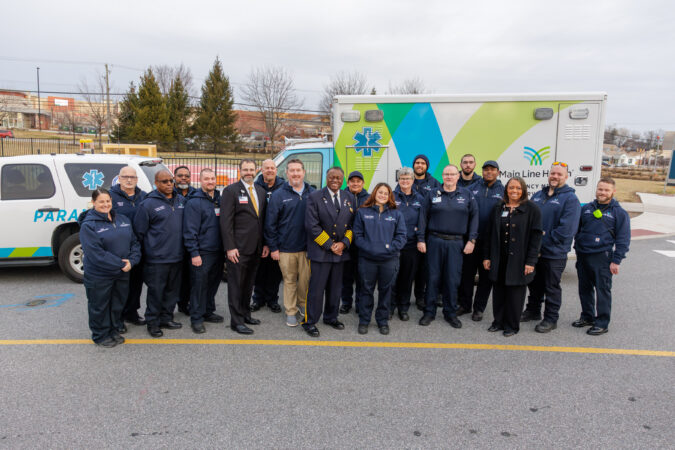
Main Line Health on Wednesday announced that emergency medical services at Riddle Hospital in Media would be rebranded as Main Line Health EMS.
The seven-ambulance fleet has been known as Riddle EMS for the past 40 years. It employs 77 paramedics and EMTs and provides emergency response services for Main Line’s four-hospital system.
In addition to Riddle Hospital, Main Line Health includes Paoli Hospital, Lankenau Medical Center, and Bryn Mawr Hospital.
The rebranding gives Main Line’s emergency services team a name that matches its system-wide mission, and “strengthens the team’s ability to meet the expanding needs of the community, while preserving the trusted service delivered for decades,” according to a statement from Main Line.
Riddle and Mercy Fitzgerald Hospital, in Darby, are the next closest hospitals for people who would previously have turned to Crozer for emergency care.
Broadway playwright, composer, and actor Shaina Taub knows the power of theater to make a political statement. As an enthusiastic teen in Vermont, Taub staged a teach-in to protest the Iraq War at her high school — a bold move inspired by the anti-war musical Hair.
About a decade later, when she was approached to write a musical about the suffrage movement, Taub recognized another meaningful opportunity to blend activism with theater.
The one challenge: She was pretty unfamiliar with the American women who fought for the right to vote.
“I really didn’t know anything,” Taub said.
She was stunned, but her feelings turned into frustration as she concluded that her American public school education had been seriously lacking. “I was blown back by the scope of this history,” she said.
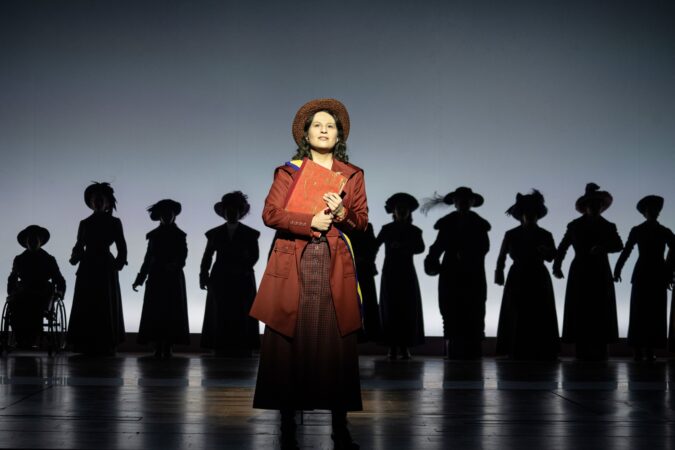
That fueled her to create Suffs, the hit musical about the suffrage movement centered on South Jersey Quaker activist Alice Paul, a radical and charismatic organizer played fittingly by Taub herself in the Off-Broadway and Broadway runs.
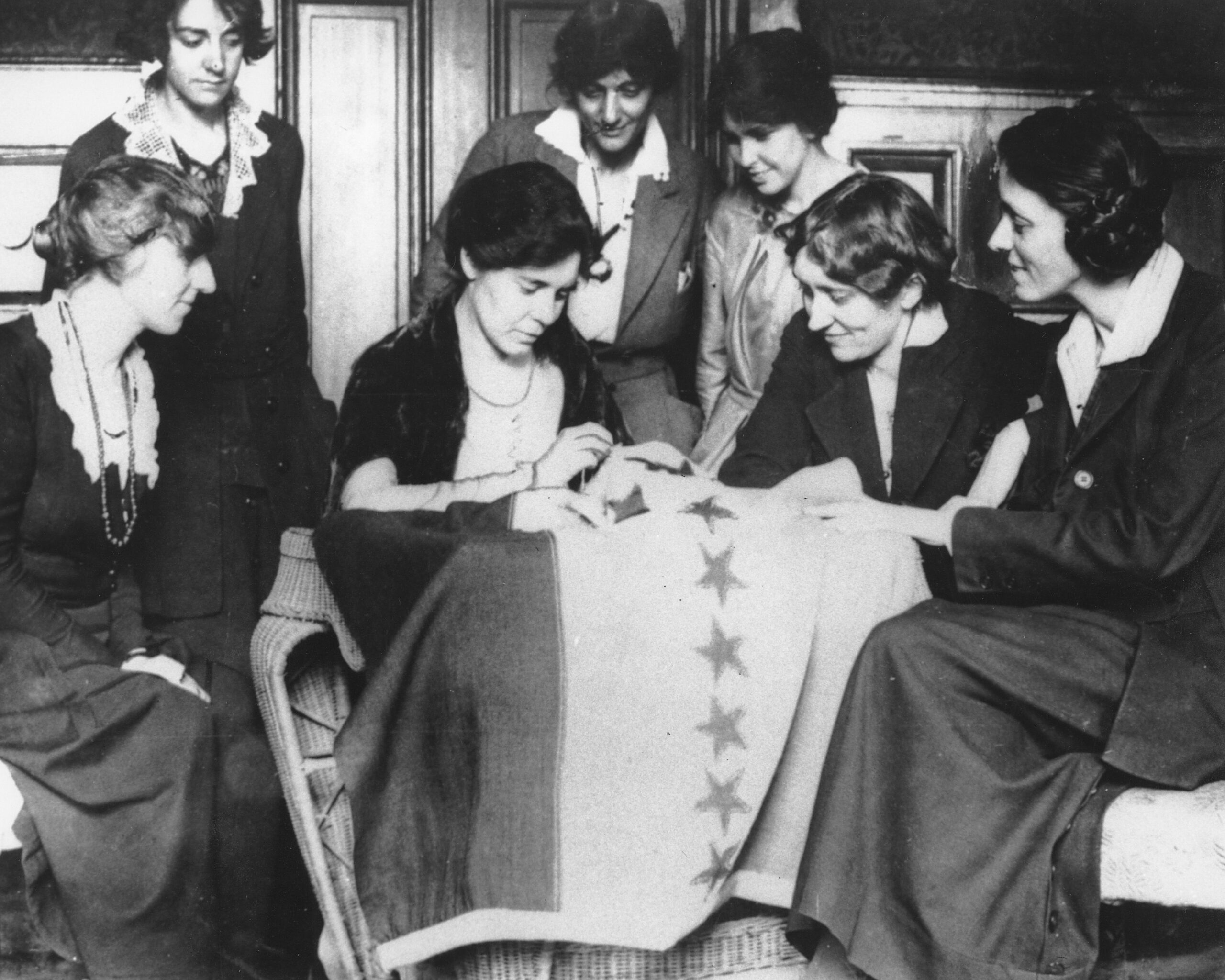
Alice Paul, seated second from left, sews the 36th star on a banner, celebrating the ratification of the women’s suffrage amendment in August 1920. The 36th star represented Tennessee, whose ratification completed the number of states needed to put the amendment in the Constitution. (AP Photo, File)
After premiering in 2022 at New York’s Public Theater for a sold-out run — following the trajectory of another history musical box-office success, Hamilton — Suffs opened on Broadway in 2024. It went on to earn six Tony Award nominations.
Taub took home two, for best book and best score, making history as the first woman to win in both categories independently on a night where Hillary Clinton, a Suffs coproducer, introduced Taub and the cast.
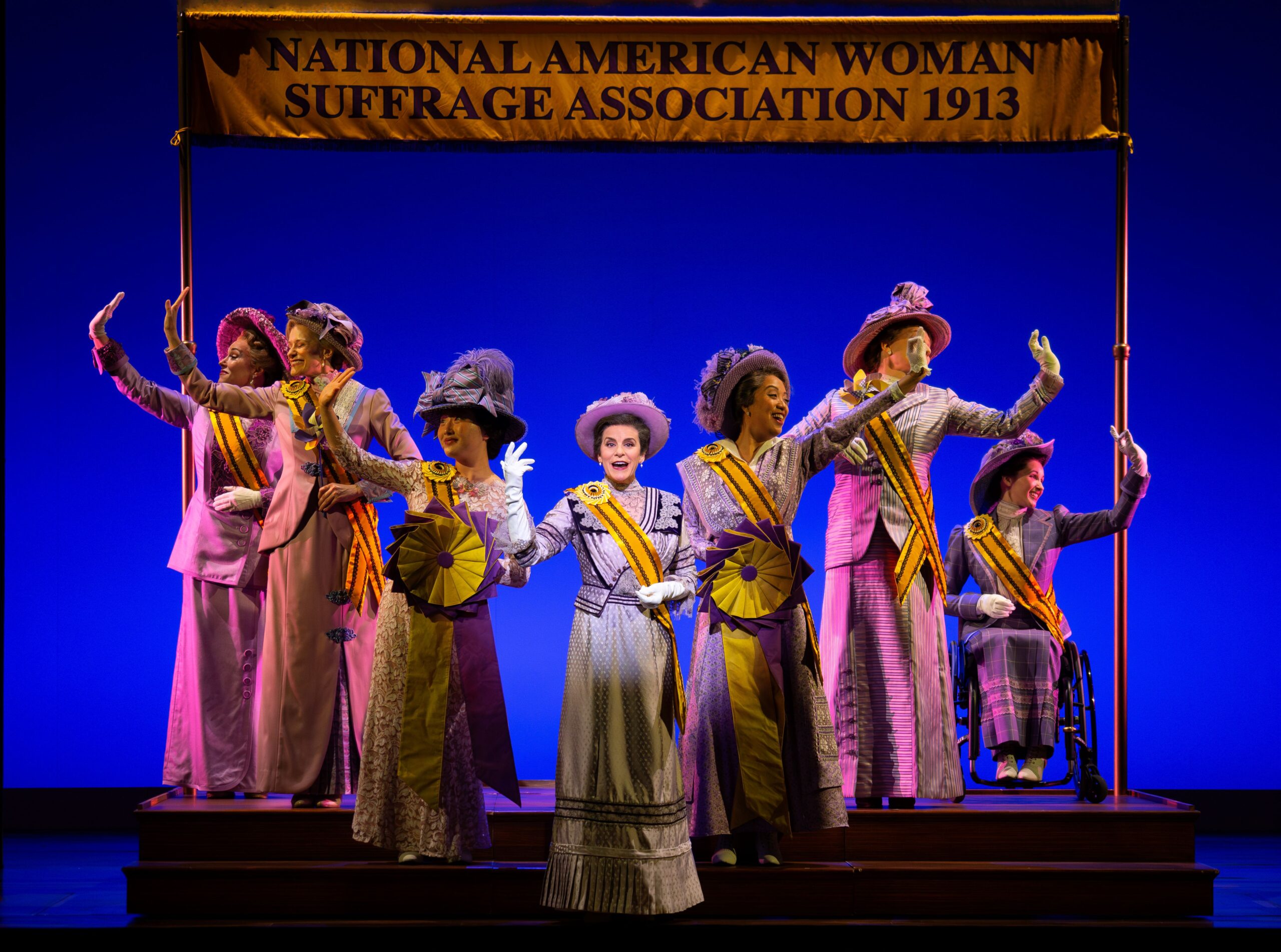
Now on its first North American tour, Suffs has landed at Philadelphia’s Academy of Music this week (running through Jan. 18) to help kick off a year of events commemorating the 250th anniversary of the nation’s founding. The musical graces the same stage where suffragist Susan B. Anthony once spoke some 150 years ago advocating for the right to vote.
Though mostly set in the District of Columbia, Suffs has some local shout-outs, too: The show mentions Swarthmore College, where Paul studied before pursuing her master’s at the University of Pennsylvania, and Bryn Mawr College, where President Woodrow Wilson (Suffs’ main antagonist) once taught history and politics.
“Suffs” on Broadway.
On opening night at the Academy of Music, director Leigh Silverman nodded to Philadelphia’s history in the suffrage movement, mentioning the protests Paul organized at Independence Hall, only a mile away, and across the city.
“The suffs you met tonight, and the many, many others … were here in Philadelphia, and they remind us of our collective strength and what is possible when we stand up and fight, despite how far it might seem like we have to go, or for how long we have to keep marching,” she said.
“This is the first year of Suffs being performed under this president, and [it feels like] a radical act to get together in the theater and tell these stories,” Taub said.
She added that it’s acutely meaningful to see the show in Philadelphia as the city reflects on the nation’s history for America250 this year.
Though the actor/playwright grew up in Vermont, she saw shows in Philadelphia as a kid when she visited family in South Jersey; her mother, Susan Taub, was raised in Cherry Hill, just a few miles down the road from Paul’s childhood home in Mount Laurel.
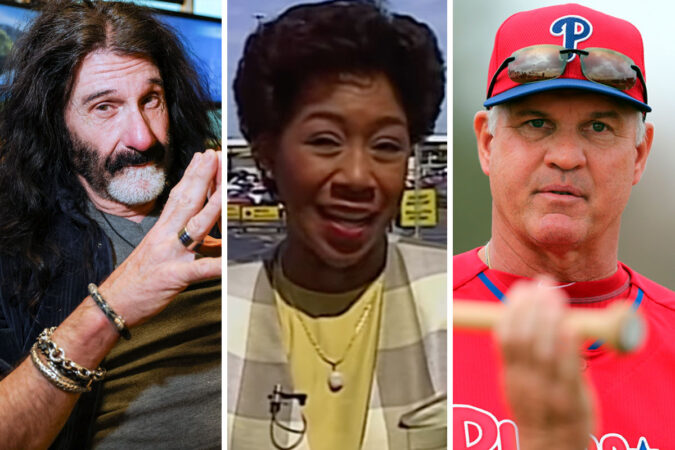
In 2025, Philadelphians said goodbye to a beloved group of broadcasters, radio personalities, sports heroes, and public servants who left their mark on a city they all loved.
Some were Philly natives, including former Eagles general manager Jim Murray. Others, including beloved WMMR host Pierre Robert, were transplants who made Philly their adopted home. But all left their mark on the city and across the region.
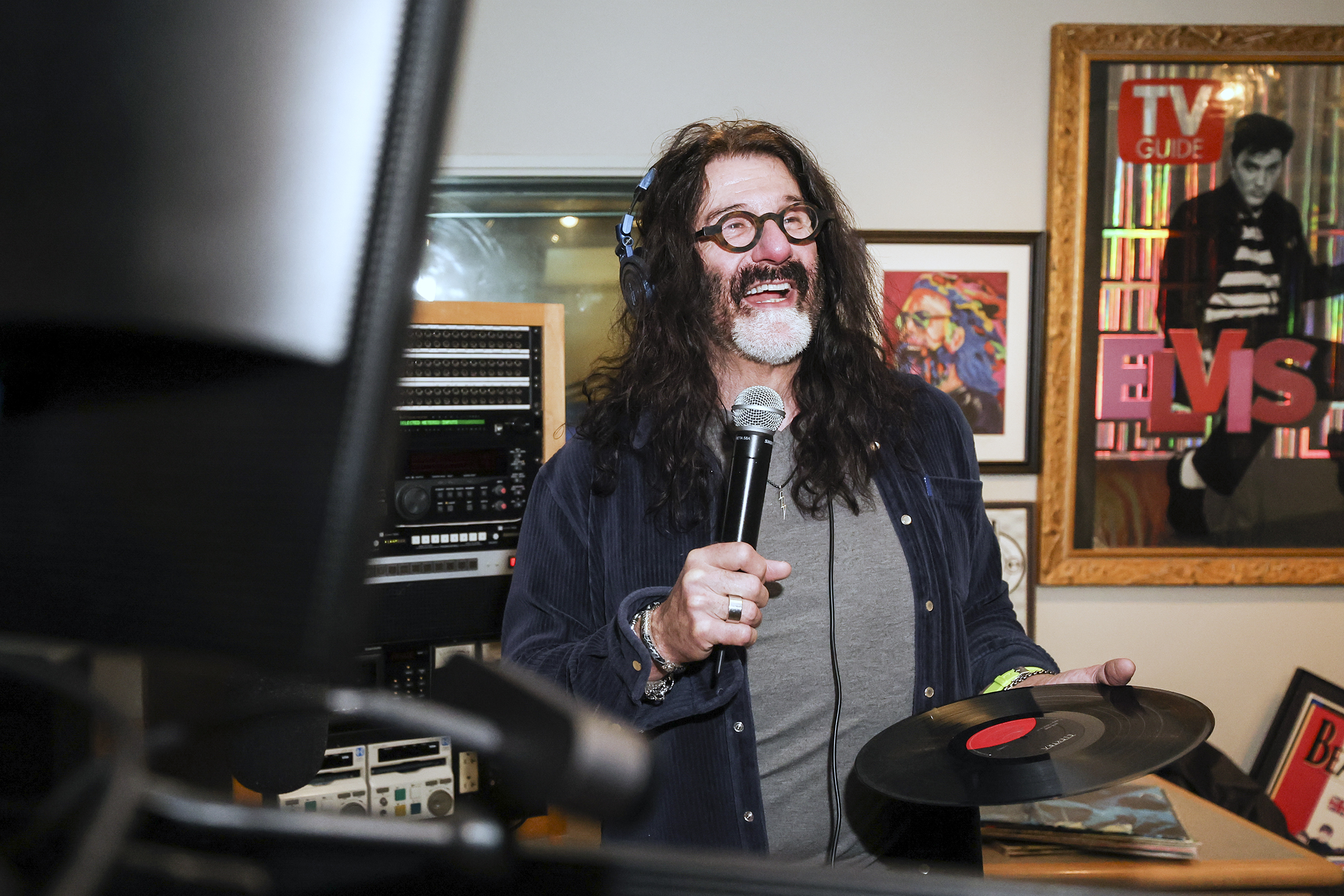
Pierre Robert
Former WMMR host Pierre Robert, seen in his studio in 2024.
A native of Northern California, Mr. Robert joined WMMR as an on-air host in 1981. He arrived in the city after his previous station, San Francisco’s KSAN, switched to an “urban cowboy” format, prompting him to make the cross-country drive to Philadelphia in a Volkswagen van.
At WMMR, Mr. Robert initially hosted on the weekends, but quickly moved to the midday slot — a position he held for more than four decades up until his death.
— Nick Vadala, Dan DeLuca
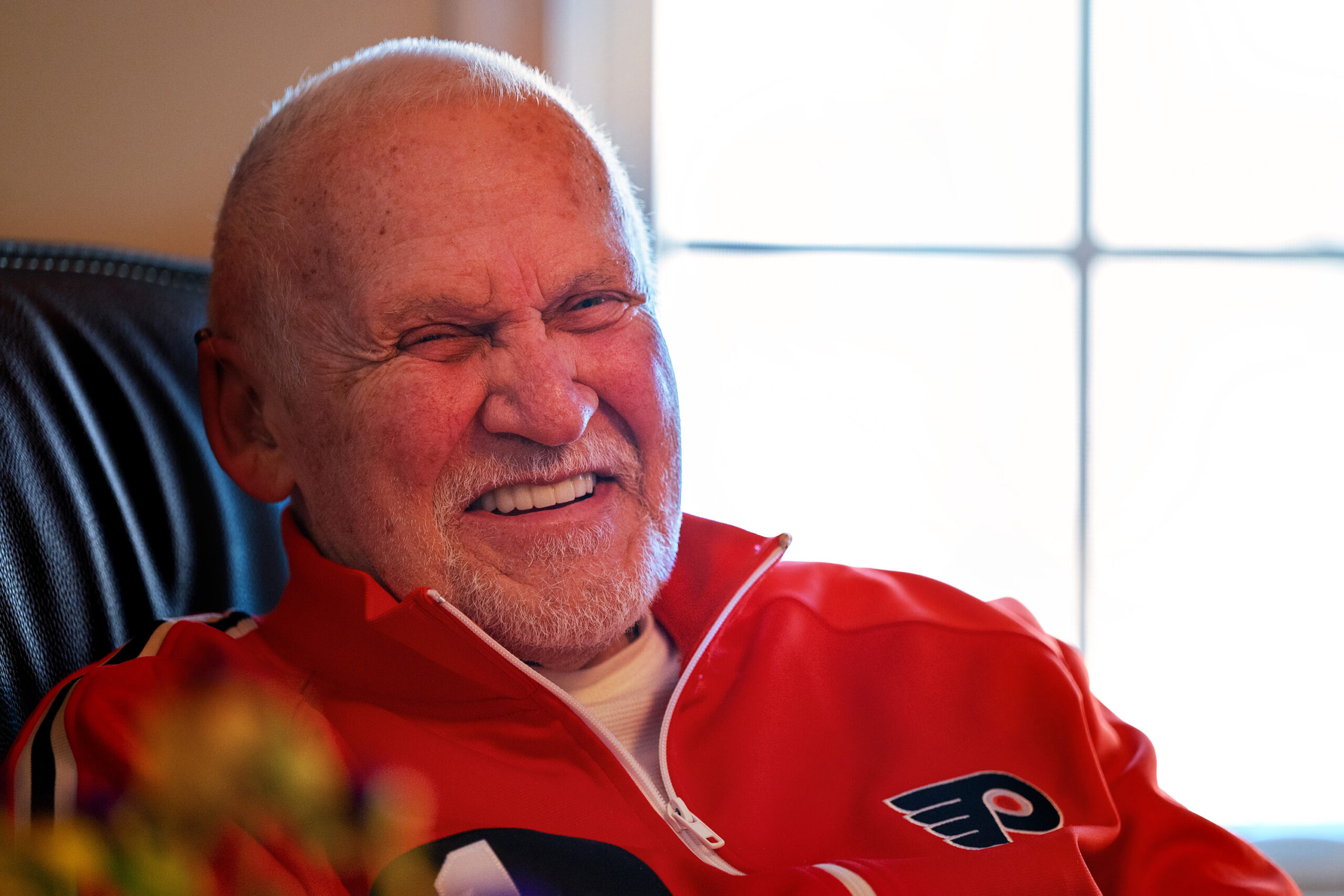
Bernie Parent
Former Flyers goaltender Bernie Parent, seen at his home in 2024.
Bernie Parent, the stone-wall Flyers goalie for the consecutive Stanley Cup championship teams for the Broad Street Bullies in the 1970s, died in September. He was 80.
A Hall of Famer, Mr. Parent clinched both championships with shutouts in the final game as he blanked the Boston Bruins, 1-0, in 1974 and the Buffalo Sabres, 2-0, in 1975. Mr. Parent played 10 of his 13 NHL seasons with the Flyers and also spent a season in the World Hockey League with the Philadelphia Blazers. He retired in 1979 at 34 years old after suffering an eye injury during a game against the New York Rangers.
He grew up in Montreal and spoke French as his first language before becoming a cultlike figure at the Spectrum as cars throughout the region had “Only the Lord Saves More Than Bernie Parent” bumper stickers.
— Matt Breen
David Lynch
David Lynch, seen here at the Governors Awards in Los Angeles in 2019.
David Lynch, the visionary director behind such movies as Blue Velvet and The Elephant Man and the twisted TV show Twin Peaks, died in January of complications from emphysema. He was 78.
Mr. Lynch was born in Missoula, Mont., but ended up in Philadelphia to enroll at the Pennsylvania Academy of the Fine Arts in 1965 at age 19. It was here he developed an interest in filmmaking as a way to see his paintings move.
He created his first short films in Philadelphia, which he described both as “a filthy city” and “his greatest influence” as an artist. Ultimately, he moved to Los Angeles to make his first feature film, Eraserhead, though he called the film “my Philadelphia Story.”
— Rob Tornoe
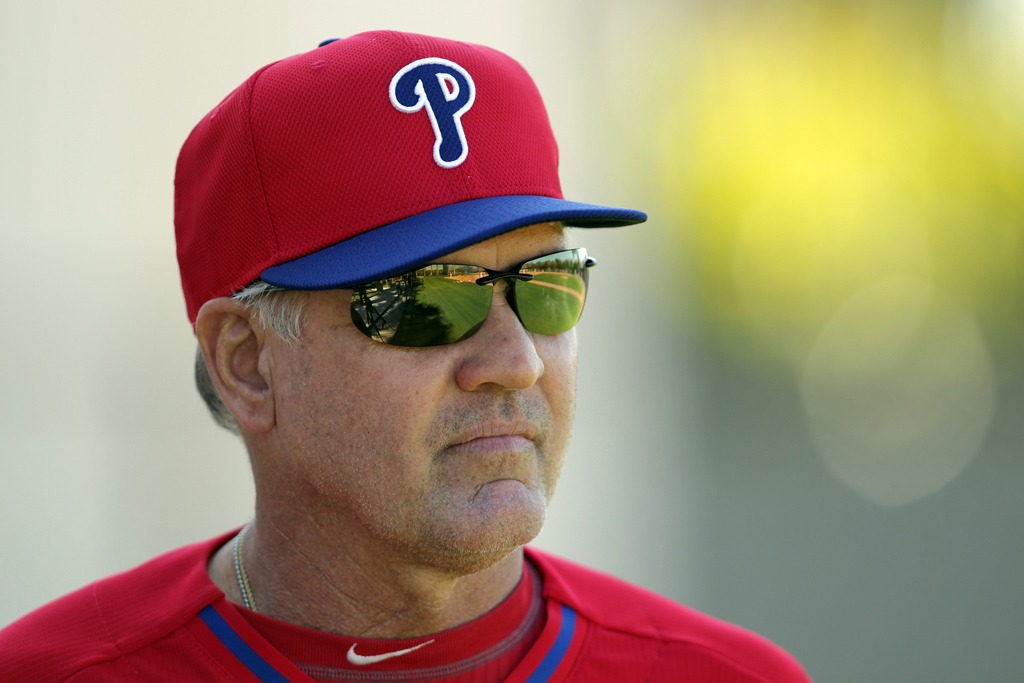
Ryne Sandberg
Former Phillies manager Ryne Sandberg, seen here at spring training in 2018.
Ryne Sandberg, the Hall of Fame second baseman who started his career with the Phillies but was traded shortly after to the Chicago Cubs in one of the city’s most regrettable trades, died in July of complications from cancer. He was 65.
Mr. Sandberg played 15 seasons in Chicago and became an icon for the Cubs, simply known as “Ryno,” after being traded there in January 1982.
He was a 10-time All-Star, won nine Gold Glove awards, and was the National League’s MVP in 1984. Mr. Sandberg was inducted into the Baseball Hall of Fame in 2005 and returned to the Phillies in 2011 as a minor-league manager and, later, the big-league manager.
— Matt Breen
Bob Uecker
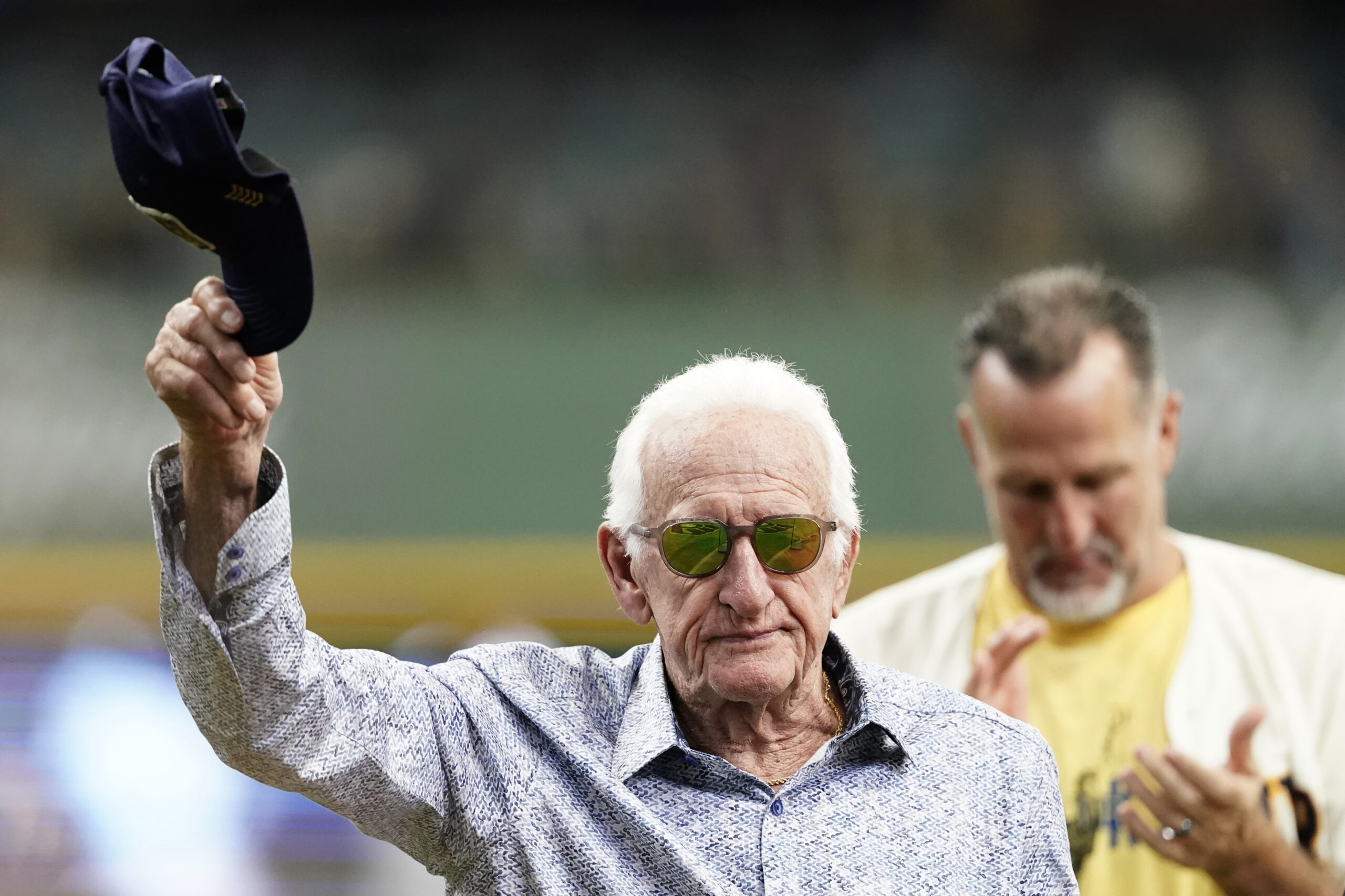
Bob Uecker, seen here before a Brewers game in 2024.
Bob Uecker, a former Phillies catcher who later became a Hall of Fame broadcaster for the Milwaukee Brewers and was dubbed “Mr. Baseball” by Johnny Carson for his acting roles in several movies and TV shows, died in January. He was 90.
Mr. Uecker spent just six seasons in the major league, two with the Phillies, but the talent that would make him a Hall of Fame broadcaster — wit, self-deprecation, and the timing of a stand-up comic — were evident.
His first broadcasting gig was in Atlanta, and he started calling Milwaukee Brewers games in 1971. Before that, he called Phillies games: Mr. Uecker used to sit in the bullpen at Connie Mack Stadium and deliver play-by-play commentary into a beer cup.
— Matt Breen and Rob Tornoe
Harry Donahue
Harry Donahue, seen here at Temple University in 2020.
Harry Donahue, 77, a longtime KYW Newsradio anchor and the play-by-play voice of Temple University men’s basketball and football for decades, died in October after a fight with cancer.
His was a voice that generations of people in Philadelphia and beyond grew up with in the mornings as they listened for announcements about snow days and, later, for a wide array of sports.
— Robert Moran
Alan Rubenstein
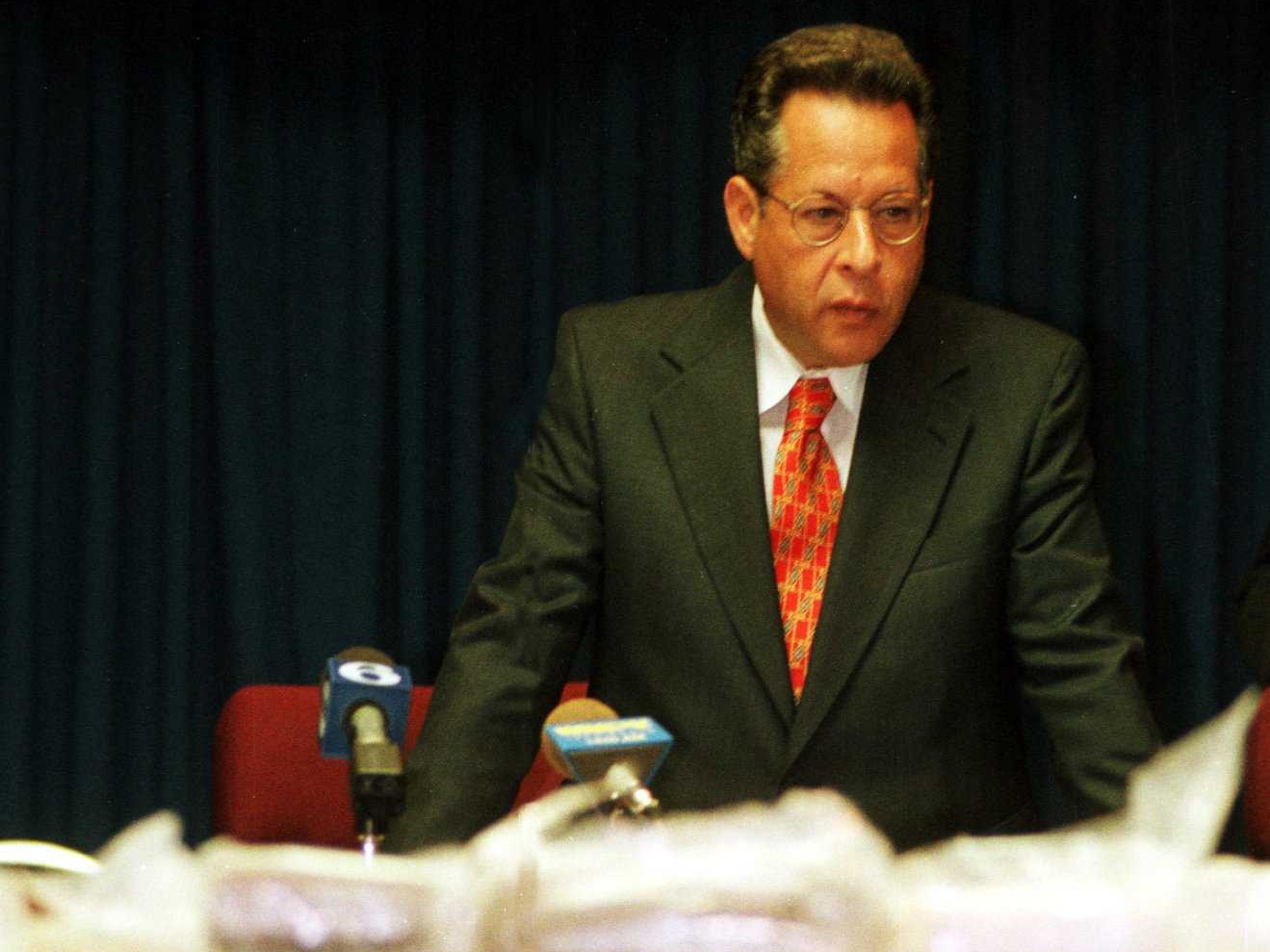
Judge Rubenstein, then Bucks County district attorney, talks to the media about a drug case in 1998.
Alan M. Rubenstein, a retired senior judge on Bucks County Common Pleas Court and the longest-serving district attorney in Bucks County history, died in August of complications from several ailments at his home in Holland, Bucks County. He was 79.
For 50 years, from his hiring as an assistant district attorney in 1972 to his retirement as senior judge a few years ago, Judge Rubenstein represented Bucks County residents at countless crime scenes and news conferences, in courtrooms, and on committees. He served 14 years, from 1986 to 1999, as district attorney in Bucks County, longer than any DA before him, and then 23 years as a judge and senior judge on Bucks County Court.
“His impact on Bucks County will be felt for generations,” outgoing Bucks County District Attorney Jennifer Schorn said in a tribute. U.S. Rep. Brian Fitzpatrick (R., Pa.) said on Facebook: “Alan Rubenstein has never been just a name. It has stood as a symbol of justice, strength, and integrity.”
— Gary Miles
Orien Reid Nix
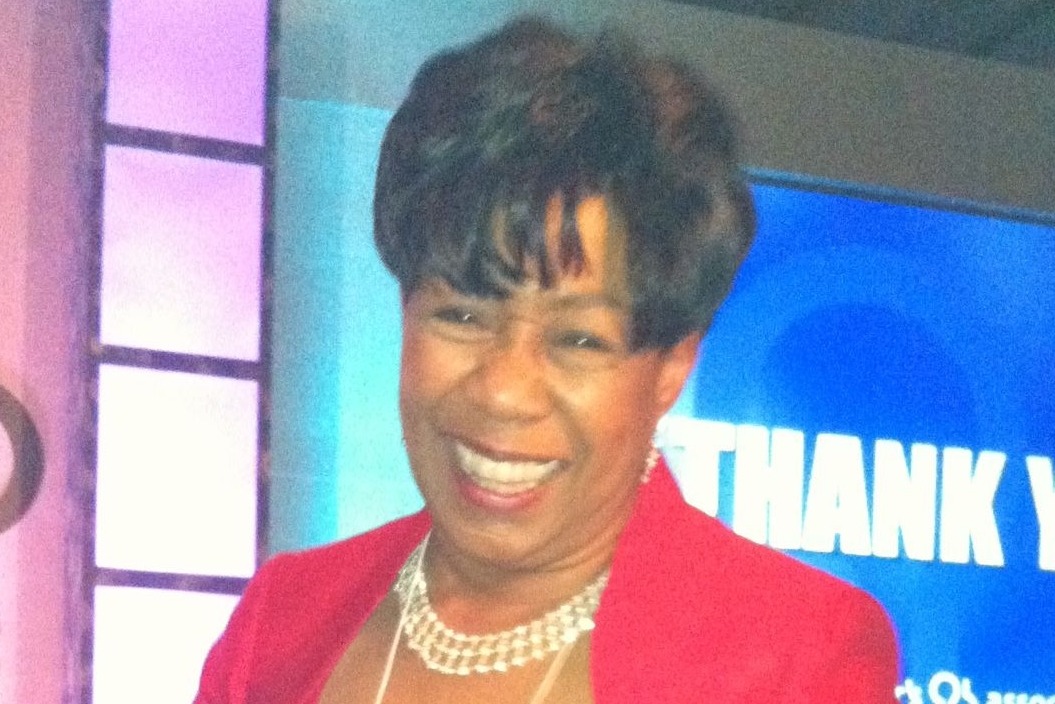
Orien Reid Nix, seen here being inducted into the Broadcast Pioneers of Philadelphia Hall of Fame in 2018
Orien Reid Nix, 79, of King of Prussia, retired Hall of Fame reporter for KYW-TV and WCAU-TV in Philadelphia, owner of Consumer Connection media consulting company, the first Black and female chair of the international board of the Alzheimer’s Association, former social worker, mentor, and volunteer, died in June of complications from Alzheimer’s disease.
Charismatic, telegenic, empathetic, and driven by a lifelong desire to serve, Mrs. Reid Nix worked as a consumer service and investigative TV reporter for Channels 3 and 10 in Philadelphia for 26 years, from 1973 to her retirement in 1998. She anchored consumer service segments, including the popular Market Basket Report, that affected viewers’ lives and aired investigations on healthcare issues, price gouging, fraud, and food safety concerns.
— Gary Miles
Dave Frankel
Dave Frankel in an undated publicity photo.
Dave Frankel, 67, a popular TV weatherman on WPVI (now 6abc) who later became a lawyer, died in February after a long battle with a neurodegenerative disease.
Mr. Frankel grew up in Monmouth County, N.J., graduated in 1979 from Dartmouth College, and was planning to attend Dickinson School of Law to become a lawyer like his father. But an internship at a local TV station in Vermont turned into a news anchor job and a broadcast career that lasted until the early 2000s.
— Robert Moran
Lee Elia
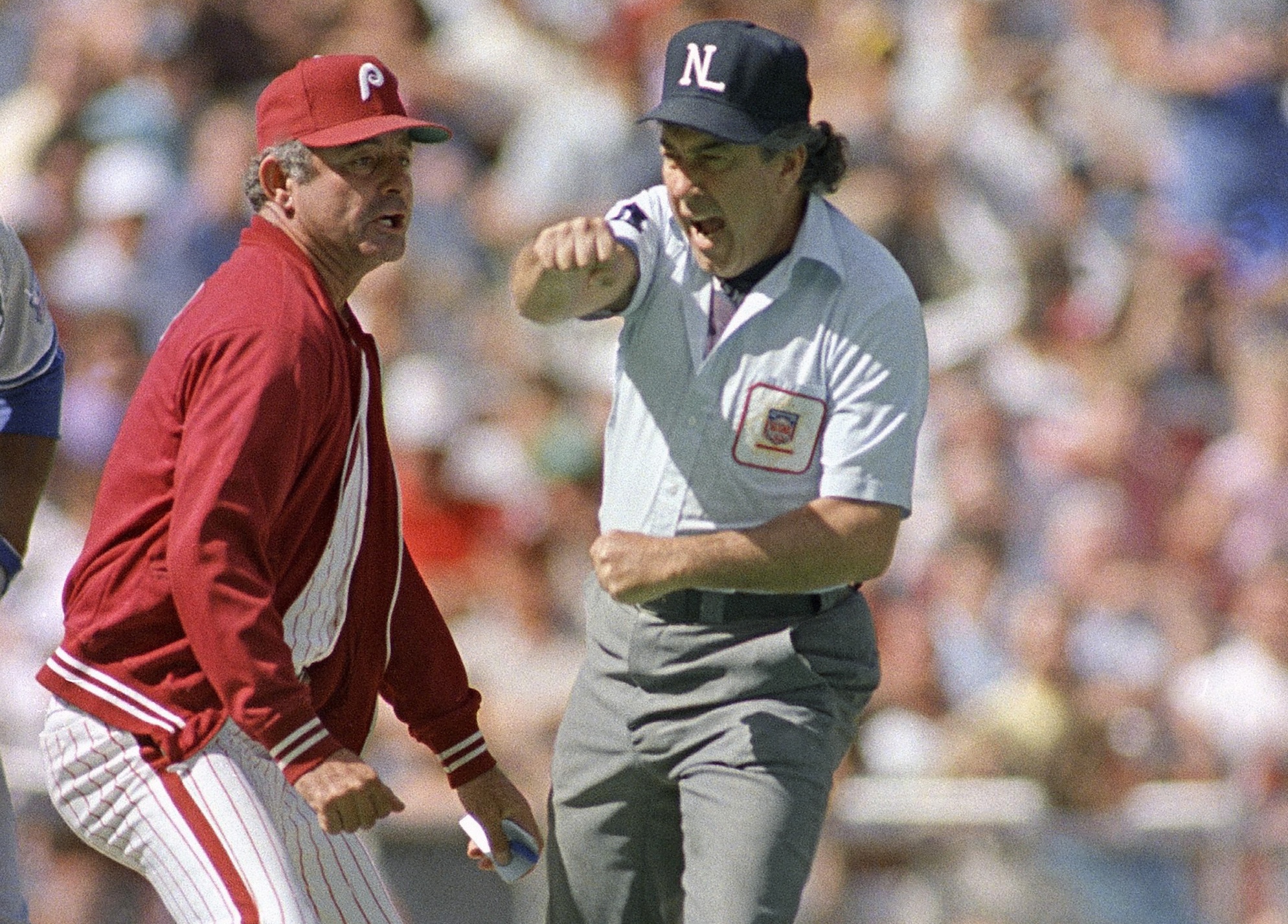
Former Phillies manager Lee Elia, seen here being ejected from a game in 1987.
Lee Elia, the Philadelphia native who managed the Phillies after coaching third base for the 1980 World Series champions and once famously ranted against the fans who sat in the bleachers of Wrigley Field, died in July. He was 87.
Mr. Elia’s baseball career spanned more than 50 seasons. He managed his hometown Phillies in 1987 and 1988 after managing the Chicago Cubs in 1982 and 1983.
After his playing career was cut shot by a knee injury, Mr. Elia joined Dallas Green’s Phillies staff before the 1980 season and was coaching third base when Manny Trillo delivered a crucial triple in the clinching game of the National League Championship Series. Mr. Elia was so excited that he bit Trillo’s arm after he slid.
— Matt Breen
Gary Graffman
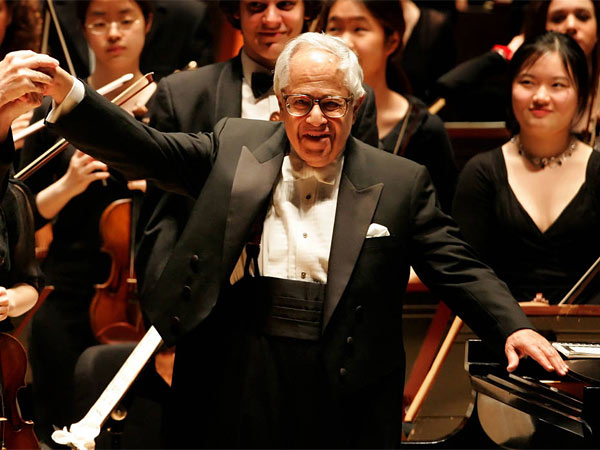
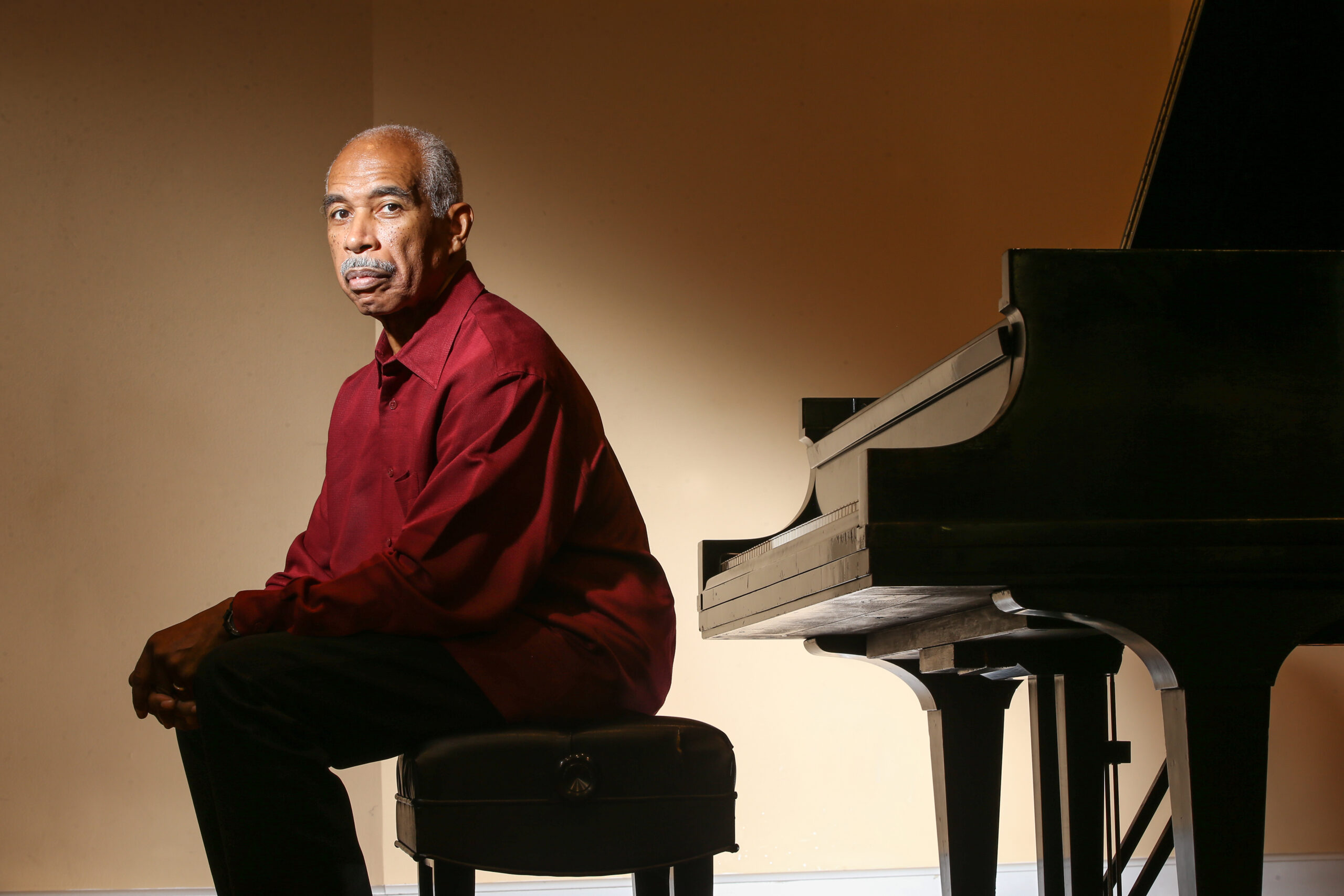
Gary Graffman, seen here playing at the Curtis Institute of Music Orchestra Concert at Verizon Hall in 2006.
Gary Graffman, a celebrated concert pianist and the former president of the Curtis Institute of Music, died in December in New York. He was 97.
The New York City-born pianist arrived at Curtis at age 7. He graduated at age 17 and played roughly 100 concerts a year between the ages of 20 and 50 before retiring from touring due to a compromised right hand. Diagnosed with focal dystonia (a neurological disorder), he went on to premiere works for the left hand by Jennifer Higdon and William Bolcom.
Mr. Graffman returned to Curtis as a teacher in 1980, became director in 1986, and was named the president of the conservatory in 1995, with a teaching studio encompassing nearly 50 students, including Yuja Wang and Lang Lang among others. He performed on numerous occasions with the Philadelphia Orchestra from 1947 to 2003.
— David Patrick Stearns
Len Stevens
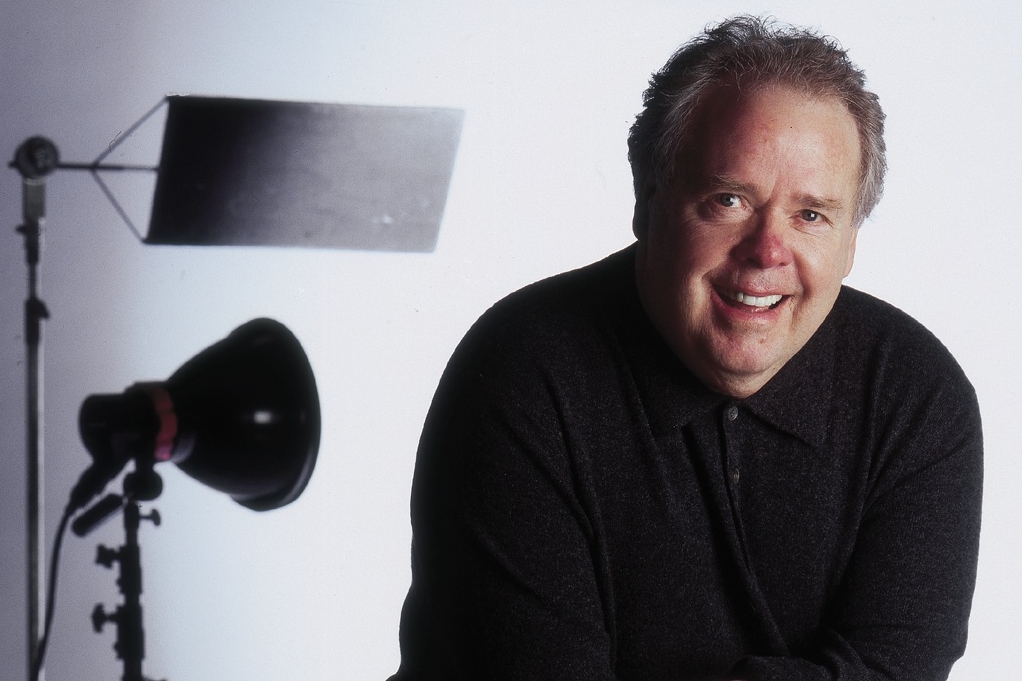
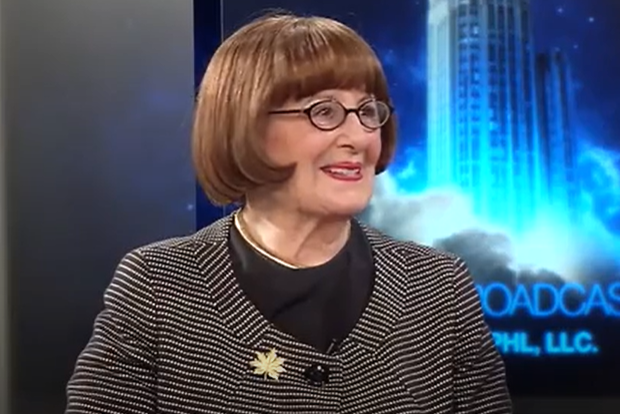
Len Stevens was the co-founder of WPHL-TV Channel 17.
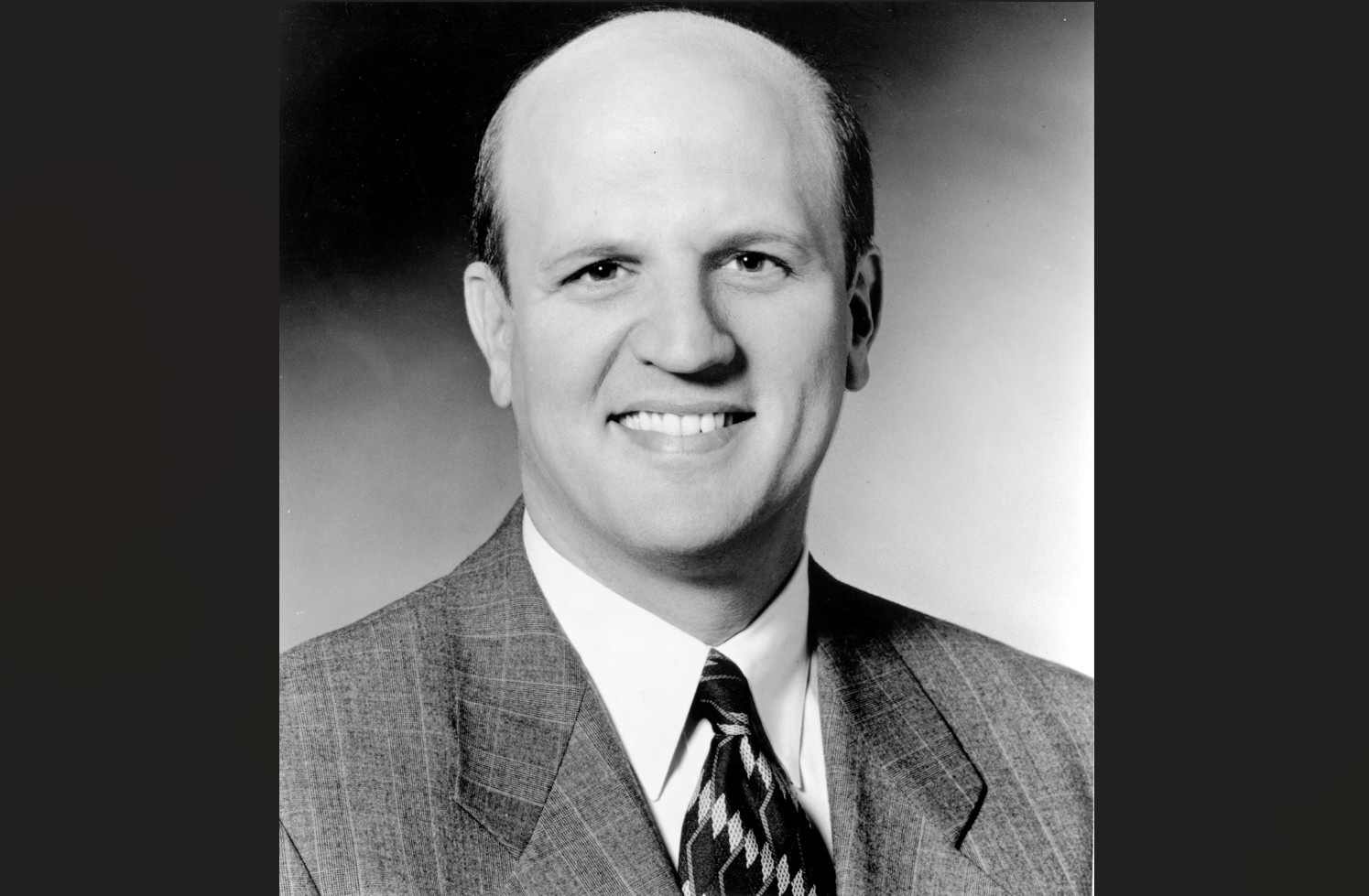
Len Stevens, the cofounder of WPHL-TV (Channel 17) and a member of the Broadcast Pioneers of Philadelphia Hall of Fame, died in September of kidney failure. He was 94.
Born in Philadelphia, Mr. Stevens was a natural entrepreneur. He won an audition to be a TV announcer with Dick Clark on WFIL-TV in the 1950s, persuaded The Tonight Show and NBC to air Alpo dog food ads in the 1960s, co-owned and managed the popular Library singles club on City Avenue in the 1970s and ’80s, and later turned the nascent sale of “vertical real estate” on towers and rooftops into big business.
He and partner Aaron Katz established the Philadelphia Broadcasting Co. in 1964 and launched WPHL-TV on Sept. 17, 1965. At first, their ultrahigh frequency station, known now as PHL17, challenged the dominant very high frequency networks on a shoestring budget. But, thanks largely to Mr. Stevens’ advertising contacts and programming ideas, Channel 17 went on to air Phillies, 76ers, and Big Five college basketball games, the popular Wee Willie Webber Colorful Cartoon Club, Ultraman, and other memorable shows in the late 1960s and early ’70s.
— Gary Miles
Jim Murray
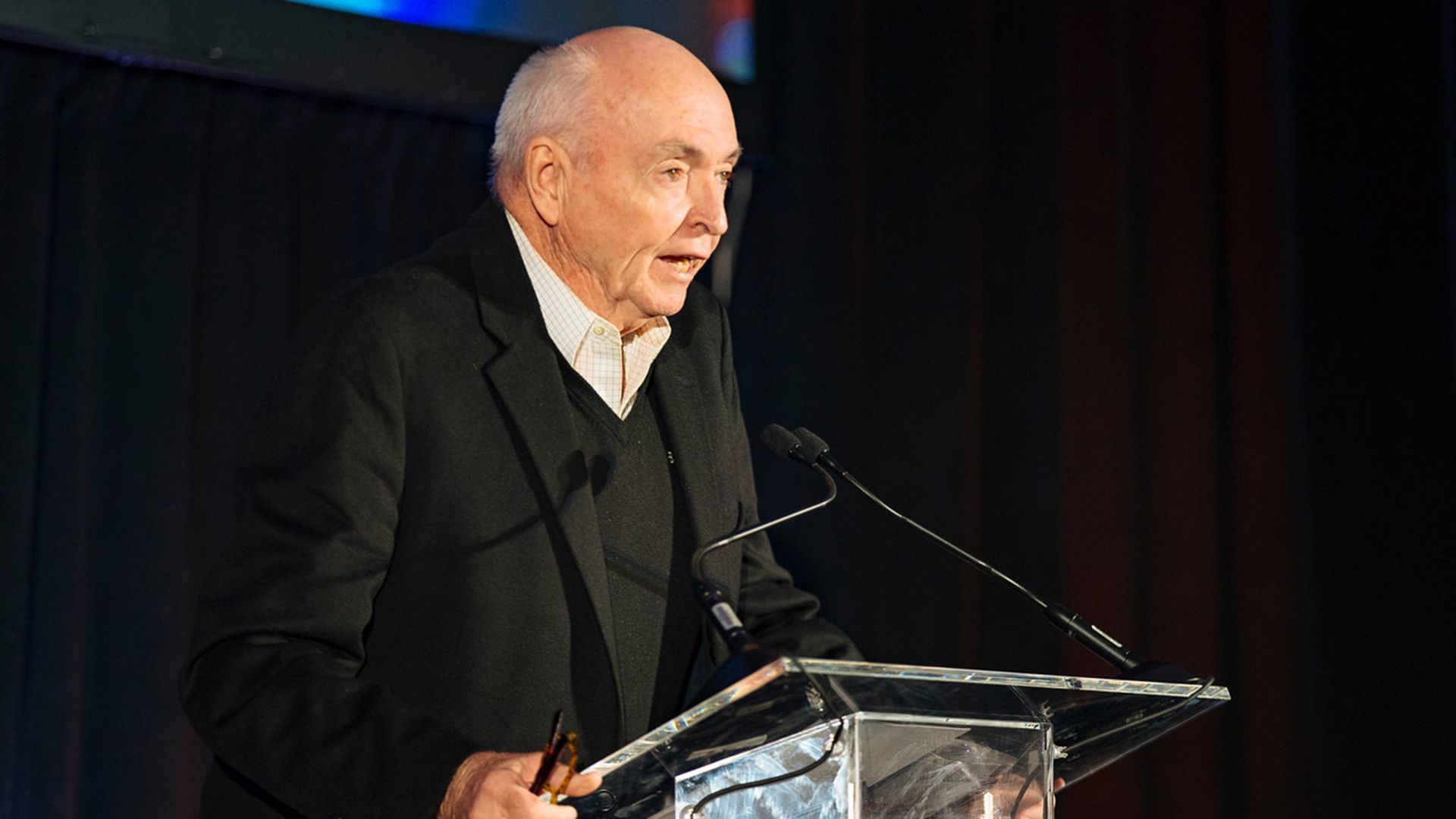
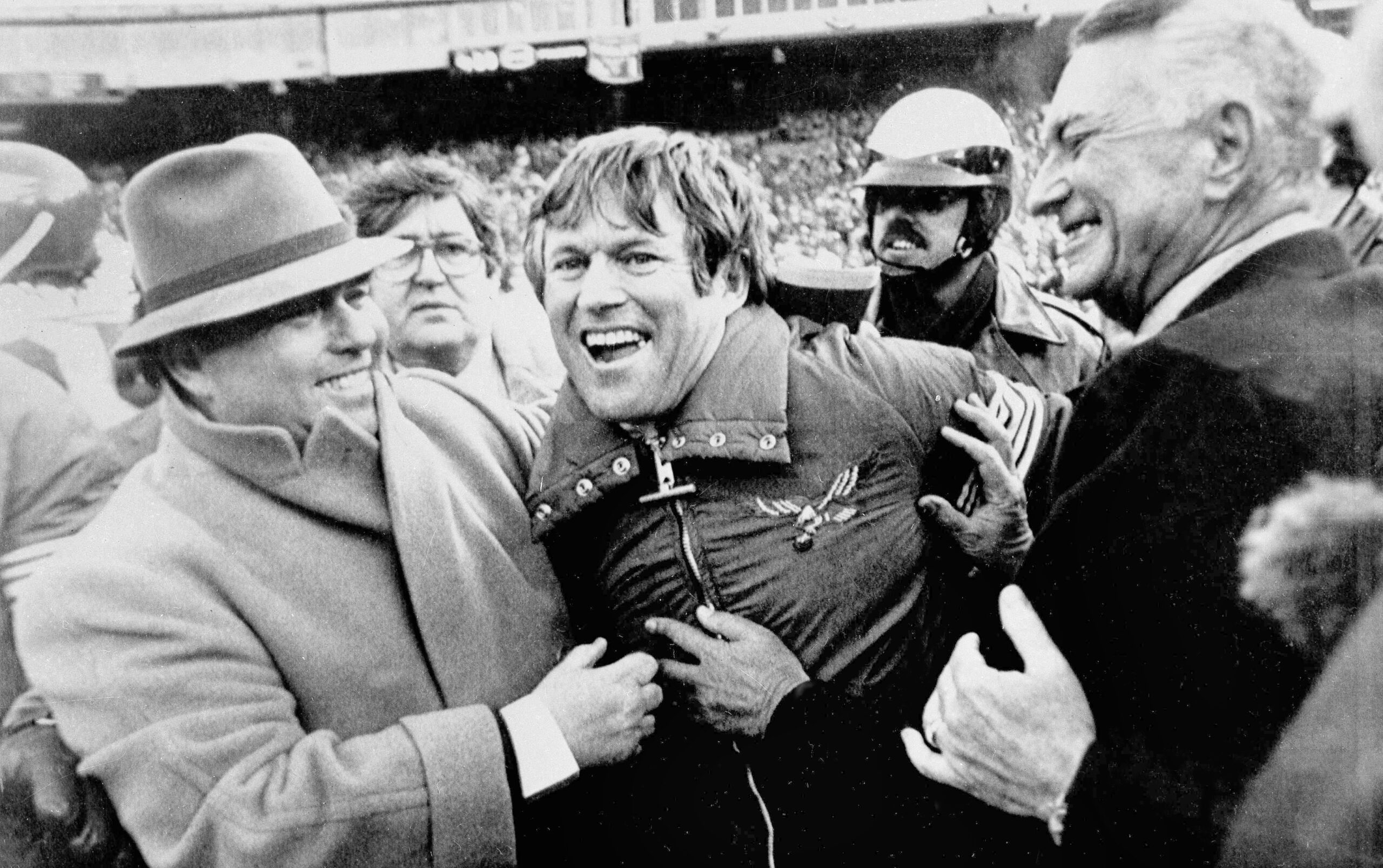
Former Eagles general manager Jim Murray (left), seen here with Dick Vermeil and owner Leonard Tose following the 1980 NFC championship game in January 1981.
Jim Murray, the former Eagles general manager who hired Dick Vermeil and helped the franchise return to prominence while also opening the first Ronald McDonald House, died in August at home in Bryn Mawr surrounded by his family. He was 87.
Mr. Murray grew up in a rowhouse on Brooklyn Street in West Philadelphia and watched the Eagles at Franklin Field. The Eagles hired him in 1969 as a publicist, and Leonard Tose, then the Eagles’ owner, named him the general manager in 1974. Mr. Murray was just 36 years old and the decision was ridiculed.
But Mr. Murray — who was known for his wit and generosity — made a series of moves to bring the Eagles back to relevance, including hiring Vermeil and acquiring players like Bill Bergey and Ron Jaworski. The Eagles made the playoffs in 1978 and reached their first Super Bowl in January 1981. The Eagles, with Murray as the GM, were finally back.
— Matt Breen
Michael Days
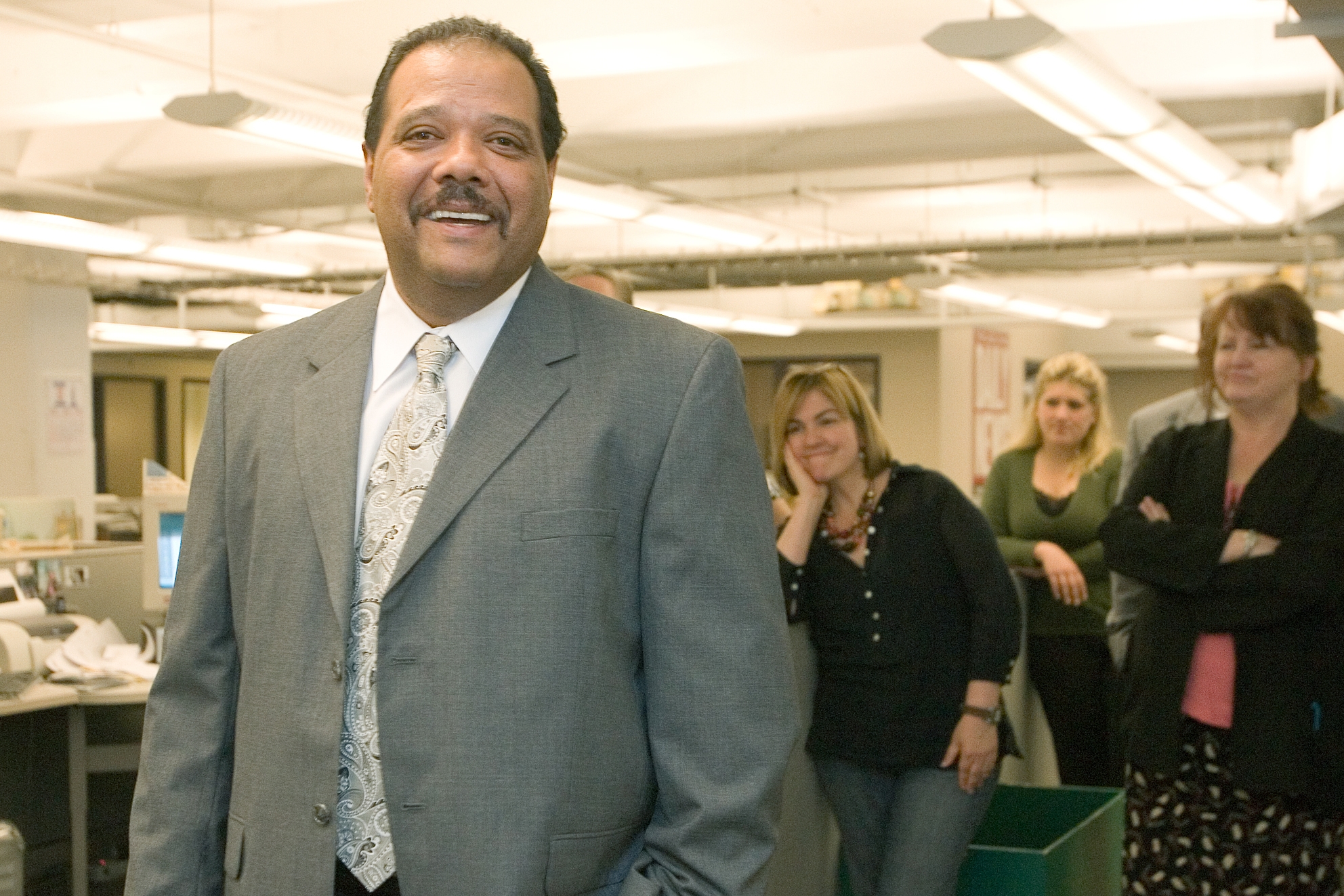
Philadelphia Daily News Editor Michael Days celebrates with the newsroom after word of the Pulitzer win.
Michael Days, a pillar of Philadelphia journalism who championed young Black journalists and led the Daily News during its 2010 Pulitzer Prize win for investigative reporting, died in October after falling ill. He was 72.
A graduate of Roman Catholic High School in Philadelphia, Mr. Days worked at the Wall Street Journal and other newspapers before joining the Daily News as a reporter in 1986, where he ultimately became editor in 2005, the first Black person to lead the paper in its 90-year history. In 2011, Mr. Days was named managing editor of The Inquirer, where he held several management roles until he retired in October 2020.
As editor of the Daily News, Mr. Days played an essential role in the decisions that would lead to its 2010 Pulitzer Prize, including whether to move forward with a story about a Philadelphia Police Department narcotics officer that a company lawyer said stood a good chance of getting them sued.
“He said, ‘I trust my reporters, I believe in my reporters, and we’re running with it,’” recounted Inquirer senior health reporter Wendy Ruderman, who reported the piece with colleague Barbara Laker. That story revealed a deep dysfunction within the police department, Ruderman said, and led to the newspaper’s 2010 Pulitzer Prize win.
— Brett Sholtis
Tom McCarthy
Tom McCarthy, seen here in 2002.
Tom McCarthy, an award-winning theater, film, and TV actor, longtime president of the local chapter of the Screen Actors Guild, former theater company board member, mentor, and veteran, died in May of complications from Parkinson’s disease at his home in Sea Isle City. He was 88.
The Overbrook native quit his job as a bartender in 1965, sharpened his acting skills for a decade at Hedgerow Theatre Company in Rose Valley and other local venues, and, at 42, went on to earn memorable roles in major movies and TV shows.
In the 1980s, he played a police officer with John Travolta in the movie Blow Out and a gardener with Andrew McCarthy in Mannequin. In 1998, he was a witness with Denzel Washington in Fallen. In 2011, he was a small-town mayor with Lea Thompson in Mayor Cupcake. Over the course of his career, Mr. McCarthy acted with Zsa Zsa Gabor, Harrison Ford, Kristin Scott Thomas, Cloris Leachman, Robert Redford, Donald Sutherland, John Goodman, and other big stars.
— Gary Miles
Carol Saline
Carol Saline, seen here at her Philadelphia home in 2021.
Carol Saline, a longtime senior writer at Philadelphia Magazine, the best-selling author of Sisters, Mothers & Daughters, and Best Friends, and a prolific broadcaster, died in August of acute myeloid leukemia. She was 86.
On TV, she hosted a cooking show and a talk show, was a panelist on a local public affairs program, and guested on the Oprah Winfrey Show, Inside Edition, Good Morning America, and other national shows. On radio, she hosted the Carol Saline Show on WDVT-AM.
In June, she wrote to The Inquirer, saying: “I am contacting you because I am entering hospice care and will likely die in the next few weeks. … I wanted you to know me, not only my accomplishments but who I am as a person.
“I want to go out,” she ended her email, “with a glass of Champagne in one hand, a balloon in the other, singing (off key) ‘Whoopee! It’s been a great ride!’”
— Gary Miles
Richard Wernick
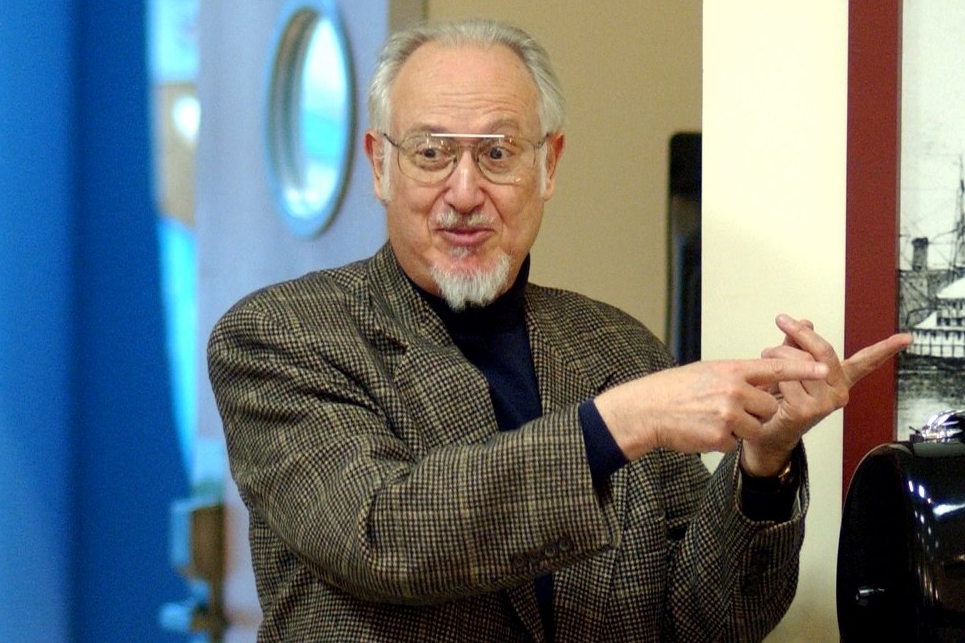
Richard Wernick, seen here before a concert at the 2002 Festival of Philadelphia Composers.
Richard Wernick, a Pulitzer Prize-winning composer, acclaimed conductor, and retired Irving Fine Professor of Music at the University of Pennsylvania, died in April 25 of age-associated decline at his Haverford home. He was 91.
Professor Wernick was prolific and celebrated as a composer. He wrote hundreds of scores over six decades and appeared on more than a dozen records, and his Visions of Terror and Wonder for a mezzo-soprano and orchestra won the 1977 Pulitzer Prize for music. In 1991, his String Quartet No. 4 made him the first two-time winner of the Kennedy Center’s Friedheim Award for new American music.
“Wernick’s orchestral music has power and brilliance, an emphasis on register, space, and scale,” Lesley Valdes, former Inquirer classical music critic, said in 1990.
— Gary Miles
Dorie Lenz
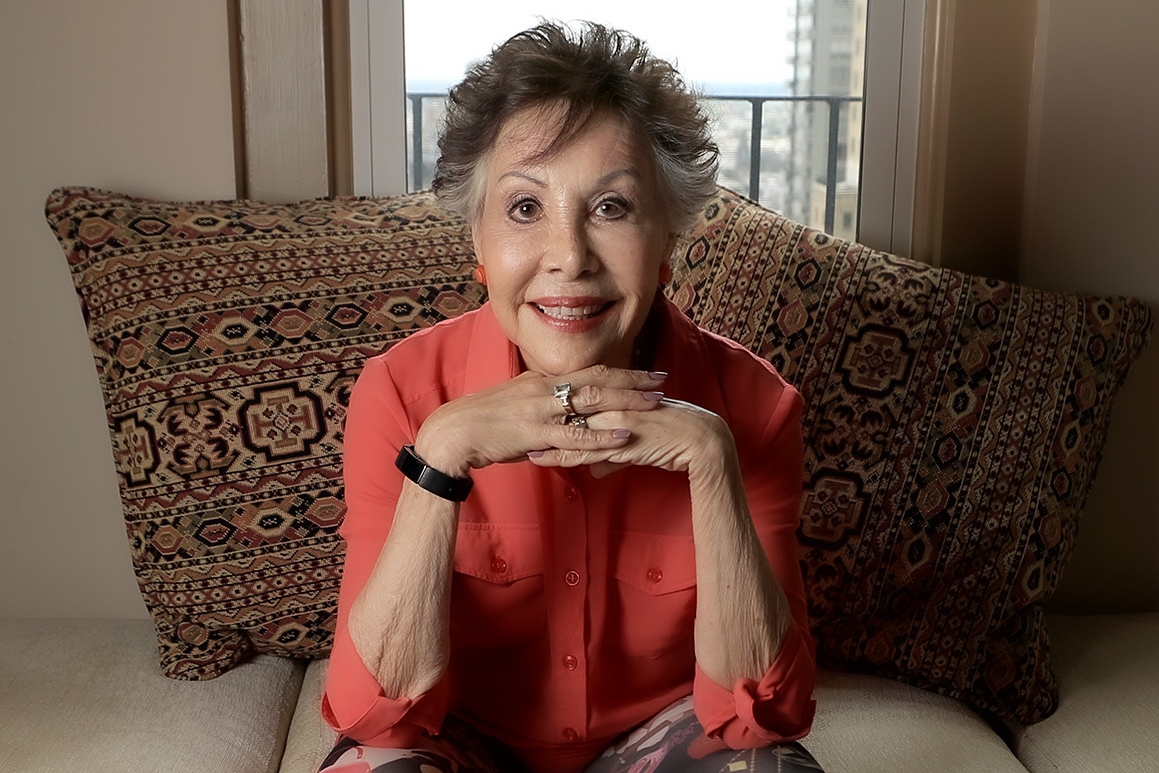
Dorie Lenz, seen here on Channel 17 in 2015.
Dorie Lenz, a pioneering TV broadcaster and the longtime director of public affairs for WPHL-TV (Channel 17), died in January of age-associated ailments at her home in New York. She was 101.
A Philadelphia native, Ms. Lenz broke into TV as a 10-year-old in a local children’s show and spent 30 years, from 1970 to 2000, as director of public affairs and a program host at Channel 17, now PHL17. She specialized in detailed public service campaigns on hot-button social issues and earned two Emmys in 1988 for her program Caring for the Frail Elderly.
Ms. Lenz interviewed newsmakers of all kinds on the public affairs programs Delaware Valley Forum, New Jersey Forum, and Community Close Up. Viewers and TV insiders hailed her as a champion and watchdog for the community. She also talked to Phillies players before games in the 1970s on her 10-minute Dorie Lenz Show.
— Gary Miles
Jay Sigel
Jay Sigel, seen here after winning the Georgia-Pacific Grand Champions title in 2006.
Jay Sigel, one of the winningest amateur golfers of all time and an eight-time PGA senior tour champion, died in April of complications from pancreatic cancer. He was 81.
For more than 40 years, from 1961, when he won the International Jaycee Junior Golf Tournament as an 18-year-old, to 2003, when he captured the Bayer Advantage Celebrity Pro-Am title at 60, the Berwyn native was one of the winningest amateur and senior golfers in the world. Mr. Sigel won consecutive U.S. Amateur titles in 1982 and ’83 and three U.S. Mid-Amateur championships between 1983 and ’87, and remains the only golfer to win the amateur and mid-amateur titles in the same year.
He won the Pennsylvania Amateur Championship 11 times, five straight from 1972 to ’76, and the Pennsylvania Open Championship for pros and amateurs four times. He also won the 1979 British Amateur Championship and, between 1975 and 1999, played for the U.S. team in a record nine Walker Cup tournaments against Britain and Ireland.
— Gary Miles
Mark Frisby
Mark Frisby, seen here in the former newsroom of the Daily News in 2007.
Mark Frisby, the former publisher of the Daily News and associate publisher of The Inquirer, died in September of takayasu arteritis, an inflammatory disease, at his home in Gloucester County. He was 64.
Mr. Frisby joined The Inquirer and Daily News in November 2006 as executive vice president of production, labor, and purchasing. He was recruited from the Courier-Post by then-publisher Brian Tierney, and he went on to serve as publisher of the Daily News from 2007 to 2016 and associate publisher for operations of The Inquirer and Daily News from 2014 to his retirement in 2016.
Mr. Frisby was one of the highest-ranking Black executives in the company’s history, and he told the Daily News in 2006 that “local ownership over here was the big attraction for me.” Michael Days, then the Daily News editor, said in 2007: “This cat is really the real deal.”
— Gary Miles
Leon Bates
Leon Bates, seen here at the Settlement Music School in Germantown in 2018.
Leon Bates, a concert pianist whose musical authority and far-reaching versatility took him to the world’s greatest concert halls, died in November after a seven-year decline from Parkinson’s disease. He was 76.
The career of Mr. Bates, a leading figure in the generation of Black pianists who followed the early-1960s breakthrough of Andre Watts, encompassed Ravel, Gershwin, and Bartok over 10 concerts with the Philadelphia Orchestra between 1970 and 2002. He played three recitals with Philadelphia Chamber Music Society and taught master classes at Temple University, where he also gave recitals at the Temple Performing Arts Center.
In his WRTI-FM radio show, titled Notes on Philadelphia, during the 1990s, Mr. Bates was what Charles Abramovic, chair of keyboard studies at Temple University, described as “beautifully articulate and a wonderful interviewer. The warmth of personality came out. He was such a natural with that.”
— David Patrick Stearns
Lacy McCrary
Lacy McCrary in an undated photo.
Lacy McCrary, a former Inquirer reporter who won a Pulitzer Prize at the Akron Beacon Journal, died in March of Alzheimer’s disease at his home in Colorado Springs, Colo. He was 91.
Mr. McCrary, a Morrisville, Bucks County native, won the 1971 Pulitzer Prize in local general or spot news reporting as part of the Beacon Journal’s coverage of the May 4, 1970, student protest killings at Kent State University.
He joined The Inquirer in 1973 and covered the courts, politics, and news of all sorts until his retirement in 2000. He notably wrote about unhealthy conditions and fire hazards in Pennsylvania and New Jersey boardinghouses in the late 1970s and early ’80s, and those reports earned public acclaim and resulted in new regulations to correct deadly oversights.
— Gary Miles
Roberta Fallon
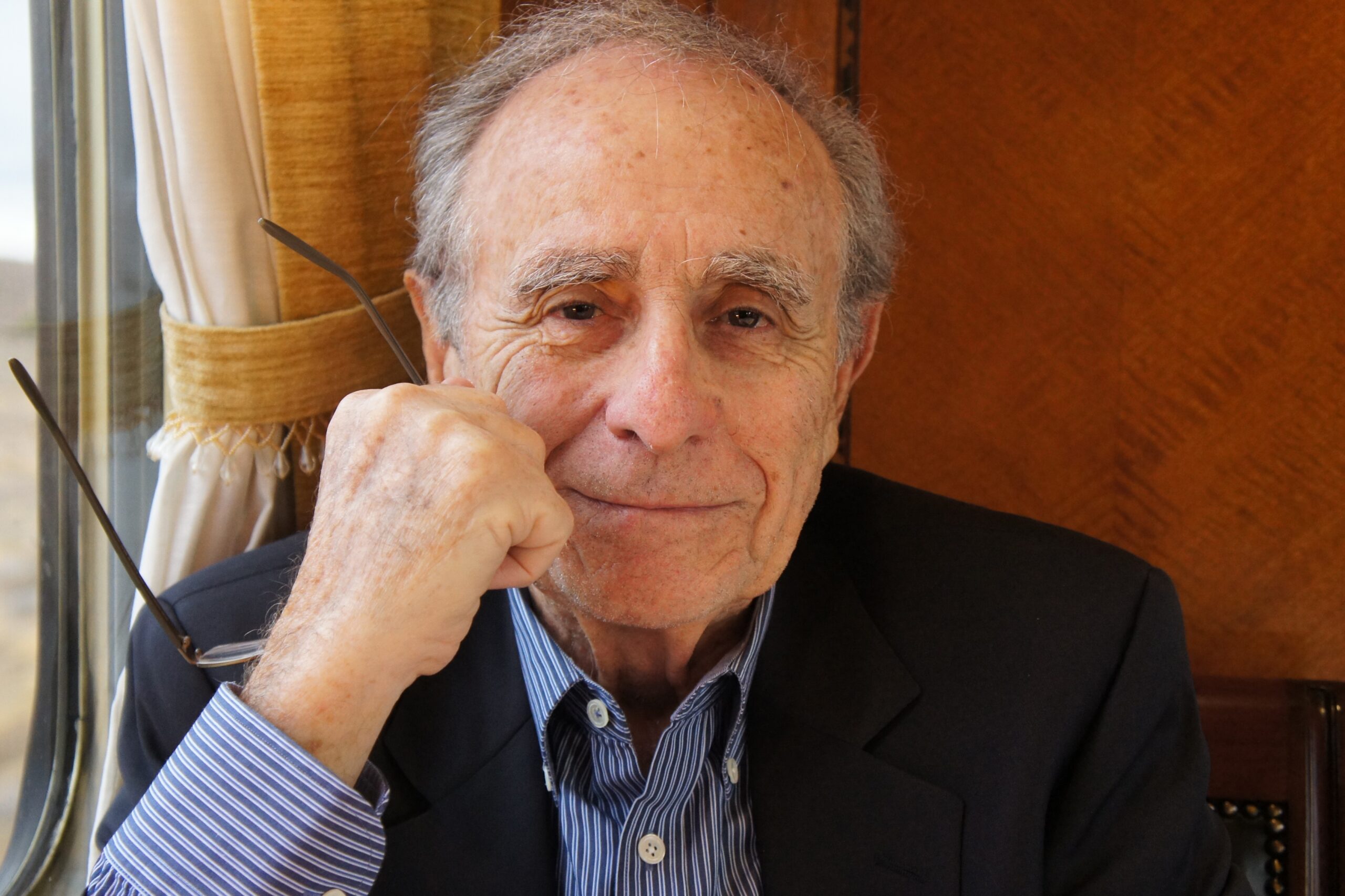
Roberta Fallon, seen here in an undated photo.
Roberta Fallon, 76, cofounder, editor, and longtime executive director of the online Artblog and adjunct professor at St. Joseph’s University, died in December at Thomas Jefferson University Hospital of injuries she suffered after being hit by a car. She was 76.
Described by family and friends as empathetic, energetic, and creative, Ms. Fallon and fellow artist Libby Rosof cofounded Artblog in 2003. For nearly 22 years, until the blog became inactive in June, Ms. Fallon posted commentary, stories, interviews, reviews, videos, podcasts, and other content that chronicled the eclectic art world in Philadelphia.
— Gary Miles
Benita Valente
BENI26P Gerald S. Williams 10/18/00 2011 Pine st. Philadelphia-based soprano Benita Valente has sung all over the world. At age 65, she is making her Oct. 29 performance with the Mendelssohn Club at the Academy of Music her last. 1 of 3: Benita goes over some music at the piano in her upstairs music room.
Benita Valente, a revered lyric soprano whose voice thrilled listeners with its purity and seeming effortlessness, died in October at home in Philadelphia. She was 91.
In a remarkable four-decade career, Ms. Valente appeared on the opera stage, in chamber music, and with orchestras. In the intimate genre of lieder — especially songs by Schubert and Brahms — she was considered one of America’s great recitalists.
A popular gluten-free bakery is coming to the Main Line.
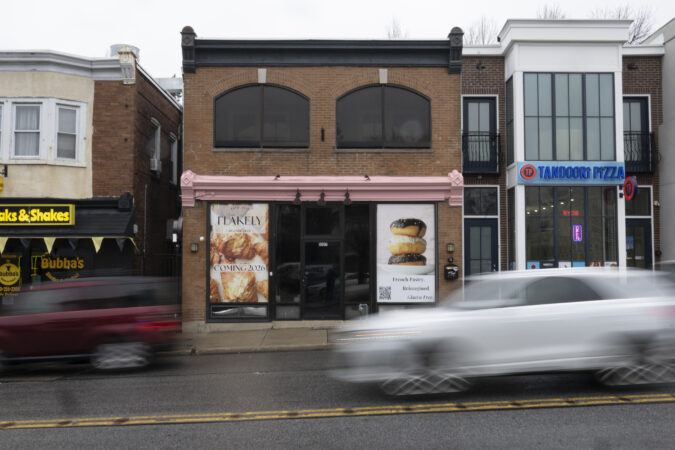
Flakely is moving from behind the bright pink door at 220 Krams Ave. in Manayunk to a Bryn Mawr storefront in early February, said owner Lila Colello. The new takeout-only bakery will replace a hookah lounge at 1007 W. Lancaster Ave.
“We’ve really outgrown our space,” Colello told The Inquirer. Manayunk “wasn’t ever meant to be for retail.”
A trained pastry chef who worked for the Ritz Carlton and Wolfgang Puck Catering, Colello was afraid she’d have to give up the best things in life — bread and her career — when she was diagnosed in 2010 with celiac disease, an inflammatory autoimmune and intestinal disorder triggered by eating gluten.
Instead, Colello spent the next seven years finding ways to get around gluten, a protein found in grains like wheat, rye, and barley (and thus most breads, bagels, and pastries). She perfected kettle-boiled bagels and pastry lamination before starting Flakely in 2017 as a wholesaler.
Colello moved into the commercial kitchen at Krams Avenue in 2021, where customers have spent the last four years picking up buttery chocolate croissants, brown sugar morning buns, and crusty-yet-chewy bagels from a takeout window in an industrial parking lot. Inquirer restaurant critic Craig LaBan has called Colello’s bagels “the best he’s tasted outside of New York,” and in 2024, Flakely was voted one of the best gluten-free bakeries in the United States by USA Today.
Lila Colello, owner and head baker at Flakely, helped patent a way to laminate gluten free dough for croissants.
Flakely’s industrial Manayunk location has required some concessions, Colello said: The majority of their goodies are par-baked and frozen by Colello and three full-time employees for customers to take and bake at home. Otherwise, Colello explained, the lack of steady foot traffic would lead to lots of wasted product.
In Bryn Mawr, Flakely will be a fully functional takeout bakery with a pastry case full of fresh-baked goods, from full-sized baguettes and browned butter chocolate chip cookies to danishes and Colello’s signature sweet-and-savory croissants. A freezer will also include packs of Flakely’s take-and-bake doughs, bagels, and eventually, custom cake orders.
Once she’s settled in, Colello said, she hopes to run gluten-free baking classes and pop-up dinners out of the storefront — offerings (besides the ingredients) that she hopes will differentiate her from other bakeries in the area.
“My vision is for this to be a magical space where people can come in and leave with a fresh croissant, which people can’t really do” when they’re gluten-free, said Colello, who lives in Havertown. “We offer our customers things they miss. That’s kind of our thing.”
Flakely owner Lila Colello poses in front of one of Flakely’s pink gluten free pastry ATMs, which vend take-and-bake goods at four locations in the Philly area.
What about the pastry ATMs?
The permanent storefront does not mean Flakely’s signature pink pastry ATMs will disappear, said Colello. But they will move.
Colello installed Flakely’s first pastry vending machine inside South Philly’s now-shuttered Salt & Vinegar. With the tap or swipe of a credit card, the smart freezer would open to let customers choose their own take-and-bake pack of croissants, pop-tarts, muffins, or danishes. Using it felt like a sweet glimpse into the future.
Flakely currently operates pastry ATMs inside Collingswood grocer Haddon Culinary, the Weaver’s Way Co-op in Ambler, Ardmore smoke shop Free Will Collective, and Irv’s Ice Cream in South Philly, where enterprising customers top their pastries with scoops fresh out the freezer.
Irv’s ATM will make the move to Reap Wellness in Fishtown on Jan. 5 when the ice cream shop closes for the season, Colello said. And come February, the smoke shop’s ATM will transition to Lucky’s Trading Co., a food hall at 5154 Ridge Ave. in Roxborough. The hope, Colello said, is to space the locations out enough so she’s not competing with herself.
“We’re finally in the middle of where everything is,” Colello said. “And that’s kind of the goal.”
Flakely, 1007 W. Lancaster Ave., Bryn Mawr, 484-450-6576. Hours: 9 a.m. to 4 p.m. Tuesday to Saturday.
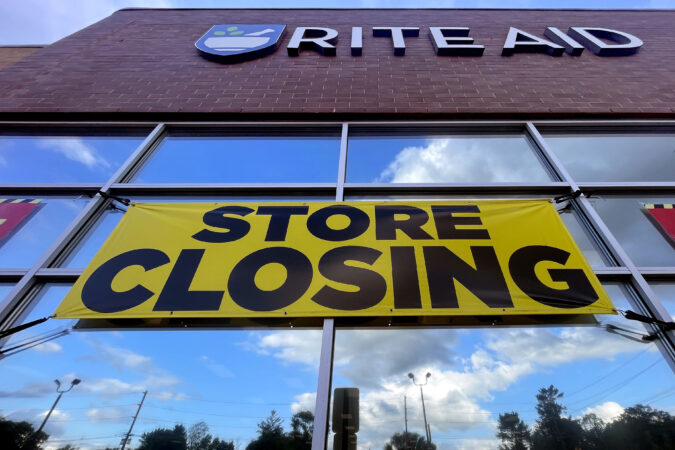
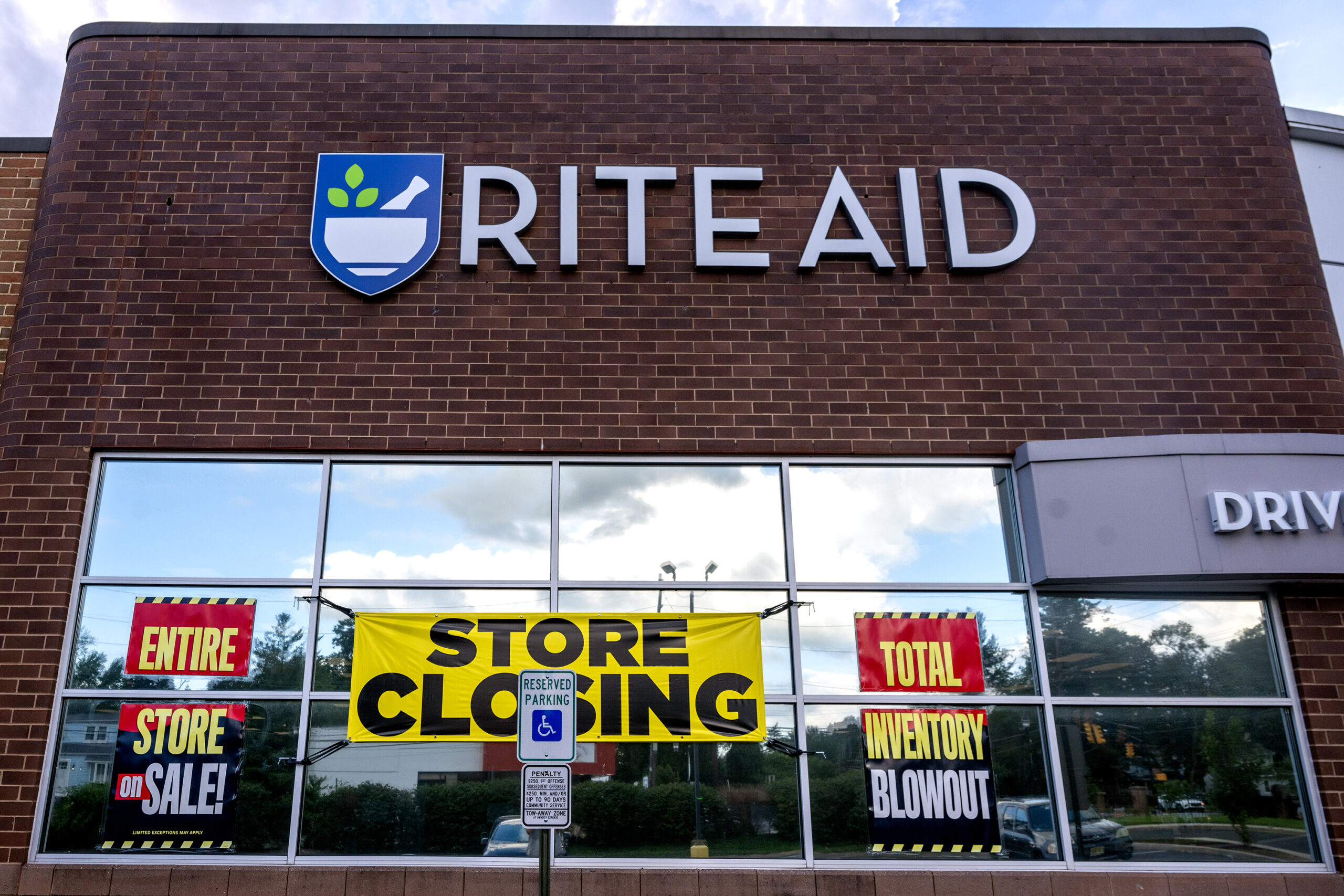
In filing for bankruptcy again, Rite Aid announced that it would be closing or selling all locations. At the time, it had about 1,000 stores nationwide, including about 100 in the Philadelphia region.
The closures further exacerbate pharmacy access issues, especially for lower-income Philadelphians who don’t have cars. People in more isolated rural areas are also impacted: The 46,000 residents of Perry County, west of Harrisburg, lost half their pharmacies when their three Rite Aids closed.
Adieu to Iron Hill Brewery
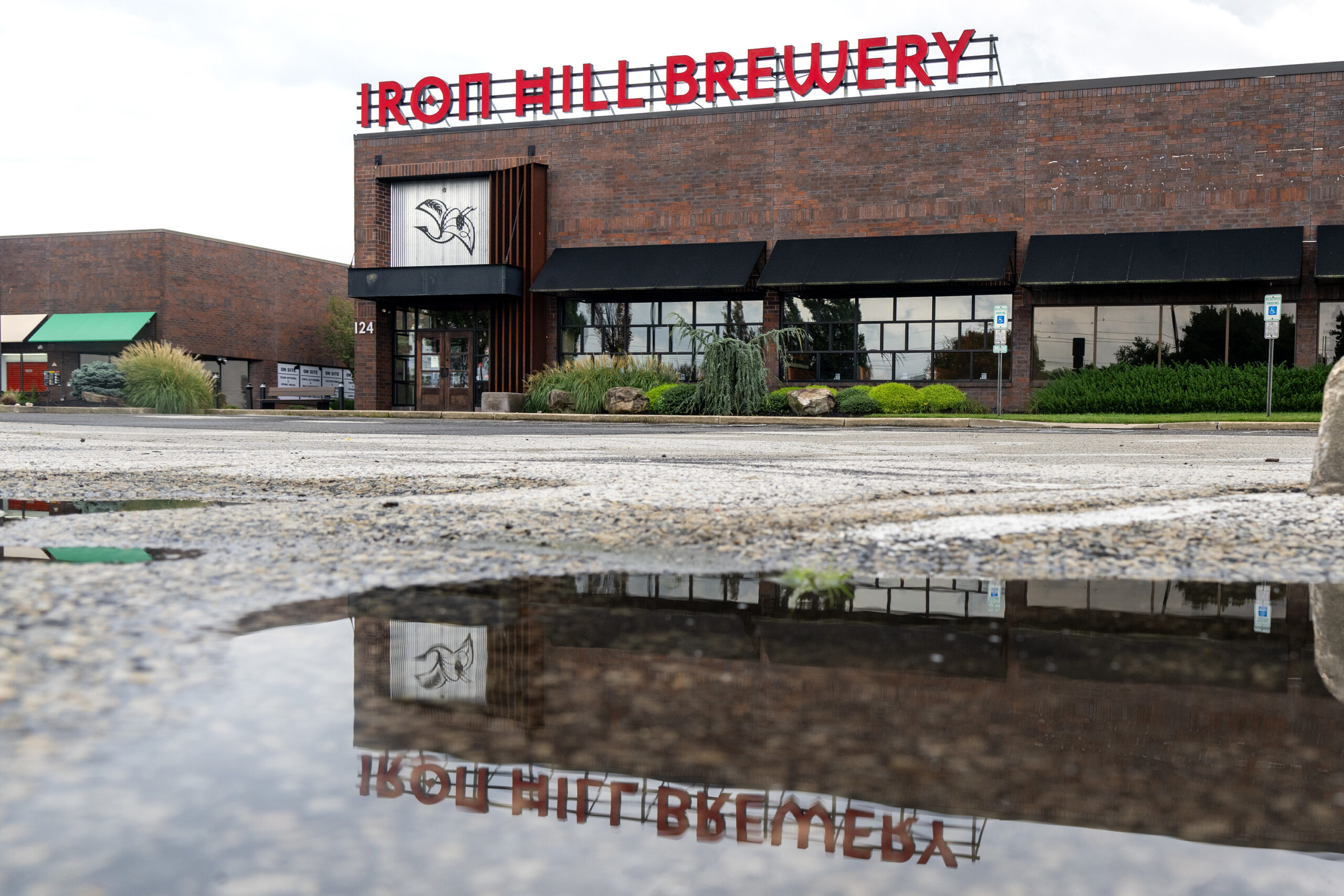
A view from the outside looking in of a shuttered Iron Hill Brewery in West Chester in October.
On a Thursday morning in late September, the nearly 30-year-old company, considered by many to be a pioneer of the local craft-brewing scene, announced that its brewpubs had closed their doors for the last time.
The closed Iron Hill Brewery in Maple Shade in September.
Bankruptcy filings shed more light on the Exton-based company’s financial straits: Iron Hill owed more than $20 million to creditors and had about $125,000 in the bank.
In November, a bankruptcy judge approved an offer by Jeff Crivello, the former CEO of Famous Dave’s BBQ, to resurrect 10 Iron Hills, including in Center City and West Chester, pending landlord negotiations. The restaurants could be reopened as Iron Hills or as other brands.
Crivello said he plans to reopen the Rehoboth Beach brewpub — as well as the Iron Hill restaurants in Columbia and Greenville, S.C. — as locations of Virginia-based Three Notch’d Brewing Co.
The fates of the other ex-Iron Hills will be determined in the bankruptcy process. Brewing equipment, furniture, and other items from the closed restaurants were auctioned off earlier this month.
Mainstays say goodbye in the Philly burbs
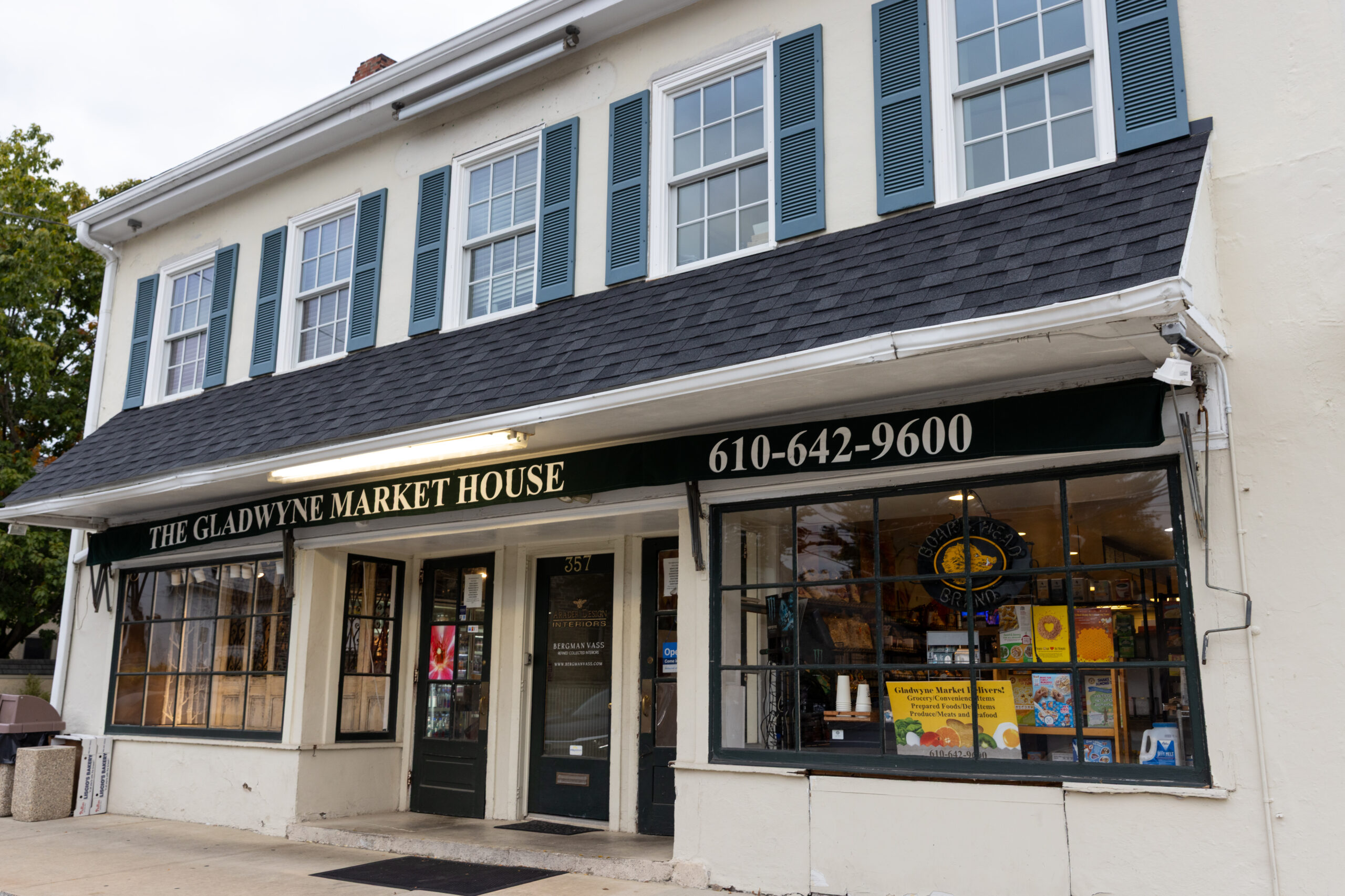
Gladwyne Market as pictured in October.
Local chains weren’t the only business casualties of 2025.
In South Jersey, the Bistro at Cherry Hill, a beloved restaurant that operated in a 1,200-square-foot mall kiosk for 27 years, closed abruptly in July.
At the time, the restaurant’s president, Andy Cosenza, said the closure was due to a communication “breakdown” that had resulted in his voluntary Chapter 11 bankruptcy petition being converted to a Chapter 7, or liquidation, without his knowledge. Since then, however, Cosenza has been indicted on charges of tax fraud. The Bistro has remained closed.
Township commissioners recently passed the 2026 budget, which includes a tax hike. Here’s what you need to know. And with the new year just over a week away, we’ve rounded up nearly a dozen ways to celebrate 2026 in and around town.
This is our final Inquirer Lower Merion newsletter of 2025, but we’ll be back in your inboxes on Jan. 8. Thanks for reading and happy new year!
Lower Merion officials recently approved a tax hike for 2026.
Lower Merion residents can expect to see their property taxes go up in 2026 after the township’s board of commissioners approved an 8% increase in the upcoming budget.
Commissioners said the increase was necessary following 13 years of stagnant tax revenue from 2011 to 2024, when there were no increases. Property taxes went up 6.5% in 2025 and commissioners acknowledged next year’s increase comes with some “sticker shock,” The Inquirer’s Denali Sagner reports.
Still, it’s not as high as an initially proposed 9.5% hike. The township taxes will come on top of a 4% tax increase recently passed by Montgomery County officials.
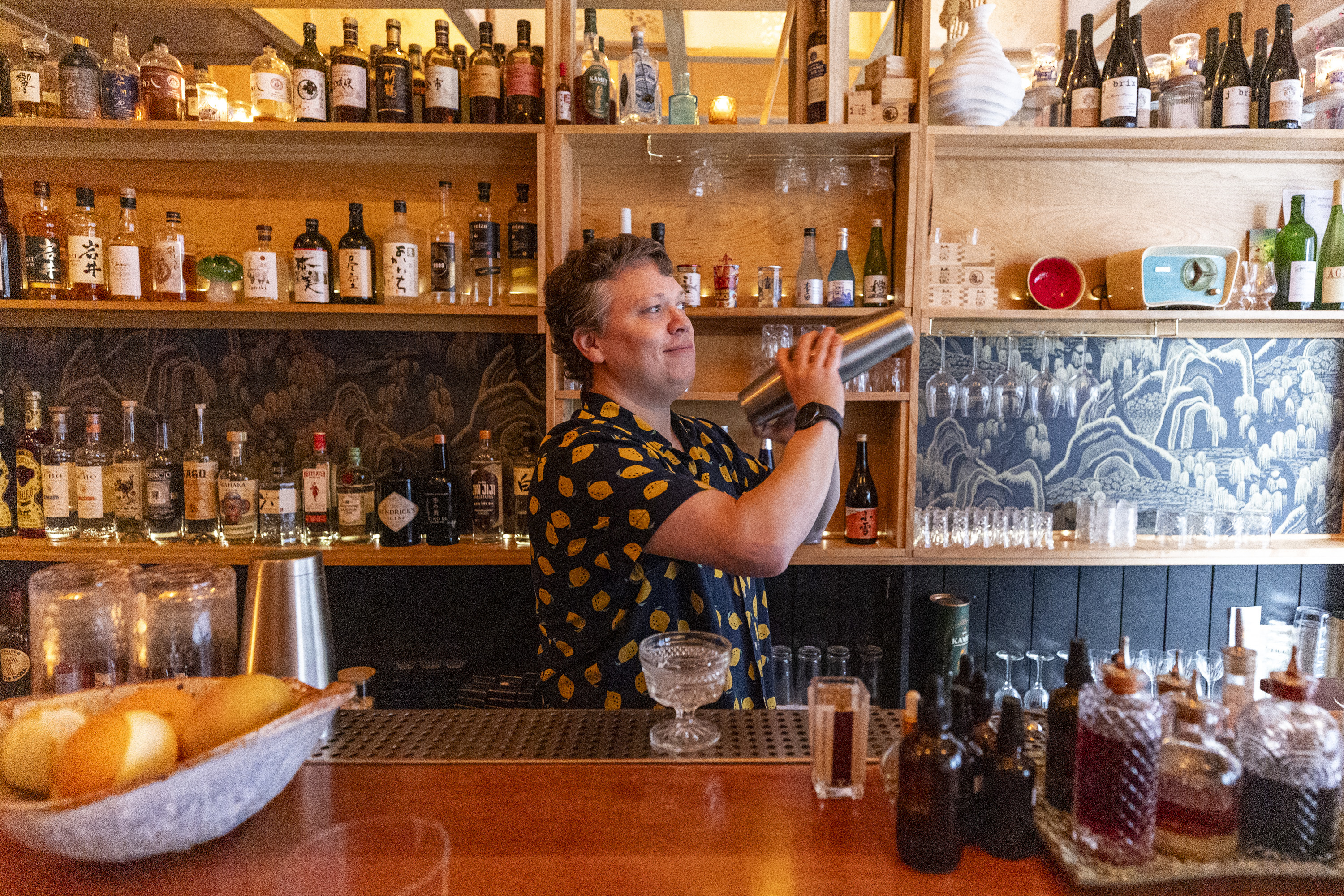
Ardmore cocktail bar Izzy’s will have a special menu and champagne toast to ring in the new year.
The countdown to 2026 is on and there’s no shortage of ways to celebrate the end of one year and the start of another.
We’ve rounded up 11 celebrations in and around Lower Merion, including noontime events for kids, specialty and buffet dinners, plus concerts for kids and adults.
Trash and recycling dates will have altered schedules due to Christmas and New Year’s Day. See how your household is impacted here. The township also released its 2026 collection schedule, which you can see here.
Narberth passed its 2026 budget last week, which includes a higher earned income tax. The EIT will jump from 0.75% this year to 1% next year and is aimed at improving the borough’s capital fund. The new budget also adjusts solid waste fees so that condos and apartments pay a flat $250 per living unit. Sewer fees are also set to rise from $5.25 to $6 per 1,000 gallons. See the full budget here.
Narberth council has also voted to make permanent the no-parking zone pilot at the intersection of Price and Essex Avenues. Signage is expected to be installed in January and February, with painting set for spring.
Bryn Mawr Hospital is among the quietest hospitals in the region at night, according to newly released federal data. Patients from October 2023 to September 2024 reported Bryn Mawr being “always quiet” overnight 61% of the time, “usually quiet” 29% of the time, and “sometimes or never quiet” 10% of the time. See how Bryn Mawr compares to other regional hospitals.
A Bala Cynwyd dad launched a program in 2024 after seeing demand for Cub Scout activities on non-Sabbath days. Philadelphia Jewish Exponent recently profiled Michael Kopinsky about his inspiration and how the program quickly gained popularity among Orthodox and Sabbath-observant Jewish families.
🏫 Schools Briefing
Winter break is officially here, with students and staff returning Jan. 5. The school district’s offices will be closed Dec. 24-26 and Jan. 1-2 during the break. Lower Merion High School’s pool will be closed those same days, as well as on Dec. 31.
Lower Merion High School skating duo Justin and Suri Lue took home third place in the regional level of the U.S. Figure Skating Championships in Nevada last month, and sixth place nationally in the intermediate division.
Johnny’s Pizza in Bryn Mawr has some of the best takeout pizza in the Philadelphia suburbs, according to The Keystone. The outlet noted that “once you start eating it, it’s going to be hard to stop.”
🎳 Things to Do
🎤 Start Making Sense: Hear the seven-piece Talking Heads tribute band perform. ⏰ Friday, Dec. 26, 8 p.m. 💵 $33.38 📍 Ardmore Music Hall
🐑 Meet the Menagerie: Meet some of Harriton House’s farmstead animals. There will also be hot chocolate and s’mores available for purchase. ⏰ Tuesday, Dec. 30, 11 a.m.-3 p.m. 💵 Free 📍 Harriton House
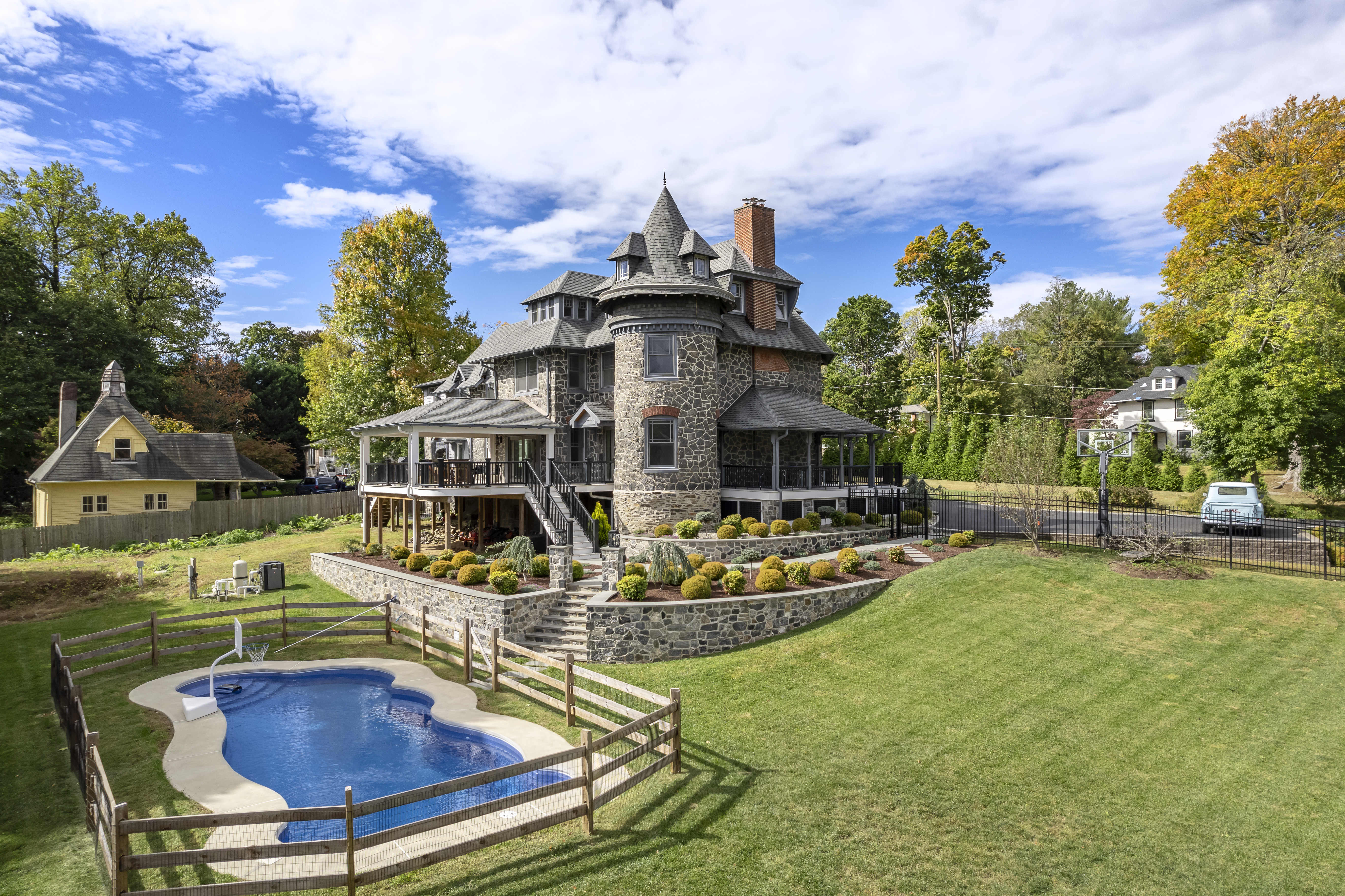
The home spans nearly 6,700 square feet and has a distinctive turret.
This Merion Station property, built in 1888, is reminiscent of a castle. The home has a modern interior while paying homage to its roots by way of exposed stone walls, fireplaces, millwork, and stained glass windows. Some of its features include a curved tower, a formal dining room, and an eat-in kitchen with a large island. It also has seven bedrooms spread across the second and third floors. Outside, there’s an in-ground saltwater pool, a basketball court, multiple covered sitting areas, and a deck with a built-in kitchen.
By submitting your written, visual, and/or audio contributions, you agree to The Inquirer’s Terms of Use, including the grant of rights in Section 10.
This suburban content is produced with support from the Leslie Miller and Richard Worley Foundation and The Lenfest Institute for Journalism. Editorial content is created independently of the project donors. Gifts to support The Inquirer’s high-impact journalism can be made at inquirer.com/donate. A list of Lenfest Institute donors can be found at lenfestinstitute.org/supporters.