AmeriHealth Caritas, one of the nation’s largest Medicaid insurers, is closing its in-house pharmacy benefits manager, PerformRx, by the end of this year, the Newtown Square company said in an announcement to employees Wednesday.
Health insurers effectively subcontract with pharmacy benefit managers to oversee drug benefits. They have become increasingly powerful cogs in healthcare and face new restrictions under a law signed by President Donald Trump this month.
OptumRx, a unit of UnitedHealth Group Inc. and one of the three largest PBMs, is scheduled to take over for PerformRx on Jan. 1. OptumRx already provides PBM services to the majority owner of AmeriHealth Caritas, Independence Health Group. Independence is best known for its Independence Blue Cross business.
“This decision reflects evolving market and regulatory landscape, not the performance or dedication of our PerformRx leadership or associates,” the AmeriHealth Caritas announcement to staff said.
Caritas said in a statement to The Inquirer that it expected a “limited impact on jobs, with many functions remaining in-house to support the same high-quality experience for members and providers.”
The company did not elaborate on the market and regulatory changes that precipitated the decision to close PerformRx, which Caritas formed in 1999. PerformRx has contracts in 13 states, including Pennsylvania and Delaware, according to the Caritas website.
At Roxborough Memorial Hospital in Philadelphia, surgeon Piotr Krecioch has his hands full launching a program offering surgical interventions to treat obesity.
One in three Philadelphians are living with obesity, putting them at higher risk of chronic conditions like diabetes and heart disease, but these days fewer are seeking the bariatric surgical procedures long considered a leading medical treatment for the condition.
“I’m trying to start a bariatric program at probably the worst possible time you can ever imagine because everybody’s losing patients, and I don’t even have a patient to begin with,” Krecioch said.
Tower Health’s Reading Hospital recently closed its bariatric surgery program, and other local health systems have seen declines in weight-loss operations approach 50%.
Independence Blue Cross, the Philadelphia region’s largest insurer, said the number of bariatric surgeries it paid for dropped by half in the five years ended June 30.
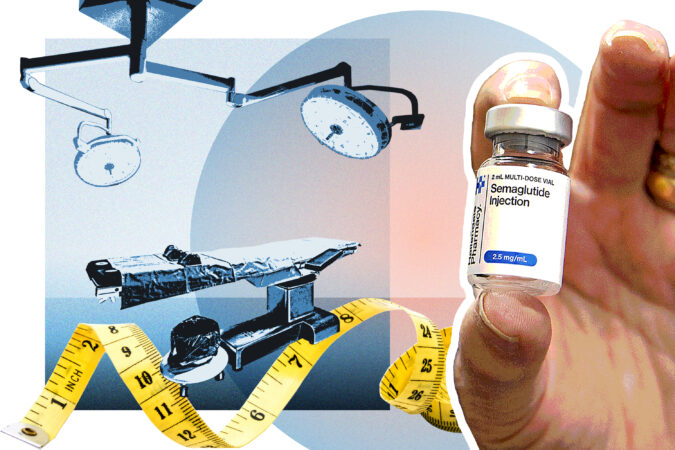
Those shifts in the bariatric surgery landscape have followed the meteoric national rise in the use of GLP-1s and related drugs for weight loss.
So far, the drugs havebenefited patients by allowing them to avoid an invasive surgery.With bariatric surgery, people lose weight because the procedures restrict the amount of food a person can eat. Drugs in a class known asGLP-1s make people feel full longer.
For hospitals, the upheaval in treatment options cuts into a profitable business line and adds to the financial pressure health systems have been experiencing since the pandemic.
Despite the ever-increasing popularity of GLP-1s for weight loss like Novo Nordisk’s Ozempic and Wegovy and Eli Lilly’s Mounjaro and Zepbound, it’s too soon to write off bariatric surgery as an option, some doctors say.
Insurers are imposing limits on coverage because of the long-term cost of the drugs compared to surgery, and doctors are watching for side effects that may emerge as more people take the drugs for longer periods of time.
It’s not the first time a new technology has reduced surgical volumes.
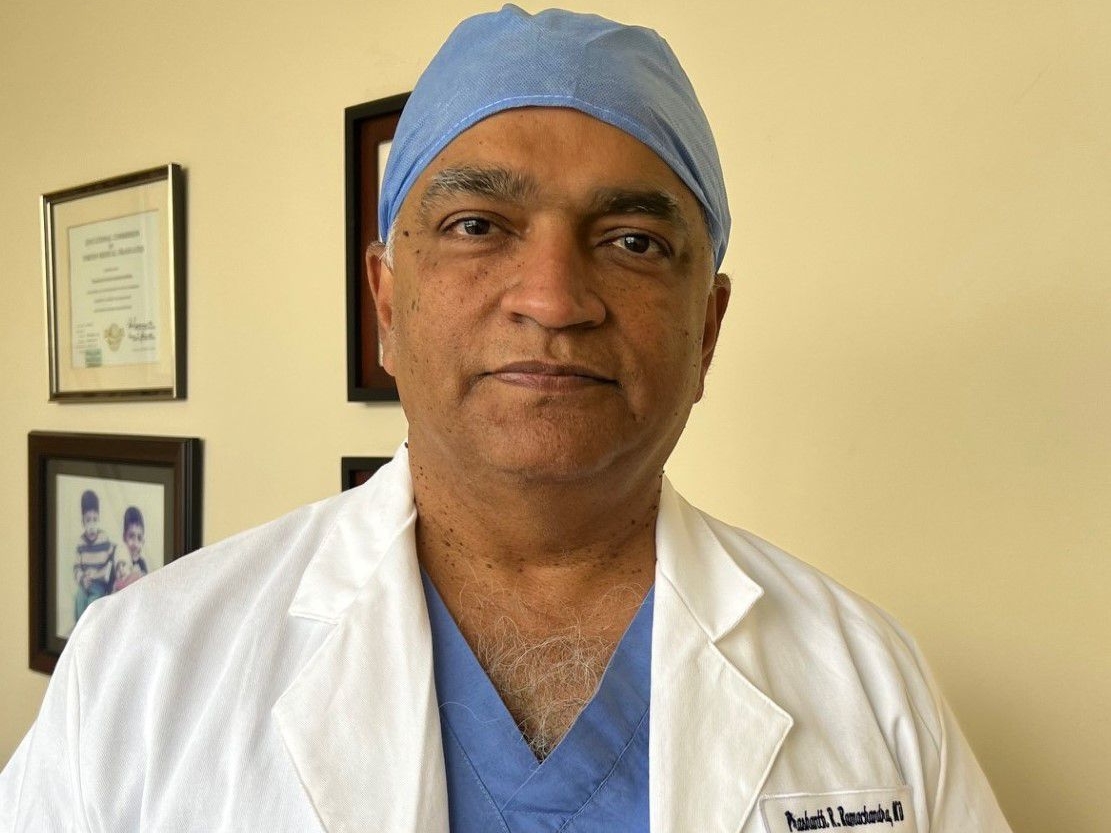
Whenever a less-invasive treatment has come along, “surgical volumes always have taken a beating,” said Prashanth R. Ramachandra, a bariatric and general surgeon at Trinity Health Mid-Atlantic’s Mercy Fitzgerald Hospital. Declines in peptic ulcer and open heart surgeries are past examples of the phenomenon, he said.
Such industrywide moves away from profitable procedures can create financial challenges for individual clinics or independent hospitals, said Daniel Steingart, who leads the nonprofit healthcare practice at Moody’s, a major credit ratings agency.
“But I also see it as an opportunity, because there’s other patients out there, there’s other services that can be provided. This is a matter of the management team being nimble,” he said.
Sharp decline in bariatric surgeries
National data show a 38% decline in bariatric surgeries from the beginning of 2024 through September, according to data firm Strata Decision Technology. Comparable local data were not available.
A substantial portion of the drop is from patients who previously had bariatric surgery but regained weight, physicians say. In the past, they would have had a type of surgery called a revision. Now, those patients are more likely to start taking GLP-1s, local doctors said.
Prashanth R. Ramachandra is a general and bariatric surgeon at Trinity Health Mid-Atlantic’s Mercy Fitzgerald Hospital in Darby.
Only two Philadelphia-area health systems provided details on changes in bariatric surgery volumes in recent years as GLP-1s for weight loss took off.
At the University of Pennsylvania Health System’s three Philadelphia hospitals, the annual number of bariatric surgeries has fallen by more than half, from a peak of 850 three or four years ago to around 400 in the year that ended June 30, said Noel Williams, a physician who leads Penn’s bariatric surgery program.
At Mercy Fitzgerald in Darby, the number fell from an annual peak in the 220-230 range to about 125 last year, Ramachandra said.
The volume at Mercy Fitzgerald was likely buoyed by the closure of the bariatric surgery program at nearby Crozer-Chester Medical Centerin Upland.
Tower did not provide details on the Reading closure, which was part of cutbacks Tower announced in early November. The program closed last month after a 60-day notice tothe state health department.
Main Line Health, which only offers bariatric surgery at Bryn Mawr Hospital, said surgeries have declined, but provided no details.
Virtua Health did not provide comparable data but said that its Virtua Complete Weight Management Program, which opened in spring 2024 to expand into medication treatments, experienced a 35% increase in visits last year.
The number of bariatric procedures is also down at Temple University Health System, but patients with complex conditions and more severe obesity are still coming to Temple for surgery, said David Stein, who is surgeon-in-chief at Temple University Hospital.
To adapt to this rapid change in medicine, Temple is adopting a multidisciplinary approach to the disease, building on what is done in cancer care, Stein said.
Jefferson Health did not respond to requests for information about its bariatric surgery program.
How health systems are responding
While full-scale closures like Reading’s are unusual, cutbacks are occurring broadly.
When the bariatric surgeon at Penn Presbyterian Medical Center retired amid declining numbers of surgeries across the entire system, Penn did not replace him, Williams said.
Penn does the procedures locally at the Hospital of the University of Pennsylvania and at Pennsylvania Hospital.
“If the numbers were to continue the way they are now,” Williams said, “we may want to consolidate into one of our hospitals in the city.”
Outside of Philadelphia, Penn has bariatrics programs at Lancaster General Hospital and Penn Princeton Medical Center.
After Jefferson Health acquired Einstein Healthcare Network in late 2021, it consolidated bariatric procedures at Jefferson Abington Hospital, according an Inquirer analysis of inpatient data through 2024 from the Pennsylvania Health Cost Containment Council.
Jefferson did not respond to a request for information about the changes.
Piotr Krecioch is a bariatric and general surgeon at Roxborough Memorial Hospital in Philadelphia.
Not the end for bariatric surgery
GLP-1s don’t mean the end of bariatric surgery, even though the procedures are not likely to return to previous peaks, physicians said.
Some patients don’t respond to GLP-1s and others can’t tolerate them, which means they remain candidates for surgery, Williams said. Surgery is still recommended forpatients who are considered severely obese,with body-mass indexes over 50,he added.
Outcomes cannot yet be compared over the long-term. Ramachandra and other doctors are keeping their eye on the ratio of fat loss and muscle loss in patients taking GLP-1s compared to those who have bariatric surgery. Losing muscle can lead to falls and fractures.
A study published last month in the Journal of the American Medical Association found that bariatric surgery is associated with a favorable ratio of fat loss.
At Roxborough Memorial Hospital, Krecioch, who also works as a general surgeon, sounds optimisticas he works on his new program.He became a Roxborough employee in April 2024 after eight years at Mercy Fitzgerald, where he worked with Ramachandra.
Krecioch’s strategy for years has been to offer weight management services in addition to surgery. Patients come for a GLP-1, giving him a chance to build a long-term relationship.
“I have a feeling that these people are going to come back to my office,” he said. ”I’m gonna keep seeing them, and that they will actually convert to bariatric surgery at some point.”
Editor’s note: This article has been updated with information from Temple University Health System.
Philadelphia biotechs are worried about losing a key source of federal funding for early-stage innovation.
Known as “America’s seed fund,” the Small Business Innovation Research (SBIR) and Small Business Technology Transfer (STTR) programs helpsmall companies develop innovative technologies. In recent years, they’ve allocated $4 billion annually to more than 4,000 businesses nationwide. However, after Congress failed to reauthorize the decades-old programs last fall, their funding officially expired in September.
The fallout has affected more than a dozen local life sciences companies, raising concerns about whether they can maintain staffing and make up for thedelay in funds promised months ago, said Heath Naquin, senior vice president of innovation and new ventures at University City Science Center, a nonprofit commonly known as the Science Center that provides startup support.
For many, staffing and financing plans could be disrupted by funding shortfalls, as companies either haven’t gotten their payment yet or can’t get their funding for next year approved, he said.
An exact figure is unknown, but Naquin estimated that some affected companies could be short up to a million dollars for the year.
At the same time, the city of Philadelphialaunched last spring a new program that provides additional funding to those who have already earned SBIR/STTR grants. The 21 awardees who will share $450,000 from the city were announced publicly in January.
The citymoney is earmarked for technical assistance, such as the cost of attorneys, marketing, and anything else needed for commercialization, while SBIR/STTR money normally goes toward research and development.
“There is no overnight solution to SBIR right now,” said Tiffany Wilson, chief executive officer of the Science Center, which is partnering with the city to implement the program. “It’s just another layer of uncertainty that we’ve got to navigate through.”
New city-led program
Pennsylvania is not one of the dozens of states that offer matching programs to supplement the federal SBIR/STTR funds.
To fill that gap, Philadelphia launched its new city-level program, which is one of the first in the nation and the only one of its kind in the state.
The idea was to boost companies already vetted by the federal government that could still benefit from smaller amounts of money.
“Life science companies need millions of dollars, but this was a way that we could help Philadelphia-based companies thrive,” said Rebecca Grant, who runs the program and serves as senior director of life sciences and innovation for the city.
This year, the city offered funding to all eligible applicants.
The $450,000 is doled out in three tiers: companies with the earliest stage grants received $20,000 while those in the next phase received $40,000. Those whose grants were no longer active received $2,500.
The program is still a pilot, and city leaders hope to run it on an annual basis, Grant said.
Naquin has heard from at least three companies in the last six months that are formally considering moving to Philadelphia as a result of the program’s existence.
The SBIR/STTR grants are valuable to early-stage biotechs for two reasons: They provide funding without asking for ownership or equity in return, and signal to potential investors that the company is less risky, Wilson explained.
The programs traditionally have been reauthorized every few years without major lapses. However, recent debates over reforms have created a deadlock.
Policymakers from both parties want to address companies that are repeatedly going back for more funding, concerns over foreign involvement, and how to better support commercialization, Naquin said.
“We’re still in a waiting game,” he said, adding that the programs were not reauthorized in the latest government funding bill passed this week.
With the SBIR/STTR pipeline stalled, the Science Center has had to pivot. Federal support for science has been particularly precarious under President Donald Trump’s second administration, with widespread cuts and pauses to millions of dollars worth of programs and grants.
Late last year, the center launched aninitiative to help startups figure out which agencies still have available funding opportunities.
The aim is to help them better shop around for the grants that they can apply to, Wilson said.
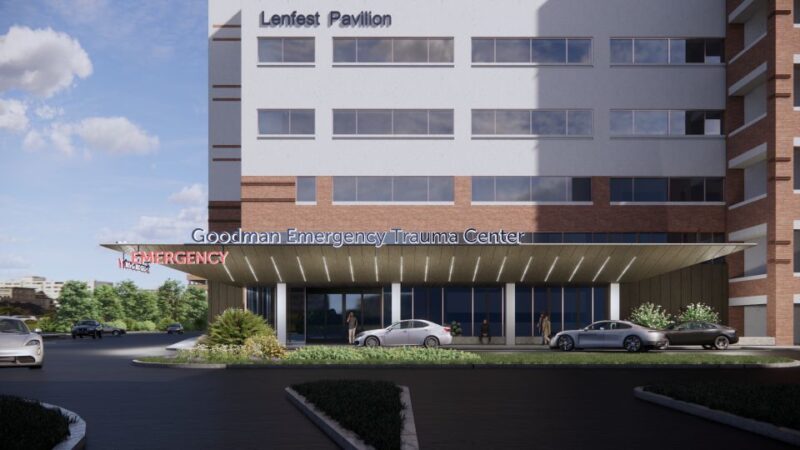
Jefferson Health is boosting emergency department capacity at Abington Hospital to enable it to receive 100,000 visits annually, up from 80,000 now, the nonprofit health system said Tuesday.
The department, which is also a Level II trauma center, will be named the Goodman Emergency Trauma Center in honor of an unspecified donation from Montgomery County residents Bruce and Judi Goodman. Bruce Goodman is a commercial real estate developer and a longtime Abington board member, Jefferson said.
Jefferson, which acquired Abington in 2015, described the Goodman gift as the cornerstone of a $30 million ongoing fundraising campaign for the hospital’s emergency department.
The project will reconfigure more than 24,000 square feet of existing clinical space and reallocate 10,000 additional square feetfrom a courtyard and a gift shop to the ED to expand capacity from 80 to 116 treatment spaces, Jefferson said.
Also last year, Jefferson announced $19 million in upgrades to the emergency department at Thomas Jefferson University Hospital in Center City. The system also added a 20-bed observation unit in the ED at Jefferson Einstein Philadelphia.
Eli Lilly & Co. plans to build a $3.5 billion pharmaceutical plant in the Lehigh Valley to expand manufacturing capacity for next-generation weight-loss medicines, the Indiana company announced Friday in Allentown.
The decision by Lilly to build one of its four new U.S. factories in Lehigh County marks a significant win for Pennsylvania as states compete for the billions Big Pharma, under pressure from Washington, is spending to boost domestic manufacturing.
“The Mid-Atlantic, Northeast in recent years hasn’t seen this type of mega-plant investment. Most of that has gone to the South and the Southwest,” Don Cunningham, CEO of Lehigh Valley Economic Development Corp., said in an interview.
The Lehigh Valley sits in the middle of a pharmaceutical manufacturing belt that stretches from Montgomery County into central New Jersey, but historically has been known for steel, cement, and Mack Trucks. The Lilly plant will put it on the map for life sciences, said Cunningham, whose agency helped recruit Lilly.
Montgomery County, a major drug and vaccine manufacturing hub, secured another significant project during the ongoing pharmaceutical investment push. The British company GSK said in September that it will build a biologics factory in Upper Merion Township, but did not specify how much it would spend there.
Merck, the New Jersey-based drug giant, announced plans for a $1 billion factory and lab near Wilmington, beyond its existing major operations in Montgomery County.
Until now, Lilly has been busy in the South. Last year, Lilly announced plans to spend a total of $17.5 billion on three factories in Alabama, Texas, and Virginia. The Lehigh Valley was in the competition for the Virginia project, which will be built west of Richmond, Cunningham said.
The 150-acre Lehigh Valley site, in Upper Macungie Township, was selected from more than 300 applications for one of the four new Lilly plants. Ohio was among the other finalists, Cunningham said. The property Lilly is acquiring is adjacent to Interstate 78 on the north side just west of the Route 100 interchange.
Pennsylvania boosted its chances of landing the Lilly project by offering up to $50 million in tax credits and $50 million in grants. An additional $5 million will go to a local community college for a job-training program.
Gov. Josh Shapiro played an important part in securing the Lilly commitment, Cunningham said, with “his team bringing to bear every resource the state could.”
When fully operational in 2031, the Lilly complex is expected to employ 850. The average annual pay in a Lilly facility is $100,000, Lilly’s chair and CEO David A. Ricks told a crowd gathered at the Da Vinci Science Center in downtown Allentown.
“Those are high-value jobs that I can say with a lot of confidence change the trajectory of families,” Ricks said.
Among the products Lilly anticipates manufacturing at the plant are Zepbound, which Ricks called the world’s best-selling medicine, and retatrutide, a type of weight-loss medication dubbed “triple G” that acts on three aspects of appetite regulation.
Early results suggest such next-generation medications may lead to more weight loss than seen with the current drugs on the market, such as Novo Nordisk’s Ozempic and Lilly’s Mounjaro, which target one or two metabolic drivers.
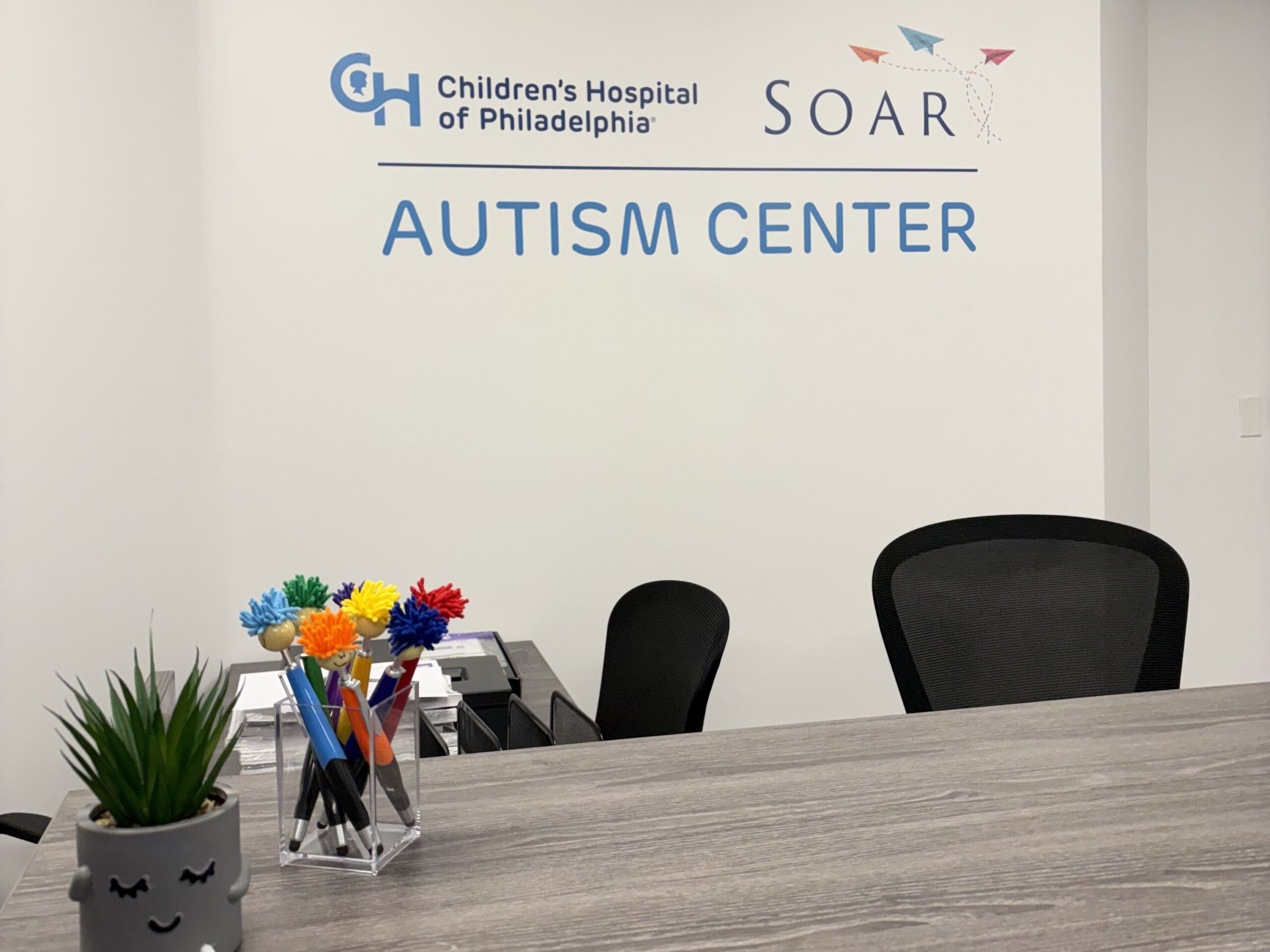
The Children’s Hospital of Philadelphia and Denver-based Soar Autism Centers have opened in Newtownthe first of five planned early childhood autism centers in the Philadelphia region and expect the network could grow to more than 30 centers, officials said.
The 50-50 joint venture is designed to reduce wait times for therapy and to make it easier for families to access multiple types of therapy at one location while remaining connected to CHOP specialists.
“It can take a year to get into therapy on a regular basis,“ an extremely long time in a young child’s neurological development, Soar cofounder and CEO Ian Goldstein said.
Such wait times continue to frustrate families despite dramatic growth in the autism-services sector over the last 15 years or so, as states mandated insurance coverage and diagnosis rates soared with more awareness and an expanded definition of autism.
Nationally, applied behavioral analysis, commonly known as ABA therapy, has become popular for autism treatment, increasing nationally by 270% between 2019 and 2024, according to Trilliant Health, a Nashville data analysis firm. The volume of services provided locally — where companies including ABA Centers, Helping Hands Family, and NeurAbilities Healthcare have expanded — was not available.
The increase in diagnoses has outpaced the growth in available services, said Matthew Lerner, an autism expert at Drexel University, who is not involved with the newly launched CHOP-Soar Autism Centers.
When Lerner moved to the Philadelphia region from Long Island in 2023 and started getting plugged into the autism network, a few clinicians here would ask if he could connect patients with services in New York.
“I was coming from eastern Long Island, two hours east of New York City, and people were like, do you know anyone closer to you?” he recalled.
CHOP’s road to a joint venture with Soar
The freestanding, 10,000 square-foot clinic that opened on Jan. 5 in suburban Bucks County near CHOP Pediatric Primary Care Newtown has 35 to 40 rooms and an indoor playground for therapeutic uses.
CHOP, among the largest children’s health systems in the country, has longbeen concerned about limited access to autism care in the region, said Steve Docimo, CHOP’s executive vice president for business development and strategy.
The nonprofit hasprovided diagnostic services, but not the forms of therapy that the CHOP-Soar centers will offer. “The threshold to doing this on our own has always been high enough that it hasn’t been a pool that we’ve jumped in,” he said.
CHOP was in talks with Soar for three years before agreeing to the 50-50 joint venture with the for-profit company.CHOP’s investment will be its share of the startup costs for CHOP-Soar locations.
The partnership plan calls for five locations in the first two years. The partners did not say where the next four centers will be.
Soar has 15 locations in the Denver area, which has about half the population of the Philadelphia region, Goldstein said.
That comparison implies that the CHOP-Soar partnershipcould grow to30 centers, Goldstein added. He thinks the region’s needs could support additional expansion, sayingthe total could reach “into the dozens.”
The first CHOP-Soar Autism Center opened this month in Newtown. Shown here is the reception area.
That’s assuming CHOP-Soar provides high quality care for kids, an appealing family experience, and a system of coordinated care: “There will be a need to do more than five, and I think we’re jointly motivated to do so,” Goldstein said.
The CHOP-Soar approach
Families seeking care for an autistic child typically have to go to different places to get all the types of therapy they need.
Families “get behavioral analytics in one place, occupational therapy somewhere else, and speech language pathology in another place,” Docimo said.
Soar brings all of that together in one center. “If it can be scaled, this will fill a gap in our region in a way that I think will work very well for these families,” he said.
CHOP-Soar centers will emphasize early intervention and treat children through age six. “The brain has its greatest neuroplasticity” up to age 3, “so waiting a year is a really big deal,” Goldstein said. “You’re missing out on that opportunity to really influence the child’s developmental trajectory at a young age.”
Some autism services providers focus on ABA therapy, which breaks social and self-careskills, for example, down into components and then works discretely on each.
But Soar offers what Goldstein described as “integrated, coordinated care for the child.” That includes speech, occupational, and behavioral therapies.
With CHOP, medical specialties, such as genetics, neurology, and gastrointestinal care, can be tied in as well, Goldstein said.
It’s rare for autism providers to offer a wide variety of commonly needed services under one roof, said Lerner, who leads the A.J. Drexel Autism Institute’s Life Course Outcomes Research Program.
He said Soar’s evidence-based, multidisciplinary approachhas a lot to offer the region.
“A person diagnosed with autism will have complex care needs throughout their life, and a one-size-fits-all, one-intervention approach will not work,” he said.
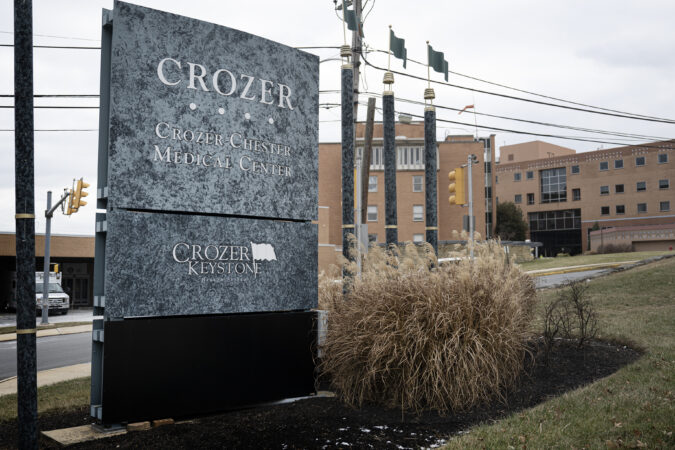
The new owner of the defunct Crozer-Chester Medical Center wants to restore hospital and emergency services to the 64-acre campus that straddles Chester and Upland Township in Delaware County.
Newly formed Chariot Equities completed the $10 million purchase Wednesday. The for-profit entity said it expected within six months to have an agreement with a health system that would operate a “right-sized” hospital and emergency department at the facility that had been the county’s largest provider of those services before closing last year.
The idea is then to open the first phase within two years, Chariot said in a statement.
Chariot did not say how much it would spend on refurbishing Crozer-Chester, which had suffered from years of neglect under its two previous owners.
Chariot’s partner at Crozer-Chester is Allaire Health Services, a Jackson, N.J.-based for-profit operator of nursing homes.
The partners said they are in talks with regional and national nonprofit health systems regarding an operating partnership, but provided no details. The amount of money needed for the project would likely depend on what prospective tenants would want to do at the property.
“Our belief in Delaware County’s future, and the community’s need for sustainable healthcare access, made this an effort worth committing to well before the finish line,” said Yoel Polack, Chariot’s founder and principal.
Little is known about the new owners. Polack worked in healthcare real estate in the New York City area before setting his sights on redeveloping Crozer-Chester.
Federal records list Allaire’s CEO Benjamin Kurland as an owner of 20 nursing homes, including three in the Philadelphia area. Chariot’s statement said Allaire owns a total of 29 facilities in five states.
Main Line Health has been involved in discussions about reopening emergency services at three former Crozer hospitals — Crozer-Chester Medical Center, Springfield Hospital, and Taylor Hospital — at the request of state lawmakers and the property owners, Ed Jimenez, CEO of Main Line Health, said Wednesday at a Riddle Hospital event.
Jimenez said he would “entertain the concept” of restoring emergency services at one of the hospitals as part of a partnership with other health systems, but only if it can be done on a break-even basis.
All three of the former hospital buildings visited by Main Line officials are in poor condition and were stripped of medical equipment after the closures. Main Line’s experts estimated it would cost between $15 million and $20 million just to make the emergency department at Taylor functional, Jimenez said.
ChristianaCare, Delaware’s largest health system, considered acquiring Crozer in 2022. Instead, it took a different path to expansion in Southeastern Pennsylvania. It is planning to open two micro-hospitals in Delaware County. The nonprofit system also took over five former Crozer outpatient locations. Its credit rating was recently downgraded by one notch because of lower profitability.
The importance of Crozer-Chester
Crozer-Chester closed in early May during the bankruptcy of owner Prospect Medical Holdings Inc., a for-profit company based in California, and after the failure of government-supported efforts to form a new nonprofit owner for Crozer-Chester and other Crozer Health facilities.
Crozer-Chester was particularly important as a safety-net provider for a low-income area of Delaware County that has few other nearby options. The Crozer system, which had four hospitals, was the county’s largest health system and largest employer for many years.
Two local Democratic officials, State Rep. Leanne Krueger and Delaware County Council member Monica Taylor, said they were encouraged by the approach being taken by Chariot and Allaire.
At Taylor Hospital, the other Crozer hospital that closed last year, new owners are also looking for healthcare tenants. Local investors bought the Ridley Park facility for $1 million. It is less than four miles from Crozer-Chester.
The same group agreed last week to pay $1 million for Springfield Hospital, another facility that had previously shut down under Prospect ownership.
A year ago, leaders of Family Practice & Counseling Network feared their health clinic, which has served low-income Philadelphians for more than 30 years, wouldn’t survive past June.
The clinic was part of Resources for Human Development, a Philadelphia human services agency that a fast-growing Reading nonprofit called Inperium Inc. had acquired in late 2024.
As a federally qualified health clinic since 1992, the clinic had received an annual federal grant, higher Medicaid rates, and other benefits.
But federal rules prohibited the clinic from continuing to retain that status and those benefits under a parent company. That meant Family Practice & Counseling Network had two options: close or spin out into a new entity that would reapply to be a federally qualified clinic.
“We had to figure it out,” the organization’s CEO Emily Nichols said in a recent interview.
At the time, the organization’s three main locations had 15,000 patients. They are “very underserved, low-income people that deserve good healthcare,” she said.
Thanks to $9.5 million in financial and operational support from the University of Pennsylvania Health System, a new legal entity took over the clinics in July. They now operate under the tweaked name, Family Practice & Counseling Services Network, and without the federalstatus.
“Penn allowed us to survive,” Nichols said.
Still in a precarious position
The nonprofit, with its name now abbreviated as FPCSN, remains in a precarious position.
Because of the corporate change, the $4.2 million annual grant that Family Practice had been receiving through RHD had to be opened up for other applicants under federal law. FPCSN applied but won’t find out until March the result of the competition.
Natalie Levkovich, CEO of the Health Federation of Philadelphia, a nonprofit that supports community health centers in Southeastern Pennsylvania, expressed confidence that the clinic will regain the funding, which helps cover the cost of caring for people who don’t have insurance.
“FPCSN is a well-run, well-regarded, well-supported health center that has an established, high-functioning practice in multiple locations,” Levkovich said. The clinic received letters of support from all the other federal clinics in the area, she said.
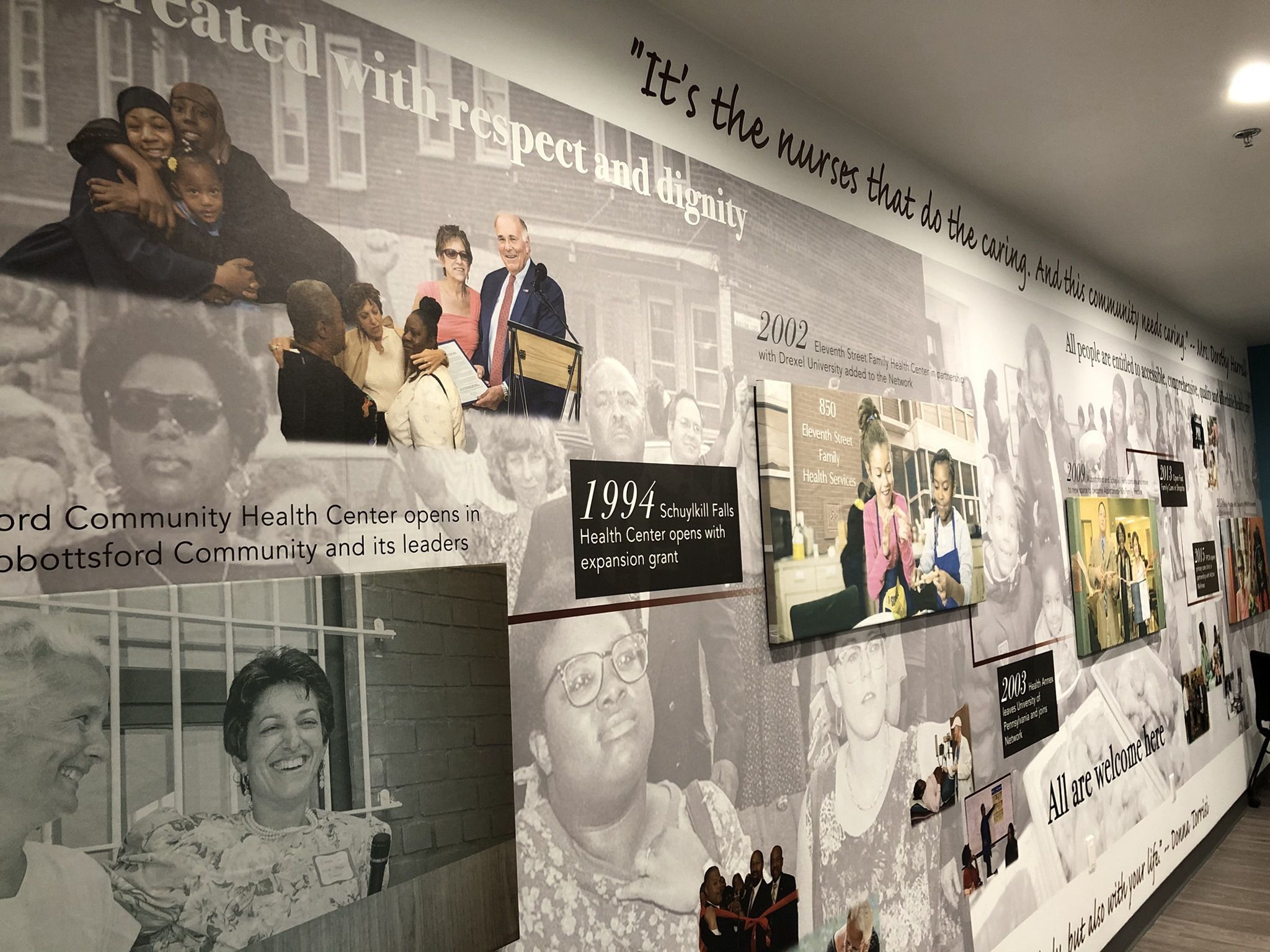
A mural in a conference room at Family Practice & Counseling Services Network’s headquarters in Nicetown shows a timeline of the agency’s history since its founding in 1992.
In return, federally qualified clinics have to accept all patients, including people without insurance. The insurance mix of FPCSN’s patient population is about 60% Medicaid, 20% uninsured, 10% Medicare, and 10% commercial, Nichols said.
Also, half of a federal clinic’s board members have to be patients at the clinic. FPCSN has three main locations, in Southwest Philadelphia, on the western edge of North Philadelphia, and in the West Poplar neighborhood. Its revenue in fiscal 2025 was $31 million.
During the past year, 55 FPCSN staff members have left, leaving 140 employees still at the organization, including 16 nurse practitioners who provide the primary care. The departures may have contributed to a decline in the number of patients seen to 13,500 last year, compared to 15,000 the year before, Nichols said.
Why Penn helped FPCSN
Federally qualified health centers form the core safety net in Philadelphia and across the nation, said Richard Wender, who chairs Family Medicine and Community Health at Penn, which had a longstanding relationship with RHD’s clinics.
Under contract, Penn family practice physicians were providing prenatal care to 400 pregnant patients at the clinics that would have closed abruptly at the end of June if Penn hadn’t provided support. “We wanted them to be able to continue to take care of the patients that they were taking care of,” Wender said.
The money from Penn helped pay startup costs for the new entity and bridged the period until FPCSN was able to secure new contracts with insurance companies.
Penn also didn’t want the clinic’s patients showing up in its already busy emergency departments for basic care. “That adversely affects their health because it’s not a good place to get preventive care,” he said.
But it was important to Penn that there was a pathway back to federal clinic status. “We feel as optimistic as we can,” Wender said.
Wender and Nichols credited Kevin Mahoney, CEO of Penn’s health system, with the preservation of FPCSN’s services for low-income Philadelphians by throwing his full support behind the effort.
“You have to have a CEO, a leader in your health system, who understands that this is the responsibility of large academic health centers,” Wender said.
St. Christopher’s Hospital for Children, a key safety-net provider in North Philadelphia, on Wednesday announced its third leadership change in less than two years.
Claire Alminde, the hospital’s chief nursing officer and a 37-year veteran of the institution, is St. Chris’ new acting president.
She is the third interim or acting executive appointed to the top management position at the nonprofit hospital since February 2024 and its fourth leader since 2020. Drexel University and Tower Health have owned St. Chris in a 50-50 joint venture since 2019.
“Claire is firmly committed to St. Christopher’s mission and exemplifies the compassion, expertise and steadfast commitment that define this hospital and the care we provide to children and families across our region,” St. Chris said in an e-mailed statement.
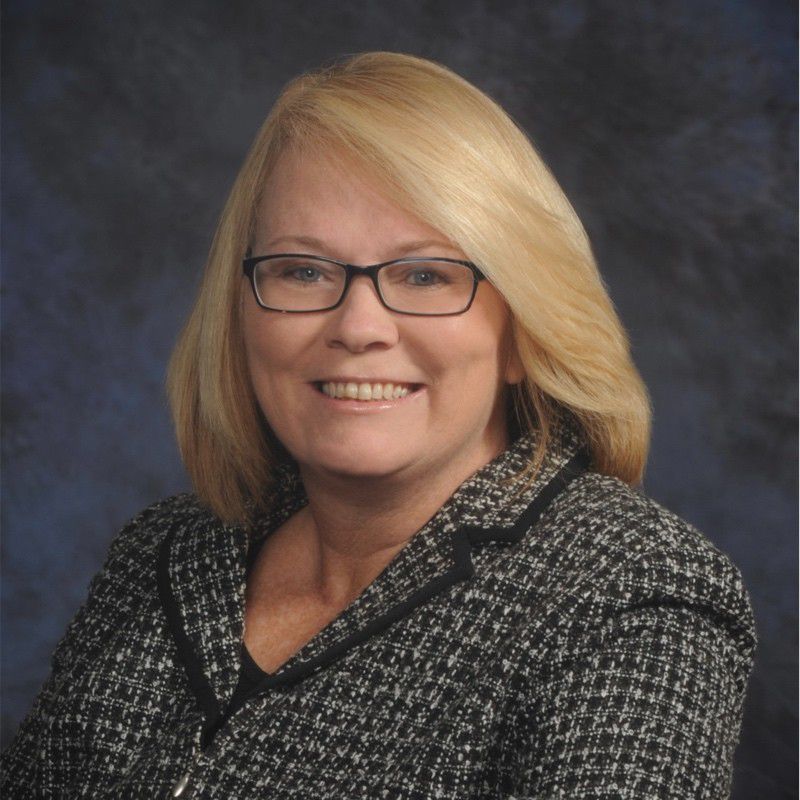
St. Chris’ chief nursing officer Claire Alminde has been named acting president of the North Philadelphia safety-net provider.
There are no immediate plans for a national CEO search. “Right now, Tower’s focus is on helping Claire onboard successfully and lead the organization forward. We are grateful that Claire has committed to serving in this position as long as necessary,” Tower said.
Alminde is replacing Jodi Coombs, who was appointed interim president and CEO last April. Coombs’ previous position was executive vice president at Children’s Mercy Kansas City, in Missouri. Before that, she worked in Massachusetts.
Mueller took the job at St. Christopher’s in the summer of 2020, about seven months after Tower and Drexel University bought the facility, but did not permanently move to Philadelphia.
Tower oversees day-to-day management of the facility, where about 85% of patients have Medicaid insurance for low-income people. That’s an extremely high rate.
St. Chris, which has received significant financial support from other local healthcare institutions in recent years, has not published its financial results for the year that ended June 30, 2025. In fiscal 2024, St. Chris had a $31.6 million operating loss.
The University of Pennsylvania, German biotech firm BioNTech, and Osage University Partners, a Bala Cynwyd venture capital firm, have formed a $50 million fund to back early-stage life sciences startups at Penn, the partners announced Friday.
The announcement came on the eve of the much-hyped annual J.P. Morgan Healthcare Conference in San Francisco, which starts Monday. The conference has become a way to measure the mood of the biotech sector, which has slumped after investment peaked in 2021. It’s been particularly difficult for early-stage biotech companies to raise money in recent years, according to a recent J.P. Morgan report.
For Penn scientists and company founders, the so-called Penn-BioNTech Innovative Therapeutics Seed Fund, or PxB Fund for short, will step into that gap. It is designed to invest in companies that are developing new therapeutics, diagnostics, and research tools.
The announcement did not include a breakdown of how much money each of the three backers provided. Osage University Partners, which has $800 million under management and had previously invested in at least 10 Penn spinouts, will run the fund.
“Penn has a remarkable track record of creating cutting-edge startups,” Marc Singer, an Osage managing partner, said in a statement.
Penn was among the first six universities Osage partnered with 15 years ago when it started investing in spinouts from research universities, while allowing the institutions to share in some of the profits. This was at a time when few universities were investing in their own startups.
Penn’s evolution as an investor in its own startups
For Penn, that began changing about a decade ago. The university’s first investment in one of its own faculty-member spinouts came in 2016, when it invested $5 million in Carl June’s Tmunity Therapeutics. In 2018, Penn Medicine agreed to invest an additional $45 million in Penn biotech companies over three years in conjunction with outside funds.
In December, Penn announced a $10 million fund that will make seed investments of up to $250,000 in companies that have at least one founder affiliated with the University of Pennsylvania. That fund is for the entire university, not just life sciences.
PxB is another part of what John Swartley, Penn’s chief innovation officer, called in an interview Friday a “constellation of different support structures and funding sources that our companies can draw upon in order to advance their opportunities and agenda.”
Anna Turetsky, a biotech investor in New York who received her undergraduate degree at Penn and has a doctorate in biophysics from Harvard University, has joined Osage and will serve as PxB’s general partner.She said PxB is a 10-year fund and is expected to build a portfolio of around 15 companies in the early years.
“Part of why this is a fantastic time to start this fund is that there has been a gap in venture funding for early stage startups over the last few years. Everyone wants to see clinical data these days,“ Turetsky said. If that continues, ”then in a few years, there will be no early-stage clinical companies,” she said.
Germany’s BioNTech, which partnered with Pfizer on one of the COVID-19 vaccines that used mRNA technology developed at Penn, will use the fund to deepen its longstanding ties to Penn researchers.
Philadelphia’s place in biotech
Some observers of Philadelphia’s biotech sector have lamented the relative lack of local investors, which are abundant in places like Boston and San Francisco and have helped turn those metro areas into leading innovation centers.
Quaker BioVentures was a local investment fund that raised $700 million in the early 2000s to buy into biotech firms in Philadelphia and elsewhere, but was not successful for its investors, which included Pennsylvania state pension funds.
Others, when asked why the Philadelphia region trails Boston, San Francisco, and San Diego, as a biotech hub, point to the need for a deeper pool of management talent.
“Part of our hope with the fund is to create some companies, start from scratch, take technology, find management teams, start them in Philadelphia. Hopefully, that will create a new crop of managers,” he said.