The final defendant in a sweeping corruption probe that uncovered a series of bribes being lavished upon an Amtrak manager during a renovation project at 30th Street Station was sentenced Friday to two months in prison.
Khaled Dallo was an employee at an Illinois-based masonry firm and helped provide a series of extravagant gifts to the Philadelphia-based project manager, Ajith Bhaskaran, including vacations to India and Ecuador, a Tourneau watch, expensive dinners in Center City, a German shepherd puppy, and cash.
In all, prosecutors said, Dallo and supervisors at his company, Mark 1 Restoration, provided Bhaskaran with nearly $330,000 in bribes, and Bhaskaran in turn helped approve tens of millions of dollars in expenses for Mark 1, nearly doubling the cost of restoring the train station’s historic facade.
Dallo, 69, said in court that he was sorry for his misconduct, and that it stood in contrast with how he has tried to live the rest of his life.
“I knew it was wrong,” he said, “and chose to do it anyway.”
His sentencing represents the final chapter in a saga that saw federal prosecutors indict six people connected to the restoration project — four from Mark 1, and two from another contractor.
All of the Mark 1 employees have since been sentenced to prison. Dallo received the shortest term, with prosecutors crediting him for being the first person to plead guilty and saying he served a more subordinate role in the scheme.
Bhaskaran, the Amtrak manager, was charged with unrelated wire fraud, but died of heart failure in 2019.
The renovation project Bhaskaran oversaw at 30th Street was announced in 2015, when the railroad agency signed a $58 million contract with Mark 1 to repair and clean the station’s limestone facade.
Bhaskaran controlled the project’s purse strings, and prosecutors said Mark 1 employees quickly came to realize their conditions on the job site could be improved if he was happy.
About a year into the project, prosecutors said, Bhaskaran began requesting gifts, despite Amtrak rules that bar employees from receiving them. Executives at Mark 1 knew Bhaskaran’s requests were improper, prosecutors said, but went on to fulfill them anyway — in part because Bhaskaran had the ability to approve additional business on the project.
Dallo was among the Mark 1 employees who provided Bhaskaran with dinners at steakhouses, limousine rides, a $5,600 watch, the paid vacations, and a nearly $5,000 check to an Illinois breeder of German shepherds.
Over that same time frame, Mark 1 continued to receive additional funding for its work at 30th Street. In total, prosecutors said, Bhaskaran helped secure the company $52 million in new contracts, about $2 million of which was considered fraudulent overbilling.
The scheme began to fall apart in 2018, when an anonymous tipster sent a letter to Amtrak’s inspector general about Bhaskaran’s suspicious behavior. That led to an investigation involving the FBI and Amtrak’s inspector general.
Dallo acknowledged his wrongdoing about a year later, as soon asfederal agents confronted him, prosecutors said.
Still, U.S. District Wendy Beetlestone told Dallo that his actions were not a onetime lapse in judgment, but a “considered, yearslong” effort that led to taxpayer money being spent on graft.
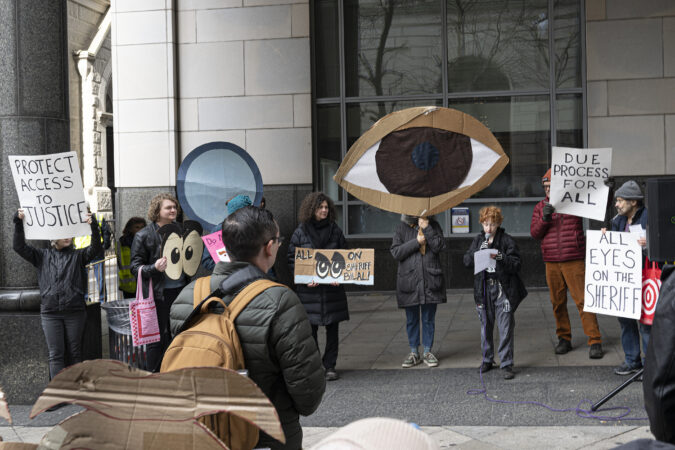
Activists rallied outside the Philadelphia Criminal Justice Center on Thursday to press their assertion that ICE has been allowed to turn the courthouse into “a hunting ground” for immigrants.
The noon demonstration crystalized months of contention between activists and lawyers who say the courthouse must be a place to seek and render justice ― not to target immigrants ― and federal authorities who insist that making arrests there is legal, safe, and sane.
No ICE Philly, the rally organizer, says agents have been enabled to essentially hang out at the Center City courthouse, waiting in the lobby or scouring the hallways, then making arrests on the sidewalks outside, a pattern they say has been repeated dozens of times since President Donald Trump took office in January.
“ICE is kidnapping immigrants who are obeying the law and coming to court,” said Ashen Harper, a college student who helped lead the demonstration, which targeted Sheriff Rochelle Bilal. “She is capitulating and cooperating with ICE.”
Many people who go to the courthouse, the group noted, are not criminal defendants ― they are witnesses, crime victims, family members, people dealing with alleged offenses like shoplifting or trespassing, and others who are already in diversionary programs.
Organizers said ICE has arrested about 90 people outside the courthouse since January, a dramatic increase over the previous year. And they pledged to return on Dec. 4 ― lugging a podium for Bilal so that, organizers said, she can explain changes she intends to make, including barring ICE.
The sheriff did not immediately reply to a request for comment Thursday.
Members of No ICE Philly rally outside the Criminal Justice Center on Thursday, calling on the sheriff to cut off Immigration and Customs Enforcement access to the building.
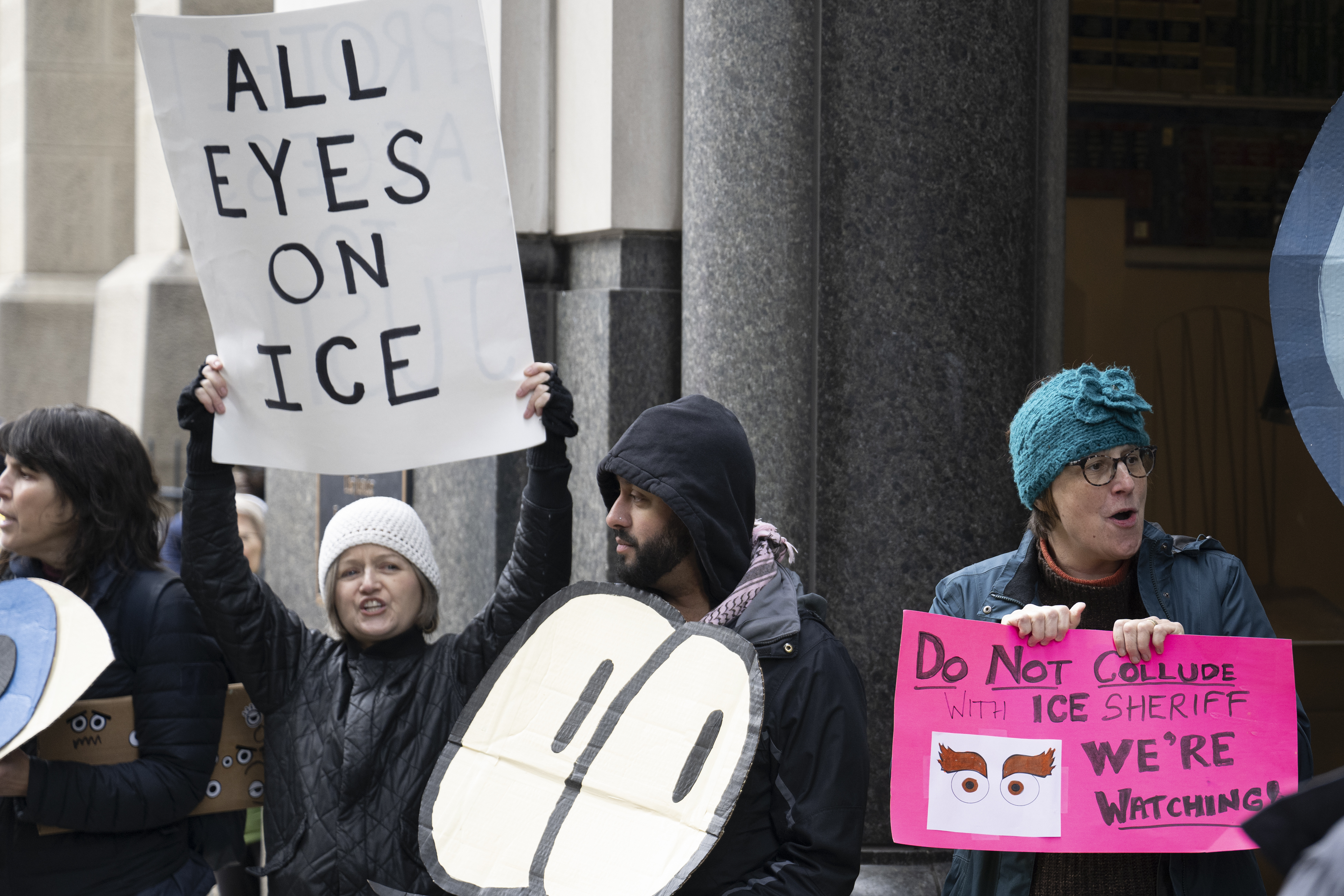
“We want to put the sheriff on notice that we’re watching,” said Aniqa Raihan, a No ICE Philly organizer. “We want to raise awareness of the fact … that ICE is using the courthouse as a hunting ground.”
As word of plans for the demonstration spread, Bilal issued a statement aimed at “addressing public concerns” around ICE activity.
“Let me be very clear: the Philadelphia Sheriff’s Office does not partner with ICE,” the sheriff said. “Our deputies do not assist ICE, share information, or participate in immigration enforcement.”
Deputies verify the credentials of ICE agents entering the courthouse ― and those agents are not permitted to make arrests in courtrooms or anywhere else inside, she said.
Raihan and other advocates say that is no protection. ICE agents linger in the lobby, they said, then follow their target outside and quickly make the arrest.
A police department spokesperson said at the time that the Spanish-speaking officer offered to walk with the man to help translate, but did not detain him. The Defender Association of Philadelphia and others questioned how the incident squared with the city’s sanctuary policies.
U.S. Immigration and Customs Enforcement officials in Philadelphia did not reply to a request for comment.
On Thursday, about 40 demonstrators gathered outside the courthouse, chanting and singing under the watchful eye of city police officers and sheriff’s deputies. No ICE agents were visible. Protesters carried signs to indicate that they, too, were watching, raising colorful cardboard eyeballs, eyeglasses, and magnifiers.
Lenore Ramos, the community defense organizer with the Juntos advocacy group, called on the sheriff and city government officials to protect immigrants at the courthouse. Proclaiming Philadelphia a welcoming city, she said, is not just a slogan ― it’s a promise, one that local government must fulfill.
“The city is not standing behind our immigrant communities,” Ramos said. “It is walking all over them.”
In an interview earlier this week, Whitney Viets, an immigration counsel at the Defender Association, said ICE agents are at the courthouse almost every day, and arrests occur there almost daily.
The government does not publicly release data detailing where most immigration arrests occur, but Viets estimated that dozens of arrests have taken place at the courthouse since the start of the year. Masked plainclothes agents are seen outside the building, in the lobby, in courtrooms, and in hallways, she said.
“Agents are effectively doing enforcement in the courthouse, through identification,” she said.
She explained that agents may identify a person they are seeking in or near a courtroom, then either follow them outside or alert other agents who are already waiting on the sidewalk.
It is unclear where ICE is obtaining information on who will be at the courthouse on any particular day, although some details about ongoing criminal cases are available in public records.One result of ICE enforcement, she said, is people are afraid to come to court.
“This is about whether our justice system operates effectively,” Viets said. “The actions of ICE have gotten brazen. … What we need at this time is public engagement against this activity.”
No ICE Philly decried “kidnappings” by the agency and demanded the sheriff “protect everyone inside and outside the courthouse,” including “immigrants targeted by ICE as well as citizens observing and documenting ICE arrests.”
The Philadelphia Sheriff’s Office is in charge of courthouse security. However, Bilal said in her statement, her office has no authority to intervene in lawful activities that are conducted off the property.
“Inside the courthouse, everyone’s rights and safety are protected equally under the law,” she said. “We are law enforcement professionals who follow the law.”
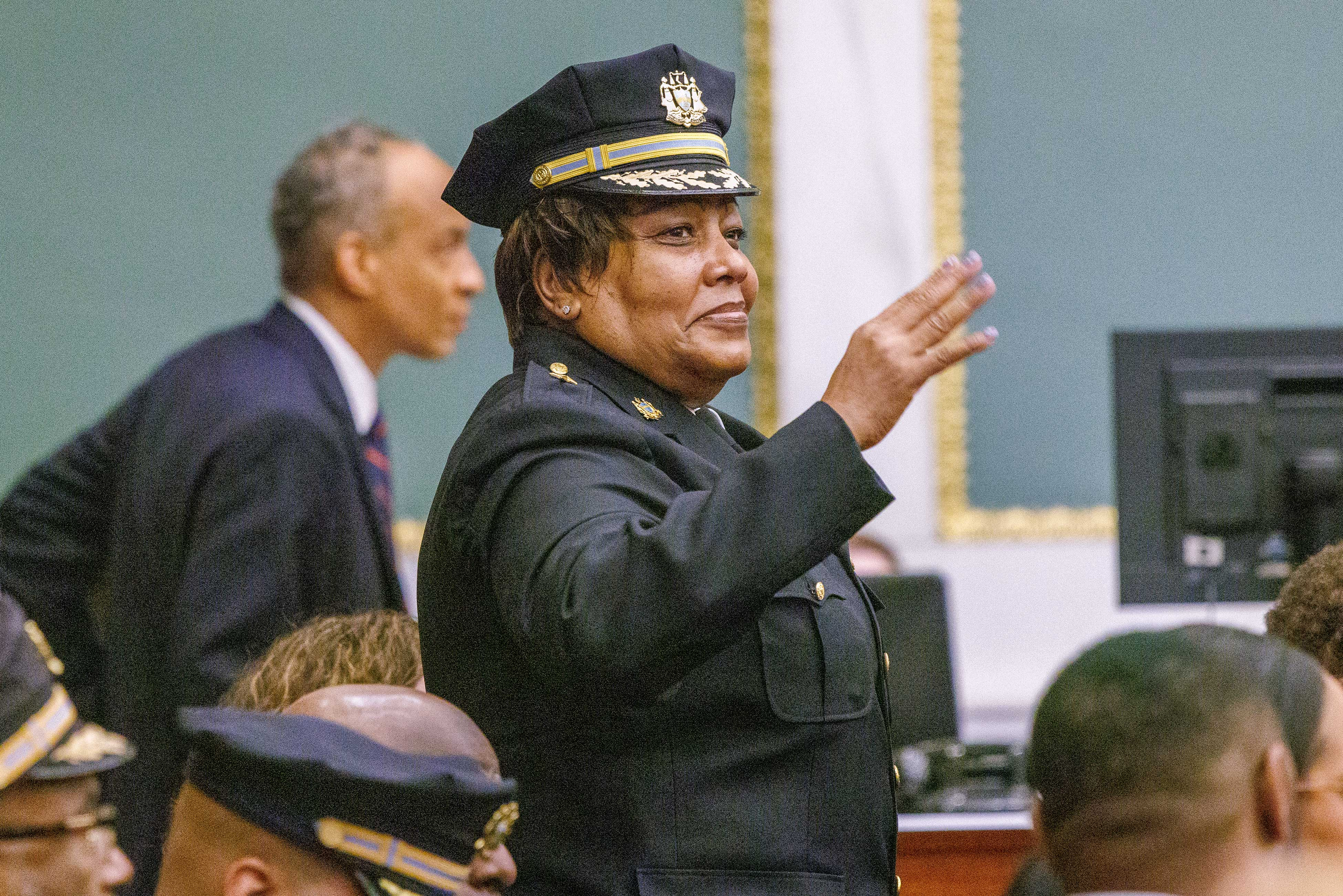
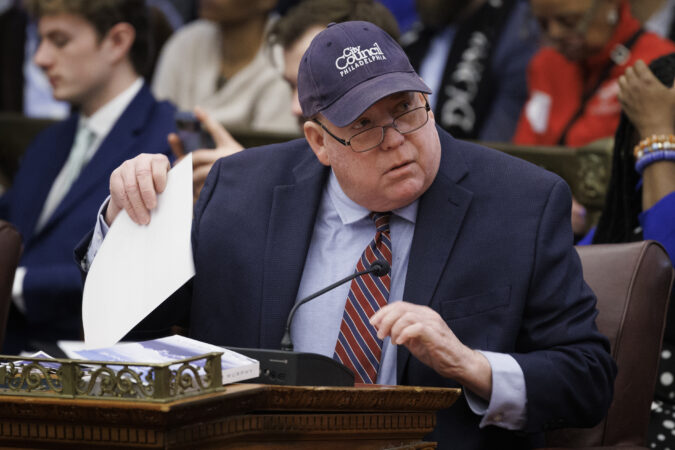
Philadelphia Sheriff Rochelle Bilal stands to be recognized at City Hall in March.
In Philadelphia and places around the country, courthouses have become disputed locales as the Trump administration pursues ever-more-aggressive arrest and deportation policies.
Under President Joe Biden, limits were set on what ICE could do at courthouses. Agents were permitted to take action at or near a courthouse only if it involved a threat to national security, an imminent risk of death or violence, the pursuit of someone who threatened the public safety, or a risk of destruction of evidence.
Even then, advocacy groups accused ICE of violating the policy by arresting people who were only short distances from courthouses.
The Biden restrictions on ICE vanished the day after Trump took office.
The new guidance said agents could conduct enforcement actions in or near courthouses ― period. The only conditions were that agents must have credible information that their target would be present at a specific location and that the local jurisdiction had not passed laws barring such enforcement.
The guidance said that, to the extent practicable, ICE action should take place in nonpublic areas of the courthouse and be done in collaboration with court security staff. Officers should generally avoid making arrests in or near family or small-claims courts.
The Department of Homeland Security said that the Biden administration had “thwarted law enforcement” from doing its job, that arresting immigrants in courthouses is safer for agents and the public because those being sought have passed through metal detectors and security checkpoints.
“The ability of law enforcement to make arrests of criminal illegal aliens in courthouses is common sense,” Assistant Secretary Tricia McLaughlin said earlier this year. “It conserves valuable law enforcement resources because they already know where a target will be.”
Philadelphia city officials have said repeatedly that they do not cooperate with ICE, and that the sanctuary city policies created under former Mayor Jim Kenney remain in place under Mayor Cherelle L. Parker.
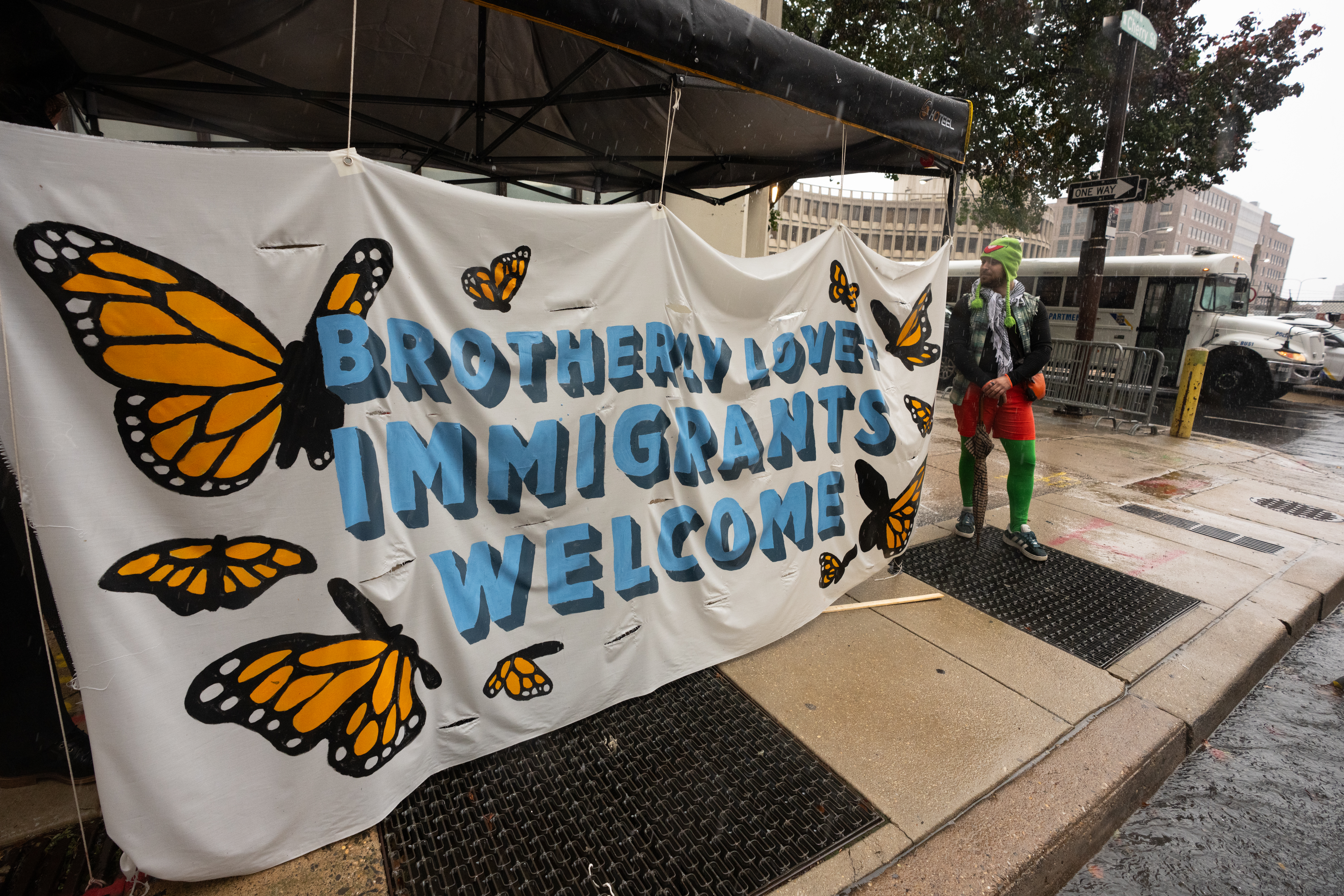
Protesters Elias Siegelman, right, with No Ice Philly, who also works with the groups Indivisible, Jewish Voice for Peace, and Progressive Victory, outside the ICE office, in Philadelphia on Oct. 30.
Nationally, 10 months into the Trump administration, some Democratic jurisdictions are acting to tighten ICE access at courthouses.
In Connecticut this month, state lawmakers passed a bill to bar most civil immigration arrests at courthouses, unless federal authorities have obtained a signed judicial warrant in advance.
The Senate bill, already approved by the House, also bans law enforcement officers from wearing face coverings in court, Connecticut Public Radio reported. Democratic Gov. Ned Lamont is expected to sign the measure.
Last month in Chicago, which has faced weeks of controversial immigration enforcement, the top Cook County judge barred ICE from arresting people at courthouses. That came as federal agents stationed themselves outside courthouses, drawing crowds of protesters, CBS News reported.
On Monday, a federal judge dismissed a Trump administration challenge to a New York law that barred the immigration arrests of people going into and out of courthouses. New York passed the Protect Our Courts Act in 2020, during Trump’s first term, a law the administration said had imposed unconstitutional restrictions on enforcement, the Hill reported.
The Thursday rally marked the third recent protest by No ICE Philly, which seeks to stop agency activity in the city. The organization’s Halloween Eve demonstration outside the ICE office erupted into physical confrontations with police, with several people pushed to the ground and four arrested.
The arrests came after some demonstrators attempted to stop ICE vehicles from leaving the facility at Eighth and Cherry Streets.
No ICE Philly organizers said Thursday that they will continue to scrutinize ICE activity at the courthouse.
“There are people watching. We have eyes on this,” Raihan said, adding that ICE is “allowed to hang in the lobby, sometimes in the courtrooms.”
“Somehow they seem to know when somebody vulnerable is in the courthouse. … We’re concerned with how they’re finding out that information.”
Philadelphia-based independent contractors and others who are self-employed could soon become exempt from paying certain business taxes as part of a measure aimed at easing tax burdens on small businesses.
City Councilmember Mike Driscoll, a Democrat who represents parts of Northeast Philadelphia, introduced legislation Thursday to carve out entrepreneurs, sole proprietorships, and businesses that have only one employee from having to pay the city’s business income and receipts tax, commonly known as BIRT.
Also on Thursday, members floated legislation to address the rising cost of water bills and introduced a bill to make it easier for restaurants to secure outdoor dining permits.
What was the meeting’s highlight?
Relief for the small(est) businesses: The bill is likely to find support in Council, where lawmakers have been searching for ways to provide relief to small businesses after earlier this year eliminating a popular tax break that allowed companies to exclude their first $100,000 in income from business taxes in Philadelphia.
That exemption effectively meant that thousands of small businesses did not have to pay the tax. However, Mayor Cherelle L. Parker’s administration in June successfully moved to eliminate the exemption, saying the city was likely to lose a court battle over the matter.
The change came after a medical device manufacturer sued the city, saying the exemption violated state law, which includes a “uniformity” clause that prohibits municipalities from creating different classes of taxpayers.
Now, thousands of businesses newly have to pay the BIRT beginning with 2025 tax bills that are due in April. If Driscoll’s measure is adopted, it would begin in the 2026 tax year, meaning that eligible business owners would see the exemption when paying taxes due in April 2027.
He said the legislation addresses concerns from small businesses that the impending tax bills will be financially unsustainable for them.
“A $50,000 business should not face a $3,200 tax hike,” Driscoll said. “That is not policy. That is displacement.”
Driscoll said that the city’s law department approved his legislation and that he is confident it does not violate the uniformity clause.
What else happened this week?
Making water more affordable: Council will consider a package of legislation to address rising water bills. Councilmember Jamie Gauthier of West Philadelphia introduced three measures:
A bill that expands eligibility for payment assistance programs to people who earn up to 300% of the federal poverty level. (This year, the FPL is $32,150 for a family of four.) There is currently a tiered assistance structure for people who earn up to 250%.
A bill requiring that the city reduce a resident’s water bill if it rose because of a water meter failure that lasted more than a year.
A resolution to hold hearings on whether lawmakers can expand assistance programs to renters. The Philadelphia Water Department does not allow bills to be in renters’ names.
A spokesperson for Gauthier said the package of legislation has 10 cosponsors — a majority of Council — making it likely to pass.
Parker opposes incineration ban: A Council committee on Monday advanced a bill to ban the city from incinerating trash, over the objections of Parker’s administration.
Currently, the city sends about two-thirds of the trash it collects to landfills and one-third to a waste-to-energy incinerator in Chester operated by Reworld, formerly known as Covanta.
Both of those contracts expire June 30, and Gauthier wants to prohibit the Parker administration from signing a new deal.
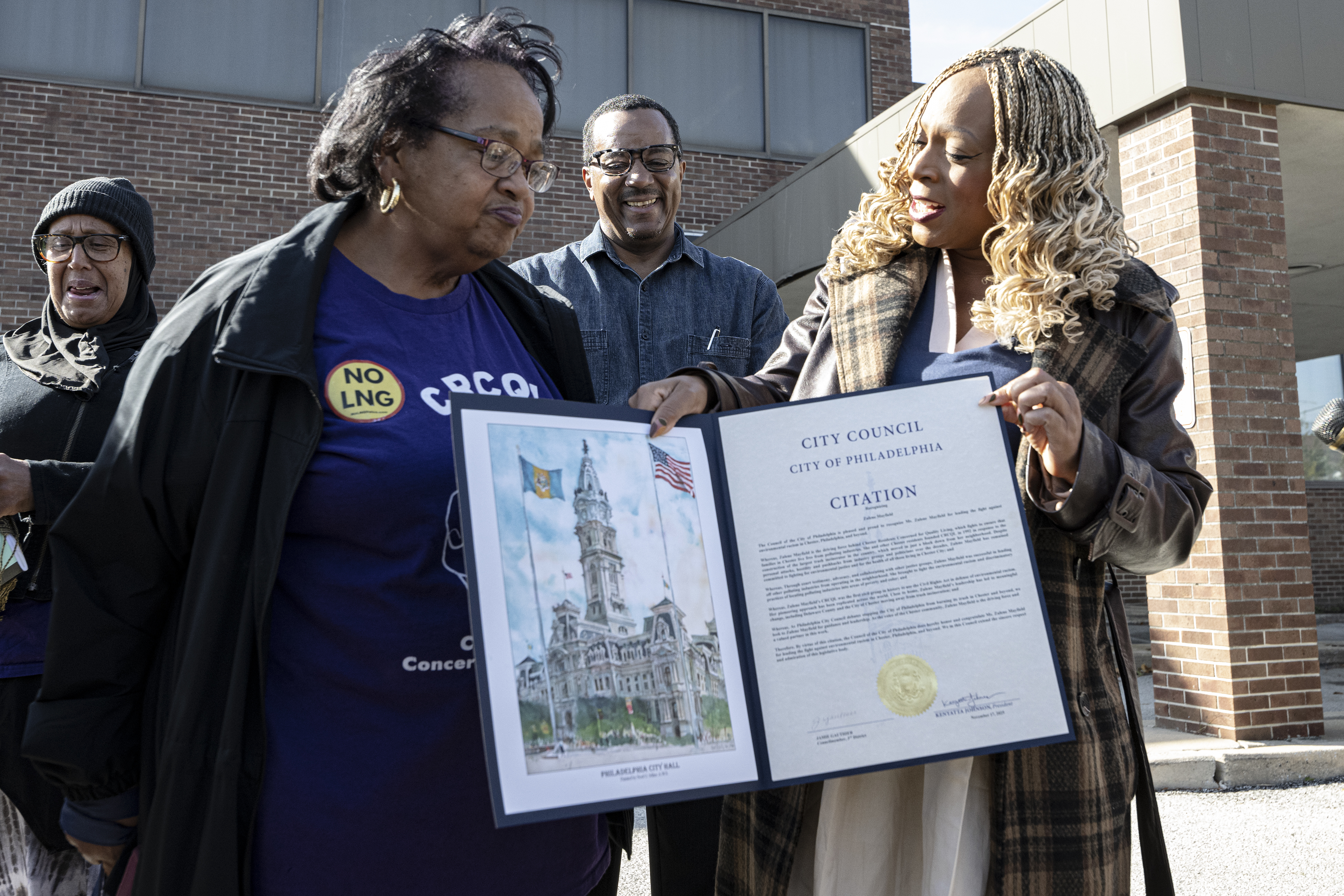
Chester resident Zulene Mayfield, left, Philadelphia Councilmember Jamie Gauthier, right, and Chester Mayor Stefan Roots meet to discuss Gauthier’s “Stop Trashing Our Air Act,” which would ban the city from incinerating waste, during a visit with lawmakers and staff in Chester, Pa., on Friday, Nov. 7, 2025.
On Monday, Chester officials pleaded with Philly to end its relationship with the facility, saying it contributes to high rates of illness.
Reworld defended its record, saying it exceeds government regulations.
Carlton Williams, who leads the Philadelphia Office of Clean and Green Initiatives, asked lawmakers to hold off approving a ban on incineration to allow the city time to study the issue.
But the committee approved the measure, sending it to the full Council for a vote as early as Dec. 4.
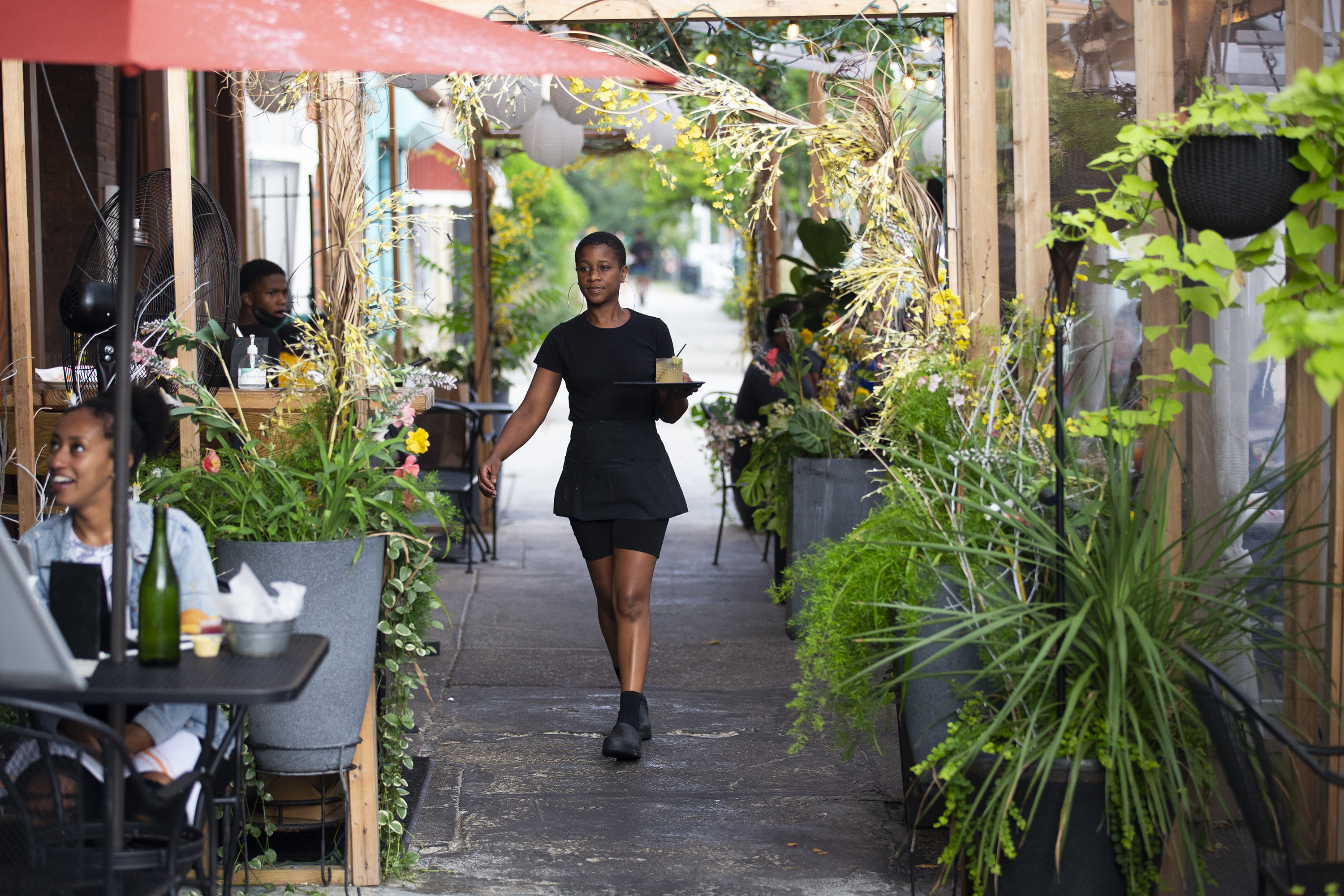
The outdoor dining area at Booker’s Restaurant and Bar at 5021 Baltimore Ave. in 2021.
Councilmember Rue Landau, who represents the city at-large, said it can take more than a year and a half for restaurants to get licensed if they are not in areas around Center City and a handful of commercial corridors in other neighbors.
Beyond those locations, restaurants must get their district Council person to sponsor zoning legislation, which can take months.
Landau introduced legislation Thursday to expand the “by-right” areas where sidewalk cafes can exist without special zoning. Where the areas are expanded to will be up to district Council members.
Quote of the week
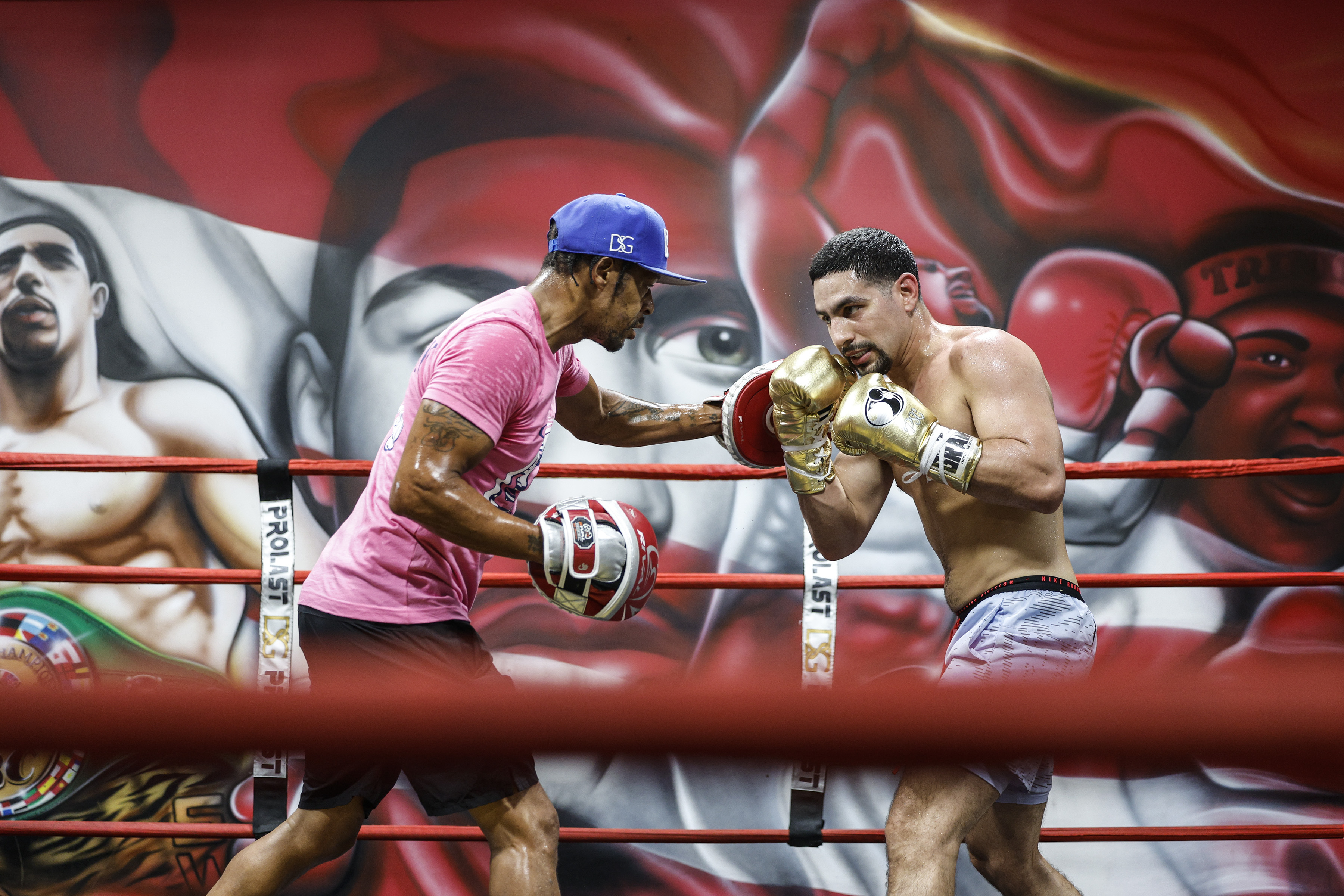
Danny Garcia trains for an upcoming fight in August 2024.
All in the family: Council members on Thursday honored boxer Danny Garcia, a North Philly native and an illustrious fighter who is retiring from the sport. He appeared in Council chambers to thank members and tell the city how much he loves it back.
Staff writers Jake Blumgart and Beatrice Forman contributed to this article.
Art matters. And because it does, artists and art institutions have been targets of authoritarian regimes from Red Square to Tiananmen Square. Black Lives Matter Plaza, located near the White House, was removed in March. That same month, President Donald Trump issued an executive order targeting the Smithsonian Institution and interpretive signs at National Park Service sites, including the President’s House.
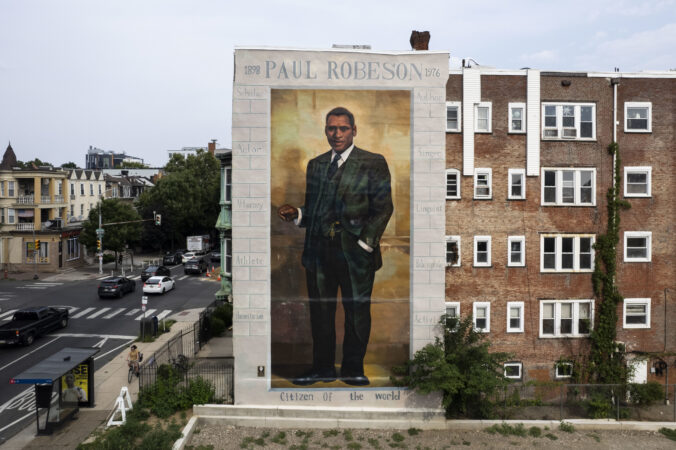
Paul Robeson, athlete, singer, actor, and human rights activist, lived his final years in West Philadelphia. At a protest rally in London in 1937, Robeson said: “The artist must elect to fight for freedom or for slavery. I have made my choice. I had no alternative.”
With democracy nowunder assault, “Fall of Freedom,” a national artist-led protest, hasissued a call for creative resistance, of actions against authoritarian control and censorship, to take place in venues nationwide beginning Friday.
“Fall of Freedom is an urgent reminder that our stories and our art are not luxuries, but essential tools of resistance,” Pulitzer Prize-winning playwright Lynn Nottage wrote in a statement. “When we gather in theaters and public spaces, we are affirming our humanity and our right to imagine a more just future.”
Creative resistance is as American as apple pie, and this city is, after all, the birthplace of our democracy.
The political cartoon “Join, or Die,” published in 1754 in the Pennsylvania Gazette, became a symbol of the American Revolution and stoked public opinion against Britain.
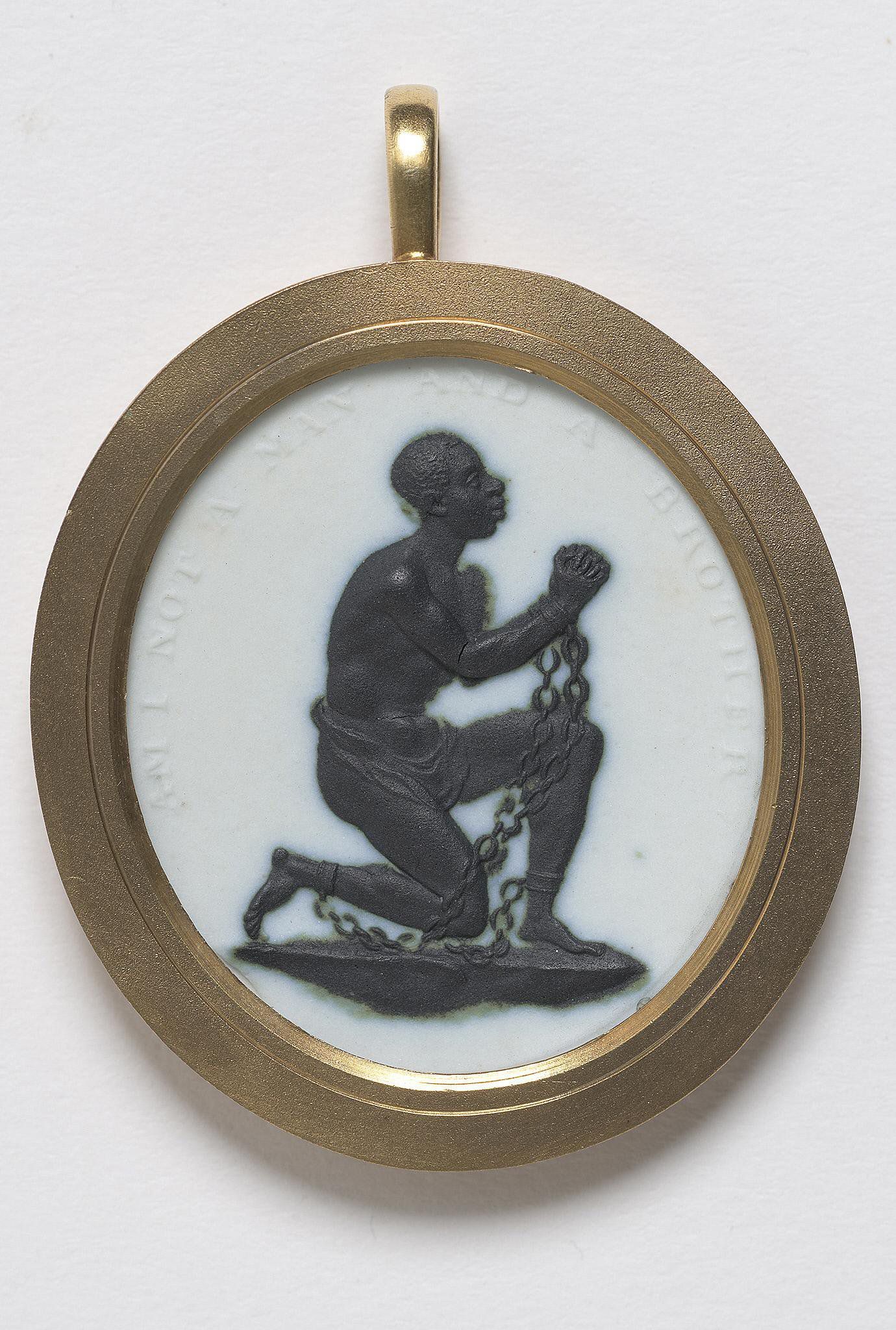
During his tenure as president of the Pennsylvania Abolition Society, Benjamin Franklin helped distribute Josiah Wedgwood’s anti-slavery medallion “Am I Not a Man and a Brother.” In a letter to Wedgwood, Franklin wrote, “I am persuaded [the medallion] may have an Effect equal to that of the best written Pamphlet in procuring favour to those oppressed people.”
Wedgewood medallion with the words “Am I not a man and a brother” in relief along the edge, ca. 1780s, from the collection of the Philadelphia Museum of Art. The museum’s education materials on the medallion stipulate that it was “modeled by William Hackwood and fabricated by Josiah Wedgwood in England in 1787 for the Society for Effecting the Abolition of the Slave Trade, this medallion functioned as a potent political emblem for promoting the abolition of slavery. It reached the United States in 1788, when Wedgwood sent a batch to Philadelphia for former enslaver and ‘cautious abolitionist’ Benjamin Franklin to distribute.”
And indeed it did. Wedgwood’s engraving became the iconic image of the anti-slavery movement. It was printed on broadsides, snuffboxes, decorative objects, and household items. Abolitionist art was part of domestic life in Philadelphia.
The American Anti-Slavery Society, whose founding members included Philadelphians James Forten, Lucretia Mott, and Robert Purvis, commissioned a copper token featuring a related “Am I Not a Woman and a Sister” design. Proceeds from the sale of the token were used to fund the abolition movement.
Abolitionists used art to create a visual language of freedom. Artists created illustrations and paintings that showed “how bad slavery was.” There were theatrical performances and public readings of Harriet Beecher Stowe’s Uncle Tom’s Cabin, the best-selling novel of the 19th century.
Robert Douglass Jr. studied at the Pennsylvania Academy of the Fine Arts. He is considered Philadelphia’s first African American photographer. Active with the National Colored Conventions movement, Douglass created a counternarrative to derogatory racial stereotypes. His daguerreotype of Francis “Frank” Johnson, a forefather of jazz, is in the collection of the Historical Society of Pennsylvania.
On the heels of the Jazz Age, a group of religious activists formed the Young People’s Interracial Fellowship in North Philadelphia in 1931. The fellowship brought together Black and white congregations for dialogue, cultural exchange, and joint activism.
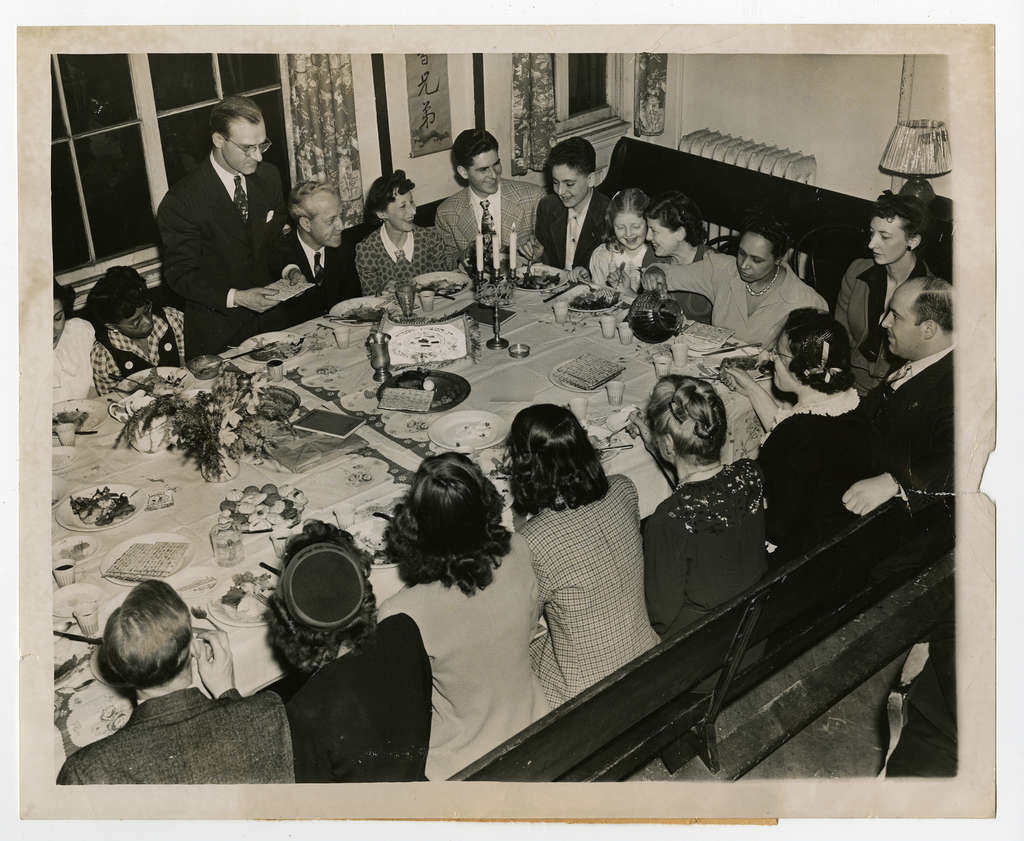
A 1944 seder at Fellowship House.
In 1941, the organization evolved into Fellowship House, whose mission was to resist racial discrimination through education, cultural programs, and community organizing.
Notable cultural figures who spoke at Fellowship House include Marian Anderson, Dave Brubeck, and Robeson. In April 1945, seven months before the release of the short film The House I Live In, Frank Sinatra, the film’s star, stopped by Fellowship House to speak about the importance of racial tolerance. He told the young people that “disunity only helps the enemy.”
The film’s title song, an anti-racism patriotic anthem, became one of Sinatra’s signature songs.
Abel Meeropol, an educator, poet, and songwriter, composed both the film’s title song, “The House I Live In,” and the anti-lynching poem and song, “Strange Fruit,” which would become inextricably associated with one of Philadelphia’s jazz greats.
Born on April 7, 1915, at Philadelphia General Hospital in West Philly, Billie Holiday, née Eleanora Fagan, is one of the greatest jazz singers of all time.
No artist has met the moment with more courage than Lady Day, whose 1939 recording of “Strange Fruit” was named song of the century by Time magazine in 1999, and was added to the National Recording Registry in 2002.
“Strange Fruit” is a timeless and empowering act of creative resistance.
While Holiday is sui generis, jazz musicians were the vanguard of the civil rights movement.
At so-called black and tan clubs like the Down Beat and the Blue Note, Black and white people intermingled on an equal basis for the first time.
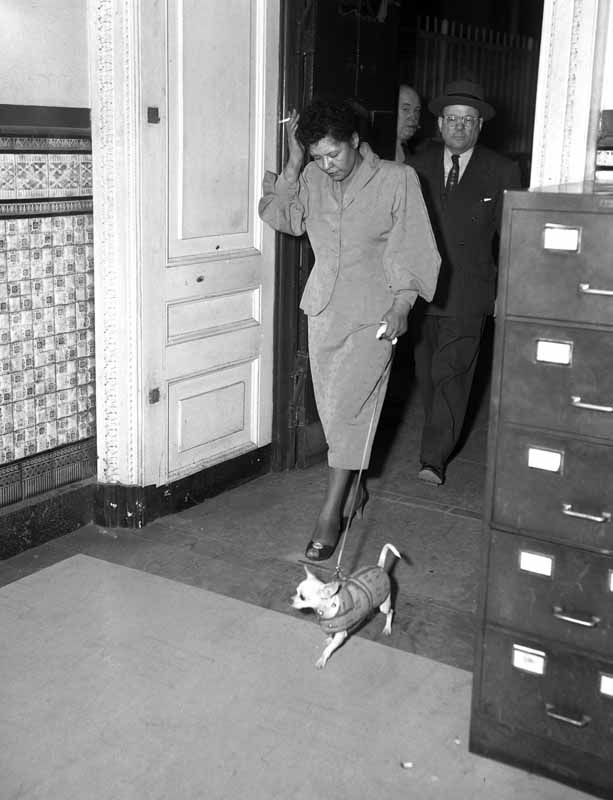
Billie Holiday leaving City Hall in 1956 after her release following a drug bust. Police Capt. Clarence Ferguson walks behind her.
Jazz clubs were constantly harassed by Philadelphia police led by vice squad Capt. Clarence Ferguson and his protégé, Inspector Frank Rizzo. The nightspots became battlegrounds in the struggle for racial justice. Jazz musicians’ unbowed demeanor fashioned a new racial identity.
In remarks to the 1964 Berlin Jazz Festival, the Rev. Dr. Martin Luther King Jr. riffed on the importance of jazz and the jazz culture. He observed: “It is no wonder that so much of the search for identity among American Negroes was championed by jazz musicians. Long before the modern essayists and scholars wrote of racial identity as a problem for a multiracial world, musicians were returning to their roots to affirm that which was stirring within their souls.”
“Much of the power of our Freedom Movement in the United States has come from this music,” he added. “It has strengthened us with its sweet rhythms when courage began to fail. It has calmed us with its rich harmonies when spirits were down.”
At a time when our constitutional rights are being trampled and American history is being whitewashed, I am answering “Fall of Freedom’s” call — as a cultural worker and as a Philadelphian.
Under the “Fall of Freedom” banner, and in collaboration with Scribe Video Center, I will lead a walking tour of Holiday’s Philadelphia.
We will trace her footsteps through Center City and South Philly. We will visit the clubs where she sang, the hotels where she stayed, and the site of the jazz club immortalized in the Tony Award–winning play Lady Day at Emerson’s Bar and Grill. Along the way, we will also highlight places connected to Robeson.
Courage is contagious. When we gather on South Broad, we are the resistance.
Faye Anderson is the founder and director of All That Philly Jazz, a place-based public history project. She can be contacted at phillyjazzapp@gmail.com.
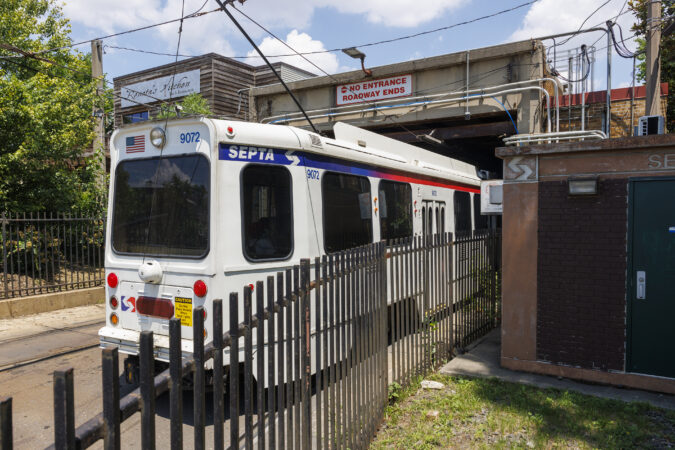
Philadelphia’s trolley tunnel has been closed for most of the last two weeks as SEPTA contends with glitches in the connection between the overhead catenary wires and the pole that conducts electricity to the vehicle.
The tunnel will remain closed at least until next week for repairs, and city trolleys will operate from West Philadelphia. Riders can take the Market-Frankford El to get to and from Center City to 40th and Market Streets.
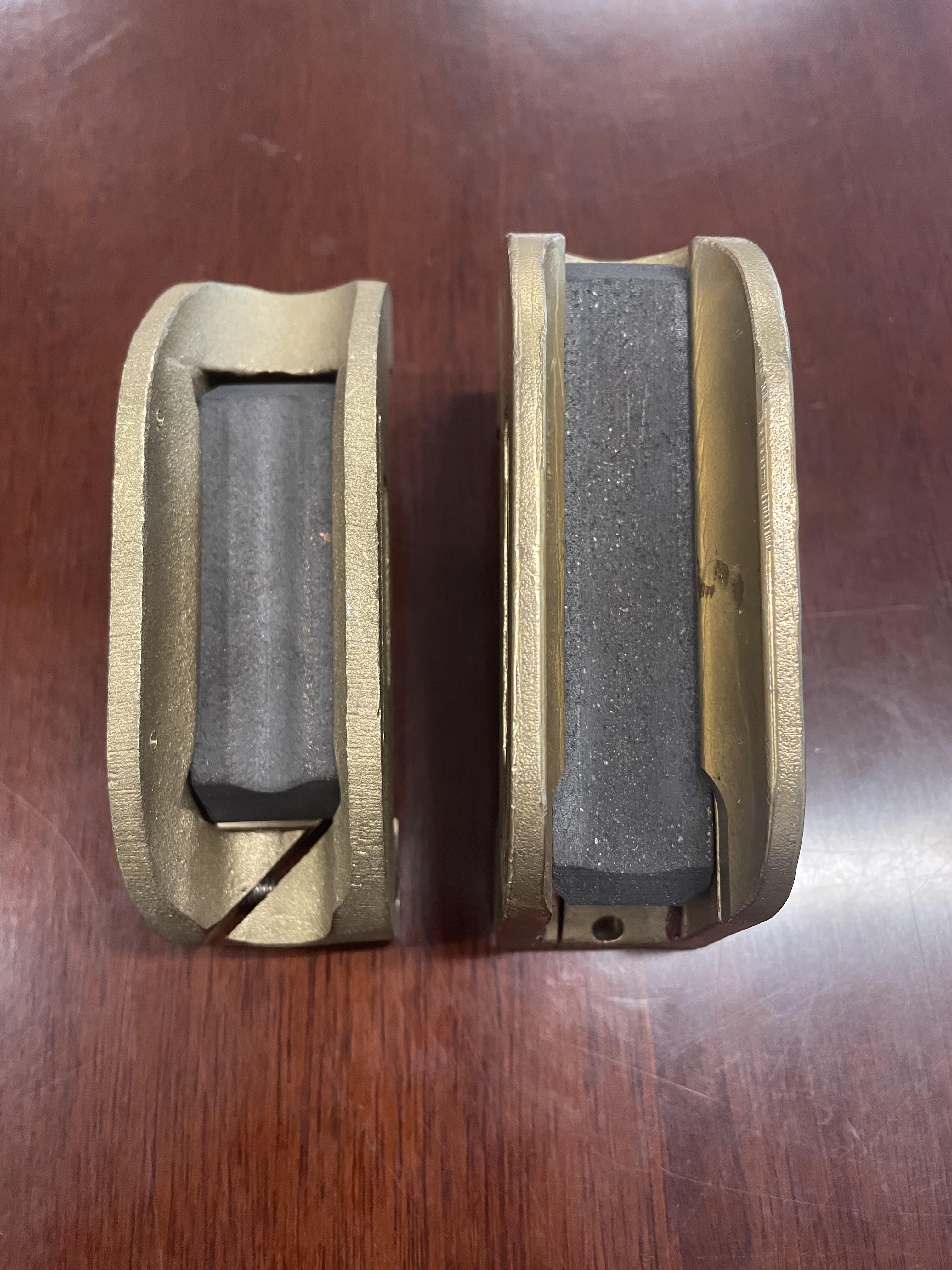
At issue is a U-shaped brass part called a slider that carries carbon, which coats the copper wires above that carry electricity.
“There’s a lot of friction and heat. The carbon acts as a lubricant,” said John Frisoli, deputy chief engineer for SEPTA.
A 3-inch slider (left) and a 4-inch slider, which coats electric-powered wires with carbon to reduce friction. When they fail, trolleys are stranded.
Earlier in the fall, SEPTA replaced 3-inch sliders with 4-inch models in an effort to reduce maintenance costs, but the carbon in the longer units wore out sooner than they should have, causing metal-on-metal contact between the trolley and the copper wires.
Soon after, there were two major incidents when trolleys were stranded in the tunnels. On Oct. 14, 150 passengers were evacuated from one vehicle and 300 were evacuated from a stalled trolley on Oct. 21.
SEPTA went back to the 3-inch sliders.
On Nov. 7, SEPTA shut down the tunnel to deal with the issue, which had cropped up again, then reopened it on the morning of Nov. 13, thinking it was solved. But it discovered further damage to the catenary system and the tunnel was closed at the end of the day.
“It’s just unfortunate that we’re dealing with the damage that decision caused,” said Kate O’Connor, assistant general manager for engineering, maintenance, and construction.
The transit agency is running test trolleys and has found minimal wear of the wires rather than the extensive wear earlier, O’Connor said. Her department is working on a plan to replace wires by sections and will continue test runs until it’s determined the tunnel is safe for passenger traffic again, she said.
“We have far more traffic in the tunnel than on the street — all five routes use it — and the overhead system there is more rigid,” O’Connor said.
Trolleys have been unaffected traveling on the street. Jason Tarlecki, acting chief deputy engineer for power, said that the wires have “a lot more upward flexibility to absorb the shock,” he said, leading to less friction.
The Federal Transit Administration on Oct. 31 ordered SEPTA to inspect the overhead catenary system along all its trolley routes.
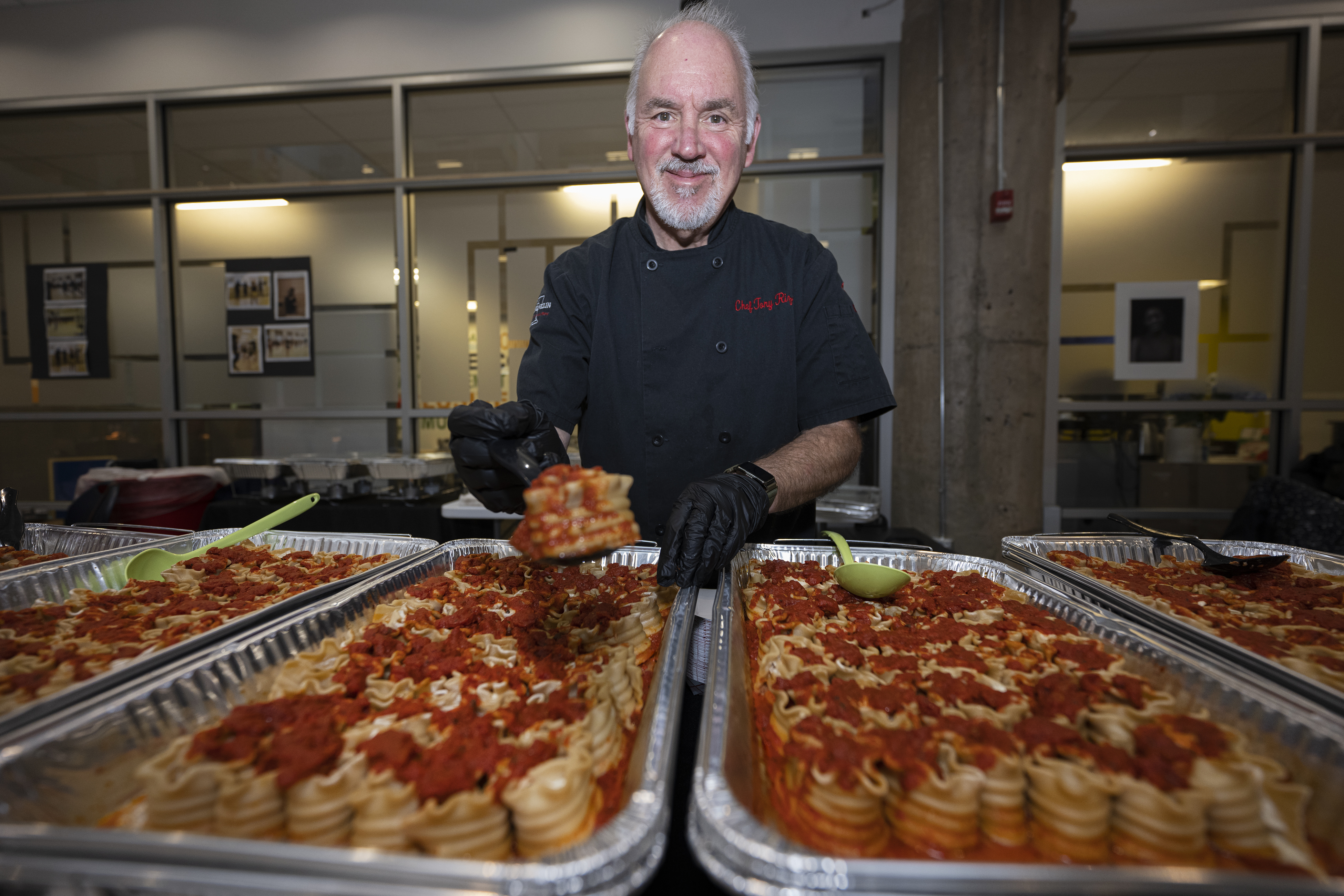
An array of dishes were set out for the critics — whole-wheat lasagna rollups, veggie samosas, cheeseburger bites with dill pickle ketchup.
The jurists did not hold back.
“That’s bussin’,” one student said of the lasagna, indicating his approval of the dish.
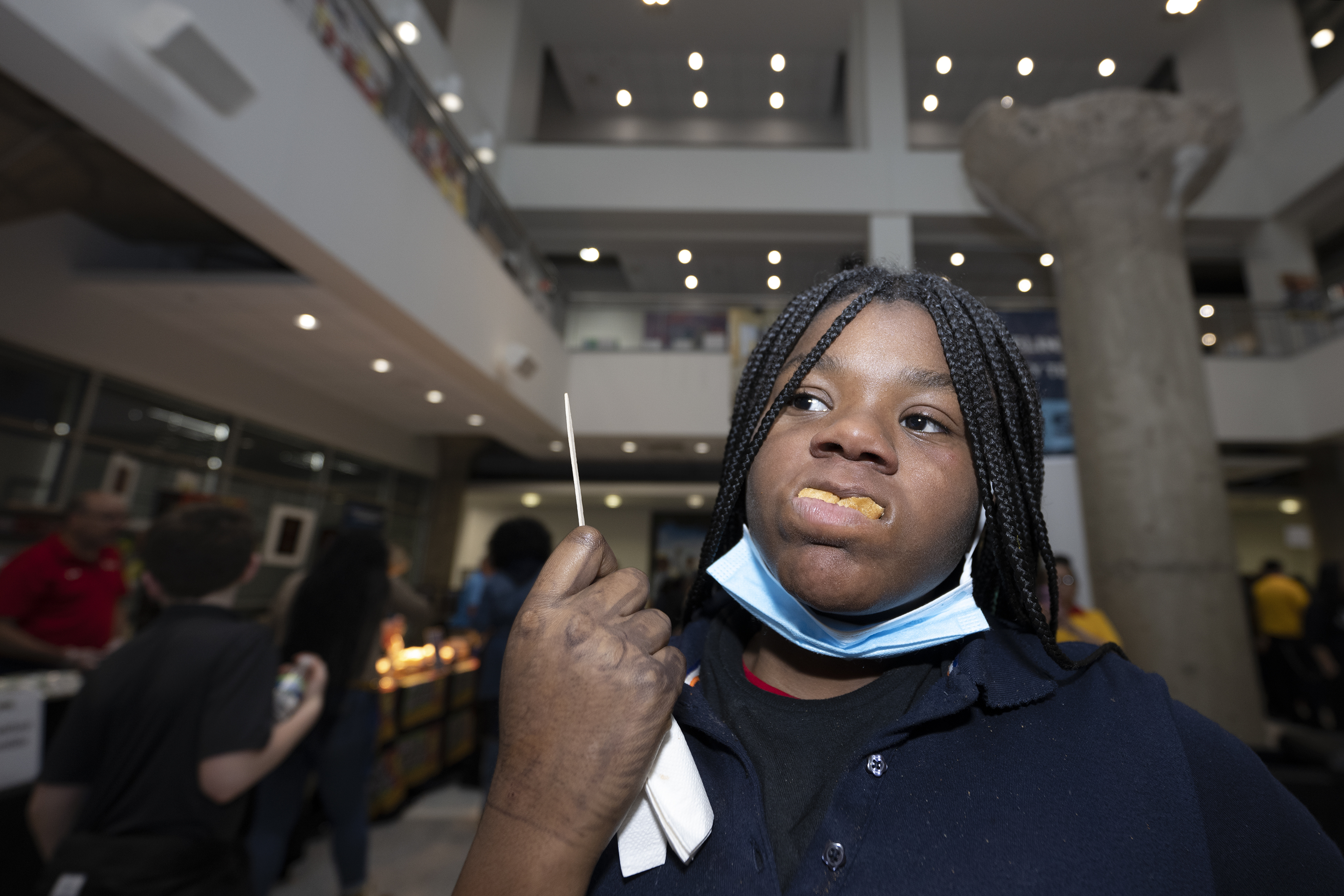
Semia Carter, a student at Crossroads Academy, tastes a burger bite while taste testing potential school lunch food on Wednesday at at Philadelphia School District headquarters.
“Mid,” another commented on the cheeseburger dish, shrugging his shoulders to emphasize how very mediocre it was.
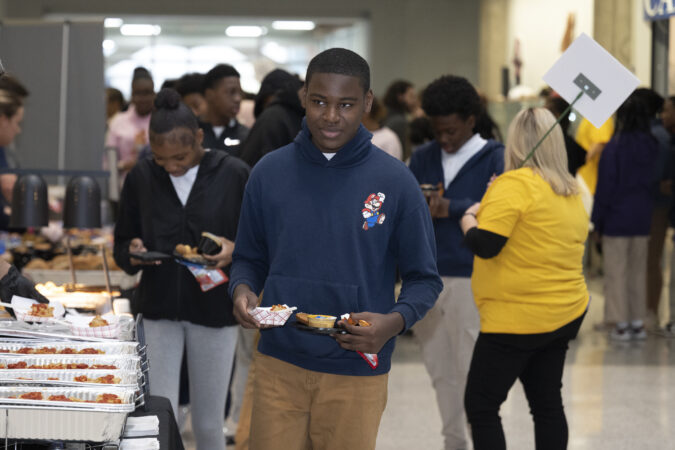
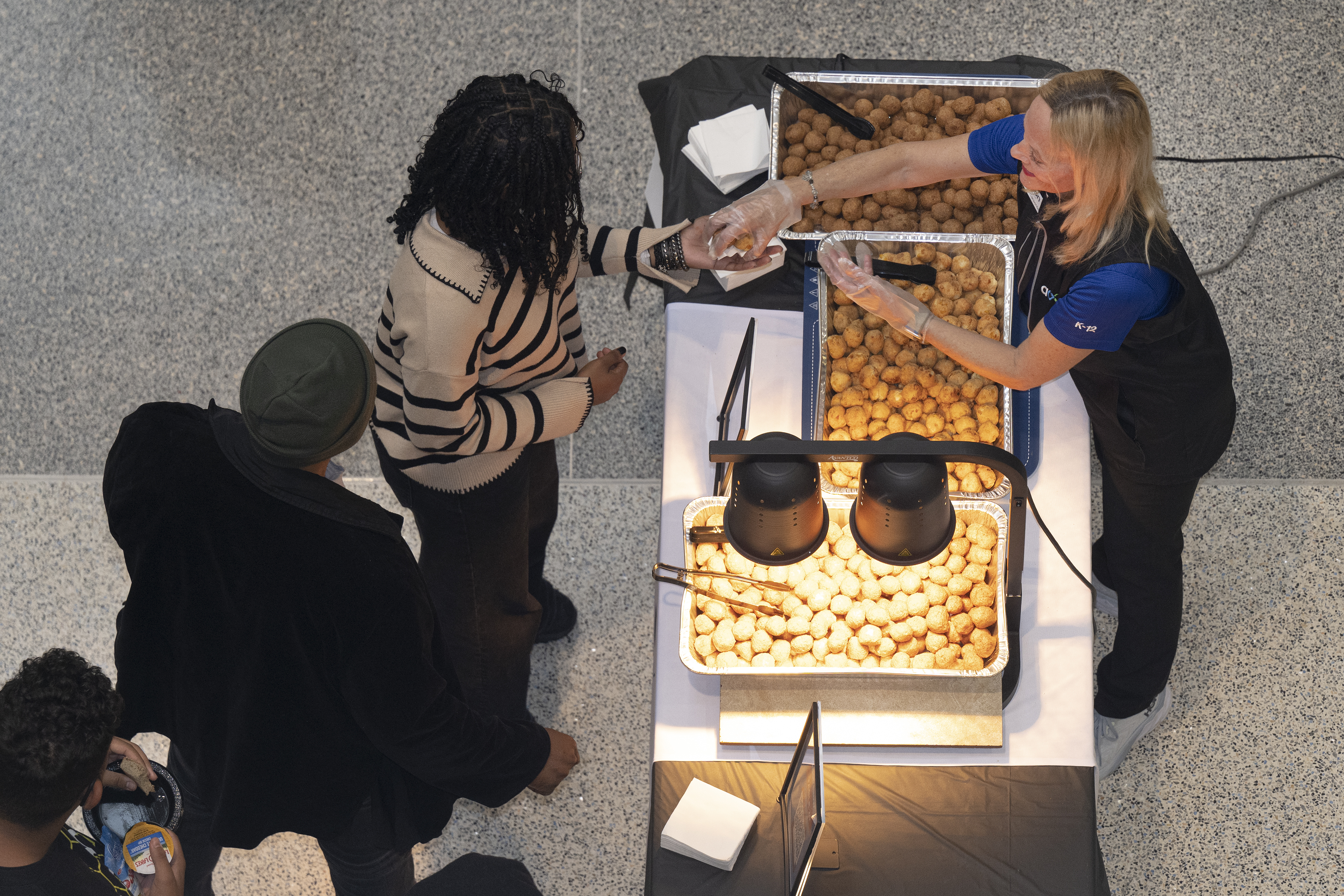
Hundreds of city students descended on Philadelphia School District headquarters Wednesday for a food show — their chance to weigh in on dishes that might show up on their school breakfast and lunch plates next year. Thirty-three manufacturers showed off 55 products not yet in district cafeterias, from whole-grain onion rings to turkey sausage bites.
It’s one of the biggest days of the year for Lisa Norton, the district’s executive director of food services.
“We give the students voice to select the menu that they will eat every day,” Norton said. “It’s the dietary fuel that students need to learn.”
Norton knows her critics won’t hold back. She was prepared for that.
“They will tell the vendors, ‘We don’t like this,’” she said. “But that’s what we need. We want to buy food they’ll eat.”
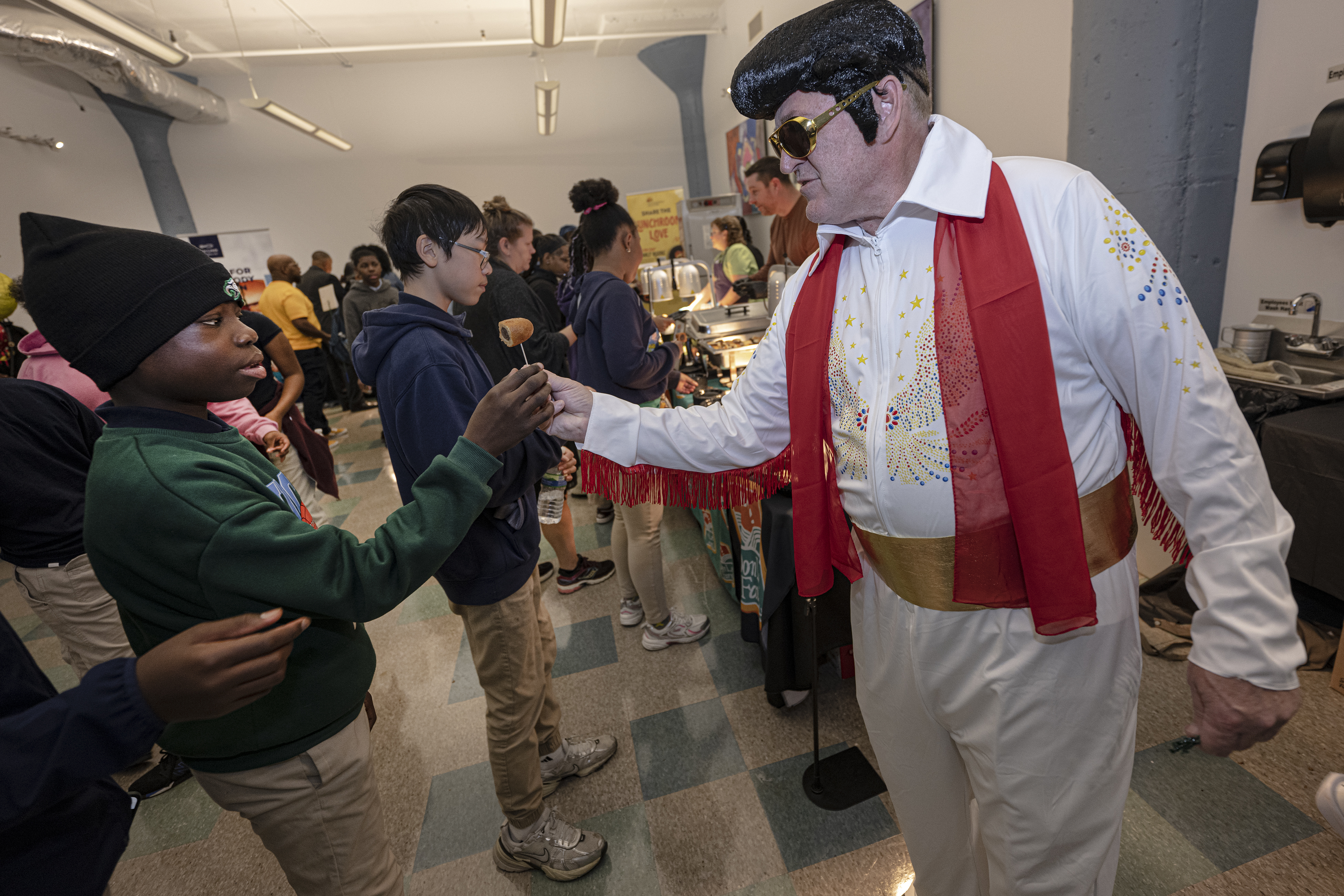
All around Norton, students scoped out offerings, tasted things that looked good, then recorded their thoughts after scanning QR codes on their phones. At one station, a man dressed as Elvis danced and encouraged students to try more.
Three friends from Hancock Elementary in the Northeast said everything they tried was “really good” — an improvement from the food offered in their cafeteria now. (Though Philadelphia is a “universal feeding” district, so every student receives free breakfast and lunch regardless of income, the Hancock students were like most who spoke to The Inquirer — they said they eat school food only sometimes, preferring to bring lunch from home most days.)
“Sometimes it’s mystery mush,” sixth grader Alina Leone said of current school food offerings.
“Sometimes it’s not bad,” said her classmate Calie Sharpe.
“There’s pizza almost every day,” said Aislee Blaney, another Hancock friend.
Havyn Nelson, a seventh-grade student at Lingelbach Elementary in Germantown, found the brownie bars and the taco meat tasty.
Peyton Sanders, Havyn’s classmate, scrunched her nose when asked to describe the dishes her school offers now.
“It’s prison food,” Peytonsaid.
Jannette Carpentier of Acxion Foodservice serves Southern hush puppies to students during a taste test at the Philadelphia School District headquarters on Wednesday.
Angelo Valvanis, who works for the company Grecian Delight, offered students beef gyro with what he marketed as “white sauce” — tzatziki sauce. His firm has dishes that students in Chicago, Detroit, and New York eat, and it was hoping to break into Philly.
“You guys ever get gyro from food trucks? It’s really good. You know, the meat that turns, and you cut it with a knife? It’s from Greece,” Valvanis said.
The idea of school lunch still conjures the image of tasteless, lukewarm, floppy food — hot dogs, pizza, chicken nuggets — but school meals have changed, Valvanis said.
“These kids are much more open,” he said. “They all see these things on YouTube.”
In front of him, a group of students nodded.
Gabby Swaminathan, a sixth grader from Meredith Elementary in Queen Village, nibbled the gyro. It was good, she said.
“Our food at school right now is not that good,” Gabby said. Her strategy was to rate the food she liked — the gyro, the lasagna roll-ups — really highly, with hopes those will eventually replace the food she doesn’t like.
Chef Tony Rizzo of Chase Franklin Food Company shows Marieta pasta ahead of a student tasting session at the Philadelphia School District headquarters on Wednesday.
Wednesday’s event was timely. Several members of Philadelphia City Council grilled district officials about the food at a Tuesday hearing on school matters, saying constituents had concerns about the quality of the meals served to students. The elected officials said they want to come to a Center City school to eat the same lunches students eat.
Superintendent Tony B. Watlington Sr. explained the district’s conundrum — its food service program must be funded completely by reimbursements fromthe U.S. Department of Agriculture.
“The dollars are not robust enough to have filet mignon everyday, but it is sustenance, and I say that very respectfully,” Watlington told Council.
Kameron Garrick and Amaud Burton-Bullock, students at Martin Luther King High, can say definitively they have never been served filet mignon at school.
They mostly skip school lunch, they said, and buy food at a corner store or eatathome.
But sure, they were game to try the offerings.
The cheeseburger bites? OK.
“I would say it’s mid,” Kameron said. “It needs more seasoning.”
But they found a bright spot — the cornbread bowls with chicken.
“I would take that cornbread,” Amaud said. “It was nice and moist.”
Kervens Orelus, a student at Lingelbach, gets a corn dog from Elvis during a testing session at the Philadelphia School District headquarters on Wednesday.
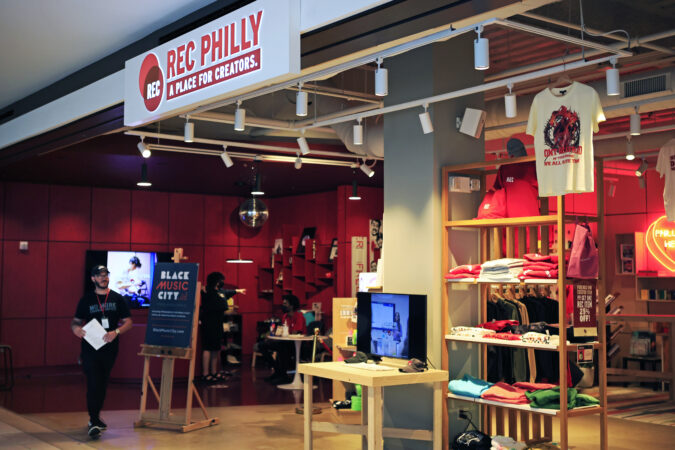
REC Philly, a long-standing space for independent creatives and entrepreneurs to cowork and create in, is closing its Center City headquarters on Dec. 20.
In an email sent to REC Philly members on Monday, the organization announced the shuttering of its Fashion District 10,000-square-foot space, located at Ninth and Market Streets, due to “unforeseen circumstances.”
“We know this news may come as a surprise, and we do apologize for any inconvenience it may have caused. We’ll stay in touch with any updates, but until then, stay creative,” the email stated.
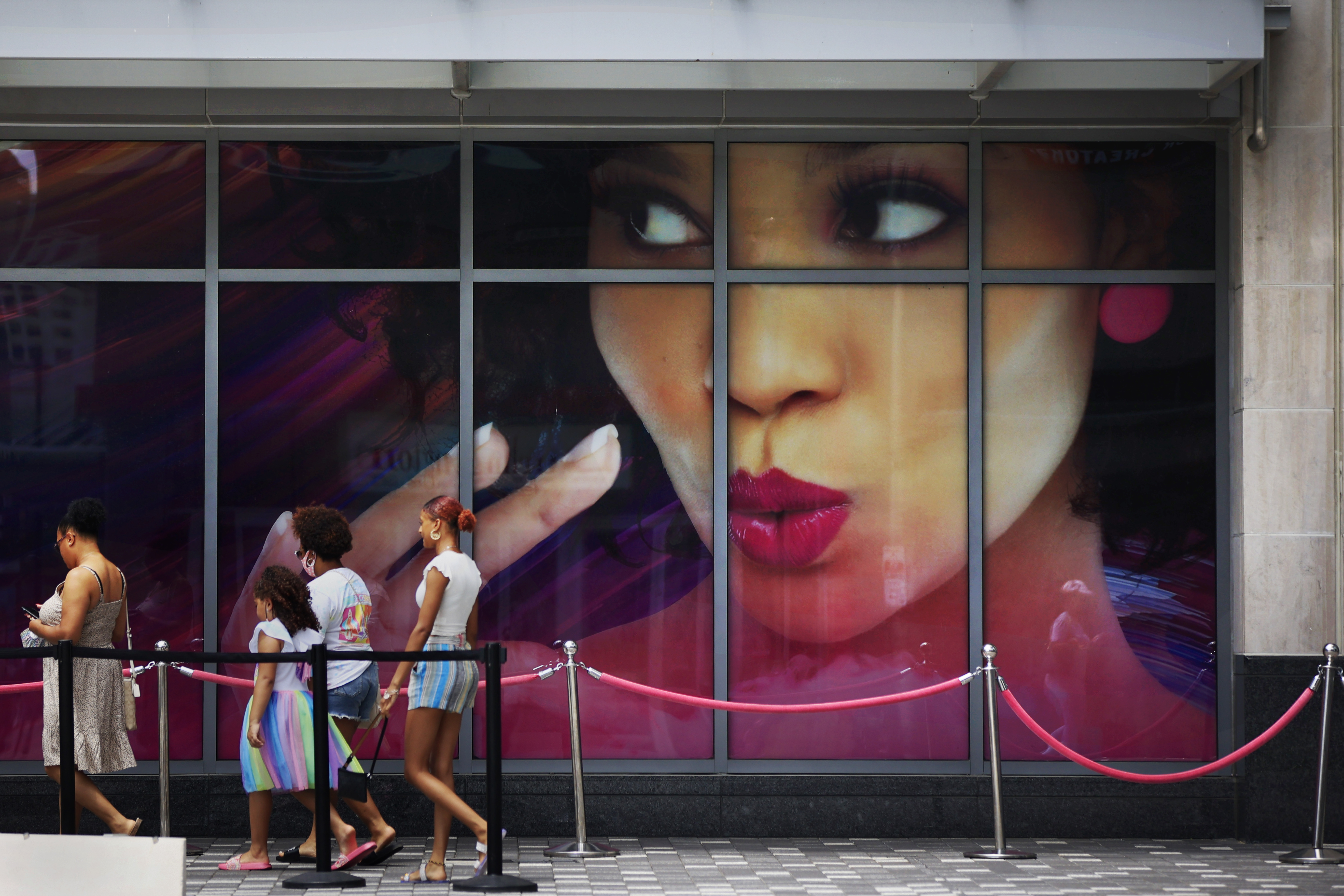
Patrons walk past an advertisement on June 19, 2021 outside the Fashion District.
All active REC Philly members will have access to the space through the closing date, the email stated. After that, all memberships and app access will end and some refund options will be available.
“This decision was made due to circumstances beyond our control related to the long-term sustainability of the space,” the email states. “It was not made lightly, and our team explored every possible option before reaching this point.”
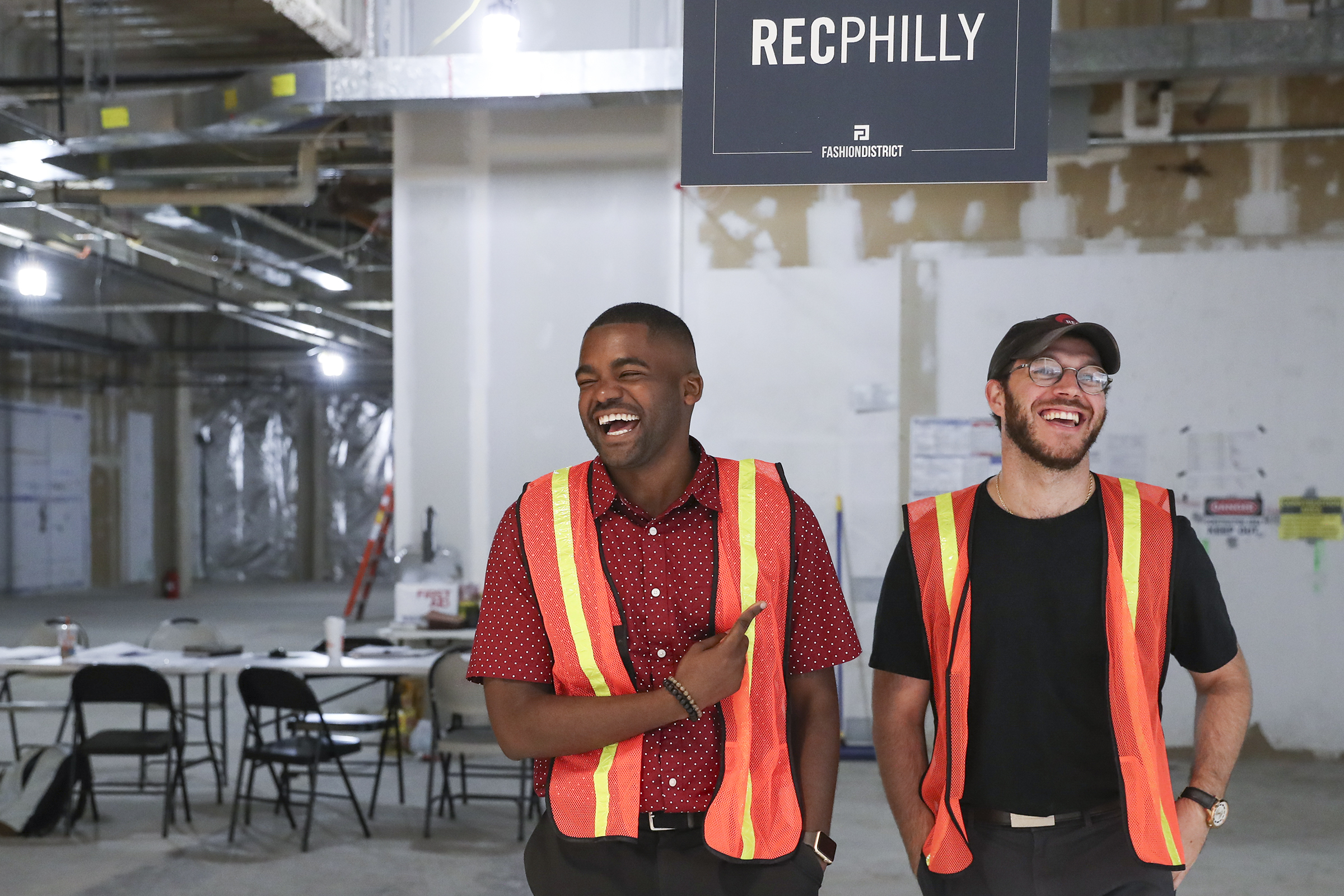
William Toms, left, and David Silver pose for a portrait inside the REC Philly space at Ninth and Market Streets, on July 25, 2019.
The announcement comes six years after cofounders Will Toms and Dave Silver opened the facility. The venture, originally named the Broad Street Music Lounge, started in Silver’s North Philly basement. That’s where the duo — who met as high schoolers at Warminster’s William Tennent High School — held concerts and community events for friends before launching REC in 2014.
They opened a 600-square-foot warehouse, located at Ninth and Dauphin Streets, a year later. And in 2019, they cut the ribbon on the Fashion District location, which housed a recording studio, performance stage, and coworking areas.
REC, an acronym for “resources for every creator,” also offered workshops, educational programs, grants, and networking events.
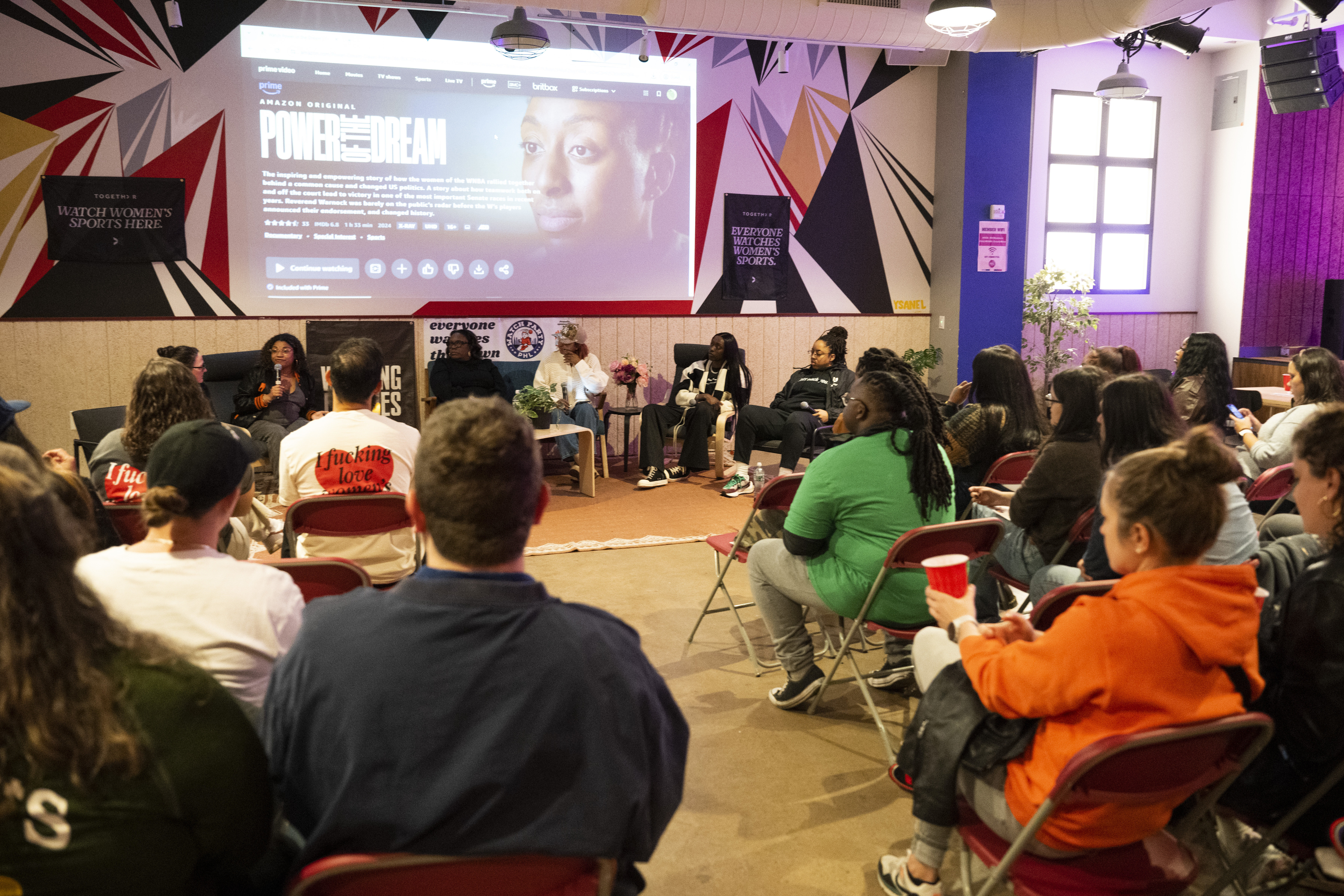
Guests gather as WNBA player and North Philadelphia native Kahleah Copper participates in a Q-and-A at REC Philly on Tuesday, Oct. 29, 2024 in Philadelphia.
While the Center City hub will close its doors at the end of the year, REC Philly will not be completely shutting down operations, just the space.
“REC is not shutting down completely at this time. The space needs to close in order for the business to properly transition,“ the email to members states. Those transitional plans are yet to be announced.
Neither Toms nor Silver responded to media inquiries in time for publication.
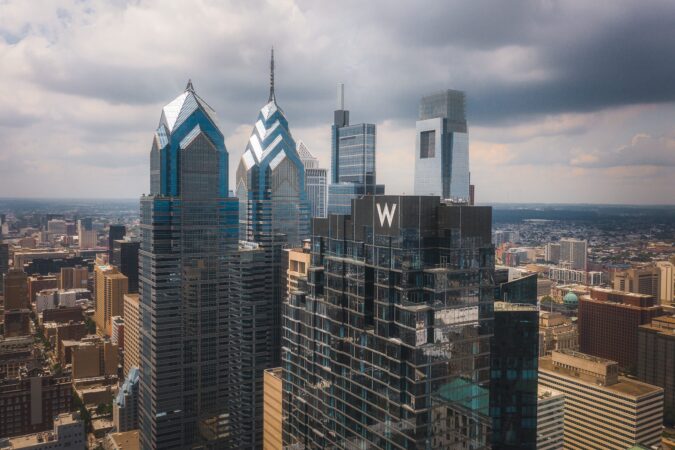
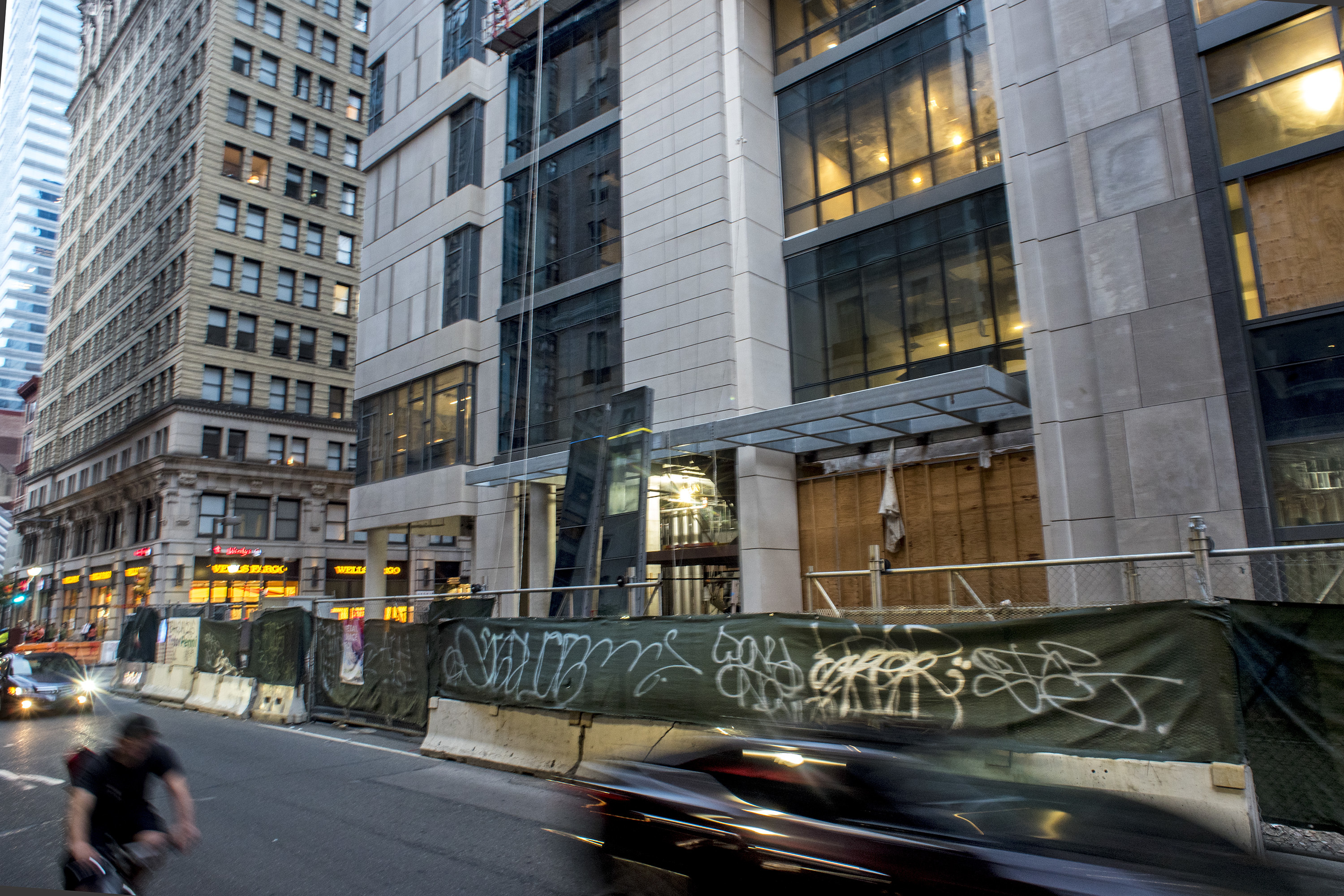
When a Marriott representative visited the construction site of the W Philadelphia hotel in Center City in January 2019, months after the project should have been completed, the concrete floors were so uneven that a pen placed on the ground rolled downhill.
The construction of Philadelphia’s largest hotel, home of the W and the Element, both part of the Marriott umbrella, began in 2015 and had a strict 2018 deadline for completion. Delays led to an avalanche of nearly 30 lawsuits with the site’s owner, construction contractor, and design company pointing fingers at each other.
The W, which comprises 295 rooms of the 51-story building, eventually opened in 2021, roughly three years late.
Bringing to a close 25 of the lawsuits, a Philadelphia judge issued a 69-page memo last weeklaying out the saga and finding the construction company responsible for the project going “off the rails.”
Common Pleas Court Judge James Crumlishfound that the construction contractor, Tutor Perini Building Corp., subcontracted the concrete work to a company that botched the job. And despite knowing about the problems, which were detrimental to the entire project, Tutor denied the issues for months.
The judge’s finding comes after trial testimonies that took five months as the parties “turned this litigation into a challenging behemoth that made any effort at resolution impossible,” Crumlish wrote.
A yearslong saga
The saga began when Chestlen Development LP, the owner of the site, picked Tutor as the construction manager. The agreement capped the cost of construction at $239 million and required completion within 1,017 days after April 2015.
An attorney for Tutor did not respond to a request for comment.
From the outset, Tutor suffered “chronic turnover of its personnel,” the judge wrote, resulting in the loss of “institutional knowledge of key decisions.”
Tutored subcontracted the concrete work to Thomas P. Carney Inc. Construction, a Bucks County company.
When a different subcontractor, Ventana DBS LLC, began installing the wall-window systems, they immediately noticed a “big problem,” according to the judge’s memo. In many places the concrete wasn’t level or did not meet the elevation requirements in the design.
Tutor pushed back, denying that there was a problem, while quietly attempting to grind the edges of the concrete slabs to address the issue.
While denying the problem, Tutor hired outside advisers to evaluate the concrete work. But they confirmed the problem too.
Finally, in March 2018, Tutor shared the outside reports that acknowledgedCarney’s shoddyconcrete work with Chestlen’s representative for the project.
As summer 2018 began, it was clear that the project would not be completed on deadline.
In September 2018 Tutor asked Chestlen for an extension, which the owner rejected, saying the request came “months if not years after some of the concrete issues started to become apparent,” according to Crumlish’s memo.
The remediation of the floor began in April 2019 andwas completed in October.
The sidewalk area of W Philadelphia and Element Philadelphia Hotel under construction, looking northwest along the 1400 block of Chestnut Street July 2, 2019.
The building finally obtained a certificate of occupancy in April 2021. But Marriott couldn’t open the W until August because over a hundred window vents were inoperable because Tutor failed to follow the design.
“Tutor knew that the floors did not meet specifications but did not timely disclose its knowledge to Chestlen or consult with it,” Crumlish wrote. The judge further found that Tutor refused to work with contractors to remediate the problems in 2017 and 2018, and proceeded to install interiors over the deficient concrete floors.
The blame game
Throughout the litigation, the parties all blamed one another for various problems and aspects of the delay.
Costs and liens piled up.
Chestlen paid Tutor $239 million for the construction, accrued over $40 million in damages as set in its contract with Tutor, and paid tens of millions to remediate the floors. The property is “clouded with over $155 million in liens,” according to the judge’s memo.
Crumlish concluded that Tutor breached its contract when it failed to oversee the concrete work and the window-wall installation, and generally didn’t fulfill its obligations.
“Every delay in the performance and completion of the project is the responsibility of Tutor and Carney,” the judge said. The judge will decide on the amount of damages following hearings scheduled for January.
Chestlen’s attorney was unavailable to provide comment. Carney did not respond to a request for comment.
The W hotel is located where One Meridian Plaza used to be, before that building suffered a devastating fire in 1991 and was finally demolished in 1999.
Filling the vacant lot, a mere block from City Hall, became a top priority for policymakers during Mayor Michael Nutter’s time in office. The hotel proposal eventually received $75 million in taxpayer support across local, state, and federal funding sources in addition to other legislative assistance.
The project was developed by Brook Lenfest, son of the former Inquirer owner H.F. “Gerry” Lenfest, whose foundation continues to own the newspaper today.
Philadelphia is the newest destination forLilly Gateway Labs, an incubator for early-stage biotech companies backed by pharmaceutical giant Eli Lilly & Co., the companyannounced Wednesday.
The Center City incubator will be Lilly’s fifth in the United States. Biotech hotbeds Boston, South San Francisco, and San Diego already have them. (South San Francisco has two.) Companies at those locations have raised more than $3 billion from investors since the program started in 2019, Lilly said.
Lilly’s Philadelphia operation will occupy 44,000 square feet on the first two levels of 2300 Market St. in Center City.
Lilly expects to house six to eight companies there, aiming to welcome the first startups to the site in the first quarter of next year, said Julie Gilmore, global head of Lilly Gateway Labs. She did not identify prospects.
Typically, Gateway Labs residents are at the stage of raising their first significant round of capital from investors, called Series A, and are two or three years from clinical testing, she said.
The arrival of high-profile Lilly, which has seen resounding success with its GLP-1 drugs for diabetes and weight loss, could turn out to be a shot in the arm for a local biotech scene. Philadelphia has a growing biotech sector but has lagged places like Boston, despite the presence of world-class scientists atlocal research universities.Their work has fueled groundbreaking discoveries in cell and gene therapy, as well as vaccines.
But Lilly is interested in supporting ideas that go beyond the city’s cell and gene therapy strengths, said Gilmore. Gateway labs is part of Lilly’s Catalyze360 Portfolio Management unit, which provides broad support to fledgling biotech firms, including venture capital.
“What we like is to go after innovative science. Who are the companies trying to solve really hard problems?” Gilmore said. “And we do know that Philadelphia has had a ton of success in gene therapy and CAR-T and I hope we can find some great companies in that space, but we’re going to be open to other types of innovative science as well.”
Expanding Philly’s life sciences footprint
Indianapolis-basedLilly already has a small presence in Philadelphia with Avid Radiopharmaceuticals Inc., a company it acquired in 2010. Avid still operates in University City. Lilly’s chief scientific officer, Daniel Skovronsky, founded Avid in 2004 after receiving a doctorate in neuroscience and a medical degree from the University of Pennsylvania.
Lilly is interviewing people to lead Philadelphia’s Gateway Labs location. They like to hire people who are familiar with the local universities and venture funds for those jobs, but that’s not all that matters. “We’re also looking for somebody who’s got deep drug development expertise,” Gilmore said.
Lilly’s incubator adds to the life sciences activity at 23rd and Market Streets.
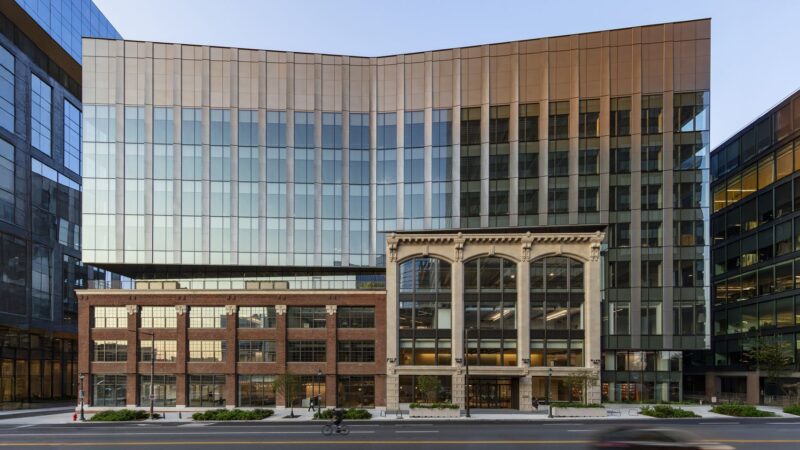
Breakthrough Properties, a Los-Angeles-based joint venture of Tishman Speyer and Bellco Capital, announced plans for the eight-story, 225,000 square-foot building in 2022. Last week, Legend Biotech, which is headquartered in Somerset, N.J., celebrated the opening of a new cell therapy research center on the building’s third floor.
Lilly Gateway Labs companies agree to stay for at least two years, and they can apply for up to another two years, Gilmore said.
“The goal is, a company moves in and they can just worry about their science, worry about their team, and moving their mission forward, and we try to take care of everything else,” she said.
The students walked together, chanting over the hum of Center City traffic, holding a homemade sign and shouting into a chilly November sky.
“Hey hey!” they yelled. “Ho ho! Black history will never go!”
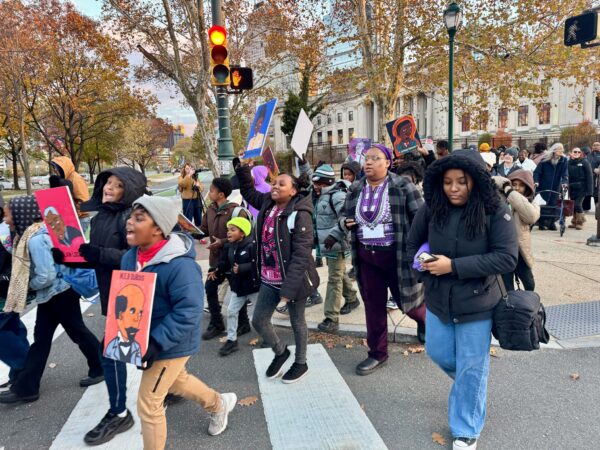
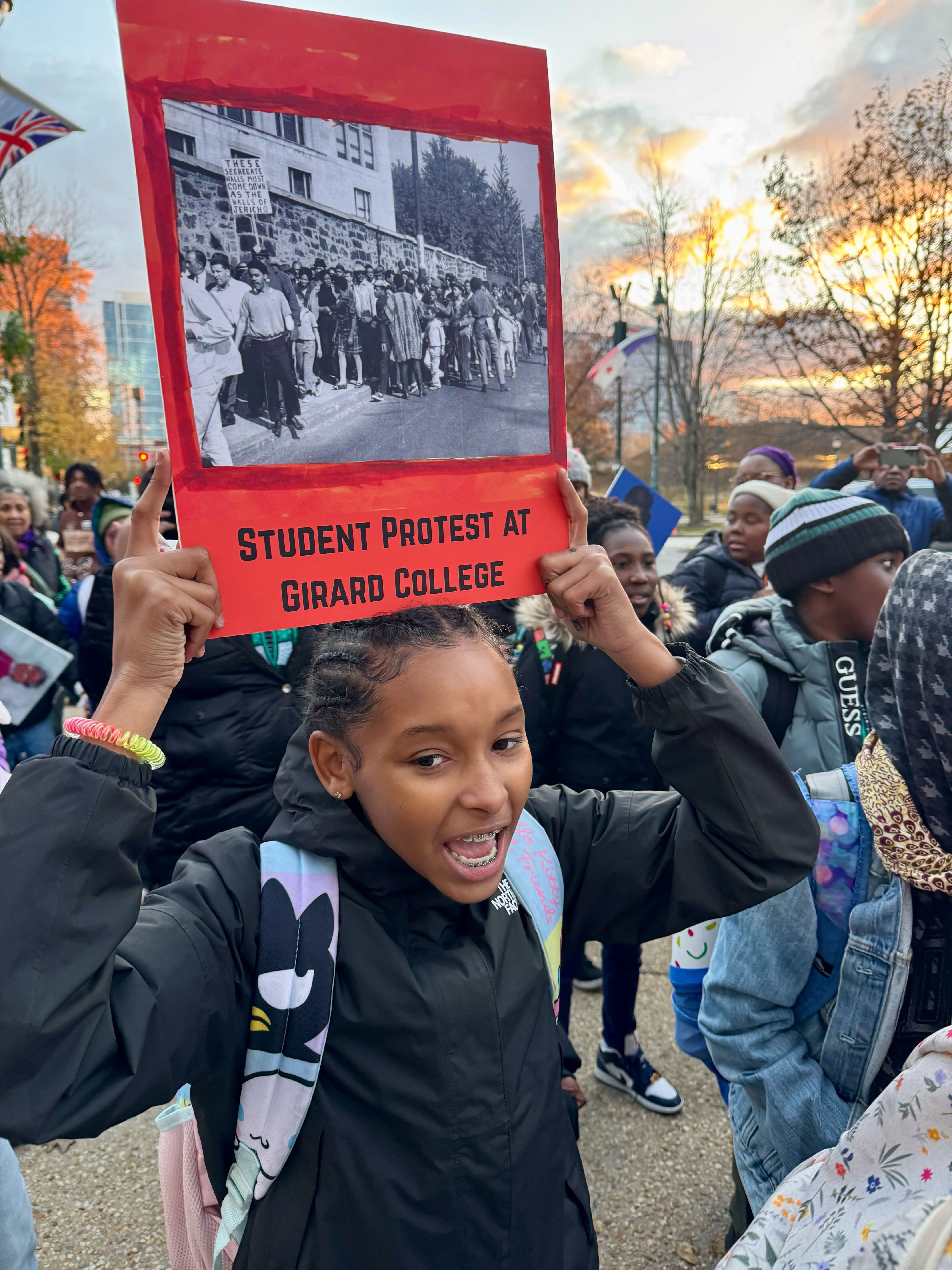
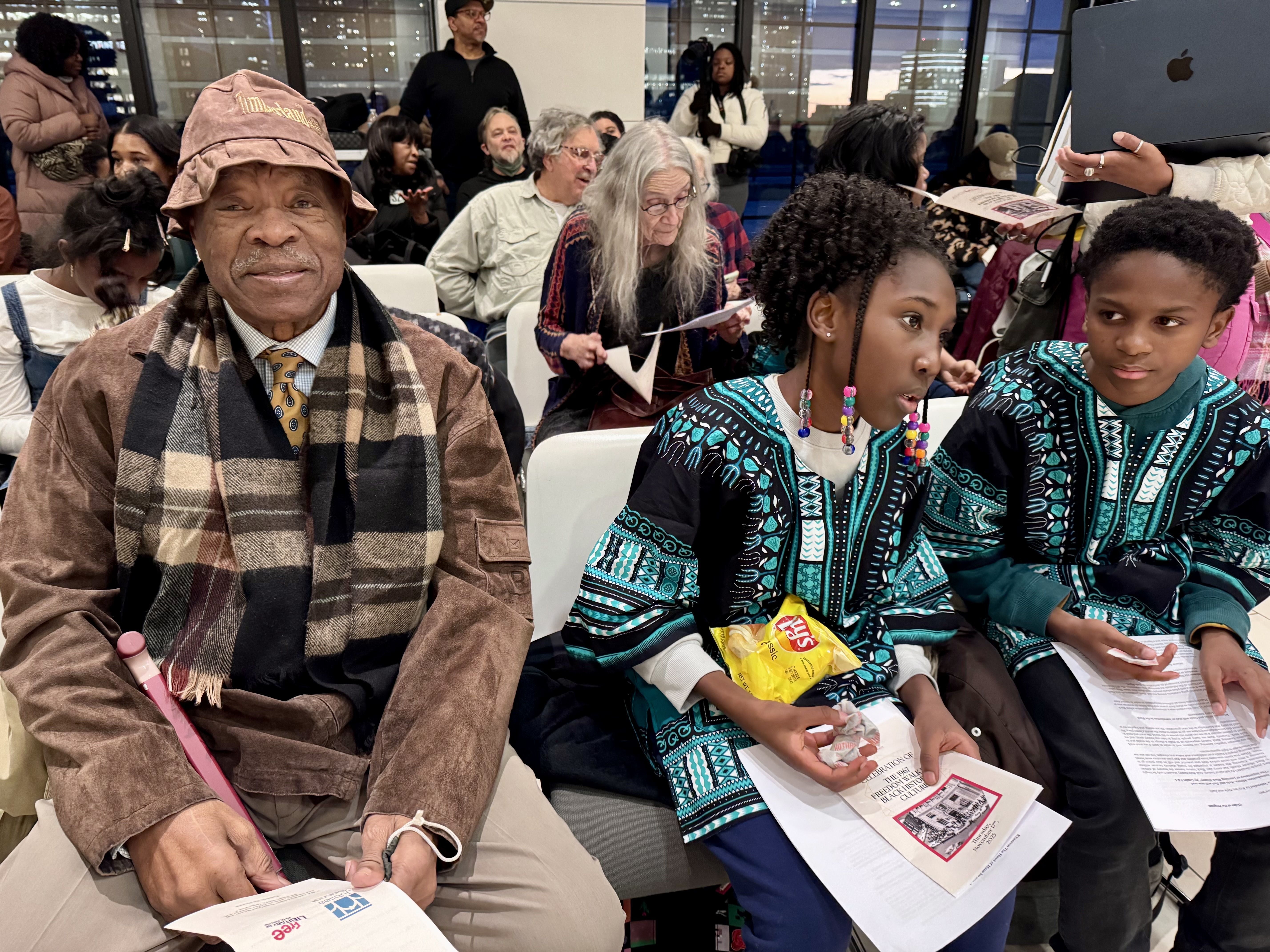
Fifty-eight years to the day after 3,000 youth and their supporters walked out of Philadelphia School District schools to protest conditions for Black students, a clutch of kids from the Jubilee School held a march Monday to commemorate that landmark action, which historians say was a seminal moment both for the city and school integration across the country.
Miles Matti, a fifth grader at Jubilee, a private school in West Philadelphia, walked with his brother, Theo, a third grader.
“We’re doing it because those kids had every right to be heard,” said Miles, 10.
Students from the Jubilee School walk to commemorate the 1967 Philadelphia student walkout, where thousands of Philadelphia School District students demanded better treatment of Black students.
The timing of the celebration was important, organizers said — not just on the anniversary of the demonstration, but 20 years after Philadelphia became the first district in the United States to implement African American history as a graduation requirement.
For months, Jubilee students studied the walkout. They conducted research, wrote poetry, made plans for honoring participants in the demonstration, and mapped a route — from the old School District of Philadelphia headquarters at 21st and the Benjamin Franklin Parkway, to the Free Library’s central branch, where there would be music and stories.
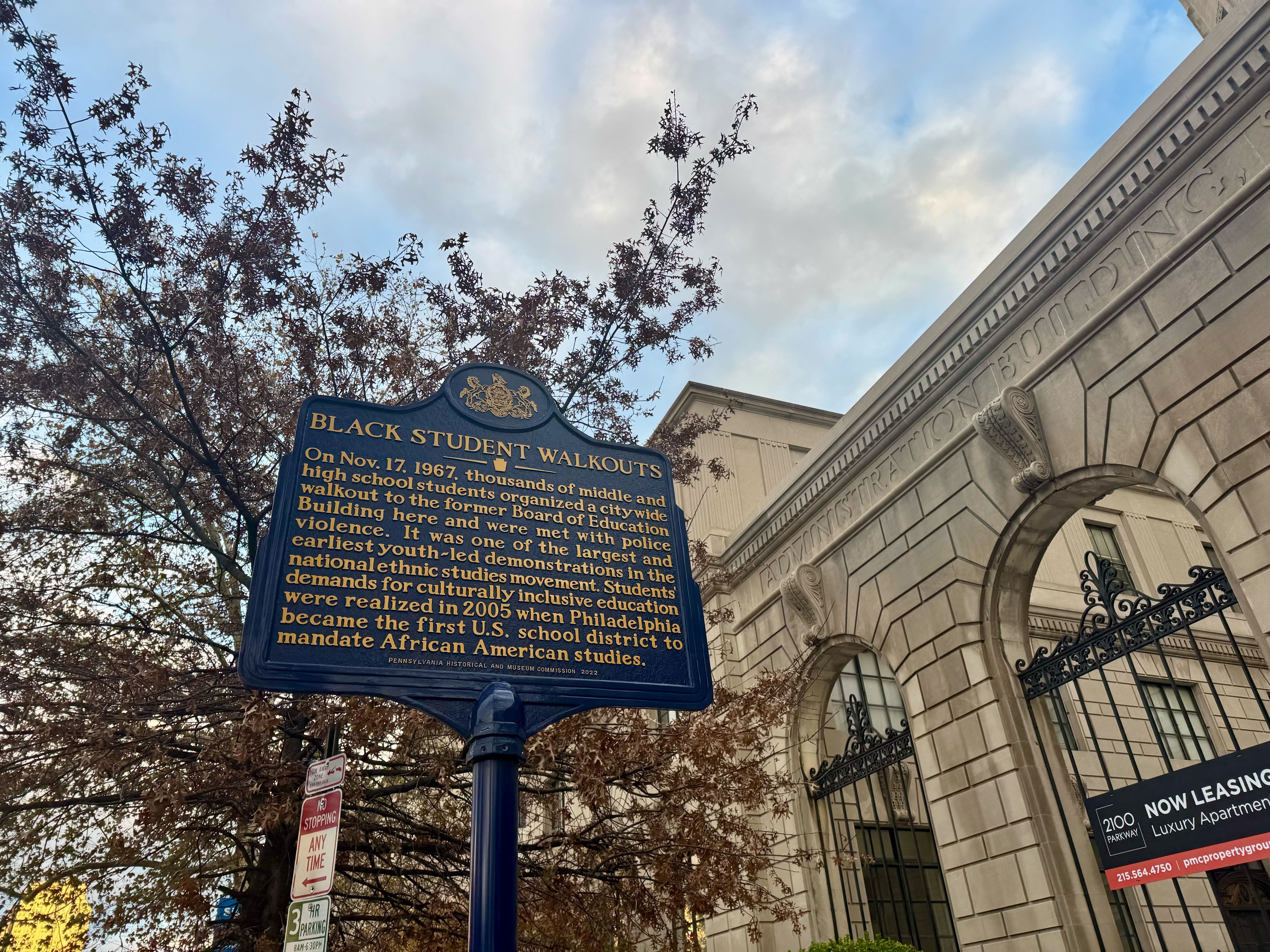
The group honored four former Masterman students who, in 2020, won approval from the city’s Historical Commission to have a marker permanently erected outside the old district building noting the 1967 walkouts.
Khaseem Bailey, a sixth grader with a strong voice and energy to spare, led the chants as the group, flanked by teachers, parents, and supporters, made its way down the Parkway.
It was important to remember, Khaseem said.
“They were marching for Black rights and student rights,” he said. “And so are we.”
‘It was not a flash mob’
The Nov. 17, 1967, walkout took 10 years to plan, said Walter Palmer, now 91, and one of the chief architects of the event — a decade spent organizing, teaching nonviolent strategies, training students, pairing them with elders.
Walter D. Palmer, who helped organize the 1967 Philadelphia student walkout, was honored at a program by students from the Jubilee School, sitting next to him.
The time seemed right that November. By that point, Black students made up the majority of the district’s pupils, and they attended integrated schools, but conditions were unequal.
“Black students were harmed for using African names, wearing African clothing,” said Palmer.
Organizers came up with a list of 25 demands — from allowing students to wear their hair in Afros to infusing Black history in the district curriculum.
“It was not a mistake,” said Palmer. “It was not a flash mob. There were no cell phones; there were no microphones. These young people, they were just hungry.”
A historical marker commemorating the 1967 Philadelphia student walkout stands outside the former offices of the School District of Philadelphia, at 21st and Benjamin Franklin Parkway.
Students pulled fire alarms and poured out of their schools, with many meeting at the School District of Philadelphia headquarters. Representatives were chosen to speak to then-Superintendent Mark Shedd, who took their requests seriously.
Newspaper accounts described the demonstration as being like a “picnic,” but then-Police Commissioner Frank Rizzo called in 100 officers in riot gear. They began swinging at students and releasing police dogs.
Fifty-seven people were arrested, and dozens injured, some seriously. The event made national headlines.
Marilyn Kai Jewett, another walkout participant, told the students their celebration was especially timely.
“We cannot let anyone whitewash our history,” Jewett said. “We are under attack. We cannot stop — we’ve got to fight until we die. The evil will not prevail. Goodness always prevails. Just keep doing what you’re doing.”