Sure, you could pick up hot dogs, falafel, or shawarma from a street vendor while watching the Philadelphia Marathon. But here are 10 options for a family-friendly sit-down experience.
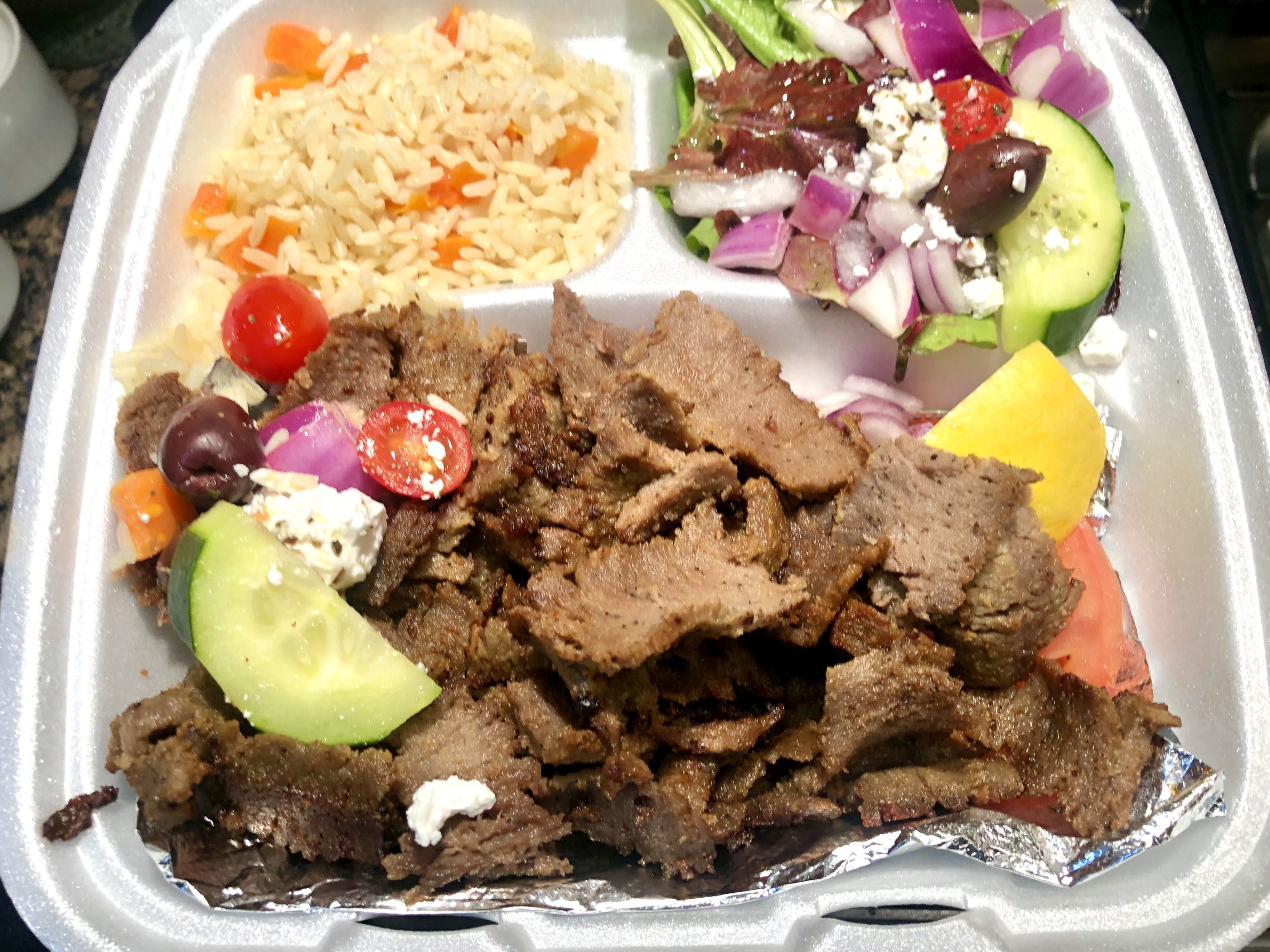
Menu style: Greek street-food café with gyros, souvlaki, salads, loukoumades, pita platters.
Kid-friendly notes: Counter-service; quick and easy food; typically calm; just off the Parkway near the start/finish corrals; there’s also a Center City location with counter service at 120 S. 15th St.
Kid-friendly notes: Pizza is an easy win; quick service; plenty of room inside the dining rooms; outside along the Parkway for stroller parking and snacking while watching runners.
📍 1701 Benjamin Franklin Parkway, Philadelphia, 📞 215-801-5198
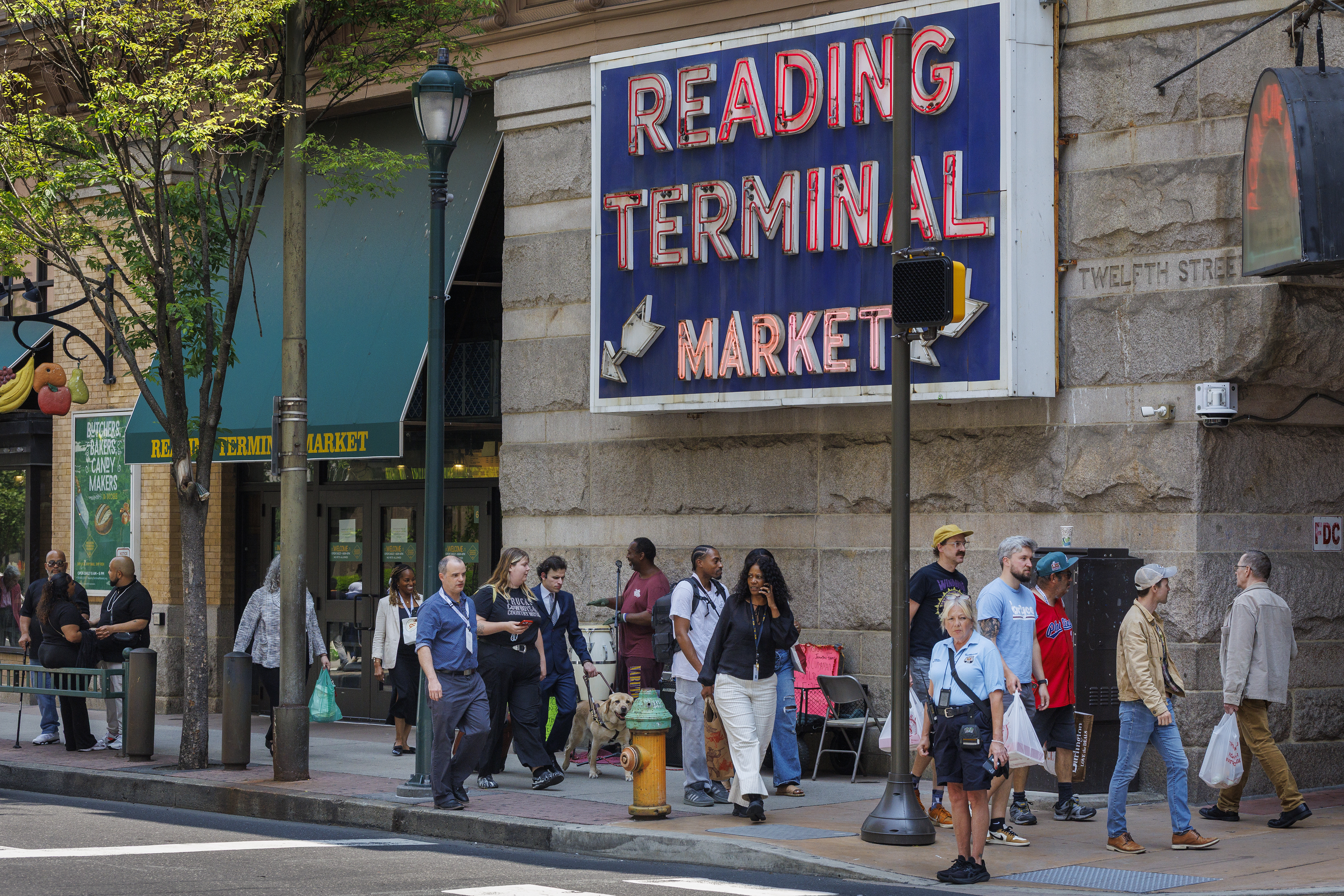
Pedestrians fill the 12th Street sidewalk outside Reading Terminal Market.
Menu style: American comfort food, featuring burgers, chicken fingers, mac & cheese, salads, brunch dishes.
Kid-friendly notes: One of the most reliably family-friendly restaurants in the city, with a kids’ menu; plenty of room for strollers; drinks for adults; outdoor seating when weather allows.
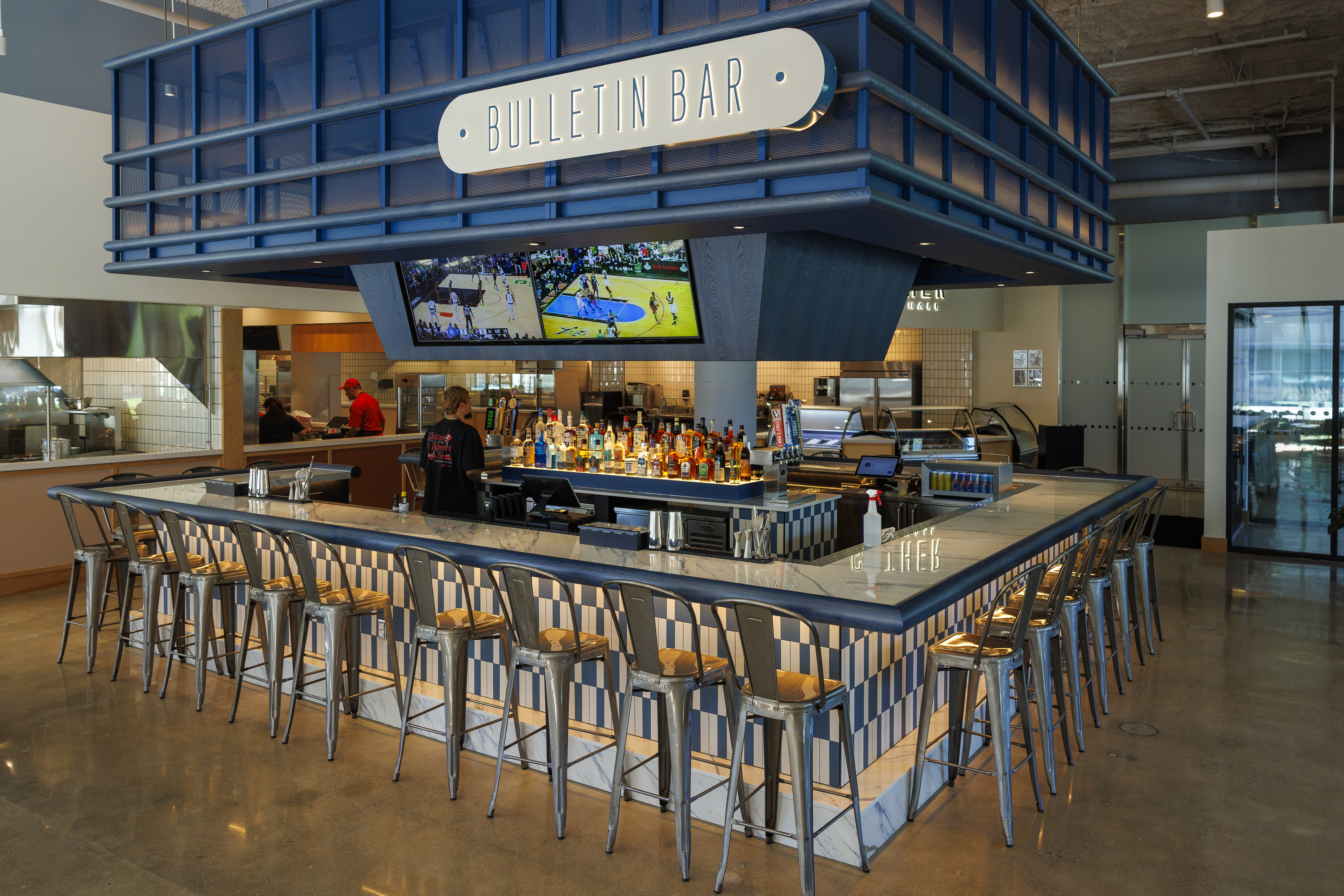
Menu style: Food hall with an interesting mix of Peruvian, Mexican, Southeast Asian, and Indian food, sandwiches, burgers, salads, coffee, pastries, and a Federal Donuts location.
Kid-friendly notes: High-ceilinged, spacious, good bathrooms; fast service — extremely easy for families and large groups; steps from the Walnut Street bridge spectator zone and across from 30th Street Station. There’s a bar, too.
📍 3025 Market St. (Bulletin Building at Drexel), Philadelphia
Menu style: Neapolitan-style pizza, pastas, shareable antipasti, wood-fired dishes.
Kid-friendly notes: Pizza and pasta are always kid wins; roomy layout; easy access relative to Center City; its East Falls location is right next to the Kelly/Ridge spectator stretch.
Menu style: Pizzas, salads, sandwiches; upstairs bistro has more plated entrées.
Kid-friendly notes: One of the most kid-friendly restaurants in Manayunk — booster seats and high chairs; pizza by the slice; lots of families on weekends; right on the marathon’s Manayunk out-and-back.
📍 102 Rector St., Philadelphia, 📞 215-483-2233
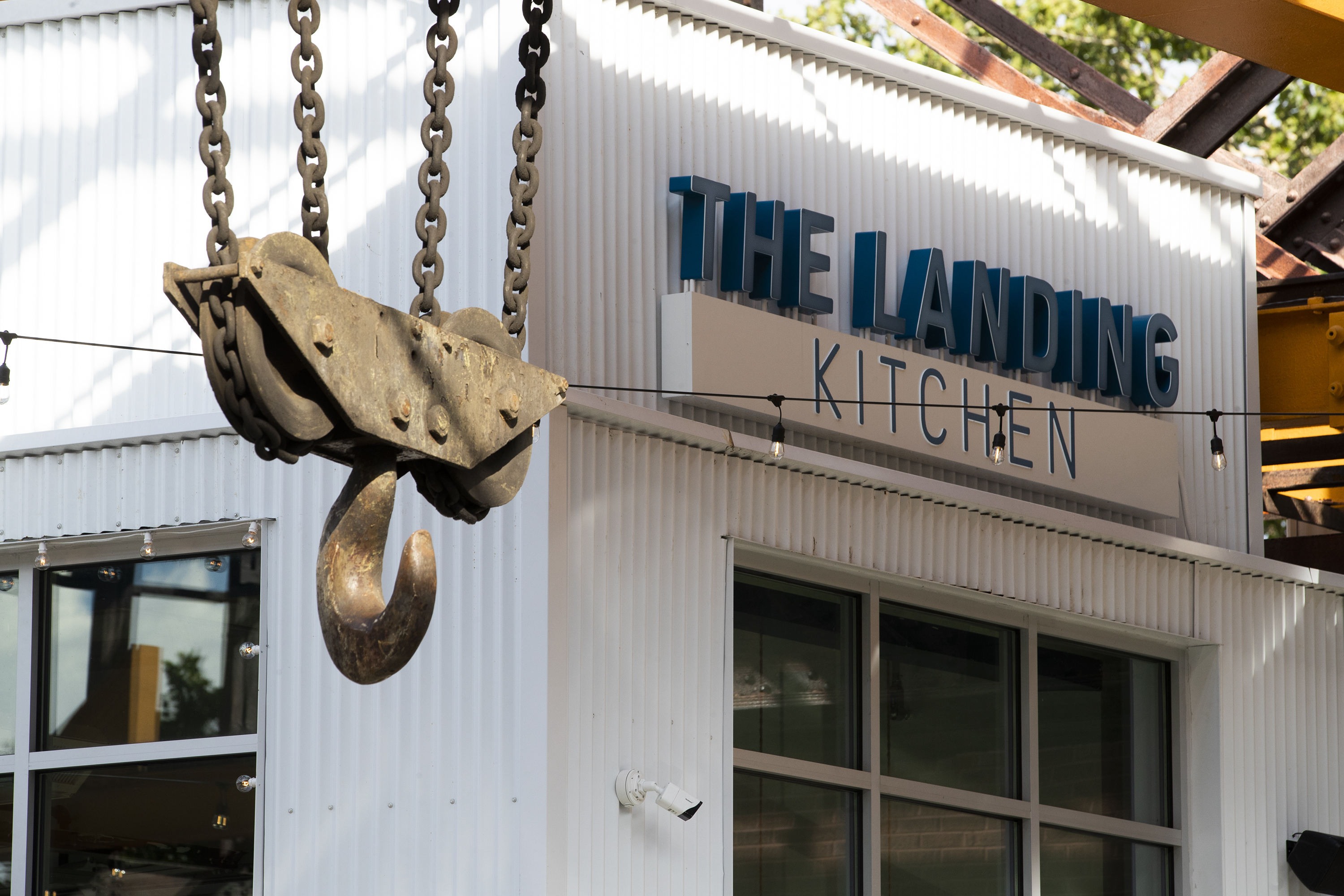
The Landing Kitchen is an all-day cafe at the riverside redevelopment of the Pencoyd Ironworks.
Kid-friendly notes: Huge outdoor space in Bala Cynwyd overlooking the river (across from Manayunk); very stroller-friendly; plenty of room for kids to move around; great for families who want a calmer scene than Main Street.
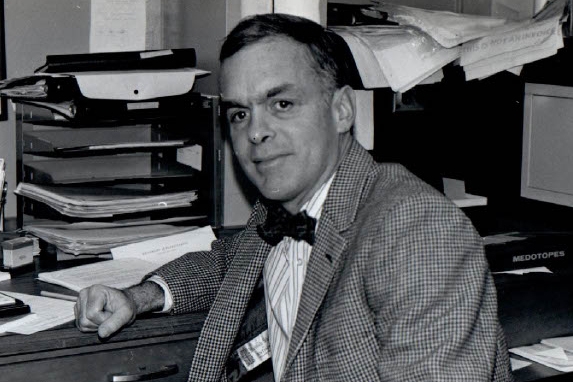
William L. Elkins, 93, of Coatesville, pioneering research immunologist at what is now the University of Pennsylvania’s Perelman School of Medicine, associate professor emeritus of pathology and laboratory medicine, innovative longtime Angus cattle rancher in Chester County, avid sailor, and veteran, died Tuesday, Nov. 11, of complications from pneumonia at Chester County Hospital.
The great-great-grandson of Philadelphia business tycoon William Lukens Elkins, Dr. Elkins fashioned his own distinguished career as a scientist, medical researcher, and professor at Penn from 1965 to 1985, and owner of the Buck Run Farm cattle ranch in Coatesville for the last 39 years.
At Penn, Dr. Elkins conducted pioneering research on how the human immune system fights infection and disease. He collaborated with colleagues in Philadelphia and elsewhere around the country to provide critical new research regarding bone marrow transplants and pediatric oncology.
His work contributed to new and more effective medical procedures at Penn, Children’s Hospital of Philadelphia, and elsewhere, and he instructed students and residents at Penn. But his lifelong love of the fields and rolling hills he roamed as a boy in Chester County never faded, he told Greet Brandywine Valley magazine in 2023.
Dr. Elkins was a lifelong outdoorsman.
“Farming is in my blood,” he said. “So even when I went to medical school and all that, the enthusiasm never left, and I wanted to go back to it.”
So he retired from medicine at 53, and he and his wife, Helen, bought nearly 300 acres of the old King Ranch on Doe Run Church Road in Coatesville. She kept the books and looked after the business. He became an expert on breeding cattle and growing the high-energy grass they eat.
Wearing floppy hats and riding a colorful ATV from field to field, Dr. Elkins worked his land for decades. He mended fences and tended daily to his 120 cows, heifers, and prize bulls.
He championed holistic regenerative farming and used new scientific systems to feed his cattle. He rejected commercial fertilizer and knew all about soil composition, grass growing, and body fat in cattle.
Dr. Elkins and his wife, Helen, married in 1966.
In a 1995 Inquirer story, he said: “Cattle are just like anyone else. If you just turn a few cattle out in a great big field, they will wander around, eat the grass they like best, and leave what they don’t want. That means the less desirable grasses tend to predominate.”
He traveled the country to confer with other cattlemen and helped found the Southeast Regional Cattlemen’s Association in 1994. He sold his beefsteaks, patties, jerky sticks, and kielbasa grillers to private customers online and to butchers and restaurants.
At least one local chef featured an item on the menu called Dr. Elkins’ Angusburger. Lots of folks called him Doc.
He earned his medical degree at Harvard University in 1958 and served two years in the Navy at the hospital in Bethesda, Md. He was a surgical intern in New York and discovered that he preferred the research lab. Before Penn, he worked at the Wistar Institute of biomedical research.
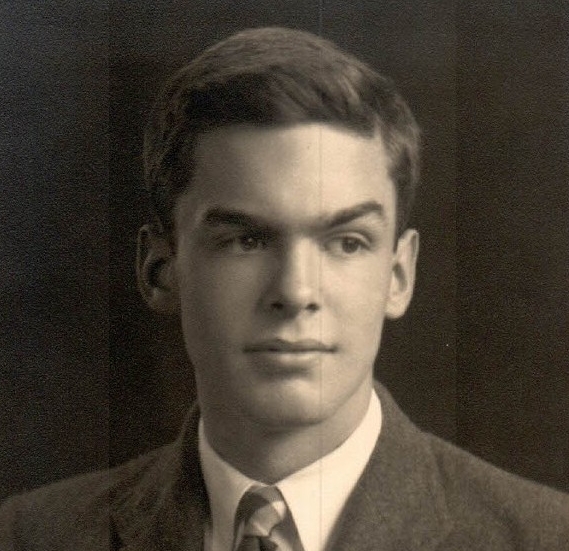
Dr. Elkins graduated from St. Mark’s School in Massachusetts in 1950.
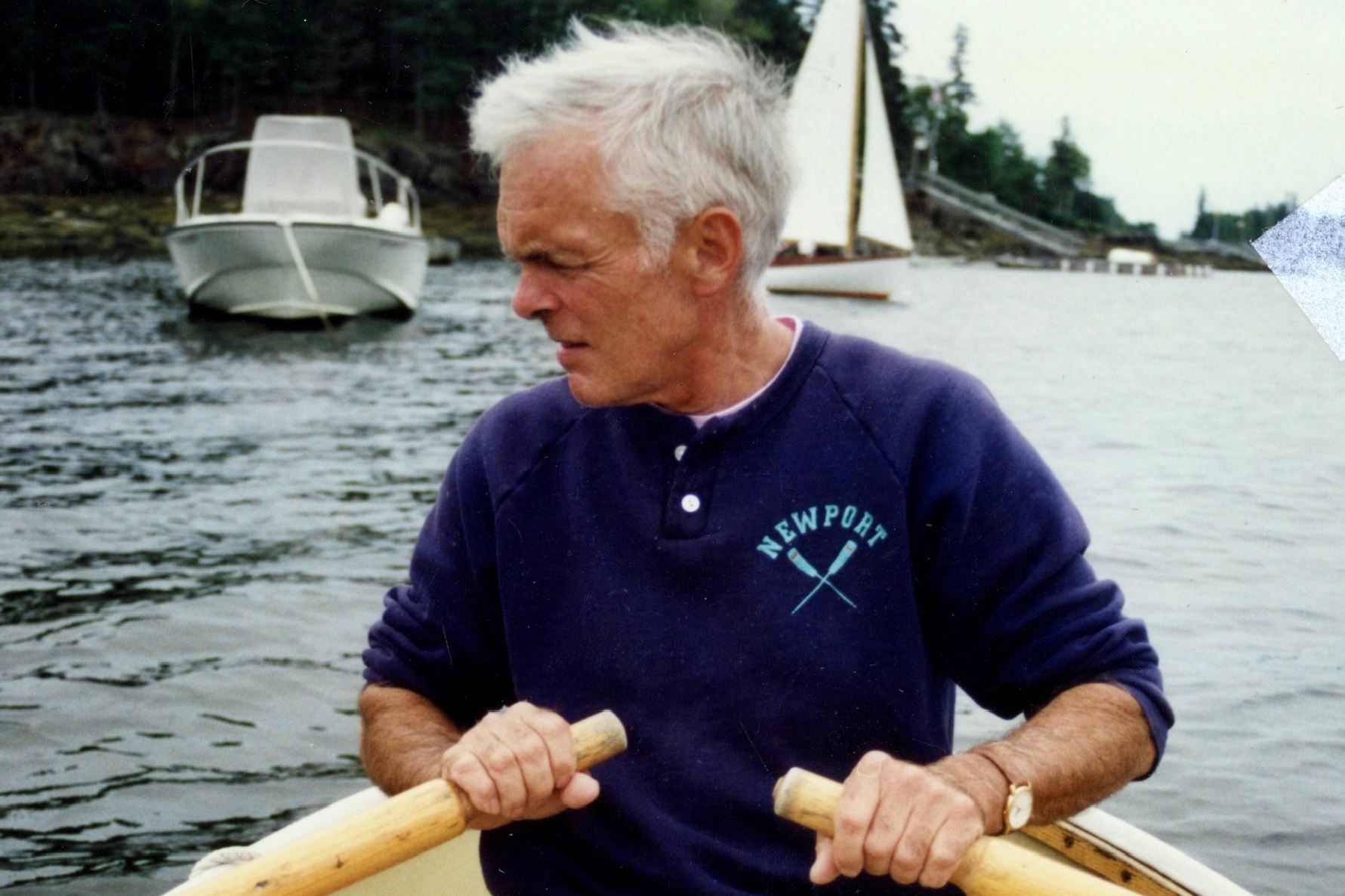
Away from the lab, Dr. Elkins was an ocean sailor, expert navigator, and former boat club commodore. He was active with the Brandywine Conservancy, Natural Lands, and other groups, and was lauded by national organizations for his wide-ranging conservation and wildlife efforts.
He made his farm a haven again for the bobolink grassland songbird and other migratory birds and butterflies that had dwindled. “Buck Run Farm is more about growing grass and trees than beef,” he told Greet Brandywine Valley. “We’re blessed by the land.”
William Lukens Elkins was born Aug. 2, 1932, in Boston. He lived on the family dairy farm in Pocopson, Chester County, when he was young, went to boarding school in Massachusetts for four years, and earned a bachelor’s degree in biology at Princeton University.
He met Helen MacLeod at a party in Washington, and they married in 1966 and had a daughter, Sheila, and a son, Jake. They lived in Center City, Society Hill, and Villanova before moving to the farm. “He was easy to be with,” his wife said.
Dr. Elkins enjoyed sailing and fishing.
Dr. Elkins loved nature, fishing, and baseball, and he followed the Phillies, the Flyers, and other sports teams. “He had a wonderful bedside manner,” his daughter said. “He was a great listener. He really knew how to support people.”
His son said: “He was unassuming and direct. He spoke his mind. He connected with so many different people. He was curious about the world around him.”
His wife said: “He was thoughtful and always concerned about people. He had good humor. He was fun.”
In addition to his wife and children, Dr. Elkins is survived by five grandchildren and other relatives. A sister died earlier.
This article about Dr. Elkins and his ranch appeared in The Inquirer in 1995.
Debra Andrews’ marketing firm, Marketri, gets mail and phone calls out of a Market Street address in Center City. But none of her employees work in the Philadelphia area. Neither does she.
When she started the business in 2004, having a small office in Doylestown gave the new firm a feeling of “legitimacy,” she says. Butshe gave up the space in 2008 when she learned the building would be converted into homes.
“I only really at that time had one employee based in Philly and decided, well, let’s just do this remote,” said Andrews. Now she has 15 employees working across 11 states.
The share of employees working remotely in Philadelphia has declined, according to U.S Census data, and several large employers in the region have been pushing for more in-office time.But for employers that have remained remote, some are finding that it can provide positive returns.
For Andrews, offeringremote work has allowed her to hire the best person for a role regardless of where they live, but it doesn’t mean workers get to set their own hours — they’re expected to be on from roughly 8:30 a.m. to 4:30 p.m. in their time zones, she says.
“We run very much like a normal business, we just happen to work from our homes,” said Andrews.
The National Board of Medical Examiners (NBME), which has been based in Philadelphia for over 100 years and owns a building on Market Street, redesigned its space to have more collaborative areas and fewer offices, as the organization committed to allowing more remote work. It’s also leased part of the building.
“An empty building is not a problem — it’s a challenge to solve. It’s not a reason to bring people back,” said Janelle Endres, NBME’s vice president of human resources.
The nonprofit creates tests for healthcare professionals, and employs about 575 people, most of whom are in Pennsylvania, Delaware, New Jersey, and Maryland. Prior to the pandemic, NBME offered a hybrid work model to most employees, and it has since “doubled down” on remote work, said Endres, adopting a “remote first” approach in 2024 — as many other employers were stiffening or increasing their requirements for in-office work.
Staff was as productive or more so when working remotely during the pandemic, and employees appreciated the setup, Endres said. Going back to pre-pandemic work norms could have created “an employee satisfaction problem,” she said.
Some 60% of NBME employees are eligible for remote positions and choose to work remotely. Others chose to be hybrid.
“Nobody’s raking in big bonuses here, so we have to think about: What are the things that really set us apart and make us a unique employer?” said Endres. “Work-life balance and flexible schedules [are among] those things.”
In exchange for flexibility, Endres said, “We expect that you will contribute in really strong ways, that you’ll perform well, that you’ll give back just as much as we’re giving.”
“Give the people what they want, and they’re going to be like, ‘I better do a good job. I don’t want to lose this job,’” Endres said.
But committing to a remote workplace didn’t mean “everyone’s just automatically happy,” said Endres. The organization plans some in-person days throughout the year as well as digital programming to foster culture, said Jenna Mierzejewski, manager of employee experience.
Endres acknowledged that NBME has encountered some instances where an employee seemsunderproductive or distracted: “We say that’s a management challenge. That’s not a remote-work challenge.”
Remote work ‘before it was cool’
Casey Benedict, CEO and founder of Maverick Mindshare, says her agency has been remote since “before it was cool.”
She has a P.O. Box in Malvern so she doesn’t have to list her home address as her business location. Beyond privacy, it’s also for professionalism, she said.
“It’s to create a little bit of a buffer between home life and business life,” said Benedict, who leads an agency focused on influencer marketing that has been remote since it launched in 2010.
Casey Benedict, CEO and founder of Maverick Mindshare, works from her home office.
She wants her staff to feel like they can attend to their personal needs, whether that’s picking up a child from the bus stop or going to a doctor’s appointment, says Benedict. She has three employees who are “core to the organization.”
“They can fully show up when they have more ownership and more control over the other parts of their lives that may pull them away from their desk,” she said.
Allowing that kind of flexibility avoids conflict, she says. And, it pays off for the company.
“The result is my team really does overdeliver and they enjoy what they do,” said Benedict. “They bring so much of themselves into it because they know that the structure is set up in a way to support them fully.”
Losing the commute
Three years before the pandemic started, three of Wendy Verna’s employees asked if they could work remotely. They told her there wasn’t enough in-person collaboration to make the commute to their South Street office worthwhile, she said.
Verna, president and founder of marketing firm Octo Design Group, initially said no. But six months later, they started trying out remote work.
“It wasn’t working for me,” said Verna, a self-ascribed “type A” person who likes to get out of the house and go to work. But she stuck with it because her employees were happy, and the remote setup worked for the company.
Ultimately she figured out why she was miserable leading a remote team. “It was a control thing for sure,” she said. “I felt like, if I don’t know where you are, what are you doing?”
She has established clear expectations for what remote work should look like at her firm. Cameras should be on for video calls, and employees should be ready to work during business hours, she says. And if employees plan to be out of town, they should let Verna know so she can determine how in-person tasks get done.
“They’re at home, but they cannot look like they rolled out of bed, because it’s just not my brand,” said Verna.
Verna is in the office three to four days a week, but 98% of the time, her five full-time employees, who live in the Philadelphia area, work remotely.
Wendy Verna’s employees asked her to go remote three years before the pandemic. While she still goes to the office often, her employees spend most of their time working remotely.
While she and her company have adjusted, Verna is still concerned about what employees lose by working remotely.
A commute can be useful to prepare for the workday in the morning or process the day in the evening, she says. During pandemic-related office closures she would walk around the block a few times before and after work to get a similar effect.
“When they sign off and you’re working from home, you run downstairs, well, all of a sudden, you’ve got chicken in the oven,” said Verna. “You don’t have time for that kind of debrief to yourself.”
She’s also concerned about how the remote lifestyle will affect young people looking for jobs, saying, “You’re only as good as your network.”
“This remote work is eliminating role models, and is eliminating mentors,” Verna said, “because I can’t mentor you behind a screen.”
What do vacant retail spaces, garages, malls, and industrial buildings all have in common? Many have been repurposed into dedicated pickleball venues.
Pickleball courts have been popping up all over the Philadelphia region — indoor and outdoor, many privately owned or operated by chains, and some sponsored by or partnered with local government.
While they’ve been prolific, these facilities aren’t instant moneymakers. Local businesses offering the sport have been strategic and made adjustments in efforts to make a profit.
“Folks who invest in pickleball need to make sure they do a sound economic impact study and run the numbers to understand what a complex will support,” said Justin Maloof, chief competition officer of USA Pickleball, based in Scottsdale, Ariz.
Pickleball’s skyrocketing popularity
Pickleball, a combination of tennis and ping-pong, is the fastest-growing sport in the U.S., with about 20 million players in 2024, according to the Sports and Fitness Industry Association (SFIA)’s 2025 Topline Participation Report. The sport grew by 223% in three years, with every age group seeing increased participation.
Venues offer memberships and pay-as-you-go options, with costs varying widely. Some municipalities offer play free of charge with no membership or court time fees. Other clubs have multitiered packages ranging in price up to $350 per month. Without a membership, hourly fees can run upward of $15 per hour.
With close to 16,000 pickleball locations, including 4,000 new sites in 2024, according to SFIA, competition is stiff and business models for new venues continue to evolve.
“We are seeing a definite shift toward permanent pickleball courts,” Maloof said. “In the early years, most of the pickleball courts were temporary or converted courts, including underutilized basketball or tennis courts or hardwood gymnasium floors.”
Those makeshift courts employed temporary nets and line markings that were often created from tape or chalk. As demand grew, players gravitated to dedicated courts with permanent nets and clear lines. Investors refit existing buildings or converted outdoor spaces, which has been quicker and more cost-effective than building new facilities from scratch.
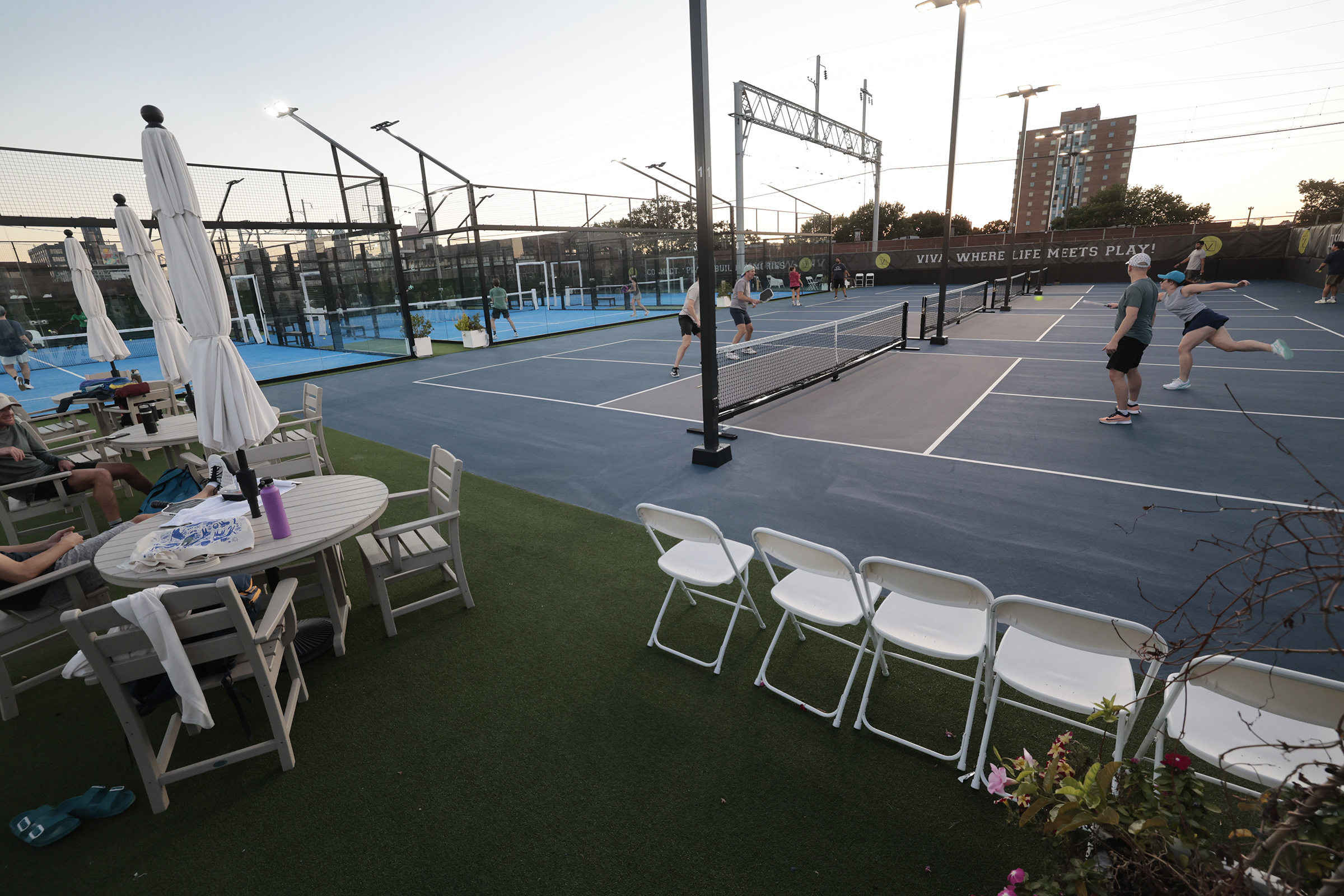
Pickleball is played on the courts to the right while padel is played on the courts to the left at Viva Padel & Pickleball in Philadelphia.
Keeping start-up and operating costs low
When Viva Padel & Pickleball opened in June in East Poplar, the founders invested just under $1 million on an outdoor venue featuring four pickleball and four padel courts. One of the Viva investors already owned the lot that had previously been used for parking.
To entice clients, the group created a business model built on multiple tiers, ranging from a pay-as-you-go plan for casual players to a monthly fee premium plan for folks who play every day.
“The flexible business model allows people to buy in and test it out,” said cofounder and CEO Mehdi Rhazali. “We can target many different audiences.”
In the first three months, the club acquired 150 members in addition to drop-in players. That was a successful enough start to open a second indoor facility, set to open this fall.
For their second location, the investors partnered with the Magarity family, who have repurposed their tennis club in Flourtown into a pickleball and padel venue. They felt that converting to pickleball and padel would bring in more participants and more community usage, Rhazali said.
The clubs will run independently so joining one will not give players membership to both.
“With an indoor model, you have to cap your membership” to avoid overcrowding, Rhazali said. “We are planning on offering a lot of programming and options for members and nonmembers in the Flourtown location.”
The cost to refit an outdoor surface, most often a former basketball or tennis court, is $35,000 to $40,000, according to Carl Schmits, chief technology officer for USA Pickleball, based in Lake Oswego, Ore. That covers just the cost of the surface, not buying or leasing the space, or outfitting the venue.
The indoor court facility build-out is accelerating, driven by franchise operations including Life Time and Dill Dinkers, Schmits said. Closed retail spaces, such as former Bed Bath & Beyond stores, are being repurposed for pickleball,with 10 courts per facility on average.
For a smaller venue, perhaps a former garage or manufacturing facility, it costs about $10,000 to refinish the floor, create separations between the courts, and add lighting, Schmits said.
“A smaller operation would ideally need to see revenue of over $100,000 per year per court,” Schmits said.
Overcoming challenges
Delco Turf & Pickle will celebrate its first anniversary on Nov. 27. The locally owned venue offers nine indoor courts and an outdoor surface, open 24 hours a day, 7 days a week. Half of the building is a turf field for other sports.
On the pickleball side, the Boothwyn business started as a pay-as-you-go club, and then began offering memberships three months later. Last month they added additional tier levels.
“We are trying to get the word out that we are here, we do a great job, and we have a great product,” said Adam Devlin, general manager and director of pickleball operations. The first year was a learning experience, he said.
By the time their infrastructure was in place, many local players had already committed to other clubs. This year, investors are counting on cold weather to bring in business, as many of the other courts nearby are outdoor.
To keep staffing and overhead low, the club is fully automated. Clients use an app to sign up, pay, and enter the facility. Staff are on-site during busy times.
Filling off-peak time remains a challenge for most clubs.
At the Delco club, the turf side of the venue picks up the slack, getting business from school and community groups. At Viva, Rhazali’s group is pursuing partnerships with schools and businesses to provide team-building events at the facility.
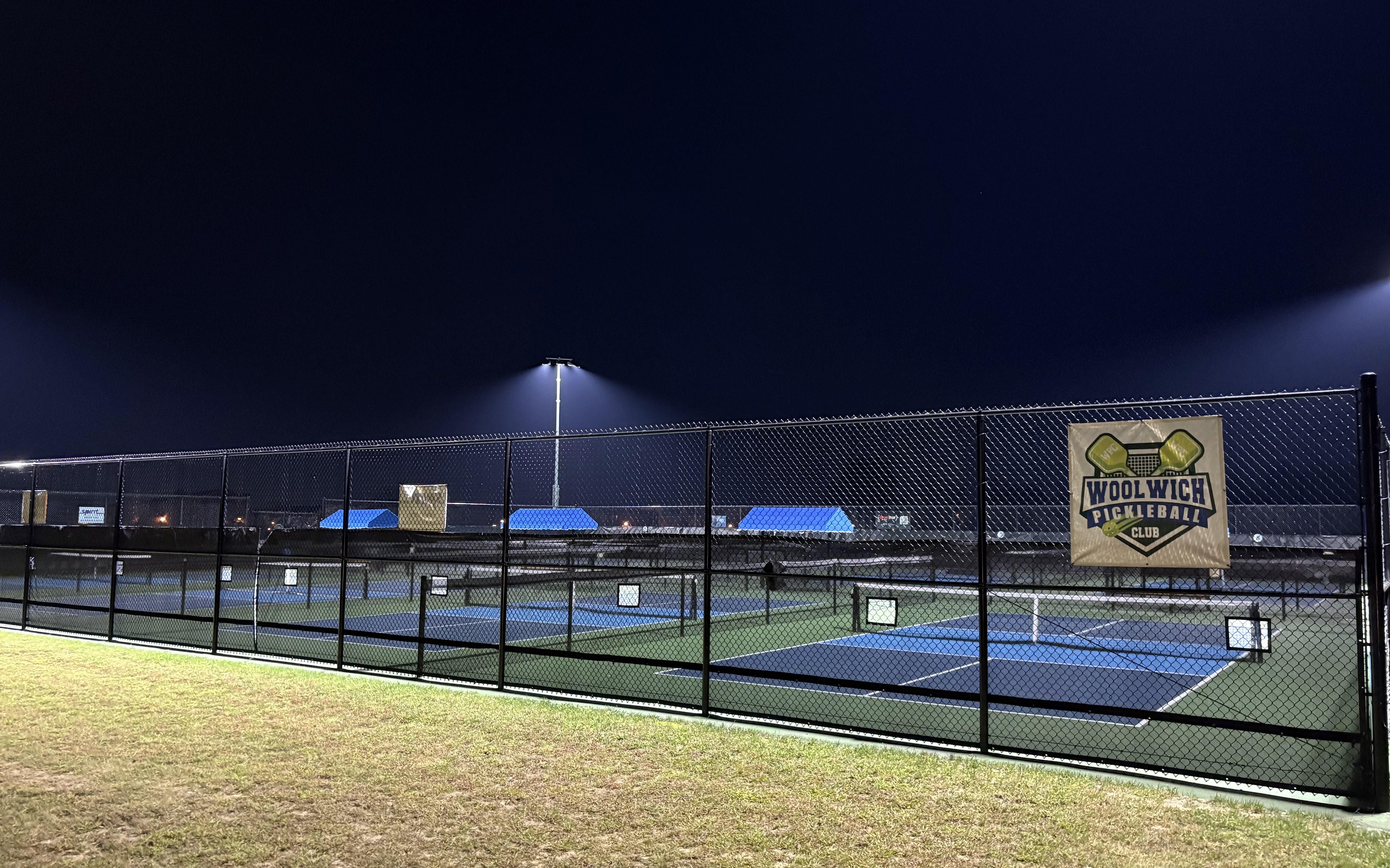
The community pickleball courts in Woolwich Township are shown lit up at night.
Local government hops on the pickleball bandwagon
Many municipalities, from the Philly suburbs to the Shore, offer pickleball, sometimes in repurposed tennis or basketball courts. Generally, their fees cover the costs of upkeep and staff and may be supplemented by the local government.
“Anything that gets people off the couch and active is a healthy thing,” said Doug Horton, competition and tournament director for 08085 Pickleball, which covers Woolwich and Logan Townships. “It brings people together and builds relationships.”
The two Gloucester County towns, just a few miles apart, share 14 pickleball courts, eight in Woolwich Township and six in Logan Township. The Woolwich courts were built and paid for by the developer who erected the surrounding homes in June 2024, as a perk to the community. The Logan courts, once a skate park, were recently repurposed to meet the demand for pickleball.
The club, which has more than 1,000 members, offers free memberships with no charge for court time. Anyone is welcome to join, but memberships are required as a way to assess the level of each player and ensure games are competitive.
The Logan program is recognized and supported as an official sport by the township, similar to their youth programs. In Woolwich Township, sponsorships, fees for lessons, leagues and tournaments support the program without the use of tax dollars.
Pickleball has also been available in Philadelphia’s Dilworth Park this fall, through a partnership between City Pickle and Center City District, a business improvement district. City Pickle offered season passes and open play time, as well as select open play sessions for no cost.
As more courts and venues pop up, pickleball will eventually reach a point of saturation in the region.
“In the early ’80s there was a heavy build-out of racquetball and tennis facilities, with the perspective ‘If we build it, they will come,’” Schmits said. “In hindsight, we look at how many closed.”
To area businesspeople, he cautioned: “Be sure to do the due diligence to understand the economic impact in your area.”
Another experiential retail concept is coming to the region. This time it’s a live social-gaming venue at the King of Prussia Mall.
Massachusetts-based Level99 announced this week that it plans to bring its next “sprawling adult playground” to the Montgomery County shopping destination in 2027. The move marks the company’s first foray into the Philadelphia market.
The 46,000-square-foot venue will include 50 “life-size mini games” geared toward adults, according to a news release, and a full-service restaurant and bar serving local craft beer.
“Level99 goes beyond your conventional entertainment venue — it’s a place to play, explore, and actively connect,” Matthew DuPlessie, founder and CEO of Level99, said in a statement.
The venue is moving into the ground floor of the former JCPenney, which closed in 2017.
It will be across the mall from the 100,000-square-foot Netflix House. The immersive experience for fans of the streaming service’s shows is set to open Nov. 12 in the former Lord & Taylor department store.
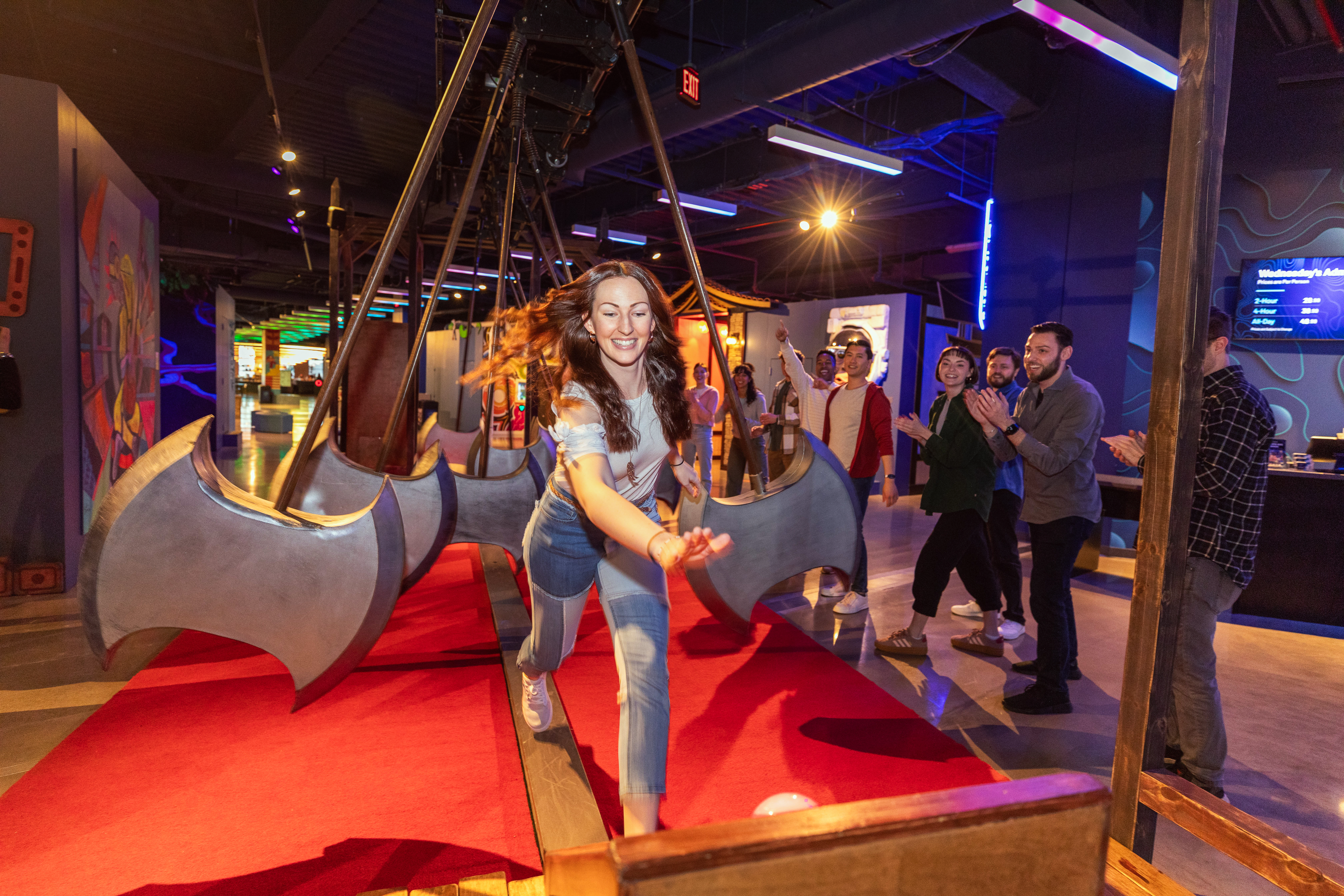
Level99 customers race through the venue’s signature “Axe Run” game, one of 50 mini-challenges set to be part of King of Prussia’s location when it opens in 2027.
“We’re thrilled to welcome Level99 to King of Prussia, further elevating our commitment to delivering dynamic, experience-driven destinations,” Mark Silvestri, president of development for mall owner Simon Property Group, said in a statement. ”This innovative concept brings a new layer of interactive entertainment to King of Prussia and is a perfect complement to our growing lineup of immersive offerings.”
In the Philadelphia region, Cherry Hill Mall is set to open a Dick’s House of Sport next year. The 120,000-square-foot space will include a climbing wall, golf simulators, a running track, and batting and soccer cages.
And along with the forthcoming Netflix House, the King of Prussia Mall recently opened the Philadelphia area’s first Eataly, a 21,000-square-food Italian-centric marketplace and wine shop.
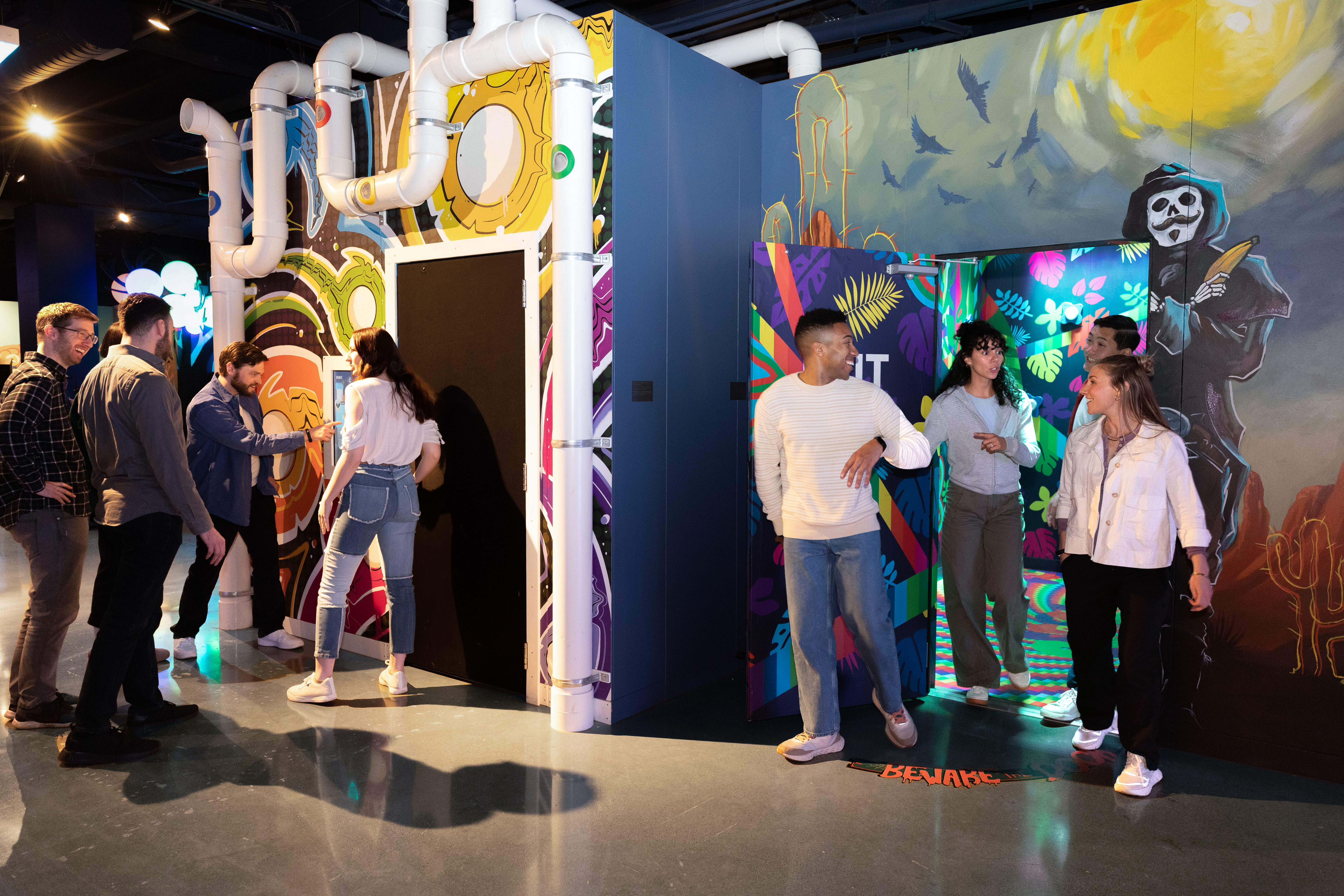
At Level99 venues, customers can choose from 50 mini-games that test mental and physical skills.
At existing Level99 locations, pricing starts at $29.99 per person for two hours of play, according to its website. Prices increase on weekends and holidays, and if a customer wants more time.
Level99 is supported by Act III Holdings, a $1.5 billion private-equity investment firm led by Panera Bread cofounder and Cava chairman Ron Shaich. Last month, Act III executives announced a $50 million commitment to the chain’s expansion into new markets, including Philadelphia.
Prosecutors have charged Keon King with murder and other crimes for allegedly kidnapping Scott, shooting her, and burying her body behind a closed East Germantown school in early October.
King was arrested in two separate incidents in December and January in which authorities allege he violently assaulted an ex-girlfriend. In the second incident, he is accused of kidnapping her and choking her in his car.
Philadelphia District Attorney Larry Krasner held a press conference at his office regarding the death of Kada Scott on Monday, October 20, 2025.
District Attorney Larry Krasner’s office requested bail to be set at just under $1 million in that case. A judge instead set bail at $200,000, allowing King to be released after posting the necessary $20,000. Krasner’s office did not appeal the bond decision.
Prosecutors then withdrew both cases after the victim and witnesses failed to appear in court. Krasner has admitted that dropping charges against King for the second incident was a mistake because there was enough video evidence to proceed with the prosecution. But he also directed blame at the courts for letting King out on bail following eacharrest.
“As the City of Philadelphia, I think we failed the young lady, right?” Council President Kenyatta Johnson told reporters Thursday. “You got two agencies, two city departments, pointing fingers at one another, and at the end of the day, that’s not going to bring resolution to the family. And so at the end of the day, that needs to be addressed. And so we’ll look at the system as a whole.”
Council approved a resolution authored by Johnson that will allow the Committee on Public Safety to hold hearings on how the courts, sheriff’s office, district attorney’s office, and police department work to protect domestic violence victims.
Kada Scott ‘a beacon of light and love’
Remembering Scott: Council also approved a resolution by Councilmember Anthony Phillips honoring Scott’s life and legacy, describing her as a “a beacon of light and love, remembered for her faith, kindness and countless lives she touched.“
Scott, who opened a beauty spa in Mount Airy when she was 19 years old, “was the kind of person who made others feel seen,” said Phillips, whose 9th District includes Mount Airy.
Prosecutors have charged Keon King with the murder of Kada Scott, pictured.
“Kada was a young woman whose light and kindness reflect the very best of us,” Phillips said in a speech on the Council floor. “She had vision and determination. She believed in the power of self-care, community, and purpose.”
Councilmember Cindy Bass, whose 8th District includes the school where Scott’s remains were found, added that “it’s never been more important that we get our young men together.”
“There is a vulnerability that exists, and protection is needed. Protection is important,” Bass said. “What we do and how we handle our situations in our community — there’s just so much to be done.”
Childcare providers could get tax break
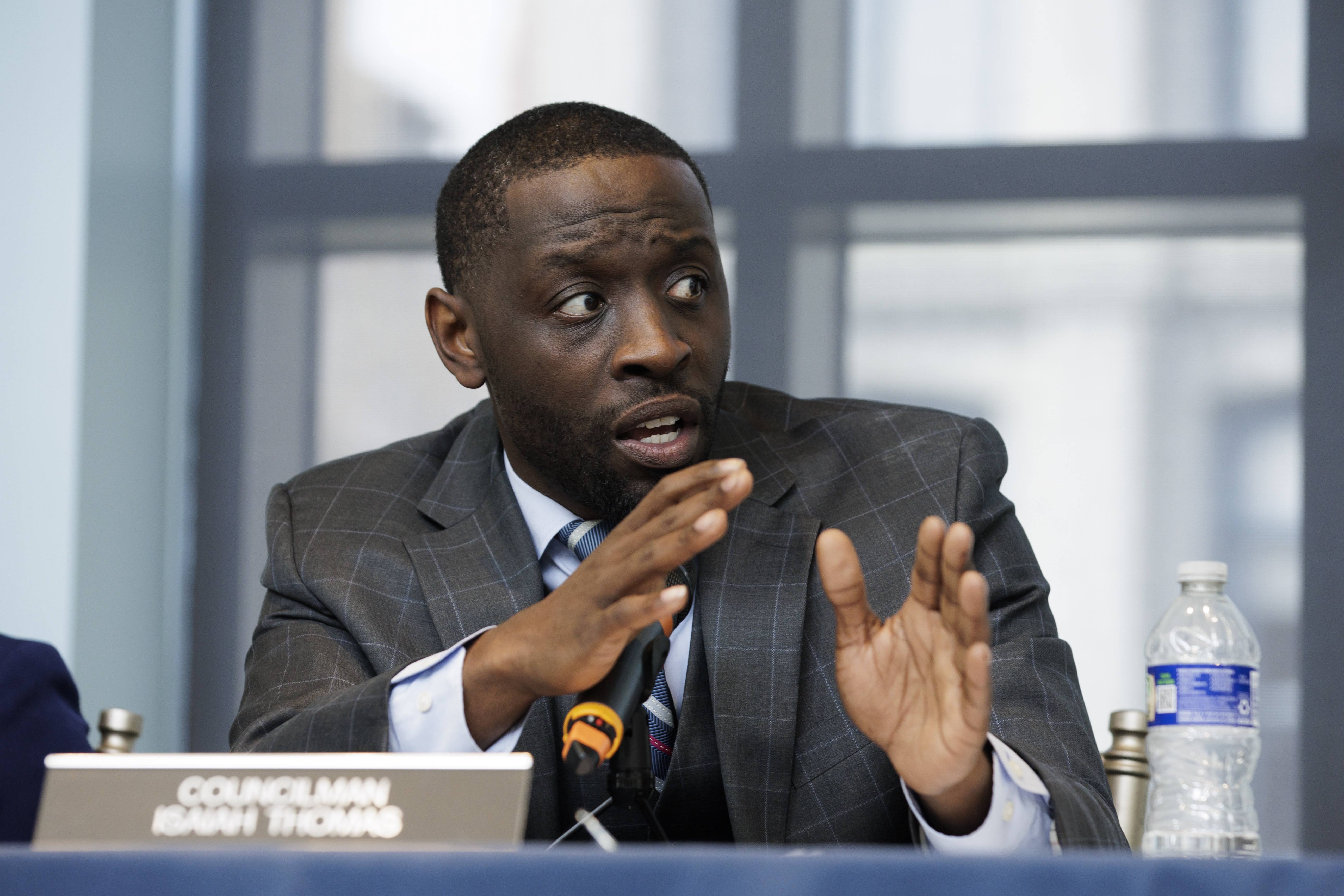
Targeted relief: Councilmember Isaiah Thomas last spring pushed for the city to aggressively cut the business income and receipts tax, or BIRT.
Johnson and Mayor Cherelle L. Parker ultimately went with a less aggressive schedule of tax cuts than Thomas had wanted. But the sophomore lawmaker is now trying another route to lighten the BIRT burden: cutting rates for a specific industry.
Thomas on Thursday introduced a bill that would halve BIRT’s two tax rates for childcare providers, which are facing a nationwide crisis over costs, staffing, and financial viability. The gross receipts portion of BIRT would be reduced from 0.1415% to 0.07075% for daycare owners, and the net income rate would go from 5.81% to 2.805%.
City Councilmember Isaiah Thomas wants to give daycares a tax break.
“There’s one business and one industry in the city of Philadelphia that touches every district and a lot of families, especially working families, that are struggling,” Thomas said. “This legislation is another example of us trying to think through what we can do to support businesses who support families as well as families who are in need.”
Regulatory bill sparked by Center City bike lane debate passes after arduous legislative process
Unloading over loading zones: Heated fights over legislation with narrow impact are nothing new in City Council, where limited proposals often become battlegrounds in larger disputes over issues such as gentrification or the opioid crisis.
But a bill on loading zones in parts of Center City, approved Thursday, may have set a new standard.
The bill, which was proposed by the Parker administration and carried by Johnson, will allow the mayor’s administration to add or remove loading zones in parts of Center City without new ordinances from Council.
It ultimately passed in a 16-0 vote, with Councilmember Brian O’Neill absent.
But the journey to Thursday’s vote began with the high-profile death of a cyclist, involved a lawsuit, went through two rounds of amendments limiting and expanding its scope, and ended with plans for further proposals to tweak the law.
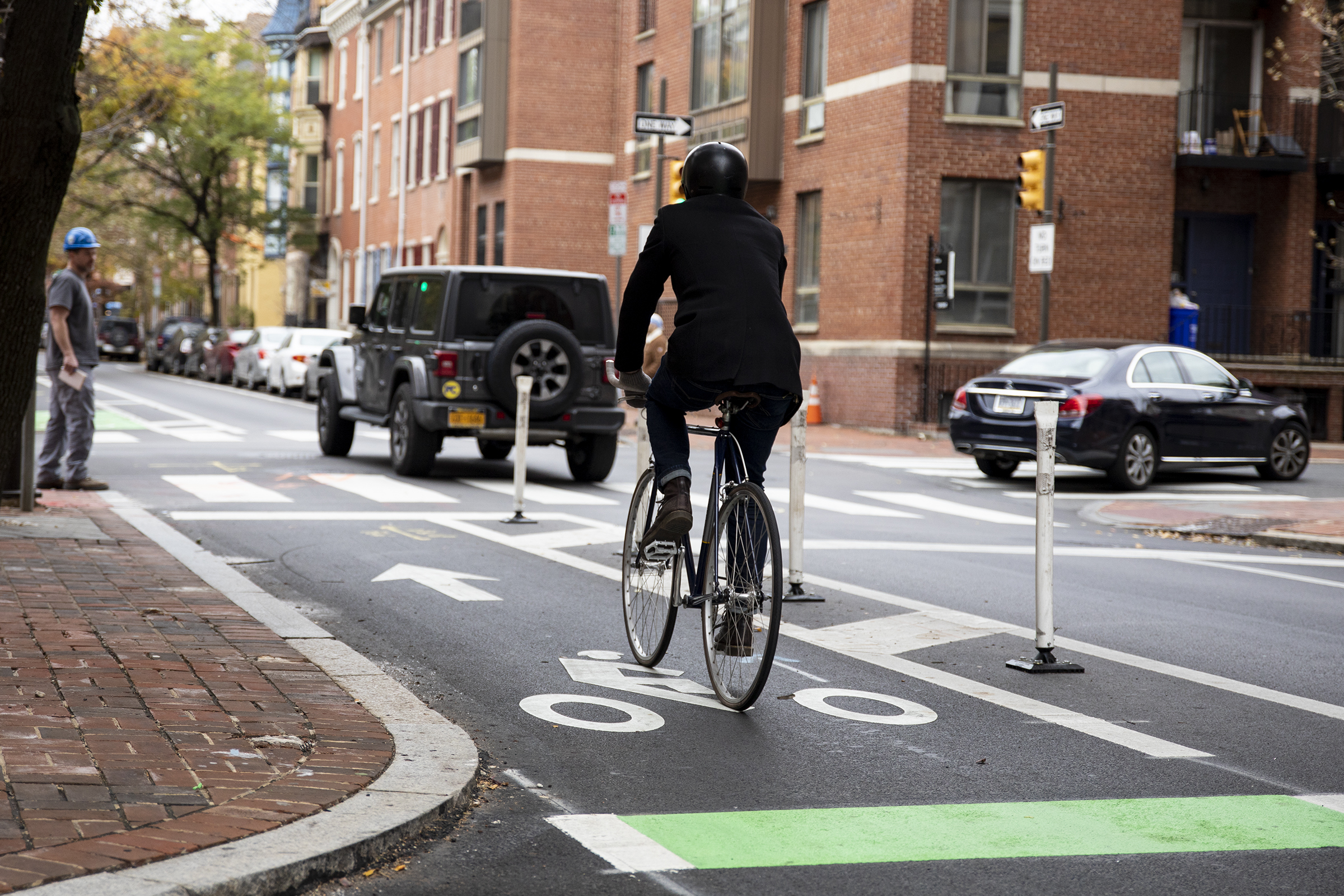
The saga began when Johnson passed a bill making it illegal for vehicles to idle in bike lanes following the 2024 death of Barbara Friedes, who was killed while riding in a bike lane on the 1800 block of Spruce Street. Parker’s administration then adjusted loading zones in Center City streets with bike lanes, with the goal of providing spaces for residents who used the bike lanes for unloading their vehicles.
After neighbors complained the loading zones would take away a handful of parking spots, attorney George Bochetto successfully sued the city, with Common Pleas Court Judge Sierra Thomas Street this summer ruling the administration did not have the authority to promulgate loading zone regulations without Council approval.
The case led to the revelation that a 1980scity law granting that regulatory authority was somehow never officially codified, throwing into legal jeopardy hundreds of parkingregulations promulgated over the last four decades. The bill passed Thursday was intended to fix that legal conundrum by reiterating Council’s intention to grant the administration that authority.
A cyclist rides along Spruce Street.
But Johnson and Councilmember Mark Squilla, whose districts include parts of Center City, at one point amended the bill so that it applied only to loading zone regulations and to the Spruce and Pine Streets corridors, which have bike lanes. They eventually reversed course on the geography of the bill, adopting a new amendment allowing it to affect all areas of their districts included in the old law. But they maintained the part of the original amendment narrowing its scope to loading zones and not other parking rules.
Meanwhile, Councilmember Jeffery “Jay” Young Jr., whose 5th District also has a slice of Center City, removed his territory from the bill entirely.
Next, Councilmember Jamie Gauthier is expected to work with the administration to fix the regulatory black hole in University City, which is part of her 3rd District. And Johnson said Thursday he may be open to revisiting whether the administration should be given explicit statutory authority to regulate other parkingrules beyond loading zones in the affected area of his district.
“We always have an open mind,” he said.
Quotable: Honoring the late Philadelphia newspaper editor Michael Days
Glory Days: Michael Days was a longtime editor of the Philadelphia Daily News, an executive at The Inquirer, and the inaugural president of the National Association of Black Journalists-Philadelphia.
He died on Saturday in Trenton at 72 years old. Council on Thursday approved a resolution by Johnson and Majority Leader Katherine Gilmore Richardson honoring Days “for his extensive career serving Philadelphians.”
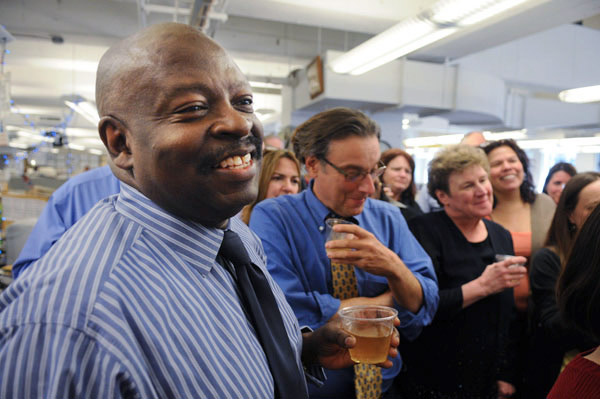
Philadelphia Daily News Editor Michael Days celebrates with the newsroom after word of the Pulitzer win.
A North Philadelphia native and devout Catholic, Days was revered as a principled reporter and editor, a mentor for young journalists of color, and a leader who helmed the Daily News when it won the 2010 Pulitzer Prize for investigative reporting.
Staff writer Ellie Rushing contributed to this article.
The companies that own the 76ers and Flyers earlier this year made a high-profile commitment to help transform the long-distressed East Market Street corridor.
The first development to come out of that promise? Perhaps a mini-soccer pitch. Or a pop-up beer garden.
The teams recently hired a contractor to demolish buildings they own on the 1000-block of the beleaguered thoroughfare with the goal of eventually erecting a major development that could help revitalize the area.
But, until then, City Councilmember Mark Squilla said Friday the teams and city leaders hope to “activate” the lots slated for demolition with “pop-up” opportunities related to the FIFA World Cup and the nation’s 250th birthday being hosted in Philadelphia next summer.
“The goal was: If they could demolish it by then and fill it, we could program an open space on 1000 Market Street,” Squilla said, tossing out the soccer pitch and beer garden ideas as examples. “This will give us an opportunity to try to do something special for 2026 while we’re doing a longterm plan for East Market.”
(function() { var l = function() { new pym.Parent( ‘sixersbuild__graphic’, ‘https://media.inquirer.com/storage/inquirer/ai2html/sixersbuild/index.html’); }; if(typeof(pym) === ‘undefined’) { var h = document.getElementsByTagName(‘head’)[0], s = document.createElement(‘script’); s.type = ‘text/javascript’; s.src = ‘https://pym.nprapps.org/pym.v1.min.js’; s.onload = l; h.appendChild(s); } else { l(); } })();
Jacklin Rhoads, a spokesperson for the teams’ development venture, said Friday the demolitions come as the partners “continue to make progress towards future development on East Market Street.”
“The demolition of these vacant storefronts improves the streetscape and will give us the ability to work with community partners to activate the site ahead of groundbreaking,” Rhoads said. “We are committed to working with the City to help jump start the revitalization of Market East and this is the next step in that process.”
The teams’ commitment to work together as Market East boosters stems from the controversial and since-abandoned proposal by the 76ers’ owner, Harris Blitzer Sports & Entertainment, to build an arena in Center City.
The basketball team had pitched that proposal as an opportunity to rejuvenate the blocks east of City Hall. But when the plan crumbled in January — in no small part due to opposition from the Flyers’ owner, Comcast Spectacor — the teams vowed to work as partners both on a new arena in the South Philadelphia stadium complex as well as on a joint development venture for East Market Street.
The Sixers and Flyers recently hired a joint venture of New York-based Turner Construction Co. and Indiana-based AECOM Hunt to manage construction of the arena, which will be home to the city’s NBA and NHL teams and its planned, as-yet-unnamed WNBA team.
And the teams have hired Philadelphia- and Norristown-based contractor Pride Enterprises Inc. to demolish the vacant storefronts they own on East Market Street in Center City.
Tearing down and popping up
Demolitions are so far only planned for part of the 1000-block, across the street from where the Sixers had previously envisioned building their new home.
HBSE and Comcast Spectacor — a subsidiary of the Philadelphia-based entertainment, cable television, and internet giant — bought properties on East Market Street in a series of transactions totaling $56 million earlier this year. The buildings were formerly home to Rite Aid, Reebok, and other stores totaling 112,000 square feet.
The properties currently slated for demolition are 1000-1024 E. Market St. That includes most of the former stores on the block’s south side. The teams also own 920-938 E. Market St., the western half of the adjacent block, but those properties are not currently planned for tear-downs.
The teams’ plan to flattenthe stores, making the space temporarily available for events related to the FIFA World Cup or the nation’s 250th anniversary next summer.
Squilla said an East Market task force will be announced soon, and that group would have input on what happens at the site assuming it is demolished in time for the 2026 celebrations.
After that, the teams will redevelop the properties, although plans aren’t finalized, Rhoads said. The teams declined to provide any details about the redevelopment project’s ambitions or scale.
The city Department of Planning & Development did not respond to a request on the status of the development plans.
The neighborhoods around East Market, a thriving department store district that has languished for decades, have recently begun to rebound with the development of hundreds of apartments and neighborhood retail to serve new residents.
Stadium construction vets tapped for South Philly arena
The new arena in South Philly will replace the Flyers and Sixers’ current home at the recently renamed Xfinity Mobile Arena, which was known as the Wells Fargo Center until this year.
Currently, Comcast Spectacorowns the building, and the 76ers pay rent. For the next facility, the teams will be joint owners.
The teams have tapped an outfit with ample experience in stadium and arena construction for the job. Over the past 20 years, Turner-AECOM Hunt joint ventures have built the Barclays Center in Brooklyn, the SoFi Stadium and Intuit Dome in Los Angeles, State Farm Arena in Atlanta, and Nissan Stadium in Nashville.
In Philadelphia, they built the Eagles’ Lincoln Financial Field, the FMC Tower, the One uCity Square office building in University City, and the Chubb Center in Center City, the insurance company offices set to open next year.
For the South Philly project, the partners, doing business as PACT+, have brought on Philadelphia-based union contractors to do much of the work, including Black-owned general construction company Perryman Construction, construction manager Hunter Roberts Construction Group, and Camfred Construction.
The teams haven’t said how large the arena will be. HBSE and Comcast Spectacor in June hired a design team at the firm Populous and Moody Nolan.
David Adelman, the Philadelphia student housing developer and investor who chairs the teams’ development venture, in a statementpromised “the most technologically advanced and fan-focused sports and entertainment venue.”
Adelman earlier said the new arena will open in 2030, and the WNBA team will play its first game there.
The project “is a chance to build something that becomes part of Philadelphia’s fabric,” said Turner’s Philadelphia-based vice president, Dave Kaminski, in a statement.
Jason Kopp of AECOM Hunt promised “cutting-edge amenities for athletes, performers, and visitors.”
Although the teams are making moves related to the new arena, they don’t yet appear to have shared much of their plan with City Council President Kenyatta Johnson, whose 2nd District includes the South Philadelphia stadium complex.
Building an arena at that location will likely require involve fewer legislative and bureaucratic hurdles than the 76ers’ abandoned Center City proposal. But in Philadelphia, Council members hold enormous sway over their districts, and the teams will likely need Johnson’s support if they want a smooth approval process.
Johnson was asked Thursday what the teams need to do to meet their proposed timeline for opening the arena in 2030.
“I have no idea,” Johnson told reporters. “That’s not even on my radar at the moment.”
Staff writer Mike Newall contributed to this article.
Lee Maniatis, 58, was one of several senior employees of Mark 1 Restoration who participated in the crimes. But prosecutors said he played a central role, influencing the Amtrak project manager, Ajith Bhaskaran, to sign off on a series of additional contracts worth tens of millions of dollars.
His prison term will be followed by three years of supervised release. Maniatis has already paid a $278,000 restitution fee, though he will also be required to contribute to a restitution fund of more than $2 million alongside his former associates.
In all, Maniatis and his colleagues funneled gifts worth more than $323,000 to Bhaskaran between 2016 and 2019, buying him luxury wristwatches and cigars, pricey vacations to India and the Galápagos Islands, Bruno Mars concert tickets, lavish dinners in Center City, and rides in limousines.
In exchange, Bhaskaran helped secure tens of millions of dollars in extra government-funded work for Mark 1 Restoration, ultimately doubling the cost of what began as a $58 million project to renovate the historic train station’s limestone facade.
While the firm did legitimate work on the property, most of the gifts were effectively subsidized by the government because Mark 1 falsely inflated its invoices by $2 million to cover the bribes. And Amtrak explicitly prohibits firms from offering gifts in exchange for favorable contracts.
Prosecutors had ample evidence linking Maniatis to the bribes. Around the time of a January 2017 dinner between Maniatis, a colleague, and Bhaskaran, the Amtrak employee was considering whether to authorize an additional $13.4 million work order for the firm. Maniatis, prosecutors said, gave Bhaskaran a Tourneau worth more than $5,000 during that meeting.
Bhaskaran approved the contract days later, and “[d]inner was worth it,” Maniatis texted an associate. Later he texted his boss: “$ ding.”
Maniatis, accompanied by his wife, appeared in federal court in Philadelphia Thursday and teared up as he read a statement to U.S. District Judge Wendy Beetlestone.
“I’m completely ashamed,” he said. “I was sick about it then, I’m sick about it now.”
The judge said the former executive’s remorse was palpable. But she said Maniatis had a choice to go to authorities over those three years — and didn’t.
“Only when federal agents raided his home” in 2019 did Maniatis admit to his wrongdoing, Beetlestone said.
“He could have resigned,” she continued. “He could have reported it to the FBI.”
Theodore T. Poulos, one of Maniatis’ defense attorneys, said he still recalls the day after that raid, when the former executive told the lawyer he’d “ruined his life.”
Poulos said Maniatis had been a victim of “misguided loyalty” to Mark 1’s owner and president, Marak Snedden, who pleaded guilty to charges of conspiracy to commit bribery and making a false claim in the scheme.
Still, U.S. Attorney Jason Grenell said, Maniatis “made a choice” to siphon public taxpayer money to “line people’s pockets.”
The attorney commended Maniatis for being the first defendant in the case to plead guilty for his crimes, swiftly admitting his guilt while his coconspirators fended off the government’s allegations in court, Grenell said.
Maniatis is not the first Mark 1 employee to face prosecution.
Early this month, Snedden, was sentenced in Beetlestone’s courtroom to 7½ years in prison. The admission made Snedden the sixth person involved to face consequences for the scheme.
Bhaskaran had been charged with unrelated wire fraud in 2019 but died of heart failure a year later.
Court documents show Bhaskaran had outsized power to approve work on behalf of the transit agency — and that his signature on “substantially overbilled” work routinely corresponded with sumptuous treatment from Maniatis and Mark 1 employees.
One such instance came in December 2017, when Bhaskaran authorized an additional $5.6 million in work for the firm. That same month, court records show, Maniatis paid $9,500 for him to visit India with a relative.
Maniatis emailed Bhaskaran tickets the following year priced at $766 for a New Year’s Eve party at Stratus, a rooftop lounge at Kimpton Hotel Monaco — a purchase investigators said Maniatis had made on his own credit card.
And when Bhaskaran decided that the Tourneau watch was not to his liking, Maniatis was ready to return it and purchase Bhaskaran an even more expensive timepiece, spending $11,294.
Beetlestone denied Poulos’ request that Maniatis be allowed to spend the entirety of his sentence on probation. He will serve his term at a prison in Lewisburg, Pa.
“Lack of fortitude is not an excuse for criminal conduct,” Beetlestone said.
Staff writer Chris Palmer contributed to this article.
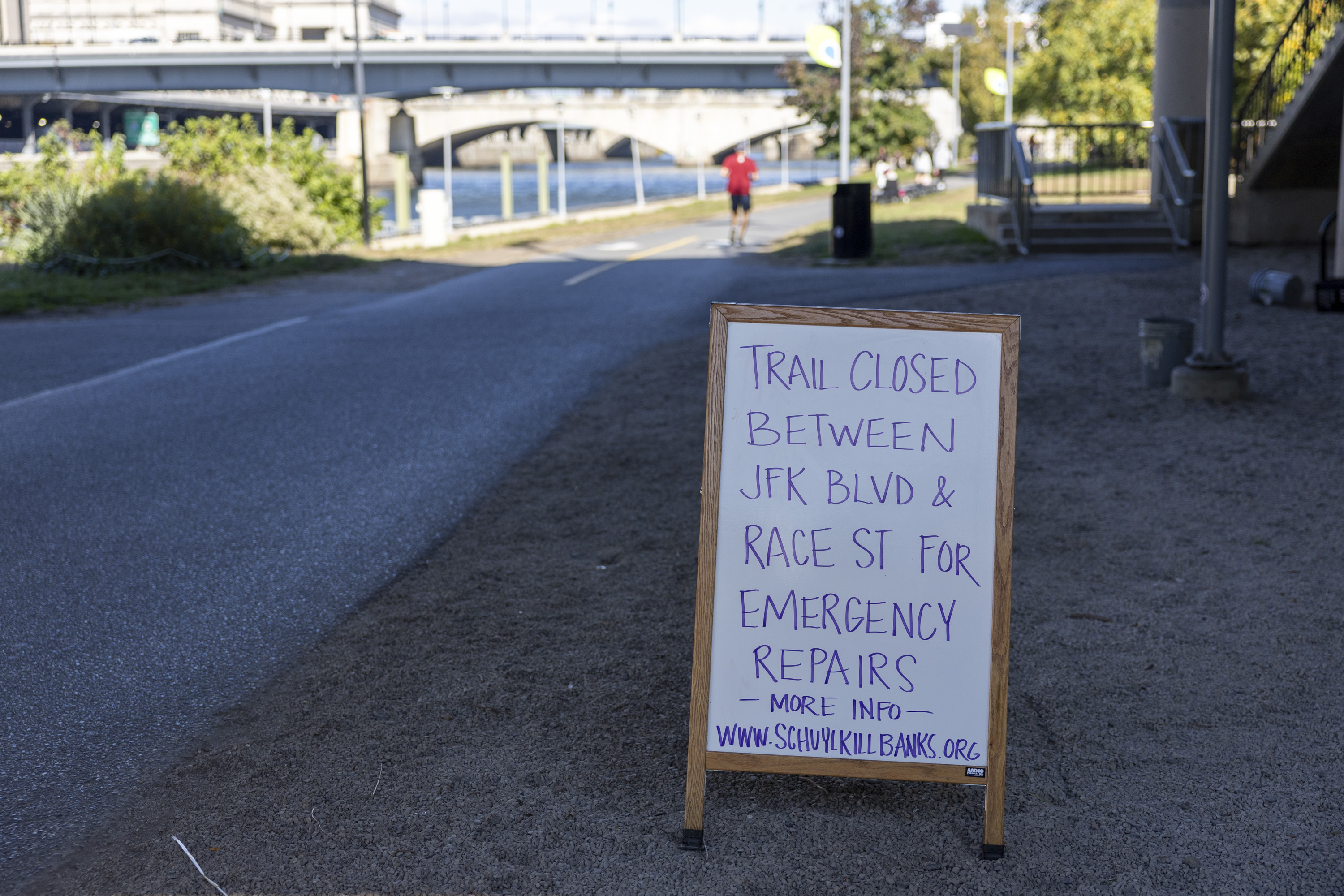
A portion of the popular Schuylkill River Trail in Center City has been closed and fenced off indefinitely after a “chasm”-sized sinkhole formed under the asphalt.
The trail is closed between Race Street and JFK Boulevard, just north of the SEPTA Bridge, according to the Schuylkill River Development Corp. (SRDC), a nonprofit that has helped revitalize the section of the trail known as Schuylkill Banks.
The SRDC said that it is working with Philadelphia Parks and Recreation, the Philadelphia Water Department, and engineers “to figure out what caused the large cavity to form and what is needed to make the necessary repairs.”
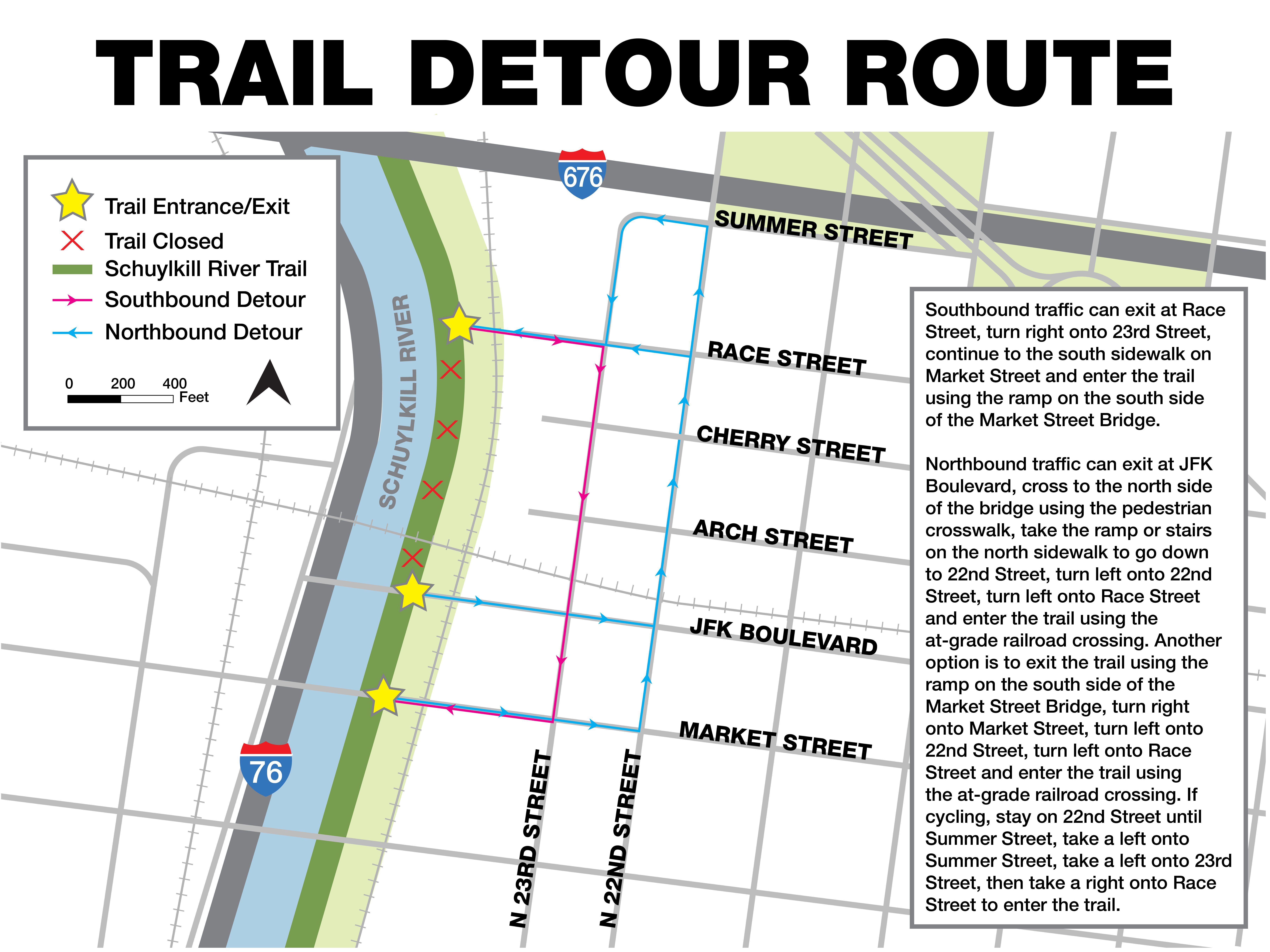
It has posted a map of a detour that can be used until repairs are made.
A map of a detour for the Schuylkill River Trail closure between Race Street and JFK Boulevard, which closed for emergency repairs after a sinkhole appeared Oct. 23, 2025
.
Joseph Syrnick, president and CEO of the SRDC, said the hole first came to the attention of his staff when a trail user reported it last week. At first, it appeared to be only a small hole, Syrnick said.
“By the time we got to it, it was about the size of a cantaloupe,” he said. “And then within a short time, it opened up the size of a small pumpkin. We immediately barricaded it off and made it safe.”
Syrnick said the hole was covered with plywood and cones were placed around it to block access by trail users. Crews began to explore the hole more thoroughly.
“We stuck our heads down there through the hole the size of the pumpkin, and saw a huge void. It’s like 8 by 10 [feet]. You could park a car down there — almost. So this has obviously been going on for a long time and luckily we caught it before it collapsed.”
Syrnick called it a “chasm” under the asphalt.
On Friday, SRDC hired an engineer, and then brought in the water department. The decision was made to block off the trail completely.
Although part of the trail remained covered, it took until Monday to put fencing and signs in place, completely sealing off any access.
“Theoretically, it could have collapsed,” Syrnick said.
Syrnick did not have a time frame for when the trail would reopen. He said his team needs to find the cause first. A repair could mean minor or major construction.
A sign warning people that part of the Schuylkill trail is closed for repairs between JFK Boulevard and Race Street after a sinkhole was discovered.
“I think we’re lucky finding this in the middle of fall, heading in the winter,” Syrnick said, “which is way better than finding it in the middle of spring, heading in the summer.”
Brian Rademaekers, a spokesperson for the water department, said it is working with SRDC to investigate the cave-in along the trail at Arch Street.
Rademaekers said crews will use dye to trace the source in an effort to determine a possible cause. He said that the nontoxic dye may cause discolored water in the Schuylkill, but that it is not a threat to people or wildlife.
“Once the results from this testing are evaluated,” Rademaekers said, “the PWD will work with SRDC to determine next steps needed to reopen the trail. Trail users should follow signage and advisories issued by the SRDC.
Rademaekers said the water department would not likely have an update on the situation until at least Friday.
2025 Toyota Corolla FX vs. 2025 Buick Envista Avenir: Two options to avoid being spendy.
This week: Toyota Corolla
Price: $29,089 as tested. Convenience Package added blind-spot monitor and cross-traffic alert for $530; black roof, $500; and connected services trial, $325.
Conventional wisdom:Motor Trend liked the “$27,785 base MSRP, cool black accents, and bigger, more readable screen”; on the down side, it was “not particularly quick,” the “engine drones,” and it’s a “dated cabin.”
Marketer’s pitch: “Introduce fun to every day.”
Reality: You’re going for the fun angle, Toyota? Really, now?
What’s new: The Corolla adds a new FX model for 2025, which pays homage to the old FX16, something I’d never heard of before writing this. Still, I feel I can say with confidence, it doesn’t live up to that.
Not so new: How thankful I am to have two small, inexpensive cars to test. They’re a rare treat among model lineups and even rarer among vehicles I get to test, and readers are clamoring for them. Manufacturers want to make money selling you expensive things we don’t really need.
The Corolla is a sedan and the Envista is a crossover, so very different directions indeed.
Up to speed: The Corolla is not winning any races. The 2.0-liter four-cylinder engine creates 169 horsepower and gets to 60 mph in 8.2 seconds, according to Motor Trend.
Still, I was pleased enough with most of the performance, though I was traveling solo through almost all of it. A packed car would suffer a bit of malaise under the extra strain.
Shiftless: The continuously variable transmission in the Corolla saps power as much as any. The gearless setup offers infinite ratios in theory but in actuality some examples make hill-climbing and hard acceleration something you’d just rather avoid. The Corolla’s version sits about in the middle, not the worst or the best.
On the road: The Corolla has never been anything like fun, although the XSE version gets close. The FX model doesn’t get there, though, although handling is small-car good. Still, you won’t confuse it witha Golf or Mazda3.
Driver’s Seat: Sturgis Kid 1.0 once purchased a new Scion iM (the Corolla Hatchback before it was called that) based solely on the dreamy front seats. Every time I borrowed that car, I noted how comfortable it was.
The Corolla FX tested had sport fabric-trimmed seats with orange stitching that matched that feel. They were soft but supportive seats andmade all the Schuylkill Expressway stop-and-go feel lots better.
The Corolla also benefits from the simple gauge setup that Toyota offers in its base models. Changing the screen to fit your needs is simple with the steering wheel controls.
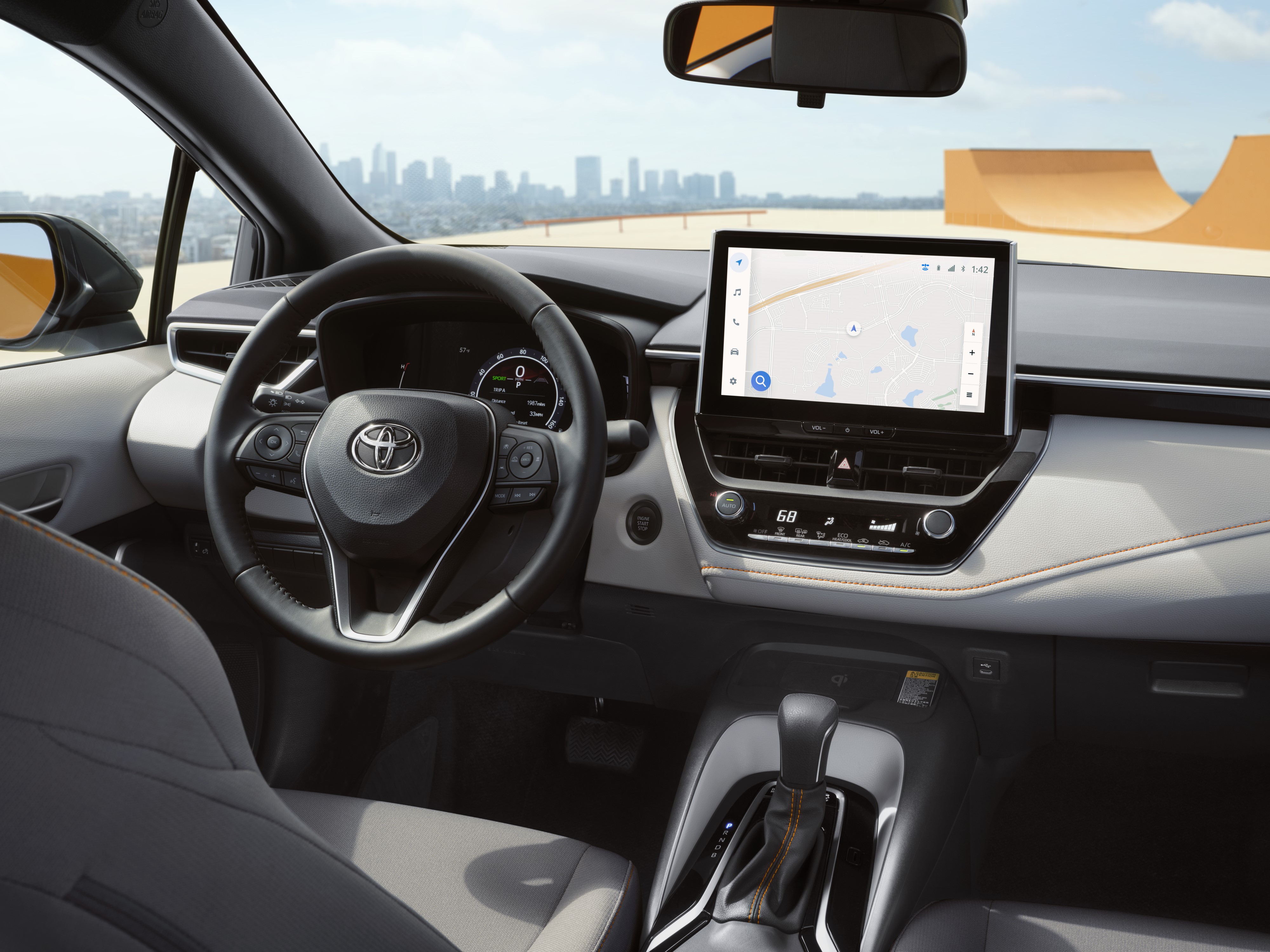
The interior of the 2025 Toyota Corolla adds a 10.5-inch infotainment screen, and the seats remain among the most comfortable among all sizes of vehicles, not just small cars.
Friends and stuff: The rear seat is pretty good for a small car. Headroom is dear — my head doesn’t hit the ceiling but it’s close — while legroom and foot room are nice. The door requires care when getting in and out because it’s a bit of a squeeze.
The middle seat passenger will be perched on a narrow cushion and a tall floor hump, and will be permitted to throw small food items at everyone else, or to at least choose the evening’s movie later.
Cargo space is 13.1 cubic feet. The seat folds to create a pass-through.
Play some tunes: The new 10.5-inch touchscreen helps with navigating through the sources and whatnot. But somewhere a designer is patting themselves on the back for the sleek control panel, which trades a volume dial for pushbutton -/+ system. Boo!
The stereo offers pretty good playback, especially by Toyota standards, about an A- or B+.
Keeping warm and cool: Kudos for the simplest controls I’ve seen in a long time — one dial for air speed, another for temperature, and silver buttons for everything else.
Fuel economy: I averaged about 32 mpg in an unusual array of Mr. Driver’s Seat testing. A very stop-and-go round trip to Center City figured mightily into the week. Otherwise it was mostly highway and side roads.
Where it’s built: Blue Springs, Miss.
How it’s built:Consumer Reports predicts the Corolla reliability to be a 5 out of 5. (Like, duh.)