Tag: Chester County

  • Erica Deuso’s campaign to be Pa.’s first trans mayor isn’t about that. It’s ‘about the neighbors.’

    Erica Deuso’s campaign to be Pa.’s first trans mayor isn’t about that. It’s ‘about the neighbors.’

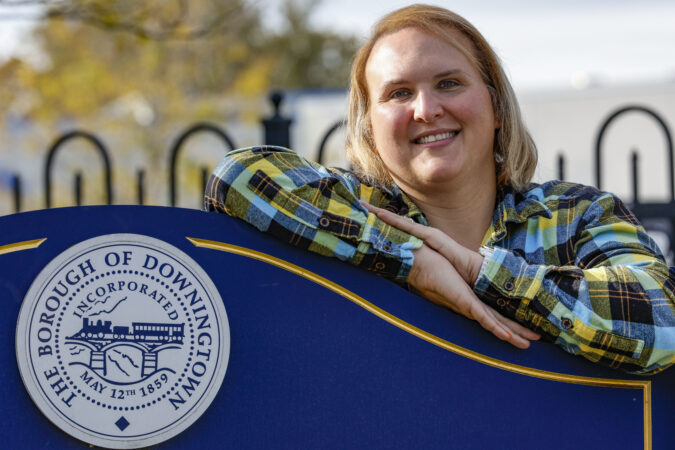
    By most measures, Erica Deuso’s campaign for mayor of Downingtown is unremarkable.

    She spends Saturday mornings greeting residents at the farmers market and her weekend days knocking on doors in the Chester County borough. Most of the time, she’s talking about traffic and community events.

    Nevertheless, the effort is groundbreaking.

    If she is elected in the Democratic-leaning borough, Deuso would be the first openly transgender person elected mayor in Pennsylvania. She would do so as President Donald Trump’s administration pursues policies that limit public life for transgender residents and as Democrats’ vocal support for the community wanes in the aftermath of the 2024 election.

    Democratic supporters pose with current Downingtown Mayor Phil Dague, center, Chester County Commissioner Josh Maxwell, center left, and mayoral candidate Erica Deuso, center right.

    For most voters, though, those facts didn’t even register.

    Deuso, who works in management at a pharmaceutical company, has lived in Downingtown for 18 years.

    She is a committeewoman in the local Democratic Party, and board member for Emerge Pennsylvania, which trains women and LGBTQ+ people to run for office. Her platform centers on traffic control, domestic violence, community engagement, and sustainable development.

    The Downingtown mayor has relatively limited power, overseeing the police department and acting as a tiebreaking vote on borough council. Deuso has promised not to sign an agreement between Downingtown police and U.S. Immigration and Customs Enforcement and said she wants to work on enhancing mental health services for officers while expanding their reach in the community to address concerns over traffic violations and e-bikes.

    As she knocked on doors on a Saturday morning in October, Deuso’s gender identity rarely came up in her interactions with voters.

    “I’m not running on being trans, that’s not something I ever do or ever wanted to do. I wanted to make it about the neighbors,” Deuso said. “It’s the other side making it about who I am, my identity.”

    Going door-to-door looking for votes in Downingtown in October, Erica Deuso meets Nicole Flood at her door.

    The historic nature of her campaign has likely driven attention and funds to the race. She has earned endorsements from several organizations that back LGBTQ+ and women candidates. And she’s received donations from outside the state and outside Chester County, including a $3,000 donation from Greater Than PAC, which supports progressive women.

    But a scan of comments in community Facebook pages shows her identity has also driven more vitriol.

    “There are people who refuse to use my correct name or pronouns, they’ve deadnamed me, all those sorts of things. But it’s been 16 years since I transitioned; I don’t really care,” Deuso said. But she’s mindful that LGBTQ+ youth are watching her. She engages in some of the posts, but not all of them.

    “I want to handle it with grace.”

    Those efforts are already influencing at least one local teen. Nicole Bastida-Moyer, a 39-year-old voter, told Deuso her candidacy had inspired her 14-year-old daughter to volunteer to help other students with their mental health. Both she and her daughter are pansexual.

    “She deals with a lot of hate,” Bastida-Moyer said through tears about her daughter.

    “Having Erica’s voice, it means a lot,” Bastida-Moyer said.
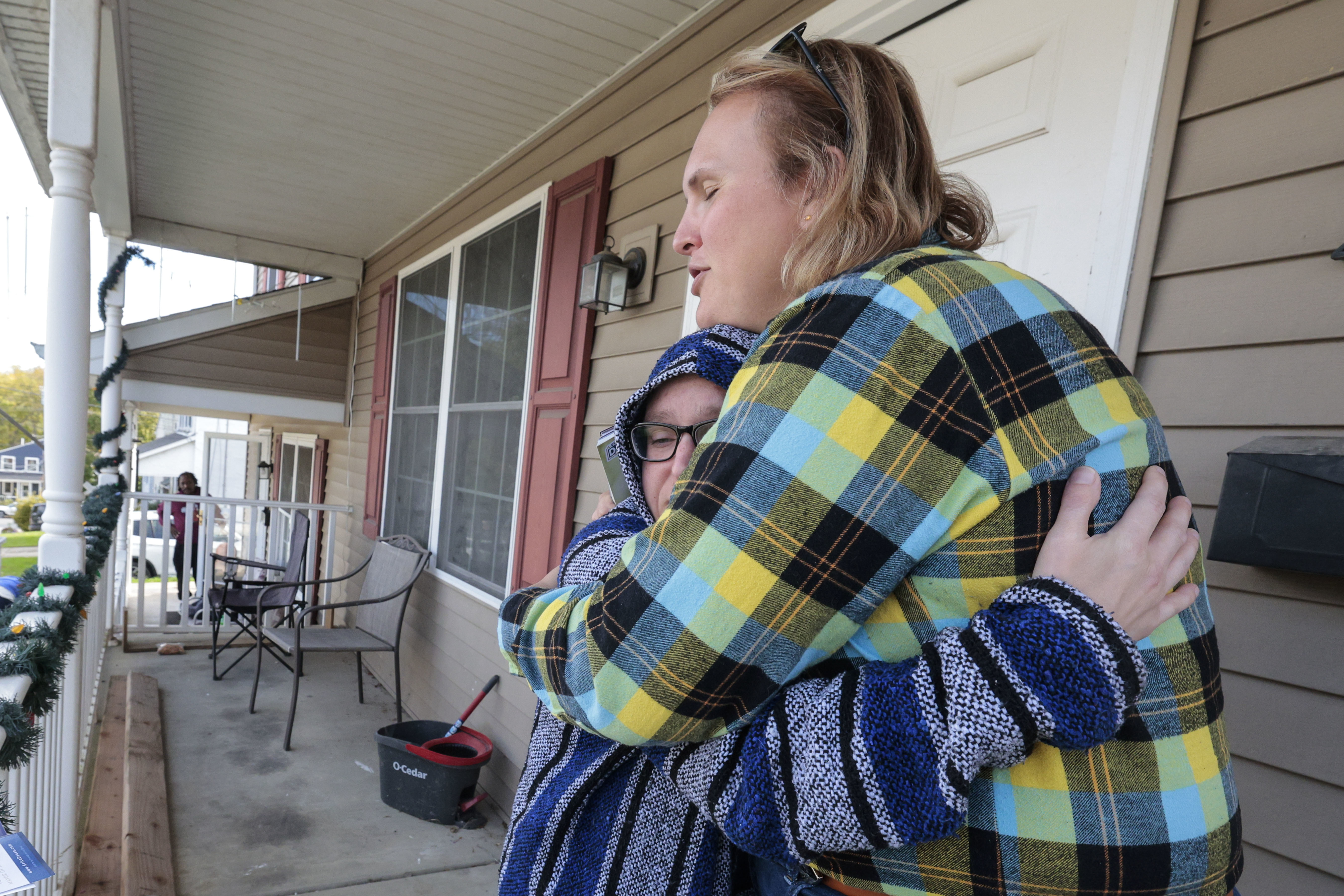
    Nicole Bastida-Moyer gets a hug from Downingtown mayoral candidate Erica Deuso while campaigning in October.

    Impact on voters

    Deuso responds to comments on her Facebook page and other groups occasionally. She said she tends to do so only when she thinks a true conversation can come of it.

    Door-knocking in her neighborhood, Deuso encountered just one voter who appeared to be hostile to her because of her gender identity. When Deuso approached one house, a woman came to the door and glanced at the candidate and her fliers through the screen door without opening it.

    “I’m not voting for him,” the woman said. “For who?” Deuso asked as the woman turned and walked away.

    Episodes like this are relatively rare, Deuso said

    “People are generally much nicer in person than online,” said Jenn Fenn, who managed U.S. Rep. Chrissy Houlahan’s 2024 reelection campaign in a district that includes Downingtown.

    Deuso’s opponent, Republican Rich Bryant, says he doesn’t condone those who attack Deuso based on her identity.

    But Deuso has shared several screenshots on social media that appear to show Bryant insulting transgender women and making misogynistic remarks about cisgender women. At a canvass launch at the local farmers market, the township’s current mayor, Democrat Phil Dague, referenced these posts while comparing Bryant to Trump.

    Current Downingtown Mayor Phil Dague talks with supporters for Erica Deuso listening at right. Saturday October 18, 2025.

    Bryant claimed 90% of these posts are AI-generated but refused to say which posts are real and which are fake.

    “I don’t like mud-slinging misinformation,” Bryant said. “I try to stay focused on what’s good for Downingtown.”
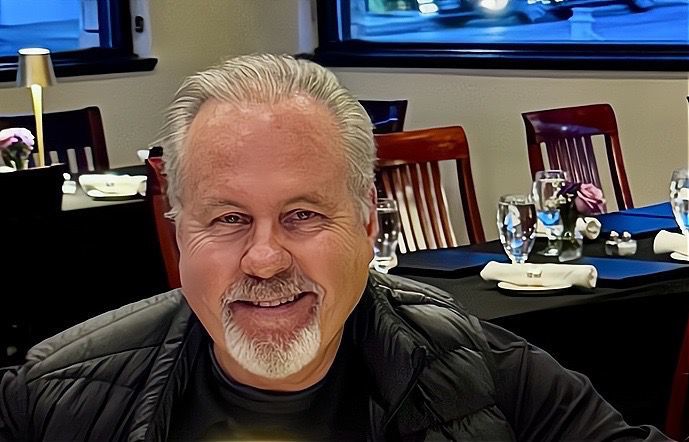
    Rich Bryant is running as a Republican for Downingtown mayor.

    He sought to present himself as better experienced than Deuso to be mayor, contending his career in cybersecurity has prepared him for the mayor’s primary duty of overseeing the local police department.

    Alice Sullivan, an 80-year-old neighbor and donor to Deuso, had noticed some of the nastiness on social media and said she was voting for Deuso because, unlike her opponent, she wasn’t a “bigot.”

    She lamented the online attacks against Deuso as disappointing — but unsurprising. The candidate’s gender identity shouldn’t matter, insisted Sullivan, who has lived in Downingtown for decades.

    “Other people’s lives, genders, whatever is not my business,” she said.

    Josh Maxwell, a Democratic county commissioner and former Downingtown mayor who had joined Deuso to knock doors, asked if Sullivan thought others would disagree in the historically Catholic community. But the people who cared, Sullivan argued, are “not going to vote Democrat anyway.”

    “There might be some,” she said. “I don’t know very many.”
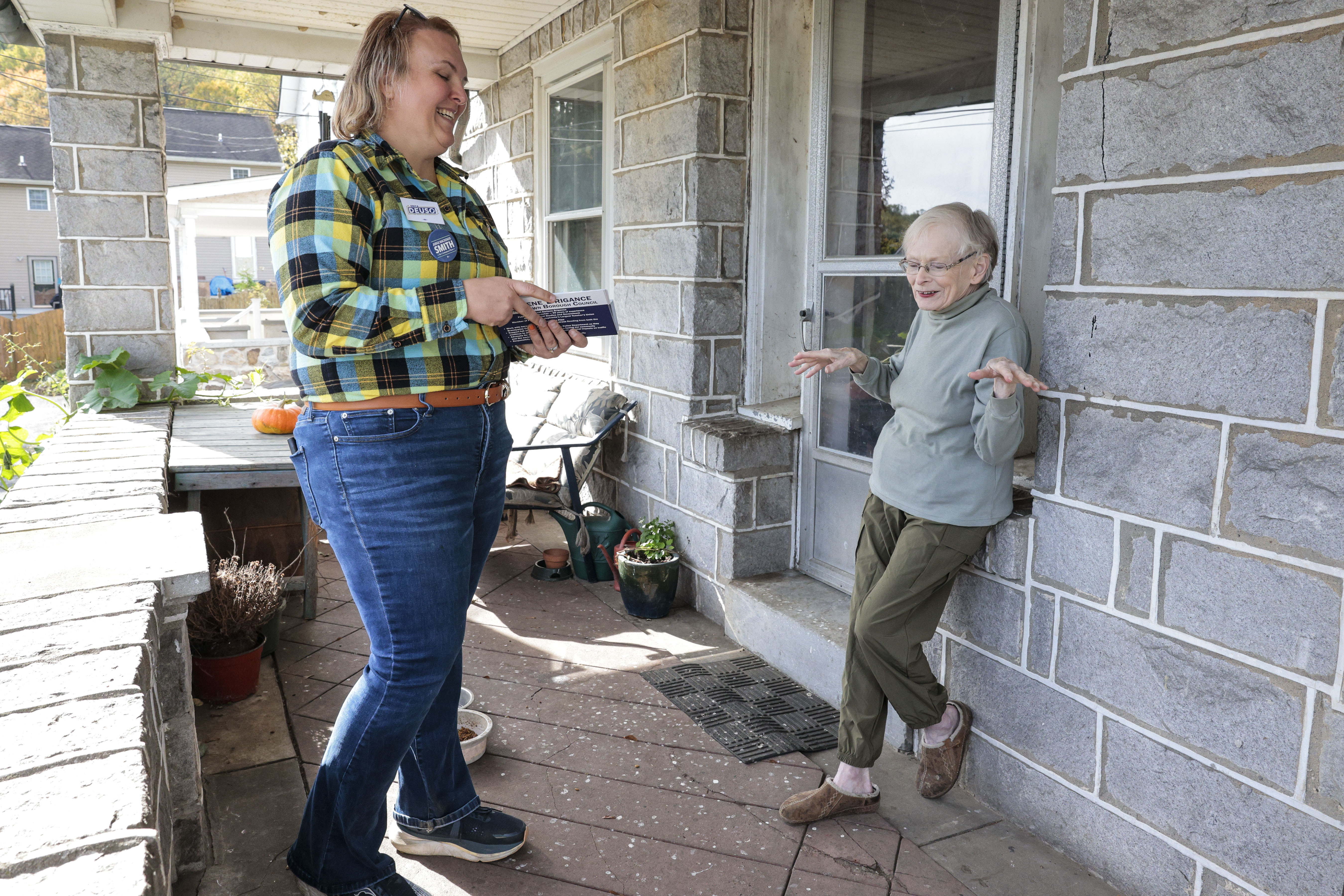
    Campaigning in the west end of Downingtown Erica Deuso greets Alice Sullivan on Oct. 18.

    As Deuso walked door to door, her conversations focused on local and community issues. She greeted every dog she saw and spoke to their owners about their safety concerns — drivers had been racing down quiet neighborhood streets — and their concerns about the community. Deuso is proposing a program to offer hotel rooms for one night to those facing domestic violence.

    She also made it clear that she would be a resource, even on issues that went beyond the mayor’s official duties. She showed one voter how she had started a youth-driven art project at a recent township festival. And pointed to a home that, just weeks prior, she’d brought a misdelivered package to on behalf of a voter.

    For weeks, Raul Hurtado, Deuso’s neighbor who immigrated from Colombia in the 1990s, has been rolling down his windows when he sees Deuso, telling her he’s voting for her.

    “She is from this town, my neighbor, and we need someone to help us,” Hurtado told The Inquirer.

    If she’s elected, Deuso told Hurtado, her goal is to be available to all residents through office hours at Borough Hall.

    “We can have a face-to-face discussion,” she said. “Not through your car window.”

    This suburban content is produced with support from the Leslie Miller and Richard Worley Foundation and The Lenfest Institute for Journalism. Editorial content is created independently of the project donors. Gifts to support The Inquirer’s high-impact journalism can be made at inquirer.com/donate. A list of Lenfest Institute donors can be found at lenfestinstitute.org/supporters.

  • Chester County prosecutors still trying to determine motive, identify suspects in Lincoln University shooting

    Chester County prosecutors still trying to determine motive, identify suspects in Lincoln University shooting

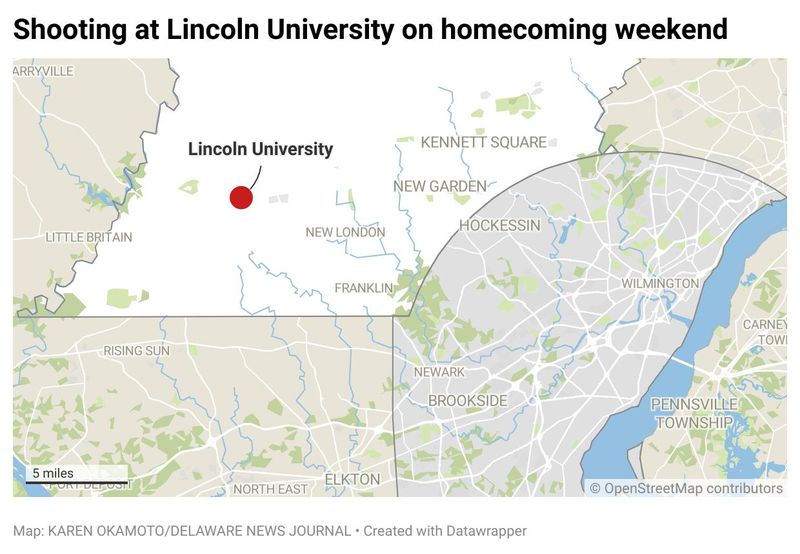
    A Wilmington man brought his mother’s gun to Lincoln University’s campus Saturday, prosecutors said, and was still holding the loaded weapon when a deadly shooting tore through the school’s homecoming celebration.

    Zecqueous Morgan-Thompson, 21, has not been charged in connection with the shooting, only with possessing the weapon without a concealed-carry permit. But investigators said they were still working Monday to determine whether his firearm was used in the incident at the historically Black university, which left one person dead and six others wounded.

    Morgan-Thompson remained in custody Monday in lieu of $25,000 bail.

    Chester County District Attorney Chris de Barrena-Sarobe said his office is trying to determine if more than one shooter was involved. Morgan-Thompson was arrested on the campus in the aftermath of the gunfire, holding a loaded Glock 28 .380-caliber handgun, according to the affidavit of probable cause for his arrest.

    The shots rang out about 9:30 p.m. Saturday on the campus in Lower Oxford Township. De Barrena-Sarobe has said he does not believe the shooting was a coordinated attack targeting the school, but instead took place as the crowd swelled on the campus.

    The motive for the shooting remained under investigation.

    Gunfire rang out just before 9:30 p.m. Oct. 25 at Lincoln University in the parking lot of the International Cultural Center in Lower Oxford Township in Chester County, Pennsylvania. The university is about 15 miles from Hockessin.

    Jujuan Jeffers, 20, of Wilmington, died after being shot in the head. It was unclear if Jeffers had any affiliation with Lincoln — investigators have said the victims included one alumnus and one current student.

    Jeffers’ brother declined to speak with a reporter when contacted Monday.

    The student who was hurt was recovering well, but obviously shaken, according to Chester County Commissioner Josh Maxwell, who is an adjunct professor at the school. Her injuries, he said, were not life-threatening.

    Lincoln University canceled classes Monday in light of the shooting.

    “Gun violence happens far too often in our country, and we are heartbroken that Lincoln University and its students are among the latest victims of such senseless violence,” the school said in a statement.

    The rural campus was quiet Monday afternoon as students gathered for a vigil that gave members of the university community a chance to grieve and heal.

    The service was not open to the media, and gates at various entrances to Lincoln’s campus were locked.

    Geslande Sanne, a Lincoln University junior from Oregon, was in her dorm Monday morning, still coming to terms with the chaotic scene she experienced Saturday night.

    “A lot of us on campus are processing it in our own different ways,” said Sanne, a political science and French major. “We are all reaching out to each other. Our professors are talking to each other and to us. Some students went home to be with their families. Some people are just resting.”

    She said she intended to attend the university’s community healing session on campus at noon and later go to the hospital to visit her friend, who was the only Lincoln student shot during the incident.

    Sanne recalled that she and a group of friends were on the outskirts of the crowd when they heard gunshots.

    “Everybody started running and we started running, too,” she said. “We were confused. Did something really happen? After a few minutes, the music stopped, and we knew something really happened.”

    She and her friends made a plan to get back to their dorms so they would be safe, but then decided to seek shelter inside the International Cultural Center building, not far from where the shooting took place.

    After people started banging on the windows, she said, Sanne and her friends left there and walked carefully back to their dorms.

    It all happened in about 20 minutes, she estimated.

    Sanne said she chose to attend Lincoln because she wanted to go to an HBCU and was impressed by all its prominent graduates. She said she has received much encouragement and many opportunities at the school.

    “It’s really inspired me,” she said, “that I can be a part of something positive despite everything going on in the country.”

    She said she has always felt safe on Lincoln’s rural campus, safer than she does anywhere else. And Saturday night’s shooting hasn’t changed that.

    “It wasn’t Lincoln’s fault,” said Sanne, who wants to be an international lawyer. “We do the best we can with the resources we have. It shouldn’t be an excuse to leave or disinvest in Lincoln. It’s a reason to pour in more resources and support these schools even more.”

    Staff writer Jesse Bunch contributed to this article.

  • Democratic vets in Congress blast Scott Perry’s comment that Democrats ‘hate the military’

    Democratic vets in Congress blast Scott Perry’s comment that Democrats ‘hate the military’

    Democratic veterans in Congress, including two from Pennsylvania, are taking personally comments U.S. Rep. Scott Perry made to a conservative radio station asserting that Democrats in Congress “hate the military” — and the lawmakers are hitting back.

    “That’s only a credential that they get when they want to run for office,” Perry said, of Democrats, during an interview last week on The Chris Stigall Show.

    ”They join the military, they serve a little bit, they get the credential and then they run for office and wear the uniform and say, ‘Look at me — I support America.’ But let’s face it, all their votes say they don’t support America.”

    Perry made the comments last week, but a report this week from the New York Times prompted backlash from Perry’s colleagues on the other side of the aisle, including U.S. Rep. Chris Deluzio, a Democrat who represents the Pittsburgh suburbs and served six years in the Navy.

    On Wednesday, members of the Democratic Veterans Caucus, cochaired by Deluzio and U.S. Rep. Pat Ryan (D., N.Y.) called the remarks “insulting to their service,” in a statement shared with The Inquirer.

    “It’s disgusting to see a sitting member of Congress attack the integrity and honor of veterans and servicemembers due to their political party,” the veterans wrote. “He should immediately apologize to his constituents for insulting their service and questioning their patriotism.”

    The statement blasted Perry as an “oathbreaker,” noting he was part of an effort to throw out Pennsylvania’s electoral votes after President Donald Trump’s loss in the 2020 election. The lawmakers also criticized Perry’s unwillingness to hold in-person town halls, something very few Republican lawmakers have been doing since Trump’s first administration.

    “If he had a spine he’d stand in front of the Democratic veterans he represents and say this garbage to their faces, but Scott Perry doesn’t have the guts,” his House colleagues wrote.

    The statement from the caucus was co-signed by 13 other Democratic veterans in the House, including U.S. Rep. Chrissy Houlahan, a Democrat who represents Chester County. The Air Force Veteran has challenged the Trump administration’s rhetoric and policies regarding female service members.

    Perry, in a statement, pushed back clarifying his remarks were not about “all Democrats,” but “Leftists in Congress who served in the military and use that as a shield to insulate themselves from accountability for their radial and corrosive ideologies.”

    He said the Times story “cherry-picked” one line in a broader six-minute interview with Stigall about the government shutdown and funding the Pentagon.

    “The leftists now stomping their feet about my response are the same leftists who caused our government to shut down,” Perry said in his response.

    Still, the comments from Perry about his colleagues and their jilted response illustrate the ways in which political insults have accelerated. Lawmakers who have served in the military had long been one of the few bipartisan groups bonded through service. A group of Democratic and Republican former service members serving in Congress called For Country Caucus still meets for early morning breakfasts on the Hill.

    Perry, a House member since 2013, served in the U.S. Army and has been a staunch conservative voice, unabashed with his criticism of Democrats. Perry retired from the Army National Guard in 2019 with the rank of brigadier general after 39 years of service.

    He could face a tight reelection contest next year after narrowly winning his Central Pennsylvania district by just one point in 2024. Democrat Janelle Stelson, a former local news anchor who narrowly lost to Perry that year, is running again. She is currently the top-funded House challenger in the country.

  • As Trump limits federal college loans, a new private lender specializes in lending to families desperate for a student to graduate

    As Trump limits federal college loans, a new private lender specializes in lending to families desperate for a student to graduate

    Colleges and universities expect the Trump administration’s new limits on government-backed student loans will drive more families to higher-cost private lenders. John Witter, CEO of industry leader Sallie Mae, expects his company will attract around $5 billion in new private loans, thanks to lifetime limits on taxpayer-backed student borrowing in President Donald Trump’s Big Beautiful Bill.

    Investors, meanwhile, are betting that private college loans will balloon under the Trump rules. But less than half of families who apply qualify for mainstream lenders’ private student loans.

    So a group of executives who used to work at Sallie Mae, which is based in Wilmington, have organized a start-up company, GradBridge, to make loans at higher interest rates to students who max out on scholarships and government loans but still hope to finish college or graduate school.

    On Wednesday, GradBridge said it had raised $20 million to speed its growth before the new loan limits begin next summer.

    The money was raised from private investors led by Acorn Investment Partners, which is managed by Los Angeles-based Oaktree Capital Management. Oaktree’s investors include the Pennsylvania public schoolteachers’ (PSERS) and state workers’ (SERS) pension funds.

    GradBridge will be a “second-look” lender for families turned down by mainstream private college lenders, said Jen O’Donald, GradBridge founder and CEO.

    O’Donald, who lives in Chester County, is a former head of products for Sallie Mae and the mother of two college students. Her top lieutenants include chief financial officer Brian Carp and chief operations officer Lisa Kaplan, also Sallie Mae veterans. Advisers include Sallie Mae Bank’s former president, Paul Thome, and former chief credit officer Dan Hill.

    After Trump’s election last year, O’Donald said, she and former colleagues reviewed the “massive disruption” the Trump platform promised in college financing and looked for business opportunities.

    Even if only some of the changes were enacted, “only about 35% to 45% of private college loans get approved,” and many students’ families are not able to get a private student loan after they have exhausted federal grant and loan programs, she said in an interview.

    With the lifetime limits on student loans enacted by the Trump administration, O’Donald sees an “overwhelming shift” away from government programs to private loans over the next few years, as students grandfathered under earlier programs graduate and new students borrow up to the new program limits.

    GradBridge expects to get referrals from colleges and mainstream lenders of borrowers who don’t fit the high-end ability-to-pay profile.

    While mainstream lenders could charge an annual interest rate from the mid-single digits to as much as 18% a year, GradBridge might charge less-bankworthy borrowers an additional 3% or 4% on top of the mainstream rate, driving monthly payment up by $30 or $40 for every $10,000 owed.

    O’Donald said GradBridge offers an alternative to “credit cards, personal loans, parents’ 401(k) accounts, home equity loans” and other costly alternatives families use to help their children stay in college.

    Federal student loans are made to applicants who apply to government-approved, mostly four-year colleges, without the kind of traditional loan underwriting used to evaluate if borrowers are likely to repay home, auto, or small-business loans.

    Not surprisingly, those student loans suffer a high loss rate, the justification lenders used to get the government to agree to prevent federal student loan debtors from having their loans discharged in bankruptcy.

    But private lenders like Sallie Mae and GradBridge consider family income and other factors that affect whether the loan will likely be paid, O’Donald said.

    Most private college loans require adult cosigners. Because they rely mostly on family income to ensure they get paid back, lenders typically don’t worry about what majors or graduate degrees a borrower pursues, she added.

    “GradBridge’s approach addresses a real market gap” for students who “fall just outside of traditional credit underwriting models,” Yadin Rozov, Acorn’s chief investment officer, said in a statement.

    GradBridge employs around half a dozen people. It plans to increase to around 30 by 2027.

    O’Donald said the Wilmington area is a national center for student lending and a good place to hire for a loan start-up.

    Besides Sallie Mae, it is home to College Avenue, another student lender founded by Sallie Mae veterans; Navient, a student-loan servicing company; and other consumer payment companies.

    With college enrollments flat or declining, O’Donald said schools are eager to forge ties with private lenders.

    “The first big impact will be next summer,“ she said. ”It will take a few years before the full impact will be seen, but schools are starting to be concerned about how they will keep kids enrolled.”

  • The wooded Malvern-area home of a famous Main Line builder is for sale for nearly $2 million

    The wooded Malvern-area home of a famous Main Line builder is for sale for nearly $2 million

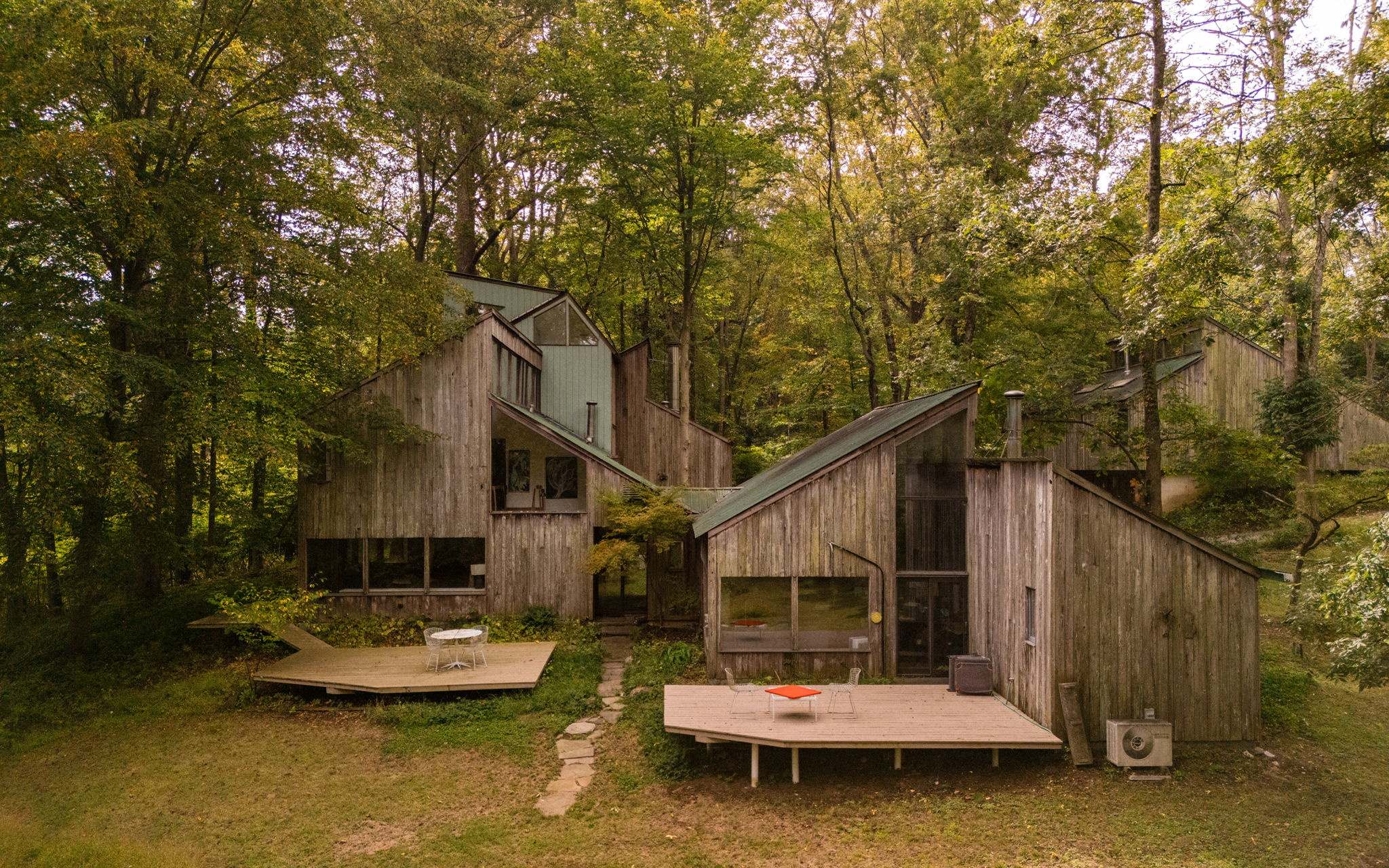
    A Chester County home full of beautiful woodwork and secluded on five acres of land is for sale for nearly $2 million.

    Advertised as the “McElroy House” in an ode to the late builder Robert McElroy, the 4,300-square-foot property near Malvern hit the market last week for $1.99 million.

    This Willistown Township home, for sale for nearly $2 million, was designed by Robert McElroy and has a wing that was devoted to his wife Annamaria’s art studio.

    McElroy, who is credited with building more than 200 homes around the Main Line, designed and built this home for his own family in 1975, according to Marion Dinofa, Compass RE Realtor and modern home specialist.

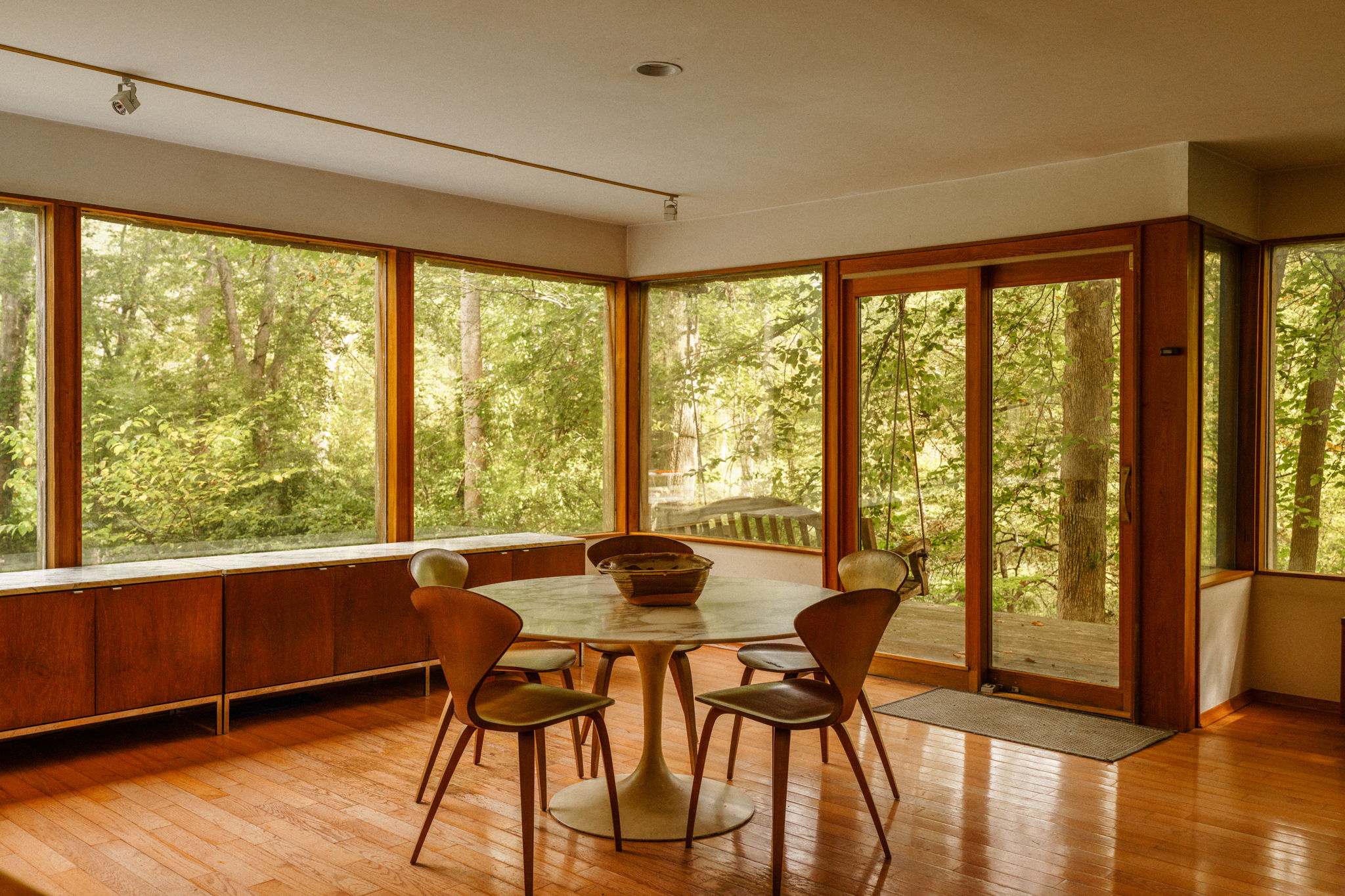
    Tucked far off Rabbit Run Road in Willistown Township, McElroy’s three-bedroom, 3½-bath home features a contemporary design and floor-to-ceiling windows that let in abundant natural light.

    “I see a lot of really cool houses, but this one, almost more than any other house, is truly like you’re living in a work of art, between the craftsmanship of the woodworking, the views through the windows that are ever changing with the seasons, and the design of the home itself,” Dinofa said.

    Wooden details make Robert McElroy’s former home in Willistown Township unique, said Realtor Marion Dinofa.

    Almost every piece of wood in the home was crafted by Horace Hartshaw, who collaborated with the renowned sculptural furniture maker Wharton Esherick. This includes everything from the wood doors to the custom kitchen cabinets to the staircases, including a spiral one at its center.

    McElroy wasn’t the only artist who resided in the home: His wife, Annamaria, a painter and sculptor, also left her mark, showcasing her artwork on the walls and using a wing of the home as her studio.

    Dinofa noted that the house also includes a detached two-story garage that could be converted into more creative space.

    The secluded home features custom wood features that were crafted by renowned artist Horace Hartshaw and lots of windows.

    Between Robert’s vision and Annamaria’s artistic touches, their home “was a labor of love,” Dinofa said. “And it’s really well preserved. You can tell it hasn’t changed much.”

    Annamaria and Robert lived at the home into their 90s, Dinofa said. They died in 2023 and 2024, respectively. Dinofa said the home is being sold by their daughter, Loretta.

    Dinofa said she could see the property being bought by artists or by adventurous young parents who want to raise their children amid nature.

    “It would be such a fun place for kids to play outside,” with a stream in the backyard and plenty of space to run around, Dinofa said. “I can only imagine the wildlife that they have viewed from that house.”

  • Plan to turn Pennhurst site into massive data center outrages neighbors

    Plan to turn Pennhurst site into massive data center outrages neighbors

    Megan Heiken recently bought a home near the former Pennhurst State School and Hospital, once a center for people with developmental disabilities that now operates as a popular haunted Halloween attraction.

    A new plan to convert Pennhurst into a massive data center has outraged and mobilized local residents, as well as people in neighboring communities in an area known for rolling hills, farms, and an overall rural character.

    Heiken launched an online petition urging her Chester County neighbors and East Vincent Township officials to “work together toward a solution that preserves the Pennhurst property, honors its history, and protects the environment and quality of life for all who live, work and visit here.”

    The petition had 1,825 signatures as of Friday.

    “I made this move to be out in an area with more space, more nature,” Heiken said. “The fact that the owner just wants to plow it over and swap in a data center is kind of alarming.”

    Her sentiments are widely shared. The board of supervisors and planning commission in East Vincent have hosted public meetings on the issue that stretched for hours as residents from Spring City to Pottstown voiced objections.

    Data centers require a large-scale way of cooling computing equipment and are often dependent on water to do that. The amount of water they use can be about the same as an average large office building, although a few require substantially more, according to a recent report from Virginia, which has become a data center hub.

    Steve Hacker, of East Vincent, told the board that his well had already gone dry, as has his neighbor’s, even before a data center has been built. He’s concerned about where the data center would get its water.

    The pushback comes as both President Donald Trump and Pennsylvania Gov. Josh Shapiro champion data center development. Trump aims to fast-track data centers and exempt them from some environmental regulations. Shapiro promotes a 10-year plan that includes cutting regulatory “red tape.”

    State legislators and local governments are scrambling to rewrite local laws as most have no local zoning to accommodate data centers or regulate them.

    window.addEventListener(“message”,function(a){if(void 0!==a.data[“datawrapper-height”]){var e=document.querySelectorAll(“iframe”);for(var t in a.data[“datawrapper-height”])for(var r,i=0;r=e[i];i++)if(r.contentWindow===a.source){var d=a.data[“datawrapper-height”][t]+”px”;r.style.height=d}}});

    1.3 million square feet

    Pennhurst‘s owner has not yet filed a formal application to develop the site, but an engineering firm has submitted a sketch of a preliminary plan to East Vincent Township to develop 125 acres for use as a data center.

    The land is owned by Pennhurst Holdings LLC, whose principal is Derek Strine.

    Strine deferred comment to a spokesperson, Kevin Feeley.

    “Pennhurst AI is aware of the concerns expressed by the residents of East Vincent Township, and we are committed to working through the Township to address them,” Feeley wrote in an email. “What we propose is a facility that would be among the first of its kind in the United States: a state-of-the-art data center project that would address environmental concerns while also providing significant economic investment, jobs, and tax rateables as well as other benefits that would directly address the needs of the community.”

    Feeley said Pennhurst AI plans to continue “working cooperatively with the Township.”

    The sketch calls for five, two-story data center buildings, a sixth building, an electrical substation, and a solar field. Together, the buildings to house data operations would total more than 1.3 million square feet.

    The plan states that a data center is an allowable use within the Pennhurst property because the land is zoned for industrial, mixed-use development. Township officials have agreed a data center would be allowed under that zoning.

    The grounds are bordered by Pennhurst Road to the west. The Schuylkill lies down a steep gorge to the east and north. The property is near the border of Spring City, which is just to the south.

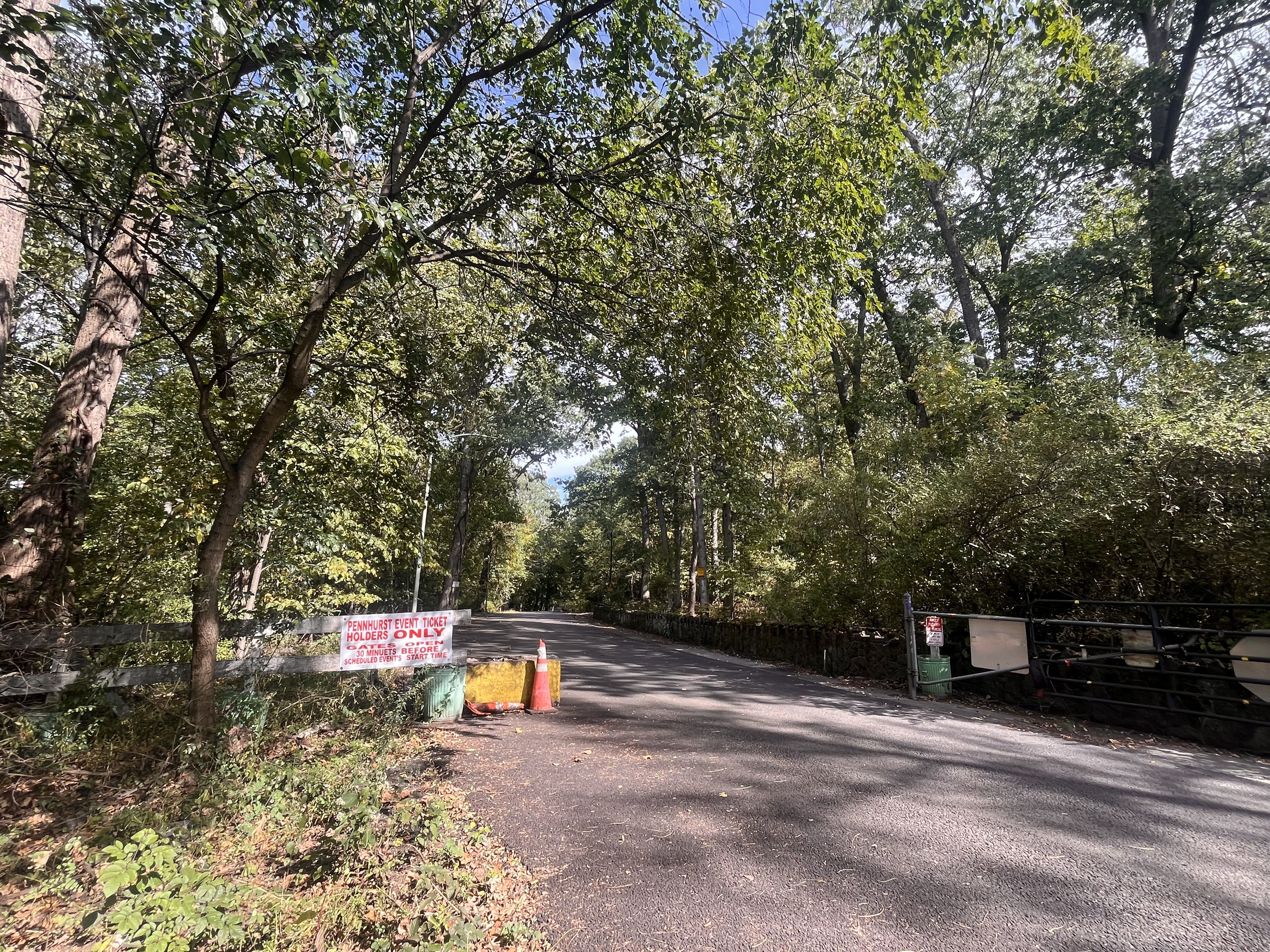
    A view of the entrance to the Halloween attraction at the former Pennhurst State School and Hospital grounds in East Vincent Township, Chester County.

    What’s Pennhurst?

    Pennhurst State School and Hospital, known today as Pennhurst Asylum for its Halloween attraction, has had a long and troubled history. It opened in 1908 to house individuals with intellectual and developmental disabilities. It became severely overcrowded by the time it closed in 1987.

    A 1968 documentary Suffer the Little Children highlighted abusive and neglectful practices, and resulted in legal actions and a landmark disability rights ruling in 1978 that declared conditions as “cruel and unusual punishment.”

    The last patient left Pennhurst in 1987, and the facility sat abandoned until it was purchased in 2008 and converted into a Halloween attraction despite protests from various advocacy groups.

    The Halloween attraction has continued and operators say it shows sensitivity toward those once housed at Pennhurst. Separately, visitors can take historical tours of the exteriors of 16 buildings and learn about people who lived and worked there. The site also has a small Pennhurst history museum.

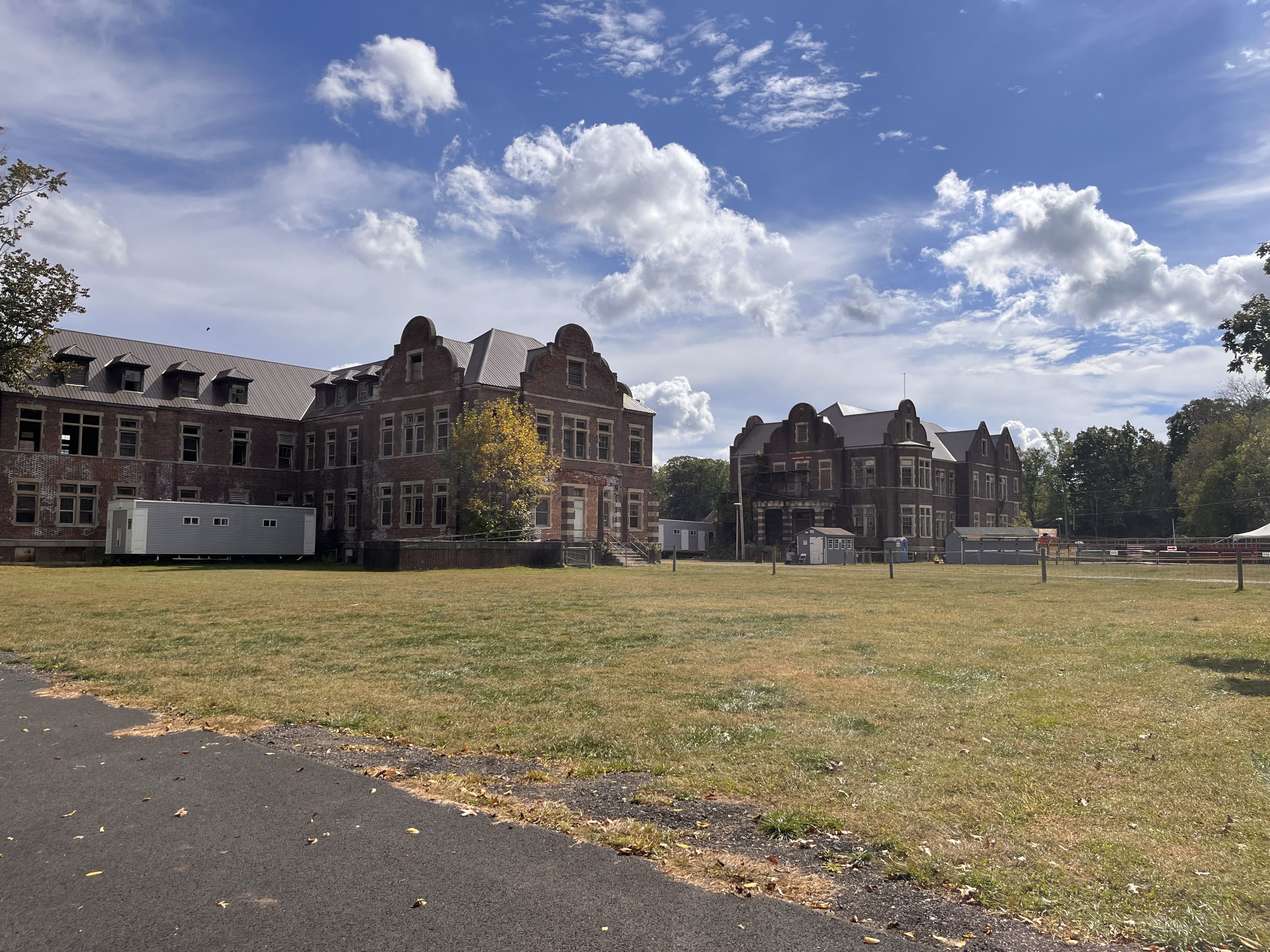
    A view of the vacant buildings on the former Pennhurst State School and Hospital grounds in East Vincent Township, Chester County.

    Contentious meetings

    In recent months, East Vincent officials have raced to draft an ordinance that would govern data centers by limiting building heights, mandating buffers, requiring lighting, noting the amount of trees that can be cut down, and other restrictions.

    At two contentious meetings in September, residents and the board of supervisors argued about the draft ordinance’s specifics. Residents said the ordinance did not incorporate some community-suggested safeguards aimed at preserving the township’s rural character.

    Residents asked how much water the data center would consume, how much power it would need, and how much noise it would generate.

    Pennhurst’s zoning was changed in 2012 from allowing only residential development to permitting industrial and mixed-use buildings. Township Solicitor Joe Clement told residents that it is difficult for the municipality to argue that a data center would not fit within that zone.

    “If there’s a use that is covered by the zoning ordinance, we can’t stop that use,” board vice chair Mark Brancato explained at a Sept. 18 meeting.

    Officials said the draft ordinance was not specifically aimed at the Pennhurst site but was meant to broadly govern any data centers proposed in the township.

    What we’re trying to do is to come up with a set of reasonable guidelines, guardrails, and conditions in the new zoning ordinance that will … provide as much protection as we possibly can for the residents,” Brancato said. ”We are committed to protecting and preserving the rural character of the township.”

    Township meetings, some of which have lasted hours, have been marked by raised voices and emotional appeals.

    “Our whole community is kind of anxious about the thought of this new data center,” Gabrielle Gehron, of Spring City, said during one meeting. “I’m confused about whether we are or not doing something to prevent that from happening.”

    Pa. State Rep. Paul Friel, and State Sen. Katie Muth, both Democrats from East Vincent, have spoken at meetings. Muth noted that Strine received a $10 million grant and loan package from the state in 2017 to prepare the site for “a large distribution facility” and other industrial structures, new office development, and the renovation of six existing buildings for additional commercial use, amid ample open space, according to a funding request provided by the governor’s office.

    Muth fears Strine is paving a path to clear the data center for development and sell the property — after benefiting from tax dollars.

    “These are not good things to live next to,” Muth said of data centers.

    The board tabled the draft ordinance on Sept. 22 after receiving legal advice that they still had time to incorporate more residents’ concerns.

    Beyond Pennhurst

    Other municipalities in Pennsylvania face a similar issue: Most don’t have existing zoning for data centers. However, state law mandates that municipalities must provide zoning for all uses of land — just as state and federal officials are ramping up plans to embrace the centers.

    Plymouth Township is dealing with pressure as Brian J. O’Neill, a Main Line developer, wants to turn the Cleveland-Cliffs steel mill into a 2 million-square-foot data center that would span 10 existing buildings. The Plymouth Township Planning Commission voted against the project given resident backlash. The plan goes to the zoning board later this month.

    And Covington and Clifton Townships in Lackawanna County in the Poconos are also dealing with zoning issues and widespread opposition regarding a plan to build a data center on 1,000 acres.