Tag: Chinatown

  • One of Chinatown’s best restaurants is coming to East Passyunk Avenue

    One of Chinatown’s best restaurants is coming to East Passyunk Avenue

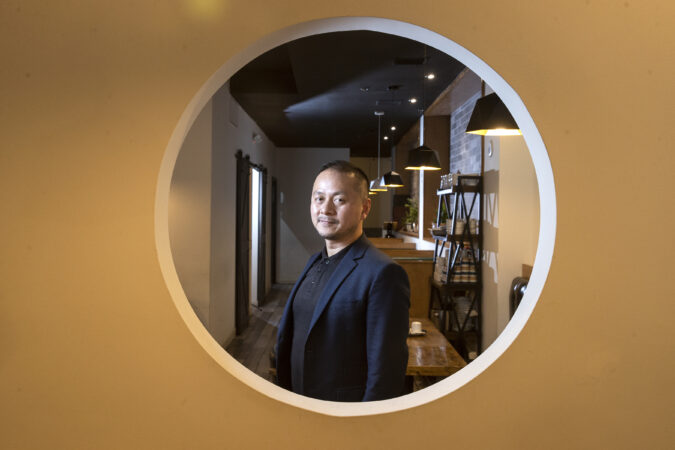
    One of Philadelphia’s most acclaimed Sichuan restaurants is expanding beyond Chinatown. With his purchase of the landmark Marra’s Restaurant & Pizzeria on East Passyunk Avenue, EMei owner Dan Tsao has set his sights not only on South Philadelphia but also to the Main Line and beyond.

    Several months ago, Tsao purchased the former John Henry’s Pub property on Cricket Avenue in Ardmore, where hopes to open another EMei next summer.
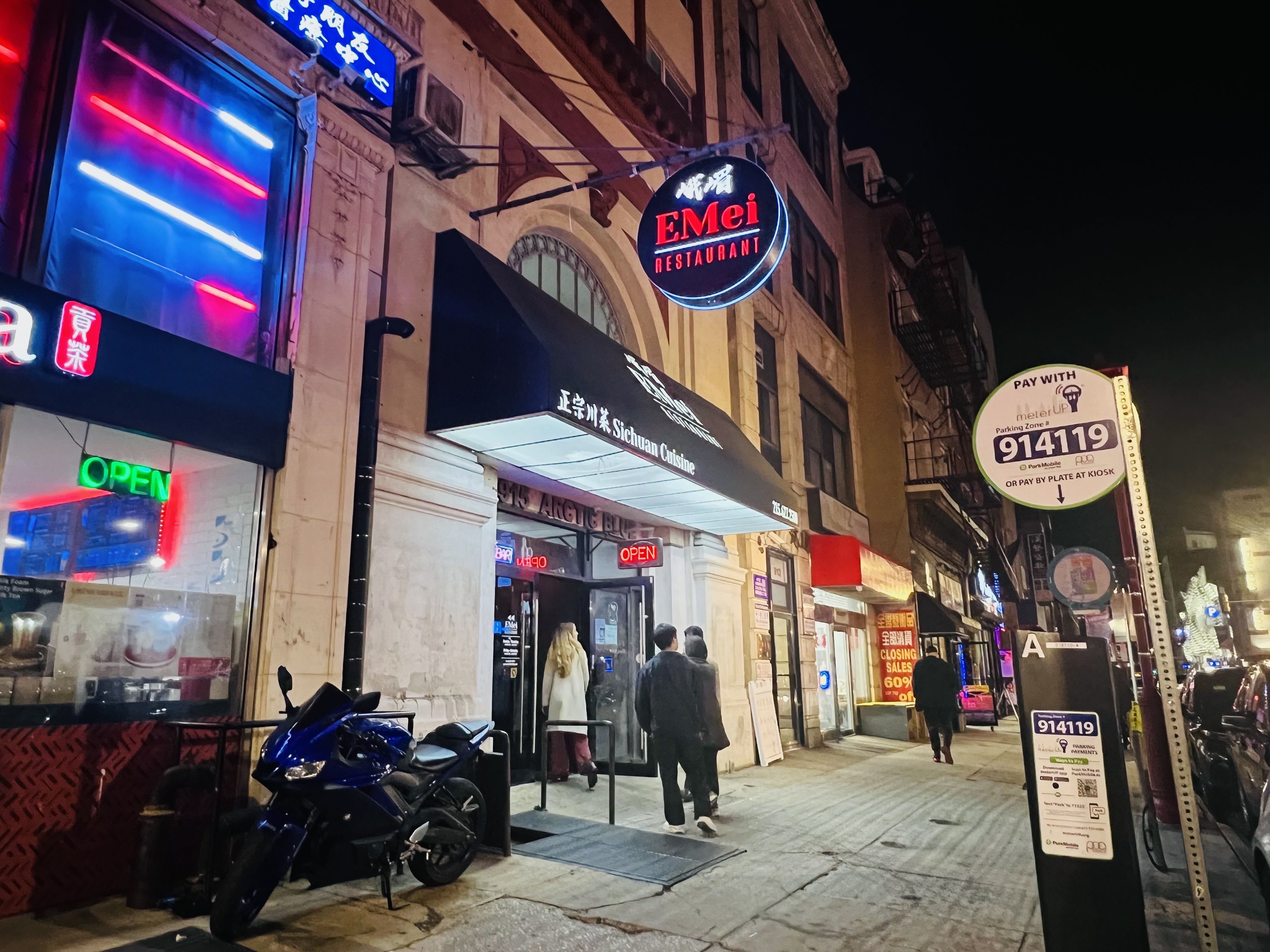
    Dan Tsao’s restaurant EMei at 915 Arch St. in Chinatown on Nov. 8, 2025.

    Tsao said the East Passyunk EMei would roll out in phases, with takeout and delivery launching in February during renovations and full dine-in service targeted for summer 2026. He said he wants to become part of the Passyunk Avenue community for decades to come.

    Real estate broker Greg Bianchi, who represents the family that owned the Marra’s building at 1734 E. Passyunk Ave., called the deal “a win-win for everybody. [Tsao is] going to bring more people and business to the other businesses. People don’t realize what a force he is in the Chinatown community.”
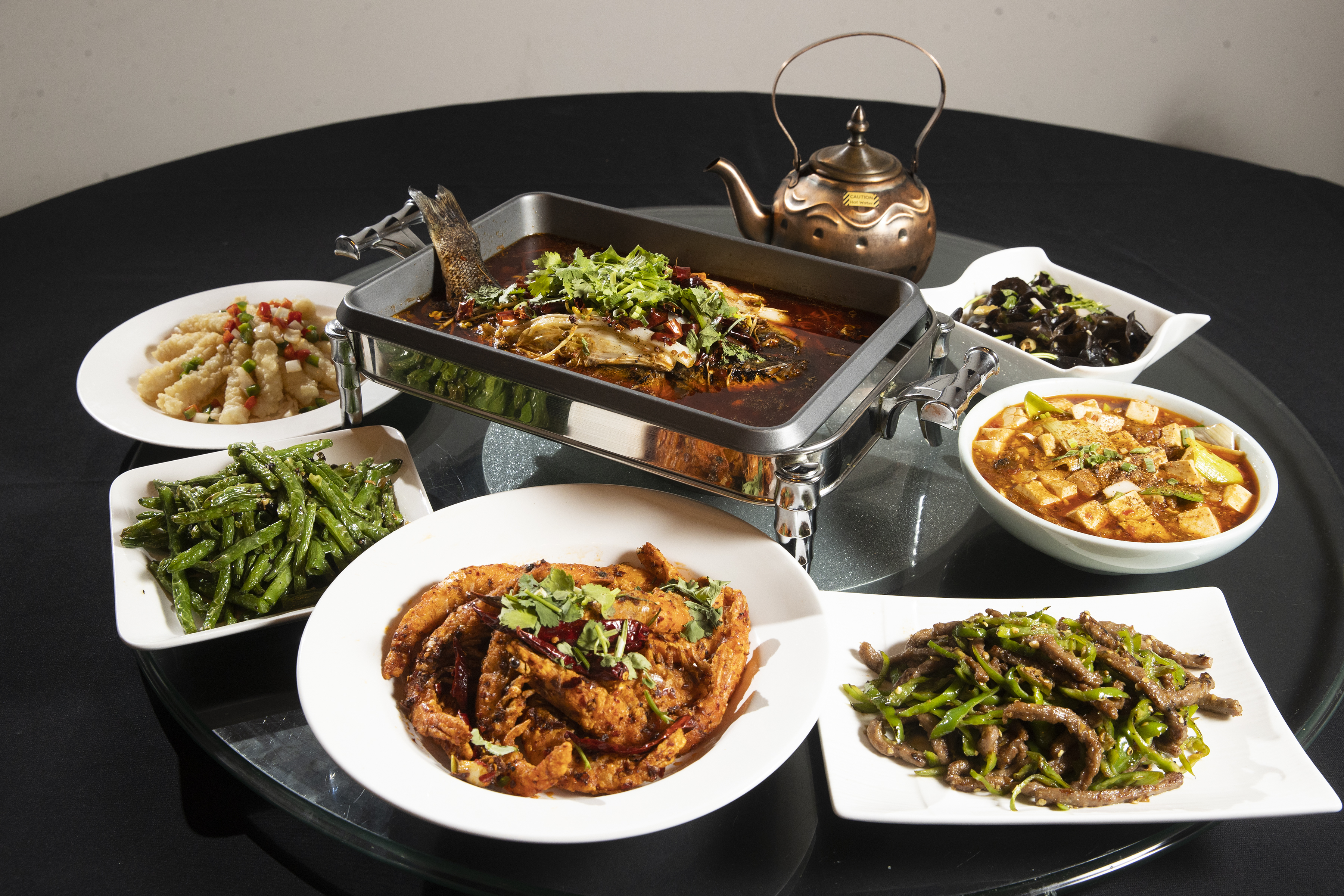
    Dishes served family style at EMei, 915 Arch St.

    Besides operating EMei, Tsao — who immigrated from China after high school and graduated from Penn State in 1999 — has been a newspaper publisher for 18 years. His New Mainstream Press operates Metro Chinese Weekly and Metro Viet News, offering deeper news coverage than the typically ad-heavy publications that had dominated the local Asian-language media.

    EMei (pronounced “E-may”), which Tsao’s mother-in-law opened in 2011, draws a loyal base of native Chinese patrons for its Sichuan specialties, including mapo tofu, Chongqing spicy chicken, dry pot, tea-smoked duck, dan dan noodles, and whole fish. Its accolades include a 2024 placement on The Inquirer’s 76 most vital restaurants list and the top ranking in the Daily Pennsylvanian’s Best of Penn student survey. Recently, chef Amanda Shulman cited EMei in Food & Wine as her favorite restaurant.

    EMei on the rise

    The kitchen at 915 Arch St., entirely in the basement, is now at capacity. Even after recent upgrades, including six new wok stations, 18 new kitchen staffers, and robots delivering foods to the tables, “growth requires new space,” Tsao said.

    Tsao analyzed sales data and found that many customers hail from Lower Merion, where he lives with his family — hence the opening in Ardmore. He also noticed that EMei is especially popular in South Philadelphia, whose four ZIP codes account for more than 20% of delivery volume.

    This made East Passyunk a natural site for expansion. He said he was immediately drawn to the Marra’s building and was surprised that it had been on the market for more than four years.
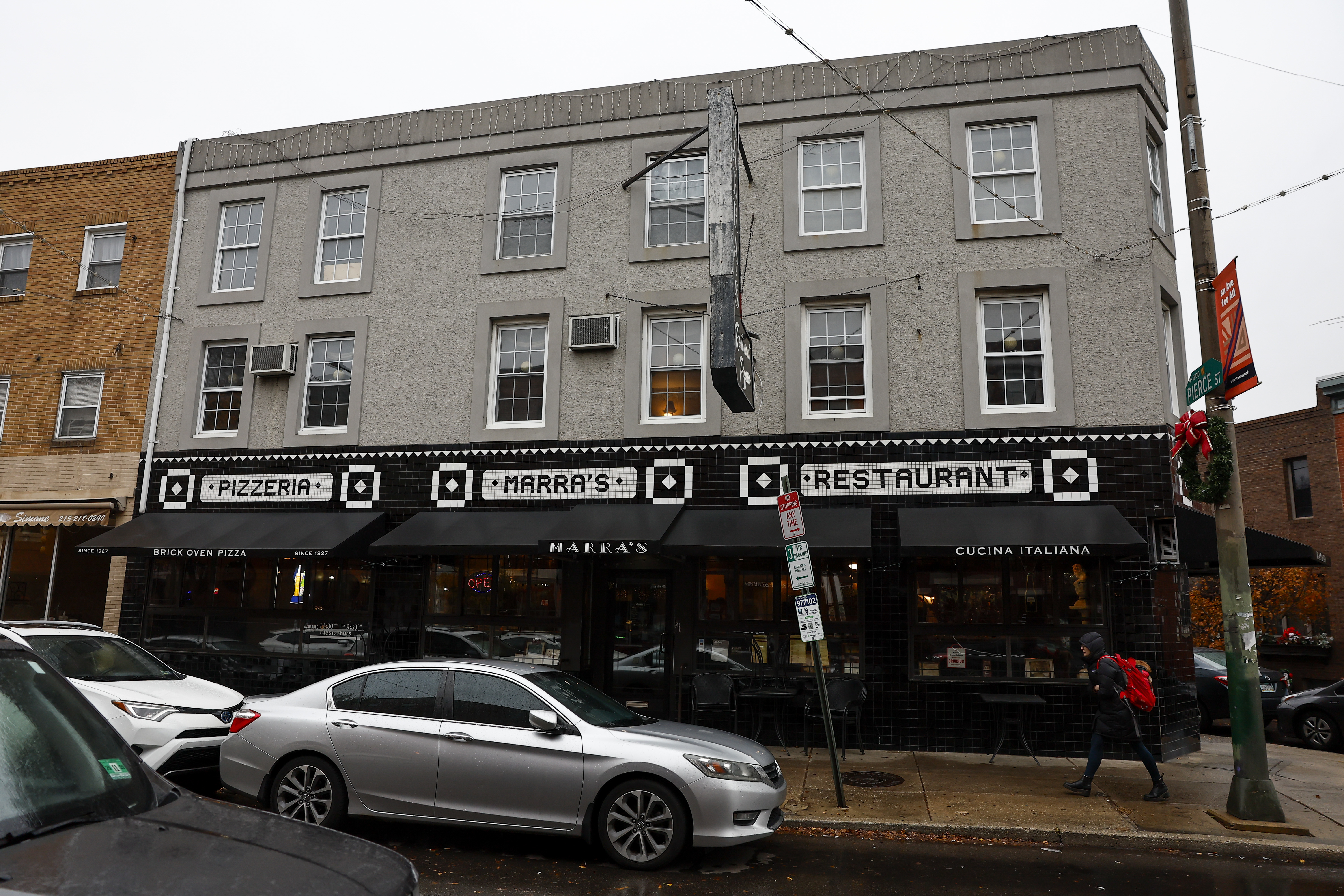
    Marra’s restaurant, as seen on Nov. 30, 2025, its last day.

    When Tsao learned that co-owner Robert D’Adamo — a grandson of Marra’s founder Salvatore Marra — was preparing to retire, Tsao saw parallels in his own experience: Before the pandemic in 2020, his mother-in-law, Jinwen Yu, and her business partner, chef Yongcheng Zhao, were looking to step aside; Tsao became an unlikely restaurateur, buying out partners and taking on responsibilities he had not expected.

    “My father spent his entire career as an executive at a food enterprise in our hometown in Zhejiang, and in college I worked every position in a Chinese takeout restaurant,” Tsao said. “Through my newspaper and digital platforms, I’ve also worked with more than 200 restaurant clients. I always knew this was a hard business. But I didn’t fully understand the challenges until I took over EMei.”

    He recalls fixing sewage backups until 2 a.m., working overnight with contractors to maneuver a 1,200-pound wok station into the basement, and spending hours after service refining the menu with chefs. “The industry is brutal,” he said. “If you stay mediocre, or stay in the comfort zone of only serving a niche customer base, you will struggle — even if the restaurant doesn’t close. I knew we had to evolve EMei into something much bigger.”
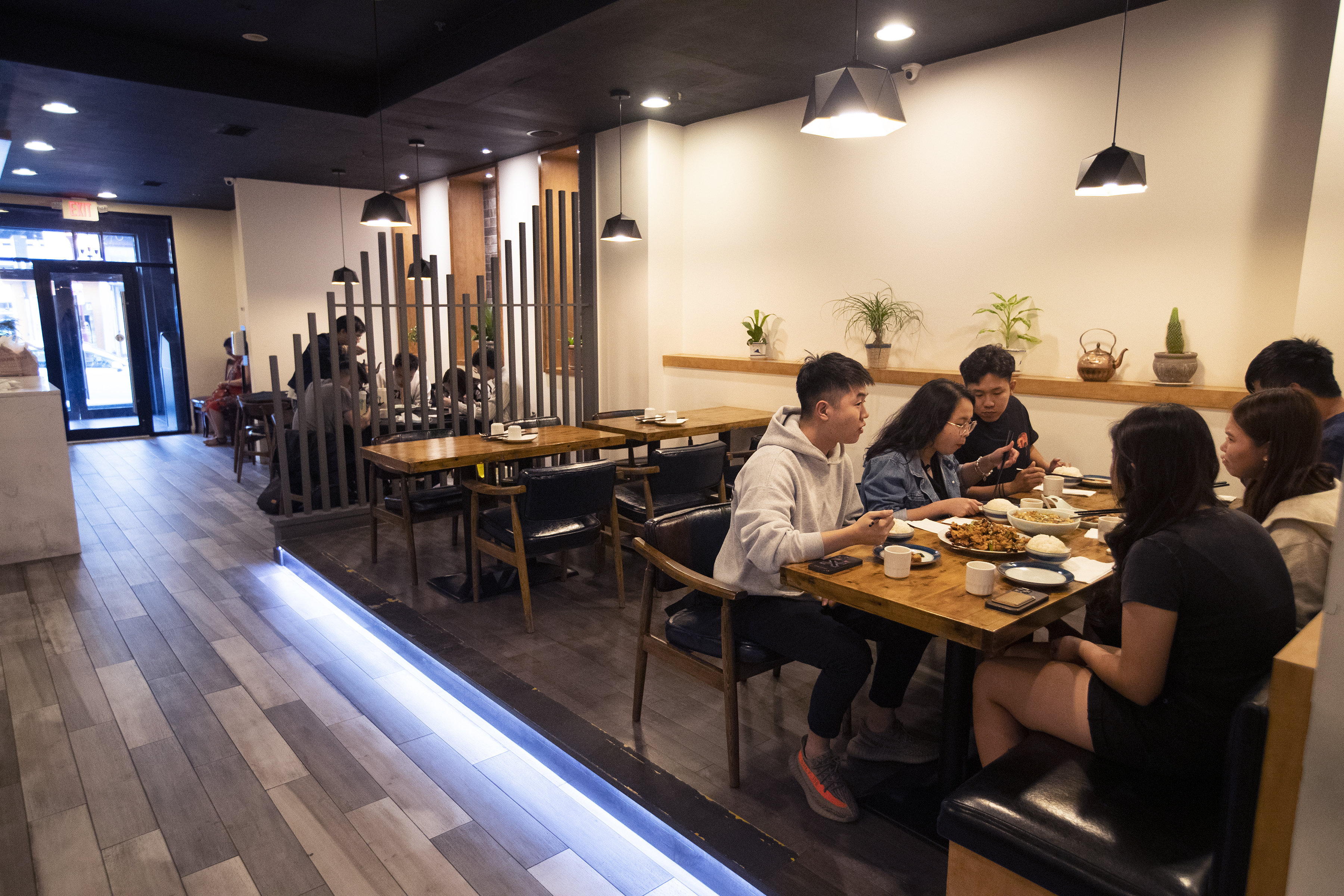
    The dining room of EMei at 915 Arch St.

    In 2019, he and his wife, Ting Ting Wan, closed the restaurant for two months to renovate. During the first two years of the pandemic, when sales dropped 50%, the entire family worked more than 60 hours a week to keep the business alive.

    Tsao also pulled two assistants from his media company to build formal back-office systems that later enabled EMei to scale. During the pandemic, Tsao launched RiceVan, a delivery and distribution service that transported Chinatown meals to suburban households and provided jobs for refugees and new immigrants.
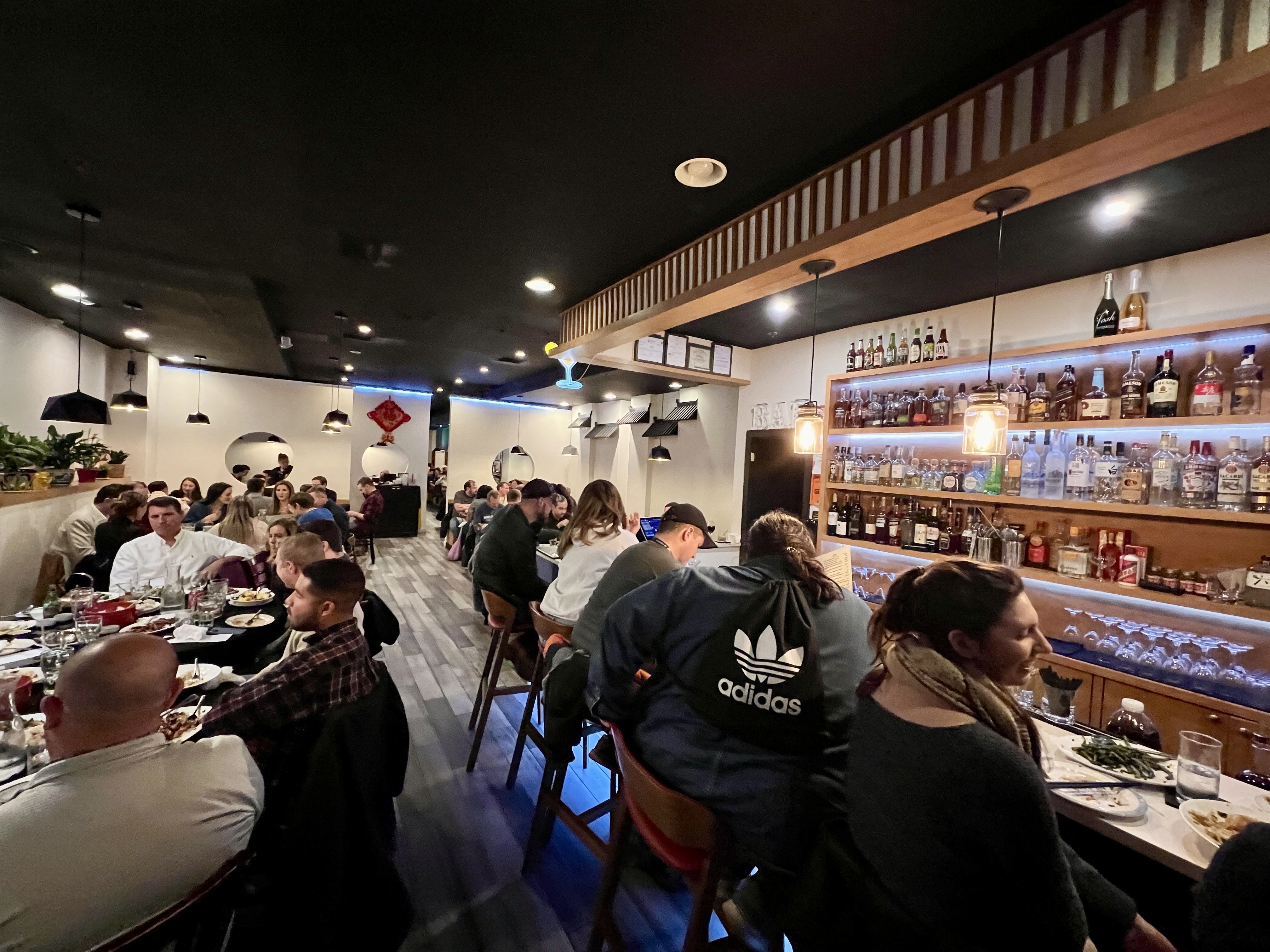
    EMei restaurant at 915 Arch St., which opened in 2011.

    EMei has since grown from 11 full-time employees to 37, and sales have increased more than 300% compared with pre-pandemic levels, Tsao said.

    Tsao credits the restaurant’s founders — Yu and Zhao — for staying involved. “They still come in every day, even now,” he said. “Part of it is that retirement can be boring. But it’s also because once we took responsibility for operations and finances, they were able to relax, work fewer hours, and focus purely on the culinary side.”
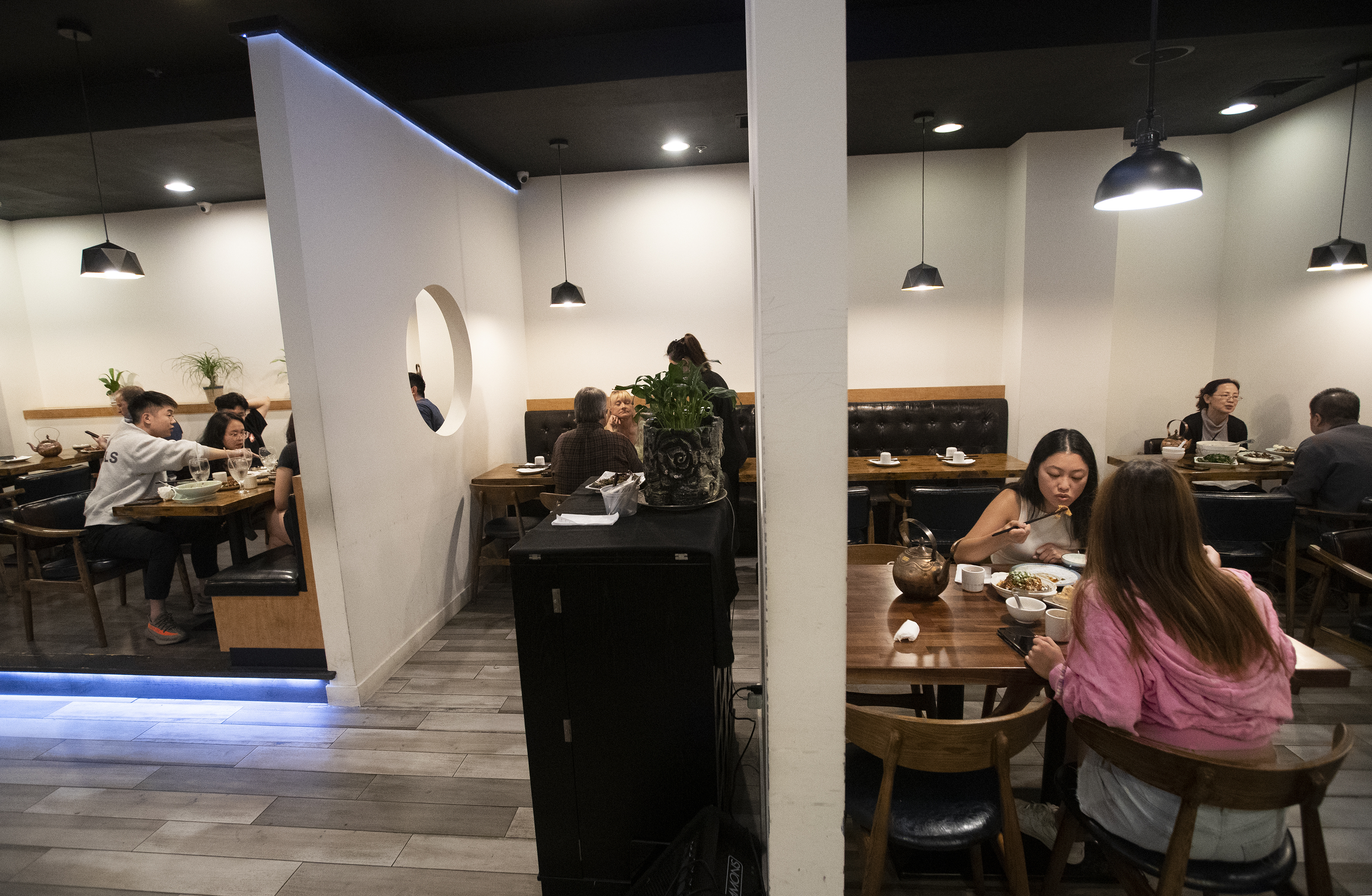
    The dining room of EMei, 915 Arch St.

    A historic building reimagined

    The Marra’s building will undergo substantial structural and mechanical upgrades, Tsao said. Plans include a first-floor restroom to resolve long-standing ADA issues; full replacement of HVAC and electrical systems; and removal of window units in favor of central air.

    The vintage booths will be reupholstered. The bar will shift to the Pierce Street corner to improve flow. The second-floor private dining room will get new lighting and finishes; the third floor may be converted into a multipurpose or staff area. Tsao said he intends to address minor structural concerns while preserving the historic masonry and architectural character.

    One open question is the fate of Marra’s nearly century-old brick pizza oven, which Marra’s family member Mario D’Adamo said was failing. EMei will test whether it can be used. If removal becomes necessary, Tsao said the bricks, sourced from Mount Vesuvius, would be saved and possibly given to the D’Adamo family, the East Passyunk Business Improvement District, or incorporated into the renovation.

    “Our model has evolved — instead of putting over half a million dollars into leasehold improvements that don’t belong to us, we’d rather put that money into a building that becomes part of the company’s foundation,” Tsao said. “Restaurants come and go, but great restaurant buildings with stories — like this one — can last generations. We want to be the next chapter in that story, not just a tenant passing through.”
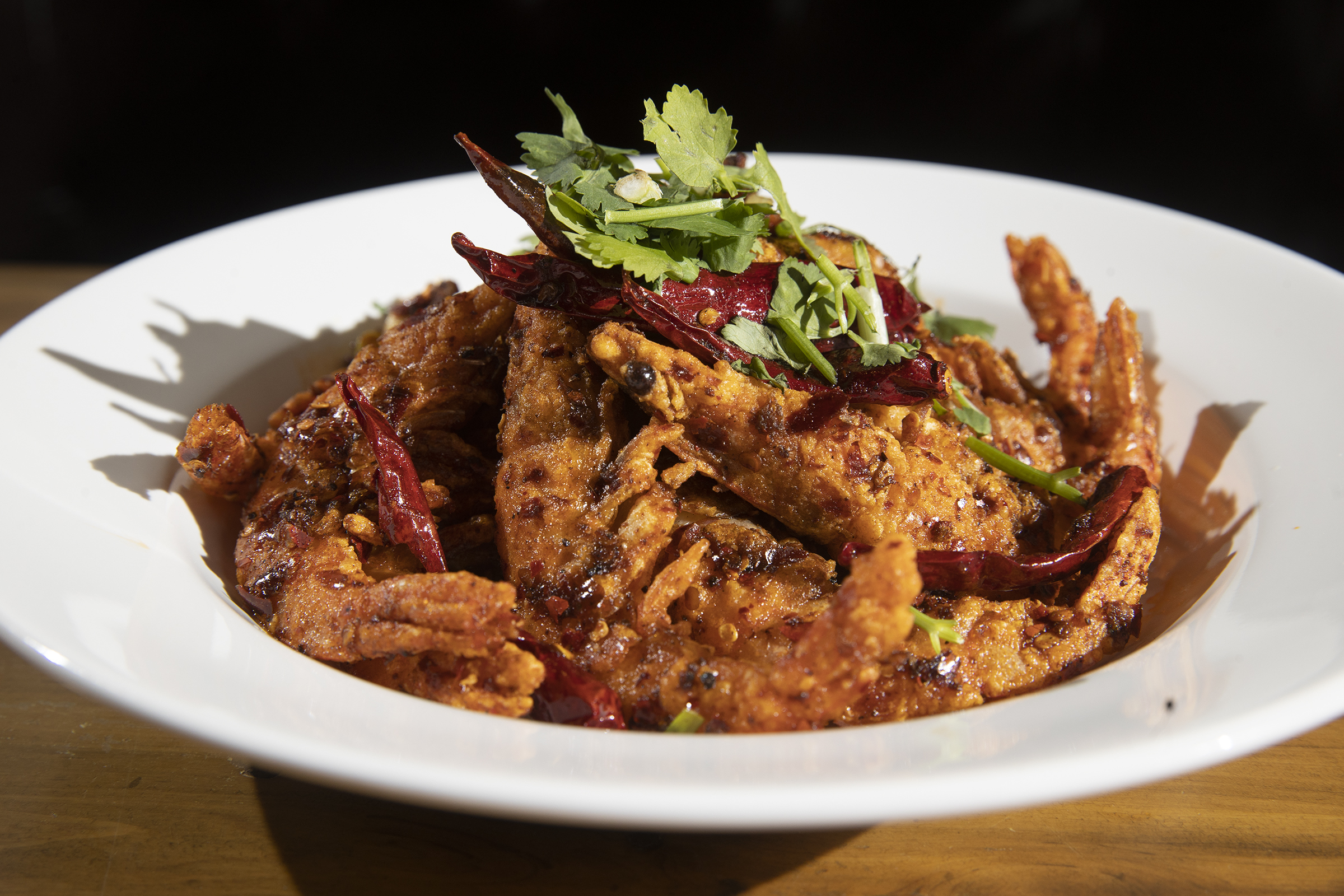
    The jumbo shrimp in hot peppers at EMei at 915 Arch St. on Sept. 15, 2022.

    What to expect on EMei’s menu

    The East Passyunk menu will reflect the Chinatown original while serving as a testing ground for contemporary Sichuan cooking – “lighter, seasonal, more ingredient-driven interpretations that show how Sichuan cuisine continues to evolve,” Tsao said.

    Roast duck and possibly Shanghai soup dumplings are under consideration, filling a void left by the closure of Bing Bing Dim Sum nearby. Some heritage dishes removed from the Chinatown menu will return there, helping differentiate the three locations while keeping them unified. EMei’s gluten-free program, including a separate fryer, will continue.

    Tsao said the neighborhood feels like home to his family. “I took my three kids — ages 6, 14, and 17 — to the East Passyunk Fall Fest again this year, and they instantly connected with the neighborhood’s energy,” he said. “They spent nearly 30 minutes exploring Latchkey Records, each leaving with something they picked out themselves. Watching them fall in love with the street the same way we did really made it feel like home.”
  • It’s essential that Mayor Parker’s H.O.M.E. plan prioritize resources for ‘people-first’ housing

    It’s essential that Mayor Parker’s H.O.M.E. plan prioritize resources for ‘people-first’ housing

    After months of state and federal budget stalemates that have threatened essential services for Philadelphia’s most vulnerable, we now know those budget outcomes don’t address critical housing needs, and as such, we have an opportunity right now as a city to meet the moment through the first year of spending in Mayor Cherelle L. Parker’s housing affordability plan.

    As a city, we are currently scrambling to decide what to do with $200 million per year for four years to address housing, when just last year we were discussing spending $1.3 billion on a Sixers arena in Chinatown. Clearly, the issue is not a lack of resources, but where we choose to direct them.

    Housing in Philadelphia has rarely been people-first in its approach; rather, it’s been about extraction from communities in one form or another. One could argue that the first great Philadelphia housing plan started with the city’s founding in 1682 and was built on the displacement of the Lenape people, who had inhabited the region for generations.

    In a neighborhood like Kensington — where I live and work — housing was developed at the turn of the 20th century to advance industry, and the profits to be made from it, by putting factories in formerly rural spaces and then surrounding those workplaces with as many homes as possible. This was a housing plan meant to extract as much as possible — rental payments, increased worker productivity, patronage of local businesses — from those who lived and worked here.

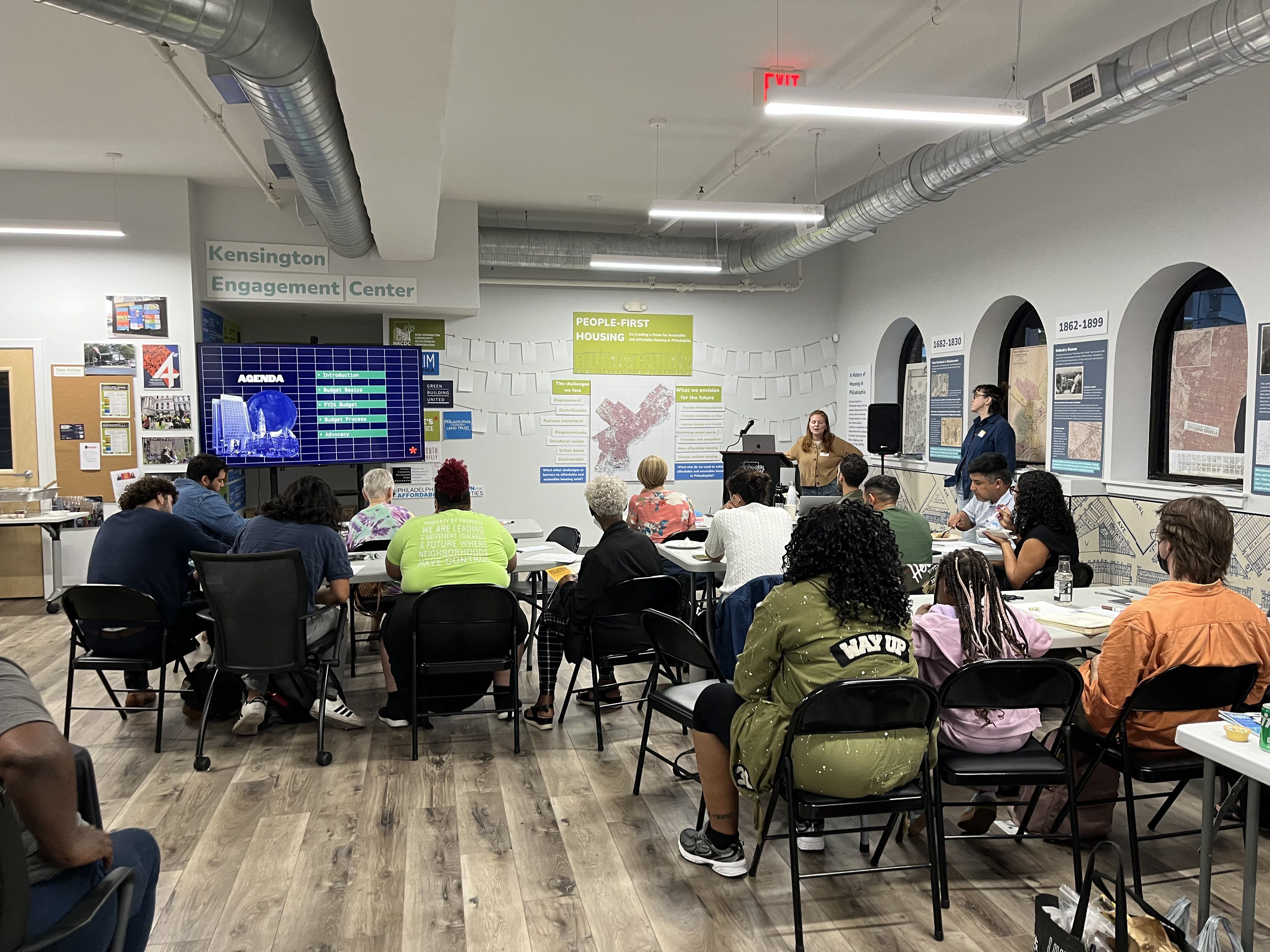
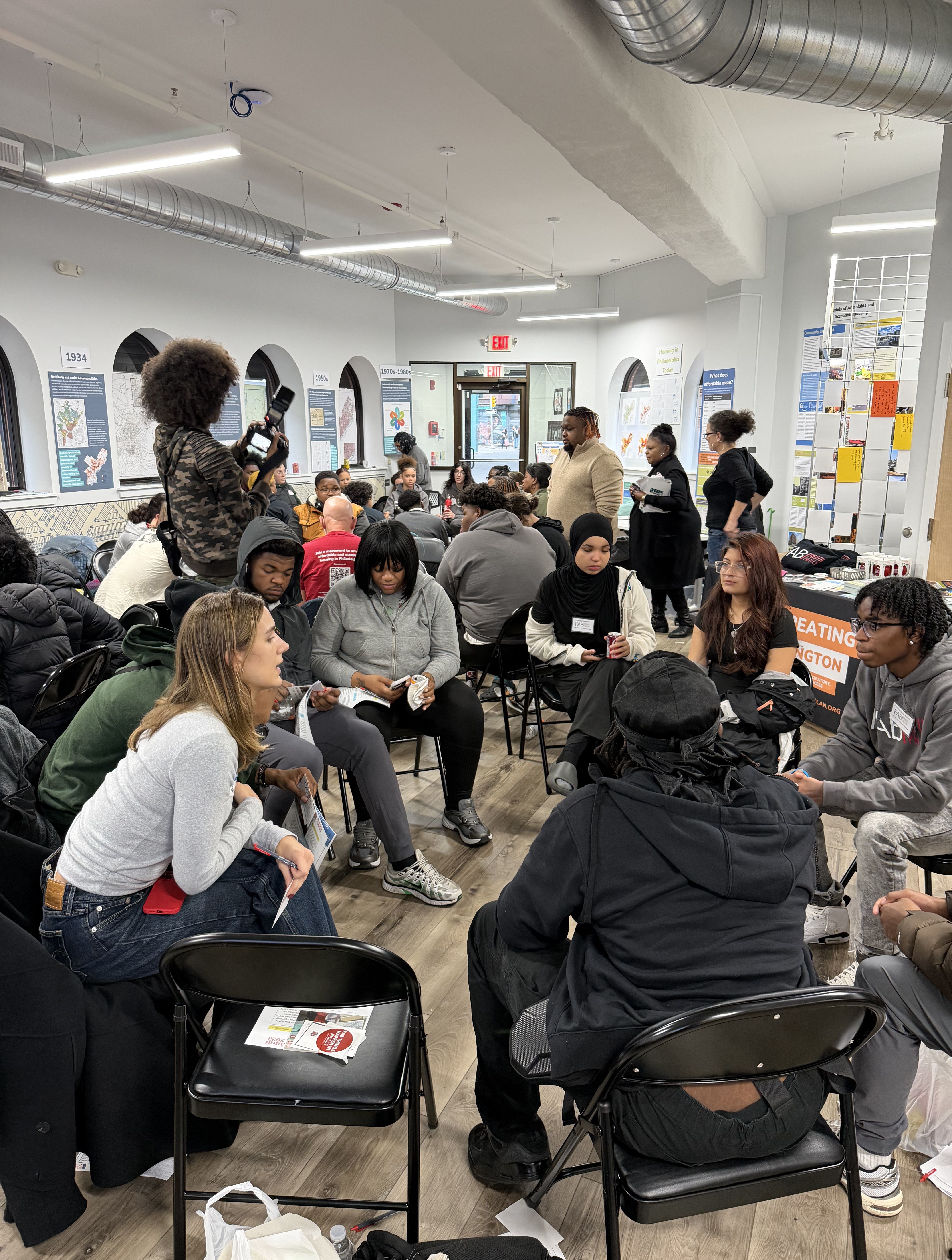
    Fab Youth Philly brings together young people for a teen town hall to discuss housing issues on Nov. 15 at the Kensington Engagement Center.

    Profit-first models aren’t only relegated to the past. Just a few weeks ago, the Reinvestment Fund reported that corporate investors are most active in Black and brown — often intentionally disinvested — neighborhoods, where they are responsible for one in four residential purchases, creating more extraction through landlords rather than creating and maintaining wealth among homeowners.

    Any transformative housing plan must be built on values: to address historical and current misaligned missions that continue to drive exploitative forces in our neighborhoods. The start of the mayor’s H.O.M.E. program is a moment to ensure the plans that we will be paying for over the next 30 years are people-first in their mission, purpose, and function.

    Real change happens when we are collectively grounded in hope, community, facts, and information about where we have been, all of which can serve as a guide to where we’d like to go.

    Over the last few years, New Kensington Community Development Corp. has been facilitating the Co-Creating Kensington planning and implementation process, in which we have received feedback from 700 residents about their priorities. In January, we completed the rehabilitation of a three-story building at 3000 Kensington Ave., converting it into the Kensington Engagement Center, a meeting place and exhibition space that was designed to facilitate conversations with the community on their priorities.

    Conversations with our neighbors and partners revealed that housing is an increasingly pressing issue for Kensington residents (as well as for the rest of Philadelphia). We collectively recognized a moment of alignment with the release of the Philadelphia H.O.M.E. Initiative and the soon-to-be-released Pennsylvania Housing Action Plan.

    We convened several organizations already prioritizing housing affordability across the city, including Philly Boricuas, Green Building United, the Philadelphia Coalition for Affordable Communities, the Women’s Community Revitalization Project, Fab Youth Philly, and the Philadelphia Community Land Trust. Together, we codesigned a 14-part people-first housing workshop series and exhibit.

    This deep-dive approach is based on an understanding that community engagement needs to go beyond pizza parties and setting up tables at events. For a community to truly participate in its future, it needs to be informed, there needs to be shared power, and there needs to be collaboration and collective visioning.

    The People’s Budget Office facilitates a Budget 101 Workshop at the Kensington Engagement Center on Oct. 7.

    The workshop series has engaged more than 175 residents from 15 neighborhoods and has covered topics from housing wins, gentrification and displacement, how municipal resources are directed toward housing, environmental concerns, tenants’ rights, illegal evictions, and more.

    Angela Brooks, Philadelphia’s chief housing and development officer and new chair of the board of the Land Bank, came out for a workshop on the H.O.M.E. plan to help residents understand how the initiative will work and to hear resident feedback.

    Most recently, we hosted a teen town hall facilitated by Fab Youth Philly, in which more than 70 young people came together to share their hopes, dreams, and concerns and gave guidance on how the city can support young people — for example, looking at how the McKinney-Vento Homeless Assistance Act implements programs that serve youth.

    What we’ve learned so far is that the best way to build momentum for change is through informed, collective action and leveraging strategic pressure points by investing in relationships early. Creativity and diversity in leadership and lived experience are critical to ensuring movements are resilient, and we need to question the status quo.

    Communities must be built for the people who live in them, so that they aren’t just about four walls built by colonizers and conquerors, but about communities of choice and relevance so people can thrive.

    Trickle-down approaches do not work. The city’s H.O.M.E. plan needs to concretely prioritize resources for residents whose households earn no more than 30% of the area’s median income. We need to serve those on housing program wait lists before adding more and higher earners. We need to preserve the affordable housing we already have, and we need to invest more deeply in home repair programs like Built to Last.

    As someone serving on the H.O.M.E. advisory board and as a nonprofit leader of a community development corporation, I learned there are several housing issues we aren’t addressing at all in the city’s H.O.M.E. plan, such as those affecting young people and individuals impacted by the criminal justice system who have urgent needs but do not meet many of the traditional service categories.

    How do we move forward?

    For those of us who are currently centering housing, learning and being in community is essential. But we also need actionable moments.

    I recommend all these organizations because they put people first in housing plans — countering the notion that housing is just a commodity. Instead, they affirm the fundamental idea that housing is about people — and that people deserve a home.

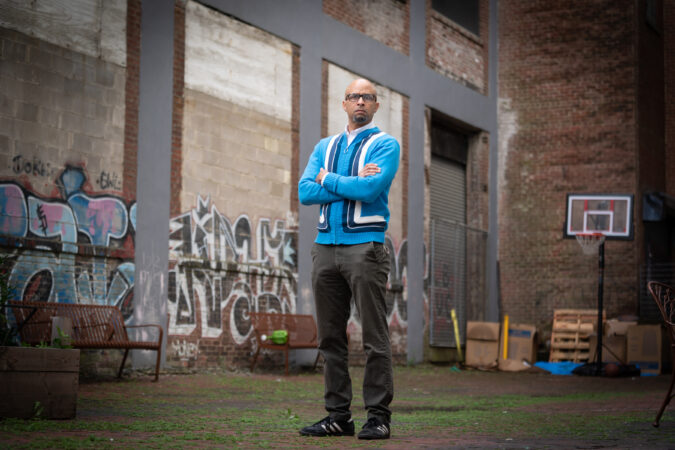
    Bill McKinney is a Kensington resident and the executive director of the New Kensington Community Development Corp.