Philadelphia and its surrounding counties are set for what could be a record-breaking $322 million in federal and state funding to go toward building new trails segments, say trail advocates.
The money is part of a larger $8.2 billion pool of transportation funding updated through the federal Transportation Improvement Program (TIP) for 2027 and spread over four years.
“We consider this to be potentially record breaking,” said Patrick Monahan, vice chair of the Circuit Trails Coalition in Pennsylvania. “It’s proof that the trails are being treated as essential infrastructure, making it safer and easier to walk and bike in the region.”
Pennsylvania gets its TIP plan updated every two years and the majorityof money goes to highways, bus and rail systems, trolleys, and ferries. It is part of an agreed-upon list of priority transportation projects. That list includes 344 projects.
In all, this year’s proposed $322 million in funding for trails would advance 27 bike and pedestrian projects across Philadelphia, Bucks, Chester, Delaware, and Montgomery Counties.
The Delaware Valley Regional Planning Commission (DVRPC) is set to vote on approving the allocations in July.
The trails, either begun or being planned, are part of the Circuit Trails, a network of hundreds of miles of multiuse trails throughout the Philadelphia region including southern New Jersey, which updates its TIP funding in alternate years.
$11 millionfor the second phase to extend the Schuylkill Banks trail in Philadelphia south from near 61st Street to Passyunk Avenue that would include a new park at the base of the Passyunk Avenue Bridge.
$58.5 million for Philadelphia’s Spring Garden Connector project that would link trail systems along the Delaware and Schuylkill rivers and make Spring Garden Street safer for cyclists and pedestrians.
$50 million to improve safety for roadway users, including pedestrians and cyclists, on PA 291 from Irving Street to Ridley Creek. The project includes building a multiuse side path that will be designated as part of the East Coast Greenway, a trail system linking Maine to Florida.
$8.5 million for the Chester Valley Trail, a multiuse trail along the alignment of the former Philadelphia and Thorndale Branch, a former freight train route, including renovation of the Whitford Bridge and Downingtown TrestleBridge for bicycle and pedestrian use.
$10 million to develop a segment in Whitemarsh Township, Montgomery County, that would run from the existing Wissahickon Trail in Fort Washington State Park to the existing Cross County Trail near SEPTA’s Fort Washington Station.
This Fourth of July will be unlike any in recent memory. As the nation marks its 250th anniversary, Philadelphia and the surrounding region are packed with celebrations — and fireworks displays. From the city and suburbs to South Jersey and the Shore, there are dozens of opportunities to catch a show.
Whether you’re staying in Philadelphia, heading to the suburbs, or spending the holiday down the Shore, here’s where to find Fourth of July fireworks across the region.
Wawa Welcome America: 🕙 July 4, 5 p.m. 📍Christina Aguilera and Philadelphia native Jill Scott headline a concert followed by fireworks, 2600 Benjamin Franklin Parkway, Philadelphia, Pa., 19130, 🌐 july4thphilly.com
Conshohocken Fireworks Display: 🕙 July 3, 9:15 p.m., 📍The fireworks will take place at Sutcliffe Park, but the borough is closing the park and surrounding areas to the public due to the size of the display. (They advise you to watch the show from another vantage point in town.), 🌐 conshohockenpa.gov
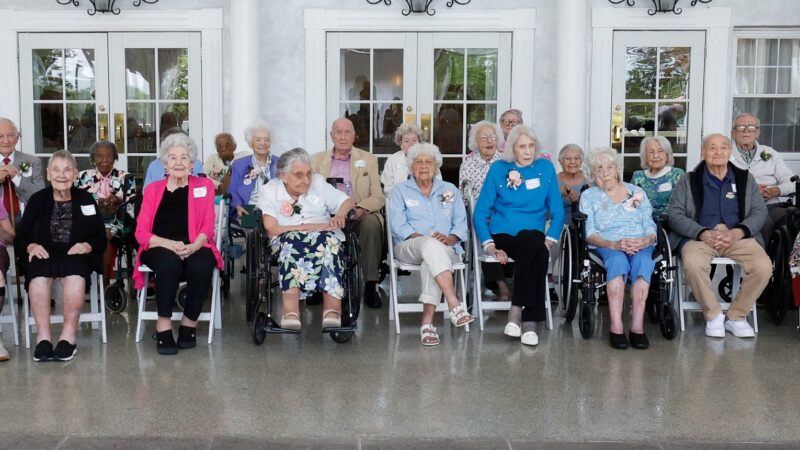
From horses giving way to cars and the invention of television, to the election of more than a dozen presidents, World War II, and even the sale of sliced bread — the 45 Chester County centenarians who gathered for an annual luncheon this week have watched the world remake itself time and time again.
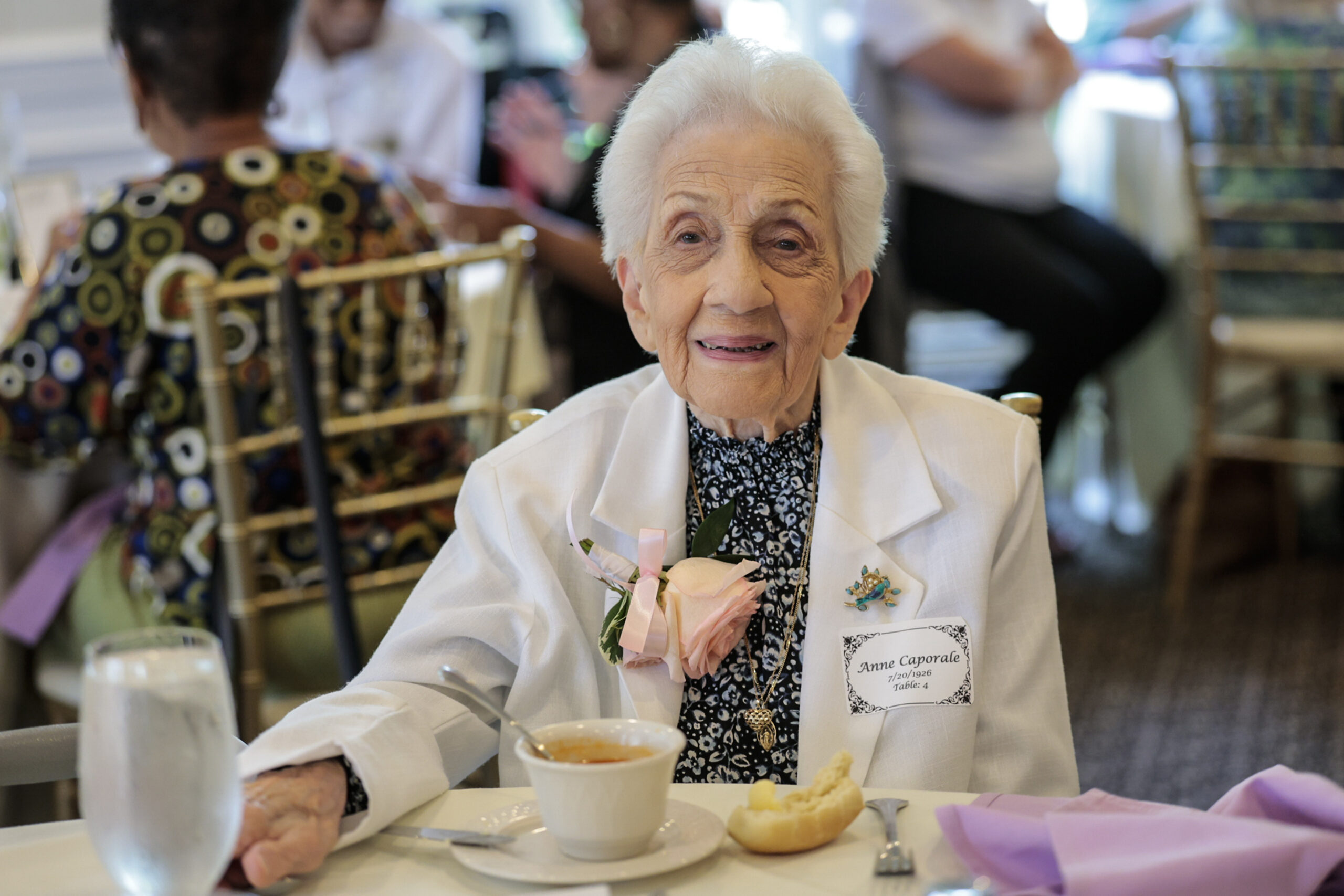
“I saw a lot of things. A lot of wars, and a lot of popes. There’s a lot of good things,” said Anne Caporale, who will turn 100 in July. “I got married, had a family. I had a good life.”
The annual luncheon celebrated Chester County’s group of centenarians — a total of 57 residents reaching or surpassing the milestone. Tuesday’s celebration saw a dozen who would turn 100 this year, plus quite a few returning attendees, including 108-year-old Evelyn Fair, who still writes poetry.
“You are the builders, the teachers, the parents, the neighbors, and the foundation of the Chester County community,” Josh Maxwell, chair of the board of county commissioners, told attendees. “Every single comfort and freedom we enjoy today is a direct result of the hard work, sacrifice, and grace you poured into the world decades and decades ago. We are walking today on paths that you have all cleared.”
Meet some of Chester County’s longest residents.
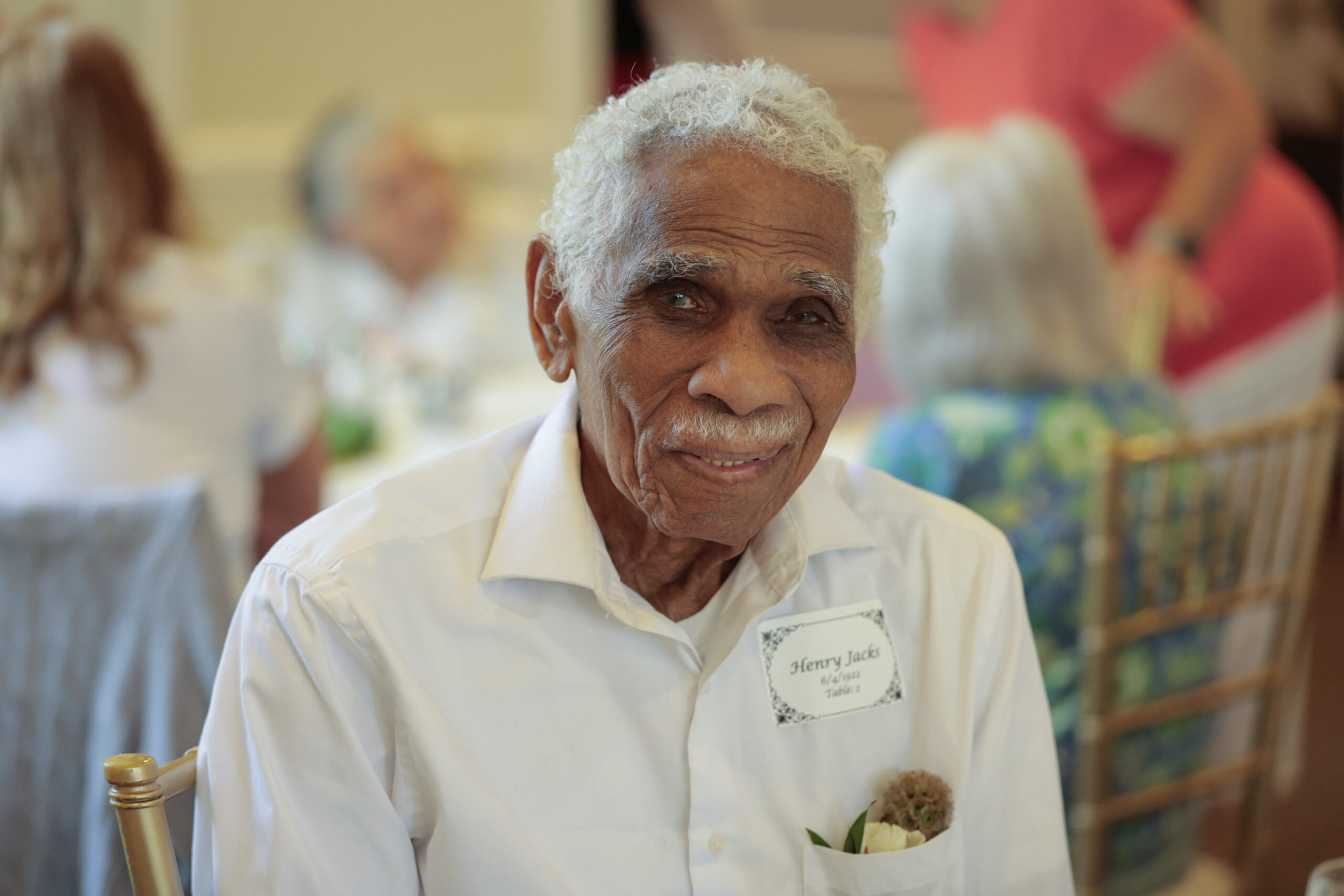
Henry Jacks, 104
Henry Jacks, 104, enjoys the annual centenarian luncheon hosted by the Department of Aging.
Henry Jacks moved to South Coatesville when he was 4 years old, and has called it home ever since. He’s witnessed “quite a bit of change.”
He remembers watching deliveries come by horse and wagon and recalls the hard days of the 1930s during the Great Depression (“cost of living wasn’t as bad as it is now,” he noted). Jacks joined the Army in 1940 during World War II, serving in the 92nd Engineers Regiment, and was stationed in Africa and Italy. He came back home to have three children, a boy and two girls.
He was a Boy Scout leader, the first Black mail carrier in Coatesville, a city council member, and a judge of elections. He still sings in the church choir. (His advice: “Treat people right. Go to church.”)
“So many changes that I’ve seen in the days,” he said. “I remember when I first saw TV; one of the neighbors had one, and all of the kids used to watch through his window. I’ve seen from the horses, to the cars, to the jet airplanes. And it’s been a wonderful life.”
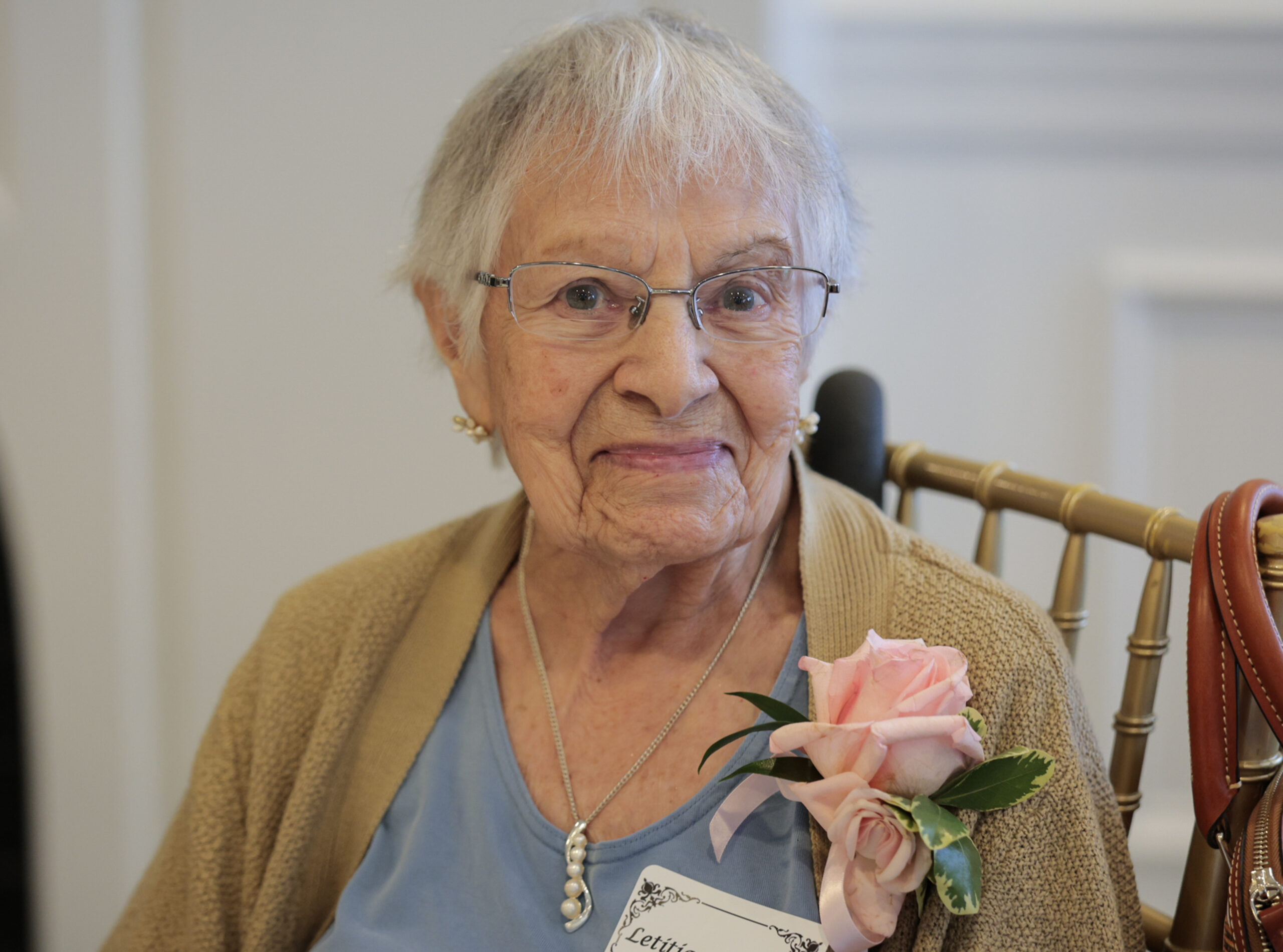
Letitia Hemphill, 103
Letitia Hemphill, 103, at Tuesday’s luncheon.
Letitia Hemphill started her working life at the candy counter at the former F.W. Woolworth’s five-and-dime in her hometown of West Chester. Though her father remarked she wasn’t good at math, she’d go on to have a long career using her skills while filling the registers and doing the end-of-day count in a department store and later at the treasurer’s office.
She retired in 1986 but had trouble sitting still.
“I got bored of not working,” she said.
She started cleaning houses. It was something she’d always done: help her mother clean in the morning, and then go to the park in the afternoon. She kept up the tradition with her two grandkids and her two great-grandkids, whom she babysat for 14 years.
An active life has been key to Hemphill, who did 10 years of ballroom dancing and more than 20 years at the gym.
“Keep your body moving and keep your mind moving,” she said.
She keeps her mind active by painting landscapes in watercolor, a hobby she took up in 1995.
Hemphill was born in West Chester to a stonemason father and a stay-at-home mother. Once, someone asked Hemphill if she had a lot of friends. With 11 brothers and sisters, she remarked she didn’t need any.
When she journeys through West Chester, she points out all the stores that have changed over time.
Still, Chester County is “beautiful,” and much of her family is still around to keep her moving: two children, two grandchildren, and two great-grandchildren.
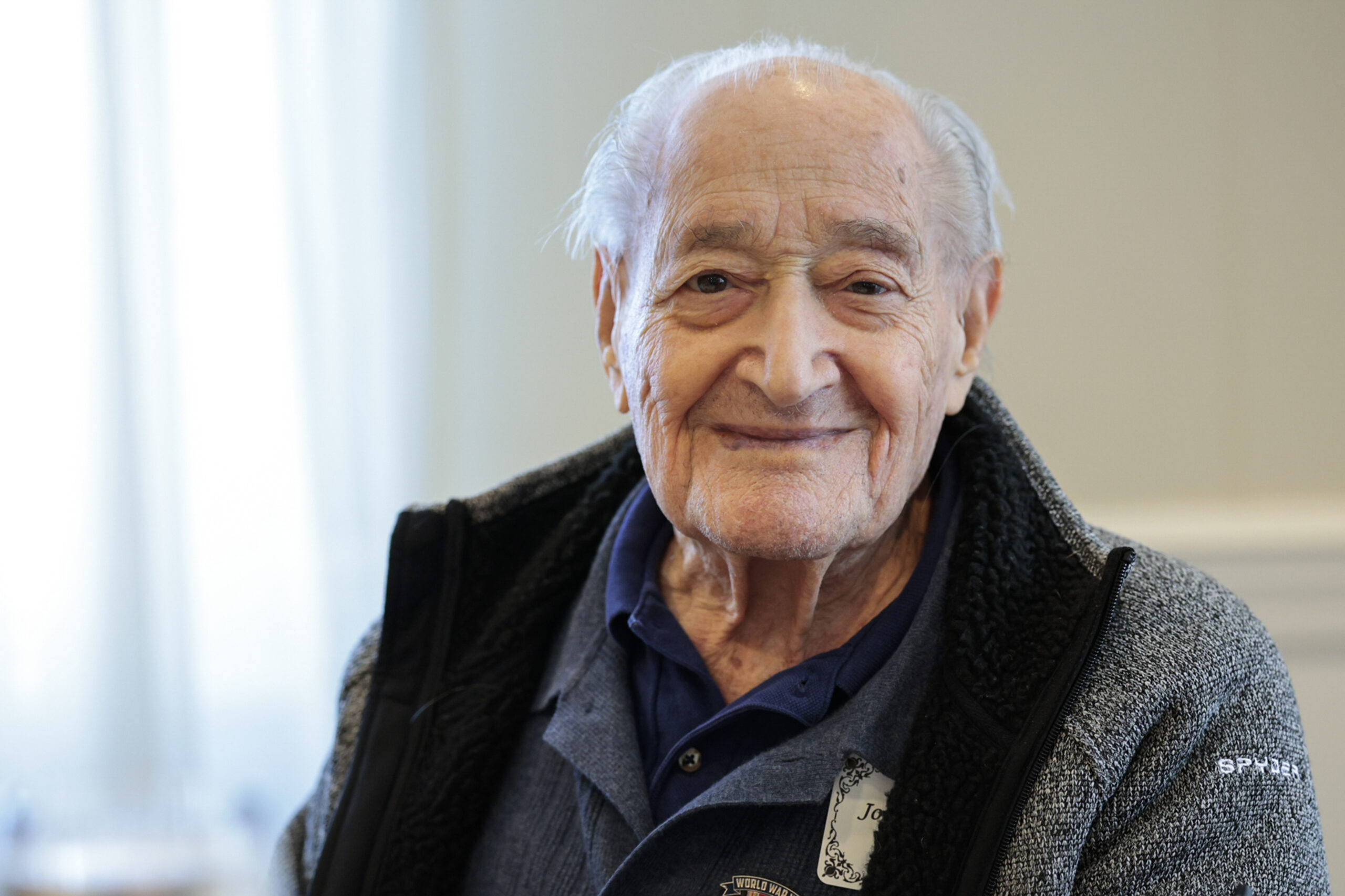
Joseph Donia, 100
Joseph Donia, 100. There were 45 centenarians in attendance at Tuesday’s luncheon.
Up until last year or so, Joseph Donia’s hobby was building boats. He constructed a 20-foot wooden cabin cruiser from scratch. He had it for 40 years.
“The only reason I sold it — my wife couldn’t get on it anymore,” he said.
He had a lifelong love of boats, and spent five years at sea for the U.S. Merchant Marine in World War II. His time in service was the only time he wasn’t living in West Chester, where he bought a house and raised three kids. He also has six grandkids and three great-grandkids.
His most recent project was a 35-foot sailboat. It’s still sitting behind his West Chester home, but he’s given it to his son to finish.
It kept the 100-year-old active — something he advises.
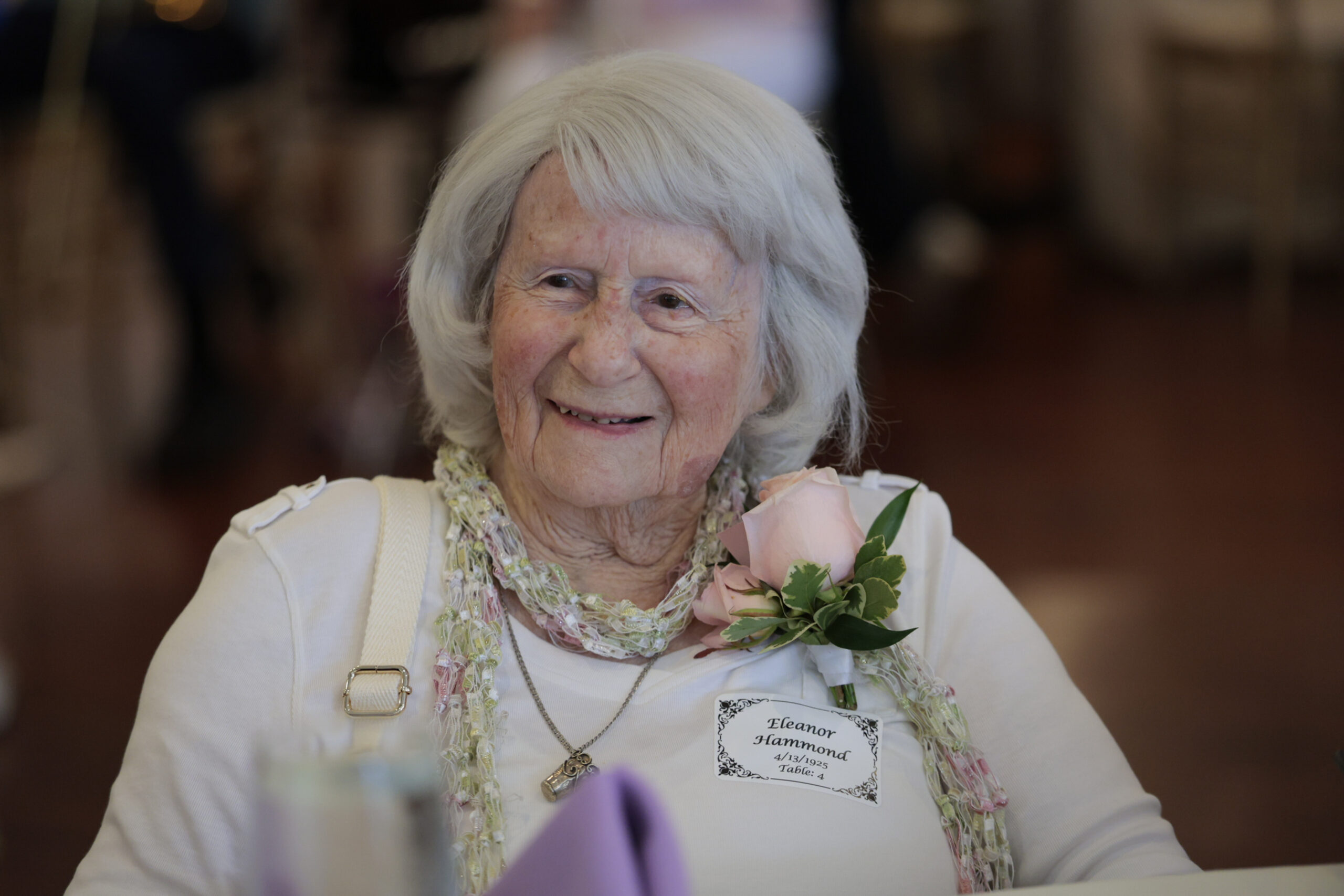
Eleanor Hammond has always been a fan of creative pursuits: a voracious reader who knitted and sewed. She stitched her daughter’s wedding gown, and, perhaps more memorably, a jacket for her husband.
“He insisted I make him a jacket because I sewed for everyone else. He picked out the material; looked like Liberace. It was horrible,” she said. “I wouldn’t go out with him when he wore it.”
A graduate of Coatesville High School, Hammond would go on to work there until she was 81, in the principal’s office. She was once a disciplinarian, and truancy officer. She’s watched the county change over time, marveling at the amount of development. And, less positively, the traffic.
“The way to get here, I used to zip here,” she said. “But I can’t do that now.”
Still, she likes it, and the changes that have come with time.
“I’ve been here a long time. Everything about it is beautiful. The people are friendly, and it’s a beautiful place,” she said.
And as much as she loves home, she recommends travel. If you don’t know the language, be nice, smile, and “use your arms” to convey your meaning.
Anne Caporale, 99
Anne Caporale, who turns 100 in July.
Anne Caporale graduated alongside Hammond at Coatesville High School. She went on to raise six kids, and has 10 grandchildren, 27 great-grandchildren, and three great-great-grandchildren.
“We have quite a group,” she said. “I love them.”
She has found Chester County to be a good place to live and “wouldn’t want to live anywhere else.”
She lives at home, right by one of Downingtown’s high schools, which she loves because “the kids are great.” She still does her laundry and cooks every day. The luncheon Tuesday was a treat for her. “Let somebody else do the cooking,” she said.
Keeping active is the secret, she said.
“I know we’re here for a reason, but I don’t know it. I don’t question it,” she said.
This suburban content is produced with support from the Leslie Miller and Richard Worley Foundation and The Lenfest Institute for Journalism. Editorial content is created independently of the project donors. Gifts to support The Inquirer’s high-impact journalism can be made at inquirer.com/donate. A list of Lenfest Institute donors can be found at lenfestinstitute.org/supporters.
Making his pitch to the Great Valley school board, Jed Lu said he and fellow students seeking to bring slain conservative activist Charlie Kirk’s Turning Point USA organization into their high school weren’t racists or extremists.
“We simply have a different perspective,” Lu told the board at a late February meeting.
The Chester County district is one of the latest in the Philadelphia area to approve a Club America chapter — the high school offshoot of Kirk’s group. The organization seeks to mobilize “anti-woke warriors” and has rapidly been adding new local chapterssince his assassination in September, provoking debate around right-wing influence in public schools.
Nationally, chapters have nearly tripled — from 1,200 prior to Kirk’s death, to more than 3,300, according to Turning Point officials. Governors in Republican-led states like Arkansas and Nebraska are partnering with Turning Point to expand clubs throughout their states.
In eastern Pennsylvania, there were 11 Club America chapters at the end of last school year. Now, “we’re currently approaching 40,” said Nick Cocca, Turning Point’s enterprise director.
The group’s expansion might be overstated in the Philadelphia region. Seven area high schools listed by Turning Point on its website or Instagram graphics as having Club America chapters said they didn’t have clubs.
Souderton Area High School, for instance, appears on Turning Point’s map, but doesn’t have a club. The school’s assistant principal, Matthew Haines, said “a student made an inquiry” in September about starting a chapter, but never applied to do so.
In some schools, like Springfield High School in Delaware County, “we have a few students who started running an after-school student pilot a few months back,” said principal Monica Conlin, but the district doesn’t officially recognize the club. Conlin said new clubs must complete a three-year pilot before gaining district approval.
Still, the organization has gained traction. In addition to Great Valley, Penncrest High School in Rose Tree Media School Districtlists Club America among its student clubs; district officials and staff didn’t respond to requests for comment.
Turning Point says it also has a Club America chapter at Pennsbury High School, and an Instagram account for “Club America at Pennsbury” invited students to a Feb. 25 meeting to discuss the State of the Union and “participate in prayer for law enforcement and our nation.” District officials didn’t respond to requests for comment.
‘An outpouring of support’ after Kirk’s death
A spokesperson for Turning Point couldn’t explain the discrepancy between its list and schools that say they don’t have any Club America chapters.
The organization was also unable to provide a local student willing to be interviewed.
Cocca said Turning Point “saw an outpouring of support and outreach from young people across the country” in the wake of Kirk’s Sept. 10 assassination. To support its growth, the organization is hiring more field representatives to work with high school students, Cocca said.
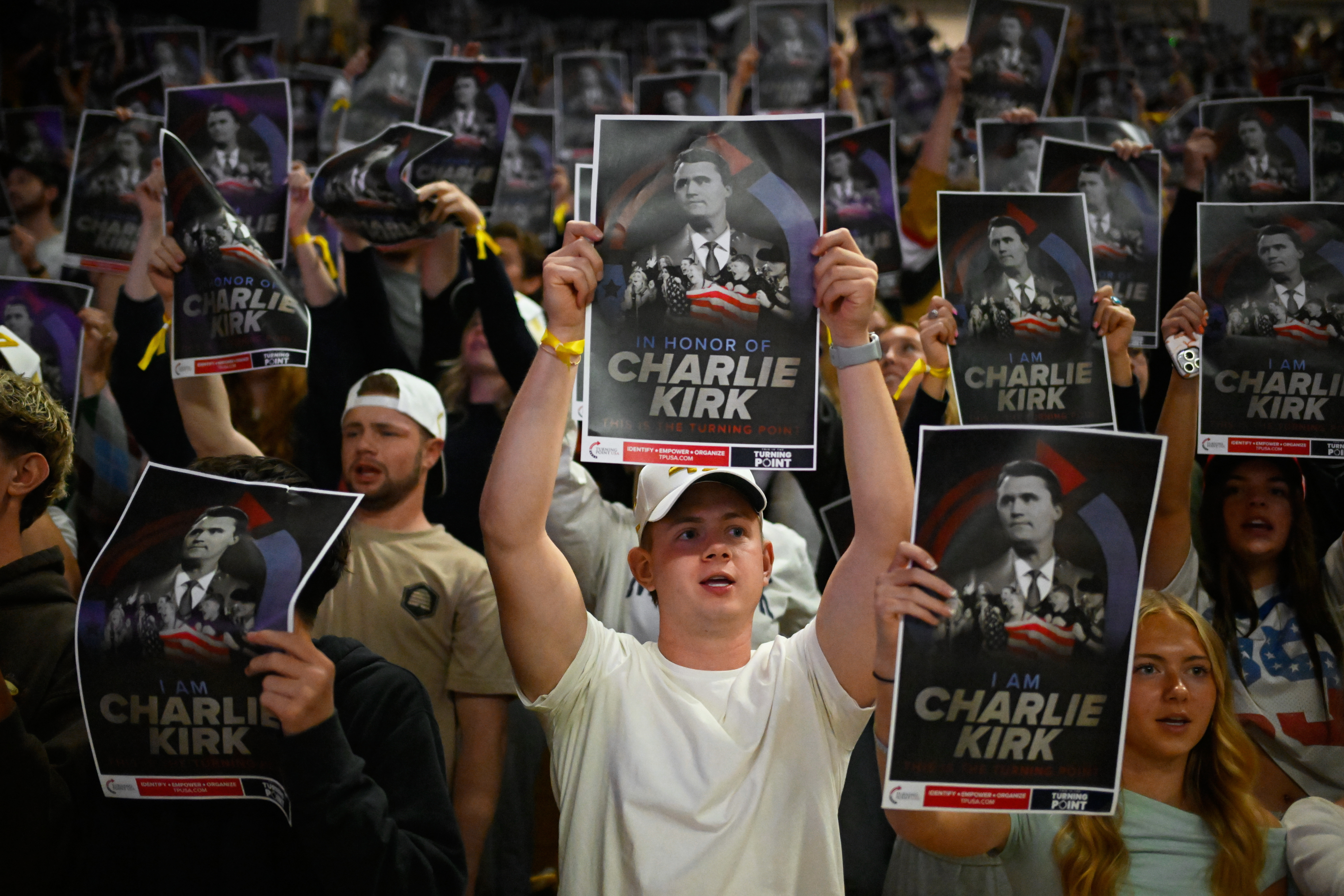
People hold posters of Charlie Kirk during a Turning Point USA rally at Utah State University, as a part of the organization’s push to memorialize Kirk in Logan, Utah, in September.
Turning Point, which began as an organization advocating for conservative views on college campuses, had previously been expanding its presence in high schools. (A Turning Point chapter launched years ago at Pennridge High School in Upper Bucks County, for example.)
Turning Point last July renamed its high school operation Club America. “We wanted a brand that spoke specifically to them,” Cocca said. He said that “when Charlie was alive, he used to say ‘I want a Club America chapter in every high school in America.’”
The expansion has spurred conflict. Critics have highlighted Kirk’s controversial statements, including referring to the Rev. Dr. Martin Luther King, Jr. as “an awful person” and calling the passage of the 1964 Civil Rights Act a “mistake.”
Kirk also promoted the so-called “great replacement theory,” framing non-white immigration as a plot to replace white populations.
“This club is an easy way to incorporate hate and discrimination within our high school. This should not be normalized,” a Change.org petition launched in January against a proposed Club America chapter at West Chester East High School read. An update to the petition later declared that Turning Point “was shut down at West Chester East.”
Molly Schwemler, a district spokesperson, said that earlier this year, some students expressed interest in starting a Club America chapter.
But “after discussing the process and need for sponsorship from a teacher with school administration,” students “instead decided to organize independently outside of the school,” Schwemler said. (On its website, Turning Point lists West Chester East as having a chapter.)
In an Instagram post, the club said it decided to operate independently “because people can’t be mature, open minded or respectful at our school.”
Activism hubs and kits
In addition to identifying a teacher adviser, students looking to form clubs often have to supply information to administrators like their purpose, planned activities, and funding needs.
Schools have little discretion to reject a new club, based on the federal Equal Access Act and First Amendment, said Jeffrey Sultanik, a solicitor for numerous Philadelphia-area districts.
Districts need “to be viewpoint-neutral,” Sultanik said, noting that “once you open up the door to clubs coming in,” administrators can’t pick and choose which to permit.
In its handbook for Club America chapters, Turning Point calls it “imperative that every chapter works to become officially recognized by the school,” offering students help if schools deny them.
Students can form an “activism hub” outside of school for a specific geographic area “as a last resort,” the handbook says.
In Downingtown — where Turning Point says there is an activism hub — a school district spokesperson said the district has not sponsored any clubs “related to religious or political groups in recent history.” (Some other area schools have official political clubs: Penncrest High School, for instance, lists Penncrest Democrats of America.)
Turning Point says its Club America chapters are nonpartisan and don’t support specific candidates.
But the group’s ideology is clear from materials it supplies to student members. Presentations available in Turning Point’s “Activism Library” for students to use have titles including “Taxes Are Shady,” “Socialism Kinda Sus,” and “Big Gov Scares.”
“Why are those on the left not proud to be Americans?” a presentation titled “Always Love America” asks.
Kids can order “Activism Kits” from Turning Point with posters and stickers. A “2A” kit features slogans like “Gun rights are women’s rights” and “Guns are the greatest equalizer.”
Cocca said Turning Point provides students “anything they may need, to promote what they want to promote, and what they want to make their club about” — whether that’s registering students to vote, or learning about the Constitution, he said.
“Ultimately, it’s up to the students to use those resources the way they want to use them,” he said.
Opposition to Club America groups
Critics accuse Turning Point of trying to indoctrinate high schoolers.
“They are grooming at the high school level, and college level, for a generational change,” said Sherry Lawrence, a parent in Great Valley whoopposed the district’s new Club America chapter. “All the red flags are there for people who don’t subscribe to this brand of conservatism, or this brand of Christianity.”
Lawrence questioned whether adults were driving some efforts to organize Club America chapters.
In an October Facebook post in a Turning Point Pennsylvania Action group, George Sabo, then a GOP candidate for township supervisor in East Whiteland, said his daughter was starting a chapter at Great Valley High School. “We had discussed it over the summer but pulled the trigger after Charlie’s assassination,” Sabo wrote.
In a brief phone interview, Sabo said it was his daughter’s idea to start the chapter.
“My daughter and family, who believe in the Bible, and believe God is king, value those properties and want to see that brought more into the school district,” Sabo said.
He said that while there had been pushback from other kids, “there’s some support from other kids, too.”
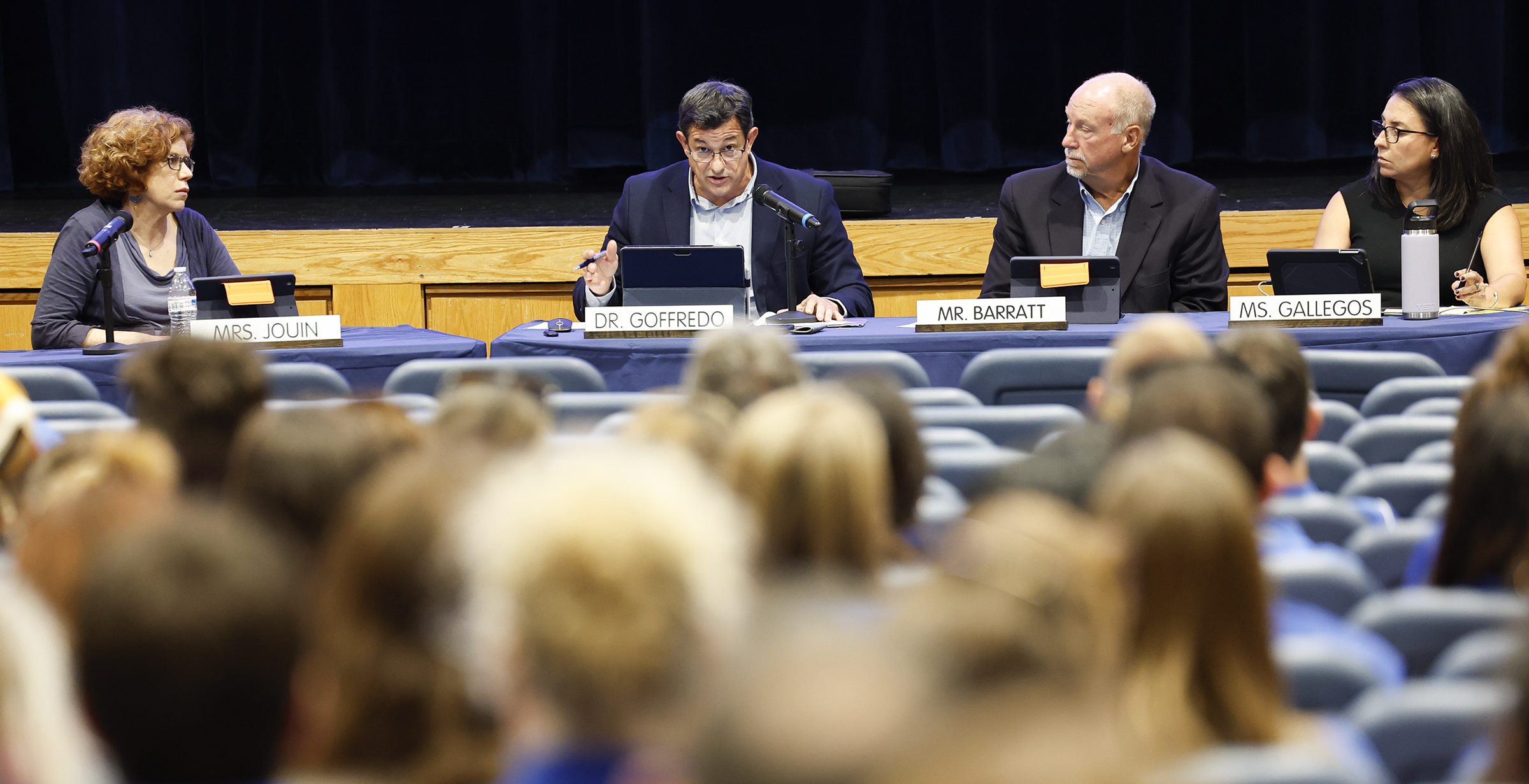
Great Valley school board members during a meeting at Great Valley High School in Malvern in 2024.
The Great Valley board approved the club 7-0 at its February meeting.
At the board meeting, Lu, the club president, said he and the three other club officers had initiated its formation.
While the club has a “conservative viewpoint,” Lu said, “our purpose is civic debate and civil discussion.” He added that the club is motivated by “the Christian value of love and compassion.”
The club hopes to be an “impactful addition to Great Valley High School,” Lu said.
If you’re getting burned by high heating bills this winter, you’re in good, and equally stressed, company.
U.S. households are expected to pay more than $1,000 on average to heat their homes this winter, according to the National Energy Assistance Directors Association’s projections, which were updated last month. That’s about $100 more than households paid last year, according to the association, which advocates for federal funding for low-income ratepayers.
And customers usually pay more in freezing temperatures, when more energy is required to keep their homes comfortable.
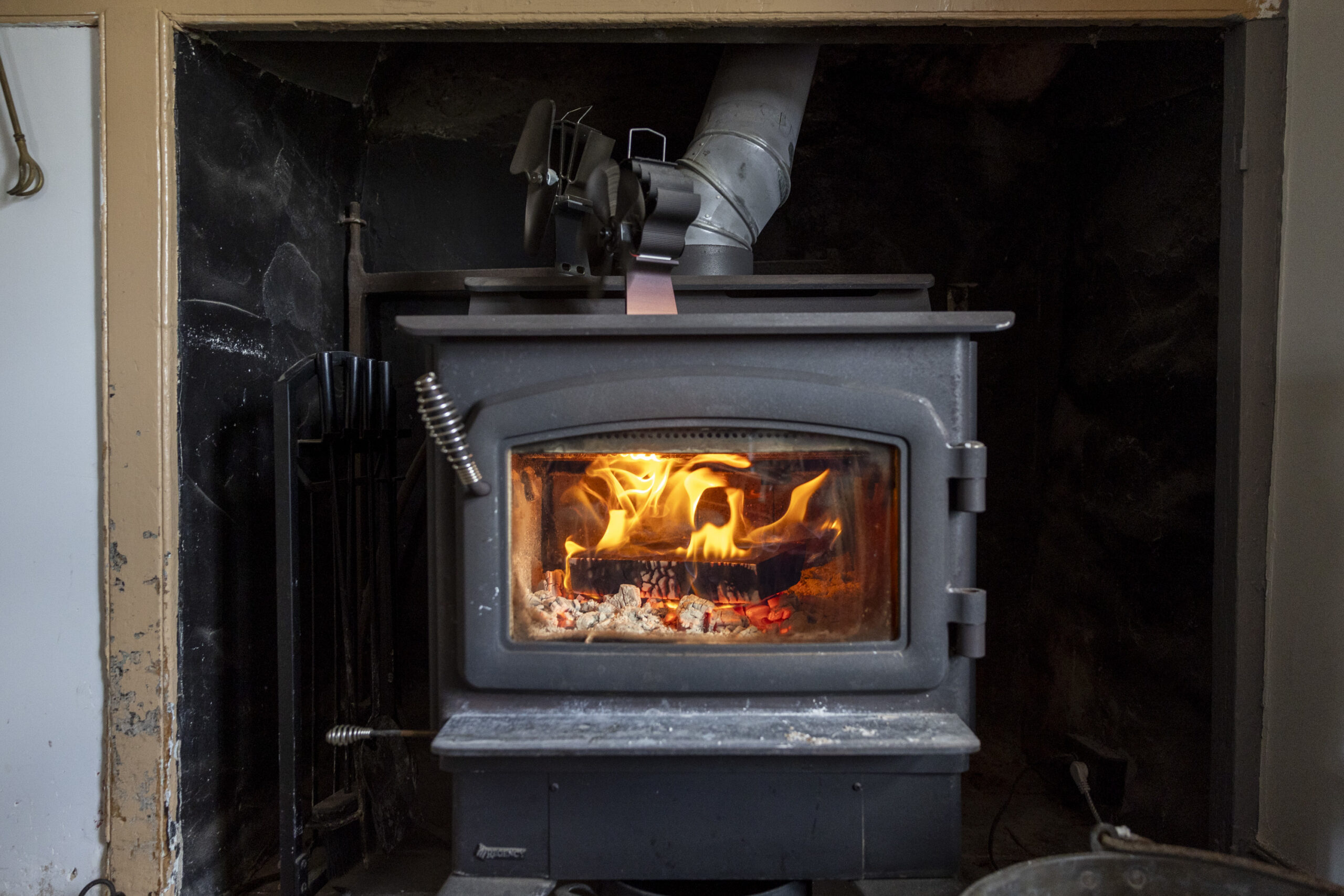
A wood stove provides heat in the old stone farmhouse of Patrick Melcher’s near Downingtown.
Philly-area residents were hit with a double whammy: They experienced one of the coldest, snowiest winters in recent memory as rate increases took effect for major utilities, including Peco and PGW.
Spokespeople for Peco and PGW, which provide electric and gas service to millions across southeastern Pennsylvania, said many of their customers saw increased usage this winter due to the cold. They noted that individual bills can also be impacted by thermostat settings, efficiency of appliances, and weatherization of windows, doors, and other parts of the home, as well as whether customers have opted for a third-party energy supplier.
“Energy affordability remains a priority, and rising supply costs — set by competitive markets and not controlled or profited from by Peco — continue to be a major driver of customer bills,” spokesperson Candice Womer said in a statement, noting a nearly 20% year-over-year supply cost increase for electric customers and a nearly 10% increase for gas.
The Inquirer spoke with five people who live across the region, have different types of homes, and use varying fuel sources and heating systems. Here’s how much they’ve paid to keep warm this winter.
Quotes have been edited for clarity and brevity.
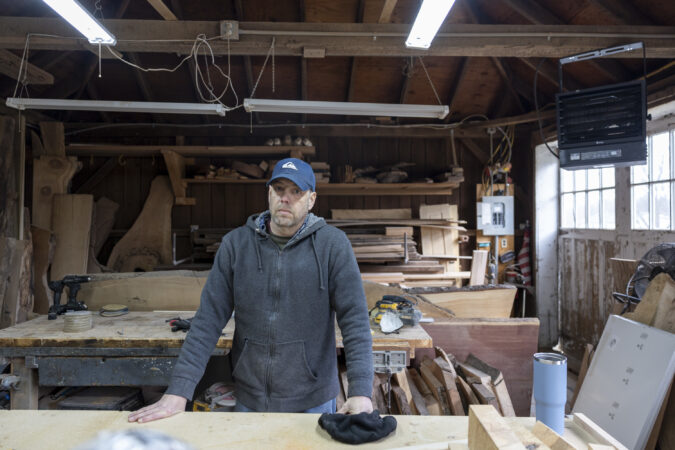
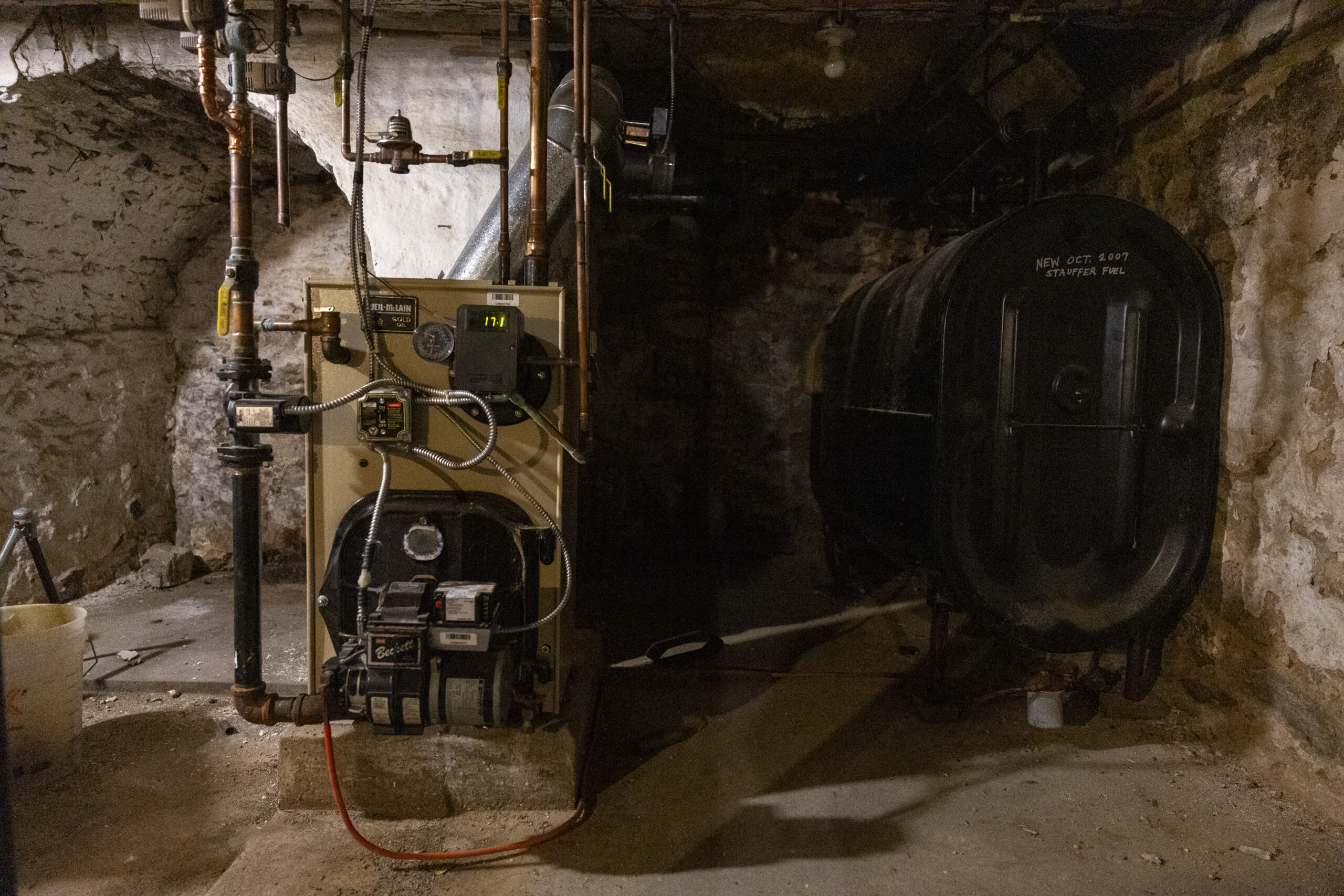
Melcher, a 48-year-old who owns a custom woodworking business, said he usually needs to fill his 250-gallon oil tank twice a year. In early January, he paid $800 for a 230-gallon top-off, or about $3.45 per gallon, which he thought was fair. He had paid around the same for an oil fill-up in October. This winter, Melcher said he’s also spent about $900 on firewood for his wood-burning stove, plus a couple hundred dollars a month to fuel the electric heaters in his workshop.
“I don’t have a ton of money. I have a small business. But what else can you do? In the wintertime, it hurts. You hope for a mild winter. It’s one of those things you can’t control.”
An oil tank heater is shown in the basement of Patrick Melcher’s home near Downingtown.
Simonsen, a 69-year-old retired public relations professional, said her electric bills are usually around $50. This winter, however, her last three bills have been $78, $84, and, most recently, $312 for the period of mid-January through mid-February. She keeps her heat around 65 during the day, she said, and 60 at night. She’s billed through her condo complex, and said her neighbors have noted similar increases.
“I know we had very cold days but we were just boggled. I’m looking at everything around the apartment now. What can I turn off? Have I been careless about leaving things on? I don’t think so, but I am much more cognizant of that. I’m wondering if this is the new reality.”
A phone charger plugged in a Center City apartment. In Fairmount, Janice Simonsen said she is making sure she unplugs everything after receiving a more than $300 electric bill for a 750-square-foot unit.
Capriotti, a 55-year-old research scientist, said her family switched from oil heat to natural gas over the past decade. They were fed up with paying hundreds of dollars every time they needed to fill their oil tank. Still, she said, their home is drafty and they need to upgrade doors and insulation. Their most recent Peco bill, which includes electric and gas, was $721, and the gas portion was $570.
“It’s better than oil heat for sure, but this past year has been very rough. $720 for heating and energy is a bit much. I don’t want to say I can’t pay it, but it’s definitely a struggle.”
Carol Capriotti paid more than $700 in February for gas and electric service for her Willow Grove home, which she heats with a gas-powered boiler.
Fritz, a 41-year-old full-time hospice aide who works part-time at a distillery, said she had her upstairs and downstairs heat pumps serviced in December. In recent years, she insulated windows and the basement ceiling, and she said she keeps the temperature around 65. Fritz is billed directly through the borough electric department, and can’t ever remember receiving a bill this high since moving into her home 13 years ago. Before the most recent charge, her last three monthly electric bills totaled $256 in December, $424 in January, and $505 in February.
“I’m a single parent. I work full-time and part-time. My child has behavioral issues. So I am struggling. It is more than the [$704] mortgage payment. I know in the winter months it goes up, but to go up that high, it’s frankly ridiculous.”
Seidell, a 52-year-old who works in technology, said his bills this winter are on par with previous years’. He has gas-powered forced-air heating, he said, but electricity powers the blower fans that circulate the air. Seidell got solar panels installed in 2020, and he said they offset his electric cost throughout the year, though less so in the winter than in the summer.
As for his heating bills, “it’s been reasonable. My house was built 125 years ago. I don’t really do anything to keep it energy efficient besides the programmable thermostat and the solar panels.”
In Ardmore, Sean Seidell’s 1,800-square-foot twin home, which has solar panels, has cost about $200 to $250 a month to heat this winter.
On TV, you may not have been able to see the thrill that went through Chris Kearney when Jeopardy! host Ken Jennings read the clue, “Mrs. Proudie is the domineering wife of a bishop in this Victorian’s The Last Chronicle of Barset and Barchester Towers.”
But five years ago, as he studied up for the possibility of ending up on the long-running game show, Kearney decided to search friends’ names to see if they had a famous counterpart. His freshman roommate happened to be a Trollope — though pronounced slightly differently — which brought Kearney to Victorian author Anthony Trollope. He penned a flashcard on the novelist to add to his ever-growing studying hobby.
Kearney rung in first.
“Who is Trollope?” he said, pronouncing it à la his roommate’s name.
That flashcard scored him $2,000 in the “Recurring Characters” category last week, as the Downingtown High School West teacher competed against two others on Jeopardy! Kearney ultimately placed second, behind then three-day champion James Denison (Denison’s reign ended after his fourth win).
“After the game’s over, Ken Jennings does a postgame chat session with the contestants for about five minutes, and he asked me about getting that clue, because that was a tougher clue,” Kearney recalled. “I just told him … it’s my freshman college roommate’s last name. I just wanted to make sure I knew that. So he got a chuckle out of that.”
Kearney’s appearance on Jeopardy! last Wednesday was the culmination of a lifelong dream for the social studies teacher.
Kearney, 48, grew up watching Jeopardy!, regularly tuning in when he was in middle school and all through high school. But about eight years ago, he decided he was going to try his hand at getting on the show.
To appear on Jeopardy!, first you must take an “anytime test” — a 50-question exam that you can take at any time on the show’s website. If you pass the test — rumor has it, you have to get 35 out of the 50 questions correct — then you may move on to another 50-question test that is proctored online live.
Should you pass that exam, then you could move on to a mock game and interview over Zoom. After that hurdle, you join a pool of candidates who could, at any time in the next two years, get a call inviting you to be on the show. If those two years lapse without a call, you return to the start.
Kearney completed the anytime test almost every year. He ascended to the candidate pool in 2021, but never got the call. In 2023, he tried his hand again, but never heard back. The next year, he took the entry exam again, and did hear back. In January, he was invited to the show.
“It was a dream come true, something that I had been just working on for a long time,” he said. “A feeling of relief too — that, ‘All right, finally.’ So: A lot of emotions, but ones I had to kind of keep quiet.”
Preparing for if he ever got that call became something of a hobby — or perhaps a part-time job, he said. He was constantly reviewing, studying, and learning new things. There’s a strategy to playing the game, which he became familiar with, and there’s major topics and categories that are typically featured. He built up a base knowledge in those areas, and then tried to get more and more specific. Hence, Trollope.
But it was a natural fit for someone who always liked school, and who just likes learning about things.
It helped expose Kearney to new topics, too. He didn’t know much about art and historic art movements, but he began to look at various paintings and sculptures. He hadn’t listened to much classical music, but he became familiar with major composers, listening to their famous pieces. It gave him a new perspective on things.
“I think it just kind of helps me appreciate the world around me a little better,” he said.
Kearney arrived on set in California within about two months of getting the call (he had to lie to his colleagues that he was sick; they have since forgiven him). He was surprised that he wasn’t too nervous. Instead, he felt like he had accomplished his goal — that this was exactly where he wanted to be. He bonded immediately with his fellow contestants, and found it to be a welcoming environment, where people treated it like the special event that it was.
“I was cognizant of the fact that many people want to be there and haven’t been there yet, and so I just appreciated every moment I was there,” he said.
And though he knew the experience of the game would be different from playing from the comfort of the couch, he realized how hard it was to prepare for what it feels like to be on stage.
The first part of the game he was just trying to acclimate to the pace and choosing when to ring in. There was a lot to consider — and to consider quickly. Still, it was “kind of a good stress,” he said.
Friends and family celebrated with a watch party in Downingtown. Surrounded by screens of the show, he watched the people around him root for him. He played the episode for his students the day after, pausing to tell them what was going through his mind at certain points of the game.
Of course, Kearney hadn’t been able to share the results before the show aired. As he watched people around him getting excited, he told his wife he felt bad that they were going to see him lose.
“But they didn’t care. They were just so happy to be a part of it, to celebrate and cheer me on,” he said.
This suburban content is produced with support from the Leslie Miller and Richard Worley Foundation and The Lenfest Institute for Journalism. Editorial content is created independently of the project donors. Gifts to support The Inquirer’s high-impact journalism can be made at inquirer.com/donate. A list of Lenfest Institute donors can be found at lenfestinstitute.org/supporters.
A project to expand the Chester Valley Trail and repair the historic Downingtown Trestle Bridge, which has spent decades largely untouched, will kick off soon, Chester County officials said.
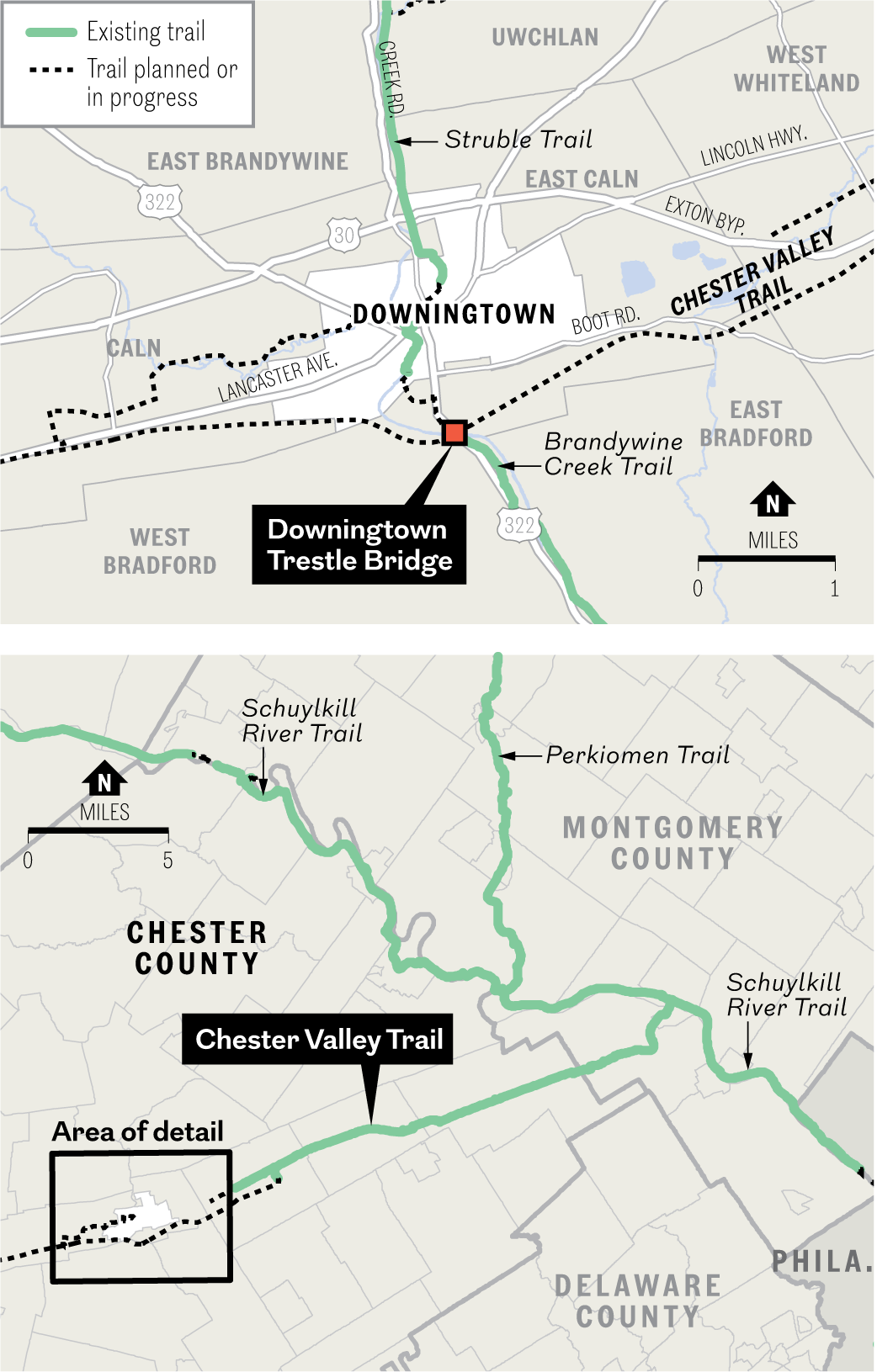
It’s part of a larger effort to expand the sprawling Chester Valley Trail, a 19-mile rail trail that runs through Chester and Montgomery Counties, from Exton to Atglen.
“The bridge is a really key part of it, because it’s multimodal,” said George Martynick, director of Chester County’s facilities and parks department. “Without that bridge, I really don’t know what we’d do with this project. It is the keystone of that project. It’s a big job.”
As the county kicks off the project, people can expect to see inspections taking place on the bridge in the coming months. The trestle will get a full inspection to make sure it meets federal standards, Martynick said. Design is slated to begin in the next year, and the rehabilitation and extension should be completed in five to seven years, he said.
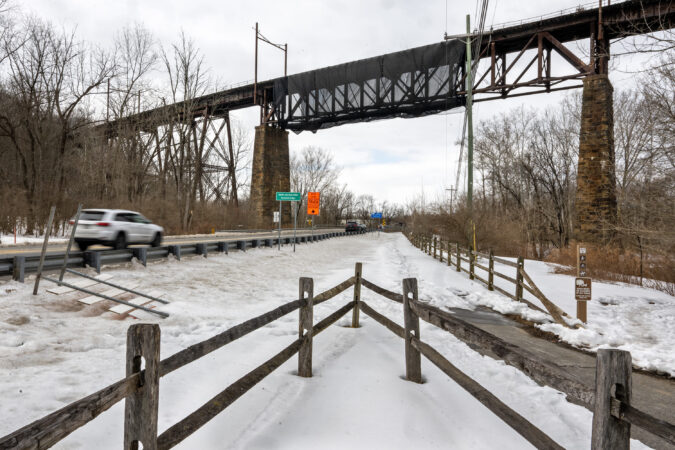
The bridge stretches 1,450 feet long and more than 130 feet high over the east Brandywine River. Known as the “Brandywine Valley Viaduct,” “Downingtown High Bridge,” or “Pennsylvania Railroad Freight Bridge”— but colloquially called the Downingtown Trestle Bridge — it was constructed in the early 1900s, according to the Downingtown Area Historical Society.
“This is taking on something much bigger than I think a lot of people understand,” Martynick said.
Map of the Downingtown Trestle Bridge and the Chester Valley Trail in Chester County.
The Trestle Bridge has been out of commission since the 1980s, with the track removed. Since then, the bridge has sat abandoned, and has had atroubled history. Security measures were added to prevent people fromaccessing it, and netting was put on it to keep debris from falling off it.
The county completed a drone inspection before it took ownership of the bridge last year.
In May, the county commissioners voted to purchase a portion of the former Philadelphia and Thorndale railroad corridor from the Pennsylvania Department of Transportation for $1.
Other than some growth and weeds, “it’s in fairly good shape,” Martynick said.
The county has received three grants for the project — two from the state department of conservation and natural resources, each for $500,000, and a Delaware Valley Regional Planning Commission grant for $200,000, said Brian Styche, the multimodal transportation planning director for the county’s planning commission.
The county is matching both of the conservation and natural resources grants, for a total of $2.2 million in funding toward the bridge’s design.
“It’s a good project. It’s going to take a lot of time and effort and a lot of patience, but it will be a pretty impressive project for the community,” Martynick said.
It’s a personally important project, too: Martynick applied to work in the county’s parks department because of his love of the trail.
“I love it,” he said. “It’s a very, very special trail.”
It would be Sheetz’s first outpost in Wawa’s home county.
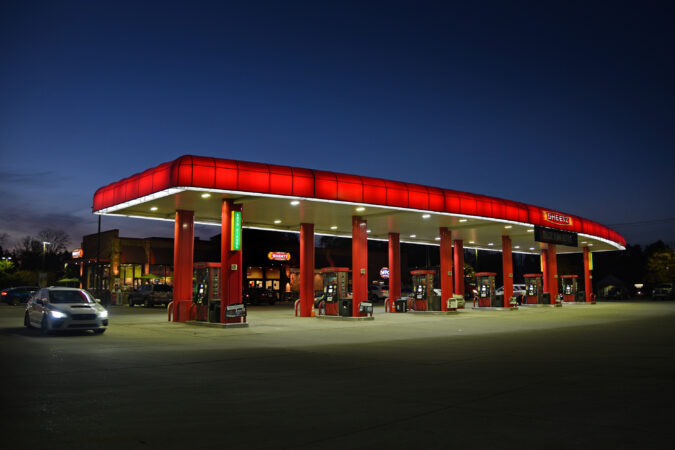
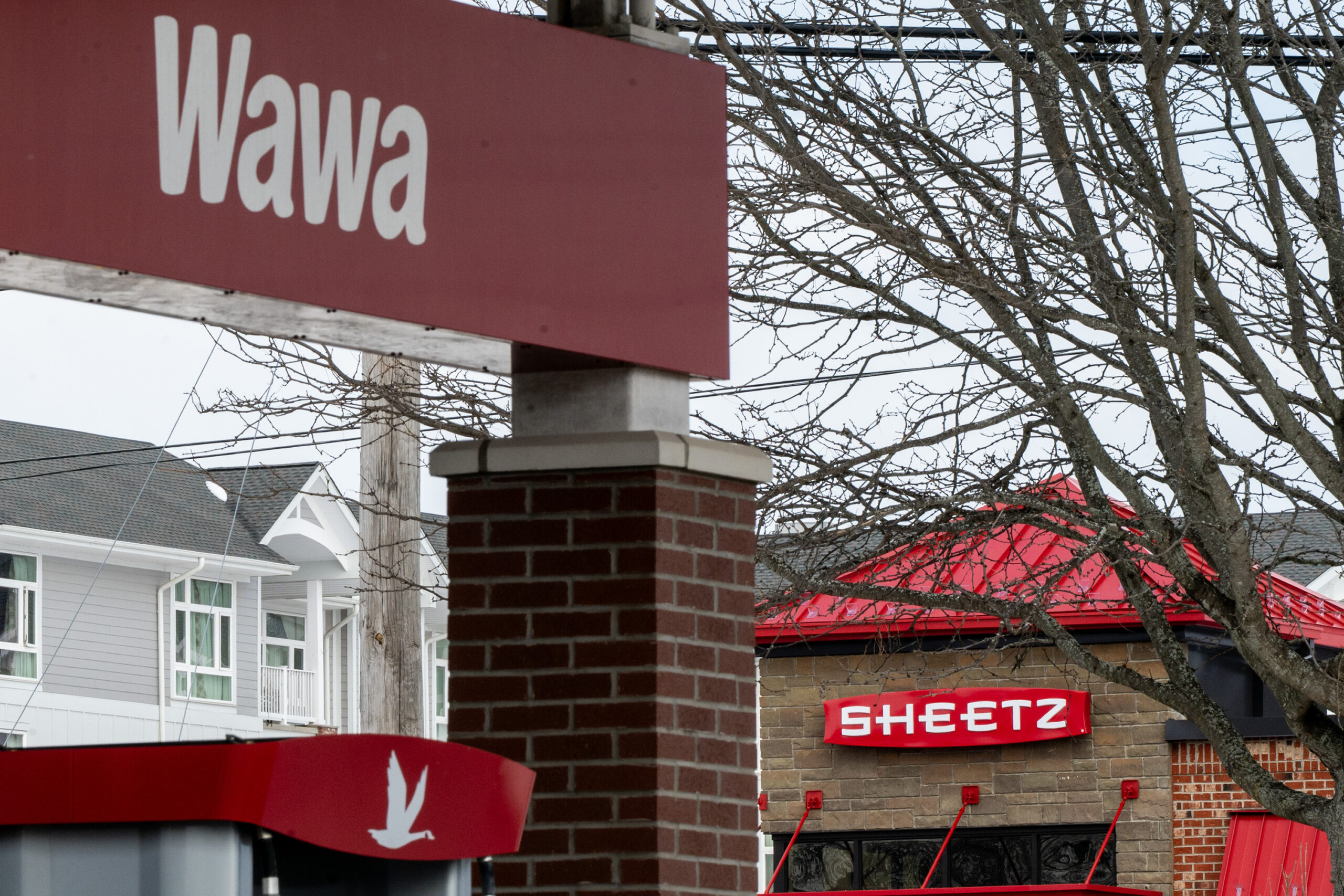
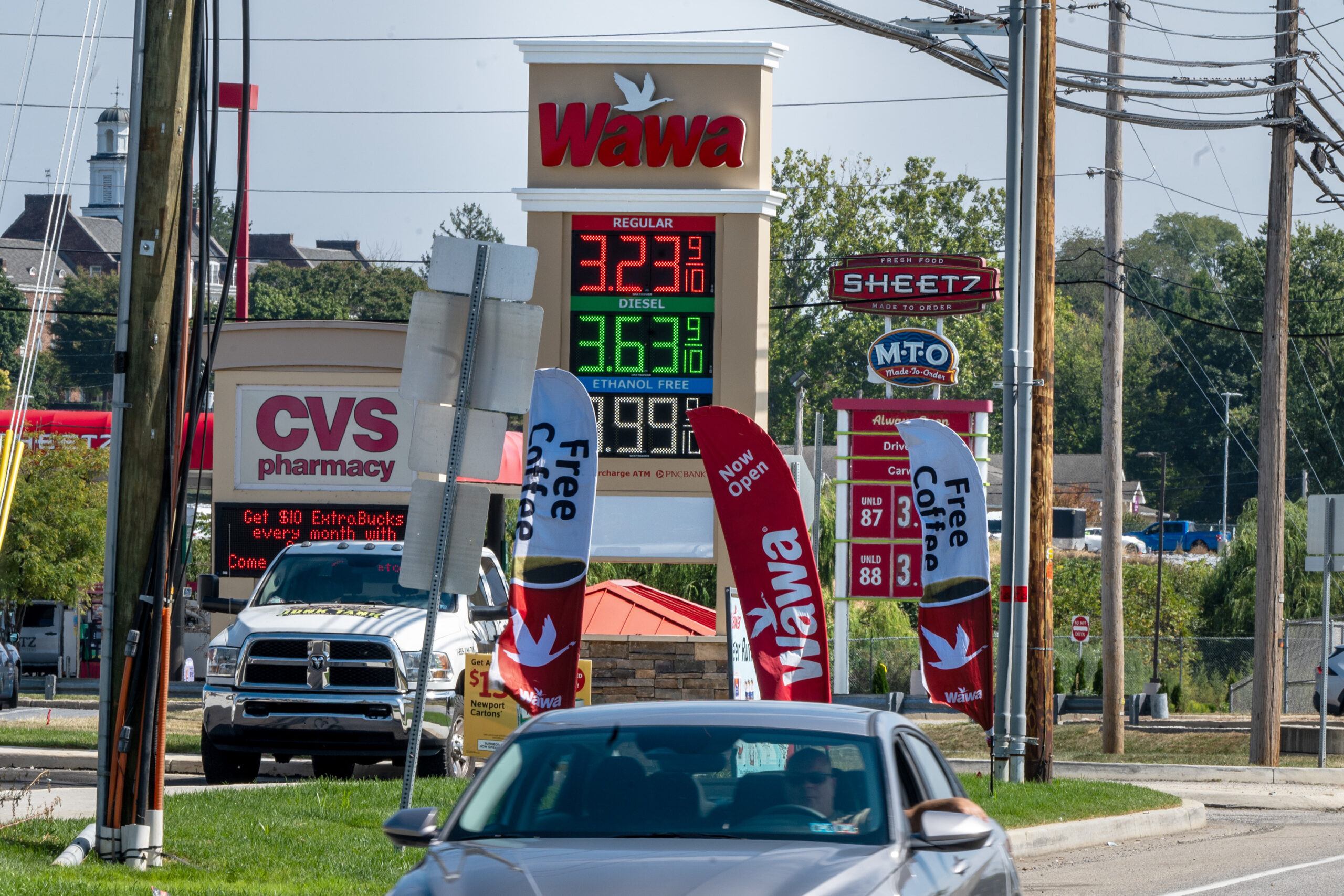
A Sheetz and Wawa now sit across the street from each other in Limerick Township, Montgomery County.
If approved, the store would be constructed about five miles down the road from Wawa’s corporate headquarters, and across the county from the site of Wawa’s first store, in Folsom.
The Sheetz would be in the Village at Painters’ Crossing shopping center near the intersection of U.S. Routes 1 and 202, according to the application. Sheetz would take over a parcel in the northeast corner of the complex that is currently occupied by a vacant former bank and a closed Carrabba’s Italian restaurant.
Along with Sheetz’s usual offerings of made-to-order food, grab-and-go snacks, and drinks, the outpost would include indoor and outdoor seating, two mobile-order pickup windows, and six gas pumps, according to the application. It would not include a drive-through.
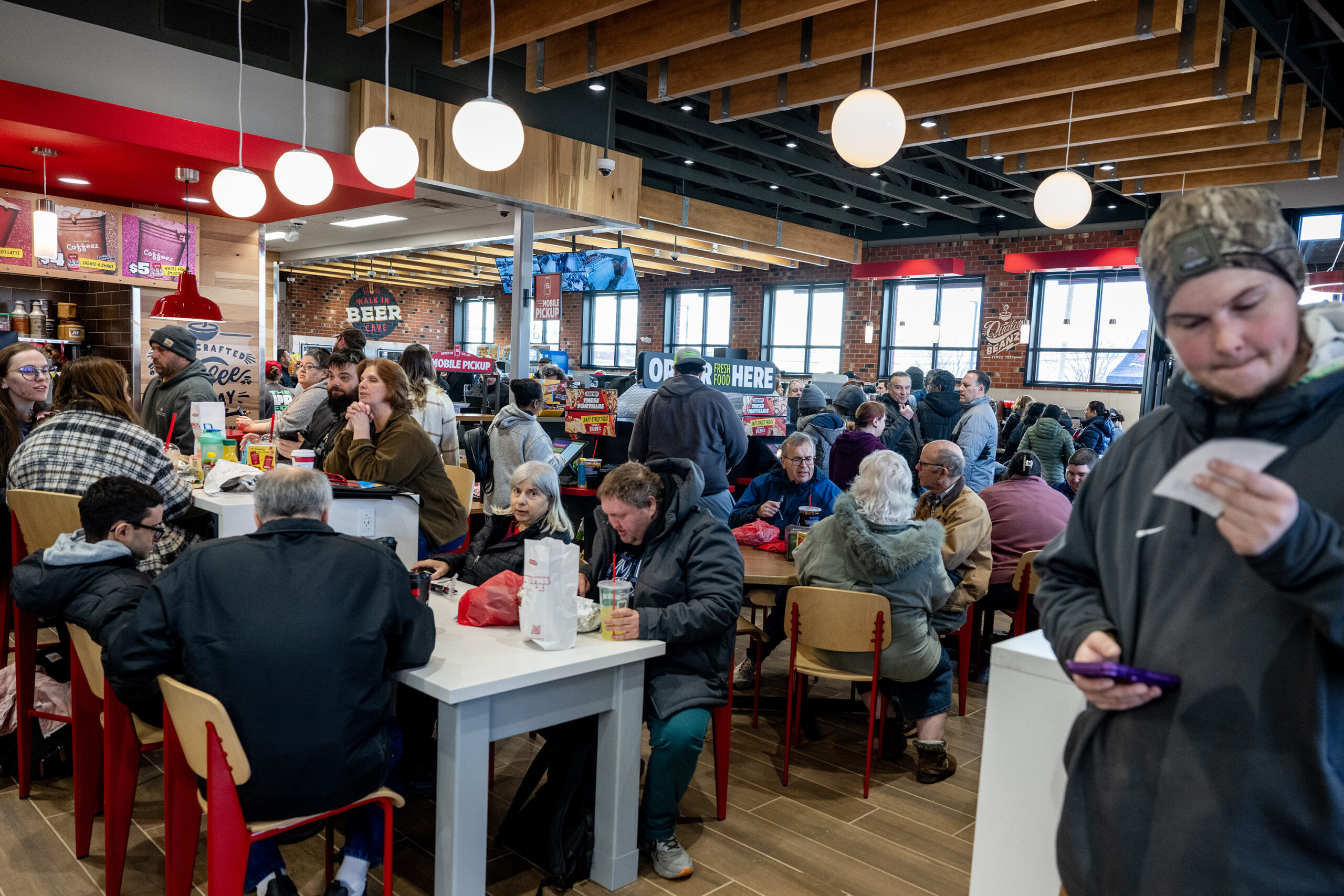
Customers crowd into the indoor dining area at the new Sheetz in Limerick Township that opened last week.
Nick Ruffner, Sheetz public affairs manager, declined to provide additional information about the proposal, saying in a statement that “it is still very early in the process.”
Zoning changes and other approvals would be required before anything is built, Chadds Ford Township solicitor Michael Maddren said. As of Tuesday, Sheetz had only submitted the sketch plan, which was discussed at a planning commission meeting earlier this month, Maddren said.
At the meeting, township officials did not express strong opinions about the sketch, Maddren said: “We need a little more detail.”
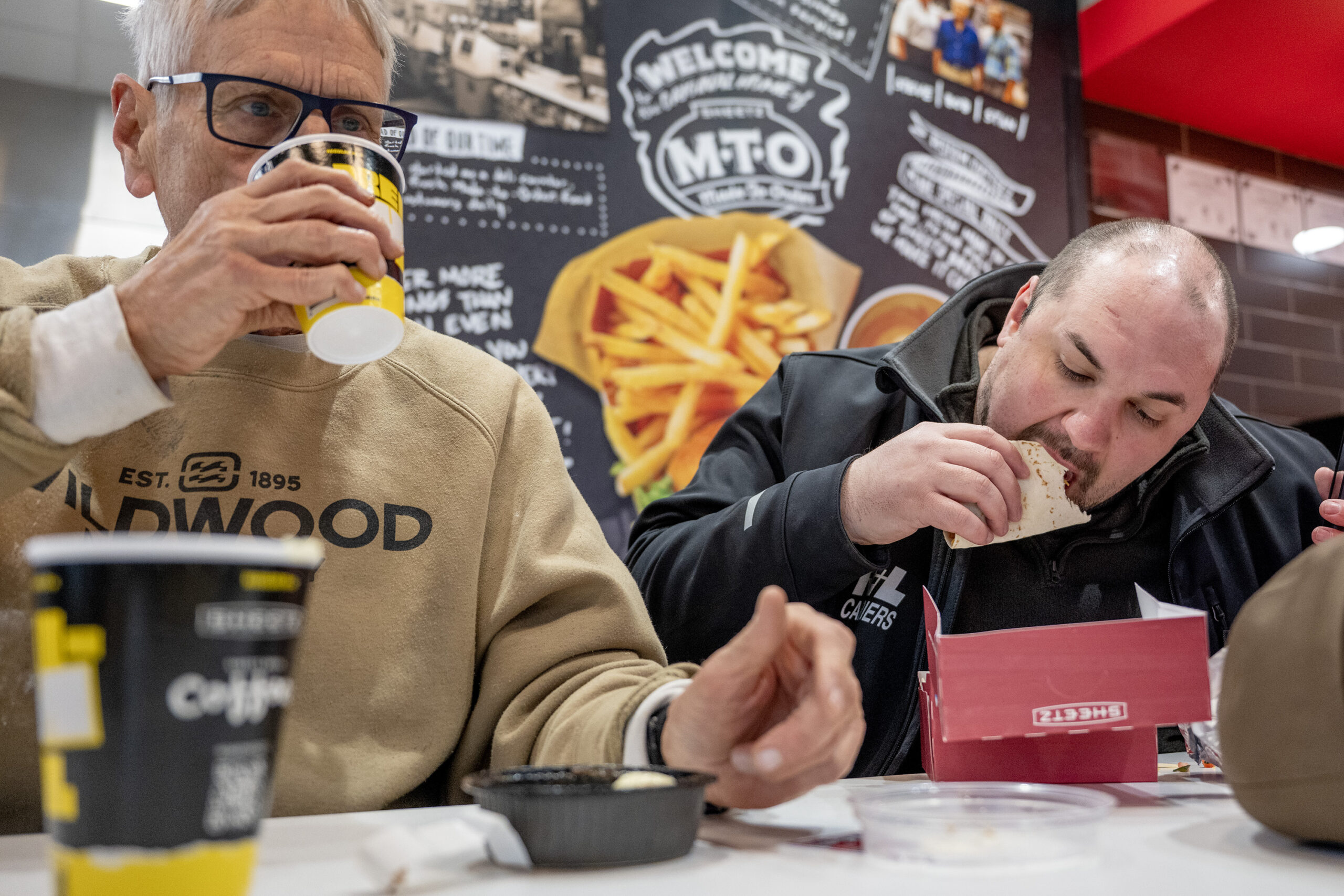
Craig Scott (left) of Wayne and Dave Swartz (right) of Collegeville had breakfast at last week’s grand opening of the first Sheetz in the Philadelphia suburbs.
If the Chadds Ford project moves forward, Sheetz could establish a foothold in three of Philly’s four collar counties: Along with its new Limerick, Montgomery County location, Sheetz also has expressed interest in building a store in Chester County.
In the fall, company officials submitted a sketch plan to Caln Township officials, proposing a location at the site of a shuttered Rite Aid on the 3800 block of Lincoln Highway in Downingtown, according to the township website.
After years of Sheetz opening stores in Western and central Pennsylvania, and Wawa expanding closer to Philly, Sheetz and Wawa’s footprints have increasingly overlapped in recent years.
A Wawa opened outside Harrisburg in 2024, marking the chain’s first central Pennsylvania location. It is down the street from a Sheetz.
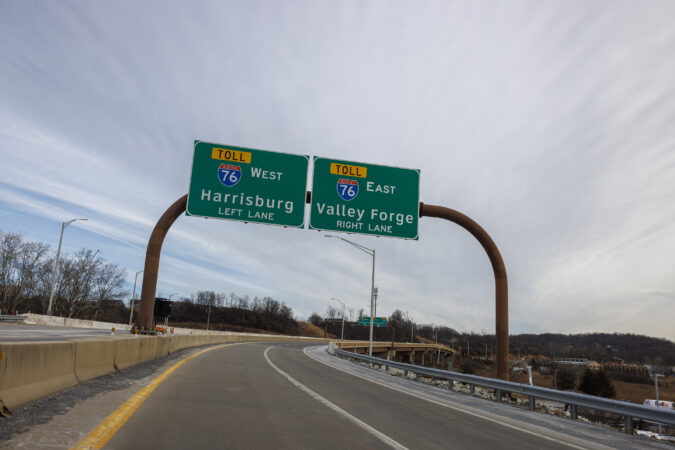
The Downingtown Interchange reopened Wednesday night after being closed for several hours because a toll-booth canopy collapsed during planned demolition work on the toll plaza, Pennsylvania Turnpike officials said.
“We were performing preliminary work to remove the canopy, in anticipation of a full closure this weekend. This is part of the demolition work as we reconfigure the toll plaza,” Turnpike spokesperson Marissa Orbanek said in an email.
“During the preliminary work, canopy columns destabilized, and we immediately shut down the interchange to ensure the safety of employees and motorists. While the interchange was shut down, the canopy fell down on top of the toll booths,” Orbanek said.
The Pennsylvania Turnpike has been switching to an “open road tolling” system that allows tolls to be charged electronically without vehicles having to slow down.
A Downingtown dog has been euthanized after it injured multiple people in recent months and made residents feel unsafe, officials said.
The decision, made the day of a Thursday hearing in district court, stems from a November incident in which the dog bit a child in a neighboring house on the 500 block of Thomas Road.
Whitley Coggins said her sons, ages 4 and 8, had been playing in the backyard when the neighbor’s dogs were let outside. One mixed-breed dog got through the fence, attacking her youngest son, she said. The boy was bitten on his upper arm and required stitches.
There are four dogs that had been known to neighbors for aggressive behavior, she said. Though the Coggins family had never personally experienced it until November, the mother said, she warned her sons to run back inside if they ever saw the dogs in the yard.
After the hearing and the owner’s decision to euthanize, Coggins said she was frustrated that the only positive was that one of the dogs was removed from the house.
“I feel like I’m supposed to feel like something was done, I’m supposed to feel good that the one dog that attacked my child is gone, and I do feel a small sense of replaced safety or something — that that one dog is not there,” she said. “But that one dog has never been the problem, not the whole problem.”
Coggins said her sons still feel unsafe leaving the house and are fearful of dogs.
“Following our time in court, we still had to return — and the rest of the neighbors had to return — to a neighborhood with three dogs who have registered attacks on other people and other animals, and because of the laws and the way the laws are written or interpreted, there is nothing to go forward with to remove these dogs,” Coggins said.
Reached by phone, the attorney for the dog owner declined comment.
Brendan Brazunas, Downingtown’s chief of police, said the owner’s defense counsel immediately suggested euthanasia given the seriousness of the 4-year-old’s injury, and the fact that this was the fourth documented bite involving this dog since 2023.
“The dog that created the most issues at that house is this dog that was euthanized,” Brazunas said. “Obviously, the community is very concerned and they’re afraid, and I think this was the first step with regards to dogs at that house.”
Brandywine Valley SPCA, which had assisted the Downingtown police in the case, transported and euthanized the dog, a spokesperson for the organization said.
“This was a tragic situation that never should have escalated to this point,” Erica Deuso, mayor of Downingtown, said in a statement. “I love animals, and I am heartbroken any time a dog loses its life, but public safety comes first.”
The charges were dropped, as they can only be made for live dogs, Brazunas said. But there are ongoing cases facing the owner’s other dogs.
A Jan. 20 incidentwas reported to police when the dogs escaped through an open door and injured an adult man, a tow-truck driver who was returning a vehicle. That case will be heard in the coming weeks.
The SPCA has six outstanding charges for other dogs in the owner’s home regarding rabies vaccinations, dog licenses, and the dogs getting loose, the spokesperson said.