The driver, Jamal McCullough, assessed his vehicle for damage before fleeing the scene without helping her or calling police, prosecutors said. He turned himself in to authorities after reports of the collision — and his photograph — aired across local news outlets.
On Friday, McCullough was sentenced in Montgomery County Common Pleas court to serve three to six years in a state prison, the mandatory minimum for such a crime. While prosecutors said he was not at fault in the fatal collision because Cary was crossing outside of a posted crosswalk, they said his actions after the crash were criminal.
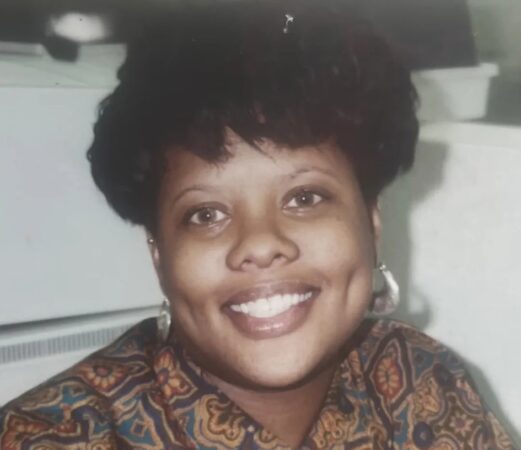
For Cary-Irvine, the hearing was a chance to offer the public a more complete image of her late sister.
Cary, 61, was an avid reader who loved children, traveling, and the outdoors, according to Cary-Irvine. She was a fan of spelling bee competitions, and she had a sense of humor: she was known for calling up her nieces and nephews and speaking to them as Cookie Monster, her sister said.
“She had a love of people — babies were her specialty,” Cary-Irvine said. “She was the favorite Auntie. To know Tracey was to love Tracey.”
Cary was also a mother to a son who is in his 20s, her sister said, and she held a variety of jobs throughout her life, working for the Philadelphia School District, St. Joseph’s University, and later UPS.
She was a singer of gospel songs, and grew up attending Union Tabernacle Baptist Church in West Philadelphia.
Before Cary’s death, the siblings’ father died from COVID-19, leading Cary to struggle with mental illness, her sister said. Soon she was living on the street.
It was on the street where McCullough struck Cary shortly after 2 a.m. on Nov. 11, 2024.
Surveillance footage showed that McCullough, of East Germantown, struck Cary with enough force to eject her from her wheelchair. After checking on his vehicle, he walked within feet of Cary’s body but did not stop to help her, prosecutors said.
The father of two was en route to a shift as a sanitation worker with Waste Management.
During his sentencing, McCullough apologized for the incident, which he said was an accident.
“I want to apologize for my ignorance, apologize for maybe how I went about things,” McCullough said.
“If I could take it back, I definitely would.”
Minutes earlier, Cary-Irvine read a victim impact statement aloud, telling the court that, in her view, McCullough acted “entitled and without remorse” that morning.
“This sentence is not about revenge — it’s an opportunity, perhaps your last, to reflect honestly on your life,” Cary-Irvine told McCullough.
“If you do not learn from your mistakes,” she continued, “you will repeat them.”
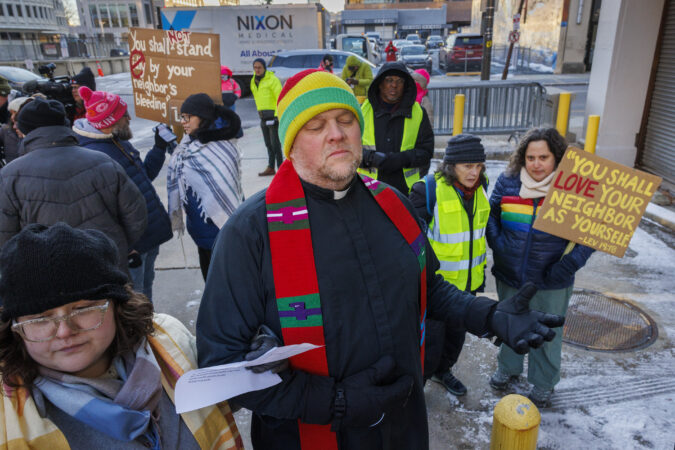
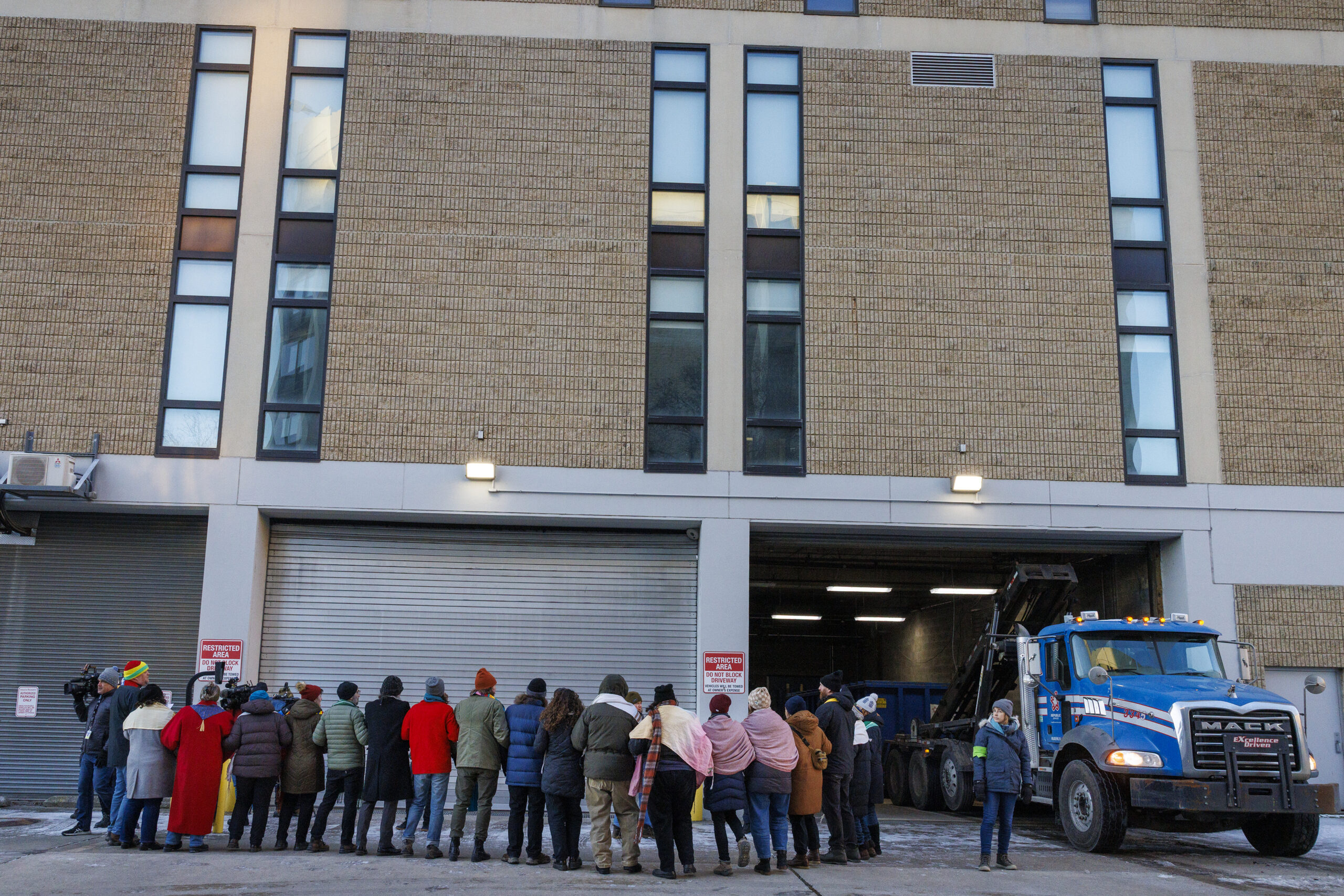
About 30 demonstrators blocked the garage doors at the Philadelphia ICE office Tuesday morning, saying they intended to stop agency vehicles from going to “terrorize” local residents.
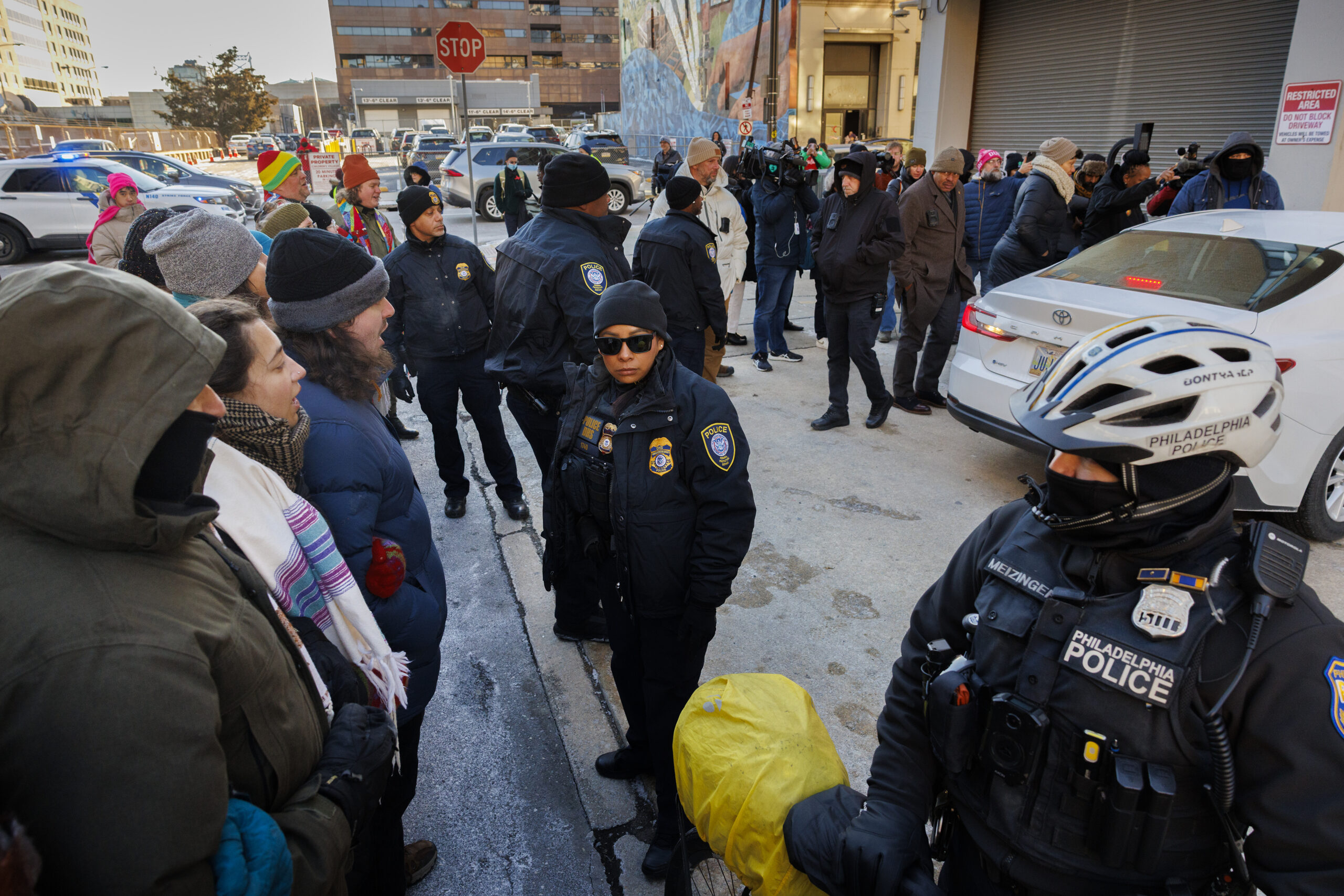
Only one car attempted to leave, and Philadelphia police moved demonstrators aside so it could depart.
No one was arrested.
Organizers with No ICE Philly had pledged to block the garage until they were forcibly removed or arrested, but halted the protest after about two hours. They said that they had accomplished their goal, and that the bitterly cold weather was too harsh on demonstrators who are older or who have medical conditions.
Demonstrators with No ICE Philly block the garage at U.S. Immigration and Customs Enforcement at 8th and Cherry Street, Philadelphia, Tuesday, Jan. 20, 2026.
The temperature was about 15 degrees when the protest began shortly before 8 a.m.
“All of us here have proven in our song and our prayer that we can slow down the machine of authoritarianism, of fascism, that we can delay the operations that will detain and kidnap and destroy our neighbors, our families, our community,” said the Rev. Jay Bergen, a leader of No ICE Philly and pastor of the Germantown Mennonite Church.
The protest was the latest in a string of anti-ICE demonstrations and vigils in the Philadelphia region; another was planned in Norristown on Tuesday evening. In October, a No ICE Philly protest outside the agency headquarters erupted into physical confrontations with police, with several people knocked to the ground and four arrested.
Immigration and Customs Enforcement officials did not reply to a request for comment Tuesday.
The clergy-led protest was boosted by City Councilmember Nicolas O’Rourke, who is a pastor of the Living Water United Church of Christ in Oxford Circle.
O’Rourke said that it was natural for him to join fellow clergy, that Tuesday’s action was part of a long tradition of faith leaders being at the forefront of the “struggle against oppression,” as led by the Rev. Dr. Martin Luther King Jr. and others.
Philadelphia Police and Department of Homeland Security officers block demonstrators from No ICE Philly as they attempt to block vehicles from leaving the garage at U.S. Immigration and Customs Enforcement at 8th and Cherry Street, Philadelphia, Tuesday, Jan. 20, 2026.
“We are a day after King’s day, and it’s important that we don’t just wax eloquent about the nice things that King said or the image that he’s been painted of now,” he said, “but we continue in that tradition of resisting the oppression as he saw it, we’re doing in our own time.”
The group locked arms and sang, offering prayers and songs of peace and affirmation.
The Rev. Hannah Capaldi, minister at the Unitarian Society of Germantown, noted that all around her were clergy of different faiths wearing collars, tallits, and stoles.
“We’re saying, listen, we have some level of moral authority in this city, and we’re trying to tell you where to look and what to pay attention to,” she said.
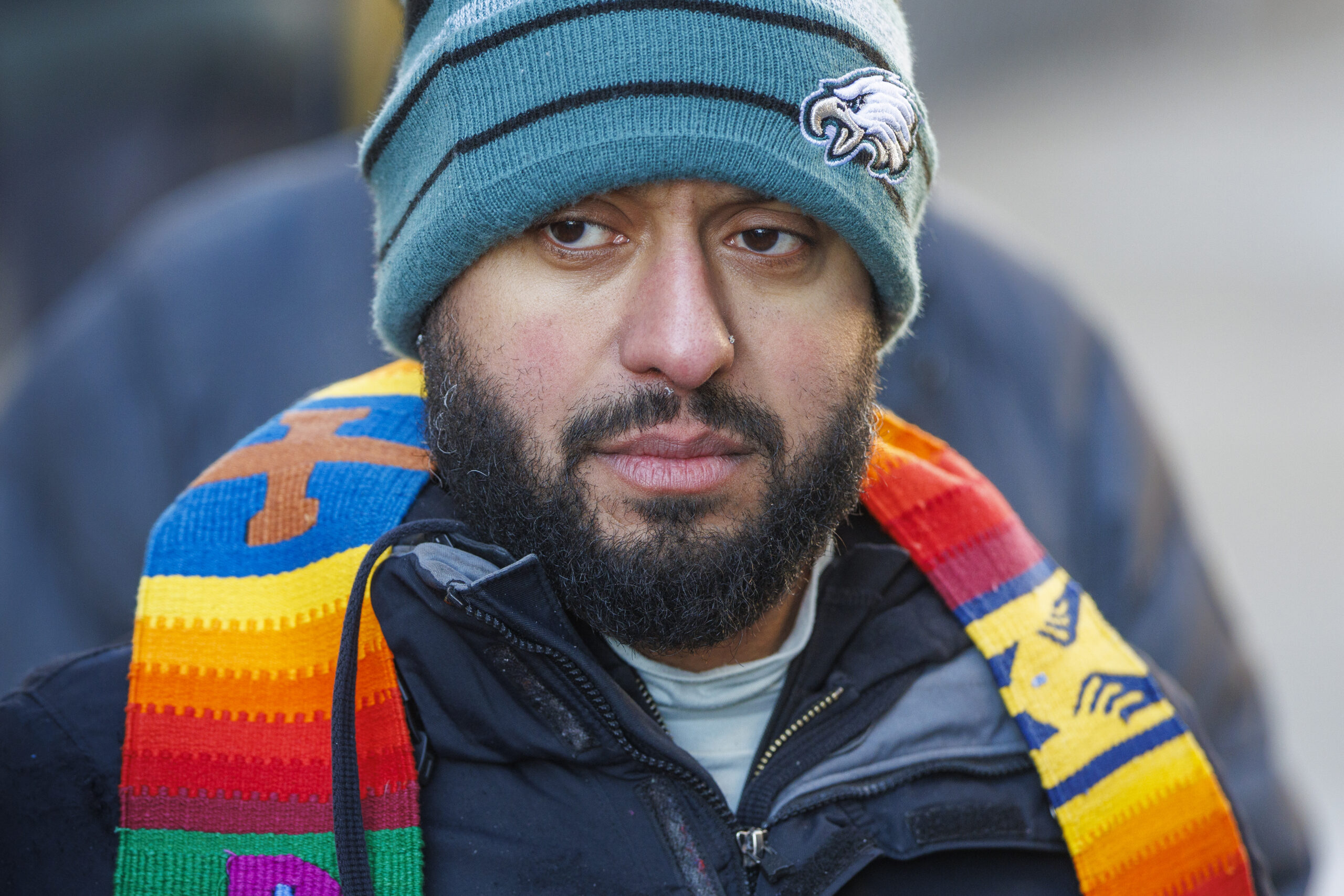
The Rev. Jonny Rashid, a protest organizer, outside of U.S. Immigration and Customs Enforcement at 8th and Cherry Street, Philadelphia, Tuesday, Jan. 20, 2026.
Capaldi hoped to plant “seeds of resistance” in the broader public, encouraging people to get involved.
“We need more people every day willing to do this,” she said, “to stand between the vehicles and the work that they’re doing to kidnap our neighbors.”
The Mediterranean-style stucco home in Montgomery County was ringed by maple and oak trees. A tri-level deck with a hot tub and covered porch faced a sylvan pond on an adjacent property.
Inside, the house had oak flooring, Amish-crafted red oak kitchen cabinets, two fireplaces, and a family room with a beamed cathedral ceiling.
The almost 5,000-square-foot home Casey Lyons and her husband, James, purchased in 2021 also had a basement with a sauna, gym, full bath, and a great room opening out into a patio where their two young sons could play.
On the second floor were four bedrooms and three baths and abundant closets fitted with drawers and shelving. Previous owners had installed a sophisticated sound system to play music.
The 1988 structure was dated, though. The kitchen had “peachy” squares of tile for a backsplash, Casey said. The 1½-acre property was attractively landscaped, but the outdoor decks were stained a worn rust color.
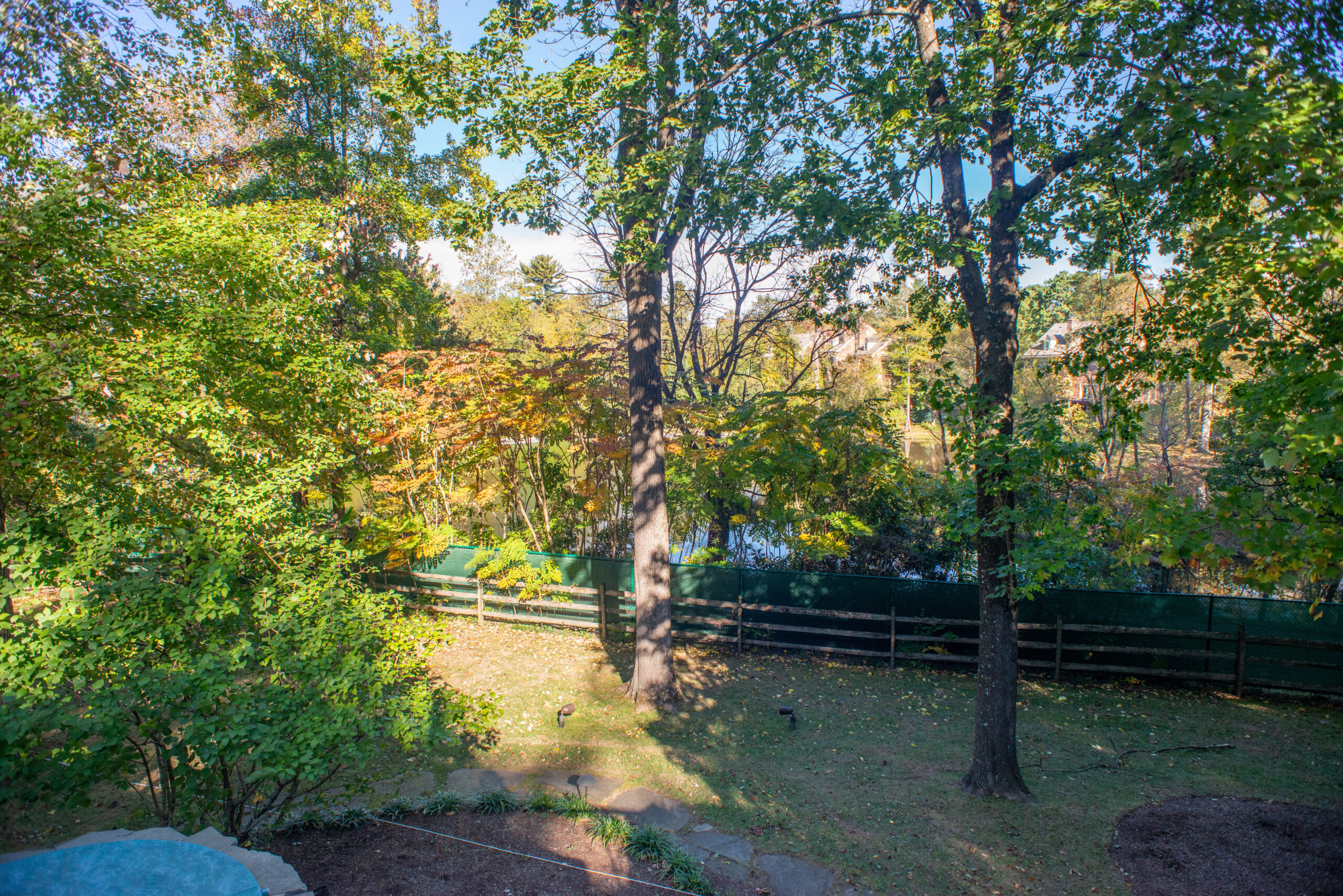
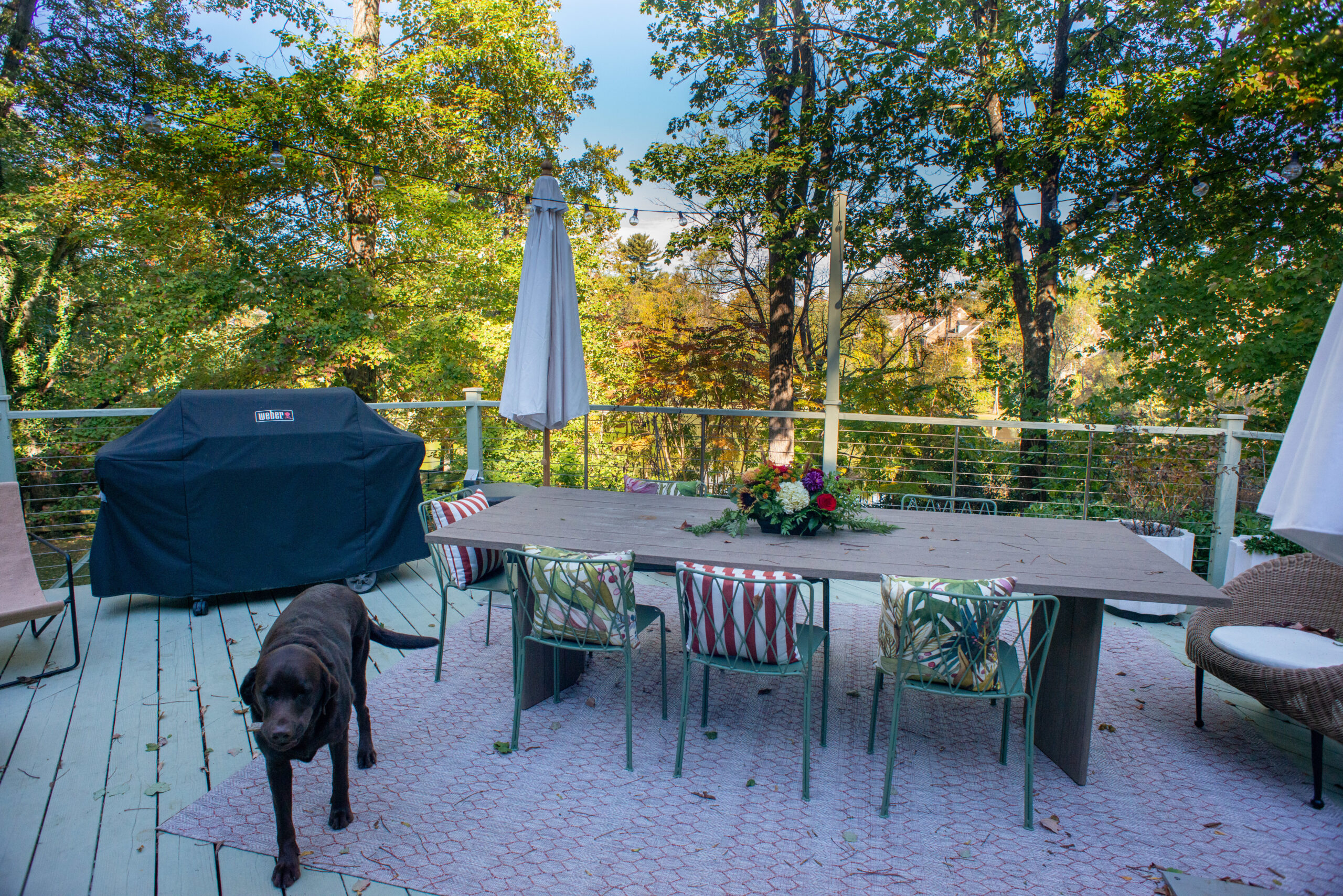
The home has a three-level deck in the backyard. It was painted green to play off the surrounding trees.
To give the first-floor living spaces a contemporary look, Casey reached out to interior designer Val Nehez through a mutual friend. Nehez remembers, “Casey asked me, ‘Can you make me love this house?’”
Nehez, owner of Studio IQL, and her senior designer, Ulli Barankay, were up to the challenge.
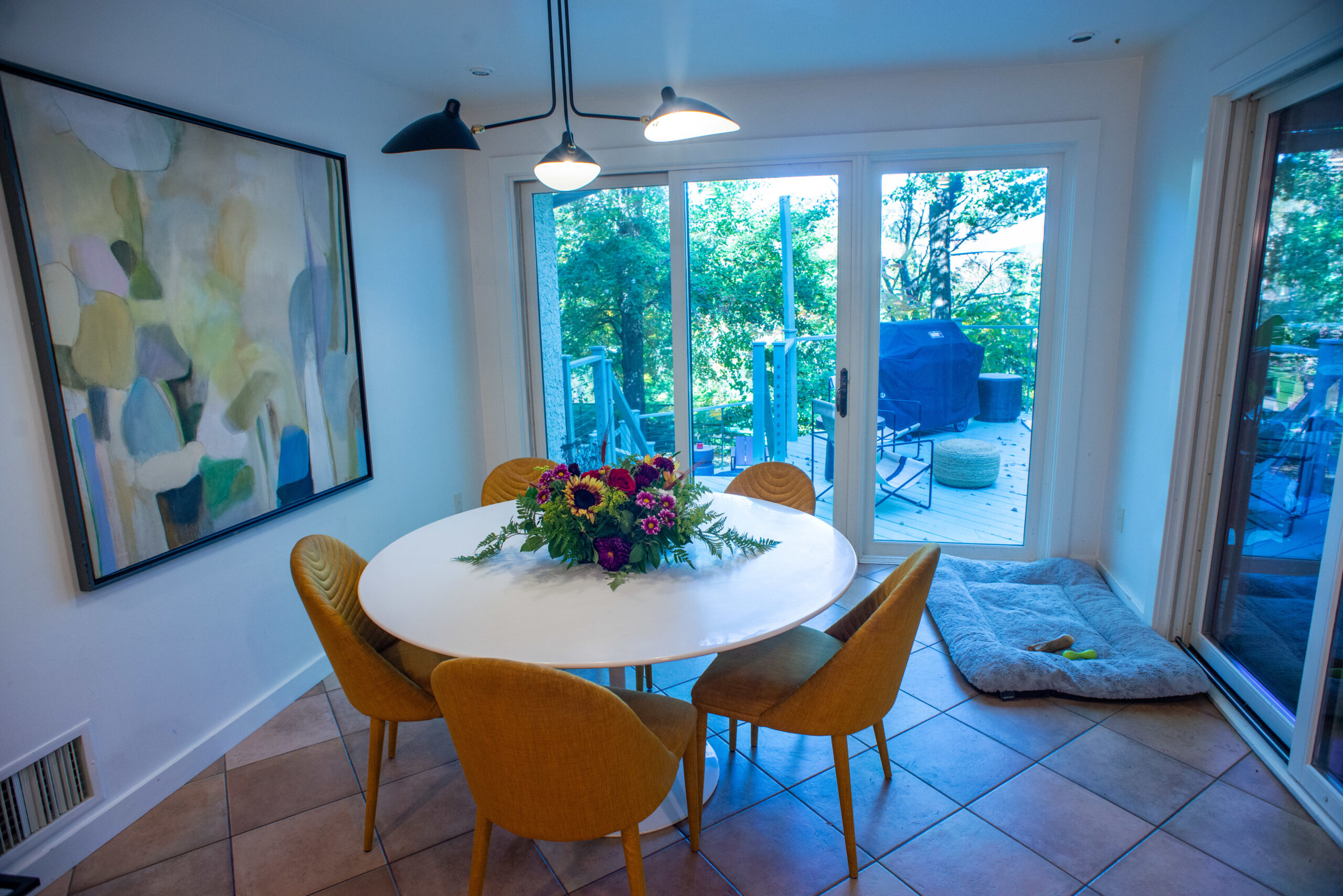
In the kitchen they kept most of the cabinetry but replaced one wall with white subway tile and open shelves. They installed a white marble island, new globe light fixtures, and curved black faucets. Mustard-colored chairs surround a white table.
“We turned a Lancaster County country kitchen … into a Southern California kitchen,” Nehez said.
With two active boys and a chocolate lab, Casey has to clean the chairs once a month. Still, she said, “I love the color.”
The renovated kitchen features white subway tiles and a marble island.Lyons loves the mustard color of the chairs in her kitchen.
In the center hall, red oak entry doors, adjacent closet doors, and the staircase were painted dark green to match the slate floor.
The dining room decor was inspired by a large abstract painting of white swirls on a green background from James’ family’s art collection. The walls are hunter green, and the “Flock of Light” curved metal chandelier from Design Within Reach complements the swirls in the painting.
Nehez found upholstered chairs for the walnut table, which Casey had custom-made by John Duffy, owner of Stable Tables in Flourtown.
For the formal dining room, Lyons chose a large abstract painting from her husband’s family collection and a “Flock of Light” chandelier.
The dining room’s vintage apothecary cabinet and heavily carved buffet had been in her previous home.
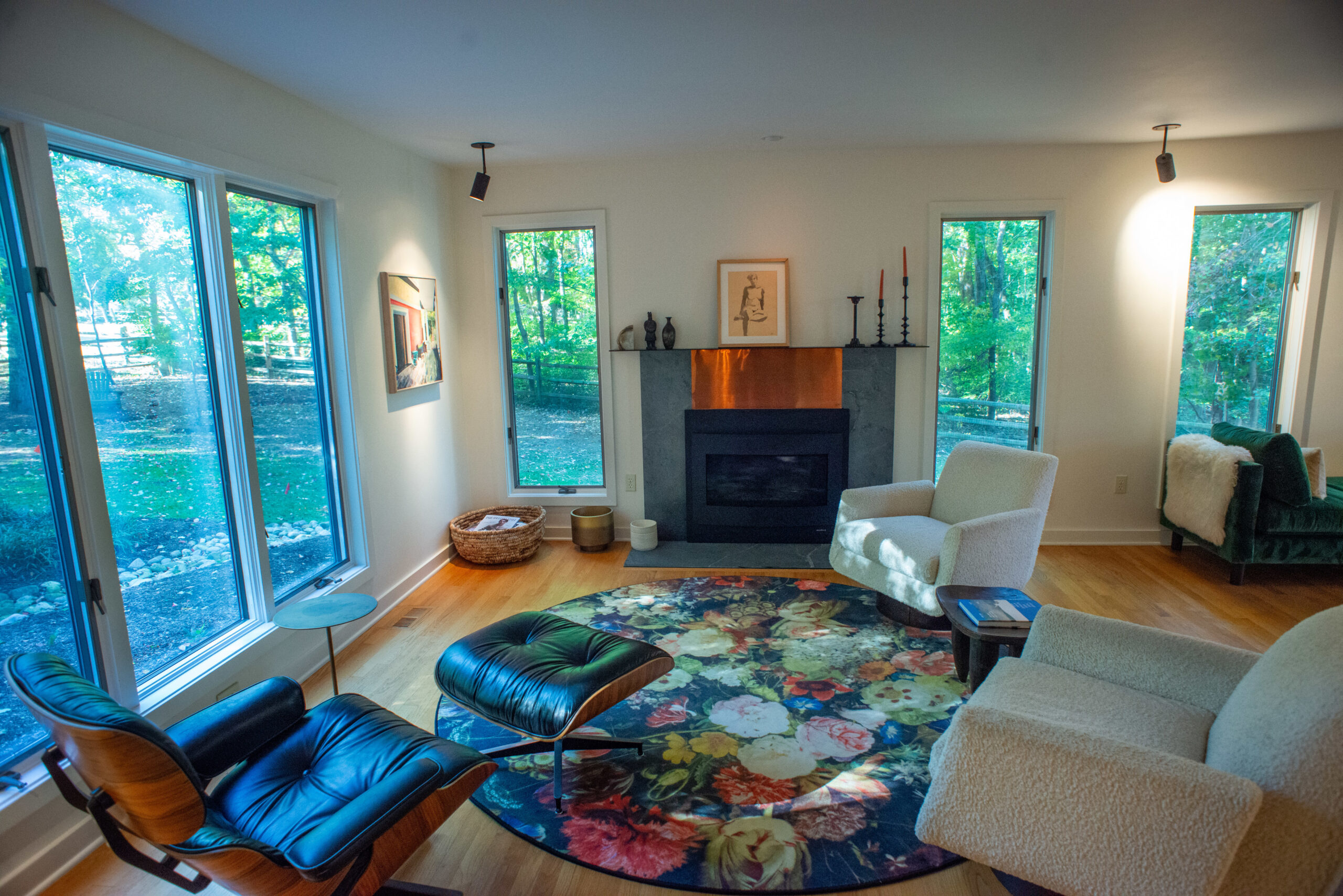
A copper plate and new mantle were added to the living room fireplace to make it more distinctive. The stone fireplace in the family room was whitewashed to blend with the white walls and emphasize the height of the cathedral ceiling. Furnishings include a tan leather sofa in the family room and white chairs, and a green velvet sofa and floral-pattern rug in the living room.
The fireplace stone in the family room was whitewashed to accentuate the tall ceilings.A copper plate and mantel were added to the living room fireplace.
Outside, the decking was painted a moss green to blend with the surrounding foliage. The back wall of the covered porch was covered with glazed green tiles. The porch features a maroon-and-white-striped sectional and blue, beige, and purple lantern-shaped lights. “It’s a beautiful place to sit” and admire the pond and the changing colors of the leaves in late autumn, Casey said.
Some furnishings came from Material Culture, an antique store in Germantown. Other items and lighting came from Minima, a contemporary lighting and furniture store in Old City. Nehez said items were selected to “reflect the owners’ taste.”
She and Barankay chose black porcelain fixtures for the powder room and wallpaper patterned with black and white zebras on a red background. In a happy coincidence, after the powder room remodeling was completed, the designers found a print of two zebras in the families’ art trove, which they hung in the hall nearby.
The view of the nearby pond from the deck outside Lyons’ home.Lyons’ dog, Joe, walks along the three-level deck.
As is their custom, with some exceptions such as the dining room painting, they waited until all the furnishings were in place to hang the art.
Finding the right piece to blend in, Nehez said, is “like finding the perfect pair of earrings after getting dressed.”
Since the remodeling Casey, her sons, and husband “have a space where we can cook, watch, television, and dance,” she said, in a home she now loves.
Is your house a Haven? Nominate your home by email (and send some digital photographs) at properties@inquirer.com.
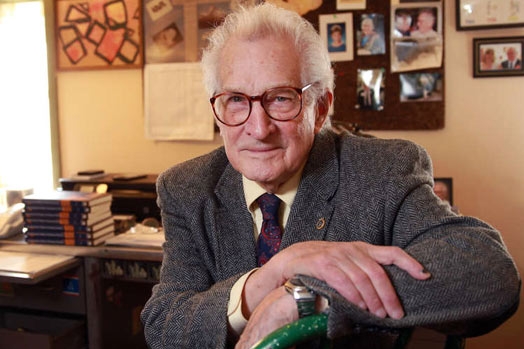
Kenneth W. Ford, 99, of Gwynedd, Montgomery County, theoretical physicist who helped develop the hydrogen bomb in 1952, university president, college professor, executive director, award-winning author, and Navy veteran, died Friday, Dec. 5, of pneumonia at Foulkeways at Gwynedd retirement community.
Dr. Ford was a 24-year-old physics graduate student at Princeton University in 1950 when he was recruited by a colleague to help other scientists covertly build a hydrogen bomb. “I was told if we don’t do it, the Soviet Union will,” Dr. Ford told The Inquirer in 2023, “and the world will become a much more dangerous place.”
So he spent one year at the Los Alamos National Laboratory in New Mexico and another back at Princeton, creating calculations on the burning of the fuel that ignited the bomb and theorizing about nuclear fission and fusion. The H-bomb was tested in 1952.
Dr. Ford’s expertise was in nuclear structure and particle and mathematical physics. He and Albert Einstein attended the same lecture when he was young, and he knew Robert Oppenheimer, Fredrick Reines, John Wheeler, and dozens of other accomplished scientists and professors over his long career.
He came to Philadelphia from the University System of Maryland in 1983 to be president of a startup biotech firm. He joined the American Physical Society as an education officer in 1986 and was named executive director of the American Institute of Physics in 1987.
“He always seemed to be the head of something,” his son Jason said.
He retired from the AIP in 1993 but kept busy as a consultant for the California-based Packard Foundation and physics teacher at Germantown Academy and Germantown Friends School. Michael Moloney, current chief executive of the AIP, praised Dr. Ford’s “steady and transformative leadership” in a tribute. He said: “His career in research, education, and global scientific collaboration puts him among the giants.”
As president of the New Mexico Institute of Mining and Technology from 1975 to 1982, Dr. Ford oversaw improvements in the school’s enrollment, faculty, budget, and facilities. He “was an accomplished researcher, scholar and teacher,” Michael Jackson, interim president of New Mexico Tech, said in a tribute, “a techie through and through.”
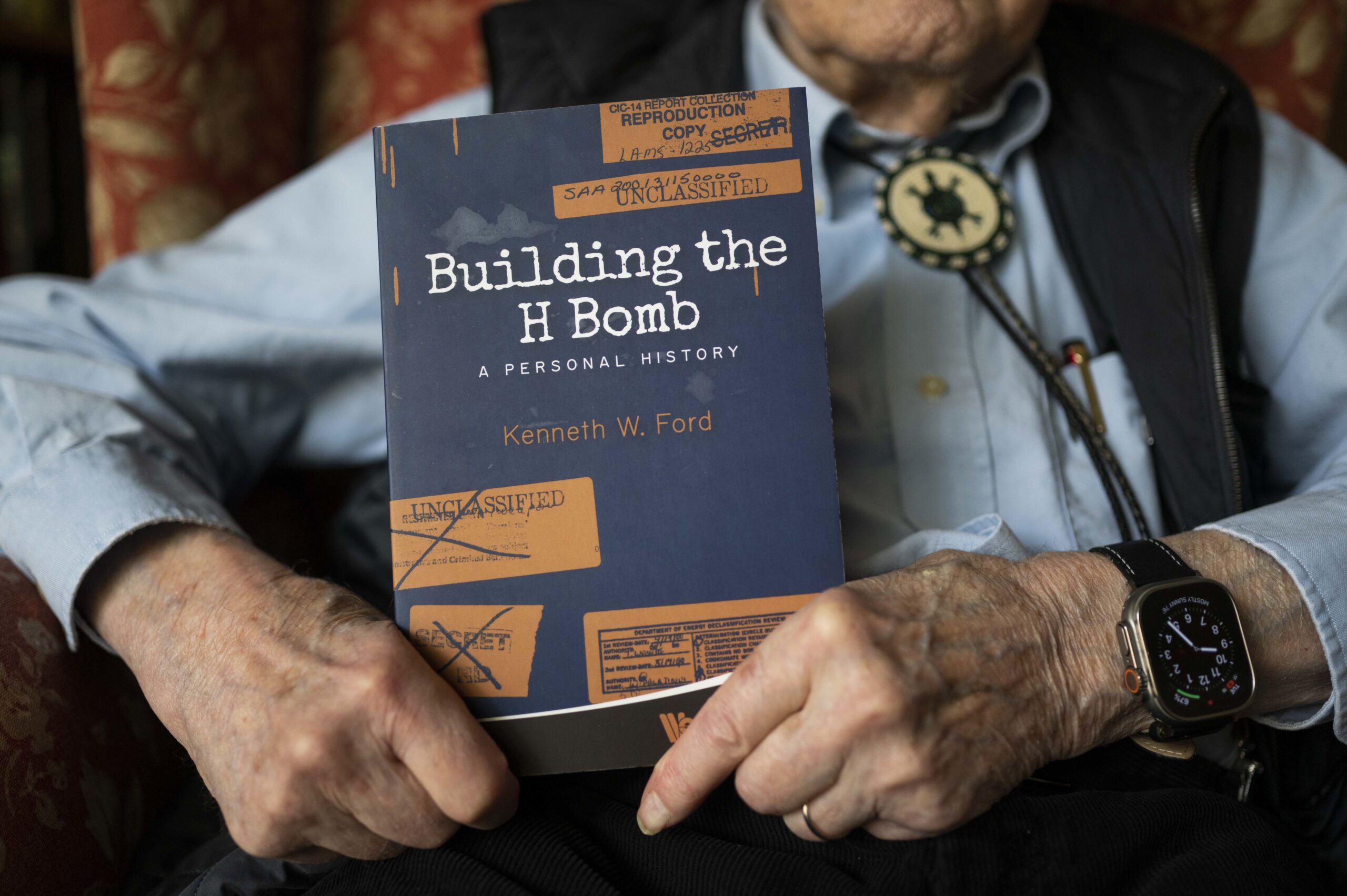
Dr. Ford wrote “Building the H Bomb,” and it was published in 2015.
Before Philadelphia, he spent a year as executive vice president of the University System of Maryland. Earlier, from 1953 to 1975, he was a researcher at Indiana University, physics professor at Brandeis University in Massachusetts and the University of Massachusetts, and founding chair of the department of physics at the University of California, Irvine.
Officials at UC Irvine said in a tribute: Dr. Ford “leaves an enduring legacy as a scientist, educator, and institution builder. … The School of Physical Sciences honors his foundational role in our history and celebrates the broad impact of his distinguished life.”
He told The Inquirer that he hung out at the local library as he grew up in a Kentucky suburb of Cincinnati and read every book he could find about “biology, chemistry, geology, you name it.” He went on to write 11 books about physics, flying, and building the H-bomb.
Two of his books won awards, and 2015’s Building the H Bomb: A Personal History became a hit when the Department of Energy unsuccessfully tried to edit out some of his best material. His research papers on particle scattering, the nuclear transparency of neutrons, and other topics are cited in hundreds of publications.
Dr. Ford was a popular professor because he created interesting demonstrations of physics for his students.
In 1976, he earned a distinguished service citation from the American Association of Physics Teachers. In 2006, he earned an AAPT medal for notable contributions to the teaching of physics.
He was the valedictorian at Phillips Exeter Academy in New Hampshire in 1944. He served two years in the Navy and earned a summa cum laude bachelor’s degree in physics at Harvard University and his doctorate at Princeton in 1953.
In 1968, he was so opposed to the Vietnam War that he publicly declined to ever again work in secret or on weapons. “It was a statement of principle,” he told The Inquirer.
Kenneth William Ford was born May 1, 1926, in West Palm Beach, Fla. He married Karin Stehnike in 1953, and they had a son, Paul, and a daughter, Sarah. After a divorce, he married Joanne Baumunk, and they had daughters Caroline and Star, and sons Adam and Jason. His wife and former wife died earlier.
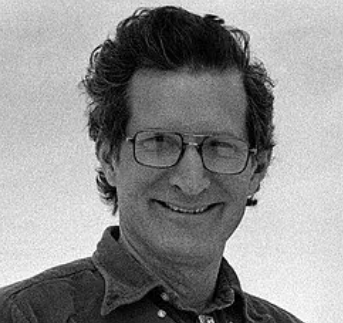
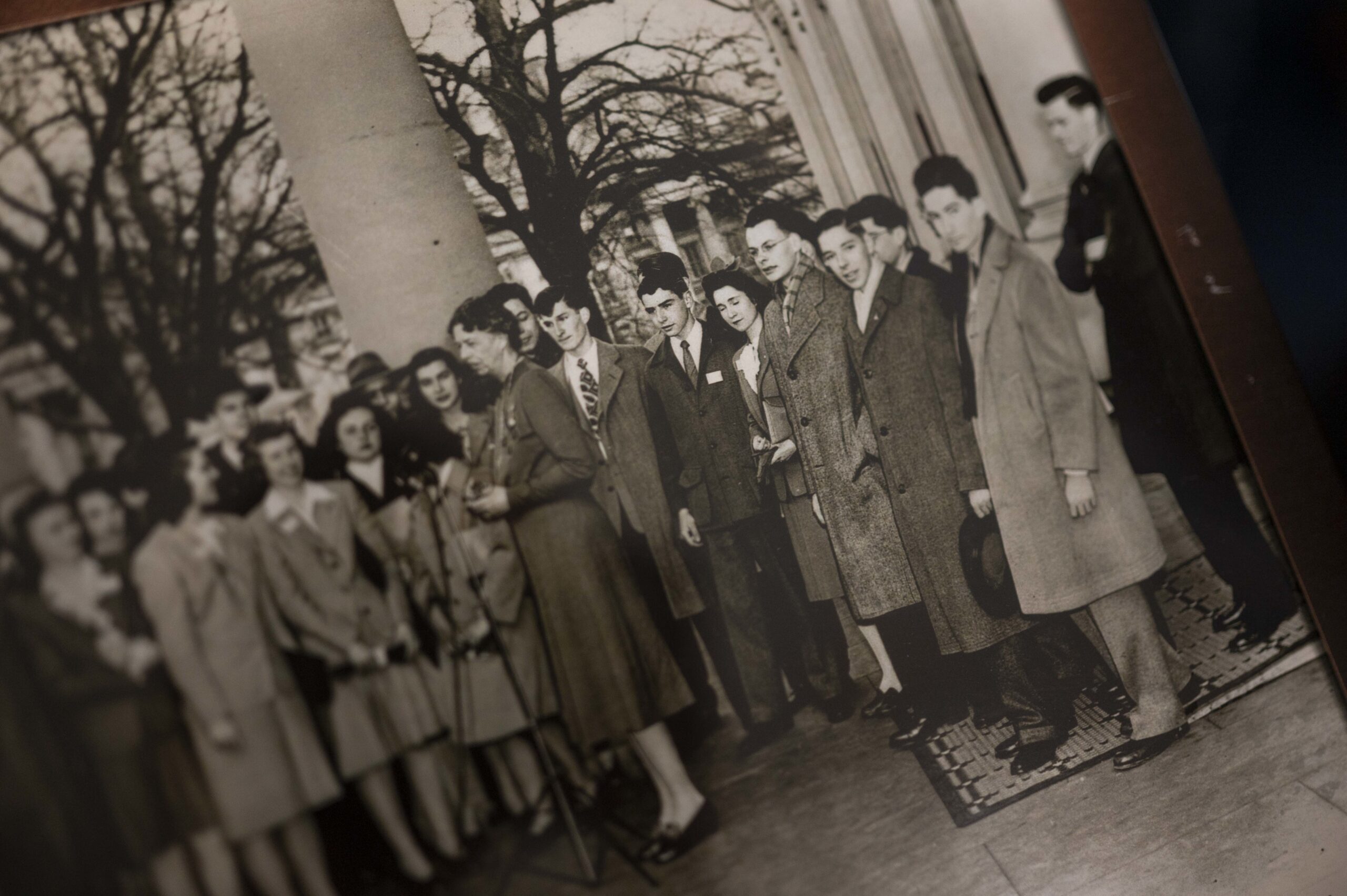
This photo shows Dr. Ford (center) and other students listening to former First Lady Eleanor Roosevelt speak in 1944.
Dr. Ford lived in University City, Germantown, and Mount Airy before moving to Foulkeways in 2019. He was an avid pilot and glider for decades. He enjoyed folk dancing, followed the Eagles closely, and excelled at Scrabble and other word games.
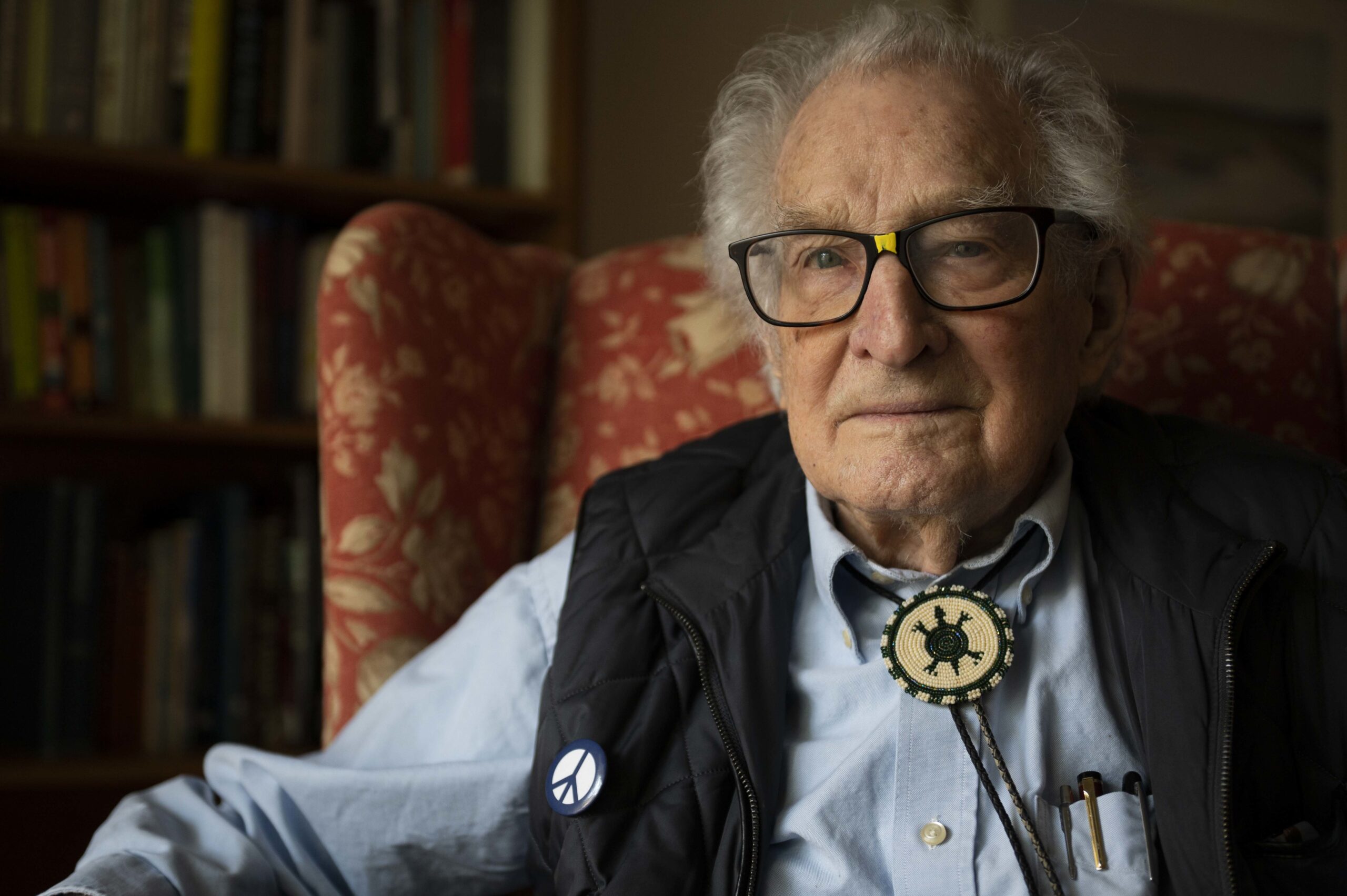
He loved ice cream, coffee, and bad puns. He became a Quaker and wore a peace sign button for years. Ever the writer, he edited the Foulkeways newsletter.
In 2023, he said: “I spent my whole life looking for new challenges.” His son Jason said. “He found connections between things. He had an active mind that went in all different directions.”
In addition to his children, Dr. Ford is survived by 14 grandchildren, a great-grandson, a sister, a stepdaughter, Nina, and other relatives.
Services are to be from 2 to 4:30 p.m., Saturday, Jan. 24, at Foulkeways at Gwynedd, 1120 Meetinghouse Rd., Gwynedd, Pa. 19436.
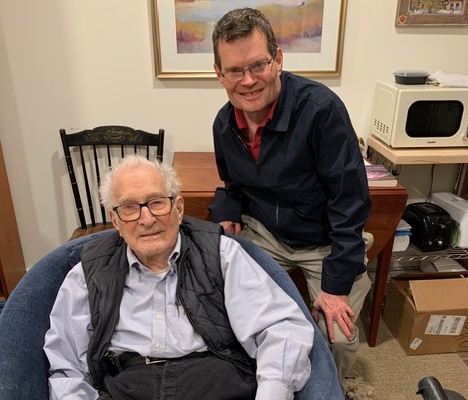
Dr. Ford and his son JasonDr. Ford wore a peace sign button for years.
For the first time in more than half a century, Marie Scott is free.
Scott, 72, who served more than 52 years in prison for felony murder, was released from custody on Wednesday after Gov. Josh Shapiro commuted her life sentence in June. Despite opposition from the victim’s family, community advocates had pushed for her freedom for years, saying she had served enough time, was a model inmate, and no longer posed a threat to society.
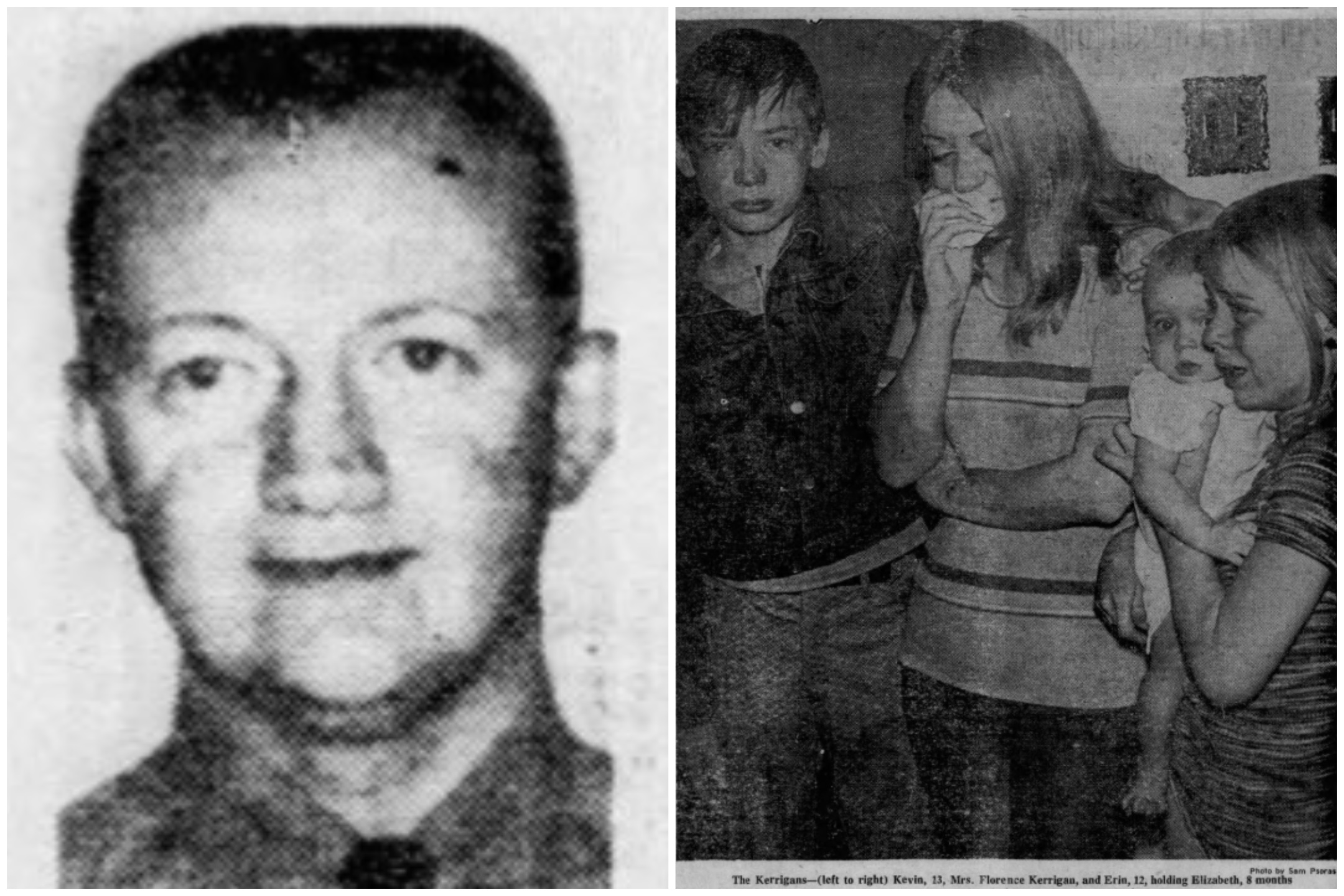
Scott, known as “Mechie,” has been incarcerated since 1973, after she and her then-16-year-old boyfriend, Leroy Saxton, robbed a Germantown gas station. She was 19 and addicted to heroin when she helped Saxton restrain the cashier, Michael Kerrigan, and then rummage through the store’s cash register and safe. Her attorneys say she was acting as a lookout when — to her surprise, she says — Saxton shot Kerrigan, 35, in the back of the head.
Philadelphia firefighter Michael Kerrigan, left, was killed in 1973. His family, shown in a 1973 photograph, was never the same. In the photo, from right to left, is Kerrigan’s son Kevin, wife Florence, and daughter Erin holding 8-month-old Angela.
Saxton was later convicted of first-degree murder and sentenced to life in prison. Scott was convicted of felony murder and handed the same fate.
But Saxton was released on time served in 2020 after the U.S. Supreme Court overturned mandatory life sentences for juveniles.
Scott had remained behind bars ever since.
Until Wednesday, when hours before dawn, she walked out of her cell in State Correctional Institutional Muncy for the final time, stepped into the back of a van, and was driven three hours toward her new life in Philadelphia.
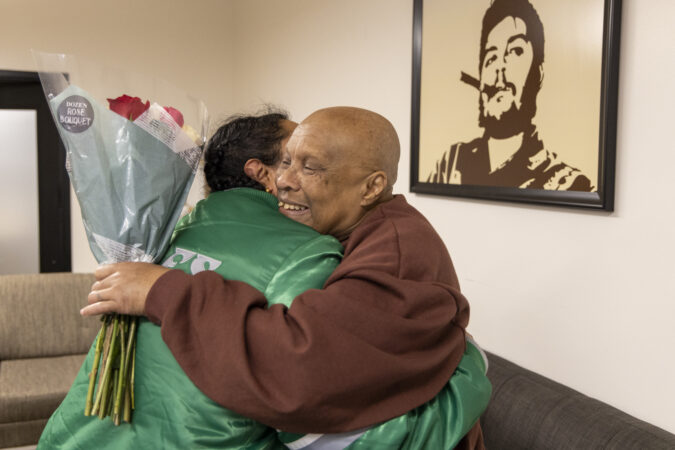
There, for the first time in her life, she hugged her daughter, Hope Segers, outside the prison walls.
“I just covered my face and lost it,” Scott said of seeing her Wednesday. “That was the first time I have seen my daughter and grandson in the real world. … To feel them, to smell them in the free air.”
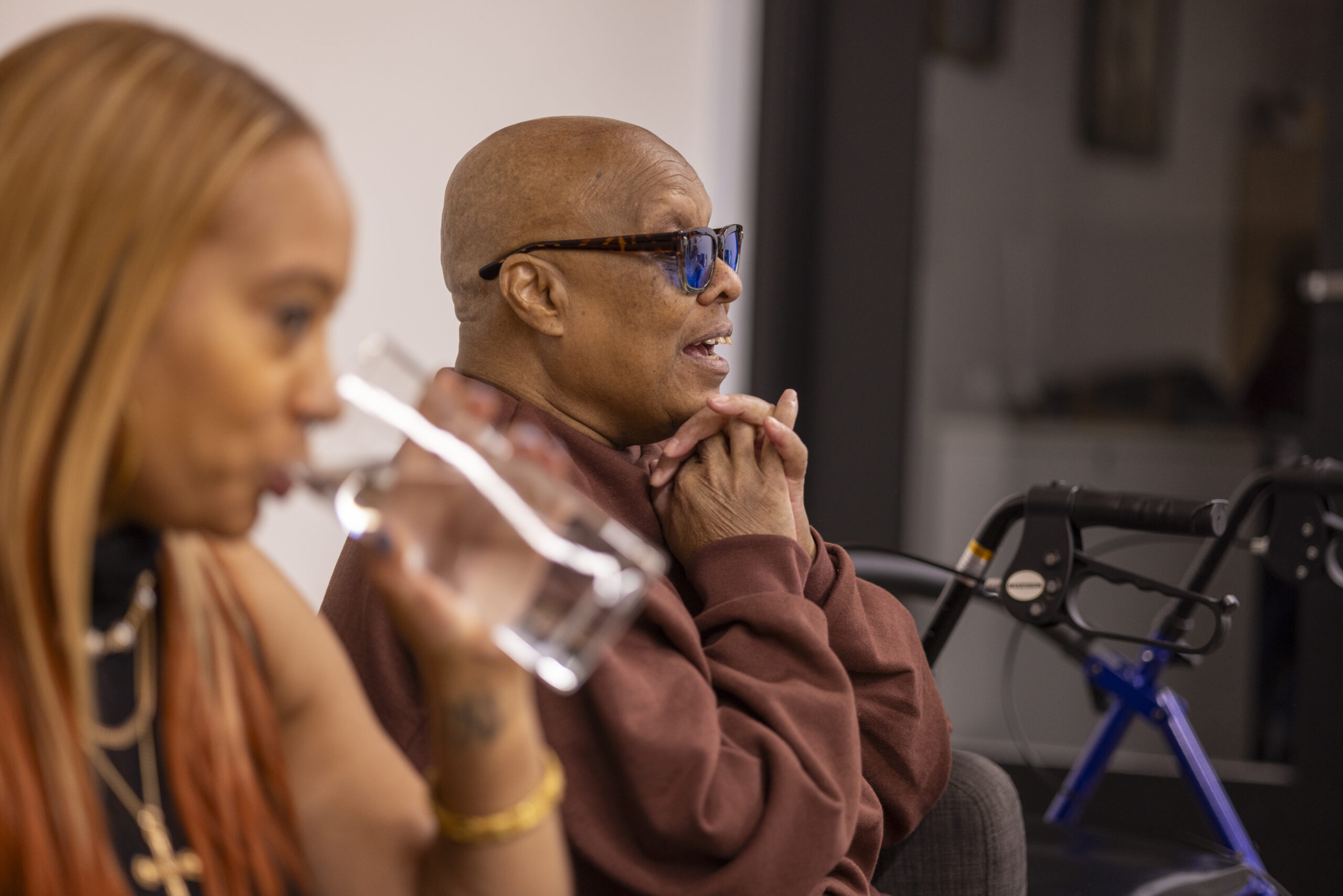
Marie Scott had her life sentence commuted after 52 years in prison.
Segers was born in SCI Muncy 45 years ago. During one of the three times Scott escaped from prison between 1975 and 1980, she reunited with a man who worked in the prison kitchen and with whom she had fallen in love, and she got pregnant.
Segers has known her mother only through prison visits often years apart, and short calls via phone and Zoom. Now, she said, she is eager to begin building a true relationship with her.
“It’s still not real,” she said of sitting next to her mother. “I’m still in shock.”
Scott, who will be on parole for the rest of her life, will move into her daughter’s home in Northeast Philadelphia after living in a halfway house for a year, as is required by the prisons.
Scott’s health has deteriorated in recent years. She uses a wheelchair, suffered from Stage 2 breast cancer, and had a double mastectomy last year. She was not ill enough to qualify for compassionate release, her attorneys said.
But she has since learned she is cancer free, she said.
Marie Scott, 72, survived Stage 2 breast cancer while in prison.
Scott had been serving a mandatory life sentence under Pennsylvania’s felony murder law, which allows people to be convicted of second-degree murder if a death occurs during the commission of a felony such as robbery — even if they did not kill the victim or intend for anyone to die. Pennsylvania is one of only two states where a felony murder conviction automatically carries a life sentence, a punishment Shapiro has called unjust and unconstitutional. (Pennsylvania’s Supreme Court is currently weighing the issue.)
Other than the decades-old escapes, her attorneys said, she has been a model inmate. She is deeply remorseful for her actions, and has written books about healing, directed plays, and led drug and alcohol treatment courses for inmates, they said. She became a mentor and mother figure to dozens of women at Muncy.
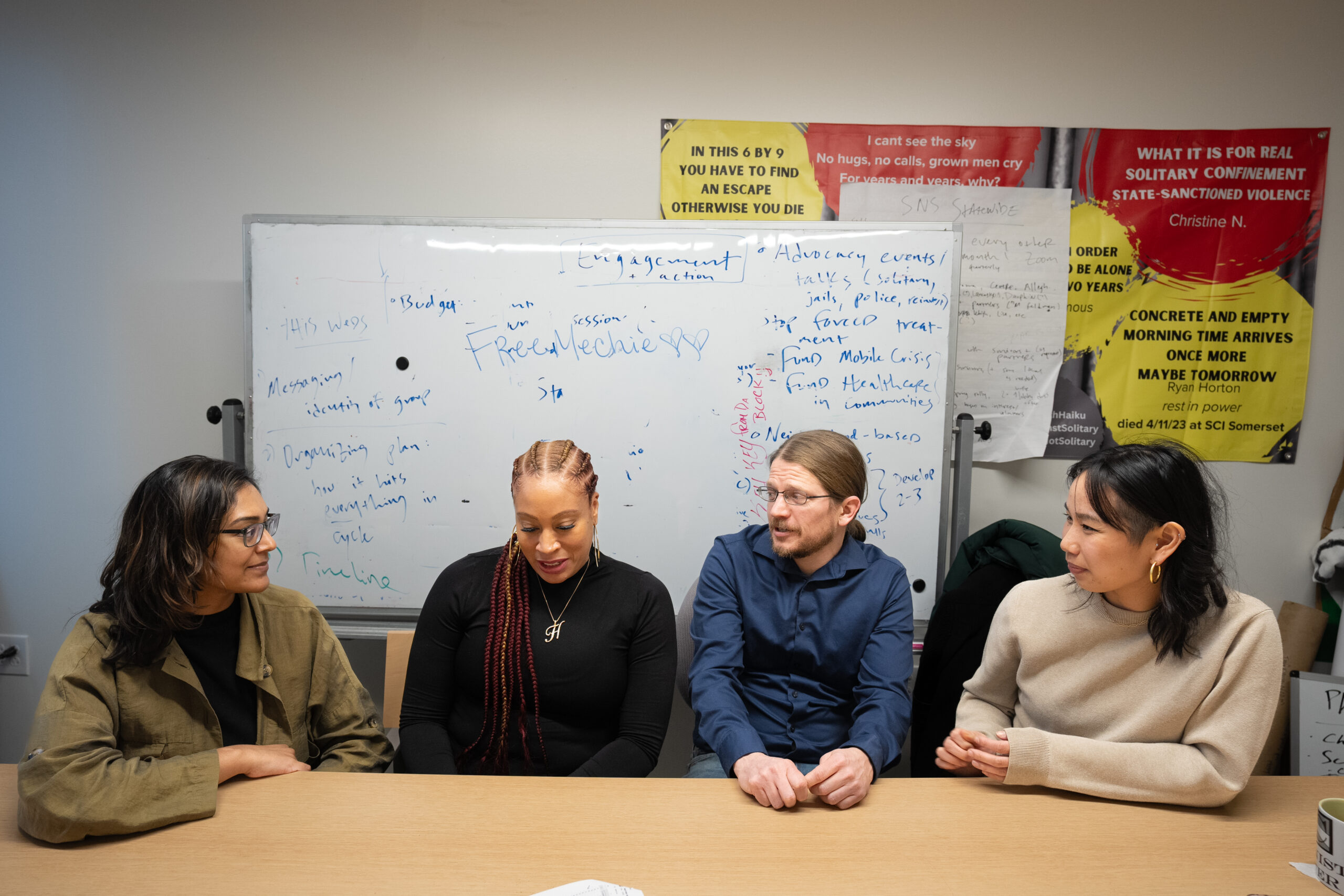
Rupalee Rashatwar (from left, Hope Segers, Bret Grote, and Sam Lew worked to free Marie Scott through their work at the Abolitionist Law Center.
For years, Scott and her attorneys at the Abolitionist Law Center applied for a commutation from the Pennsylvania Board of Pardons, asking that her life sentence be reduced. Her applications were repeatedly denied without explanation, lawyer Bret Grote said.
She applied last year with renewed hope after the leadership at SCI Muncy said they would support her petition.
Still, Grote said, Laurel Harry, secretary of the state Department of Corrections, told officials she would not support Scott’s petition because of the prison escapes decades ago. Harry’s support was typically a requirement of the board’s approval for release, he said.
Grote, his colleagues, and a collection of volunteers drafted a social media, phone, and letter writing campaign to persuade Shapiro and prison officials to support her commutation. Members of Philadelphia City Council, alongside state senators and representatives, called for her release, as did Philadelphia rapper Meek Mill.
It worked. In May, the Board of Pardons voted to recommend a commutation of her sentence, and the following month, Shapiro formally approved her release. The board then required that Scott spend six additional months in prison for the prison escapes.
Her release comes amid opposition from the victim’s family.
Michael Kerrigan holding his granddaughter, Angela Kerrigan Hightower. His wife later adopted Angela to be one of her seven children.
Initially, two of Kerrigan’s daughters said they supported Scott’s release and could forgive her, but later changed their minds and asked the board of pardons and parole not to release her. They said they do not believe she has taken enough responsibility for the crime.
Angela Kerrigan Hightower, a grandchild of Kerrigan’s who was later adopted by his wife and would have been his seventh child, said Wednesday that “the system failed the victims in this case.” She said she does not believe Scott has shown sufficient remorse, and that she and Saxton should have had to serve a life sentence for the suffering they brought her family.
“I want to know,” she said, “where is the justice for the victims in this case.”
Scott has said she deeply regrets what happened. She said Wednesday that she hopes to use her time outside of prison to tell the story of the cycle of drug and sexual abuse and codependency that she has said contributed to her actions.
She also wants to push for the release of other women who she said have been reformed in prison and don’t deserve to die there.
Marie Scott, 72, joined a Zoom call with the Coalition to Abolish Death by Incarceration alongside her daughter, Hope Segers, and grandson Dashawn Green.
Scott’s grandson, Dashawn Green, 28, said he wants to get his grandmother’s health and diet back on track, introduce her to his girlfriend and miniature schnauzer, and maybe even plan a road trip.
Scott said her first order of business is to find a church.
Seated on the couches in the Abolitionist Law Center in North Philadelphia Wednesday night, she recalled gathering for her final Sunday service inside the prison last week and saying goodbye to the women in the facility who raised her.
“You’re my family,” she said she told them. “I don’t make promises because they’re made to be broken, but if you don’t have your word, then you don’t have anything. And I give you my word, I am going to die trying to get all of my women out.”
“It feels like I’m on another planet,” Marie Scott, 72, said of her newfound freedom.
In Kensington, a program to mitigate street violence was hitting its stride.
After joining the New Kensington Community Development Corporation in 2023, outreach coordinators with Cure Violence began responding to shootings in the neighborhood, connecting folks with mental health services and other wellness resources.
They hosted men’s therapy groups, safe spaces to open up about the experience of poverty and trauma, and organized a recreational basketball league at residents’ request. Their team of violence interrupters even intervened in an argument that they said could have led to a shooting.
Cure Violence Kensington was funded by a $1.5 million federal grant from the Department of Justice, part of a Biden-era initiative to combat the nation’s gun violence epidemic by awarding funds to community-based anti-violence programs rather than law enforcement agencies.
One year after a political shift in Washington, however, federal grants that Philadelphia’s anti-violence nonprofits say allowed them to flourish are disappearing.
In the spring, New Kensington CDC received a letter from the Justice Department, saying that under the leadership of Attorney General Pam Bondi it had terminated the grant that would have funded Cure Violence for the next three years.
The work, the letter said, “no longer effectuates the program goals or agency priorities.” In the future, it said, the department would offer such grants exclusively to local law enforcement efforts.
“It was a heavy hit,” said Bill McKinney, the nonprofit’s executive director.
The cuts come amid a Trump administration crackdown on nonprofits and other organizations it views as either wasteful or focused on diversity and DEI.
It spent 2025 slashing funds for programs that supplied aid abroad, conducted scientific research, and monitored climate change. At the Justice Department, cuts came for groups like McKinney’s, which aim to target the root causes of violence by offeringmental health services, job programs, conflict mediation, and other alternatives to traditional policing.
In Philadelphia, organizations like the Antiviolence Partnership of Philadelphia and the E.M.I.R. Healing Center say they, too, lost federal funding last yearand expect to see further reductions in 2026 as they scramble to cover shortfalls.
A Justice Department spokesperson said changes to the grant program reflect the office’s commitment to law enforcement and victims of crime, and that they would ensure an “efficient use of taxpayer dollars.”
“The Department has full faith that local law enforcement can effectively utilize these resources to restore public safety in cities across America,” the spokesperson said in an email.
Nonprofits may appeal the decisions, the spokesperson said, and New Kensington CDC has done so.
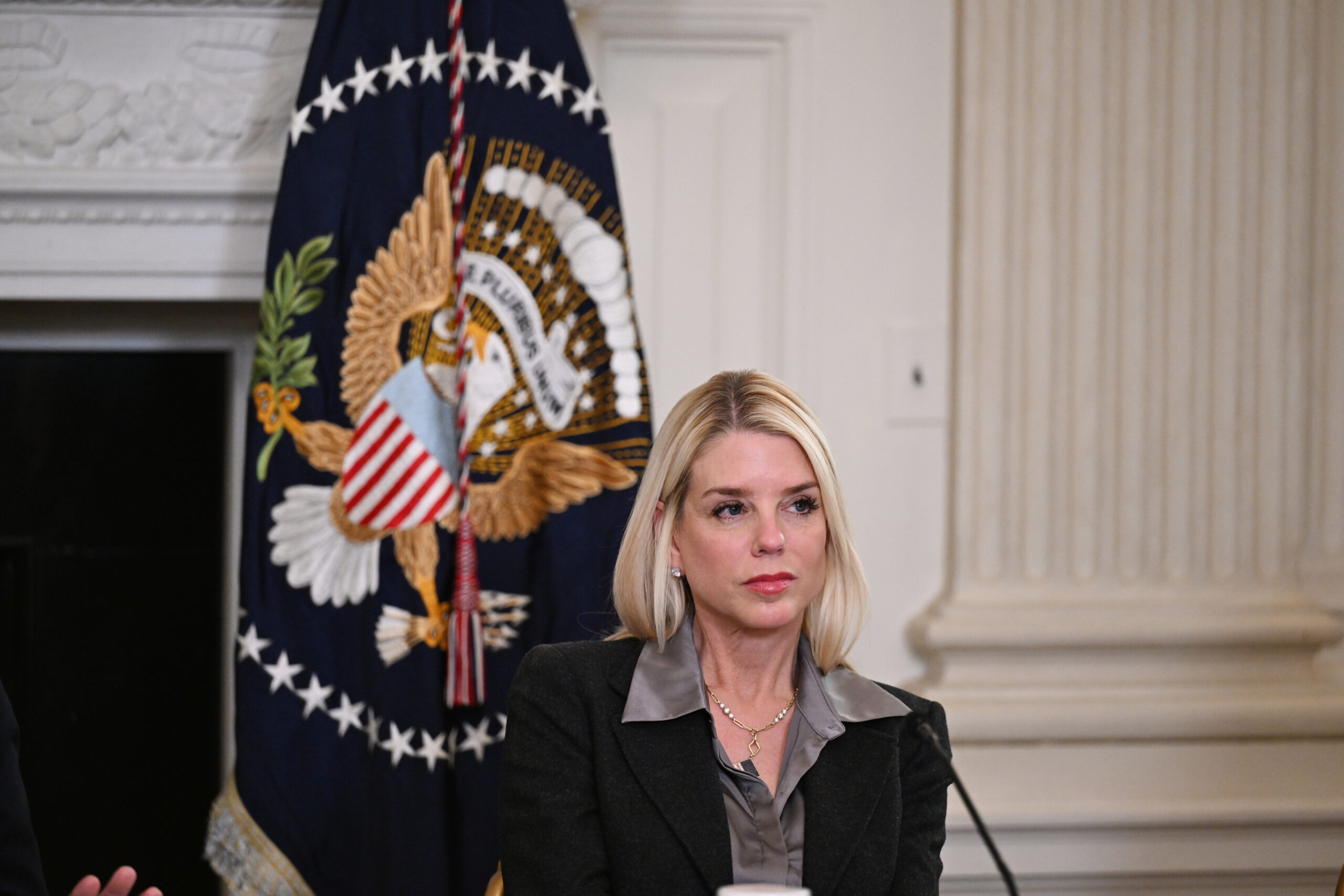
Attorney General Pam Bondi takes part in an event at the White House on Oct. 23.
Philadelphia city officials, for their part, say they remain committed to anti-violence programs, in which they have invested tens of millions of dollars in recent years.
“There are always going to be things that happen externally that we have no control over as a city,” said Adam Geer, director of the Office of Public Safety.
The reversal in federal support comes at a time when officials like Geer say the efforts of anti-violence programs are beginning to show results.
Violent crime in Philadelphia fell to historic lows in 2025, a welcome relief after the sharp upturn in shootings and homicides that befell the city at the height of the pandemic.
In 2021, the city announced a large-scale campaign to combat gun violence that,in the past year, included nearly $24 million for anti-violence programs.
That was on top of the Biden administration’s Community Based Violence Intervention and Prevention Initiative. Since launching in 2022, the DOJ program awarded more than $300 million to more than 120 anti-violence organizations nationwide.
In April, many of those groups, including New Kensington CDC, lost funds. And in September, a larger swath learned they were now barred from applying for other Justice Department grants that would have arrived this spring.
“We’ve seen enormous dividends” from the work of such groups, said Adam Garber, executive director of CeaseFirePA, a leading gun violence prevention group in the state. “Pulling back now puts that progress at risk — and puts lives on the line.”
Philadelphia feels the squeeze
Federal grants helped Natasha McGlynn’s nonprofit thrive.
McGlynn, executive director of the Antiviolence Partnership of Philadelphia, said a DOJ grant called STOP School Violence allowed her organization to launch a counseling program for young people who had been victims of violence or otherwise exposed to it in some of the city’s most violent neighborhoods.
The nonprofit used the grant to hire therapists to help students develop healthier attitudes around conflict and trauma, she said.
The $997,000 grant was cut in April, and when McGlynn went to apply for another round of funding in the fall, she learned that nonprofits were no longer eligible. The lost funding means some services, like counseling, could now be eliminated, she said.
“I would say several positions are in question,” McGlynn said. “I would say the program is in question.”
Chantay Love, the director of Every Murder is Real, said her Germantown-based victim services nonprofit also lost Justice Department funding in 2025.
Federal grants are not the nonprofit’s only source of income, Love said, but she along with other nonprofit leaders in the city are considering whether they’ll need to cut back on programs this year.
Record-setting investment
The decade before the pandemic saw gun-related deaths in the state climb steadily, spiking during the lockdown as social isolation, school closures, shuttered community services, and higher levels of stress contributed to a spate of gun homicides and shootings that began to ease only in 2024.
Two years earlier, the state began dispersing more than $100 million to community-based anti-violence programs, much of the money coming from the American Rescue Plan, a sweeping Biden administration pandemic recovery package that also sought to reduce rising gun violence. And when those funds expired, state lawmakers continued to invest millions each year, as did Philadelphia city officials.
Garber, of CeaseFirePA, said those efforts “get a lot of heavy-lifting credit” for Philadelphia’s historic decrease in violence.
A report compiled by CeaseFirePA cites studies that found outreach programs like Cure Violence helped reduce shootings around Temple University, as well as in cities like New York and Baltimore, where homicides and shootings in some parts of the city fell by more than 20%.
While it’s too early for data to provide a full picture on how such funding has contributed to overall violence reduction, officials like Geer, the Philadelphia public safety director, agreed that programs like Cure Violence have helped crime reach record lows.
Philadelphia acting chief public safety director Adam Geer attends a news conference on Jan. 30, 2024, about a shooting that left an officer wounded and a suspect dead.
Outreach workers with the city-supported Group Violence Intervention program made more than 300 contacts with at-risk residents in 2025, according to data provided by Geer’s office, either offering support or intervening in conflicts.
And they offered support to members of more than 140 street groups — small, neighborhood-oriented collectives of young people that lack the larger organization of criminal gangs — while more than doubling the amount of service referrals made the previous year.
In practice, a program’s success looks like an incident in Kensington in which Cure Violence workers intervened in a likely shooting, according to members of New Kensington CDC.
In April, a business owner called on the nonprofit after seeing a group of men fighting outside his Frankford Avenue store and leaving to return with guns. Members of the outreach team spoke with both parties, de-escalating the conflict before it potentially turned deadly.
“Each dollar cut is ultimately a potential missed opportunity to stop a shooting,” Garber said.
Cutting off the ‘spigot’
Even as community-based anti-violence programs have risen in popularity, they are not without their critics.
While some officials champion them as innovative solutions to lowering crime, others say the programs can lack oversight and that success is difficult to measure.
In 2023, an Inquirer investigation found that nonprofits with ambitious plans to mitigate gun violence received millions in city funds, but in some cases had no paid staff, no boards of directors, and no offices.
A subsequent review by the Office of the Controller found some programs had not targeted violent areas or had little financial oversight. But by the next round of funding, the city had made improvements to the grant program, the controller’s office found, adding funding benchmarks and enhanced reporting requirements.
Meanwhile, as Philadelphia continued its support these programs, President Donald Trump’s Justice Department began a review of more than 5,800 grants awarded through its Office of Justice Programs. It ultimately made cuts of more than $800 million that spring.
Among programs that lost funding, 93% were “non-governmental agencies,” including nonprofits, according to a letter DOJ officials sent to the Senate explaining the decision.
The balance of remaining funds in the violence prevention grant program — an estimated $34 million — will be available for law enforcement efforts, according to a DOJ grant report. In addition to fighting crime, the money will help agencies improve “police-community relations,” hire officers, and purchase equipment, the document says.
Agencies conducting immigration enforcement are also eligible for grants, the report says, while groups that violate immigration law, provide legal services to people who entered the country illegally, or “unlawfully favor” people based on race are barred.
One group lauding the cuts is the National Rifle Association, which commended the Trump administration in November for cutting off the “spigot” to anti-violence nonprofits.
‘[T]he changes hopefully mean that nonprofits and community groups associated with advocating gun control will be less likely to do it at the expense of the American taxpayer and that real progress can occur on policing violent criminals,” the NRA’s legislative arm wrote in a blog post that month.
Nate Riley disagrees.
Riley, an outreach worker with Cure Violence Kensington, said the cuts threaten to reverse the progress New Kensington CDC has made since he joined the program early last year.
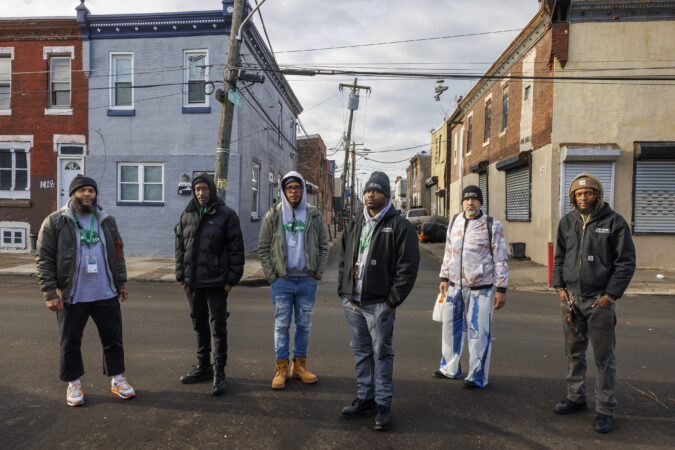
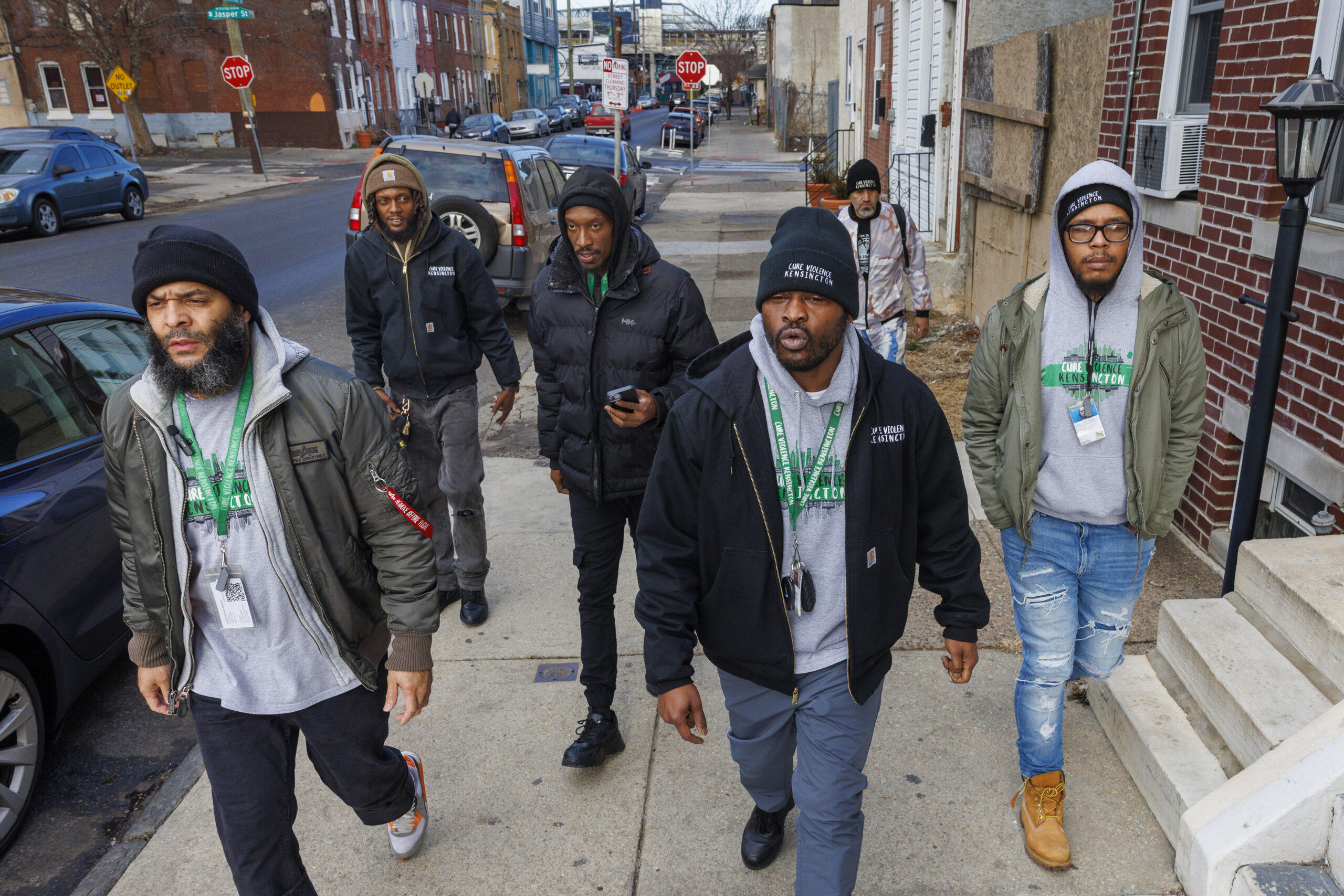
Nate Riley (from left), Tyree Batties, Dante Singleton, Tyreek Counts, Ivan Rodriguez, and Jamall Green-Holmes, outreach workers with New Kensington Community Development Corporation, making their rounds on Wednesday.
Cure Violence’s six-person outreach team is made up of people like Riley, who grew up in North Philadelphia and says he is well-versed in the relationship between poverty, trauma, and violence and brings that experience to Kensington.
“This is a community that’s been neglected for decades,” Riley said. “For lack of a better term, you’ve got to help them come in outside of the rain.”
In a recent month, Cure Violence outreach workers responded to 75% of shootings in the Kensington area within three days, a feat Riley is particularly proud of.
He said the program is not meant to supplant the role of police.
Instead, Riley sees street outreach as another outlet for those whose negative experiences with authorities have led them to distrust law enforcement.
Those people may alter their behavior if they know police are present, he added, giving outreach workers embedded in the community a better chance at picking up on cues that someone is struggling.
From Kensington to Washington
McKinney, with New Kensington CDC, said the group was still expecting about $600,000 from the Justice Department when the grant was cut short.
The nonprofit has since secured a patchwork of private donations and state grants that will keep Cure Violence running through much of 2026, he said.
After that, the program’s future is uncertain.
In the wake of the cuts, national organizations like the Community Justice Action Fund are advocating for federal officials to preserve funding for community-based anti-violence programs in future budgets. Adzi Vokhiwa, a federal policy advocate with the fund, said the group has formed a network of anti-violence nonprofits dubbed the “Invest in Us Coalition” to do so.
The group petitioned congressional leadership in December to appropriate $55 million for anti-violence organizations in the next budget — a figure that both Democrats and Republicans in the Senate have previously agreed on and that Vokhiwa views as a sign of bipartisan support for such programs.
McKinney, with New Kensington CDC, said it was impossible to ignore that the nonprofit and others like it provide services to neighborhoods where residents are overwhelmingly Black and brown. In his view, the cuts also reflect the administration’s “war on cities.”
He was bothered that the Justice Department did not seem to evaluate whether New Kensington CDC’s program had made an impact on the neighborhood before making cuts.
“We’re in a situation where the violence isn’t going away,” he said. “Even if there’s been decreases, the reality is that Kensington still leads the way. As those cuts get deeper, we are going to see increases in violence.”
A Philadelphia man whose murder conviction was overturned because of its connection to disgraced former homicide detective Philip Nordo is now a suspect in two new homicides, and he was arrested this weekend after authorities say he committed yet another violent crime.
Arkel Garcia, 32, had been on the run since November, when police said he beat an elderly acquaintance to death inside an apartment complex in the city’s Stenton section. Authorities described that crime as a robbery, and issued an arrest warrant for Garcia on murder charges.
Weeks after that, authorities in Florida said they were seeking to question Garcia in connection with another killing there, on Nov. 28 in St. Lucie County. The sheriff’s office said a victim — whom it did not identify — died from blunt force trauma and smoke inhalation after a residence was intentionally set ablaze. Authorities did not provide many additional details about the crime, but said Garcia was considered a person of interest “based on evidence recovered at the crime scene and witness interviews.”
The most recent incident occurred Sunday afternoon, when police said Garcia, back in Philadelphia, shot a 34-year-old man in the arm inside a residence on the 5200 block of Germantown Avenue. Another man, age 37, then stabbed Garcia, police said, and began struggling with Garcia over his firearm, at which point the gun went off and struck Garcia.
Responding officers found Garcia suffering from gunshot and stab wounds in a nearby parking lot and took him to a hospital, where he was to be treated before being arraigned on murder charges. He had not been arraigned as of Tuesday afternoon.
The string of crimes occurred about a year after Garcia was released from prison after the collapse of his earlier murder case — an outcome prosecutors said was necessary because of Nordo’s misconduct.
In 2015, a jury had found Garcia guilty of fatally shooting Christian Massey, a 21-year-old man with special needs who was killed in Overbrook over a pair of Beats by Dre headphones. Garcia was sentenced to life in prison.
But four years later, District Attorney Larry Krasner’s office charged Nordo with raping and sexually assaulting male witnesses he met on the job. And as part of that investigation, prosecutors said they uncovered emails and recorded phone calls showing that Nordo had pursued secret sexual relationships with key witnesses while seeking to compile evidence implicating Garcia.
A confidential informant who spoke to Nordo about the Garcia case later told The Inquirer Nordo sexually assaulted him and also failed to protect his identity in the neighborhood. The informant was later convicted of killing someone after he said he was threatened because of being labeled a snitch.
In 2021, prosecutors persuaded a judge to overturn Garcia’s murder conviction in the Massey killing, and Krasner’s office declined to retry him.
But Garcia was not released from prison right away. After being found guilty of Massey’s murder, he fought with a sheriff’s deputy in the courtroom and was later convicted of aggravated assault. A judge sentenced him to five to 10 years in prison for that crime, and he remained incarcerated for it until he was paroled in October of 2024.
(Nordo, meanwhile, was convicted of sex crimes in 2022 and sentenced to 24½ to 49 years in prison.)
Late last year — while Garcia was still on parole — police said he fatally beat 68-year-old David Weinkopff inside an apartment on the 4900 block of Stenton Avenue. Weinkopff was wheelchair-bound, authorities said, and neighbors told police they’d seen Garcia going into and out of the building before the crime.
About two weeks after a murder warrant was issued in that case, authorities in Florida announced they were seeking to question Garcia over a homicide in Fort Pierce, a coastal city about an hour north of West Palm Beach.
Detectives there believe Garcia may have come to the area to visit estranged relatives, but are not sure how or why he killed the 51-year-old victim found dead on the 600 block of South Market Avenue. By the time authorities said they were seeking to question Garcia, they said he may have been attempting to return to Philadelphia by bus.
Still, Garcia remained on the lam until Sunday, when police said he got into an argument with several people inside a residence in Germantown.
Witnesses said the episode turned violent when Garcia fired his gun, according to Deputy Police Commissioner Frank Vanore, and officials said Garcia was the only one with a firearm.
Vanore said Garcia was expected to face charges including aggravated assault, illegal gun possession, and reckless endangerment — in addition to the murder charges he will face for the killing on Stenton Avenue in November.
A relative of Massey’s, who asked not to be identified to discuss Garcia’s new arrest, said she and her relatives had felt “let down” by the system — and were heartbroken that Garcia, whom she still believes killed Massey, had been freed to hurt other people.
“This is a violent individual,” she said. “How is that not clear?”
For the first time in more than half a century, Philadelphia has recorded fewer than 225 homicides in a single year.
In 2025,222people were killed — the fewest since 1966, when there were a fraction of as many guns in circulation and 178 homicides.
It is a milestone worth commemorating — and mourning: Violence has fallen to its lowest level in decades, yet 222 deathsin a single city is still considered progress.
window.addEventListener(“message”,function(a){if(void 0!==a.data[“datawrapper-height”]){var e=document.querySelectorAll(“iframe”);for(var t in a.data[“datawrapper-height”])for(var r,i=0;r=e[i];i++)if(r.contentWindow===a.source){var d=a.data[“datawrapper-height”][t]+”px”;r.style.height=d}}});
The drop mirrors a national reduction in violence and follows years of sustained declines after Philadelphia’s annual homicide totals peaked during the pandemic, and it reflects a mix of likely contributing factors: Tech-savvy police are solving more shootings, violence prevention programs have expanded, and the city has emerged from pandemic instability.
No single policy or investment explains it, and officials caution that the gains are fragile.
“The numbers don’t mean that the work is done,” said Adam Geer, the city’s director of public safety. “But it’s a sign that what we’re doing is working.”
The impact is tangible: fewer children losing parents, fewer mothers burying sons, fewer cycles of retaliation.
“We are saving a life every day,” District Attorney Larry Krasner said.
Still, the violence hit some. Victims ranged from a 2-year-old girl allegedly beaten to death by her mother’s boyfriend to a 93-year-old grandfather robbed and stabbed in his home. They included Ethan Parker, 12, fatally shot by a friend playing with a gun, and Said Butler, 18, killed just days before starting his first job.
Police say street-level shootings and retaliatory violence fell sharply, in part because some gang conflicts have burned out after key players were arrested or killed. Killings this year more often stemmed from long-standing drivers — arguments, drugs, and domestic violence — and were concentrated in neighborhoods that have borne the brunt of the crisis.
“These same communities are still traumatized,” said Police Commissioner Kevin Bethel. “One gunshot is a lot. We can’t sit or act like we don’t see that.”
window.addEventListener(“message”,function(a){if(void 0!==a.data[“datawrapper-height”]){var e=document.querySelectorAll(“iframe”);for(var t in a.data[“datawrapper-height”])for(var r,i=0;r=e[i];i++)if(r.contentWindow===a.source){var d=a.data[“datawrapper-height”][t]+”px”;r.style.height=d}}});
The number of domestic-related killings nearly doubled this year compared with last, making up about 20% of homicides, Geer said. The disappearance and killing of Kada Scott, a 23-year-old woman from Mount Airy, was among them, and led to a citywide outcry and renewed scrutiny of how authorities handle violence against women.
And mass shootings on back-to-back holiday weekends — 11 people shot in Lemon Hill on Memorial Day, and 21 shot in a pair of incidents in South Philadelphia over July Fourth — left residents reeling.
<iframe title="Philadelphians’ Perceptions of Safety at Night" aria-label="Line chart" id="datawrapper-chart-GRrTN" src="https://datawrapper.dwcdn.net/GRrTN/1/" scrolling="no" frameborder="0" style="width: 0; min-width: 100% !important; border: none;" height="556" data-external="1"></iframe><script type="text/javascript">window.addEventListener("message",function(a){if(void 0!==a.data["datawrapper-height"]){var e=document.querySelectorAll("iframe");for(var t in a.data["datawrapper-height"])for(var r,i=0;r=e[i];i++)if(r.contentWindow===a.source){var d=a.data["datawrapper-height"][t]+"px";r.style.height=d}}});</script>
The progress comes even as the police department remains 20% below its budgeted staffing levels, with about 1,200 fewer officers on the force than 10 years ago.
The city’s jail population has reached its lowest level in recent history. It dipped below 3,700 in April for the first time in at least a decade, and remains so today.
And arrests citywide, particularly for drug crimes, have cratered and remain far below pre-pandemic levels, mirroring a nationwide trend.
Experts say the moment demands persistence.
“We can’t look at this decline and turn our attention to other problems that we have to solve. We have to keep investing and keep pushing to get this number even lower, because it could be even lower,” said Jason Gravel, an assistant professor of criminal justice at Temple University.
‘Unheard of’ clearance rates
After shootings exploded during the pandemic, and Philadelphia recorded 562 homicides in 2021 — the most in its history — violence began to decline, slowly at first.
But then, from 2023 to 2024, killings fell by 35% — the largest year-over-year reduction among U.S. cities with the highest homicide rates, according to an analysis by Pew.
The decline continued into 2025.
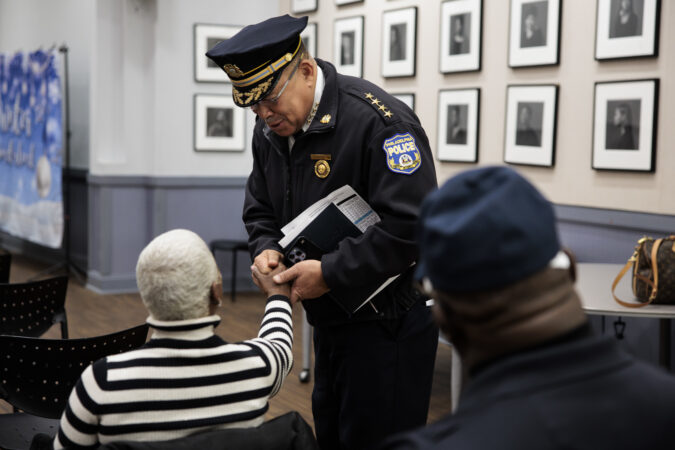
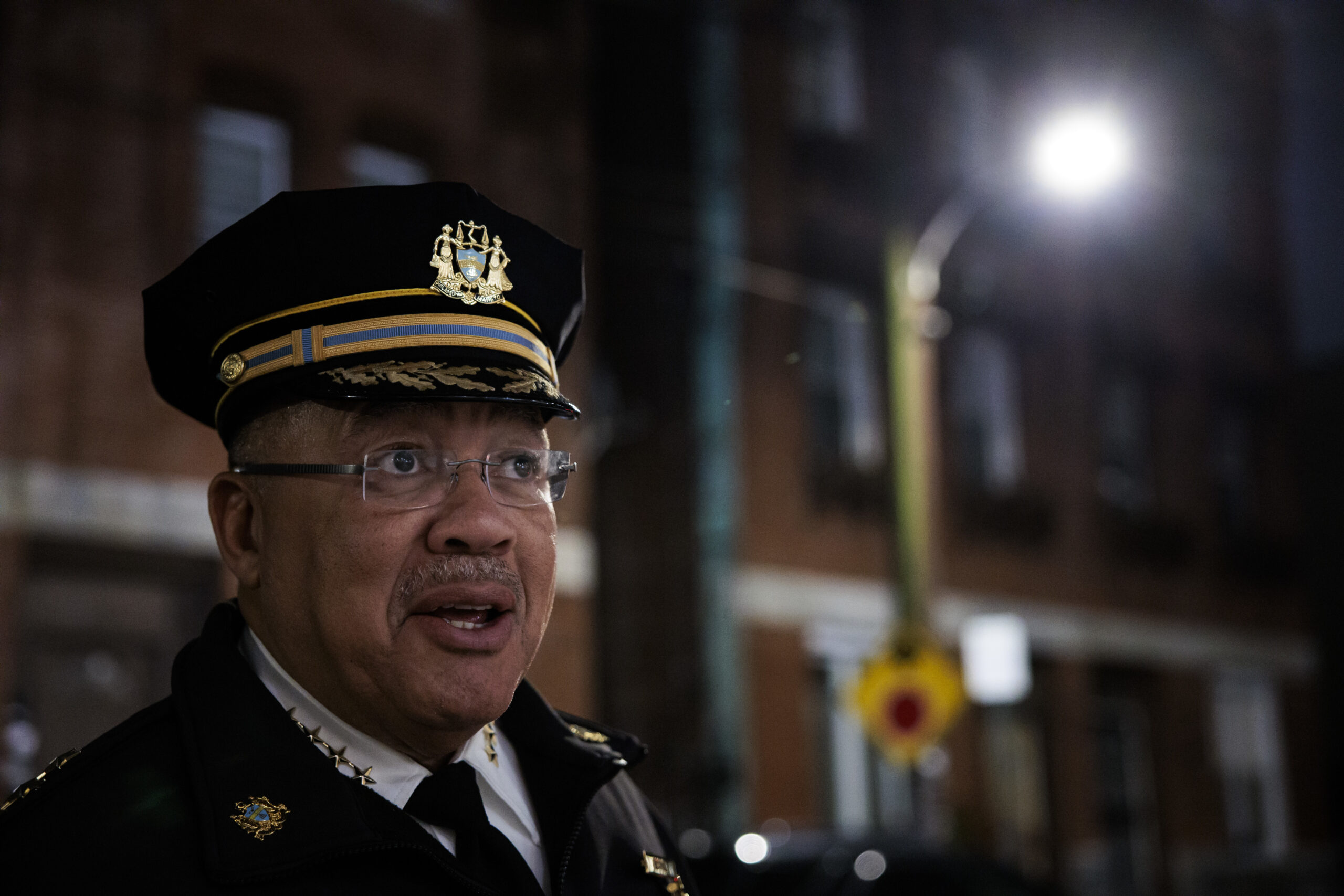
Police Commissioner Kevin Bethel arrives at a North Philadelphia community meeting on Dec. 2.
Bethel has pointed to a host of potential reasons for the decline: the reopening of society post-pandemic — kids returned to school and adults reconnected with jobs, courts, and probation officers — as well as police resources focused in hot spot crime areas and improved coordination among city leaders.
Most notably, he said, detectives are making more arrests in nonfatal shootings and homicides. Experts say that arresting shooters is a key violence-prevention strategy — it prevents that shooter from committing more violence or from ending up as a victim of retaliation, sends a message of accountability and deterrence, and improves the relationship between police and the community.
The homicide clearance rate this year ended at 81.98%, the highest since 1984, and the clearance of nonfatal shootings reached 39.9%.
“That’s unheard of,” said Geer, the public safety director. “The small amount of people who are committing these really heinous, violent crimes in our neighborhood[s] are being taken off the street.”
window.addEventListener(“message”,function(a){if(void 0!==a.data[“datawrapper-height”]){var e=document.querySelectorAll(“iframe”);for(var t in a.data[“datawrapper-height”])for(var r,i=0;r=e[i];i++)if(r.contentWindow===a.source){var d=a.data[“datawrapper-height”][t]+”px”;r.style.height=d}}});
Still, more than 800 killings from between 2020 and 2023 remain without an arrest, according to an Inquirer analysis.
That has had a significant impact on the police department’s relationship with the community over the years, something Bethel has sought to repair since he was appointed commissioner in 2024.
In 2025, he created an Office of the Victim Advocate, hired a 20-person team to communicate with and support victims, and hosted 35 meetings with residents of the most challenged neighborhoods.
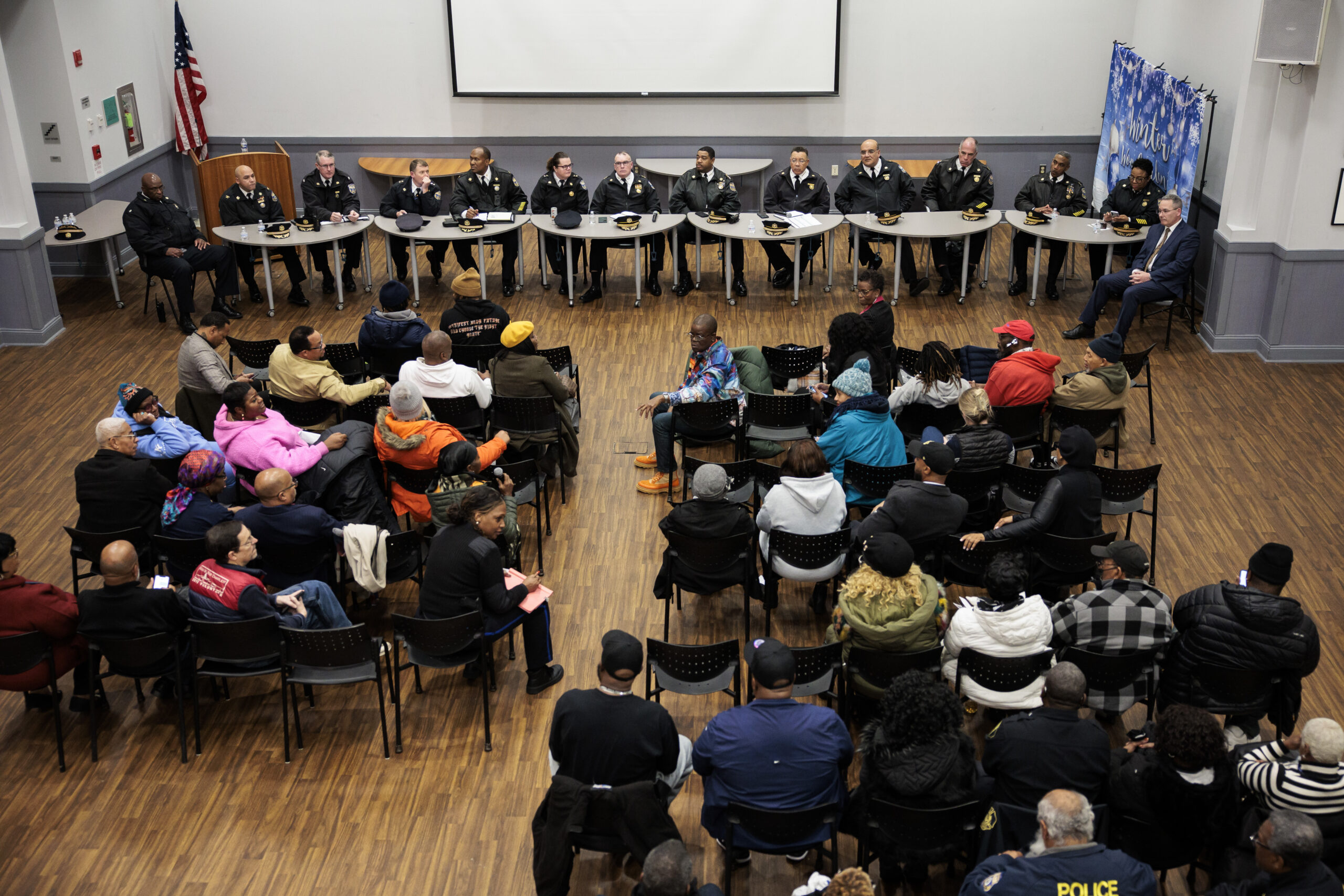
A few dozen community members gathered with top police brass in North Philadelphia on Dec. 2.
Yet Bethel has grappled with the challenge of convincing residents that the city is safer today than four years ago, while questioning whether today’s gains can outweigh years of devastation.
That challenge was on display on a recent cold December night, as Bethel gathered with a few dozen residents inside a North Philadelphia church and asked what they wanted him to know.
Person after person stood and told him what gun violence had taken from them in recent years.
My son. My brother. My nephew.
Both of my sons.
Investing in violence prevention
The city’s network of violence prevention strategies has expanded greatly since 2020, when the city began issuing tens of millions of dollars in grants to grassroots organizations.
Early on, the city faced criticism that its rollout of the funds was chaotic, with little oversight or infrastructure to track impact. Today, Geer said, the city has stronger fiscal oversight, better organizational support, and a data-driven approach that targets neighborhoods experiencing the most violence.
In 2024,Community Justice, a national coalition that researches violence-intervention strategies, said that Philadelphia had the most expansive violence-prevention infrastructure of the 10 largest U.S. cities. When evaluating 100 cities, it ranked Philadelphia as having the third-best public-health-centered approach to preventing violence, falling behind Washington and Baltimore.
Geer said the work will continue through 2026. Starting in January, the city will have a pool of about $500,000 to help cover the funeral expenses for families affected by violence.
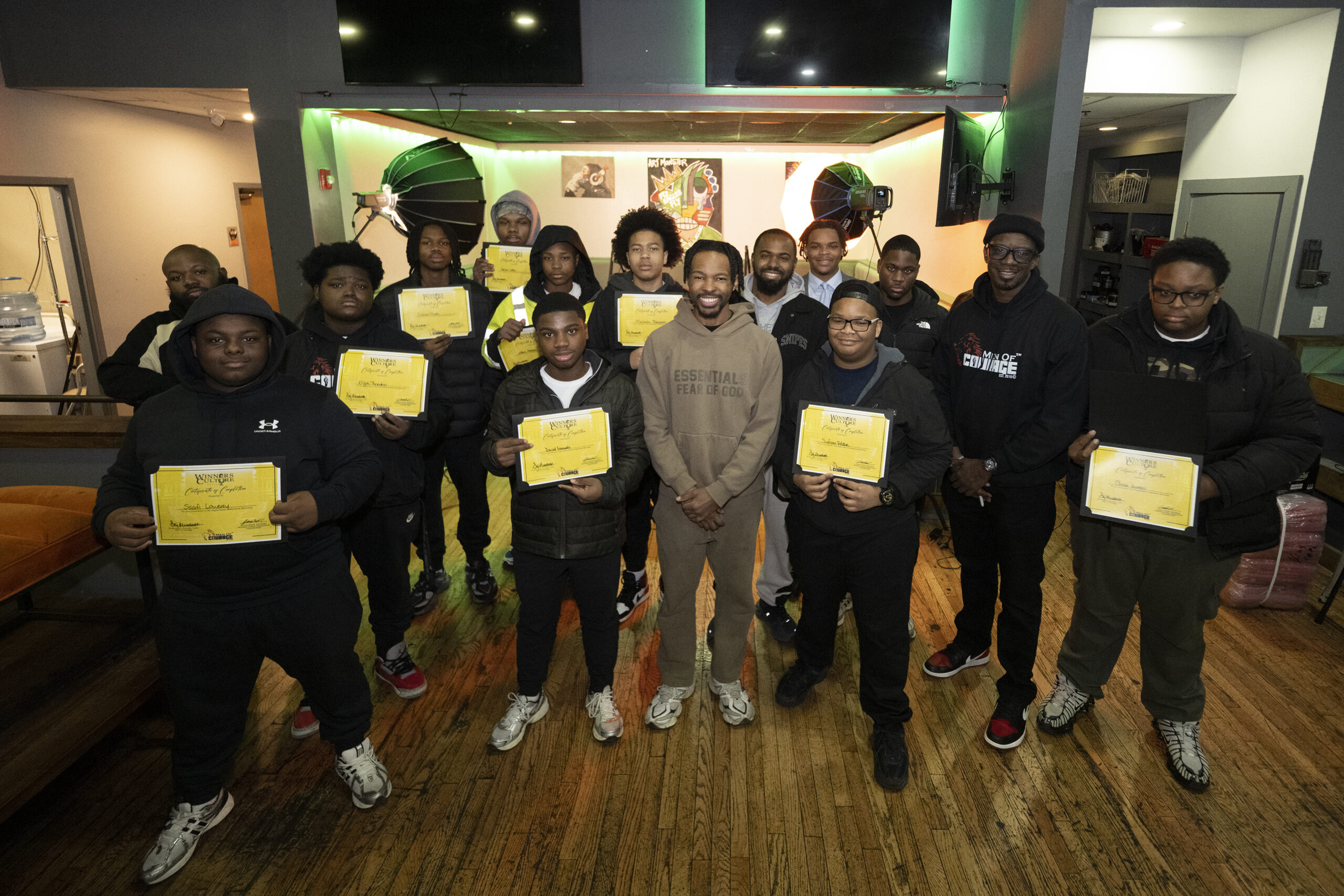
Members of Men of Courage pose with the certificates of accomplishment after completing a 16-week program on multi-media work and podcasting, one of multiple programs the community organization uses to help Black teens build their confidence.
One of those organizations that has benefited from the city’s funding is Men of Courage, a Germantown-based group that mentors young Black men ages 12 to 18 and focuses on building their confidence, resilience, and emotional intelligence.
“We want them to know that one decision can affect your entire life,” said founder Taj Murdock. “Their environment already tells them they’ll be nothing. … We have to shift their mindsets.”
Arguments are a leading cause of shootings, and teaching teens how to de-escalate conflicts and think through long-term consequences can prevent them from turning disputes violent, he said.
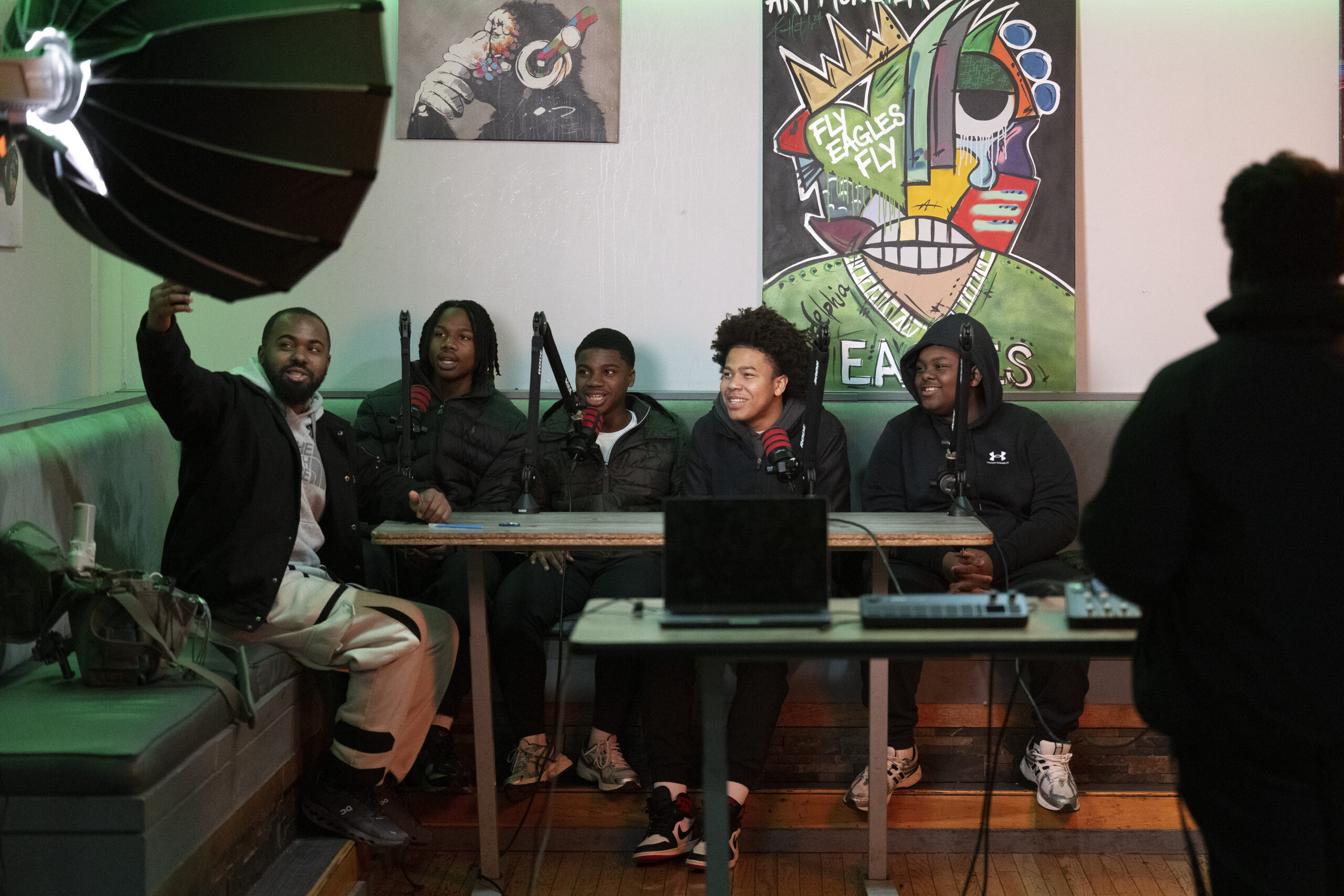
Isaiah Clark-White, second to left, and David Samuel, middle, pose for a photo with other members of Men of Courage before recording a podcast.
Isaiah Clark-White, 16, a sophomore at Hill Freedman World Academy in East Mount Airy, said that in his three years working with Men of Courage, he has grown more confident and has improved his public speaking.
And David Samuel, 15, of Logan, said he has learned how to better control his emotions and identify those of the people around him. Both said they feel safer today than three years ago, but remain vigilant of their surroundings.
Samuel said his dad watches the news every day and talks about the overnight crimes and shootings.
“He’s always telling me,” he said, “‘David, I don’t want this to happen to you.’”
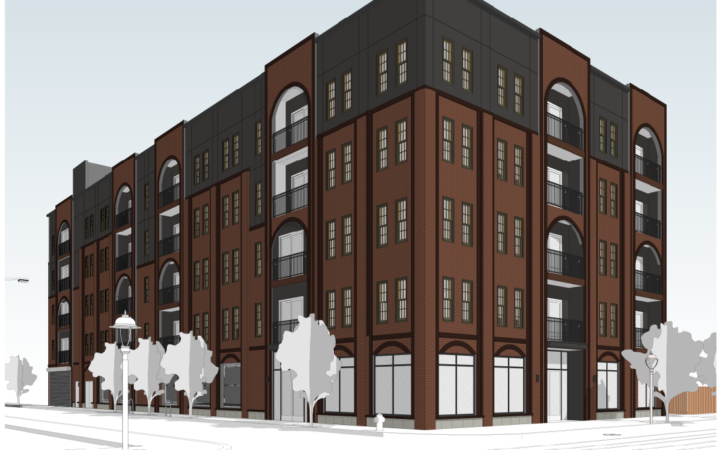
A new 46-unit apartment building is coming to 5322-28 Germantown Ave., from longtime Northwest Philadelphia developer Ken Weinstein.
The five-story building is in Germantown’s Penn Knox area. It also will include over 1,600 square feet of commercial space and 17 parking spaces.
The project comes amid a burst of new multifamily construction in Germantown, a neighborhood that garnered little interest from few developers in the second half of the 20th century.
“The demand for housing in Germantown continues to outpace the supply so more housing, at all income levels, is needed,” Weinstein said.
“Germantown is located near good public transit and Fairmount Park and is viewed as much more affordable than hot city neighborhoods in and around Center City,” he said.
Weinstein said that he will break ground on the building during the first week of January and that funding and contracting is already secured.
The project did not require any relief from the city’s Zoning Board of Adjustment, so Weinstein was not legally required to consult with the neighborhood group, Penn Knox Neighborhood Association.
But he met with the community group anyway to hear concerns they might have with the project.
“This is not an out-of-town developer; this is a developer from the area. He’s part of the community,” said Deneene Brockington, chair of the Penn Knox Neighborhood Association. “So I think there is a level of respect, and I think willingness to do as much as possible [in response to neighborhood concerns] as long as it doesn’t compromise the project.”
Brockington said that the community group’s main concerns were about building materials and lighting and that the developer had addressed both.
Weinstein said parking wasn’t the principal concern he heard from neighbors because the building is in a commercial corridor.
The apartment building’s 17 spaces are not required by the zoning code. Weinstein said he would have liked to include more, but he was constrained by the fact that all the spaces had to be on the ground floor and that the site’s land use rules require that he include commercial space.
“Underground parking is too expensive in middle neighborhoods like Germantown,” Weinstein said. “There will always be a divide between the number of parking spaces developers want to provide and what neighbors want.”
The building will include 28 one-bedroom apartments and 18 two-bedroom units, with rents ranging from $1,450 to $2,200. There will be no subsidized or affordable units set aside.
The project is expected to be completed within 18 months of the groundbreaking next month.
There is no definite tenant for the commercial space, but Weinstein has some ideas.
“With Uncle Bobbie’s moving to a new location, I would love to see a cafe or coffee shop lease the first floor,” Weinstein said. “There would be a lot of demand from students and staff at GFS [Germantown Friends School] and from the community.”
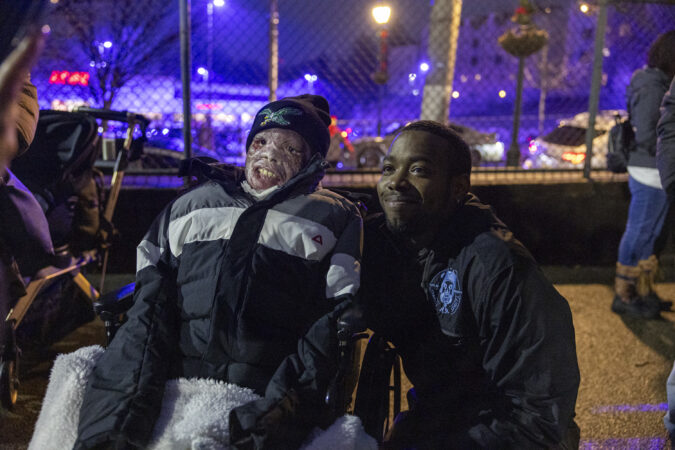
Ramesses Dreuitt Vazquez scooted his wheelchair on a Mount Airy playground, pressing the ground with his sneakers to approach the man credited with saving his life.
Now the 10-year-old Philadelphia boy smiled through his scars, reaching his arm out to greet Wongus, who bent down and hugged him.
Wongus, 26, was nervous to see Ramesses, unsure what to expect. On the night of the Jan. 31 crash, Wongus used his jean jacket to smother flames on Ramesses’ back. He then comforted Ramesses in the back seat of a police cruiser as they raced to St. Christopher’s Hospital for Children. The child’s clothes had burned away; his sneakers had melted to his feet from the heat.
In the 10 months afterward, Ramesses fought for his life at a Boston hospital. He had 42 surgeries for burn wounds that affected 90% of his body, and had fingers and ears amputated. He was moved to a rehabilitation hospital in South Jersey before being released earlier this month.
He reunited with his rescuer on Tuesday night at an event to mark what would have been the 38th birthday of Ramesses’ father, Steven Dreuitt Jr., who died when the car he was driving caught on fire.
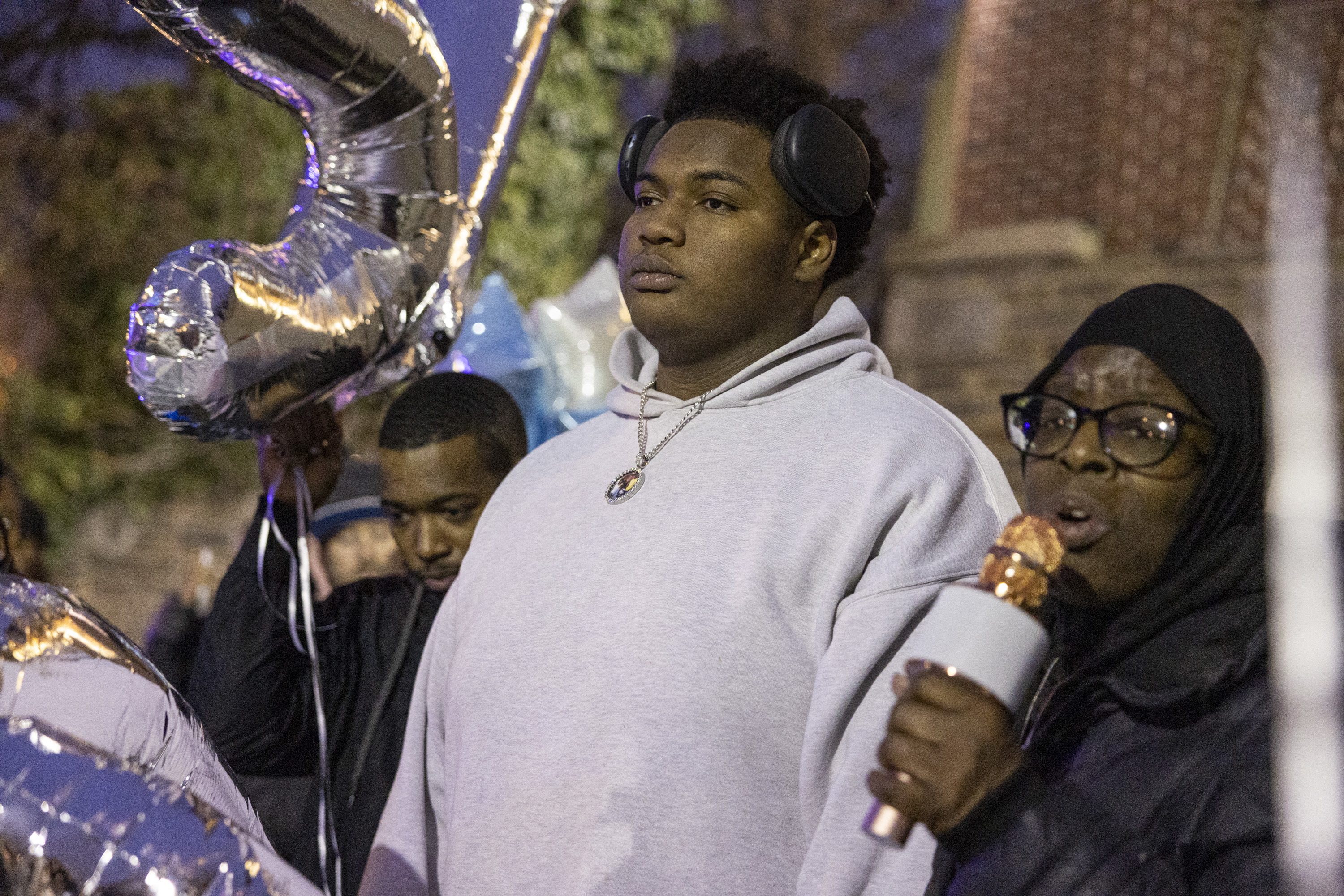
Family and friends gathered on the park’s basketball court to release balloons.
Wongus asked Ramesses how he felt about getting swag from the Philadelphia Eagles and Phillies while in the hospital. “I’m really not much of a baseball fan; I’m more of an Eagles fan,” replied Ramesses, wearing a knit Eagles hat.
The boy’s light and casual tone made Wongus smile.
“I’m glad to see him with his family and to see how well he’s doing — seeing him just trying to function as a kid again and scooting around in the wheelchair on the basketball court,“ Wongus said.
The balloon release was organized by Alberta “Amira” Brown, 60, Dreuitt’s mother and Ramesses’ grandmother. During the balloon release, she andRamesses’ mother thanked Wongus for saving him.
“If it wasn’t for this person here, Ramesses would not be here today,” Brown said, as family and friends applauded.
Brown also asked those in attendance to supporther son’s other child, Dominick Goods, an 11th grader at Imhotep Institute Charter High School in East Germantown.
Both grandsons, she said, need the community’s love and support: “I have one that is completely, completely mentally distraught and one is physically distraught.”
Dominick, who is Ramesses’ half brother, lost his father and his 34-year-old mother in the plane crash. Dominique Goods Burke, who was engaged to Dreuitt, was in the car’s passenger’s seat. The Mount Airy couple had picked up Ramesses from his mother’s home in Germantown and then headed to the Roosevelt Mall to run an errand. Goods Burke escaped from the car with severe burns and internal injuries.
Dominick turned 16 two weeks before his mother died in Aprilat Thomas Jefferson University Hospital.
“I want each and every one of you to imagine what a 15-year-old kid went through that night, being left home alone and waiting for his parents and his brother to come home, and no one ever did,” Brown said.
“Don’t forget my grandson Dominick. I beg of you,” she said.
Dominick Goods, 16, lost both of his parents in the jet crash in Northeast Philadelphia on Jan. 31. The teen and his family gathered at a Mount Airy playground to celebrate what would have been his father’s 38th birthday. The teen’s grandmother, Alberta “Amira” Brown (right), asked those gathered to support him.
After watching balloons float skyward amid shouts of “Happy birthday, Steven,” Dominick drifted away from the crowd of about 40 people for a few moments alone.
Ramesses, bundled under a fuzzy white blanket, playfully chased after his mother, Jamie Vazquez Viana, in his wheelchair, teasing about rolling over her feet.
“Hey, that’s not fair,” she said.
She declined to talk to a reporter but has shared some details of her son’s recovery on a GoFundMe page.
“Ramesses is my little warrior who fought death and won, but he now faces a lifetime of reconstruction surgeries, intense therapy, and long-term burn care,” Vazquez Viana wrote.
Wongus smiled through tears as he watched Ramesses chat with his 12-year-old cousin, Anthony “AJ” Jenkins, about video games. His cousin, who gave him an Xbox game for his birthday in October, asked if he had been playing it.
Ramesses explained why he had not.“I have to sign in and put in my dad’s email and his number and all that, and I don’t have that,” Ramesses told his cousin.
Jenkins, a seventh graderwho is one of Brown’s seven grandchildren, said he cried during the balloon release, envisioning his uncle watching them.
Family, friends and community members came out for the balloon release to celebrate the life and birthday of Steven Dreuitt Jr., who would’ve turned 38 on Dec. 23. He died in the Jan. 31 plane crash in Northeast Philadelphia.
“I imagined in my mind that my uncle asked God, `Can I just look down there for a minute?,’ and he sat on the clouds and he watched as his balloons came up to him,” Jenkins said.
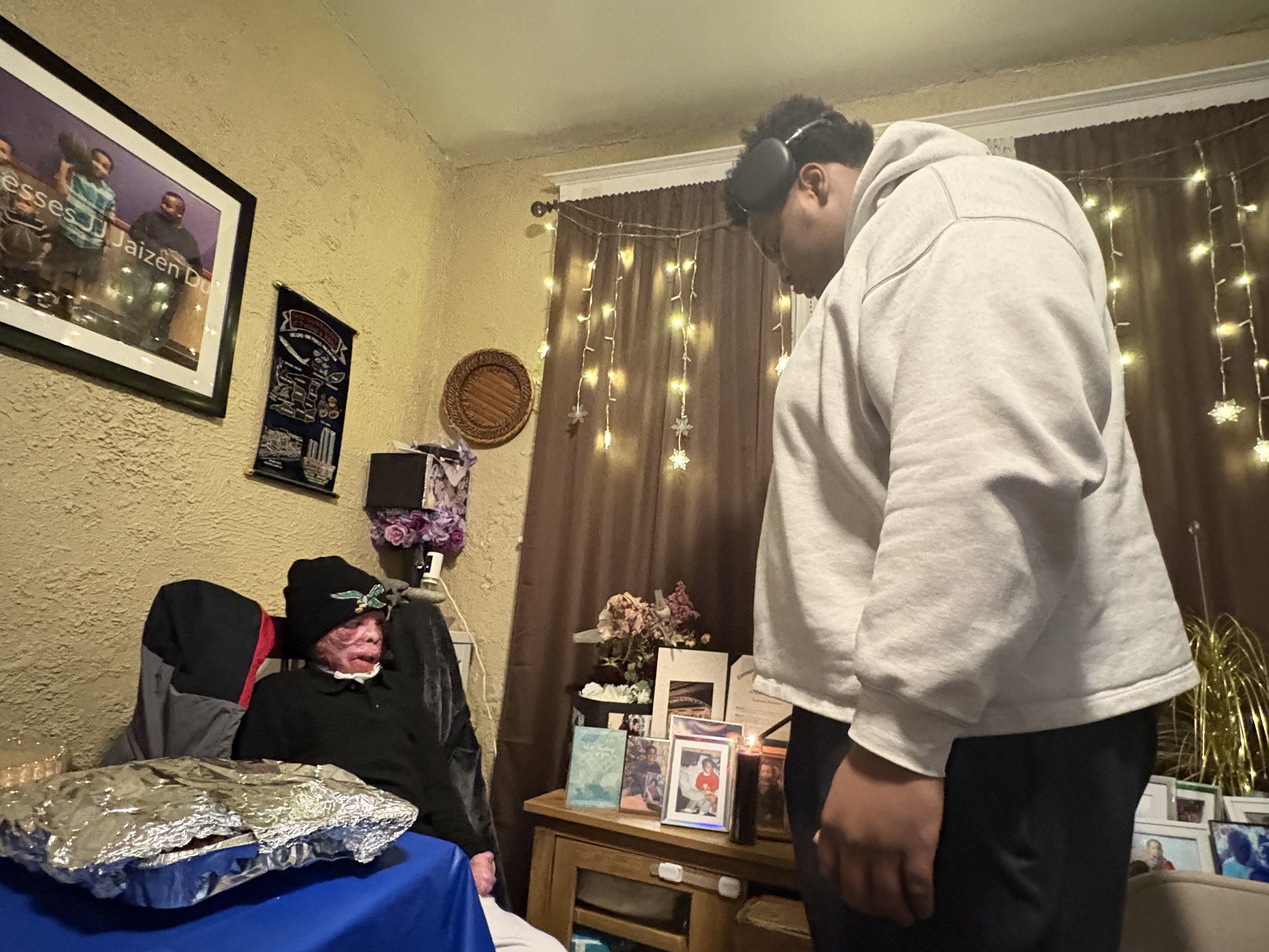
Later in the evening, at his grandmother’s house, Dominick lit a candle for his father, while Ramesses looked on.
Jenkins said he again pictured his uncle’s spirit. This time, clasping both his sons’ hands to help them light it.
Ramesses Dreuitt Vazquez, 10, watches his older brother, Dominick Goods, 16, light a candle to remember their father, Steven Dreuitt Jr., who died in the Jan. 31 plane crash in Northeast Philadelphia. The brothers celebrated what would have been their father’s 38th birthday on Dec. 23.
Jenkins said he is awed by his cousins’ physical and emotional strength. Ramesses “keeps pushing hard” to get stronger, even though his father is gone. Dominick had clung to hope that his mother would survive and was devastated, the cousin said.
“It’s been really hard for him. I couldn’t be in that place. I’d be stuck. I couldn’t be strong enough,” Jenkins said. “They inspire me to be a better person. I want to show my uncle and his two sons that I am working hard for them.”
Before heading over to the playground on Tuesday evening, Dominick gave Ramesses an early Christmas gift.
Ramesses’ eyes grew wide as his mother helped him unfurl tissue paper to reveal a coveted pair of 2025 Air Jordan 8 “Bugs Bunny” Nike sneakers.
“You like them. I can see it on your face,” his mother said.
“I’m gonna hide them,” Ramesses replied. He didn’t want anyone to take them from him.