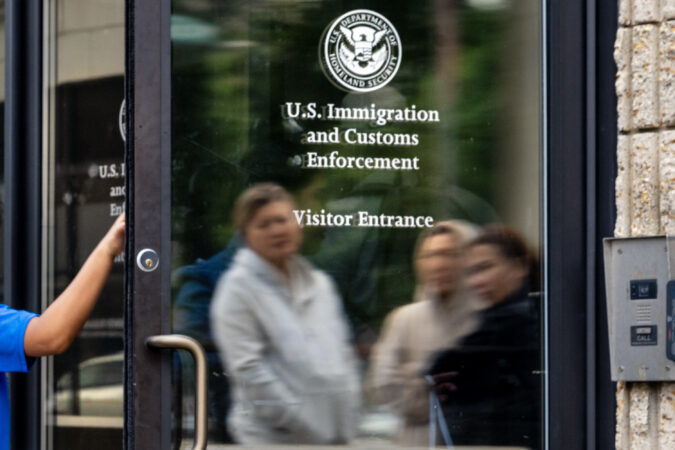
Tag: Immigration

  • A lawsuit challenges arrests of immigrants who come to Philly’s ICE office for routine appointments

    A lawsuit challenges arrests of immigrants who come to Philly’s ICE office for routine appointments

    A 36-year-old survivor of slavery said he has tried to follow all the rules since fleeing Mauritania, a mostly desert land in West Africa, and seeking asylum in the United States in 2023.

    But when Ousmane Soumare arrived at the U.S. Immigration and Customs Enforcement office in Philadelphia in November for a routine check-in, he was detained by officers.

    Now Soumare, who was released by a federal judge’s order, and two other immigrants who fear a similar fate in their forthcoming appointments are suing ICE and the Department of Homeland Security over the policy change that led to such arrests.

    The Philadelphia ICE field office violated federal law when it “unlawfully rescinded” a longstanding policy that largely allowed immigrants to pursue their immigration cases without fear of rearrest, the suit says. ICE then “began re-arresting and re-detaining people previously determined to pose no risk of flight or danger to the community and still in full compliance with all conditions of their release,” the suit says.

    Soumare, Lassana Dianifaba, and a third immigrant, who was not named in court documents, filed the lawsuit Wednesday in federal court in Philadelphia.

    “When the government releases a person from custody, there is an implicit promise that their liberty will be honored as long as they follow what is asked of them,” said Vanessa Stine, senior staff attorney with the ACLU of Pennsylvania, which represents the immigrants. “These rearrests disregard a decades-old policy and sow fear and chaos.”

    ICE does not comment on pending litigation, a spokesperson said.

    ‘Unheard of’

    In Philadelphia, ICE arrests of people who arrive for what they thought would be routine check-ins and appointments have gone from rare to common.

    That is because “sometime toward the middle of 2025,” the suit says, the local ICE office rescinded its policy that required individualized evaluation of new circumstances that would indicate an immigrant is a danger or flight risk.

    Each year thousands of people report to ICE or related immigration agencies for the mandatory check-ins. Some immigrants are required to appear every couple of weeks, some once a month, others once a year.

    The appointments help immigration officials keep track of people who in the past have been low priorities for deportation, allowed to live freely as they pursue legal efforts to stay in the United States. Now that landscape has shifted.

    The change coincided with President Donald Trump’s administration’s implementation of a policy that mandates detention for virtually every undocumented immigrant encountered by authorities.

    These mandatory detentions have led to an avalanche of lawsuits by immigrants. Philadelphia’s federal judges have granted their requests for bond hearings at near-universal rates.

    A ruling from the U.S. Court of Appeals for the Third Circuit on the constitutionality of the mandatory detention policy is pending.

    The changes have put immigrants in risky positions, making every visit to the ICE field office a gamble, because they have little choice but to show up.

    Six immigration attorneys filed affidavits in support of the new proposed class-action lawsuit that detail an explosion of cases. Christopher Casazza estimated his firm has represented roughly 190 people who were detained at ICE check-ins since September.

    Before 2025, it was “unheard of” for a law-abiding immigrant to be detained at a routine check-in, Casazza said.

    Steven Morley, who served as an immigration judge between 2010 and 2022, said in an affidavit that he could not recall “any circumstance” of people being re-detained unless they had committed a crime.

    Philadelphia federal judges responding to the flood of lawsuits by immigrants challenging their detention have also taken notice of the shift.

    In February, U.S. District Judge Gail A. Weilheimer wrote that ICE had set a “trap” for “thousands of noncitizens” by arresting immigrants who were following instructions.

    ICE offices in other cities have similarly reversed course on requiring a material change in circumstance to re-detain released immigrants, and federal judges in California and New York found the lack of individual assessment unlawful.

    The proposed class action in Philadelphia asks a federal judge to certify the class, and declare the rescission of the changed circumstances policy unlawful.

    Soumare’s next check-in is scheduled for July, and he is anxious about visiting the ICE office again.

    “When I think of the risk of being re-detained at my next check in, it scares me,” he said in a court filing. “But I will still attend because I want to follow all the necessary steps to stay here.”

    Visa holders and green card applicants

    Even people who are seeking legal status through lawful government processes are in danger of arrest.

    Green-card applicants, asylum seekers, and others who have ongoing legal or visa cases to stay in the United States have been unexpectedly taken, part of a Trump administration strategy, lawyers and advocates say, to boost the number of immigration arrests and to deport anyone who can possibly be deported.

    Arrests have occurred not just at ICE offices, but also at U.S. Citizenship and Immigration Services and at private offices of federal contractors.

    ICE says that all immigrants who do not hold legal immigration status may be subject to arrest and removal. They say that arrests undertaken at federal agencies are safer for officers, because visitors have been screened for weapons when they enter the buildings.

  • The son of the Jersey Kebab restaurateurs now faces his own fight to stay in the U.S.

    The son of the Jersey Kebab restaurateurs now faces his own fight to stay in the U.S.

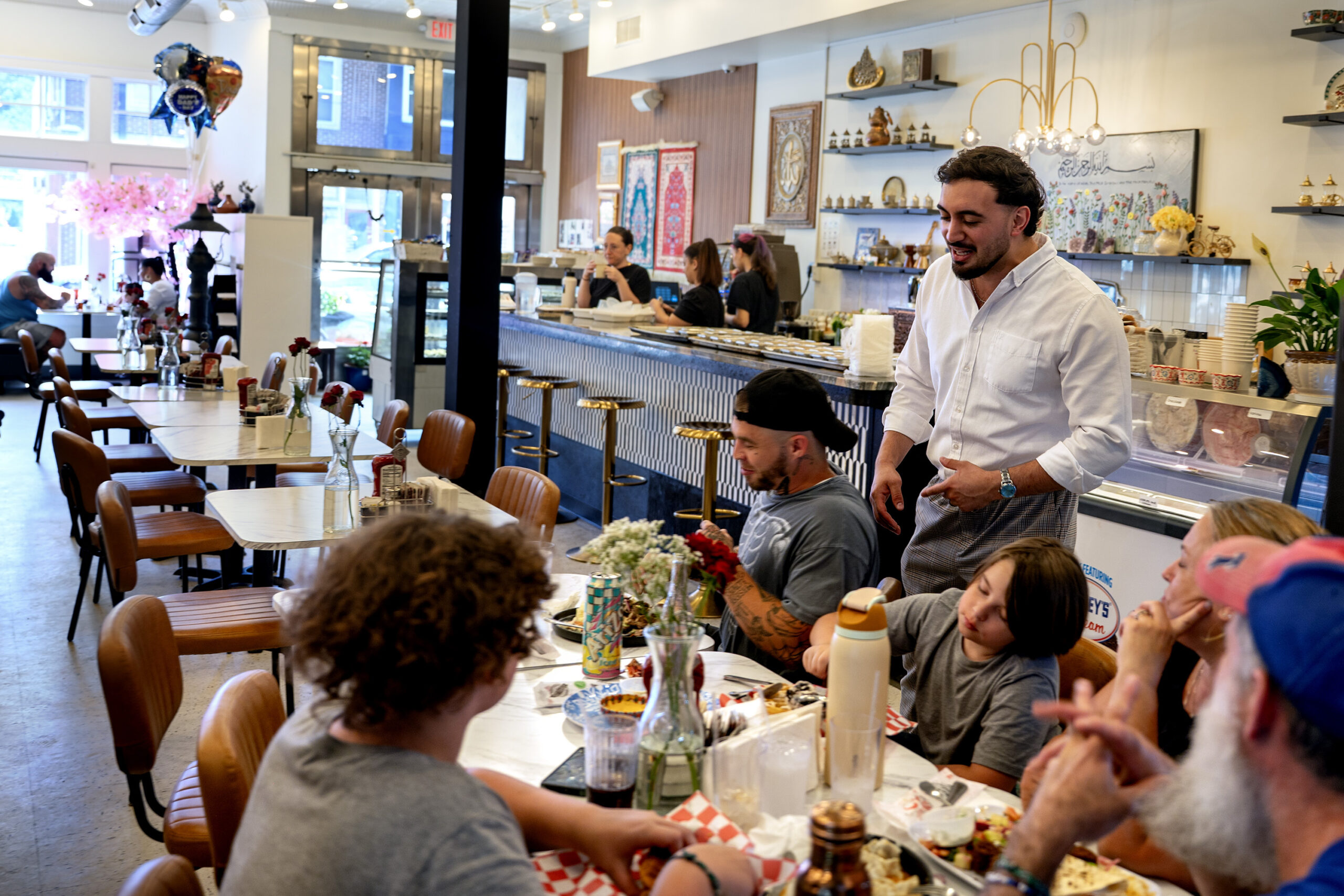
    The son of the Jersey Kebab restaurant owners whose ICE arrests sparked wide condemnation last year now confronts his own battle to stay in the United States.

    Muhammed Emanet, 26, said he is trying to be upbeat as he faces the prospect of being separated from his wife and two sons, ages 4 and 1, all American citizens.

    “I try not to dwell on what I can’t control,” said Emanet, who with his parents operates the popular South Jersey eatery in Collingswood. “I still have a restaurant to run, employees that depend on me, customers, family. I have no other choice but to be positive.”

    Still, his situation feels disorienting, as what seemed to be settled is now newly unsettled.

    In spring the Department of Homeland Security ended its effort to deport Emanet, which seemed to clear the path for him to stay in the U.S. But this month, a different federal immigration agency told him it plans to deny his request for legal permanent residency, what is known as a green card.

    That intended denial carries a 30-day window for Emanet, who came here from Turkey as a boy, to present new or additional evidence to try to change the minds of officials at U.S. Citizenship and Immigration Services.

    The government also told him that under a new Trump administration policy, he and other immigrants who are pursuing green cards while living in the U.S. must leave the country and apply from their home nations. Emanet hasn’t been in Turkey since he was 12.

    It’s unclear what will happen when the 30-day deadline expires around July 2.

    Muhammed Emanet greets Elijah Brown, a friend from high school, and his family, at Jersey Kebab in Collingswood on Sunday.

    A little more than a year ago, on Feb. 25, 2025, the small Mediterranean restaurant on Haddon Avenue generated national headlines. Immigration advocates and local leaders railed against what they saw as government injustice, after ICE agents arrested owners Celal Emanet and his wife, Emine.

    Celal Emanet was released after being fitted with an electronic ankle monitor ― later removed ― while his wife was held at an ICE detention center in Elizabeth. She was released on bond after two weeks and a day.

    Their arrests angered a South Jersey community that has long known the couple as caring people who offer free food to the hungry. A GoFundMe campaign to pay family costs and expenses raised $327,000, drawing donations from across the country and beyond, including from Ireland, Germany, and England.

    Now, a community effort to help Muhammed Emanet is driving a new letter-writing campaign, with person after person attesting to his good character and his importance to his neighbors. Hundreds of letters have been signed and gathered to be presented on his behalf, said Lori Leonard, who organized the GoFundMe campaign last year.

    “People are rallying behind Muhammed,” she said.

    State Assemblyman Bill Moen, a Democrat who represents parts of Camden and Gloucester Counties, signed a letter of support. He said on social media that Emanet “has touched the lives of many people throughout South Jersey” as a husband, father, neighbor, friend, and businessperson.

    “While I don’t make immigration decisions,” Moen said, “I do believe decision-makers should understand the character of the people whose lives are affected by those decisions.”

    U.S. Rep. Donald Norcross, a South Jersey Democrat, met with the family soon after Emine Emanet was released from ICE detention, and as her son’s situation emerged this month he stressed in a statement that the family had been long “rooted in our community.”

    In response to questions on Muhammed Emanet’s situation, USCIS said it does not comment on individual immigration cases.

    Being removed to Turkey would likely separate Emanet from his wife and children for years. It also could subject him to reprisals from the Turkish regime, where repressive human-rights conditions under President Recep Tayyip Erdogan has driven an exodus.

    Marriage to a U.S. citizen by someone who legally entered the country ― as Emanet did ― has long been a reliable route to an adjustment of status and acquisition of a green card.

    But the Trump policy change announced in May said adjustment should be an “extraordinary” relief, one that depends on government discretion, not merely on having a valid marriage and submitting the proper forms. Failing to depart the U.S. under the policy can by itself be treated as a negative factor in the government’s decision-making.

    Emanet’s immigration lawyer, Joseph Best, said that change in administration policy does not alter the law around eligibility for green cards.

    “If USCIS follows the law,” Best said, “he will attain his lawful permanent resident status just as Congress intended. It is not some fluke or exceptional ‘ask’ here.”

    Discretionary factors, he said, all favor Emanet, who was brought legally to the U.S. as a child, was admitted under a valid visa, and has no criminal history. He is loved in his community, and a key person in a successful family business that is known for helping others, Best said.

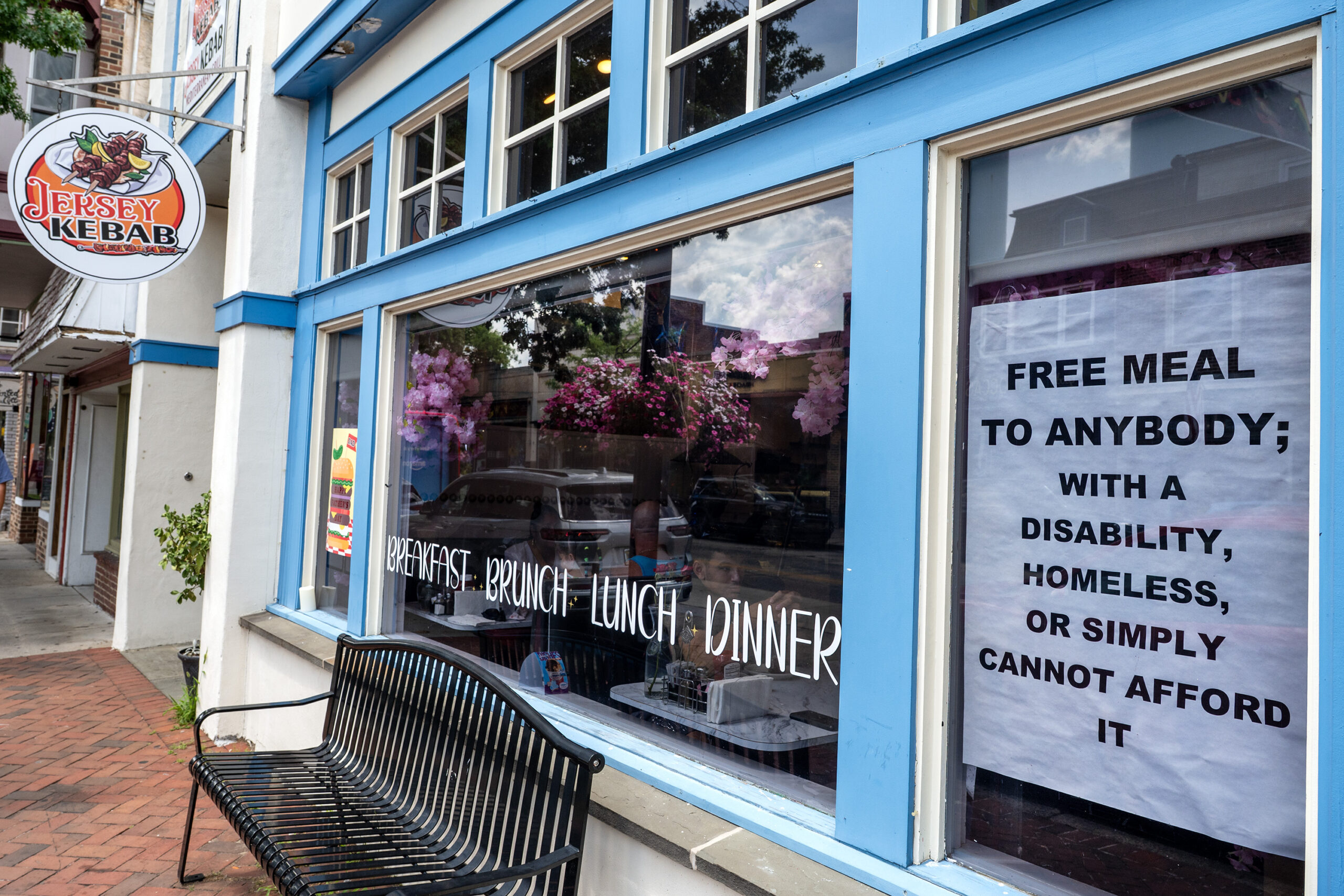
    The Jersey Kebab restaurant in Collingswood where Muhammed Emanet works is seen on Sunday, June 21. It offers the same “Free Meal” policy as at the prior location in Haddon Township.

    Celal and Emine Emanet came legally to the United States with two young children in 2008, entering under a religious visa that allowed the father to work at a New Jersey Islamic center.

    They said that they sought green cards before that visa expired in 2013, but that the application has been in government limbo for years.

    In 2021, they founded Jersey Kebab in Haddon Township, and the restaurant recently moved west on Haddon Avenue to a new location in Collingswood.

    The couple’s immigration cases continue. Celal Emanet’s next hearing is scheduled for December, while his wife is to appear in April 2027.

    The family stands among roughly 386,000 Turkish immigrants and people of Turkish ancestry who live in the United States, according to Inquirer computations of U.S. Census figures. That includes about 15,000 in Philadelphia and surrounding suburban Pennsylvania and New Jersey counties.

    Turkey is a longtime U.S. ally, a rectangular land bridge between Europe and Asia that is surrounded by sea on three sides. It is a Muslim nation, a country of tea drinkers, the place where Julius Caesar is said to have immortally proclaimed “Veni, vidi, vici” ― “I came, I saw, I conquered” ― after a decisive battle victory near what is now the modern town of Zile.

    Today, people are leaving the country amid economic instability and political purges, with many trying to get to the United States.

    U.S. government apprehensions of Turkish nationals at the Mexican and Canadian borders surged from 67 in 2020 to more than 15,000 in 2022 and another 15,000-plus in 2023, dropping to 10,500 in 2024. Figures for 2025 were not immediately available.

    President Donald Trump is expected to be in Turkey next month to attend the NATO summit in Ankara.

    Muhammed Emanet works at his family’s restaurant, Jersey Kebab, in Collingswood on Sunday, June 21.

    During Trump’s second term, USCIS has repeatedly paused the processing of applications for all types of immigration benefits, including those for legal permanent residency.

    Last month, the administration announced it would require foreigners who are living in the U.S. and want to obtain green cards to leave the country to do so. The administration said they must now apply in their homelands, a departure from longstanding policy that has sowed confusion and concern.

    For decades, foreign nationals who meet requirements have been able to complete the green-card process in the United States, including those married to U.S. citizens, holders of work and student visas, and refugees and asylum seekers.

    USCIS spokesperson Zach Kahler said in a statement that entering the U.S. on a visa should not be a first step toward obtaining a green card, that tourists and temporary workers are permitted to come here for limited times.

    “Our system is designed for them to leave when their visit is over,” he said.

    Making people leave the country to apply for green cards “reduces the need to find and remove those who decide to slip into the shadows and remain in the U.S. illegally,” he said.

    The administration instructed immigration officers to consider violations of immigration laws, including overstaying a visa, as negative factors in their decision-making.

    Since the uproar, though, USCIS has seemed to walk back the policy, saying it would be implemented on a case-by-case basis. That could mean that some immigrants will be able to stay in the U.S. while they seek green cards.

    Emanet said his immigration case started in 2020, when two plainclothes ICE officers arrived at the family home and said he was in the country illegally.

    In spring, his attorney persuaded an immigration court in Newark to terminate Emanet’s court case ― with no opposition from the DHS Office of the Principal Legal Adviser, the ICE prosecutors. That termination seemed to clear the way for Emanet to adjust his status.

    Instead, on June 3 he received a Notice of Intent to Deny from federal immigration officials, indicating they plan to reject his application to adjust his status. He is not sure what will happen when the 30-day deadline for new information expires.

    “I have children here who need my support ― American citizens who depend on me,” Emanet said. “I thought I was that one, that I did everything exactly how I was supposed to, that I should receive my green card. … It feels like a punch in the gut.”

  • For Haitians in Pa. facing deportation, the World Cup is a rare source of hope

    For Haitians in Pa. facing deportation, the World Cup is a rare source of hope

    Haiti’s June 19 World Cup match against soccer’s most decorated nation, Brazil, held at Philadelphia’s Lincoln Financial Field, encapsulates the contradictions at the heart of FIFA’s flagship event this summer.

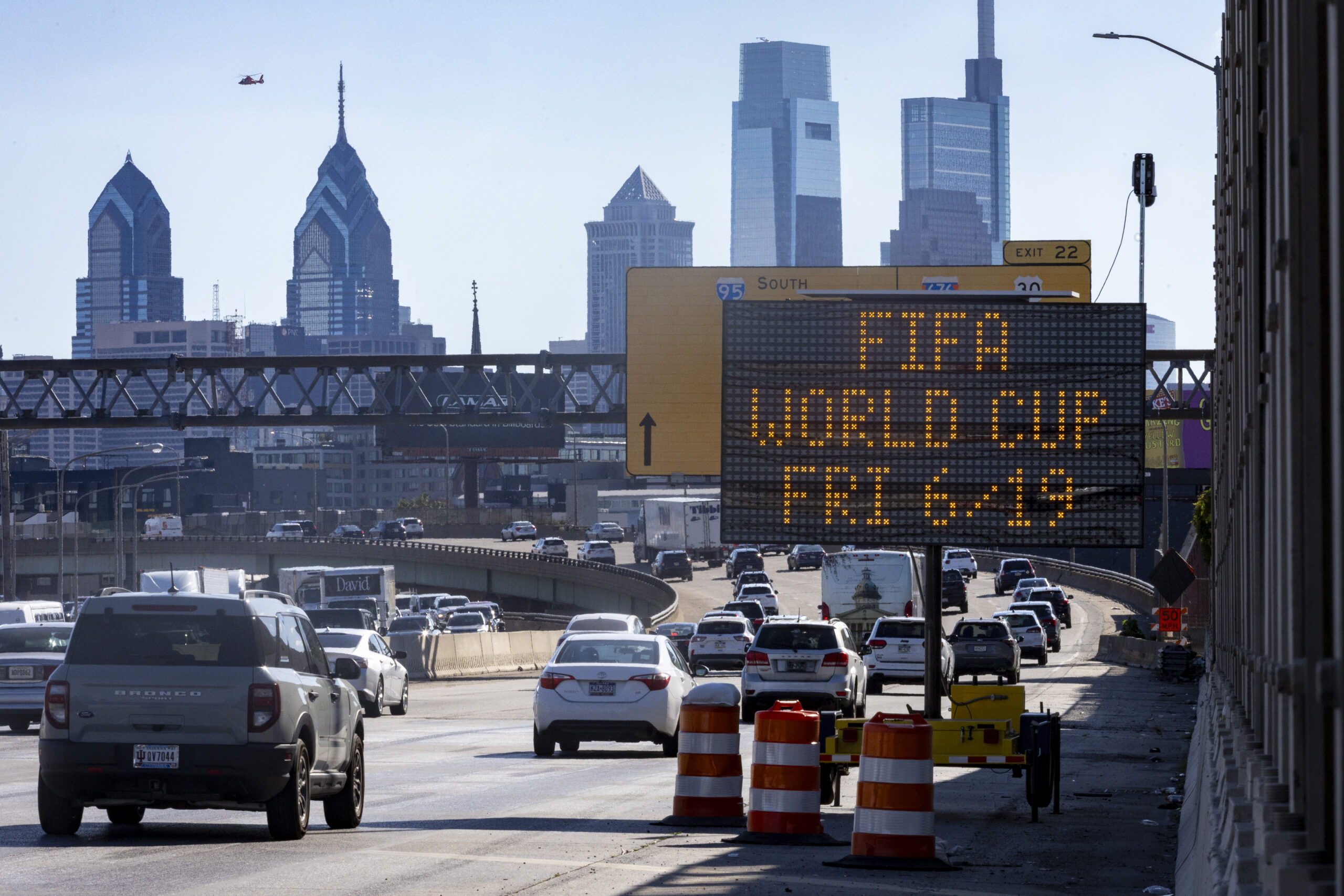
    A traffic sign on I-95 informs drivers of expected traffic delays to occur because of the World Cup match — Brazil is set to face Haiti — on Friday at Lincoln Financial Field in Philadelphia.

    The World Cup — and Haiti’s first appearance in it since 1974 — is a welcome distraction from the humanitarian and security crisis at home. For many Haitians, however, the Trump administration’s cruel immigration policies, including its effort to terminate this Caribbean country’s temporary protected status (TPS) — a form of protection against deportation to dangerous situations — casts a shadow over the tournament.

    Since a catastrophic 2010 earthquake, Haitians have dealt with one disaster after another, including a cholera epidemic, devastating hurricanes, increasing violence, and chronic political instability.

    The current crisis, during which criminal groups have consolidated control over most of the capital, Port-au-Prince, and expanded to at least four more of Haiti’s 10 regions, has killed thousands, displaced more than 1.5 million people, and led to widespread sexual violence.

    Even before the World Cup began, the odds were stacked against Haiti’s “Grenadiers” — a nickname that pays homage to the revolutionary soldiers who fought for Haiti’s independence in 1804. The squad managed to top their regional qualifying group for the tournament despite not being able to play a single game on home soil; their national stadium is in an area controlled by criminal groups. It was a remarkable feat — one that ended Haiti’s 52-year wait to participate in another World Cup, and became a source of immense pride for Haitian soccer fans around the world.

    Haiti fans cheer during the World Cup Group C soccer match between Haiti and Scotland in Foxborough, Mass., near Boston, on June 13.

    For the coming weeks, Haitians will be celebrated on the world stage and their players welcomed with open arms, but their fans may find their paths to the stadiums — or to the United States itself — inaccessible.

    In Philadelphia, many by now will have already seen proud Haitian fans sporting their team’s blue and red jerseys. But while the World Cup inspires hope and pride for Haitians living in the U.S., the Trump administration’s immigration policies, including the possibility of U.S. Immigration and Customs Enforcement presence at or near World Cup venues, may elicit anxiety, fear, and exclusion.

    Haiti is one of 39 countries affected by U.S. government travel restrictions that prevent fans from supporting their countries in person this summer. Although the ban includes an exception for athletes, Woodensky Pierre, the only Haitian player based in the country, missed a vital pre-tournament match after his U.S. visa wasn’t approved in time. He landed at Miami airport shortly after the game began and was later embraced by his teammates on the pitch at the final whistle.

    It is the attempts to terminate Haitians’ temporary protected status, however, that pose the most serious human rights concerns for Haitians who are already in Philadelphia and other cities.

    Under U.S. law, the Department of Homeland Security can designate a country for this status when conflict, environmental disasters, or other circumstances temporarily prevent its nationals from returning safely, or when the country cannot adequately handle their return.

    TPS protects beneficiaries from removal, allows them to apply for work and travel authorization, and prevents Homeland Security officials from detaining them solely based on their immigration status.

    Haiti first received this designation after the 2010 earthquake. Since then, and because conditions in Haiti itself have not improved, hundreds of thousands of Haitians in the U.S. have built lives, raised families, and become essential contributors to local communities, including in Philadelphia. Approximately 330,000 Haitians now have TPS in the United States.

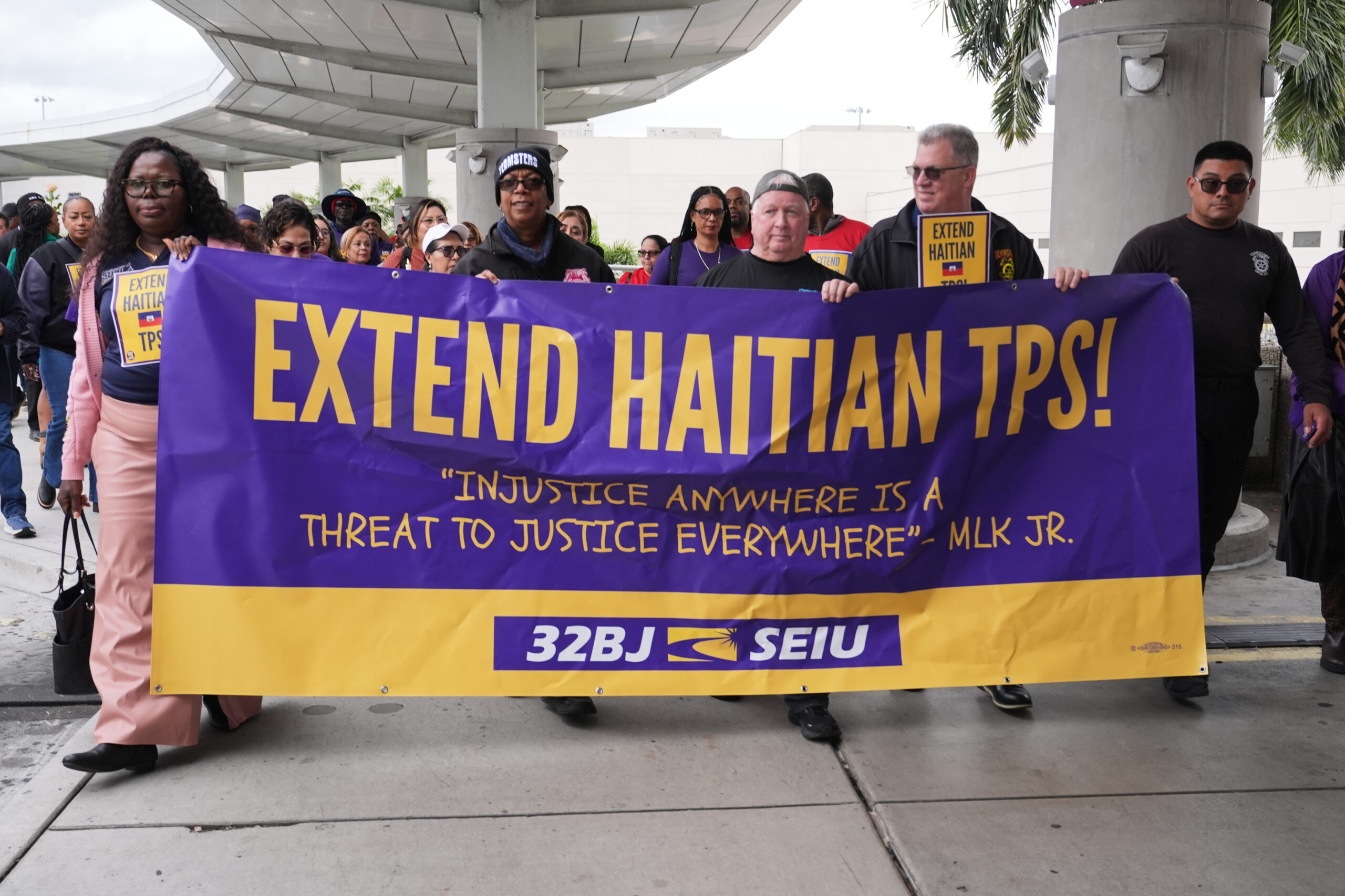
    Haitian TPS holders in the U.S. need stability, protection, and a durable path forward, writes Robbie Newton.

    The Trump administration is now trying to strip Haitians of this protection.

    Despite clear evidence that the human rights crisis in Haiti is worsening, the Department of Homeland Security insists that “country conditions have improved to the point where Haitians can return home safely.” A Supreme Court decision on the legality of ending this protection is expected this summer.

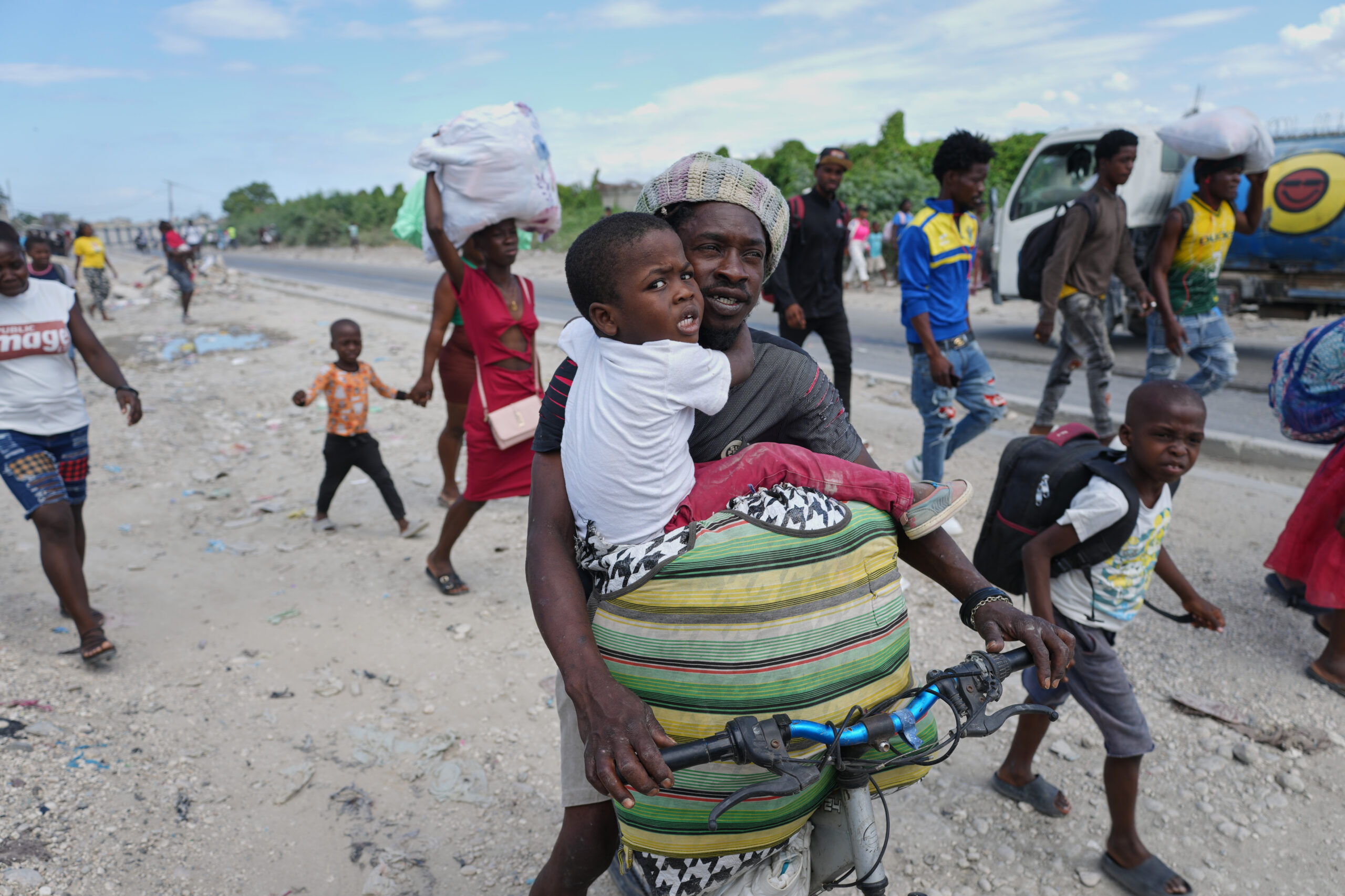
    Residents flee their homes to escape clashes between armed gangs in Port-au-Prince, Haiti, in May.

    Terminating the protection would have devastating consequences, exposing hundreds of thousands of Haitians to detention and possible return to the “cataclysmic” situation unfolding at home, where they would face serious risks of kidnapping, extortion, and other abuses by criminal groups.

    For the 15,000 Haitians protected by TPS in the state of Pennsylvania, making it to the World Cup and cheering on their team represents a powerful symbol of hope and unity at a precarious time for the community.

    Other soccer fans who root for the underdog will very likely cheer on Haiti as it makes its way through all of its Group C matches (and, hopefully, into the knockout stage). But support for Haiti should extend beyond the World Cup. The U.S. government should renew temporary protected status for Haitians.

    Haiti’s Grenadiers deserve their place at the World Cup. For Haitian TPS holders in the U.S., the stakes go far beyond the tournament.

    Robbie Newton is a senior coordinator and in the sport and human rights team at Human Rights Watch.

  • What to the oppressed is the Semiquincentennial?

    What to the oppressed is the Semiquincentennial?

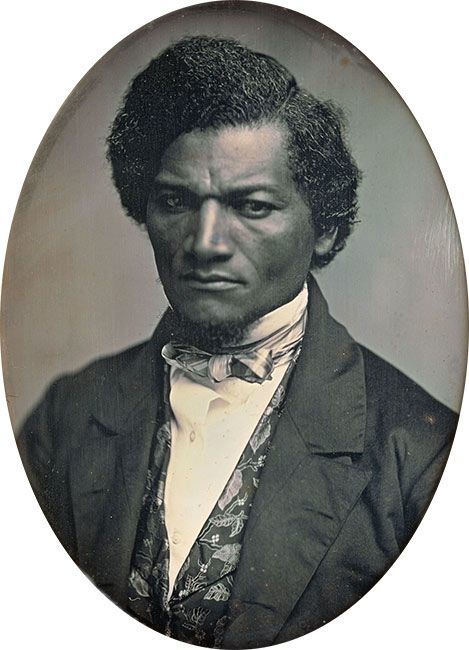
    I’ve been thinking a lot about the speech Frederick Douglass gave on the 76th anniversary of the signing of the Declaration of Independence. Posed as a question, “What to the Slave is the Fourth of July?” the answer written in commentary form hasn’t lost its power or relevance in Philadelphia in 2026: “What, to the American slave, is your Fourth of July? I answer: a day that reveals to him, more than all other days in the year, the gross injustice and cruelty to which he is the constant victim.”

    This summer will place Philadelphia in the spotlight not only with the celebration of America’s Semiquincentennial, but also as a host city for the FIFA World Cup, the PGA Championship, and the MLB All-Star Game.

    Frederick Douglass, ca. 1847-1852.

    Just as Douglass decried our delusions of progress and challenged why victims of a broken system would celebrate their own oppression, we see that patterns repeat.

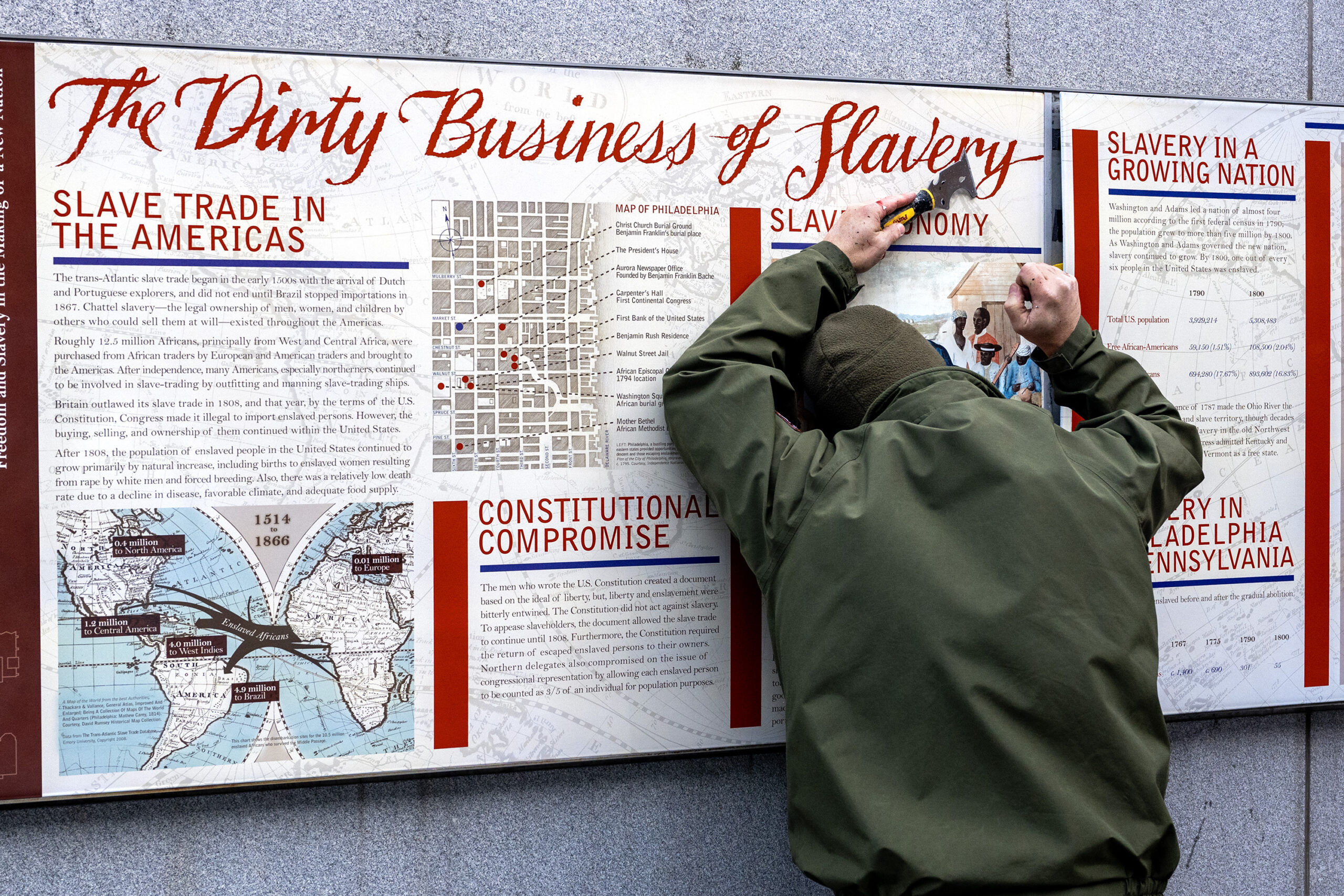
    Philadelphia will be center stage, celebrated as having birthed the nation, while the federal government wages war on its own cities, defunds basic services for its people, whitewashes and rewrites history in spaces such as the President’s House at Independence National Historical Park, and, despite describing itself as an avatar of freedom, bombs sovereign nations.

    A National Park Service worker removes an interpretive panel at the President’s House Site.

    As we invite the world to celebrate the World Cup with us, we have banned residents of some of the participating countries and unleashed a year of domestic terrorism by agents of U.S. Immigration and Customs Enforcement and the U.S. Department of Homeland Security, which will make it unsafe for people of color from throughout the world to attend.

    Soccer jerseys on exhibit at at the National Liberty Museum.

    The events themselves will serve as an excuse for an influx of federal security agents — and there is nothing that makes me feel safe about them coming to Philadelphia this summer to keep us “safe.”

    In Philadelphia, while we want to accentuate the positive and celebrate our standing as a great city, we continue to see an increase in the unhoused population, a lack of affordable housing, underfunded and ineffective education and transportation, and a lack of economic opportunity for our residents.

    And we continue to ignore our broken carceral system, which hungrily awaits the failures of everything listed above.

    As Douglass wrote in his famous speech: “I say it with a sad sense of the disparity between us. I am not included within the pale of this glorious anniversary! Your high independence only reveals the immeasurable distance between us. The blessings in which you, this day, rejoice, are not enjoyed in common.”

    We hold these truths …

    This summer is not just about the nation, but about Philadelphia trying to put its best foot forward to show the few gleaming spots in our house, while keeping visitors from seeing the dirt inside the closet or under the couch.

    As Douglass likely experienced in 1852, I can already see the faces of some reading this and thinking, This is not the time for all your talk. We cannot allow Philadelphia to be disparaged.

    I am not disparaging Philadelphia — I am holding onto the city’s multiple truths.

    This is a great city and is the birthplace of independence for some — but instead of serving as the cheerleaders for despots and a city that submits to our nation’s current “king,” we should be the city that serves as the vanguard of resistance. Our city cannot stand on both sides of history and hold hands with our oppressors simply because we are desperate to be noticed.

    As it was with Douglass 175 years ago, where we stand today will be remembered tomorrow.

    The need for plain speaking

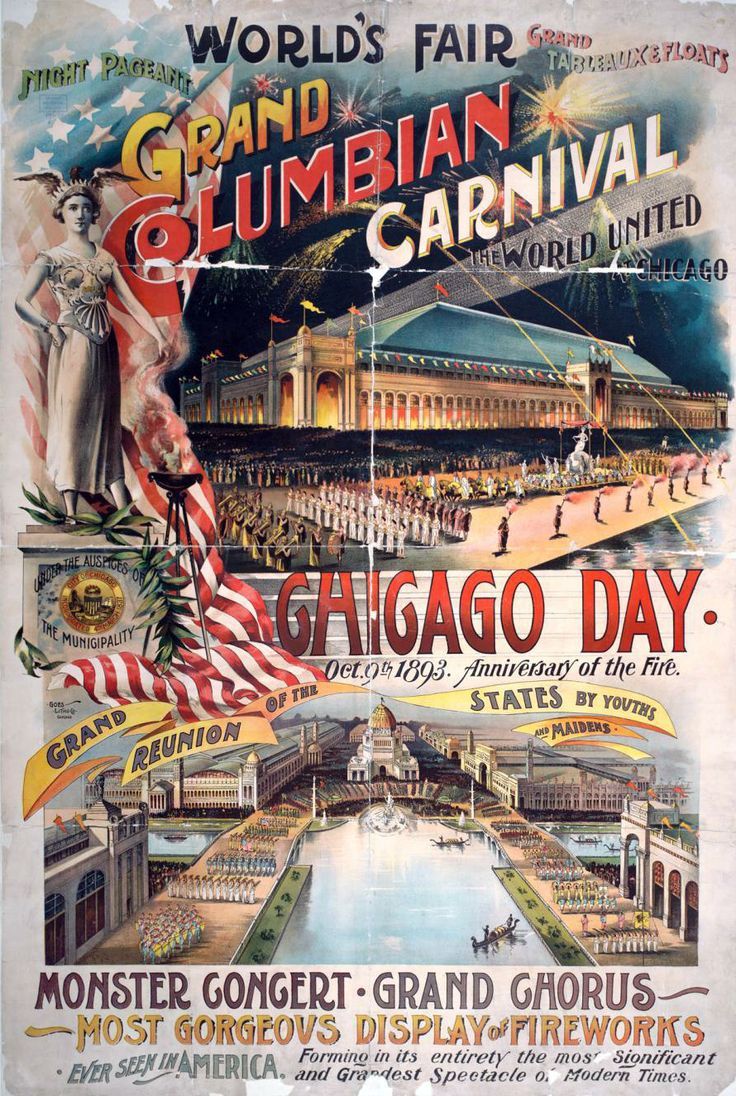
    Forty years after Douglass shared his words about the Fourth of July, America had once again chosen to celebrate its history and place in the world — this time through the 1893 World’s Fair in Chicago, which marked the 400th anniversary of Christopher Columbus’ landing in the Americas.

    Program from the 1893 World’s Fair in Chicago.
    Program from the 1893 World’s Fair in Chicago.

    Just four years earlier, the event had been held in Paris, and marvels such as the Eiffel Tower were shared with the world, showing the importance and ingenuity of the host nation.

    This era is often referred to as the “Gilded Age,” a time our current president fondly looks back on and wishes we would return to. “We were at our richest from 1870 to 1913. That’s when we were a tariff country,” President Donald Trump said in March. But it was also a time defined by government corruption, inequality, and exploitation, and it took place only 28 years after the end of slavery in America.

    While Paris gave the world the Eiffel Tower, the 1893 World’s Fair in Chicago introduced the world to Cracker Jack, the first dishwasher, and the first Ferris wheel — which stood 264 feet tall and carried 2,000 passengers — a monument to America’s greatness!

    While the fair was about all of America, the only space for Indigenous peoples was in the exotic exhibits of peoples from around the world. While the fair was about all of America, white women asked for their place within the fair and, after initially being denied a role, were eventually granted one through the creation of the World’s Congress of Representative Women.

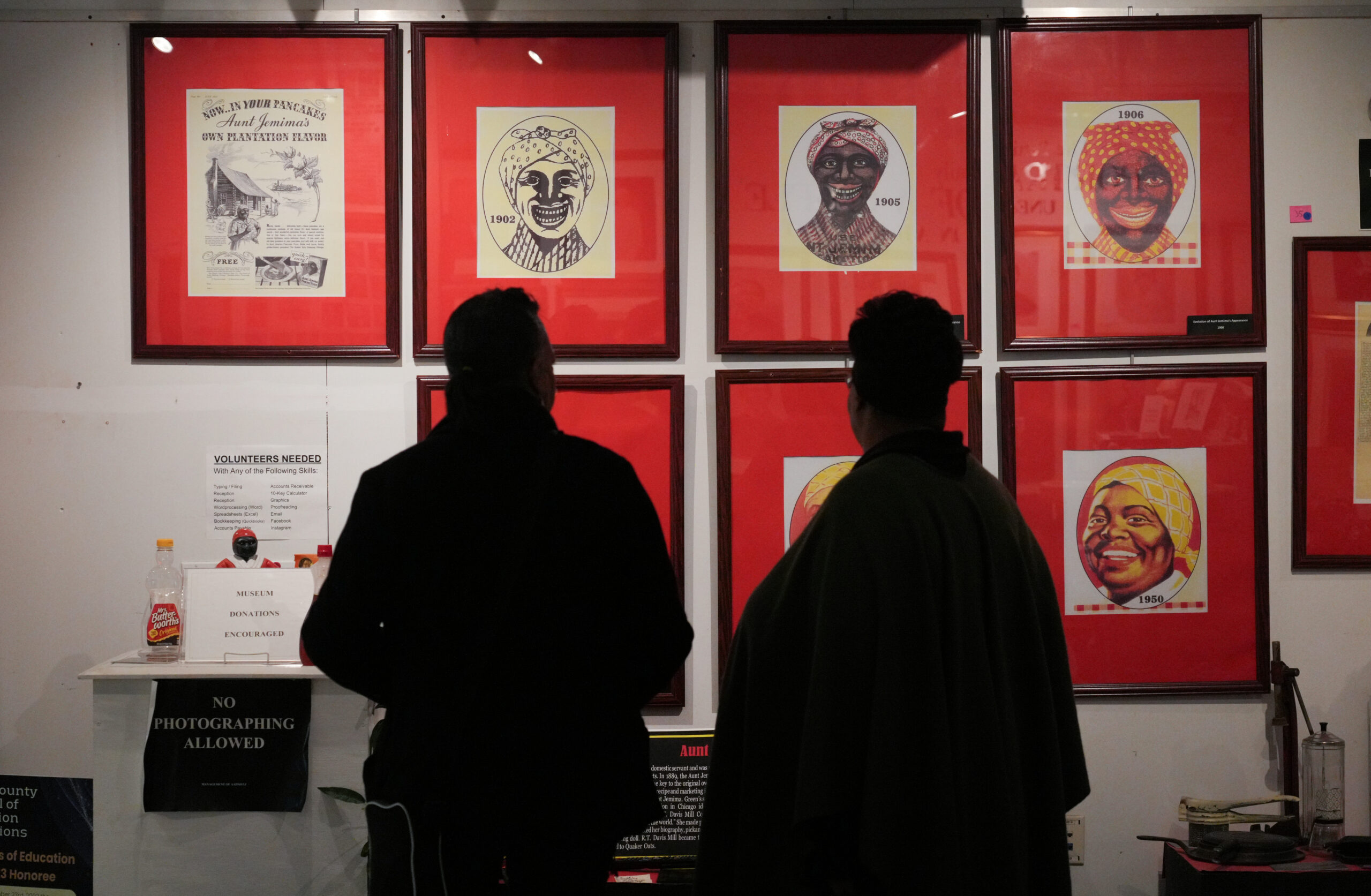
    Aunt Jemima in ads at the African American Heritage Museum of Southern New Jersey.

    While the fair was about all of America, African American luminaries such as Douglass and Ida B. Wells were denied any formal space or role. Instead, it was determined by organizers that participation of African Americans would be marked by introduction to the character Aunt Jemima — a fictional depiction playing to all fantasies of the happy slave and the way of life lost after emancipation — and through Negro Day, during which the organizers of the fair gave away 2,000 free watermelons to visitors.

    After being denied any real role within the fair, African American leaders appealed for sponsorship to the newly recognized World’s Congress of Representative Women, and that group said no — foreshadowing the next 150 years of American politics. With that denial, African American leadership turned to the Haitian delegation and received support from the only country that successfully established a new government from a slave revolt.

    The pamphlet distributed from the Haitian exhibition space at the 1893 World’s Fair in Chicago.
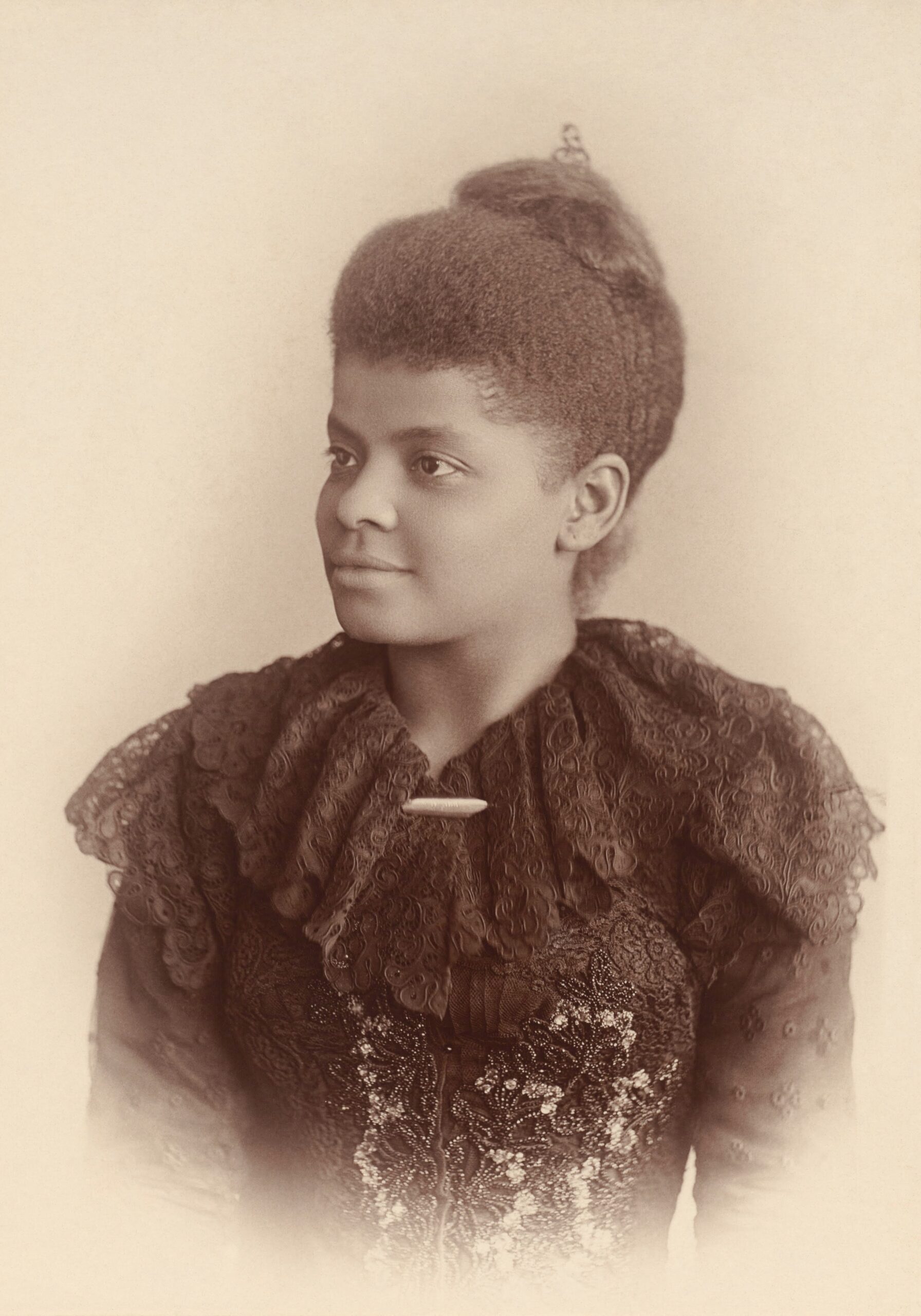
    Ida B. Wells Barnett, c. 1893.

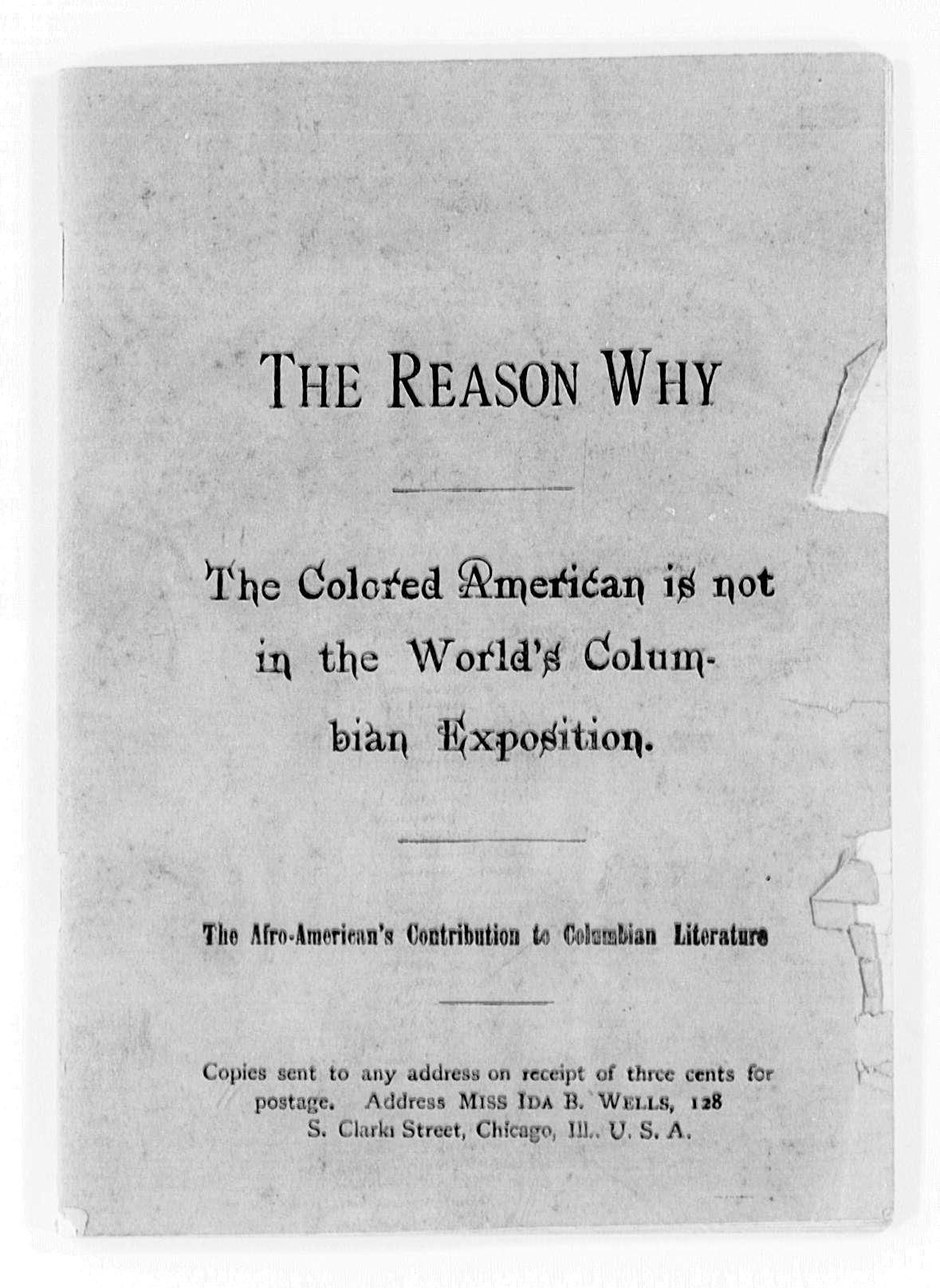
    It was from the Haitian exhibition space that an alternative conversation took place, one that started with “The Reason Why: The Colored American is not in the World’s Columbia Exhibition,” a pamphlet which explained the current condition of the American Negro, but also spoke to the history, the successes, and a vision for the future.

    In it, Douglass wrote that “it involves the necessity of plain speaking of wrongs and outrages endured, and of rights withheld, and withheld in flagrant contradiction to boasted American Republican liberty and civilization. It is always more agreeable to speak well of one’s country and its institutions than to speak otherwise; to tell of their good qualities rather than of their evil ones.”

    I live and work in Kensington, an area of Philadelphia built during the Gilded Age to create wealth for a few. Our community is literally still trying to recover from that era; we have no interest in bringing it back or celebrating the destruction it caused.

    Just as during the Gilded Age — when a false history was celebrated in order to justify and whitewash the failures of America — we are walking into the trap of reproducing our mistakes without recognizing the current conditions, or centering the voices of those most affected by them.

    The 1893 World’s Fair in Chicago promotional flier.
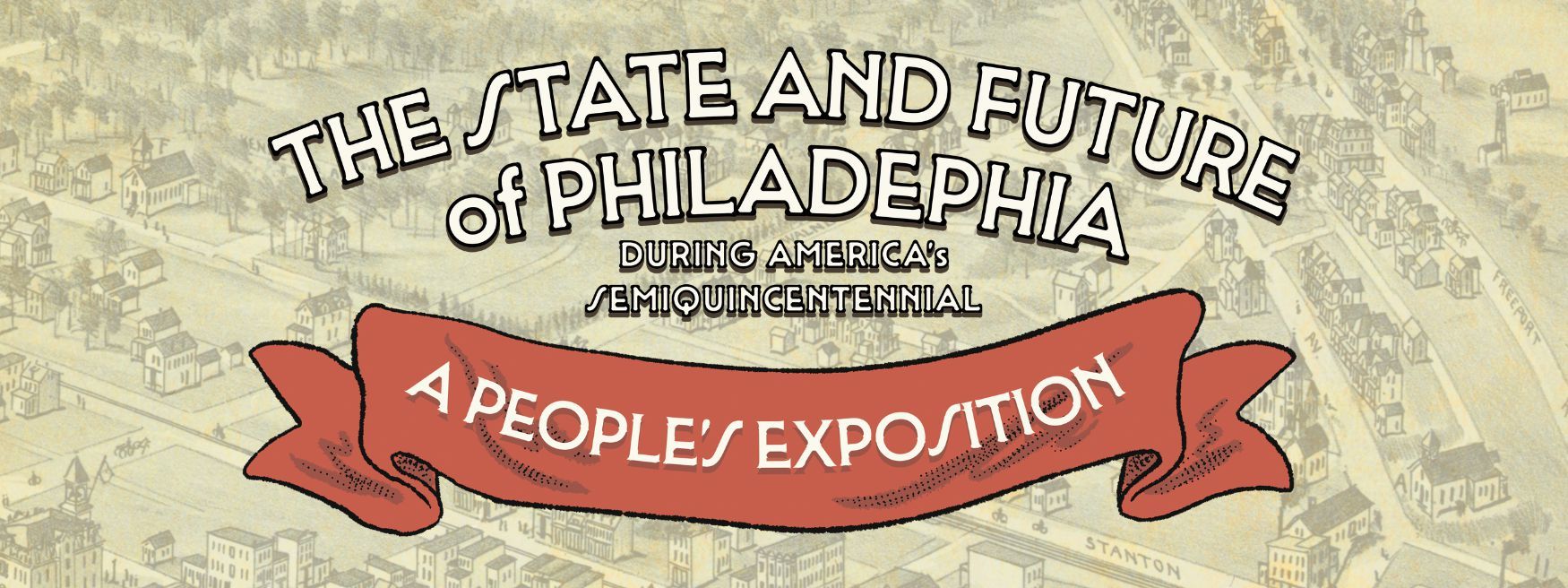
    “A People’s Exposition” 2026 promotional flier.

    Welcome to ‘A People’s Exposition’

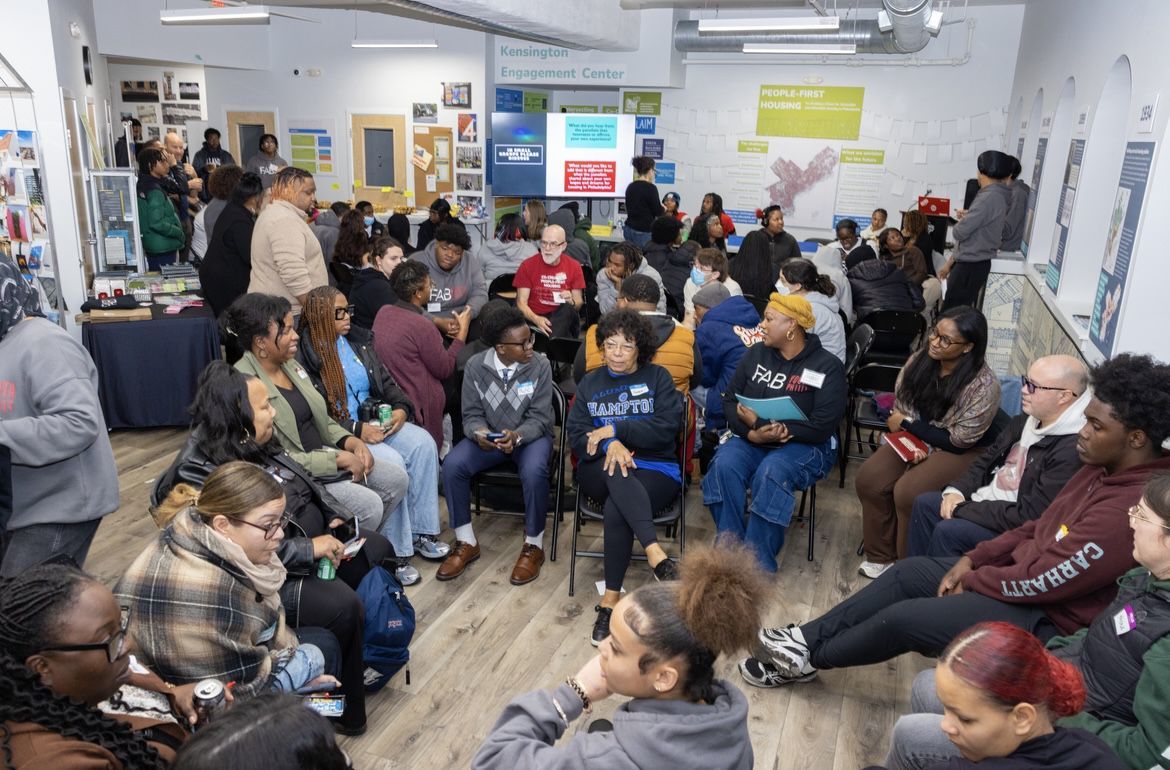
    In the spirit of Douglass and Wells, and the ways they challenged “the celebration of oppression,” New Kensington Community Development Corp., along with partners throughout the city, invite you to participate in “A People’s Exposition” at the Kensington Engagement Center — to take a critical and honest look at our city’s challenges, to envision a just and equitable future, and to act on cocreated solutions.

    Opening on May 20 and running through October, partners from across the city will collectively create a welcoming space where we can learn about the status of Philadelphia’s most pressing issues, including the housing crisis, poverty and workforce development, the criminal justice system, youth and education, and community food systems and transportation.

    We invite you into a space of the curious and the committed, to learn and connect to current efforts and campaigns that are working toward addressing our city’s greatest needs.

    Leaving off with hope

    We all need and deserve celebration and joy. Philly has many things to be proud of — be it housing wins, Chinatown wins, or the daily wins of just making it another day on the right side of the grass — but we can and should hold two truths at once.

    While many in our city will only want to take part in performative displays of national and civic pride without facing the true underbelly of our nation and city, I encourage us all to resist whitewashing and to support participatory processes to fight the oppressive and exploitative machine that continues to be built and executed 250 years after independence. As a true patriot would.

    Participants in a teen town hall at the Kensington Engagement Center.

    And as Frederick Douglass did on the Fourth of July.

    He challenged us to remember that for many, there is very little, if anything, to celebrate, and we should instead be engaged in reflection and organizing to put into action what is necessary to create a just society for all.

    “I do not despair of this country,” he wrote. “There are forces in operation, which must inevitably, work the downfall of slavery … I, therefore, leave off where I began, with hope.”

    Bill McKinney is a Kensington resident and the executive director of the New Kensington Community Development Corp.


    All images courtesy of the New Kensington Community Development Corp., except where noted.

  • Philly congressional candidate Ala Stanford dropped out of a live debate, leaving her rivals to face off without her

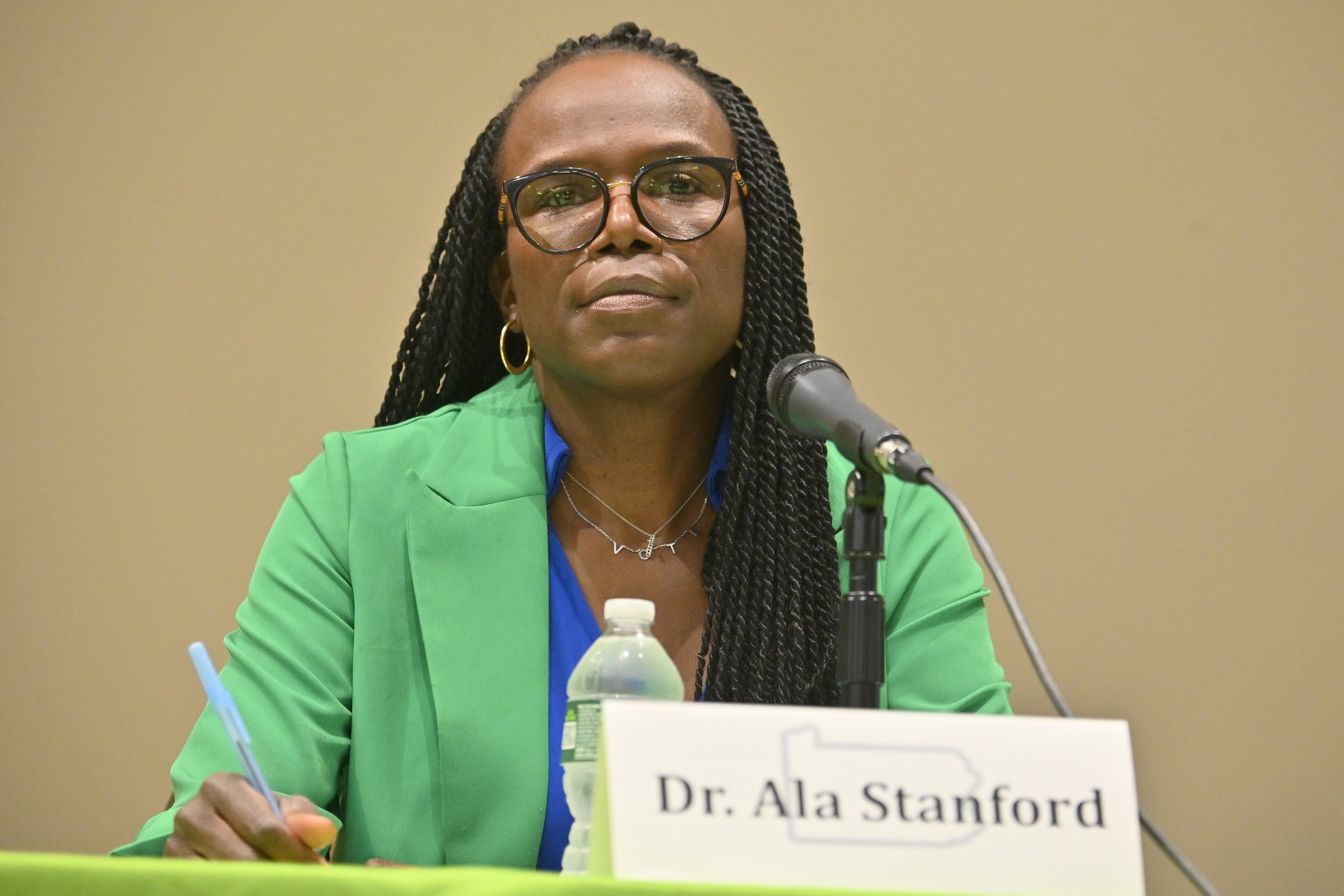
    Congressional hopeful Ala Stanford on Wednesday morning announced she was dropping out of a WHYY candidates debate two hours before it was scheduled to begin, saying her campaign could not agree with the public radio station on a format for the debate and criticizing her opponents in the race for “misogynistic attacks.”

    “I have never been afraid of a hard room,” Stanford said in a statement. “After engaging in good faith with WHYY, we could not reach terms on a format that would deliver the serious accountability voters in PA-03 deserve.”

    Stanford’s campaign manager emailed the announcement to reporters around 10 a.m., two hours before the debate on WHYY’s Studio 2 was supposed to take place.

    In her statement, Stanford did not clarify what problems she had with the debate format. She also did not provide details on any attacks from her opponents in the Democratic primary for Pennsylvania’s 3rd Congressional District.

    A Stanford spokesperson declined to comment beyond her written statement.

    Stanford’s surprise announcement came less than three weeks before the May 19 primary, and followed a series of missteps for her campaign, including the revelation that a staffer used artificial intelligence to help answer a candidates’ questionnaire and her stumbling through a question about immigration enforcement in an interview with NBC10.

    A recent Inquirer report on her stewardship of the Black Doctors Consortium also found that the organization omitted details about her income that were required to be included on nonprofit tax forms filed with the Internal Revenue Service.

    Ala Stanford, pediatric surgeon and founder of the Black Doctors Consortium, participates in the debate for Pennsylvania’s 3rd Congressional District at Center in the Park in Germantown on Tuesday, April 14, 2026.

    Stanford’s exit from the Wednesday event meant the other two top contenders in the race, State Rep. Chris Rabb and State Sen. Sharif Street, were the only candidates to participate in the debate featured on WHYY’s Studio 2, the highest-profile live and on-air debate thus far.

    It was a relatively subdued affair compared to some of the other more gloves-off style campaign events in the open race. Street and Rabb took questions from moderators and largely agreed on policy, with both saying they support expanding universal healthcare, abolishing U.S. Immigration and Customs Enforcement, and impeaching President Donald Trump.

    The two state lawmakers sought to contrast their styles, with Street portraying himself as a more competent legislator.

    “I get things done,” said Street, the former head of the state Democratic Party. “Rep. Rabb and I share a lot of value propositions. But the difference is I deliver on ideas.”

    Rabb, a progressive who has been endorsed by the Working Families Party, said Street is too closely aligned with the Democratic establishment, and that his ideas are not bold enough.

    “There’s so many people who think we can’t do things big and bold,” he said. “They play around the edges, because that’s what establishment politics does.”

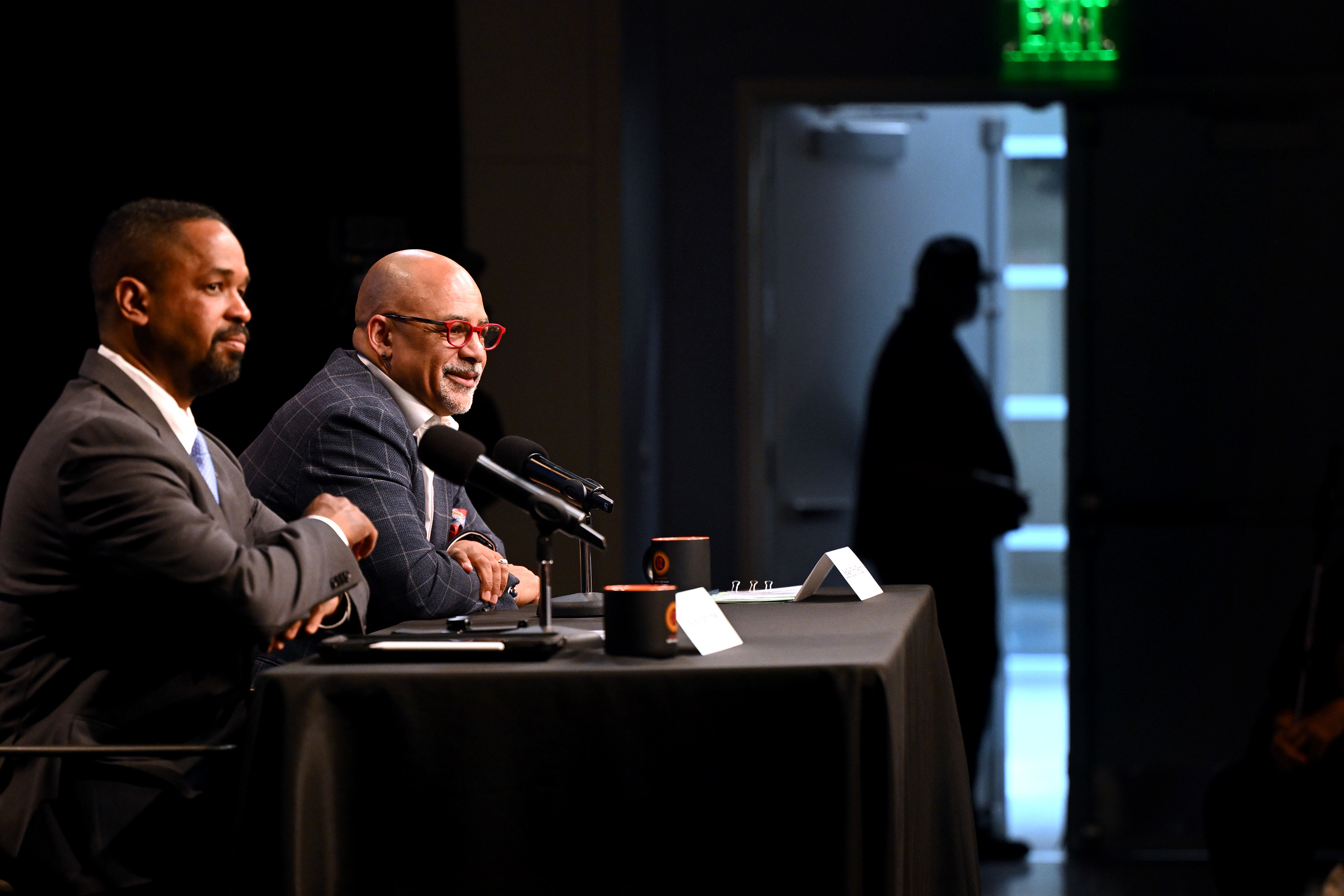
    State Sen. Sharif Street (left) and State Rep. Christopher Rabb (right) wait for the WHYY studio door to close Wednesday, April 29, 2026 before start of their debate in the Democratic primary for the 3rd Congressional District. The third leading candidate, Ala Stanford declined to attend at the last moment.

    Both candidates were also asked about Stanford’s absence and her charge Wednesday that the race has been “marred by misogynistic attacks and lies from both of my opponents.”

    Stanford, a first-time political candidate, is the only woman on the ballot.

    Rabb said he wasn’t sure what she was referring to, but pointed out that when Stanford was recently heckled by some of his own supporters during a candidates forum, he repeatedly told them to let her speak.

    And Street said he has not attacked her directly, but acknowledged that she’s faced criticisms.

    “She has been attacked. I’ve been attacked. Everybody on this campaign, I’m sure, has been attacked at some point,” he said.

    Rabb and Street said their campaigns did not negotiate with WHYY on the format of the event.

    Kevin McCorry, an executive producer and host at the station, said WHYY engaged with Stanford’s campaign “in good faith” and acquiesced to her staff members’ requests, including allowing her to have notes on the table and bring extra staffers to sit in the audience.

    He said WHYY learned that she was pulling out when Stanford’s campaign manager released a statement to reporters from multiple news outlets.

    “We were flexible with her requests,” McCorry said. “At no time did they say, ‘If X doesn’t change, we’re backing out.’”

    State Sen. Sharif Street (left) and State Rep. Christopher Rabb (right) appear in a debate at WHYY studios Wednesday, April 29, 2026 for the Democratic primary in the 3rd Congressional District. The third leading candidate, Ala Stanford declined to attend at the last moment.

    Street spokesperson Anthony Campisi accused Stanford of dropping out to avoid tough questions, adding that “her campaign is in free fall.”

    “Rather than answer these questions in a debate that’s aired on radio and television, she appears to be taking her ball and going home, which is not what Philadelphians expect from their member of Congress,” Campisi said Wednesday. “Philadelphians deserve a member of Congress who is ready to fight for them and against Donald Trump, not someone who runs from a fight.”

    Rabb said that when it comes to campaign events, he and his team “don’t negotiate, we just show up.”

    “Even if I didn’t like the format, which is not uncommon, I still show up,” he said, “because I’m a public servant and I’m a public candidate, and I got to reach people wherever they are.”

    In her statement, Stanford, a physician, noted she has taken the Hippocratic Oath “to first do no harm.”

    “I challenge everyone in this race to join me in promoting the kind of spirited, but serious and meaningful dialogue Philadelphians should expect from those asking to serve,” she said. “In the meantime, I will be where I have always been — on doorsteps, in church basements, and on the corners of the wards that built me.”

    Shaun Griffith, a tax adviser and the fourth candidate in the race, did not participate in the debate because he did not meet WHYY’s criteria, which included a fundraising threshold.

    He attended the event and sat in the audience, and said afterwards that it was “frustrating to be watching other people get to answer questions and not have the opportunity to do so myself.”

  • St. Patrick’s Day reminds Philadelphia of its immigrant roots, and its responsibility today

    St. Patrick’s Day reminds Philadelphia of its immigrant roots, and its responsibility today

    Every year, St. Patrick’s Day turns Philadelphia green.

    Crowds gather along the Parkway. Families celebrate in neighborhoods shaped by generations of Irish Americans. We honor a heritage that is now inseparable from the city’s identity — a story of resilience, faith, and hard work that helped build Philadelphia into what it is today.

    For me, that story is personal.

    My parents were Irish immigrants who settled in Philadelphia in search of opportunity and stability. By the time they arrived, earlier waves of Irish families had established strong neighborhoods, parishes, and institutions. My parents found jobs, community, and a sense of belonging. They raised their children here and became part of the fabric of the city.

    But the welcome Irish immigrants eventually experienced was not always guaranteed.

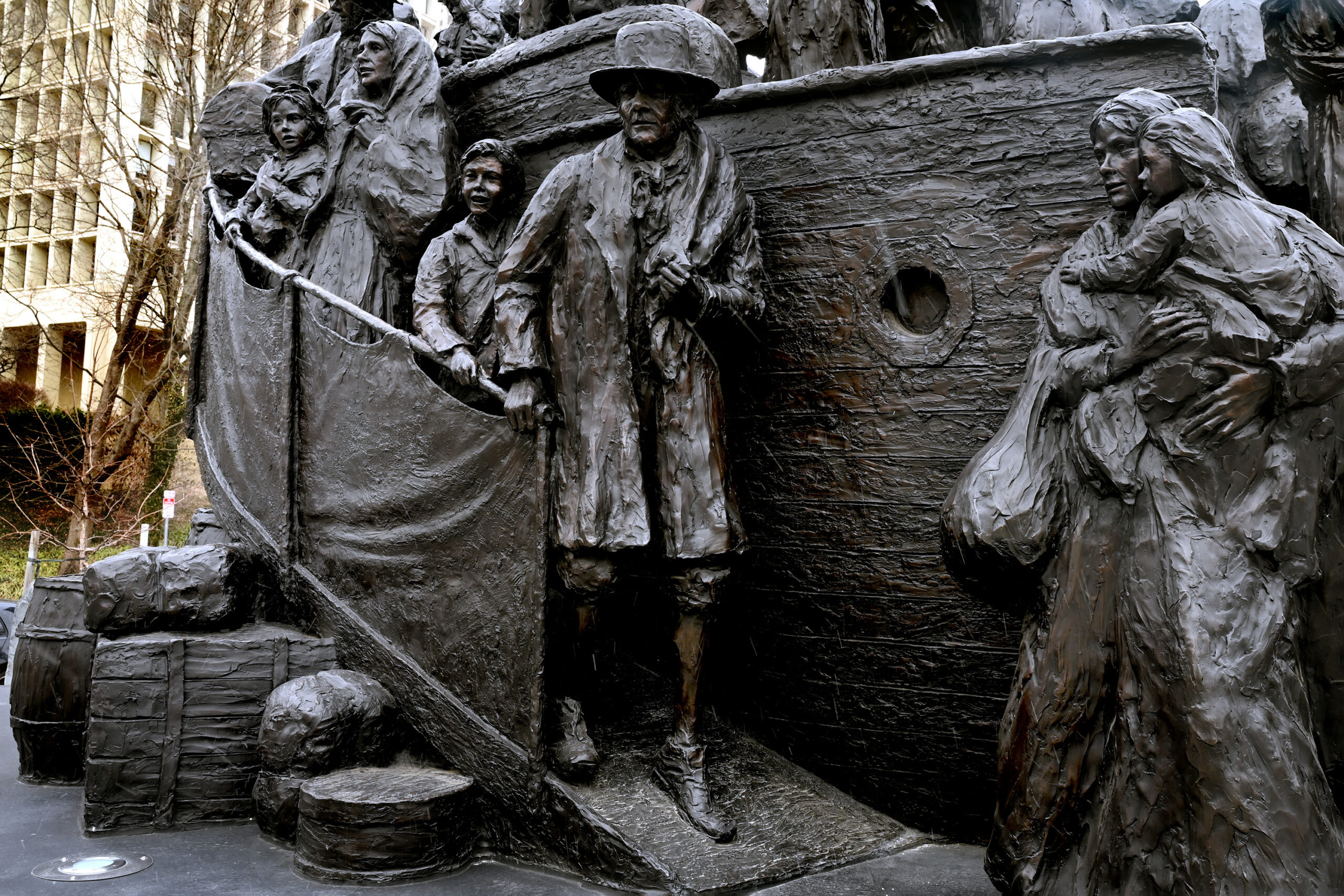
    A detail of the “Irish Memorial An Gorta Mor (The Great Hunger)” in Foglietta Park. The aspirations of immigrants today are not so different from those of the Irish families who once arrived at the port of Philadelphia with little more than determination and hope, writes Anna Gallagher.

    In the 19th and early 20th centuries, Irish newcomers often faced suspicion and discrimination. They were portrayed as outsiders and told they did not belong. Over time, through perseverance and the support of local communities, they became integral to Philadelphia’s civic and economic life. Today, their story is celebrated as part of the American immigrant narrative.

    That history is worth remembering, especially now.

    Across the country and here in Pennsylvania, immigrant families are navigating an increasingly complex and uncertain landscape. Many are longtime residents who work, pay taxes, and contribute to their communities. Others are seeking refuge from violence or instability abroad. All are striving for the same things previous generations sought: safety, opportunity, and the chance to build a future for their children.

    The Irish immigrant experience is often remembered as a story of eventual success. But that success was not inevitable, writes Anna Gallagher.

    Yet many face significant barriers. Access to legal representation remains limited. Immigration policies shift quickly, creating confusion and instability. Families live with the fear that a routine encounter could separate parents from children. Employers struggle to retain valued workers. Entire neighborhoods feel the ripple effects of uncertainty.

    As executive director of the Catholic Legal Immigration Network Inc., the nation’s largest network of nonprofit immigration legal services providers, I see both the challenges and the promise every day. I see mothers seeking asylum, fathers working multiple jobs to support their families, and young people who have grown up in this country hoping to fully belong. I also see the extraordinary contributions immigrants continue to make to cities like Philadelphia.

    Immigrants start businesses, work in hospitals and construction sites, care for the elderly, and teach in classrooms. They strengthen the local economy and revitalize neighborhoods. Their aspirations are not so different from those of the Irish families who once arrived at the port of Philadelphia with little more than determination and hope.

    St. Patrick’s Day offers a moment to reflect on that continuity.

    The Irish immigrant experience is often remembered as a story of eventual success. But that success was not inevitable. It was made possible by communities willing to open doors, institutions willing to offer support, and policies that allowed families to put down roots.

    Philadelphia has long been renewed by newcomers. From South Philadelphia to Northeast neighborhoods and beyond, immigrants have shaped the city’s culture, economy, and civic life. That pattern continues today, if we choose to sustain it.

    This is not simply about honoring heritage. It is about shared prosperity. Cities thrive when families feel secure enough to invest in their neighborhoods, pursue education, and contribute fully to community life. They thrive when longtime residents and newcomers alike see themselves as part of a shared story.

    Green-wearing Mayor Cherelle L. Parker is with State Sen. Sharif Street (right) during the annual Philadelphia St. Patrick’s Day Parade in 2025.

    As we celebrate St. Patrick’s Day, Philadelphia has an opportunity to honor its immigrant roots in a meaningful way. That means supporting policies that keep families together and create fair, orderly pathways through our immigration system. It means expanding access to legal representation so individuals can navigate that system effectively. And it means fostering a civic culture that recognizes immigrants not as outsiders, but as neighbors and fellow Philadelphians.

    My parents’ journey from Ireland to Philadelphia is one story among many. It is a story of welcome, hard work, and belonging. The question before us now is whether we will help ensure that today’s immigrant families have the same chance to contribute, to build, and to call this city home.

    Immigration is not just part of Philadelphia’s past. It is central to its present, and vital to its future.

    Anna Gallagher is executive director of the Catholic Legal Immigration Network Inc. (CLINIC). Born in Philadelphia to Irish immigrant parents, she is a nationally recognized expert on immigration and refugee policy and a longtime advocate for the rights and dignity of migrants.

  • The fake historic plaque that was erected at the scene of a Philly ICE arrest has disappeared

    The fake historic plaque that was erected at the scene of a Philly ICE arrest has disappeared

    The ICE plaque is gone.

    The fake but authentic-looking Pennsylvania historic marker, erected by two artists who sought to ruefully commemorate a local immigration arrest, disappeared from its post in Philadelphia sometime Monday.

    Huston West, one of the artists, said he was walking his dog around 1 p.m. when he noticed that the sign was absent from its spot on Fairmount Avenue near Fifth Street. A neighbor told him the plaque had been there earlier in the day.

    “It’s lame,” West said of the sign being removed. “But it got a lot of coverage while it was up.”

    West said he could only speculate on who may have taken the marker ― he suspected conservative opponents, people who had criticized the sign on social media, or maybe even the city government.

    A city spokesperson said he would check.

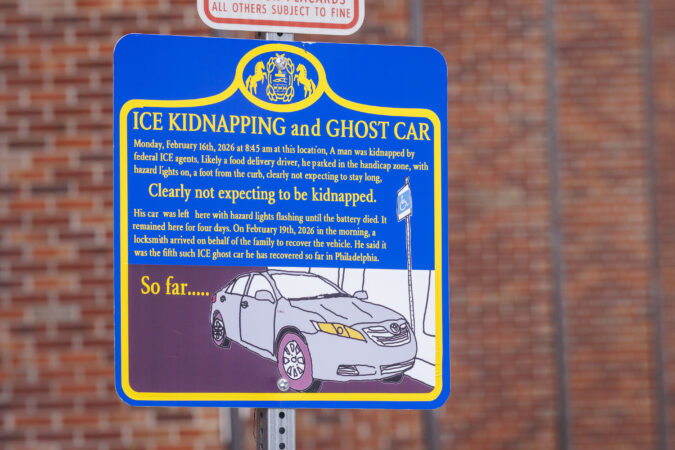
    This particular, familiar-looking blue-and-yellow marker, similar to the ones that commemorate important people, places, and events in communities across Pennsylvania, was put up at the site of a Feb. 16 ICE arrest.

    That morning, masked agents descended on a Gopuff delivery driver who had pulled over to make a quick drop-off in Northern Liberties. After he was taken into custody, the car remained behind for days, set two feet from the curb in an accessible parking space, its hazard lights blinking until the battery died.

    West and a fellow artist who goes by the name Emeyewhisky wondered what had happened to the driver, and created a plaque bearing the header “ICE Kidnapping and Ghost Car.”

    The ghost car terminology borrows from ghost bikes, the roadside memorials where a bicycle is painted white and placed at the site where a cyclist was hit and killed by a motorist.

    Federal immigration authorities say the use of such terms as kidnapping is inaccurate and unfair, that they lawfully arrest migrants who have no permission to be in the United States and who in some cases have committed criminal and even violent offenses.

    Immigration and Customs Enforcement officials in Philadelphia said that on Feb. 16, officers conducted a targeted action and arrested Abdulasen Nazarkhudoev. They said he was unlawfully in the U.S., and told them that he was a Russian citizen.

    He was taken to the Federal Detention Center in Center City and later released by order of a judge, pending further immigration proceedings, records show.

    ICE earlier referred questions about the sign to city officials.

    As word of the art project spread on social media, some disapproved. Some suggested on a Northern Liberties Facebook group that the delivery driver was rightfully arrested.

    West said Monday that he and his art partner had conferred about what to do next. Emeyewhisky is known for projects that place signs with fake wording on Philadelphia streets, and some have been removed.

    Don’t be too surprised, Huston said, if an ICE marker should reappear.

  • Advocates call on Gov. Josh Shapiro to close a Berks County youth center that holds immigrant children

    Advocates call on Gov. Josh Shapiro to close a Berks County youth center that holds immigrant children

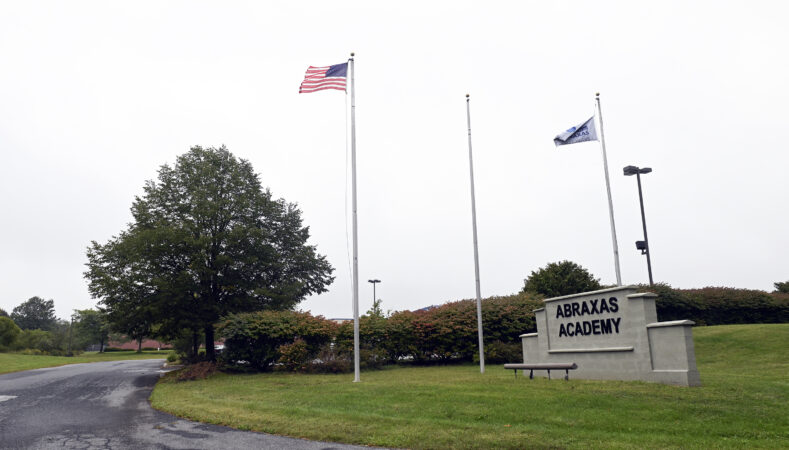
    Youth- and immigrant-rights allies called on Gov. Josh Shapiro Wednesday to immediately remove children from a Berks County center that they said harms those held there, including migrant kids who arrived at the U.S. border unaccompanied by parents.

    Speakers at an afternoon news conference held near the Abraxas Academy in Morgantown, Pa., asked the governor to issue an emergency removal order ― typically enforced to protect children in imminent danger of physical or emotional abuse.

    “Pennsylvania cannot continue to expose these kids to Abraxas’s abuse,” said Evan Feldberg-Bannatyne, an organizer with the youth-advocacy group Care, Not Control. “We need an ERO now.”

    The Shapiro administration said Wednesday that the Department of Human Services will continue to closely monitor the situation to determine next steps and ensure the safety of those living there.

    If DHS were to issue an ERO, it would not take custody of the young people or direct their placement. Instead, Abraxas would need to notify the federal government for immigrant youths, or the state court for Pennsylvania residents, to find other placements. DHS would monitor the wind-down of operations, which can take time, the administration said.

    “The department’s top priority is ensuring the safety of youth in the facilities we license, and it is concerning whenever we receive a report or allegation that a young person was put at risk,” said DHS spokesperson Brandon Cwalina. “When that happens, the Shapiro administration works urgently to ensure that any allegations and potential violations are investigated and handled.”

    Pittsburgh-based Abraxas Youth and Family Services said in a statement Friday that it was “aware of the concerns raised regarding Abraxas Academy in Morgantown,” and that “the safety and well-being of those in our care is our highest priority, and we take any allegation or concern seriously.”

    “Programs like Abraxas Academy operate within a regulated system with established standards for care and accountability that are in alignment with our state and federal partners and their regulations,” the statement said. “We are committed to meeting those expectations and upholding the responsibilities entrusted to us by families and government.”

    The agency website describes the Abraxas Academy as providing secure residential treatment and detention for male young people, ages 14 to 19, who face serious charges or have demonstrated delinquent patterns through multiple placements.

    Since October, the federal Office of Refugee Resettlement, which is responsible for “unaccompanied minors,” the migrant children who arrive at the border without parents, has held some teenage boys at the center, which has a documented history of staff physically and sexually abusing juvenile offenders, a Washington Post investigation found.

    ORR awarded $9 million to Abraxas Alliance in August to hold up to 30 young immigrants who had been deemed a danger to themselves or others. At times, The Post reported, between five and eight teenage boys have been held inside a dedicated wing of the center, sleeping inside locked rooms the size of walk-in closets.

    State inspectors documented at least 15 incidents since 2013 in which they said staff physically mistreated minors at the facility, which mainly holds juveniles facing or convicted of criminal offenses, The Post reported. In at least two incidents, officials documented allegations of staff sexually harassing or sexually abusing young residents, the newspaper reported.

    After some incidents, Abraxas suspended or fired staff members and submitted correction plans to state regulators, The Post said.

    DHS’s Cwalina noted that in November, the department revoked the license for Abraxas Academy’s Secure Detention Unit. Immigrant youths are not held there. Abraxas appealed and continues to operate the unit while the appeal goes forward.

    Abraxas has two other licenses that remain in place, subject to periodic, unannounced inspections. The DHS Office of Children, Youth, and Families is on site weekly — including today — to monitor the center’s operations, he said.

    “We do not want detention centers in our state,” said Jasmine Rivera, executive director of the Philadelphia-based Pennsylvania Immigration Coalition. “We fight for the closure of immigrant detention. Our communities do not need more cages.”

    Detention is particularly disturbing, she said, when it extends to children who have come to this country seeking shelter and safety.

    By law, ORR must provide care for unaccompanied children, defined as those who have no legal immigration status, have not yet turned 18, and have no parent or guardian in the United States. ORR says it tries to find sponsors, most often a close relative in this country, and in the meantime provides care at one of nearly 200 facilities.

    However, a 2025 rule change now allows ORR to consider a potential sponsor’s immigration status, and to share that information with enforcement agencies. The Immigrant Legal Resource Center in San Francisco says that discourages undocumented family members from becoming sponsors, leaving children in government custody longer and hurting their well-being.

    “It is immoral and unimaginable that in our backyard, children are being held in such violence and unsafe conditions,” said Gaby Lopez, lead organizer in Reading for Make The Road, which works to help immigrants. “Children need to be with their loved ones.”

    The United States needs an immigration system that welcomes those who come here to share their talents and be part of the American story, she said, not one that replicates the violence they experienced in their homelands.

    “Gov. Shapiro,” she said, “Issue an emergency removal order now, and protect families across Pennsylvania now.”

  • Philly City Council will consider limiting ICE next month as new Pa. detention centers loom

    Philly City Council will consider limiting ICE next month as new Pa. detention centers loom

    Philadelphia City Council next month will consider legislation to place some limits on immigration enforcement in the city and is planning a daylong hearing to parse the proposals.

    Council President Kenyatta Johnson, a Democrat who controls the flow of legislation in the chamber, said he has scheduled a hearing to take place at 10 a.m. on April 6 before the Committee of the Whole, which comprises all 17 Council members.

    That means every lawmaker will have the opportunity to question members of Mayor Cherelle L. Parker’s administration, as well as immigration advocates, about the package.

    The timeline means mid-April is the earliest that Council could pass the package. Fifteen of the body’s 17 members have expressed support, and that constitutes a veto-proof majority.

    City Councilmembers Rue Landau, a Democrat, and Kendra Brooks, of the progressive Working Families Party, sponsored the legislation introduced in January, which prohibits ICE agents from wearing masks, bans them from staging raids on city property, and makes it illegal to discriminate against someone based on immigration status.

    The legislation also clarifies how and when Philadelphia officials can coordinate with federal immigration enforcement.

    Parker has said an executive order signed by her predecessor remains in place, limiting some cooperation between law enforcement and ICE. But the legislation that Council is considering goes further, codifying a prohibition on city officials assisting ICE and prohibiting data-sharing agreements.

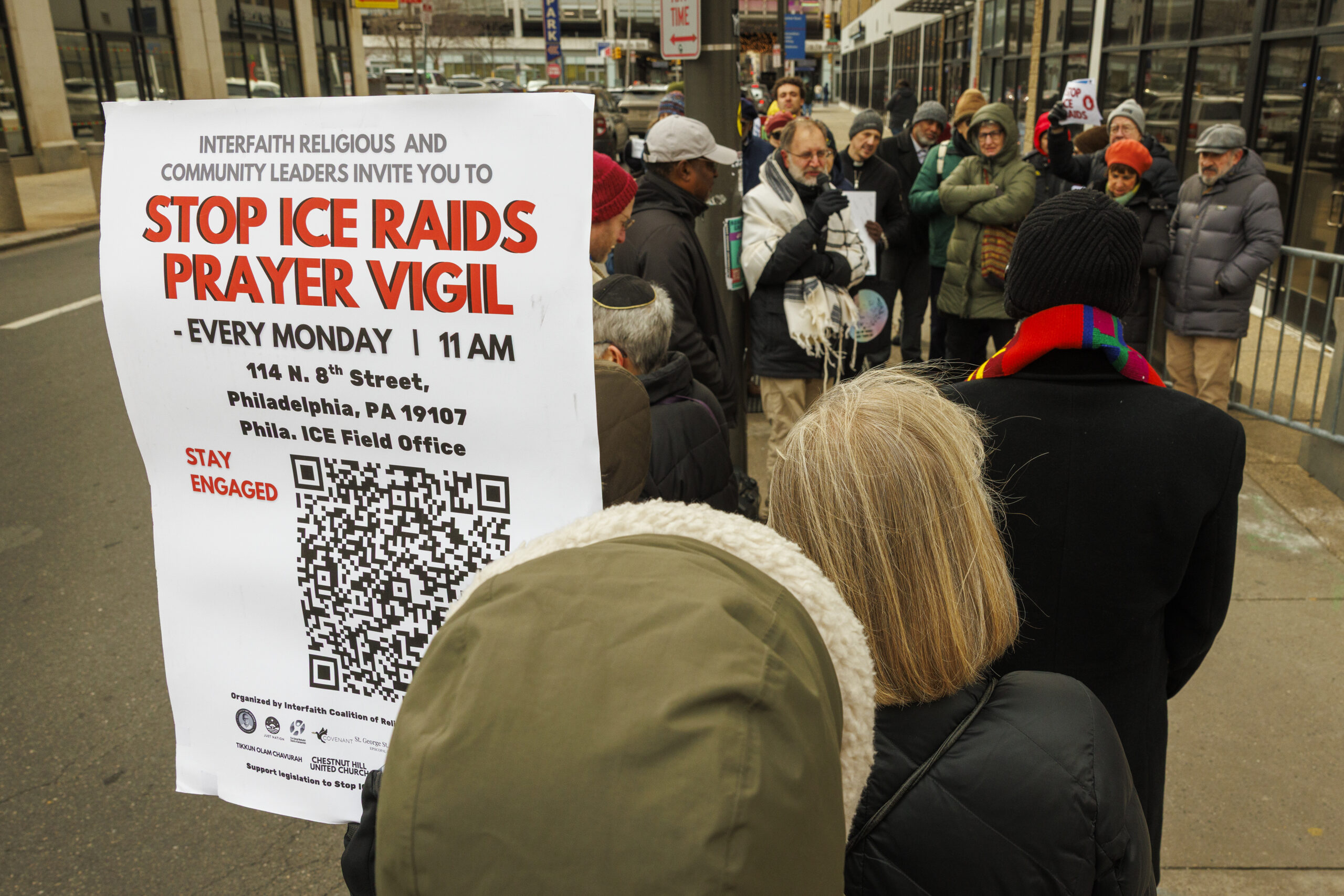
    Interfaith religious and community leaders prayer vigil outside the Philadelphia U.S. Immigration and Customs Enforcement office at 114 N. 8th Street in Center City on March 2.

    It comes as the U.S. Immigration and Customs Enforcement agency is undergoing a revamping to its leadership structure. President Donald Trump on Thursday ousted Department of Homeland Security Secretary Kristi Noem, and said he intends to nominate U.S. Sen. Markwayne Mullin (R, Okla.) to replace her.

    At the same time, Democrats across Pennsylvania, including Gov. Josh Shapiro, continue to denounce ICE, including the agency’s plans to develop two immigration detention centers outside the city.

    Several local officials said this week that they’re worried the federal government will surge enforcement efforts in Philadelphia in order to fill the centers, and that the city must move quickly to pass its legislation.

    “I’m extremely concerned,” said City Councilmember Quetcy Lozada, a Democrat whose North Philadelphia-based district has a large immigrant population. “We need to really figure out what our position is as it relates to working with ICE very closely. We have community residents that we should be protecting.”

    The Trump administration this year quietly spent millions of dollars buying warehouses in two dozen communities across the country.

    Two are in Pennsylvania and could reportedly hold about 9,000 beds in total.

    Spotlight PA reported Tuesday that ICE is referring to a facility in Tremont, located in Schuylkill County, as the “New ICE Philadelphia Mega Center” and one in Upper Bern Township in Berks County as the “New ICE Philadelphia Processing Center.”

    Landau said Council is “paying close attention to these developments and the questions they raise about the expansion of detention facilities in our area.”

    “The majority of Philadelphians are deeply disturbed by ICE’s tactics,” she said.

    Johnson said in an interview last month that the detention centers are a reason to move swiftly on the ICE-related legislation.

    The proposed laws, he said, are a means to “be out in front” of a potential surge of immigration enforcement in the city.

    “Some people say, ‘Well, they’re not even here yet.’ But they just built a warehouse in [Berks County],’” Johnson said. “I believe that was strategic. It took some planning to say ‘We want to set up shop right in your backyard.’”

  • Immigrant living in Philadelphia illegally voted in 2024 federal election, authorities say

    Immigrant living in Philadelphia illegally voted in 2024 federal election, authorities say

    An undocumented West African immigrant who federal authorities say has been living in Philadelphia for more than two decades cast a ballot in the 2024 federal election — and may have voted in at least six other elections, federal authorities said.

    Mahady Sacko was charged with fraudulent voting, according to the affidavit of probable cause for his arrest. If convicted, he could face up to five years in federal prison.

    Investigators said Sacko registered to vote in 2005, affirming on the registration form that he was a U.S. citizen. According to the affidavit, he went on to vote in five federal general elections and two primary elections over the next two decades.

    Prosecutors charged him only with casting a ballot in the 2024 election.

    Sacko had been ordered deported to Mauritania, in Northwest Africa, by an immigration judge in 2000, the affidavit said. But federal authorities never carried out the order because Sacko did not have a valid Mauritanian passport. Instead, immigration officials placed him under supervision, requiring him to regularly report to Immigration and Customs Enforcement.

    The charges against him come amid political attention on allegations that people who are not U.S. citizens are voting rampantly in American elections — a frequent talking point among conservative politicians and commentators. President Donald Trump has pushed federal officials to amp up efforts to prosecute undocumented immigrants who vote.

    But election experts and government investigations have consistently found that such cases are rare. Studies examining tens of millions of ballots have identified only a handful of suspected instances of such voting — a fraction of a percent of votes cast, according to research by the Brennan Center for Justice.

    Only U.S. citizens may vote in federal elections. Voters must attest to their citizenship when registering, and falsely claiming citizenship can lead to criminal prosecution and deportation.

    Voting records show that Sacko registered as a Democrat, though the affidavit does not specify which candidates he supported in the elections in which investigators say he voted.

    A spokesperson for the U.S. Attorney’s Office said Sacko had been released on bail after an initial appearance on Thursday. She did not provide the bail amount.